

Warranties for electric cars tend to be long, which takes a little of the stress out of buying one second hand, while there's great value to be had in market. Here's our guide to buying a used electric car in Ireland.
Can I save a lot of money on a used EV?
Yes, you really can. The depreciation curve for electric cars has, so far, been a little steeper than that for hybrid petrol and diesel models, so in the second-hand market an EV is usually a little more affordable than an equivalent car with an engine on board.
Where's the best place to buy a second-hand electric car?
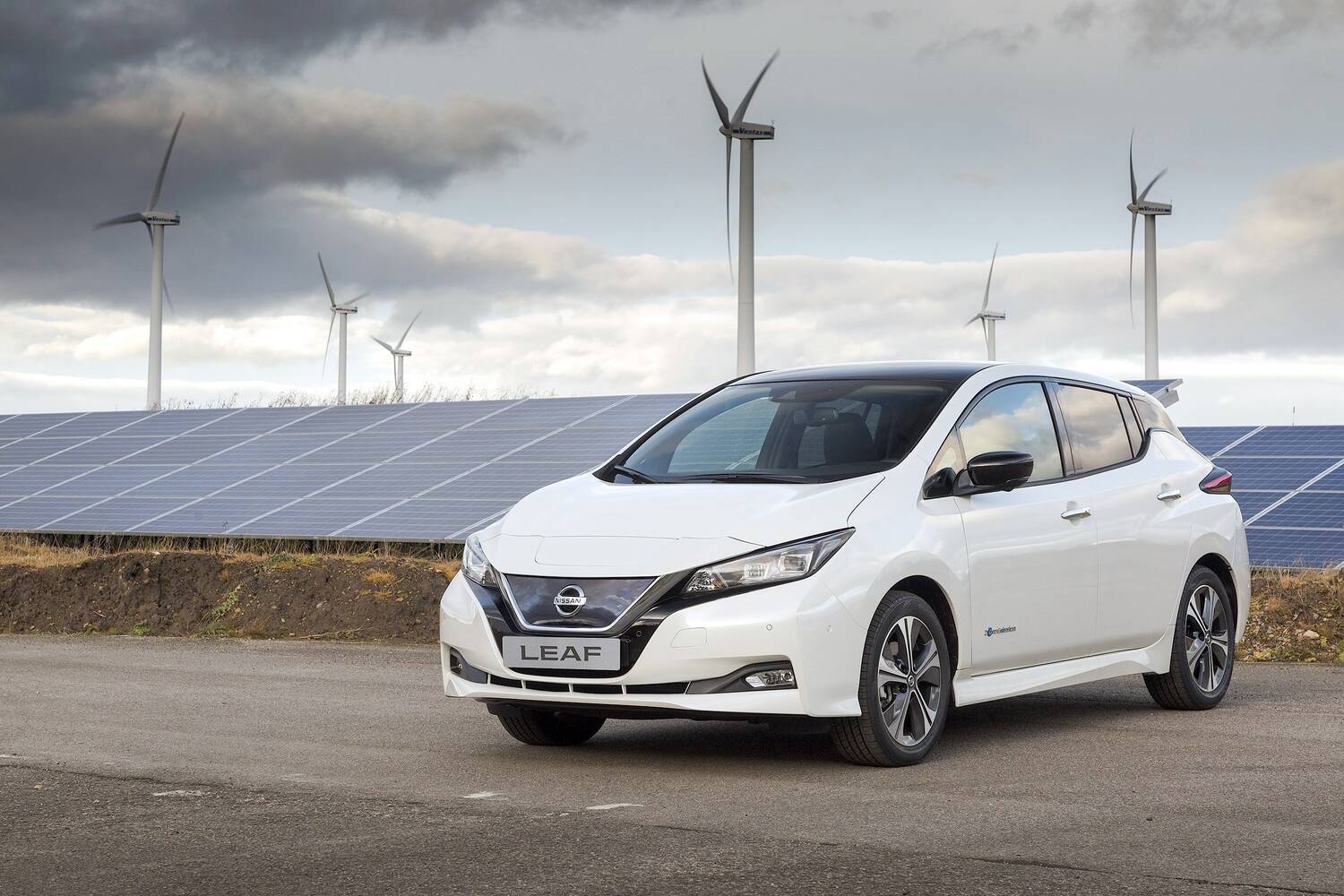
We'd normally recommend a reputable dealership, as that means you'll have some sort of comeback if it turns out you've bought a car with any problems, but it's also worth having a look at car auctions.
Big companies are being encouraged to buy electric cars for their fleets, and they will usually be sold off through auctions, so it's possible - if you're careful and keep your wits about you - to pick up a bargain ex-company car, with a full service history and probably still some of its original warranty left.
A dealership is still the easier route, though.
What about battery reliability?
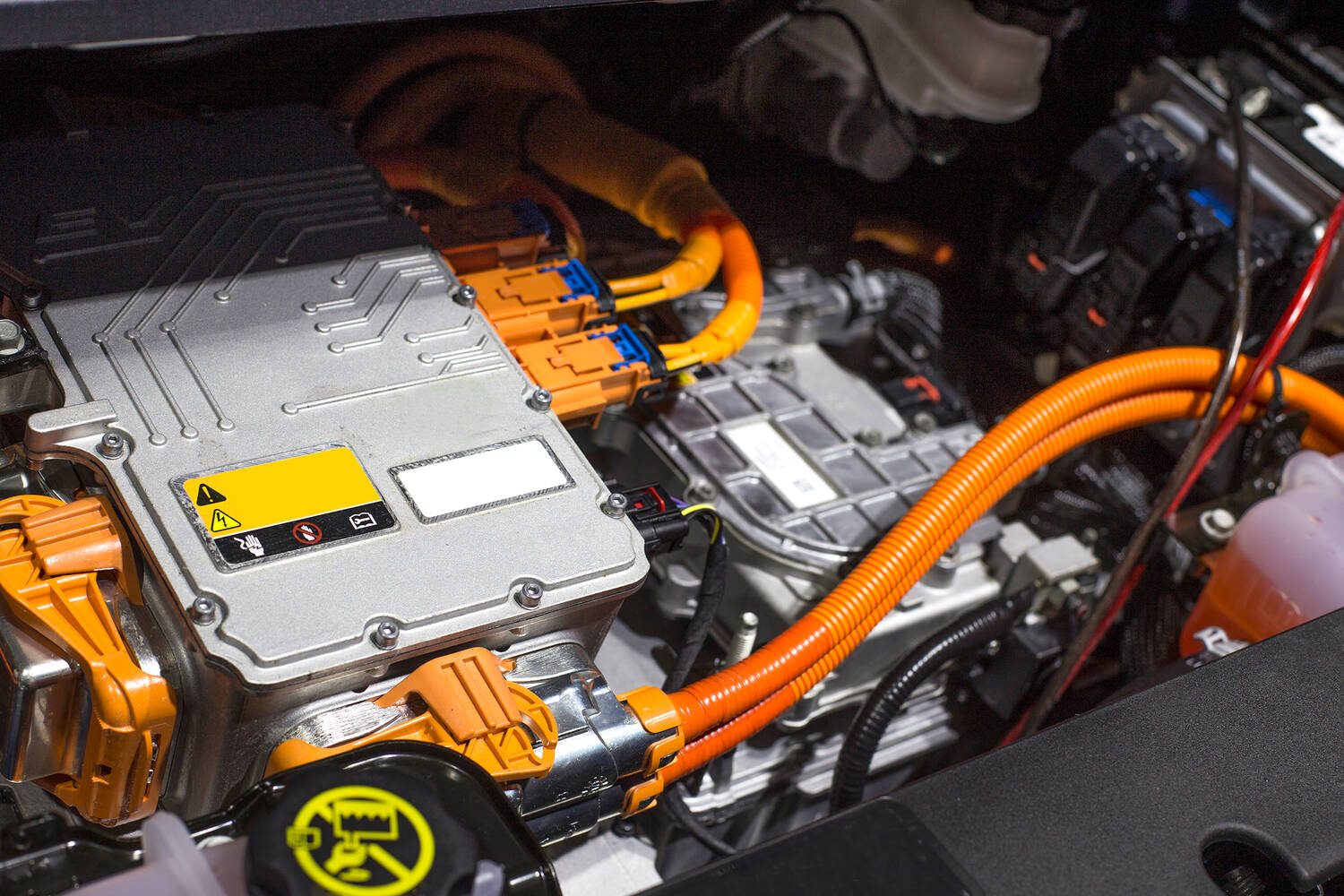
The good news is that pretty much all new electric cars come with an eight-year, or 160,000km warranty for the battery, which guarantees it against faults or falling below 70 per cent of its original energy storage capacity.
Batteries, in general, are very reliable. Yes, they can be fearsomely expensive to fix if they do go wrong, but across the board, batteries are proving to be more rugged and long-lived than was ever originally thought to be the case. That, combined with a long warranty, should give you some peace of mind.
What if I want more peace of mind?
When buying a second-hand EV, the crucial thing to look for is the health of the battery, and this can be ascertained by a battery health check.
If you're buying from a dealer, then this is often done before the car is put on sale and should be included in the normal paperwork with the service history.
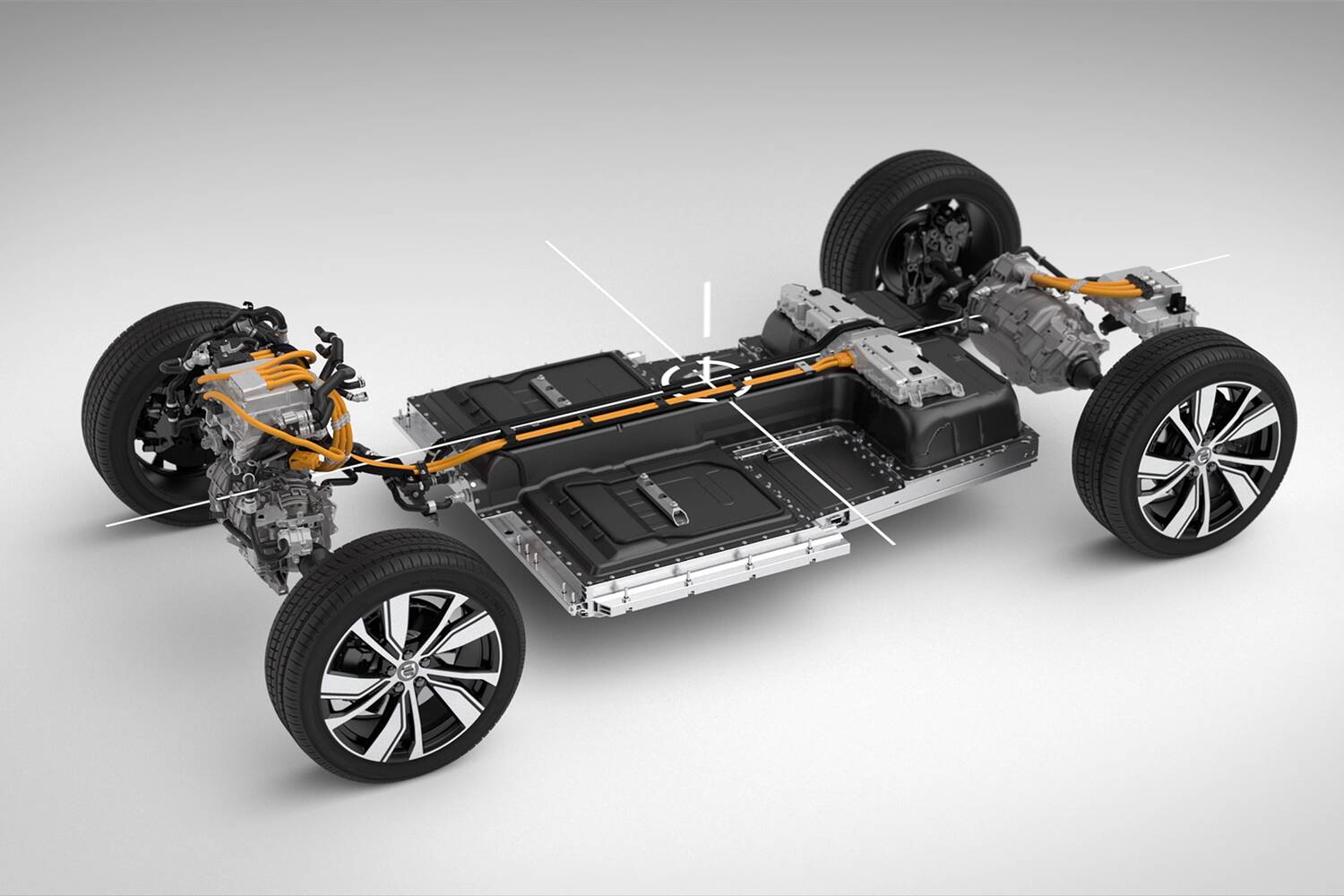
A battery health check will tell you how much of the battery's original energy storage capacity remains, and therefore you can work out what your realistic driving range will be.
Batteries, on average, 'degrade' at between 1.8 and 3.0 per cent per year. Anything outside of that range should be treated with suspicion, and if the car doesn't come with a battery health check, you should ask why.
Can I get a battery health check done myself?
Yes, there are independent battery health check providers - such as Aviloo or BatteryCheck - offering such services. There are usually two options: a simple check which involves plugging a portable diagnostic system into the car, or a more complex and complete check, which usually involves bringing the vehicle to a testing station.
While some sellers - especially private sellers - might baulk at the idea of the more complex version, if they don't want you to carry out the simpler on-site test, be suspicious.
What about the rest of the car?
Beyond their batteries, EVs are like any other cars, so make sure there's a full and complete service history, and check carefully for signs of excessive wear and tear, such as overly worn or damaged tyres, a worn-out interior, or for signs of accident damage.
It's always a good idea to get a history check to ensure that the car has no outstanding finance still owed on it, and that it's never been written off.
Cars with longer manufacturer warranties - the likes of Hyundai, Kia, and MG - are obviously at an advantage here, as depending on their age, they may still have some of the original factory warranty left to run.
What other checks should I make?
Electric cars tend to be very quiet inside, much more so than a combustion-engined car, so you need to use that to listen carefully for any untoward sounds coming from the suspension.
In general, you'll hear more from the suspension of an EV than you would in a combustion car but be alert to any sharp knocking noises or grinding sounds that might indicate a problem.
You should also make sure that you try the brake energy regeneration system as well as the physical brakes.
Make sure that you try out the different modes for the regenerative braking - using the electric motor as a generator to slow the car and return a charge to the battery.
Some models have a pretty simple regenerative setup, but others will allow you to use multiple levels of regen braking or even have an automatic system that slows the car more sharply if it detects another car in front of you. Make sure these are all working and that you're comfortable with how they function.
That's the car, what about me?
When it comes to buying a used electric car, you need to ask almost as many questions about yourself as you do the car. The first and most important check is to make sure that you have a driveway, or some other form of off-street parking, where you can easily install a home charging point.
Without that, and the access to affordable overnight electricity rates, running an electric car becomes both expensive and inconvenient. It helps if you have access to charging at work, too, but that's less of a deal-breaker.
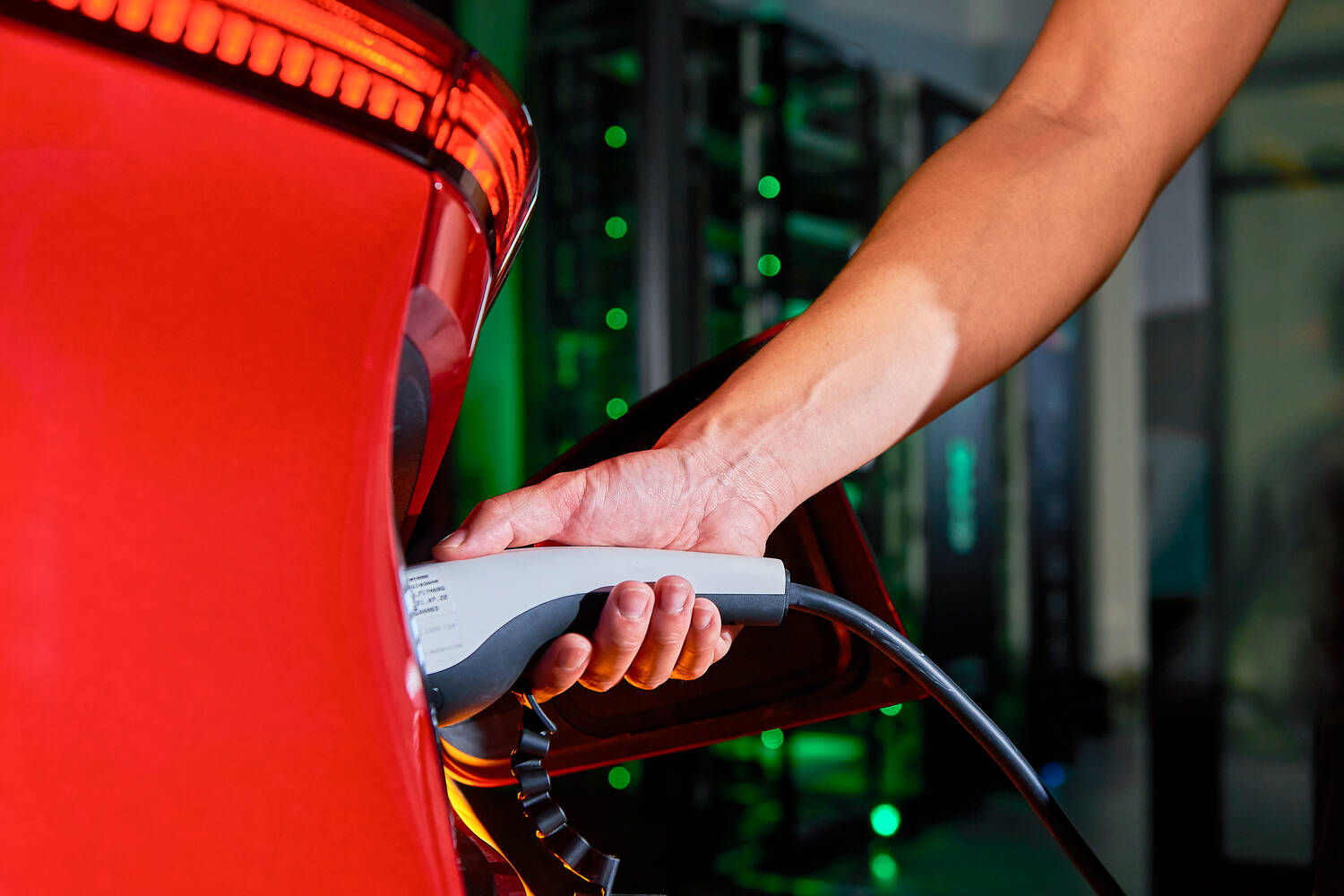
Then you need to ask if you're ready to make the jump to EV ownership. While electric cars have come on in leaps and bounds in terms of their performance, the national charging network has not kept pace at all, so you'll need to get used to planning longer journeys around charging points, and having a backup plan in case your initially chosen charging point either isn't working or has a queue of cars waiting to use it.
You'll also have to get used to having multiple apps for charging services on your phone, as the concept of tap-and-charge hasn't really come through to reality as yet.
You'll also need to be mentally prepared for a different form of driving. While EV ranges have gone up considerably, the fact is that for the most part they still can't match a petrol or diesel model for longer journeys, and that your available range will be dictated by the weather (colder weather reduces battery efficiency) and your driving style (slowing down a bit, especially on motorways, really helps to stretch the range).
What are the pros of buying a used EV?
The biggest pro, aside from the lower purchase cost, are the lower running costs. If, as noted above, you can charge up at home overnight and you have access to cheaper night rate electricity, then you can potentially cut your annual fuel bills from around €1,500 for an average family hatchback, to as little as €300-400 for a medium-sized EV (assuming the average national annual mileage of 16,000km).
Servicing costs are cheaper too, as EVs don't need oil changes, and they tend to be kinder to brake pads and discs (because the regenerative braking takes much of that strain).
What are the cons of buying a used EV?
You do need to have home charging (and a home charger installation can cost as much as €1,500) or you'll end up spending as much using pricier public charging as you would putting petrol or diesel into those cars.
EVs are still, thanks to the sporadic public charging network, less convenient for longer journeys, so require a little more thought and planning.
There's less choice of EVs in the second-hand market too, as fewer electric cars are sold new compared to hybrid, diesel, or petrol models.
And, while reliability is generally an EV strong suit, it is true that if the battery fails outside of warranty, you can be looking at a very big repair bill.
Finally, because they generally weigh more than a combustion car, some EVs get through a set of tyres more quickly, so budget for more frequent tyre swaps.
Ask us anything...
If you have more questions about going electric (or anything else on motoring of course), don't hesitate to send us your query via the Ask Us Anything page.