
The car industry is a difficult one to succeed in. Not only does it require hugely cash-intensive research and development, but the return on specially developed platforms can also take decades and require the development of many additional vehicles to spread costs.
Add to that the unknown of turbulent global markets, each of which bring their own specific set of rules, regulations and customer demands. Some of the most established and experienced brands can boast more than a century of industry experience, yet they are not impervious to challenging headwinds.
China is a youthful melting pot of car companies, the eldest of which are mere juveniles in global terms. Yet they're hungrier, more innovative and faster moving than many of the legacy brands. But in the Chinese market, even that isn't enough.
Xpeng is a brand that's still finding its feet here in Ireland following its market introduction in 2025, but the company was founded in 2014 and is a top-ten brand in its domestic market. Last year, its best yet, Xpeng delivered 429,445 vehicles representing a 126 per cent year-on-year increase in sales. Most businesses would be more than happy with such success, but for company founder He Xiaopeng, there's so much more to achieve, and that is why, for Xpeng, there's much more to its future than just cars.
Xpeng alone has deployed more EV chargers than there are in Ireland
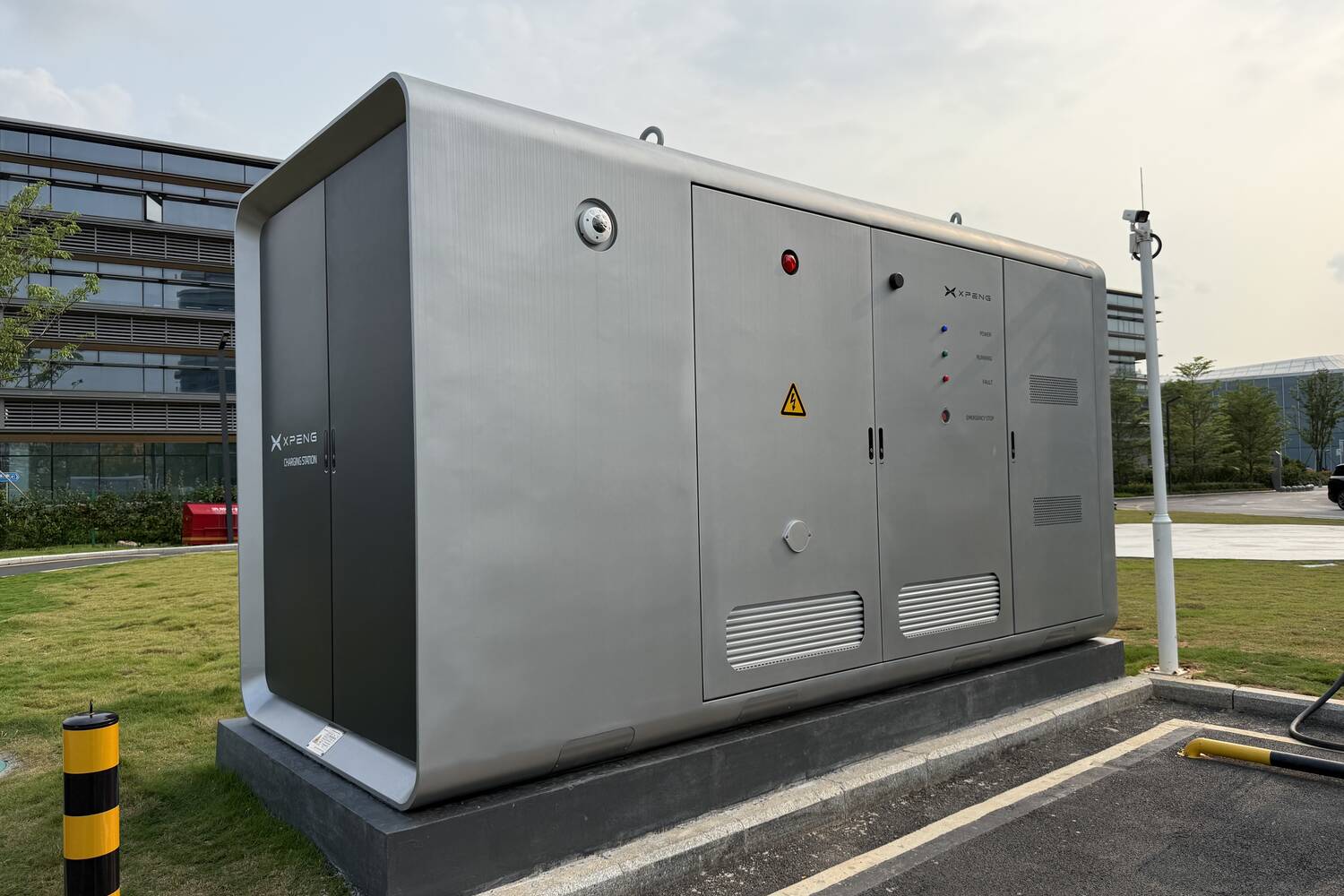
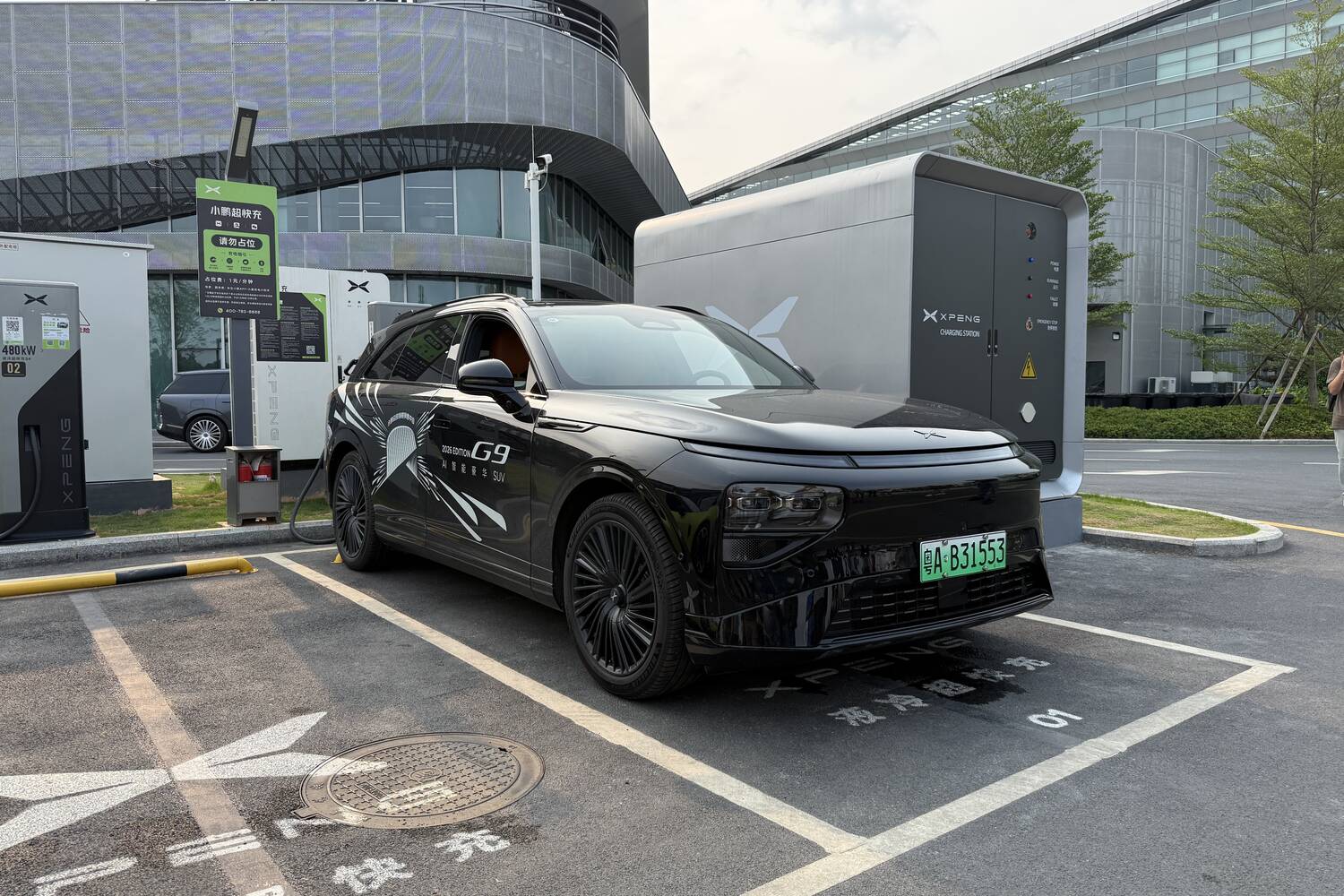
Its vehicle charging business is one such example. For several years, Xpeng has been building its own vehicle charging network across China, taking a holistic approach to providing its customers with a dedicated solution to battery charging. It began in 2018 with 60 sites, growing to 200 sites in just two years. Within a year, it quadrupled the number of charging sites and in 2022, it had a presence in 337 cities.
Today, the number of Xpeng charging sites sits at around 3,500, with a target of 4,000 by the end of 2026. And that figure is the number of locations, so the actual number of chargers is over 19,000. Xpeng now has seven million registered users, drawing one million charging sessions per month and impressively, six million of those users are drivers of non-Xpeng vehicles.
Xpeng isn't merely providing a vast number of plugs for people to use; its network is one of the more advanced and demonstrates how connected services in China remain one step ahead of those in Europe and the United States. It harnesses AI software to create what Laurence Li, Xpeng's Overseas Charging General Manager, describes as "vehicle station synergy”.
As drivers approach the station, the car's onboard system can determine the battery's state of charge and view which charging posts are available. While navigating to the charge location, the system continually monitors availability, and should all chargers become occupied prior to arrival, it alerts the car, which then automatically reroutes to the next nearest charging station.
Upon arrival, the car's navigation will then direct the driver to the most suitable charging post, as locations typically have multiple posts with varying rates of charging speed. As the car is parked, its charging flap automatically opens to enhance convenience. Xpeng claims that by better matching the car to the right charger it has reduced charging times by 13 per cent.
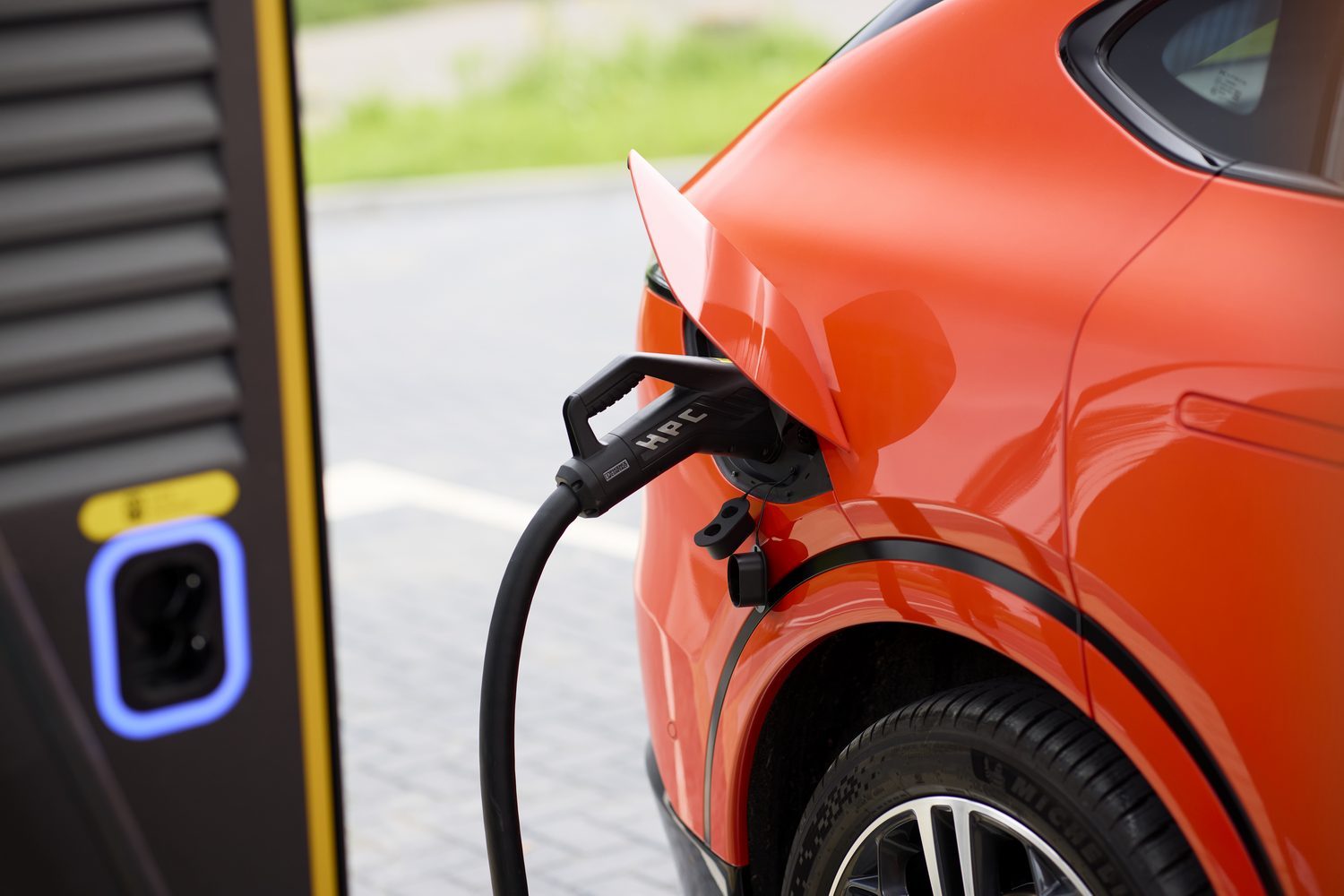
But Xpeng isn't stopping there; its next-generation charging locations are being rolled out right now. It calls it 5C (five times the battery's capacity in charging current) and uses a hybrid system that contains five battery packs totalling around 400kWh capacity at the charger. These boost the power delivery up to megawatt levels by combining with the local energy network.
When asked whether Xpeng would consider expanding its charging business to other countries, Brian Gu, Xpeng Vice Chairman, told CompleteCar.ie: "Absolutely. We believe that charging is a very important part of the customer experience. Right now in China, we operate one of the largest proprietary charging networks. We also have plans to roll out charging services in partnership with our country partners around the world.
"This year I think you will see it in probably a dozen countries. We would like to also use a differentiated charging solution, utilising both [battery] storage and charging to offer a high-speed charging experience which can be used in conjunction with our high-end products.”
A real humanoid robot is next
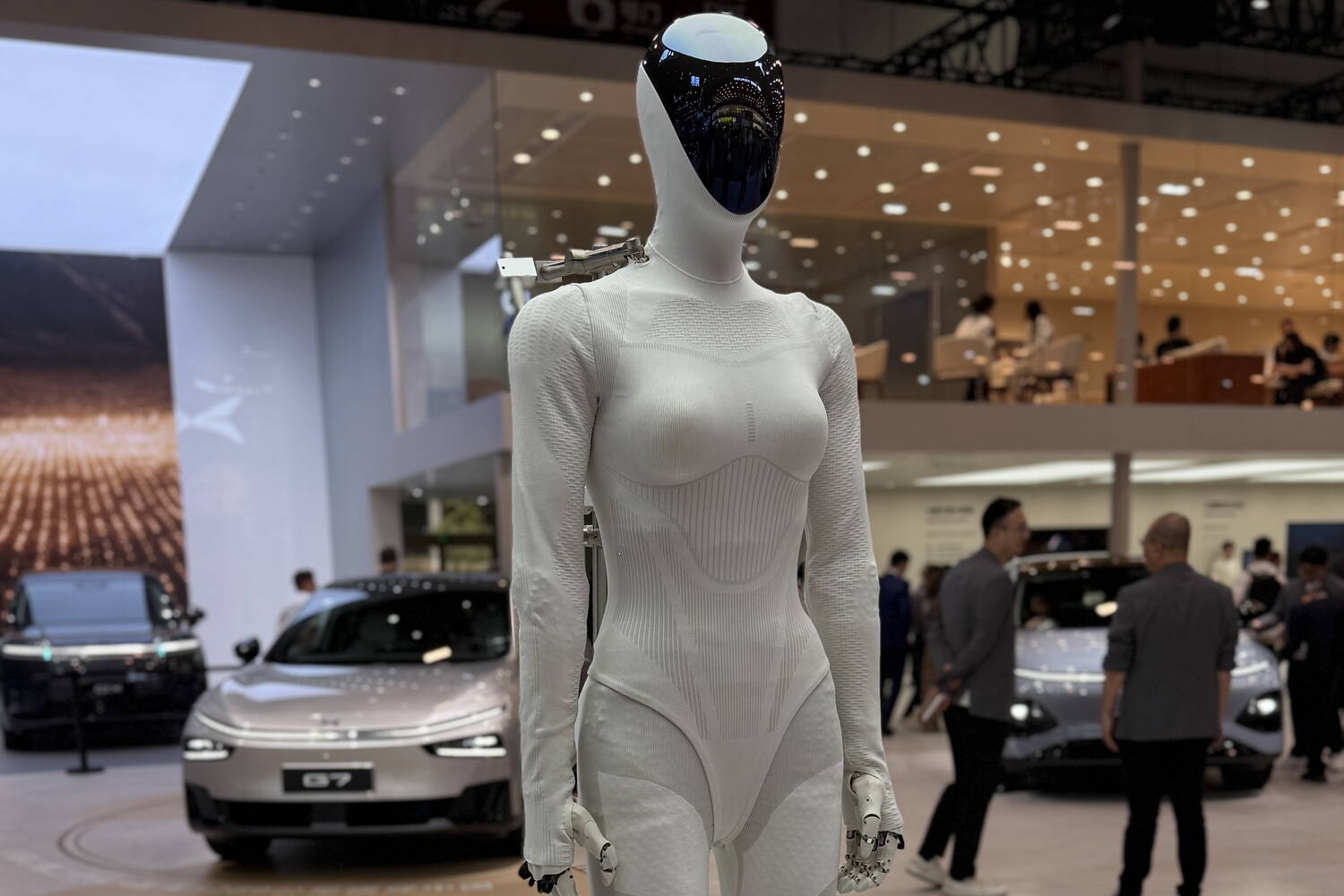
But ultra-fast charging isn't the only factor where Xpeng is hoping to gain an advantage over the competition. A humanoid robot is another part of Xpeng's broadening plan. Named Iron, the company is proud of creating the first humanoid robot that it says had to prove it is a robot. When Iron was unveiled for the first time, the smoothness with which it walked on stage led many to claim that it was merely a person in a suit (a trick that was employed by Tesla not too long ago) resulting in engineers cutting away its fabric covering to show it wasn't a person underneath.
Unlike Tesla's bogus publicity stunt that had a man dancing on stage in a suit, and more recently when its prototype robots turned out to be little more than movie props being controlled by operators in another room, Xpeng is putting a huge effort into producing a realistic humanoid robot and doing so with its in-house designed Turing chips which also provide the immense processing power for its 'VLA 2.0' autonomous driving system.
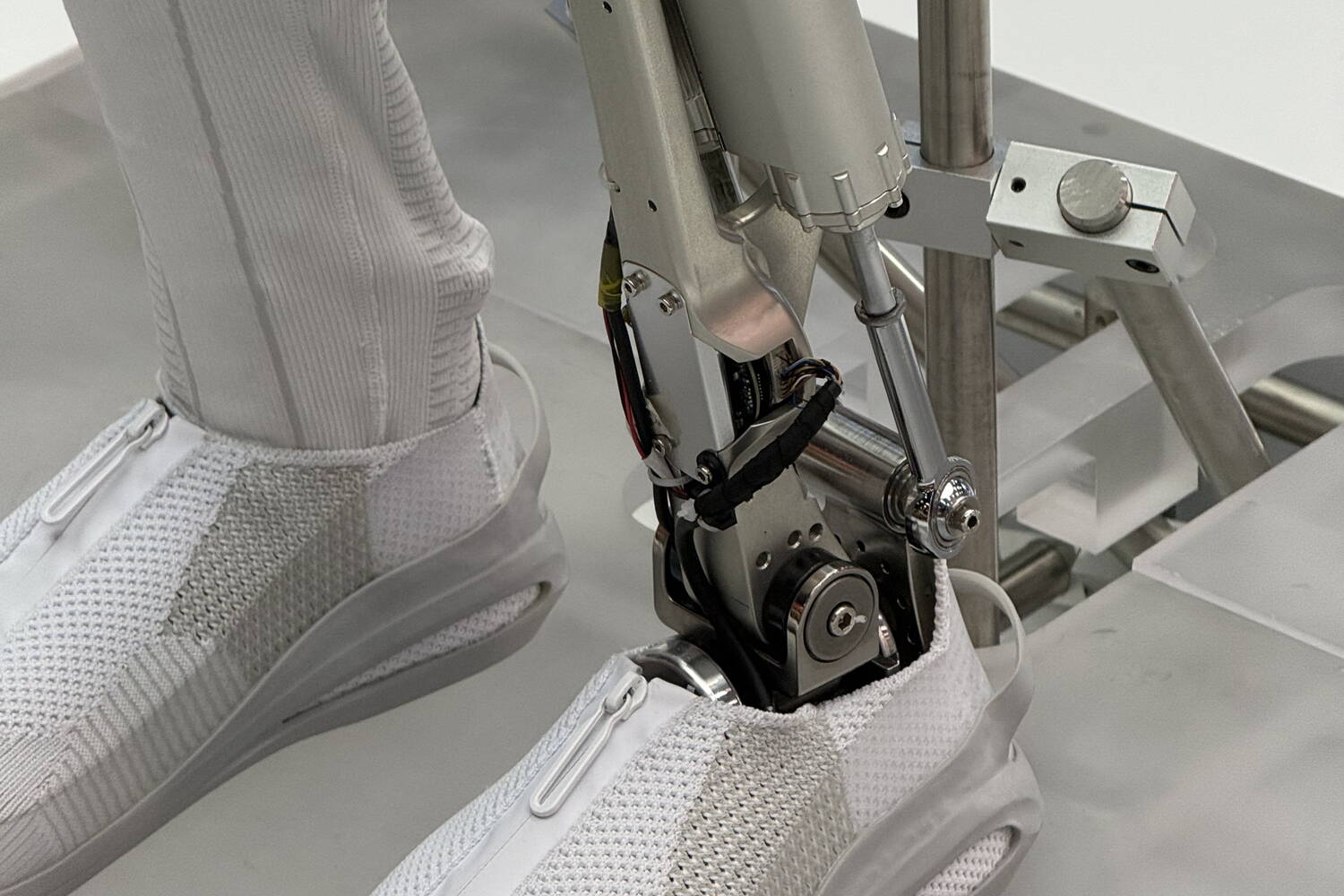
Standing at 173 centimetres tall, each of the robots weighs 65kg. It comes in both male and female body shapes and is powered by solid-state battery technology. The three Turing AI chips that control the Iron robot have 2,250 TOPs of effective computing power, triple that of today's high-performance chips. The company is so confident in its AI technologies that it sees the biggest potential bottleneck as the mechanical reliability and durability, rather than software-related issues.
When questioned as to why Xpeng has created such a human-like robot, Mi Liangchuan, the company's head of AI and robotics, explained that the world we live in has been created by and shaped for humans, so it's only logical that robots are created to work in this space.
He added that in the next 20 years, we will see many robots in different shapes and sizes, but humanoid robots are best suited to household use. The Iron can be modified, with hands that can be changed in under 20 seconds, and Xpeng doesn't intend for these robots to be solely used in industrial settings.
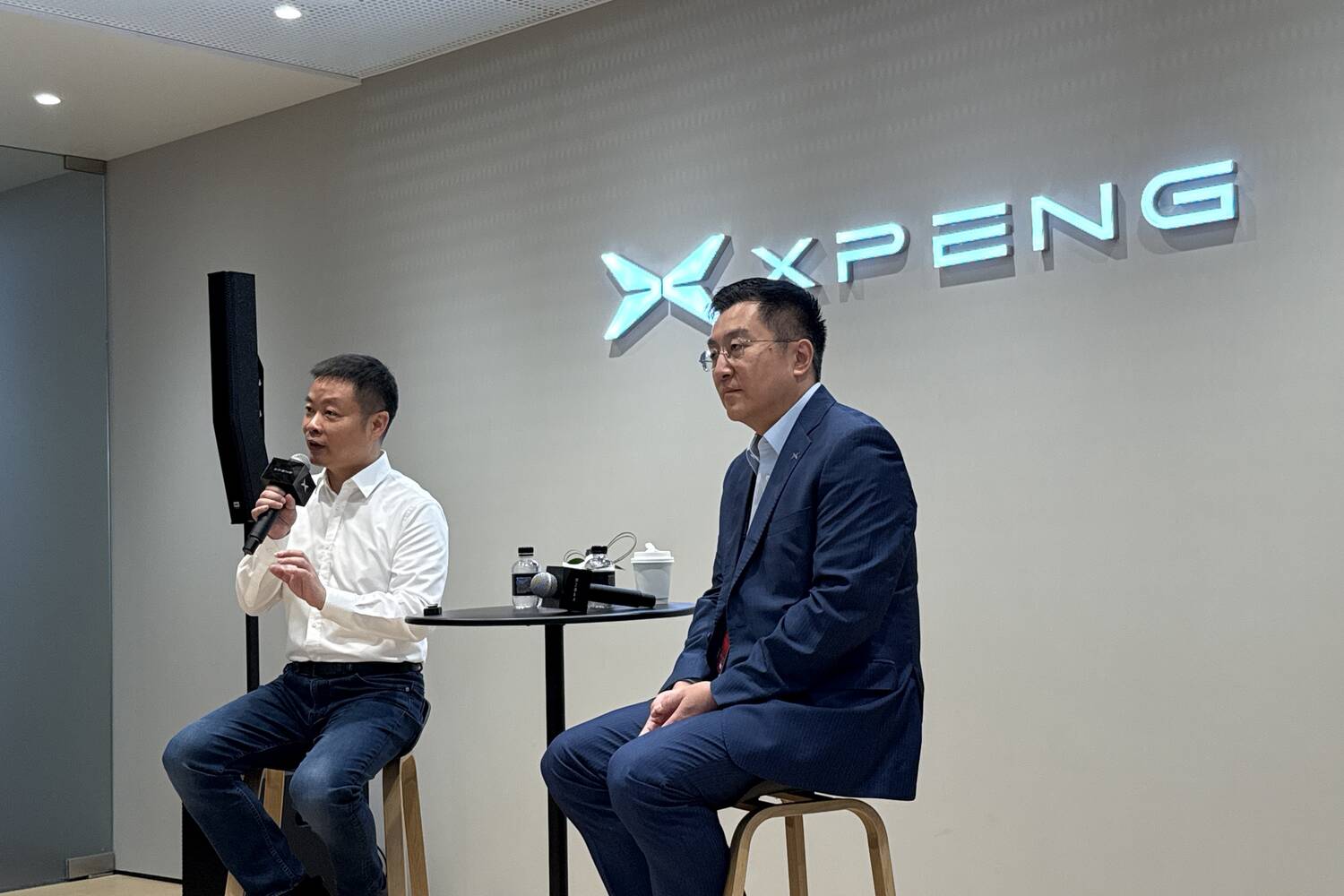
While showing us through the technical capabilities of Iron, Liangchuan described how he sees these becoming not only assistants in the home, but companions for the elderly. He told us how his neighbours, an elderly couple, struggled as the husband became ill and eventually passed away, leaving the elderly widow alone.
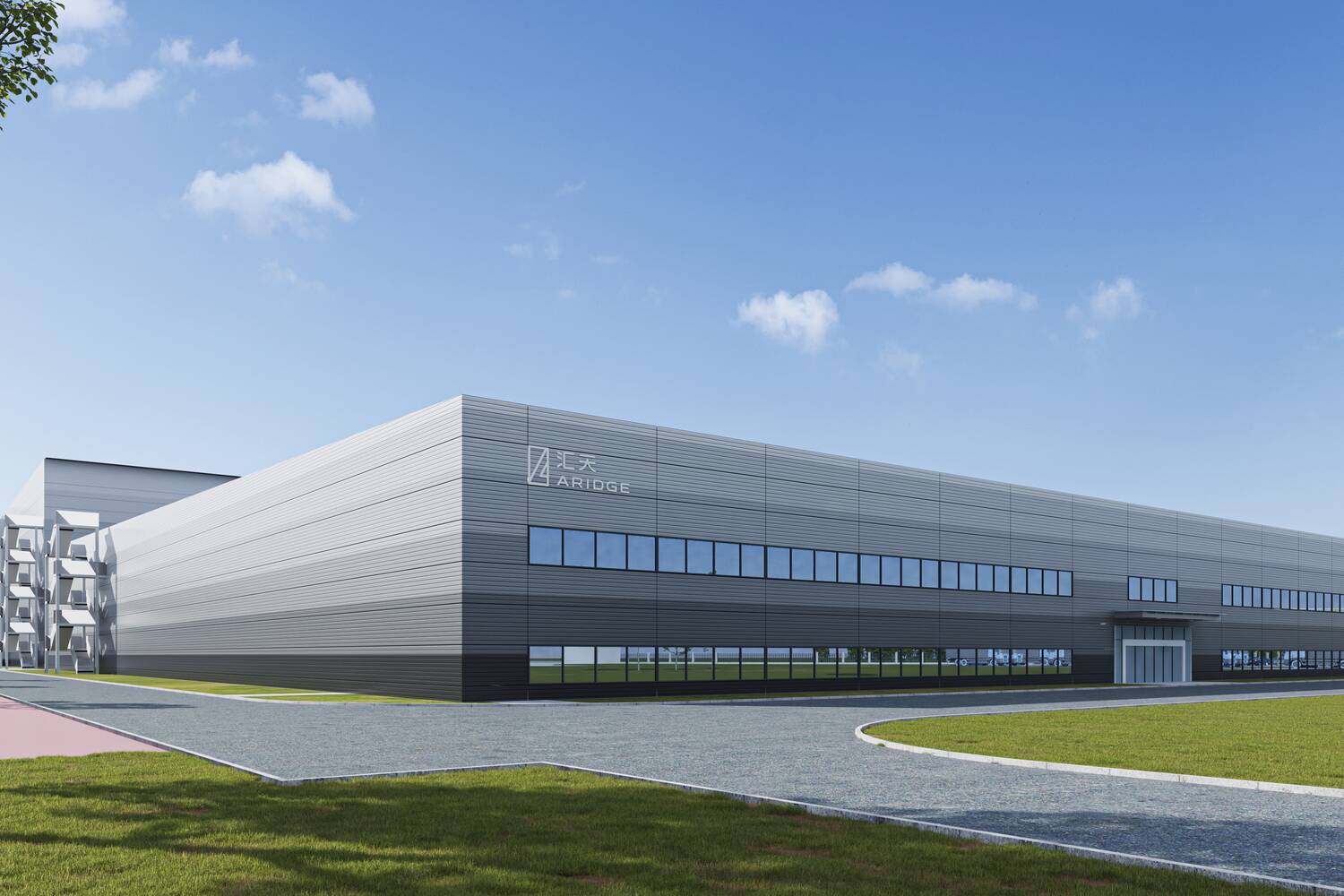
Apart from the sadness he experienced at his neighbour's passing, imagining how a robot such as Iron could be a help to the widow spurred him and his team on to speed up development. Mass production is set to commence later this year at a massive facility located in the Guangtang Sci-Tech Innovation City of the Tianhe district of Guangzhou in China.
And now flying cars...
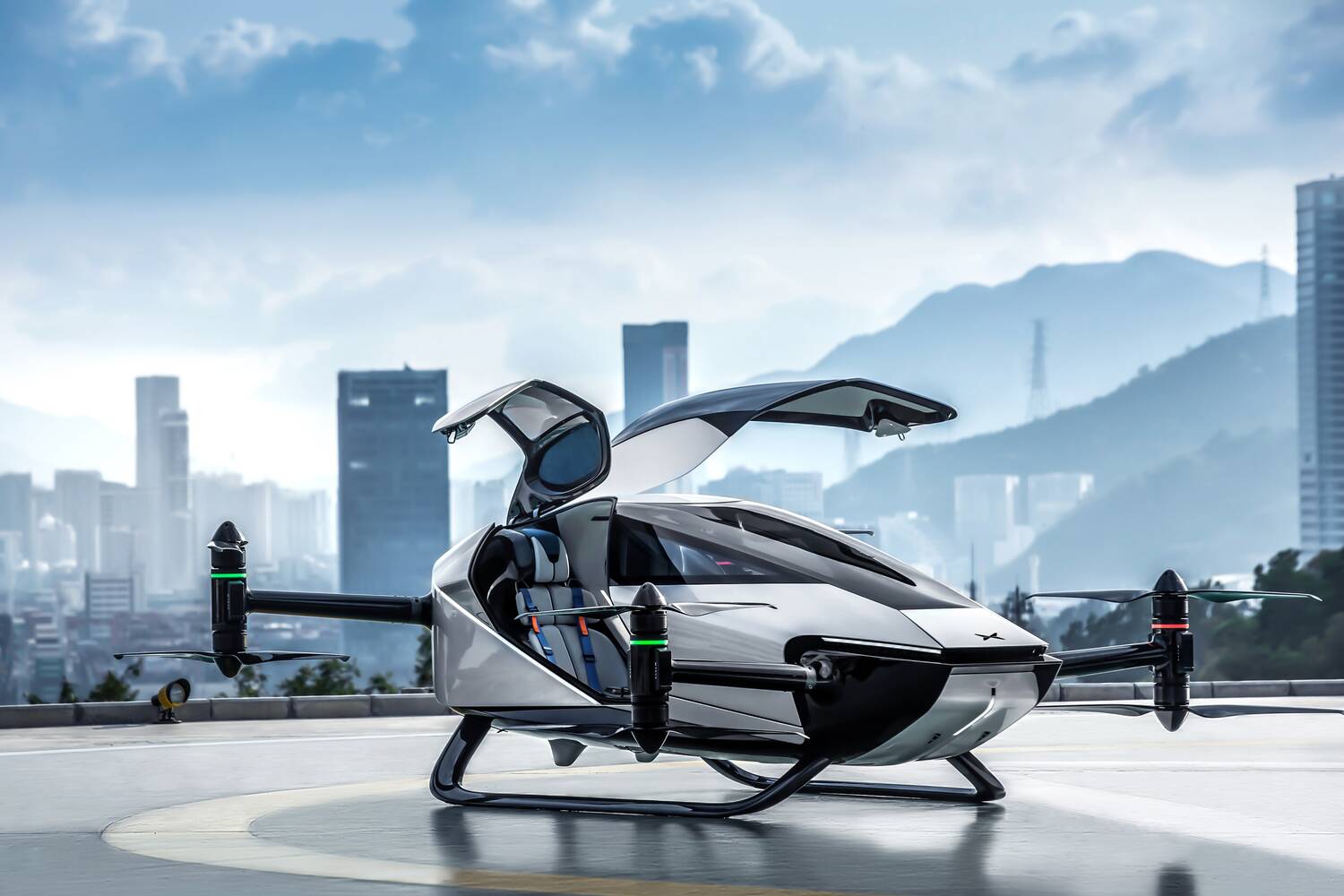
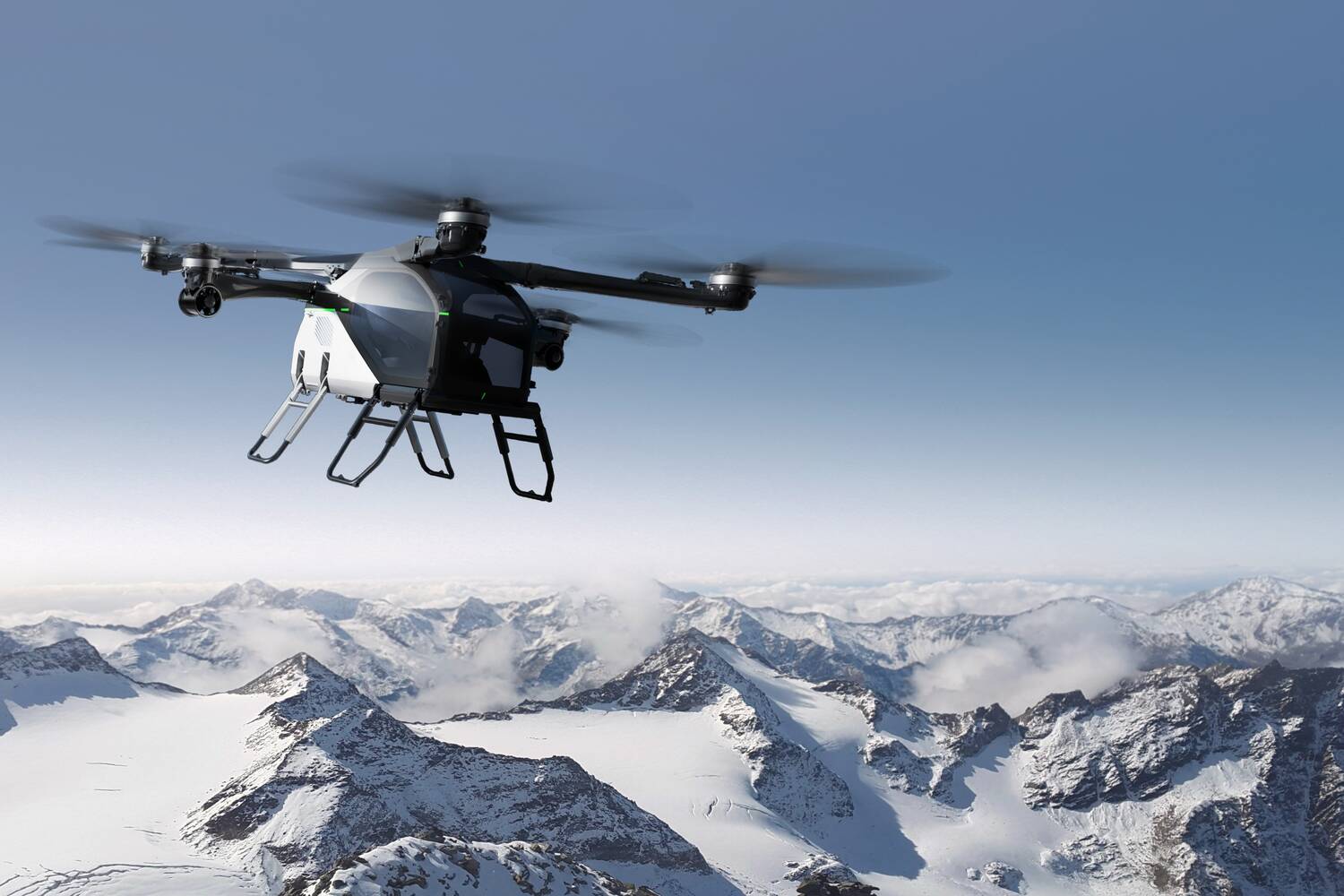
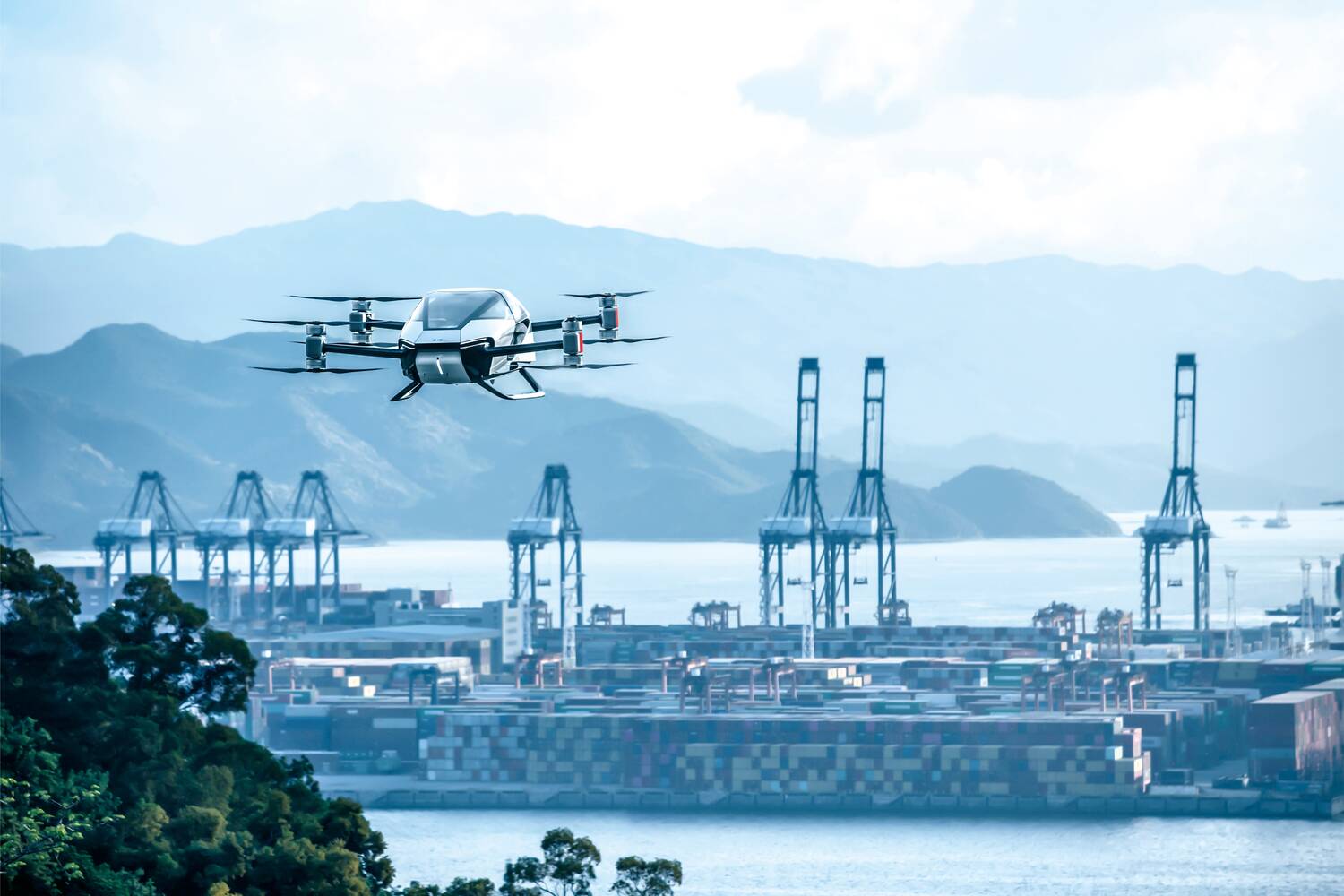
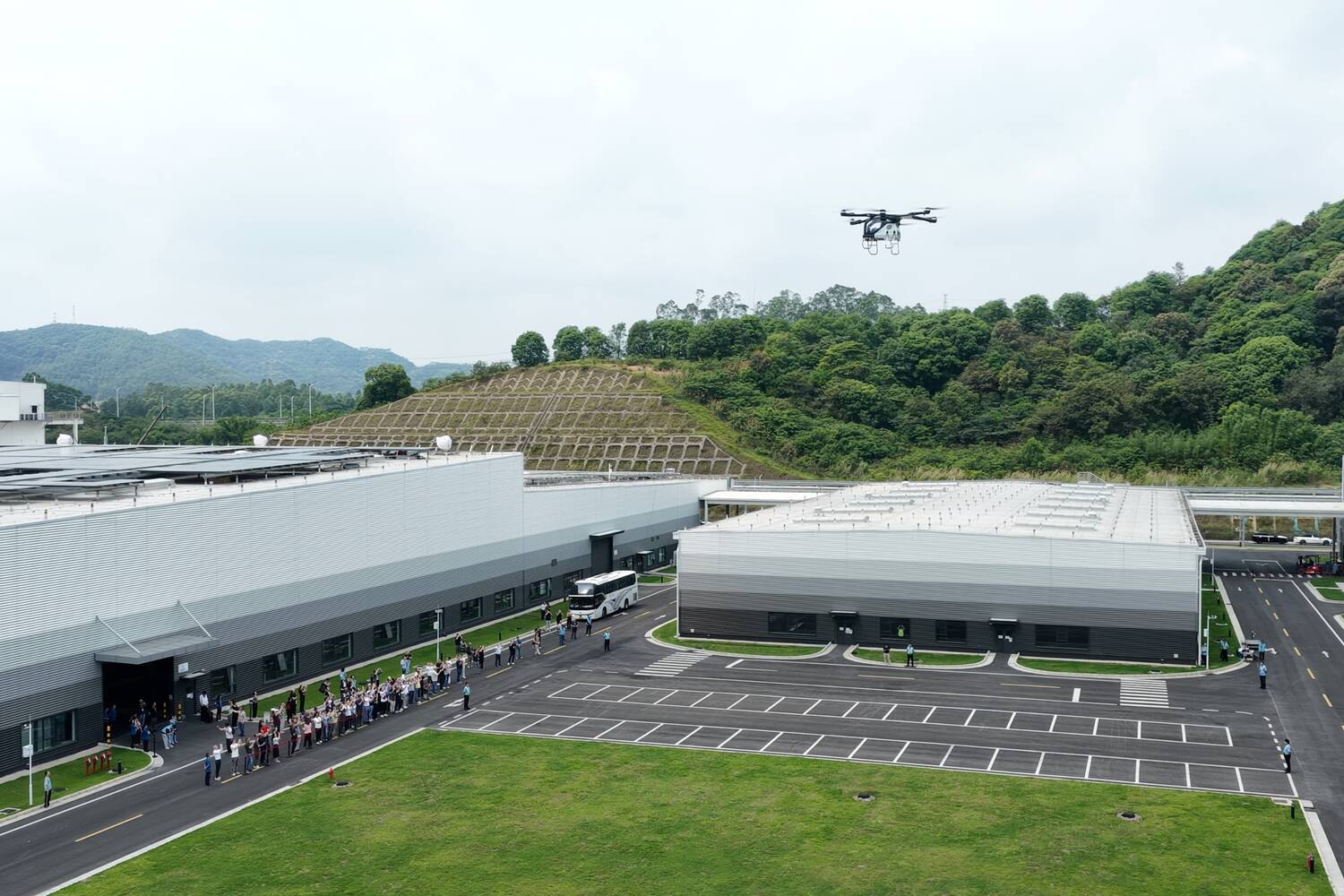
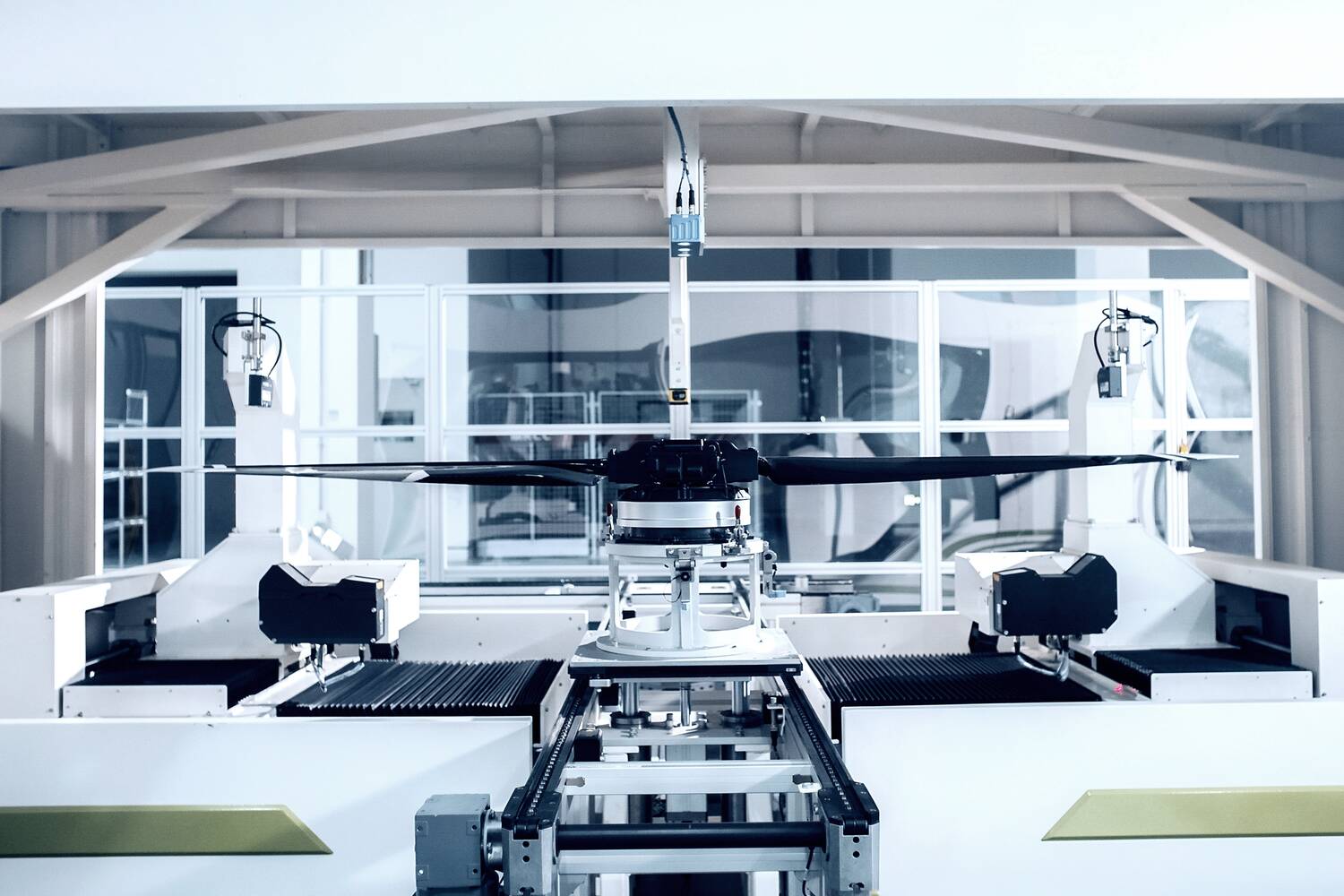
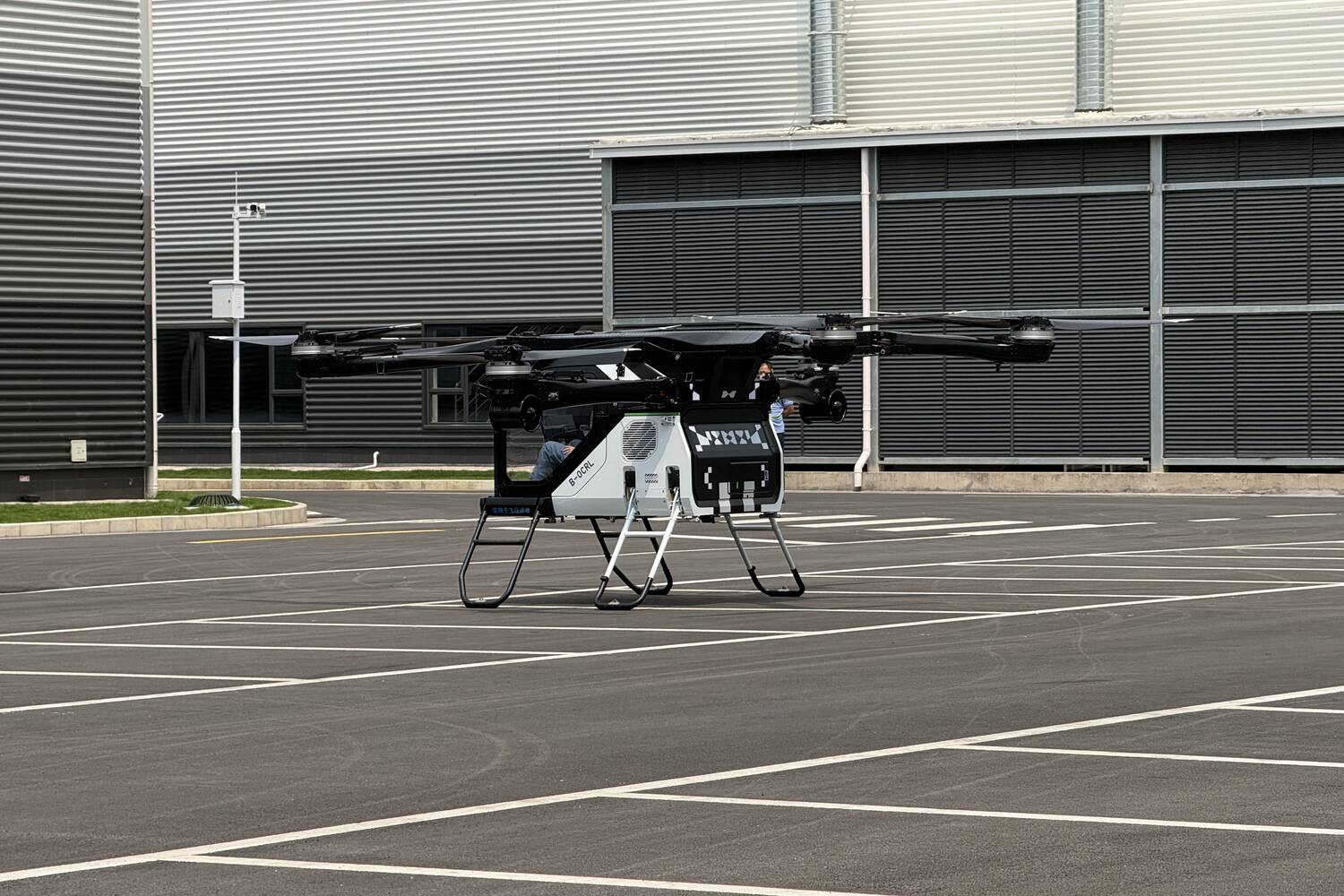
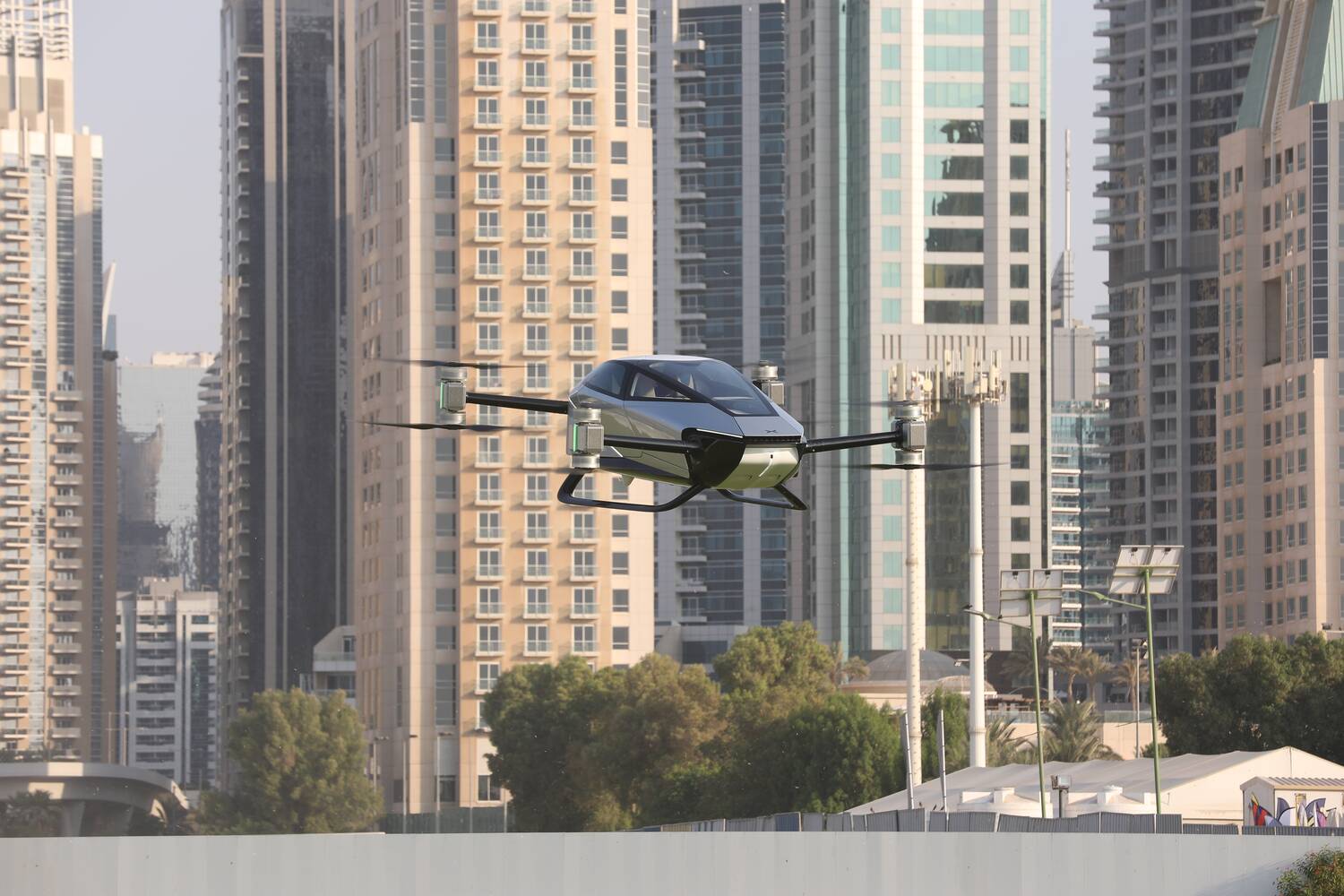
Speed of development is something Xpeng excels at, as do so many other Chinese companies, and this has also been demonstrated by another venture that Xpeng is passionate about: flying cars. While the term may seem like something from The Jetsons, a manned eVTOL (electric vertical take-off and landing) craft is being produced by Aridge.
That company was formed when Aeroht (founded in 2013) received investment from Xpeng in 2020 to develop a commercially available personal eVTOL aircraft. The latest iteration is a two-seater that can be carried in a dedicated six-wheel vehicle named the Land Aircraft Carrier. Not only does it charge the eVTOL's battery system, but it also opens its twin rear doors and unloads it automatically without any specialist equipment needed.
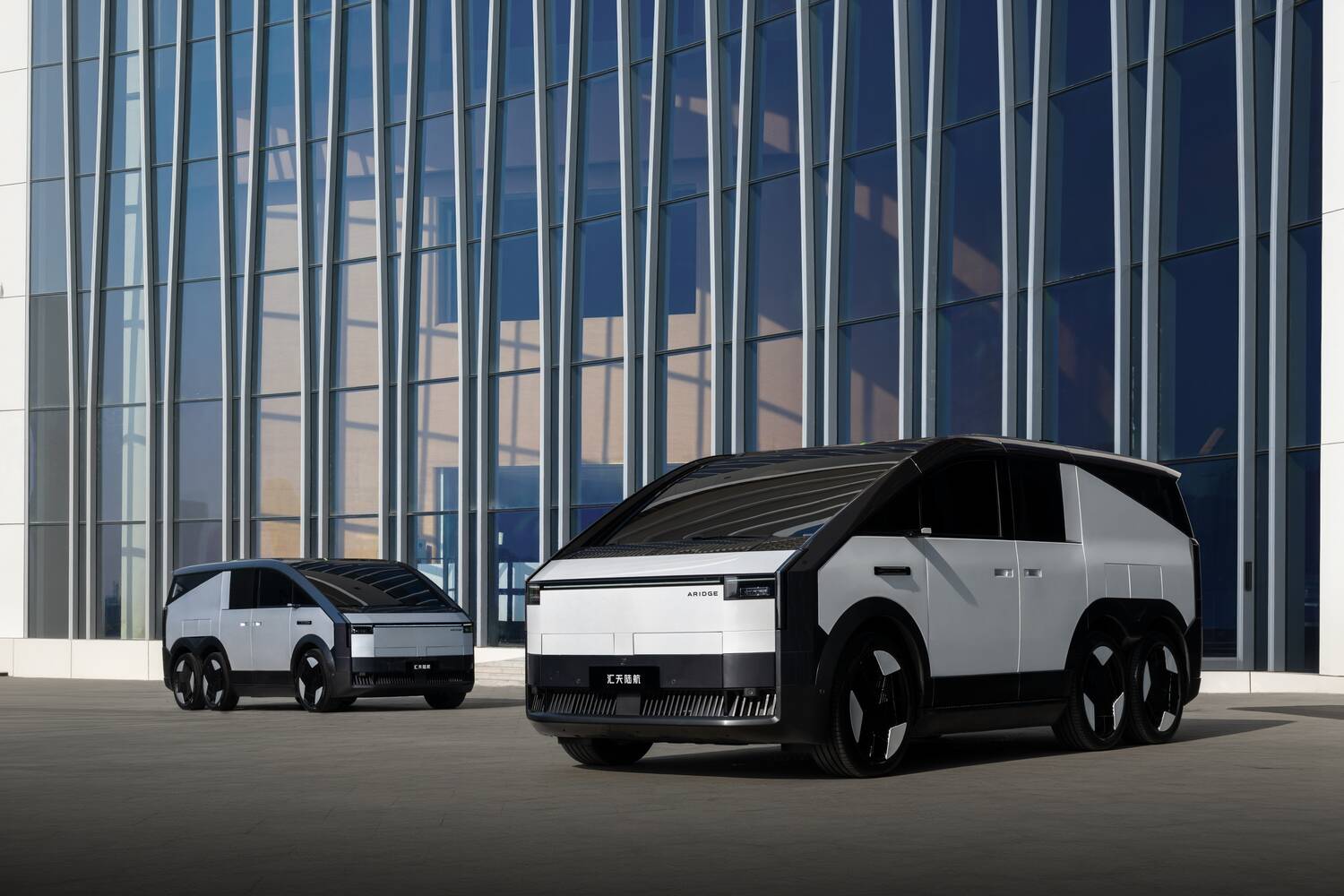
Aridge has already received type certification from the authorities in China and also has obtained a special flight permit in the UAE, a market that Xpeng and Aridge believe will be strong for such a vehicle. In the UAE alone, it has taken more than 600 orders, with a price tag of around €240,000. In total, Aridge says more than 7,000 orders have now been received.
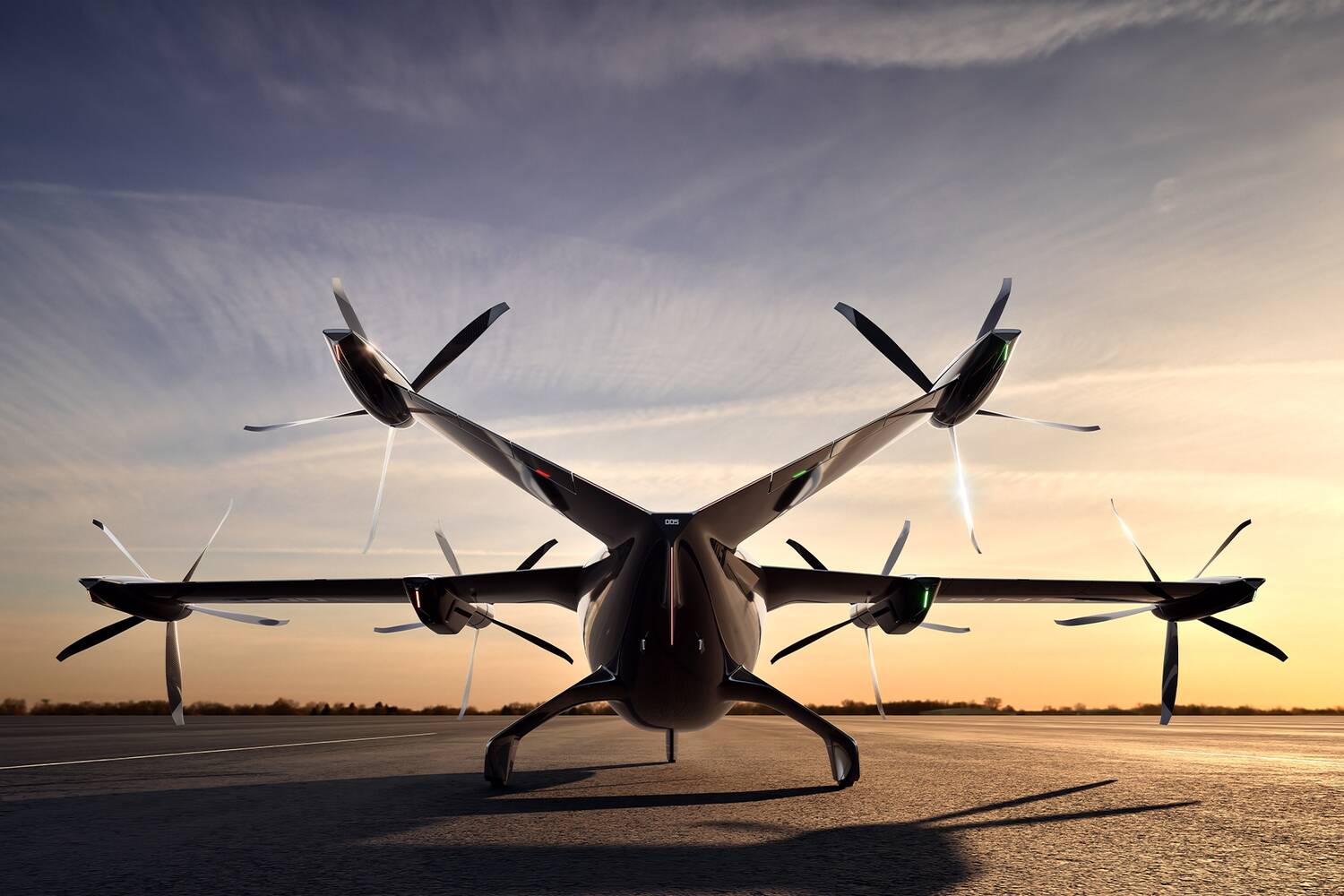
But Aridge isn't stopping there; the company is also developing other aircraft, including the A868, a hybrid tilt-rotor 'flying car' that it believes could transform personal transportation. With a top speed of 360km/h and a flying range exceeding 500 kilometres, it could cover popular journeys such as Dublin to London, or London to Paris or Brussels.
This six-seater could become a hit with business users and regional airlines, where very short-haul flights can be unprofitable. Its ability to take off and land vertically also negates the need for massive airport-style infrastructure and runways. However, it remains to be seen how quickly European regulators will move to permit such aircraft to operate.
Back to the Xpeng cars
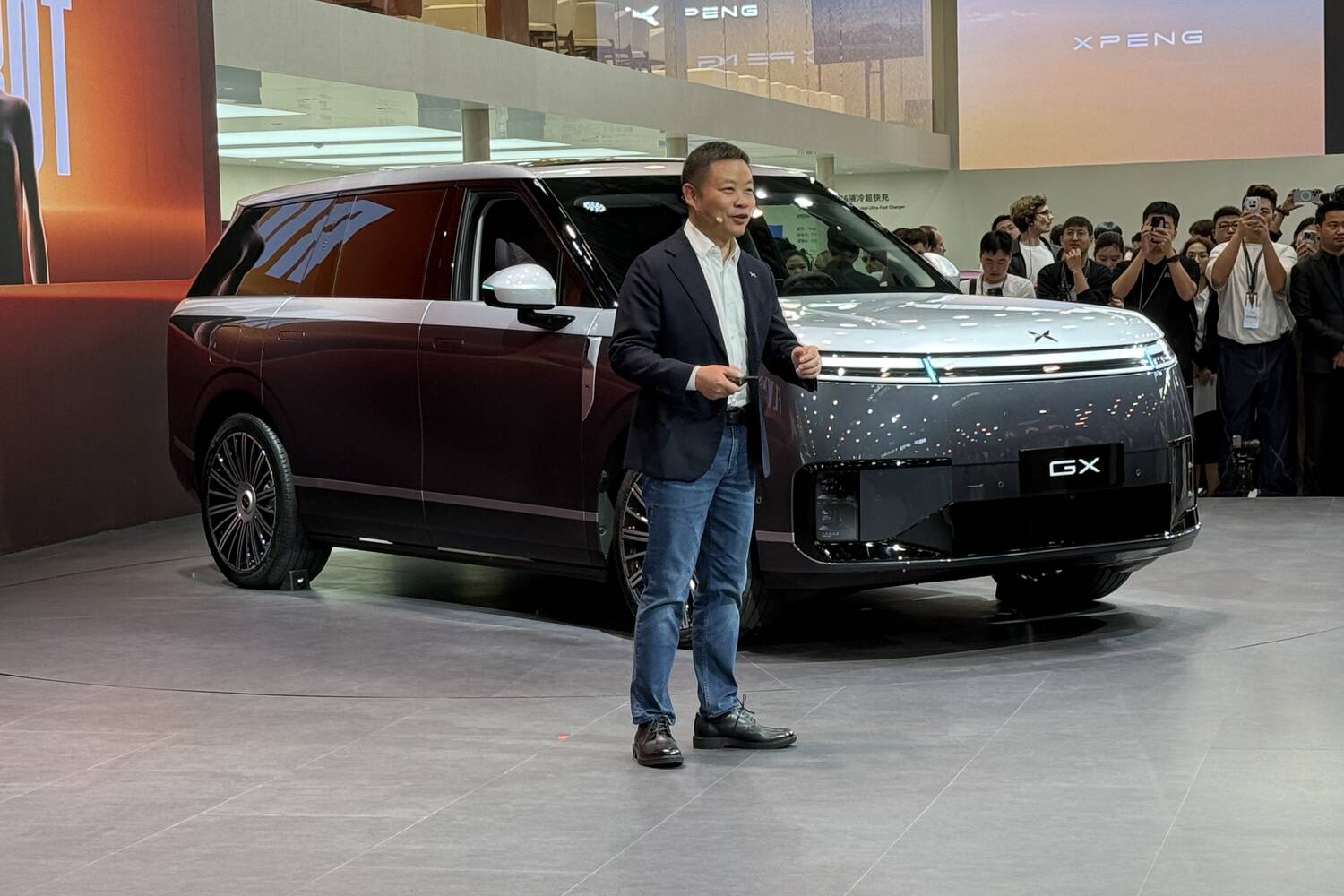
For now, we'll continue seeing Xpeng in the traditional four-wheeled form on our shores, but it needs to expand its offering beyond the single G6 model it currently has, which is limiting its success compared to other Chinese brands operating in Ireland. That being said, compared to its native rivals, Xpeng is clearly looking towards a future beyond just cars.
If there is anything about this story we have not covered, you can avail of our expert advice service via the Ask Us Anything page.