

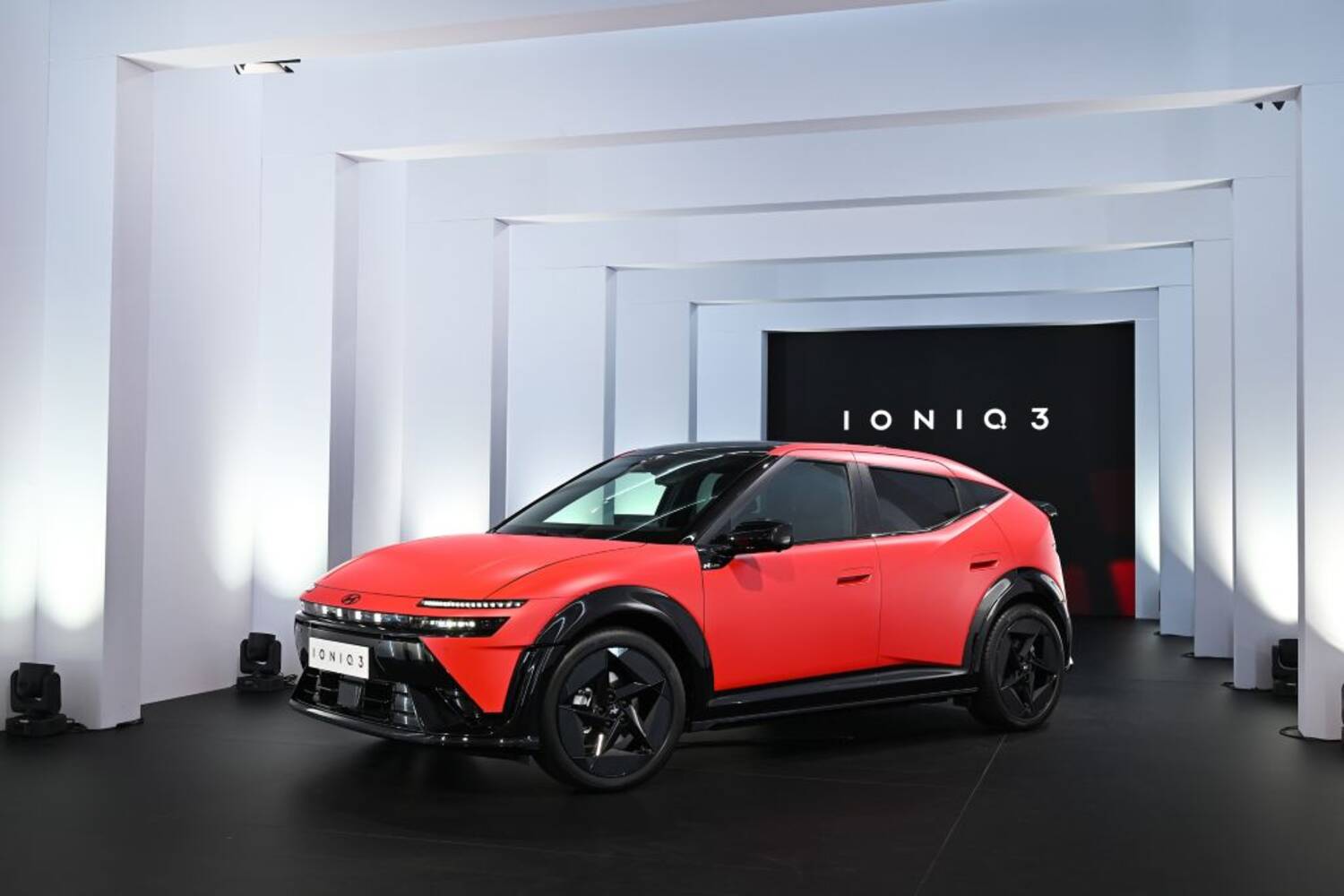
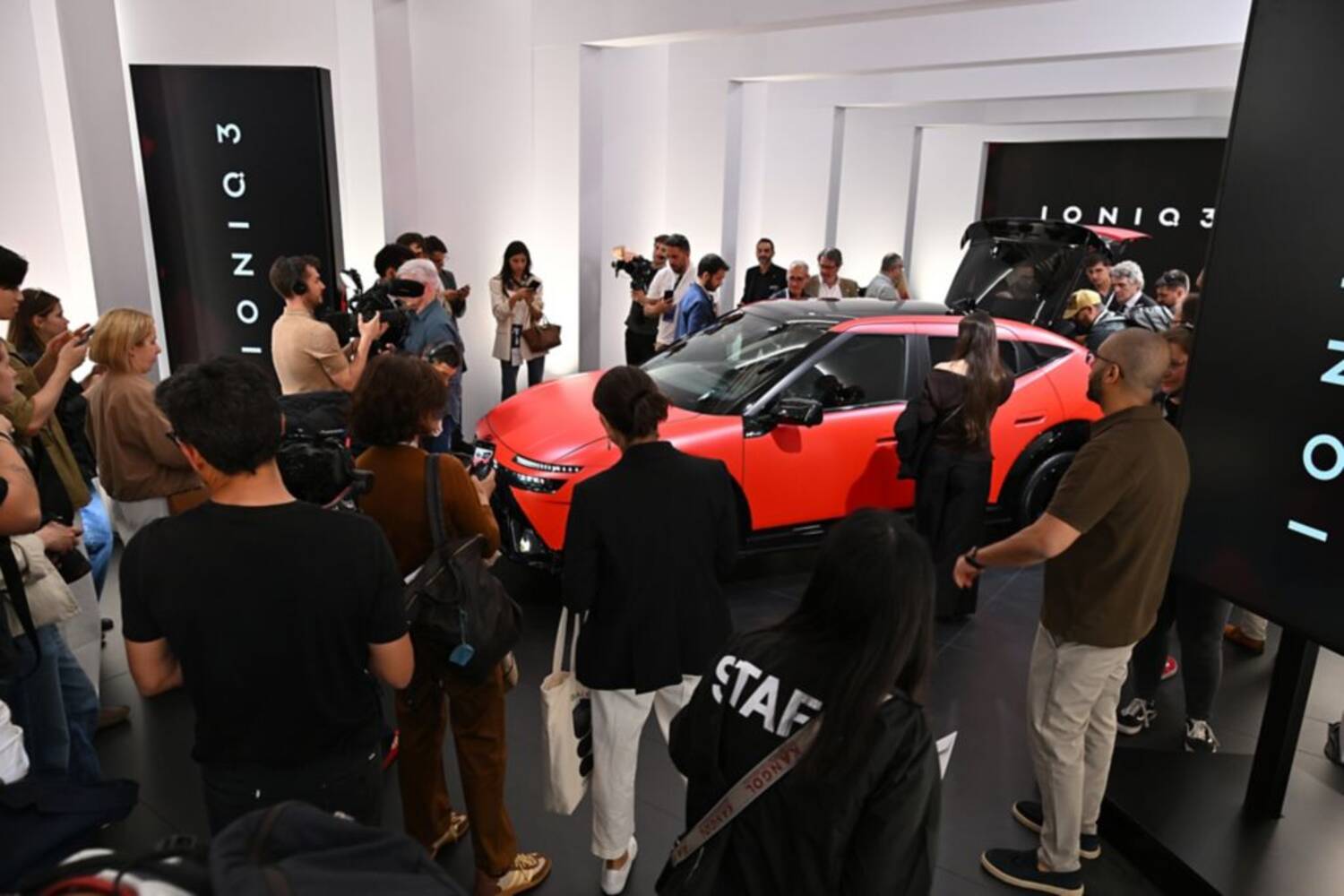

Thankfully, the global debut of the new Hyundai Ioniq 3 was a static one. This meant I wouldn't have to navigate the Milanese traffic or risk my life against a fleet of Vespas; instead, I could simply soak in la dolce vita.
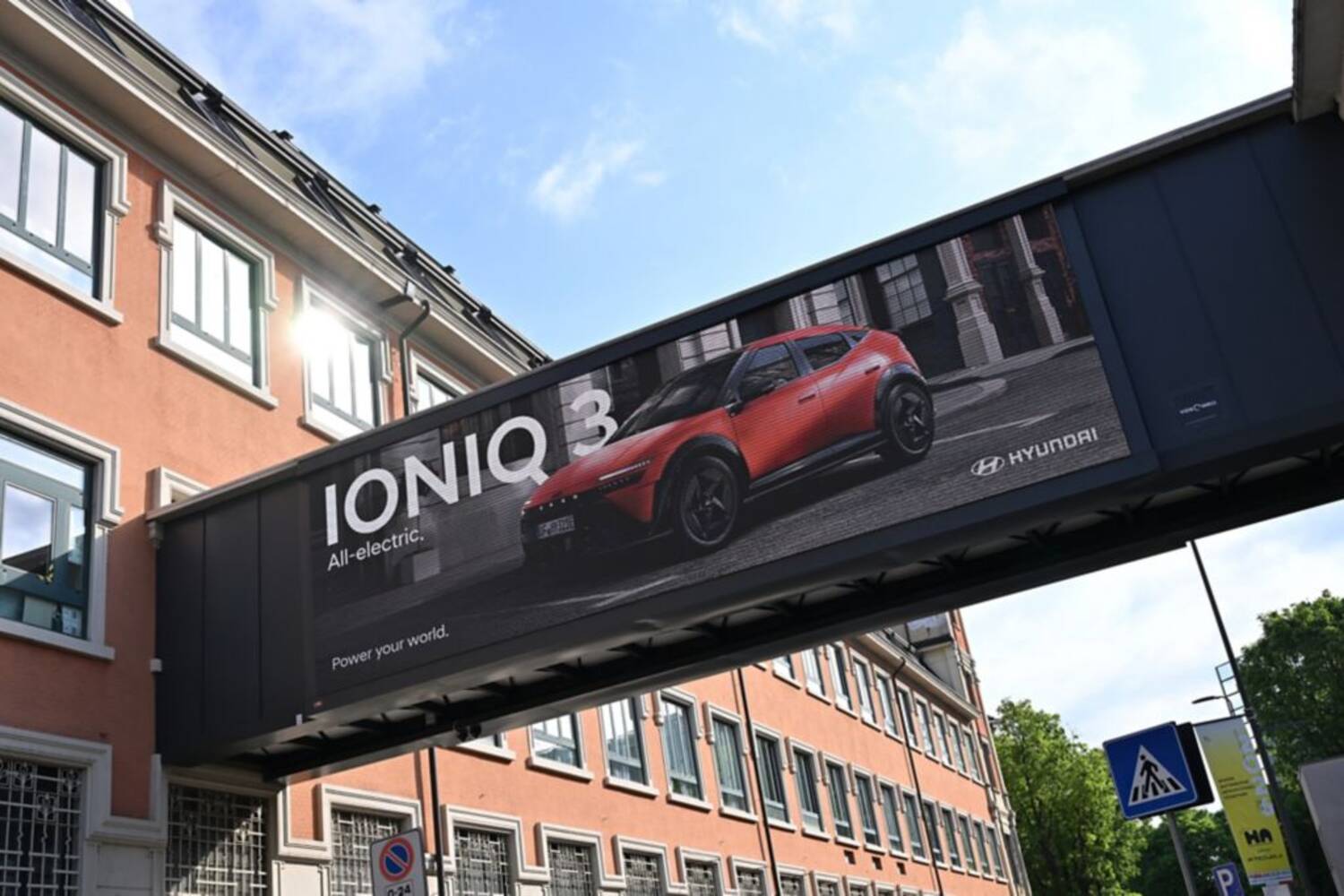
Hyundai chose to preview its new model during Milan Design Week. Do not confuse this with Milan Fashion Week. While the latter is about tall people looking moody in expensive coats, Design Week is about bespectacled people looking intensely at expensive chairs.
Milan Design Week began in 1961 as 'Salone del Mobile', a furniture fair celebrating Italian craftsmanship, and has grown into a massive city-wide event. Alongside the main home interiors show, the wider 'Fuorisalone' programme now has hundreds of exhibitions, installations, talks and open showrooms across multiple industries, including automotive.
Car brands on the bandwagon for over two decades
Lexus became one of the first car brands to take part back in 2005 with its 'L-finesse' exhibition, trading a traditional dealership floor for the conceptual air of Milan. Audi joined the fray in 2013 with its 'House of Progress' and in 2018, Byton made its European debut here.
Since then, the automotive presence has grown significantly, and this year the guest list included Bentley, Cupra, Fiat, Geely, Hyundai, Kia, Lamborghini, Lexus, MINI, Range Rover, Renault, Skoda, Stellantis, Toyota and Zeekr, among others.
Automotive design is now such a pillar of the week that the Car Design Award is held right here at the ADI Design Museum. It's the home of the Compasso d'Oro (the 'Golden Compass'), which is essentially the Oscar for objects.
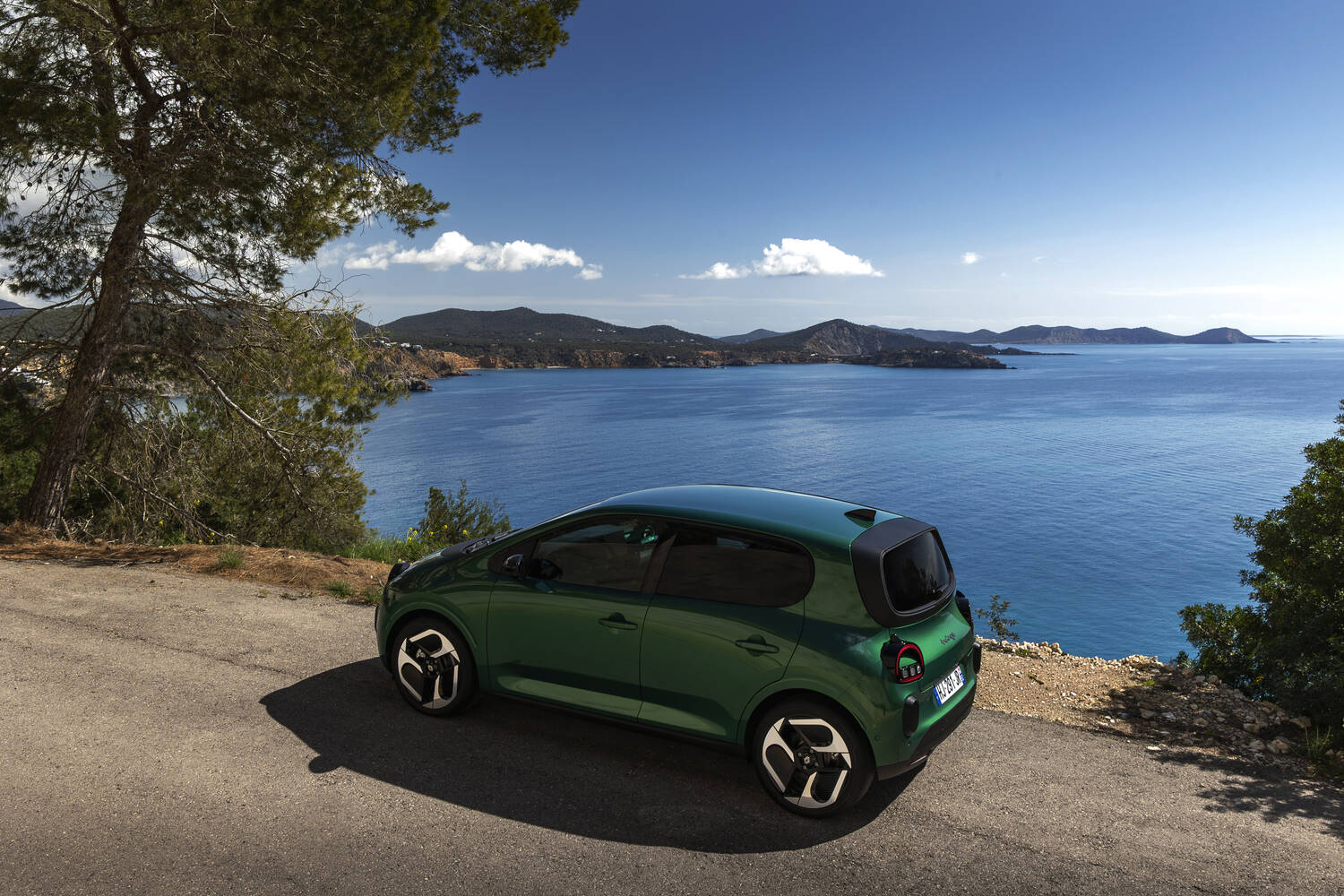
This year, the new Renault Twingo took home the Production Car trophy, while Jeep bagged the Brand Design award, and the Audi Concept C won the Concept Car category.
But while trophies were being handed out in museums, the real theatre was happening in the streets, specifically in the Tortona neighbourhood. Here, the grimy, former factories of this industrial district have been scrubbed up and transformed into artist studios, cultural hubs and event venues.
Hyundai's Art of Steel
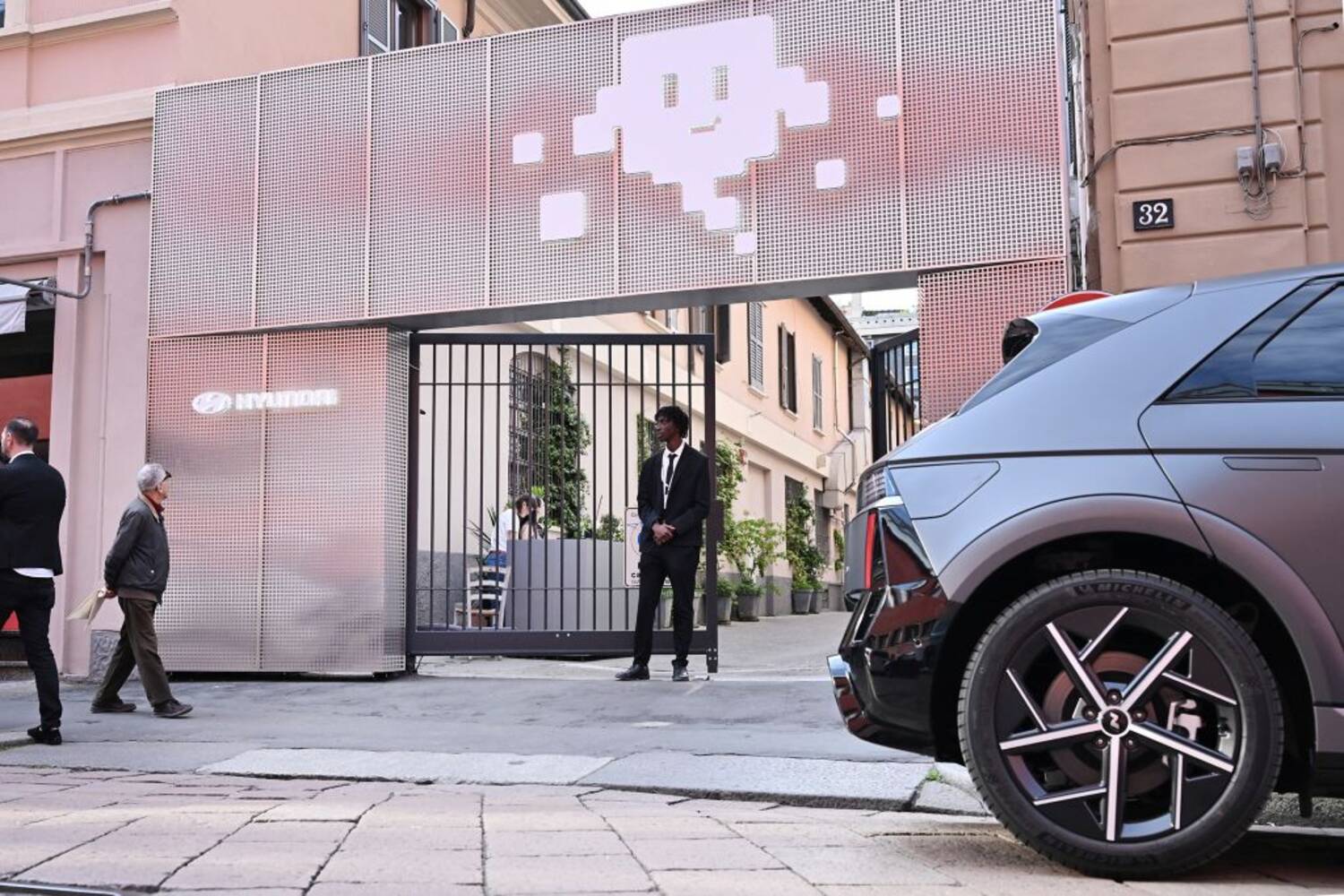
In Torneria Tortona, historically a metalworking laboratory and warehouse, Hyundai held its exhibit, suitably titled 'The Art of Steel.'
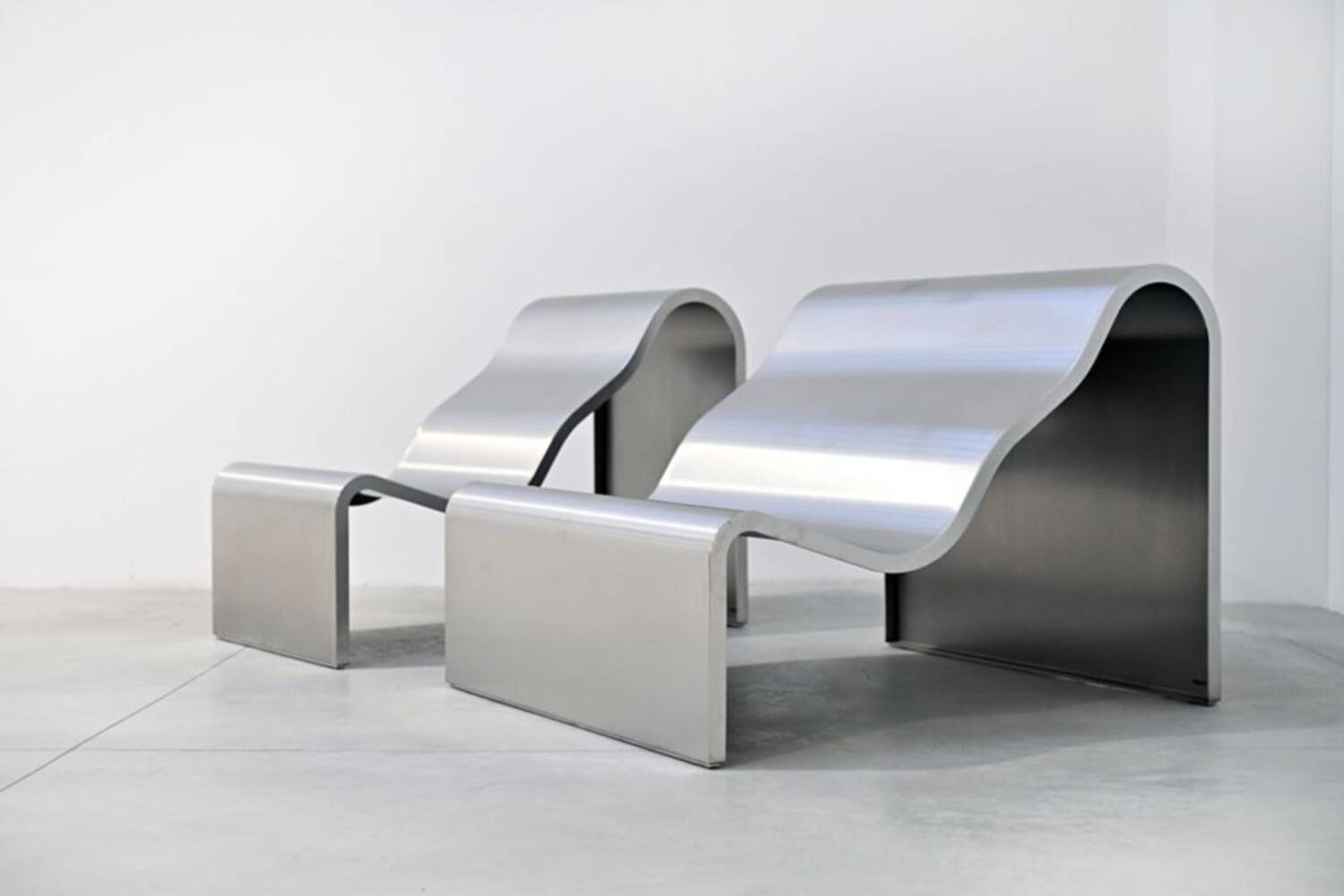
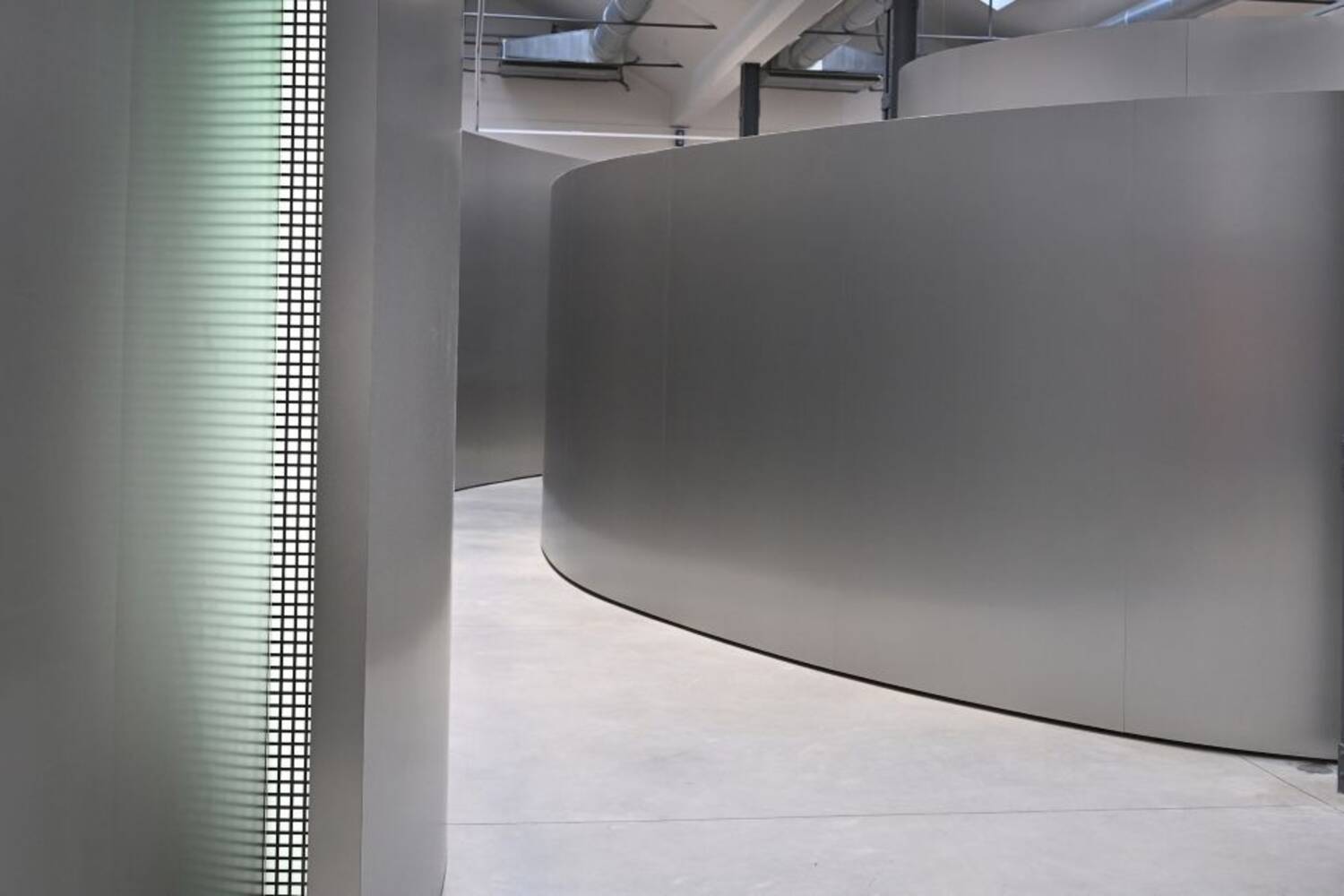
The Hyundai space at Milan Design Week comprised five distinct areas, each designed to show how materials, light and textures influence the exterior and interior of Hyundai's new Art of Steel design language, making its debut on the Ioniq 3.
To be honest, everything felt quite abstract to start with, but I have to admit, when I saw the Ioniq 3 in the metal, the abstraction vanished, and the whole thing made complete sense.
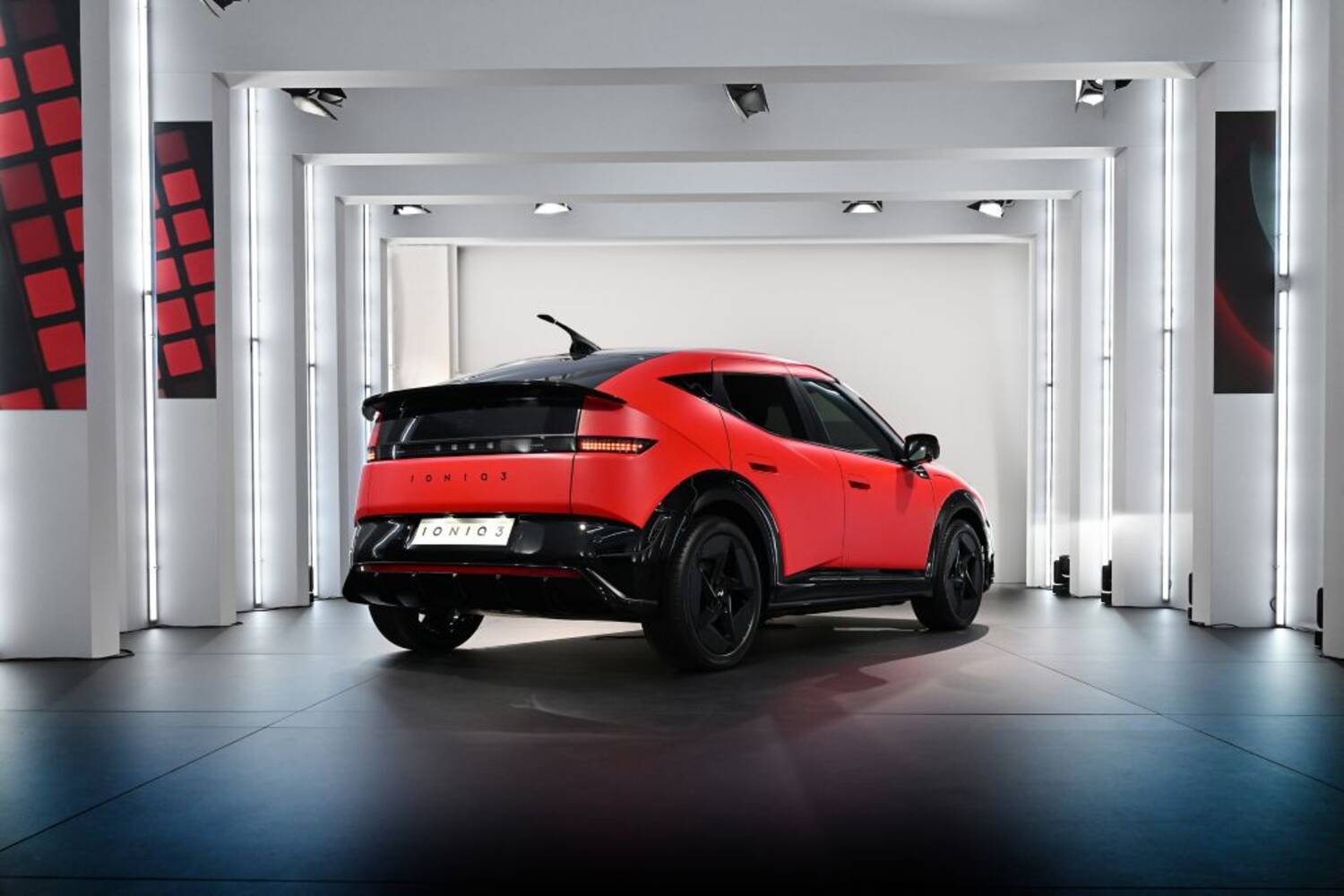
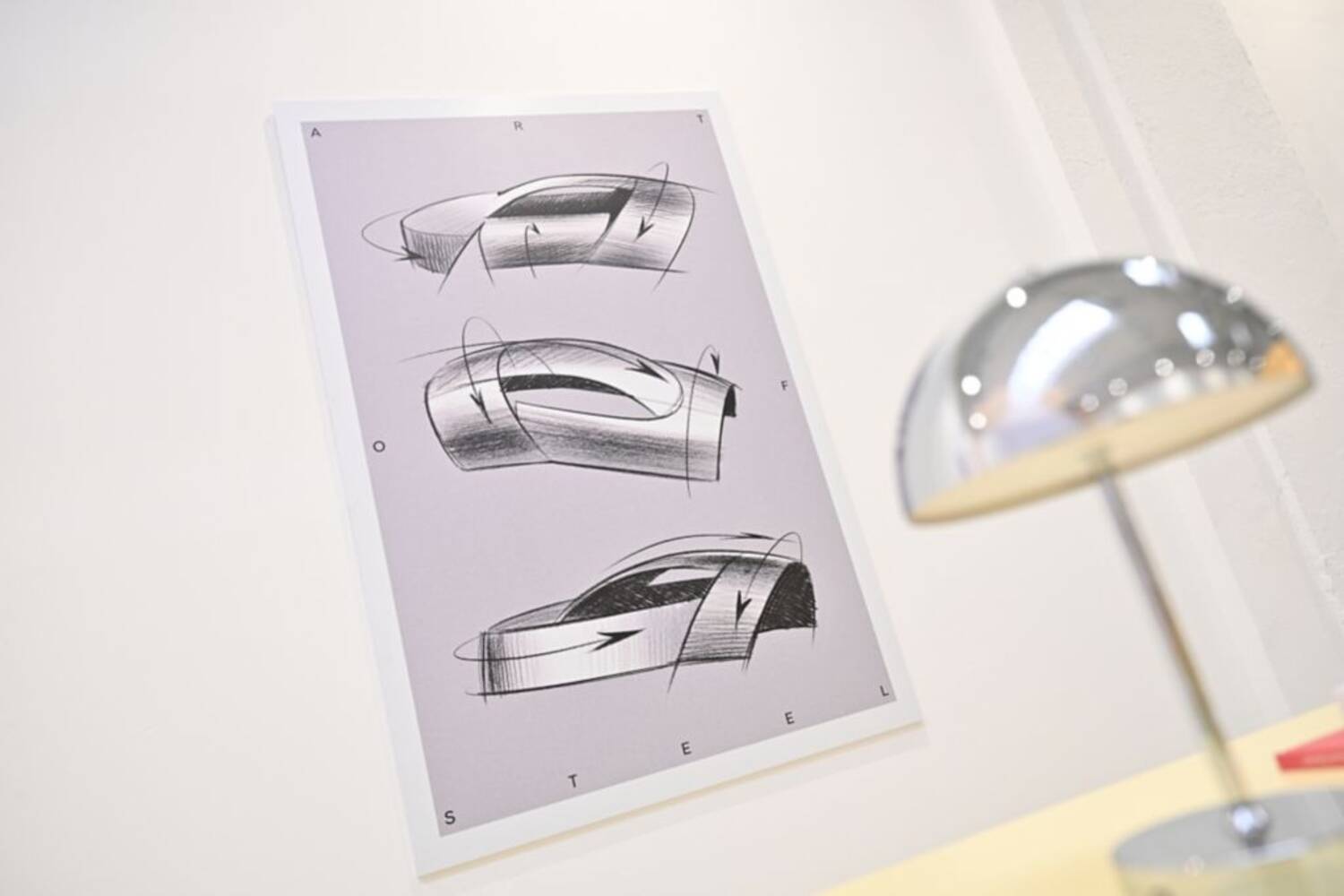
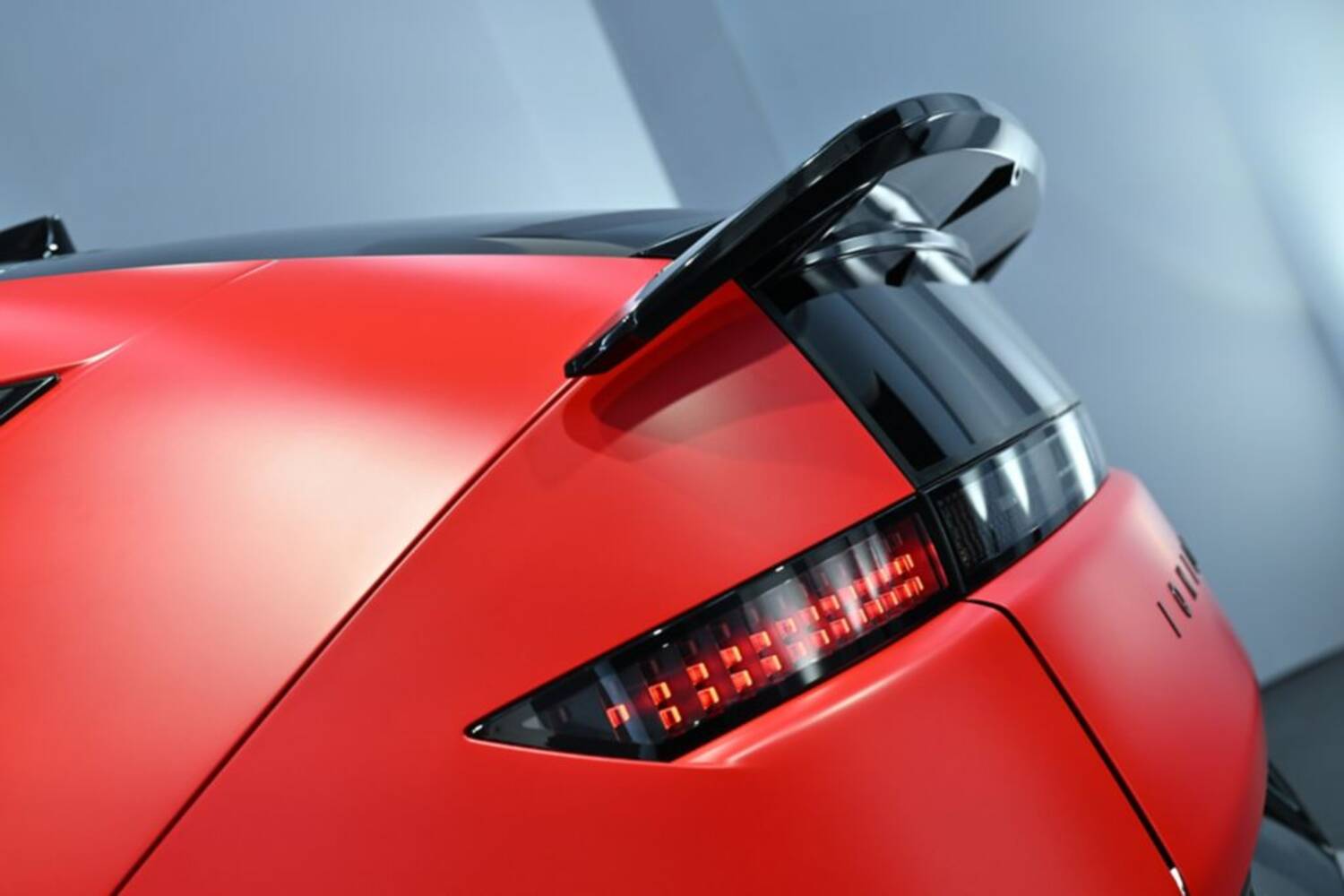
Looking at the car, I could now see what the designers meant when they talked about how steel bends and reflects light. Hyundai calls the Ioniq 3 an 'Aero Hatch,' and the bodywork is sculpted to mimic the way raw steel coils naturally bend and fold on a factory floor.
There are three specific intersecting bends that run along the wings, through the doors and up into the C-pillars, eventually flicking out into a ducktail spoiler. It results in a drag coefficient of 0.263, which, in non-nerd terms, means it slices through the air almost as smoothly as a Milanese waiter through a crowded cafe.
Cutting through those sharp, clean lines are the retro-futuristic signature 'Pixel Lights' that make Hyundai's EVs look like they've driven out of an arcade game from the 1980s. On the Ioniq 3, the four-pixel motif is used in several places to represent 'H' in Morse code, adding a layer of storytelling and brand identity to the lighting.
During the event, we also learned about the Easter eggs in the car. These are hidden design details, features, or messages tucked away by the designers that aren't immediately obvious but are meant to be discovered by owners over time.
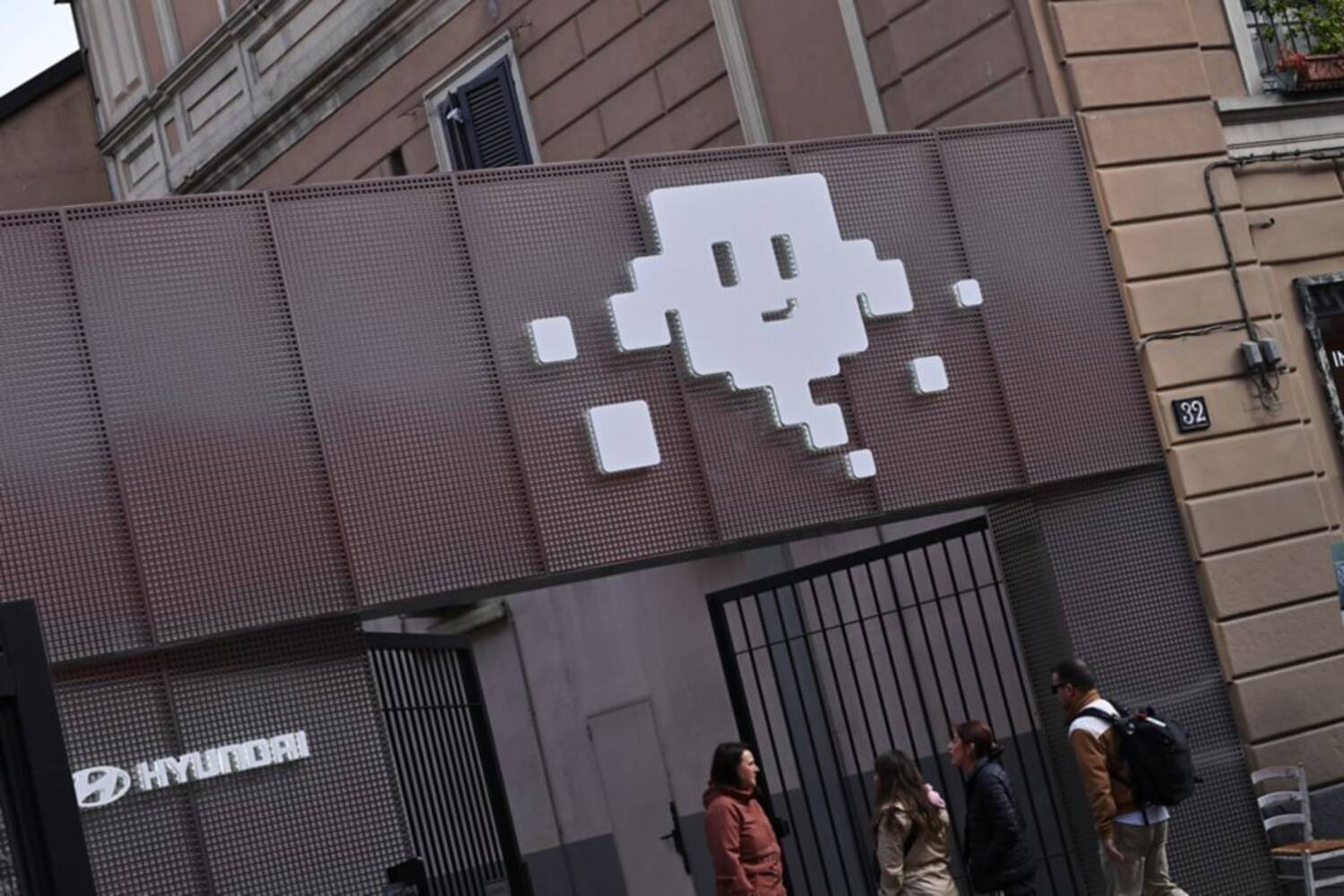
Apparently, they are meant to "foster a fun emotional connection” to your car. Your car! Yes, my eyes did a 360 in my sockets when they said this. And yet, when I found Mr Pix, the playful, shapeshifting, pixel-based character embedded throughout the interior and exterior, I smiled. Damn those emotionally manipulative designers.
No sharp edges inside
But as cool as the Art of Steel exterior is, the real talking point is the interior...
Hyundai's designers told me the cabin was inspired by 1970s Italian furniture. To help me understand this, they sat me in a space decked out in deep, baby-blue carpet. It was so soft I instantly wanted to kick off my shoes, lounge back and sip a Negroni Sbagliato while making excessive hand gestures at gorgeous men who are clearly overly dependent on their mothers.
If you aren't well-versed in '70s decor, think of (or Google) Mario Bellini's Camaleonda sofa. It's bulbous, voluptuous and looks like a collection of giant marshmallows held together by carabiners.
The '70s were all about 'relaxed conviviality', a fancy term for design that forces people to actually hang out together. There were also many tactile fabrics, such as leather and corduroy, and long-pile shaggy rugs, creating a luxurious, lounge-like atmosphere.
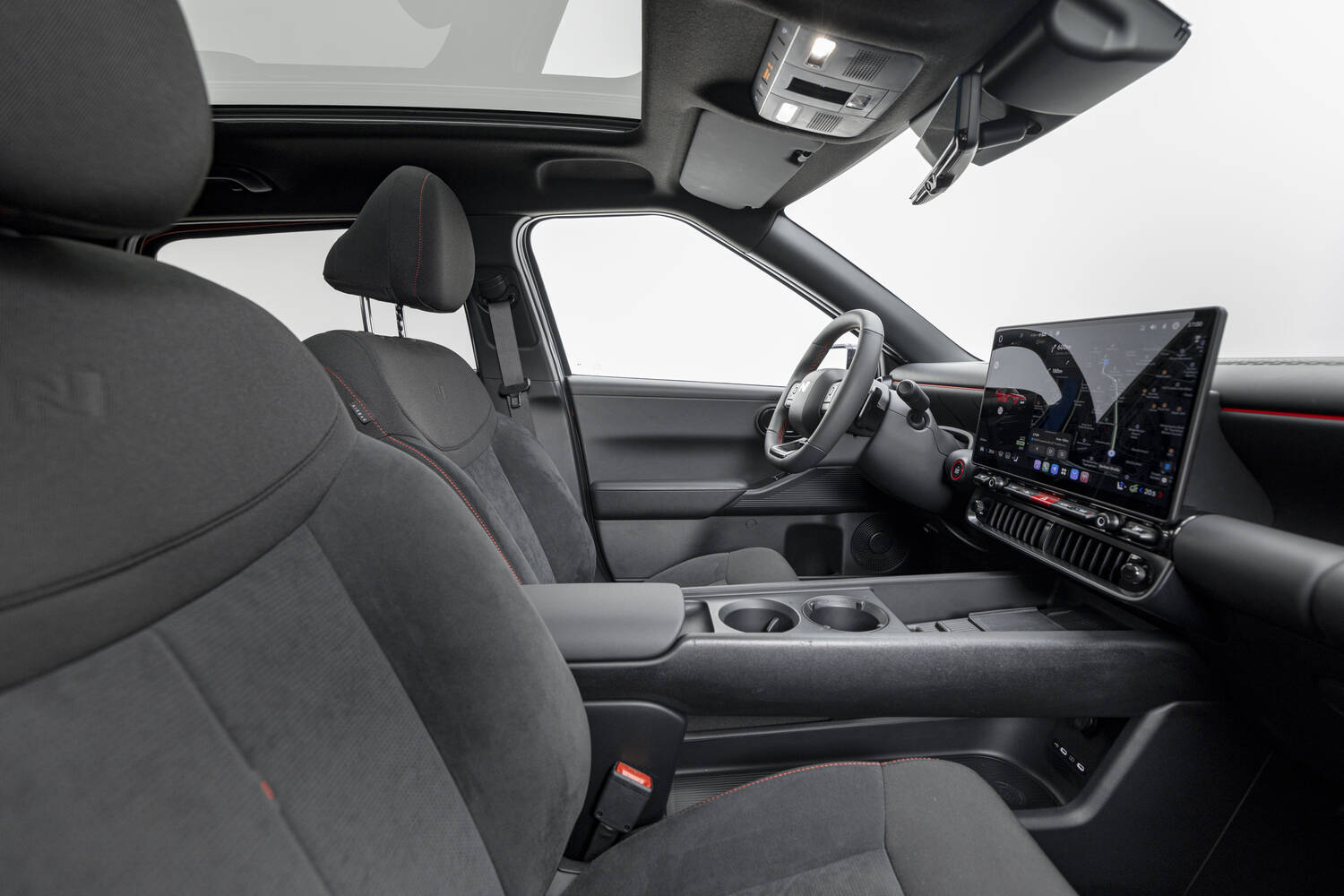
While I was secretly hoping the Ioniq 3 cabin would be a velvet cocoon with blue shag-pile carpets, modern safety laws [and good taste - Ed] put a stop to that. However, the spirit is there. It has the same curvy style of the era, a flat-floored layout with ample space to get comfortable, multiple storage spaces, an open centre console and dashboard, heated and ventilated 'Relaxation Seats', which do exactly what they say on the tin, and eco-processed leather and recycled wool, because though the 1970s were stylish, they were also spectacularly unsustainable.
It's what Hyundai calls a "furnished space." With vehicle-to-load (V2L) tech and a Bose sound system, it's designed for that half-hour while you're at a DC fast charger. In the time it takes for the battery to go from 10 to 80 per cent, you can brew an espresso, mill a cannolo and enjoy some "conviviality." Che figata!
As mentioned, there were plenty of other car brands at this year's Milan Design Week, and here is a snippet of what each was up to:
Fiat the tour guide - with small cars of course
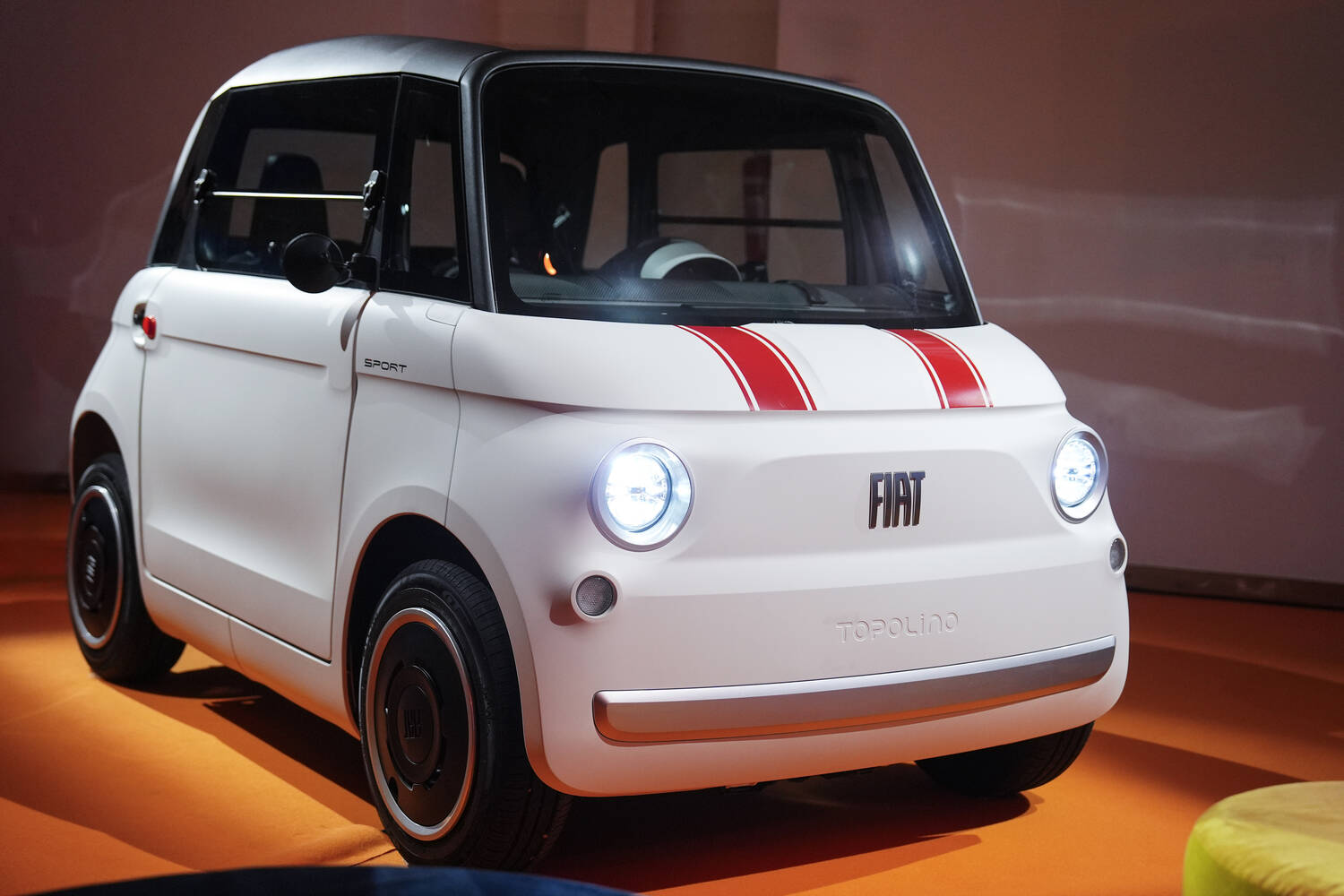
Of course, the Italians brought the fun to their home turf with a combination of design, culture and a bit of theatre. Rather than a static stand, Fiat teamed up with Wallpaper* (the global design brand) and sent four vibrant, specially designed Fiat Topolino (a tiny electric run-around using the same mechanical package as the Citroen Ami) off each morning from a news kiosk, which Wallpaper* had taken over and turned into part installation, part meeting point.
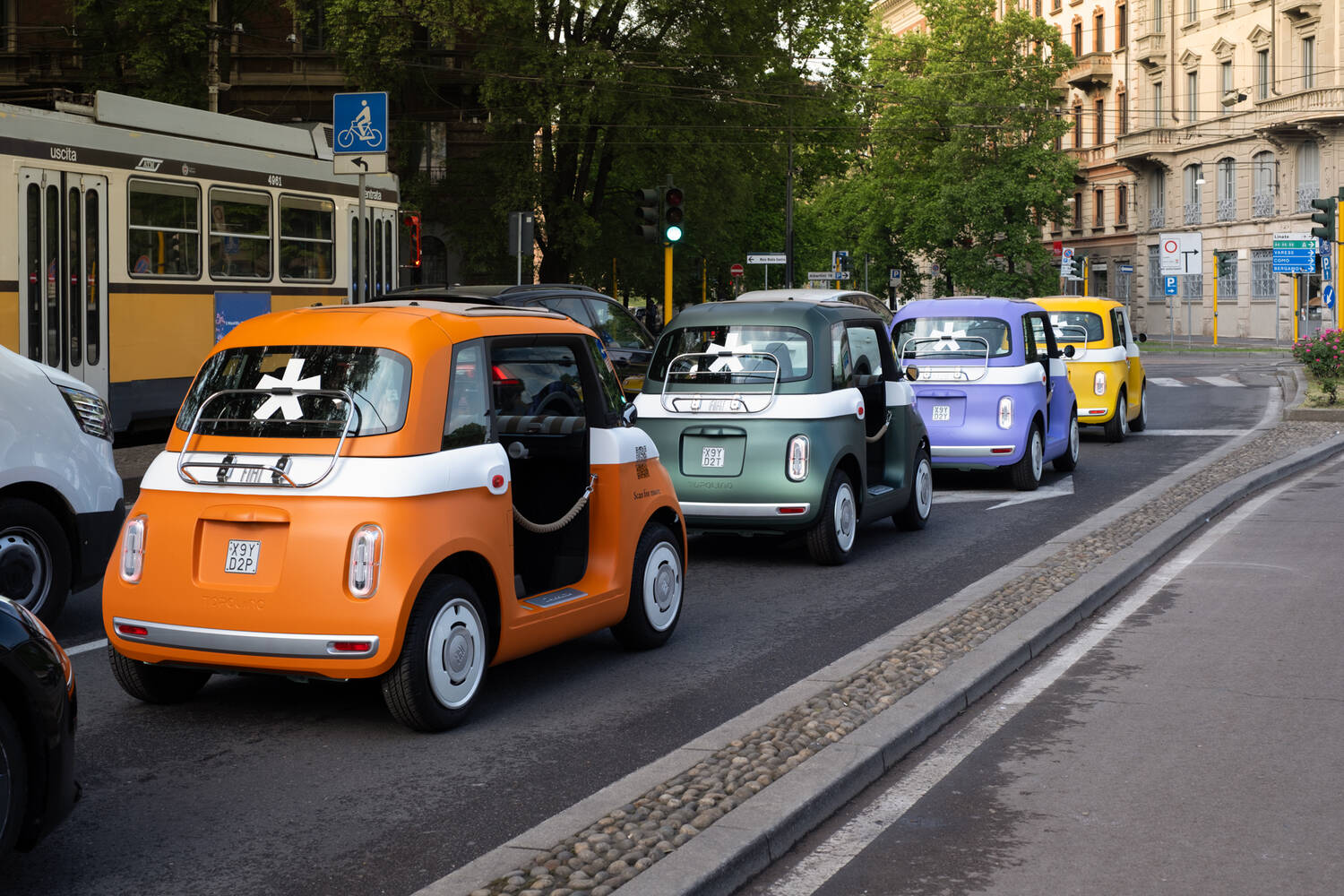
The partnership celebrated the launch of the new Wallpaper* Milan Travel Guide. The cars acted as mobile guides, ferrying visitors from a central hub to the various design-led locations featured in the new travel guides.
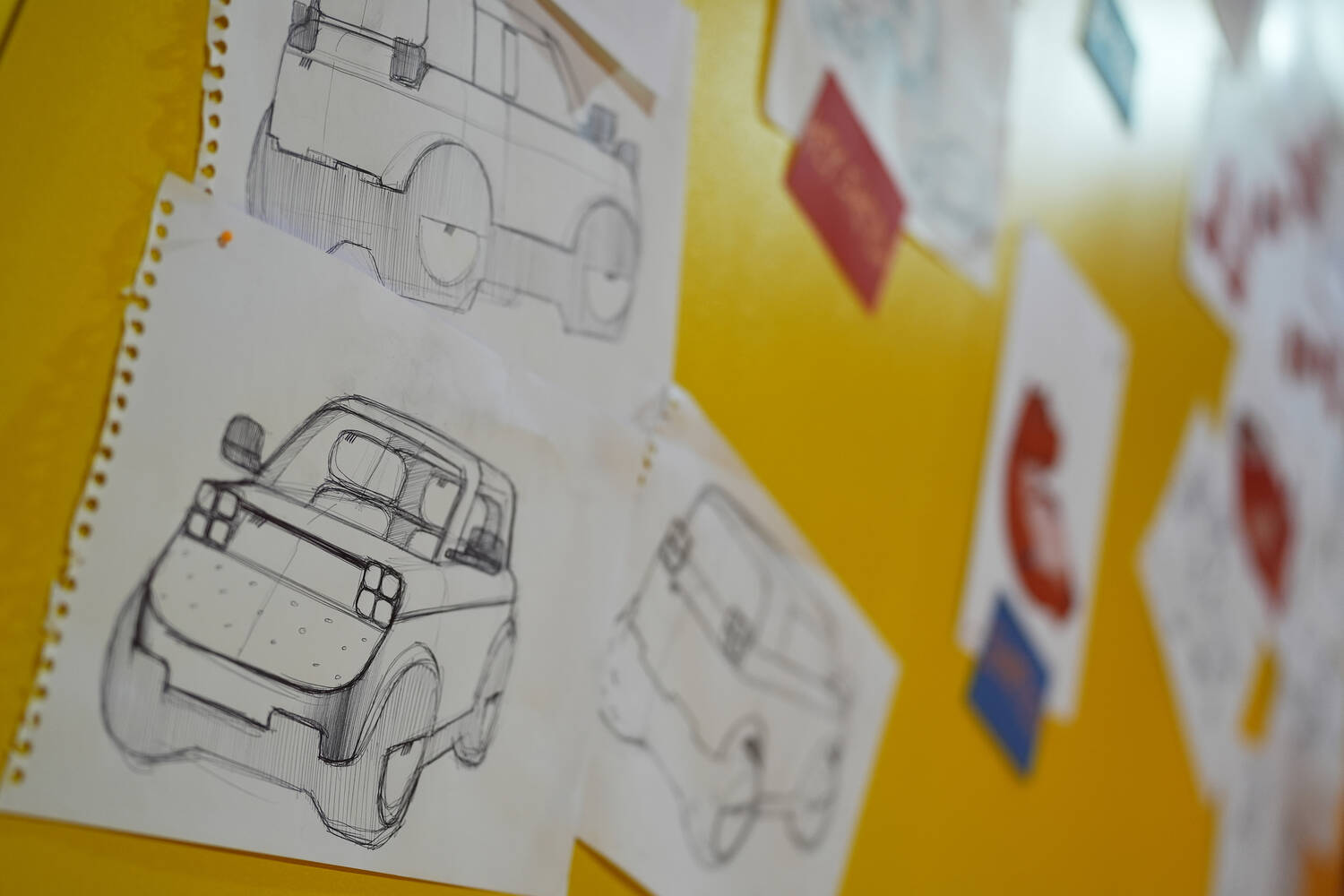
Alongside that, Fiat had its own space, called 'Ciao Futuro', where it showed how it is thinking about future small cars. Rather than finished cars, it focused on ideas from design students in Italy.
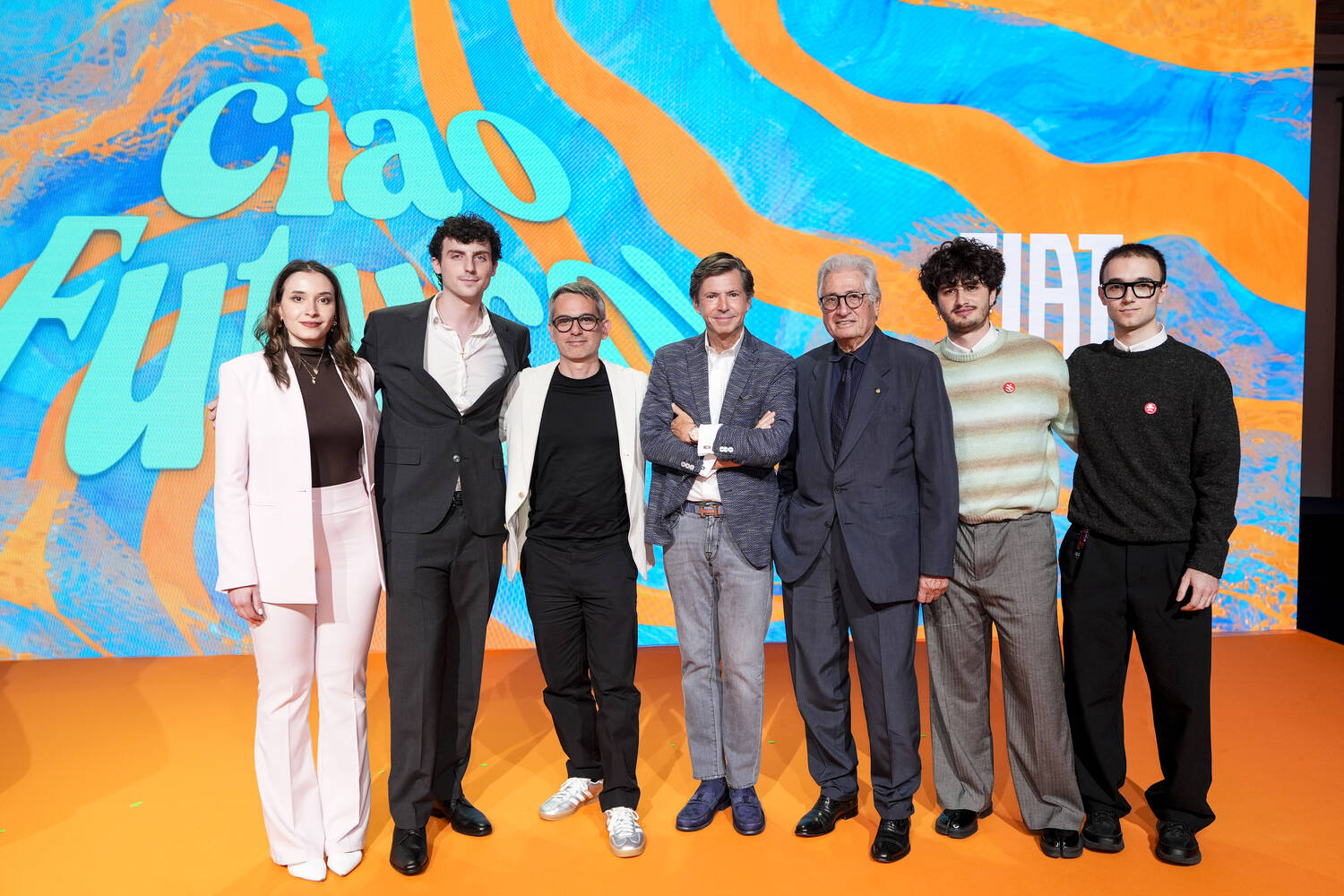
One project, IPPO, looked at how a car could be used more like part of a town, not just something you drive and park. Another, LUMO SU MISURA, focused on a car that can change over time to meet the owner's needs.
A third, FIZZ, explored how a parked car could become a place to stop, sit and spend time, inspired by the idea of an aperitivo (never drink and drive, though, right, Fiat?). Visitors could view the projects and vote for their favourite, so it felt more like an open discussion than a typical car display.
Renault goes all froggy
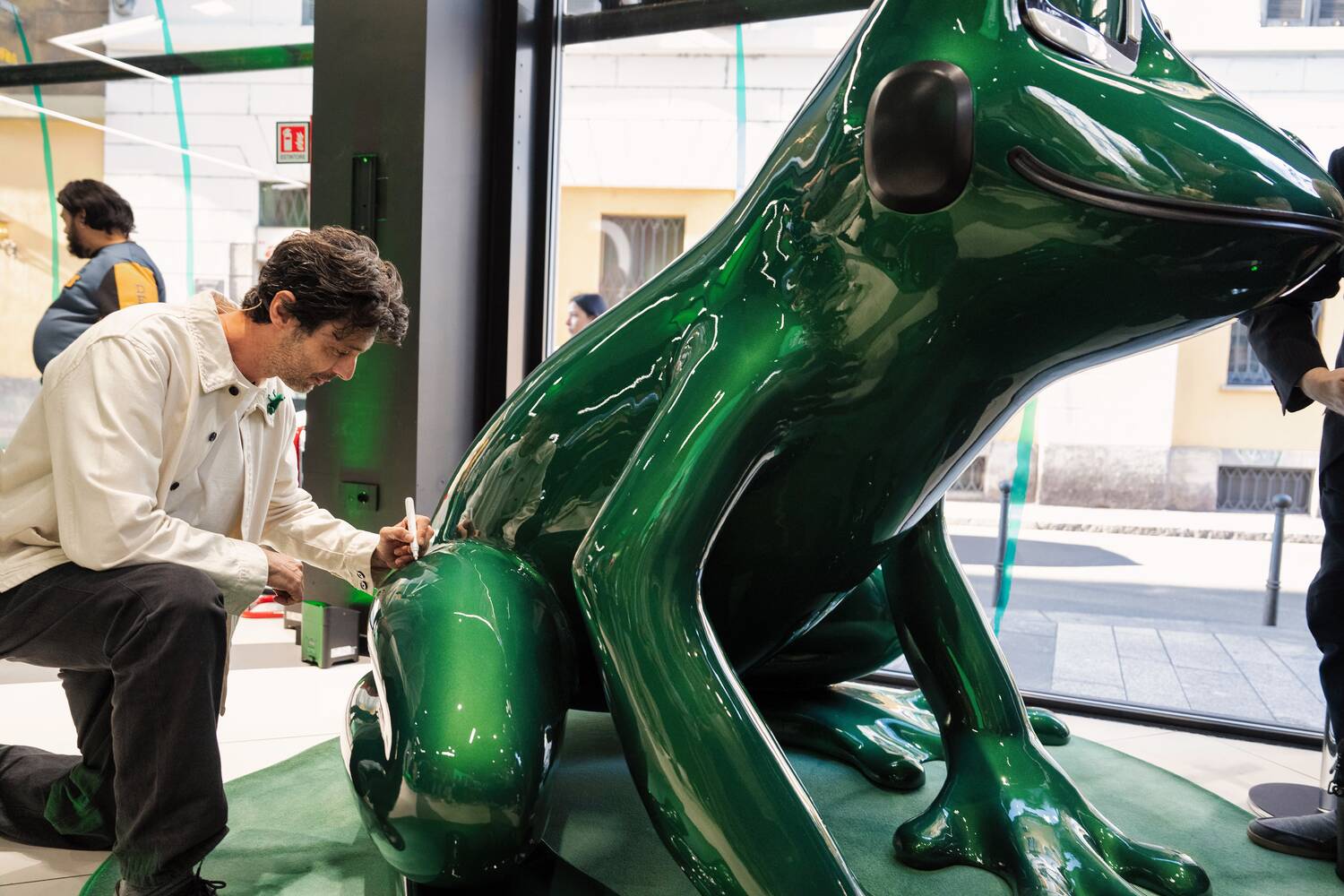
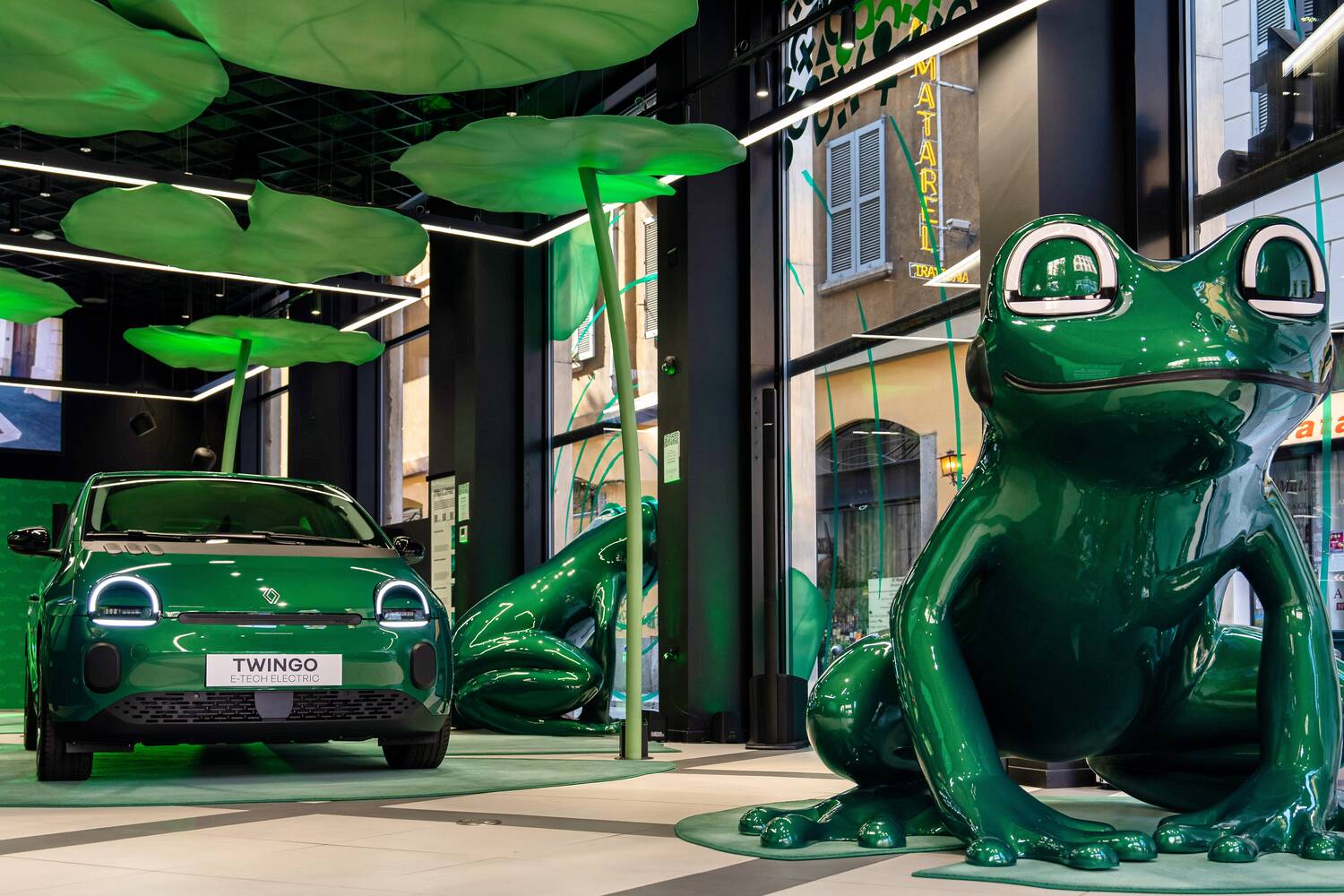
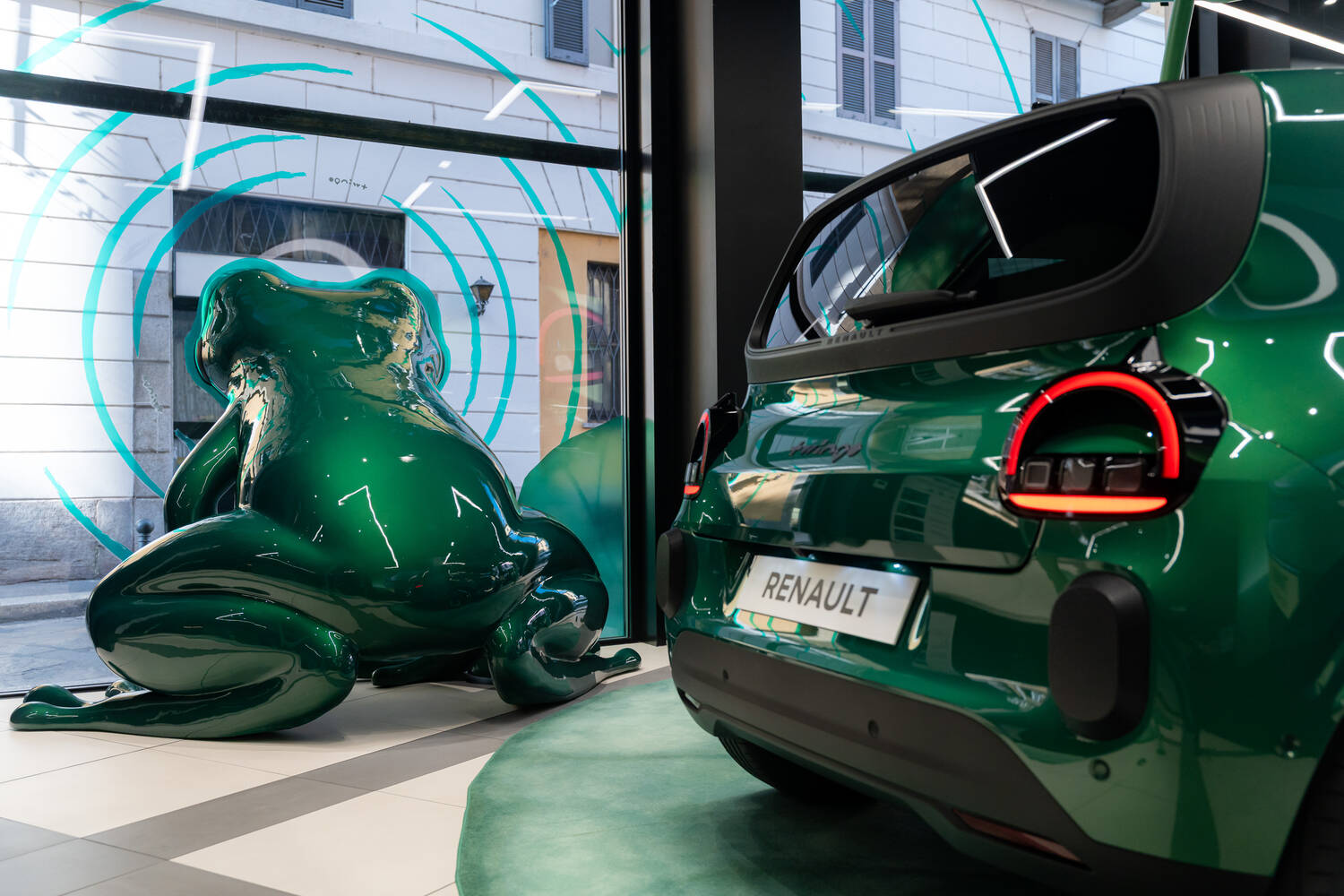
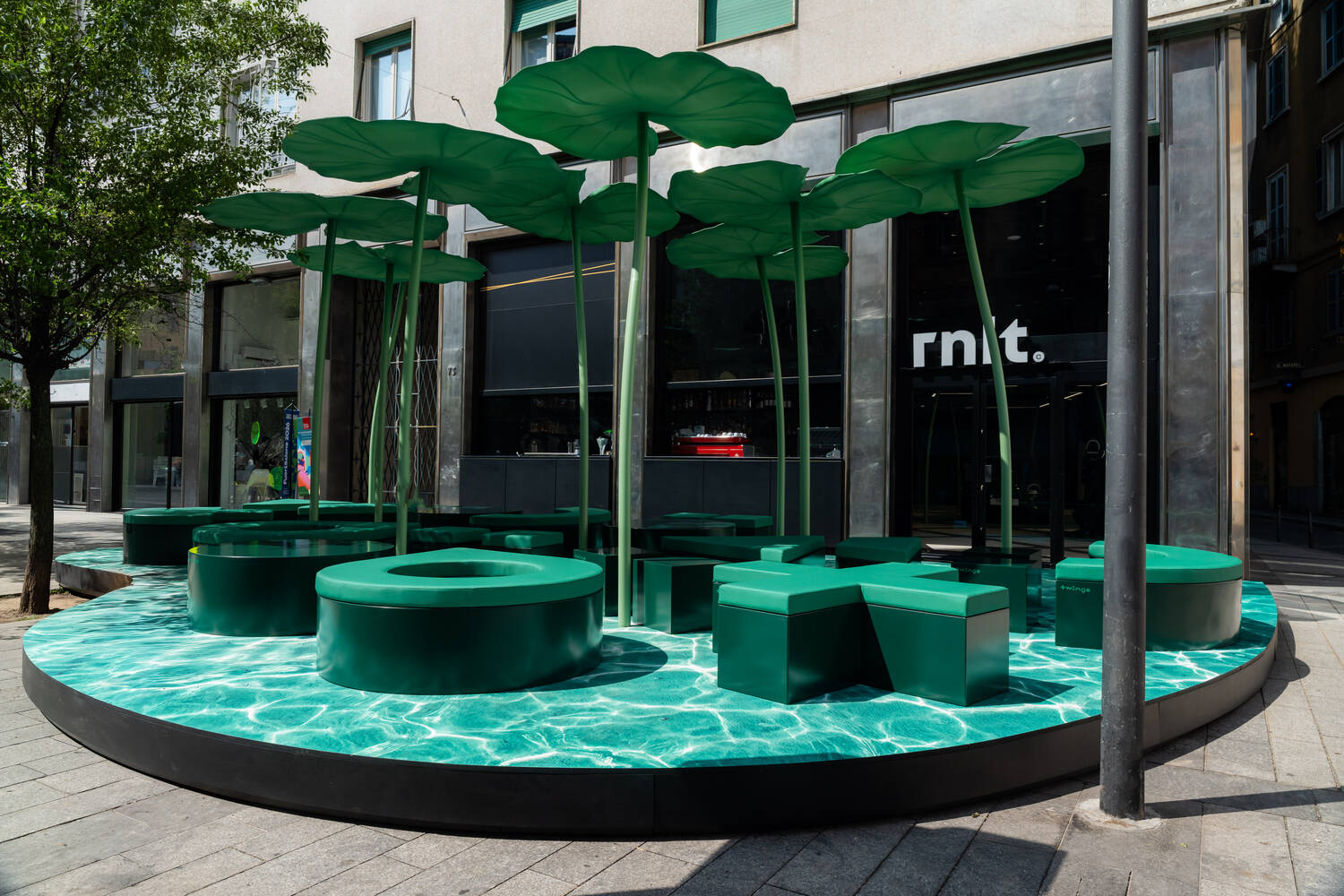
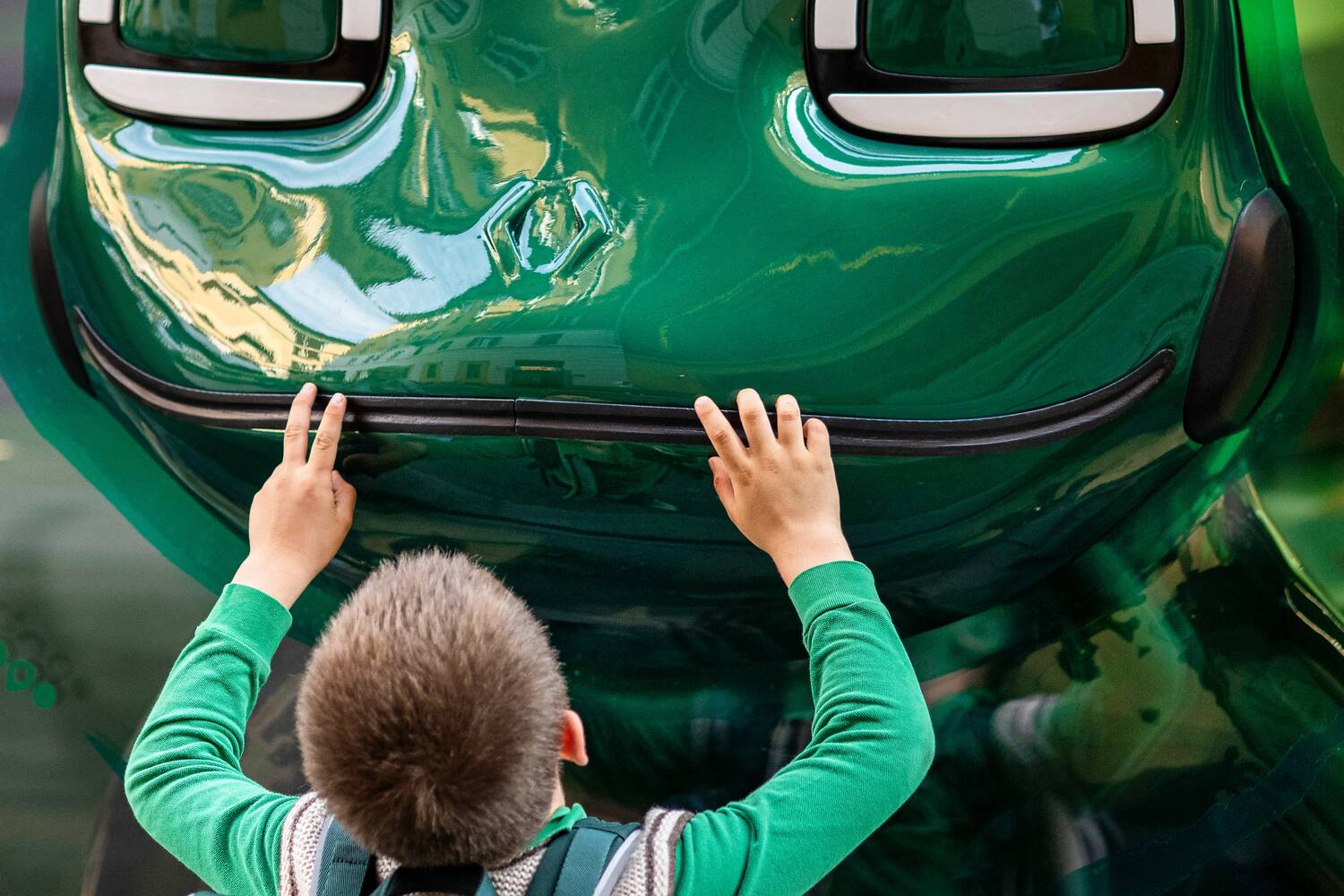
Renault also took a playful route, using the return of the Twingo as the basis for an installation called 'The Frog Is Back'. The idea was built on the design of the Twingo's front end; with its rounded shape and expressive headlights, it has long been compared to a frog.
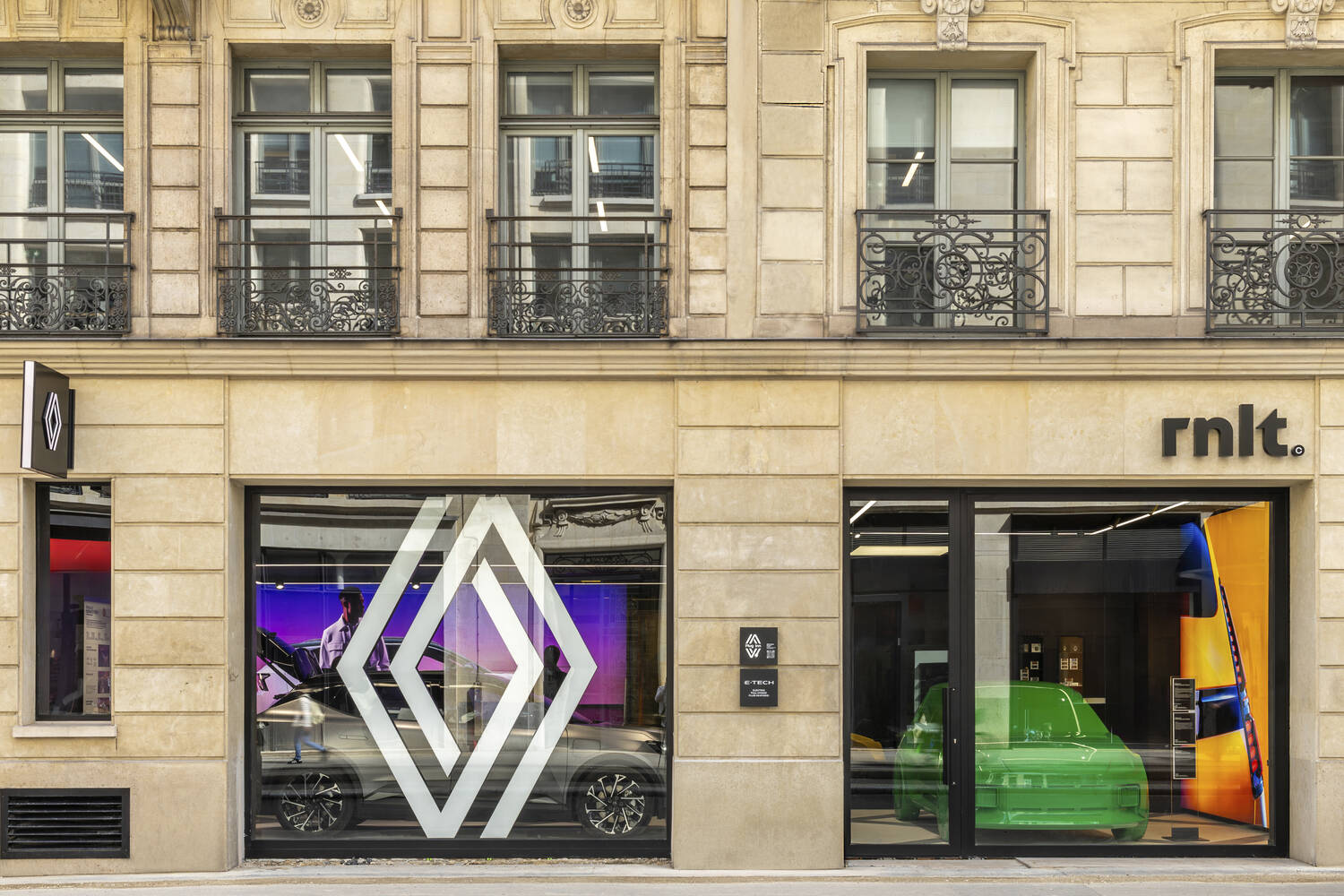
Rather than just referencing that, Renault leaned fully into it. Renault transformed its 'rnlt' store in Milan's Brera district into an urban pond, with oversized water lilies, ambient sounds and visual tricks designed to lead visitors through the installation, while a frog sculpture by designer Marcantonio sat alongside the car, echoing its shape.
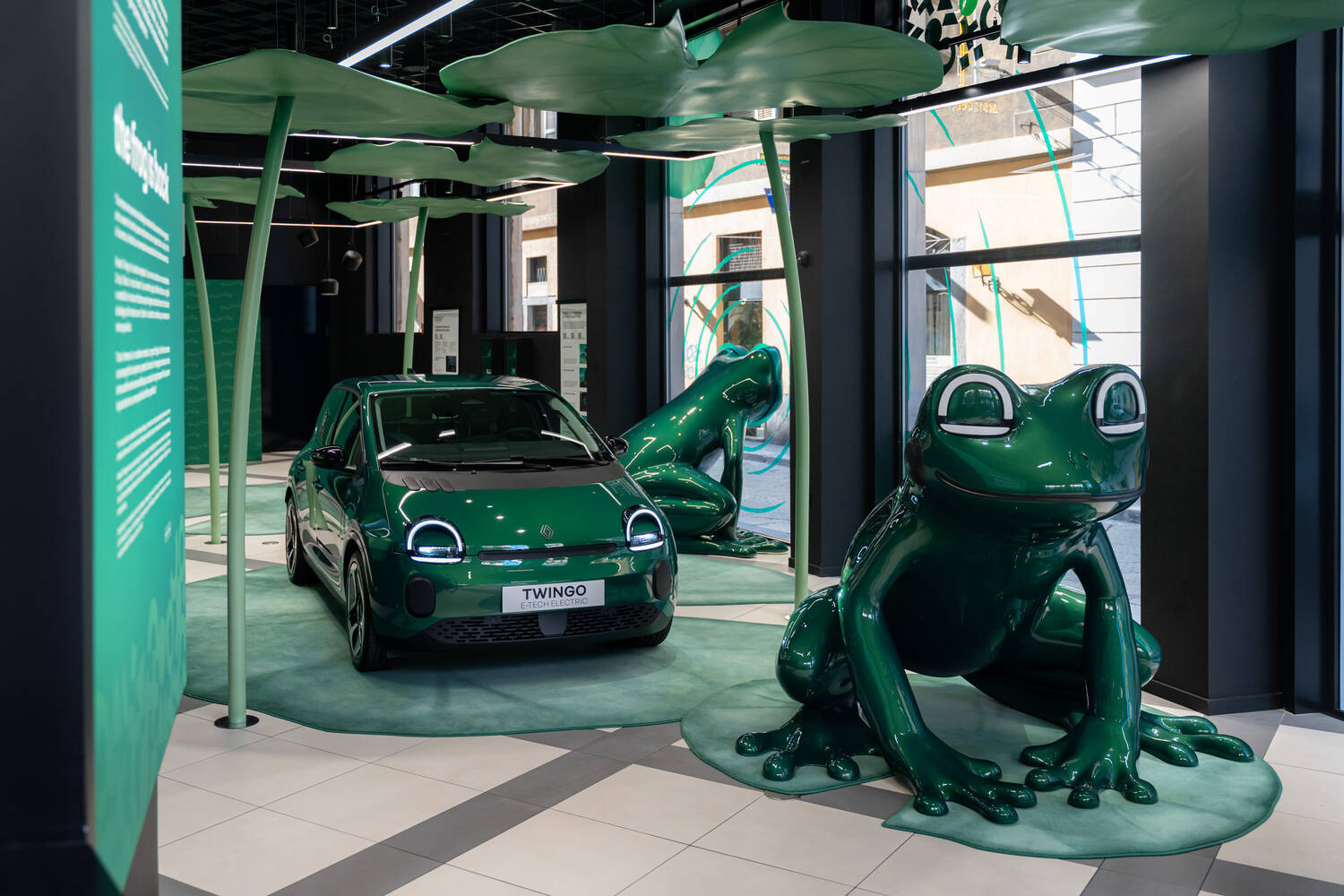
The aim was to highlight the Twingo's design in a way that feels friendly and familiar, rather than technical, and to reconnect it with the character that made it popular in the first place.
Kia shows how it's done
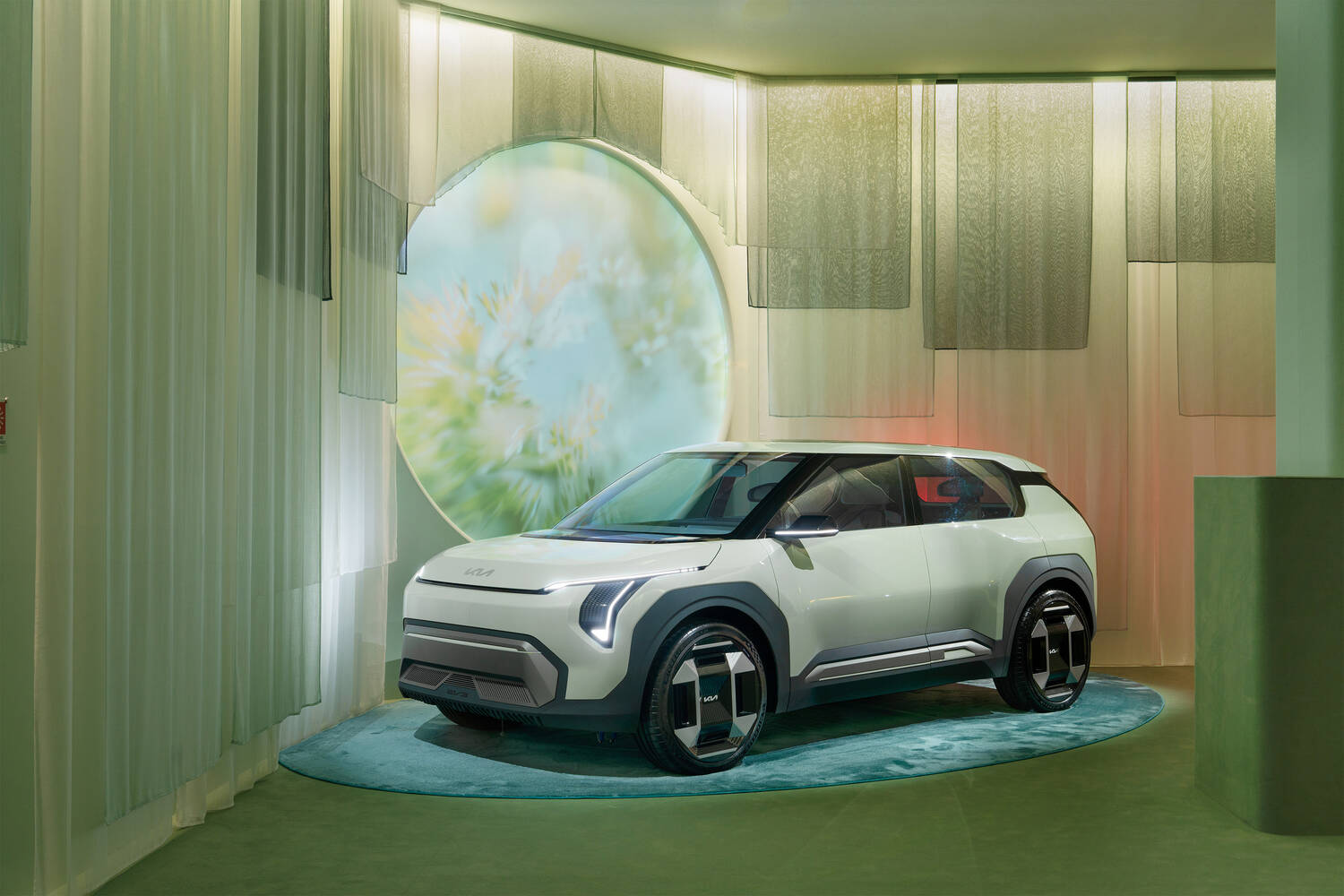
While some brands kept things light, others used Milan to explain how they actually design cars, such as Kia, which split its presence across two locations to show both how it designs cars and what those ideas look like in reality.
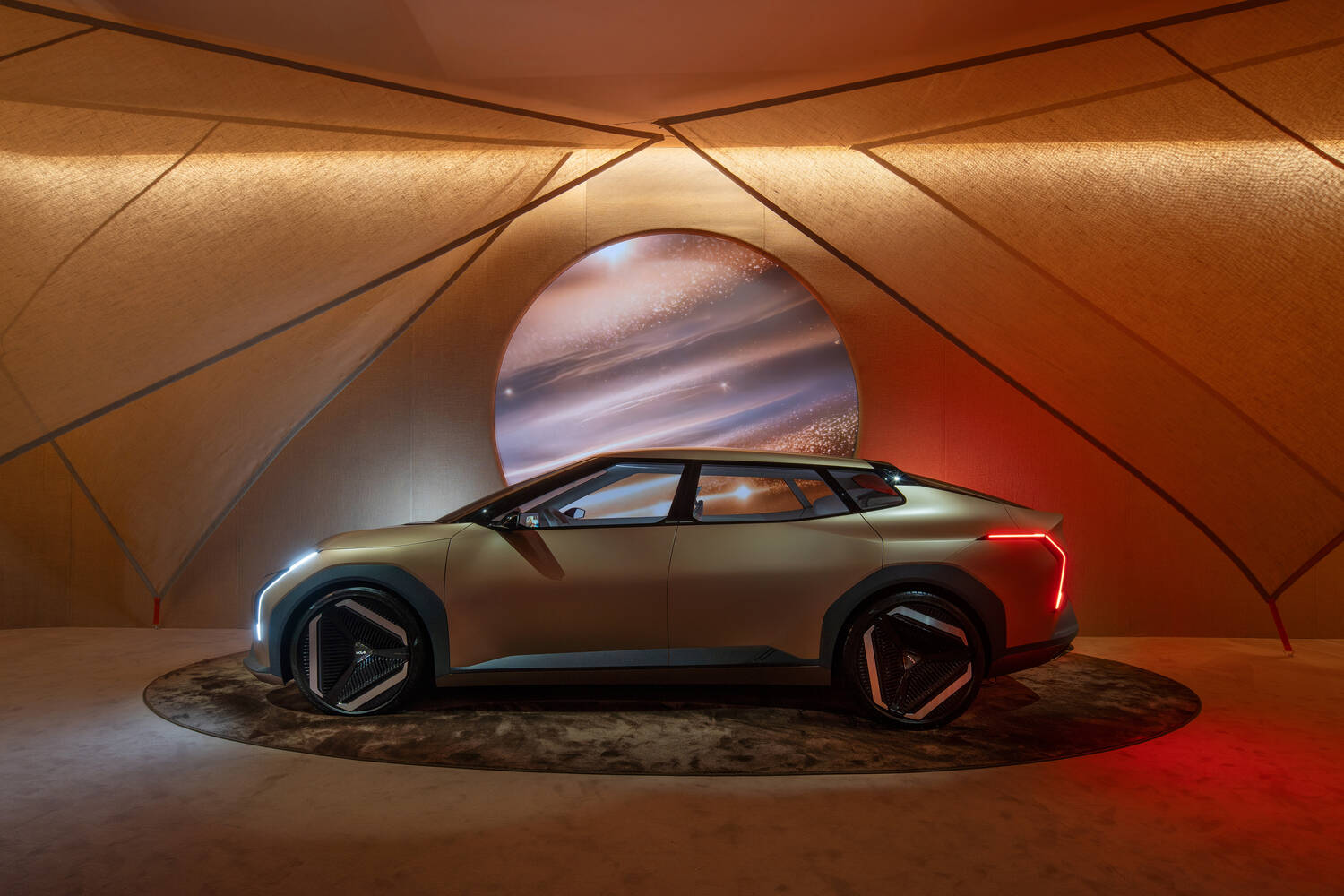
The first exhibition focused on the initial stages of the design process. Instead of cars, it used large-scale installations of light, space and movement to show how ideas develop, how designers test different directions and how those ideas are refined over time.
Visitors moved through a series of rooms, each representing a different stage in that thinking, from testing bold concepts to slowing down and focusing on detail. It gave some context to Kia's 'Opposites United' approach, which is essentially about combining contrasting ideas, like simple and complex or natural and digital, and making them work together in a single design.
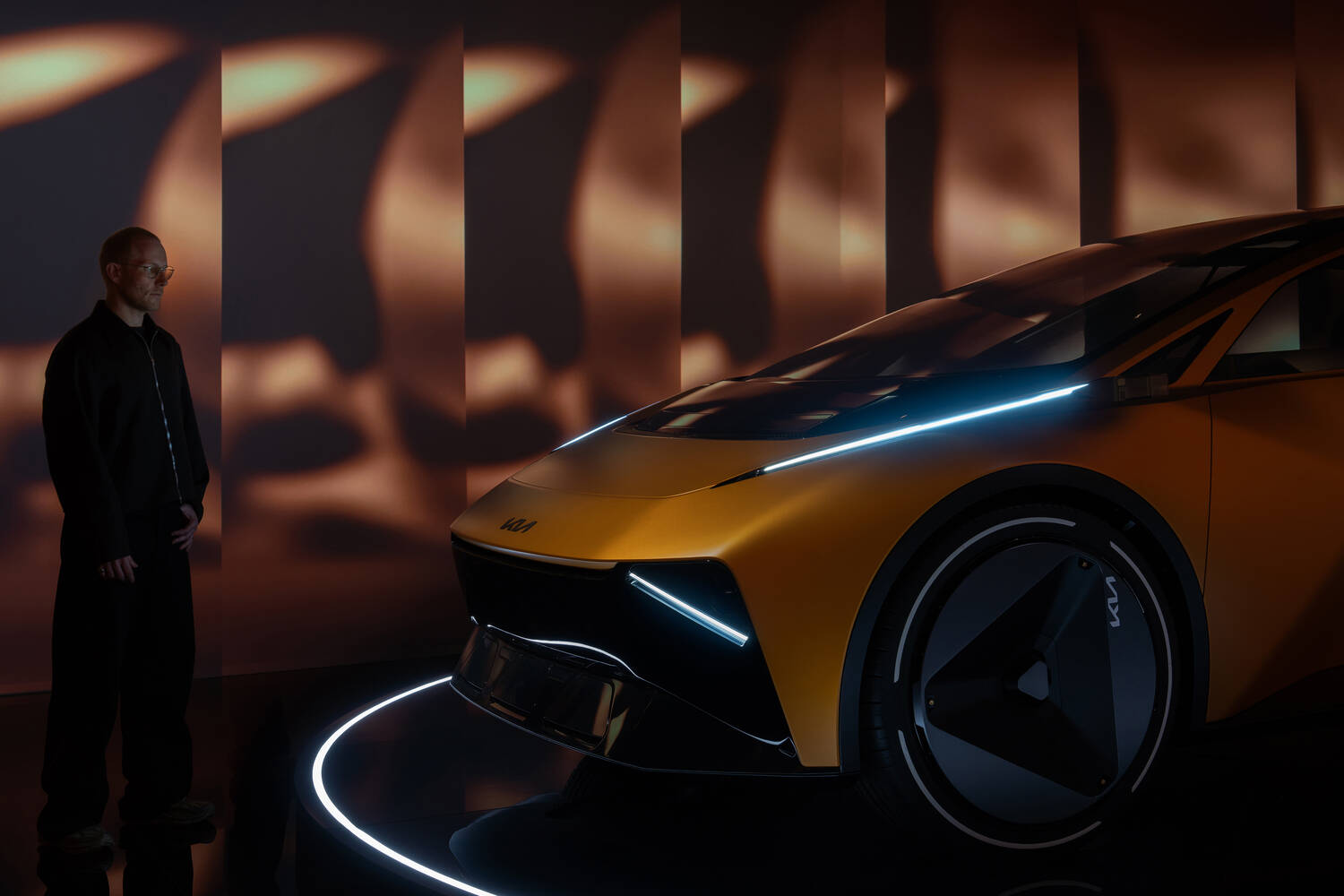
That thinking carried through to the second exhibition, where Kia showed six vehicles - the EV2, EV3, EV4, EV5 and EV9, alongside the Vision Meta Turismo - which were used to show how those earlier ideas translate into real design decisions, from the shape of the exterior to the layout of the cabin and the materials used inside.
Set out this way, the two exhibitions worked as a simple before-and-after: first the thinking, then the result. The setting of Milan Design Week allows designers to explain their approach in a way that a traditional motor show simply doesn't.
Cupra - taking back control
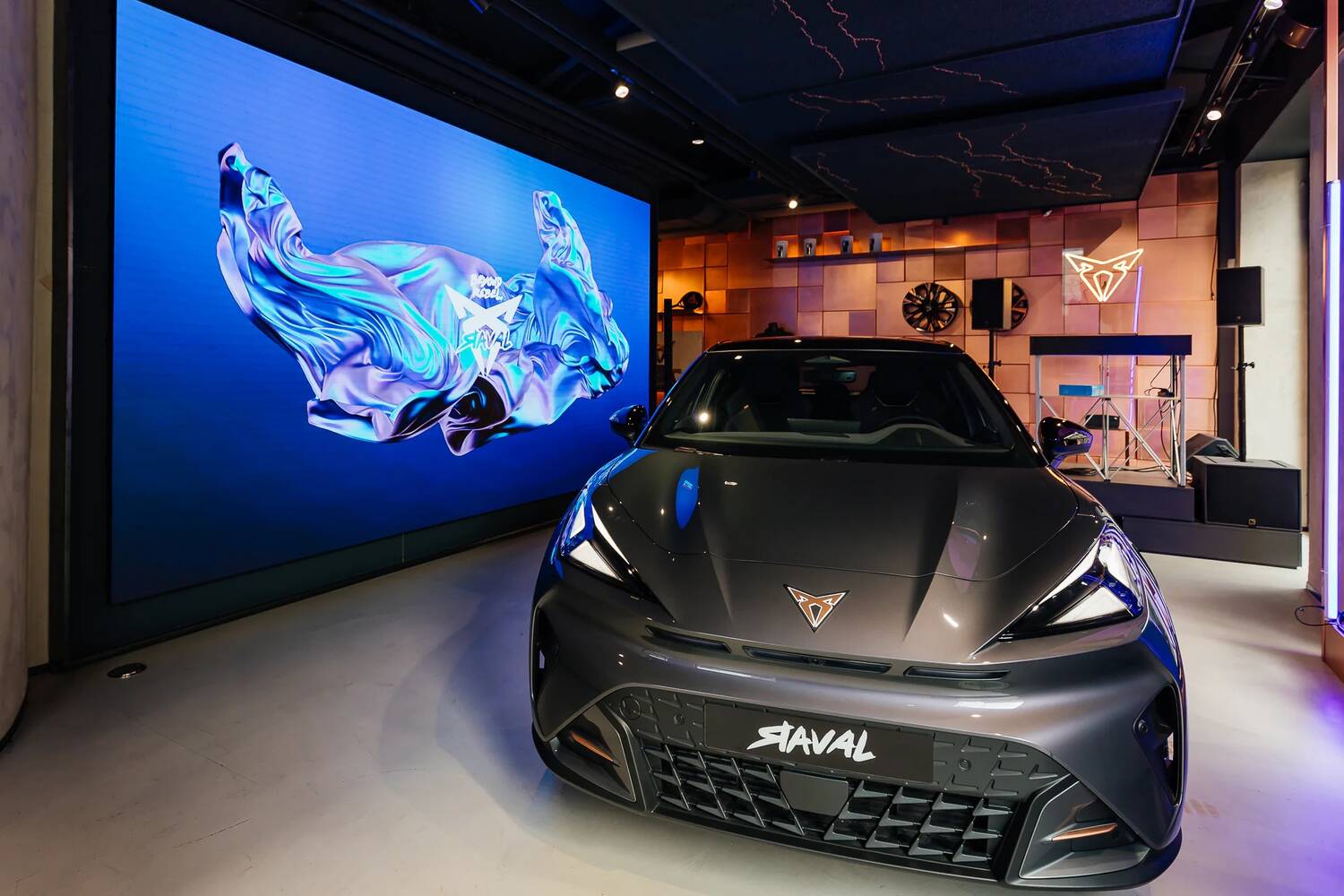
Cupra took a similar approach but pushed it further into art and experimentation with its installation, 'Beyond The Known,' which was spread across several locations in Milan.
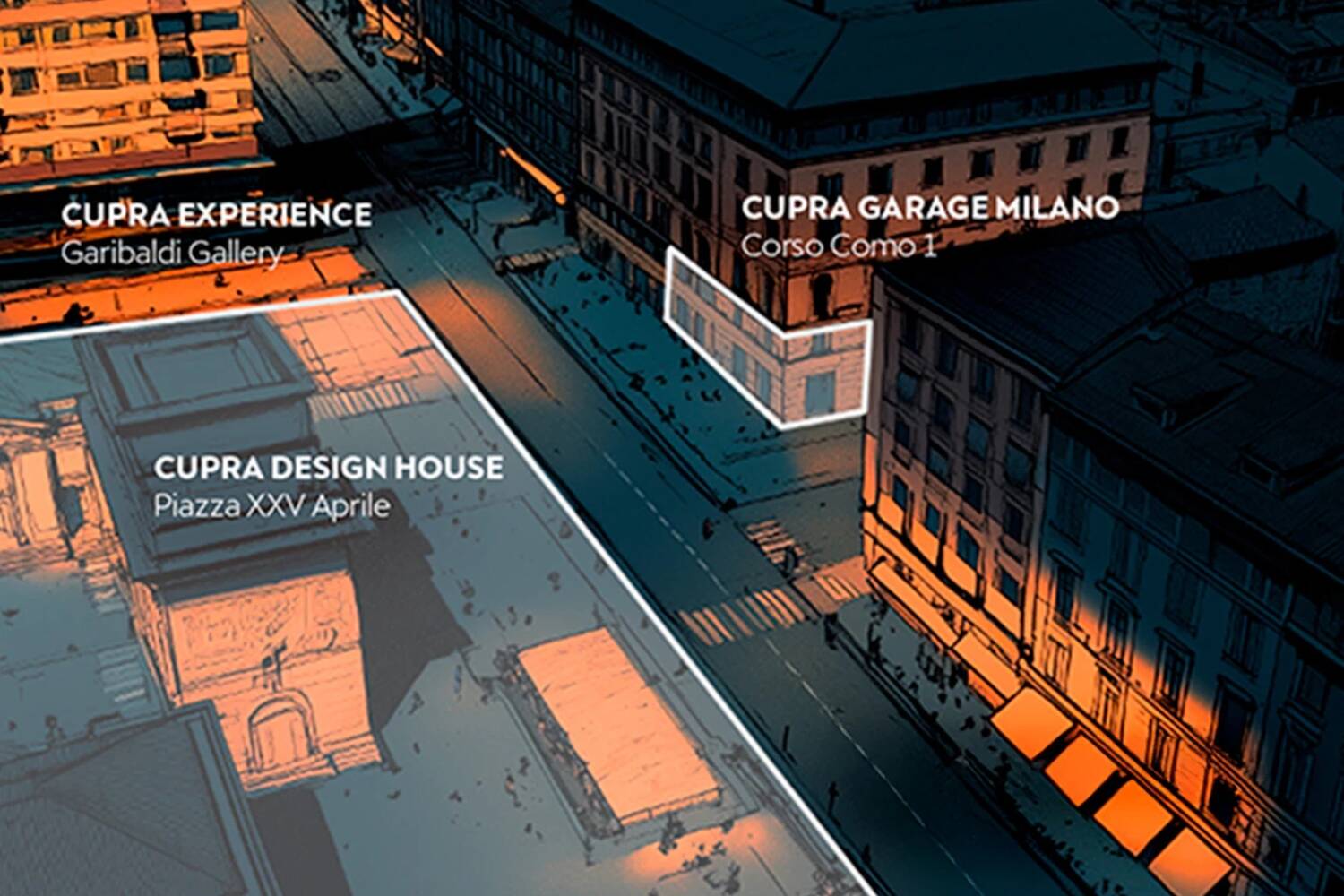
It started at the Cupra Garage, where the Raval was used as a reference point for the brand's move into electric cars. From there, the Design House space looked more at how those cars come together, with a focus on materials, design processes and new technologies, including digital and parametric design.
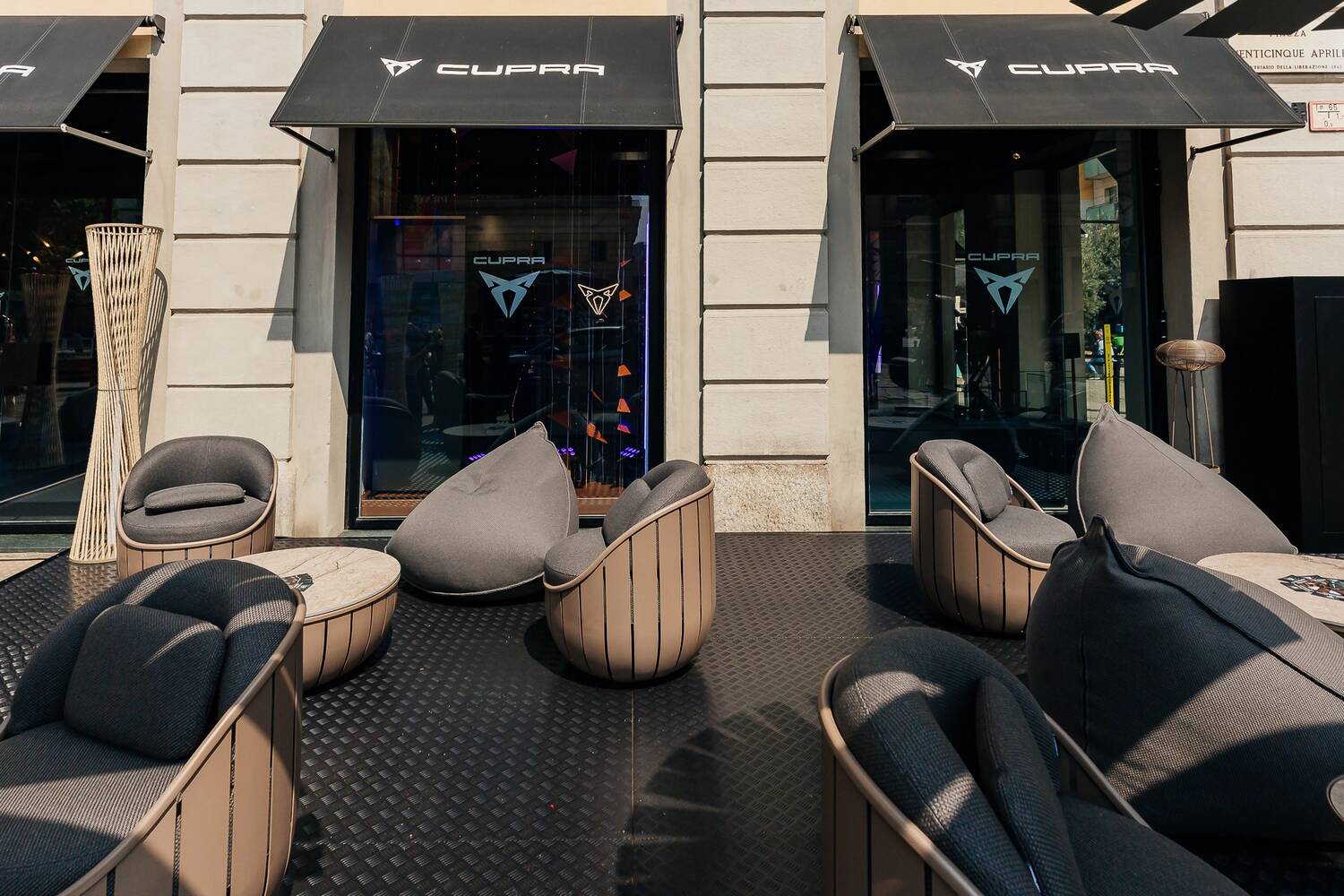
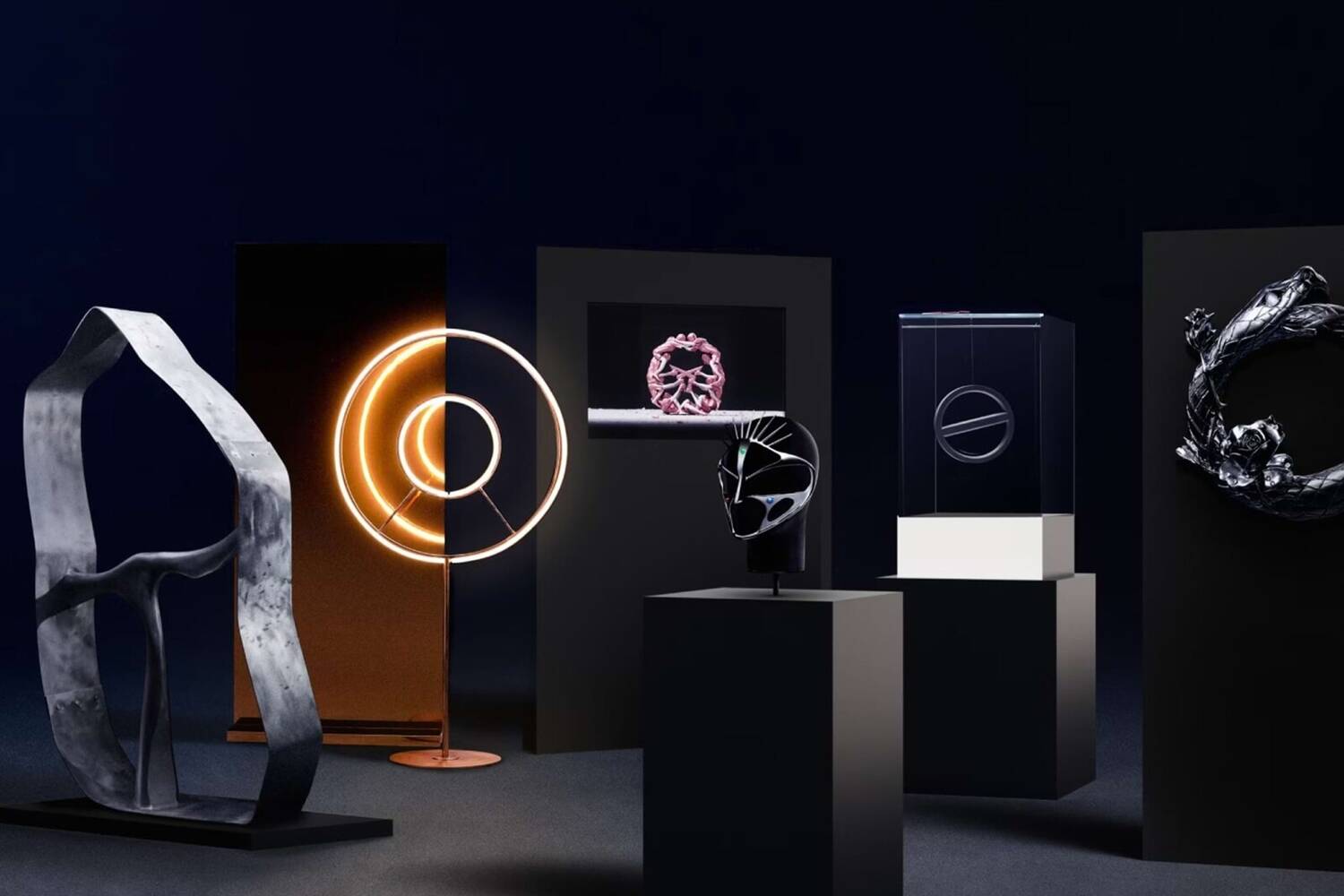
A third part, at the Garibaldi Gallery, leaned further into art, with an exhibition called 'Own the Wheel', where artists reworked the idea of a steering wheel as a symbol of control, alongside a student project developed with Raffles Milano that challenged designers to create innovative ideas in a short time.
Skoda - winning the popular vote
Skoda, on the other hand, kept things a bit more grounded and took a traditional exhibition approach, yet it clearly struck a chord, attracting close to 60,000 visitors to its installation and winning the Fuorisalone Award as the highest-rated installation of the week.
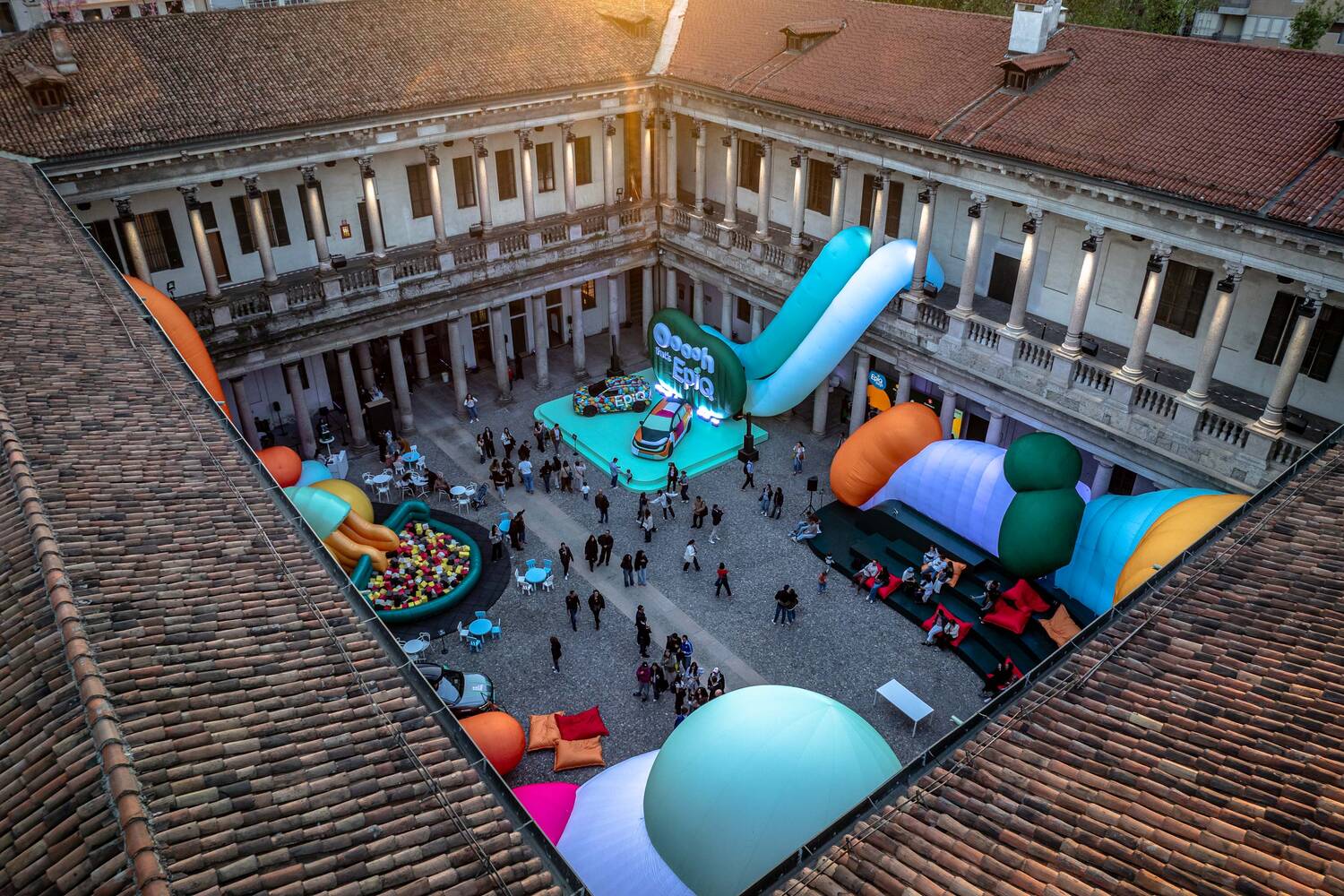
The display combined physical structures with digital elements to present Skoda's current design direction, centred on the upcoming all-electric Epiq, which was shown in camouflaged form alongside a sculptural version mimicking its shape.
The installation, created by Spanish architect Ricardo Orts, used large, clay-inspired forms to reflect the preliminary stages of car design, giving visitors a clearer sense of how Skoda develops its models from initial ideas through to production.
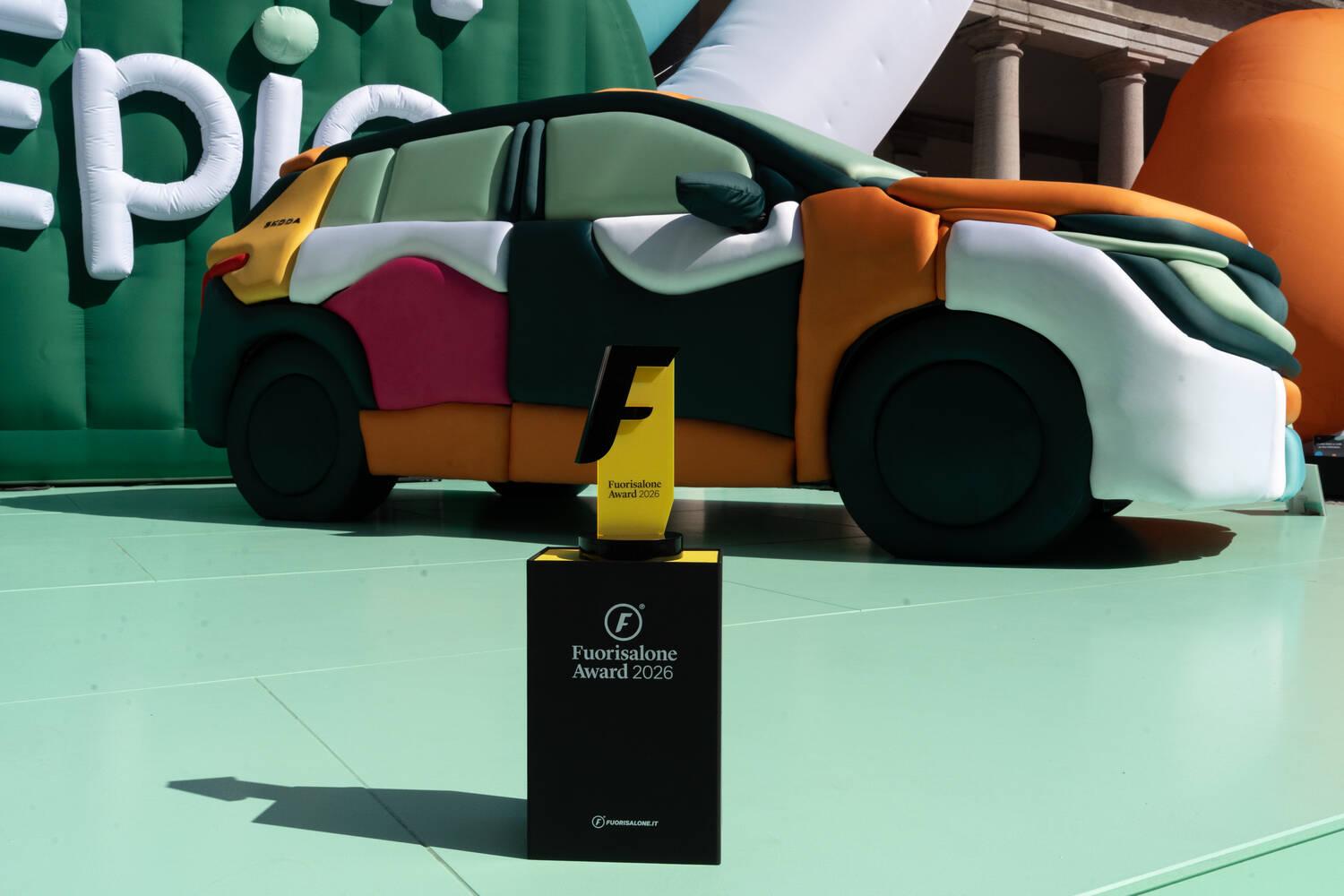
Alongside the main display, there were spaces for visitors to sit, explore digital content and take part in discussions, helping it feel more like an open exhibition than a typical car stand, and helping the brand connect with a wider, design-focused audience beyond the usual motor show crowd.
Lexus - all about sitting in cars
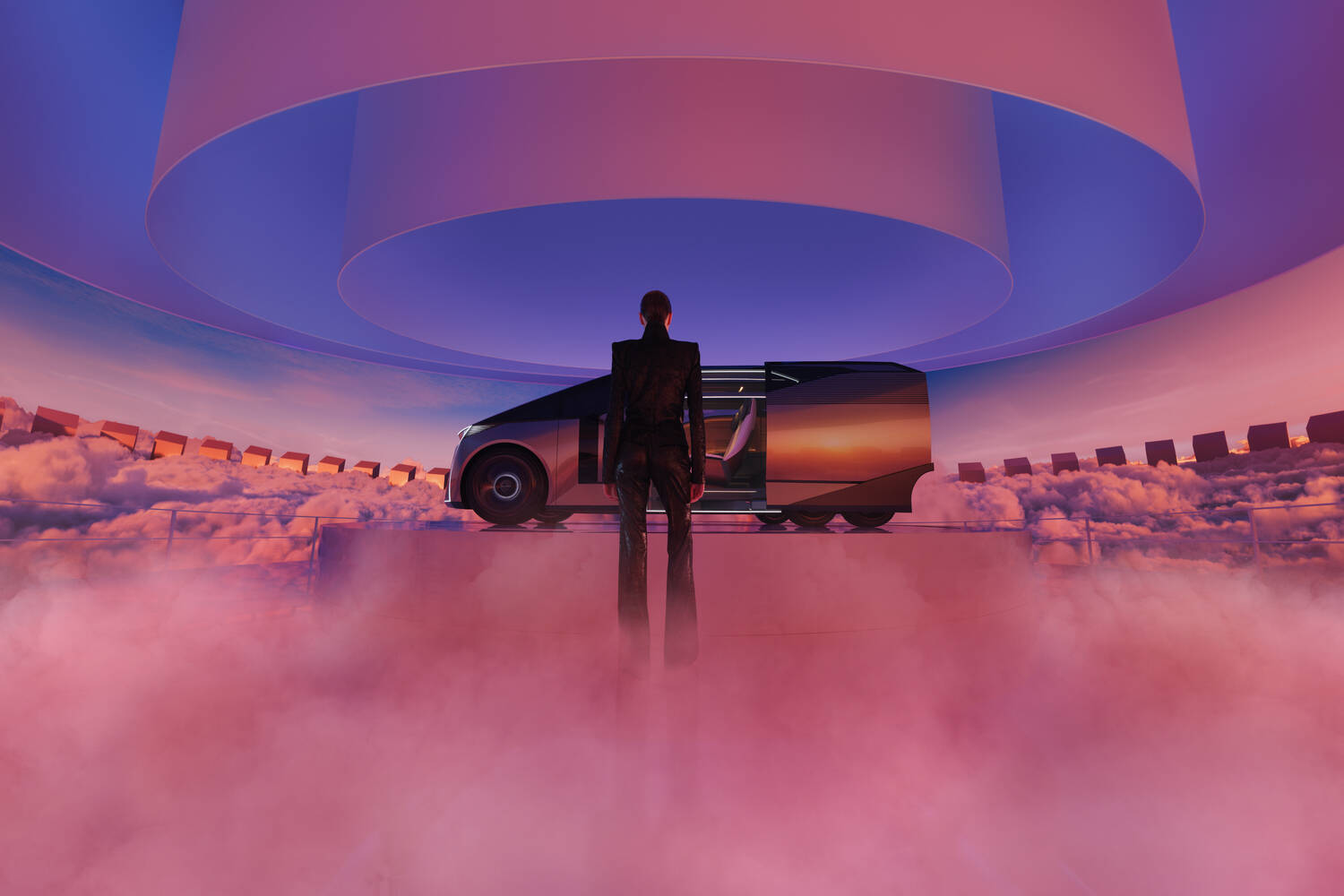
Lexus went in a completely different direction. Its main installation, called 'SPACE', was built as a full 360-degree experience using light, sound and visuals to place visitors inside a changing environment rather than in front of a car.
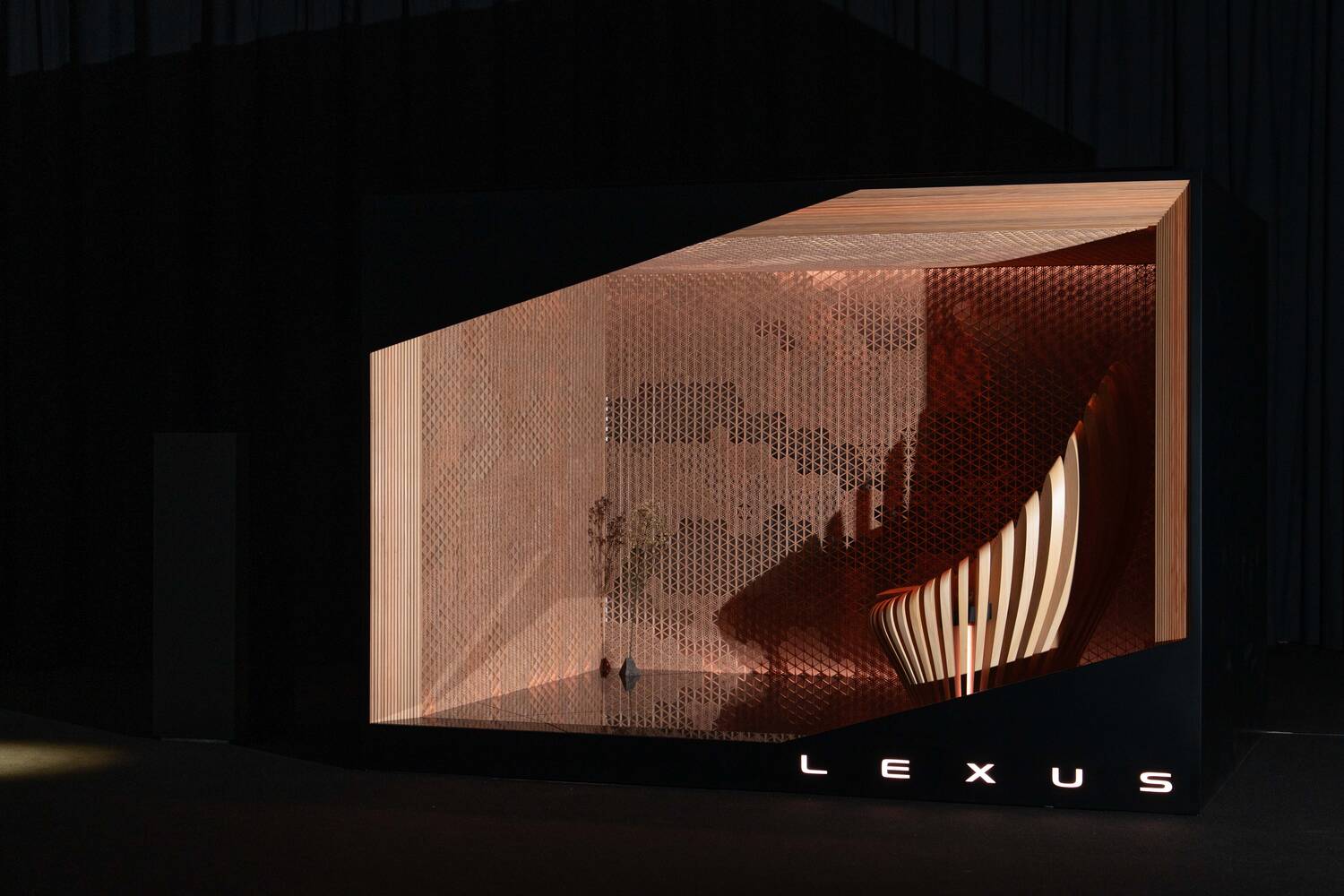
The aim was to show how the role of a car is shifting, from simply getting from one place to another to becoming a space people spend time in, whether that's to relax, think or switch off.
Alongside this, Lexus presented four additional installations created with designers and artists from different countries as part of its 'Discover Together' project, each one exploring the idea of personal space in a more specific way, from a quiet, enclosed room inspired by a Japanese tea house to a padded pod that reacts to your breathing and creates a calm, cocoon-like environment.
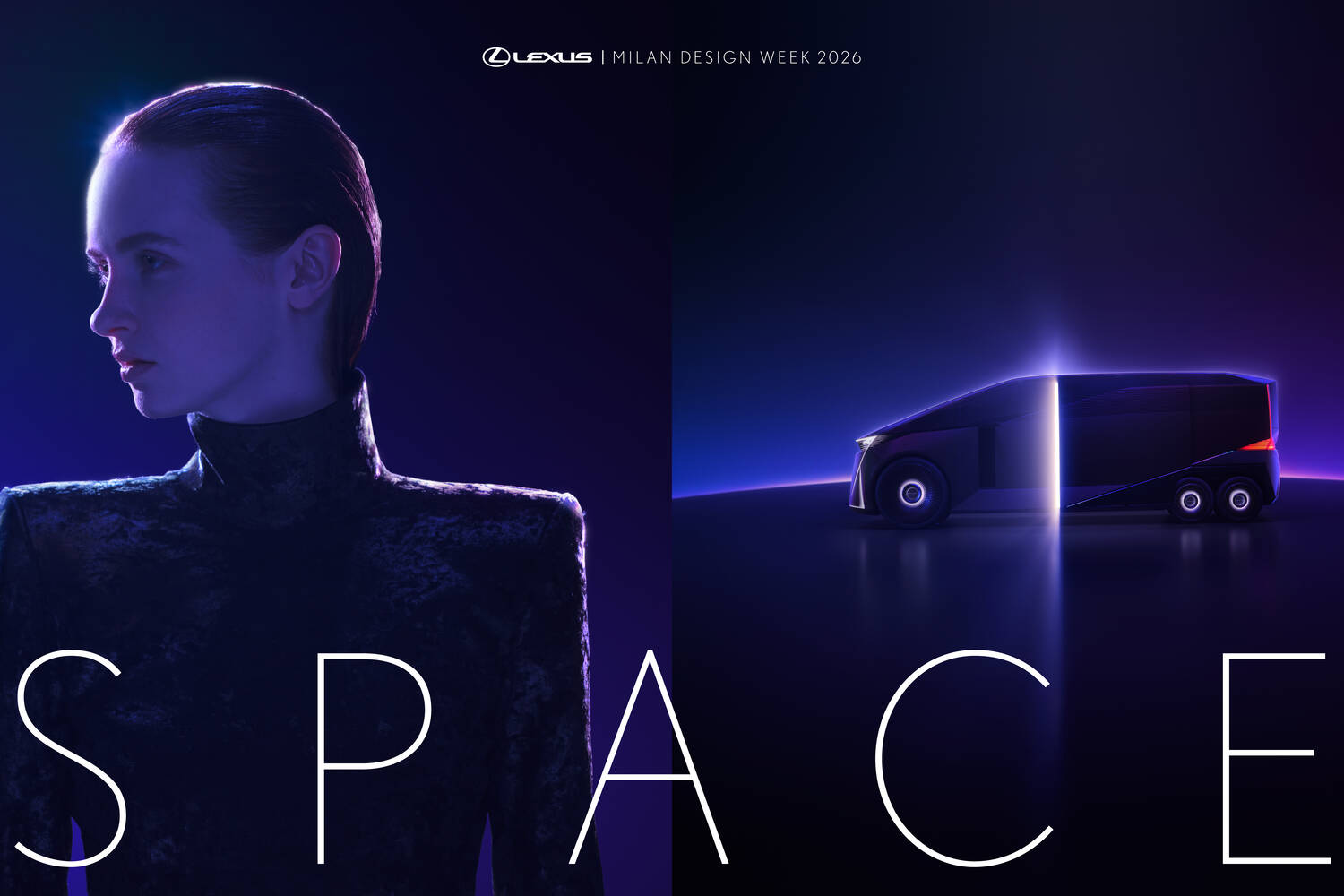
The exhibitions made clear that Lexus sees the next stage of luxury in how a car feels to sit in and how that space is used.
Range Rover - tracing a path to Bespoke
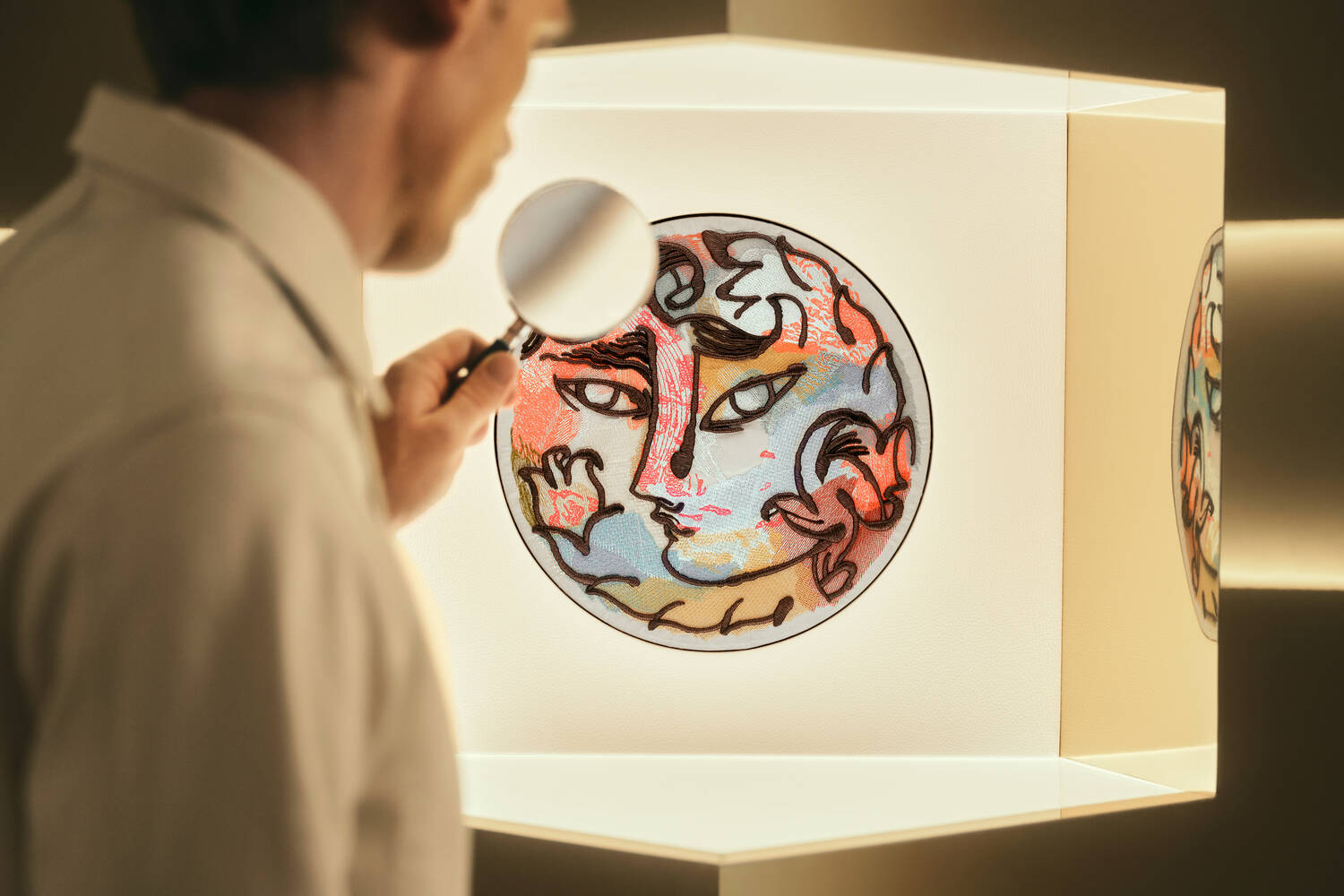
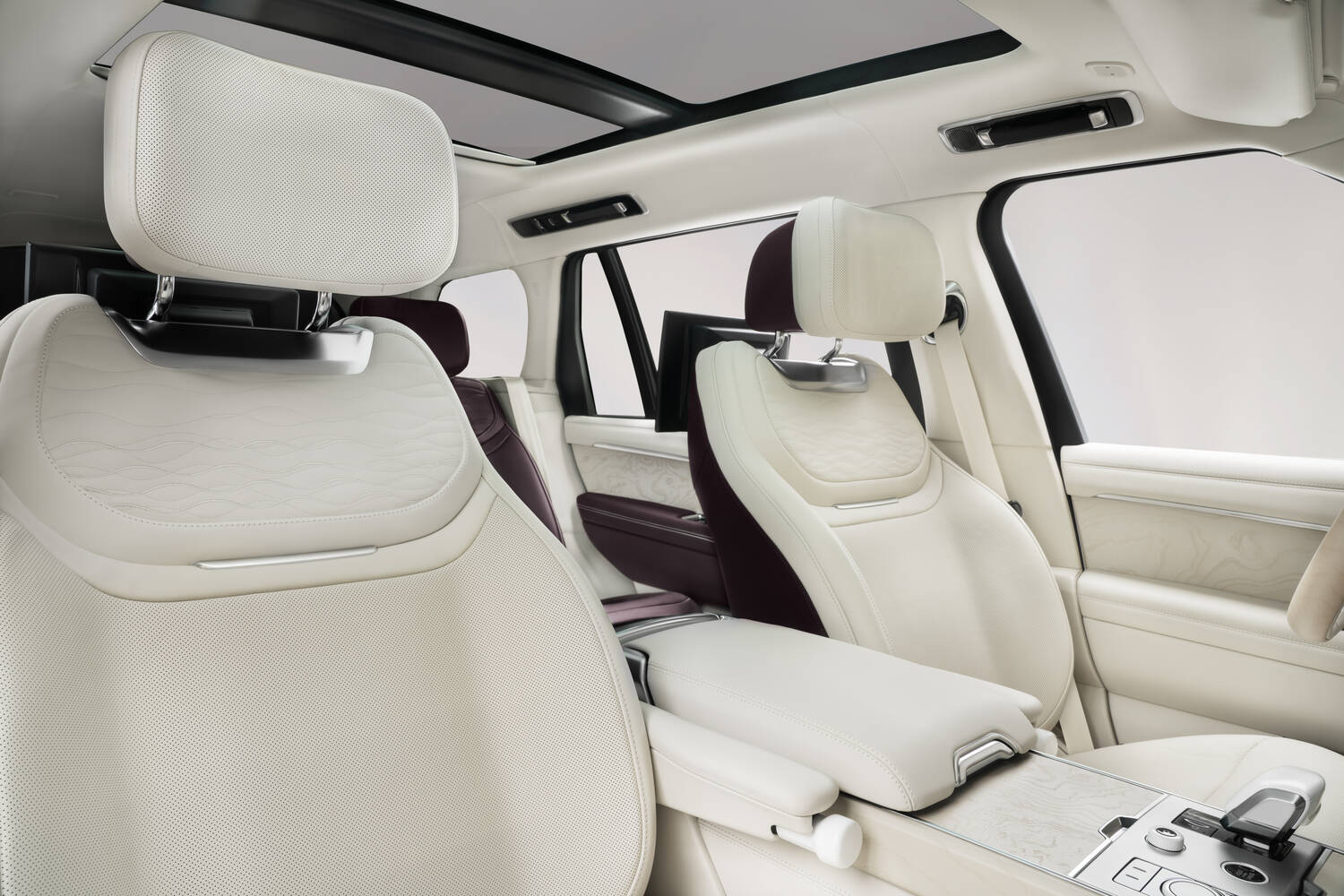
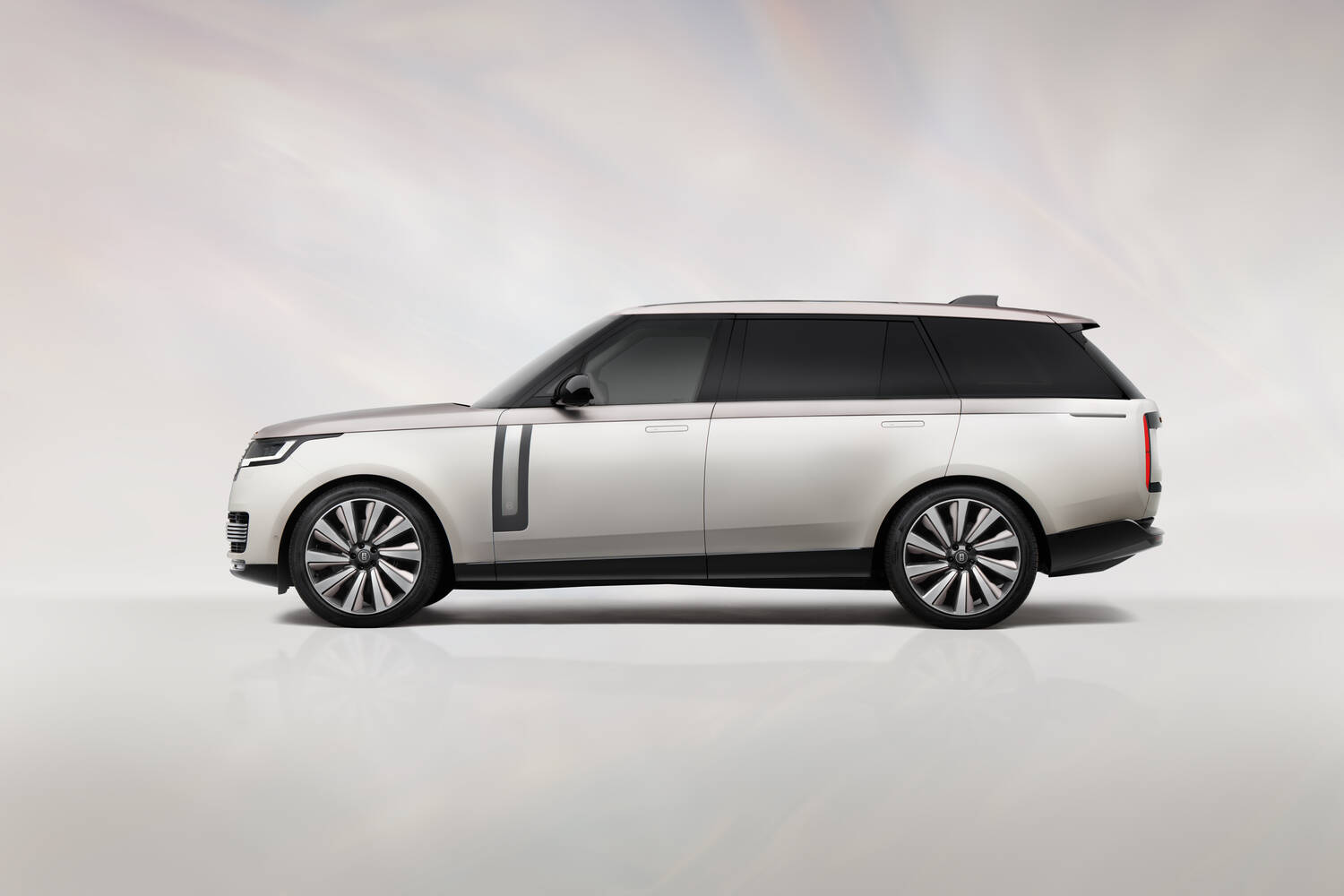
Range Rover, however, focused on the car's looks with its installation called 'Traces' that centred on its Bespoke personalisation service.
Rather than focusing on a single car, the display was built as a walk-through experience exploring how a customer might create a highly personalised vehicle, from colour choices to materials and finishes.
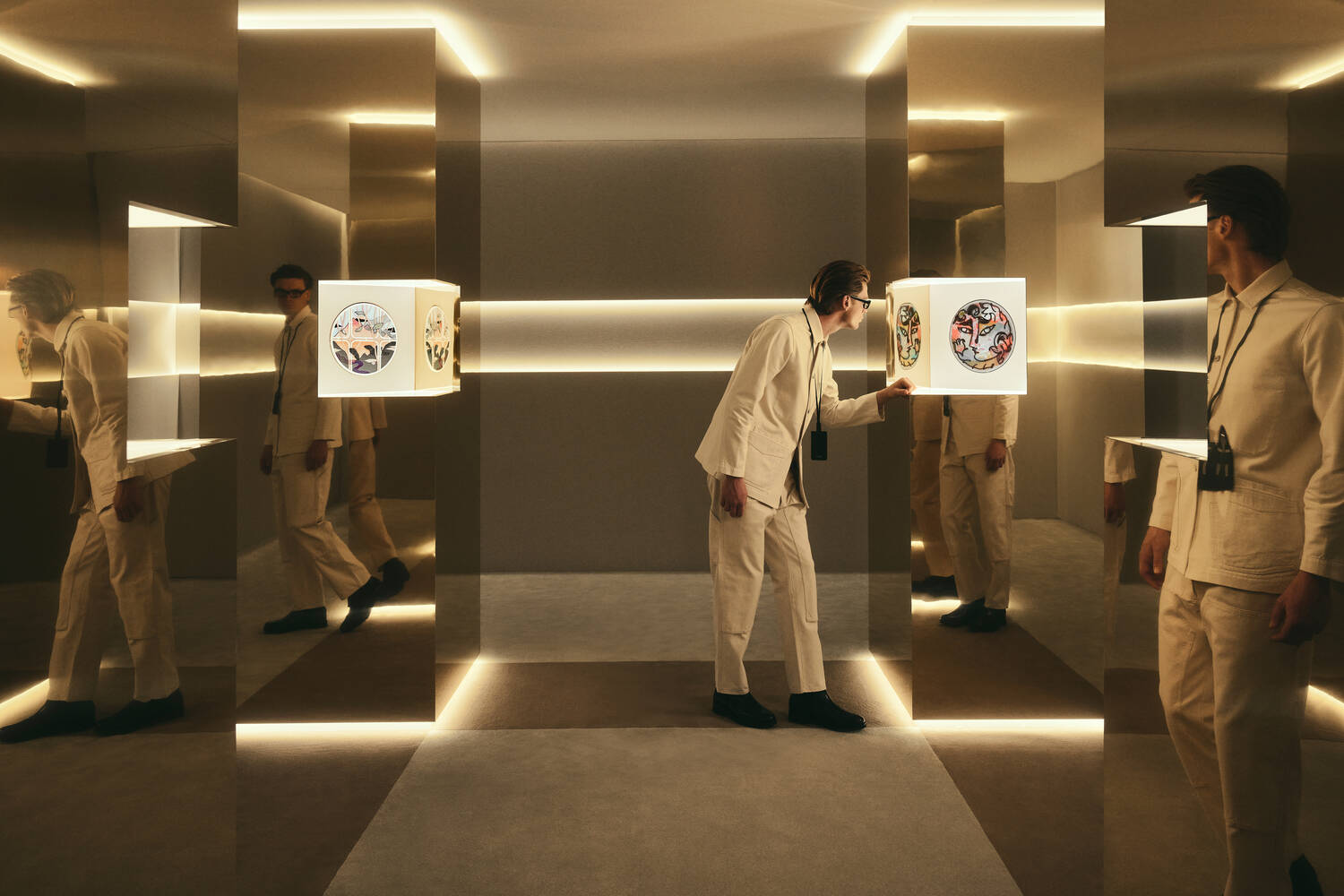
Visitors moved through three stages, each looking at a different part of that process, including how colours can be linked to places and memories, how patterns and details are developed and how materials influence the final result.
The installation also included a one-off Bespoke vehicle called the'"Pearl of Tay', used as an example of how those ideas come together in a finished car.
Lamborghini - personalised Super-SUV
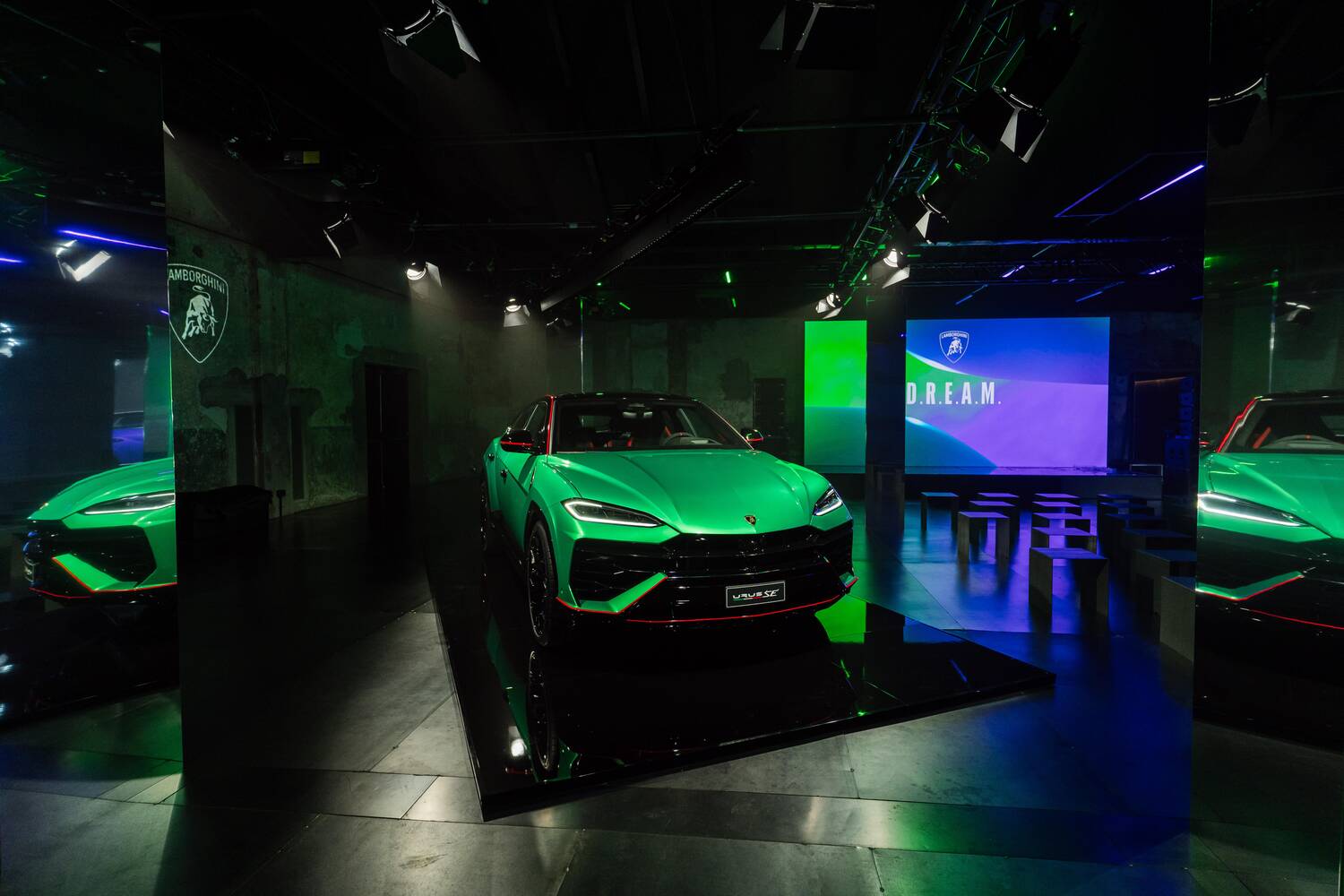
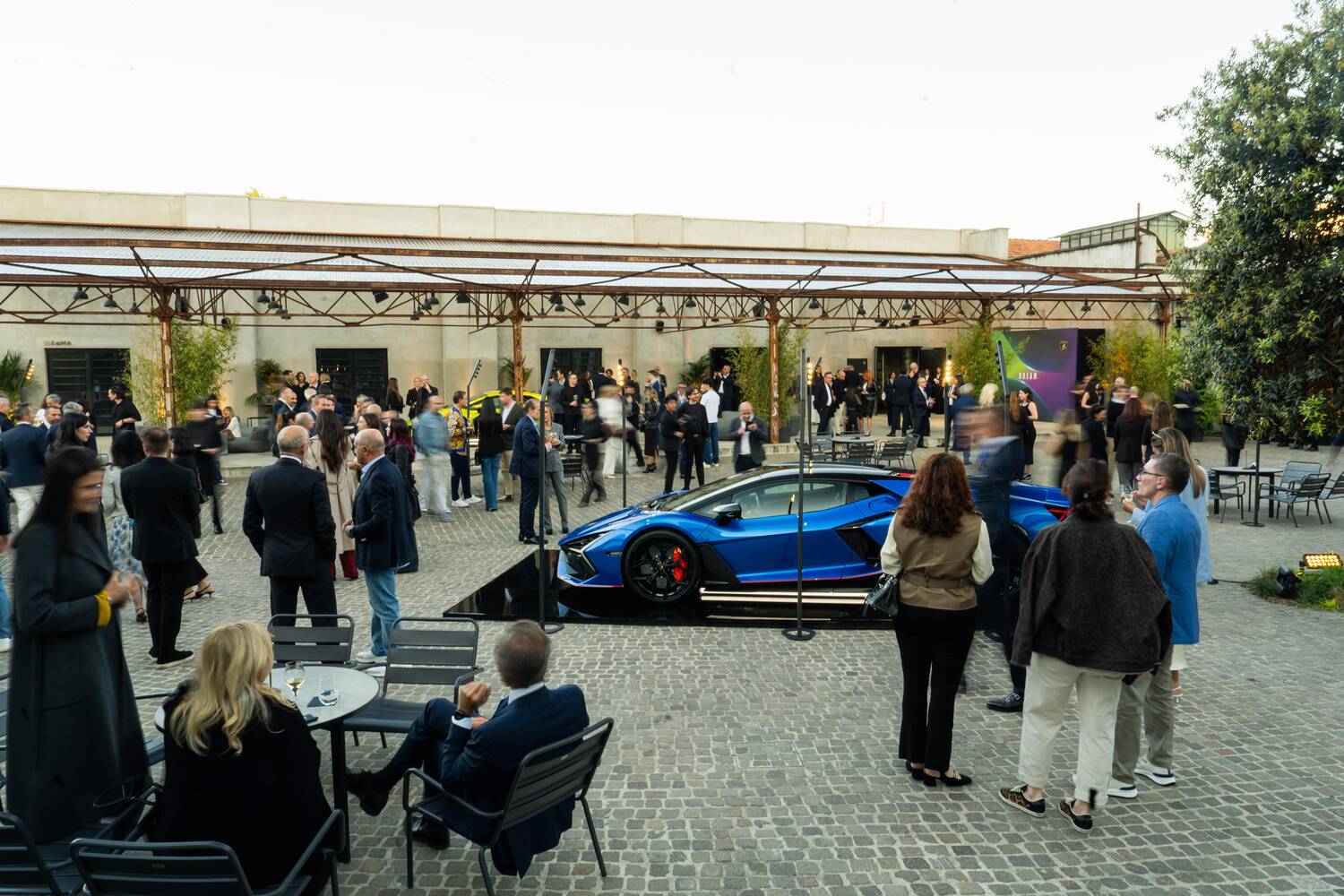
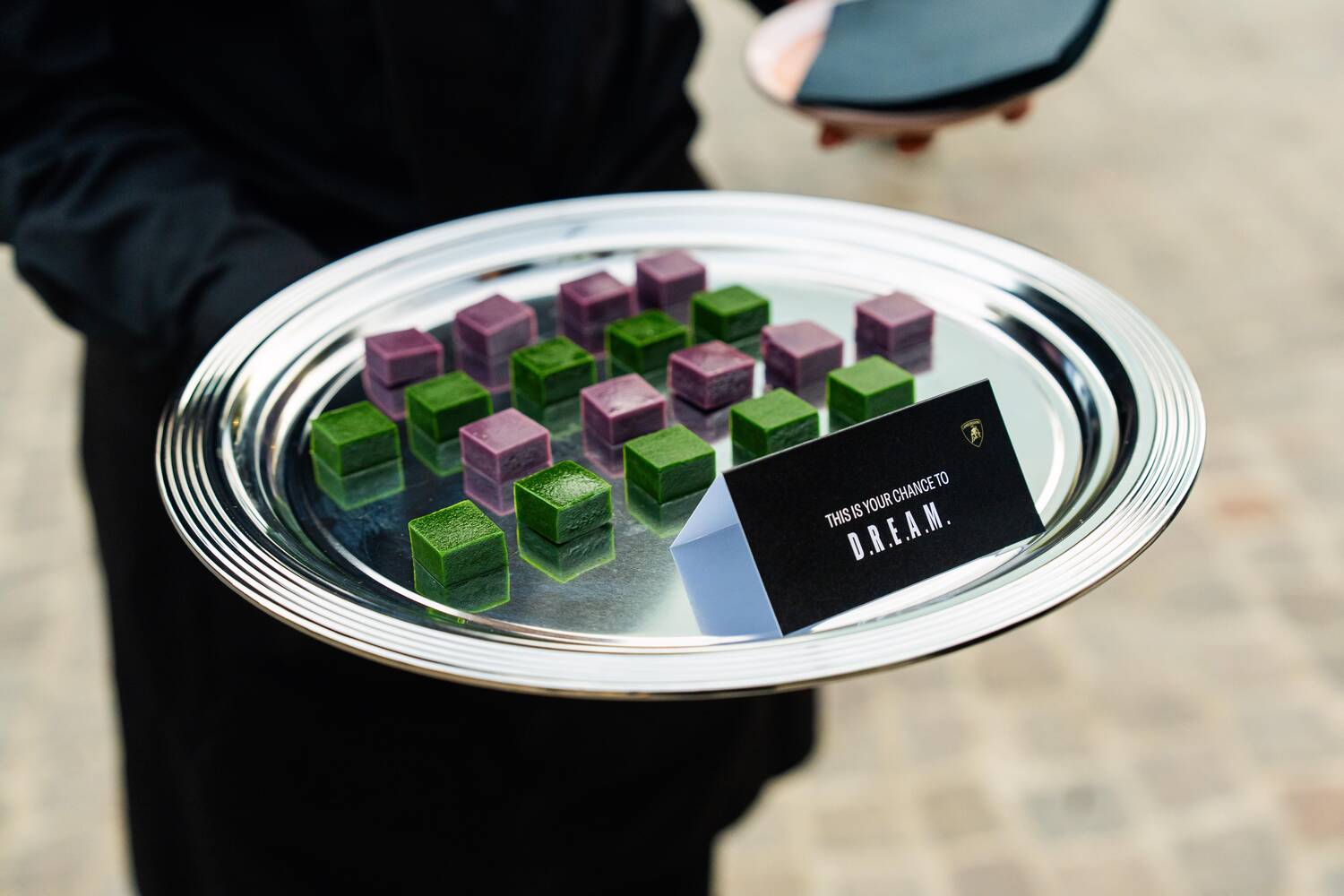
Lamborghini also focused on personalisation and unveiled a limited-run version of its SUV, called the Lamborghini Urus SE Tettonero Capsule.
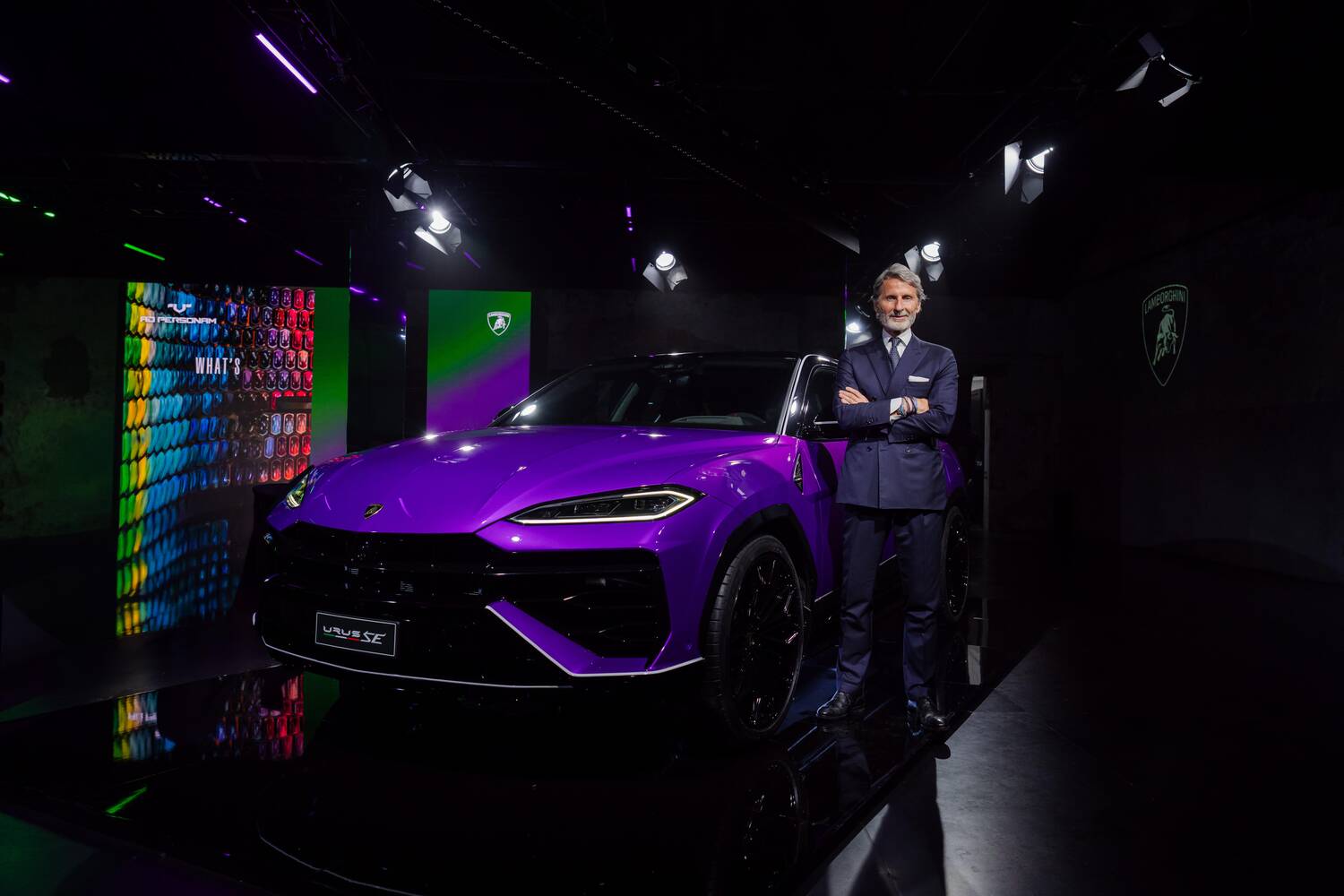
The idea was to show off how far its customers can tailor the car to their own tastes, with each example designed to feel individual rather than standardised. There are more than 70 possible combinations of exterior colours, liveries and interior finishes developed through Lamborghini's Ad Personam programme.
Buyers can also choose from a wide range of contrast finishes and detailing options, different wheel designs and brake calliper colours, not to mention multiple upholstery combinations using leather, microfibre and carbon-fibre trim for the cabin.
Bentley - not just cars you know
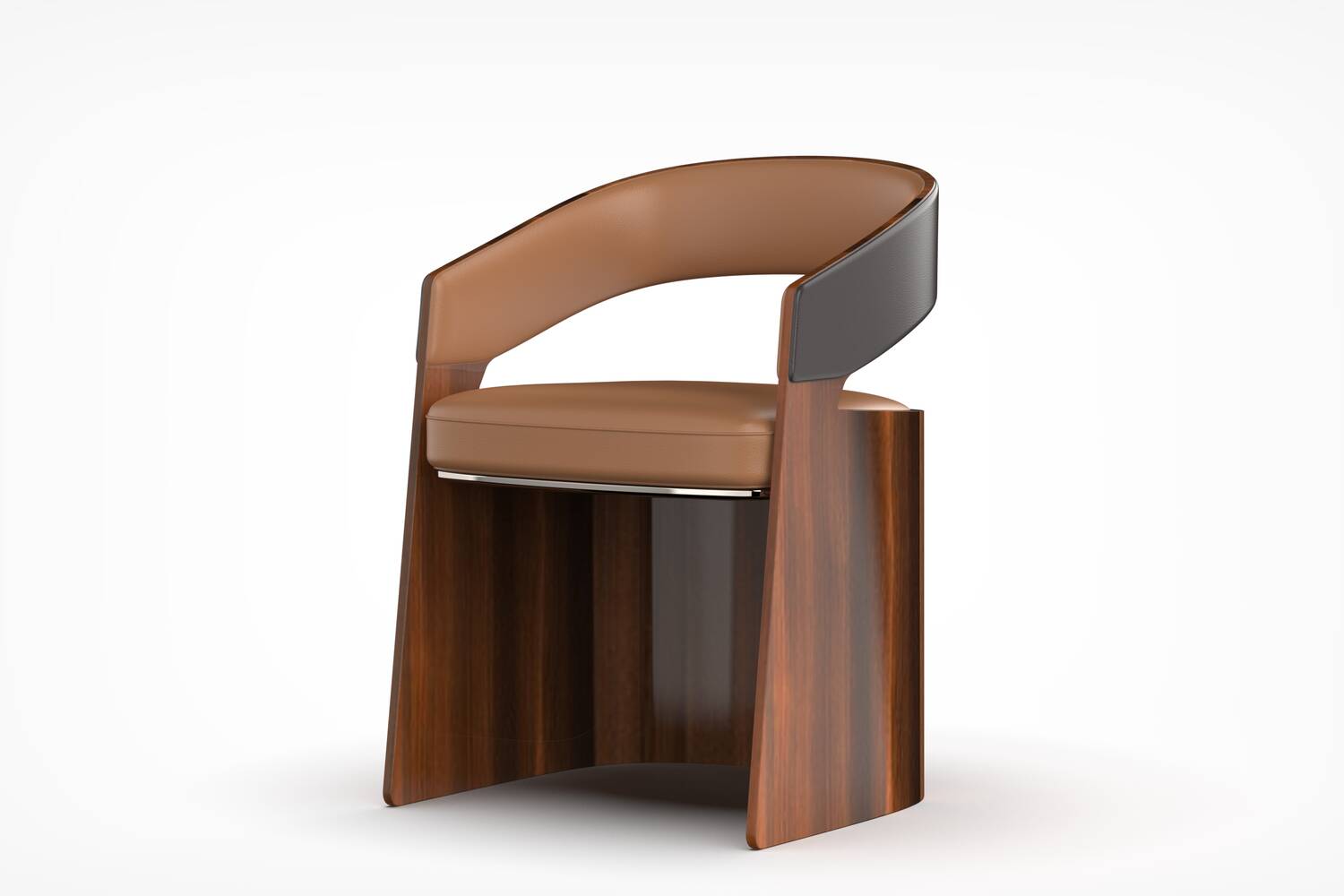
Not every brand stuck to cars, though. Bentley used Milan Design Week to step outside the car world entirely and present its latest Bentley Home collection, a range of tables, sofas, armchairs and storage pieces that bring the same design thinking found in its cars into the home.
Shown at its long-standing Milan atelier, the collection focuses heavily on materials and how they feel and age over time, with a shift to more natural, lower-impact finishes.
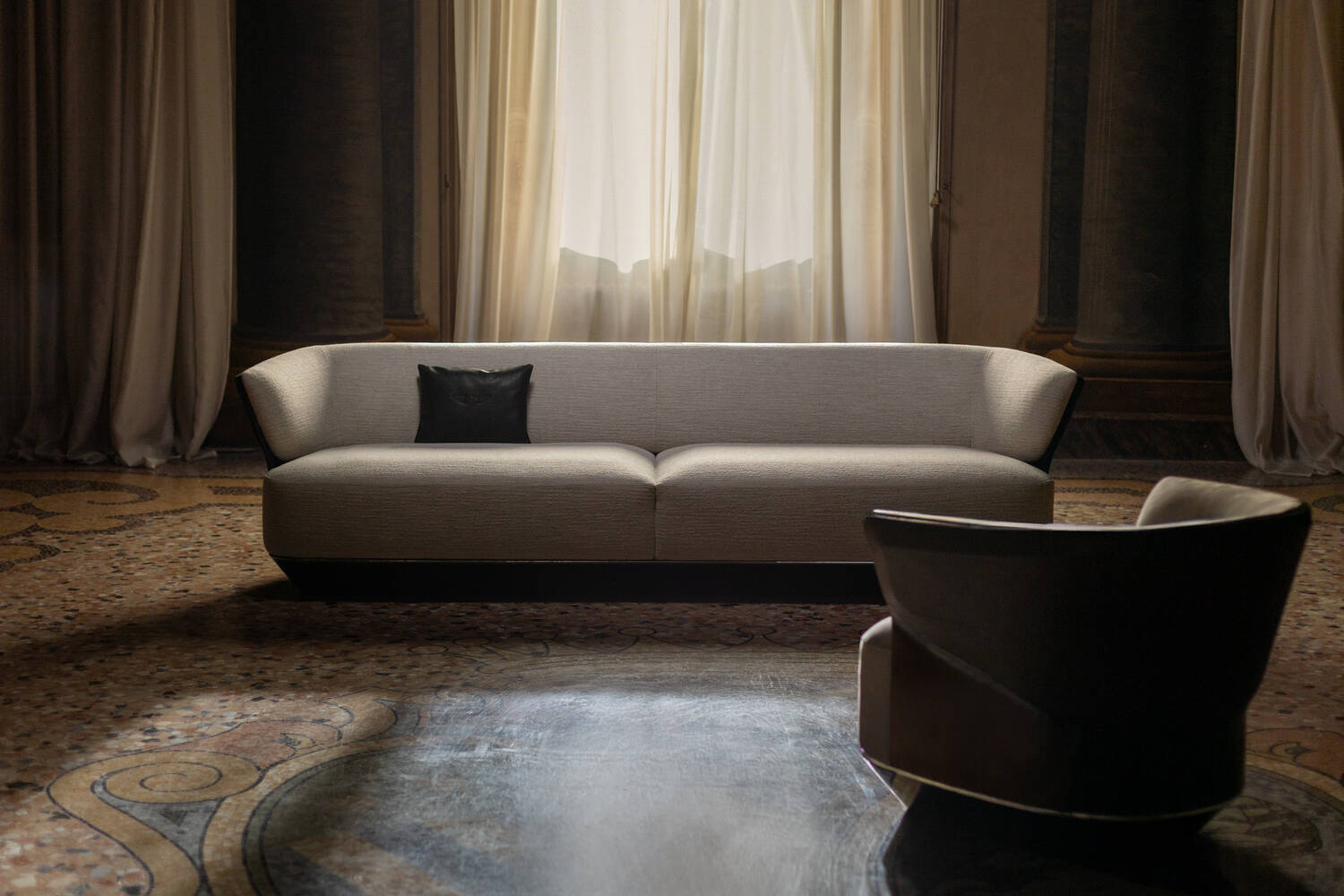
Surfaces are built up using resins and hand-applied shellac lacquers to create depth that doesn't rely on heavy gloss or decoration, while fabrics such as wool, alpaca, cotton, linen and mohair are used to give the pieces a softer, more tactile quality.
Pieces include the Embrace sofa and armchair, which have a more relaxed shape and wrap around the user, and the Continuum chair, which uses a more open frame to reduce visual weight while still referencing Bentley's automotive design cues.
You can also buy smaller pieces like coffee tables, an ottoman and a trunk, which are all designed to work together as part of a wider interior rather than stand-alone statement items. The idea is to create furniture that feels comfortable and lived-in from the start, yet improves with age, expressing a broader shift in luxury towards materials, craftsmanship and longevity rather than short-term impact.
Stellantis - art in sustainability
And while some brands looked at the future of luxury, others, like the Stellantis group, focused on something more immediate and much less glamorous: what happens to cars and parts after they've been used.
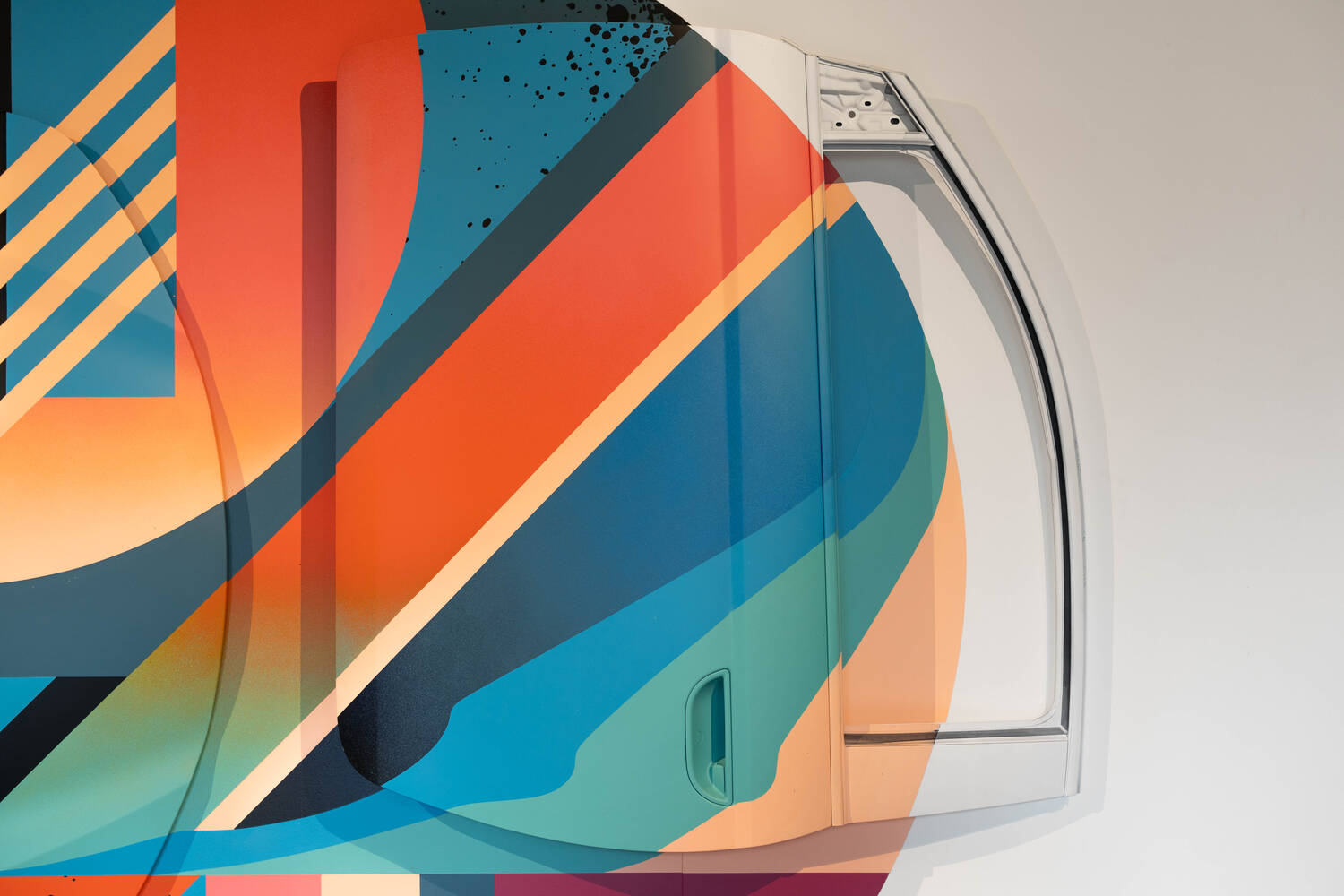
Through its 'SUSTAINera' division, the group presented an installation called 'The Art of Reuse', built using real components taken from end-of-life vehicles, including panels, grilles and doors, reworked into a large-scale artwork by the Truly Design collective.
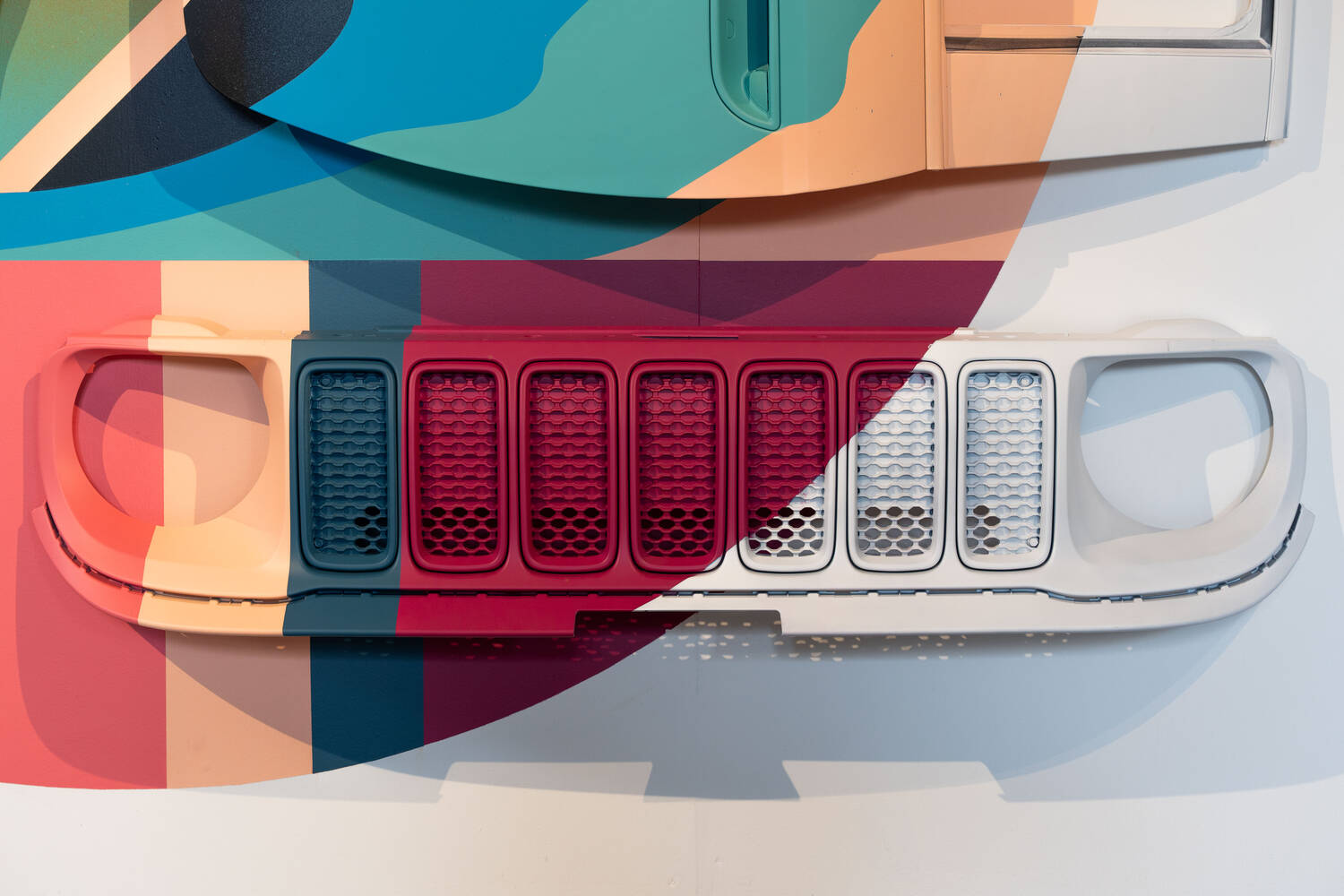
The idea was to show how parts that would normally be scrapped can be reused, either as components or repurposed materials, and to highlight the role this plays in reducing waste and lowering repair costs.
Alongside the installation, Stellantis also used the week to highlight the growth of its reuse business, which supplies inspected second-hand parts at lower prices. It also involved design students from IAAD in workshops exploring how leftover materials from car production, such as fabrics and leather, could be used in other industries.
That's a wrap for 2026
Milan Design Week started with interiors, with Italian sofas and kitchens at its core, but the way we live has shifted. We spend hours in our cars now, commuting, sitting in traffic, travelling, waiting, so they've, unwittingly, become a third space between home and work.
Car designers know that, and they also know potential buyers aren't walking the vast halls of traditional motor shows. They're here instead, wandering between installations, stopping for pizza, grabbing an espresso, drifting in and out of spaces where design, fashion and culture all mix together. La dolce vita, if you will, with just a few more cars.
If there is anything about this story we have not covered, you can avail of our expert advice service via the Ask Us Anything page.