

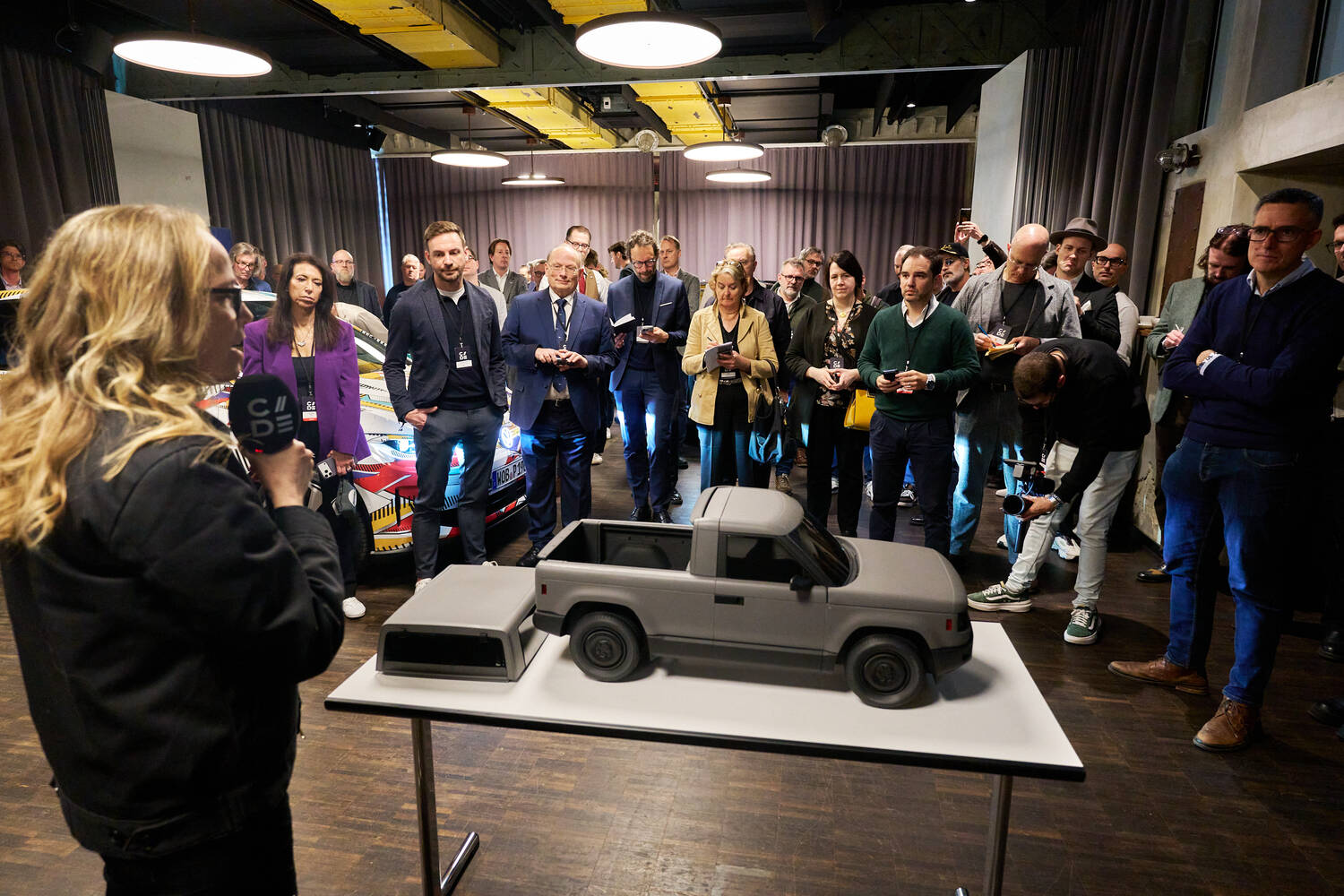
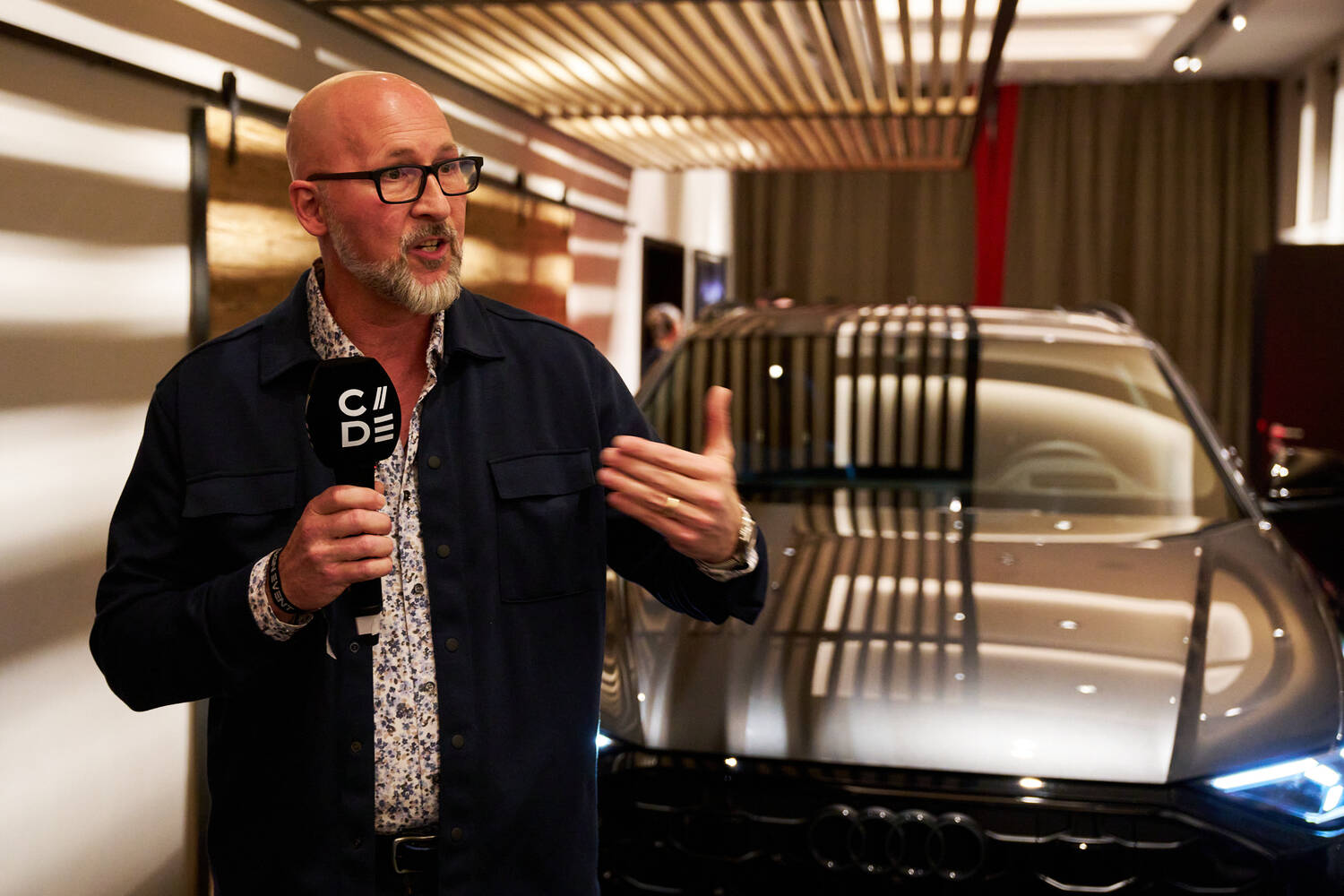
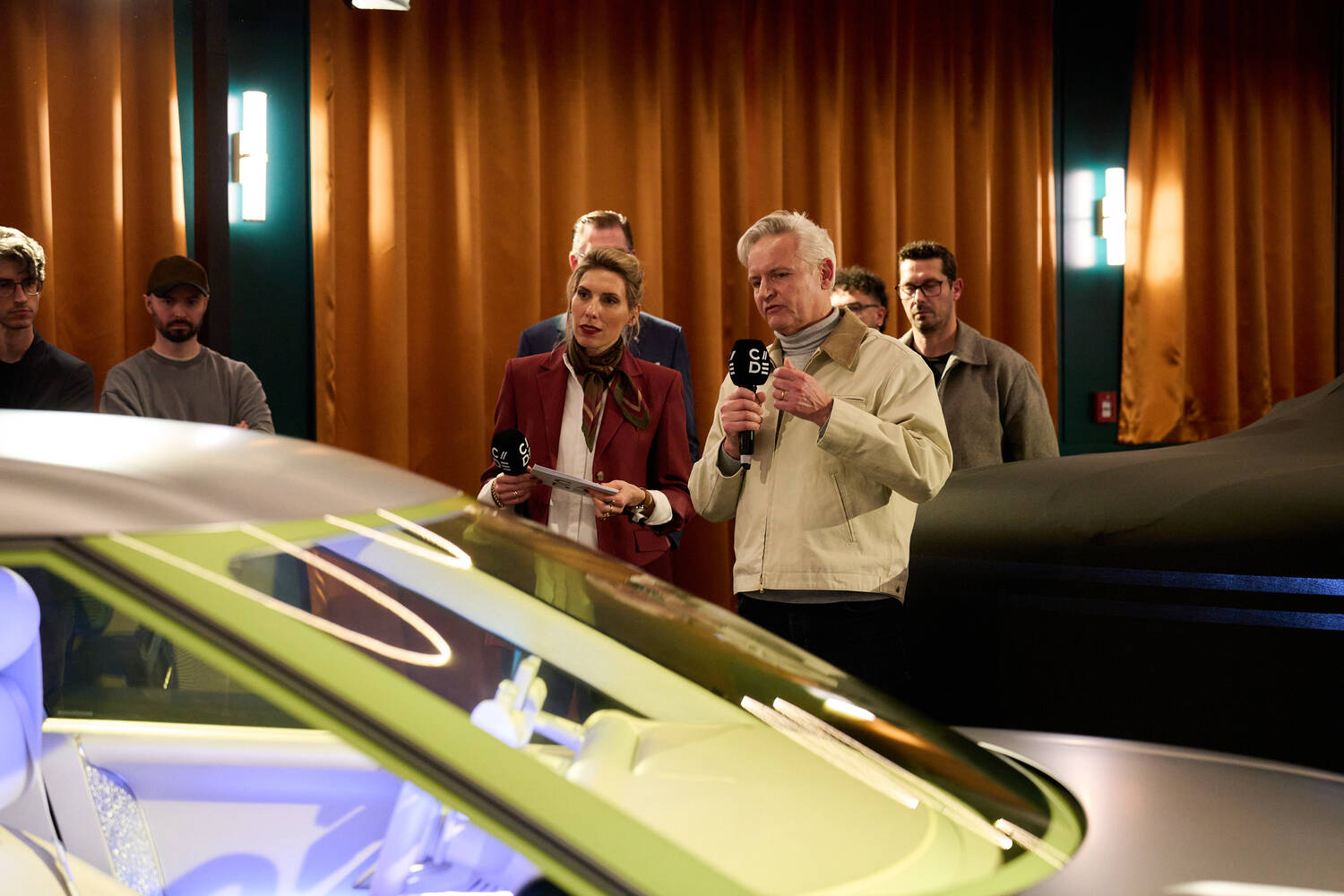
My dreams of drawing cars for a living faded away, but - obviously - my love of cars never did. I can quite easily imagine I'd have given my right arm to attend something like the Car Design Event in Munich, an intimate gathering where the people shaping the visual future of mobility come together to share ideas, talk through concepts and celebrate car culture.
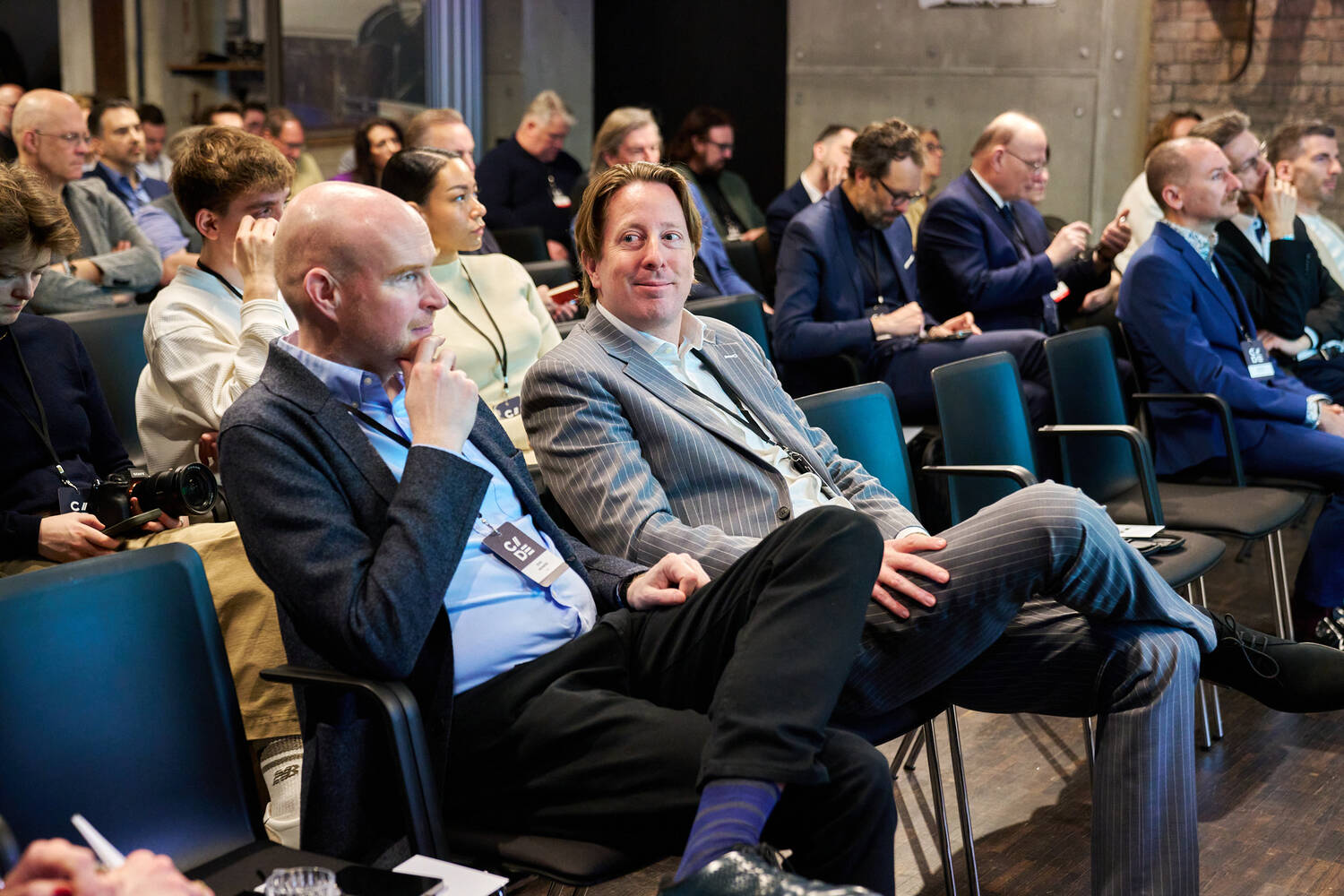
The Car Design Event, now in its fourth year, has quickly established itself as a unique fixture in the global design calendar. Unlike the vast, international motor shows we habitually attend, this is a deliberately compact, invitation-only gathering that brings together designers from major manufacturers, specialist studios, suppliers, students and media in a setting that encourages conversation.
The 2026 edition returned once again to Munich's Drivers & Business Club, a stylish venue that sits somewhere between private members' club and automotive salon. Around 250 guests attended this year, including more than 80 journalists from Europe, Asia and North America.
The list of participating brands and studios read like a roll call of the industry's creative leadership: Alpine, Ducati, Genesis, Hyundai, Kia, Lamborghini, Mercedes-Benz, Norton Motorcycles, Pagani, Skoda and Slate among them. The event is organised by Jens Meiners and Des Sellmeijer for concept cars and prototypes to share the floor with scale models, experimental mobility ideas and student design projects, all presented in an unusually informal environment where the designers themselves guide everyone else around their work.
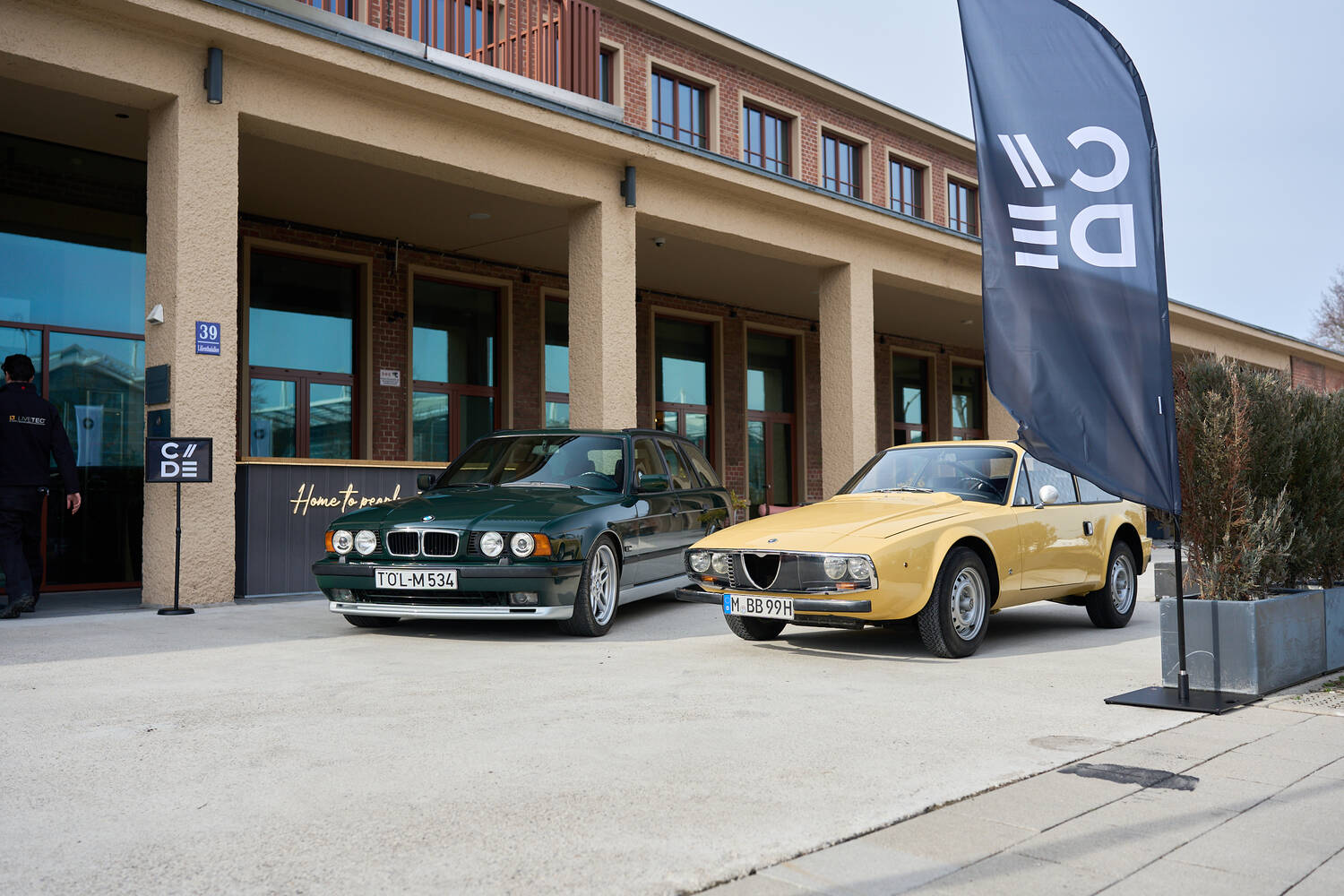
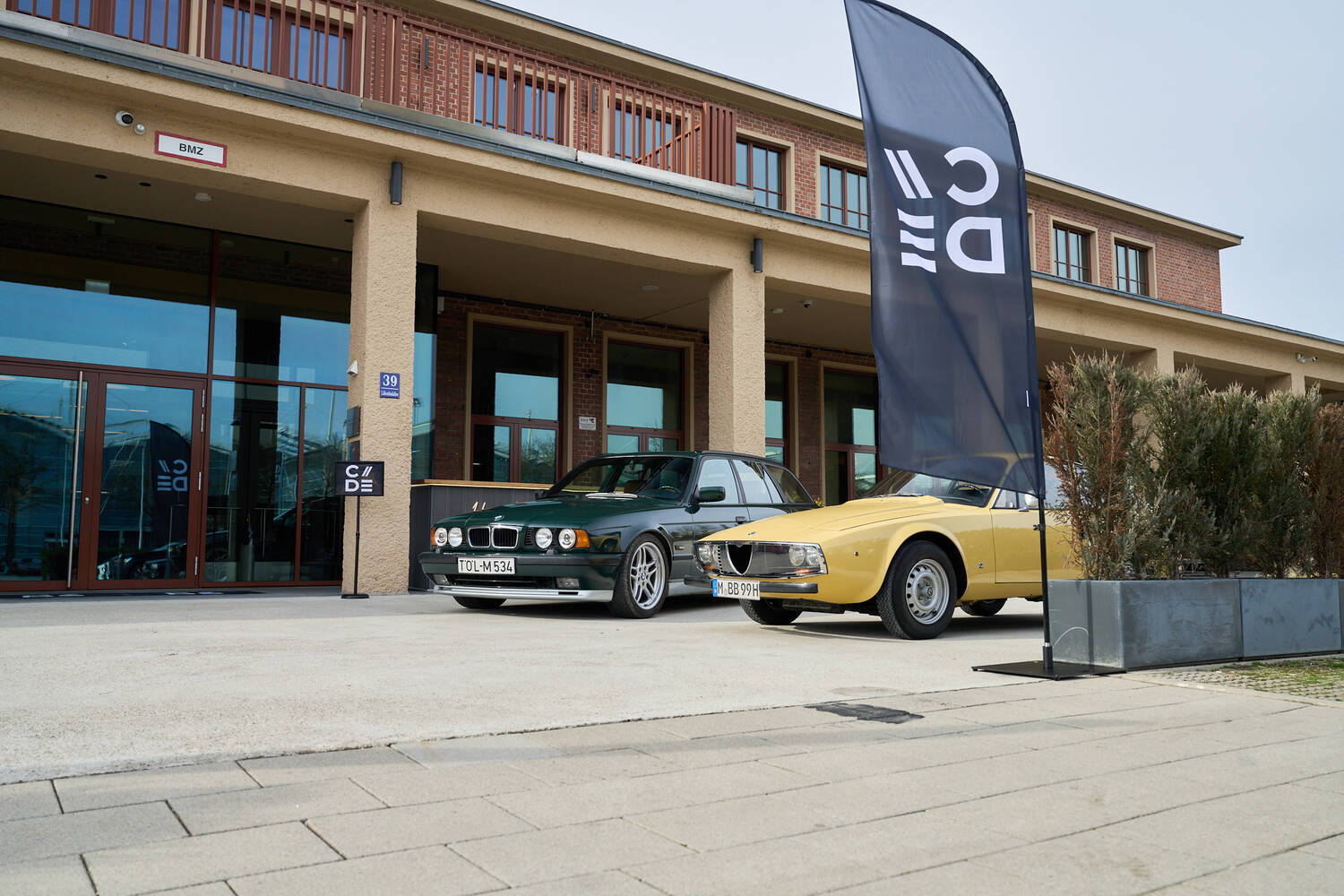
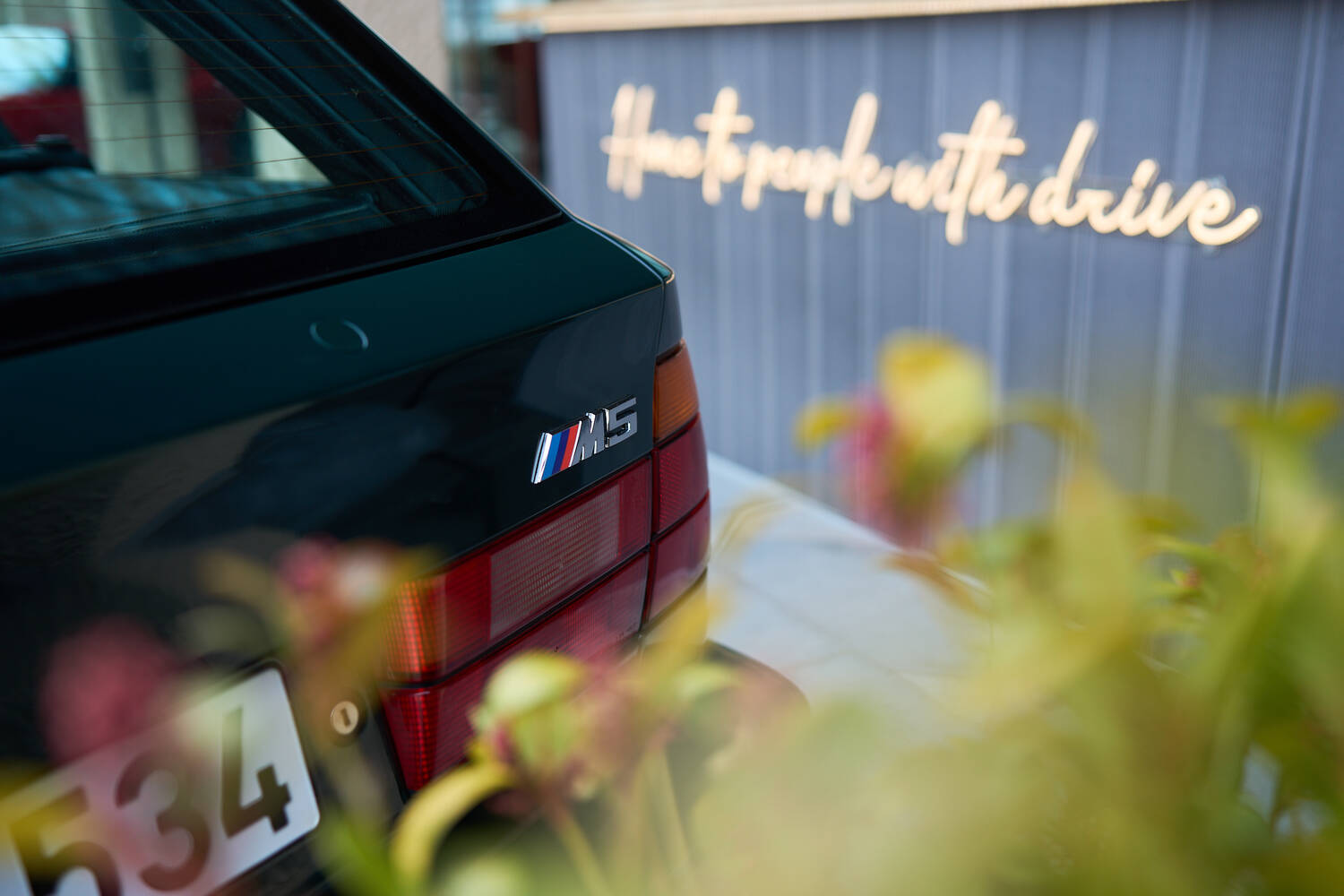
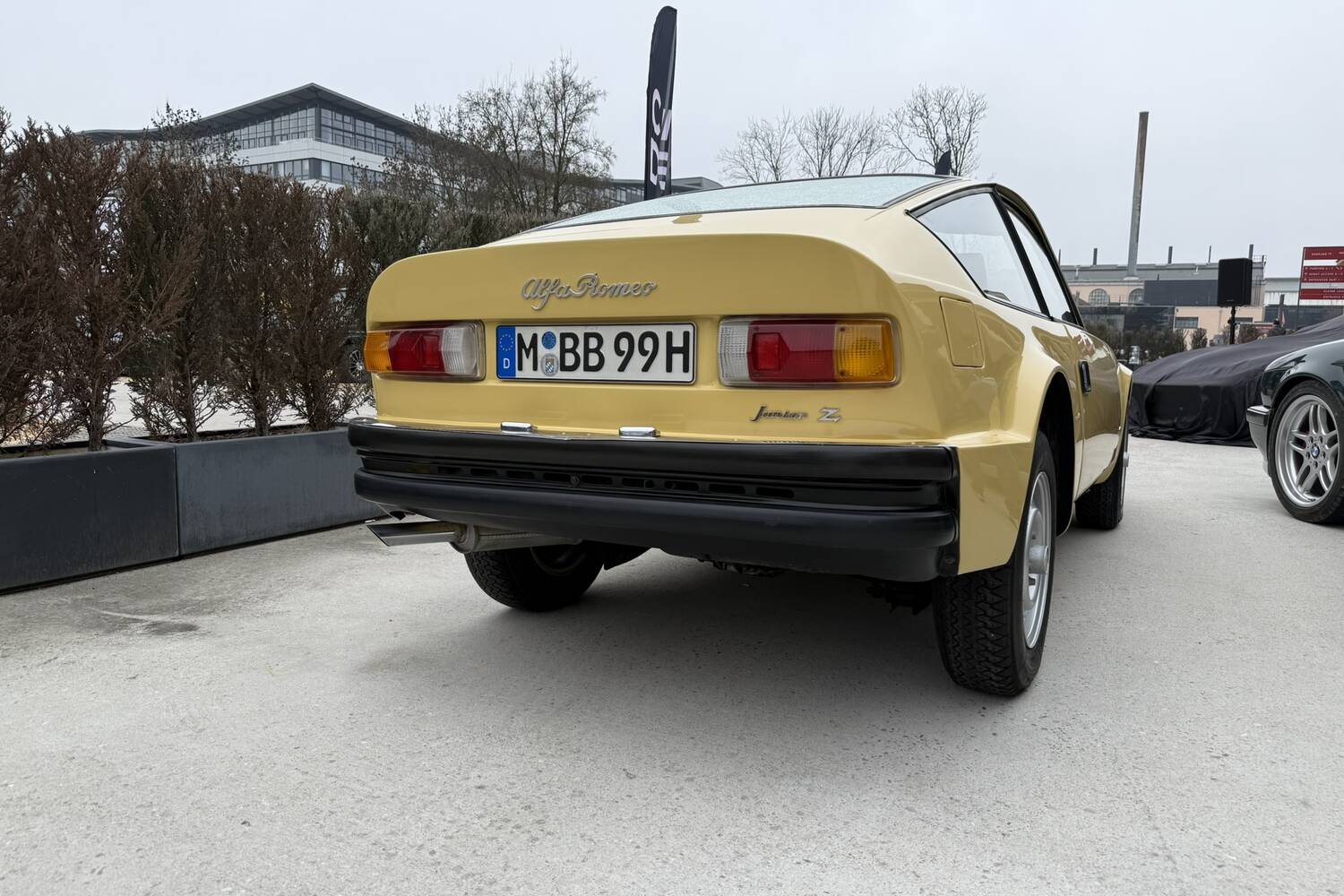
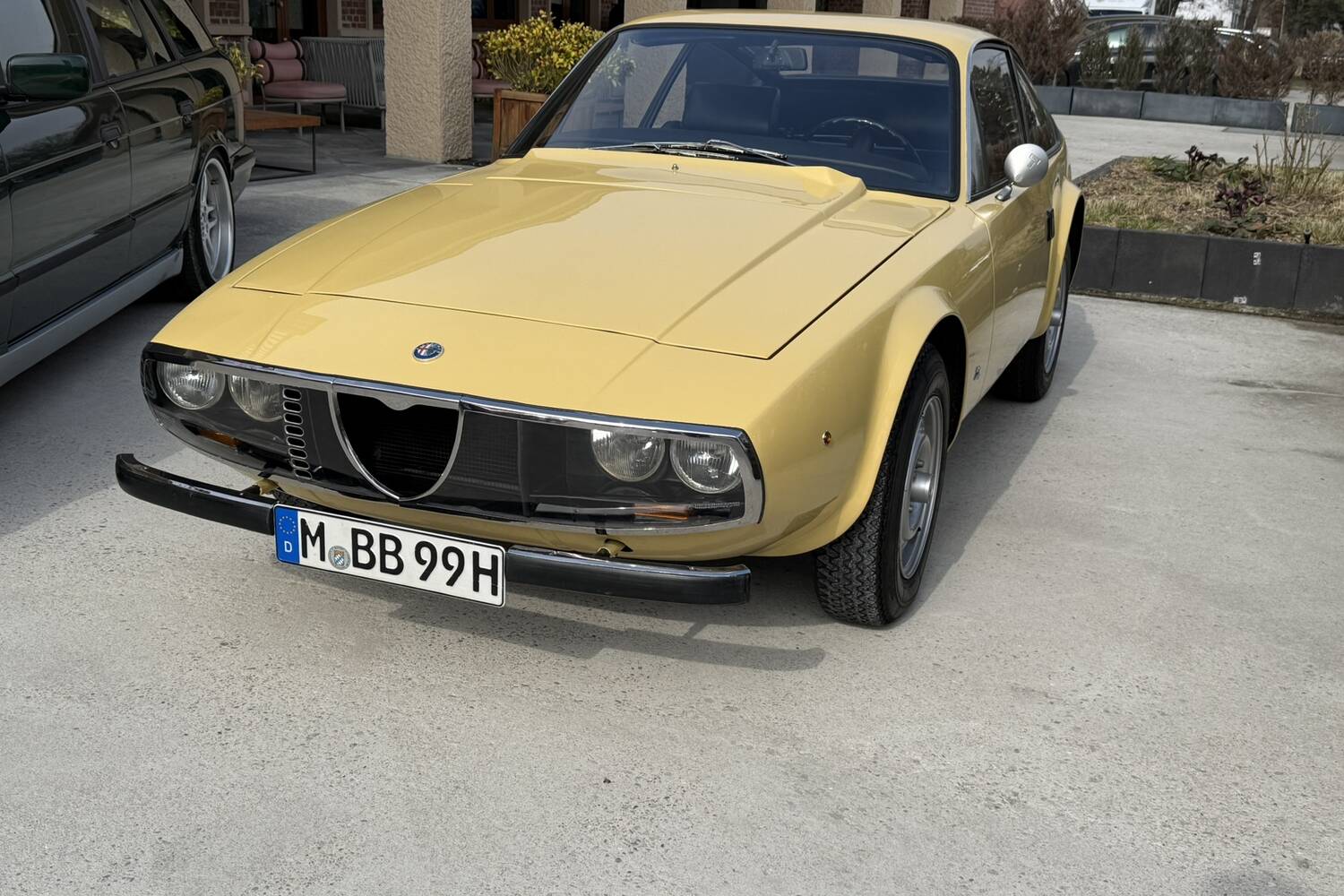
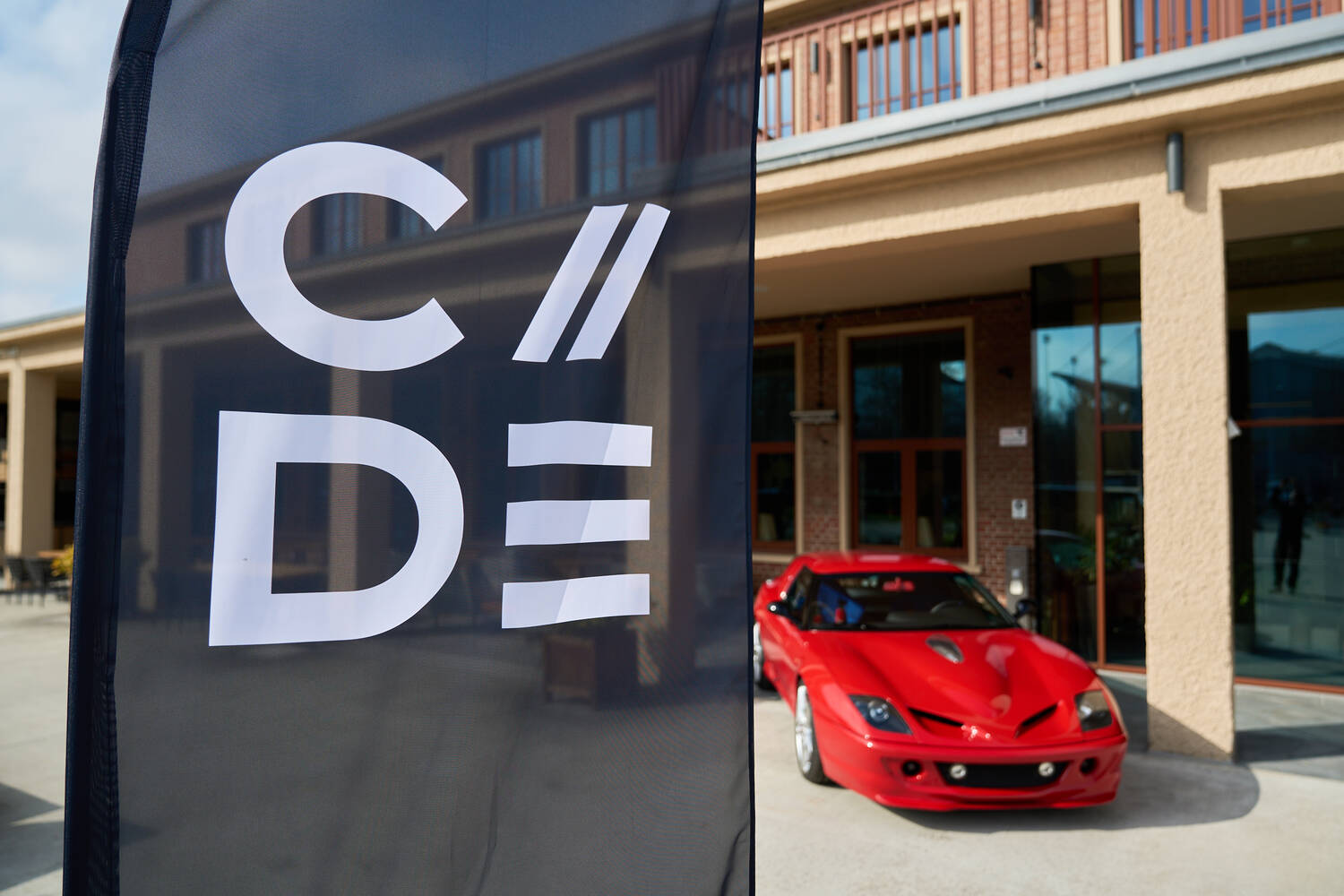
The event effectively begins the evening before the main presentations, with a relaxed welcome gathering at the club. Arriving at the venue, it was immediately clear that even this supposedly informal start had cars at its heart. Parked outside were a BMW M5 Touring and an Alfa Romeo Junior Z, both designed by Ercole Spada. Spada, whose career spans decades and includes some of the most striking Italian designs of the 20th century, was the featured designer for this year's event.
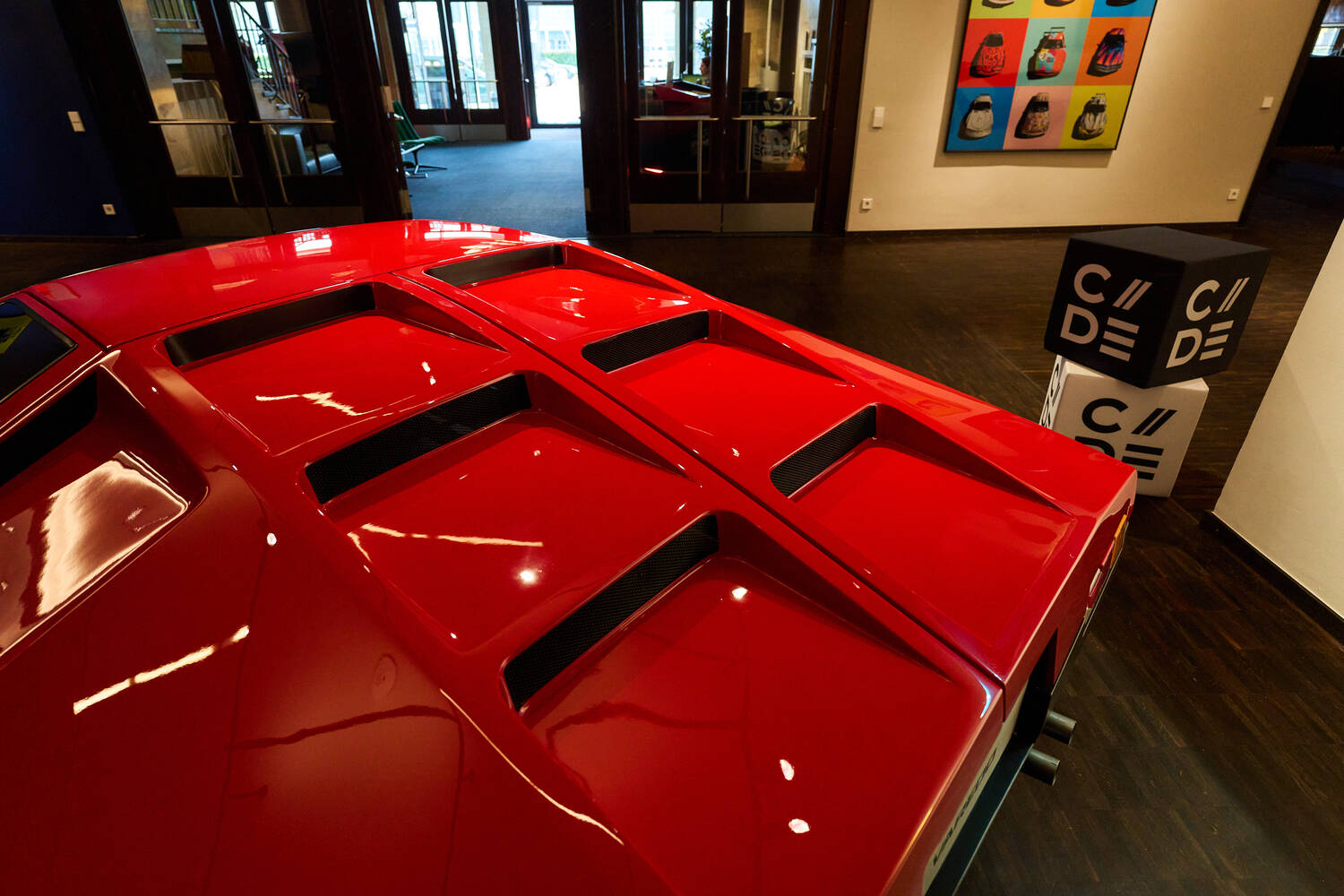
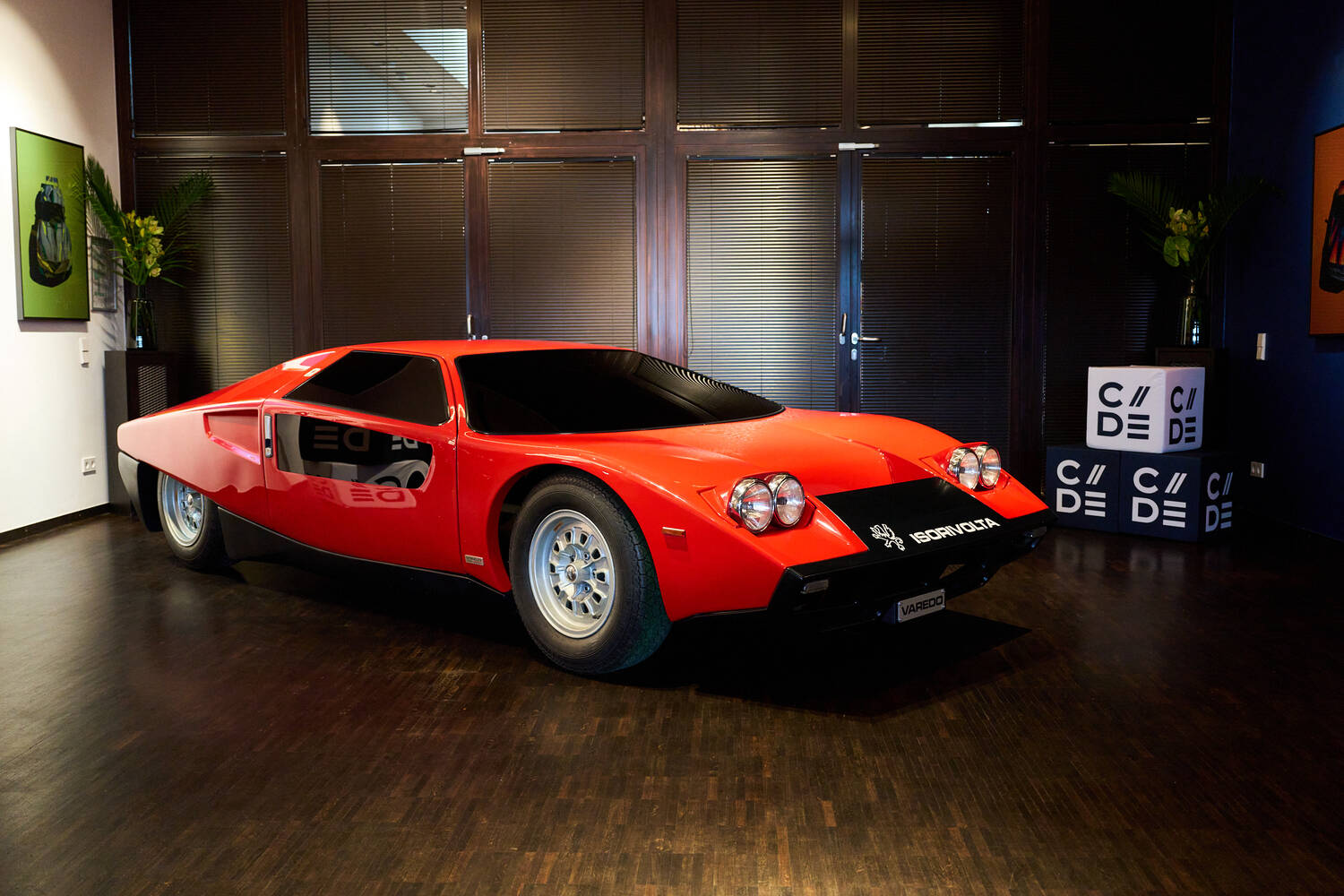
Inside, guests gathered around a car that connected directly to that heritage: the Iso Rivolta Varedo concept from 1972. Conceived as a rival to the Lamborghini Countach at a time when wedge-shaped supercars were redefining automotive aesthetics, the Varedo was an extraordinary product of its era, but only two examples were ever created and the car never made it to production, making its appearance here particularly special.
That blend of heritage and future thinking set the tone for the evening. The Car Design Event isn't simply about unveiling new machines; it's about exploring the culture that surrounds them. Around the room, designers and journalists drifted between conversations while presentations quietly began to unfold.
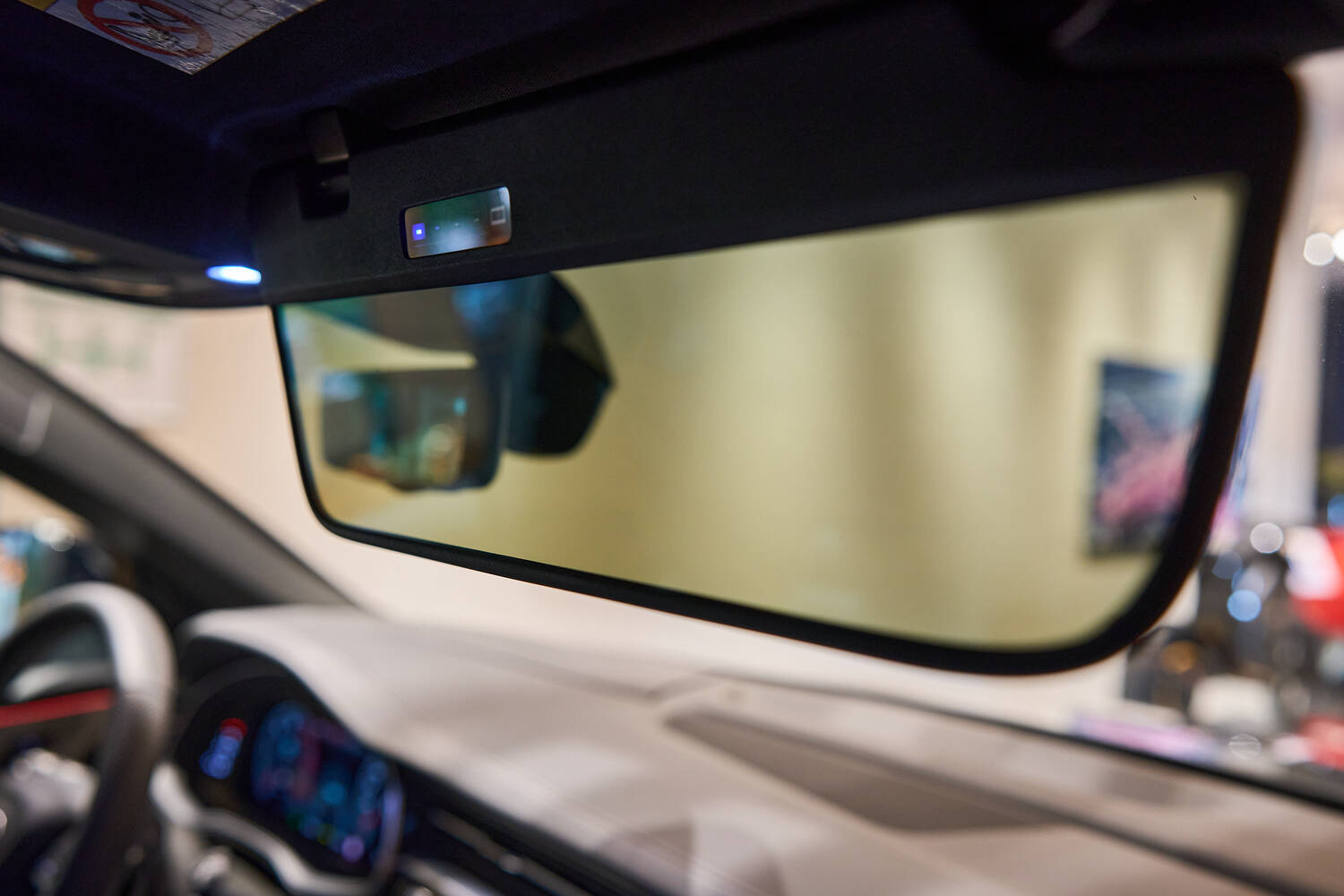
One of the first technology demonstrations came from Gentex, an American company best known for its work in commercialising the self-dimming rear-view mirror. Its latest developments include a sun visor and glass roof using the same technology, everything aimed at improving both safety and the passenger experience.
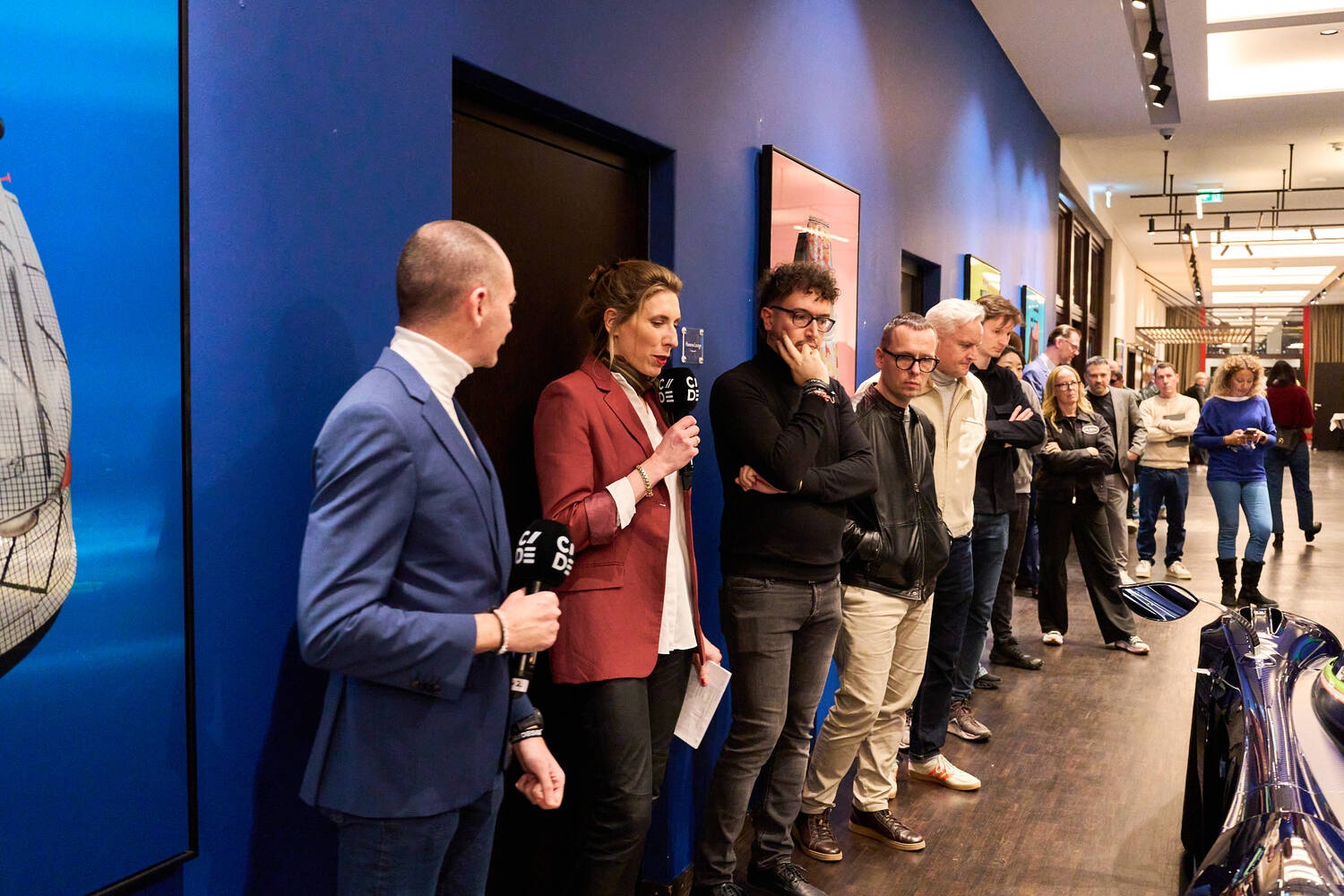
Yet despite such heady topics the mood remained relaxed and conversational. Designers who are normally seen only in carefully choreographed press briefings were instead chatting freely with students and journalists, discussing everything from colour and materials to the challenges of balancing regulation, aerodynamics and brand identity.
The following morning the same venue took on a rather different character. The informal atmosphere of the previous evening gave way to a more structured programme as the day's presentations began.
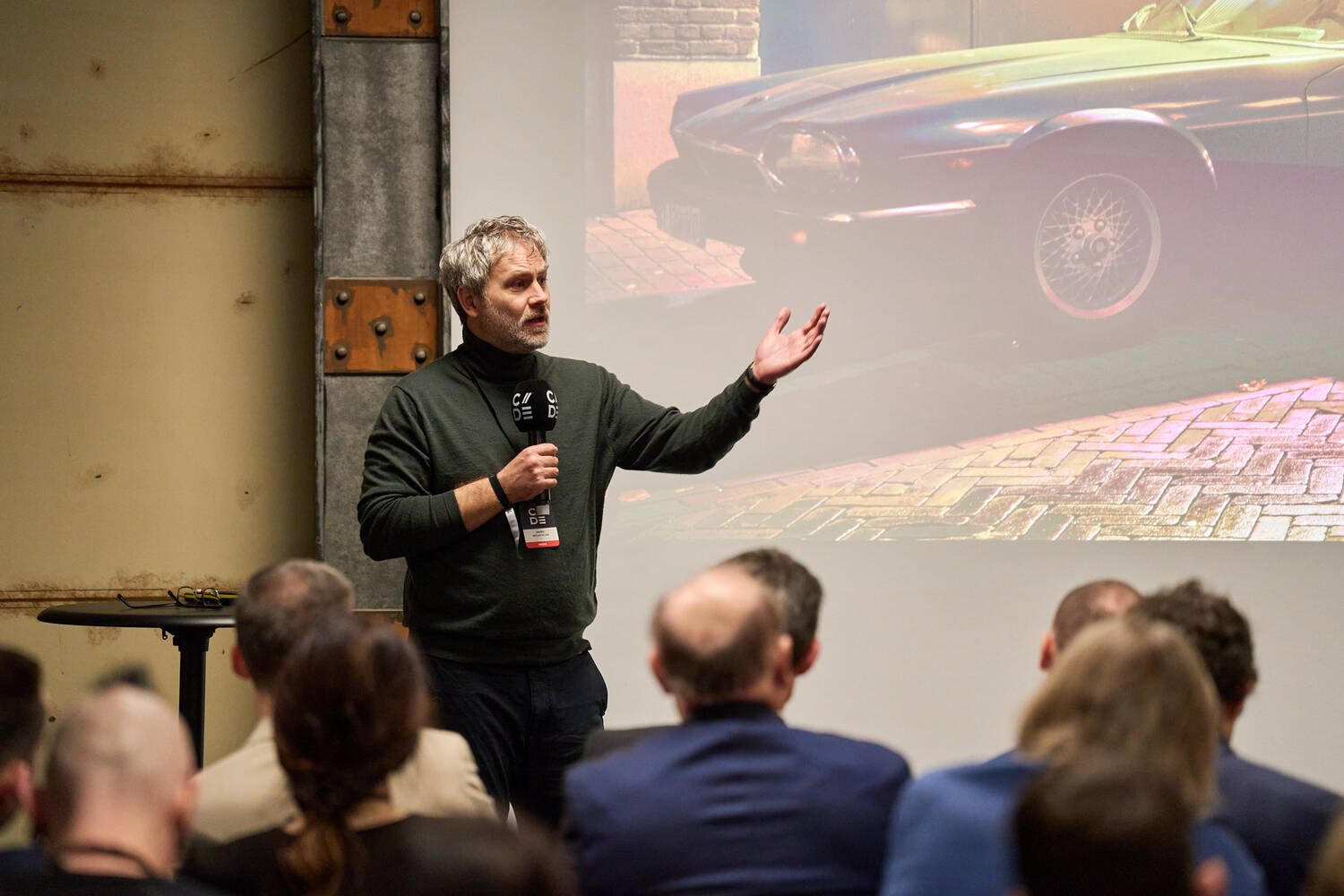
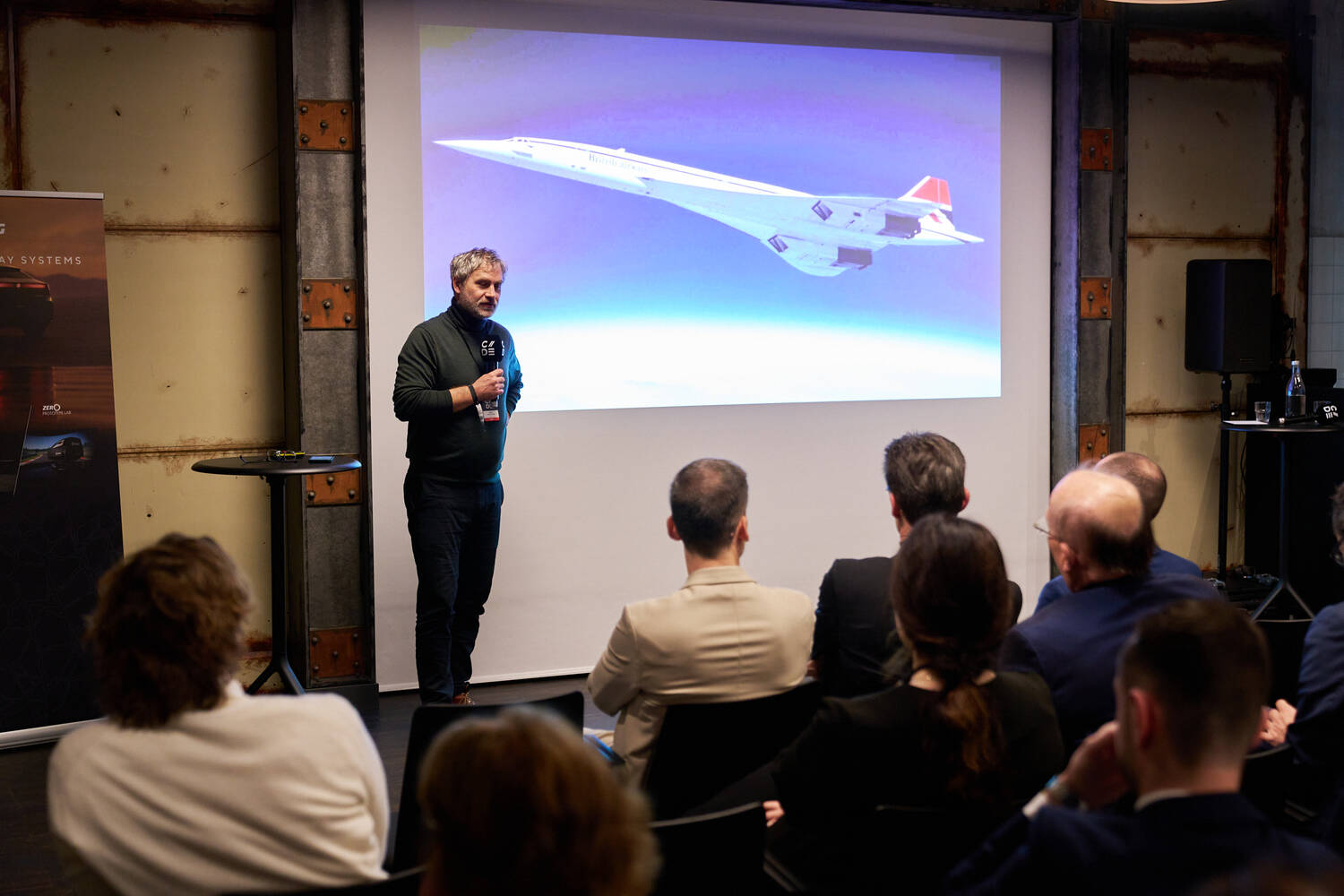
Proceedings opened with a keynote presentation from James McLachlan, editor-in-chief of Car Design News, the industry publication that has long served as a reference point for designers worldwide. Interestingly, his talk ranged far beyond the usual discussion of styling trends or new vehicle launches. Instead, he framed automotive design within a broader cultural context, touching on architecture and industrial design.
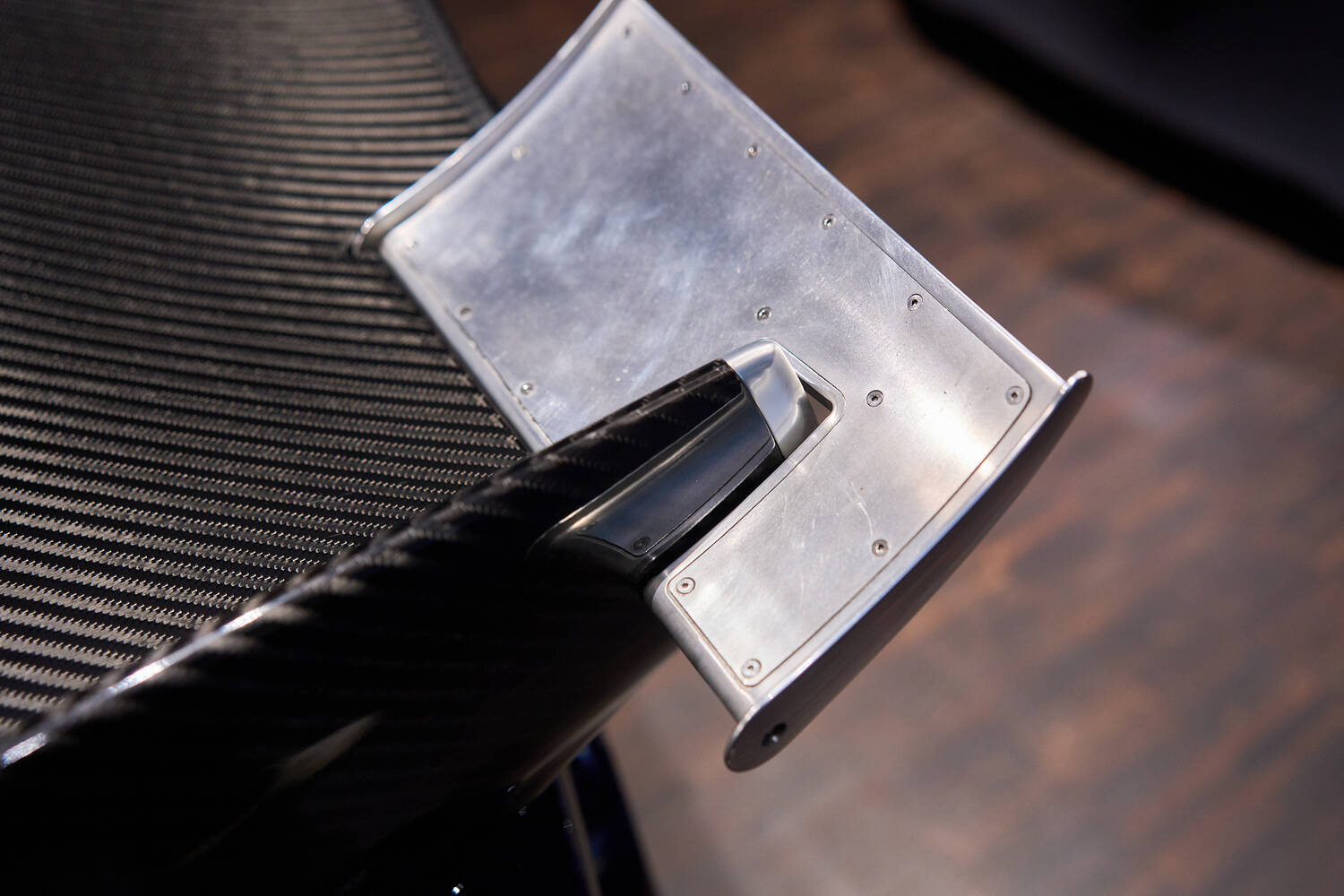
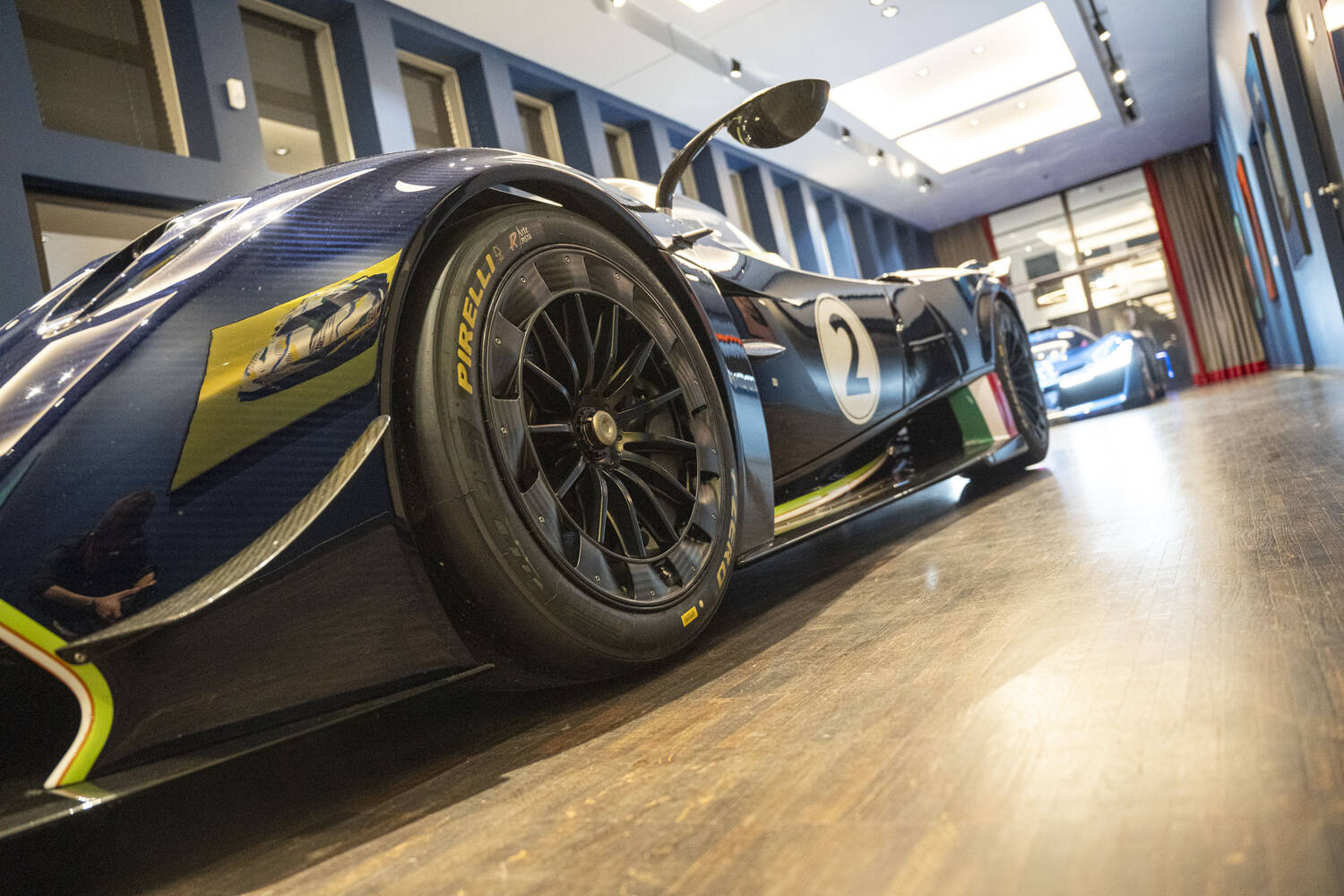
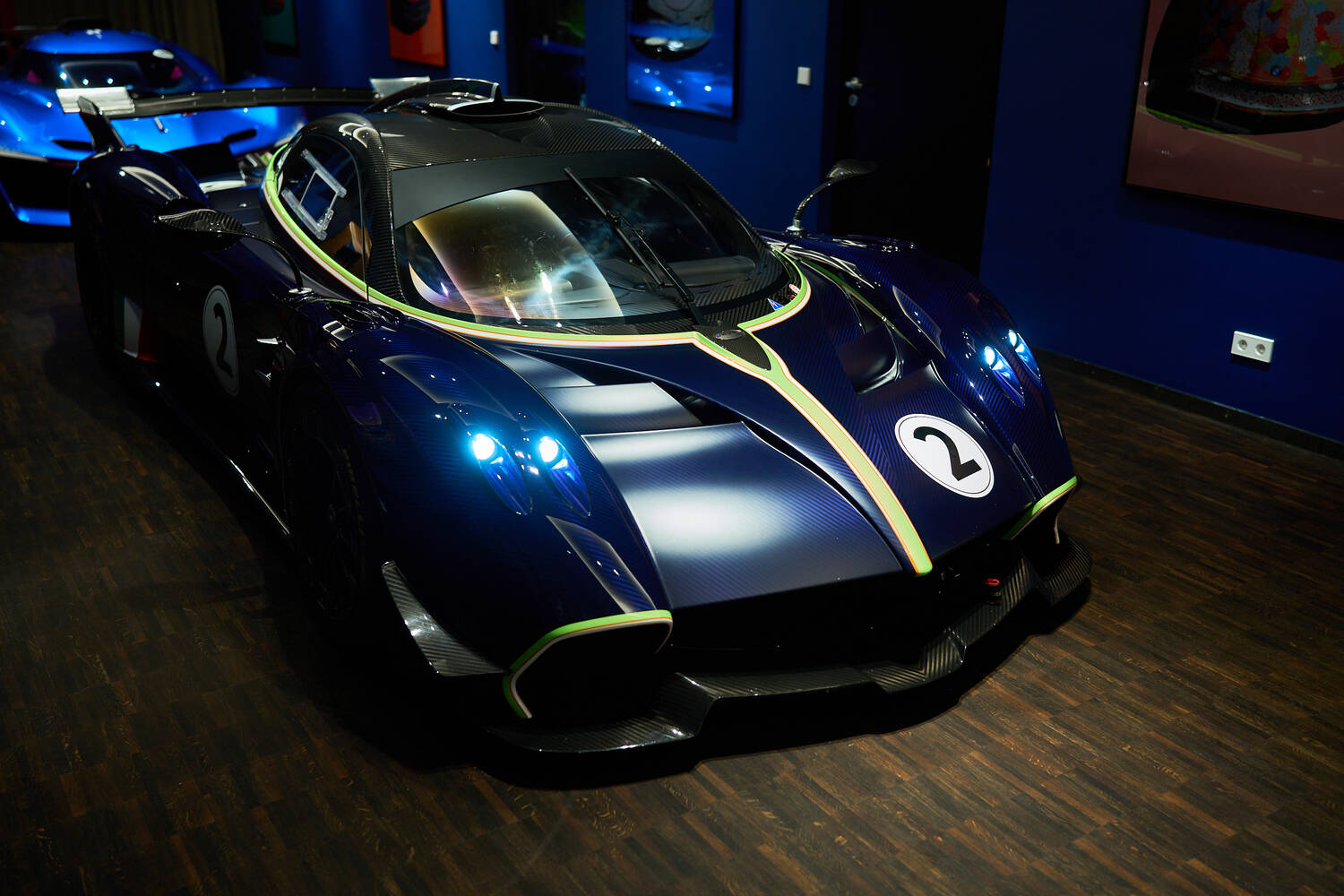
The theme continued with a presentation from Alberto Piccolo of Pagani. Working at a company where design and engineering are inseparable, Piccolo spoke about the unique environment at the Italian hypercar manufacturer. Pagani's cars are often described as works of art but hearing him describe the design process revealed the meticulous balance behind that reputation. Every curve and surface must serve both aesthetic and functional purposes, particularly when dealing with the extreme aerodynamic and cooling demands of machines such as the Huayra R. The result is a design language that feels almost organic, where mechanical components are celebrated rather than hidden.
Another designer, Andrea Mocellin, offered a similarly candid perspective on life within a modern automotive design department. The pace of development has accelerated dramatically in recent years as digital tools and rapid prototyping shorten the journey from concept sketch to full-scale model. Yet, as he pointed out, the fundamental process remains remarkably traditional: the best ideas still begin with a pencil sketch and a designer's intuition.
Technology companies were also keen to demonstrate their role in shaping the vehicles of tomorrow. EDAG presented an intriguing lighting concept that explores how illumination might evolve beyond its current functional role. Modern lighting systems already play a major part in defining a car's identity, but EDAG's research suggests they could become dynamic communication tools, adapting their appearance and behaviour depending on driving conditions or even interacting with pedestrians and other vehicles.
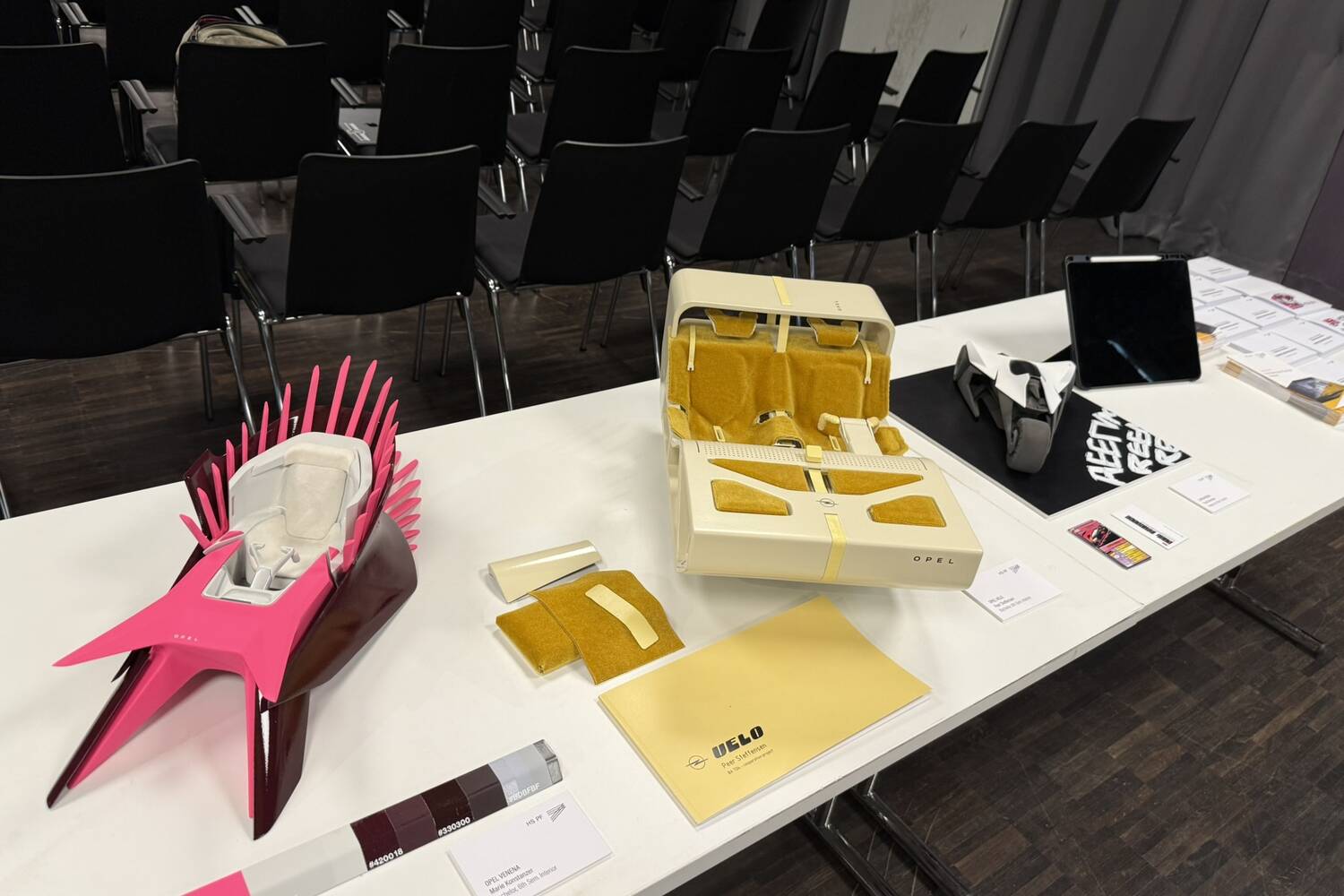
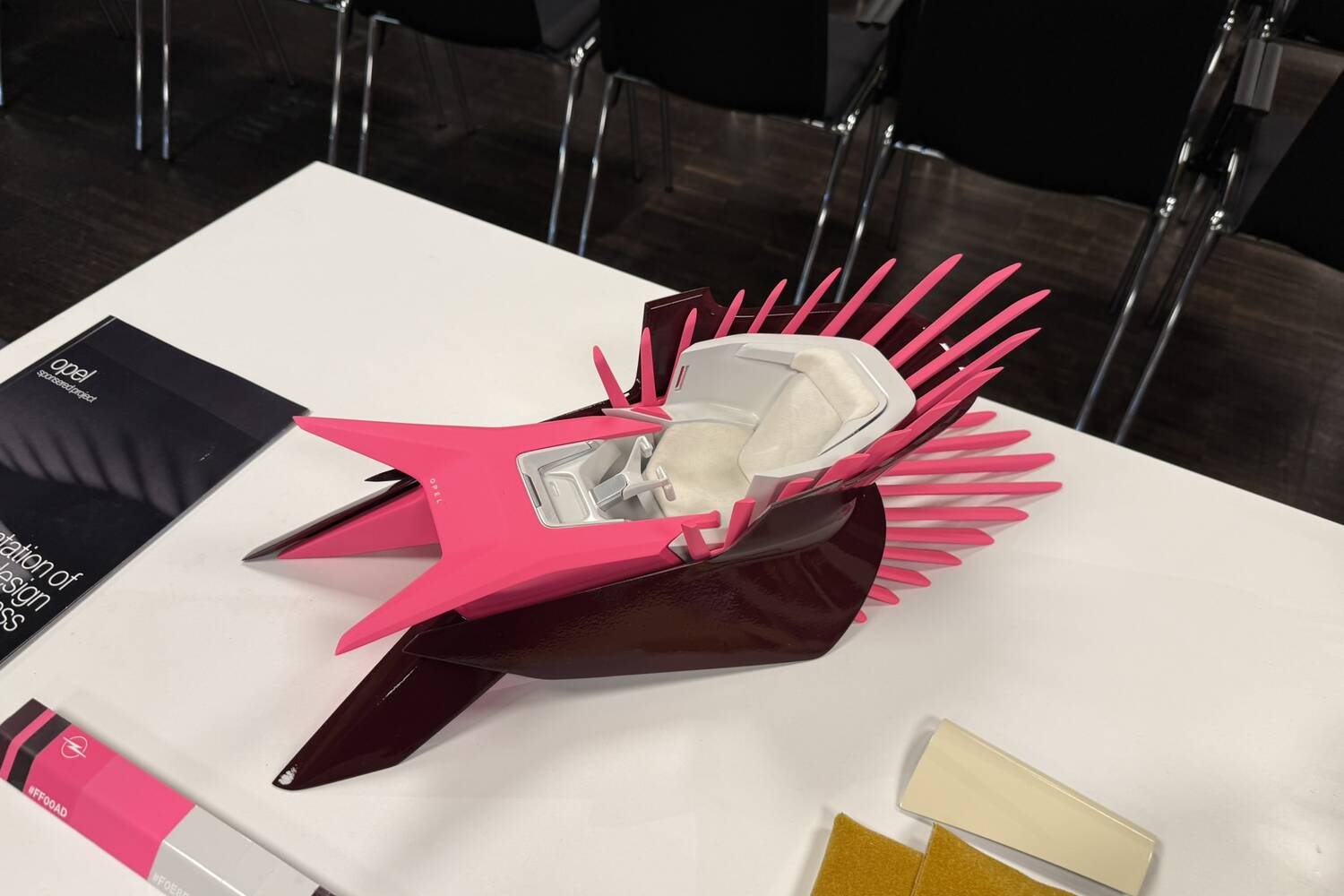
One of the most compelling parts of the day, however, came not from established companies but from students. The Car Design Event has always emphasised its role as a bridge between the industry and the next generation of designers, and the student presentations are a highlight for precisely that reason. Several design schools, including Hochschule München, were represented, and the students took to the stage to present their projects in front of an audience that included some of the most influential designers working today.
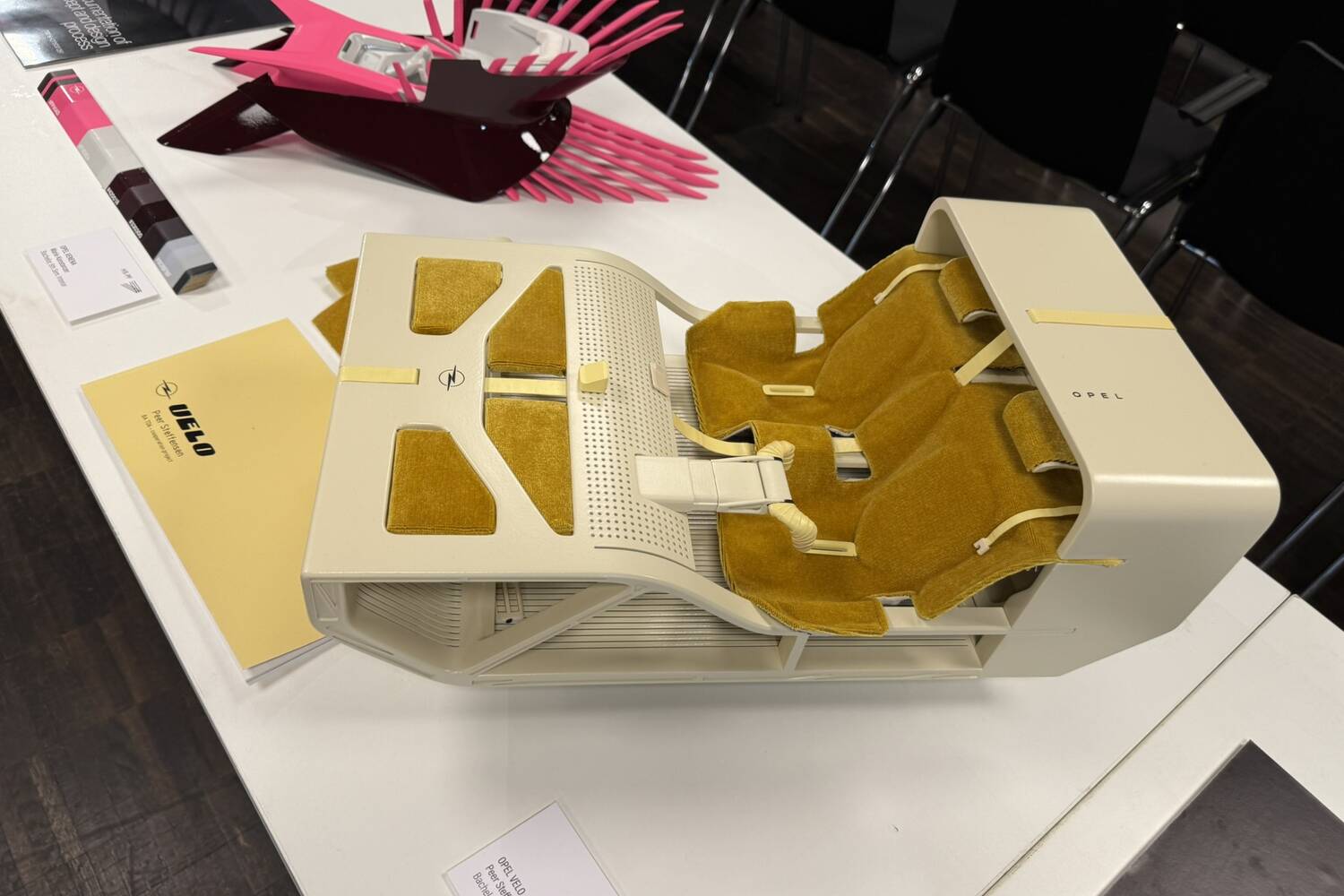
Sketches appeared on the screen alongside digital renderings and, in some cases, remarkably sophisticated AI-generated videos that visualised the concepts in motion. One project that stood out was an Opel city car concept designed around the idea of modularity.
Another project that particularly caught my attention was a Cupra concept inspired by the swallow - the bird whose Spanish name lends the project its title. The vehicle imagined a radical three-wheel layout with a single rear wheel and active aerodynamic surfaces that adjusted to the vehicle's speed and driving conditions. It was a bold idea, visually striking yet grounded in a clear narrative about lightweight mobility and emotional design.
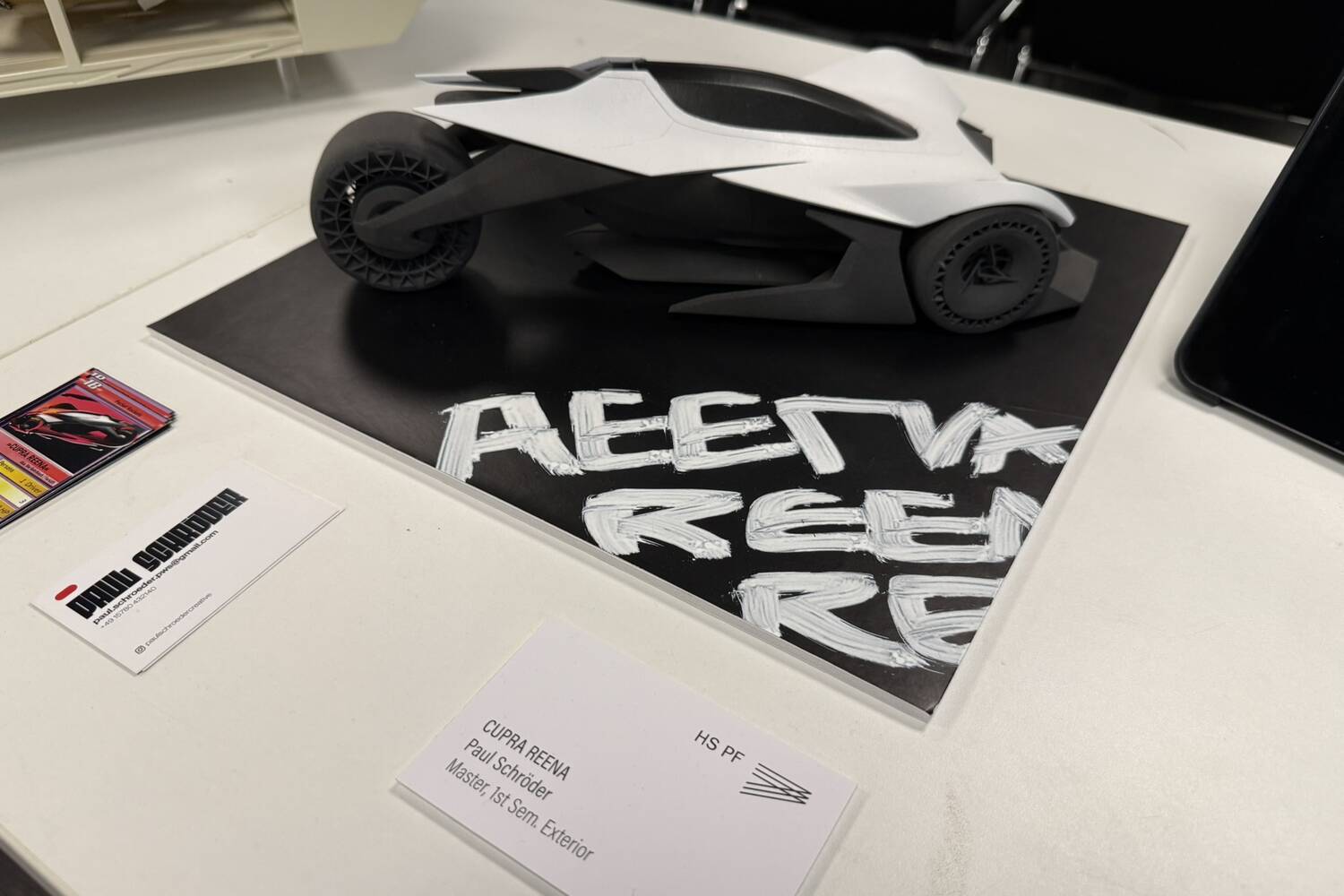
Watching these presentations was genuinely inspiring. The students' enthusiasm was infectious, and the level of sophistication in their work suggested that the future of automotive design is in capable hands. For them, the opportunity to present their ideas in front of professional designers is invaluable. Later in the event they would take part in a dedicated question-and-answer session with industry figures, turning the event into something akin to a live masterclass. And maybe even informal interviews.
Those conversations inevitably drifted towards one of the most debated topics in contemporary design: artificial intelligence. Speaking with a transportation design lecturer from Sweden, the subject came up almost immediately. AI, he explained, is rapidly becoming an indispensable tool in the design process, particularly when it comes to visualisation. Designers can now generate highly realistic imagery in minutes, exploring variations of form, colour and lighting that would once have taken days to render.
However, he was careful to draw a distinction between using AI as a tool and relying on it as a creative source. For experienced designers, AI can accelerate exploration and communication. For students, though, there is a risk that it might shortcut the development of fundamental design skills. Learning to sketch, to think through proportion and surface tension, remains essential. AI may help visualise ideas, but the original concepts must still come from human imagination.
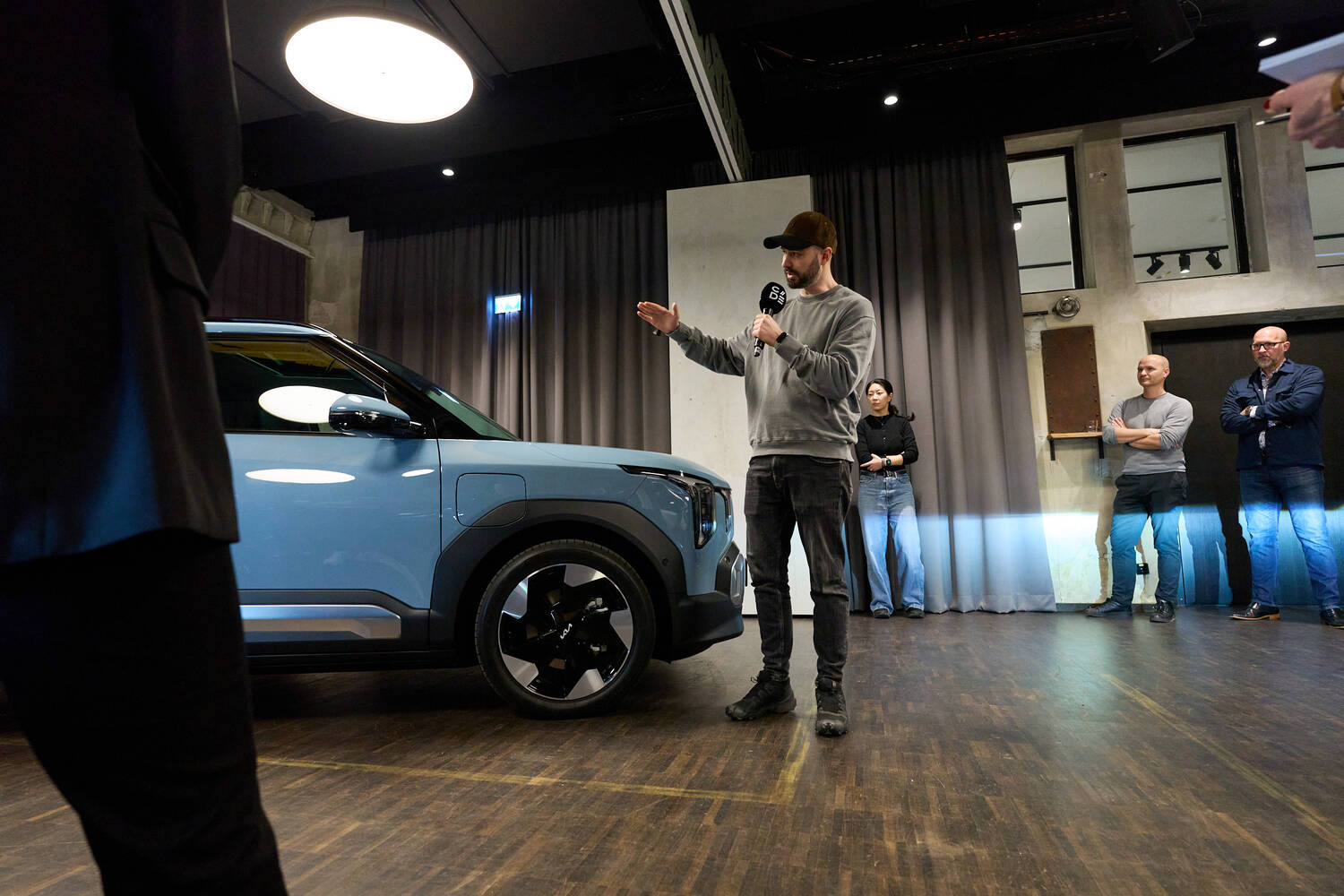
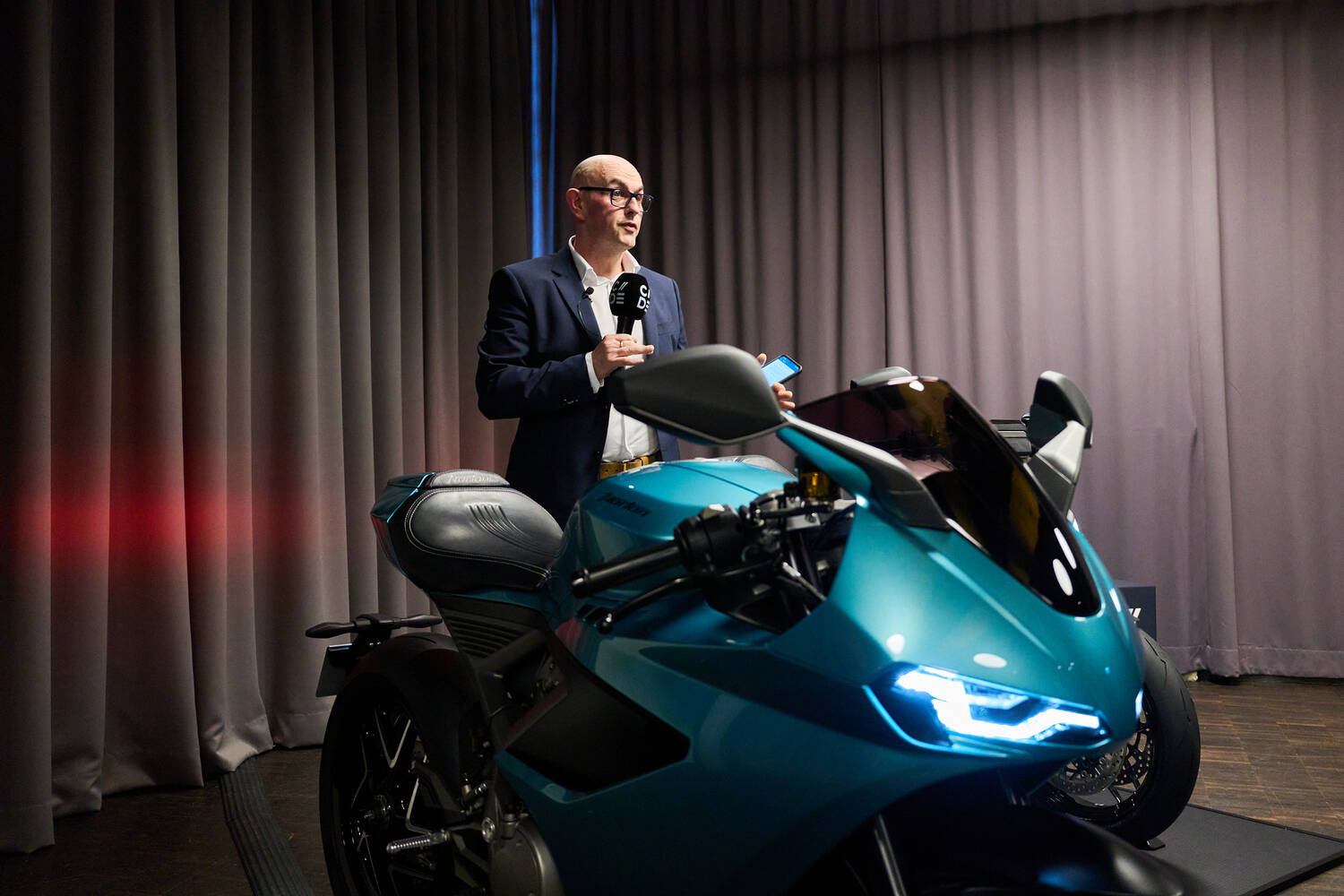
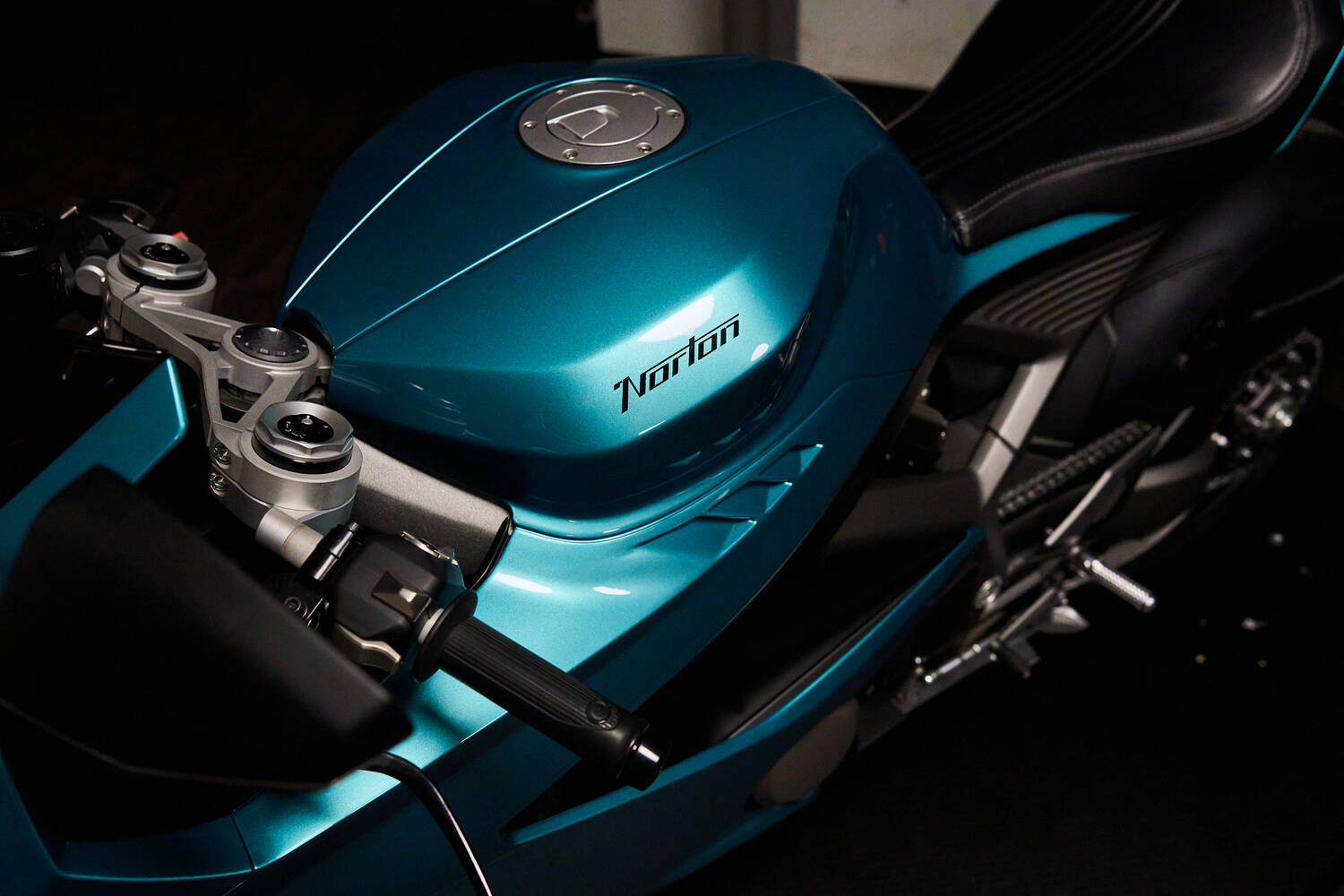
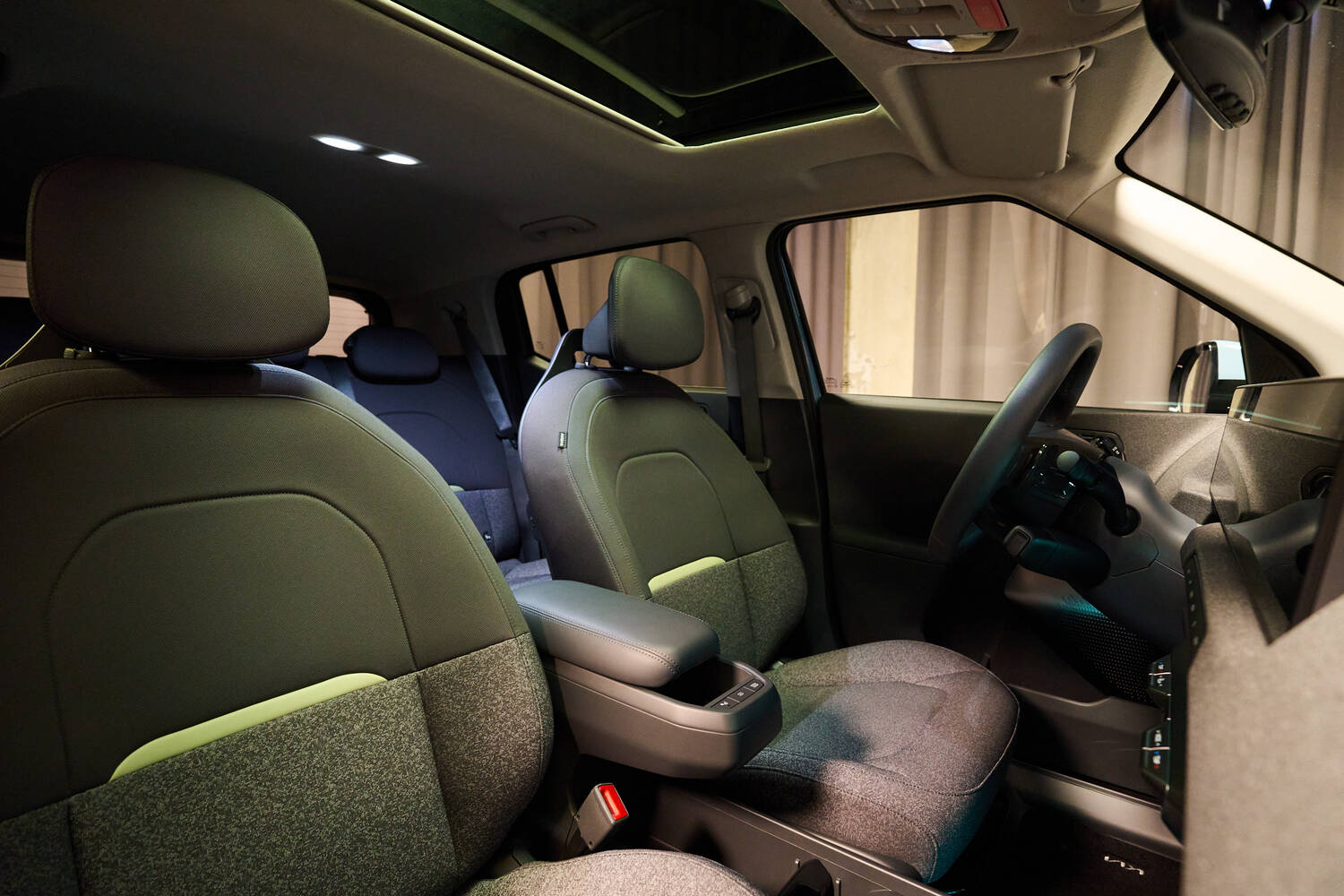
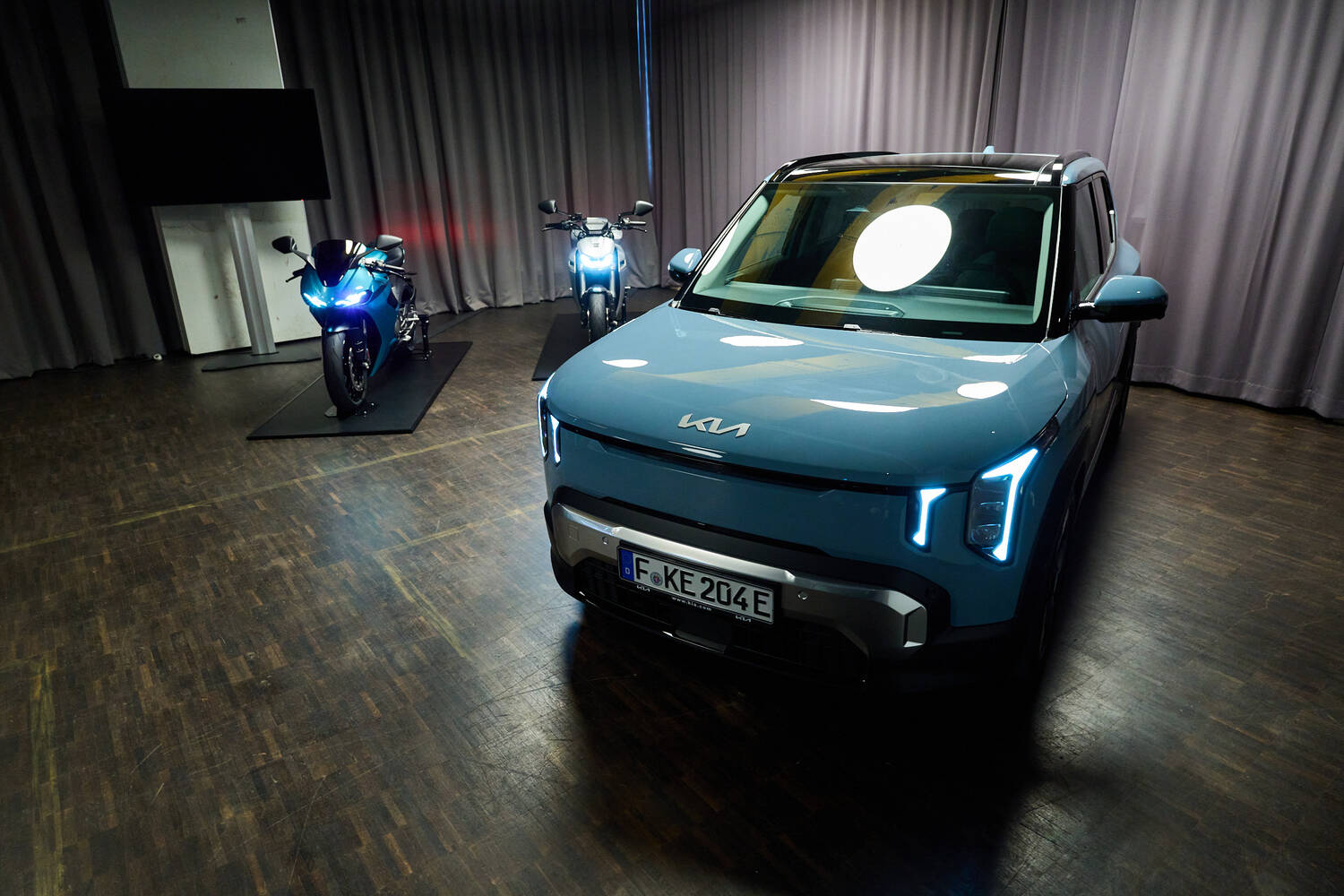
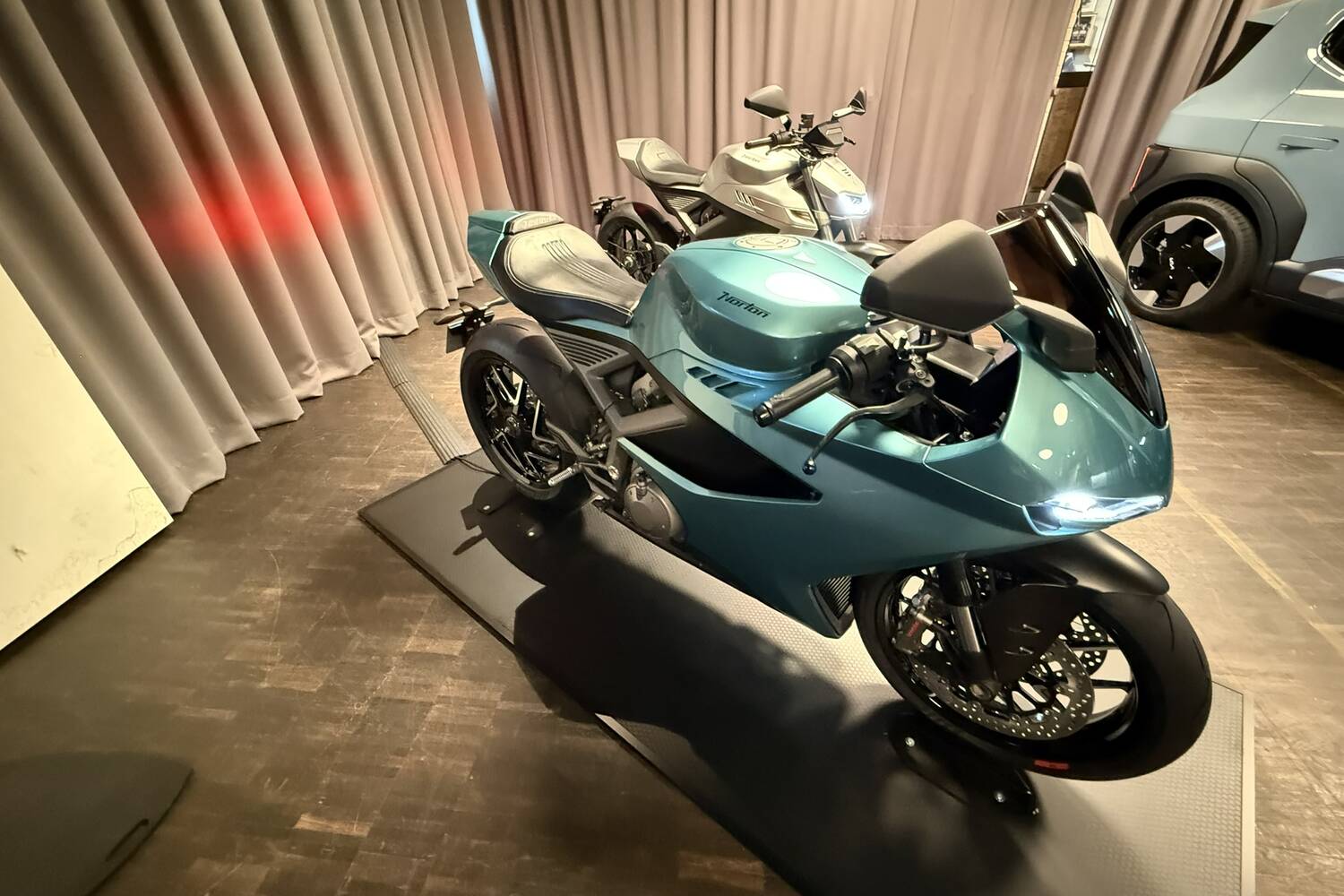
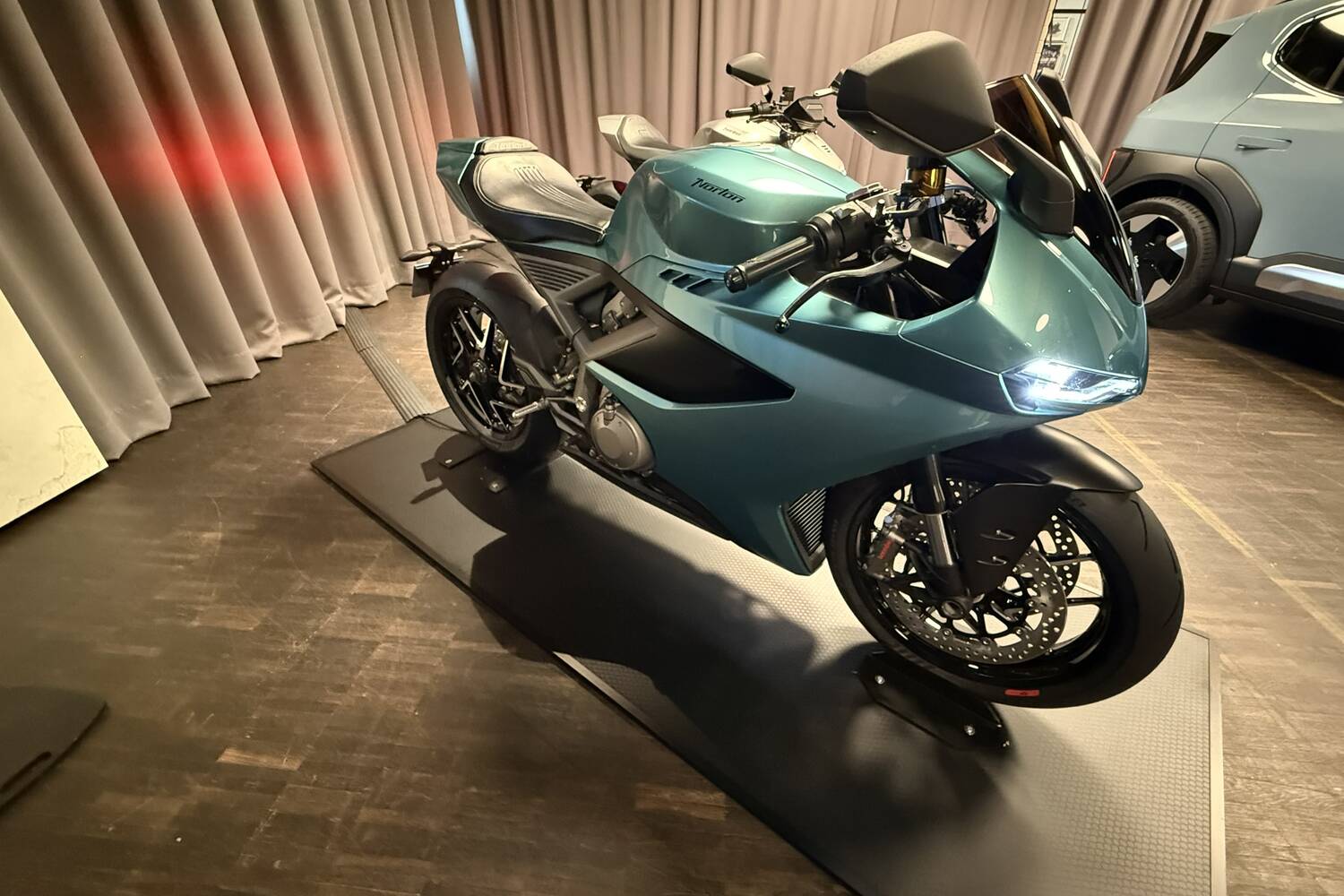
After this glimpse of the future of design education, attention shifted abruptly back to the present as several near-production vehicles were introduced by the designers responsible for them. Kia was present with its compact EV2, the Korean brand's next step in expanding its electric lineup. Nearby, Norton Motorcycles displayed its latest machines, including the new Manx and Manx R, reinforcing the event's willingness to embrace two-wheeled design alongside cars.
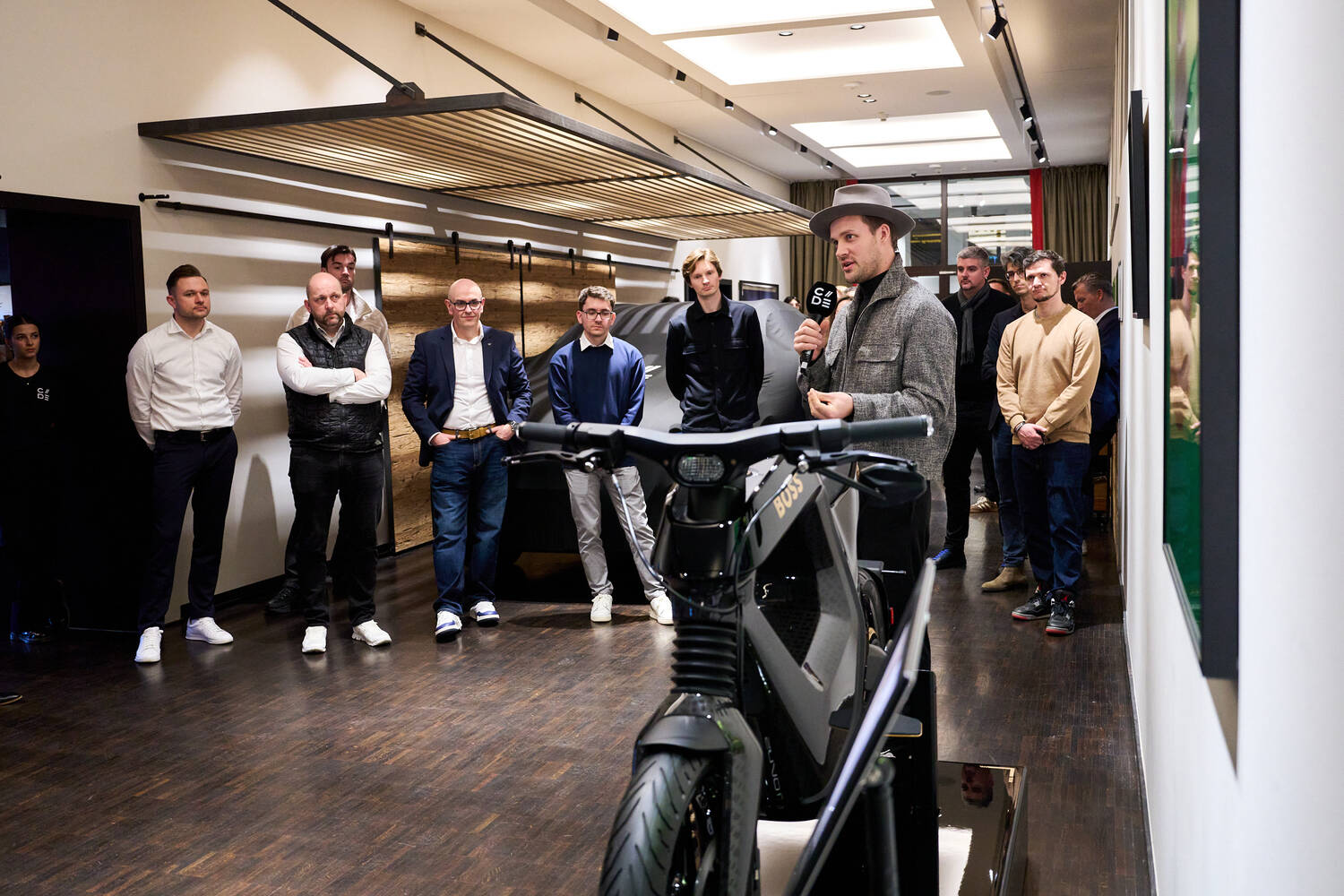
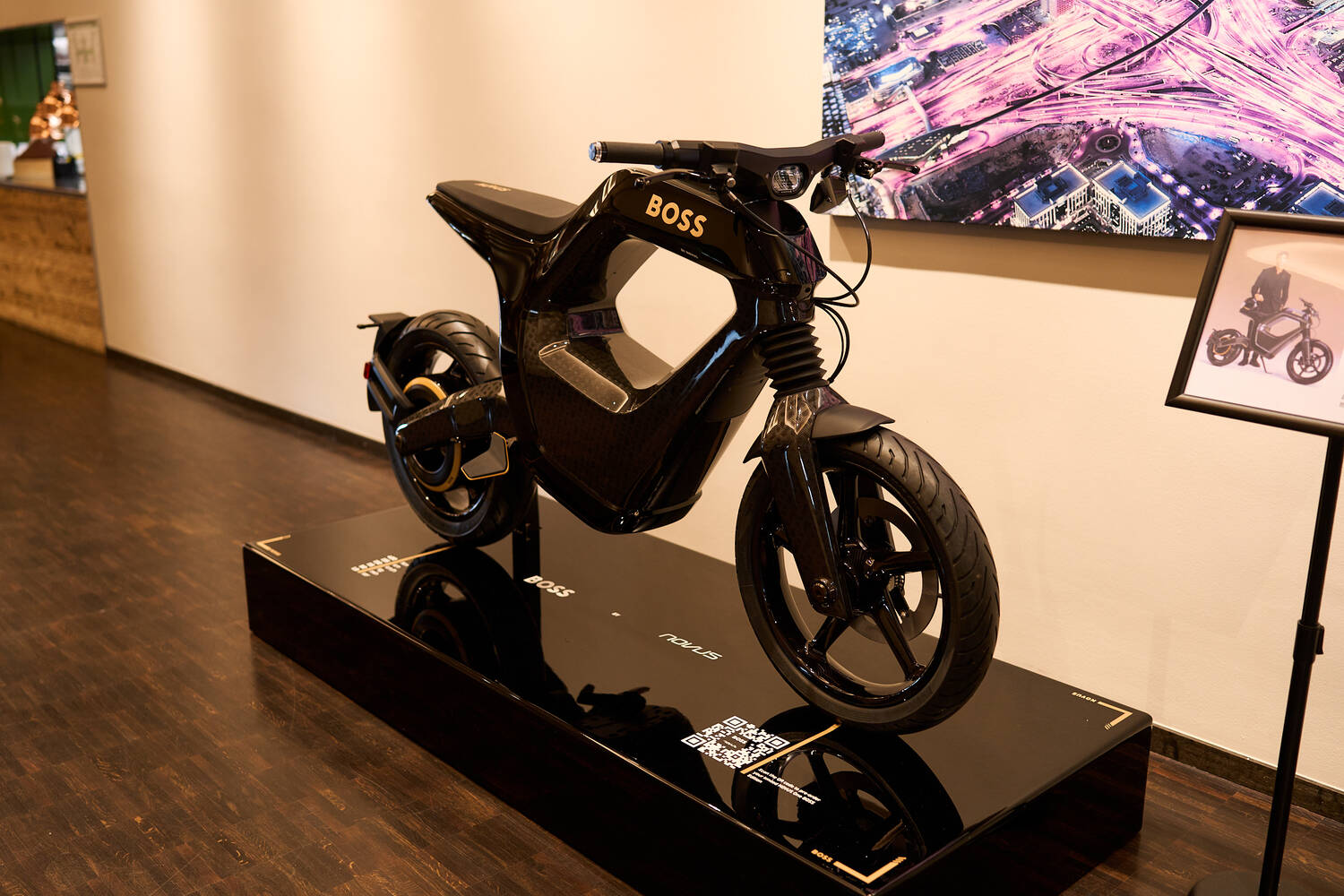
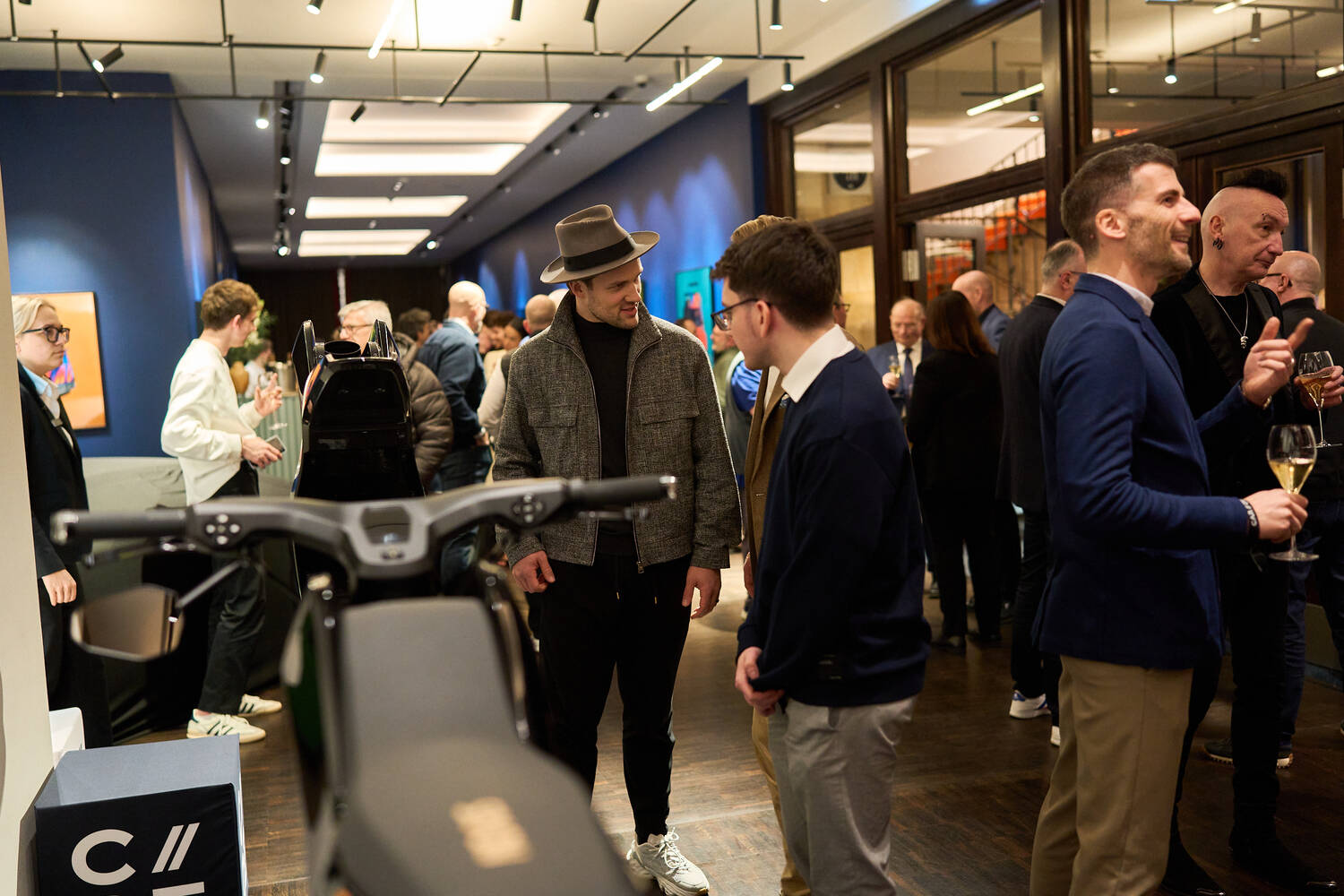
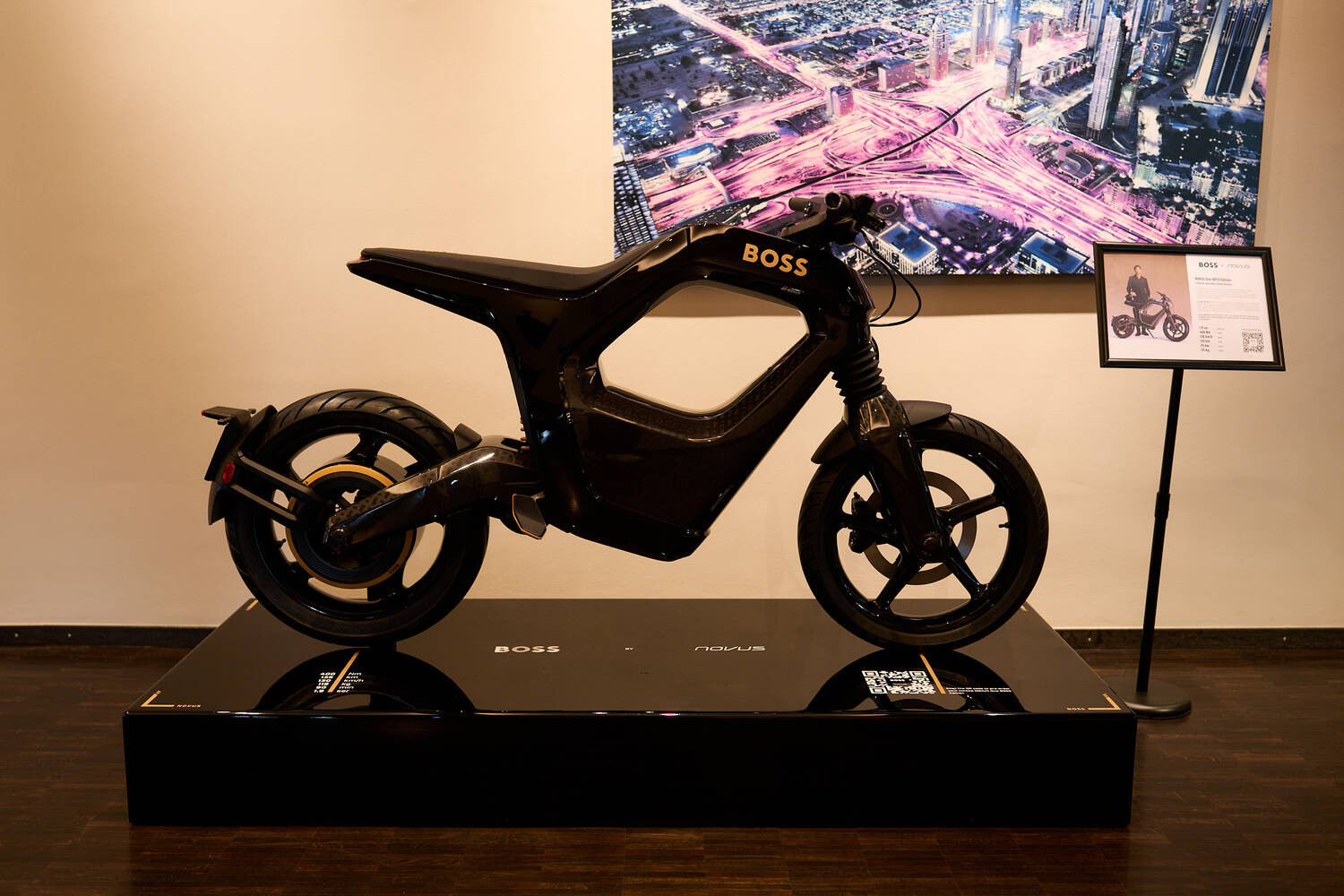
Back outside in the main hall another intriguing project awaited: the Novus electric bike. Its story stretches back nearly a decade, beginning as an experimental concept and gradually evolving into a production-ready machine. The Novus blends elements of motorcycle and e-bike design, with a lightweight sculptural frame that houses the battery and electronics while creating a distinctive visual identity. It is an example of how mobility design is expanding beyond traditional categories.
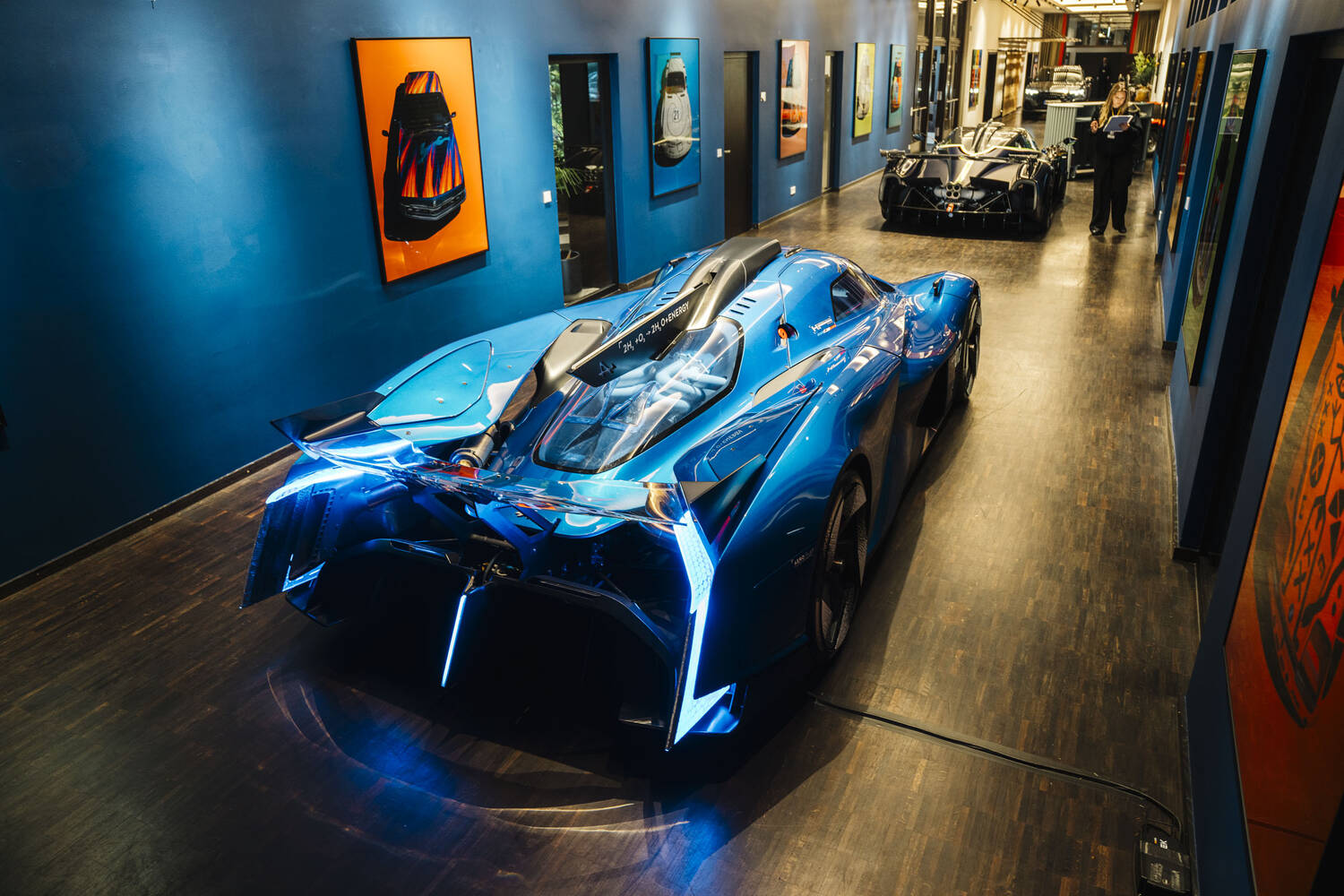
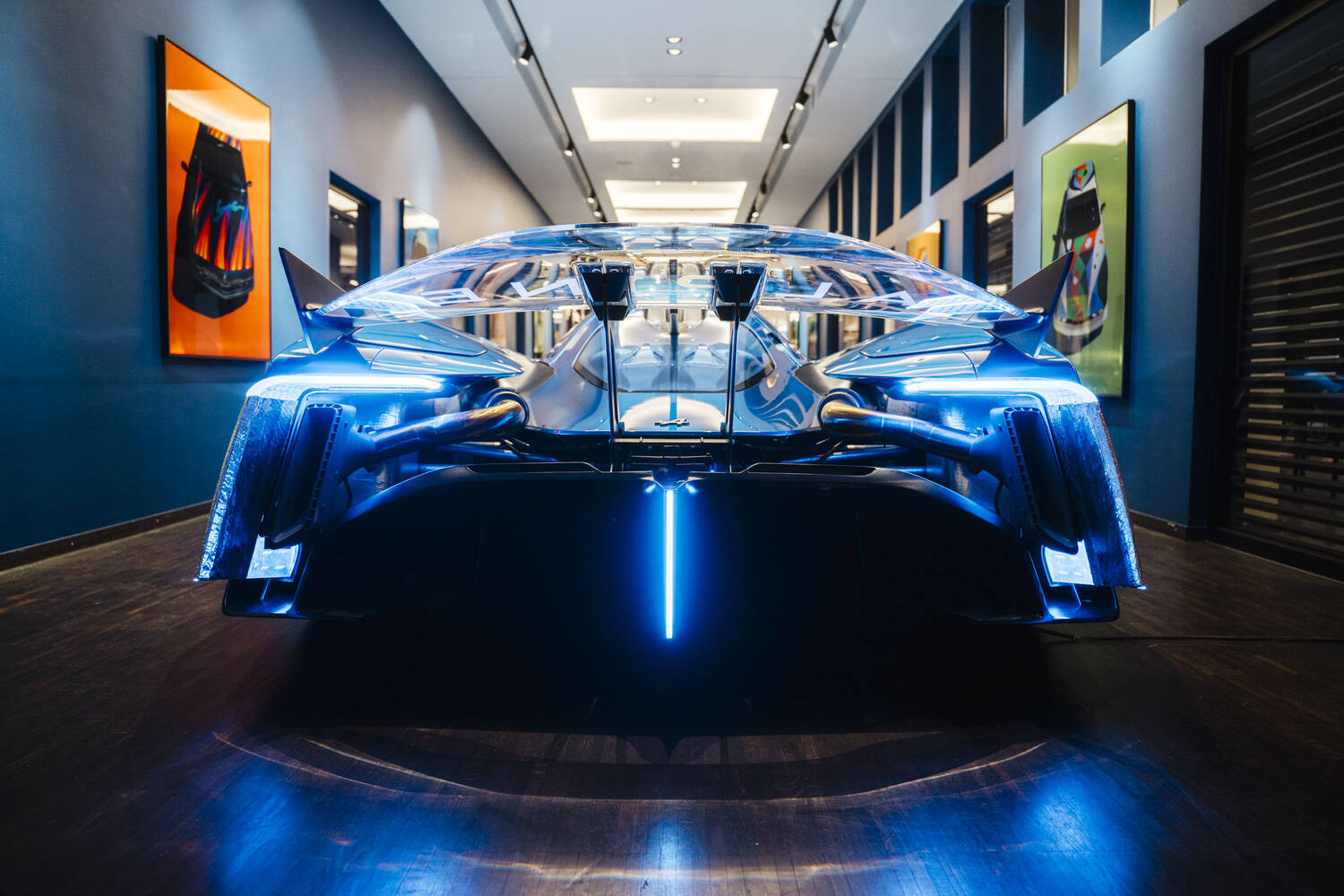
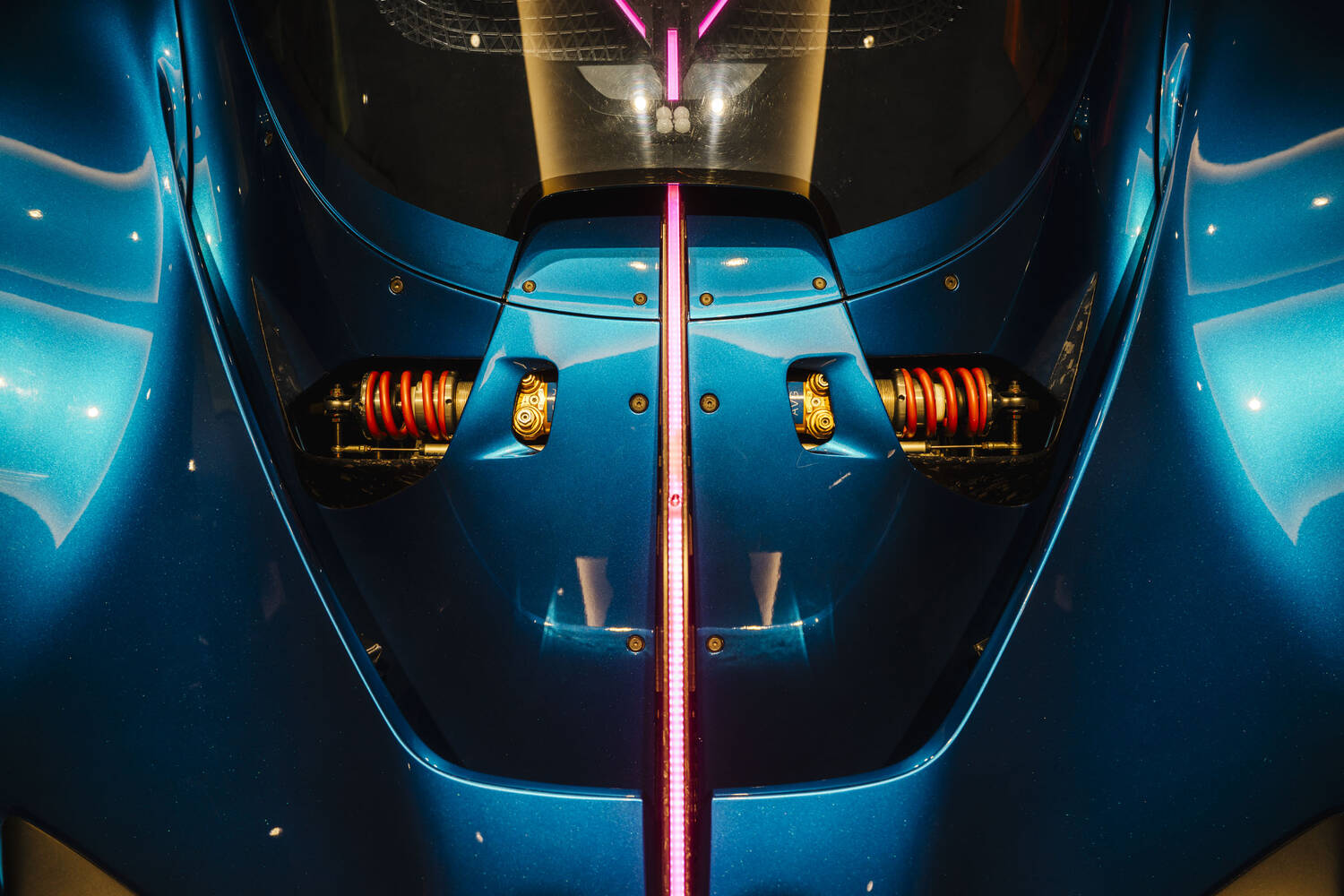
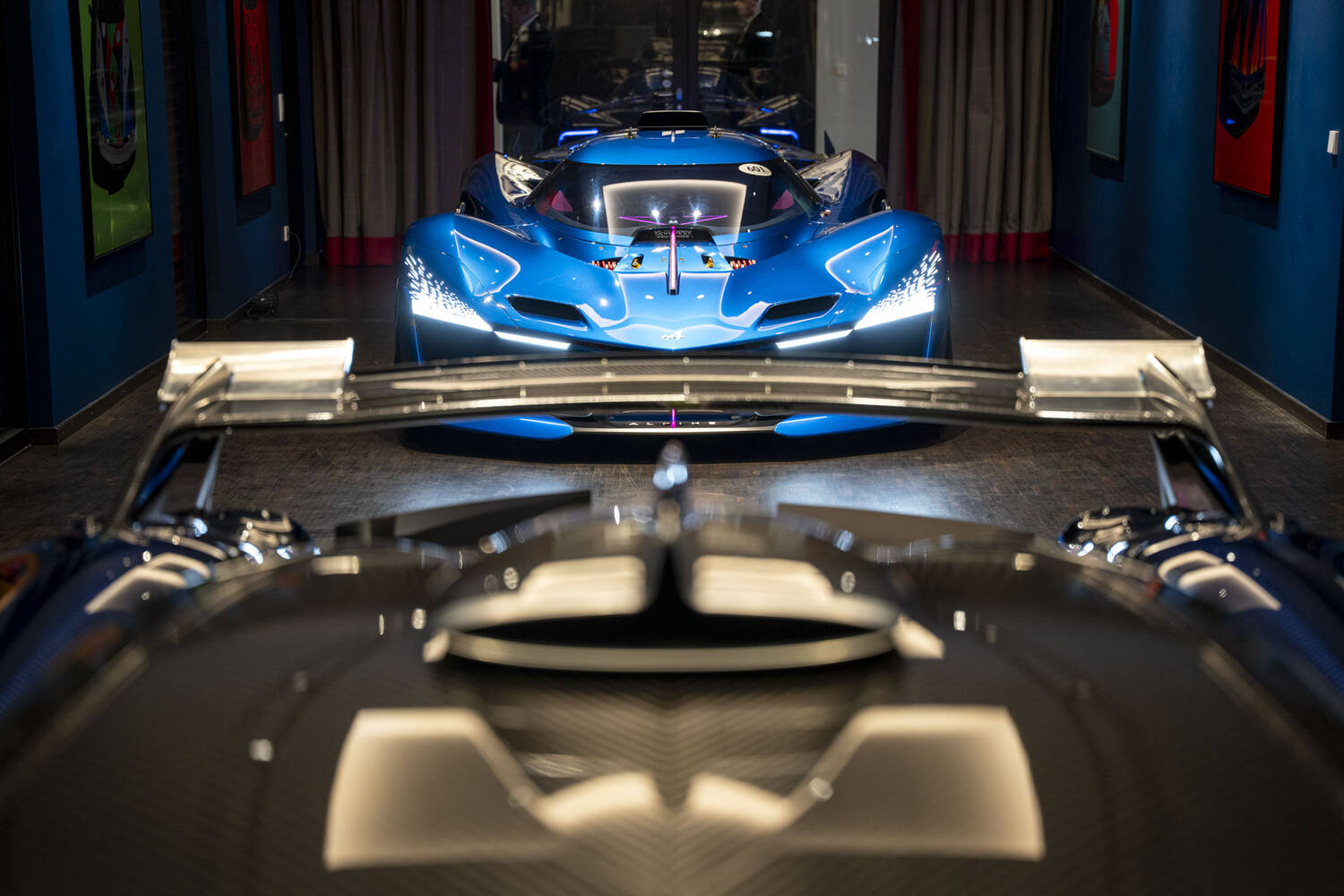
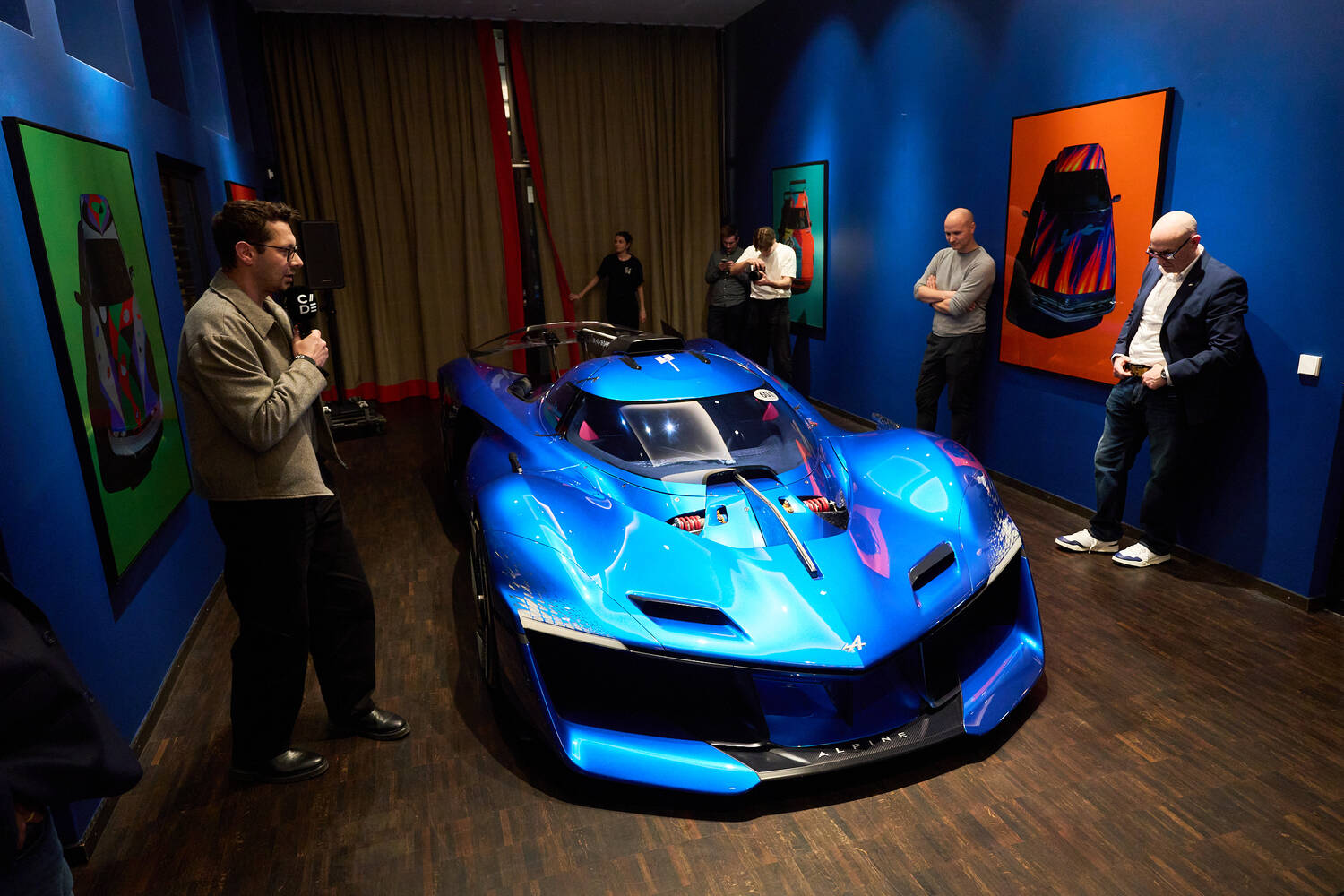
Pagani's Alberto Piccolo returned briefly to discuss the spectacular Huayra R on display before the focus shifted to another extraordinary machine: the Alpine Alpenglow HY6 concept. Presented by Antony Villain, Alpine Chief Designer, the Alpenglow is not merely a design study but a rolling laboratory for hydrogen-powered performance. The prototype has already been driven at speed and represents Alpine's exploration of how hydrogen might be employed in the future to keep combustion engines in motorsport.
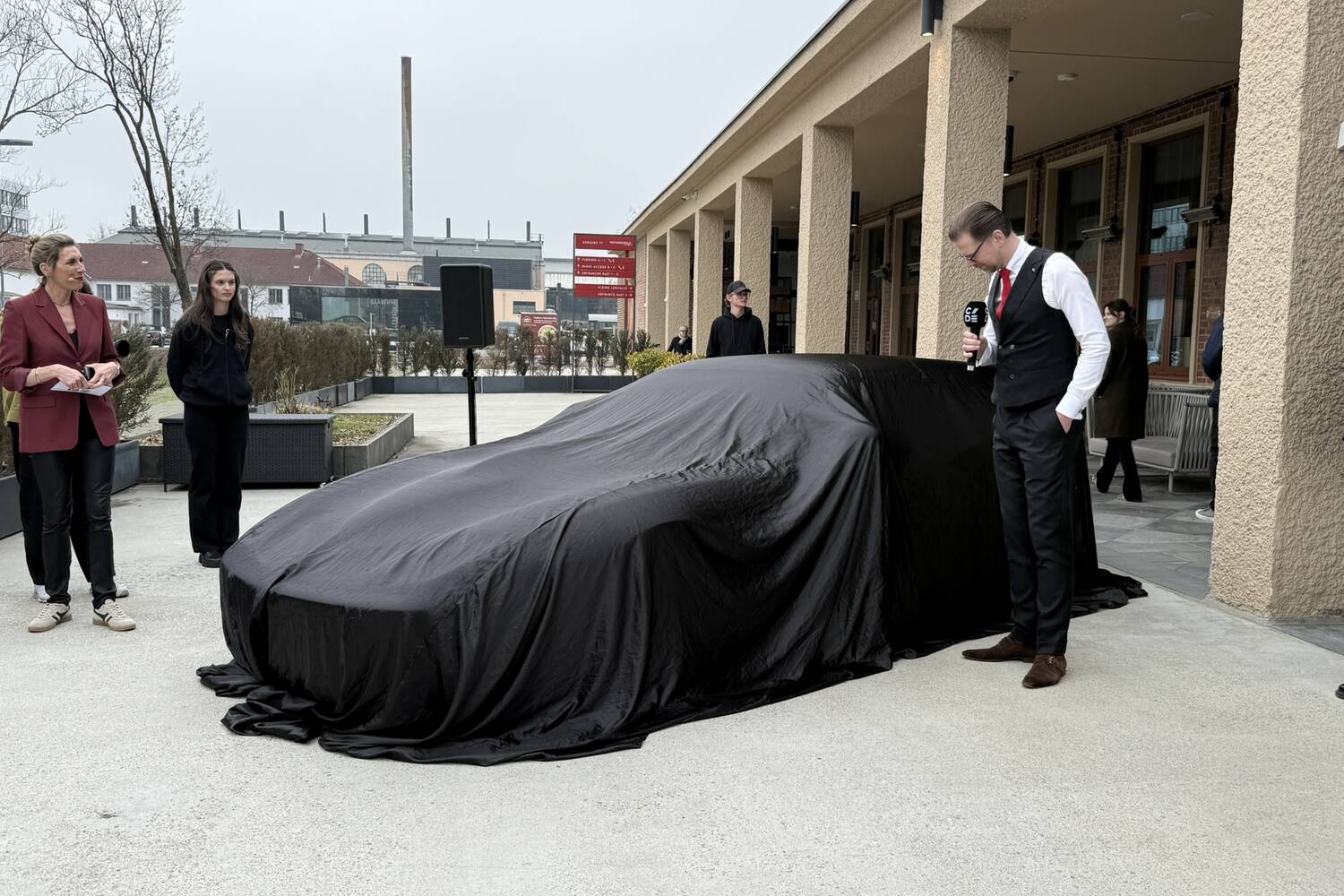
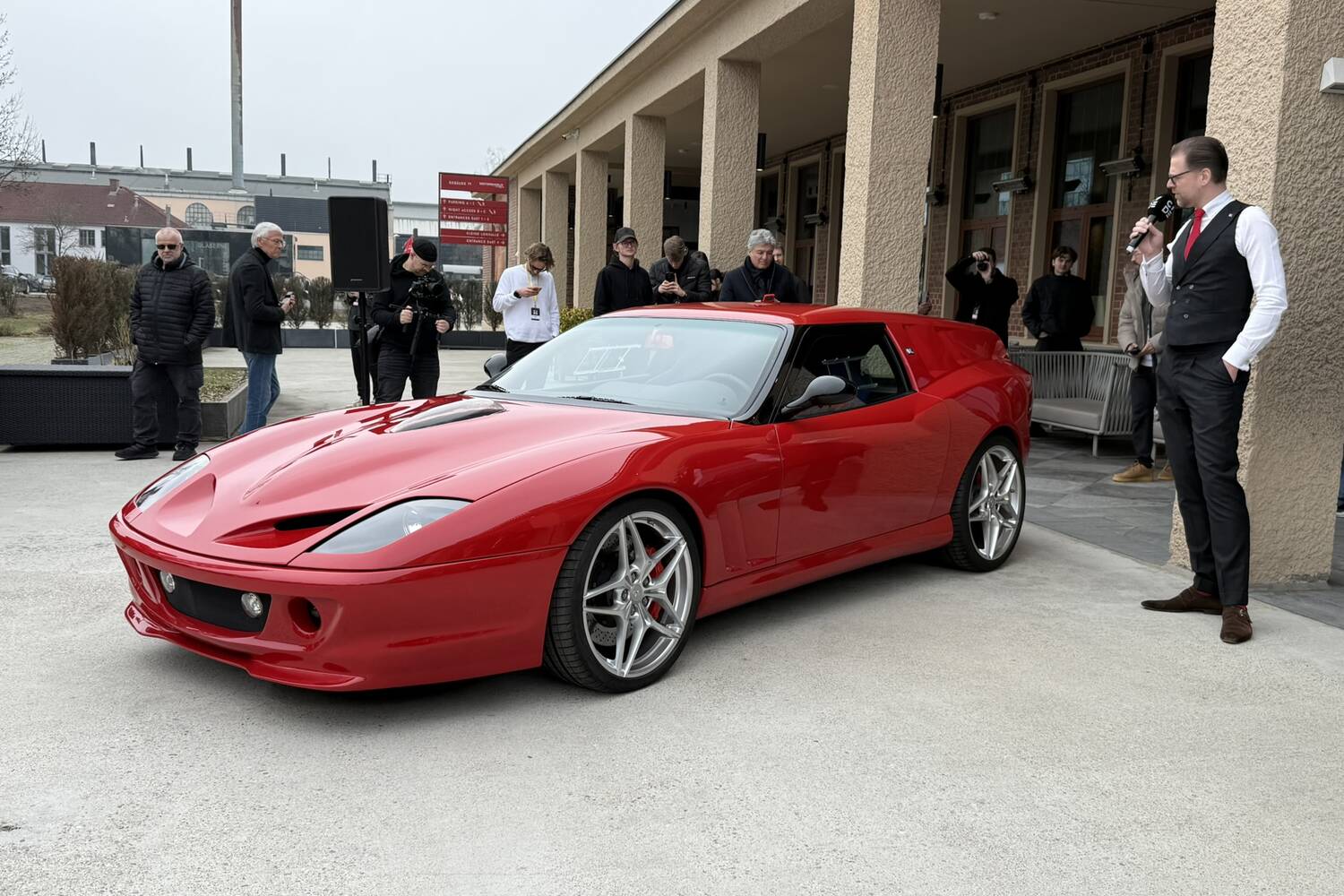
Outside again, the spotlight shifted to Niels van Roij, one of the few remaining coachbuilders working in the traditional sense. His latest creation, the Breadvan Hommage, is based on a Ferrari 550 Maranello but reinterprets the legendary 1960s Ferrari 'Breadvan' through modern design. Van Roij is adamant that his cars are not static showpieces, despite their one-off nature: "It's no garage queen,” he remarked, emphasising that his creations are built to be driven.
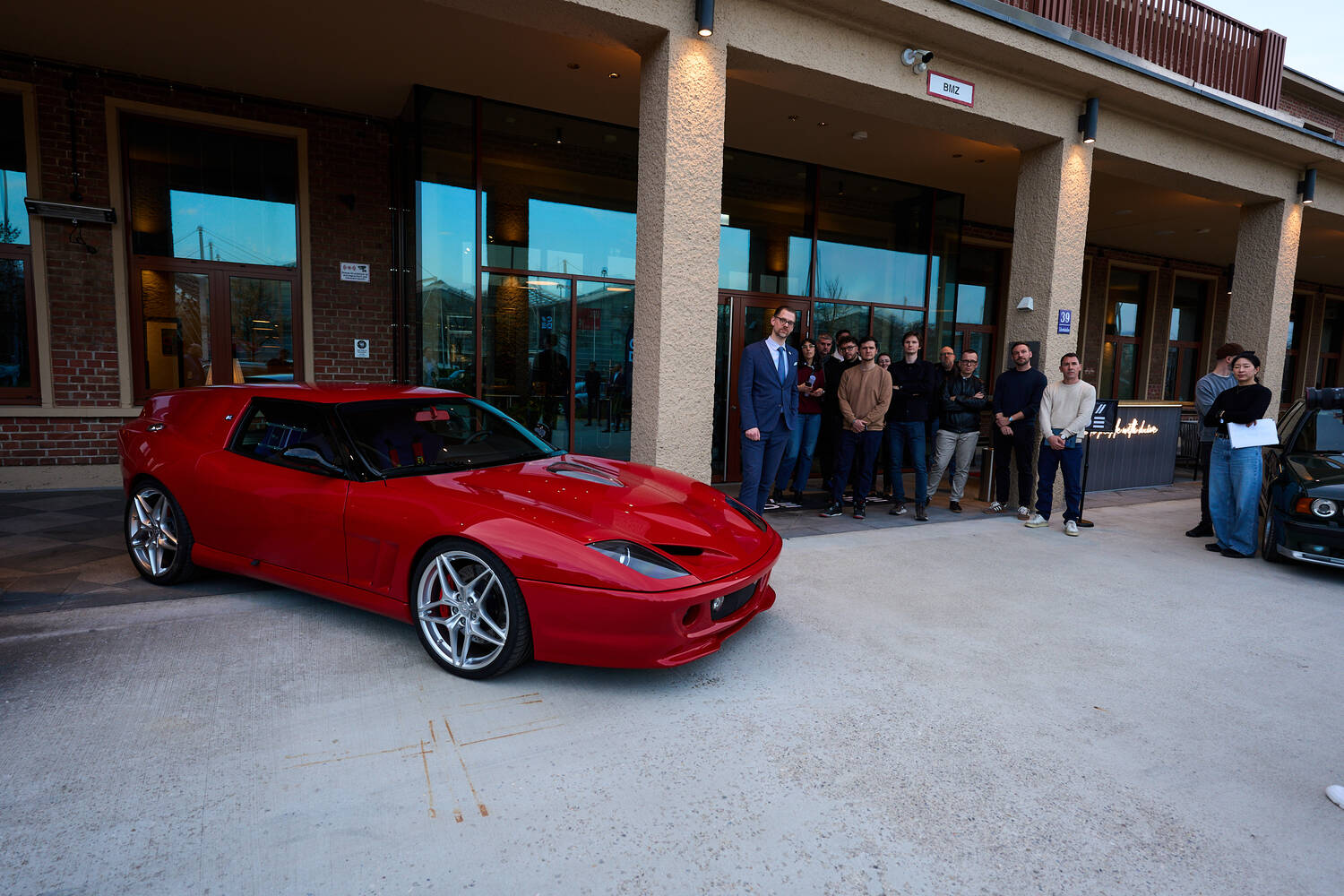
His studio specialises in one-off commissions, each tailored to a specific client. Previous projects have included the Tesla Model S shooting brake, a conversion that reimagined the electric car as a sleek estate. Another project currently underway will reinterpret the Ferrari Daytona as a modern Breadvan, continuing the studio's fascination with blending historical inspiration and contemporary engineering.
Lunch took place at Munich's impressive Motorworld complex, a venue that deserves attention in its own right. Housed within a former aircraft engine factory, Motorworld is part museum, part dealership hub and part car storage. Classic cars sit alongside modern exotics in glass display boxes, while high-end car boutiques and restaurants overlook the automotive displays. It is the kind of place where enthusiasts could easily spend an entire day wandering.
As we arrived there, another concept was introduced: the Self-driving Urban E-Shuttle, or SUE, created by UE Studios. Designed as an autonomous public transport vehicle, the shuttle explores how urban mobility might evolve in a world where vehicles no longer require a driver. The interior is deliberately welcoming, even featuring digital candles intended to create a calm atmosphere for passengers. The concept may appear whimsical at first glance, but it reflects serious thinking about how public transport might adapt to new technologies.
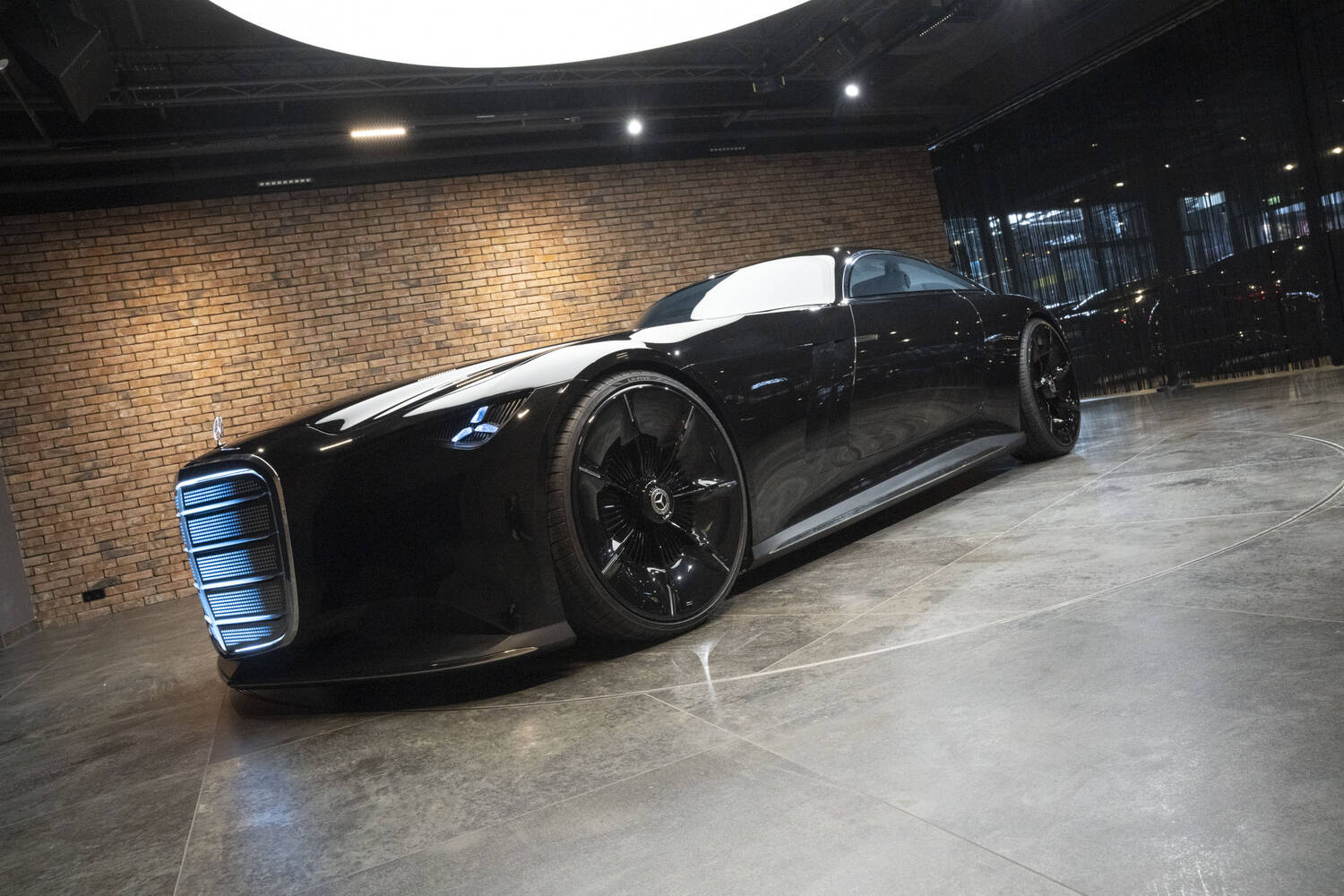
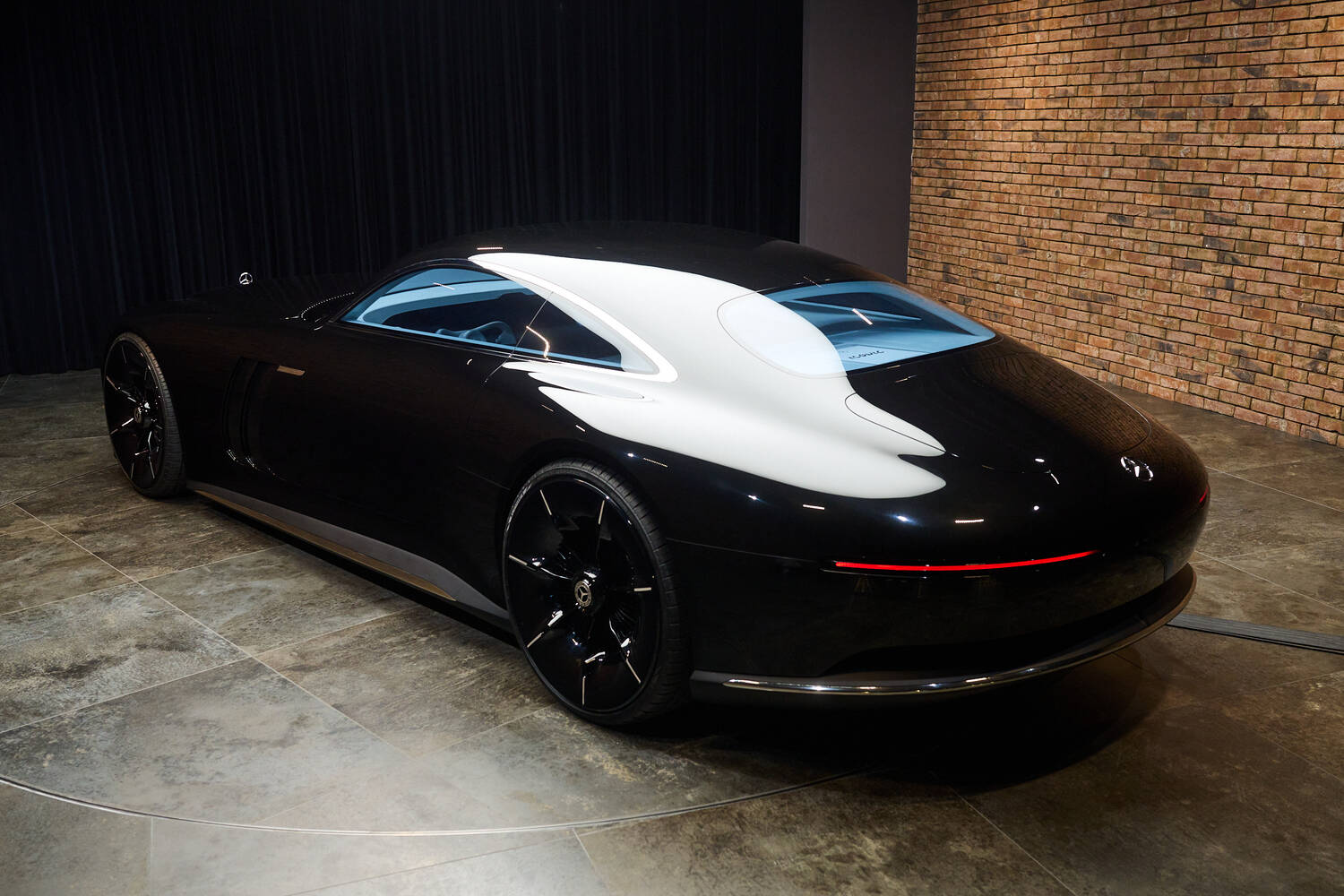
In a separate room, visitors were given access to the Mercedes-Benz Vision Iconic, presented here for the first time in Europe. This concept offers a glimpse into Mercedes' evolving design language, blending old and new.
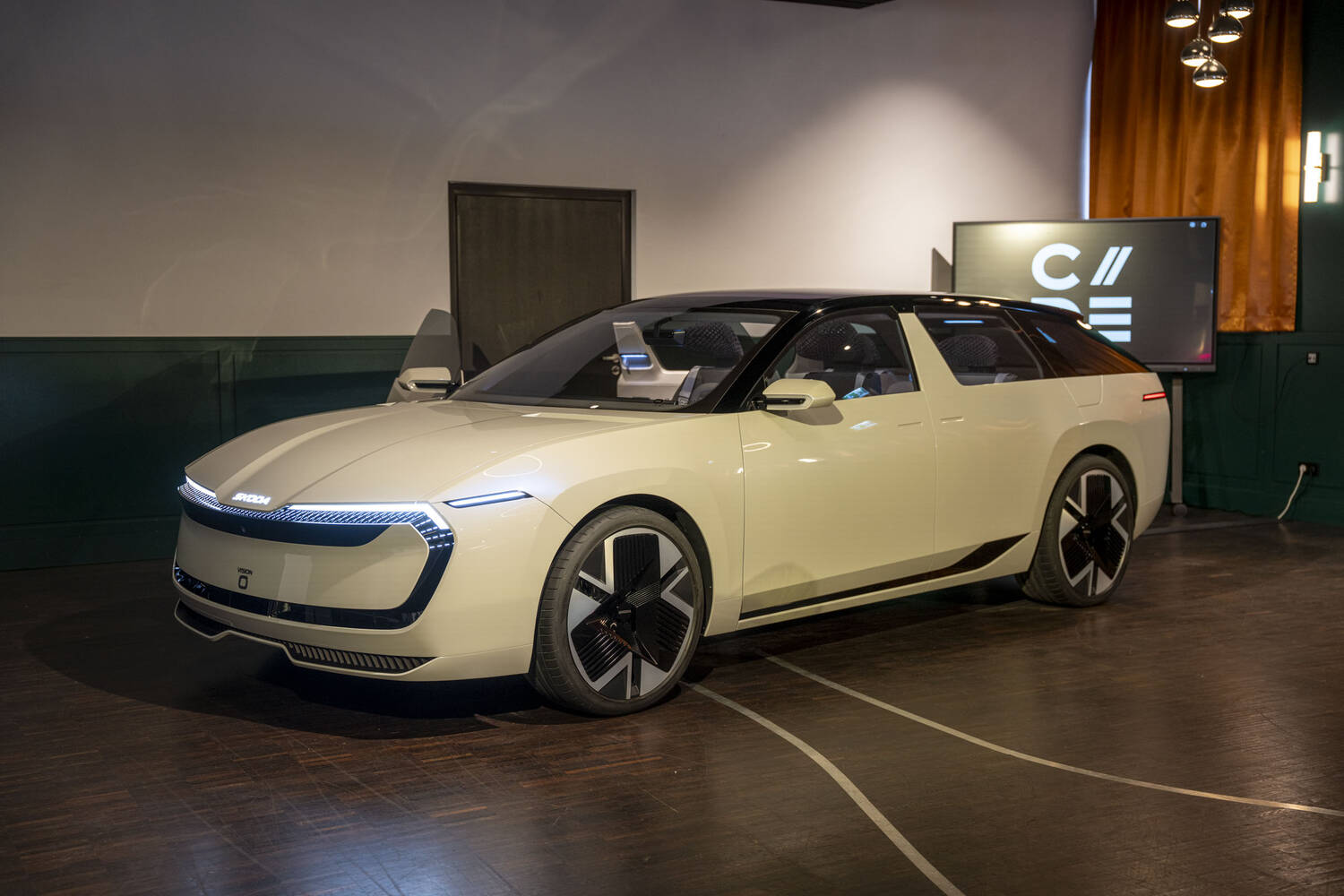
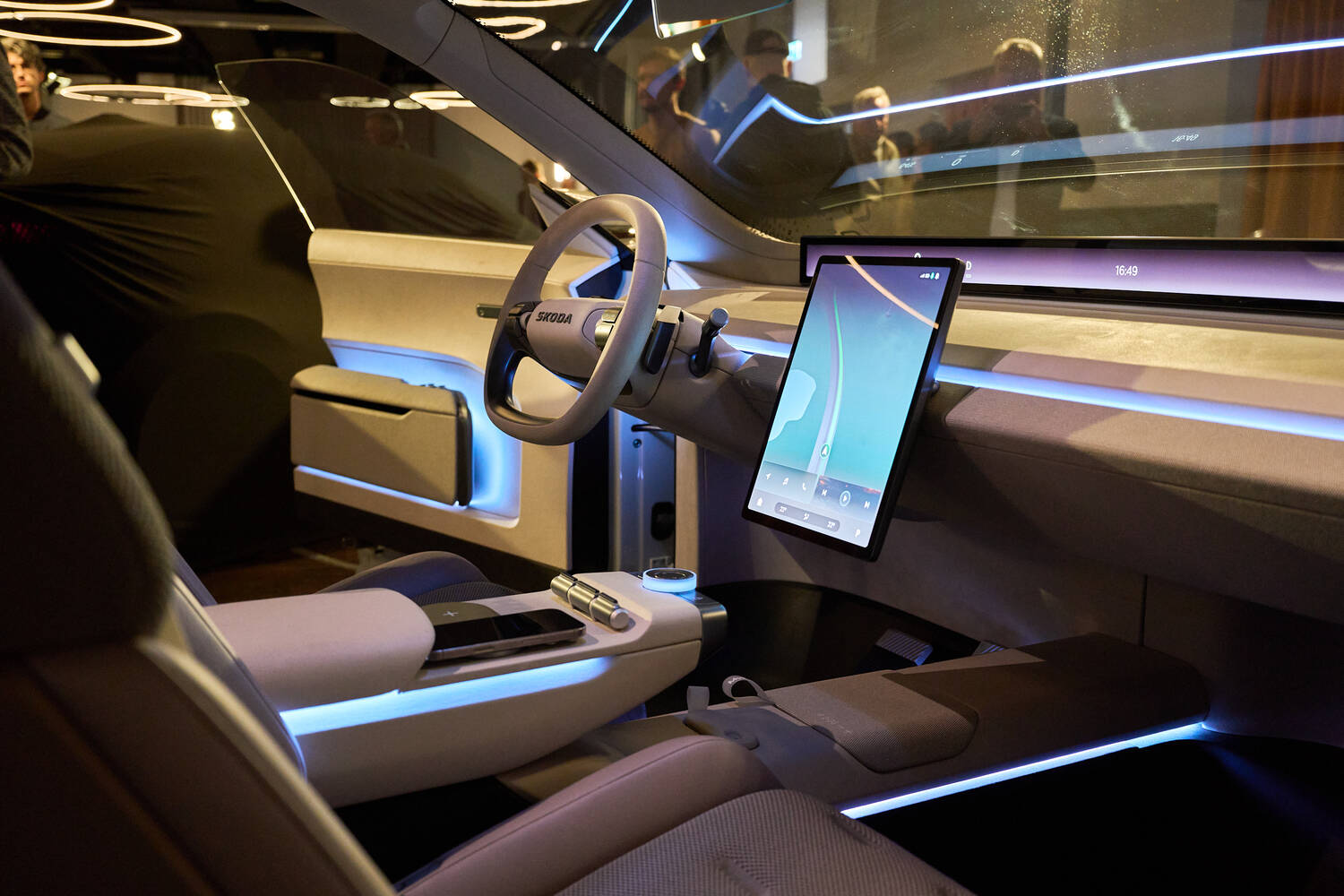
Back at the Drivers & Business Club the pace of unveilings quickened. Skoda's chief designer Oliver Stefani introduced the Vision O concept, exploring new ideas around sustainable materials and the brand's evolving design identity.
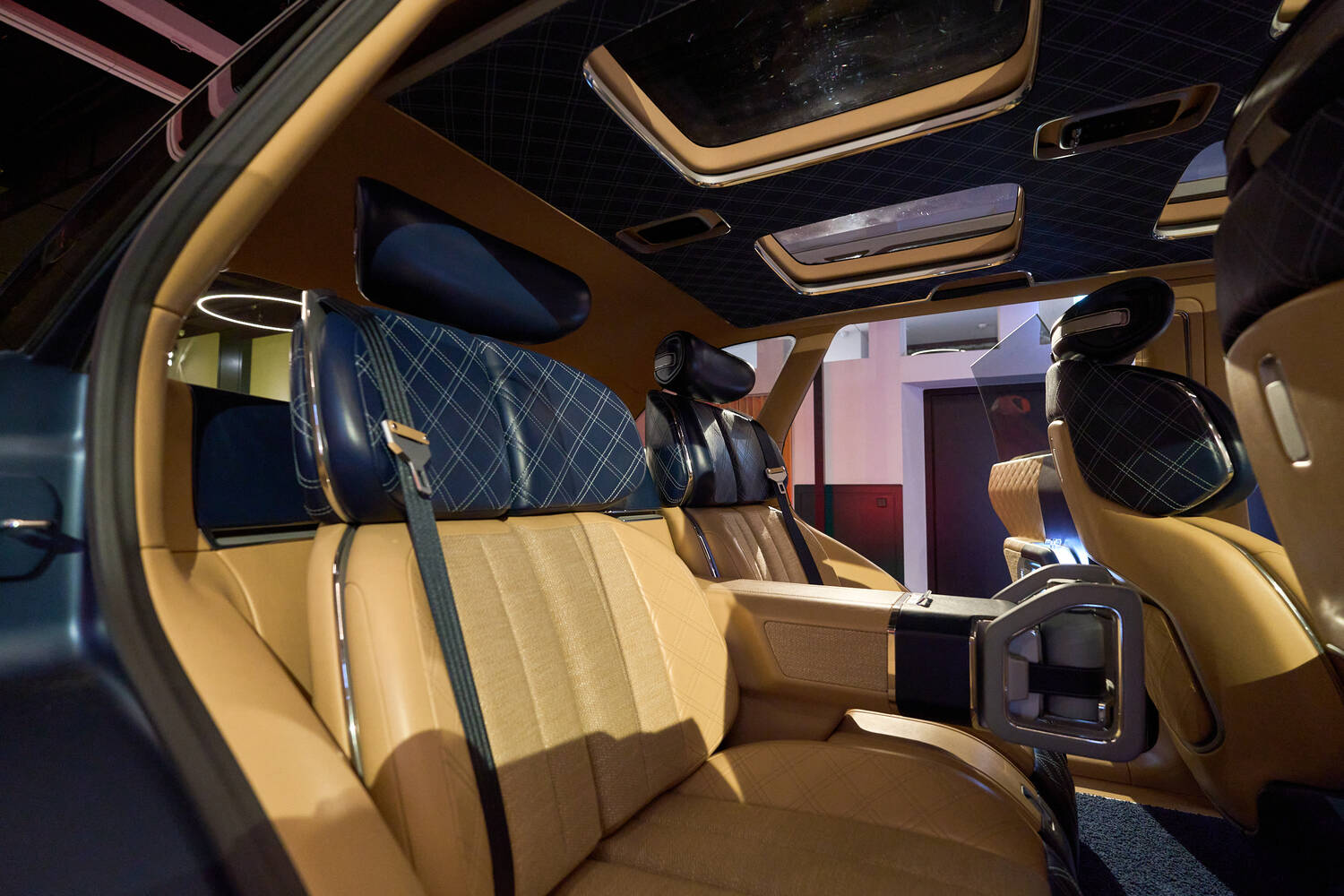
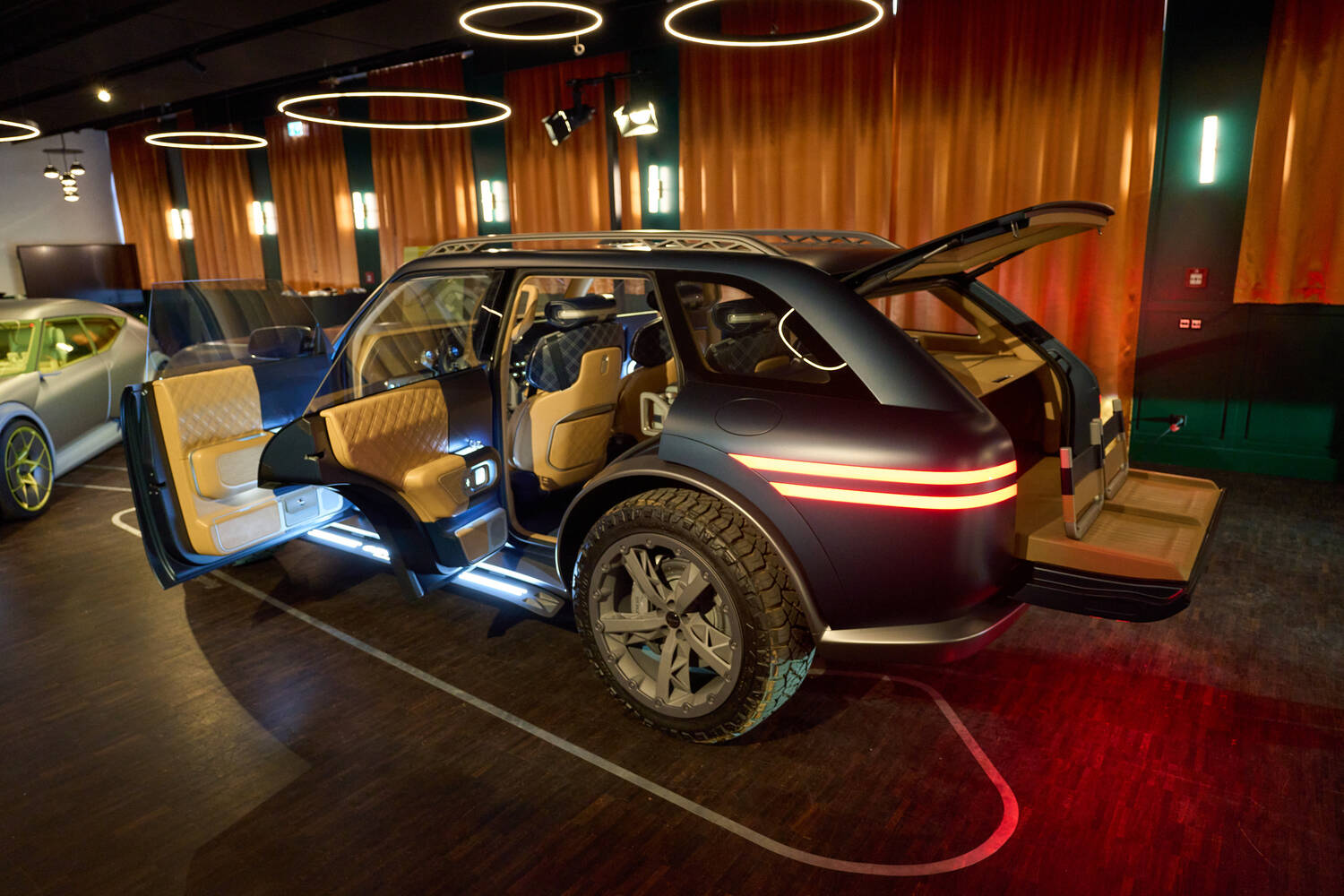
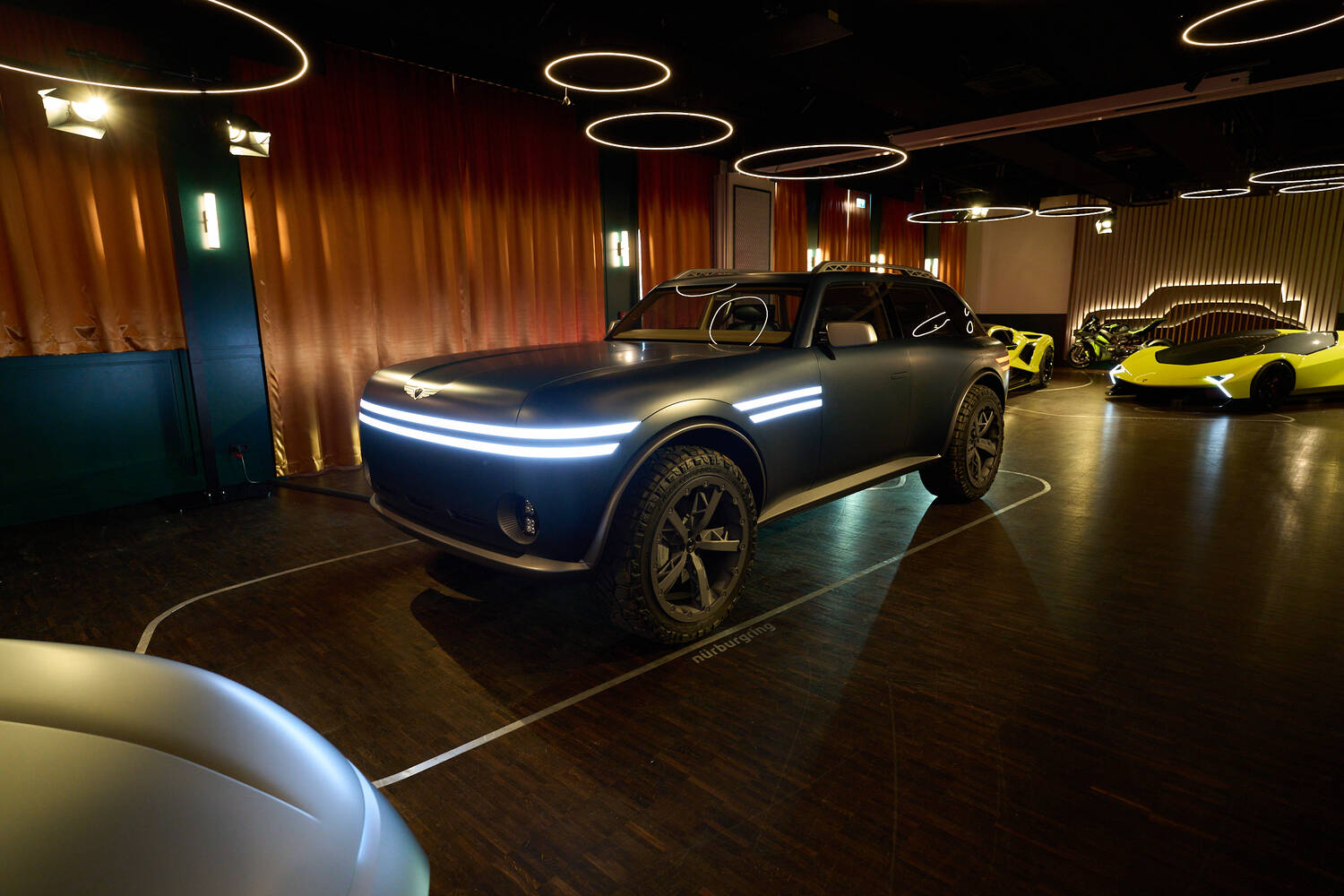
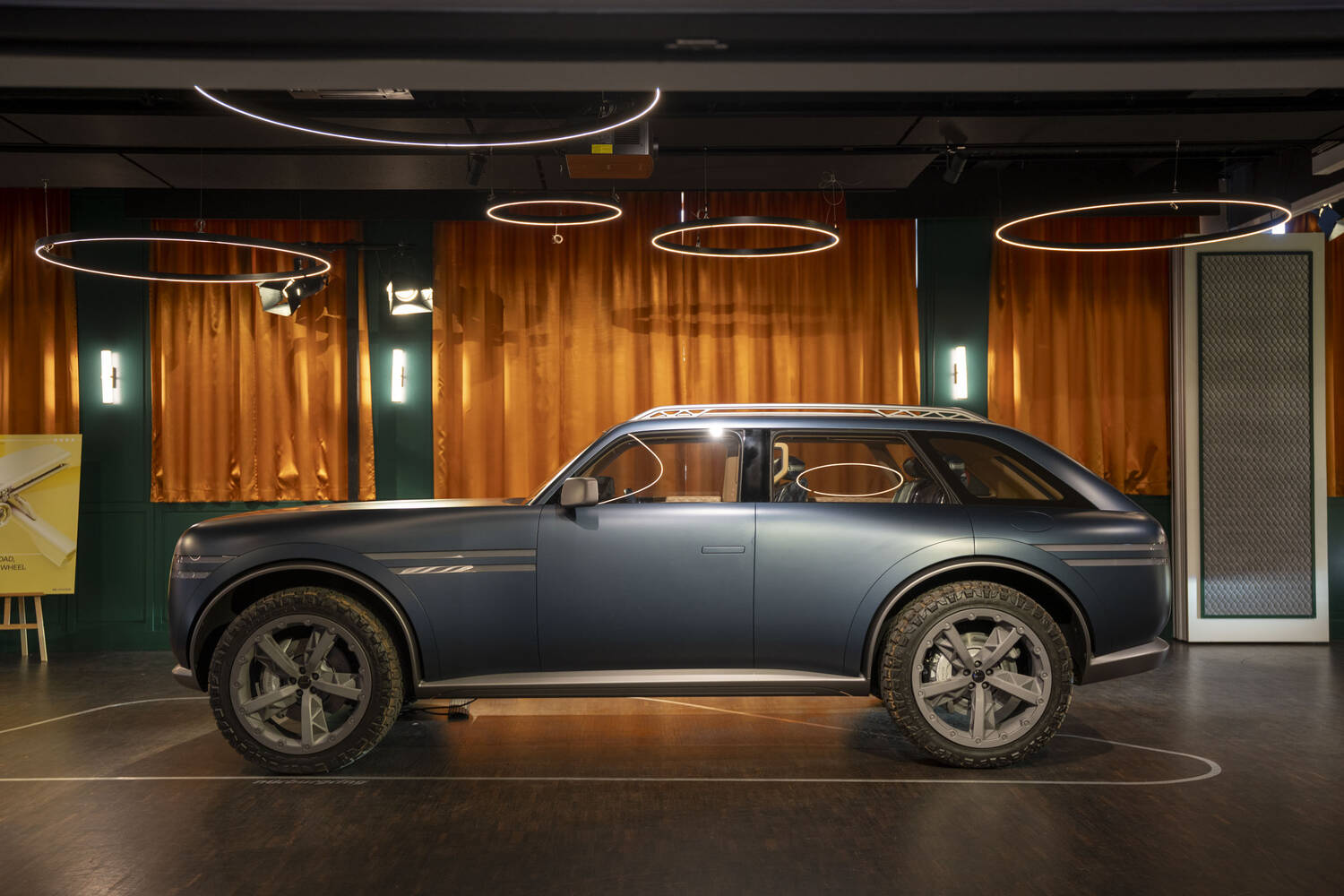
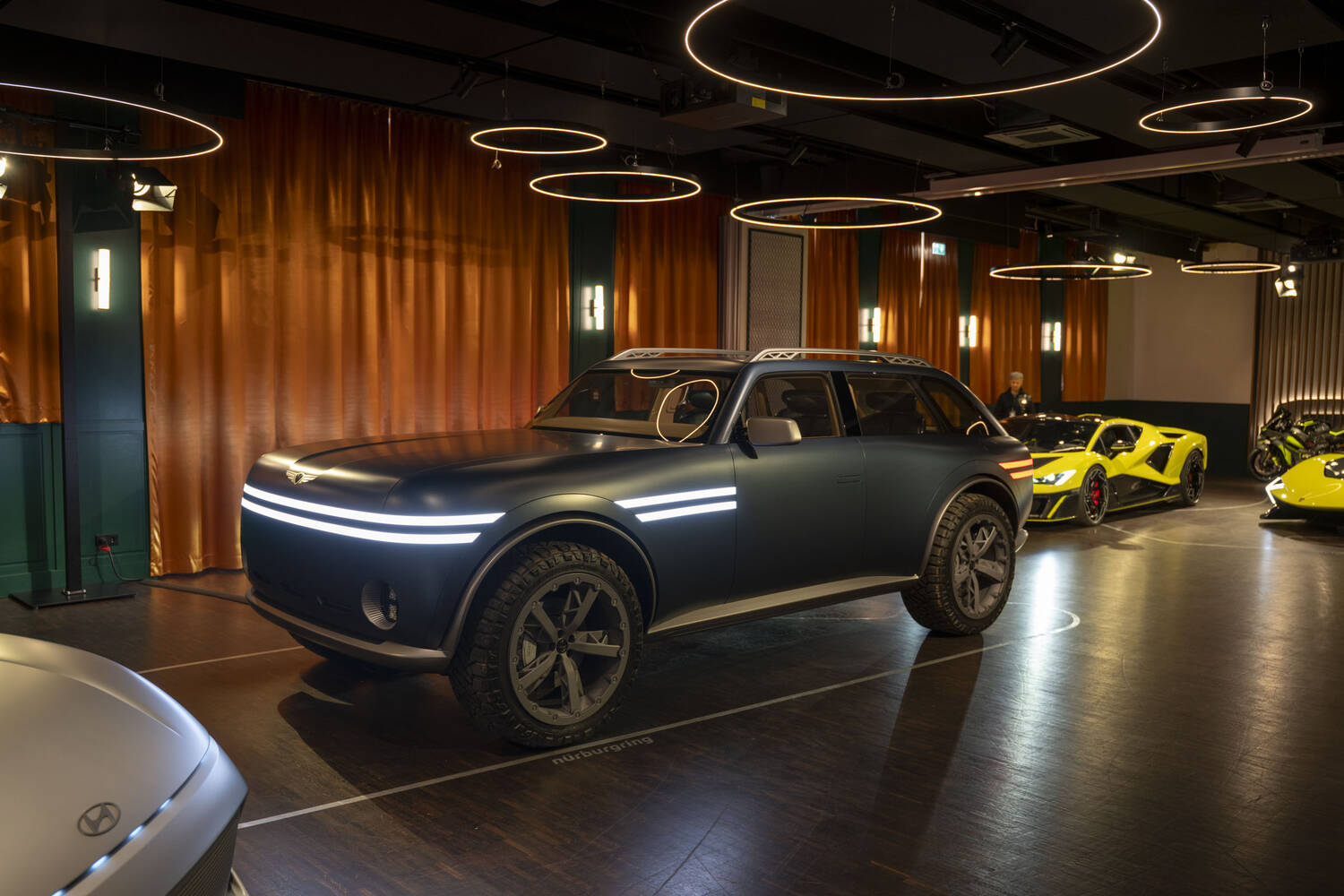
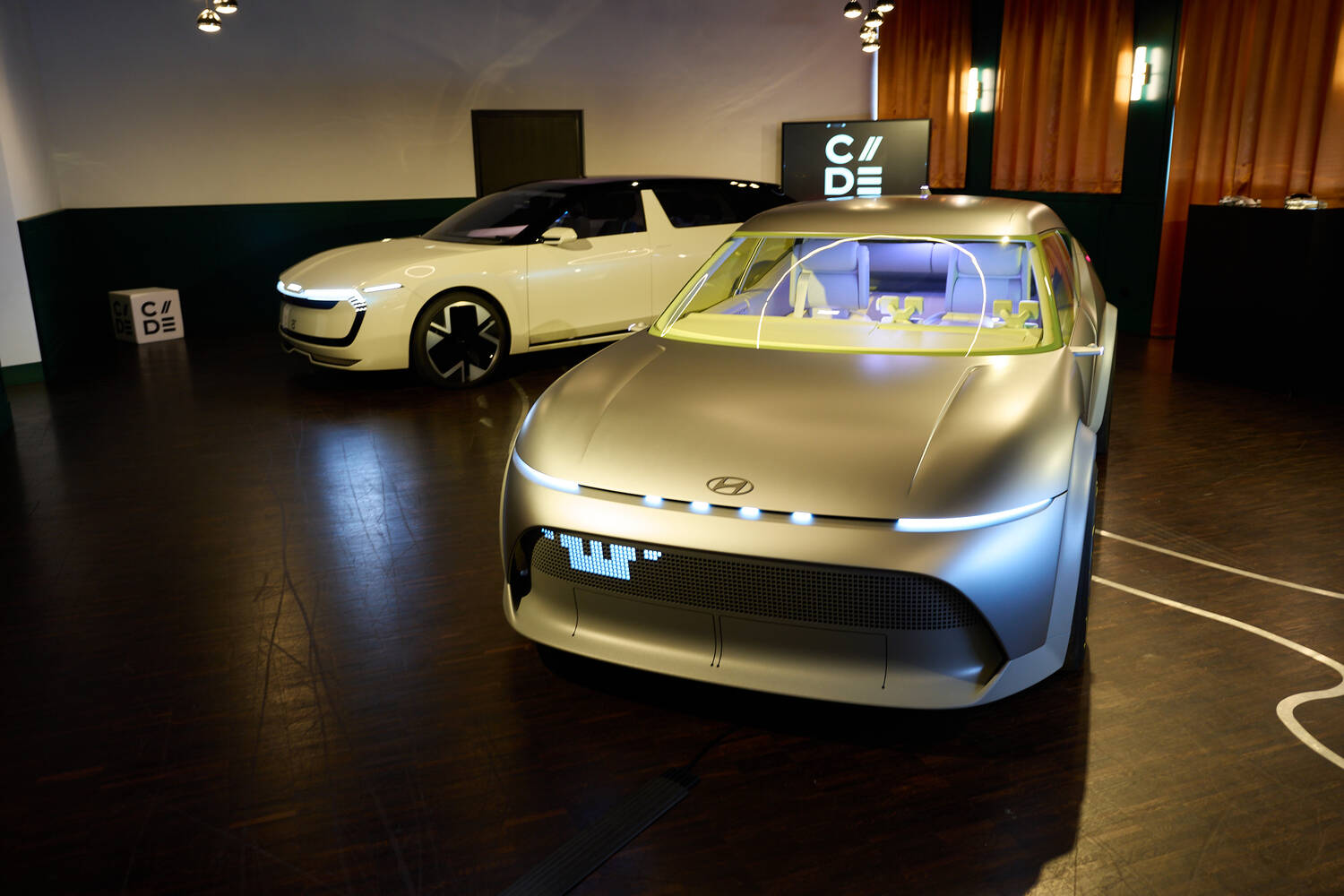
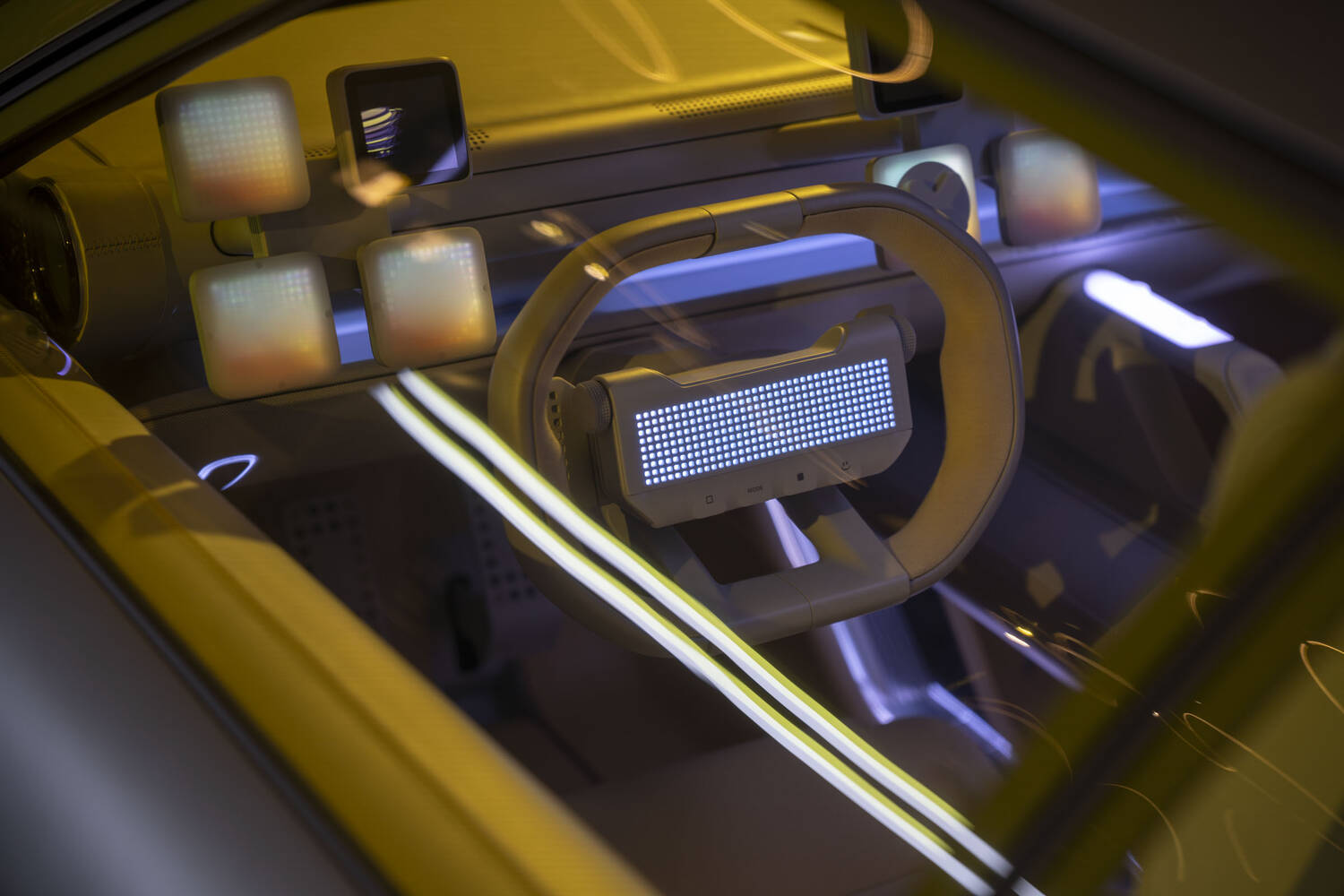
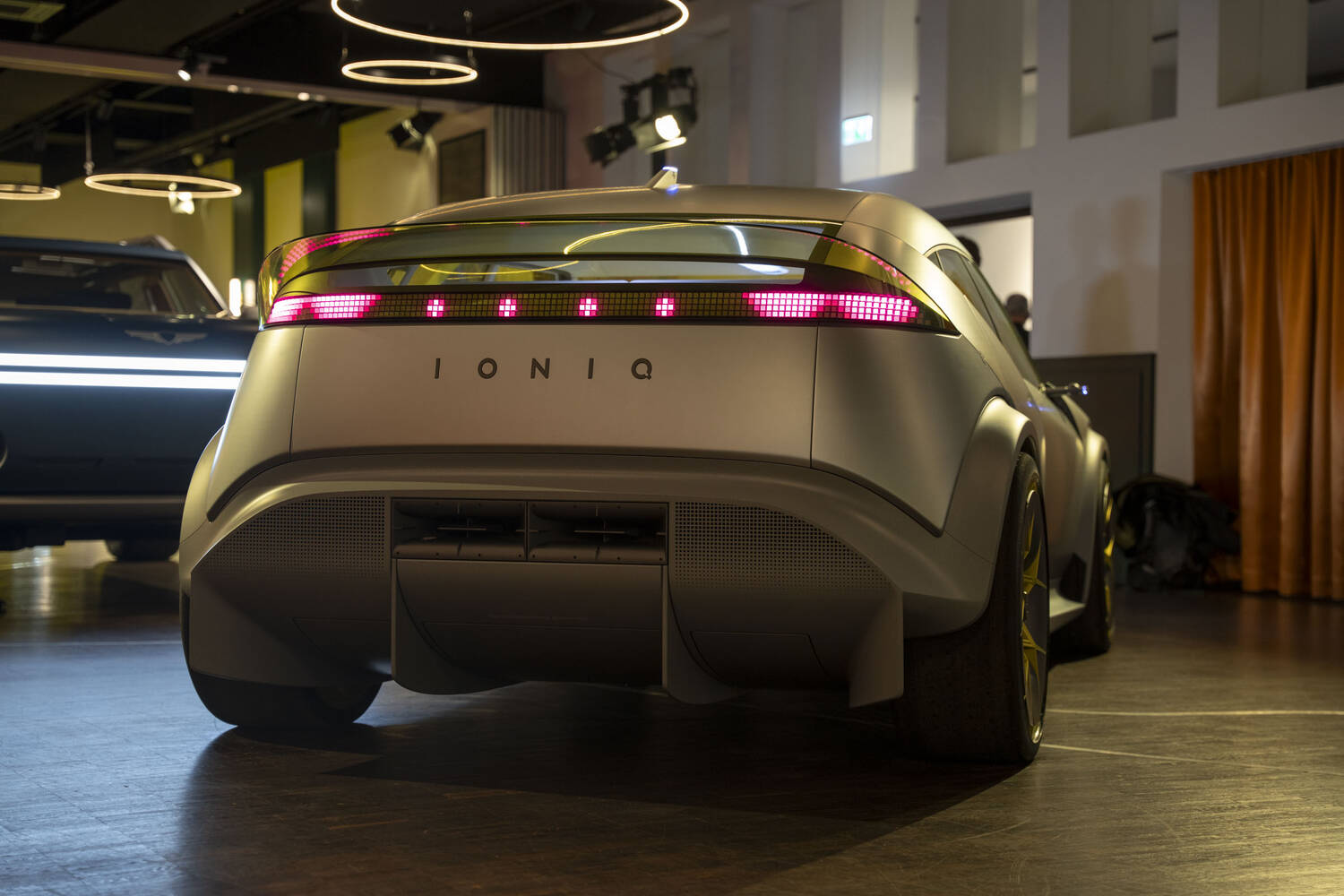
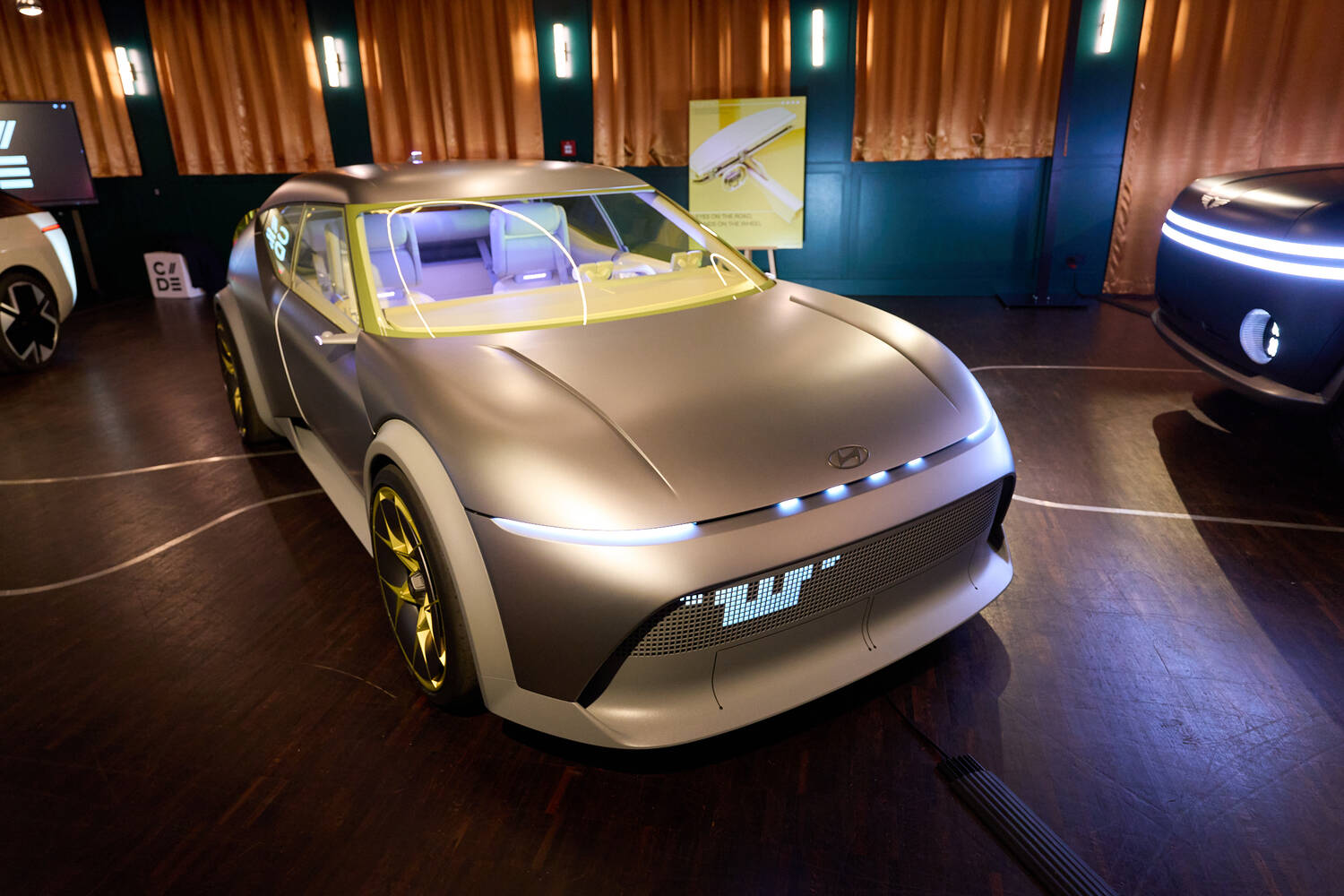
Hyundai followed with its Concept Three, previewing the forthcoming Ioniq 3 electric car and demonstrating how the brand's design language continues to evolve. Genesis then revealed the striking X Gran Equator Concept SUV, making its European debut at the event.
Another student project provided a memorable moment when a full-scale prototype bike was unveiled. The concept blended the characteristics of an e-bike and a lightweight motorcycle, with smooth tyres that were slim yet still reminiscent of those on a superbike. Its most remarkable feature was a shape-shifting body structure designed to adapt to different uses. The prototype was claimed to be capable of reaching 100km/h, blurring the boundary between bicycle and motorcycle.
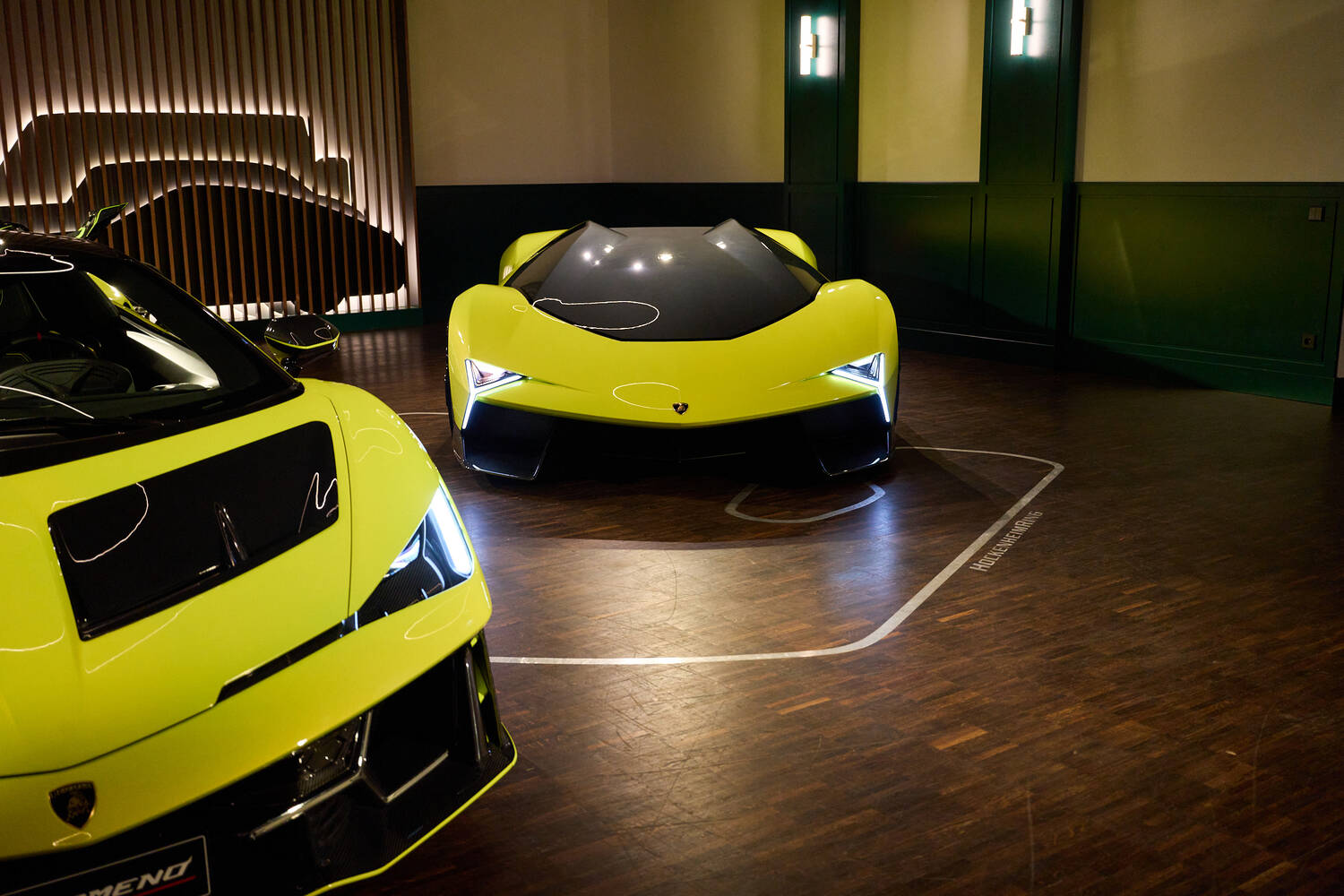
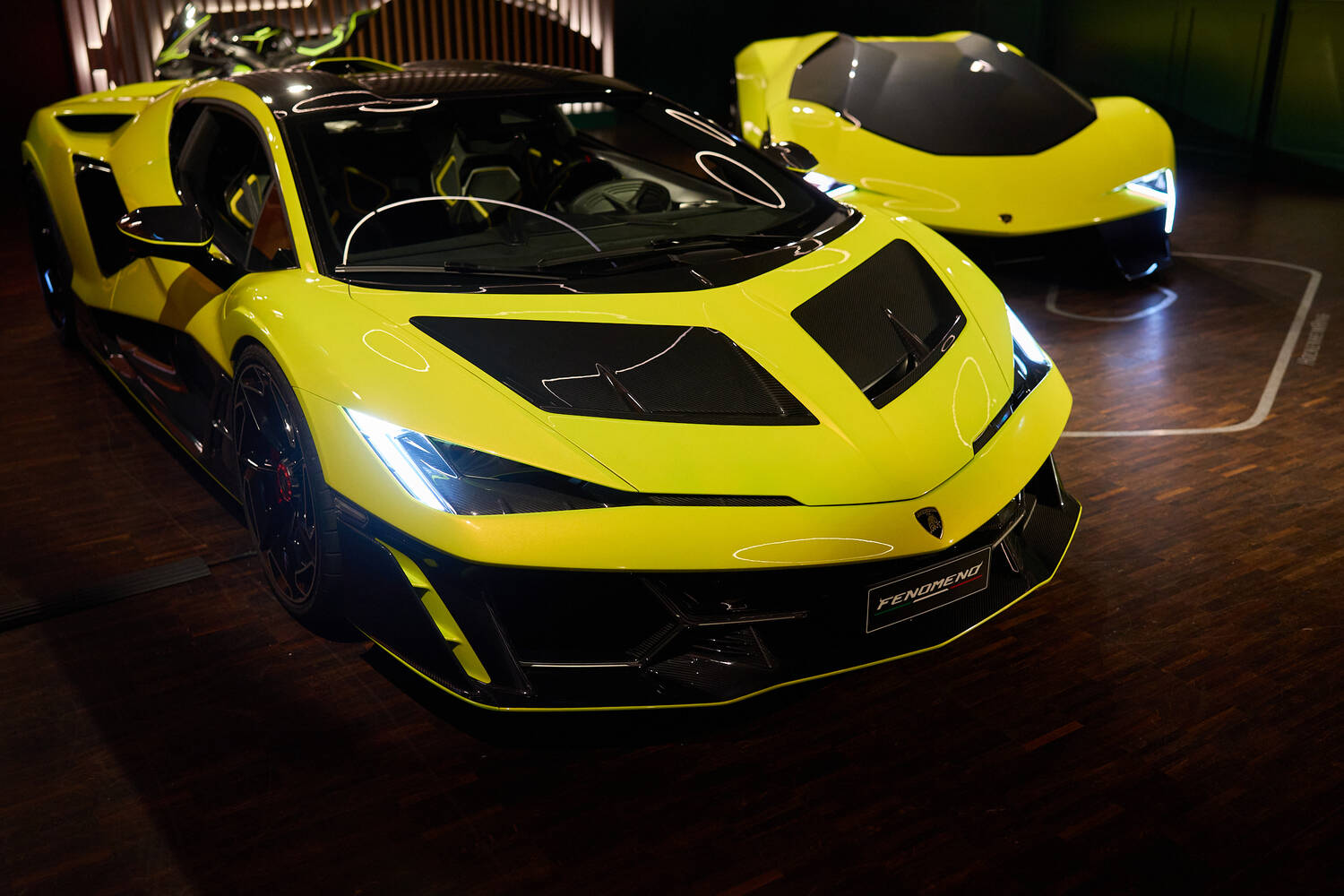
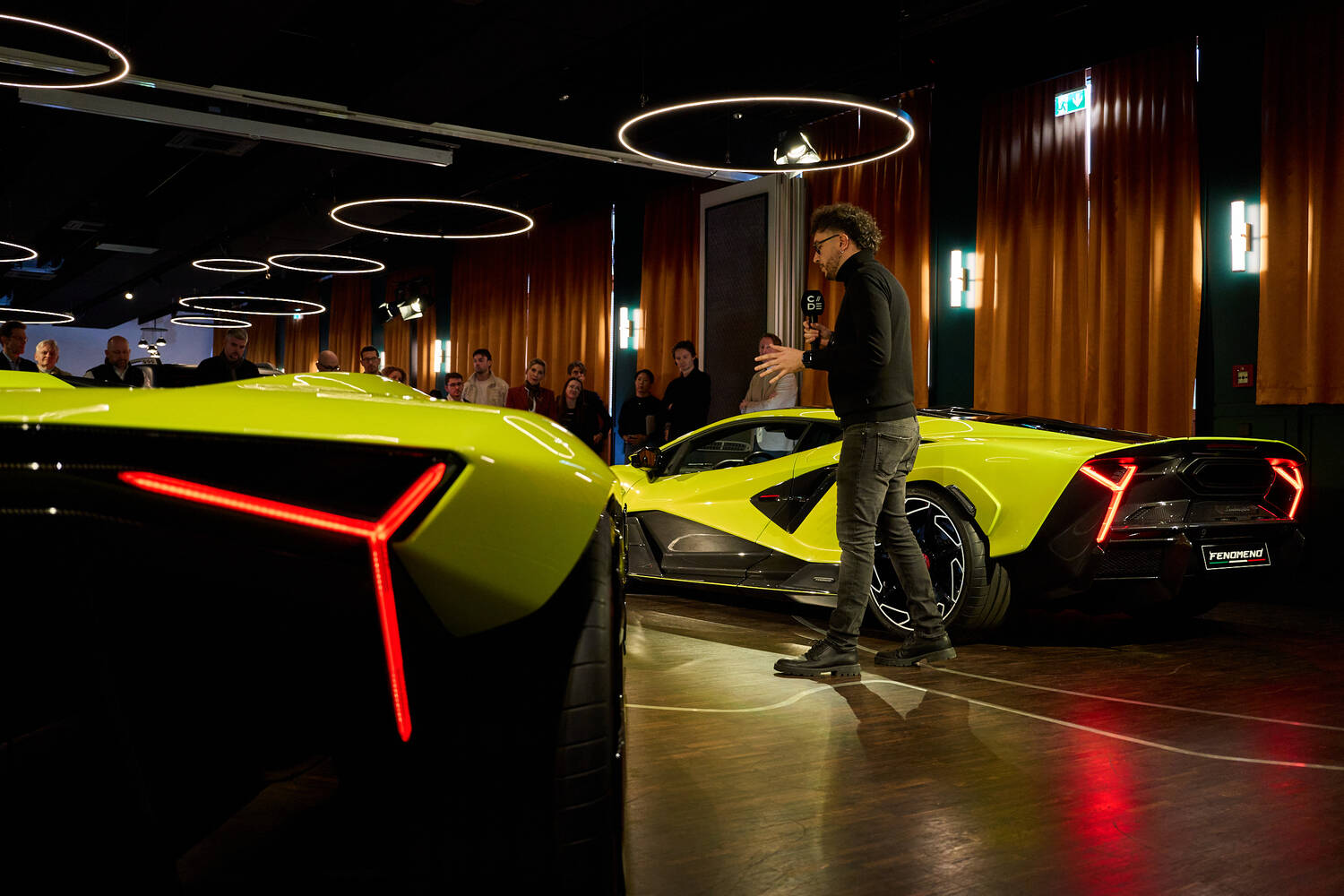
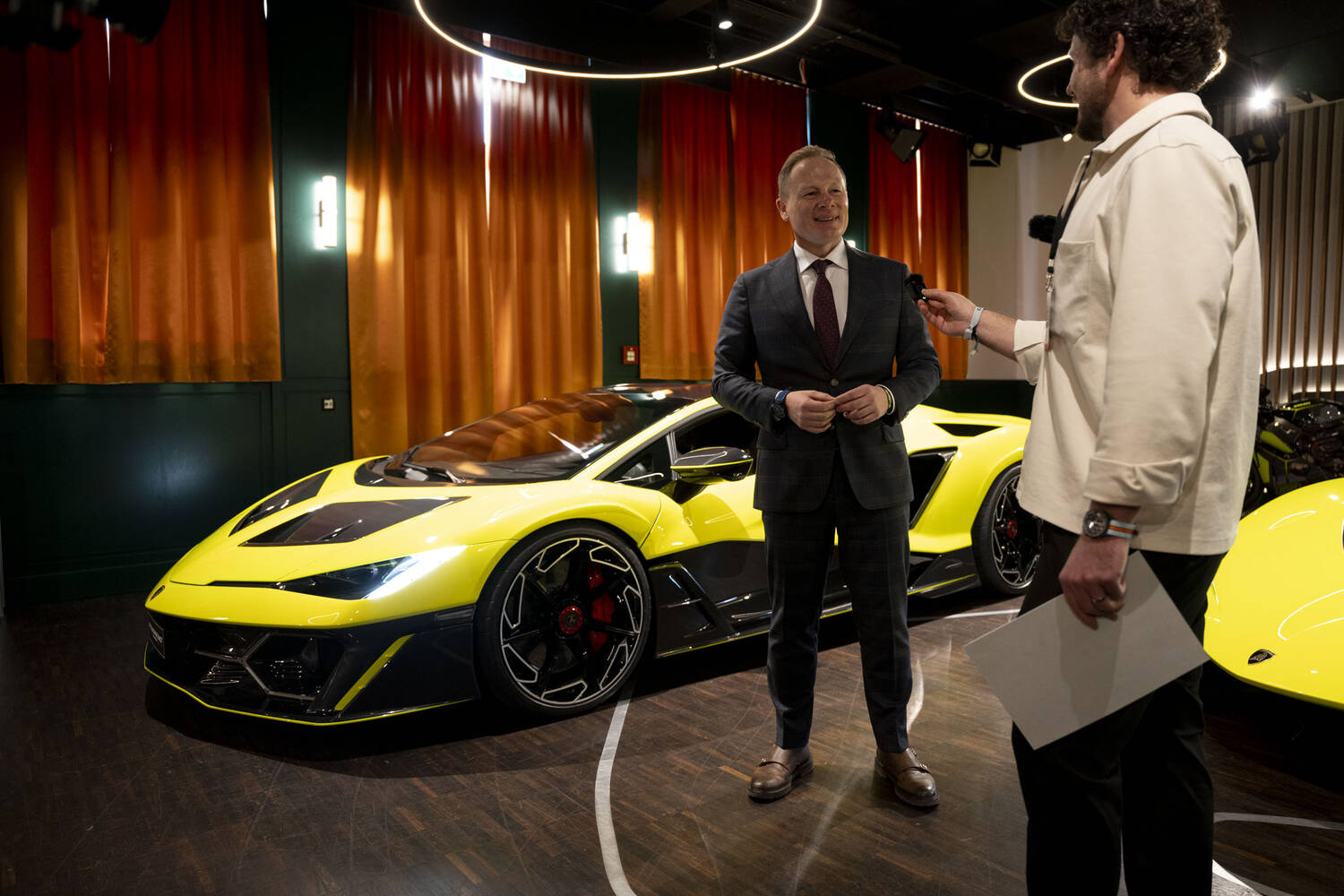
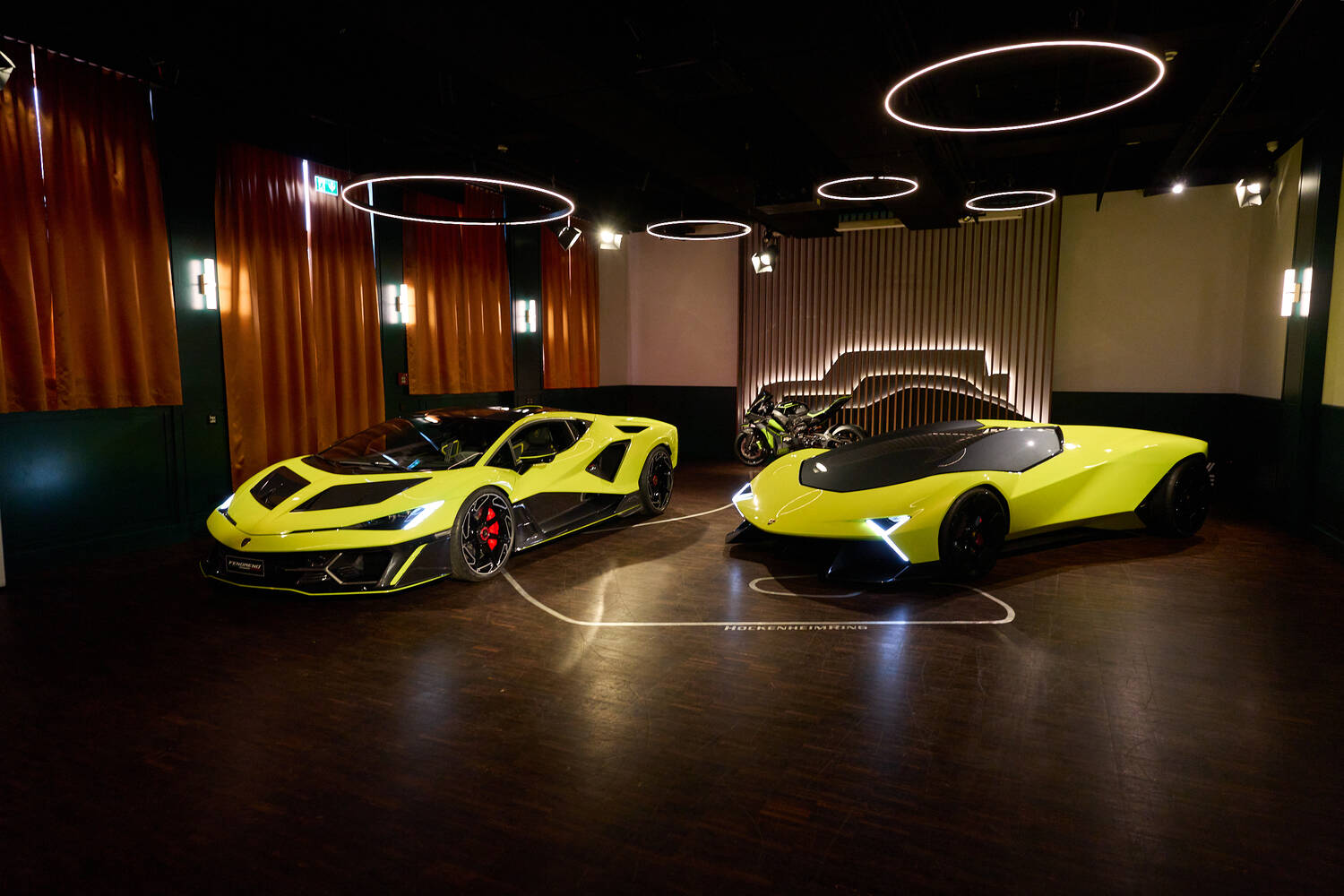
Speed, fittingly, was the theme of the final presentation. A team from Lamborghini introduced the Fenomeno alongside the striking Manifesto concept sculpture. The latter is less a vehicle than a design statement, exploring the visual DNA that defines Lamborghini's identity. Nearby stood a Ducati superbike linked to the Italian brand's collaboration with Lamborghini, underlining the shared design philosophy that runs through both companies.
As the event drew to a close, it was impossible not to reflect on the remarkable diversity of machines on display. There were hypercars and hydrogen prototypes, electric bikes and autonomous buses, student sketches and one-off coach-built Ferraris. On the surface, these things may seem unrelated. Yet for the designers who create them, they are all part of the same challenge: shaping objects that move people, physically and emotionally.
Events like this remind you that cars are far more than simple transportation devices. They are cultural artefacts, expressions of creativity and technology intertwined. For designers, the appeal lies not just in creating the next supercar, but in solving problems across every form of mobility - from bicycles to buses and everything in between.
Leaving Munich, I found myself thinking back to my teenage sketchbooks. The world of car design has changed enormously since then, shaped by electrification, digital technology and new ideas about mobility. Yet the core impulse remains the same: the desire to imagine something new and bring it to life.
Perhaps it's time to dust off those old sketchpads and pencils after all.
If there is anything about this story we have not covered, you can avail of our expert advice service via the Ask Us Anything page.