


Are we talking about one car maker in particular, here?
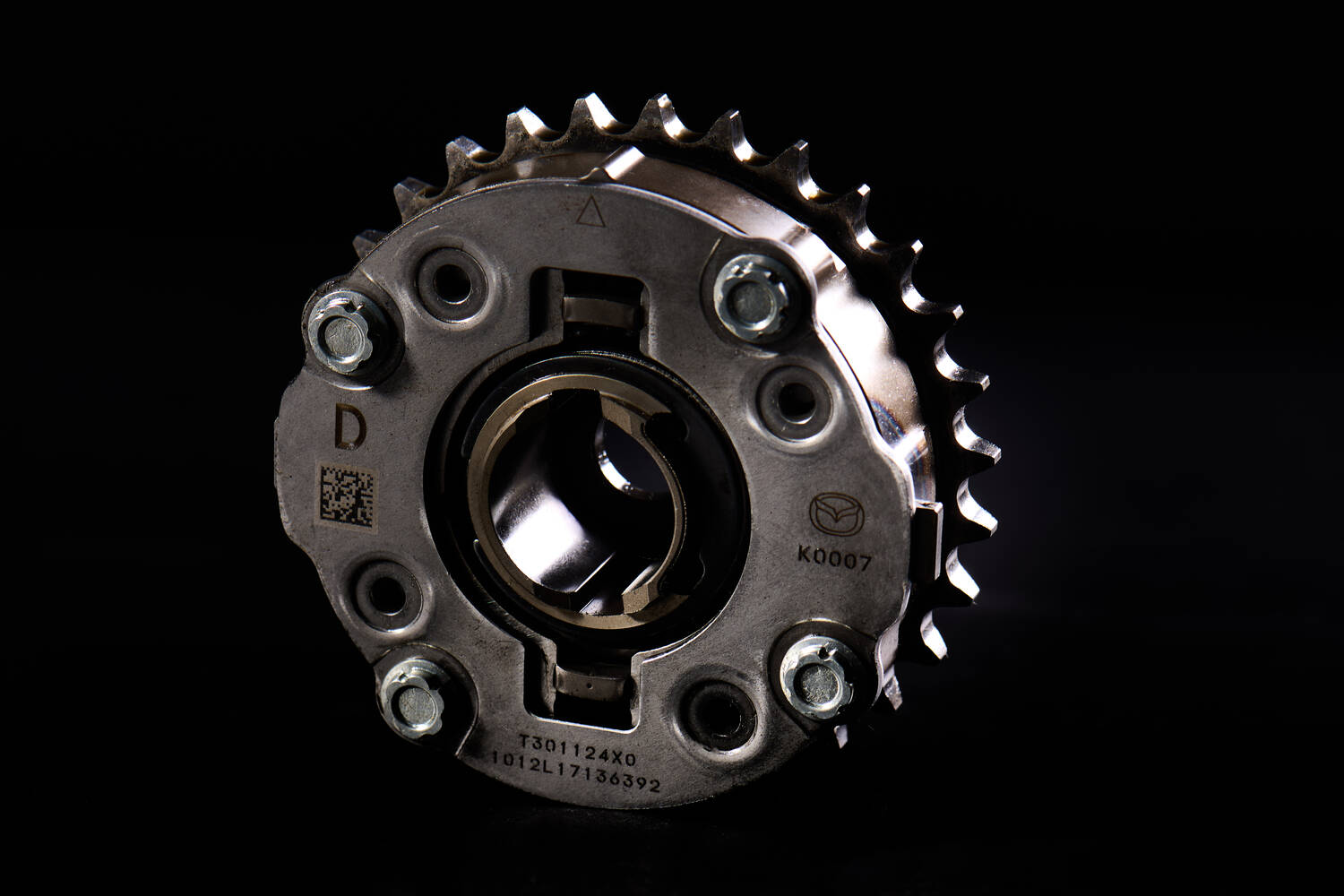
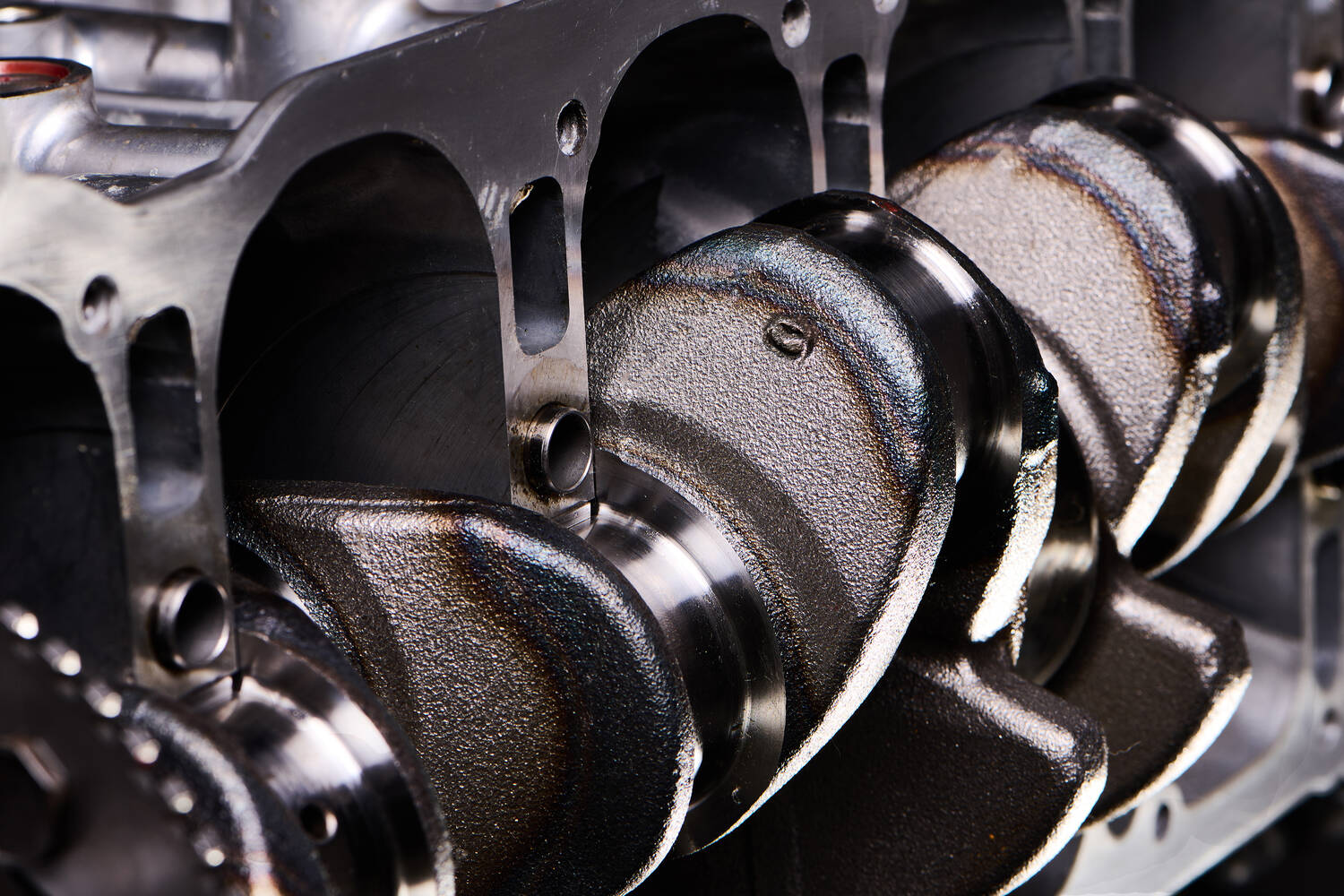
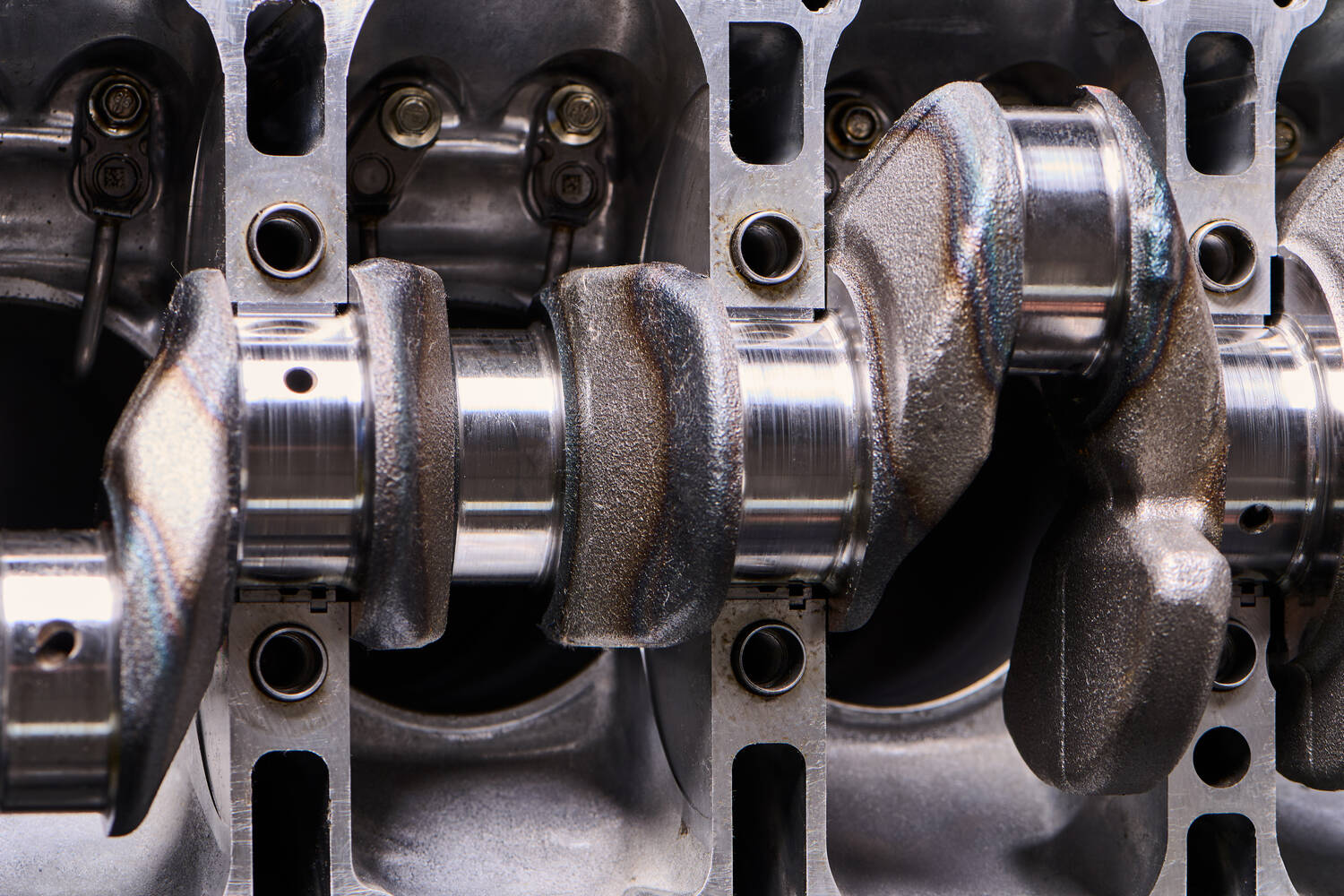
That's certainly how Mazda likes to think of its engine designs, and the Japanese company is fiercely proud of its independence when it comes to designing and making its own engines.
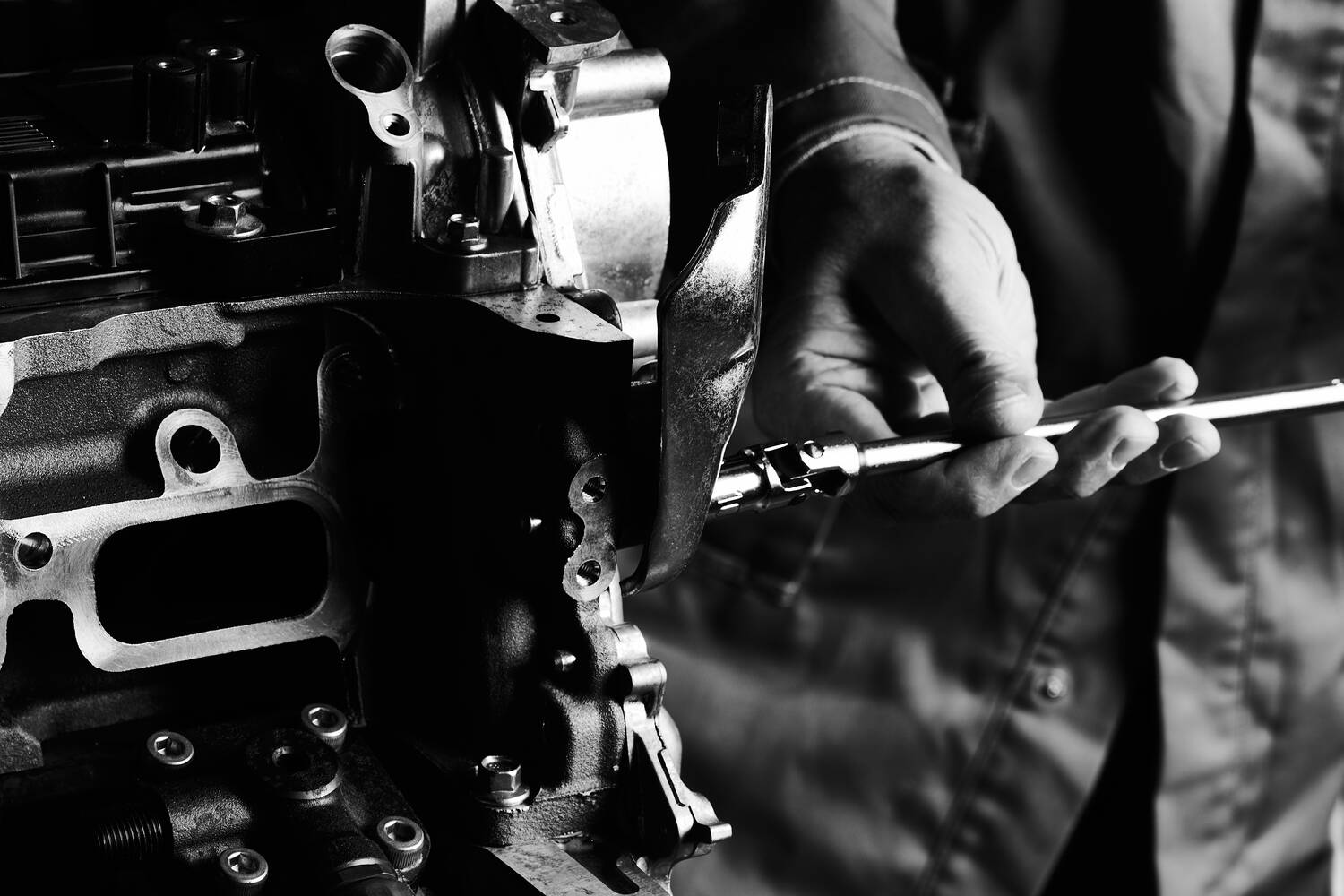
Indeed, Mazda is almost wilfully iconoclastic when it comes to engine designs. While everyone else has gone for small, highly stressed, turbocharged engines, often with three-cylinder layouts, Mazda has mostly shunned turbos, and instead increased the size of its powerplants, so that now you can buy a Mazda3 hatchback with a colossal (by Irish family hatch standards...) 2.5-litre naturally aspirated four-cylinder petrol engine.
Seems like flying in the face of convention
Exactly. Why go against the grain like this? Well, Mazda's theory is that a larger capacity engine is less highly strung, so not only will it be more economical in the immediate term, it'll also be more reliable in the long term.
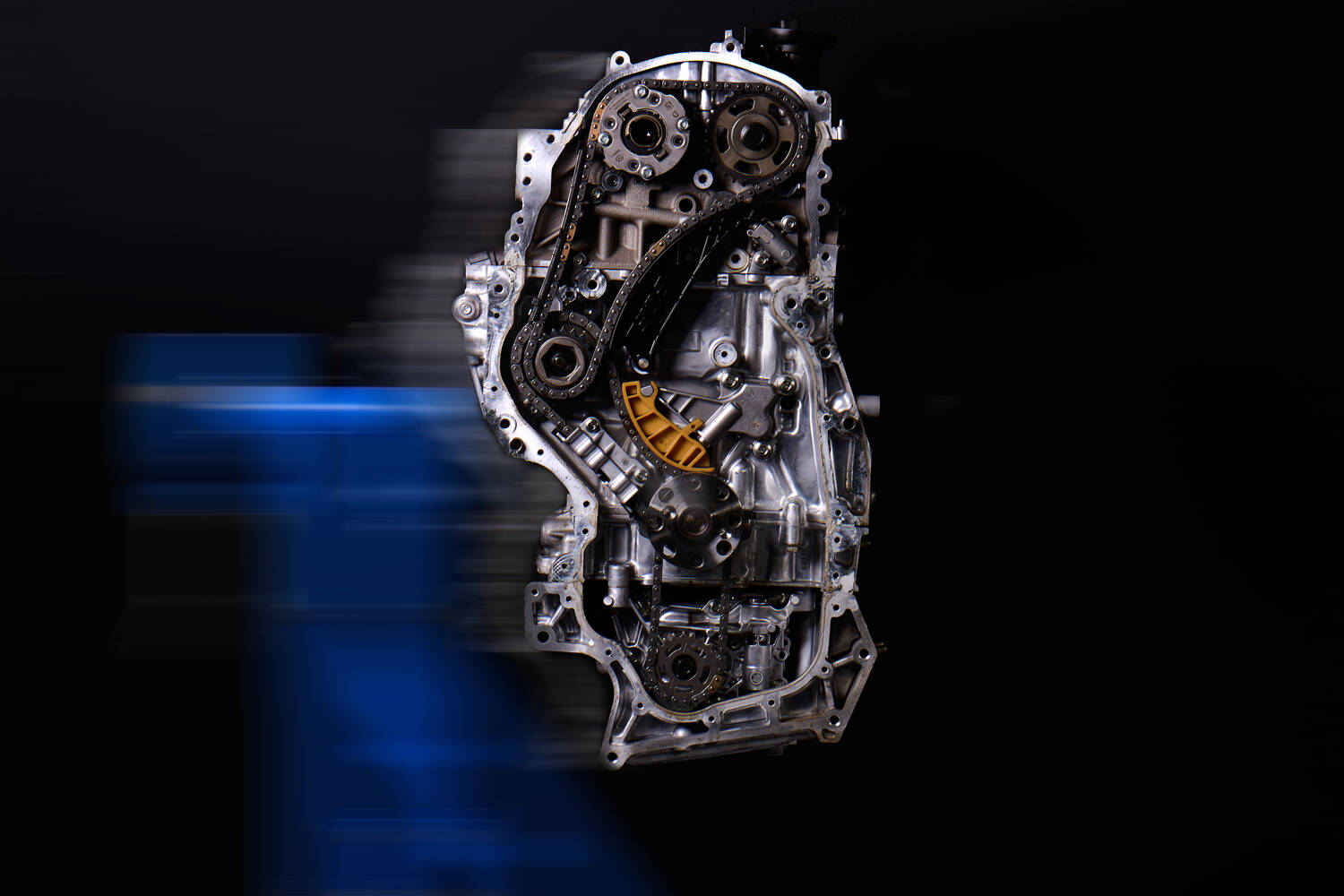
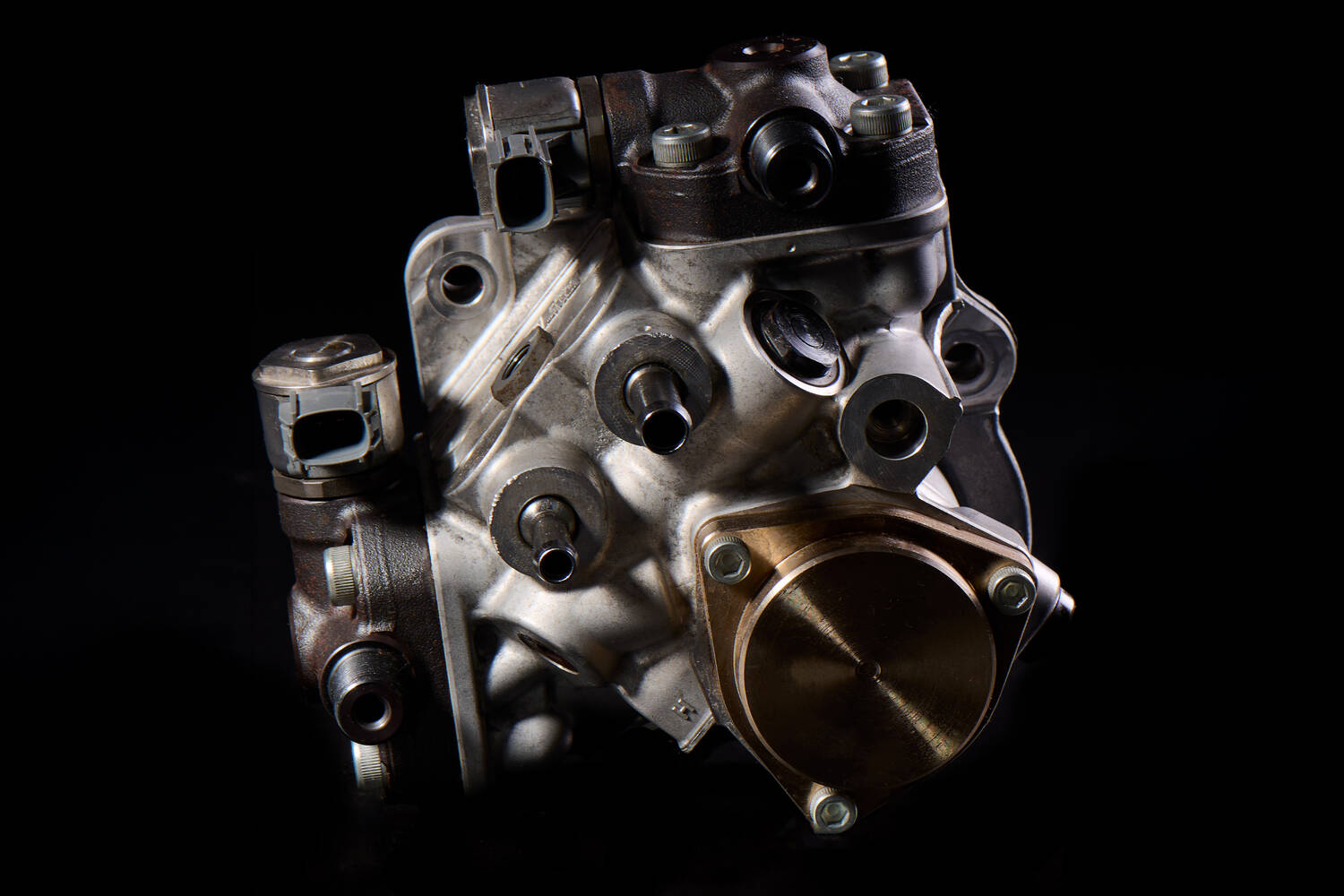
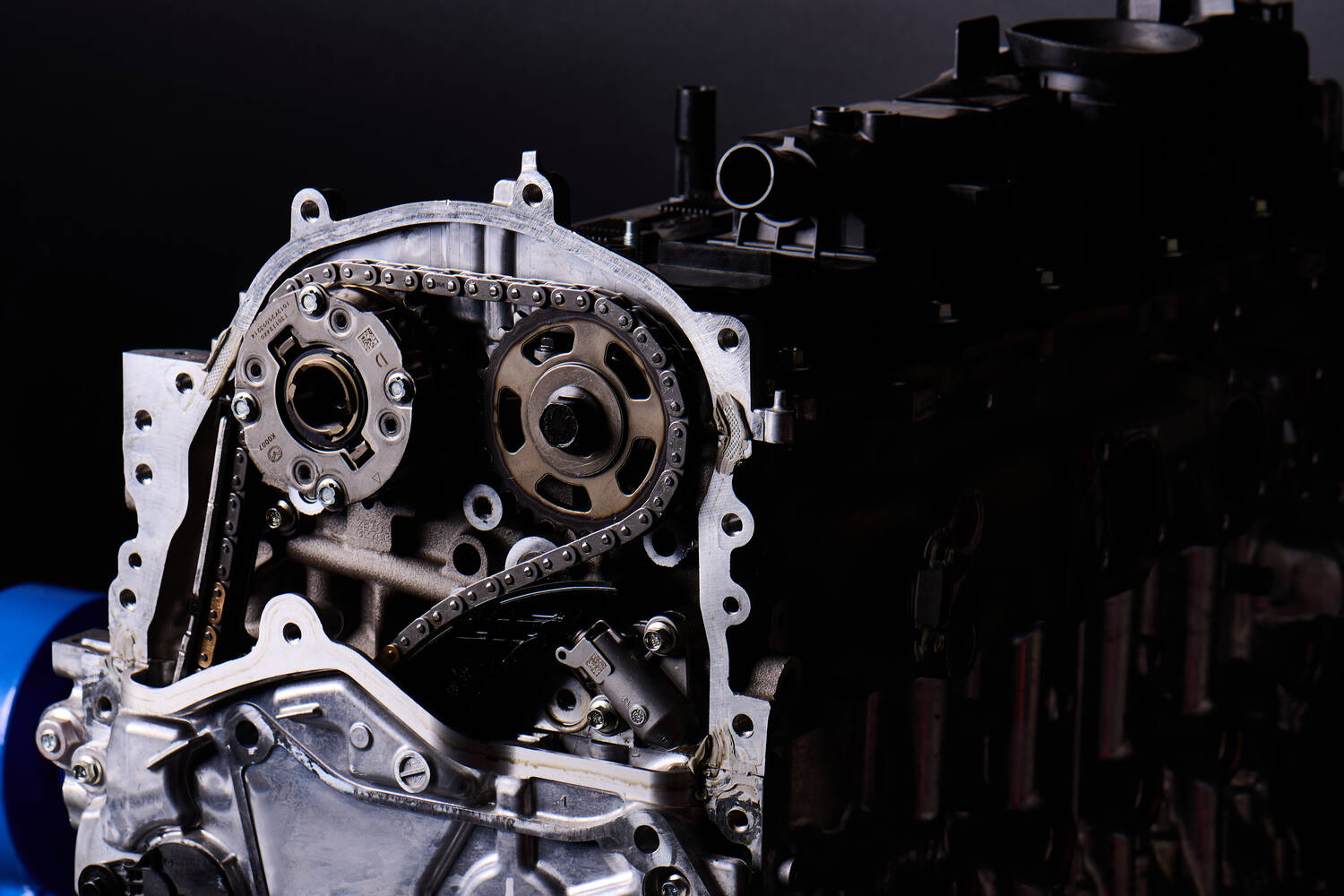
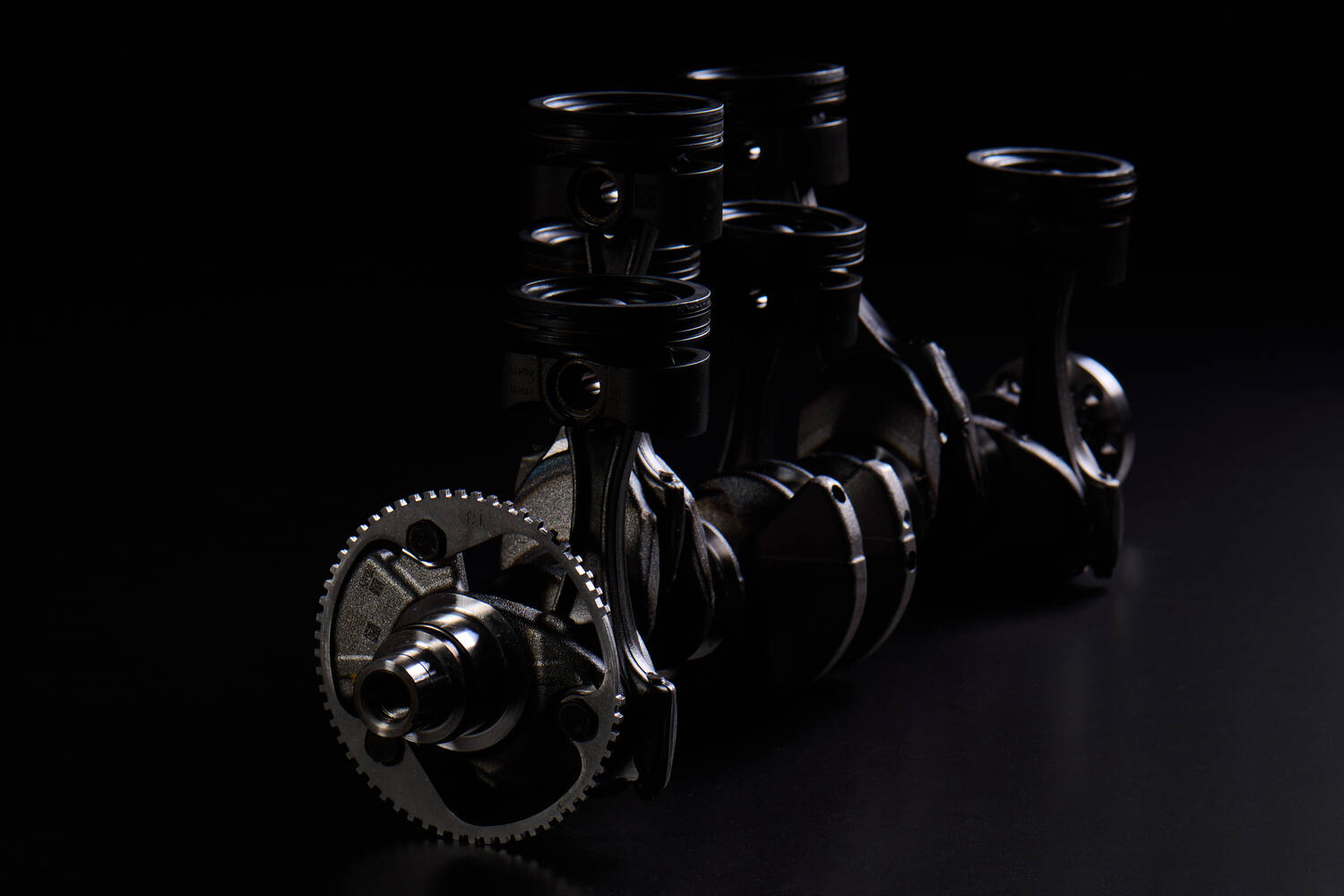
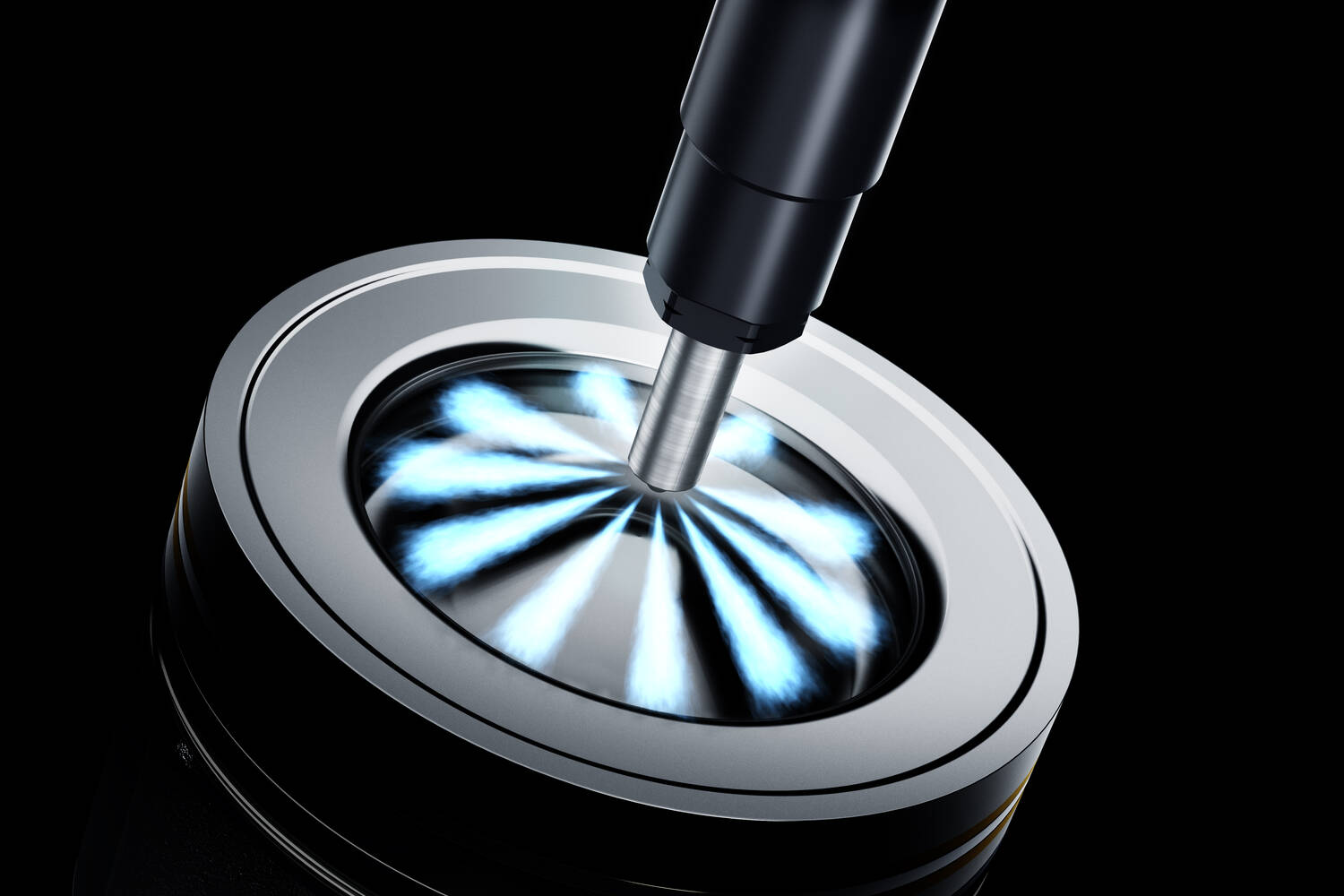
Which is not to say that there's no innovation here. Mazda's 2.0-litre 'SkyActiv-X' petrol engine, for example, switches automatically between spark and diesel-style compression ignition to help reduce fuel consumption and emissions, while its 'e-SkyActiv-D' 3.3-litre straight-six diesel engine - found in the CX-60 and CX-80 - is said by the company to be 'crafted with soul.'
It's this 'Monotsukuri' - a Japanese philosophy that translates as 'the art of making things' - that helps the Japanese car maker stand out amongst its peers.
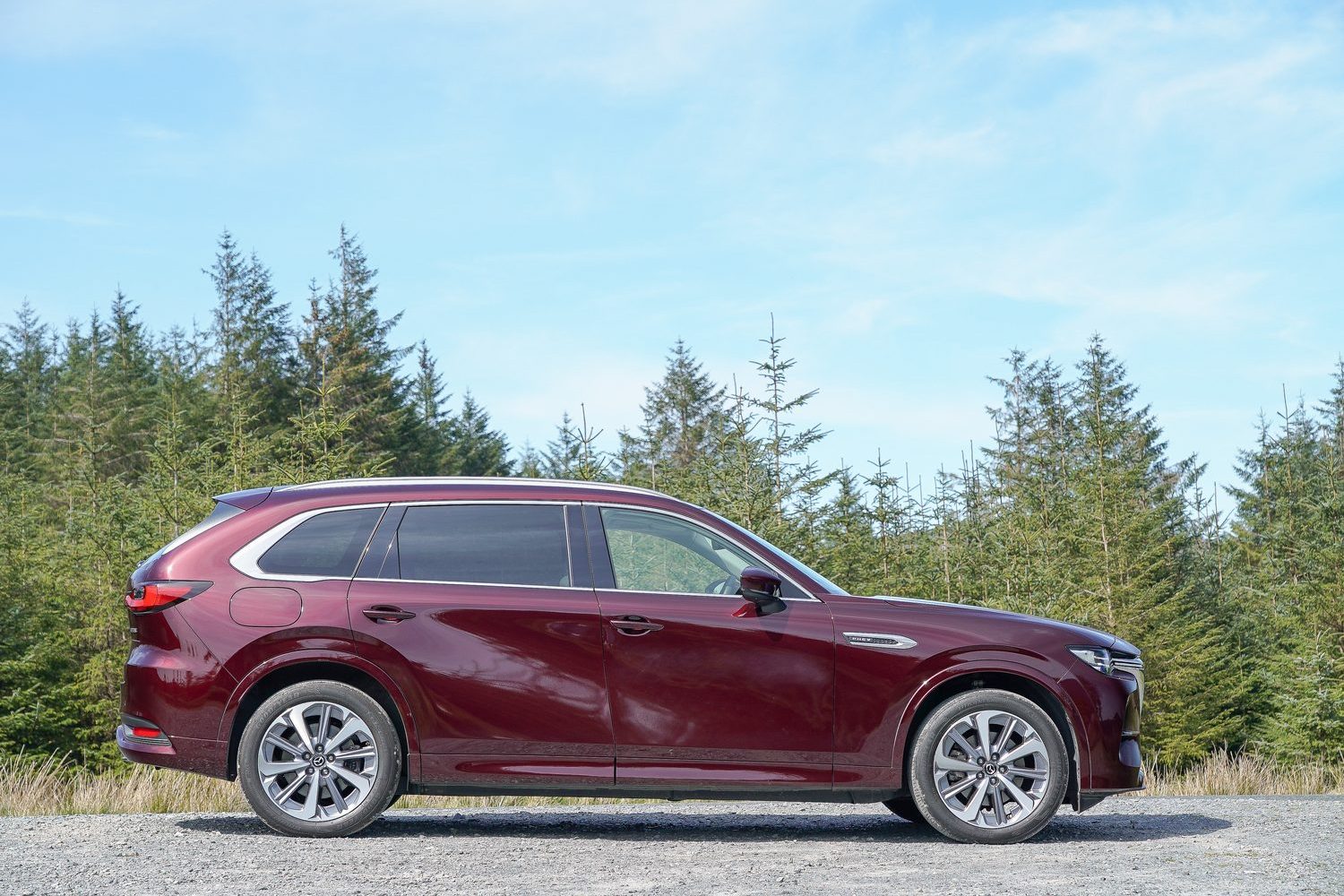
Take that 3.3-litre diesel. Few car makers would even bother to make a brand new diesel engine these days, let alone one with six cylinders, but Mazda recognised that, given a slow transition to electric power, drivers were going to need high-economy, low-emission alternatives in the short term, and if they were going to need such an engine, well then it should be a pleasure to drive too.
What do Mazda's engineers say about all this?
"Doing everything ourselves lets us create powertrains that are in perfect harmony with our vehicles and all their characteristics,” said Christian Schultze, deputy head of Mazda's European R&D Centre.
"They're tuned not just for performance, but to elevate the entire driving experience. Refinement isn't a finishing touch; it's part of the foundation. Because when everything is developed together, it fits together. As a consequence, the e-Skyactiv D feels more like a high-torque petrol engine.”
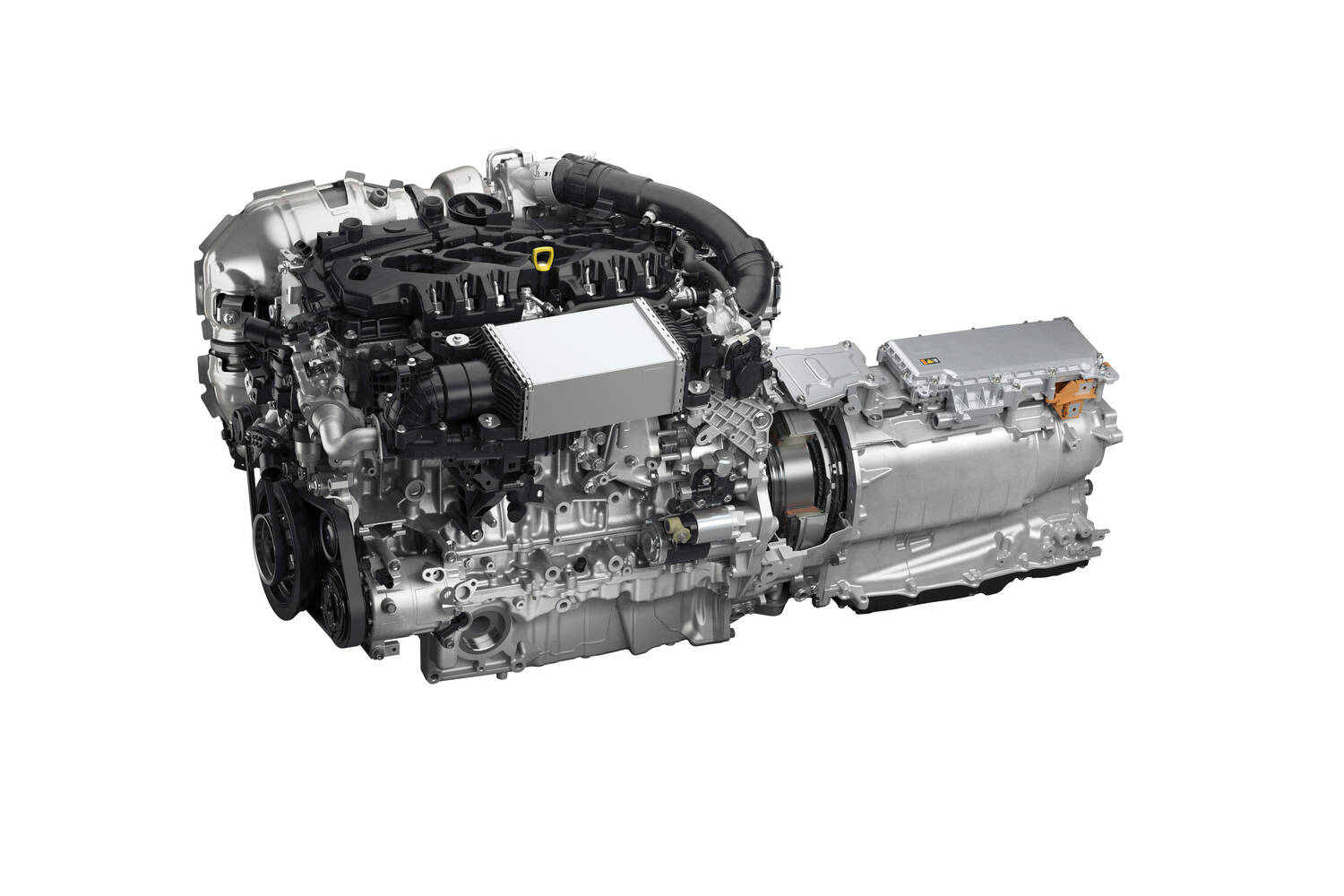
It's not just the engine itself, of course. The eight-speed automatic gearbox that goes with it has to be precisely calibrated, and the mild-hybrid module that provides bonus electric power has to be able to add its torque seamlessly and without making you feel that something odd is going on.
"At this stage, it's no longer about chasing benchmarks,” said Schultze. "It's about those delicate adjustments - fine-tuning until both car and driver move together in perfect unison and every action feels natural and right.”
We have some personal experience of all this, don't we?
Indeed we do. Those of you paying attention to older features will know that two years ago, a black Mazda3 2.0 SkyActiv-X hatchback became the Briscoe family's official wheels.
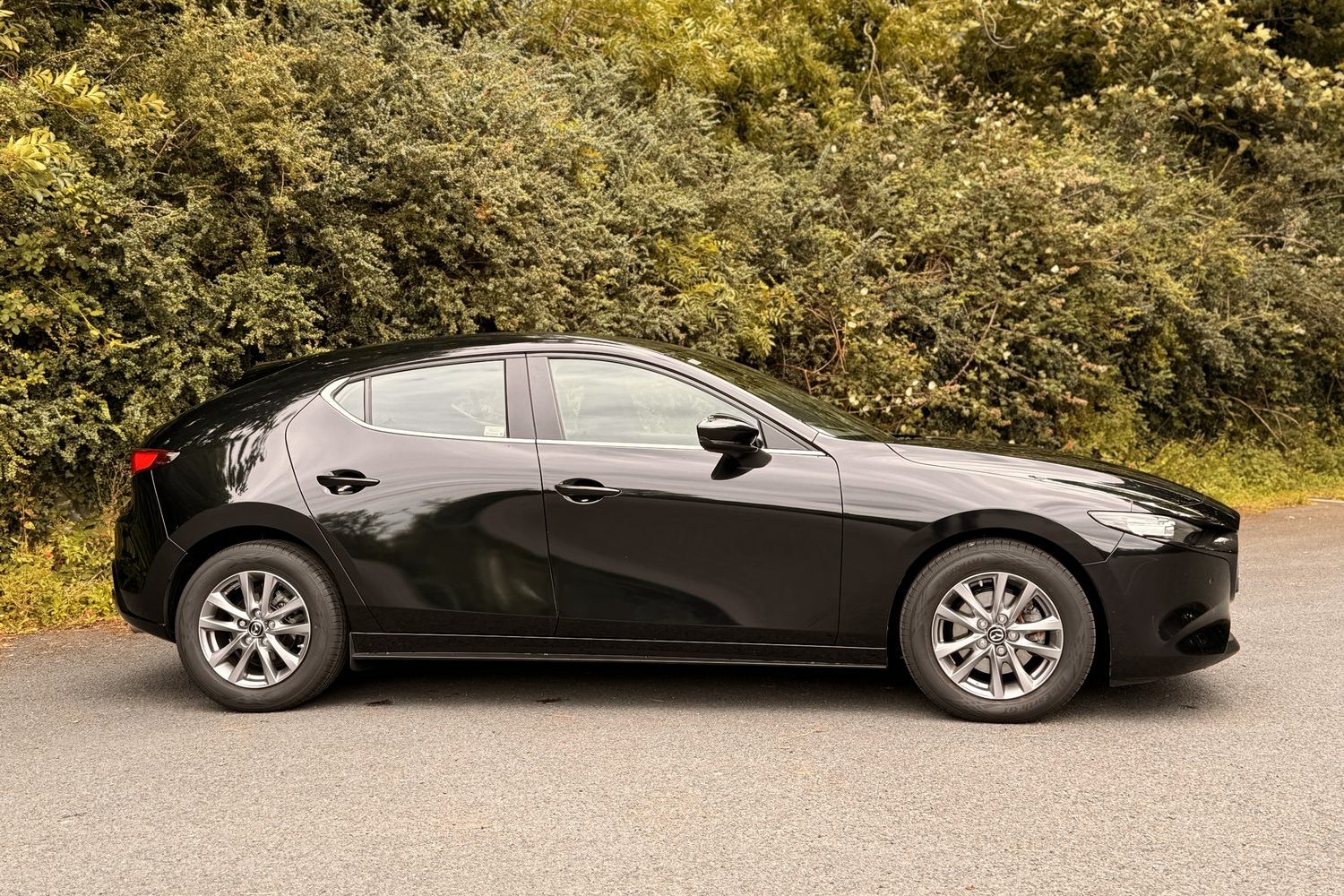
The experience has been almost entirely positive. That engine really is impressive. Early fears that its somewhat torque-less nature - especially compared to more compact turbocharged rivals - would be an issue proved not to be the case.
It's true that the SkyActiv-X engine is a little light on torque, or more accurately that its 240Nm (which isn't so far removed from the torque figures of rival engines) is produced at a relatively lofty 4,000rpm but you can easily access that torque by simply dropping a gear or two and revving the engine.
That's no chore, as the six-speed manual gearbox is an utter joy to use. It's not quite so precise and positive as the shift in a Mazda MX-5, but just as my kids are smarter, taller and better looking than me, you can still see the family resemblance.
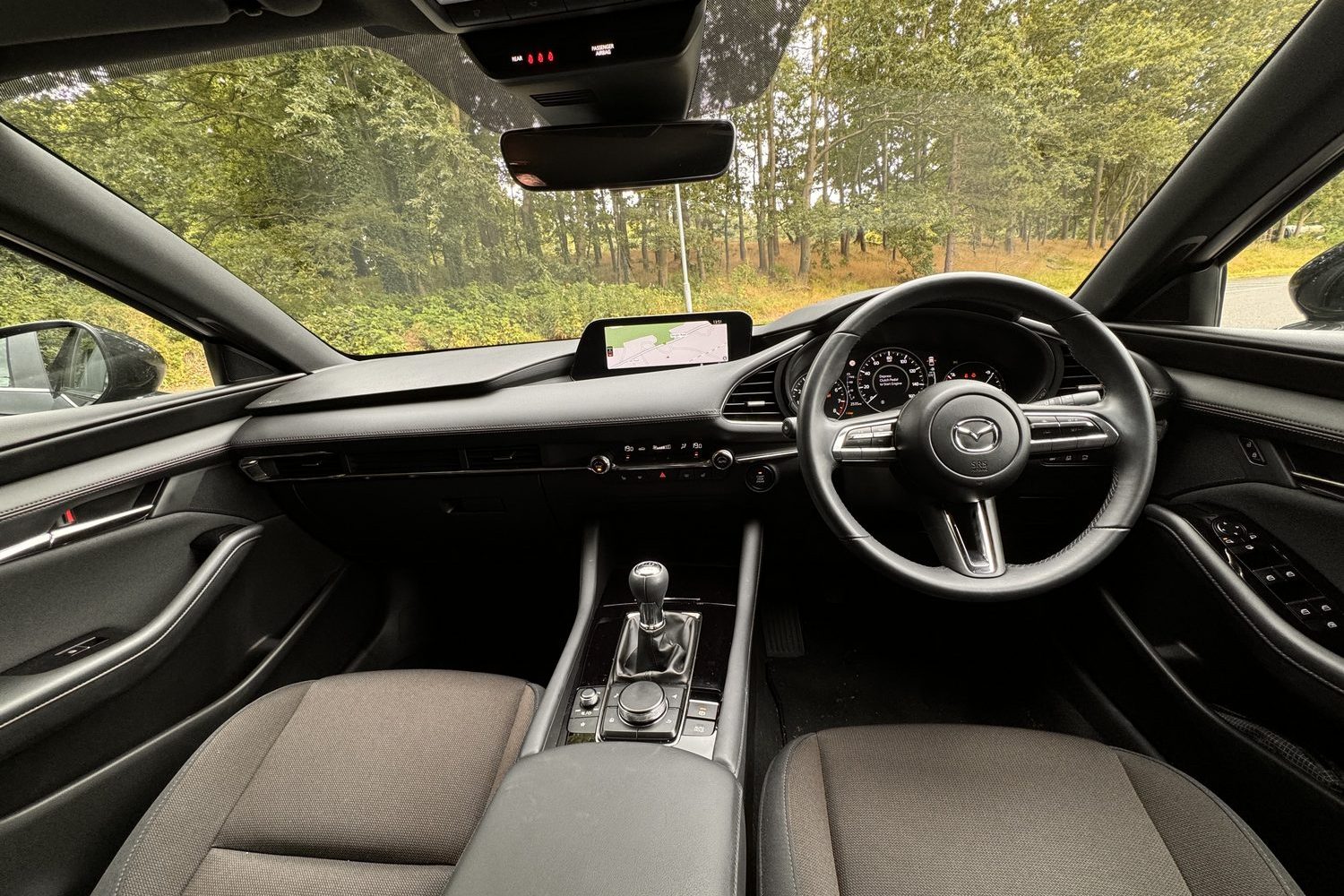
Equally impressive has been the SkyActiv-X's fuel economy. Most of our Mazda3's chores are short-hop intra-urban runs - shopping, school runs etc - so it's not operating in the most economical fashion most of the time. Hence, our recorded average of 6.2 litres per 100km is pretty good and interestingly is only 0.2 litres/100km worse off than our previous car managed, a MINI Clubman 1.6 diesel. On a longer run, 5.0 litres per 100km is easily achievable.
The only odd foible is that at standstill, around town, you can occasionally hear the engine switch to its compression-ignition cycle, which helps to save fuel, but which does trigger a faint diesel-style grumble. It's hardly a massive issue, though, as you can only hear it at very low speeds and even then, it's not intrusive.
The SkyActiv-X engine has also been faultlessly reliable so far, with only two days out of use and both of those were for scheduled servicing.
What about the 3.3-litre diesel?
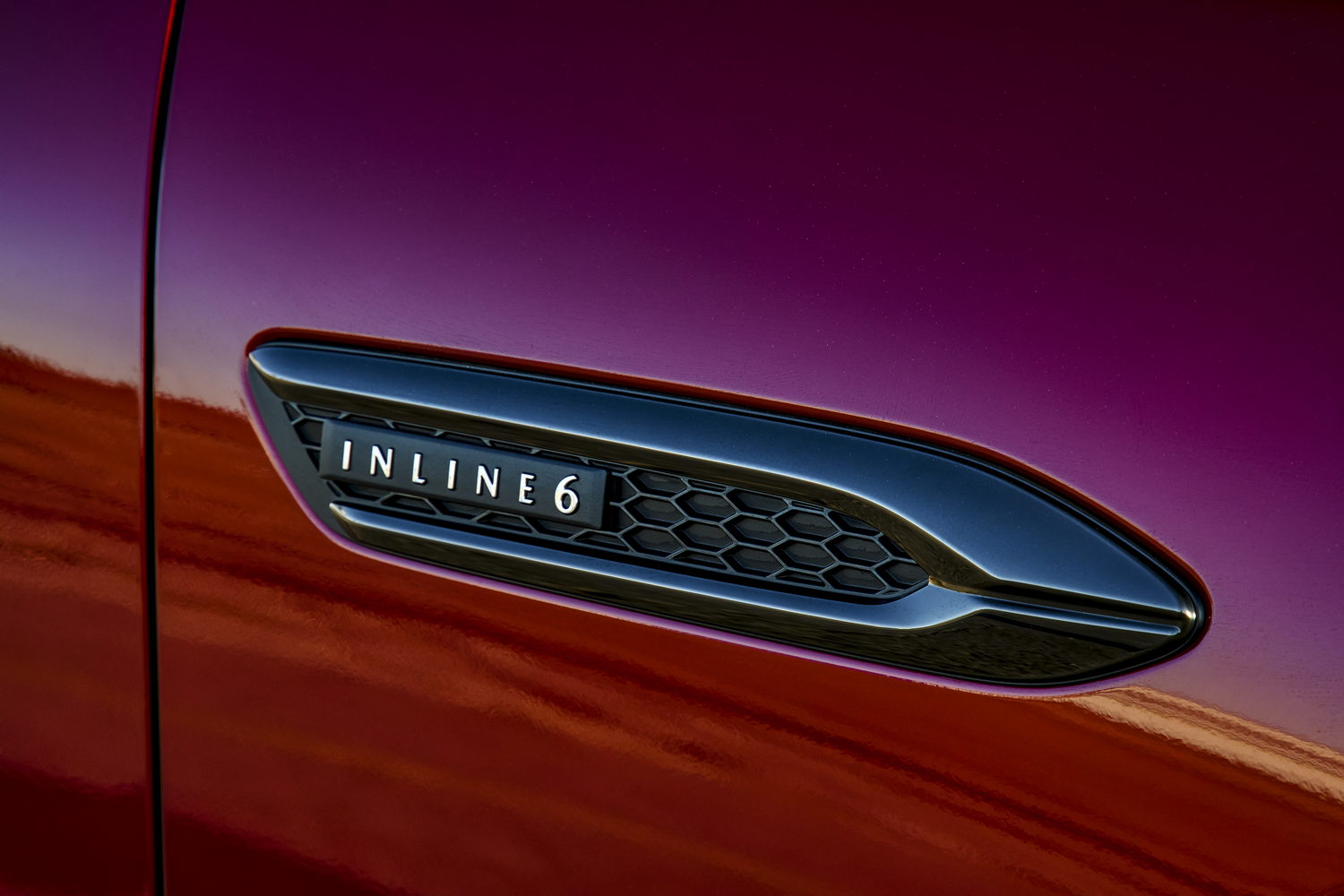
Mazda's e-SkyActiv-D engine is, sadly, not on the Briscoe family fleet at the moment, but I have undertaken some long journeys with one under the bonnet of the Mazda CX-60, including a run from Dublin to Edinburgh and back.
Aside from the entertaining fact that it sounds almost aurally identical to a BMW straight-six diesel, what's truly impressive about Mazda's inline-six is just how economical it is.
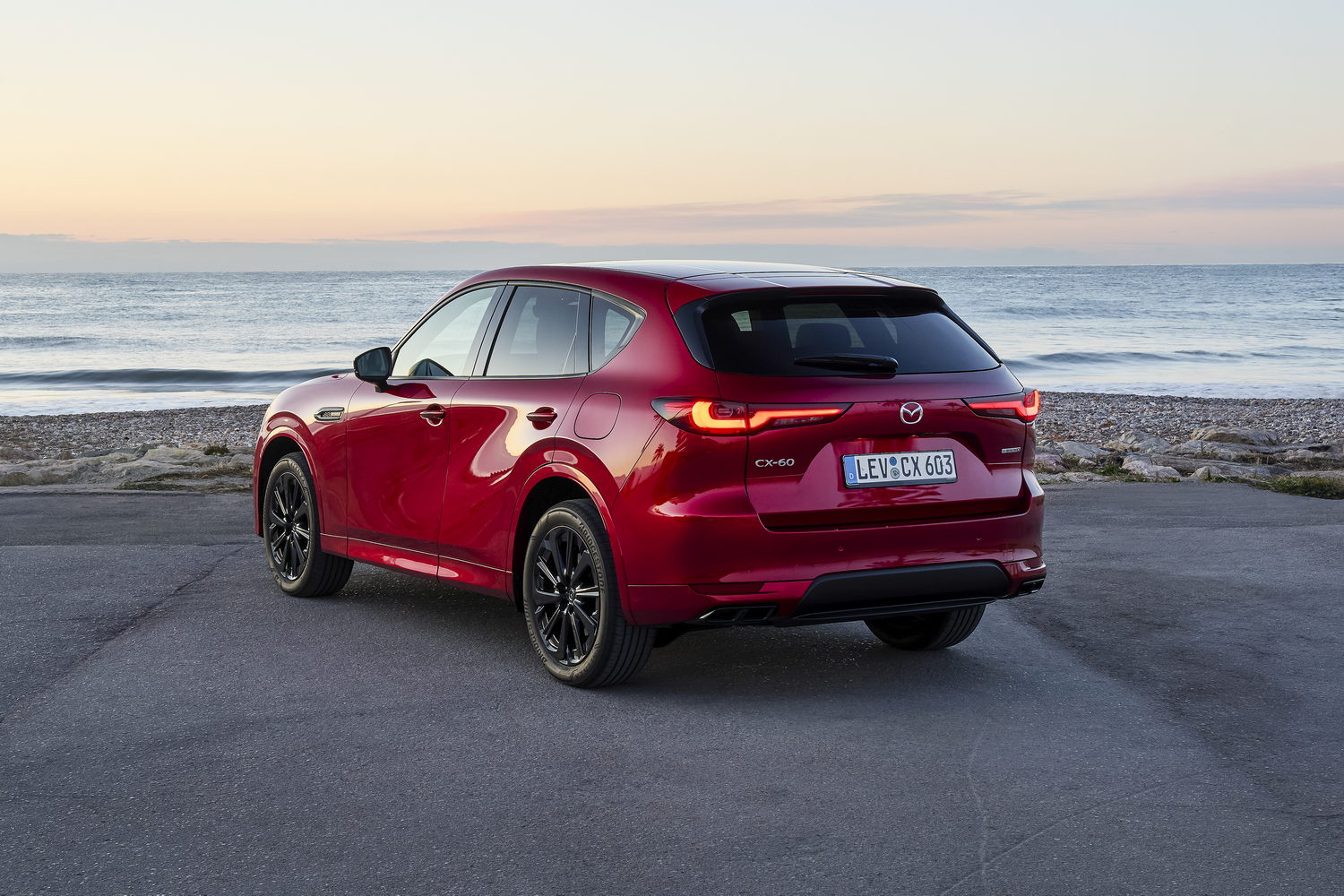
On that Edinburgh trip, in spite of being loaded to the gunwales, the big diesel used 5.7 litres per 100km all the way there and back. That's compact car fuel consumption in a big and roomy, luxurious SUV. Oily an messy it might be, too, but there's craft going on under the bonnet.
If there is anything about this story we have not covered, you can avail of our expert advice service via the Ask Us Anything page.