

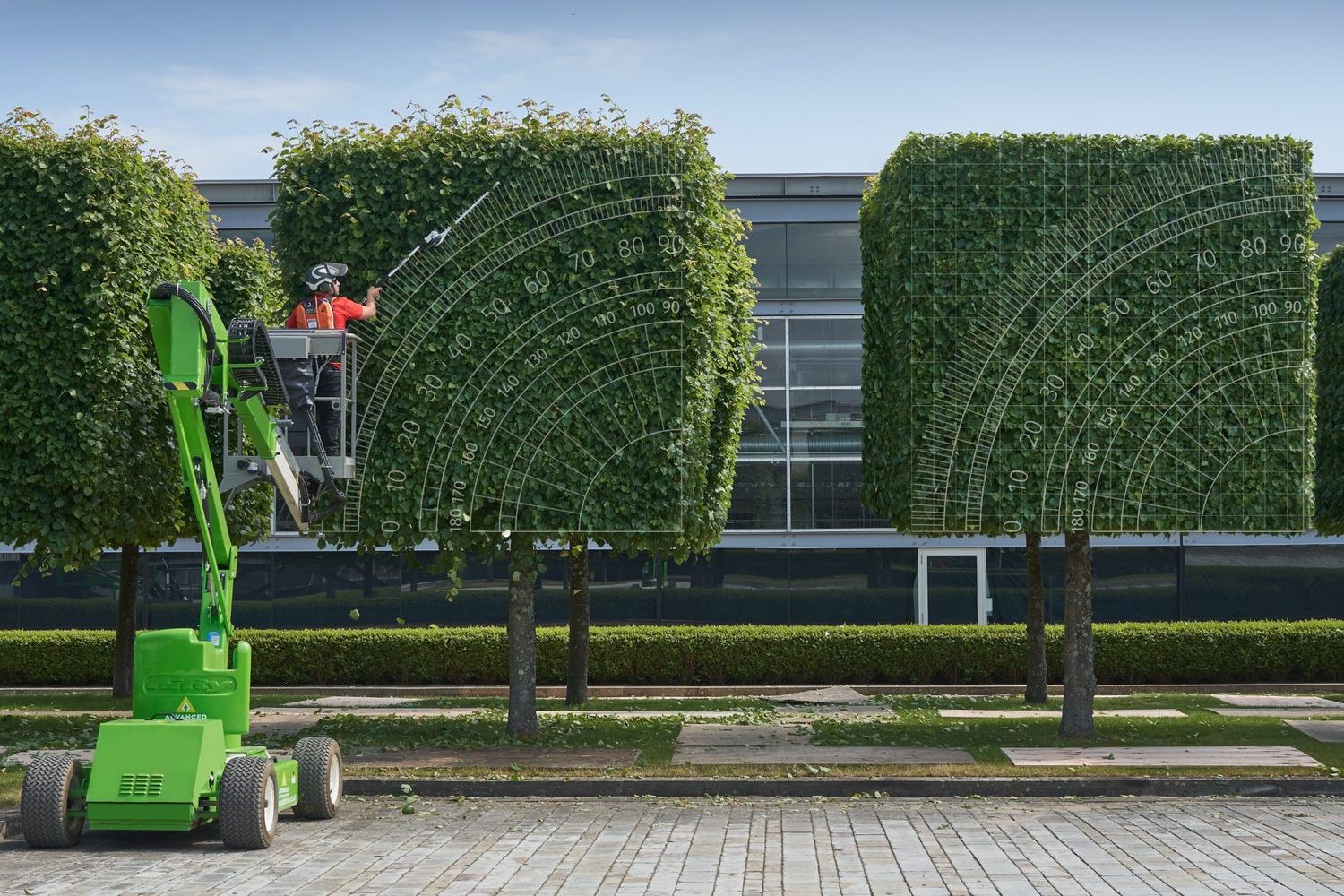
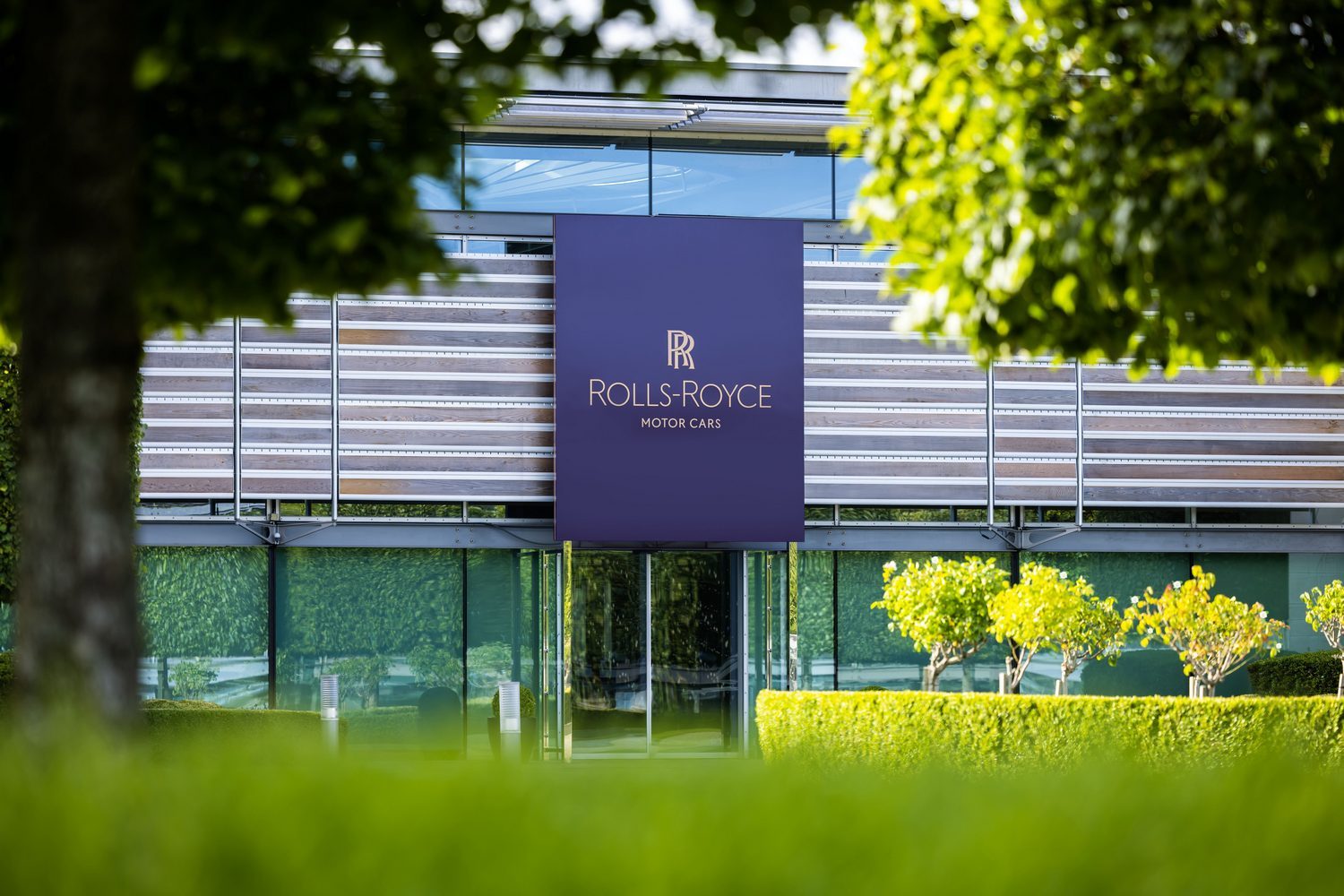
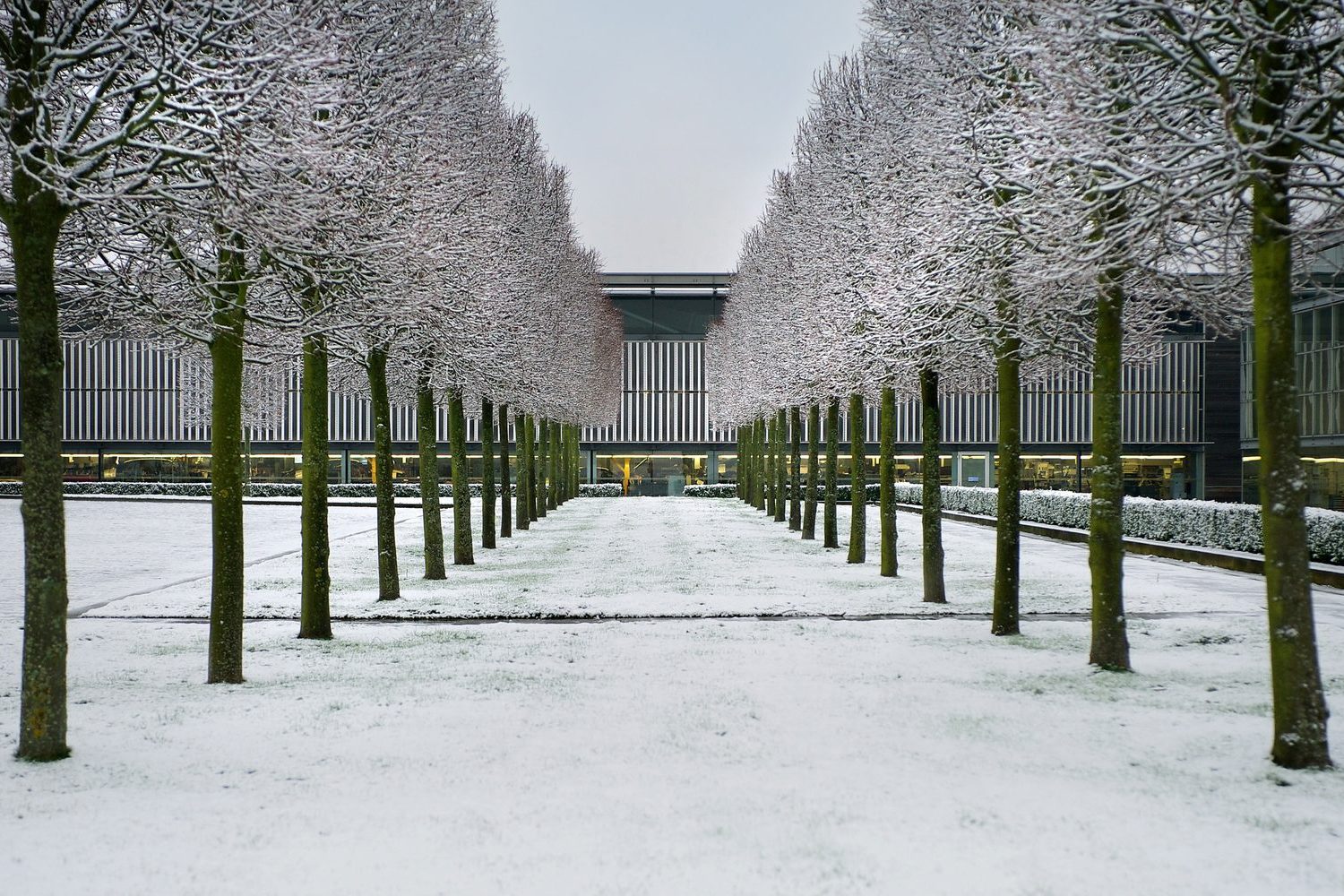
Square-cut trees line it, and, in the centre, there is a rose garden planted with Rolls-Royce's own dedicated species. At this time of year (we visited in the depths of winter) the trees are a little barren, the geometry of their branches more evident than their greenery, but the setting is still quietly remarkable: it feels curated. The building itself doesn't shout for attention either; while it has clearly been designed to look modern, there's plenty you don't immediately see.
Sustainable luxury?
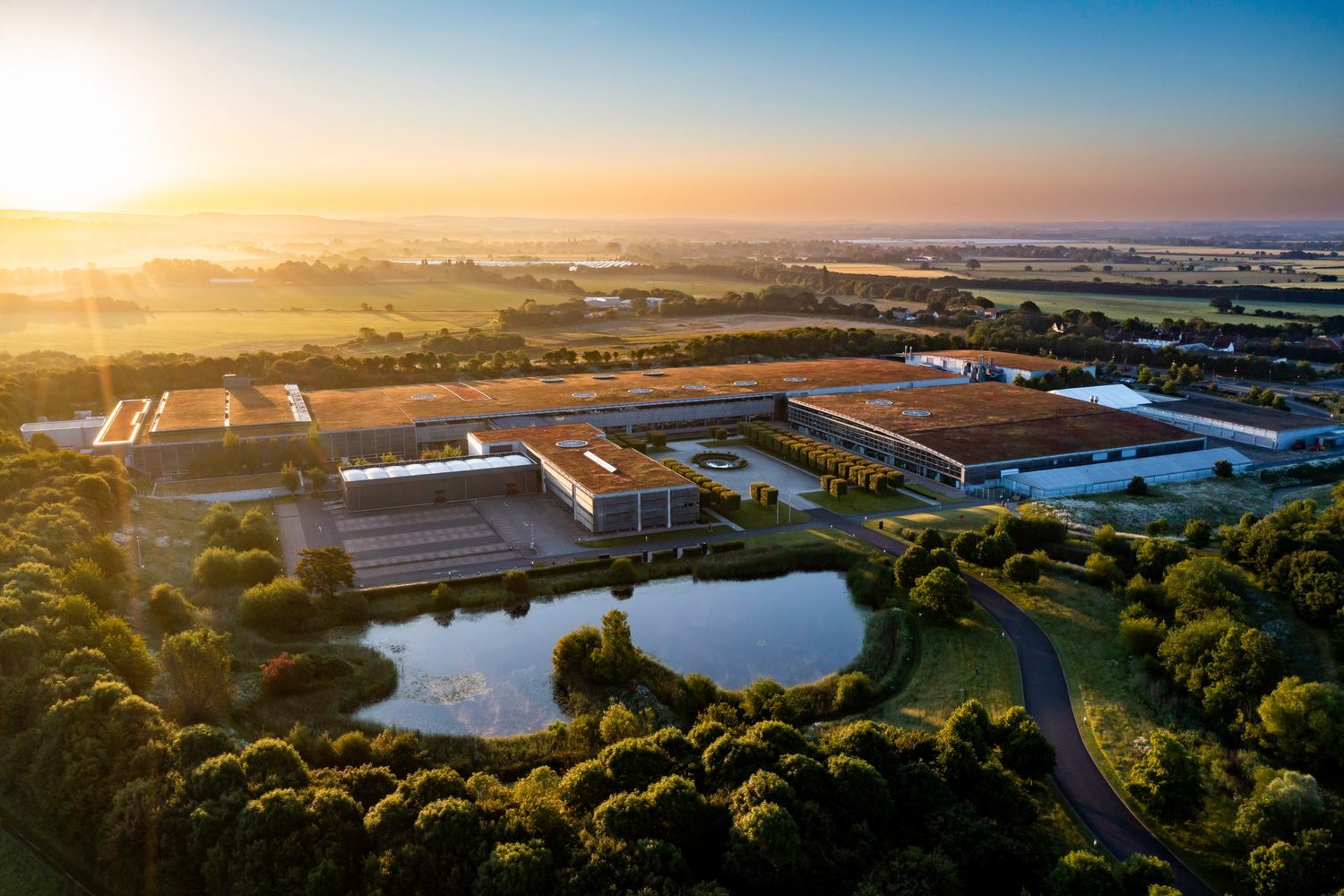
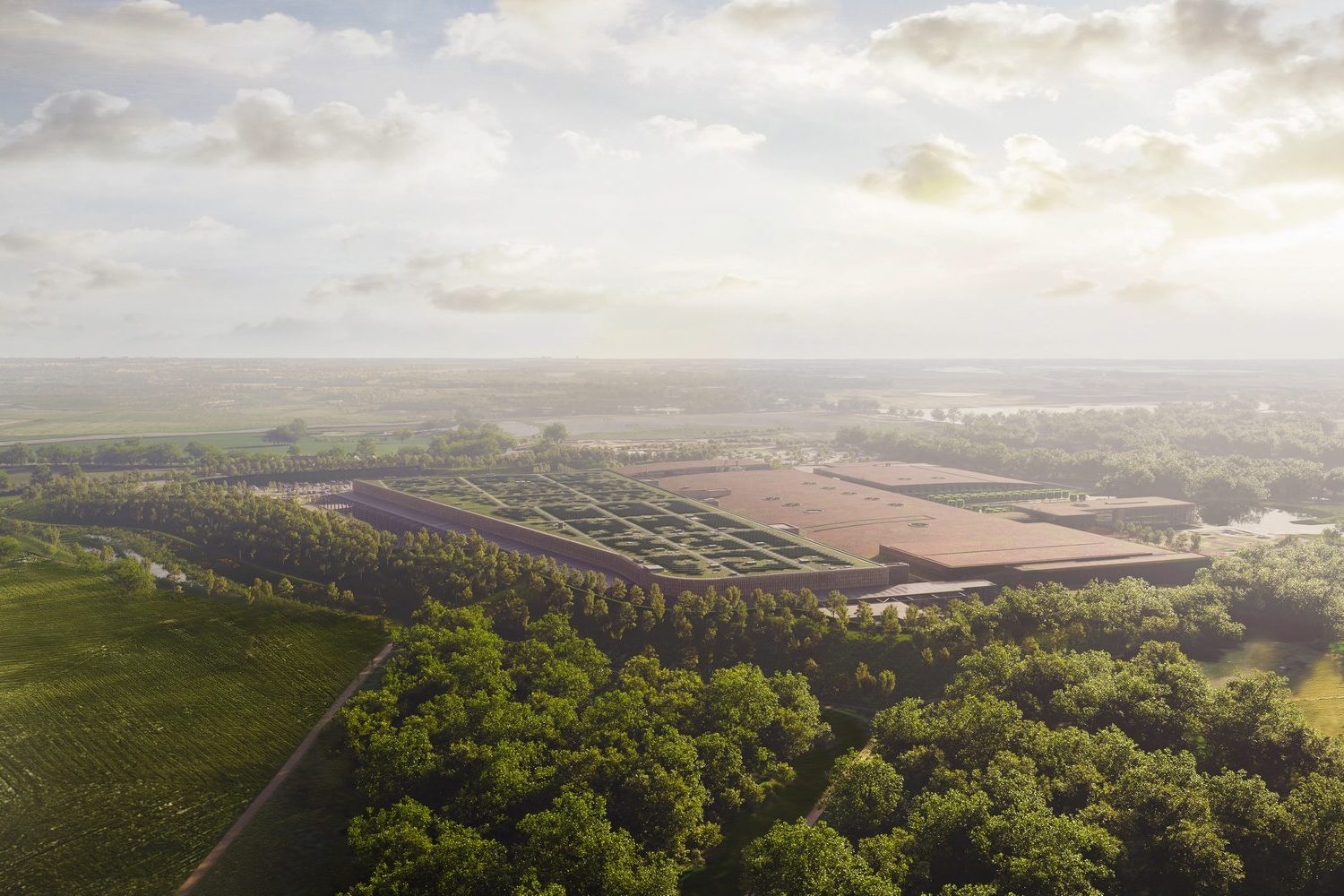
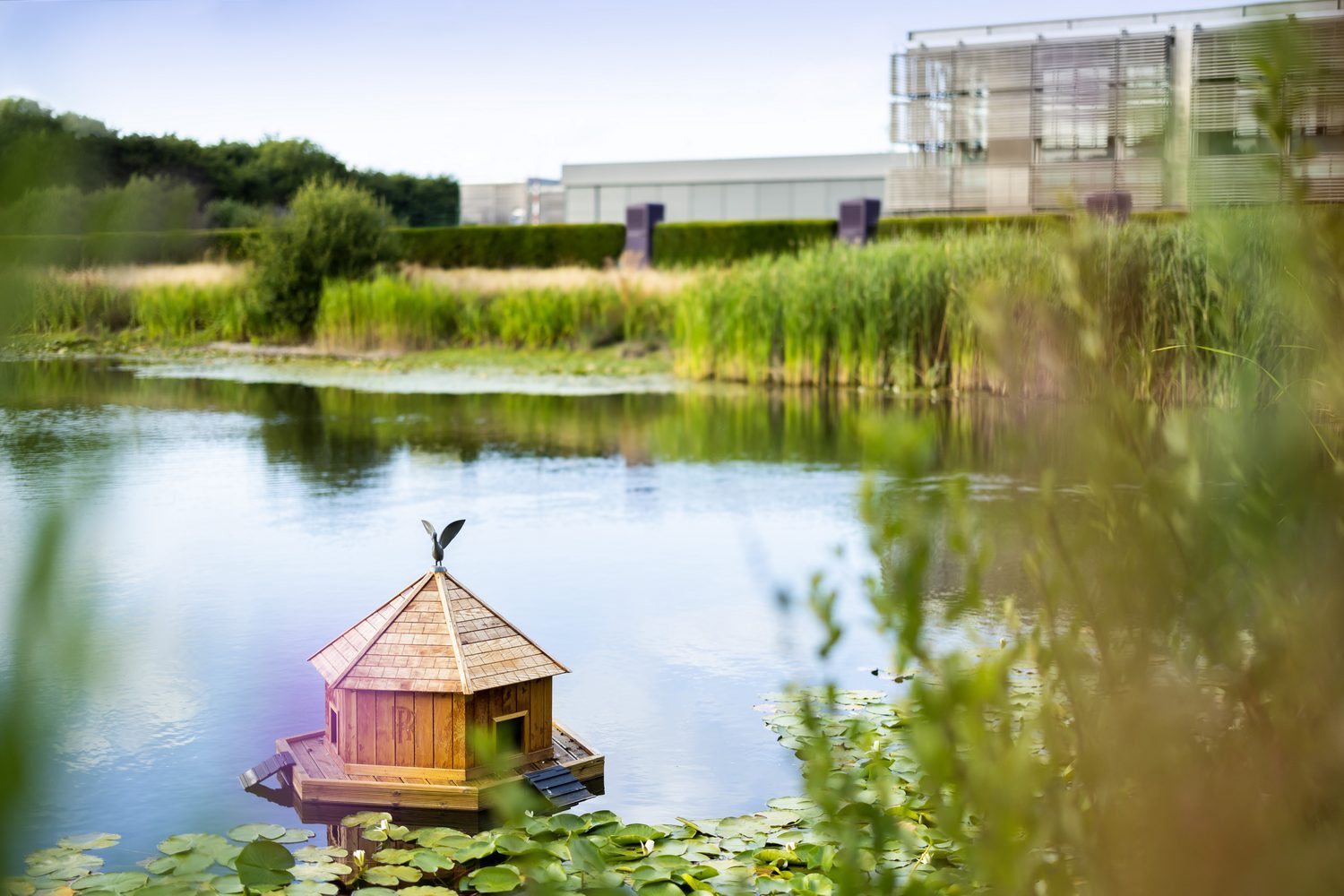
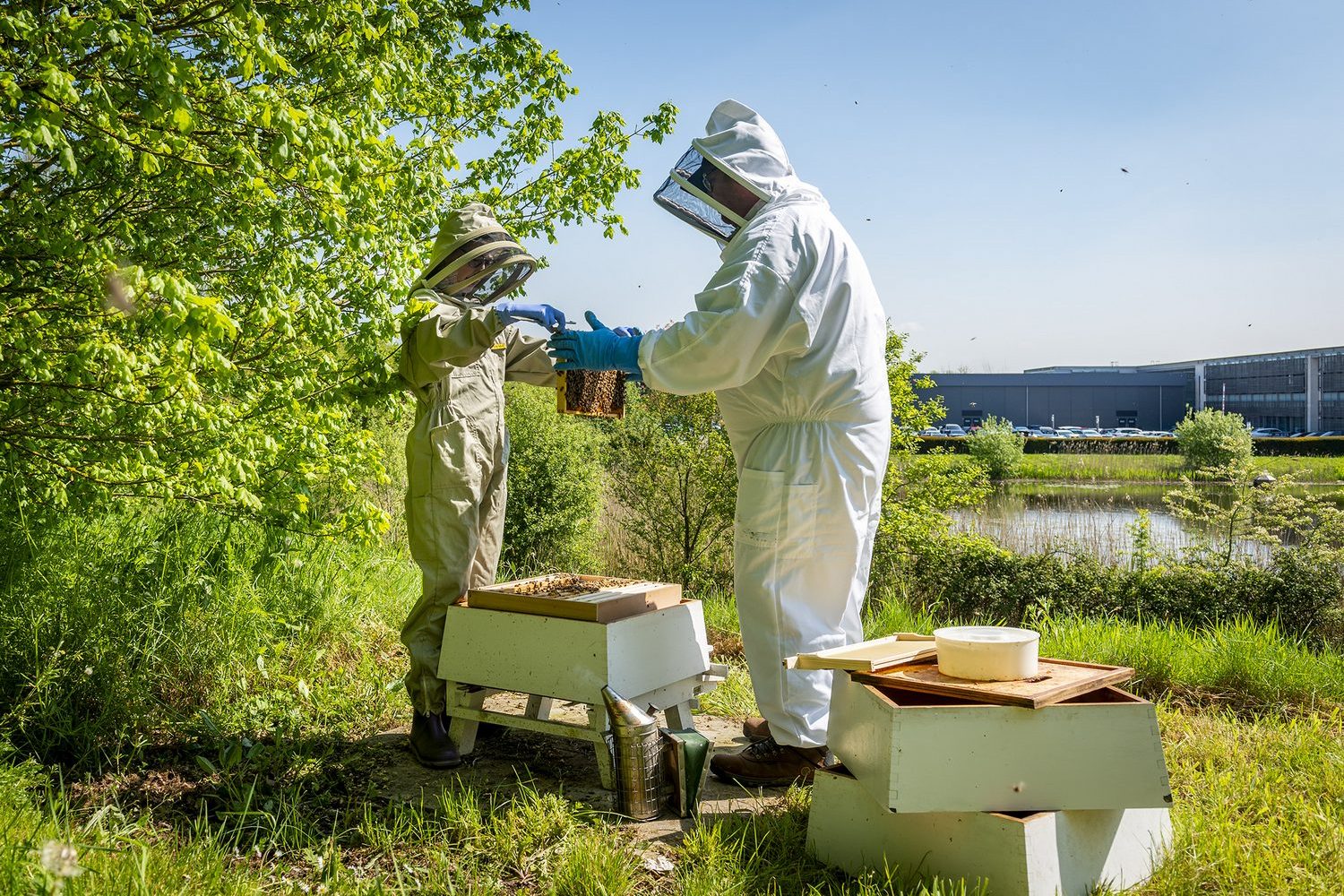
The factory's living roof, for instance - one of the largest of its kind - is designed to blend the building into the English countryside, and the site is home to Rolls-Royce's own bees.
The point is not just sustainability as a corporate badge, but the idea that this is meant to be a permanent, responsible presence rather than an industrial intrusion, regardless of the luxury products that roll out the door.
Inside, the first sensation is space and light. The foyer is vast, but it doesn't feel cavernous. It is stylish without being showy, and quite unlike any car factory I've ever been in before.
Is this a car factory or a showcase?
An adjoining lounge area reinforces that impression. You sit surrounded by achingly cool scale models of Rolls-Royce cars and by images of the company's founders. It's corporate storytelling, of course, but delivered with restraint. Nothing is trying too hard, and it's impossible not to feel relaxed, at home even, in the luxurious surroundings. They don't even seem to mind when I drop crumbs (from the delicious in-house baked cookies) all over the deep-pile carpet.
I'm given a purple coat to wear for the rest of the visit, no doubt designed to ensure everyone knows why I'm there, but it also helps reinforce that this is a working environment, not a showroom.
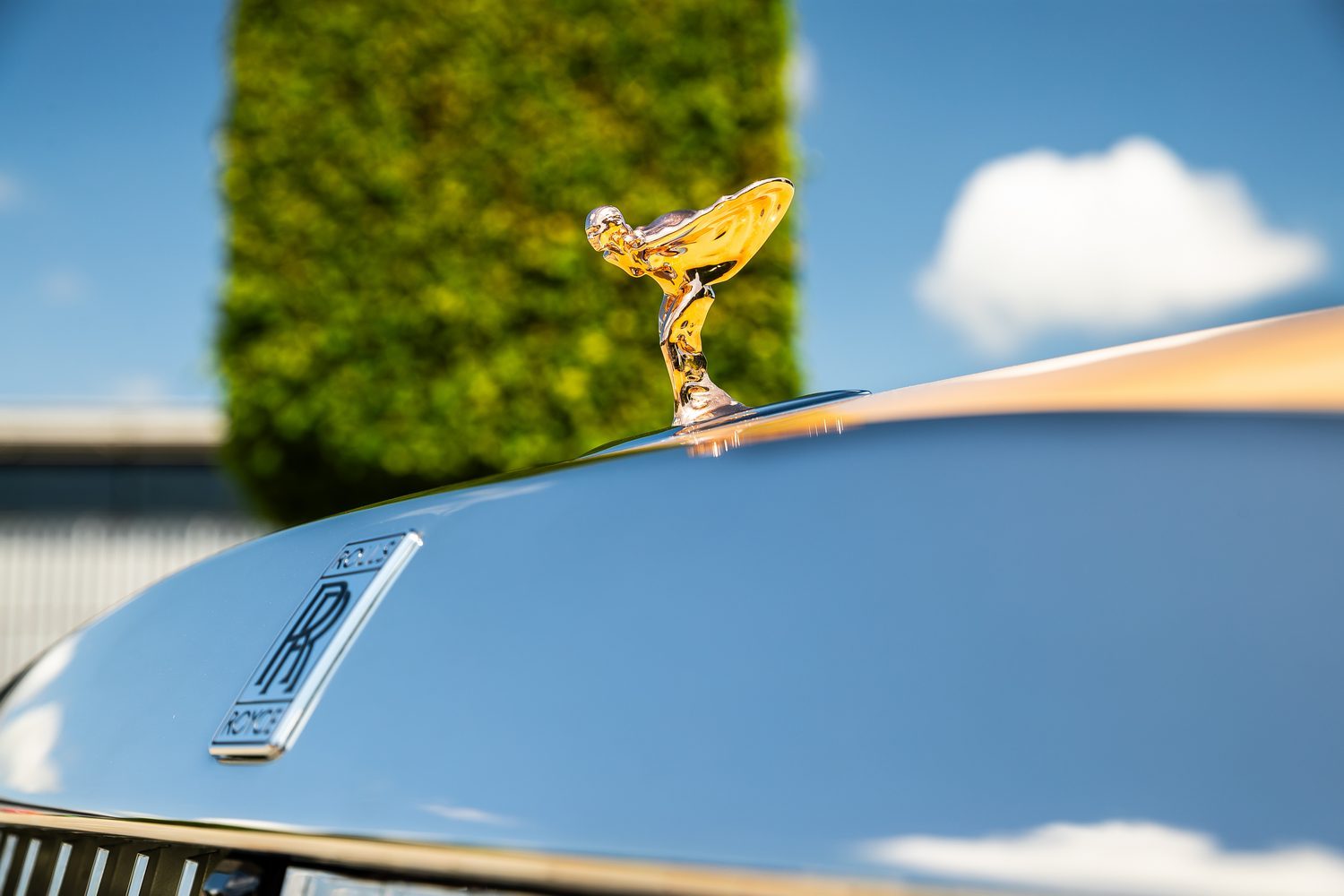
On the way up the stairs out of the reception area, a display charts the evolution of the Spirit of Ecstasy mascot. It's a gentle reminder of continuity: the same small figure, reinterpreted over decades, moving through time while remaining recognisably itself. That balance between tradition and reinterpretation is one of the themes that keeps resurfacing throughout the day.
Our route initially takes us through one of the staff canteens, which, in contrast to the entrance, is a hive of activity. It's a jolt of reality. After all, around 2,500 people work on site at Goodwood today, and here you see the human scale of the operation in motion: people grabbing food, chatting and going about their working day.
Rolls-Royce may trade in rarefied objects, but the place where they are built is very much a workplace, with two shifts running from early morning through to around midnight. This is not an artisanal cottage industry; it is a sizeable manufacturing operation with global reach.
A production line but not as you know it
That's reinforced when we step out onto the gantry overlooking the production line. The first thing that strikes you though is the quiet. The cars sit in moving cradles that can rotate to give workers access to different areas, and the atmosphere is calm, almost hushed. It feels more like a high-end workshop than a factory floor.
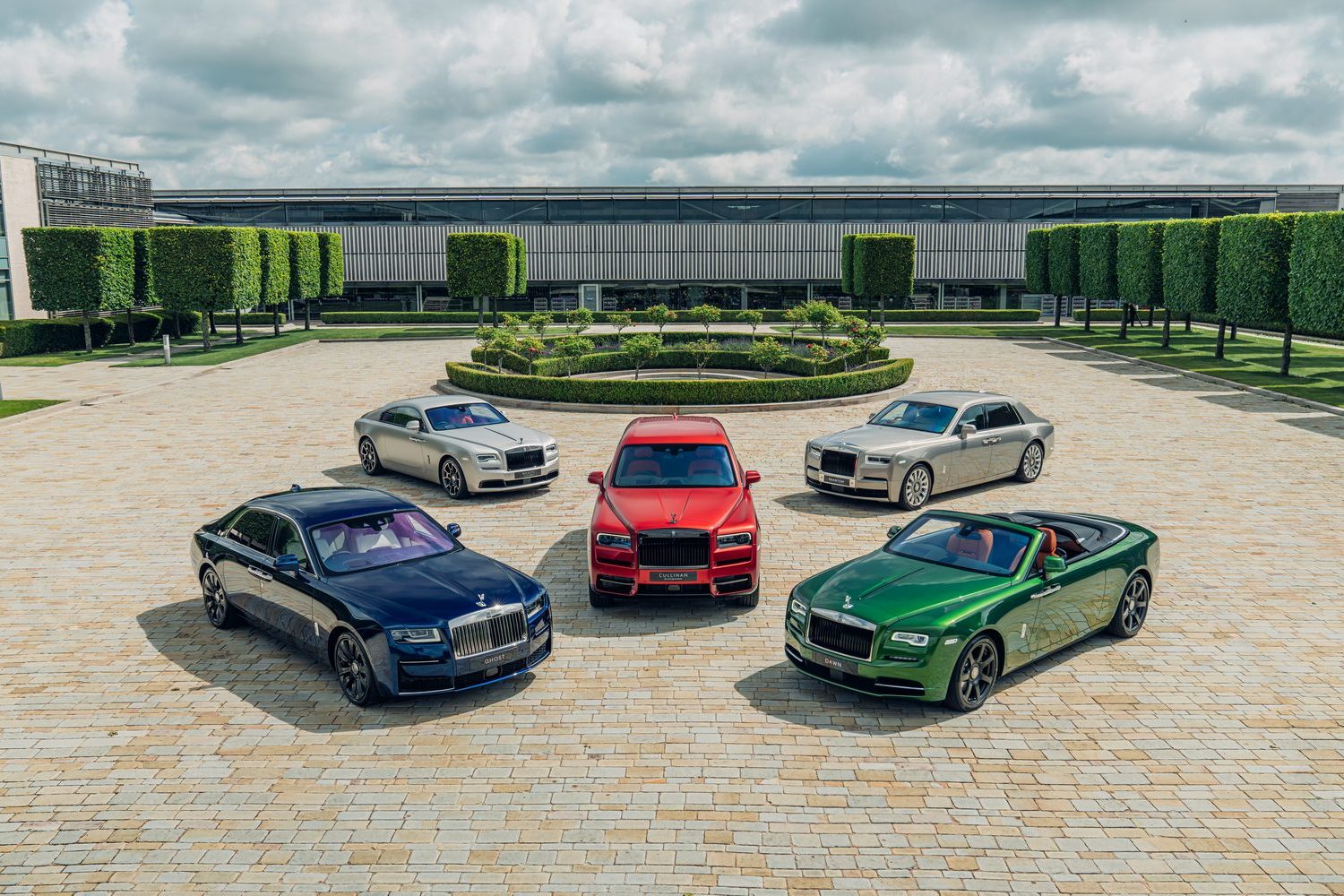
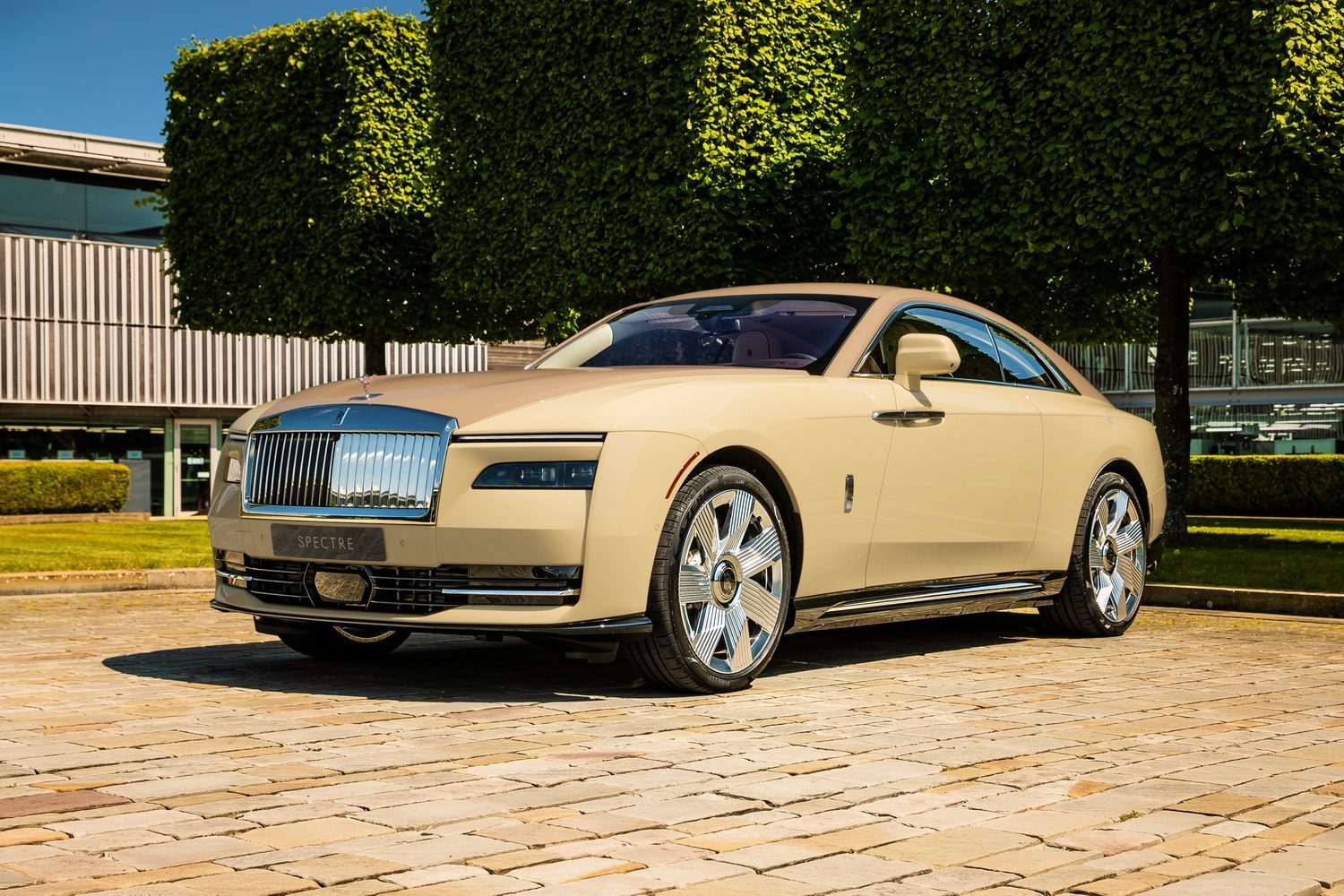
What's also striking is that this is a single production line where both internal combustion and electric cars are made. On the day we visit, the selection includes a number of Cullinan SUVs (most white or black, but there is one delectably garish yellow example in build, too), a silver Ghost (as opposed to a Silver Ghost) and at least one Spectre.
Roughly every day and a half, a new line of cars moves through this space. In volume terms, Rolls-Royce operates at a scale that is tiny by mainstream automotive standards, and that is precisely the point. The factory is set up to produce several thousand cars a year, not hundreds of thousands. It is a low-volume, high-complexity environment, and everything about the layout reflects that.
A 'star' of Rolls-Royce artisanry
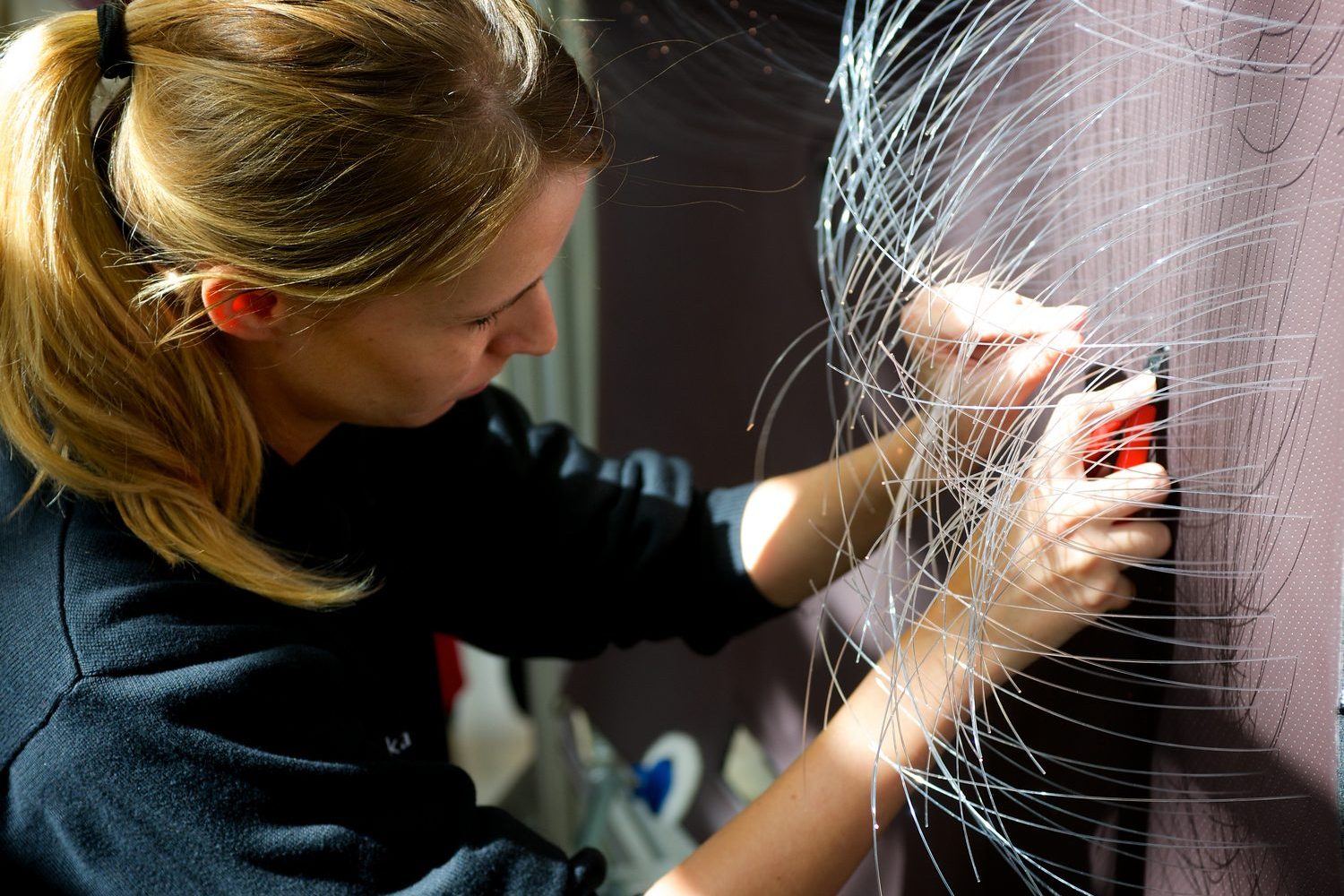
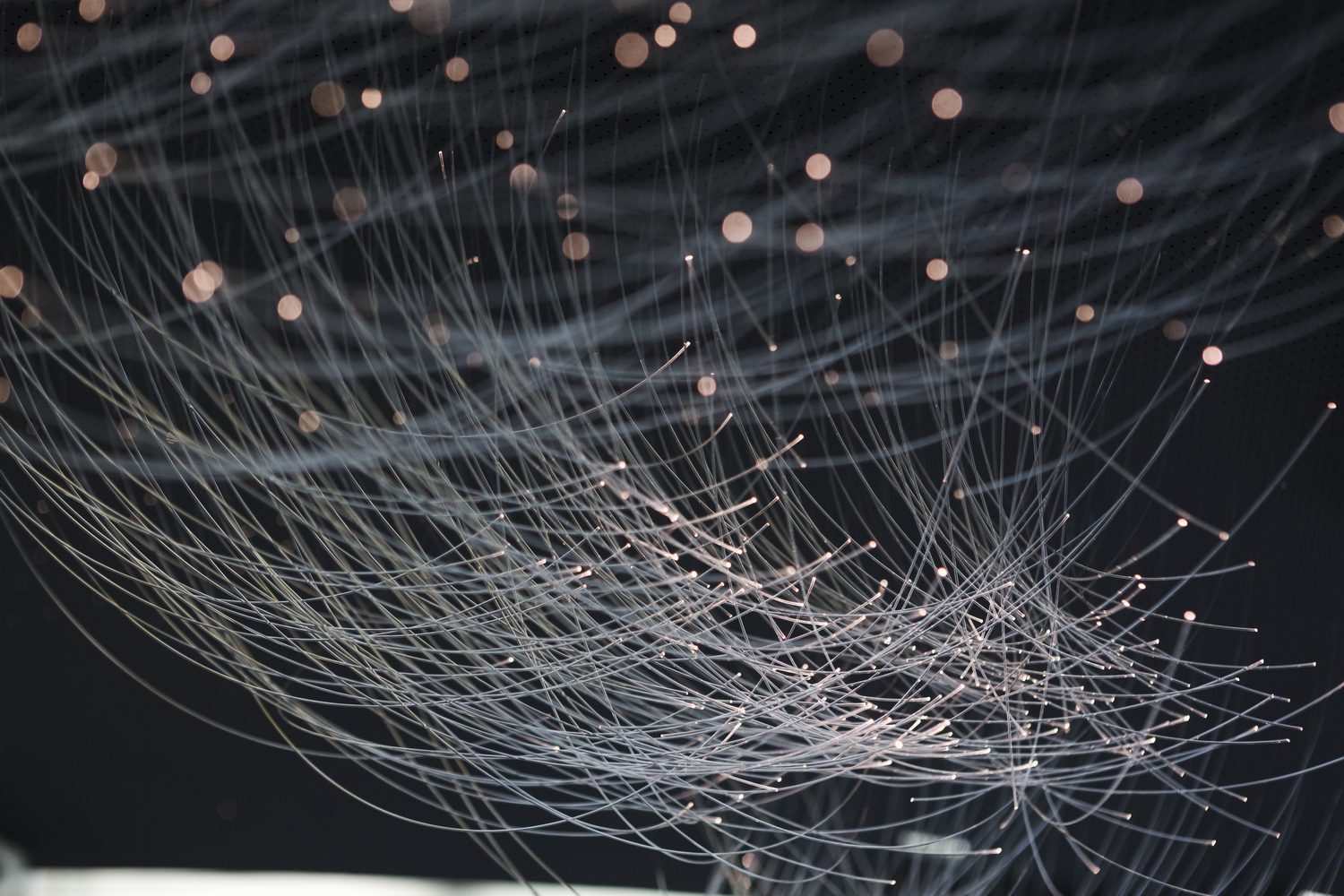
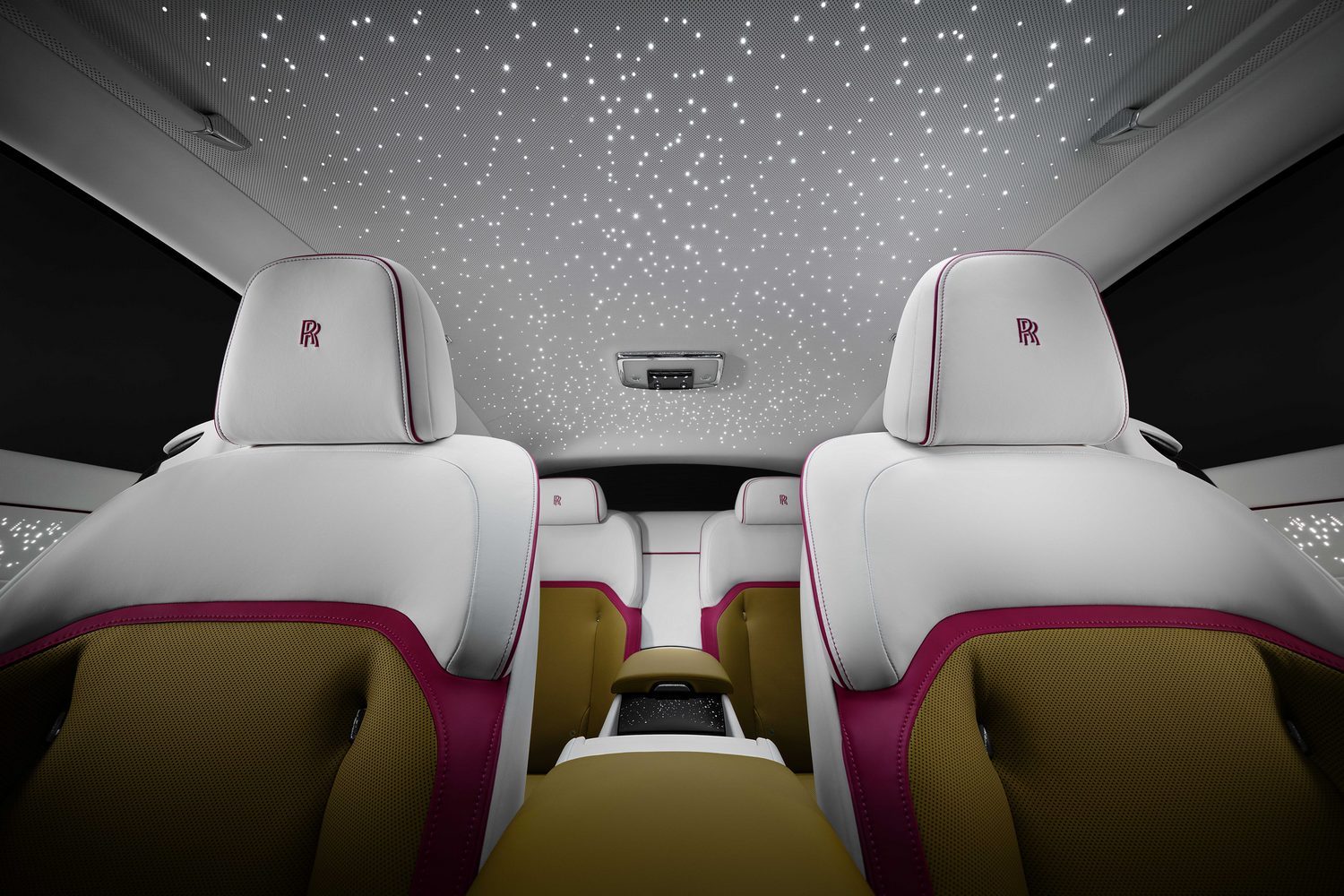
Down on the floor, the level of manual work becomes more apparent. The starlight headliner - once a novelty, now fitted to nearly every Rolls-Royce - is being installed at multiple stations. Demand for this gorgeous feature has required the process to be scaled up without losing its handmade character. It is still a painstakingly manual job, now carried out across far more workstations than in the past, with a team dedicated to keeping up with demand.
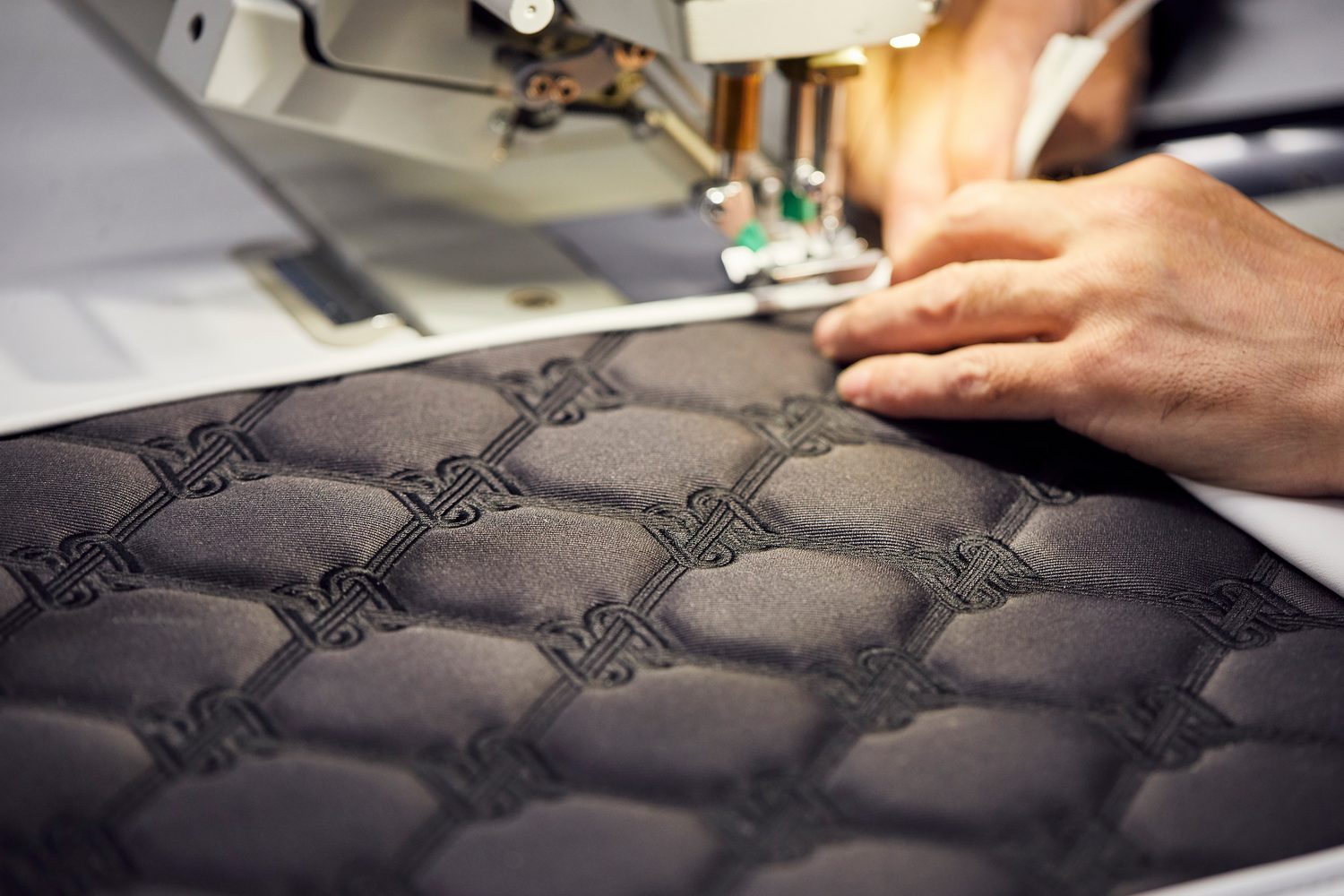
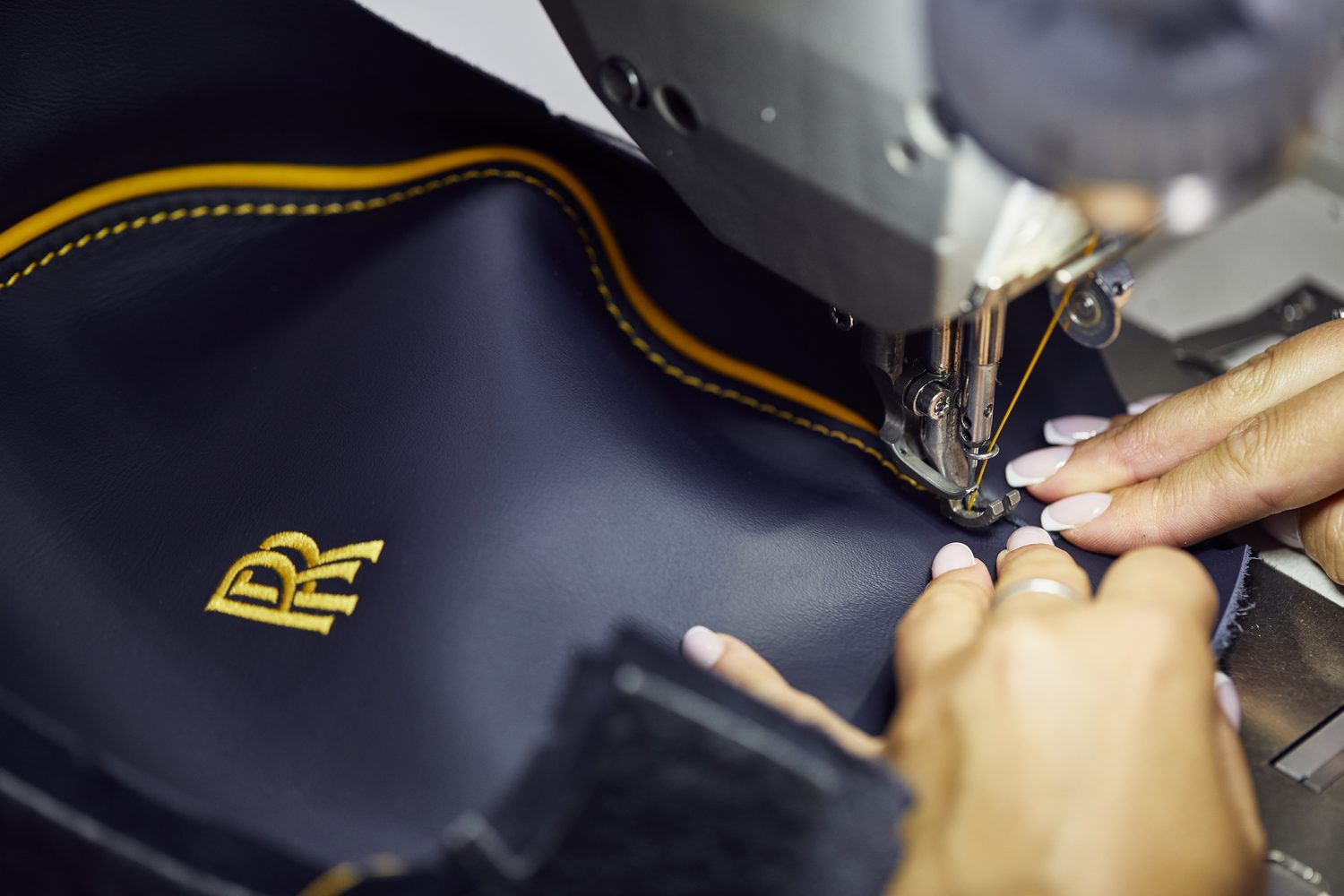
There's a similar story in the leatherwork area, where people work at sewing machines, assembling interiors piece by piece. The level of scrutiny is intense. Leather is hand-marked, and any imperfections are rejected. The hides, we're told, come from Argentinian cattle raised at high altitude, where there are fewer insects to cause blemishes. Whether or not you buy into the romance of that detail, the underlying point is clear: perfection is the target.
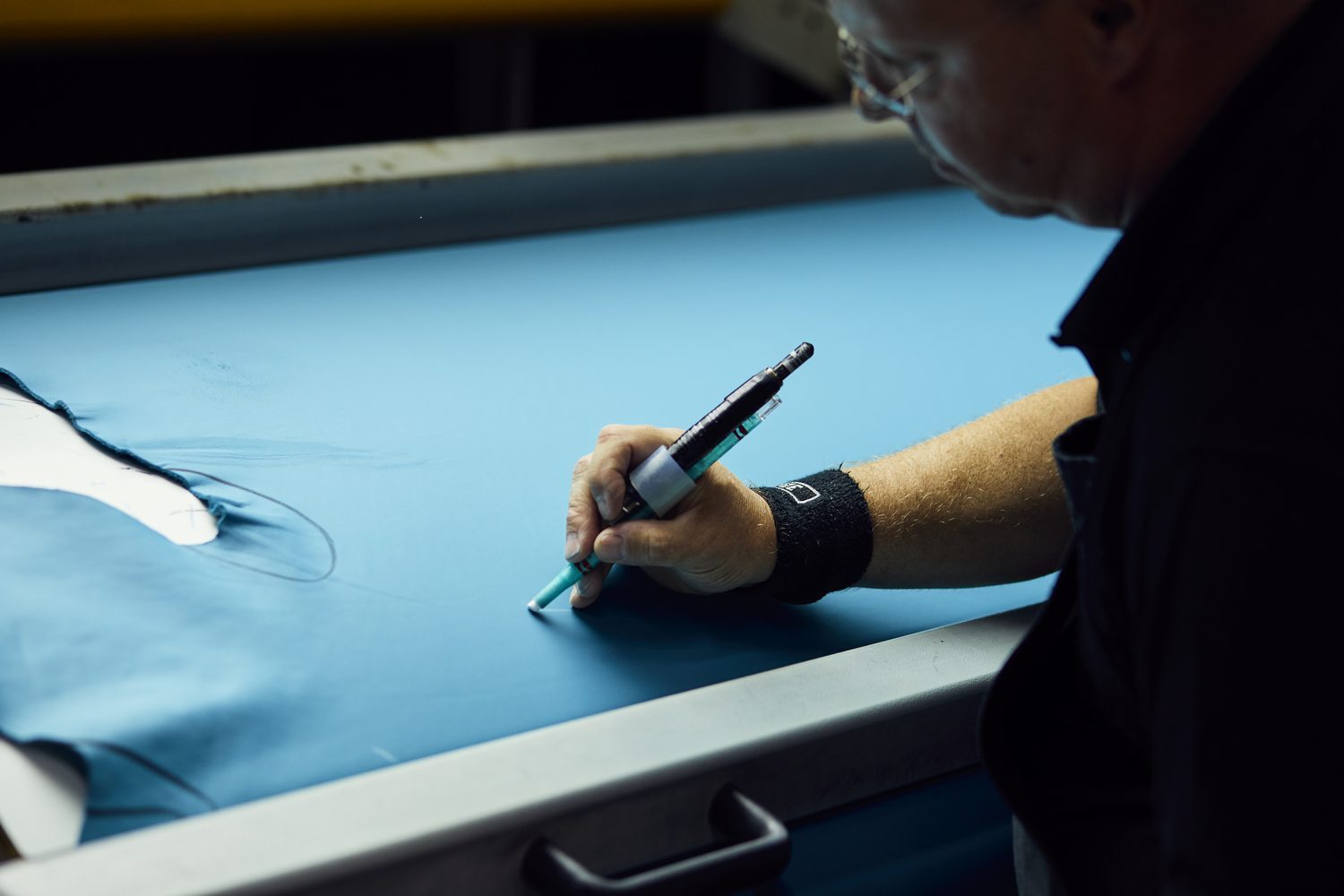
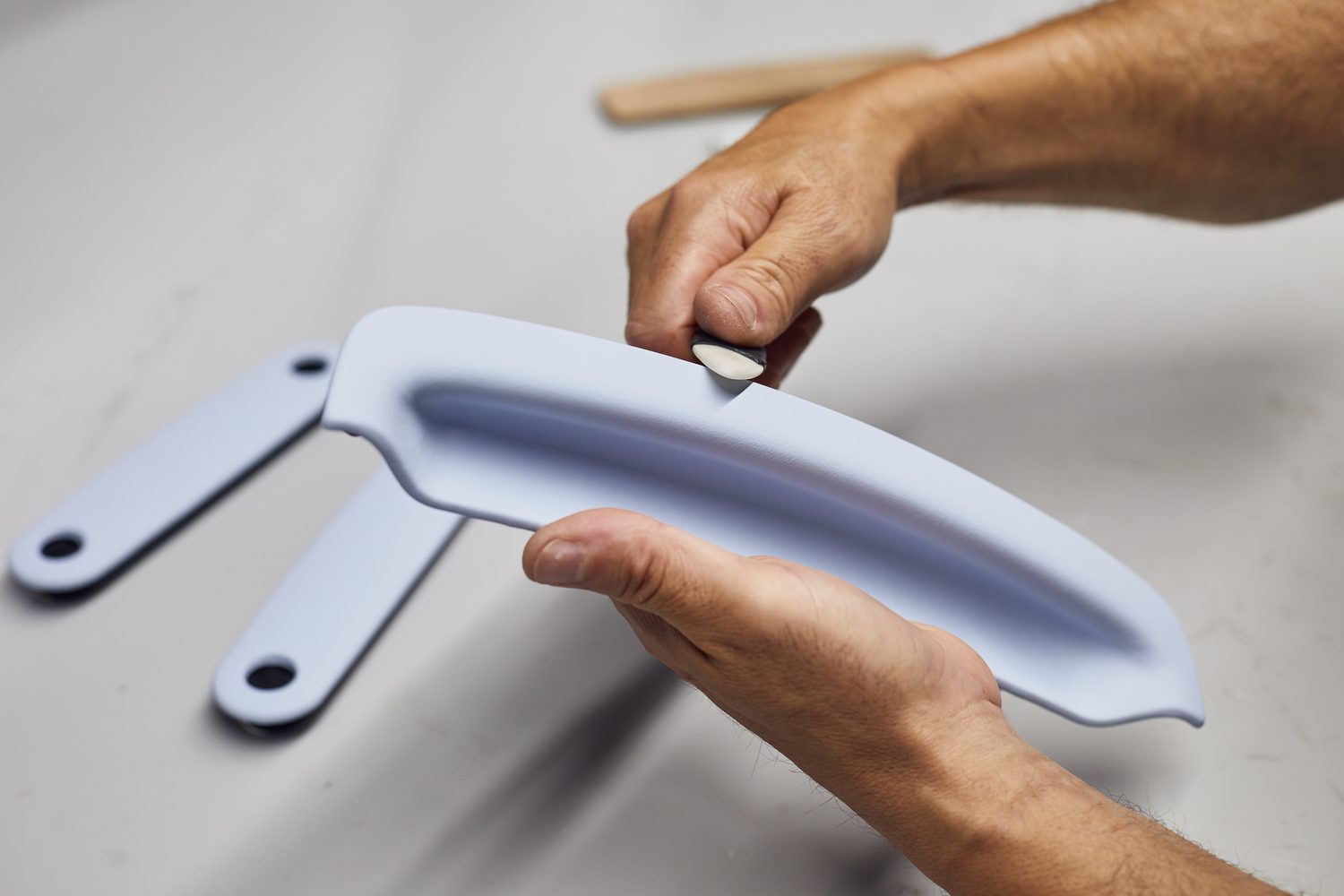
Not everything is manual, though, which might come as a surprise. I noticed that a newer twill, non-leather material is handled differently, with machine processes taking over some of the work that would previously have been done by hand. It's a reminder that even in a place that trades on craft, pragmatism still has a role. Rolls-Royce is not dogmatic about handmaking everything; it is selective about where the human touch adds value.
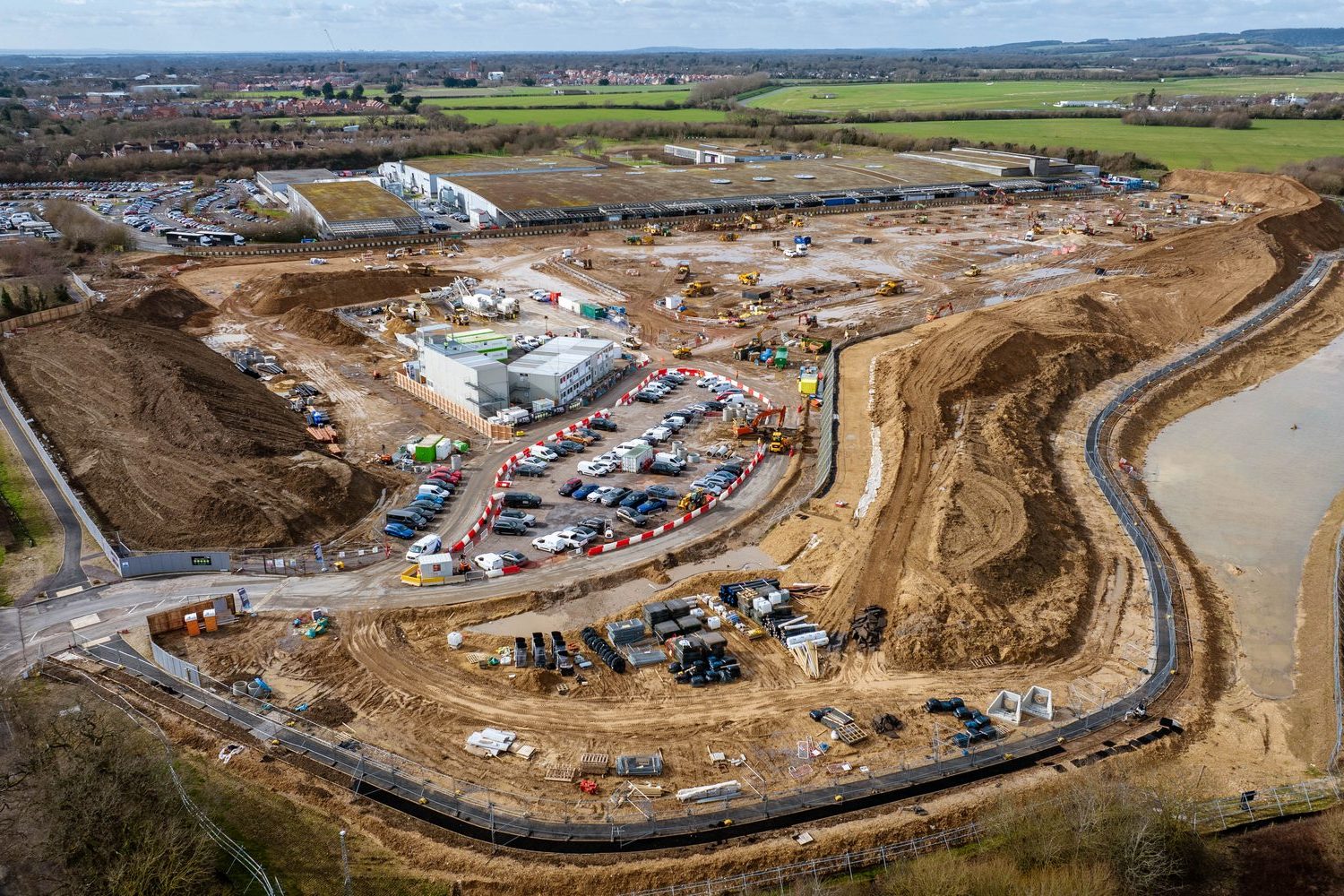
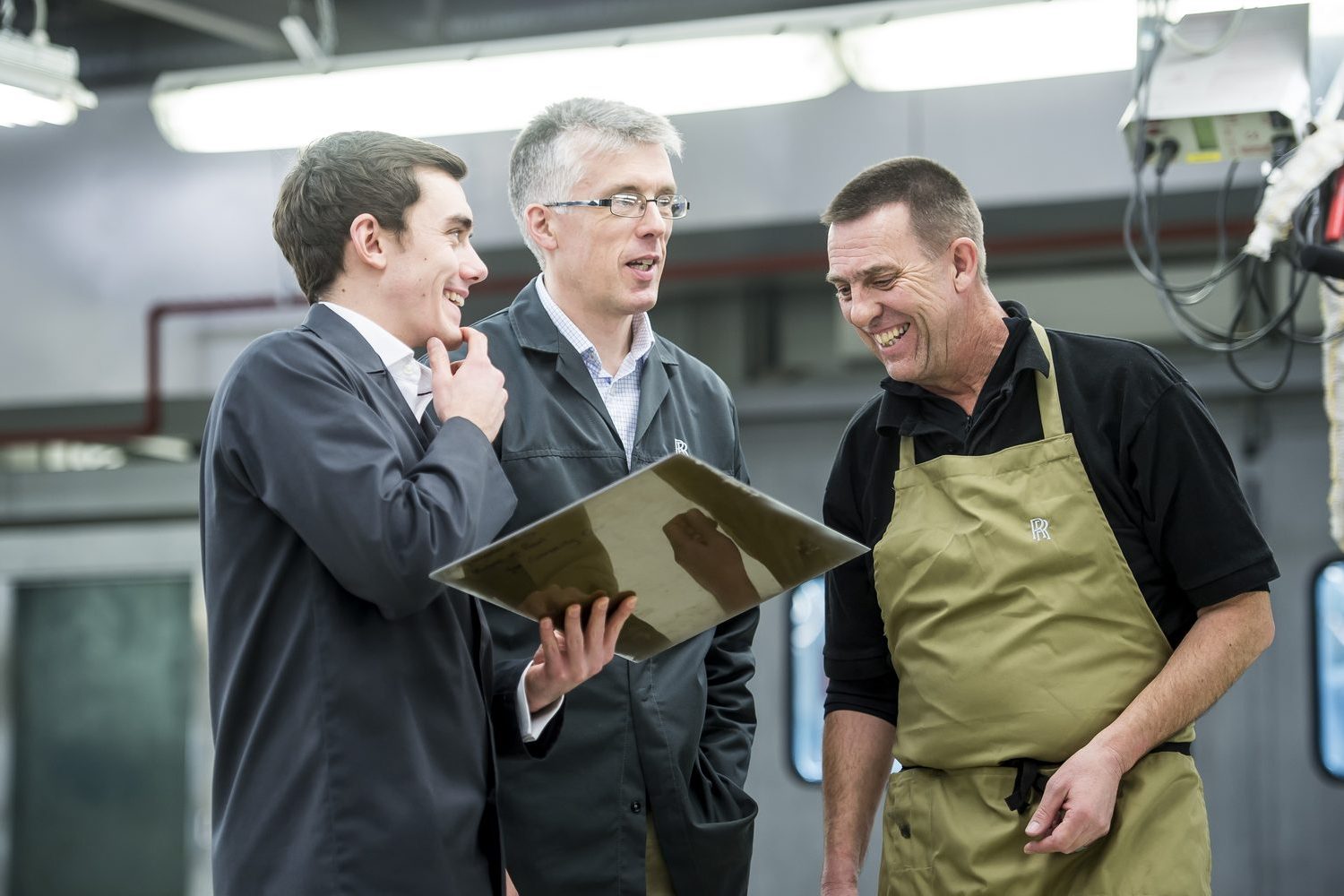
The scale of work requested through the 'Bespoke' service is central to how the Goodwood factory is evolving. There is an ongoing expansion to accommodate a larger paint shop, for example, driven largely by the growth in Bespoke commissions that take longer to complete and occupy space for extended periods.
Bespoke by name...
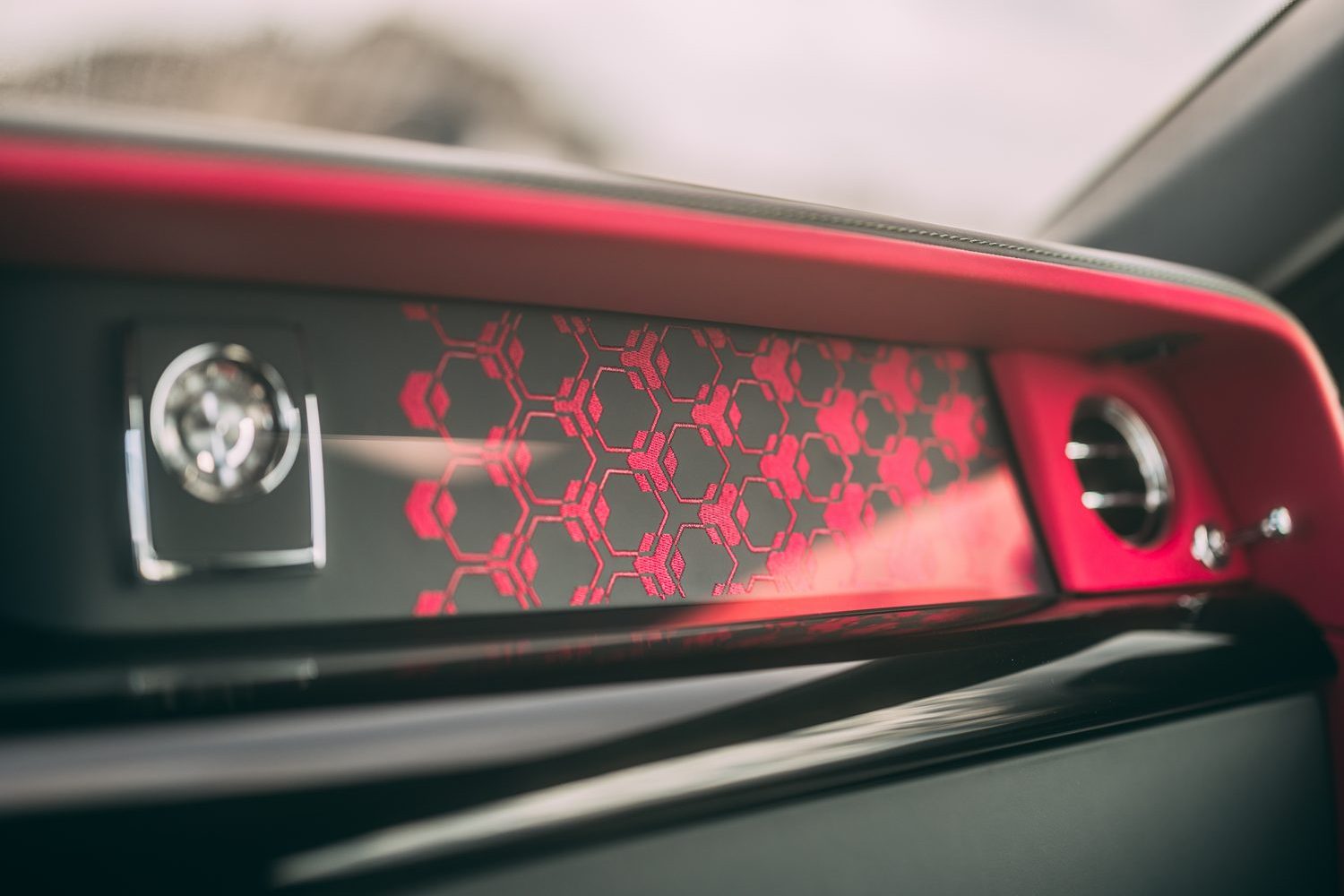
A significant increase in demand for the company's Bespoke services began with the introduction of 'The Gallery' in the Rolls-Royce Phantom - a space within the car's dashboard designed to potentially accommodate commissioned artwork. Since then, the appetite for one-off finishes and personalised details has grown to the point where the factory itself has had to change to keep up.
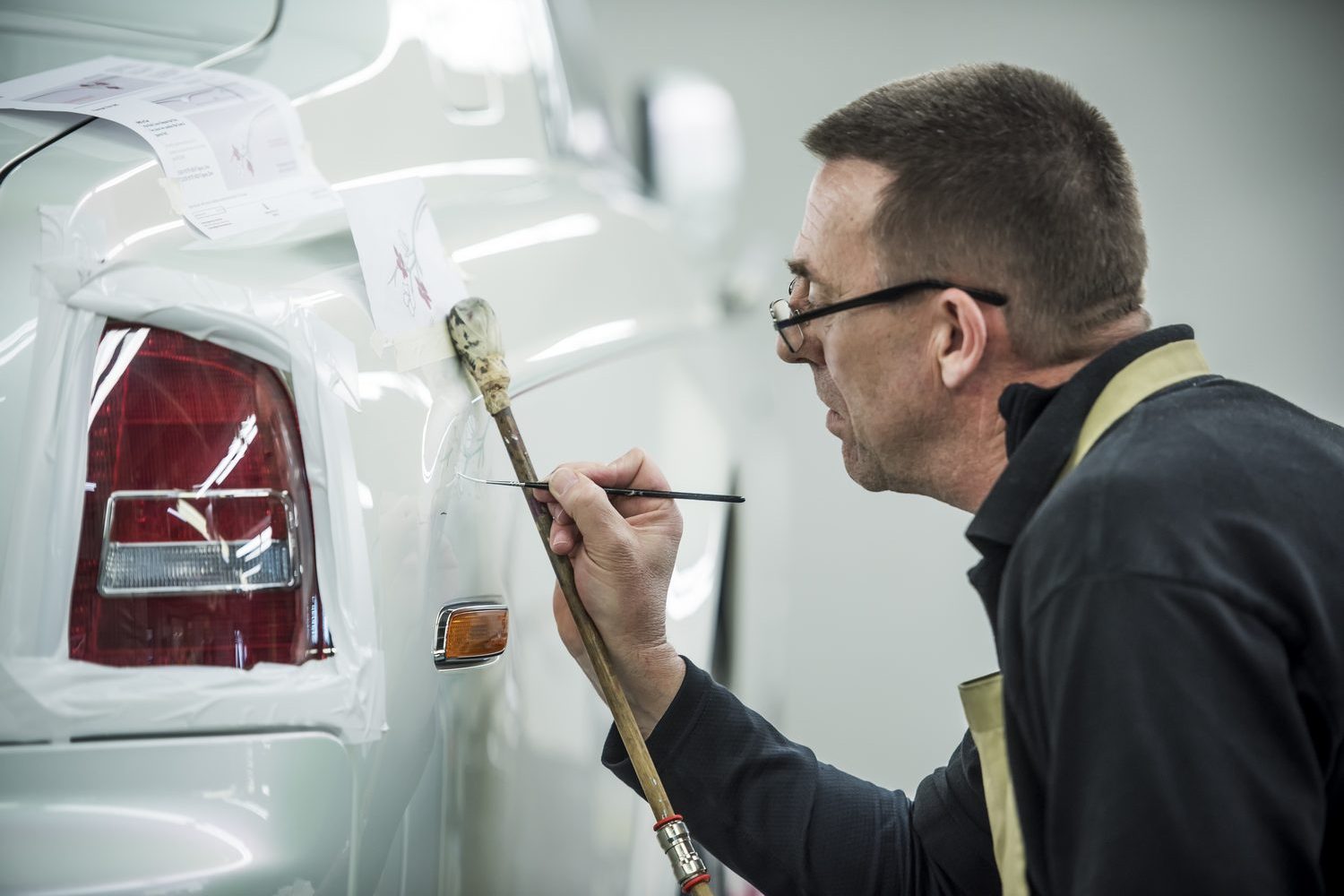
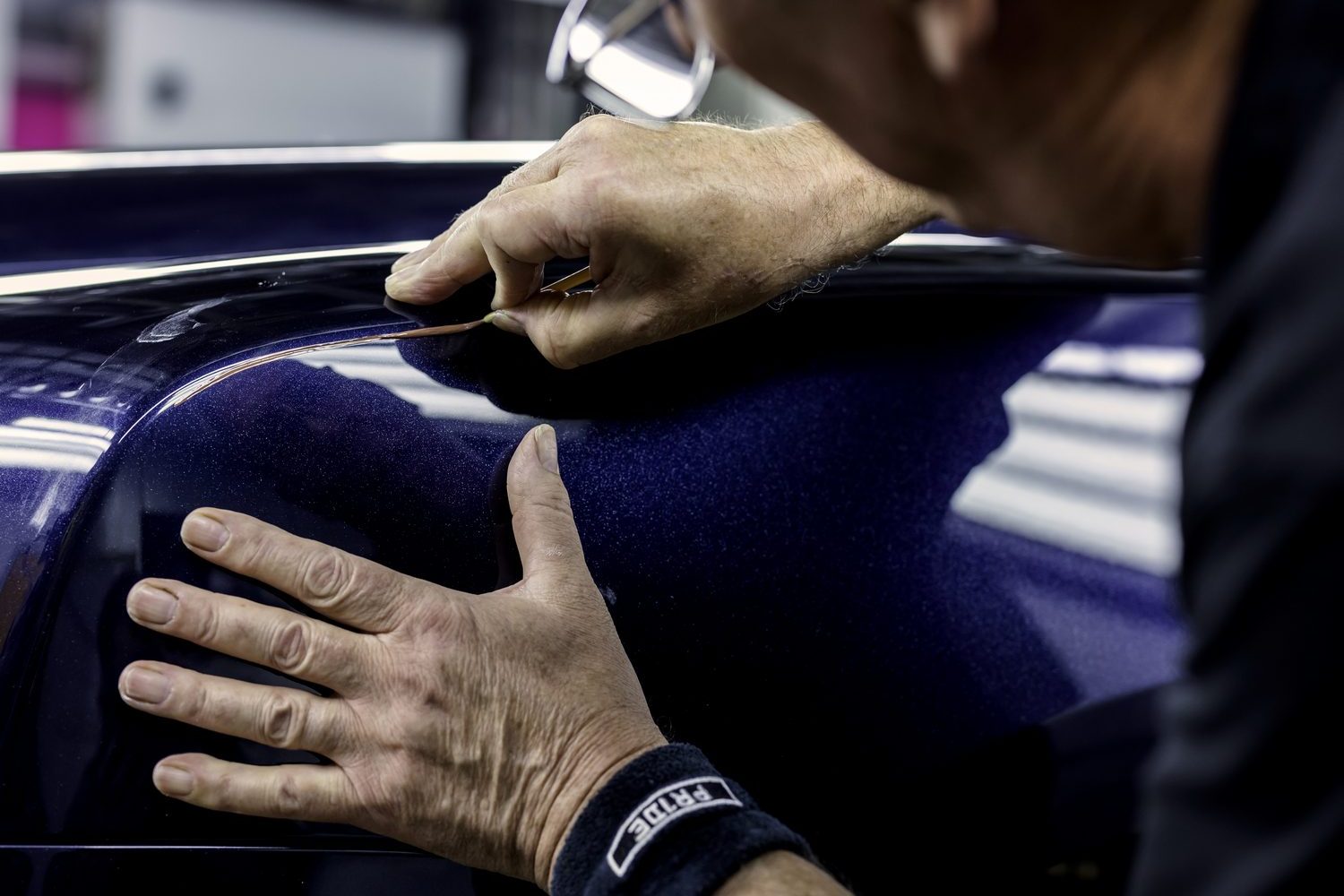
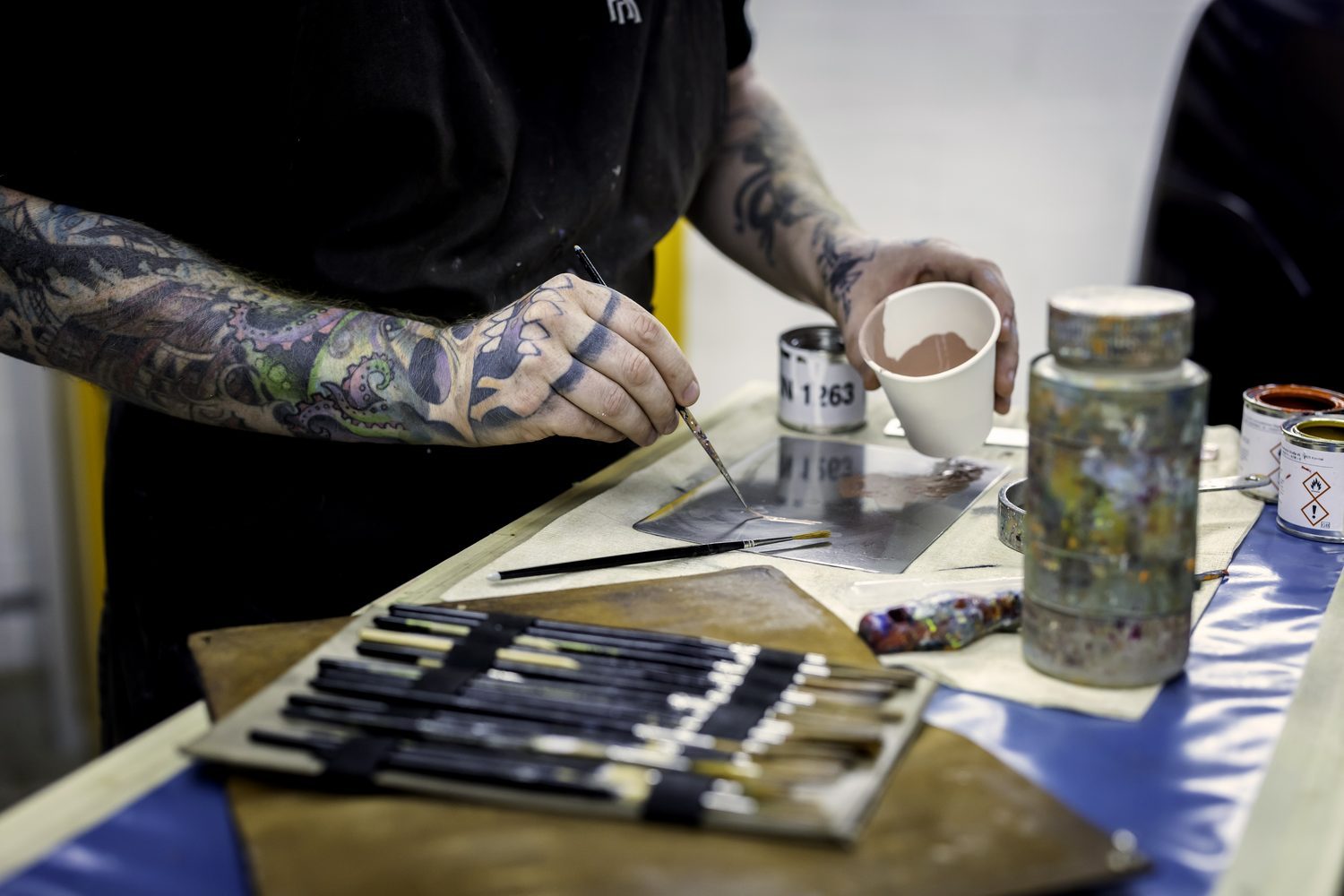
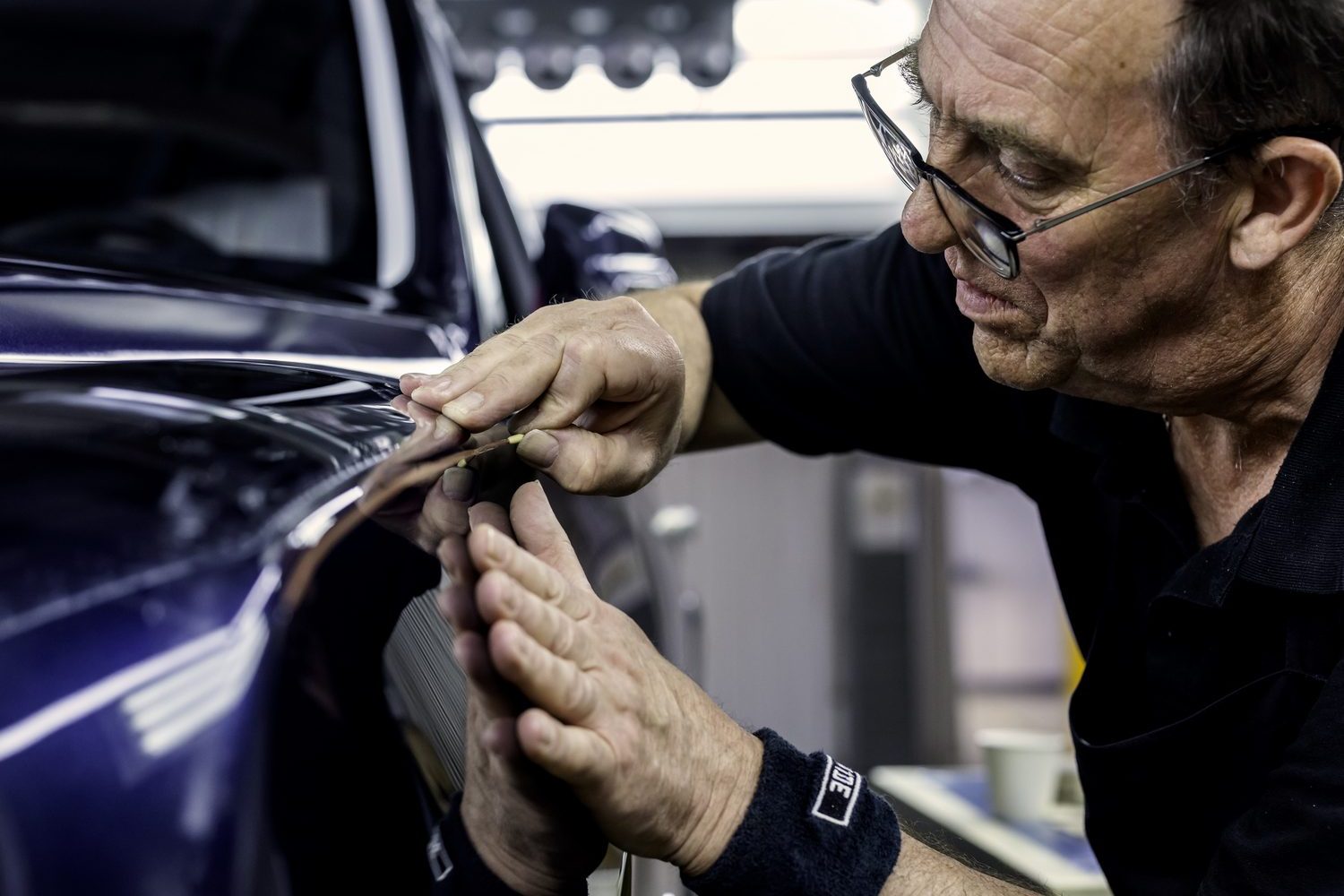
One story that encapsulates this shift concerns the hand-painted coachlines. Since 2003, these were done by a single person - Mark Court - such was the level of trust placed in his skill. He was even flown around the world to repair coachlines on customer cars. Eventually, that model became unsustainable, and he trained a small group of artists to take on the work.
One of those went on to paint the bonnet of a Phantom for a London art project, turning the surface into a detailed streetscape. It is a spectacular piece of work, but the point of showing it internally was not to suggest that customers should start ordering painted bonnets; it's about promoting art and artisanry within the organisation itself, pushing the boundaries of what is possible. The same thinking underpins projects like an exhibition of the artists' interpretations of the Spectre's charging flap - not customer demands, but internal explorations of craft.
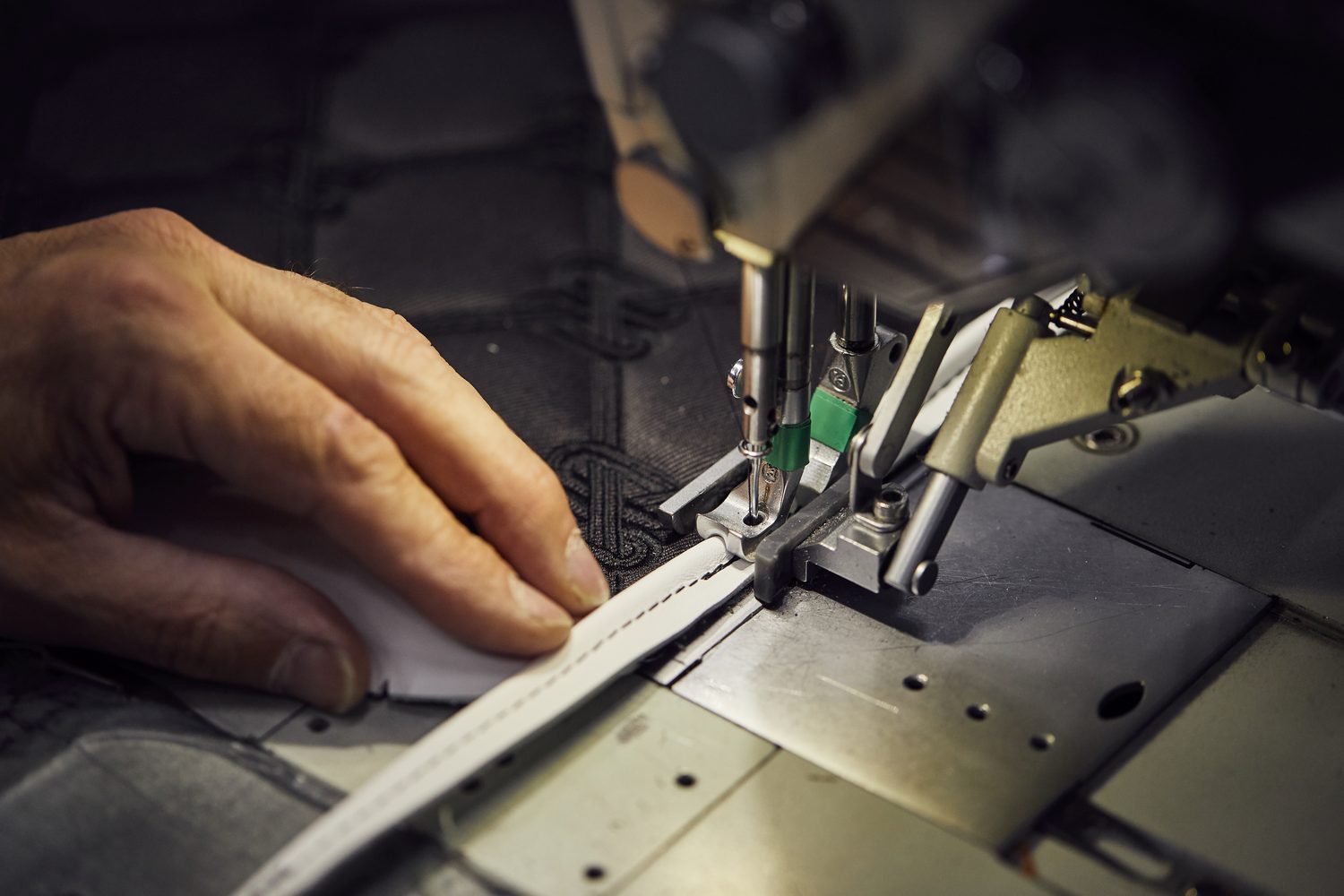
The Bespoke room itself is another level again. This is a small, almost self-contained operation, with just a handful of people overseeing the creation of one-off pieces. Here, small-scale machines are used to produce items that will never be repeated, such as intricate headliners featuring millions of stitches arranged into bespoke designs. This is essentially commissioned artwork mixed with automotive engineering.
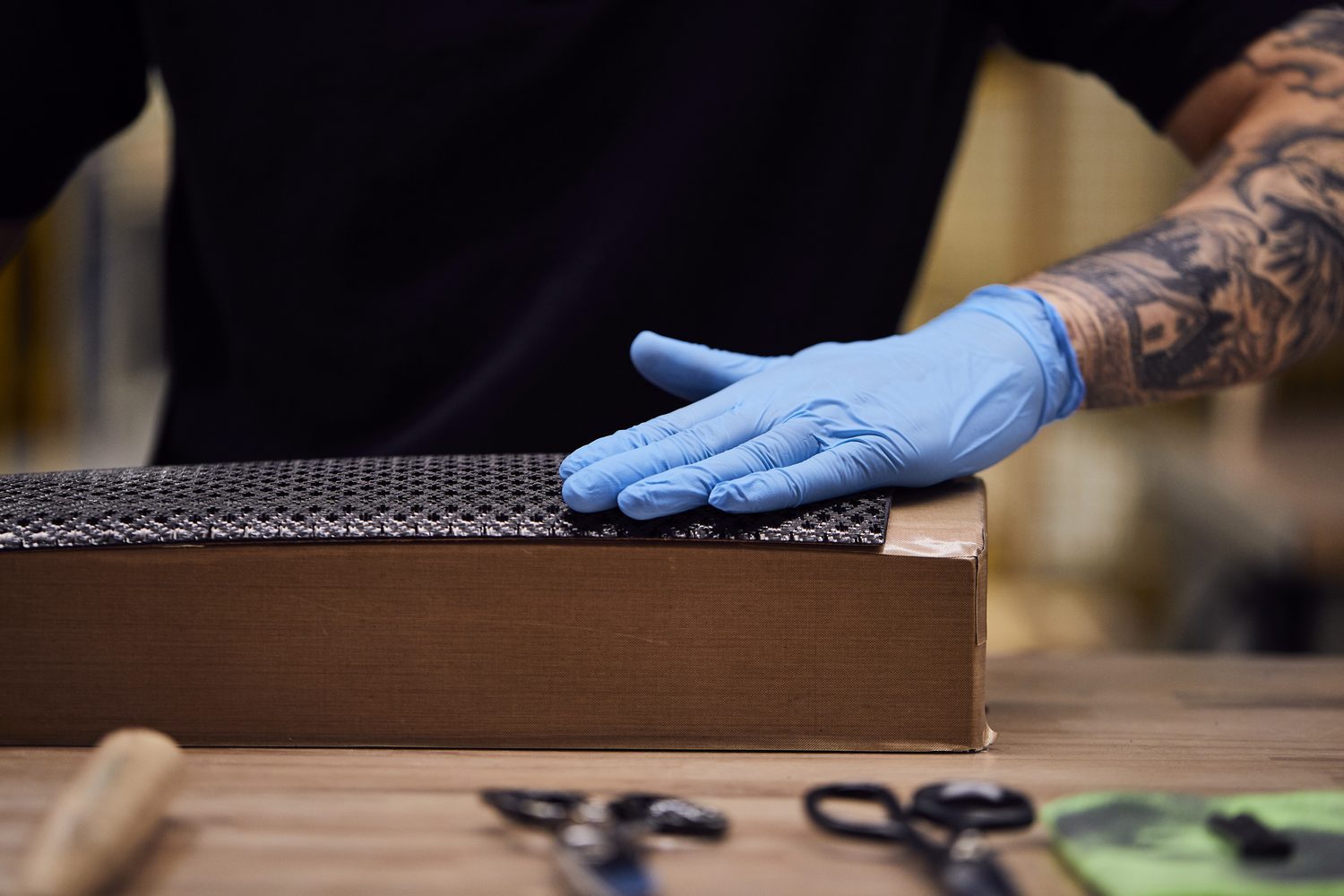
Bespoke is constantly exploring new ideas, too. Painting leather is now part of its repertoire, adding another layer of customisation to interior finishes. Even without going to such extremes, the variety of perforated leather effects available is special in its own right. There is a sense that the company is continually expanding the vocabulary of what "bespoke” can mean, not just in colour, but in texture and surface treatment as well.
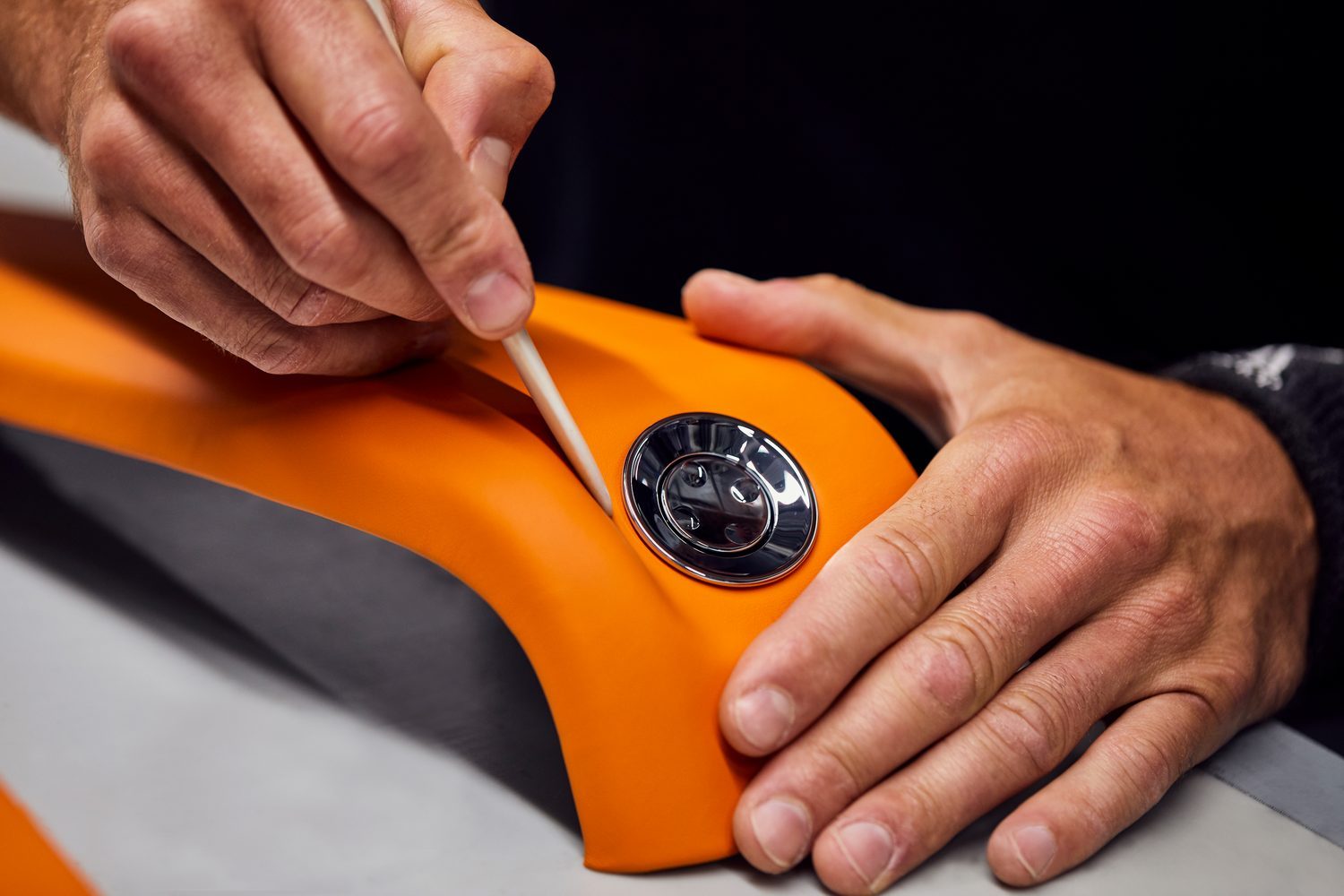
People bring unique cars to life for their owners
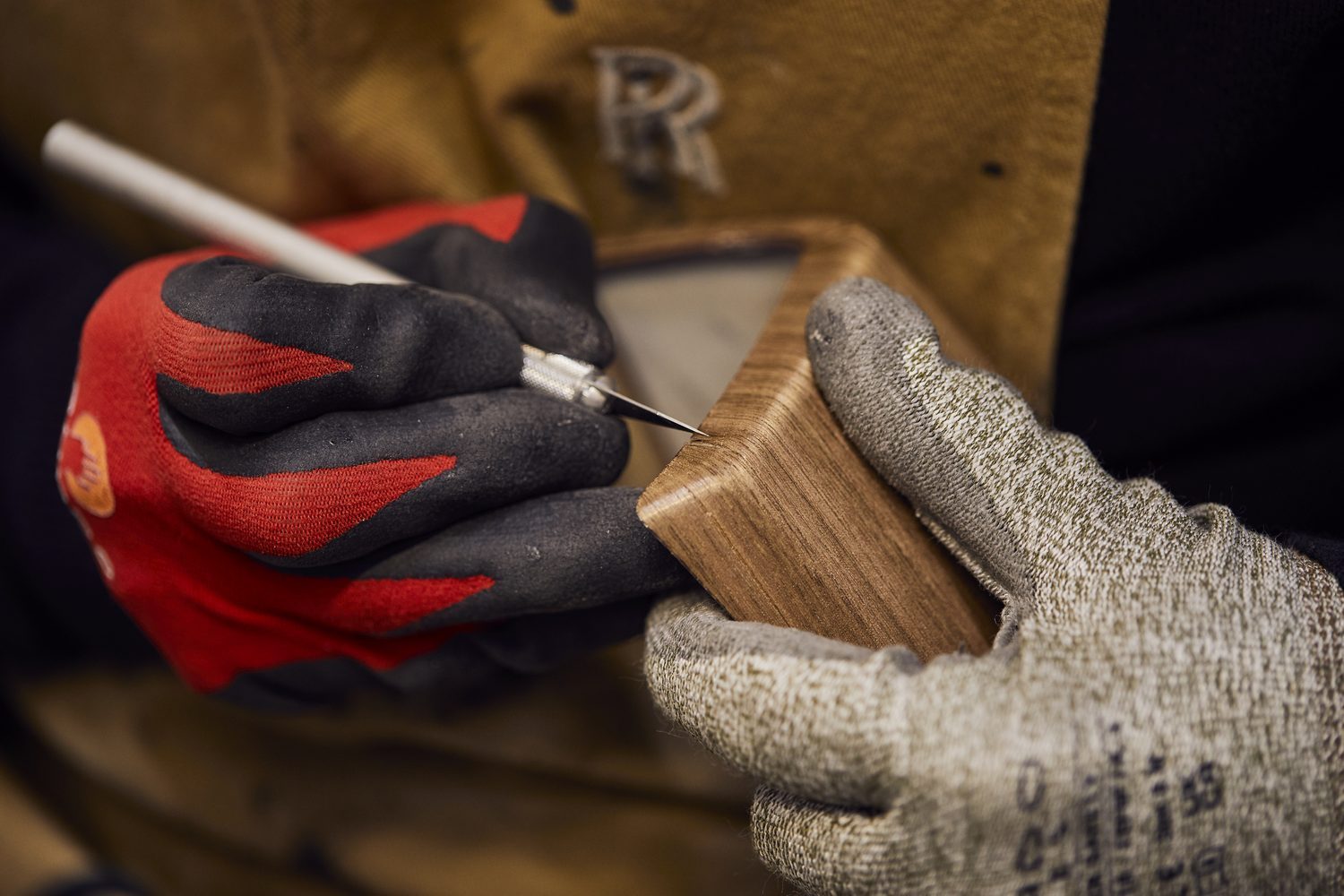
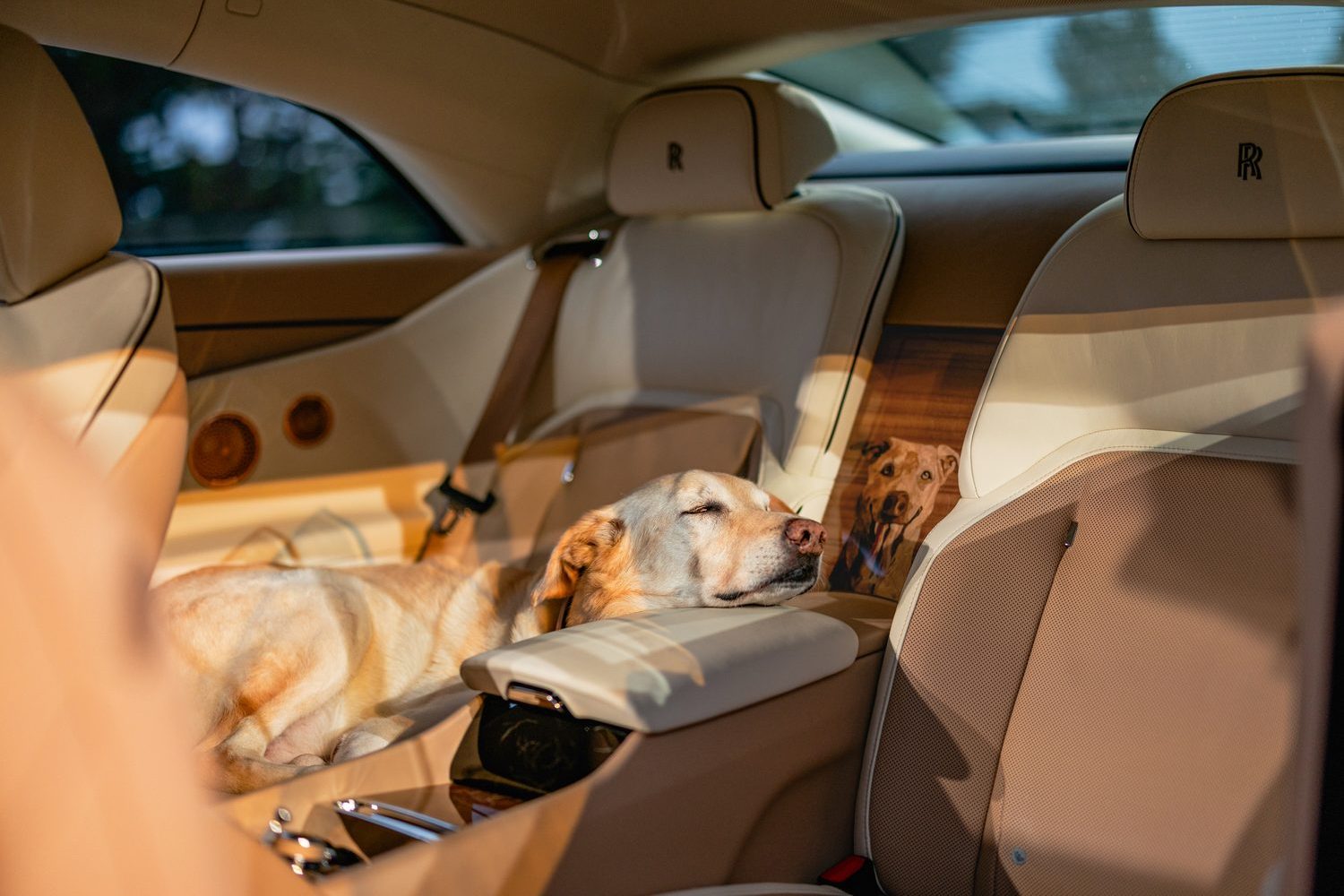
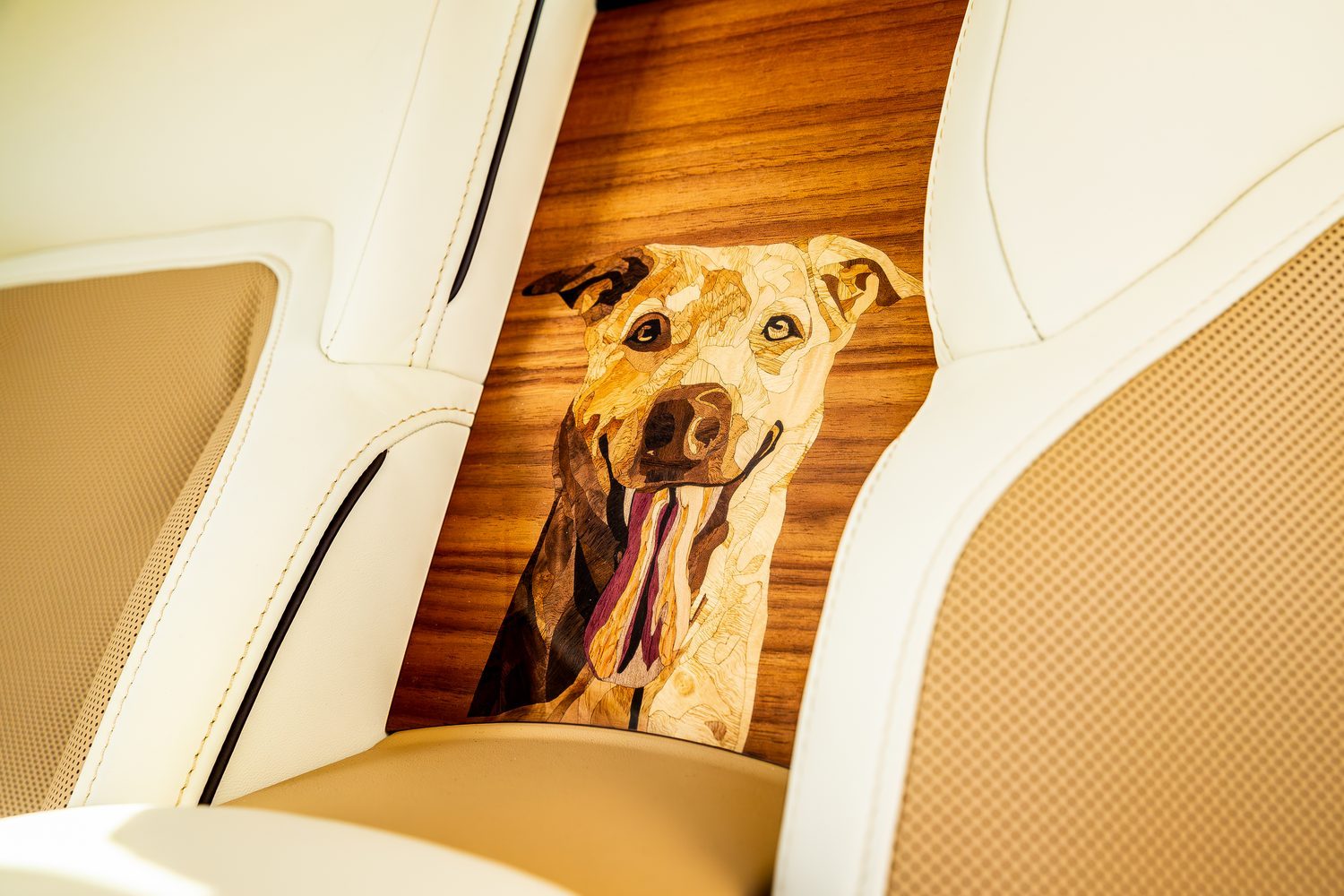
In the marquetry department, I spoke to Audrey, who was responsible for the dog picture used in the very special Spectre Bailey - a tribute to the owner's dog. The car is brimming with unique details, and its centrepiece is a highly detailed wood inlay that has become something of a calling card for the department.
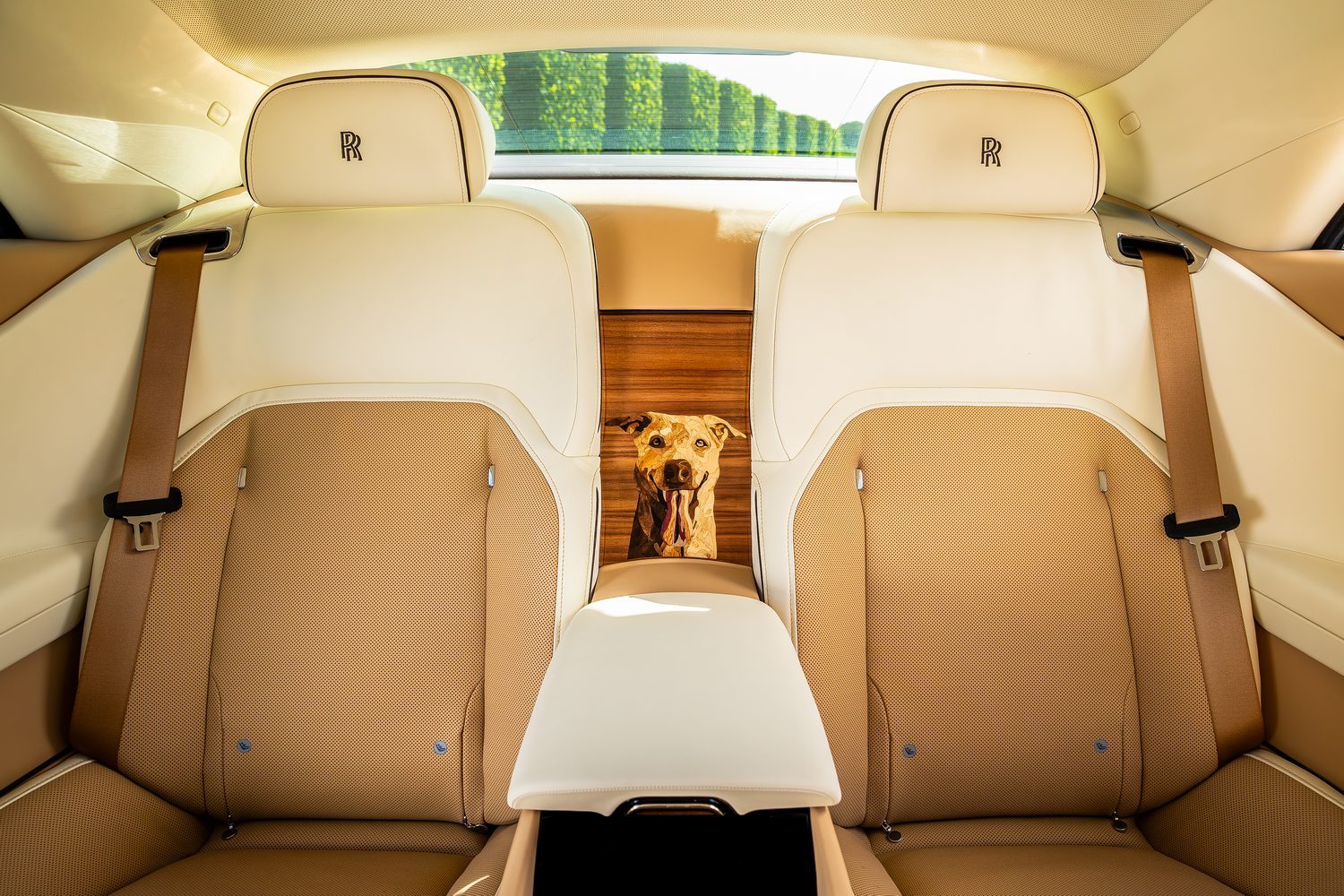
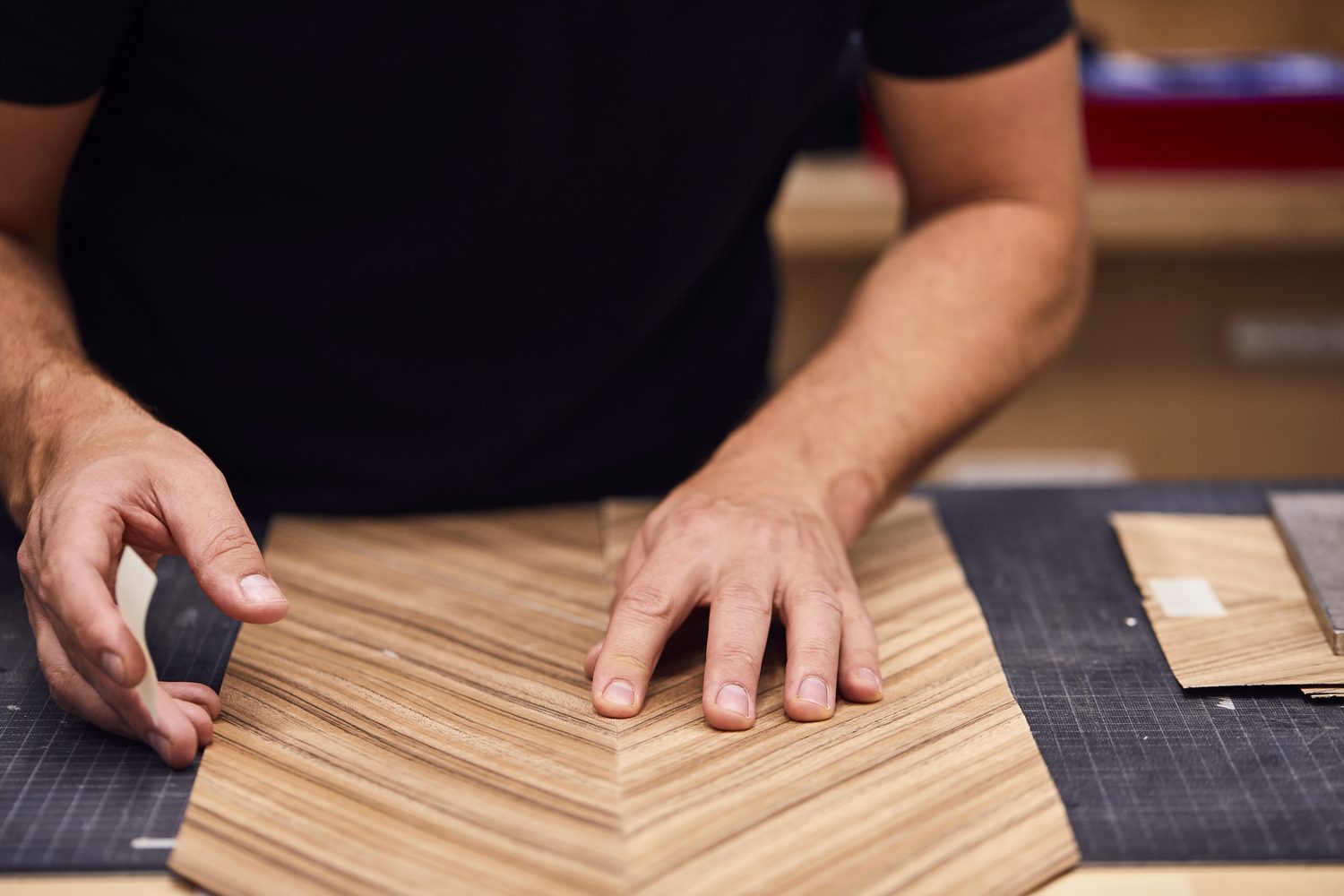
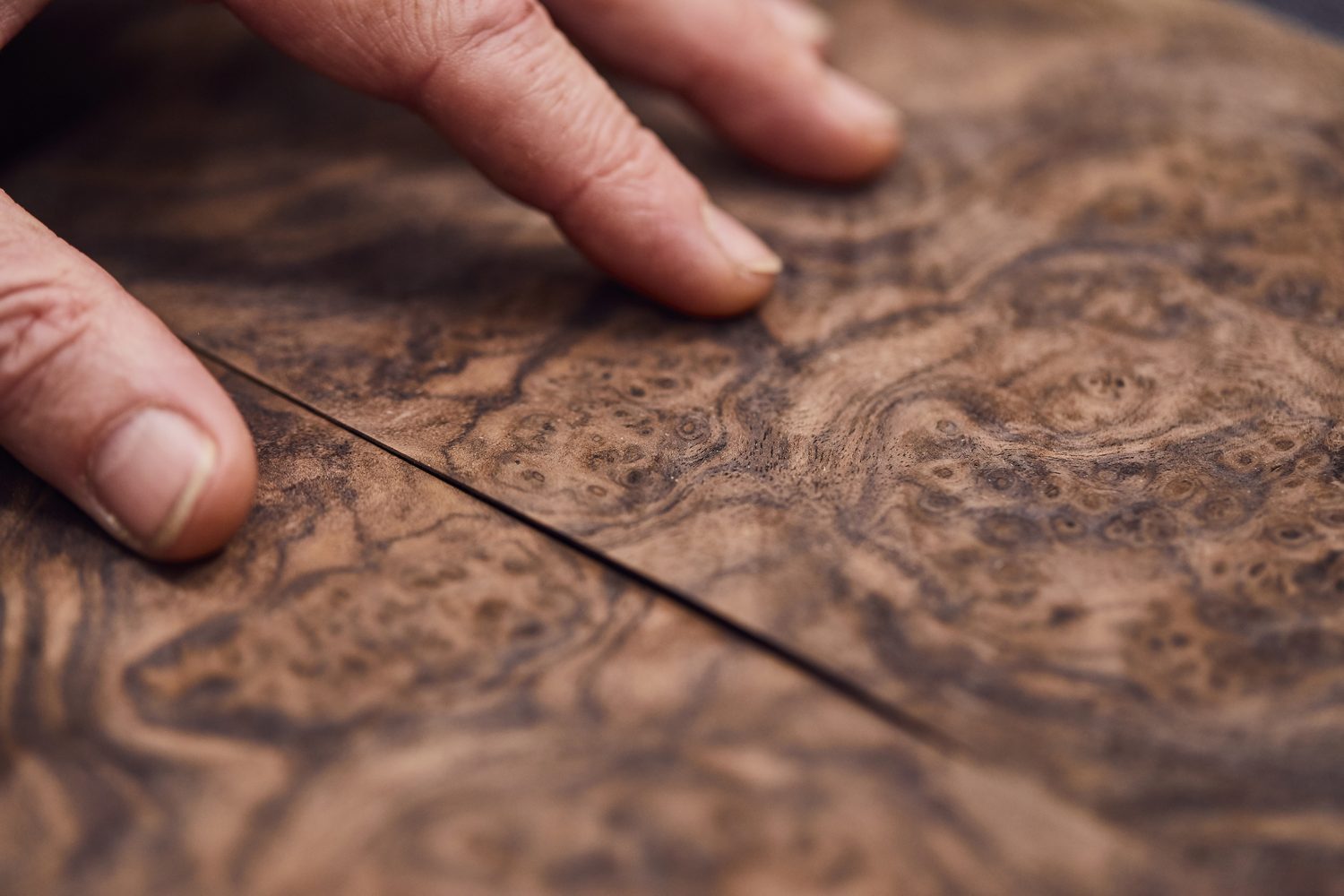
Audrey showed us the hot sand technique used to change the colour of wood veneers, a process that allows subtle shading and tonal variation. Seeing several iterations of the same image, each slightly different, drove home how much experimentation underpins the finished pieces. These are not one-shot successes; they are the result of trial, error and refinement.
We're then taken to the humidor room, where the wood is kept. Warm, humid air envelops you where thin sheets are stored and conditioned, waiting to be transformed into veneers. There is something almost incongruous about standing in a space that feels like a tropical greenhouse inside what is, at the end of the day, a car factory.
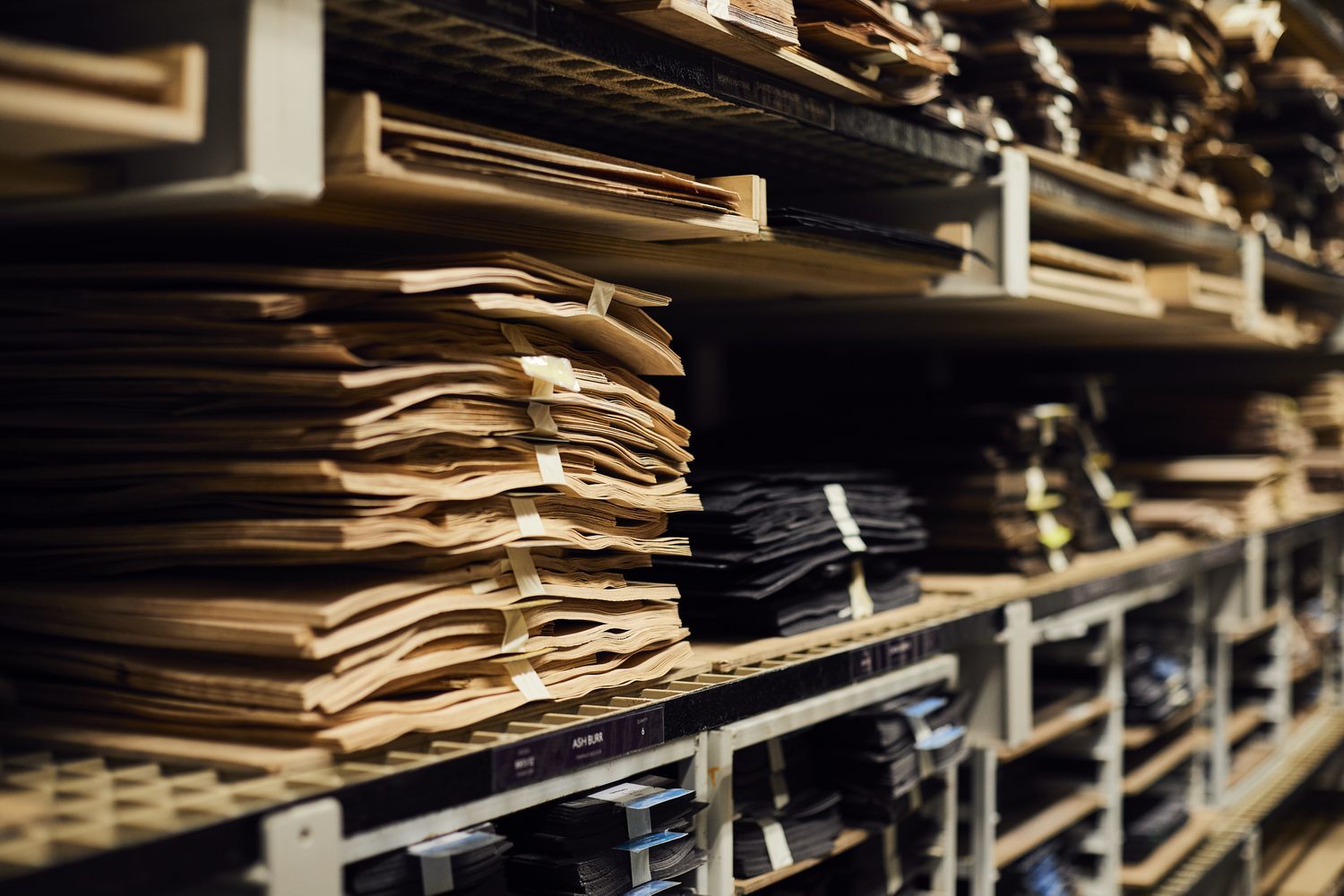
It really is a car factory like no other
As I walk back out through the courtyard into the cold air once more, past the square-cut trees and the rose garden, the building still doesn't look like somewhere cars are made. The living roof and the bees feel less like marketing flourishes and more like symbols of how carefully this place has been positioned - physically and philosophically.
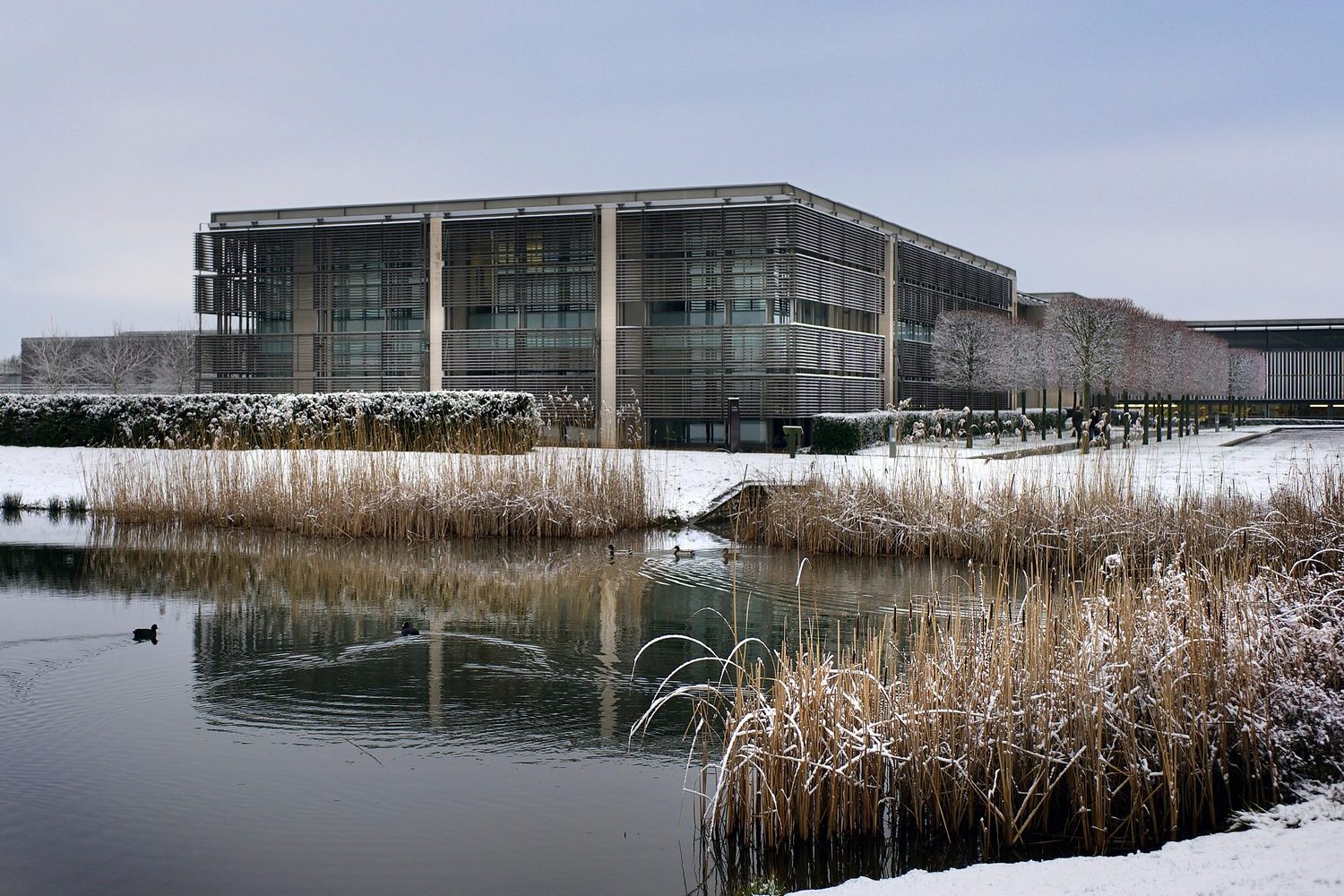
Rolls-Royce is not about volume, and its impressive factory in Goodwood is not about industrial spectacle. It is about creating an environment in which a very particular kind of car can be made, slowly and deliberately, by people whose work is expected to be as close to flawless and special as human hands can manage.
It was a privilege to experience it firsthand and I urge anyone in the position to commission a Rolls-Royce of their own to do the same to gain a full understanding of what goes into each and every one of these special cars.
If there is anything about this story we have not covered, you can avail of our expert advice service via the Ask Us Anything page.