

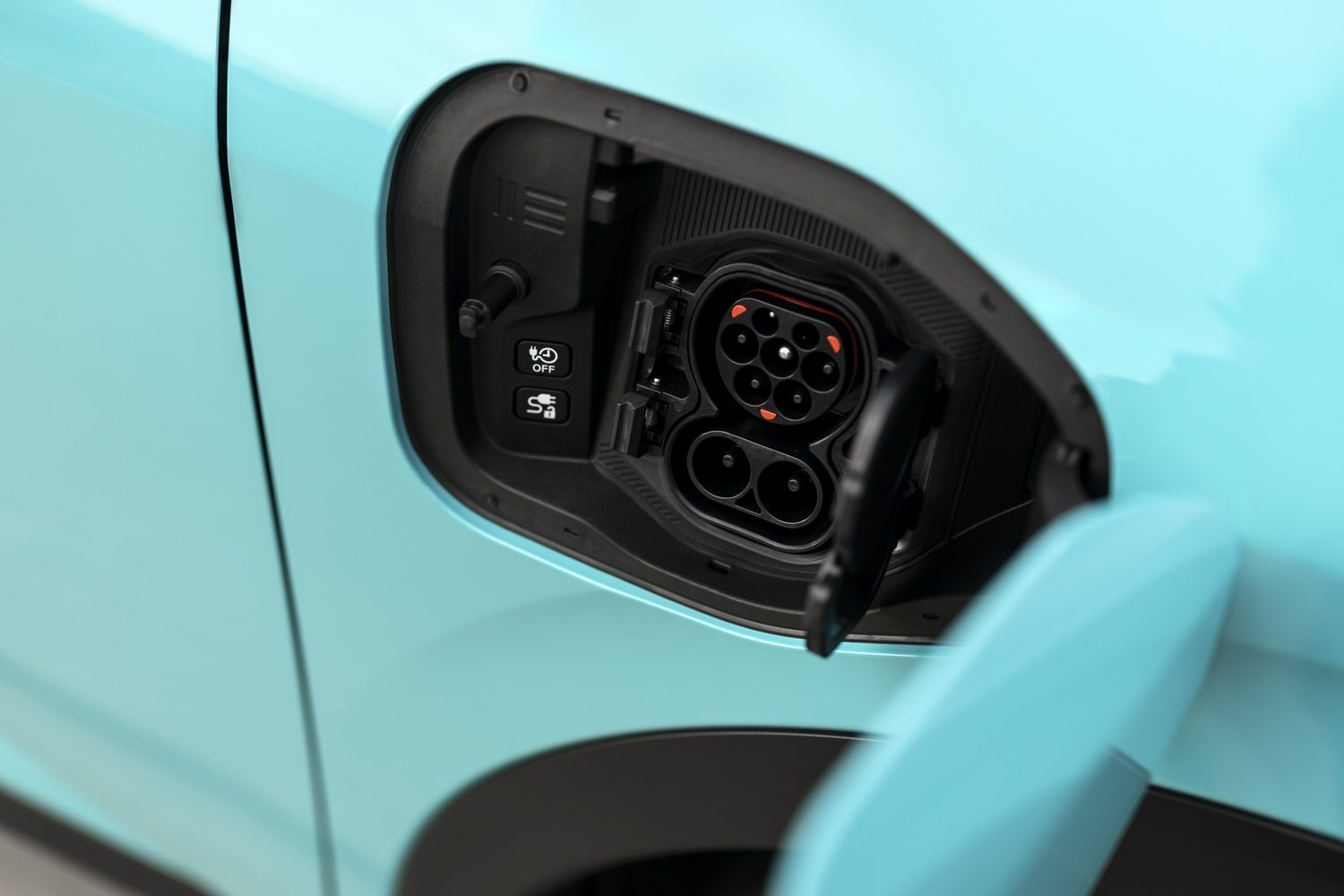
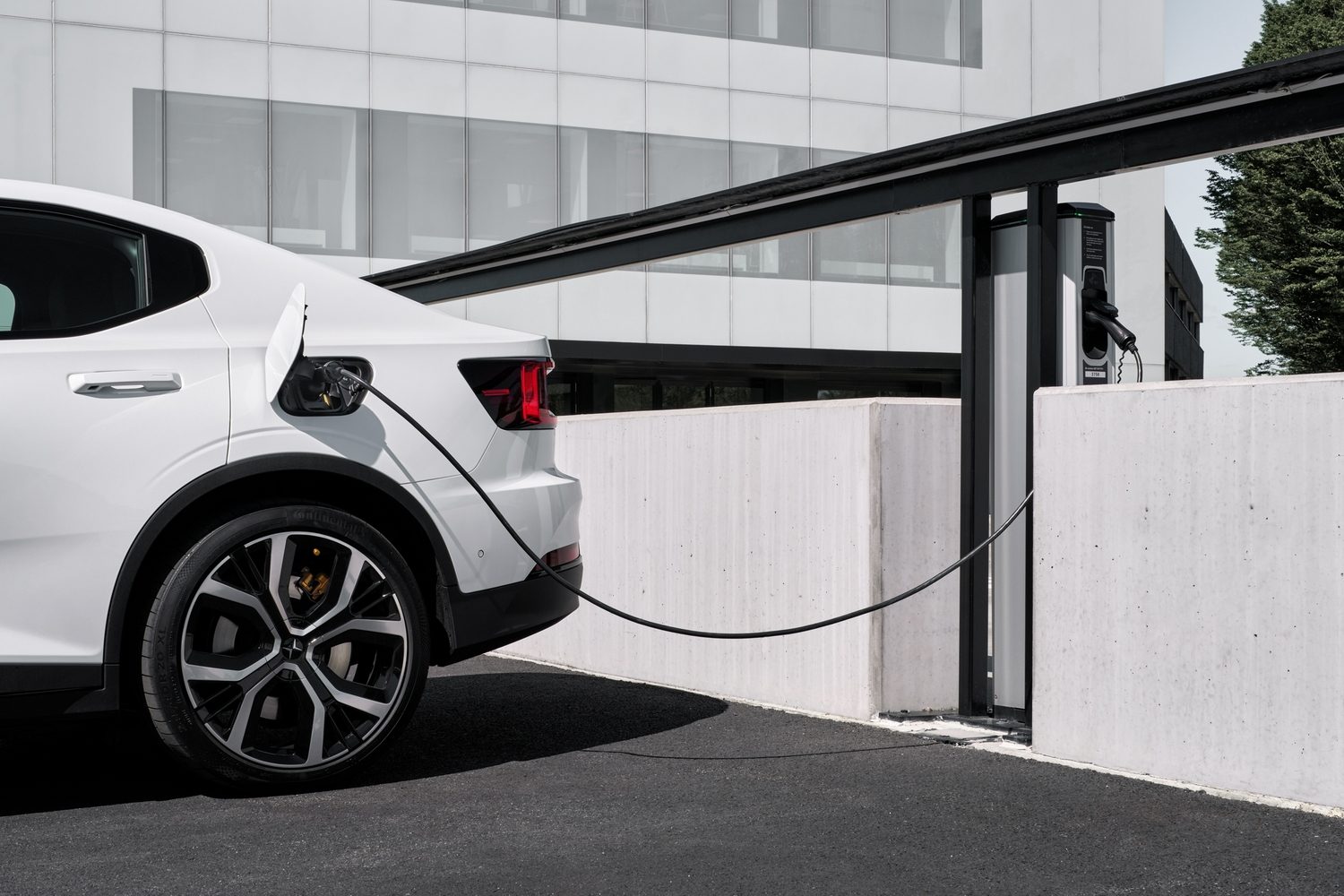
An ever-increasing number of electric cars come with Vehicle-to-Grid (V2G), Vehicle-to-Load (V2L) and Vehicle-to-House (V2H) systems which allow their batteries to be used as power sources.
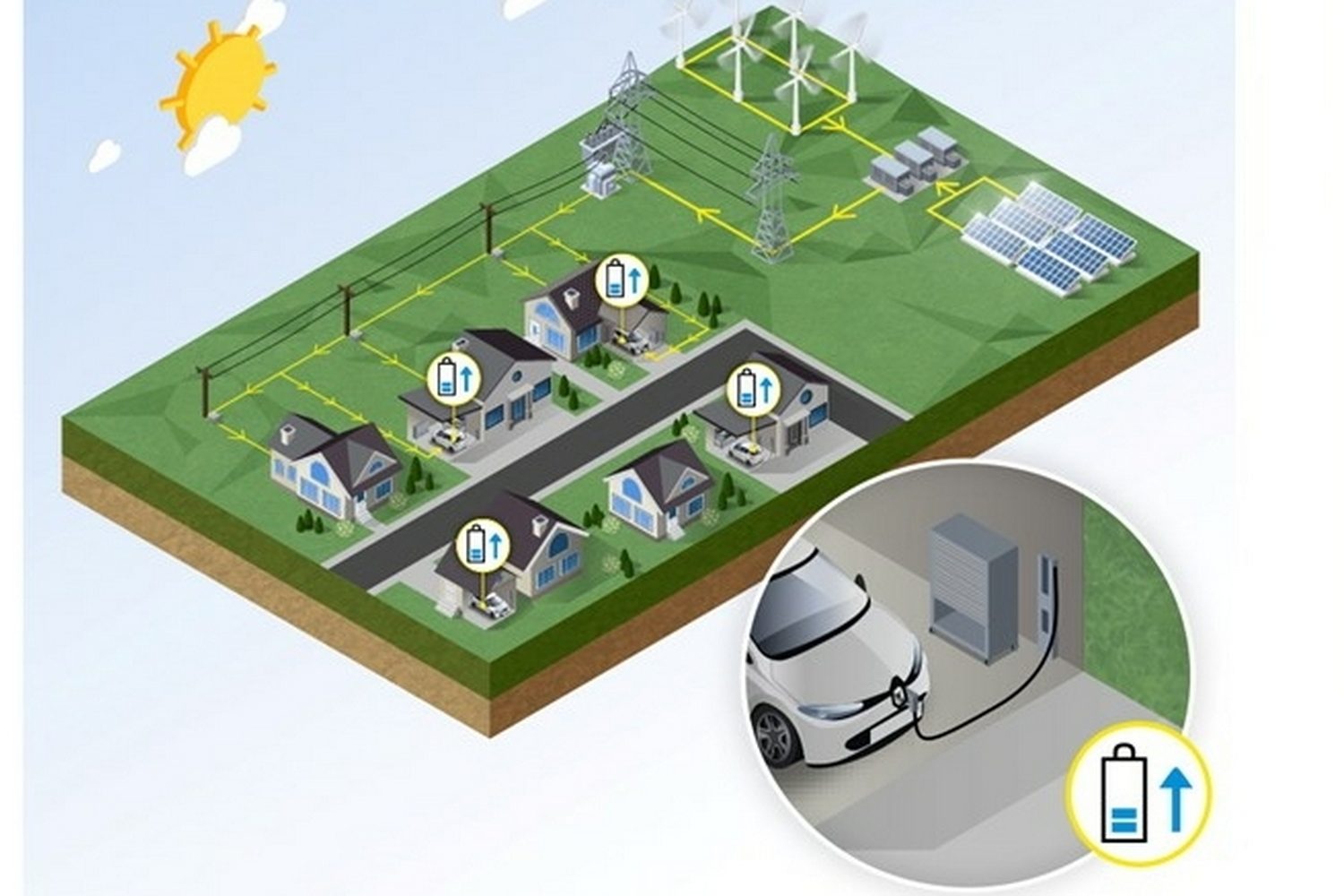
Now, and again this is in part in theory, a car's battery can be used to send any spare energy that's in it when you plug in after coming home in the evening, back to the national grid to help provide extra energy at peak times.
The idea, and it's been around for a while, is that you can sell that excess energy back to your electricity provider at peak times and then recharge the car using cheaper night-rate electricity later on, thus potentially offsetting your running costs.
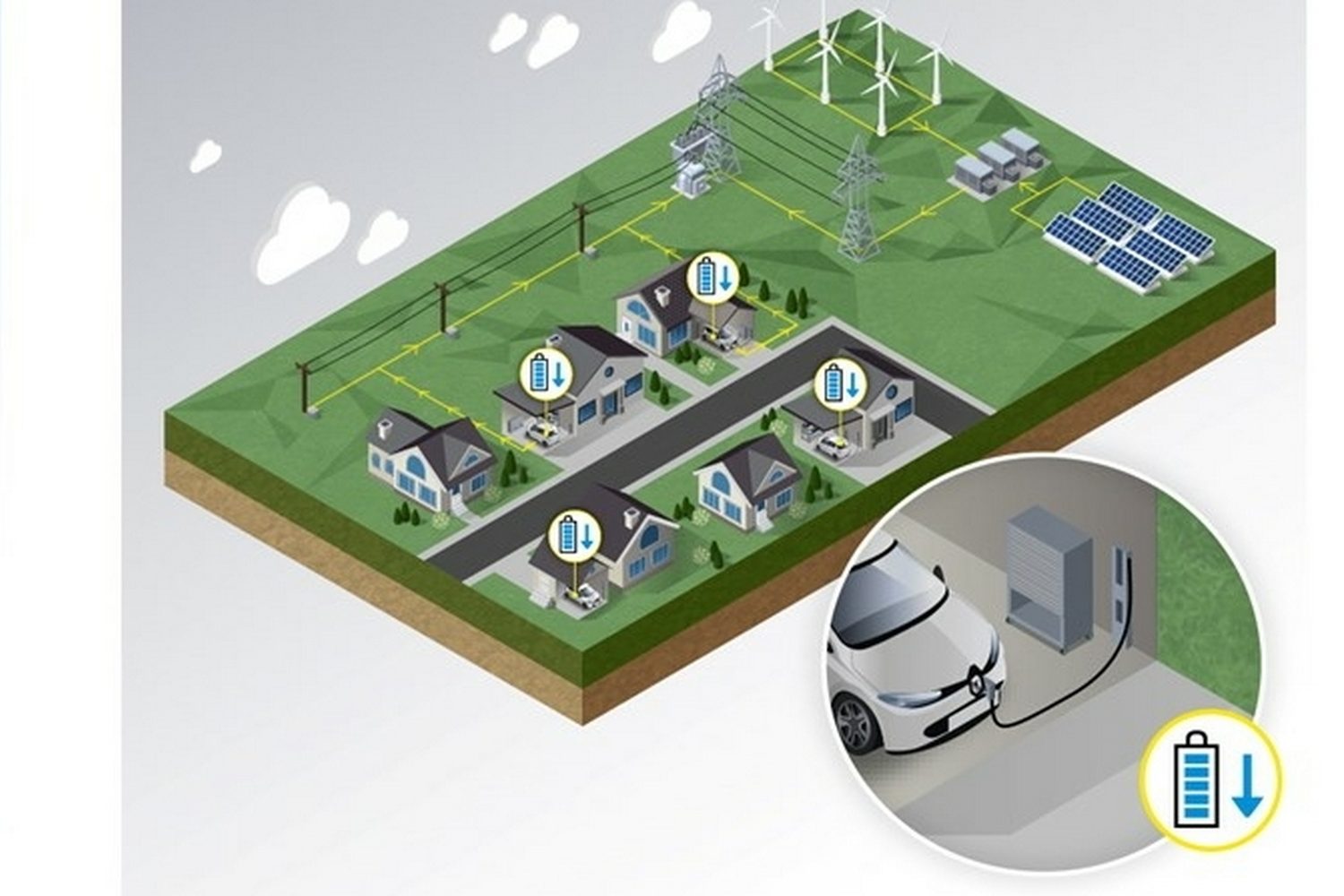
Unfortunately, that V2G option doesn't actually exist in Ireland just yet.
However, running individual devices, and even your entire house, from your EV - say, in the event of a power cut - is entirely possible. CompleteCar.ie spoke to Joe Tugwell, technical director of Irish charging solutions provider ePower, to help us navigate the jigs and reels of using your EV as a power source.
So where are we with all this?
The first part of the equation, Vehicle-to-Load (V2L), is pretty straightforward. Using an adaptor, you can plug an individual device into your car's charging port, allowing power to flow from the battery to the device.
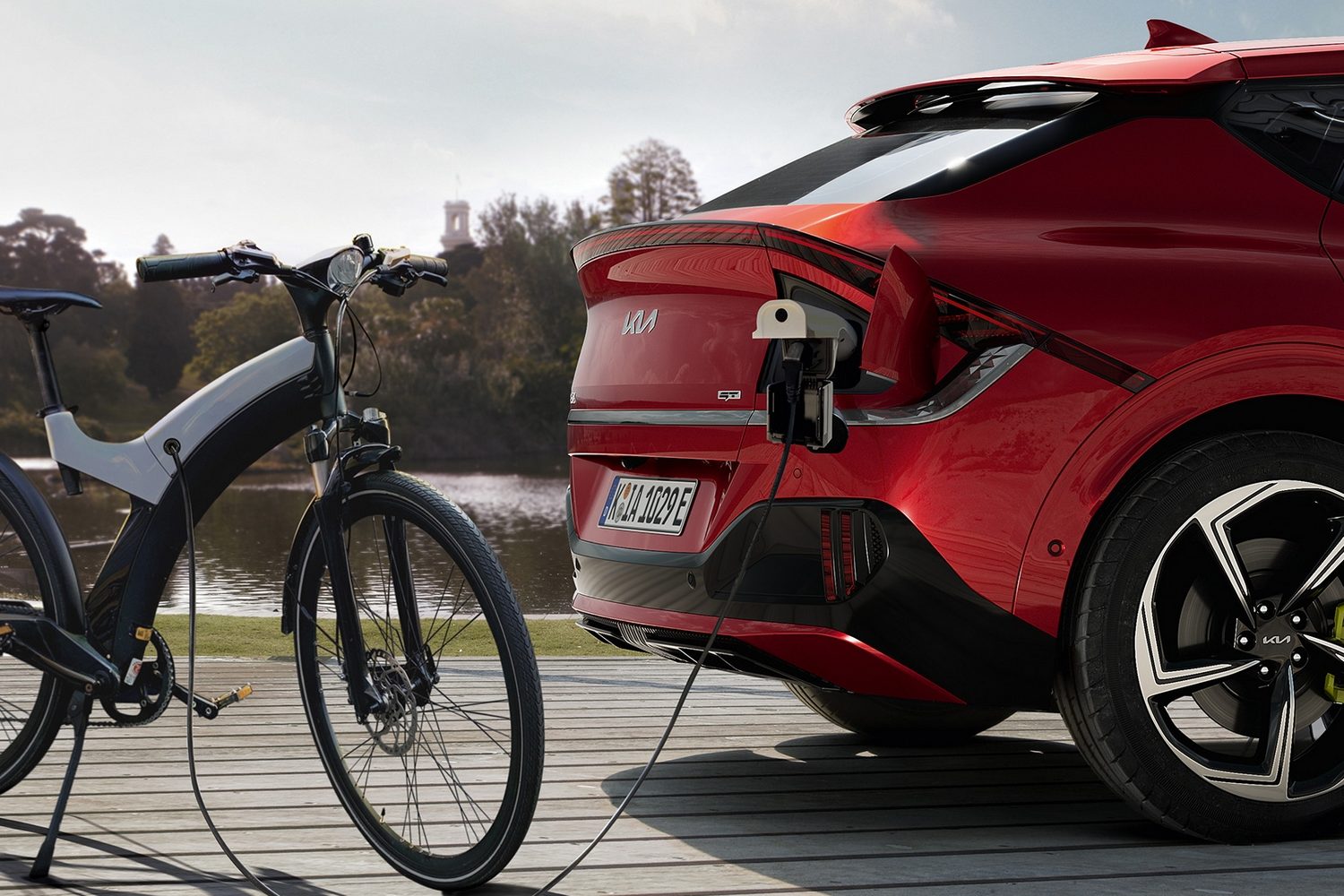
This is getting close to universal adoption now, and we've seen cars as disparate as the Dacia Spring and the new Nissan Leaf being used to power espresso machines or boil a kettle. The likes of e-bikes and e-scooters can be charged in this way, too, and your EV could also be used to power camping accessories, if a night under canvas is what you fancy.
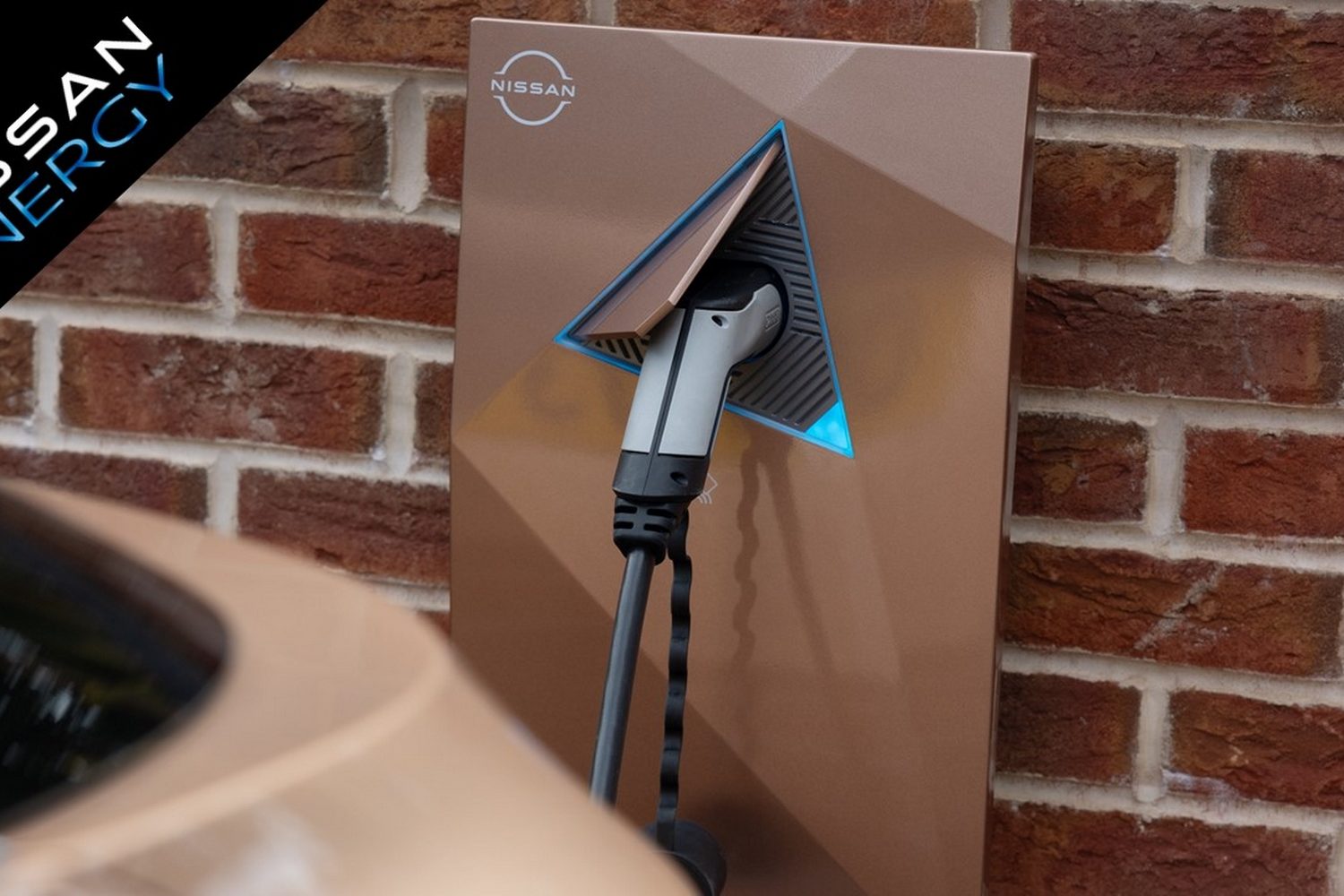
When it comes to powering your house from your EV, it is possible, but things get a bit more complicated and you're into the realm of needing specific chargers and switching systems that meet certain standards.
It's not just plug and play...
Tugwell explained to us what's needed in order to power your home from your EV: "This setup involves a bidirectional-ready EV, a certified charger, preferably ISO 15118-compatible and supporting OCPP 2.x, and suitable islanding or changeover infrastructure along with a backup-loads board. Electrical wiring, protection and grounding should be tailored for operation in island mode, and compliance with ESB Networks generator standards is necessary even if there's no routine export.”
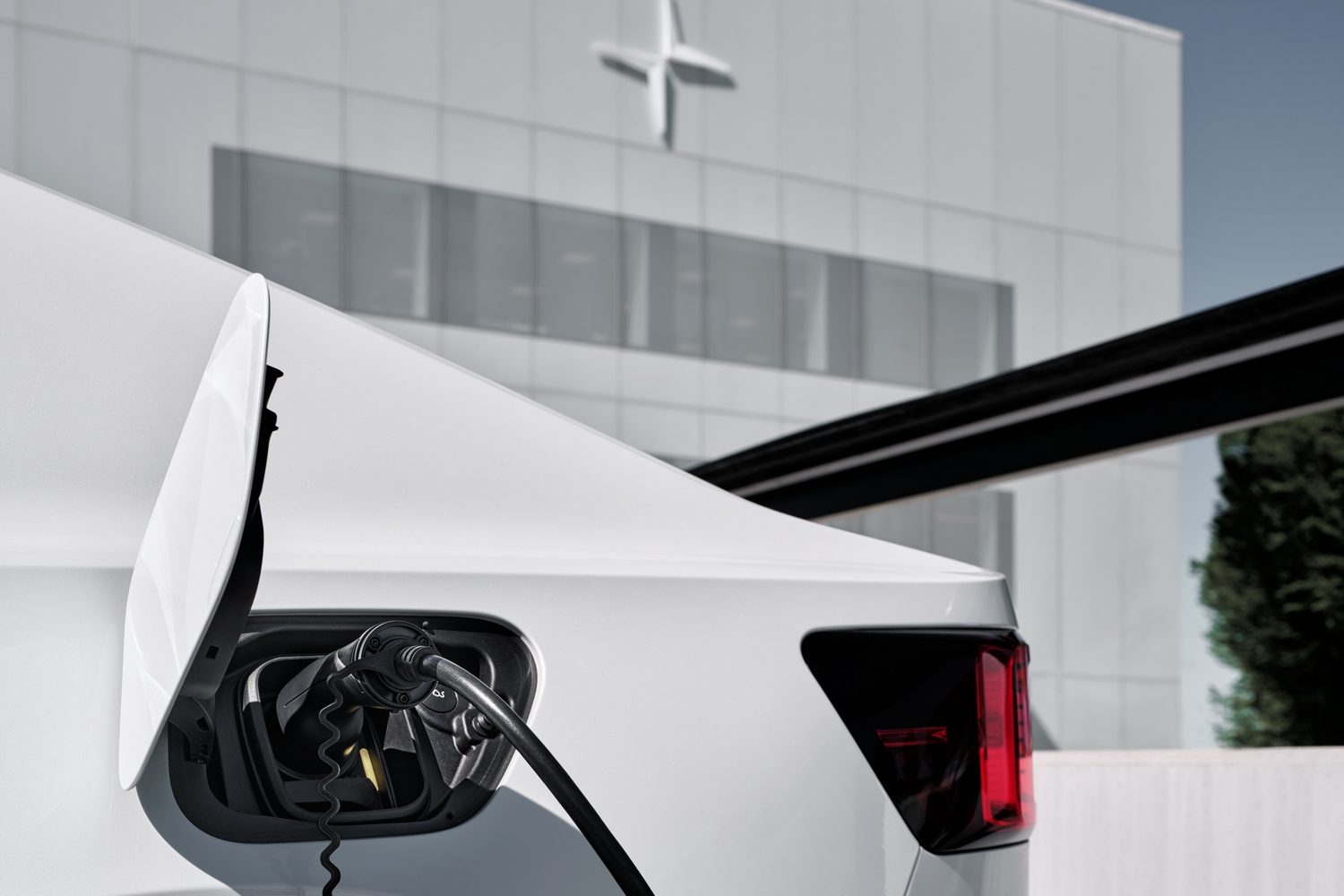
The good news is that such a setup pretty much future-proofs you for a time when you will be able to sell excess battery power to the grid, as according to Tugwell, for sending power to the grid: "You'll require everything above plus ESB-approved export functionality and compliance with rules for small-scale generation. This setup also calls for a smart meter, and a supplier or aggregator offering V2G products. For any of these solutions to scale it is very important to have an open standards communication stack - ISO 15118-20 and OCPP 2.0.1 or newer - and robust cybersecurity, as well as accurate metering and logging.”
Can you power the house as normal?
The next question relates to how much power you can draw. When you're using V2L - powering one specific device from your EV - in general, most electric cars will be able to supply around 3.6kW, which is enough for most domestic devices.
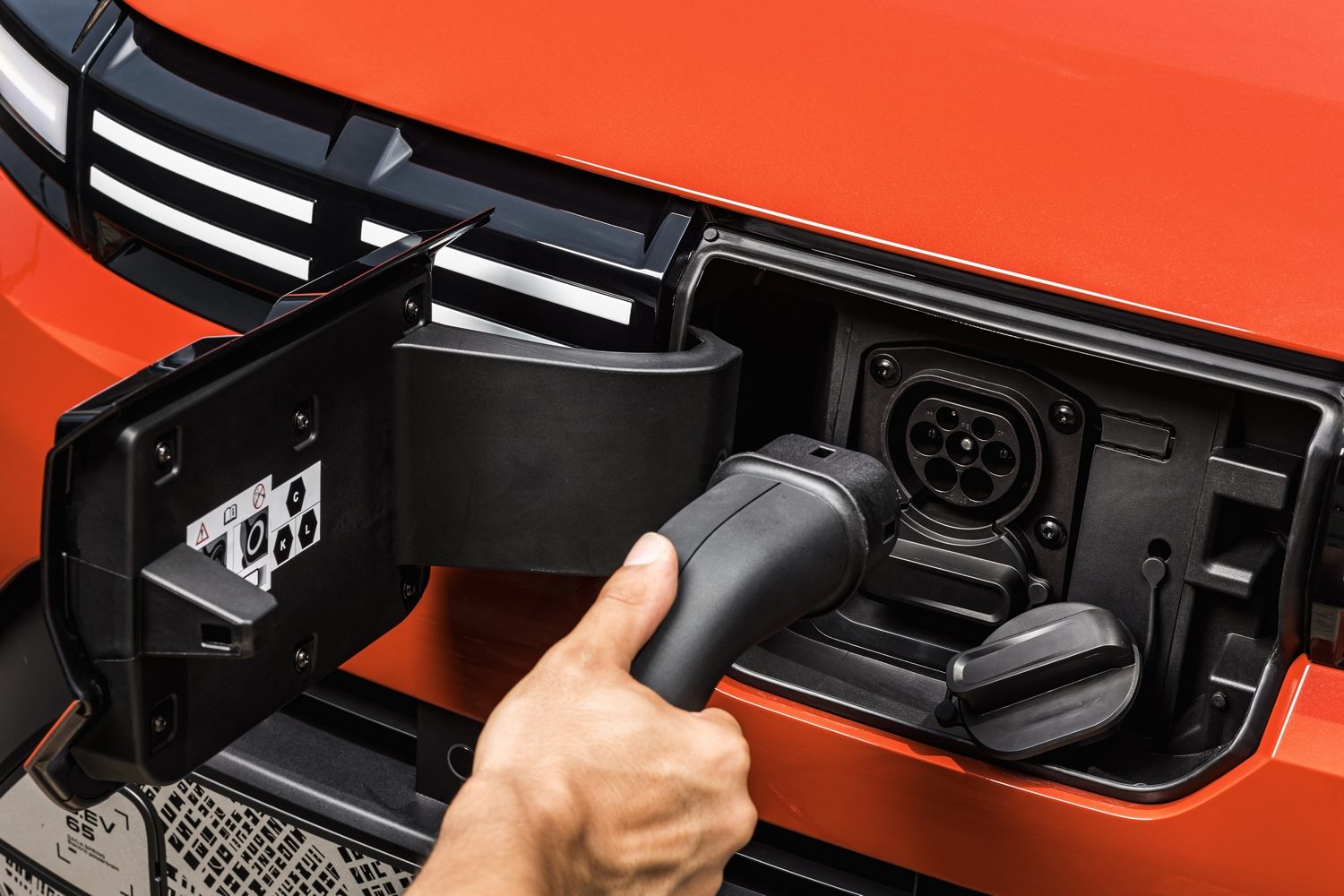
If you're trying to power your house, of course, it's a little different as you're trying to run several items at once, increasing the peak load. So, how much can you actually run? According to Tugwell: " With a 3.6kW V2L system you could potentially run lights, fridge/freezer, router, phones, laptop, TV, gas boiler - making sure your central heating still works if gas is available - and the occasional kettle or microwave use, but not alongside everything else at full whack.”
An oven, apparently, would use up almost your entire 3.6kW, so you'll have to cook in the dark... A power shower is realistically a no-no, according to Tugwell.
Vehicle-to-House (V2H) to the rescue
However, things improve with a proper V2H setup, as that can allow 7-10kW of power to be drawn, depending on the specific EV. Now, says Tugwell: "You can run your essentials plus the oven plus a few sockets at the same time, feasibly. A short electric shower use might be possible depending on wiring and main fuse, but simultaneous oven and shower is pushing it.”
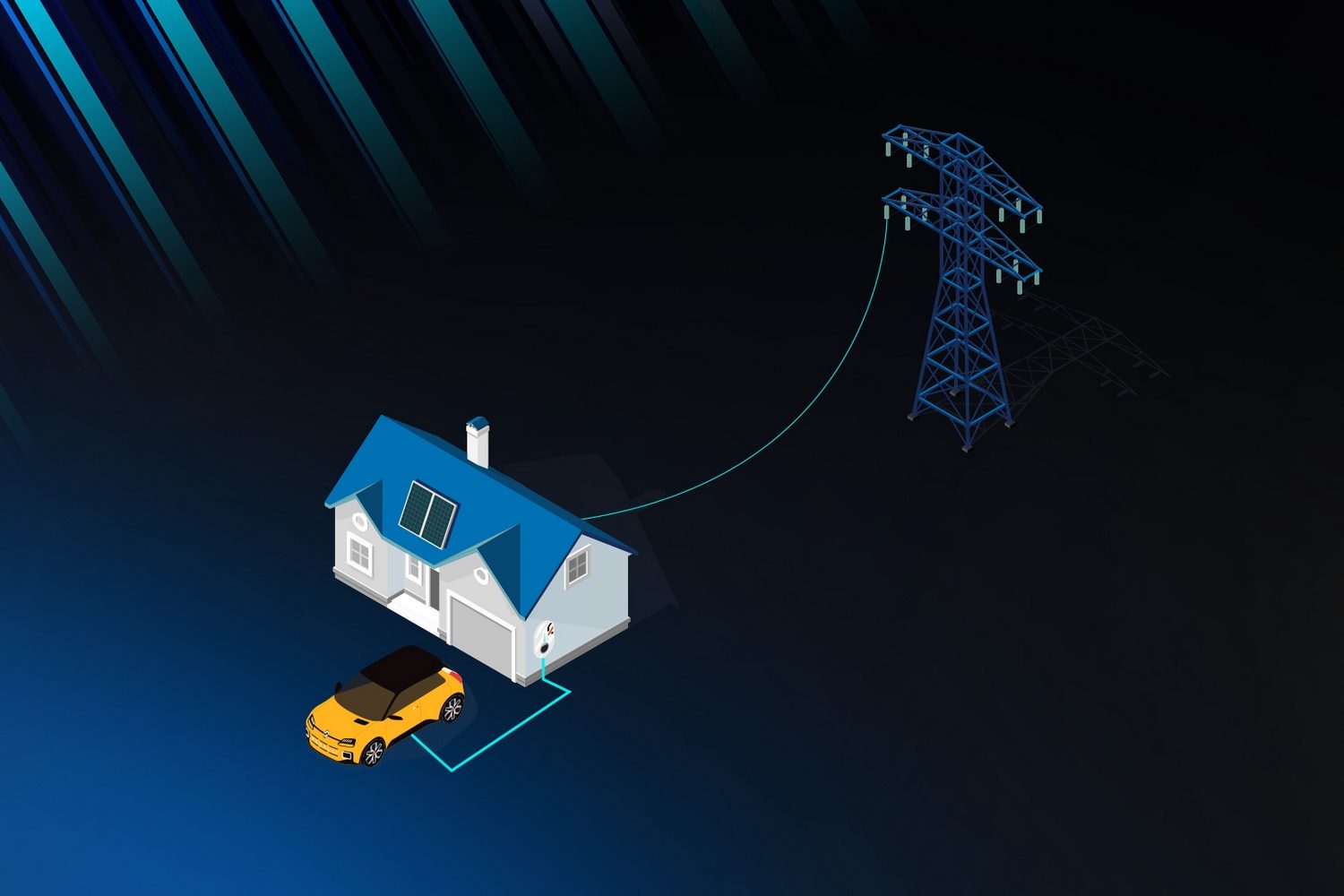
If you're lucky enough to have three-phase power at home, which can potentially allow you to run 10kW or more of Direct Current (DC) load through your car charger, then according to Tugwell, you can now run "everything.”
Or what about a separate storage battery?
However, there's another question to answer. Your car's electric battery is big and useful (most EVs have at least 50kWh storage capacity, with many larger batteries available) but of course, if you're in the midst of a power cut, do you really want to be draining energy from your car, which you might need to use, to power your house? Is a storage battery a better idea, creating a fully integrated electric setup?
Tugwell says yes, a storage battery is a better bet: "Technically your EV has the storage capacity and ability to deliver enough power to act as a whole house backup for up to five days, if you are careful with your usage. Conversely, as it stands now a home storage battery will only have enough energy for 1-2 days and the current power output limitations because of regulatory limitations mean that you would struggle to power a shower. However, that being said there are a lot of things that need to happen before your EV will be able to perform all these tasks and a home storage battery is a very well proven solution so for now and the next three-to-five years, I suggest the home battery to be the best solution.”
If there is anything about this story we have not covered, you can avail of our expert advice service via the Ask Us Anything page.