


Targets are good, if for nothing else to maintain focus on an aim. Ireland's initial ambitious goal to have a million electric vehicles on the road by 2030 looked impressive but has long been seen as unachievable by the sceptical (yours truly included) and is now all but mathematically impossible.
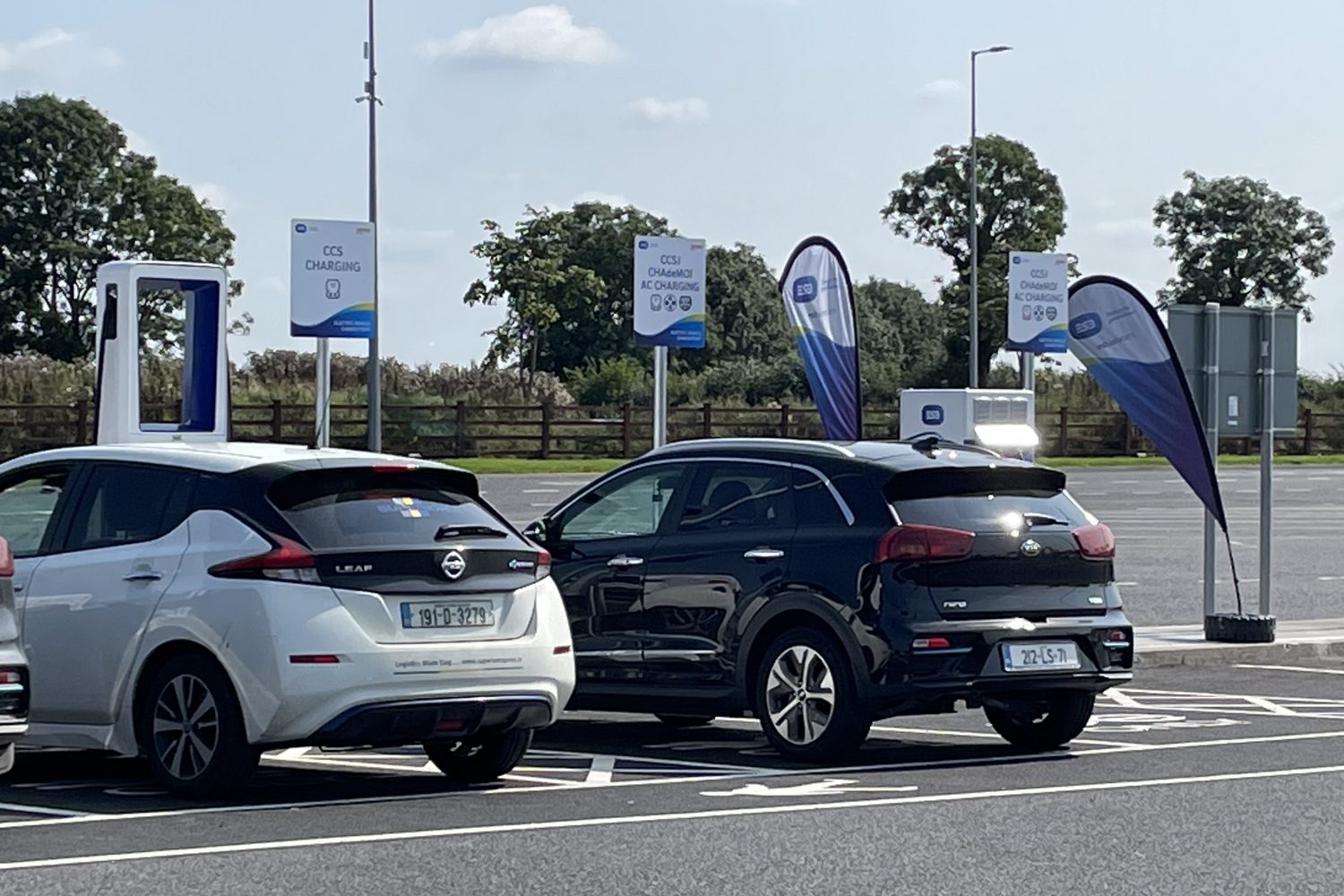
The absolute figure has been subtly replaced by a target to have 30 per cent of the national vehicle fleet electric by that year instead, which is still not far off a million vehicles, but it appears that PHEVs (plug-in-hybrid electric vehicles) may be counted as part of that mix, which is arguably cheating. Is it too high a mountain to climb, regardless?
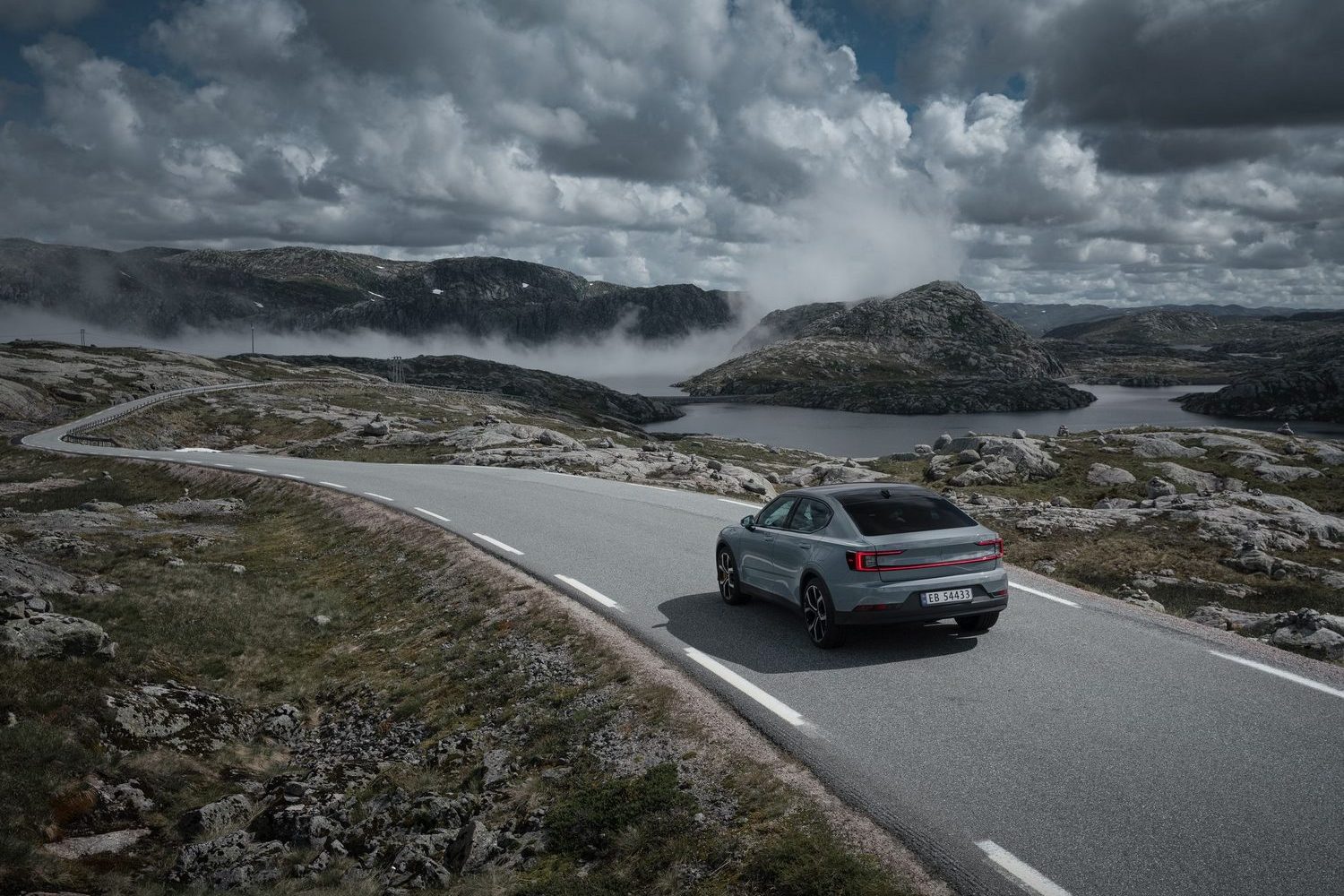
But then you look to Norway - a country that has already climbed its own mountain and reached the summit years ahead of everyone else. It proves that what looks impossible for Ireland is, potentially, achievable.
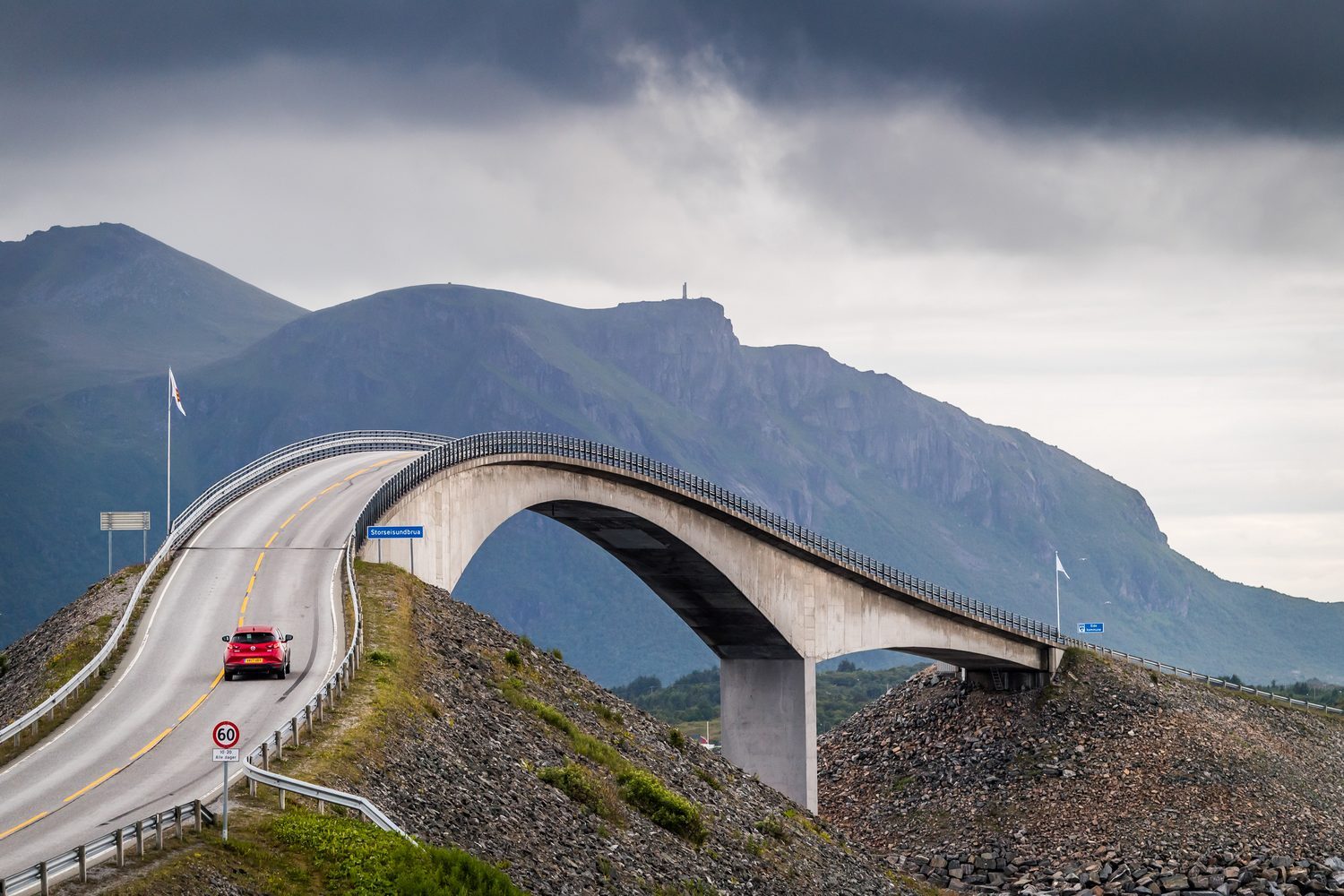
Norway's electric revolution
Norway is often described as a special case, but it's more like Ireland than you might thing. Yes, it has a sovereign wealth fund and enviable renewable-energy resources, but it's also a country of small towns, lots of rural space, harsh winters and high living costs. Despite all that, it now has close to a million fully electric cars on the road (Norway does not count hybrids as EVs...), and almost one-in-three cars in the country is now an EV. That level of saturation didn't happen by chance.
The Norwegian government took a bold, long-term approach. In 2017 it set a simple national objective: from 2025 onwards, all new passenger cars and light vans should be zero-emission. There was no talk of a ban on fossil-fuel-powered vehicles, just cross-party support for a series of policies that could make the target feasible.
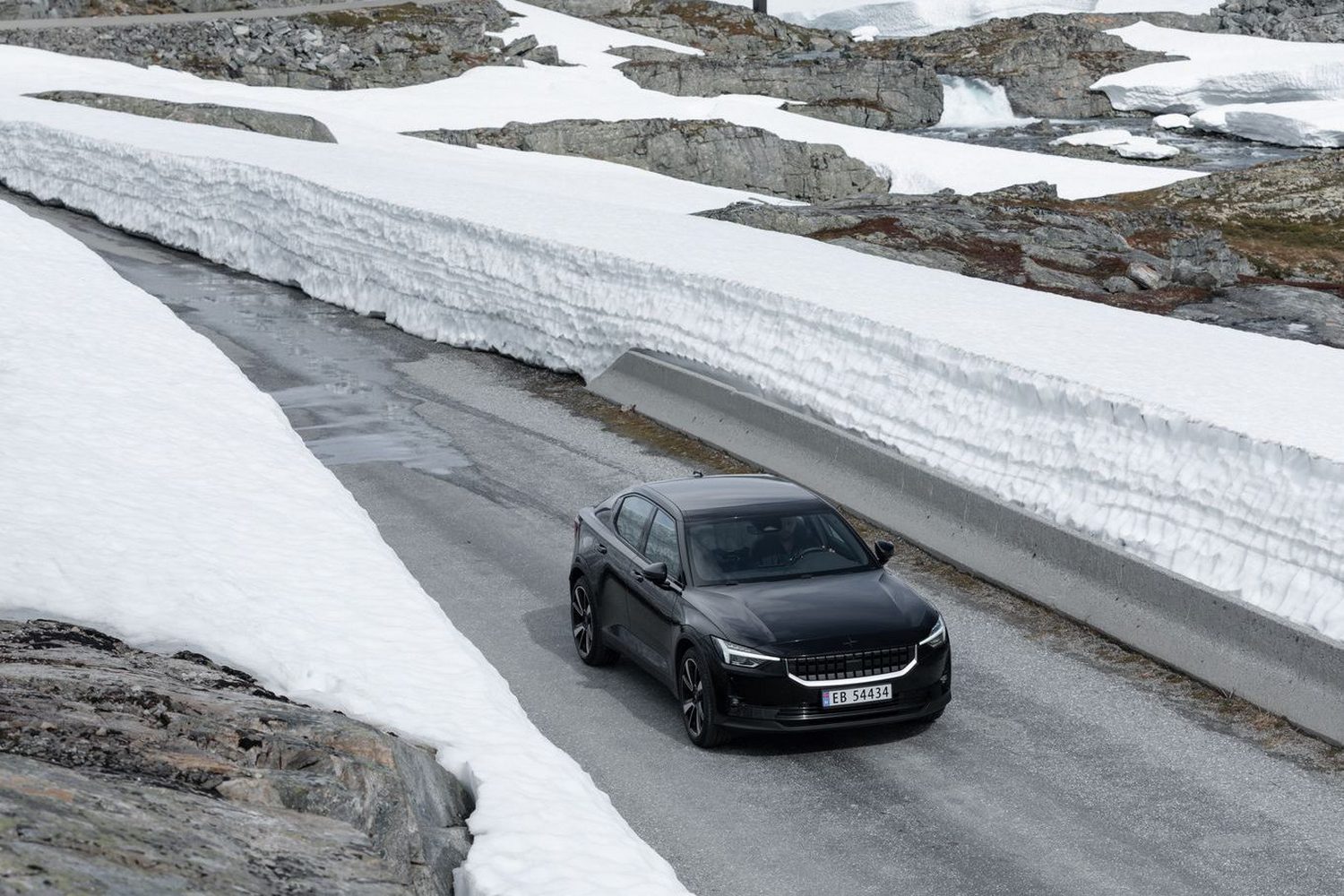
That clarity of purpose shaped everything that followed. Norway made EVs the natural choice by cutting VAT for electric cars, reducing registration taxes, opening up bus lanes, lowering tolls, reducing ferry fares and providing cheaper (or free) parking. As Alexandra said in her presentation: "tax on what we don't want, tax exemptions on what we want.” Hence, EVs became the financially sensible option, not an environmental statement or something only for the so-called "early adopters” or "EV-angelists”.
Infrastructure planning was equally important. Norway decided early on that fast chargers should be everywhere. Deployment was structured: first on major routes, then every 50 kilometres, then deeper into rural areas and eventually across the northernmost part of the country. Drivers came to trust that a working charger would always be available. The whole system was built around confidence and reliability.
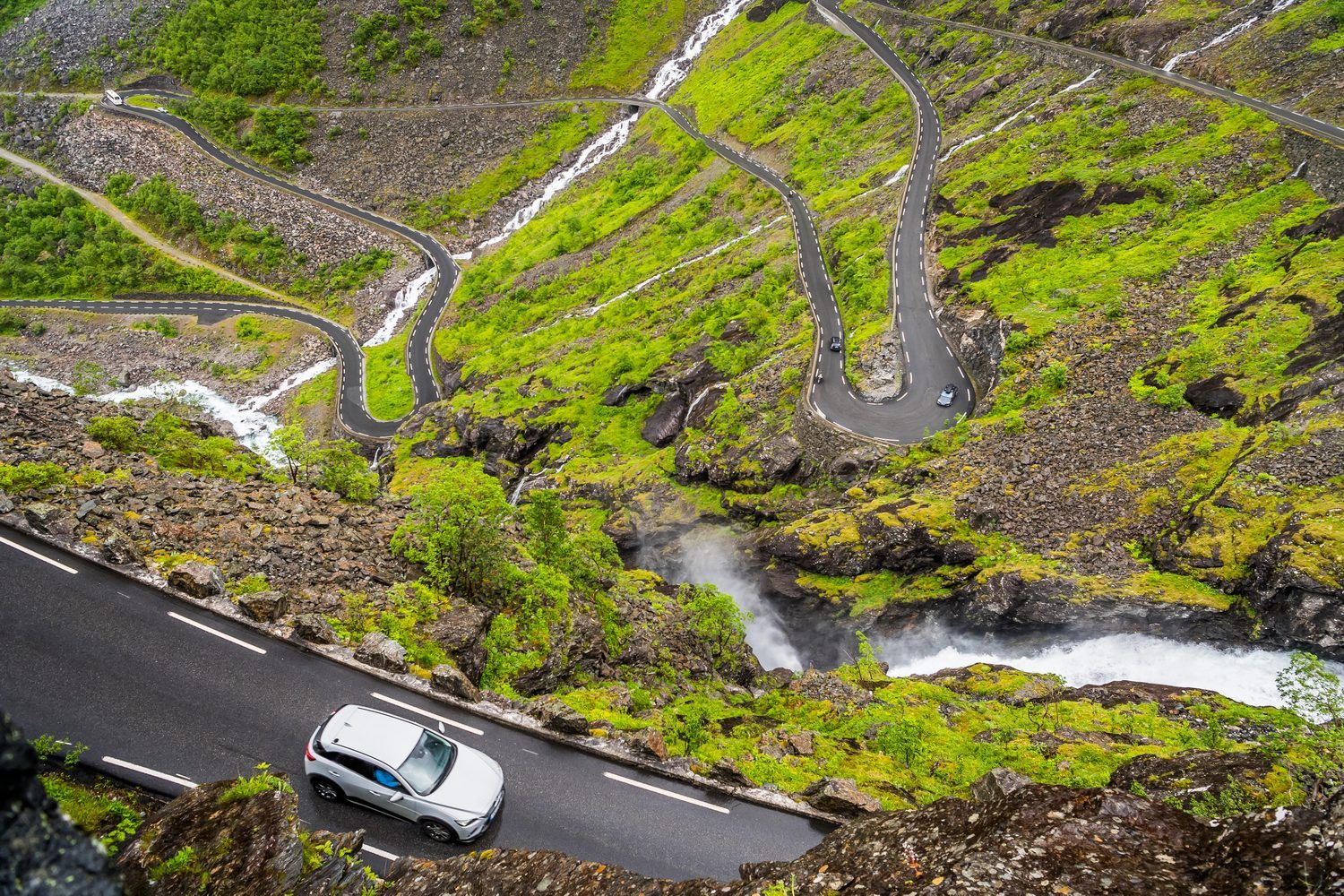
The result is that Norwegian EV drivers are, overwhelmingly, happy with their choice. Satisfaction rates are exceptionally high, reinforcing the idea that once the ecosystem works, the cars take care of the rest.
Translating Norway's success to Ireland
Ireland can't lift Norway's model wholesale - the economic, political and geographical contexts are different - but the underlying principles are highly relevant. The first is consistency. Norway didn't tinker with incentives every year; it set a direction and stuck to it. In contrast, Ireland's EV supports do exist, but they're often narrow, temporary or vulnerable to annual budget decisions. If the country genuinely wants almost one million EVs on the road, policy needs to be predictable enough to build consumer confidence.
Cost remains the single biggest factor. Norway reshaped purchasing behaviour by making EVs significantly cheaper to buy and run than petrol or diesel alternatives. In Ireland, while the price difference between EVs and non-electric models has reduced, it needs to go the other way for EVs to be the default choice. Even a temporary rebalancing of taxation - whether through VAT adjustments or VRT reform - would unlock the mass market far more effectively than tweaks at the margins, which is what we have at the minute.
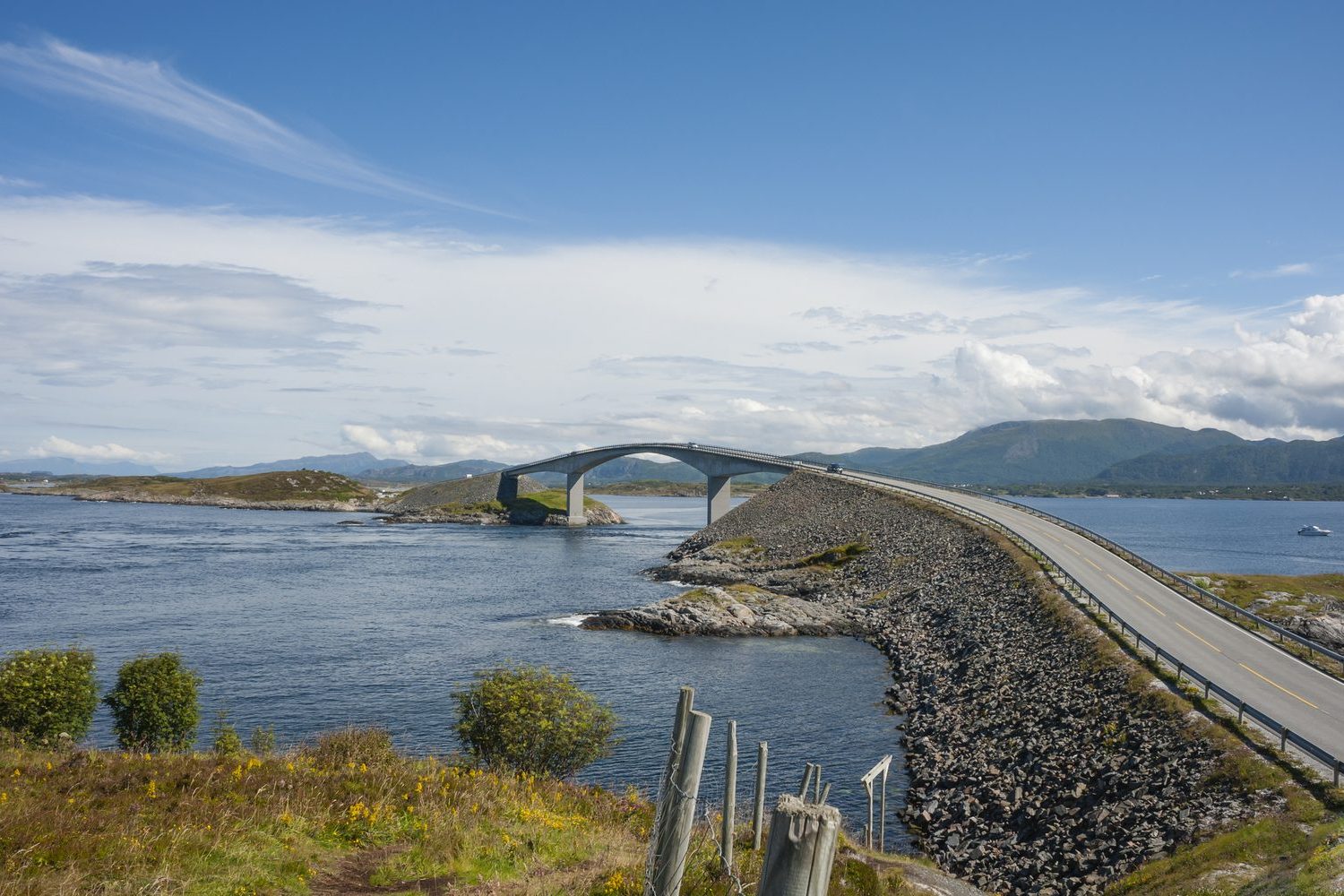
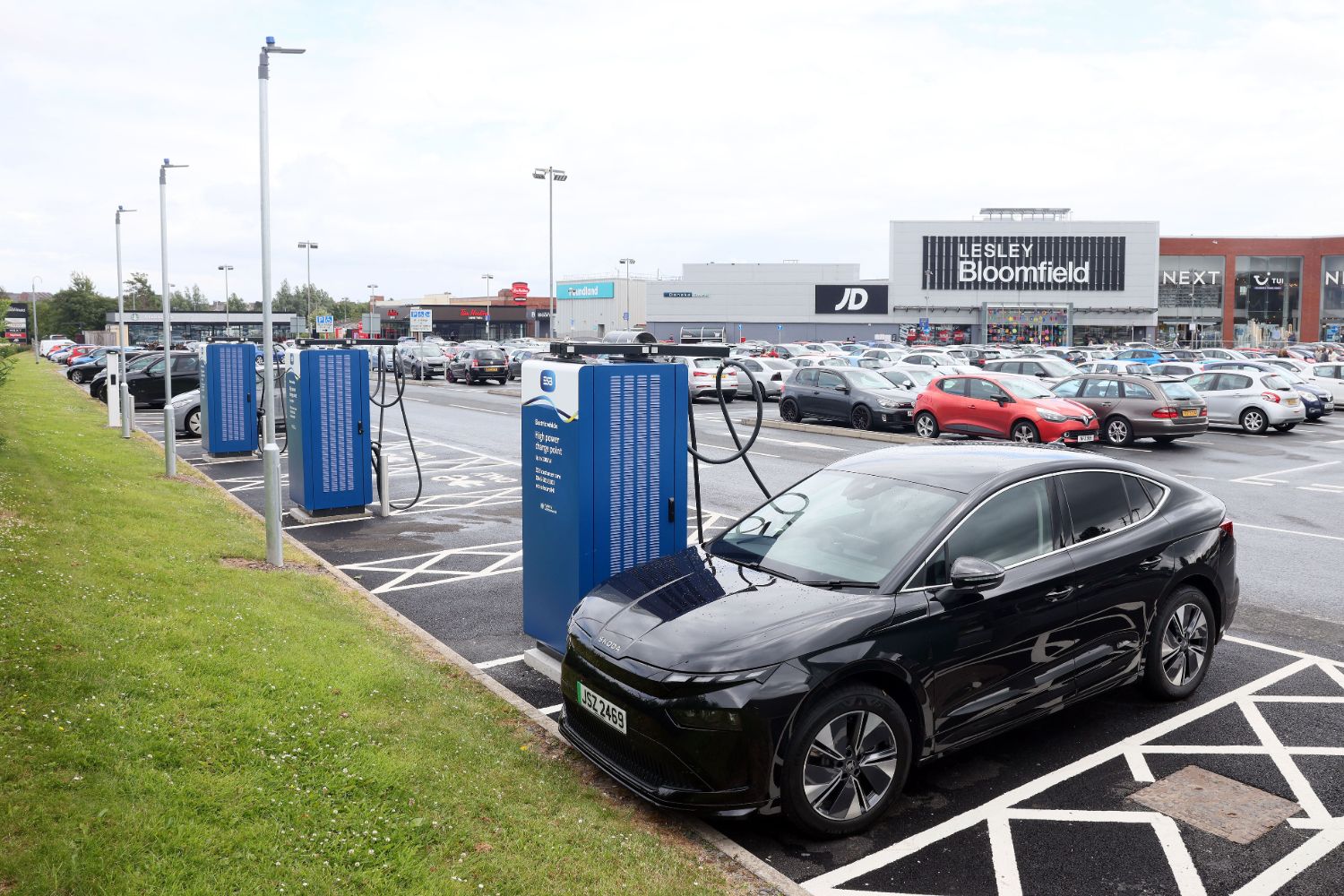
Infrastructure is the other major pillar. Ireland's public charging network is expanding, but not fast enough and not evenly enough. Norway's rule of "every 50 kilometres” on main roads was a turning point because it treated charging as national infrastructure rather than a patchwork of private installations. Until Ireland can offer a similar level of predictability, drivers will continue to hesitate.
Why Irish buyers are slower to switch
EV uptake doesn't just rely on incentives and chargers - it also depends on the experience of the people who have already made the switch. Alexandra presented the results of the latest Global EV Driver Survey, with more than 27,500 respondents across 30 countries - including Ireland.
It allows comparison of data and attitudes between countries, so you can show how Irish EV drivers feel compared to Norwegian ones, for example.
Irish EV owners worry more about charging on longer journeys and they map out their routes in advance at much higher rates than drivers in Norway. That tells us something important: once people in Ireland own an EV, they usually trust the car's range, but they don't trust the public charging network. This isn't about range anxiety; it's about infrastructure anxiety.
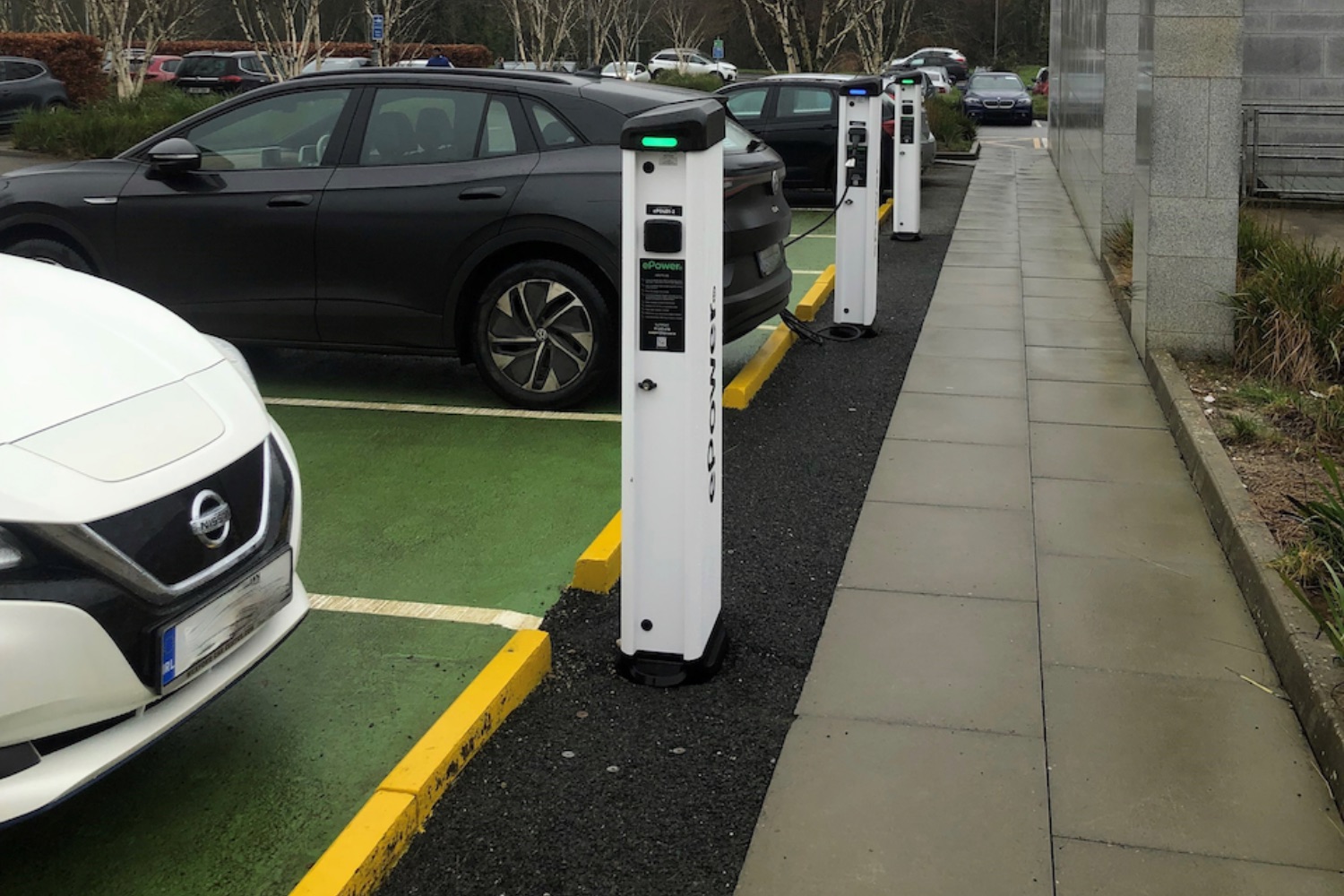
In Norway, virtually every EV driver can charge at home, supported by clear rules that ensure apartment dwellers have a right to install chargers. Ireland's housing stock and planning rules make that much harder, and the result is a larger portion of the population forced to rely on public infrastructure that still isn't reliable enough and will always be way more expensive.
These challenges explain why Ireland's EV adoption curve is flatter, even among people who are already convinced by the technology.
Could Ireland replicate Norway's success?
Ireland could replicate parts of Norway's playbook, but it would require decisions that go far beyond what has been tried so far.
The first is to reduce the purchase price gap meaningfully - or indeed make EVs distinctly cheaper. Without addressing upfront cost, Ireland will always be dependent on early adopters and incentivised company-car drivers rather than mainstream households.
The second is a charging strategy based on planning rather than market forces. The network must be expanded systematically, not opportunistically, so that drivers can rely on it without spreadsheets and contingency plans. And yes, there is a lot of talk about charging network improvements already, but we've seen talk before and until the plans are brought to reality they mean less than the paper they're written on.
Finally, Ireland needs to address the home-charging challenge. Apartment and townhouse residents must have far clearer pathways to installation, whether through stronger regulation, grants or mandatory charging provision. Some of that is being tackled, but very slowly.
The Norwegian lesson
What Norway proves is that EV adoption accelerates when the transition feels easy. Drivers switched because the cars were affordable, the charging was reliable and the incentives were simple.
Ireland doesn't need to recreate Norway's exact model, but it does need to adopt that mindset. Today, the country's EV target still looks wildly ambitious. But then again, so did Norway's a decade ago. The difference is that Norway acted decisively - and stuck to the plan.
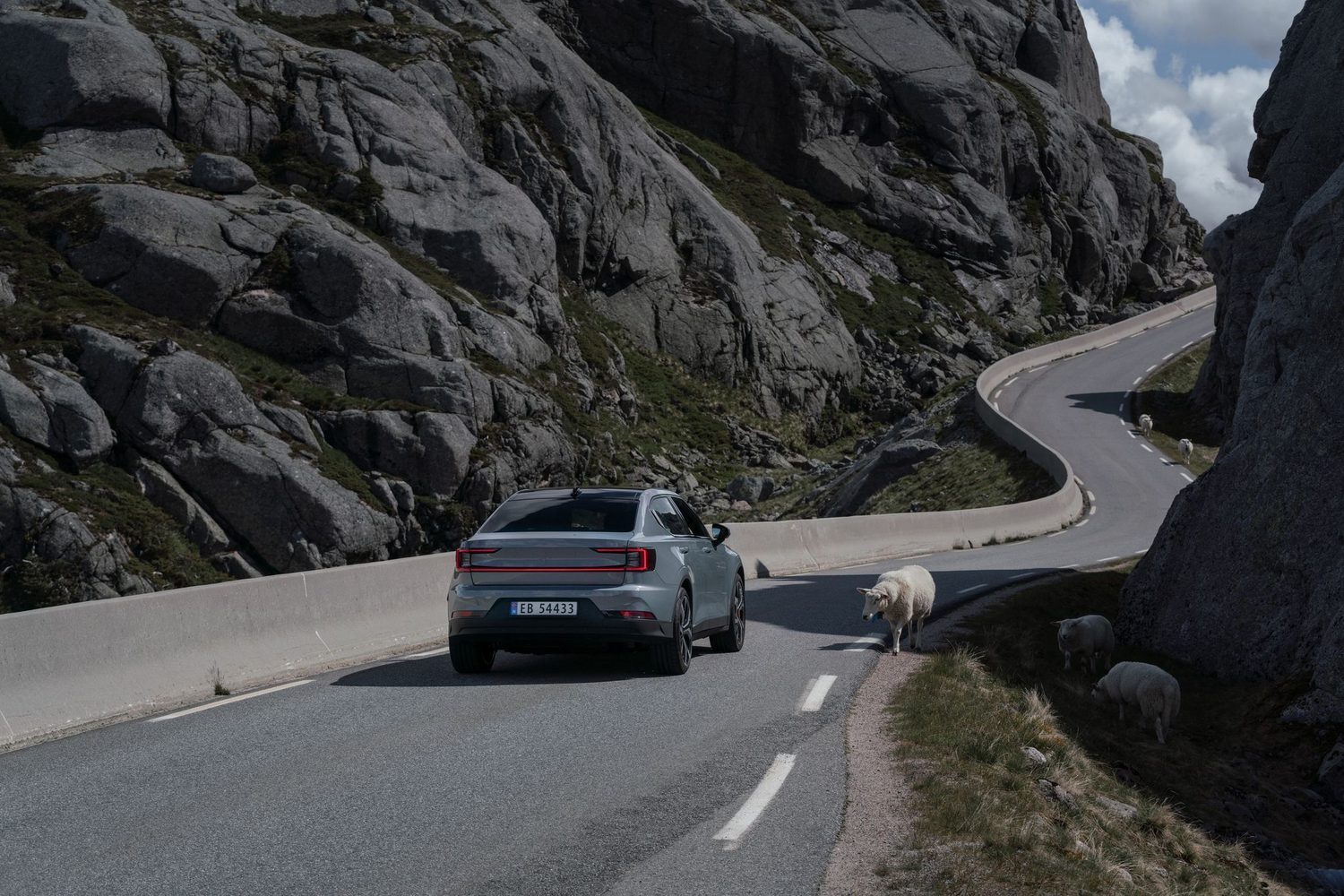
Ireland has the opportunity to do the same. The demand is there. The environmental need is clear and the barriers are not insurmountable, but they won't fall on their own. With the right policies, the right investment and a focus on driver experience, Ireland's adoption of the electric vehicle could yet accelerate, but it's not going to happen without decisive action on the part of our government.
If there is anything about this story we have not covered, you can avail of our expert advice service via the Ask Us Anything page.