

However, Adt also has a tough task. She succeeds the departing Denis Le Vot, who is not only personally popular with many, but who essentially masterminded Dacia's rise from basic budget brand to something more sophisticated, but still affordable.
Equally, Adt must now steer Dacia through some turbulent times ahead as the brand faces not only increasing legislative demands for electrification and more safety kit, but the ever-looming spectre of Chinese competition.
What does Dacia thing of the move to full electrification?
Adt, who brings with her more than 20 years of experience working with Mercedes-Benz, sat down with CompleteCar.ie at the launch of Dacia's latest concept car, the tiny Hipster, and we started by asking her what she makes of the calls for the EU to roll back on its proposed 2035 combustion sales cutoff.
“I'm more in a role where I execute to regulations which are there, and there are other people in the company who defend the position of the group as a whole,” Adt told CompleteCar.ie. “So I'm just simply living up to what will happen. And sometimes I have the feeling that the more you are flexible, the better you are served.”
Flexibility has played a big part in Dacia's recent success, with the brand embracing both LPG and hybrid petrol power as a way of bringing its CO2 emissions down without - beyond the Spring - fully embracing battery-only power. That must change soon, though, surely?
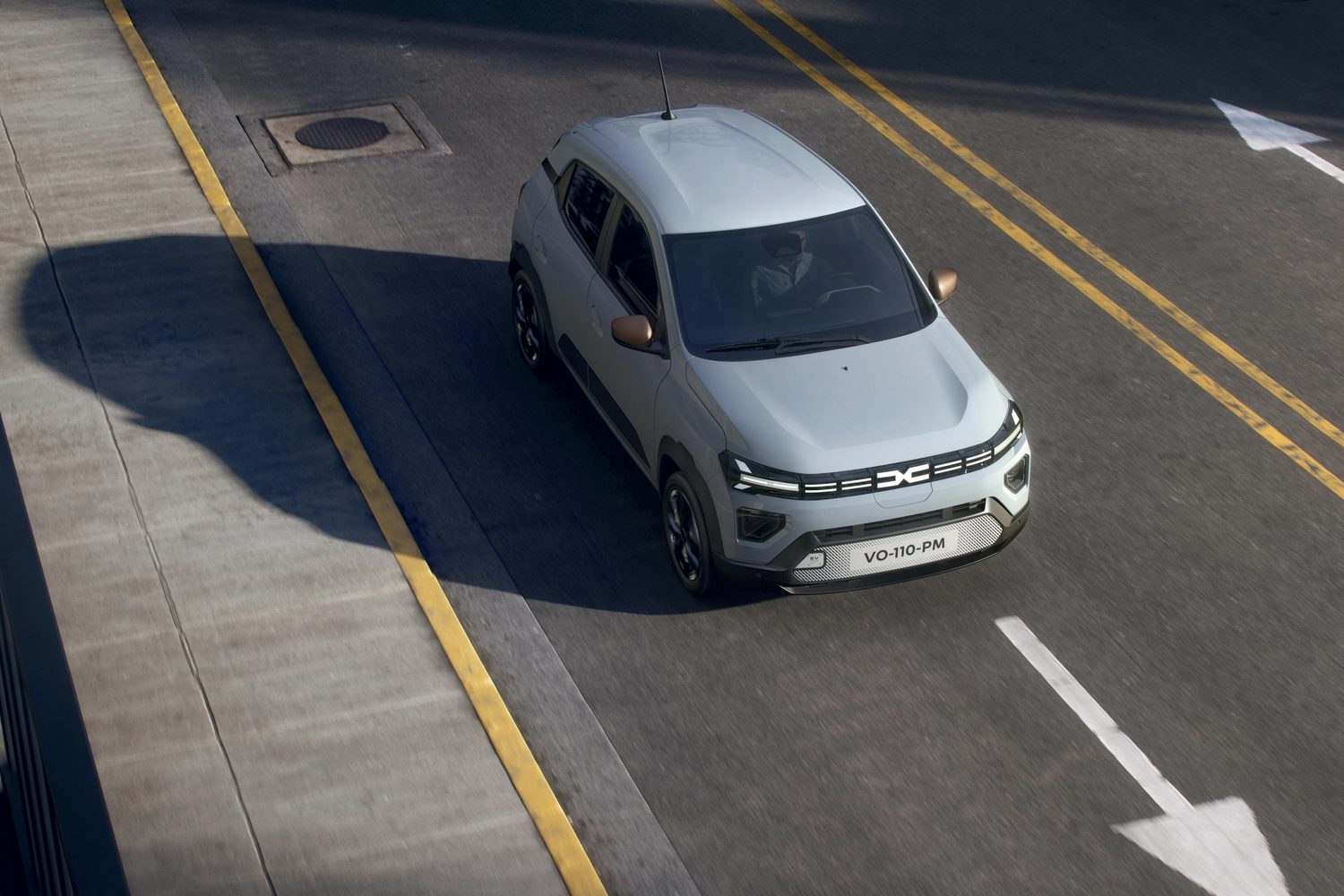
“Well, we have the Spring, and today you're seeing a concept, the Hipster, which is in our vision, fully electrified,” said Adt. “We have announced a fully electrified car in the A-segment to come, so that will happen for sure. And of course, we are evaluating on all the different product ranges that we have. But we want to have flexibility, and we are seeing a transition to new engines and to new products, and of course, this is also valid for pure electric cars.”
Is the Dacia Hipster going into production?
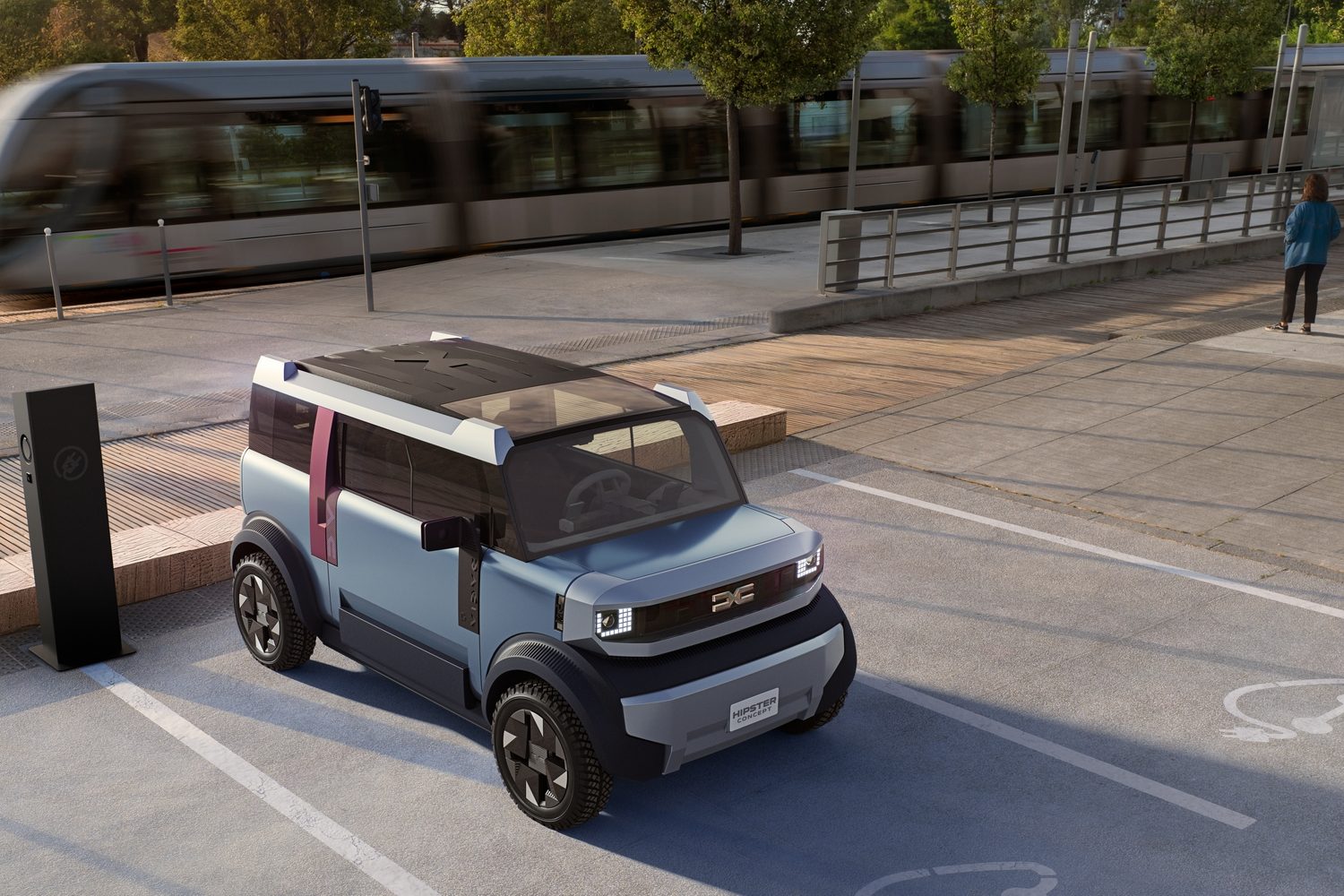
The dinky Hipster concept is certainly a cool-looking thing, but will Adt actually put such a radical model into production? And if so, does it mean a move for Dacia into a mobility-as-a-service model, with Hipsters for hire on street corners?
Adt says no to that second part - Dacia will always remain focused on private buyers: “The concept is what you have seen here today, designed to serve to as a second car for family, or as a car for young people, or even as a car for maybe elder people who have restricted budgets. So we are still in our normal fields where we think of retail customers.
“You see that the Hipster concept car is quite far advanced, so it drives, and it is not a joke. We're taking it really seriously. And the feedback we currently receive from the people who have seen it is good. However, there is no decision so far, and we still need to figure out regulatory and technology issues.”
Is Dacia giving up on its value roots?
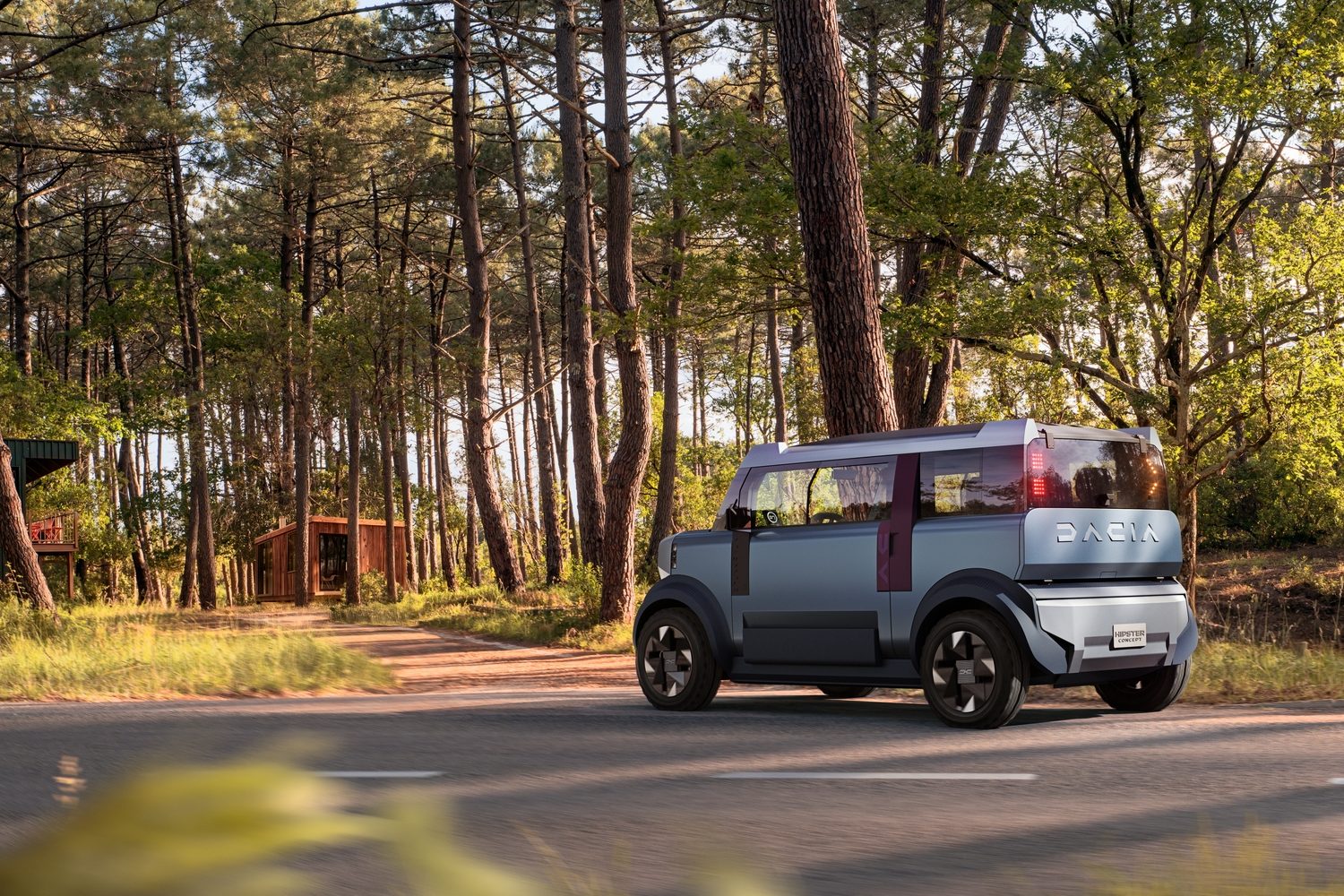
The Hipster's design is far more, shall we say, expressive than Dacia has reached for in the past. Does this mean that Adt wants to turn what was once a purely budget brand into a car maker that's led by design?
Again, the answer is a firm no, and Dacia has no plans to push upmarket as have one-time budget brands such as Skoda and Hyundai: “As David [Durand, Dacia's head of design] was saying, the Hipster is designed to a cost and designed to reduce to the essentials. So if you want to have a maximum space in a three-metre car, you'd better put the wheels very much at the exterior, at the corners. You'd better have a straight windows, and so on. So I think it's a perfect example how designed-to-cost looks like in such a segment,” said Adt.
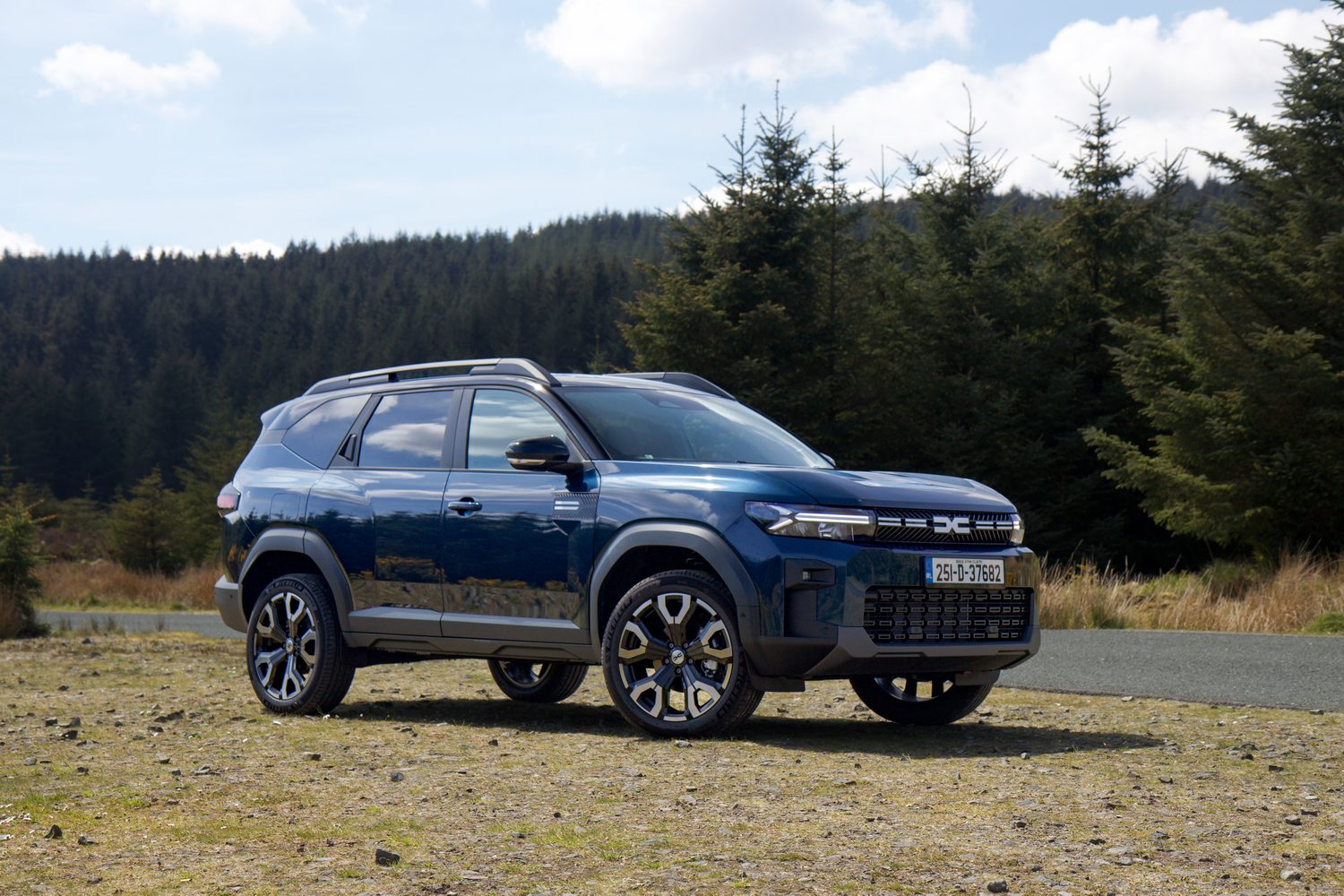
“Nothing really is set in stone but, of course, our approach is always to be the most affordable offer in a segment. So we just entered into the C-segment, with the Bigster, because it's an interesting segment to us as it is the biggest one, but we have a very clear position there. The first results are very, very good and very promising with the Bigster, and we have already announced that we intend to add other products to that segment. However, I think that the most important thing for us is to stick to our DNA, and our DNA is always to offer affordable mobility.”

Video player loading.
Video unavailable. Watch on YouTube
If there is anything about this story we have not covered, you can avail of our expert advice service via the Ask Us Anything page.