

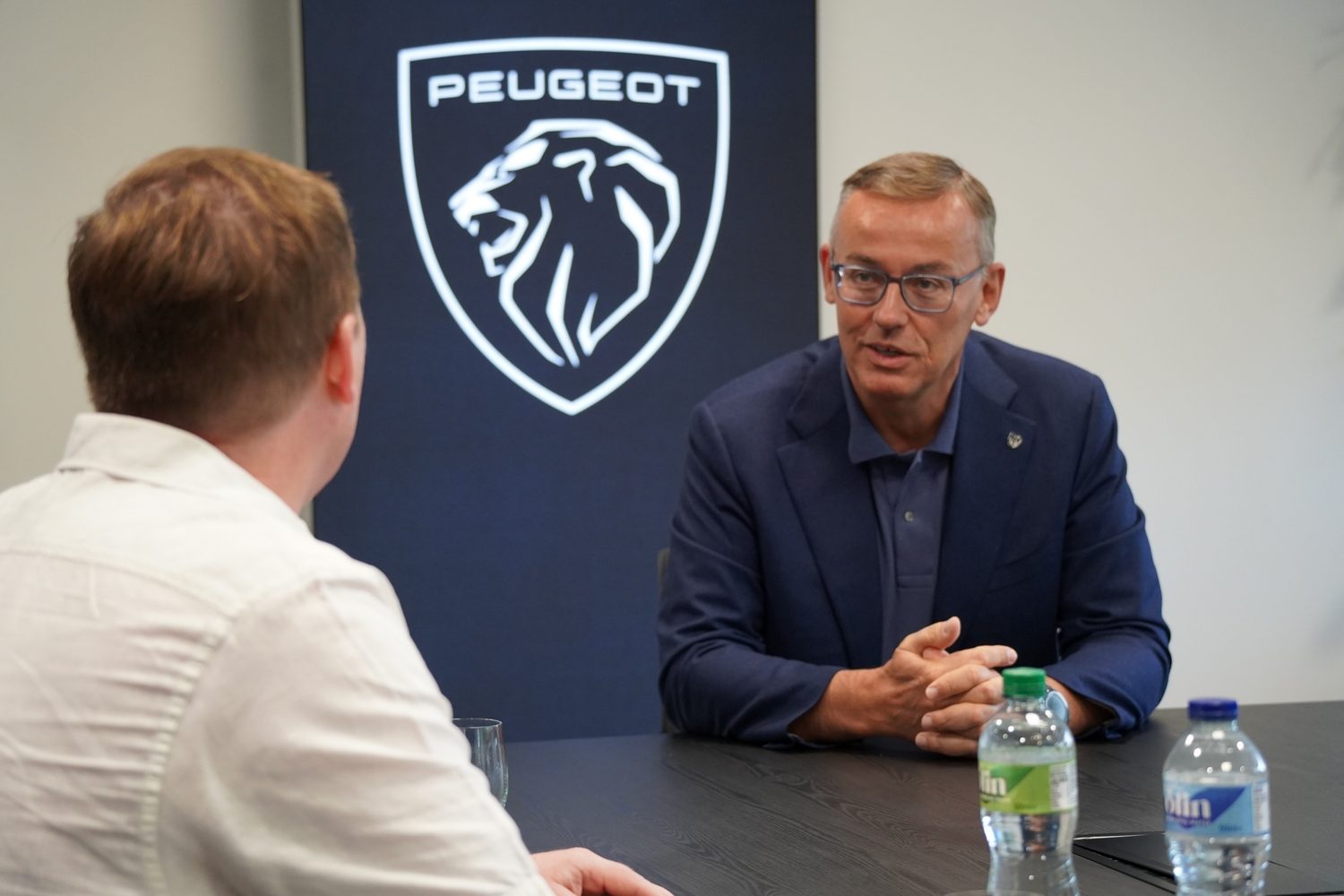
Before we get into the nitty gritty, Alain introduces himself, apologising for his casual appearance, while putting everyone else in the building to shame with his nonchalant French style. A permanent, charming smile goes along with that, and it does him no harm that he's tall, and clearly looks after himself. Which he emphasises with a vice-like handshake before we sit down.
What does the CEO of Peugeot drive in 2025?
While Alain's first car was a humble Ford Fiesta, he has fonder memories of his mother's Citroen 2CV, in which he learned to drive on the small country roads of France. These days he's based in Paris, and his four children are adults, so his day-to-day car is a Peugeot 208. He says: “I am living in the centre of Paris, which has become very 'unfriendly' for car drivers. It means having a bigger car in Paris is becoming difficult, so actually, if you want to park anywhere, even in parking garages, something bigger than a 208 is difficult. I quite enjoy it as a nimble car.”
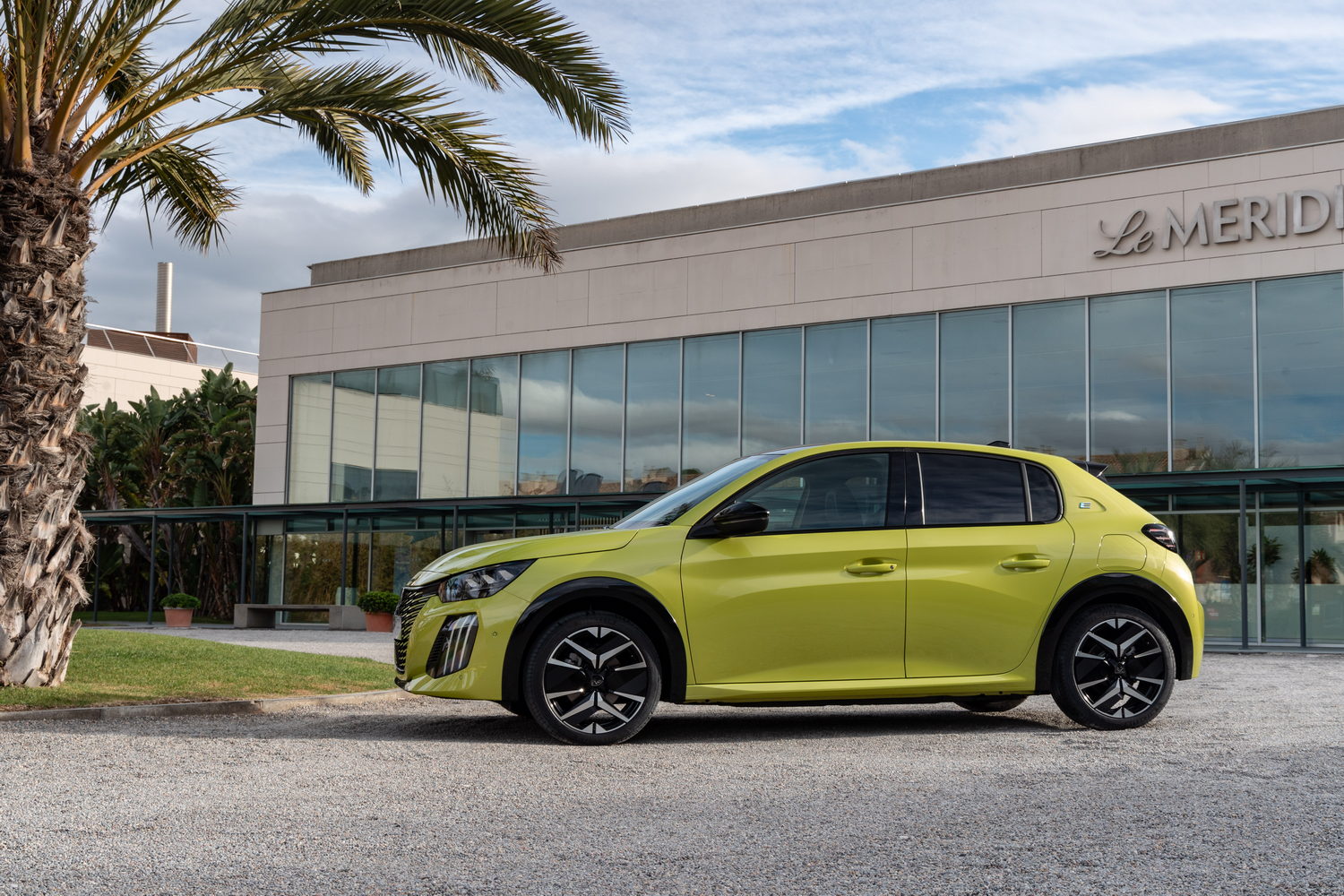
That leads us onto talking about the move to electrification in the car industry and while he's firm in his belief that a fully electric future is imminent, the timing of it is less clear: “The target to be fully decarbonised in future is the target that I think is necessary based on what we see every day in terms of climate change. Europe is committed to that and that's fine. The question is: how quickly can you get there?”
When asked about helping the customer move along the path towards full electrification, Alain makes an interesting point: “When we say the customer, or the consumer, we always think of this private person buying their car, but actually, more than half of our sales in Europe are to companies - fleet, hire-drive, long-term leasing, etc.”
“So these companies are now the driving force in the electrification of mobility, because they see it also as a way to save money.”
Should Ireland adopt weight-based motor taxation?
With the Irish budget announcement imminent on October 7, we ask Alain what he would like the Irish government to do about the take up of electric cars. Should there be more incentives?
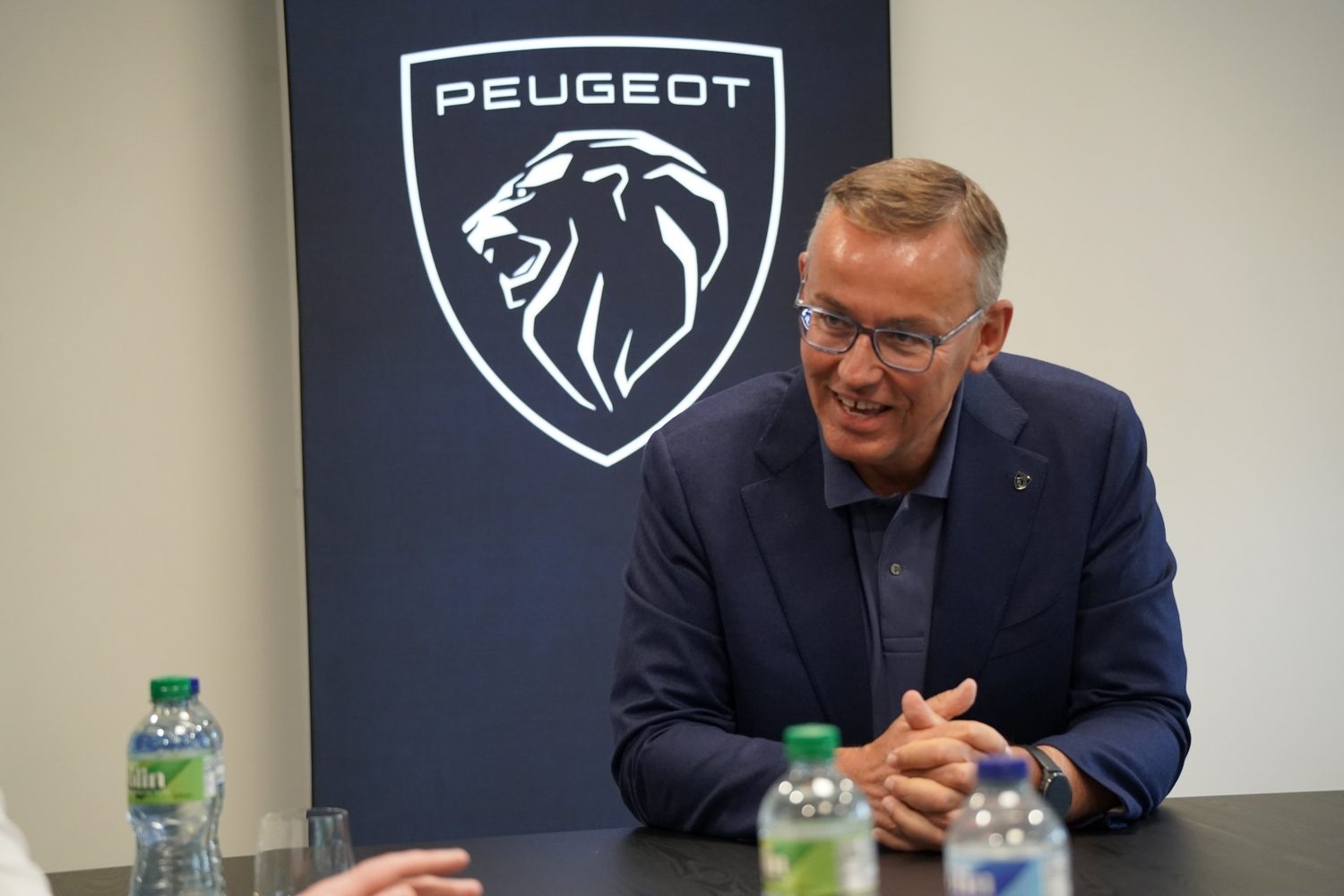
He talks at length on the subject: “I think it's obvious today when you look around Europe where electric cars been accepted quicker than in other counties, it's everywhere there are real incentives from the government.”
“If the Irish government is committed to delivering a decarbonised mobility, then supporting, incentivising electric cars is a good way. And I would not limit it to pure electric cars. You could also have a support specific to plug-in hybrids, for example, or for hybrids on their own. I think this is the future and this has to be the future of powertrains for Europe if we want to get to lower CO2 emissions.”
“So, if I was the government, I would incentivise - in a graduated way - from purely electric cars, to the plug-ins to the hybrids - to give a sense of priority for these low-CO2 vehicles.”
Earlier this year, the Tax Strategy Group (TSG) suggested a weight-based motor taxation system could replace the current setup in Ireland, similar to that in operation in France already. Alain reckons it works to a certain extent but would not recommend Ireland copies France's over-complicated system: “We as manufacturers are trying to move cars to electric power or make cars a bit less heavy, so it does work from that perspective.”
In France, EVs - which are generally heavier - are not taxed by weight, and there are other rules and regulations, even taking into consideration the number of children you have. This weight-based system sits alongside the CO2-based registration taxation. Called malus in French (for “penalty”), new-car buyers can pay as much as €70,000 depending on emissions and weight.
Alain is not a fan: “It is a very complicated system. There are a number of conditions that make it extremely 'intransparent'. I would not necessarily recommend anyone copy the French system.”
Hence why the new Peugeot E-208 GTi is electric
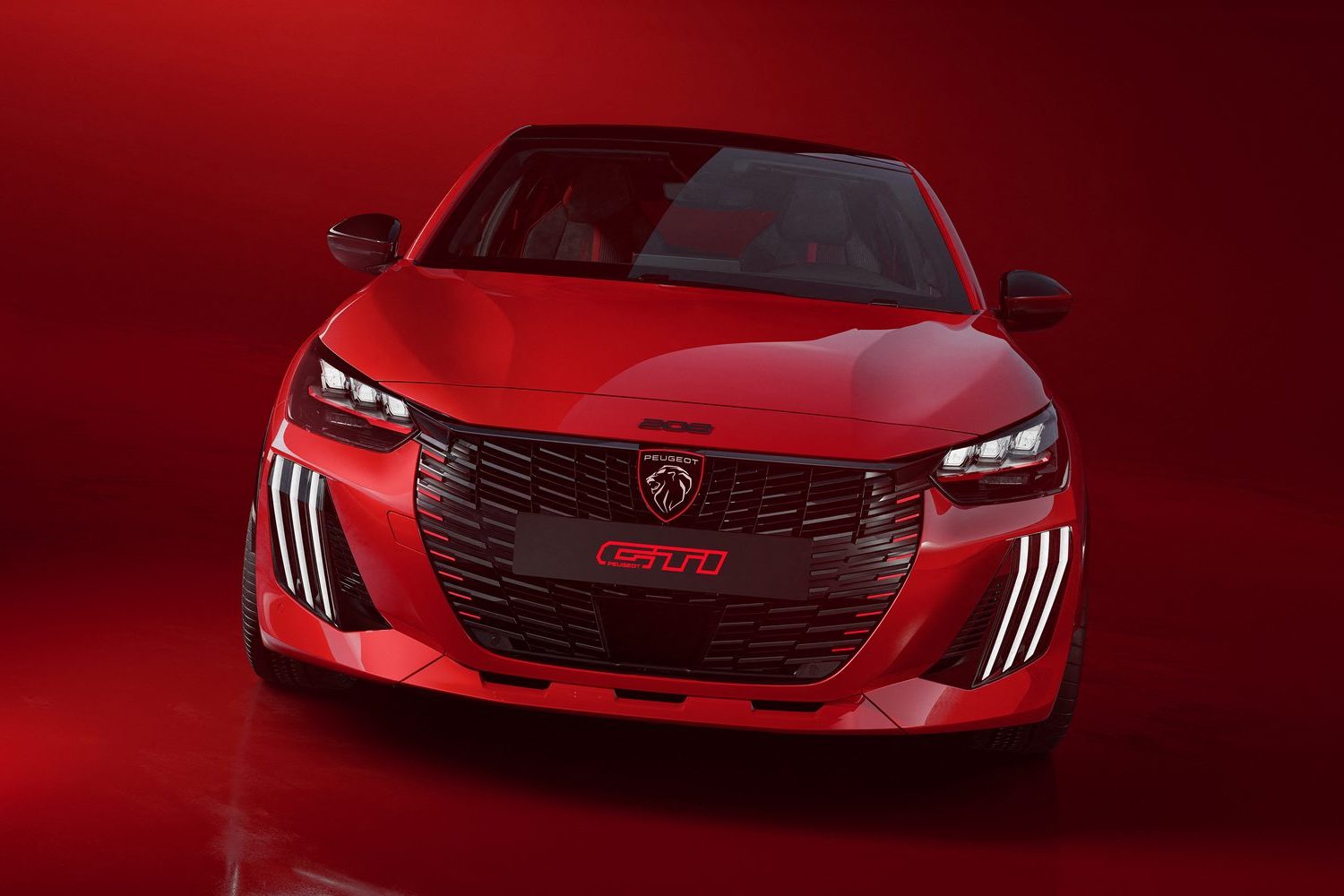
Indeed, the French taxation system is more than a little responsible for the fact that the new Peugeot 208 GTi is an electric car. Alain admits: “If that car was not electric, it would have a €70,000 'malus', just because of the CO2, not the weight.”
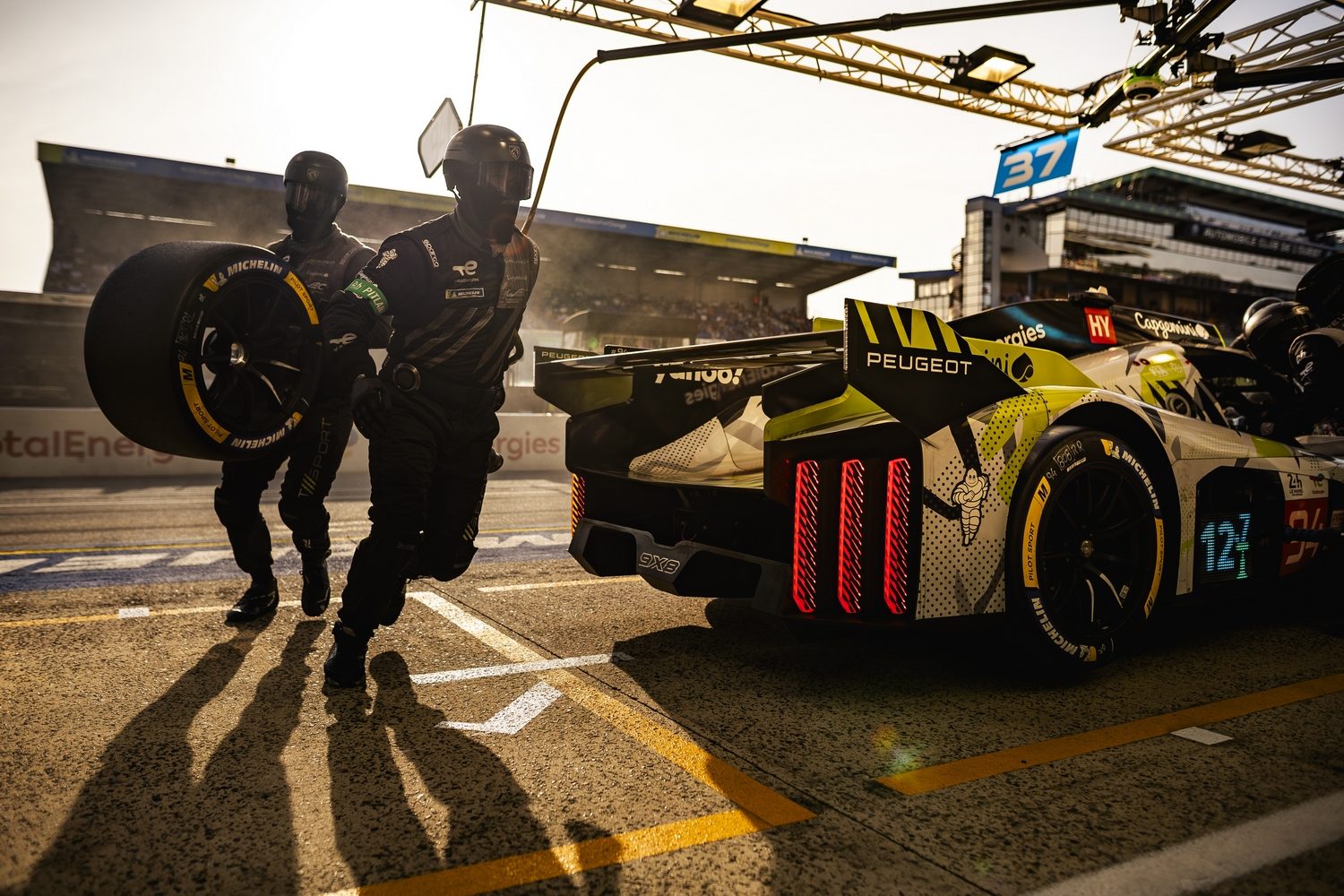
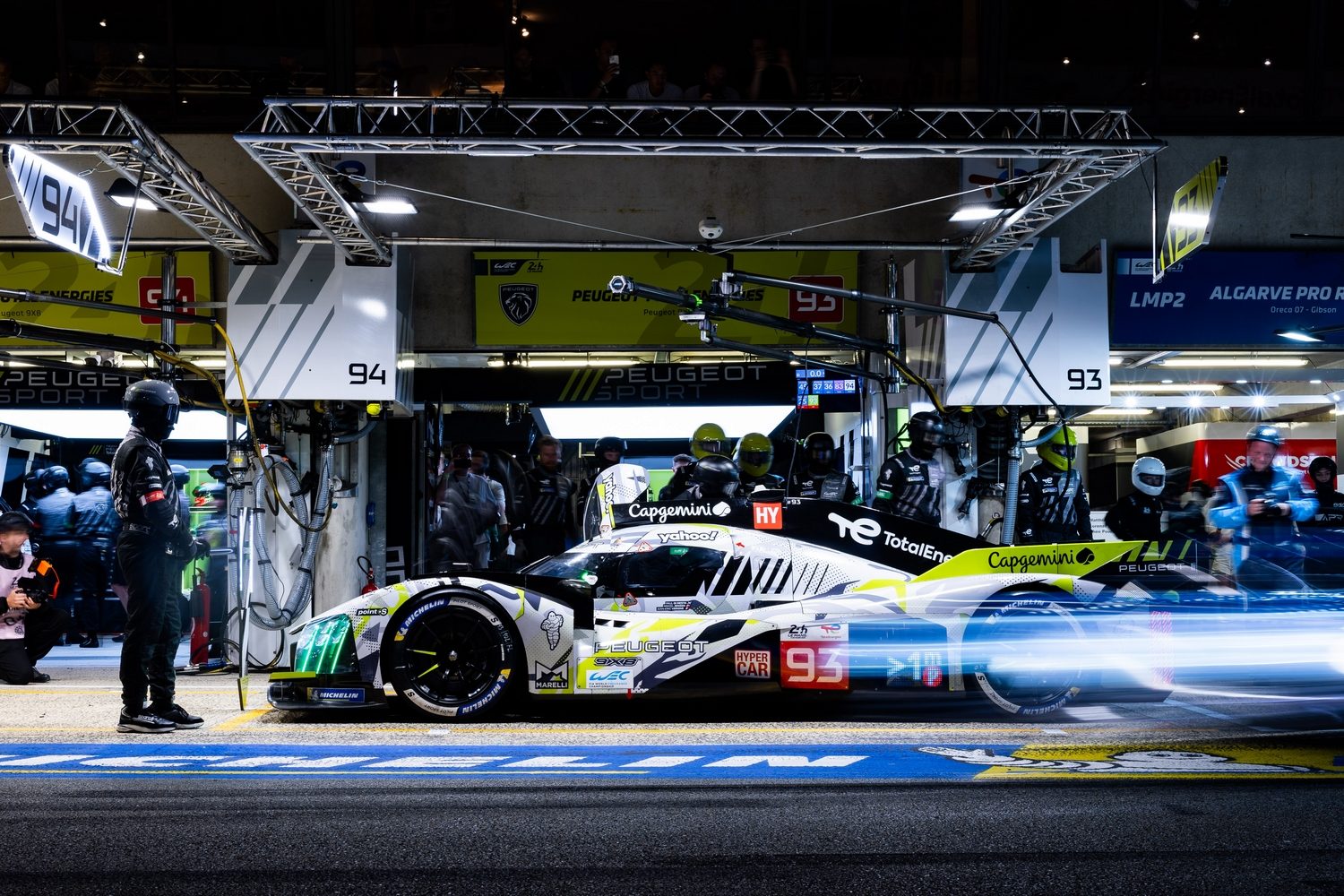
Nonetheless, Alain is adamant that it will be a true GTi, and the company will not mess with that badge. He says that such a car could not exist without Peugeot Sport's involvement. And there's likely to be more of the same elsewhere in the range in time: “It's the same engineers developing the 9X8 and the 208 GTi, so there is a direct transfer of expertise from Peugeot Sport. What we've done on the 208, we could do with other models as well. We are looking at options, but it's not easy. If it's a GTi, it needs to be something really special, so we don't want to say it's a GTi and it not be up to what people expect.”
When asked if there's perhaps room in the lineup for a Peugeot Sport trim level separate to the existing GT grade, Alain emphatically agrees: “I think so. We don't have it ready yet, but we are definitely working on that.”
Le Mans and Peugeot are perfect French partners
As diplomatically as we can, we broach the subject of Peugeot's success (or lack thereof) thus far in the World Endurance Championship (WEC). Alain doesn't shy away from being asked if it matters that success has not yet been forthcoming: “For Le Mans, for example, it doesn't really matter. For us, Le Mans is a kind of the epitome of what we want to say about our brand. We like to be seen as a French brand with a bit of panache, a bit of charisma, and Le Mans is exactly that.”
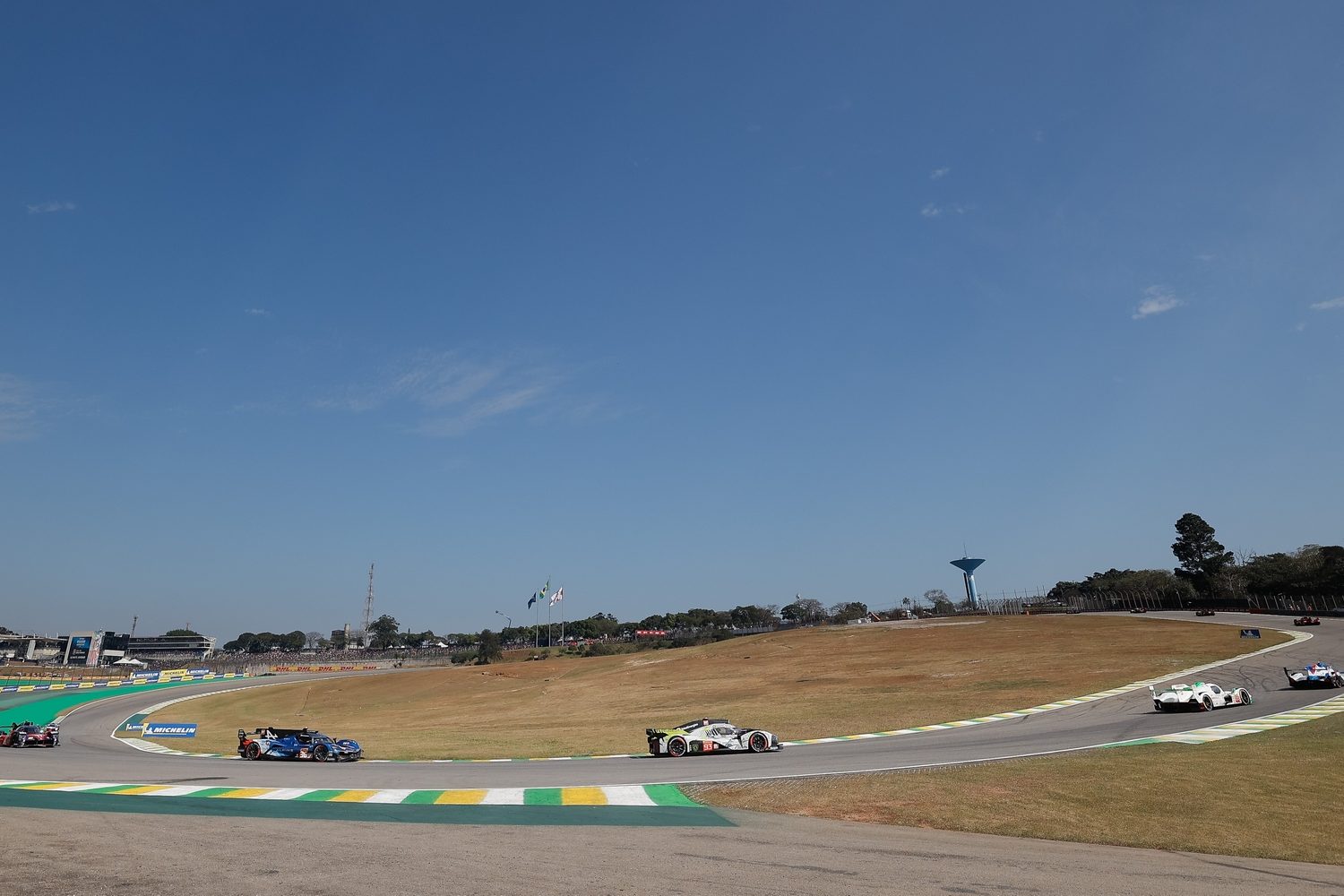
“An endurance race for 24 hours or six or whatever is a good way to demonstrate the Peugeot cars are of very good quality. So our involvement in the WEC and Le Mans does make sense. Of course, it's better if you win or if you're on the podium and we'll continue to work on that. But in Le Mans itself, yes, it would be a bigger party if we were on the podium, but it's still a party. Watch this space...”
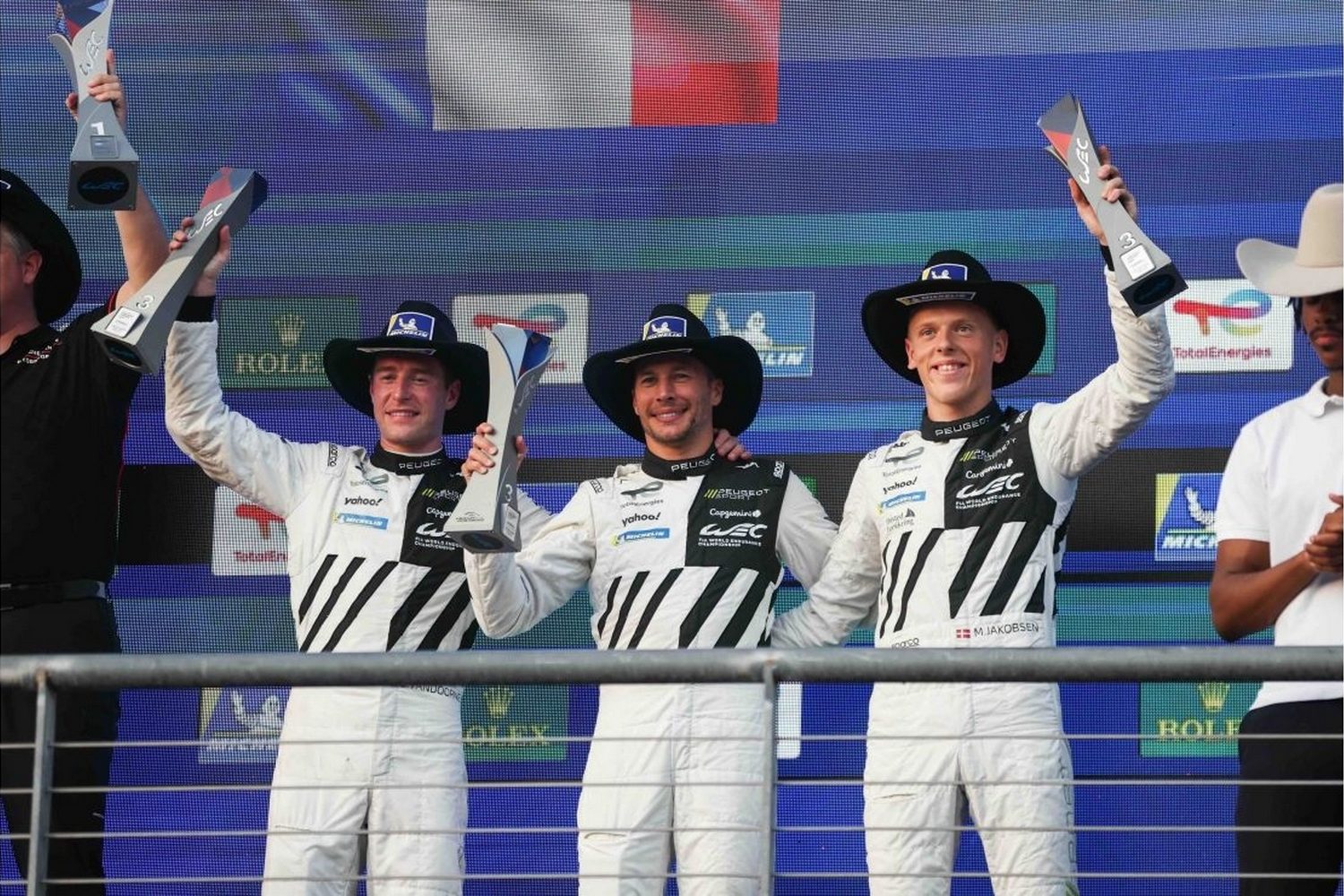
Just a few days after our interview, the Peugeot 9x8 scored its first podium with a third (and fourth) place finish at the 'Lone Star Le Mans' race at Circuit of the Americas in Austin, Texas, USA.
If there is anything about this story we have not covered, you can avail of our expert advice service via the Ask Us Anything page.