

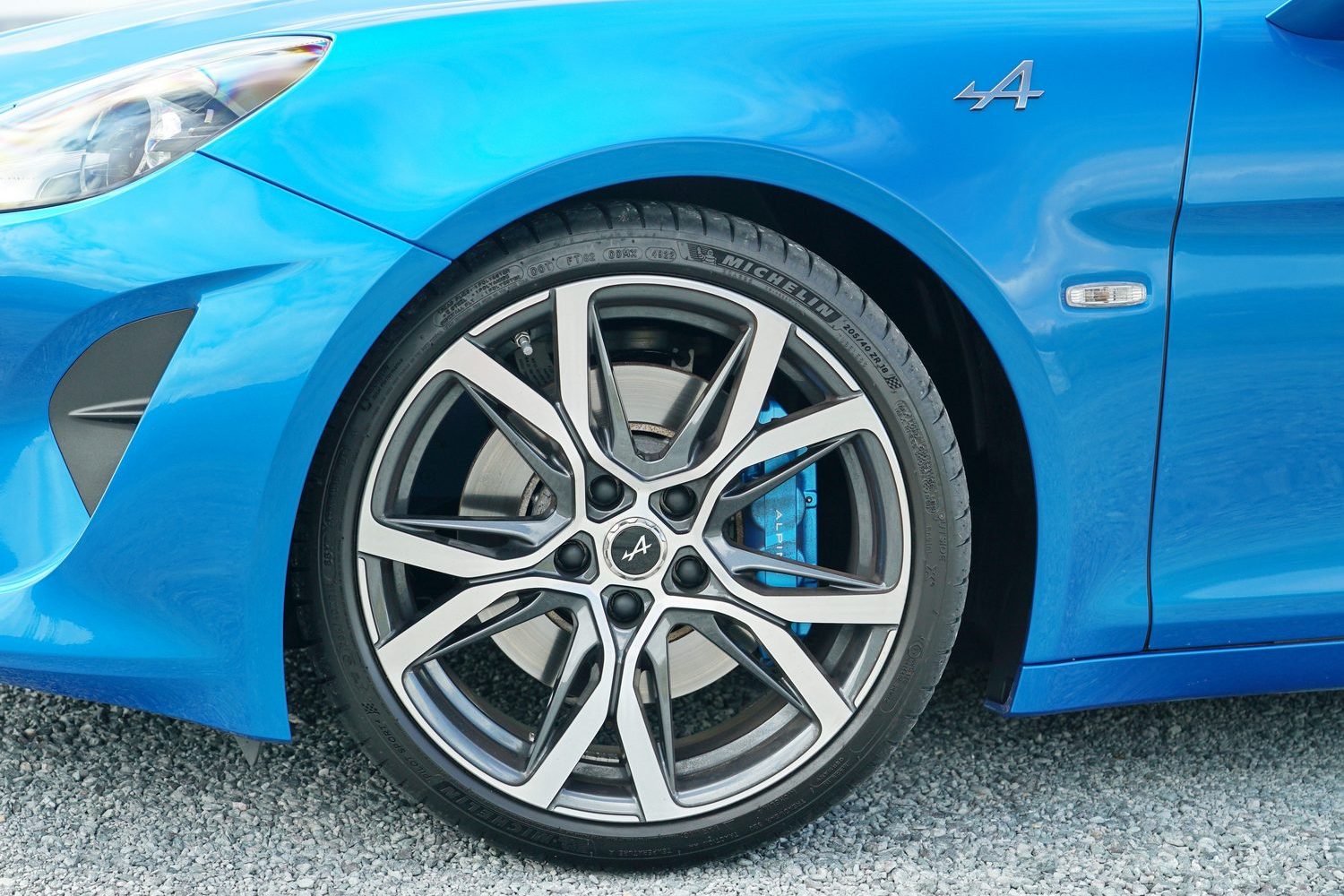
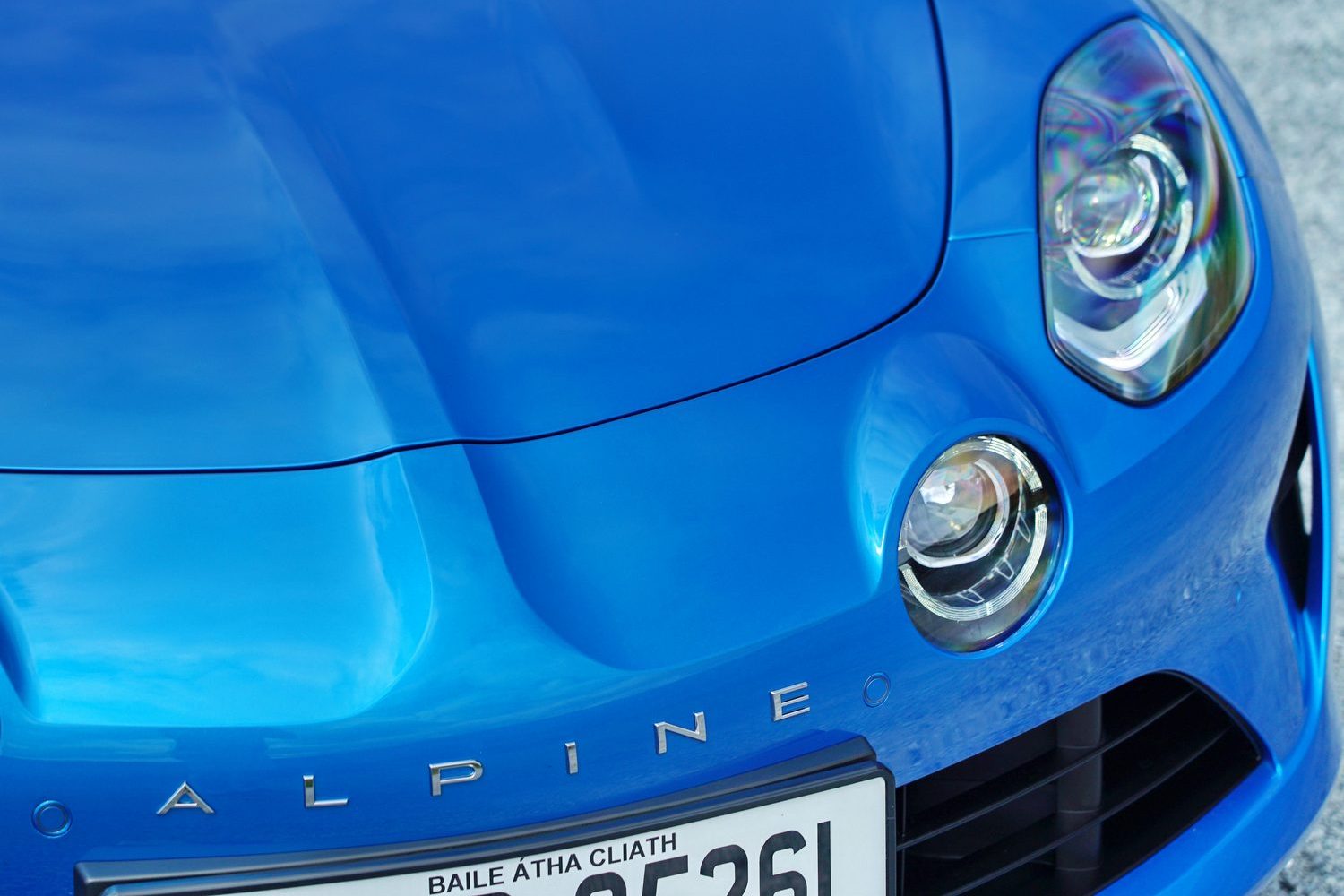
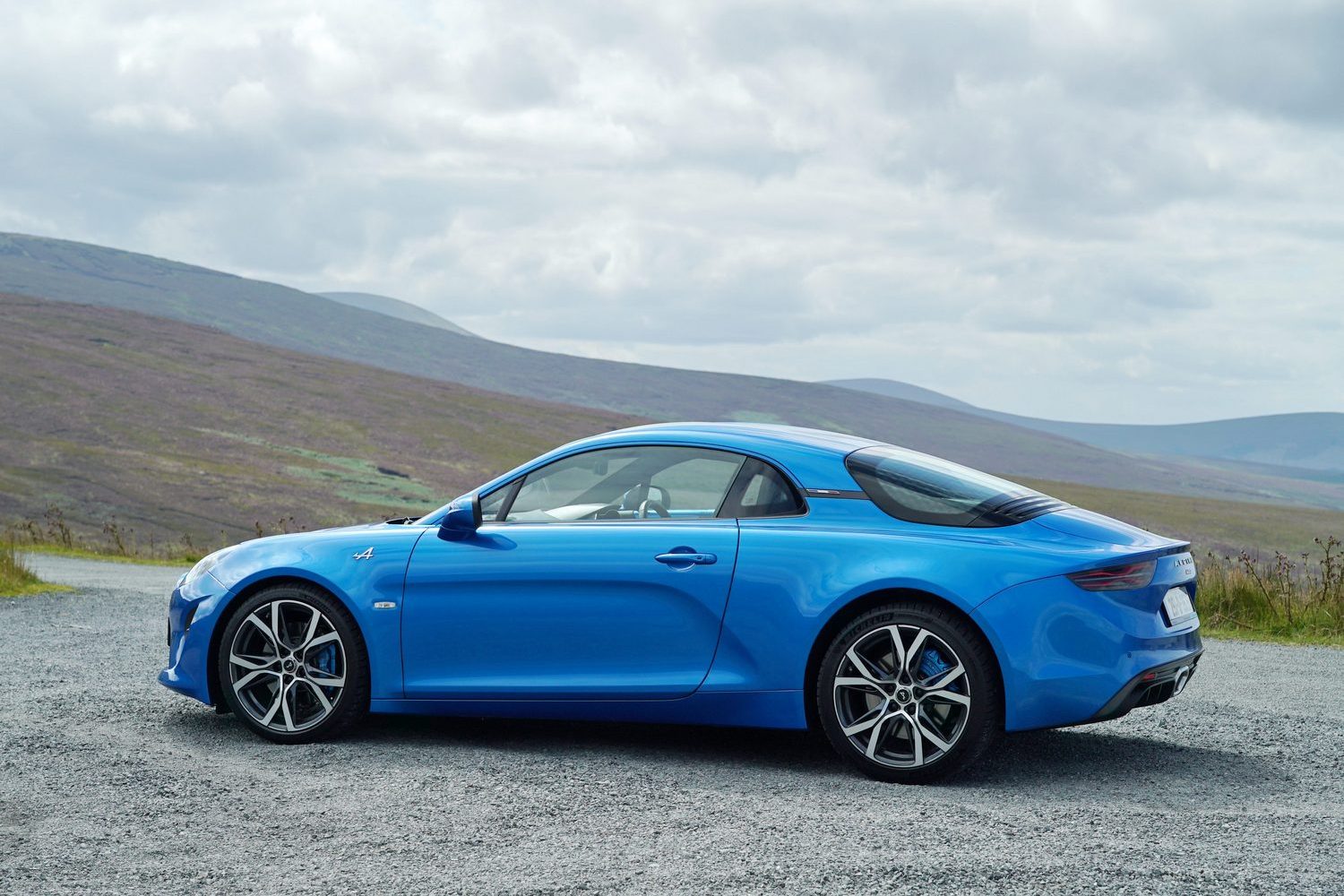
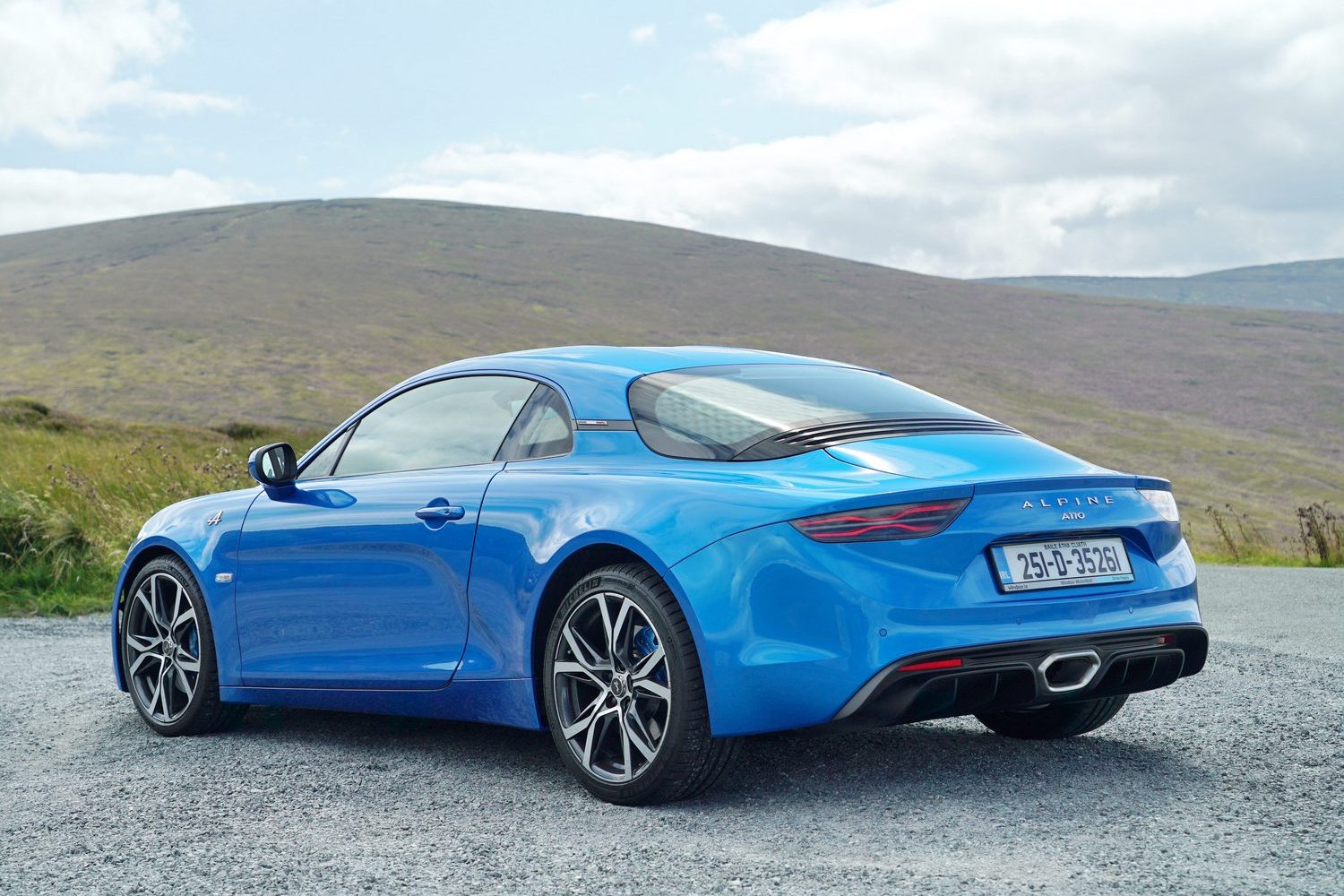
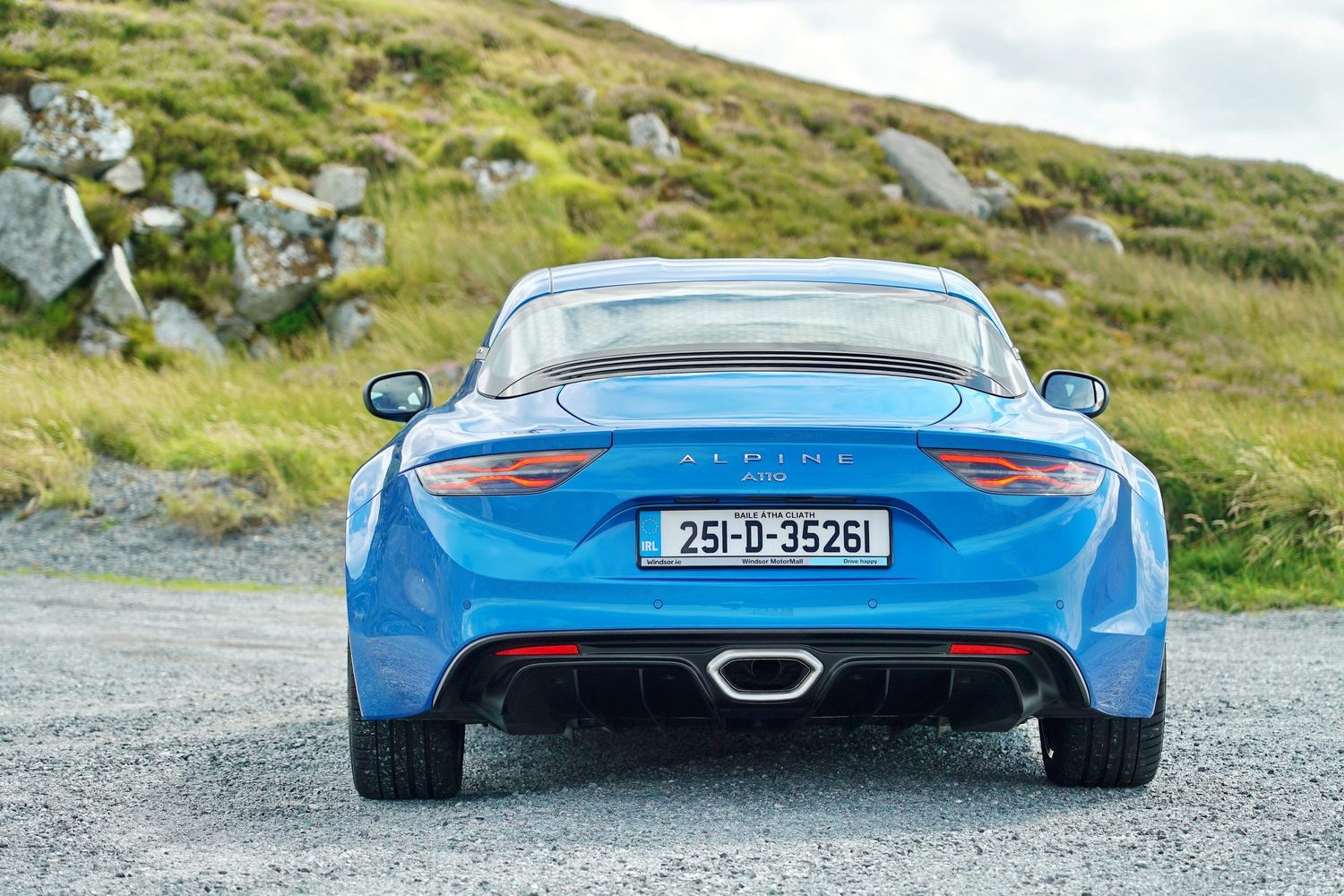
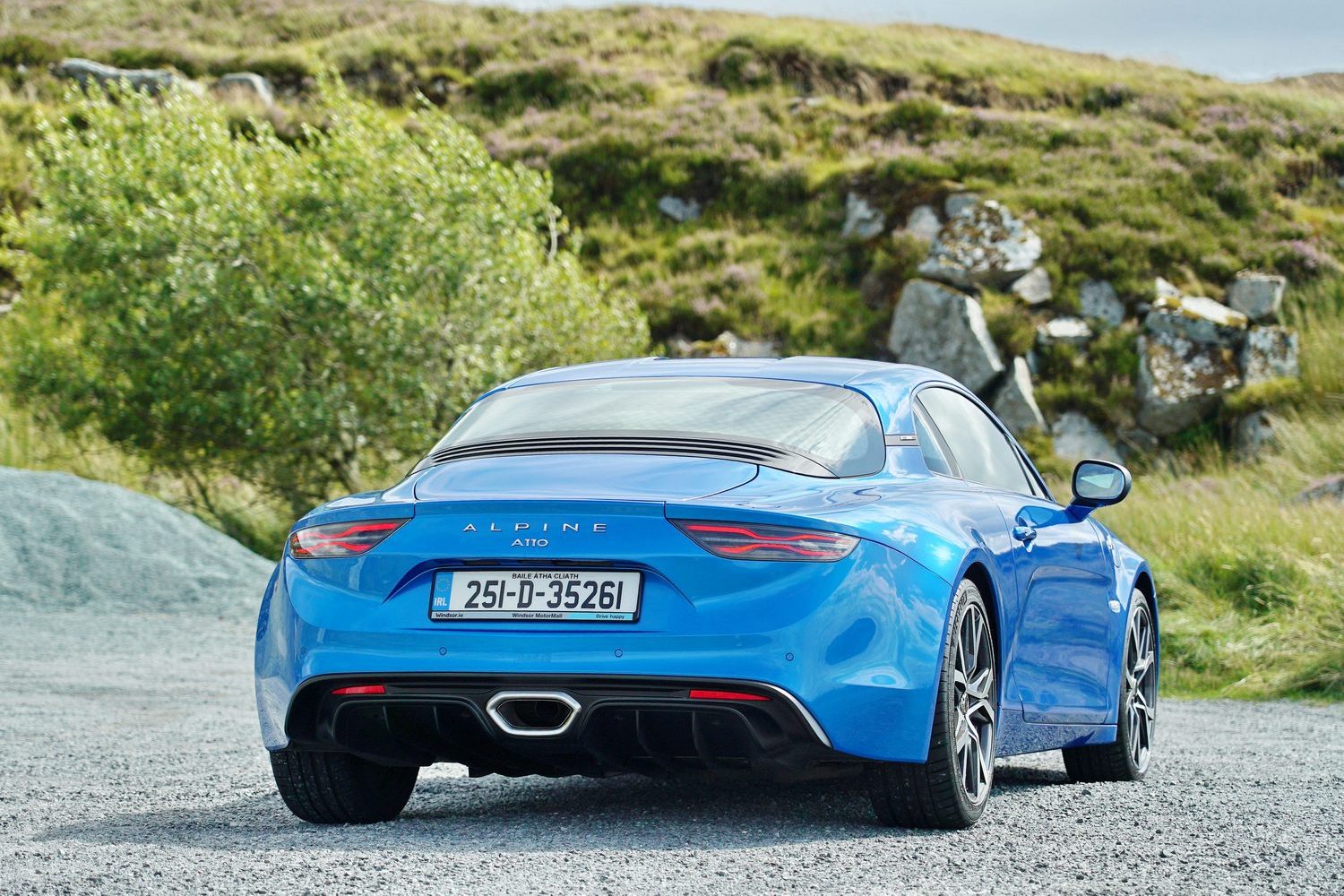
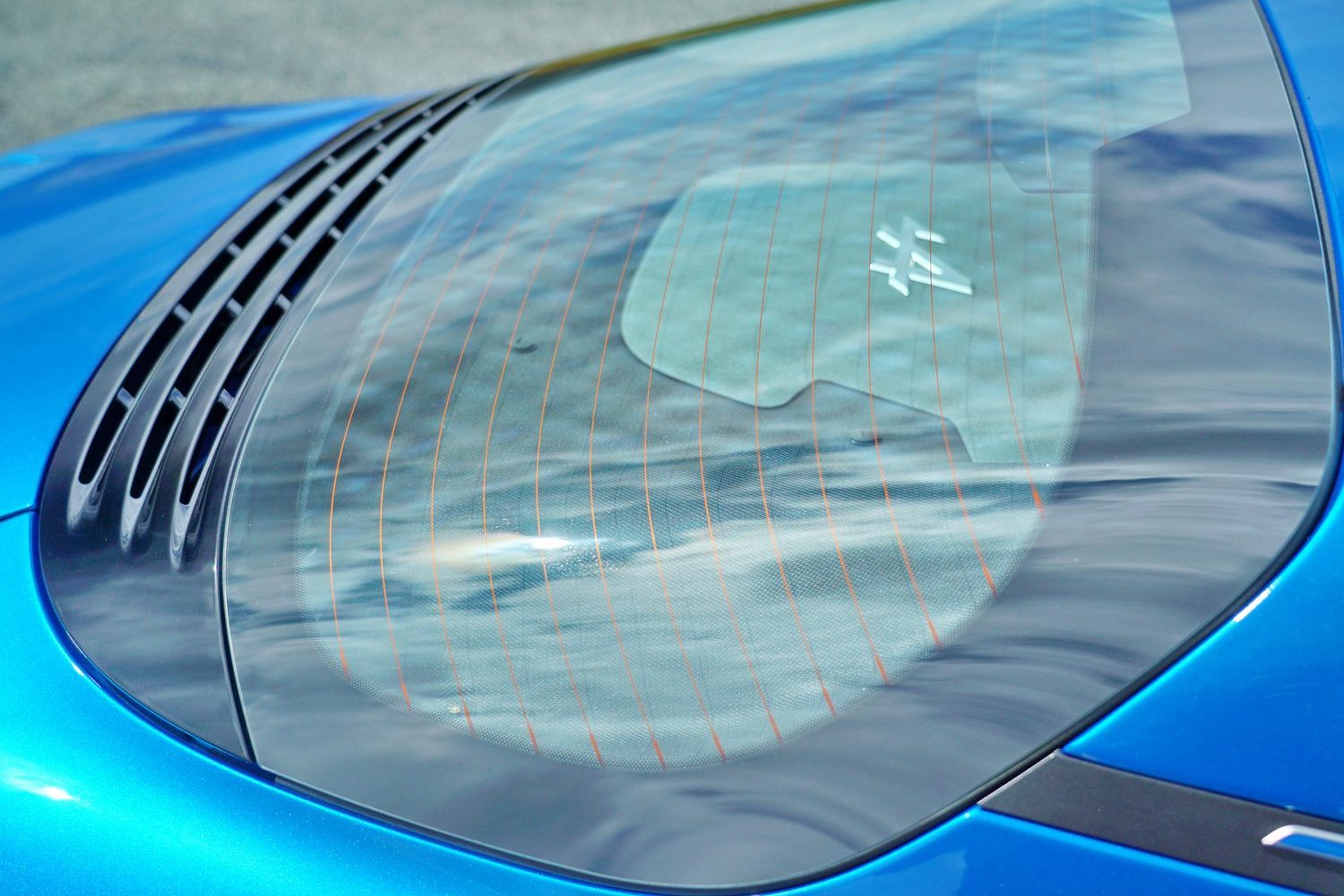
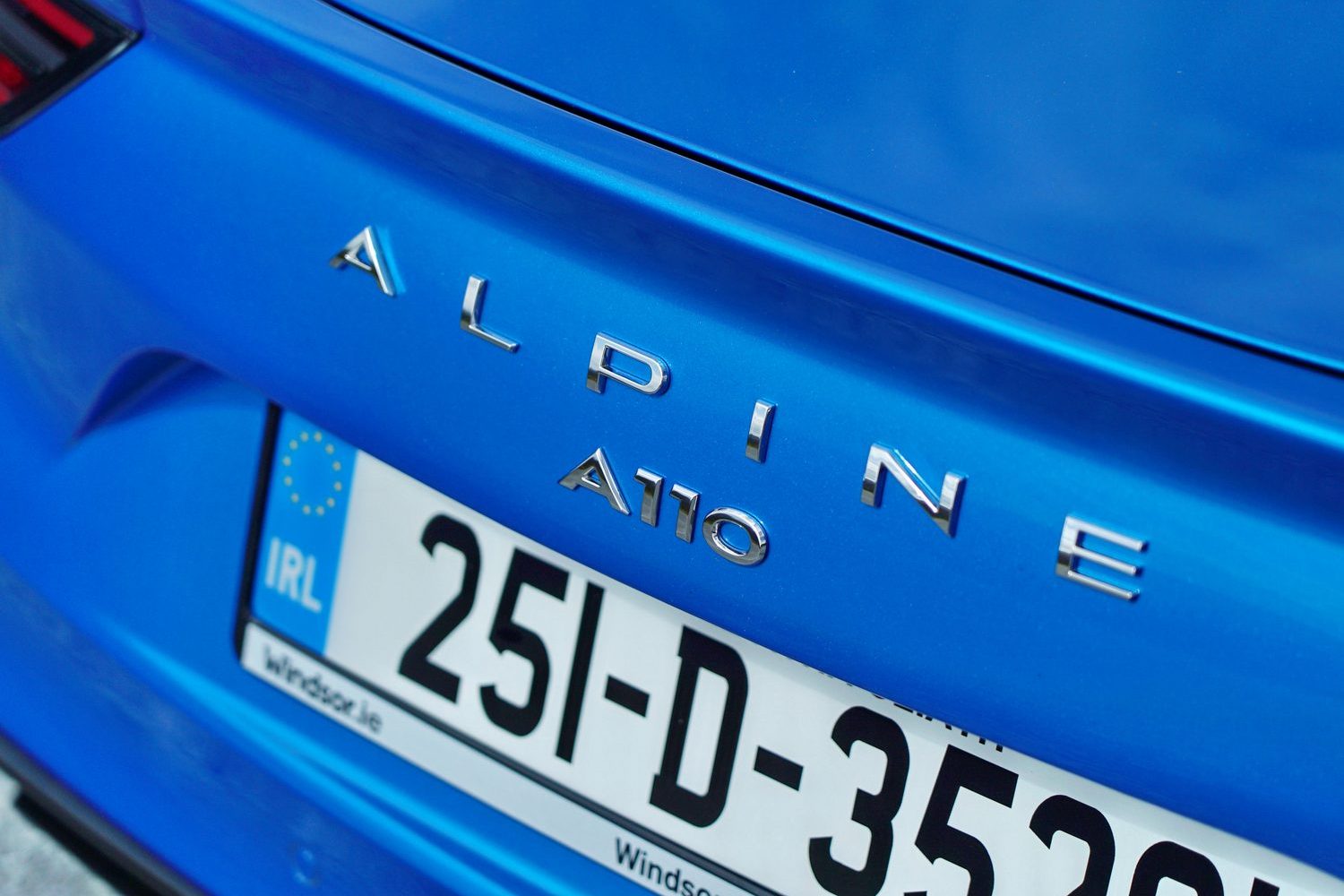
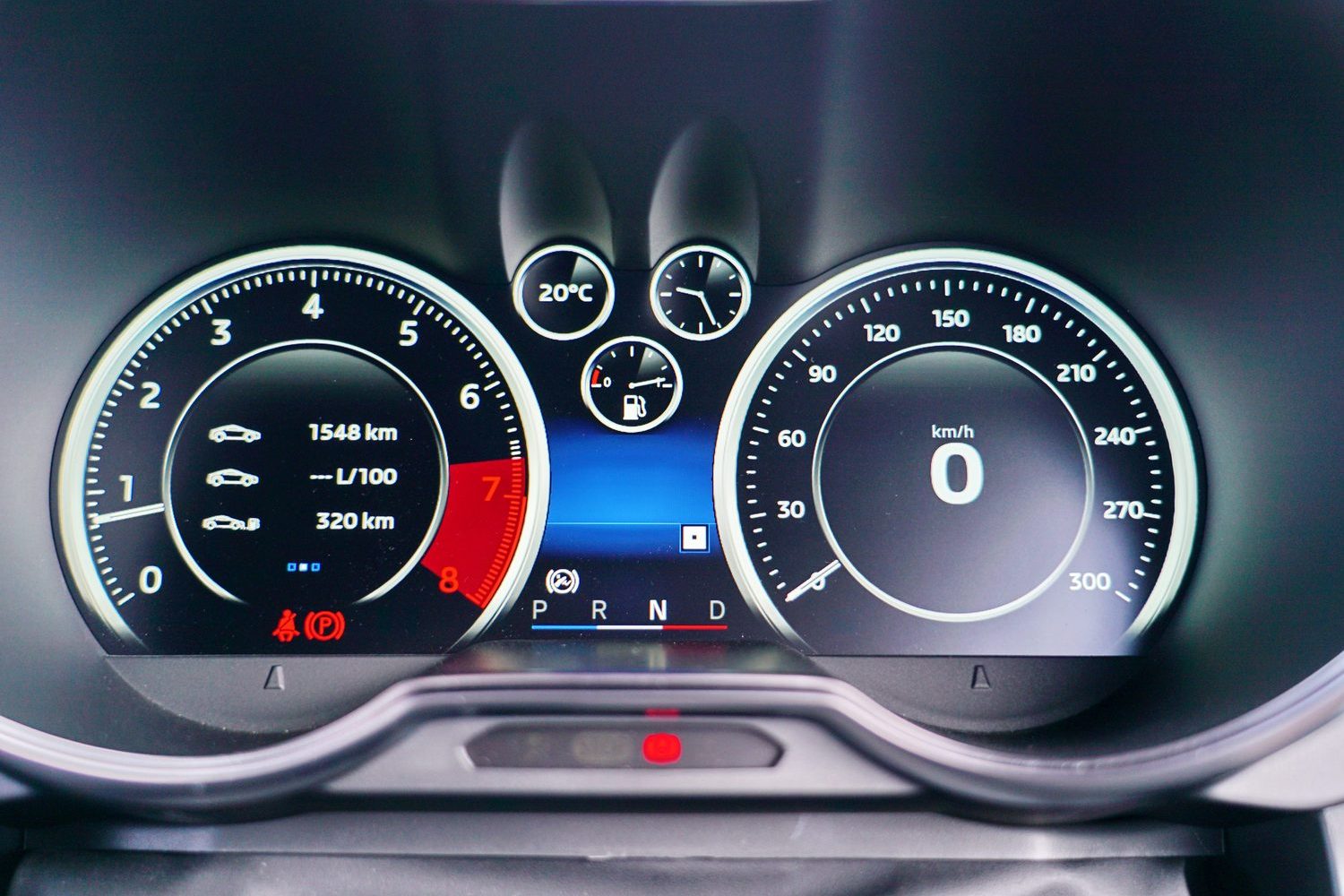
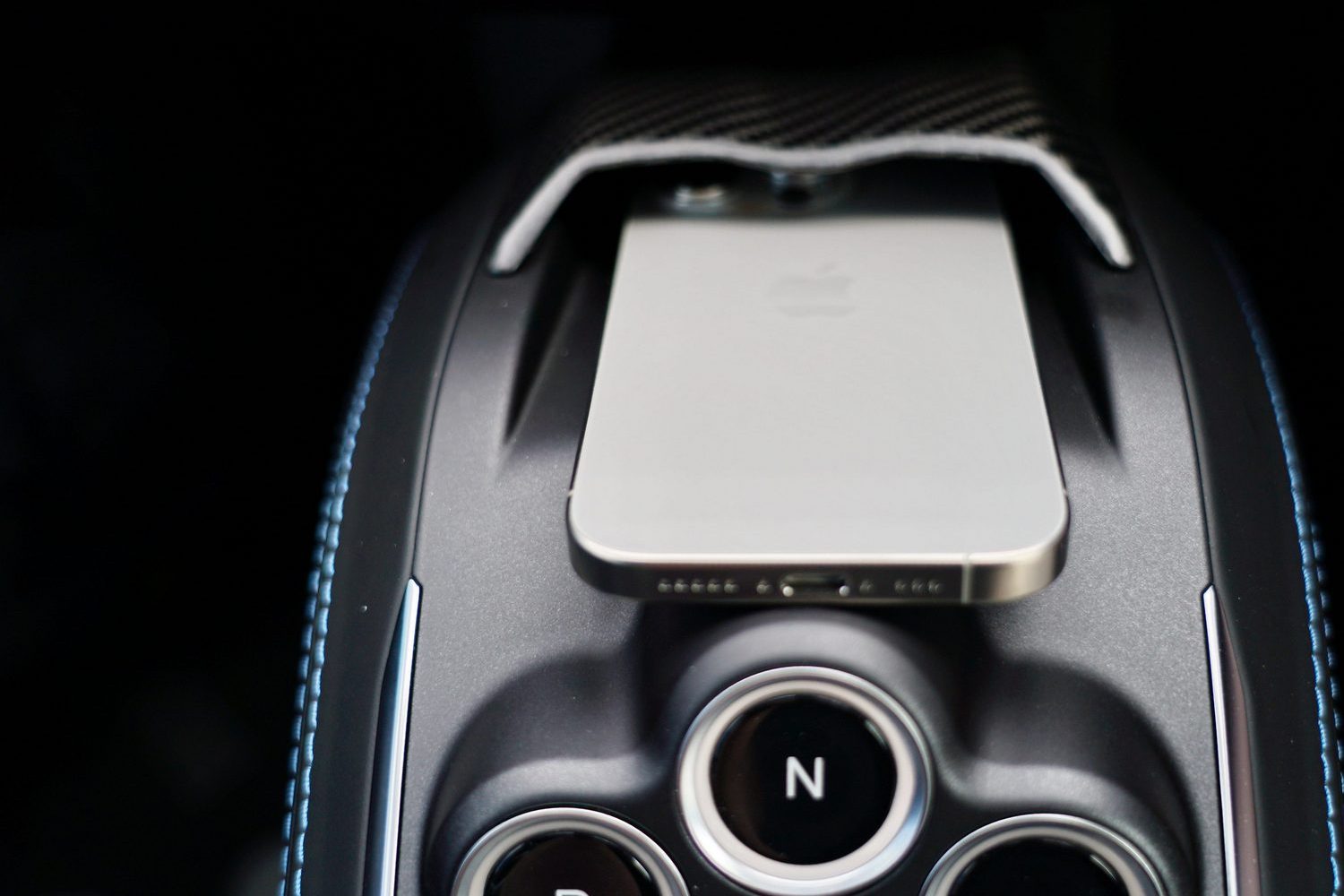
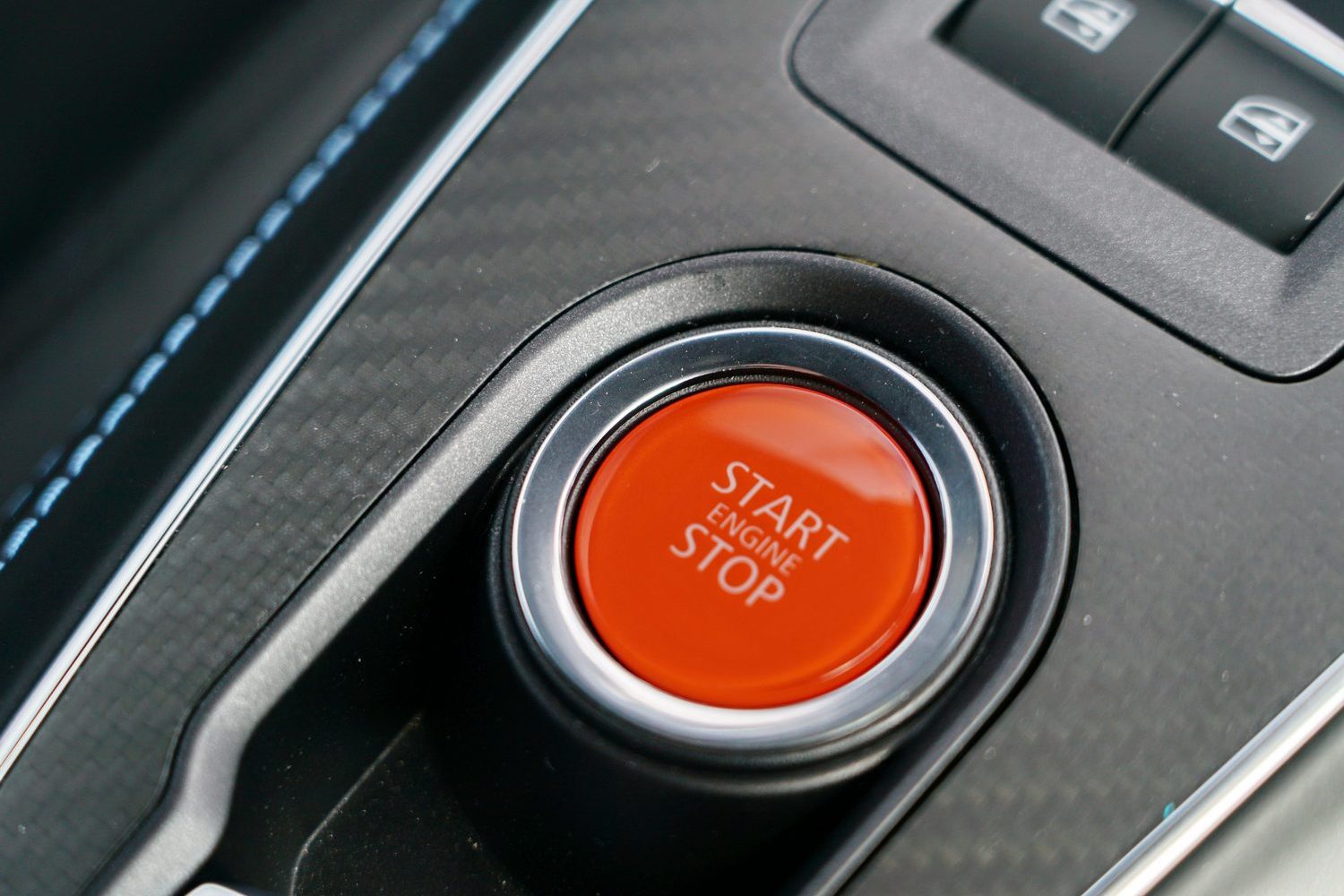
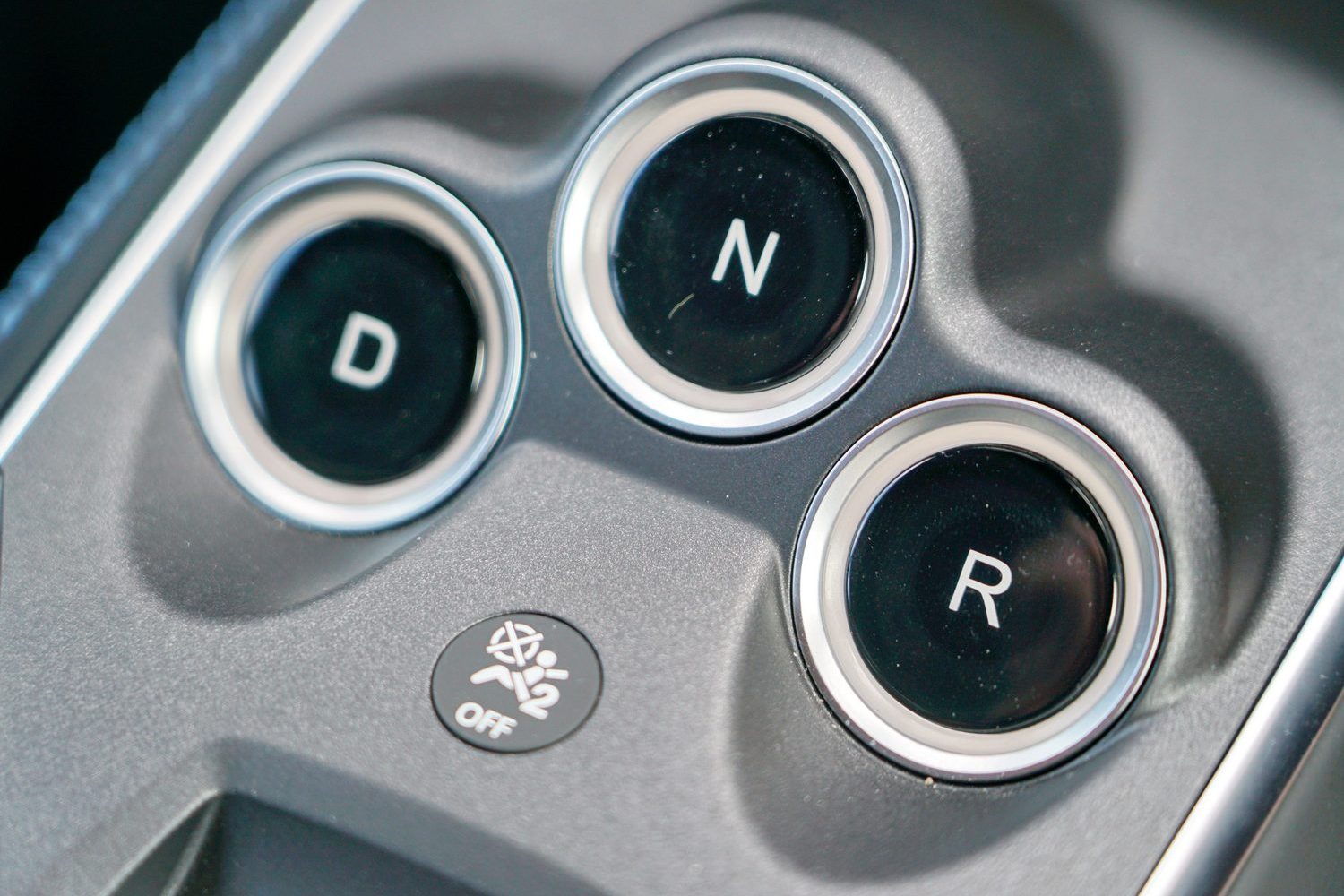
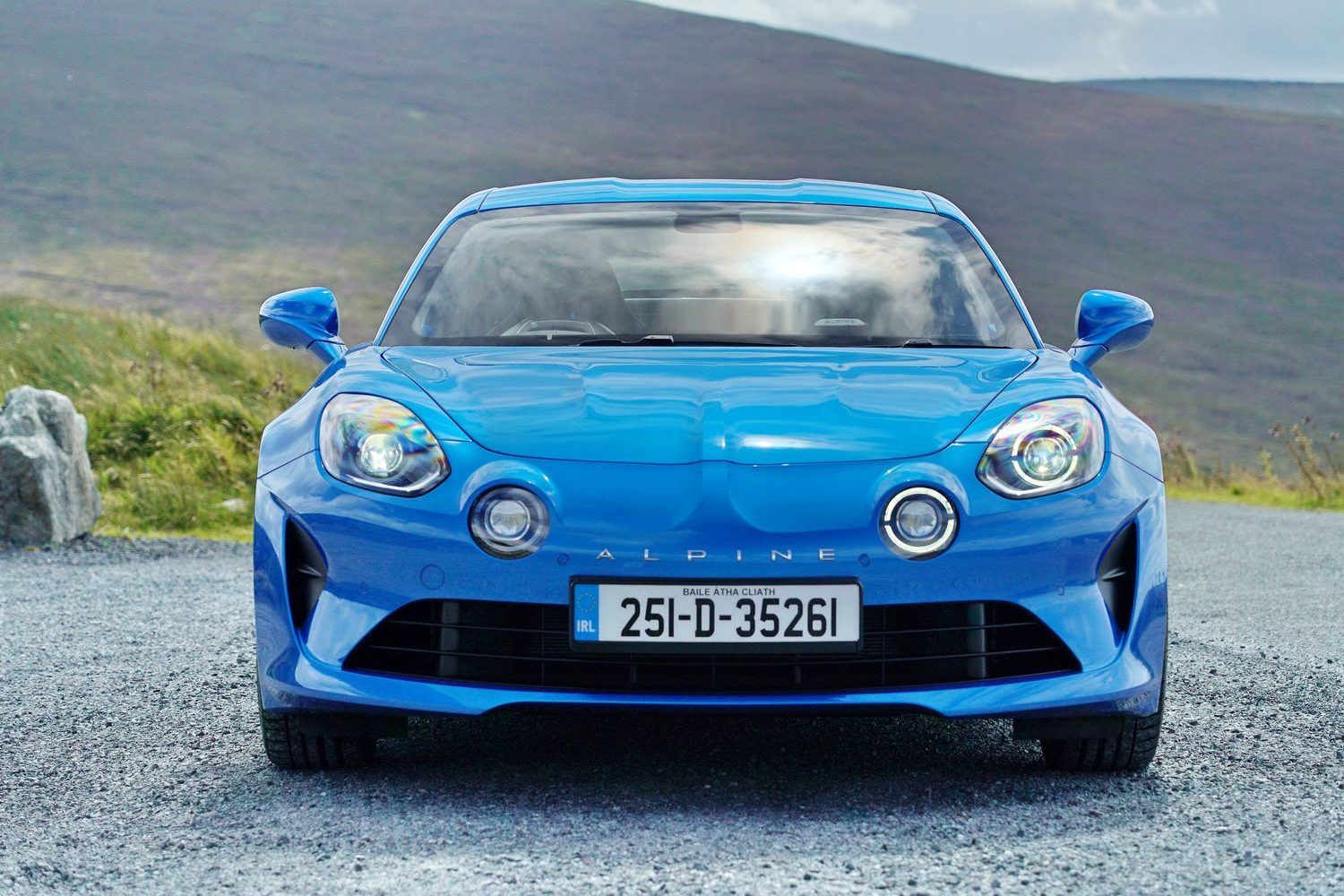
Waving goodbye to the Alpine A110 as I dropped it back to its rightful owners felt just slightly like stabbing myself in the heart. OK, perhaps I'm being melodramatic, but then I was playing Edith Piaf at full volume as I pulled into the car park, just to try and ramp up the vibes.
Alpine's recreation has been a stunning one. The company, created 70 years ago this year by Jean Redele, started off by modifying humble Renault saloons, such as the 4CV which is, give or take, France's answer to the Beetle.
Lighter meant faster, of course, so Redele began stripping out weight while also tuning and tweaking the engines, and even though he was based on the English Channel resort of Dieppe, he named his creation after the lofty mountain roads and rally stages of the south - hence Alpine (and yes, you should pronounce it 'Al-peen', just as you should rightly say 'Porsch-uh').
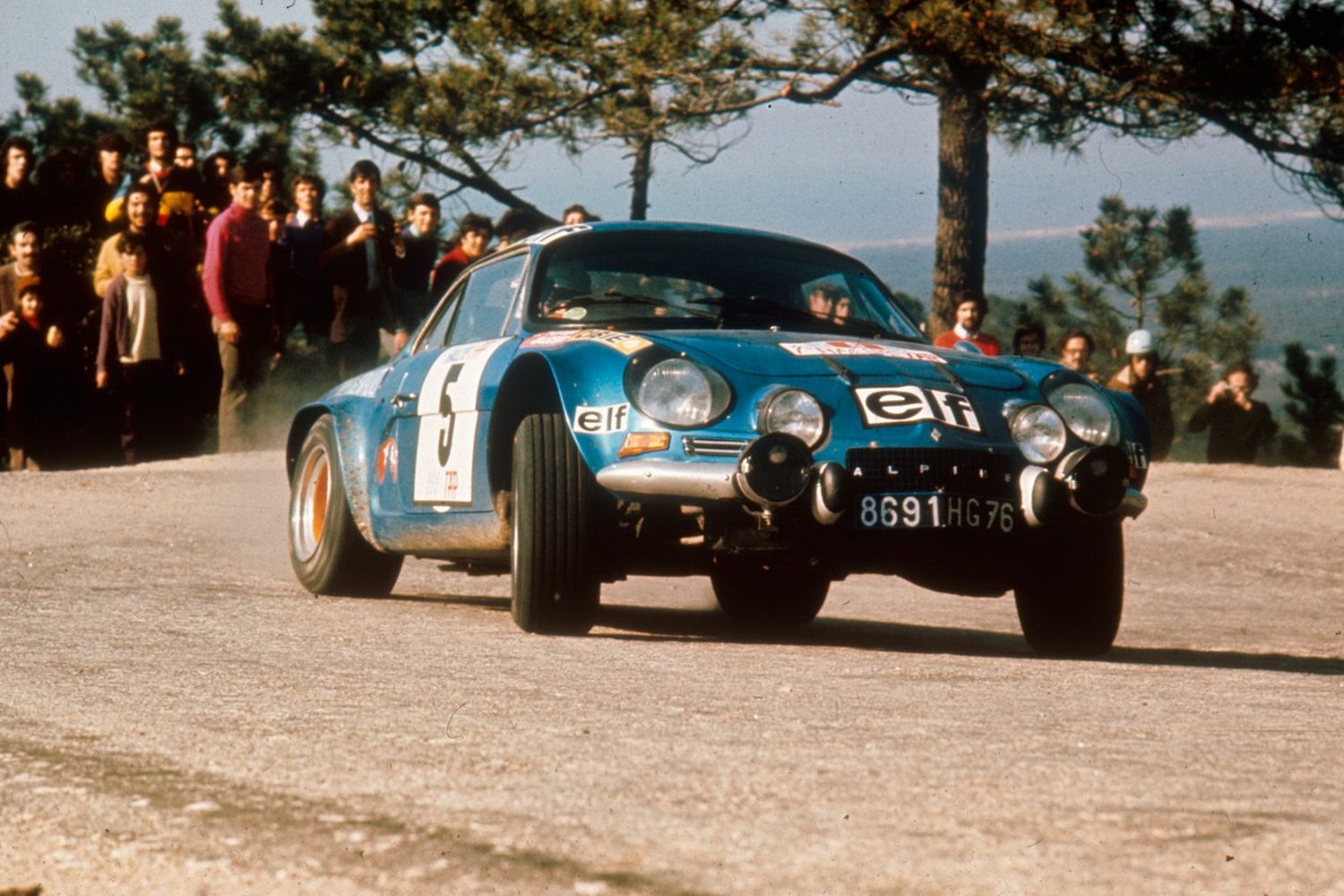
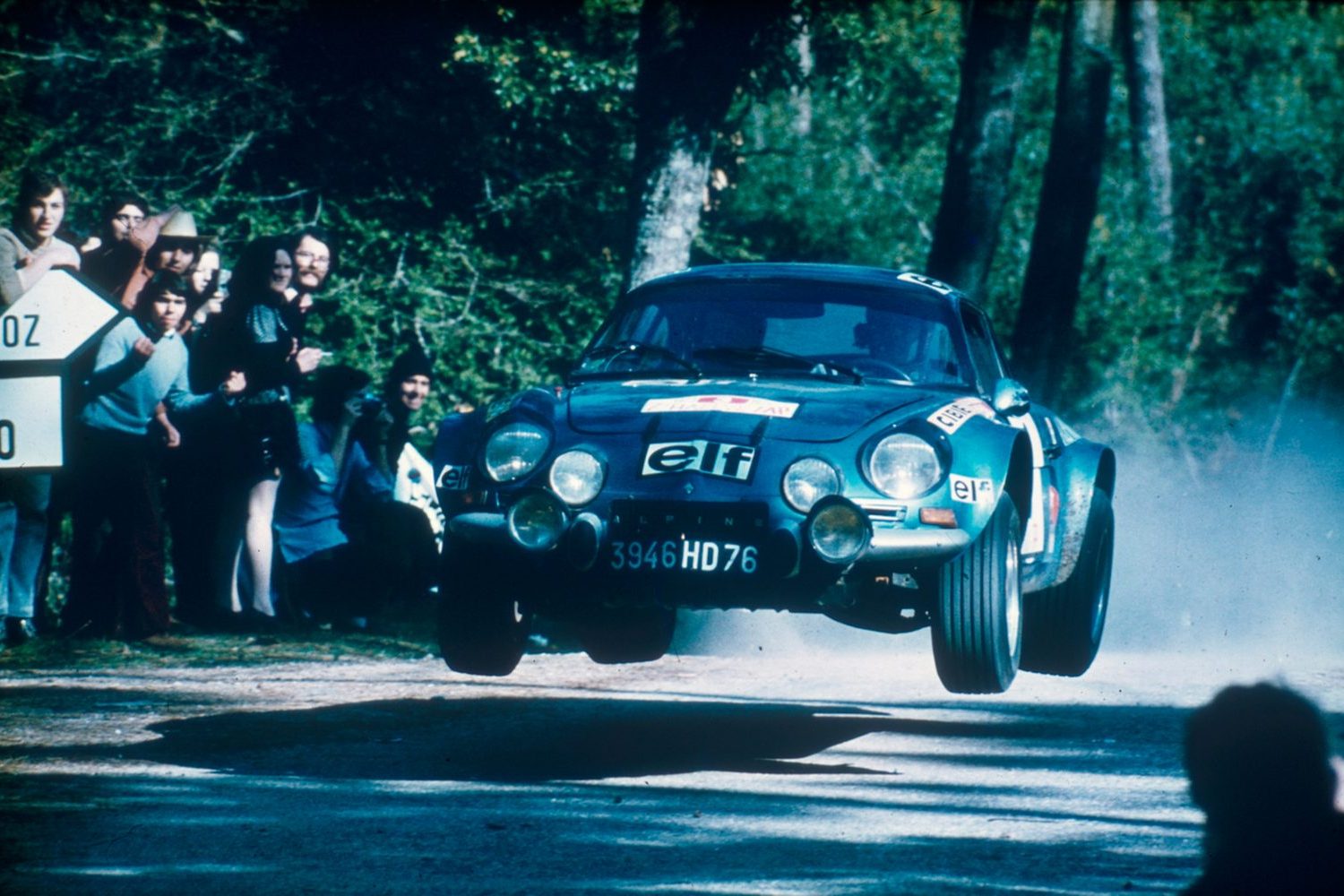
By the late sixties, Redele and his team were done making hot versions of existing Renaults, and instead were taking Renault's oily bits and fitting them to cars of Alpine's own creation, hence the original 1967 Alpine A110 - a gorgeous little rear-engined coupe that was agile and fast enough to dance its way around the rally stages of the world and become the first manufacturer rally champion in 1973. Even the great Michele Mouton got her start in an Alpine A110, and the car became inextricably linked with rallying.
By the time that delicate little A110 won its rally title, Renault had done a Victor Kiam (ask your nan...) and liked the company so much, that it bought Alpine outright. Alpine would repay that with some stone-cold classics, using Renault's 'Douvrin' V6 engine to good effect in the likes of the A310 and A610 sports cars.
Sadly, those sports cars never quite got the props they deserved, and were rather steamrollered in sales terms by Porsche. The last of the Alpines, the turbocharged GTA, was an utterly divine car to drive, but buyers looked elsewhere and in 1995, the company's 40th birthday, it seemed that Alpine was done.
However, someone at Renault took a bunch of brave pills, and locked the accountants in a cupboard for long enough for Alpine not only to be reborn, but to do so with a proper mid-engined two-seat sports car. The A110 badge was revived, and the original car's styling repurposed and updated - retro done right - for a new age, starting in 2017. Originally, it had been a co-production with British sports car maker Caterham, but the Brits pulled out and the French carried on alone.
And it's been a success. Mostly. Sales of the A110 - which uses a turbocharged 1.8-litre engine borrowed from the old Megane RS is various states of tune - have been modest, but the reception was rapturous, and so Renault decided to go the whole hog and turn Alpine into the spearhead of its electric plans, rethinking the brand as an all-electric sporting marque capable of also making small superminis and roomy crossovers. While sporting success still eludes Alpine, on the road, at least, its future appears bright.
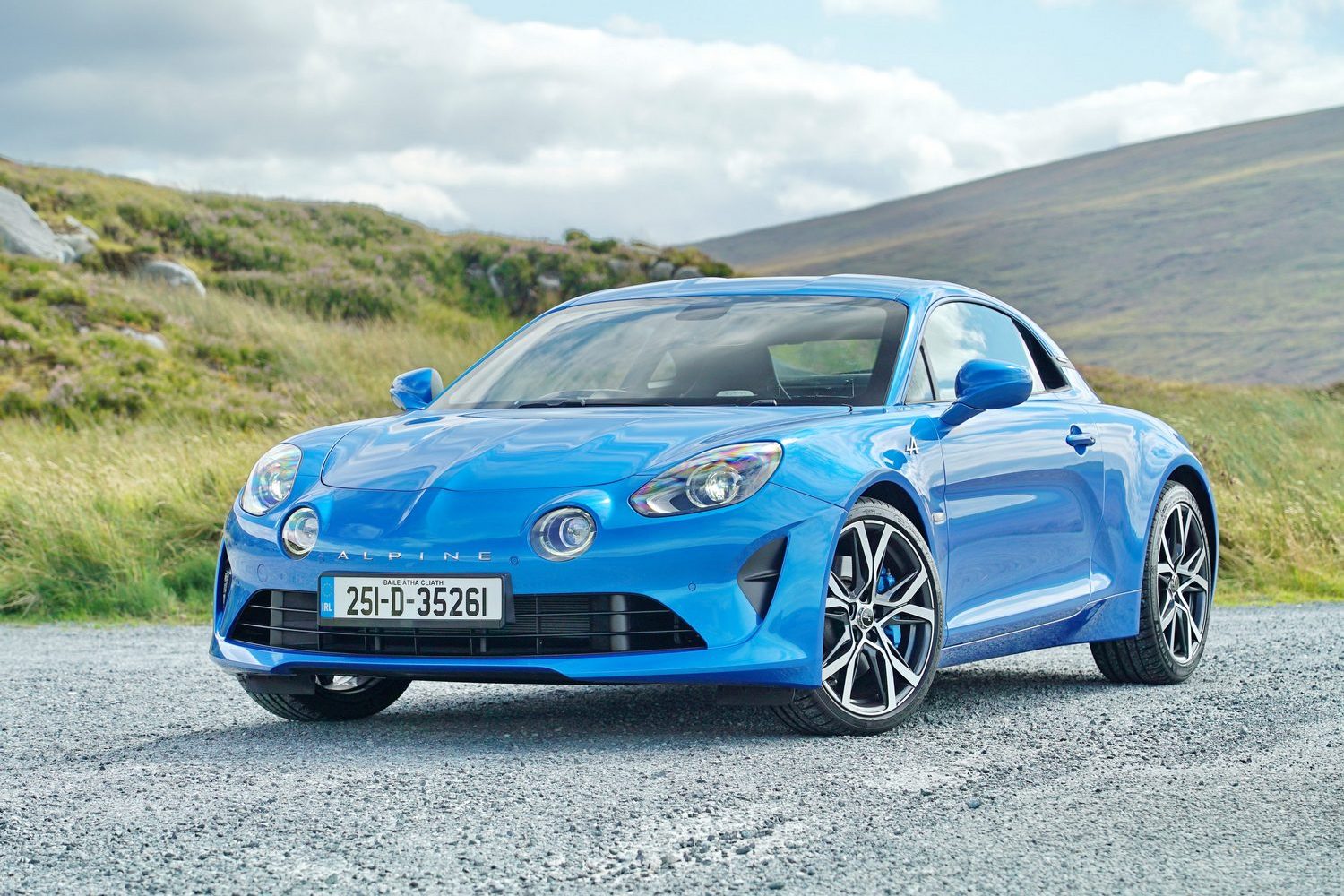
Will those cars be proper Alpines, though? Can they dance and delight like the current A110? Because a week with the A110 has reminded me of what a stunning creation it is. Its power output of 252hp might sound weak in a world where every other EV has twice the power and five times the torque, but when your car weighs a mere 1,100kg, it's more than enough. Acceleration in the A110 feels rapid, sharp, responsive and without the drop-kick effect of an EV that wanes and eventually just disappoints.
Acceleration is also not the point. Thanks to its low weight, the A110 can make do with relatively soft suspension, which means that the sort of bumps and lumps you get on a challenging stretch of Irish blacktop are no barrier to enjoyment. Other fast cars would have you backing off, wincing as your precious 22-inch rims strike the edge of another intrusion - the A110 glides along, unruffled.
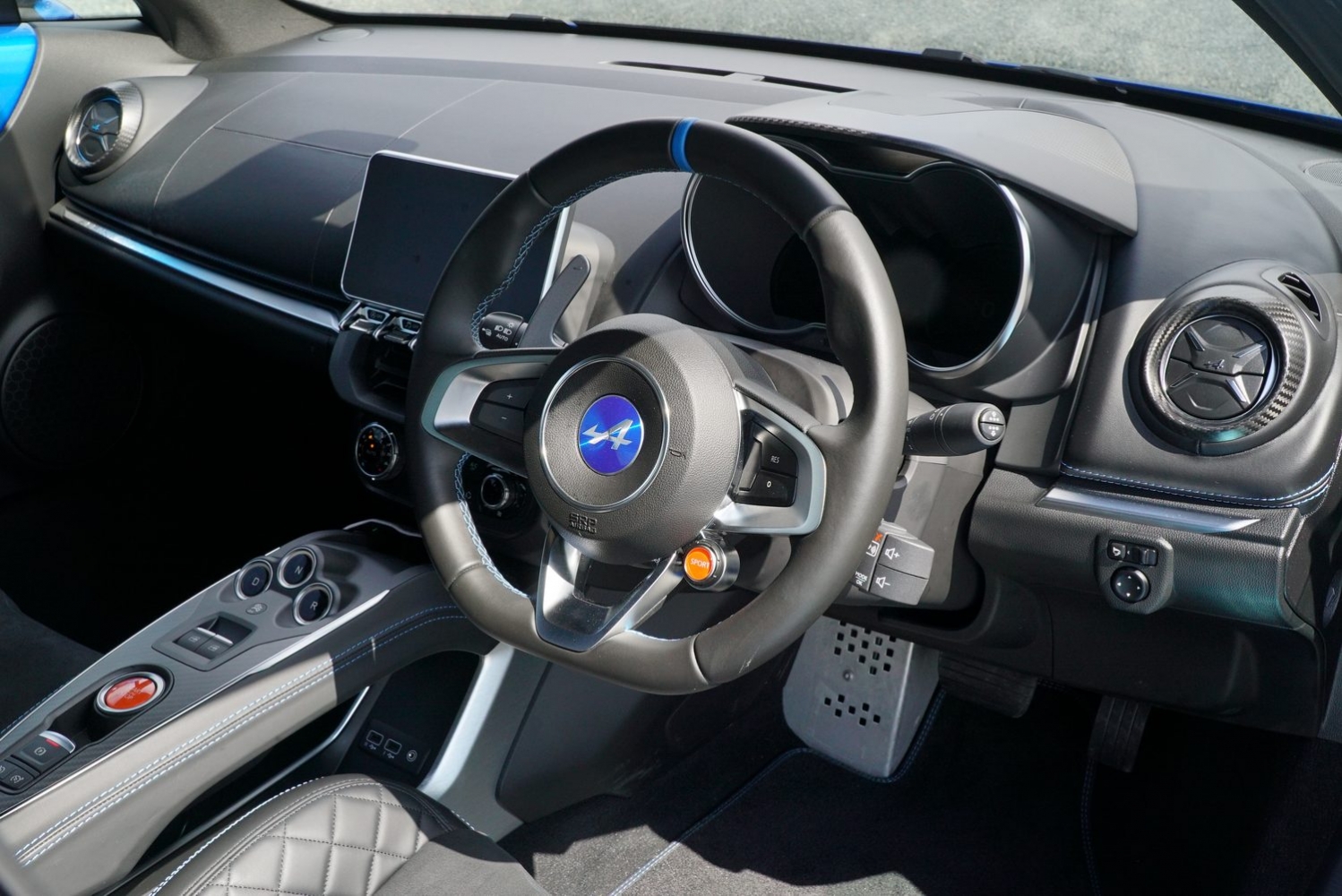
It also has fantastic steering, steering that seems to be set up like that of a Le Mans racer in that it's light enough that it doesn't become taxing after hours at the wheel, but still feeds back every juicy morsel of information about what the front tyres are up to at any given time.
With that 1.8 barking away just behind your head, progress is quick, but most of all it's enjoyable. Rather like the Mazda MX-5, the A110 is a car that is fun at low and legal speeds, unlike many performance cars which have to be ragged well beyond the limit of legal and moral acceptability before they start to entertain.
Some of the work on the A110 was overseen by Cork-born car engineer David Twohig, who was also central to the creation of the original Nissan Qashqai and the first-gen Renault Zoe, and he and his team deserve whatever are the motoring world's equivalent of the Oscars for their efforts.
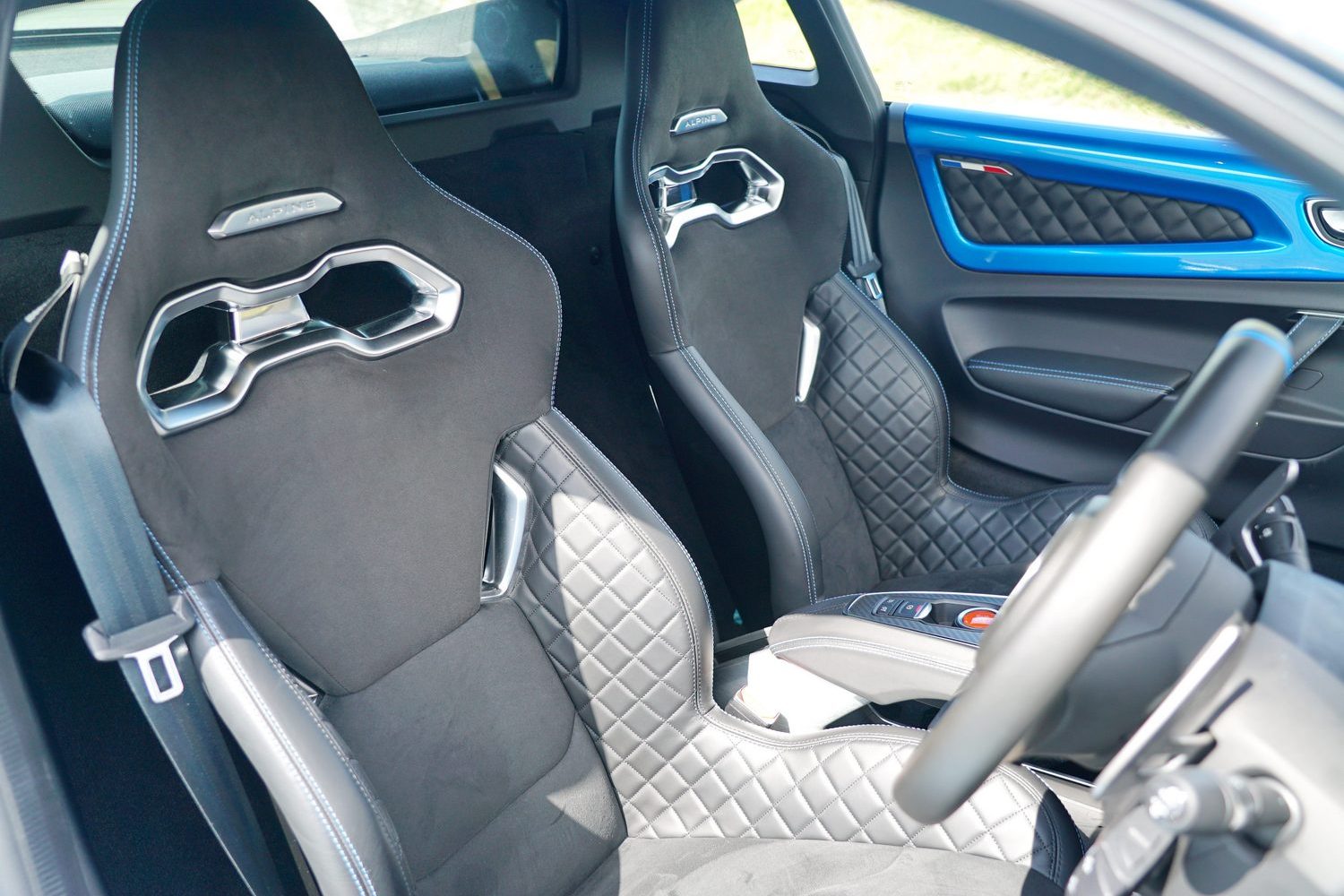
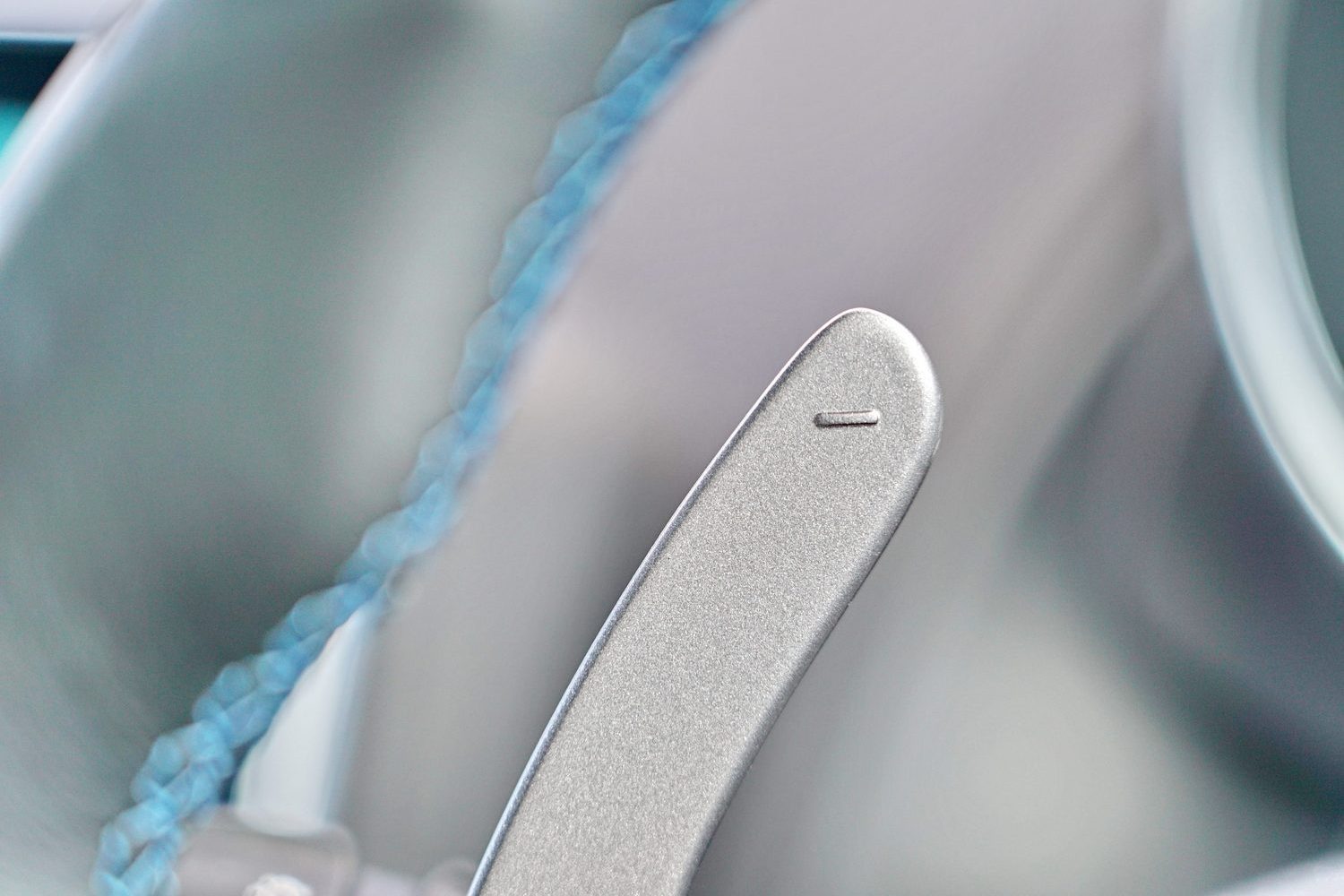
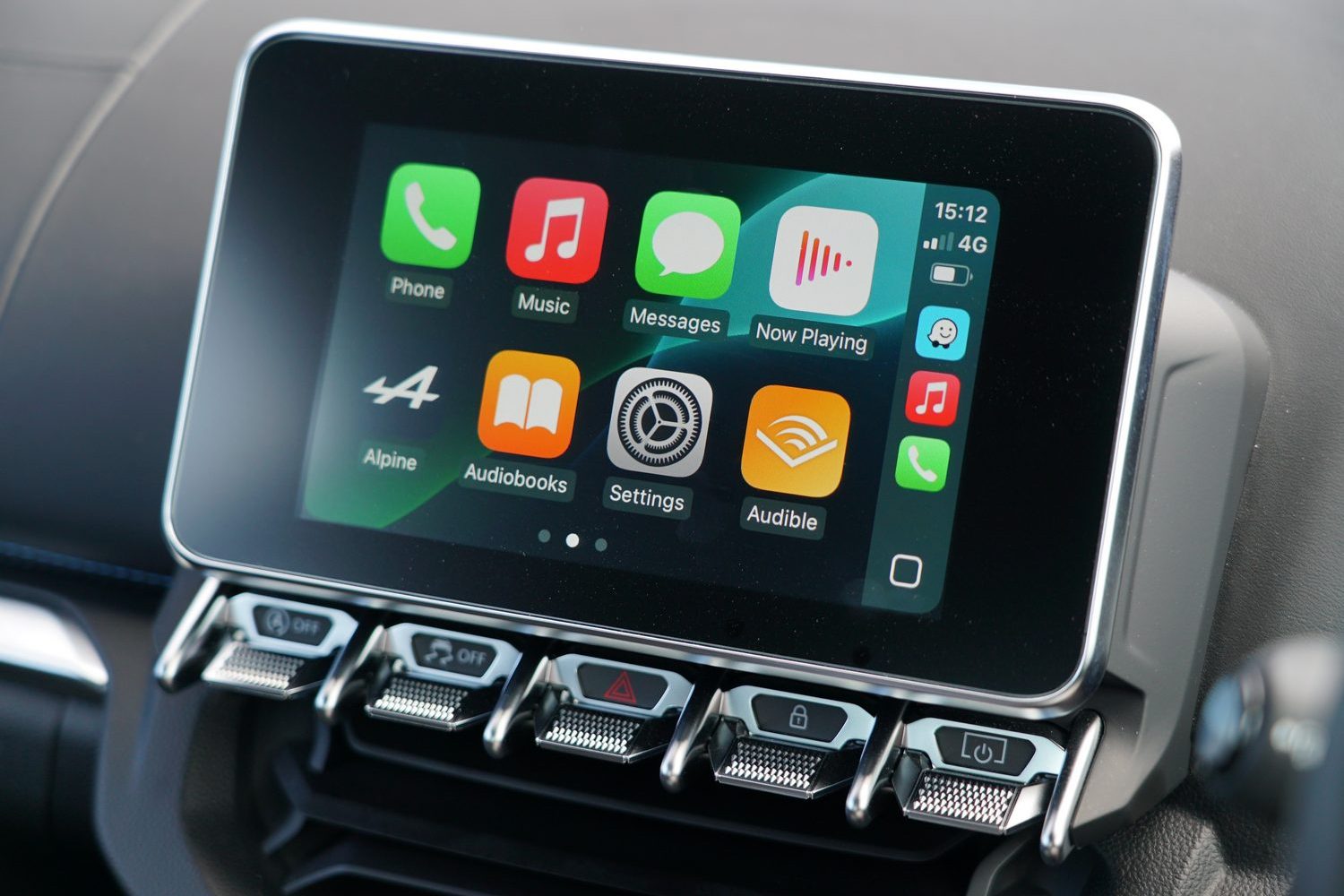
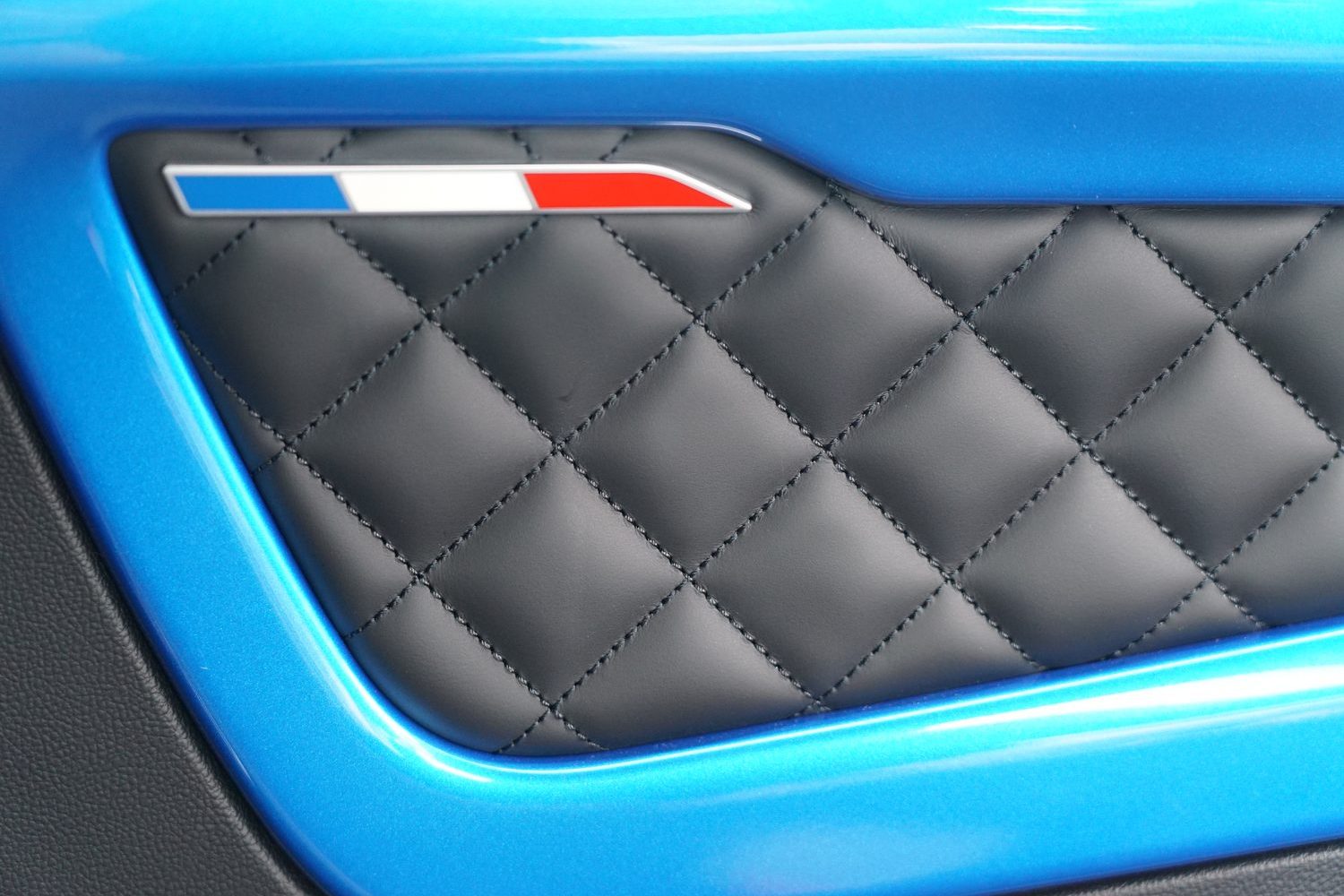
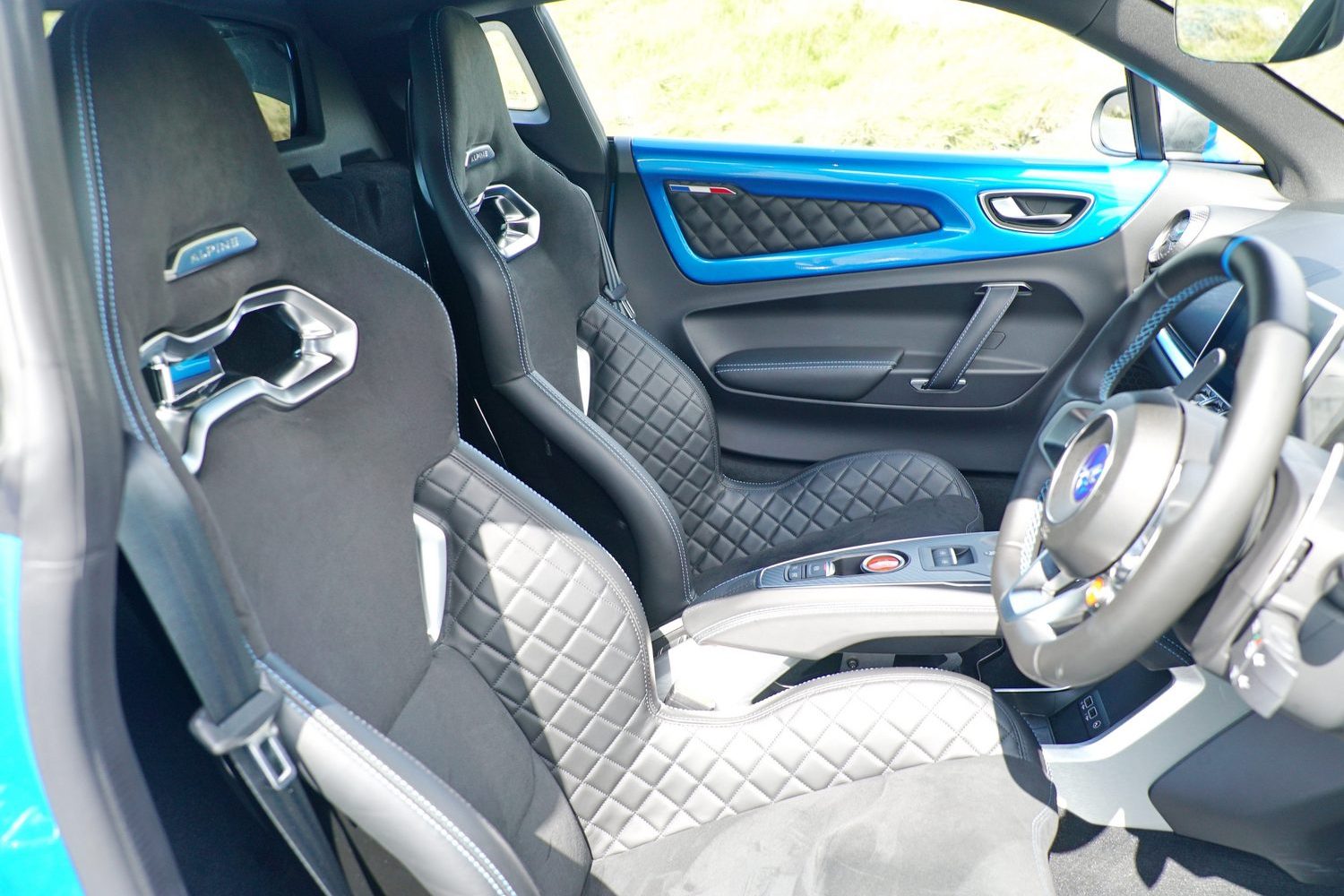
It may not be quite as tightly assembled as a Porsche Cayman, and the dashboard feels annoyingly cheap in places, but these are mere niggles and can safely be ignored. As can, almost, the lack of a manual gearbox option. The paddle-shift, seven-speed gearbox works well in both auto and manual modes, but it's never quite as satisfying as a proper stick. The diamond-quilted leather bucket seats are some compensation for that, though.
Ah, but what about electric?
Alpine is going all-electric, that we know, and the process has already started. In two years' time, or thereabouts, there will be an all-battery successor to this A110, and that is going to be a major challenge. Marrying the inherent weight of a battery pack to the glorious lightness of the A110 will not be easy.
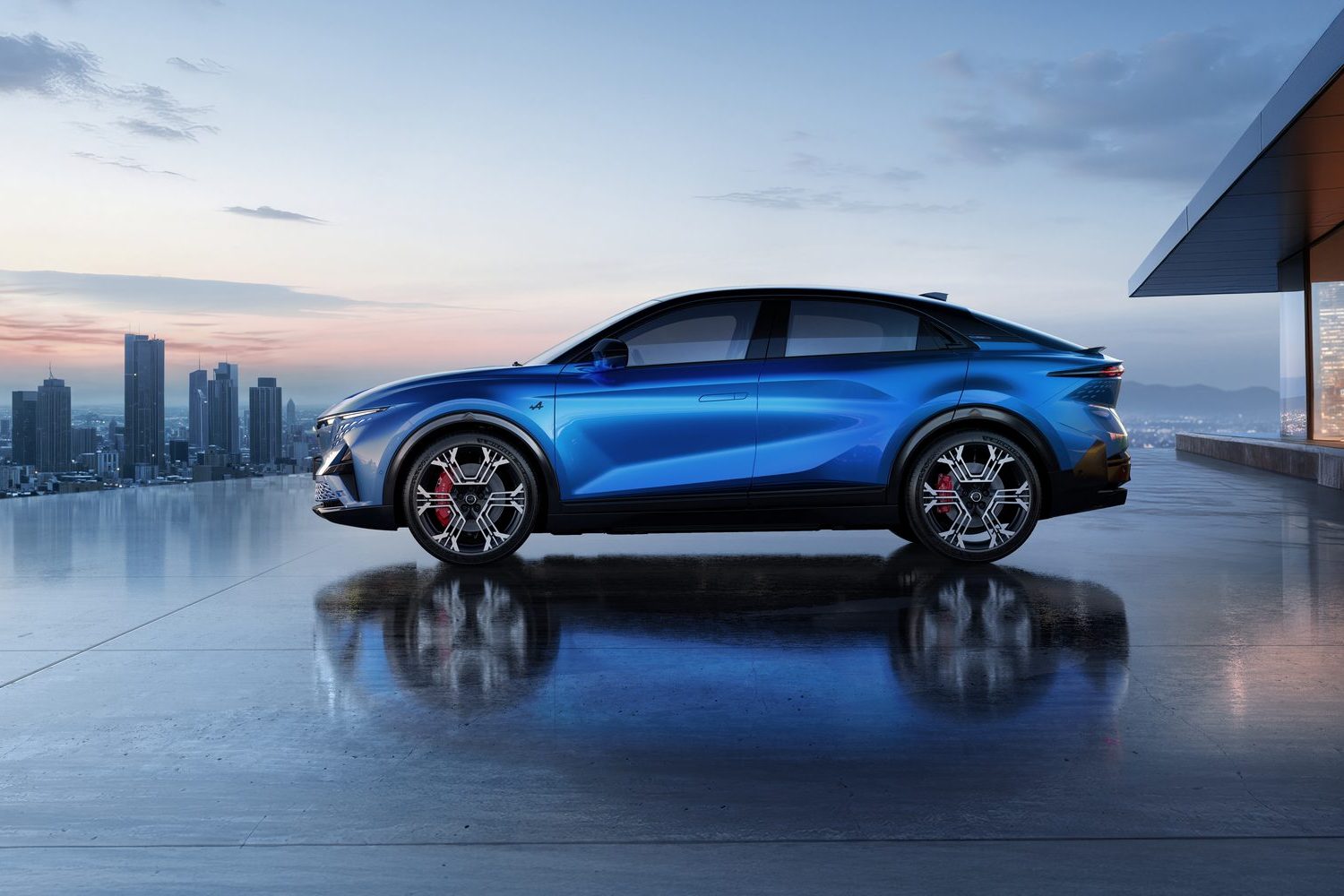
It's perhaps easier for Alpine's bigger, taller models. The new A390 crossover, for instance, is also all-electric (there are similar constituent parts to Renault's Scenic under there) but gets a trick three-motor layout which not only promises plenty of power, but also torque-vectored handling that is claimed to make the car feel lighter and more agile.
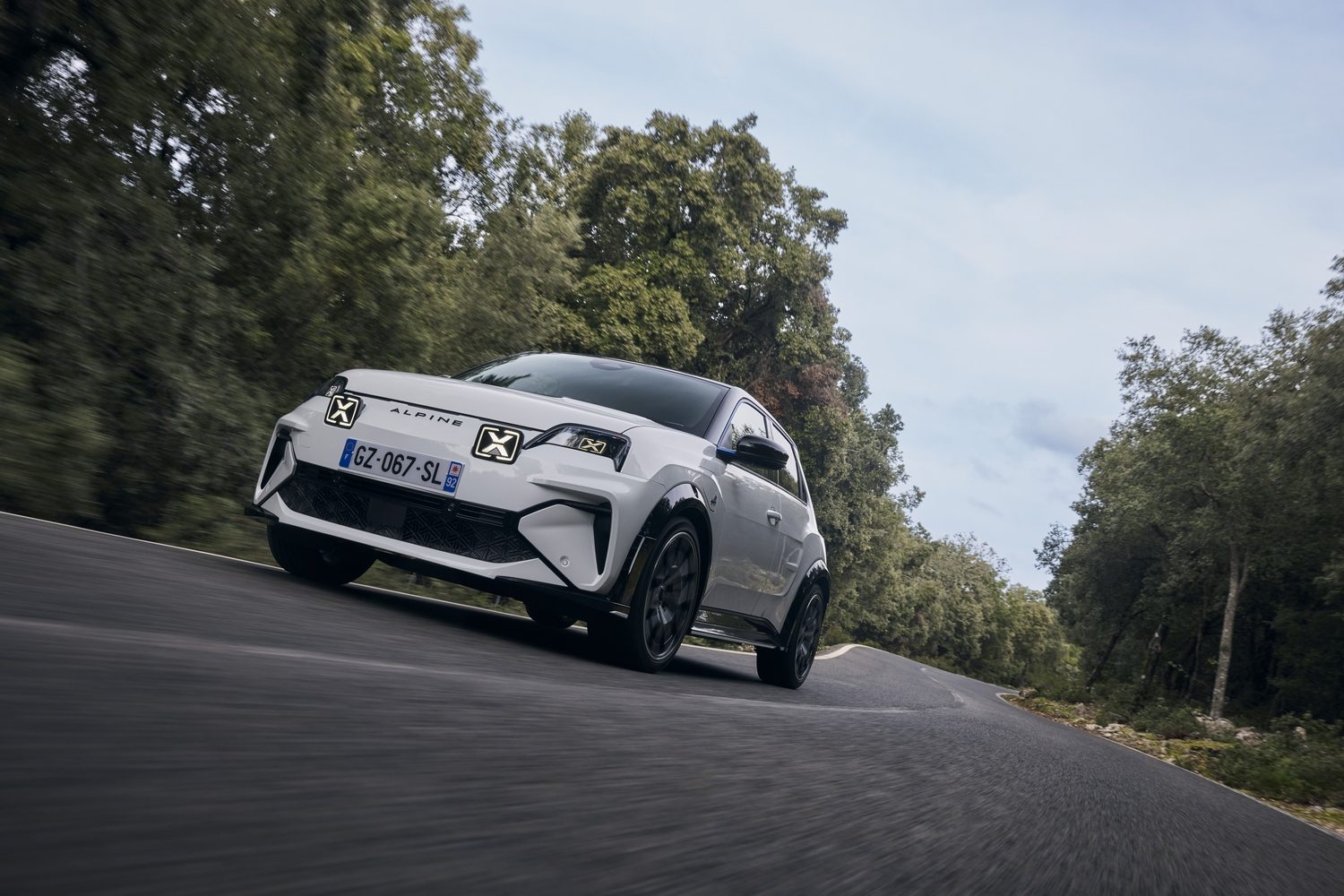
Maybe such tricks aren't all that necessary though. Another week, a different week, was spent in the A290, the Alpine version of Renault's superstar 5 E-Tech electric hatch. The Alpine gets a cool body kit with utterly gorgeous X-shaped rally-style spotlights on the nose, and in top-spec GTS form, it also gets a more powerful 220hp motor (compared to the Renault 5's 150hp).
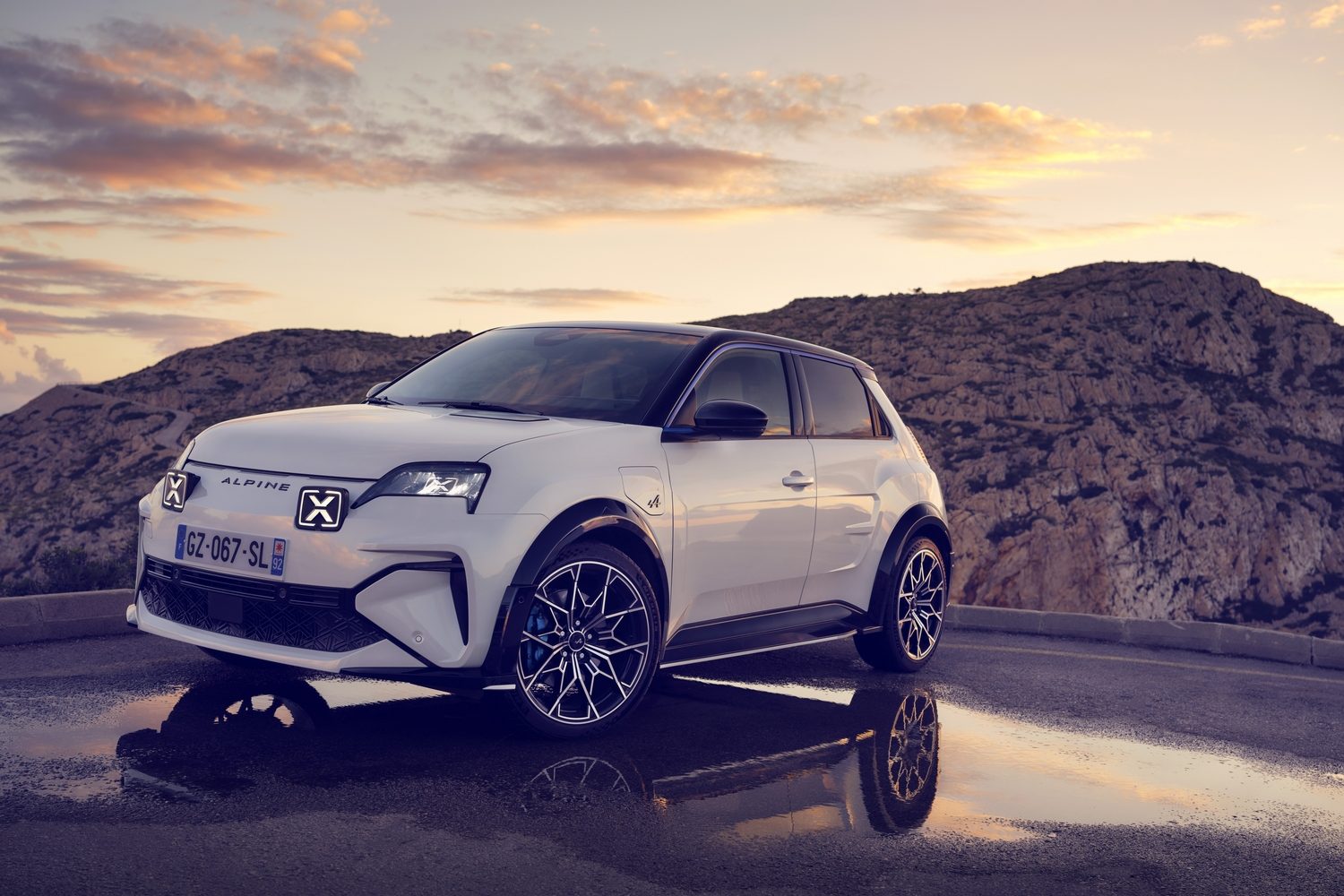
It's quick enough to count as a hot hatch, but unlike most others, this car cares not for straight-line speed yet cares all for handling and dynamic enjoyment. It's heavier than the A110 of course, around 1,500kg, but that's light by EV standards.
So you can fling it about a bit, using steering that, while not quite so sharp as the A110's (how could it be?) clearly shares a kinship, as do its excellent brakes, the discs and calipers essentially lifted directly from the A110.
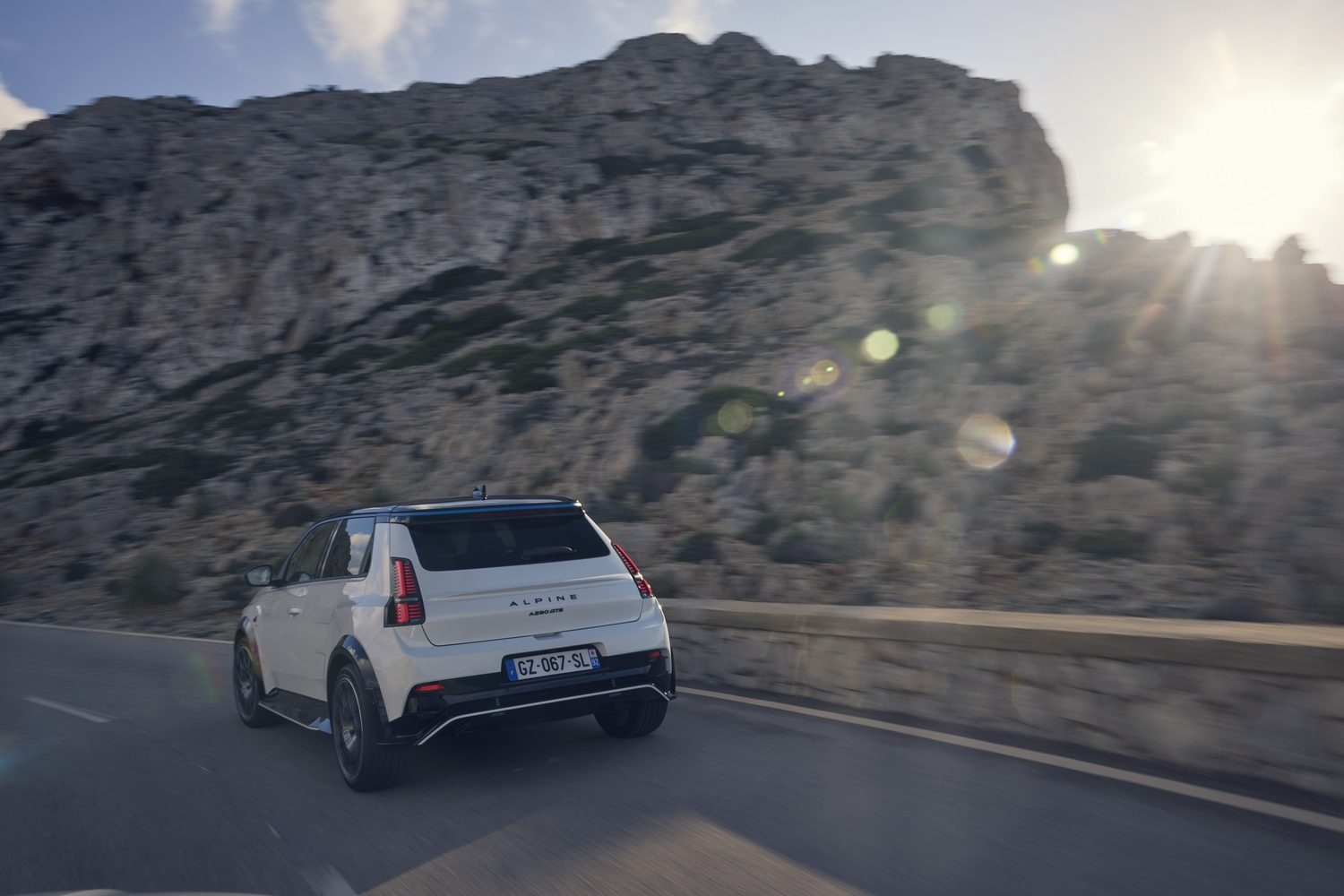
It's fun, in an old-fashioned way, yet that fun comes from cutting-edge tech. Which means you can start to see a glimpse of what the future of Alpine might be like. For my money, it's more fun than a Golf GTI, even if the 250km real-world range is a touch on the brief side.
So, 70 years on, Alpine is doing its Alpine thing. Long may it last.
If there is anything about this story we have not covered, you can avail of our expert advice service via the Ask Us Anything page.