

Q: What was the draw for you to move to Hyundai?
A: There's never one reason. There are several reasons. I guess I was ready to take on a new challenge, and the one that Jose [Munoz - President and Global Chief Operating Officer of Hyundai Motor Company] proposed to me is one that's quite exciting. We know that the times ahead in the car industry are quite, let's say, complicated.
I'm talking about the global economy, geopolitical risks, access to raw materials and the newcomers. The industry in general is even more complex these days with all these headwinds coming, and I think that Hyundai is one of the companies that is best prepared or most ready to tackle all these challenges.
So, between the strength of the group and the interest of the mission that Jose proposed, I would say it was a quick decision to take the challenge. I was very happy and very proud of what I've done before I left, on very good terms, to make it very clear. But now for me, the focus is really the present and the future, and about this new challenge and making it work.
Q: You mentioned the complexities facing the industry. Looking at alternative fuels, what's your opinion on hydrogen in the coming years?
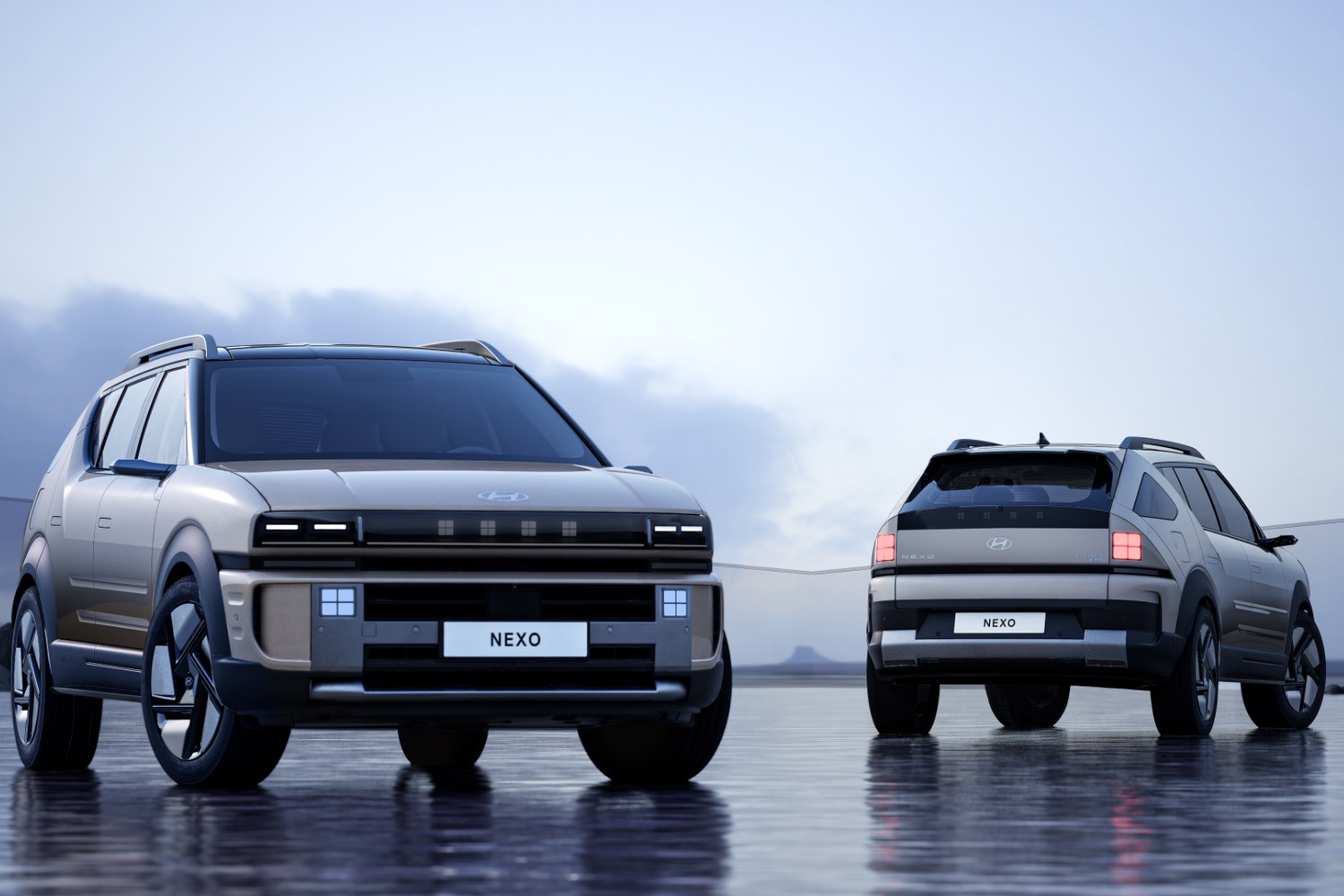
A: When you look at hydrogen for vehicles today, the demand in Europe is very small. When you look at the sales figures from last year, you talk about three digits in Europe, which is quite small. What is interesting to see in our hydrogen strategy is that it goes way beyond just one vehicle.
Actually, we have a triple offer of hydrogen with cars, with buses and with trucks. And if you go one step beyond, you can look at what we're doing, for example, in our new plant in Savannah, GA, in the US, where we're also producing hydrogen locally. So, we start to develop some kind of ecosystem where you start to produce hydrogen, and then you can actually start to use it also in your fleet, including trucks.
It's true, when you look at it today in Europe, the demand is not very strong, but you try to look into the future and try to imagine what you could have 5-10 years from now.
Maybe you know it's part of the mitigation risk scenario where we could also have alternative propositions to our customers. Right now, there are three brands that are investing in hydrogen in the world. I'm sure you know the other two names.
Again, you never know where it's going to go in the future. We have already started to hear some discussions about access to rare earth materials and stuff like that. The only thing I know is that there's a lot of hydrogen available, so you know, it's just that I don't see it in the next few years as a key business asset for Europe, but in the next 10, from a global point of view, it might be an opportunity.
Q: What about hydrogen for passenger cars, more specifically?
A: There's one dimension that is clear, which is that we want technological neutrality, or we're asking for technological neutrality. When you look at the evolution of the regulation and right now, one of the challenges that the car industry is facing, or the EU is facing, is when you're trying to impose only one technology.
Right now, again, one of the issues with hydrogen is the access to infrastructure, and infrastructure costs a lot of money for hydrogen. So that's why it's more like from big city to big city, and that's why you think more about hydrogen, for heavy-duty vehicles and for smaller, lighter ones.
If you develop an ecosystem, you're creating opportunities. So, what might not make sense if you're just looking at the car in an isolated way might make more sense if you're looking at something that is part of the bigger ecosystem, where you're producing the hydrogen and you have a fleet of heavy-duty vehicles as well. So, that's the way I look at it.
Q: I want to ask about plug-in hybrids, and you know they have been gaining a lot of traction in Europe lately. Do you have any plans to modernise your drivetrains to suit this market, and where do you see the PHEV going forward?
A: So that's the great thing about belonging or working for a global group, because you're addressing the demands of customers all over the world, we pretty much have all the tech available. So, we have hydrogen. We talked about it. We have EV. We have plug-in hybrids. We have hybrids, mild hybrids.
We have all of it, and the idea is that the best way to answer all the customers' demands is to have every technology available and to try to get the market share, which is pretty much similar in all kinds of powertrains.
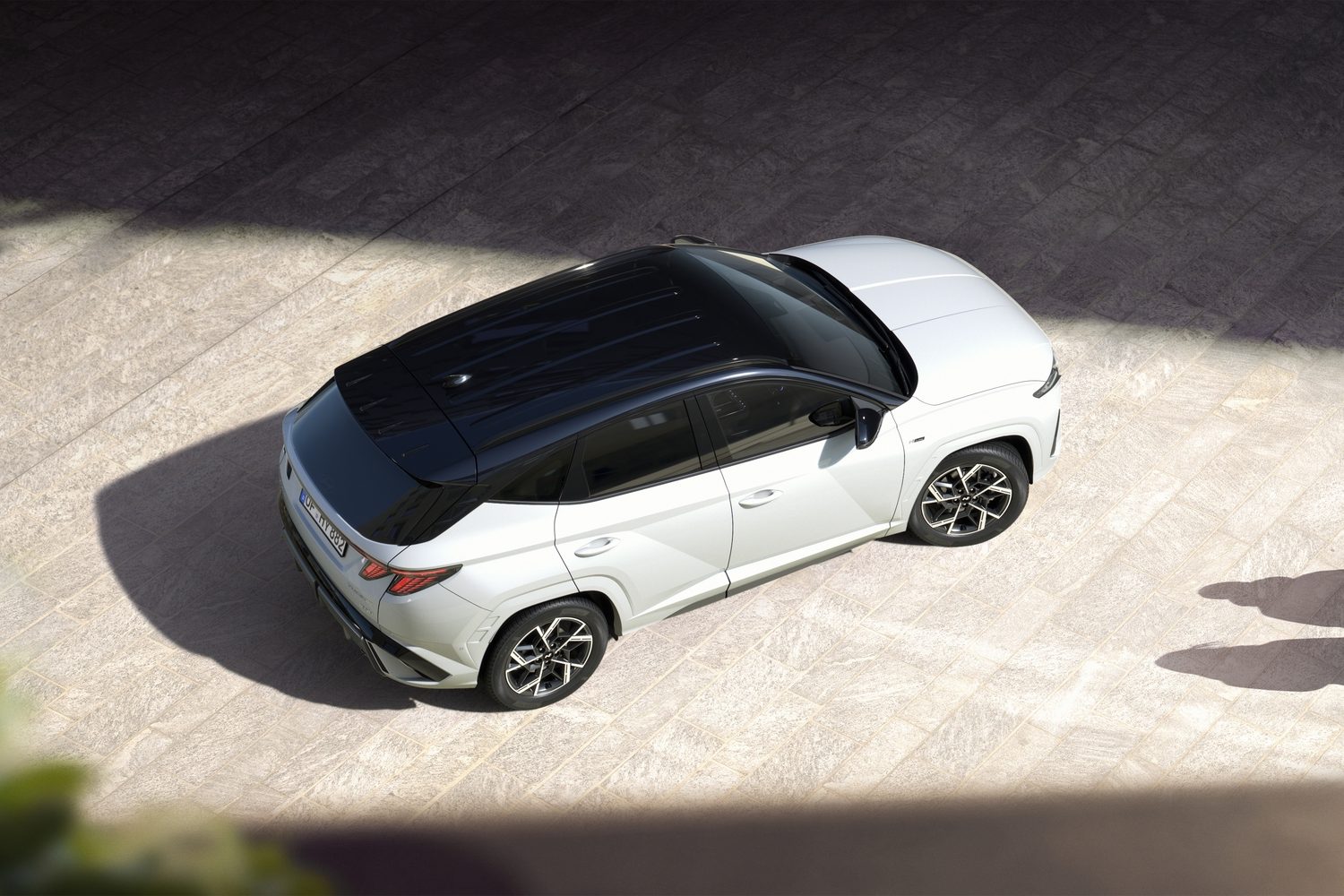
So, if we could have a similar market share in EV, in hybrid and in ICE, we can better tackle the evolution of the market in terms of powertrain demand because what we see today is that most of the evolution of powertrain demand is regulation-driven and not really customer-driven.
When you talk about PHEV, it grew in Europe because of incentives or thanks to incentives, and you know very well that coming next year and the following year, there will be a change of regulation, so PHEV will not be as favourable as it was this year. So, emissions of PHEVs will increase almost double or triple in the next two to three years, which is going to have an impact on the attractiveness of the PHEV offer.
Again, for us, we have to try to consider risk mitigation scenarios, we have to be able to answer to any kind of situation in the market and the best way is to be performing very well in every single part of the market, whether you're talking about models or you're talking about channel mix or you're talking about powertrain offers.
For us, I would say we see the evolution of the open market towards EV and hybrid in the next few years. It's clear, and I can say that the objective is that by 2027, every single Hyundai model in Europe will have either a full EV or a full hybrid offer. Everywhere.
Q: Is there a way for Hyundai to address affordability, given that regulation means cars are becoming more expensive, and perhaps the A segment has traditionally played a role there? How do you help ensure cars remain affordable going forward?
A: It's a good question, and we don't have all the answers. We know regulation is really penalising small cars because the cost of regulation represents a bigger percentage of the price of vehicles in the A and B segments versus the C, D or E segments. It's just like basic math. So that's one of the issues we're facing. That's why we believe that the A segment has to really be mainly electric.
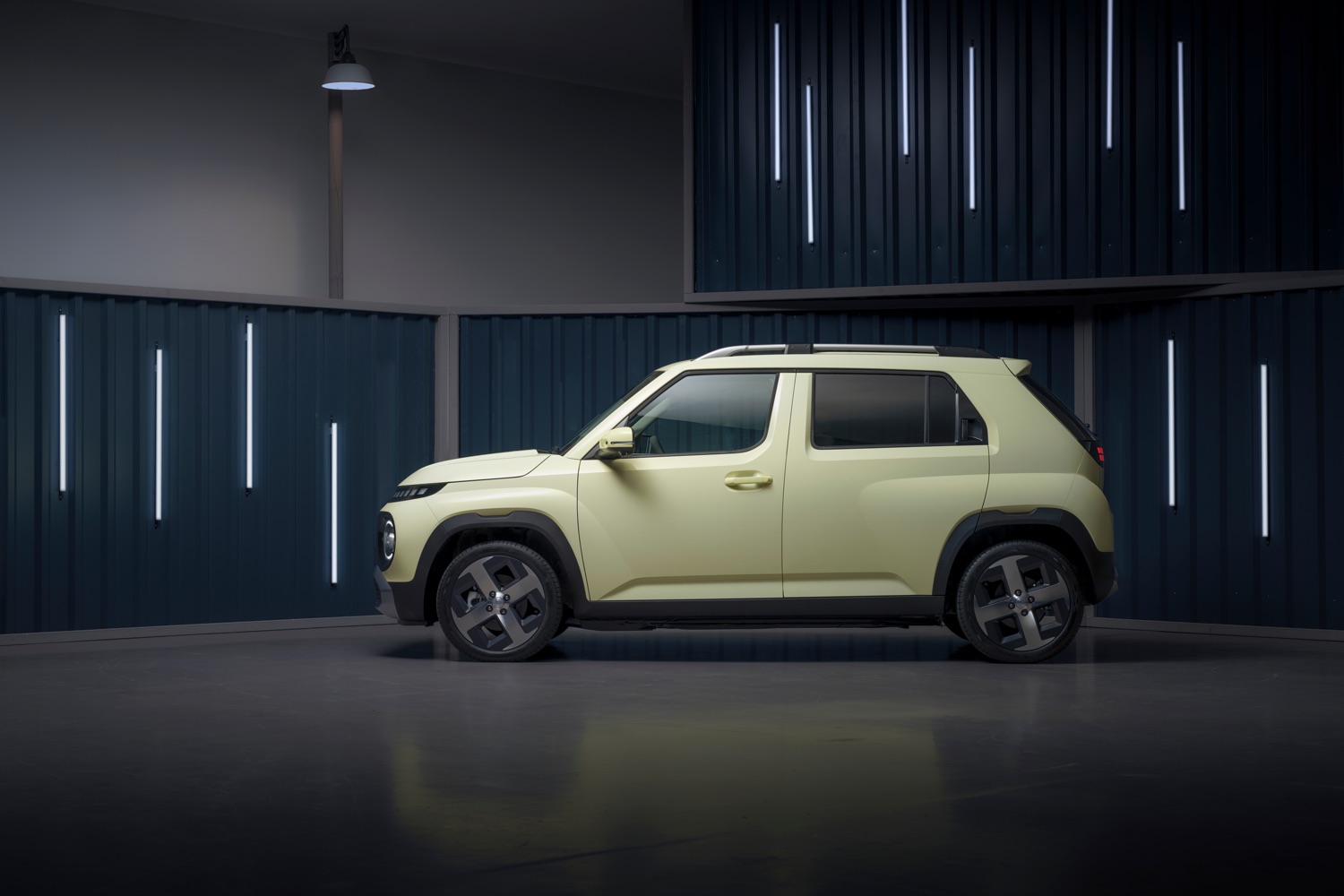
I think the big question is finding the right size of battery. There's also this inflation of battery size that can be justified when you're trying to get a large range for people who are making long trips in a small vehicle. It's not the case. So, we should be able to try to optimise the size of the battery. We're having a double offer of battery, by the way, on Inster, which is also a way to try to answer that specific question. Hopefully, the development of sales of small vehicles will also help us somewhere, you know, lower the cost of other vehicles and therefore, at some point in time, try to lower the price.
Q: You say plug-in hybrids have a limited future given the regulations that are going on, and electric and hybrid could be the solution, but the one thing few car manufacturers are talking about is sustainable fuel and the role that that could play in the future. You've already got experience as a company in producing your own fuel in the form of hydrogen, and other companies such as Porsche are exploring producing their own e-fuels. Do you think that's something Hyundai can do? And do you think that the concept of e-fuel in general, irrespective of who produces it, can have a longer-lasting benefit for combustion engines in Europe?
A: The technical neutrality is quite important. The question should not be about how, but what, and the result we are trying to achieve. At the end of the day, the enemy is carbon; you have to find ways to look at all the ways to treat it. There's also something that is not talked about enough in the public space, which is also taking care of the old car park we have in Europe, because again, you have a lot of vehicles that are more than 20 years old, and they're emitting a lot of CO2.
There's a lot that can be done. The problem at the end is really trying to put everything together, aligning all the priorities and aligning everything to try to find the right answer. If it is about capturing carbon that exists in the atmosphere and then trying to offset carbon when you're putting the fuel in the vehicle, so you're capturing carbon and you're putting some more in the vehicle, but at the end, you're getting a zero-sum game, it would make sense as well.
Now, when you look at e-fuels, you have many questions. Can we produce the quantity that is requested? What's the price? Right now, we're something around like €10 and not €2 or €1.80 for a litre of gasoline or diesel.
But then again, what would the price be X years from now, what would the fiscality be as well?
There are a ton of questions, but I guess it would be interesting to investigate some of these questions, and maybe we'll come up with some answers that are quite interesting. Whether we're doing it ourselves or we partner with somebody else, that's something that would be interesting to see.
What we need is to have a global vision of where we want to go. Right now, everybody's talking about electric vehicles, which represent 17 per cent of the European market. Everybody's quoting China as an example. They're at 27 per cent, and the US is at 7 per cent of its market share for EVs. So, there's still a long way to go.
Q: You mentioned the cost of e-fuel, and that's obviously a major factor, especially at this early stage of that technology. Do you think governments should swallow some or all of the excise duty and taxes that they charge on fuels because it's such a significant amount? Should they do it on sustainable fuels in order to help encourage adoption of those fuels, to make it more appealing for consumers, or just to make a choice?
A: These are broad questions as well. You could also argue that there is a need to build clean energy electricity, because when you look at Europe, you're getting some economies or some countries where the electricity is carbon-free or almost carbon-free if you're talking about nuclear. And then you get some other countries. Poland, for example, where everything is coal-based, and you can also ask another question there because the carbon footprint of an EV running in Poland is carbon-intensive.
So, you need to have questions about this: where do we produce electricity, and you have to question infrastructure development. You have questions about all the other topics again because I mean, the countries have budgets to respect, and we know the situation in Europe is not so flourishing that we can say or do whatever we want.
These governments have to decide on their priorities and where they want to put them. It's true that the feeling I have, I would say it's just a personal perception, is that when we talk about the car industry, you have the feeling that we're more often talking about black penalties and malice and taxes rather than, let's say, incentives to develop. That might be something we would like to see in the future, and we're looking forward to the potential revision of the 2035 targets by the European Commission later this year.
We need to have clarity on this scenario because you can see right now, the industry and its many voices are saying the industry is really not developing at the right speed. No one can challenge or doubt the efforts of all the brands, all the OEMs, to electrify their vehicles. Billions and billions have been invested, but it has to be, let's say, a more global effort.
Q: Part of your group (Kia) has announced plans to enter into the commercial vehicle market with a whole range of electric vans, but is the commercial vehicle sector something that Hyundai may look to expand further into, whether it's combustion engined or not, in order to increase that market share that you have?
A: We do have an LCV plan in our midterm plan, but it's too early to go into the details of what we'll do, when and with what vehicles. The LCV is a significant part of the open market, and if we want to become a top player, we have to be present in every single market, and LCV is one of them.
At the same time, you cannot go into LCV with half a plan. It's a very competitive environment where we already have a lot of players with a lot of experience. We know that you must have a 360-degree plan to enter the LCV market. You need to have the vehicles with the diversity, you need to have the agreement with the converters, you need to have the right sales, finance, organisation and the right fleet organisation. You need to have enough presence to sell, and people ready to repair your vehicles.
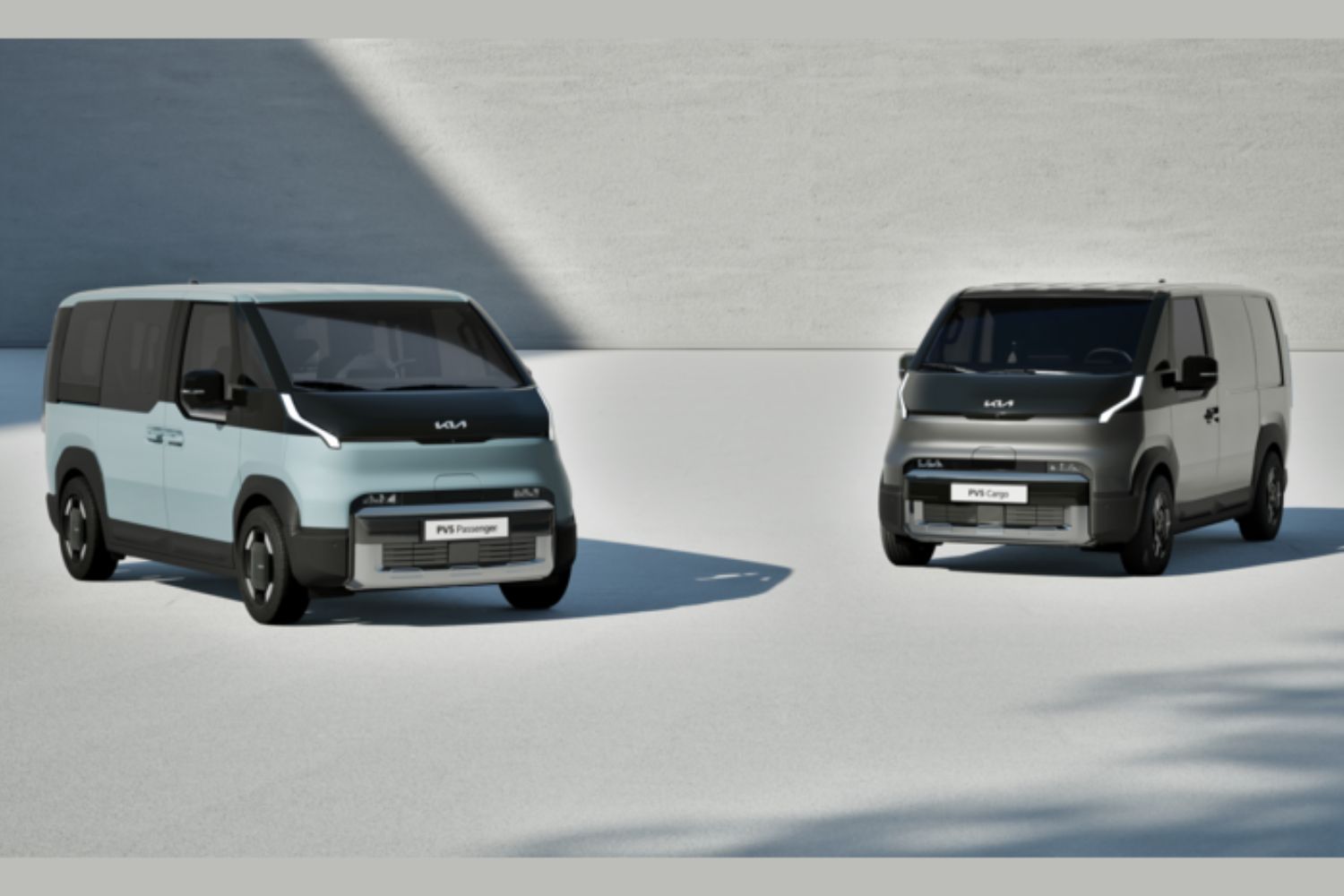
Give you a courtesy vehicle or a courtesy van because the fire truck, for example, is going in for maintenance? You cannot give them, let's say, a regular van to do the job; they won't be able to do so.
It's true that our sister brand has taken some steps so far, which is also a good way to learn about the market from a group point of view. In 10 years, we hope to have become a player in this sector in Europe. It also enables me to see the opportunity to talk about fleet, which is another area in which we've not been extremely successful in the last few years, simply because the focus was put primarily on private customer sales.
This is something we're working on. There's a lot to be done as well, but we already started some steps, whether we're talking about sales, finance partners, whether we're talking about personalisation of the network, whether we're talking about setting up a true European structure account. I would say it's a prerequisite if you want to enter the LCV market.
Q: Switching to your premium division, Genesis is rolling out to more markets. Can you provide an update on that?
A: Yes, we announced earlier this year at Le Mans that we will expand the market coverage of Genesis in Europe to new markets. I will give you two numbers that are quite important to me: last year, in 2024, Genesis sold 75,000 units in the US, and we sold 2,500 units in Europe. And I know that the markets are not the same between the US and Europe, but still, this 30-to-1 ratio is not, let's say, a classical ratio of sales comparison between the US and Europe.
We tried to launch in the past, Genesis, in a very, let's say, specific way, trying to really promote a direct-to-customer approach with a very high level of hospitality. Bring the car to the customer, especially for a test drive, even sometimes going to pick up the vehicle from the customer for aftersales and that kind of stuff.
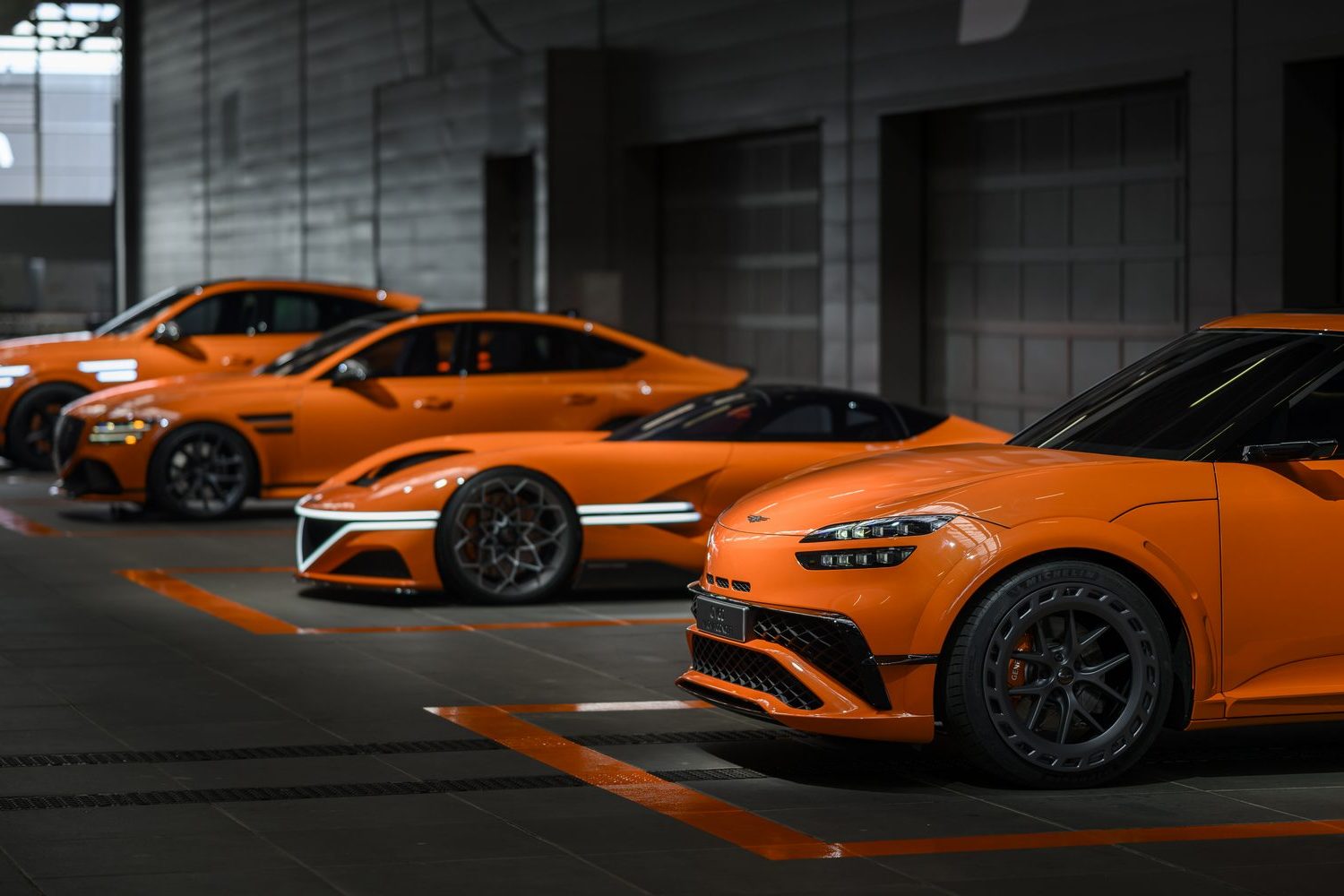
So, it went very far in terms of the hospitality approach. What we see, though, is that at the end of the day, this is great in terms of customer satisfaction, but it might not be the best, let's say, mechanism or organisation to try to develop the sales in a more important way. So, we are currently redefining the business model of the Genesis brand. We want to look at what they are doing in the US because they've gone a very long way in the last five years in the US.
Trying to maximise some of the synergies we could get between the Hyundai and the Genesis organisation, whether at a national sales company level or even at the dealership level, and trying to really keep customer specific.
What is customer specific? You don't treat Genesis customers the way you treat a Hyundai customer, right? It's really a different customer promise. Genesis is really premium to luxury in terms of positioning and quality of the vehicle that we're proposing to the market. And we need to have the same consistency in terms of service and quality of service.
What we announced will simply expand the market coverage. So far, we only sell Genesis in three markets in Europe: Germany, Switzerland and the UK. We'll expand to four new markets, which are France, Italy, Spain and the Netherlands. We also said that this is just a first step, and there will be other markets after. So again, our objective, our ambition, is to cover the whole of Europe in terms of Genesis sales and aftersales.
If there is anything about this story we have not covered, you can avail of our expert advice service via the Ask Us Anything page.