

I wince, brace ever so slightly, and then... glide effortlessly over the ripples. They may as well not have been there. Welcome, then, to a world of truly comfortable cars. Welcome to the Renault 16.
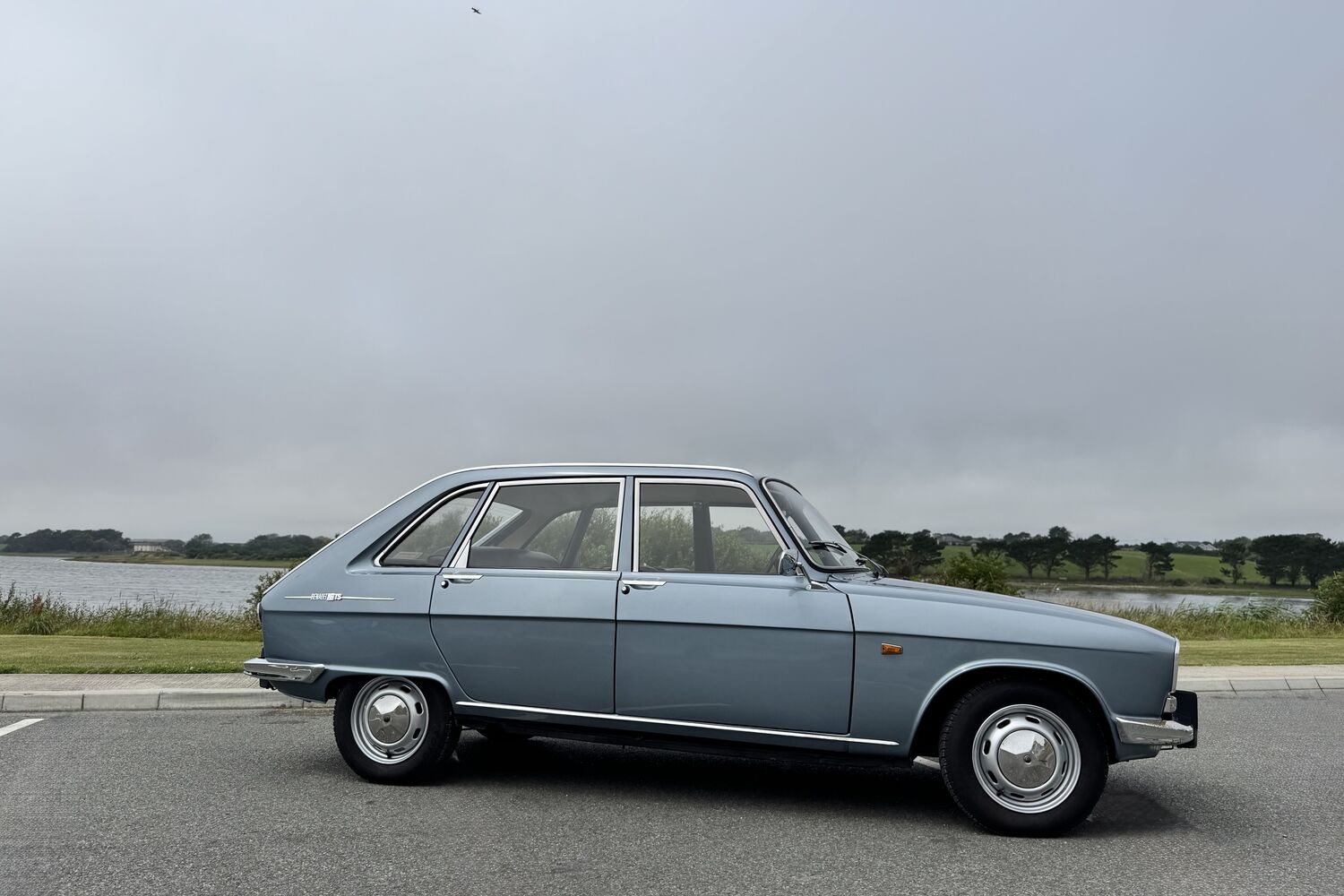
The Renault 16, launched 60 years ago this year, and only the third-ever winner of the European Car of the Year award, is a car that, frankly, doesn't get its props. Like so many other cars, especially French cars, it gets more than a little overshadowed by the famed Citroen DS, launched ten years previously.
The DS, of course, stunned the world with its air-cheating shape, its hydropneumatic springs and its dazzling sense of style. But did it really change anything? Not as much as you'd think. The DS, for all its brilliance, was something of a motoring dead-end, and no-one really followed where Citroen led.
The Renault 16, though? That's another story. Practically every modern car owes a debt to this one. Let's step back in time, just a little, and remind ourselves what else was on sale in the large family car market when Renault launched the 16.
There was the Lotus Cortina, there was the Peugeot 404, there was the Austin 1800 and there was the Alfa Romeo Giulia among others. Aside from the Austin being front-wheel drive, every one of those was an utterly conventional three-box, four-door saloon with an iron-block engine. Indeed, the Austin's B-Series engine even had valves operated by old-fashioned (if reliable) pushrods.
Into this group swept the sleek Renault 16, and what a shock that must have proven for Renault customers who'd bought its predecessor, the rather matronly Fregate. The 16 hit the market with a modern all-aluminium engine, an overhead camshaft, front-wheel drive (with the slightly unusual layout of the gearbox being in front of a longitudinal engine, with drive sent back to the front wheels - a layout the 16 shares with the evergreen Renault 4), and it was an engine that would prove so versatile that it would also go on to power both the original Alpine A110 and the Lotus Europa.
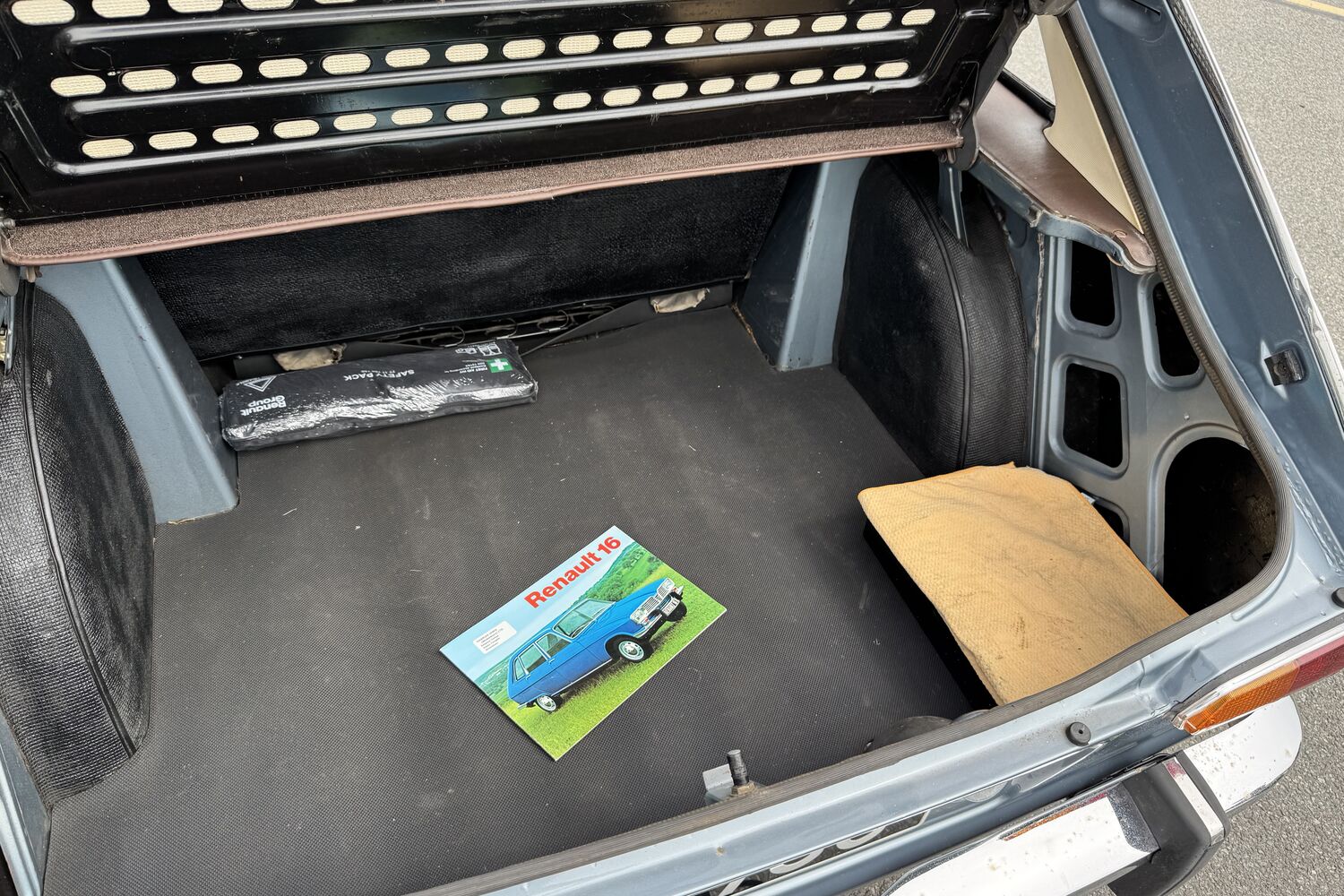
Crucially, the 16 was also a hatchback. Now, there's a great deal of debate about whether or not the Renault 16 was truly the first hatchback - after all, the Renault 4 predates it, but then the Renault 4 is almost closer to being an estate or even a proto-SUV, discuss amongst yourselves... - but this car's shape and style certainly influenced a lot of future models.
So too did its versatility. The rear seats fold flat, opening up cavernous load space and causing contemporary road testers and reviewers to trip over their terms of definition somewhat, with the car being referred to in its US sales literature (sales were sluggish in the States, but did better in Canada, where the 16 was built under licence) as a sedan-wagon.
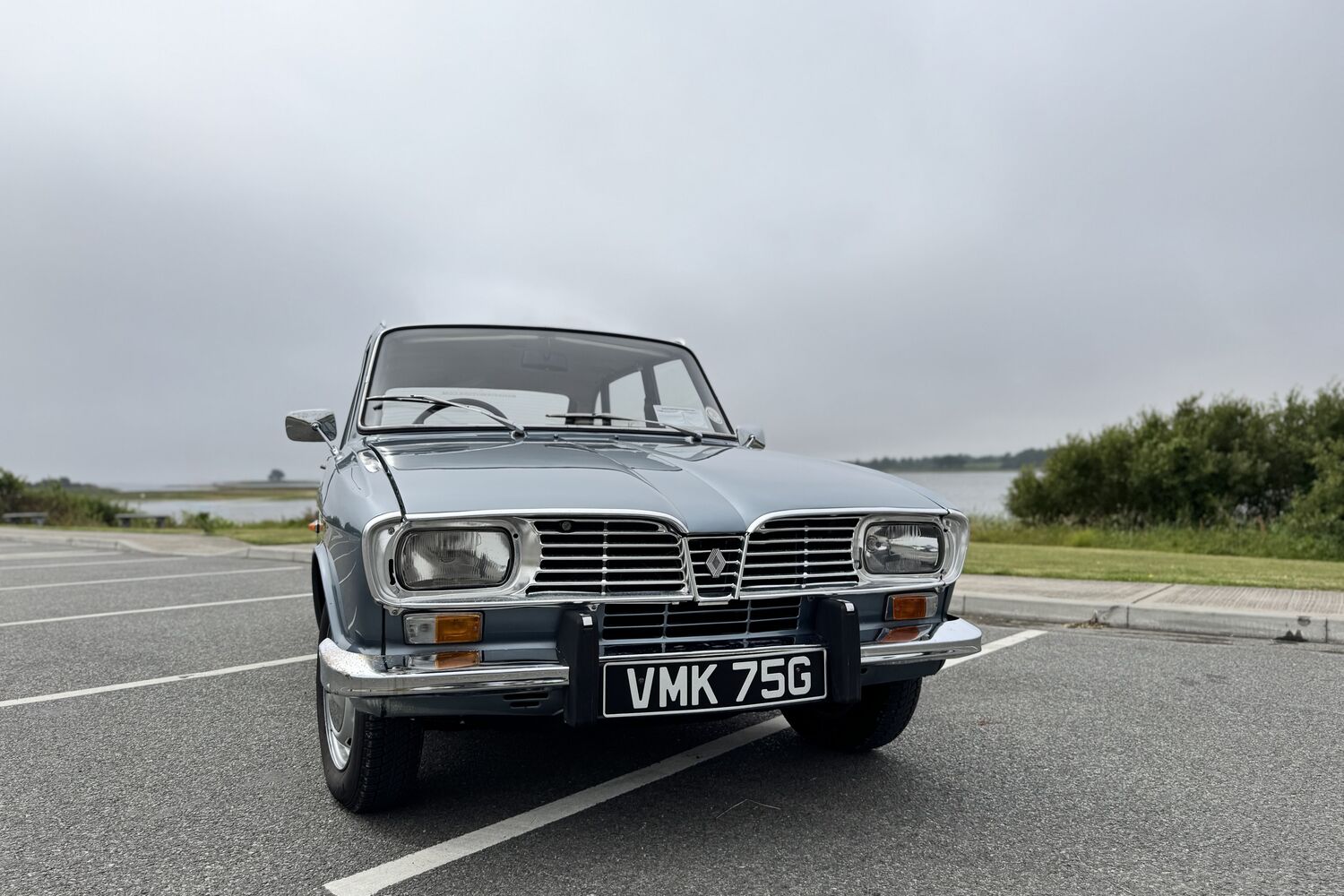
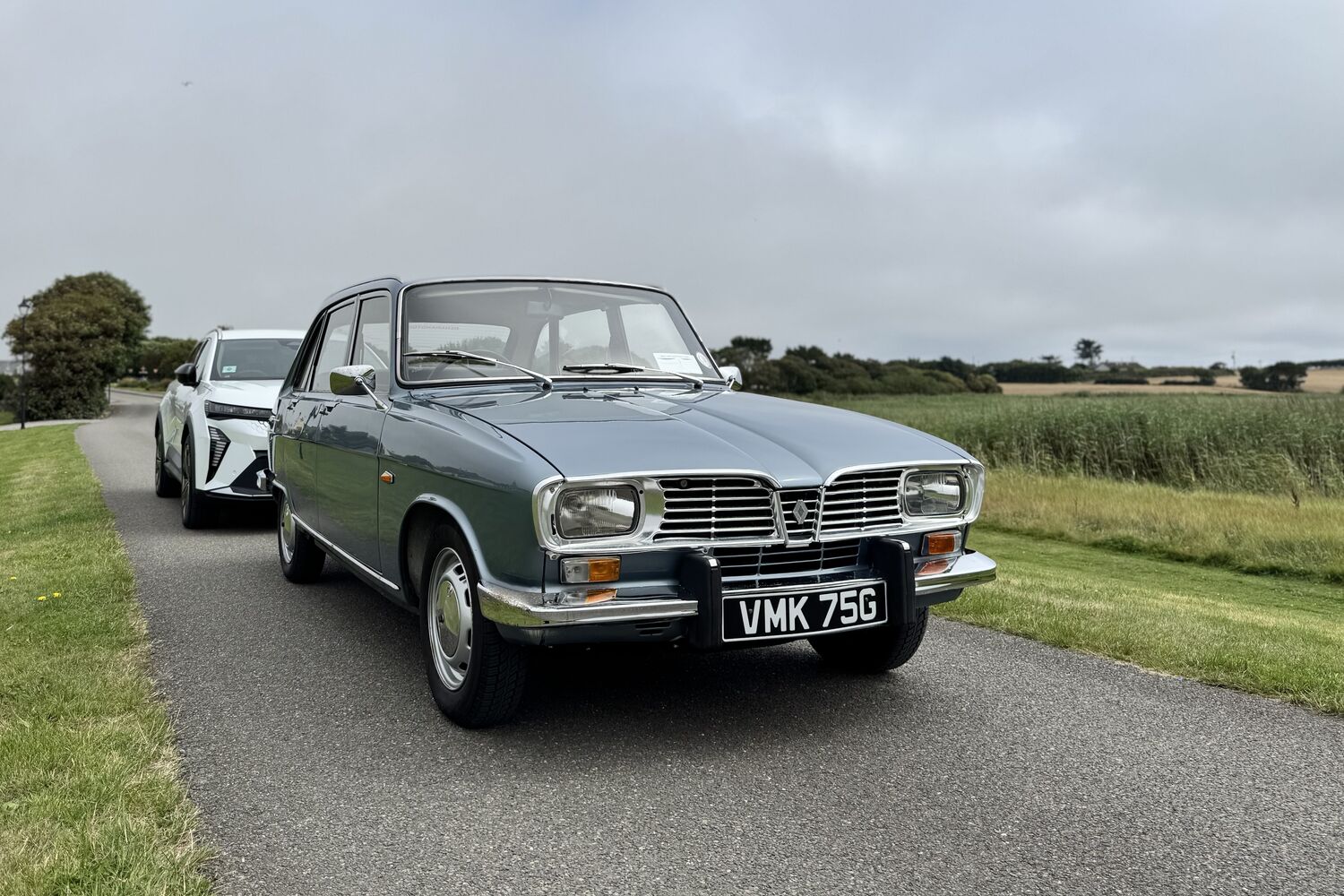
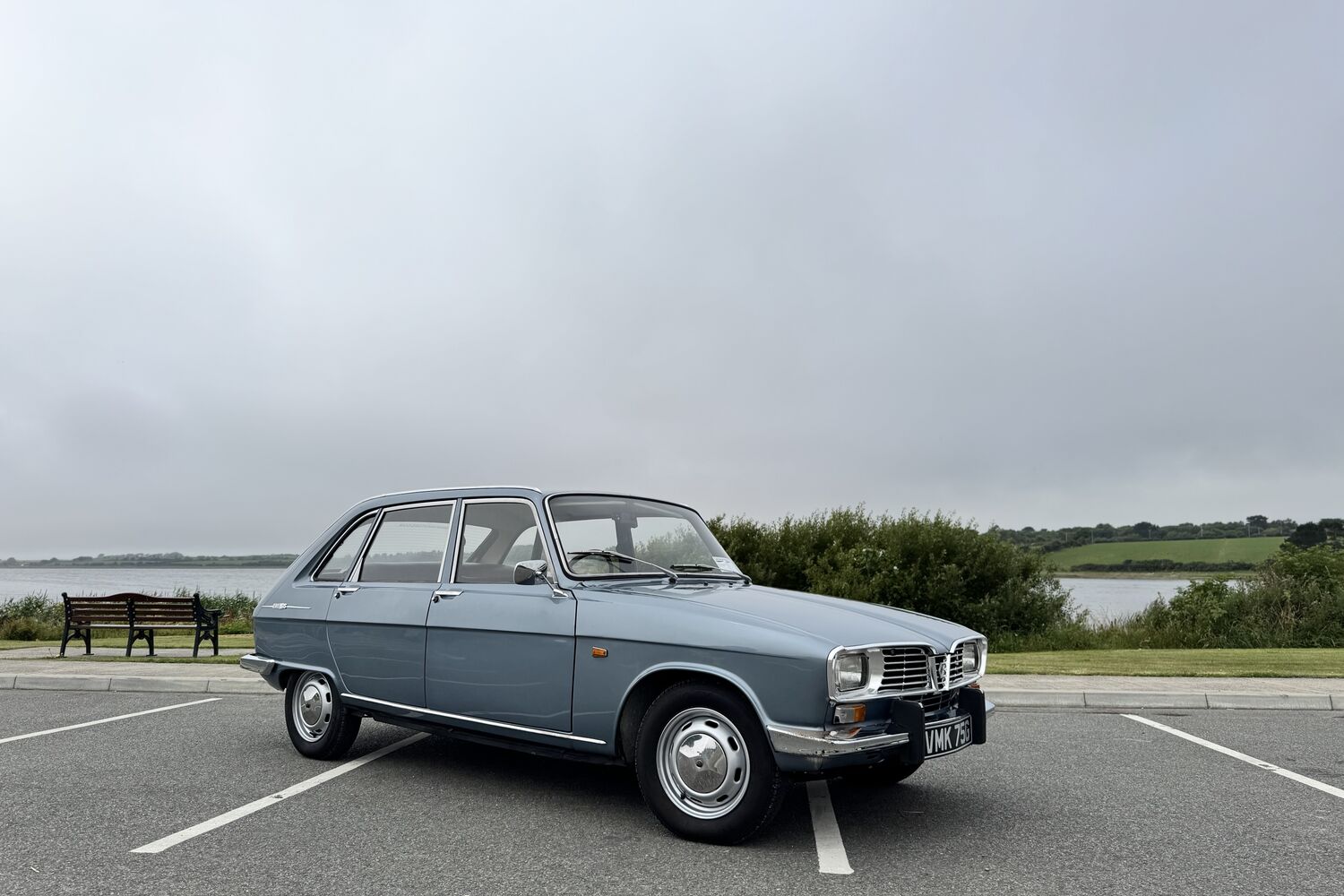
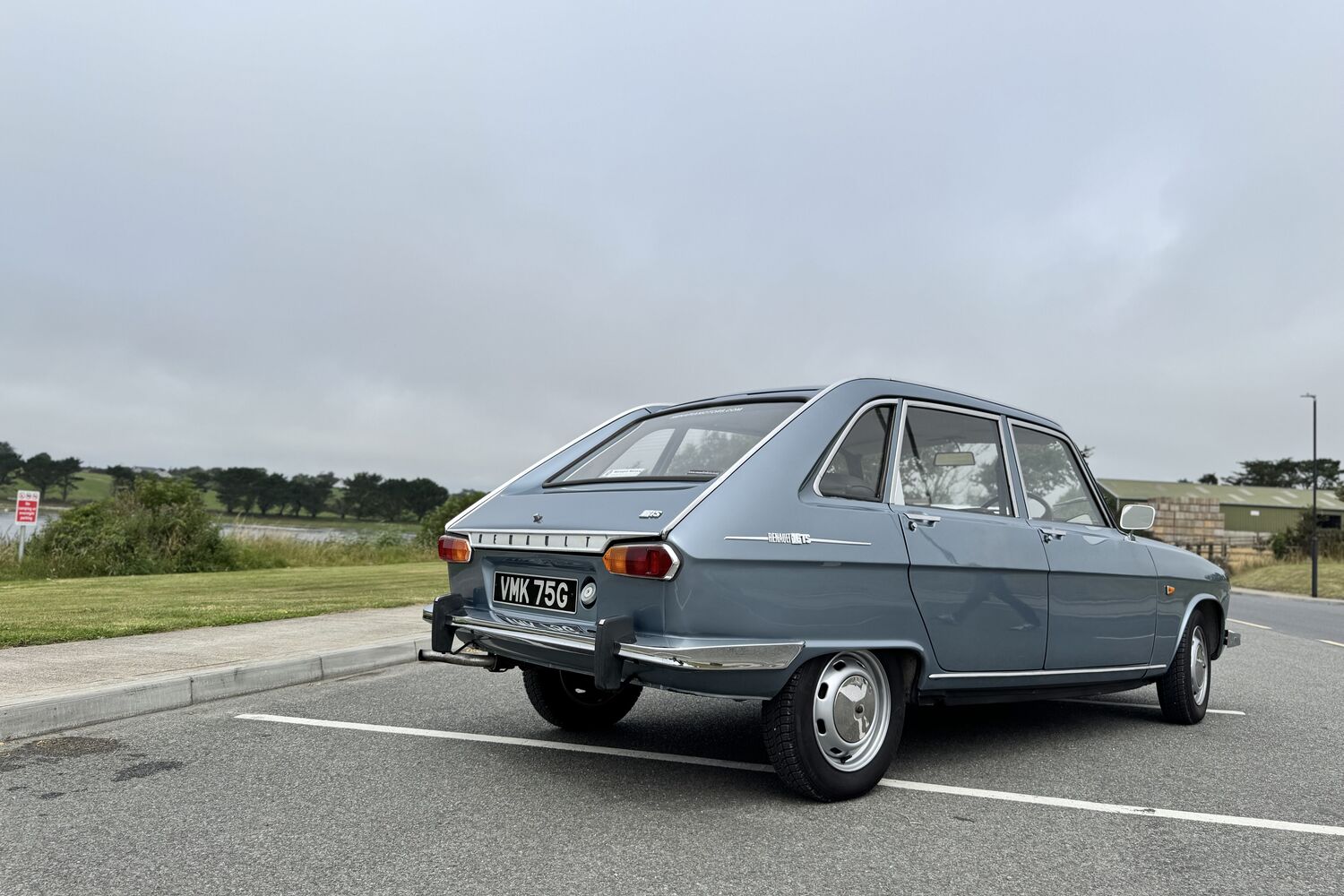
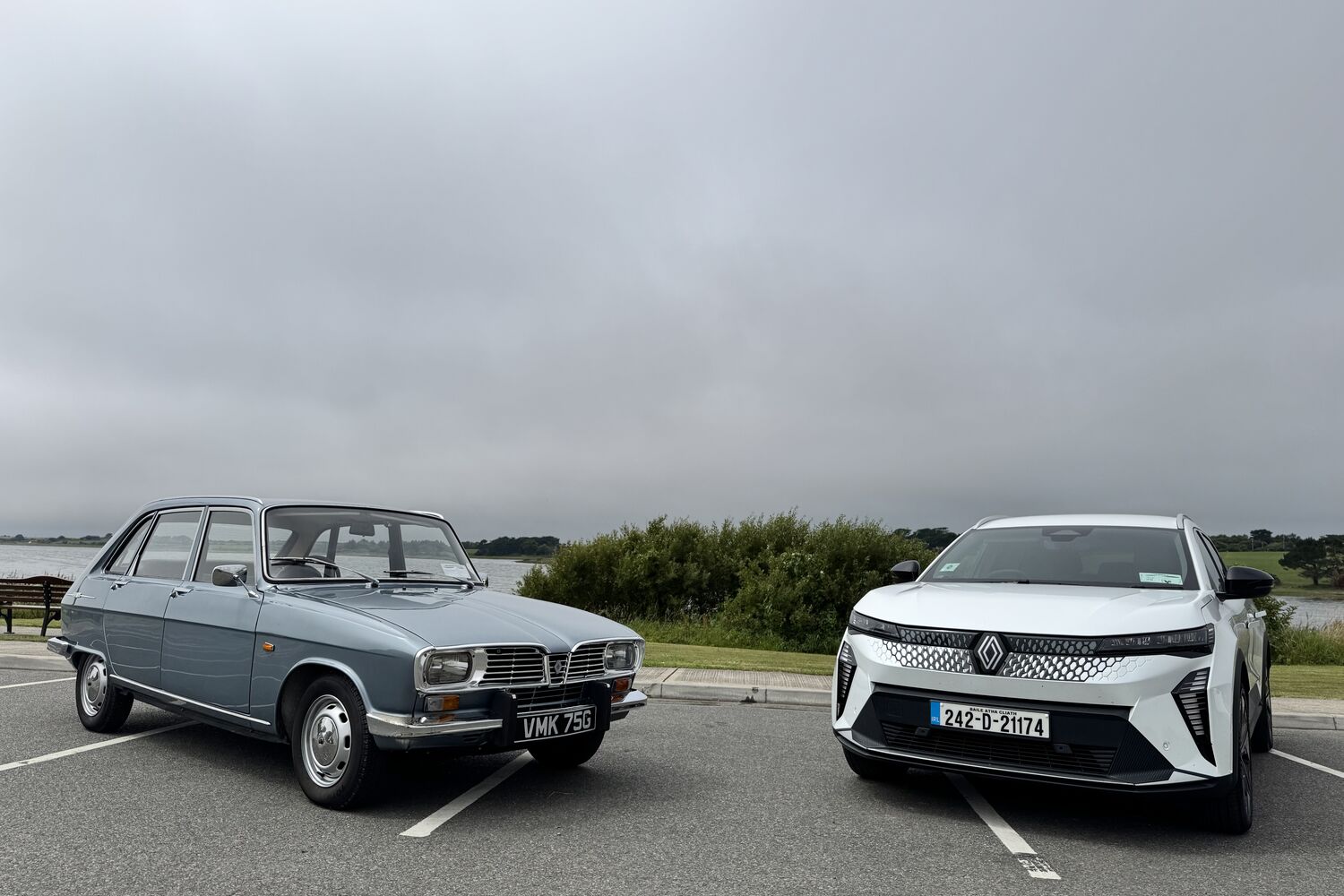
As we approach the 16, parked outside Menapia Motors in Wexford (the Renault main dealer there, which owns this car, and has kindly allowed us to take it for a spin), it looks utterly conventional. Which in itself is odd, as 60-year-old cars are not supposed to look conventional in a modern sense. That shows you how influential the 16 - which would go on to sell 1.8-million units, including a handful built from kits at the Renault factory in Wexford - really is.
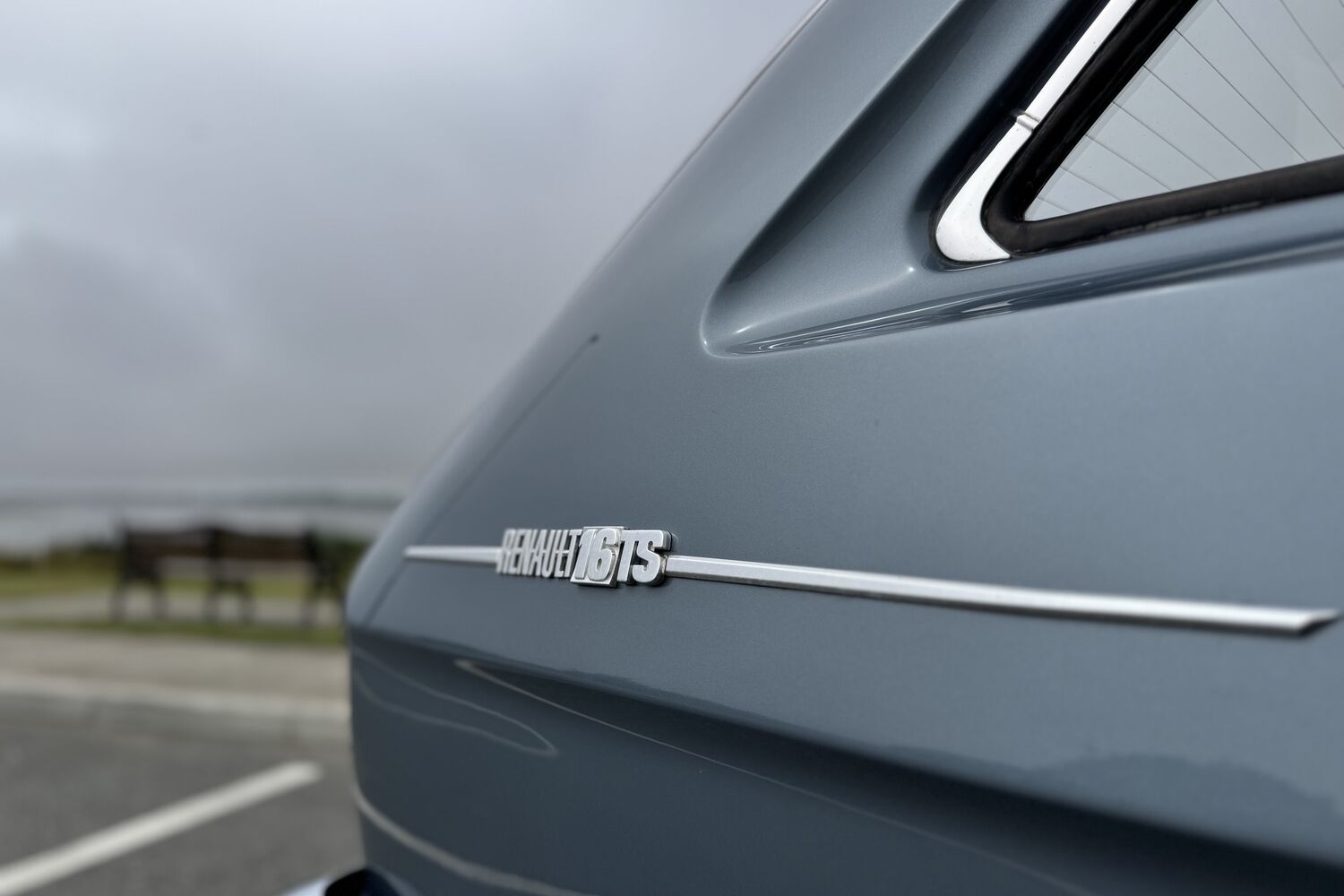
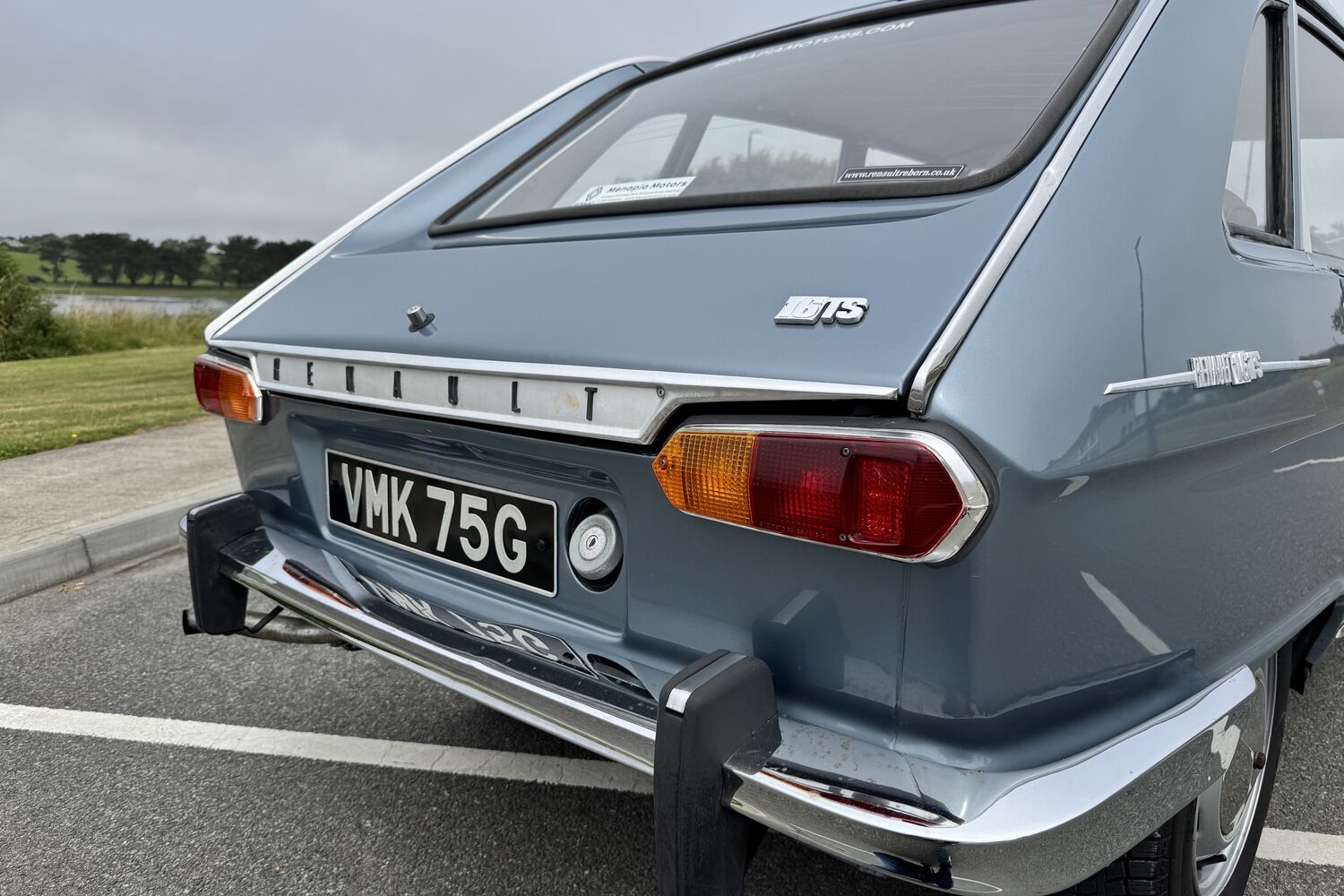
The shape may be quite modern, but the detailing, from the slim chrome bumpers to the delicate 'Renault' lettering on the boot lid, and the teeny-tiny diamond badge on that owl-like visage at the front, is all rather gorgeous.
Slip inside, and you instantly get the slim-pillared Vista-Vision view out common to many classic cars that reminds you that, although our modern cars are safer, they are also darker, and harder to see out of.
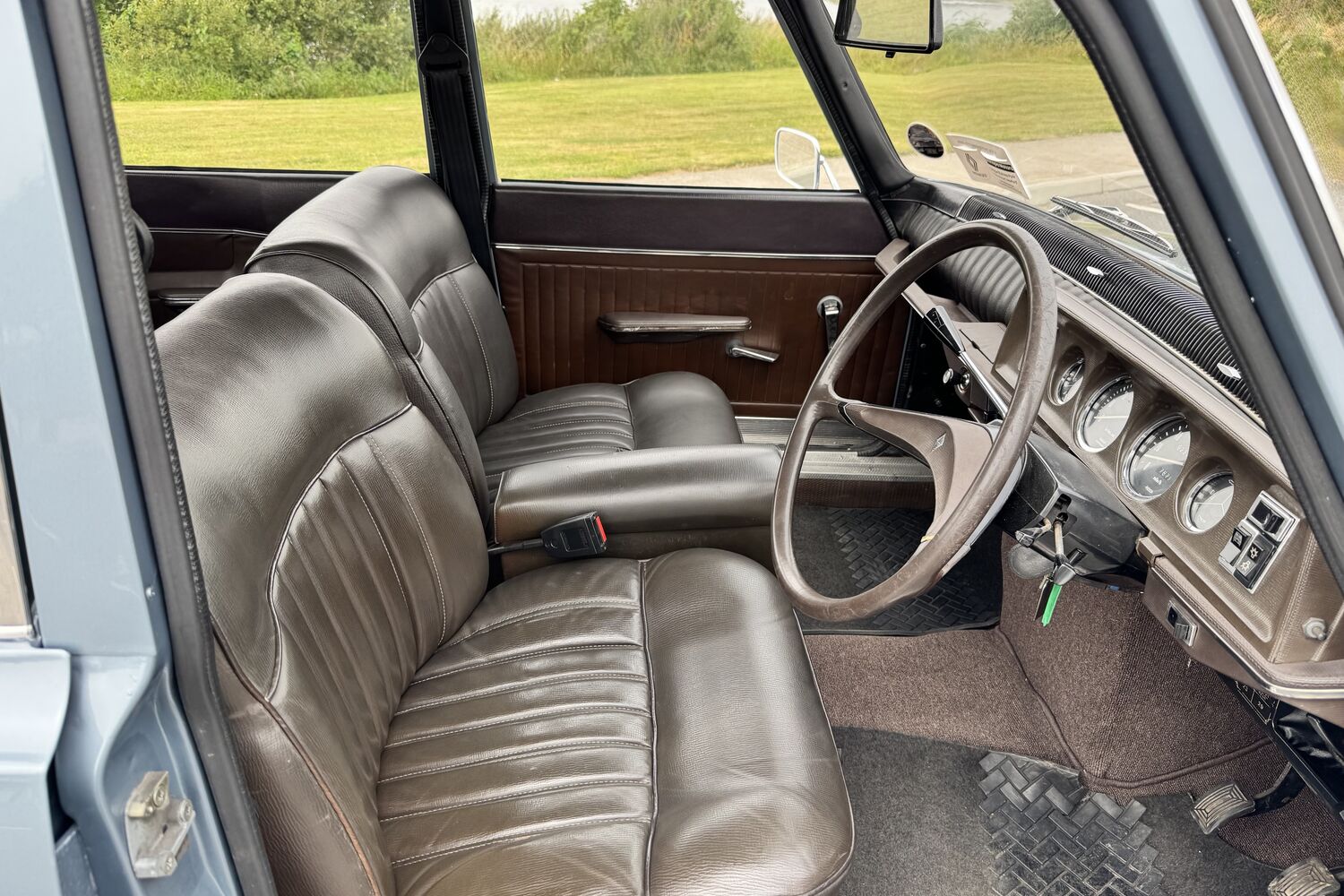
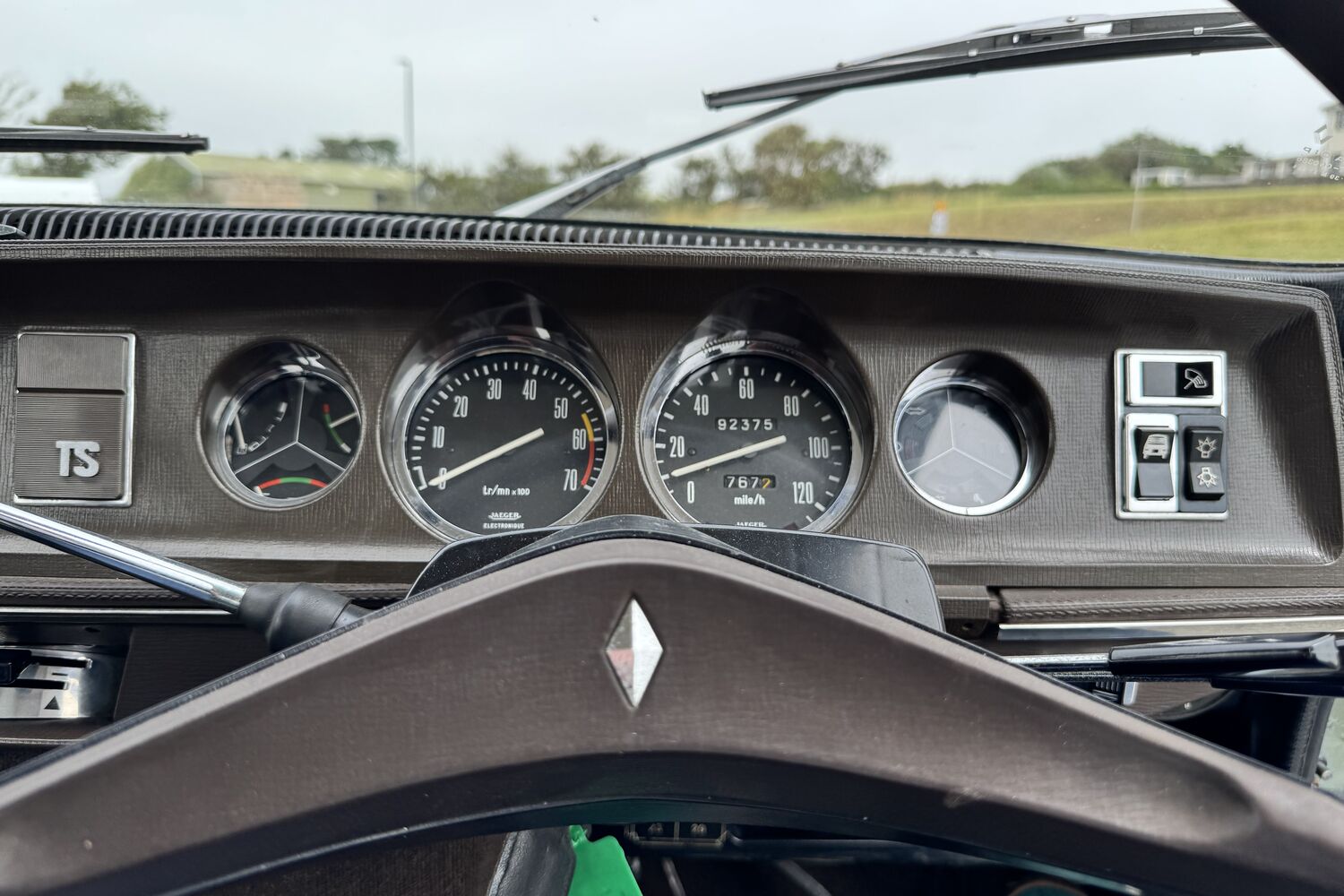
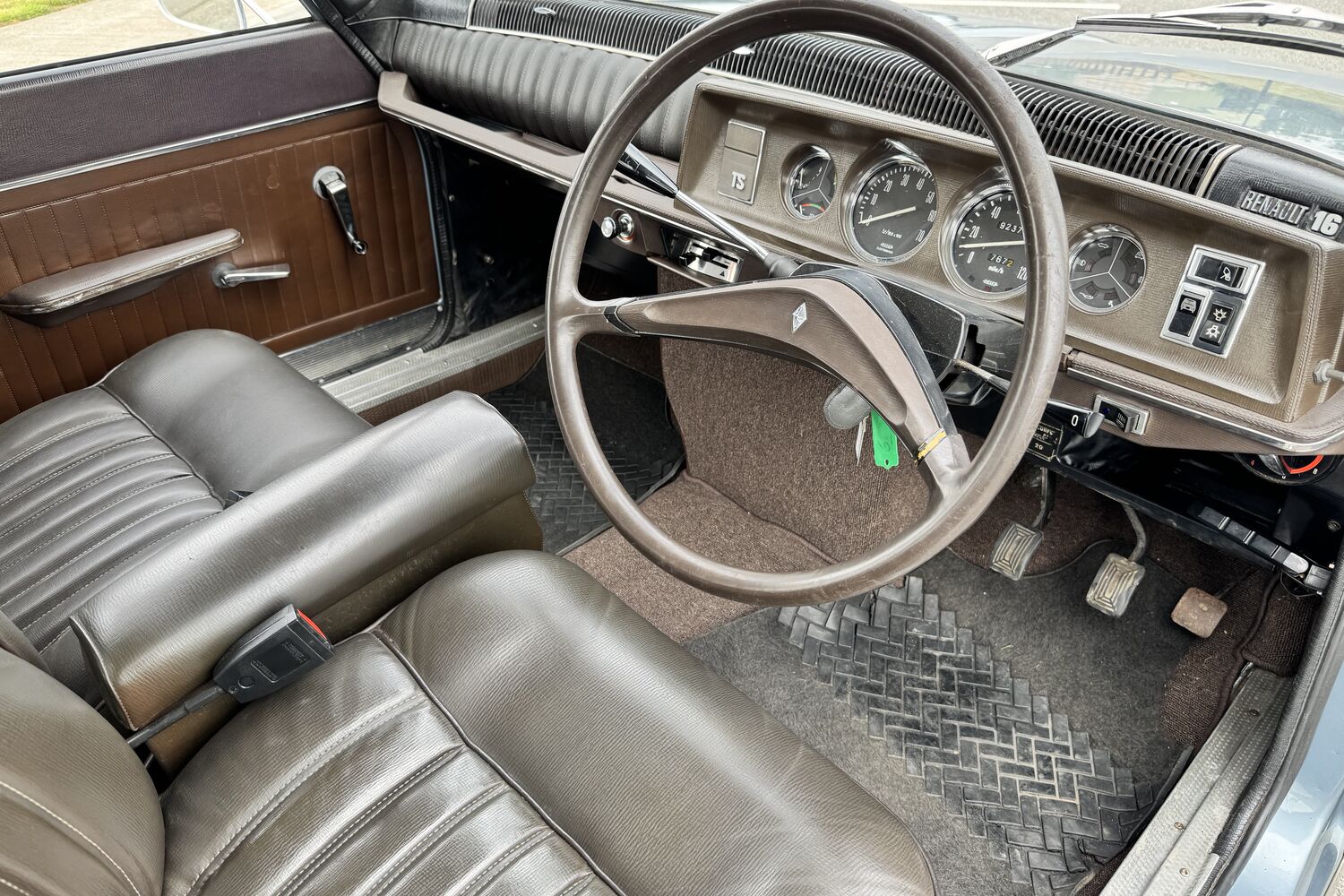
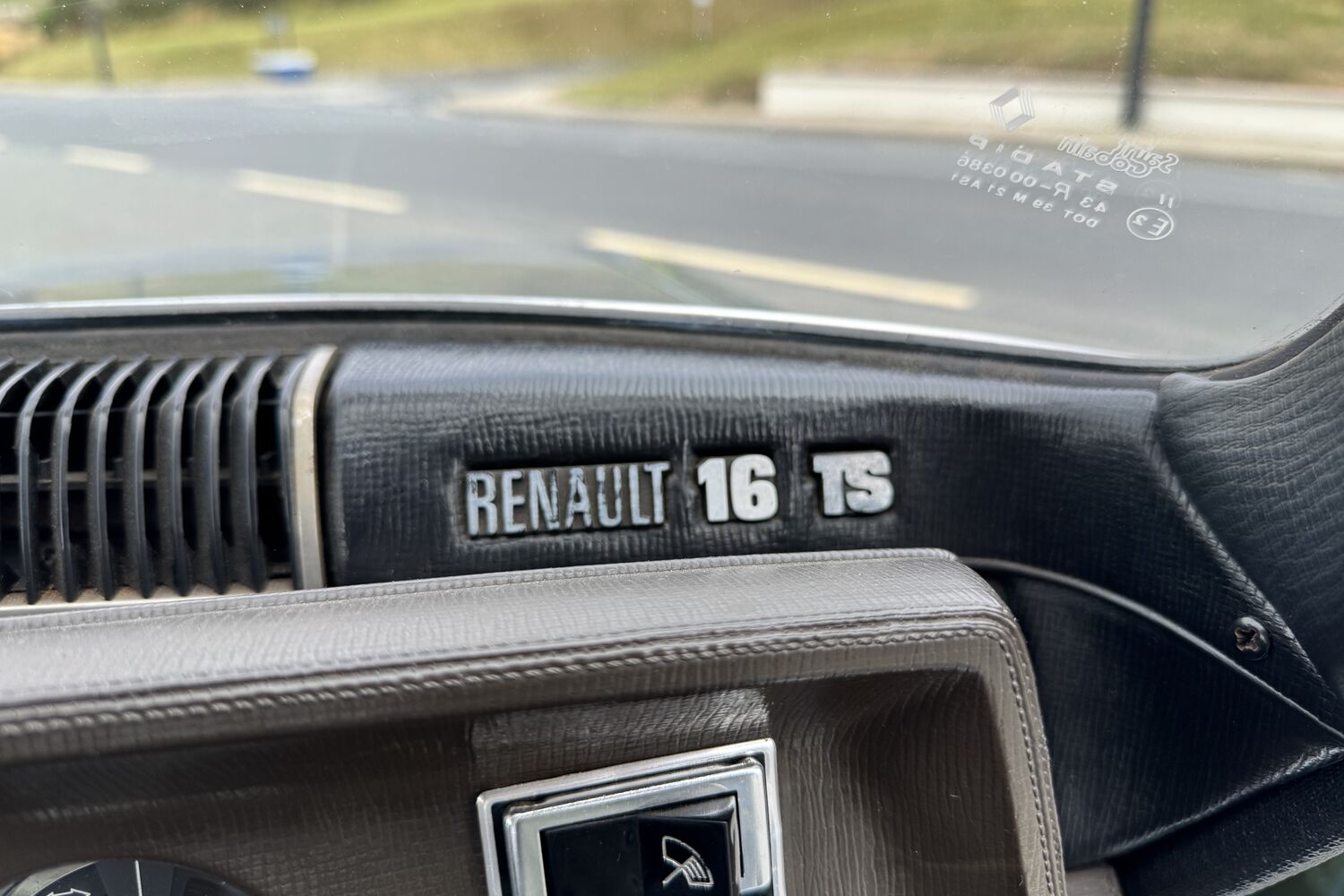
The 16's dash is pretty simple - there are four round clocks set into a brown plastic dash (a combined fuel, temp and oil gauge, a rev counter, a speedometer and a warning light cluster) and you front up to an incredibly spindly two-spoke steering wheel, which again has a dinky little Renault diamond at its centre.
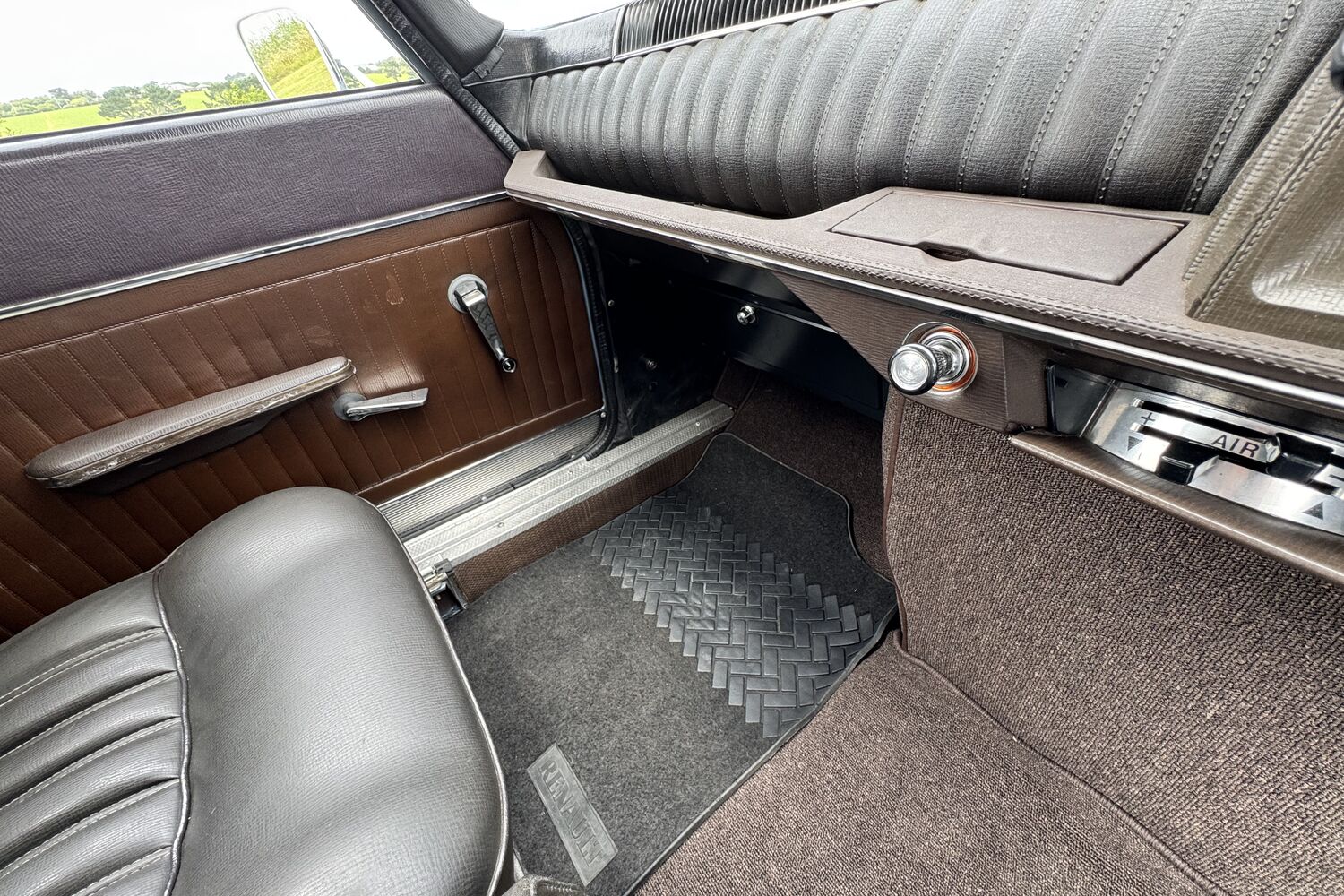
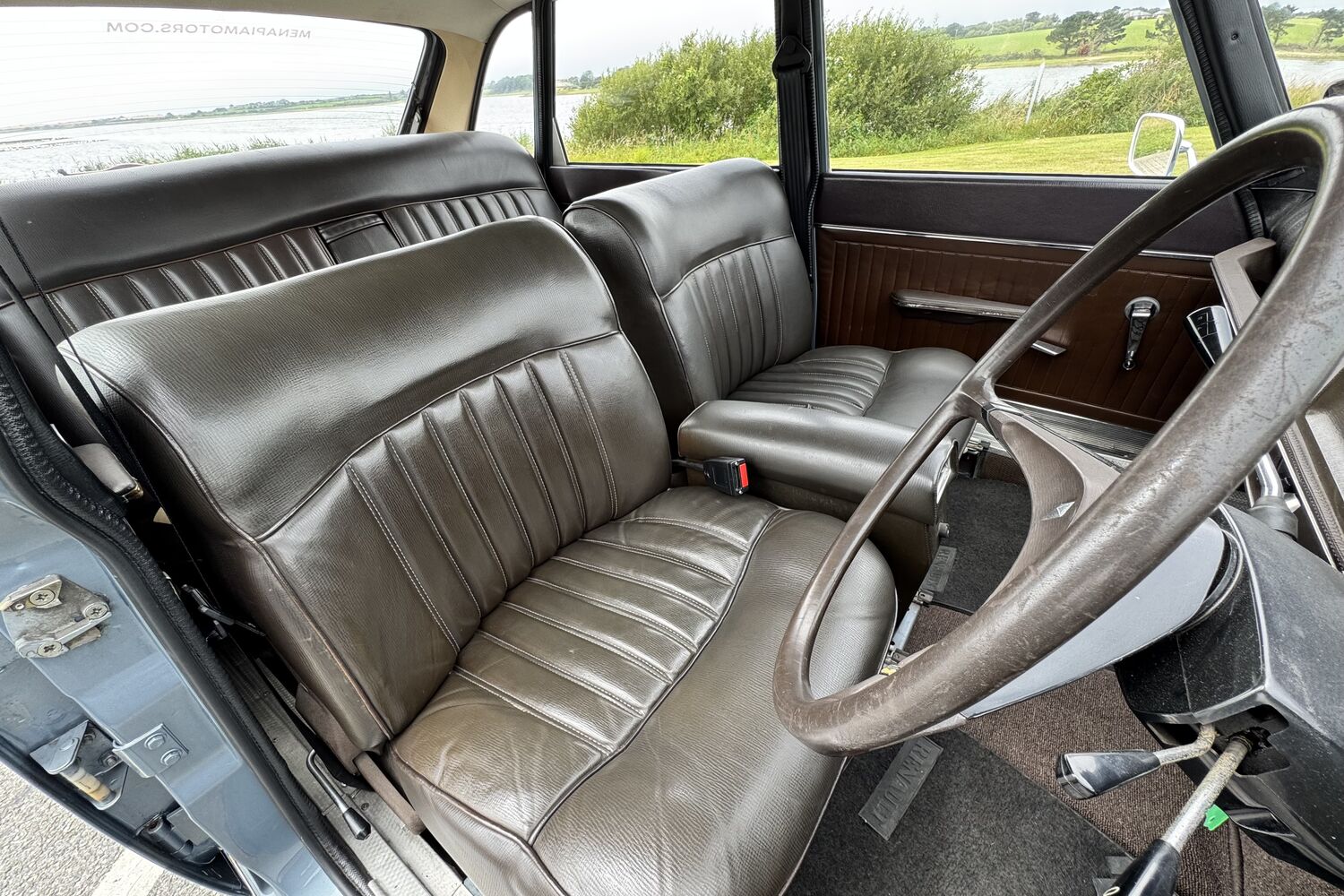
Glance to the left, and you'll see a padded and ribbed vinyl panel on the passenger's side of the dashboard, which is clearly an influence on the interior design of the current Renault 5 EV, but what you'll really be concentrating on is the comfort of the seats.
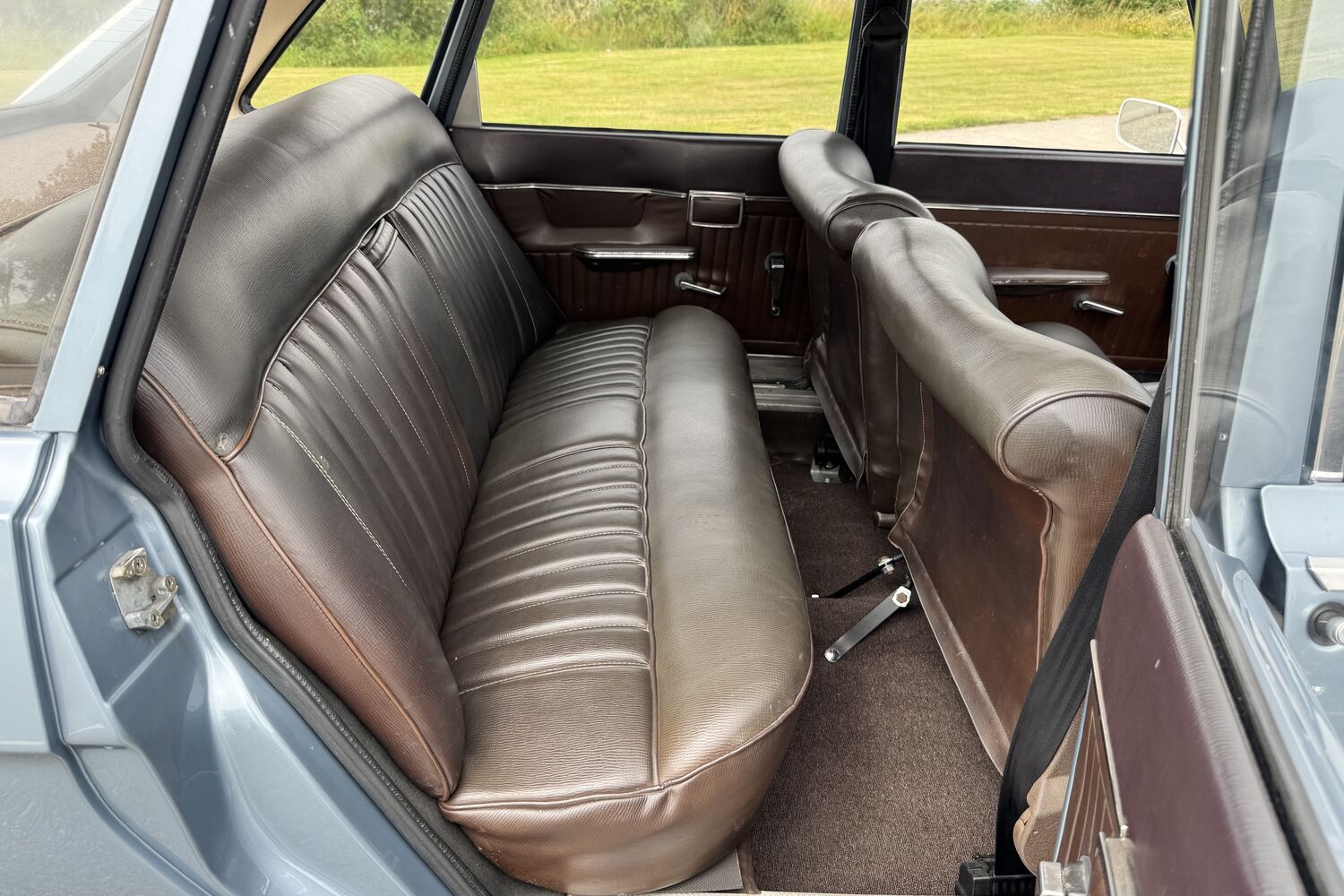
The front seats in this model are divided into armchairs by a large central armrest, while the back seat is an unfettered sofa that would look amazing in my living room. There's plenty of space for four adults to sit in comfort.
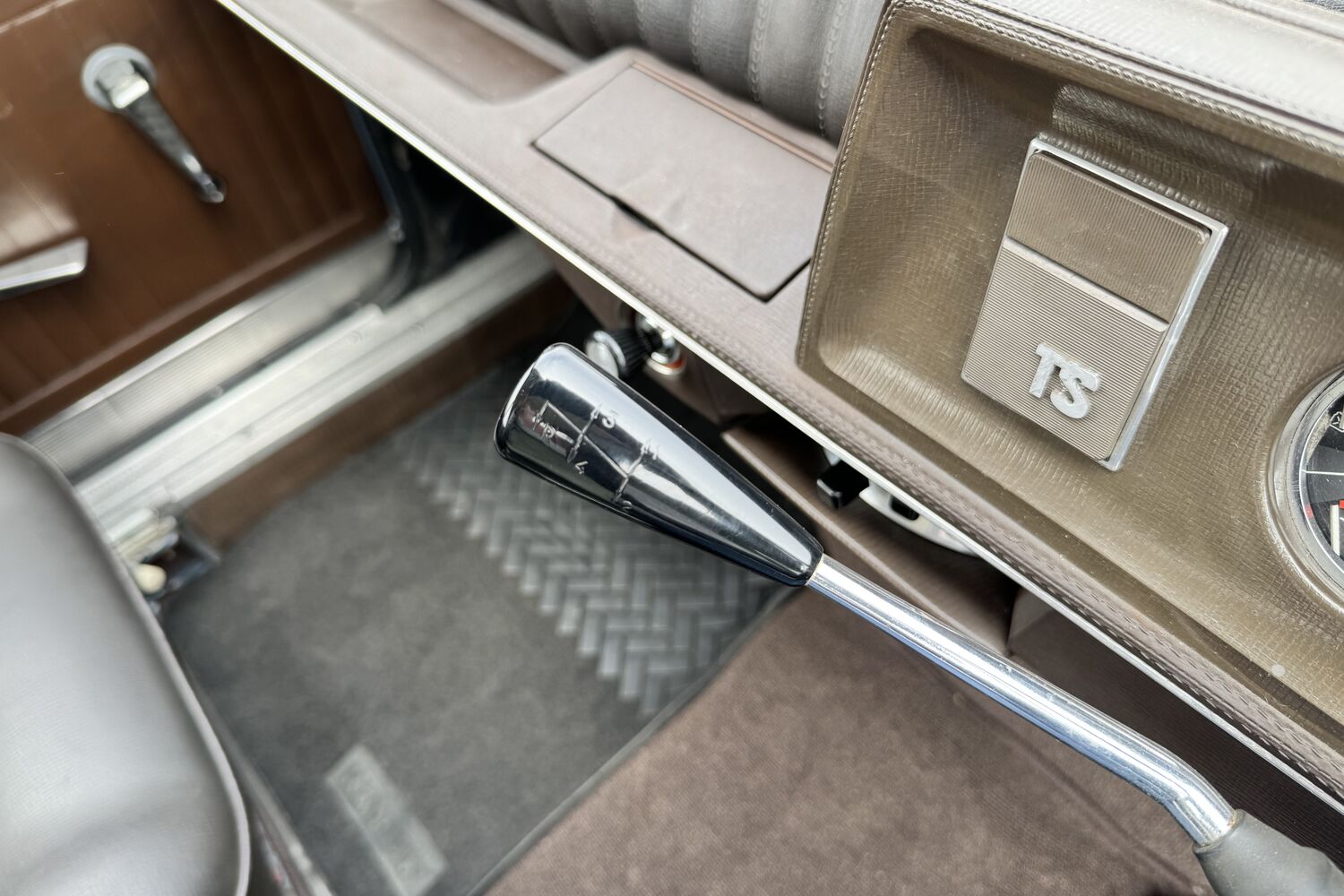
Mind you, comfortable though they are, the seats only command your attention until the ignition key is turned (and it's worth nothing that this immaculate 16 started on the first turn of the key, all day long, in spite of constant shuffling back and forth for photos etc). Then you have to contend with the four-speed (a five-speed was fitted to higher-spec TX models) manual gearbox with its column-mounted shift.
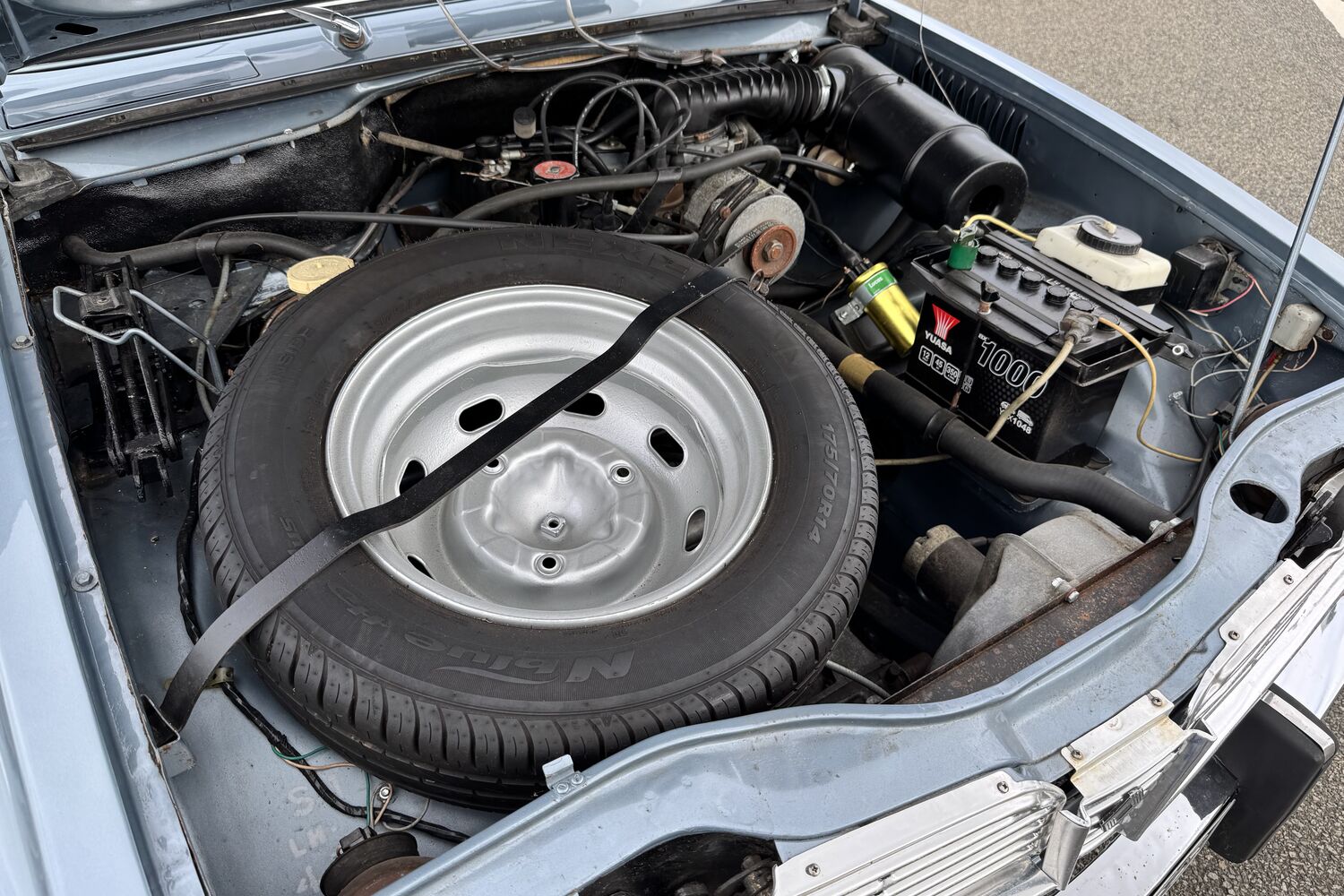
Column shifters are becoming common again in this all-automatic era, as car makers seek to do away with the traditional gear lever so as to free up space for storage and beverages, but in the 16's case, it was a mechanical necessity, as it simplified the gear linkage, which has to pass around and over the engine and past the under-bonnet spare wheel, to reach the gearbox.
The long column-mounted wand feels a tiny bit intimidating, at first, to someone like me, made lazy by over-exposure to modern automatics and single-speed electric cars, but although the shift is a slightly rubbery, it's amazing how quickly you acclimate. First is back towards you and up, second straight down, third is forward and up, and you can work out where fourth is. Reverse requires a lengthy forward shove, and a downward pull, which never feels quite right.
Once rolling, though, the 16's gearshift starts to become entirely natural to the point where the third-to-fourth shift can be done with just an outstretched fingertip. The unassisted steering is hefty at low speeds, but not obstructively so, and while there's a massive dead spot in the straight-ahead, the steering does develop a bit of feel and feedback once you have some lock on.
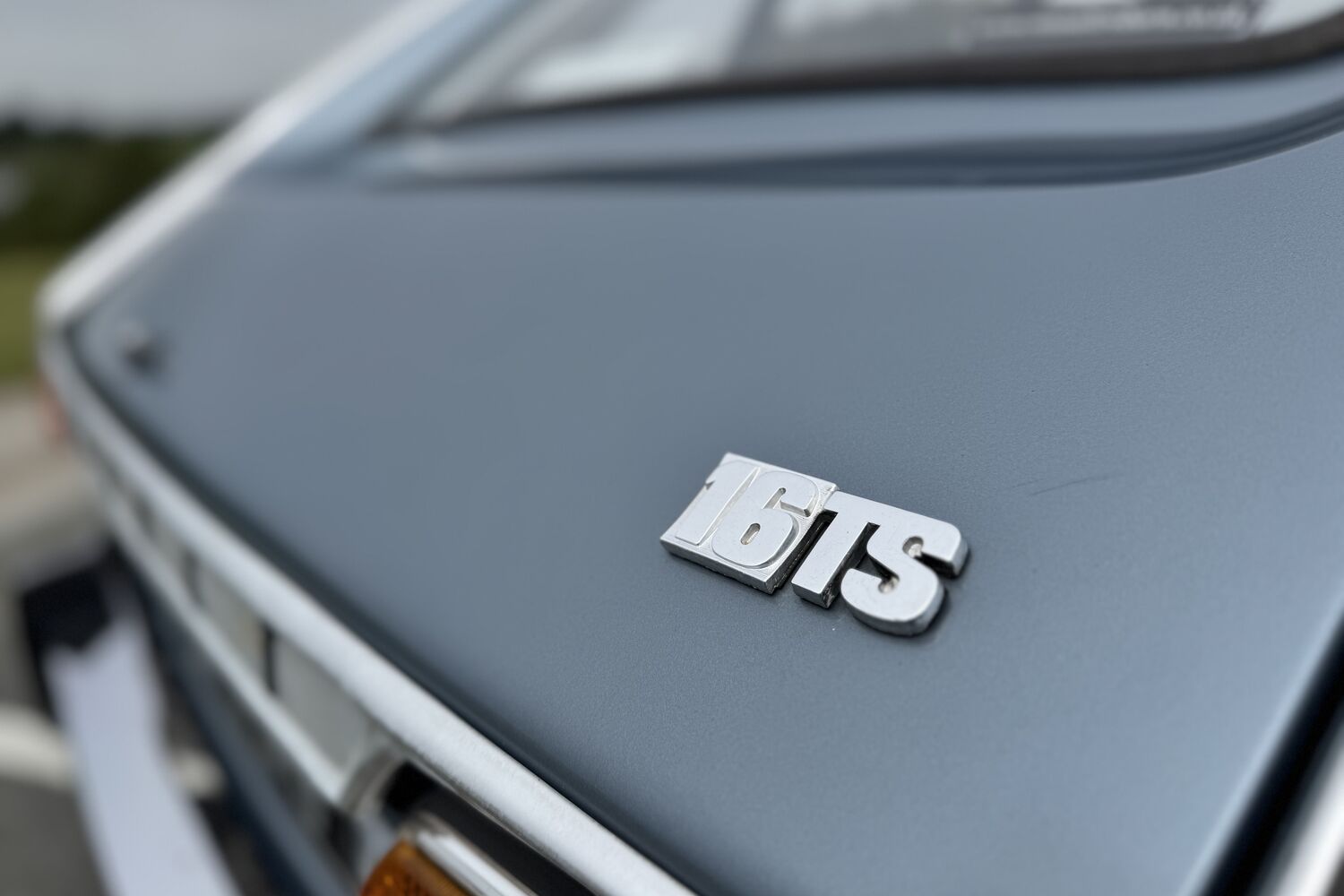
Of course, the Renault 16 is not a car for door-handling around mountain roads, in spite of the sports car provenance of that engine. It's much more of a comfortable boulevardier, cruising along in top, whisking you to your destination in comfort and likely in record time - after all, this 1.6 TS version has 84hp and, in period, could hit a genuine 160km/h, at a time when other cars on the road would struggle to reach 120km/h. No speed cameras back then, either...
What's really amazing is just how modern the 16 feels once you're up and running. Following our Renault Scenic lead car - more on that in a minute - this sexagenarian saloon (OK, hatchback, but I was enjoying the alliteration) cruises easily at 100km/h, with only the fact that you're pulling a slightly noisy 3,000rpm in top spoiling the refinement. Honestly, I'd have happily driven this Renault home from Wexford to Belfast, and there are precious few classic cars with which you'd actually take that journey on.
Crucial to that is the ride quality, which is where we came in. The 16 is one of those 1960s and 1970s Renaults - the original Renault 5 being another - which has an uneven wheelbase. It's 70mm longer on the left than on the right, and that's because it meant Renault could fit a very neat independent transverse torsion bar suspension.
That, combined with small wheels by modern standards - a mere 14 inches in diameter - and front suspension that combines wishbones with more torsion bars (very sophisticated for its day) the 16 smooths away bumps that no modern car this side of a Rolls-Royce Phantom can manage. Honestly, even a Range Rover on air springs can't ride as comfortably as this humble 1968 Renault.
I did say that the 16 is no sports car, and that's true, but on some tighter, windier sections of road down near My Lady's Island near Wexford town, it actually proved pretty deft. Yes, there's copious body roll on those soft torsion bars, but it clings on nicely and by knocking that column-shifter up into third, you can power through a corner once the roll movement has settled. It's fun.
Better, though, to get back on the Route National... sorry, the N25 actually, and settle into that easy 90-100km/h cruise, window down and left index finger managing the gear shift, and the Renault 16 feels like it's come home. Which it kind of has, what with Wexford town being where Renault once built cars for the Irish (and the UK, and even the Italian) market.
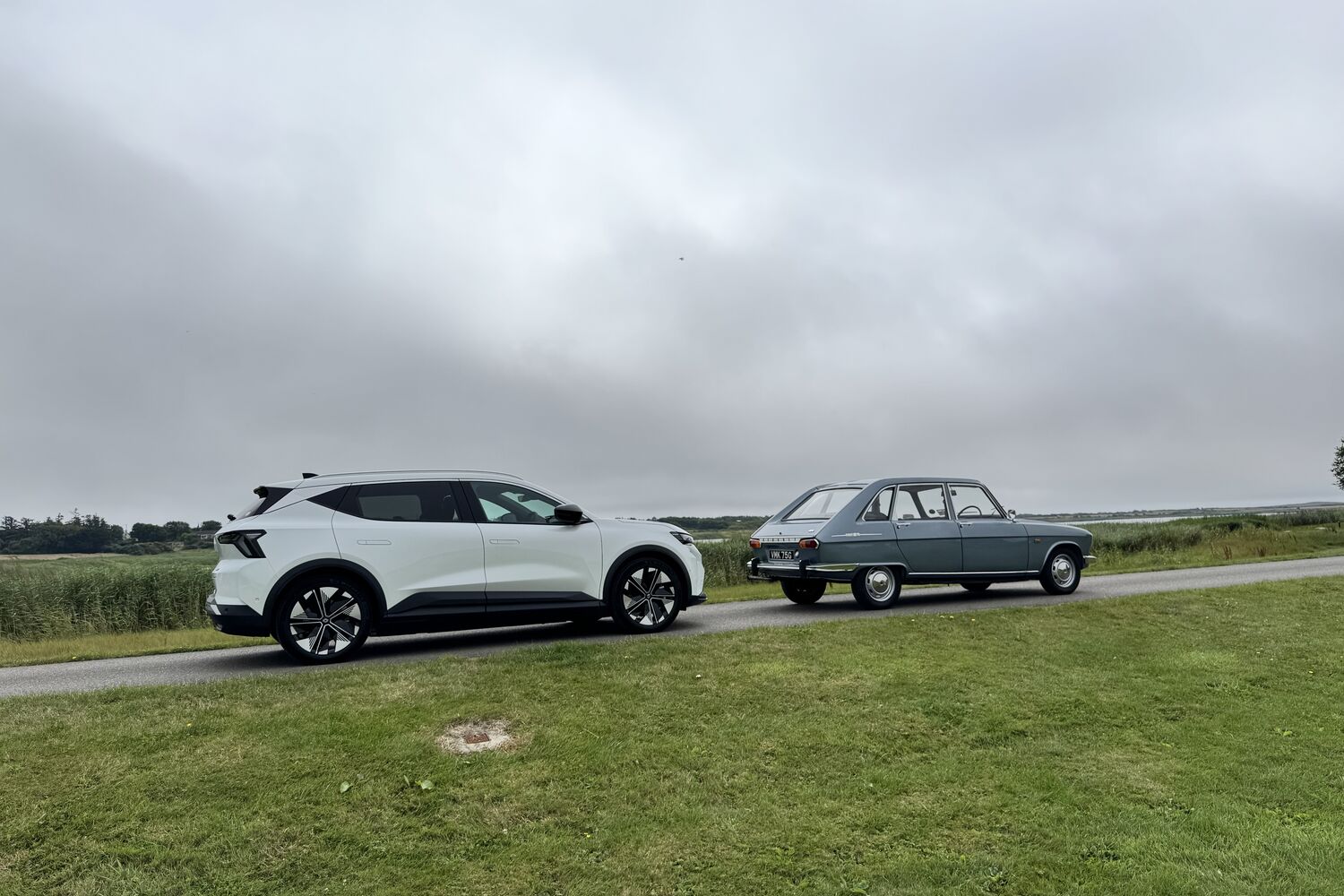
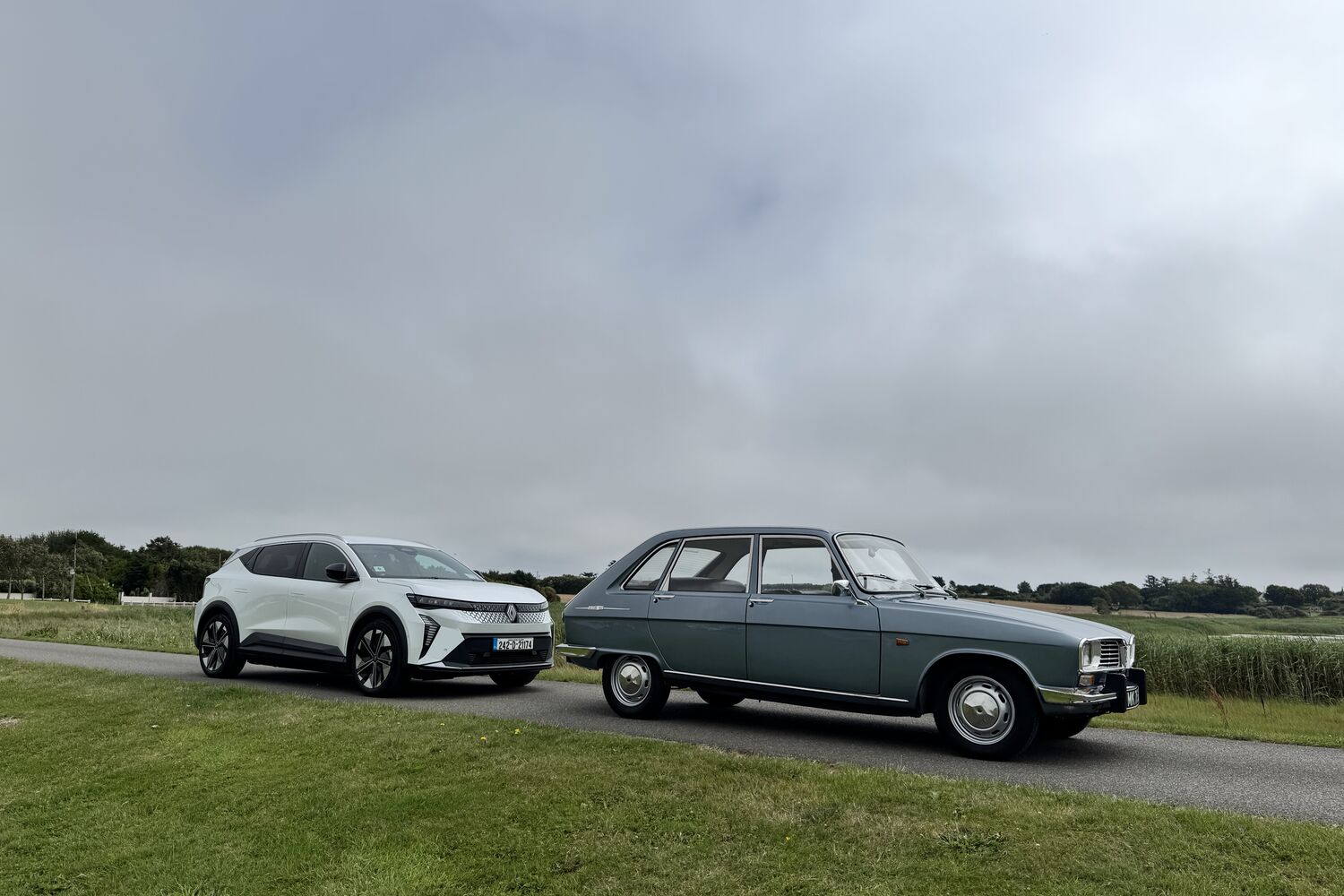
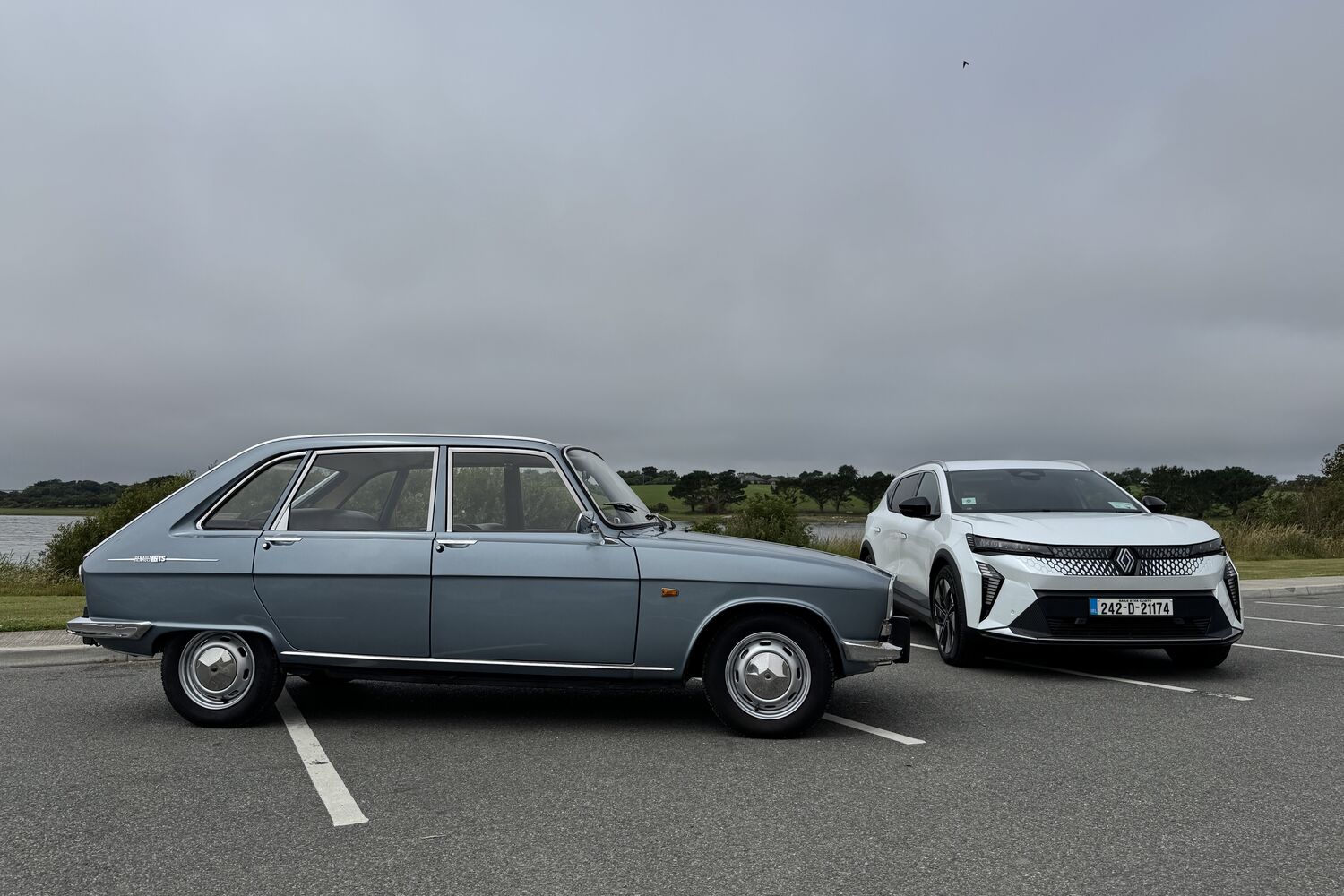
It also seems appropriate that we've driven down for our appointment in a new Renault Scenic. Like the 16, it's a European COTY winner, and while it can't match the astonishing ride comfort of its grandad, you can see the kinship between the two cars - massive, comfy seats; refinement at speed; space; versatility; oh, and a column-mounted gearshift.
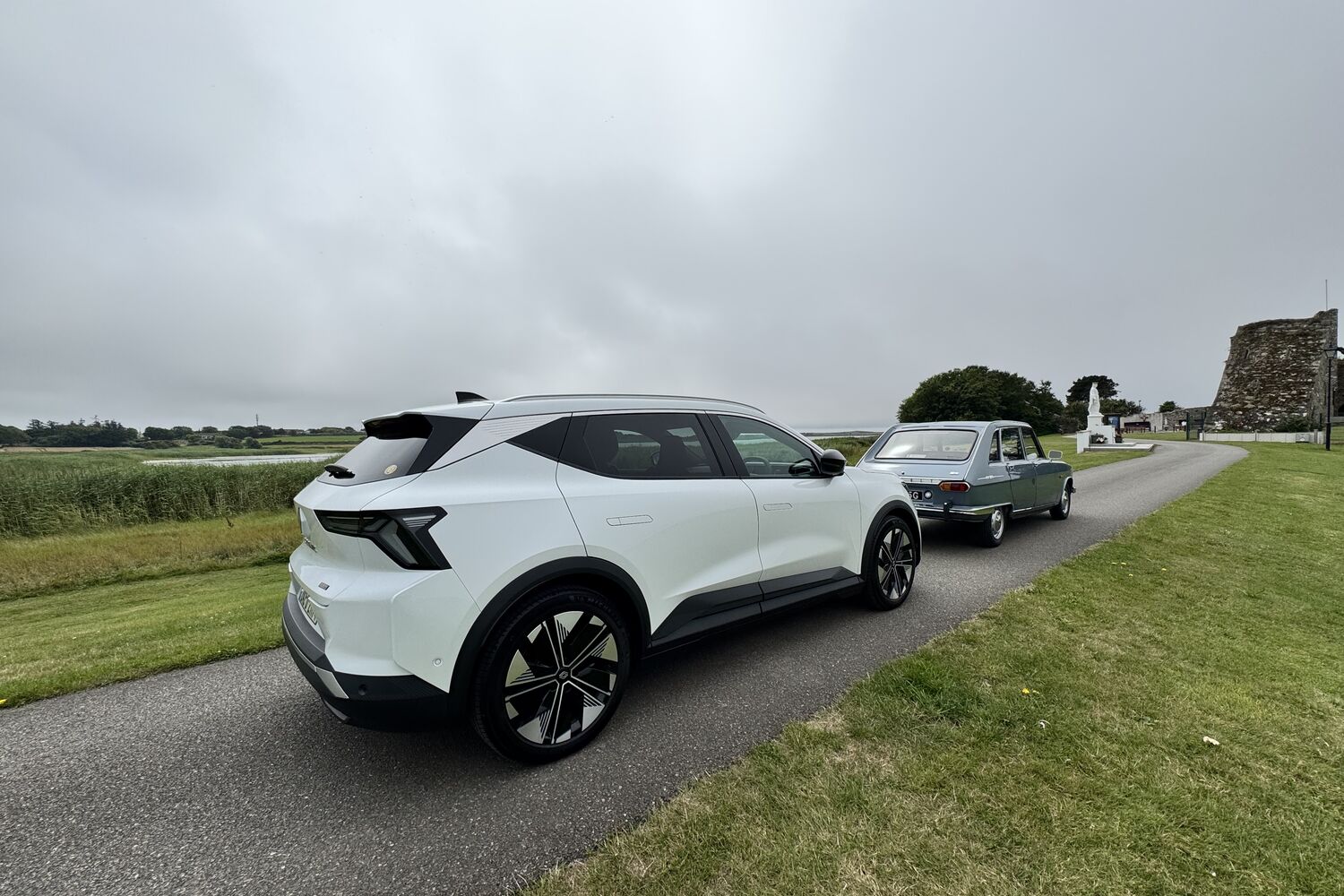
The Scenic is a modern success for Renault; the 16 a period one, but one which tends to be overshadowed by other cars when it comes to innovation and a changing of the motoring landscape. Well, I think on this 60th birthday, it's high time we reevaluated Renault's efforts, and placed the 16 on the pedestal it deserves.
Many thanks to Renault Ireland and Menapia Motors Wexford for allowing us to drive the classic 16. The car is currently for sale; please buy it so it goes to a good home.
If there is anything about this story we have not covered, you can avail of our expert advice service via the Ask Us Anything page.