


Exterior & design of the 2027 Denza Bao 5
- Solid stance, big frame
- Bold colours offered
- Side-hinged tailgate with rear-mounted spare

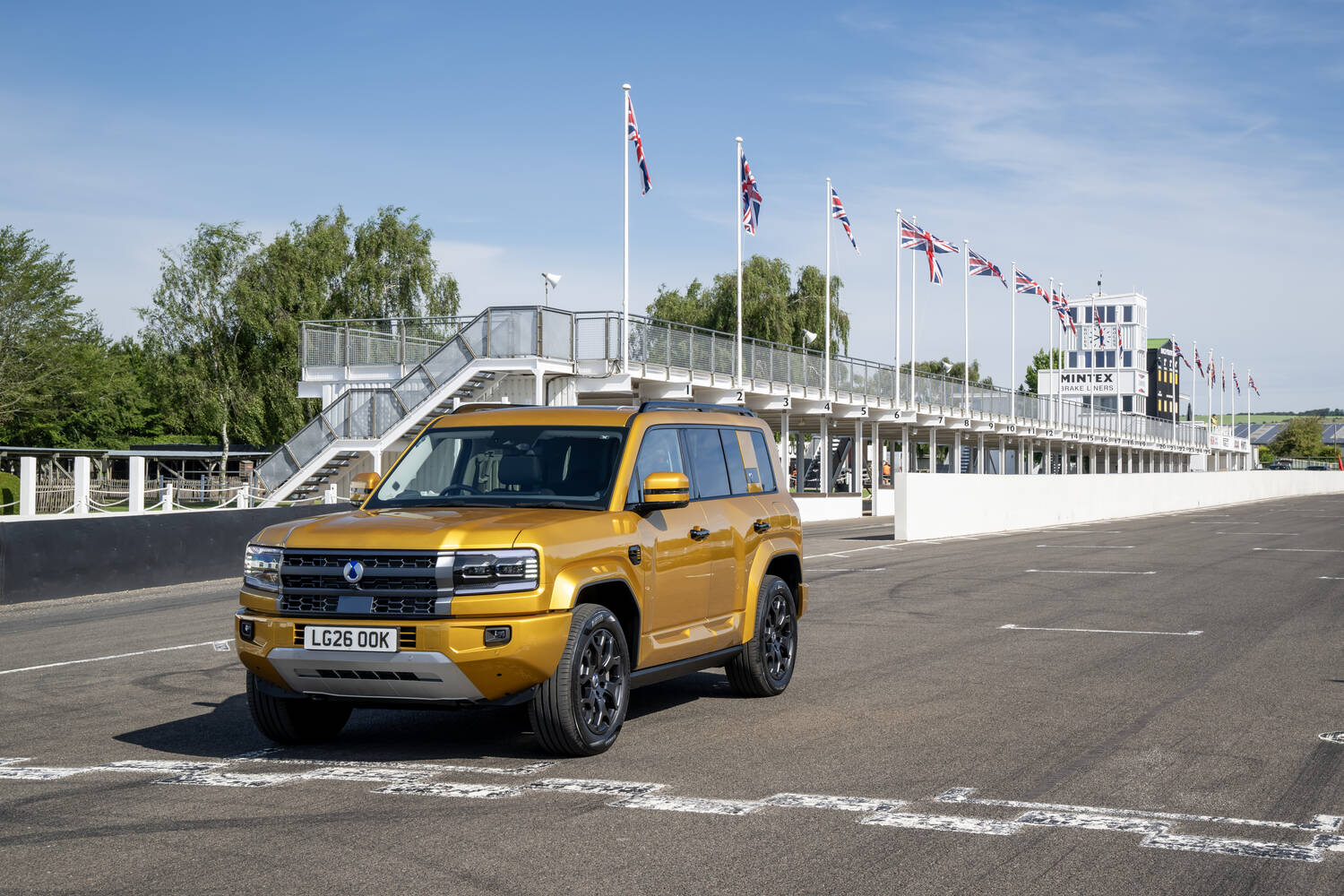
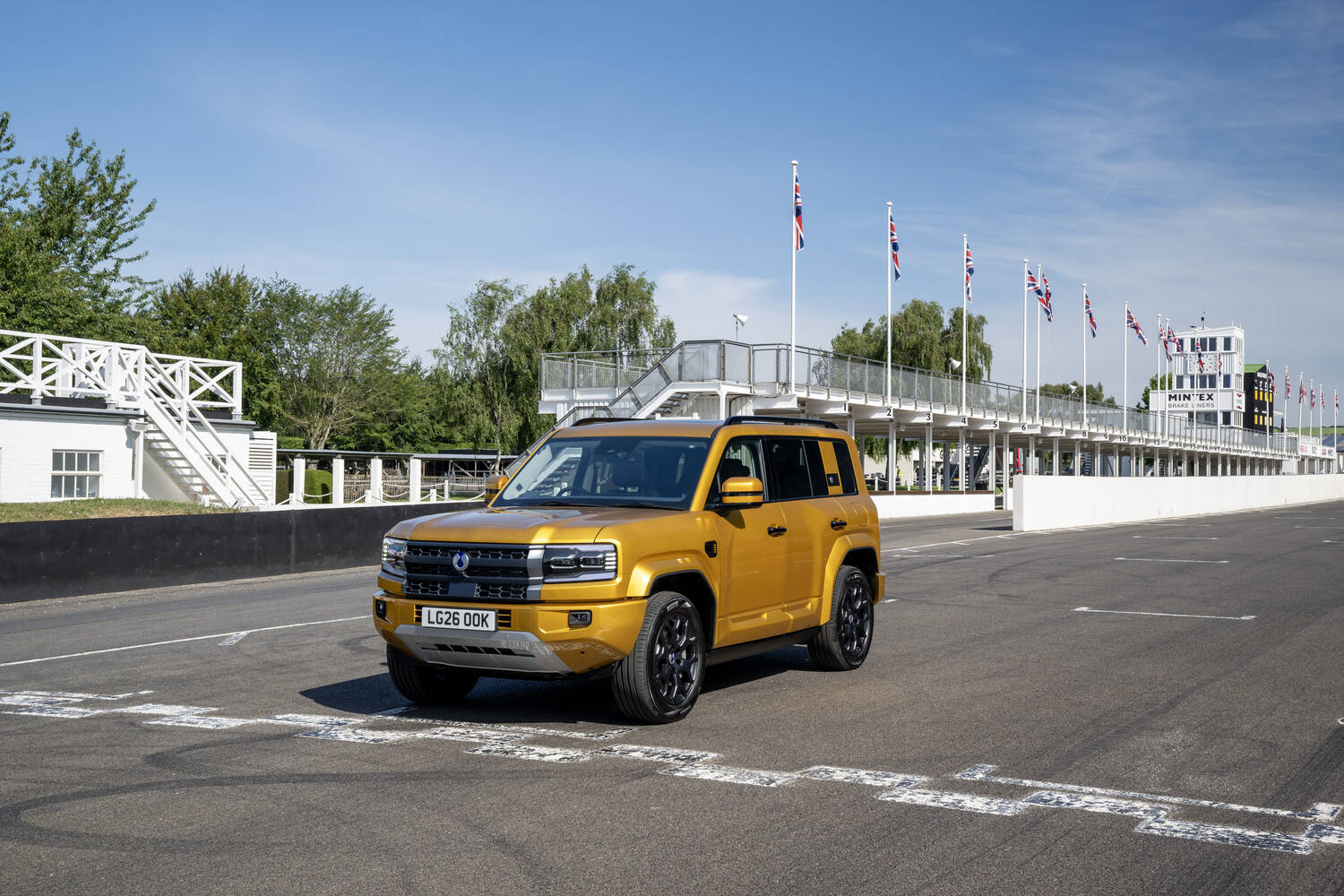
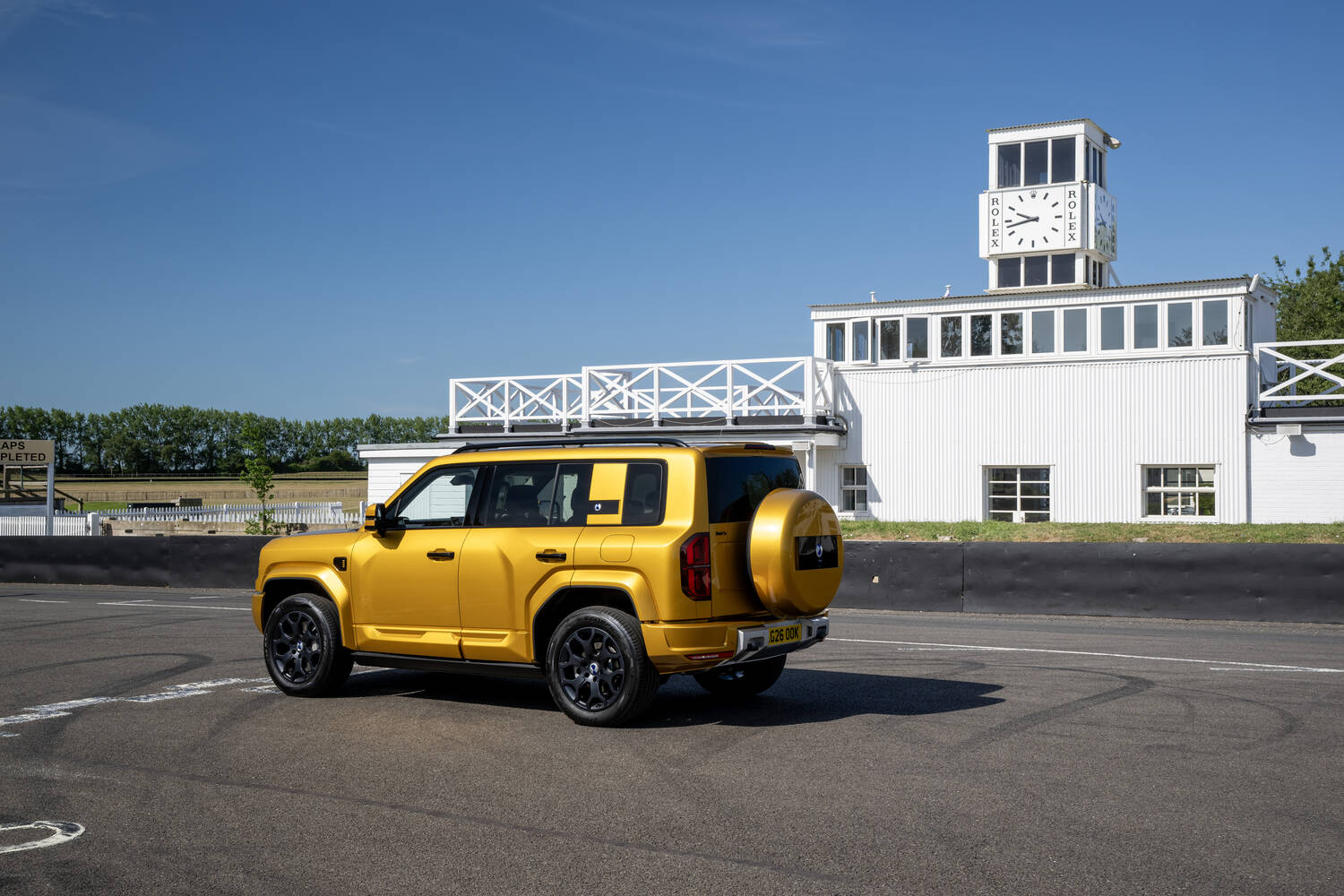
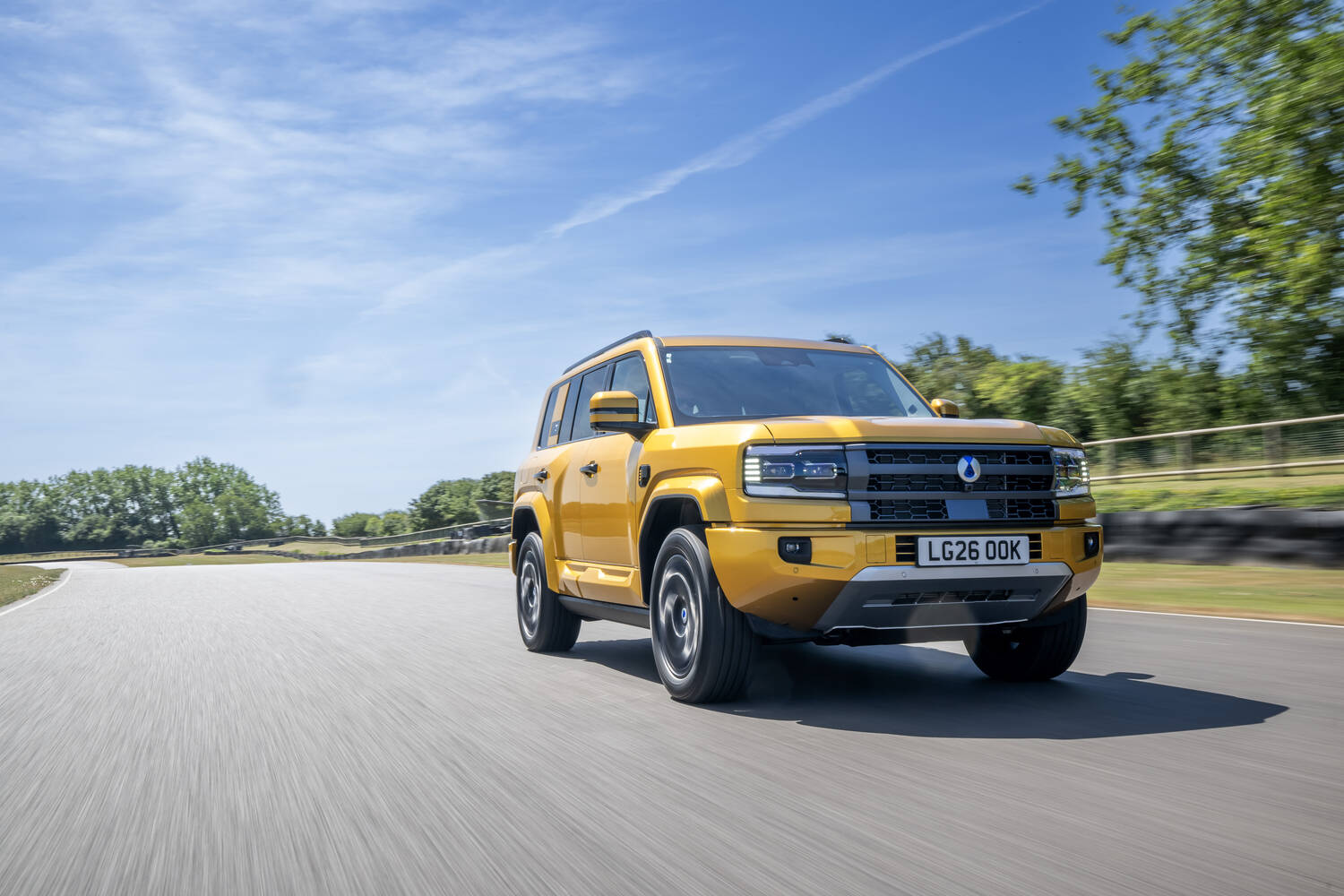
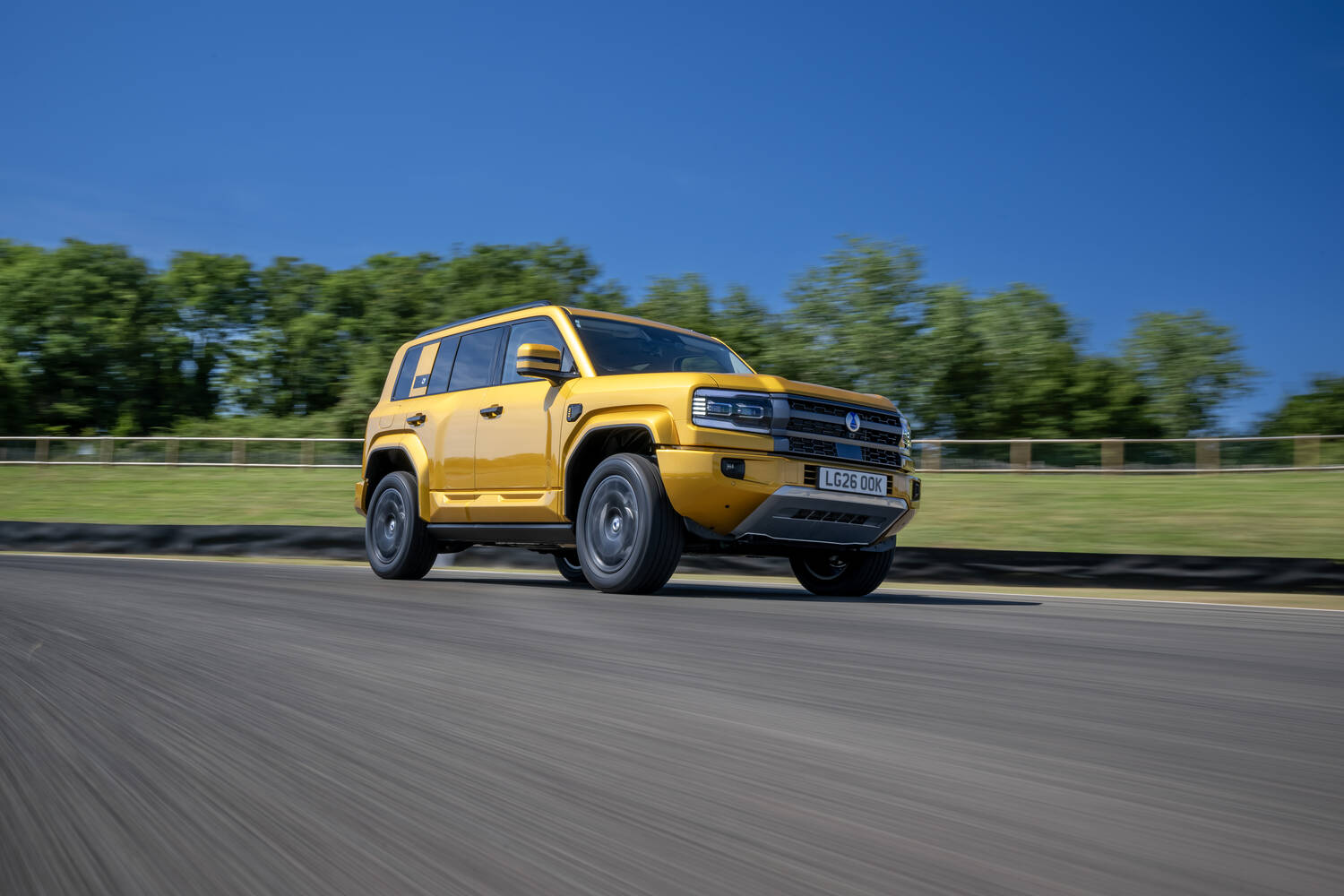
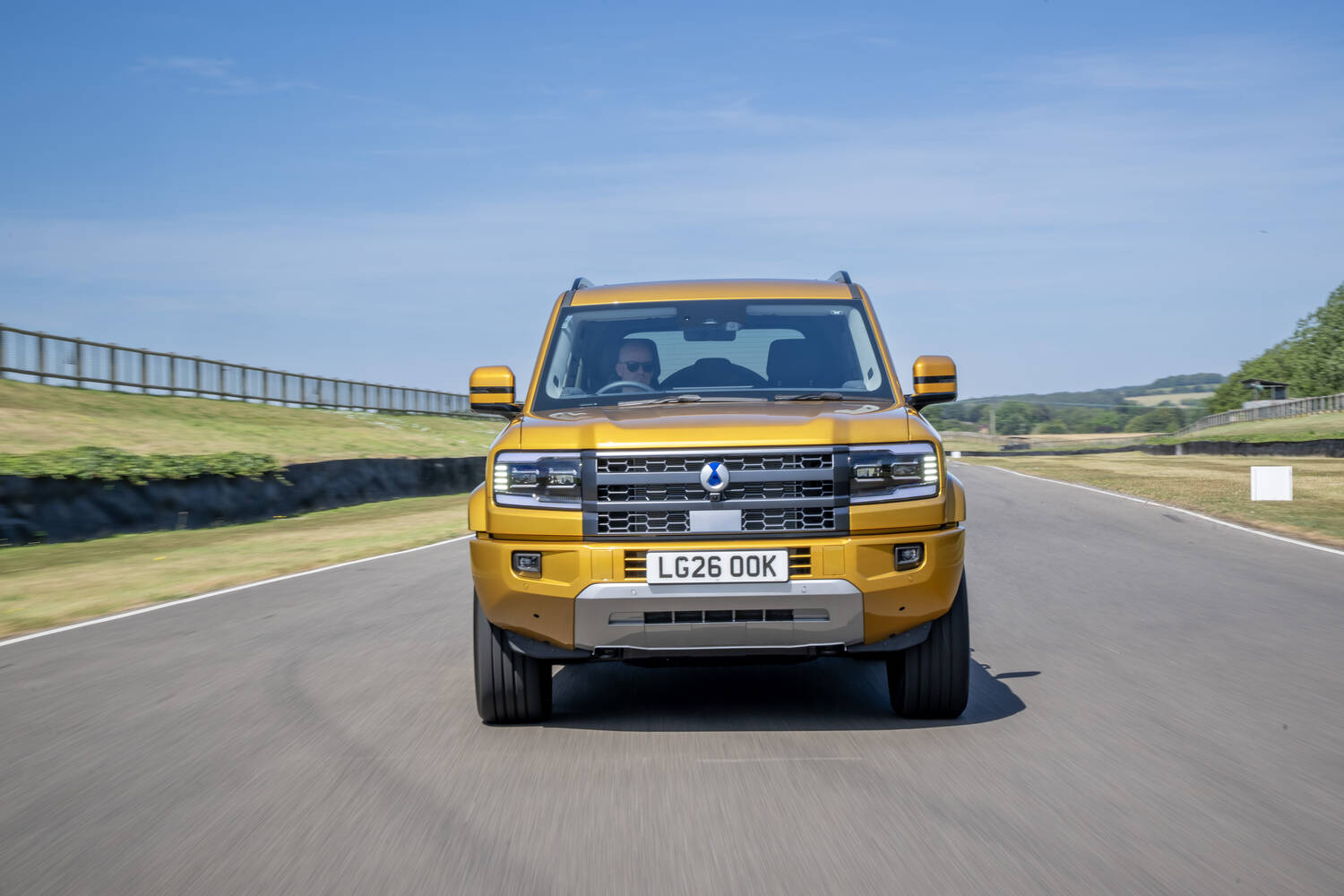
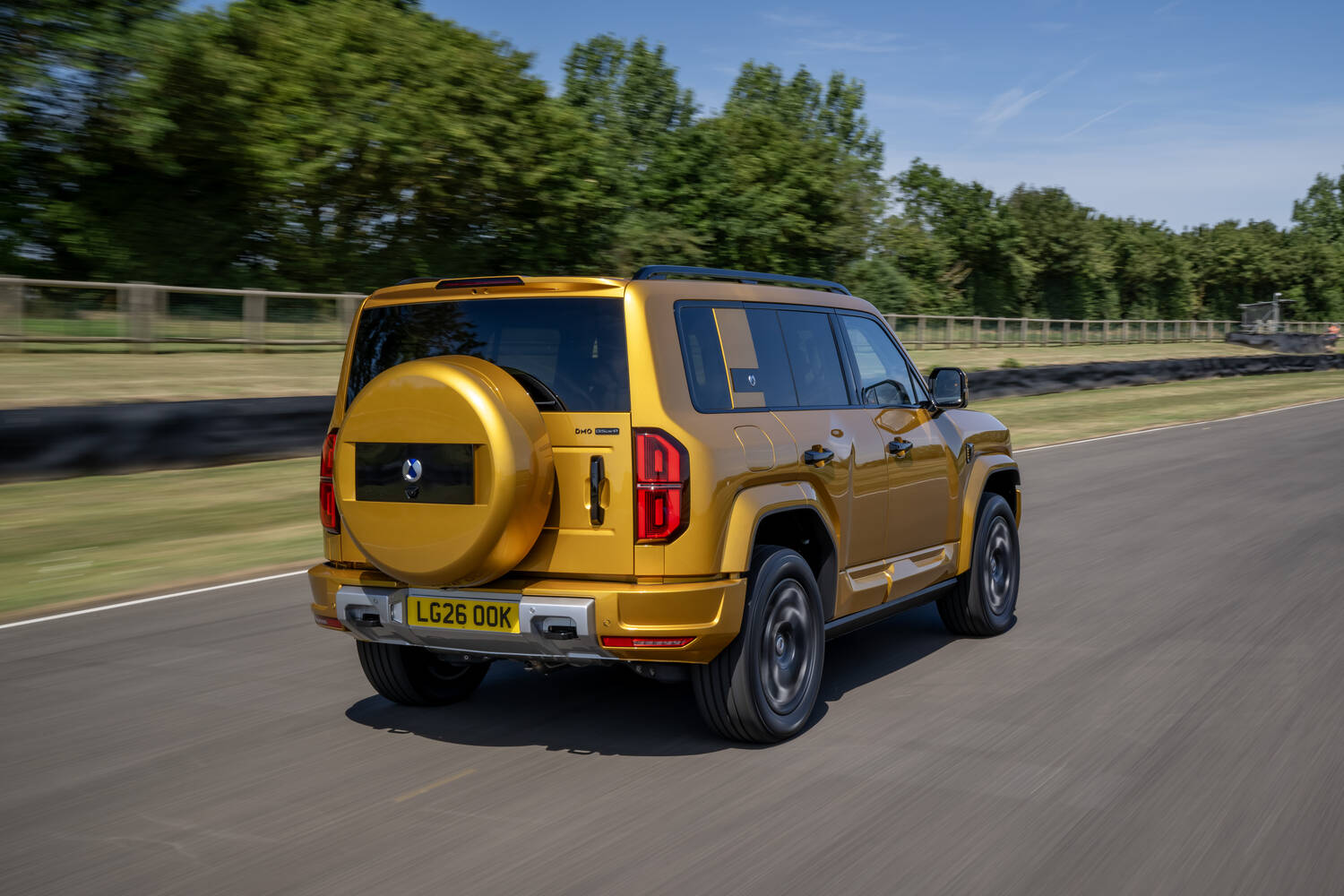
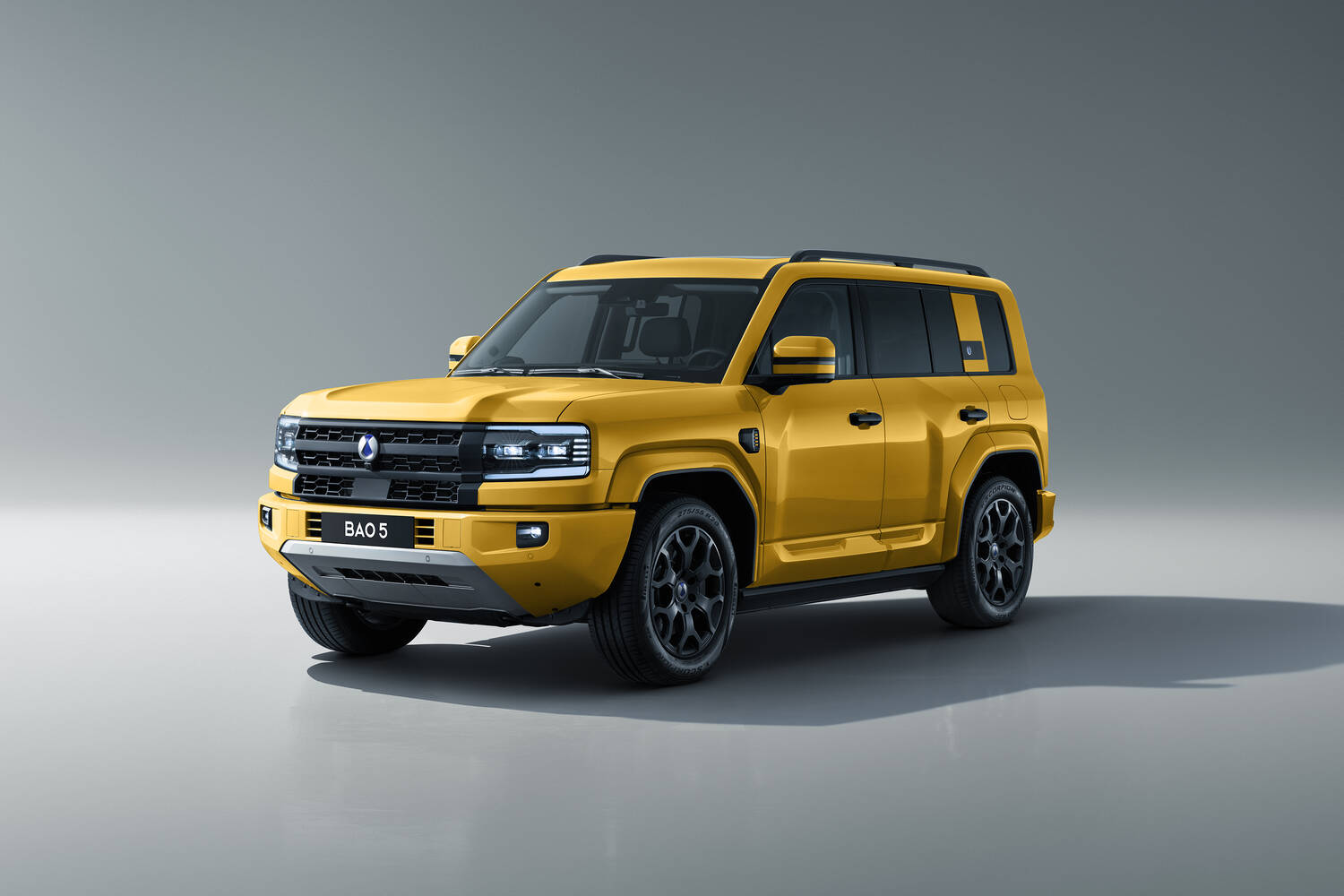
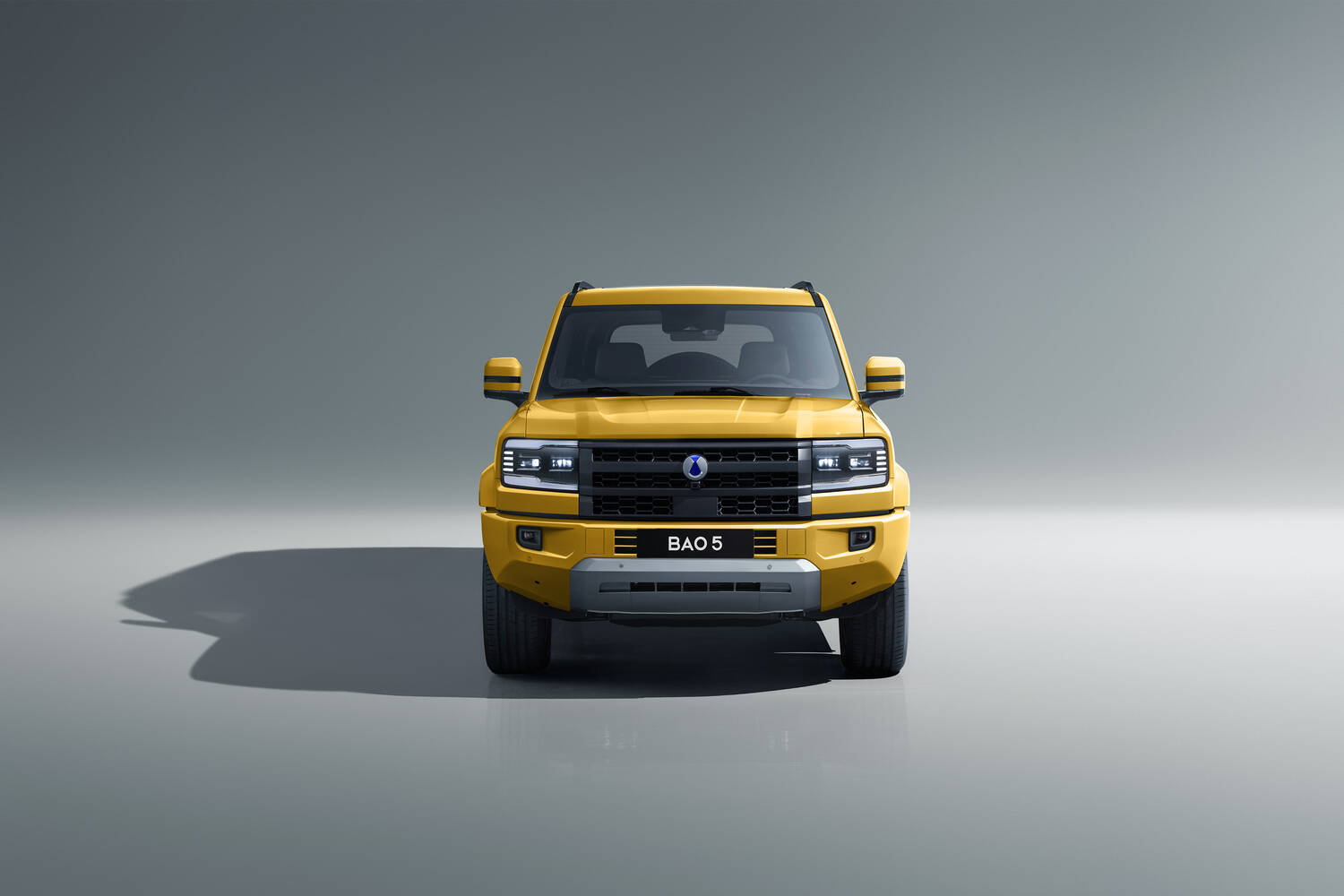
The Denza Bao 5 is a large machine for a two-row 4x4 like this, as it's nearly as tall as it is wide - and it's a broad car. Hovering around the 4.9-metre mark for overall length as well, there's undeniably an appeal to the Bao 5's chunky, no-nonsense appearance and lofty stance.
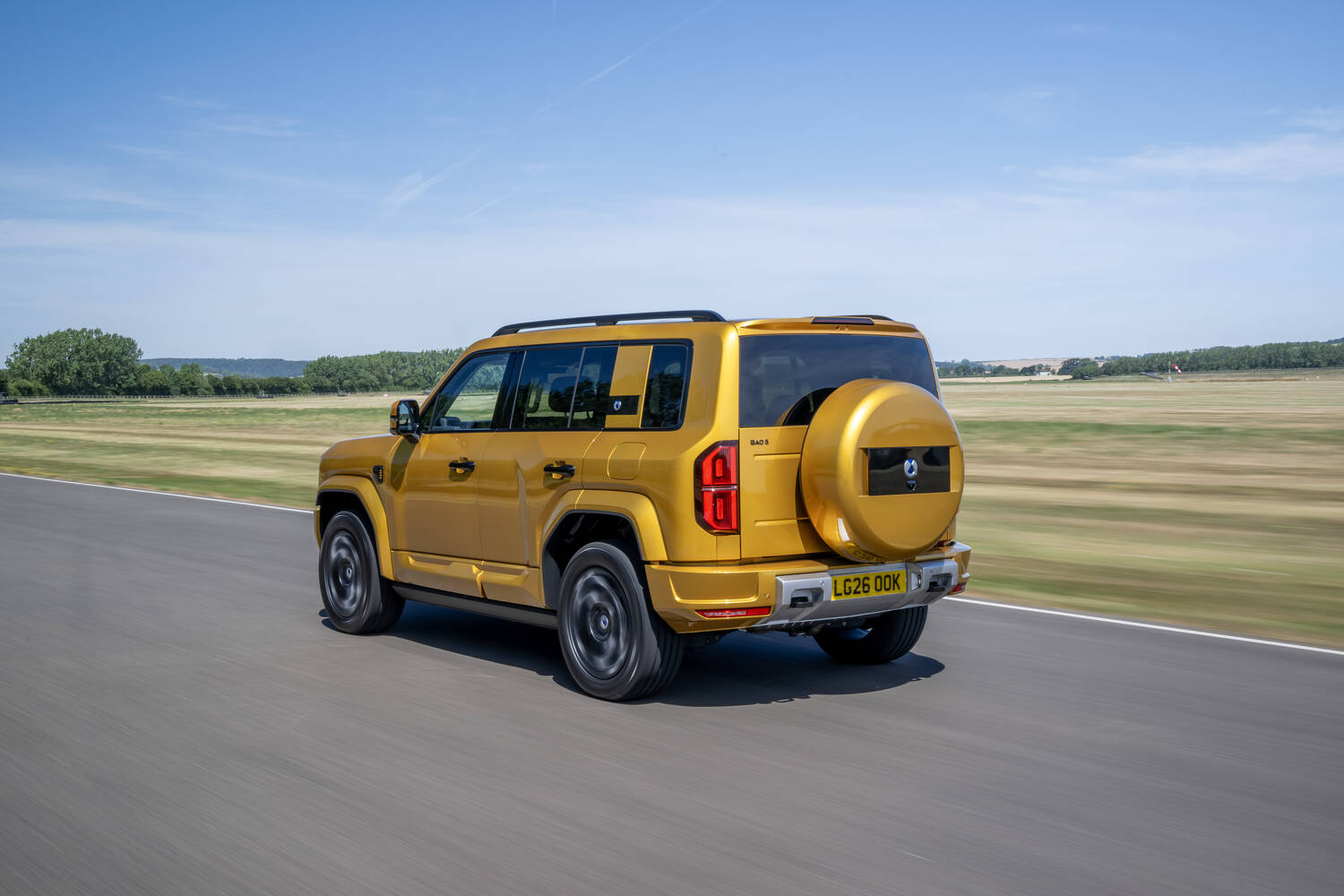
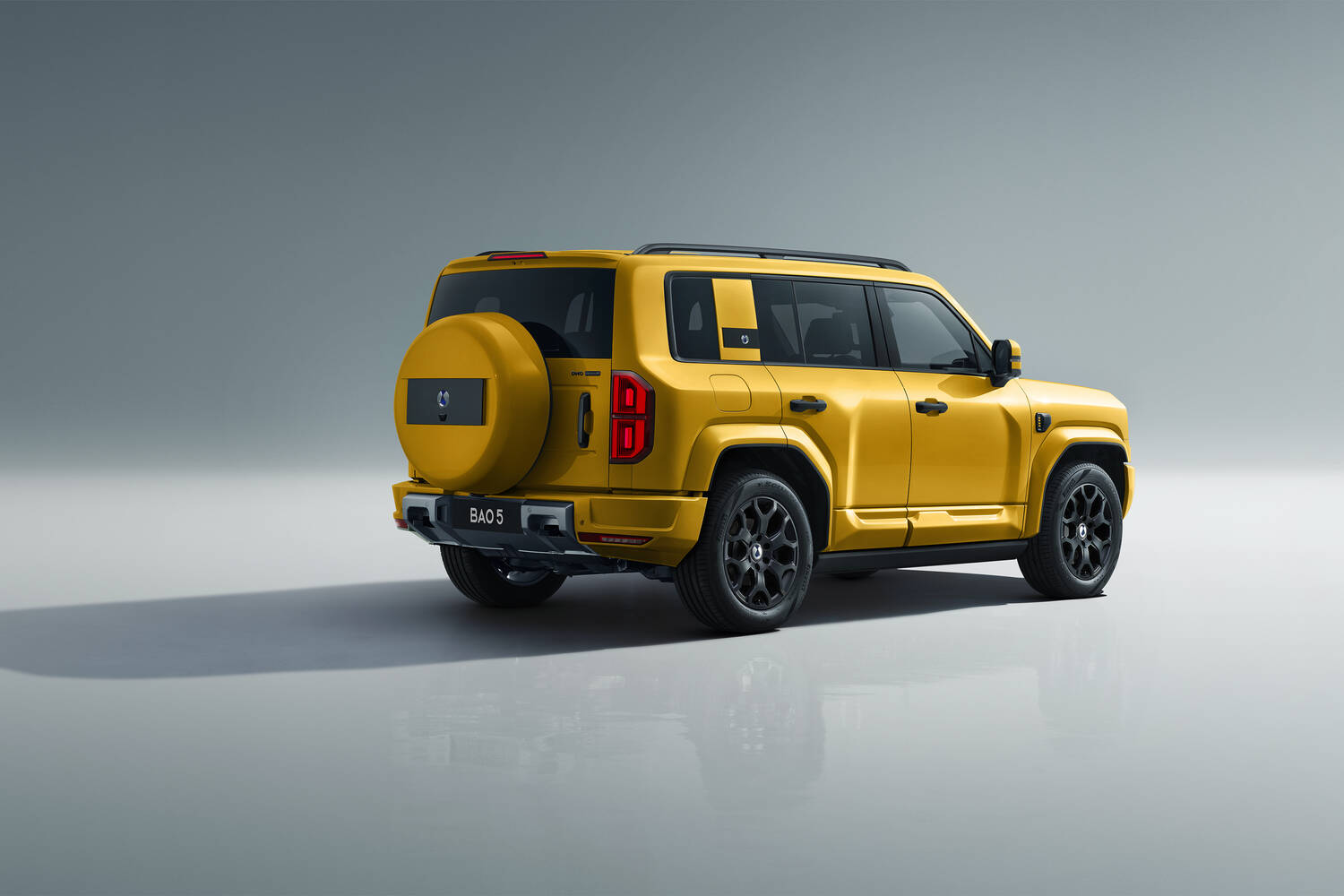
And kudos to Denza for offering some bold colours for the Bao 5, which only enhance its aesthetics.

We had our brief test of the Denza 4x4 in its grander Ultimate spec, which brings in 'DiSus-P' suspension with an adjustable ride height. There's up to 140mm of movement available; the car nominally offers 220mm of ground clearance, but it can raise up another 90mm on its tiptoes for a full 310mm beneath its chassis or drop down to just 170mm off the deck.
This variable ride height improves the Bao 5's approach and departure angles for off-road duties - they go from 35 and 32 degrees respectively at 220mm, to 39 and 35 degrees when the SUV is towering 310mm off the floor.
Alloy wheel sizes are 18-inch items on the Elegance and 20-inch rims for the Ultimate, with an optional alternative design in the larger size as well.

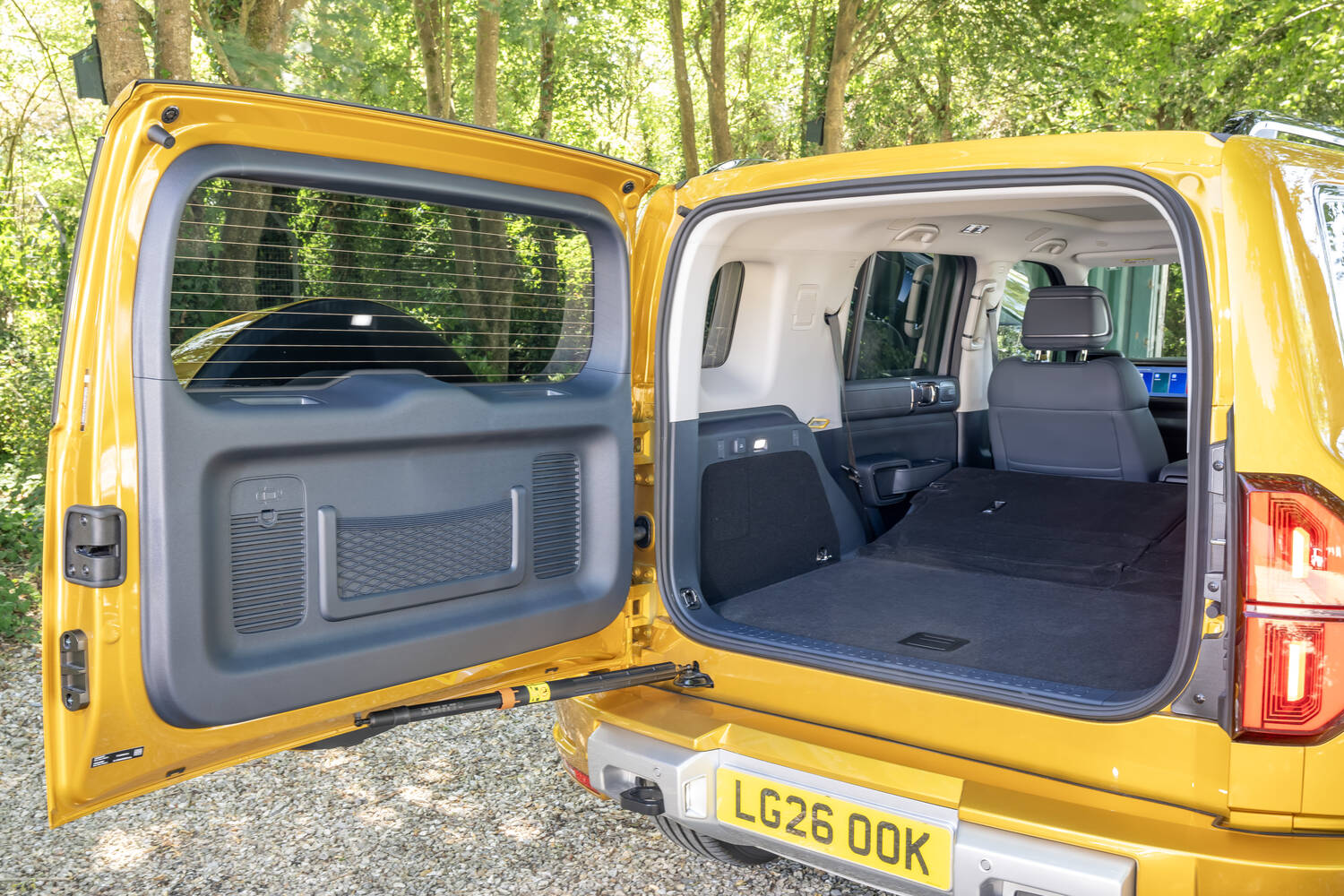
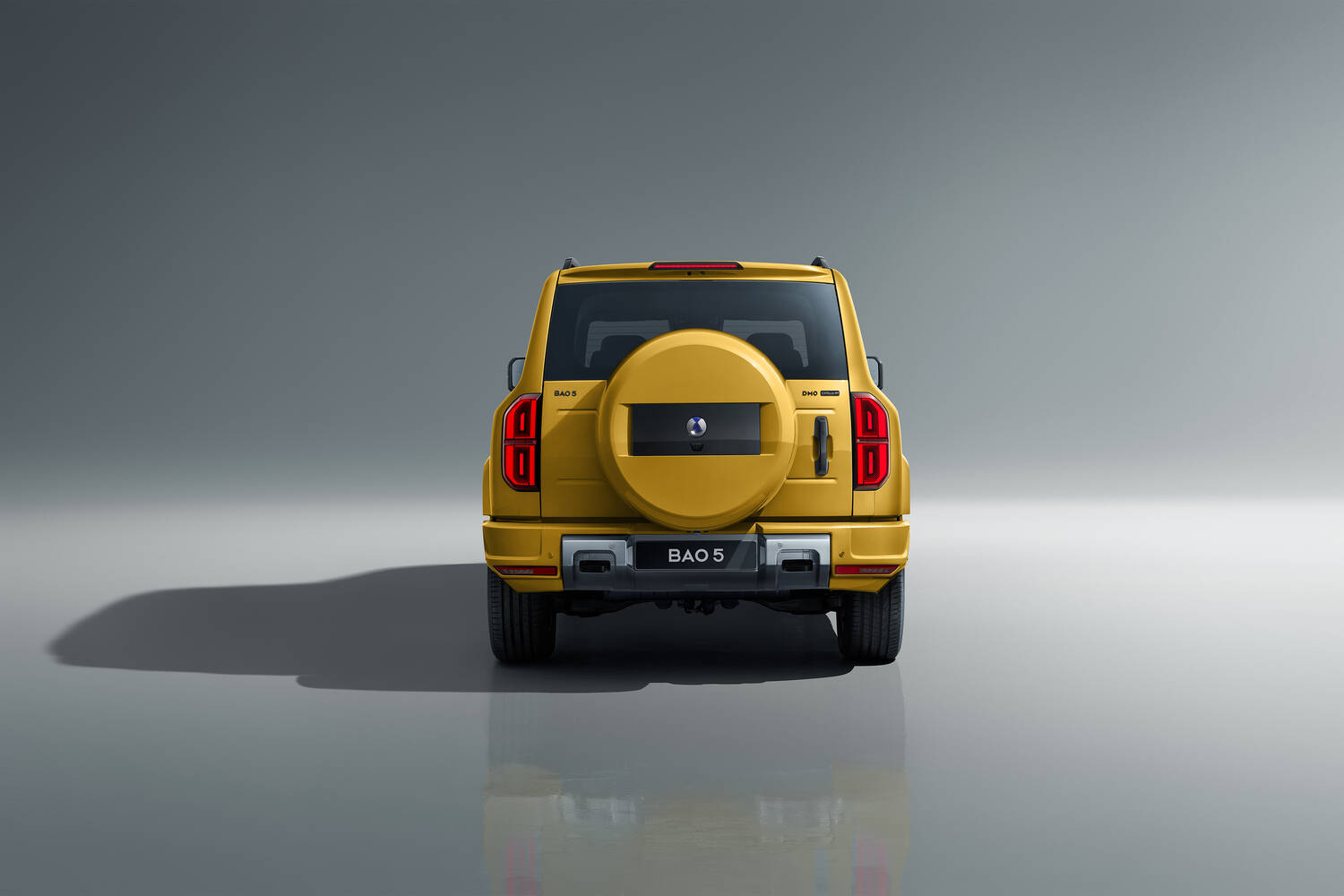
Perhaps the final thing to note here is that the tailgate is side-hinged and has a rear-mounted spare, so you need both plenty of space behind the Bao 5 to access the boot in urban areas and strong arms to swing the huge door-and-wheel contrivance open.
Dimensions of the 2027 Denza Bao 5
- Length:
- 4,888mm (4,921mm Ultimate)
- Width:
- 1,970mm (excluding mirrors)
- Height:
- 1,920mm (1,930mm Ultimate)
- Wheelbase:
- 2,800mm
Paint colours for the 2027 Denza Bao 5
Denza offers seven colours for the bodywork of the Bao 5, six of which are metallic in finish - Shadow Black, Snowy White, Pinnacle Grey, Wagner Glacier Blue, Dolomite Green and the eye-catching Tarim Polar Gold. The other finish is a matte-effect paint called Mineral Purple.
Interior of the 2027 Denza Bao 5
- High-quality look and feel
- 'Lock' theme to much of design
- Seems spacious enough

We didn't have too much time in the Denza Bao 5, as we got a very brief drive of the 4x4 at a pre-launch event for the marque at the Goodwood Festival of Speed in the UK.
This means we didn't perform a full test of the ergonomics, build quality and practicality of the big PHEV, but from our brief experience there are some highly commendable points here.
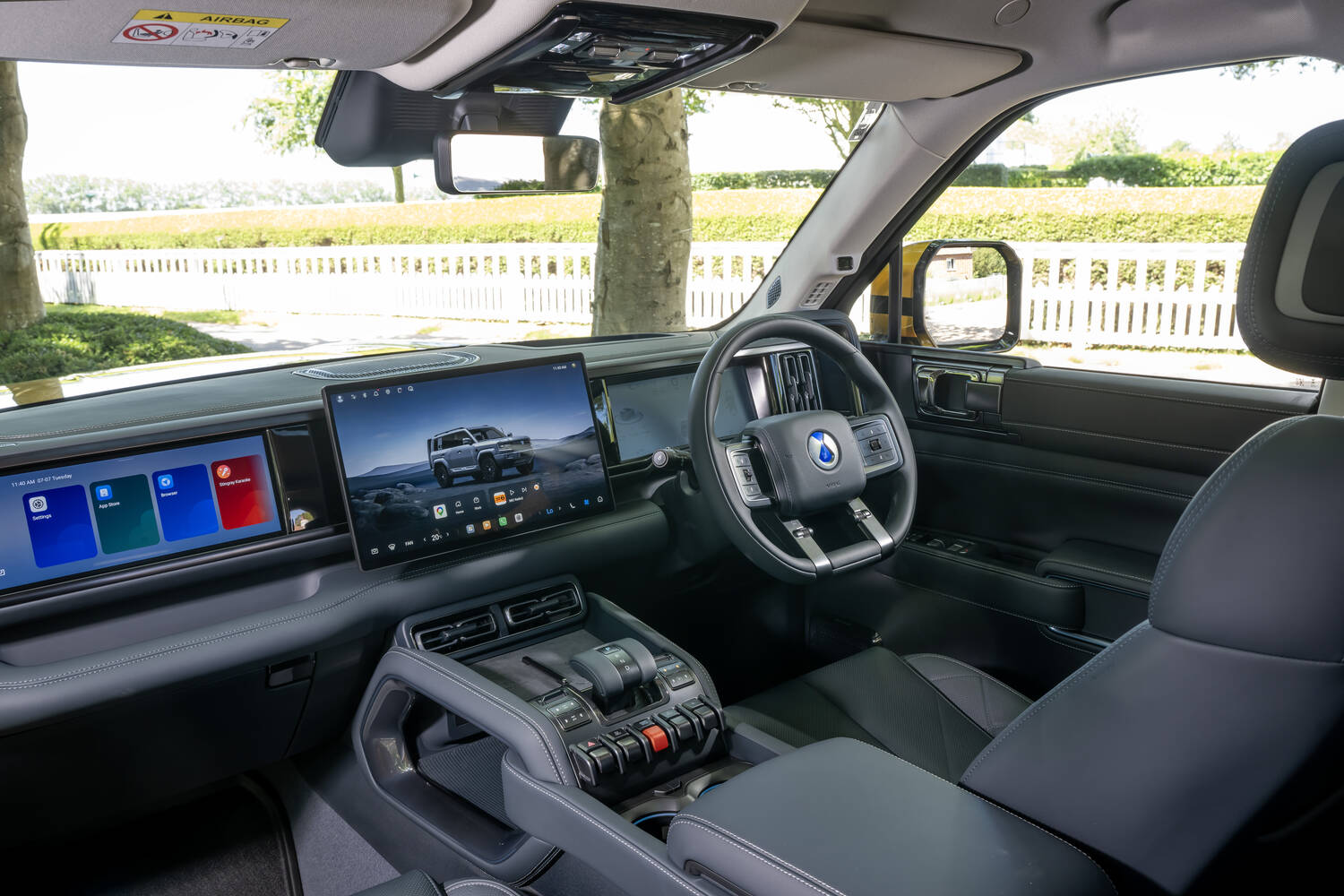
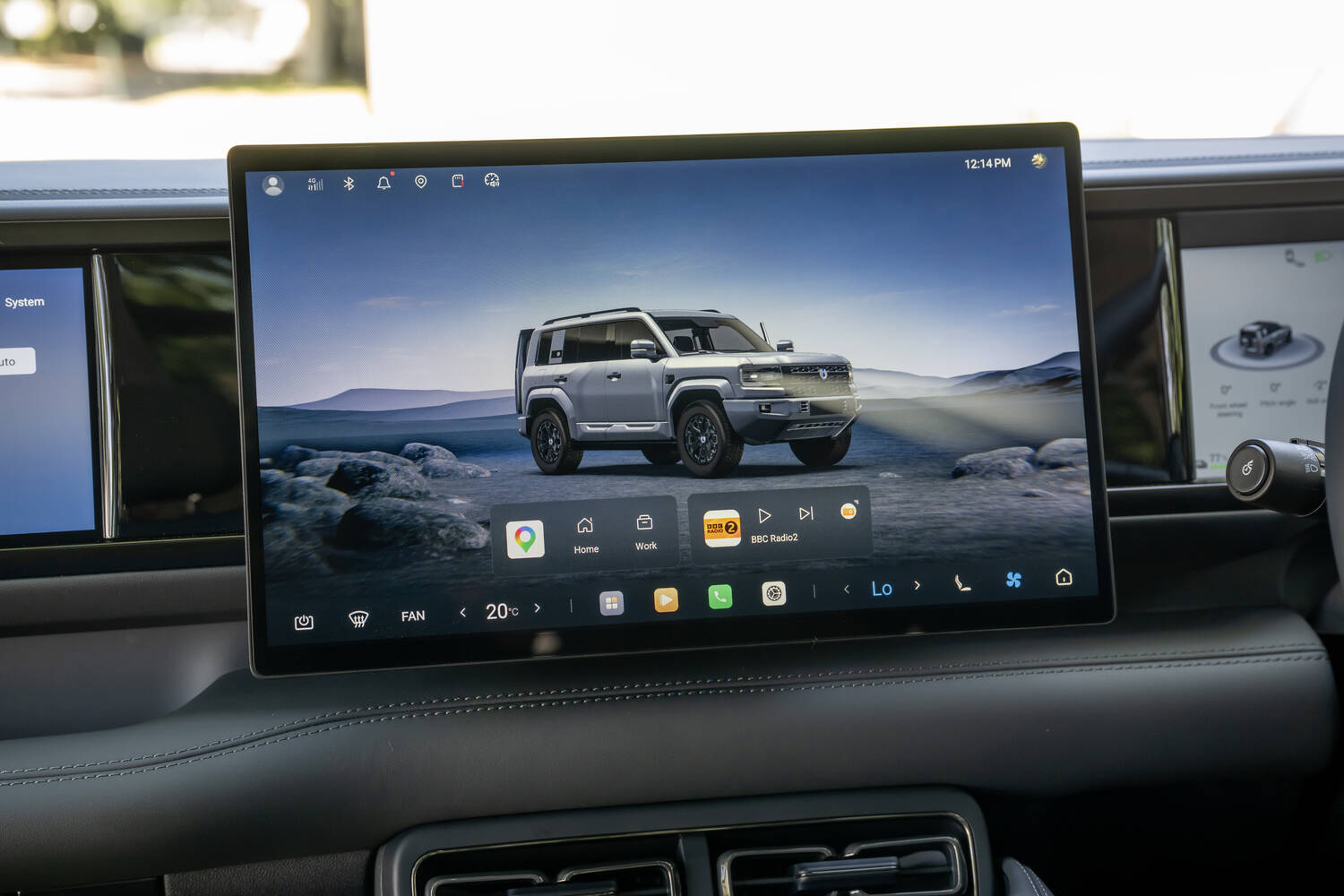
Technophobes might want to look away at this point, though, as we reveal that the Denza arrives with a vast four-screen digital interface array on all models, which comes at the expense of almost all buttons.

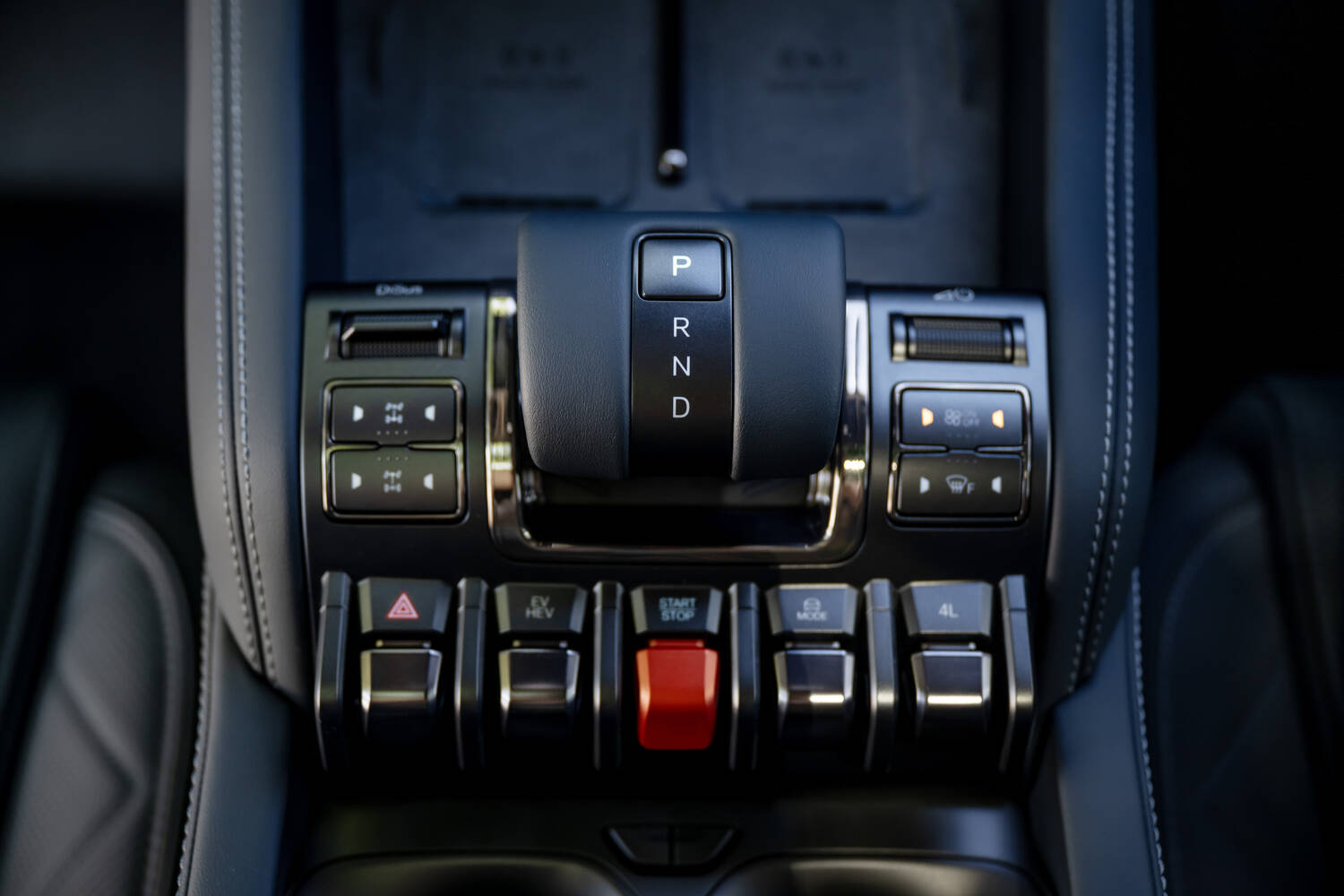
In fairness to the Chinese firm, it has put some physical switchgear down on the sort of stolid transmission tunnel you'd expect in a hardcore 4x4, and there are a couple of climate-related controls there (fan speed and front demist), but the rest are overarching functions for things like the front and rear diff-locks, the low-ratio portion of the transmission, hazard-warning lights, engine start/stop and electric/hybrid running modes, among others.
This means you'll be operating almost everything comfort- and entertainment-related through the gigantic 15.6-inch central touchscreen (including the main in-car climate features), which itself is framed by two further 12.3-inch panels (one for the instrument cluster, one for the front-seat passenger's amusement) and then all topped off with a 50-inch widescreen head-up display.

From what little interaction with these systems we had, graphically they seemed decent enough and quick to respond, but we'll reserve full judgement on the Bao 5 until we've driven it for longer and in more representative everyday driving conditions.
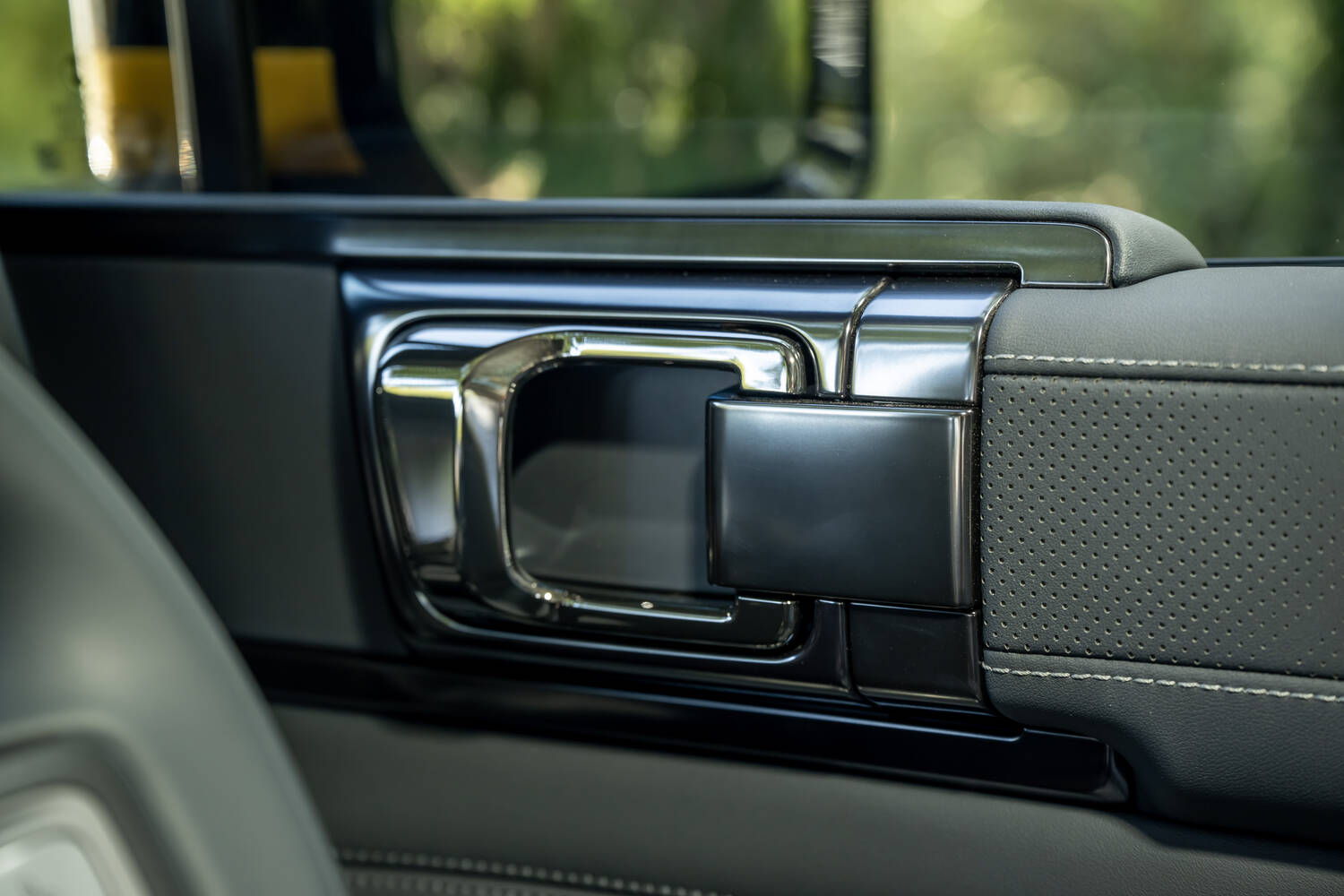
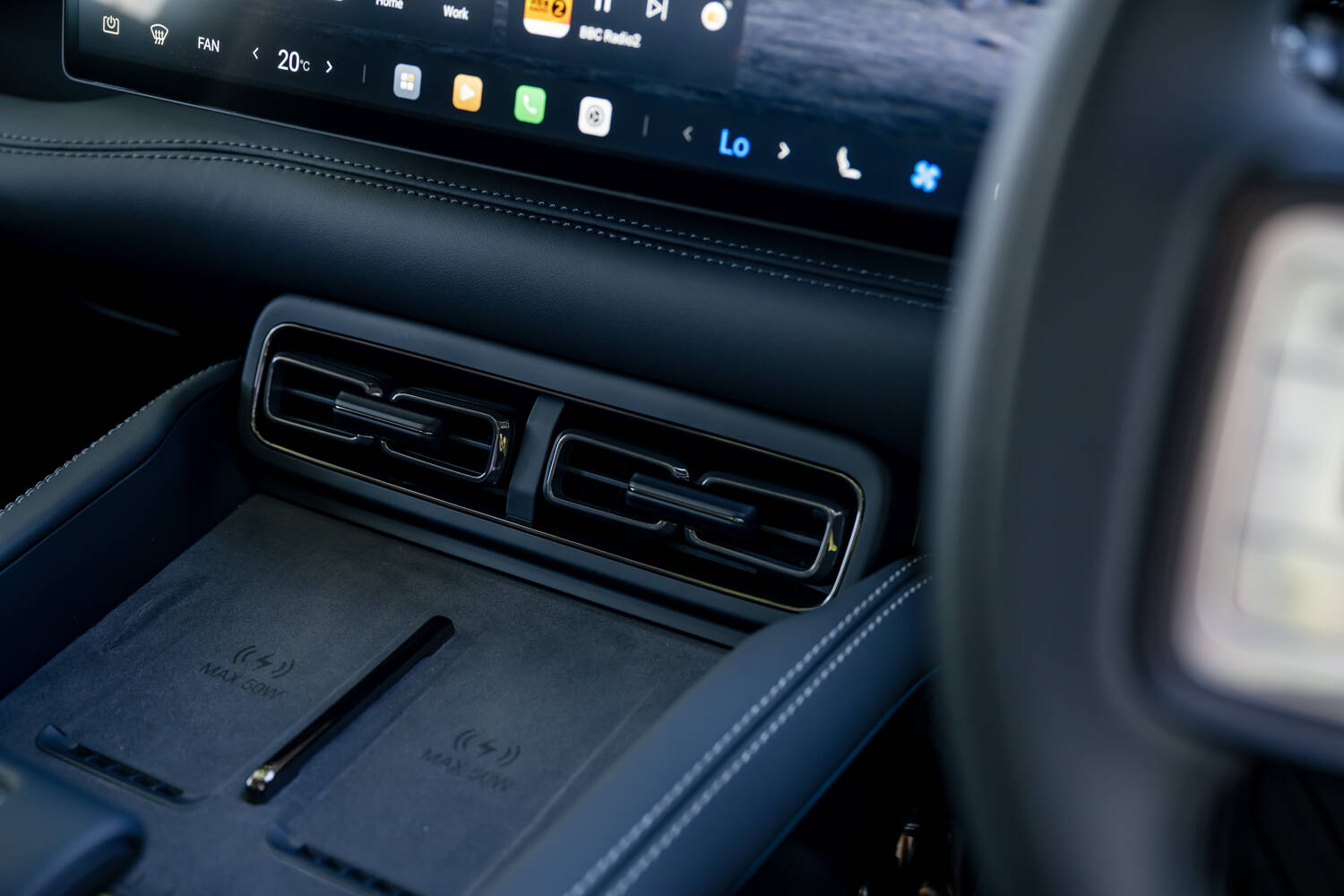
Beyond that, the material quality appeared to be of a high standard, with a 'lock' motif permeating much of the cabin architecture - it is formed by the large lateral grab handles framing the fascia, then repeated for the door handles, the door-card-mounted door pulls and armrests, the side structure of the central tunnel area, the air vents and even the grilles for the standard-fit 18-speaker, 840-watt Devialet premium sound system.

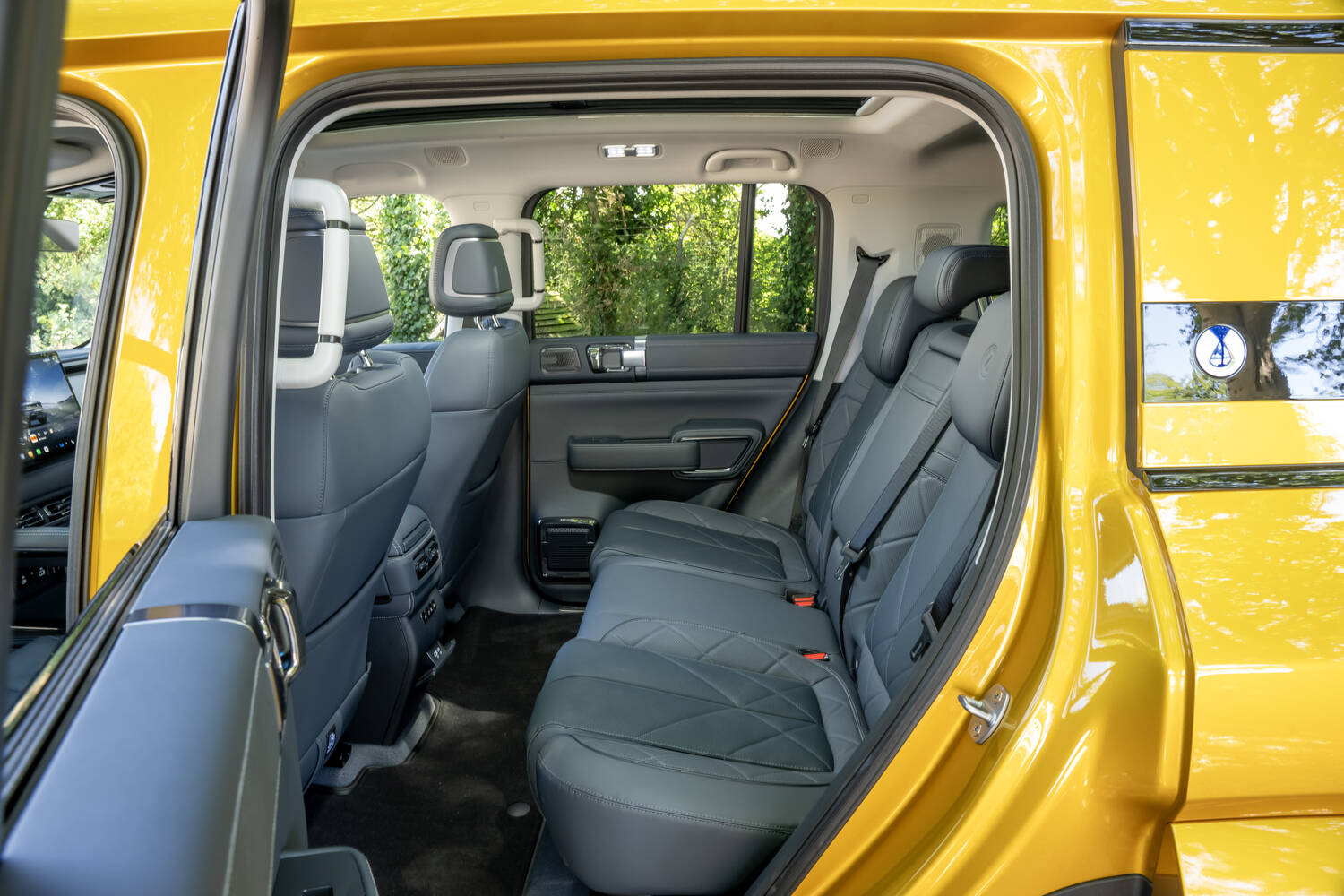
Otherwise, space in the second row is particularly generous - the floor back there is completely flat in the Bao 5, while its high roof and wide form suggest even three taller people would be comfortable in the Denza's second row.
There's a biggish boot, too, measuring 475 litres with all seats in use and a large 1,736 litres with the 60:40 split-folding rear row dropped down.
Performance of the 2027 Denza Bao 5
- Lots of on-paper performance
- But feels way off that in reality
- Slowness a direct corollary weight

Denza calls this plug-in-hybrid set-up DMO, which stands for "dual mode off-road", and says it is the first longitudinally arranged electric hybrid system in the automotive world.
It is, as with the BYD DM-i PHEV set-up, centred on a turbocharged 1.5-litre four-cylinder petrol engine. This delivers 150hp and 240Nm on its own, but it is designed to be more of a range-extender or generator for the Bao 5's electric system - only rarely combining with the two electric motors to directly drive the Denza's wheels.
Instead, that job is primarily left to the two electric motors: a 200kW unit at the front and a more potent 285kW motor at the rear.
These generate 272hp/360Nm and 388hp/400Nm respectively, and if you're adding all this up and getting giddy, thinking the Bao 5 is going to have 810hp and 1,000Nm of system muscle, then let us calm you back down - the powertrain is limited to more respectable yet still substantial peaks of 544hp and 760Nm.
Denza reckons this means the Elegance can run 0-100km/h in 4.8 seconds, while the slightly heavier Ultimate requires five seconds precisely to do the same sprint.
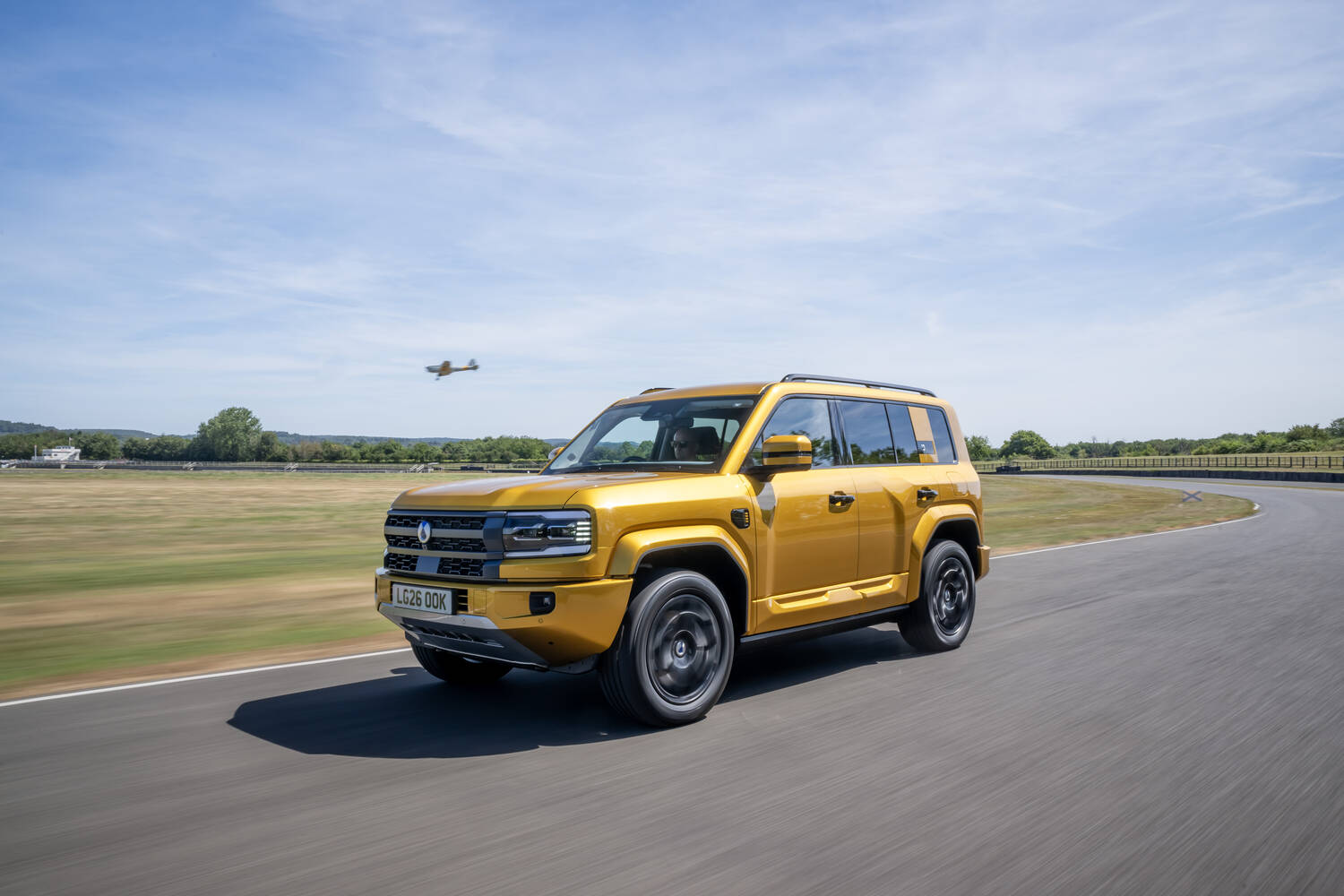
Driving the Denza Bao 5 Ultimate on UK roads
Words by Matt Robinson on 23 July 2026

There's a problem here. If you stick a luxurious, opulently appointed SUV body and interior atop a sturdy ladder-frame chassis and then dollop in a 1.5-litre combustion engine, two electronically controlled diff locks, the sort of huge-by-PHEV-standards battery pack that would embarrass some pure EVs and whopping great alloy wheels and brakes, you can suddenly end up with quite a heavy machine as a result.
And so it comes to pass with the Denza Bao 5. In Elegance trim, it weighs a startling 2,940kg. Opt for the Ultimate, with its DiSus-P adaptive suspension and 20-inch rims, and the net outcome is a truly gobsmacking 3,035kg.

This has some detrimental effects on the dynamics of the Bao 5, although as we only drove the SUV for about 10-15km, we're going to hold back on savaging it too much at this stage, until we've got a better handle on its everyday manners.
That said, we'll kick off by saying it rides like a bag of nails. Genuinely, the Bao 5 has appallingly firm, shuddery, unsettled manners as it rolls along in the 80km/h zone.
This can often happen with ladder-frame-chassis vehicles with an emphasis on off-road abilities, but even judged by those standards, the Bao 5's comfort levels are poor. This is on the model with the adjustable dampers for the suspension, remember.

Then that mass seriously blunts the subjective effectiveness of 544hp and 760Nm. We'd love to see one of these things attempting to do a verified five-second run for 0-100km/h.
We sampled the Denza with plenty of battery charge in reserve, which should have given it maximum acceleration - and the way it (slowly) gathered speed from 60-100km/h made us suspect it would struggle to crack ten seconds for the benchmark standing start, never mind half that time. It does not feel quick in the slightest.
However, the Denza Bao 5 is not without merit or promise, so we look forward to revisiting it to find out more. Chiefly, our positive feedback on this car relates to steering that's quite responsive and nicely weighted, not always a given in a new 4x4 like this, and a fairly capable level of body control too.

We also think it might be a talented off-roader, although we remain to be convinced by just how far two electronically controlled locking differentials and then something called an "energy centre lock" (said to be able to intelligently distribute torque between both physically unconnected axles 30 times faster than a traditional mechanical diff) will actually get you into the rough stuff. We can't imagine, for example, people in the Aussie Outback suddenly trading in their Land Cruisers for a fleet of Bao 5s...
Range, battery and charging of the 2027 Denza Bao 5
- Big 31.8kWh battery for a PHEV
- 90km of electric range
- Rapid 100kW DC charging ability
Denza has equipped the Bao 5 with a huge battery pack for a PHEV of this type, allowing for plenty of zero-emission driving range.
The 4x4 also has rapid recharging capabilities, although the depleted-battery fuel economy doesn't make encouraging reading.
Battery options and official range
There's a lithium-iron-phosphate (LFP) 'Blade' battery pack of 31.8kWh underneath the Denza Bao 5, installed using a 'cell-to-chassis' construction method that Denza says improves the structural rigidity of the SUV.
Without recourse to the petrol engine, Denza says the Bao 5 DMO will go up to 90km on electric power alone.
Coupled with the fuel tank, the manufacturer says the Bao 5 has a combined range of 835km, although that presumably requires getting something close to the 4.1 litres/100km WLTP efficiency of the petrol-and-electric drivetrain.
As a note of caution, we'd draw your attention to the "depleted battery" figure Denza cites, which is a rather less cheerful 10.7 litres/100km - another direct consequence of the vehicle weighing in the vicinity of three tonnes.
Charging up the 2027 Denza Bao 5
Great news here, as the Denza Bao 5 supports super-fast - for a PHEV - DC charging speeds of up to 100kW.
That means a 30-80 per cent top-up would take just 16 minutes at the vehicle's fastest rate, while its 11kW AC capability means a three-phase charging session would require around three hours for 15-100 per cent battery replenishment.
Our own extrapolation suggests something approaching five hours for the same cycle on a more typical 7.4kW domestic wallbox.
Irish pricing & rivals to the 2027 Denza Bao 5
- Irish availability yet to be confirmed
- Plenty of equipment for the cash
- Some desirable rivals in this sector

Although Denza's launch isn't confirmed for Ireland as yet, and we therefore don't know Irish prices, in other markets the Bao 5 is priced broadly in line with lower-spec Defenders and Toyota Land Cruisers.
That's optimistic, although the Denza's generous standard specification ought to mitigate the likely expenditure - every model of the Bao 5 (we know of two specs, called Elegance and Ultimate) has leather upholstery, the Devialet sound system, the full digital interface up front, 18-inch alloy wheels, heated seats in four positions, ventilated and electrically adjustable seats in the front, a heated steering wheel and a panoramic glass roof, among other features.
The Ultimate adds 20-inch wheels, the DiSus-P suspension, twin 50-watt wireless charging pads for smartphones and a digital rear-view mirror as some of the highlights.
As well as the Defender and the Land Cruiser, rivals for the Bao 5 include the Mercedes G-Class (which is a lot more expensive) and the Ineos Grenadier, in this sector where the lines between full-on SUV and durable 4x4 are sufficiently blurred.
Verdict - what are our initial thoughts on the 2027 Denza Bao 5?

This intriguing but brief first showing of the Denza Bao 5 was not without merit, but we wonder if the Chinese firm has attempted to hit two targets (4x4 and SUV) in one go yet ended up landing between them and missing in both regards.
We like the look, spaciousness, generosity of equipment and technical innovation of the Bao 5's PHEV make-up, and there are also glimmers of genuine likeability in the way it drives - but the ride comfort on the DiSus-P chassis was seriously poor on this brief drive, while we question whether a 1.5-litre plug-in-hybrid arrangement is really a good idea in a machine as exceptionally heavy as this.
We'll report back when we get a longer drive in the Denza Bao 5.
If there is anything about this car we have not covered, or you would like help choosing between it and other cars, you can avail of our expert advice service via the Ask Us Anything page.