



Exterior & design of the 2025 Volkswagen ID.3 GTX
- Subtle GTX styling enhancements work
- Is it still a bit too underplayed for a hot hatch?
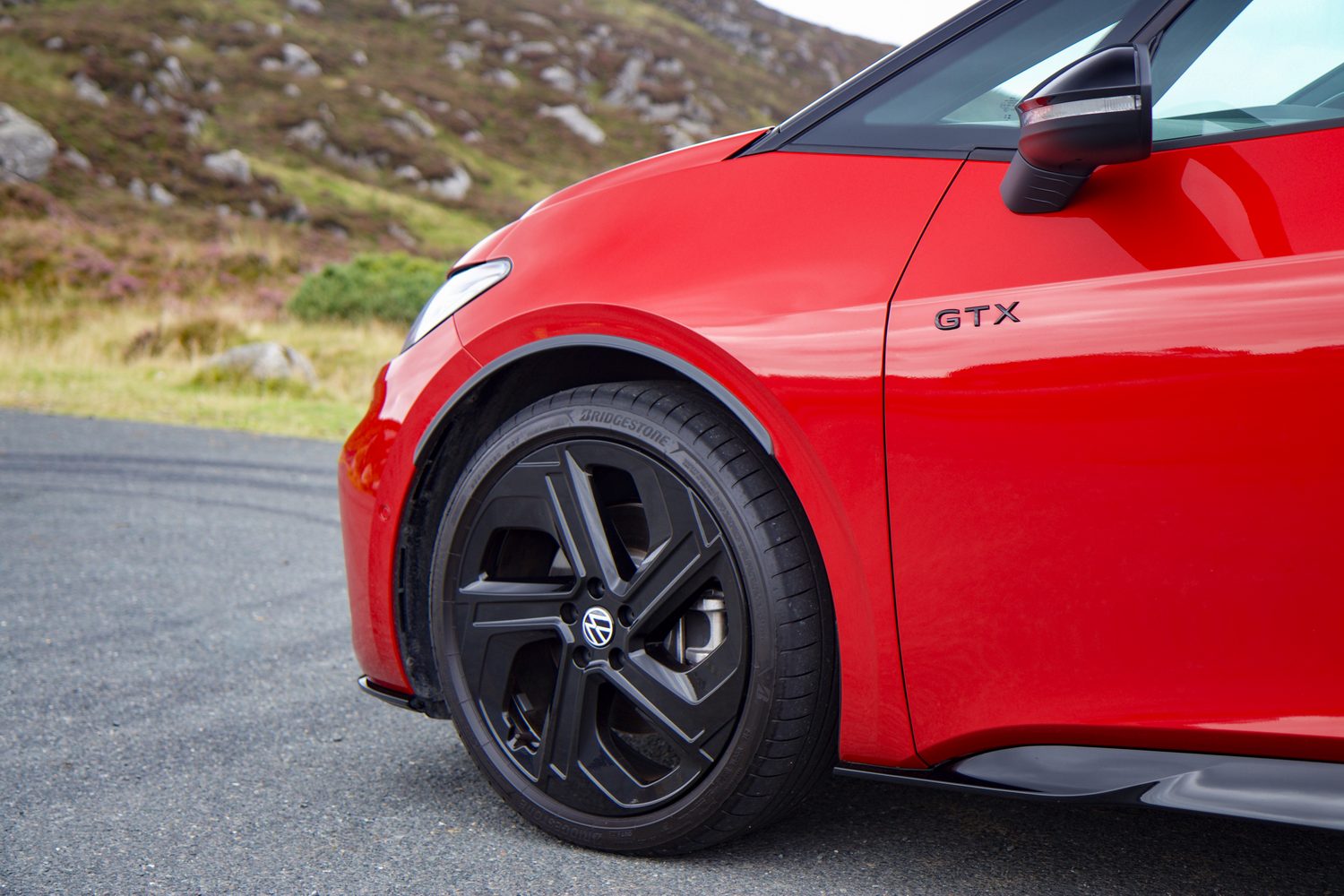
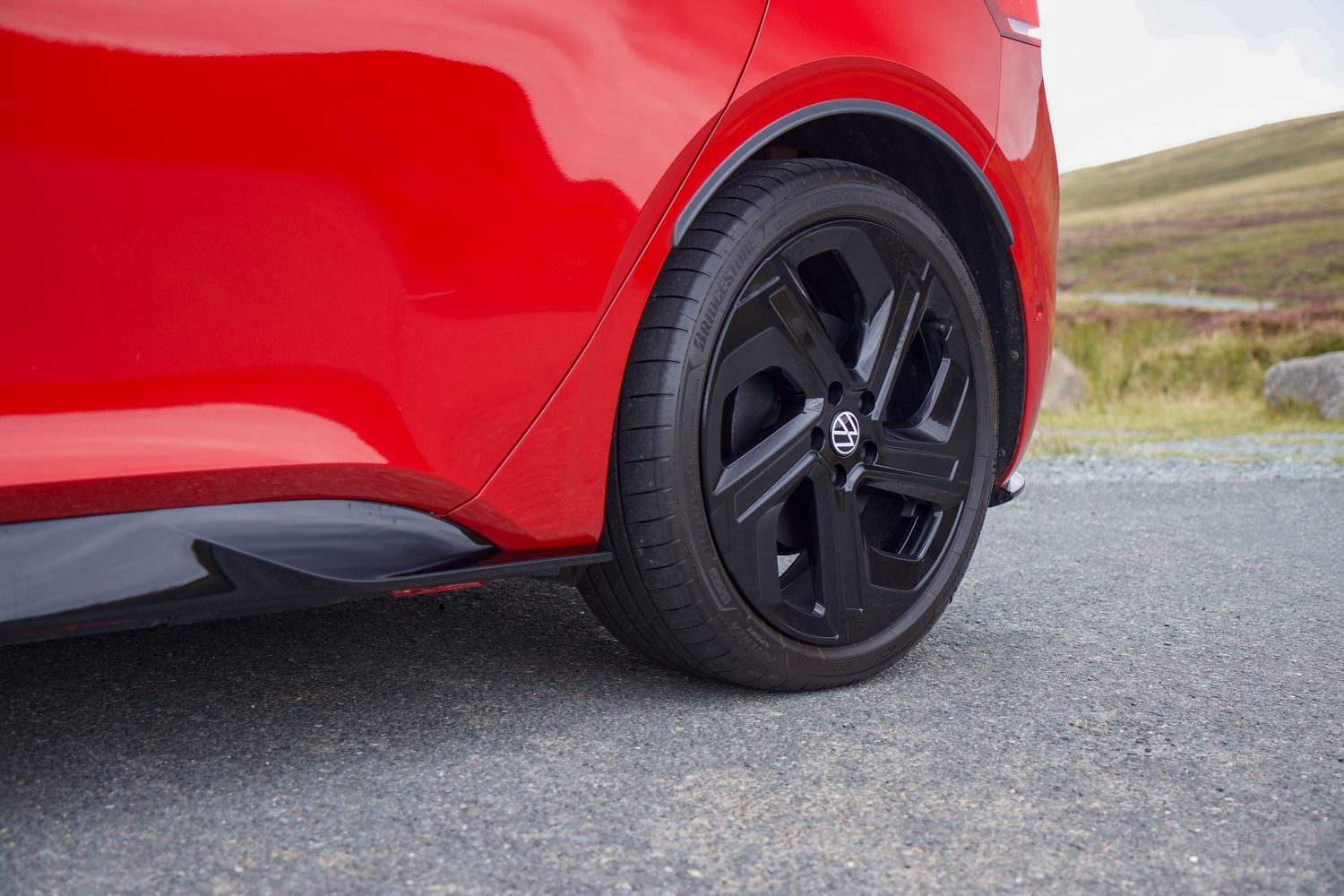
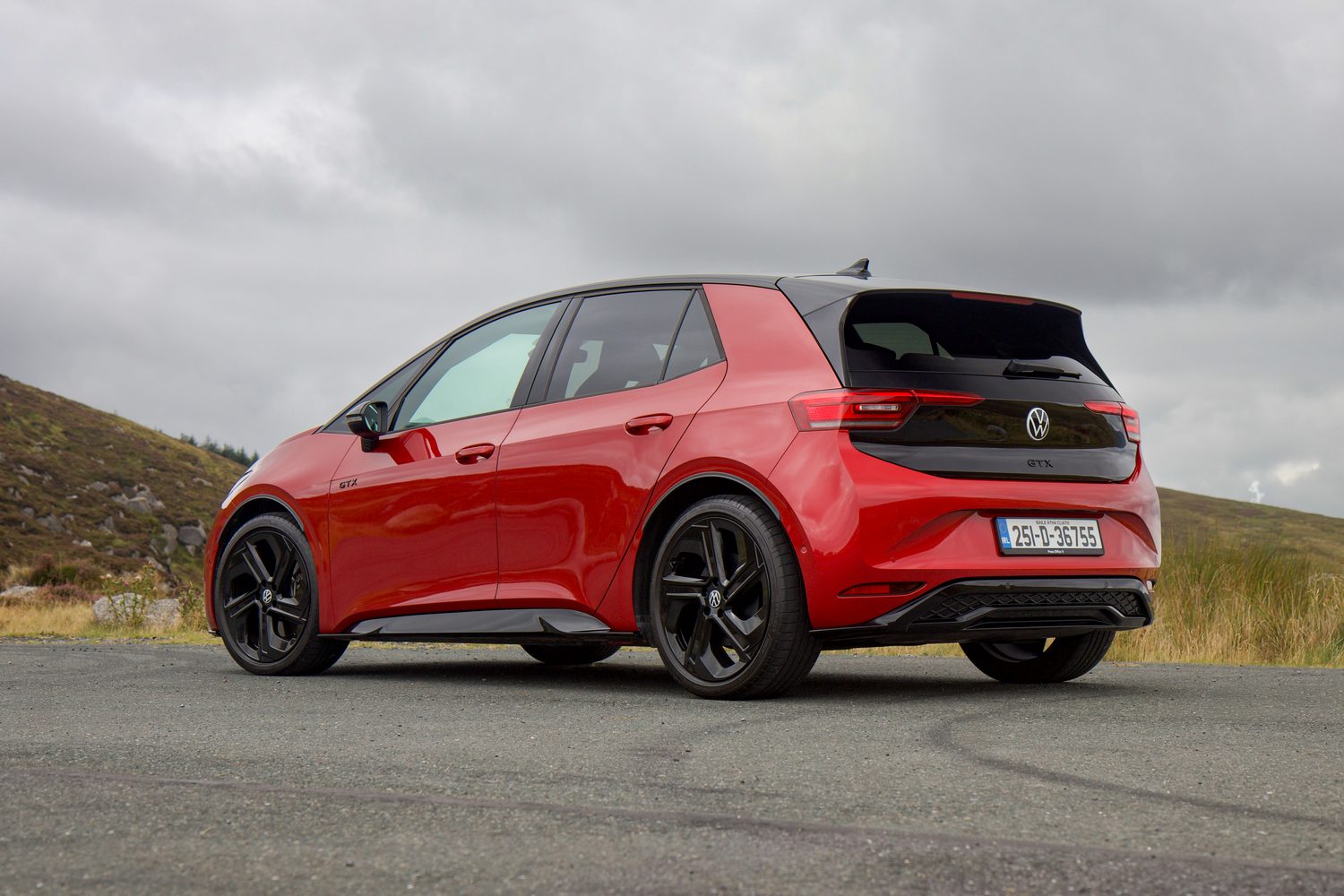
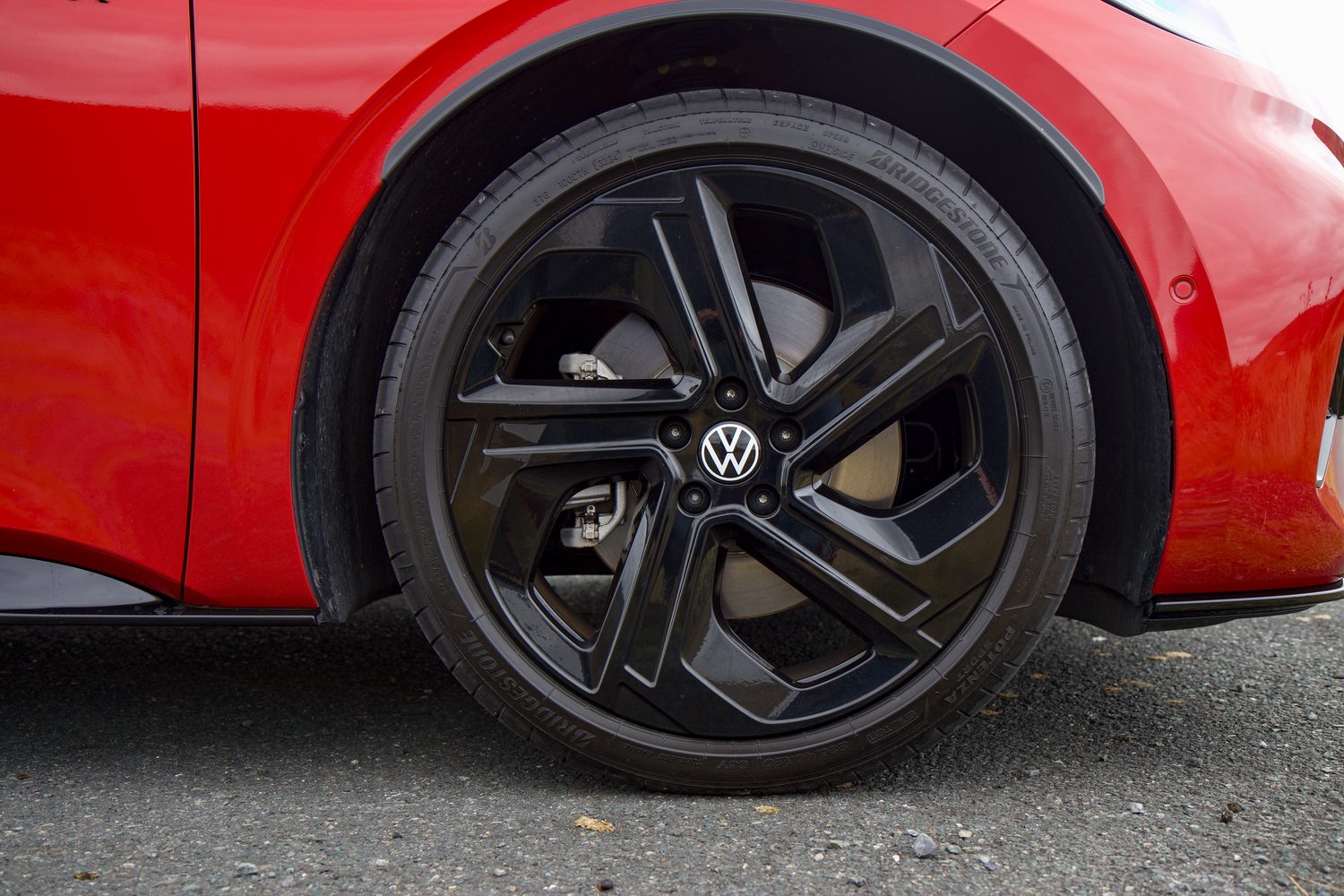
- 20-inch 'Skagen' alloy wheels fitted as standard

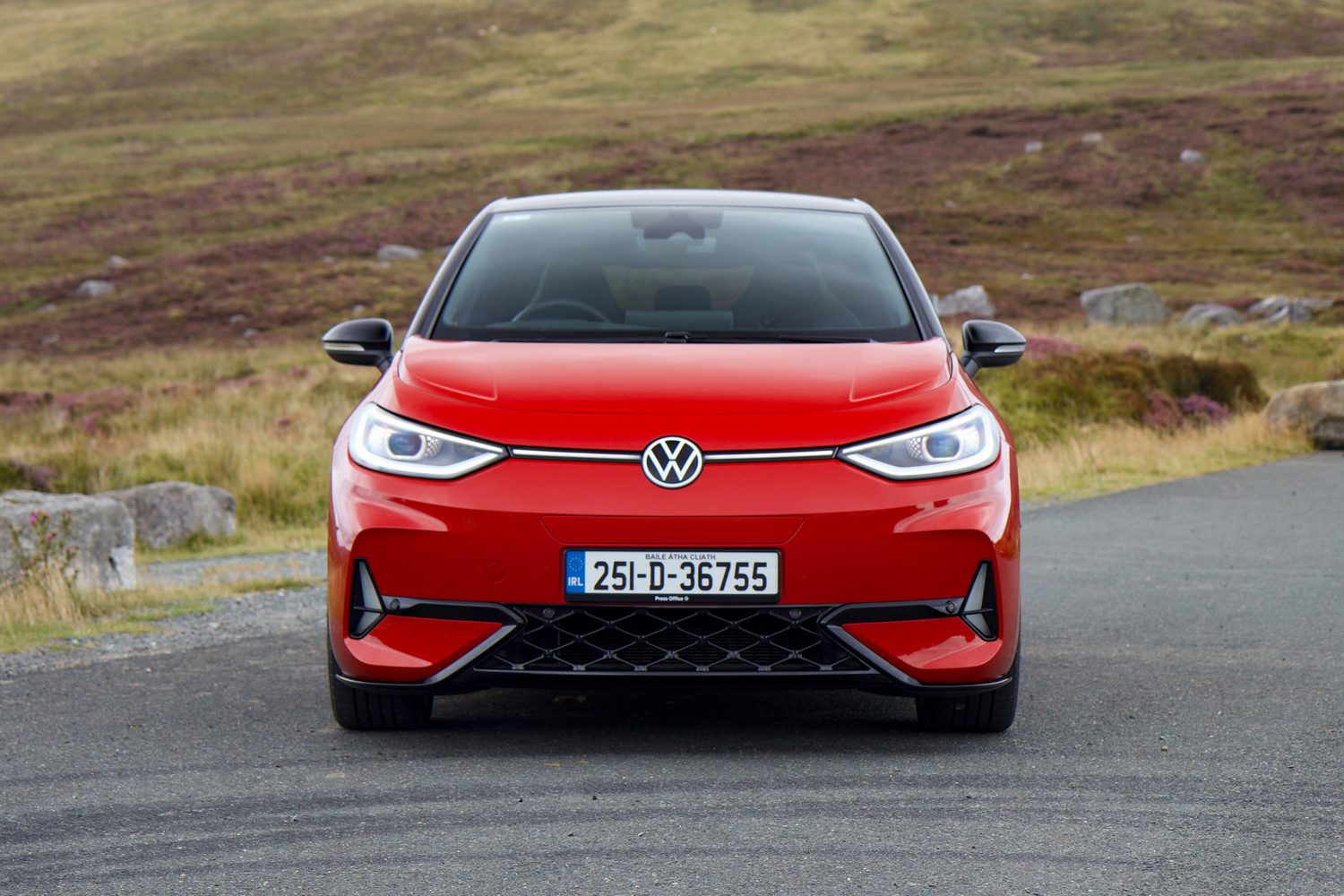
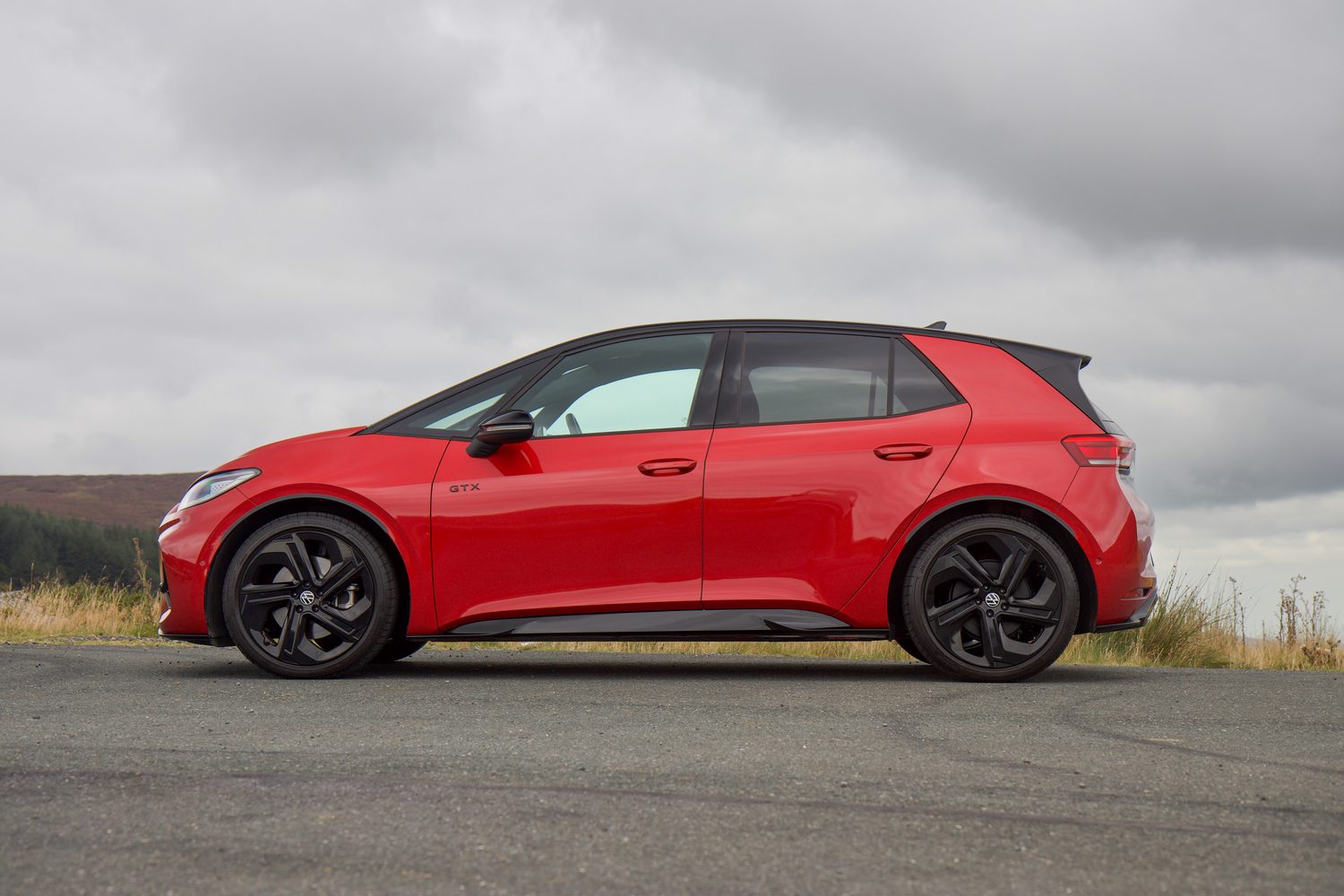
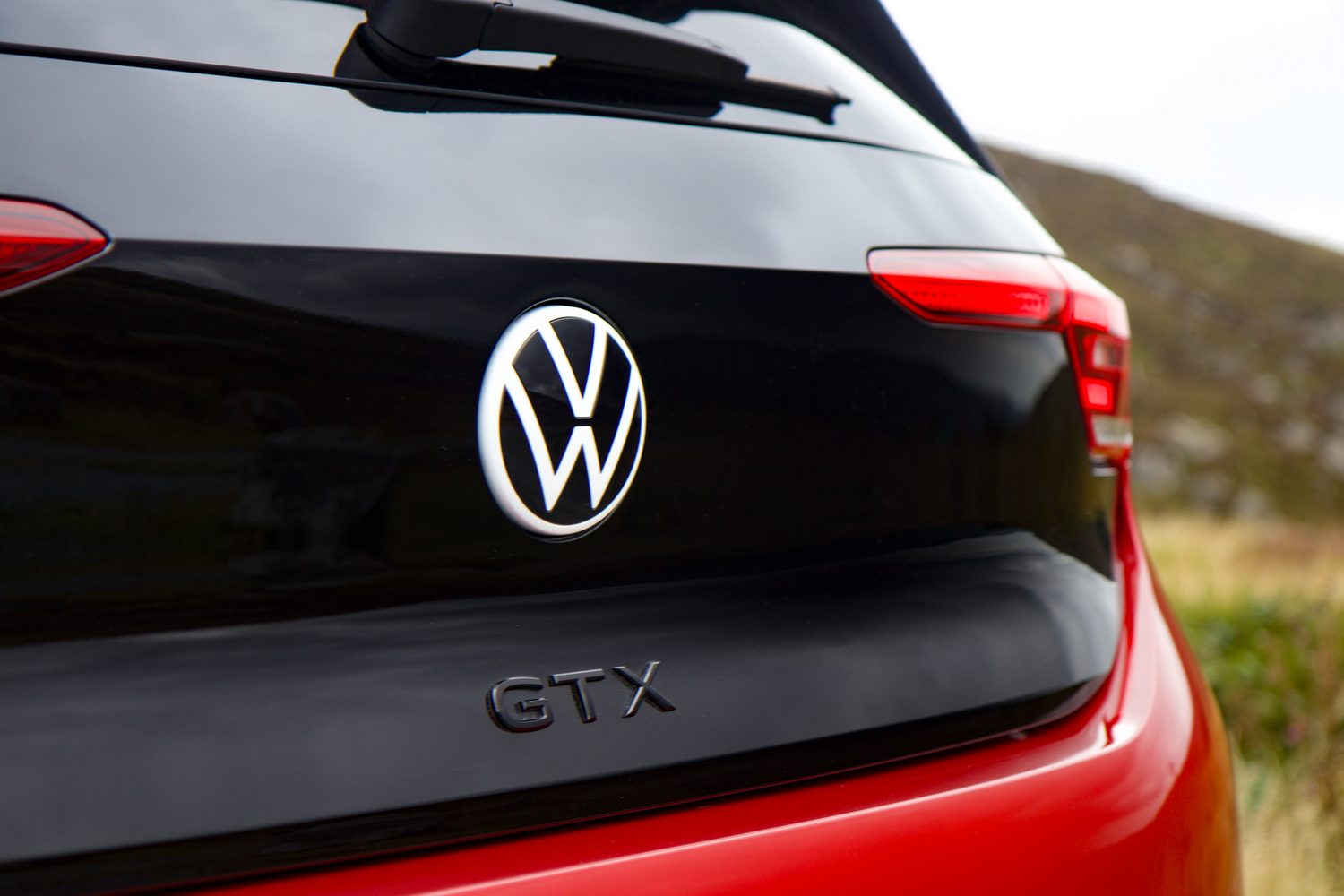
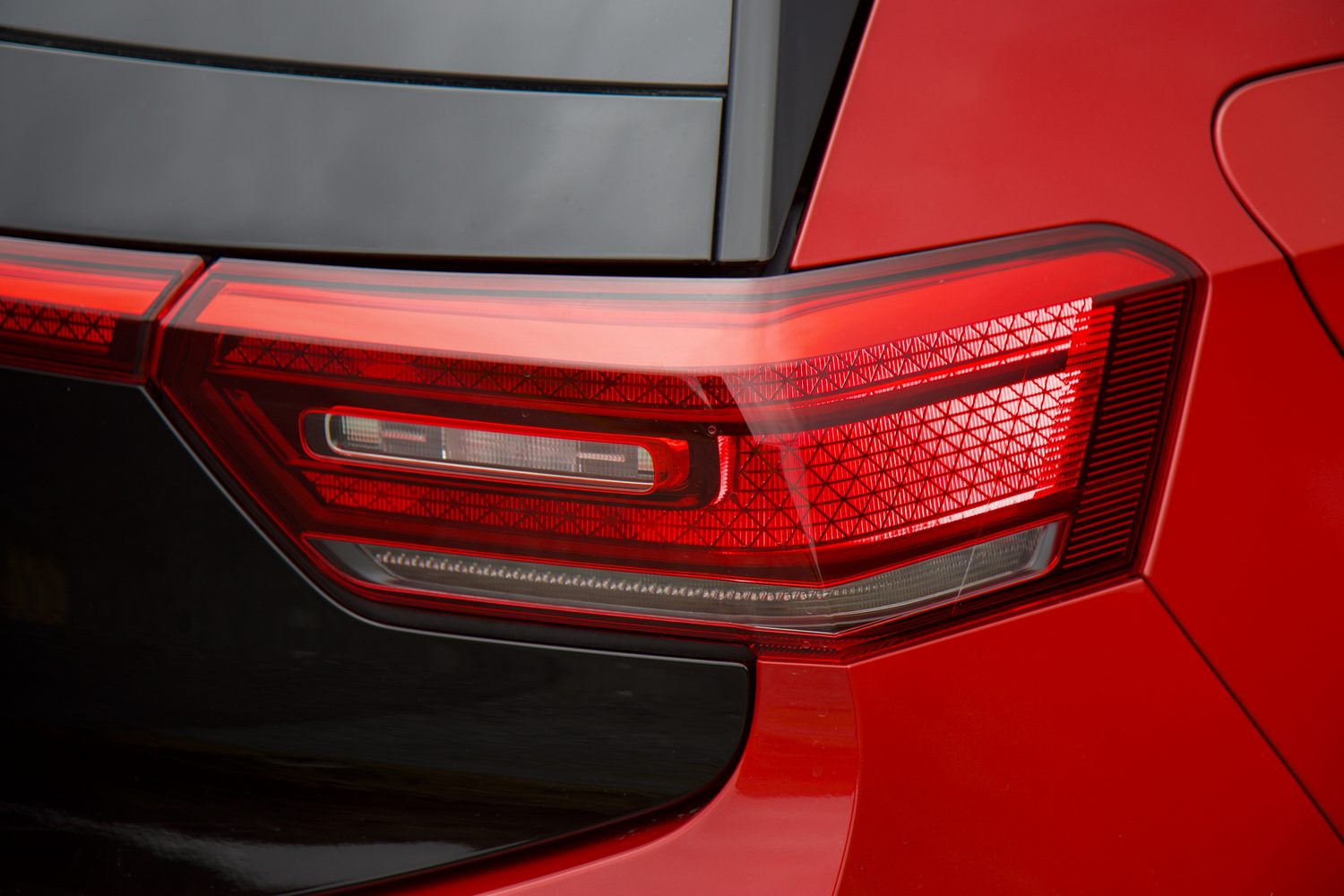
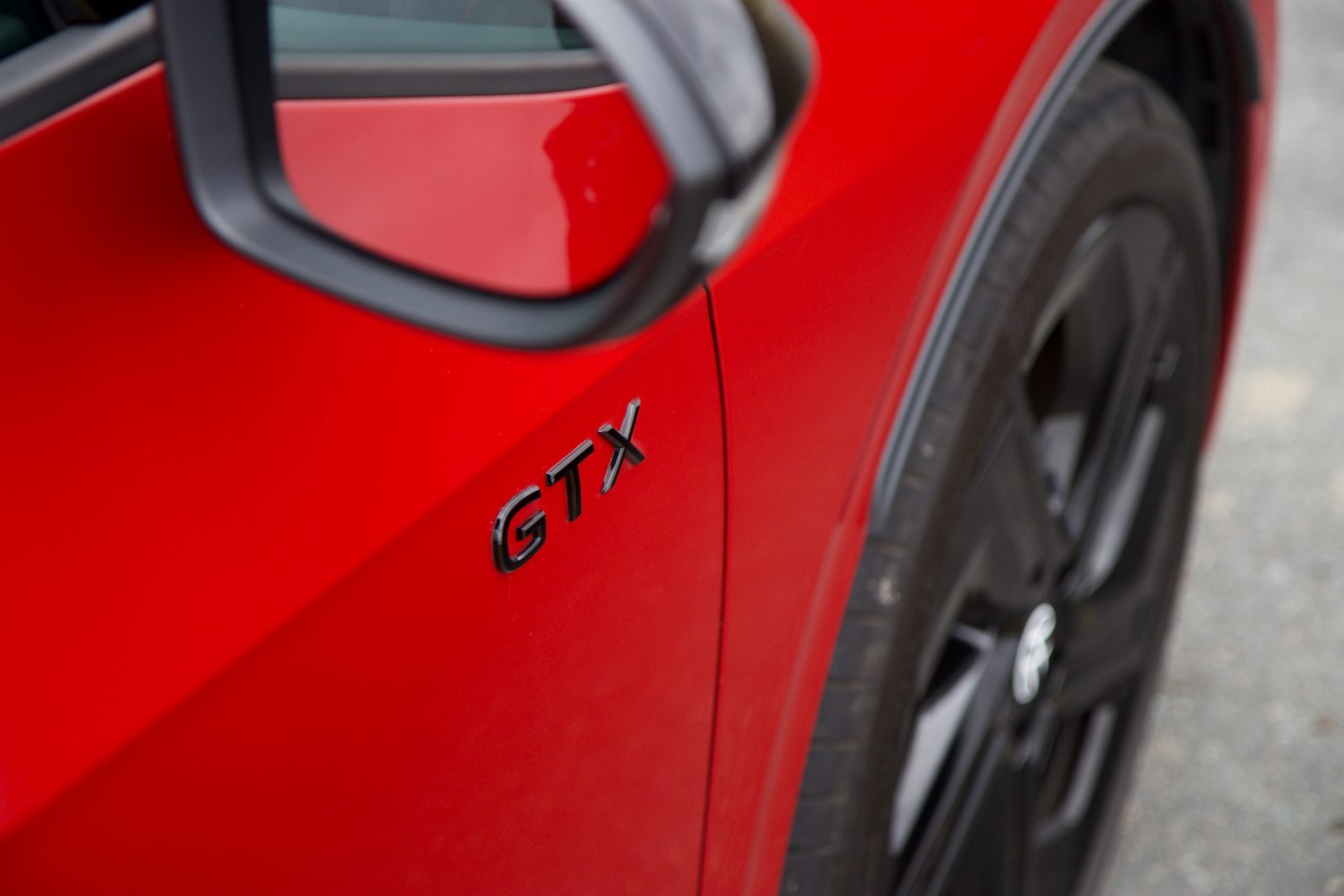
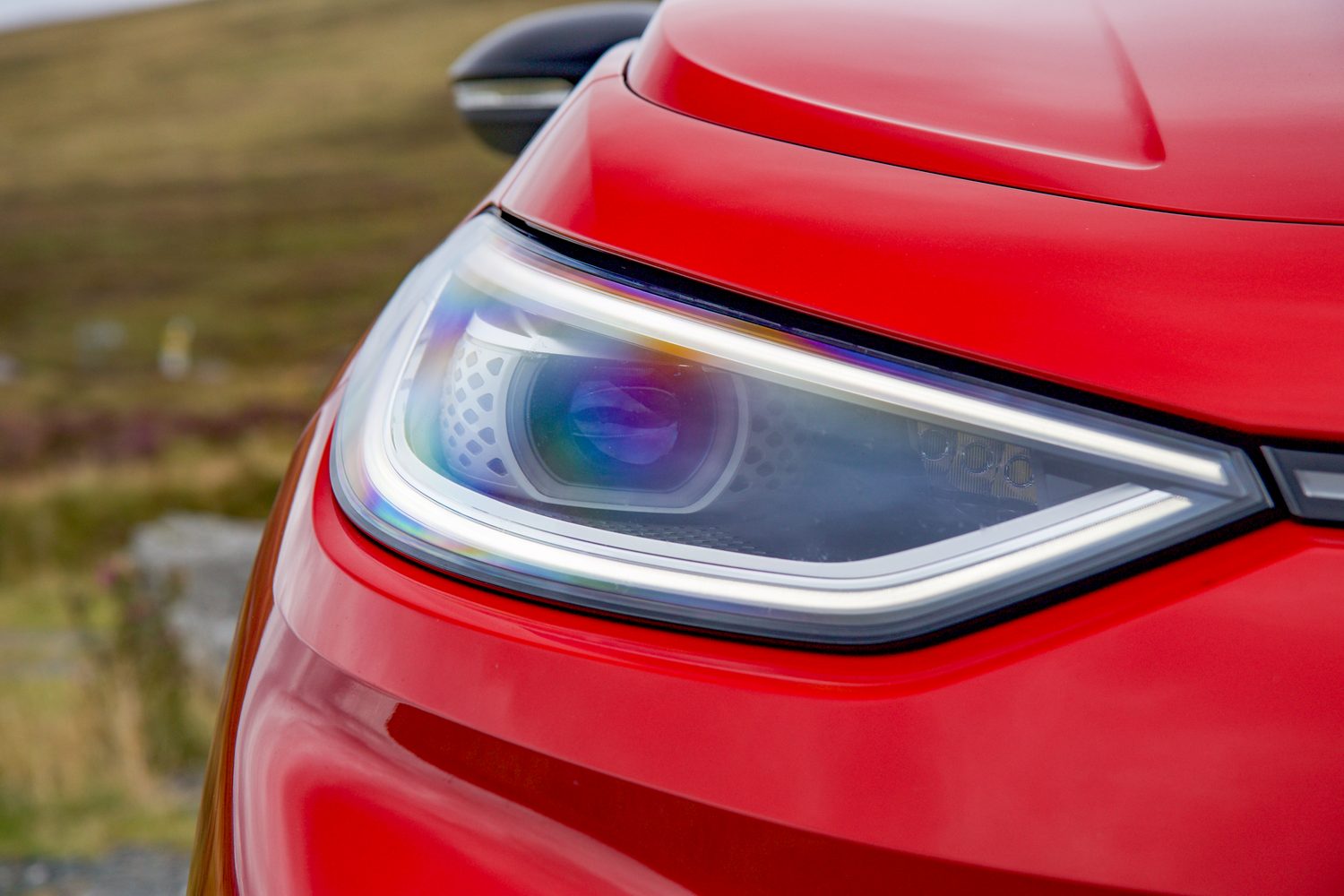
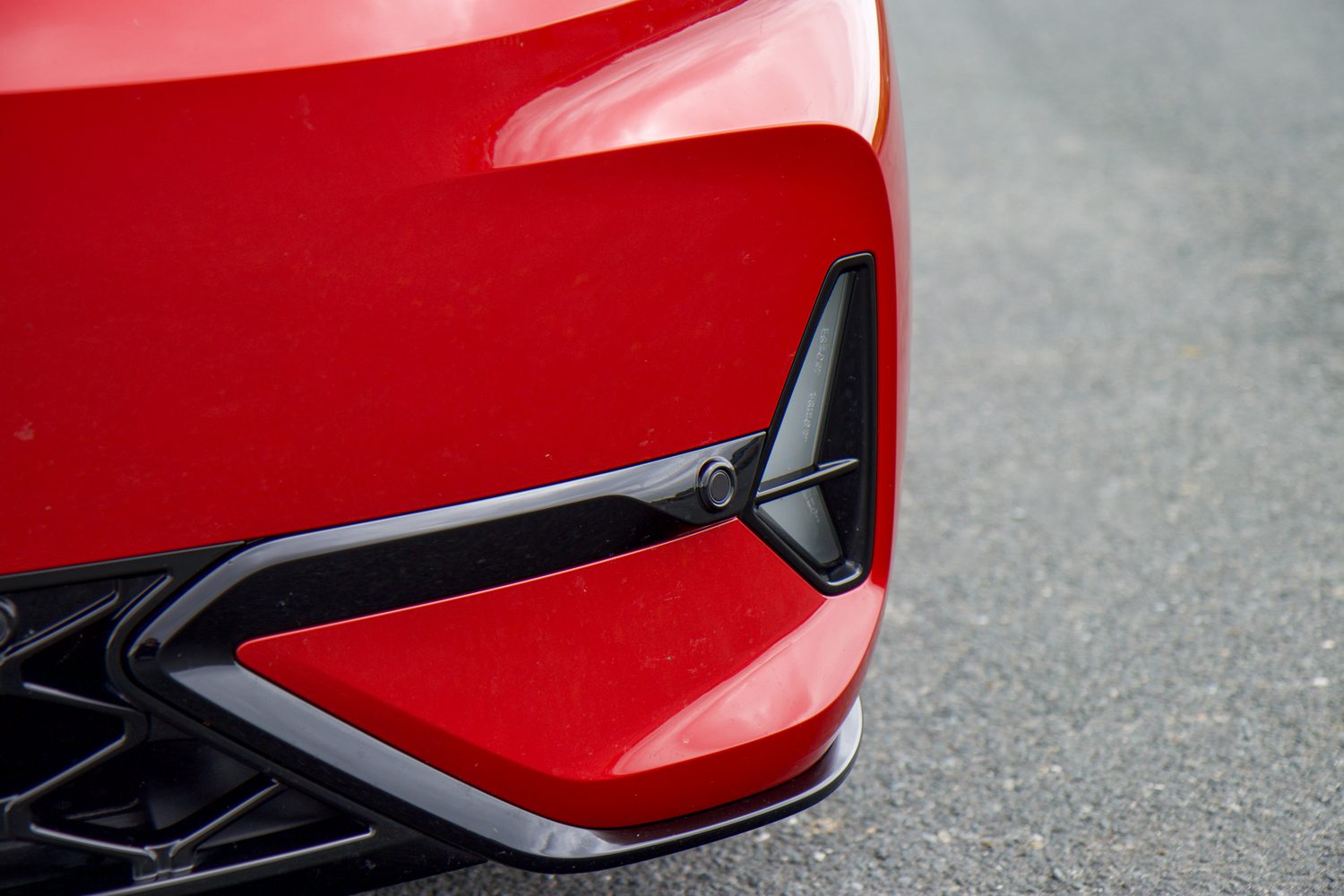
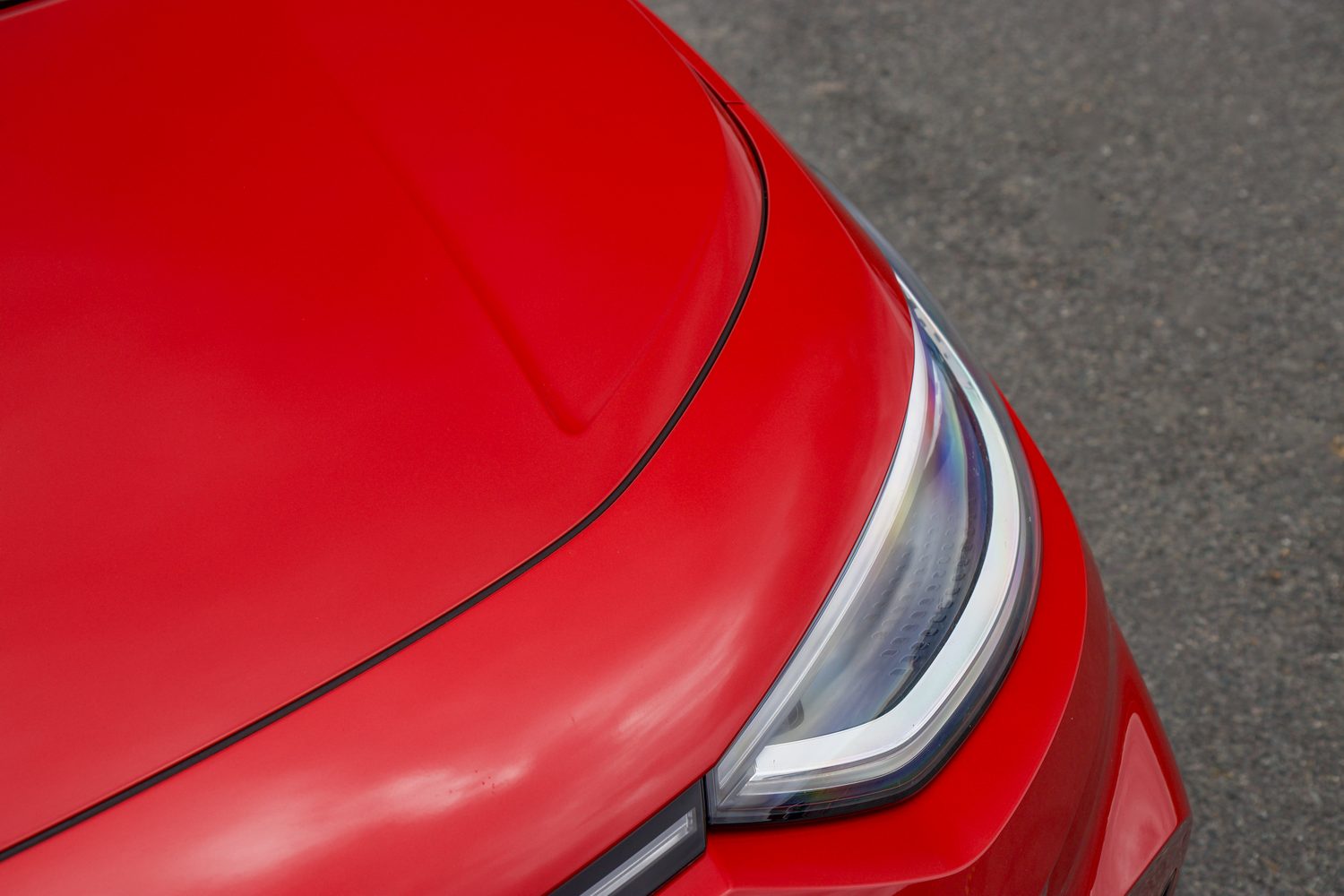
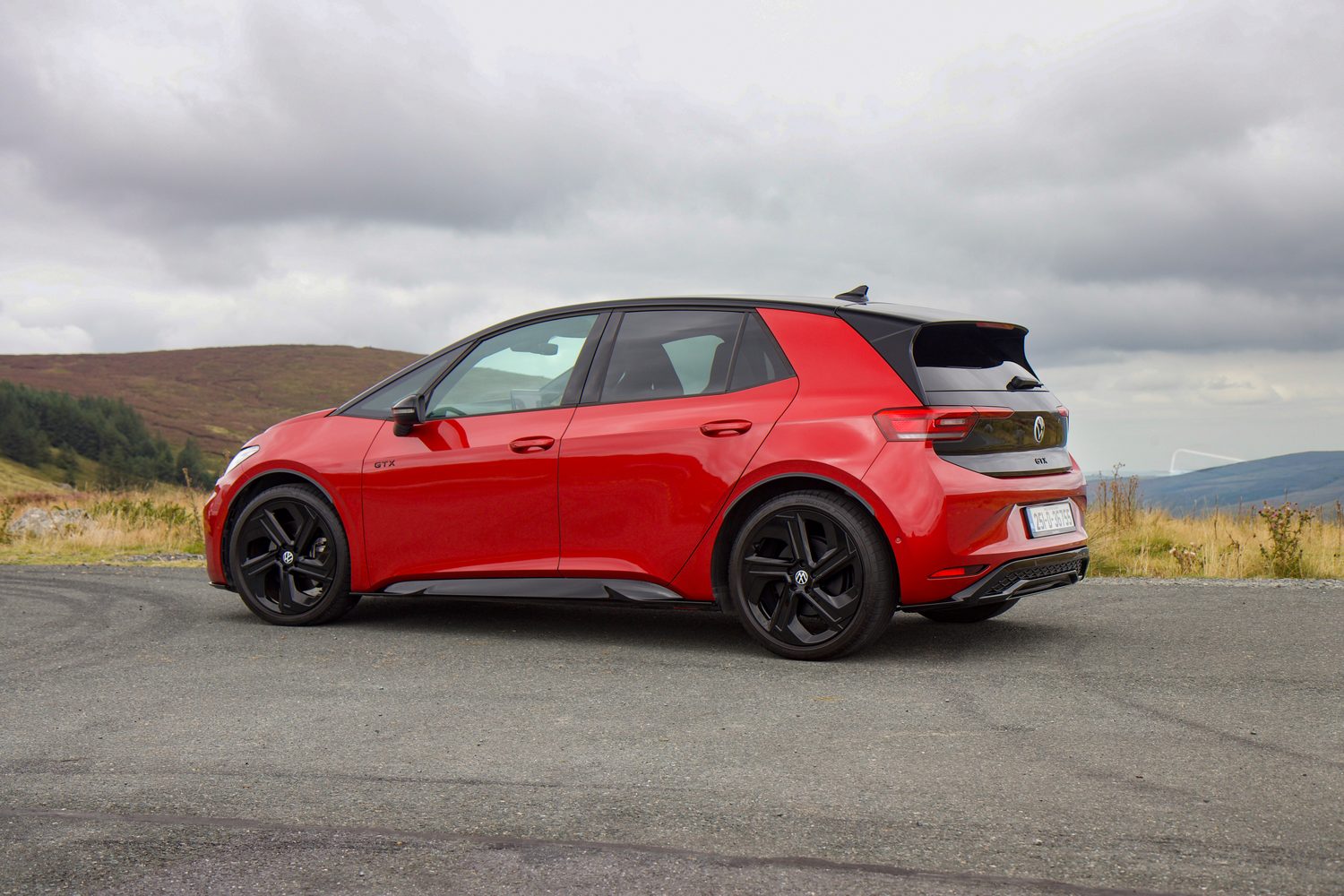
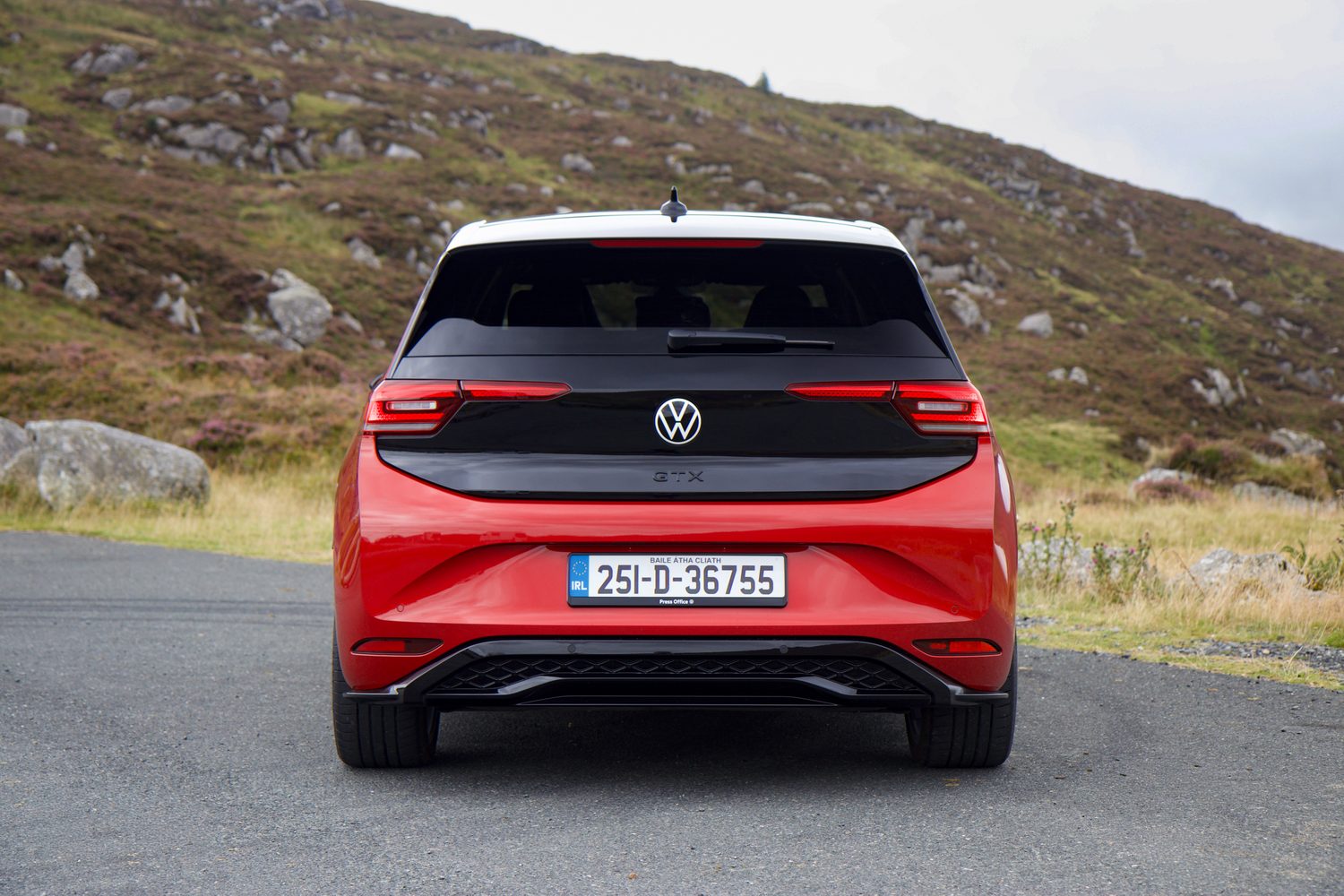
I think the ID.3 GTX looks pretty darned good. Allowing for the fact that the standard ID.3 looks a bit too bar-of-soap-like for its own good, in styling terms, the GTX add-ons really do their stuff.
The 'Kings Red' paintwork with the contrast black roof looks brilliant, and those 'Skagen' alloy wheels fill up the arches rather nicely. My favourite styling touch is probably the little 'aero flick' just under the rear doors, which for some reason reminds me of 'twisted seam' Levis jeans.

Its overall dimensions are:
- Length:
- 4,264mm
- Width:
- 1,809mm (excluding mirrors)
- Height:
- 1,564mm
- Wheelbase:
- 2,770mm
The height is great from an interior spaciousness point of view (as we shall see) but it does lend the car something of an MPV-like look, which isn't really what you want in a hot hatch. The traditional Golf GTI still has the beating of the ID.3 in the looks department.
Interior, practicality, tech & comfort of the 2025 Volkswagen ID.3 GTX
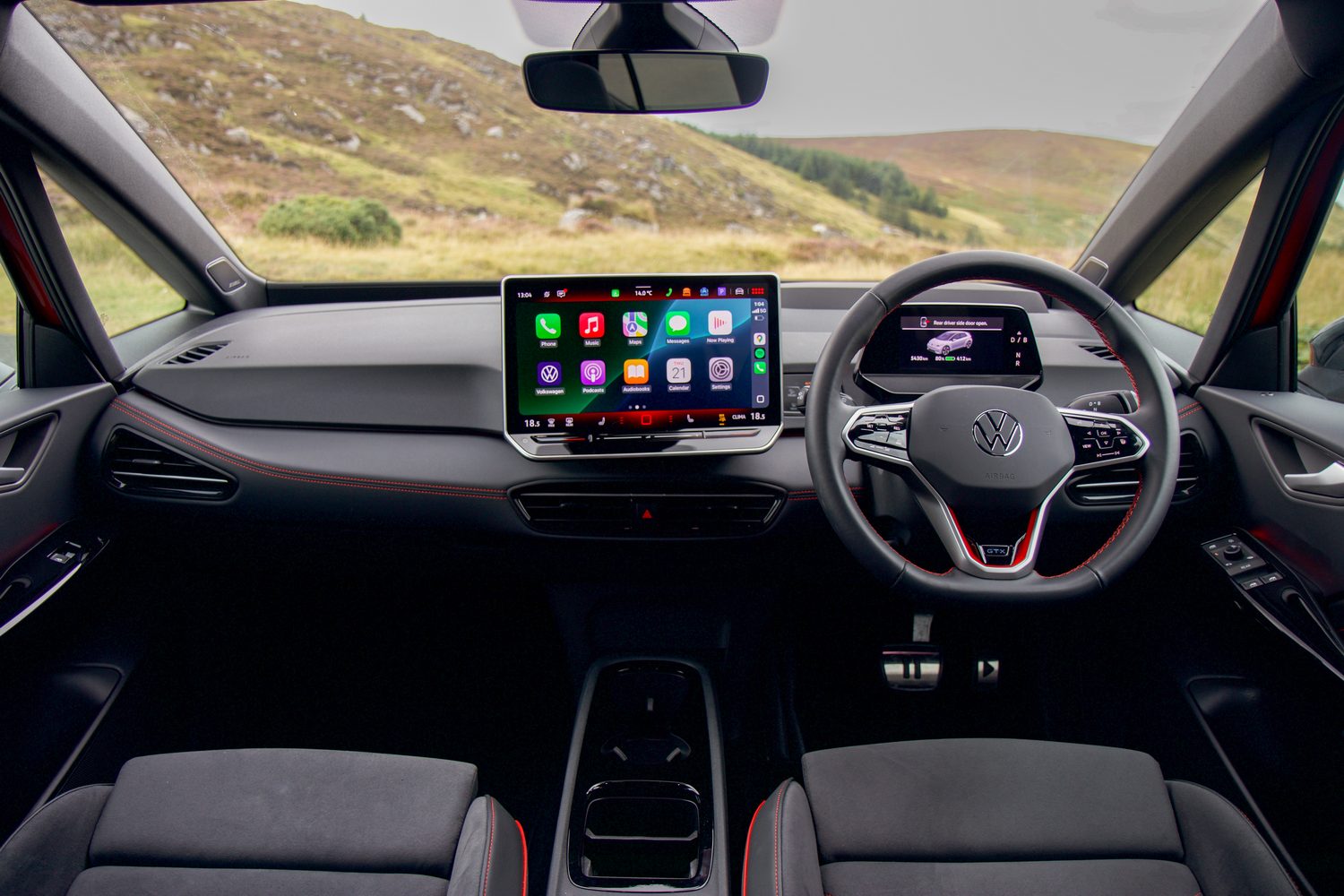
- Interior remains screen-focused
- ID.3 family enhanced with ChatGPT
- Decent boot space

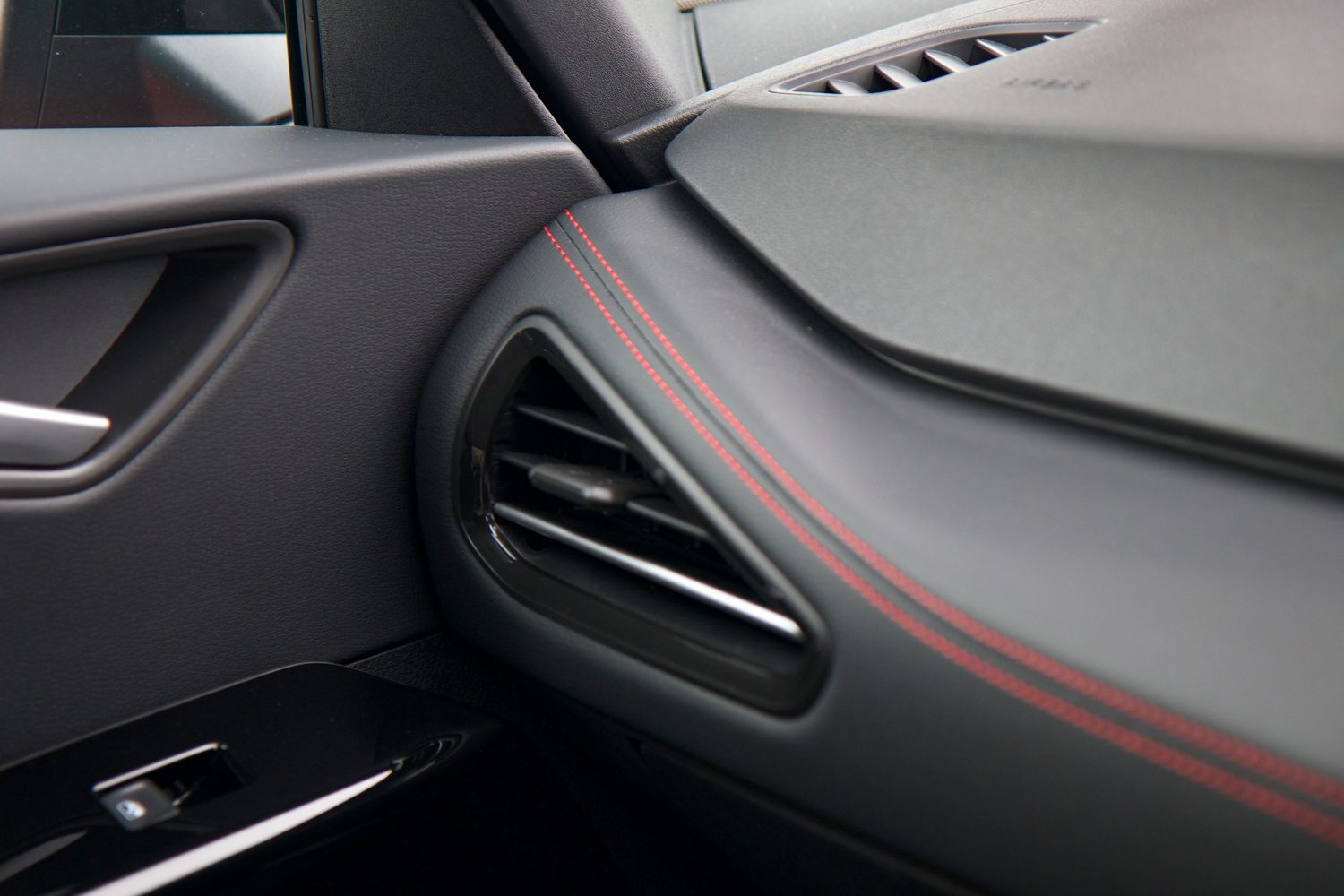
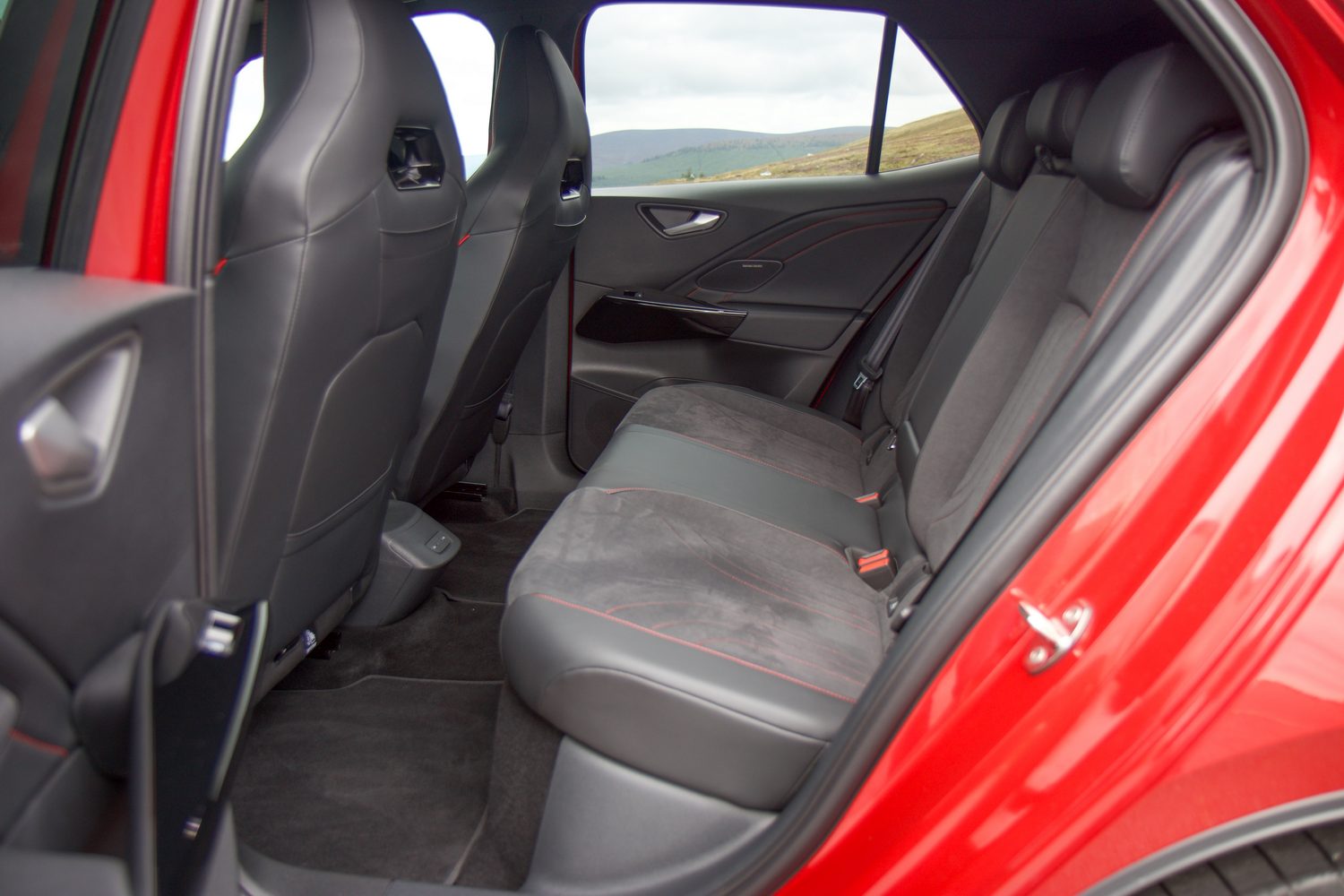
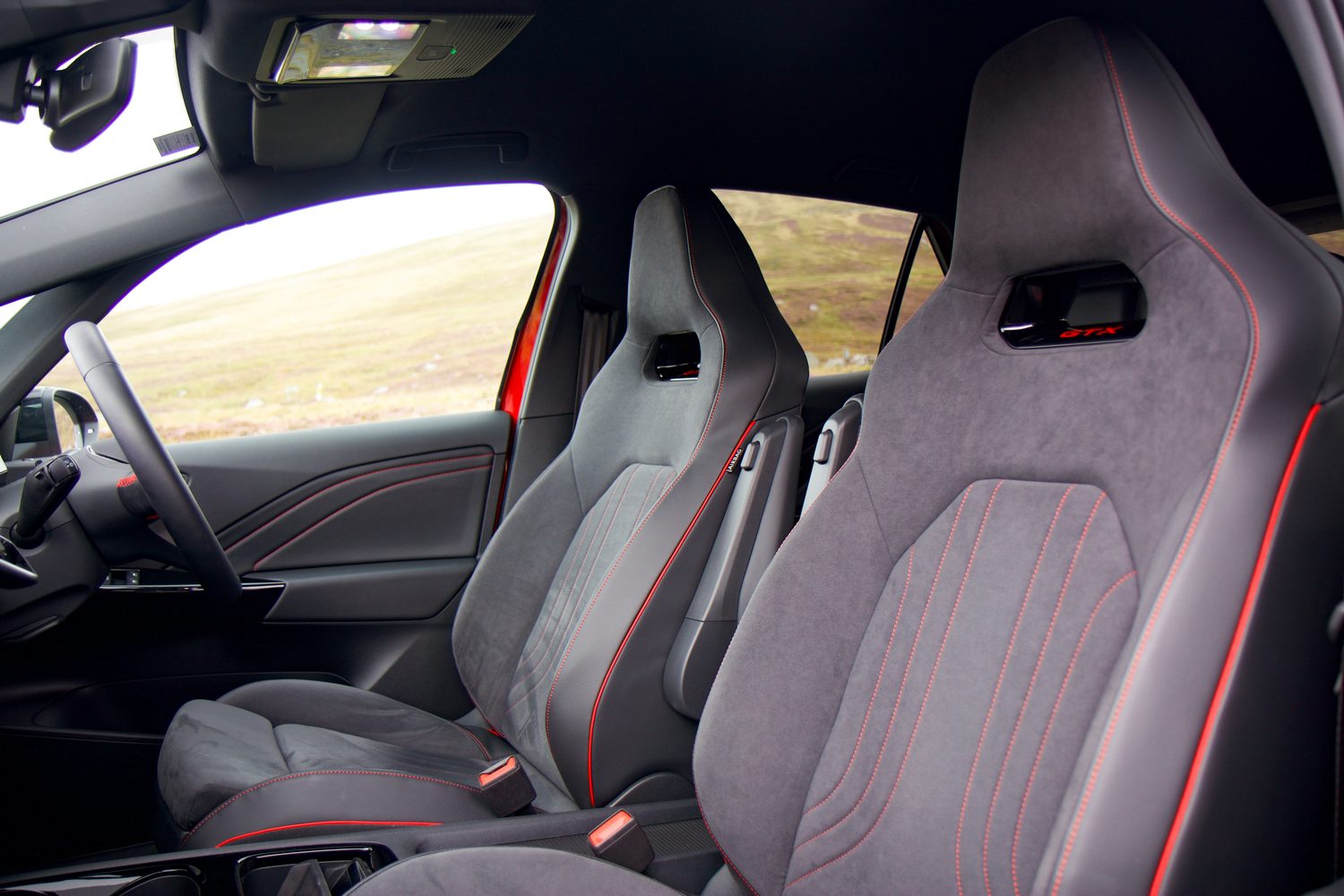
Even with the high-backed bucket seats there's still plenty of space front and rear for legs and heads in the ID.3 GTX. Equally, those buckets are hugely comfortable. I spent a lot of time in the ID.3 GTX during my week with it, and never once felt tired nor uncomfortable.
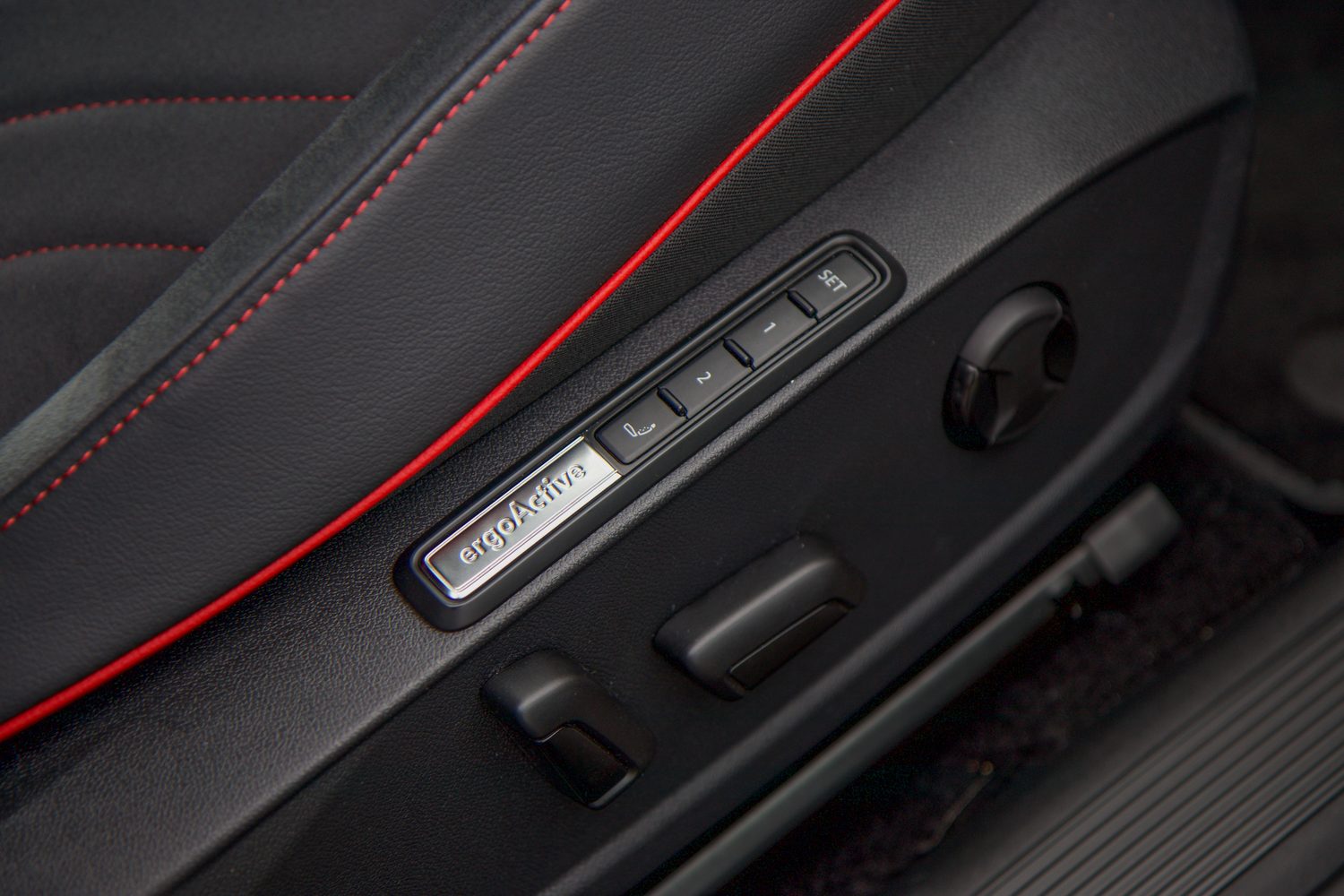
The adjustable under-thigh support is a real boon to those of us with long legs and the soft-touch 'ArtVelours' fabric feels like a refreshing change from leather.
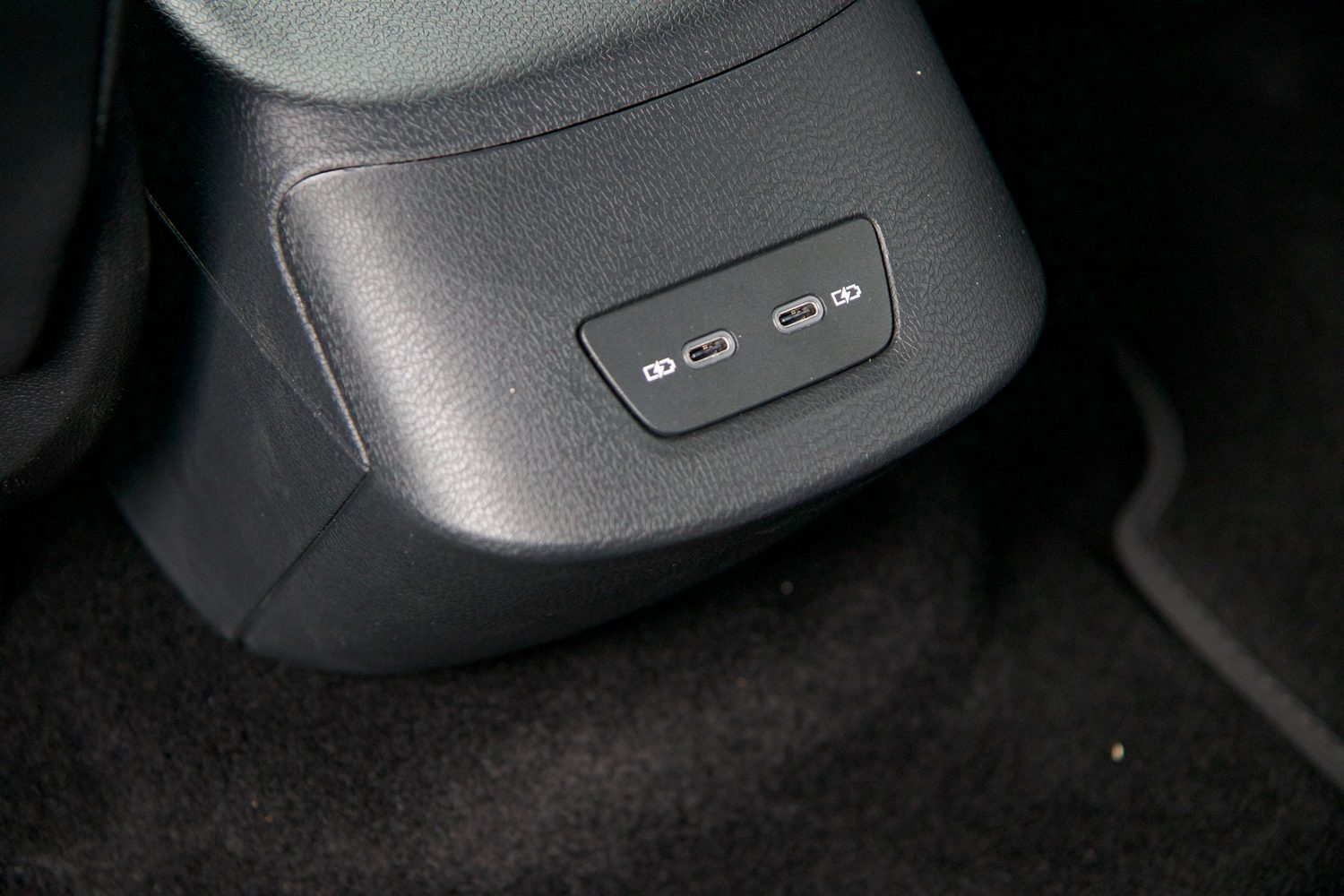
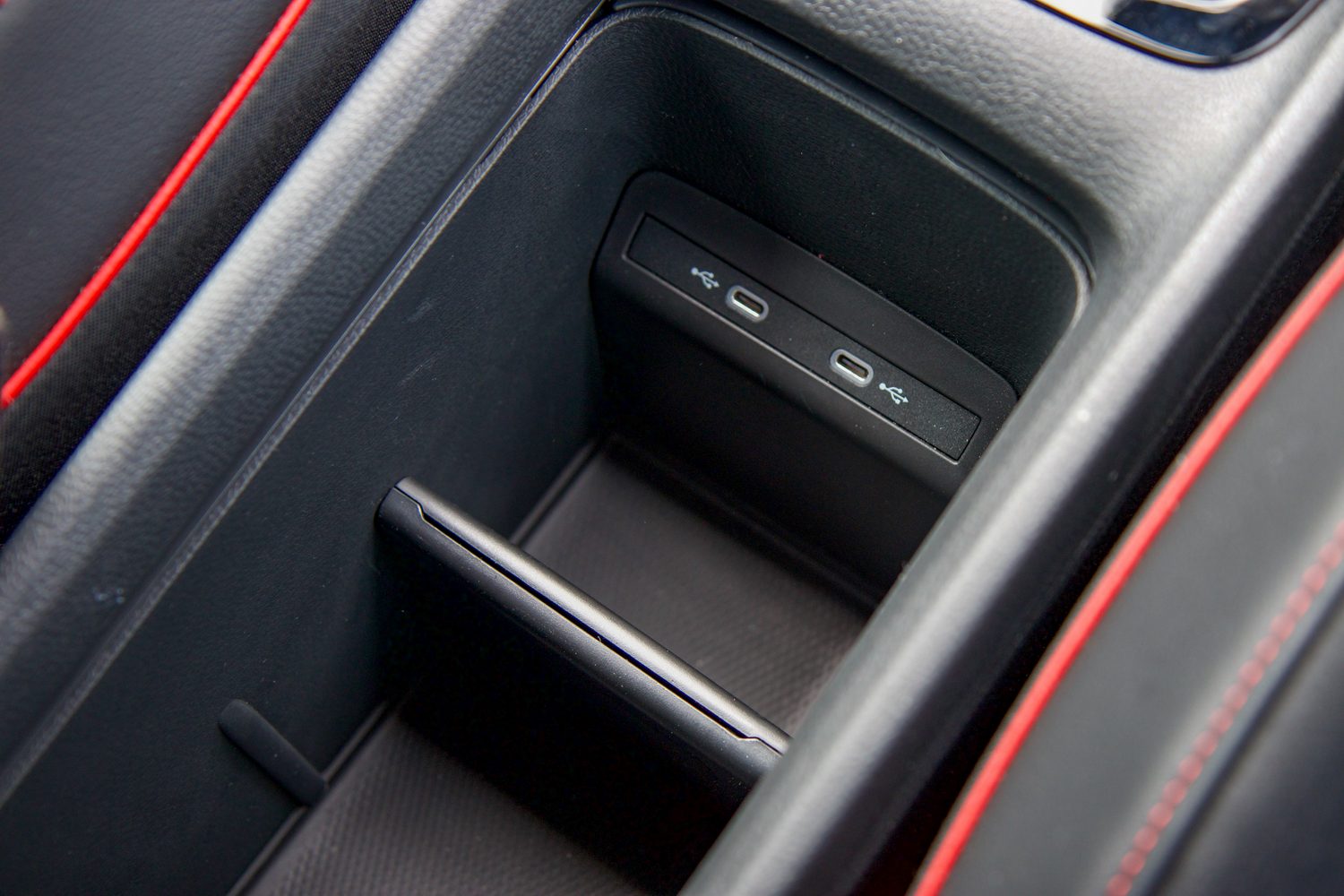
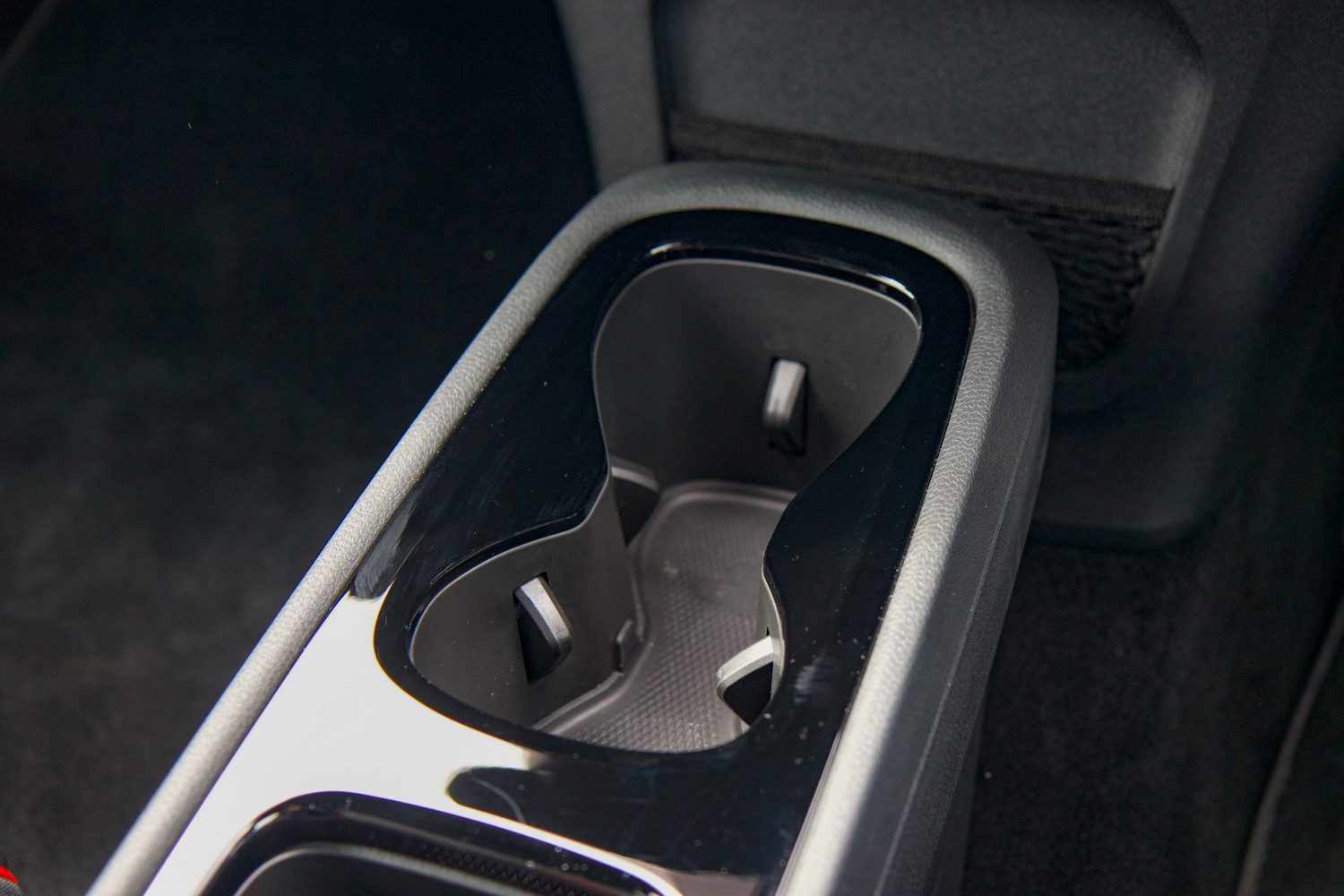
There's also oodles of storage space, with a large low-set centre console that runs between the front seats featuring a sliding lid and lots of space within. There's a handy angled tray for your mobile phone, including a wireless charger, which neatly solves the problem of your phone moving around when cornering, and ahead of that there's a couple of useful cupholders.

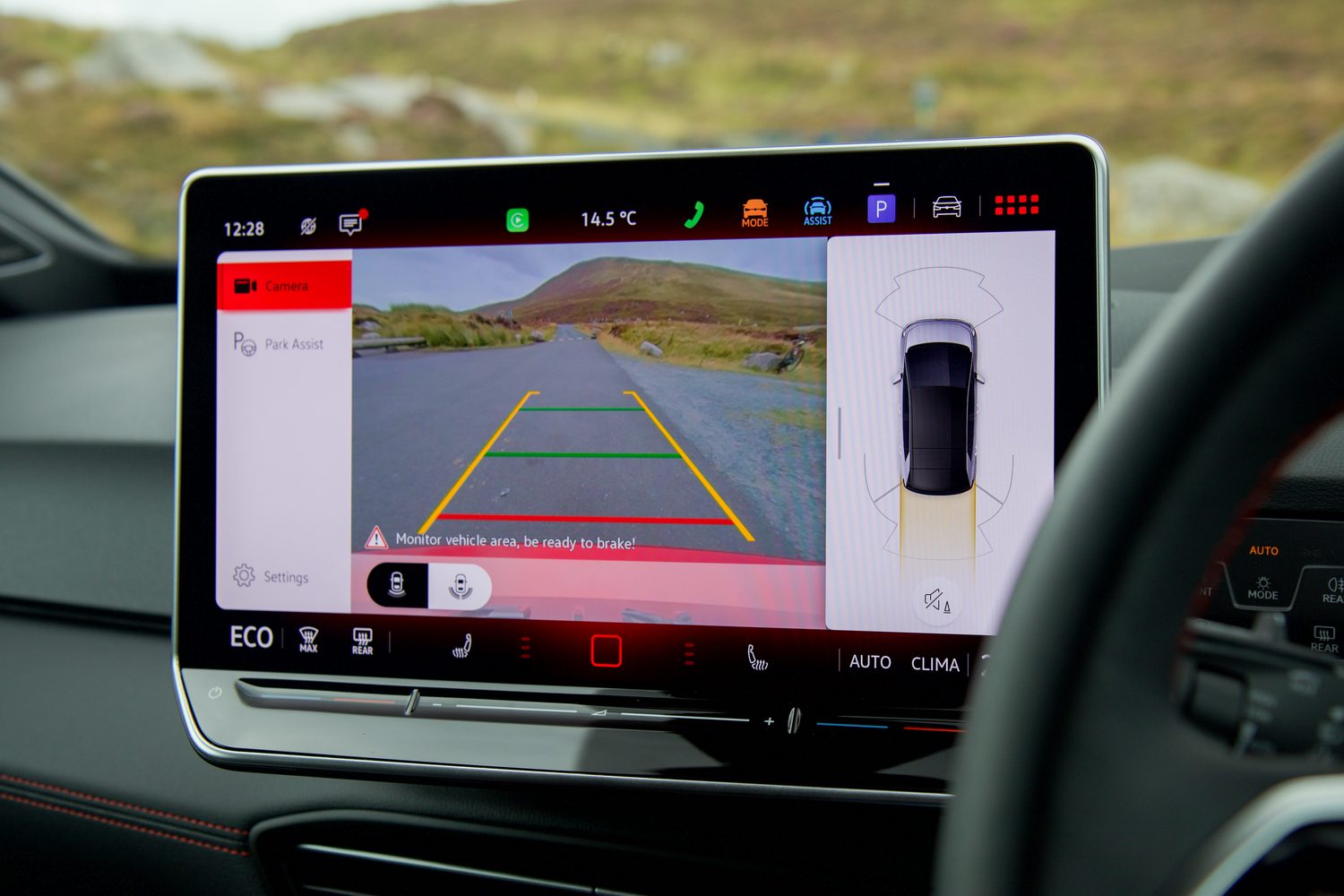
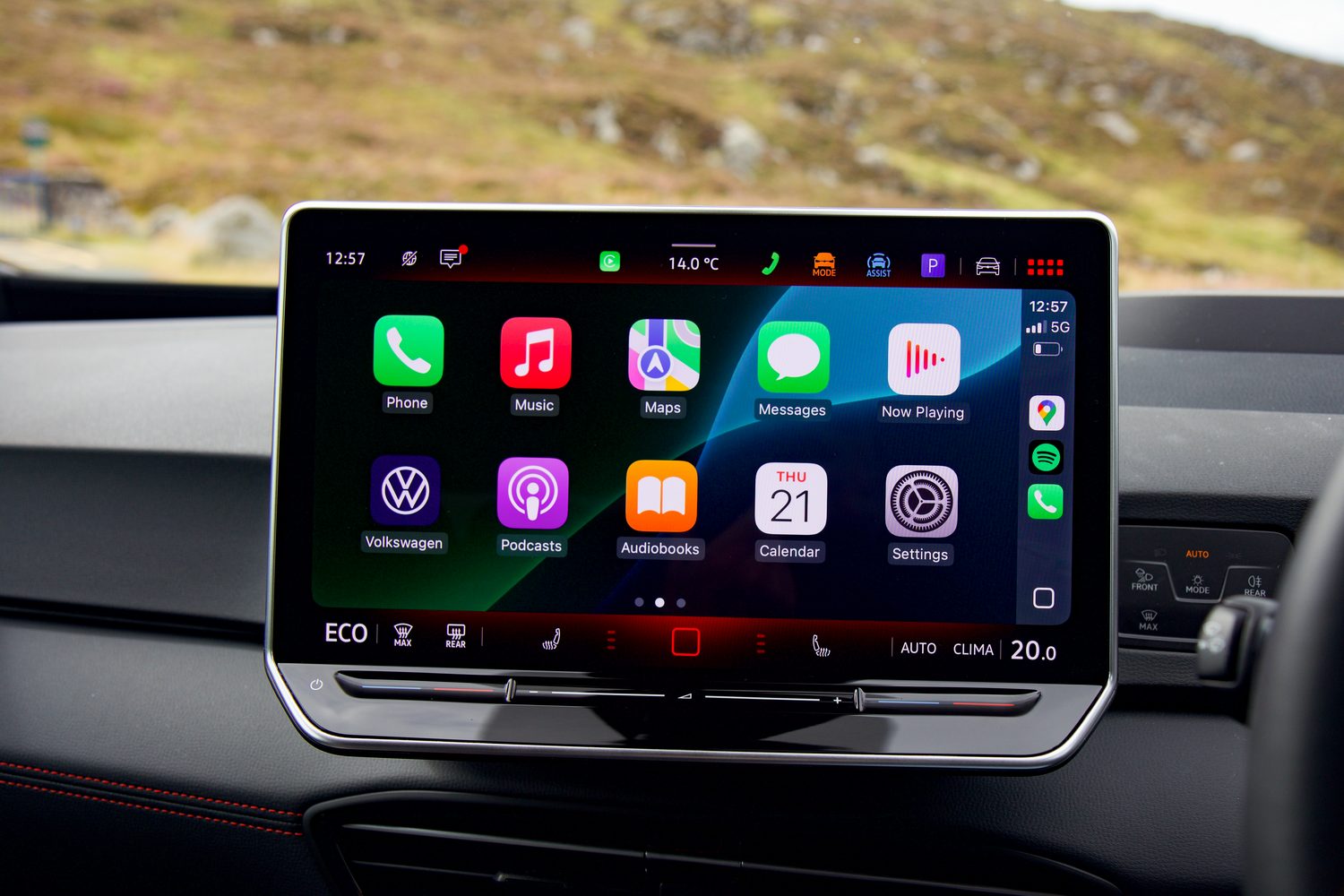
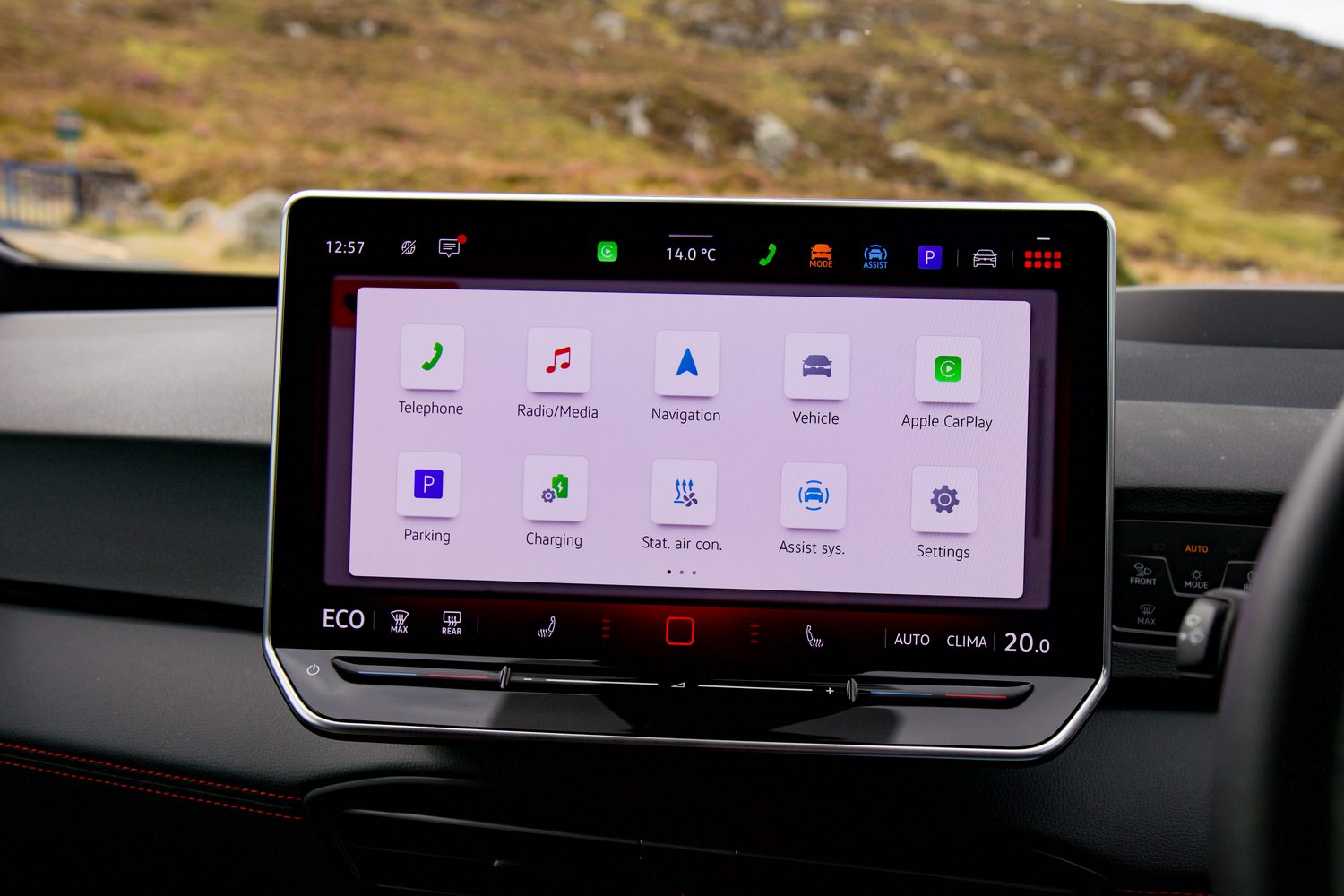
The big touchscreen in the ID.3 was updated last year, so it's certainly improved compared to the frustrating early models, but it's still not a wholly satisfying system to use. There's just no substitute for having at least a few physical buttons that can be easily used when you're on the move (something that Volkswagen seems to have learned and will include in its future models).
So while the big screen is faster-responding and easier to find your way around than once it was, it's still not ideal. There is built-in ChatGPT artificial intelligence, which is supposed to make using voice control a bit easier, but we found it to be as hit-and-miss as ever - like all such systems.
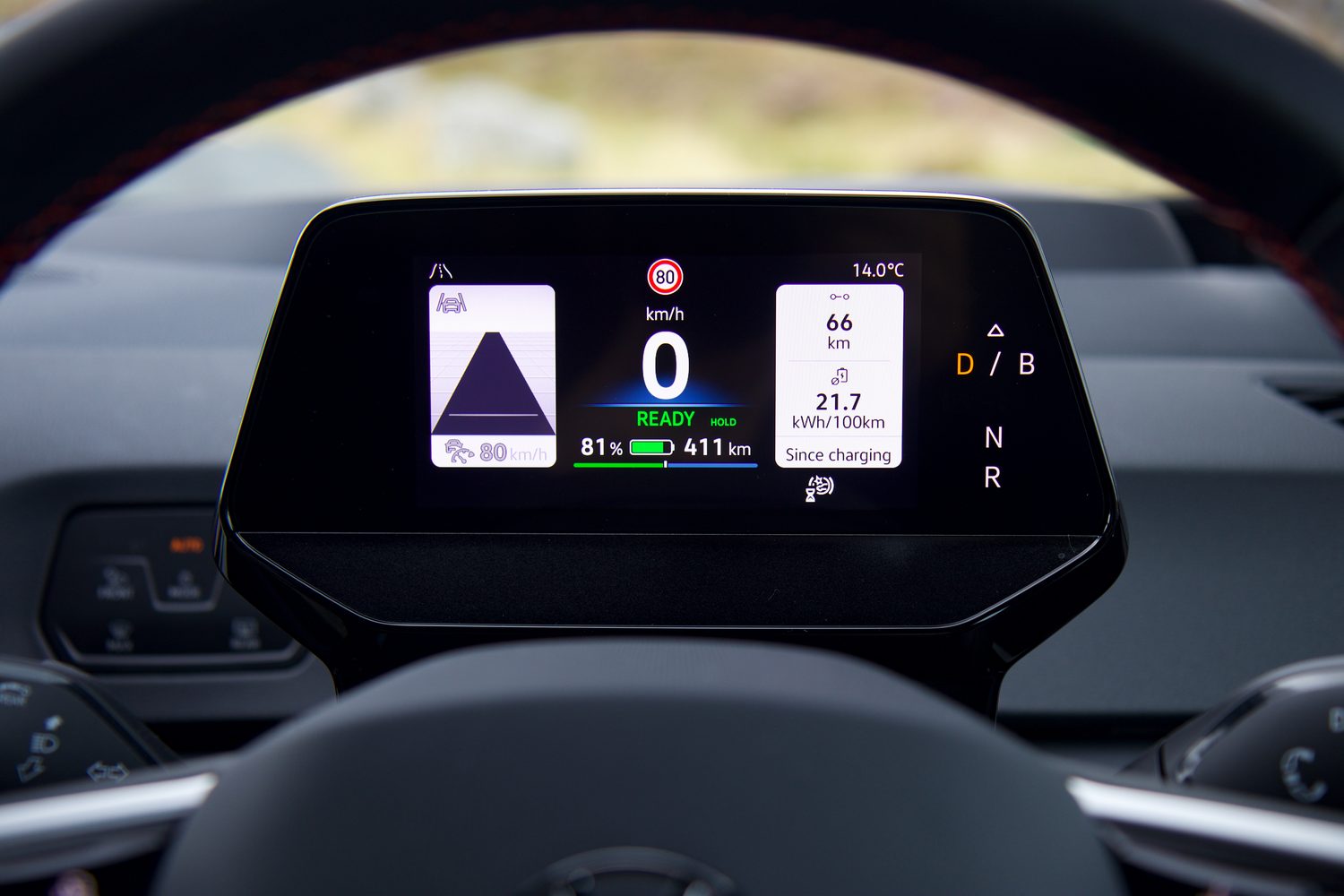
I will defend the small driver's instrument display though, as it's simple, clear and concise. The head-up display I found frustrating, though, as no matter how I adjusted it nor how I sat, it always seems to be slightly blurry and off-centre.

I know others don't have this issue with it, so clearly the problem lies between the steering wheel and the seat...
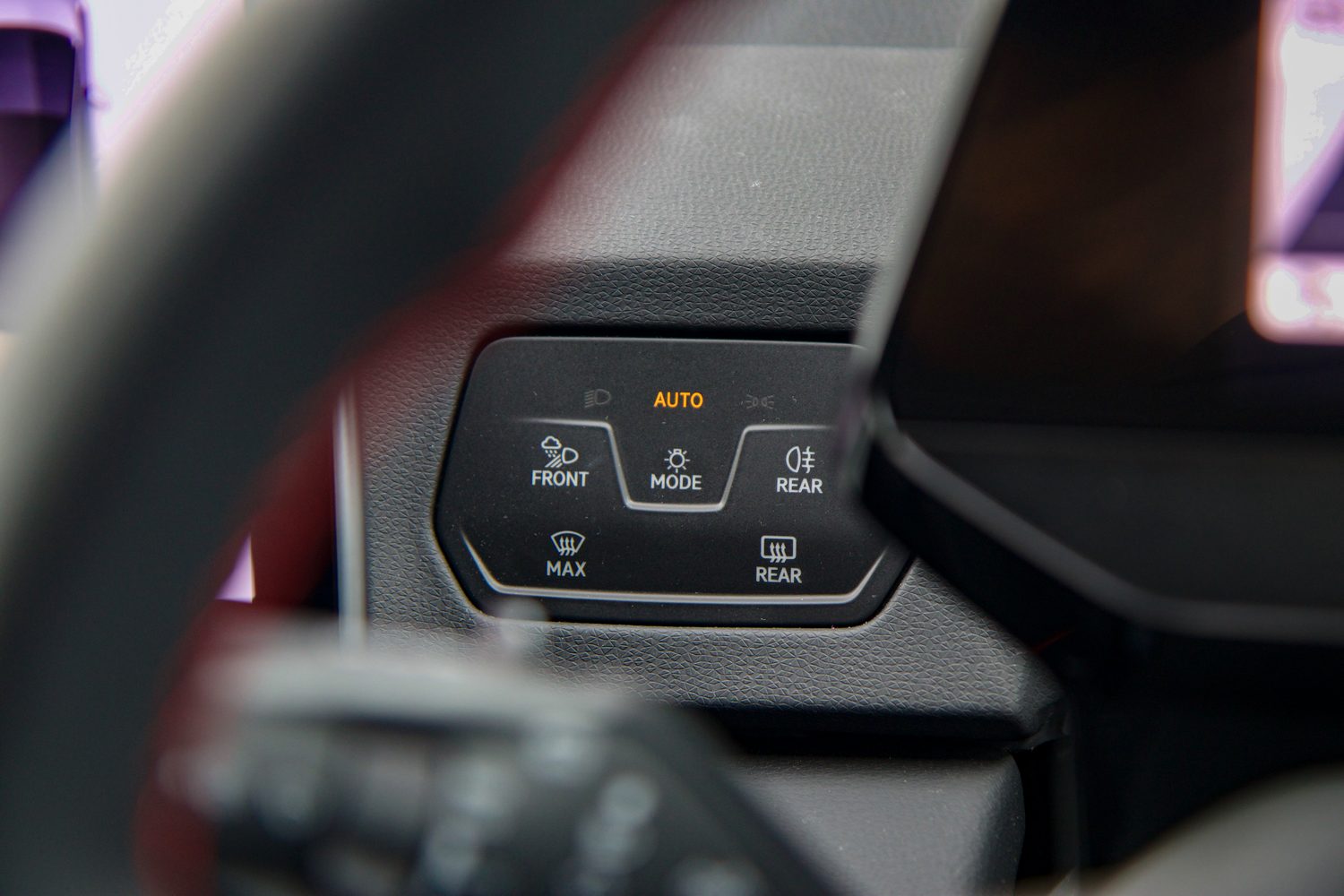
A more obvious issue is the little control panel for the headlights and screen demisting. In a left-hand-drive ID.3 GTX, this would be mounted in the conventional position between the instrument screen and the door, but in right-hand-drive models it's between the instruments and the touchscreen, which means you have to awkwardly thread your left hand behind the wheel, around the column stalk, and between the screens to get to it.

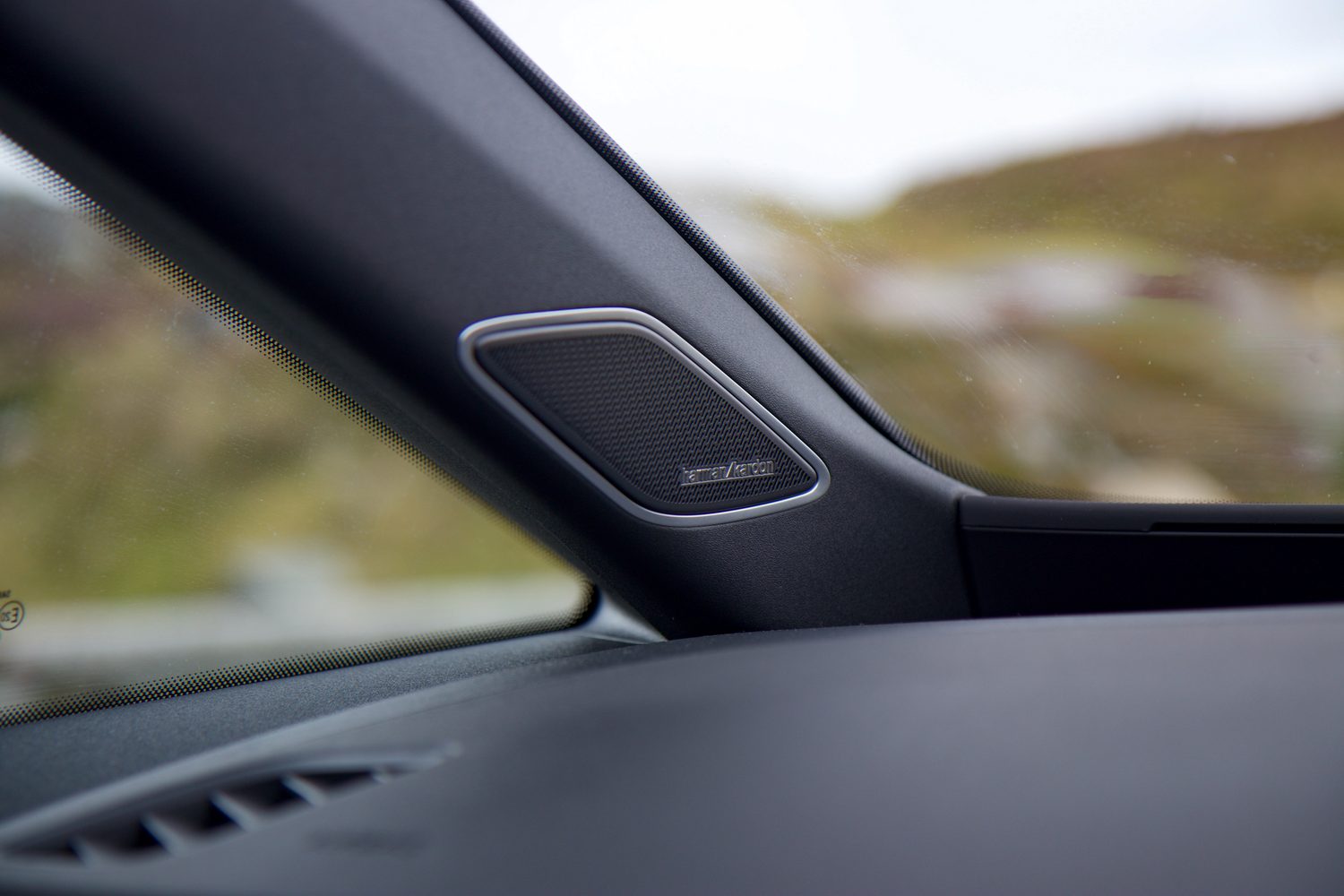
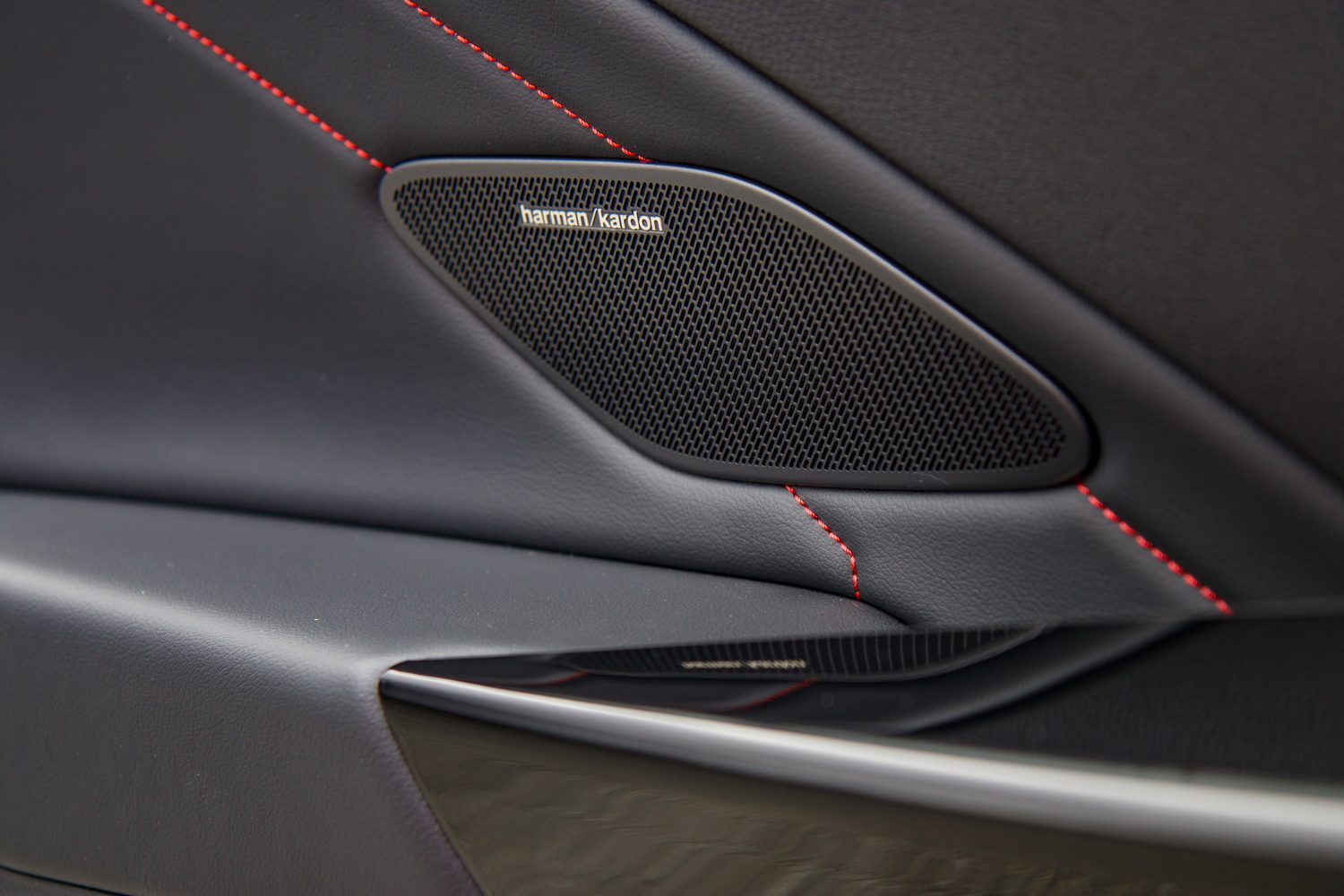
The touch-sensitive 'slider' controls for stereo volume and cabin heat remain, and they're as annoying as ever. Thankfully, these are on the way out when it comes to future VW cabin design. The Harmon/Kardon stereo linked to that volume control is nothing short of excellent, though.
Better news is to be found in the back seats, where there's ample space, and to go with the two ISOFIX points for child car seats in the back, there's another one in the front passenger seat.

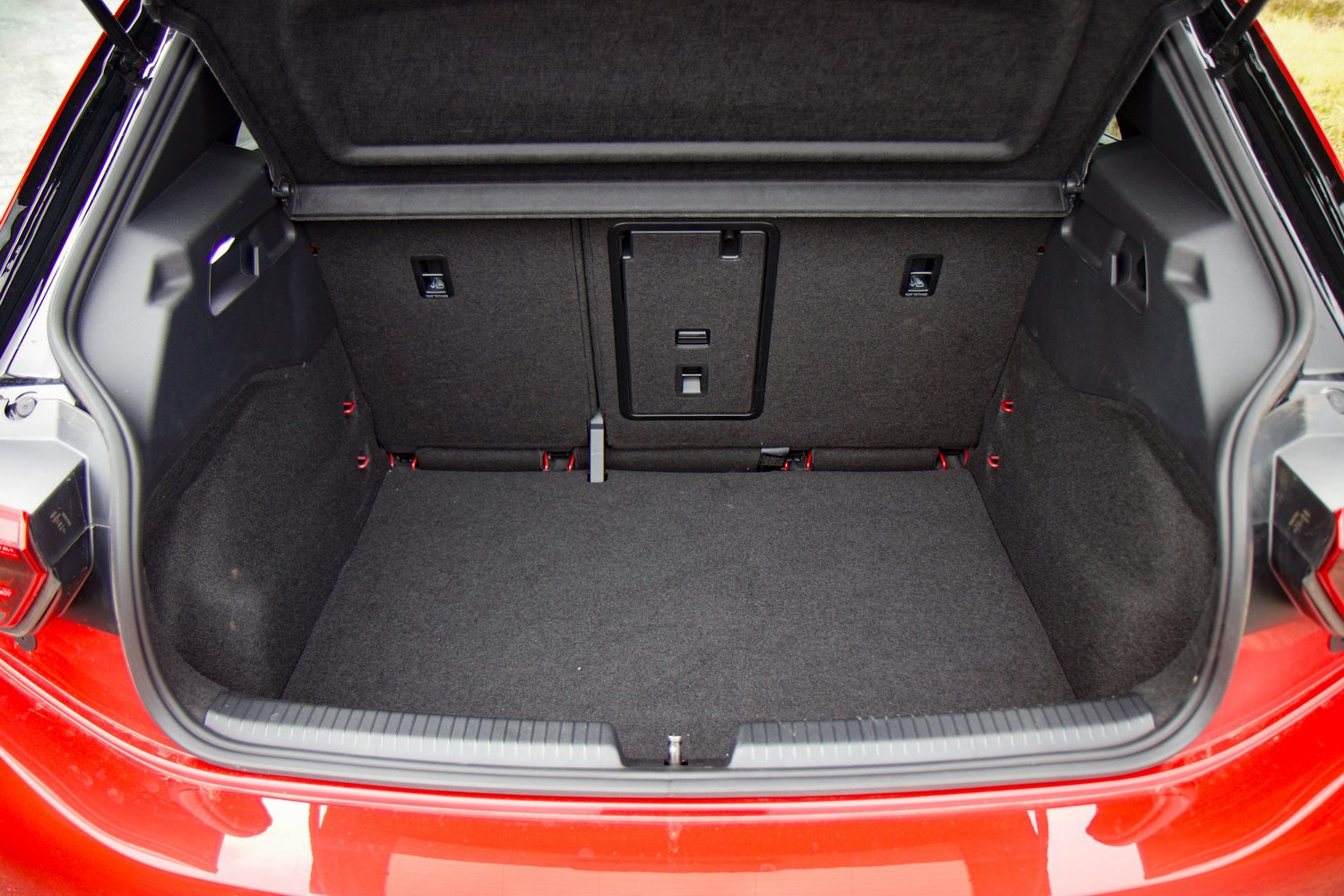
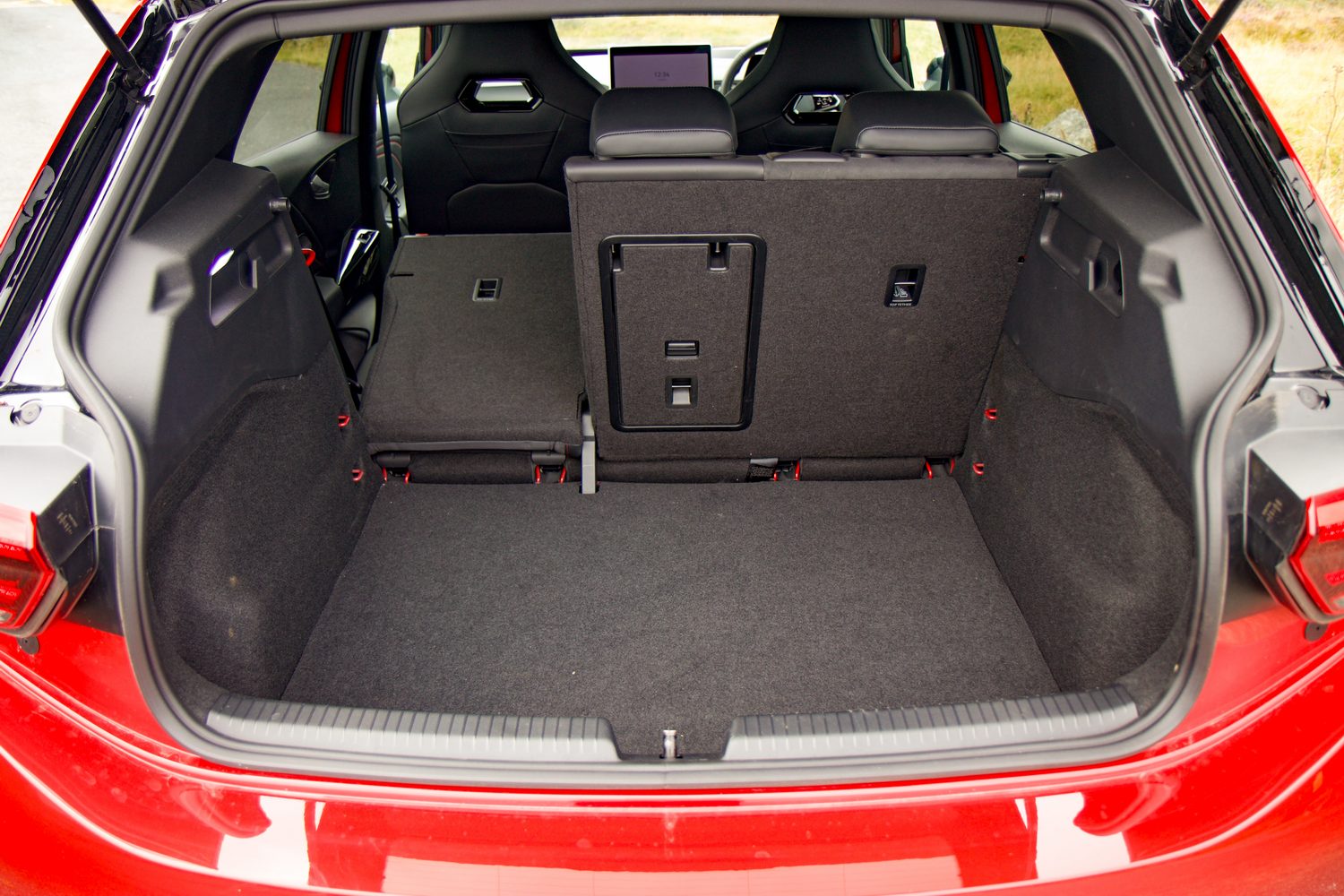
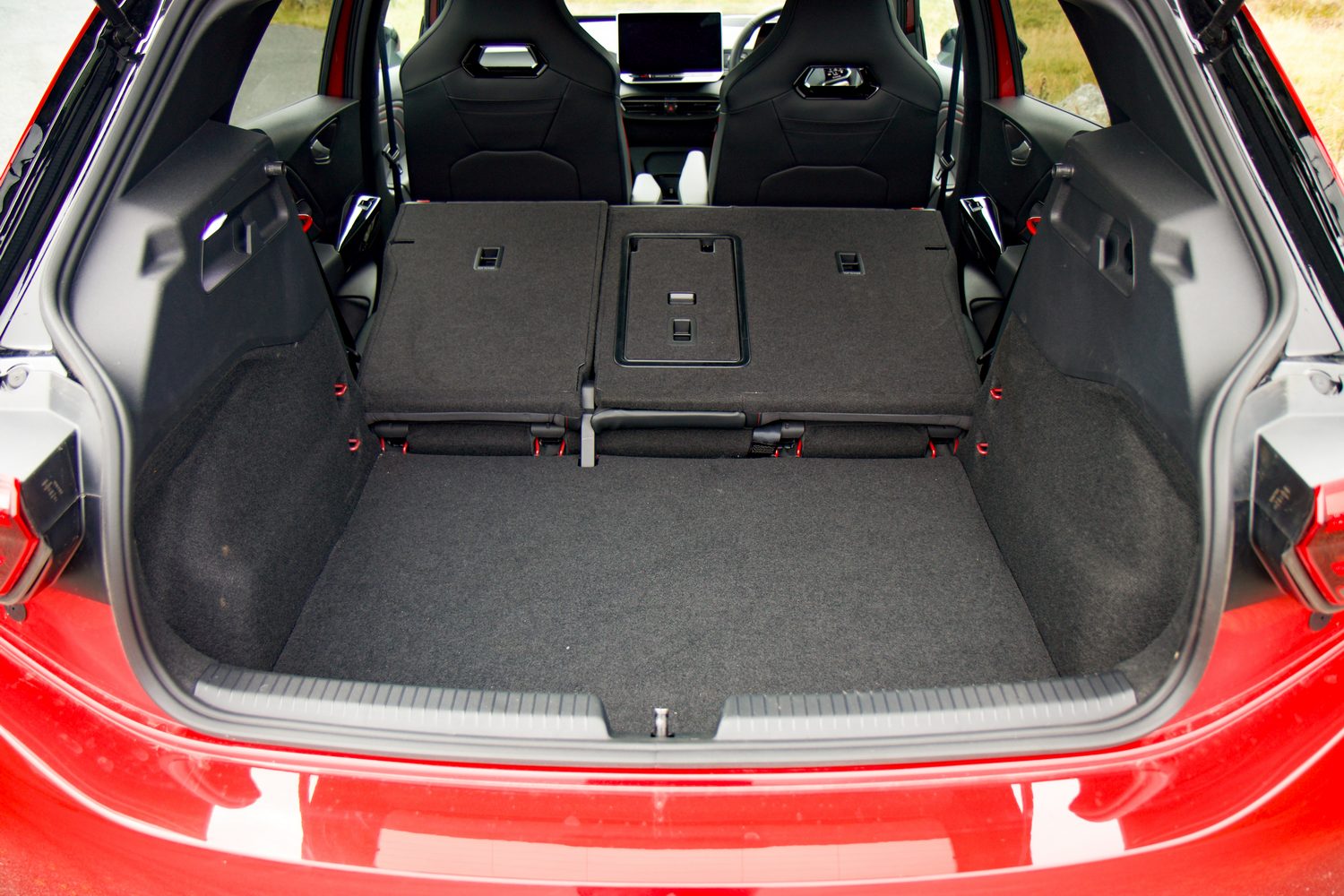
The ID.3 GTX's boot isn't massive - a volume of 385 litres is only five litres up on the combustion-powered Golf - but it's well-shaped and easy to access. Shame there's no 'frunk' in the nose to help you out with cable storage.
Performance of the 2025 Volkswagen ID.3 GTX
- Two GTX variants available - both rear drive
- Base car has 286hp, 0-100km/h in 5.9 seconds
- Performance Plus ramps things up to a spicy 326hp

You probably don't need to upgrade to this Performance Plus version of the ID.3 GTX. But you totally should, as it's not much of a price walk, and if you're going to buy a GTX, you may as well have the ultimate one.
The single, rear-mounted, 326hp electric motor gives the ID.3 GTX Performance Plus some pretty serious shove, but thankfully its 5.6-second 0-100kmh time isn't delivered in the somewhat sickening sudden lurch of acceleration found in some other EVs. Instead, it's much more progressive and measured, although its 545Nm of torque can make it feel quite venomous at times.
Of course, that performance is delivered in sepulchral silence, which isn't everyone's idea of fun, but I don't mind it - the silence gives you a little more licence to have fun undetected on a favourite road. There is a synthetic engine sound generator, but it's so quiet that you hardly notice it much of the time.

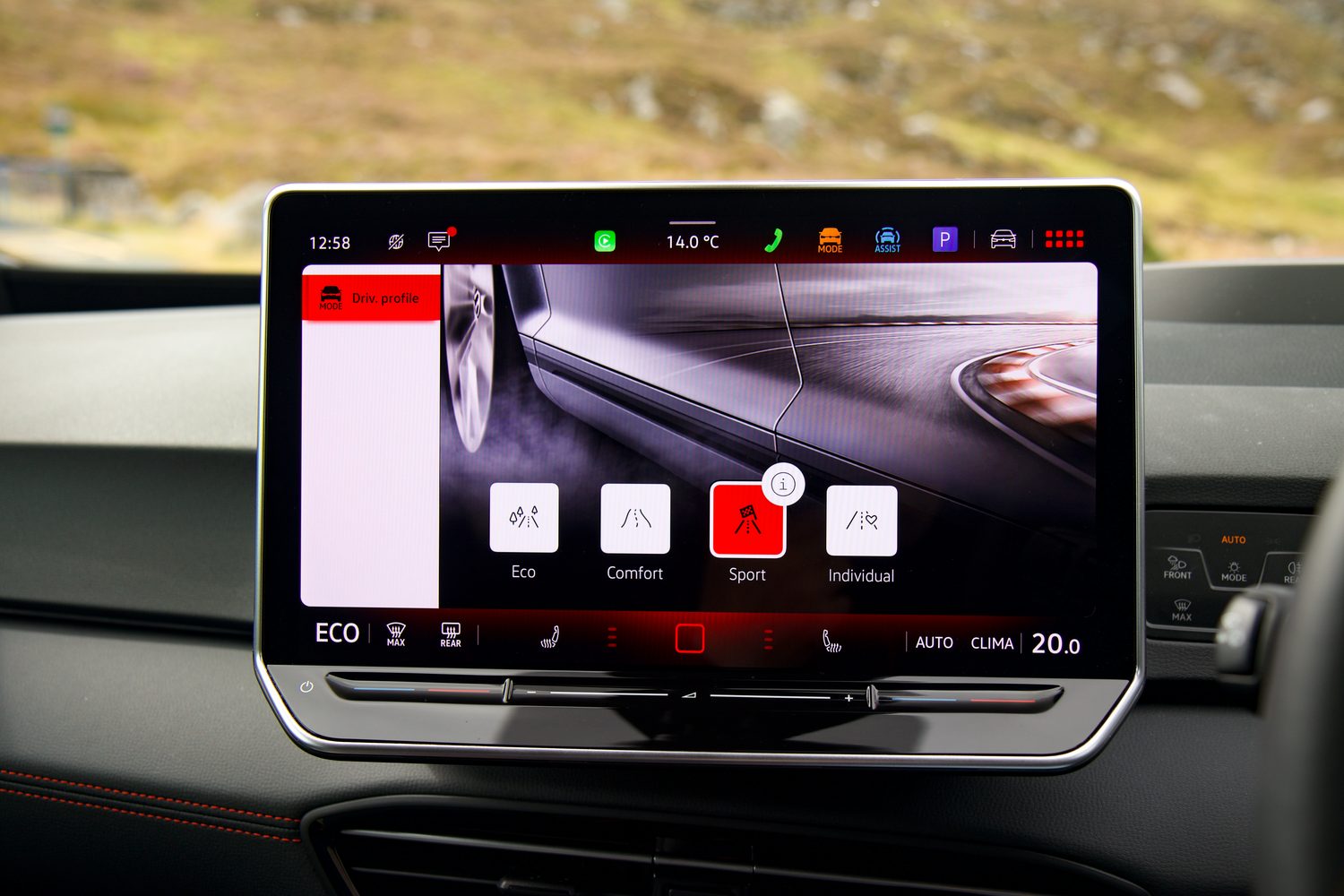
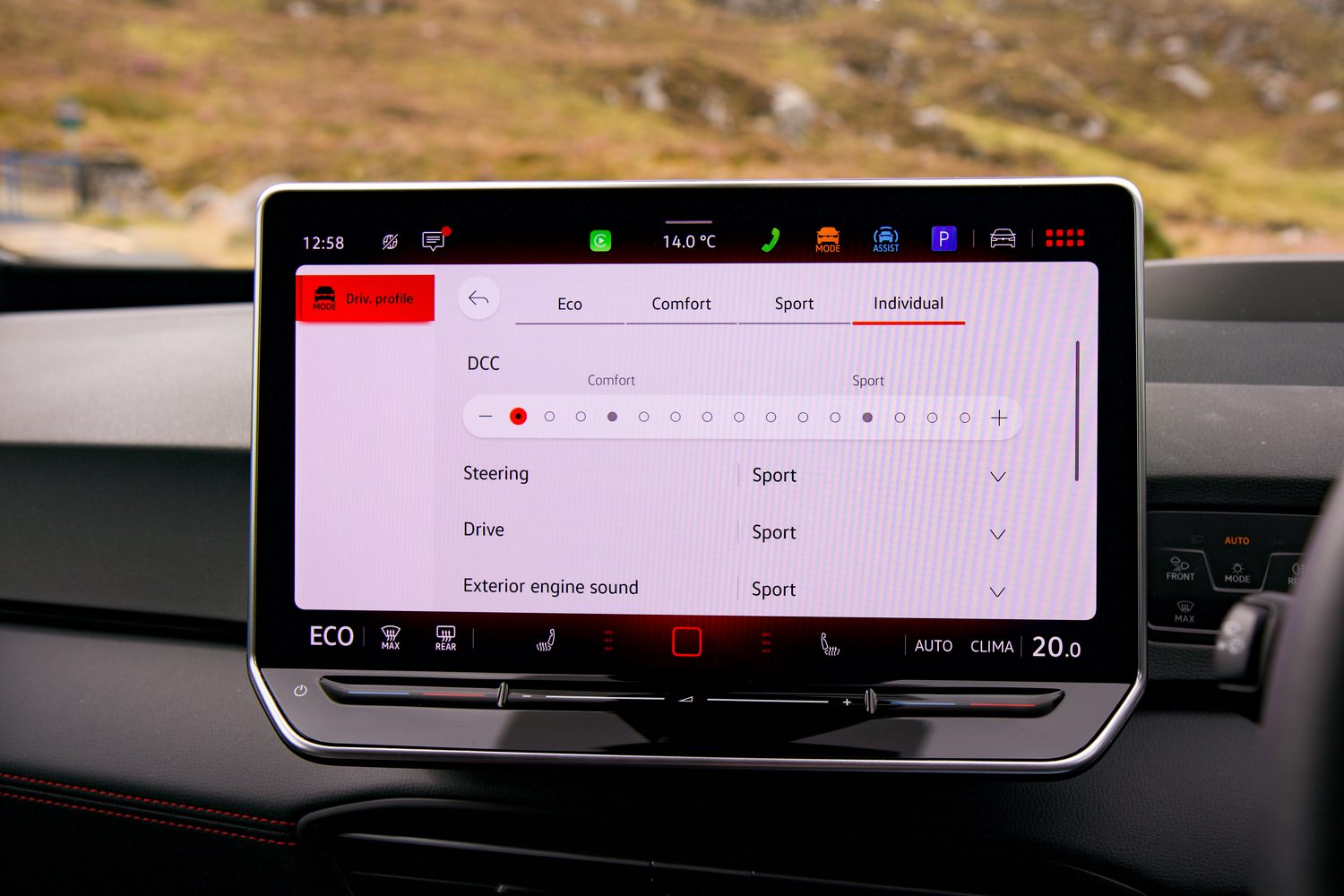
The best reason to go for the Performance Plus model, though, is that you get the DCC adaptive dampers. These can be adjusted through the usual Sport, Comfort and Normal modes, but if you go into the Individual settings, they can be either stiffened up or softened off further than these pre-sets allow.
This gives you the option of pillowy limo-like comfort around town, and then stiff, rally-car responses (well, not quite but you get the idea) on a twisty road. They're a must-have.
There is a general sensation, even so, that the ID.3 GTX isn't quite sporty enough. Part of that is down to the silence of the power delivery, for sure. Part of it, though, is just that the ID.3 has inherently gentle suspension settings than you'd get in a proper VW GTI.

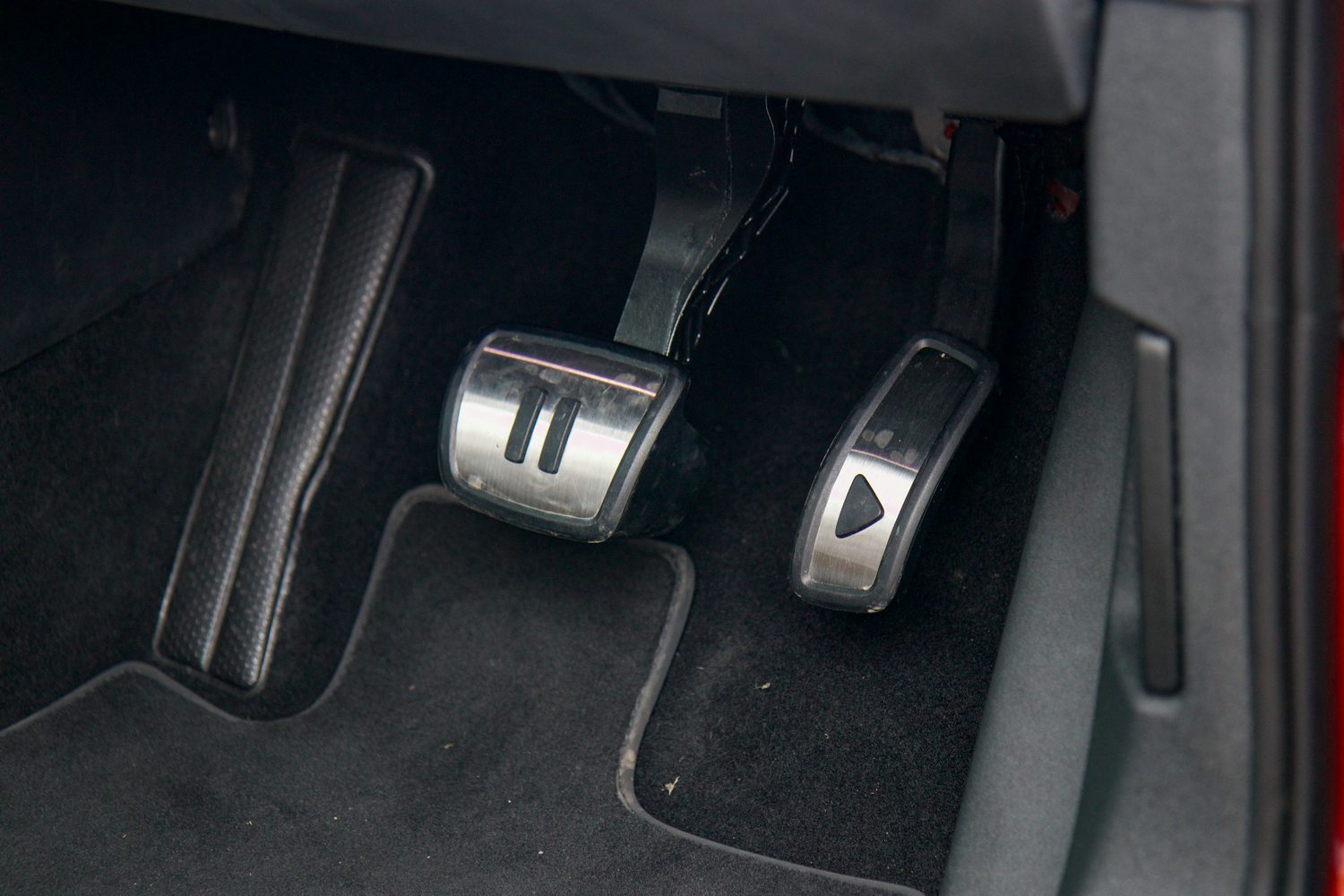
The GTX's steering is certainly sharper and weightier than that of the standard ID.3, and that helps it to feel a bit more engaging, but the brakes let the show down with a slightly soft pedal.
So is the ID.3 GTX just no fun to drive? Actually, it's pretty decent. The steering certainly helps, and when you're pressing on in Sport mode it's clear that Volkswagen's engineers have allowed a little more leeway in the traction control settings as under power the rear wheels can start to drift ever so slightly when you want them to, which is always good fun.
Range, battery & charging of the 2025 Volkswagen ID.3 GTX
- Up to 185kW DC charging is rapid
- 605km range for the lesser 286hp GTX
- Biggest battery in ID.3 line-up

A 605km range would be nice, but the extra power of this Performance Plus version of the ID.3 GTX reduces that to 'mere' 595km. In actuality, the real-world range - throwing in a bit of motorway work and some time spent in Sport mode - is between 500- and 520km, possibly falling to 470km if you're spending all day cruising at 120km/h, which is absolutely fine.
It's more than enough, certainly, for an island as small as ours and gives the ID.3. GTX a distinct leg-up in usability.
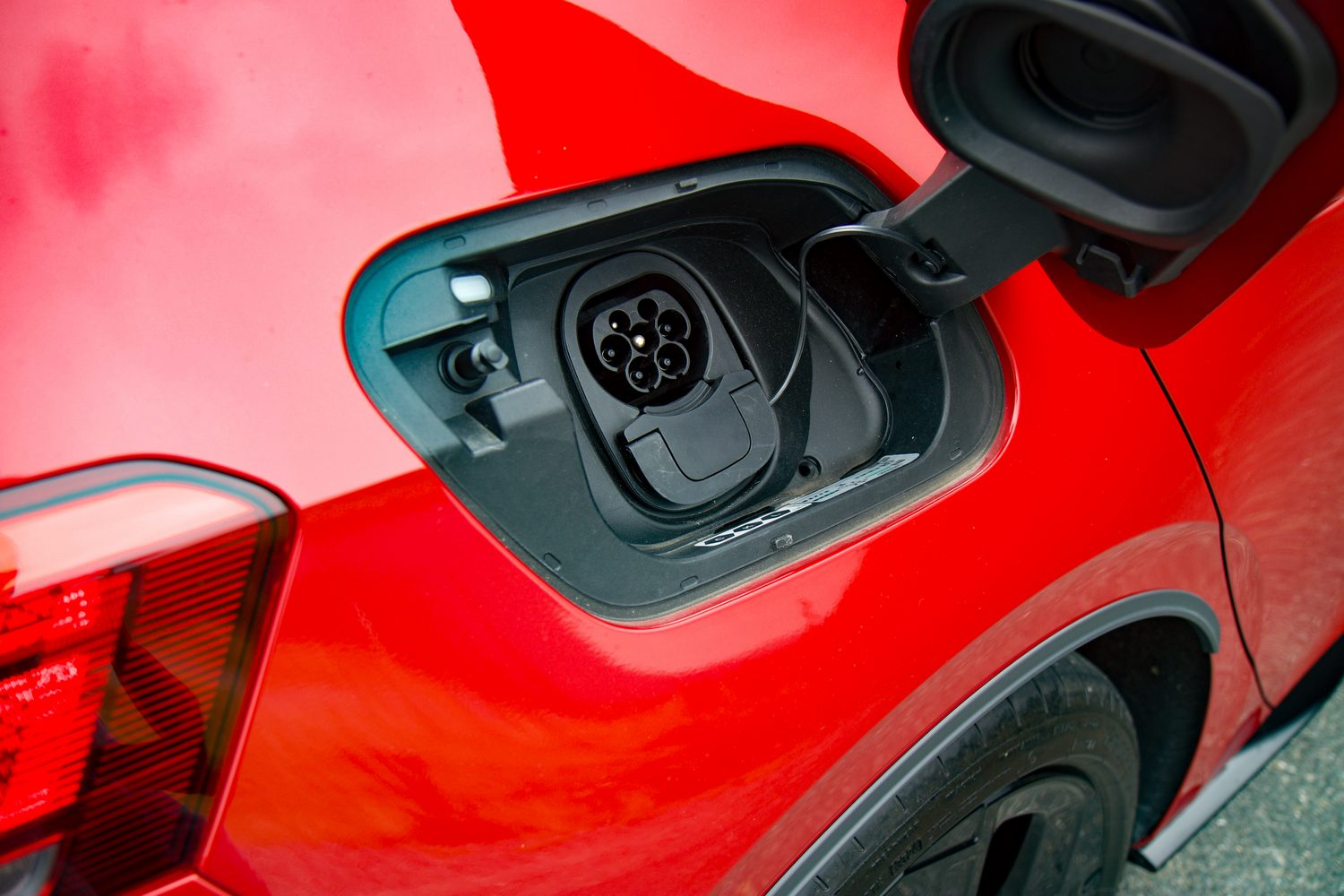
The battery charging times are said to require just 30 minutes for the ID.3 GTX to go from 10 to 80 per cent charge at its maximum DC speed of 185kW, while an 11kW AC top-up from 0-100 per cent would need eight-and-a-half hours of connection.

On the more typical 7.4kWh AC wallbox, figure on something approaching 11 hours for a complete charge of the Volkswagen's power cells. We didn't get a chance to connect the ID.3 GTX to anything more powerful than a 100kW ESB charger, but even then, it topped up quickly enough that impatience was never an issue.
Over a week of very mixed driving (and without the ability to pre-heat or pre-cool before driving) we averaged a decent 18.5kWh/100km.
Irish pricing & rivals of the 2025 Volkswagen ID.3 GTX
- Even the Performance Plus is under €40k
- Competes directly with the Cupra Born VZ
- Strong competitors in electric hot-hatch market

Is it mad to say that the ID.3 GTX is a bit of a bargain? Well, arguably not. After all, this Performance Plus version almost matches the vaunted Golf R for power (if not quite for performance) and yet costs almost €40,000 less...
Getting any car with more than 300hp for less than €40,000 seems like a bit of a bargain to us, and that bargain status doubles when you realise that, if you're charging at home on cheap night-rate electricity, here is a high-performance car that won't - indeed, can't - mug you at the fuel pumps.
While it's true that the Alpine A290 is more outright fun to drive than the ID.3 GTX, in any practical sense the VW annihilates the smaller, but similarly priced, Alpine (on range, cabin space and boot volume for example) and offers more punch for the cash.
And while a 'proper' VW Golf GTI is also still more fun to drive than its electric cousin, the Golf GTI these days is a €60,000 car, so many that could buy the ID.3 GTX just couldn't afford the GTI in any case.
Verdict - should you buy the 2025 Volkswagen ID.3 GTX?

It's a lightly qualified yes to buying the ID.3 GTX. The human-machine-interface between you and the screens still needs sorting out and it's still true to say that even in Performance Plus form, this GTX isn't truly sporty enough to take on the mantle of an electric GTI. However, the ID. 3 GTX is still quite good fun, it's certainly fast, it's utterly practical, has excellent range and efficiency, and looks really rather good in red. Plus, it's an absolute performance car bargain.
FAQs about the 2025 Volkswagen ID.3 GTX
Does the new Volkswagen ID.3 GTX have a 'frunk'?

No, the ID.3 GTX has no 'frunk' - nor does any ID. 3 model. There's a useful 385-litre boot, but that's it as far as storage outside the cabin goes.
How many child seats fit in the back of the new Volkswagen ID.3 GTX?

The ID.3 GTX has three ISOFIX anchor points - two in the back and one in the front passenger seat - but the centre rear seat is going to be too narrow for anything but the slimmest of booster cushions.
Is the Volkswagen ID.3 GTX all-wheel drive?
No, it is a single-motor electric vehicle and that motor is mounted on the rear axle. There are two specifications of the GTX, which are the regular version and this enhanced Performance Plus model.
However, aside from a few equipment variations, they're identical in terms of torque, battery size and powertrain layout - the main difference is that the regular GTX has a 210kW motor, while the Performance Plus enhances that to 240kW. This results in a 40hp peak horsepower output gap between the two cars, which is obviously in the 326hp Performance Plus model's favour.
Does the Volkswagen ID.3 GTX qualify for the SEAI grant?
Yes, the ID.3 GTX comfortably comes in below the €60,000 threshold for the SEAI grant, so buyers can benefit from the €3,500 assistance scheme. And there's a €5,000 VRT rebate as well, extended in Budget 2026 until the end of next year.
Has the Volkswagen ID.3 GTX been assessed for safety?
The ID.3 picked up the full five-star Euro NCAP award - but that was in 2020. The tests have changed since then and become tougher, although we would still anticipate that the 2026 model year ID.3s would score highly in the evaluation process if they were to be retested.
Want to know more about the 2025 Volkswagen ID.3 GTX?
If there's anything about the new Volkswagen ID.3 GTX we've not covered, or you'd like help in choosing between it and other cars, you can avail of our expert advice service via the Ask Us Anything page.