




Exterior & design of the 2026 Toyota RAV4
- 'Robot face' styling at the front
- Some strong colour options
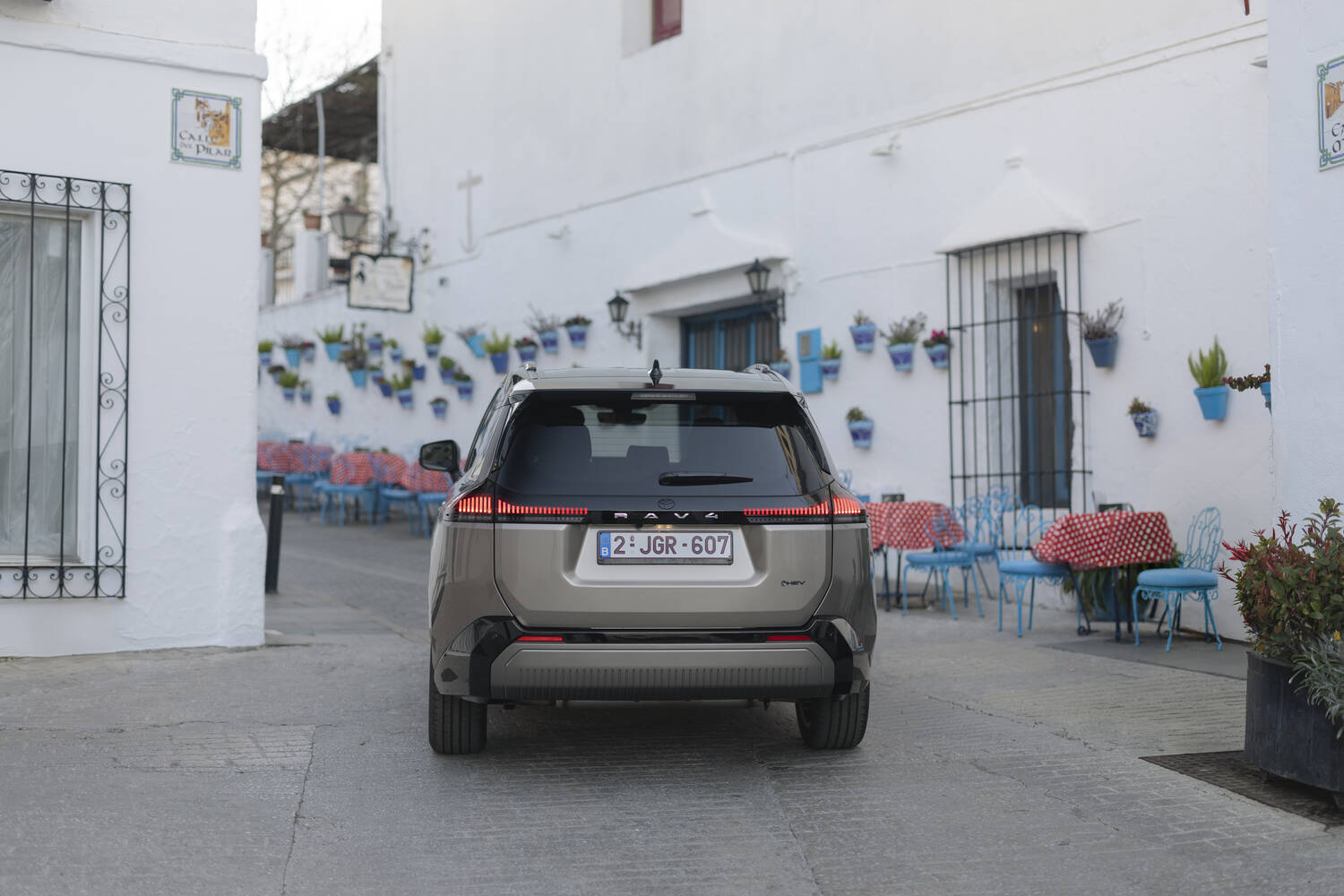
- Too generic at the rear

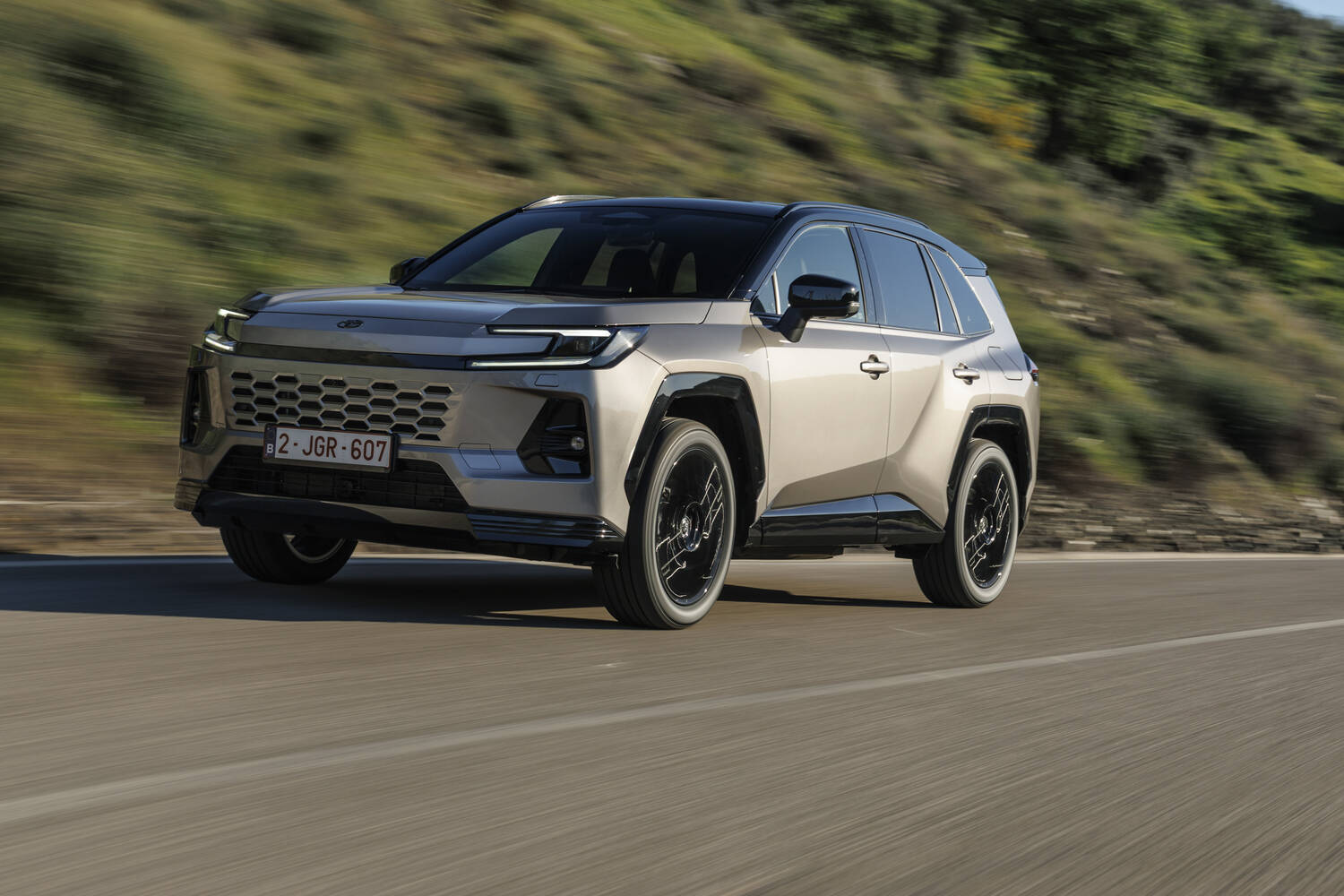
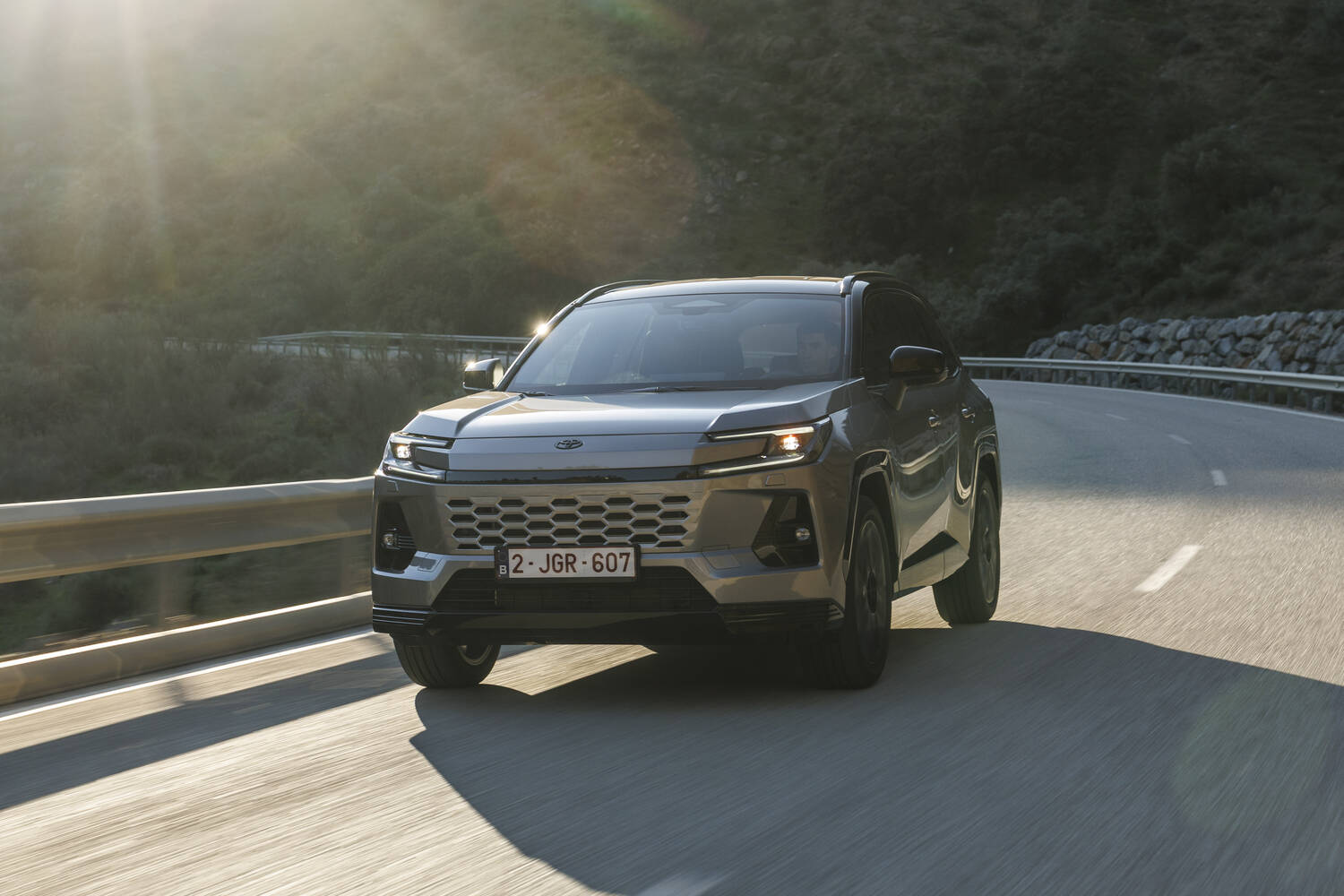
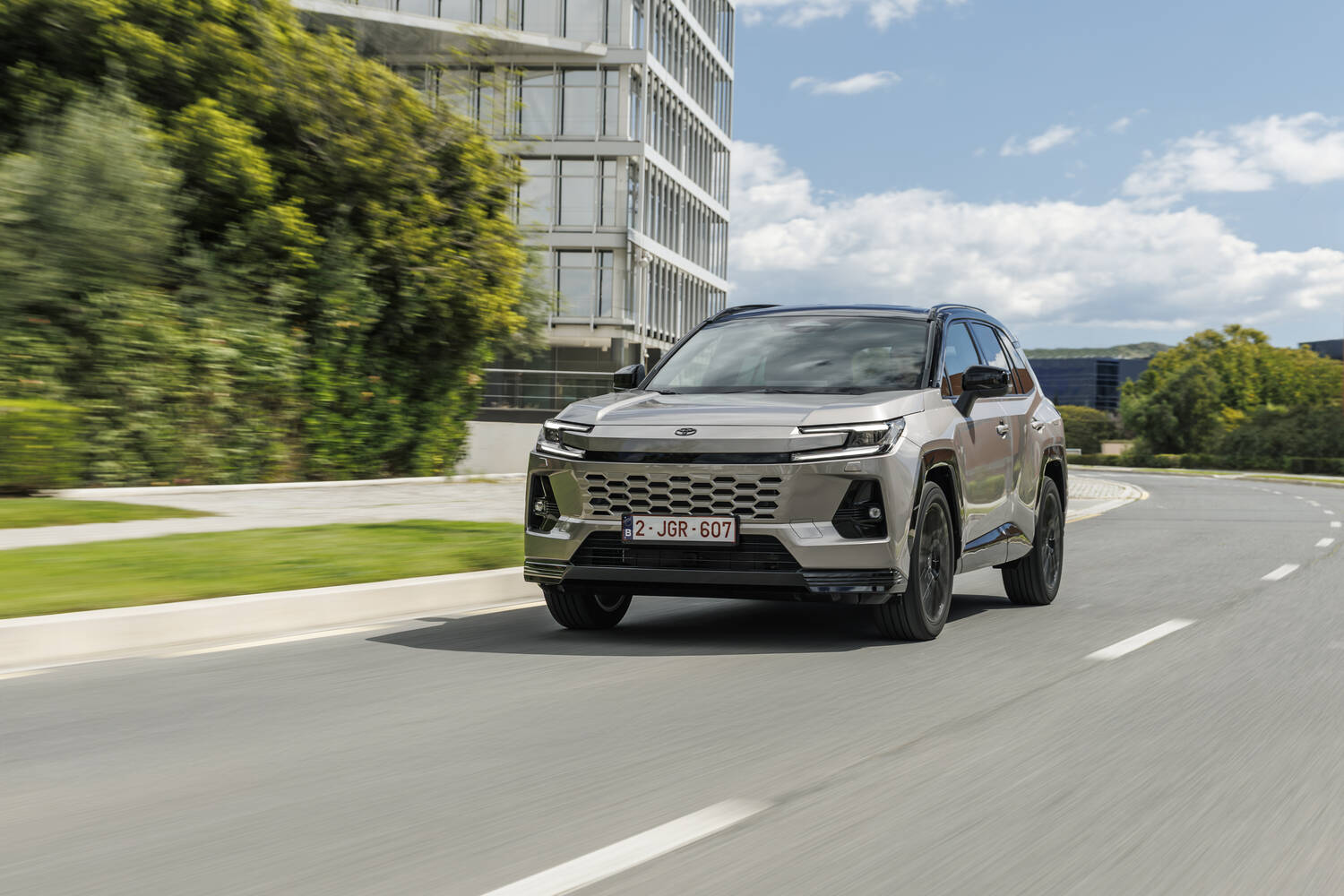
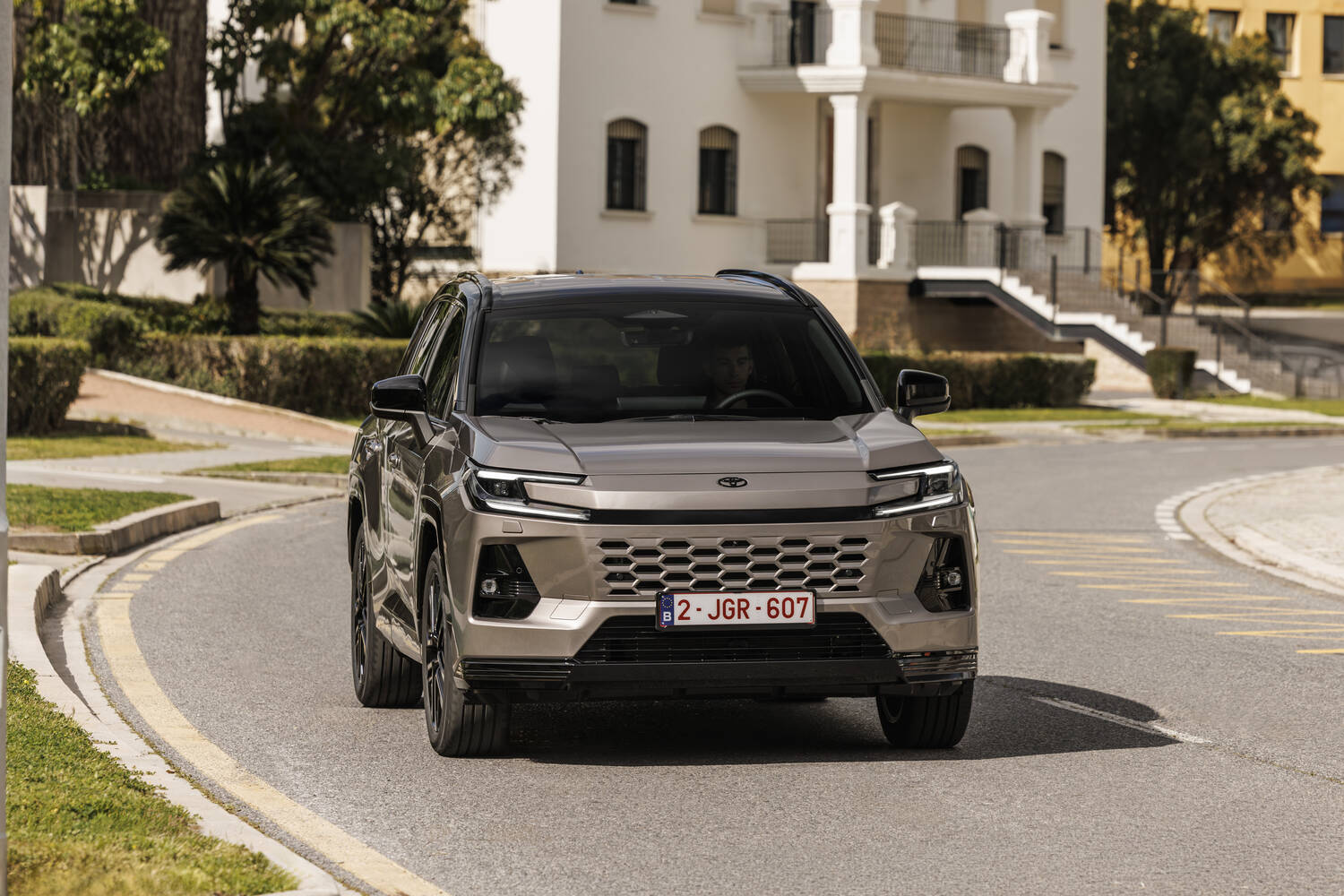
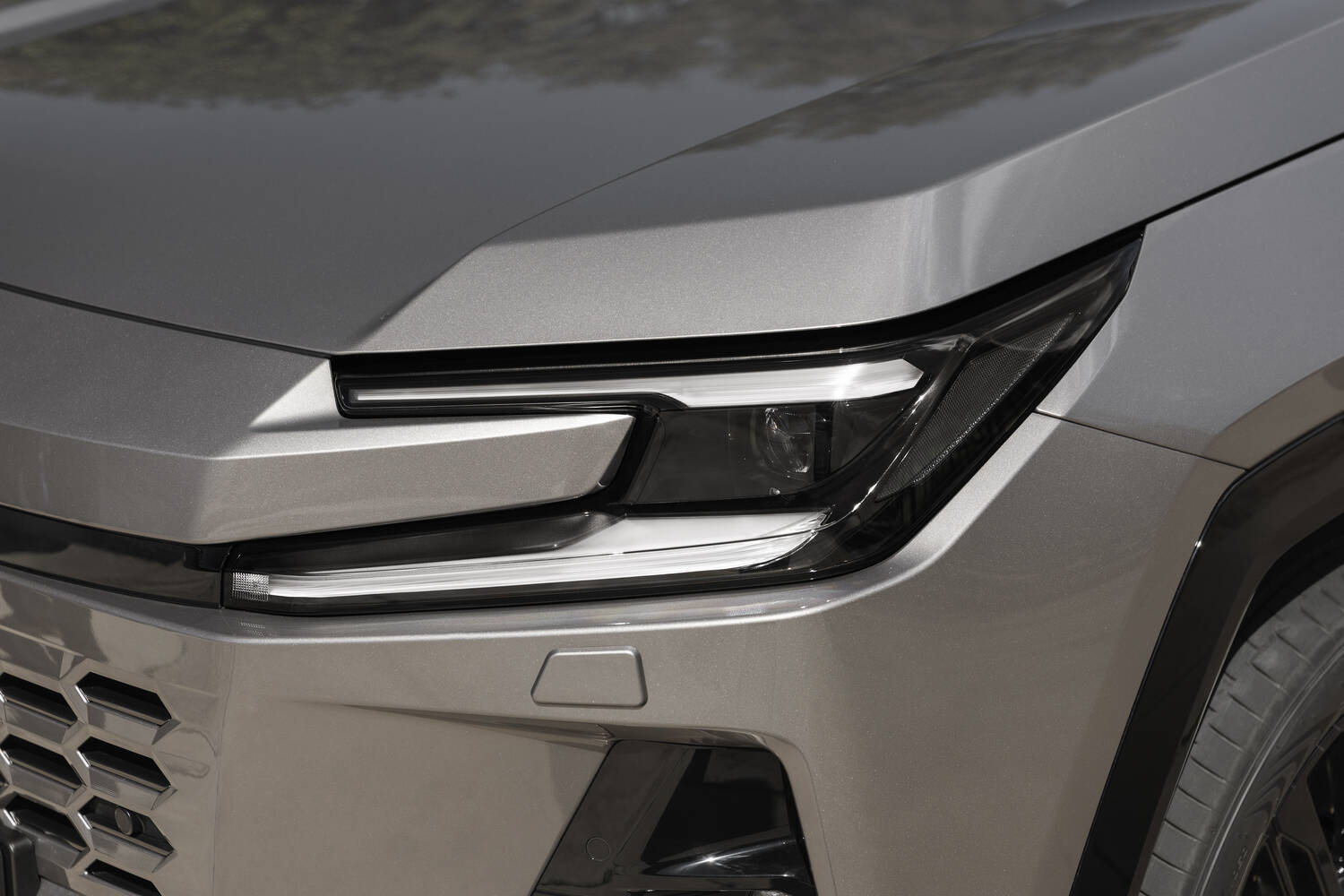
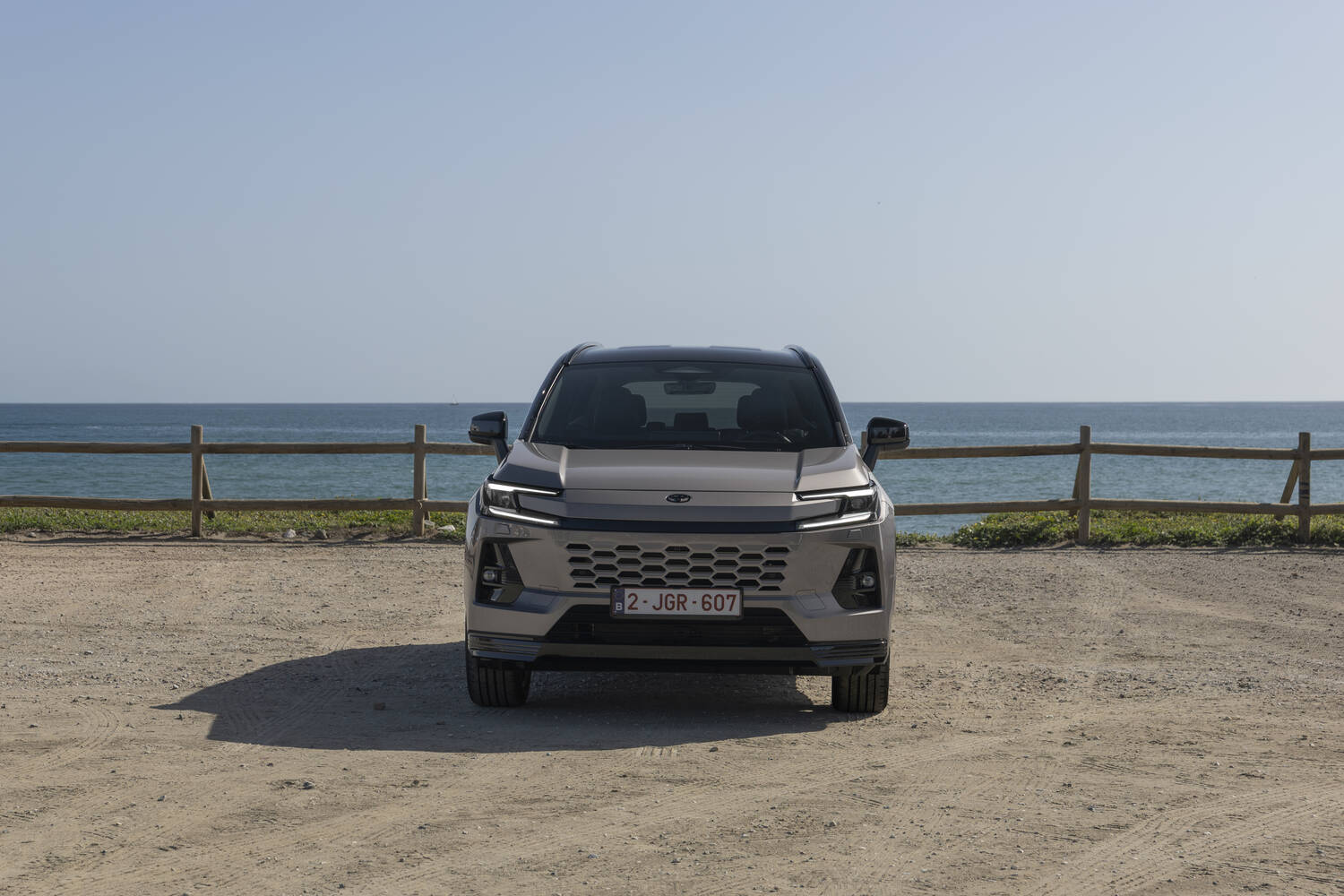
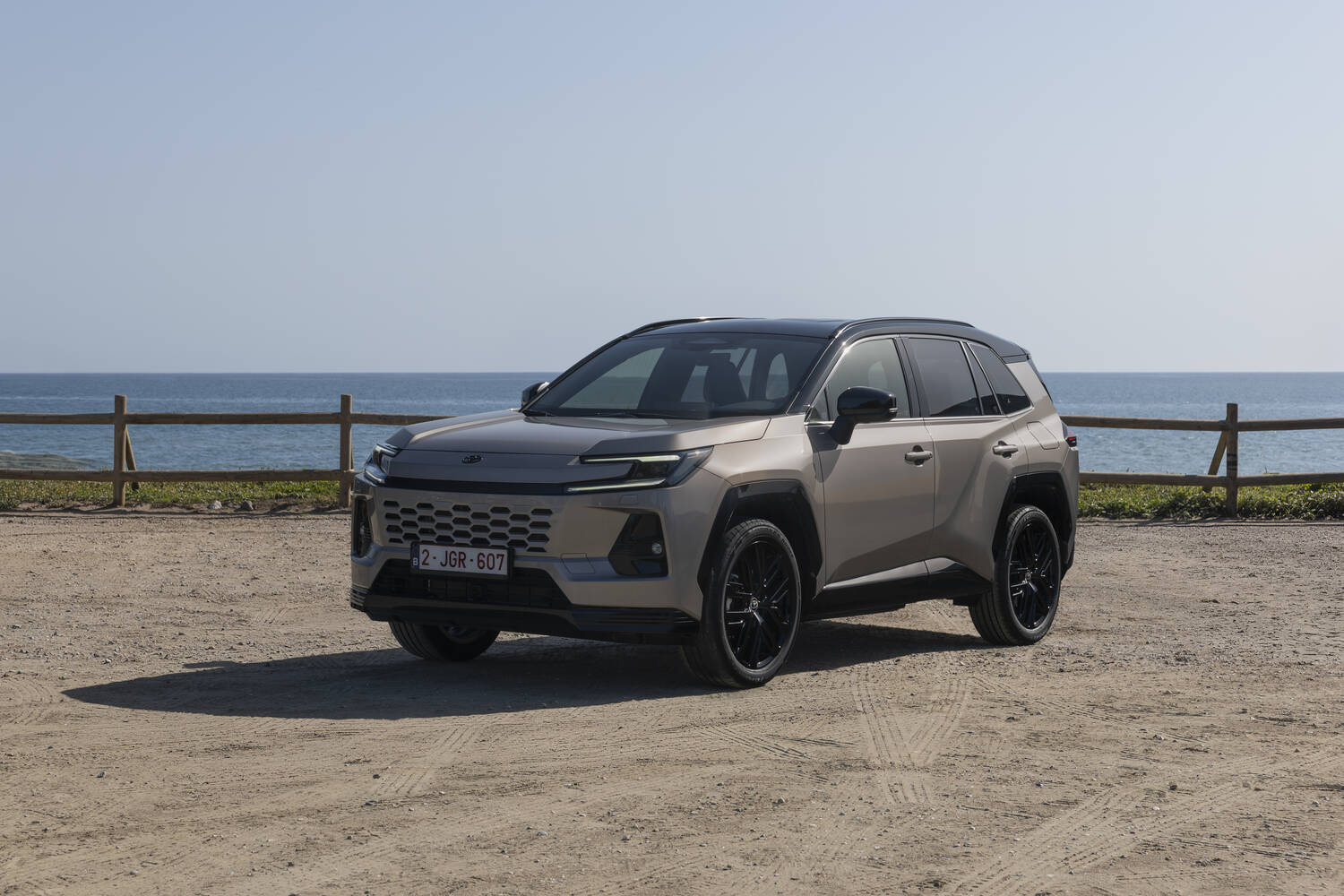
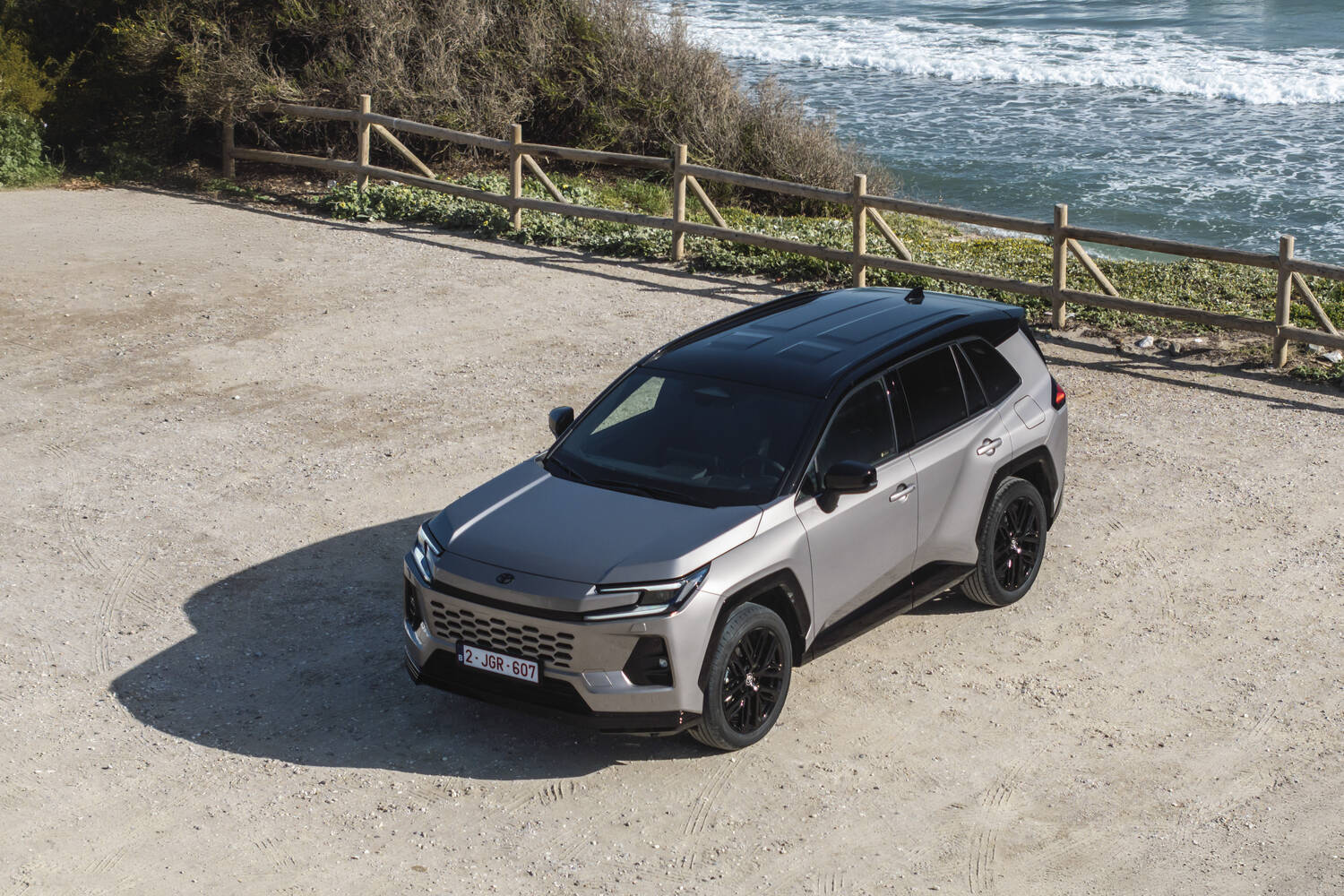
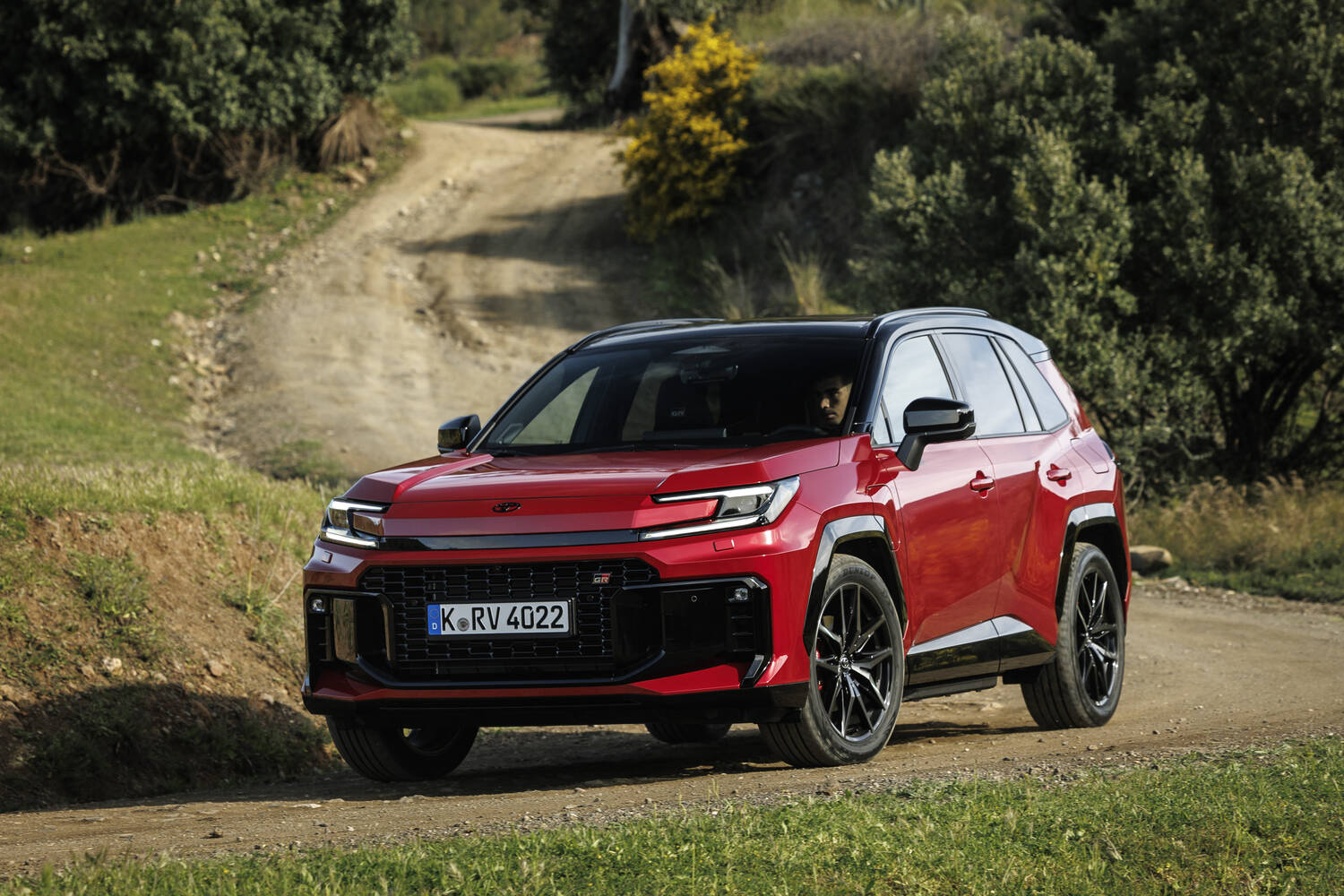
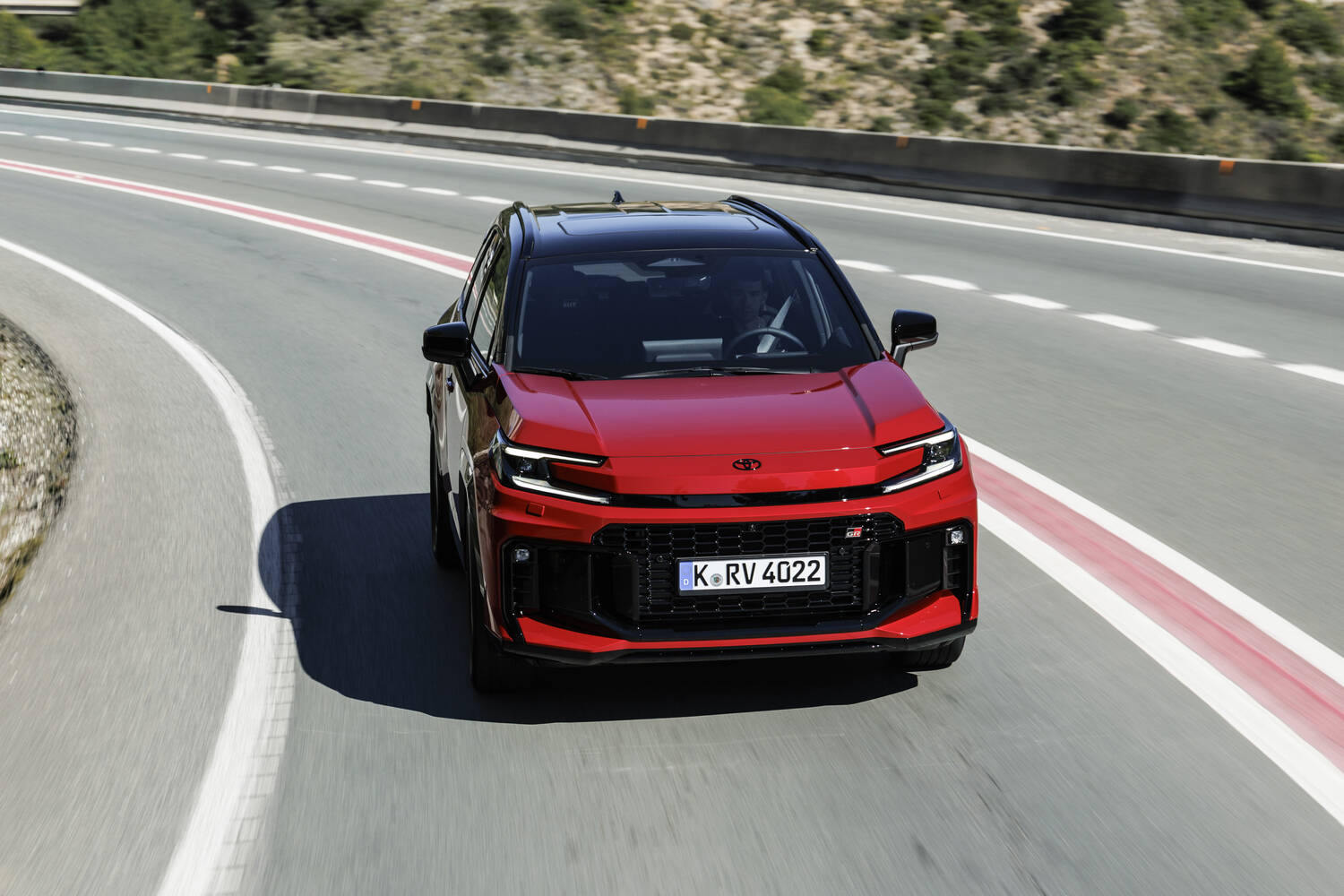
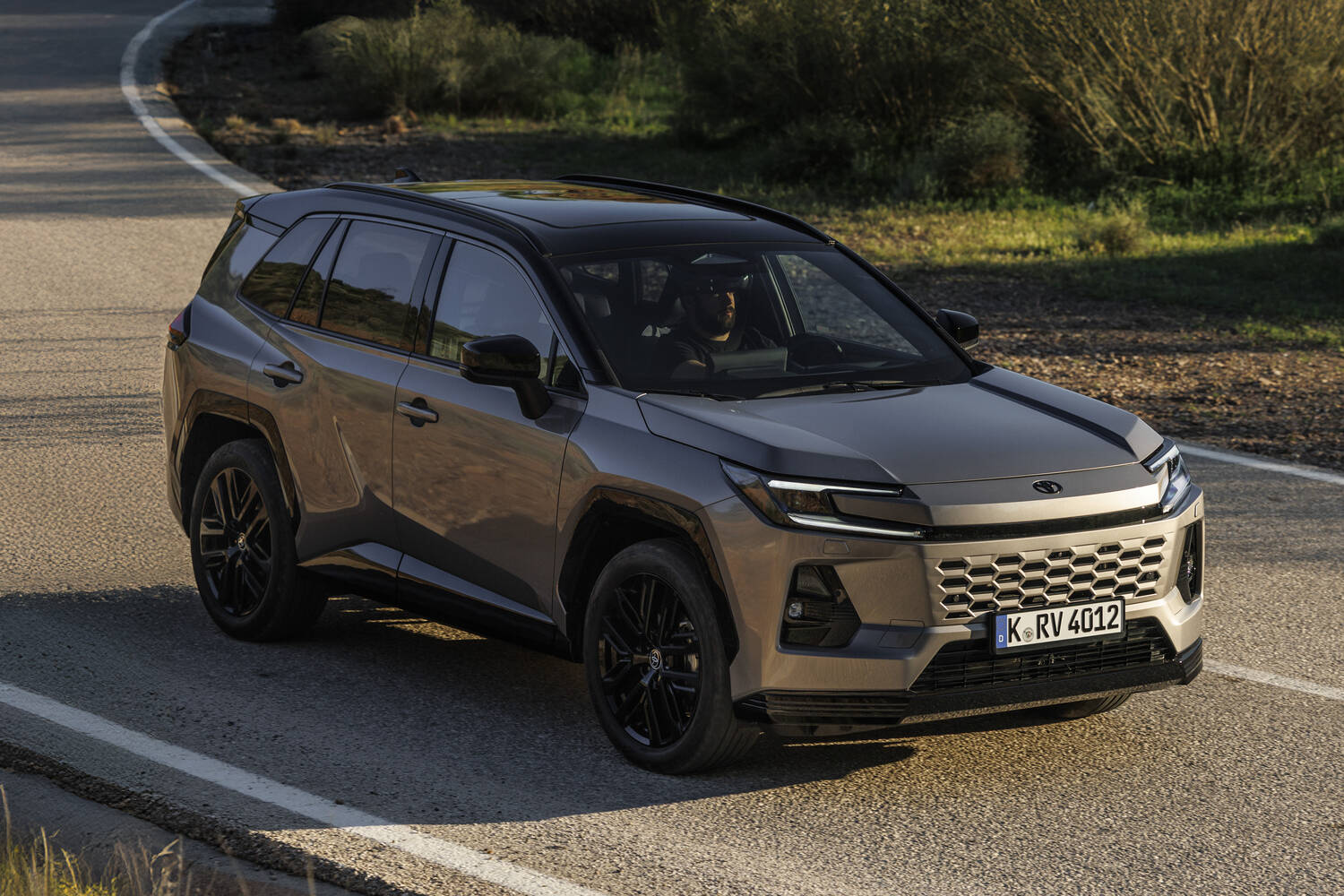
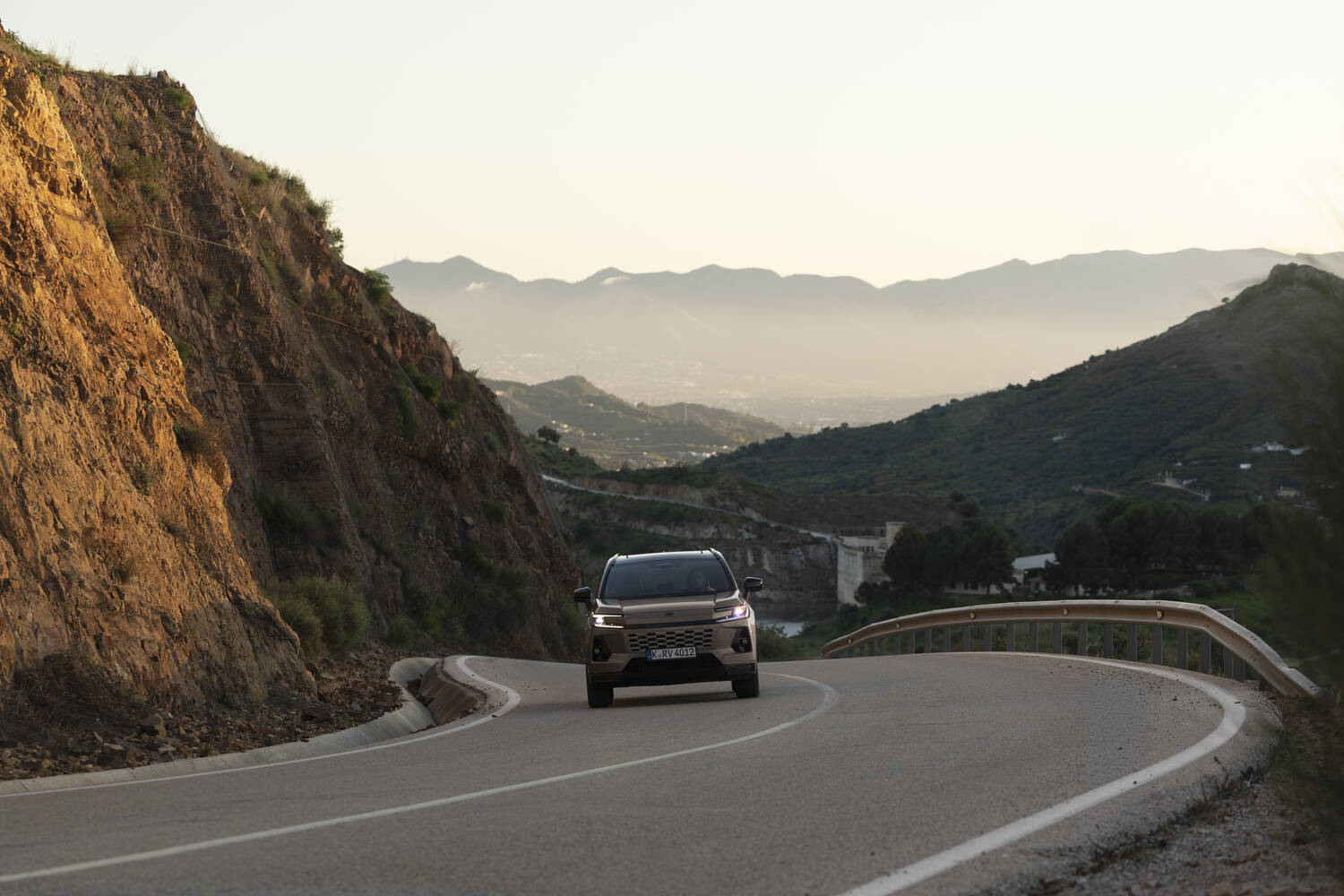
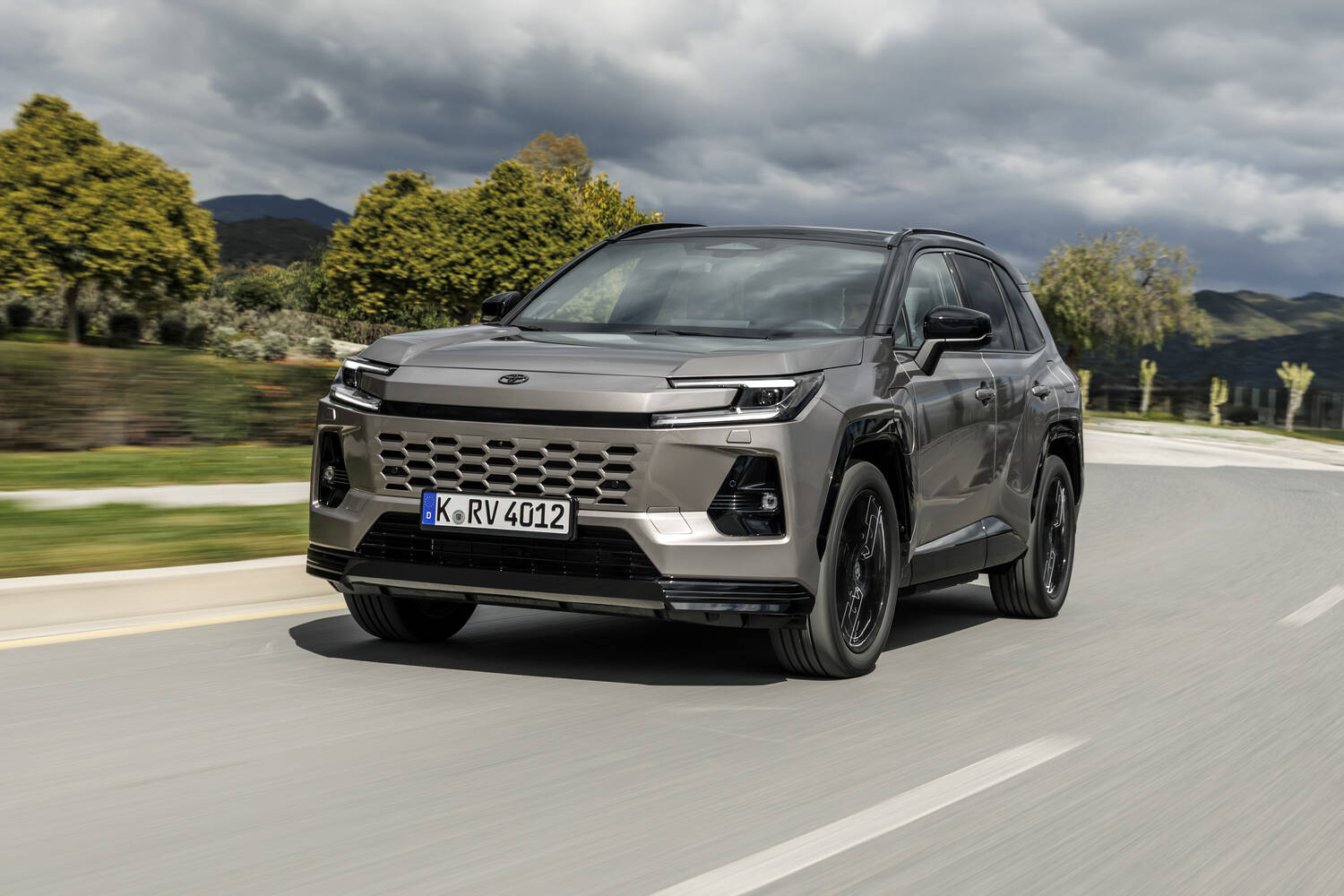
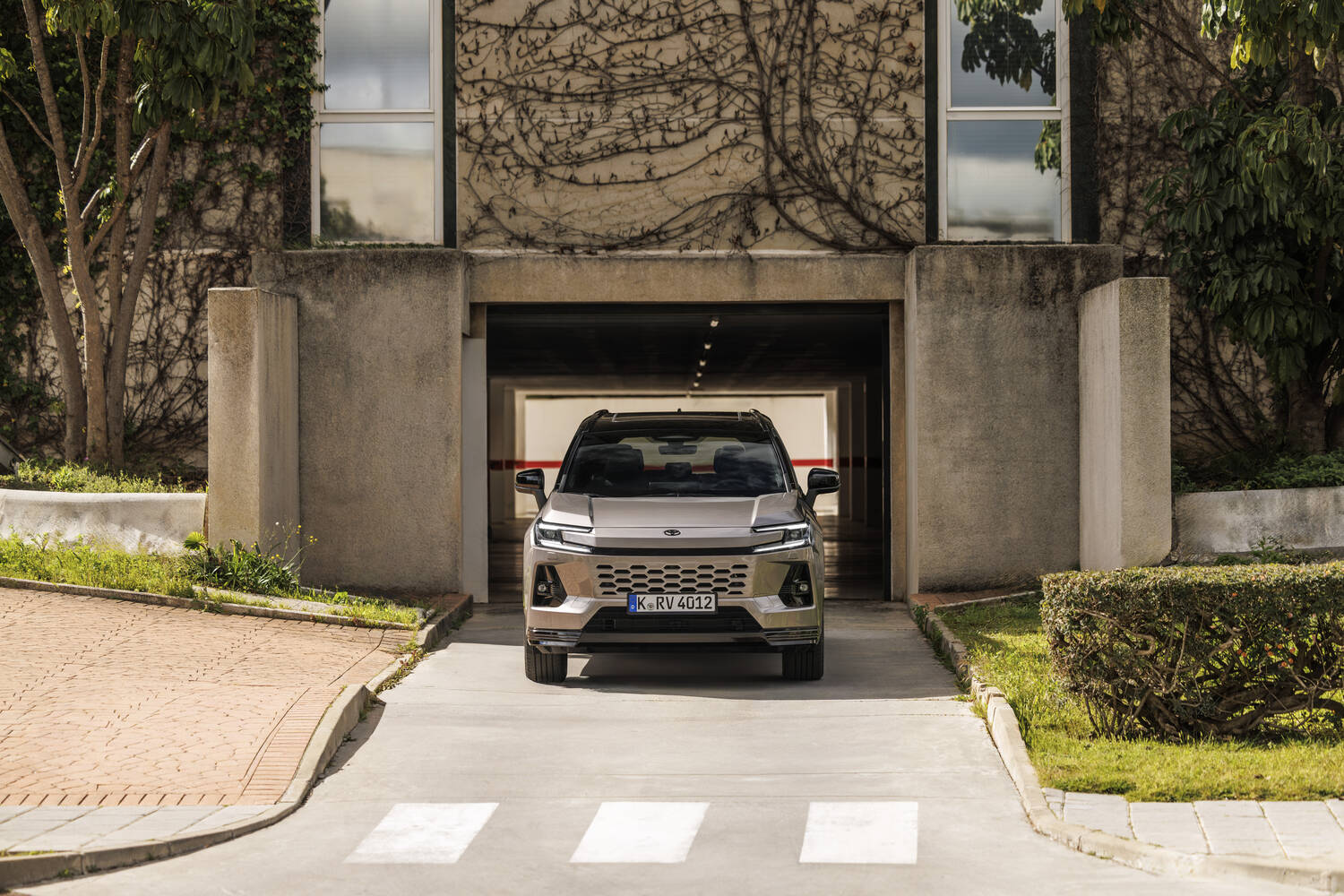
Using the same 'TNGA-K' platform as its predecessor, the sixth-gen RAV4 hits the same dimensional marks as the previous model, but it does look a touch larger and more imposing, thanks in part to the 'Robot Face' styling at the front.
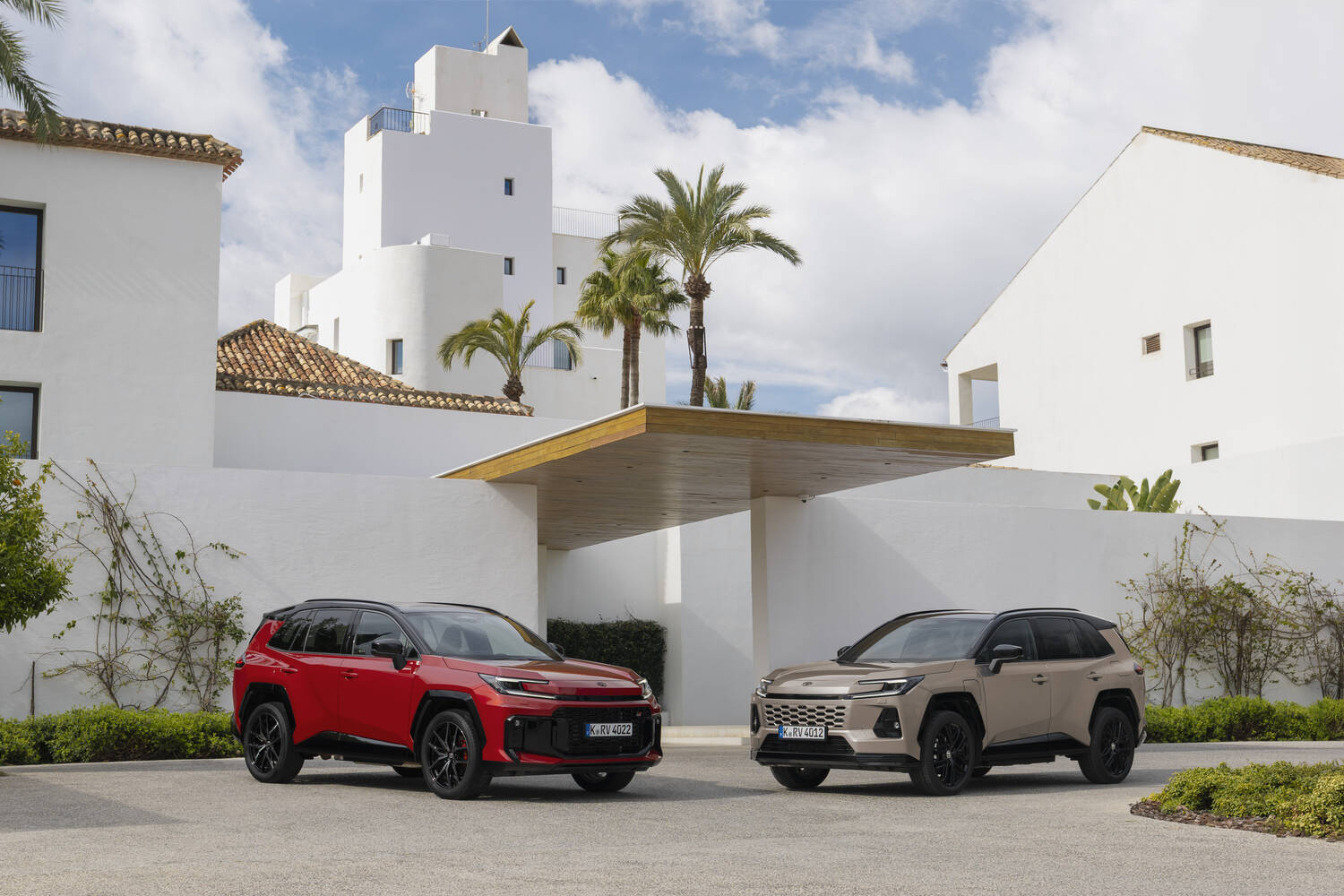
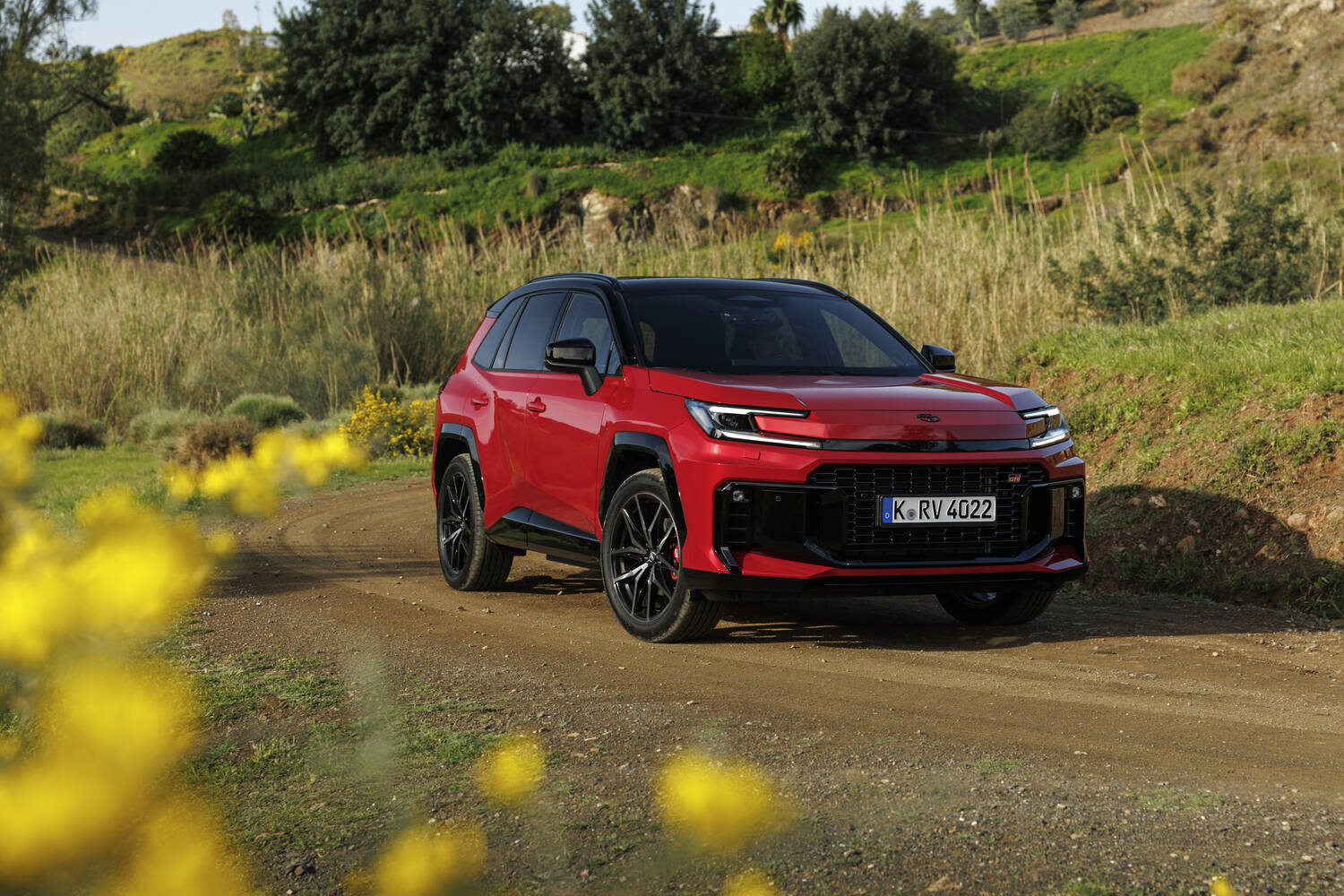
Toyota actually calls this its 'Hammerhead' look, but with the flush-fit grille and C-shaped lights, there's a definite robotic mien to the RAV4, and Toyota is even using a robot in its marketing and advertising. It's a dramatic look, and quite the departure from the previous RAV4, but we're not sold on it.
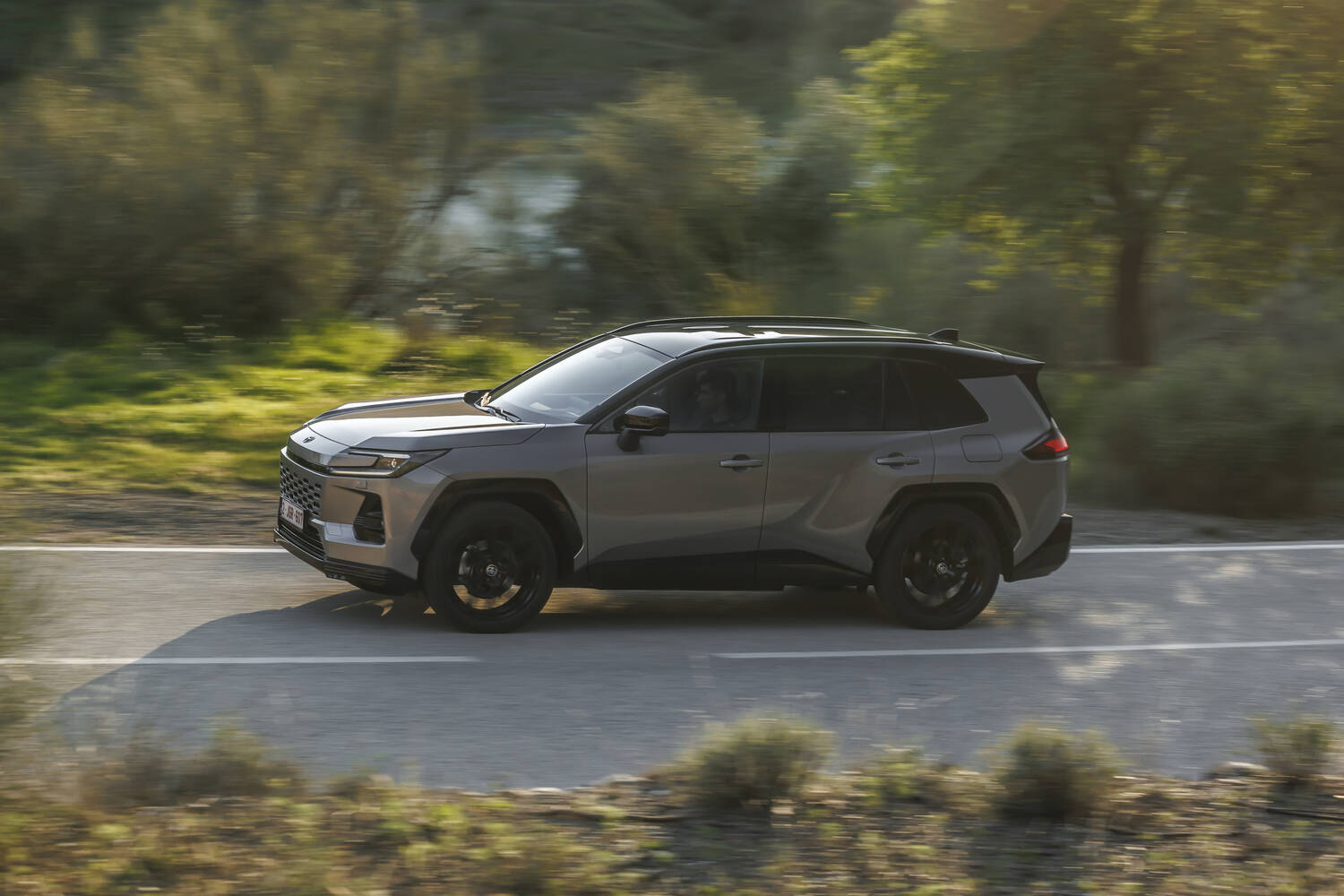
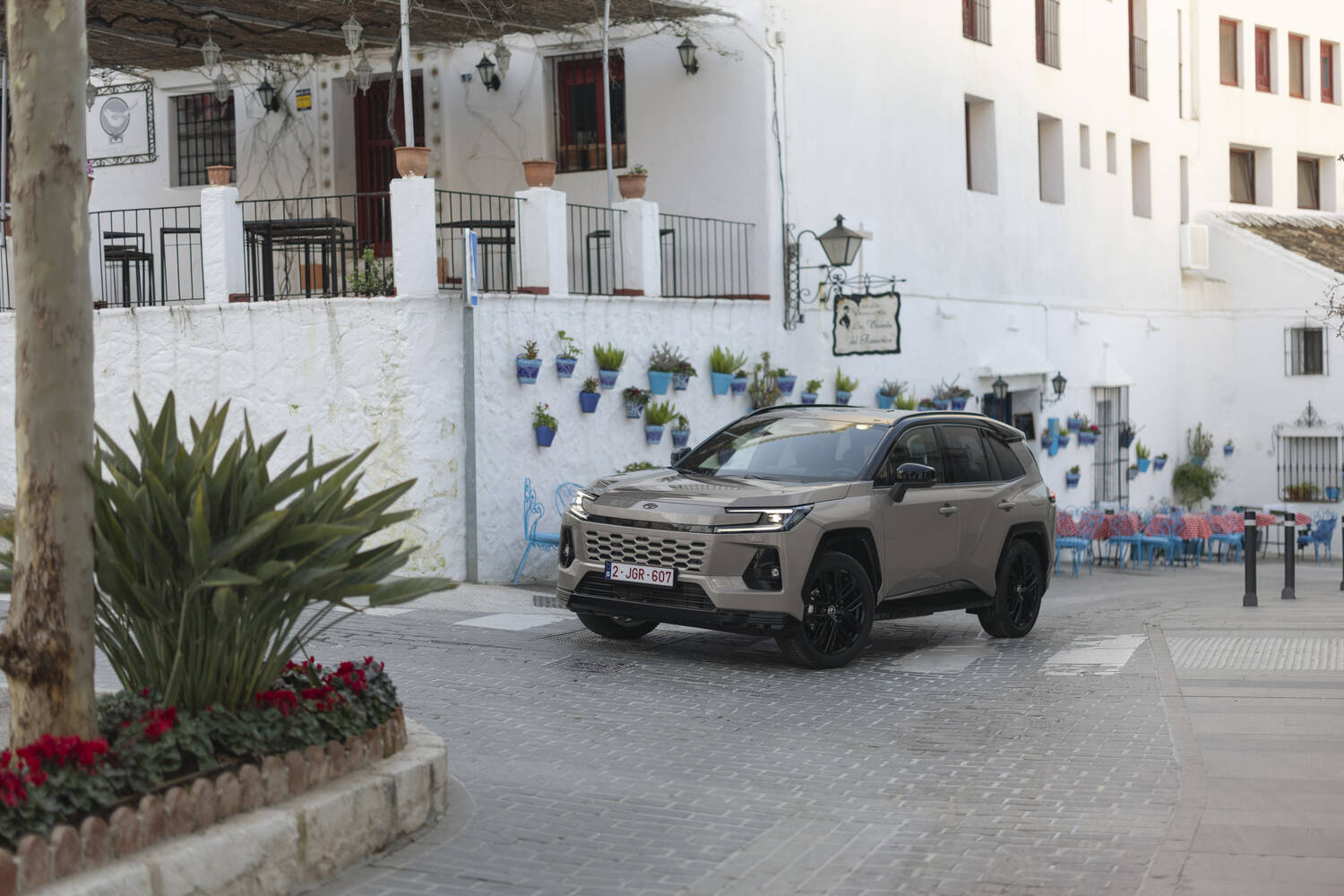
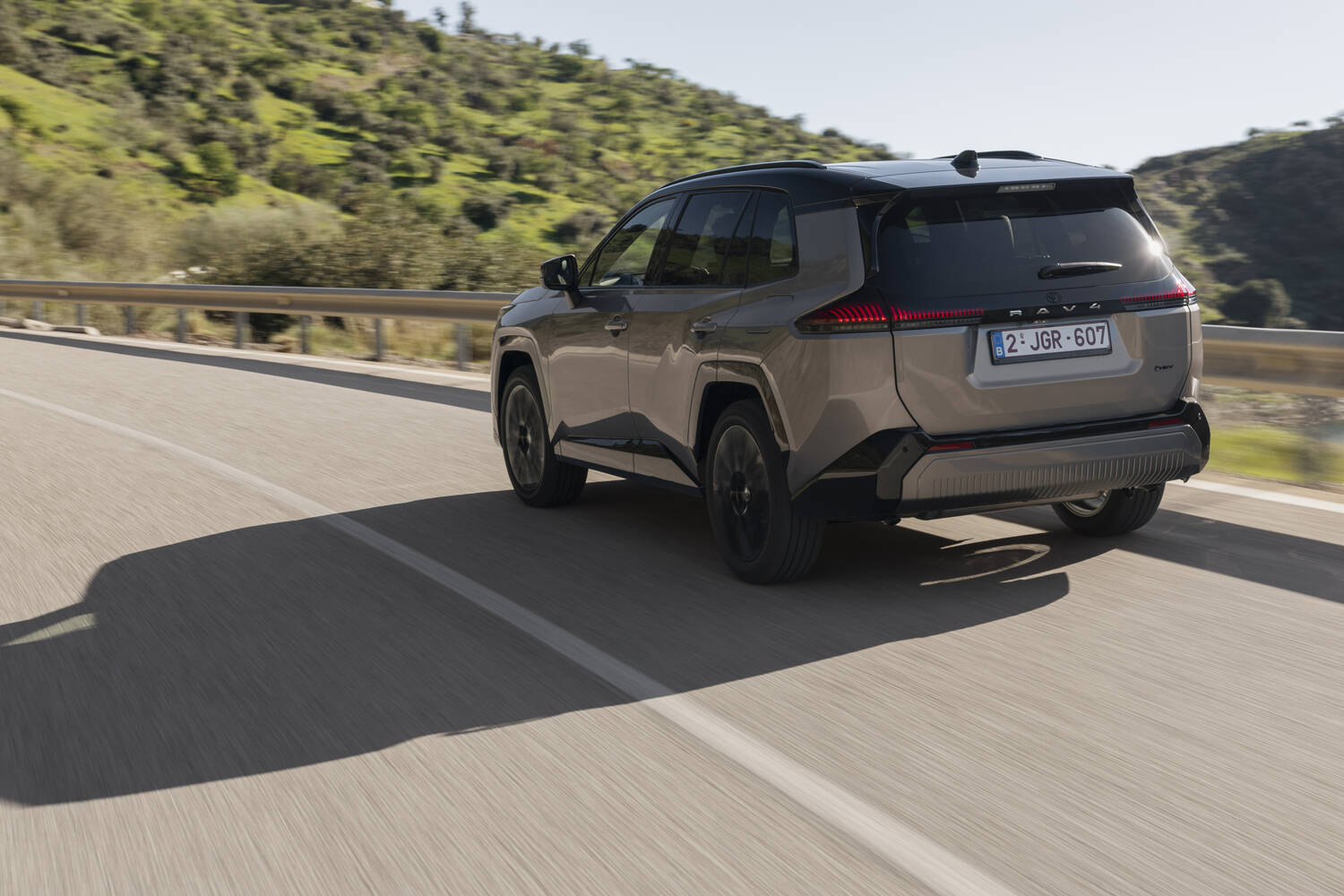
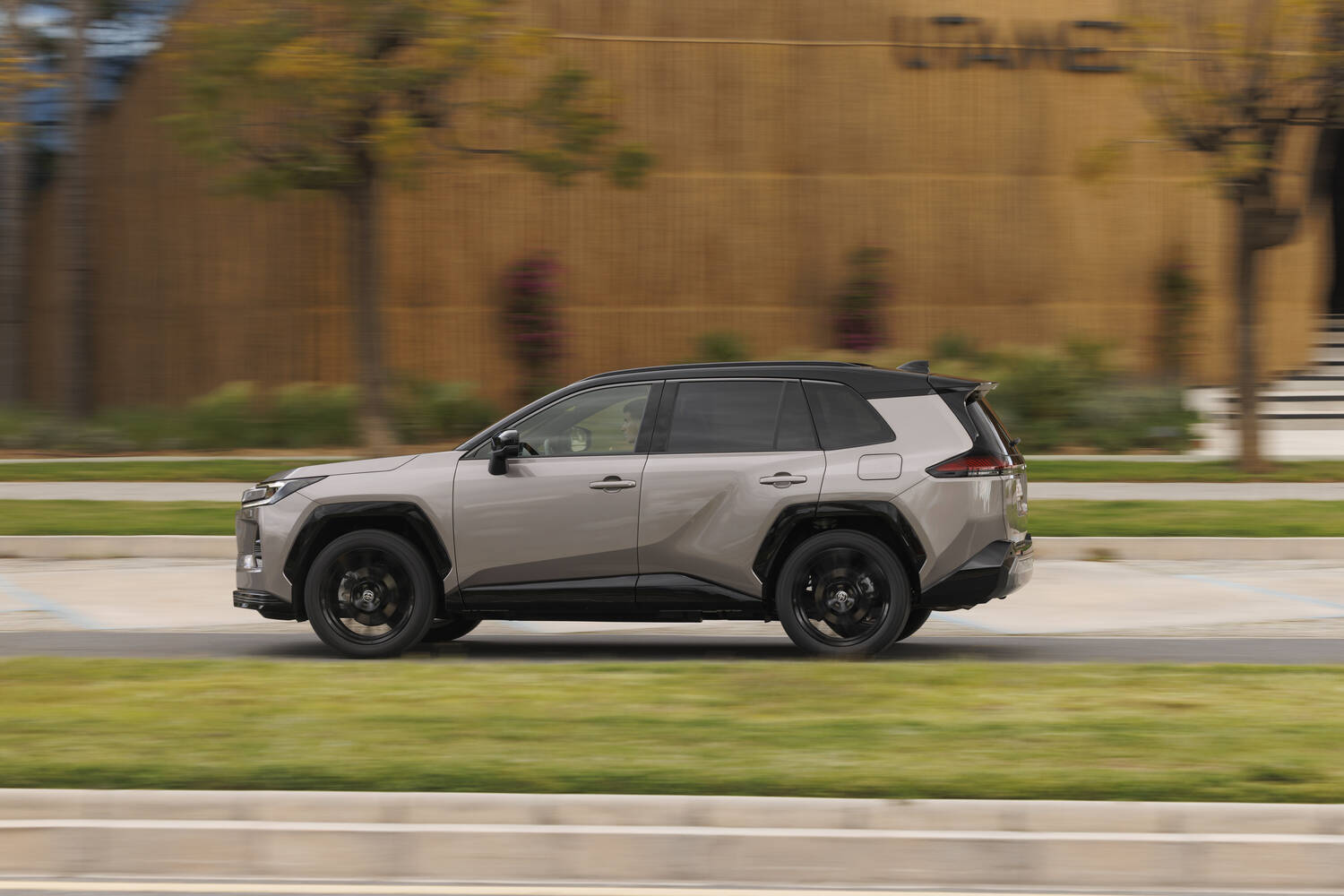
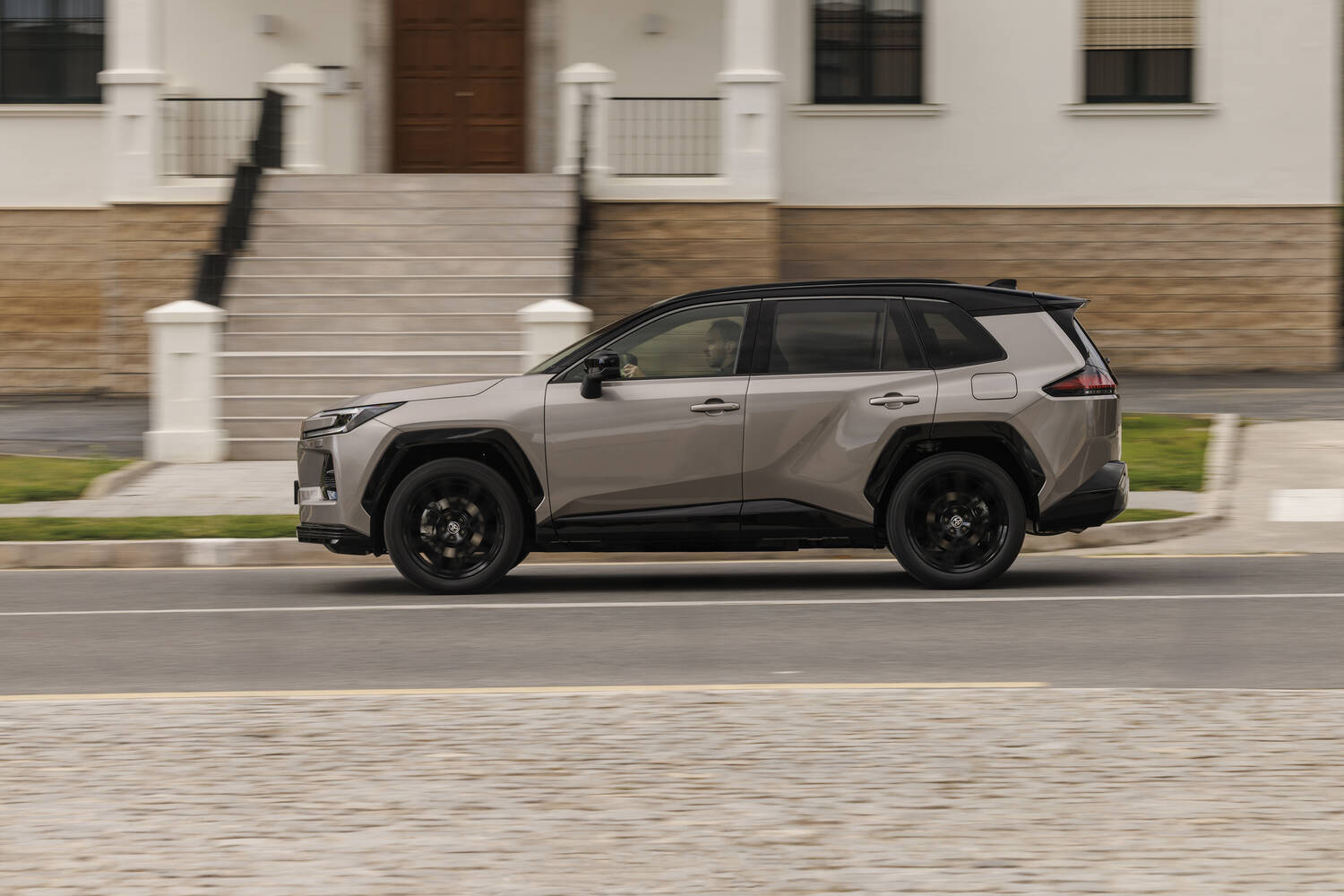
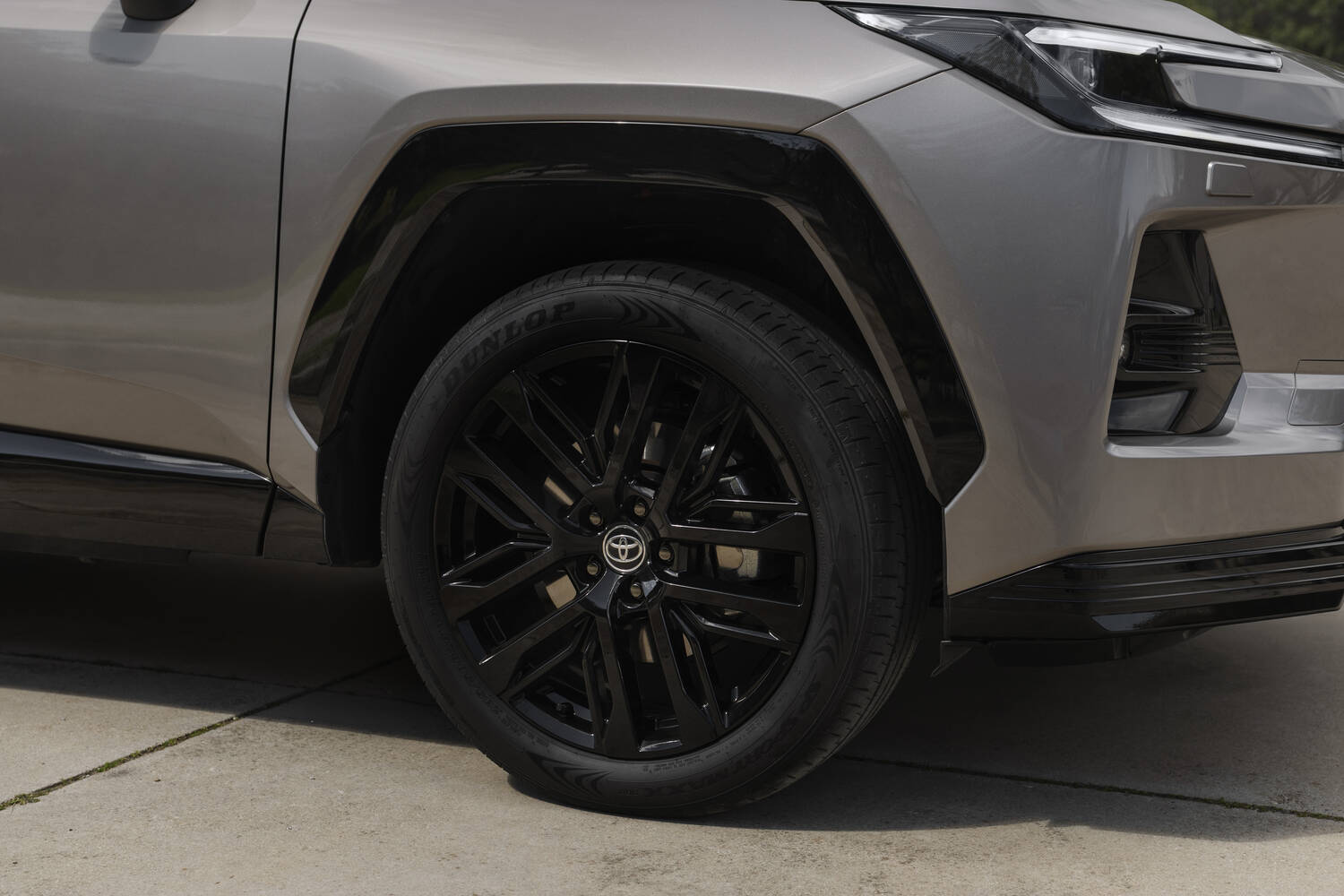
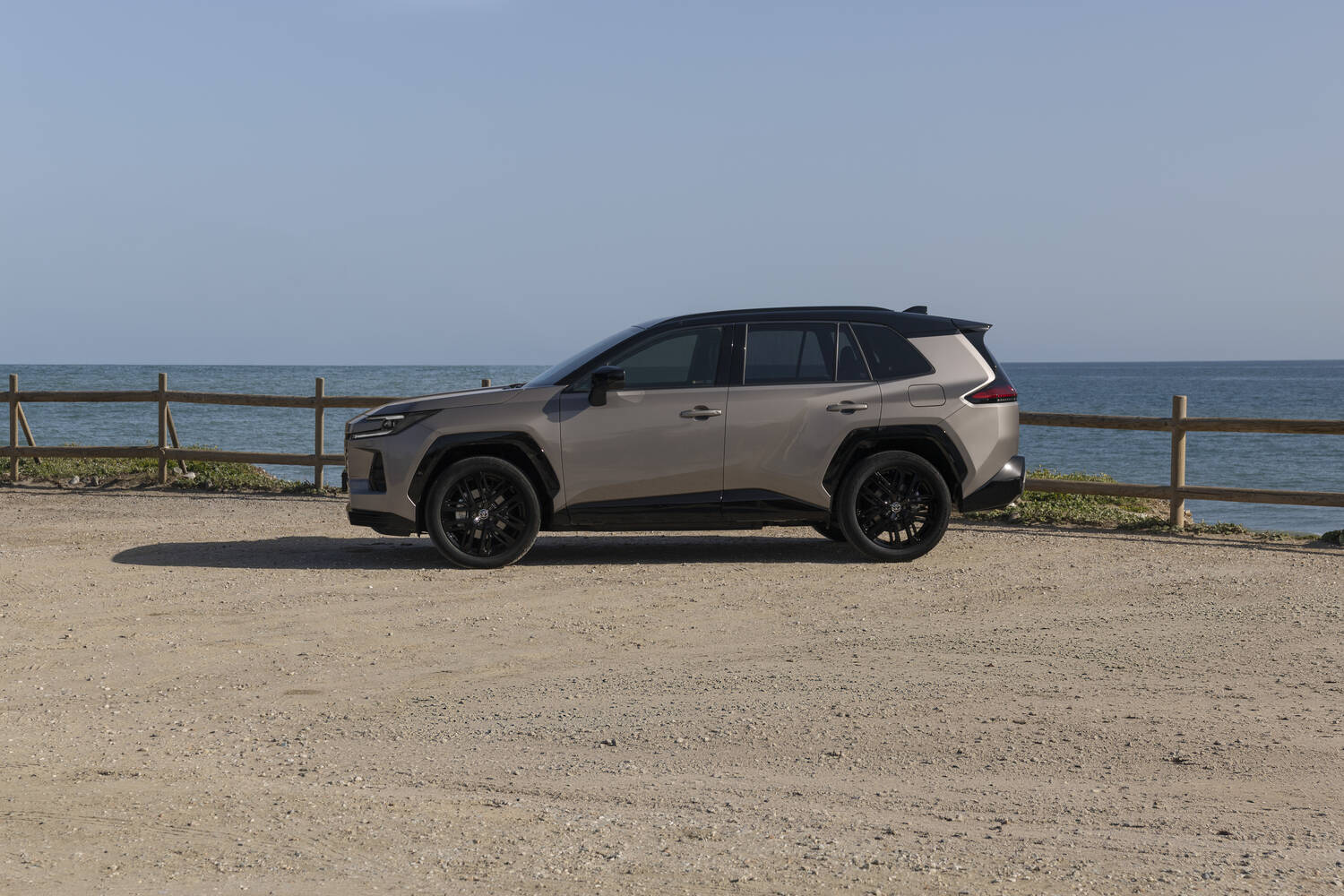
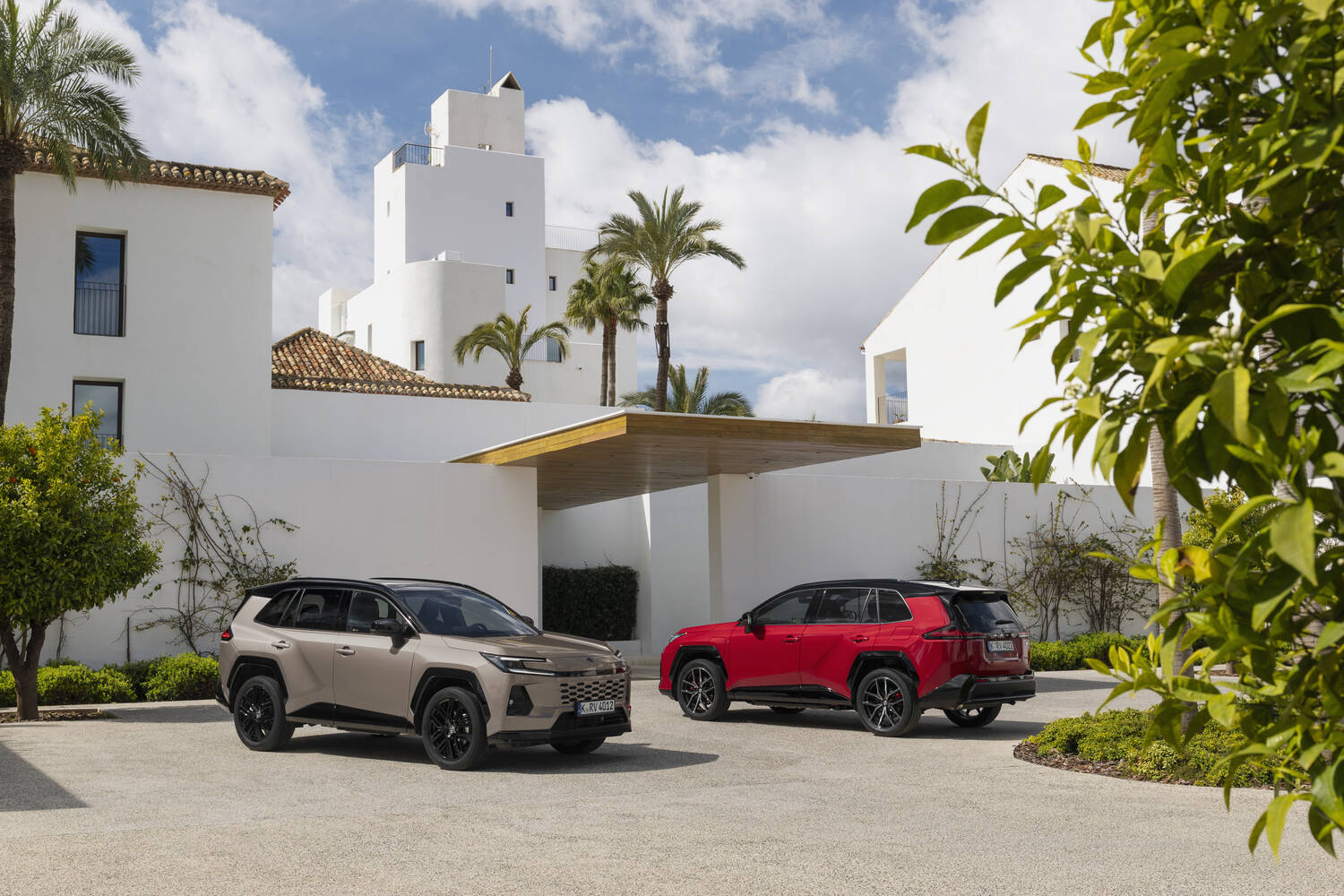
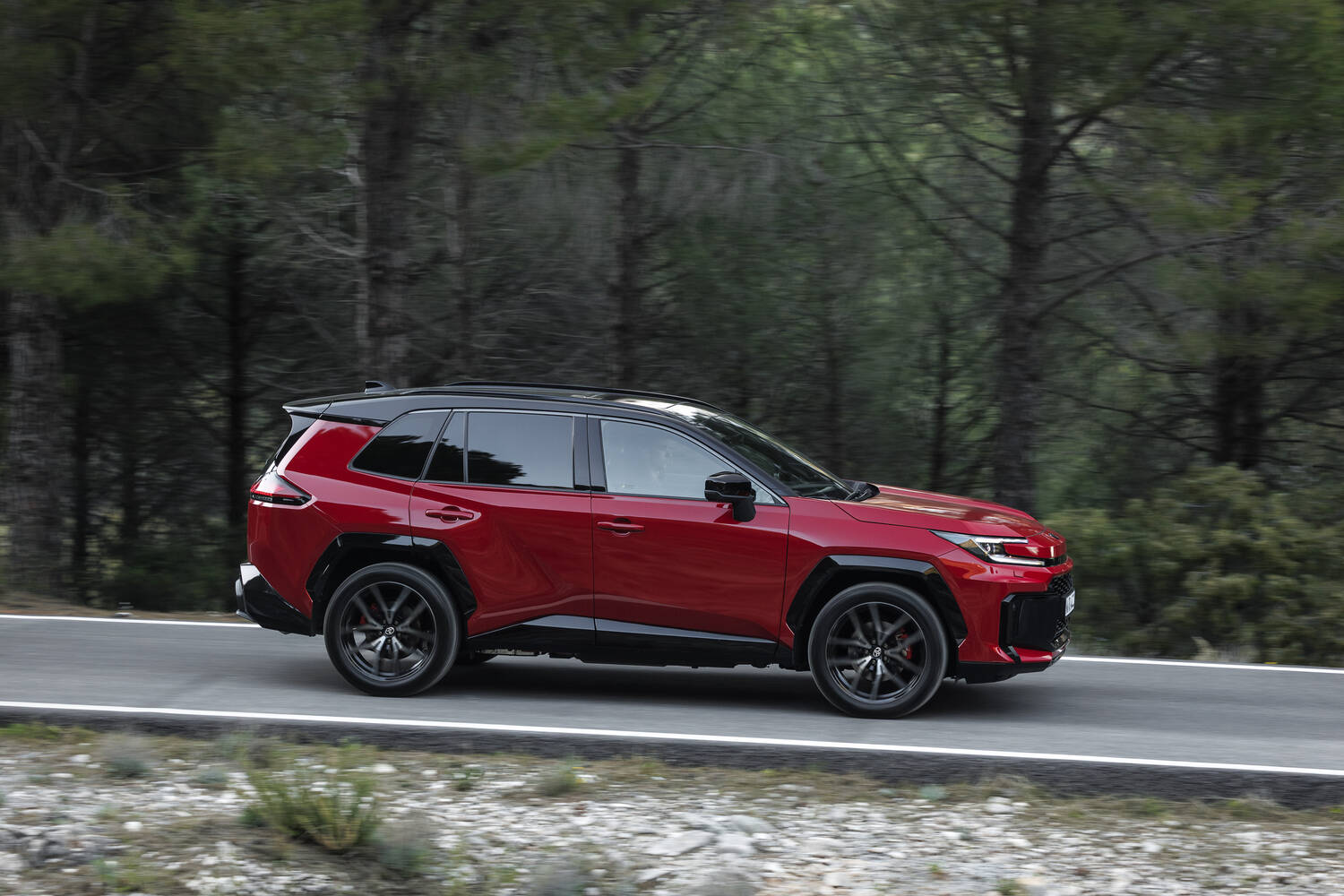
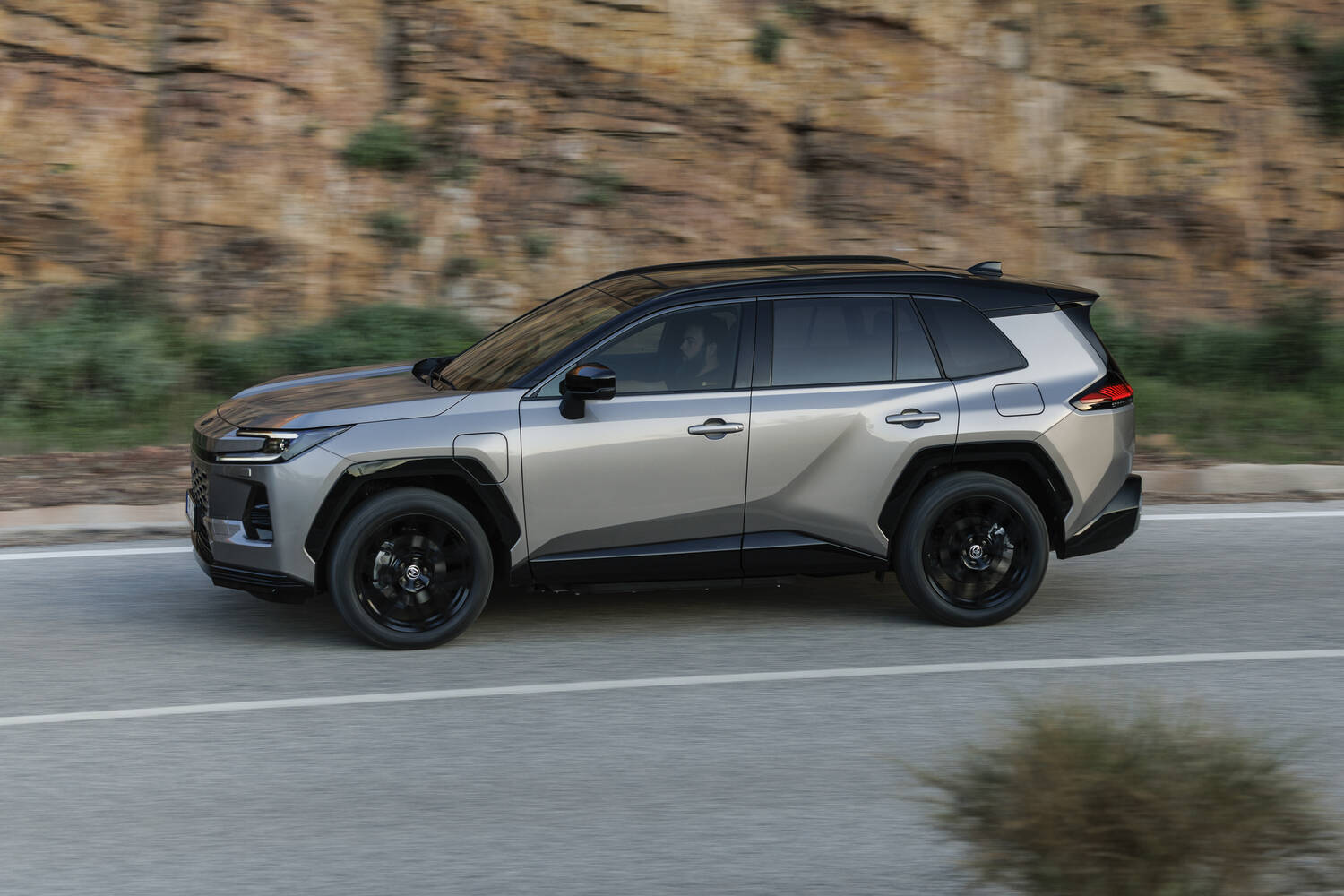
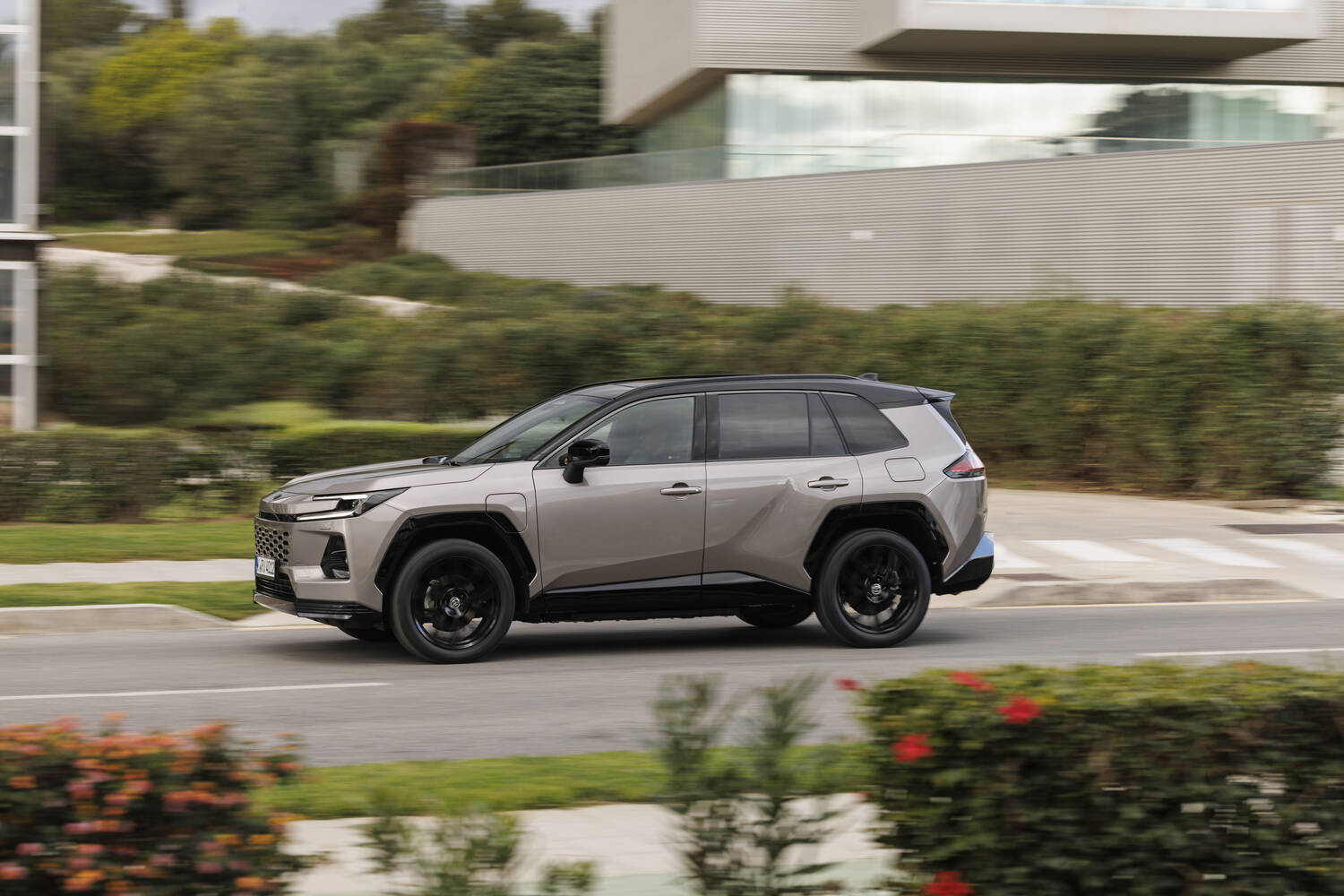
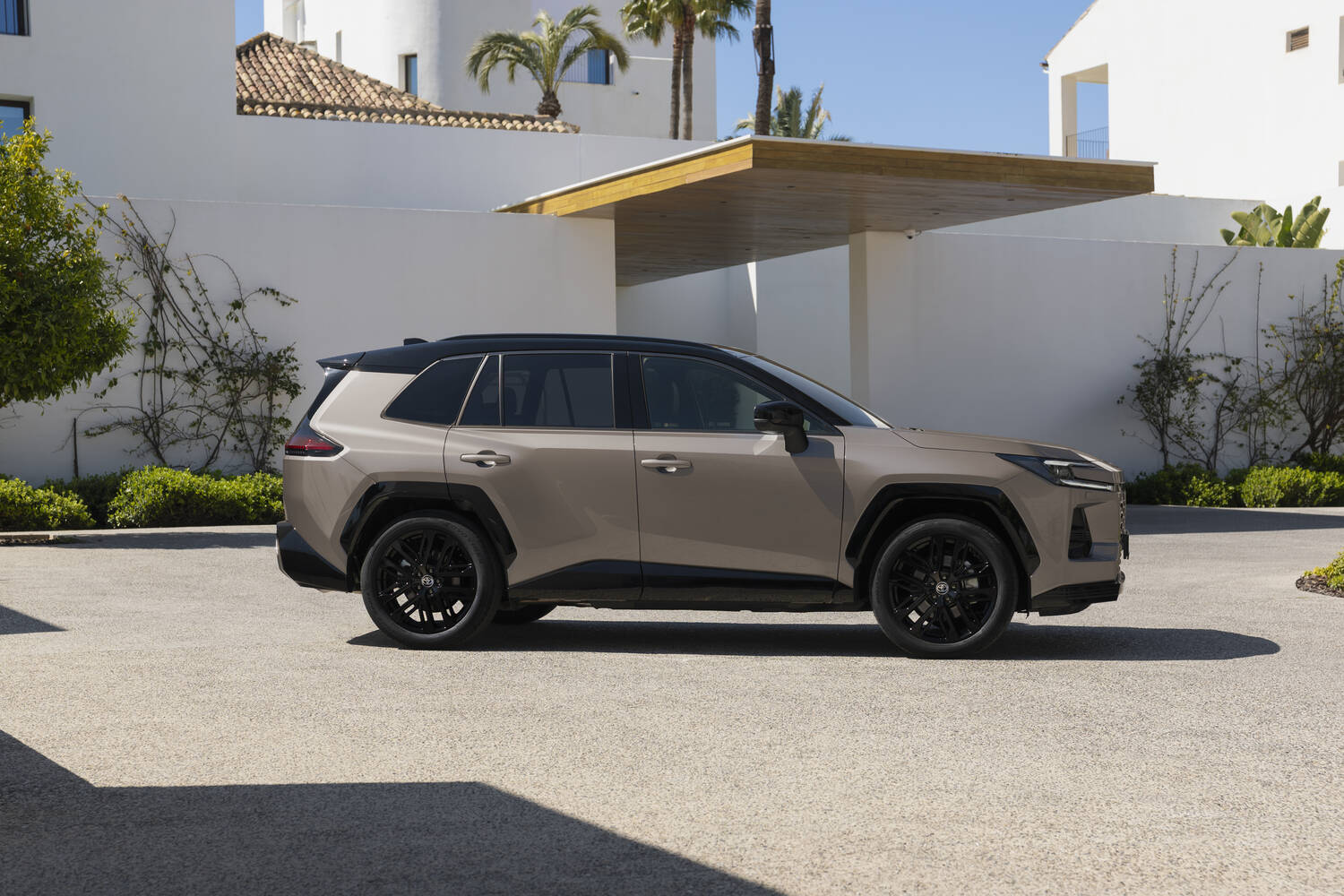
In side profile, the new RAV4 looks more familiar, with boxy, extended wheelarches lending it a rough-and-tumble look, while there's now a large and chunky character line that starts at the base of the front door and extends rearwards, eventually bulging out into the rear wheelarch. It helps the RAV4 to look less slab-sided.

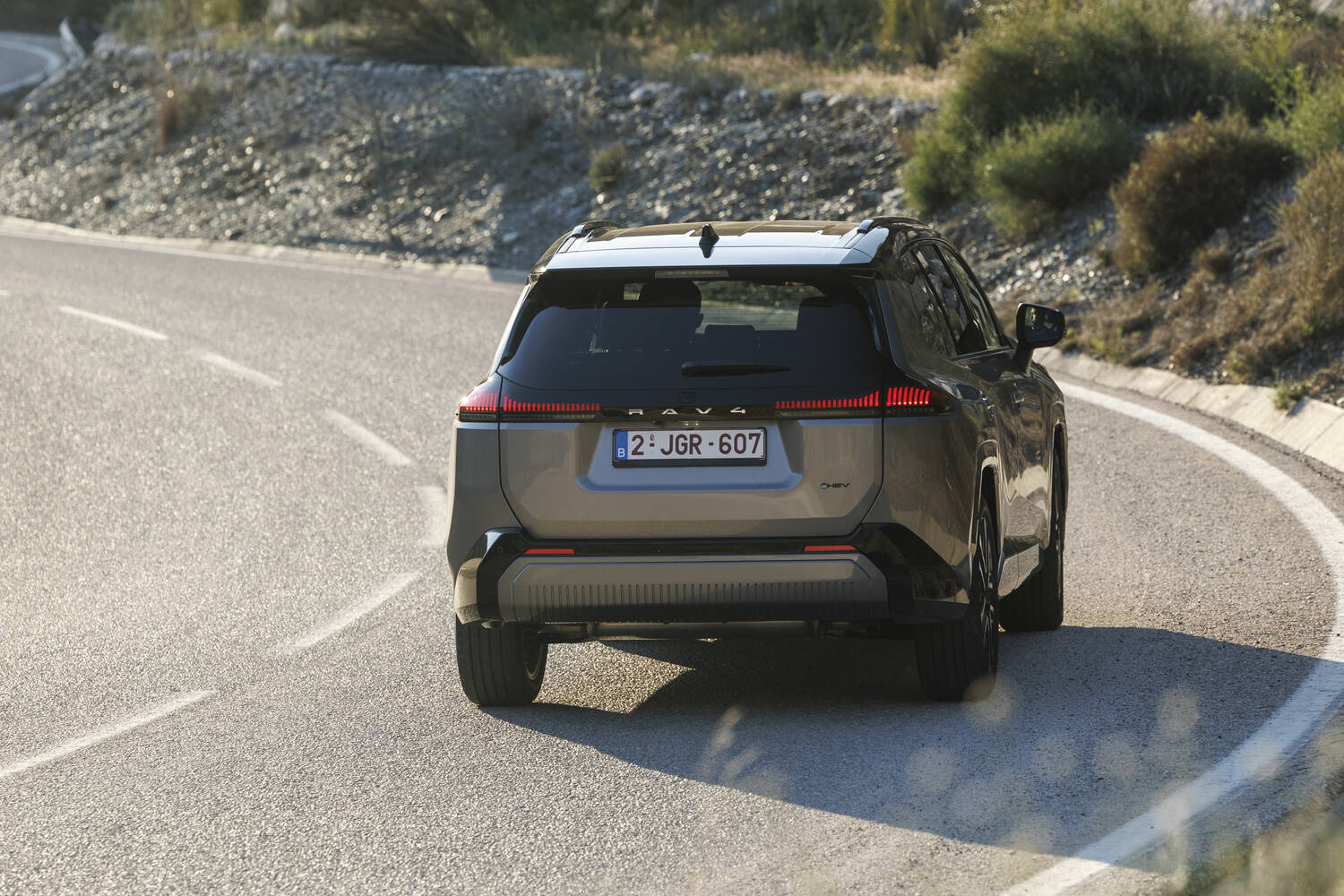
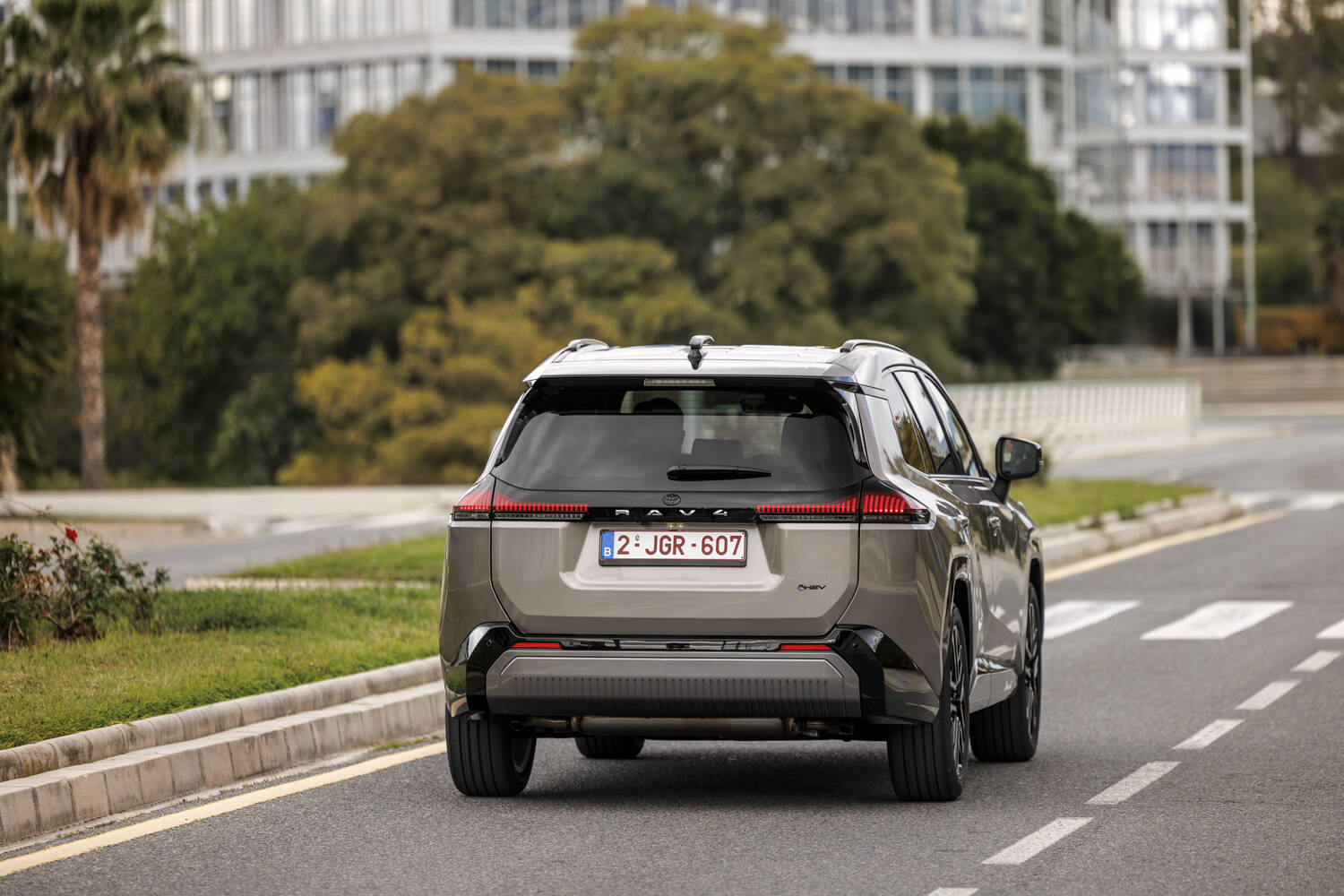
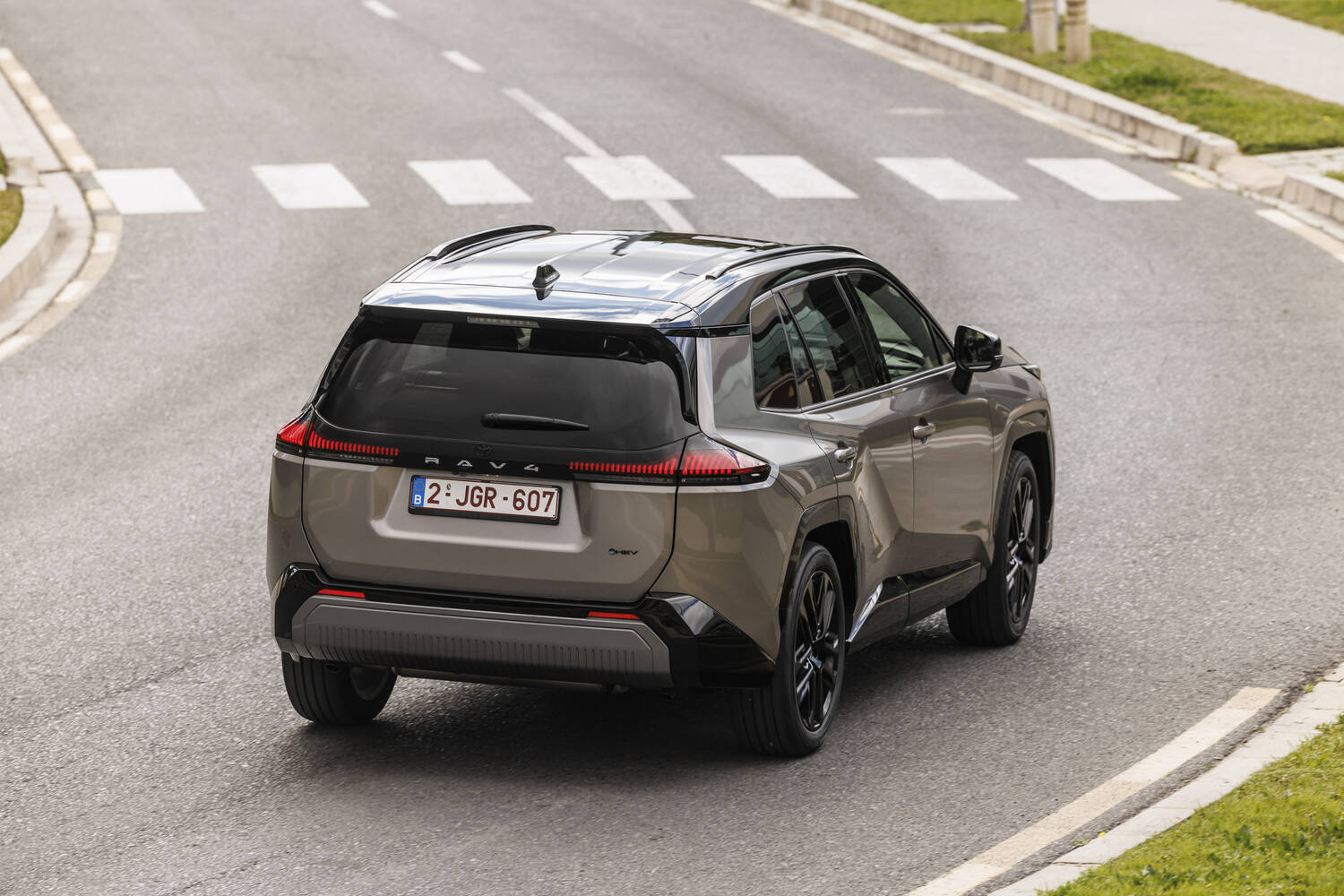
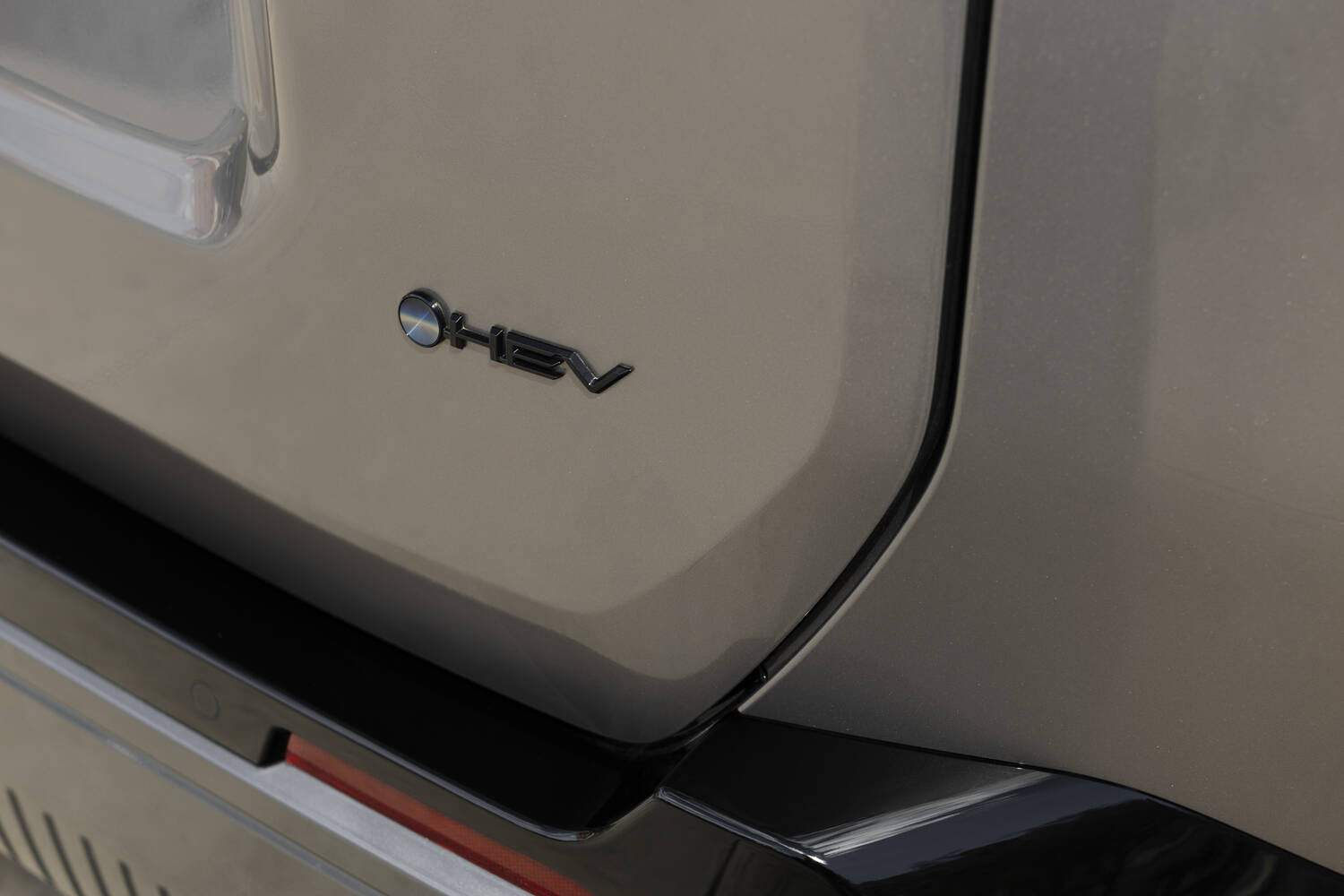
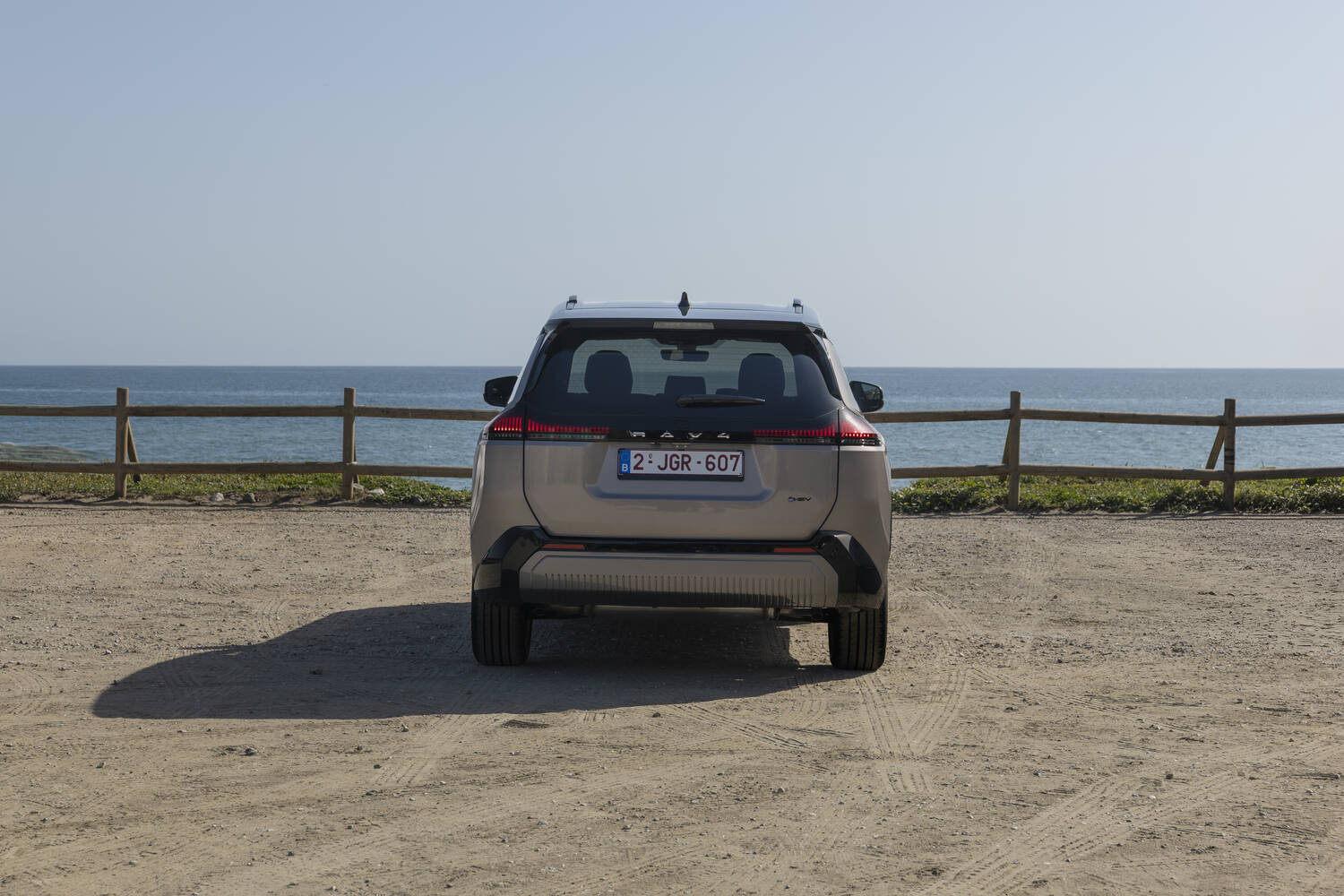
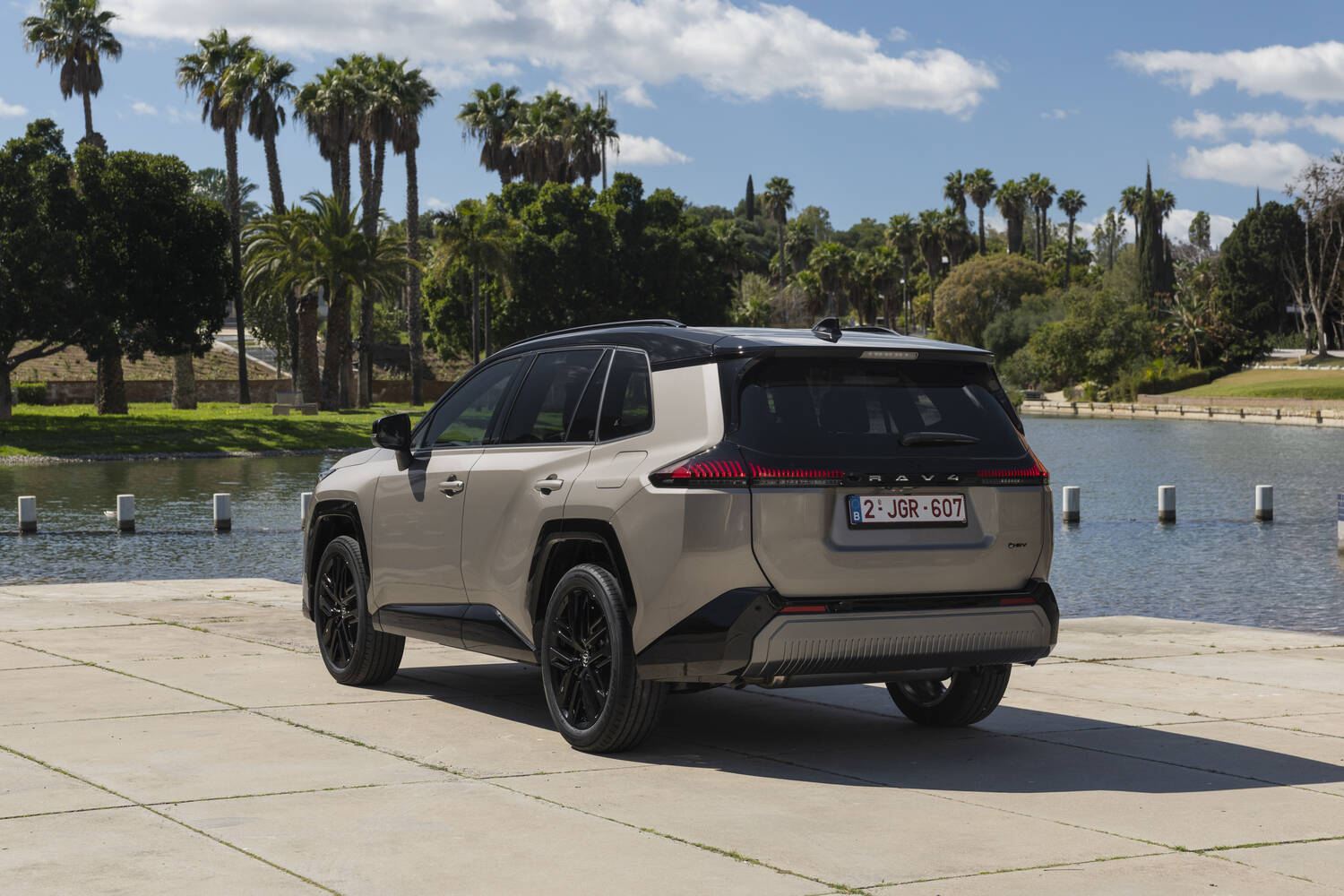
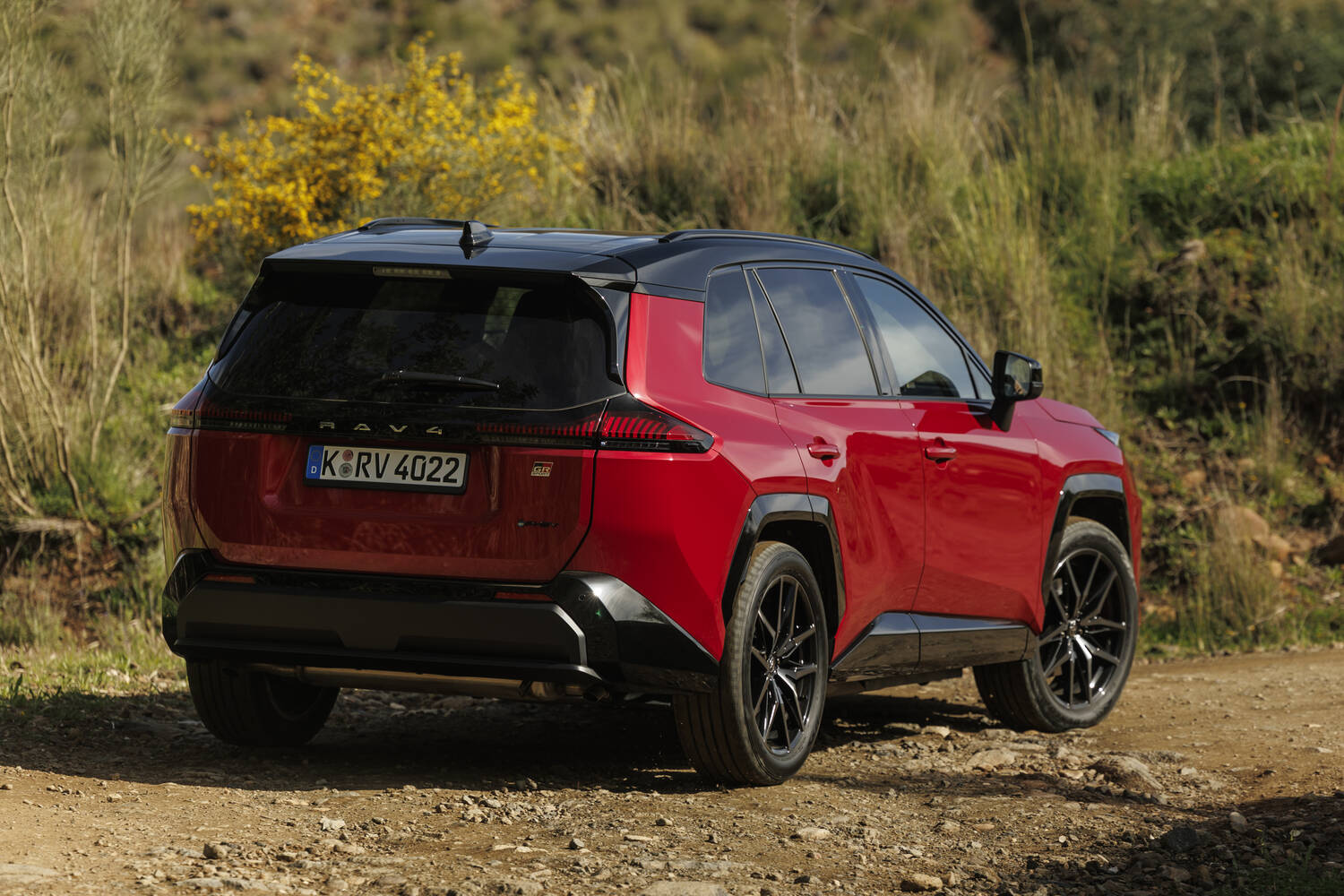
At the rear, there's the same forward-facing D-pillar as before, and some neat RAV4 script across the boot lid, but here the RAV4 starts to look a touch too generic and, at a glance, you'd easily confuse it for Nissan's X-Trail SUV.
Dimensions of the 2026 Toyota RAV4
- Length:
- 4,600-4,645mm
- Width:
- 1,855-1,880mm (mirrors folded)
- Height:
- 1,695-1,700mm
- Wheelbase:
- 2,690mm
Paint colours for the 2026 Toyota RAV4

There's no 'free' colour for the new RAV4, as €545 worth of non-metallic 'Pure White' is the lowest-priced option. There are six metallic paints, all priced at €915 - Attitude Black, Midnight Blue, Massive Grey, Urban Rock, Avantgarde Bronze and Forest Green. For €1,210 you can upgrade to the very bright and vibrant Tokyo Red pearlescent, or there's a Pearl Ice White for the same price.
Upgrade your RAV4 from a base Sol to a mid-spec Sport model - as most buyers will do - and there's a contrast black roof included, but you lose the Attitude Black and Pure White colour options. The paint prices remain the same, though.
Interior, practicality, tech & comfort of the 2026 Toyota RAV4
- Spacious cabin
- Physical controls
- Smaller boot than before

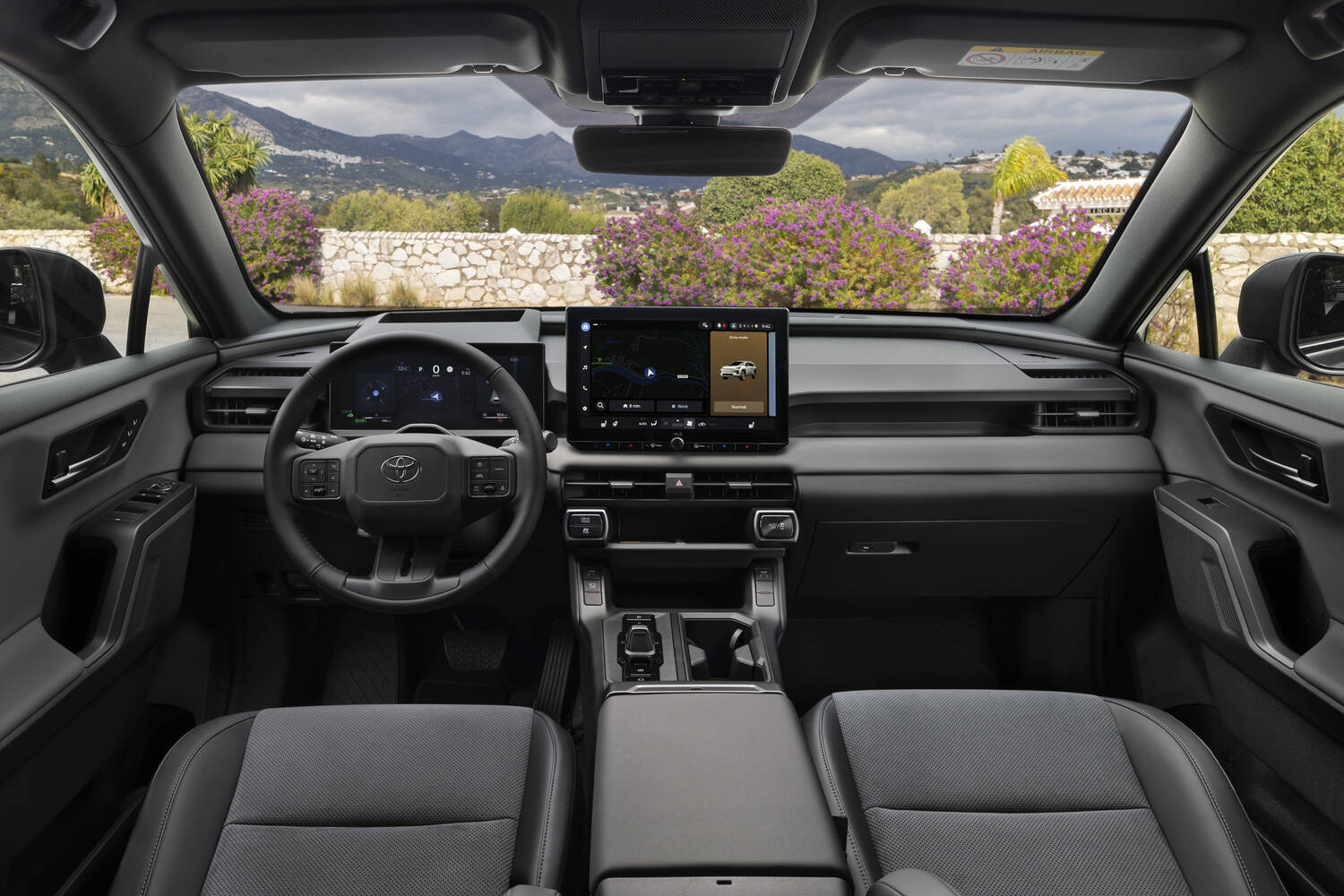
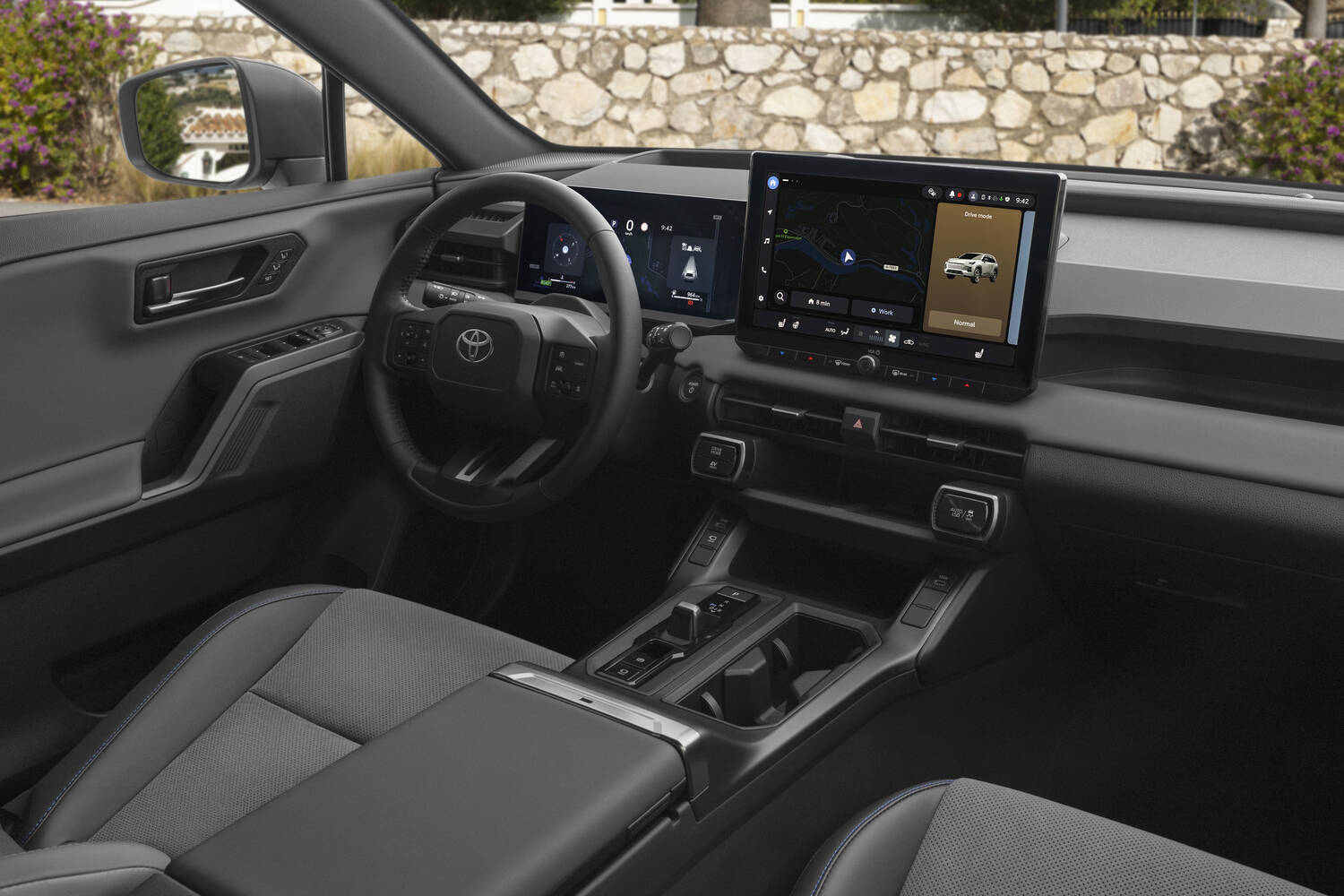
The RAV4's cabin is a clear evolution of the previous model's rugged aesthetic, and there are influences in there from the Toyota Land Cruiser. New software opens up the RAV4's tech potential.
Getting comfortable in the driver's seat

Toyota claims that there's more reach and rake adjustment in the steering wheel than before, and the chunky three-spoke steering wheel does indeed seem to have a wide range of movement.
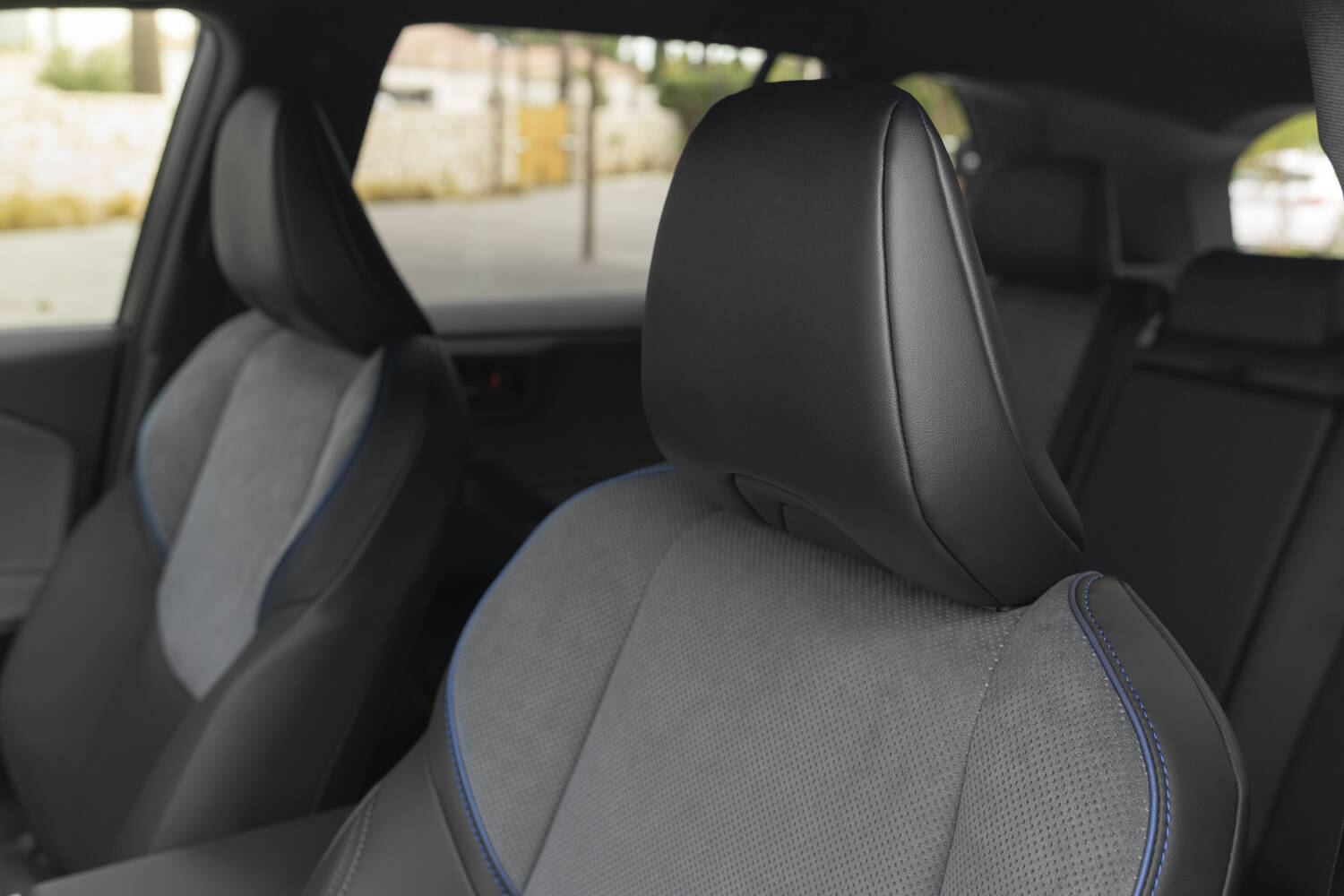
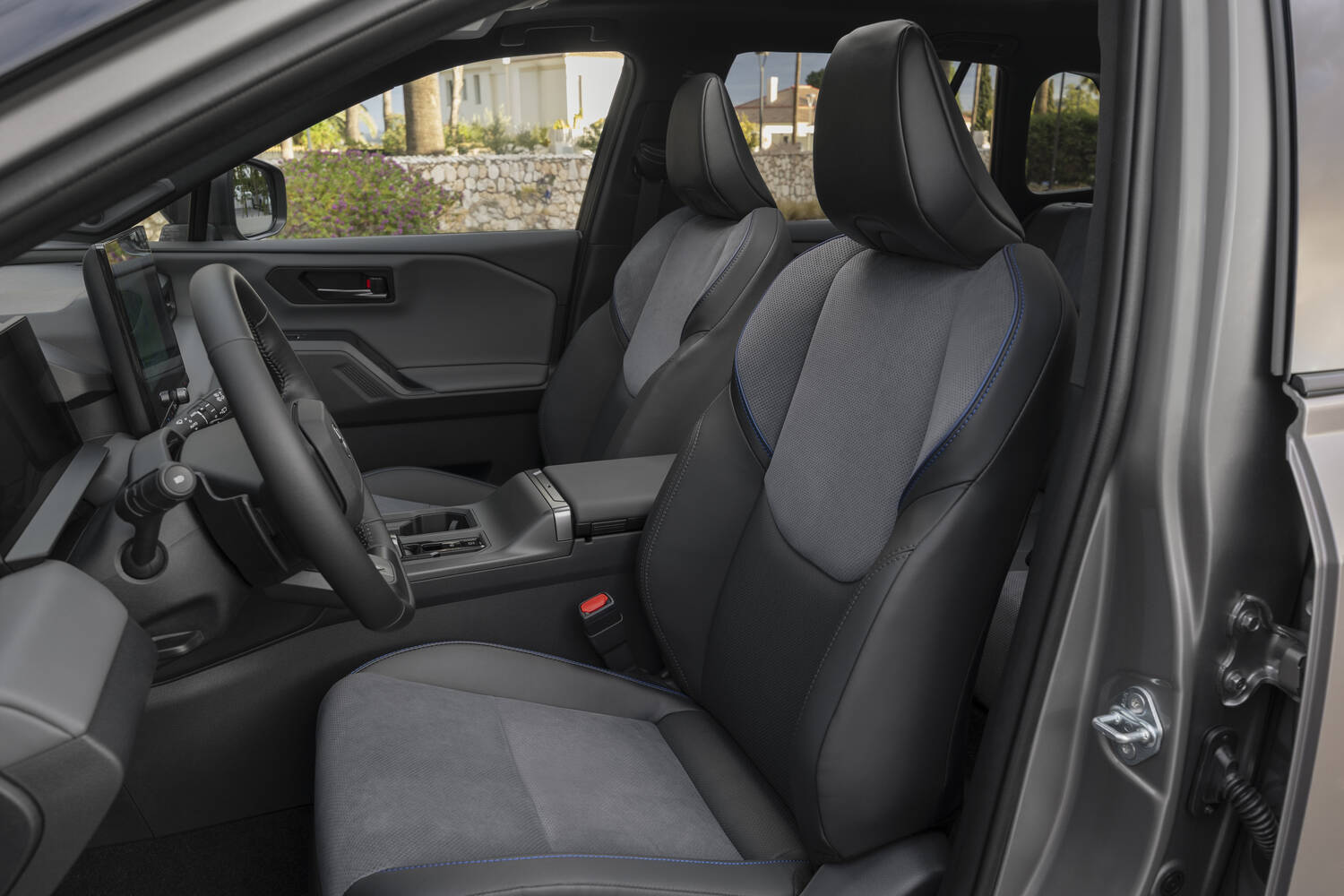
The seat adjustment is a little less impressive, as although there's copious fore-aft movement, and plenty of backrest adjustment (all electrically powered in our test car, along with heating for both front seats and the steering wheel), the height adjustment just doesn't go quite low enough for our liking, leaving the driving position feeling a little perched up.

Infotainment and technology
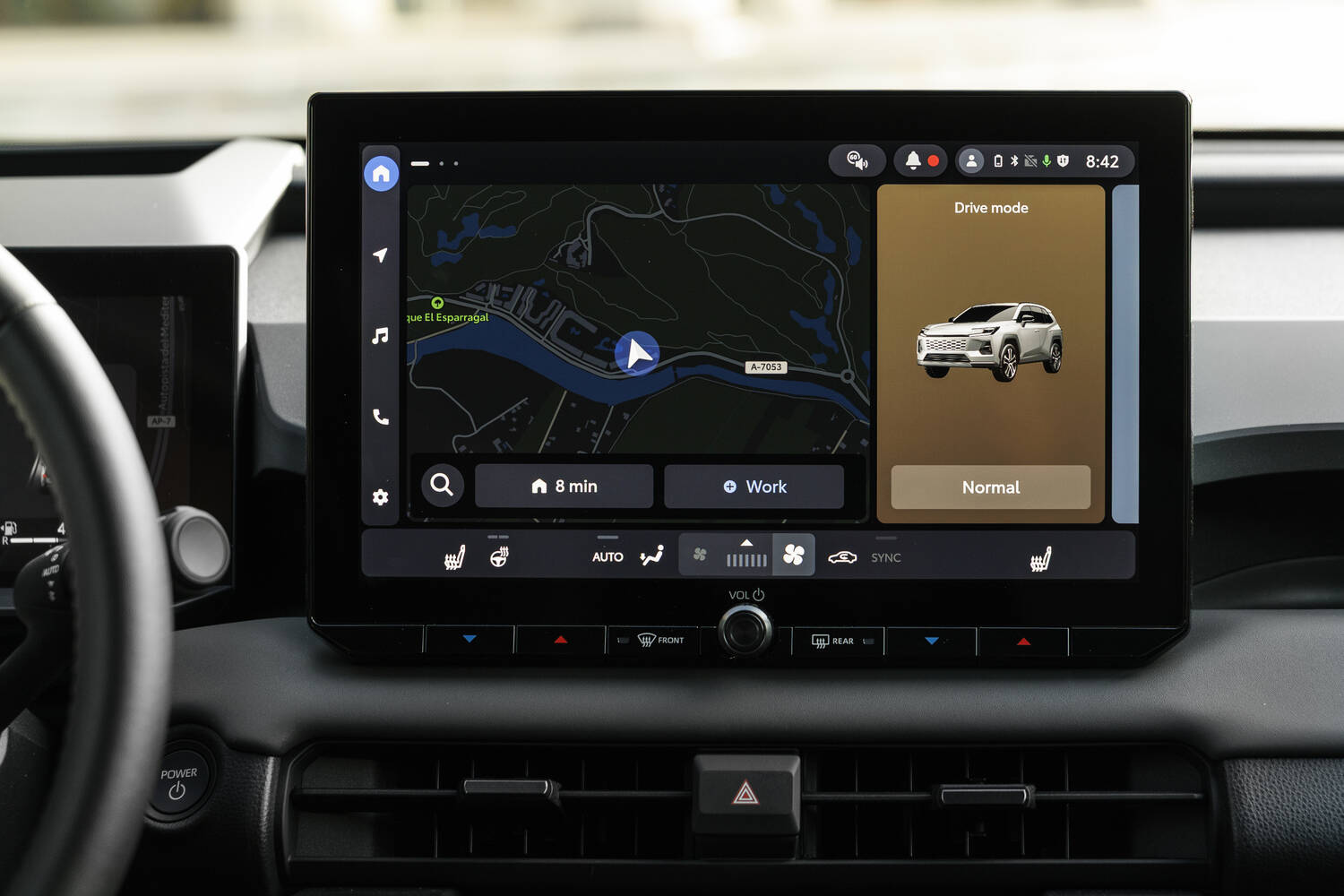
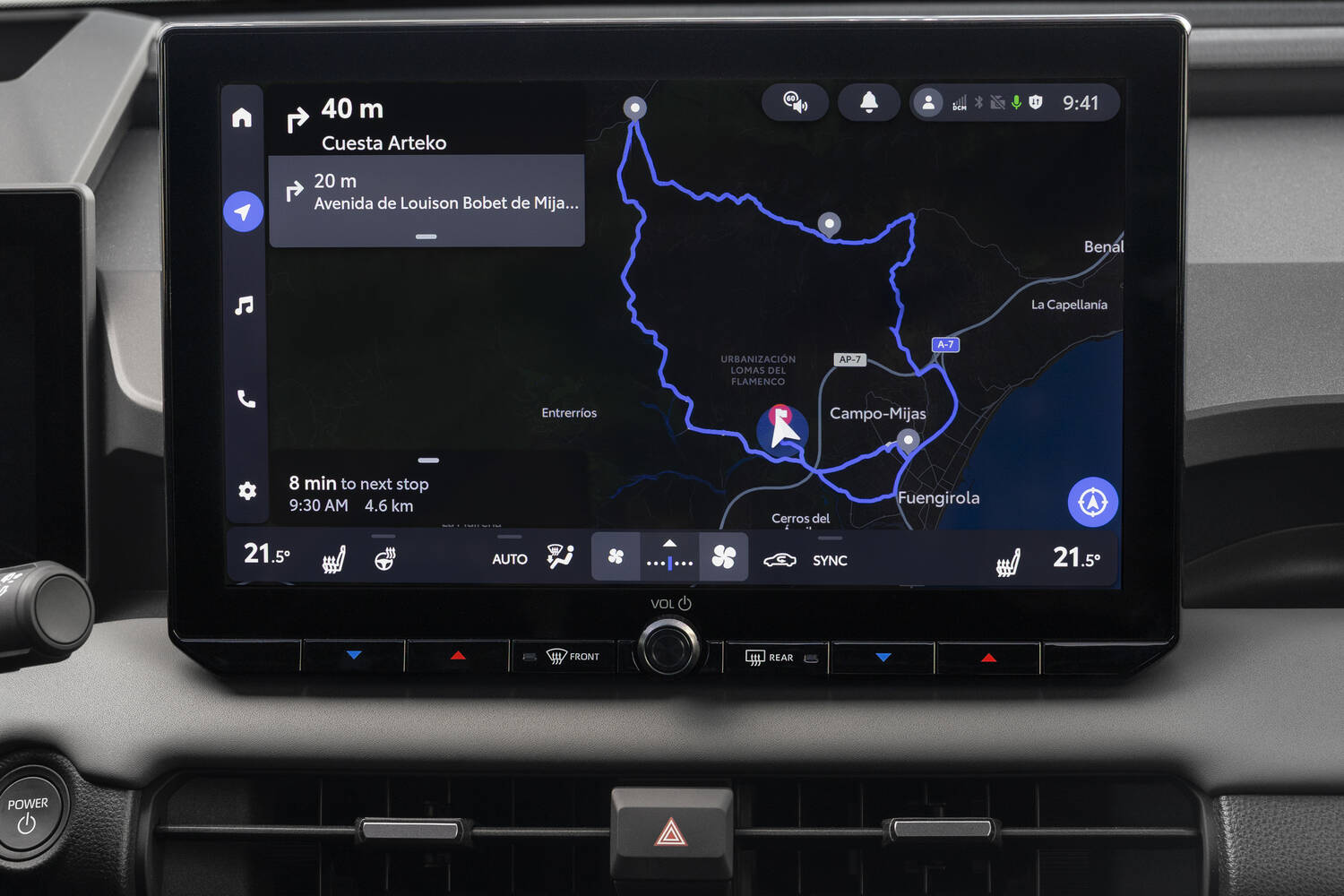
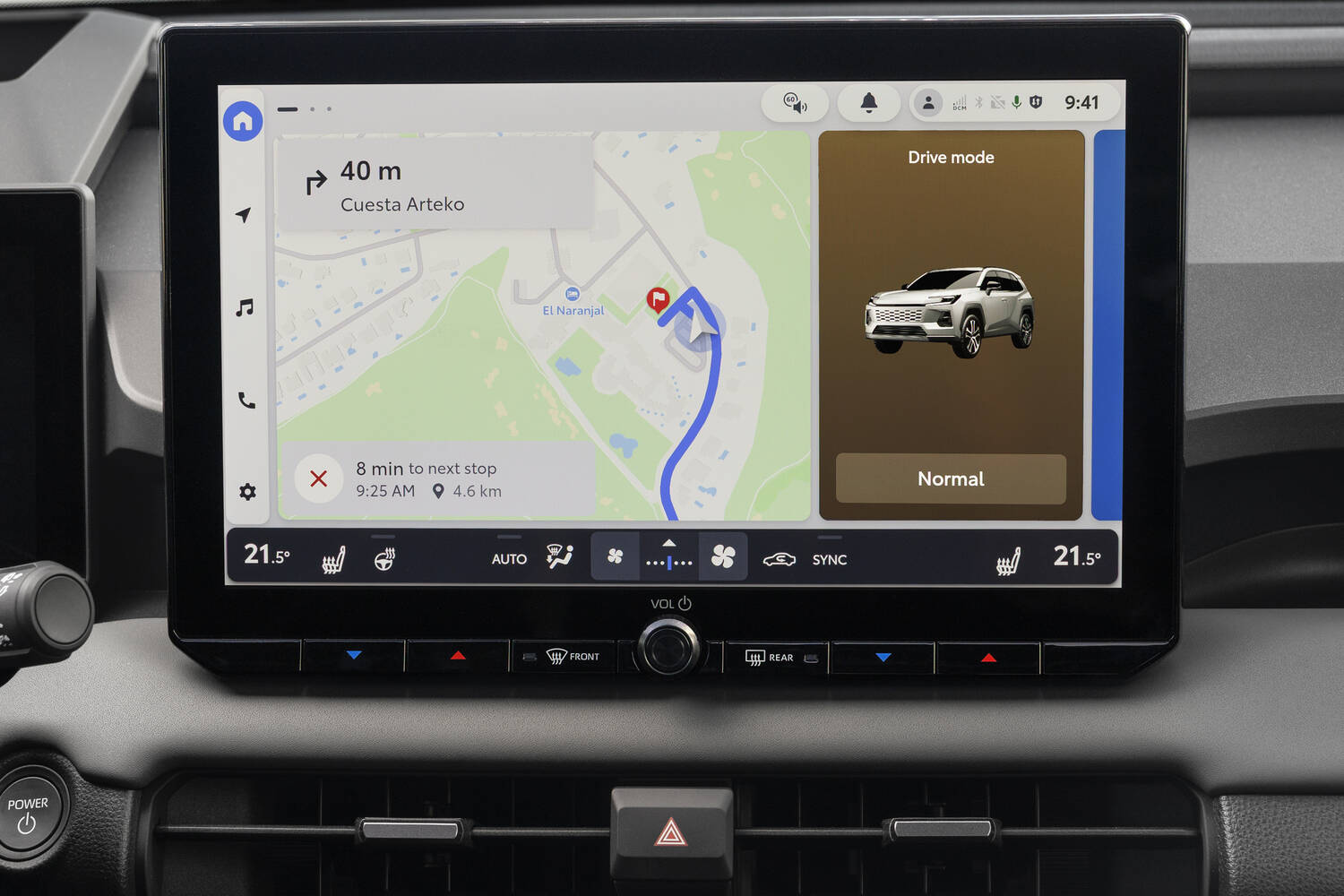
The RAV4's 12.9-inch infotainment screen looks broadly familiar in the sense that if you've driven a recent Toyota or Lexus model, the on-screen menu layout and functionality will make sense to you.

However, the RAV4 is the debut vehicle for Toyota's Arene software, which is designed not only to receive over-the-air software updates, but also to be more flexible and 'global' than before, linking together the car's various systems to a unified whole.
As far as the end user is concerned, there are a lot more features using the Toyota Connect system to link the car to the internet as well as to your smartphone (including a digital key function).

Other tech highlights include fully connected navigation (which incorporates both TomTom mapping and Google points of interest) and a built-in dash-cam, which automatically saves a 20-30-second clip if it detects an on-road incident.
There's also a built-in theft assistance feature so, if your RAV4 gets stolen, it allows you to track the car's location and remotely immobilise the engine.
On a more prosaic, but still very useful, front the RAV4 can be equipped with either one or two wireless phone chargers, and as standard comes with five USB-C sockets with 15-watt outputs, which can be optionally boosted to 45 watts for faster charging.
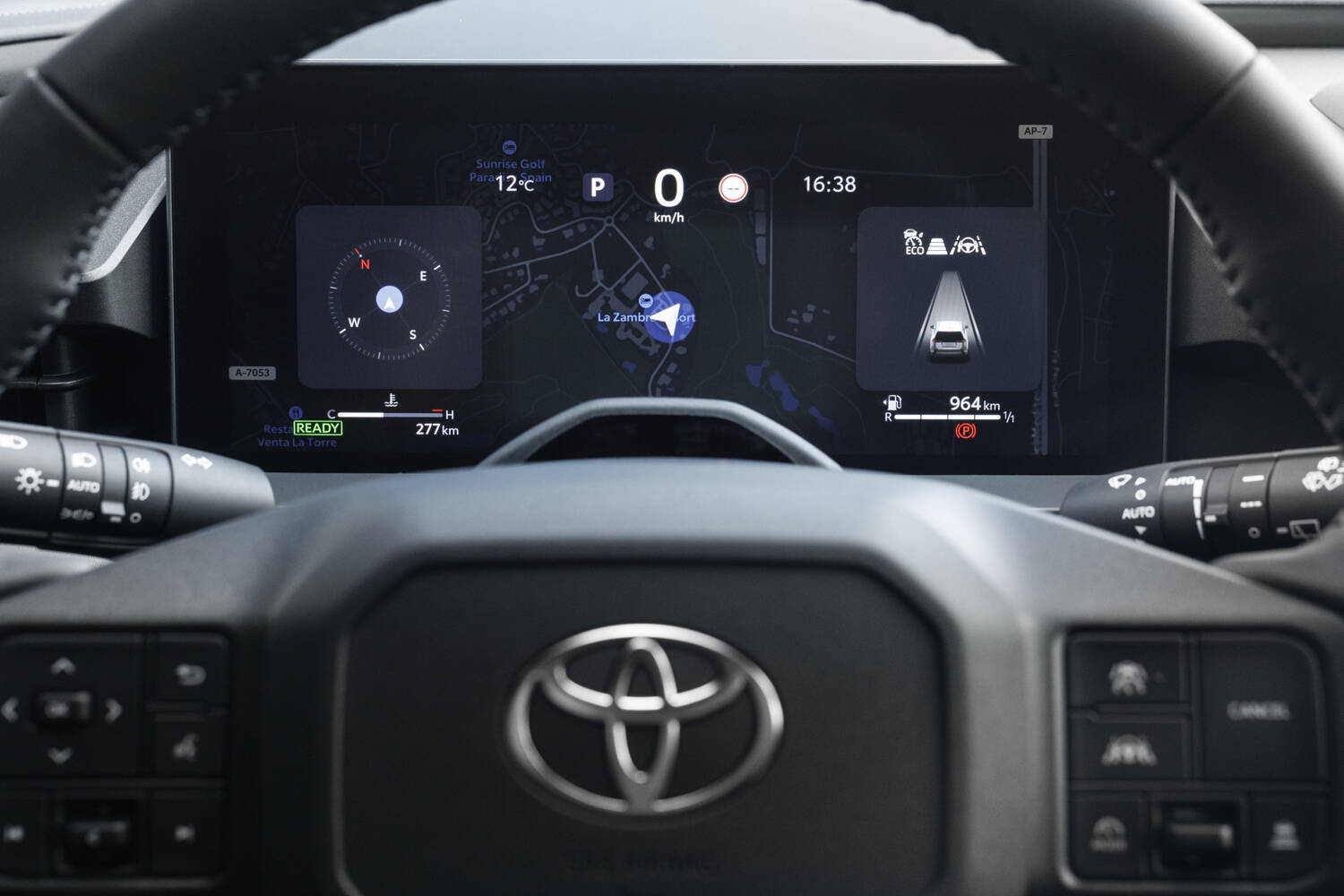
There's also an optional head-up display, which is designed to appear slightly further ahead of you than the previous system, which Toyota says reduces eyestrain, and the projection measures a full 24 inches across from the driver's perspective.

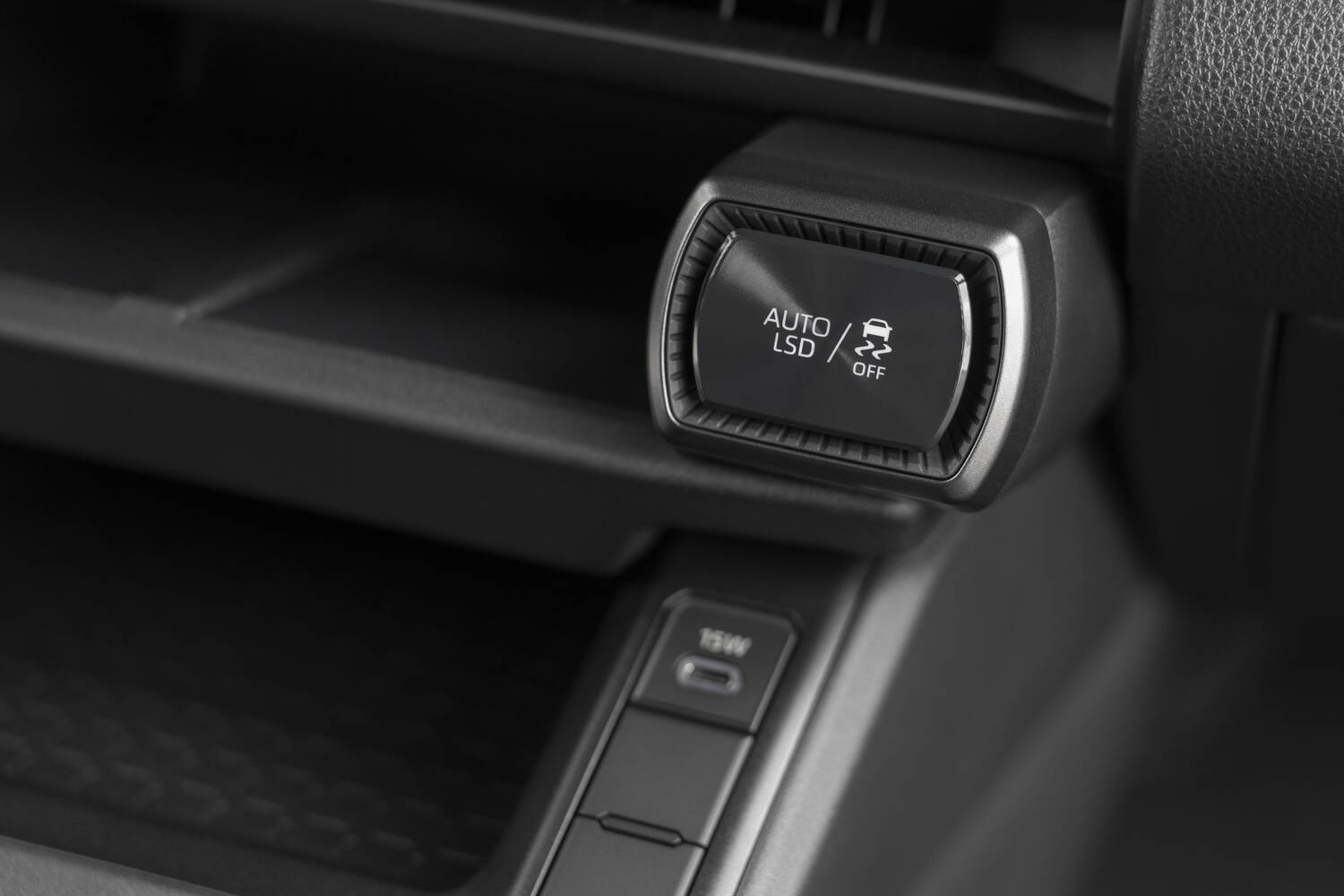
In amidst all this tech, Toyota has thankfully stuck to common sense where physical buttons are concerned. There are large, chunky switches for the driving modes, physical buttons for the cabin temperature and volume control, as well as camera views and hill descent control. There are physical buttons on the steering wheel, too, for the stereo and cruise control.
Practicality around the cabin

The RAV4 is really practical in the front of the cabin. There's a deep storage box under the front seat armrest, which has a lid that hinges on both sides, allowing either the driver or passenger to open it.
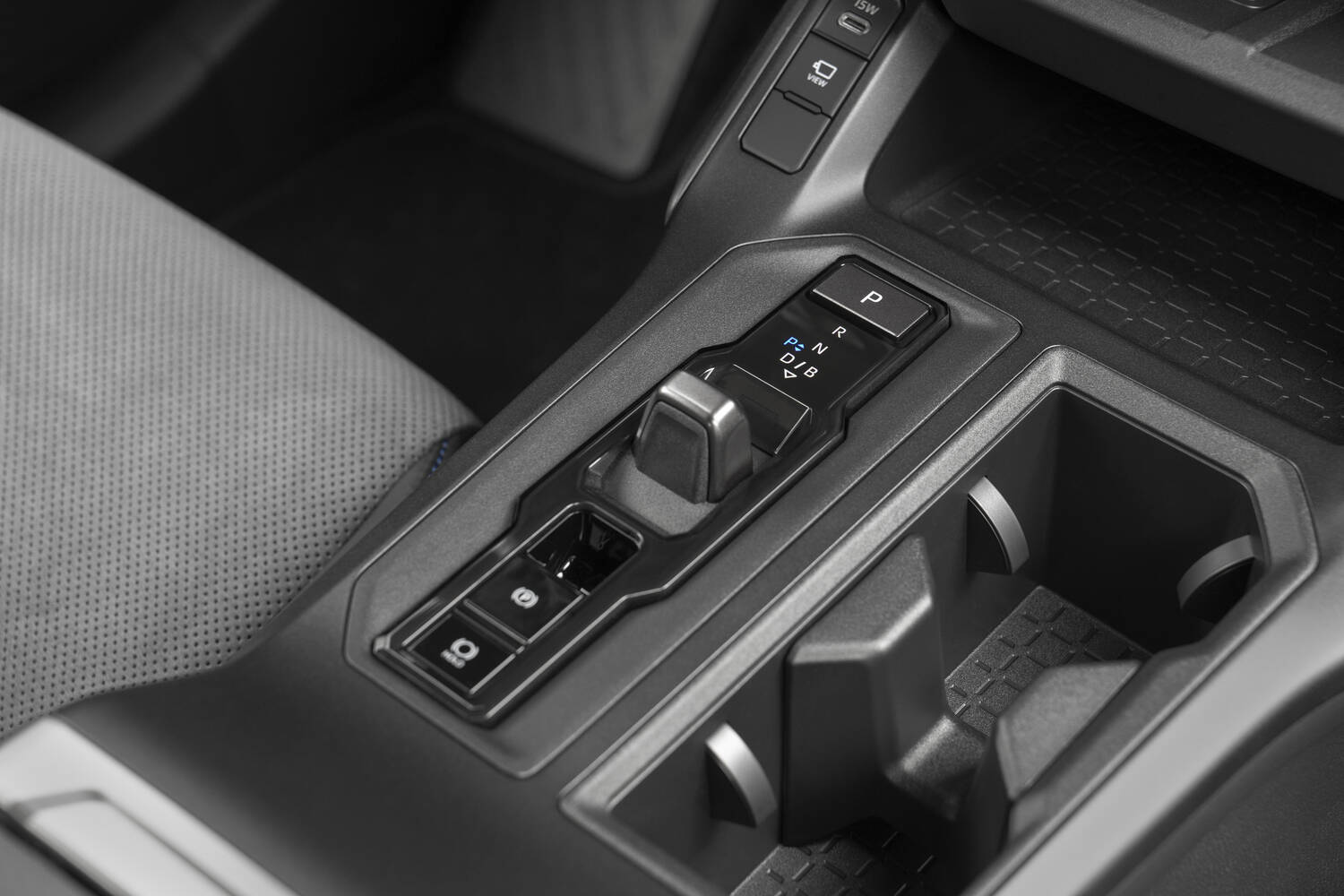
There are two cupholders on the centre console, mounted beside the small, stubby gear selector, and in front of those is a long, but shallow, open storage area beneath the wireless phone charging pads.
The door bins are a decent size too, and although the glovebox is small, it's augmented by an open shelf space above it, which is lined with a grippy surface to keep items in place.
Rear-seat passenger space
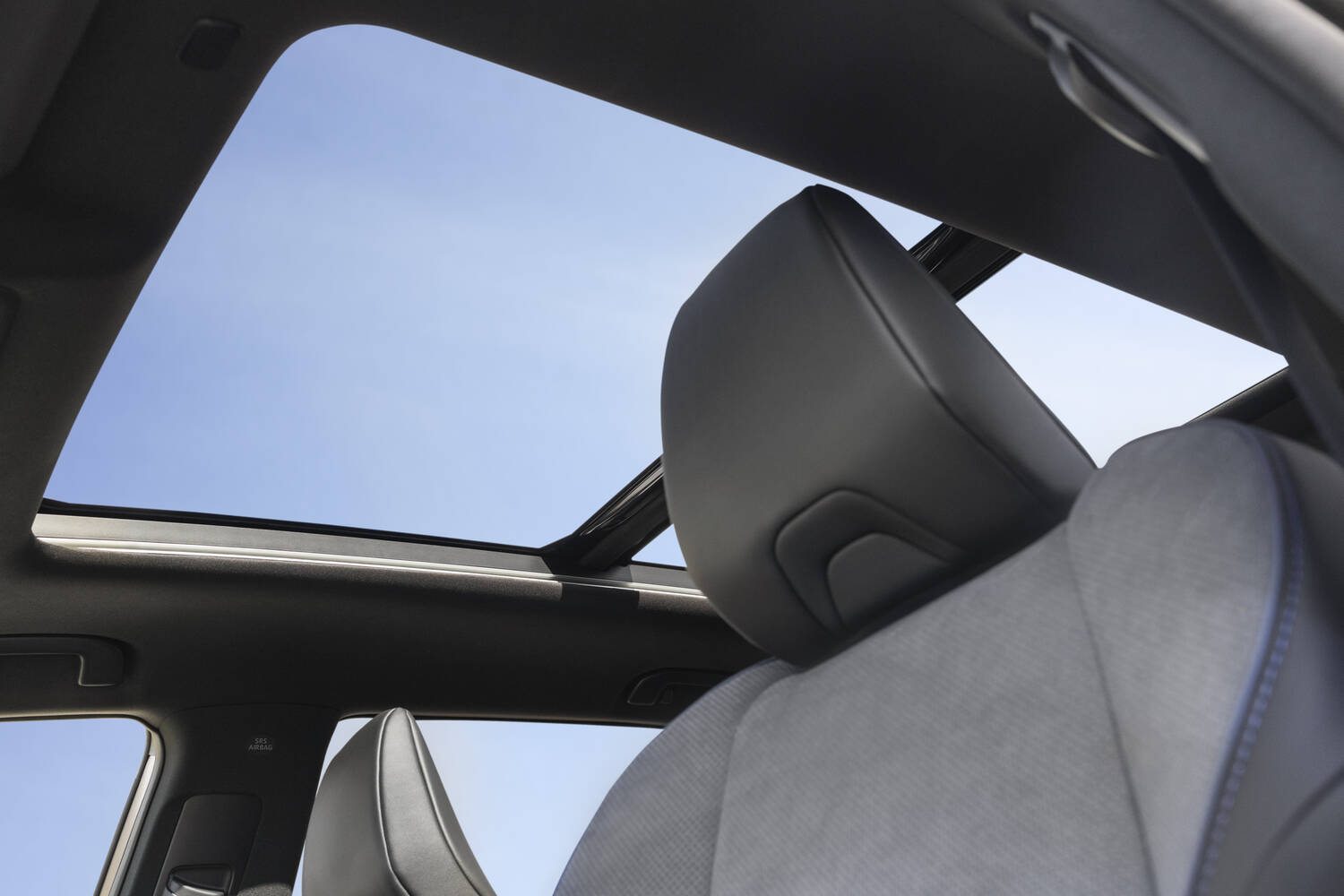
There's plenty of both headroom and legroom in the back of the RAV4, although the optional panoramic glass roof will reduce head space.

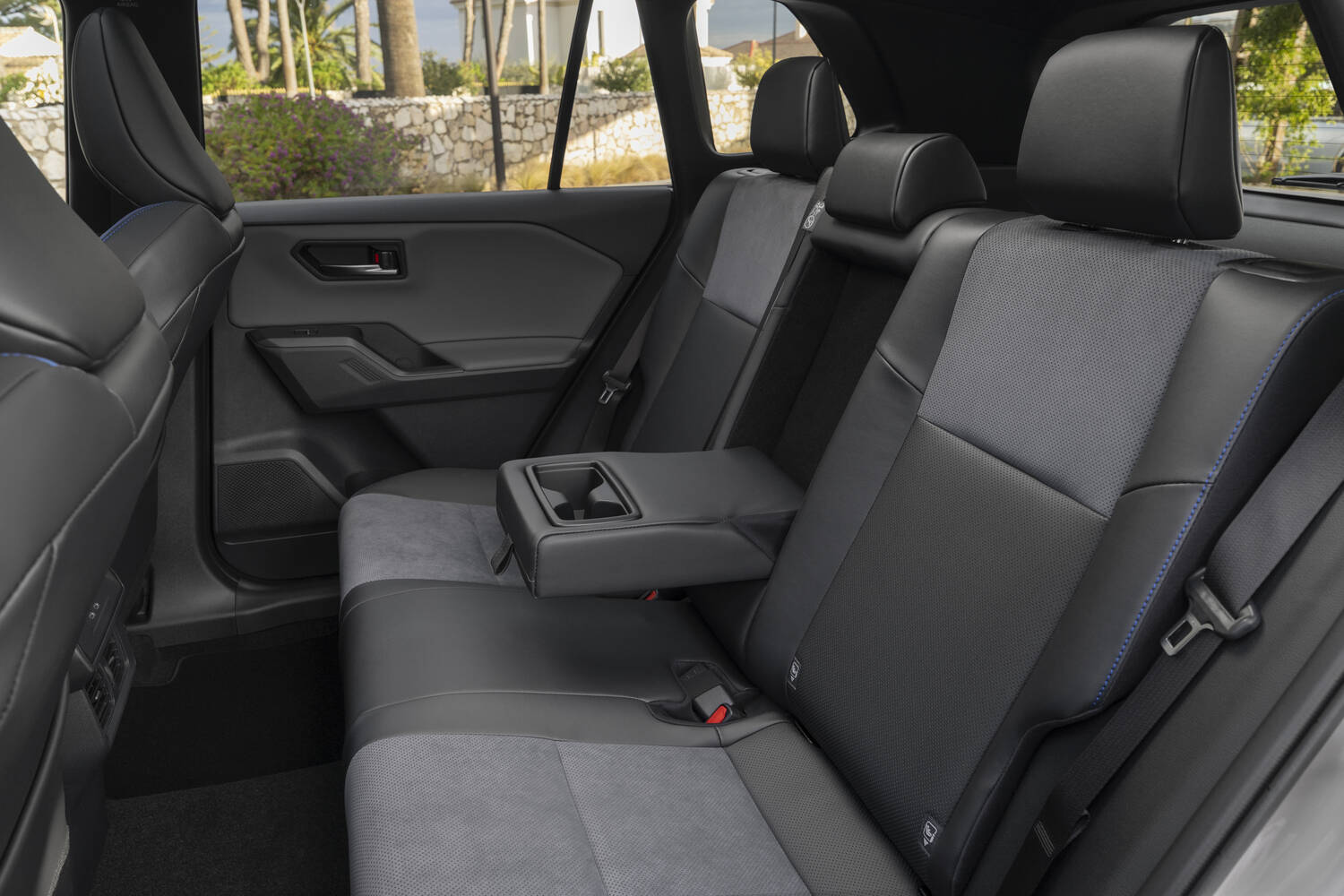
The rear seatback is set at a more reclined angle than most, making for quite a comfortable, almost lounging, position. The centre rear seat is narrow, though, and there's a noticeable transmission tunnel, so any third rear-seat passenger is to be pitied.
At least you do get useful split-level door bins, map pockets and USB-C sockets. There's a folding centre rear armrest with two cupholders too.
Fitting child seats to the Toyota RAV4
The RAV4 has just two ISOFIX mounting points, in the outer two rear seats. There's enough space on offer, and helpfully large rear doors, so loading in the biggest child safety seat ought not to present a challenge. Getting even a booster cushion in the centre rear seat could be tricky though, as it's quite narrow.
There's no ISOFIX mountings in the front passenger seat, but you can use the seatbelt and the passenger airbag cutoff as needed.
Boot space in the Toyota RAV4

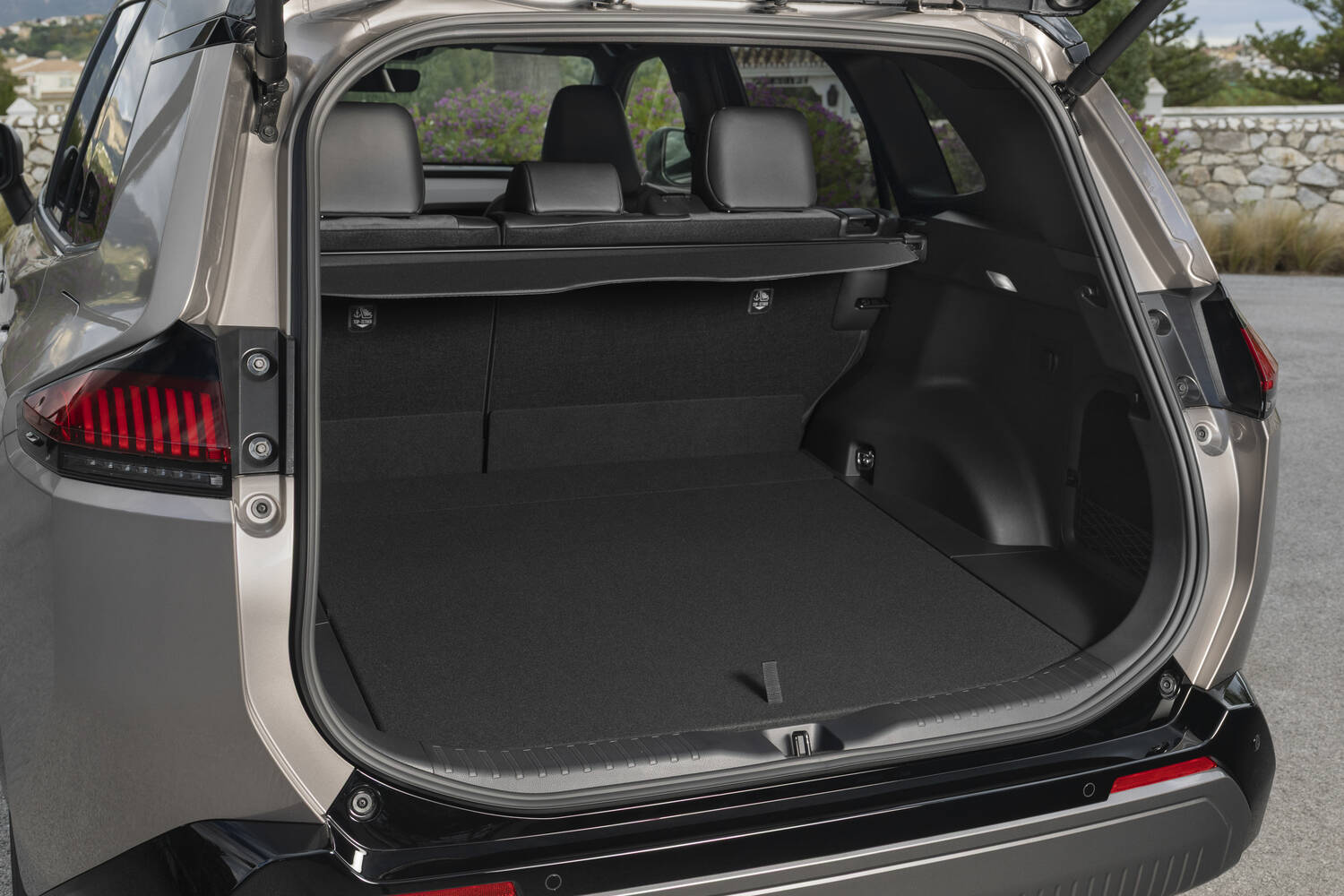
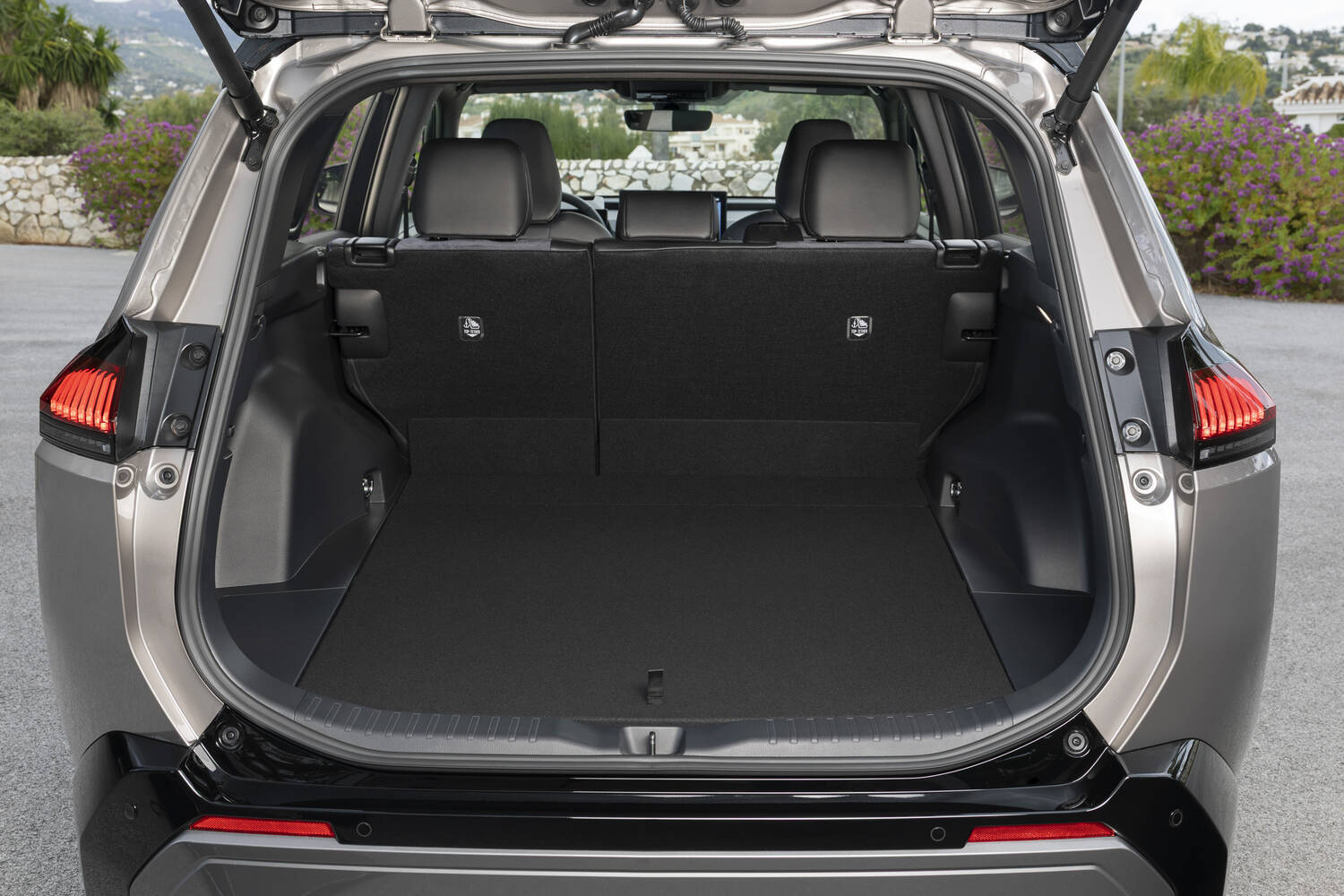
Up to the retracting luggage cover (which can be stashed beneath the boot floor when not needed in most versions of the RAV4 - but not all) there's less space than in the previous RAV4.
Previously, the RAV4 was rated at 580 litres of luggage space, whereas it now holds 514 litres in the front-wheel-drive hybrid, and less again - just 446 litres - in the plug-in hybrid.
Admittedly, there's more space above the luggage cover than before, so when you pack the RAV4 to the roof, you can access more than 700 litres of total space.
The RAV4's boot, capacity aside, is usefully square, although you have to contend with a slightly raised-up floor in the PHEVs.

The rear seats do fold almost entirely flat when you need more luggage space, but aside from some slightly awkwardly placed hooks and a 12-volt socket, there's a dearth of practical touches in the RAV4's boot.
Towing with the Toyota RAV4
If you need to tow, wait for the four-wheel-drive PHEV - it has a maximum towing weight of up to 2,000kg on a braked trailer. The front-drive models can manage only 800kg.
Safety in the Toyota RAV4
Toyota introduced its latest Toyota Safety Sense setup in the RAV4, which is enabled by the Arene software. You get the now-expected likes of forward collision braking, which includes bicycle and motorbike detection, driver monitoring, traffic sign recognition and speed limit alert, plus a bevy of airbags.
There's also post-collision braking which can bring the RAV4 to a halt in the event of a secondary impact pushing the car, where the driver might not be able to react. There's also a new blind-spot monitoring system that keeps an electronic eye out for any vehicles coming up fast from behind.
You also get automated lane changing, and a 360-degree camera system which includes an 'invisible car' function, which is useful when off-roading or dealing with tight spaces.
Performance of the 2026 Toyota RAV4
- Standard hybrid has solid economy
- GR Sport feels quick and agile
- Long electric range for PHEVs

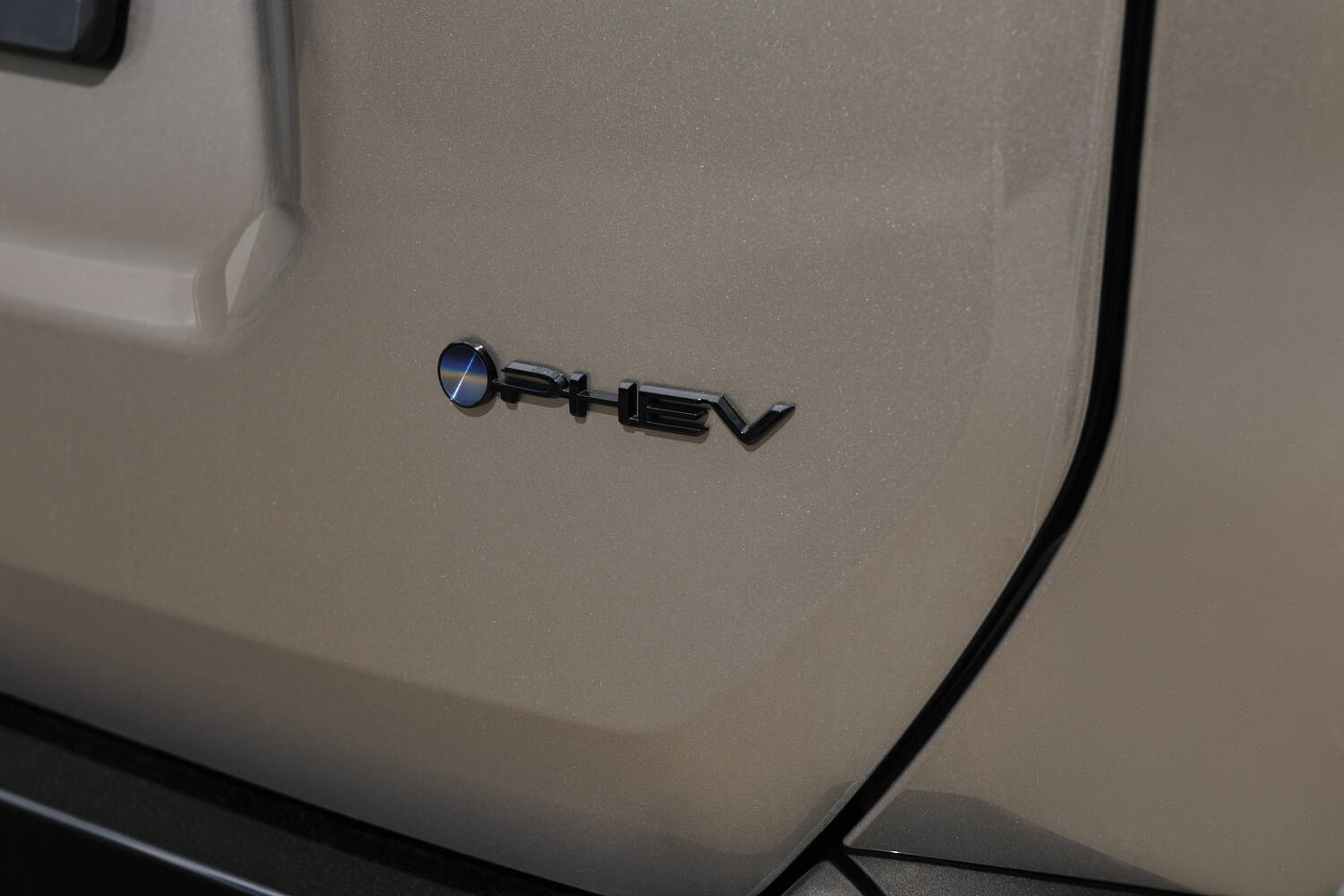
The RAV4 comes in both hybrid and plug-in-hybrid forms, but you'll have to upgrade to the top-spec GR Sport PHEV if you want four-wheel drive.
Driving the Toyota RAV4 FWD Hybrid in Spain
Words by Neil Briscoe on 8 April 2026
The RAV4 looks new on top, but underneath, it's running on the same TNGA platform as before, so if you own the older model, you're not going to find anything too surprising here. That said, there have been some improvements.

The 2.5-litre four-cylinder petrol engine, running on the 'Atkinson' combustion cycle to reduce fuel consumption, is essentially the same as it was before, but the hybrid unit has been renewed, combining the electric motor and inverter and other assorted electric components into one, more compact, unit that sits right next to the engine.
With 185hp, this front-drive hybrid RAV4 is no ball of fire in a straight line, and there's still some of the old-school Toyota hybrid engine moan - thanks to the CVT-style gearbox - when you want full acceleration, but it usually doesn't last too long unless you're ascending a long, steep hill. Maybe avoid Carrauntoohil.

So what's the improvement? It's in the handling of this front-wheel-drive model. The old front-drive RAV4 hybrid felt reluctant when pushed along a twisting road, and at first, you think this one is going to feel the same.
The steering is light, pleasantly weighted, but free from feel and the RAV4 seems a little ponderous at first. However, find a truly challenging stretch of road and the RAV4 steps its game up - push through the initial mush and, importantly, allow the body to settle on its roll axis. It's not a hot hatch, but it keeps and even tightens its line through fast corners with impressive stability and never feels out of its depth.
It doubtless helps that Toyota has fitted the RAV4 with an electronic limited-slip differential, as well as a selective braking system that aims to help keep the car on the line you've chosen. It all works well.

Ride comfort is also good - a touch firm at low speeds, but overall smooth, although just occasionally, you'll find a bump or series of bumps at just the right frequency to trigger an unpleasant series of clonks and shudders from the springs.
Driving the Toyota RAV4 FWD Plug-In Hybrid in Spain
Words by Neil Briscoe on 8 April 2026
Is there a dramatic change when you switch to the front-wheel-drive plug-in hybrid RAV4? Well, yes in terms of electric range thanks to the big 22.7kWh battery (more of which below) and power, as this front-drive plug-in hybrid - the first time that the RAV4 has been available with that combo - has almost an extra 100hp, and it knocks half a second off the 0-100km/h time. It feels even quicker in real-world terms than that figure suggests it will.

Thanks to the extra performance, there's certainly a slightly different feel to the front-drive PHEV. It's not night-and-day different to the standard hybrid, it just feels a touch more authoritative on the road, and it might just be the sweet spot of the entire range.
Driving the Toyota RAV4 GR Sport AWD PHEV
Words by Neil Briscoe on 8 April 2026

The GR Sport model uses the full-fat four-wheel-drive PHEV setup which gains an extra electric motor (for the rear axle) to join in with the petrol engine, the front motor and the 22.7kWh battery. The combo unleashes 309hp, but irritatingly Toyota doesn't issue a full-system peak torque figure, only that for the engine, which is slightly higher than that of the standard hybrid model at 227Nm.
Whatever the total combined peak torque is, it's enough to shove this 1,960kg SUV from standstill to 100km/h in 5.8 seconds, which is hardly supercar pace, but it's also certainly not slow.

All GR mouth and no trousers? Not quite. This is not a mere badges-and-stickers GR Sport, for there are a few fundamental changes. The suspension is different to that of the standard model, not only in the tuning of the dampers and springs, but also in the fact that the GR Sport has a track that's 20mm wider, with beefier wheelarches to encompass the extra width.
The GR Sport certainly feels sportier on the road than the standard car. The steering is a touch meatier, and there's more resistance to lean in corners. The power and extra traction of the four-wheel-drive plug-in-hybrid system mean you can push along with confidence.

With that sharper handling, relative frugality, and the overtly sporting styling, the GR Sport RAV4 is almost like a socially acceptable Lamborghini Urus. High cost aside, it's the model we'd have.
Fuel economy and running costs of the 2026 Toyota RAV4
- Decent real-world economy
- Extra electric range for PHEVs
- Fast DC charging available

You can, of course, just buy the familiar RAV4 hybrid and enjoy solid enough fuel economy with no need to plug in. However, the PHEV models offer some tantalising potential for even lower running costs.
Official CO2, range and fuel economy figures
The front-wheel-drive hybrid RAV4 has uses 5.0-5.7 litres per 100km on the official WLTP test cycle, with CO2 emissions as low as 112g/km.
The front-wheel-drive PHEV models get a 22.7kWh battery, which can charge at up to 11kW on three-phase AC outlets, and has the ability to fast-charge at up to 50kW on a DC charger, giving the RAV4 a 10-80 per cent charge in 30 minutes.
The official electric range on a full charge is 137km - almost twice that offered by the previous RAV4 PHEV. Its fuel consumption is as low as 1.3 litres per 100km, with CO2 emissions of 30-40g/km.
The GR Sport model comes with 133km of range on a full charge, with fuel consumption of 1.3-1.6 litres per 100km, and CO2 emissions of 30-37g/km. It too can fast charge at up to 50kW on DC chargers.
Real-world range and efficiency of the Toyota RAV4
International launch events for new cars make it tricky to get a solid handle on fuel economy as there's invariably lots of swapping between cars and a surfeit of twisty mountain roads. Nonetheless, in the front-wheel-drive hybrid we saw a best-of-the-day figure of 5.0 litres per 100km, and it looks likely that day-to-day consumption should settle down to around 6.0-6.5 litres per 100km, which is in line with the old RAV4 hybrid.

More intriguing is the front-wheel-drive plug-in hybrid. Now, we haven't had a chance to test this model's economy on a long motorway run with a depleted battery, but the previous RAV4 PHEV was capable of returning 5.3 litres per 100km in such circumstances.
On our test - which involved some twisty, briskly driven mountain roads, as well as some urban sprawl - the front-drive PHEV indicated that it would return a real-world electric range of 100km, and our recorded fuel consumption, switching between EV and automatic hybrid modes, was just 1.5 litres per 100km. According to the digital dashboard, we had a combined driving range of more than 1,100km even after our test drive. If those sorts of numbers can be replicated in more realistic use, that will be impressive.
The all-wheel-drive GR Sport model will likely deliver something similar to the front-drive version and we saw the same indicated 100km range on electric power.
Servicing the Toyota RAV4
Toyota recommends an annual service for the RAV4, or every 16,000km which sounds a bit frequent but as we'll see below, a regular trip to the dealer has its fringe benefits...
Toyota Warranty
On the face of it, Toyota's standard warranty - three years or 100,000km - is just that, standard. However, once you do a little digging, there's more on offer. For a start, there's a separate, concurrent five-year hybrid system warranty, covering the battery and electric motors, which also has a 100,000km limit.
Meanwhile, Toyota's 'Relax' warranty lasts for a full ten years and 185,000km, and renews for 12 months up to those limits every time you bring your RAV4 - or any other recent Toyota model - in for a main dealer service.
Irish pricing & rivals to the 2026 Toyota RAV4
- Starting to look expensive
- PHEV models arrive later in the year
- Likes of Dacia Bigster offers better value

Toyota Ireland's pricing for the RAV4 starts at €48,005 for the Sol model in front-wheel-drive hybrid form. It's well-equipped in Sol form, offering the big 12.9-inch touchscreen, the 12.3-inch driver's display, heated front seats and electric driver's seat adjustment, a heated steering wheel, connected services for up to ten years and the full set of safety kit as standard, along with neat 18-inch alloy wheels.
The mid-spec Sport version will be the best-seller in Ireland, but we won't be getting the more powerful 194hp four-wheel-drive hybrid model at all - apparently there's just no demand for it.
The plug-in-hybrid models arrive later and we don't have pricing for those yet, but they'll come in Sport and Platinum trims, with the range-topping four-wheel-drive plug-in hybrid initially only available in GR Sport form. However, if there's customer demand Toyota Ireland is open to offering a four-wheel-drive PHEV in Platinum spec.

In terms of rivals, the RAV4, in size terms, kind of sits between the likes of the Hyundai Tucson and Kia Sportage, and the bigger Santa Fe and Sorento models (although, of course, there's no seven-seat RAV4 option, nor will there ever be). It's also bigger and chunkier than a Nissan Qashqai, so it's almost a rival to the X-Trail. Actually, in terms of size, performance and capability the RAV4's most direct rival right now is the Dacia Bigster, which significantly undercuts it on price.
Verdict - should you buy the 2026 Toyota RAV4?

While the higher price of this RAV4 makes it, potentially, less family-budget-friendly than once it was, there's a lot of good stuff here. We're still not 100 per cent sold on the styling, but the RAV4 combines the usual Toyota sense of solid quality with plenty of cabin space (albeit a slightly smaller boot than before) and solid dynamic qualities. Overall economy is impressive, while the GR Sport model brings some genuine sporting kudos to the RAV lineup.
FAQs about the 2026 Toyota RAV4
What's the fuel economy of the Toyota RAV4?
That will depend on the model, of course, but the standard front-wheel-drive hybrid should return between 6.0 and 6.5 litres per 100km in real-world conditions.
What's the electric range of the new Toyota RAV4?
Toyota says that the new RAV4 PHEV models, with their 22.7kWh batteries, can run for up to 137km on a full charge. We reckon that around 100km is a more realistic figure.
Can I tow a caravan with the Toyota RAV4?
Only a small one, unless you trade-up to the four-wheel-drive PHEV version. As standard, in front-wheel-drive form, the RAV4 can only tow a maximum of 800kg on a braked load. The four-wheel-drive versions can manage 2,000kg.
Want to know more about the 2026 Toyota RAV4?
If there's anything about the Toyota RAV4 we've not covered, or you'd like help in choosing between it and other cars, you can avail of our expert advice service via the Ask Us Anything page.