

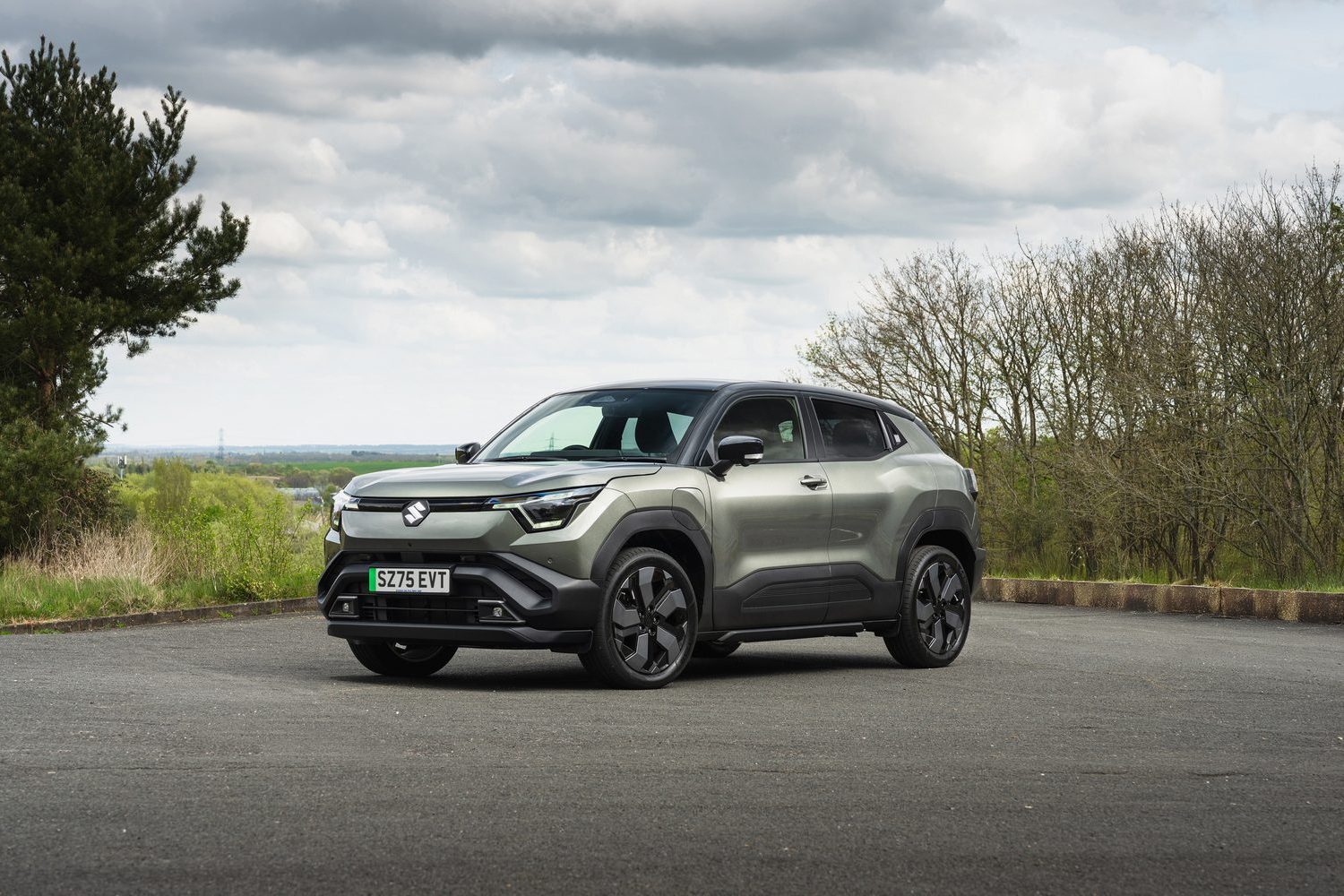
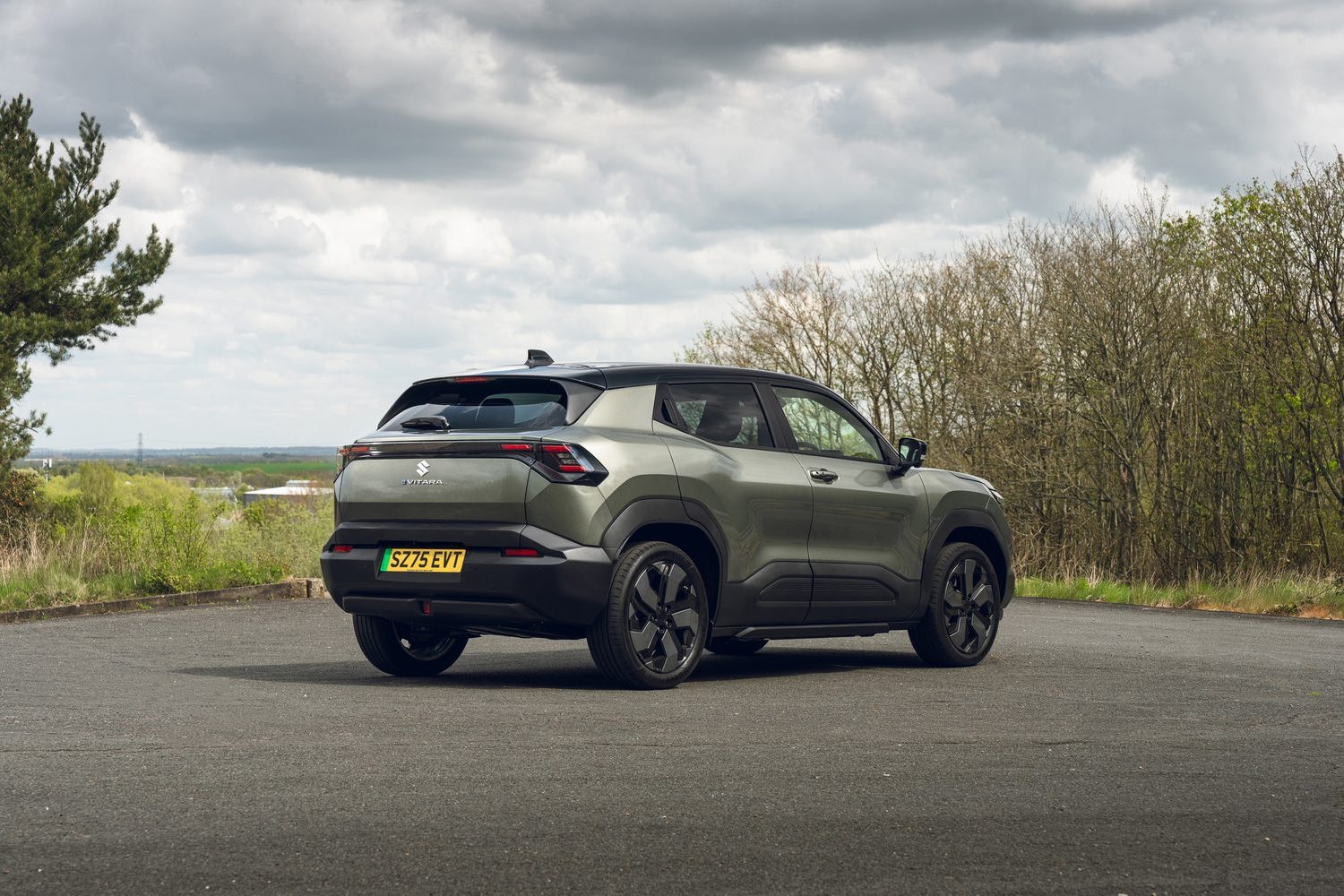
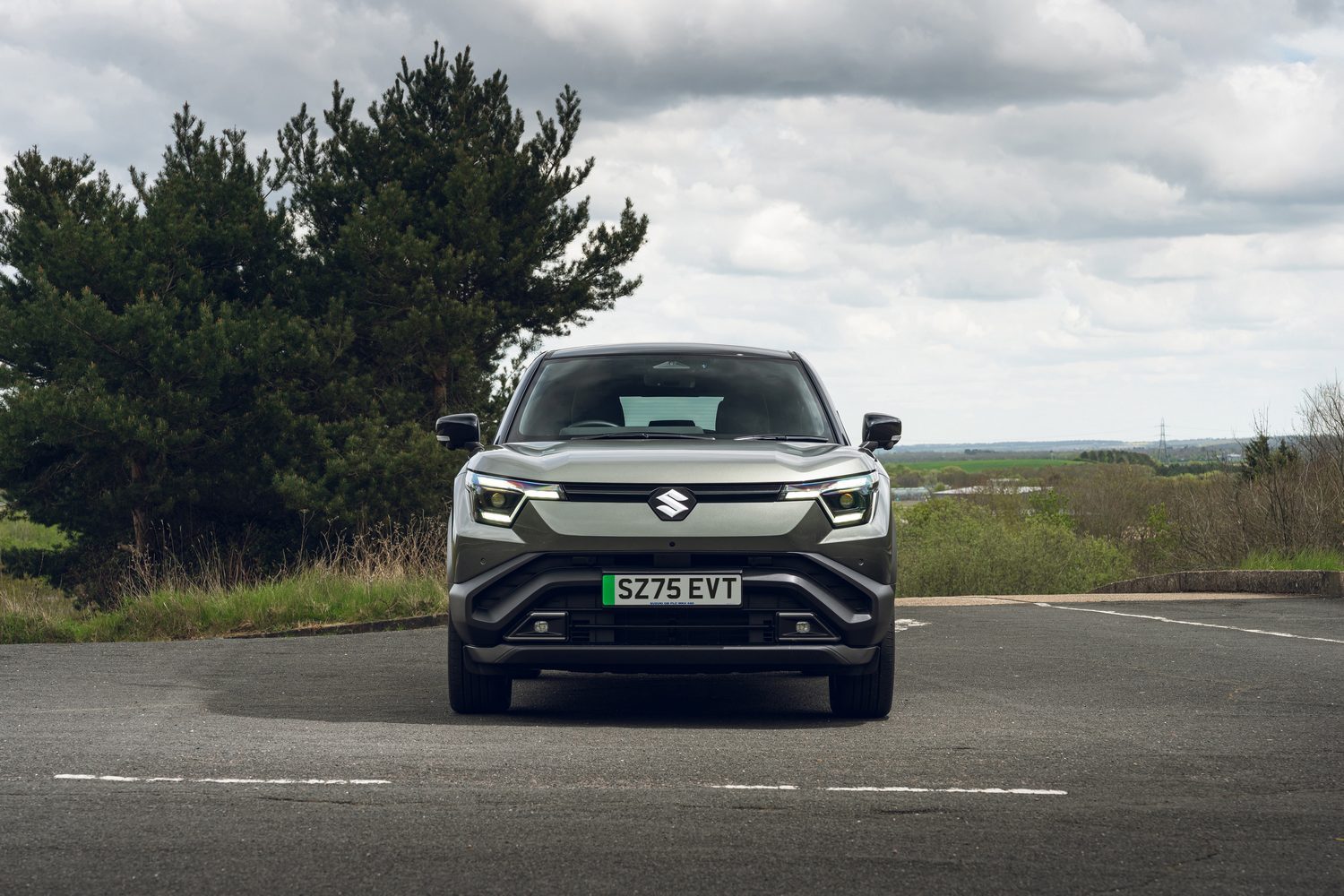
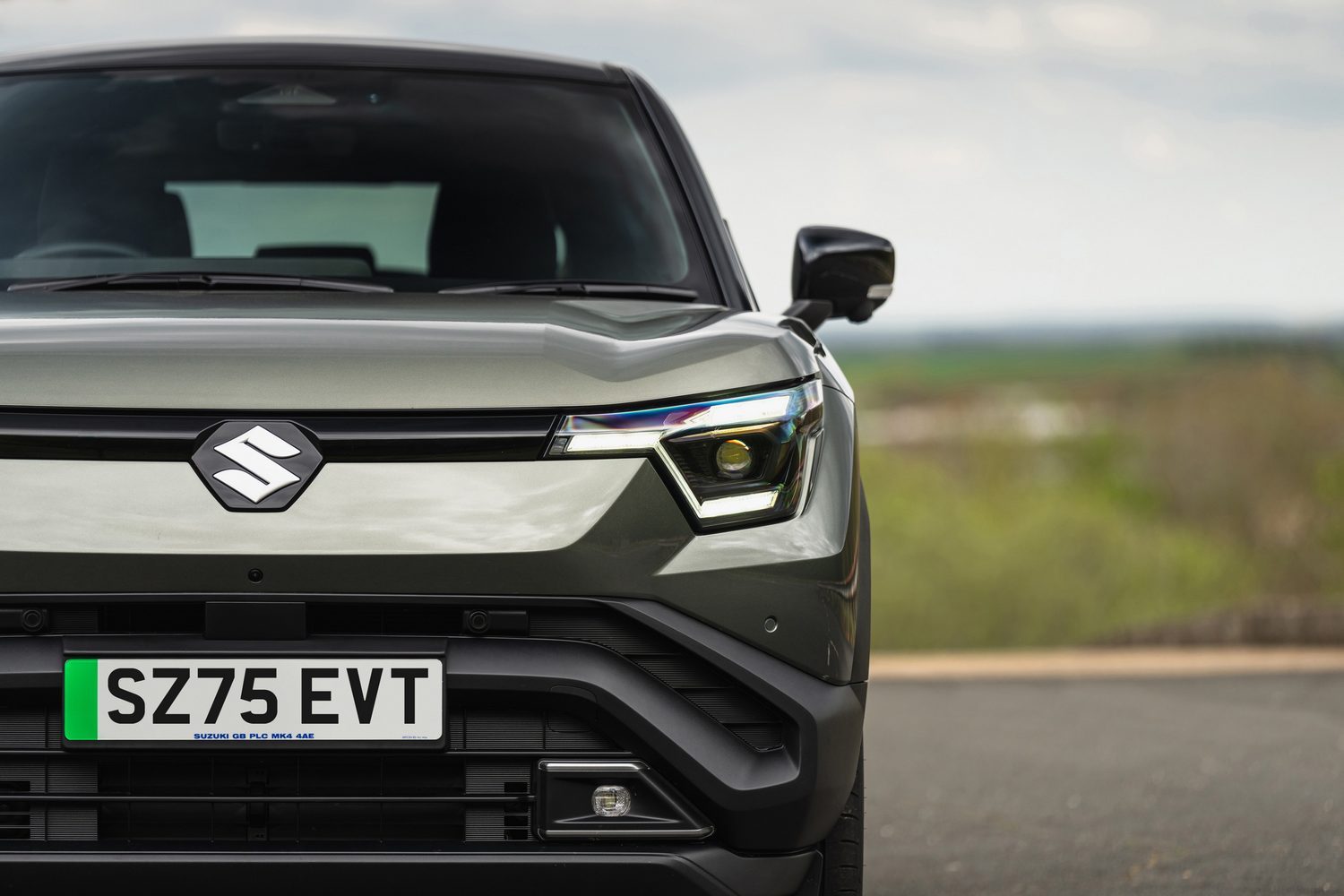
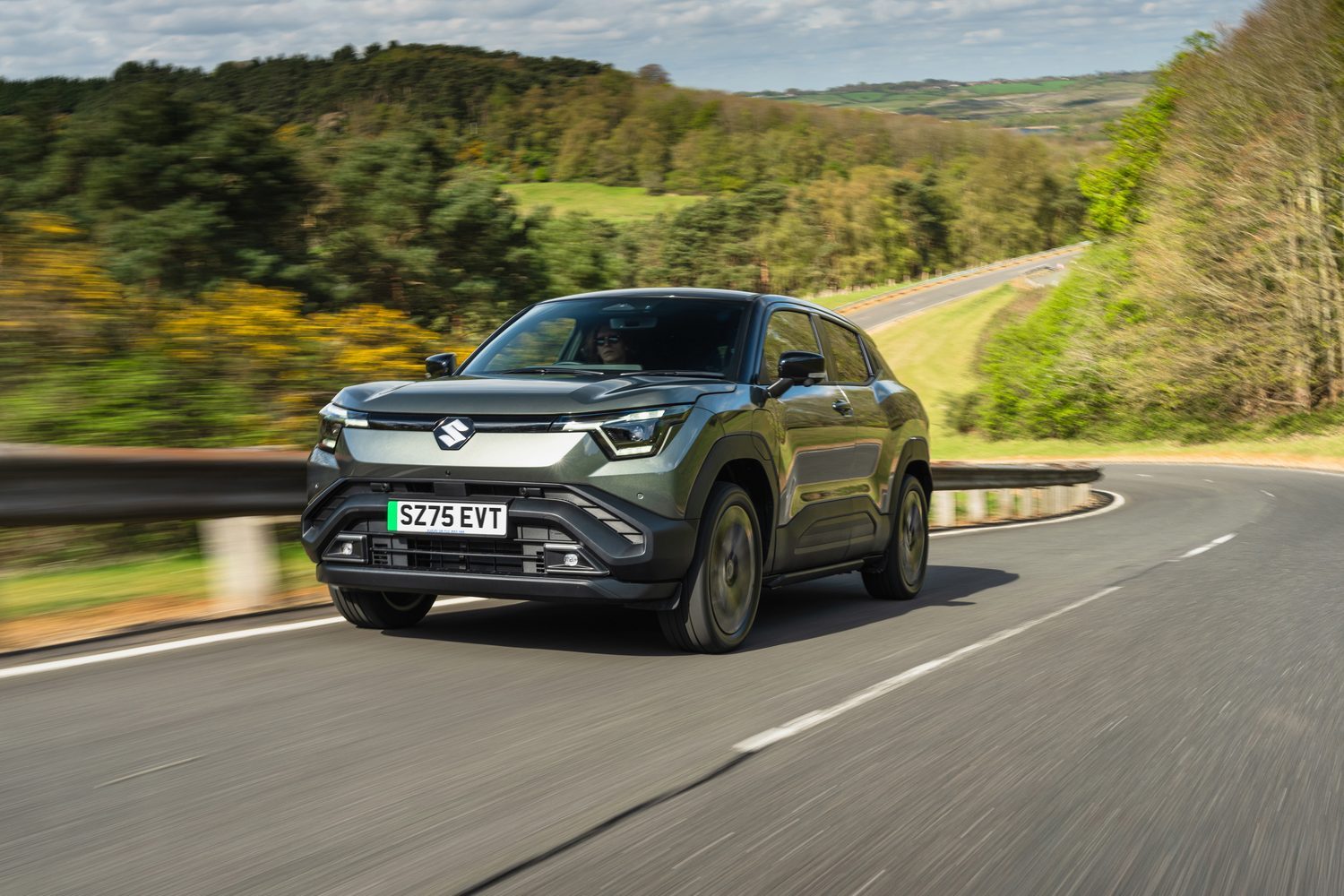
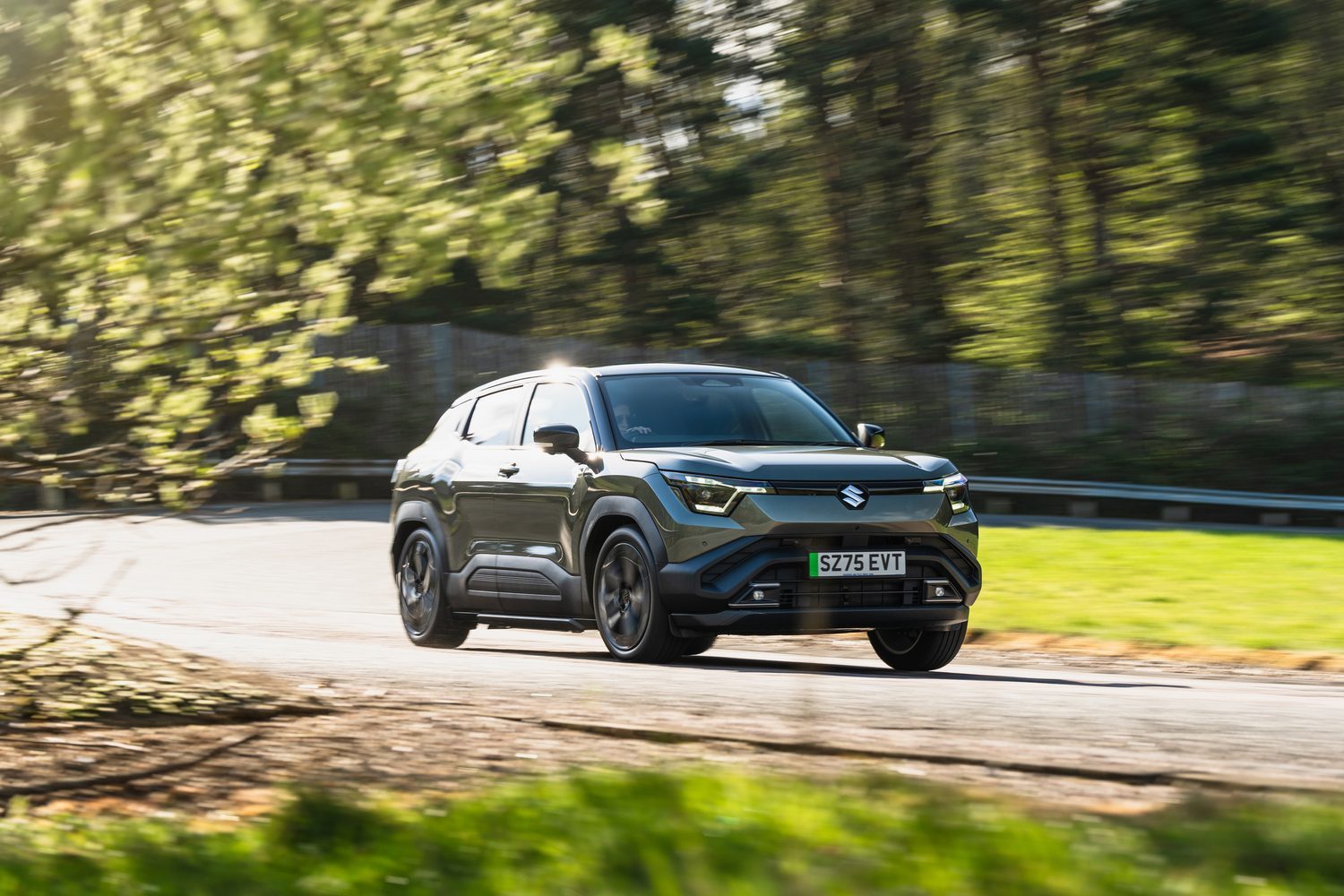
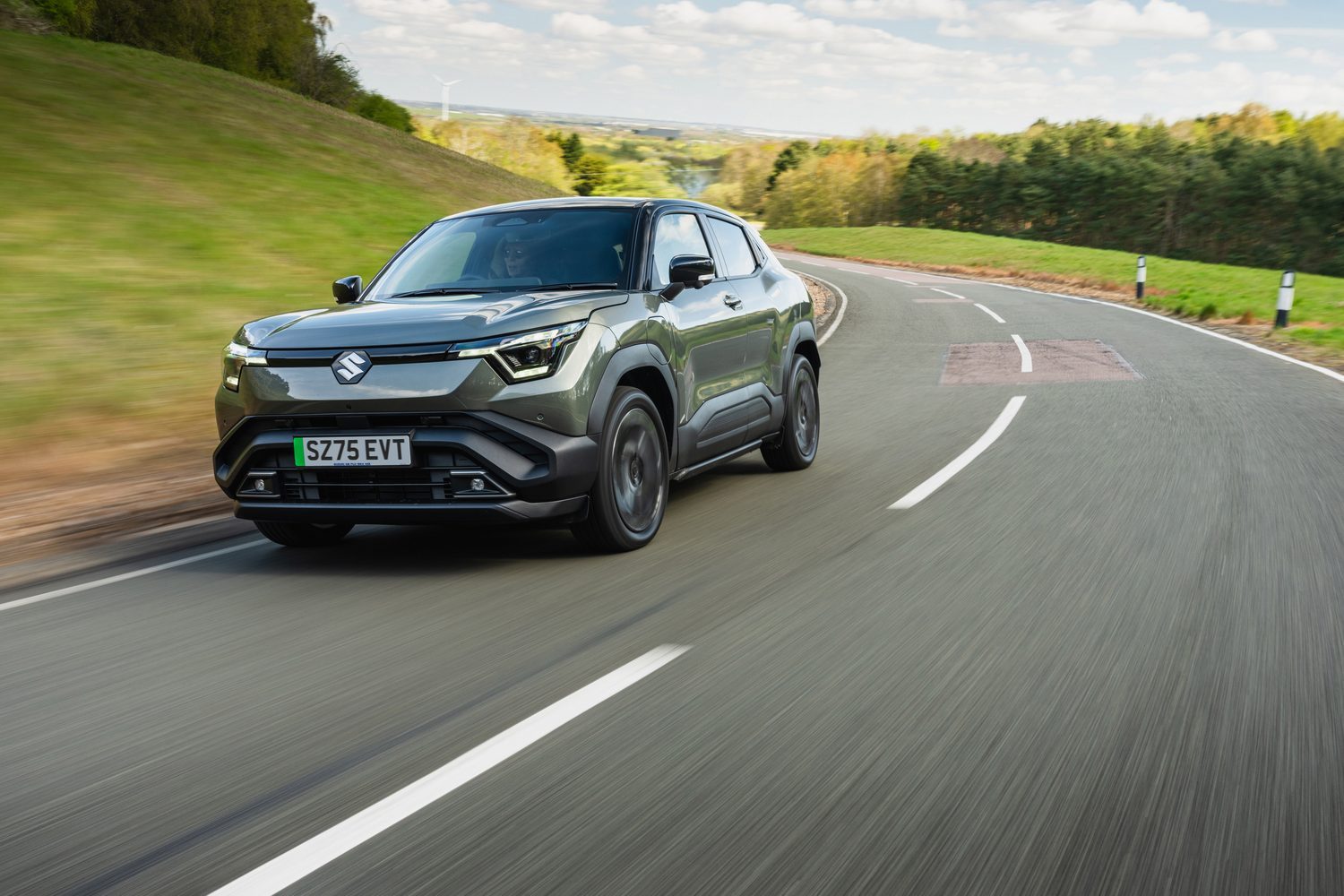
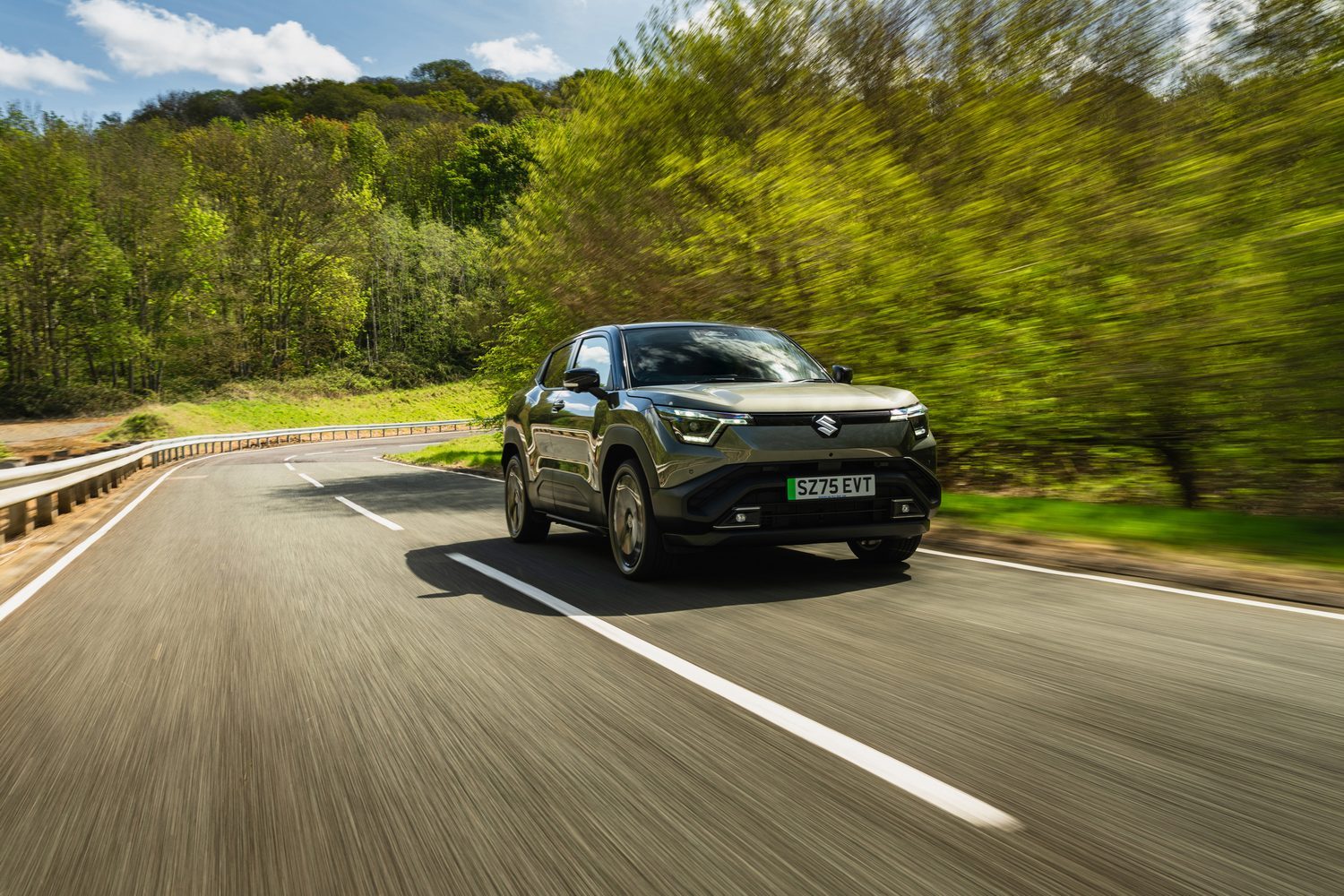
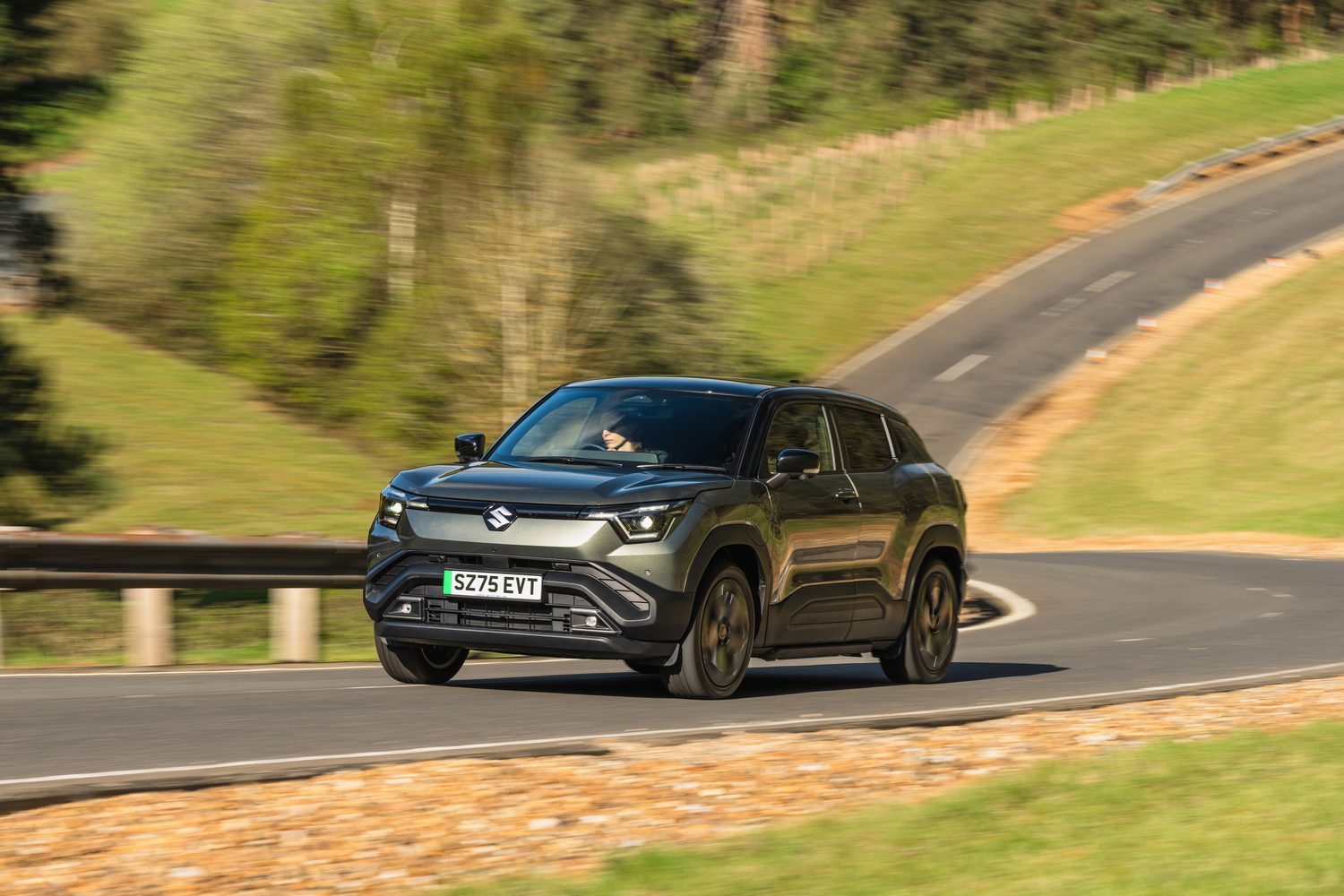
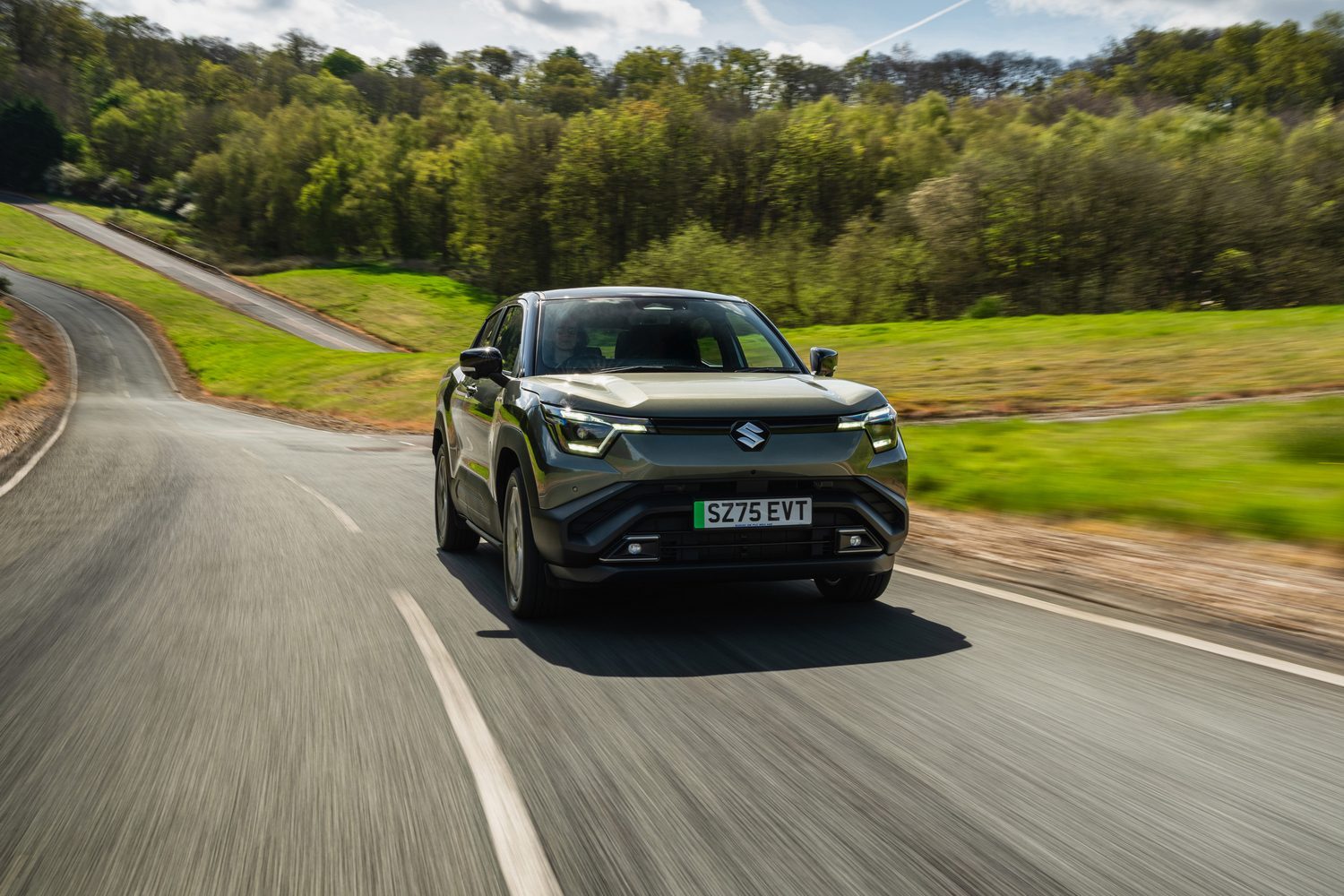
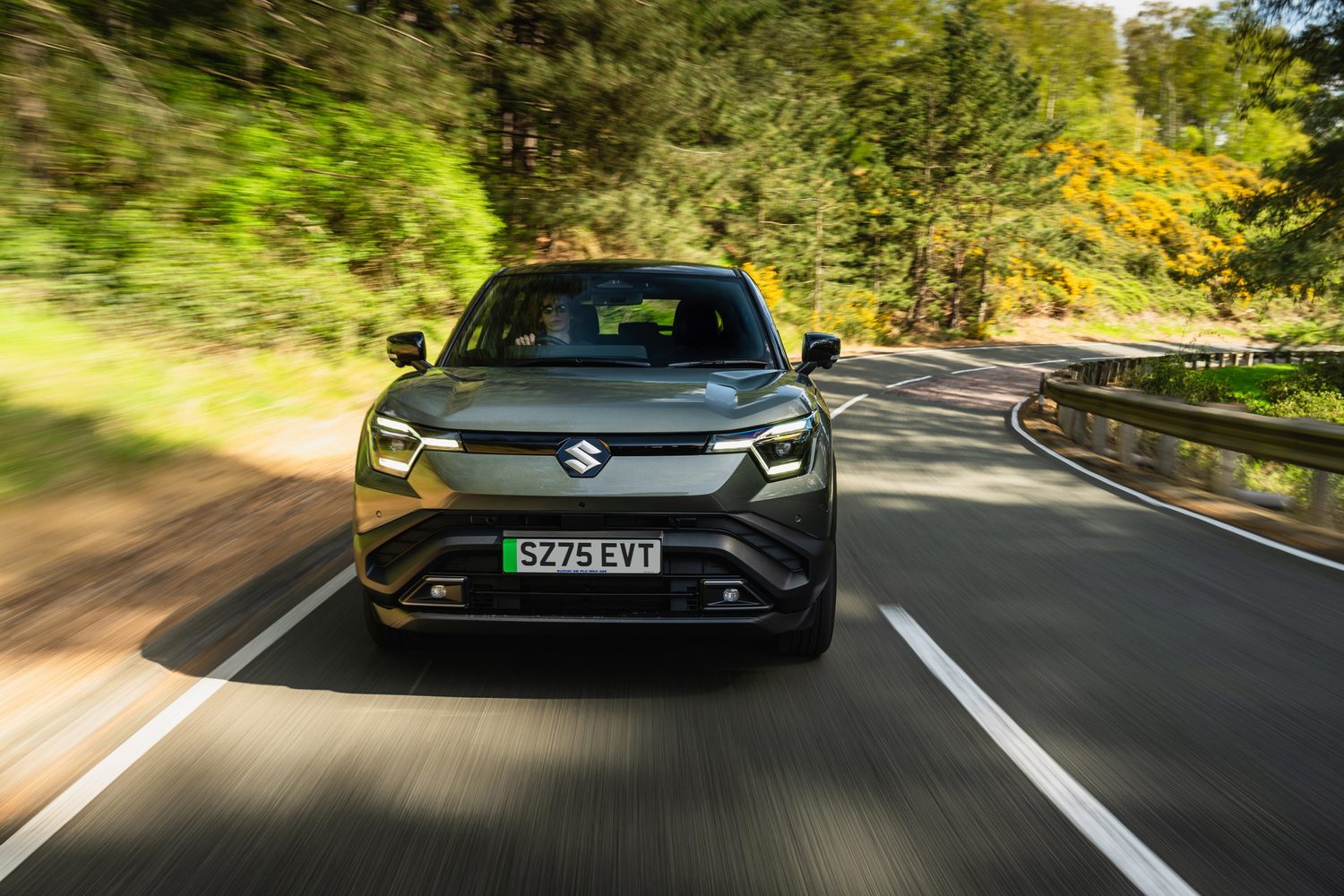
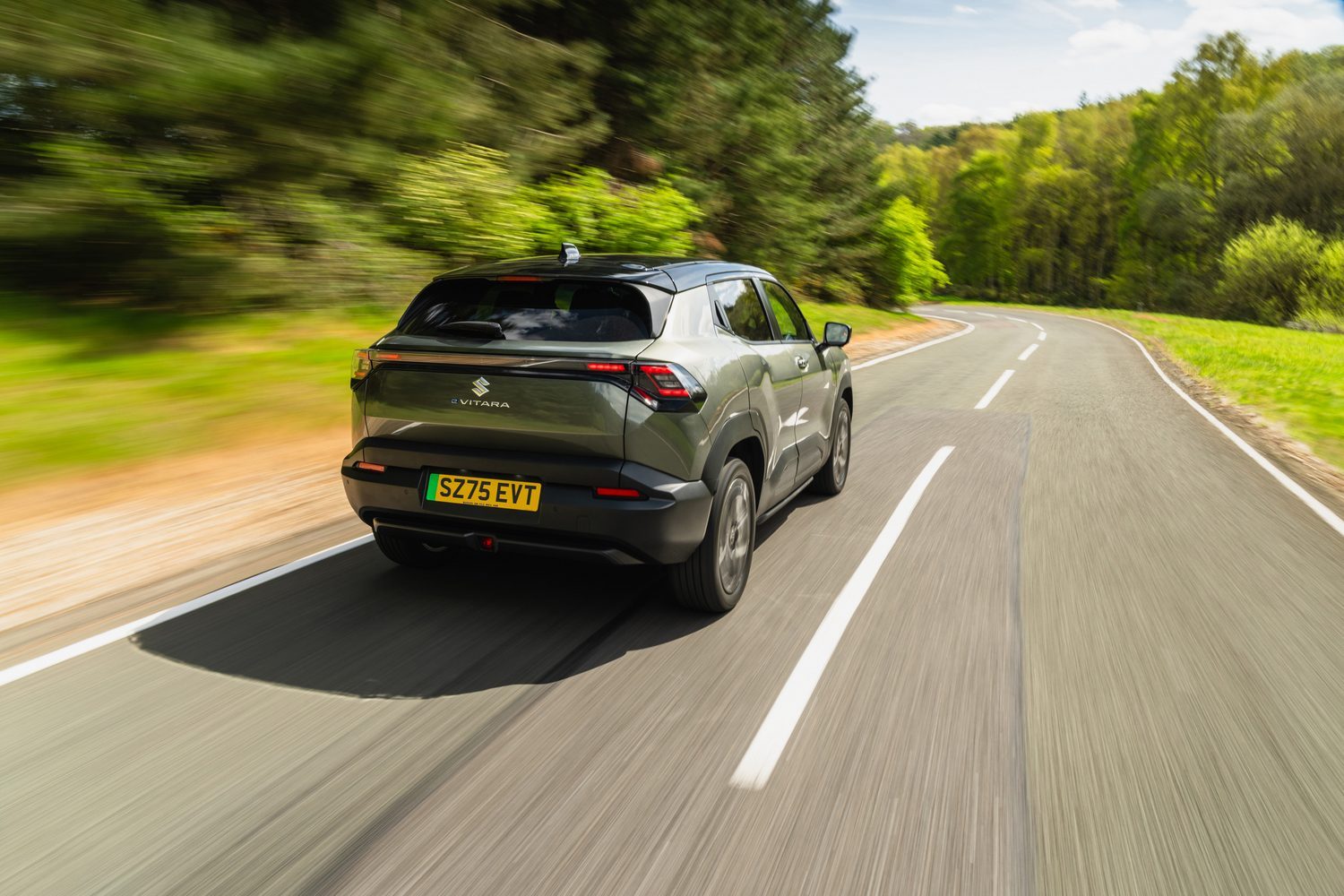
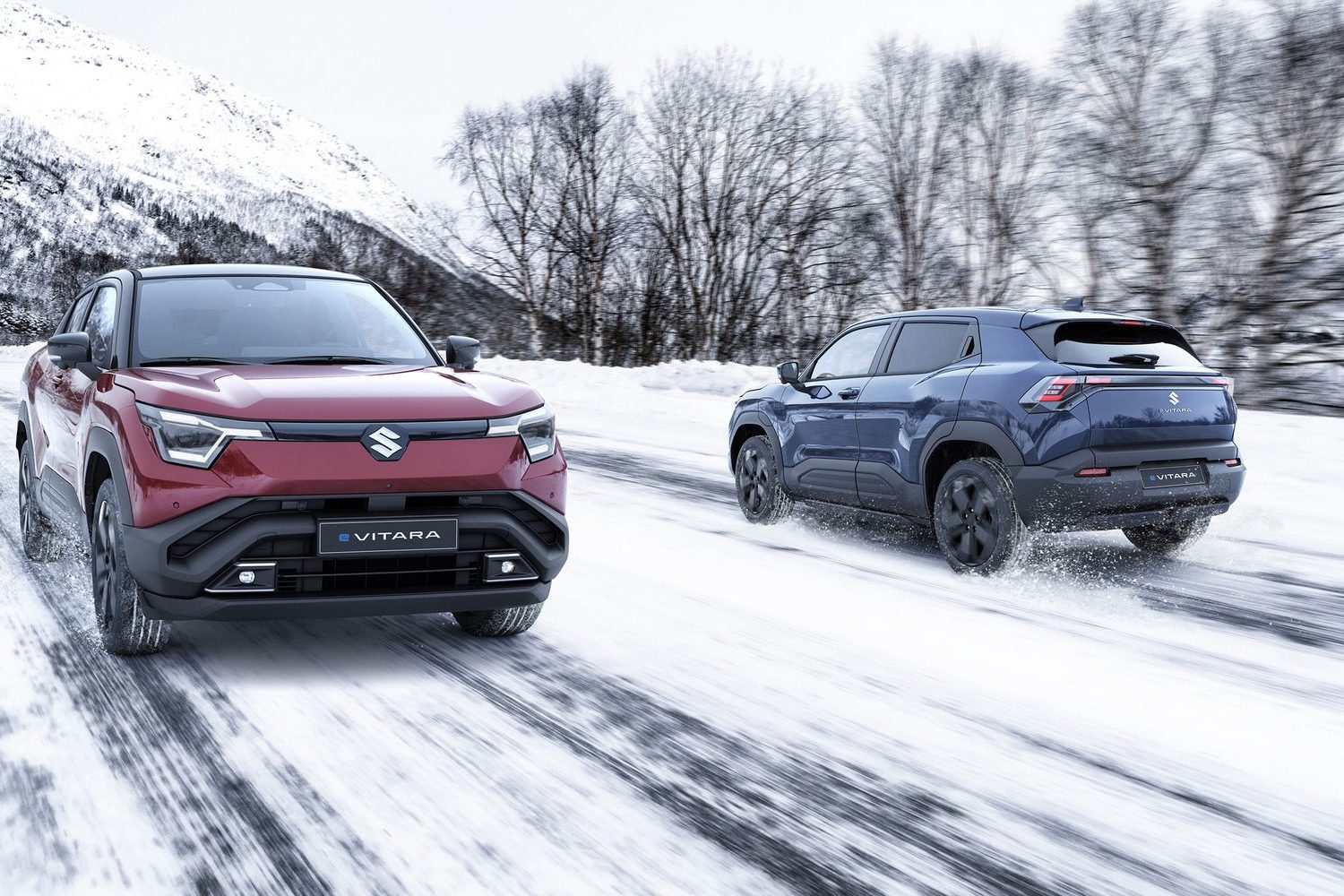


Exterior & design of the 2026 Suzuki e Vitara
- Looks better in brighter colours
- Choice of 18- or 19-inch wheels
- Triple-point light signatures are nice

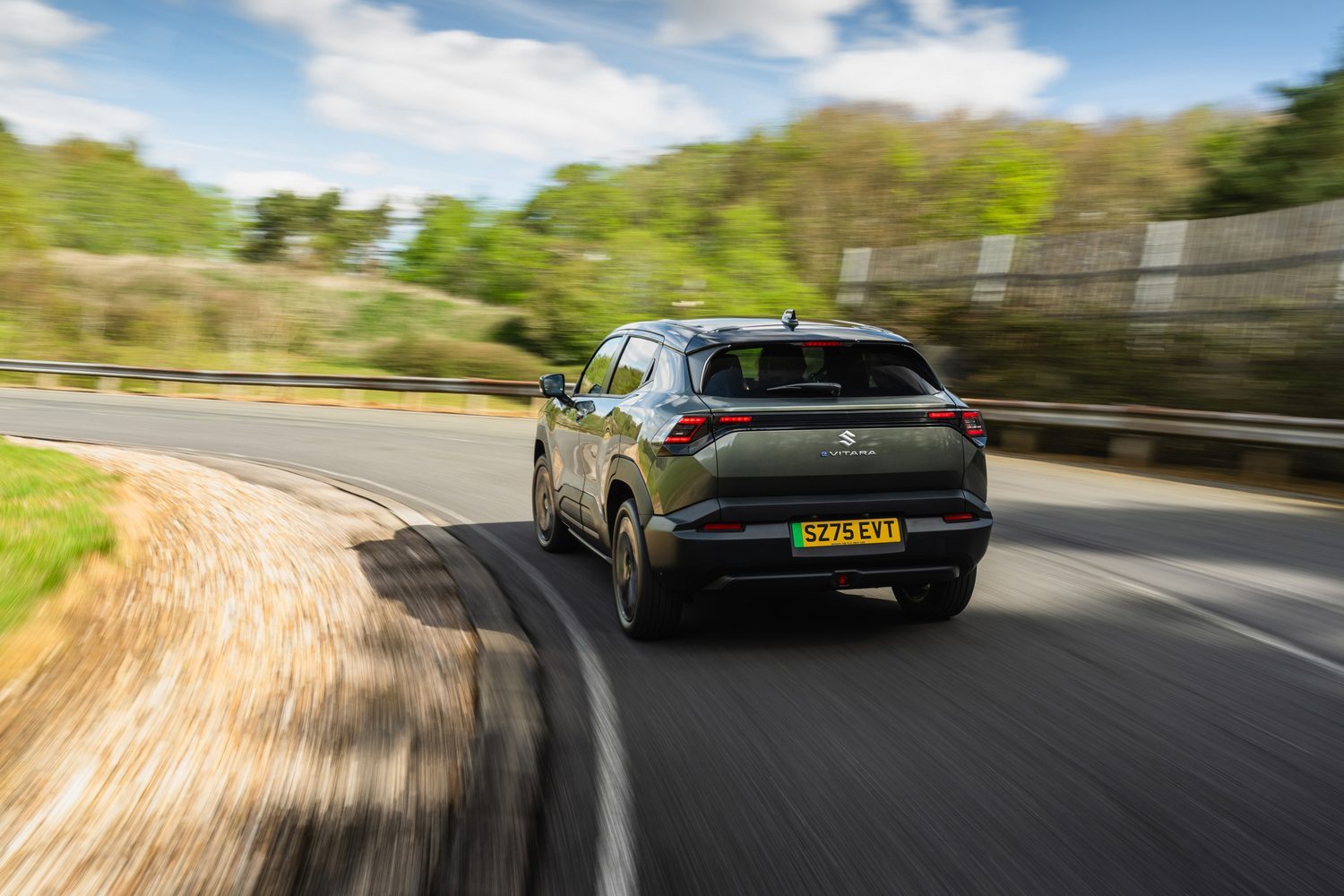
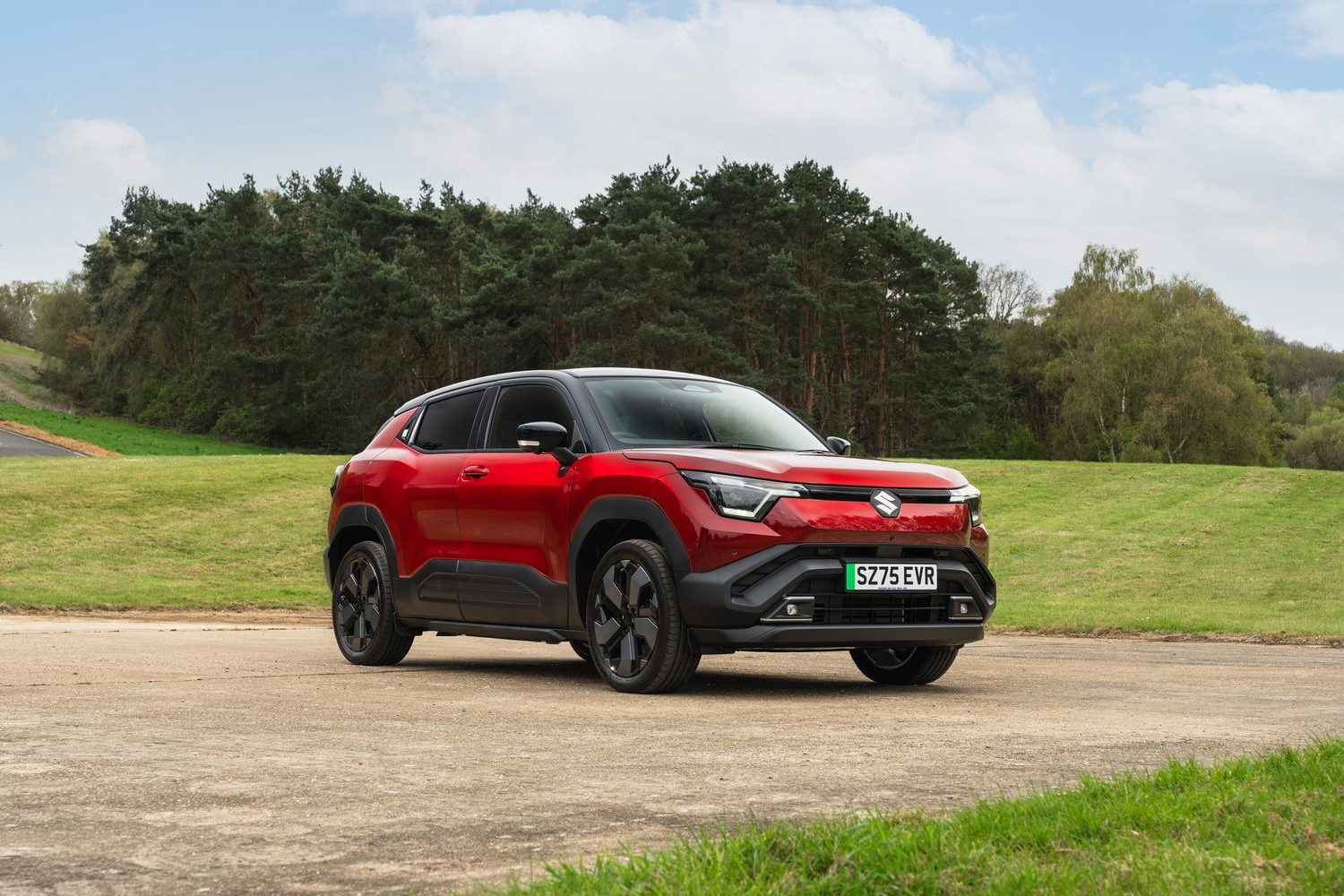
It's not often we'd strongly suggest you should order certain colours for your car when that's such a subjective point, but in black the Suzuki e Vitara doesn't look that appealing.
However, this is because a dark finish loses all the contrast set up by the vehicle's chunky lower-body cladding, and it doesn't make the most of the interesting swage lines on the SUV's form.

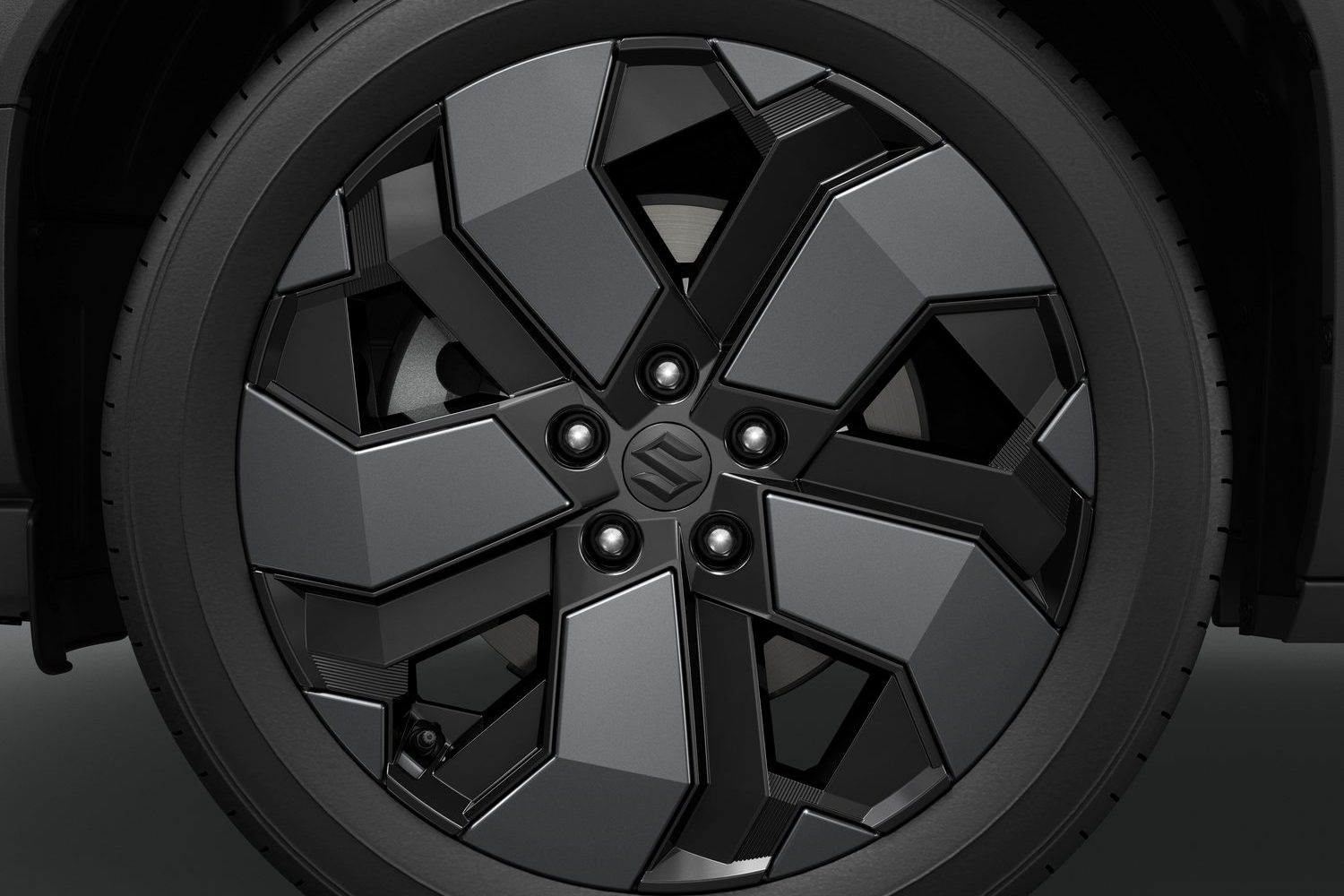
Besides that, wheel choices are 18-inch on the entry-level Motion models and 19-inch items on the higher Ultra specification, with a degree of aerodynamic optimisation for these designs.
A nice flourish for the Suzuki is the triple-lamp daytime running light signatures, which are echoed in the clusters at the rear of the car.
Dimensions of the 2026 Suzuki e Vitara
- Length:
- 4,275mm
- Width:
- 1,800mm (mirrors folded)
- Height:
- 1,635mm
- Wheelbase:
- 2,700mm
Paint colours for the 2026 Suzuki e Vitara
There are six main single-tone colours, four of which are used as the basis for a two-tone paint option that you can only specify on the top-grade e Vitara Ultra. With another colour added in this duotone range, there are 11 different 'looks' for the Suzuki SUV.
The solitary standard, no-cost colour is Arctic White Pearl. The other main series colours are then Bluish Black Pearl, Celestial Blue Pearl Metallic, Grandeur Grey Pearl Metallic, Splendid Silver Pearl Metallic, and - the signature launch colour for the e Vitara - Land Breeze Green Pearl Metallic.

As the two-tone option paints the roof of the Suzuki in Bluish Black, that colour obviously cannot be specified for the remainder of the body if you want a contrast roof - but Celestial Blue is also not available in bitone. The other four colours listed above are, however, and they're also joined by Opulent Red Pearl Metallic, which is not available in the monocolour range.
Interior, practicality, tech & comfort of the 2026 Suzuki e Vitara
- Passenger space is decent
- Some gripes relating to tech and quality
- Not the biggest boot in the world

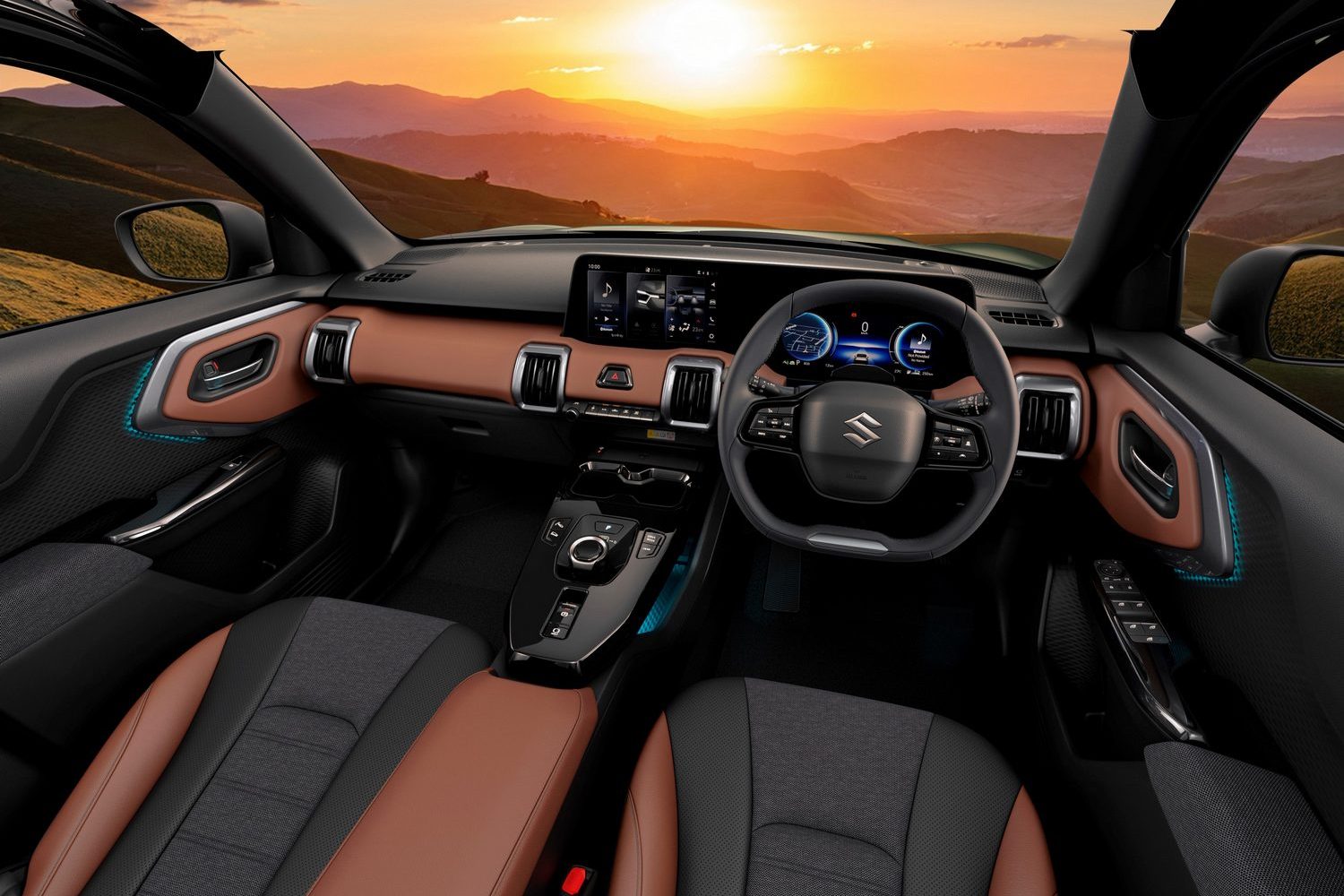
The passenger compartment of the Suzuki e Vitara is not bad at all, but by the same token it's not exceptional, specifically in terms of material finishing.
There are also some issues with too many ancillary controls being run through its central touchscreen, and while there's a great feature with the rear row of seats that should help families in their day-to-day lives, this is not a crossover which possesses a huge boot.
Due to its predominantly black interior colour scheme, it can also be quite dark and foreboding inside the e Vitara, and some of the plastics used are questionable - as is the deployment of fingerprint-smudgy piano-black plastic for large portions of the cabin.
Getting comfortable in the driver's seat
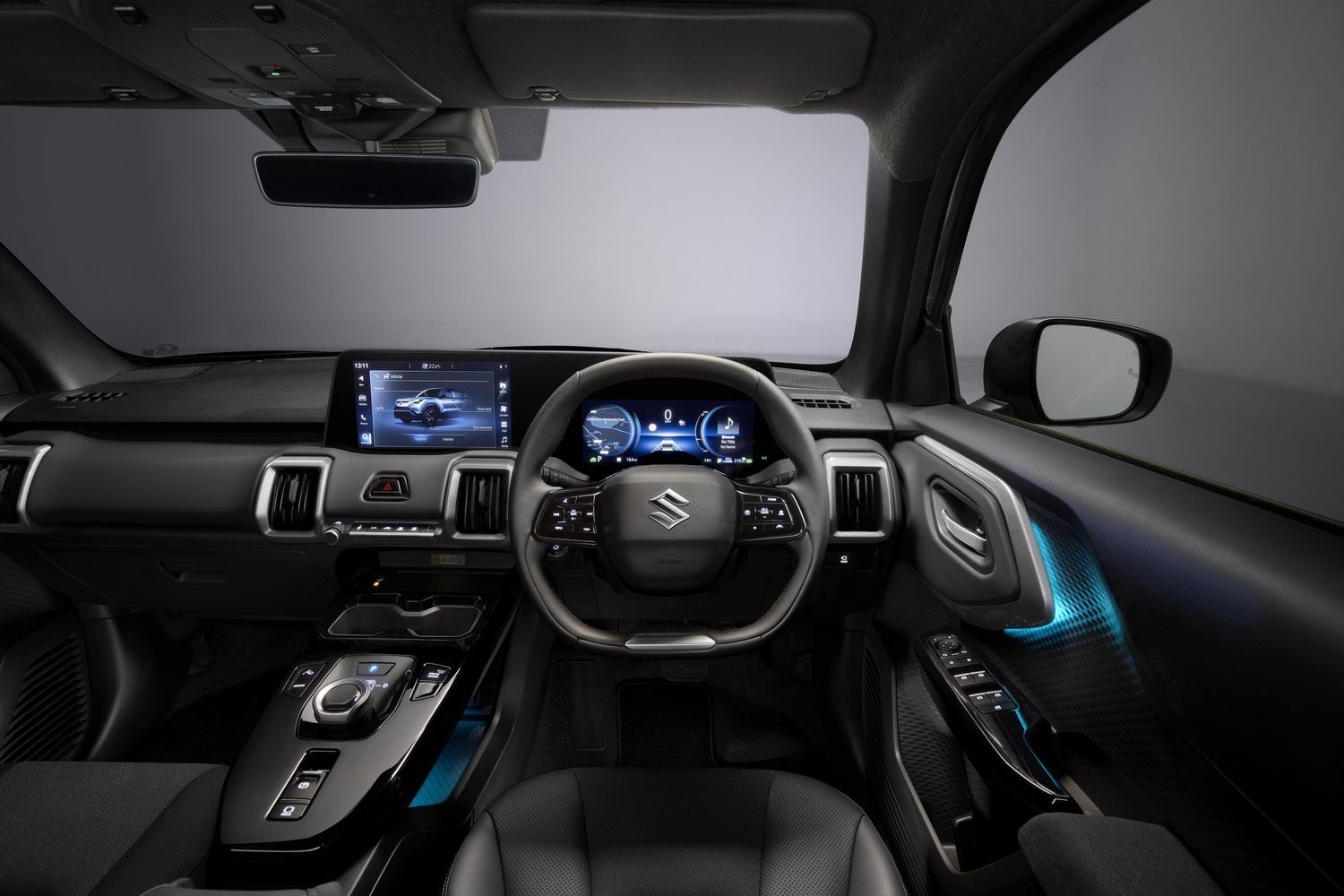
You shouldn't have much problem getting comfortable behind the Suzuki's steering wheel. Base cars have manual seats but even so, there's a good range of adjustment available that will allow the e Vitara to cater to drivers of different heights. Higher-grade cars have electric adjustment of the driver's seat, while the steering wheel adjusts for both rake and reach.

Visibility out in all directions is more than ample, while the seats themselves are reasonably comfortable and provide good lateral support - even if they're not the plushest things you'll ever sit on in a car.
What little physical switchgear there is turns out to be reasonably placed and easy-to-reach from the driver's seat, which is a boon.
Infotainment and technology
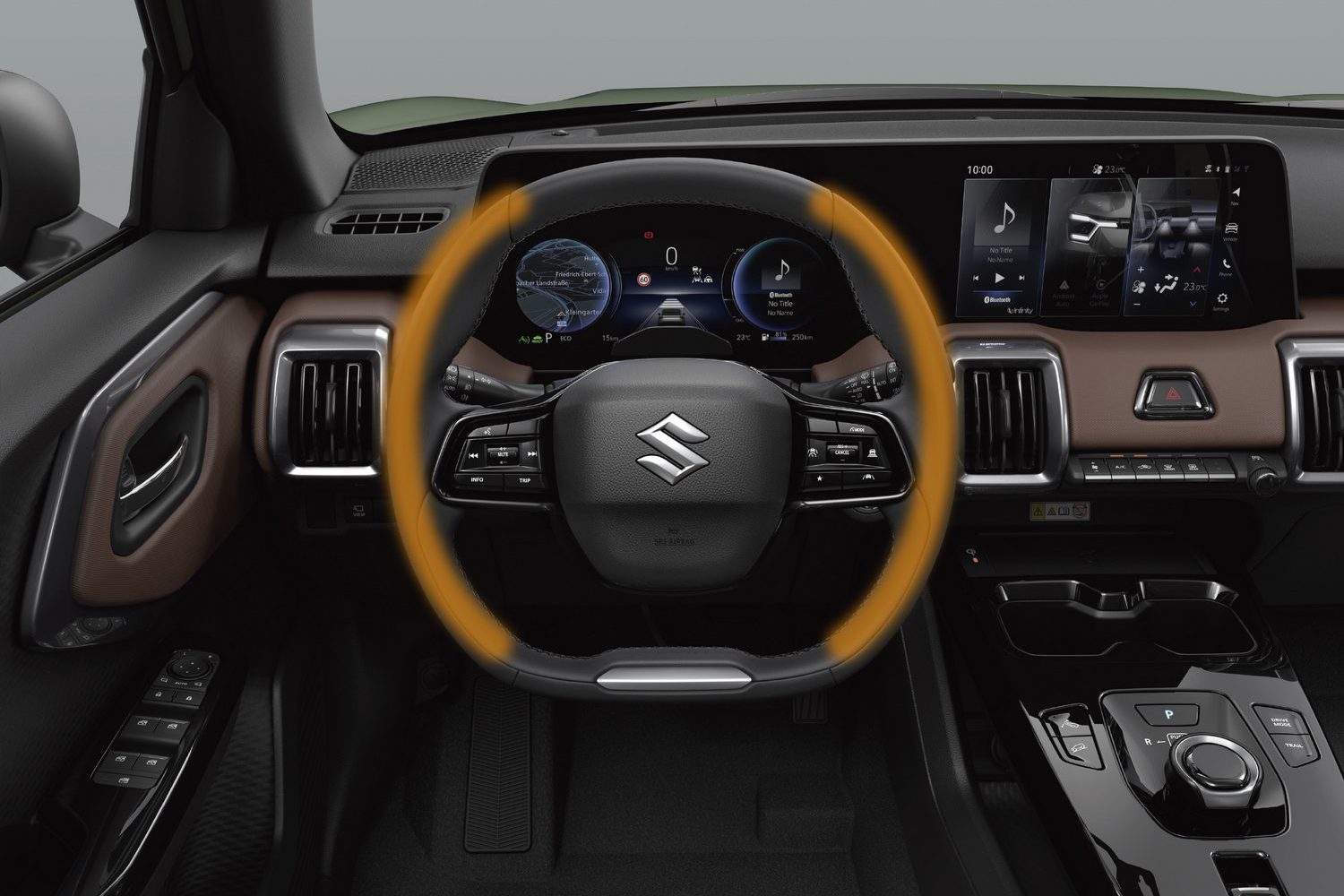
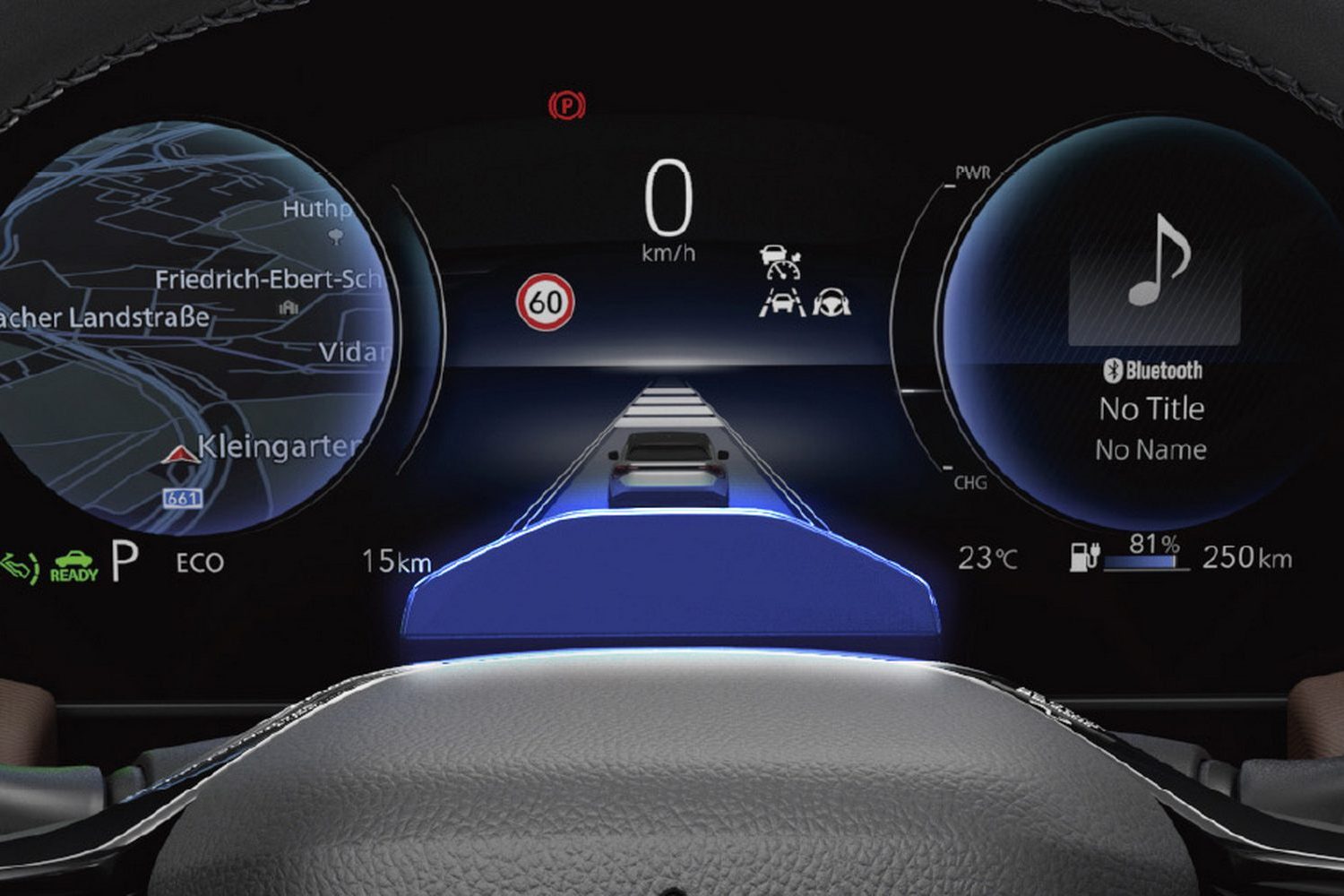
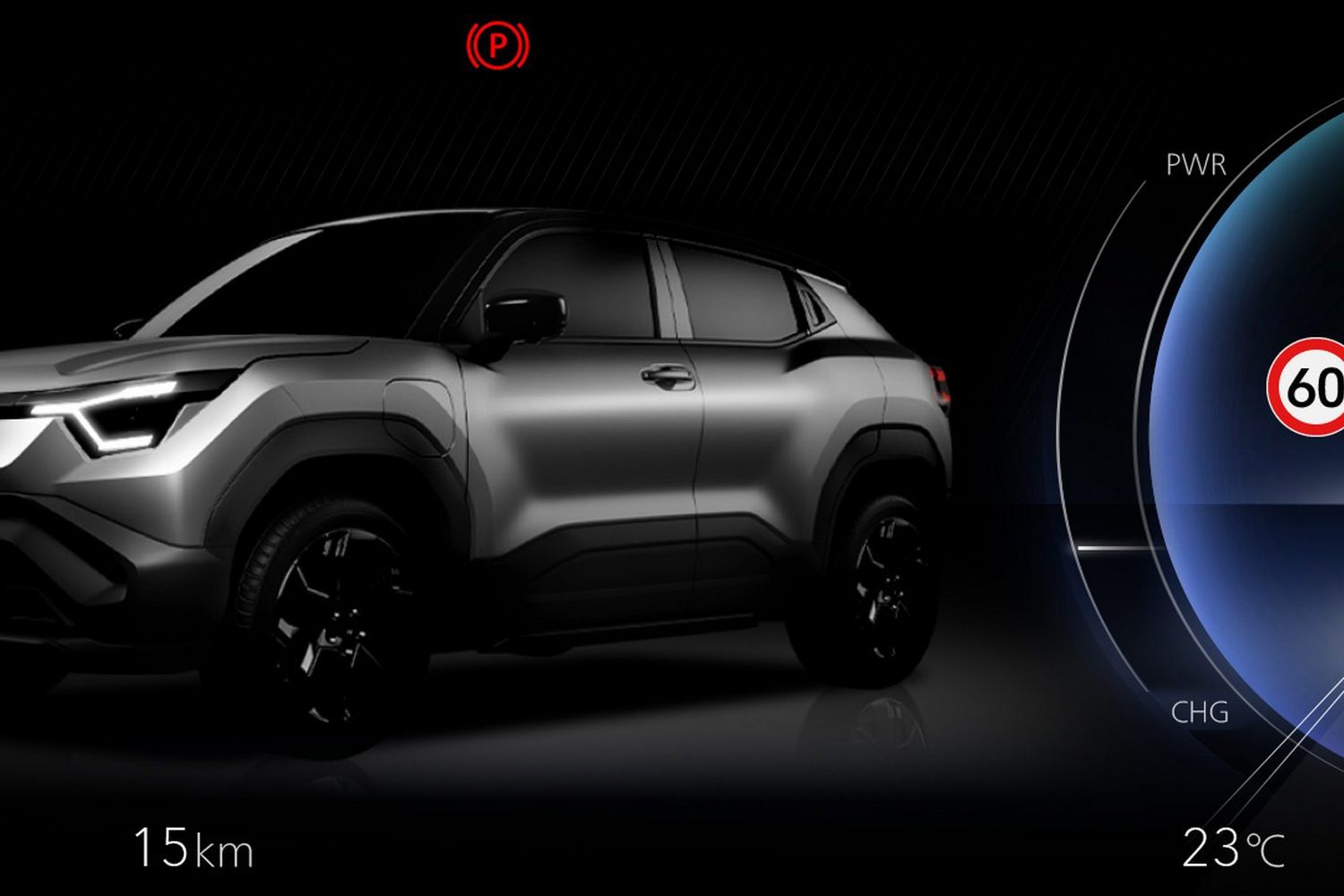
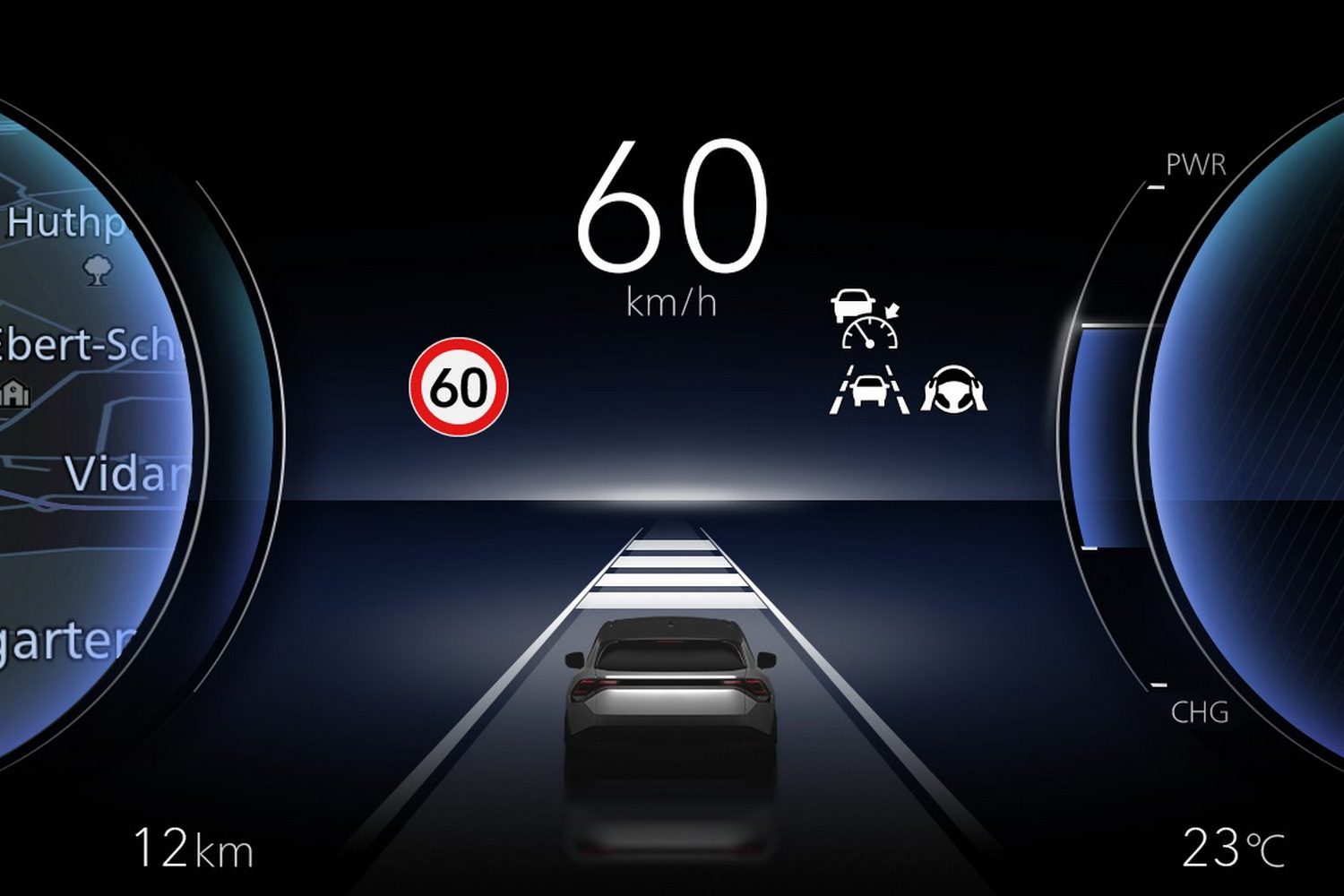
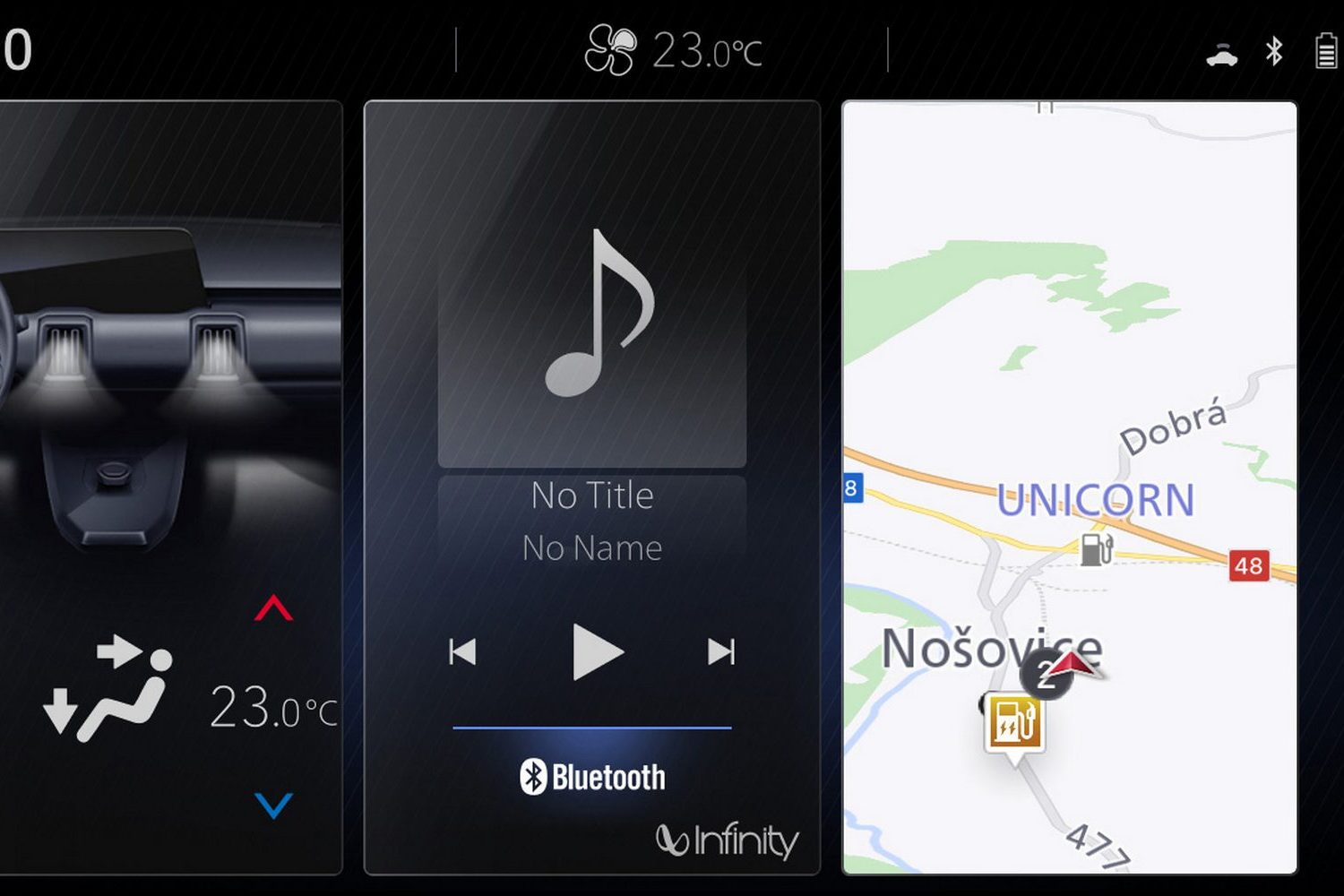
The main fascia is dominated by the construct which houses the 10.25-inch instrument cluster and the 10.1-inch nav-enabled main infotainment, and while it's a shame about the ugly band of 'dead' black plastic trim above the driver's dials, these displays are OK from a graphical perspective, as well as in their operation.

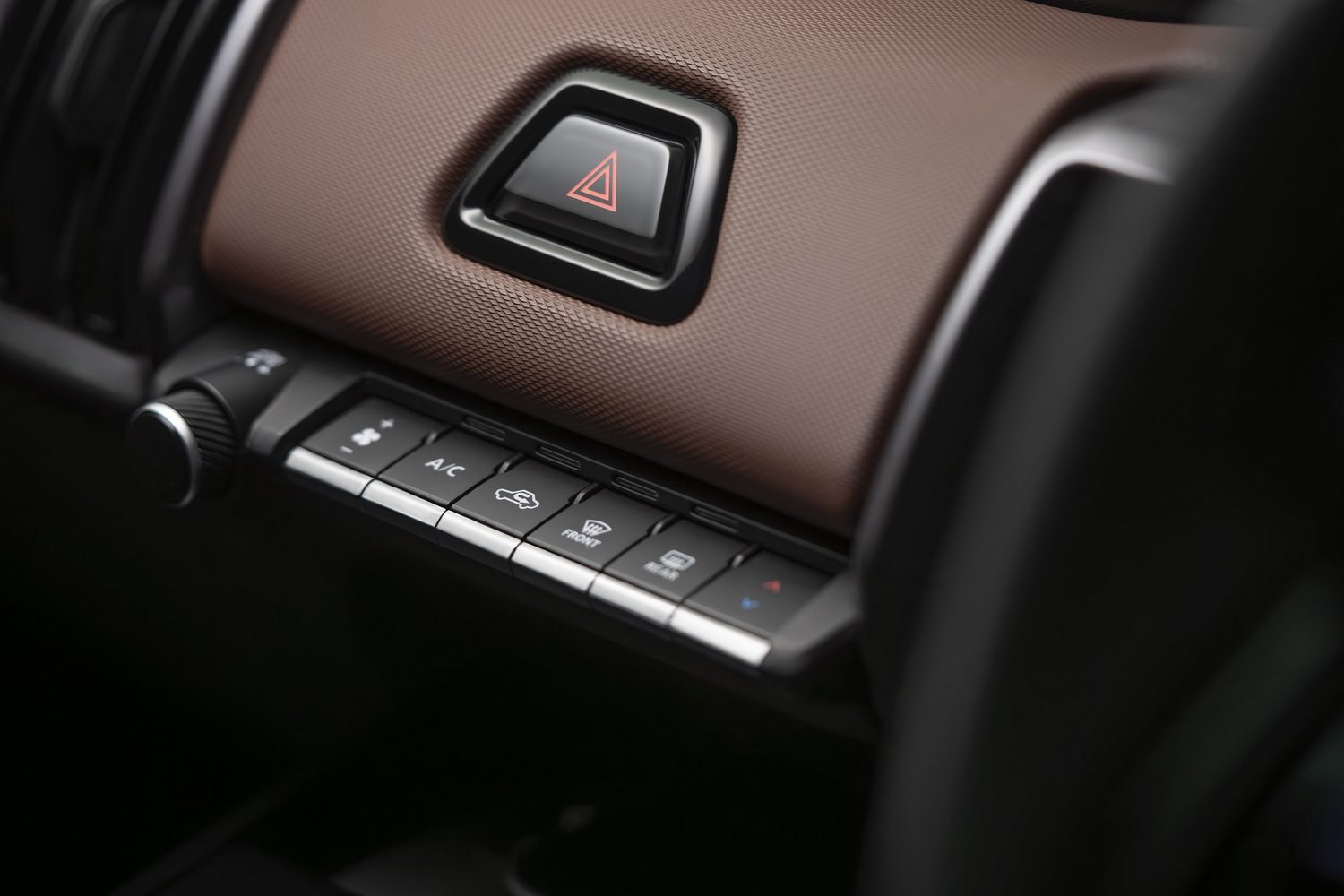
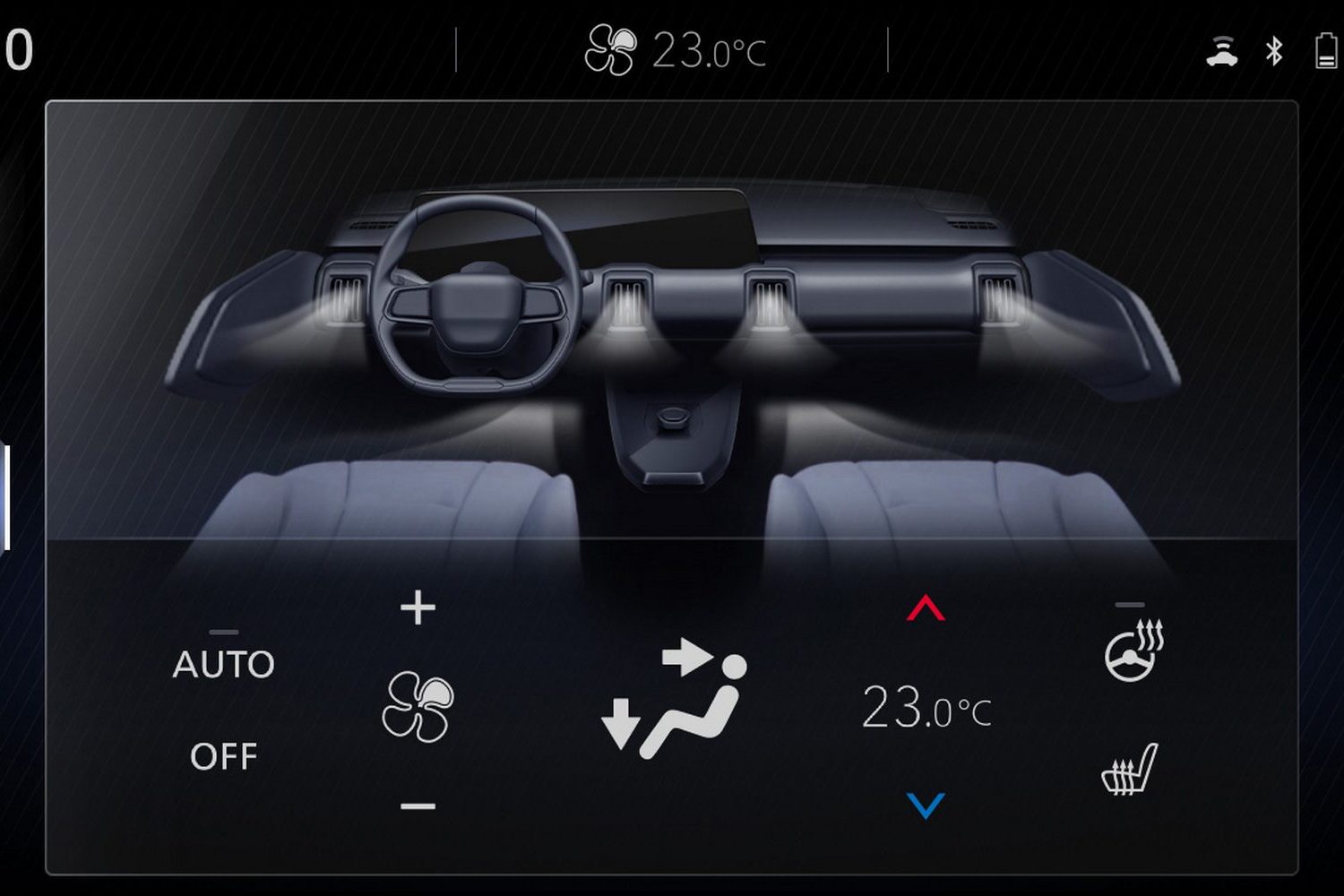
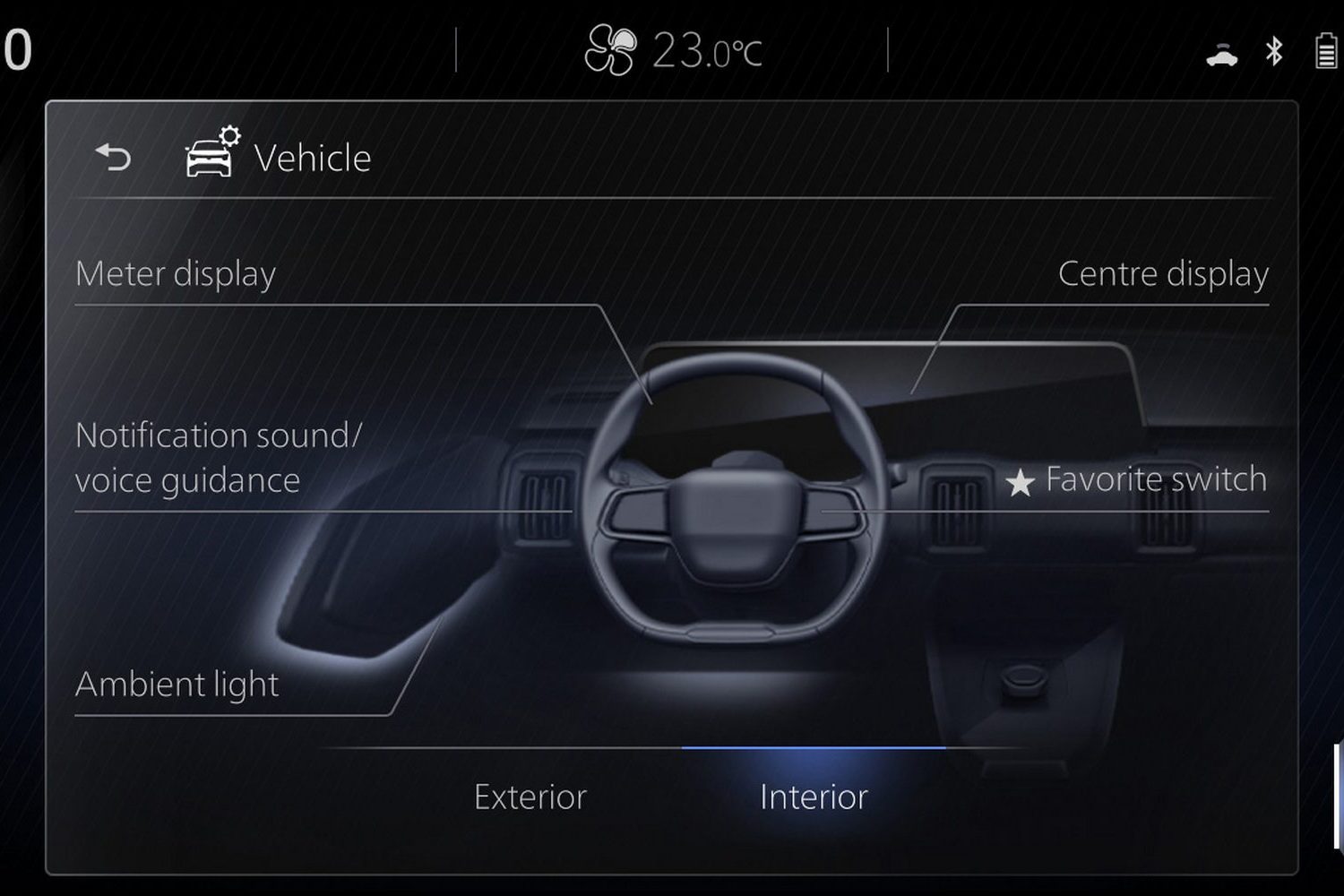
To a degree. Despite some welcome, proper buttons for climate-related shortcuts on the dashboard, there are still too many ancillaries that require multiple prods of the touchscreen and many seconds with your eyes off the road to get them to work.
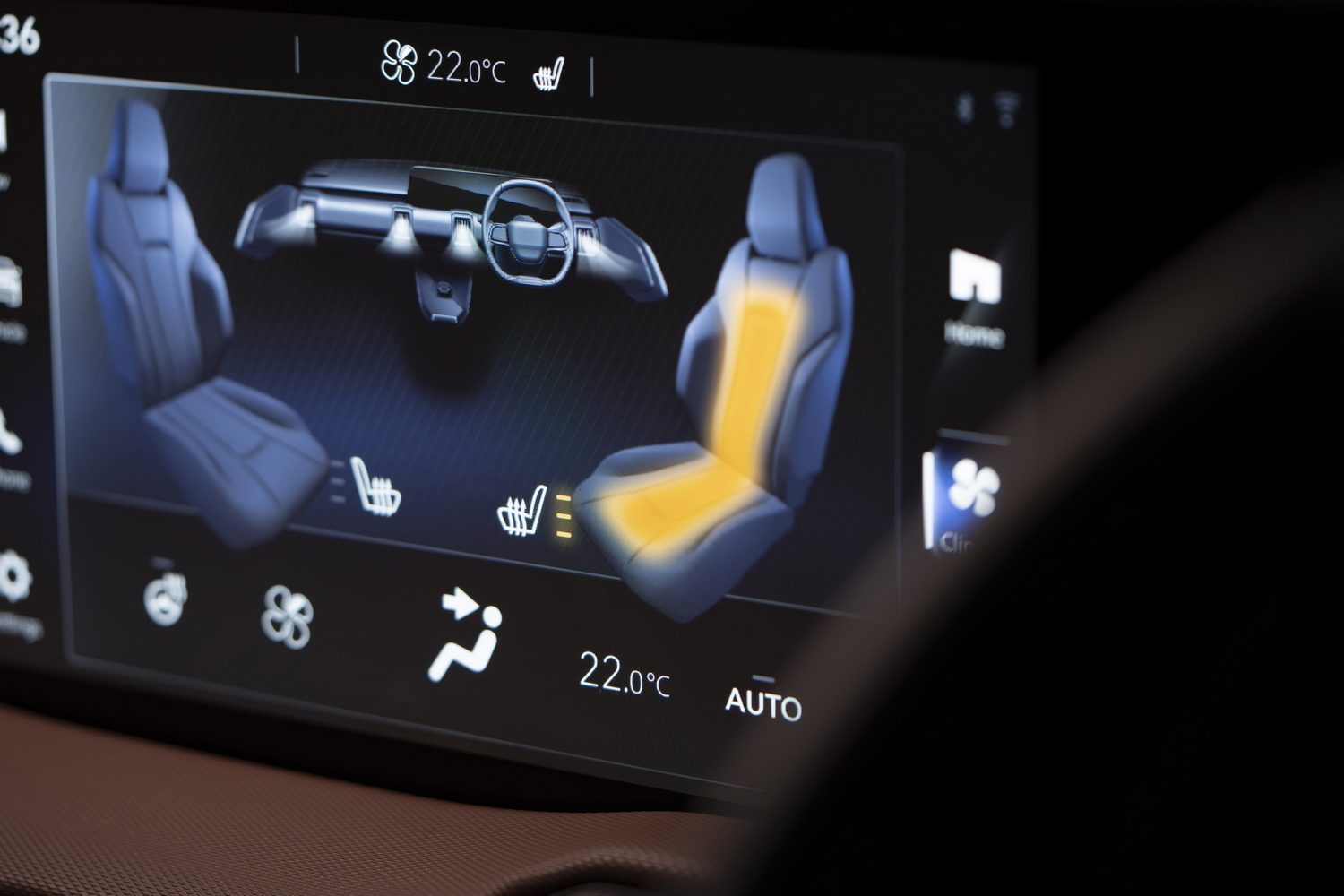
It's a total of 12 presses of the screen and more than 20 seconds of faffing about just to turn off the lane keep assist and excessive speed warning, if you need to, for instance, and the heated-seat controls are particularly egregious, given it's five taps of the display and about five to seven seconds of waiting for a rotating-seat animation to play out before you can get them to switch on. What's wrong with the idea of fitting two physical buttons on the vast expanse of unused space for the central tunnel's upper surface?

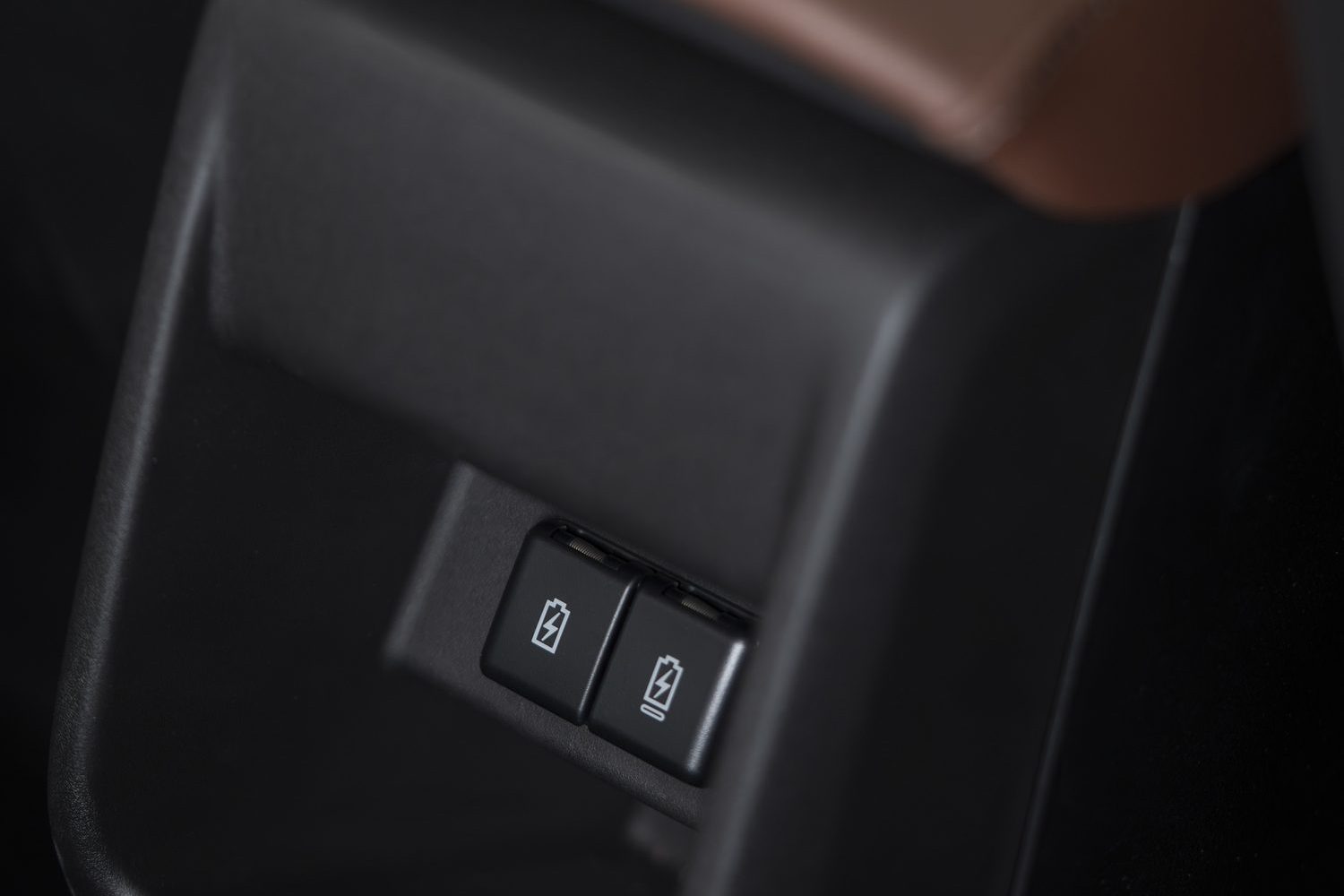
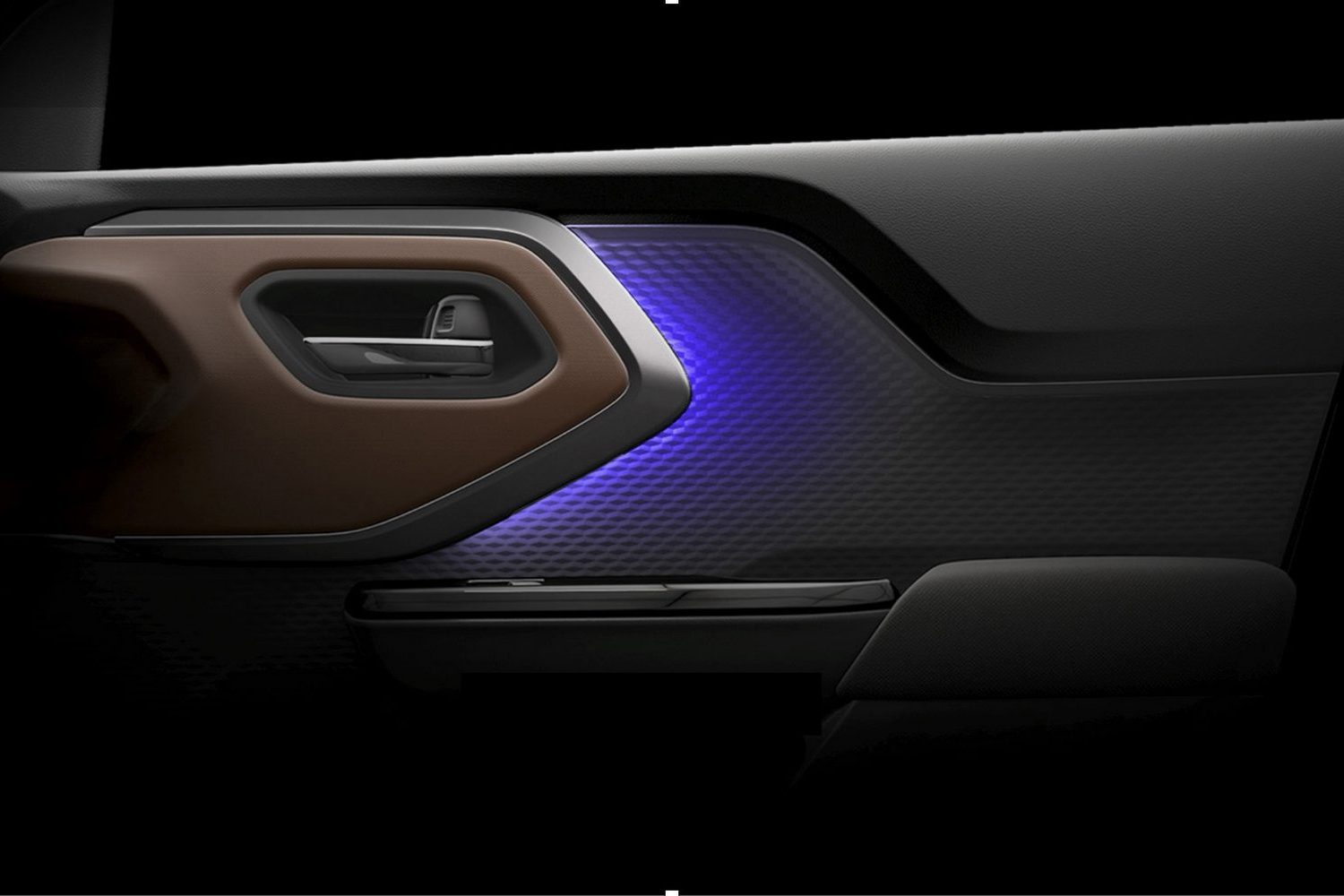
Beyond that, there's 12-colour ambient interior lighting in all versions, as well as two pairs of USB sockets in both the front and rear - in both locations, there's one each of USB-A and USB-C.
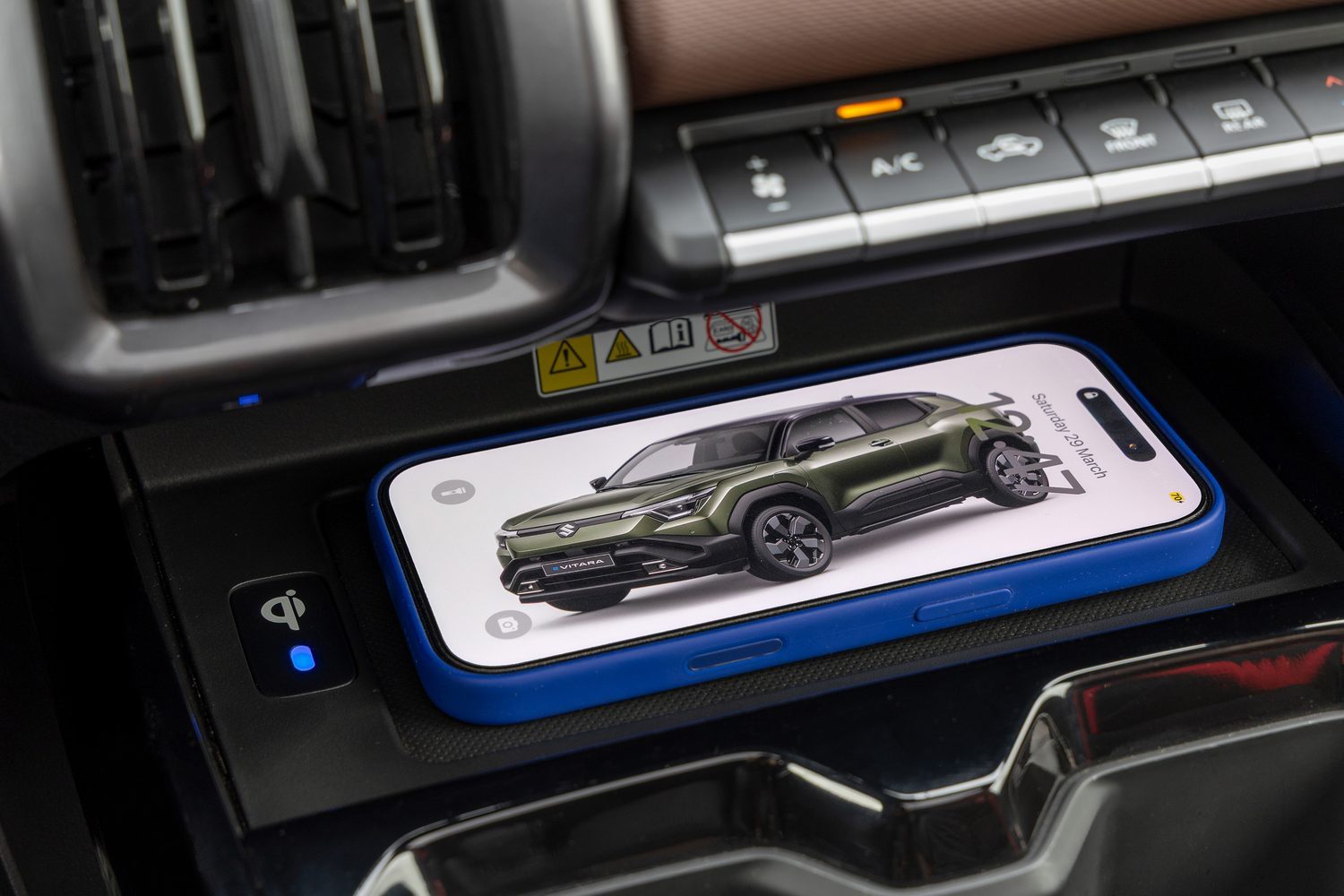
A wireless smartphone charging pad is only fitted to the top-level e Vitara Ultra, though, as is the excellent Infinity premium audio system with boot-mounted subwoofer.
Practicality around the cabin
The front door pockets of the Suzuki e Vitara have the expected recess in them that would allow for the stowage of drinks bottles, but while the rears also have the same thing, they don't have any other space in the doors for items - so it's a bottle or odds and sods, not both.

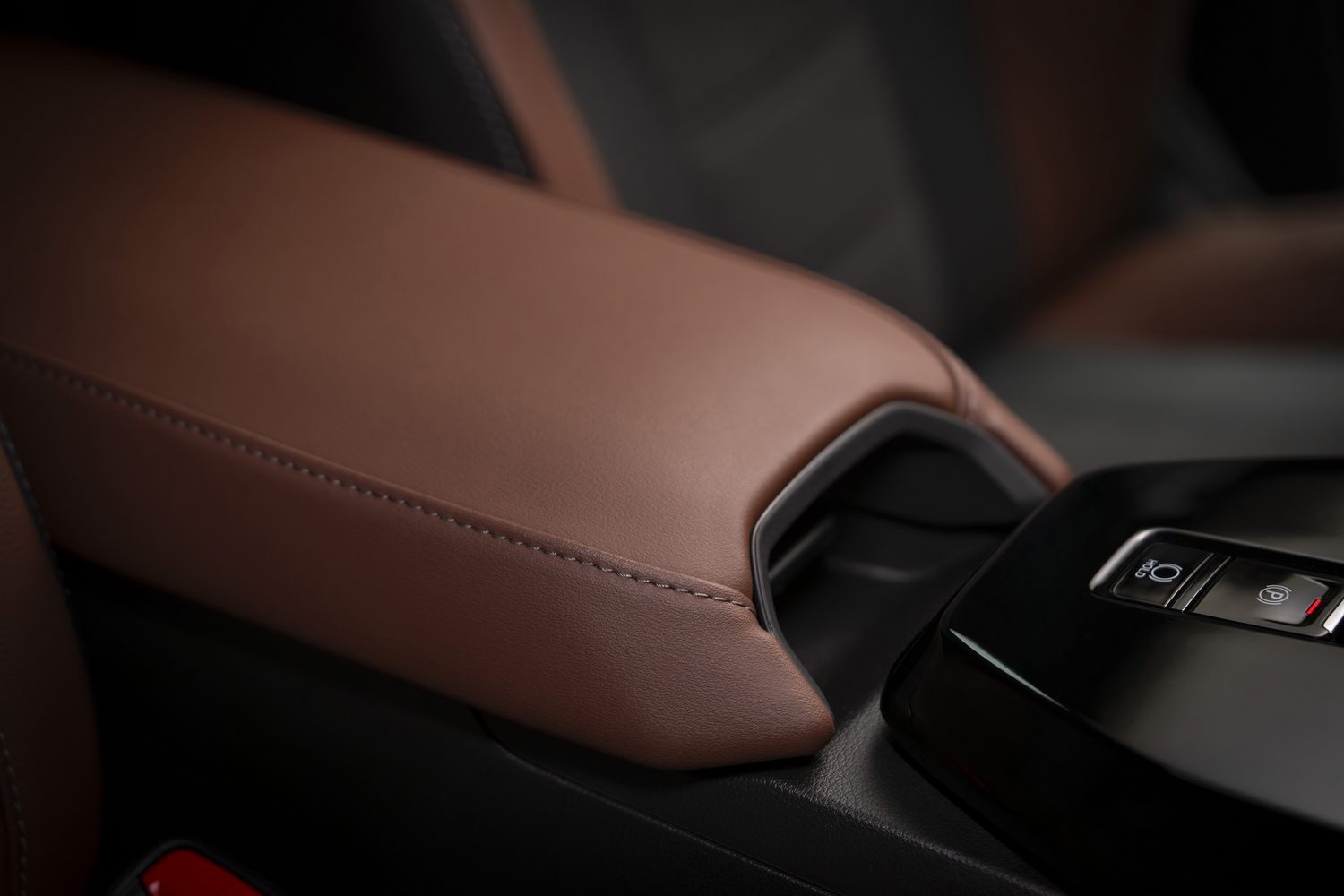
However, practicality redemption is assured in the Suzuki, courtesy of a large glovebox, a central storage cubicle in the front armrest, a lower (and illuminated) tray for items beneath the central tunnel and four cupholders in total - two permanent items in the front, and two secreted away in the fold-down armrest in the rear.
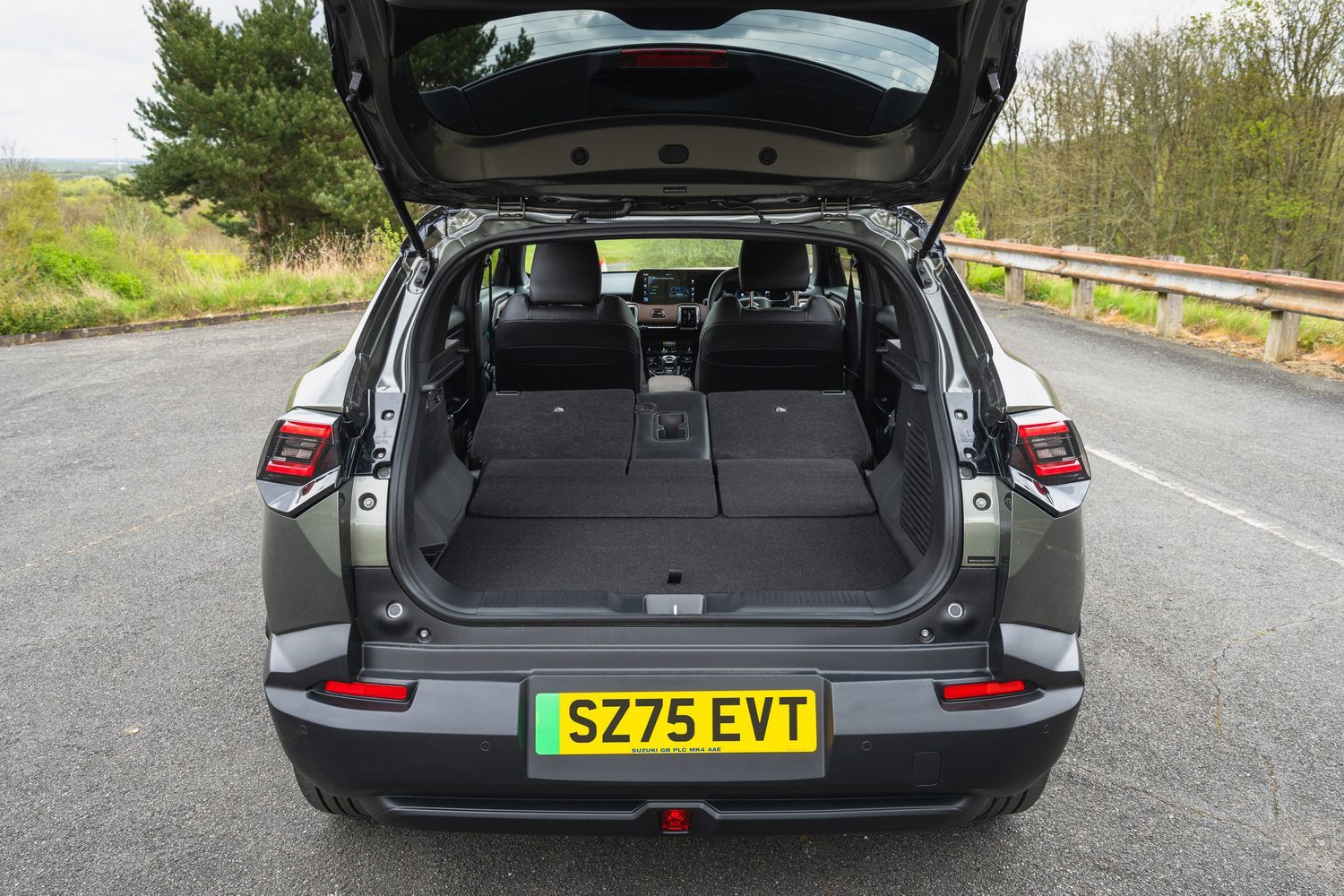
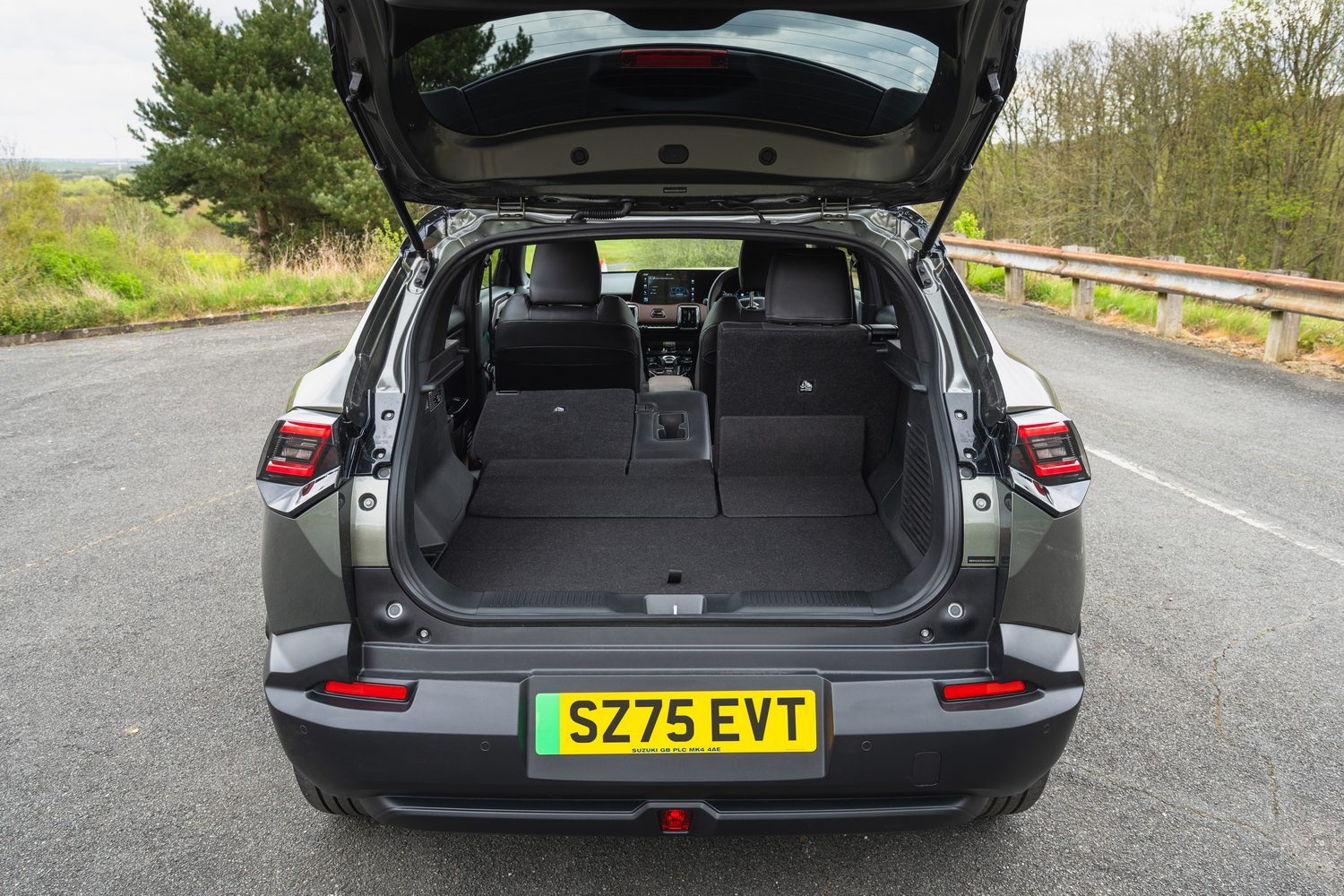
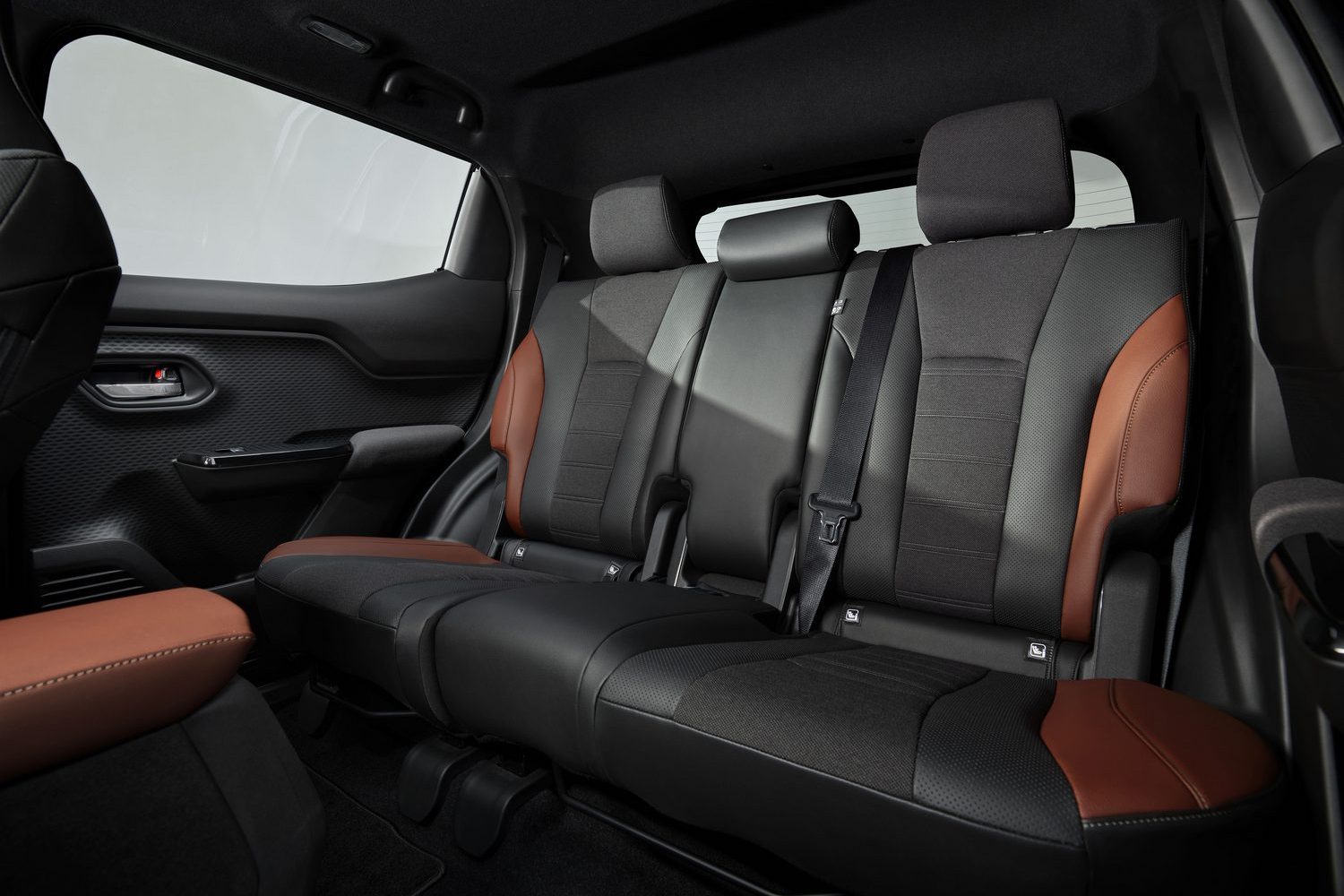
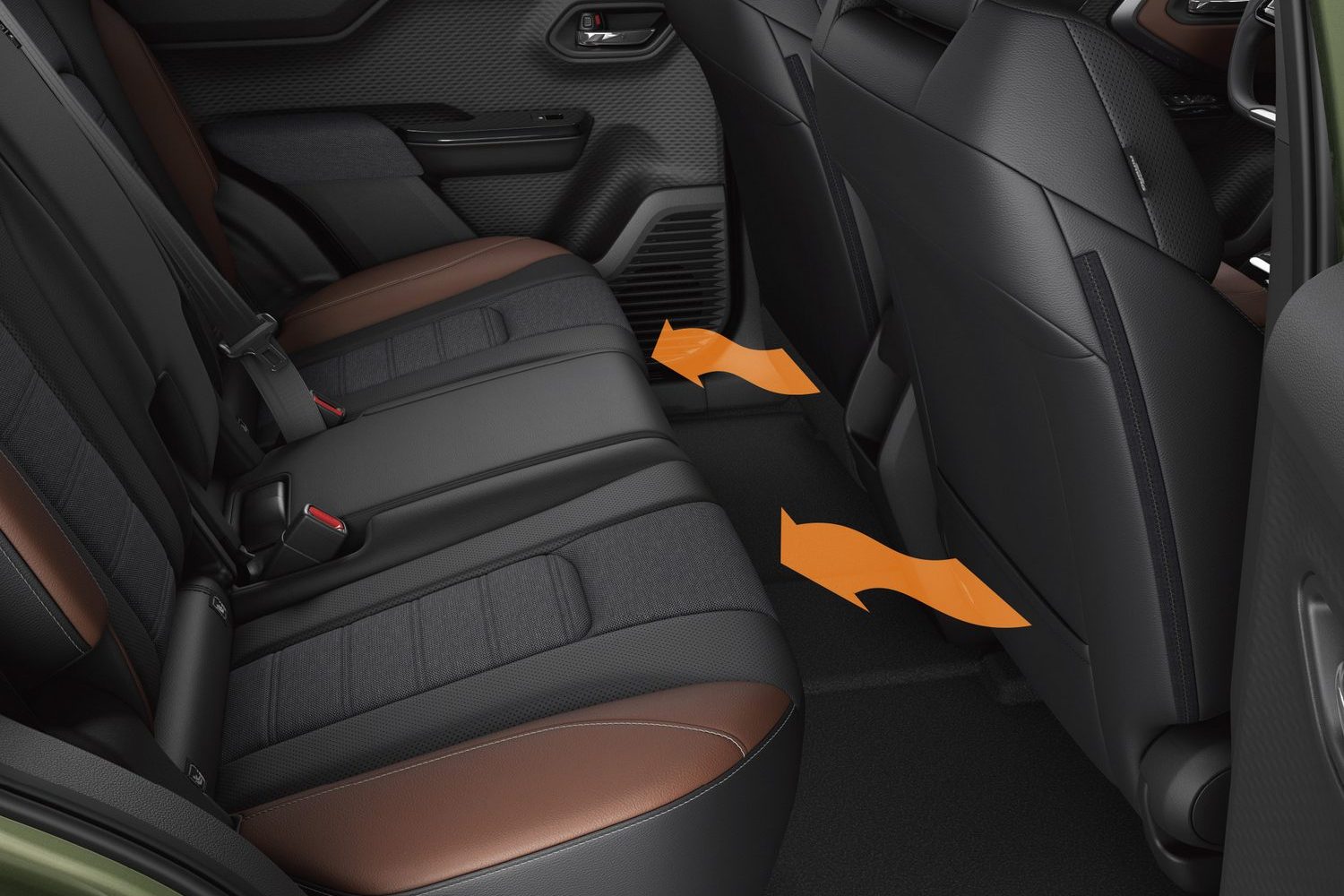
Weirdly, that rear armrest is actually, in effect, the middle portion of the 40:20:40 second-row split-folding backrests. And there's no rear guard here, as it functions as a through-load system.

This means that for two people sitting in the back who want the armrest down, there will always be a complete opening into the boot behind them, with no way to block out road noise from the rear wheel arches while the vehicle is in motion.
Rear-seat passenger space
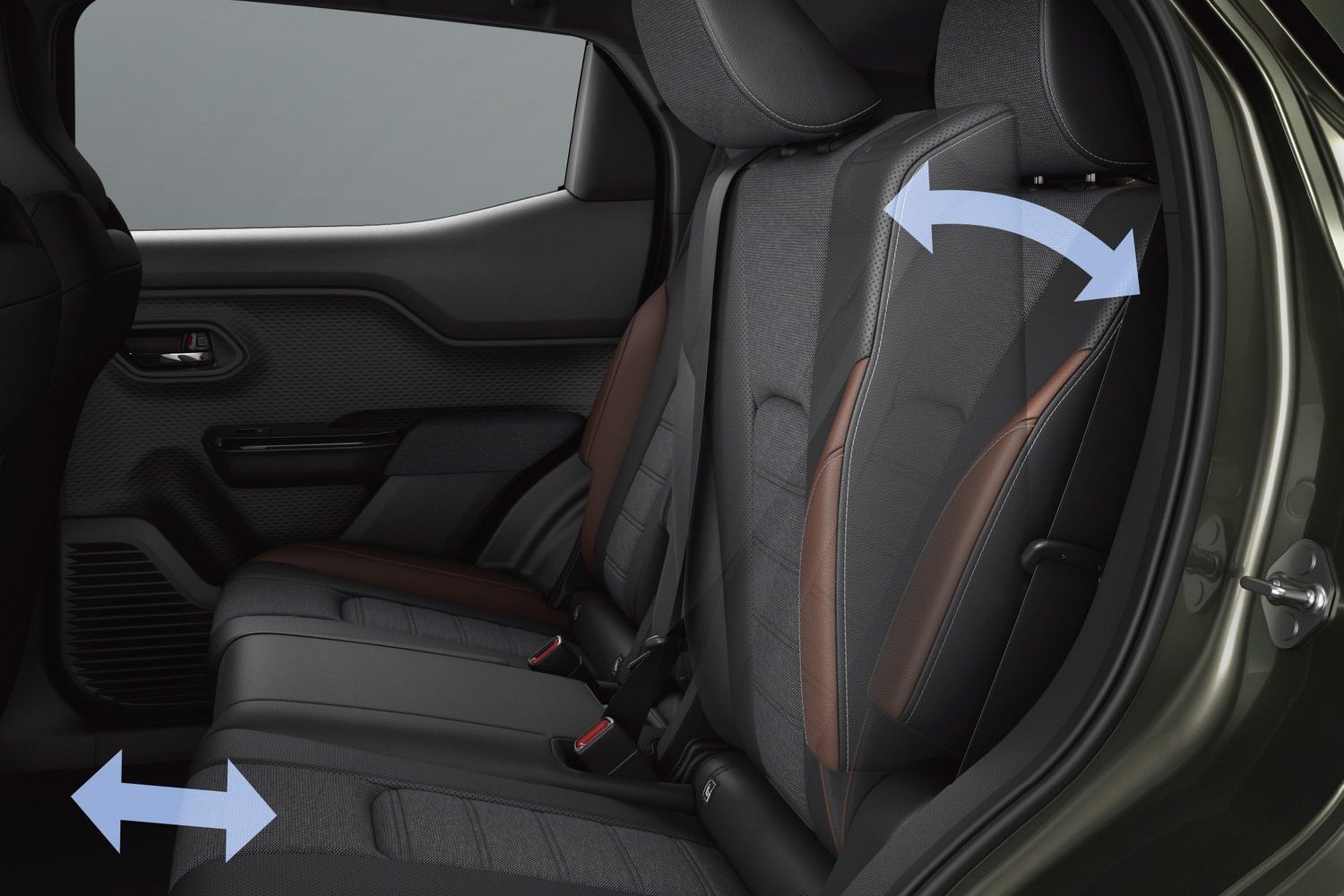
We've already mentioned how the rear seats fold down, but they also slide backwards and forwards by up to 160mm on a 60:40 base-split ratio, in order that owners can choose if they want more passenger space or extra cargo volume accordingly.

With the bench fully slid back, leg- and headroom is above average for this class, although taller people might find the latter is not exceedingly generous.
The rear bench's squab also feels a bit low-set, so that your thighs are pointing upwards slightly while you're sitting in the back of the Suzuki.
Actual ingress and egress are fine, though, because the rear doors open wide and there's a completely flat floor right through the back of the cabin.

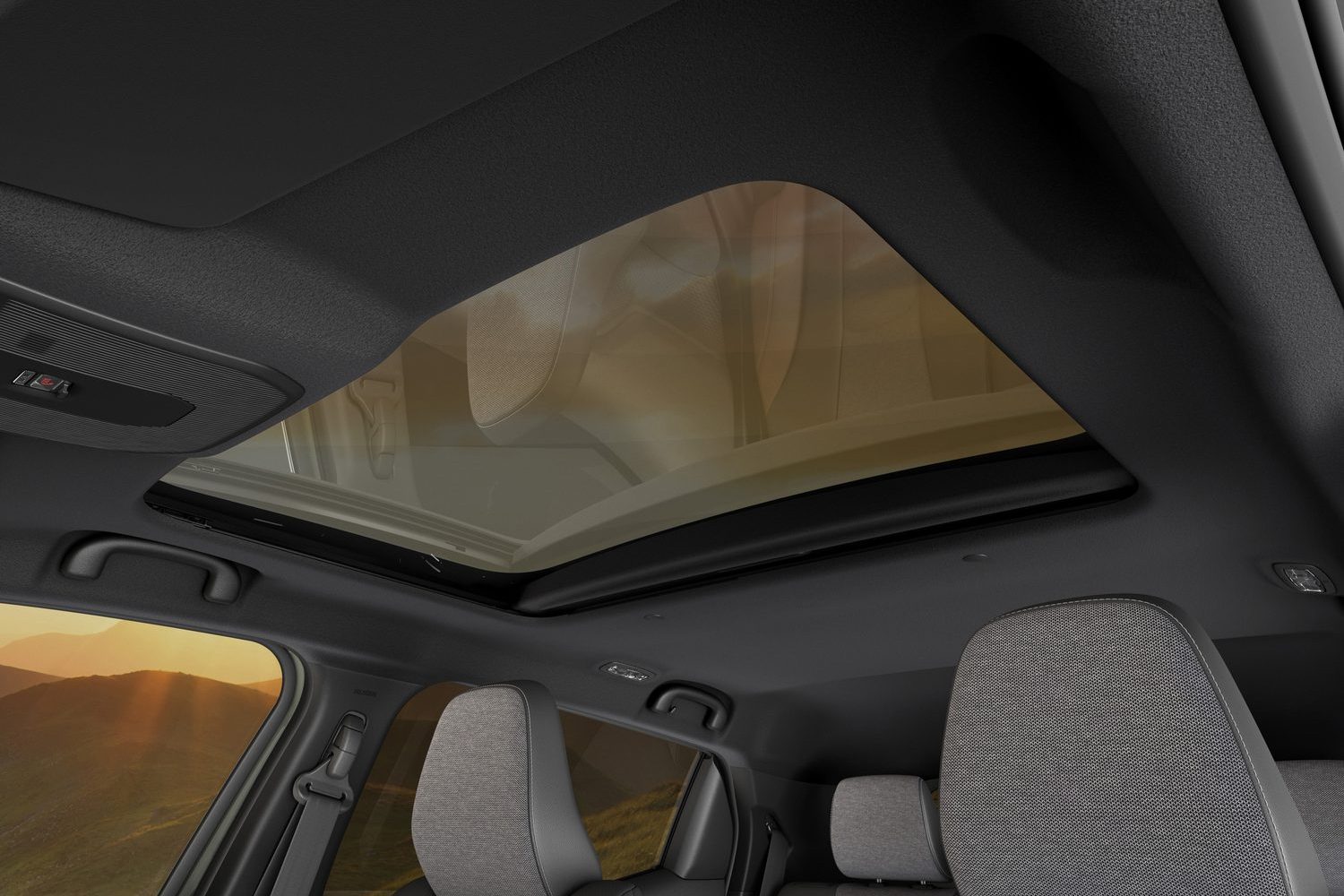
Sitting three in there might be possible for short journeys, as a result. And while the rear-lower window line kicks up on the e Vitara to pinch the window's shape, the amount of light filtering into the back is enough to ensure that that part of the cabin doesn't feel too gloomy - plus, it's even airier if the panoramic sunroof of the flagship spec is fitted.
Fitting child seats to the Suzuki e Vitara
There are two ISOFIX positions in the Suzuki e Vitara, on the outer positions of the second row. These come complete with top tethers on the seatbacks, too. Getting child seats into the rear of the crossover should be a doddle thanks to those sliding chairs and the long back doors, and in the Euro NCAP rating for this car, it recorded its highest individual score in the child occupant category - bagging an 85 per cent mark.
Boot space in the Suzuki e Vitara
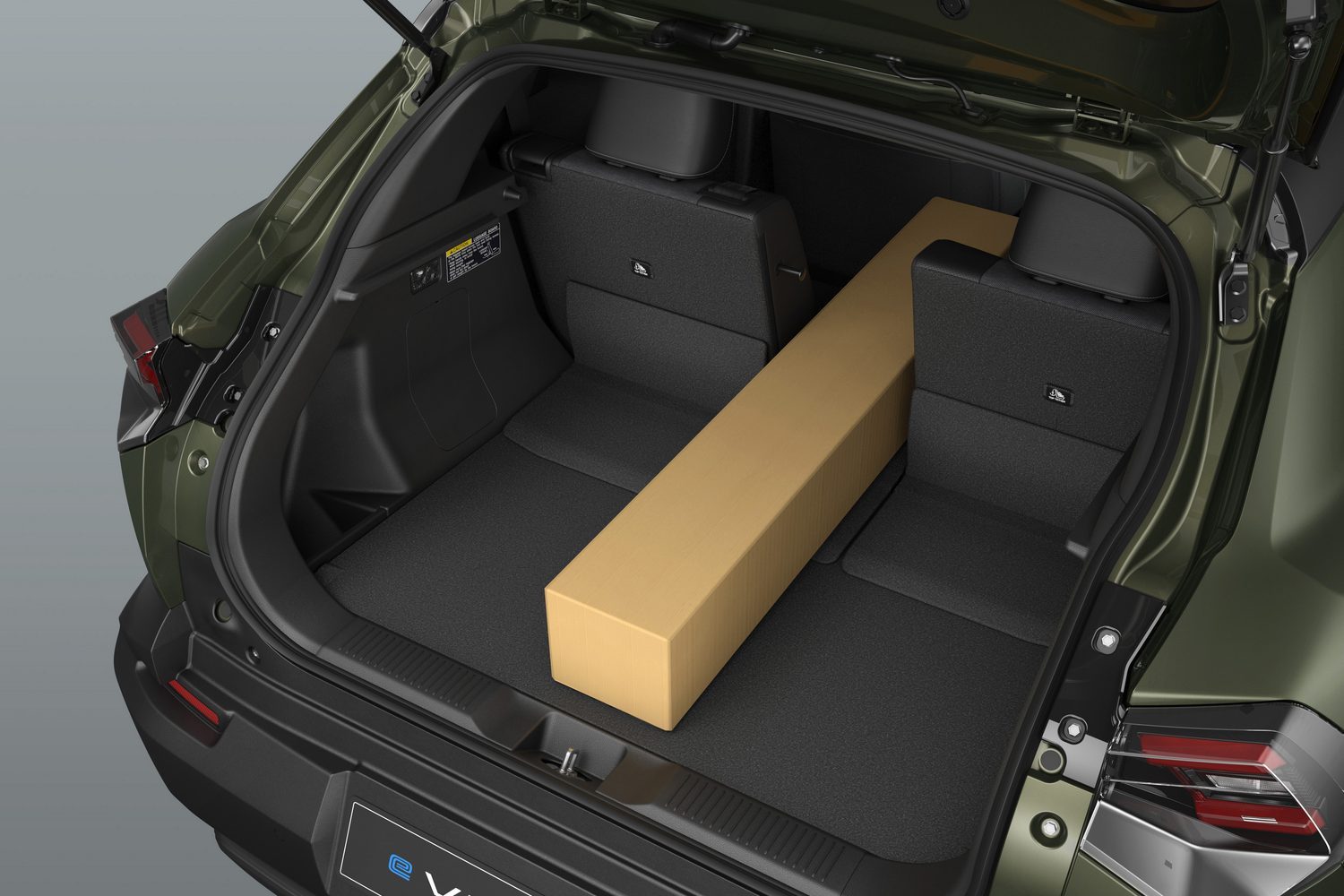
This is an area of weakness for the e Vitara, even though Suzuki's representatives gamely crammed a trio of soft-bodied (but rigid-framed) suitcases into its cargo bay to show us how capacious it appeared to be.

As we've said, the seatbacks in the second row are split in the 40:20:40 arrangement, although the sliding feature lumps them into a 60:40 set-up. But with the seats pushed back, there's just 244 litres of space in play in cars without the subwoofer, and 238 litres in those with it fitted.
Slide the seats forward and those numbers rise to 310 and 306 litres respectively, but that's still not brilliant when most rivals can accommodate in excess of 400 litres with all their seats in use.
And the 562-litre figure quoted for the e Vitara with the back seats folded down sounds poor until you realised it's only up to the window line
Cable storage is beneath the boot floor in the e Vitara, because there's no front boot at all.
Towing with the Suzuki e Vitara
All three models of the Suzuki e Vitara, including the all-wheel-drive Allgrip-e, can only tow 750kg of braked trailer - so these are not the EVs for you if you want to lug a large twin-axle caravan around behind you.
Safety in the Suzuki e Vitara
Euro NCAP put the e Vitara through its paces and it hasn't managed to glean full marks - picking up a four-star overall rating with scores of 77, 85, 79 and 72 per cent for the adult occupant, child occupant, vulnerable road users and safety assist sections accordingly.
That's despite the fact Suzuki is commendably doing its bit to democratise safety when it comes to advanced driver assistance systems.

Even the base-spec car has blind-spot monitoring and rear cross-traffic alert - features which are usually cost-extras or reserved for more expensive specifications in some rivals - alongside expected features such as lane keep assist and lane departure warning, traffic sign recognition and Suzuki's proprietary Dual Sensor Brake Support.
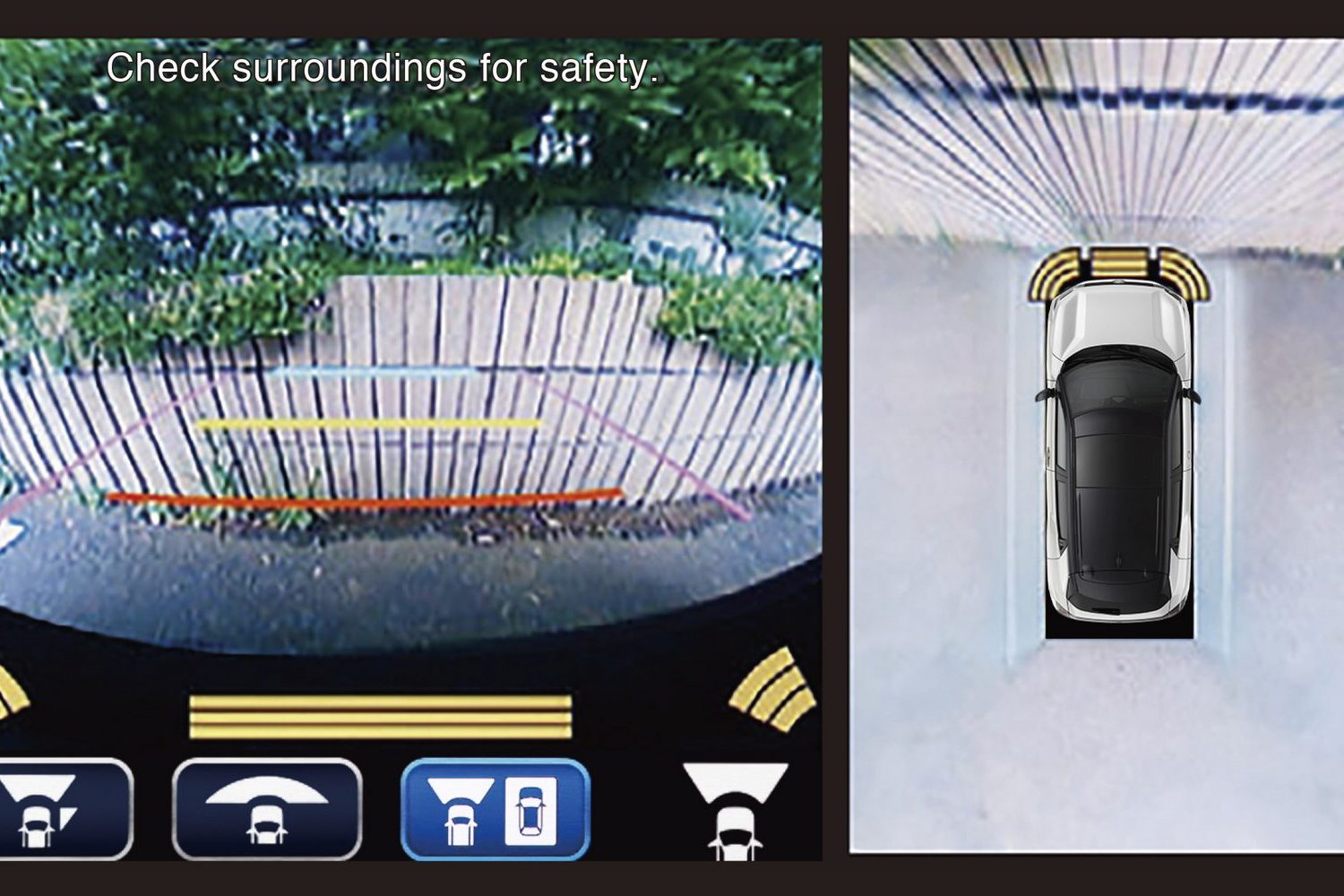
All models also come with front and rear parking sensors as standard, along with a rear-view camera, and the only things that stepping up to the higher-grade e Vitara adds from a safety perspective are adaptive high-beam assist and a 360-degree camera system.
Performance of the 2026 Suzuki e Vitara
- Three powertrain configurations
- Rare option of all-wheel drive
- Front-wheel-drive models lack torque

The Suzuki e Vitara range kicks off with a variant fitted with the small battery back and just front-wheel drive.
It'll only be sold in base specification in Ireland and delivers a modest 144hp backed up by 193Nm of torque, allowing for a 0-100km/h time of 9.6 seconds.
Moving up, the other two cars are fitted with the bigger battery, so the 'long range' variant is the middle-way Suzuki EV. This has no more torque than the base drivetrain, but power from the front-mounted electric motor is increased to 174hp and so, despite a mass increase, the 0-100km/h time is trimmed to 8.7 seconds.

The final piece in the puzzle is the 'Allgrip-e'. This is a dual-motor e Vitara with the same battery pack and front-axle motor as the long-range, front-wheel-drive car, but it has a secondary 48kW electric motor on its rear axle for four-wheel drive.
Peak power actually isn't much more than its front-drive relation, at 183hp, but the torque swells considerably to 307Nm and thus the 0-100km/h time comes down again - to 7.4 seconds.
Driving the long-range 61kWh Suzuki e-Vitara on UK roads
Words by Matt Robinson on 23 October 2025
Although the Allgrip-e Suzuki e Vitara is reasonably swift as a result of its enhanced torque, the front-driven car we're testing here, complete with the big battery, does not feel EV-brisk at all.

It's smooth enough in the way it picks up pace and will probably have just about enough grunt for most people's daily needs, but if you're expecting the surprising 'whizz' of an electric car then the e Vitara might not impress you all that much.
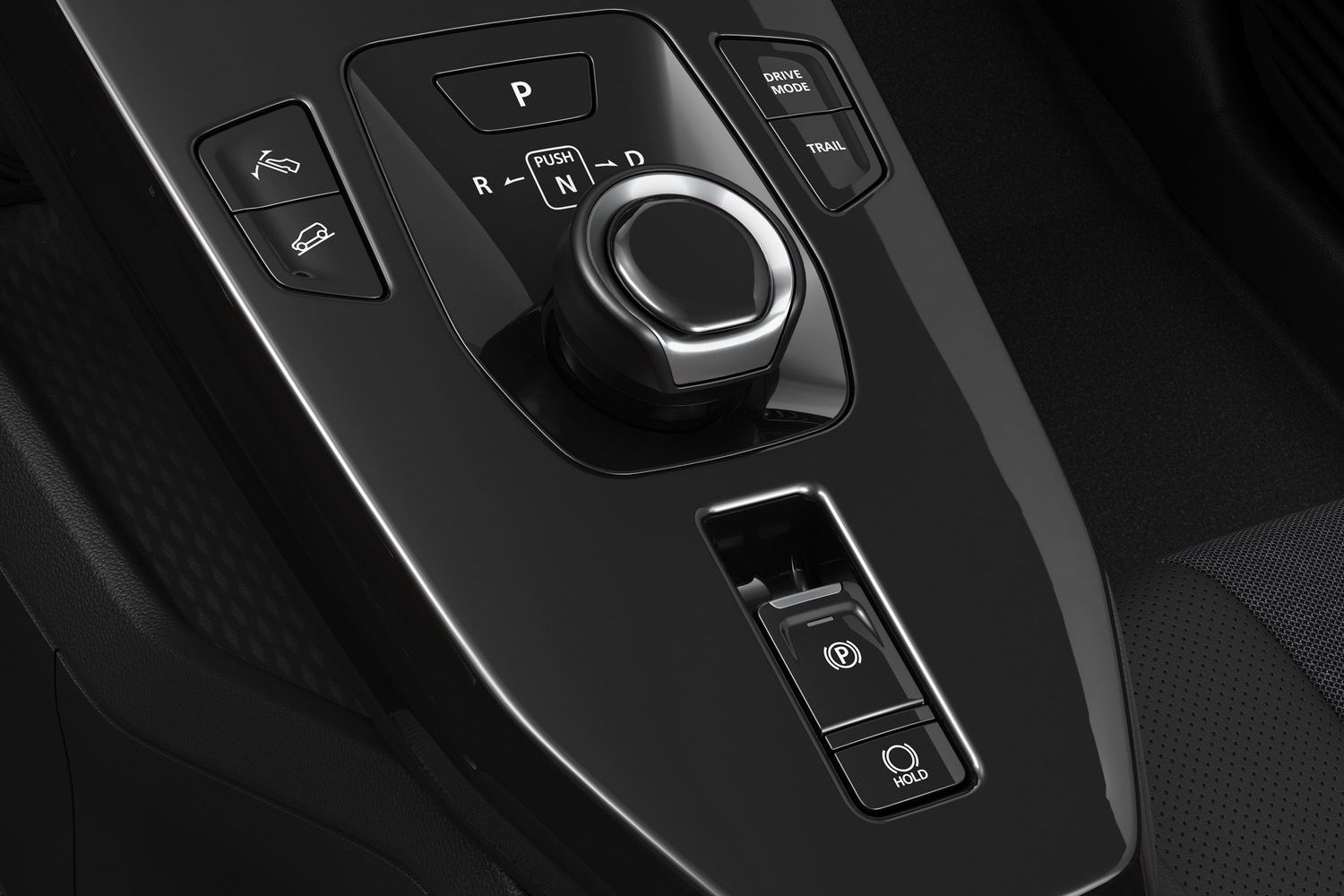
Braking power is OK, with a switch down on the tunnel flicking the car between having its regenerative deceleration in effect or not. However, to tune this through the three different strengths of braking offered, you need to delve into submenus of the touchscreen, and not a single setting the Suzuki provides will perform full one-pedal driving - as in, you can't bring the e Vitara to a complete halt simply by lifting off its accelerator pedal.
What's the biggest dynamic disappointment, though, is the ride and refinement. If the road surface you're passing along in the Suzuki is smooth and there's not many demons in the tarmac to catch it out, yeah, sure - it's acceptable.

But when it hits any midsized compression or bump or drain cover, it bounces up and down in an uncontrolled fashion, this unsettled behaviour accompanied by lots of noise from its suspension turrets.
On lumpen country backroads and cratered town streets, there's no other way of putting this: the e Vitara's ride is poor.
It doesn't help that there's plenty of wind noise around the B-pillars at only moderate pace, such as 60-70km/h and above, and that when you're at motorway speeds then the chatter of the tyres becomes notably audible. Supremely quiet and incredibly comfortable, this Suzuki EV sure isn't.

It's not too bad in the corners, though. There's less pitch, dive and lean than you might expect from it in extremis, given the way it hops and thuds over speed bumps and the like, and there's plenty of grip and even a trace of mid-bend adjustability in the Suzuki.
However, any perverse joy you might extract from contrarily driving the e Vitara like a hot hatch on your favourite quieter routes completely ebbs away, thanks to feel-free and uninvolving steering that can at times be overly light in your hands, then at others oddly heavy.
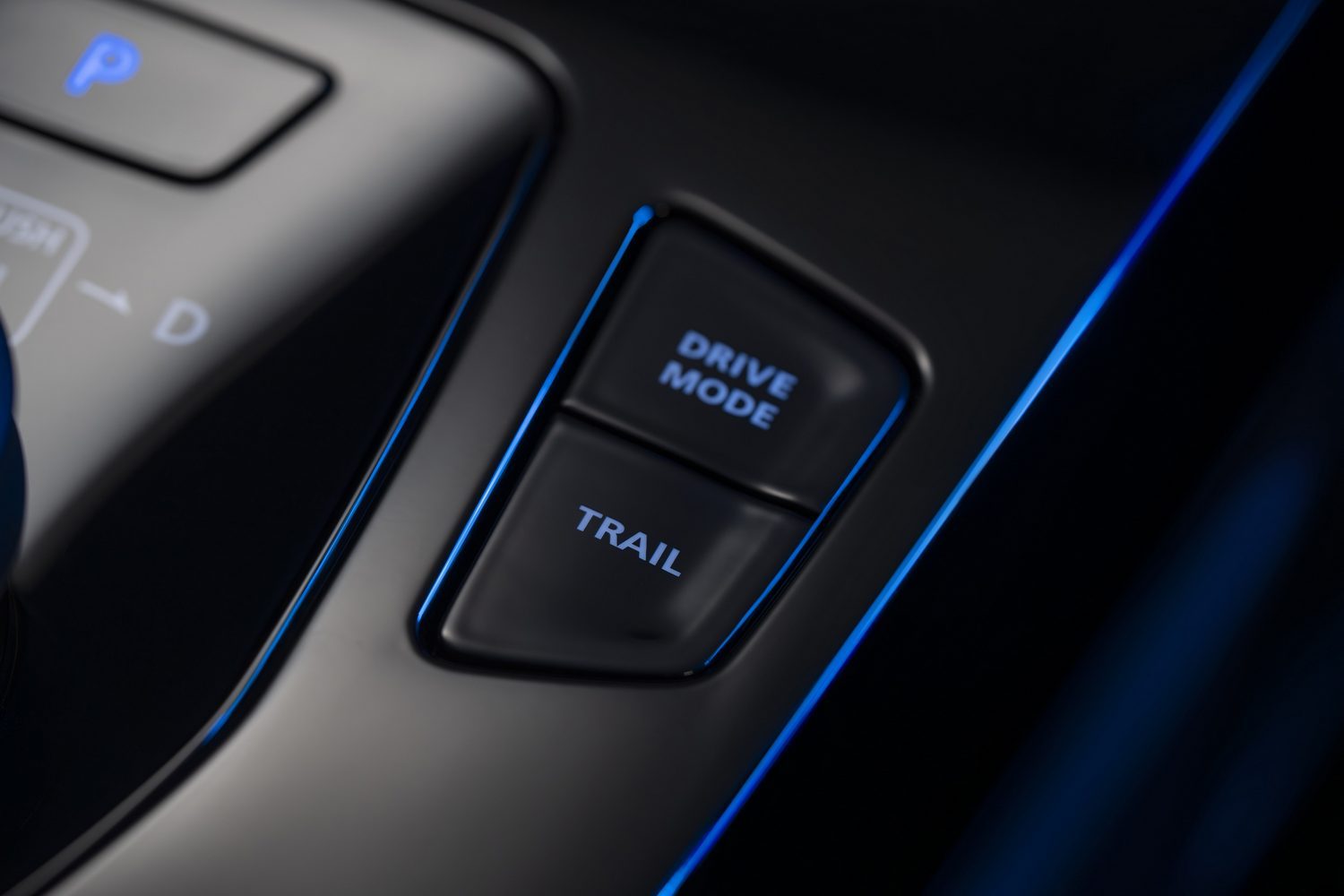
Credit to Suzuki, the car's accelerator remains pleasant to use in all three drive modes of Eco, Normal and Sport, although there isn't much light-and-shade difference between any of these settings to make their inclusion here in any way worthwhile.

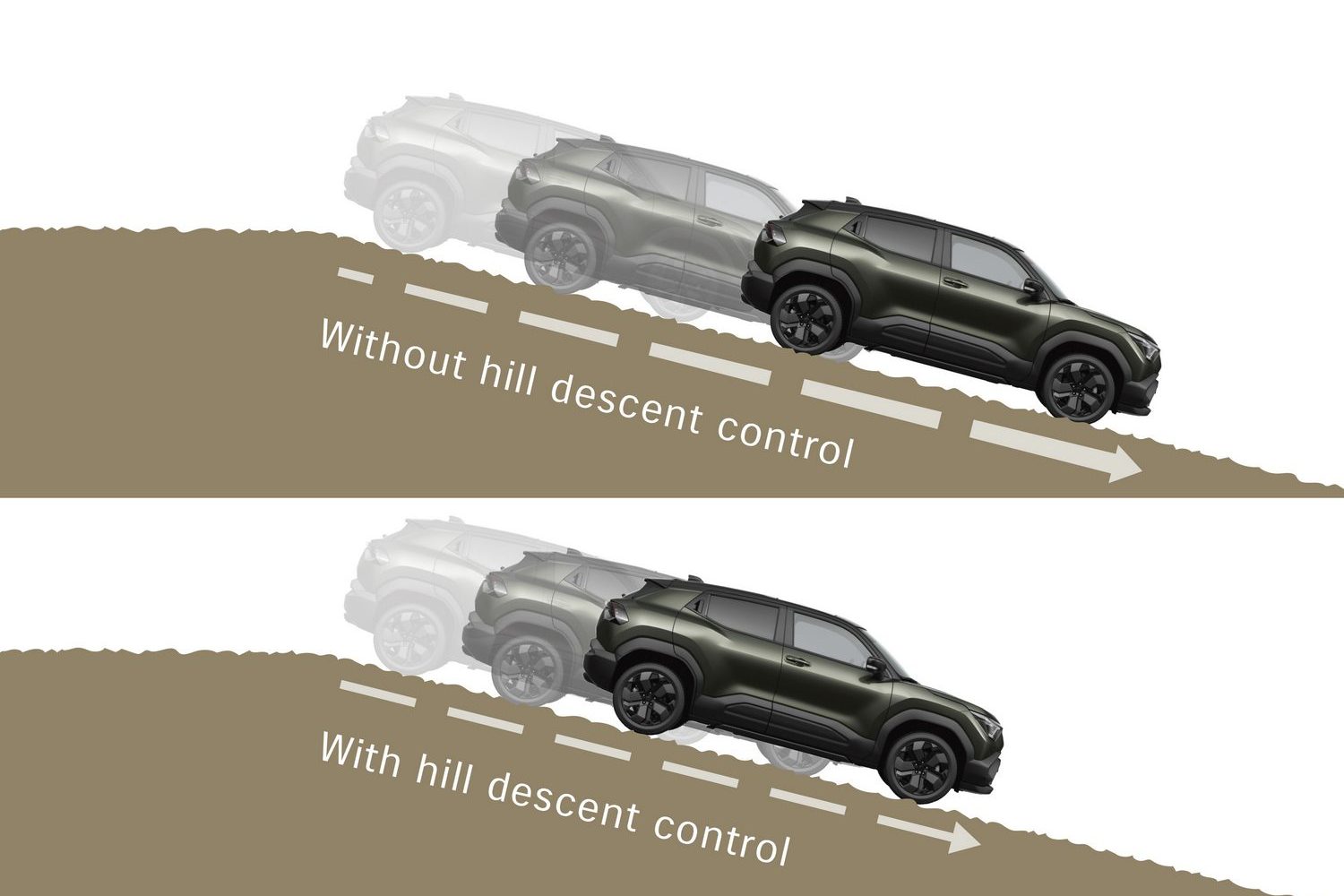
And a brief go off-roading in an Allgrip-e did suggest an impressive level of capability away from the tarmac, although we were by no means on the toughest course we've ever seen.
Range, battery, charging and running costs of the 2026 Suzuki e Vitara
- Two battery sizes to choose from
- Between 344-426km of range
- 70kW DC charging off the pace

Suzuki sells the e Vitara with two battery sizes and two configurations with single and twin motors, as we've already outlined above. It is not, however, a particularly long-legged EV by current standards, while its 'rapid' charging seems like it is a long way behind the leading lights in this segment.
Battery options and official range
Suzuki is using lithium-iron-phosphate (LFP) 'Blade' batteries sourced from Chinese company BYD for the e Vitara, and it's about the only bit of the car's chassis and powertrain that wasn't developed by the Japanese company itself.
There are two sizes of these, one rated at 49kWh and the other at 61kWh, and both these figures are usable capacities.

For the 49kWh, which is used solely with the low-power, front-wheel-drive e Vitara, the maximum official range is just 344km.
Switch to the 61kWh unit and it will provide 395km of driving capability in the flagship dual-motor Allgrip-e, but sticking with front-wheel drive only will liberate the e Vitara's maximum one-shot figure of 426km.
Real-world range and efficiency of the Suzuki e Vitara
For the long-range, front-wheel-drive e Vitara we're focusing on here - the 'range champion' of the Suzuki's family, remember - the official efficiency is 15.1kWh/100km, but we were getting 21.4kWh/100km on a mainly flat test route.
That would discharge the 100-per-cent-charged battery on this car in 285km, at best, not 426km.
And if the lower figure on the display were to be believed, the fully charged e Vitara 61kWh would be all done and dusted in 250km. In turn, 80 per cent (the usual public charging ceiling) of that is just 200km.
This is bad electrical efficiency. And we can't even save the Suzuki from embarrassment here, by saying our test route was very hilly, or that we were driving like loons for long periods of time, or that it was freezing cold outside, or that we used every electrical drain in the cabin we could think of.
No; we were largely cruising along level roads at 80km/h, in 15 degrees centigrade ambient temps, with most of the interior electronics switched off.
We will give it another chance once the car arrives on Irish roads.
Charging up the Suzuki e Vitara
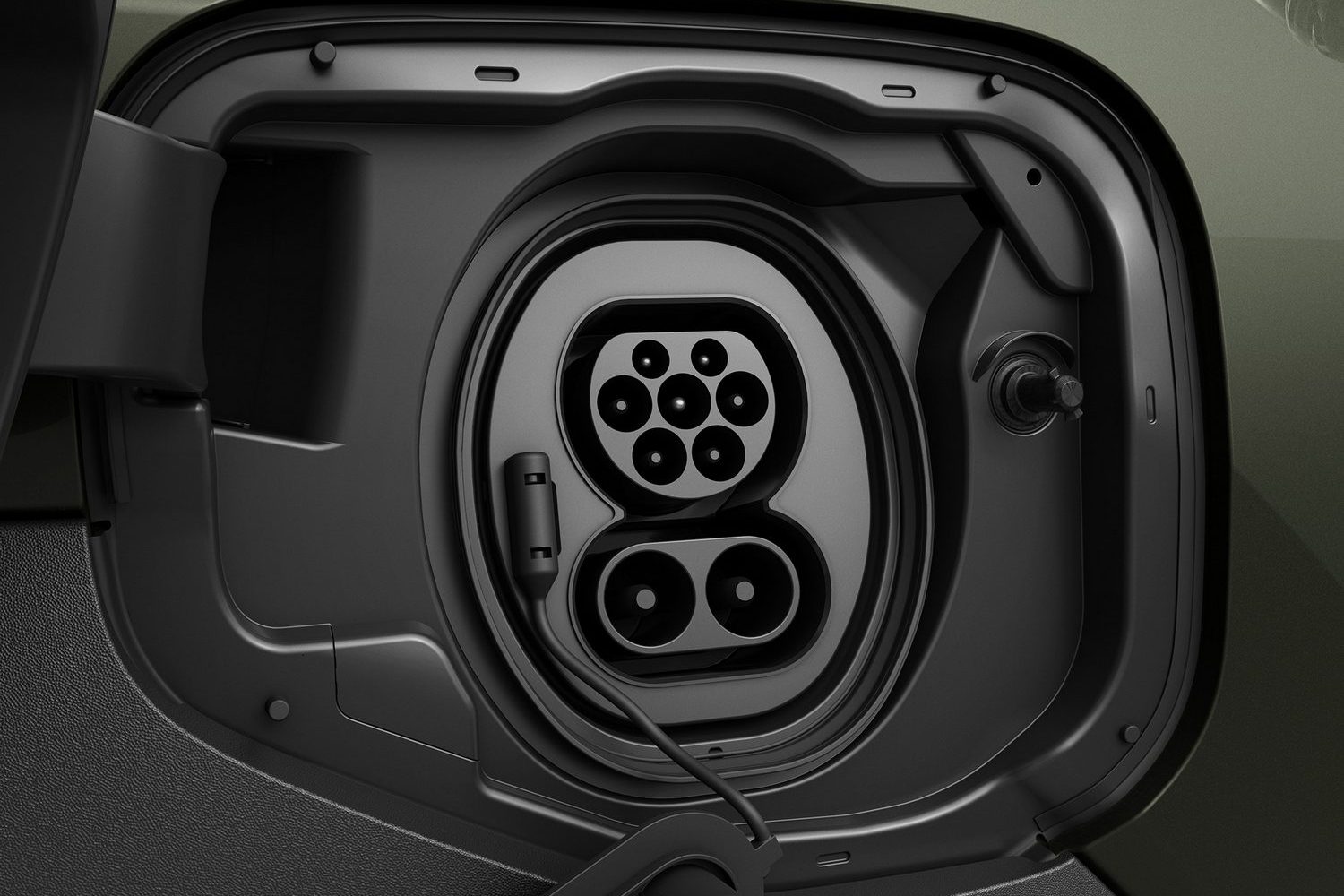
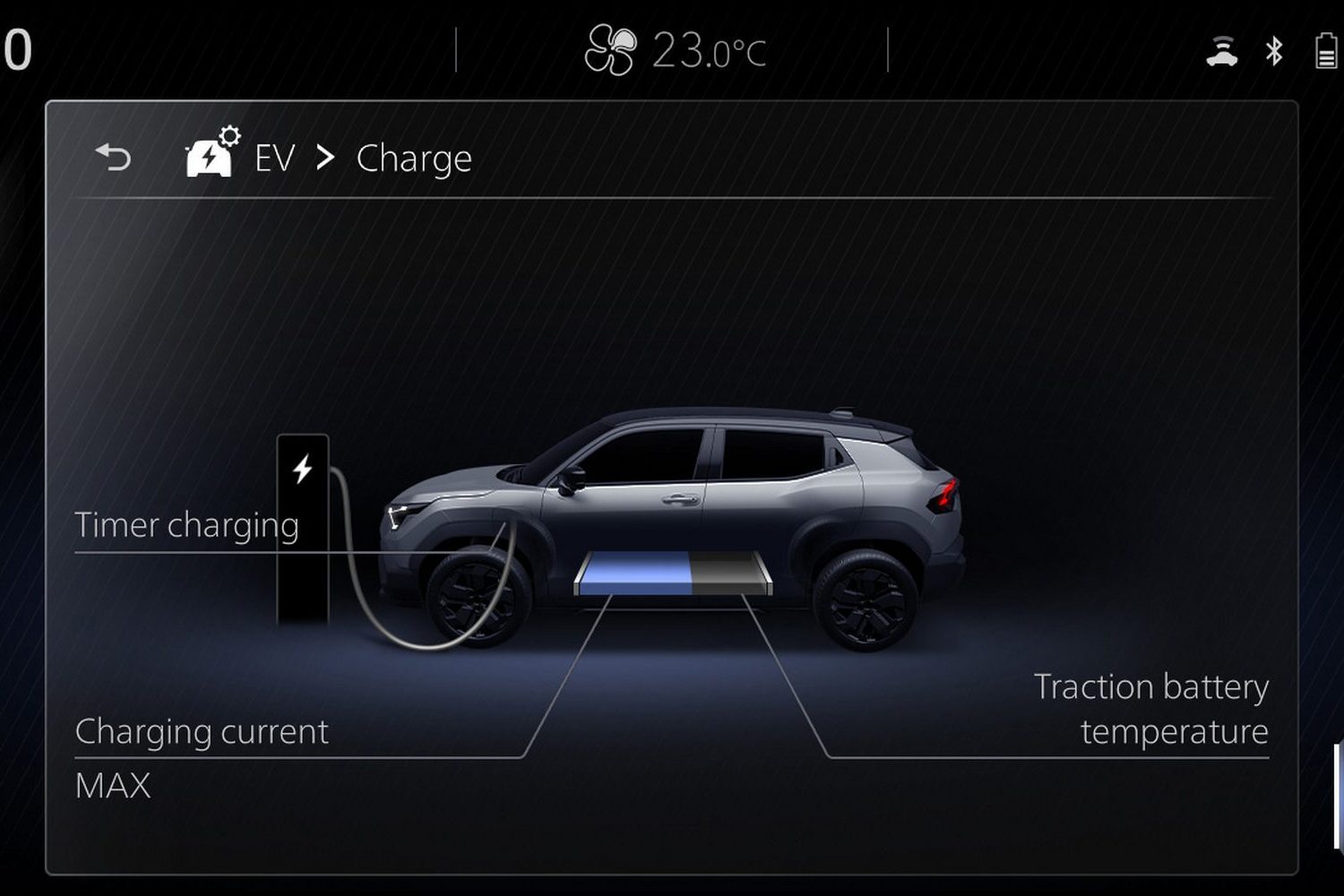
It doesn't get much better for the Suzuki in this department. Its fastest charging rate on a DC public connection is 70kW - when almost every single rival going will claim 100kW, minimum, and some of the cars in this same class (the Skoda Elroq, for instance) can charge at 175kW.

In the e Vitara's defence, the time taken for either of its batteries to go from the widely accepted 10-80 per cent state-of-charge at this speed is 45 minutes, which isn't terrible in and of itself - although we'd again say that most competitors will only suggest you'll be hanging around for 20-30 minutes at a public charger to do the same job.
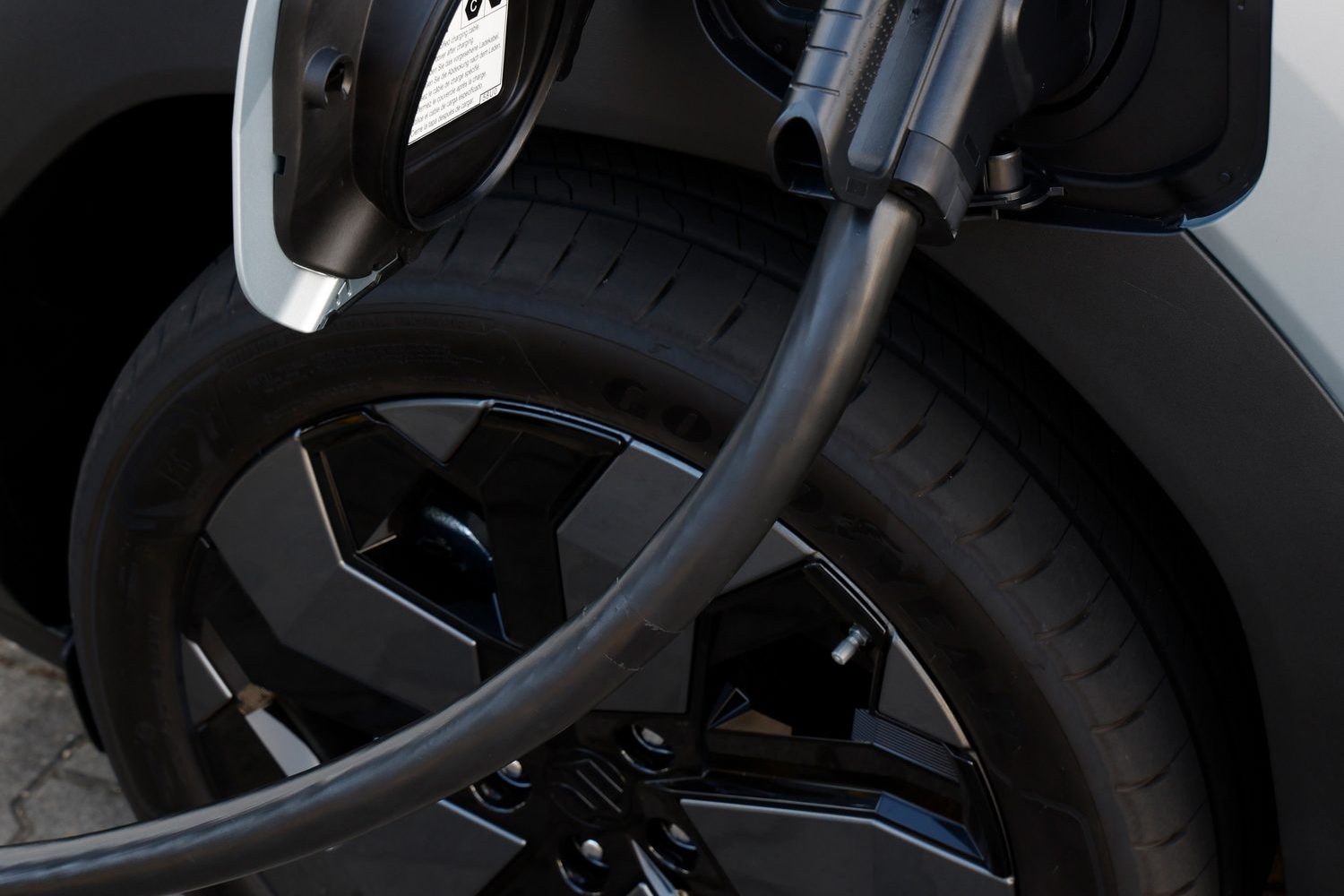
A feather in the e Vitara's cap is that it does support 11kW AC charging if you can access it, which'll see the small battery go from 10-100 per cent in just 4.5 hours and the larger power cell requiring 5.5 hours for the same thing.
However, most people charge their EVs from home on 7.4kW single-phase wallboxes, in which instance the 49kWh Suzuki will need 6.5 hours to go from 10-100 per cent charge, while the 61kWh car will take nine hours.
Servicing the Suzuki e Vitara
Suzuki Ireland recommends an annual servicing routine, or every 15,000- or 20,000km instead, depending on which comes first and what model/age of car you have.
Suzuki e Vitara warranty
The standard warranty on the car is three years and unlimited distance, while for the high-voltage battery pack it is eight years and unlimited distance.
On top of that, there's a service-activated extended warranty programme that will apply to the e Vitara: in essence, if you make sure you take your Suzuki EV back to one of the company's main dealers in accordance with the servicing schedule, then the warranty will automatically - and free of charge - be extended for up to 10 years or 160,000km, whichever comes first.
Irish pricing & rivals to the 2026 Suzuki e Vitara
- Two trim levels, two batteries, 2WD or AWD
- From €32,995
- Lots of very talented competition

There's a 49kWh FWD Motion model as the entry point, costing €32,995 after all State incentives. Next up are both Motion and Ultra versions of the long-range 61kWh FWD (€36,995 and €40,470, respectively), while the Allgrip-e dual-motor AWD is sold in Ultra spec only at €44,055.
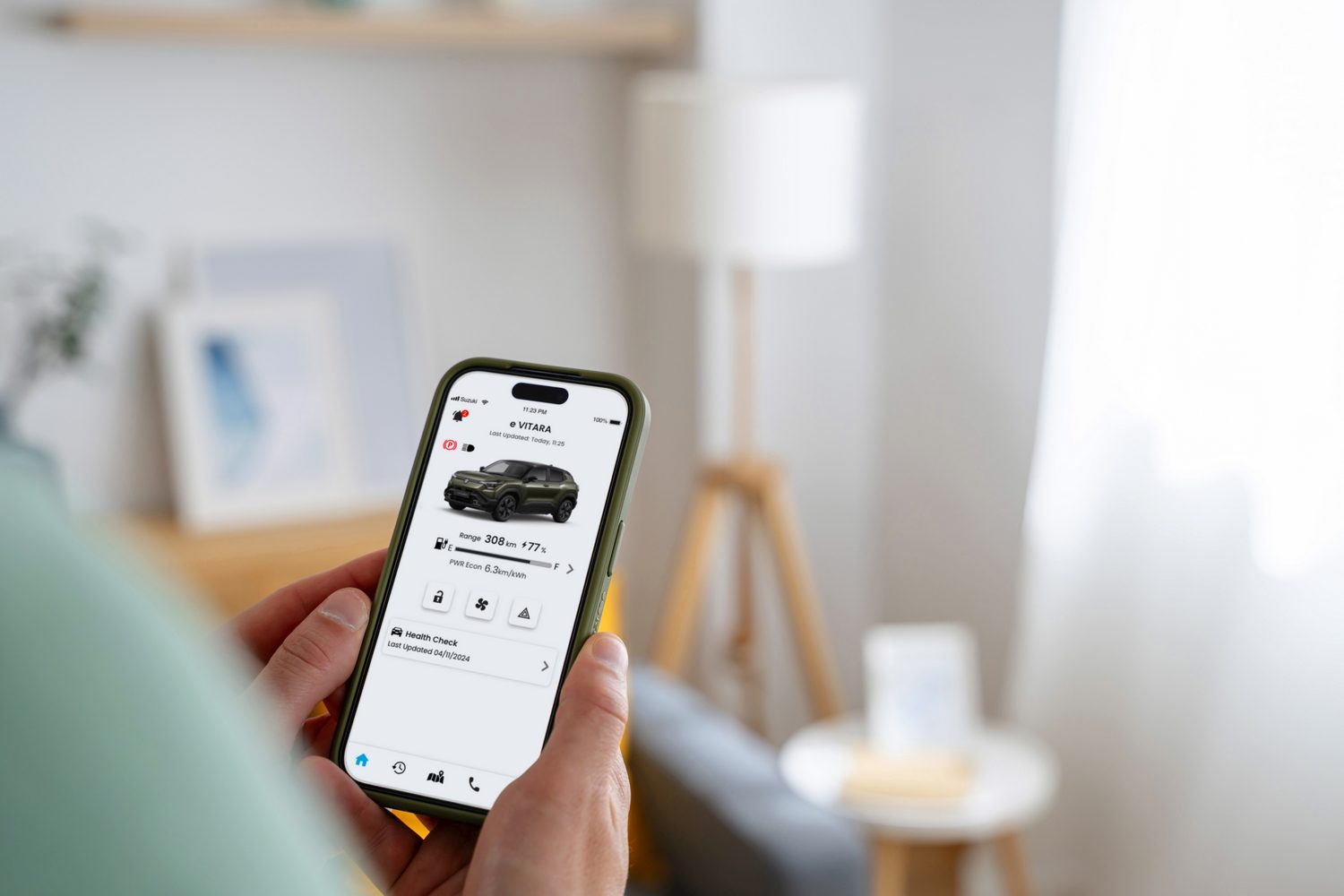
Equipment levels are generous across the board: a Motion will come with 18-inch alloy wheels, the nav-enabled Integrated Display System (twin 10.25- and 10.1-inch screens), rear privacy glass, all the aforementioned ADAS, a rear-view camera, front and rear parking sensors, keyless entry and start, a heated steering wheel and heated front seats (61kWh models only), the rear-seat slide and recline functionality, a heat pump and a four-year subscription to Suzuki Connected Services, among more.

You can step up to an Ultra for 19-inch alloys, an adaptive high-beam system, a 360-degree camera system, front foglamps, a panoramic sunroof, a wireless smartphone charger, half-synthetic-leather upholstery, a power-adjustable driver's seat and the Infinity premium audio system with subwoofer.
Beyond the paint schemes, there are no cost options on any e Vitara. About the only other spec difference is that the green-and-silver body finishes bring in a set of tan-coloured interior highlight panels for the Ultra trim, which does enliven the Suzuki's otherwise-dour cabin.
A lot of its key rivals start in the €30,000-€36,000 ballpark, for cars with more power, greater range, faster charging and bigger boots.
Verdict - should you buy the 2026 Suzuki e Vitara
Like so many Suzukis before it, the e Vitara looks to offer plenty of bang for its buck, in terms of equipment fitted and the interior space provided. It's also easy to drive, in an undemanding and gentle fashion.
But while it is no means below-par overall, there are certain areas of this electric newcomer which place it behind the existing curve. It doesn't have particularly much driving range, the ride and refinement are average and both the charging speeds and experienced electrical efficiency leave much to be desired.
FAQs about the 2026 Suzuki e Vitara
Does the Suzuki e Vitara have a 'frunk'?
No, there's no additional storage under the Suzuki's bonnet, which seems like an oversight on the company's part given how metrically small the rear boot is.
Is the Suzuki e Vitara all-wheel drive?

Only if you specify it in the flagship dual-motor version, which Suzuki calls the 'e Vitara Allgrip-e'. The other two powertrains are front-wheel drive.
Is Suzuki e Vitara another rebadged Toyota car?
In this instance, no it's not. It's actually Suzuki which has done the bulk of the development work on the e Vitara, in turn handing it over to Toyota which sells much the same machine as the Urban Cruiser.
Suzuki Ireland might have an edge here, though: the Urban Cruiser is not coming to this market, so the Suzuki is your only choice if you like this EV's appearance.
Will the Suzuki e Vitara be reliable?
There's every reason to expect it will be, yes. Suzuki has a record of making dependable and trustworthy cars, and that's when there were internal-combustion engines and gearboxes onboard - both things that have a multitude of ways of going wrong. An EV has fewer moving parts to service and maintain, and Suzuki also provides its superb ten-year, service-activated warranty if you want maximum peace of mind.
Does the Suzuki e Vitara qualify for the SEAI grant?
Yes, as all come in under the €60,000 mark.
Has the Suzuki e Vitara been assessed for safety?
The Suzuki e Vitara has recorded a four-star Euro NCAP safety result. You can view the full report here.
Want to know more about the 2026 Suzuki e Vitara?

If there's anything about the new Suzuki e Vitara we've not covered, or you'd like help in choosing between it and other cars, you can avail of our expert advice service via the Ask Us Anything page.
Suzuki e Vitara history
Although the model specifically called 'e Vitara' is in its first generation, there is a heritage to call on here. Suzuki put that small 'e' in front of arguably its most famous nameplate to enhance the subconscious link for customers between the old combustion-powered models and this new EV.
Thus, you could say the e Vitara has a history that stretches back to 1988 across four previous generations.
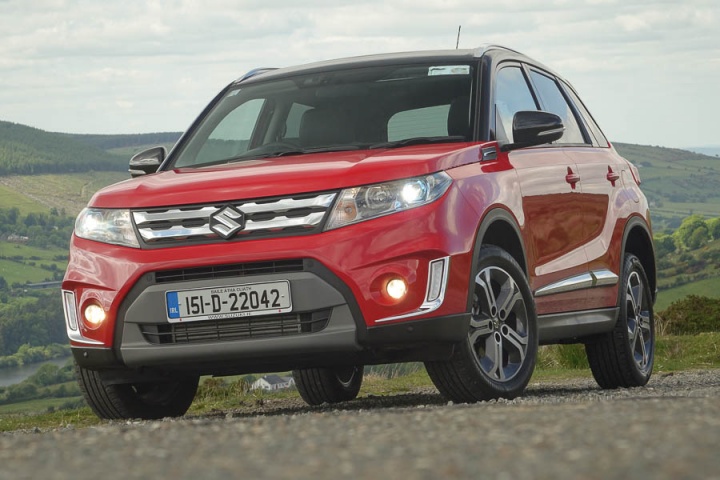
Early Vitaras came in three- and five-door bodies, complete with side-hinged tailgates, and were fitted with proper low-range gearboxes for real off-road prowess, but in more recent years the Suzuki has become a more conventional road-biased crossover-SUV with a rear hatch that opens upwards in a regular fashion.