




Exterior & Design of the 2025 Smart #1 Brabus
- Styling is peculiar, but appealing
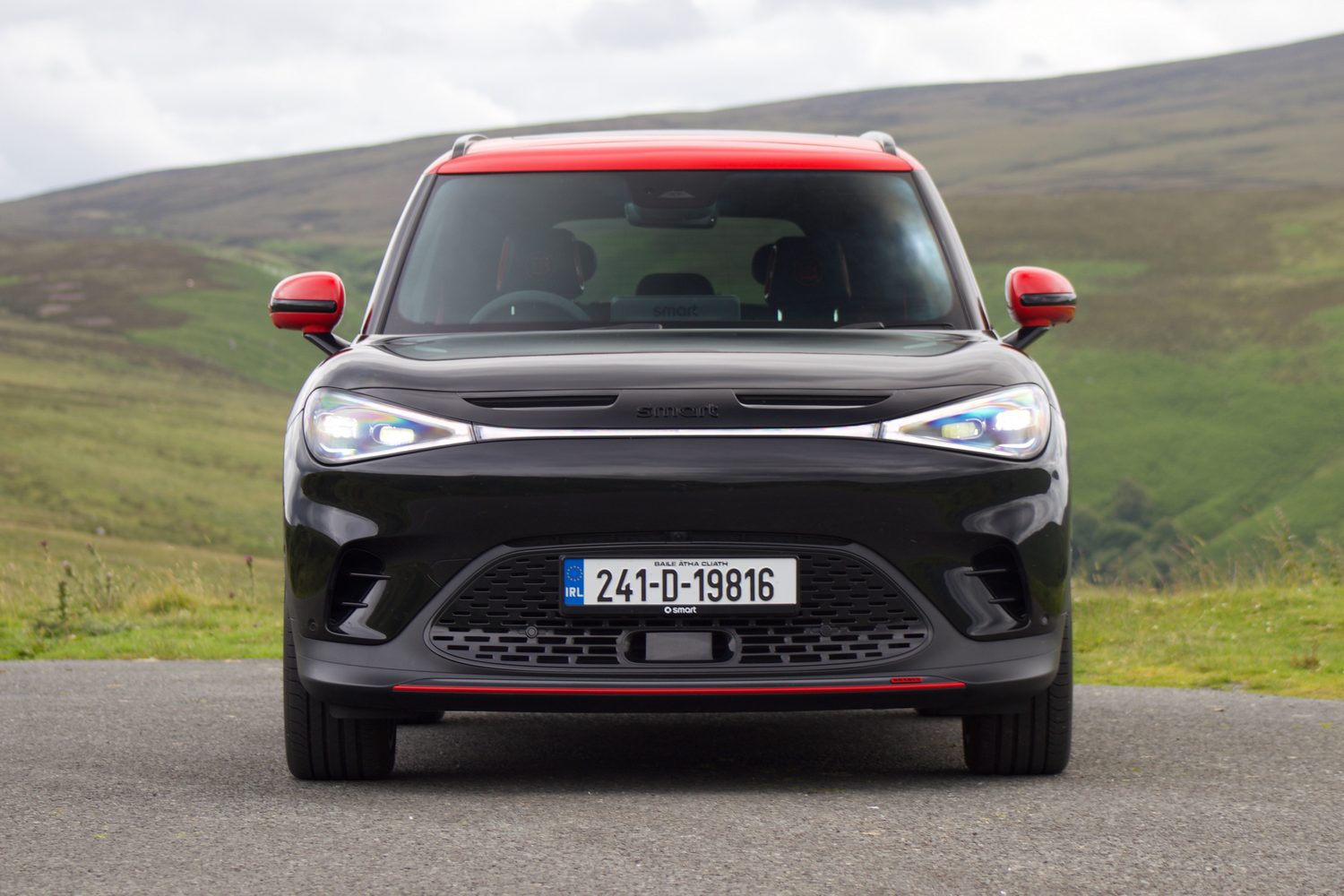
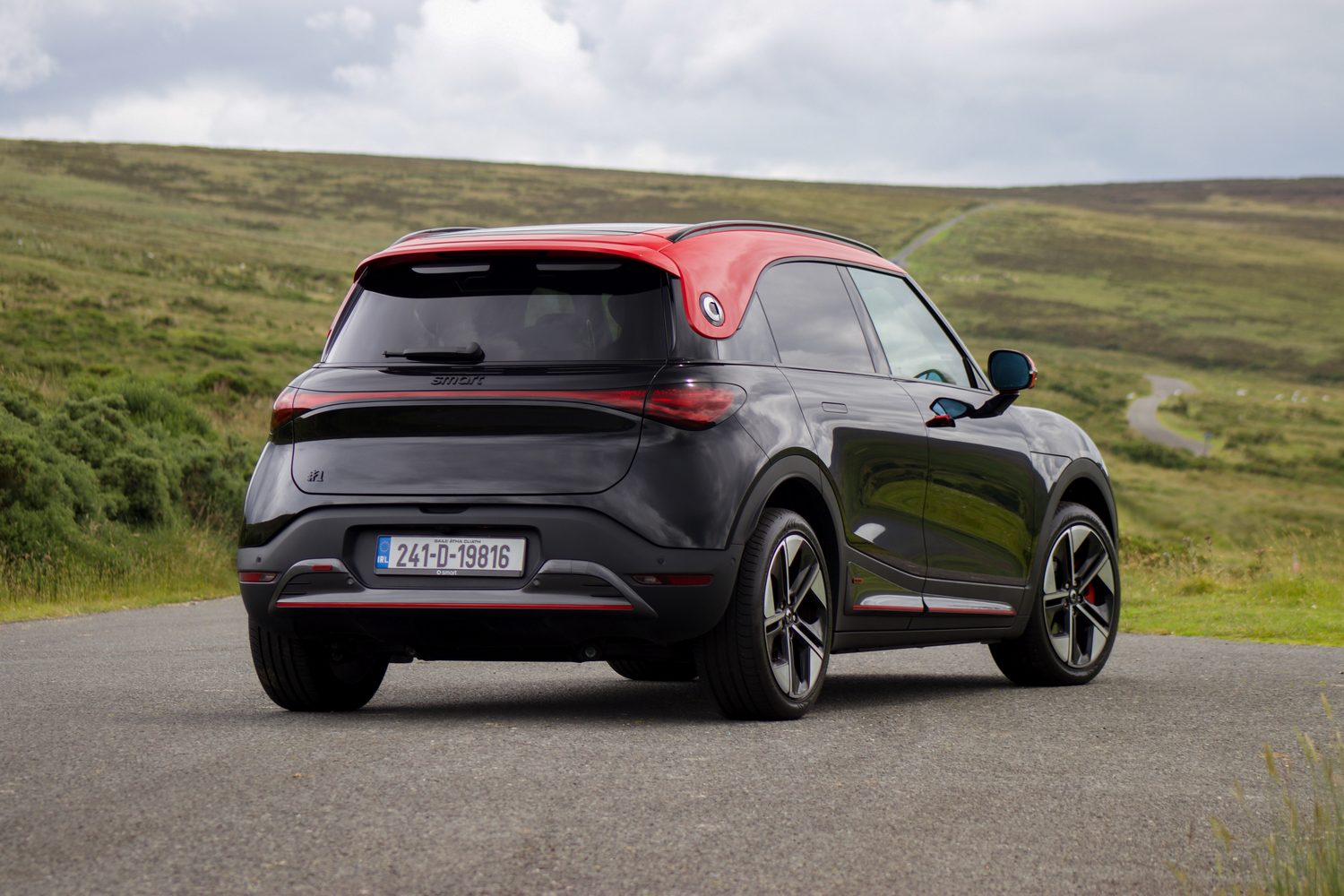
- Brabus gets a red contrast roof
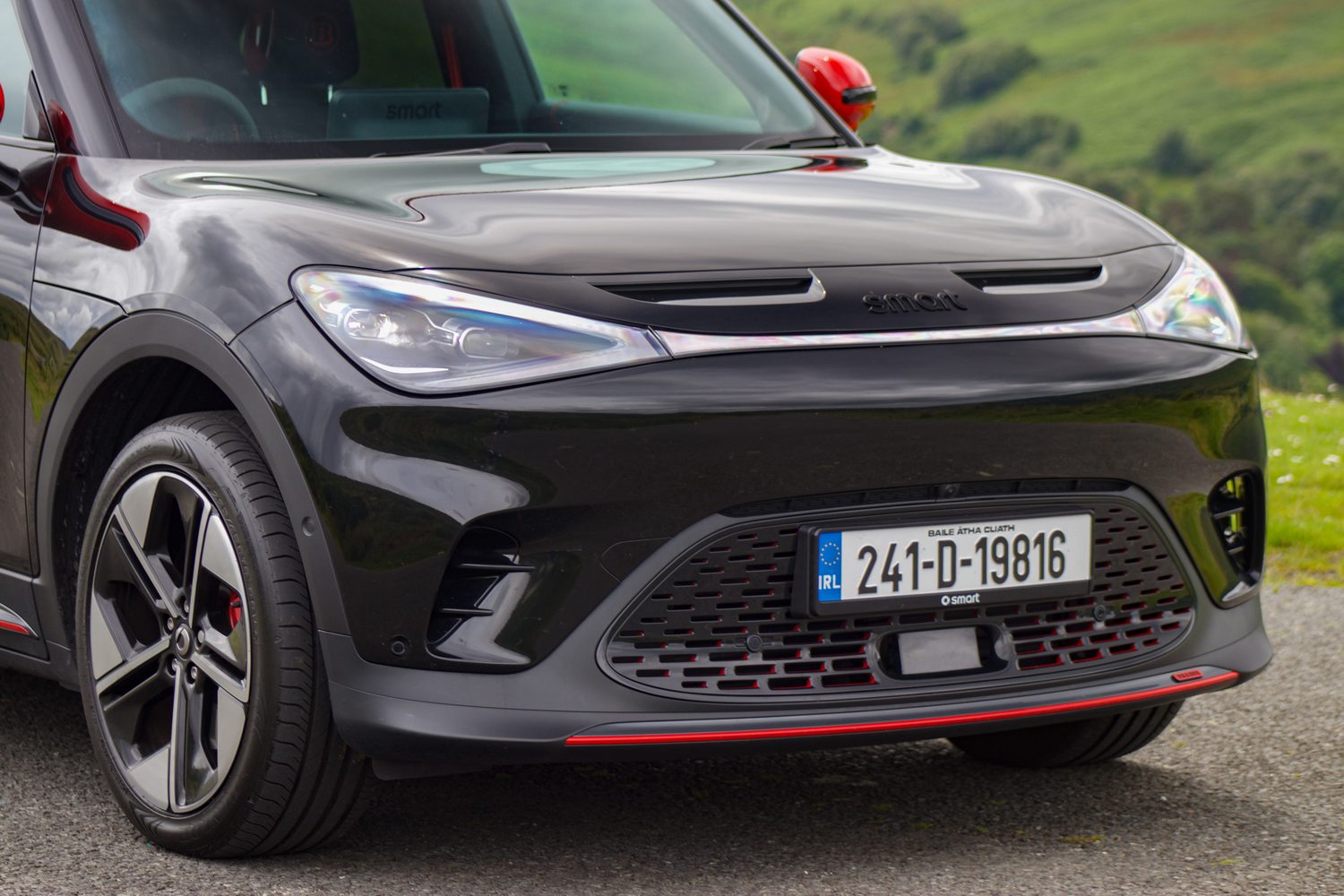
- 19-inch alloys as standard

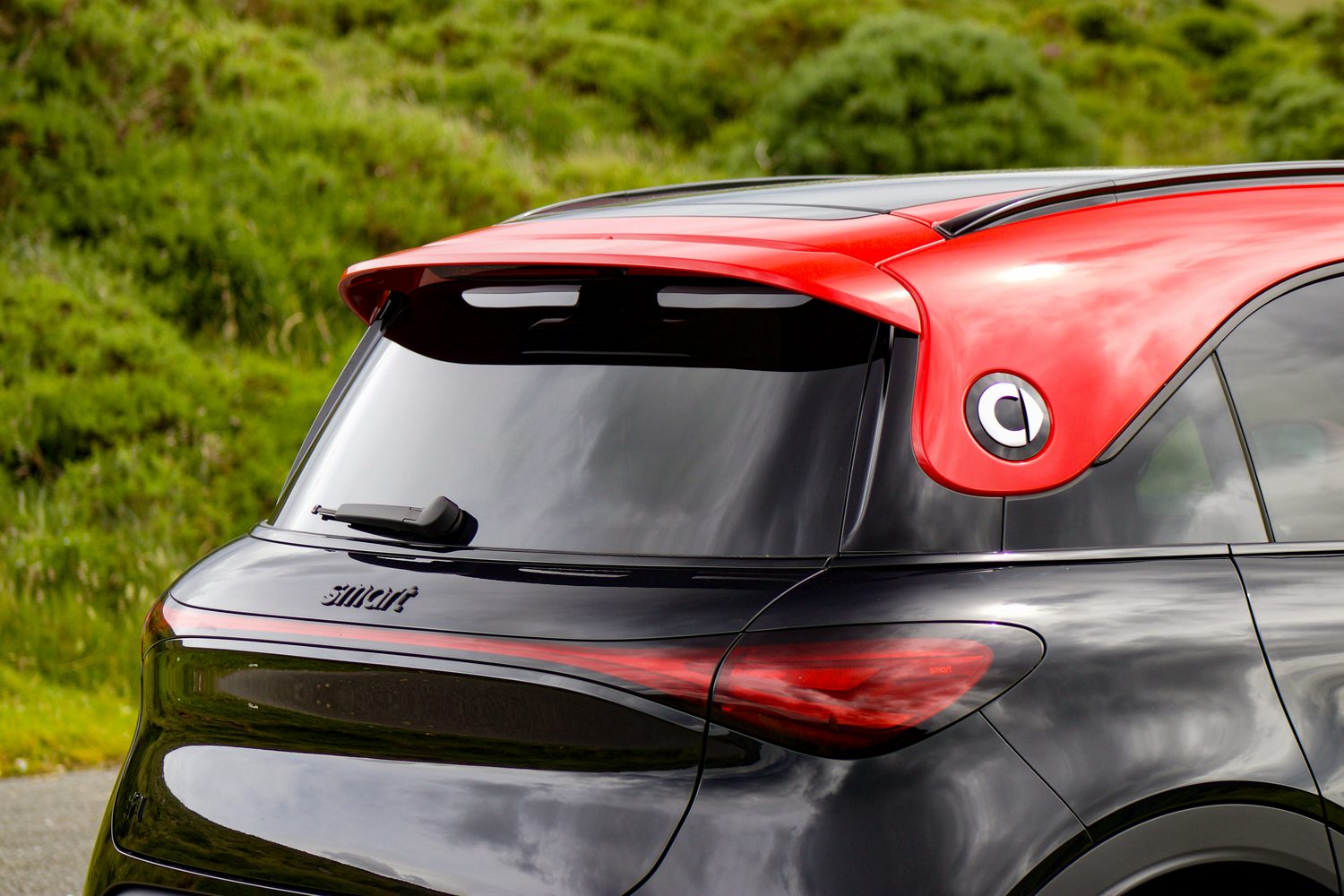
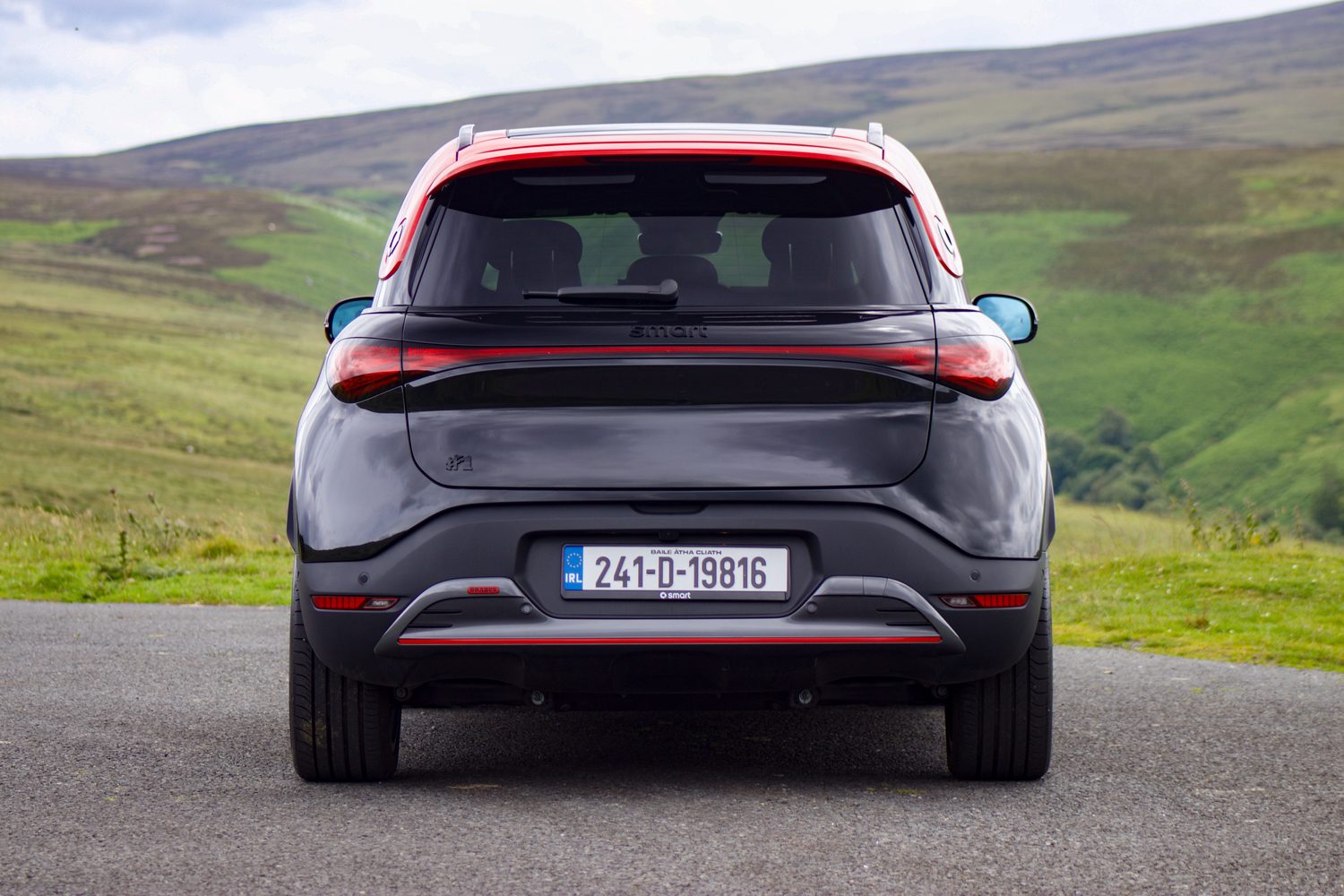
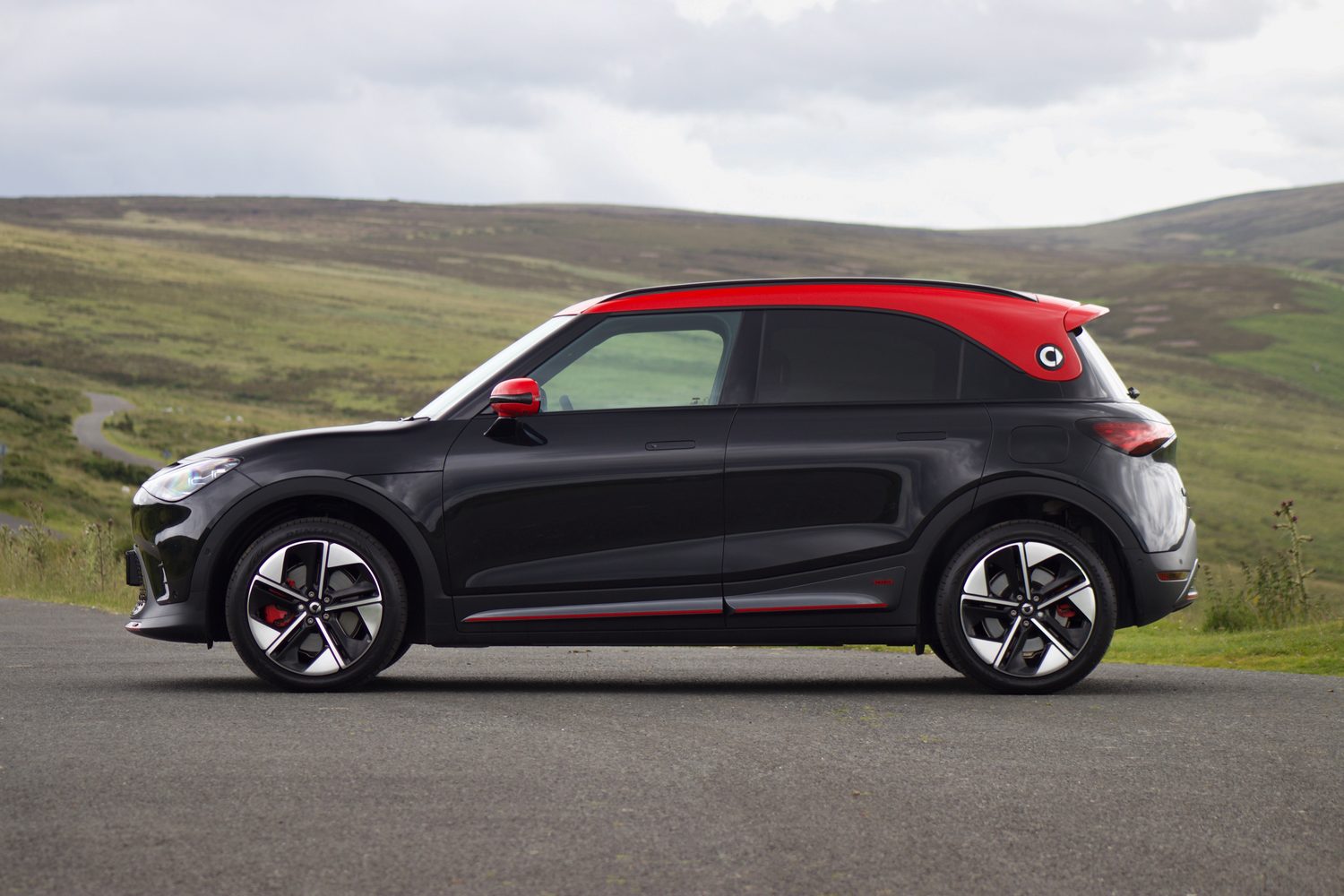
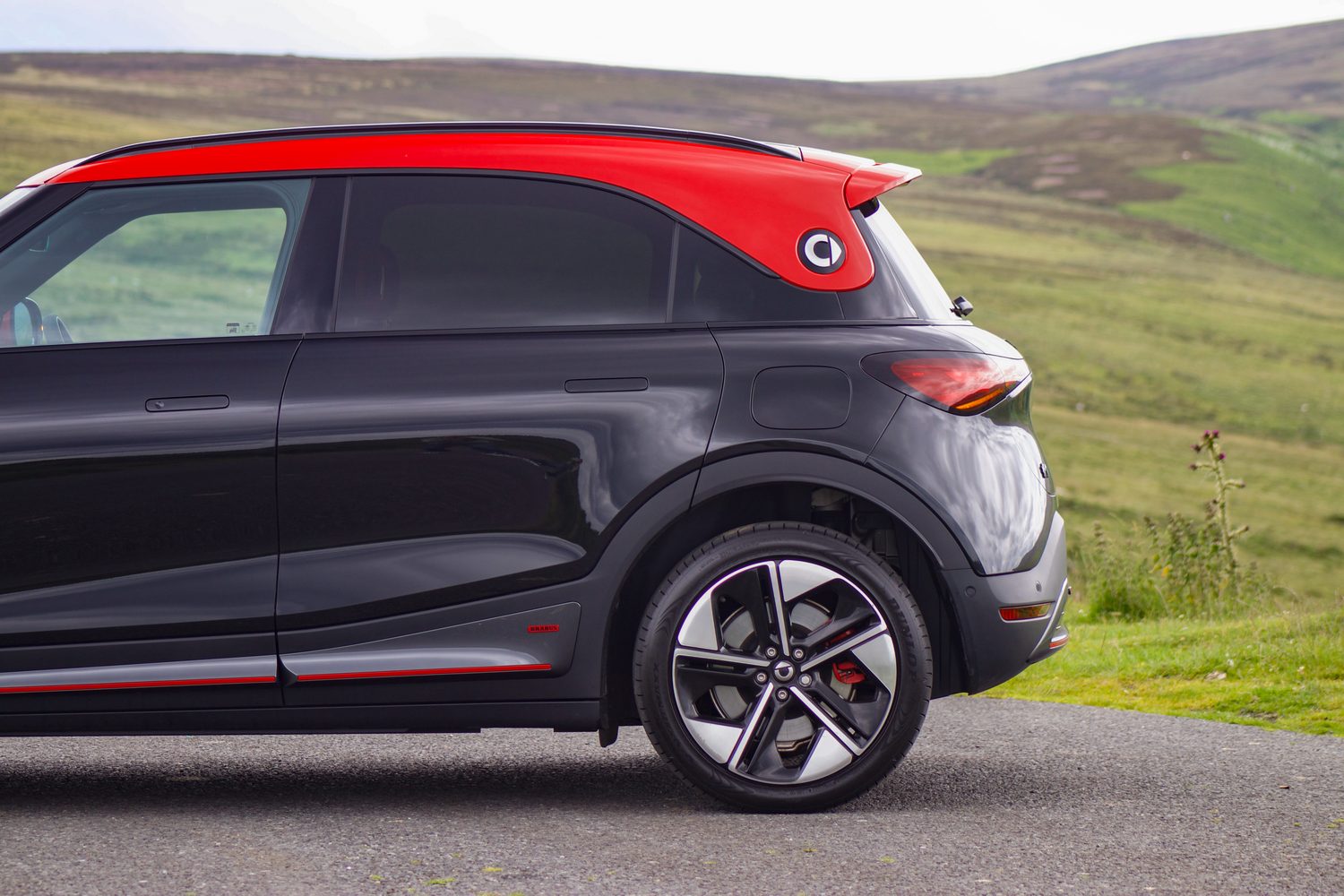
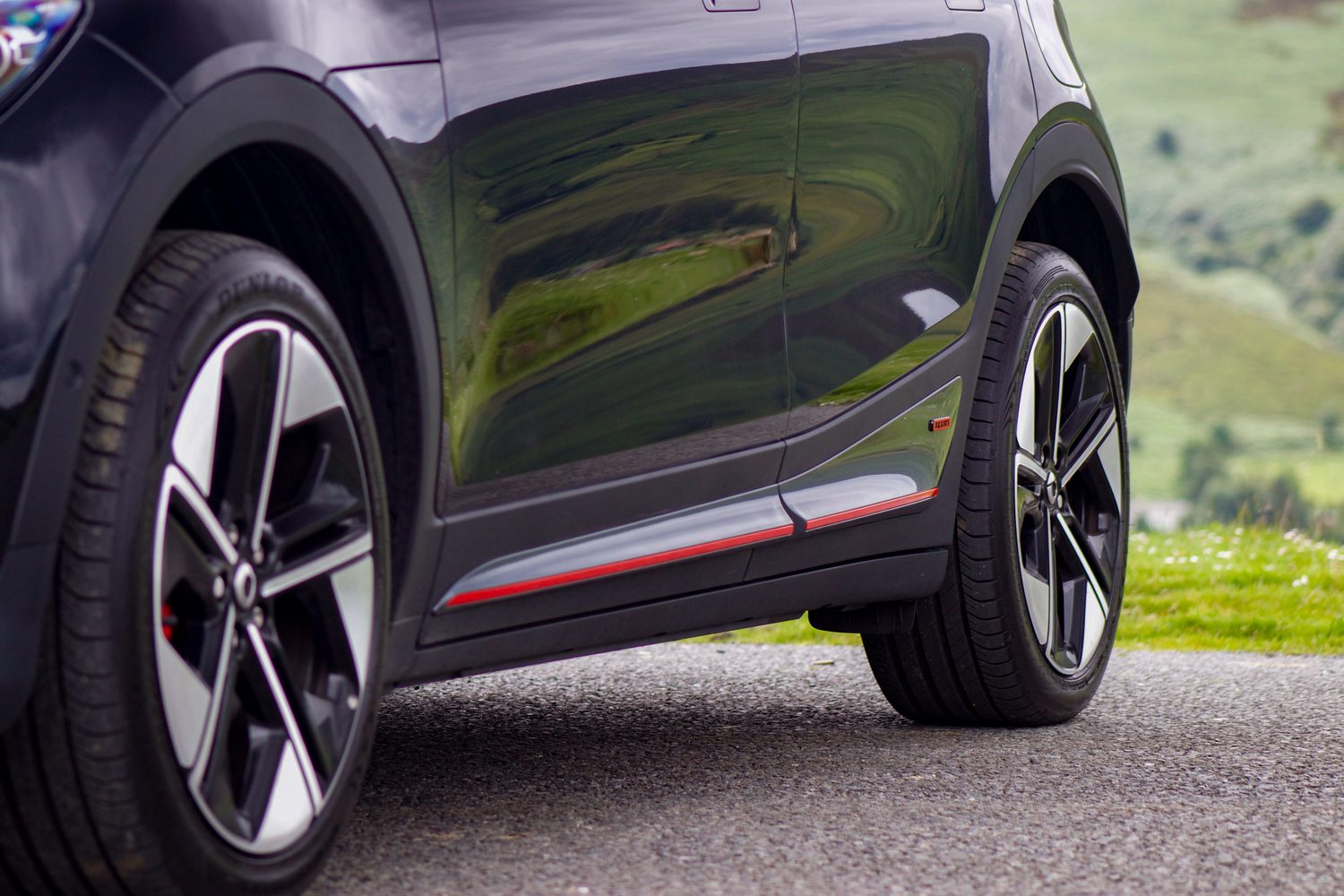
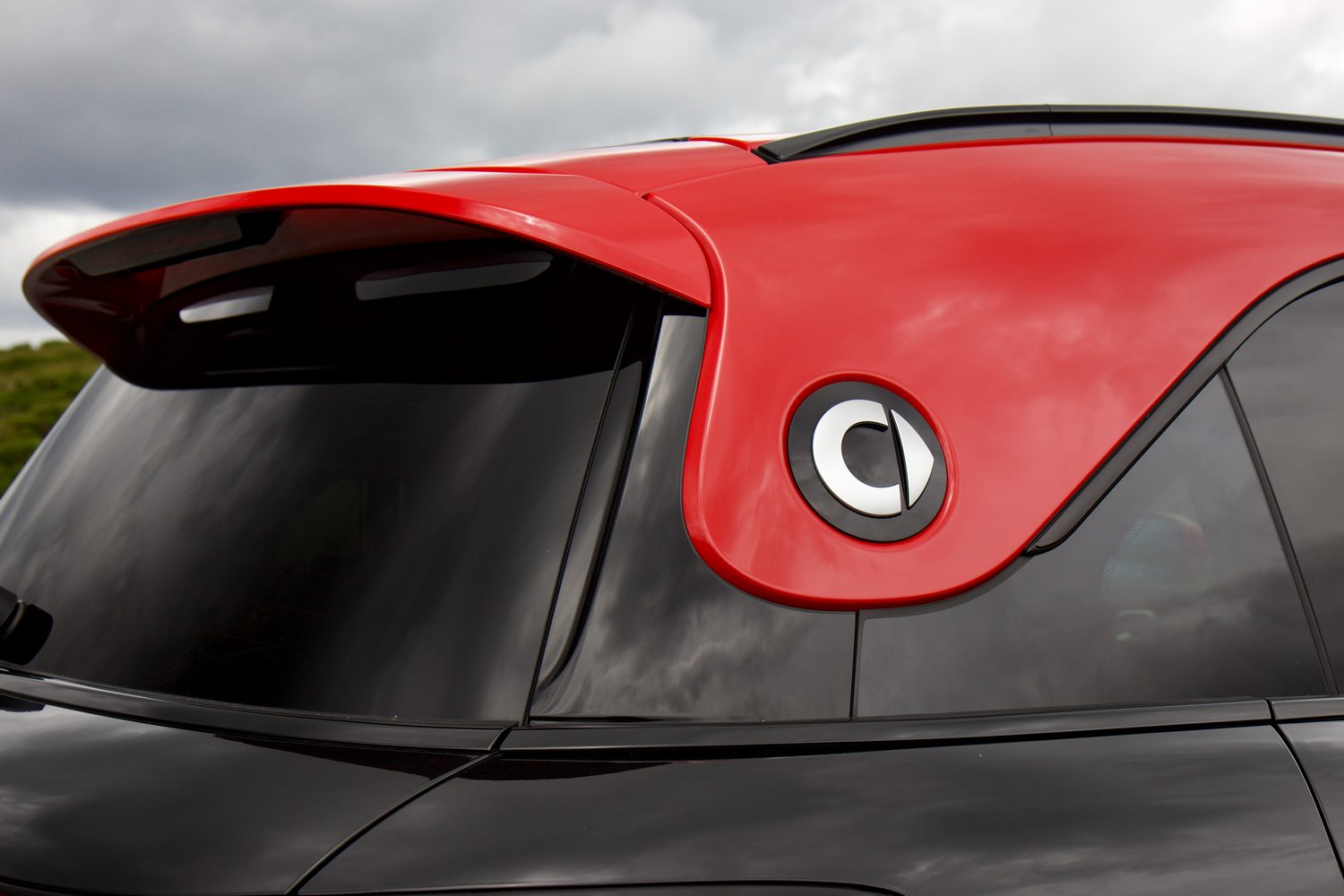
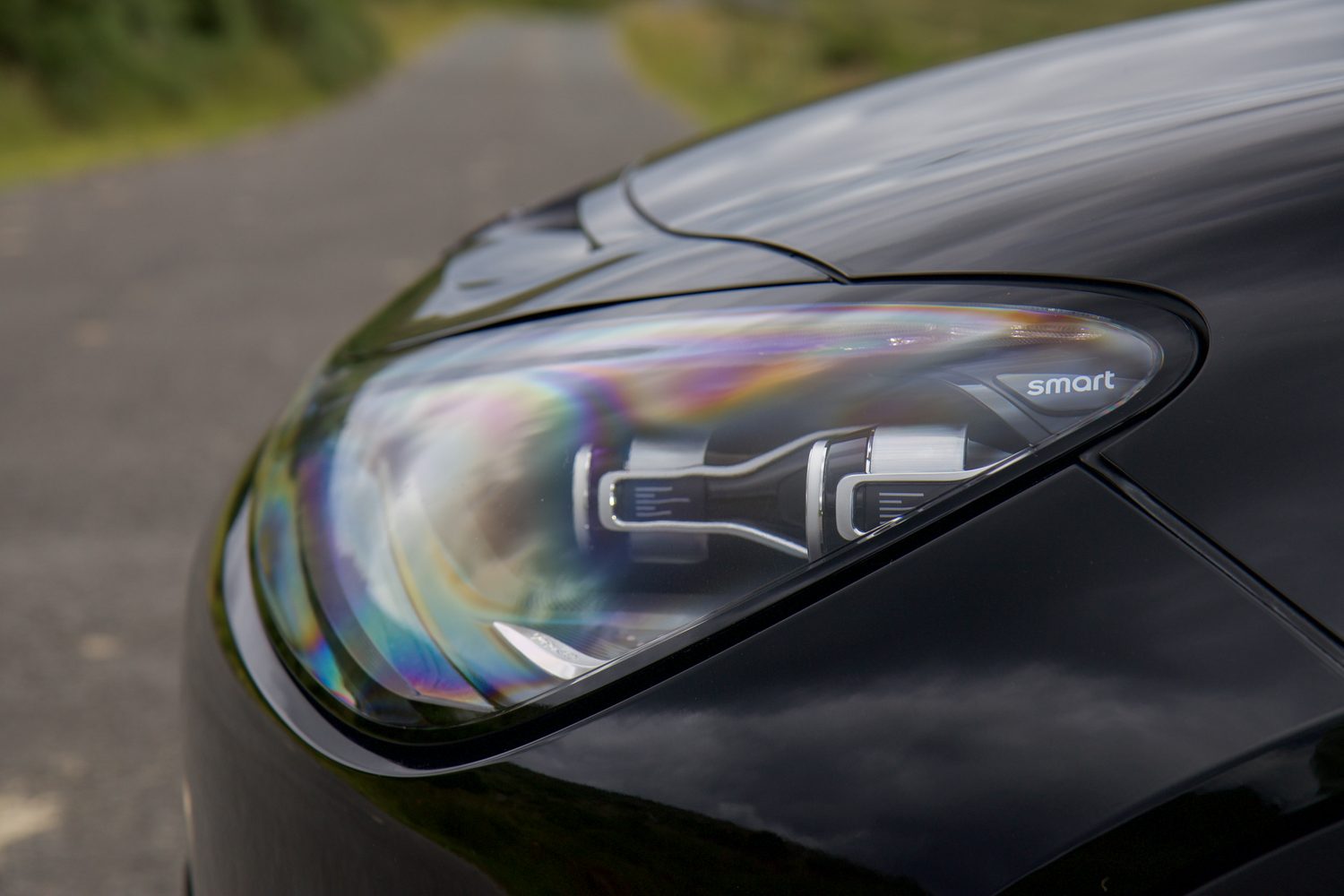
The Smart #1 is a slightly quirky car, in that it's both tall and wide, but not extraordinarily long so it comes off looking a touch stubby. That said, it's far from unappealing, and while the overall look - very smooth with full-width light bars front and rear - might be a bit predictable, there are nice details such as the way the rear of the roof dips down in the pillar, almost as if the car has earlobes.
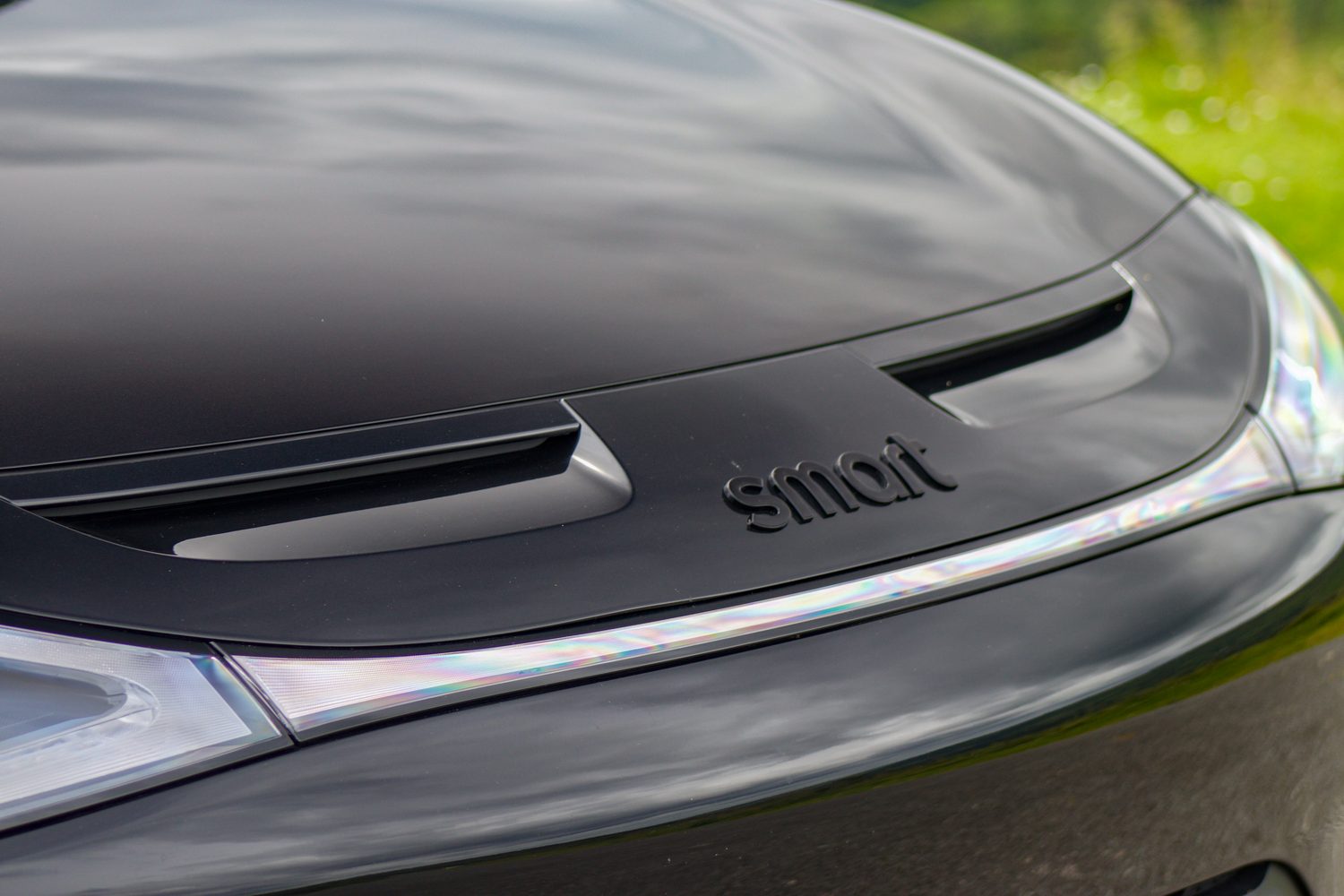
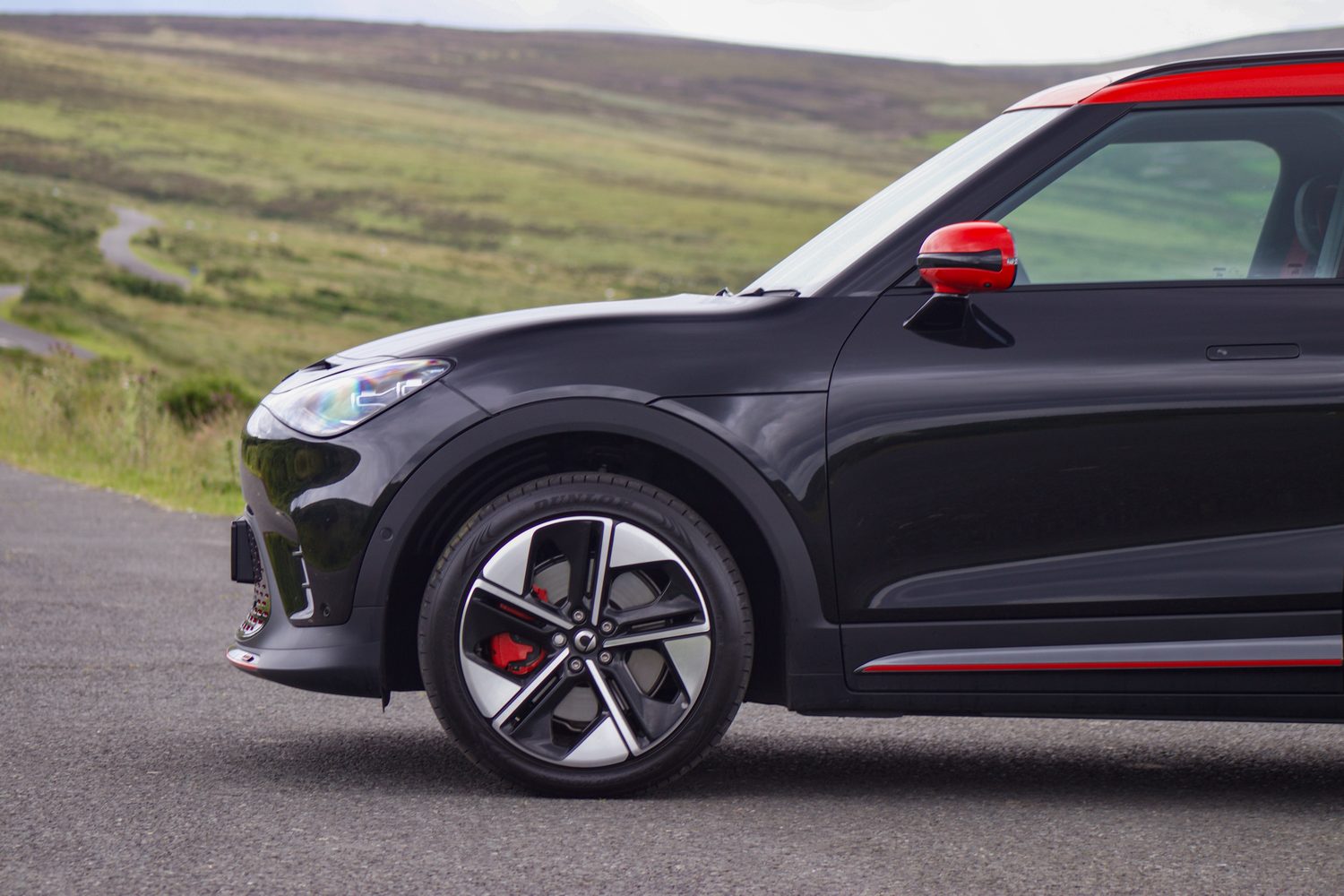
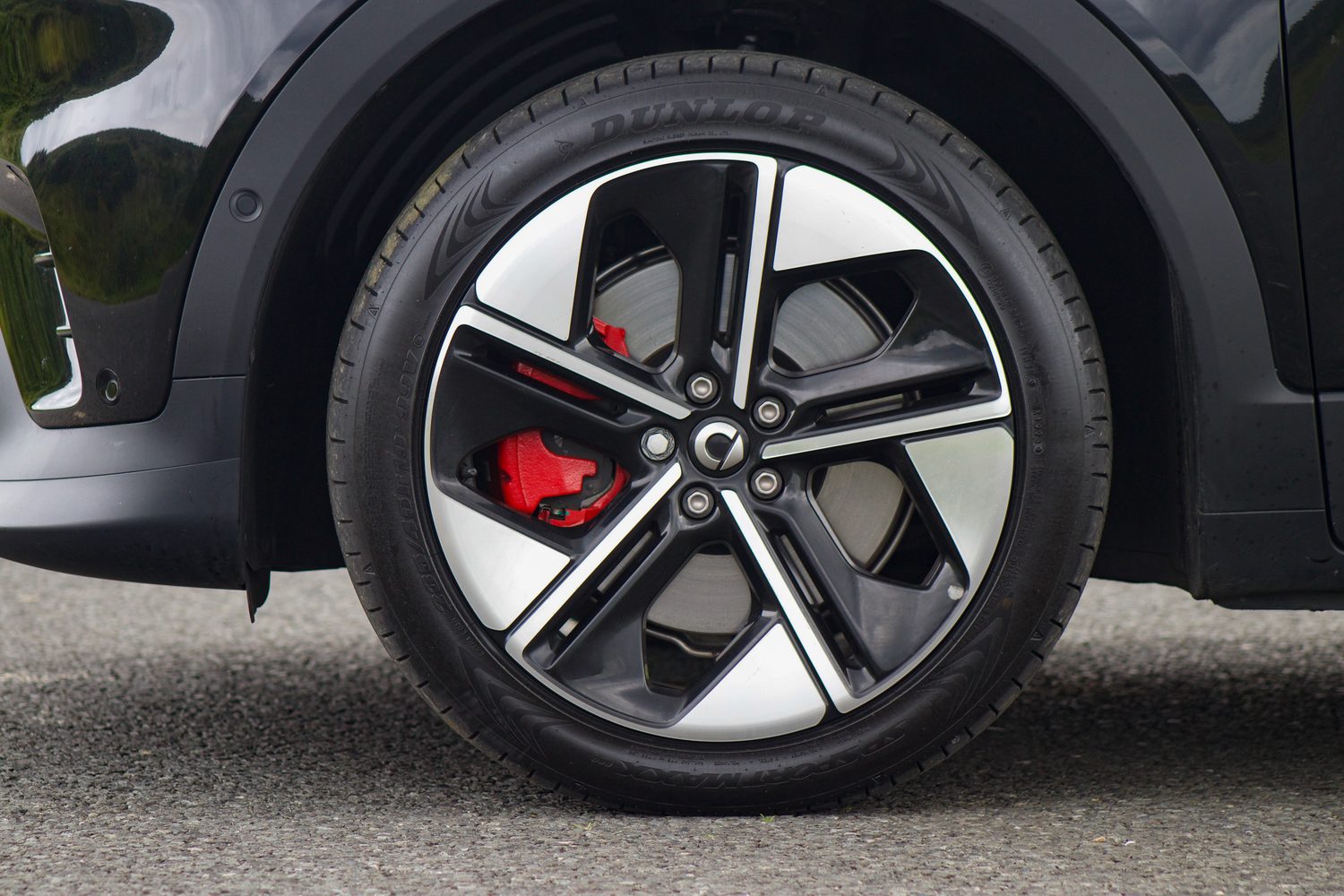
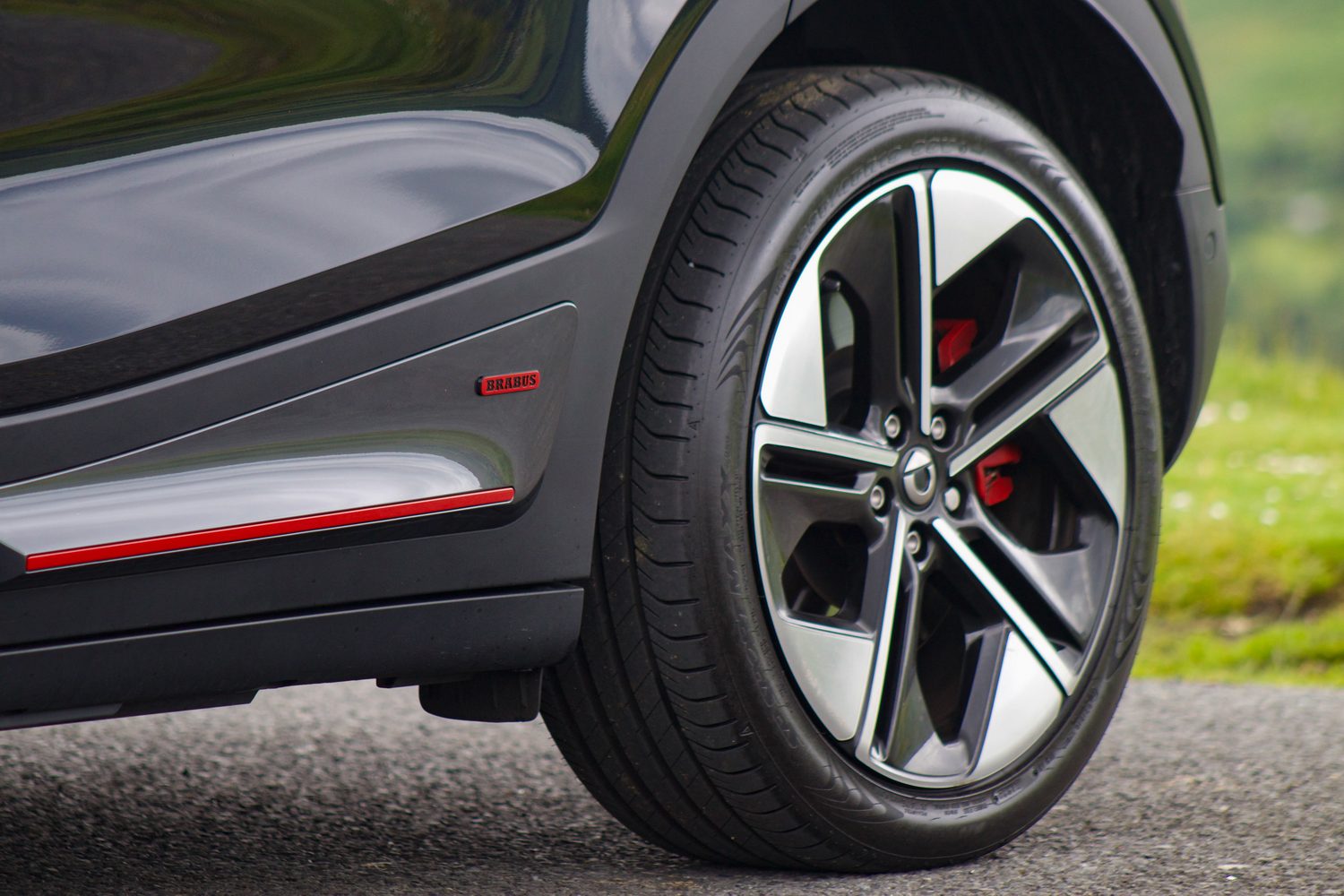
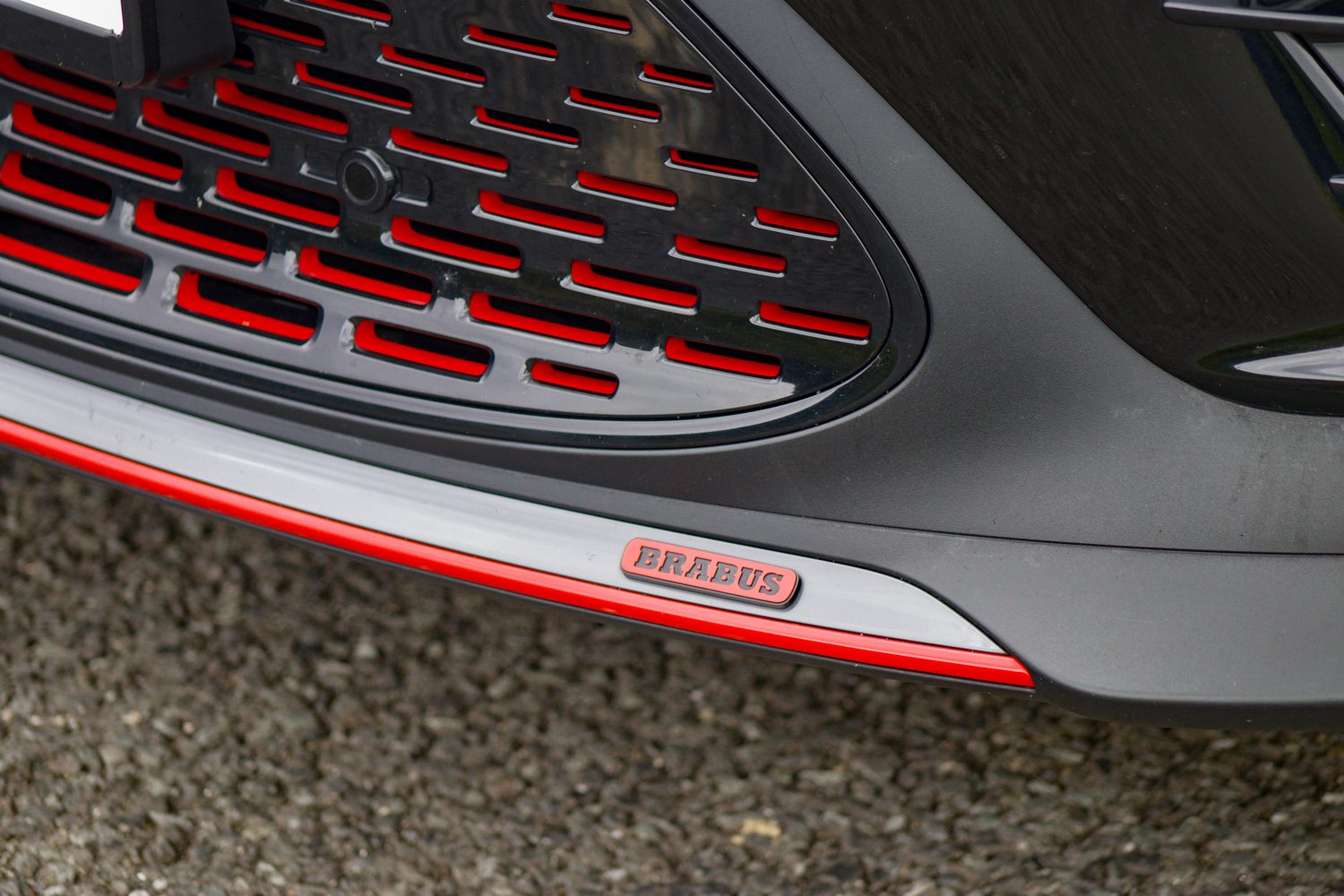
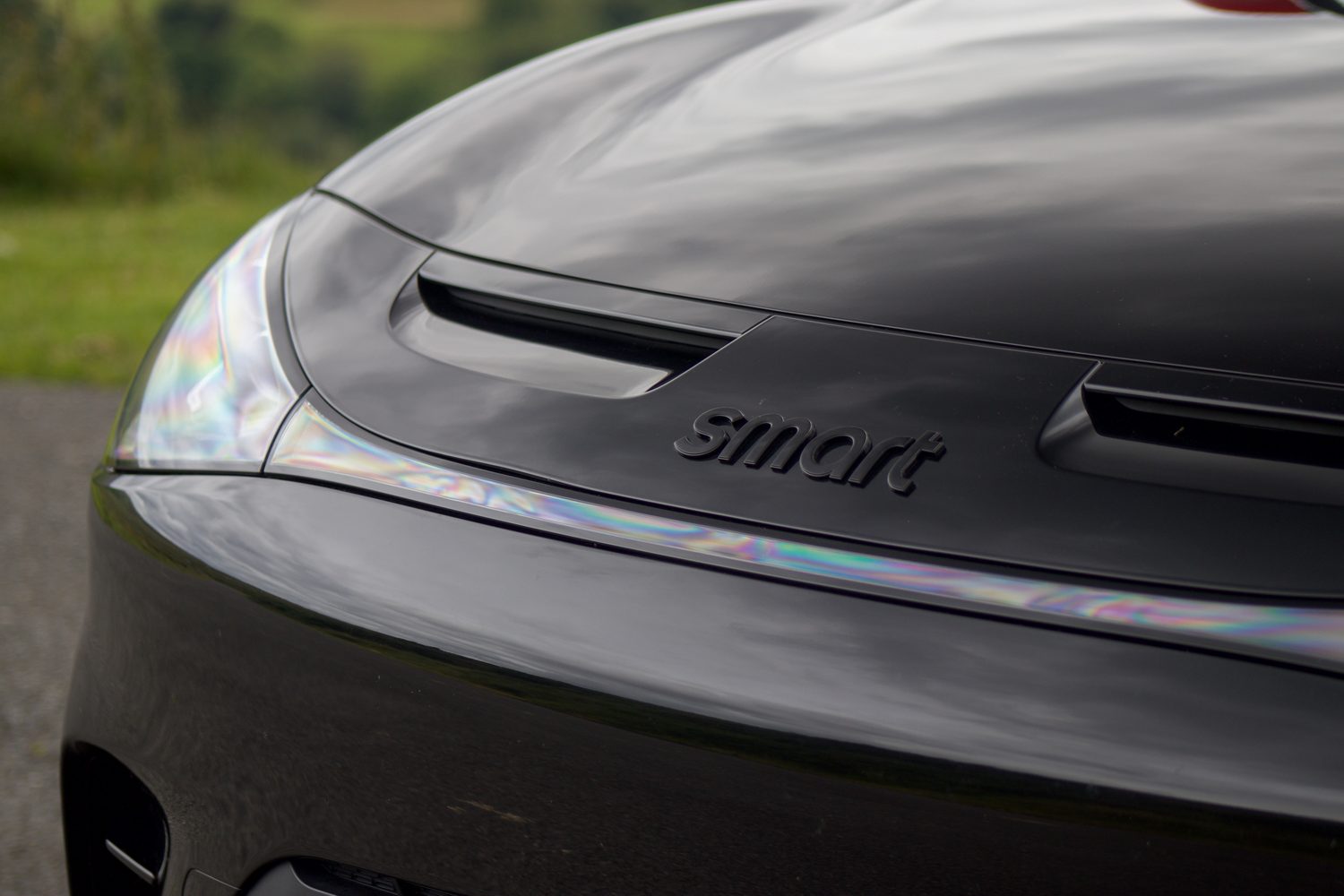
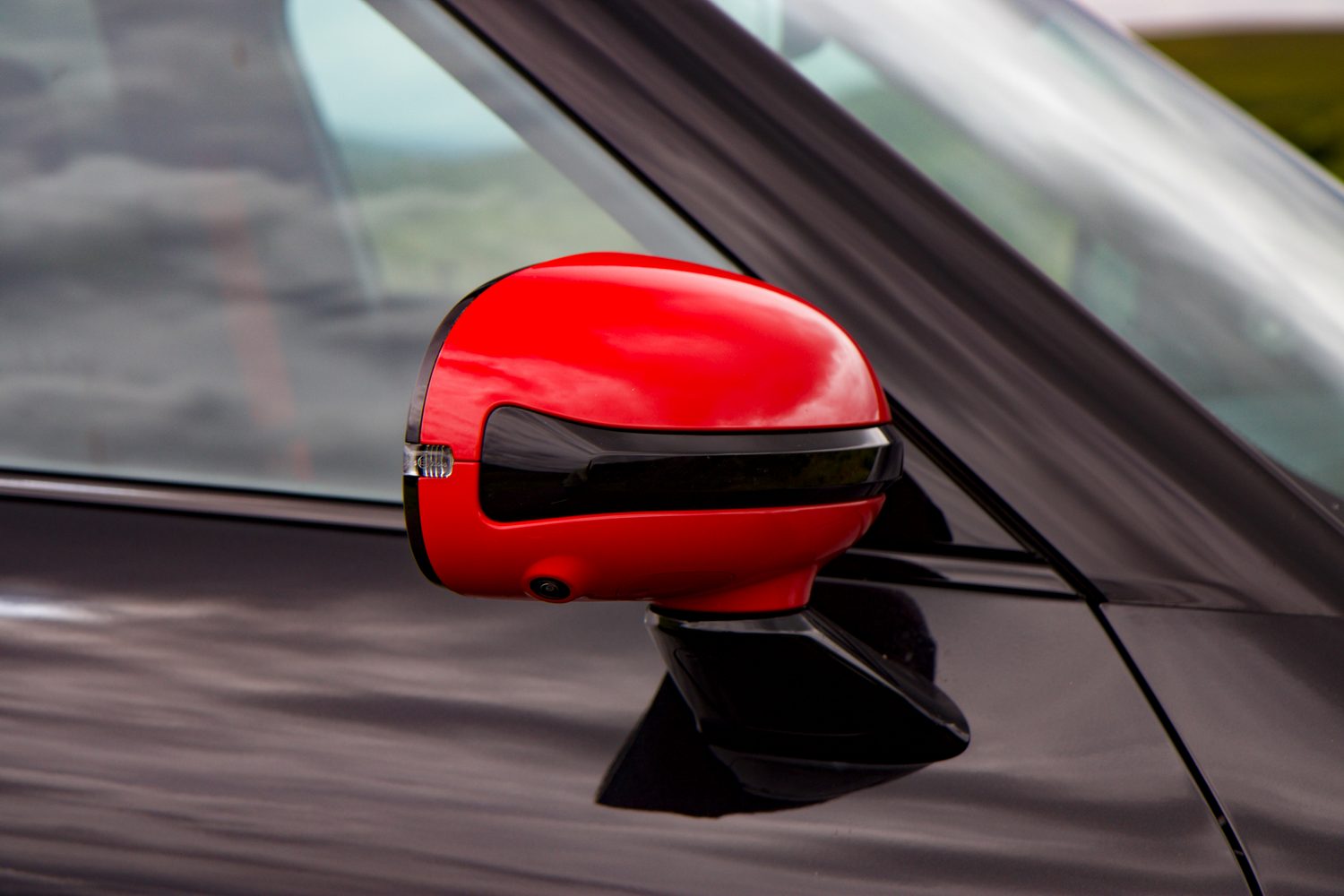
Equally, this Brabus version gets standard 19-inch alloy wheels, and a bonnet air vent (which is entirely decorative and serves no actual function) along with a standard contrast-colour roof finished in a deep red, which will certainly make it stand out in the car park.

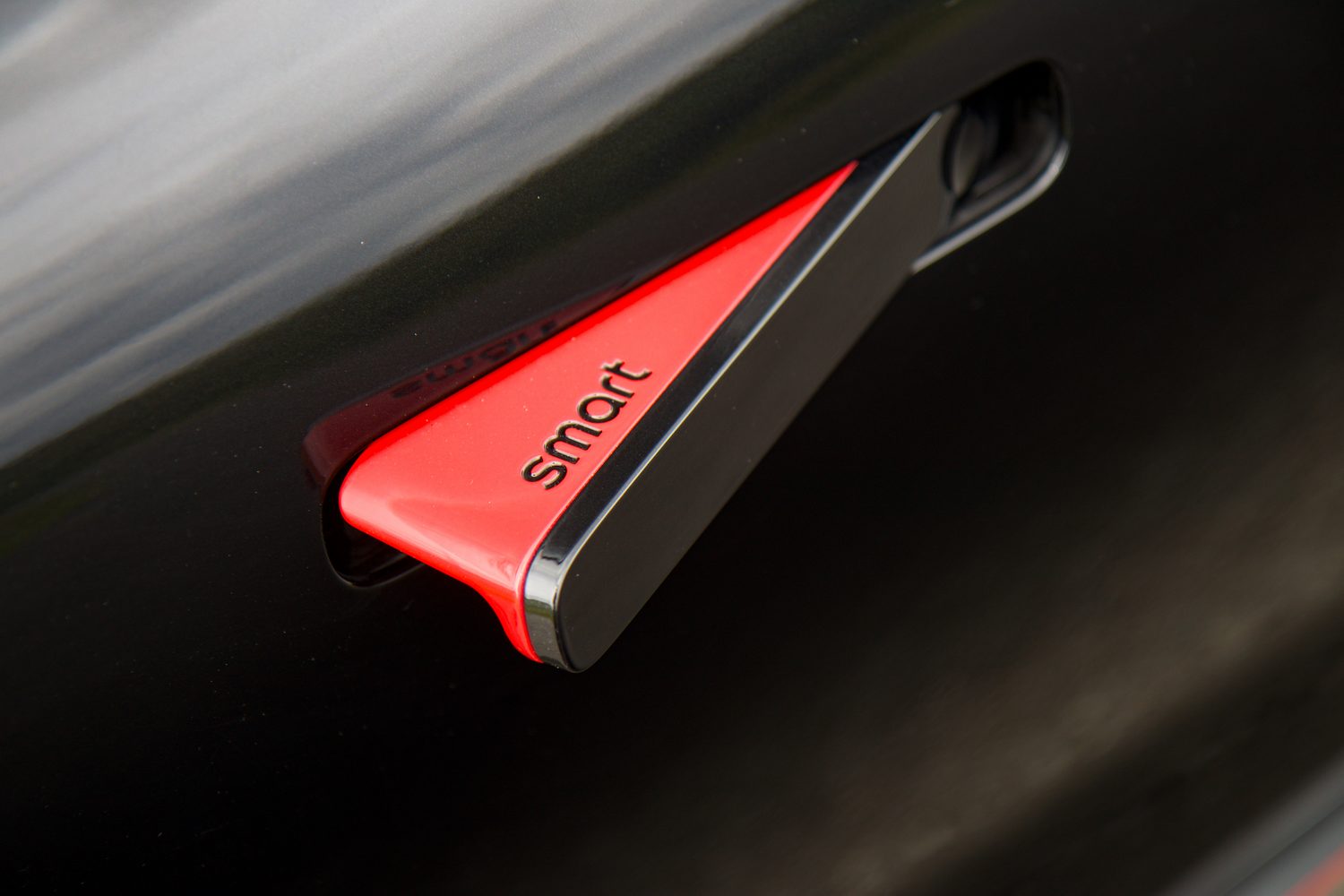
The frameless door glass is also a nice touch, giving the Smart a touch of glamour when you're getting in and out, as do the retracting, flush-fit door handles, which pop out as you unlock the car.
The Smart #1 is a compact car, and its exterior dimensions are:
- Length:
- 4,270mm
- Width:
- 1,822mm
- Height:
- 1,636mm
- Wheelbase:
- 2,750mm
That makes the #1 almost as tall as a Peugeot 3008, but much shorter, hence the sense of unusual proportions.
Interior, Practicality, Tech & Comfort of the 2025 Smart #1 Brabus
- Lots of space front and rear
- Decent quality throughout
- Needs more physical controls

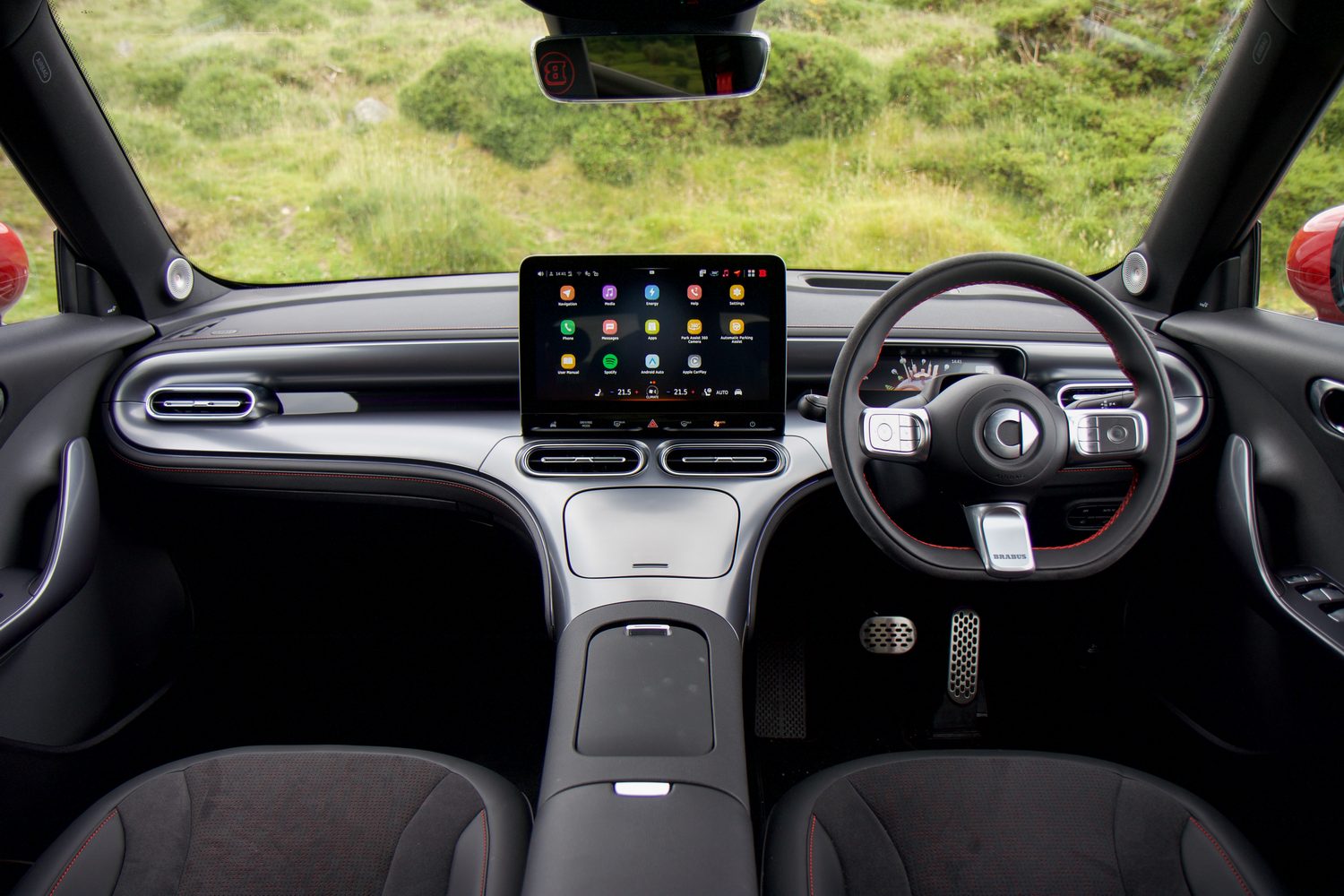
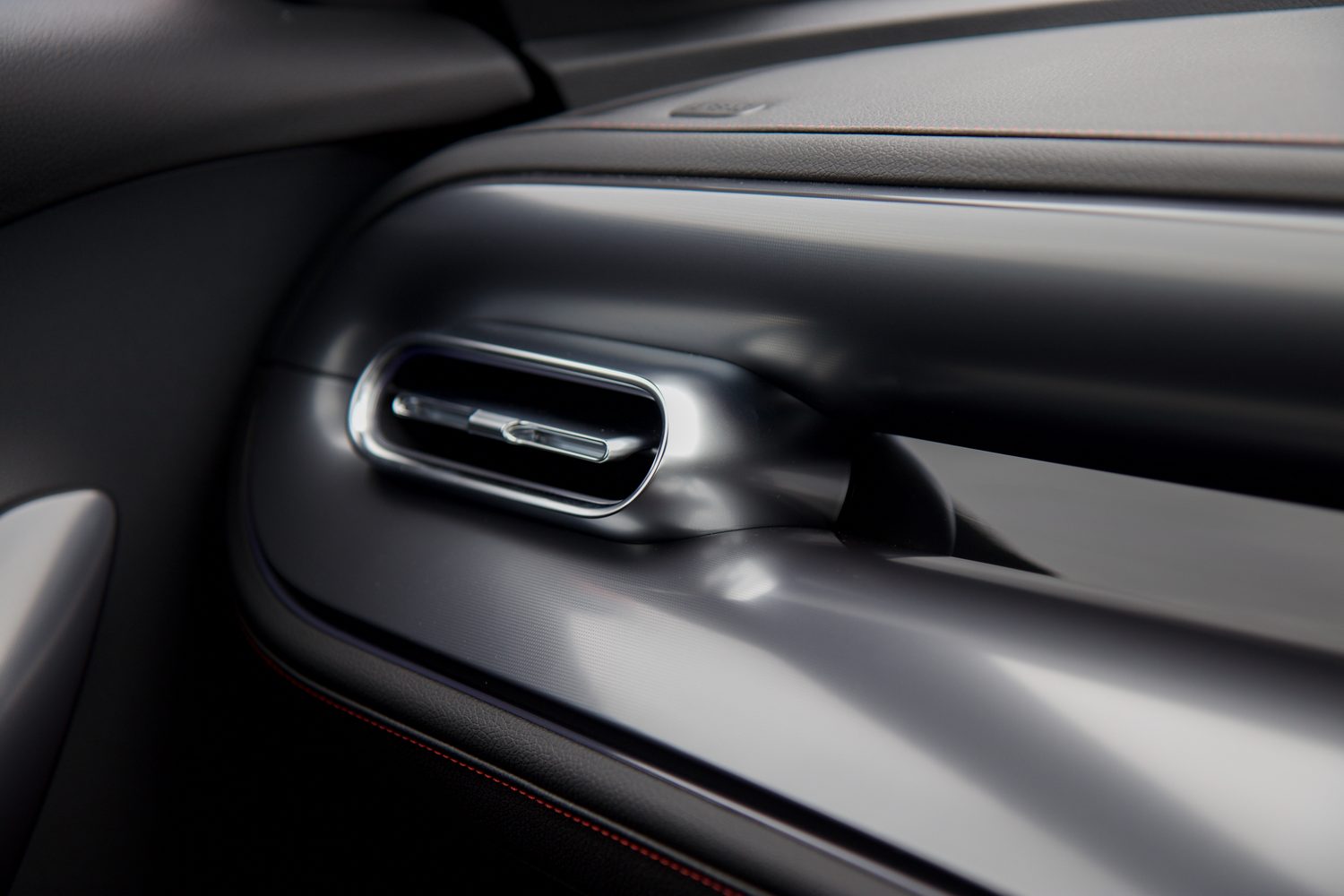
If you're of a car-nerd frame of mind, you can have an amusing game of Spot The Mercedes Component when you sit into the Smart #1 Brabus. I'll give you an easy starter for ten; almost the entire centre console is lifted from the previous generation C-Class, but there are some other bits and bobs to find.
That's not a criticism really, because the #1's cabin is well laid-out and pleasant. There's lots of space up front, with plenty of legroom and plentiful adjustment in the seats and steering wheel. Both the front seats in this Brabus version adjust six ways electrically, so a comfortable driving position is only a few presses of some buttons away.

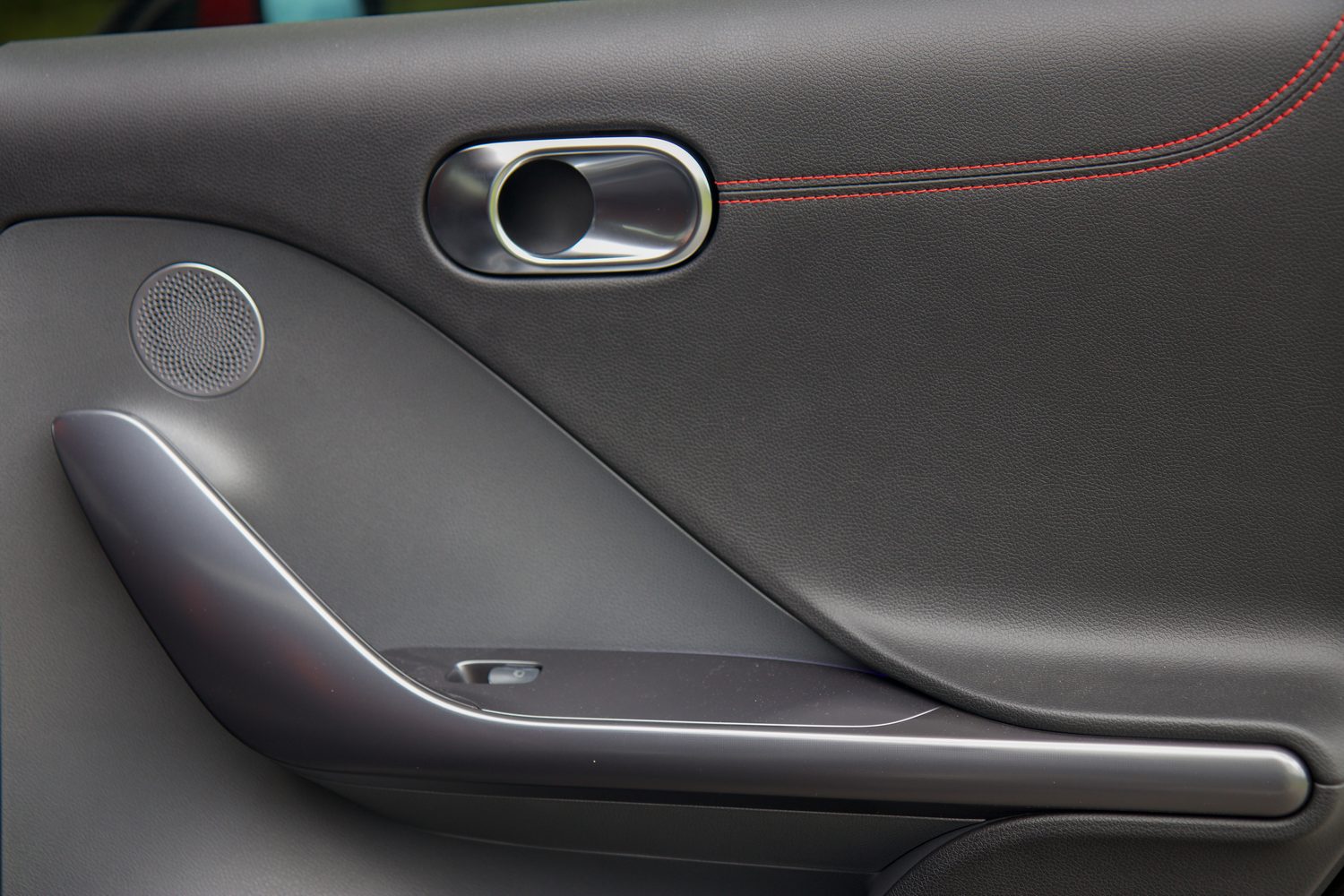
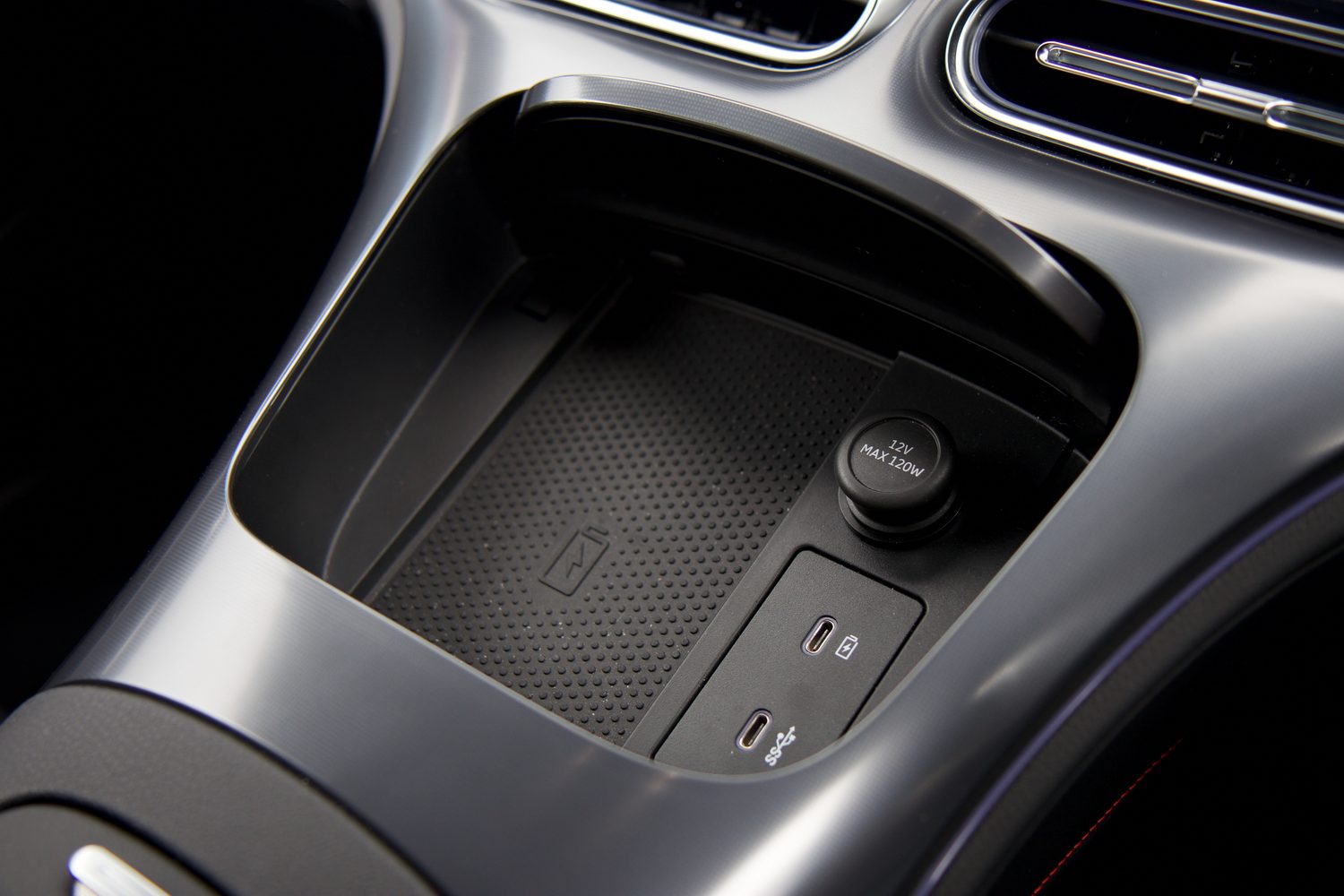
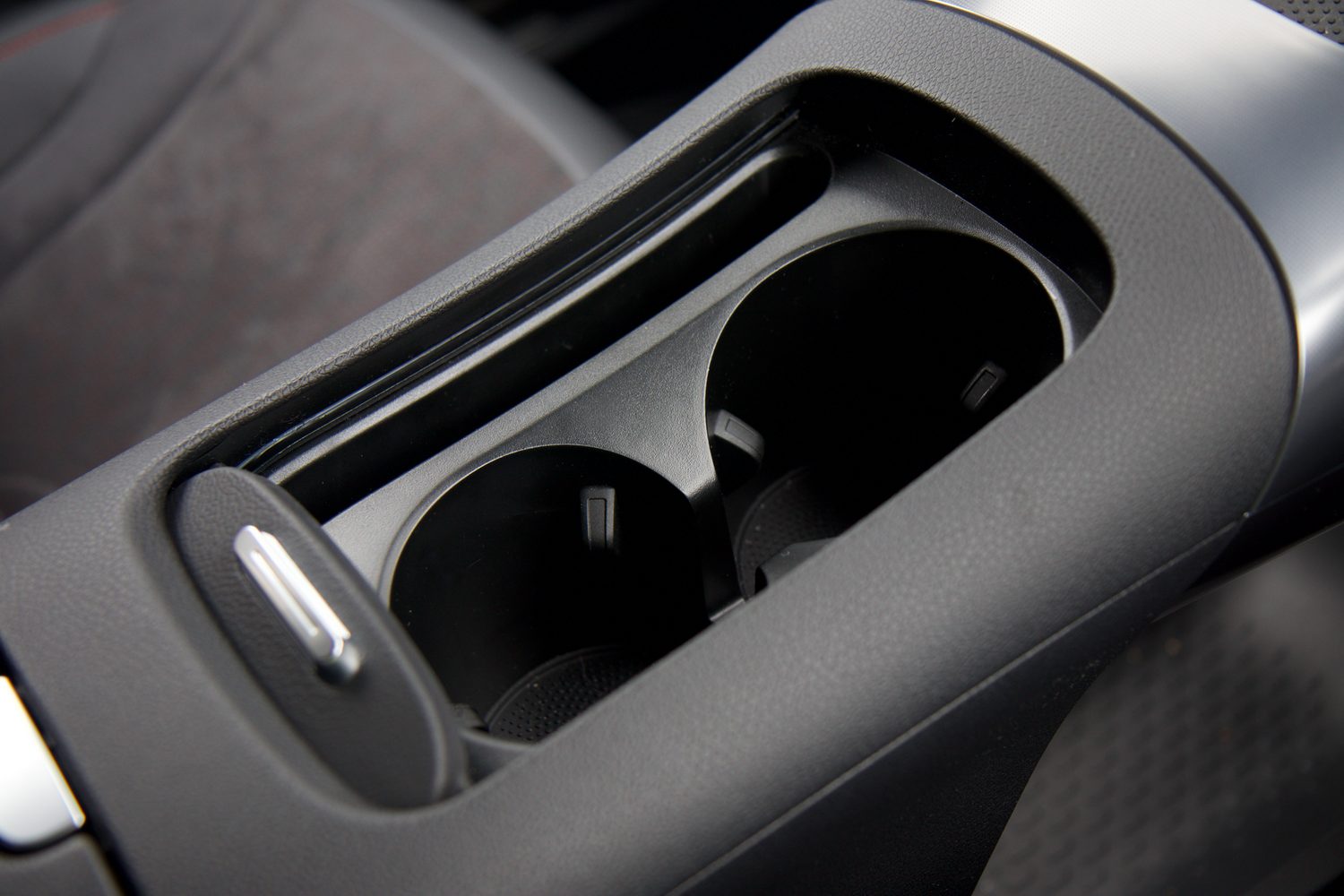
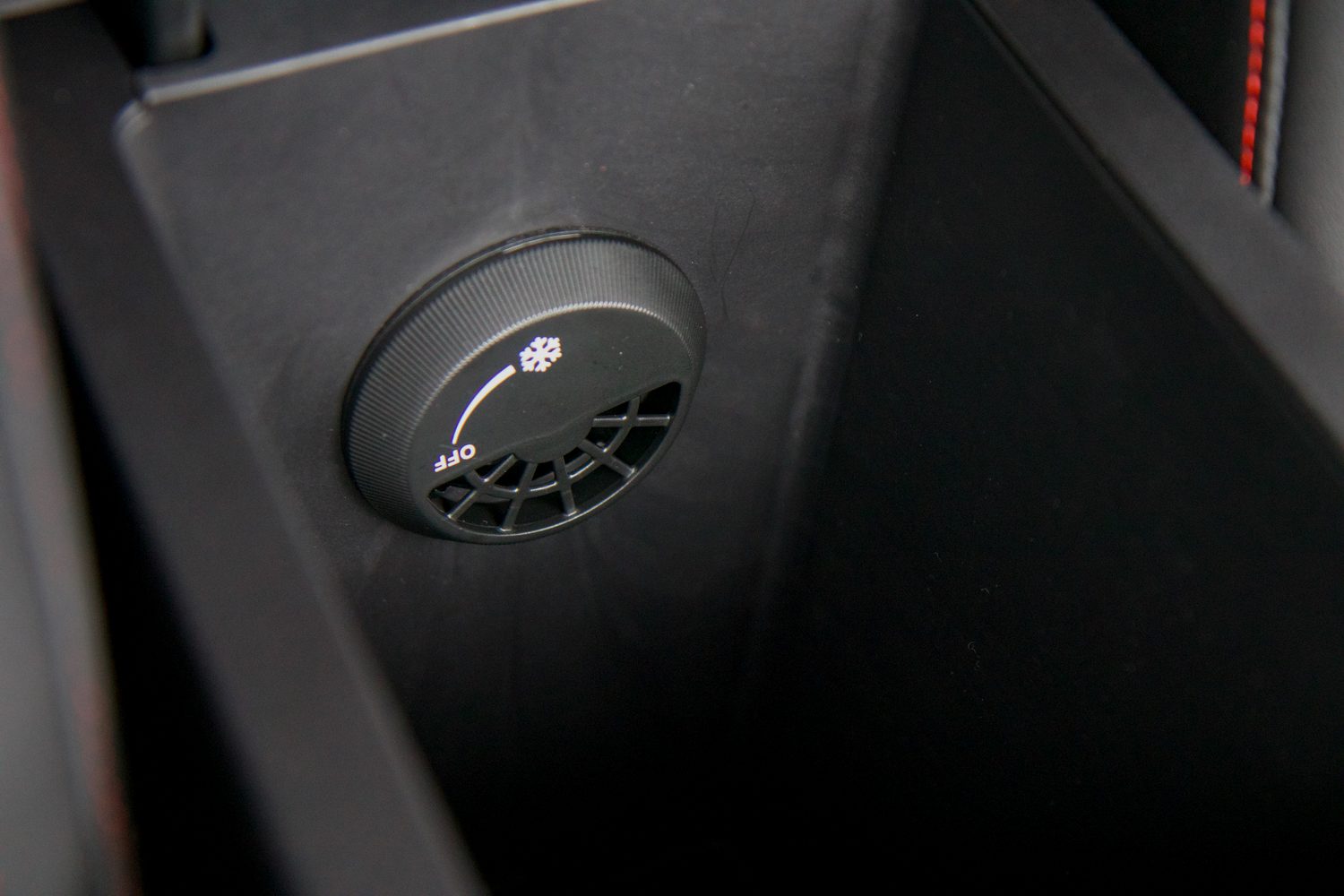
There's loads of storage space too, thanks to a deep area under the front-seat armrest, a second lidded area in front of that where you'll find cupholders and a third lidded area ahead of that under which there's a wireless phone charger, a pair of USB-C sockets and a 12-volt socket too. Beneath the centre console there's a large open area, which will easily manage a handbag or a small backpack, and the door bins are decent as well.
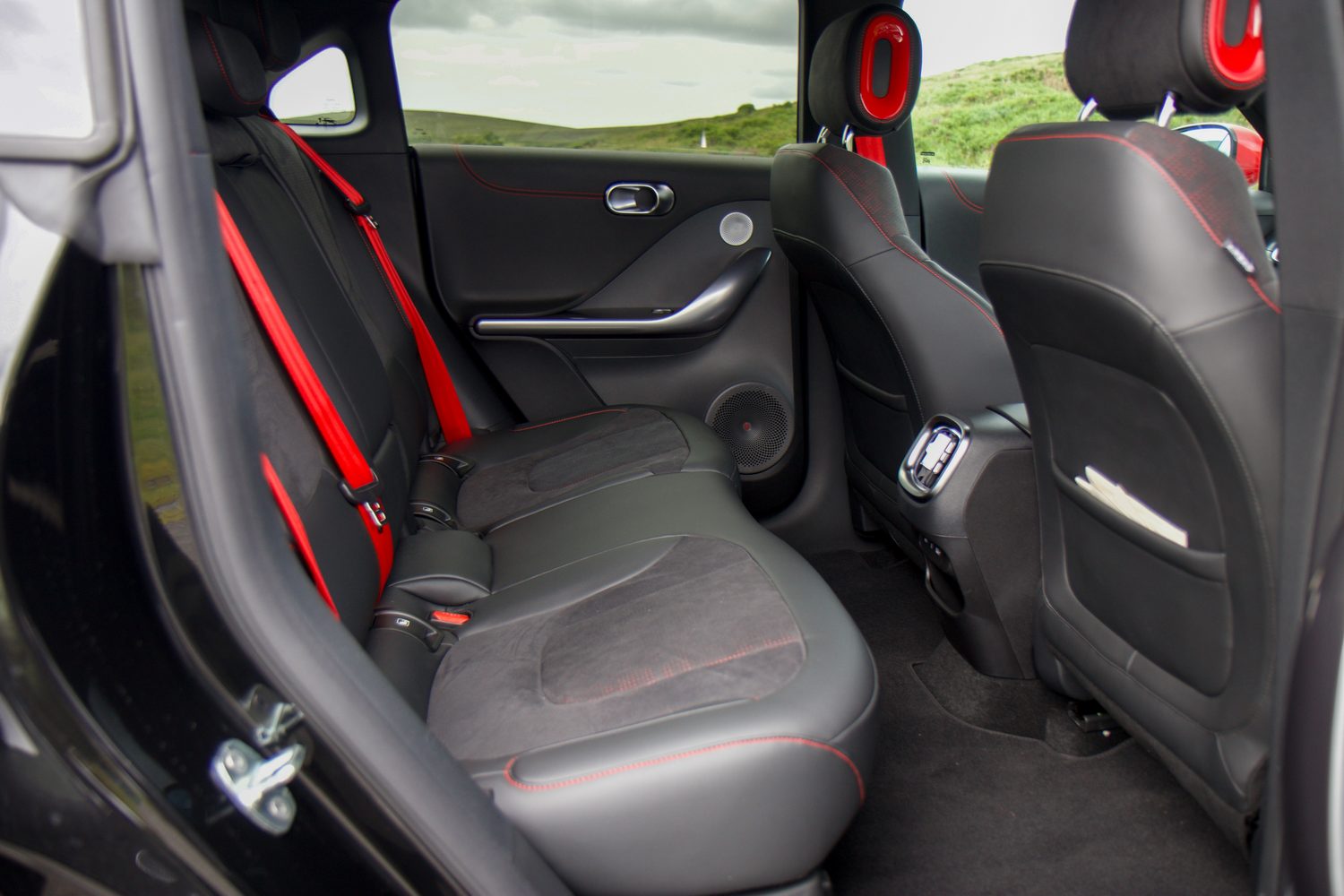
Space in the back is equally as impressive, and you can slide the rear bench back and forth to juggle legroom and boot space with each other. There's lots of legroom and headroom, and the high seating position in the back means that the Smart doesn't suffer from quite as much knees-in-the-air syndrome as many other EVs. It's notably more comfortable back there than in the distantly related Volvo EX30, for example.

In the back there's also a fold-down armrest with two cupholders, useful door bins and seatback storage, as well as more USB-C sockets. The Brabus version comes as standard with a large, panoramic glass roof, and when you're sitting in the back, it's probably through this that you'll spend more of your time looking than through the well-sized side windows.
The Smart #1 comes with ISOFIX points in both outer rear seats and in the front passenger seat, so that's a good note for families.
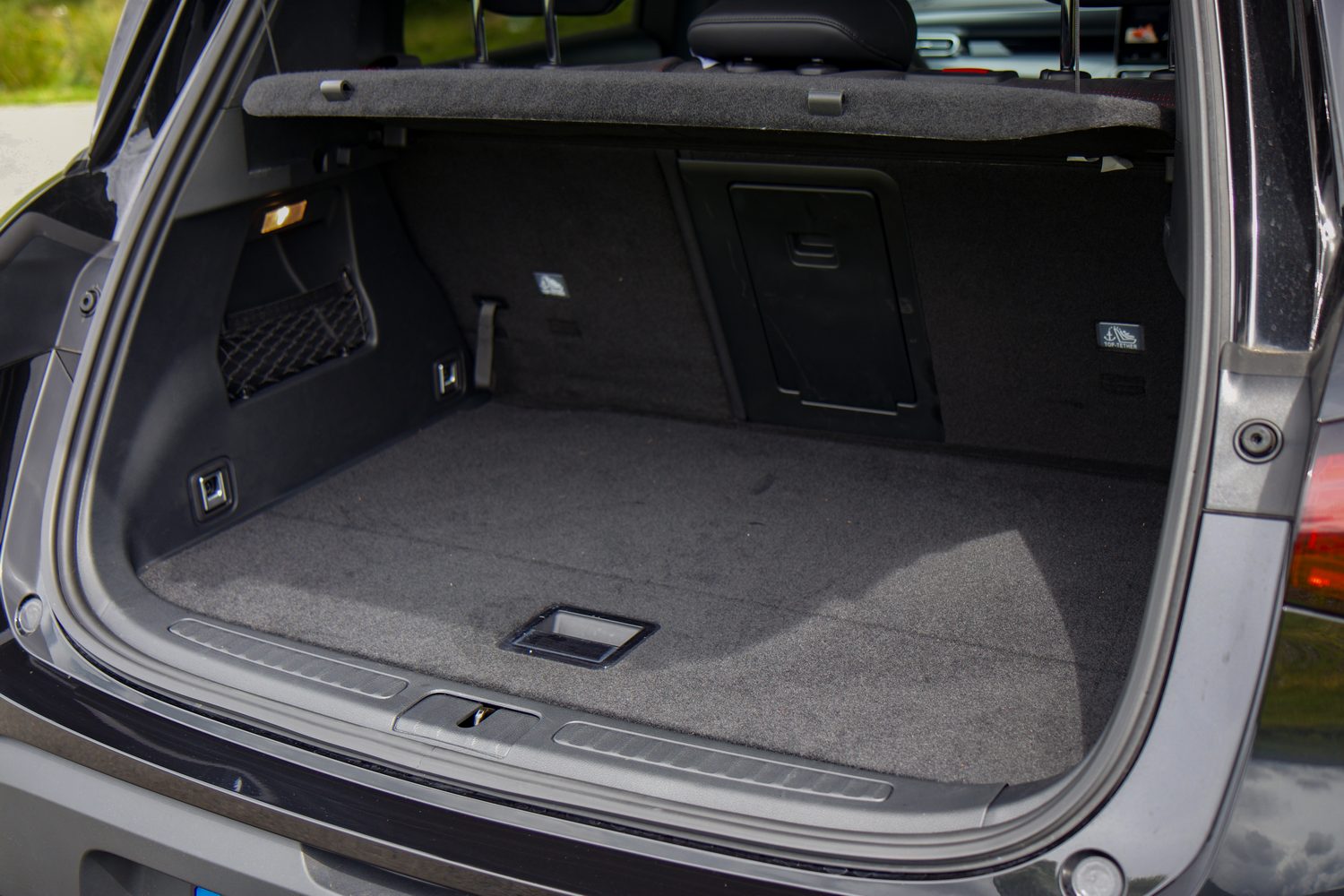
It's a shame the boot only holds 313 litres. Blame the fact that this Smart was originally designed more with the Chinese car market in mind, which prioritises rear passenger space over boot space. There is a small 'frunk' storage area in the nose, but that's so small that really only a well-folded charging cable will fit. You do at least get a powered tailgate and a 12-volt socket in the boot.

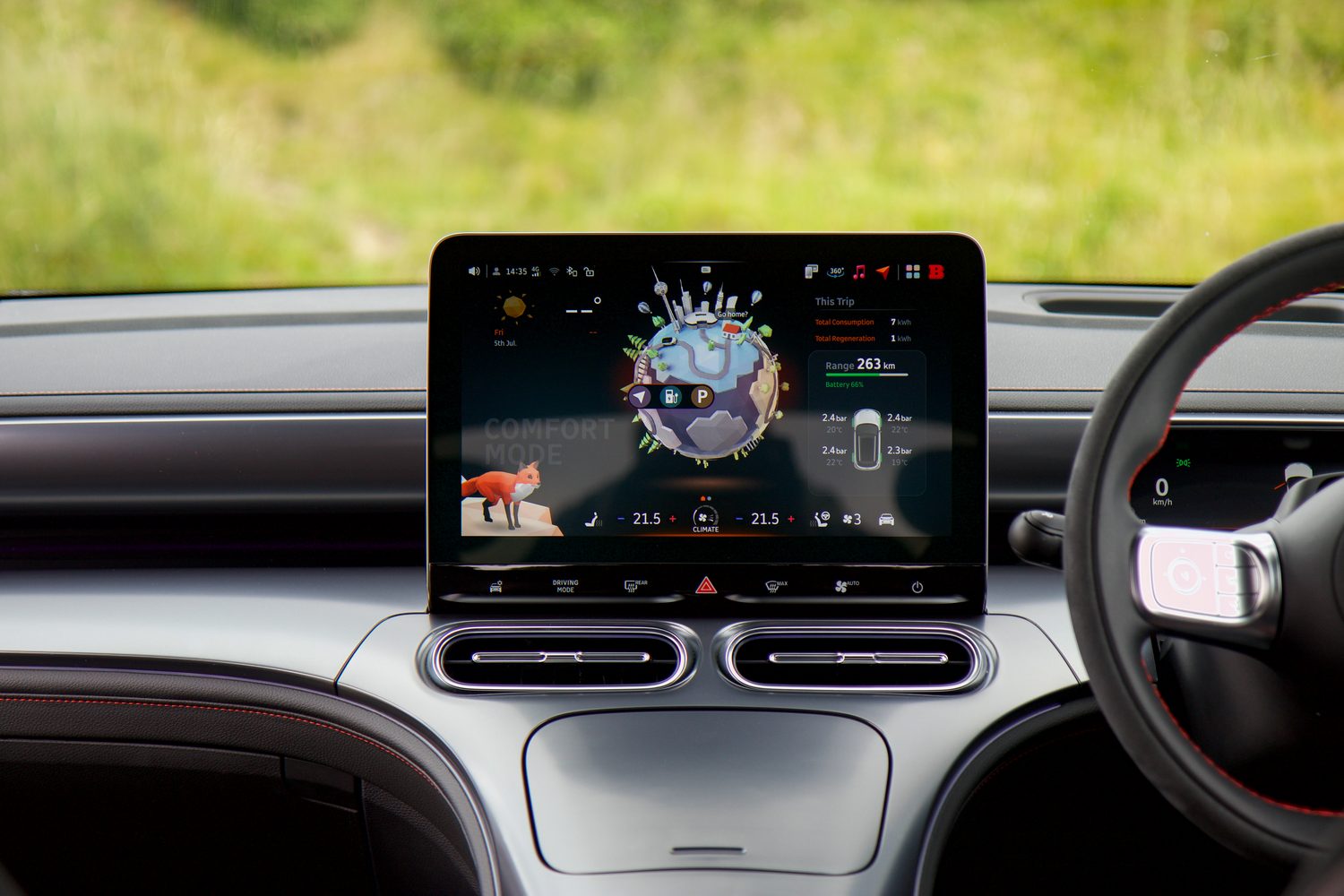
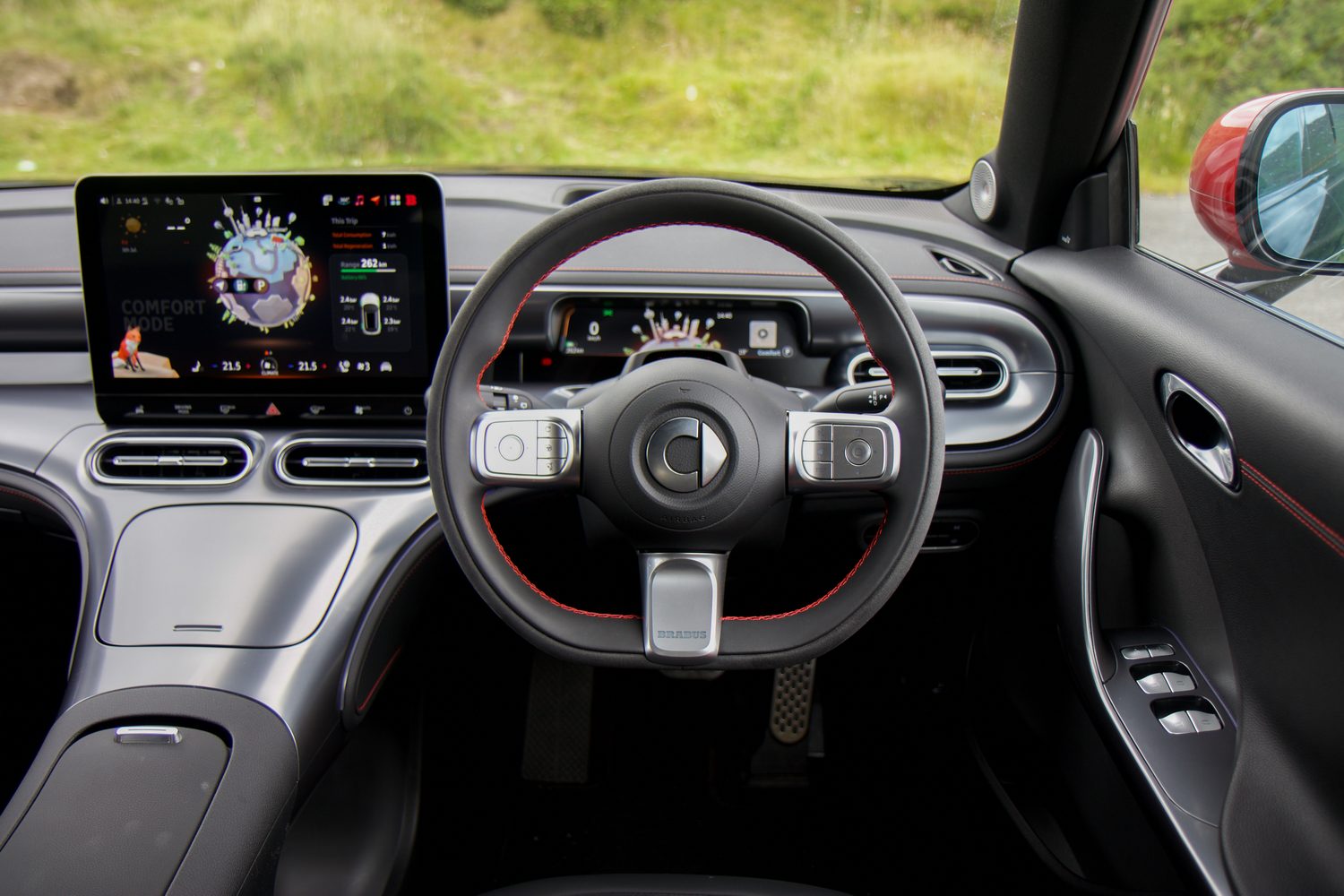
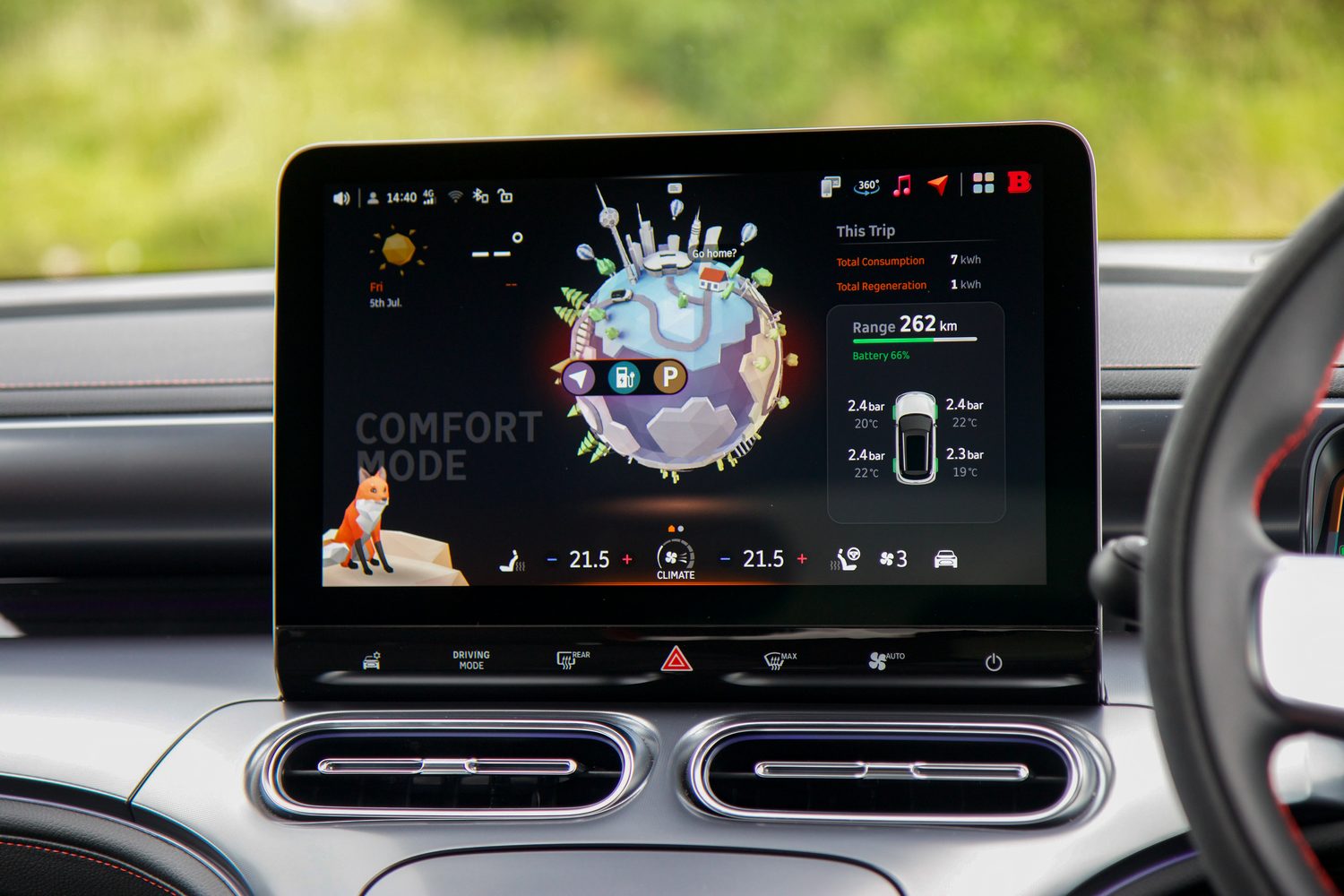
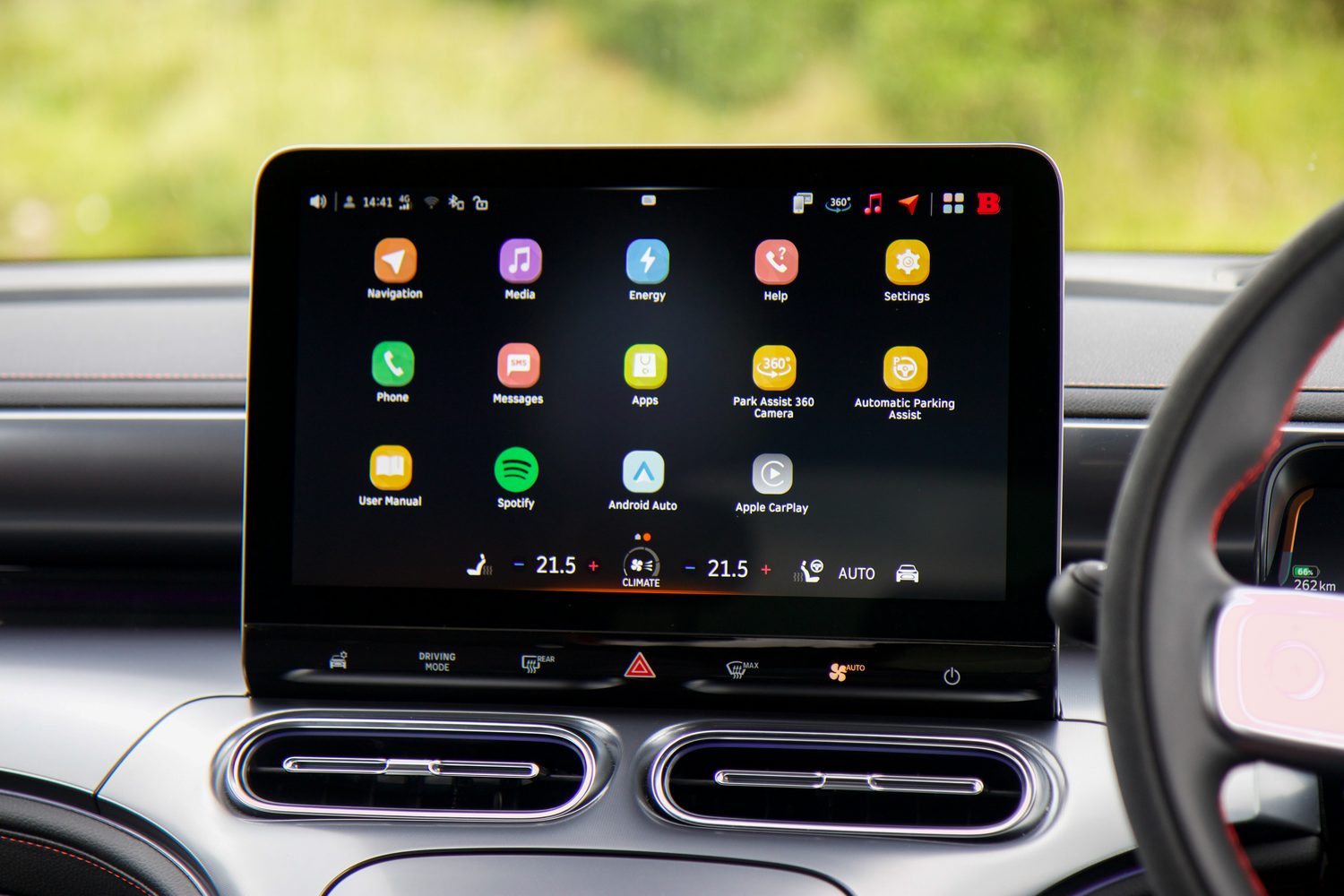
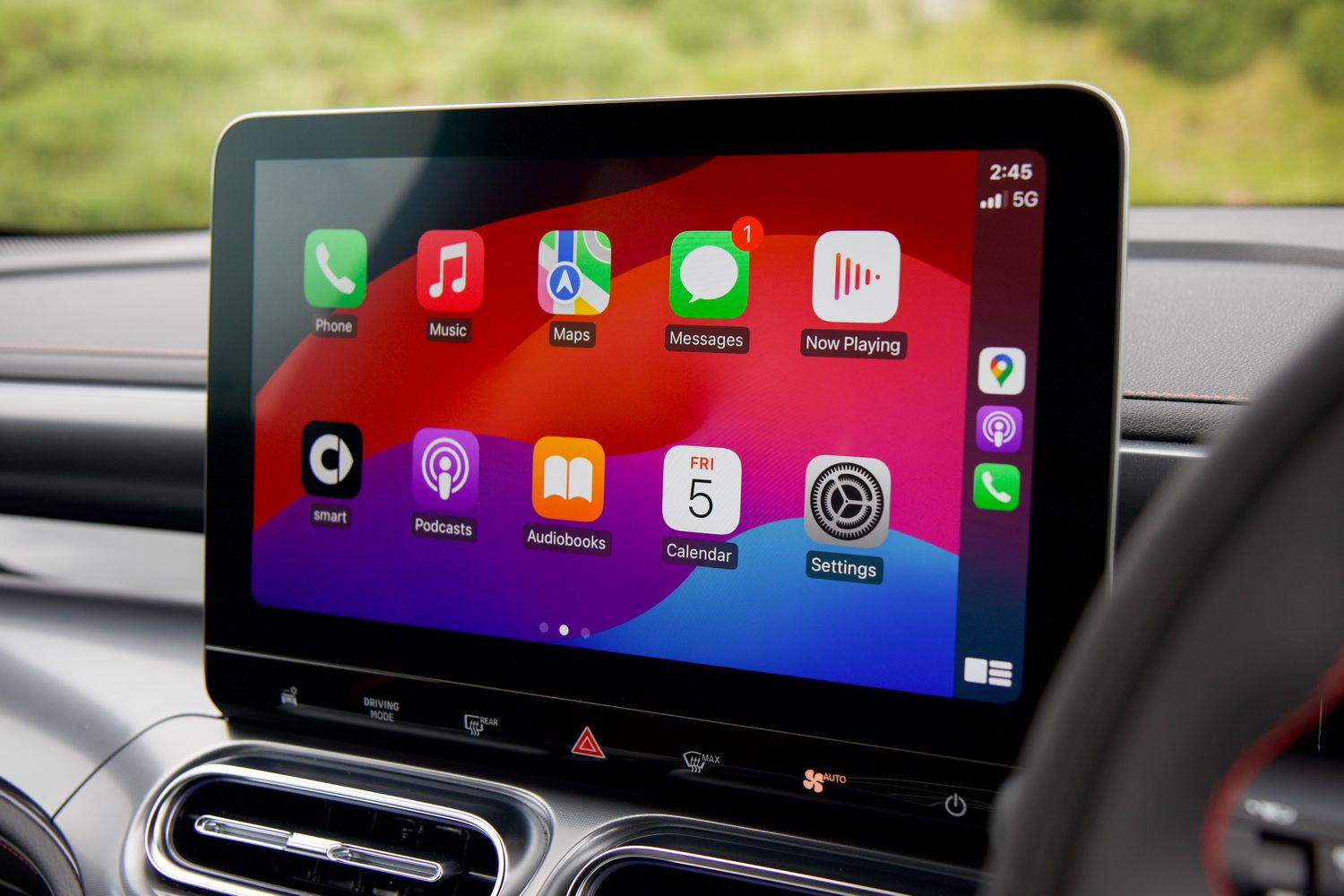
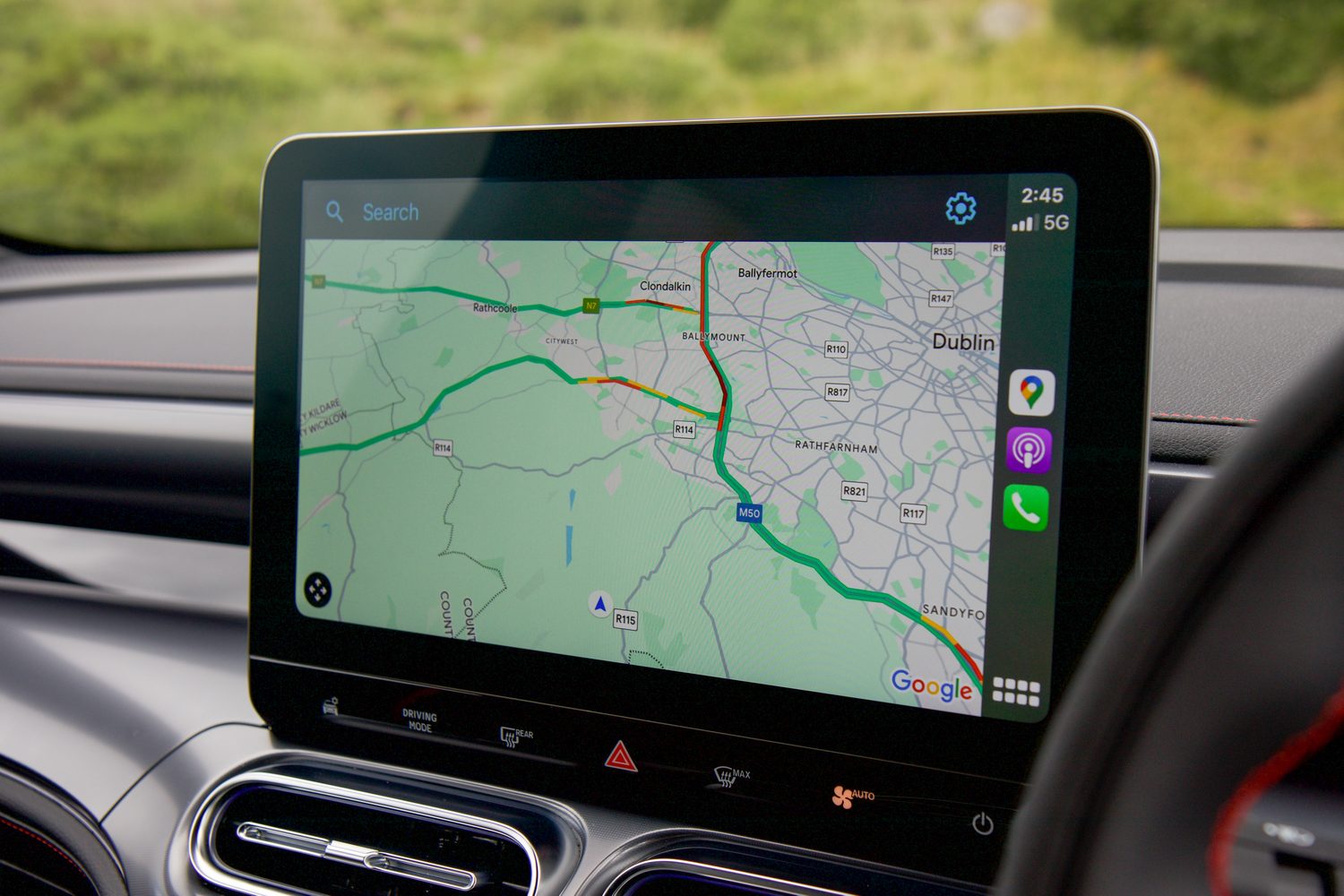
Smart, as with almost all car makers, has gone in big on touchscreen tech for its new range, and so the #1 gets a 12.8-inch central infotainment system. This is fine from the point of view of speed and responsiveness - it uses an impressive Snapdragon computing chip, so the screen really does respond to the quickest of touches - but the menu layout takes a lot of learning, and the lack of physical controls starts to grate after a while. Admittedly, that's a complaint that you can lob at so many other cars these days.
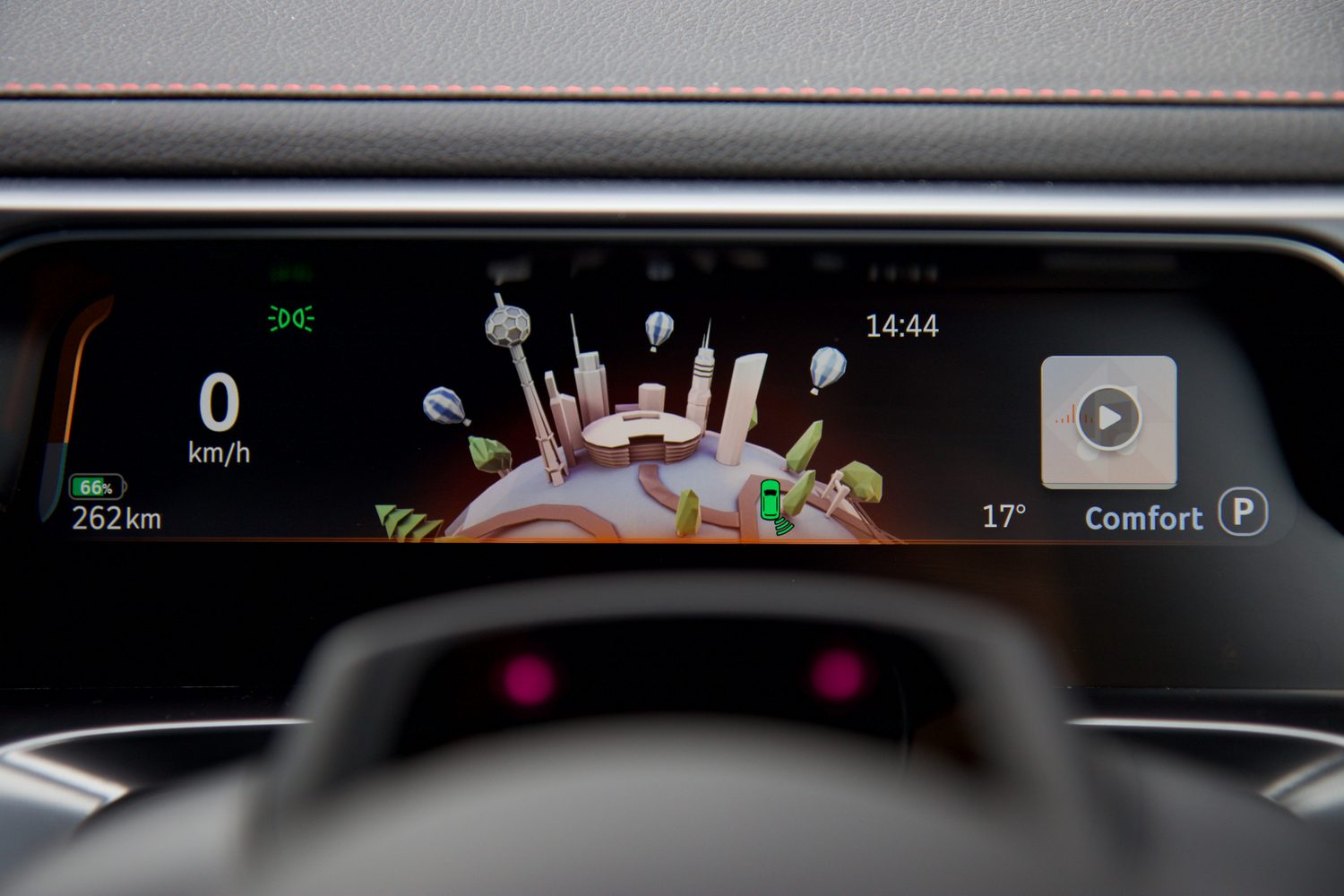
There's a neat driver's instrument display on a slim horizontal strip behind the steering wheel, and in the Brabus version that's backed up by a useful head-up display.

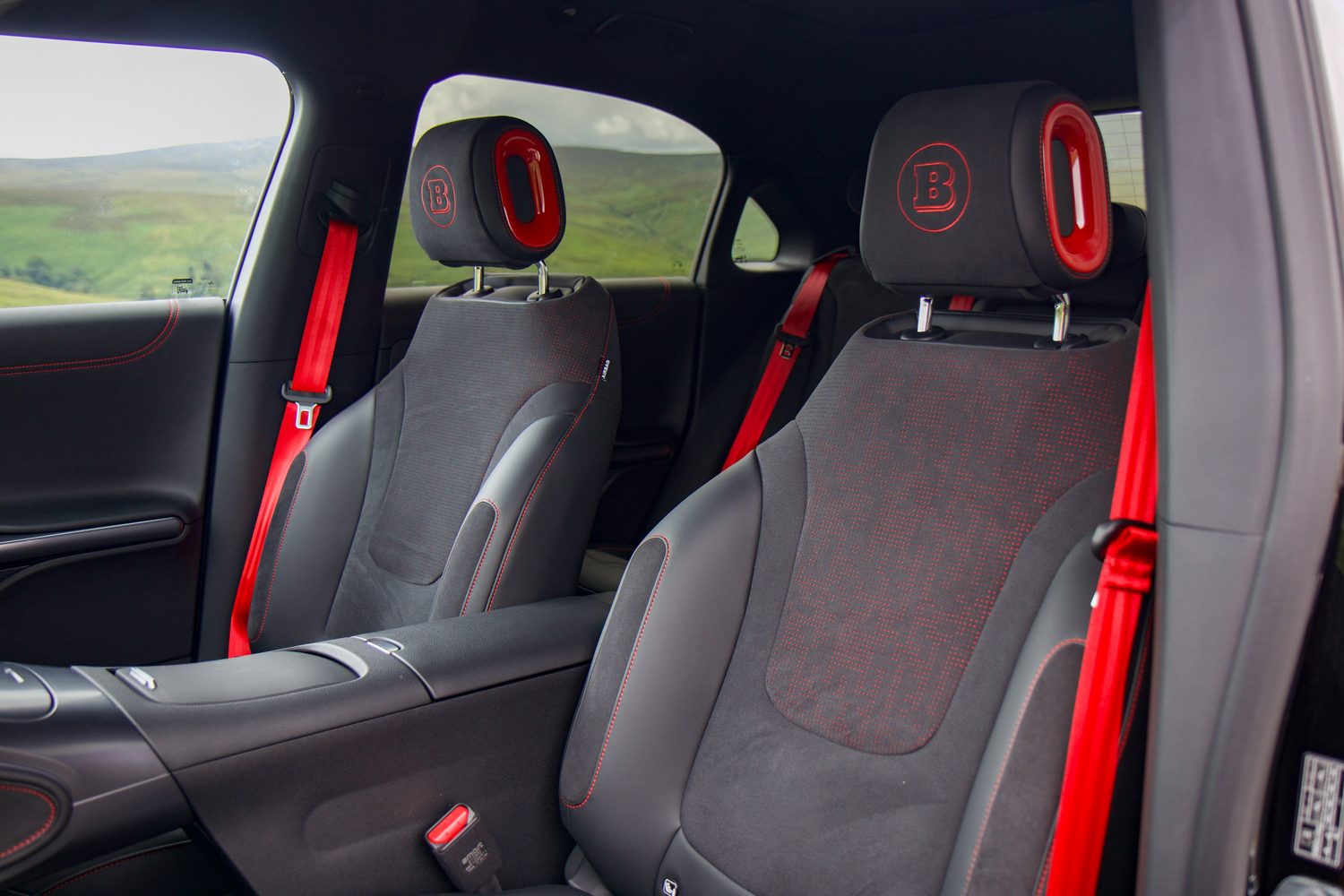
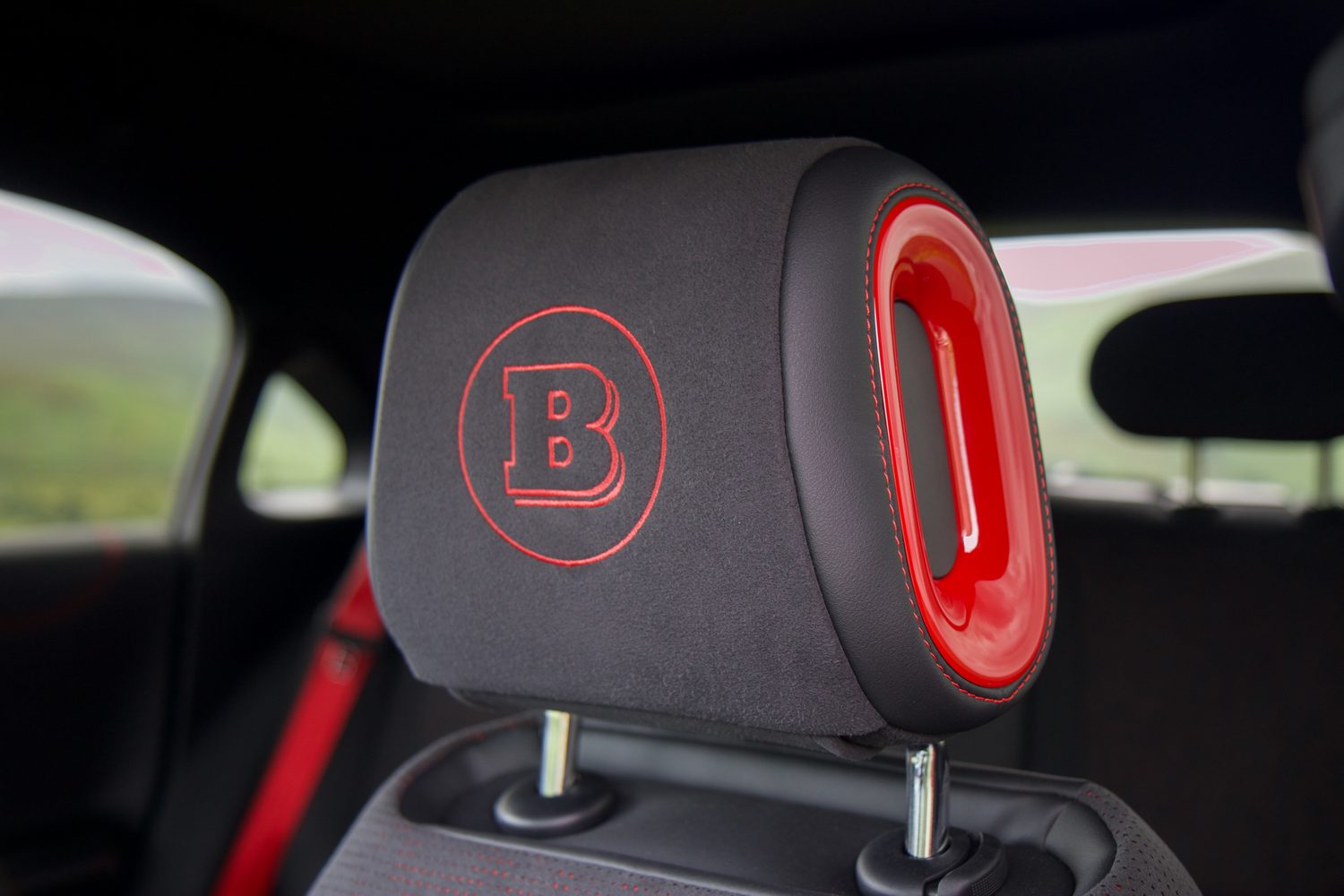
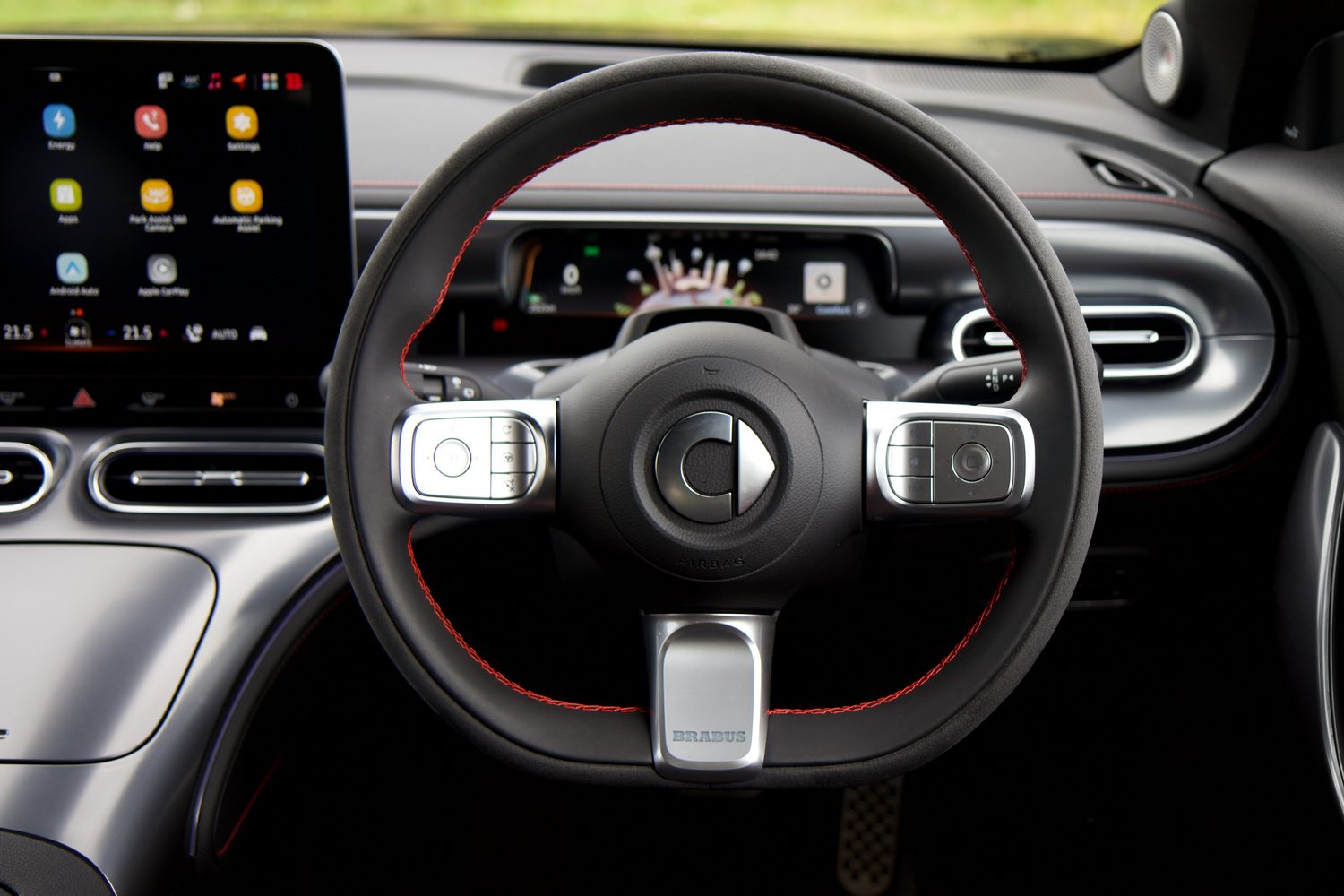
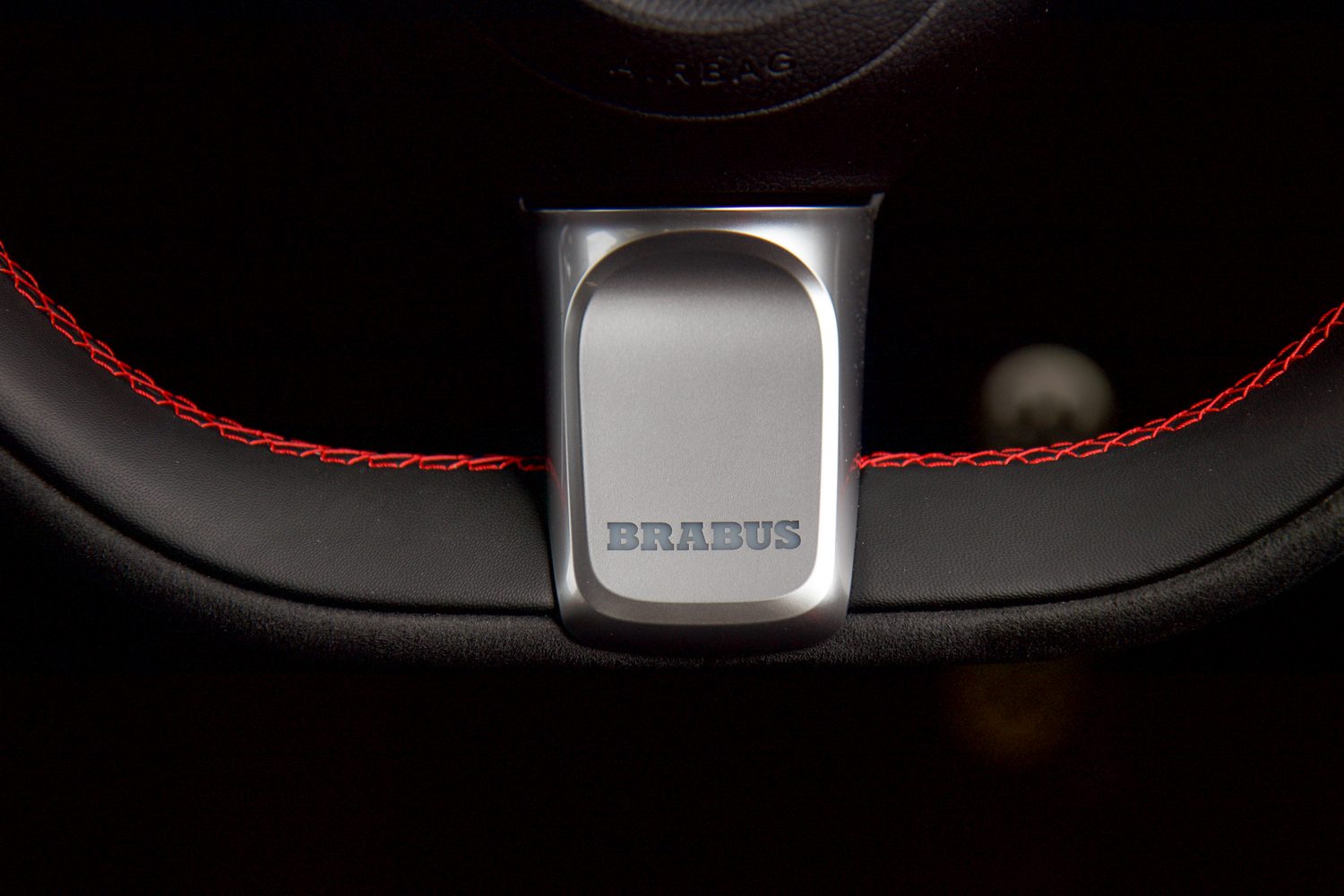
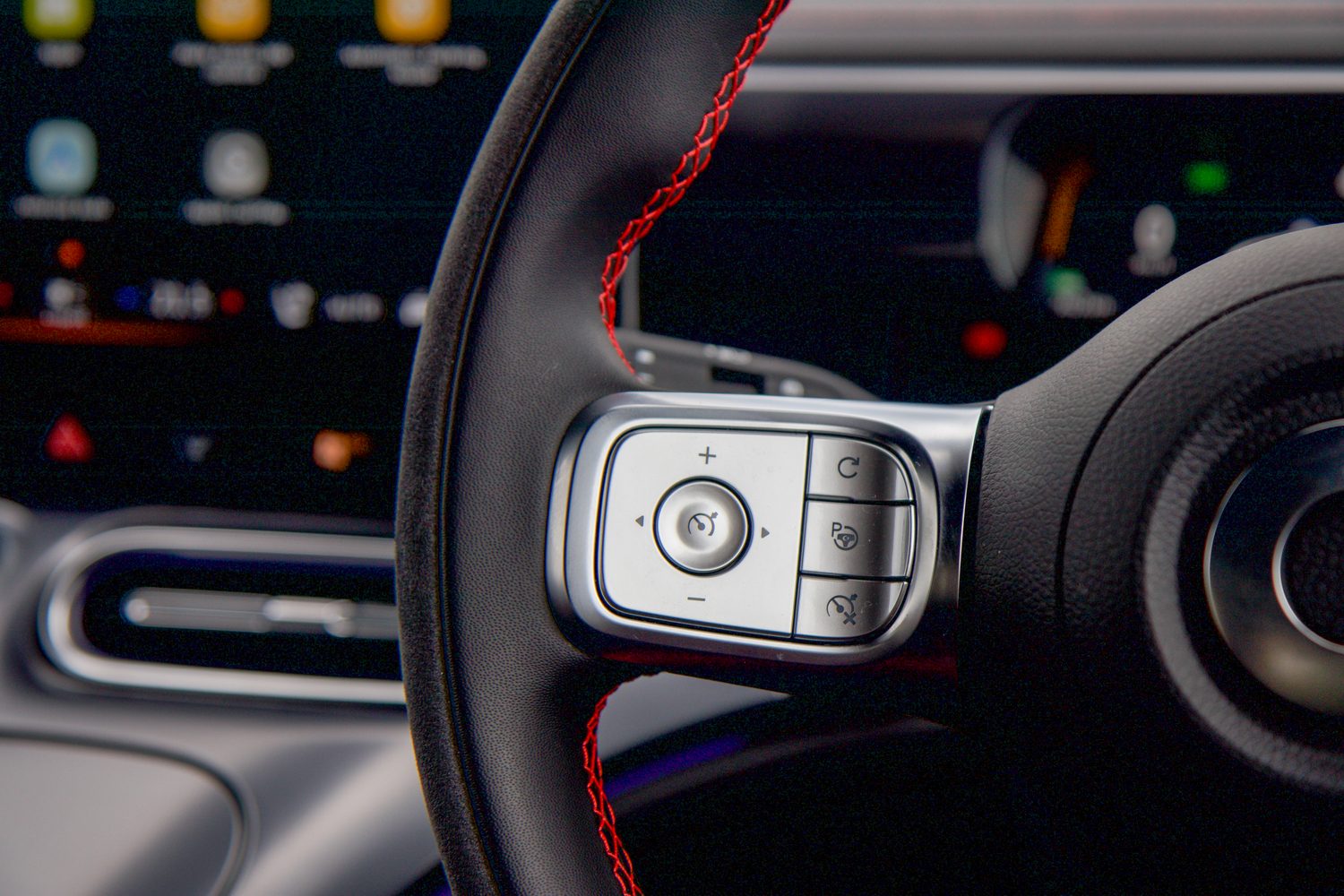
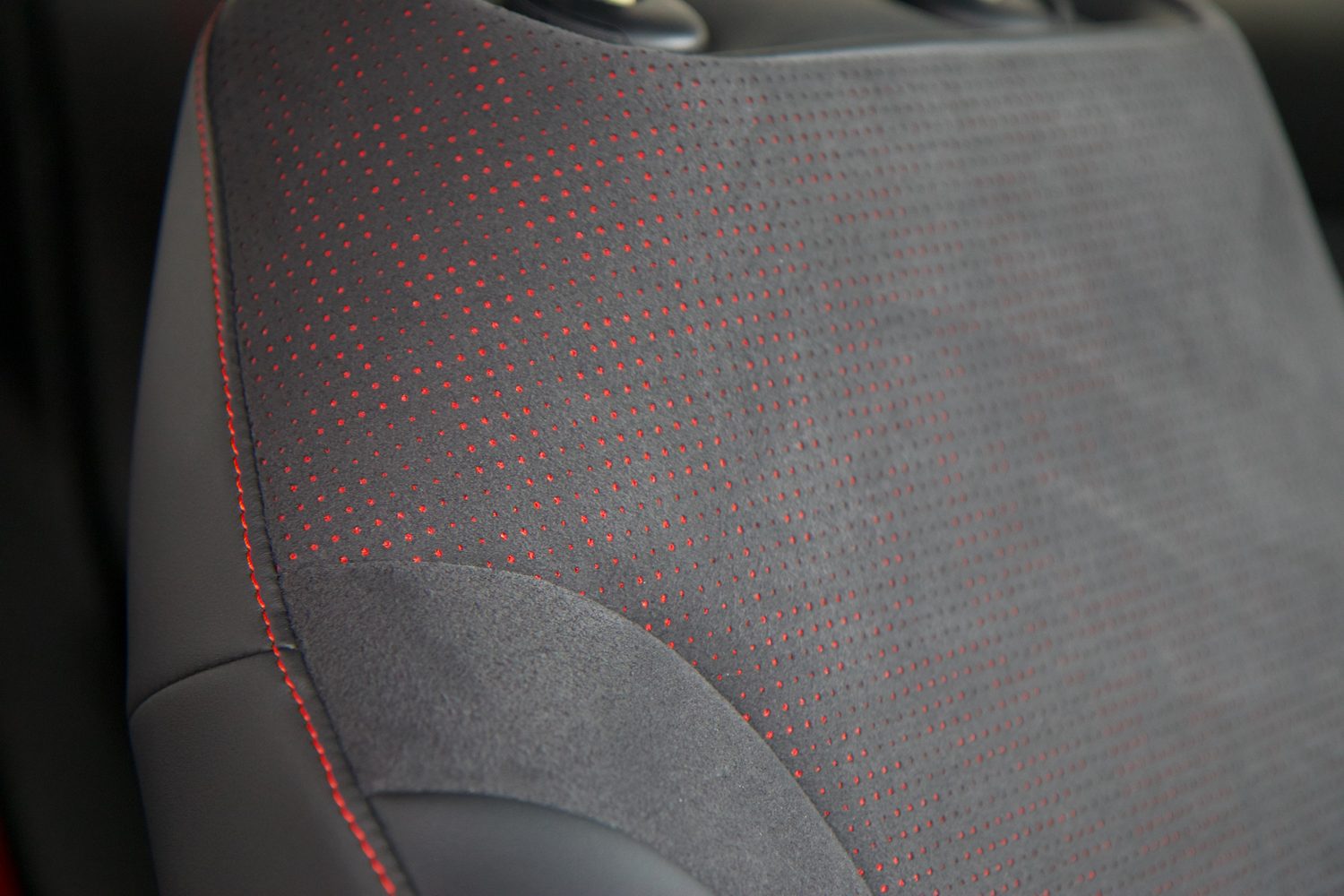
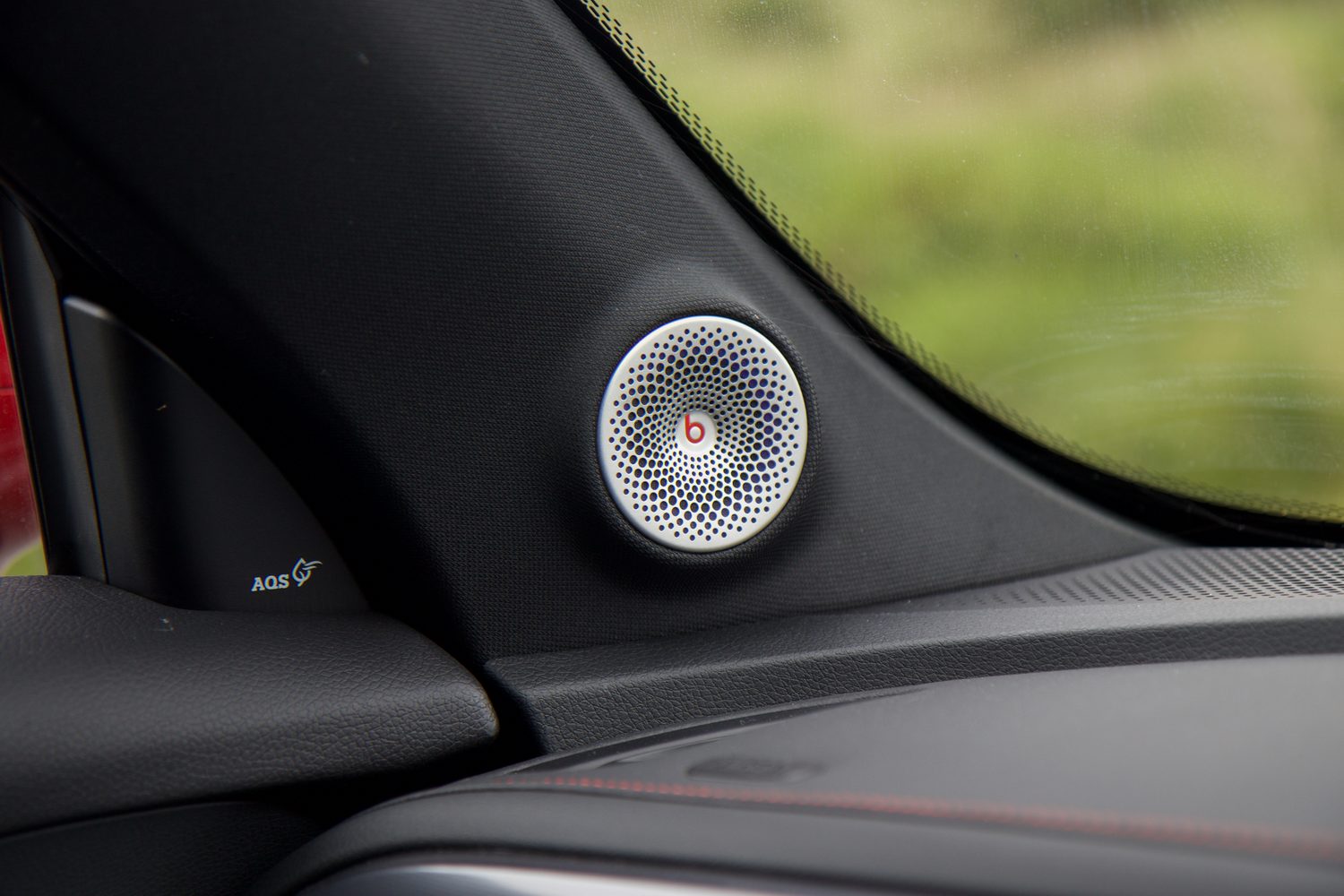
There are some nice Brabus styling and trim touches inside too, including an Alcantara steering wheel, microfibre trim for the seats and a smattering of Brabus badges and the famed 'B' logo about the place. Overall quality feels exceptionally good.
Performance of the 2025 Smart #1 Brabus on Irish Roads
- Genuinely quick
- Surprisingly gentle ride
- Needs sharper steering and suspension

So, can you really outrun a Porsche in an electric Smart? Well, yes you can. I mean, you'll need to go to Mondello Park, or similar, to do it all legally but the Smart's staggering 3.9-second 0-100km/h sprint is easily and instantly accessible - just come to a stop, take your foot off the brake and plant your right foot hard down to the carpet. With a distant whoosh, and a slight lurch as the weight transfer compresses the rear springs, the Smart #1 Brabus just goes, as if fired from a silent howitzer.
As with all powerful electric cars, the novelty soon wears off. You'll have a hoot the first half-dozen or so times you launch the #1 Brabus from a standing start, but after that you start to realise that it's impressive, yes, but fast acceleration alone does not make a decent high-performance car. Blame human perception - we soon become accustomed to such vivid experiences, and they lose their edge. Remember how shockingly sharp 4K TV once seemed? Now it's normal. Same with the Smart's acceleration.

In contrast, the suspension is surprisingly soft for a car with a performance mission in mind. There's an upside to this - the #1 Brabus rides really comfortably, and it's decently refined too. The downside? It's really not up to coping with its combo of 428hp and almost two-tonne weight. On really challenging roads, the limitation won't be traction - with two motors and four-wheel drive that's almost never going to be an issue - the limitation will be how much the Smart #1 Brabus ducks and bobs over undulations in the tarmac. A keen driver's car it isn't.
It's not a hopeless case, though. Select the specific Brabus driving mode from the physical button under the screen and the steering does sharpen up a bit, which genuinely helps, but without adaptive suspension there's not much else to change.
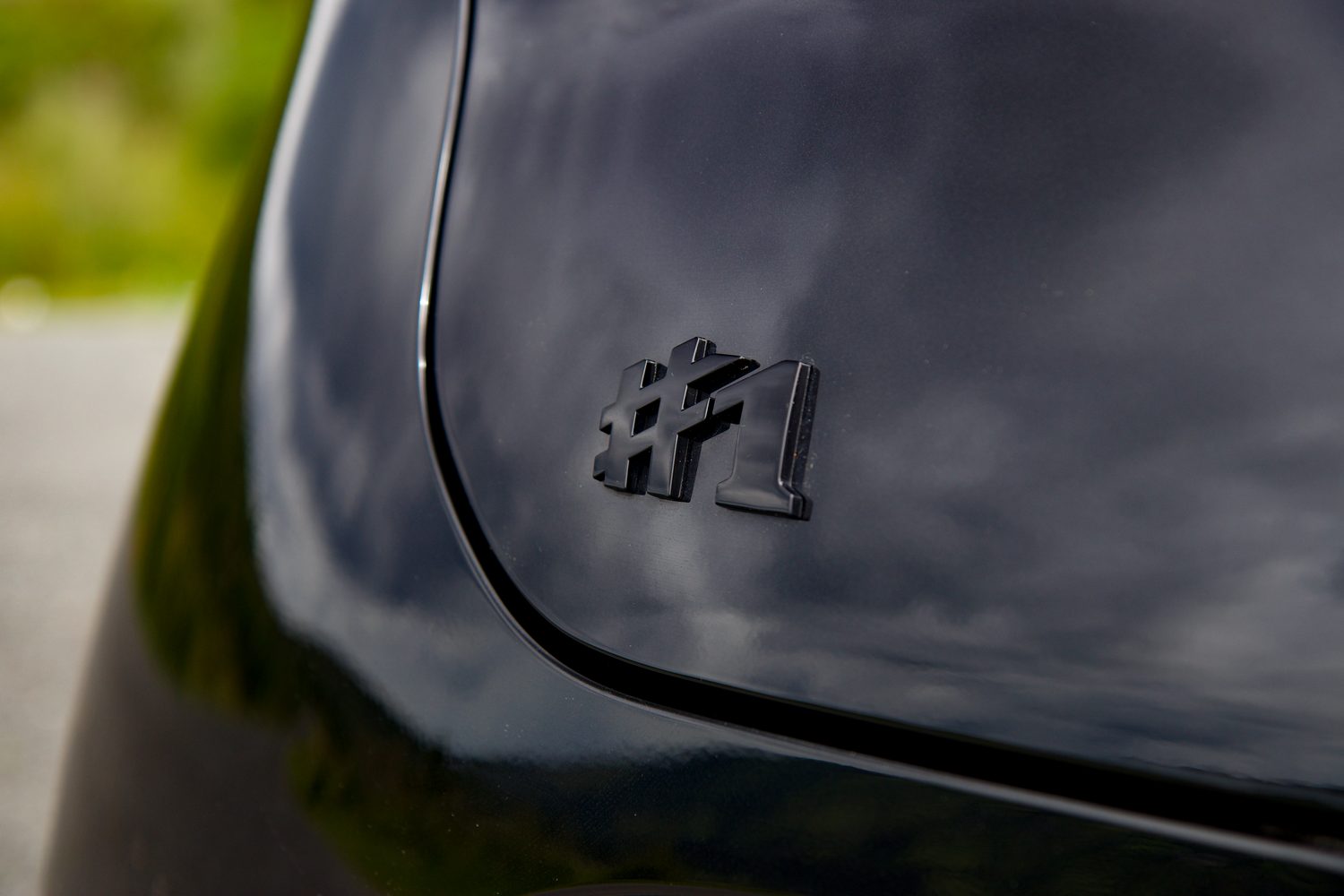
Take the #1 Brabus away from tougher roads though, and it becomes pretty decent. Smoother tarmac with long, open corners is its happy place, and it has near-peerless overtaking urge, so what you end up with is an unspeakably rapid family car with all-weather traction and a famous high-performance badge on the boot. That's not a bad combo.
Equally - and oddly considering that it's both shorter and taller - the #1 Brabus seems happier dealing with all its extra power than the closely related Smart #3 Brabus. We can't work out why that is, but on the twisty and bumpy roads of the Sally Gap in Wicklow, the #1 was the better of the two.
Range, Battery & Charging of the 2025 Smart #1 Brabus
- 400km range is less than non-Brabus model
- 22kW AC charging is useful to have
- Three-year warranty

Smart offers only a standard three-year warranty on its cars, but it does at least come with unlimited mileage, and that can be extended for another three years as an option.
In terms of range, unsurprisingly this high-powered Brabus version loses out to the regular Smart #1, but not by as much as you might think. Compared to the 440km range of the regular 62kWh Smart #1, the Brabus version manages a range of up to 400km, which is at least reasonable. However, if you're using much of its immense power and performance, that will quickly fall to more like 300km.
However, the Smart isn't snookered. Its compact battery means that charge-ups when out and about are fairly quick at 150kW on DC chargers. Equally, the 22kW AC charging setup means that you can do charges from kerbside points, which are much cheaper to use than fast DC points.
We averaged around 25kWh/100km on our test drive, which isn't brilliant, but which did include a good bit of windy mountain roads and so, driving a bit more sensibly, you ought to be able to coax the #1 Brabus down below the 20kWh/100km mark.
Irish Pricing & Rivals of the 2025 Smart #1 Brabus
- Sharp pricing for this Brabus version
- Cheapest #1 now down to €25,000
- Decent standard equipment

The most affordable model in the Smart #1 lineup right now, the entry-level Pro model with the 49kWh battery pack and a range of just 310km, has a price tag of just €25,316 which makes it slightly cheaper than a Renault 5 EV, but with vastly more interior space. That makes it an utter bargain, especially given that, size-wise, the #1 really sits between the likes of the Volkswagens ID.3 and ID.4.
You can upgrade to the bigger battery, 440km range #1 Pro+ for €29,447, and then there's the ritzy Premium model for €33,564.
Then we come to this Brabus model, which has a list price of just €38,293. Think about that for a moment - that's less than the price of a basic Nissan Qashqai yet you're getting the straight-line punch of a Ferrari. That's exceptional, one might say unstoppable, performance per Euro, and in a way makes this Smart the modern-day equivalent of an original Subaru Impreza Turbo.
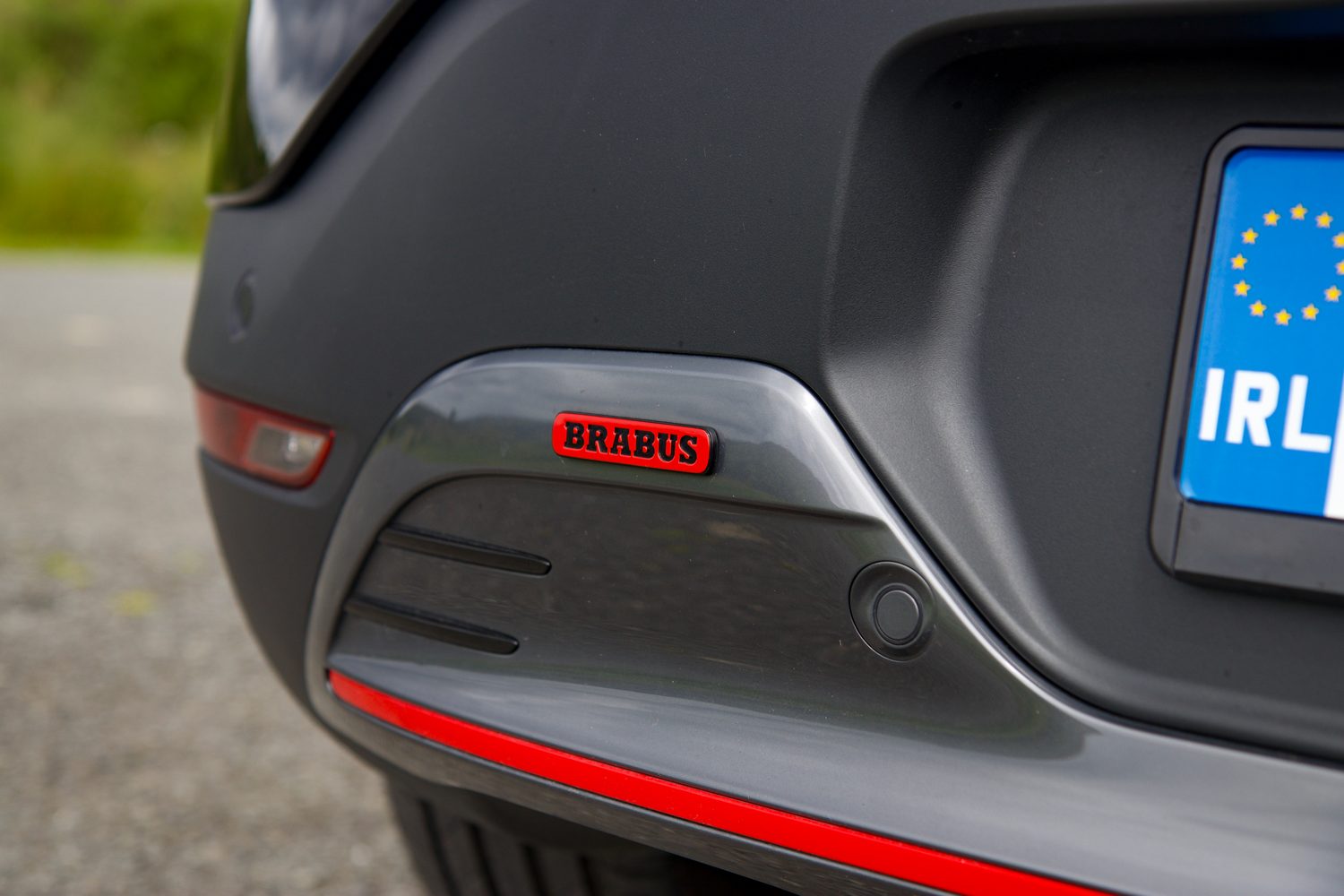
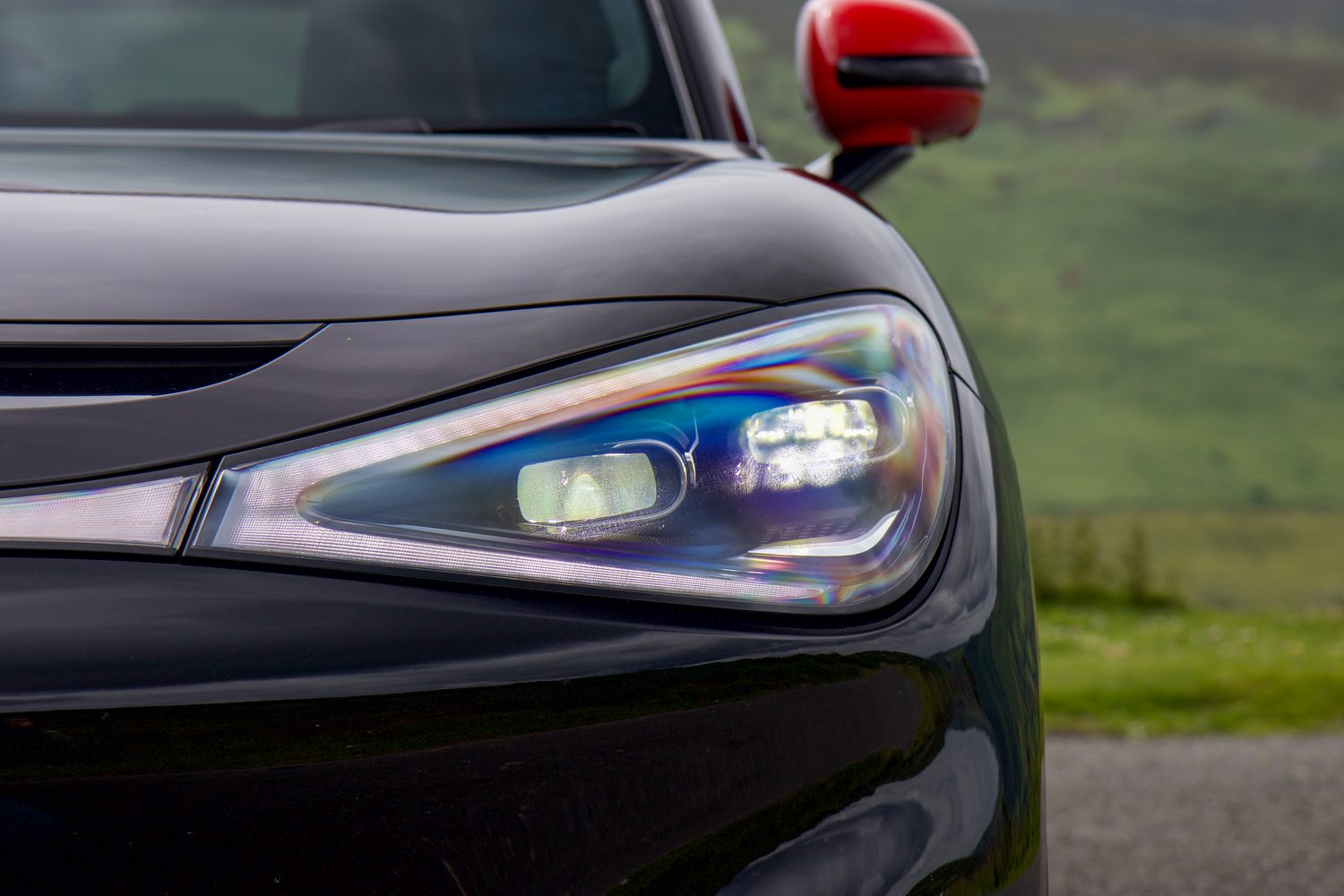
Standard equipment includes the panoramic roof, synthetic leather seats, ambient lighting, 19-inch alloys, heated front seats and dual-zone air conditioning. Brabus spec adds the contrast red roof, 150kW DC charging, adaptive high-beam LED headlights, all-wheel drive, Alcantara cabin trim and a head-up display.
Verdict - Should You Buy the 2025 Smart #1 Brabus?
While this is a high-performance car without the high-performance chassis tuning, so you're getting speed, but not the commensurate dynamic performance, the Smart #1 Brabus is tempting in a lot of ways - it's well-priced, it's incredibly fast, it looks distinctive, it's roomy for passengers, practical and it's well-made. Supercar performance with family comfort is a tough combo to beat. And it's a total bargain.

FAQs About the 2025 Smart #1 Brabus
What size battery is in the Smart #1?
The most basic Smart #1 comes with a 49kWh (useable) battery, but all other versions come with a 61kWh unit.
How long does it take to charge a Smart #1?
On a 7.4kWh charger, such as a home charging point, the #1's 62kWh battery will take around nine hours to charge. On a 22kW kerbside charger that drops to three hours. A 20-80 per cent charge on a 150kW DC charger will take between 20 and 30 minutes.
What is the real range of the Smart #1?
Officially, this Smart #1 Brabus has a range of 400km on the WLTP test, but that's going to be closer to 300km in real-world driving, especially if you're using the power and performance much.
How many ISOFIX points are in a Smart #1 Brabus?

There are three ISOFIX points in the Smart #1 Brabus - two in the outer two rear seats, and one in the front passenger seat. Slide the rear seats back all the way on their runners and you should have no trouble fitting even bulky rear-facing child seats, as there's copious legroom.
Want to know more about the Smart #1?
If there's anything about the Smart #1 we've not covered, or you'd like help in choosing between it and other cars, you can avail of our expert advice service via the Ask Us Anything page.