


Exterior & design of the 2026 SEAT Ibiza
- Effective modernisation of the front
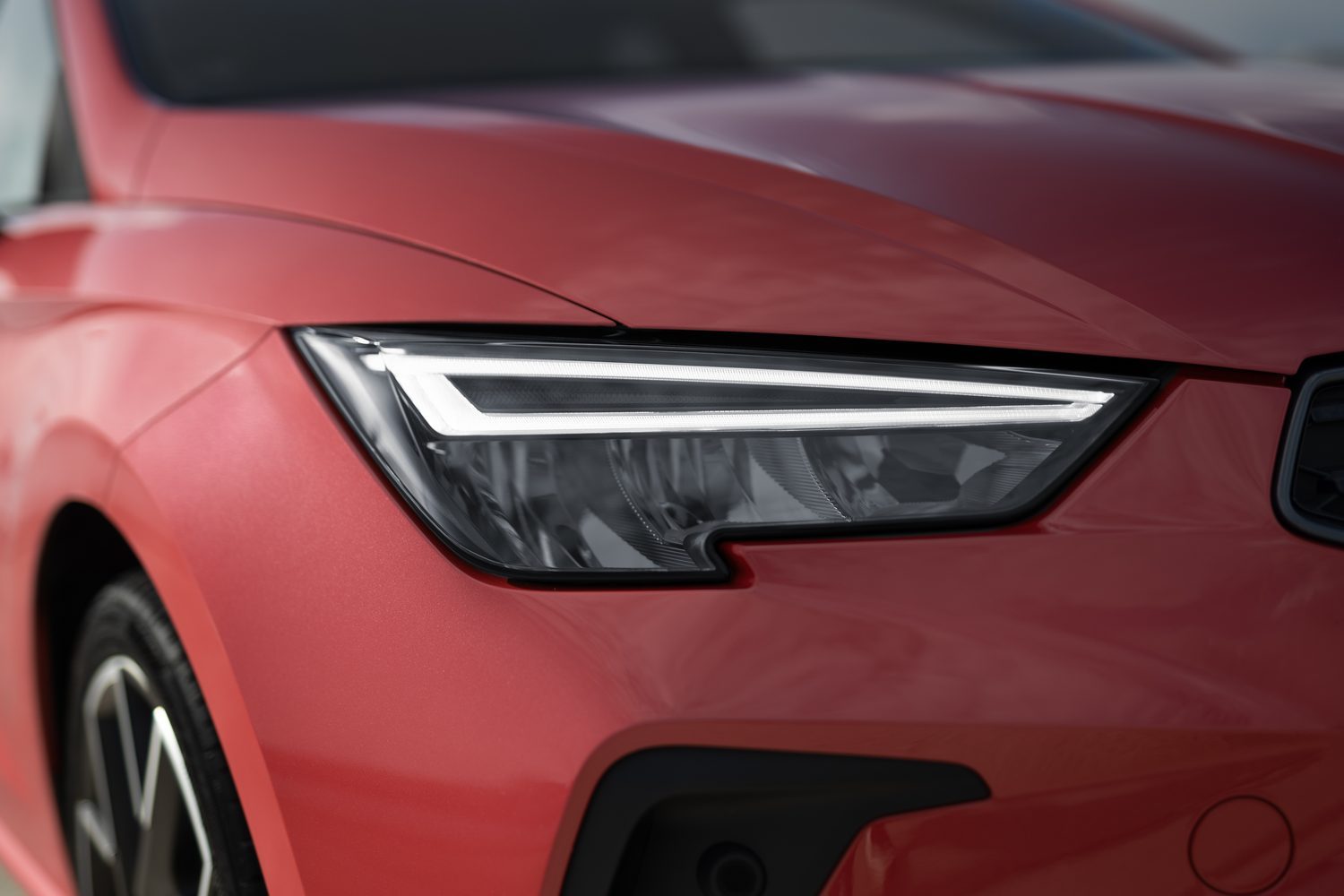
- Brighter, all-LED headlights standard
- New colours and alloy wheel designs

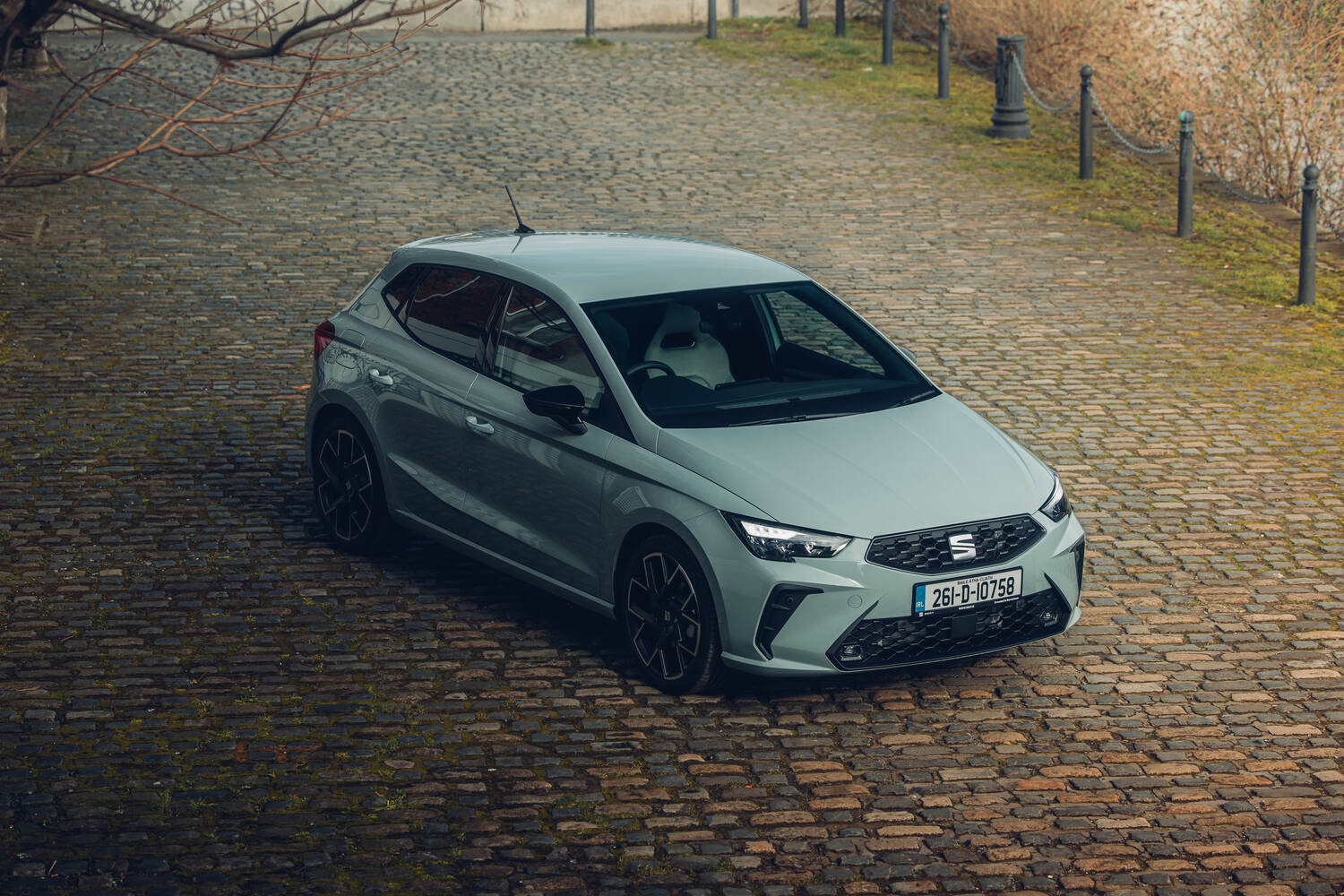
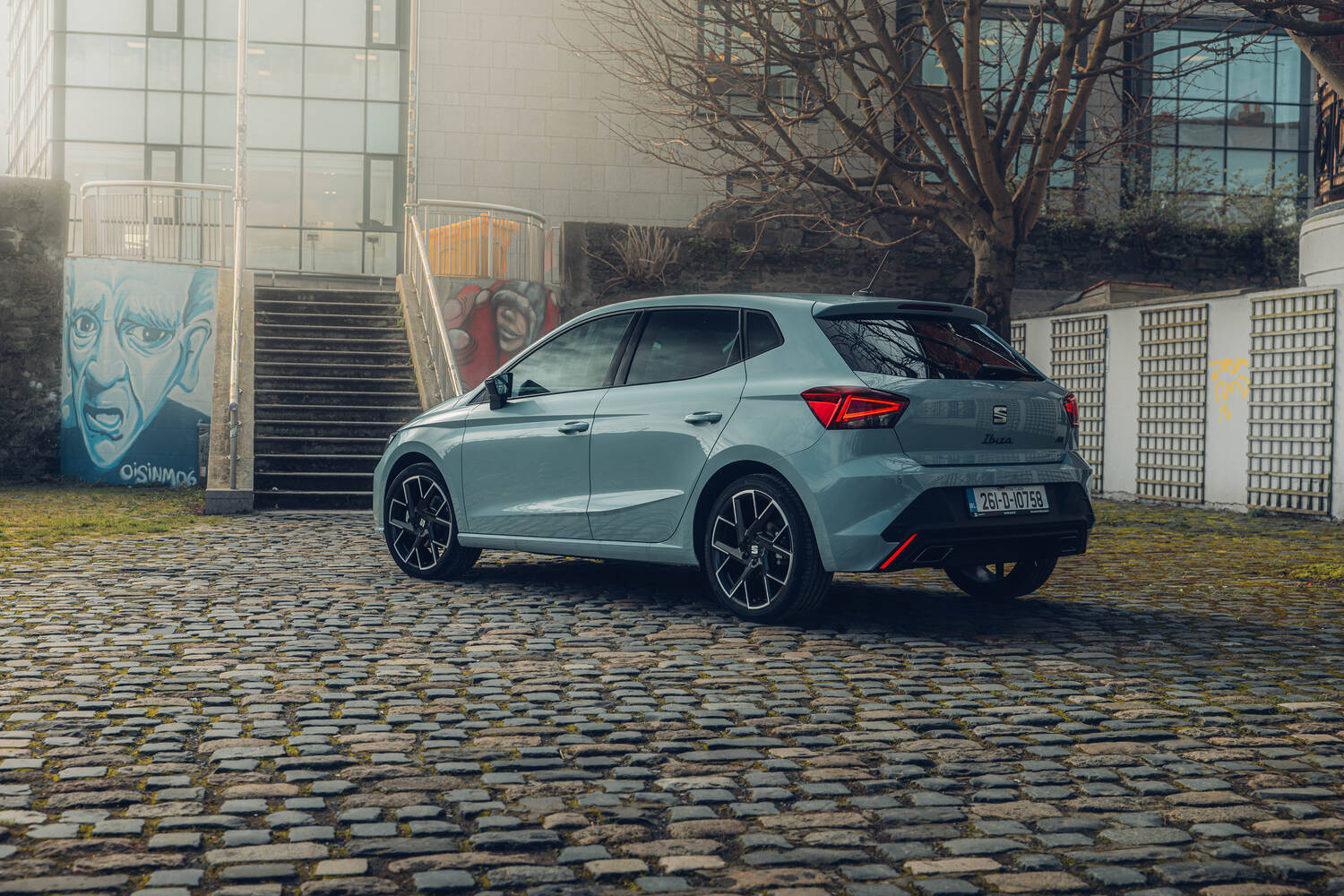
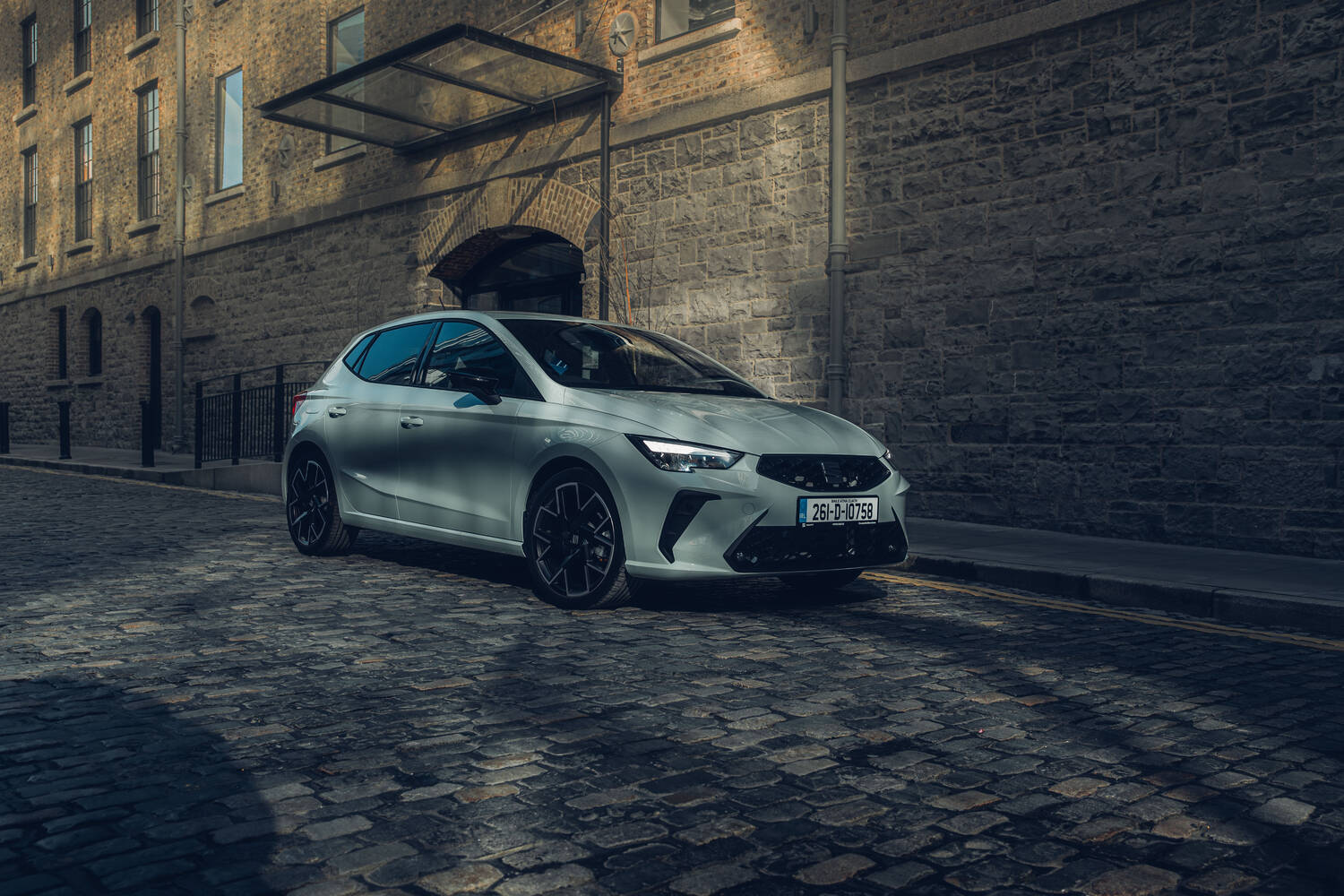
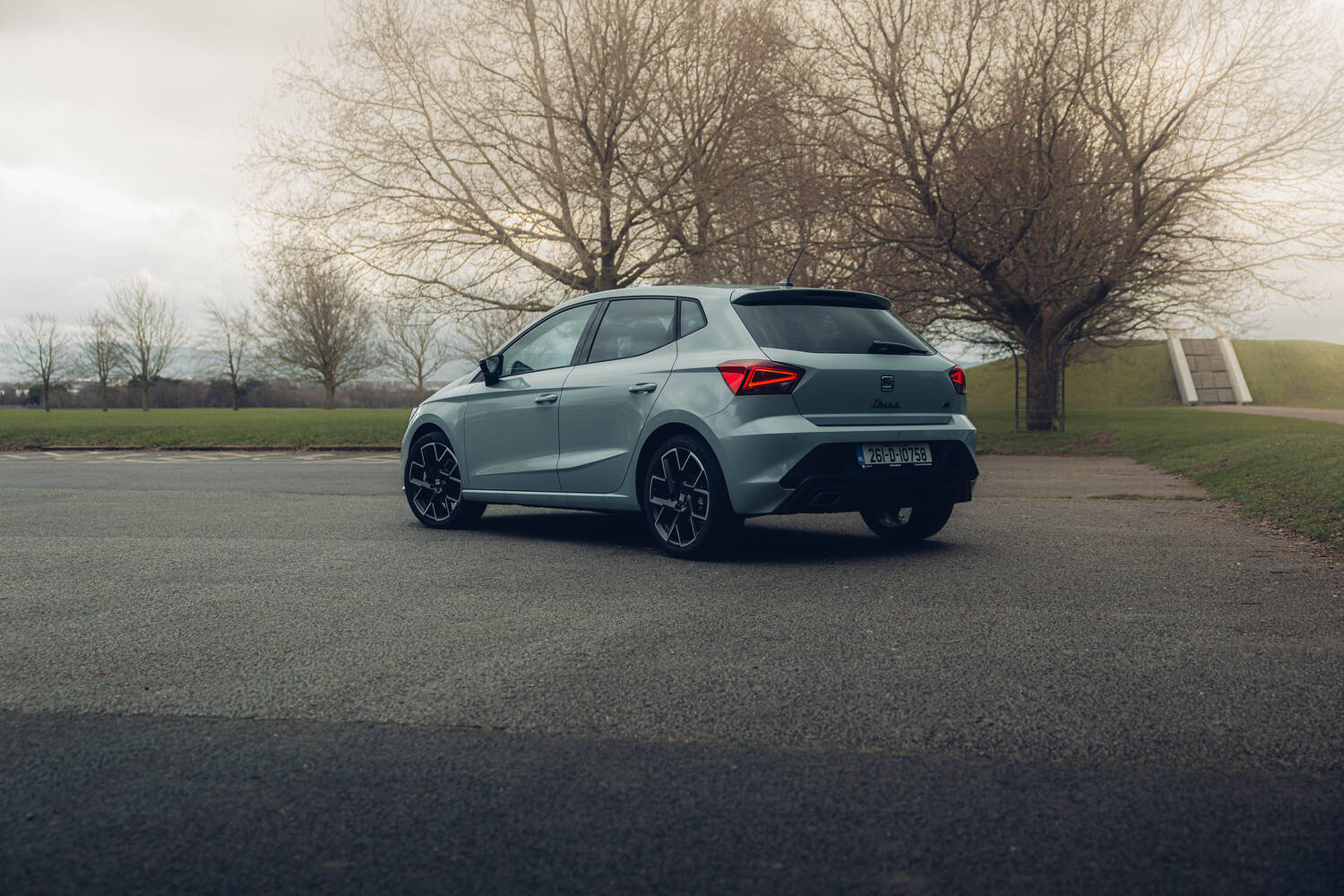
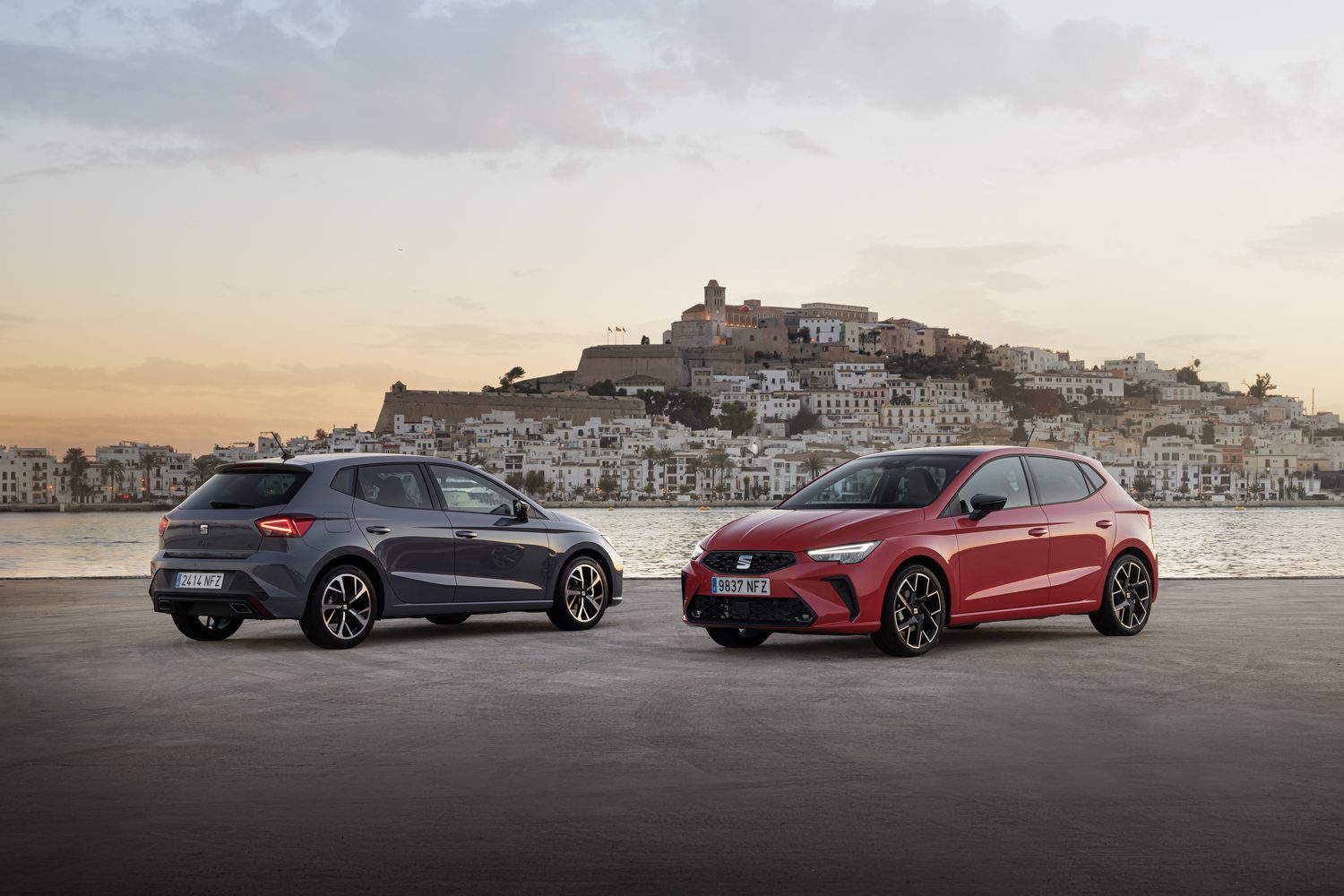
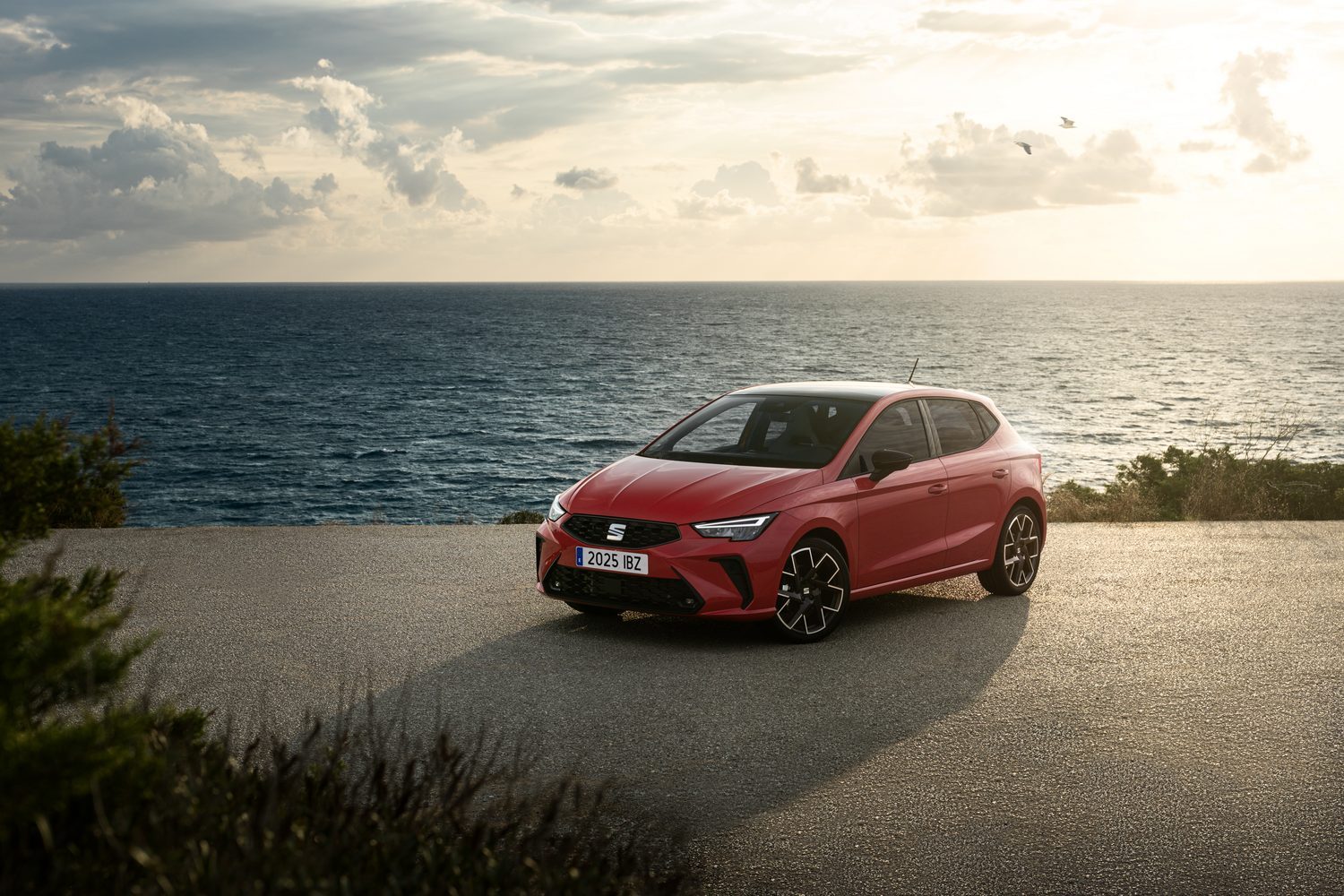
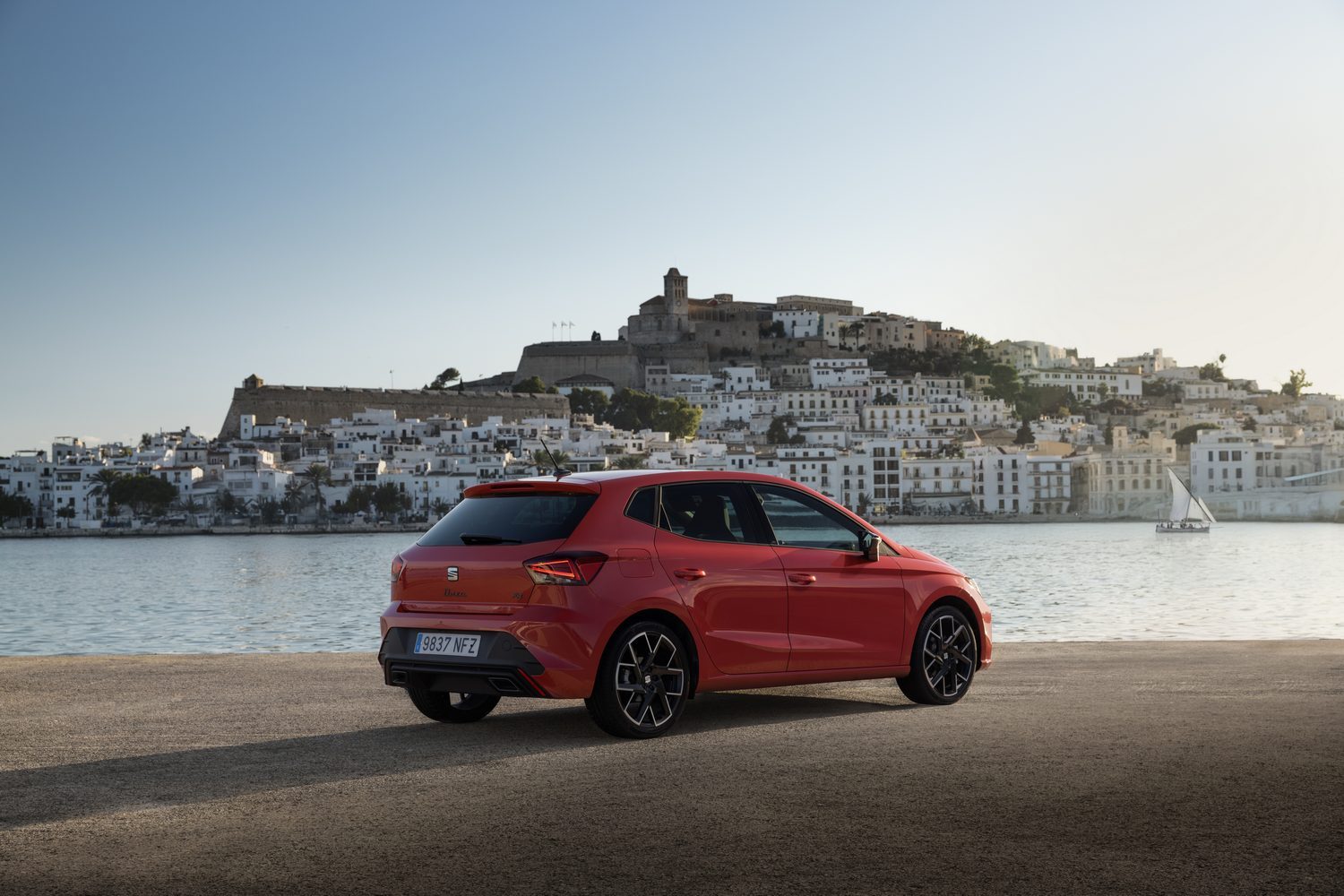
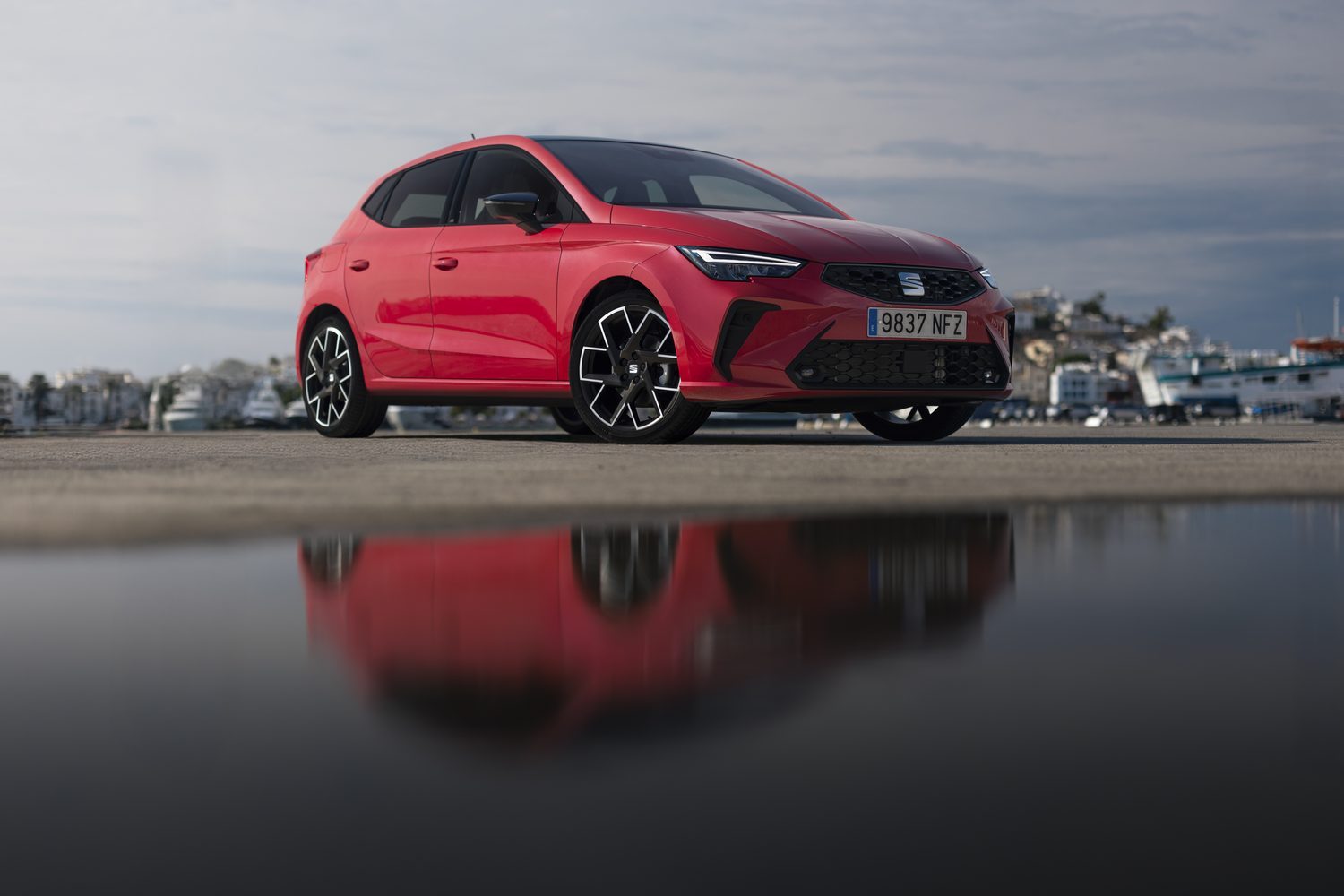
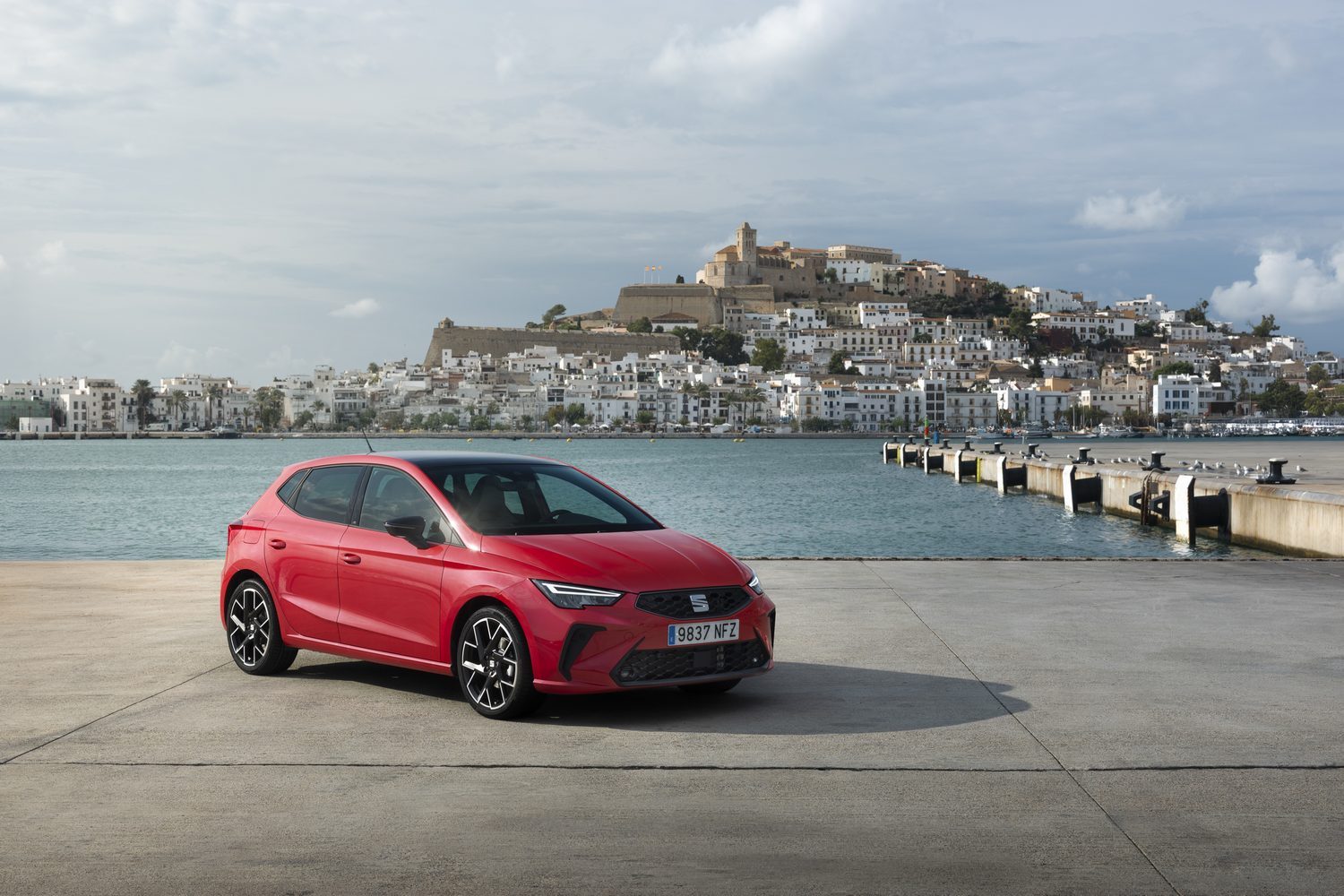
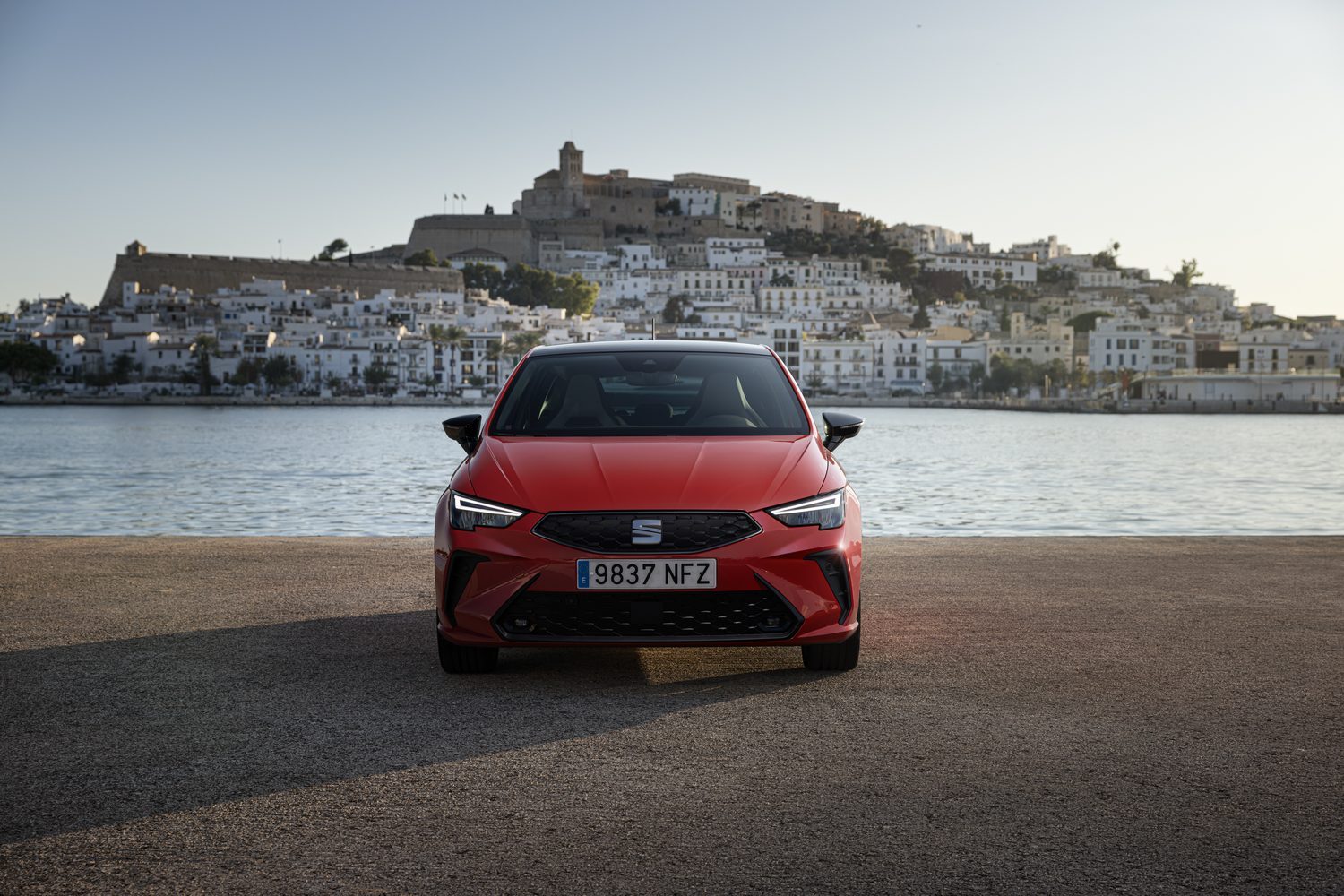
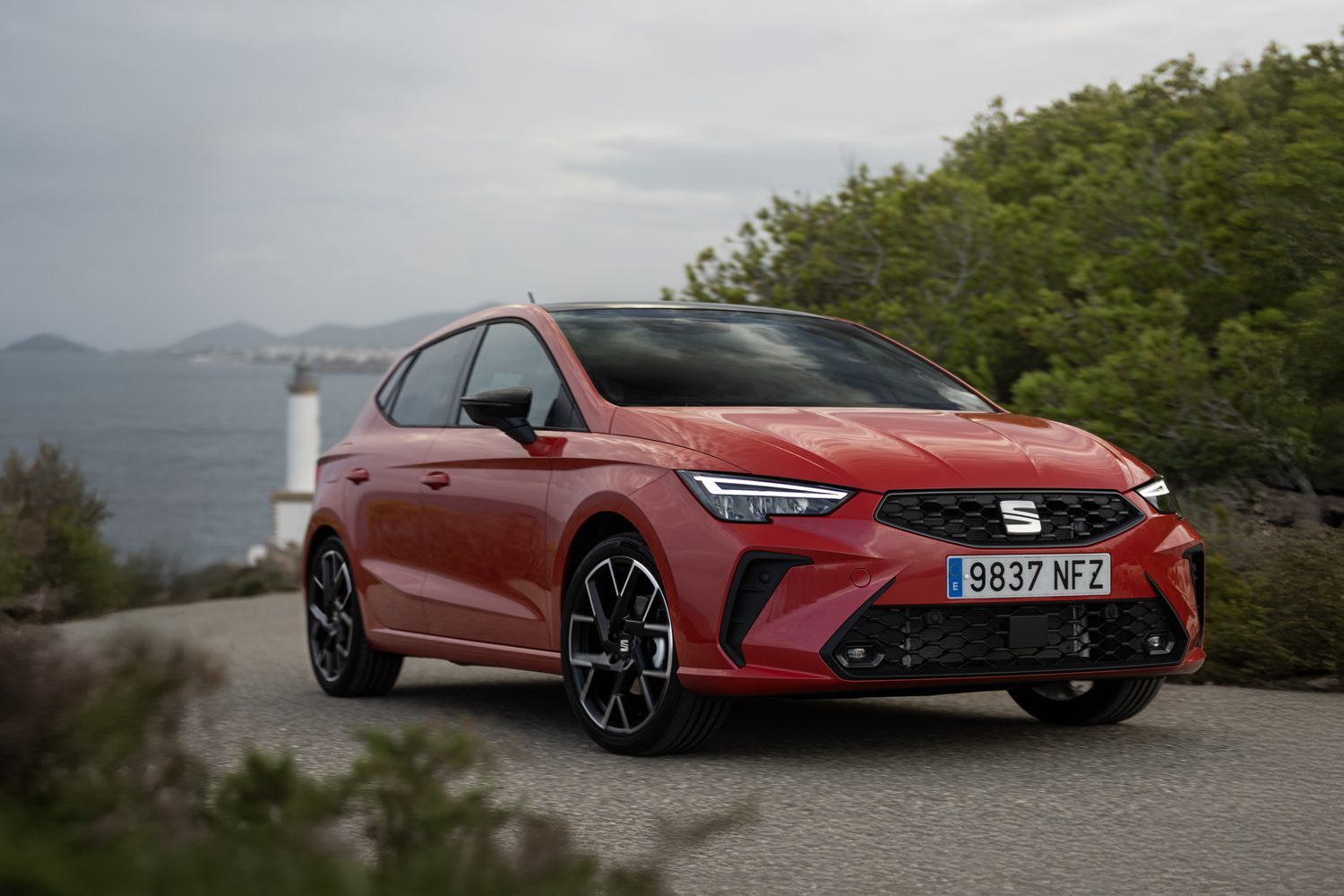
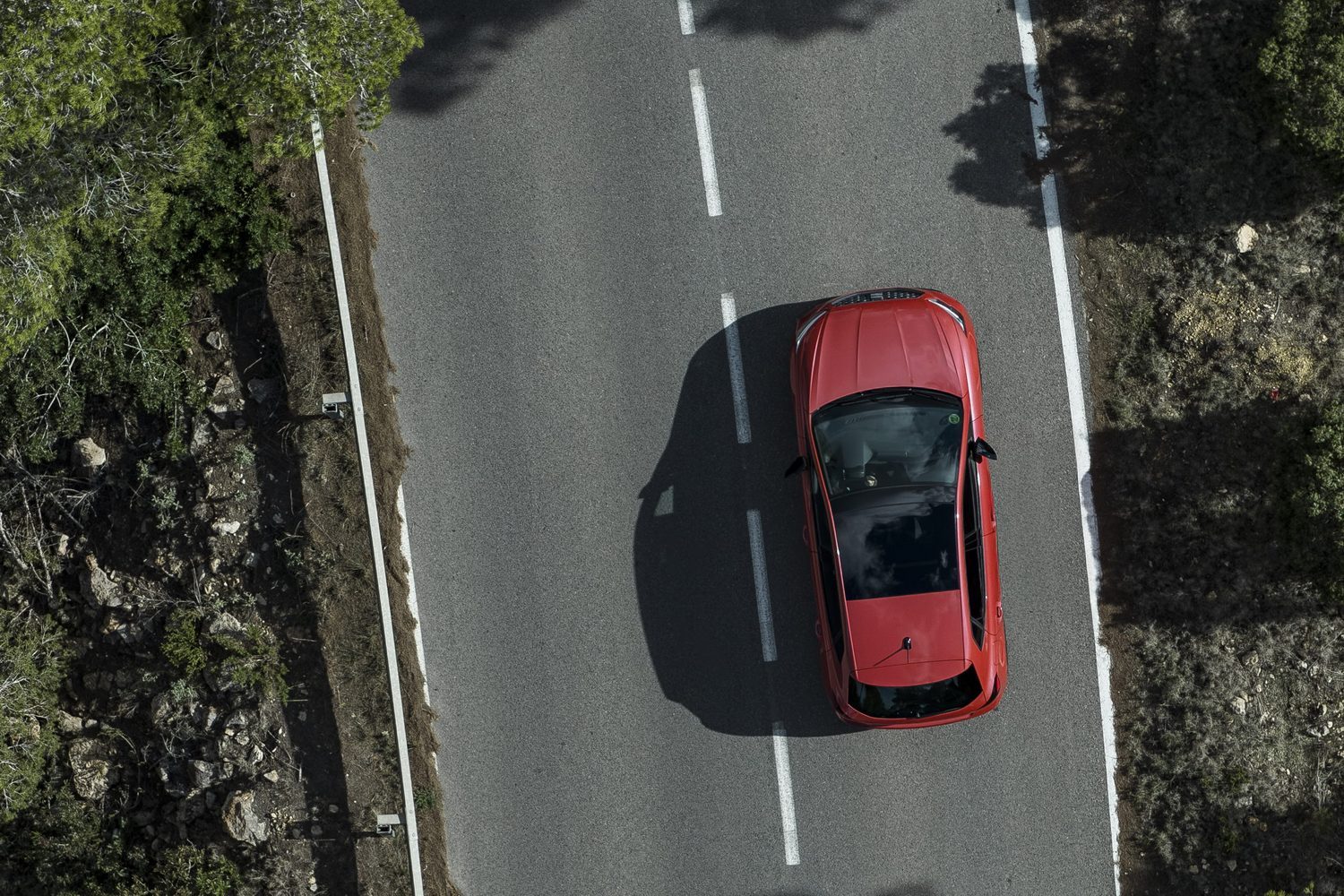
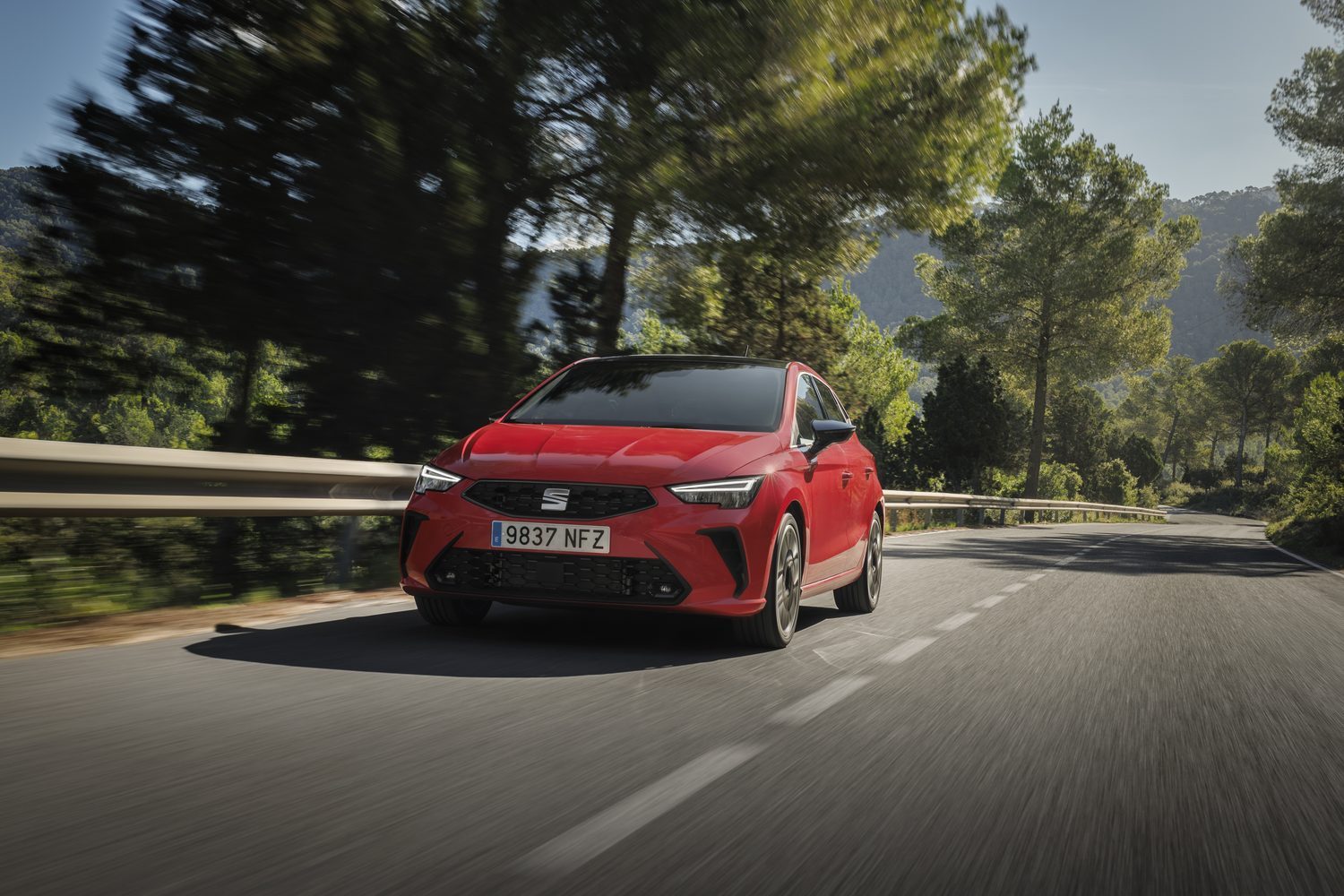
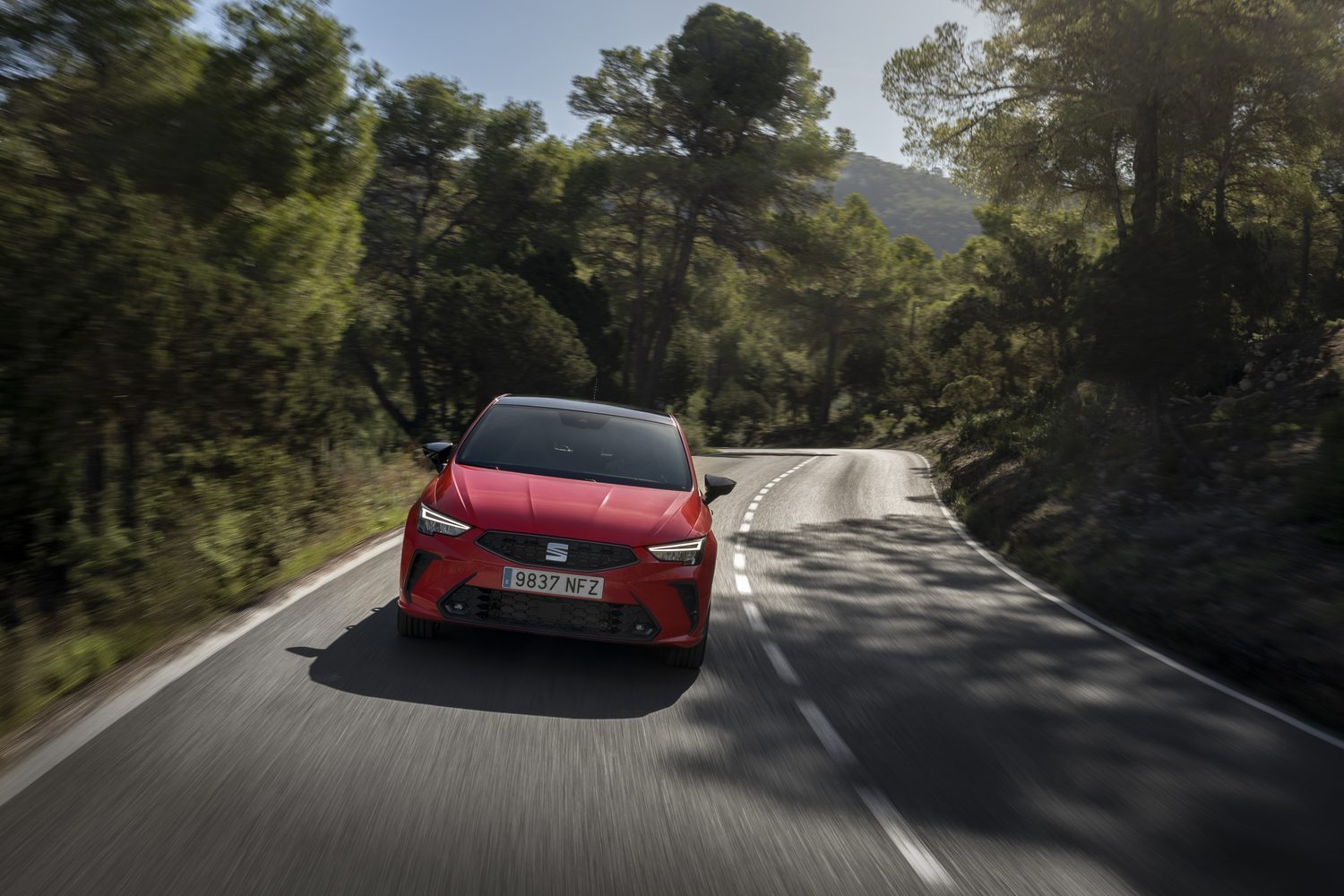
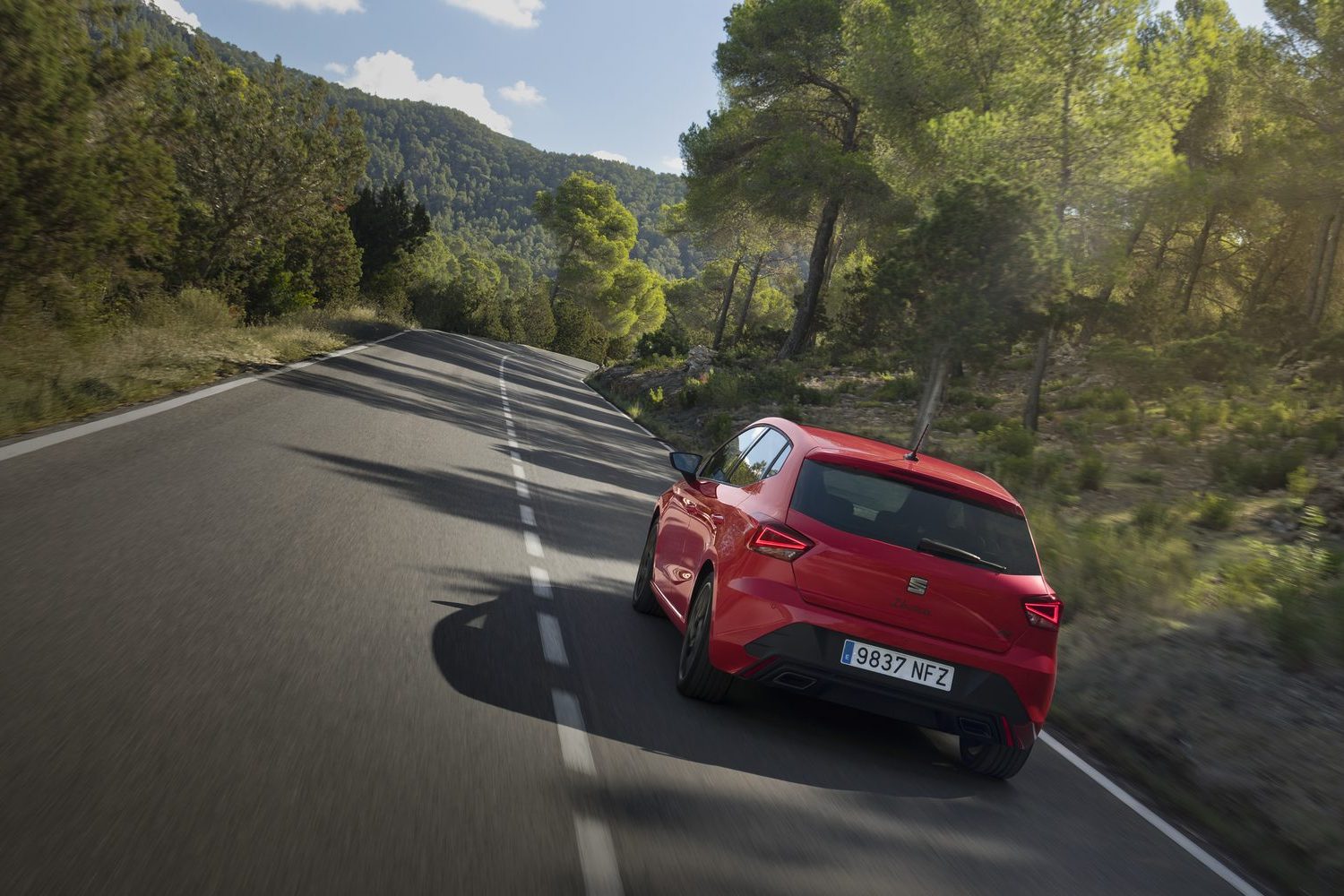
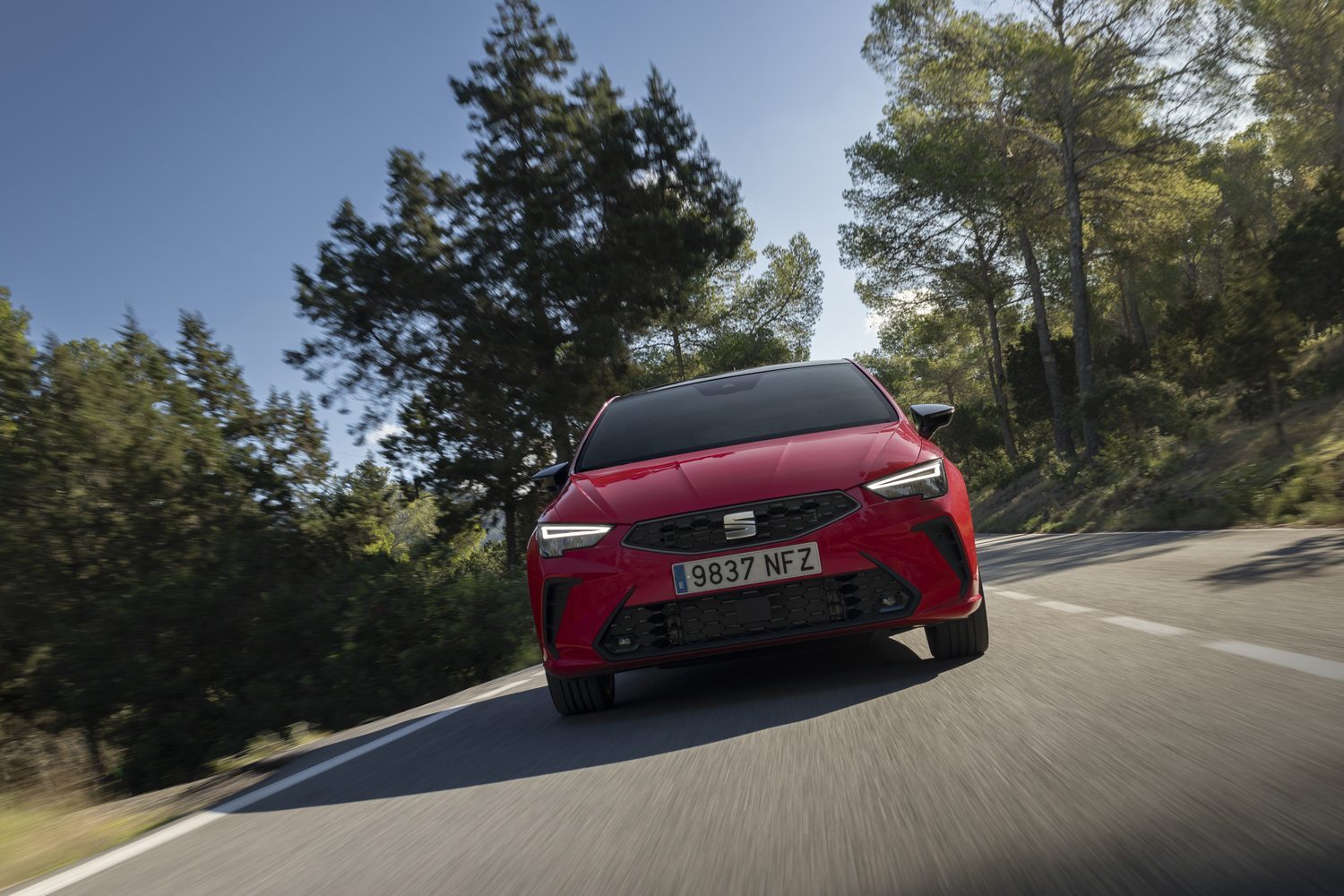
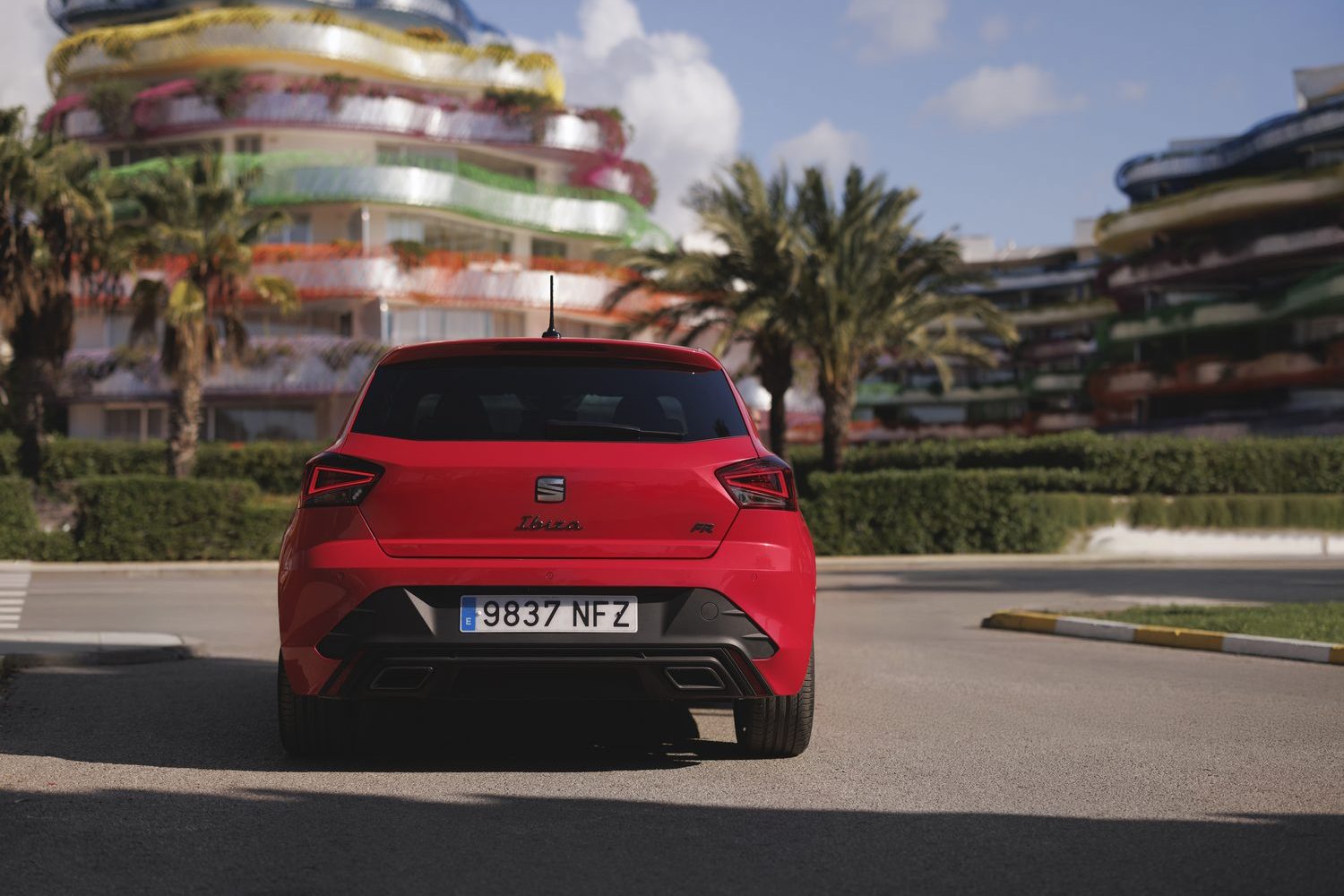
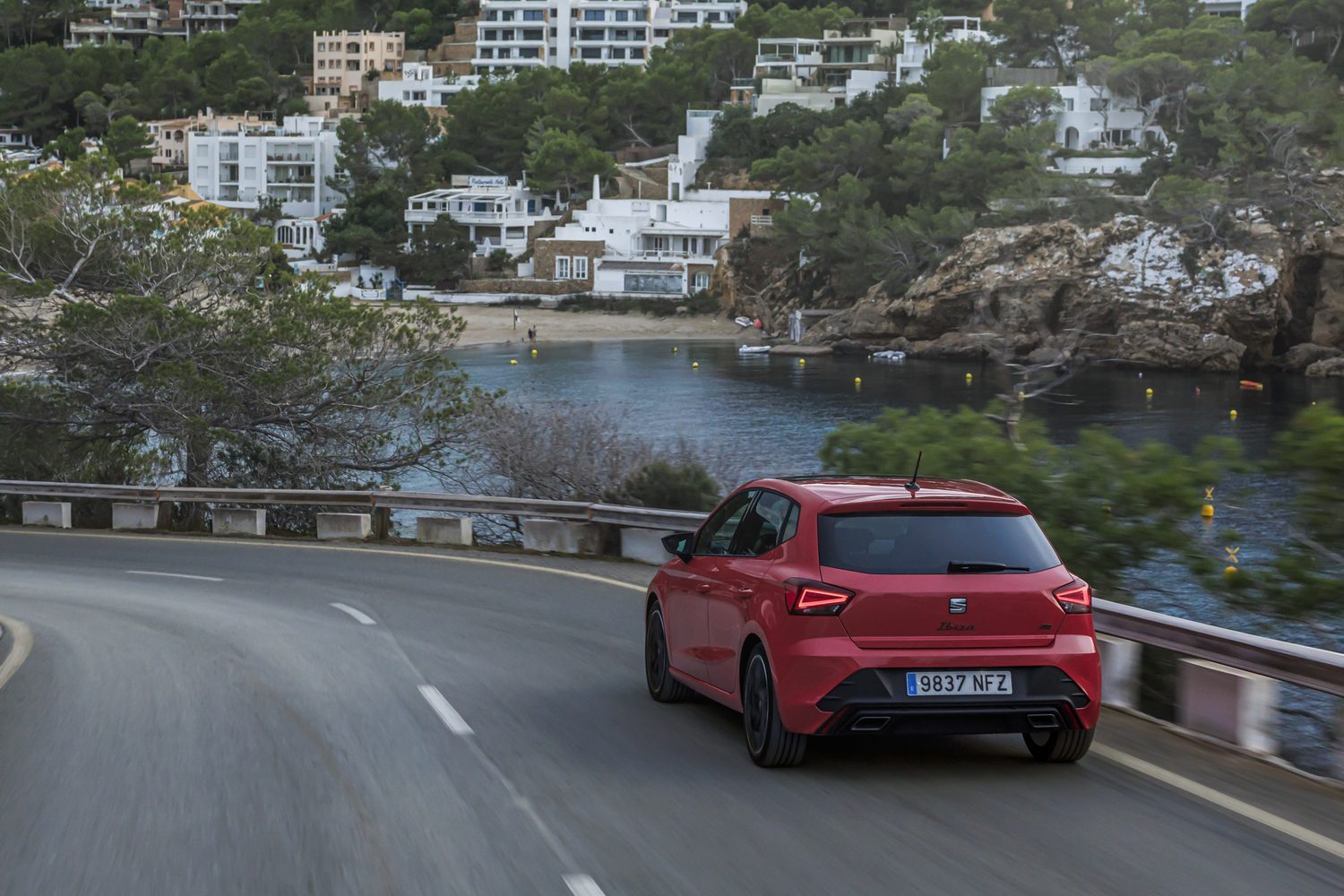
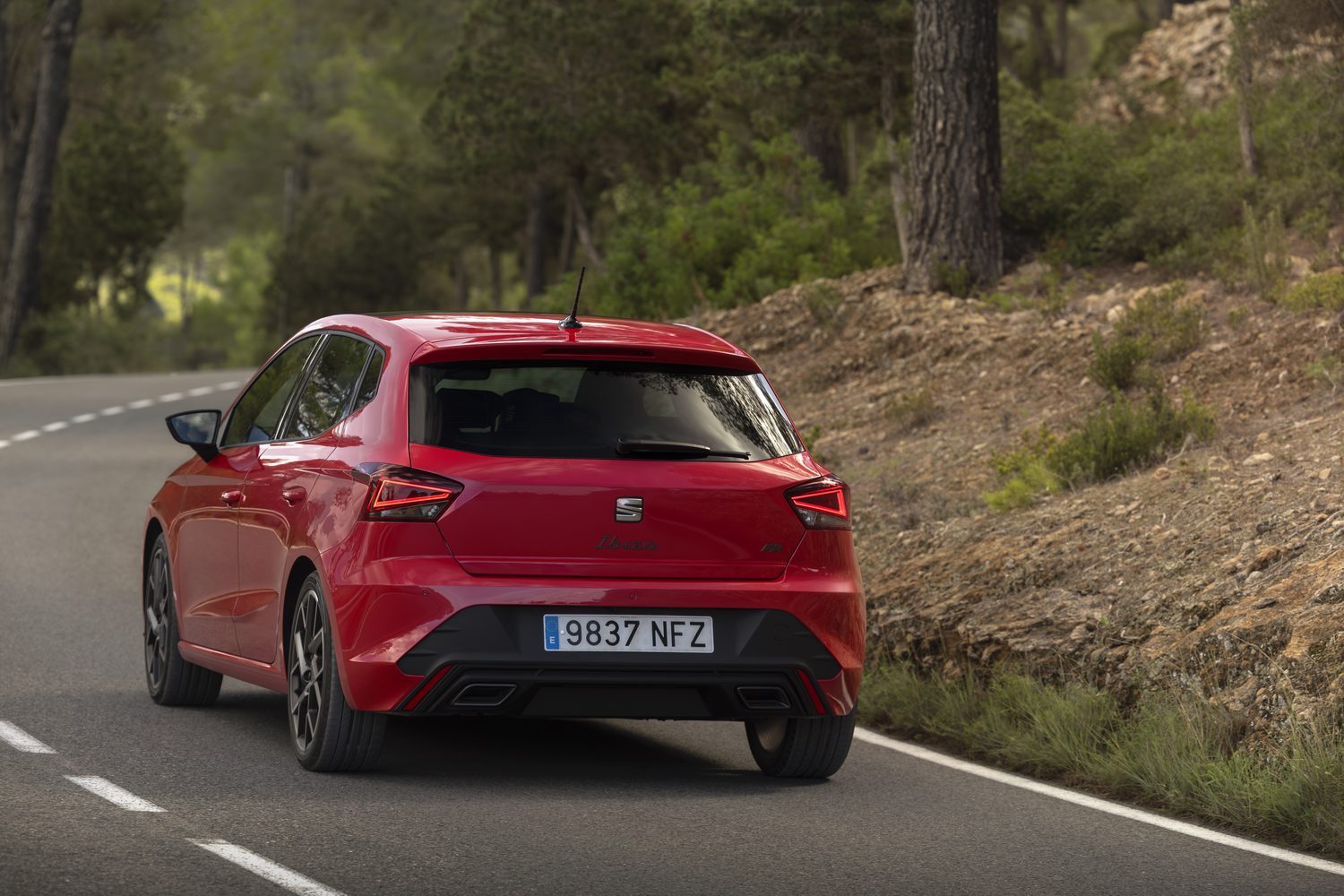
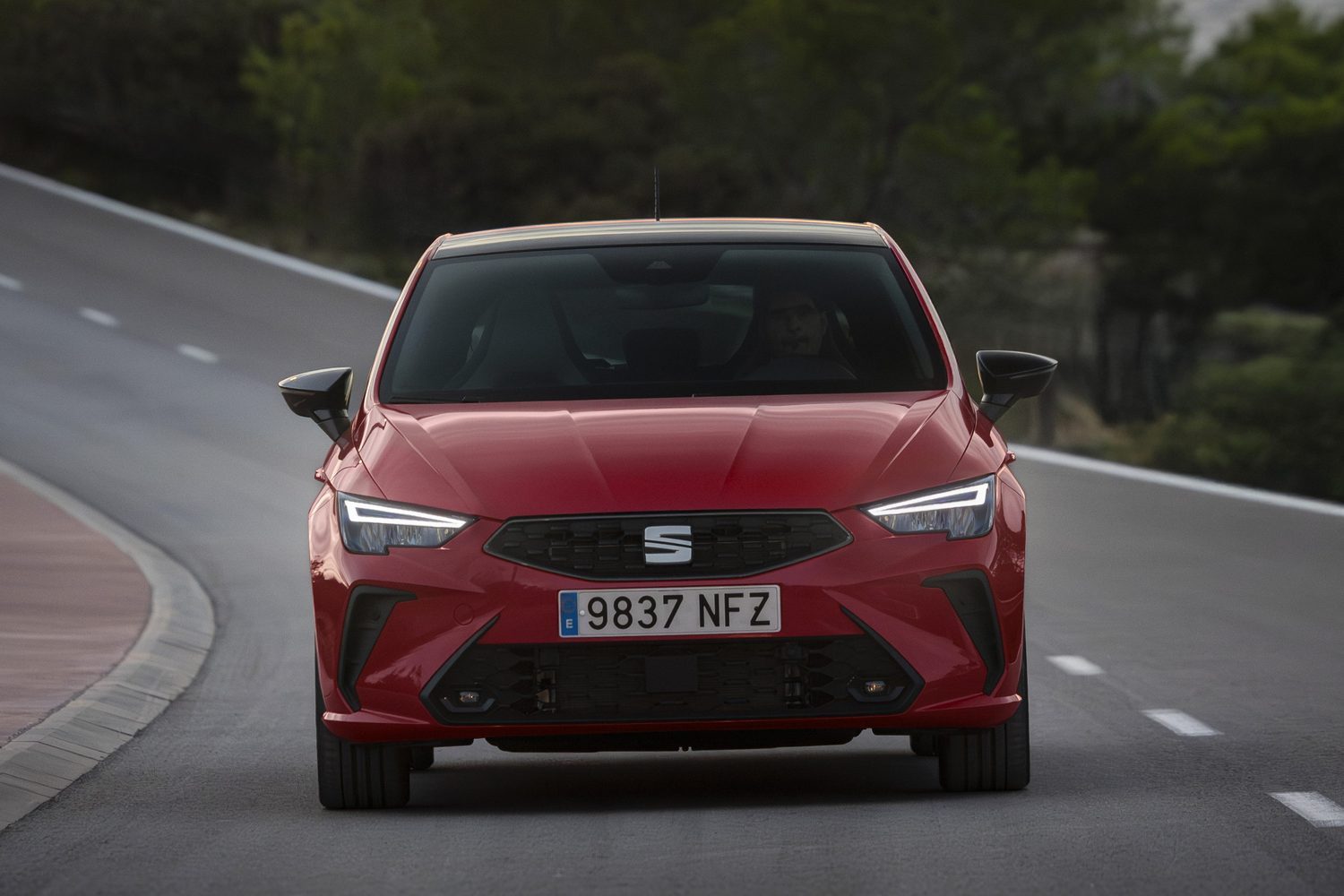
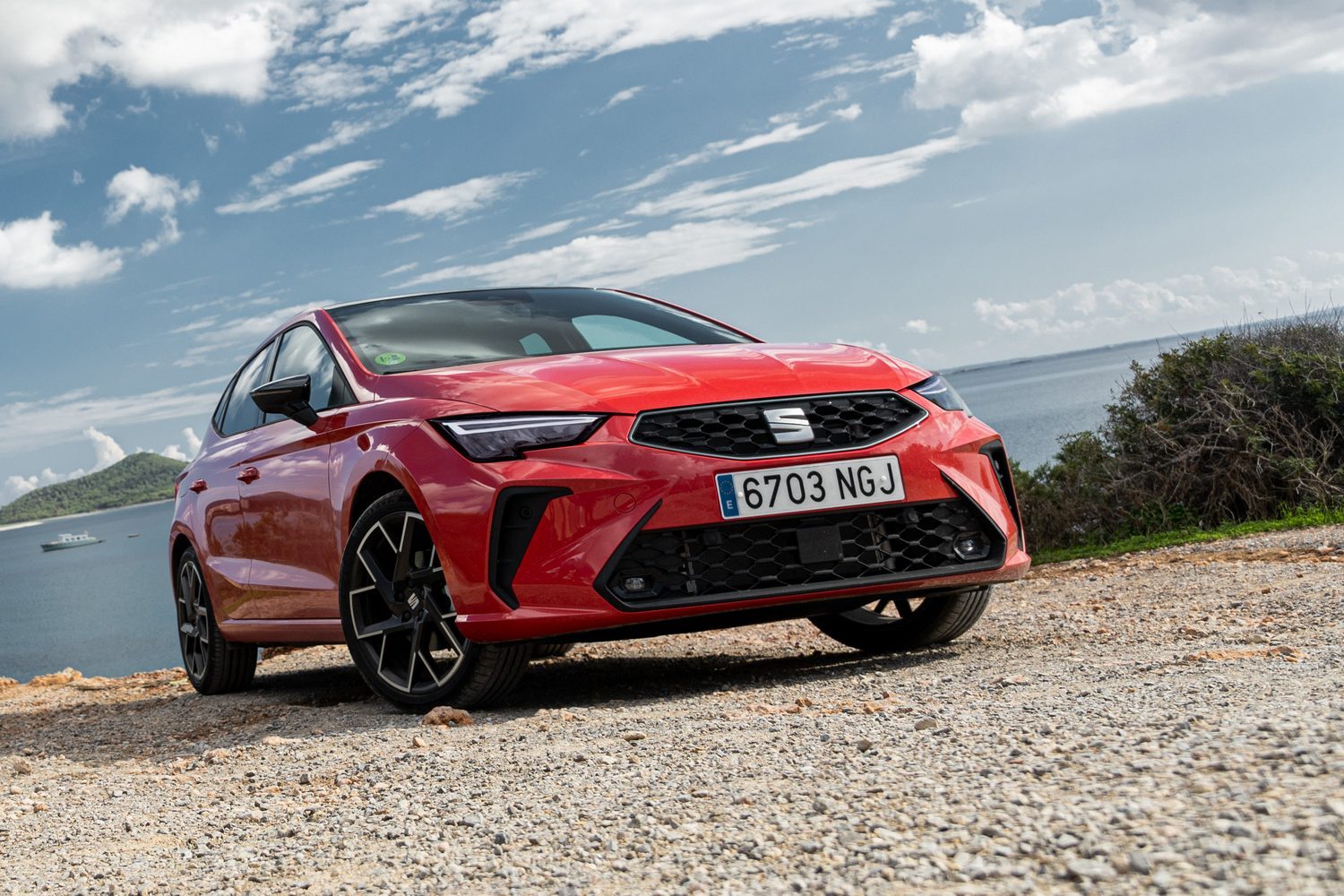
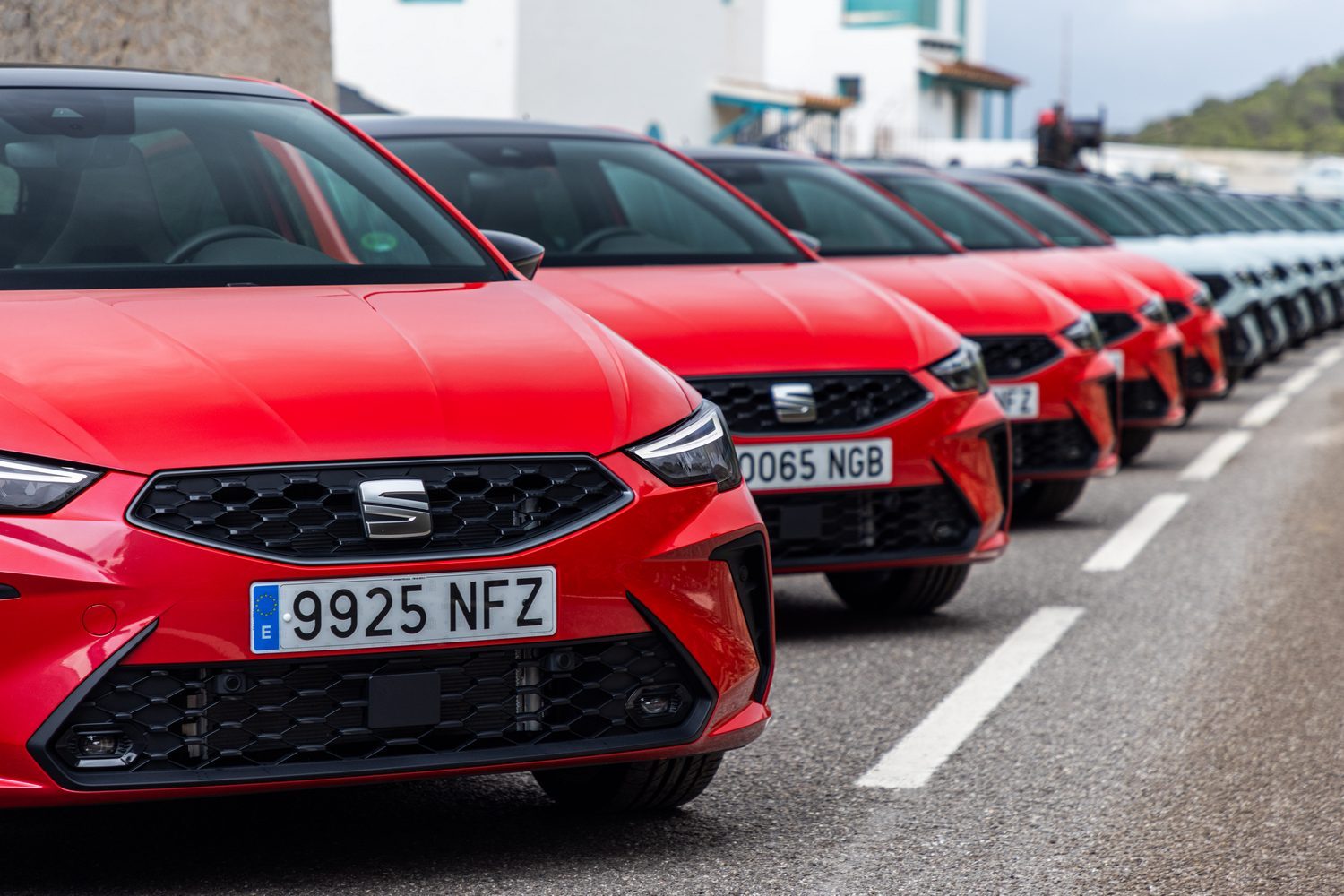
For 2026 the SEAT Ibiza has come in for an exterior refresh that doesn't dramatically alter the look of the car, but it certainly modernises it - and we reckon it looks smart. Especially in the FR specification.
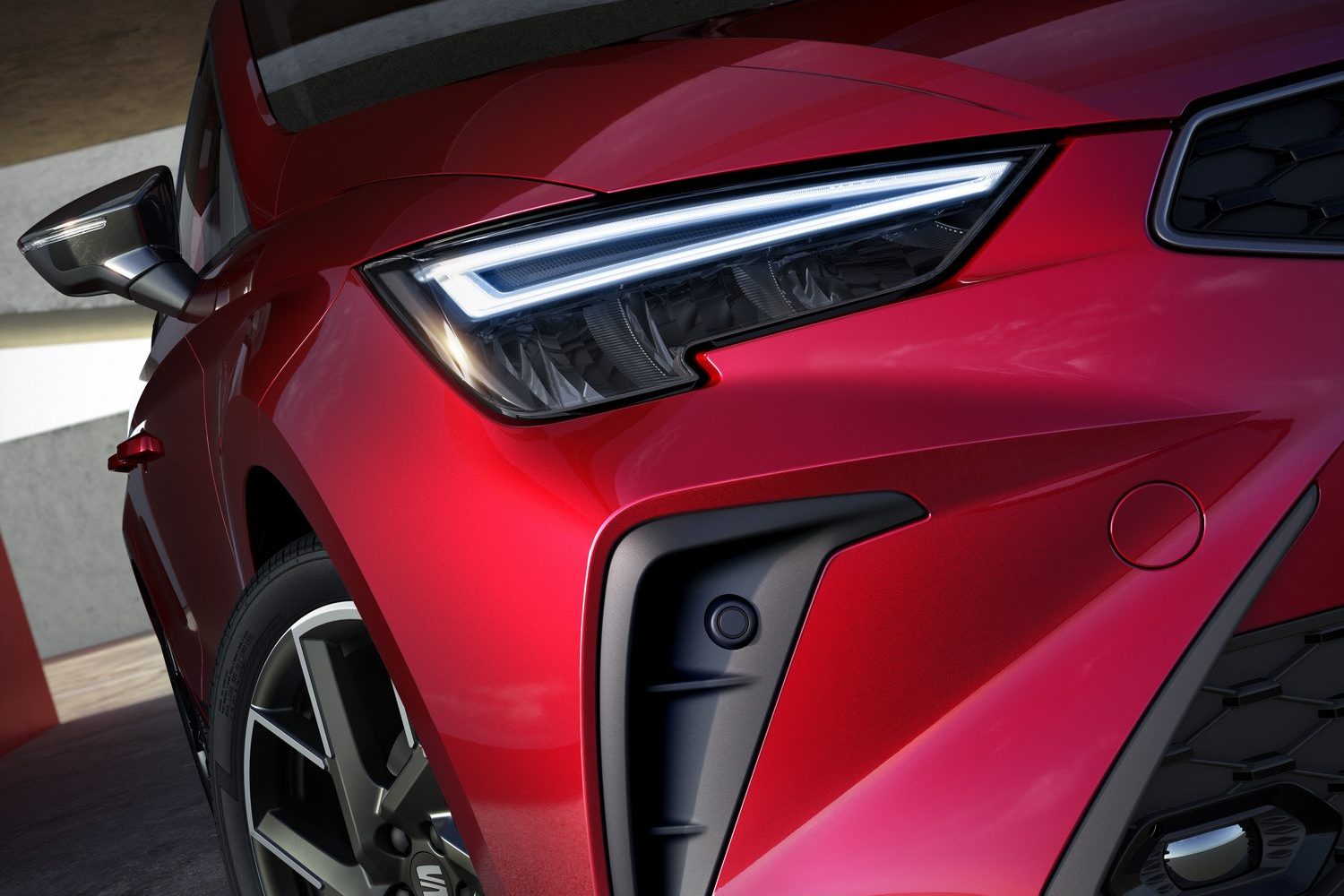
Most of the redesign budget has been spent on the nose of the Ibiza, where you'll spot smart new all-LED headlights featuring distinctive triangular daytime running lamps.

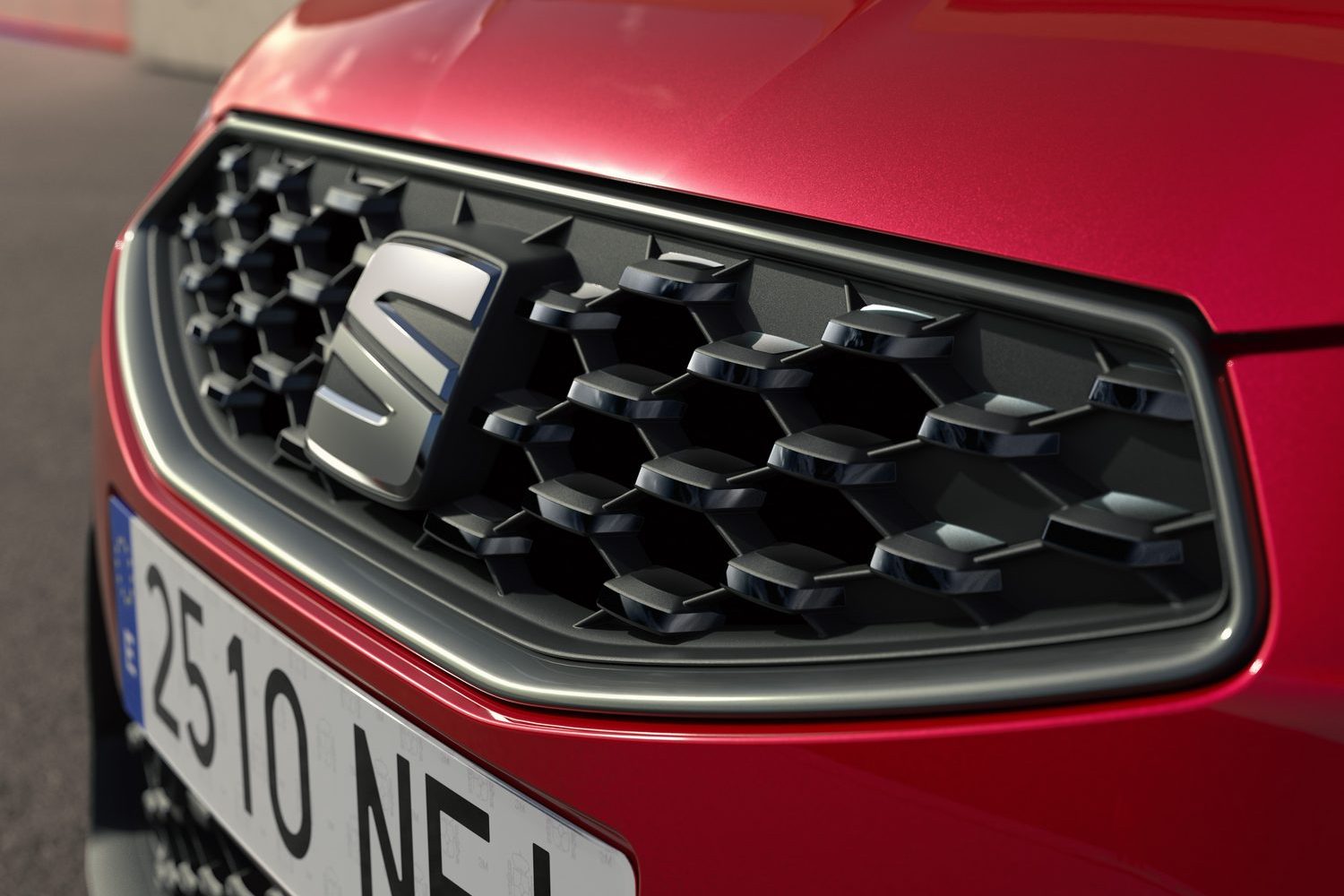
These flank the new "hexagonal" radiator grille which gets a detailed mesh design with alternating matt and polished surfaces. The smooth SEAT badge sits in the middle.
Below that is a completely new bumper design with a lowered air intake and larger 'air curtains' at its extremities.

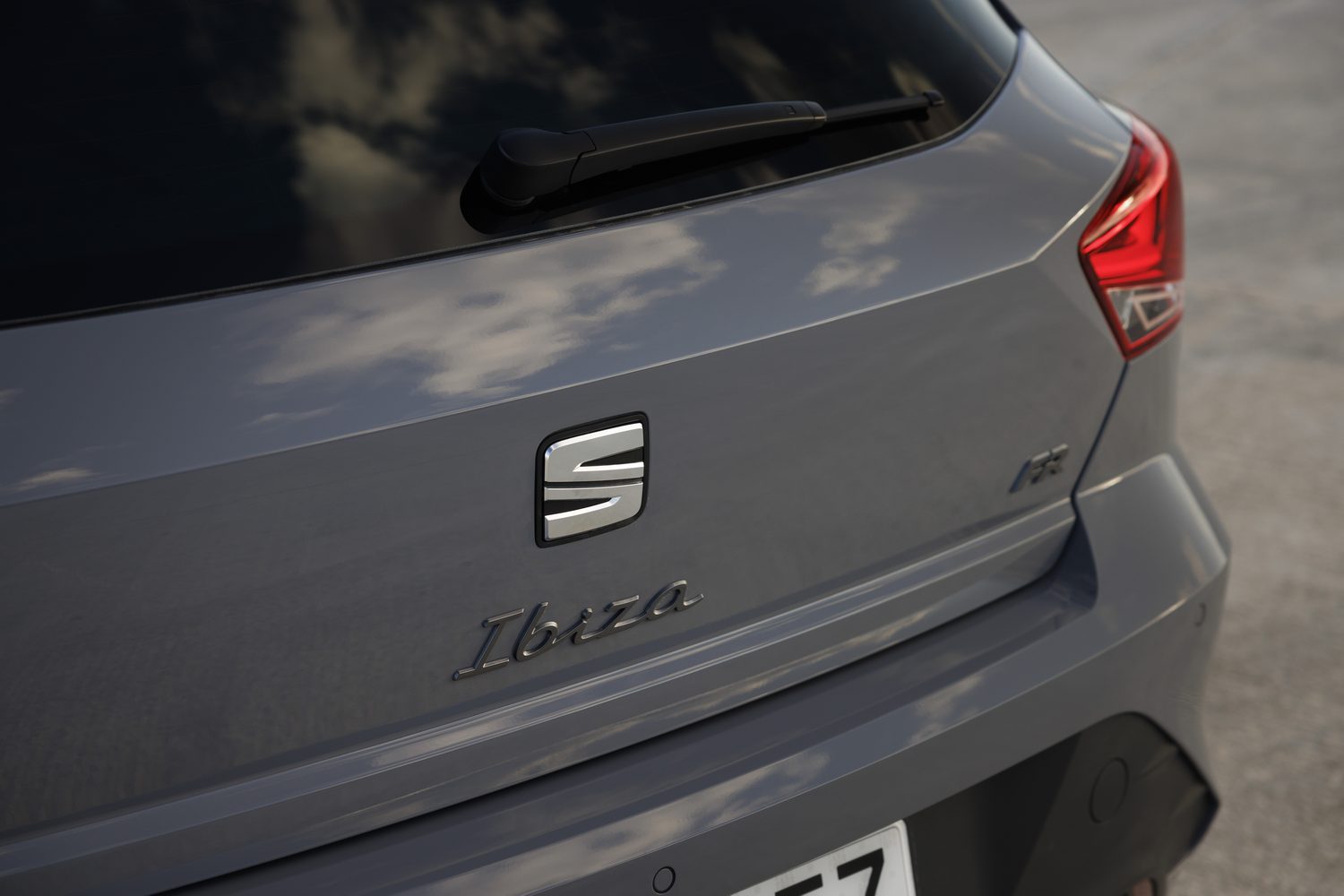
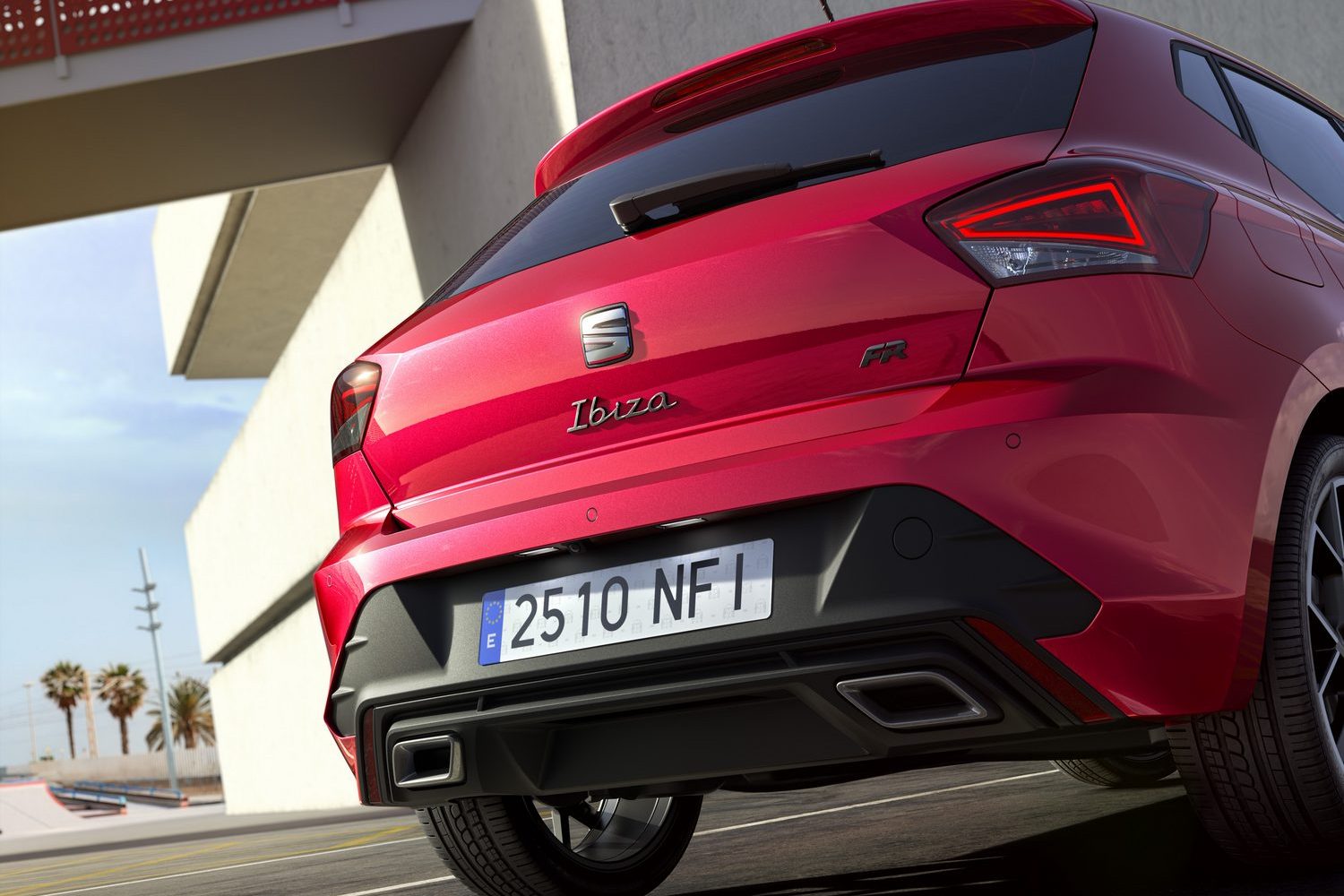
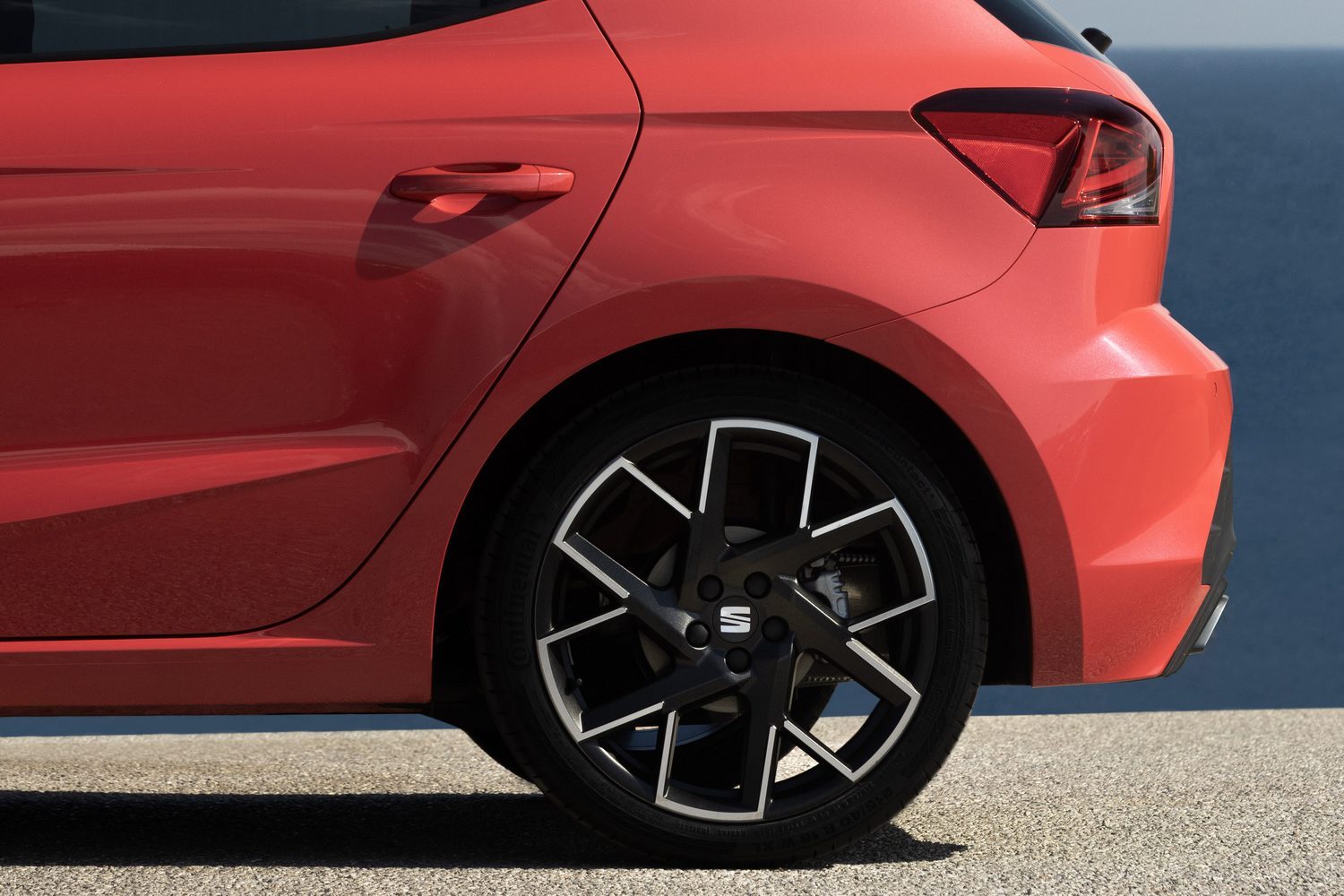
That's mimicked at the rear where another new bumper features a larger black area for more definition. All versions of the Ibiza now get LED lights at the back, and the badging has a cool new black finish.
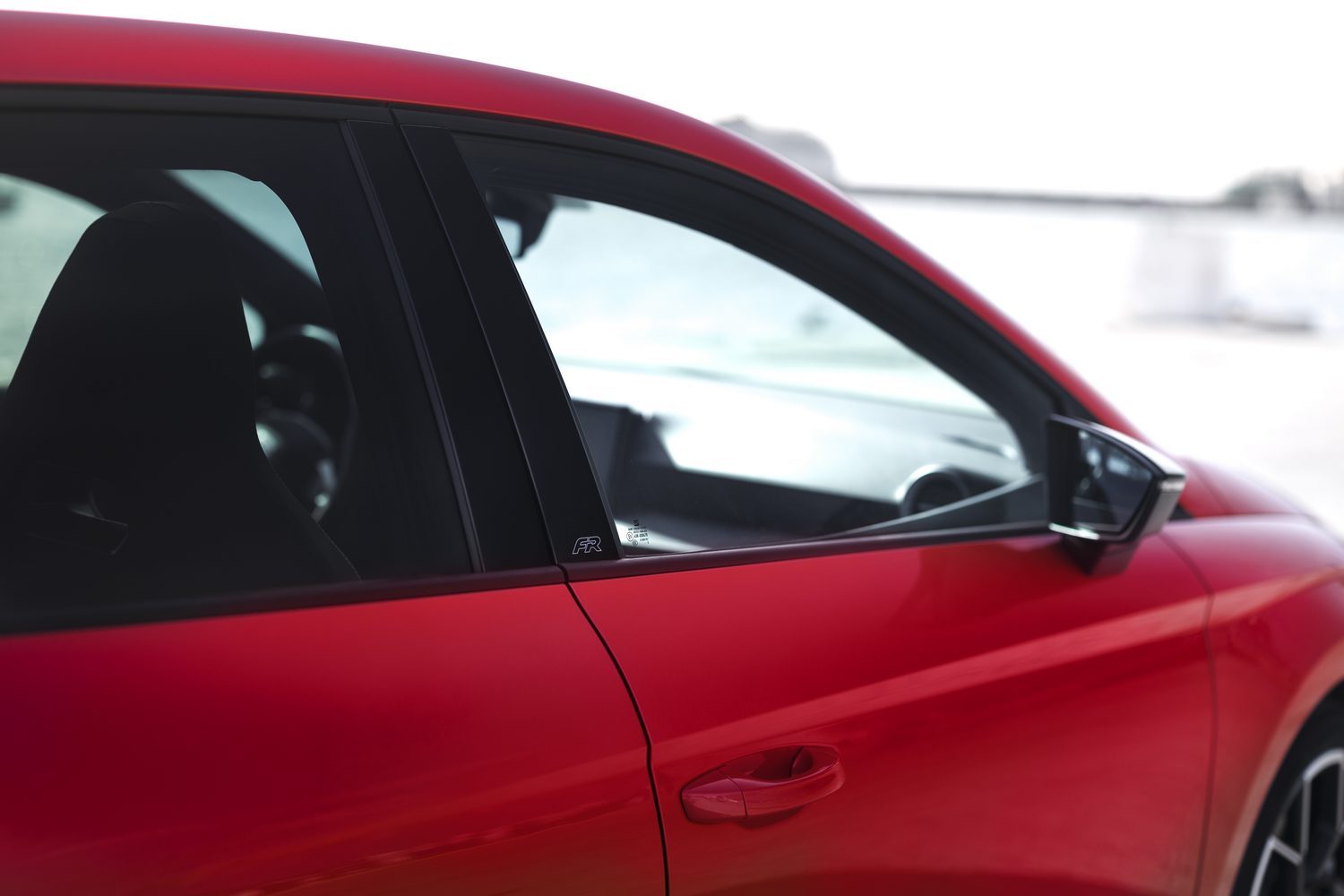
On the subject of badges, the FR lettering can also be found on the front door pillar, complementing the black mirror caps.
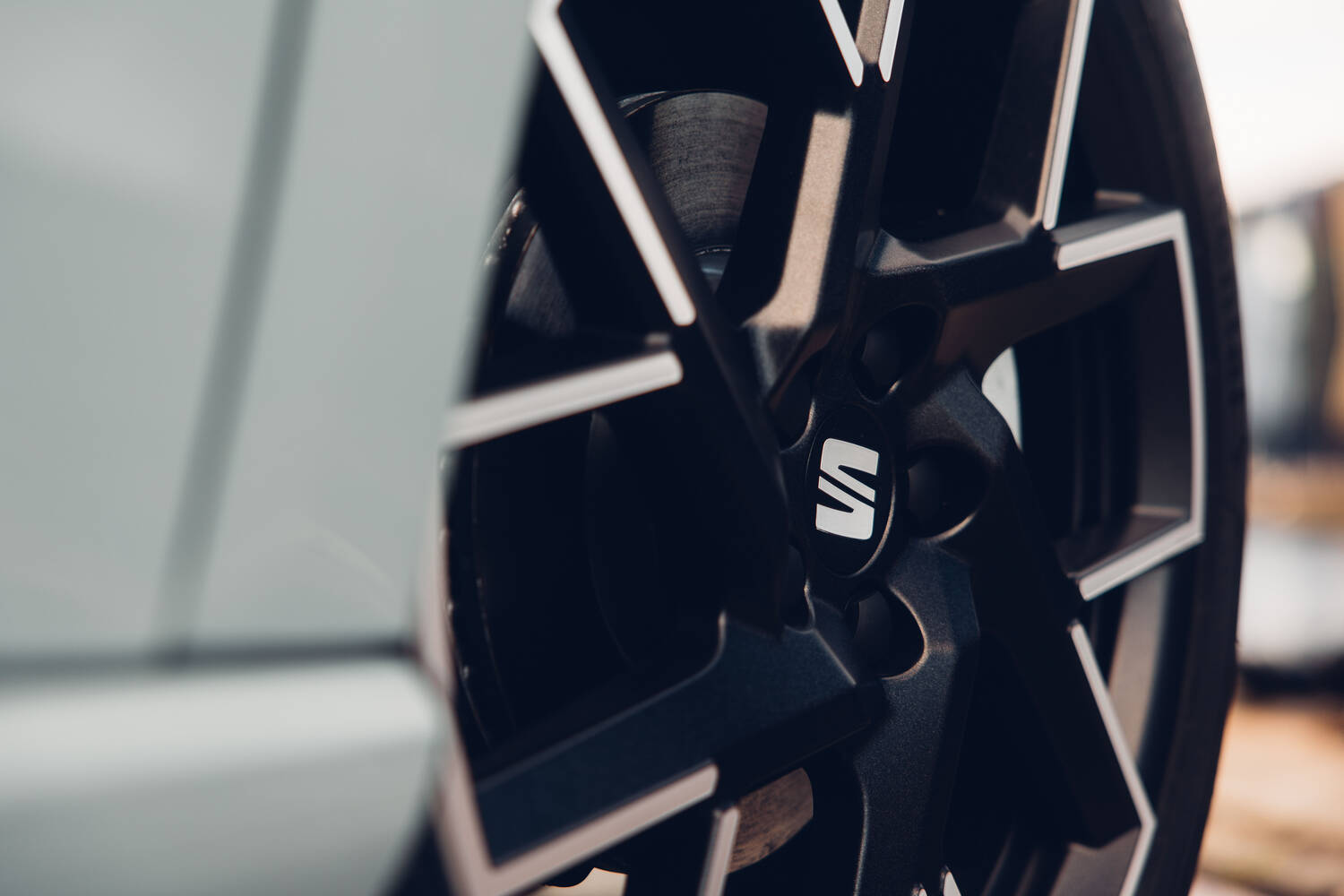
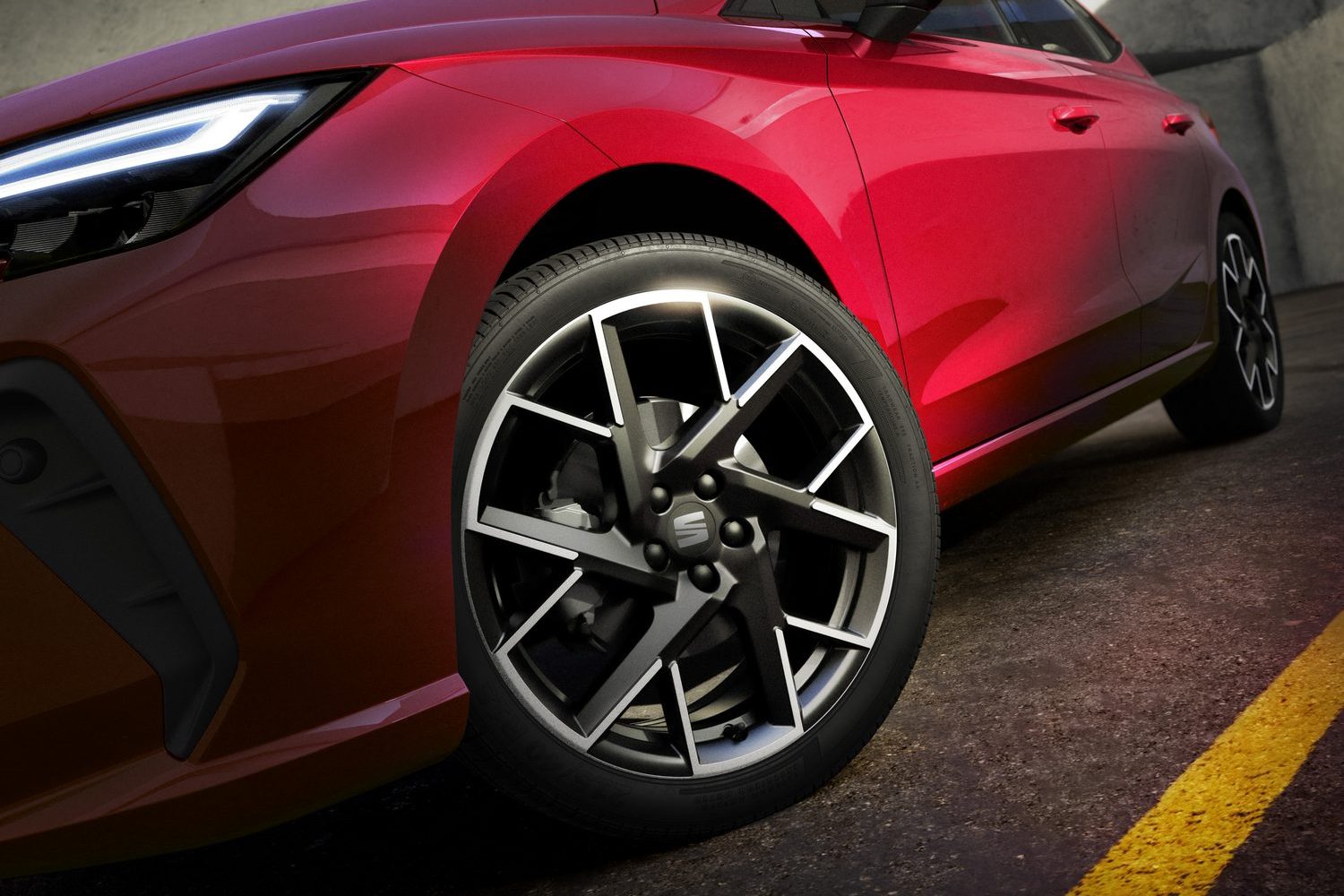
Four new alloy wheel designs have been added to the list, in 17- and 18-inch diameters, though the Ibiza can be found on 16-inch wheels in the entry-level SE trim.

Dimensions of the 2026 SEAT Ibiza
- Length:
- 4,070mm
- Width:
- 1,780mm
- Height:
- 1,447mm
- Wheelbase:
- 2,564mm
Paint colours for the 2026 SEAT Ibiza

Buyers can choose from nine different paint colours for the SEAT Ibiza, including the existing Nevada White, Midnight Black, Magnetic Tech, Candy White, Fiord Blue and Graphene Grey. New from 2026 on are Liminal Red, Oniric Grey and Phyton Yellow.
Interior, practicality, tech & comfort of the 2026 SEAT Ibiza
- Chunky new steering wheel
- Bucket seats for the FR model
- Still a spacious car in the class

The SEAT Ibiza has always been one of the most spacious hatchbacks in the class and nothing changed with the update on that score.
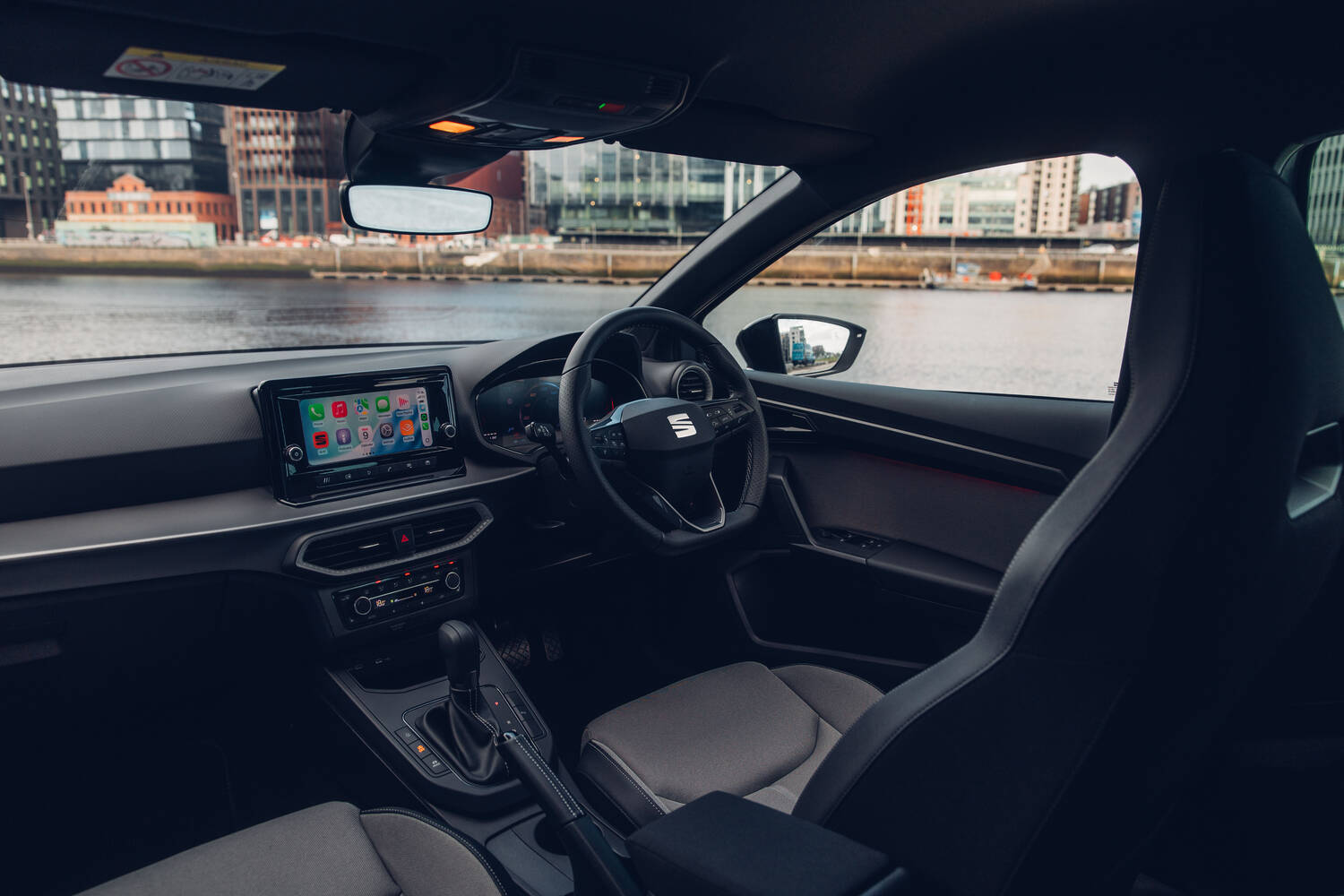
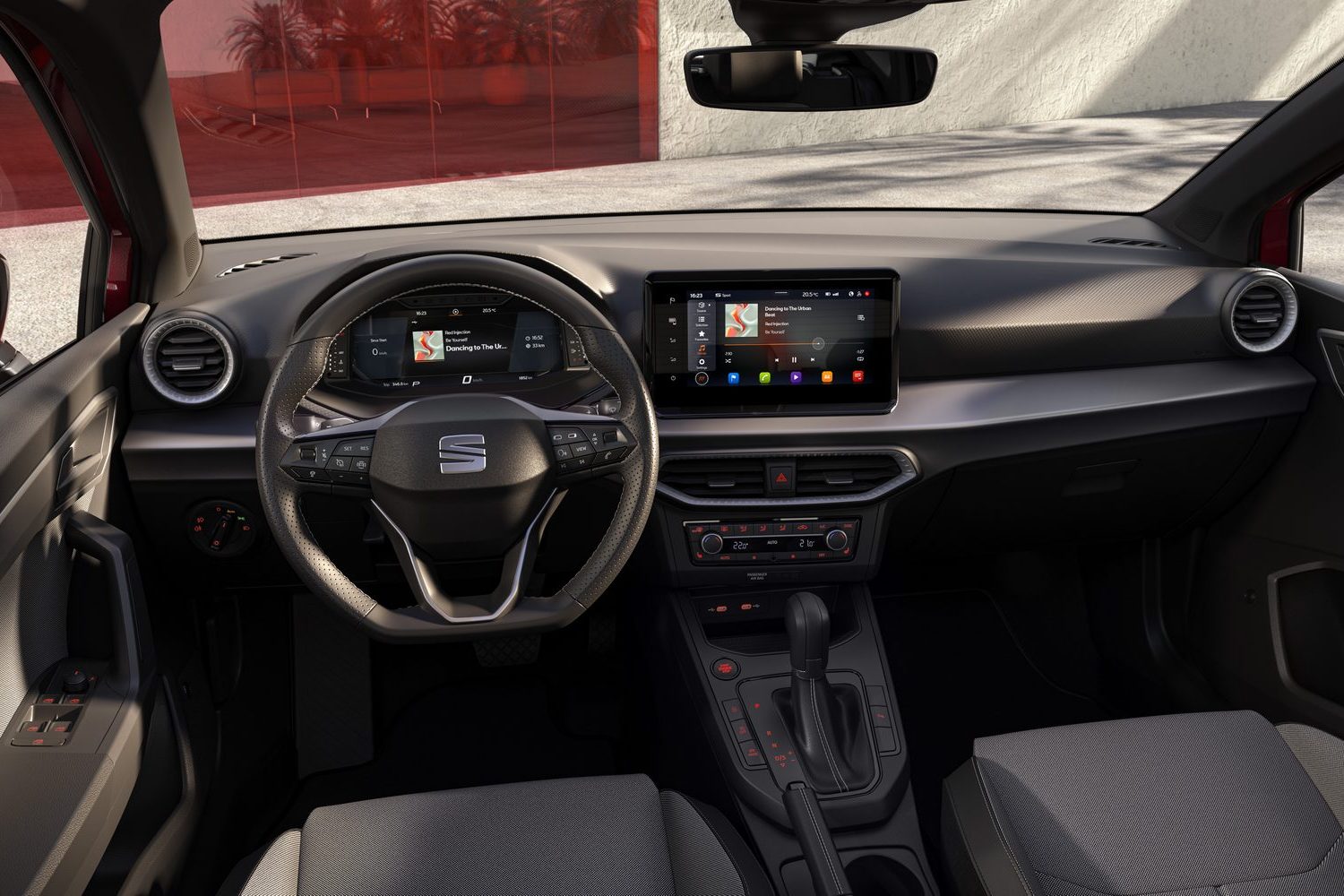
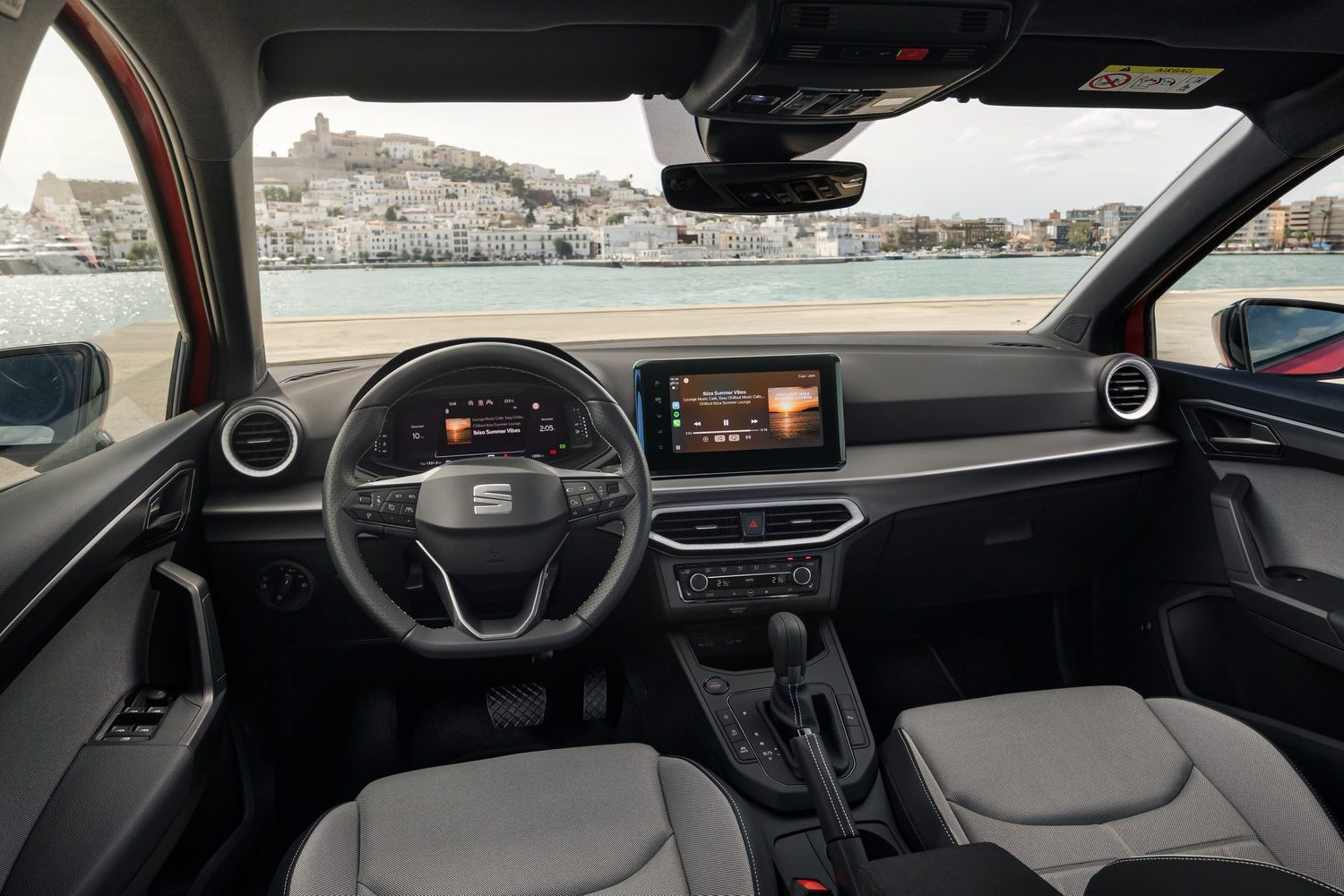
Instead, SEAT focused on what it says is "perceived quality", so it ensured the touchpoints of the cabin are covered in tactile materials, such as textile panels on the doors, new upholstery on the seats with embossing and a new design of - leather-trimmed - steering wheel.

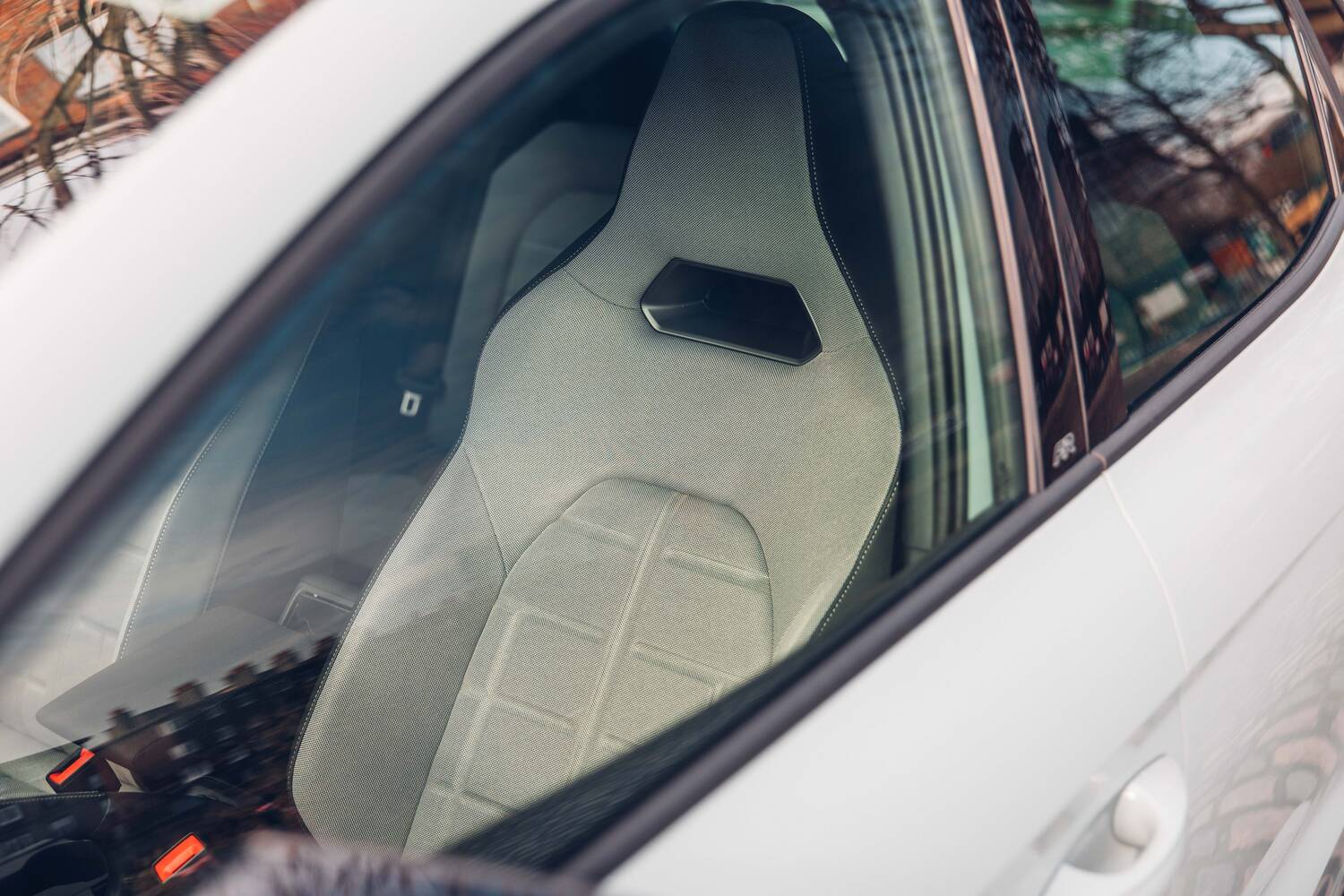
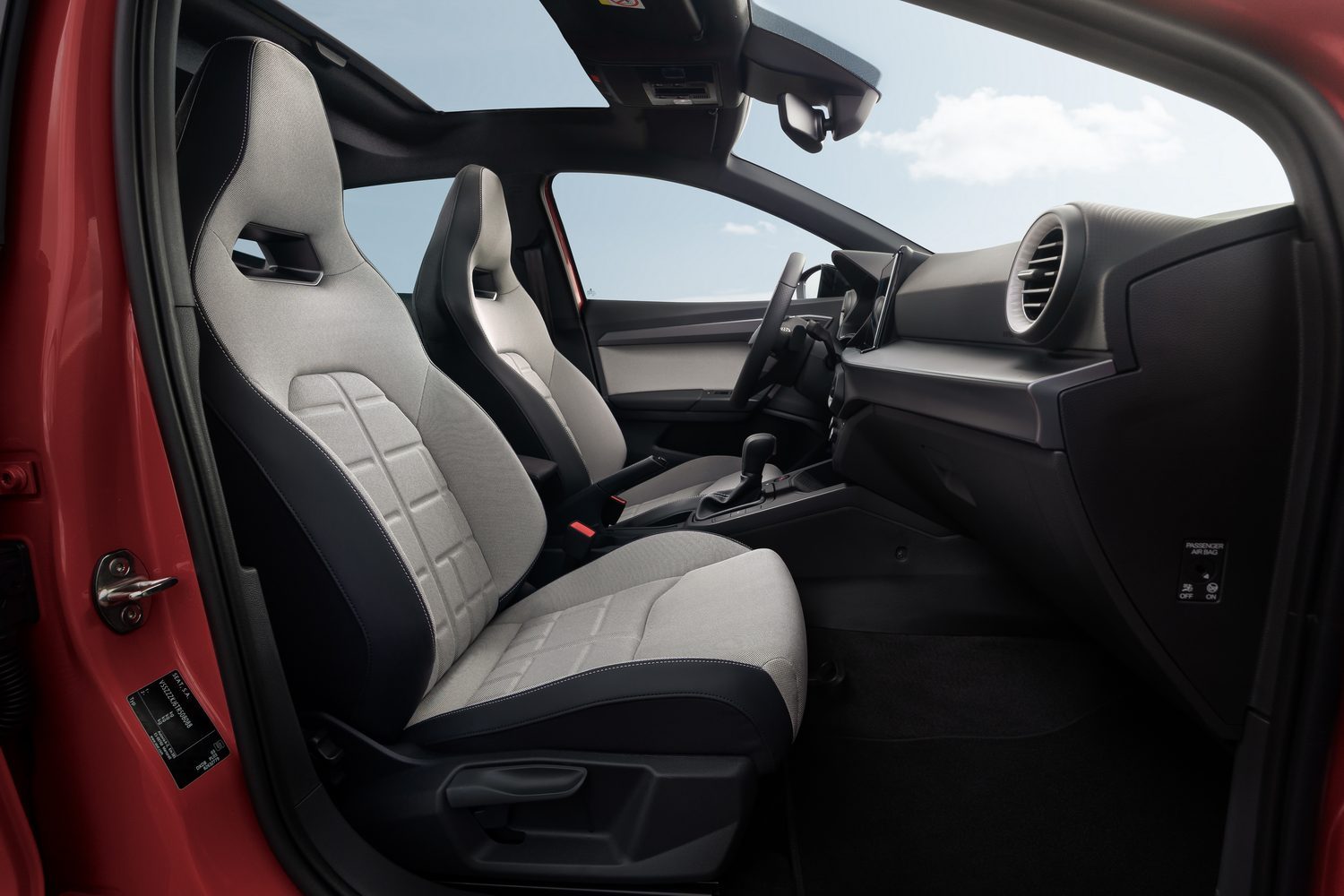
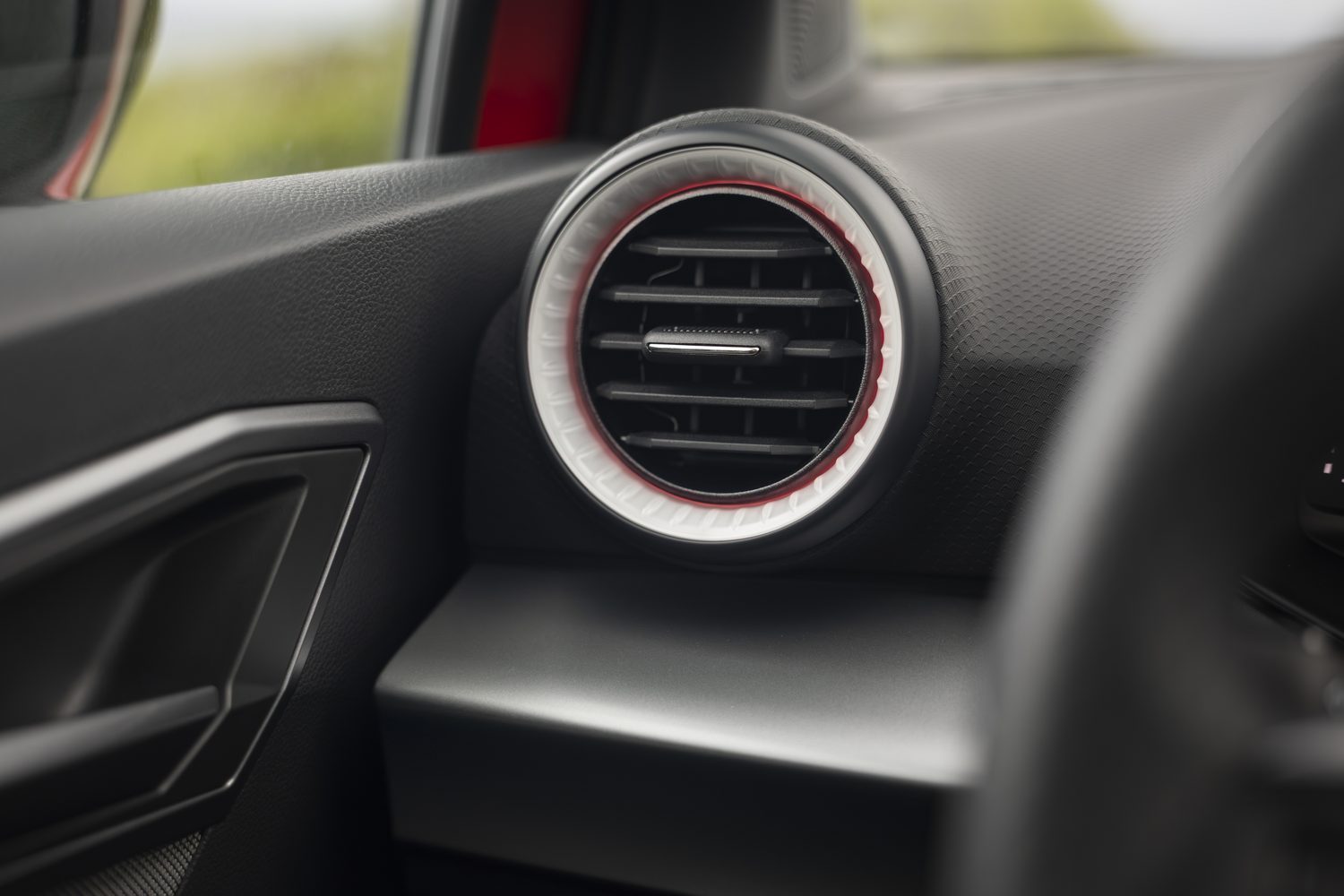
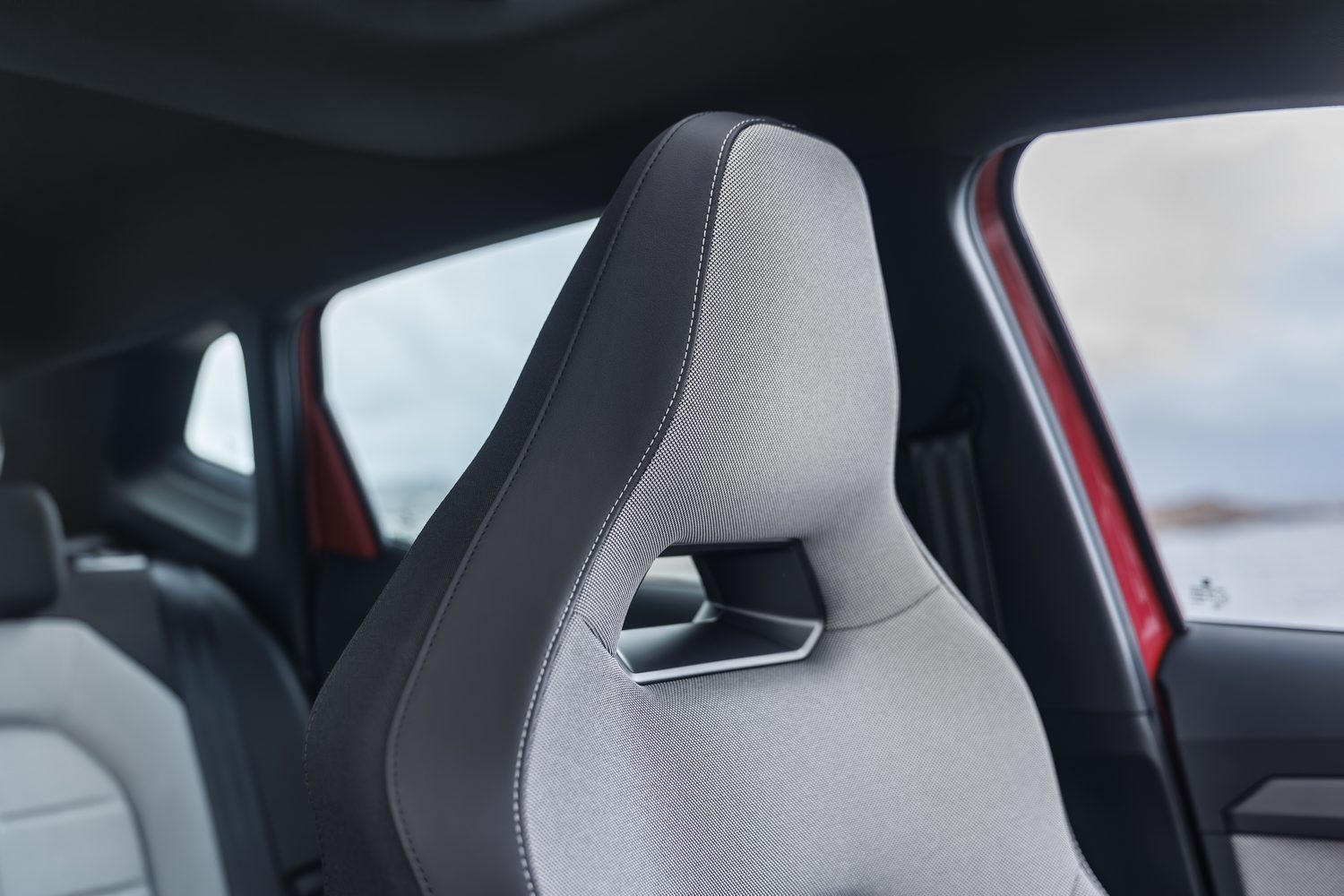
The Ibiza FR gets a set of what SEAT calls "bucket seats" with deep bolstering, along with dark-tinted rear windows. The air vent surrounds come in a couple of different colours depending on specification.
Getting comfortable in the driver's seat
The driver's seat is especially comfortable if you've gone for the FR model as the new bucket seats are exceptionally supportive.

There's a noticeably wide range of adjustment in the seat height, as well as the usual sliding forward and back and tilting of the backrest angle. The steering wheel adjusts for reach and rake as well, making it all very easy to find a suitable position with a clear view of the instruments and the world outside the car.
Infotainment and technology
Those instruments are on a digital screen with some customisation of the view open to the driver, via a set of physical buttons on the steering wheel. Entry-level cars get an eight-inch display, while higher-spec models feature a 10.25-inch 'Digital Cockpit' with more functionality and richer graphics.

In the middle of the dashboard is a touchscreen interface, measuring either 8.25- or 9.2 inches across the diagonal, depending on specification.
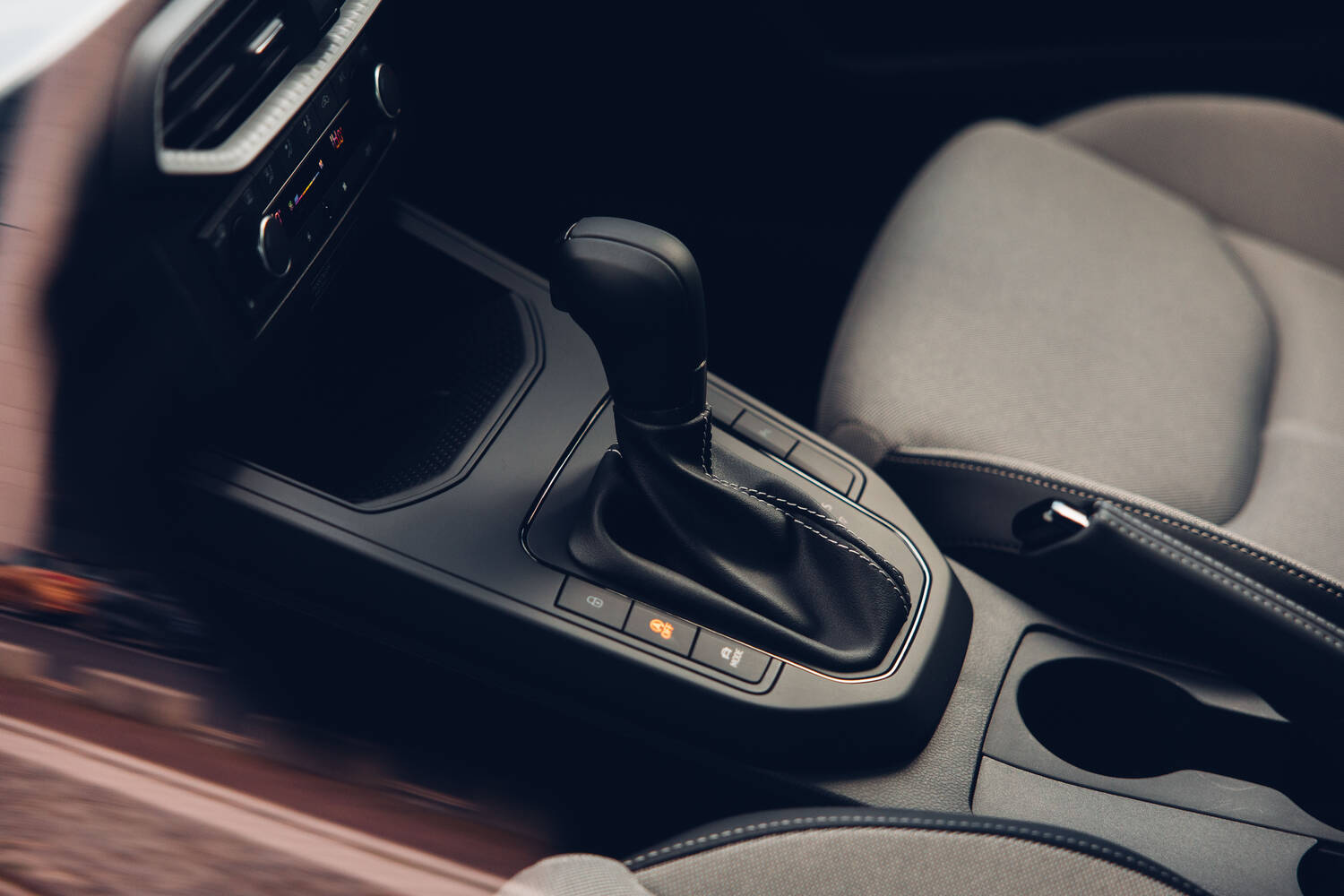
The larger system features SEAT Connect and 'Full Link' connectivity - i.e. smartphone mirroring. Both Apple CarPlay and Android Auto are offered, using a cable or wirelessly. The cooled, 15W wireless smartphone charger (three times faster than was available before) sits ahead of the gear lever when fitted and there are two USB-C ports above that.

For the 2026 update, SEAT upgraded the sound system to include six speakers, a subwoofer and a 300W amplifier.
There's voice control software as well, summoned by saying "hola, hola". It is a Spanish brand, after all.
Practicality around the cabin
If a wireless charging pad is not fitted, then the space under the switchgear for the air conditioning and heating is open and useful for putting your phone.
There are two cupholders between the front seats and a small, covered cubby underneath the central armrest as well. The door pockets are a decent size and can even accommodate large drinks bottles, while the glovebox is above average in capacity for the class.
Rear-seat passenger space
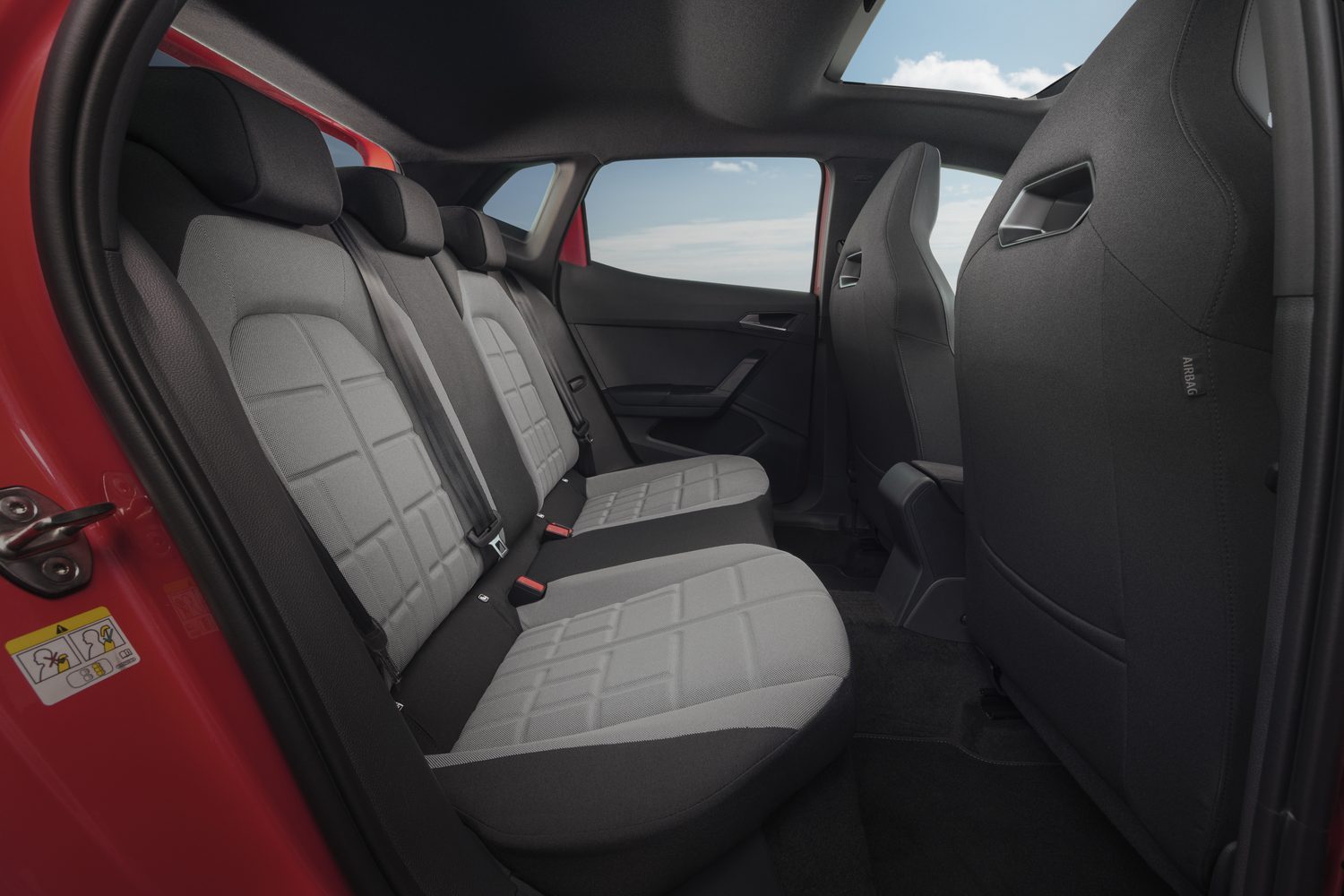
While the SEAT Ibiza has long been one of the most spacious cars in its segment in the rear, it's still a small car, relatively speaking, so it's fine for four adults, but five would be a real squeeze.

There are three seatbelts in the back, but the central position is nowhere near as comfortable as the outer seats, plus there's a tall hump in the floor in the middle right where that person's feet would go.
Nonetheless, the Ibiza is better than most cars of this size in terms of rear-seat space.
Fitting child seats to the SEAT Ibiza
Whether you're using ISOFIX or not - and there are the two sets of ISOFIX mountings in the rear of the Ibiza you'll find in nearly every car - don't expect to fit more than two boosters or child seats in the back due to the width of the vehicle. That's standard for this class.
Boot space in the SEAT Ibiza
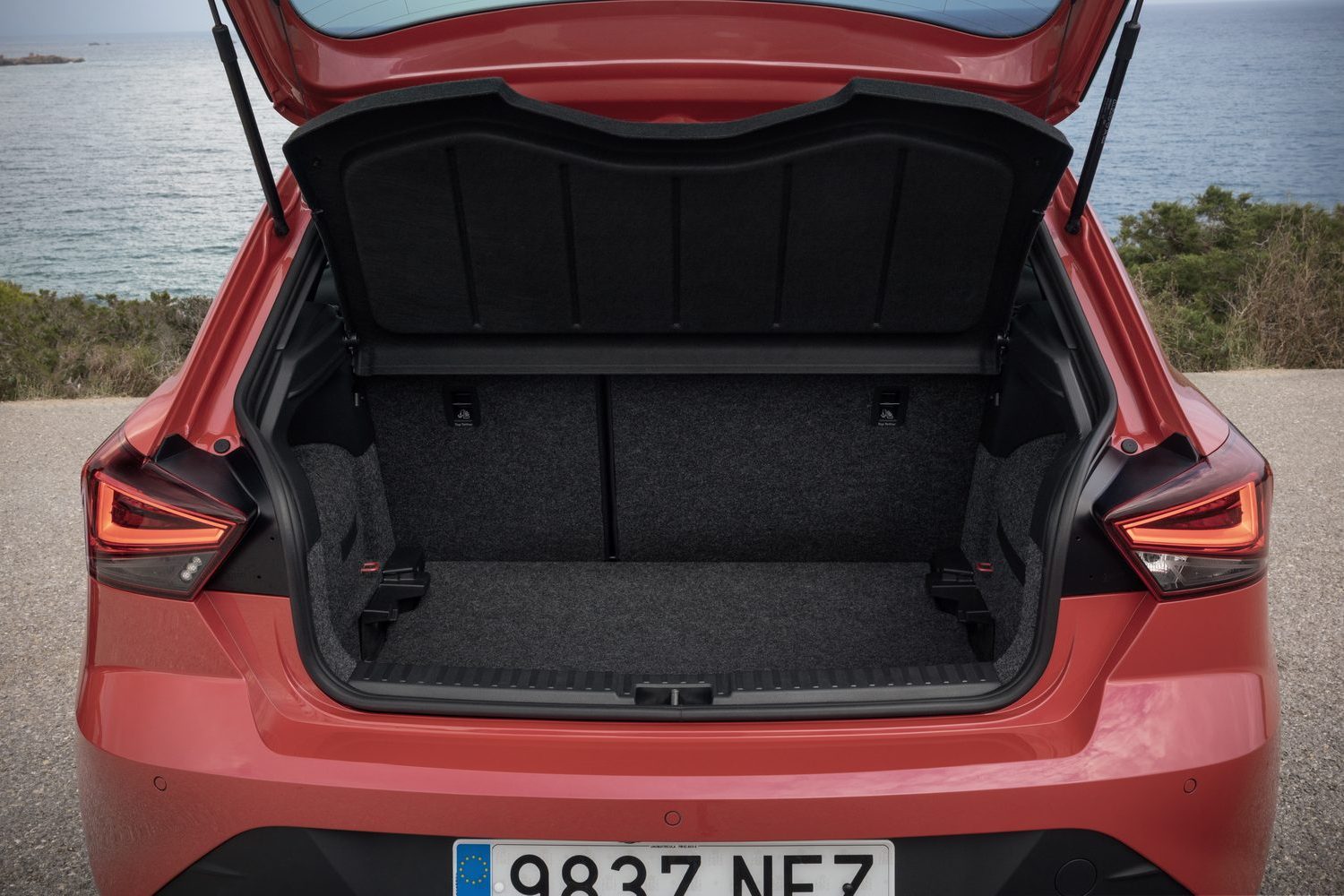
The rear seats split 60:40 and easily fold forward creating a more-or-less flat floor from the rear hatch to the backs of the front seats.

SEAT doesn't quote an outright maximum volume, but the boot is a decent size for the segment, holding up to 355 litres with the rear seats in use.
The floor is movable to two different levels.
Towing with the SEAT Ibiza
There can't be many people buying a supermini to tow trailers, but nonetheless, the Ibiza can manage up to 1,200kg if the load has brakes, which seems useful. It's about half that without built-in braking.
Safety in the SEAT Ibiza
When the facelifted fifth-generation SEAT Ibiza was launched in 2022, it was put through the Euro NCAP tests and scored the full five stars, with 83 per cent for adult occupant protection, 82 per cent for child occupant protection and 70 per cent in the Safety Assist category. Read the full Euro NCAP report on the SEAT Ibiza here.
There's the usual list of active and passive safety systems fitted as you'd expect, including Side Assist monitoring your blind spots, Traffic Sign Recognition and much more.
Incidentally, the new LED headlights are claimed to offer twice the range of their predecessors on low beam and three time the brightness on high beam, helping to make rural driving in particular safer.
Performance of the 2026 SEAT Ibiza
- Only 1.0-litre engines for Ireland
- Three-cylinder character suits the Ibiza
- Unassumingly good to drive

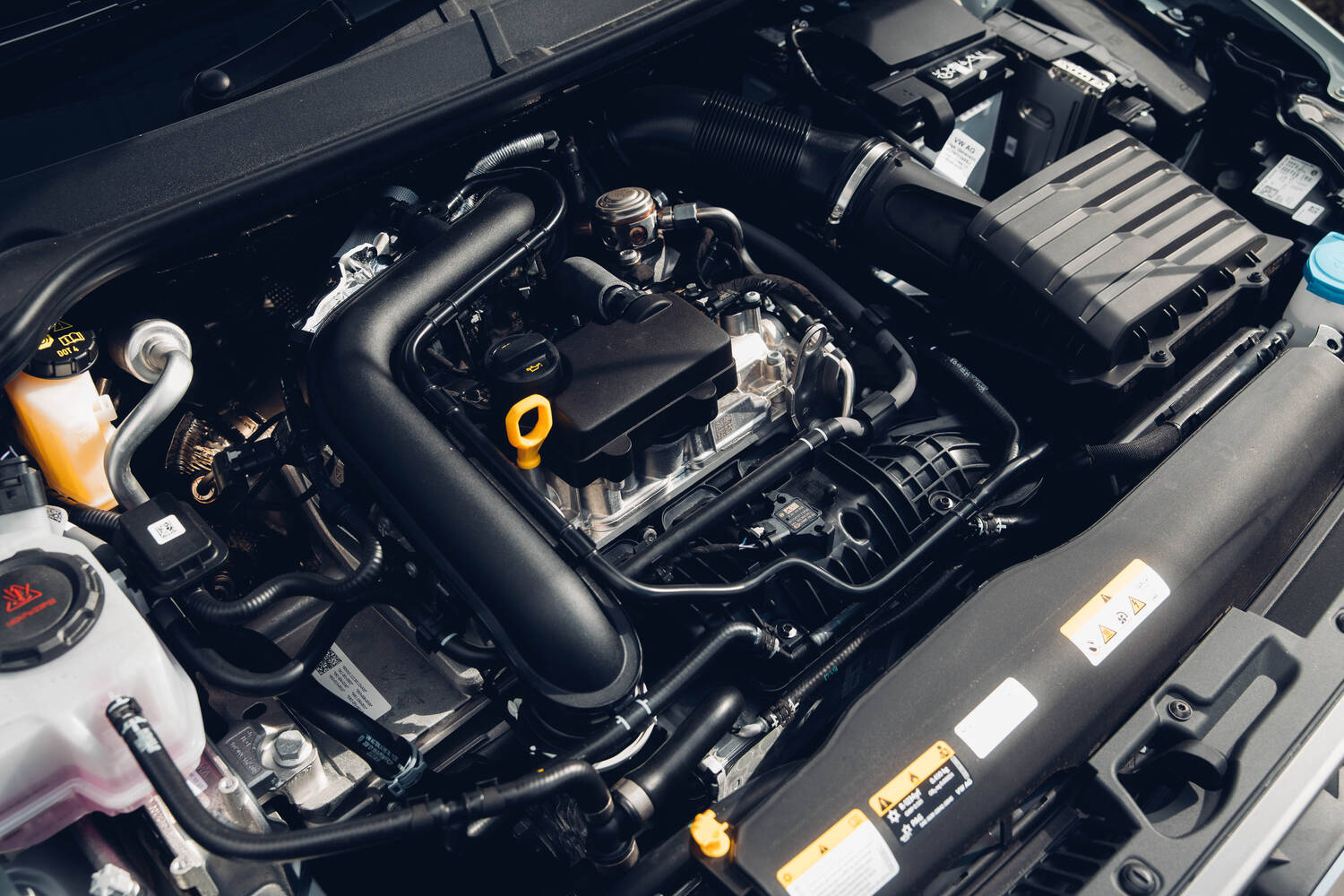
While there is a turbocharged 1.5-litre, four-cylinder TSI petrol engine available in the SEAT Ibiza in some markets, this engine will not be offered to Irish buyers, so the range is limited to a selection of 1.0-litre units, all three-cylinder designs.
The entry-level variant is a naturally aspirated 1.0-litre 'MPI' engine making 80hp. It's always paired with a five-speed manual gearbox.

Next up the ladder is the first of the turbocharged TSI engines. Its peak power is 95hp, which doesn't sound like a big step up from the MPI unit, but peak torque jumps from 93Nm to 175Nm, so it should feel noticeably quicker. Again, this comes solely with a five-speed manual gearbox.
Buyers of the most powerful engine, a 115hp variant of the 1.0 TSI unit, can choose between a six-speed manual gearbox or a seven-speed automatic transmission, the latter a dual-clutch 'DSG' system. In FR specification, this also gets gearchange paddles behind the steering wheel.
Driving the SEAT Ibiza 1.0 TSI 115hp DSG FR in Ibiza
Ibiza buyers shouldn't dwell on the fact that the 150hp engine isn't available in Ireland, as the 1.0-litre TSI unit is more than up to the job.

Thanks to the Ibiza's low weight and a useful 200Nm of torque produced low down the rev range, this three-cylinder engine has plenty of go, and it has character as well.
It works particularly well with the automatic gearbox, which doesn't just change down every time you touch the accelerator, instead maximising use of the engine's mid-range torque.
Amusingly, you can judge this by the sound of the turbocharger spooling up and only when you push your foot all the way down on the accelerator will the transmission kick down for maximum acceleration.

The 0-100km/h time for this car is 9.9 seconds, indicating that it's no hot hatch, but neither does it ever feel slow - certainly not with just another person on board, which is how cars like this are mostly used.
SEAT hasn't said anything about chassis changes to the Ibiza, and it remains a great all-rounder that's intangibly satisfying to drive. Its owners will no doubt enjoy it.
Helping that is well-judged steering weighting and directness, confidence-imbuing brake-pedal feel and excellent damping. Approach a speed bump a little too quickly and there's initial firmness to the suspension as it soaks up the impact, but then it smoothly damps out the movement. It's subtle, but slick.

On a more interesting road, the Ibiza feels agile and biddable, but yet it remains comfortable over rough surfaces and bumps, even on the 18-inch wheels and low-profile tyres of our test car.
The FR model allows the driver to choose from various driving modes, including Eco, Normal, Sport and Individual. They moderately affect the power steering and throttle response, while the DSG transmission can be switched into a separate Sport setting when needs be - independent of the selected drive mode.
We experimented with all these and concluded that the car was perfectly fine in the default settings, with the occasional overriding of the gear selection using the paddles behind the wheel.
Driving the SEAT Ibiza on Irish roads
Words by Neil Briscoe on 18 June 2026

It was utterly hosing with rain when we collected our bright blue Ibiza FR 115hp DSG FR test car, so the conditions could not have been more Irish...
On such a day, the Ibiza's slightly hard-surfaced interior isn't the most naturally welcoming thing around, but the combination of a solidly comfortable seat, and the modern-day novelty of sitting low to the ground, were all the encouragement we needed.

True, the Ibiza is, as a design, getting on more than a little now. In fact, it's almost a full decade since I first drove this model, on its original European press launch. Still, it's ageing gracefully (wish I could say the same for me) and still feels good to drive.
We're getting a bit spoiled by the instant-hit of torque from an equivalent electric model, but the Ibiza's 115hp just doesn't seem all that brilliant anymore.
Performance is fairly perky - 100km/h comes up in a fraction less than ten seconds - but you can feel the Ibiza rapidly running out of puff as you accelerate hard down a long motorway slip road, for example.

You'd think, actually, that motorways would show the Ibiza off at its worst, and to an extent that is true - it's not the most refined vehicle around - but in fact I was impressed by how rock-steady the Ibiza was at motorway cruising speeds, especially given the torrents of water tumbling from the skies.
On smaller roads, the Ibiza came more into its own. What once seemed a slightly stiff ride quality has either mellowed with age, or other cars have stiffened up around the Ibiza, so it doesn't seem so hard now.
The steering is light and direct, with reasonable levels of feel and feedback, so that, combined with inherently compact dimensions, makes the Ibiza very easy to place.

At lower speeds, around town, you notice the slightly tight over-the-shoulder visibility, but one of the joys of the Ibiza is just how easy it is to park.
At those low speeds, though, you do notice the hesitancy of the DSG automatic gearbox, which makes joining fast-moving roundabouts a particular pain unless you move it into the sport setting.
Still, for a car that's getting on a bit, and which is entirely conventional in its mechanical makeup, the Ibiza feels decent to drive and to use and is something of an antidote to more overly complex cars.

Fuel economy and running costs of the 2026 SEAT Ibiza
- Motor tax and running costs low
- SEAT Care spreads servicing costs
- Unlimited-mileage warranty for two years

While we'd like to see a hybrid powertrain option for the Ibiza, its petrol engines don't cost the Earth to run, and their relative simplicity keeps the purchase price down to begin with.
Real-world range and efficiency of the SEAT Ibiza
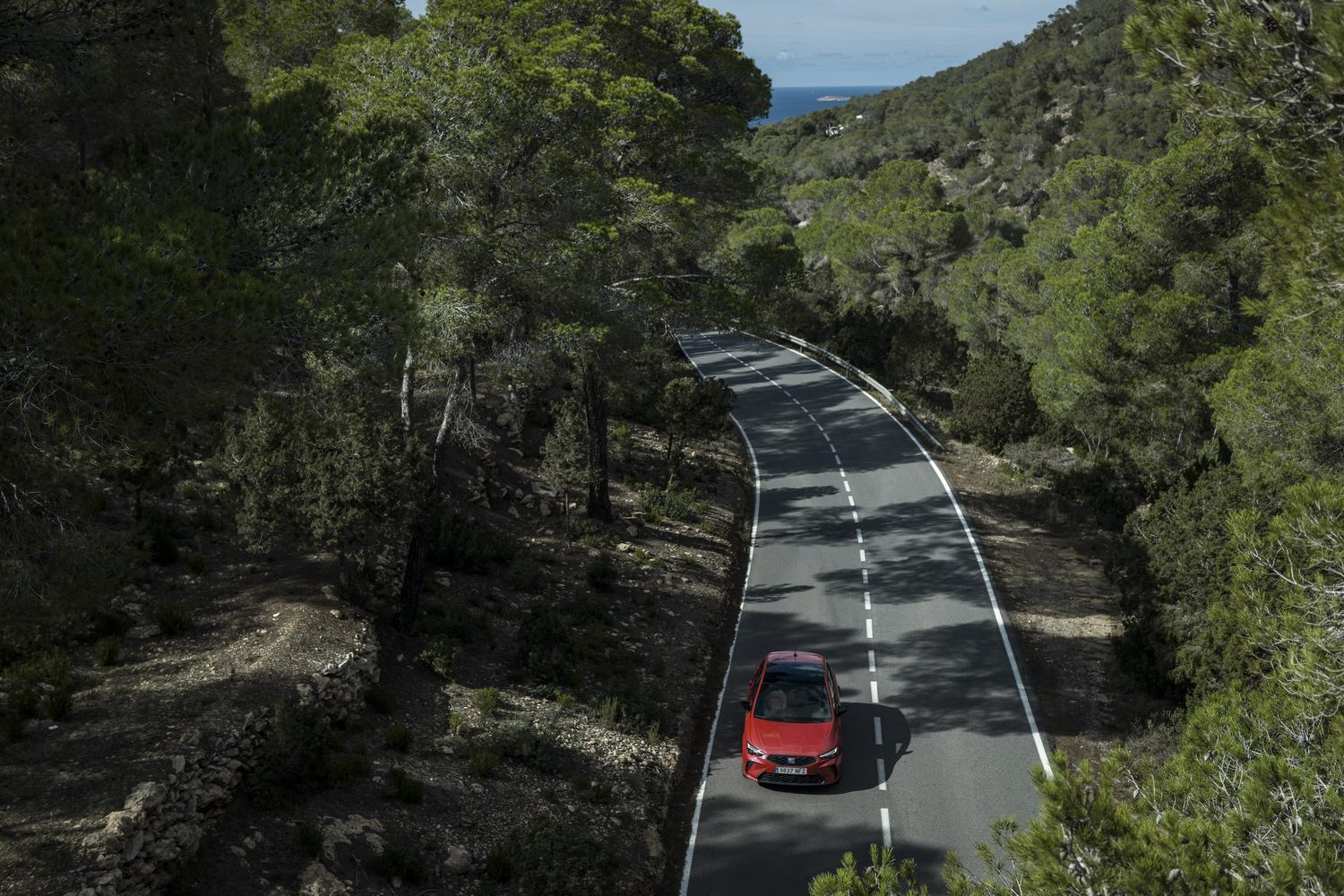
Our initial test drive of the new Ibiza was on the Balearic island the car is named after and in contrast to its wild image, the speed limits are notably low.

Hence, we didn't truly get a chance to check out the efficiency of the Ibiza. For what it's worth, on one hilly section of about 50 kilometres, we averaged 7.2 litres/100km in the 115hp DSG model.
What about at home, in more familiar circumstances? The combo of the 115hp engine and the DSG gearbox seems to limit the Ibiza FR to around 6.0 litres per 100km.
Perhaps that's because so much of our mileage during our time with the car was of the motorway variety, and possibly a bit more time loafing around town at low speeds might have improved matters.

Servicing the SEAT Ibiza
SEAT Care is a servicing plan open to buyers of the Ibiza covering all scheduled servicing and maintenance for three years or 45,000km. Prices start from €12.99 a month. Alternatively, owners can just pay for annual services as they do them.
SEAT Ibiza warranty
SEAT cars come with a three-year warranty, the first two of which is for unlimited mileage, though there's a maximum of 90,000km for year three.
Irish pricing & rivals to the 2026 SEAT Ibiza
- Three trim levels, easy to understand
- Priced from just €23,925
- Rivals mainly from Volkswagen Group

The 2026 SEAT Ibiza's retail price starts at €23,925, representing a modest increase on the pre-facelift car. SEAT has simplified the range, however. Previously, there were SE, SE Plus, SE Tech, Xcellence, Xcellence Plus, FR and FR Plus trim levels to wade through, but now it's slimmed down to SE, SE+ and FR.
SE+ starts at €25,005 for the 80hp engine, while the most affordable Ibiza FR, featuring the 95hp TSI unit, is priced from €28,080.
Topping the lot is the 1.0 TSI 115hp FR model with the automatic gearbox, retailing at €31,315.
While it's not always easy to directly compare one model with another, in general, the equivalent VW Polo starts at a higher price, and the Skoda Fabia at a very slightly lower one. The sole petrol-only Renault Clio is a little cheaper than the SEAT yet has more performance.
Verdict - should you buy the 2026 SEAT Ibiza?

This generation of the Ibiza first hit the road in 2017, so it's remarkable that it's still soldiering on today, despite several updates. The latest facelift is an effective one, modernising the appearance while gently enhancing the overall offering. It remains a practical supermini that's both satisfying to drive and good value for money.
FAQs about the 2026 SEAT Ibiza
Is there a manual version of the SEAT Ibiza?
Indeed there is. Most variants of the Ibiza offered come with a manual gearbox, though how many ratios that transmission has depends on the specified engine. What's more, the Ibiza still has a manual parking brake - i.e. a handbrake - which is becoming increasingly rare in new cars.
What is a SEAT Ibiza FR?

SEAT first launched the FR name in 2003 on the Ibiza. Standing for 'Formula Racing', FR was originally an accessible performance brand, sitting below the SEAT Cupra cars, but its popularity has seen it expanded beyond that to be a sporty looking trim level instead. Cupra is now a separate entity.
Is there an electric or hybrid SEAT Ibiza?
No, and the lack of electrification in the lineup is one of the glaring omissions of the 2026 update. SEAT tells us a mild-hybrid powertrain will be introduced in 2027.
Want to know more about the 2026 SEAT Ibiza?
If there's anything about the new SEAT Ibiza we've not covered, or you'd like help in choosing between it and other cars, you can avail of our expert advice service via the Ask Us Anything page.
SEAT Ibiza history
The first SEAT Ibiza, launched in 1984, was hailed as a milestone for the Spanish company as it was the first car it developed inhouse (with help from some big names - such as Porsche), as opposed to rebadging existing vehicles.
Then SEAT became part of the Volkswagen Group and, while the Ibiza retained its original character and remit, it increasingly relied on components shared with other cars in the Group's portfolio over its next four generations.
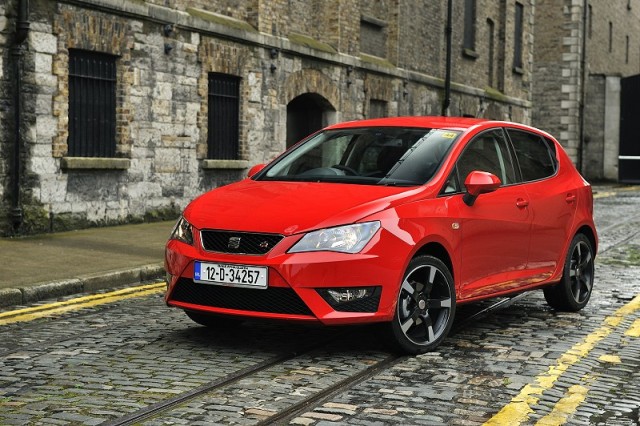
Nonetheless, the Ibiza has proven to be SEAT's most popular model, celebrating its 40th anniversary in 2024 and showing no signs of retiring any time soon.