



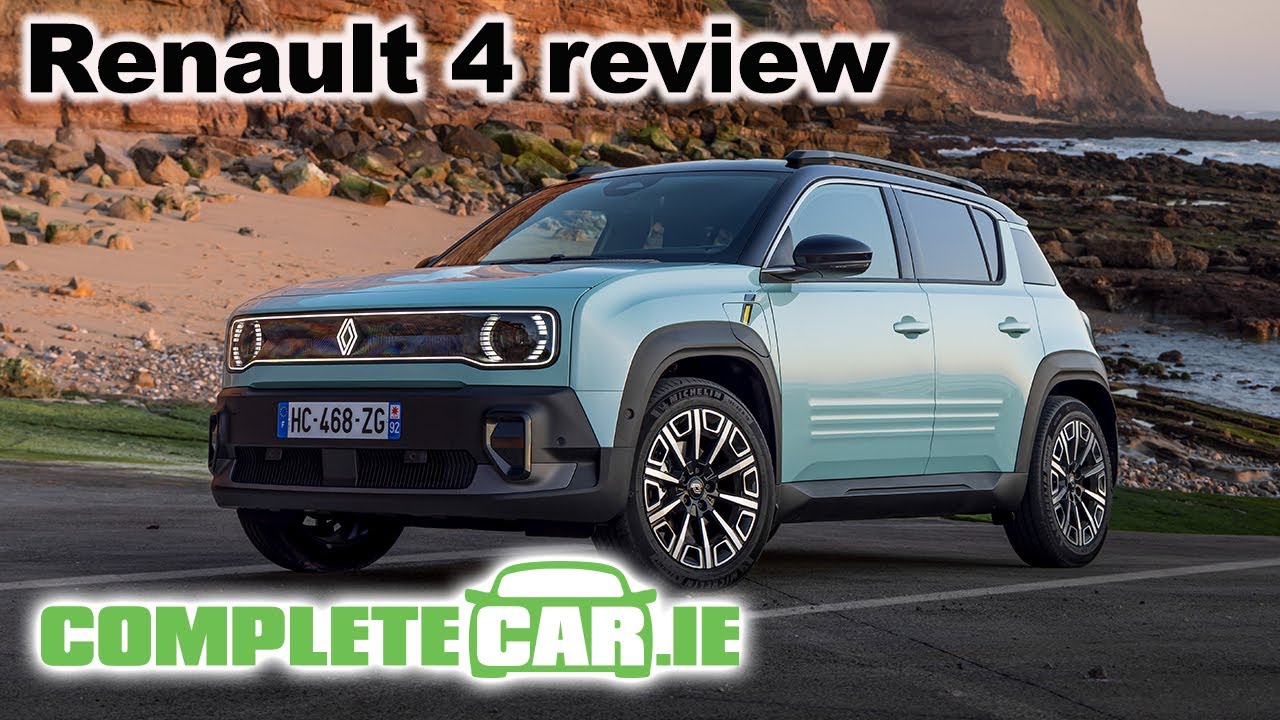
Exterior & design of the 2025 Renault 4 E-Tech
- Is it a crossover? Or a tall hatchback?
- So many cool styling touches
- Needs a bright colour to look its best

A bit like the original Mini, the original Renault 4 wasn't so much styled as simply created by forming the most sensible possible bodywork around its mechanical bits and pieces.
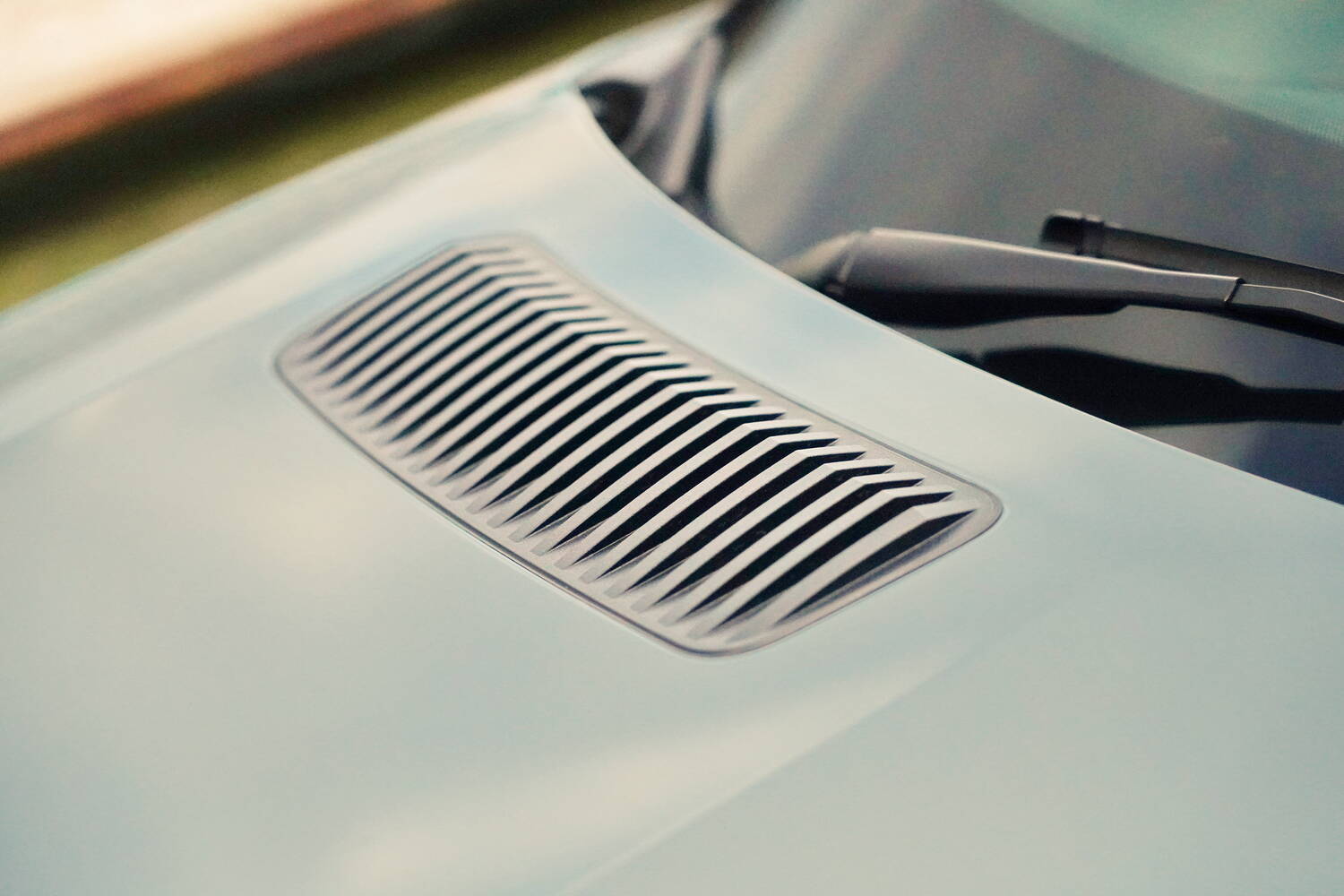
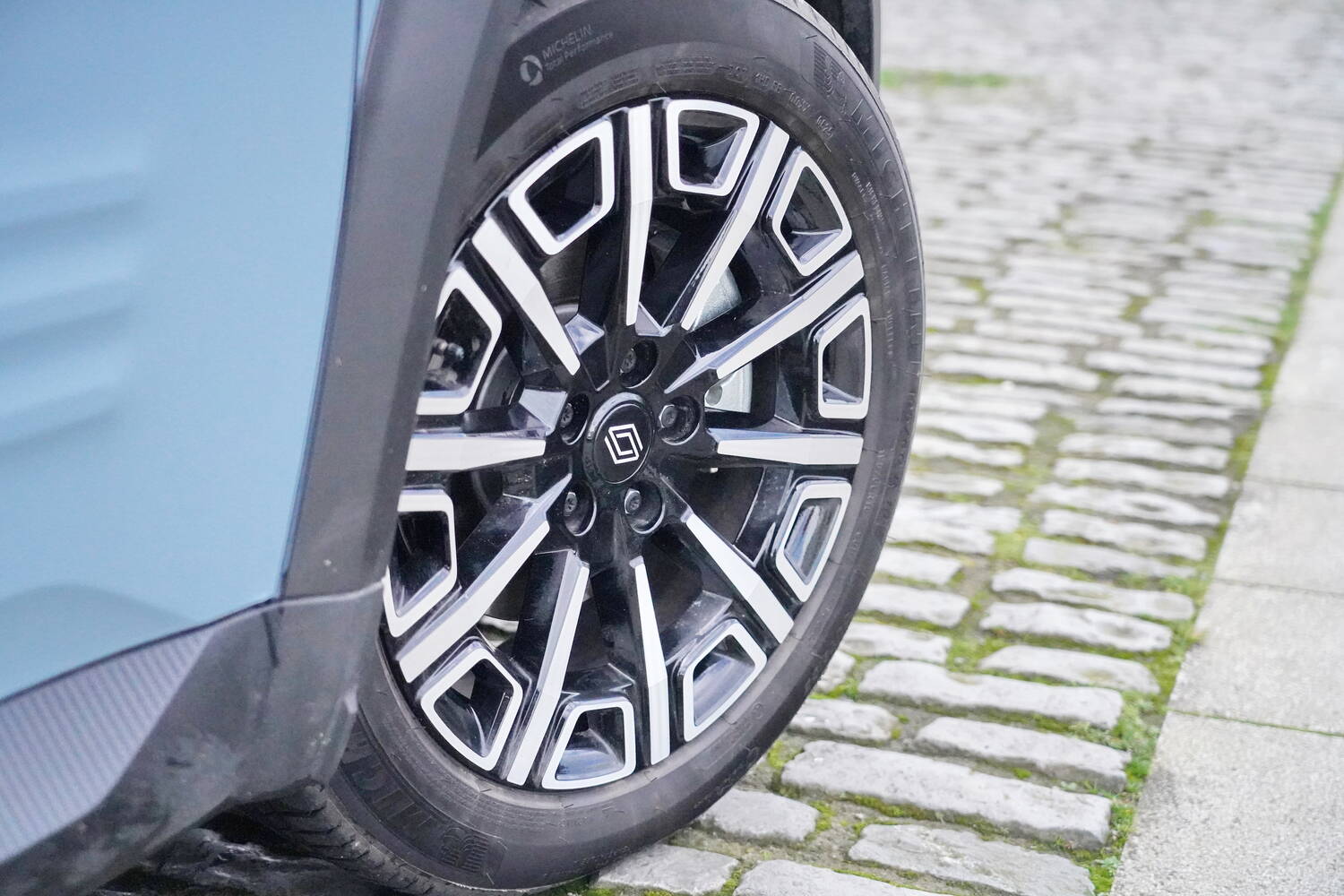
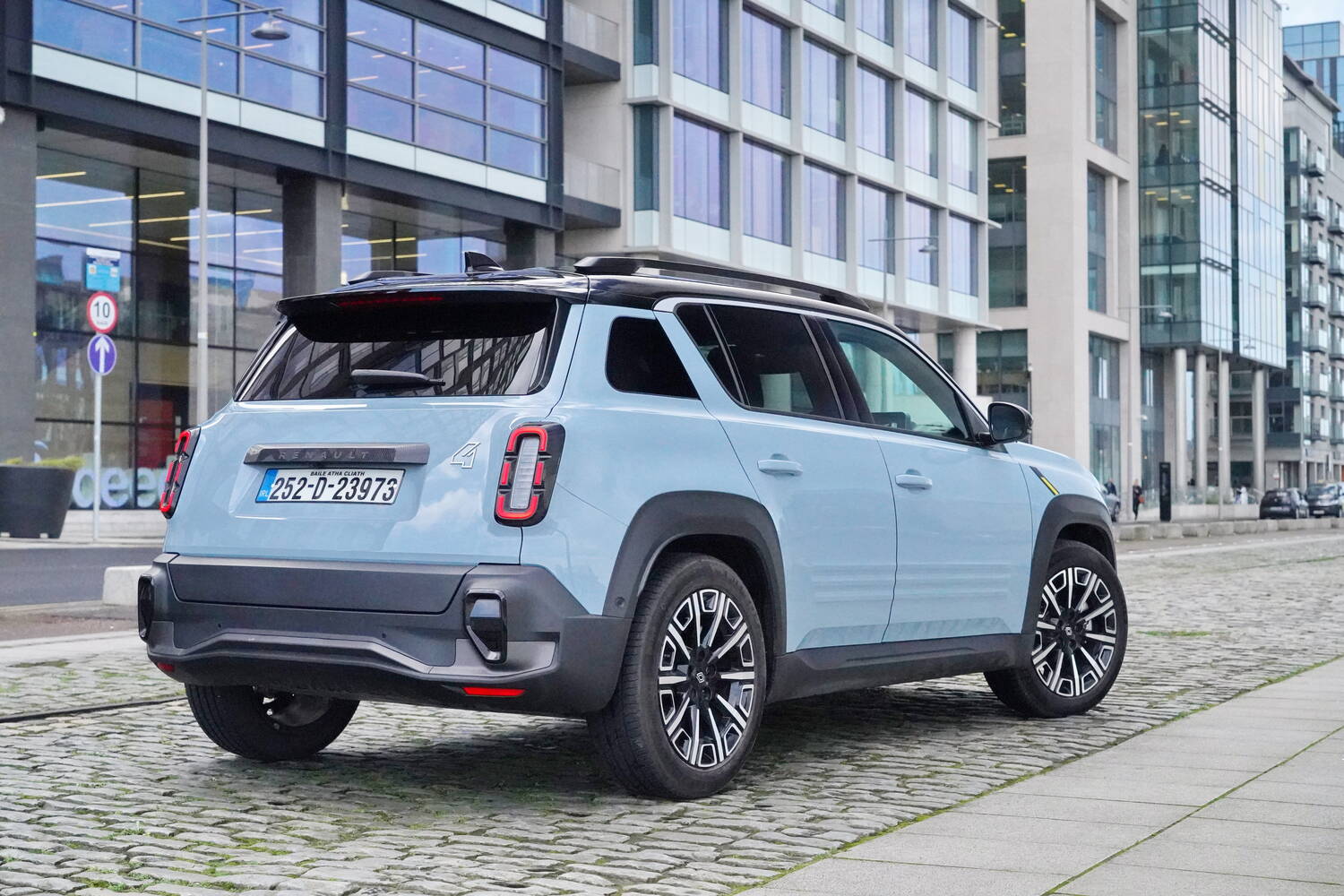
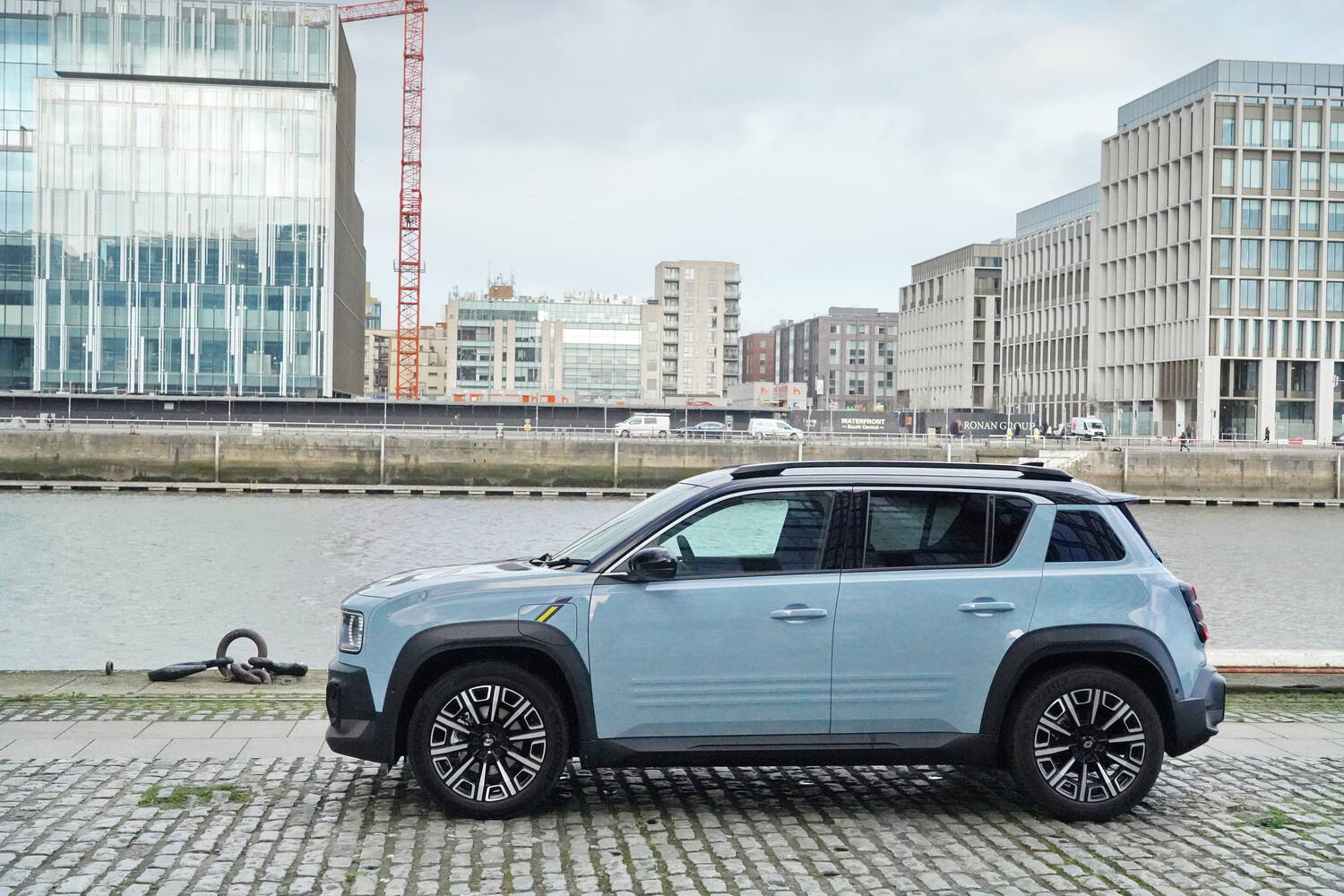
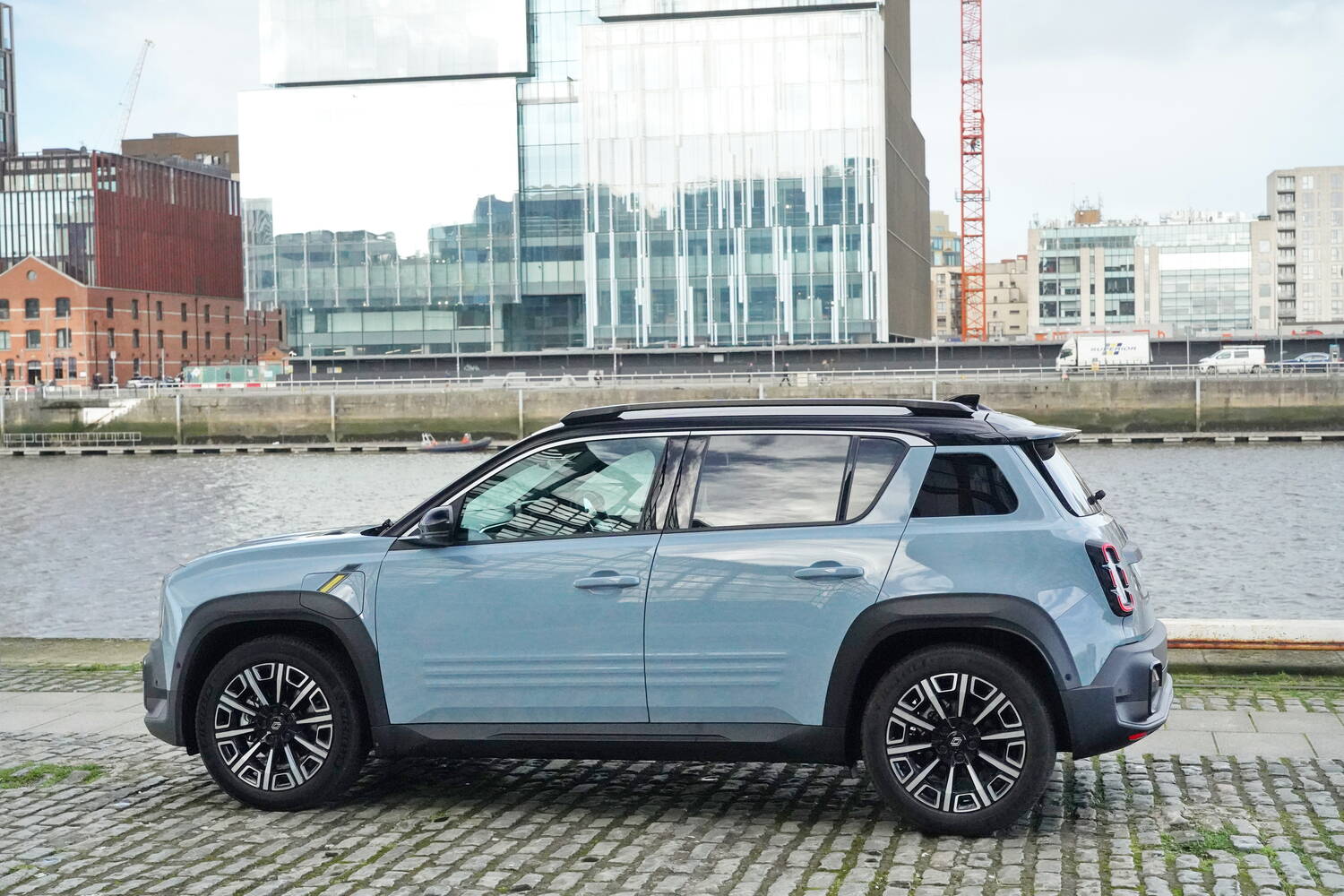
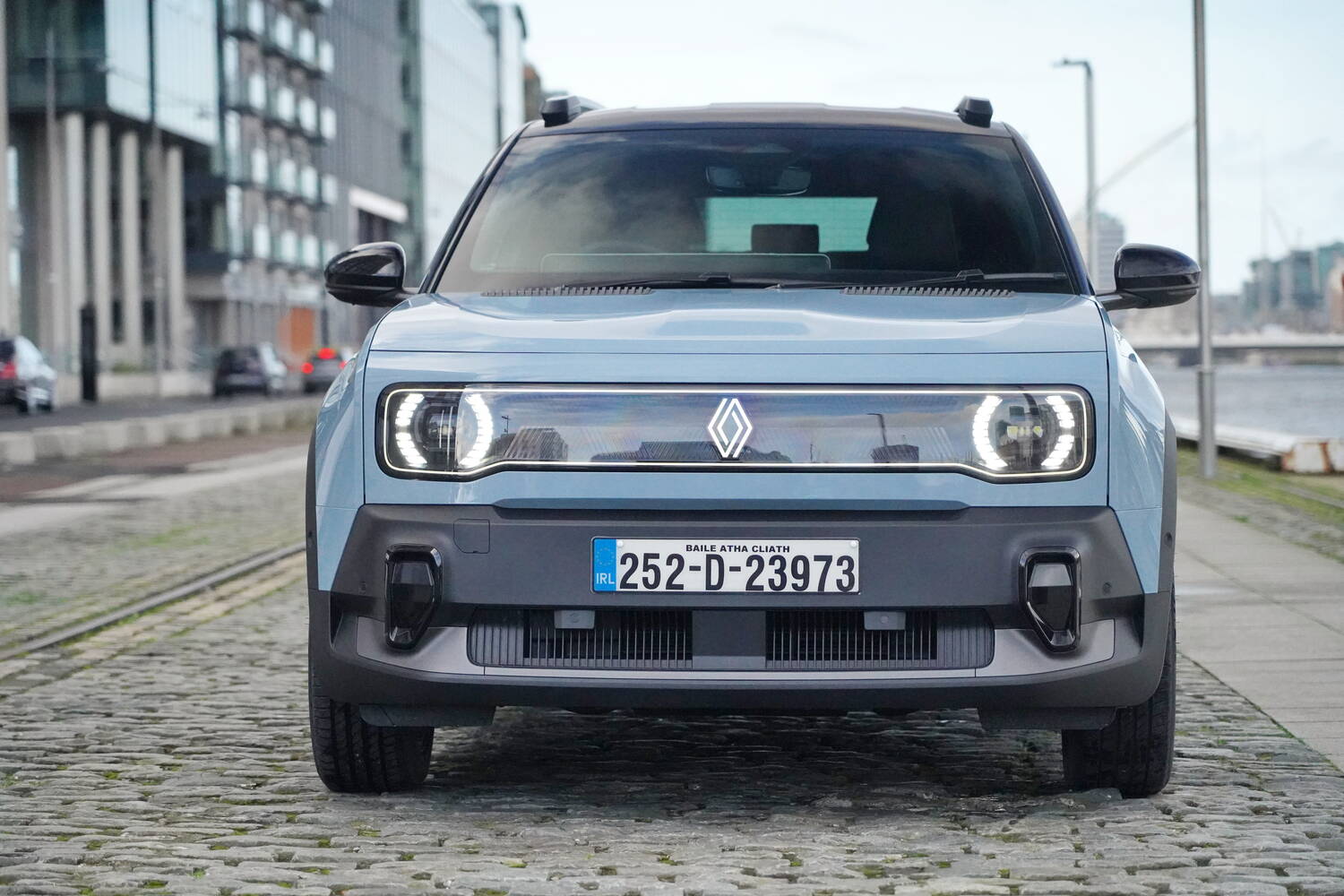
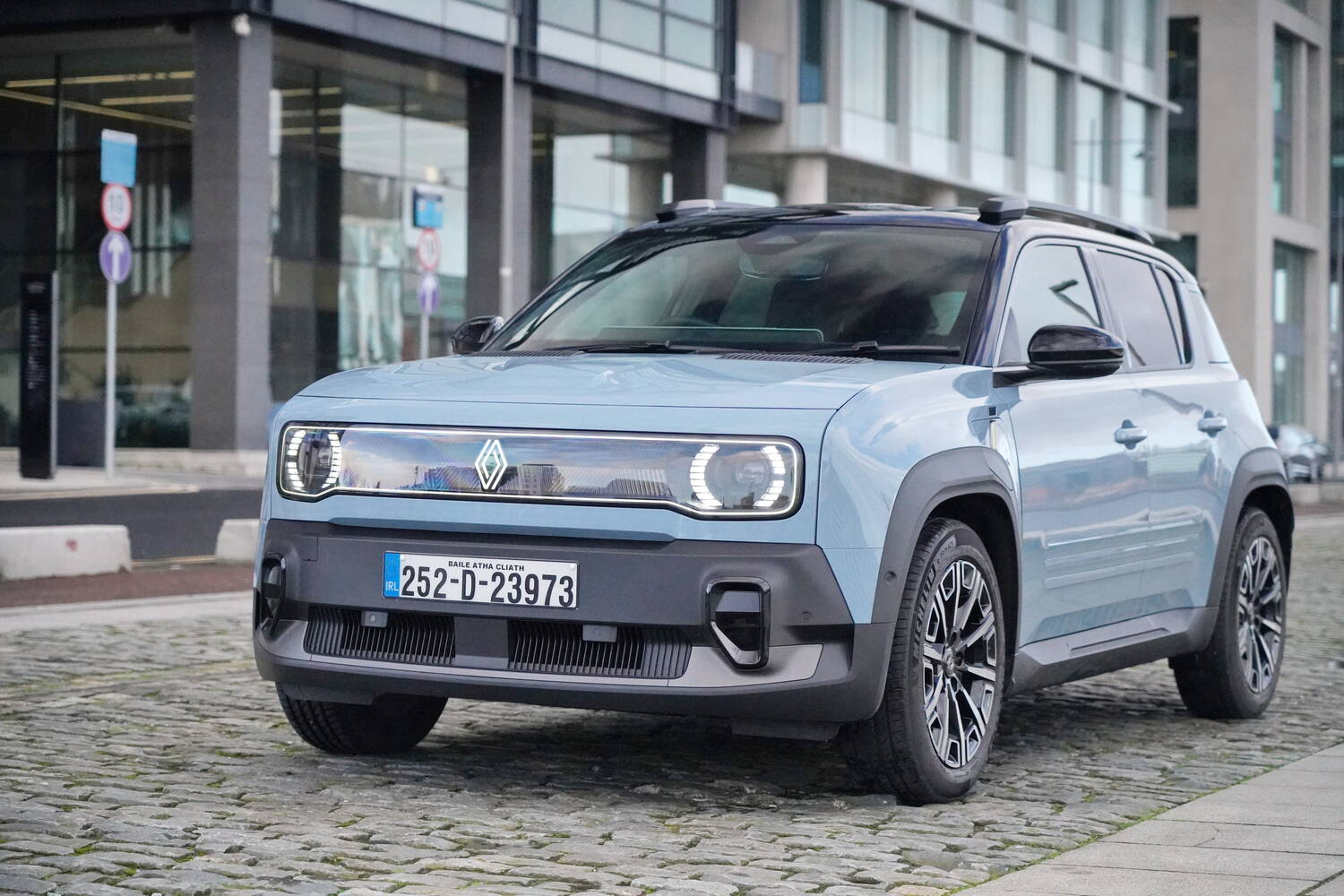
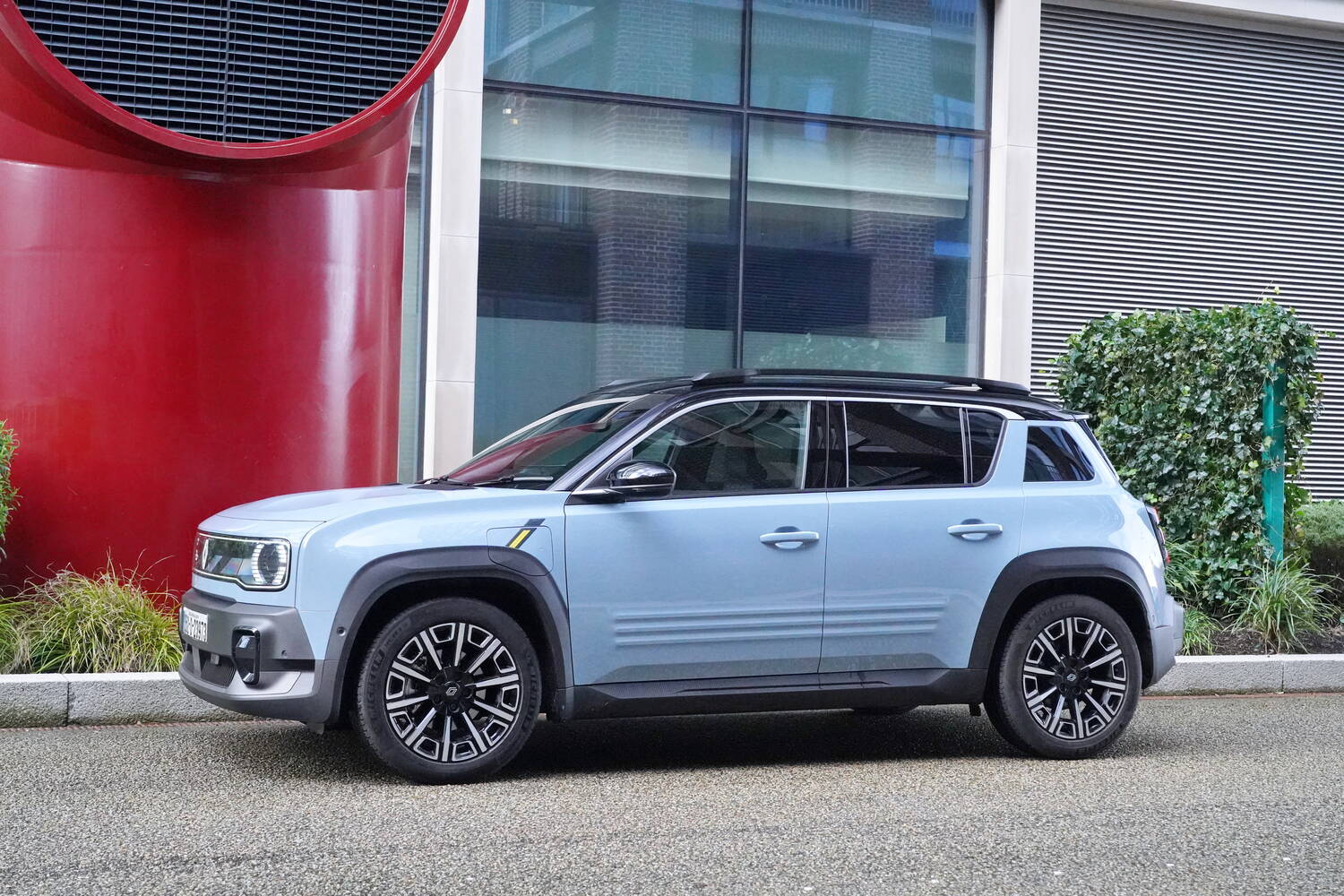
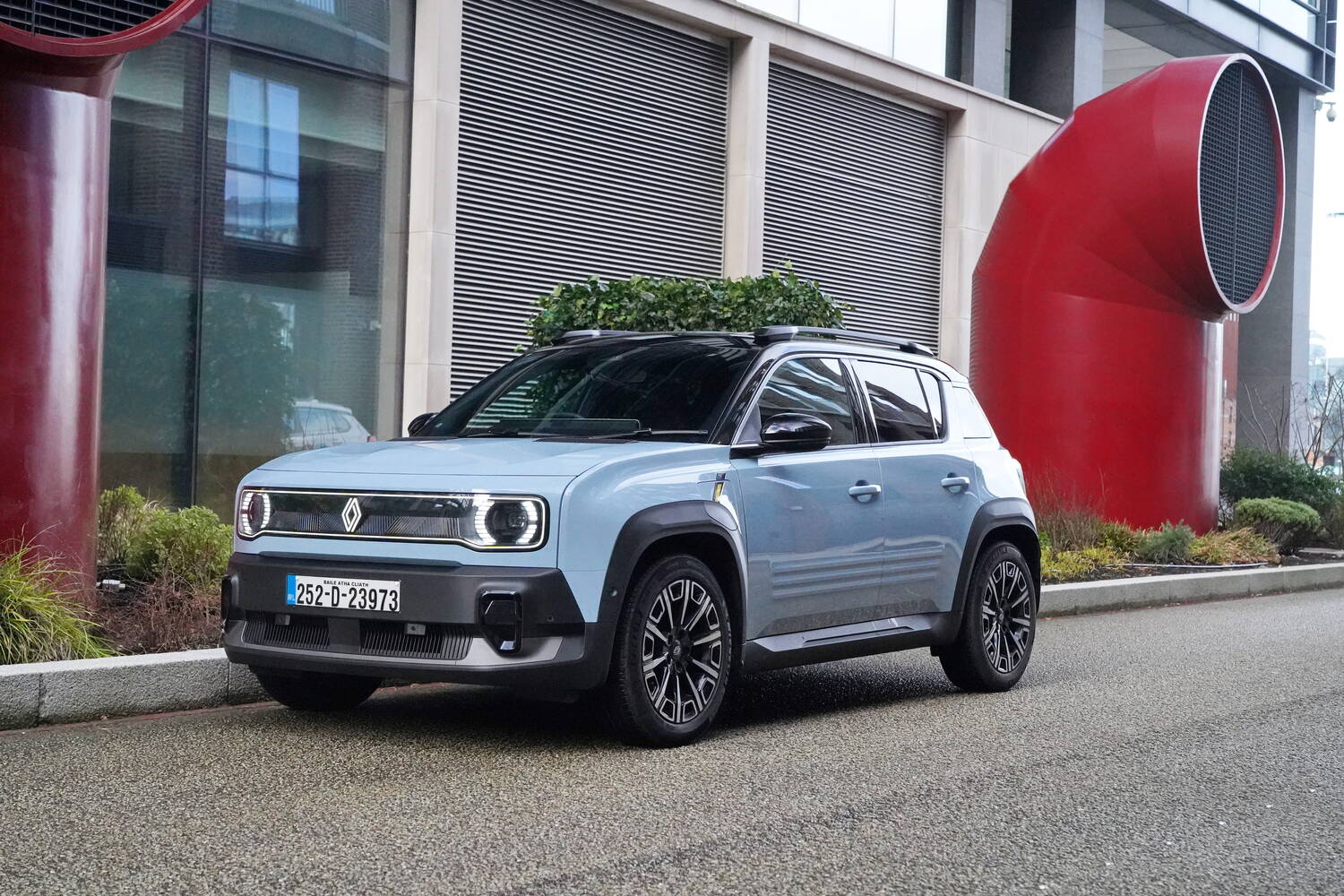
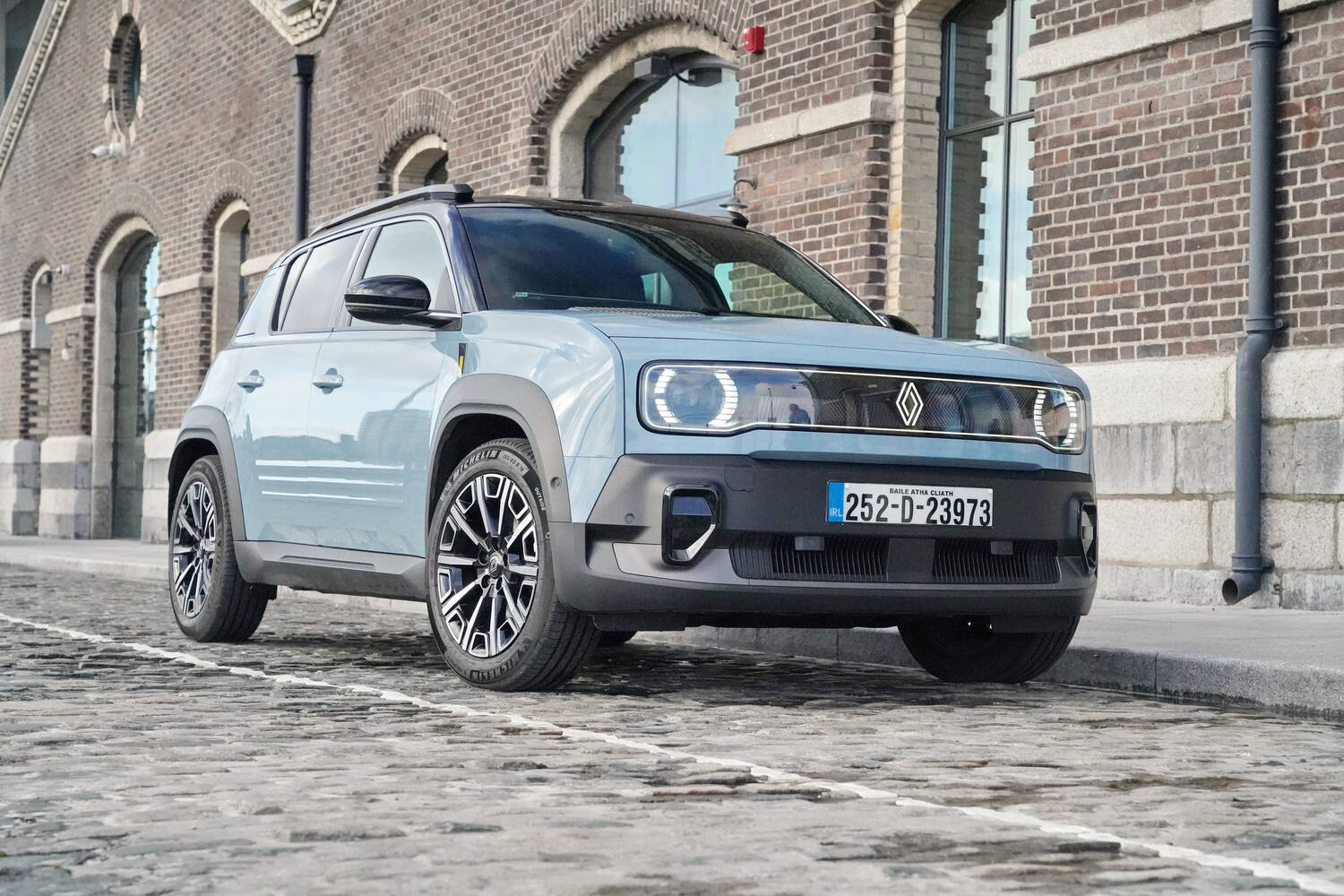
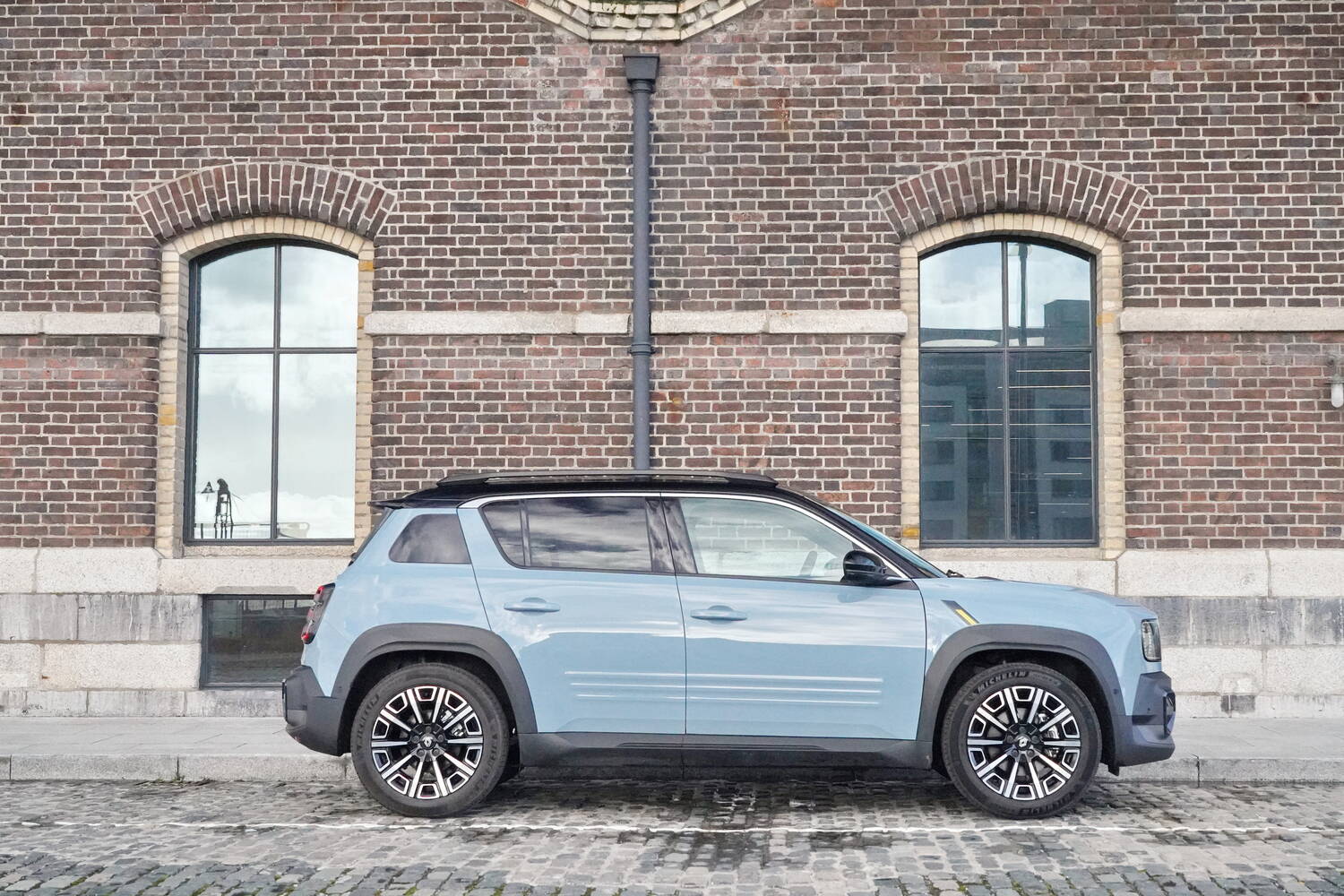
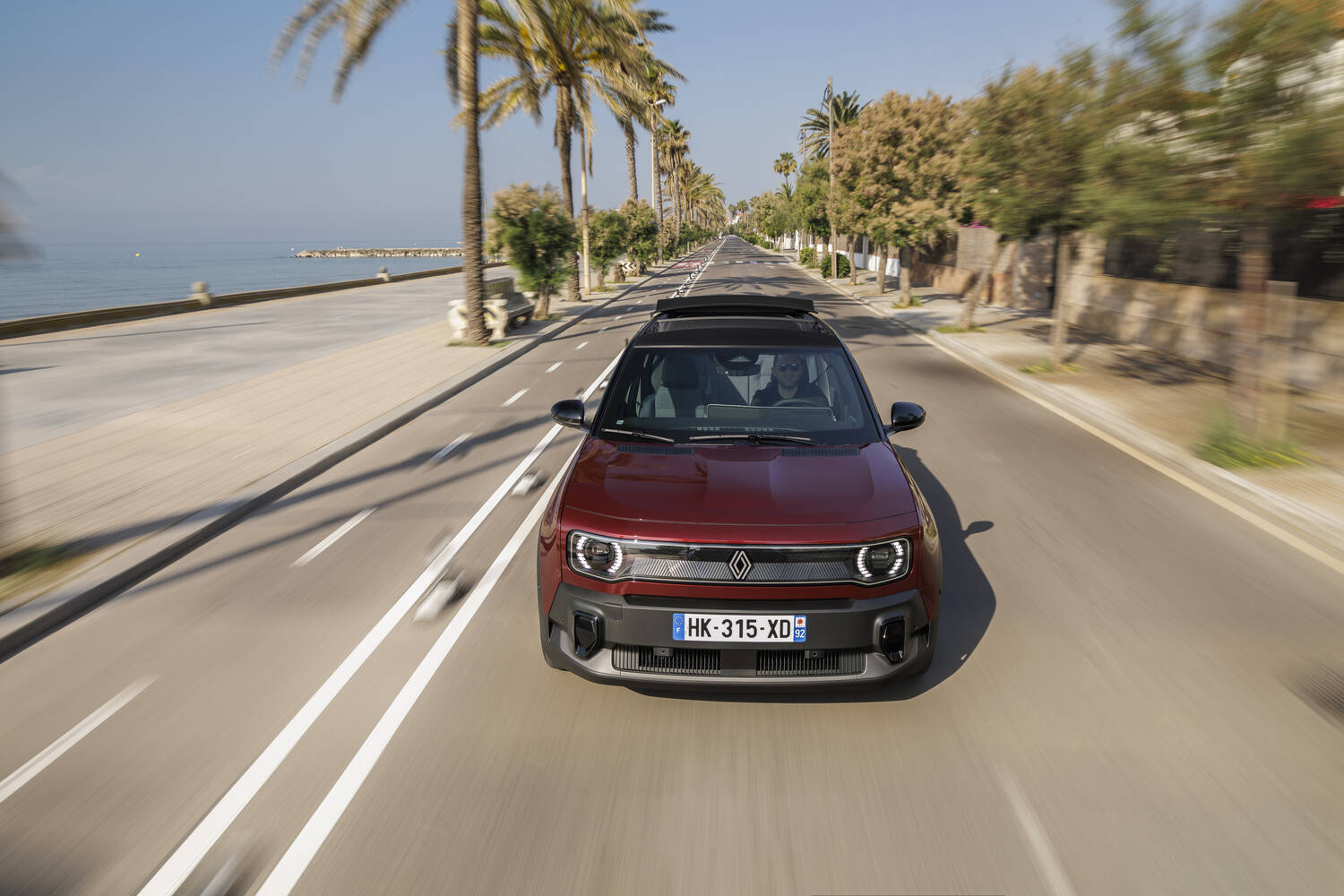
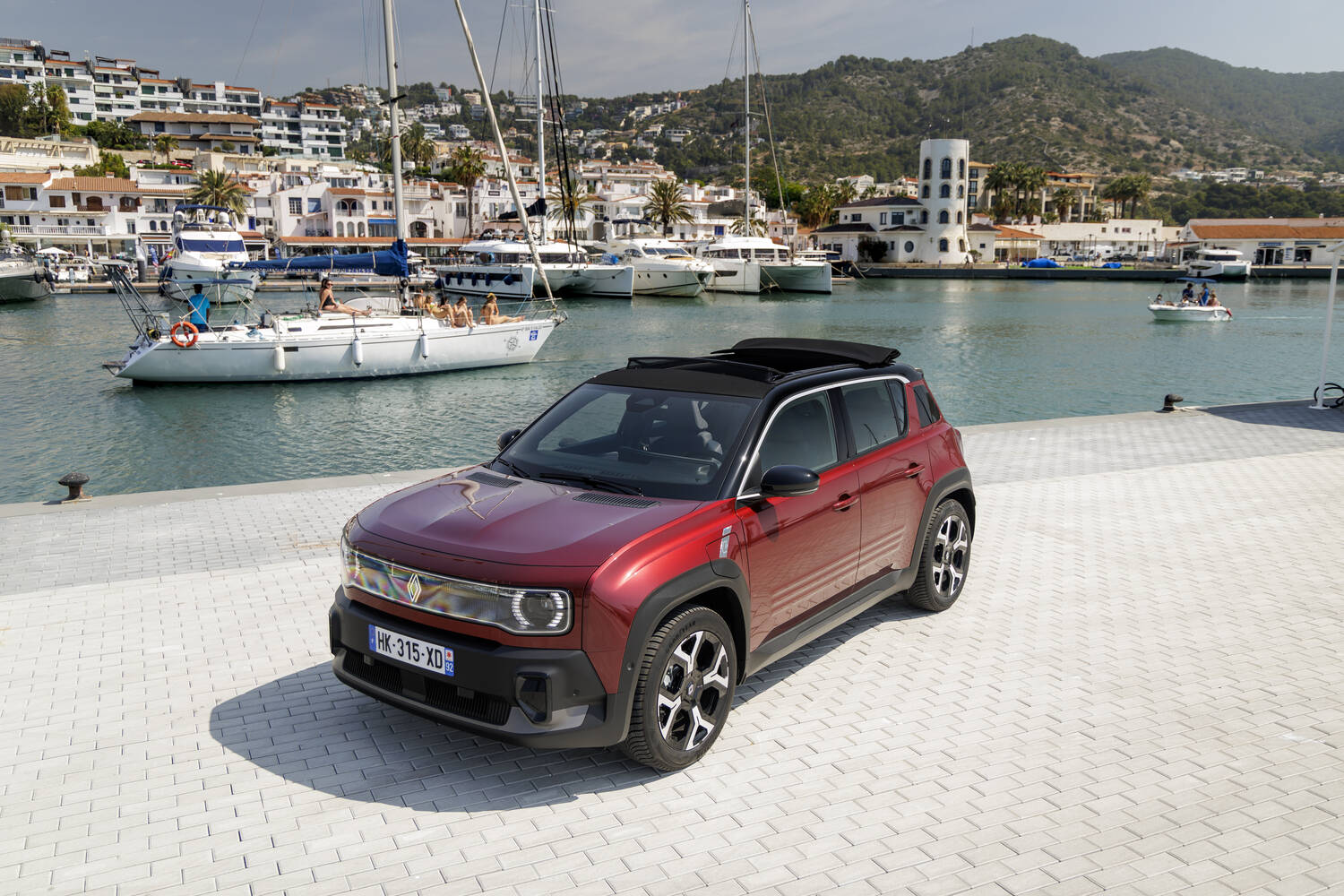
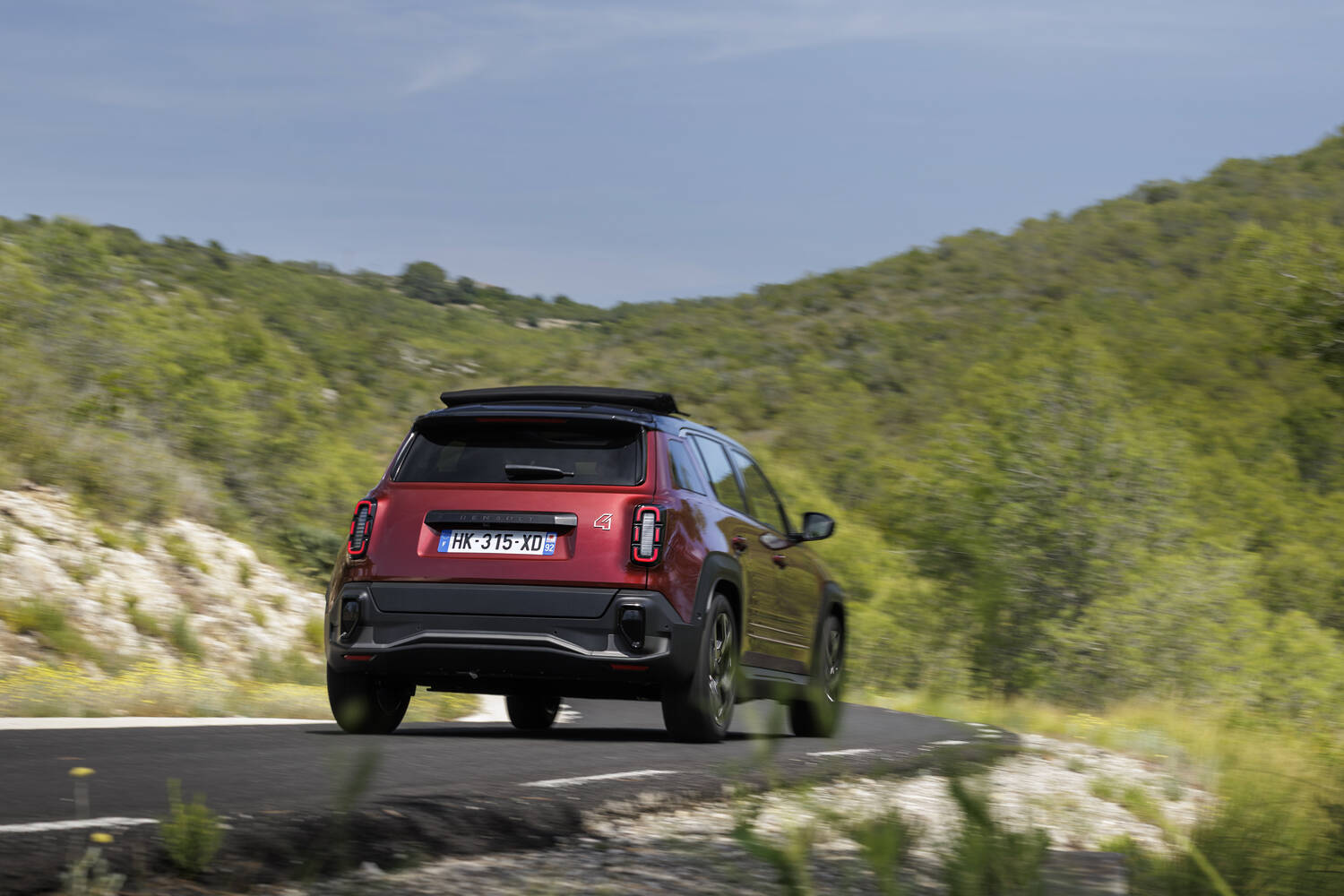
That wouldn't work with this modern iteration - you'd end up with too plain a car, so while the 4 keeps the original's simple two-box shape, it is also festooned with lots of slightly self-conscious styling touches.
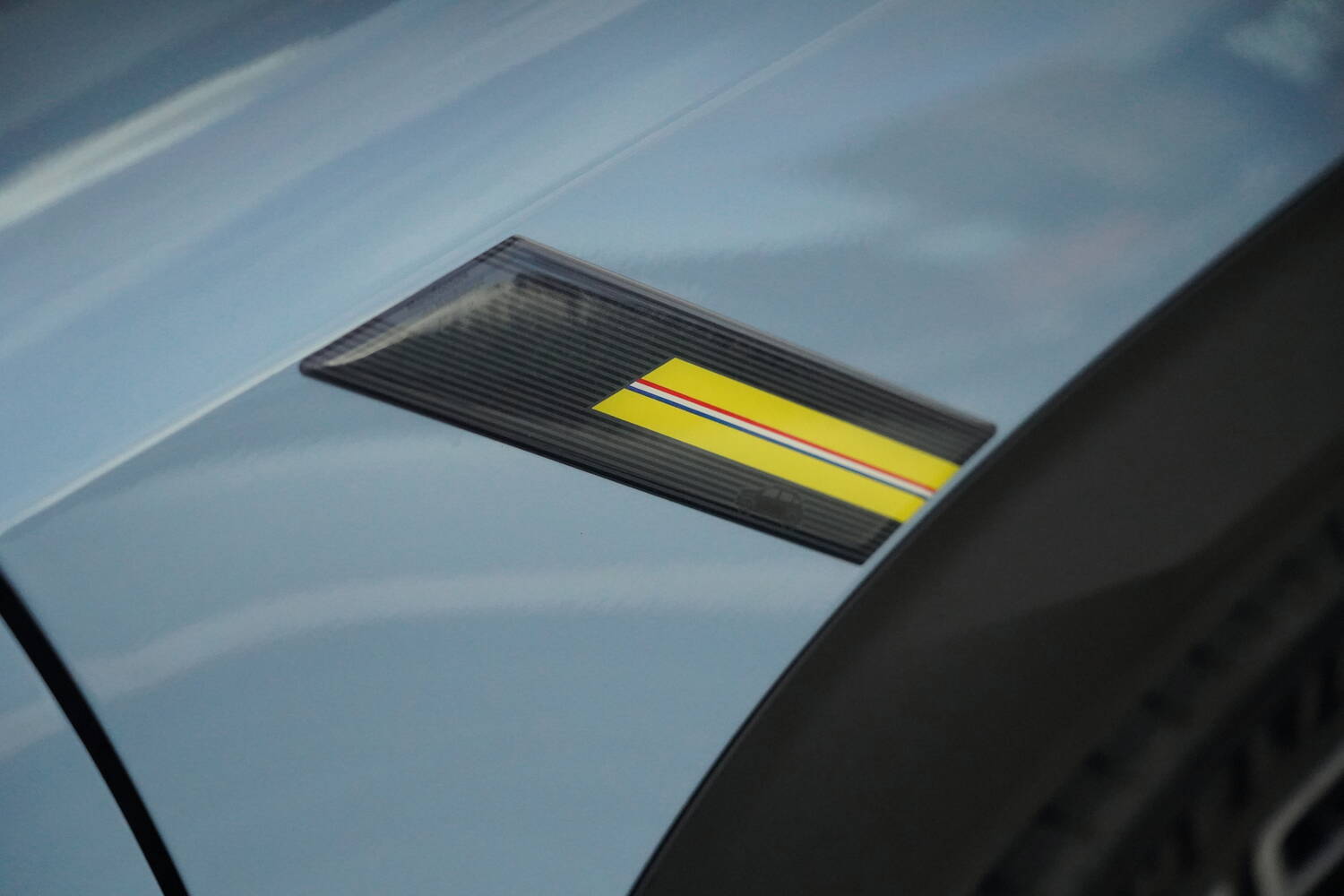
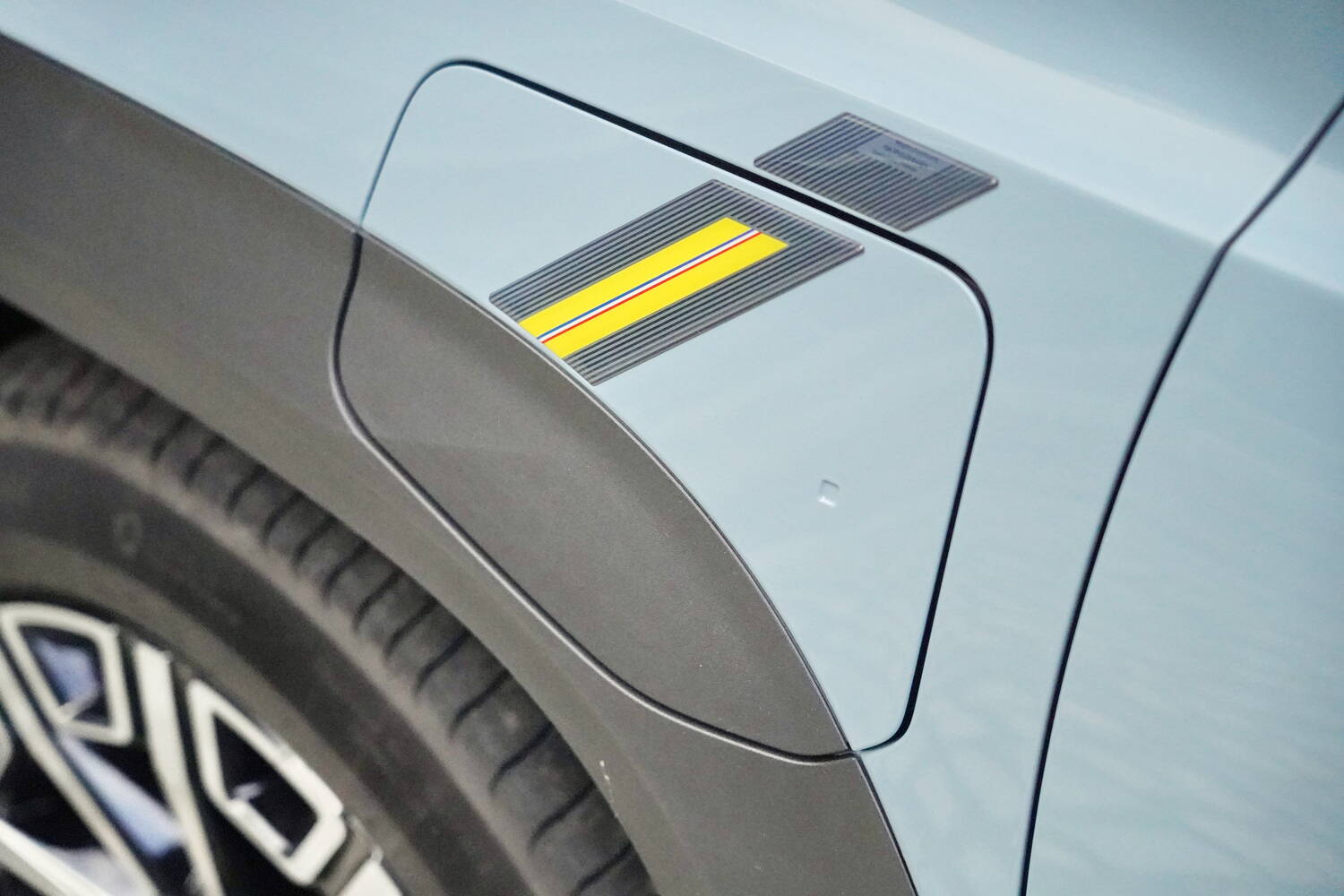
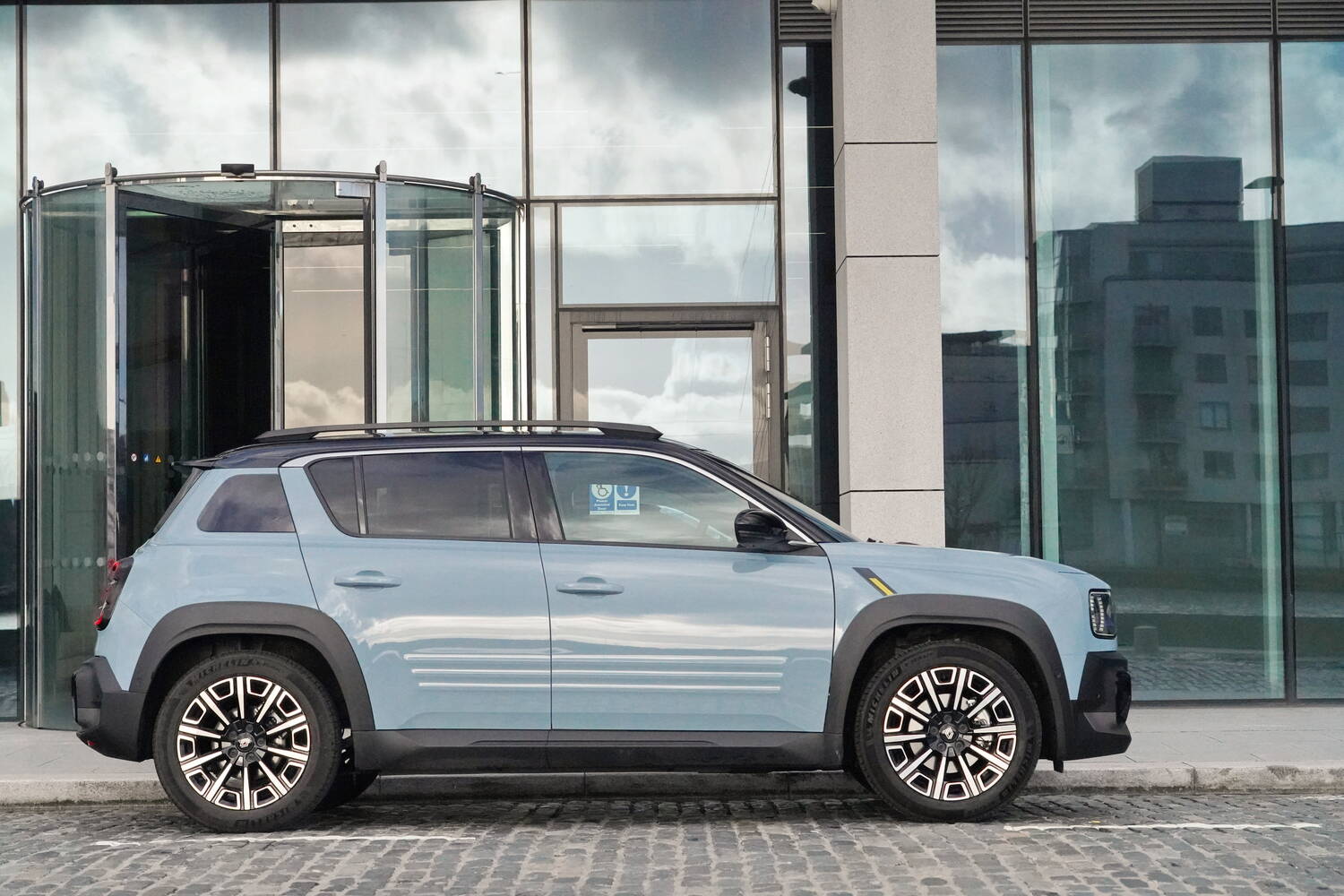
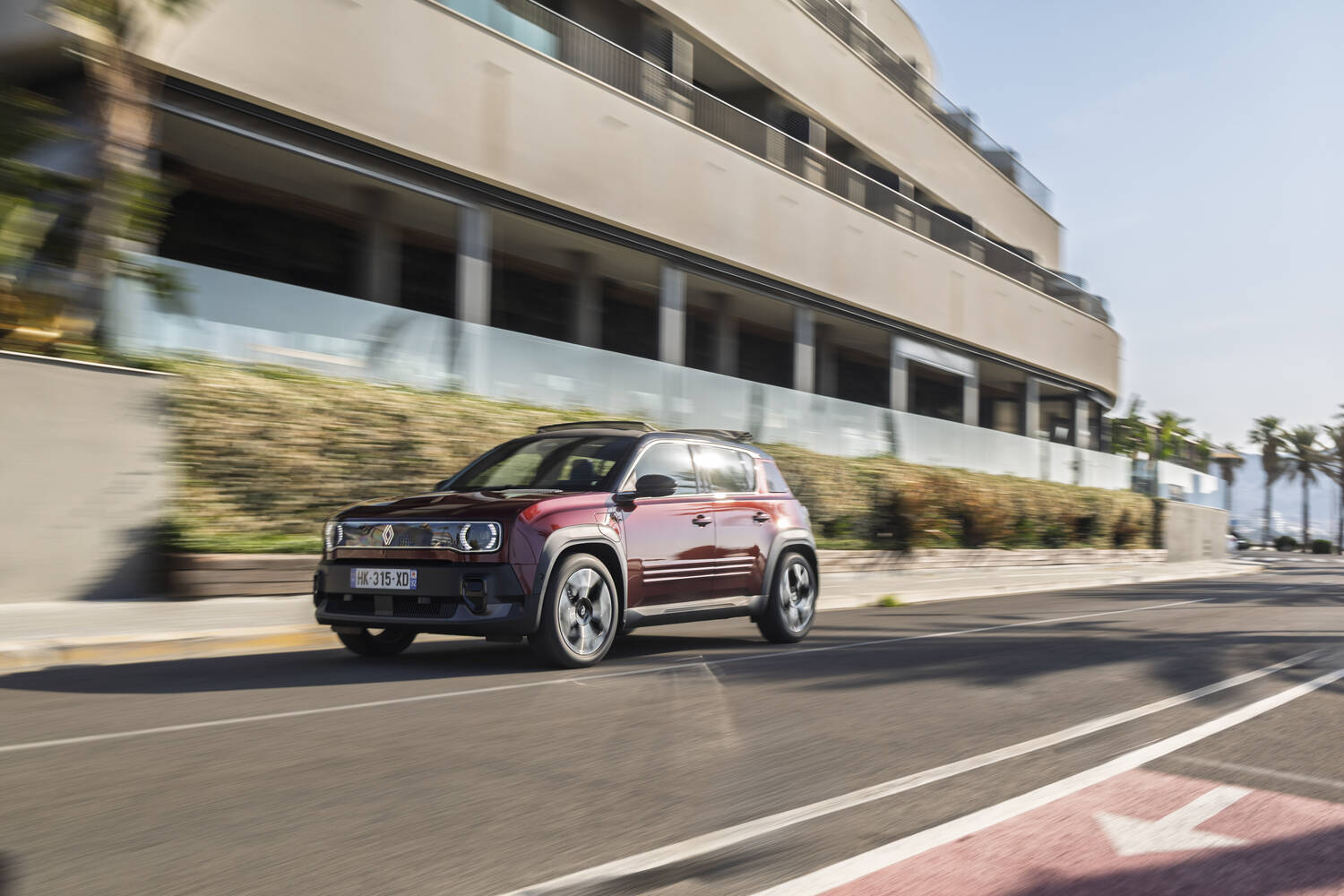
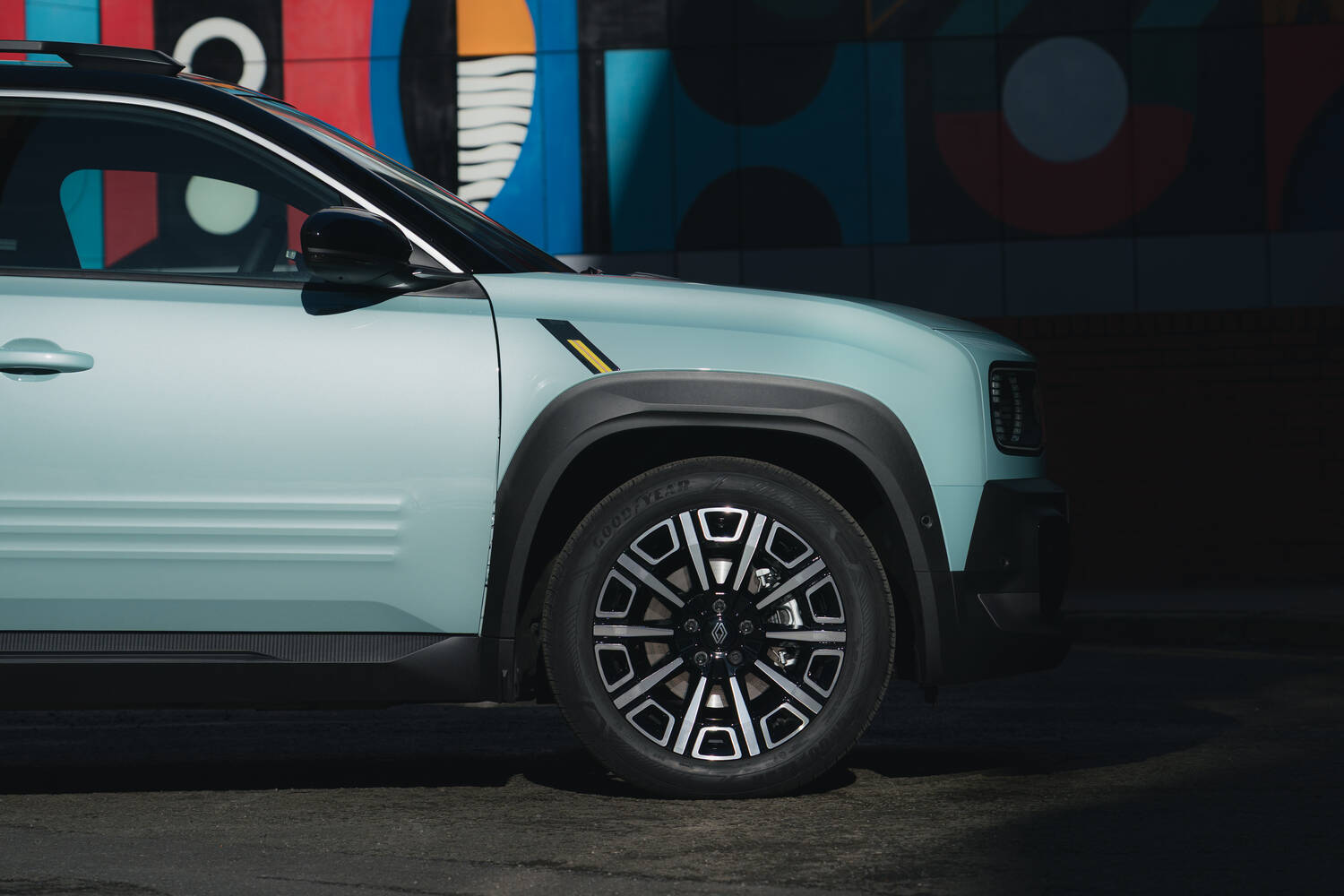
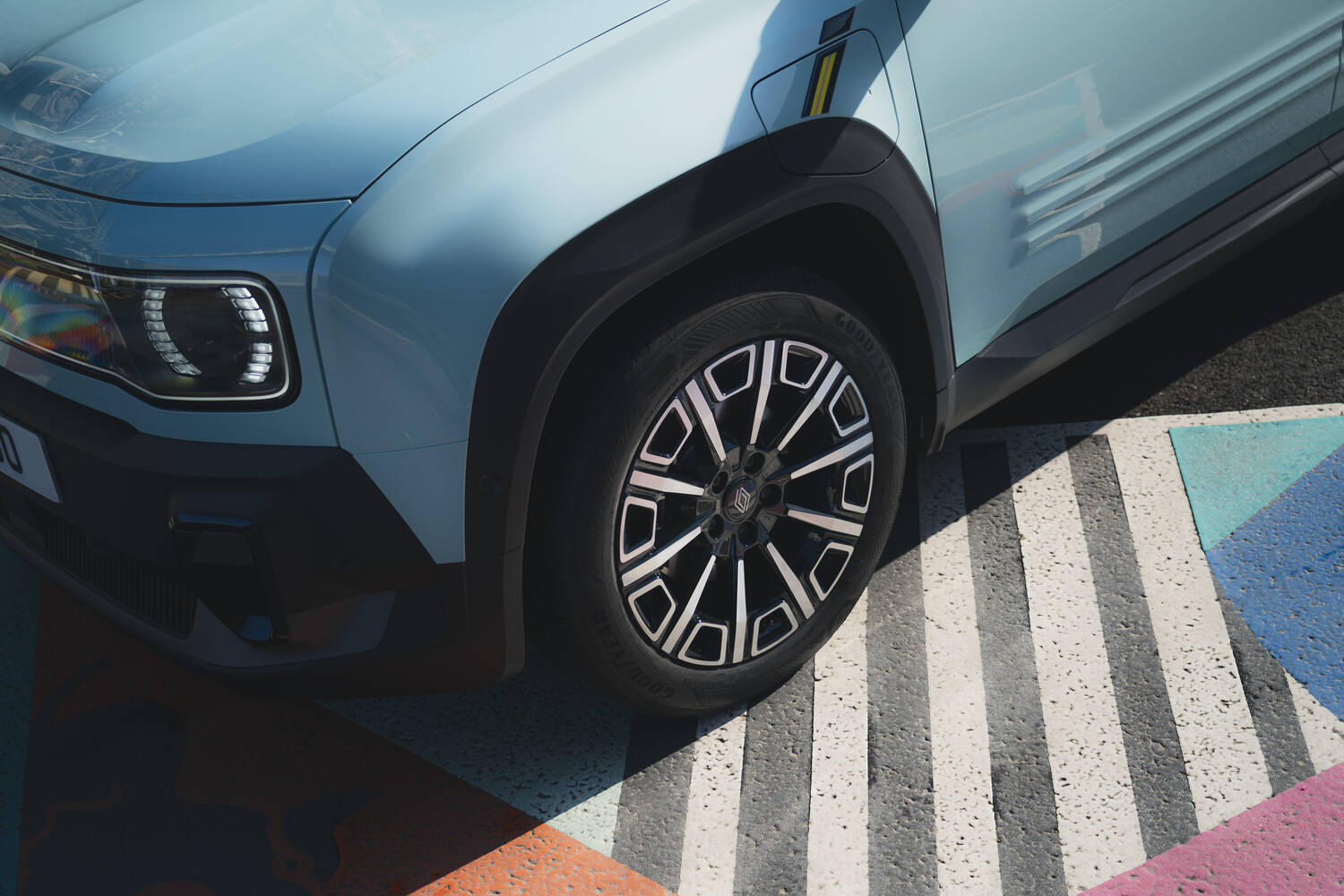
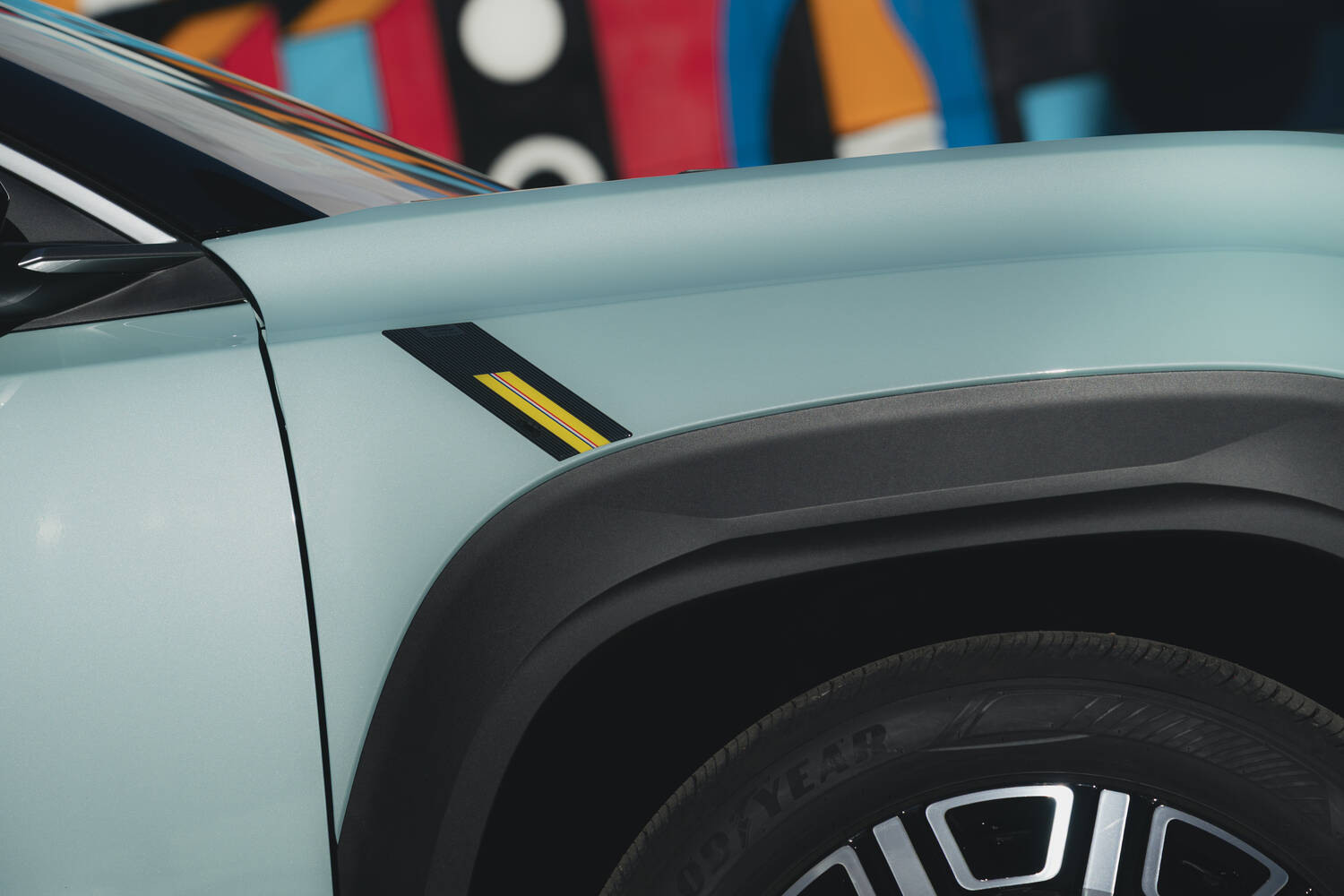
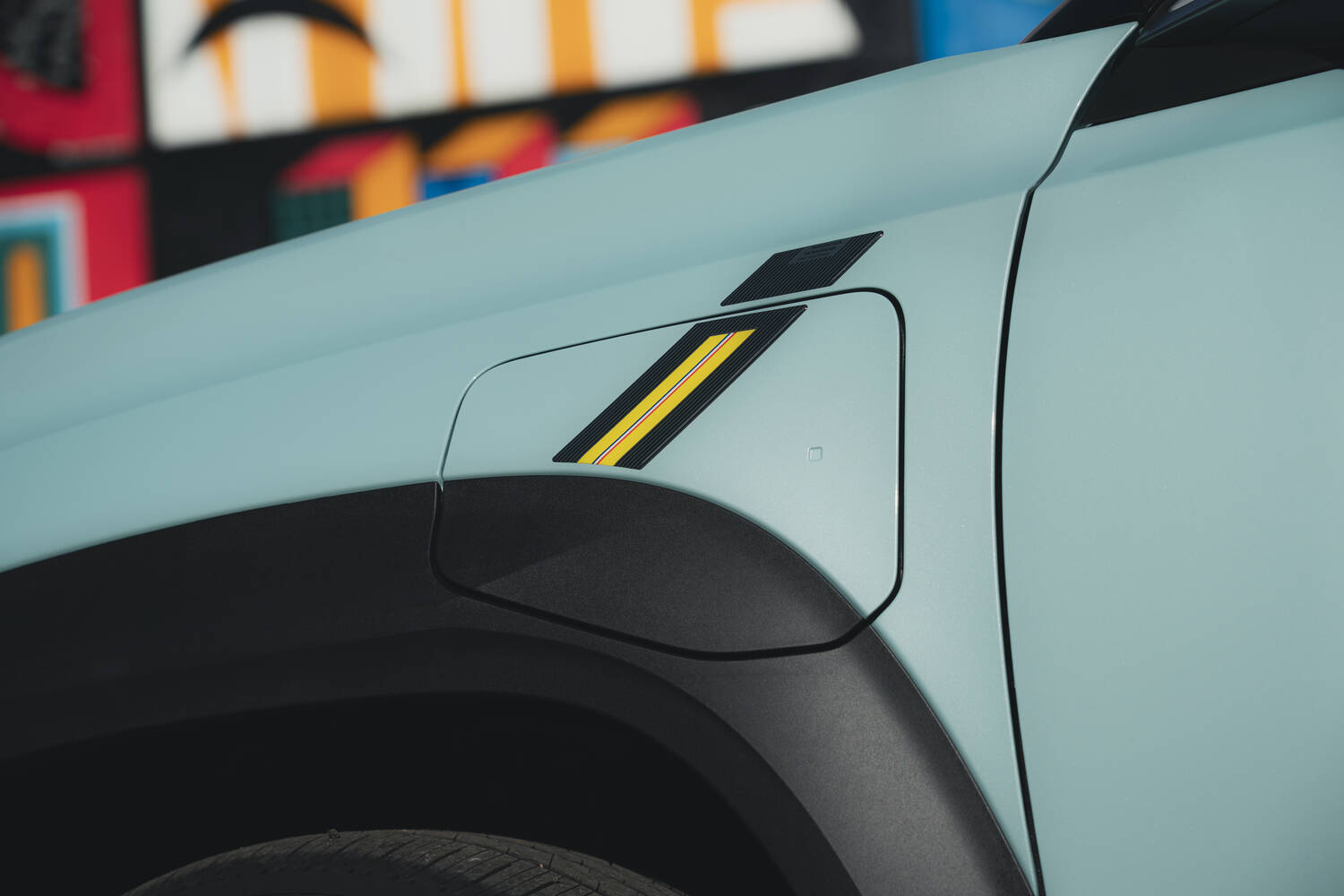
Touches such as the sticker on the front wheelarch that's meant to remind you of the original 4's bonnet shut line.

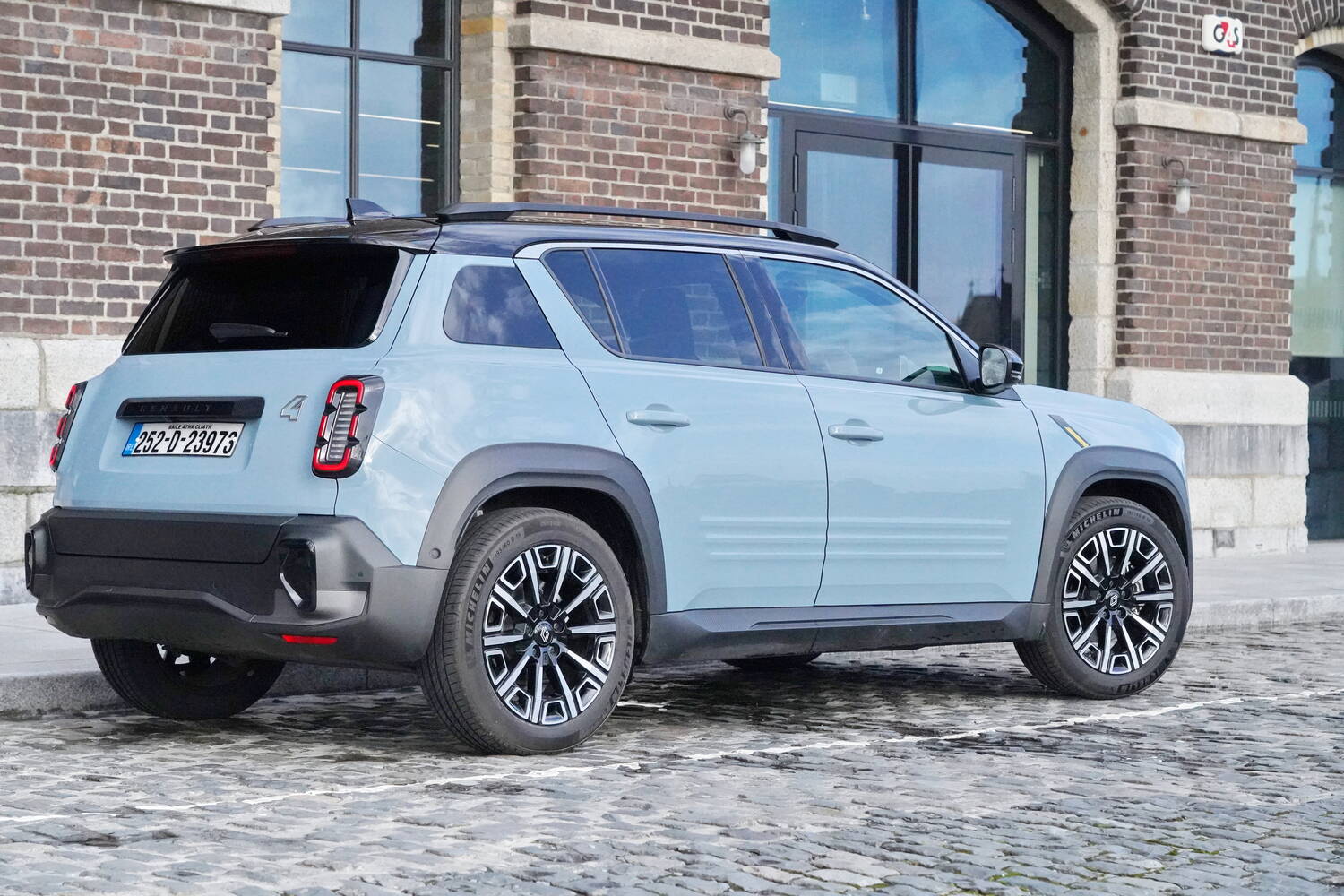
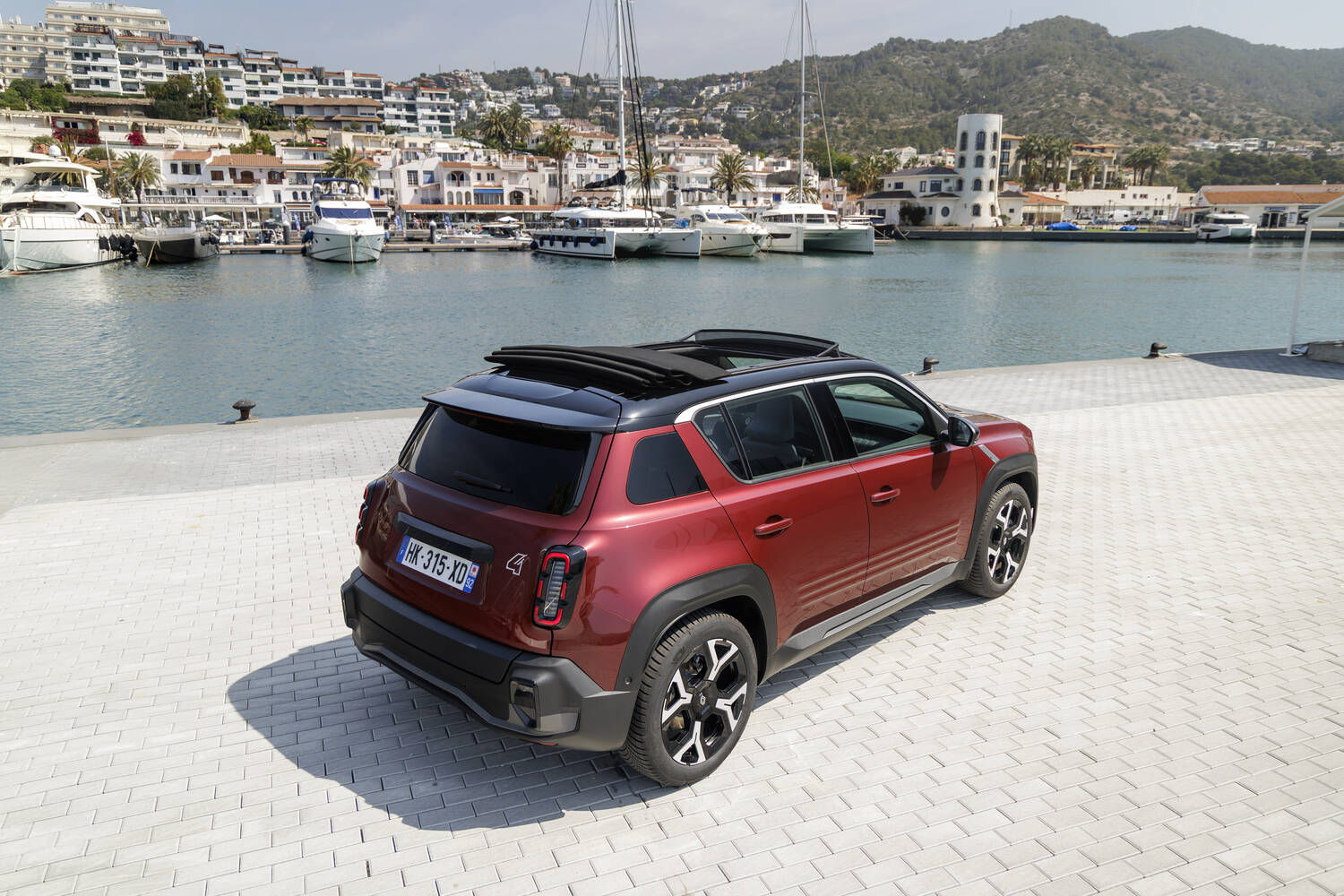
Or the extra rhombus-shaped rear side window that's lifted directly from the 1960s (and which was originally a cost option...).
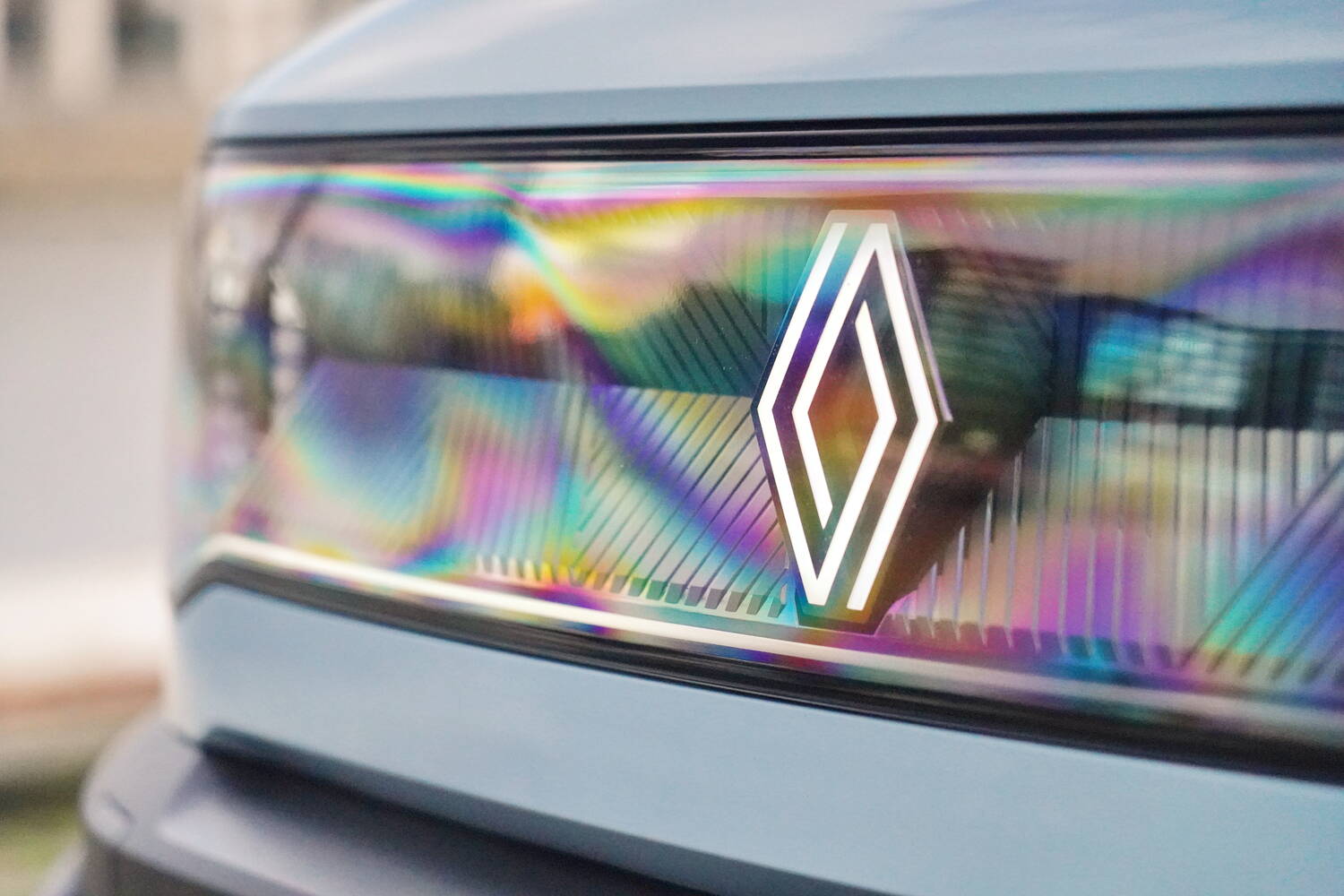
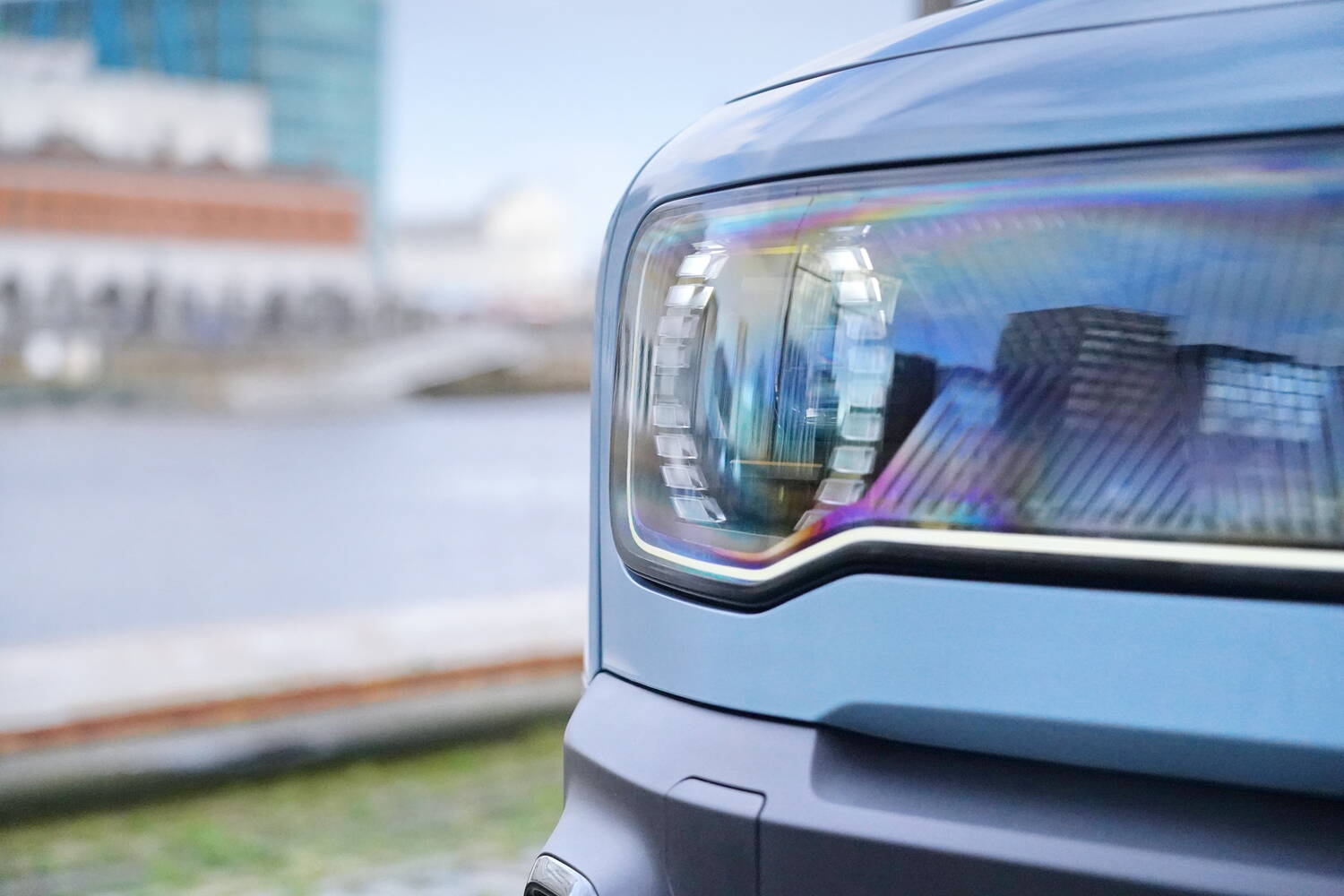
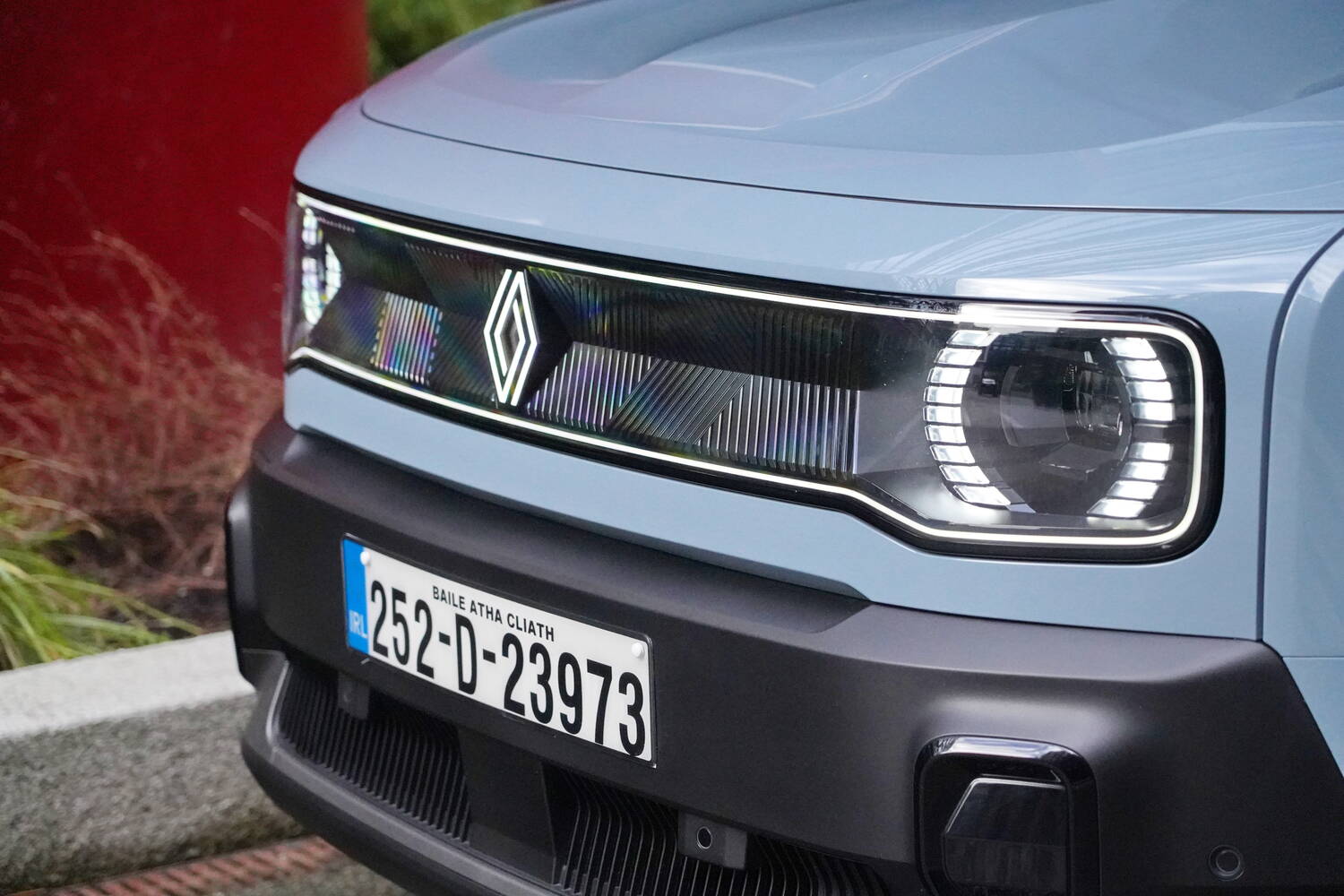
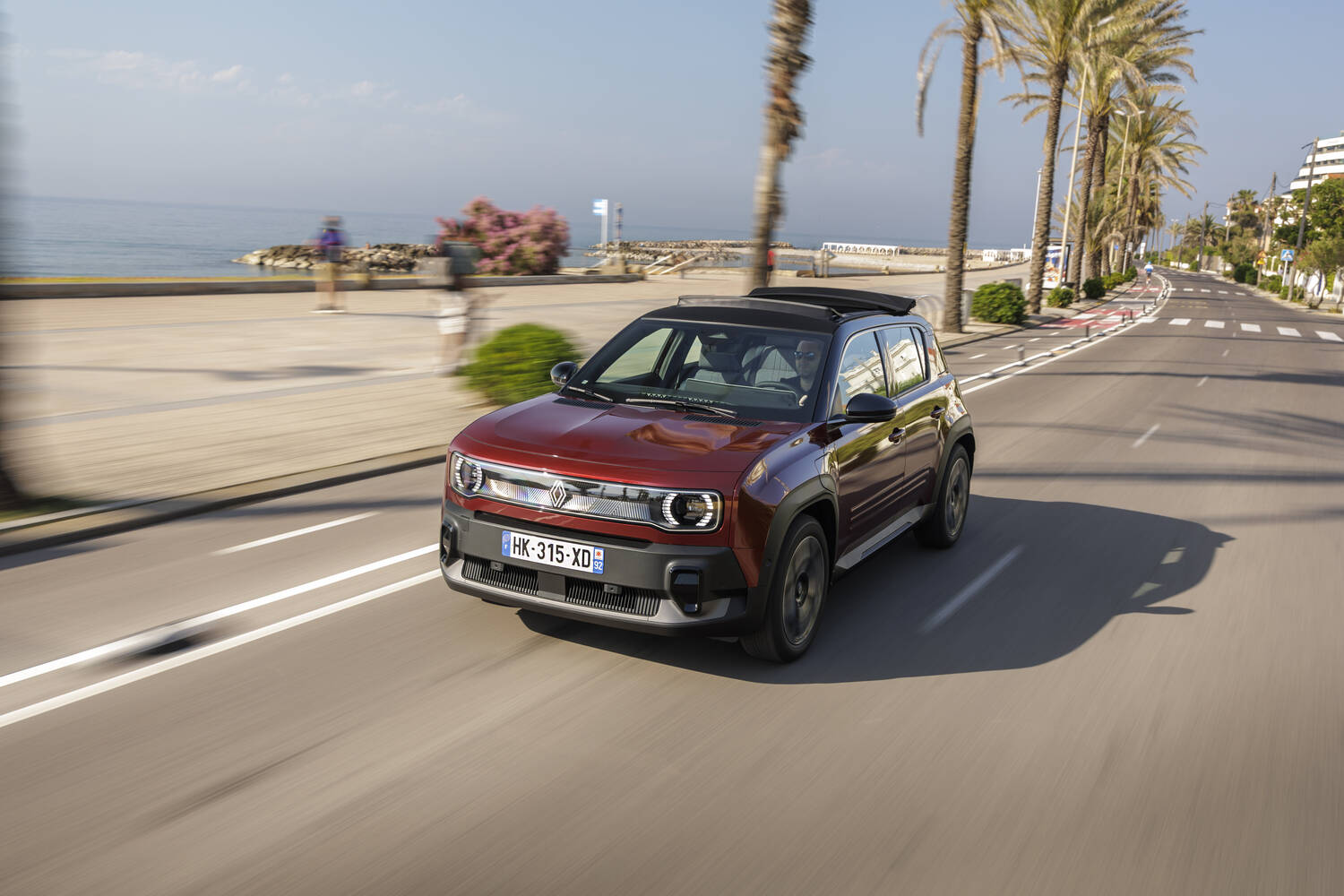
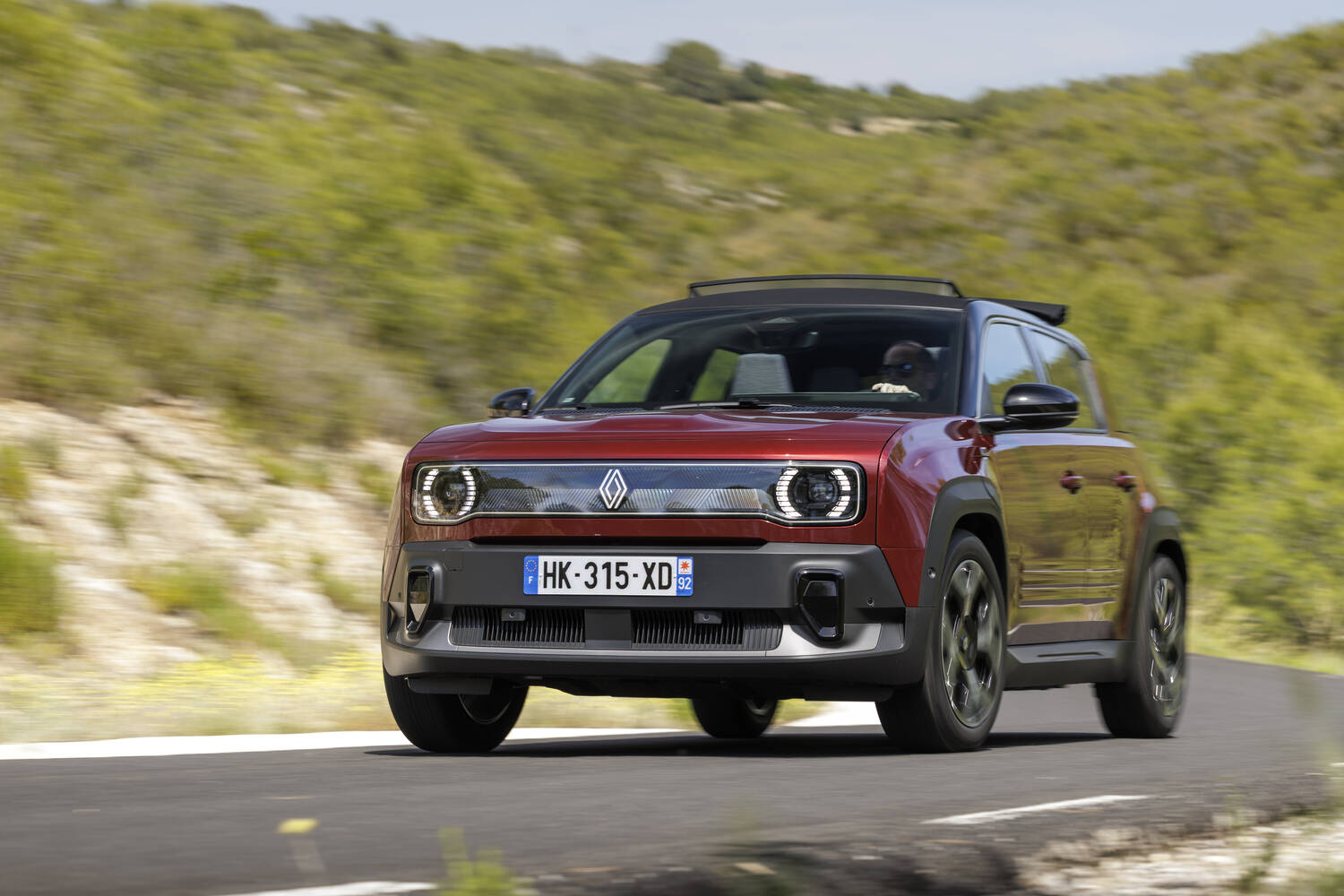
The classic 4's chrome radiator trim has been replaced by an unbroken string of LED light in this modern version, and the classic round headlights similarly replicated with current tech.
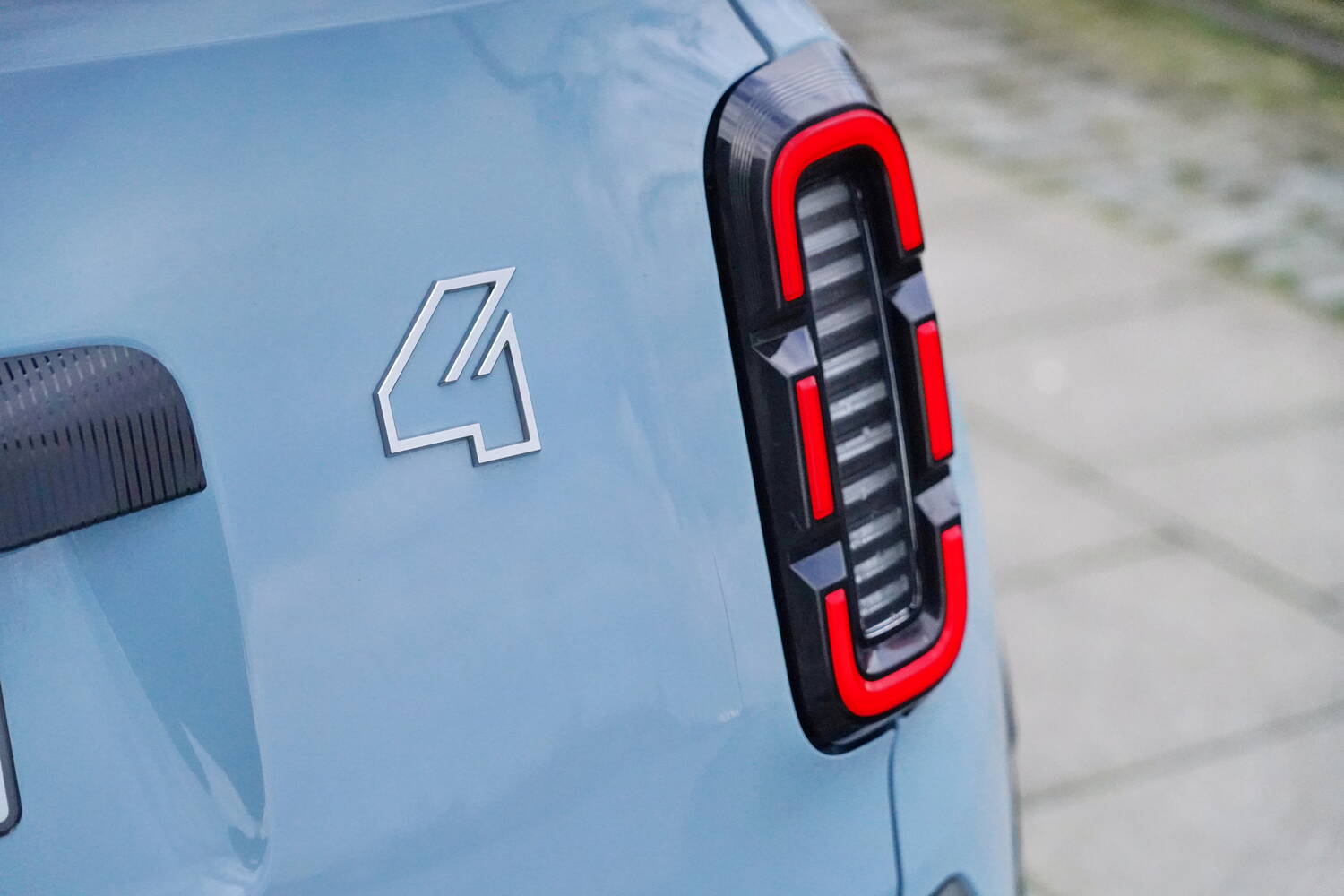
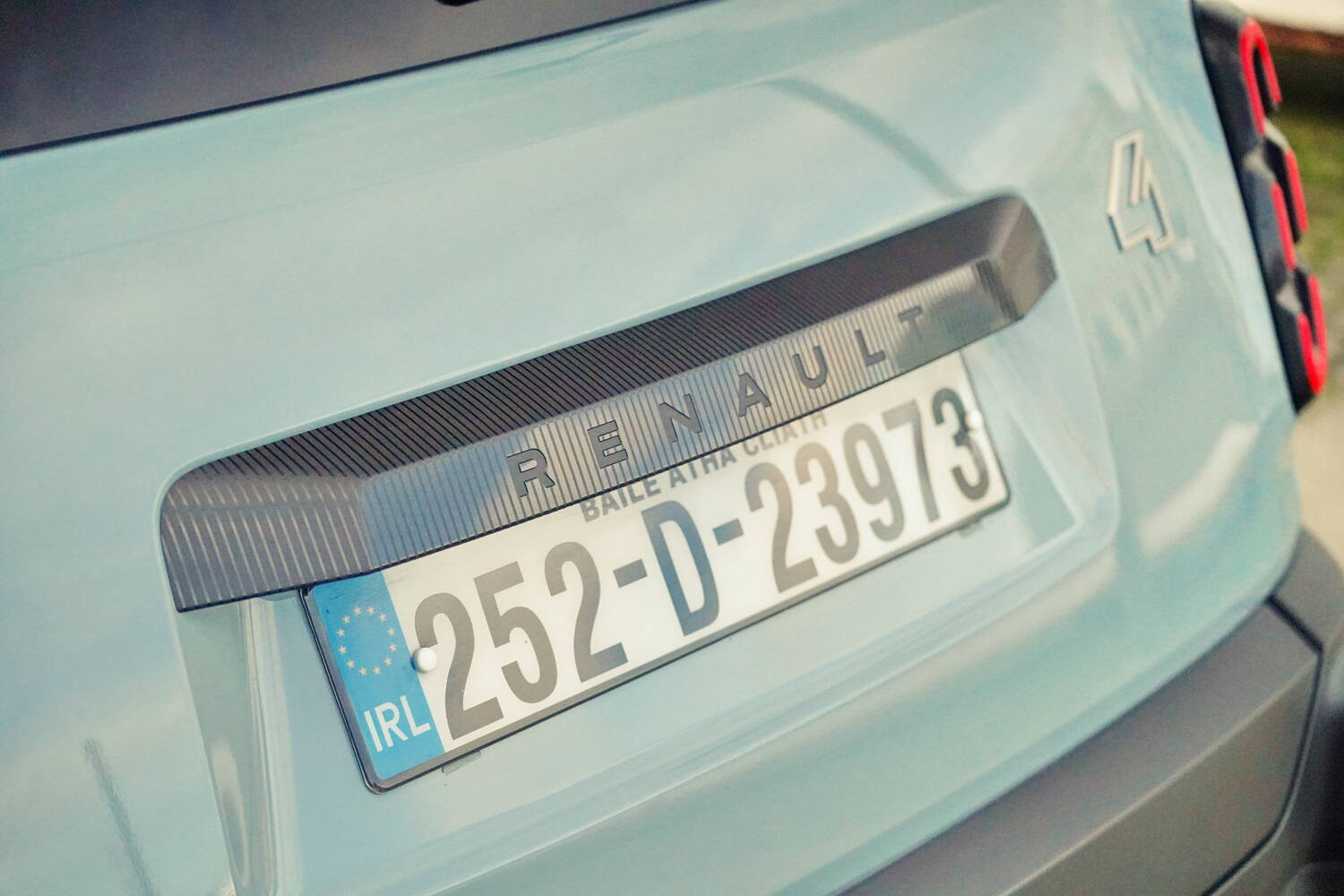
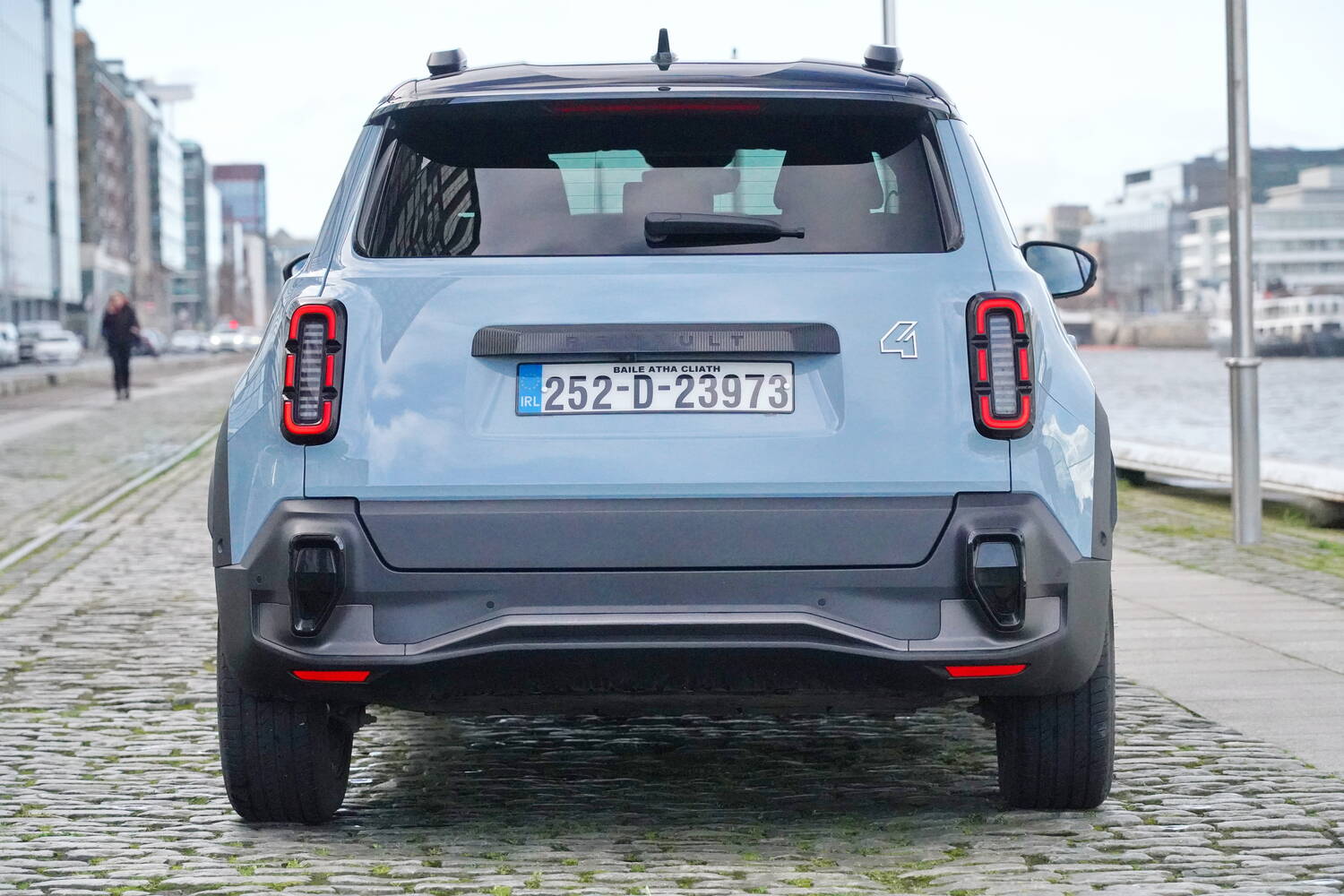
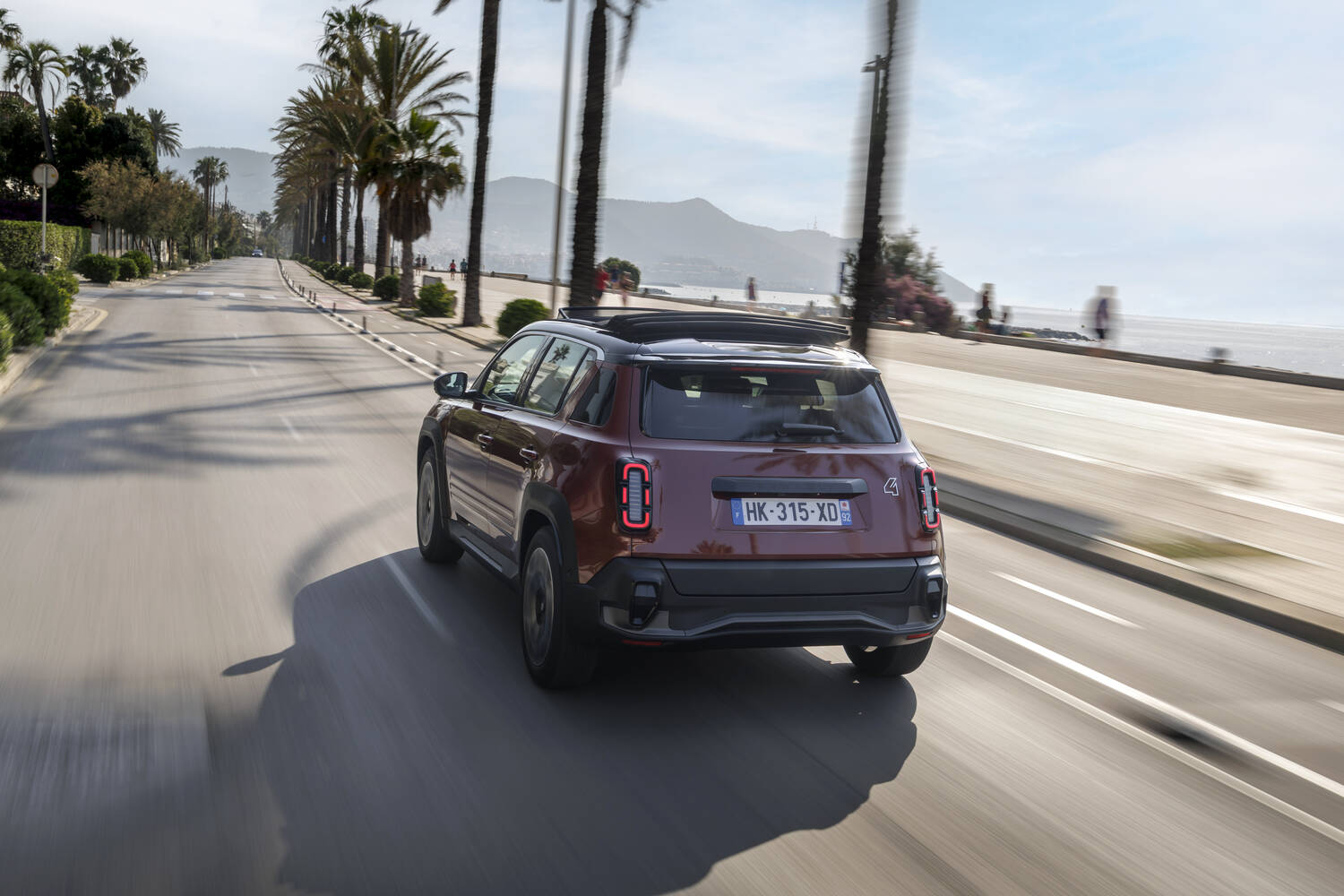
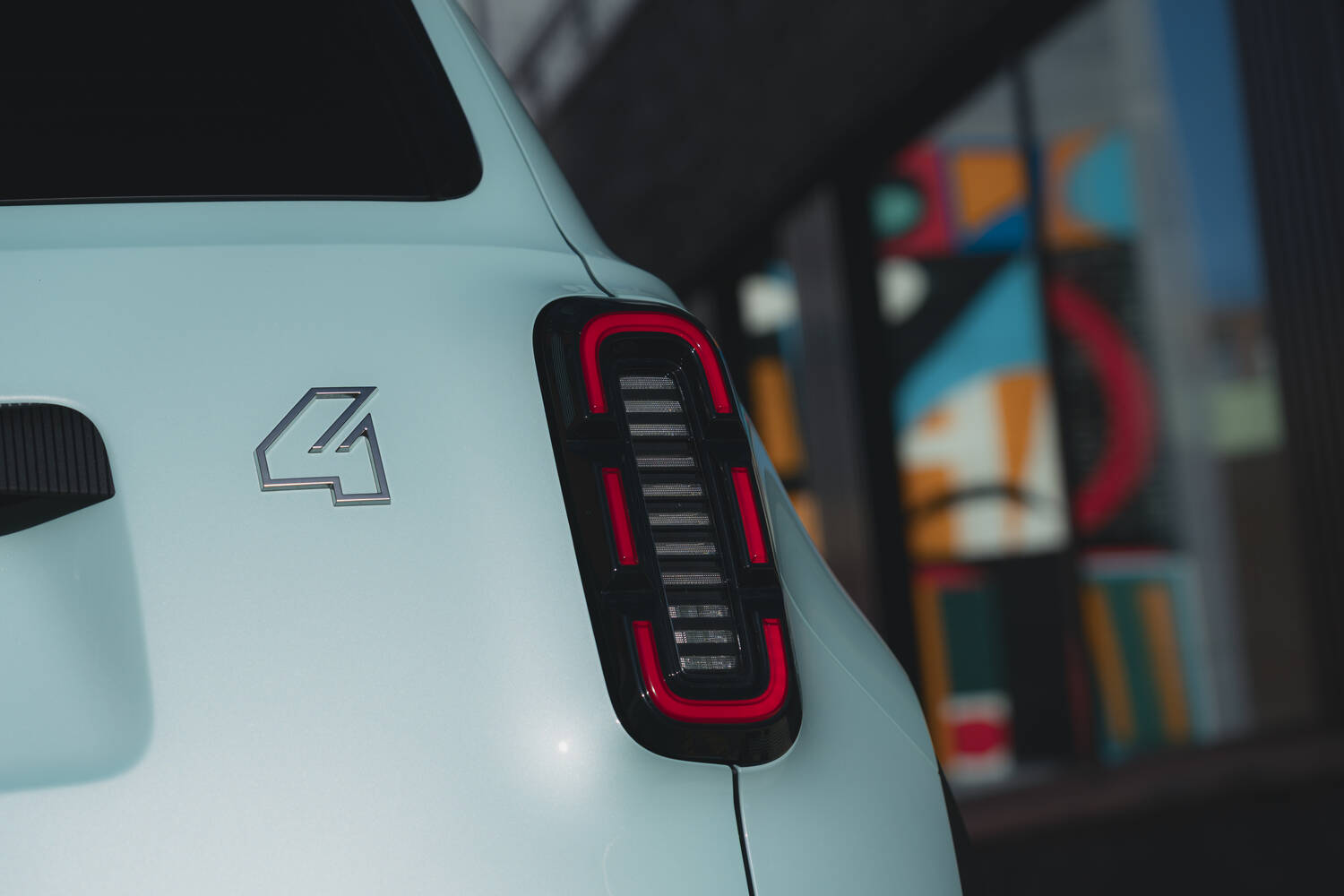
At the rear is arguably the best styling touch - the brake light and indicator, set into an oval lozenge shape that's a steampunk dead ringer for the original.

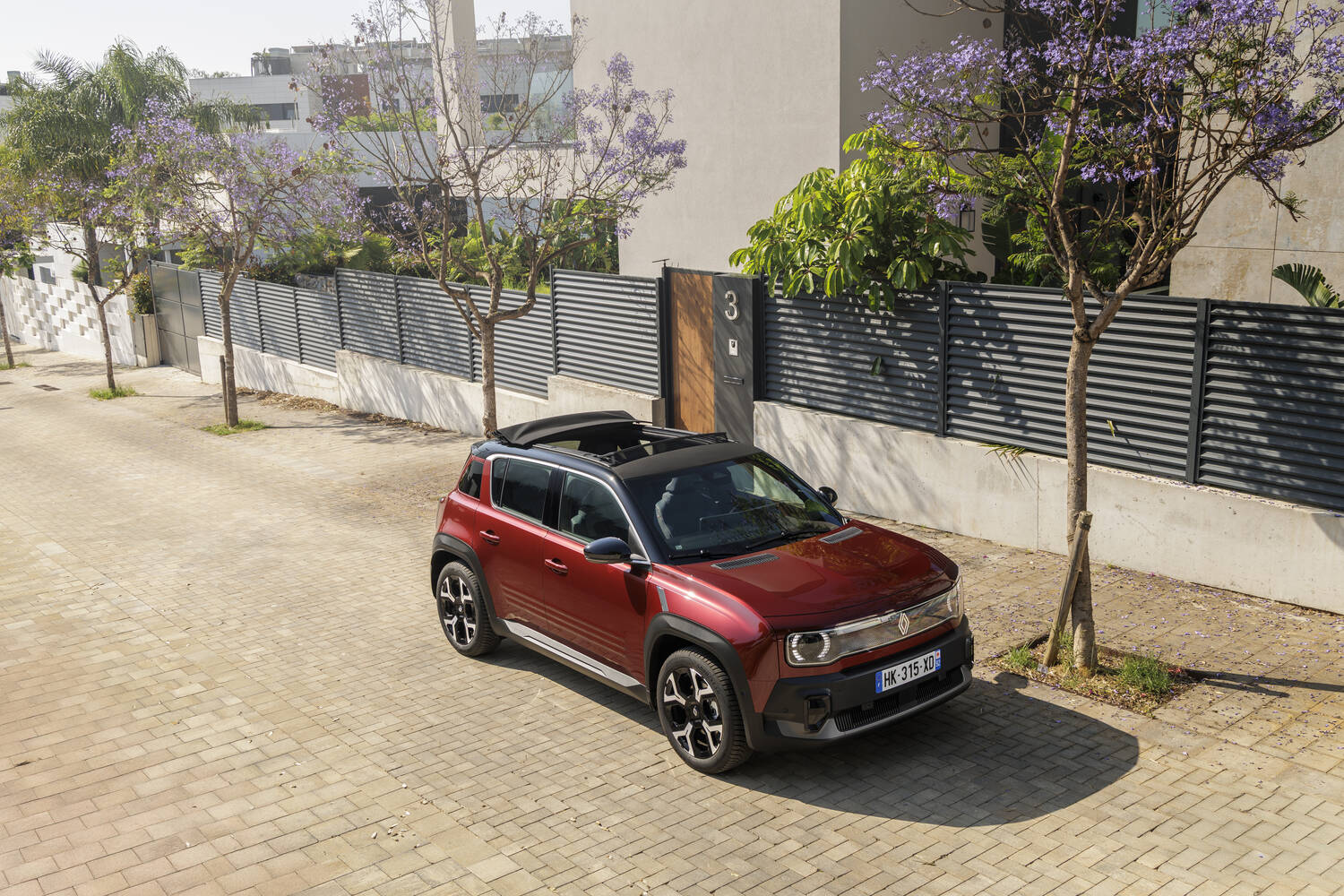
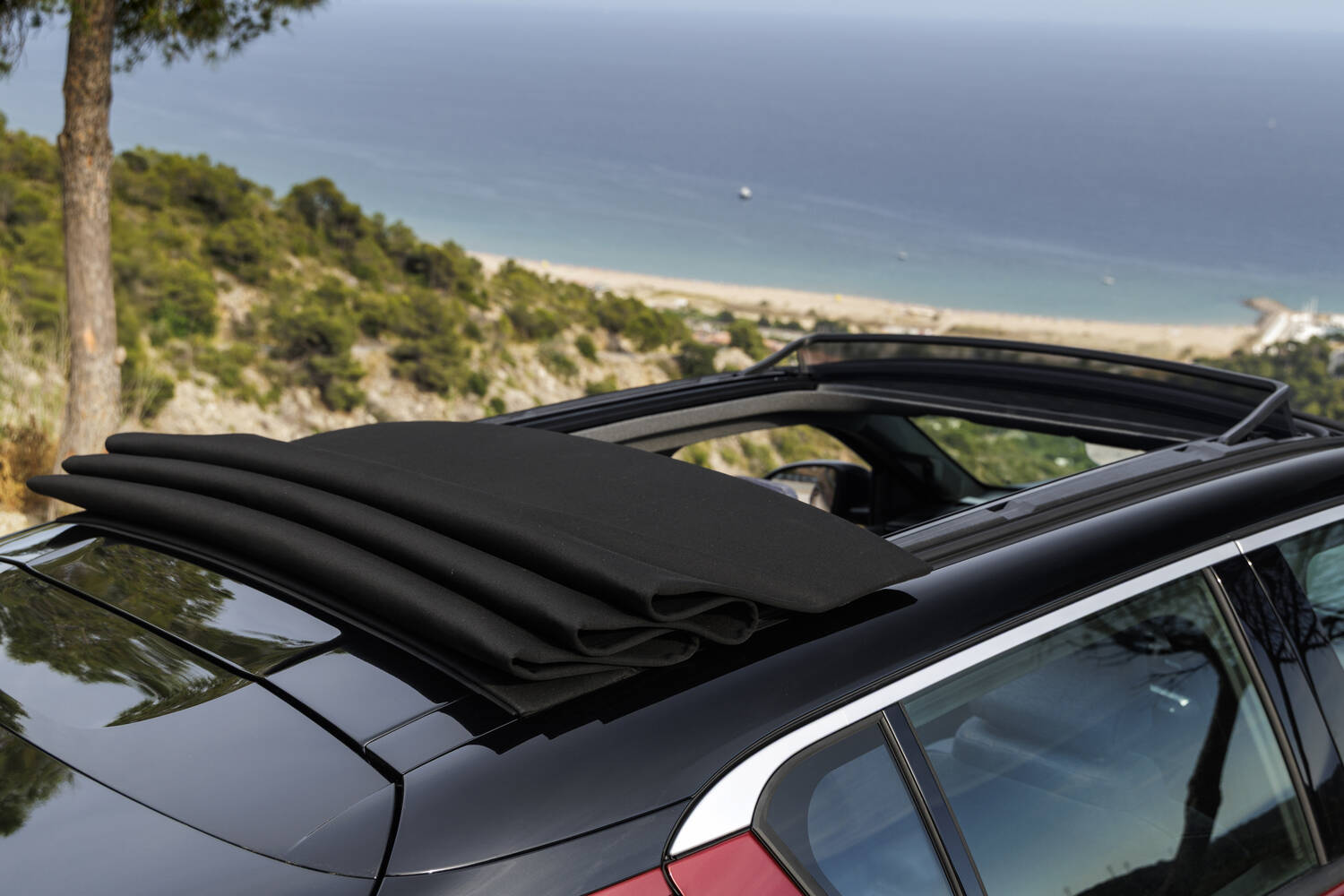
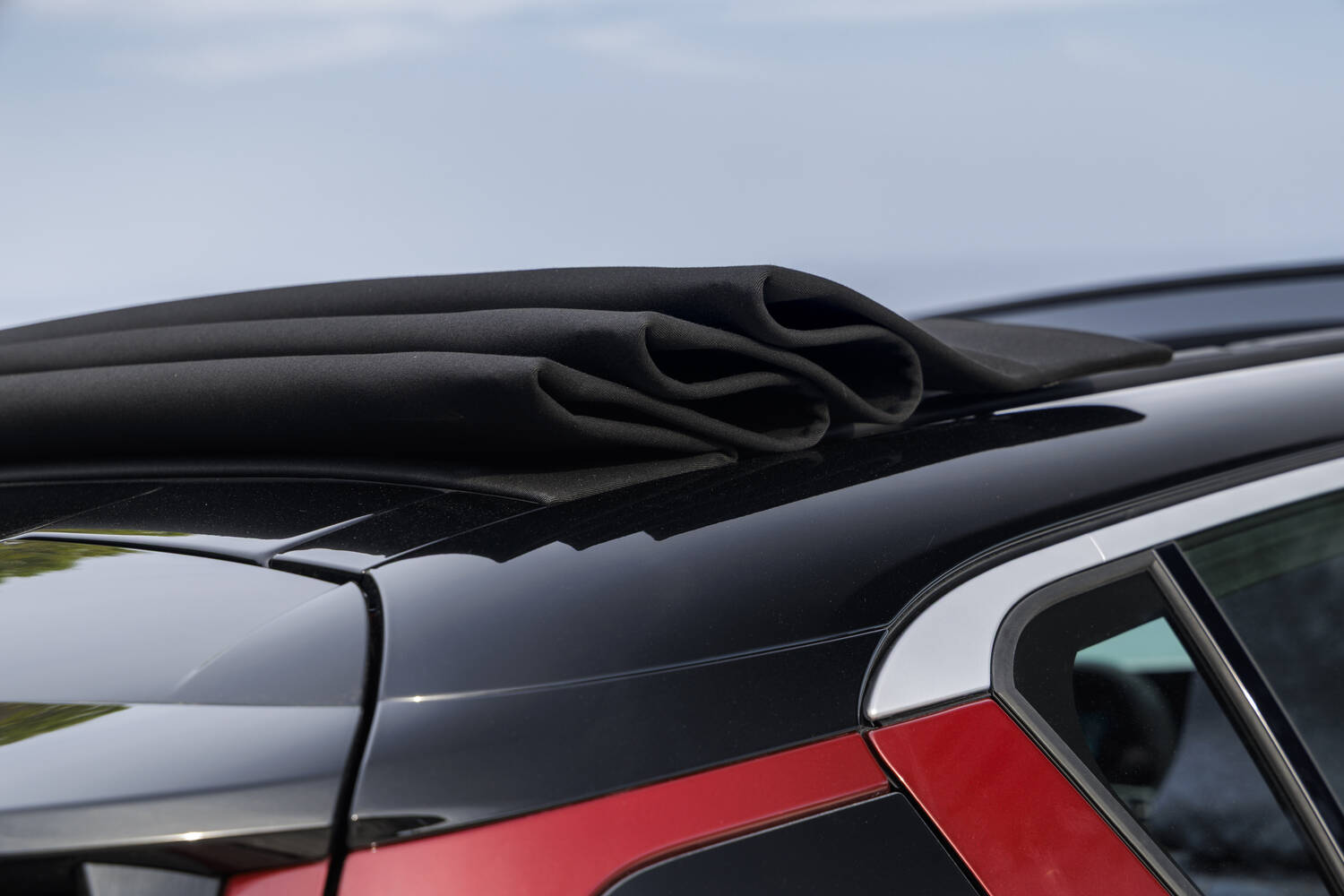
There's more, such as the crinkly side panels and the option of a full-length canvas sunroof. But does the Renault 4 do as good a retro job as the Renault 5?
The 5 is more obviously cute, more dynamic looking and sportier. So it's the winner. Well, maybe... For me, it's not so clear cut. As with many Irish families, a Renault 4 was once upon a time our daily transport, and I have fond memories of my mother's bright yellow example. It was the first car I ever drove.
So maybe it's just the romantic in me, but I prefer the look of the 4 to the 5. I like the former's slightly more utilitarian style (was the original 4 the first crossover? It just might have been...) and in the right colour, this is a really good-looking car.

Dimensions of the 2026 Renault 4
- Length:
- 4,144mm
- Width:
- 1,808mm
- Height:
- 1,552mm
- Wheelbase:
- 2,624mm
Paint colours for the 2026 Renault 4
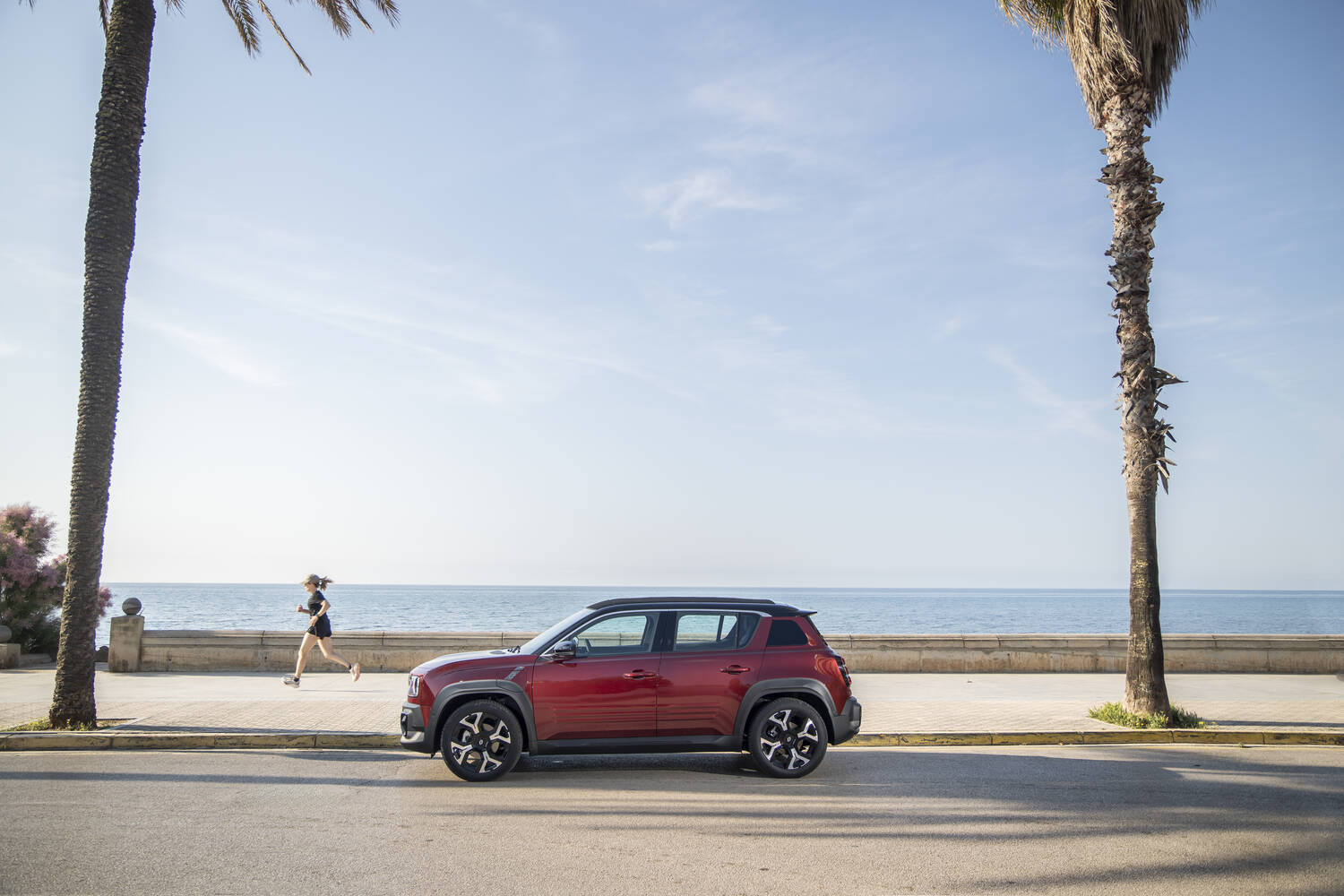
Impressively, Renault gives you the rather gorgeous, deep, Carmin Red paint free of charge if you're buying an entry-level Evolution model, or a mid-spec Techno. If you're stepping up to top-spec Iconic, then you can have Carmin Red with a contrast black roof (and, if you like, bonnet) free of charge.
You'll pay €650 for Diamond Black, Urban Grey or Glacier White in Evolution spec. If you're buying a Renault 4 Techno, then it's the same €650 for Diamond Black, Glacier White, Hauts-De-France Green, Cumulus Blue or Terracotta.
Oddly, Urban Grey costs €1,050 in Techno trim, but you can have the contrast black roof and bonnet for no extra cost. Stepping up to the black roof and bonnet costs €1,050 for all the other paint colours.

When you move up to Iconic trim, all of the paint options - with or without the black roof or the black bonnet - cost €650 except for Terracotta, which can only be had with the contrast colour roof.
There's also the option of roof, bonnet and trim decals, in either yellow or pale blue, and those cost €500.
For the Renault 4 Plein Sud, with the exception of the roof (obviously), there are no sheet metal changes and the same colour choices are available. However, it isn't possible to specify the bonnet decorations as these usually come with a matching roof part.
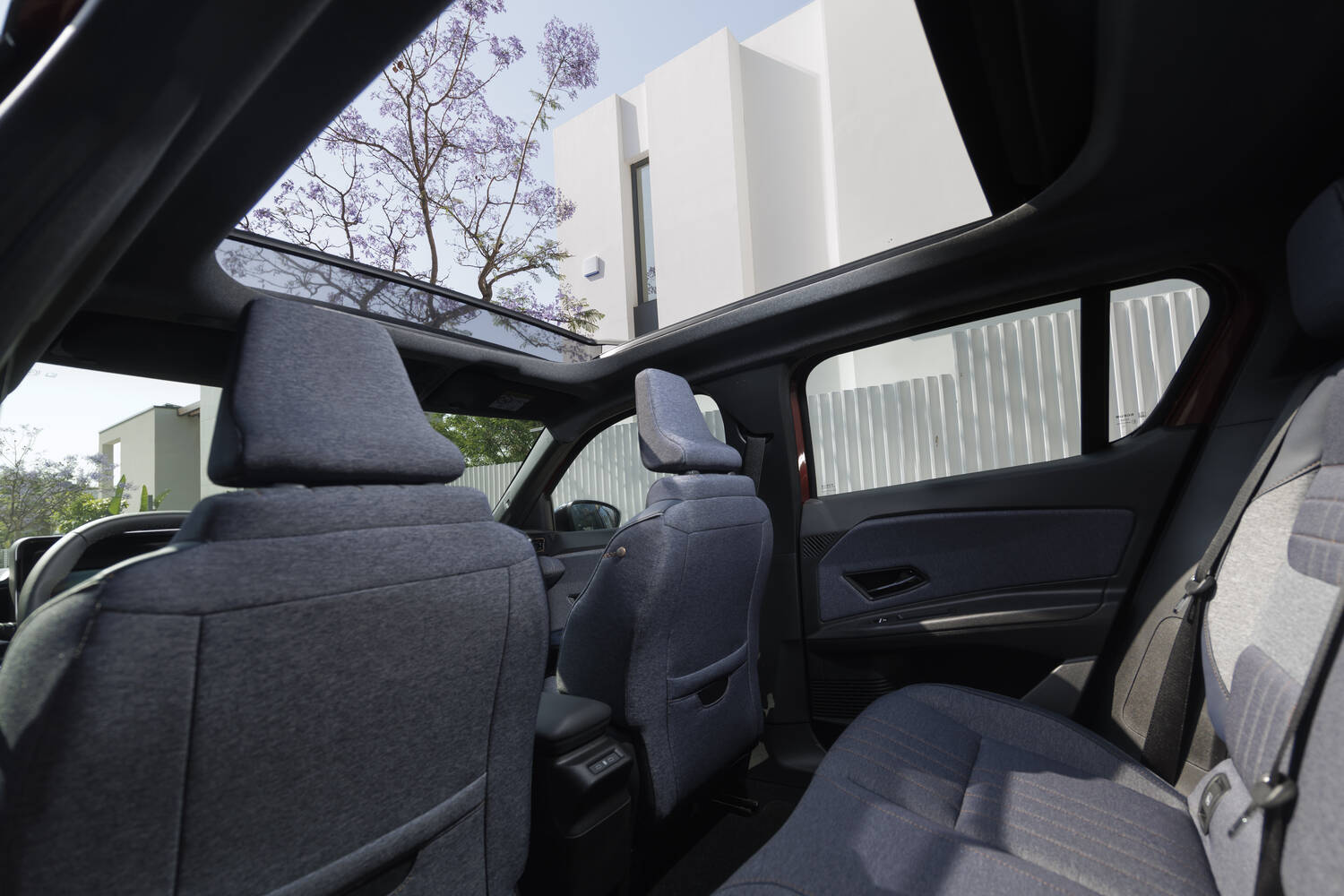
That retractable roof measures 92cm long and slides back on itself to create three folds. That design means that it doesn't impact on rearward visibility, but nor does it add any significant height to the car.
Interior, practicality, tech & comfort of the 2026 Renault 4
- Useable space
- Good mix of tech and buttons
- Excellent boot space

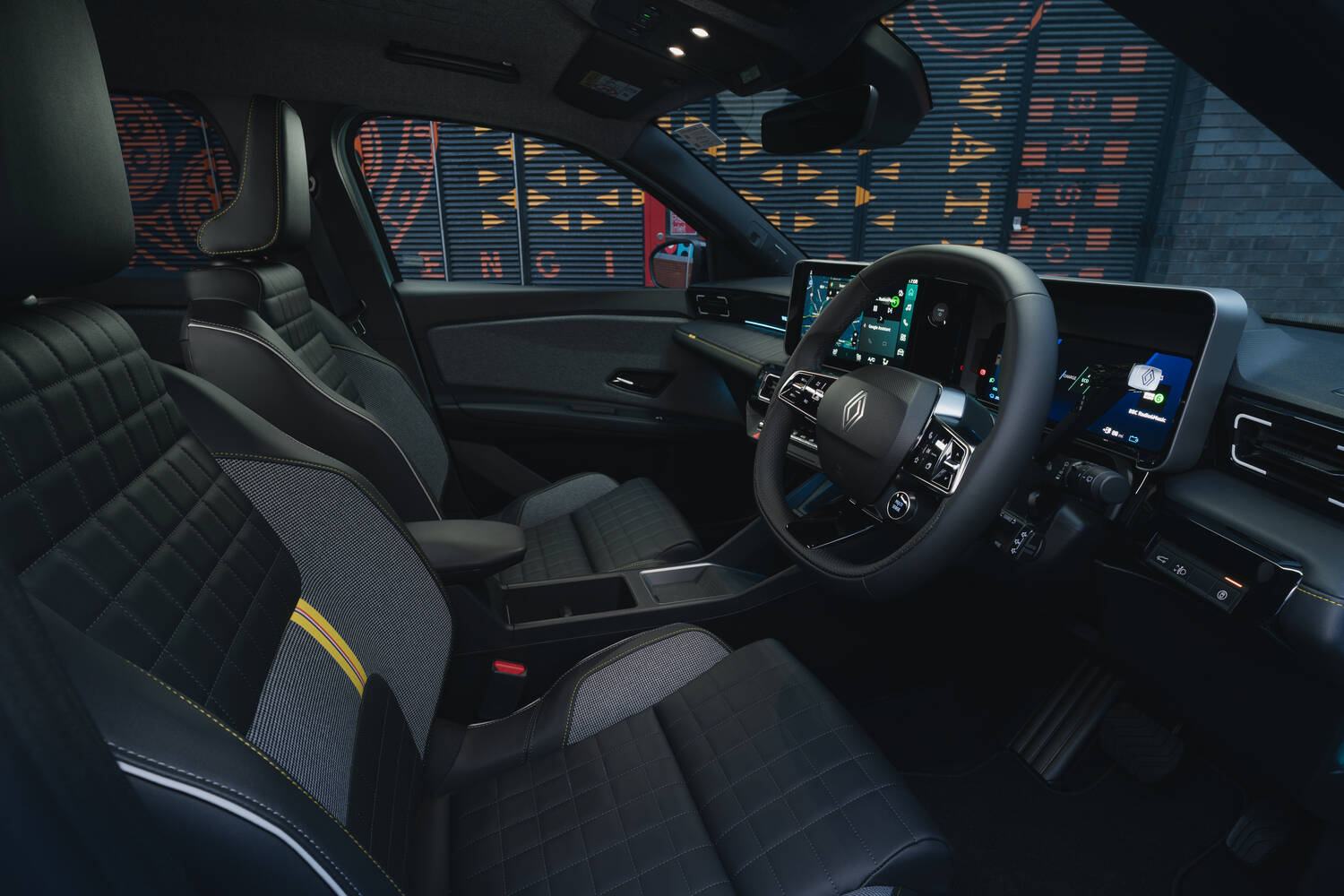
The general idea is that the Renault 4 is to the Captur as the Renault 5 is to the Clio - stylish all-electric alternatives. However, while the 4 is most definitely more practical and useful than the 5, don't go expecting it to be a huge family car, either.
Getting comfortable in the driver's seat
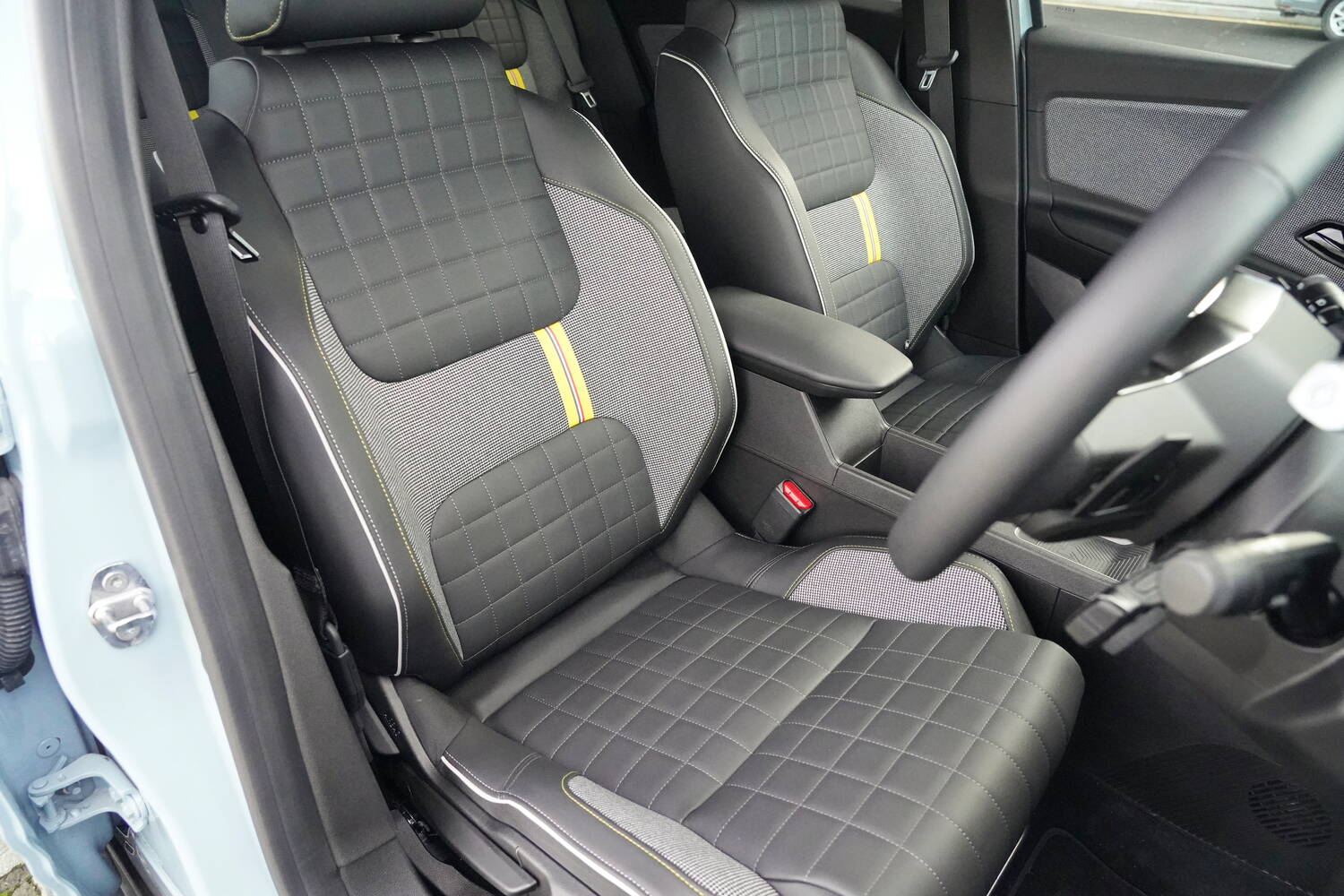
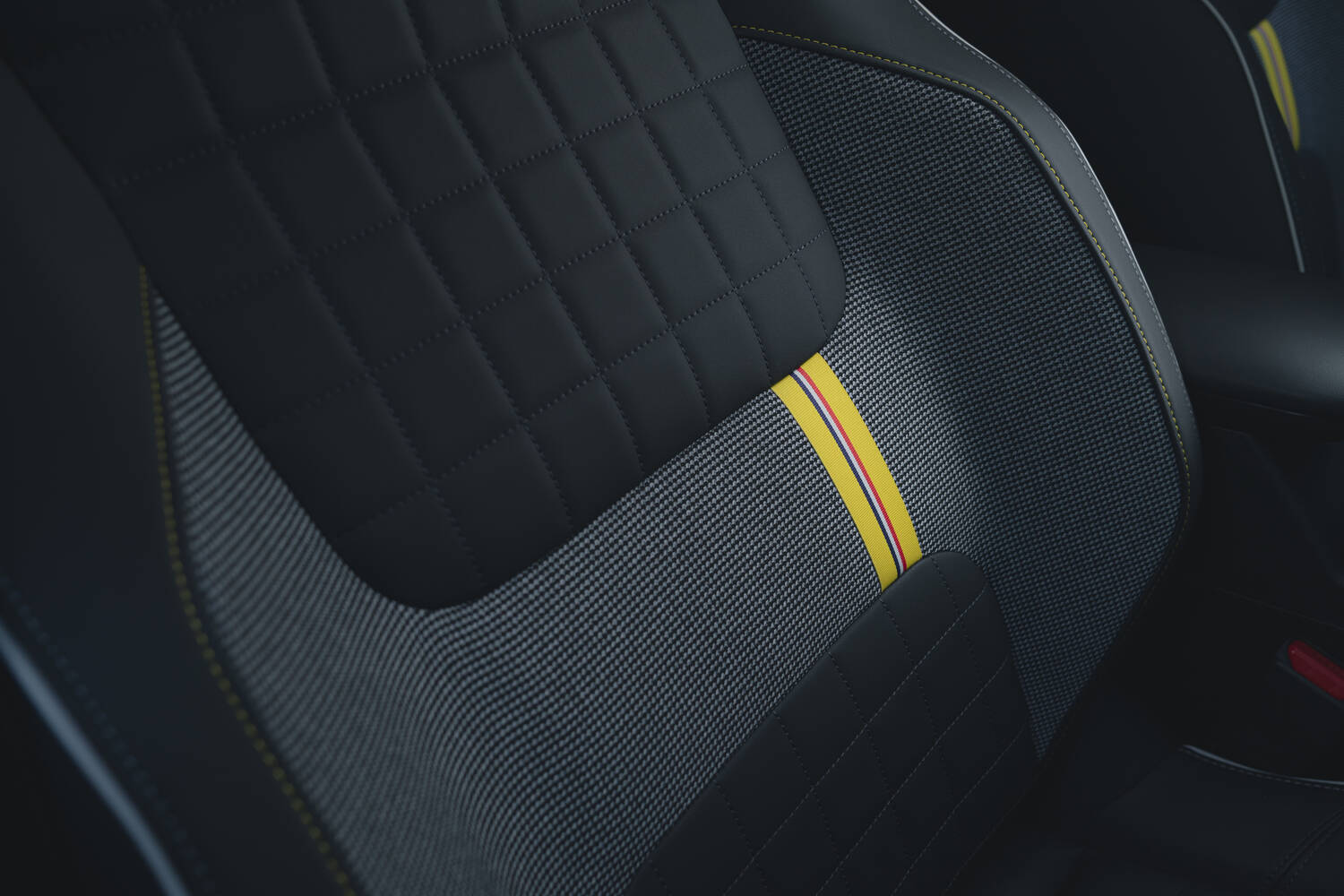
The Renault 4's front seats are comfortable, but if you're as broad in the beam as I am, you might find them a touch narrow. Don't forget that the 4 is based on a compact car platform.

The driving position is pretty good though, with plenty of adjustment in the steering wheel, even if I'd like a little more fore-aft movement in the seat.
Visibility, in spite of a slightly low-hanging roof, is good and helped in tight situations by the extra glass sections in the D-pillars.
An added benefit of choosing the Renault 4 Plein Sud over the fixed-roof model is that its design also creates slightly more headroom (20mm) in the front even when the roof is closed.
Infotainment and technology
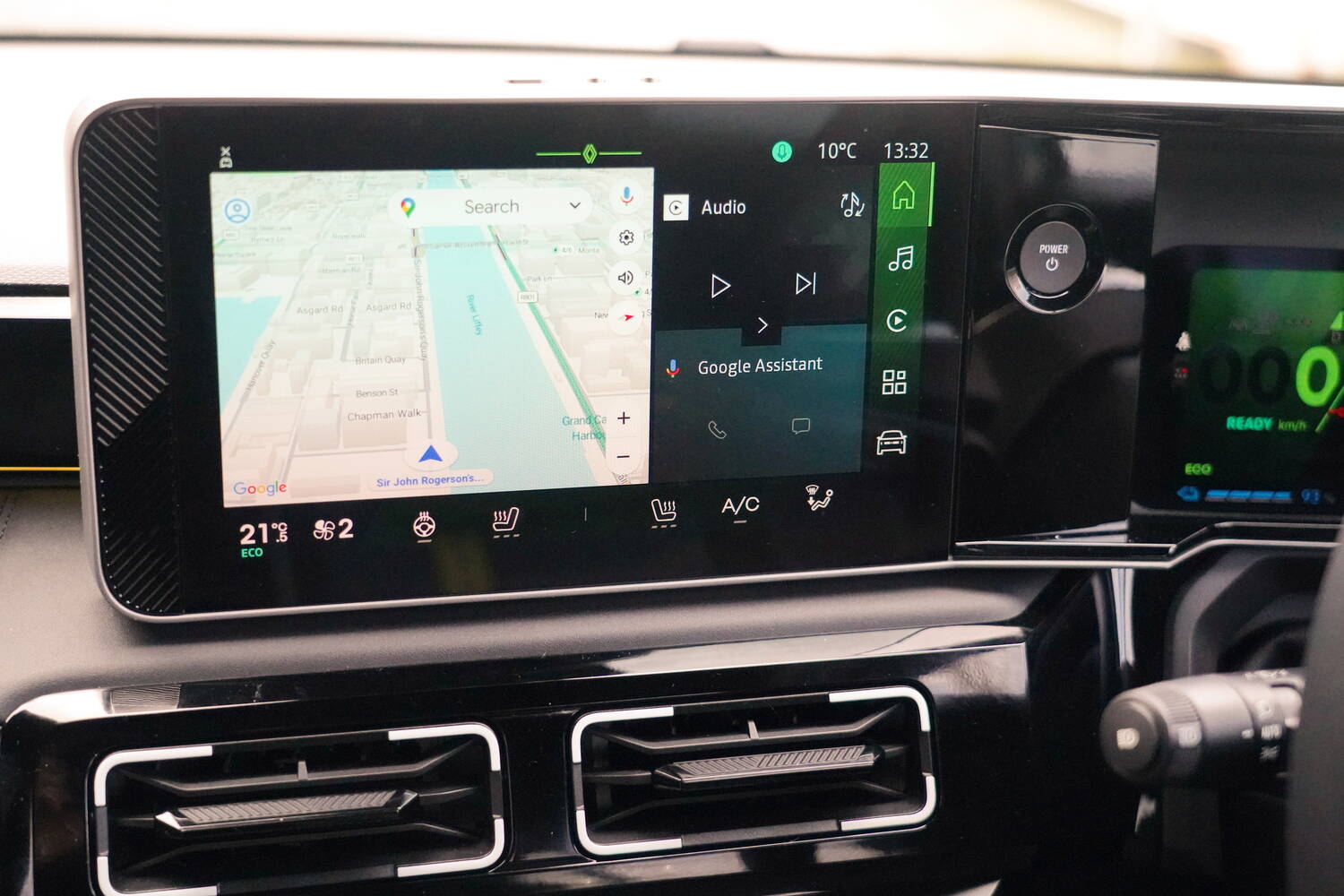
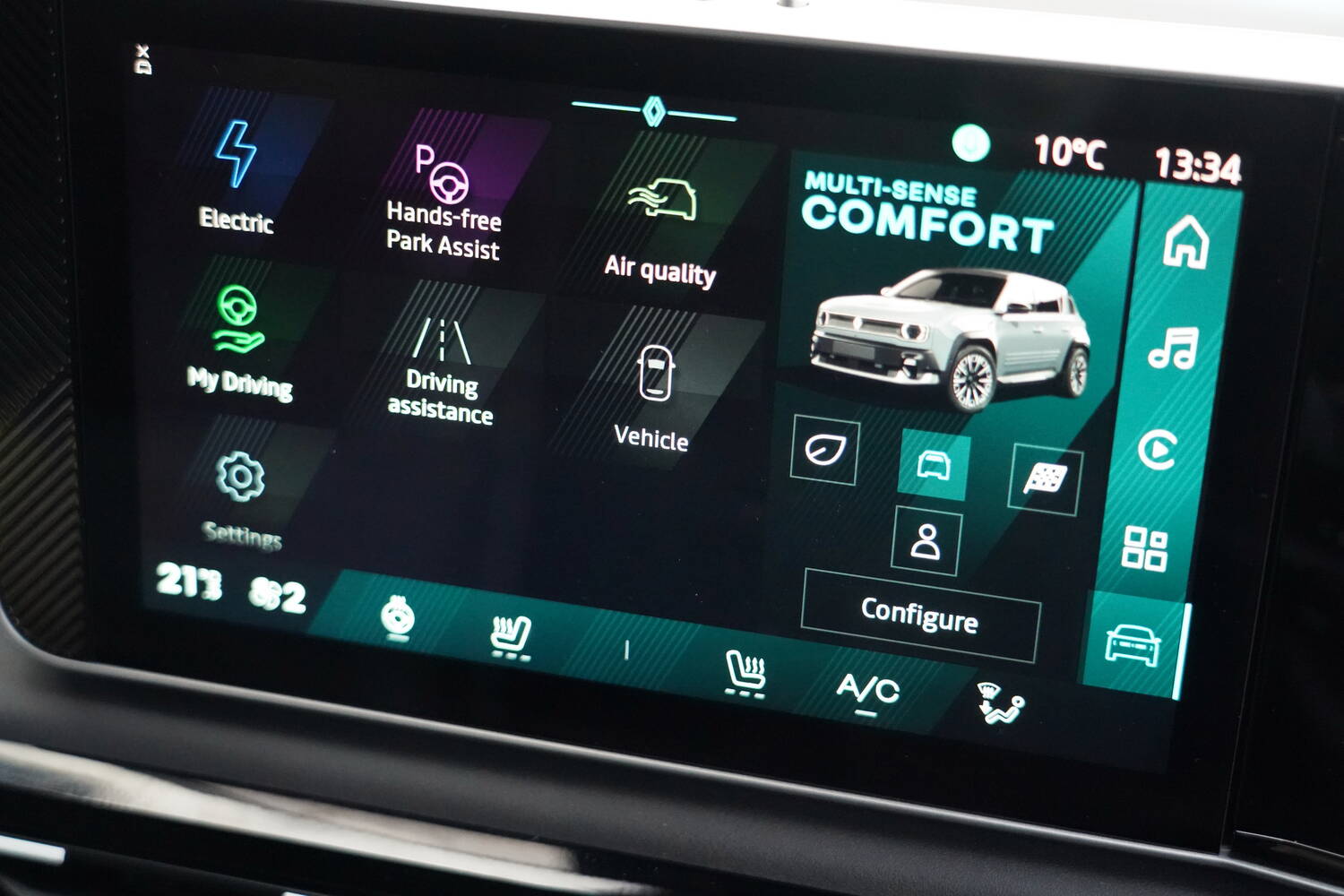
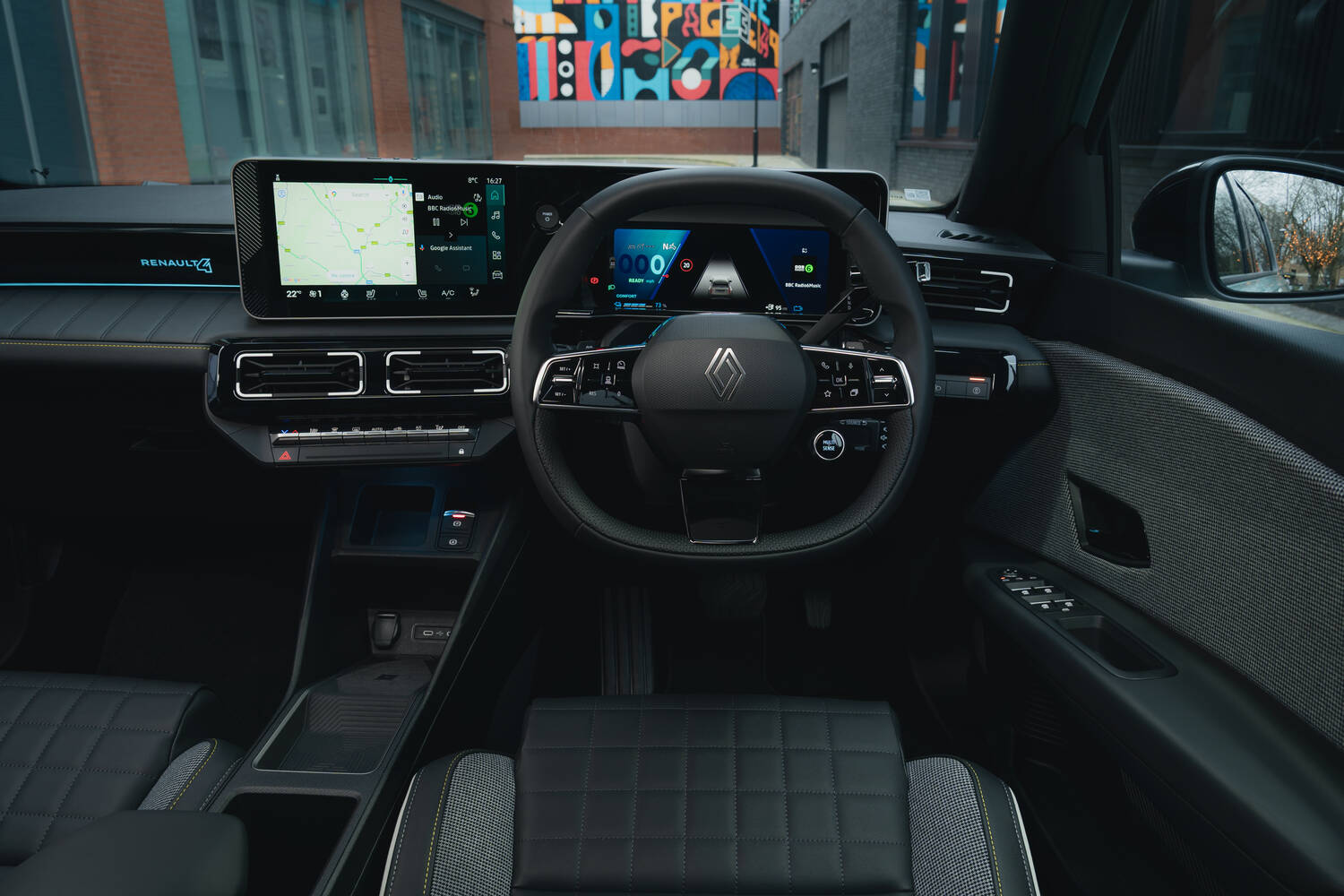
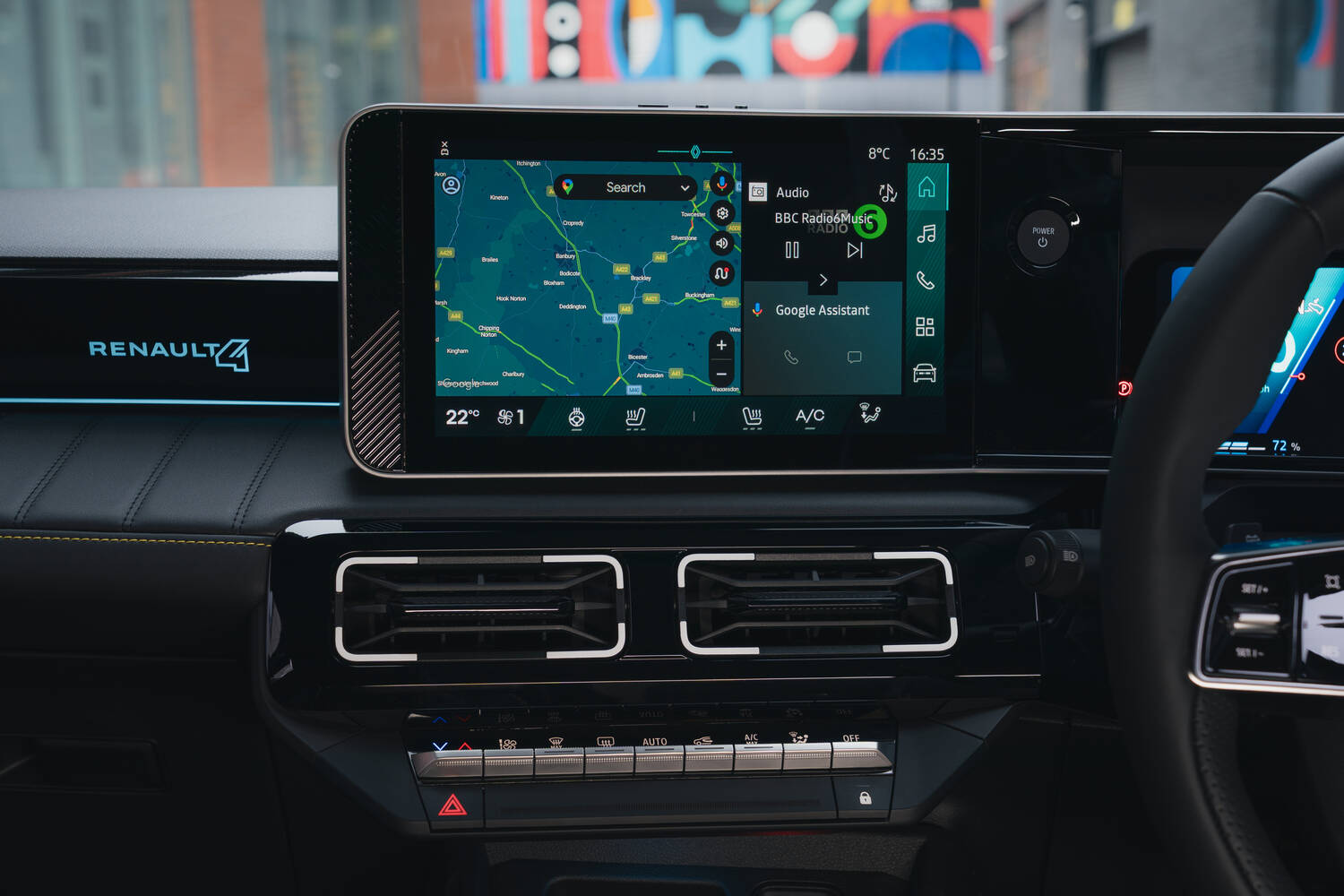
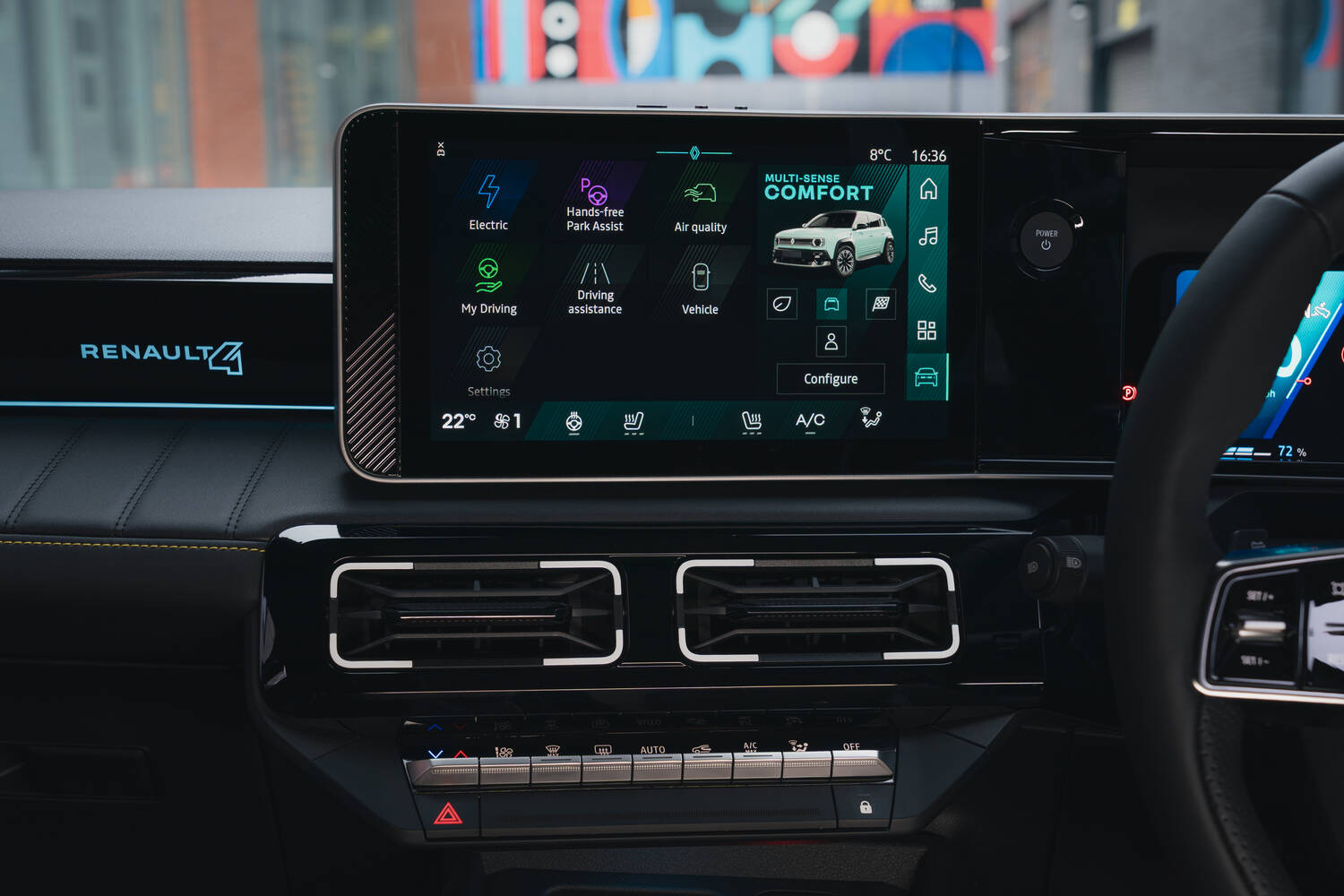
The 10-inch central touchscreen remains one of the best in the business, thanks to its Google-based software that means you get access to built-in Google Maps for the car's navigation (just sign in with your Google ID and you'll automatically have all your favourite and recent destination searches, too), which also takes care of planning charging on longer drives automatically, pre-conditioning the battery as it does so.

You'll also be able to use Google Assistant voice control and have access to the Google Play Store for downloading any extra apps, such as Spotify or Waze.
The Evolution models do without the Google-based software and use a simpler Renault own-brand setup, incidentally.
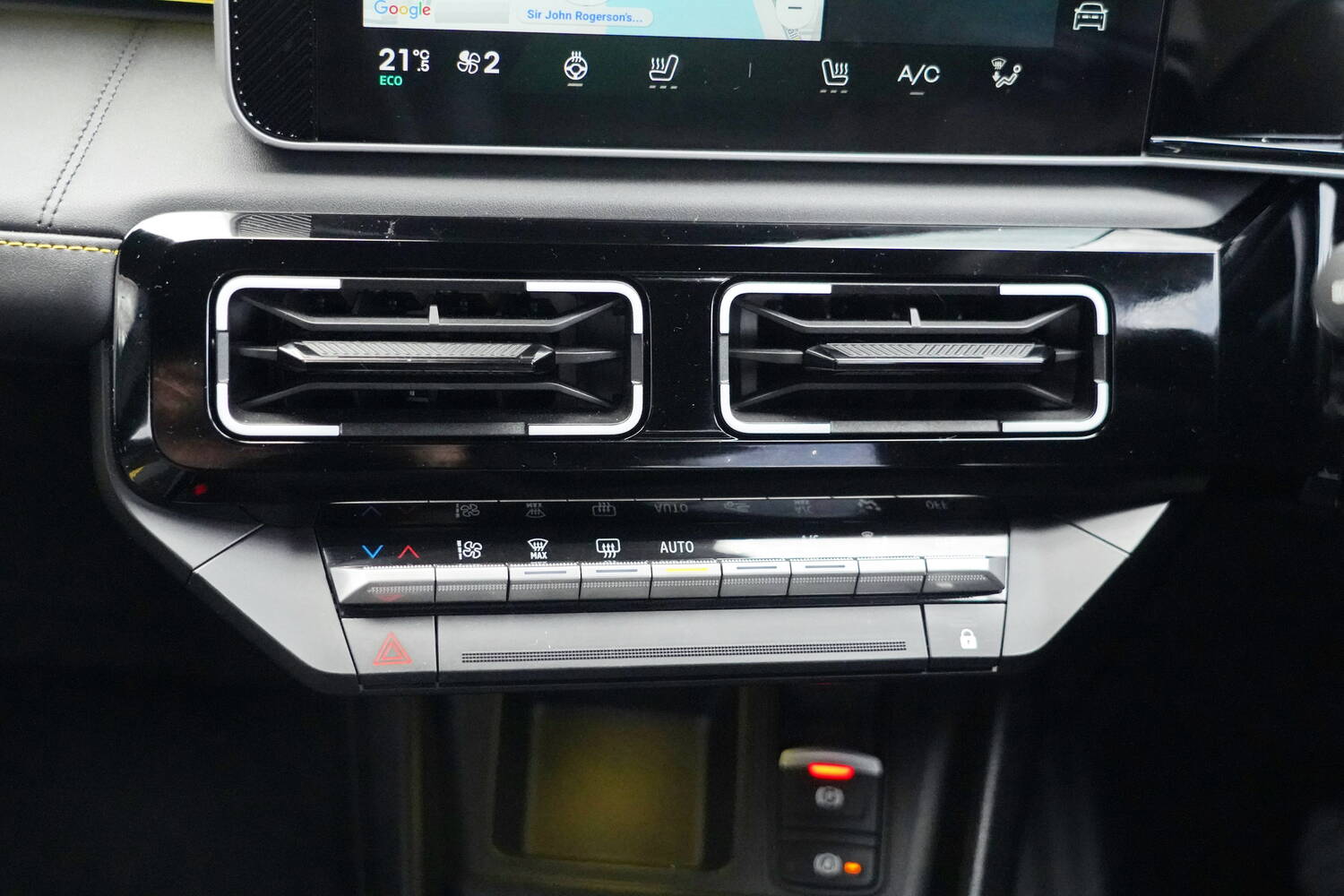
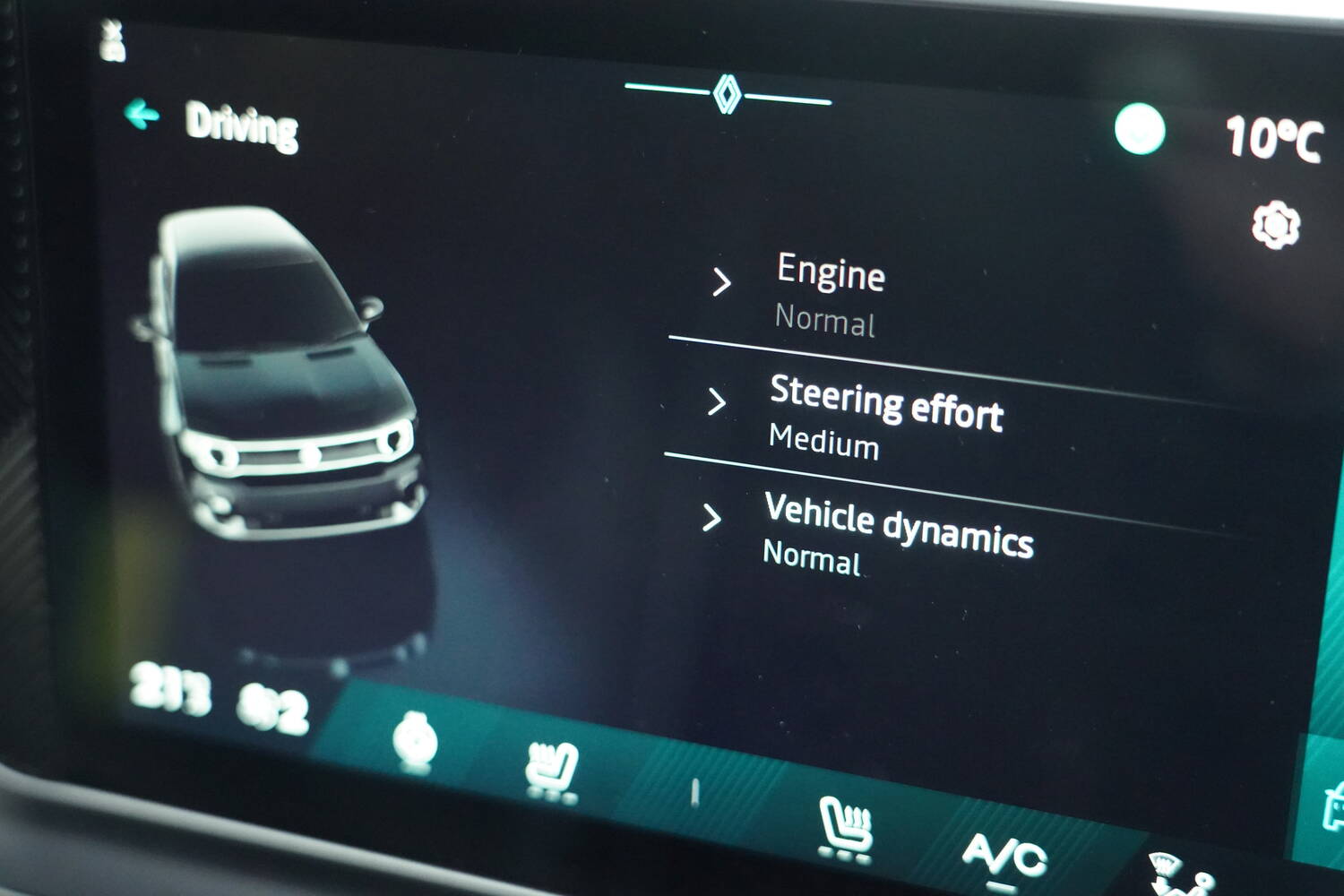
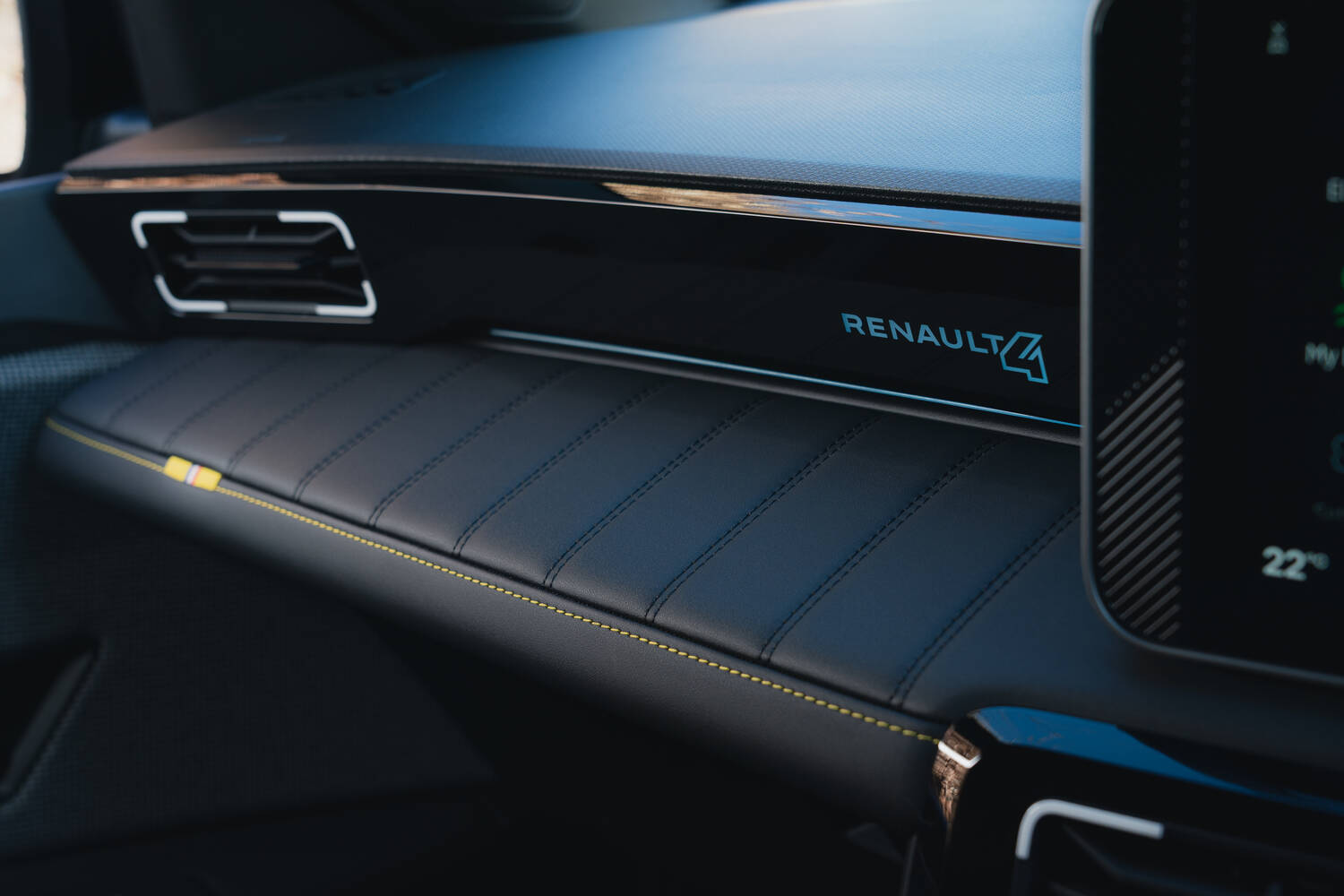
The rest of the on-screen setup is impressively easy to use. Menus are logically laid out, and the fact that Renault has retained proper physical controls for the heating and air conditioning really helps.

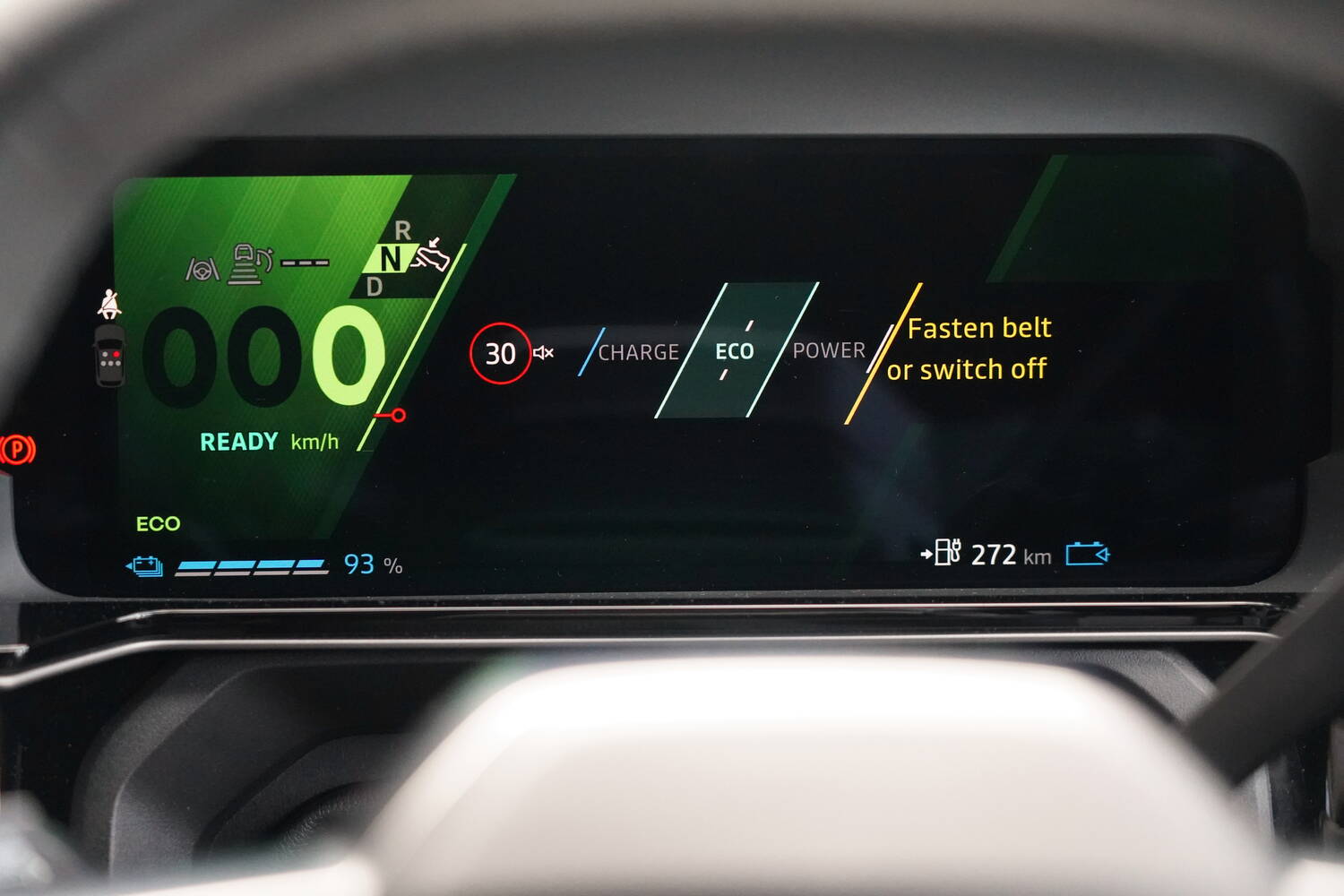
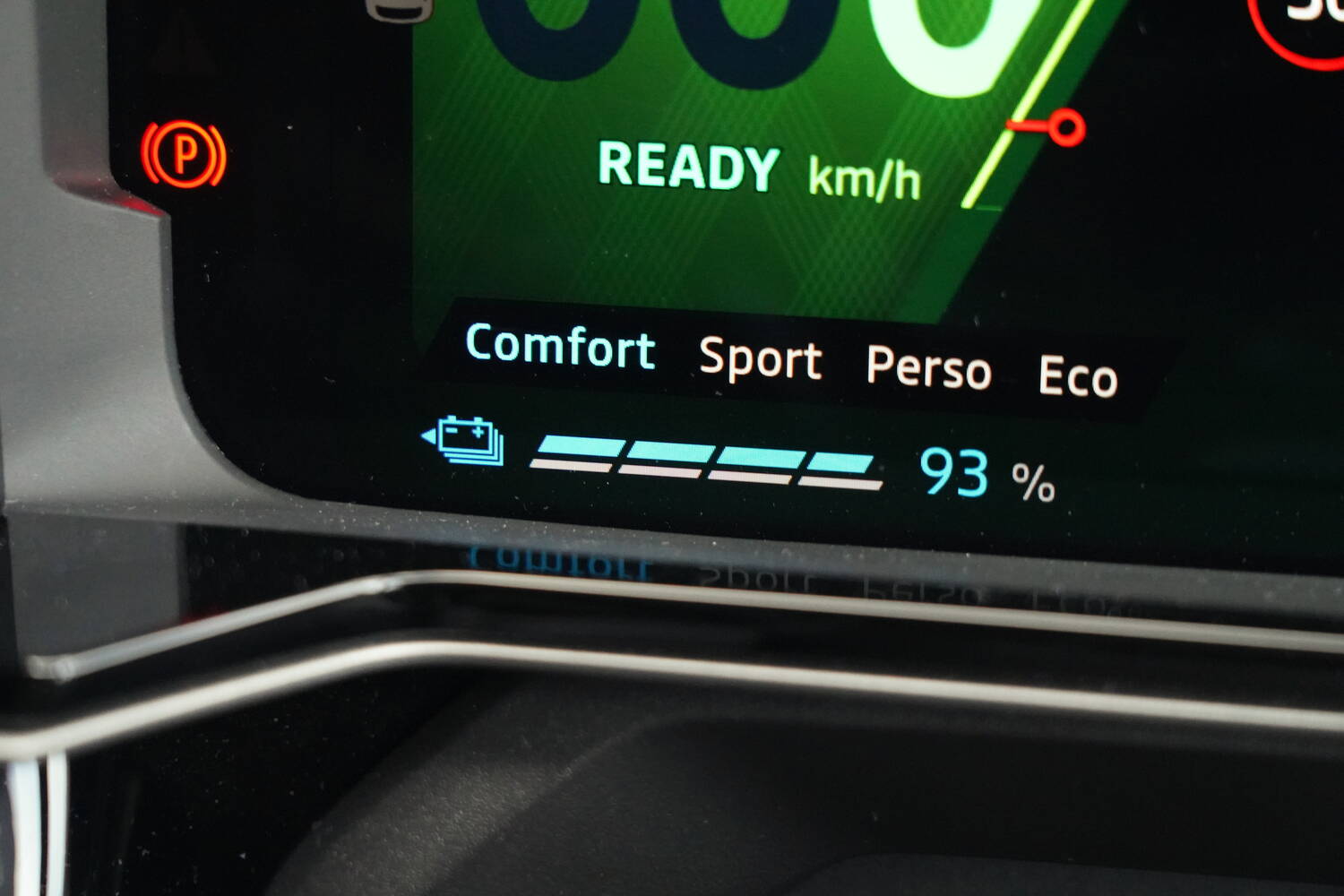
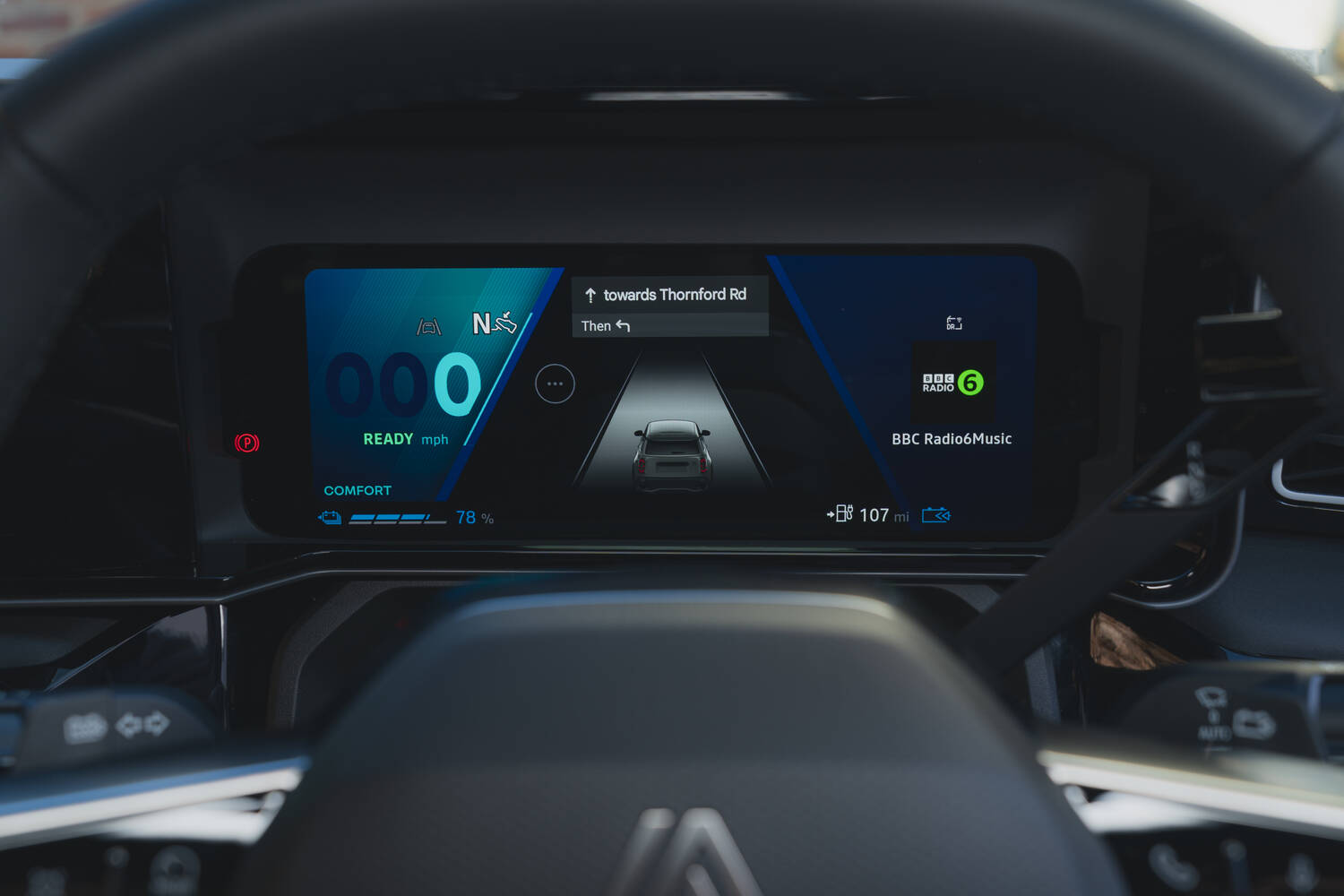
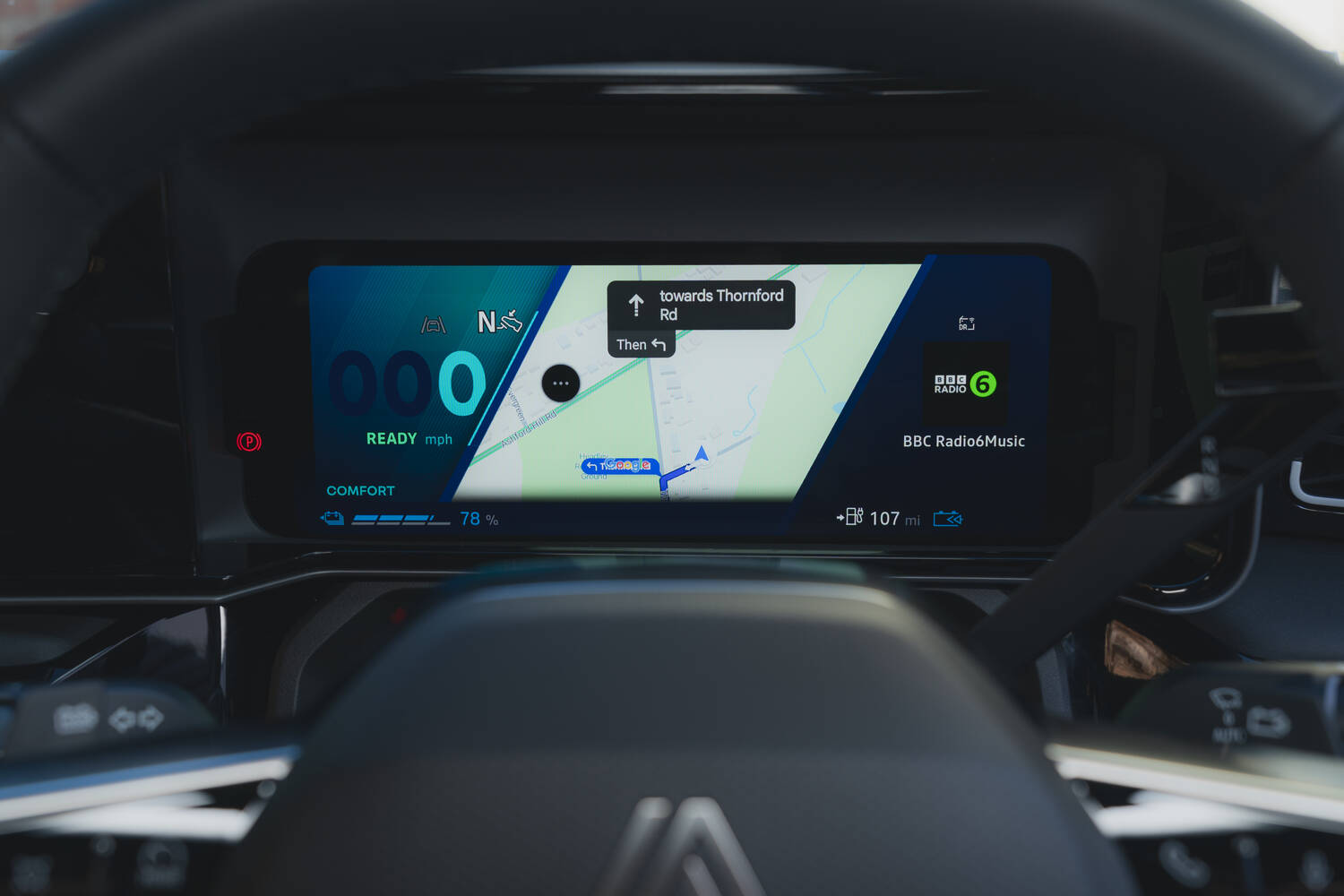
The driver's digital display is equally good, and its background colours change according to which driving mode you've selected. You can call-up a full-size map on the screen if you like or divide up the screen between different trip computer displays.
It's all graphically handsome and works well, and of course the system can receive over-the-air software updates.
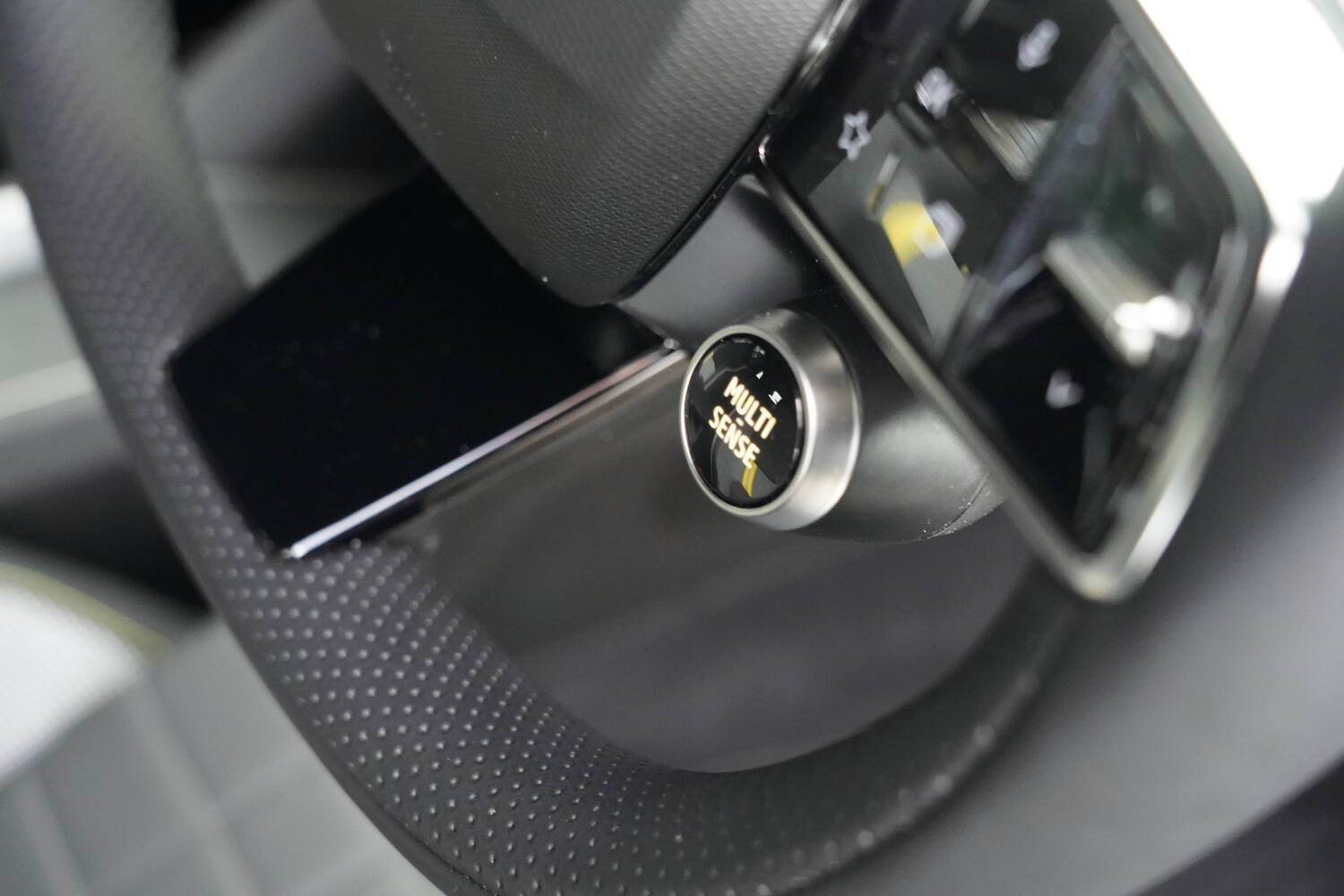
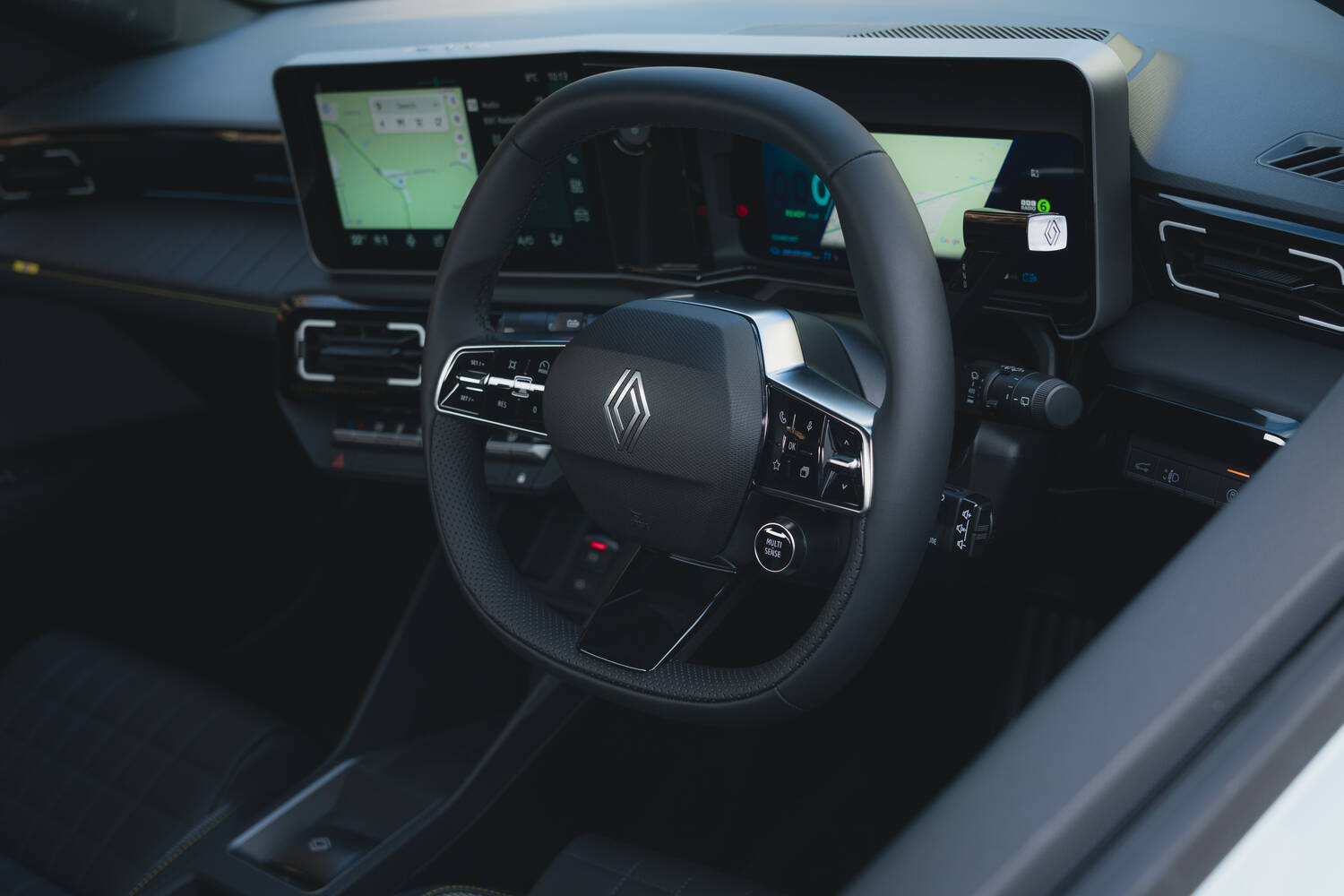
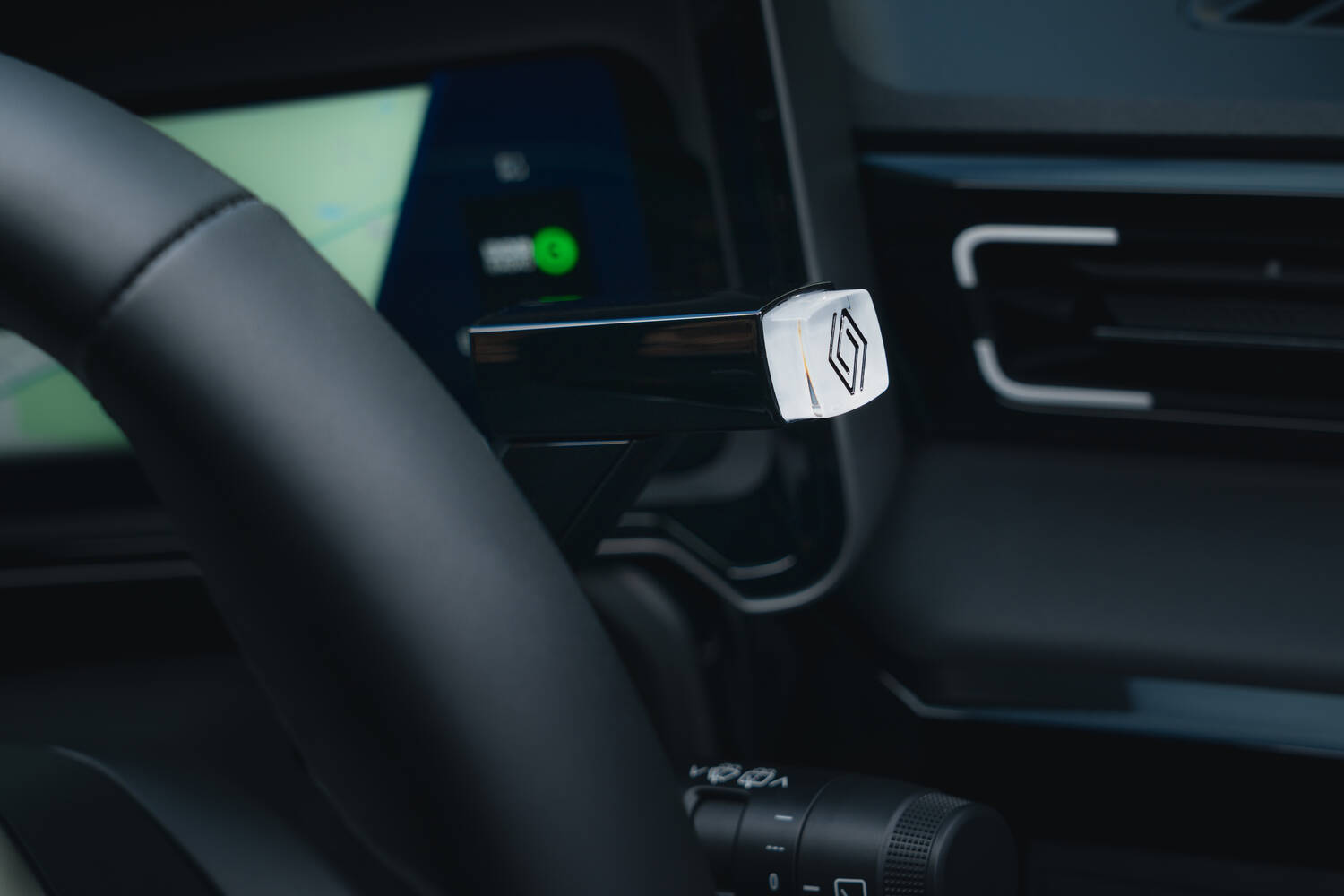
There are handy physical buttons on the steering wheel for the cruise control and the driver's display, and a driving mode button on a separate pod dangling off the left-hand wheel spoke.

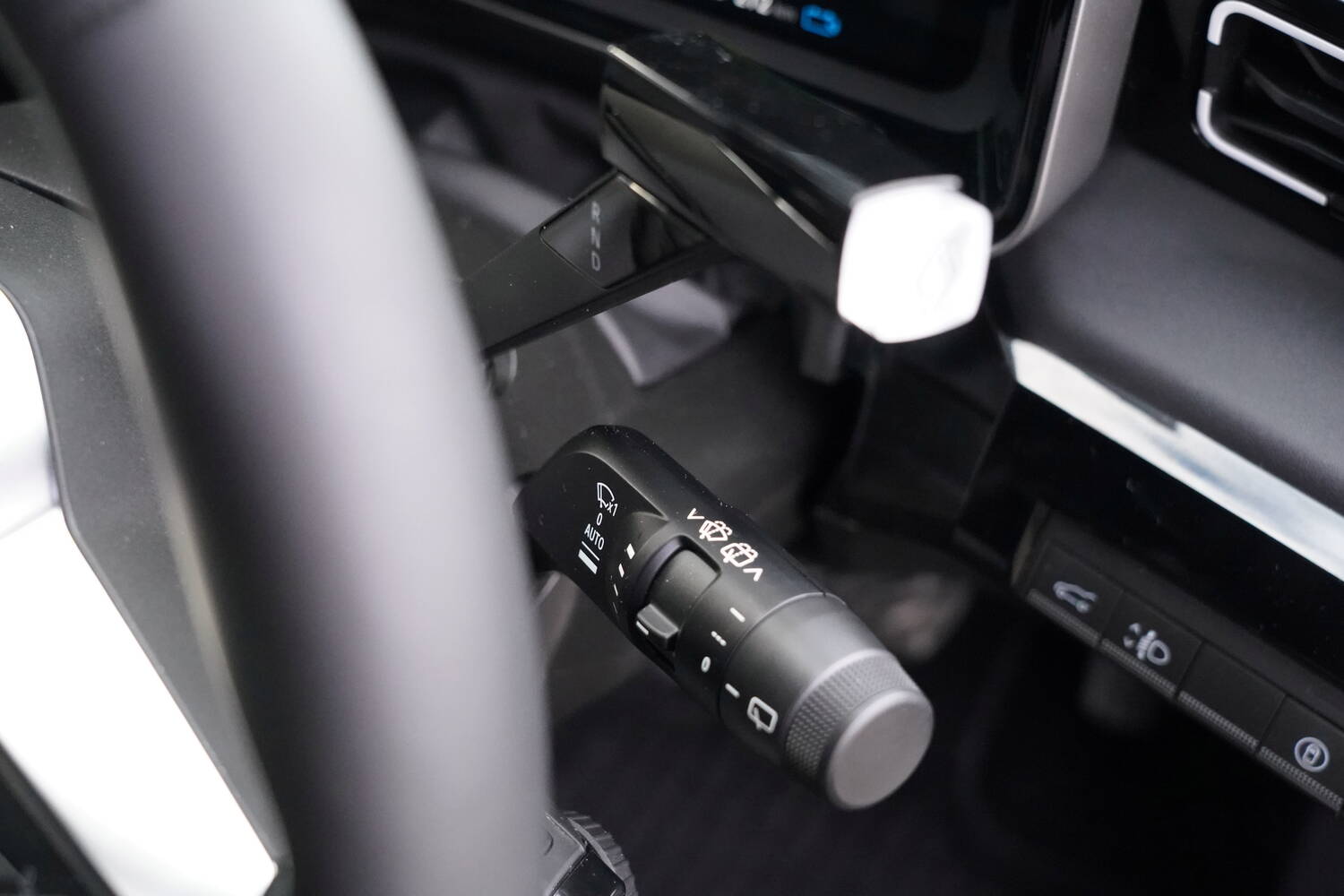
That means the stereo controls are relegated to a column stalk of their own, on the right behind the wheel, which means it has to share space with both the wiper controls and the drive selector, so it does get a bit crowded back there.
Practicality around the cabin
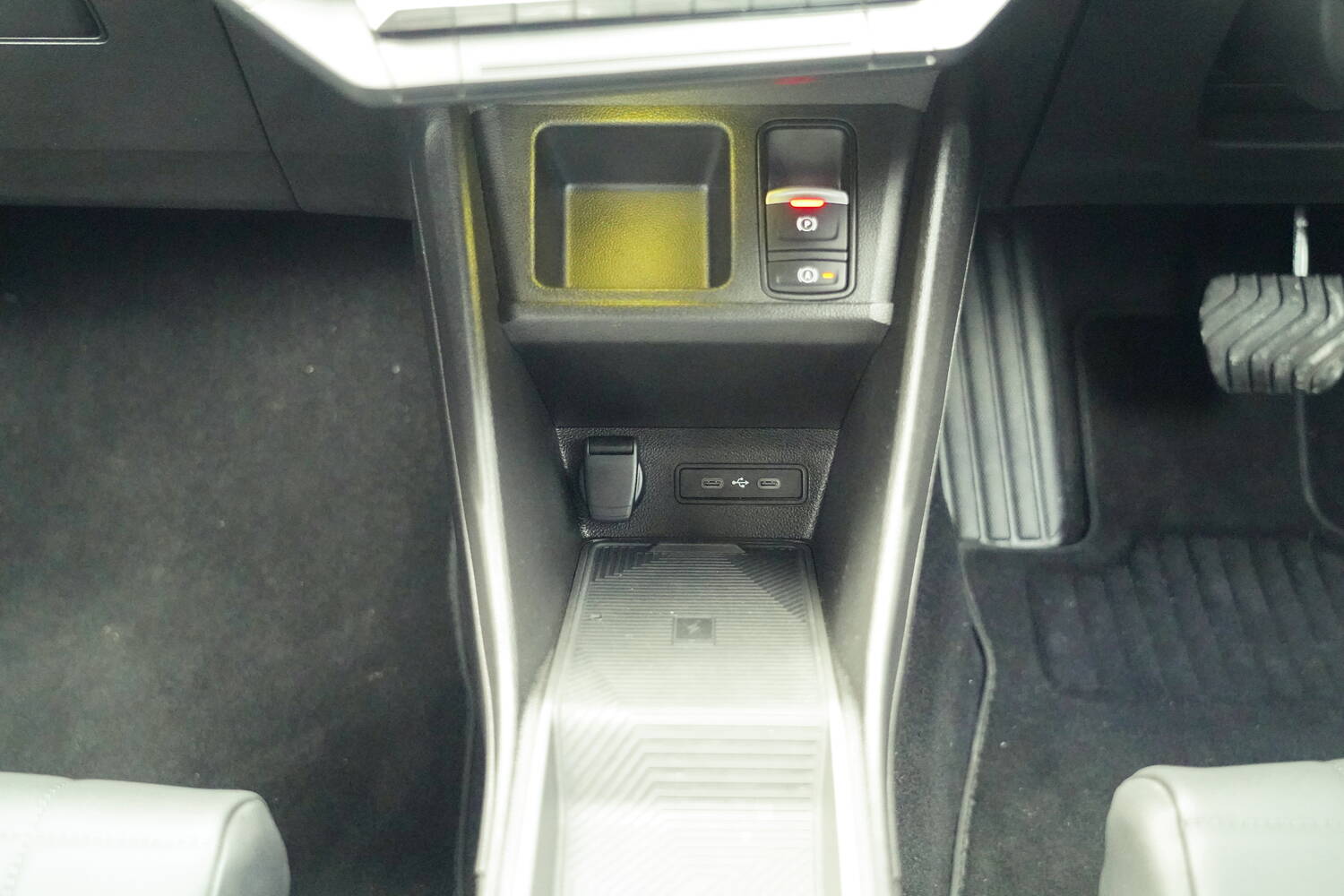
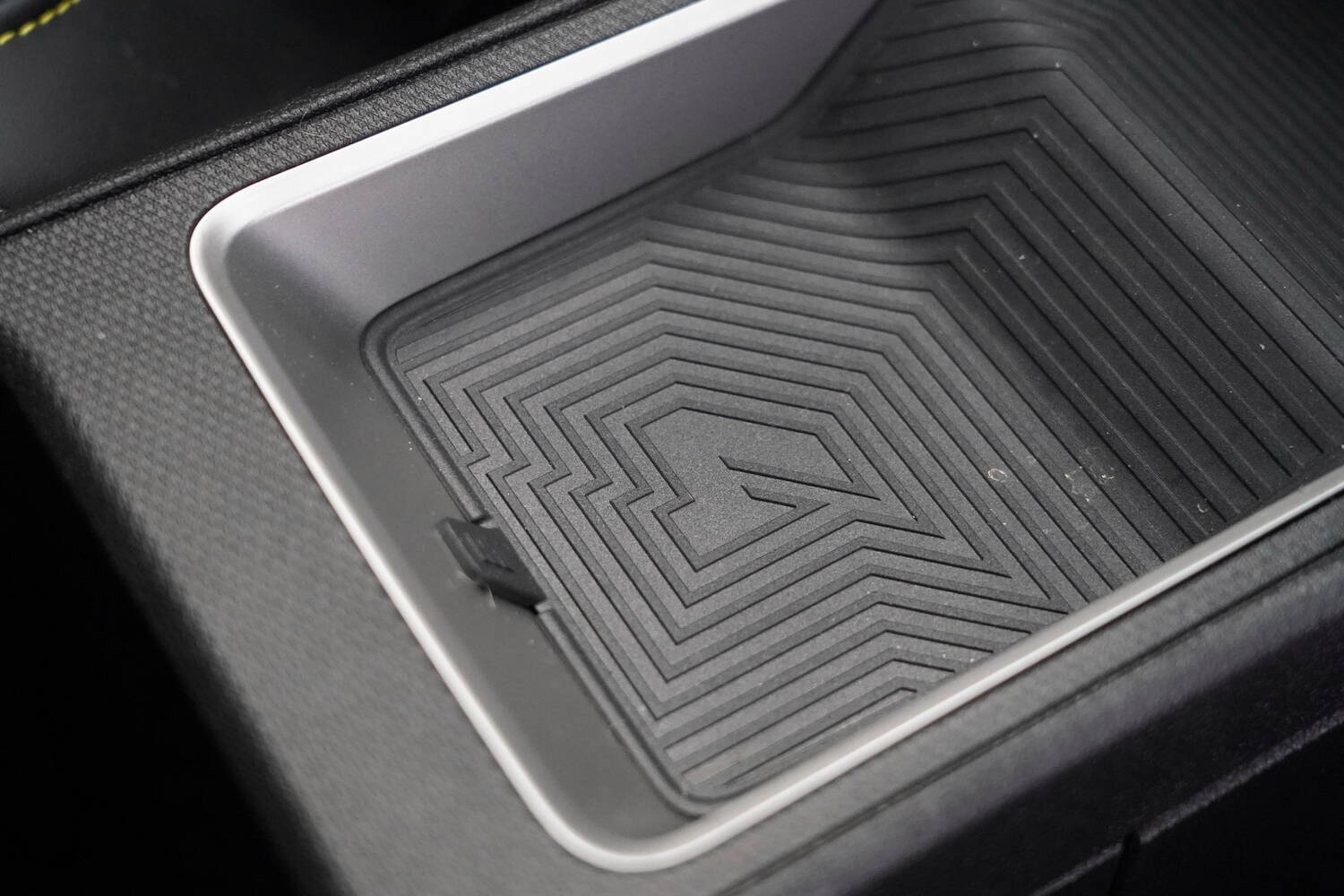
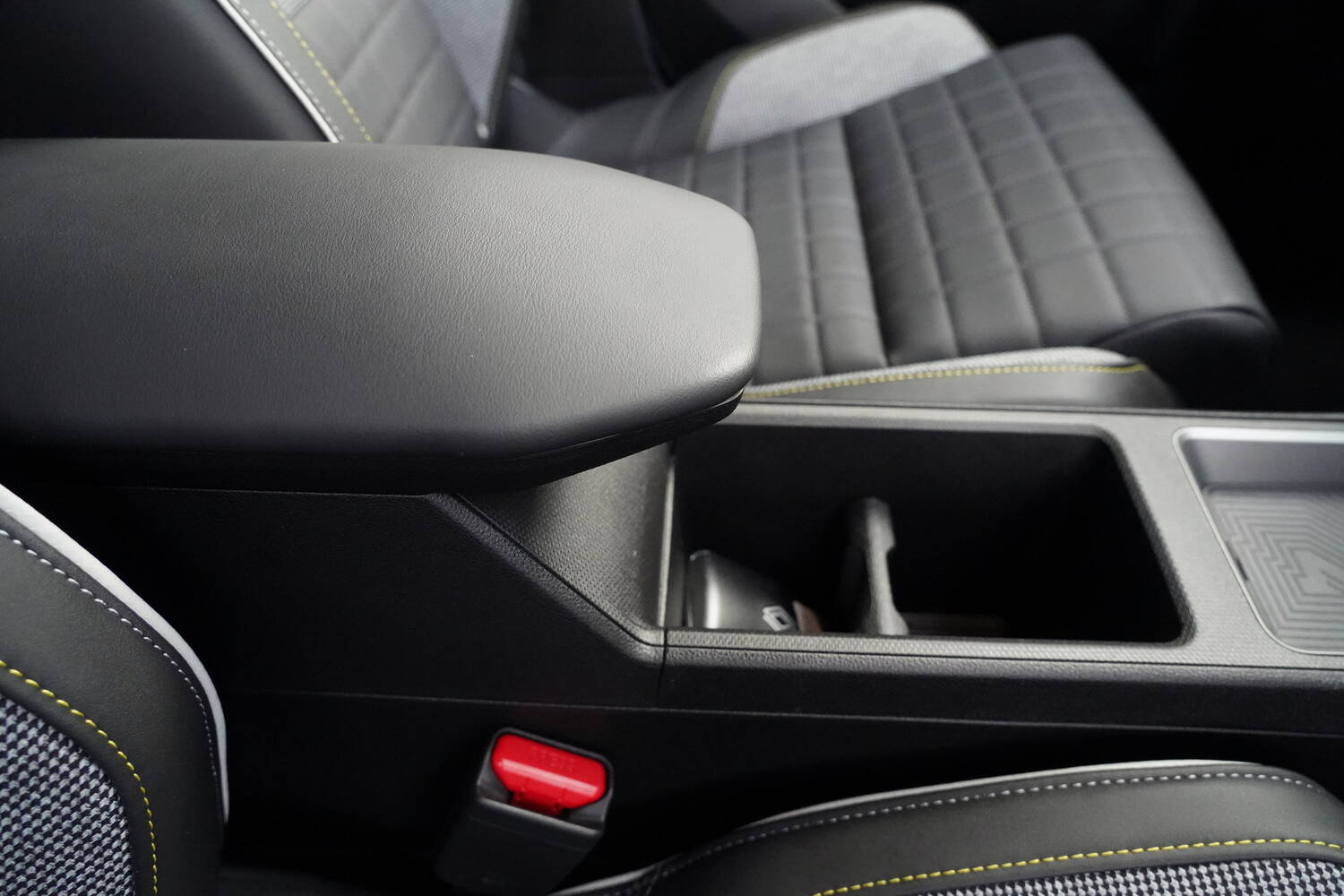
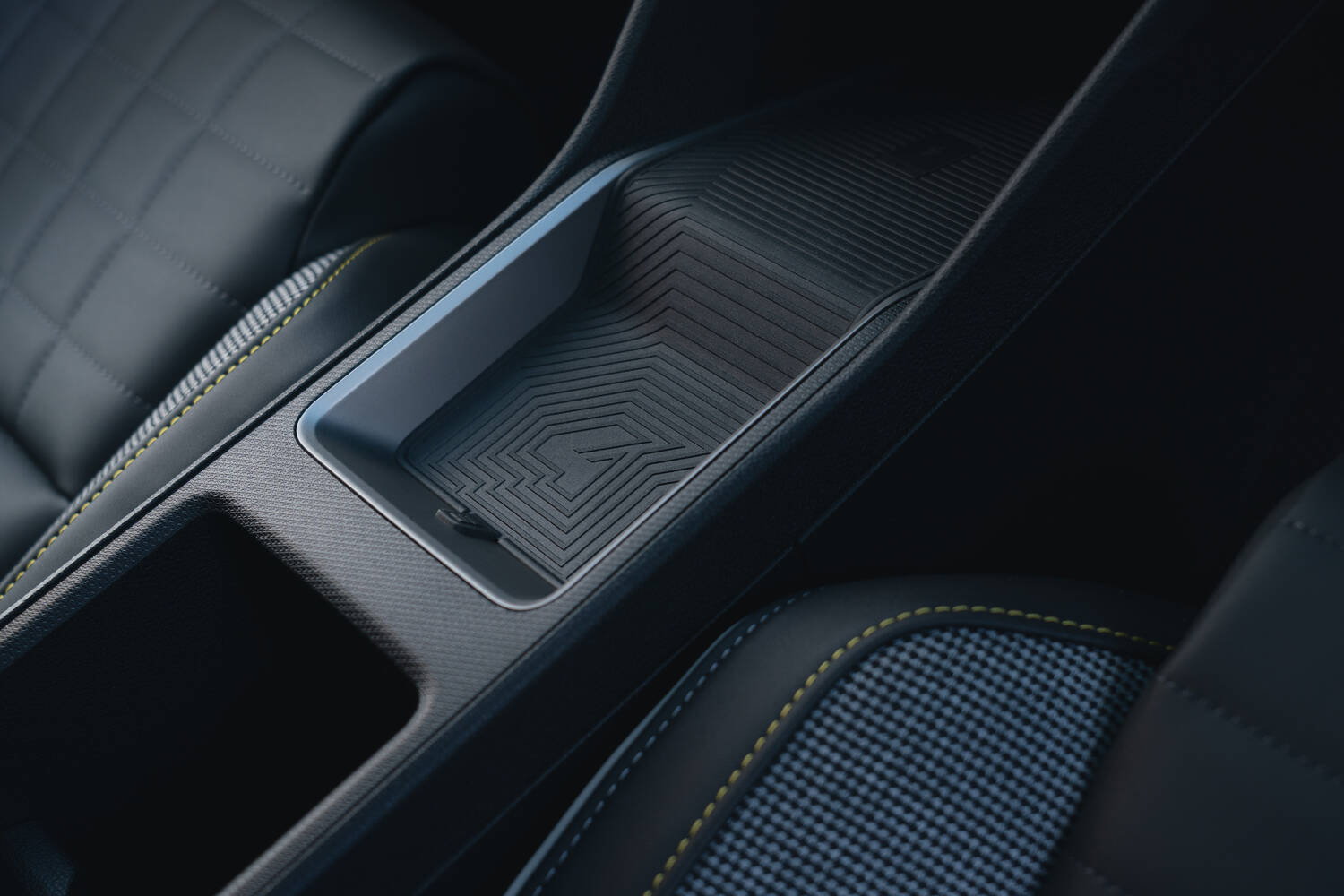
There's a large open series of trays up front, including an optional wireless phone charger - down on the floor between the front seats - and more storage under the armrest.

The glovebox is a little small, and the door bins a touch narrow, but they're enough to be useful. There's another small storage tray just underneath the climate control buttons, next to the electronic parking brake switch, but this is oddly shaped, slightly shallow and made of hard plastic so most things will just slide out of it. I used it for my motorway toll tag, though, which worked quite well.
Down lower, there are three power outlets - a 12-volt socket and two USB-C sockets.

Rear-seat passenger space
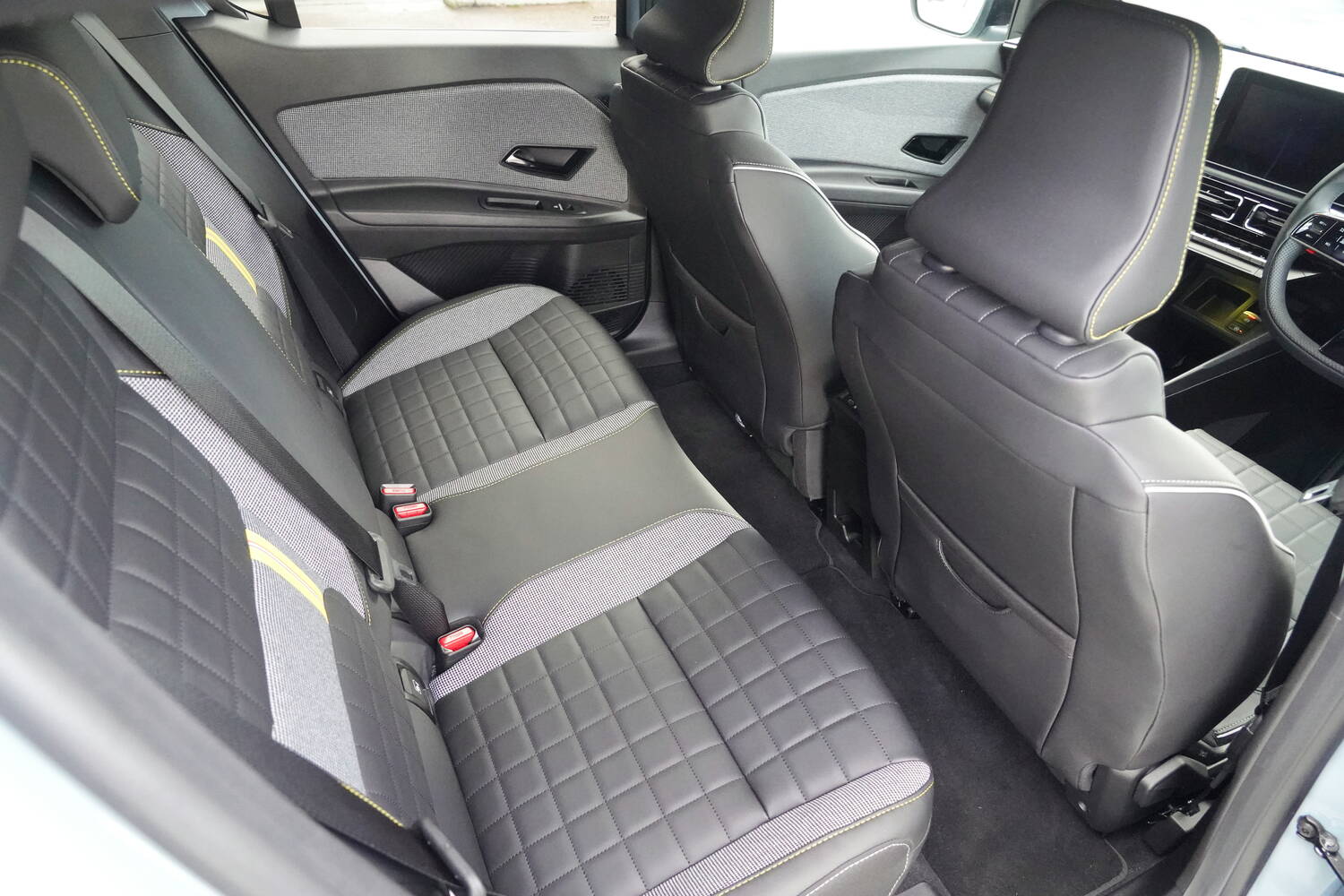
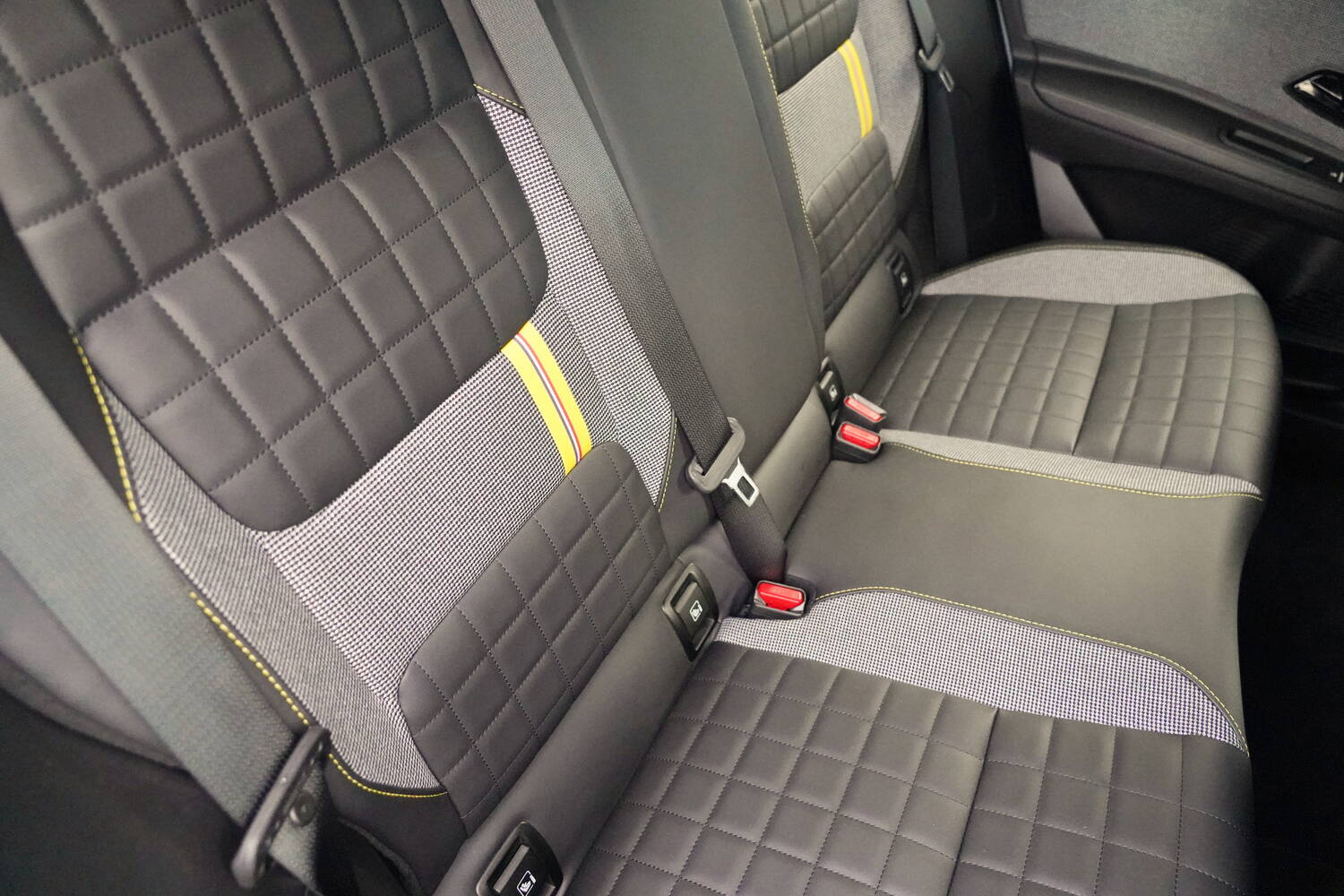
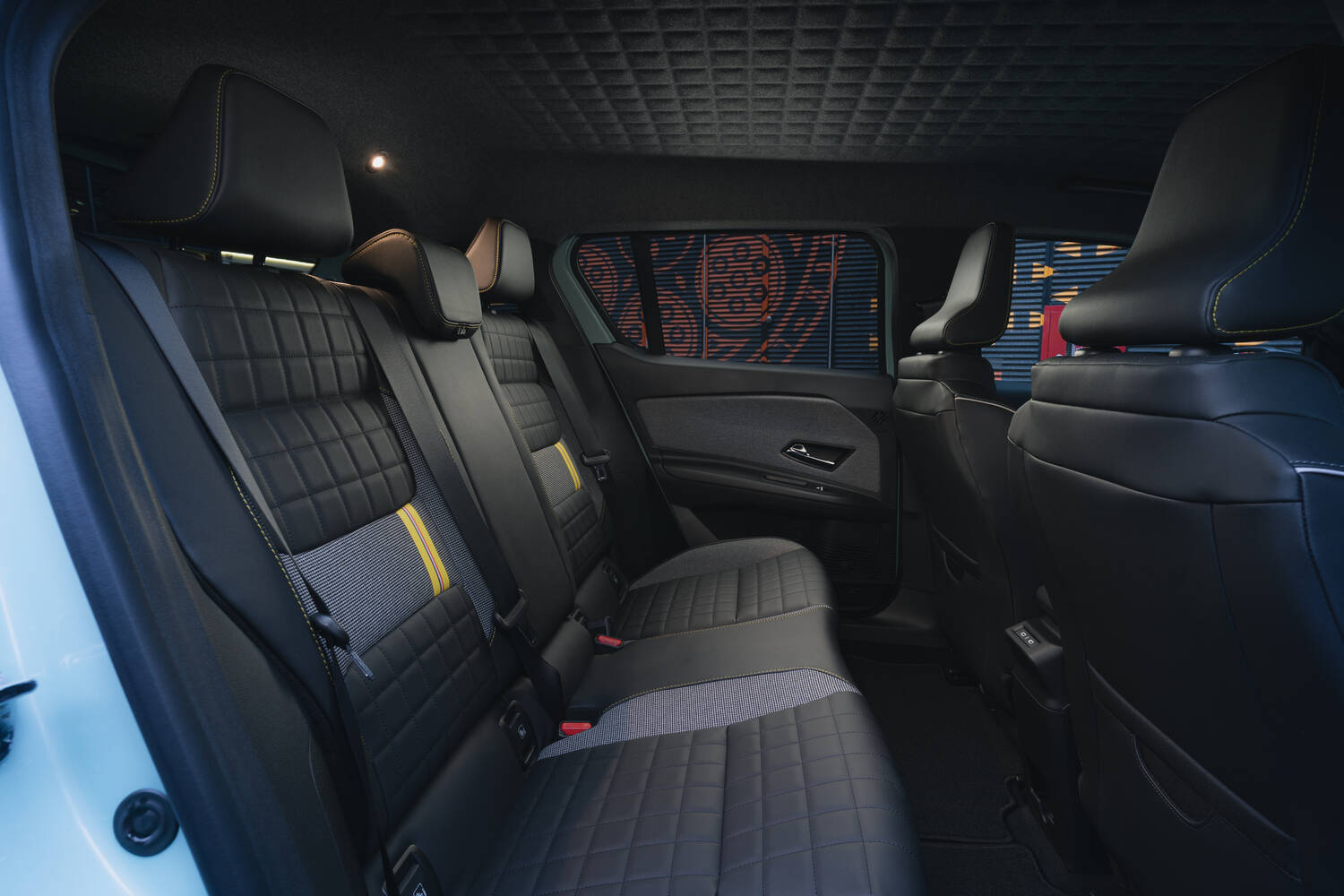
The 4's rear is much more useful than that of the smaller Renault 5, but if you're trying to put tall people in there, you'll come up against limitations. Headroom is slightly tight, thanks to Renault lowering the roof as much as possible for better electric efficiency, while knee room is very much dependent on the charity of those sitting in the front seats.

There's also a lack of space for your feet under the front seats, and the cabin just isn't wide enough to get three people side by side in the back in anything like proper comfort. So yes, the Renault 4 is roomier and more useful than its stablemate; just don't go expecting a limo. It'll be fine for kids or teens in the back.
A downside of the Plein Sud model is that is has less headroom for those in the rear, with a 40mm reduction compared to the fixed-roof model.
Fitting child seats to the Renault 4

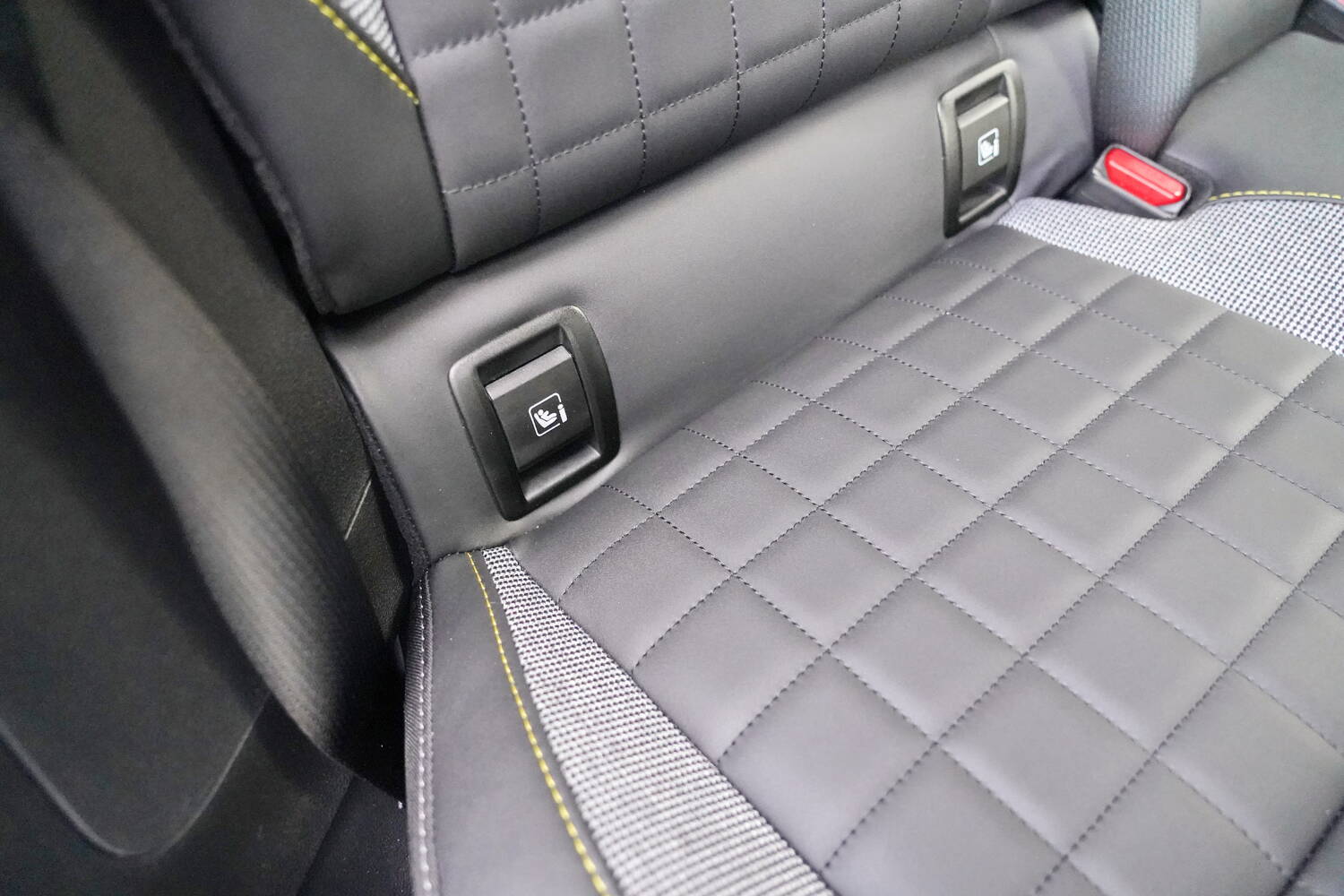
Impressively, the 4 gets ISOFIX anchor points in both outer rear seats and in the front passenger seat.
Boot space in the Renault 4
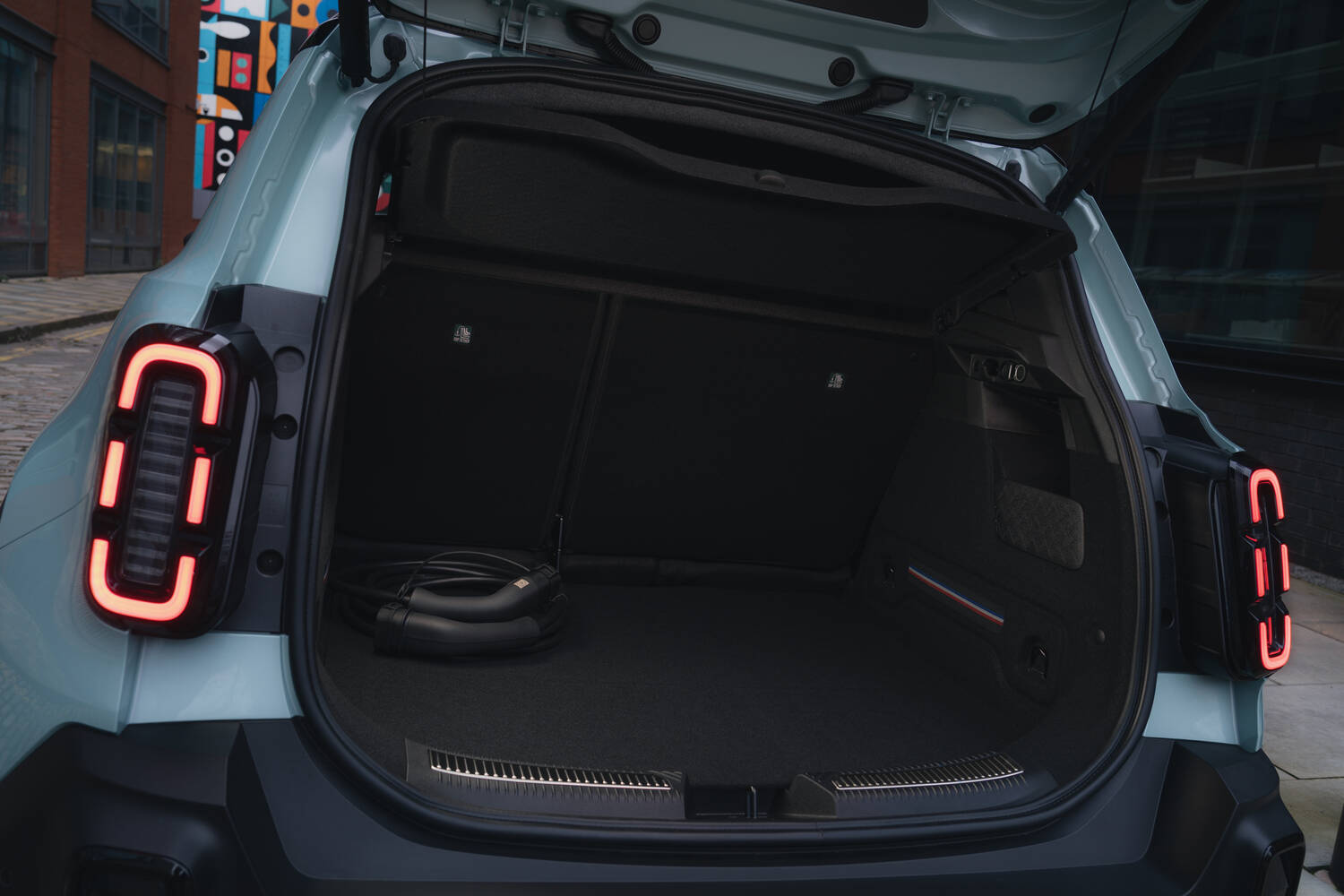
In its boot, the Renault 4 really comes good in practical terms. With 420 litres up to the luggage cover, it's roomier than many of its petrol-powered rivals, and really only the exceptionally spacious Ford Puma can beat it for space.

Better yet, as a nod to the original, Renault has ensured that the 4's boot has a spectacularly low loading floor, which feels almost as if it ducks halfway down the back wheels. It's low enough that you can use it as a comfortable perch for picnics or swapping sneakers for hiking boots.
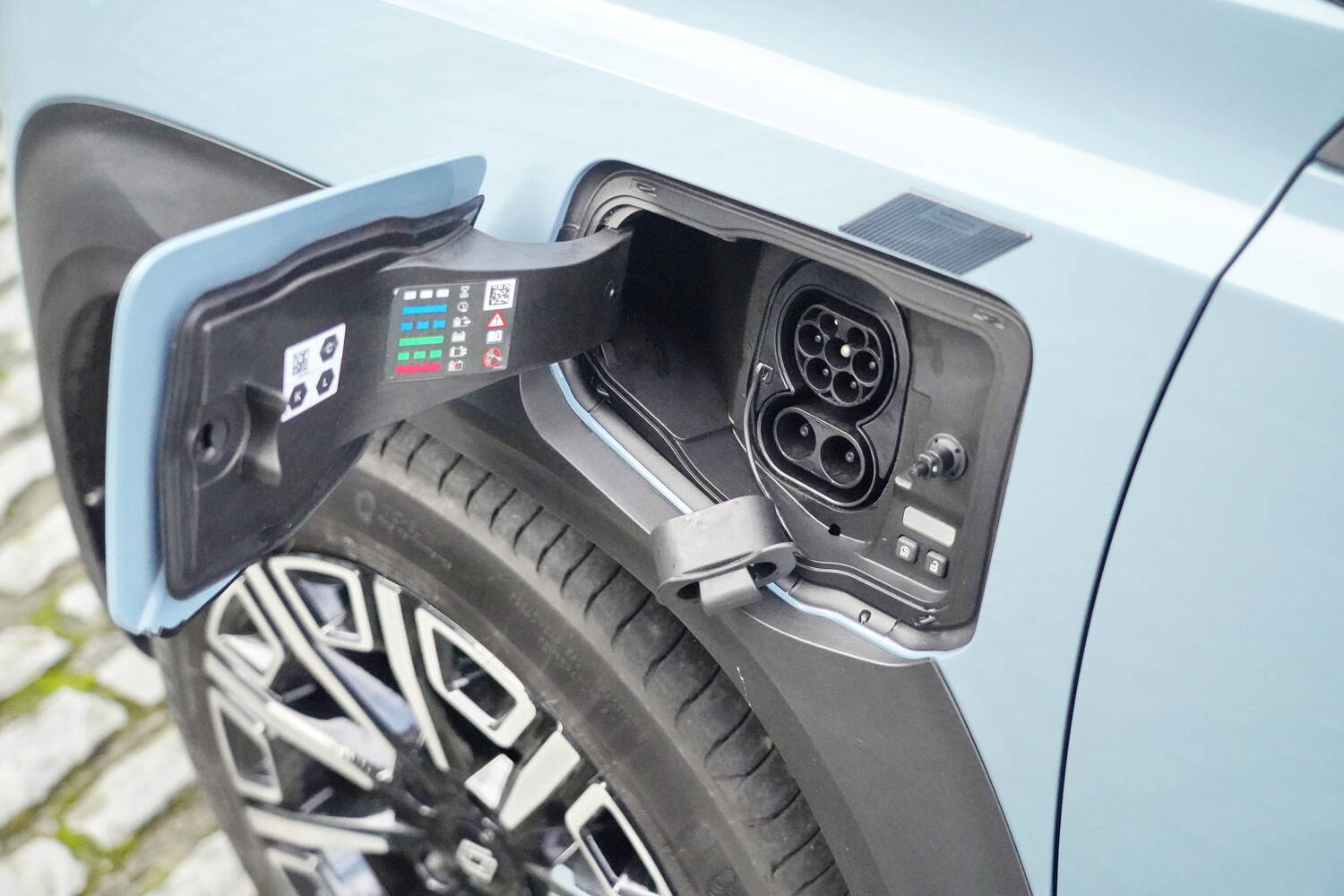
Under the floor, there's a handy space for stashing charging cables, and the lid for this section is split in two, so that you won't necessarily have to unpack the entire boot to get at your Type 2 lead.
The underfloor section is, effectively, an oblong plastic bucket, and this can be removed for cleaning or for carrying loose items in from the car.
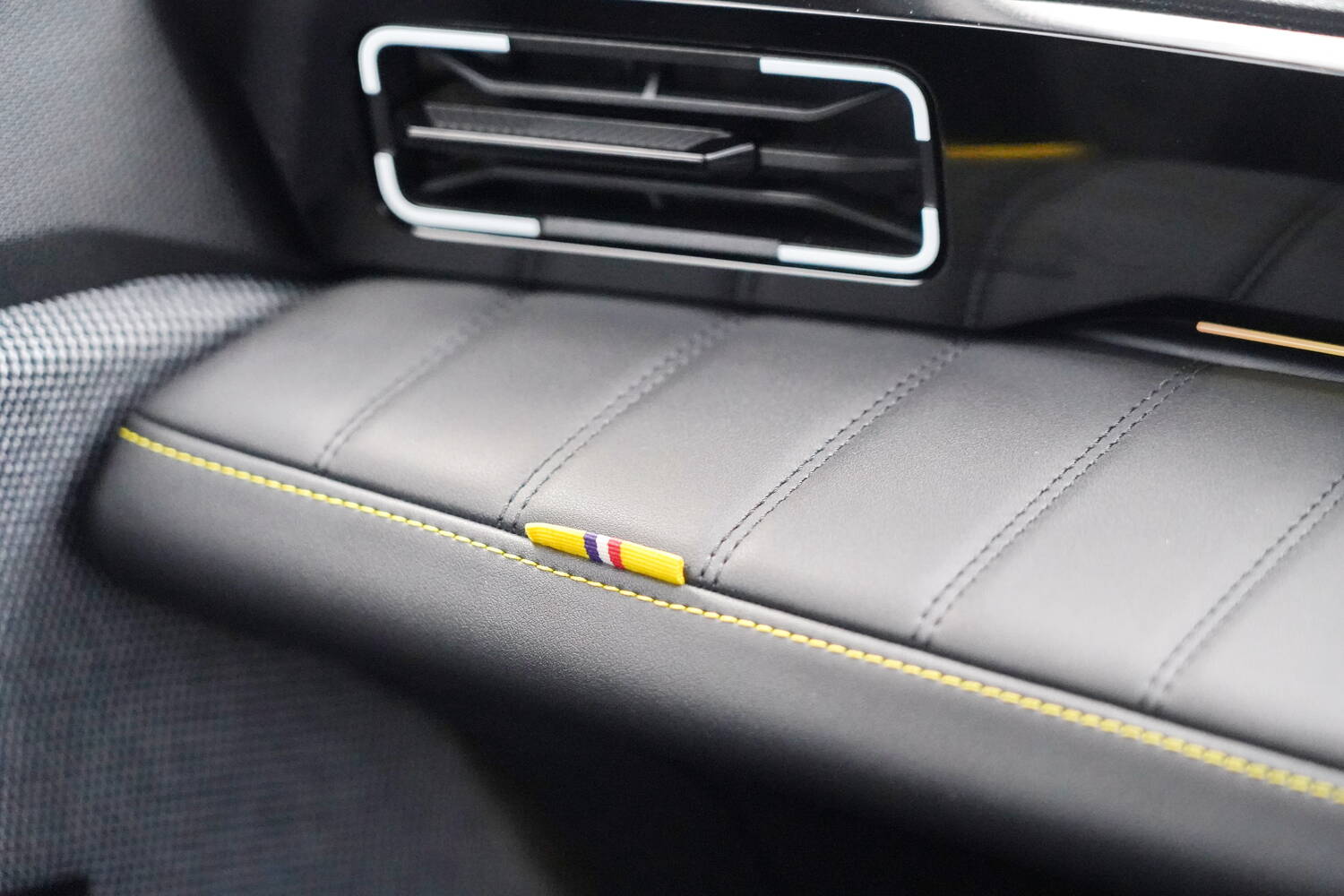
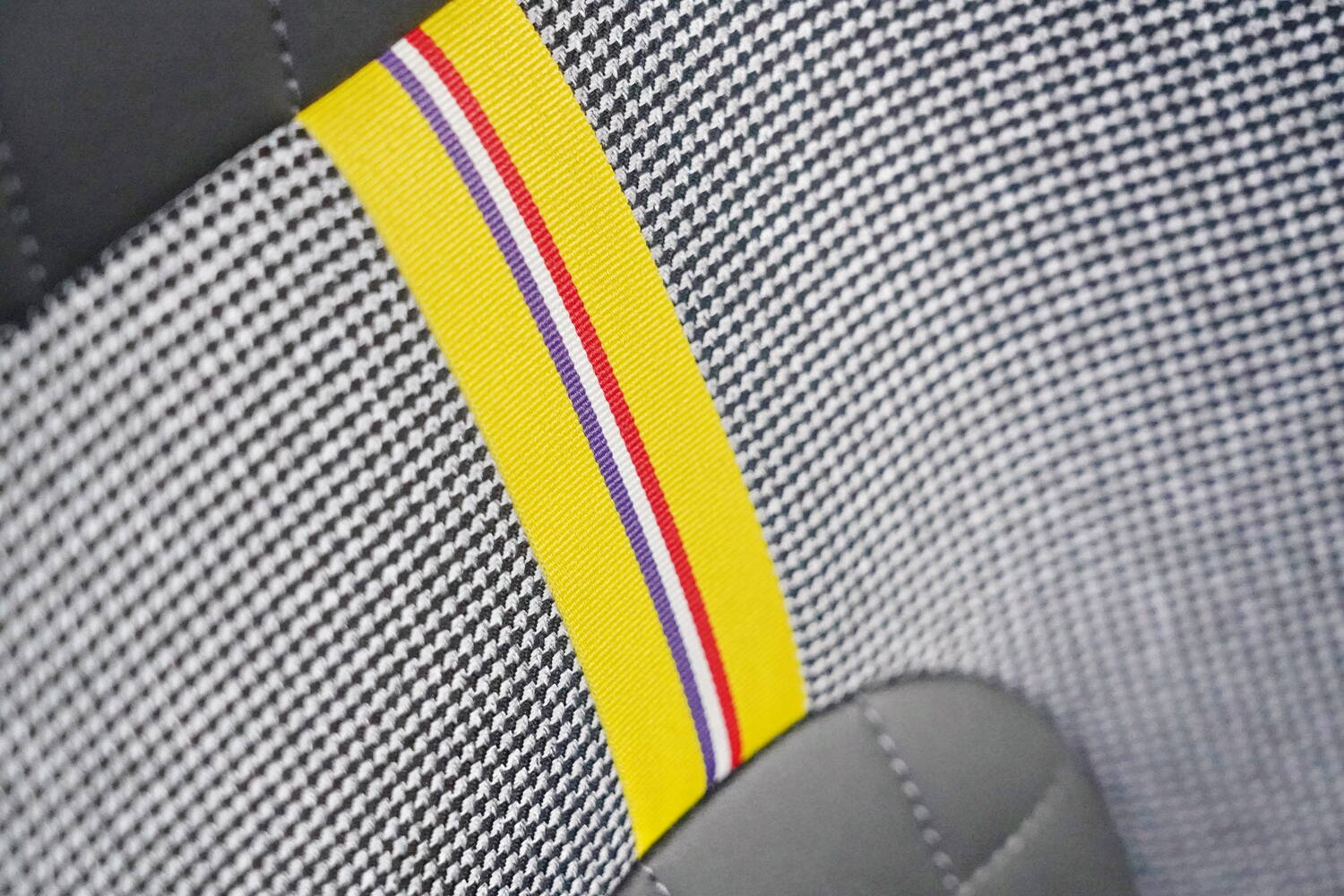
There is a bit of a loading lip, but with the boot's low-set nature, it's not going to get in anyone's way. There are handy storage areas on top of the rear wheelarches and a couple of elasticated straps - complete with French tricolour stitching in our test car - which will hold narrow items upright. Handy for the wine shop...
There are also some tie-down points and moulded-in shopping bag hooks, but when you fold down the 60:40 split back seat, because the boot floor isn't adjustable, there is a substantial step up if you're loading in larger items. Still, the boot is big enough that this probably won't be a major issue much of the time.
Towing with the Renault 4
Even on a braked trailer, the maximum towing capacity is a mere 750kg.
Safety in the Renault 4
Under the newer, tougher NCAP test setup, the Renault 4 scored a respectable four stars out of five for safety. It got a 79 per cent rating for adult occupant protection, 85 per cent for child occupants, 73 per cent for vulnerable road users and 68 per cent for safety assist.
There are all the expected safety aids including adaptive cruise control, lane-keeping steering and emergency automated braking, and as ever Renault lets you customise the safety system setup to your taste, which is activated by a simple double-click of an actual physical button. That's just so sensible. You can read the full Euro NCAP report here.
Performance of the 2026 Renault 4 E-Tech electric
- 'Urban' and 'Comfort' range batteries
- Choice of 120hp or 150hp electric motors
- Pliant ride for long-distance comfort

The Renault 4 comes with a choice of two different batteries, and that choice also decides its power output. The smaller battery comes with a 120hp electric motor, while the larger battery comes with a 150hp motor, both front-wheel drive of course (although a four-wheel drive Renault 4 is apparently on the cards too).
Driving the Renault 4 E-Tech electric on Irish roads
Words by Neil Briscoe on 30 April 2026

The 150hp Renault 4 certainly accelerates like no Renault 4 in history. Taking 8.2 seconds to reach 100km/h might not sound all that thrilling, but compared to the wheezy 30 seconds or so taken by an original model, it's like hopping into an F1 car having learned to drive in a Micra...
As with most EVs, the torque is delivered quickly and low down, so by the time you're up to motorway speeds, some of the puff is starting to run out, but even so the Renault 4 cruises nicely on main roads, with decent refinement.
It's relatively softly sprung, so while the Renault 4 doesn't have super-sharp steering response, it also means that the ride comfort is well rounded and easy-going, which is only a good thing if you're buying the Renault 4 as a family car.
There is a little more body lean as a result, but it's never precipitous and it's also truly in keeping with the 4's heritage. Overall, the Renault 4 never feels anything less than precise and biddable on a twisty road. It's a practical family car first and foremost, but it has a fun side too.
Driving the Renault 4 Plein Sud in Spain
Words by Dave Humphreys on 17 June 2026
The Renault 4 Plein Sud's driving and handling characteristics haven't changed, but the driving experience certainly has, and in a positive direction.
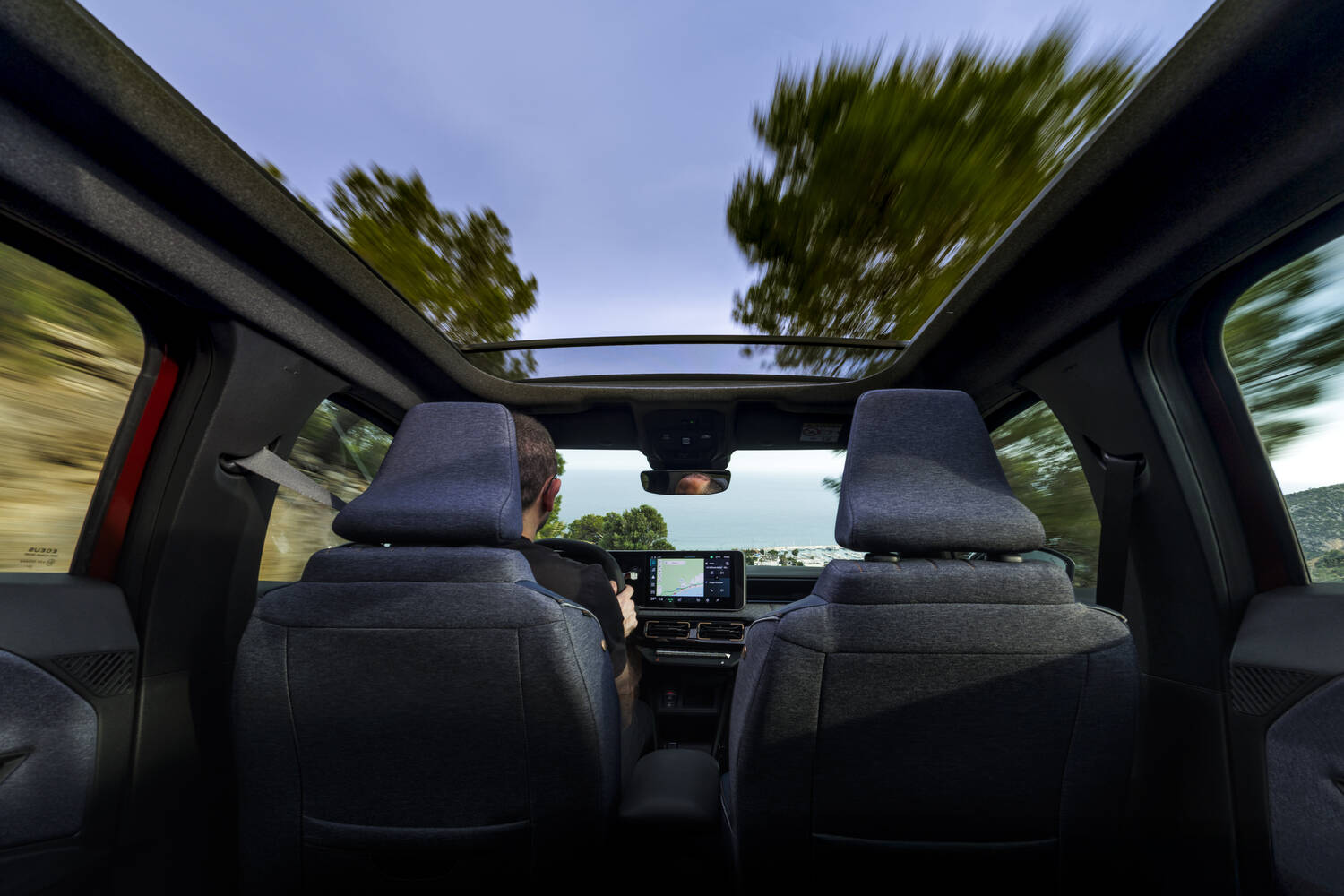
While there will be some debate as to whether the Plein Sud is indeed a convertible, a cabriolet or simply a large retractable sunroof, most people will see it simply as a way to enjoy some open-top driving in an electric car, something that remains a bit of a rarity.
The other upshot of the Plein Sud is that it has almost no impact on performance. Yes, range drops a little compared to the regular model, but it's unlikely to be anything you'd notice when living with it. This change is down to a combination a 19kg weight increase and some minor aerodynamic differences.
The latter isn't something you'll notice though, as thanks to a small but highly effective lip spoiler that pops up at the leading edge of the roof's opening, there is no perceptible wind buffeting as you drive.
Renault claims that, right up to speeds of 130km/h, there is only a four per cent increase in perceptible wind noise in the cabin when the roof is fully open, and having tried it out for ourselves on the motorway, we'd have to agree.
At lower speeds the experience can be even more enjoyable, as by keeping the side windows up, and the roof open, the surrounding traffic and other road noise is largely blocked out but the sounds from above, such as birds chirping as we experienced, falls into the cabin.
This, combined with a silent electric powertrain, does create a surprisingly different driving experience.
You can have the roof fully or partially open and if you're hit by a rain shower, you needn't worry, as the roof closes again at speeds of up to 90km/h at the touch of a button.
Range, battery, charging and running costs of the 2026 Renault 4
- 40kWh or 52kWh batteries
- Maximum 100kW charging
- No 22kW charging option

Buyers of the Renault 4 have a choice of 40kWh and 52kWh batteries, but unlike some other Renault models there's no option for 22kW AC charging.
Battery options and official range
The WLTP numbers say that with its smaller battery, the 40kWh one, the Renault 4 has a one-charge range of 308km, with energy consumption of 14.7kWh/100km.
With the larger 52kWh battery, that rises to a much more useful 409km, with consumption rising to 15.9kWh/100km.
If you choose the Plein Sud model the differences with the roof and slight increase in weight mean the range drops to 392 kilometres. Not a huge difference, but worth noting.
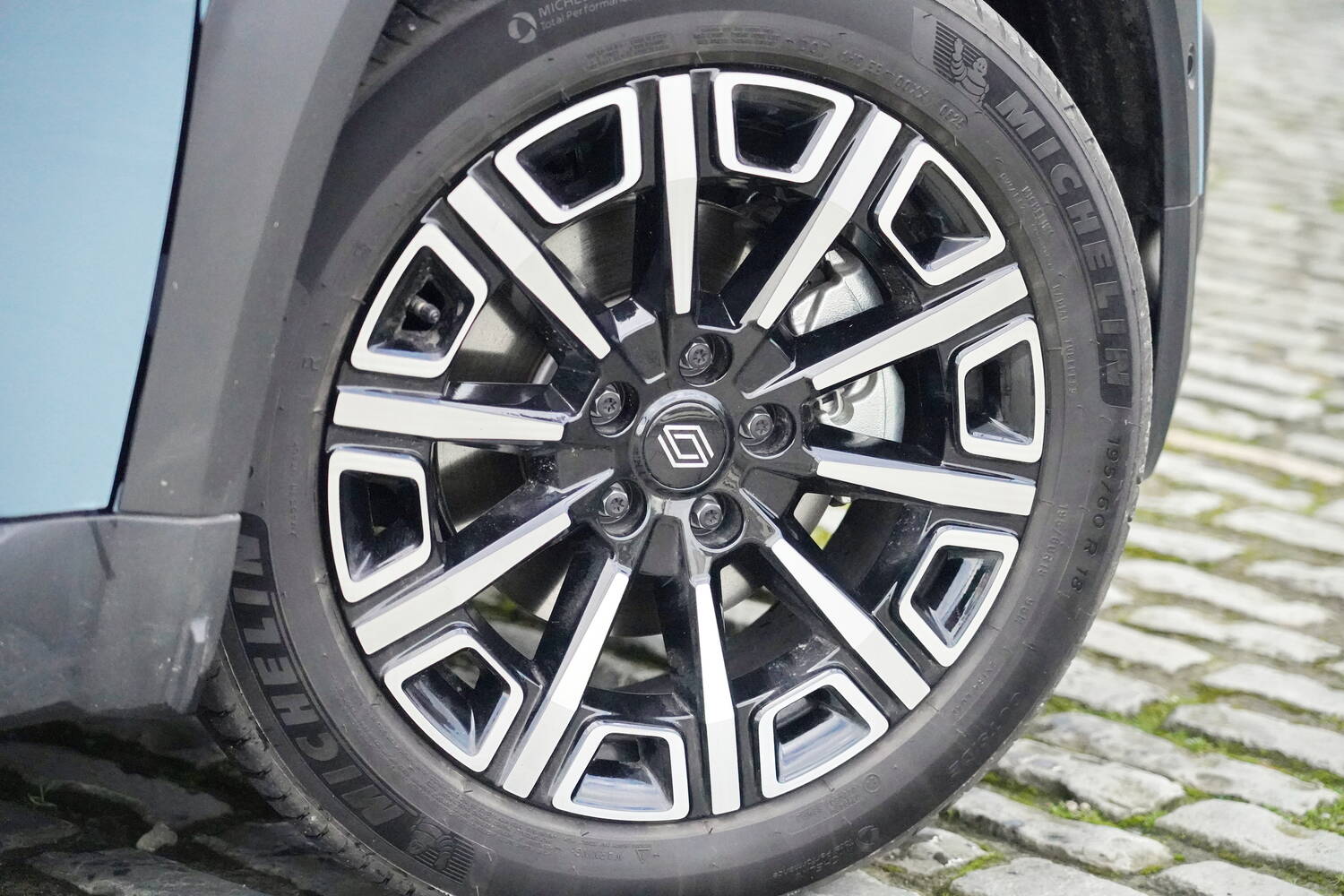
Incidentally, if you were wondering why the taller and less aerodynamic Renault 4 achieves broadly the same range as the lower, lighter Renault 5, the answer is found in the tyres. The 5 gets stickier, sportier tyres, whereas the 4 gets more eco-friendly rubber.
Real-world range and efficiency of the Renault 4
A combination of seriously wintry weather on our test drive, and a multitude of motorway miles (OK, kilometres but I was enjoying the alliteration...) was hardly the easiest test for the Renault 4, but it coped quite well, thanks no doubt to a standard-fit heat pump heating system.
Starting with a 98 per cent battery charge, our drive from Dublin to Belfast was done easily enough without any charging, and we reached home with 30 per cent charge still left in the battery after 200km of high-speed motorway and dual-carriageway cruising.

That's not bad. In those freezing conditions, we were seeing indicated ranges of around 300km on a full charge, which suggests that in more mixed driving and with slightly less nippy airflow, you should get around 350km in day-to-day use, which is absolutely fine.
Charging up the Renault 4 E-Tech electric
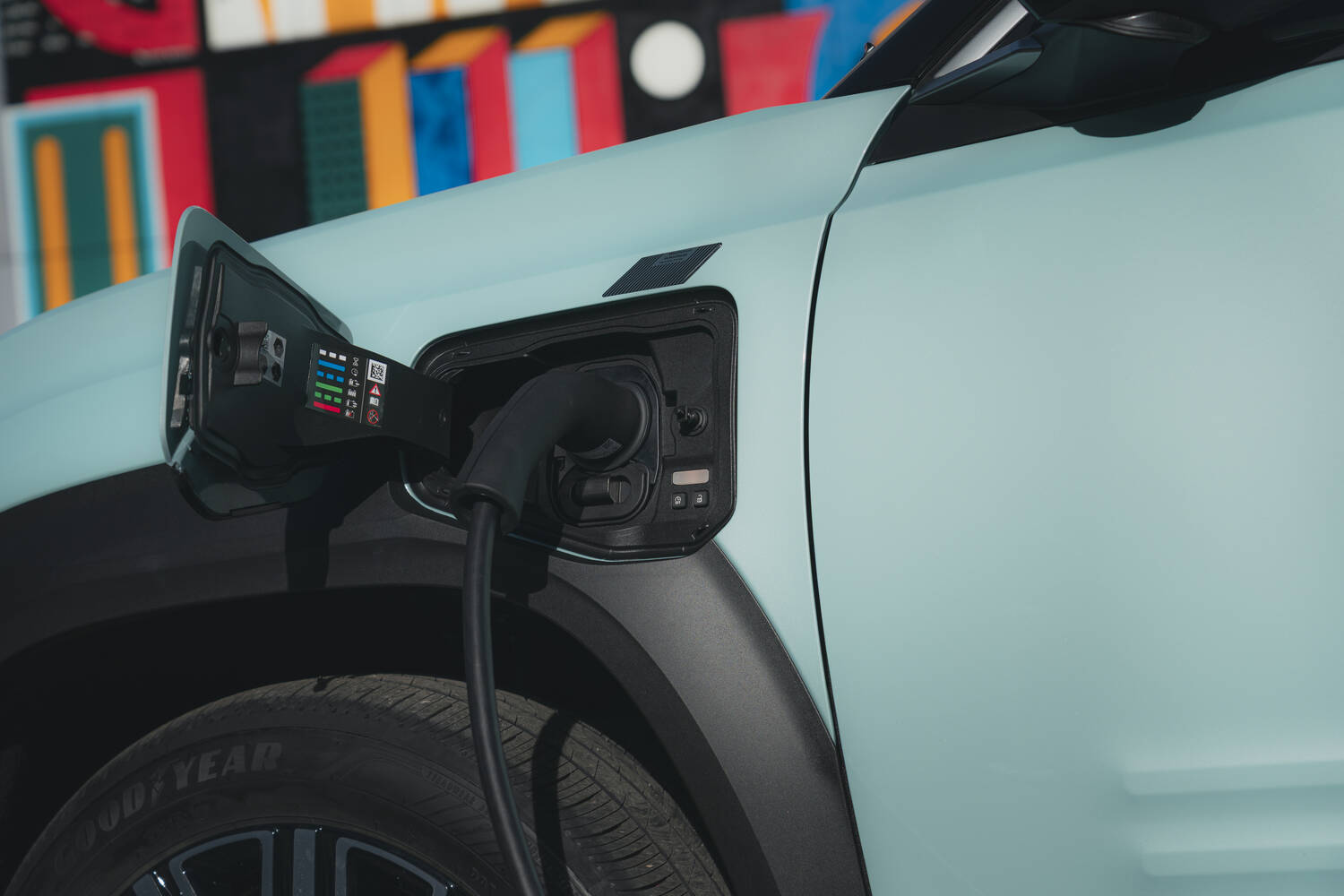
Charging up the 4 at its maximum 100kW DC charging speed, we didn't have to spend too long at any charging points during our week with the car.
Our only quibble here is that, unlike larger Renault EVs such as the Scenic, there's no option for 22kW AC charging from kerbside chargers - 11kW is the AC limit, which is fine.
The larger of the two batteries comes with Vehicle-to-Load (V2L) charging, and an adaptor allowing you to plug other electrical items in is an optional extra.

Only Techno and Iconic models get battery pre-conditioning for maximum charging speeds.
Servicing the Renault 4
The Renault 4 will need a service every 12 months, and those will alternate between A and B services, depending on the mileage and the age of the car. Renault Ireland, through its Mobilize Financial Services bank, offers a pre-paid three-year, 50,000km service plan for €459, or you can pay just €16.50 per month.
Renault 4 warranty

The Renault 4 - and indeed all new Renault models - comes with an impressive five-year warranty as standard, which has unlimited mileage for the first two years. After that is capped at a maximum of 150,000km.
There's also the usual separate eight-year, 160,000km warranty for the battery along with a three-year paint warranty and a 12-year anti-corrosion warranty. The five-year full-car warranty also includes roadside assistance.
Irish pricing & rivals to the 2026 Renault 4
- Part of the wave of affordable EVs
- Extra range means more than €30,000
- Competes with Kia EV2 and Ford Puma

Prices for a Renault 4 in Evolution form with the standard battery start from €27,995 which is a pretty tempting price point. Included is the full 10-inch infotainment screen (albeit in a more basic, Google-free spec) along with cruise control and automatic air conditioning, so this is hardly poverty spec. To get the bigger battery in an Evolution, you'll need to spend €30,995.
At which point you may as well spend the extra and get a Techno for €32,995 which comes with the Google-based stuff for the touchscreen, adaptive cruise and all-round parking sensors.
The Techno comes only with the bigger battery and is the first specification in which you can get the open-top Plein Sud model, though it carries a €1,500 premium, placing it at €34,495.
At the top of the range is the Iconic, which for its €34,995 price tag adds heated front seats and steering wheel, blind-spot warning, rear cross-traffic alert and an electric tailgate with hands-free opening. The Plen Sud variant in the Iconic specification costs €36,495.
The Renault 4's two closest on-paper rivals are the Kia EV2 and the Ford Puma Gen-E, both of which straddle it for range. The Kia, in big-battery form, offers more range (453km) while the Puma manages quite a bit less (just 347km).

The Kia is slightly less practical, the Puma somewhat more so. Does that make the Renault the perfect middle ground? Kind of, yes.
You should also consider the Hyundai Inster in all this, which is a much smaller and cheaper car, but which has cabin space and real-world range above its station. Or there's the very impressive MGS5 EV, which is slightly bigger (and somewhat more premium in feel) all-round, and which has exceptionally good real-world range.
At the time of writing, Renault Ireland has a zero per cent hire purchase finance offer available for the Renault 4, or a 3.9 per cent APR PCP deal, which also comes with a €1,500 trade-in bonus.
Verdict - should you buy the 2026 Renault 4?
Creating a modern successor to one of the most successful cars in history must have been a daunting task, but Renault seems to have breezed through the process. The electric 4 is stylish and cool looking, with something of the utilitarian edge of its predecessor. It's roomy enough inside, has an excellent boot, is engaging to drive and solid in terms of range and efficiency. It's another super electric Renault.
FAQs about the 2025 Renault 4
Does the Renault 4 have a 'frunk'?
No, there's no space for a 'frunk' or storage area in the nose. The Renault 4 compensates for that with its clever split-lid under-floor boot storage.
Is the Renault 4 all-wheel drive?
No, it's front-wheel drive, although Renault has shown off a four-wheel-drive concept version of the 4, using two motors called the Savane (a classic name from Renault's past) and it is likely to reach production at some point.
Are Renaults reliable?
The French brand, at one time, had an unlovely reliability reputation but that is long in the past, and not only are its cars now very solidly built, but they come with an impressive warranty backup.
Want to know more about the 2026 Renault 4?
If there's anything about the new Renault 4 we've not covered, or you'd like help in choosing between it and other cars, you can avail of our expert advice service via the Ask Us Anything page.
Renault 4 history
The original Renault 4 was first launched, as a more sophisticated and up-to-date rival to the Citroen 2CV and Volkswagen Beetle, in 1961 and it quickly became one of the best-selling Renaults of all time.
By 1966, one million had been sold and the Renault 4 would remain in production right through until 1991, having found eight-million buyers around the world, making it one of the biggest-selling Renault of all time, and the fourth-most produced single model car of all time.
A simple, rugged and practical car, the Renault 4's soft, long-travel suspension was well-suited to developing nations and it gained a strong following in both Africa and South America, as well as in its more traditional European markets.
Early models copied the 2CV's hammock-style seats, which could be removed for picnics or for cargo carrying, but these were later replaced by more conventional fixed items.
The 4 always had an advantage over the Citroen, though, in that its maximum speed of 100km/h - for the early 747cc models - meant it was motorway-friendly. Later versions would stretch to a 1,100cc engine.
Famously, the 4 had softly sprung torsion-bar suspension, the location of which meant that its wheelbase was a slightly different length on one side compared to the other.
It was even built in Ireland, at Renault's factory in Wexford, and Irish car fans of a certain age will remember the orange-and-white P&T (Posts and Telegraphs - the forerunner to both Eir and An Post) vans, and the dark blue Garda Renault 4s with their single blue 'plant pot' light. Not going to catch many crims with that acceleration...
Alternatives
Ford Puma Gen-E. The Puma has an even bigger boot than the Renault and is a touch roomier in the back seats too. But can't compete on range nor efficiency.
Kia EV2: Kia's smallest electric car (for now) doesn't go retro but still manages to be charming and appealing. It's good to drive and has a longer range than the Renault in big-battery form, but the EV2's boot isn't as impressive.
MG S5 EV: MG's compact electric SUV is truly impressive, combining sharp pricing and long range with good real-world performance, plus a roomy, high-quality cabin. Not a massive laugh to drive, but you could hardly complain.