


Exterior & design of the 2026 Porsche Macan Electric
- Smoothed-off, curvy form
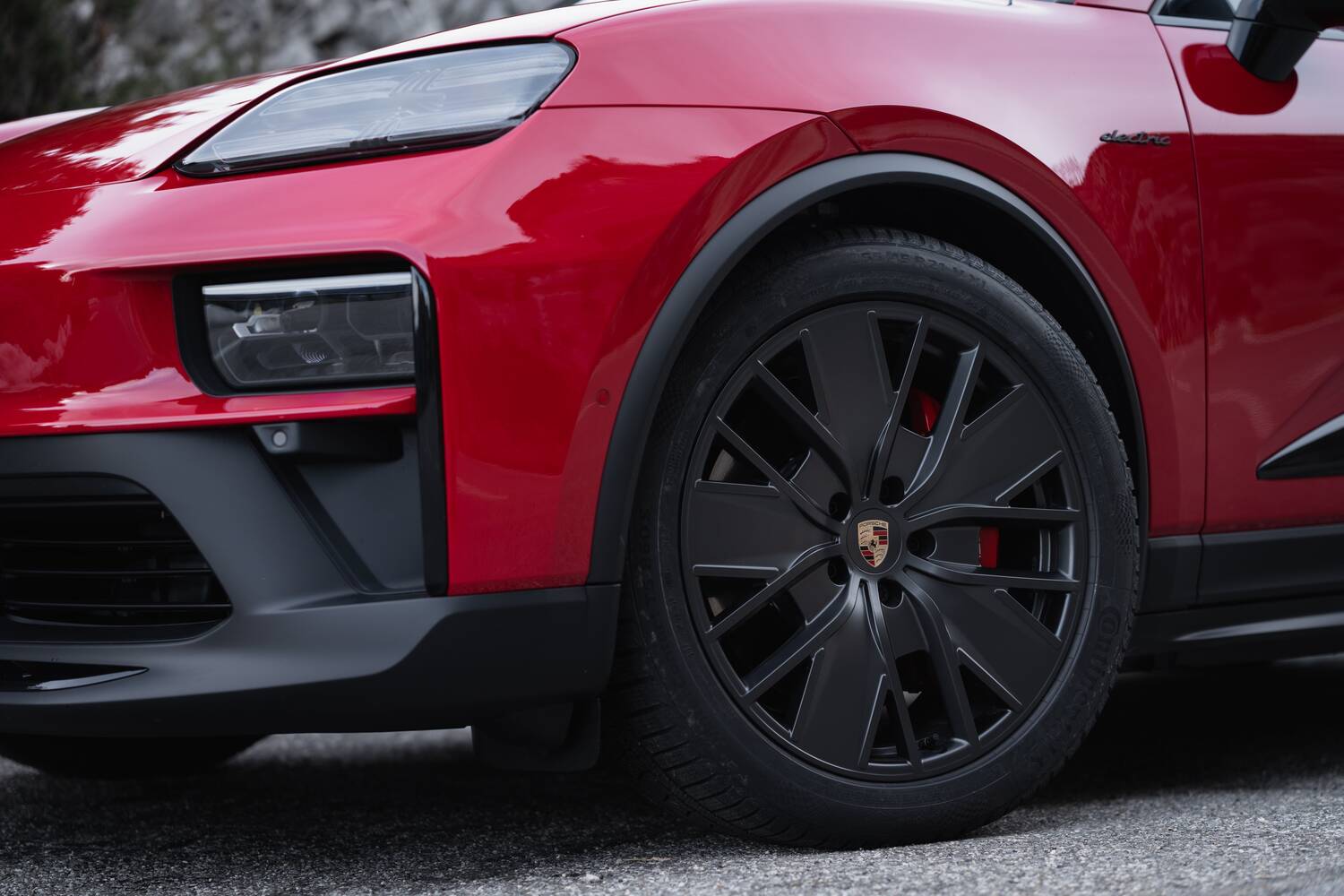
- GTS has dark detailing
- 20- to 22-inch alloys wheels

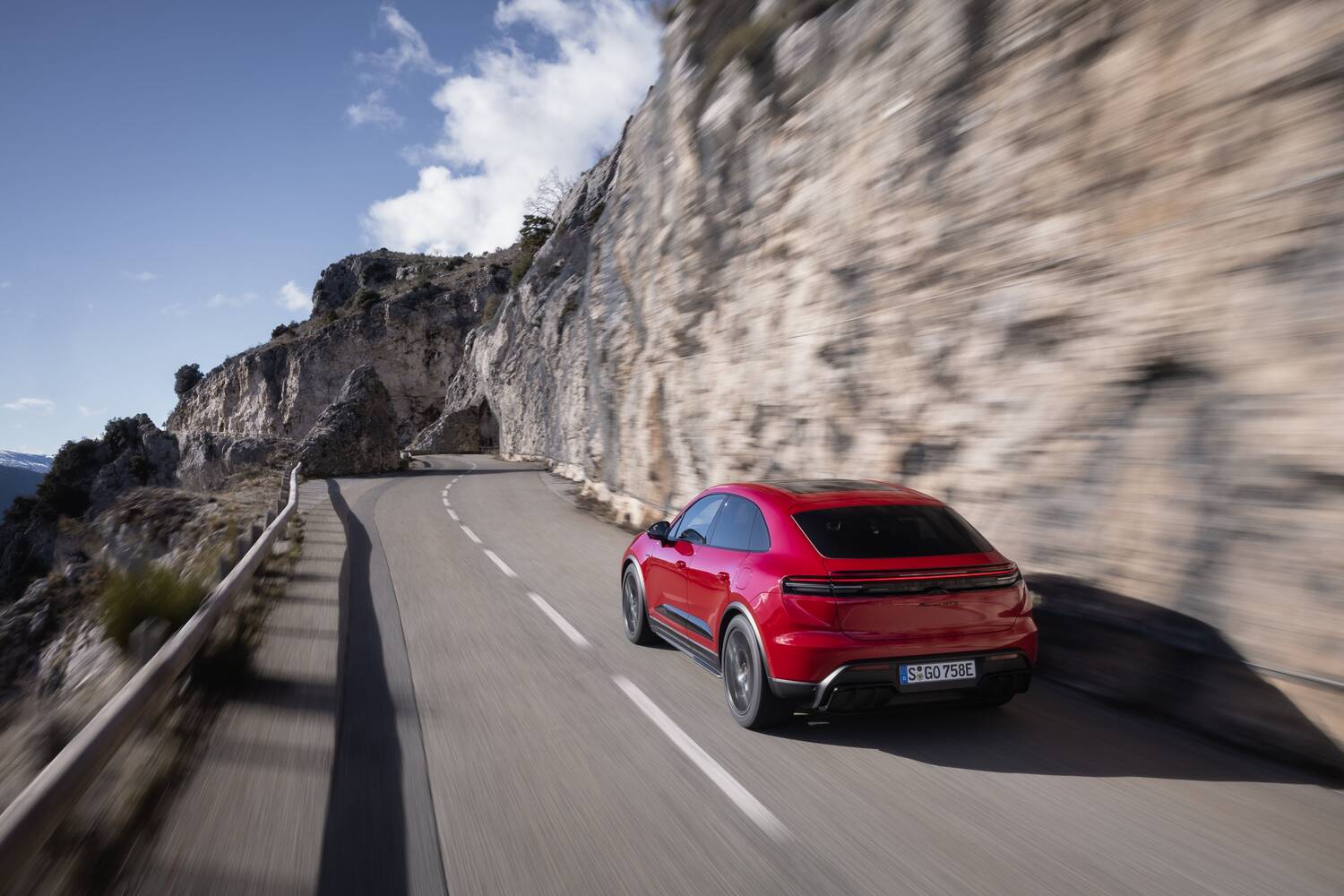
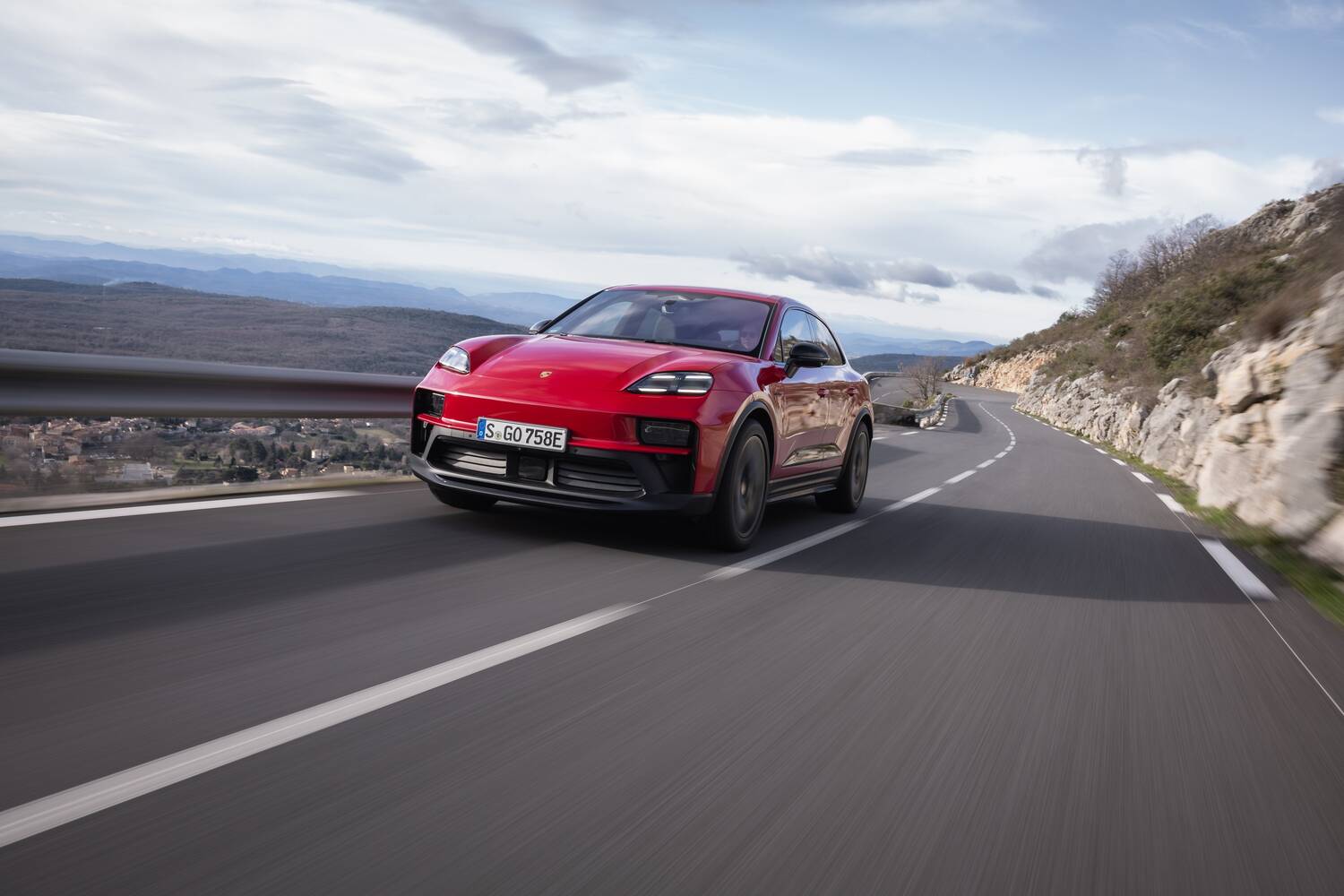
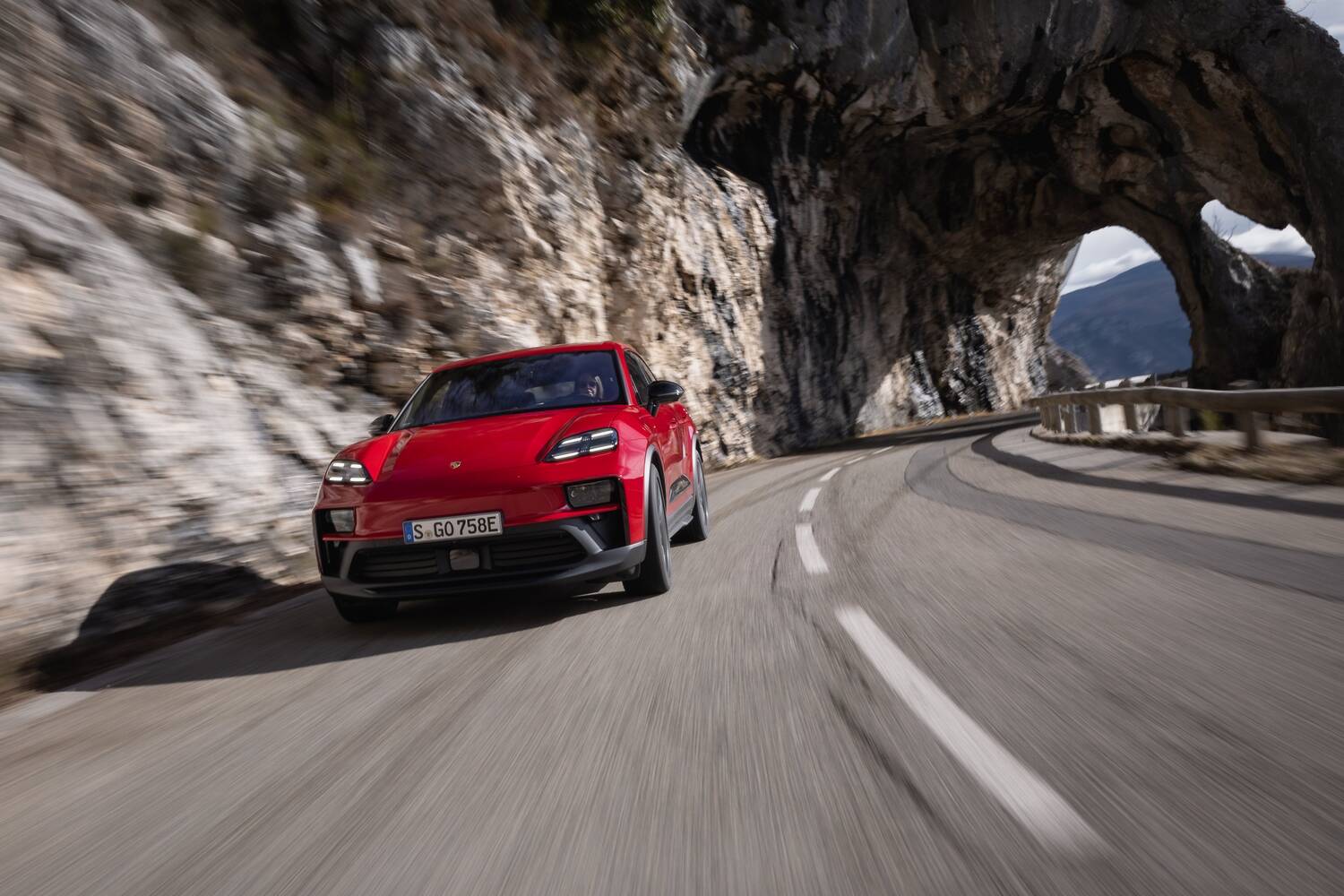
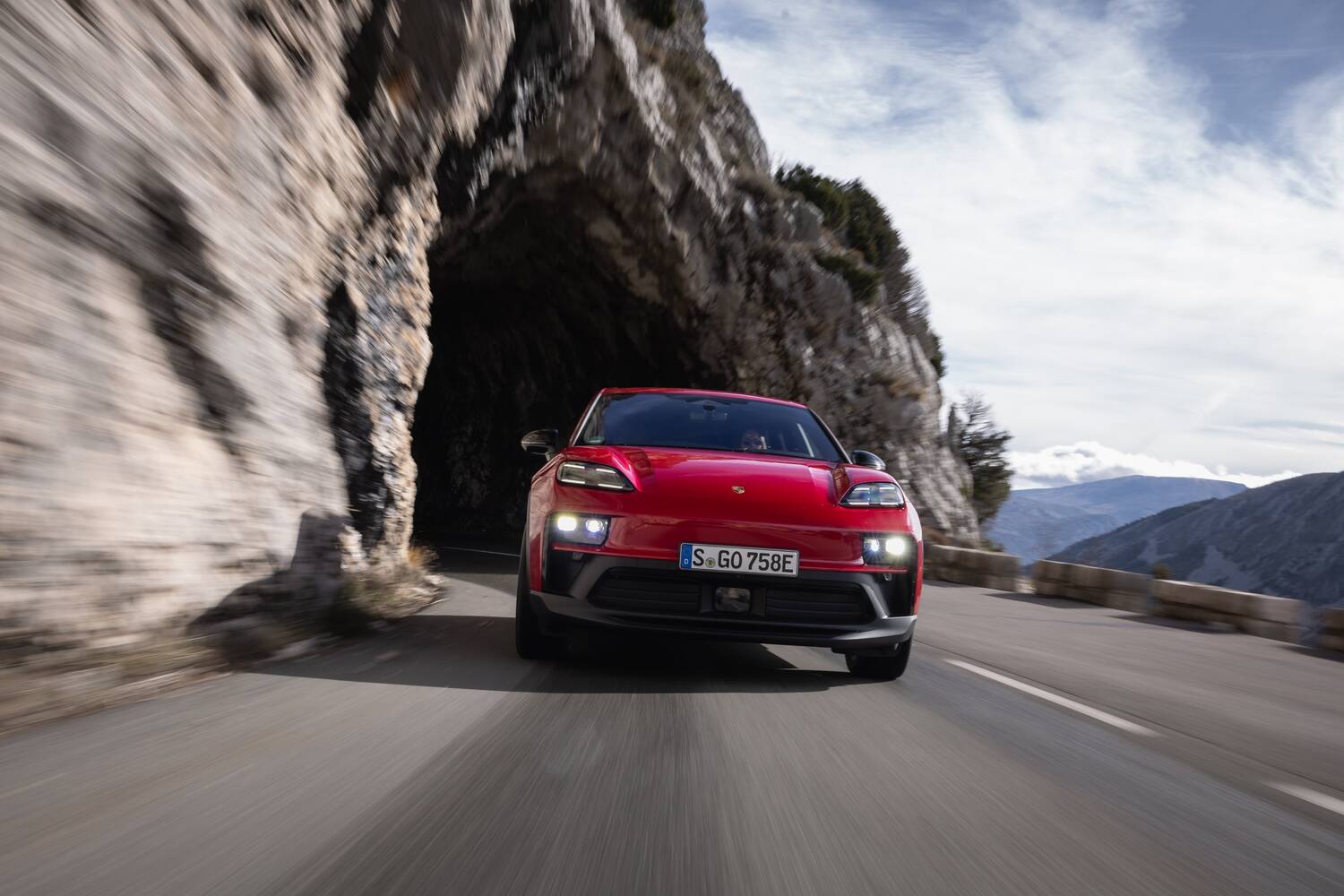
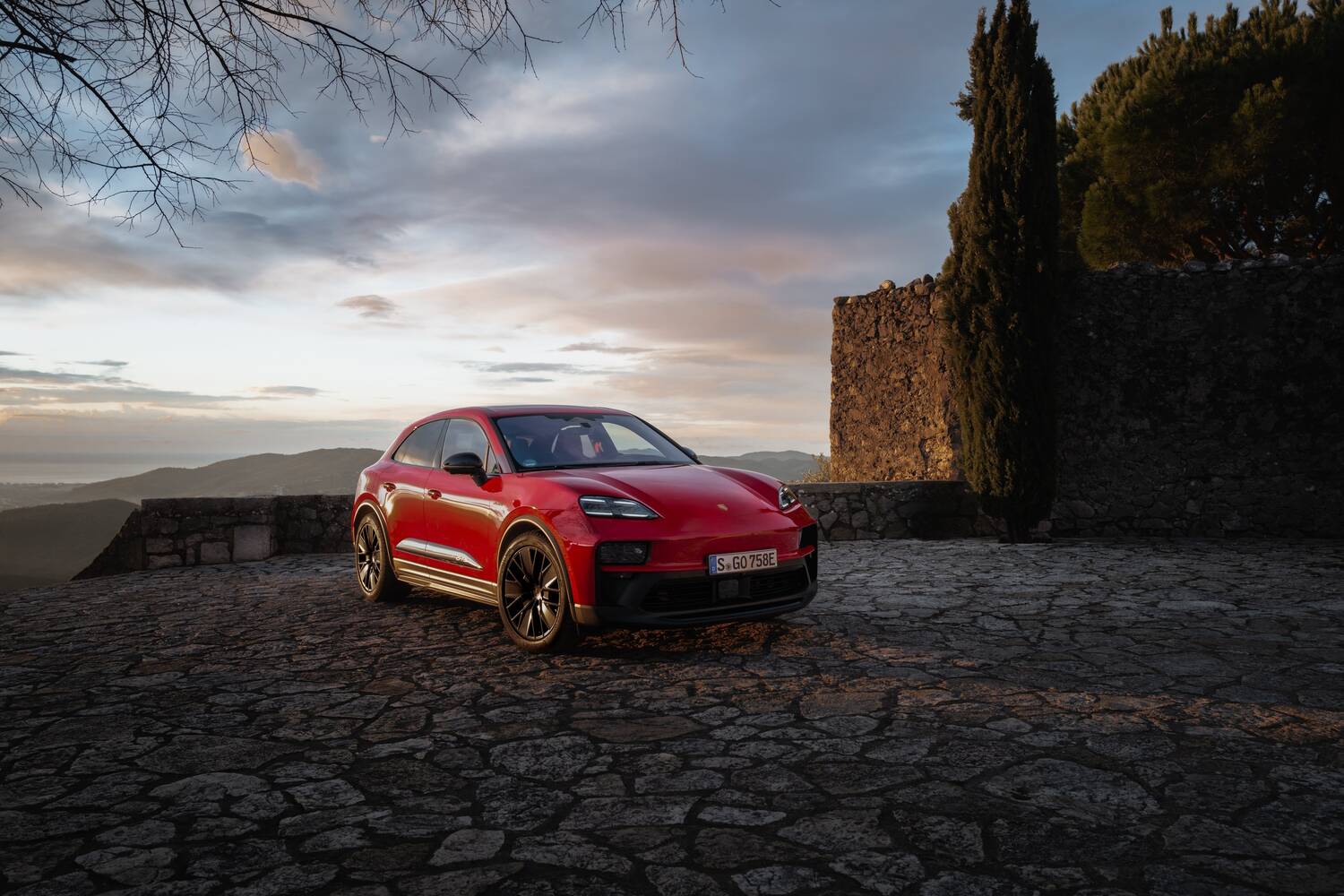
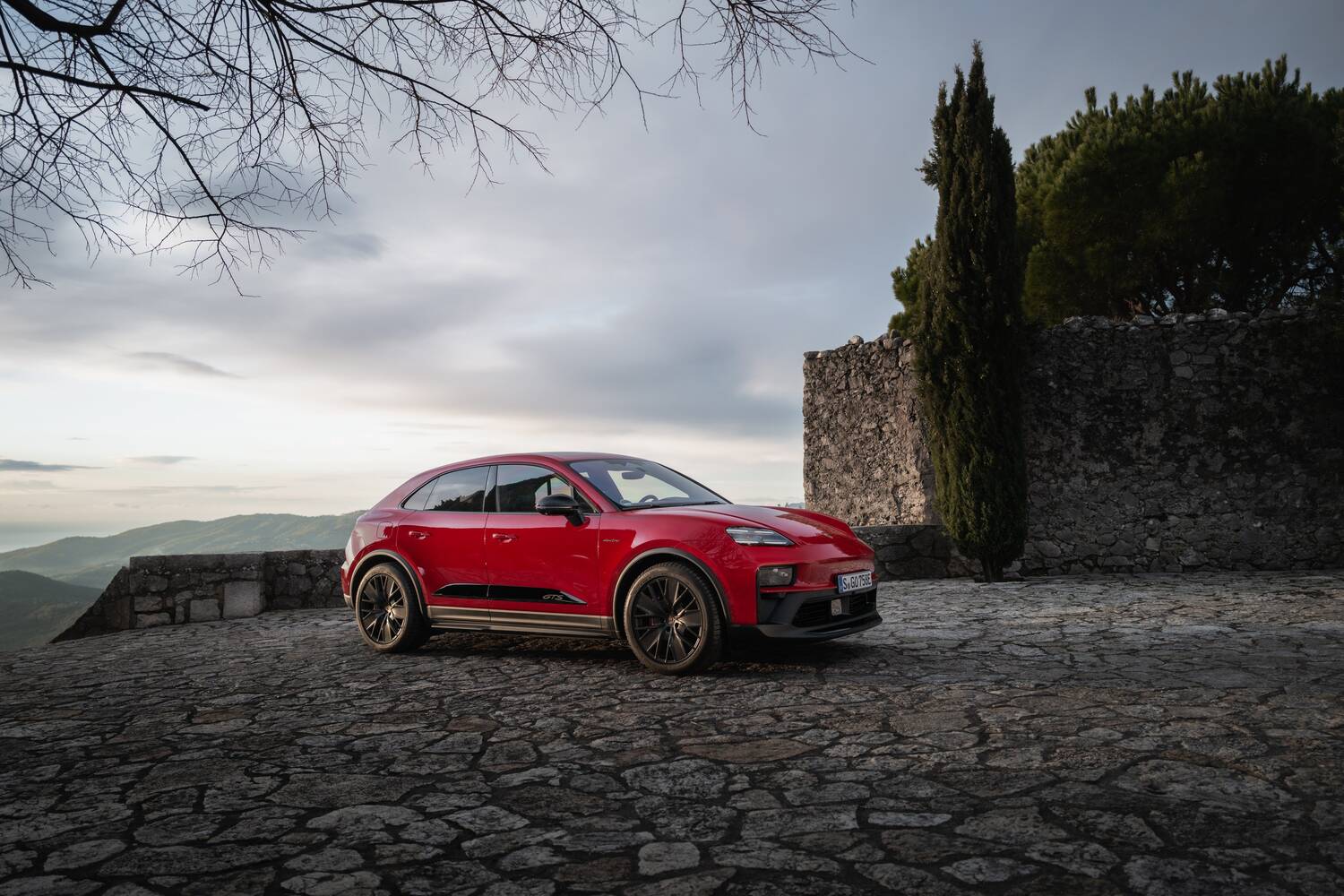
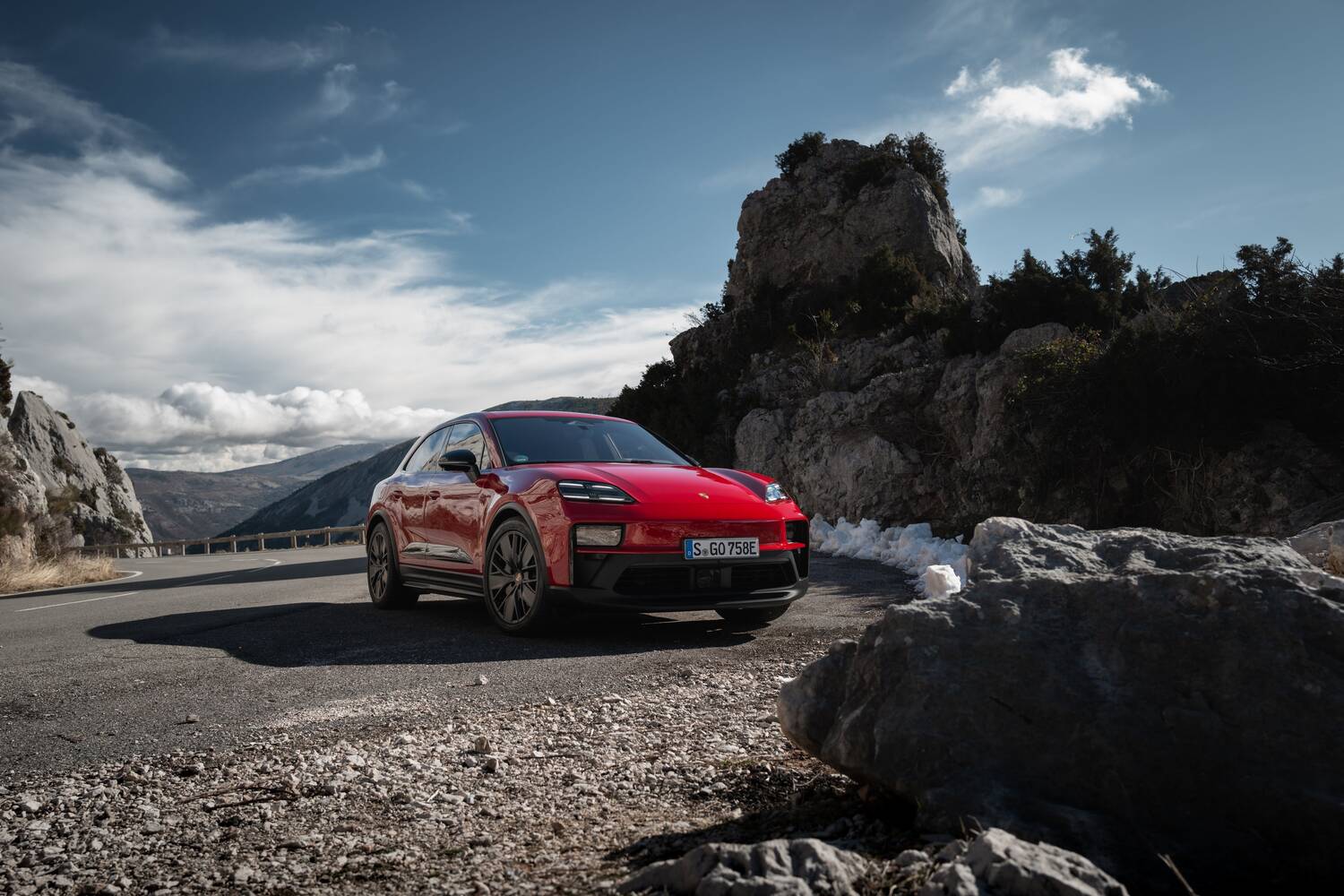
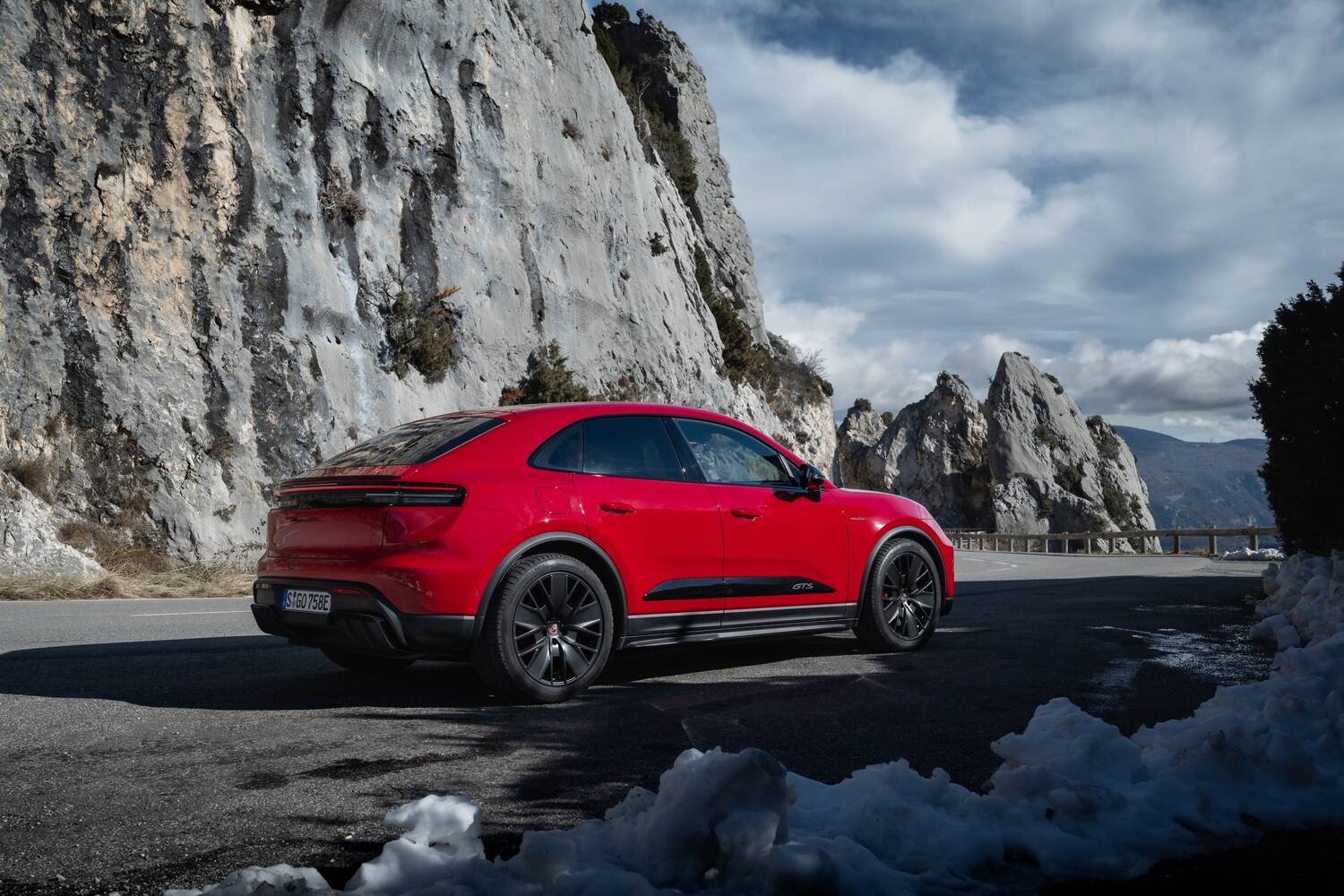
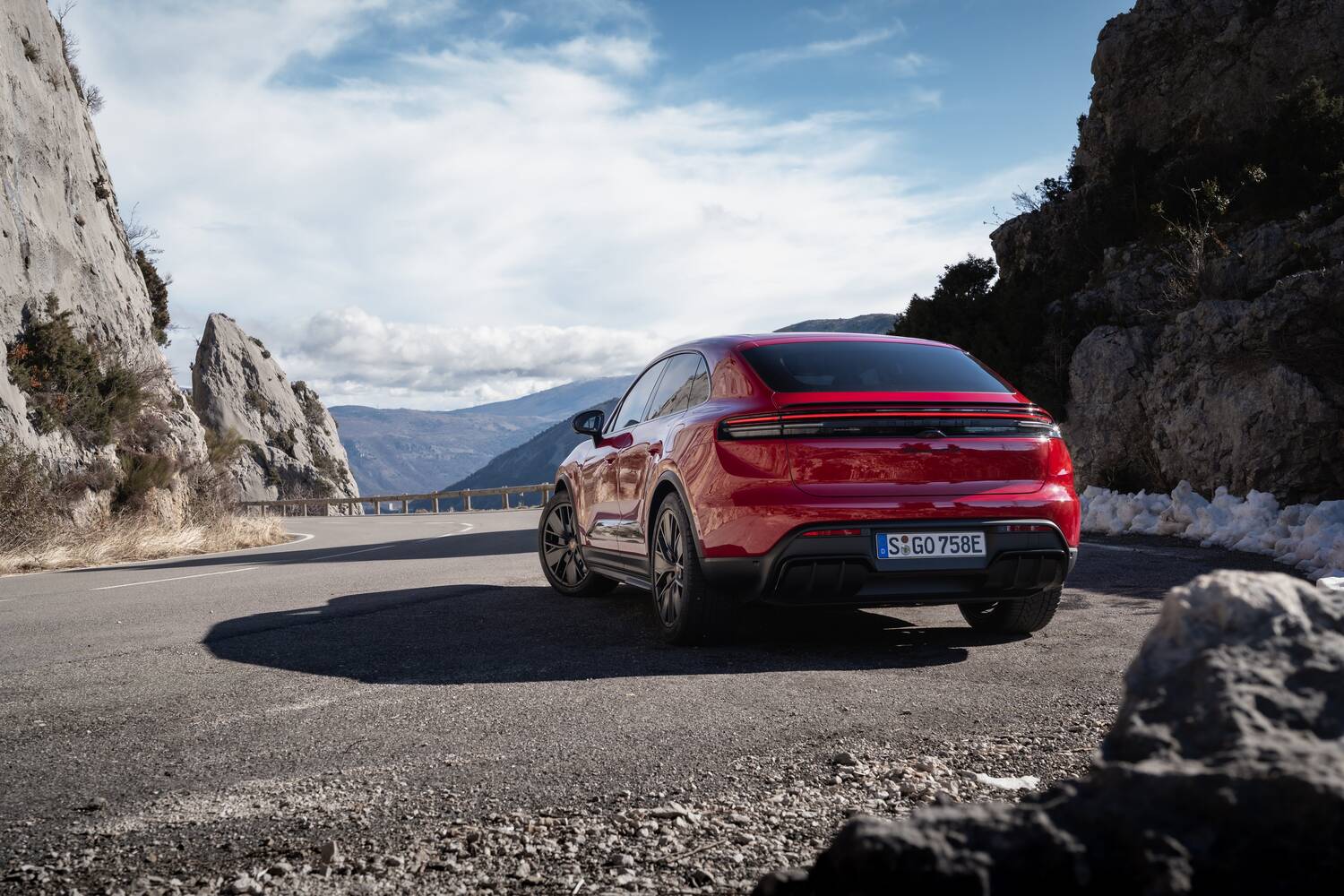
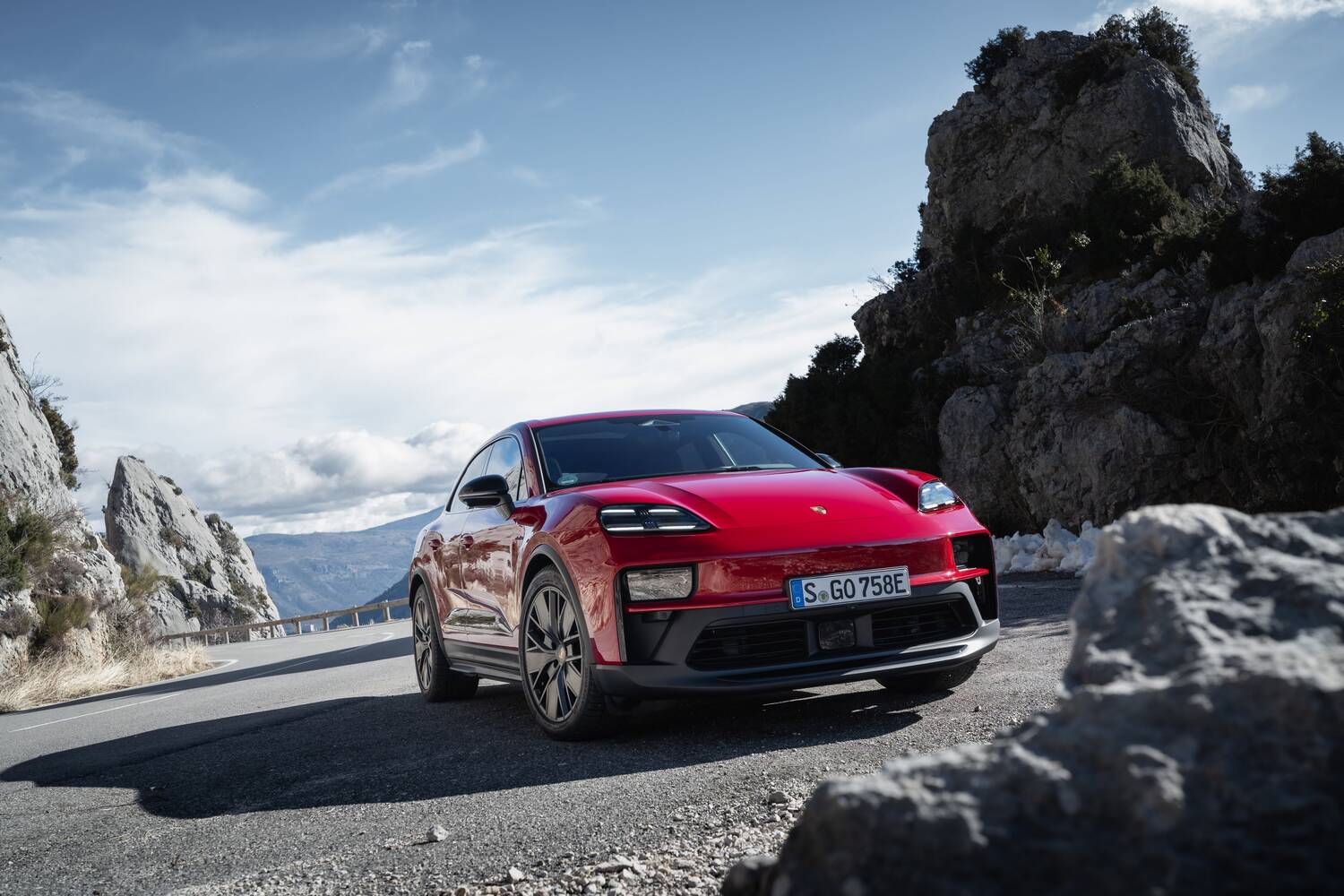
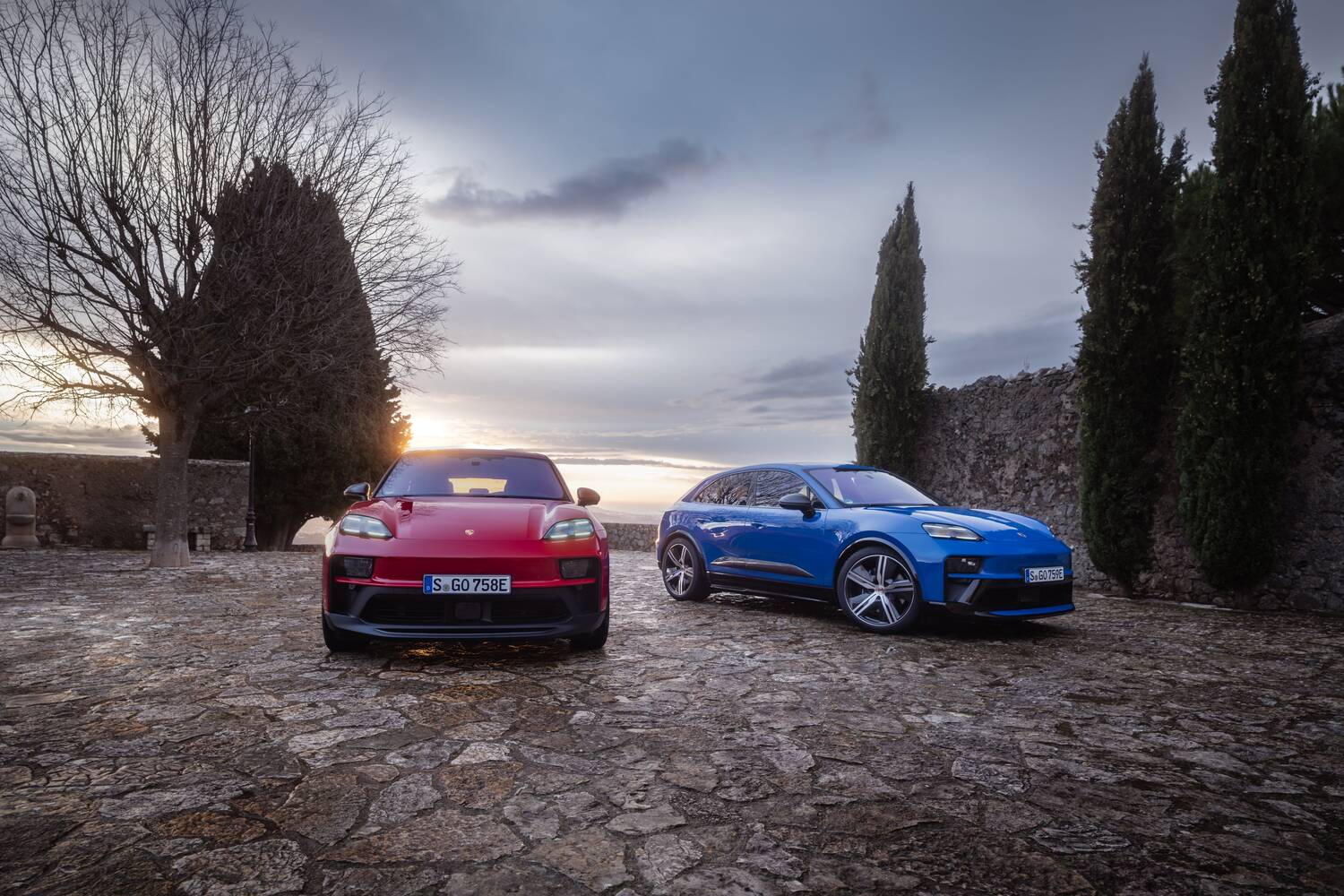
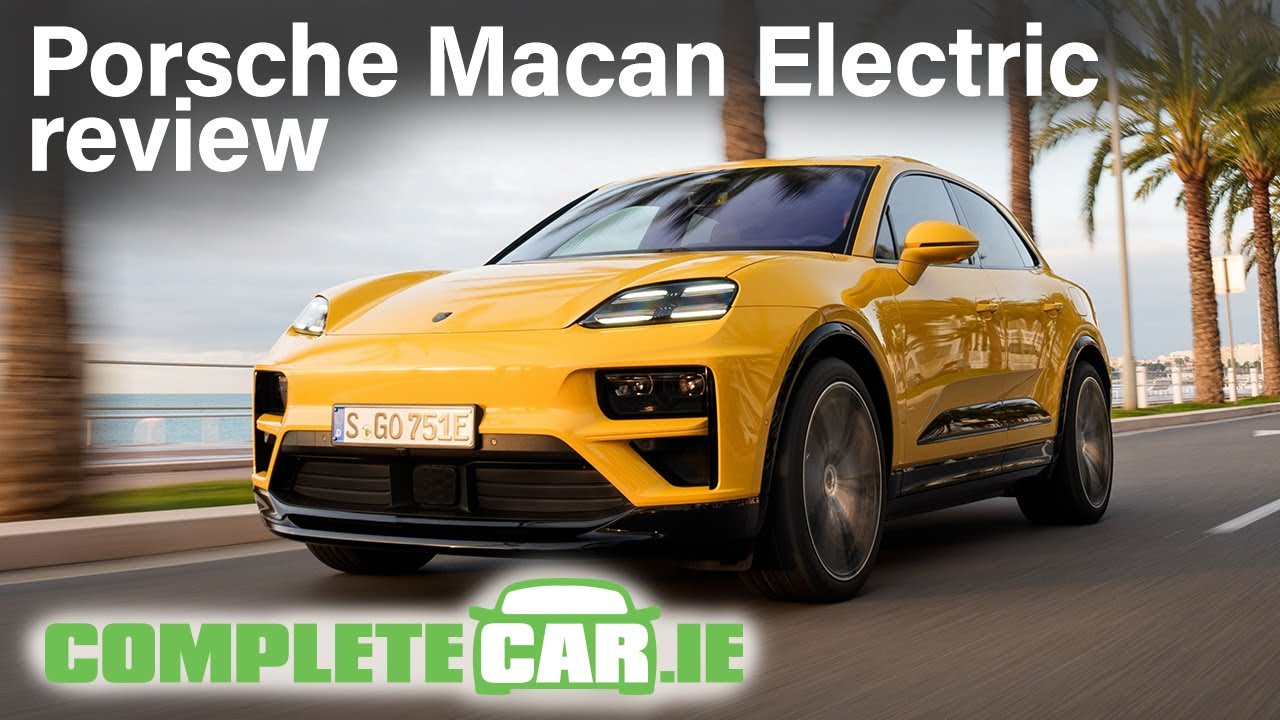
Unless you're vehemently against the aerodynamically optimised appearance of all of Porsche's EVs, or you need the more practical, estate-like form of a 'true' SUV, there's not much to dislike about the appearance of the Macan Electric.
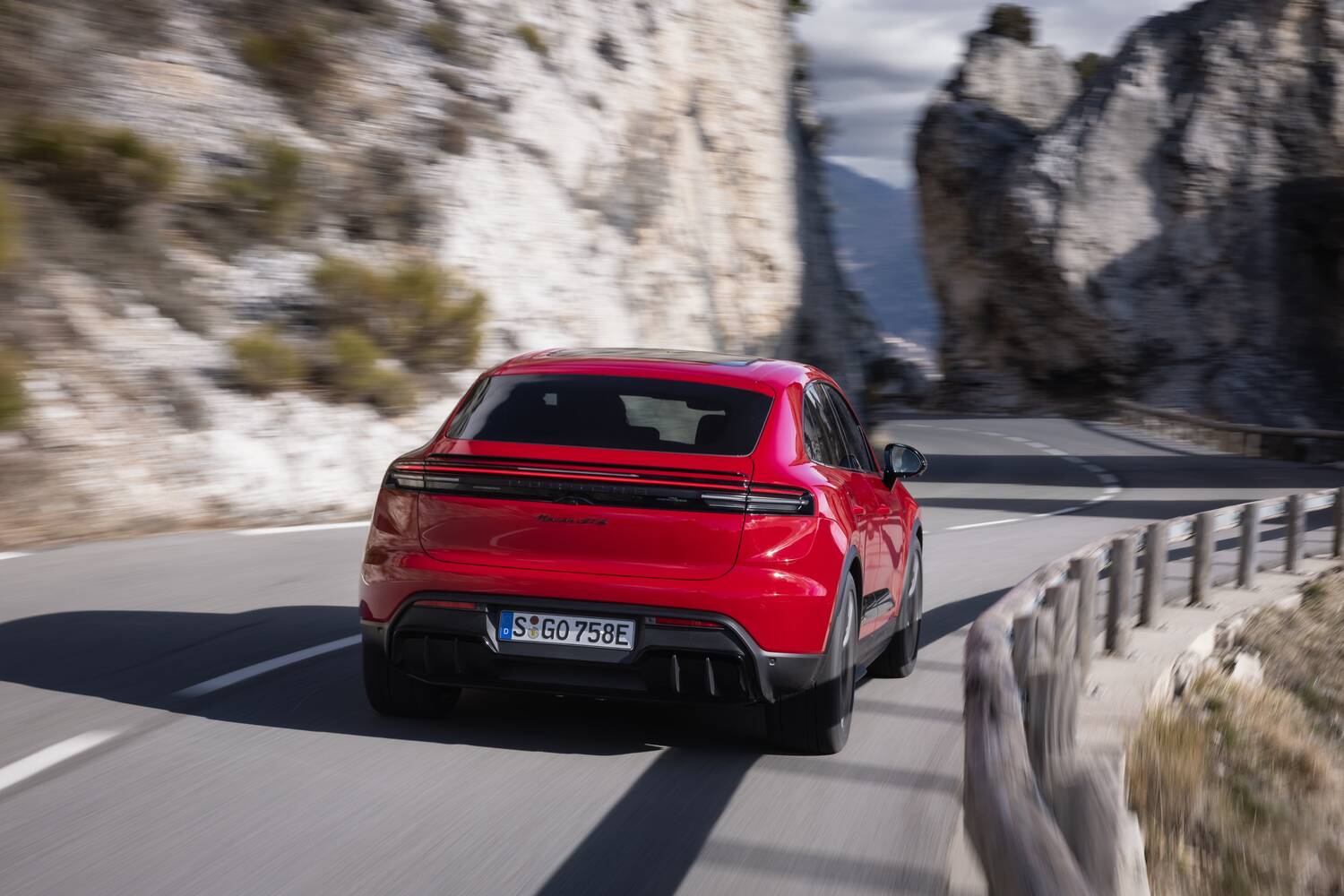
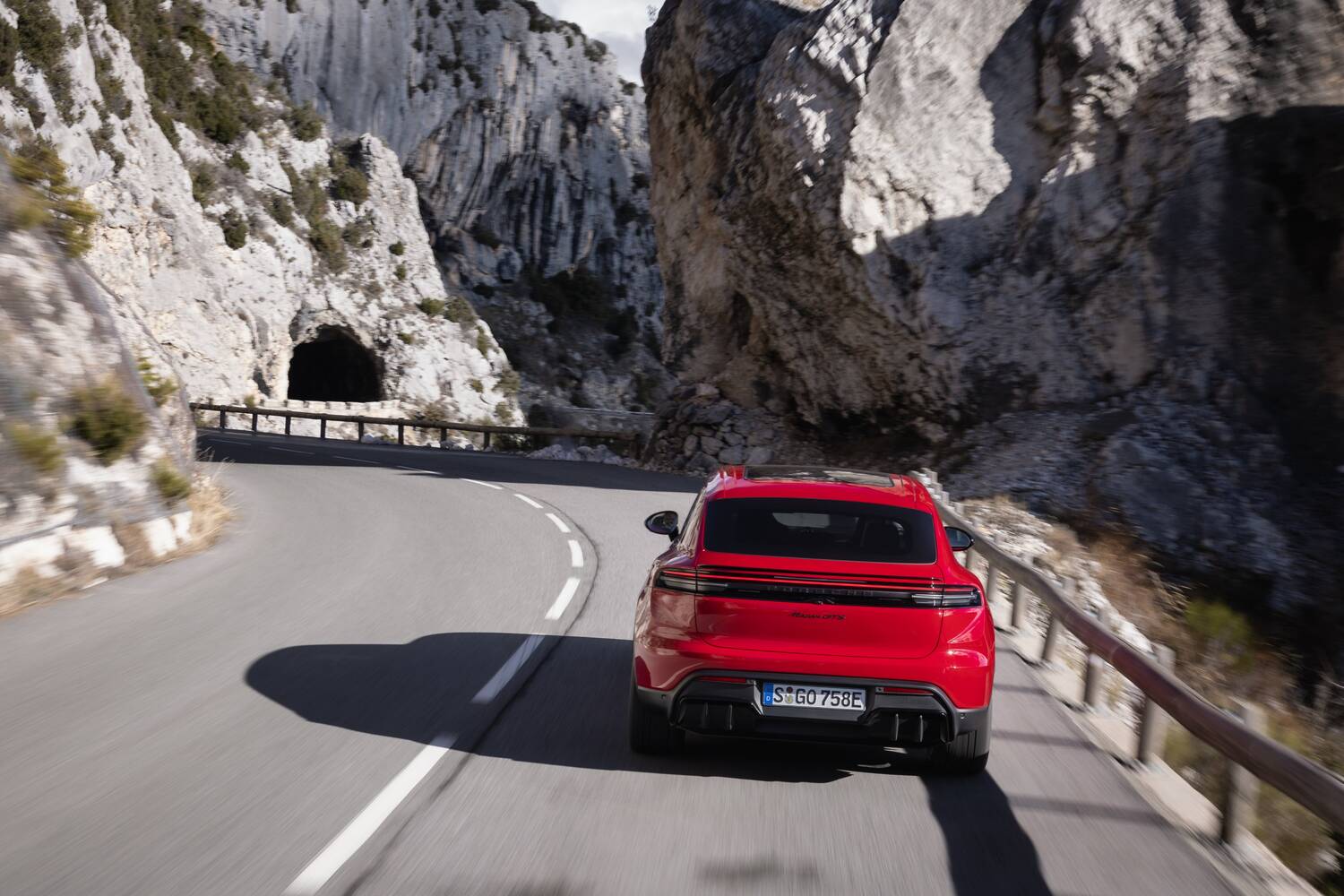
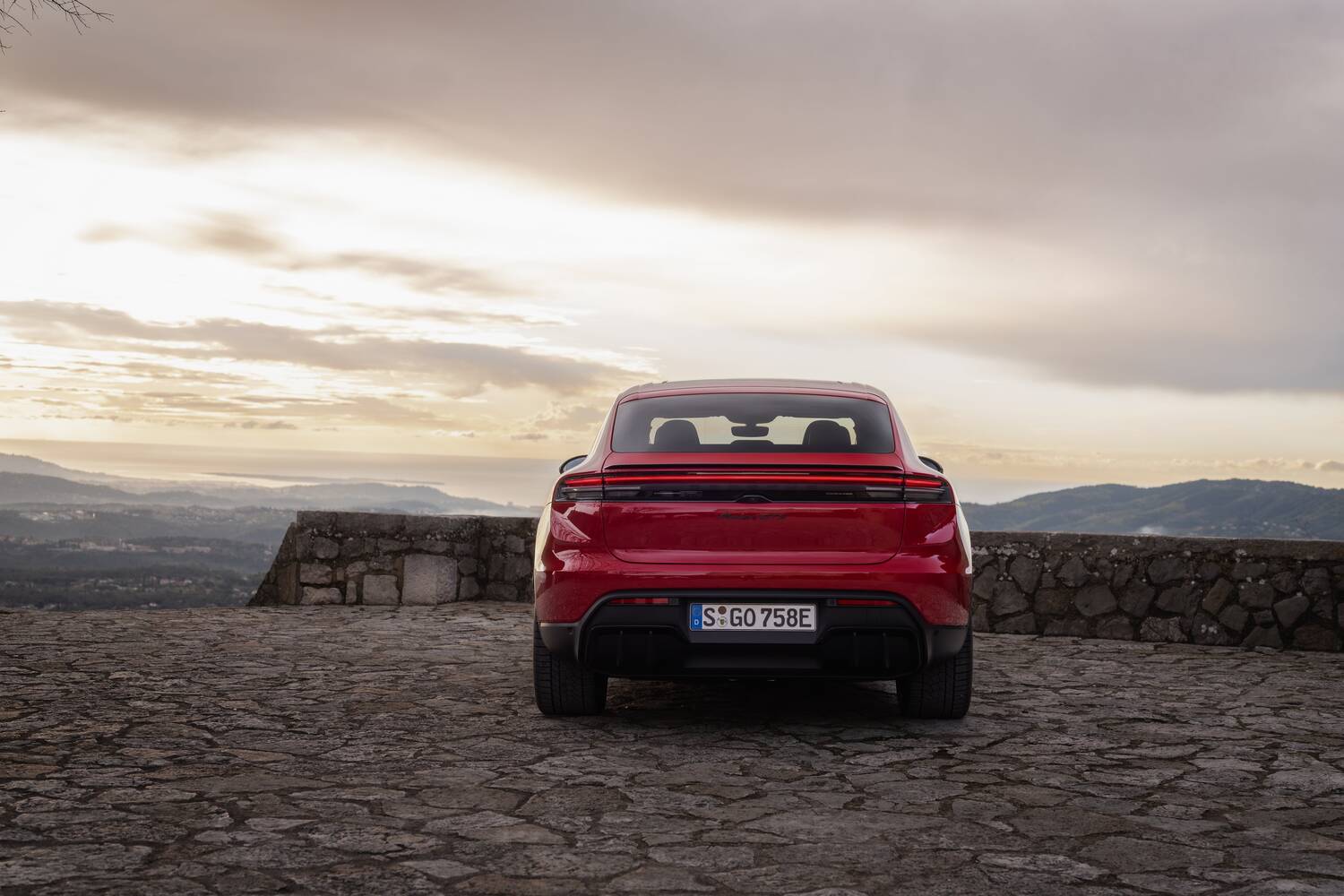
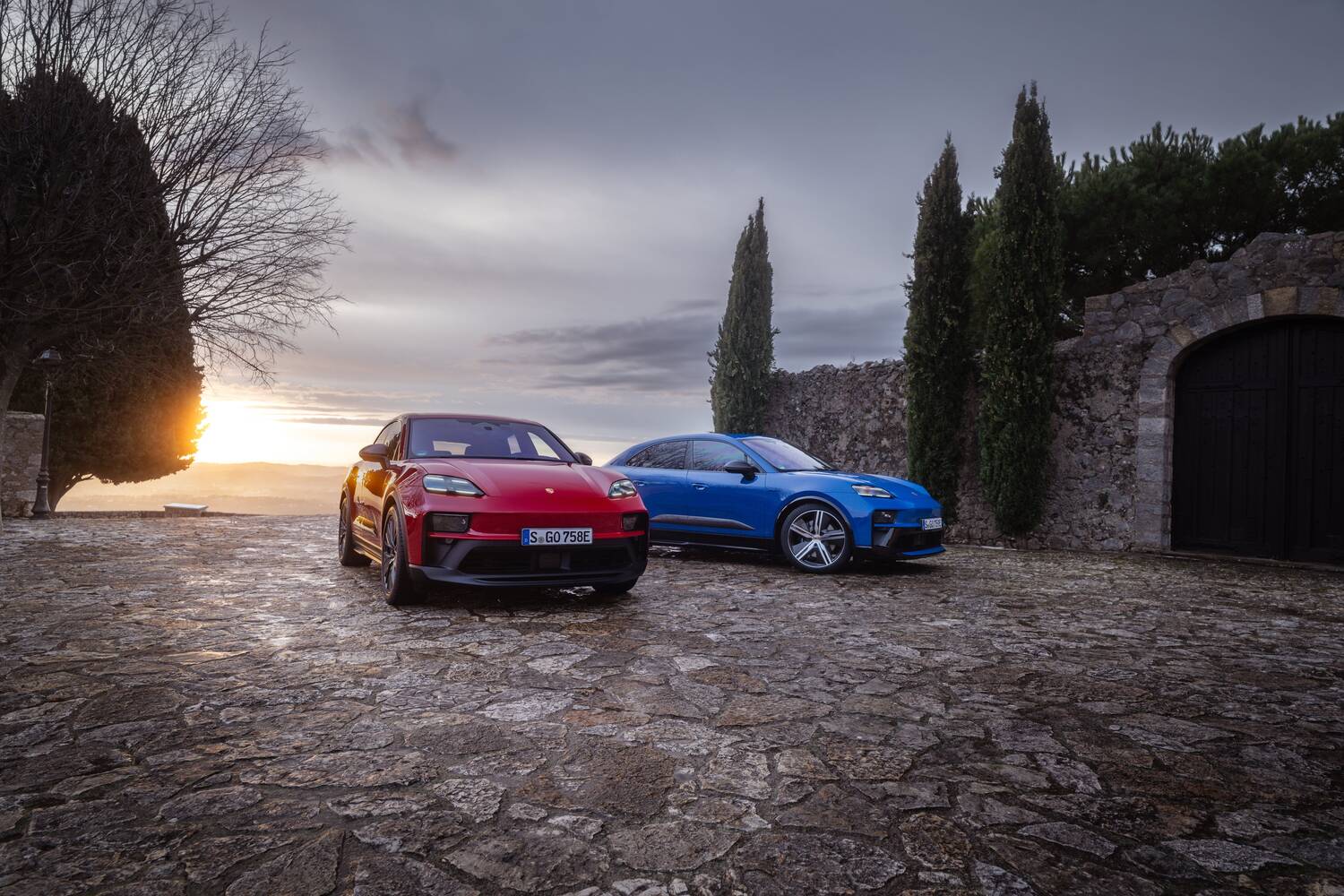
All versions are effectively coupe-SUVs, with a flowing roofline and steeply angled tailgate, but after the early shock generated in the immediate aftermath of its unveiling has subsequently worn off, the overall proportionality and visually muscular tautness of the Macan EV is most pleasing to behold.

The difficulty for the uninitiated will come in determining precisely which variant of Macan Electric you're looking at.
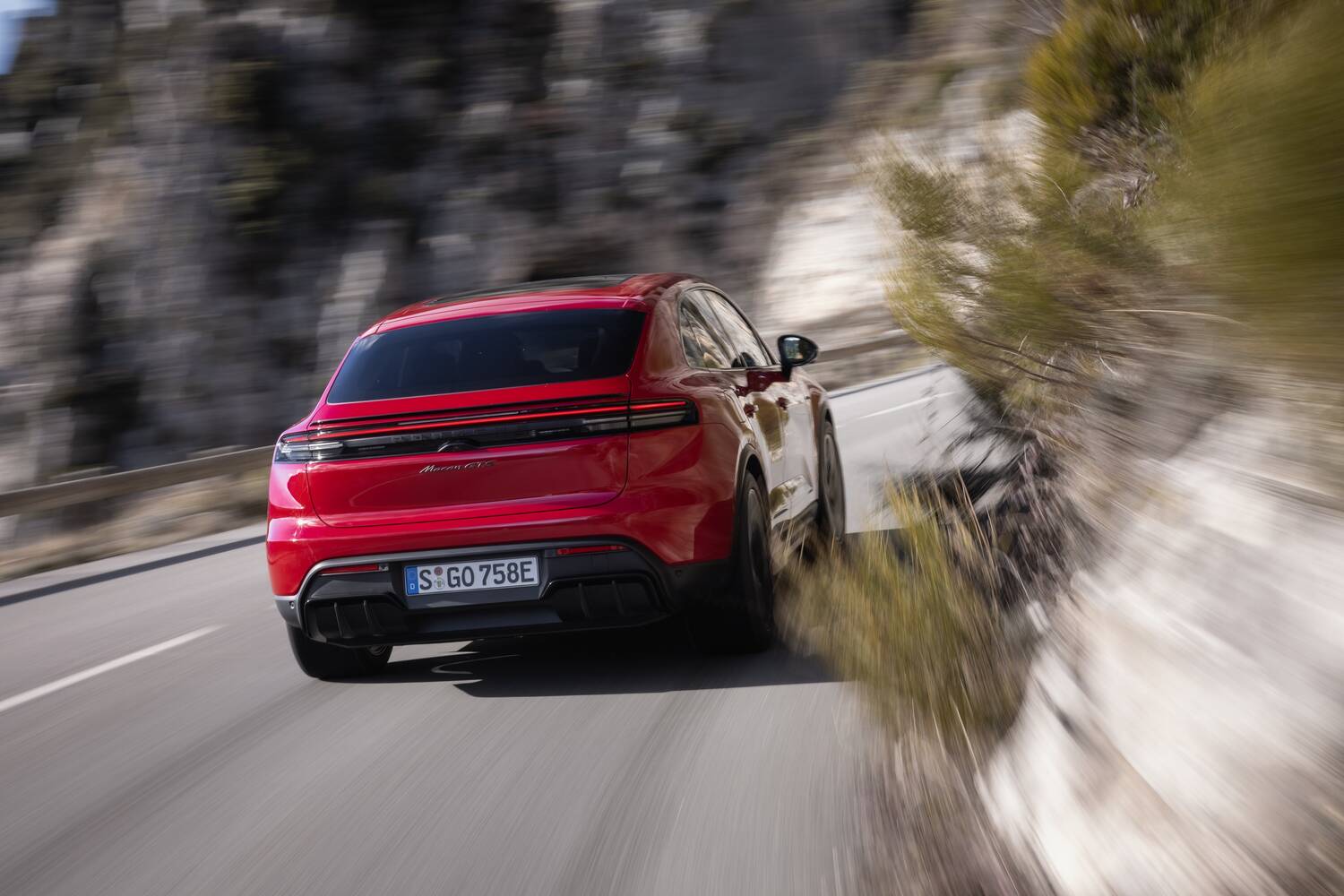
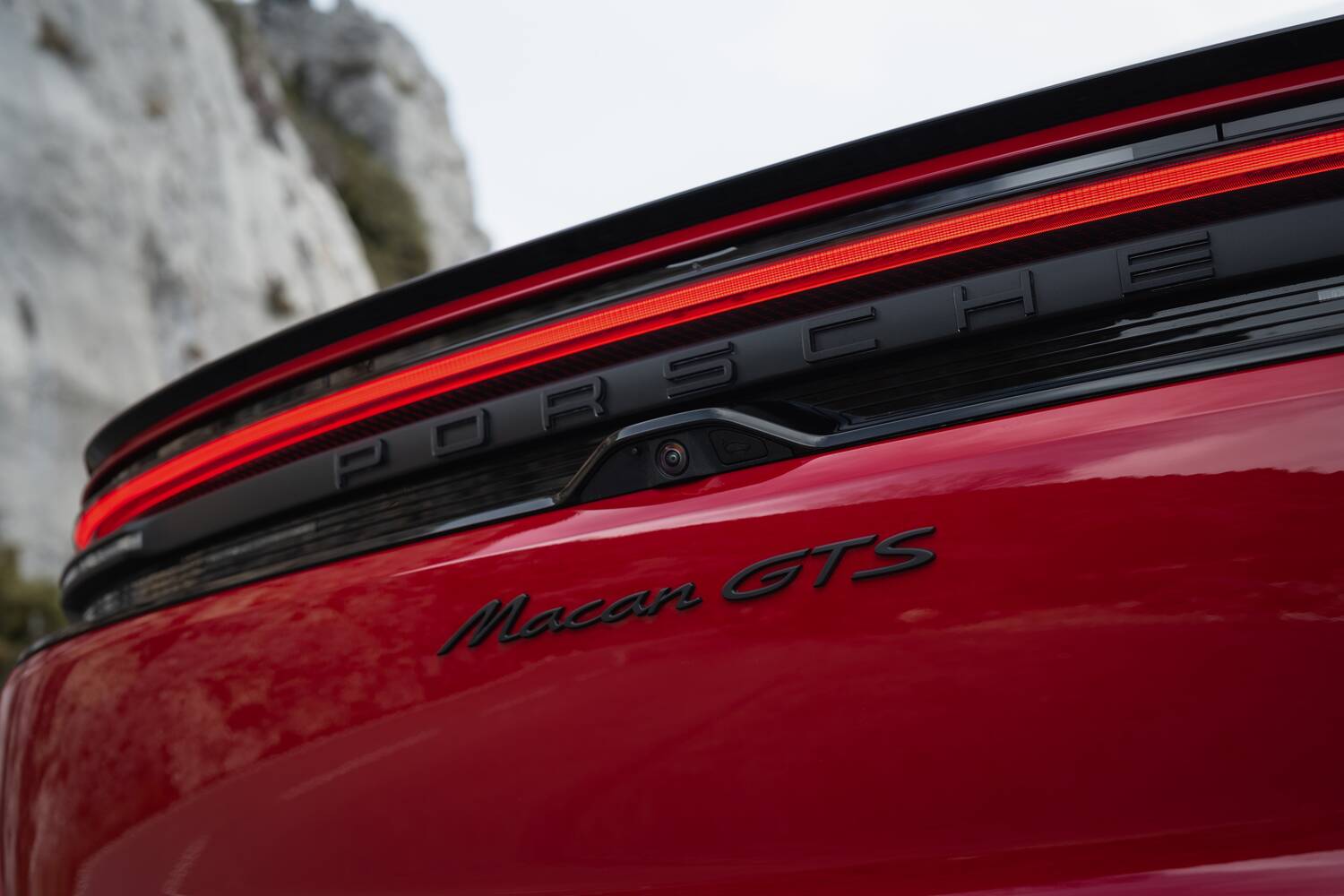
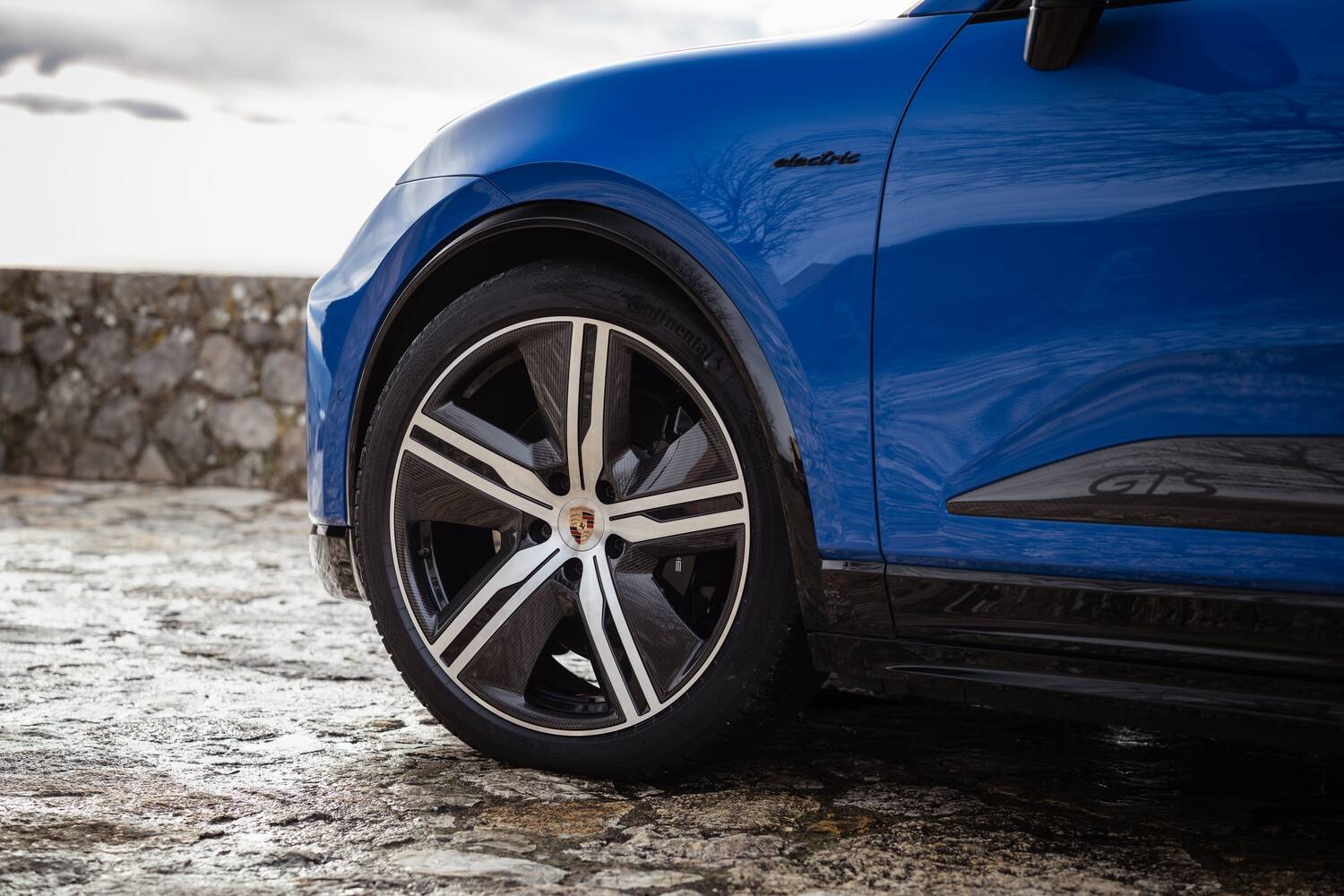
From base-grade single-motor car to the demented range-topping Turbo, they all look mighty similar - only boot badging (if it hasn't been deleted by an owner at ordering time) and an encyclopaedic, verging on the nerdy knowledge of Porsche's model-specific alloy-wheel designs (they range from 20 to 22 inches for the SUV and there are ten styles to choose from) will really help in correctly identifying the Macan you're looking at.
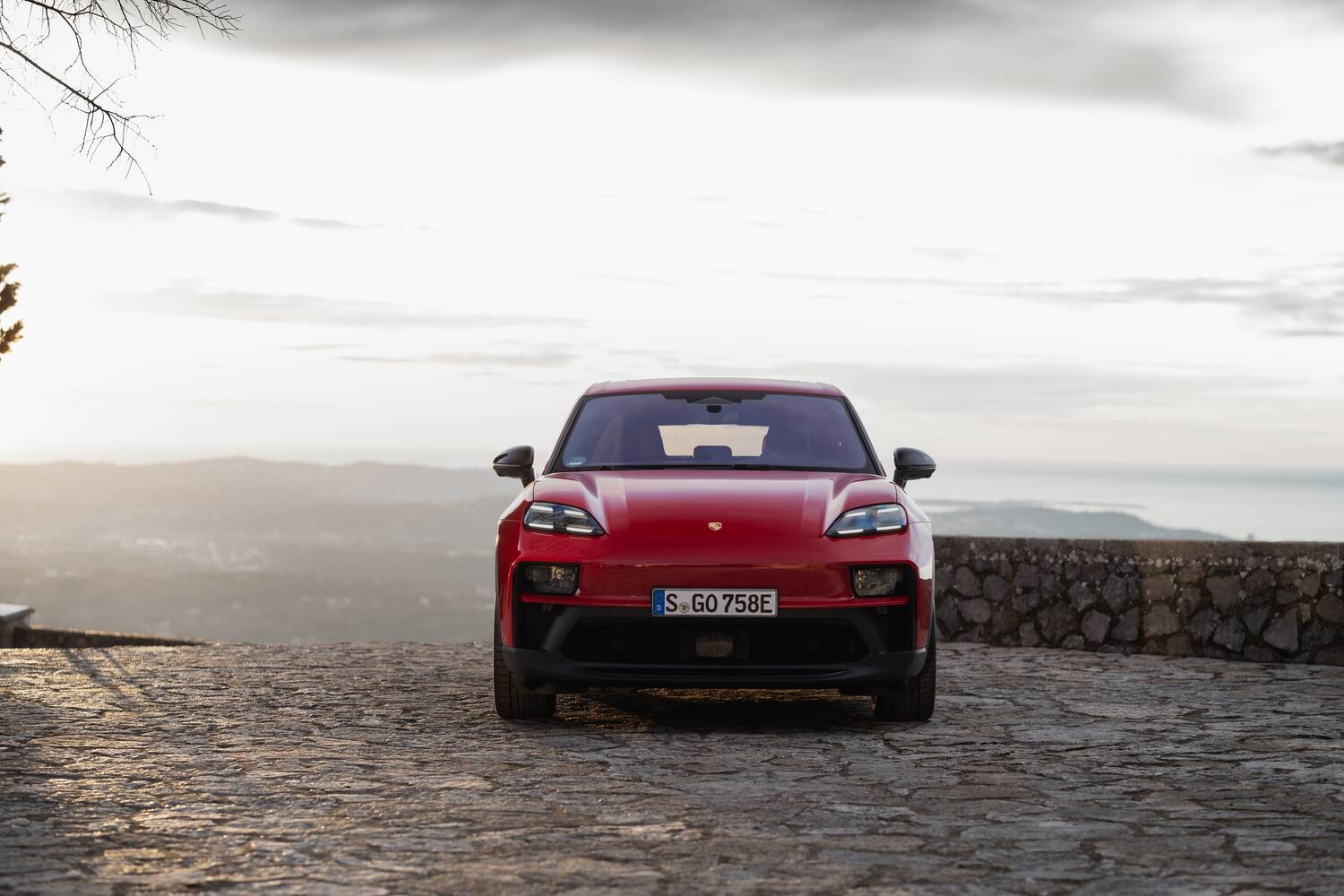
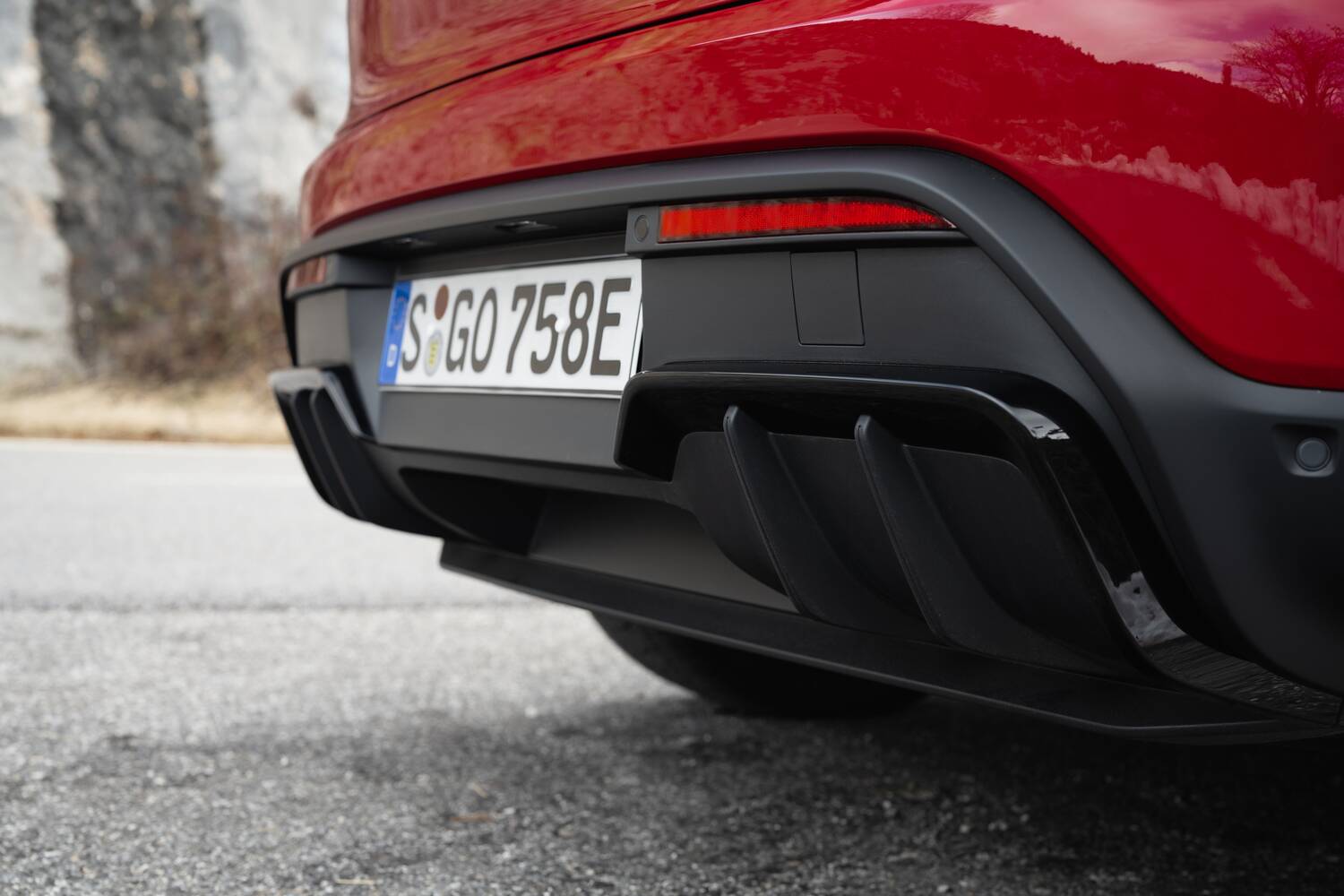
True, the faster models do have slightly different light clusters underneath the upper four-point DRL and squarish lamp units in the nose, in turn necessitating a moderately altered bumper design (and their rear diffusers are changed too). But we are talking about the minutest of minutiae here.

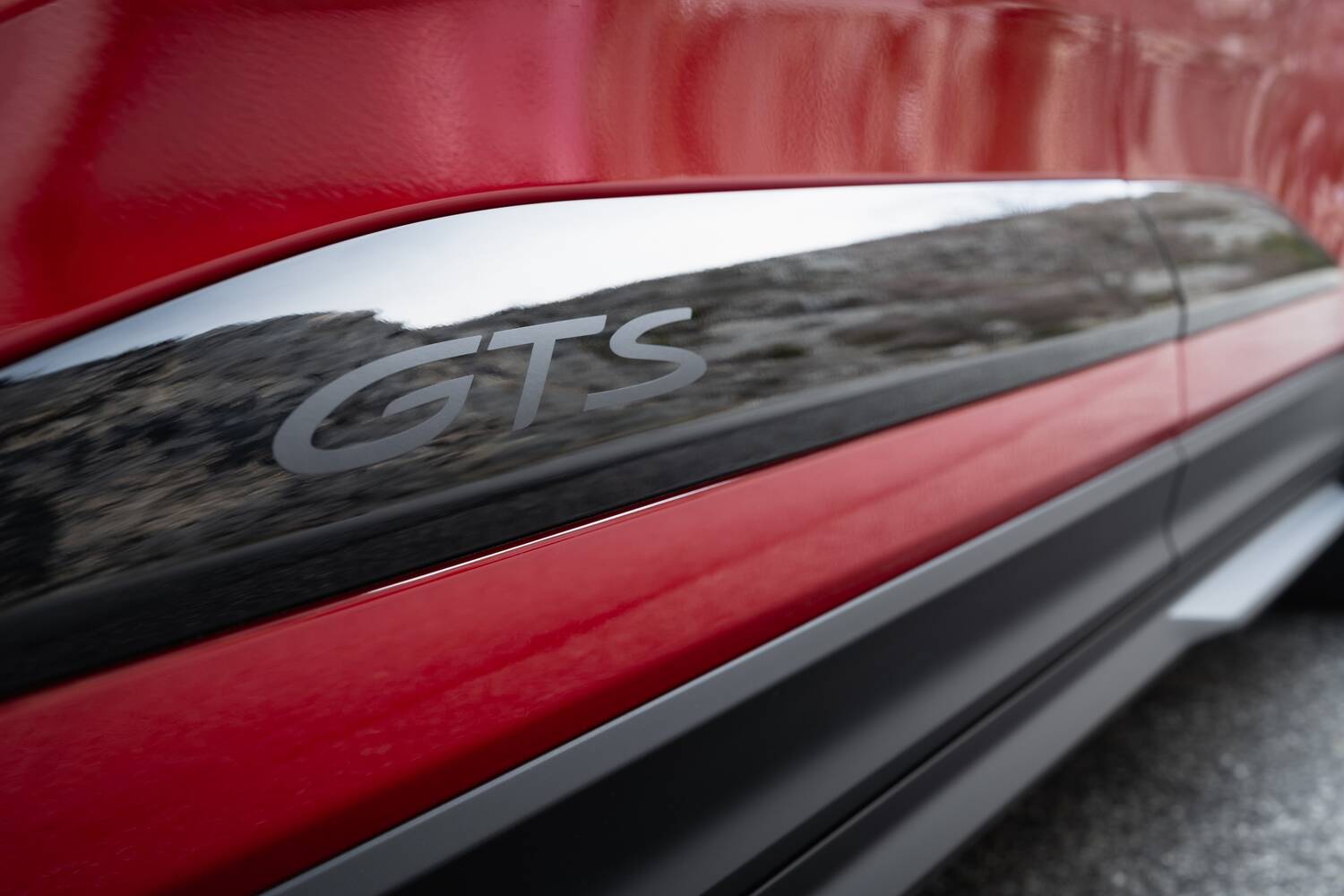
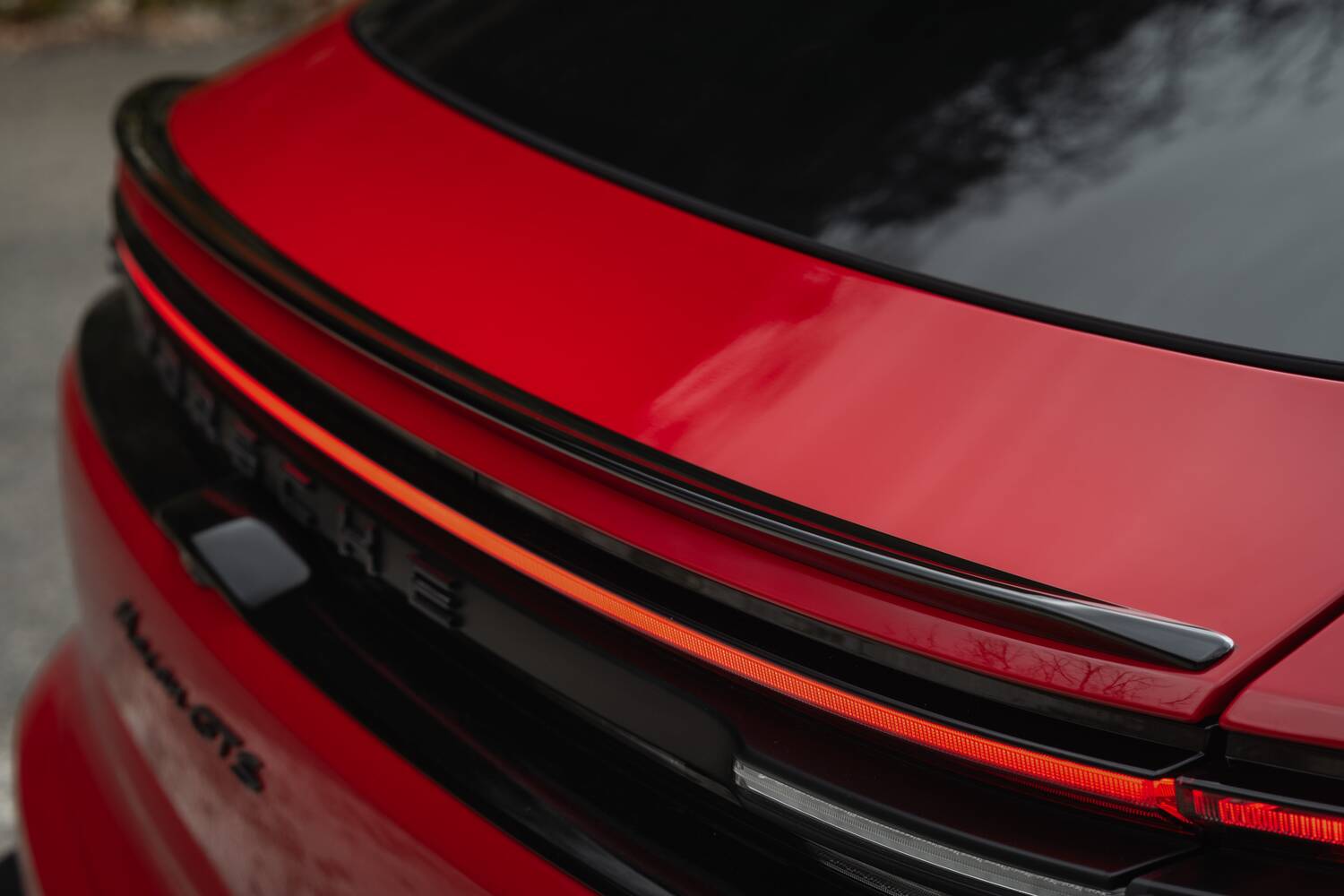
Perhaps the easiest one to spot is the GTS, because it has dark exterior detailing, a 10mm-lower ride height, beefed-up side-skirts and a jutting front splitter. Again, though, unless you have an obsessive attention to detail, you could easily mistake one Macan Electric for any other if you only afford it a passing glance.
Dimensions of the 2026 Porsche Macan Electric
- Length:
- 4,784mm (GTS is 4,805mm)
- Width:
- 1,938mm (GTS is 1,952mm)
- Height:
- 1,613-1,623mm
- Wheelbase:
- 2,893mm
Paint colours for the 2026 Porsche Macan Electric
Following the introduction of the GTS, there are 15 main colours for the Porsche Macan Electric family, split into four overarching 'palettes'.
In the first, called Contrasts and the only no-cost options for the vast majority of the range, are the very straightforward solid-finish choices of White or Black.

Moving up to the Shades range, the four metallic options are Jet Black, Ice Grey, Volcano Grey or Dolomite Silver. Any of these will cost €904.
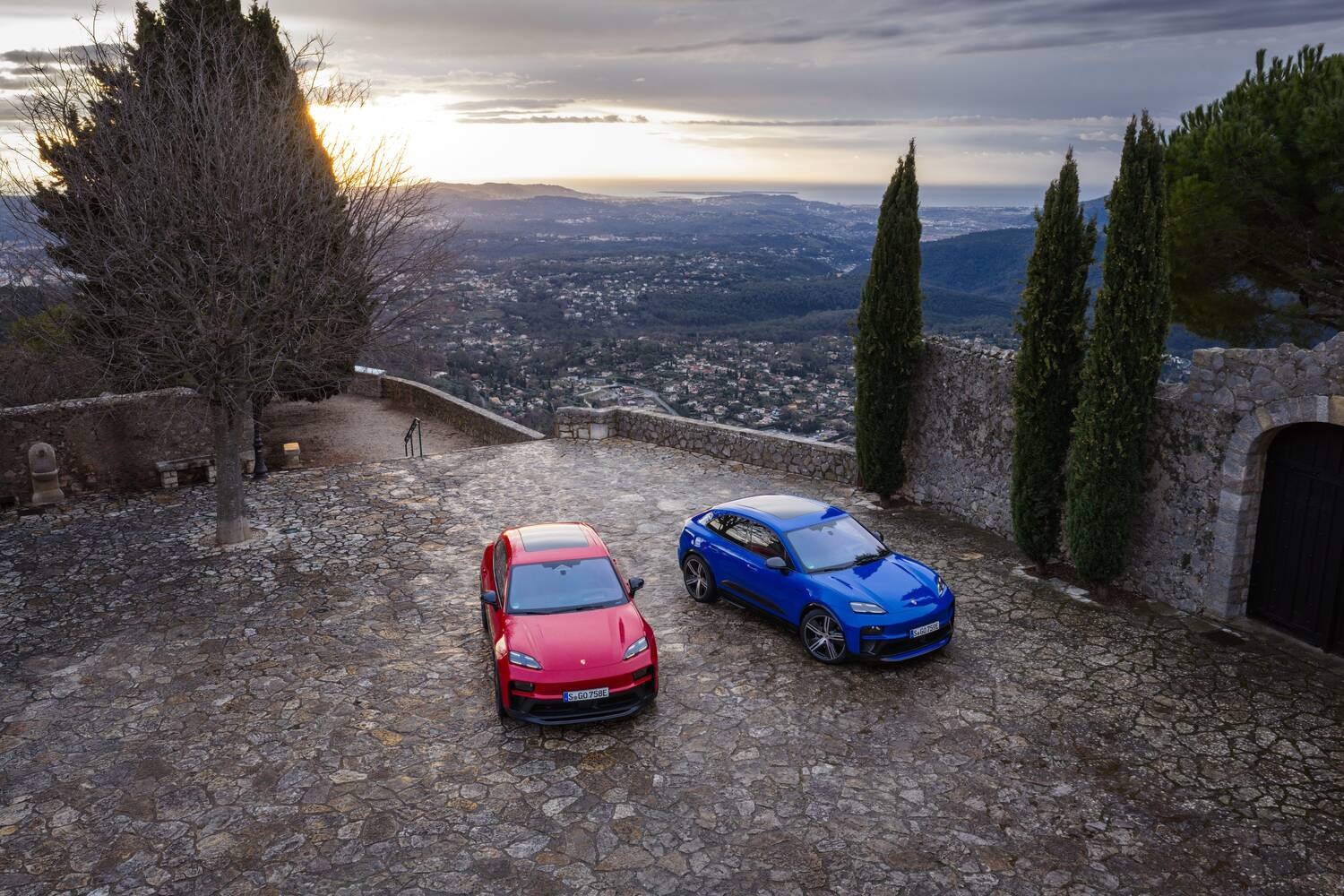
Above that are five colours in the Dreams line. Choose from Gentian Blue metallic, Carmine Red, Provence, Lugano Blue or Frozen Blue metallic, each coming in at €1,445.
Finally, the Legends quartet is made up of Oak Green Neo metallic, Aventurine Green metallic, Slate Grey Neo or Crayon, and these are the dearest paints of the main 15 at €2,745 apiece.
The exception to this pricing structure is the Macan Turbo Electric, which has the same paint choices outlined above as any other Macan, but it is only the Legends which will incur any cost.
And as if all that personalisation of the exterior wasn't enough, then there are another 55 colours to select from in the Paint To Sample programme, although Porsche will demand €9,192 if you decide to dip into this lot.
Interior, practicality, tech & comfort of the 2026 Porsche Macan Electric
- Supreme quality throughout
- Tech is integrated well
- Rear-seat space the main drawback

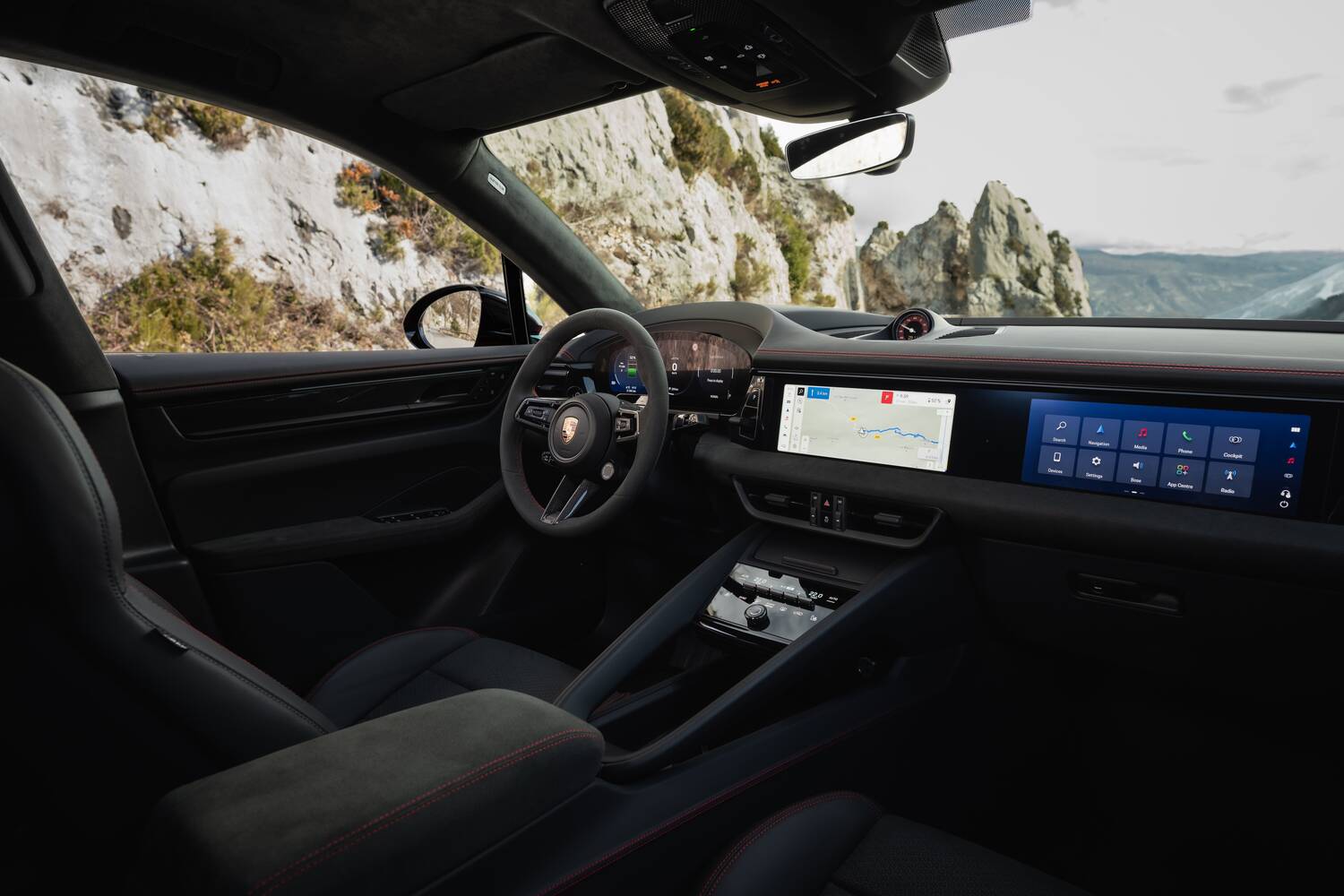
The Porsche Macan Electric has an interior design that is different to either that of the Taycan, which is older, or the cabin in the newer Cayenne Electric.
It is a signal example of how to do a car interior to the best possible standard: sumptuous material quality, immaculate fit and finish, ergonomics that are nothing short of perfection and the integration of modern, top-end technology that nevertheless doesn't interfere with the driving experience in the slightest.
Getting comfortable in the driver's seat

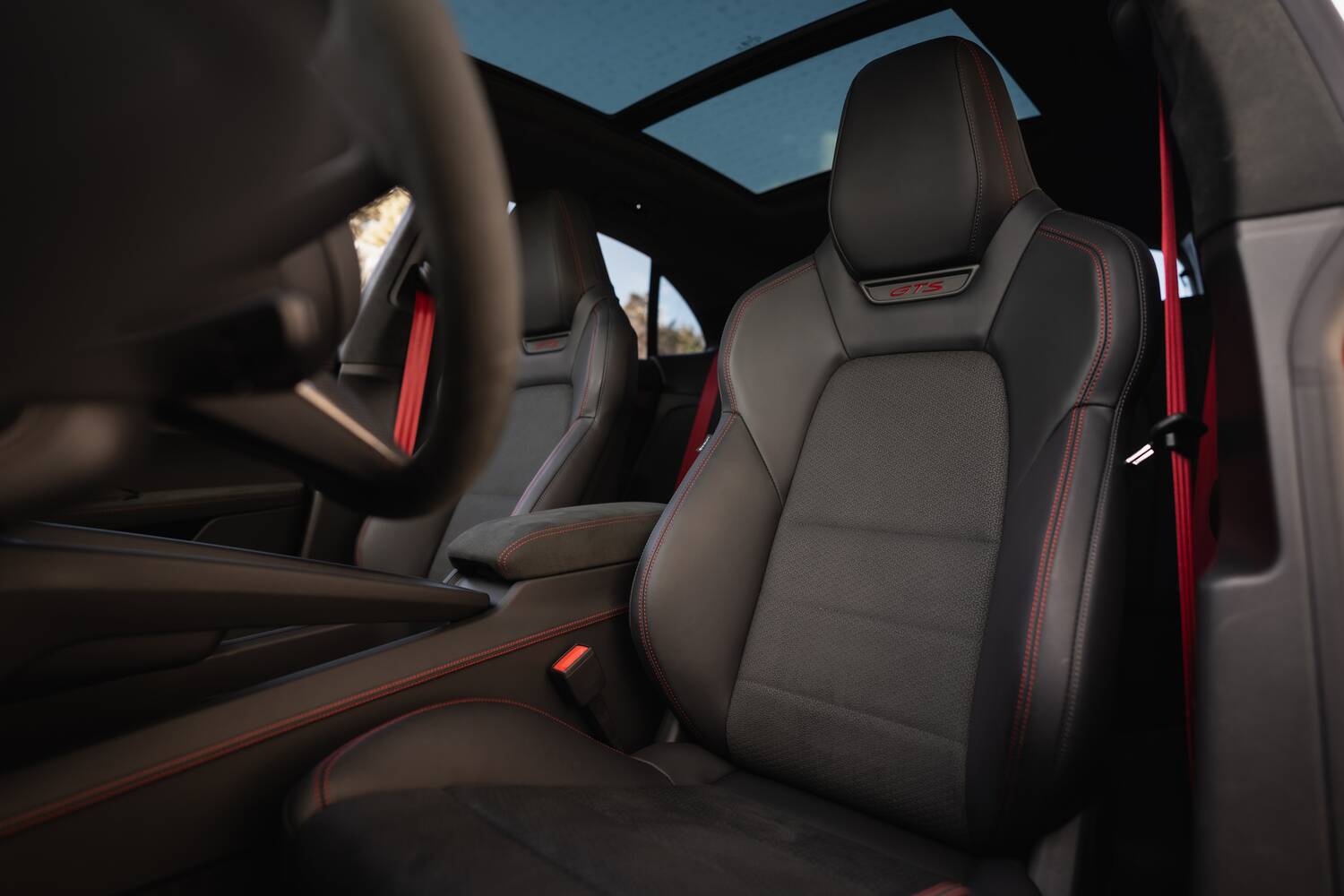
Every Porsche Macan Electric has electric front seats, which are at least eight-way adjustable. As you move further up the range, or get busier with the options tick boxes at ordering time, these can either become 14-way Comfort chairs or 18-way Adaptive Sports seats - and aside from the exceedingly tall or remarkably tiny, everyone should be able to get comfortable at the wheel of the Macan; even the steering column is electrically tweakable on higher models.
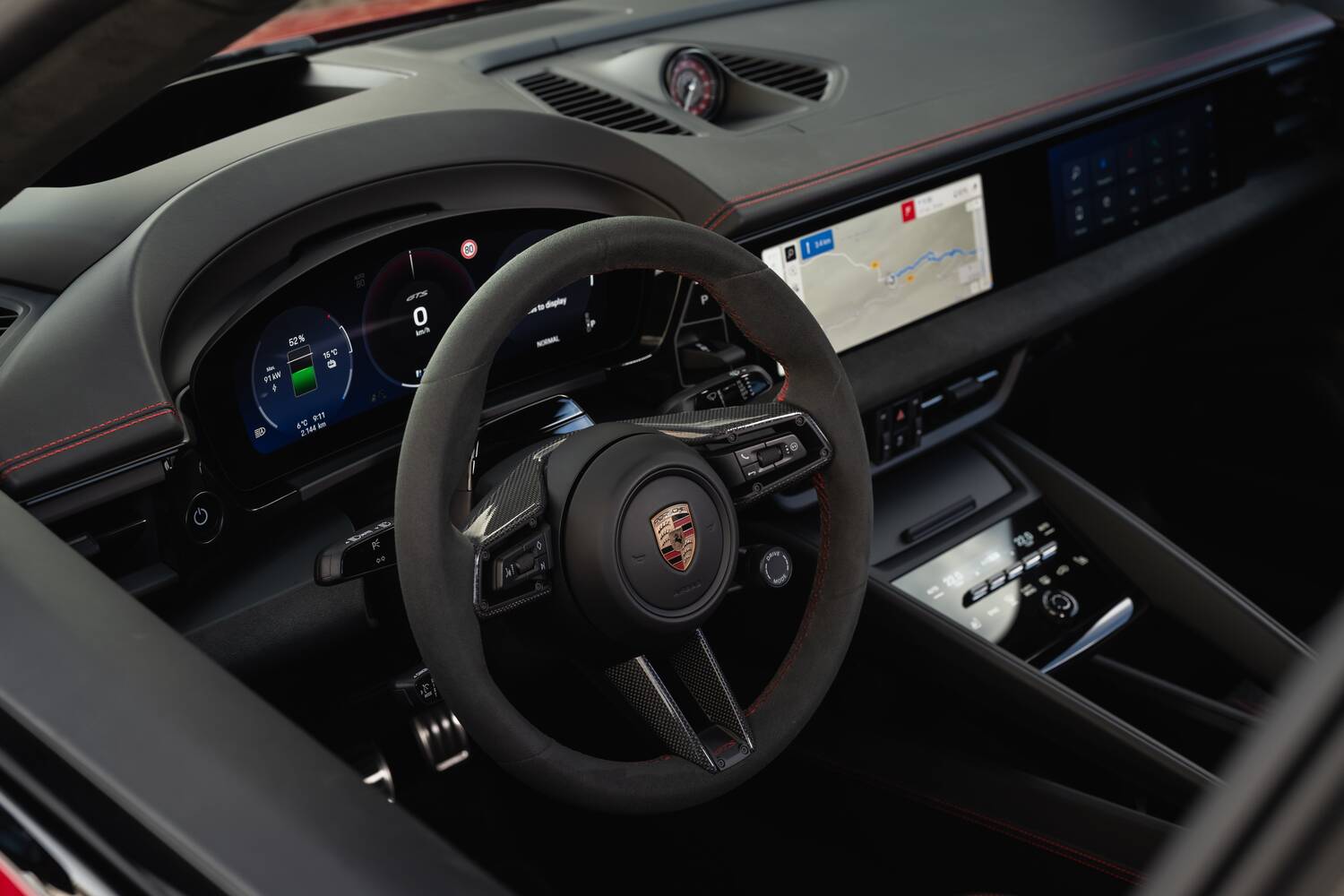
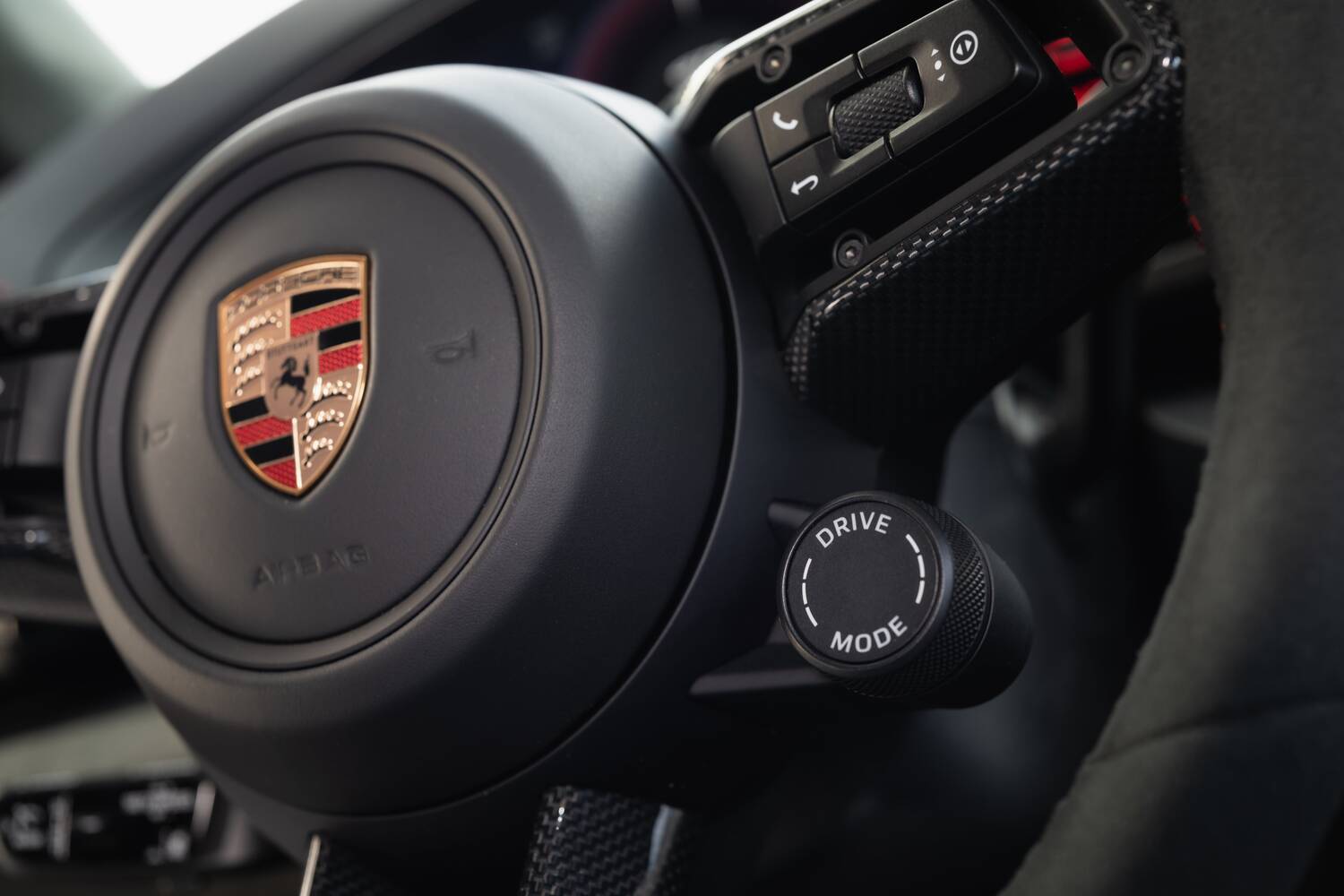
With the simply sublime GT Sports steering wheel in your hands, you end up sitting high relative to the road, which is spot-on SUV character, but low in the body of the vehicle, so it feels suitably sporty and enticing, like a proper Porsche.
Infotainment and technology

All versions of the Porsche Macan Electric have a crisp and lovely-to-use 12.6-inch Curved Display instrument cluster, augmented by a 10.9-inch Porsche Communication Management (PCM) touchscreen in the dash. Both of these are absolute jewels in the world of in-car tech, while a 15-watt wireless smartphone-charging pad is also standard.
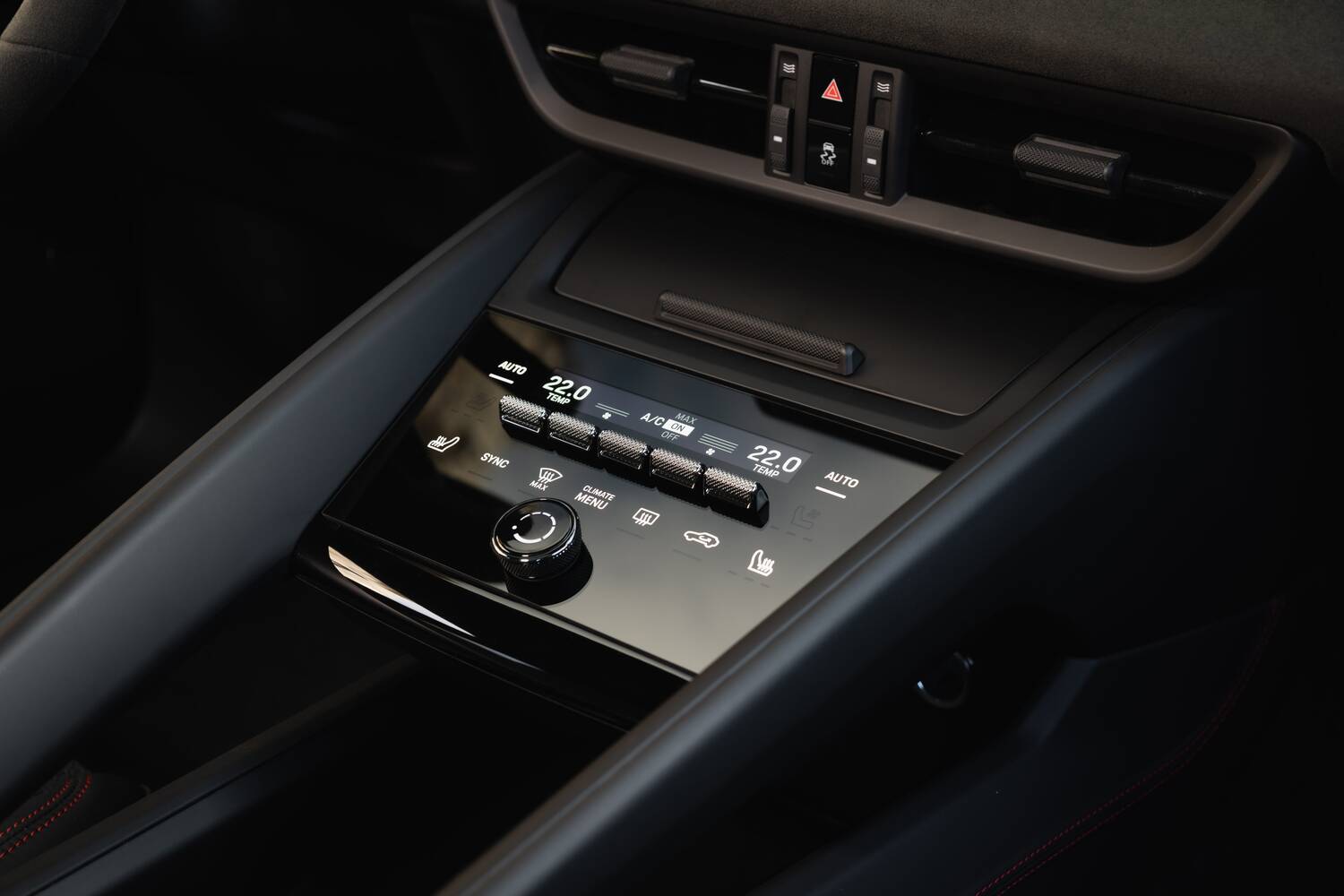
Porsche keeps a separate panel of climate controls down on the transmission tunnel, and while some of the buttons here are haptic items, they still work beautifully - and so does the whole cabin, which you begin operating like you've owned the Macan for years within minutes of getting into the vehicle.

Heated seats in the front are also fitted to all Macan Electrics, but if you want the 10.9-inch Passenger Display, the augmented-reality head-up unit or one of the two powerful sound systems (either a Bose or a Burmester set-up) you'll either need to fork out for four-figure options, or aim at upper-spec variants in the first place.
Practicality around the cabin
Those sitting up front in the Porsche Macan Electric have access to large door pockets with enough room to take large drinks bottles, a decent-sized glovebox, an under-armrest central stowage cubby and then a large, recessed area in the tunnel which incorporates the twin cupholders, plus a couple of USB ports and a 12-volt socket.

With a neatly concealable lidded pocket for smartphone charging up front, the practicality arrangements in the cockpit of this EV are excellent.
Rear-seat passenger space
If there's one area where we can criticise the interior of the Porsche Macan Electric, it's in the back. For such a physically big car, the room in the rear of the cabin isn't the most generous in the world.
It's not terrible in the back, but the slope of the SUV's roofline does limit headroom to a degree, the legroom is just about above average and the floor isn't completely flat throughout.
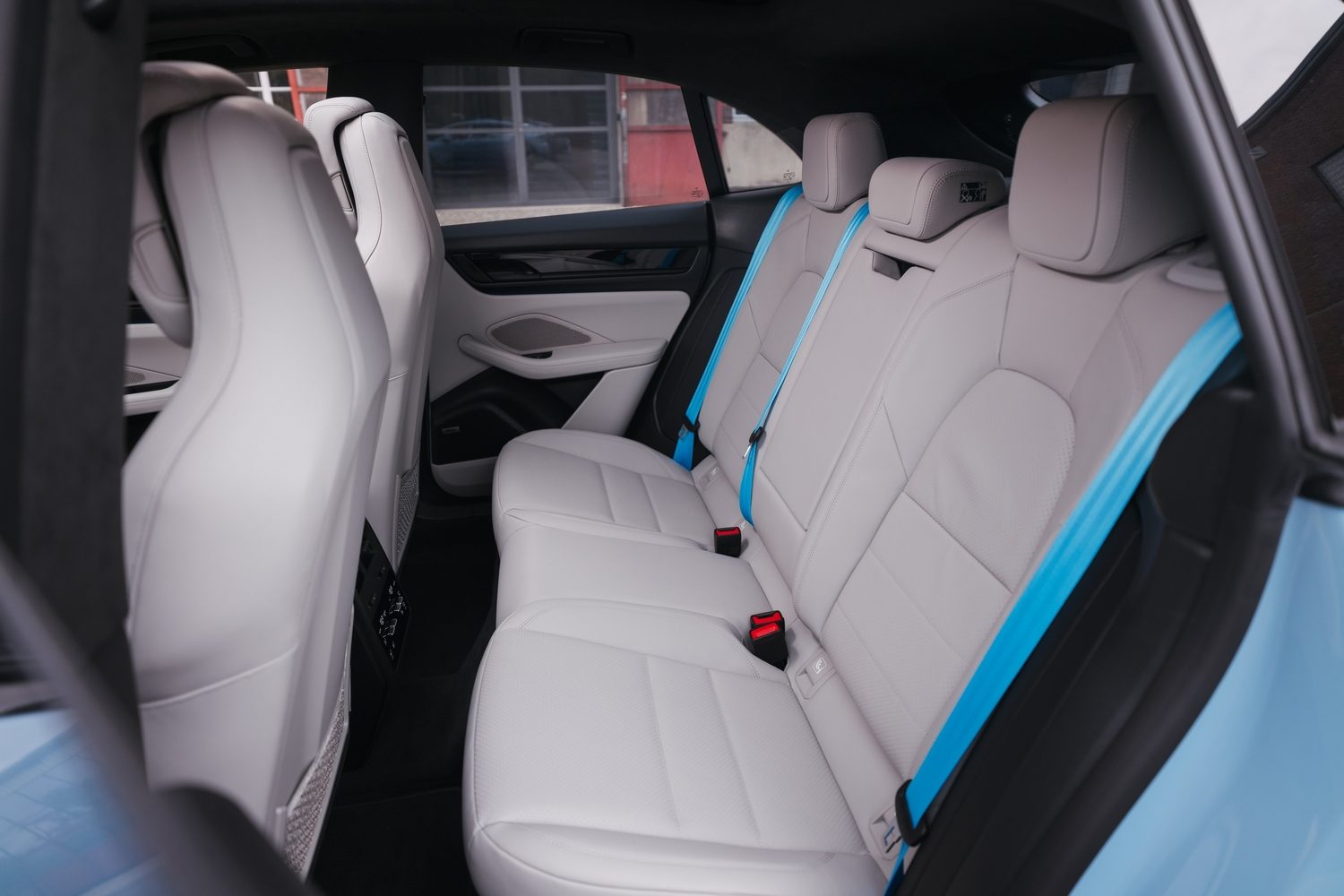
Porsche seems to acknowledge the lack of space in the Macan's second row as it is officially listed as a '4+1'-seat vehicle, rather than something with a full five chairs.
At least there are capacious door pockets, some seatback storage nets and a fold-down centre armrest with cupholders incorporated into it in the back, plus a couple of air vents and the (optional) climate control buttons for this zone of the passenger compartment.
Fitting child seats to the Porsche Macan Electric
As standard, there are two ISOFIX locations on the outer positions of the rear bench, and there's enough room in the back of the Macan Electric, plus large and wide-opening rear doors, for child seats of the bulkier persuasion to be easily loaded-in back there.
For a fee, ISOFIX mountings can be specified for the Porsche's front-passenger seat.
Boot space in the Porsche Macan Electric
The rakish shape of the Porsche Macan Electric's exterior does eat into luggage capacity, so this isn't the most voluminous boot in the SUV world.
That said, the base Macan Electric, the Macan 4 and the Macan 4S can all accommodate 540 litres with all seats in use, rising to 1,348 litres with the 40:20:40 split-folding rear seatbacks folded down.
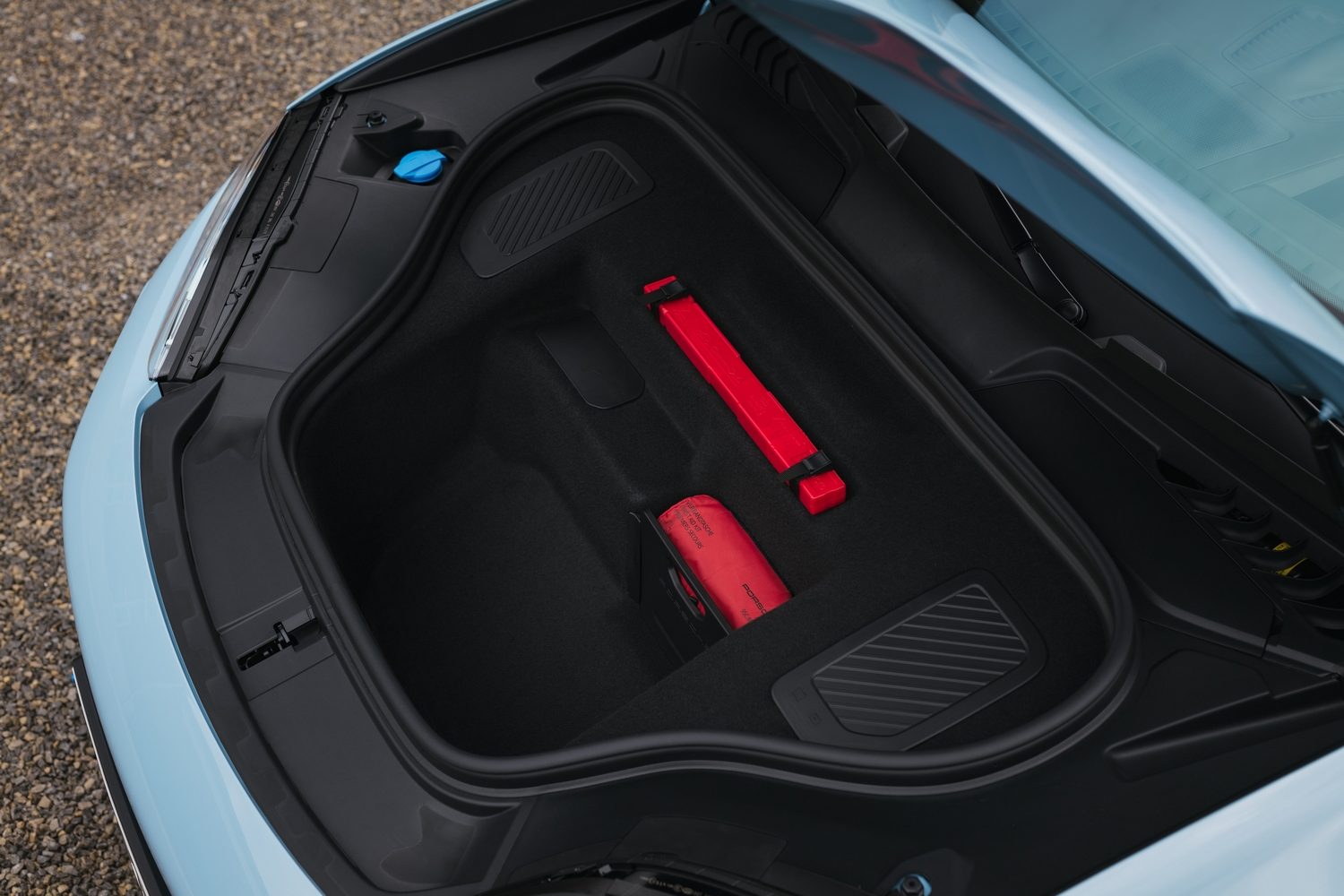
Both the GTS and the Turbo, however, have an uprated rear motor which takes up more space and therefore trims the figures back to 480- and 1,288 litres accordingly, although all models of Macan Electric have an 84-litre 'frunk' at the other end of the car to help with storing clobber.
In the main boot of the Porsche are further helpful measures, such as elasticated retaining straps, lashing eyes, a 12-volt socket, levers to drop the rear seats from the hatch area, and - on models with air suspension - the ability to lower and raise the rear springs to make loading heavier items into the back of the SUV that bit easier.
Safety in the Porsche Macan Electric
Tested by Euro NCAP in 2024, the Porsche Macan Electric picked up the full five-star overall rating from the independent safety-assessment body, with strong subdiscipline scores of 90, 90, 83 and 78 per cent for protection of adult occupant, child occupant, vulnerable road users and safety assist, respectively. You can read the full report on the Macan Electric right here.
Performance of the 2026 Porsche Macan Electric
- Five models to pick from
- All are fantastic to drive
- GTS and Turbo models supercar-quick

The cadence of Porsche Macan Electric model releases ran as follows: in the first half of 2024, the Macan 4 and the Macan Turbo appeared first; they were soon joined, towards the end of that year, by the regular Macan Electric at the bottom of the tree and the Macan 4S, the latter slotting between the 4 and the Turbo in the hierarchy; and then, very late in 2025, the GTS completed the set, sitting just below the Turbo for outright speed and power, but offering the promise of greater driver involvement than the flagship car.
Drilling down into more detail, the base Macan Electric is the only single-motor model in the EV's range, and as a result is the only rear-wheel-drive Macan. In regular running, it is making 340hp, but a time-limited overboost phase (usually deployed in launch control) increases that number to 360hp, backed up by a healthy 563Nm of torque.
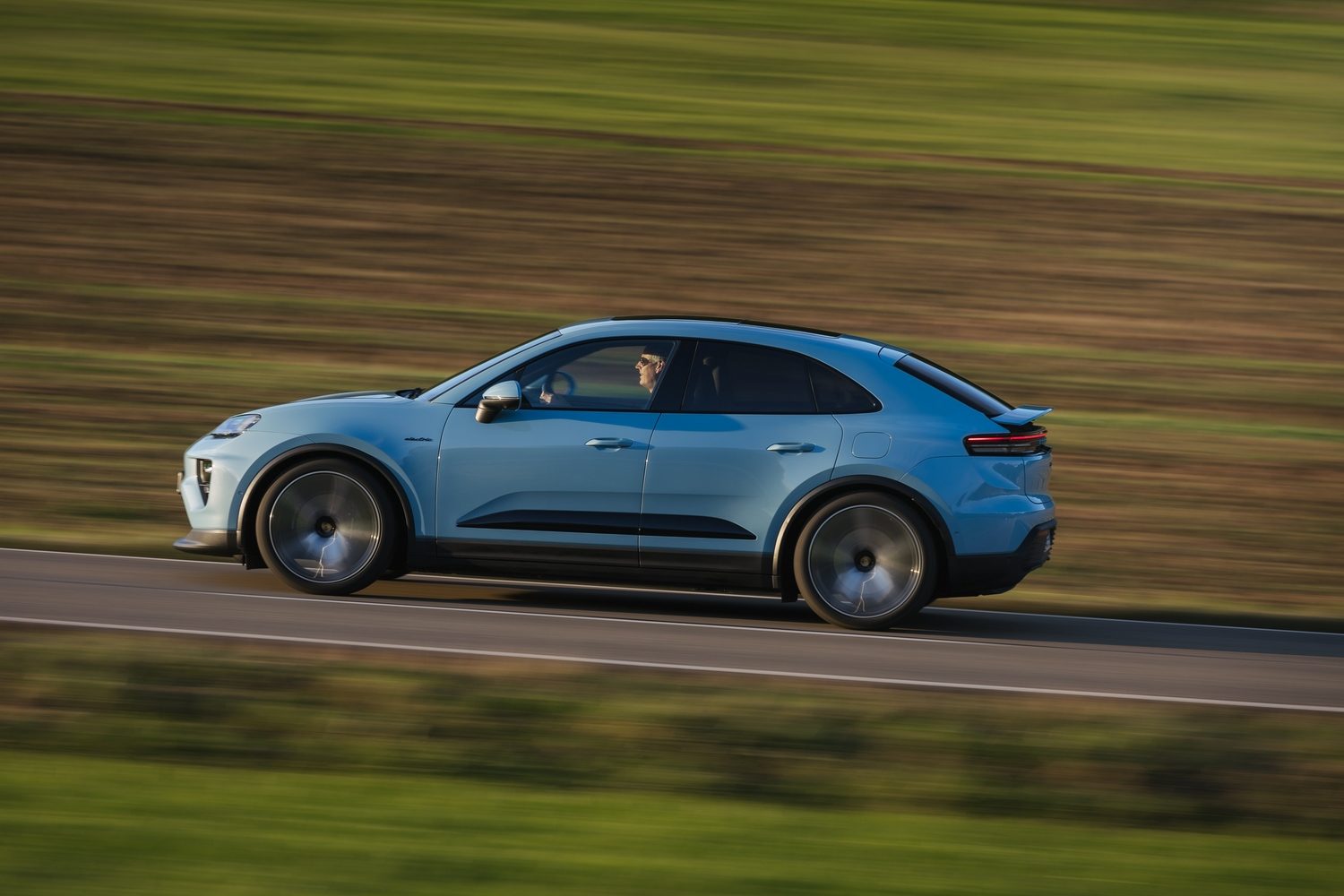
With just two-wheel traction, 0-100km/h takes a still-respectable 5.7 seconds, and the EU kerb weight (with a driver and fluids onboard) is 2,295kg.
Moving up, the Macan 4 adds the secondary motor to the front of the SUV, resulting in 387hp nominally, with 408hp and 650Nm available on overboost. The 0-100km/h time comes down to 5.2 seconds, and the weight goes up to 2,405kg.
The 4S is an enhanced version of the above, with 448hp in regular operation, and peaks of 516hp and 820Nm when required. Despite the weight increasing again, to 2,420kg, the 0-100km/h sprint is markedly improved to just 4.1 seconds.
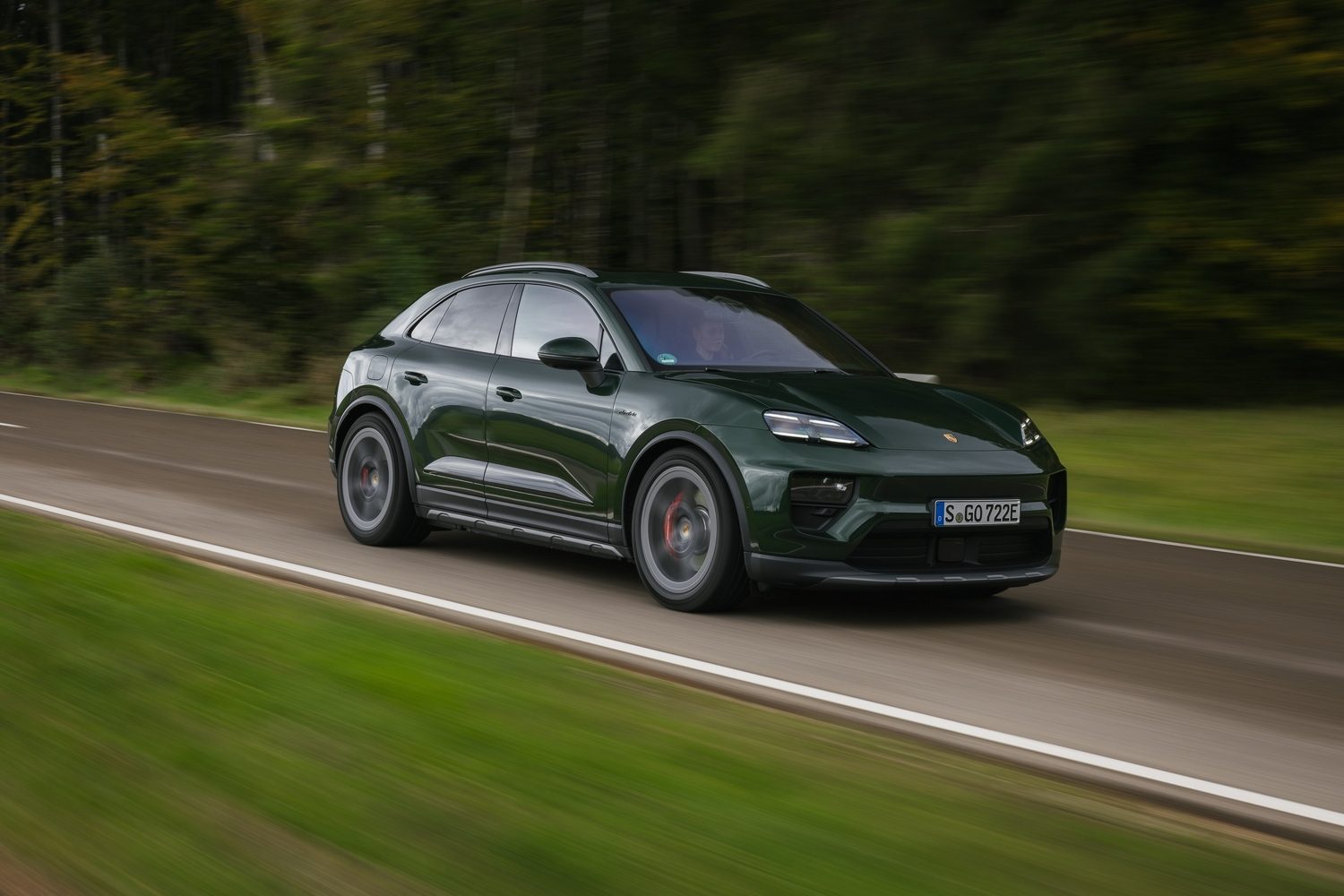
At the top of the tree are the GTS and the Turbo. The former runs 516hp ordinarily and 571hp with a colossal 955Nm on overboost, bringing the 0-100km/h time down to 3.8 seconds and taking the weight to 2,438kg.
And last, but by no means least, is the Macan Turbo. Its 584hp is more than enough for anyone's reasonable needs, but it can up that to 639hp, allied to a goliath 1,130Nm of torque, in launch control. The 0-100km/h time is a supercar-troubling 3.3 seconds, despite a kerb weight just 20 kilos shy of 2.5 tonnes.
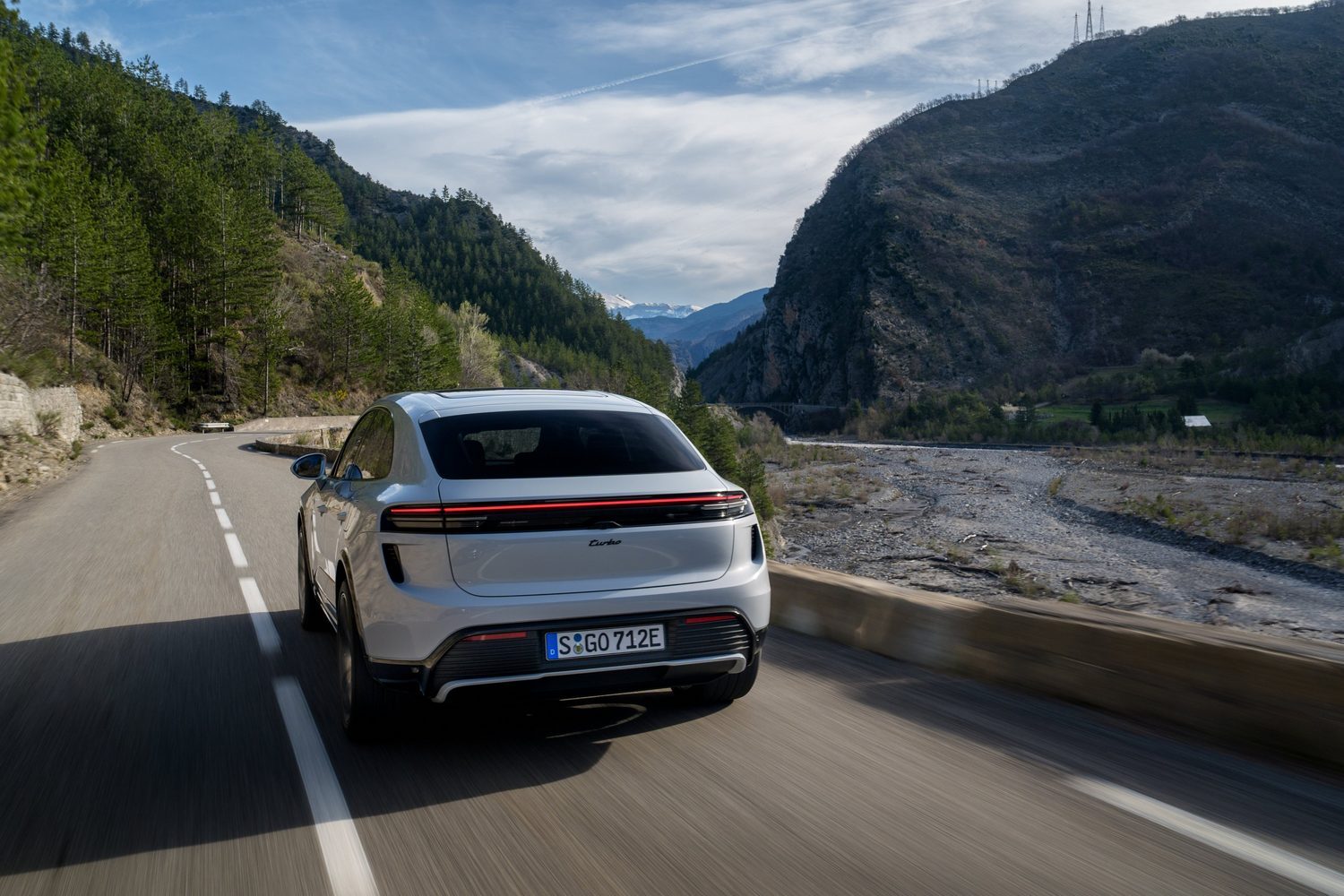
We don't normally talk about totally irrelevant top speeds, but these are Porsches, after all. So, just for reference, both the Macan Electric and the Macan 4 top out at 220km/h, the 4S runs to 240km/h, the GTS will hit 250km/h flat out, and the Turbo will achieve 260km/h.
Every Macan Electric uses a single-speed reduction-gear automatic transmission. Steel springs and conventional shock absorbers are the order of the day in the two lower models, while Porsche Active Suspension Management (PASM) adaptive dampers appear at the 4S level - although even-fancier air suspension is either an option or standard kit the higher up the range you go.
Rear Axle Steering (RAS), which enhances the Macan's agility, is a four-figure option on all the models where it is available, Turbo included.
Driving the Porsche Macan GTS Electric in the UK
Words by Matt Robinson on 16 June 2026
Any Porsche Macan Electric is an utter delight to drive, but the GTS is definitely the sharpest tool in a box stuffed with very pointy things.

It gets the same Porsche Torque Vectoring Plus (PTV Plus) electronically controlled limited-slip differential on its rear axle as the Turbo, but it rides 10mm lower with its own tune of air suspension along with recalibrated PASM dampers to match.
You don't get Porsche Ceramic Composite Brakes (PCCB) as standard, but 21-inch Macan Design alloys are fitted, wearing whopping 295/40 rear tyres.
Never mind about the lack of PCCB or RAS, mind. Because few things, electric or otherwise, can drive with the verve, the precision and the utterly intoxicating involvement of the Macan GTS Electric.

You have to constantly remind yourself that it's a zero-emission SUV, as for most of the time it's putting on a more-than-passable display of a ridiculously well-sorted sports car clocking in at approximately half its weight.
It's the sensational steering and phenomenal body and wheel control that make piloting the big Porsche so invigorating, as you get crystal-clear and precise messages from both the steering wheel and the base of the seat that let you know exactly what the SUV is doing at any given second.
With a sense of push from the rear when you get on the power early out of a corner and that magic trick all the best large vehicles do, of metaphorically shrinking around you, the outcome is that its handling is an unmitigated joy.

There's a minor toll to be paid with ride comfort, however, as the GTS is the grittiest of all the Macan Electric models. When cruising along and encountering larger transverse ridges or imperfections in the surface, you're ever so slightly more aware of the unsprung mass hanging from each corner of the Porsche in this focused version than you are in any other; yes, including the Turbo.
But it's not terrible, and in general the ride quality and rolling refinement are about every inch as marvellous as the roadholding. We did just shy of 650km in the Macan GTS Electric over the course of a few days, including long treks up and down motorways, and along snaking country back lanes to avoid traffic jams and late-night road closures.
And at no point did we ever feel uncomfortable in it, nor did we encounter too much tyre noise or wind roar. In fact, it monstered high-speed steady-state duties in as accomplished a fashion as some executive saloons.
The GTS is a thoroughly mesmerising and entertaining all-rounder, and we defy anyone to dislike the way its kinematics have been tuned.

Perhaps the one remaining bone of contention is the Porsche Electric Sport Sound (PESS), which is basically an amplification of the Macan's own electric motors, amplified through the stereo system.
We've always liked this early iteration of PESS, but it's never quite the same as listening to the snarling of one of the old V6 high-performance models of the Mk1 Macan, while the newer Cayenne Electric has upgraded the in-car noises to mimic something approximating a V8; and we reckon that's a marginally more successful soundtrack for a dynamic electric SUV like this one.
Range, battery, charging and running costs of the 2026 Porsche Macan Electric
- One 95kWh battery offered
- 800-volt tech for ultra-rapid charging
- All models go well beyond 550km at a time

Porsche keeps it simple and offers just one large lithium-ion battery pack (the Performance Battery Plus, in corporate-speak) for all models of the Macan Electric, while its advanced electrical architecture leads to super-fast charging times.
Battery options and official range
The battery in the Porsche Macan Electric family is a 100kWh gross, 95kWh usable nickel-manganese-cobalt (NMC) unit. This bestows all versions with sizeable range: the GTS will officially manage 586km to a charge, the Turbo 591km, the 4S 606km, the 4 613km and (unsurprisingly) the solitary single-motor model is the distance champ of the family: the base Macan Electric can officially manage 641km without having to visit charging points.
Real-world range and efficiency of the Porsche Macan GTS Electric
We had the Porsche for a number of days, doing a couple of 200-250km motorway jaunts and some other mixed-roads driving in that time. The temperatures were cool to warm throughout, so although there were a few occasions where the climate control was off, most of the time we were using it to either heat the cabin or keep it bearable.
Across the test distance of 640km, the Macan GTS achieved an overall energy consumption figure of 23.9kWh/100km. That would discharge a fully charged battery in something like 400km, rather than 586km.

On a few occasions of economy-conducive 50-100km/h running with lots of braking phases, the Porsche improved to more like 21.4kWh/100km, which would be in the realm of 445km of real-world range; not bad, we think, for something weighing more than 2.4 tonnes and capable of 0-100km/h in 3.8 seconds.
At its worst, though, protracted motorway running only with the climate on resulted in 27kWh/100km, working out as around 350km to a charge.
Charging up the Porsche Macan Electric
As all Porsche Macan Electric models have the same-capacity battery and 800-volt architecture, leading to peak rates of 270kW on DC and 11kW on AC, then they all have exactly the same charging times.
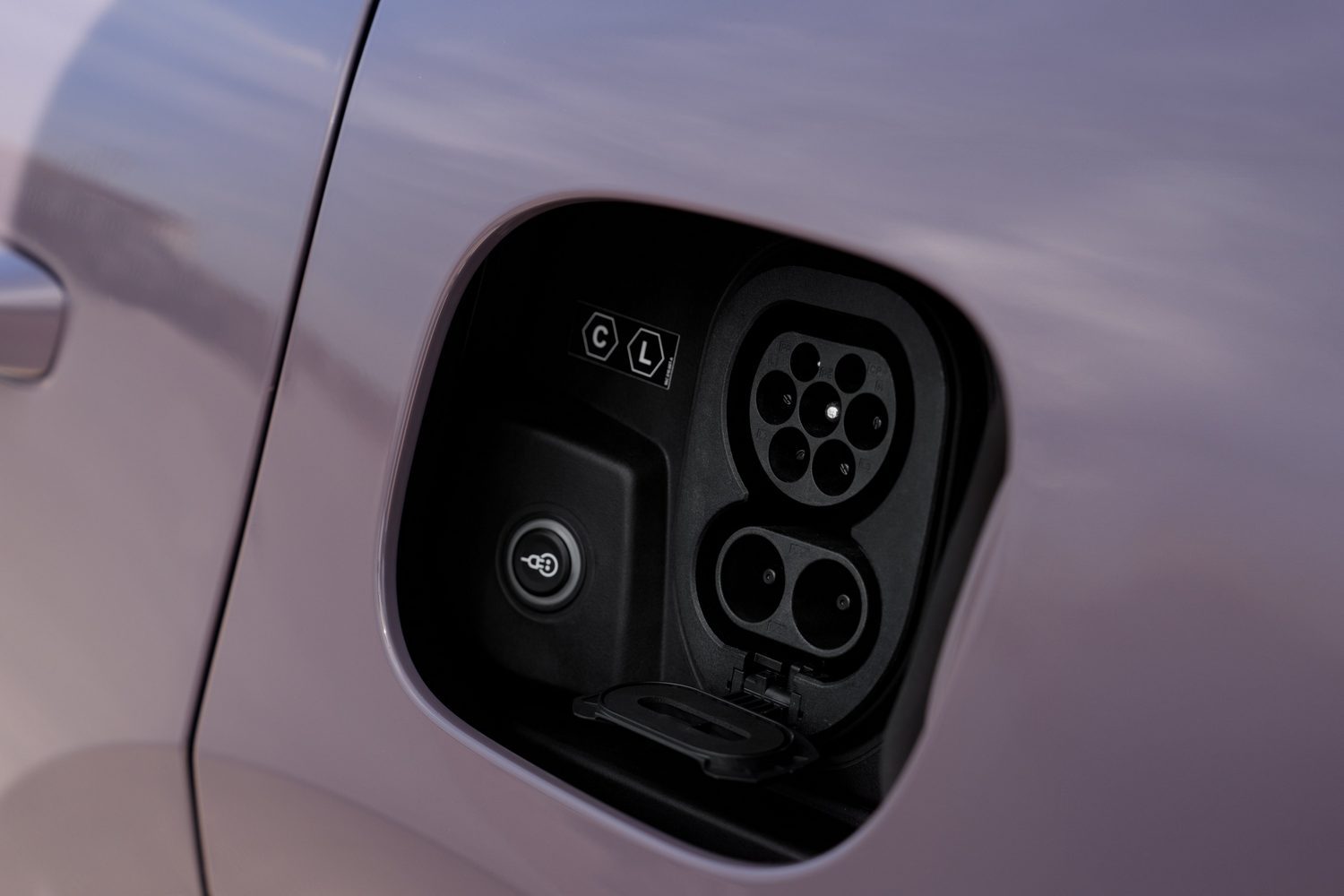
Find a DC unit capable of delivering the 270kW, and the Porsche SUV's battery should go from 10 to 80 per cent in just 21 minutes. But on a domestic 7.4kW wallbox, expect to have it connected for something like 13 hours for a 10-100 per cent cycle.
Servicing the Porsche Macan Electric
There's a long service interval of 24 months for Porsche's EVs, so the Macan Electric falls under that stretched maintenance schedule.
Porsche Macan Electric warranty
The standard new-car warranty offered by Porsche Ireland is for three years with no distance cap. This can be extended, for an annual fee, for any vehicle that is up to 15 years old, although a 200,000km distance limit then comes into effect for the extended portion of the guarantee.
Meanwhile, the high-voltage batteries like the one fitted to the Macan Electric are covered for up to eight years or 160,000km, whichever comes sooner.
Irish pricing & rivals to the 2026 Porsche Macan Electric
- No Macan Electric is inexpensive
- Standard kit range-wide is decent
- Long options list can add lots of cost

The basic price of the Porsche Macan Electric starts at €88,546 for the 360hp model, rising to €92,452 for the Macan 4 Electric.
From there, the other three variants are all six-figure machines before you've even hit the lengthy and dangerously costly options list: the 4S retails at €100,168, the GTS at €115,262 and the mighty Turbo tops the lot at €129,127.
Gone are the days, though, where basic Porsches had next to nothing fitted as standard. Both the Macan Electric and the Macan 4 have similar kit lists, so the uplift in price on the latter is mainly to do with its all-wheel drive and added power, but expect items such as 20-inch alloy wheels, LED headlights, eight-way electrically adjustable and heated front Comfort seats, a powered tailgate, front and rear parking sensors with a reversing camera, cruise control, dual-zone climate control and 15-watt wireless smartphone charging all to be included, among more.
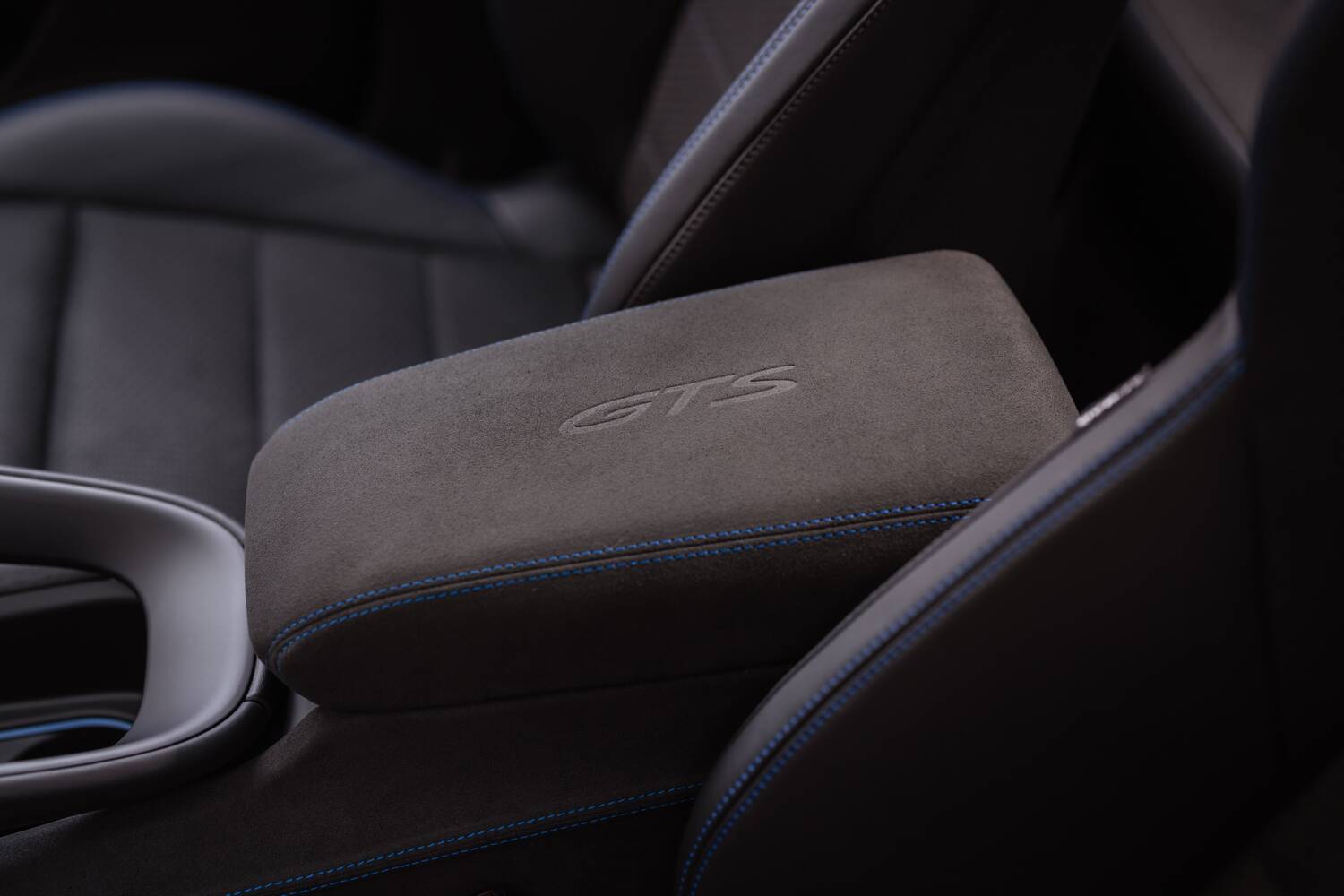
The 4S adds the PASM, 20-inch S wheels and a few other sundry items, but both the GTS and the Turbo include lots of luxuries - including self-levelling air suspension, tinted Matrix-LED headlights, adaptive 18-way electrically adjustable sports seats, a heated GT Sports steering wheel, the Bose Surround Sound and PESS, as just a few highlights.

Newer electric SUVs from German rivals, like the BMW iX3 and Mercedes GLC Electric, have arrived on the scene since the Macan Electric first appeared, but while they have huge batteries and even longer range than the Porsche, as yet they don't quite have the upper-end performance models to match the GTS and Turbo.
Meanwhile, Volvo is tipping in with the EX60, while both the Audi Q6 e-tron and oft-overlooked Maserati Grecale Folgore are further alternative options to the Macan.
Verdict - should you buy the 2026 Porsche Macan Electric?

Answering our own header emphatically here, yes, you absolutely should buy the Porsche Macan Electric if you can afford to. Few SUVs, electrically powered or otherwise, are as comprehensively talented as this thing is, and even fewer will offer an ownership proposition as satisfying as the Macan's.
All versions of it are exceptional, but our favourite model is the sharp-handling GTS, followed by the monster Turbo and then the range-happy single-motor entry-level car.
But even if you pick a 4 or 4S, what you're getting is yet more shining proof that when it comes to mastering car types quicker than anybody else, nobody does it better than Porsche.
FAQs about the 2026 Porsche Macan Electric
Is the Porsche Macan Electric all-wheel drive?
It is for four out of the five models offered, the dual-motor arrangements on these versions called ePTM by their maker. The only derivative that isn't four-wheel drive is the entry-level Macan Electric, which sends power to the rear axle only via a single electric motor.
How fast is the Porsche Macan Electric for acceleration?
Anywhere from 'pleasantly rapid' to 'blisteringly quick'. As the slowest Macan Electric does 0-100km/h in 5.7 seconds, you're looking at a fast family of SUVs - but the top two dogs, the GTS and Turbo, can both run the same sprint in less than four seconds. And closer to three, in the case of the 639hp flagship.
Is the Porsche Macan Electric rated to tow anything?
Yes, it is. Prior to the 2026 updates, all four of the original line-up (i.e. all versions bar the GTS) were rated to tow up to 2,000kg of braked trailer. However, the GTS's introduction and a range-wide technical revision programme increased this figure to 2,500kg on any dual-motor, AWD variant - so everything but the base RWD Macan, which sticks at two tonnes.
Want to know more about the 2026 Porsche Macan Electric?
If there's anything about the Porsche Macan Electric we've not covered, or you'd like help in choosing between it and other cars, you can avail of our expert advice service via the Ask Us Anything page.
Porsche Macan history
The original, internal-combustion-engine-powered Porsche Macan launched in 2014, as a smaller, companion model to the pre-existing Cayenne SUV. Sharing underpinnings with the Audi Q5, Porsche nevertheless made its vehicle drive in a much more sorted fashion than its German stablemate.
A variety of engines were used in the Mk1, including a turbocharged four-cylinder petrol unit and even, briefly, a V6 diesel, but ultimately most models had some form of petrol V6 installed.
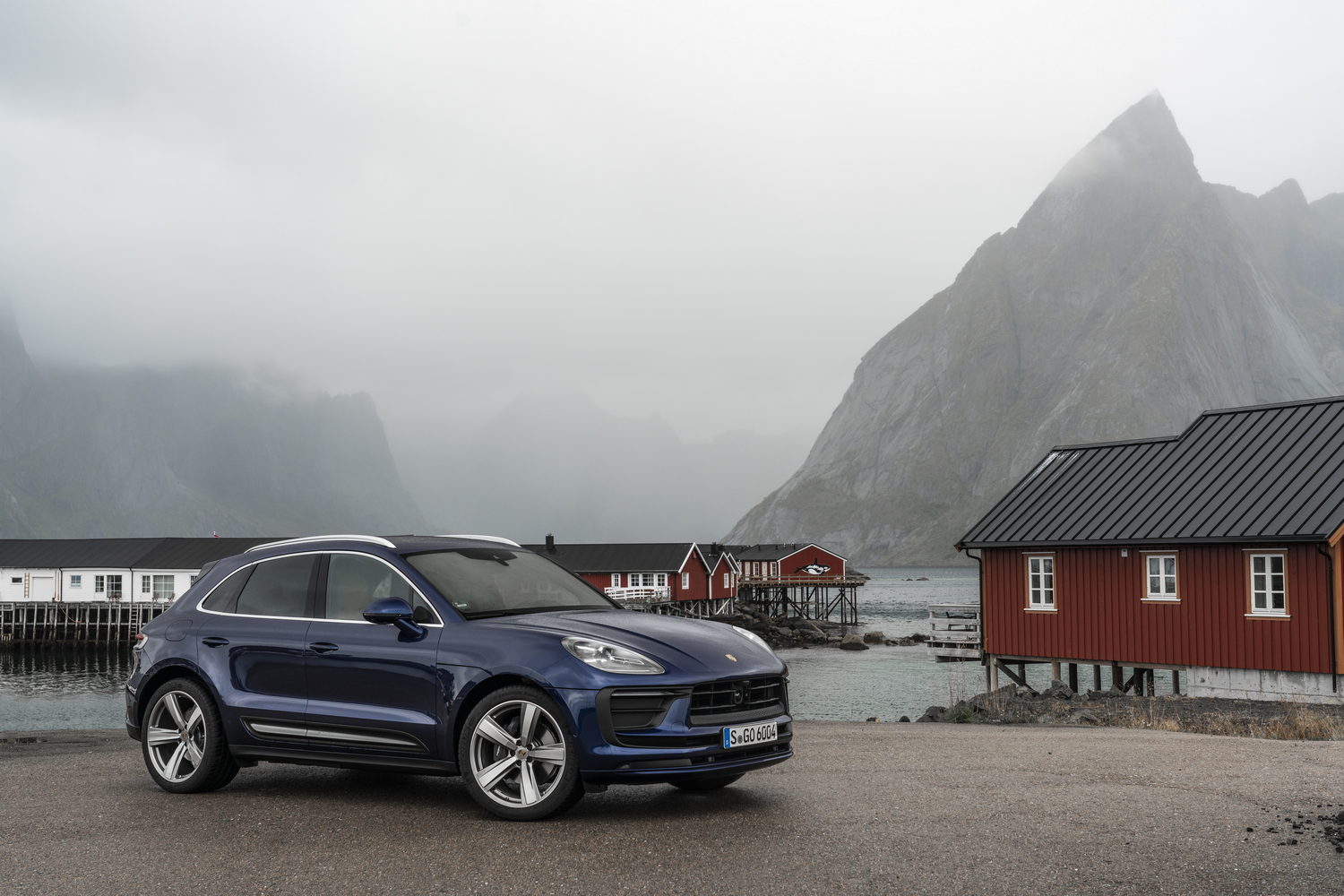
With a similar model line-up to the Electric Mk2, there were Macan, Macan S, Macan GTS and Macan Turbo derivatives, and ever since its first full year on sale - 2015 - the compact SUV has been Porsche's top-selling model of them all.
Indeed, the German company long ago passed the 500,000 sales mark for the Mk1 alone, while the one millionth Macan - a 4 Electric in Frozen Blue for a German customer - rolled off the production line in Leipzig in July 2025.
The decision to switch to an all-electric Mk2 in 2024 was a risk on Porsche's part. Although it mitigated its potential losses somewhat by keeping the Mk1 on sale alongside the newcomer in the showrooms of many worldwide markets for a good while, and it is also mulling over an all-new, petrol-powered Macan to sit alongside this EV.