


Exterior & design of the 2025 Hyundai Santa Fe

- Blocky design differentiates it
- H logo in front and rear lights
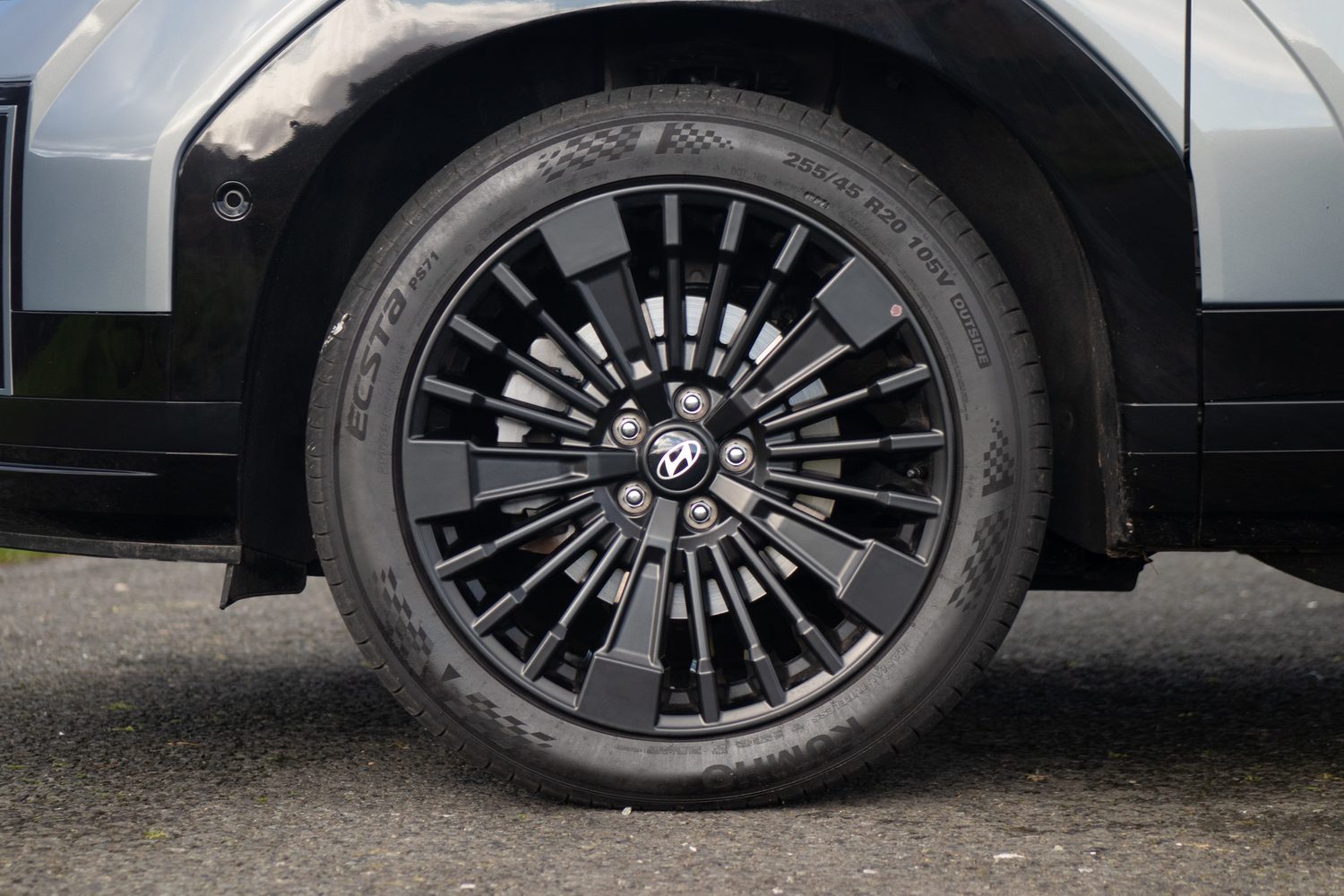
- 20-inch alloys as standard
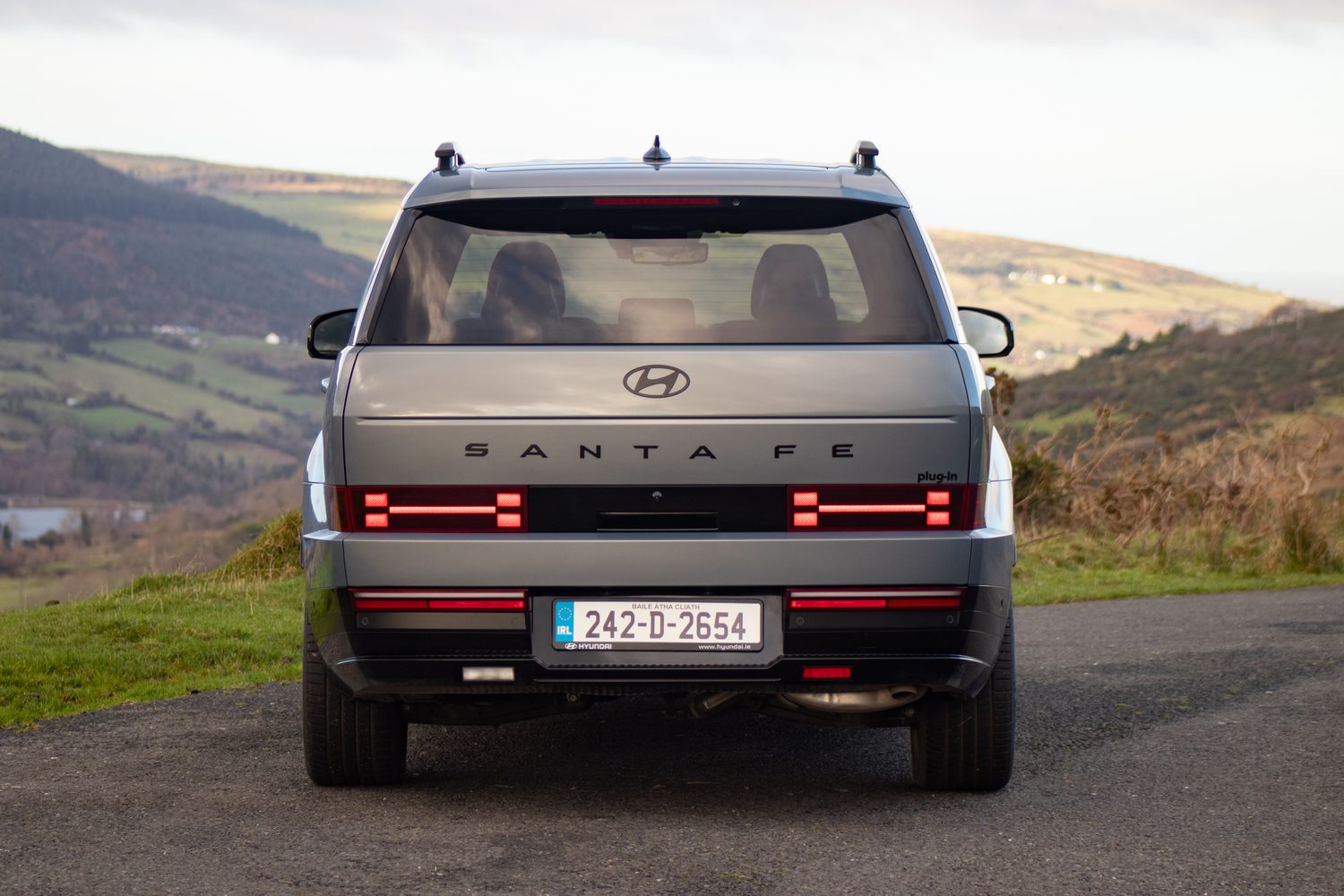
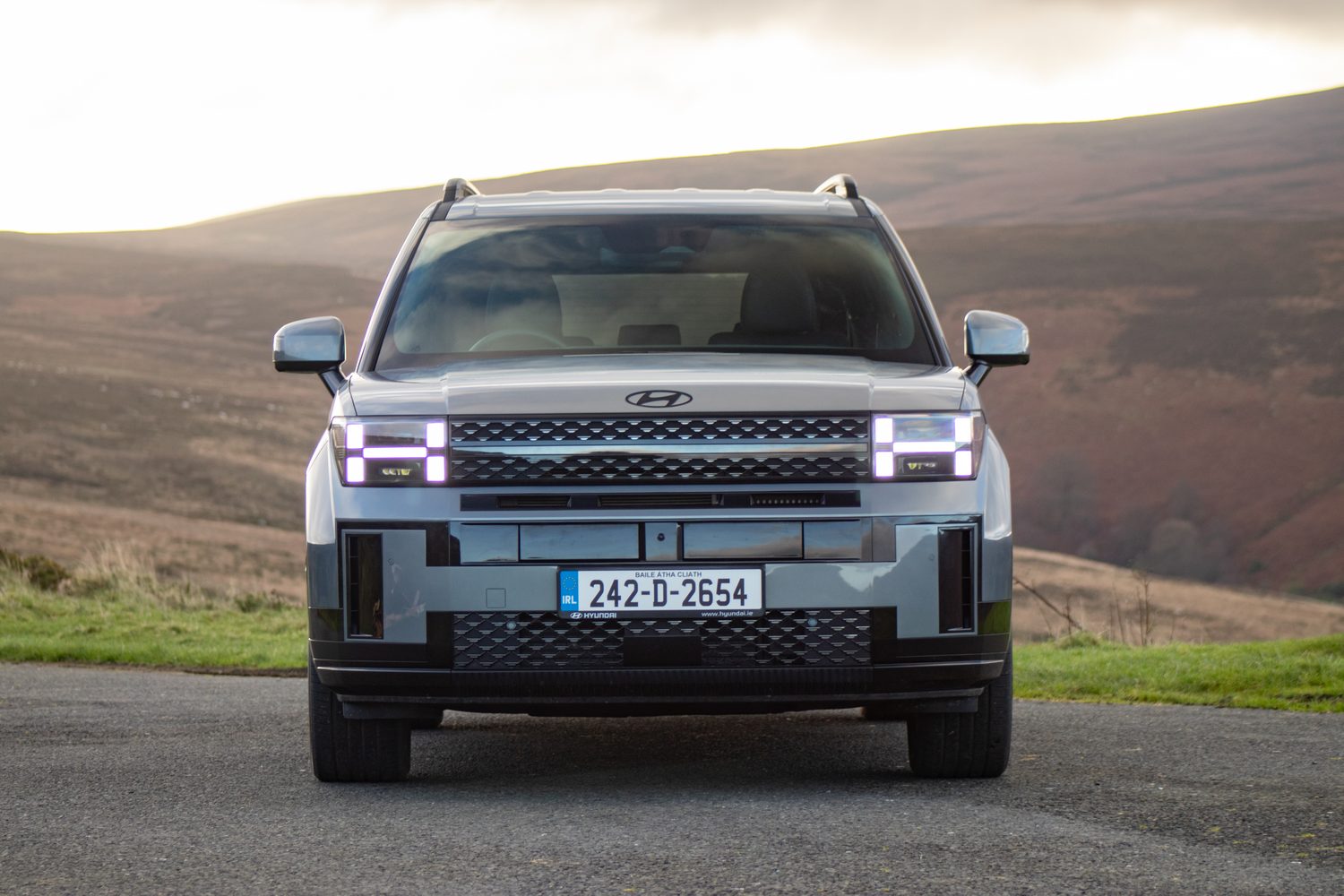
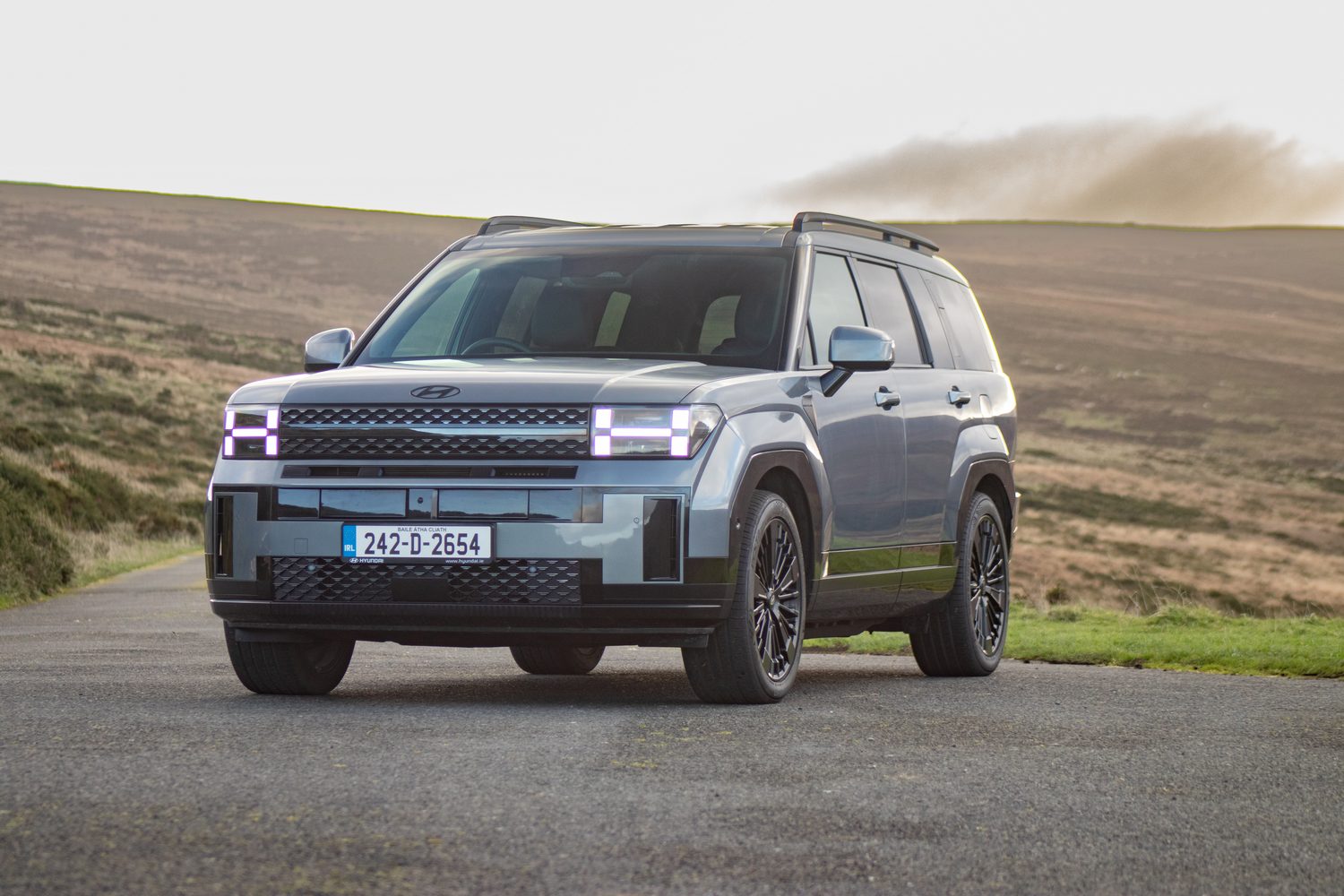
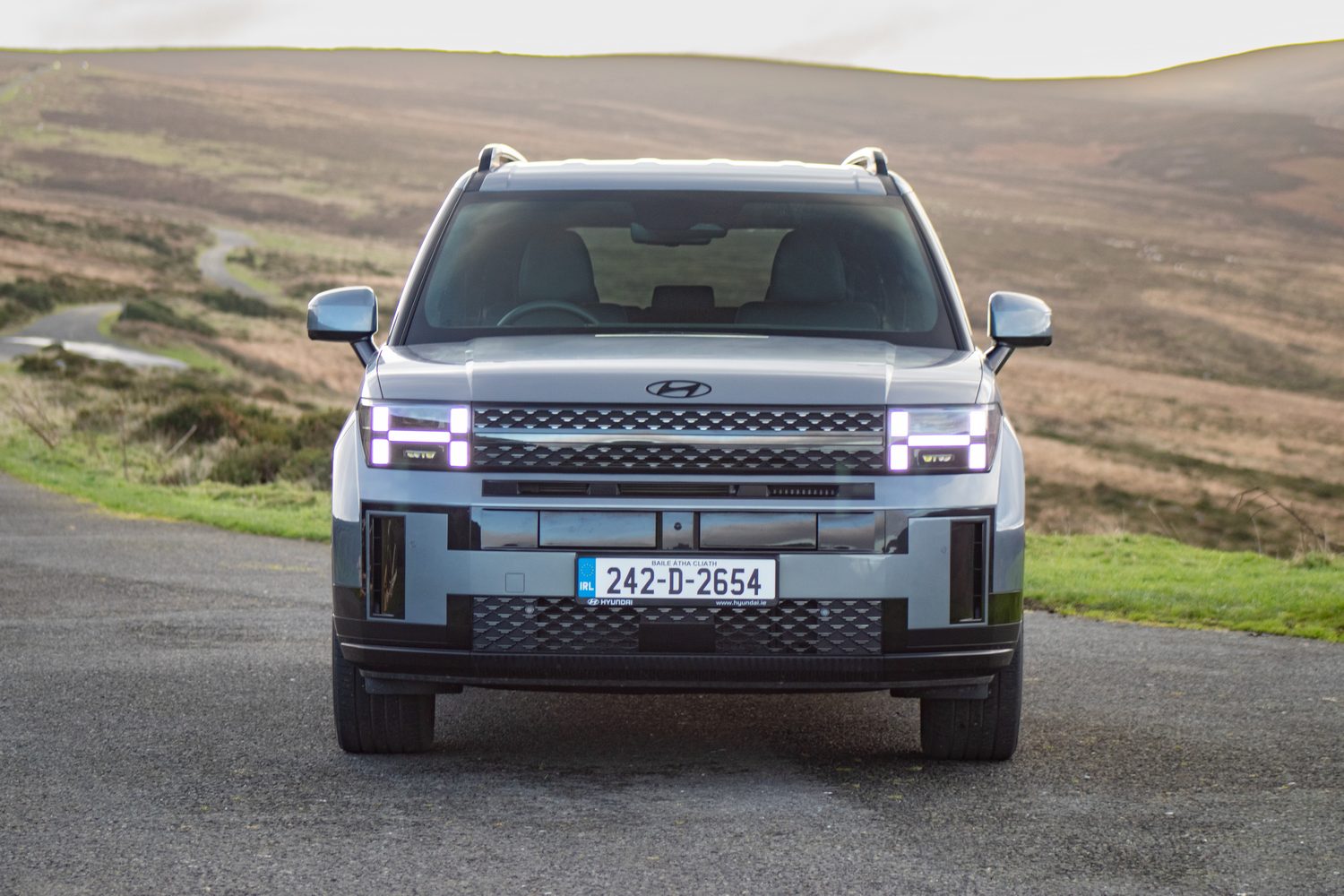
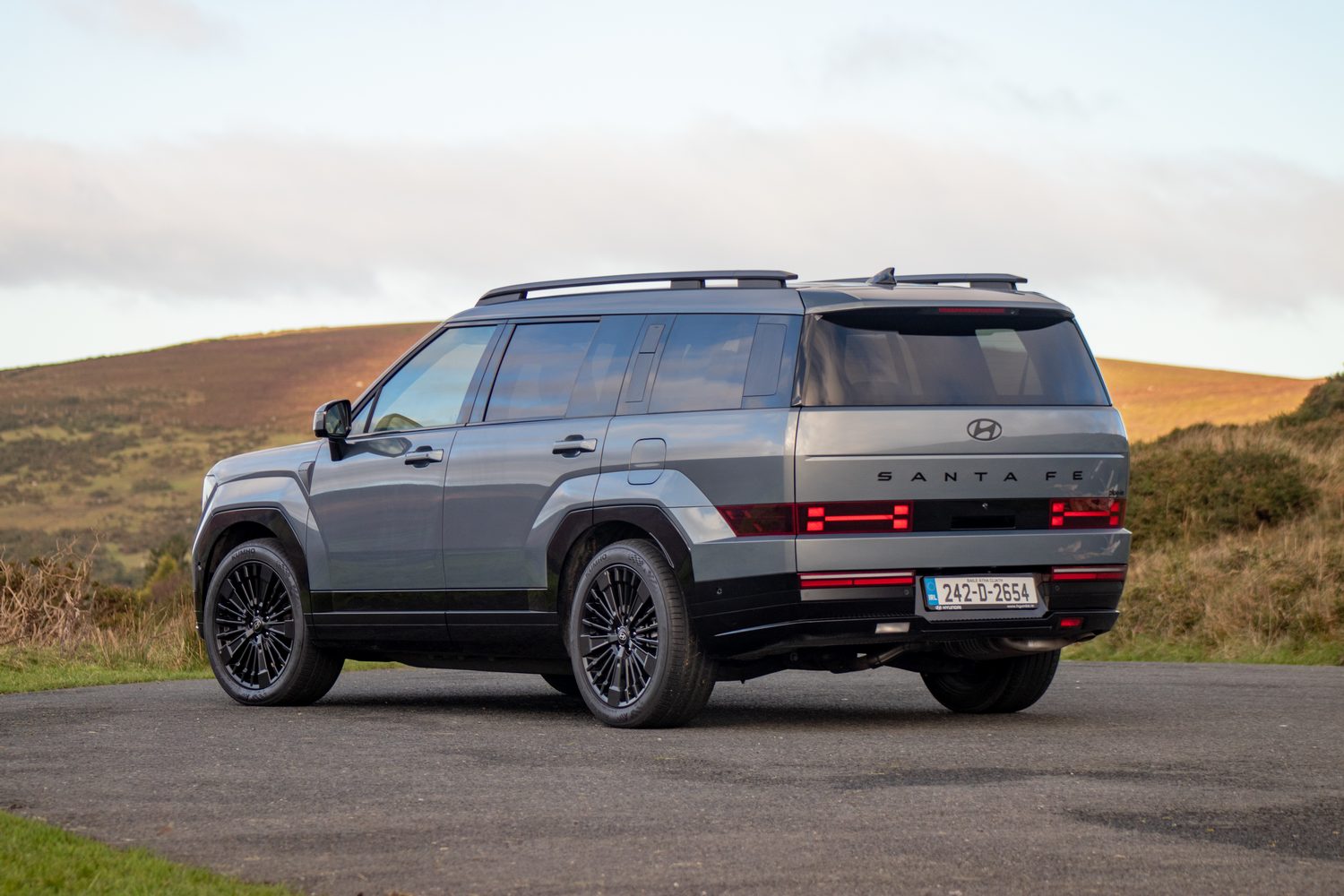
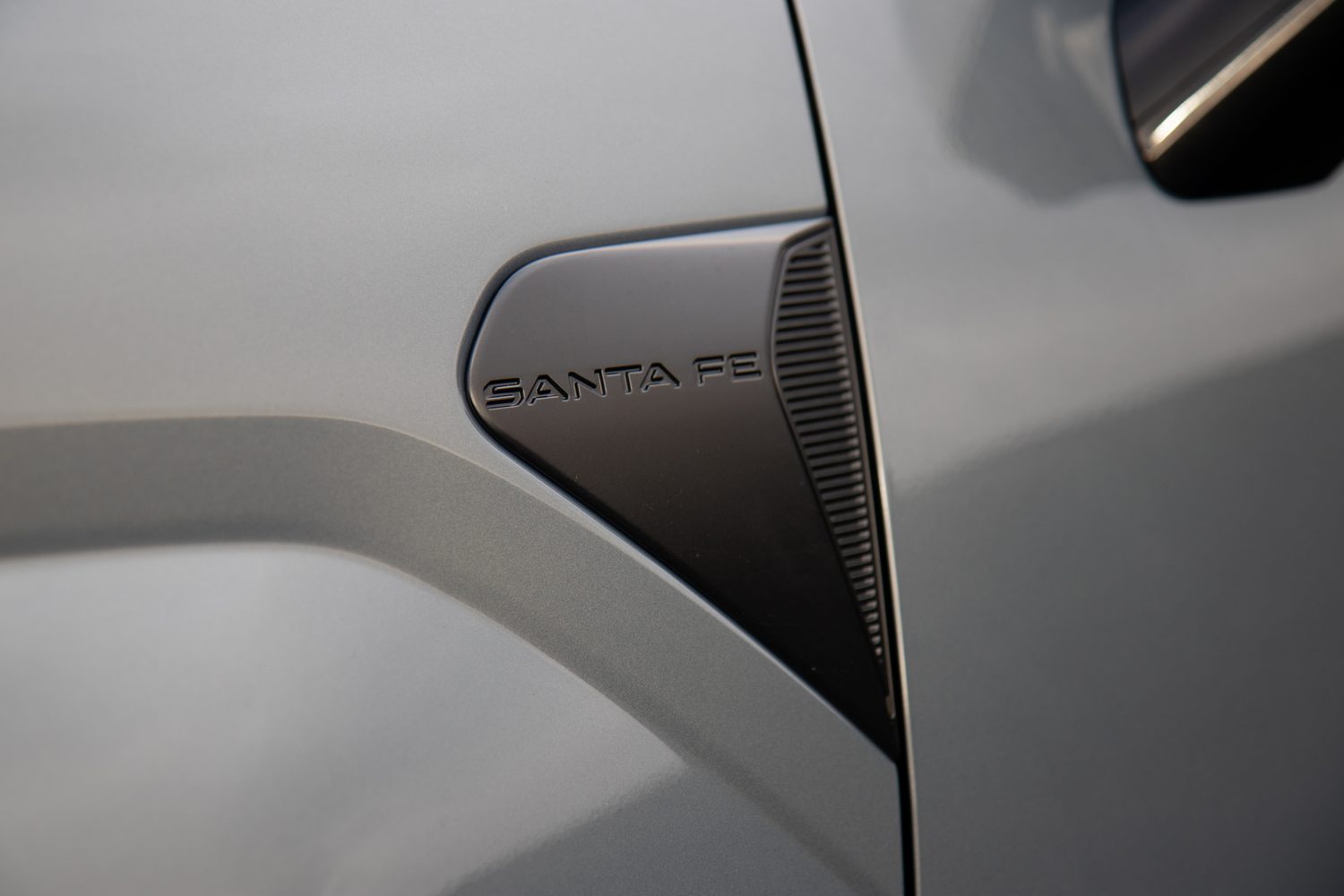
In contrast to the Hyundai's flagship electric SUV - the sleek-looking Ioniq 9 - the Santa Fe has a distinctly angular and blocky design that is made largely of straight lines. It stands out in today's sea of SUVs, though the design might not be to everyone's taste.
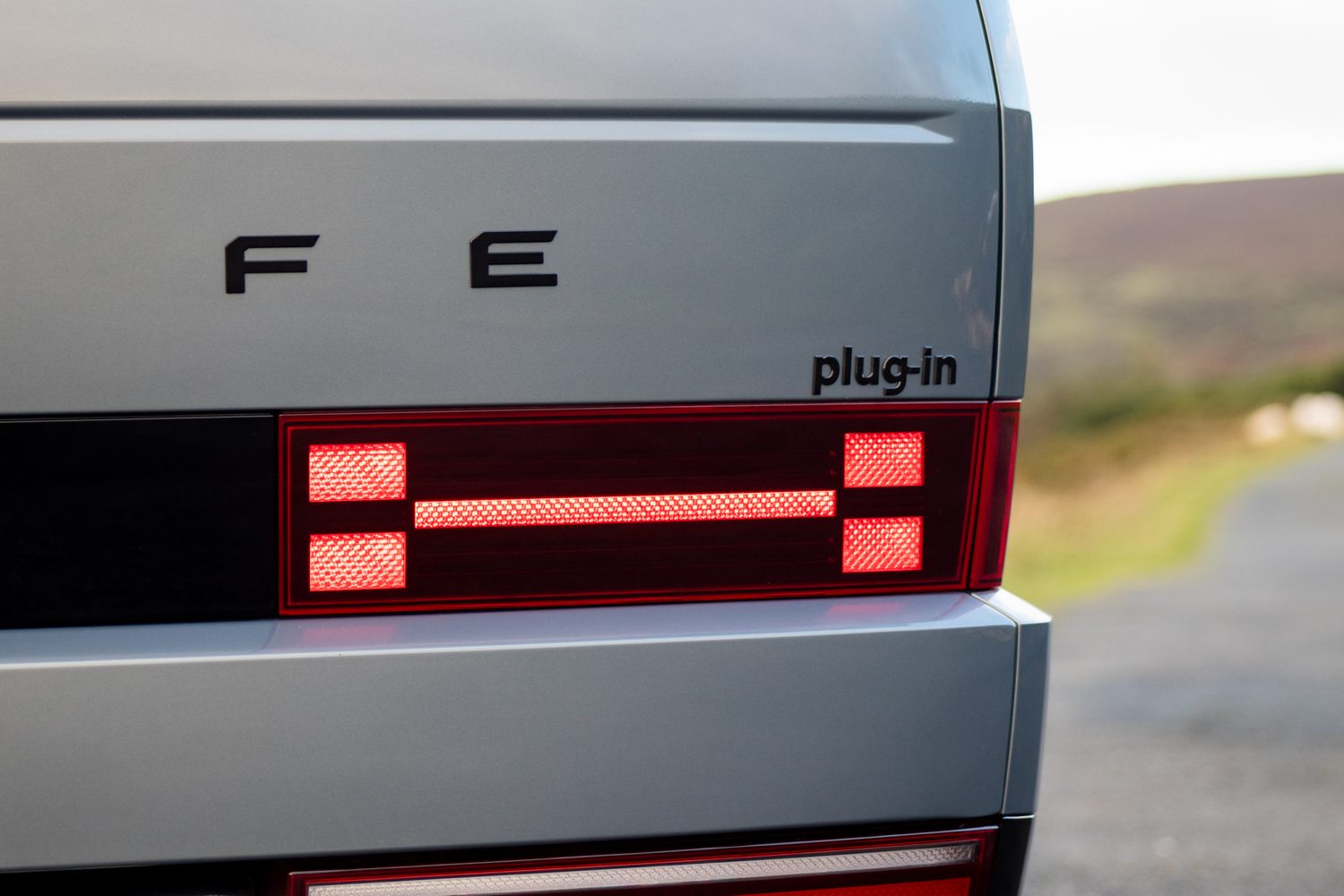
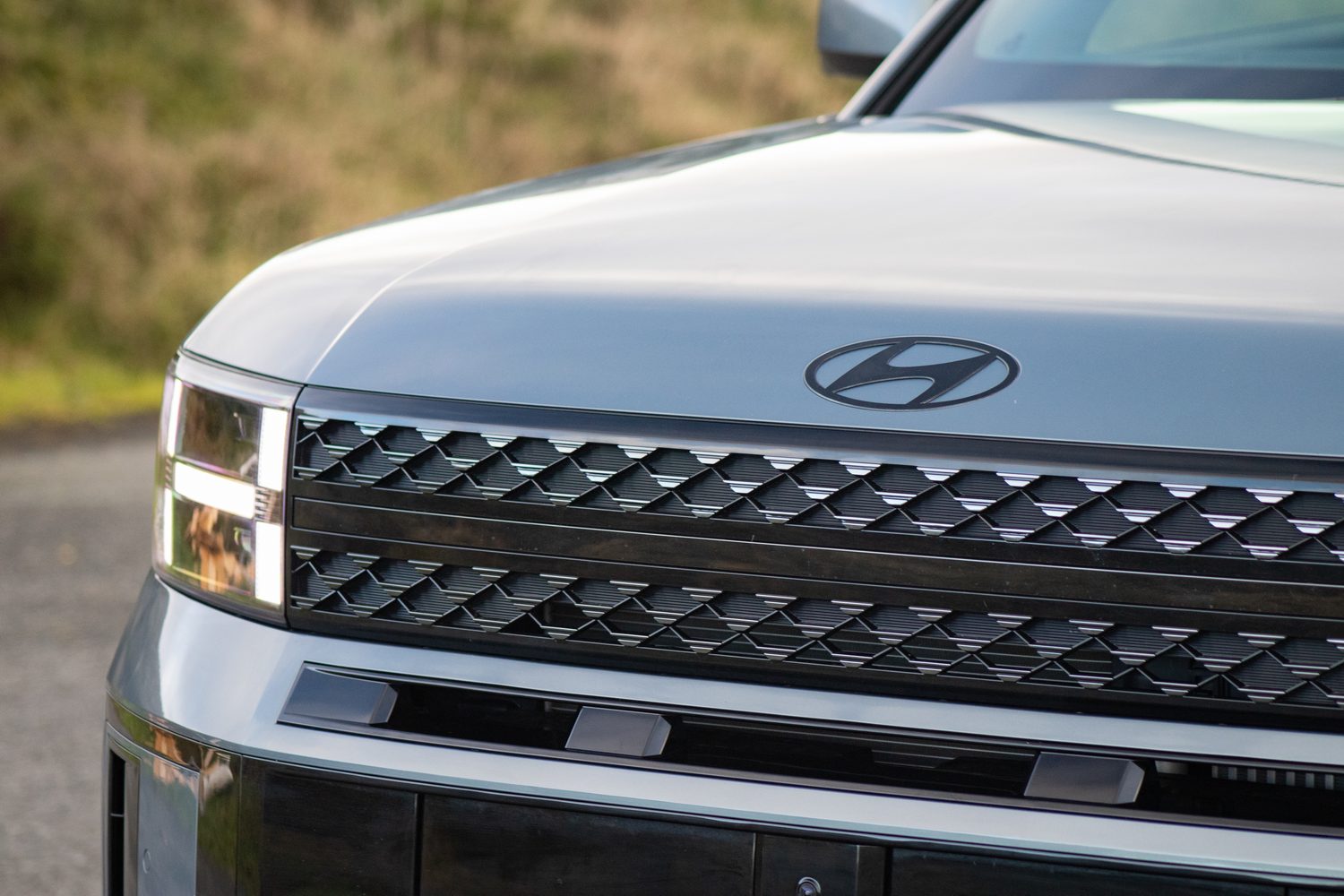
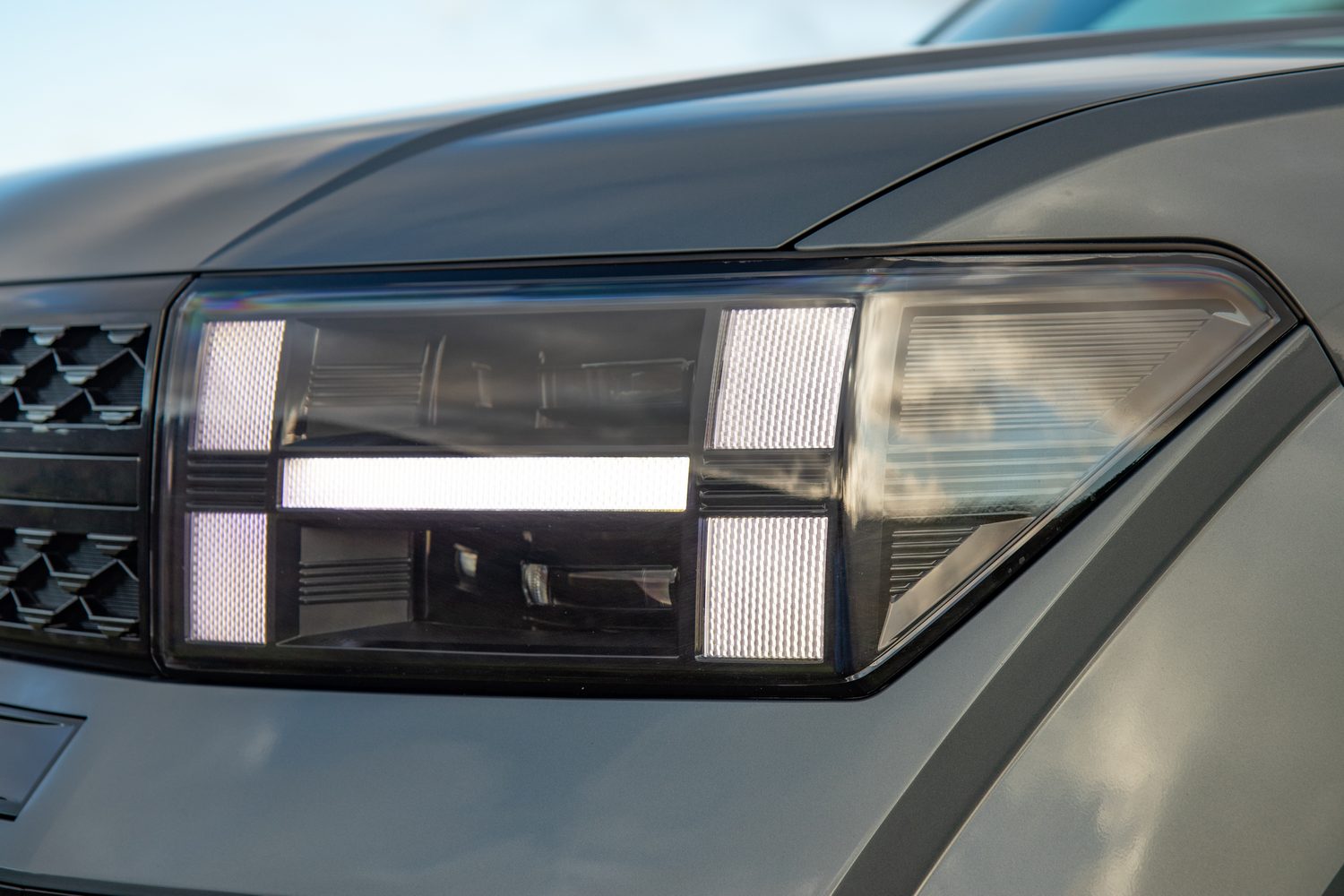
We think it makes a statement, and it very much takes influence from the pixelated design that already exists in the Hyundai Ioniq 5. Details like the daytime running lights that are constructed in a way to display the letter H for Hyundai, and the generous amounts of contrasting high-gloss black that stand out on some of the lighter colours available, help the car really stand out.

The Santa Fe is a large SUV that dwarfs the hugely popular Hyundai Tucson, though it's on a par, size-wise, with other seven-seat SUVs such as the Kia Sorento and Volvo XC90.
For reference, the overall dimensions of the Santa Fe are:
- Length:
- 4,830mm
- Width:
- 1,900mm (including mirrors)
- Height:
- 1,770mm (including roof rails)
- Wheelbase:
- 2,815mm
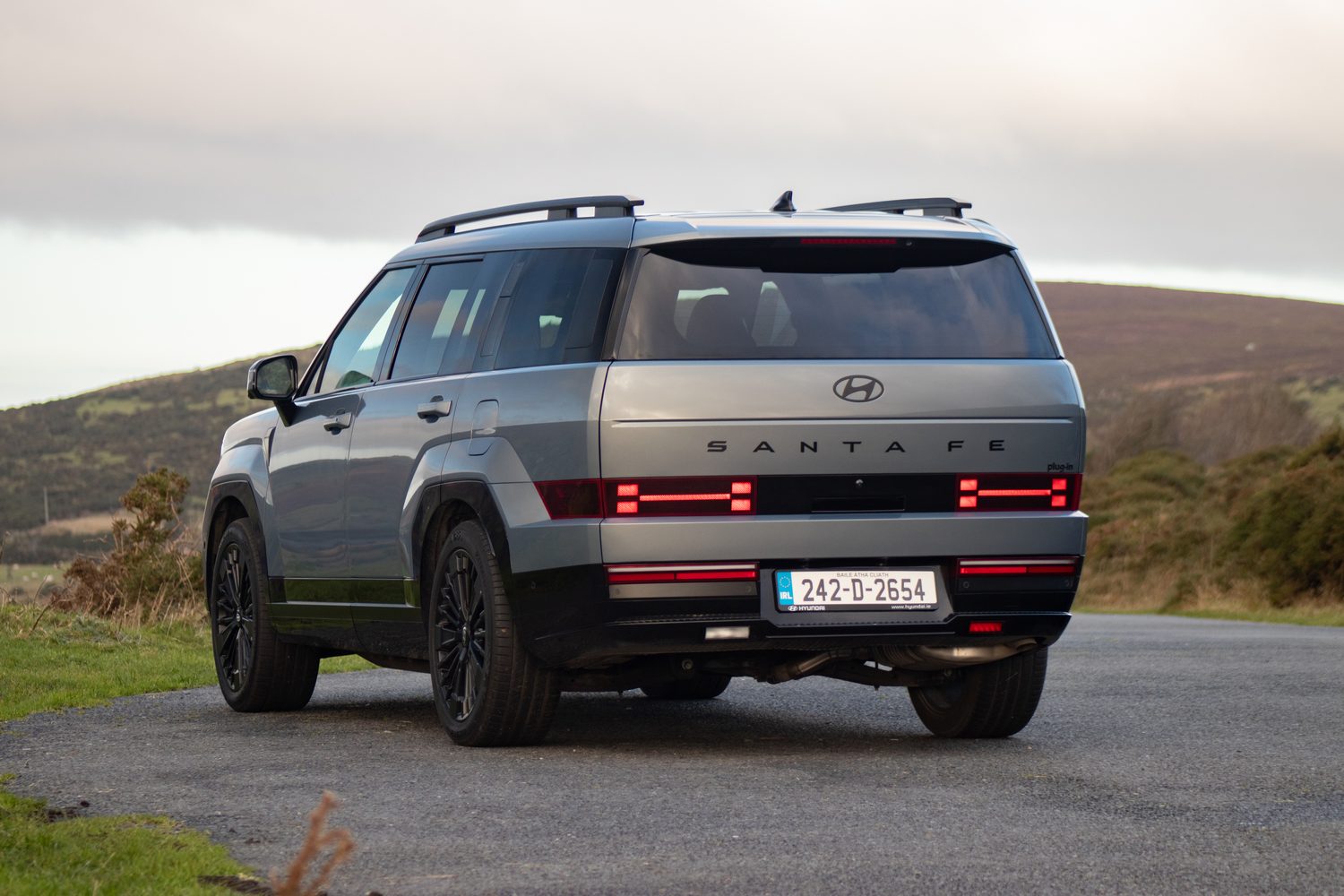
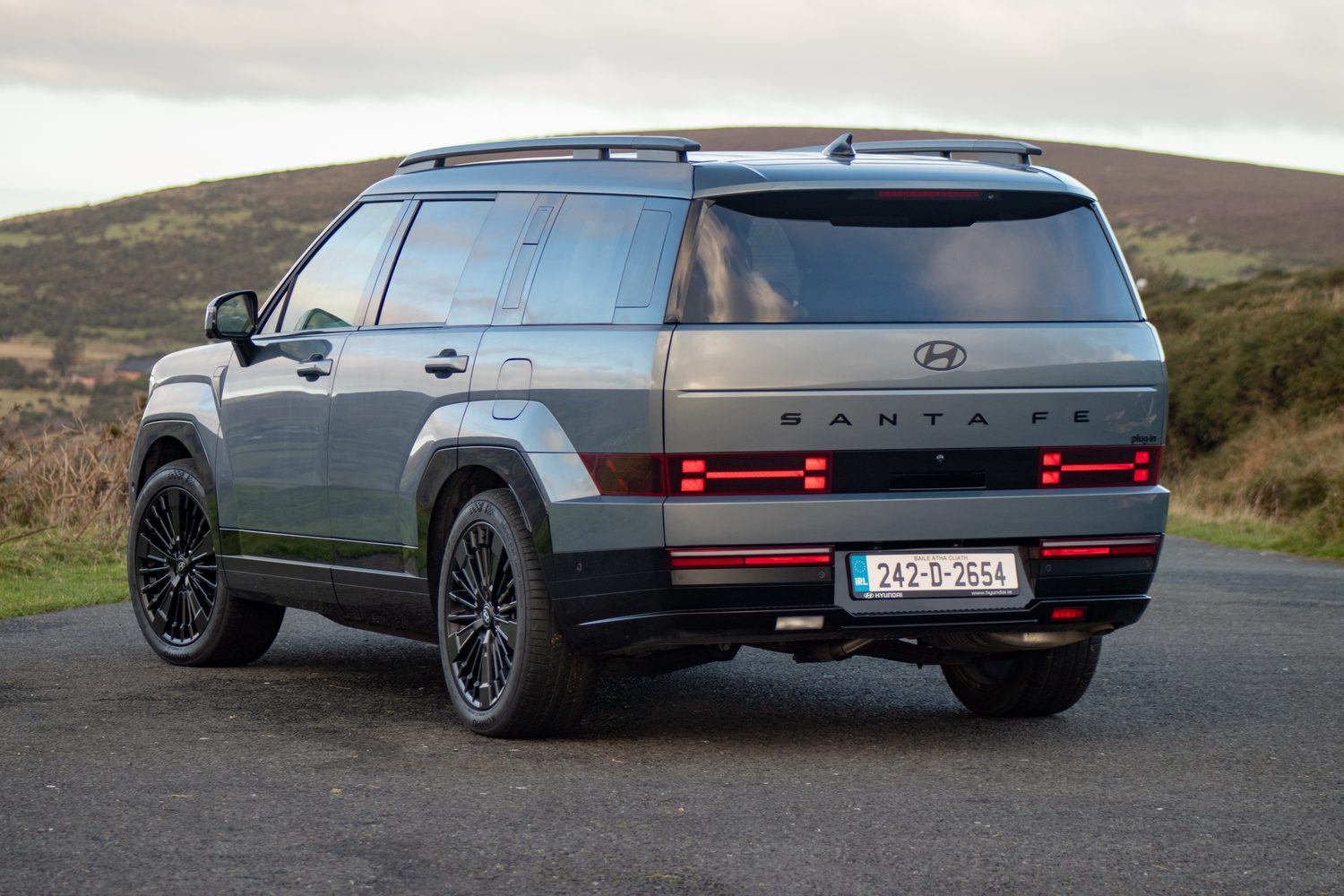
Some might call the exterior design unapologetic or even describe it as the automotive equivalent of brutalist architecture. Either way, the Santa Fe is radically different from previous iterations. The rear lights repeat the H symbolism, albeit with a flatter and wider image. The rear indicators and reverse light are housed quite low down within the bumper section.

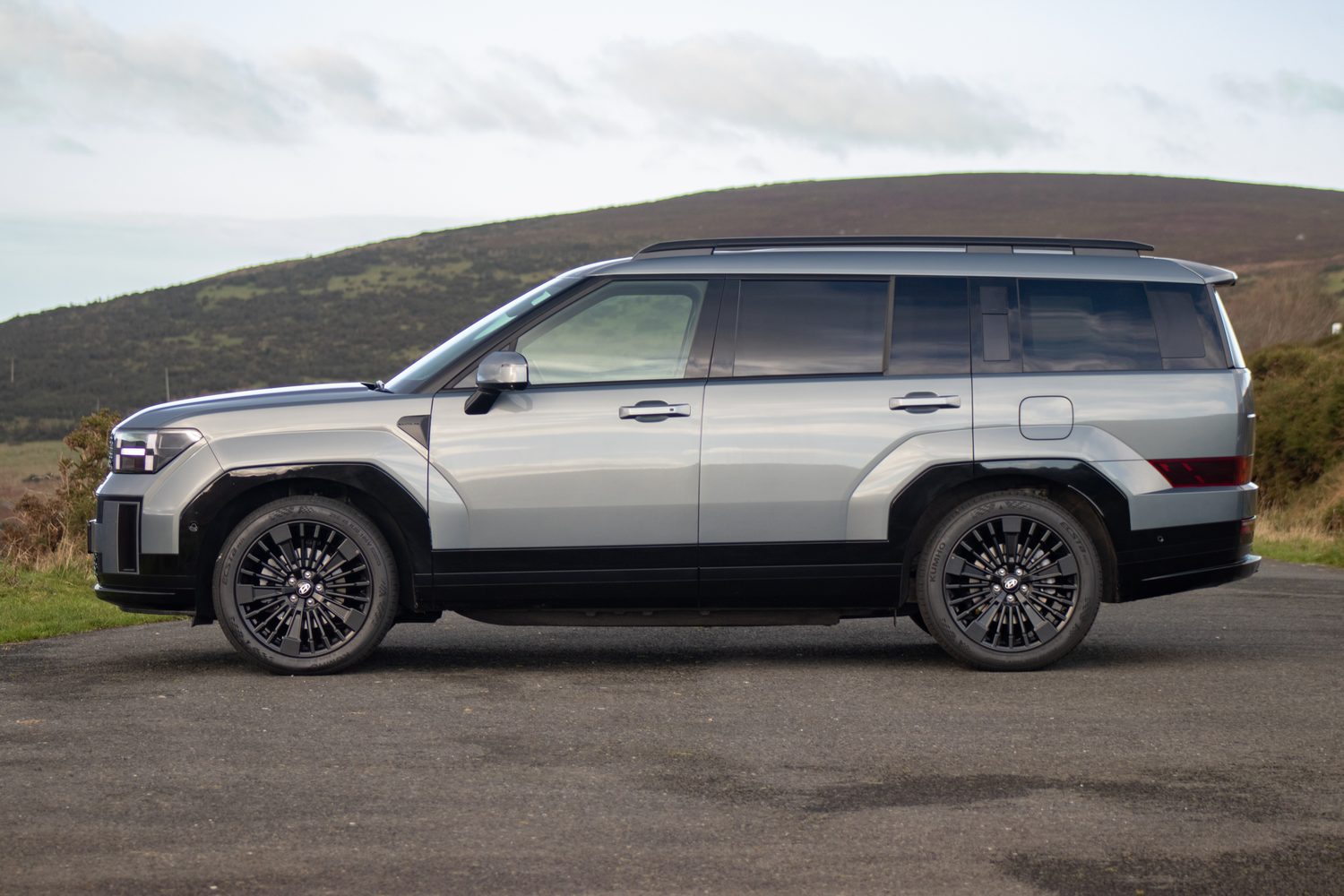
The only rounded features you'll find on the exterior are the inner sections of the wheelarches that house the standard-fit 20-inch alloys - a black multi-spoke design on this Calligraphy specification.
In side profile, you get more of a sense of the stretched appearance by the way the roofline gently slopes towards the rear. The window area exaggerates this slope, and there are some other interesting design touches.
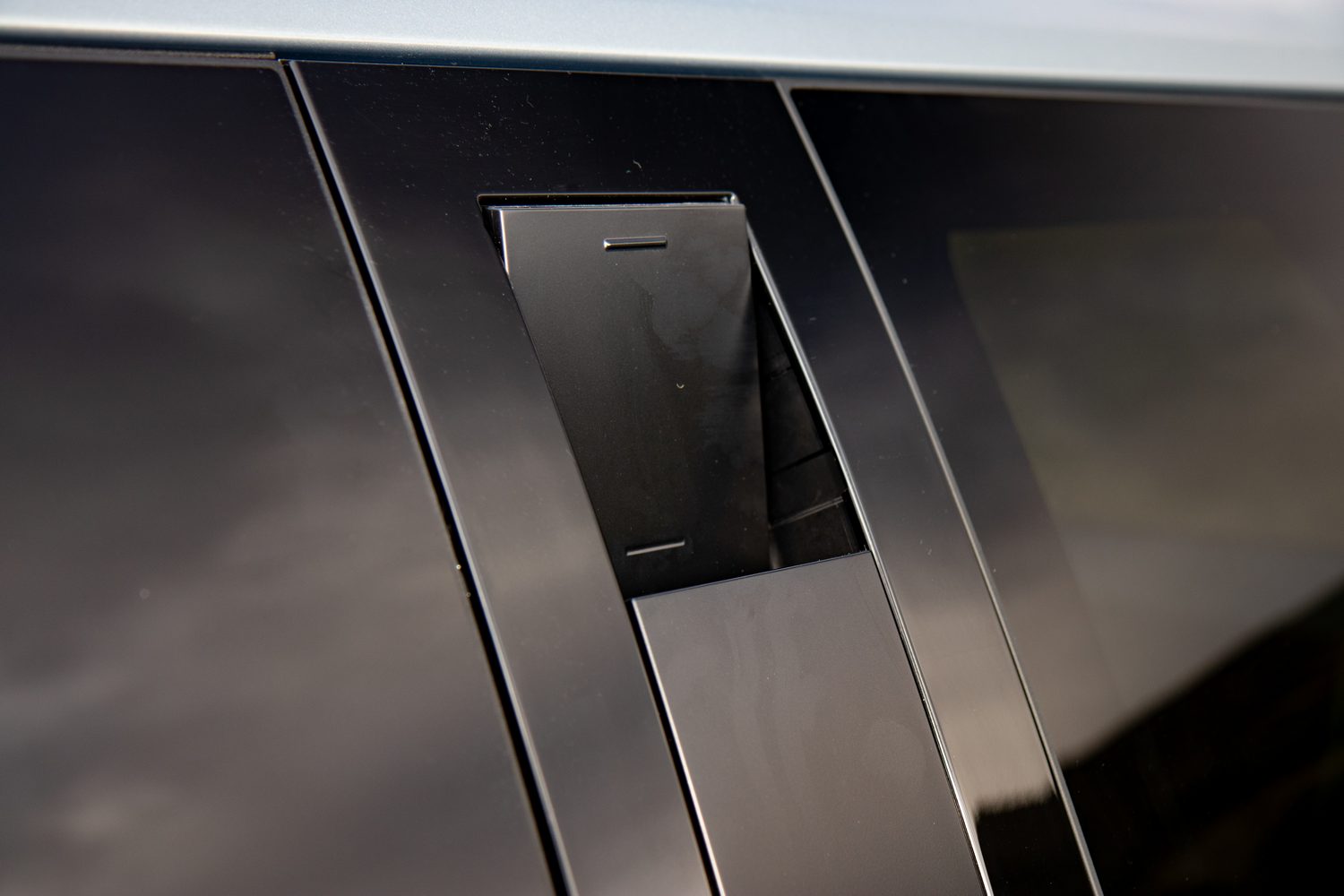
In the pillar behind the rear door, for example, Hyundai has included a section that tilts inwards to act as a hand grip - in case you need to get anything from the roof or a roof box by standing on the rear tyre.
Interior, practicality, tech & comfort of the 2025 Hyundai Santa Fe

- Lots of passenger space
- High-quality feel inside
- Modern looked backed up by tech
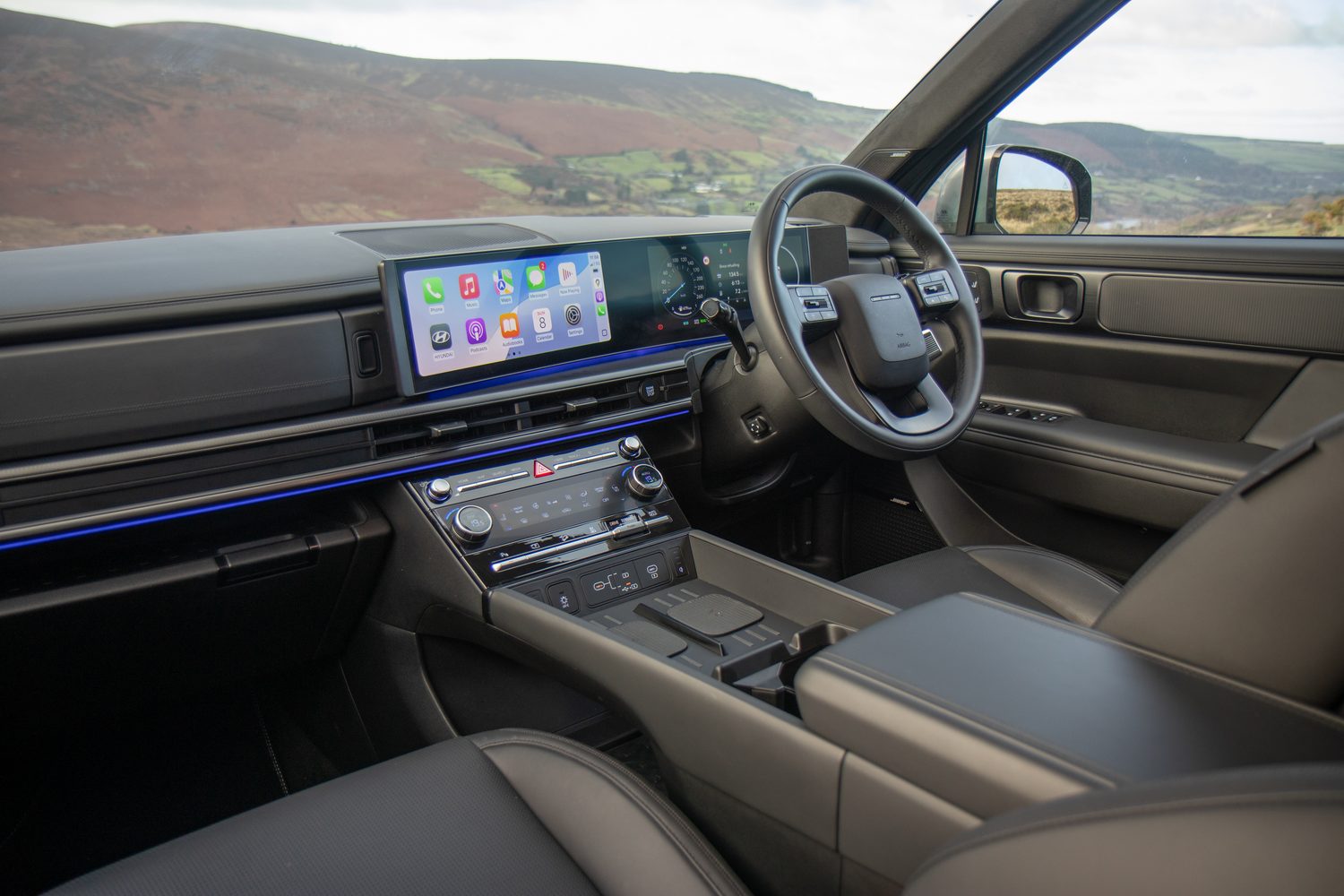
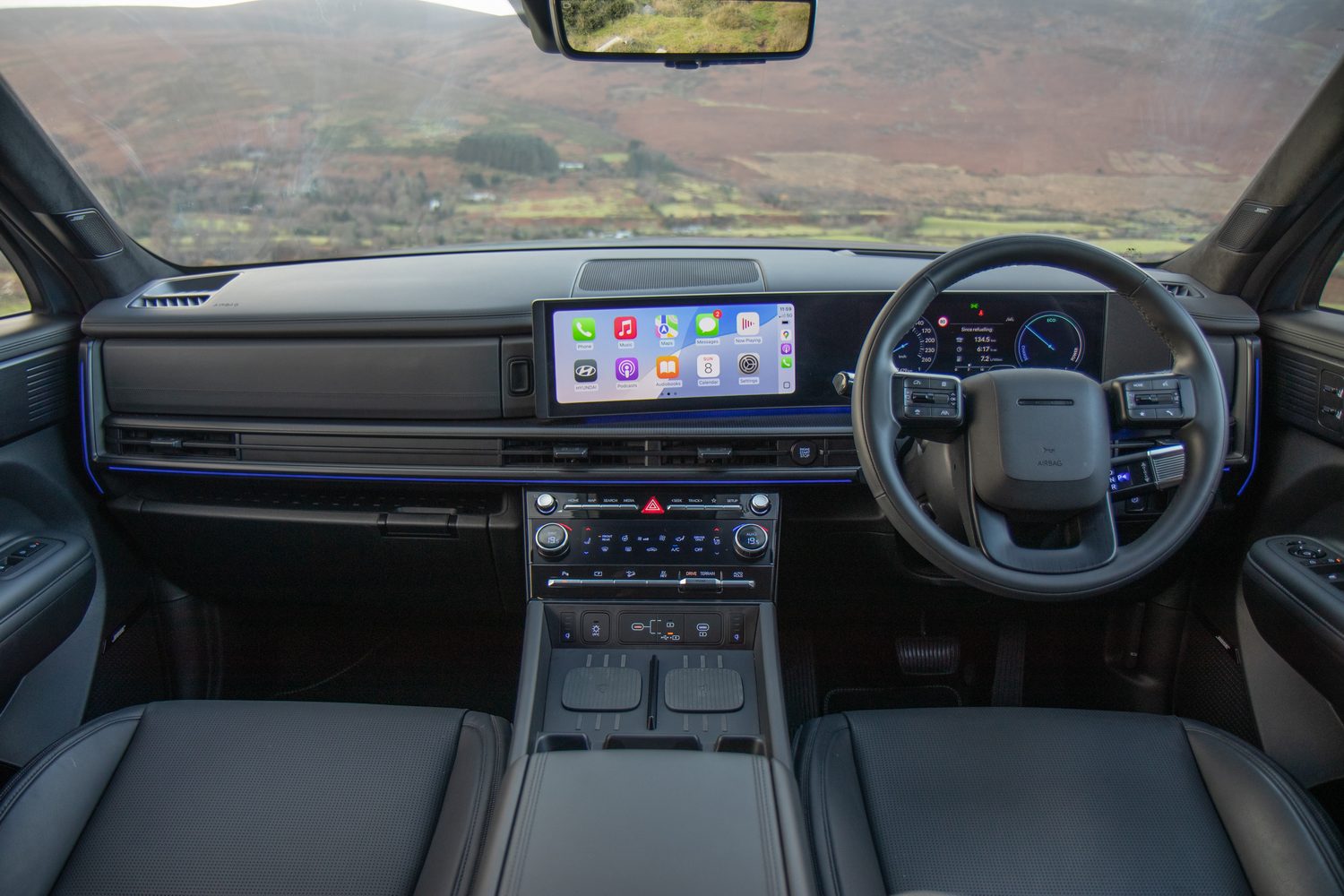
There is a fine balance between getting the look and feel of technology integration right, with many brands preferring to stick with one large touchscreen at the centre of the dashboard that is home to every function.
Hyundai strikes a positive middle ground in this regard by retaining physical buttons and switches for all the commonly used items.

From the moment you sit into the (standard) electrically adjustable front seats, you get a sense of the material quality and how solid everything feels to the touch.
Hyundai doesn't leave you wanting for much, as the standard equipment level is quite good. Finding a comfortable driving position is made easier by the electrically adjustable steering column, which is also a standard-fit item.
The driving position itself is good; you don't sit very high, but equally, there is a good outward view that's helped by a shallow dashboard and low scuttle (the base of the windscreen), and you can still easily see the end of the bonnet.

The Santa Fe uses a round steering wheel with multifunction controls spread across two chunky spars. It feels good in your hands, and the combination of buttons and scrollers is easy to navigate and operate with your thumbs when driving.
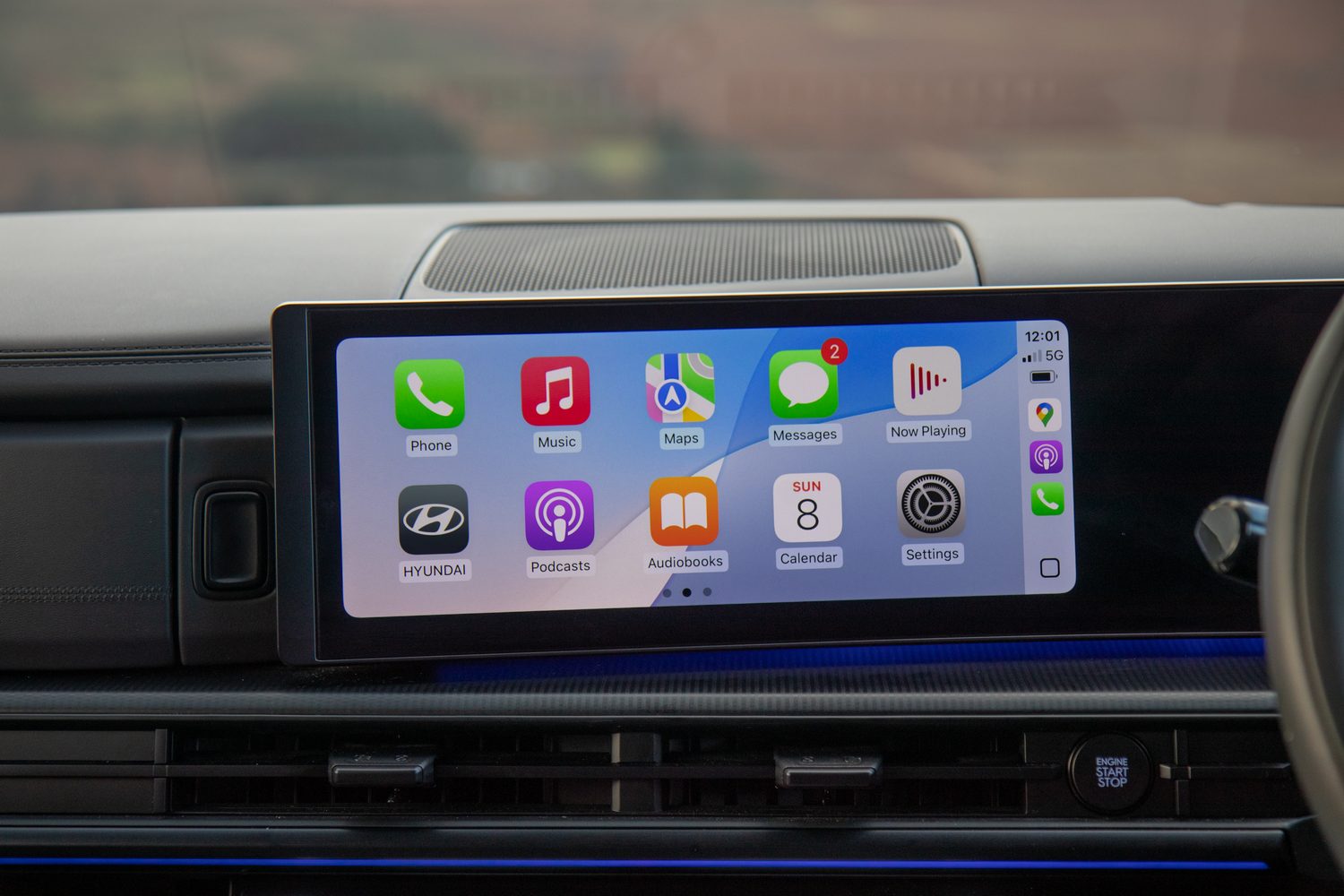
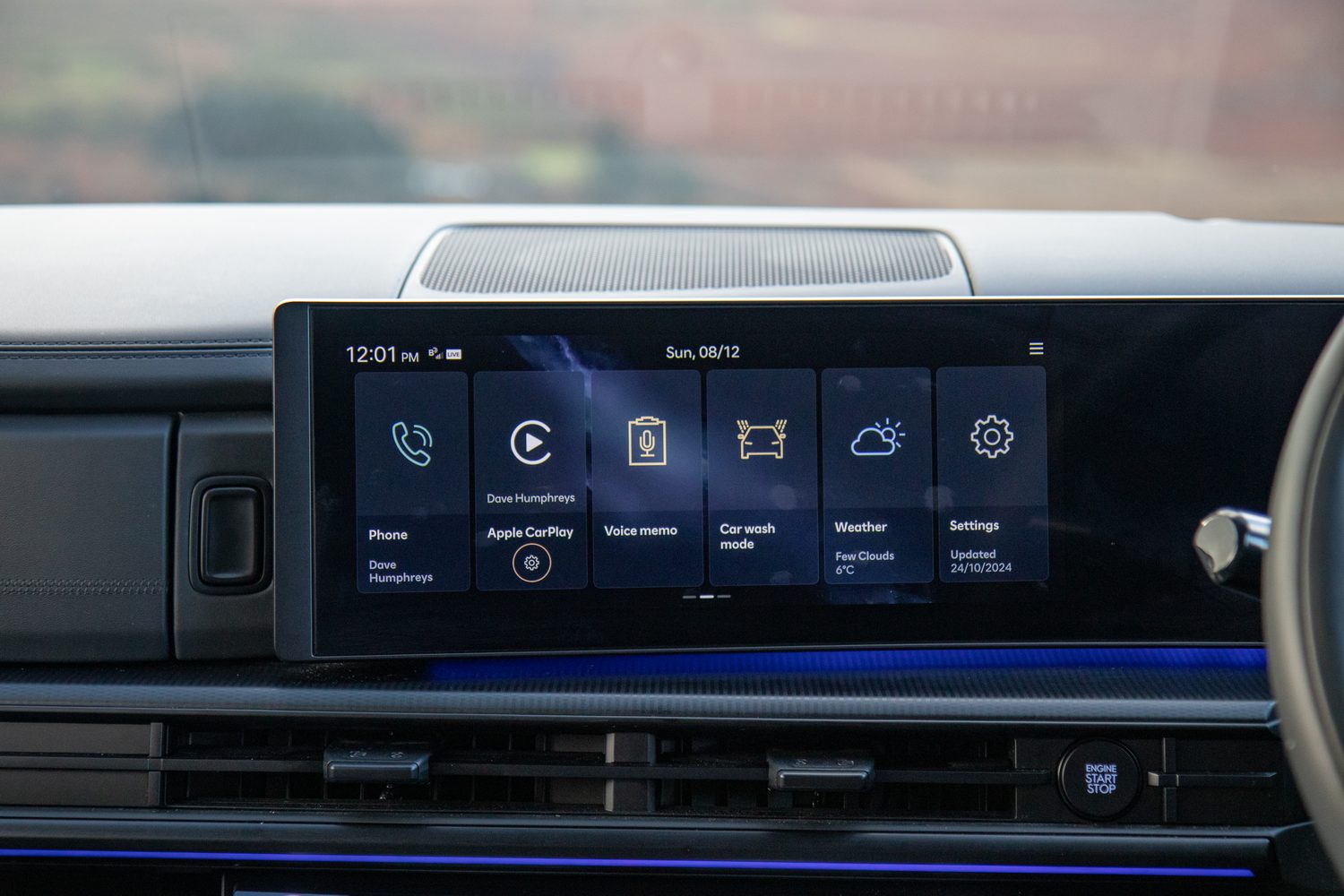
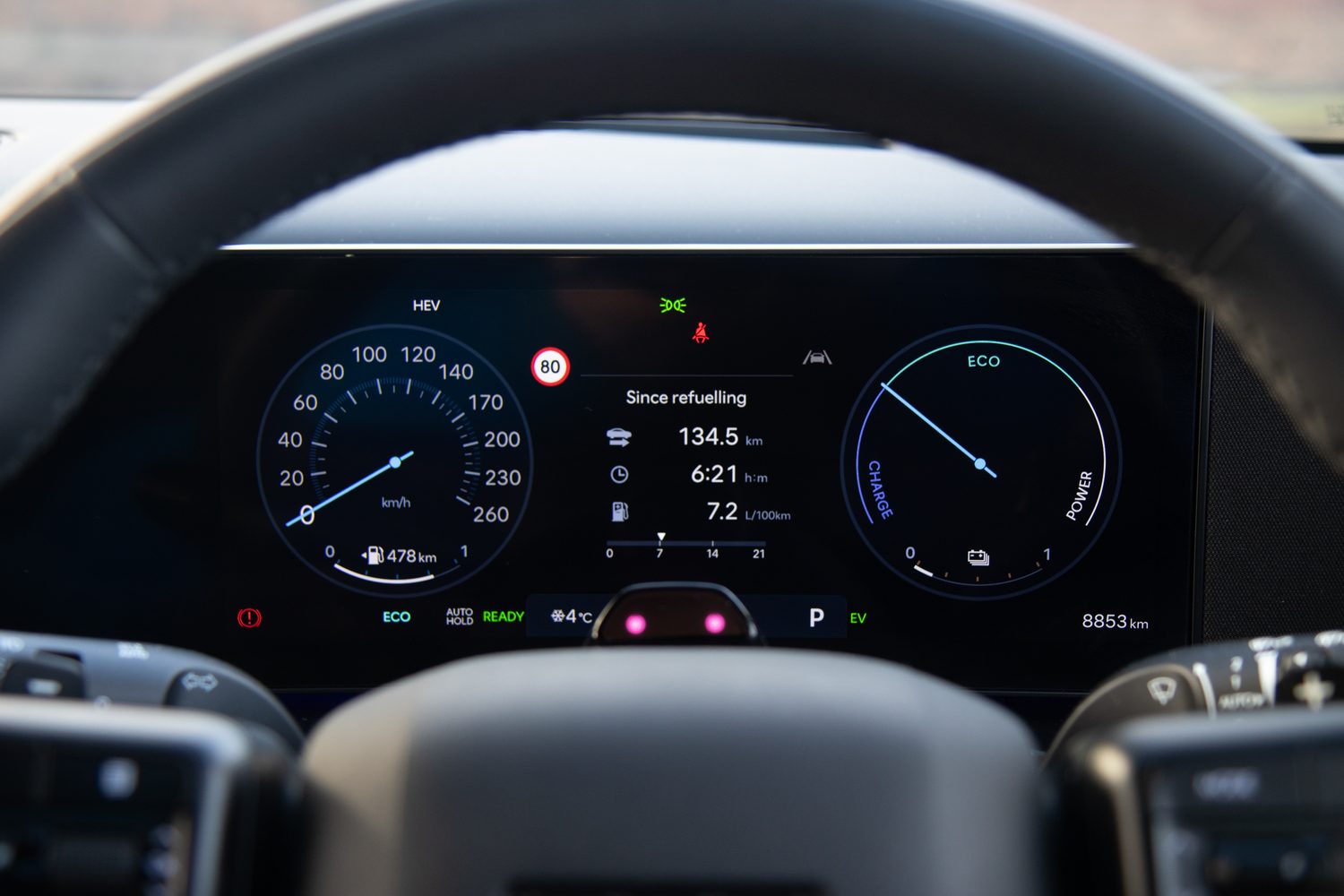
A pair of 12.3-inch screens makes up the upper section of the dashboard, with a clear and easy-to-read instrument section. Hyundai's native infotainment system is simple to navigate, but if you'd rather use your mobile device, then Android Auto and Apple CarPlay are available, too.
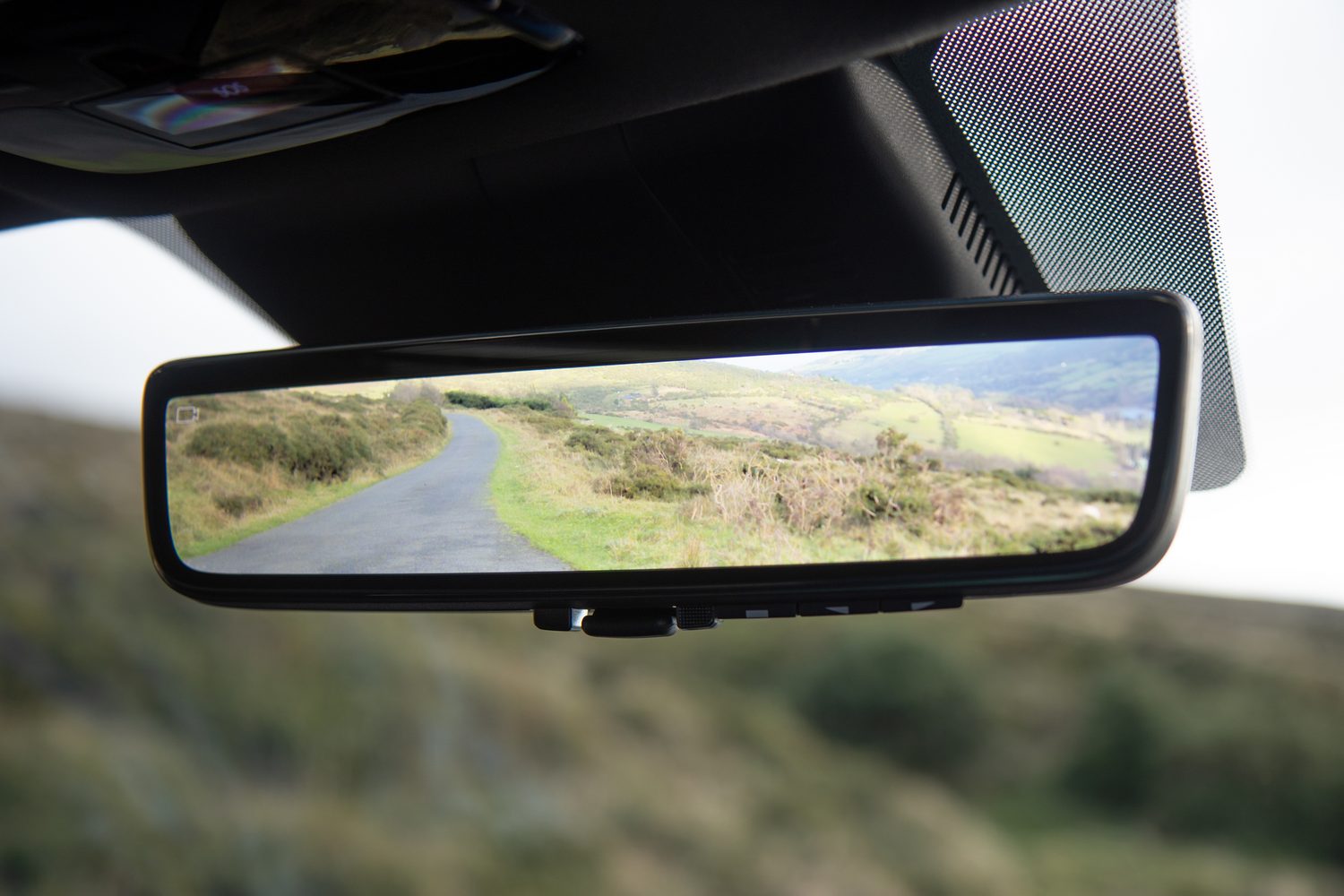
Hyundai knows that it's more likely than not that you'll have rear passengers onboard, so rather than having to peer into the rearview mirror to see what's going on behind the car, a digital feed from the rear-facing camera can be shown. This setup provides an unobstructed view behind and works in addition to the reversing camera. You can still flick the tab at its base to switch to a conventional mirror mode so you can see those behind you inside the car.

As the Santa Fe comes exclusively with an automatic transmission, the drive selector is on the lower right side of the steering column, which in turn frees up more space on the already wide centre console.
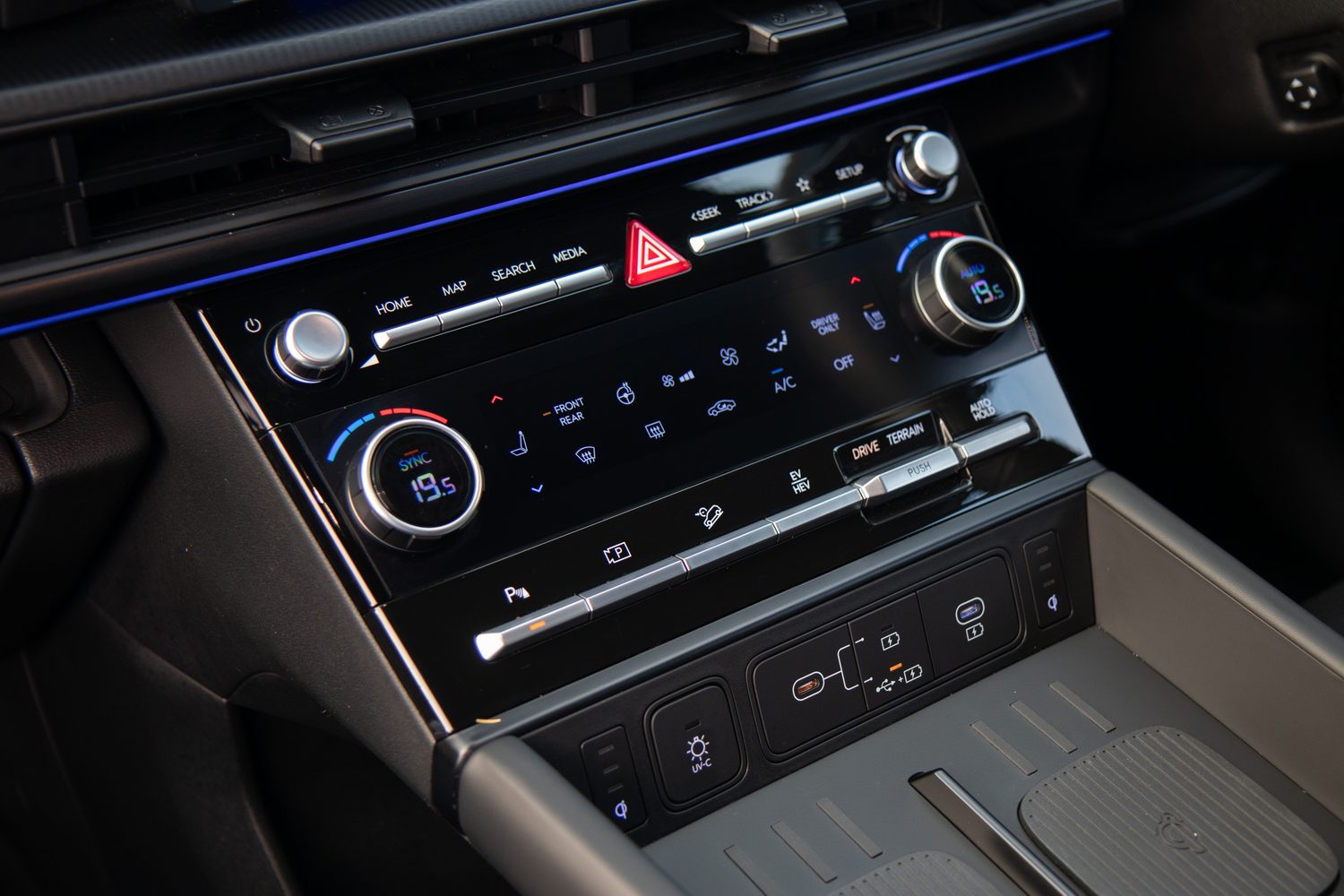
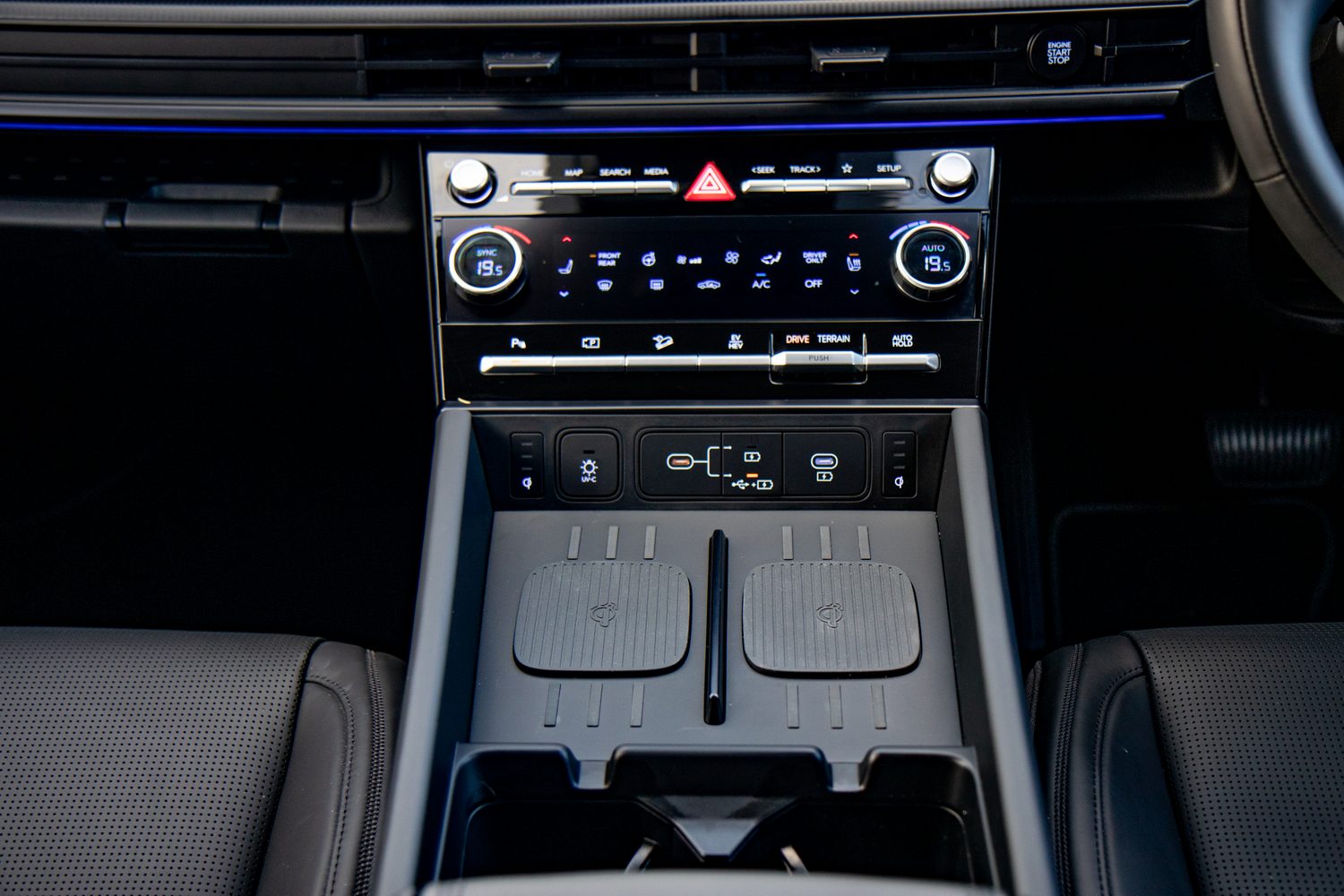
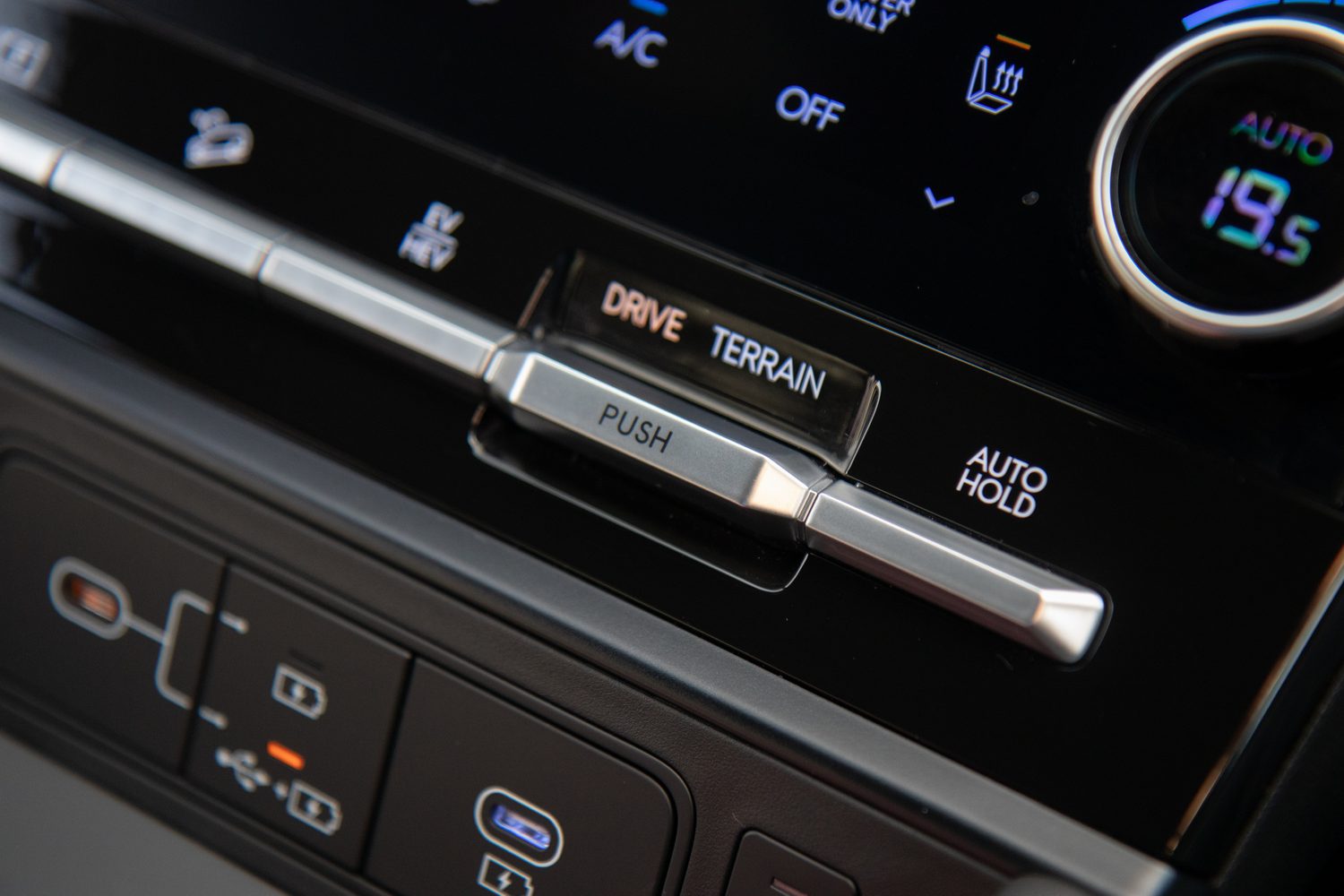
Lower down there is a mixture of touch-sensitive and physical controls for the media, drive and climate controls. The important things that you're more likely to use frequently - temperature and volume - are operated with physical buttons or dials.
The heated seats, heated steering wheel and window demisting require use of the touch panel. Driving modes and some assistance features, including hill descent and auto brake hold, are done with proper buttons.
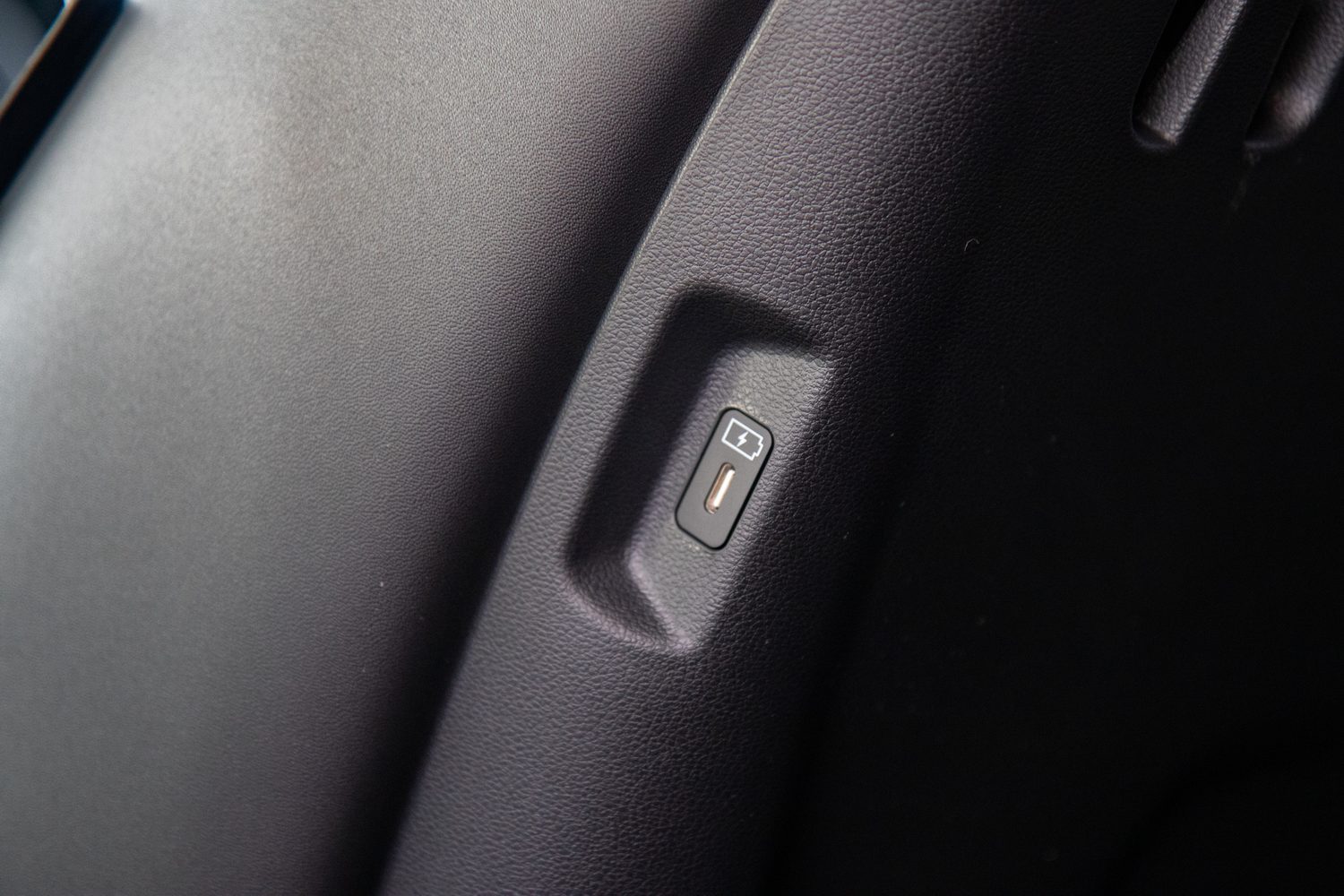
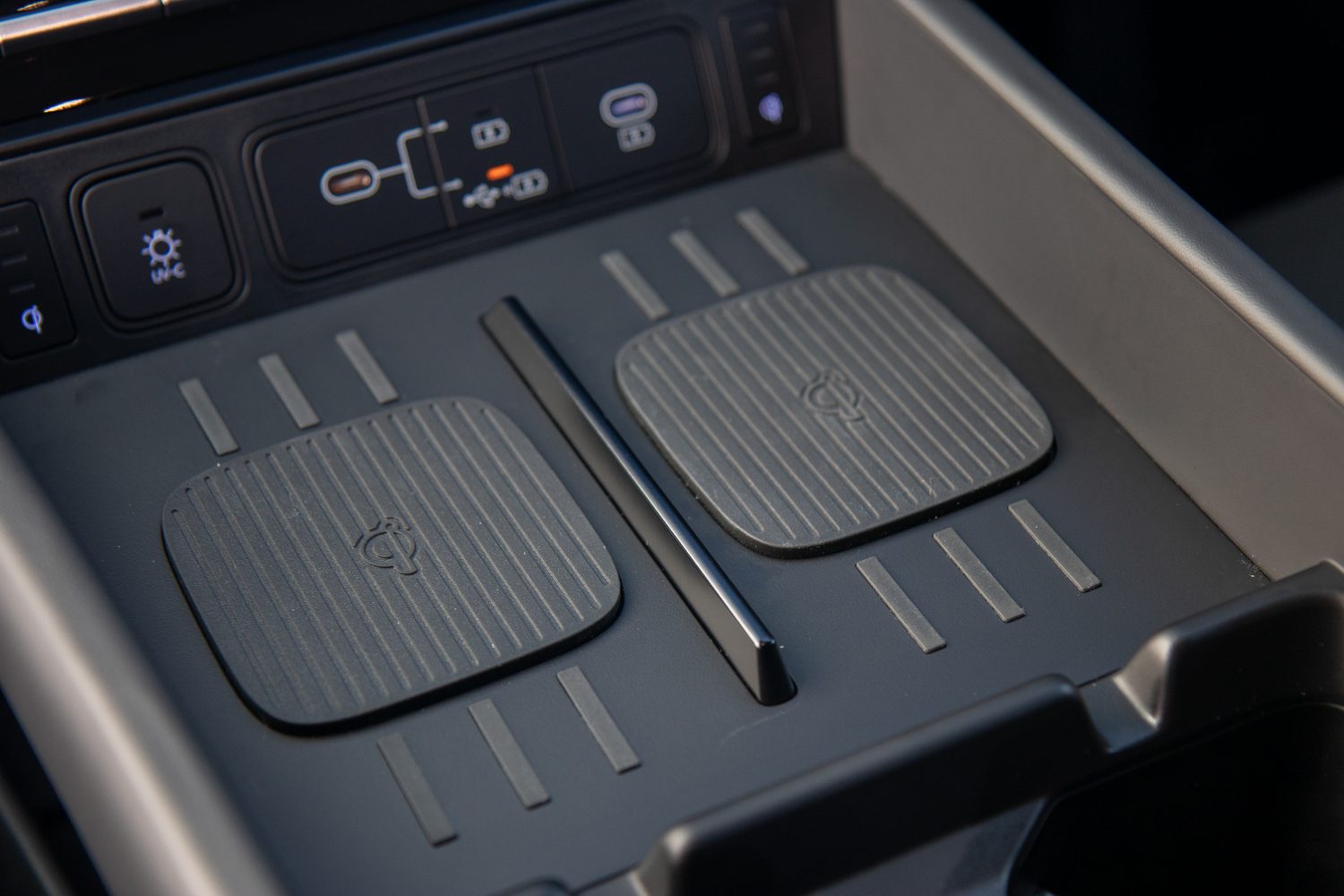
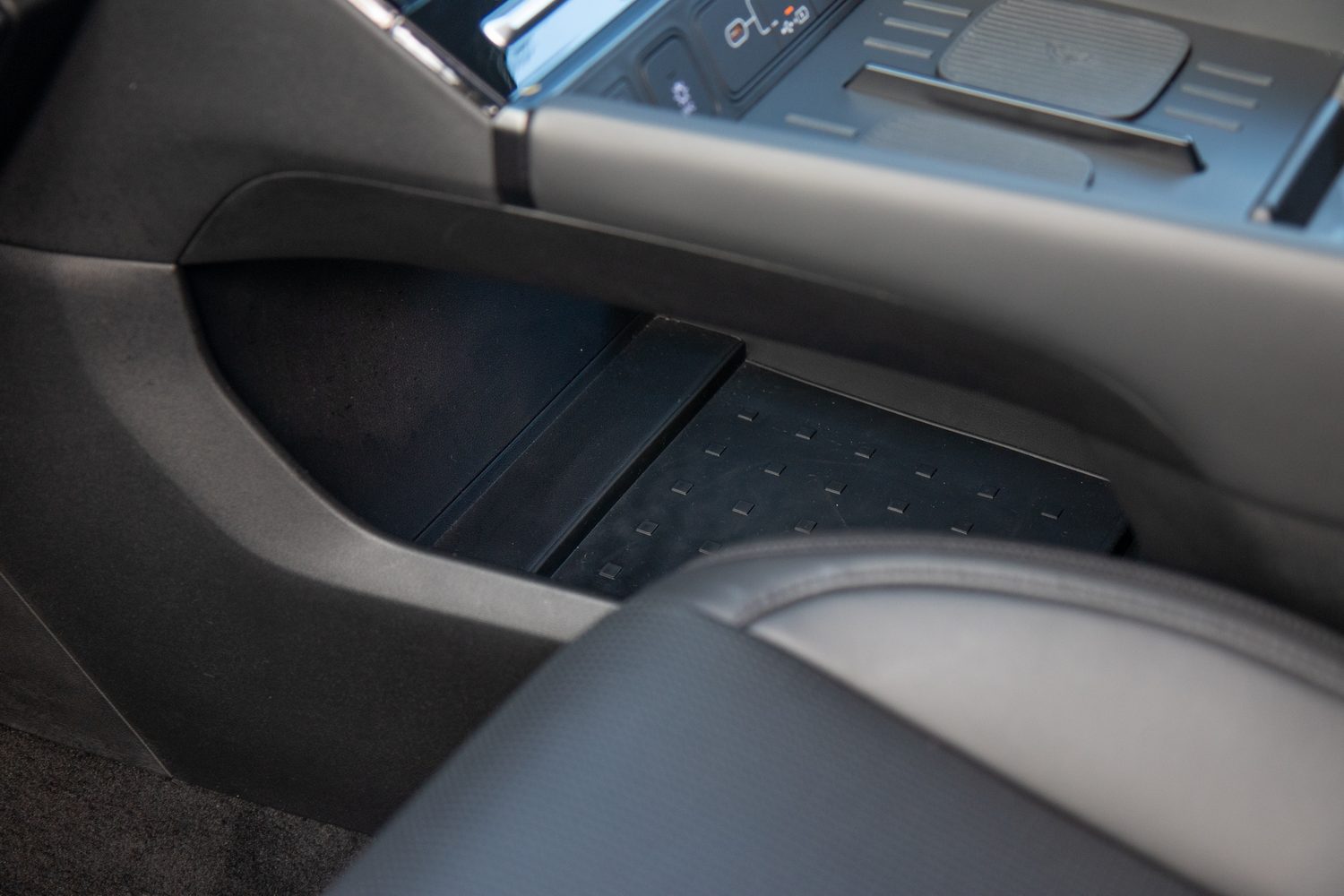
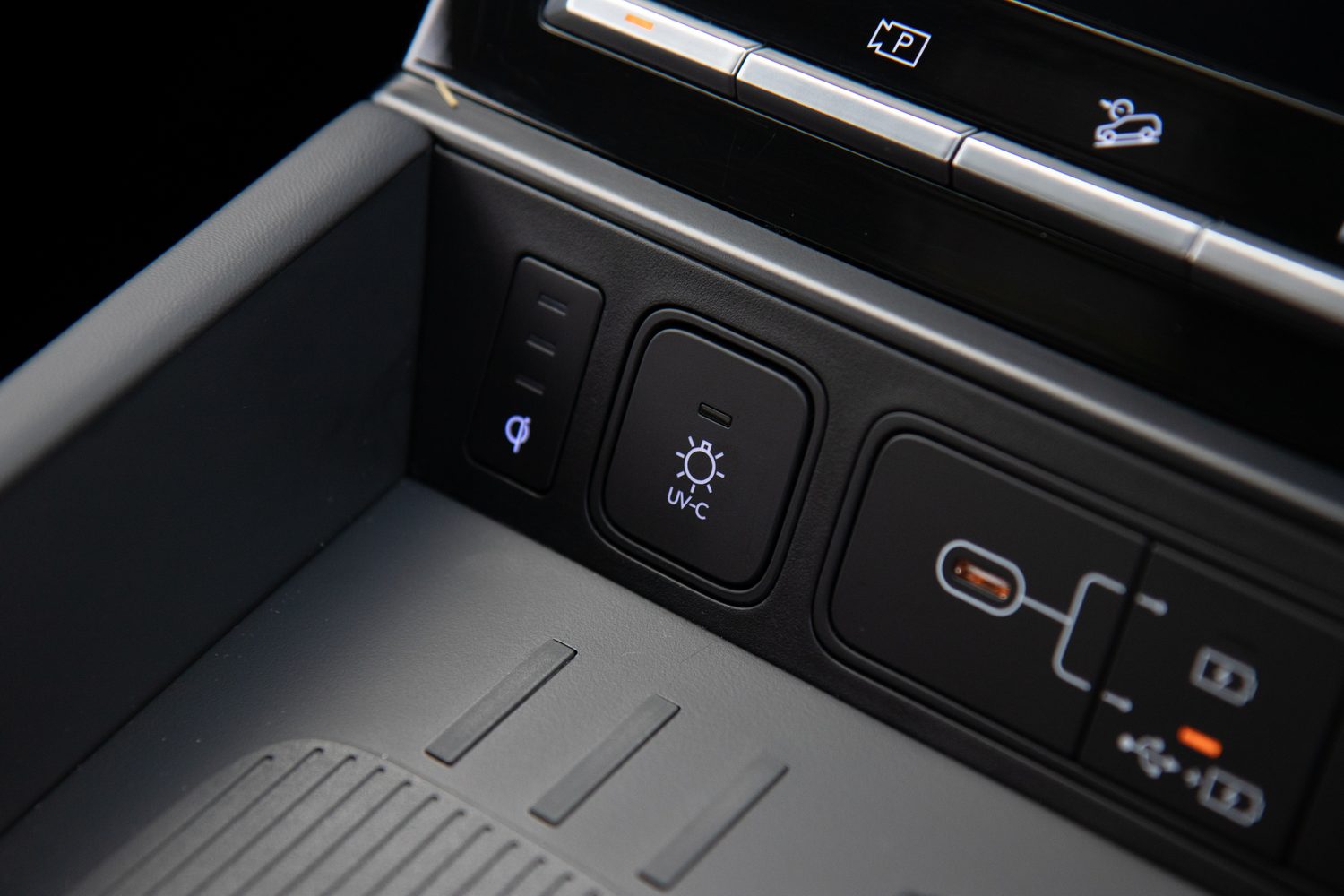
Alongside a couple of USB-C charge ports, there are also two wireless charging pads that have a neat, raised and rubberised base so your phone is less likely to move around while you're driving and so it remains charging more of the time. That's something many other car makers could take a lead from.

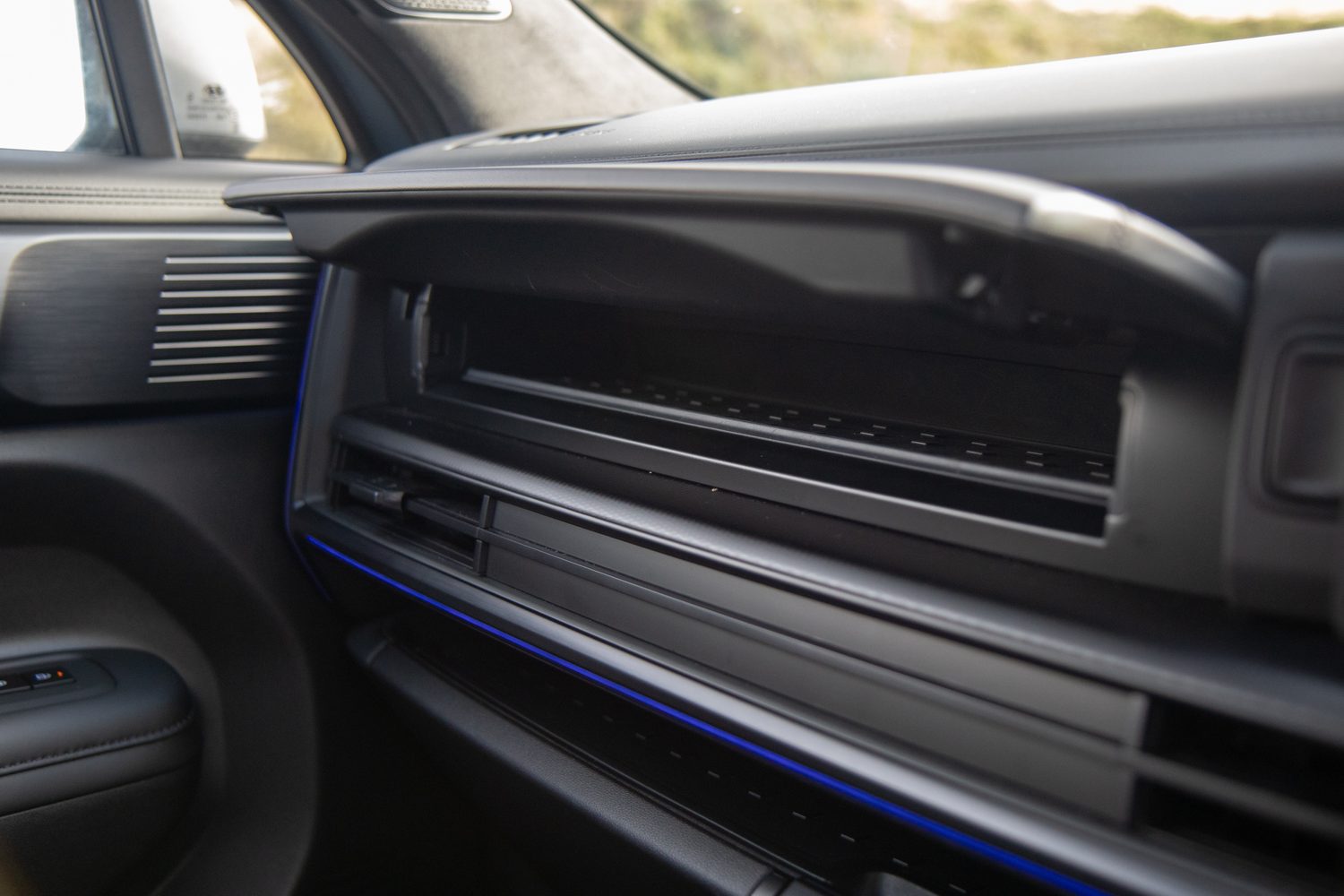
Another plus of the automatic-only transmission is that there is an additional storage area beneath the centre console that is accessible from either side and can be used to store slightly bulkier items, such as small bags.
Perhaps the most unique feature in the Santa Fe is the UV sterilisation tray that comes as standard on the Calligraphy model. This is a dedicated compartment that you can put items such as a child's soother into for sterilisation via ultraviolet light.
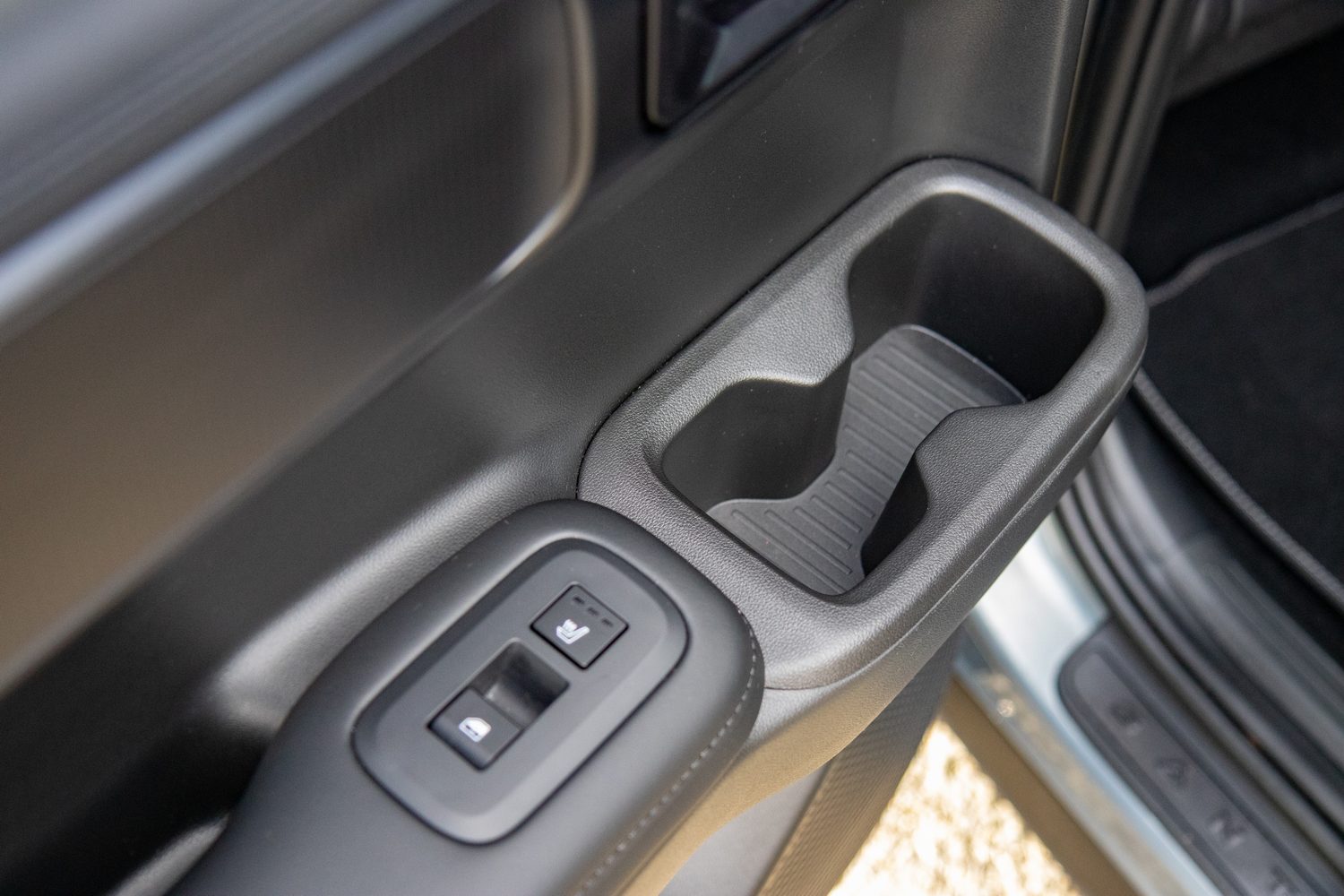
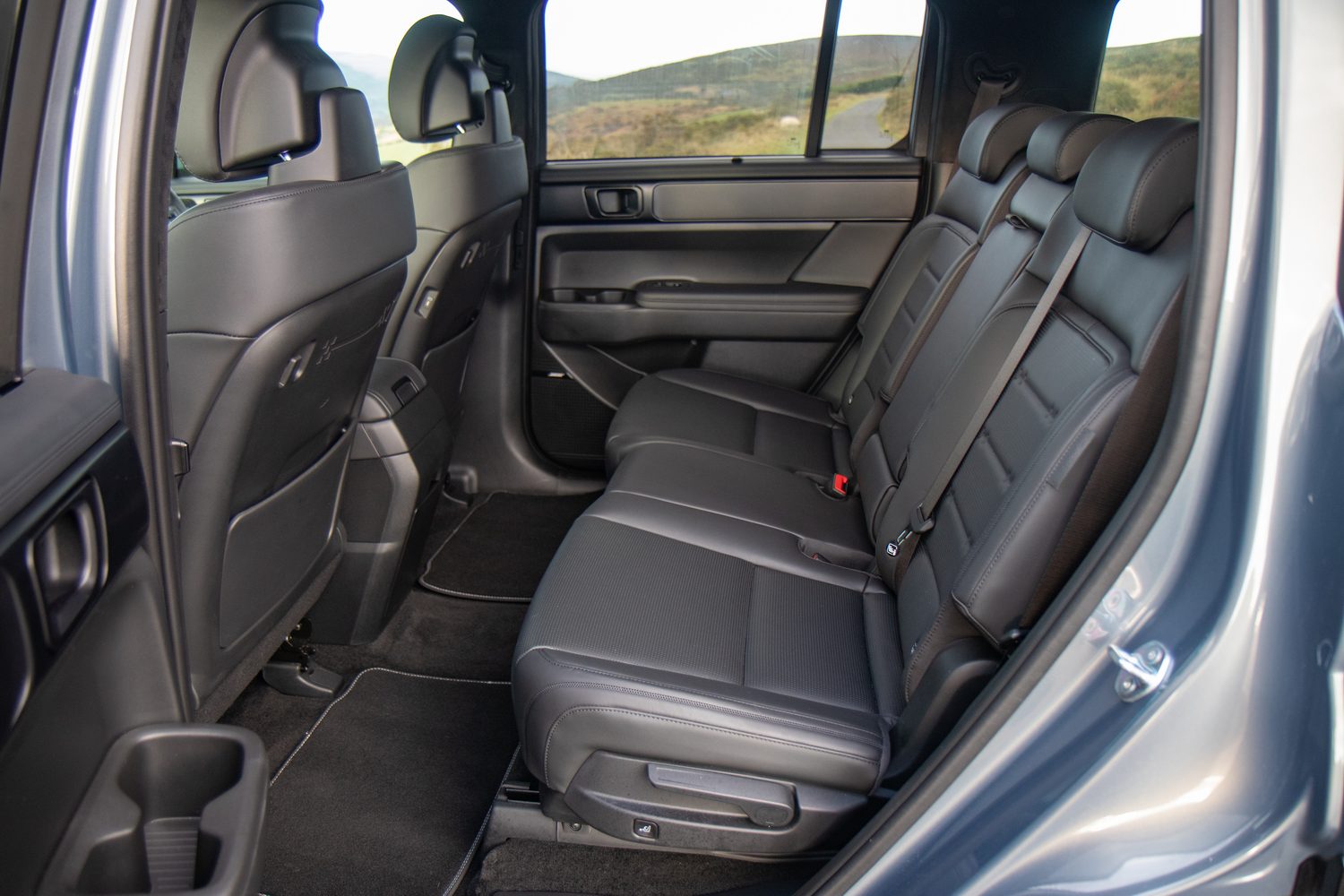
Those seated in the second row get good levels of space, and a generous door opening makes ingress and egress easy. The doors have cupholders made into them, mounted mid-way up the door so they're within easy reach.

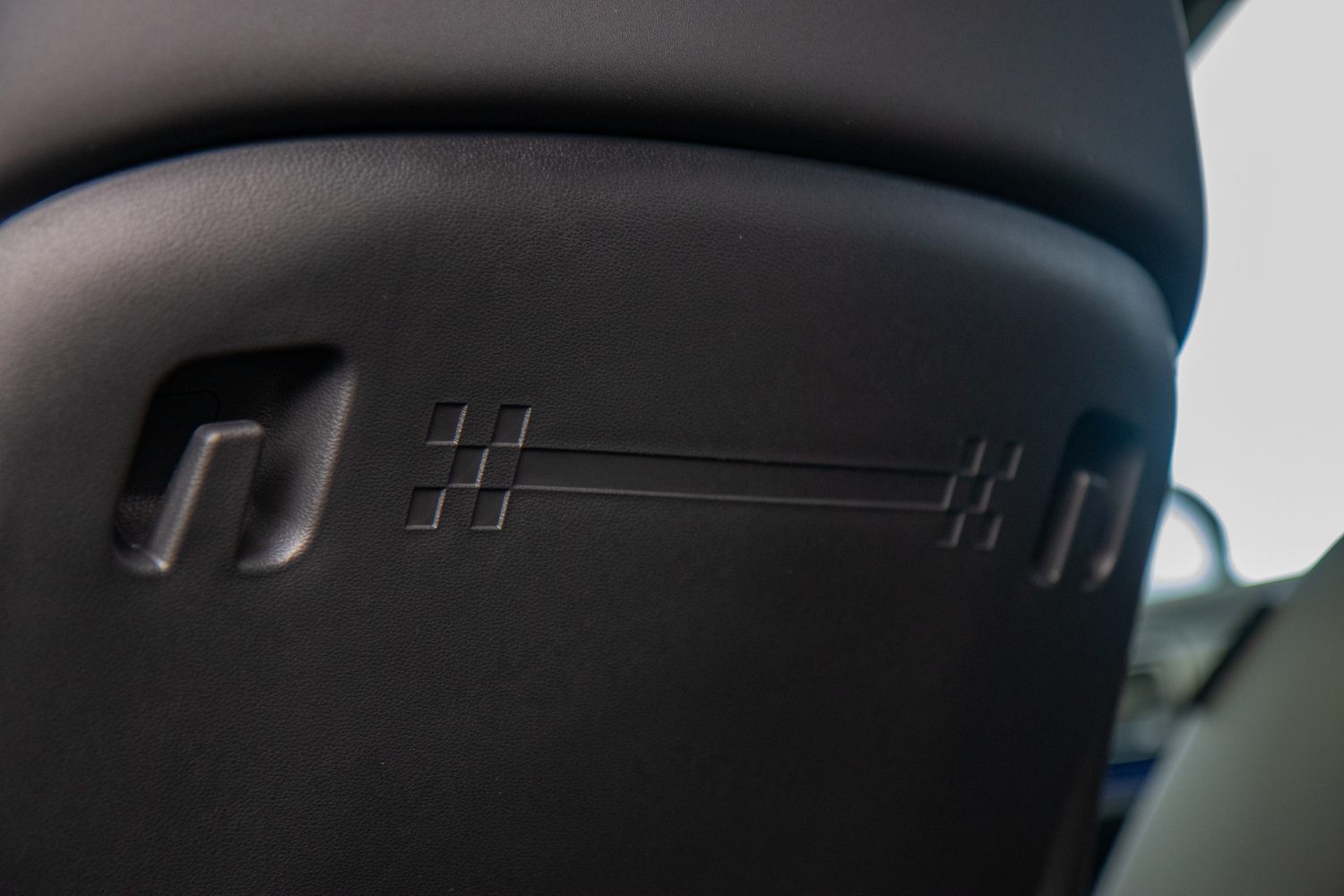
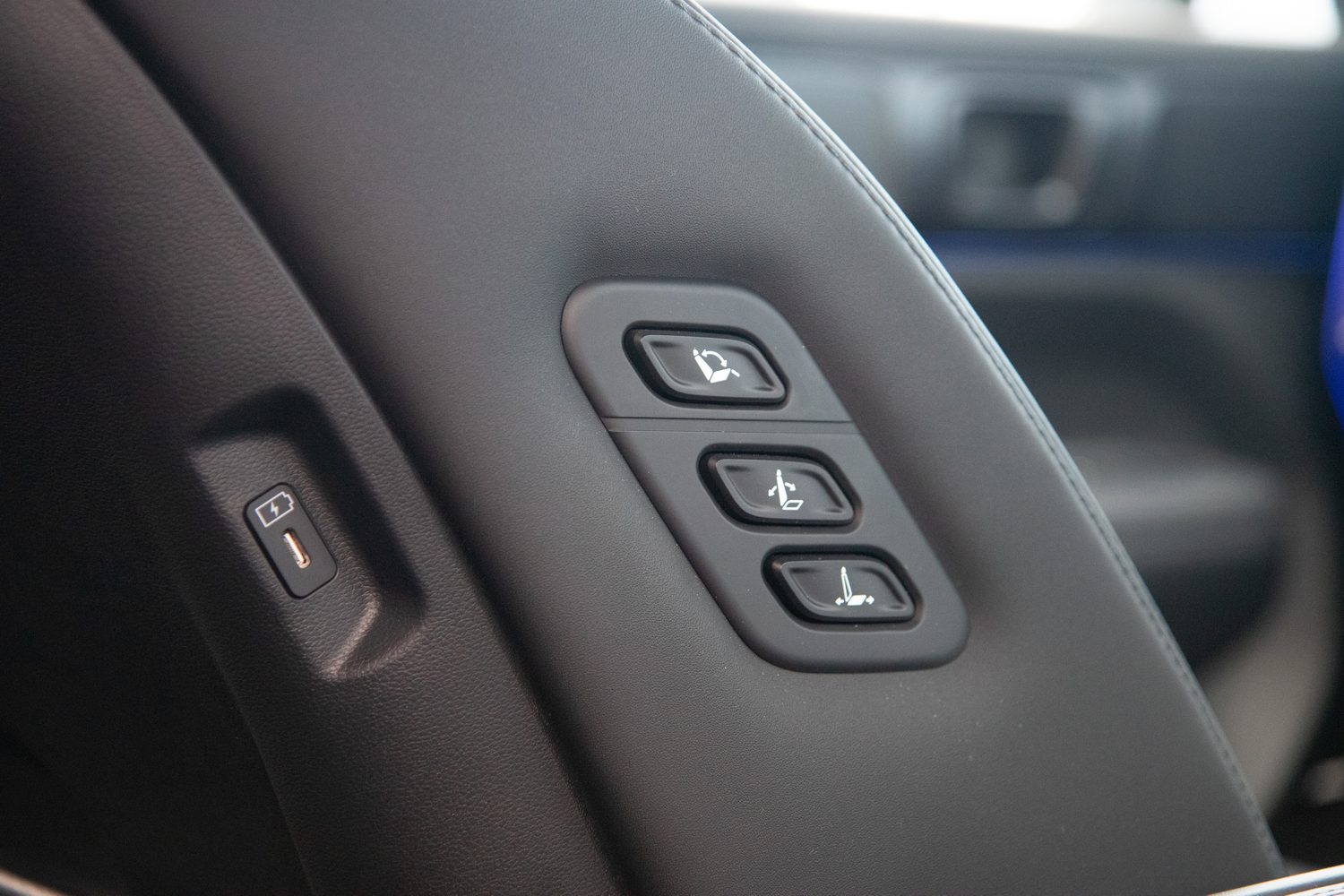
Other conveniences include coat hooks and pockets on the backs of the front seats, and more USB ports on the inner sides of those front seats. Rear-seat occupants can also move and tilt the front passenger seat from the rear using buttons on its side.
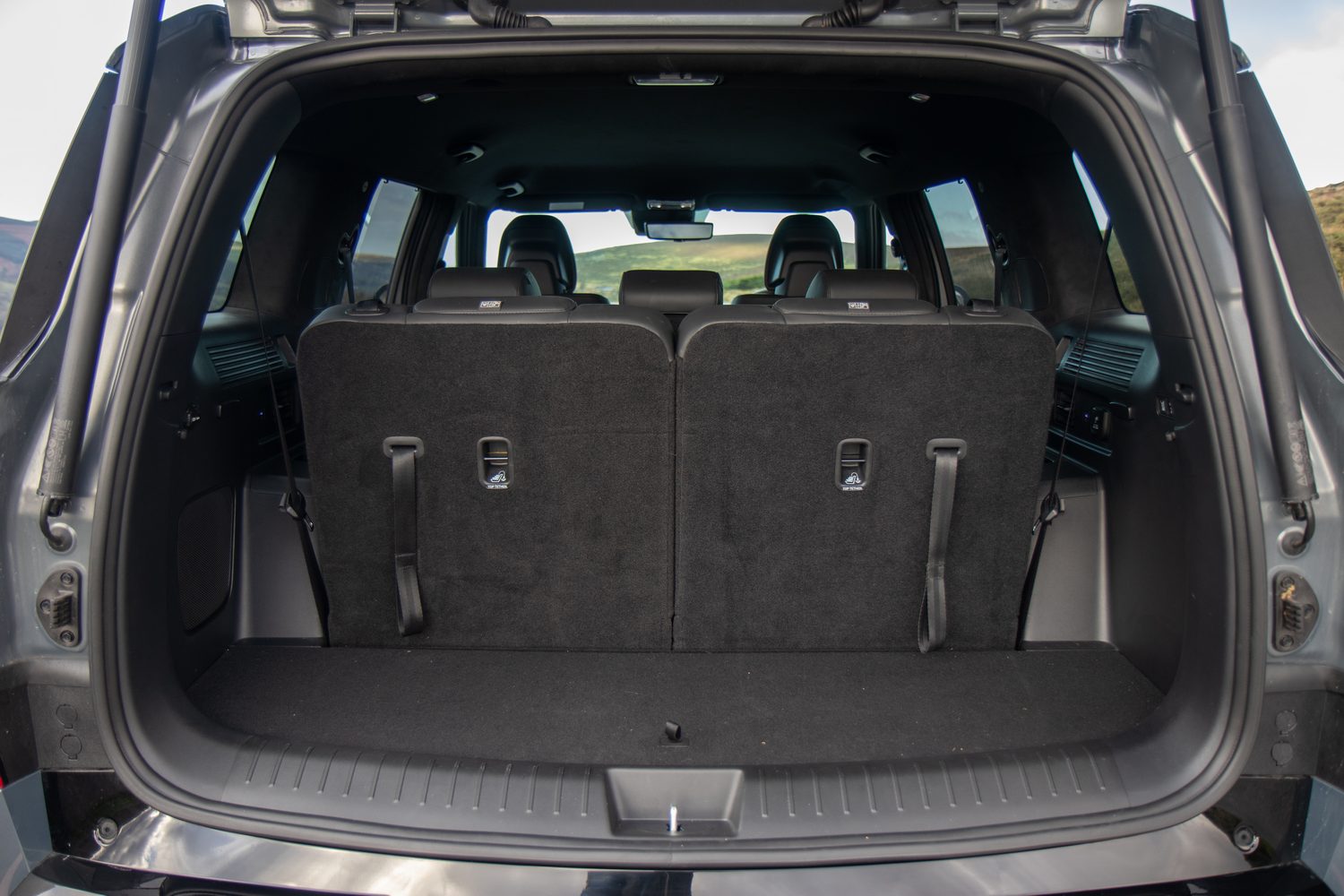
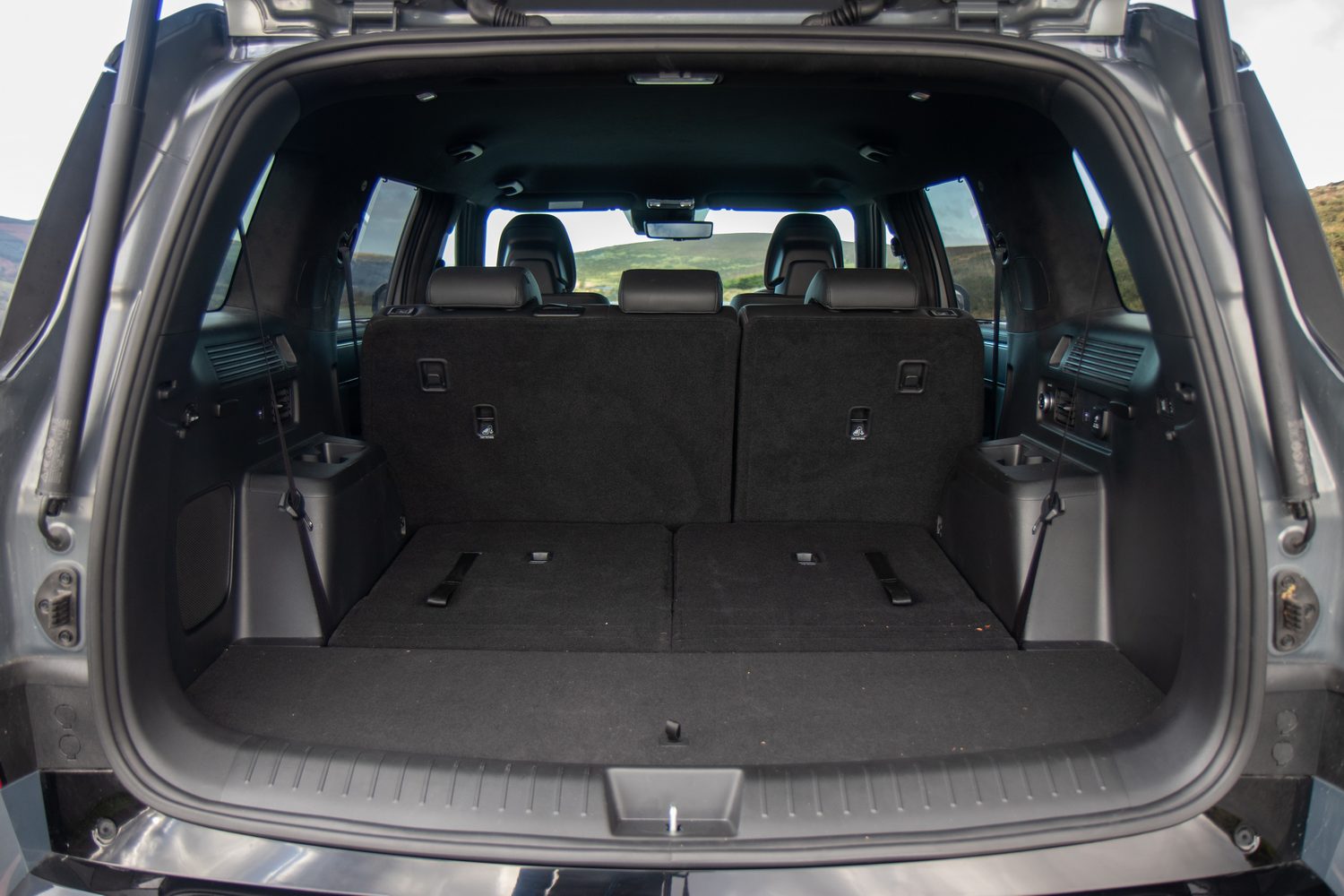
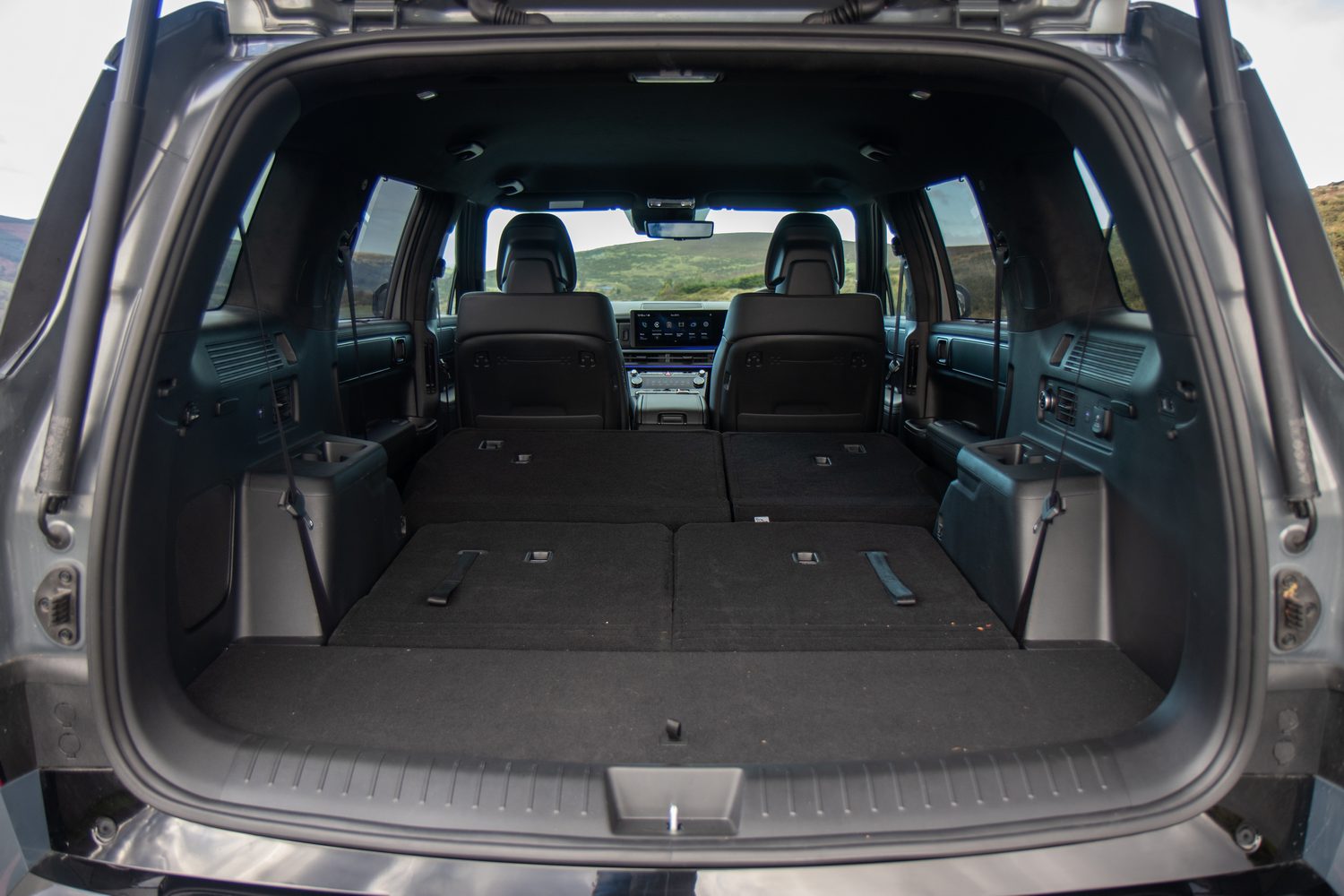
The Santa Fe's advantage over its plug-in-hybrid rivals is that it still offers a third row of seating, even with the hybrid battery on board. While most seven-seat SUVs are better considered as 'five-plus-two' layouts in this case, adults can fit into the two rear seats of the Santa Fe.
They won't be as comfortable as those in the second row, but for shorter journeys, it's not an issue, and smaller kids will be fine back there. Crucially, even when all seven seats are in use, there remains a practical-sized boot compartment, and when those rearmost seats are not in use, there is 628 litres of storage in a five-seat configuration.

Performance of the 2025 Hyundai Santa Fe
- Refined driving experience
- One powertrain available
- Has four-wheel drive as standard
Using the 13.8kWh battery's capacity gives a smooth and quiet drive under electric power. The linear power delivery and quietness underline how well put together the Santa Fe appears to be.

Complementing the elevated driving position is light steering that makes the Hyundai feel very easy to drive. As we've already mentioned, it's a reasonably large car, but there are plenty of assistance features to help if you're not the most confident driver when it comes to parking or threading it through tight spots in town.
The suspension is well-judged, doing a decent job of soaking up bumps and poorer road surfaces. It's not quite like gliding along on a magic carpet, but it's not overly firm, as can be the case with some other large SUVs that try to mask their mass.
Out of town and on more open roads, the Santa Fe settles into a comfortable groove, and it feels like a car that will swallow up long distances with ease. When the battery's charge is dispensed, the switch over to the 1.6-litre petrol engine occurs without fuss and it continues to provide a useful level of performance.
It generally feels like there's always more in reserve as the combined 367Nm of torque from the hybrid system is enough to comfortably pull the Santa Fe along. At higher speeds the cabin remains quiet despite the large wheels. There's little in the way of intrusive road or wind noise, either.
Range and fuel economy of the 2025 Hyundai Santa Fe

- Up to 54 kilometres of electric driving
- No fast DC-charging option
- Low motor tax rate
The Hyundai Santa Fe doesn't have the longest electric-only driving range of the current crop of plug-in hybrid SUVs, at 54 kilometres, but all other PHEVs of this size have to make do with just five seats to package in a larger battery.
For the average driver in Ireland, the daily commute will be within that 54km, so if you're charging up at home every day, it's likely that most if not all of your daily driving will be done using the electric motor rather than the petrol engine - so there's good savings to be enjoyed there.
The only real downside is that Hyundai doesn't equip the Santa Fe with a DC fast-charging option for the battery. At its upper limit of 3.6kW, the battery will recharge in about four hours or so at a typical domestic wallbox.
Officially, the combined fuel consumption figure for the Santa Fe is 1.7 litres/100km - 166mpg in old money. That's an impressive number, but it will vary based on how much you use the petrol engine. If you don't charge the battery at all, then expect a much higher fuel consumption figure.
Irish pricing for the 2025 Hyundai Santa Fe
- Starts at €66,995
- Two versions available
- Mostly cosmetic differences only

There are just two specification grades for the Hyundai Santa Fe in Ireland, called Premium and Calligraphy, and both use the same plug-in hybrid powertrain. Pricing starts at €66,995 for the Premium, rising to €69,995 for the Calligraphy.
When you drill down through what you get for your money, you'll see that Hyundai includes almost everything in the Premium version, so there is no difference between the two versions when it comes to safety or technology.
The Premium does without the UV sterilisation tray (something most people can probably live without), and uses light grey leather, whereas the Calligraphy gets black Nappa leather upholstery. A slightly different steering wheel is the only other interior change.

The rest of the model differences focus on the exterior design, where high-gloss black details appear on the Calligraphy.
Verdict - should you buy the 2025 Hyundai Santa Fe?
If the exterior design appeals to you or you're not fussed by it either way, then there is much to like about the Santa Fe. It provides a spacious and practical interior, comes laden with lots of equipment and it's pleasant to drive, too. The plug-in hybrid powertrain works well, and while it lacks the electric range of some, it maintains a proper seven-seat layout that gives it an advantage over most competitors.
FAQs about the 2025 Hyundai Santa Fe

How many child seats fit in the back of the Hyundai Santa Fe?
You get a total of four ISOFIX child-seat mounting points in the Hyundai Santa Fe. Both of the outer seats in the second row get them and you get two more in the third-row seats, though these are trickier to access.
Want to know more about the 2025 Hyundai Santa Fe?
If there's anything about the Hyundai Santa Fe that we have not covered here, or you'd like help in choosing between it and other cars, you can avail of our expert advice service via the Ask Us Anything page.