
Introduction to the 2025 Hyundai Ioniq 9
The new Hyundai Ioniq 9 is the largest model in the brand's expanding all-electric lineup - and indeed the entire range. Though the styling makes it look more like a super-sized estate than a rugged off-roader, the Ioniq 9 is in effect a large SUV. Within its generous dimensions is seating for seven in a luxurious and high-tech cabin. A single electric powertrain and specification are offered to Irish buyers.
Pros & Cons of the 2025 Hyundai Ioniq 9
Pros: Incredible luxury and space, refinement, specification
Cons: Not particularly powerful, limited lineup
Exterior & Design of the 2025 Hyundai Ioniq 9
• More giant estate than bulky SUV
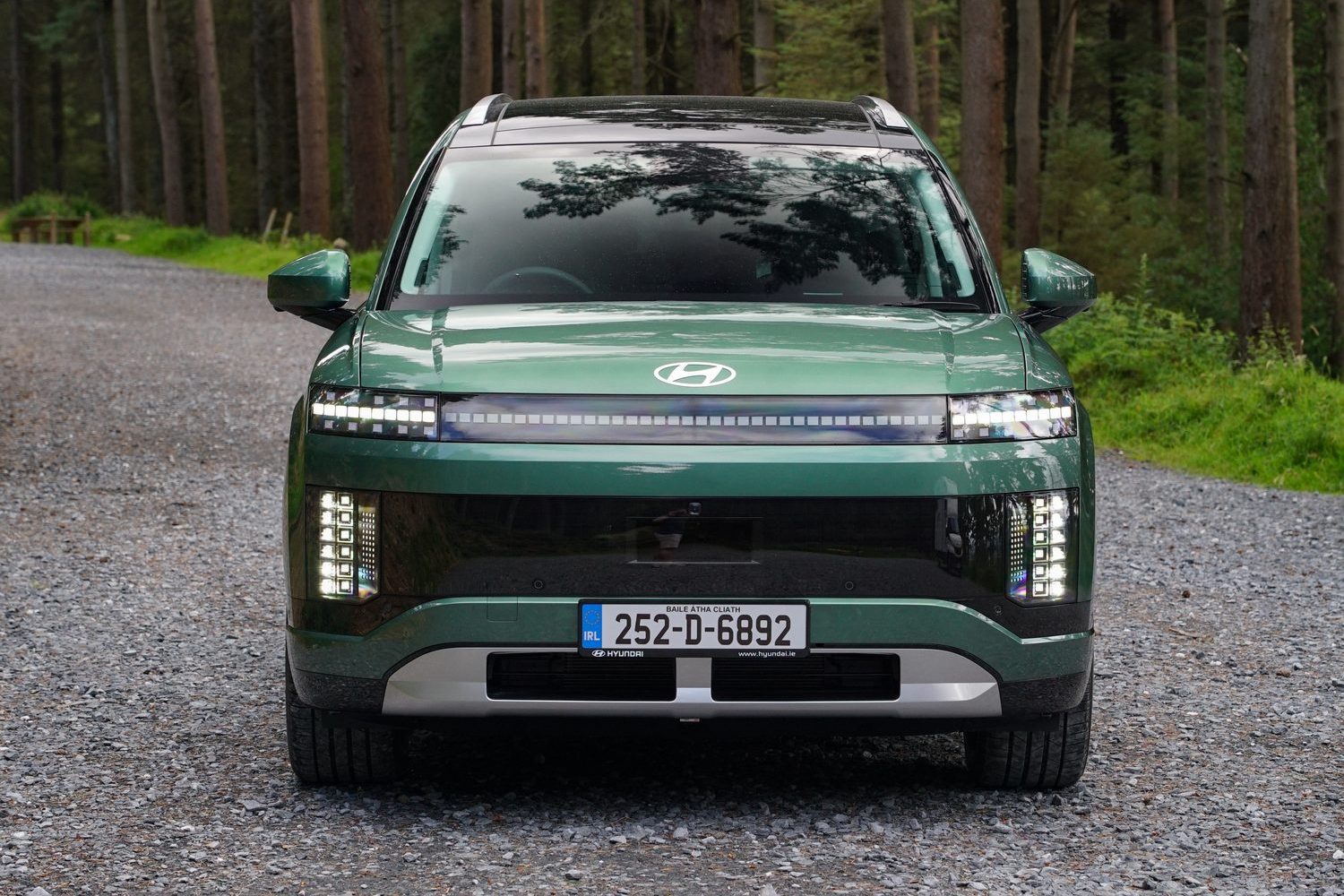
• Distinctive 'Parametric Pixel' lighting
• Smooth styling for aerodynamics

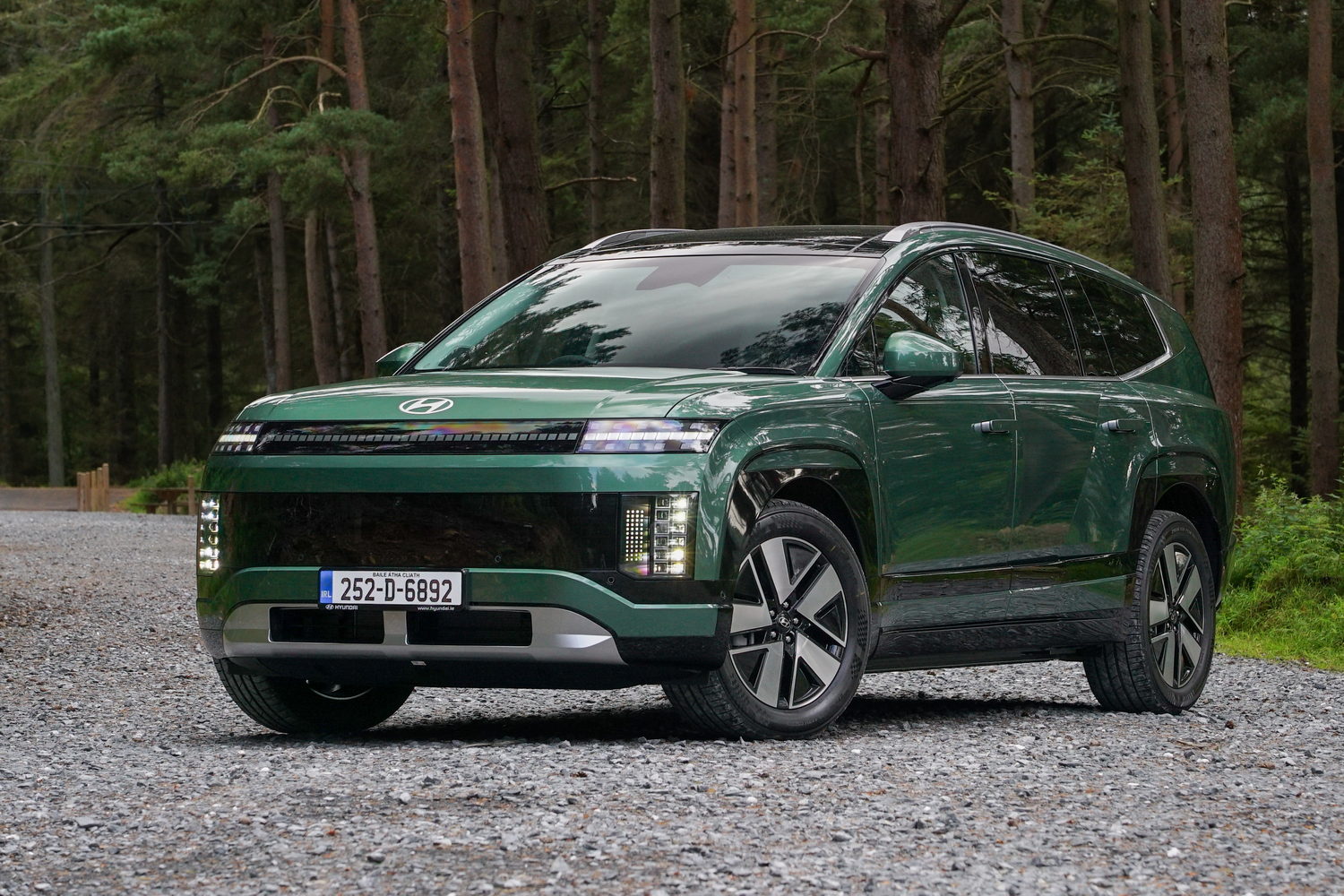
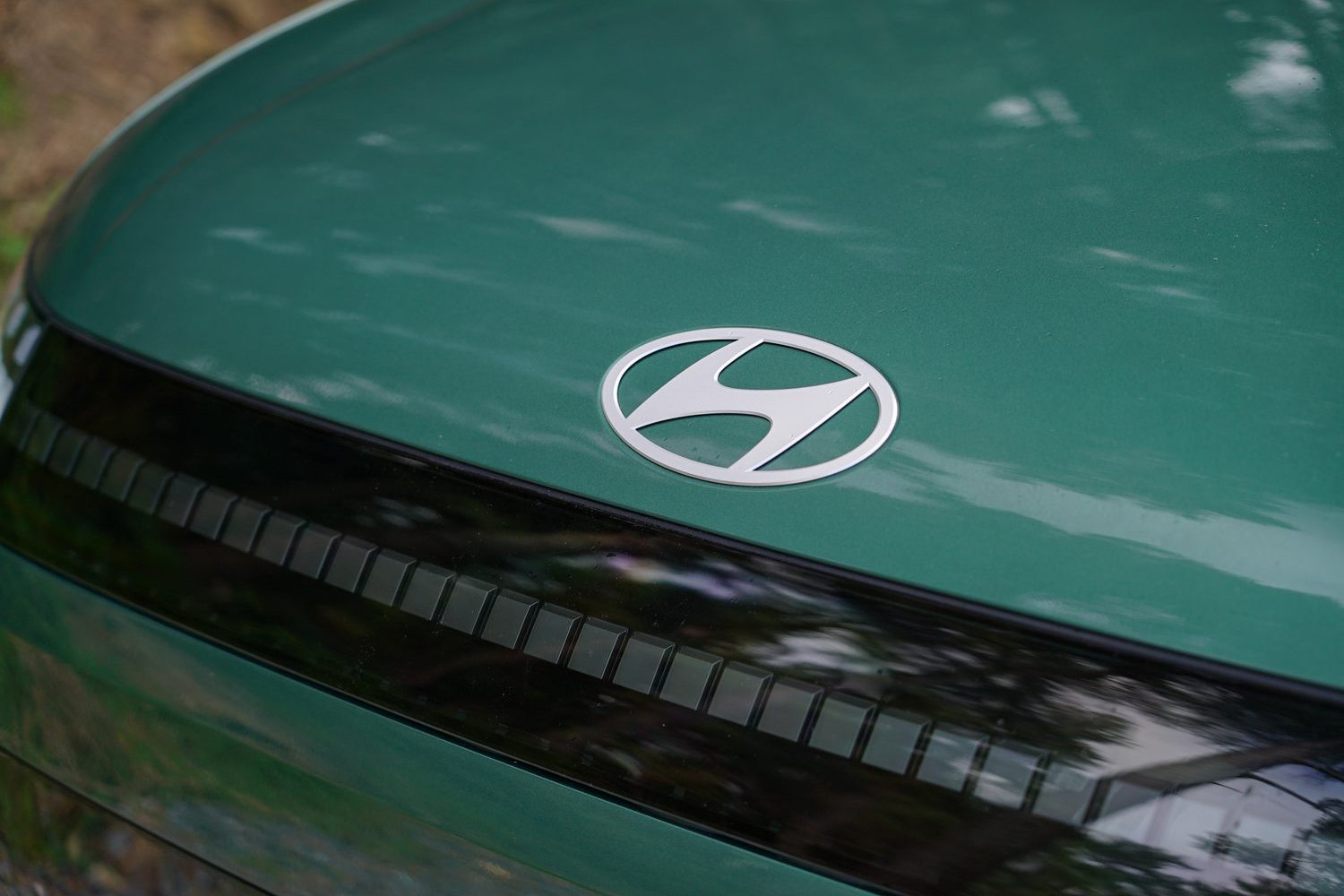
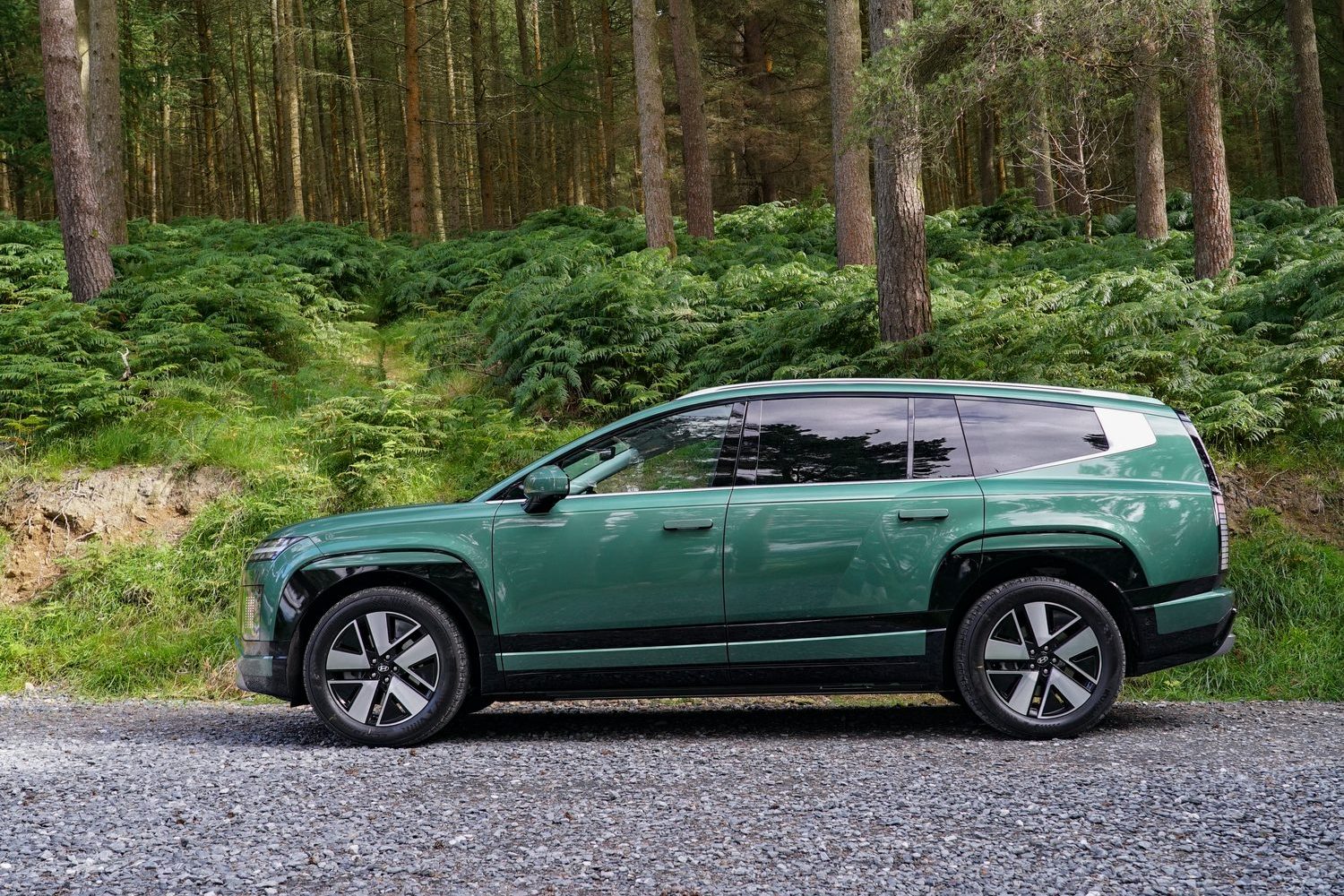
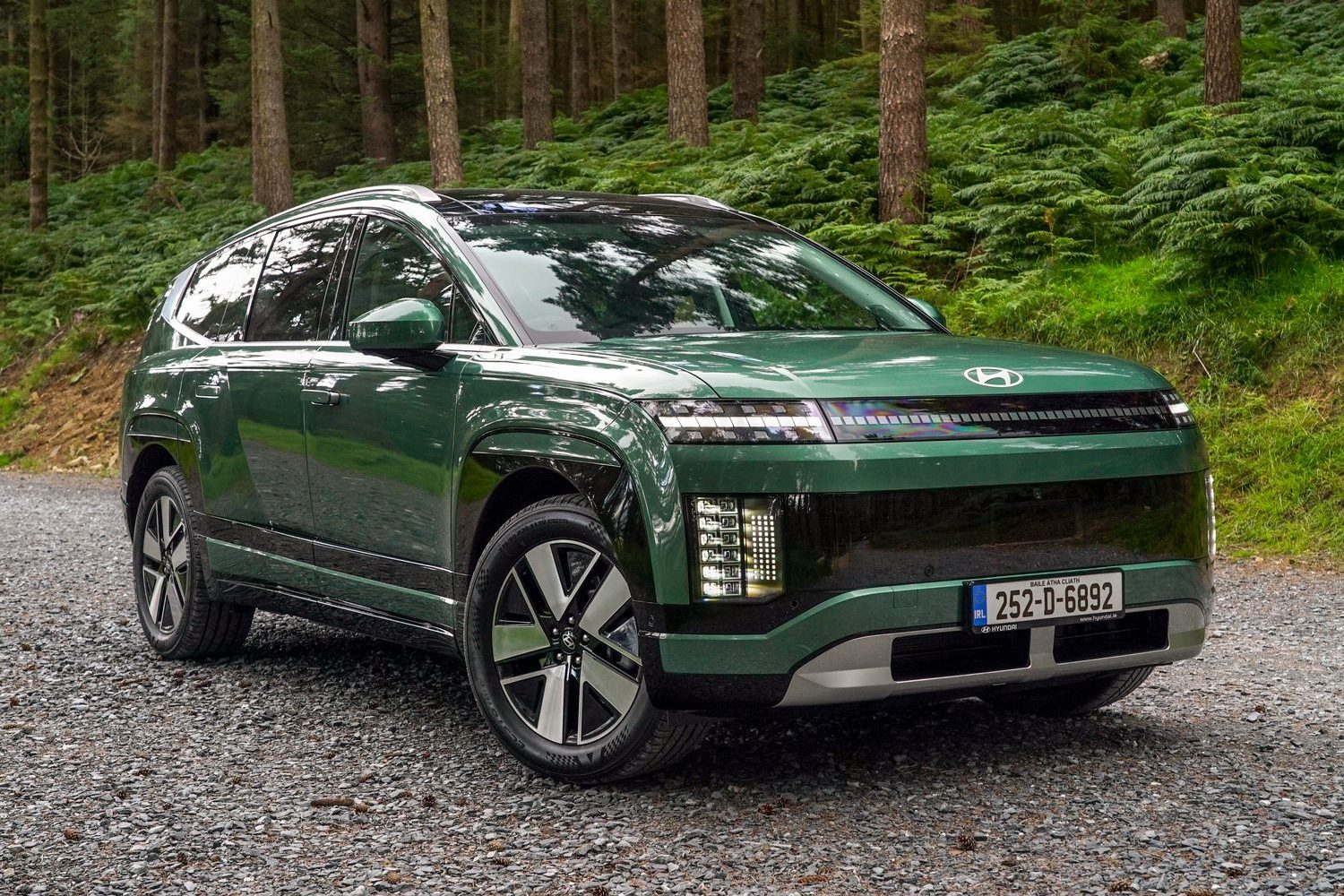
The bodywork of the Ioniq 9 is notably smooth and streamlined, especially up front. It's part of what Hyundai calls an “aerosthetic” approach, supposedly mixing the needs of aerodynamics with an aesthetically pleasing design.
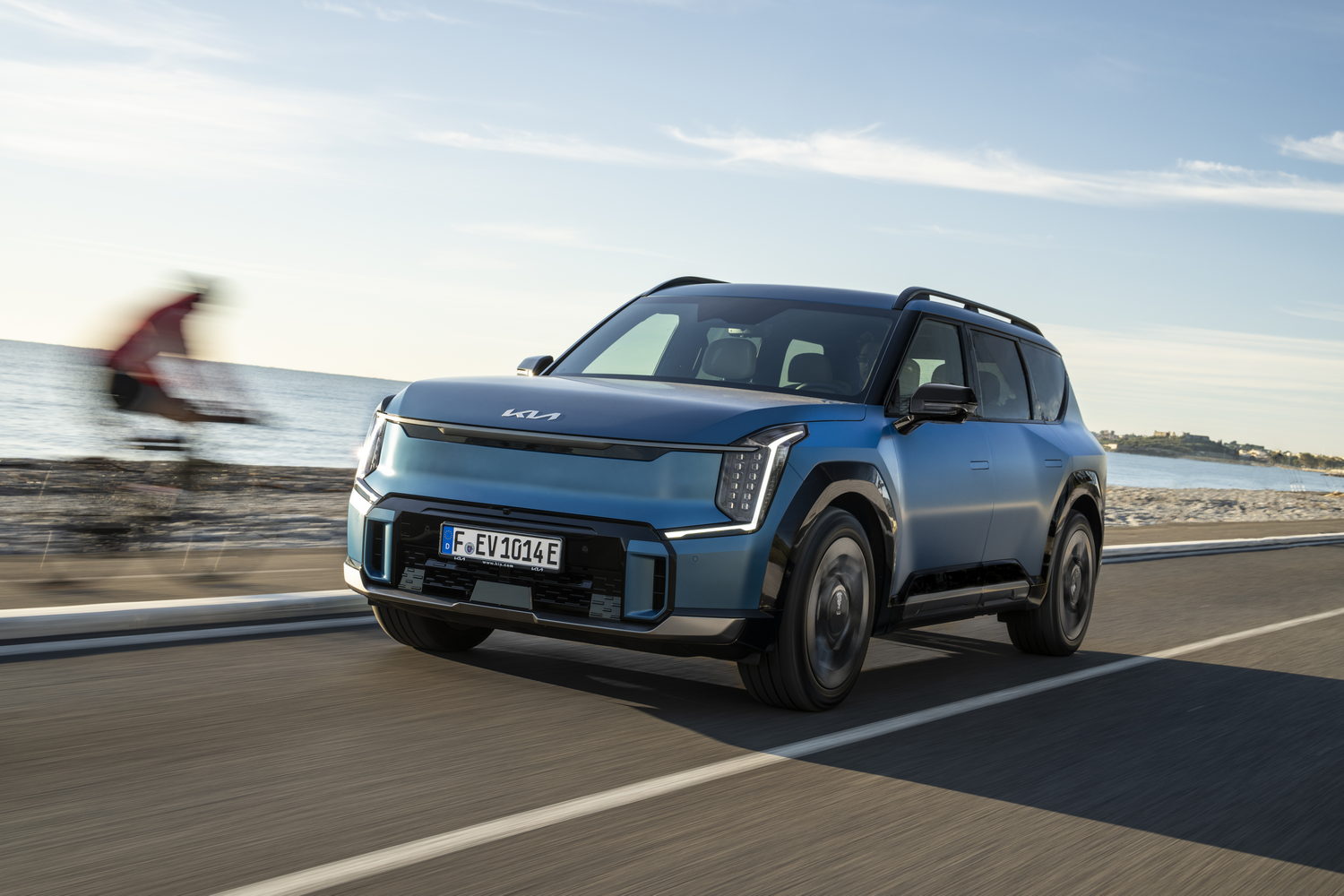
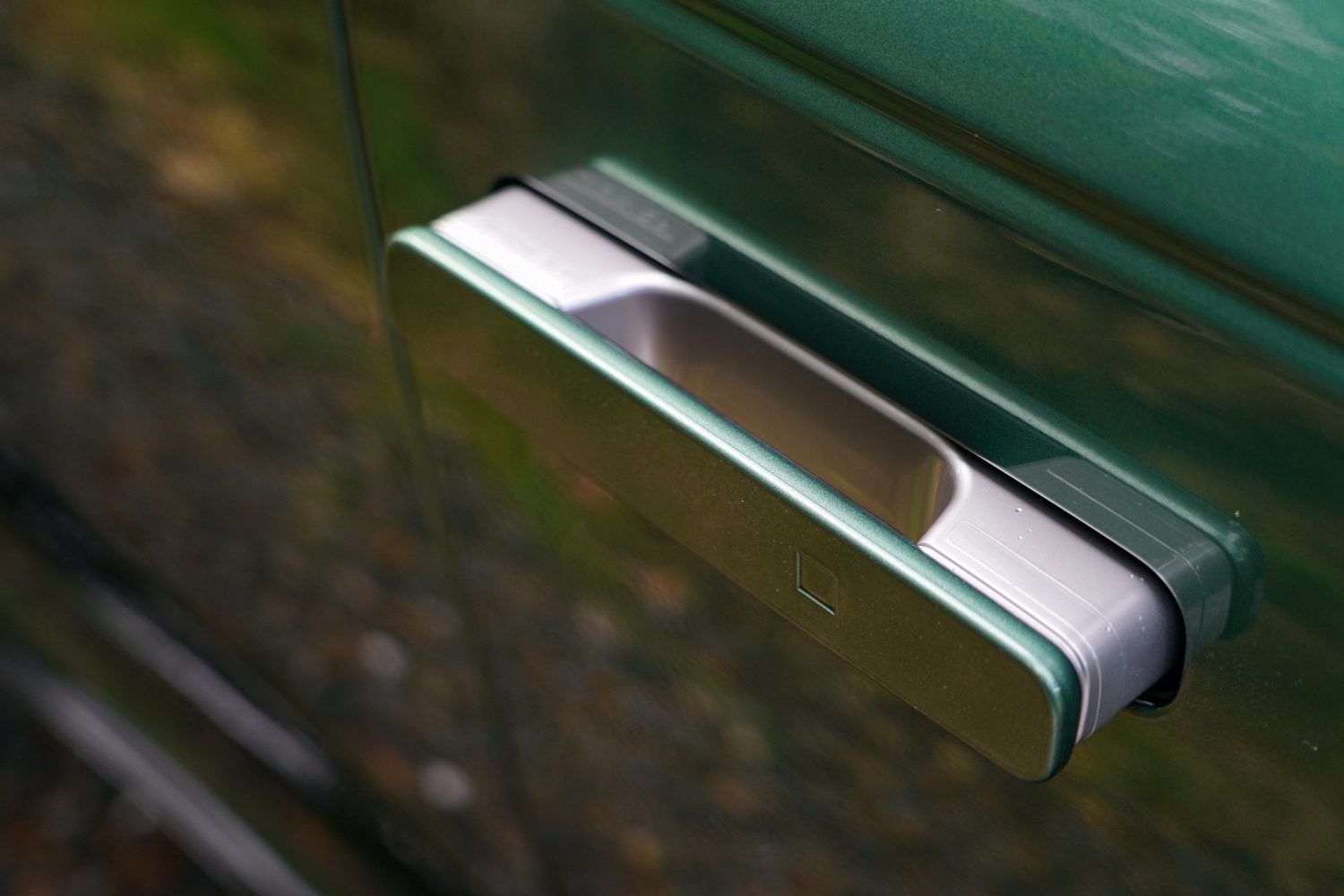
Flush-fitting door handles, adaptive air intake flaps up front and the relative simplicity of the car's nose all work with other less obvious aerodynamic tweaks to bring the Ioniq 9's coefficient of drag down to 0.26. For reference, the closely related Kia EV9's equivalent figure is 0.28. A lower number means less drag as the car moves through the air - to the benefit of efficiency and quietness.

For reference, the overall dimensions of the Ioniq 9 are:
Length: 5,060mm
Width: 1,980mm (mirrors folded)
Height: 1,790mm
Wheelbase: 3,130mm
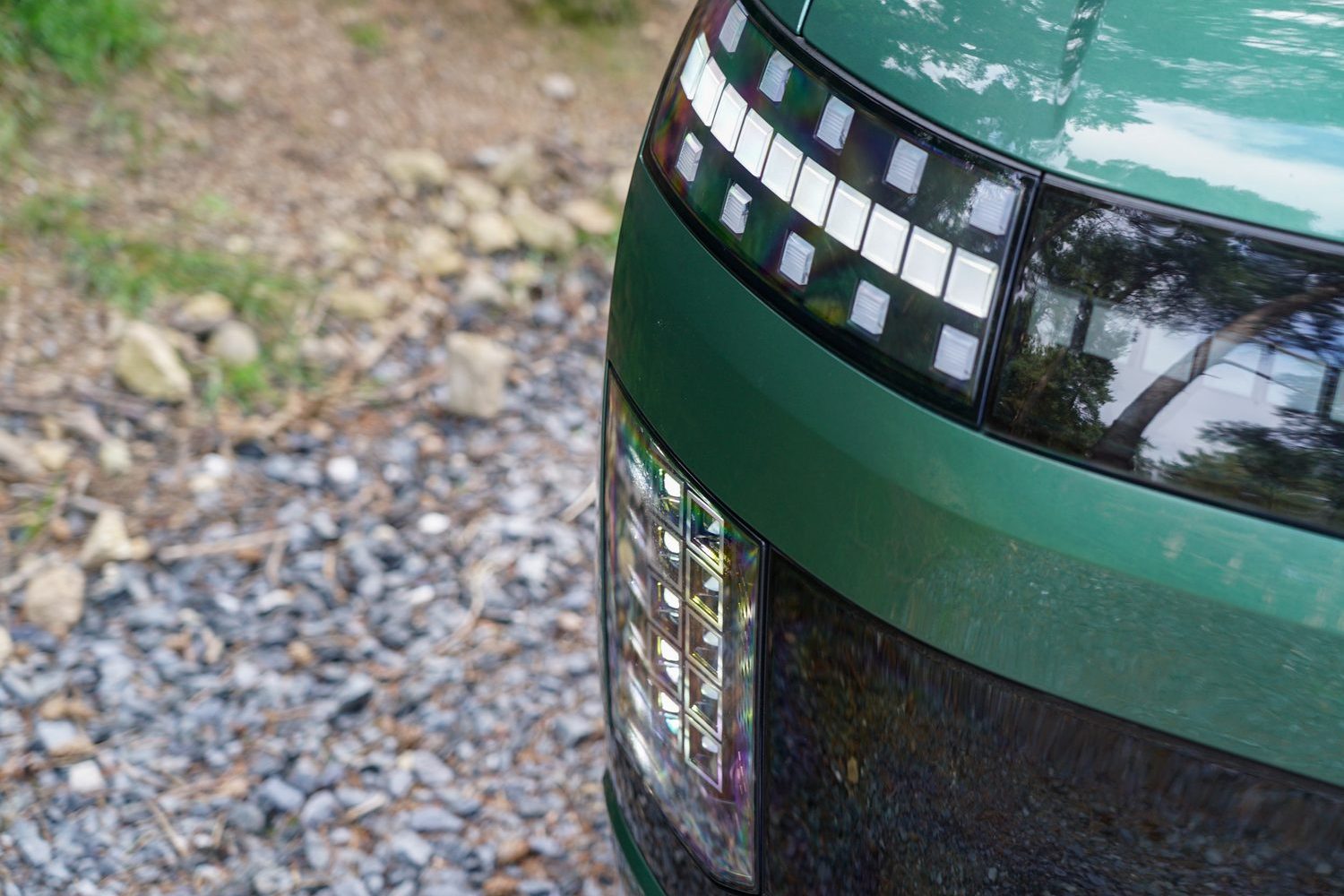
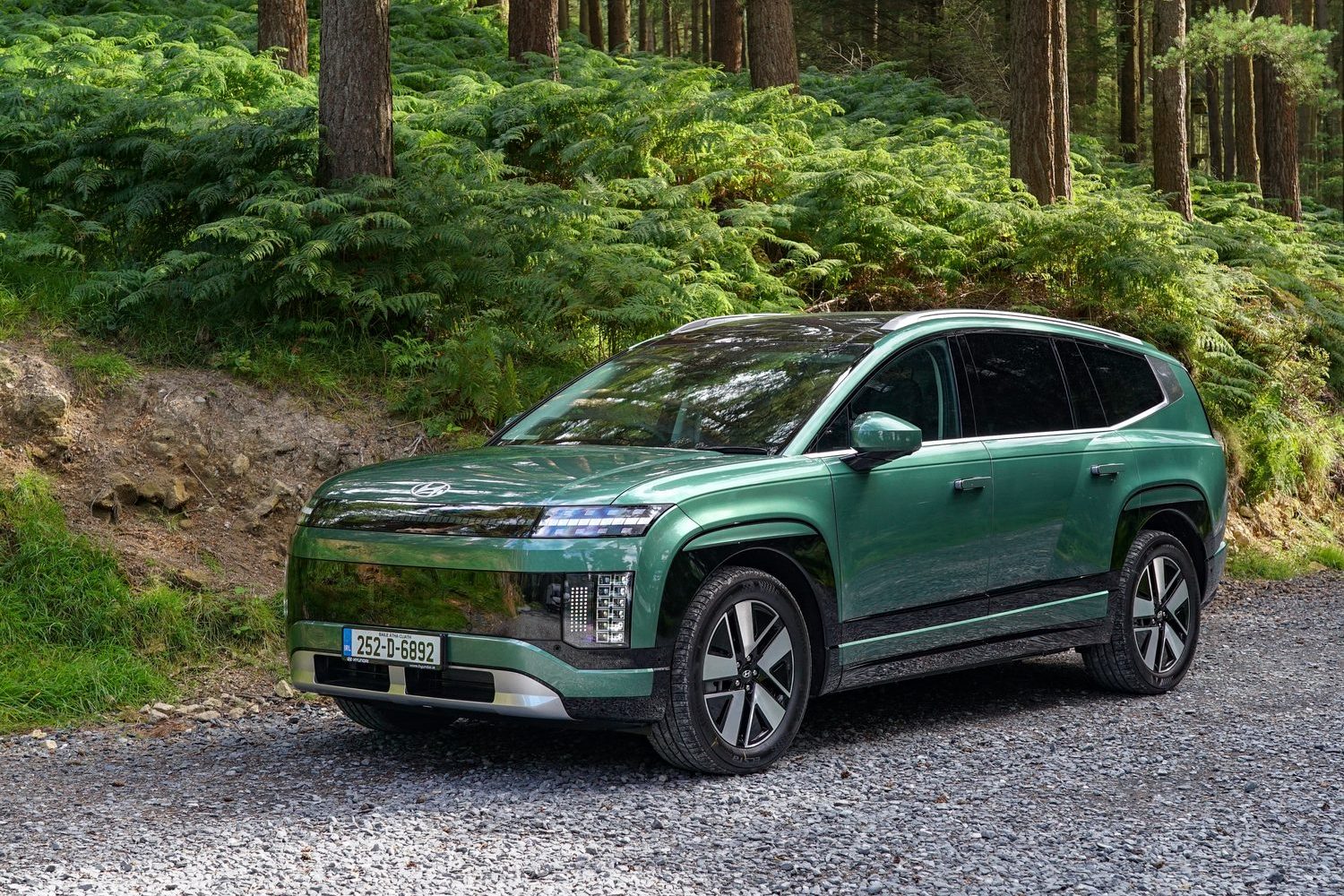
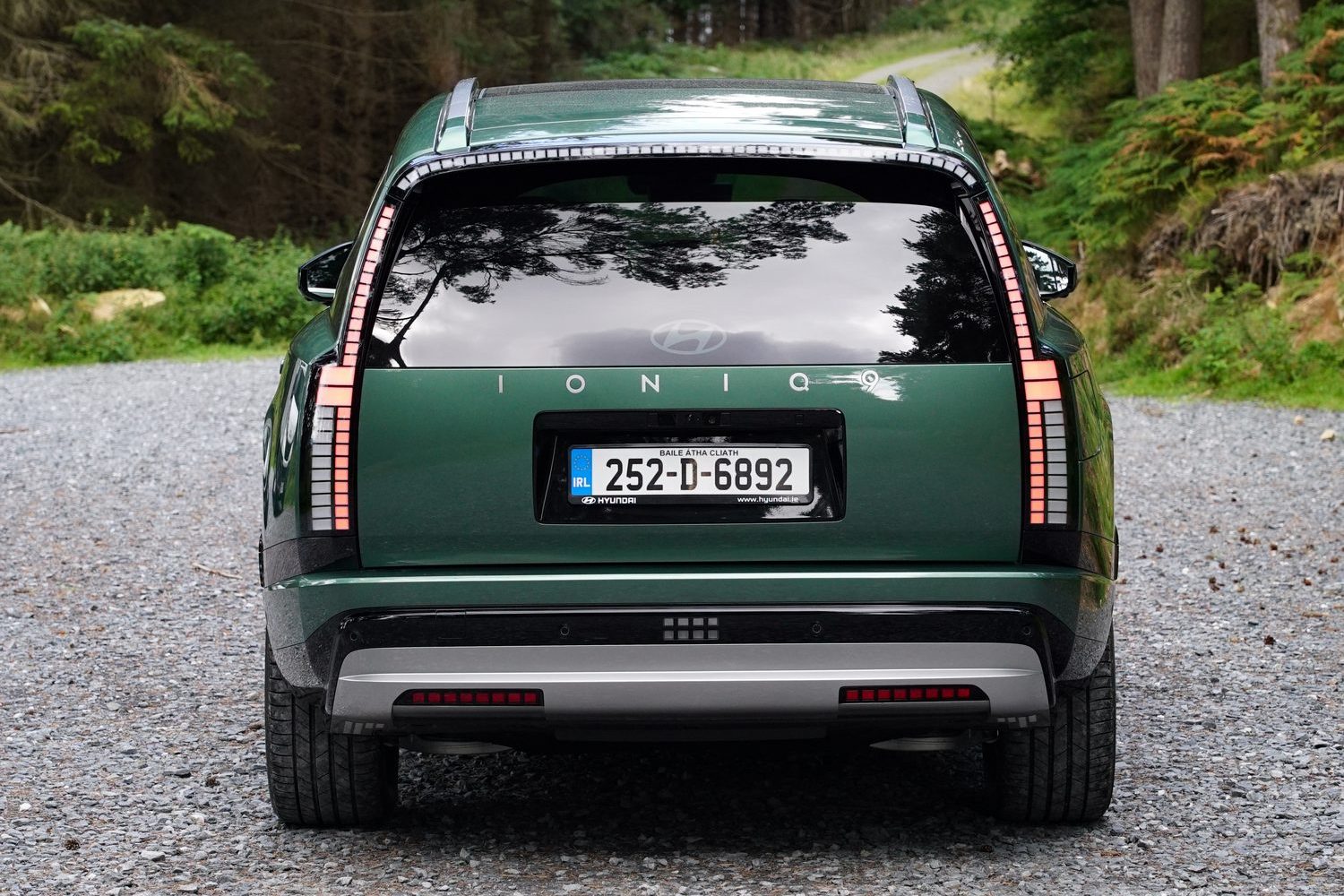
Tying the Ioniq 9 in with other models in the Hyundai range is distinctive 'Parametric Pixel' lighting front and rear, where the lamp units appear to combine lots of square pixels to define the shapes. It's an effective approach.

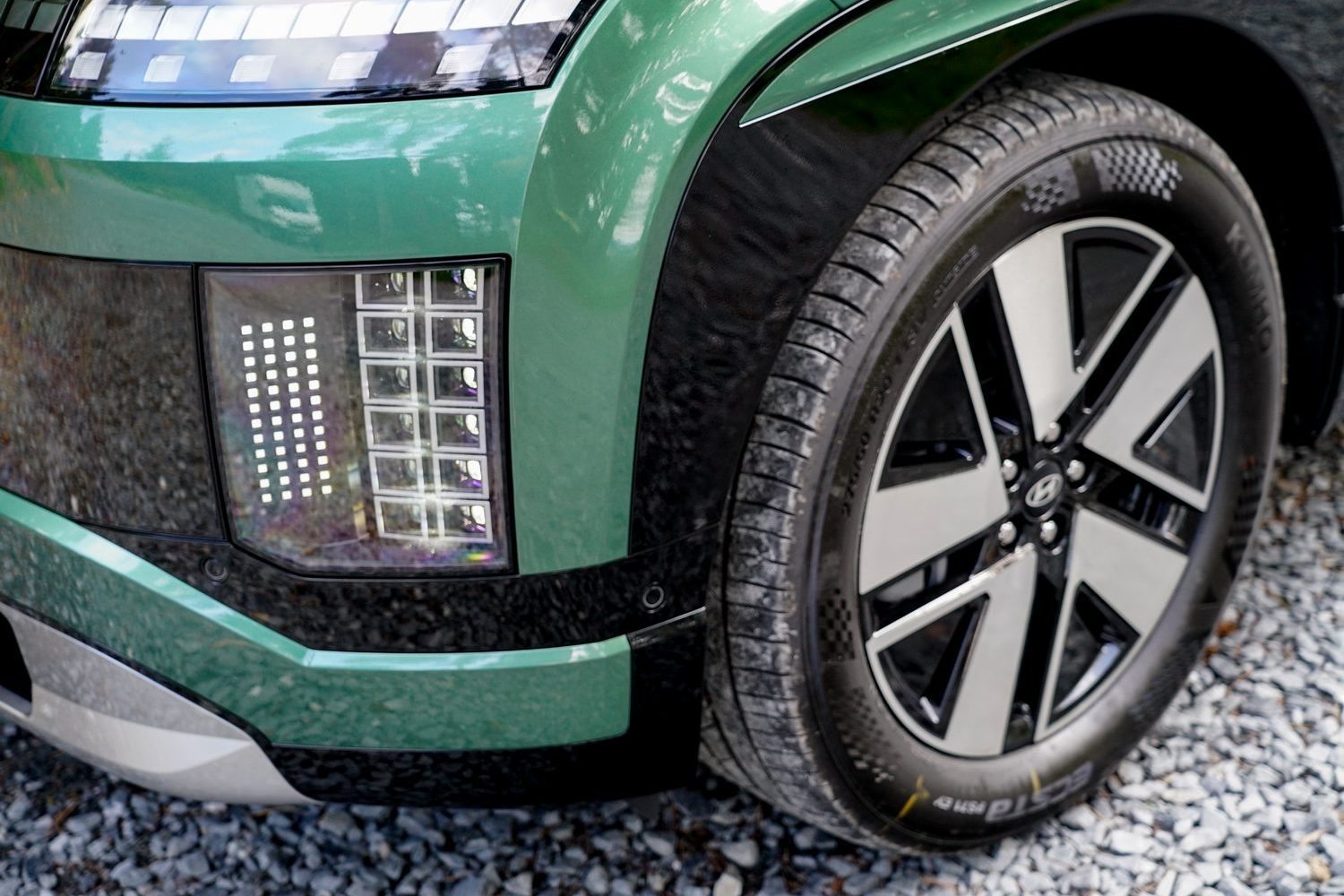
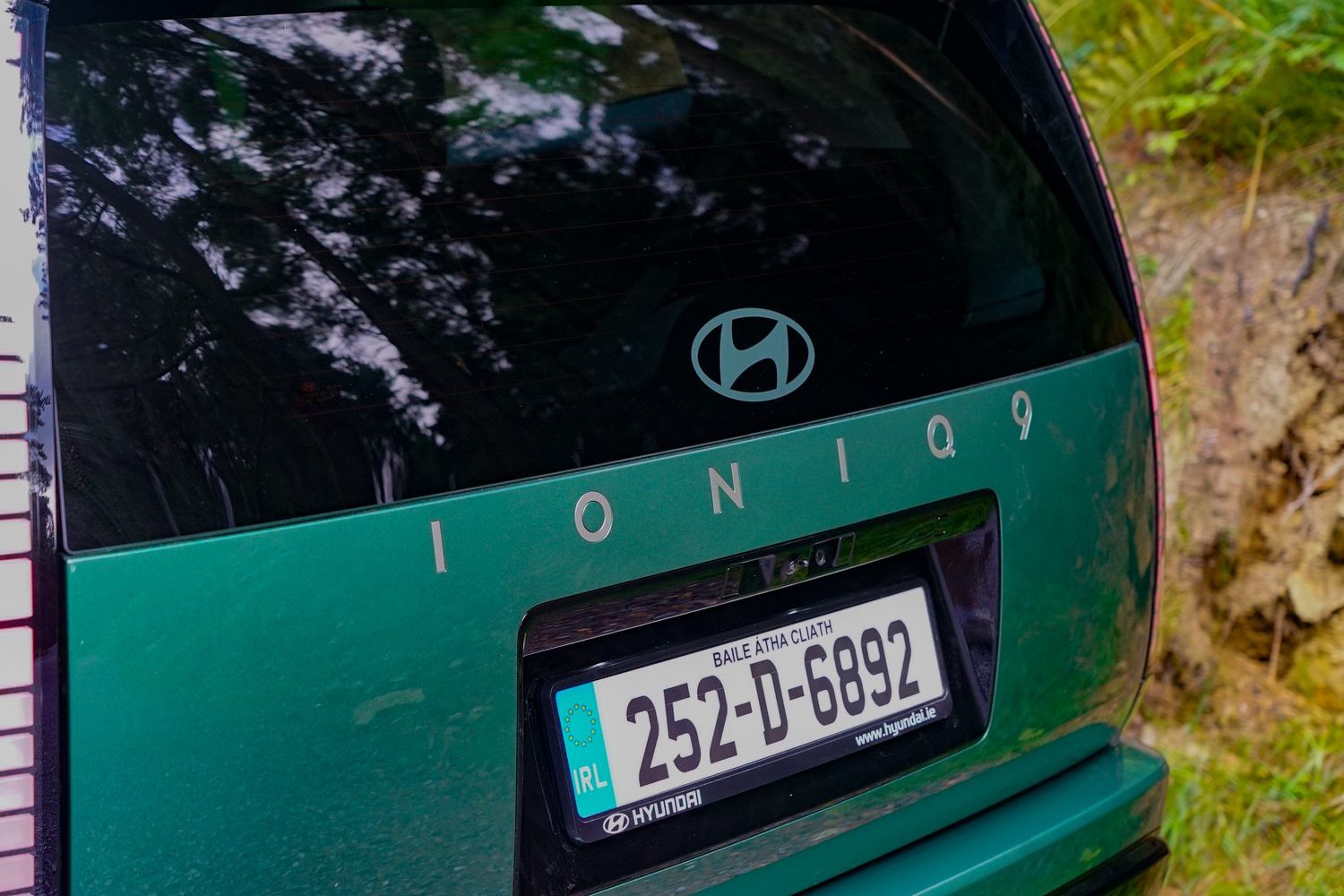
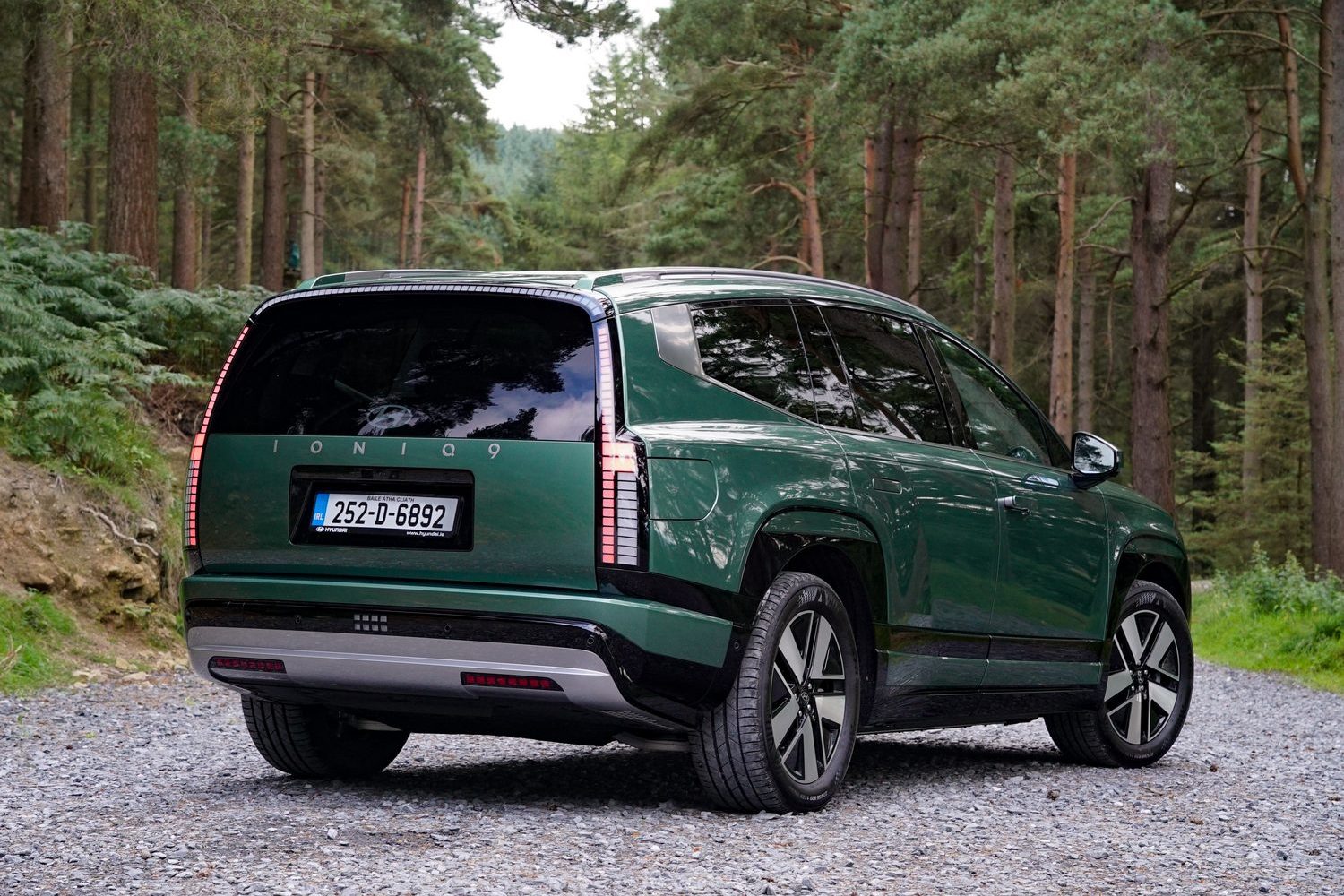
Hyundai's designers used plenty of visual tricks to reduce the Ioniq 9's visual bulk, such as the distinctive wheelarch sculpting, the rising slope of the rearmost side window, tapering of the rear bodywork and a thick black feature line running from the base of the low-set headlights to tailgate.
Sitting on 20-inch alloys as standard, the Ioniq 9 certainly turns heads in the unusual 'Ionosphere Green Pearl' paintwork of our test car, though more conservative hues are offered as well of course.
Interior, Practicality, Tech & Comfort of the 2025 Hyundai Ioniq 9
• Stretching space in middle row
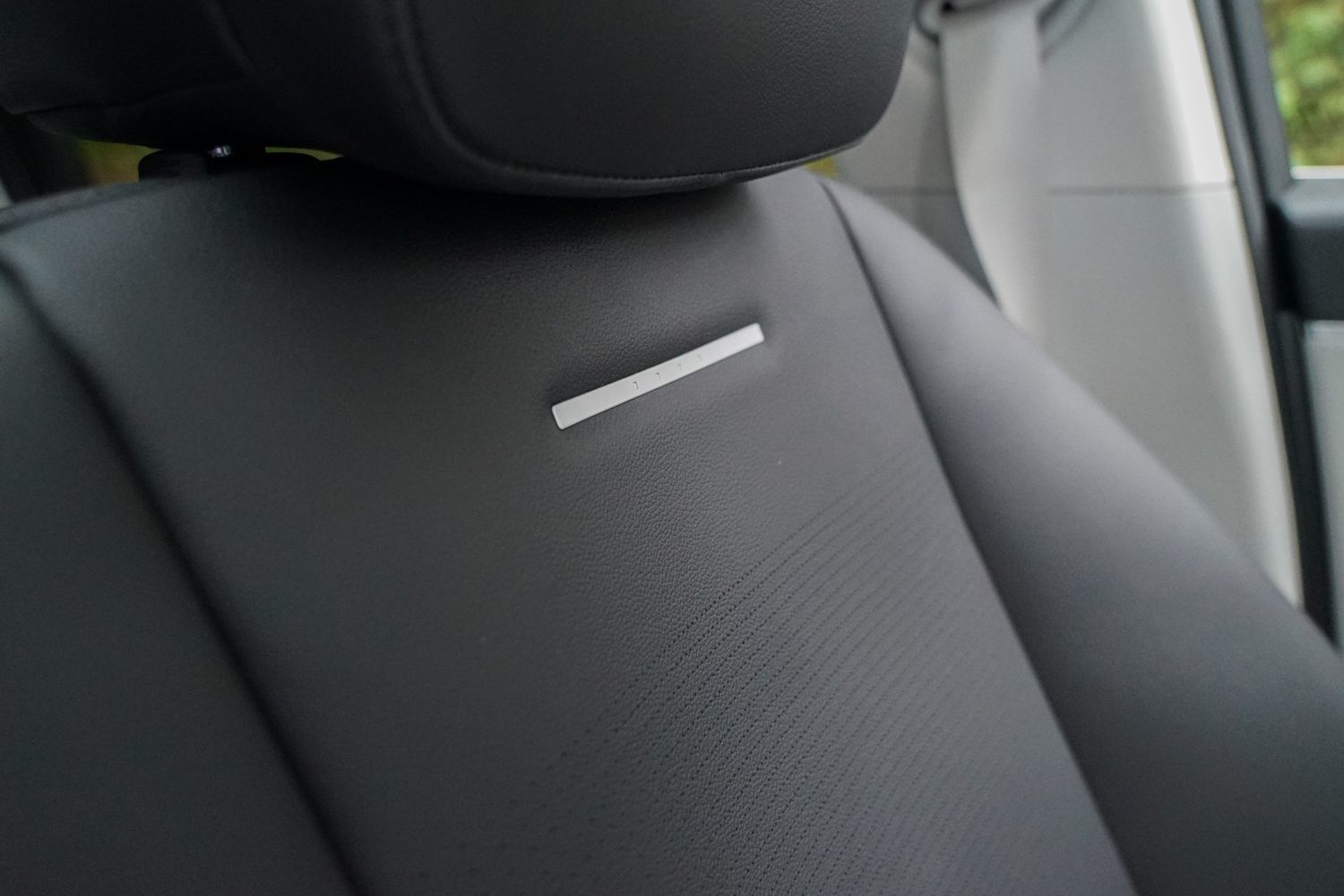
• Sensational quality
• Endless storage solutions

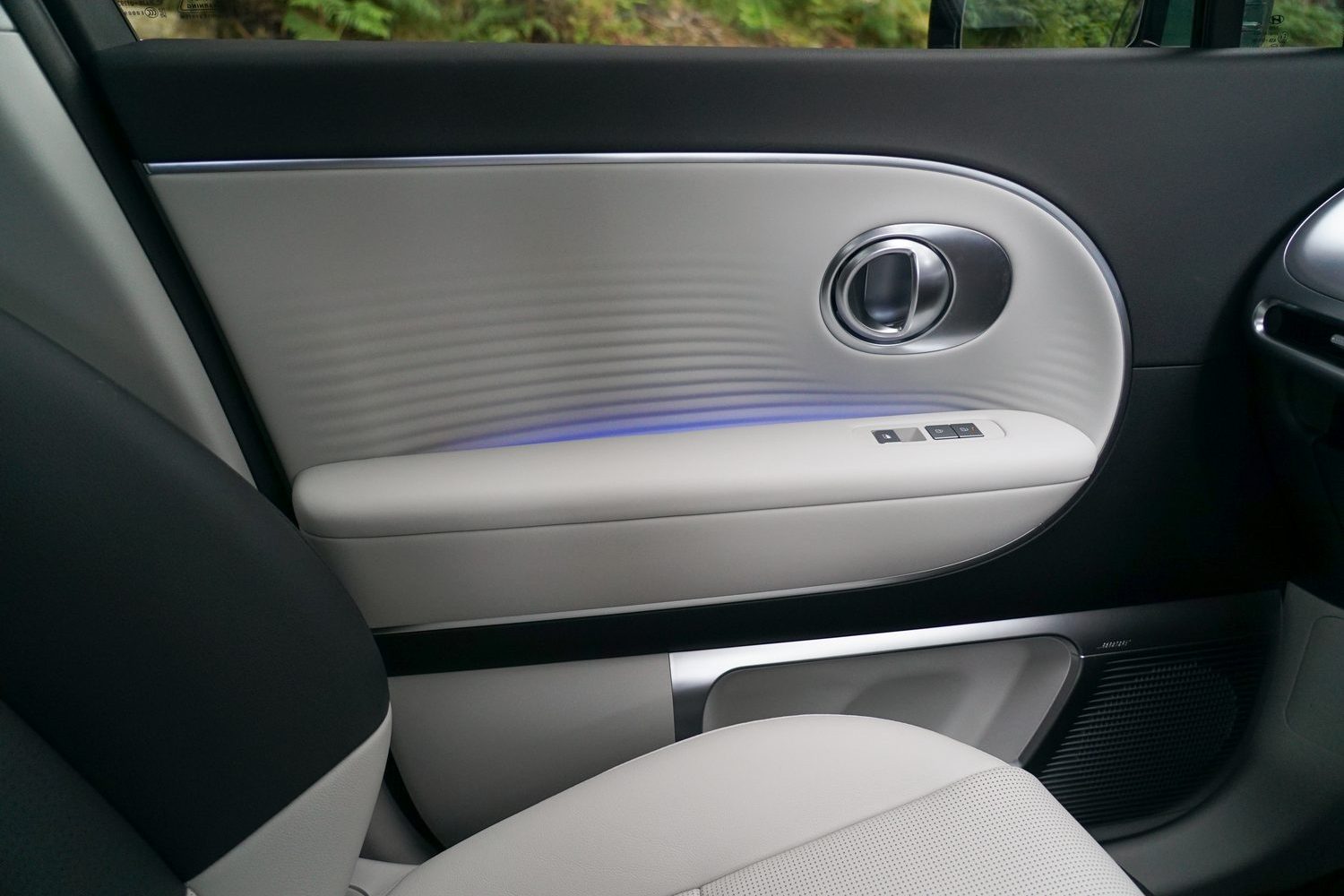
Given the luxuriousness of the Hyundai Santa Fe, the plush interior of the Ioniq 9 should be of no surprise. It builds on its hybrid sibling with more space and an even higher level of finish to all the switchgear and materials.
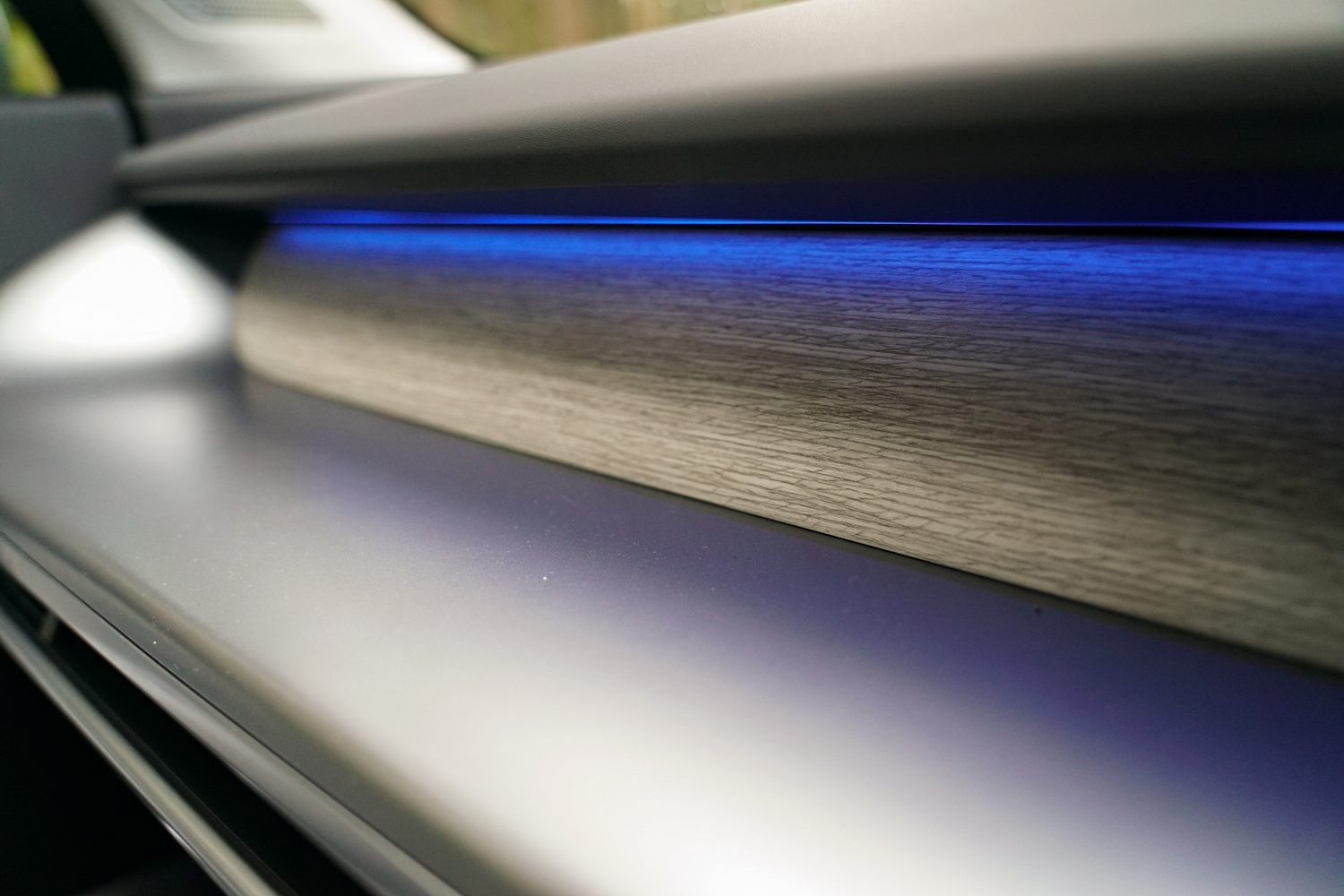
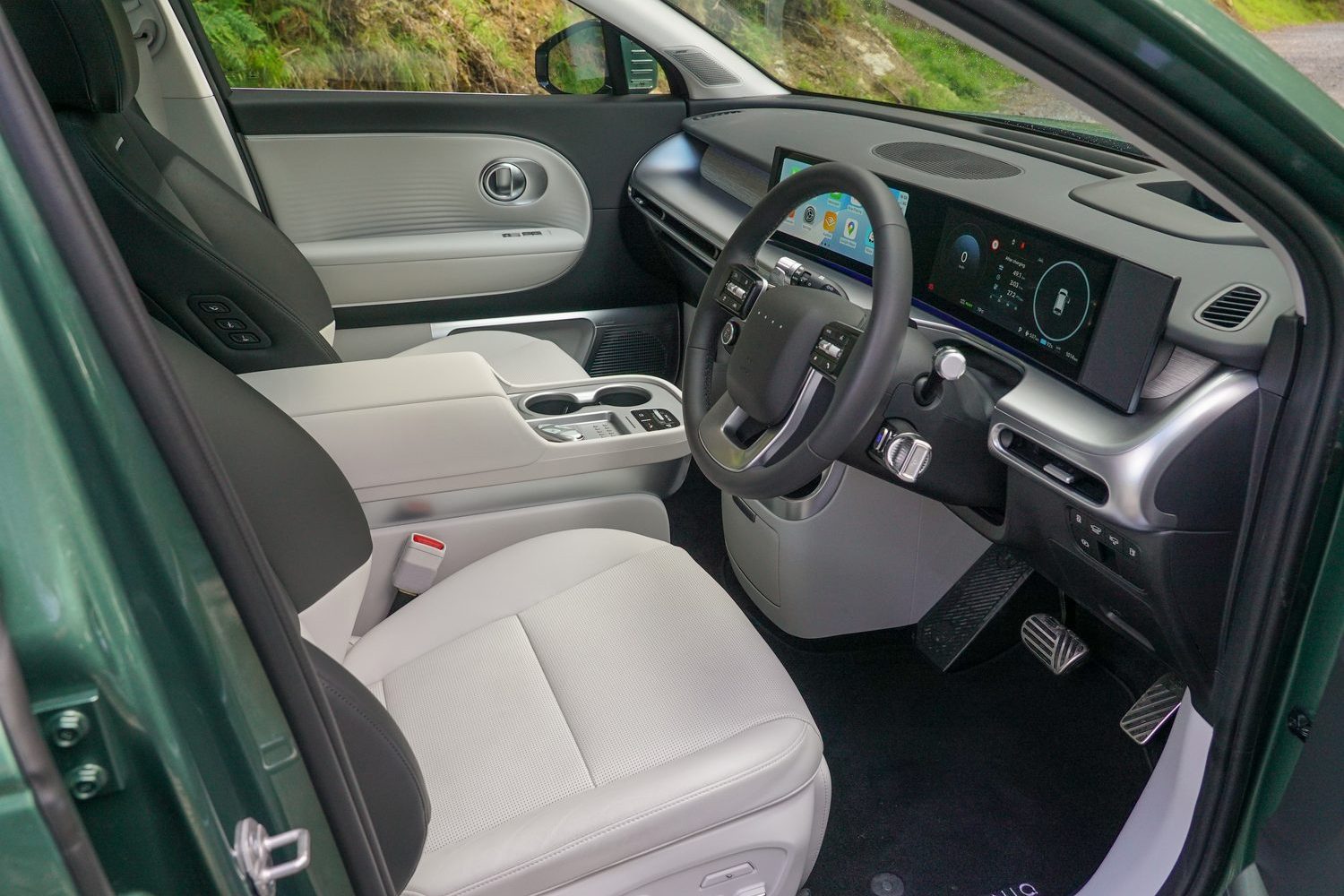
Much of the control logic used throughout will be familiar to any Hyundai owner, but it's overlaid with a sheen of real quality and tactility that elevates the Ioniq 9, somewhat justifying its pricing in the range. What's more, all the unique controls are intuitive to use. It takes no time at all to acclimatise to the layout.

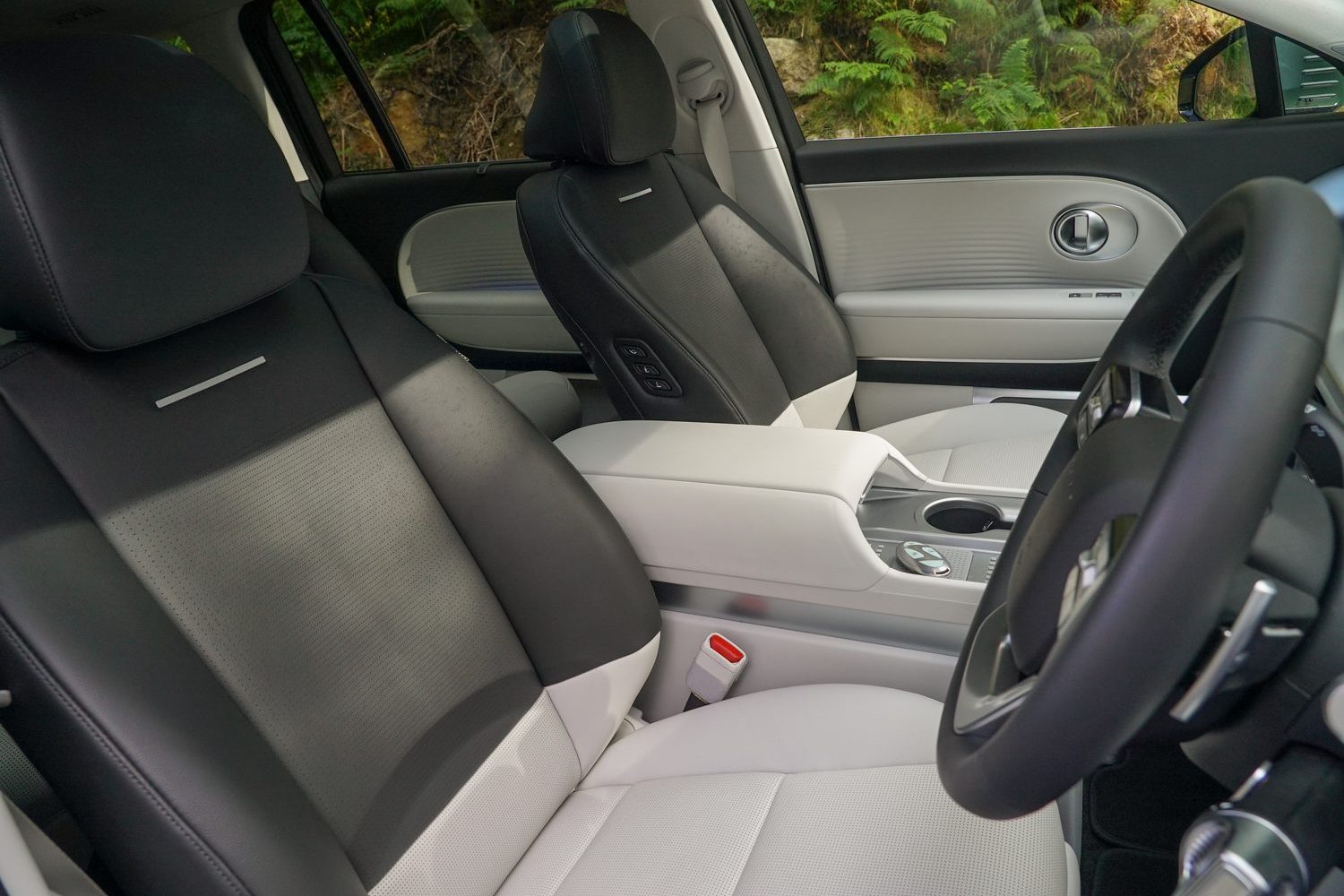
You climb up into the Ioniq 9, as should be obvious from its exterior dimensions, and the large seats are very comfortable. Up front, there's a wide range of adjustment in the driver's seat and steering wheel with good visibility down the road and in all directions through the windows. Advanced driver assistance functions help with any blind spots, as does the excellent camera system.
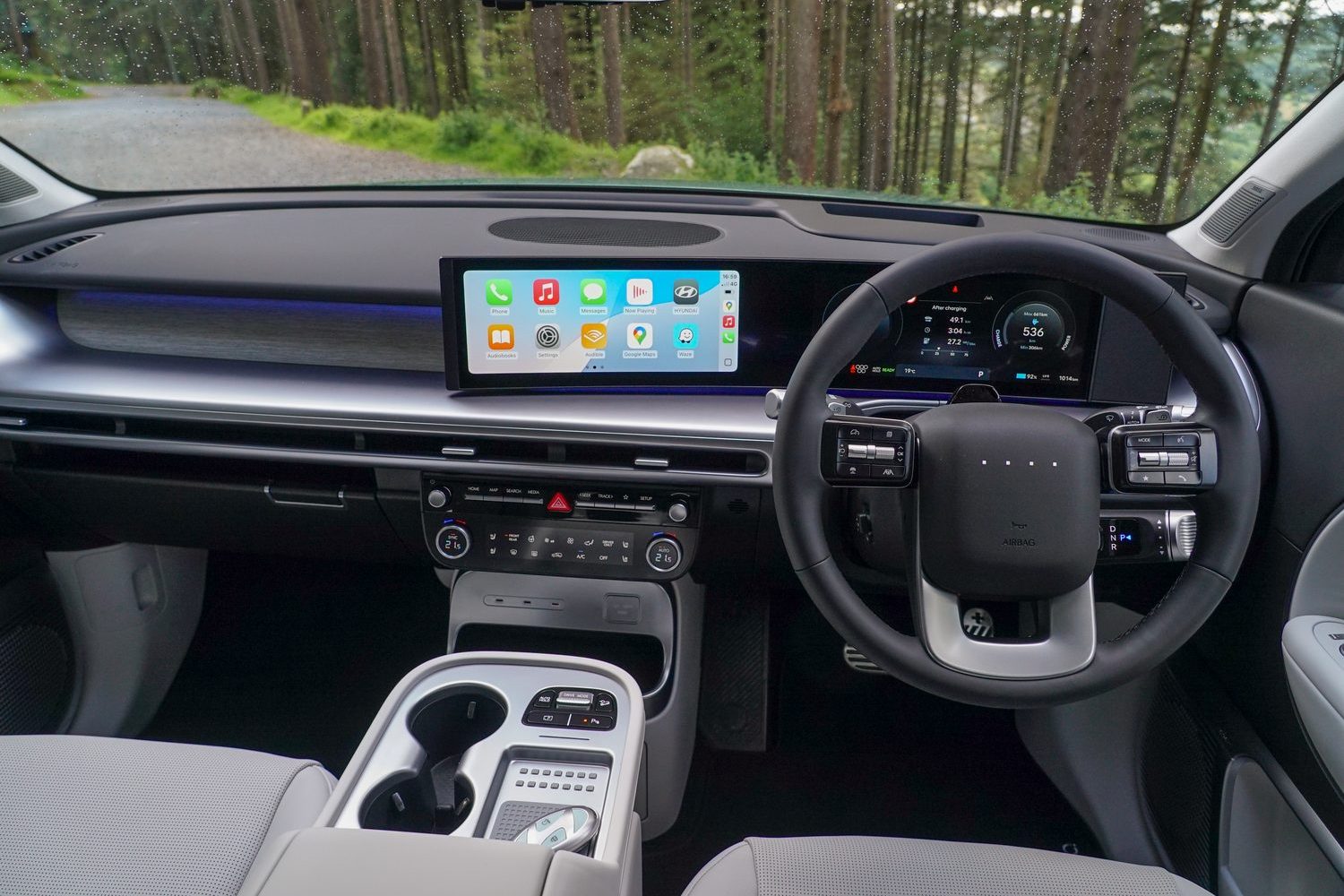
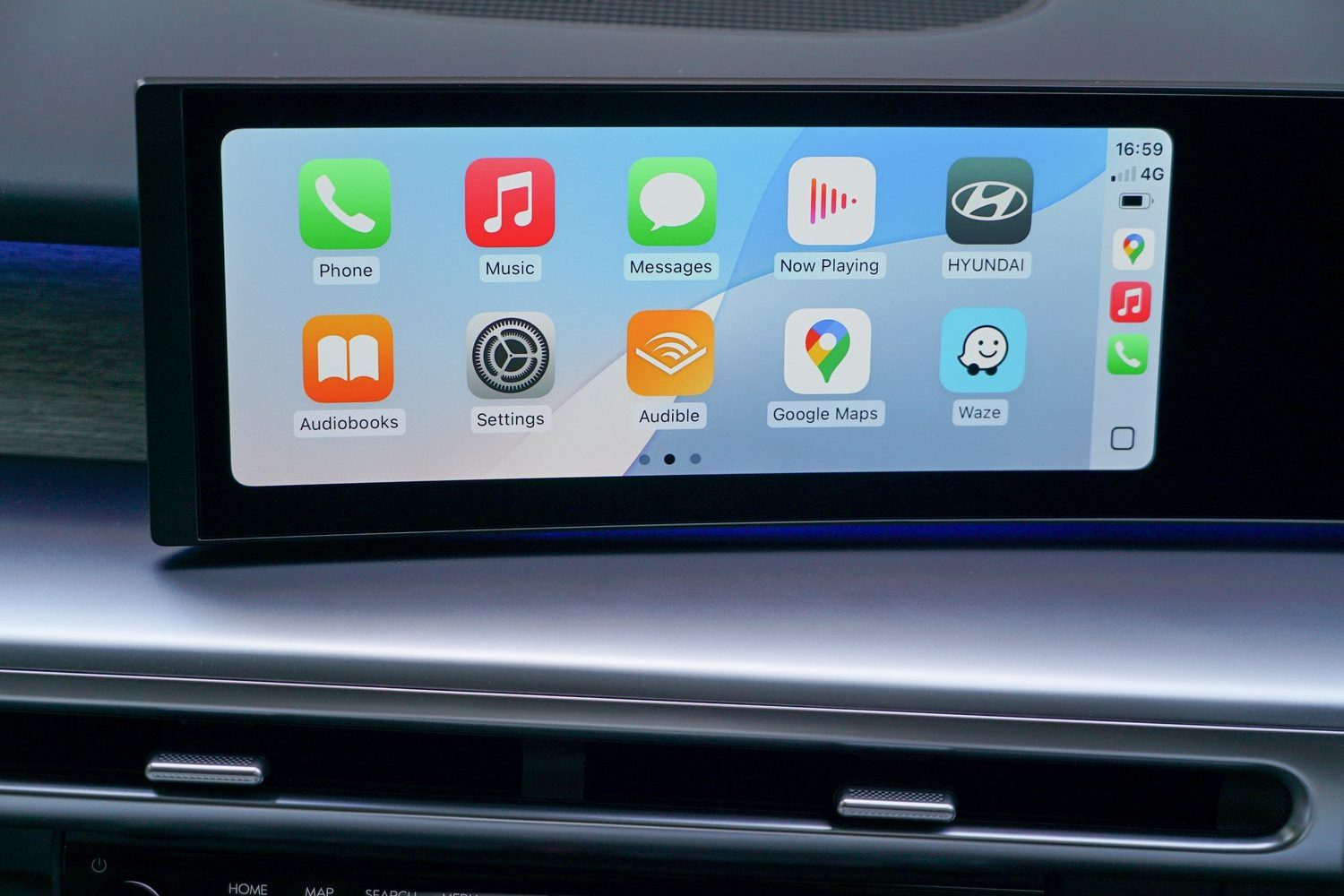
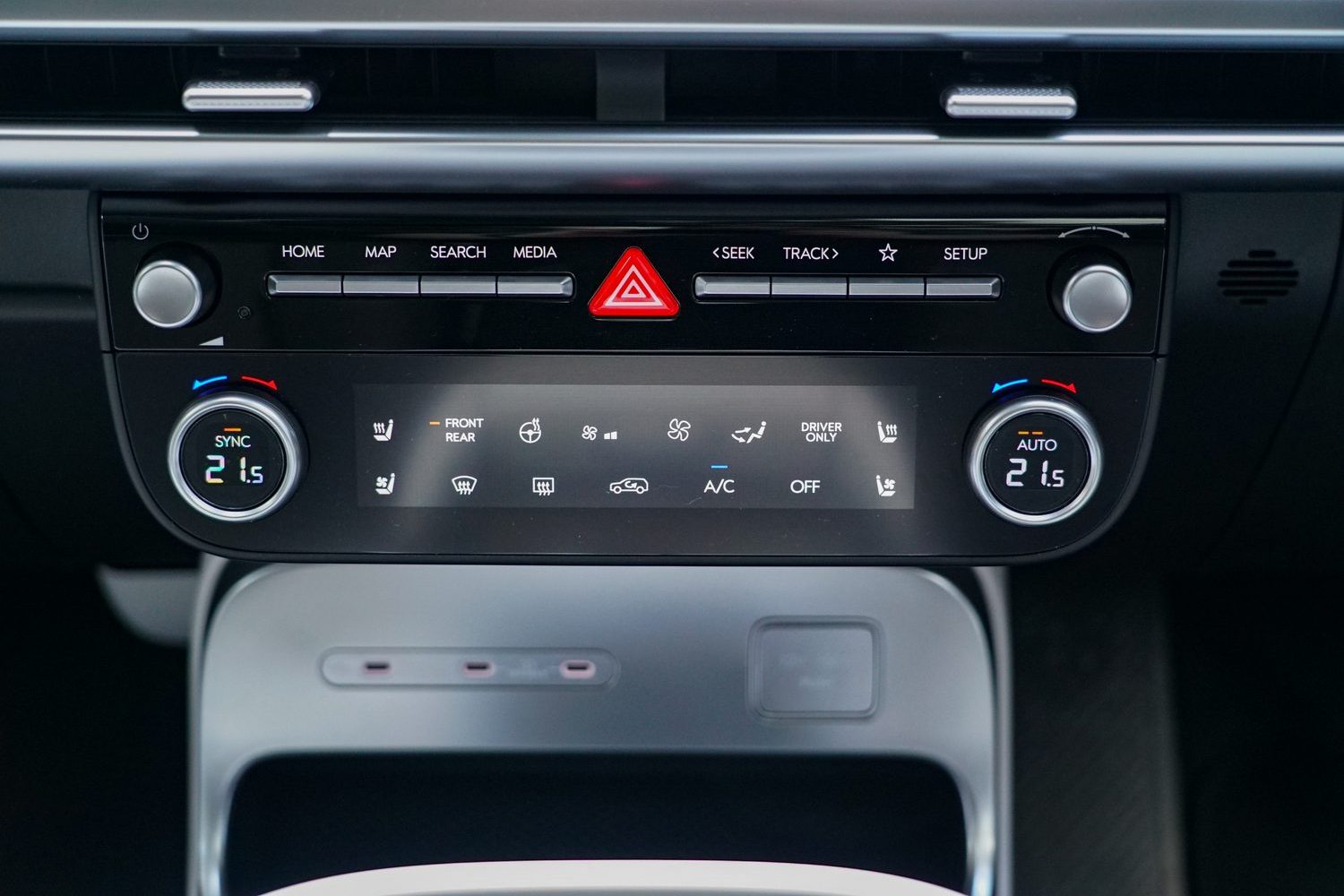
While there are two 12.3-inch screens melded together in a classy curve along the top of the dashboard, you rarely have to use the central touchscreen when driving as Hyundai has sensibly included plenty of physical controls. The heating and cooling system is completely separate to the touchscreen and includes actual rotary operation, which makes us very happy.
More buttons and the like are found on the large steering wheel, with the 'twist-to-go' drive selector on the right featuring a simple start-stop button. There's also an AI assistant built into the infotainment should such things be of interest to you.

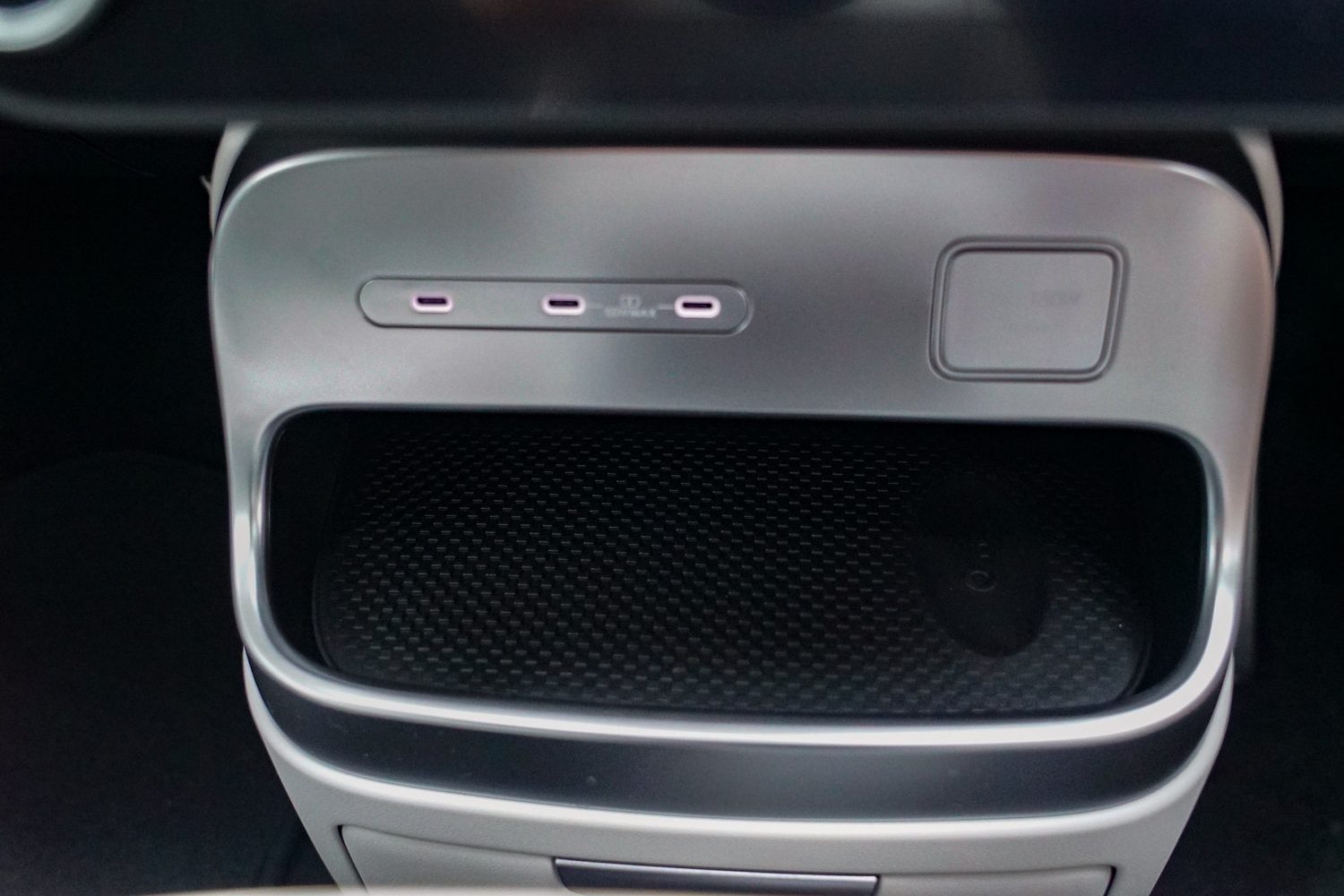
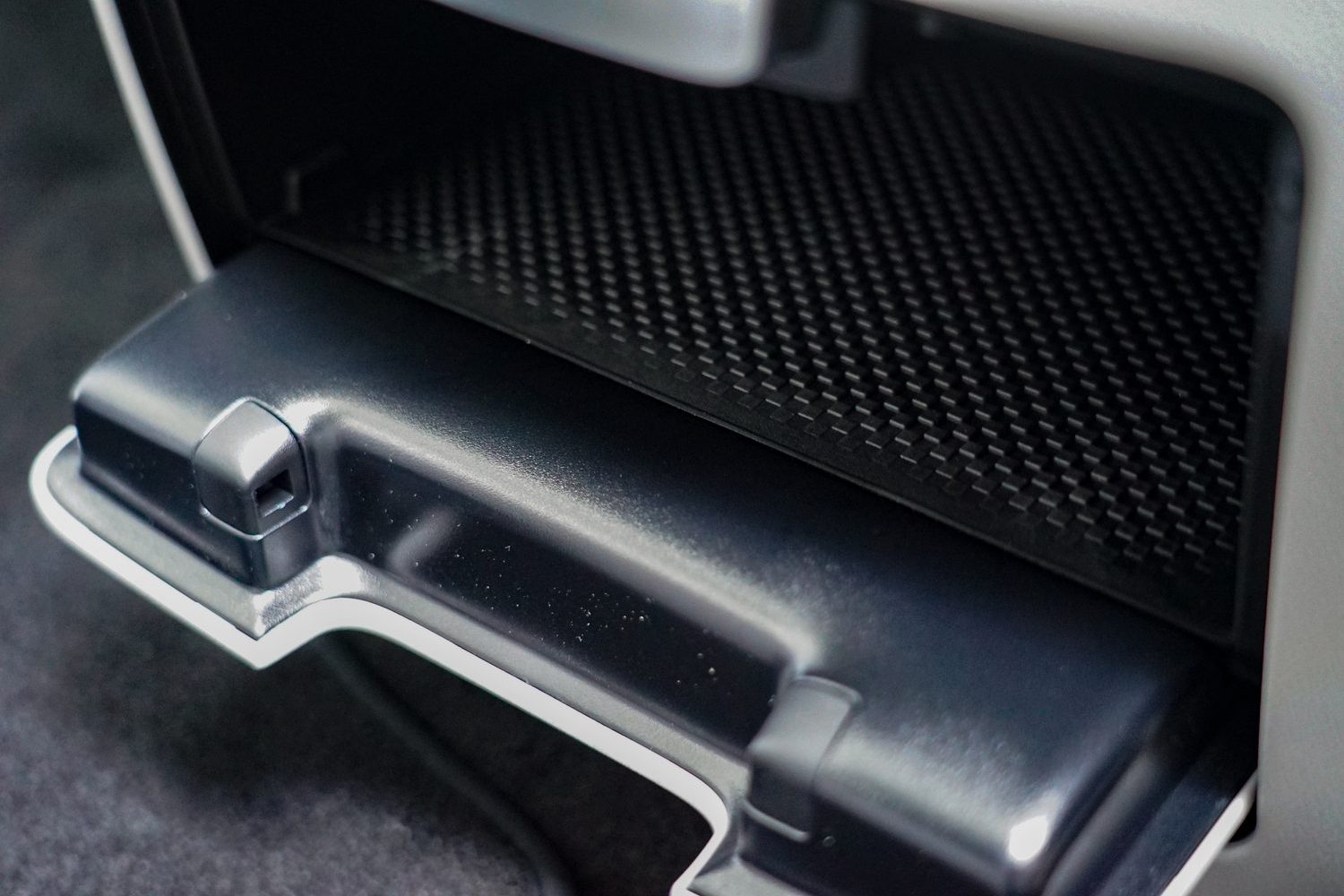
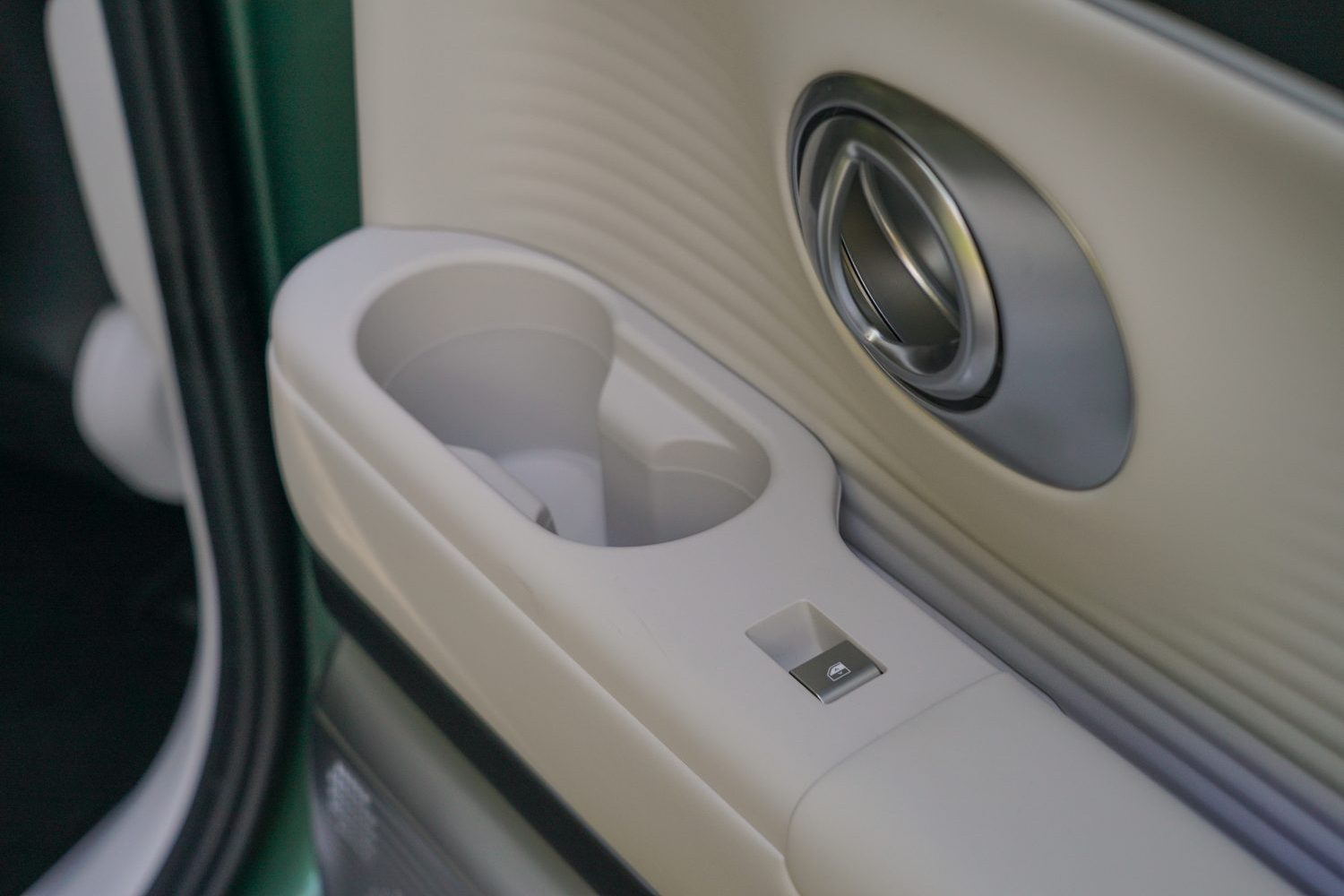
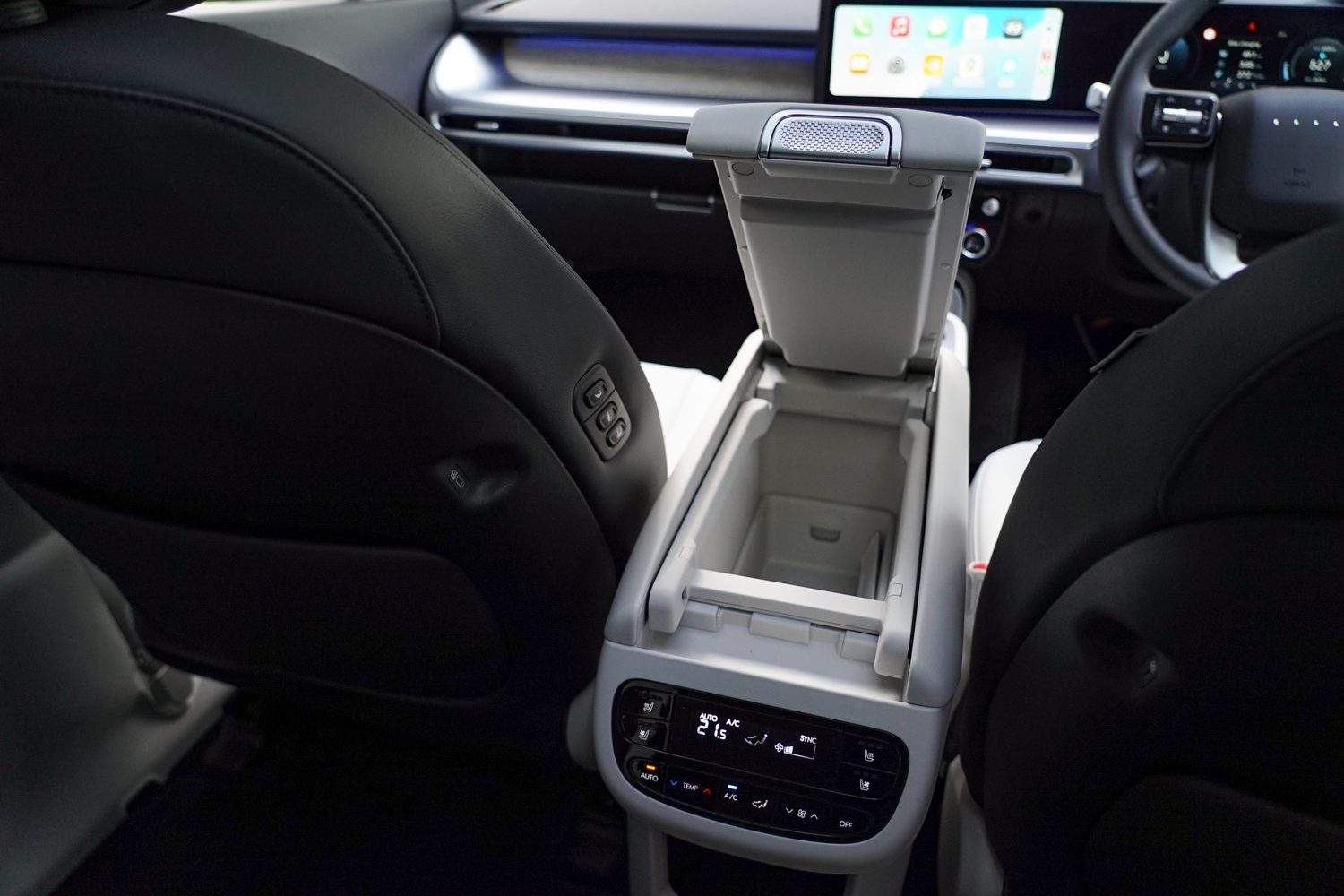
Where to begin with the storage options? You'll own the car for months before using them all. There are big door bins, a massive, covered section under the central armrest (which can be accessed from the second row of seats thanks to a clever design of hinge) and another closed-off section ahead of that, low down in the main fascia.
Below the climate control switchgear is a shelf to hold devices as they charge, with three USB-C ports and a 12-volt socket (hidden behind a deliciously tactile opening flap). Two of those ports are rated at up to 100 watts for really fast phone charging.
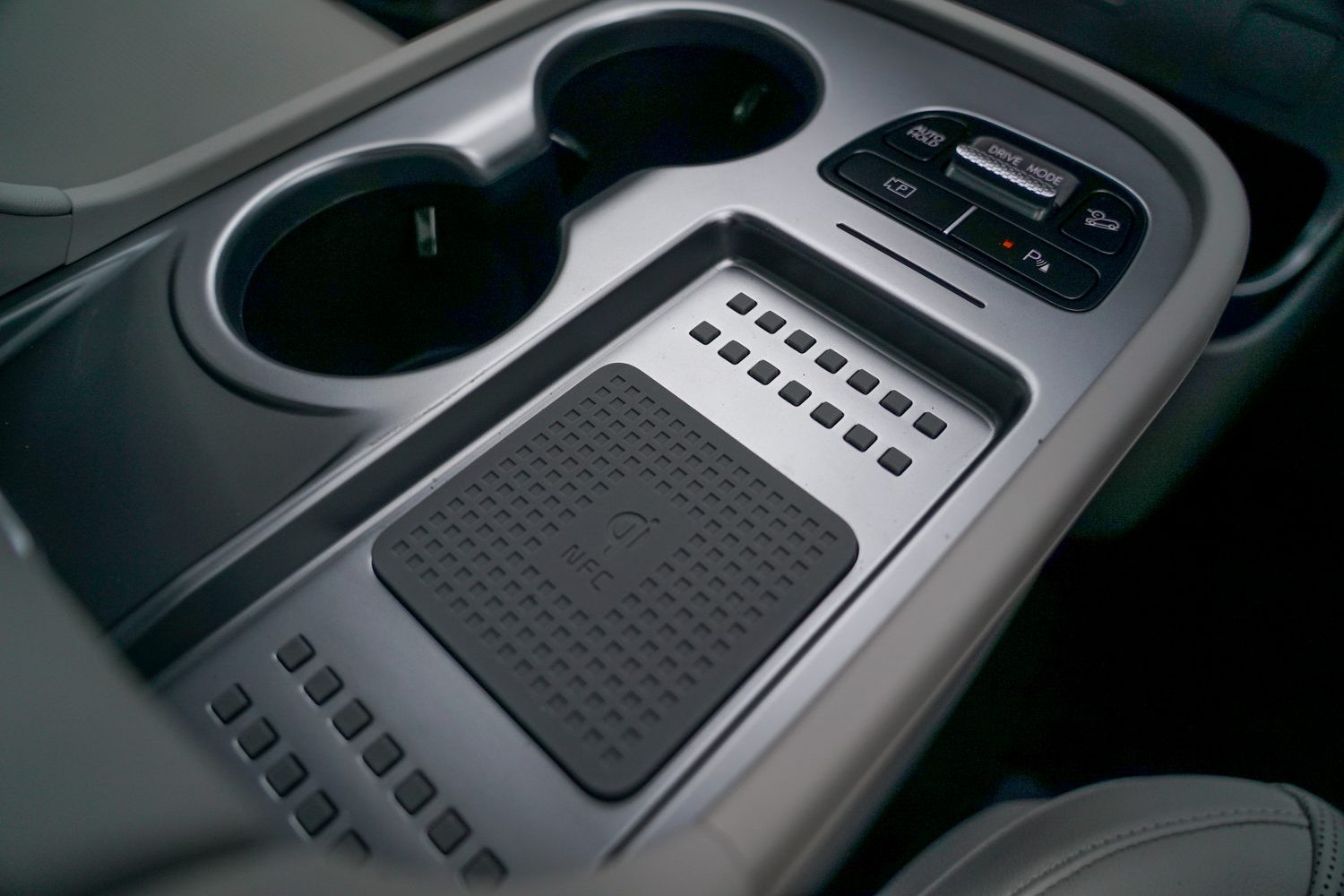
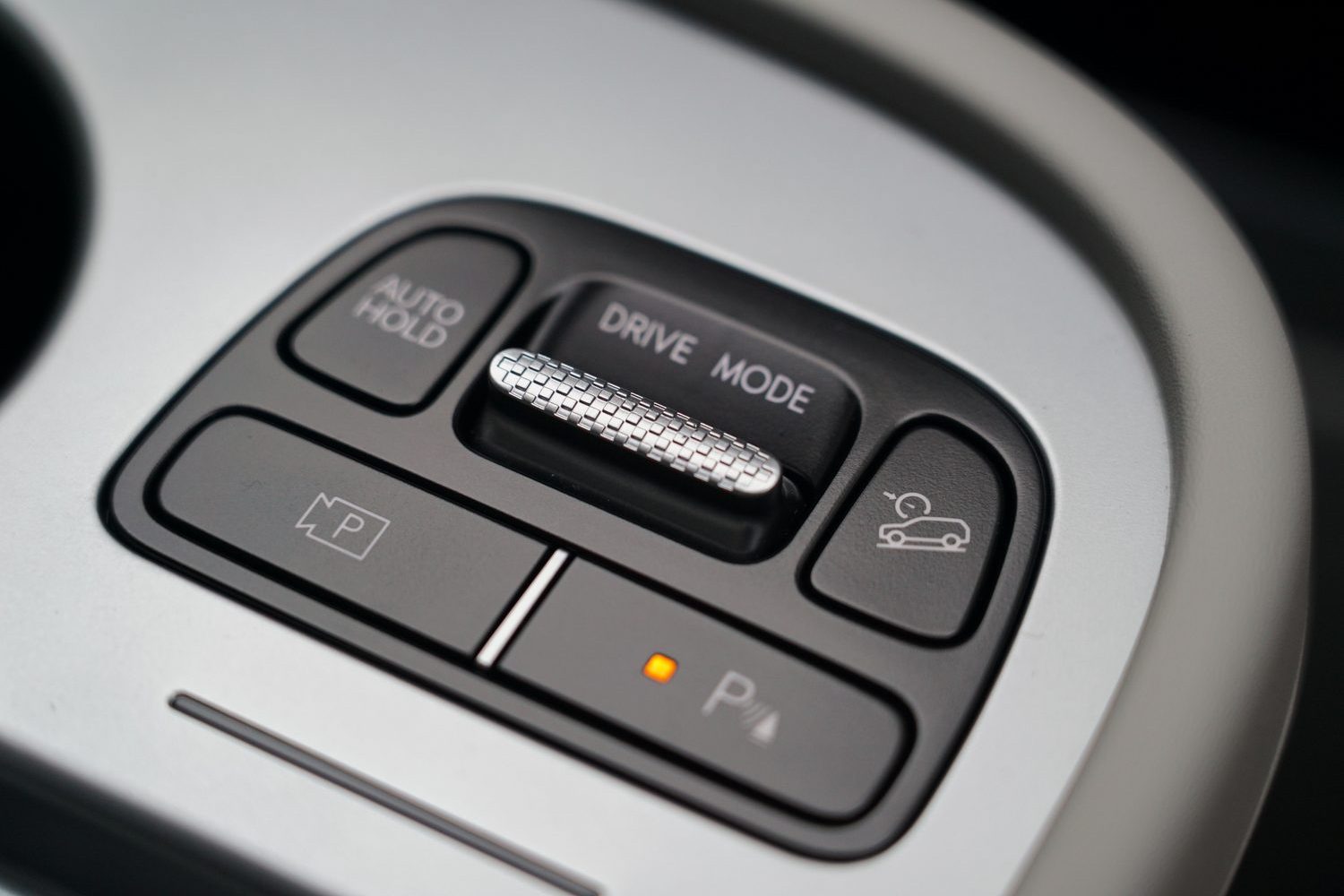
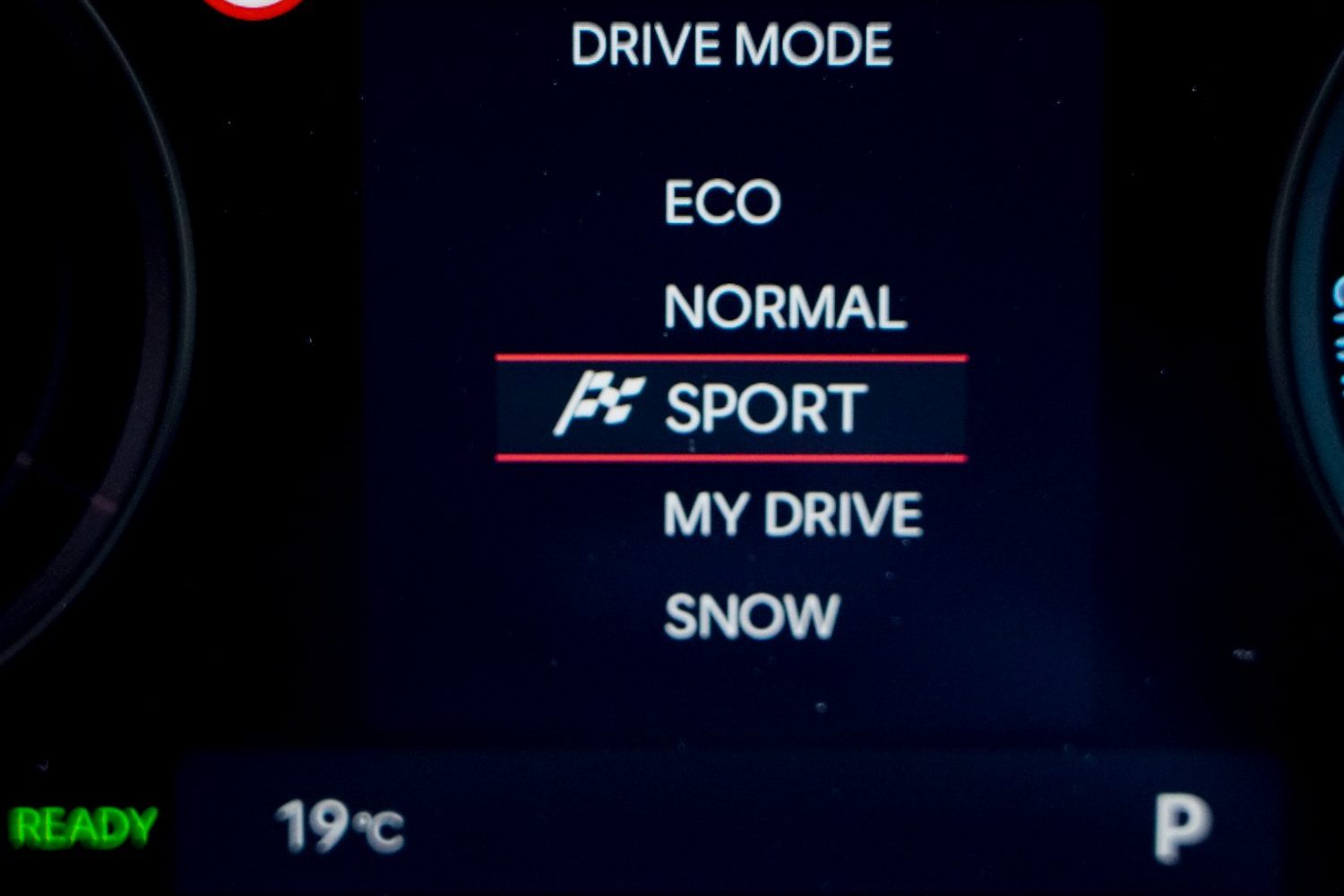
Back atop the centre console (which slides forward and back) there's a rubberised surface for the wireless charging to stop your phone sliding off, two cupholders and a small selection of buttons for the drive mode, parking sensors, camera system and more.

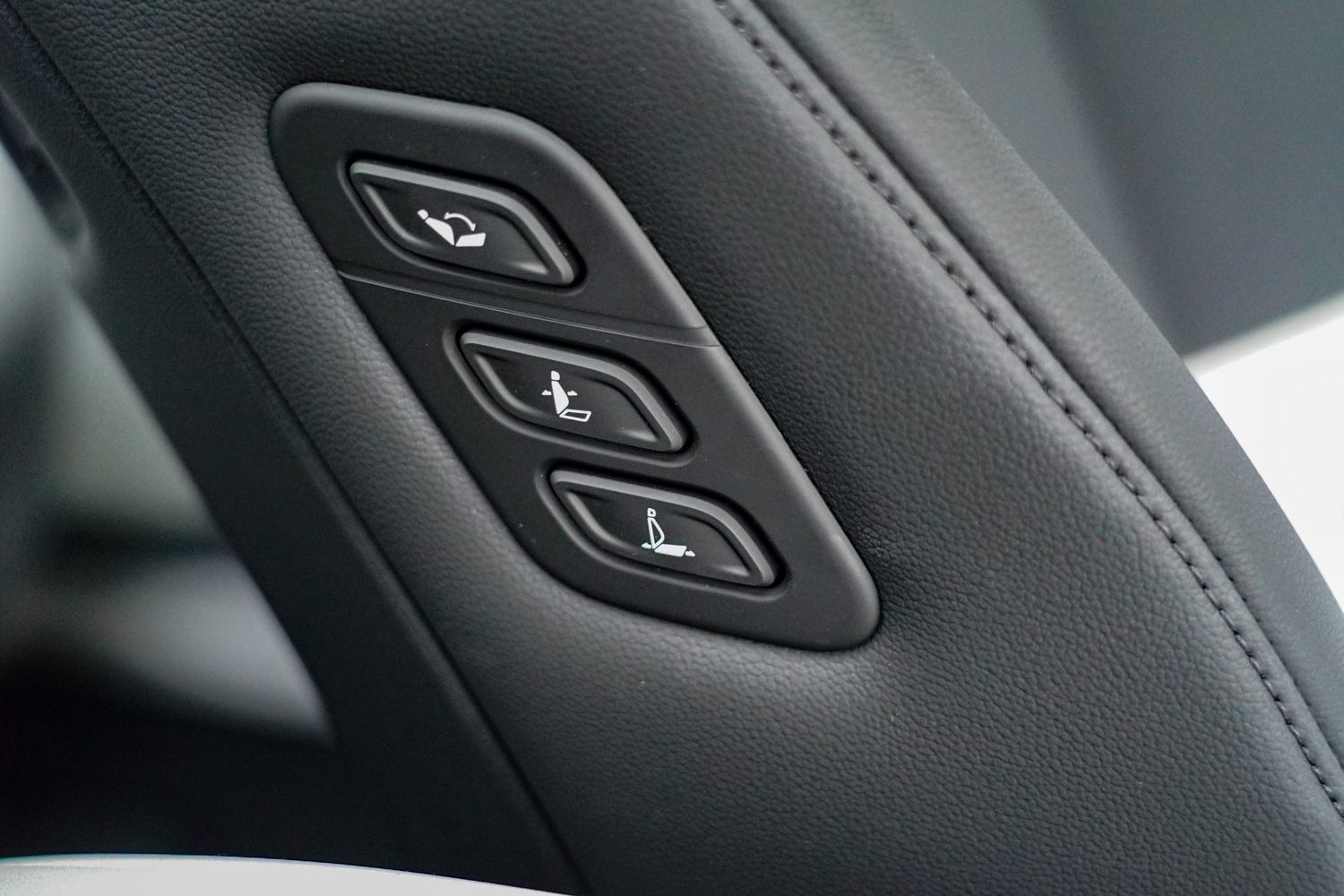
Before stepping into the rear, it's worth pointing out the adjustment buttons on the sides of the front seats that allow for a full recline, plus even more USB-C outlets.
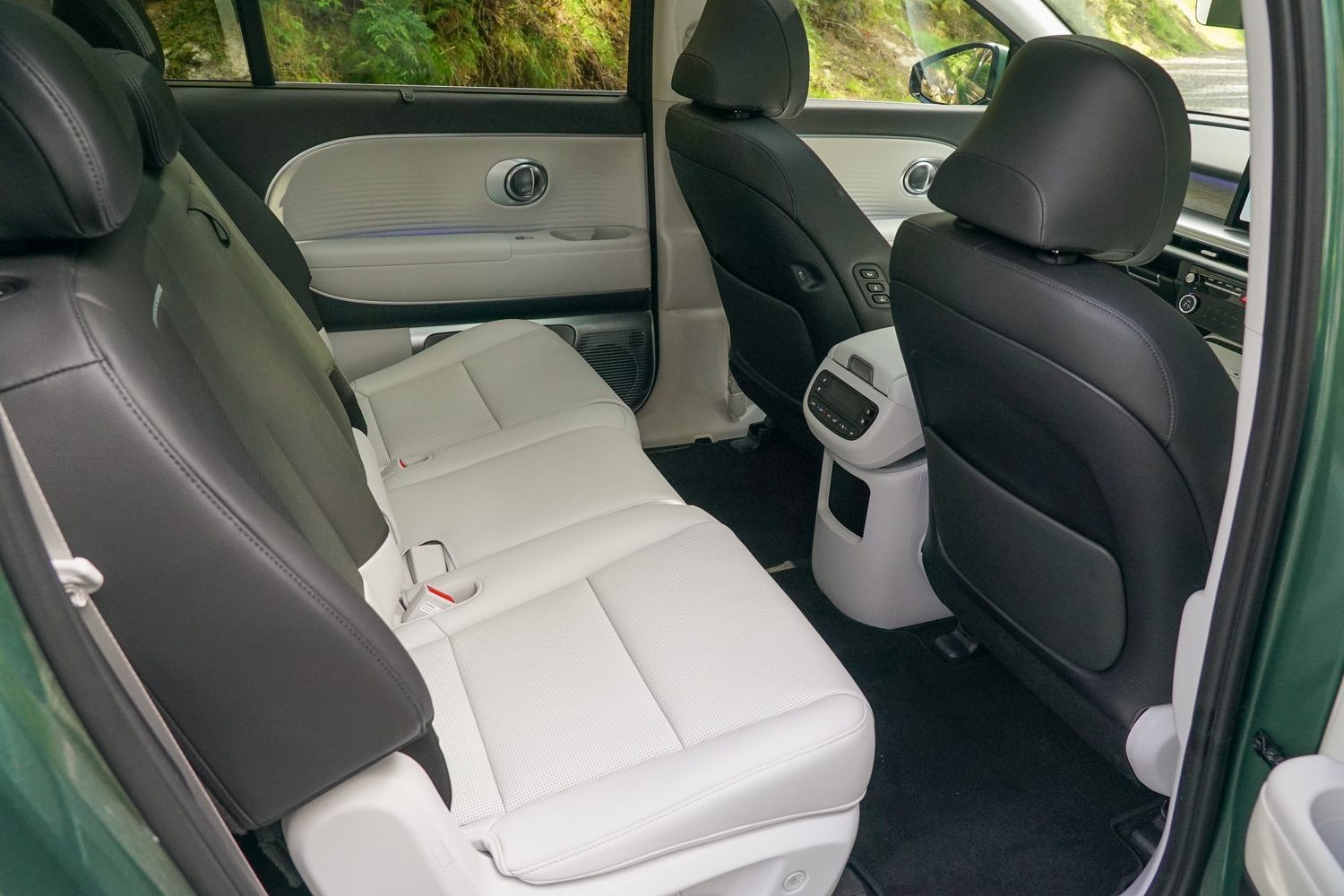
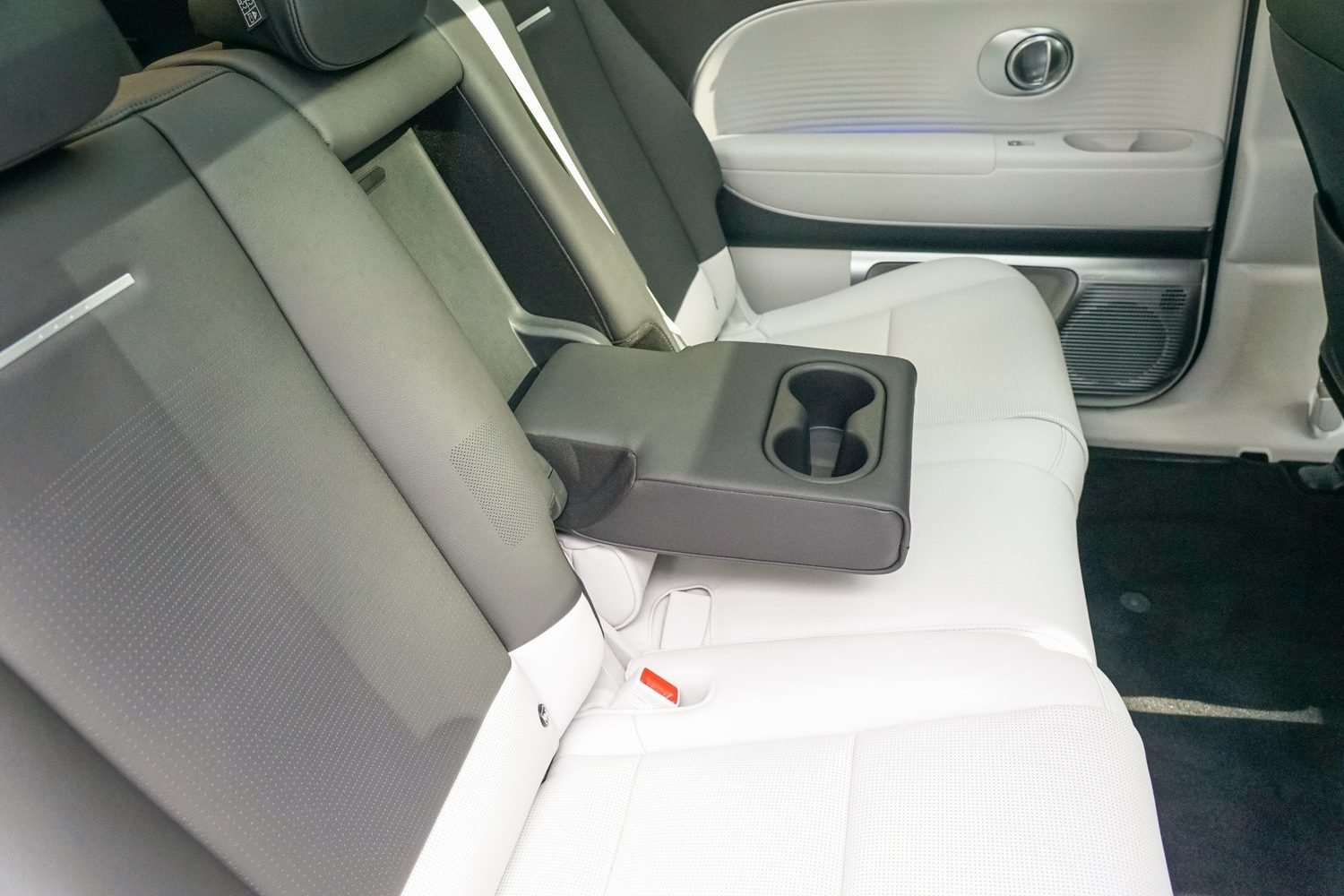
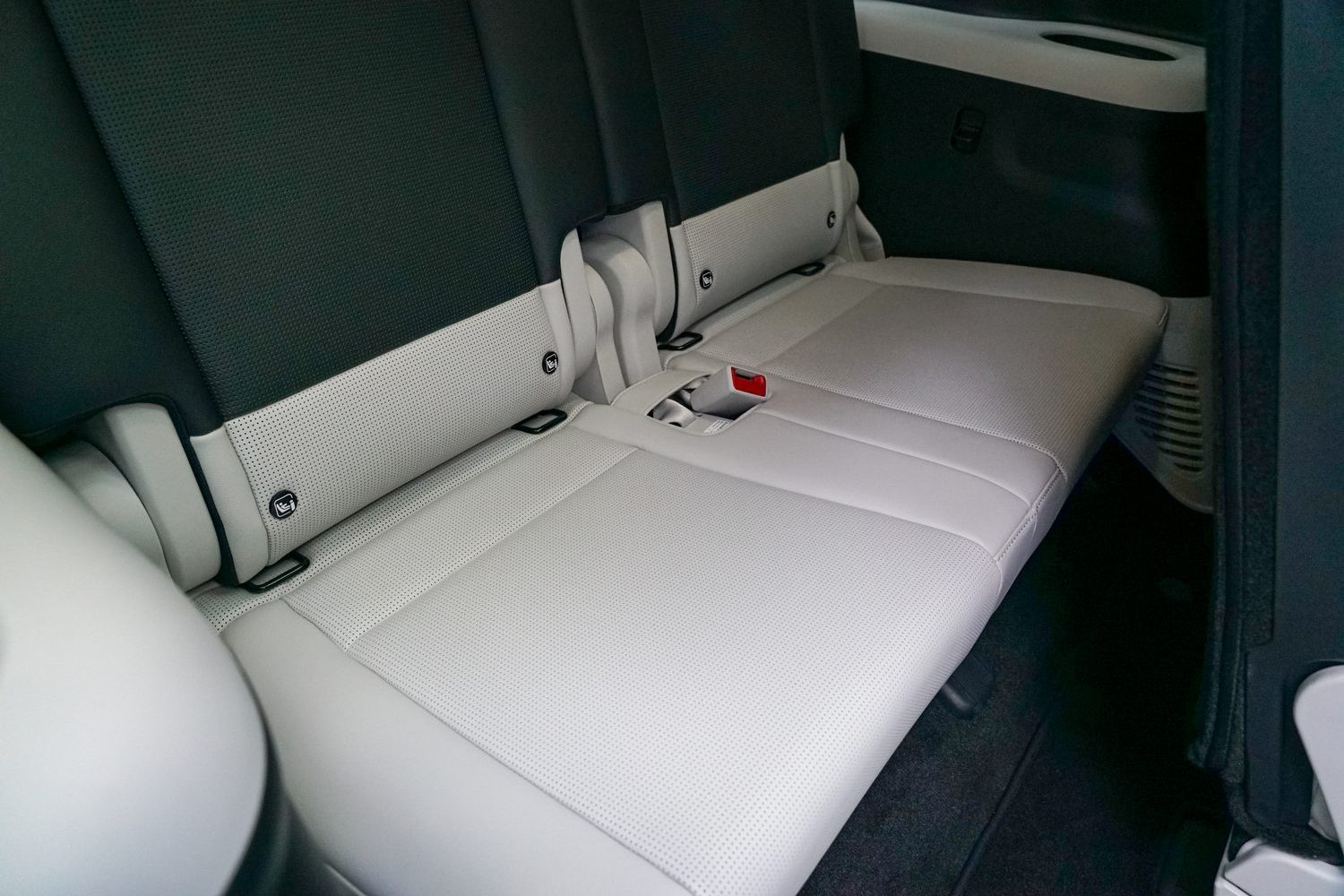
The back doors are seriously long, allowing easy access into the second row. There's seemingly more space here than in the front, along with more cupholders than there are seats, a flat floor all the way across and air conditioning controls. The huge glass roof above allows light to bathe the whole cabin.
There are ISOFIX points on the outer two seats and, given the width of the whole setup, it might be possible to fit a booster into the middle to be held by the seatbelt. If that's not in use, an armrest encompassing even more cupholders can fold down.

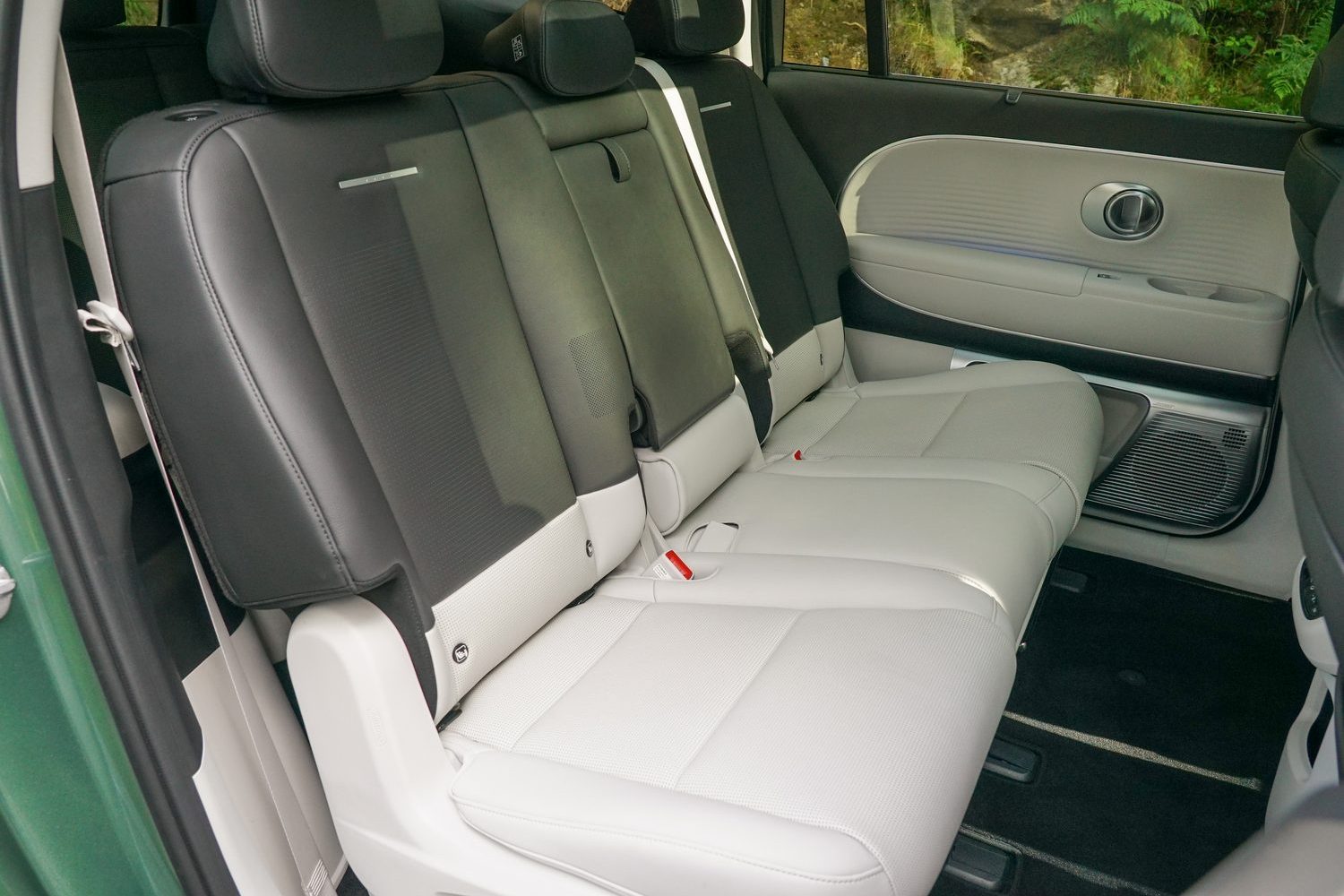
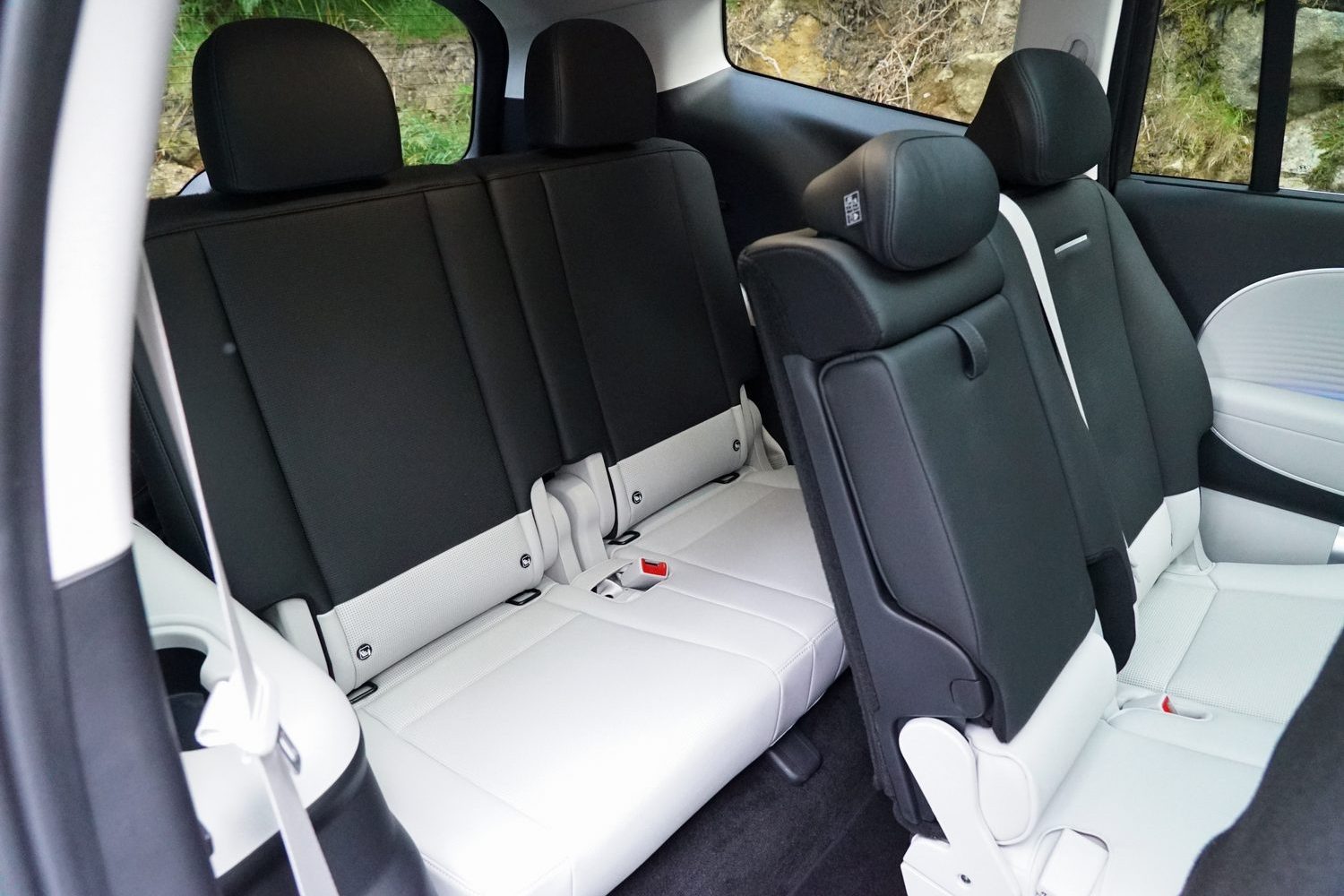
The second row of seats slide fore and aft as required, and their seatbacks adjust, too. If you plan to carry larger people in the third row then you will need to slide the seats in front forward a little, but there's a surfeit of space there so that shouldn't be a problem.
A six-seat version of the Ioniq 9 will become available in 2026 with just two seats in the second row for maximum space and comfort.
Naturally, the rearmost seats are not as comfortable or spacious as those in front, but adults can be accommodated as there's plenty of headroom, and there are two further ISOFIX points back there, which big families will approve of. And yes, the teens will find more charging ports and cupholders there, too.
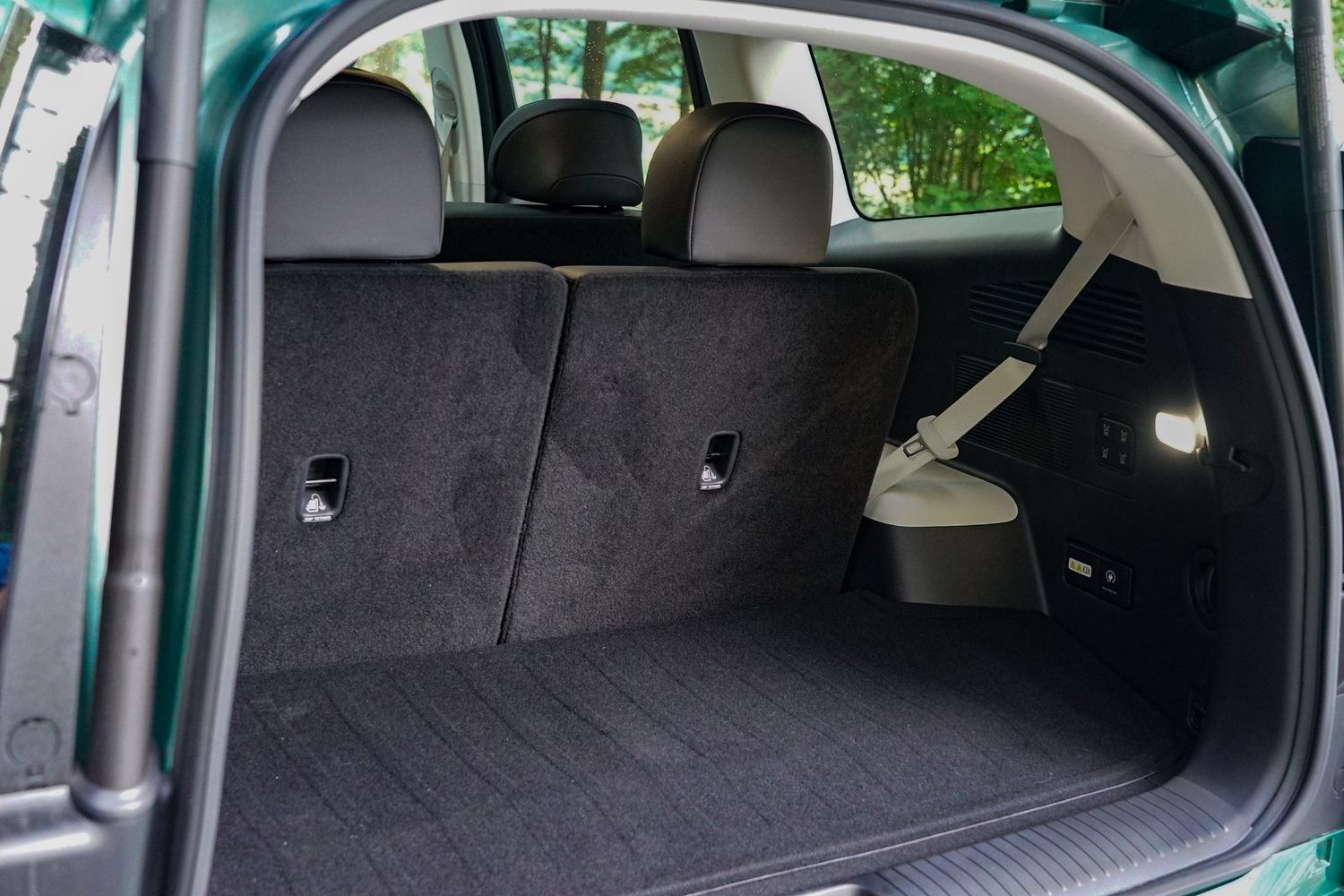
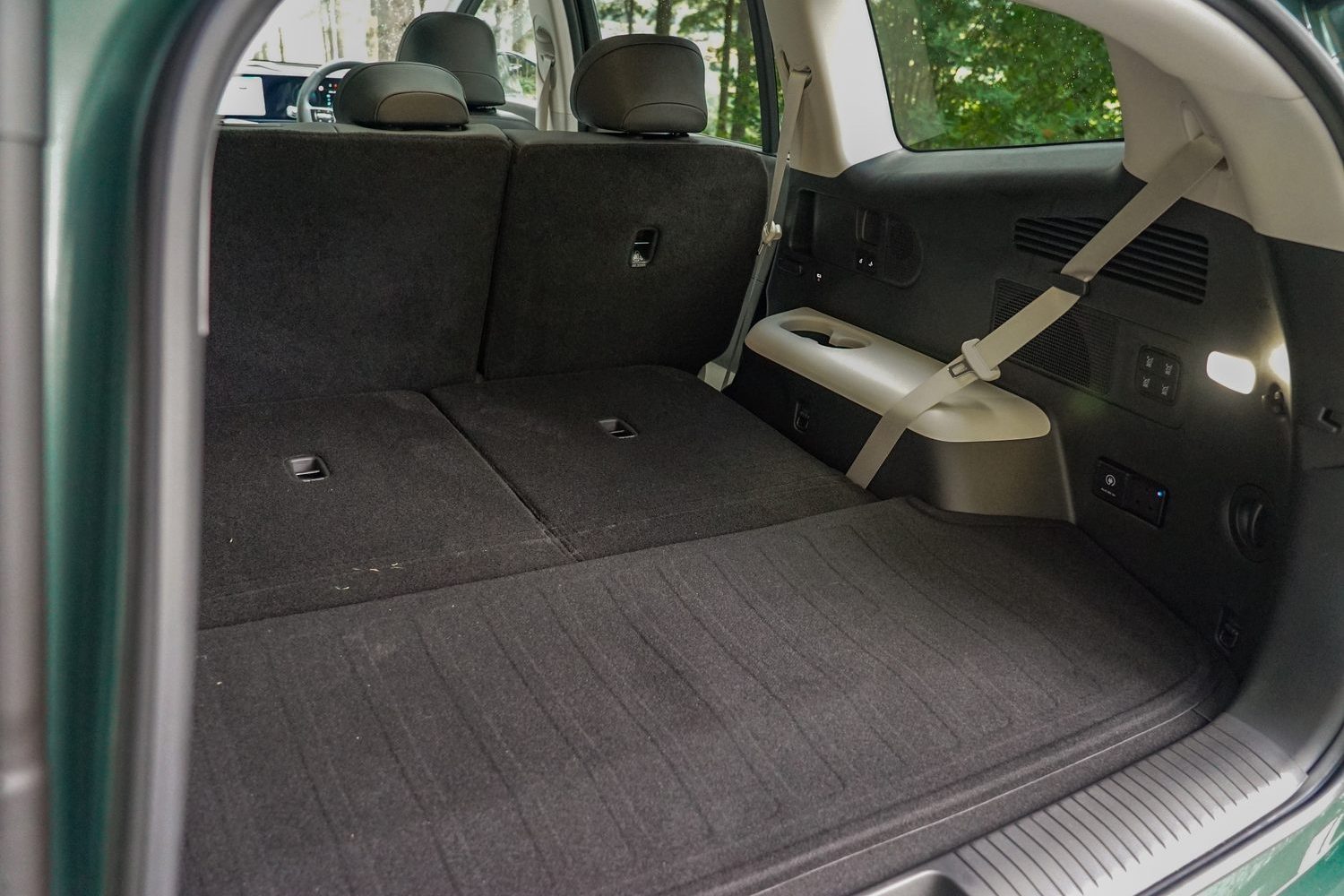
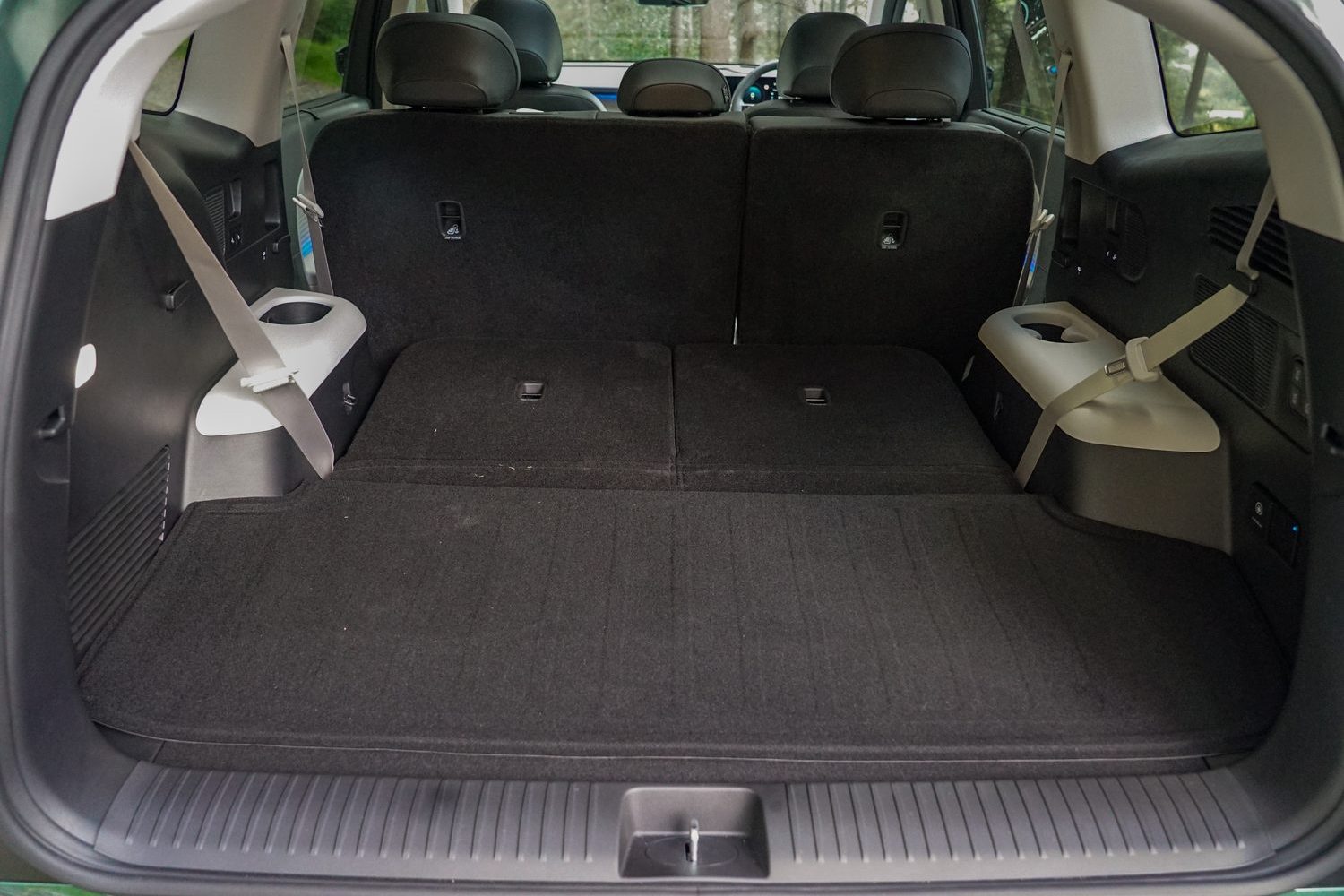
Even with all seats in use there's some 338 litres of boot space in the Ioniq 9. Hyundai Ireland reckons that's enough for two large sets of golf clubs or five chunky carry-on-style hand luggage bags.

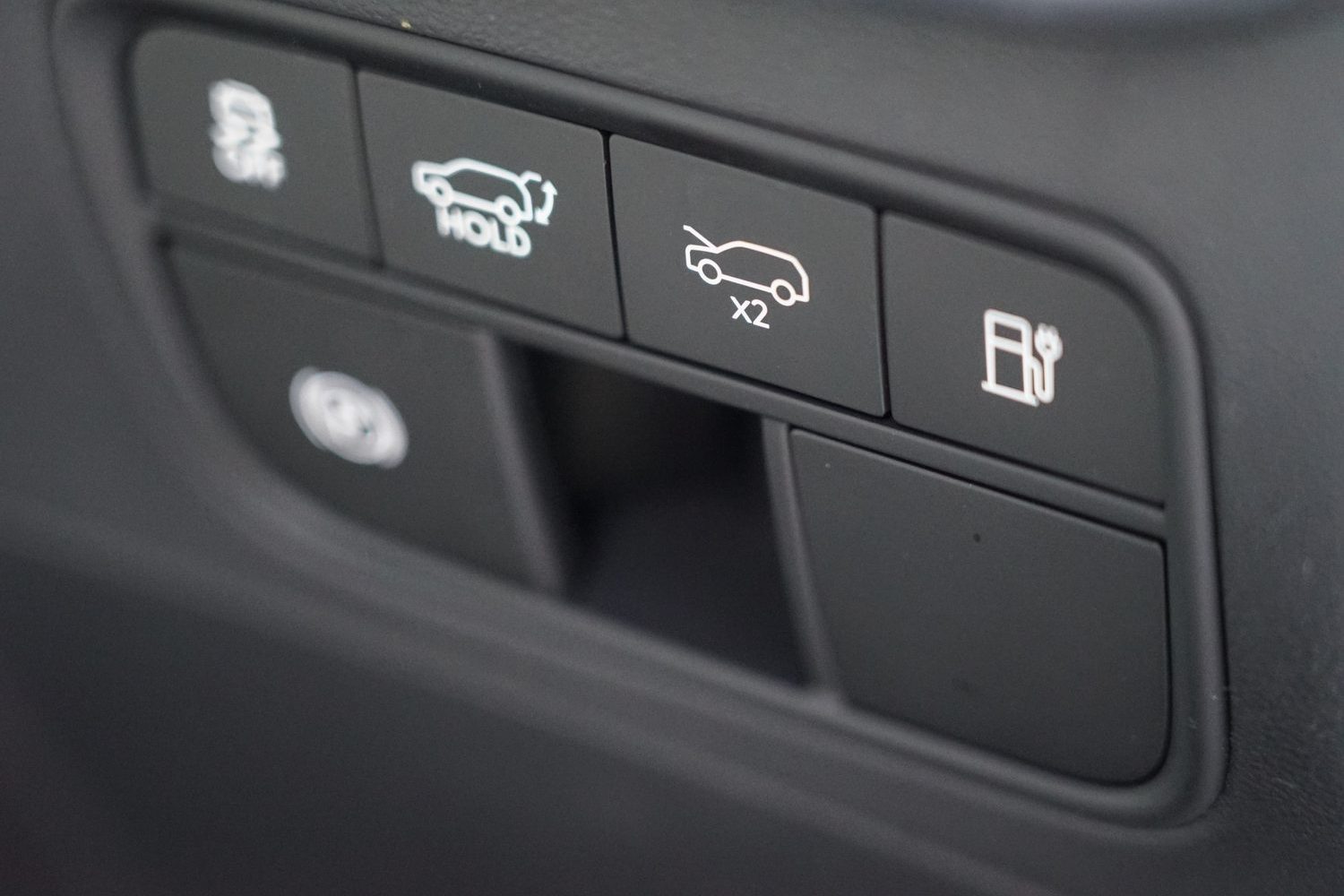
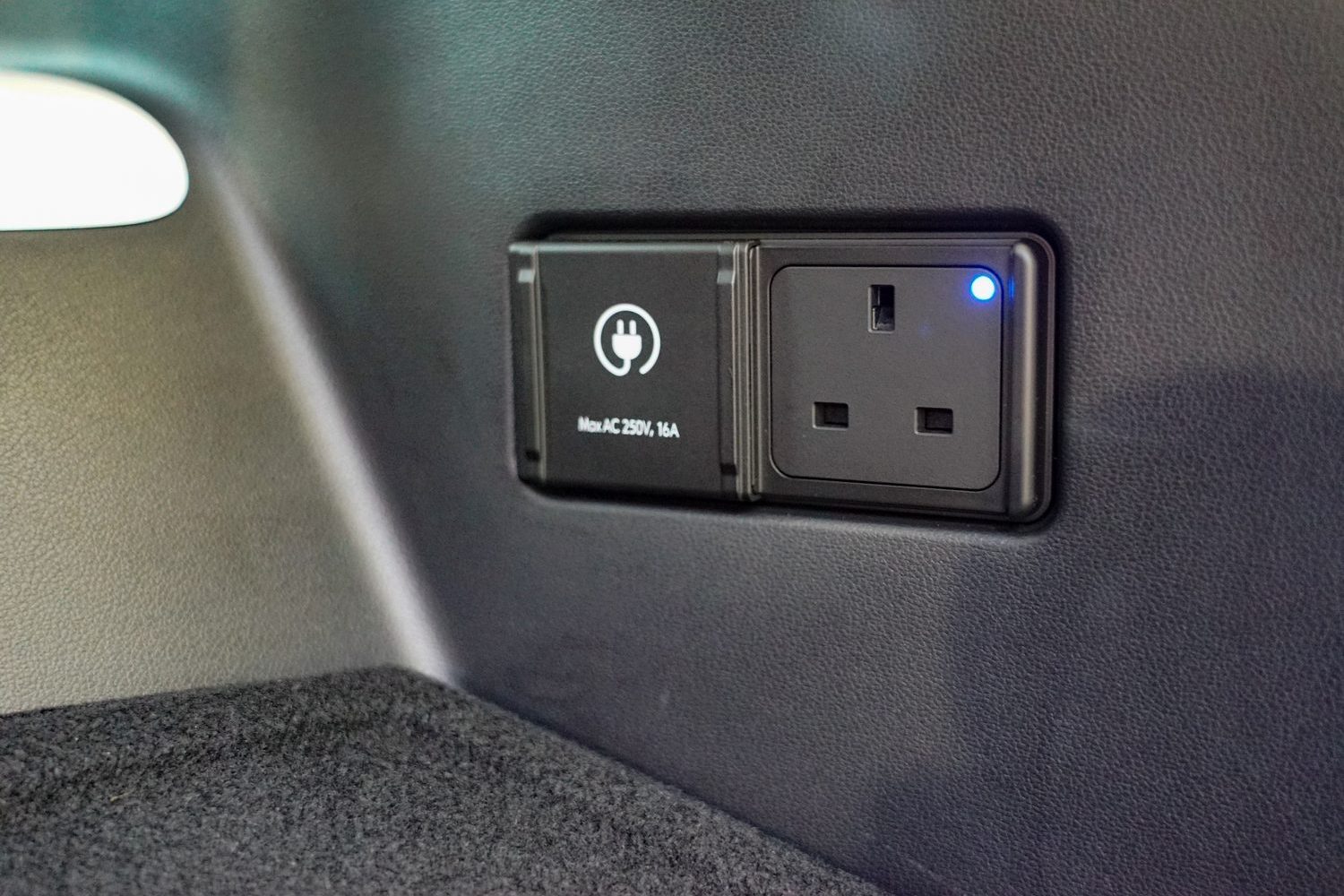
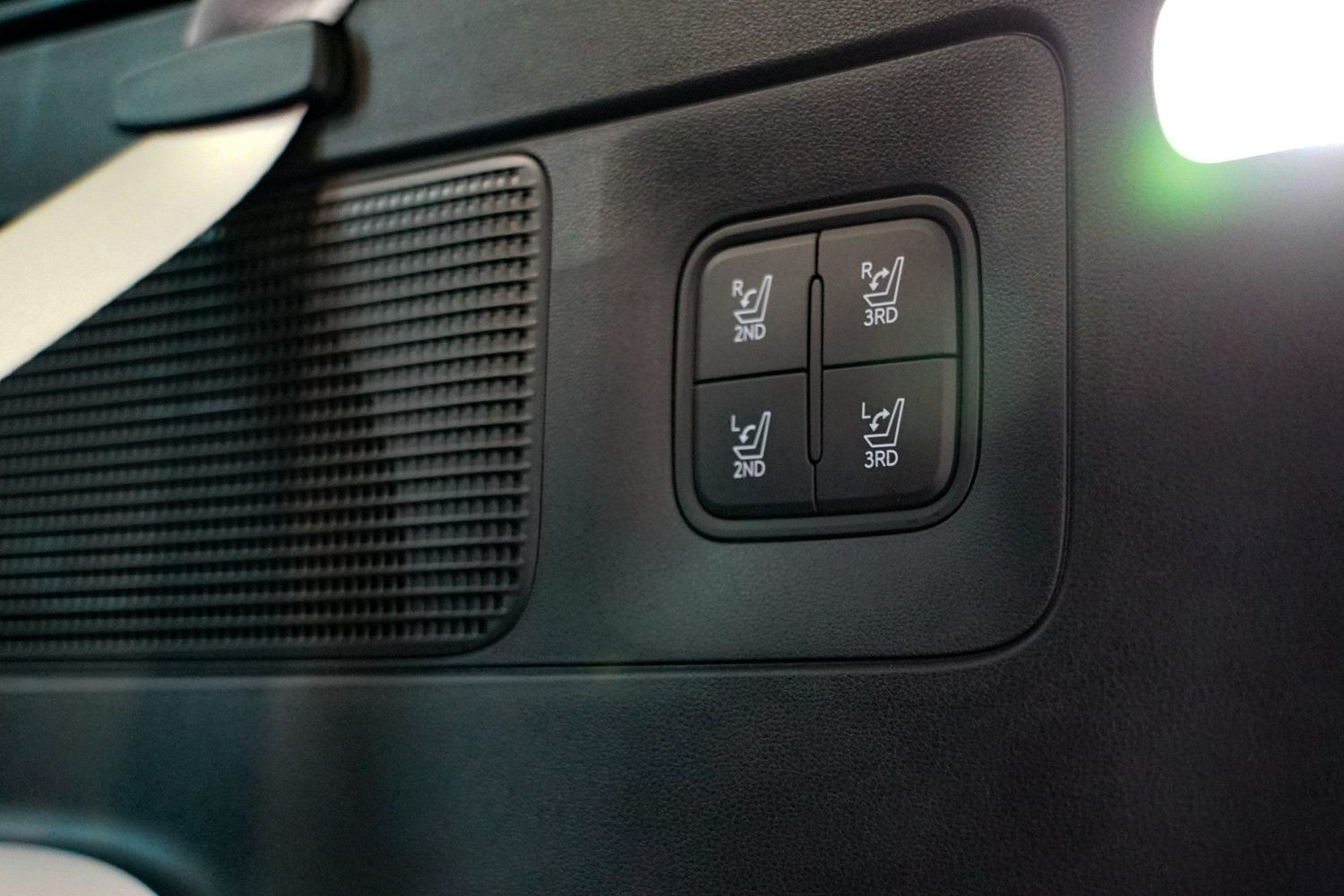
The design of the electric tailgate certainly widens the opening to the boot and if you need to fold down the seats you can do so electrically with buttons on the wall of the boot. Usefully, there's even a three-pin plug socket back there.
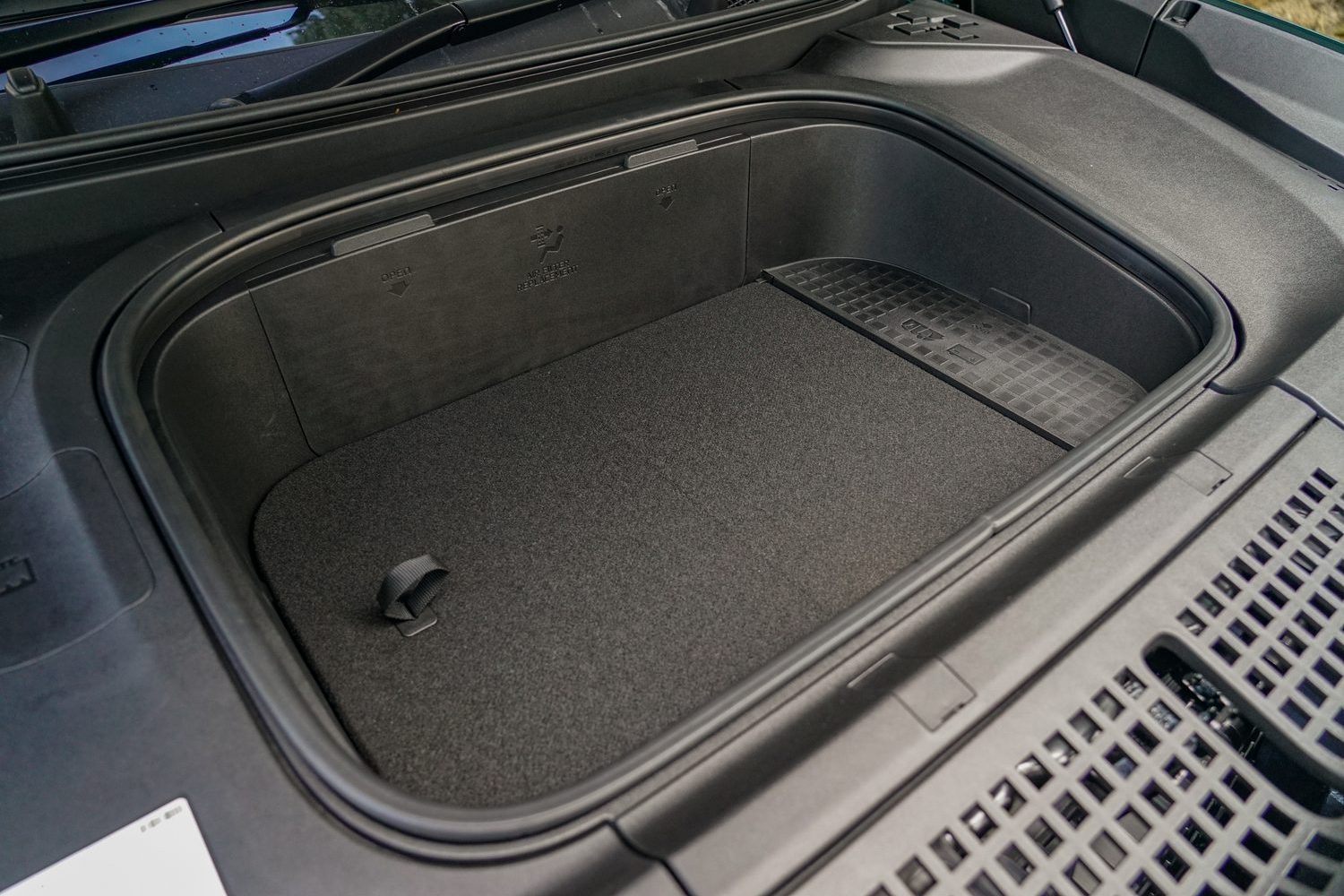
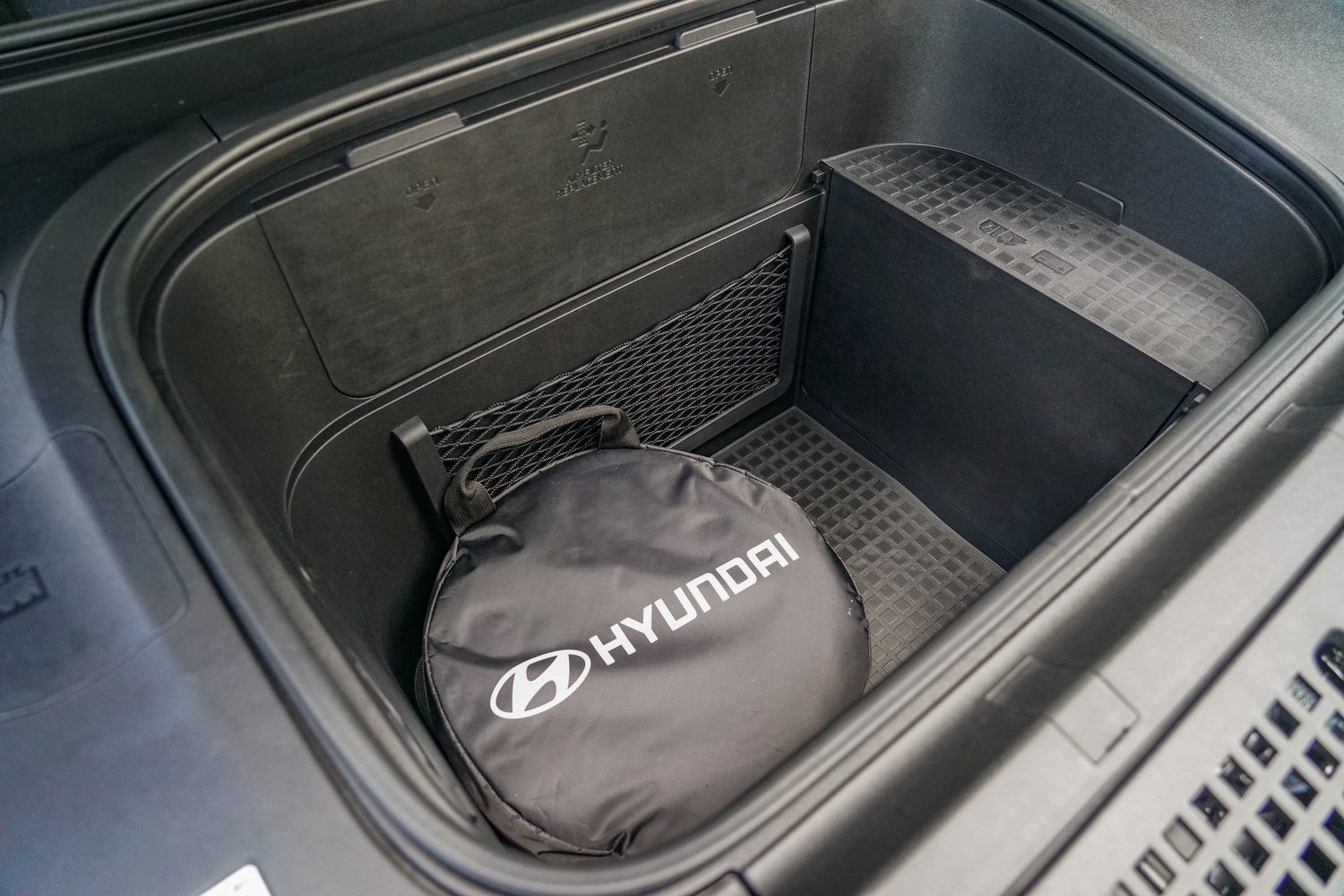
Under the bonnet up front there's even more storage space, in the shape of a 'frunk'. It can be accessed by pressing a button on the dashboard and it's divided into upper and lower sections. There's room in the latter for several different charging cables, while leaving space up top for hiding away a laptop bag or handbag, for example.

In terms of the interior colour scheme, somewhat surprisingly, you can only have a black finish if you choose a white paint colour - otherwise you get the light grey and black palette shown in our pictures.
Performance of the 2025 Hyundai Ioniq 9
• Only one variant sold in Ireland
• Not fast, but it is smooth
• Rear-drive only

While the Ioniq 9 is available with several different powertrains in some markets, it's offered with just one in Ireland - for now at least. The good news is that it comes with a large battery pack as standard (more of which below), though some will wonder about the limitation of rear-wheel drive on such a big vehicle.
A single electric motor propels the Ioniq 9, producing up to 217hp and 350Nm. Thankfully, the latter figure is available from the off, which helps deal with the big SUV's considerable weight away from a standstill. It's not what you'd call fast, but neither does it feel slovenly.
More importantly, it's incredibly quiet and refined on the move. Double-glazed side glass helps with that, and no doubt so does the aerodynamic shape of the car. The electric powertrain is inaudible at all speeds, and the tyres even feature sound-absorbing measures.

On the motorway, the Ioniq 9 feels comfortable and smooth at all times. It's remarkable that Hyundai has managed this without resorting to air suspension or adaptive damping. Sure, the big 20-inch wheels sometimes pick up on imperfections in the surface, but in general, the road is nothing more than a distant worry for those sat inside.
The sheer size of the Ioniq 9 will be its only limitation on narrow country roads, as it otherwise handles with more aplomb than you'd give such a heavy car credit for. The brake pedal is well-judged to feel natural regardless of the brake-energy-regeneration setting you've chosen and while the steering is quite slow, this aids the feeling of stability as the car smoothly shifts lanes and never overreacts to the driver's input.
Range, Battery & Charging of the 2025 Hyundai Ioniq 9
• Can potentially top 620km
• Up to 250kW fast charging
• Includes Vehicle-To-Load tech

Officially, this version of the Hyundai Ioniq 9 - which has a massive 110.3kWh battery - can do 620 kilometres on the WLTP cycle, which equates to an energy consumption figure of 19.9kWh.
After a long day at the wheel, we saw closer to 25kWh/100km at a 120km/h cruise on the motorway with just a driver on board and the air conditioning running as normal, meaning an approximate range of 450km under those conditions.
Energy consumption did drop quite a bit when away from the motorway, so we'd suggest an approximate 'real-world' range is just north of 500km, which is way more than most people need in their daily lives, meaning they can charge up most of the time at home to keep costs down.
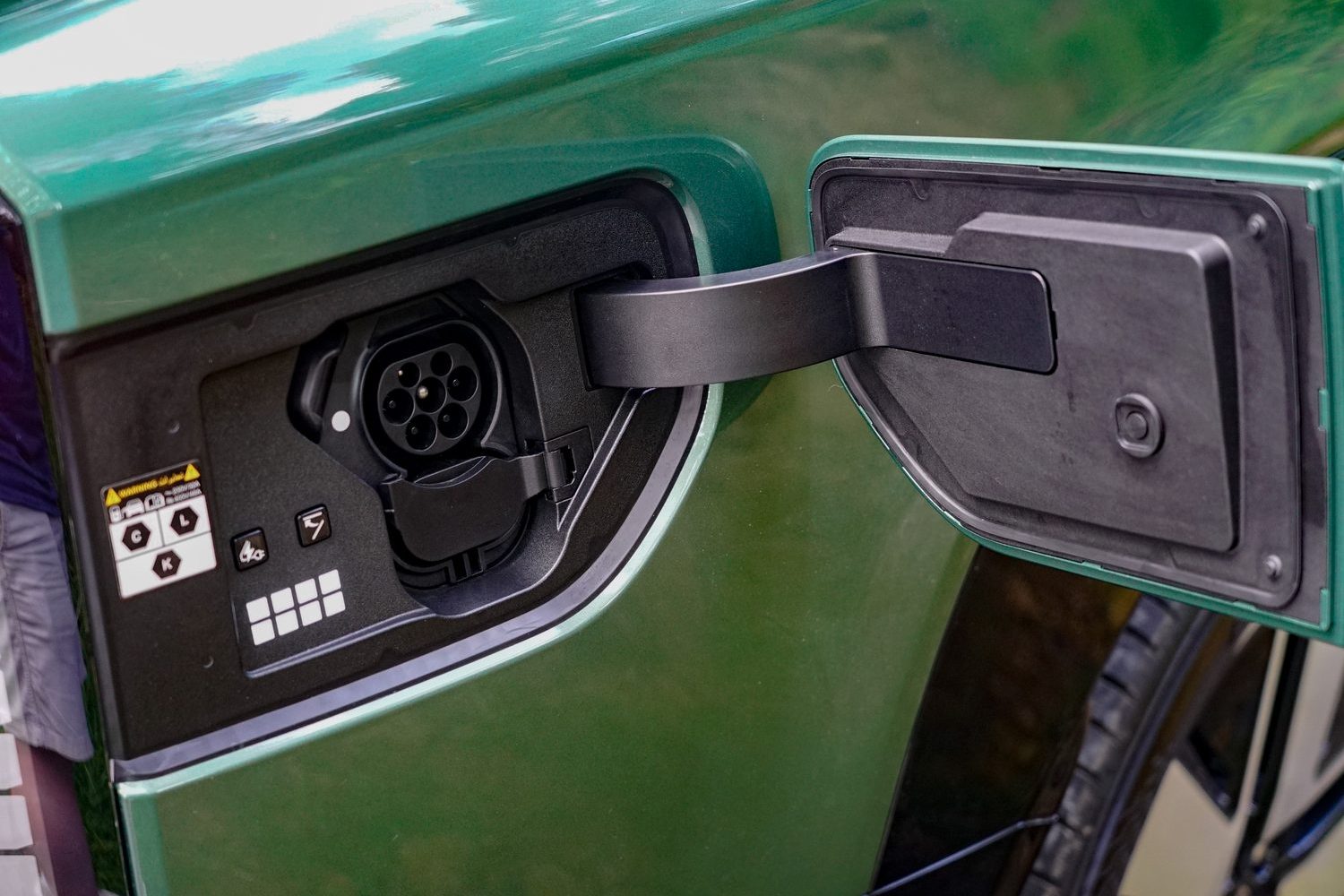
When out and about, it can make use of 11kW kerbside AC chargers, while the peak DC-charging rate of 250kW is a real boon on long journeys in particular.

Vehicle-To-Load (V2L) capability is included, at up to 3.6kW using an adaptor plugged into the external charging port.
Hyundai's warranty package is a good one, including a five-year, unlimited-mileage warranty on the car itself, annual health checks and roadside assistance. Interestingly, there's a two-year/20,000km warranty even on consumable parts, such as the brake pads and wipers.
Finally, the drive battery warranty is a little different, limited to 160,000km, though for up to eight years.
Irish Pricing & Rivals of the 2025 Hyundai Ioniq 9
• A single price - €78,495
• Sits above Santa Fe in range
• Similar to Kia EV9 in cost

While Hyundai's remit is and has always been good value for money, the price of the Ioniq 9 - at €78,495 - may raise a few eyebrows. But it will only take a few minutes in the car for the most cynical to admit that it feels worth every cent. In truth, it stands up to comparison with cars costing 50 per cent more.
Its biggest competitors are the Kia EV9, the Volvo EX90 and perhaps Hyundai's own Santa Fe. Put them all in a table and compare what you get for your money and the Ioniq 9 fares very well indeed.
Verdict - Should You Buy the 2025 Hyundai Ioniq 9?
If you're in the market for a large, electric SUV that can accommodate the needs of a big family, but you enjoy the little luxuries in life as well, and you like to get plenty for your hard-earned money, the Hyundai Ioniq 9 is definitely one to consider.

FAQs About the 2025 Hyundai Ioniq 9
Does the new Hyundai Ioniq 9 have a 'frunk'?

Yes, it does, a massive one that holds up to 88 litres. It's accessed by a button to the right of the steering wheel, which is nicer than having to pull a lever somewhere down near the floor as is often the case. What's more, the space under the bonnet is divided up so bulkier items such as charging cables could go underneath while there's separate space above for lighter bits and pieces on their own little shelf.
How many child seats fit in the back of the new Hyundai Ioniq 9?

There are ISOFIX child-seat mounting points in the two outer seats in the middle row and the two rearmost seats of the Ioniq 9, though space in the latter means you won't want to try to attach rear-facing baby seats in the very back. It may be possible, given the width of the car, to squeeze a booster into the middle of the second row as well.
Does the Hyundai Ioniq 9 qualify for the SEAI grant?
No, that's only for EVs priced below €60,000. And it gets no VRT relief either as that applies only to electric cars costing less than €50,000.
Want to know more about the 2025 Hyundai Ioniq 9?
If there's anything about the new Hyundai Ioniq 9 we've not covered, or you'd like help in choosing between it and other cars, you can avail of our expert advice service via the Ask Us Anything page.