


Exterior & design of the 2026 Hyundai Inster
- Distinctive bodywork
- Cross variant ramps up chunkiness
- Choice of 15- or 17-inch wheels

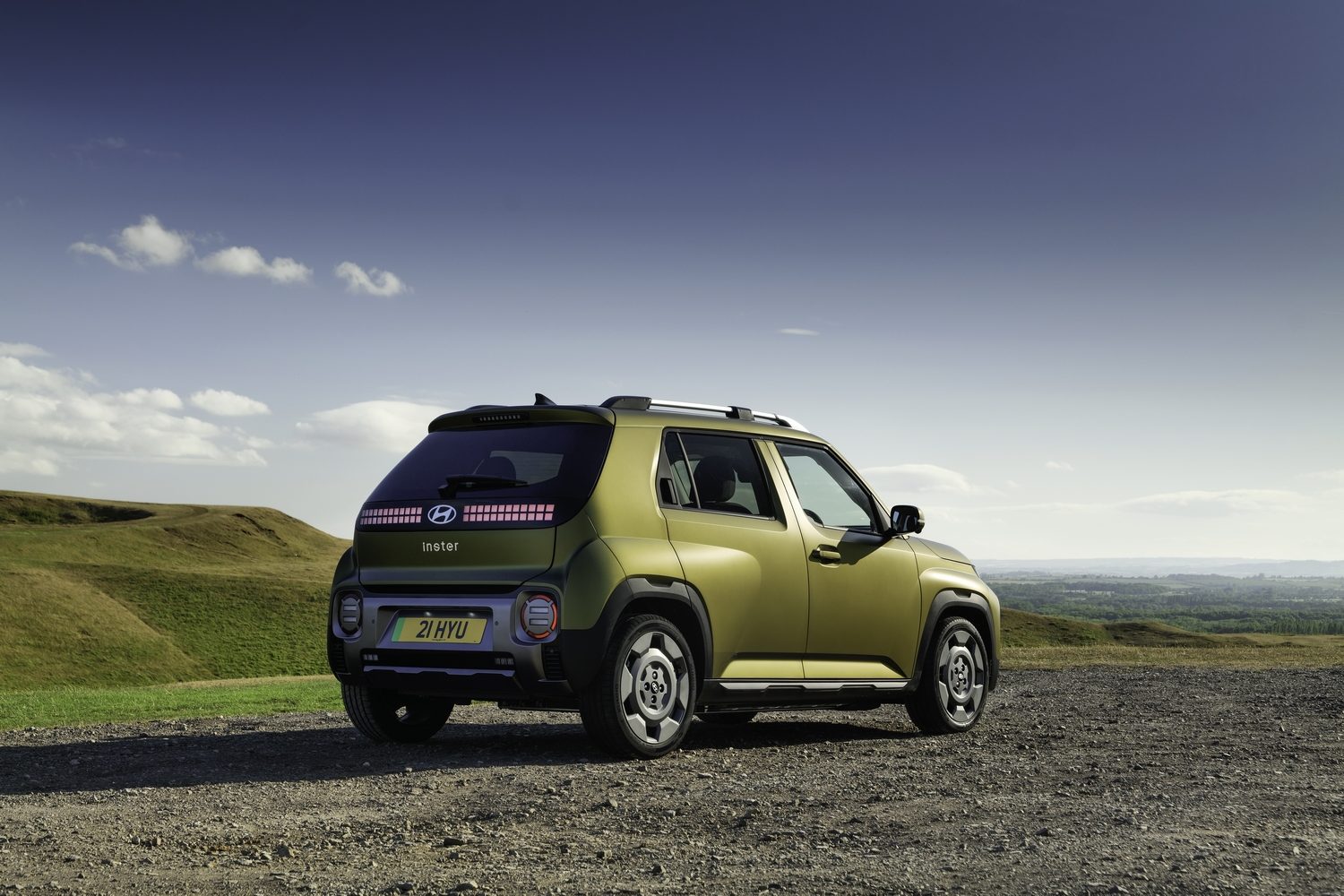
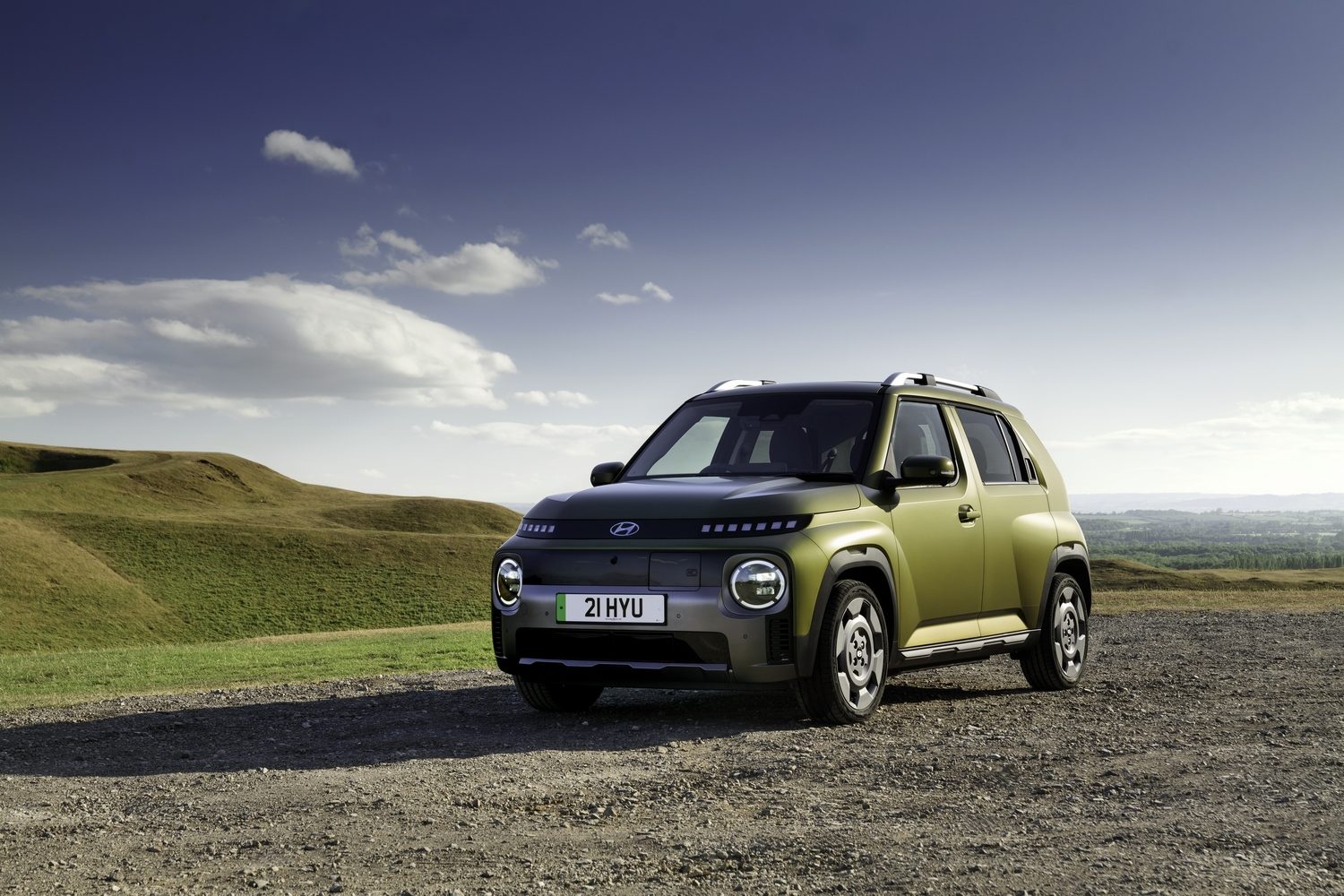
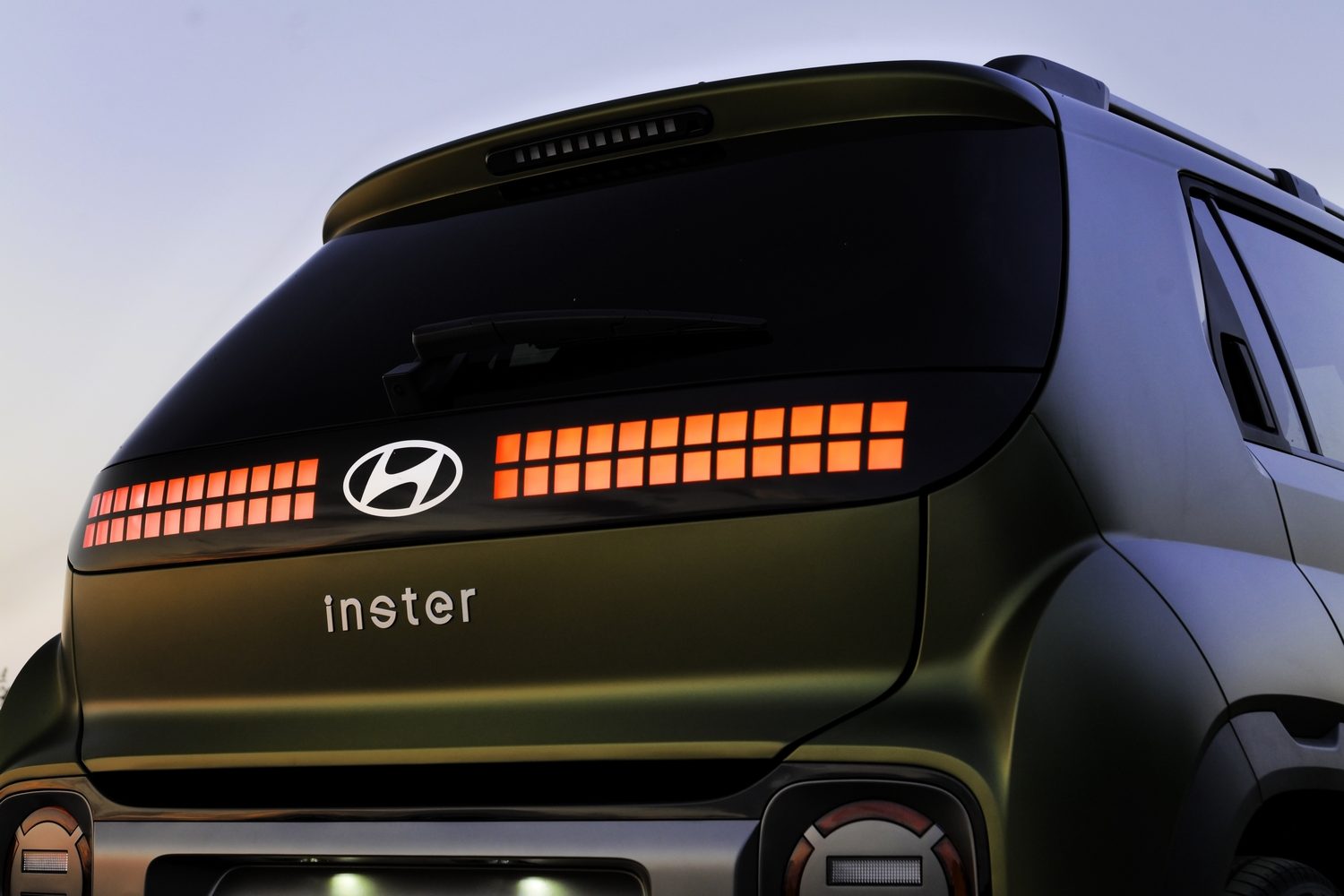
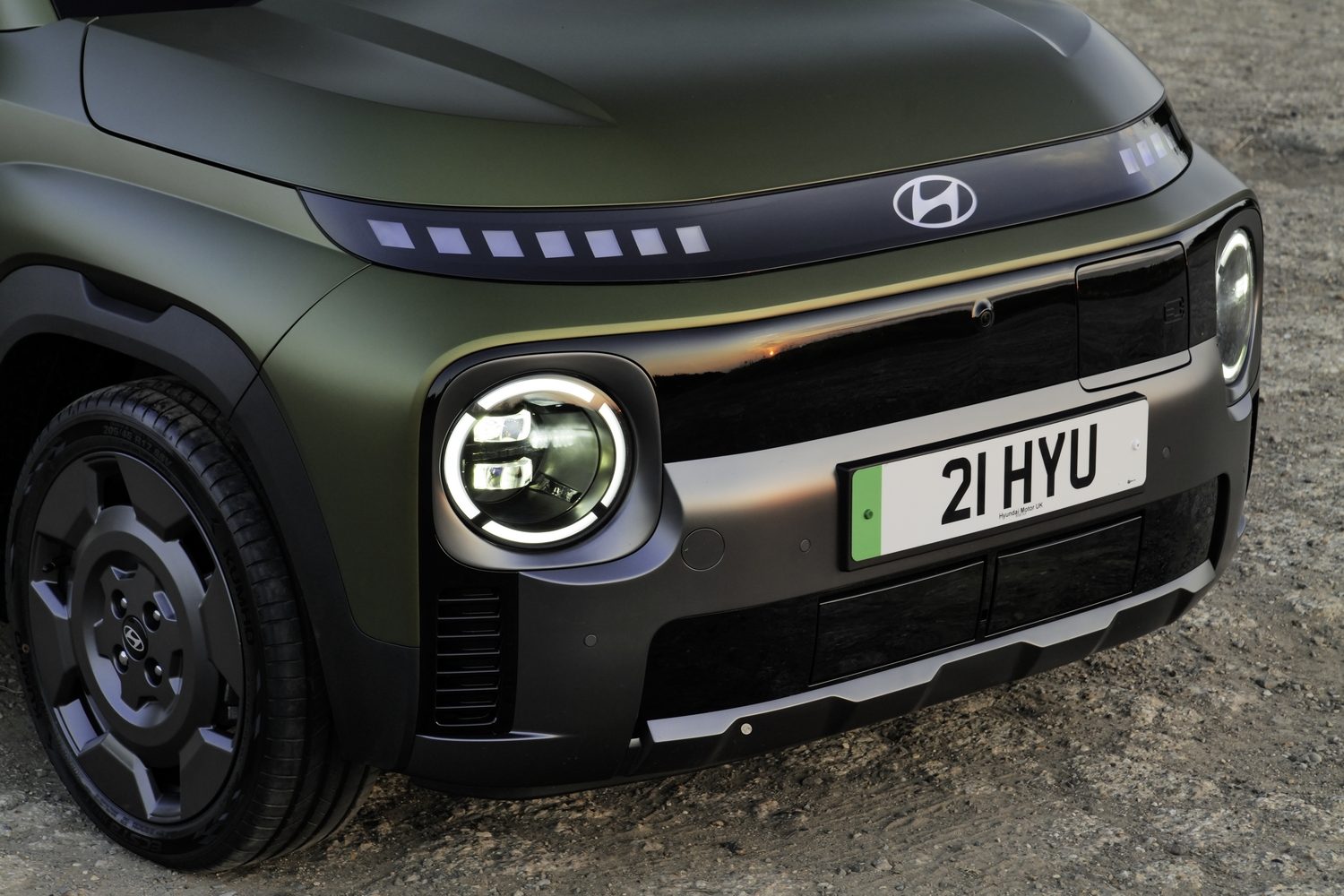
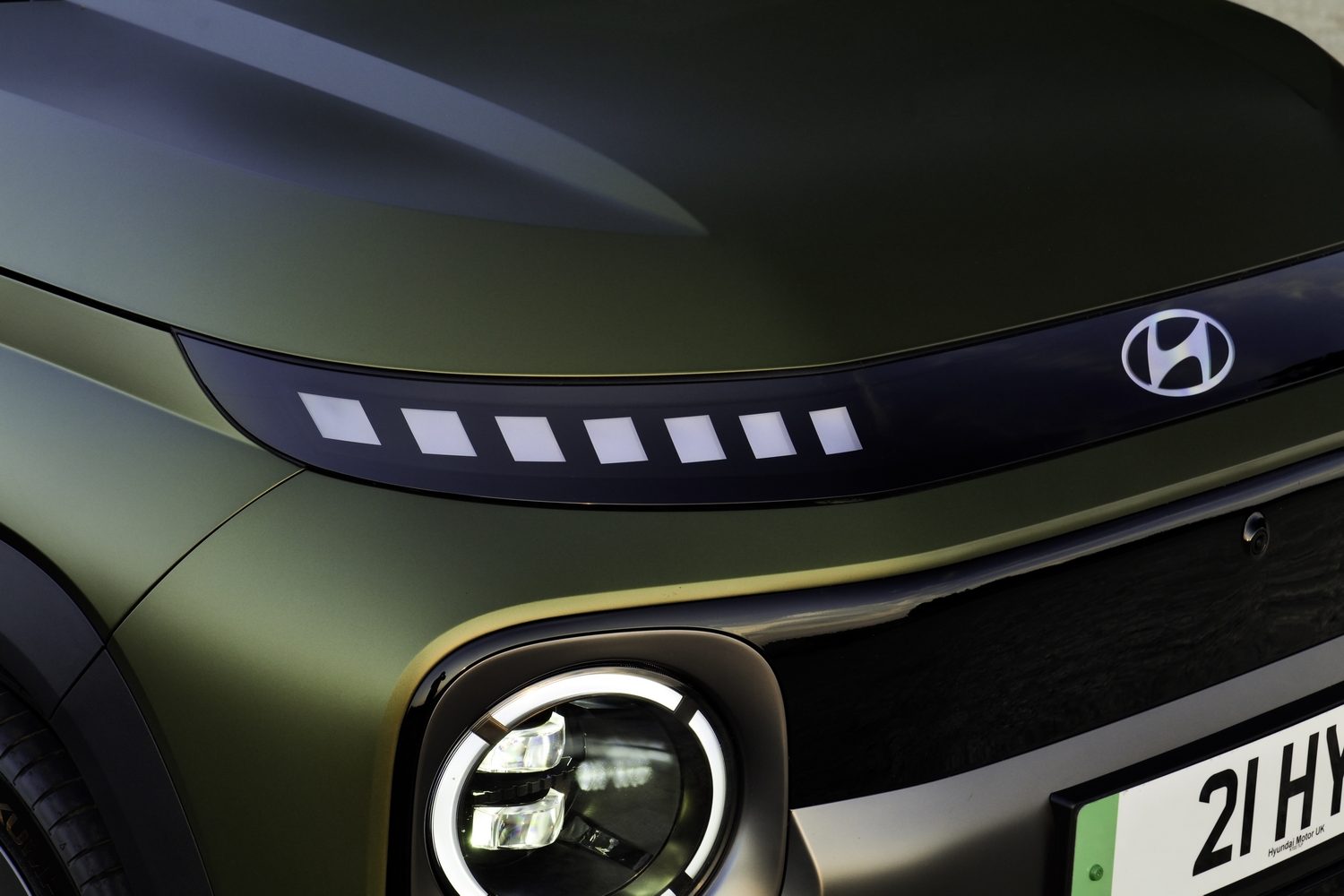
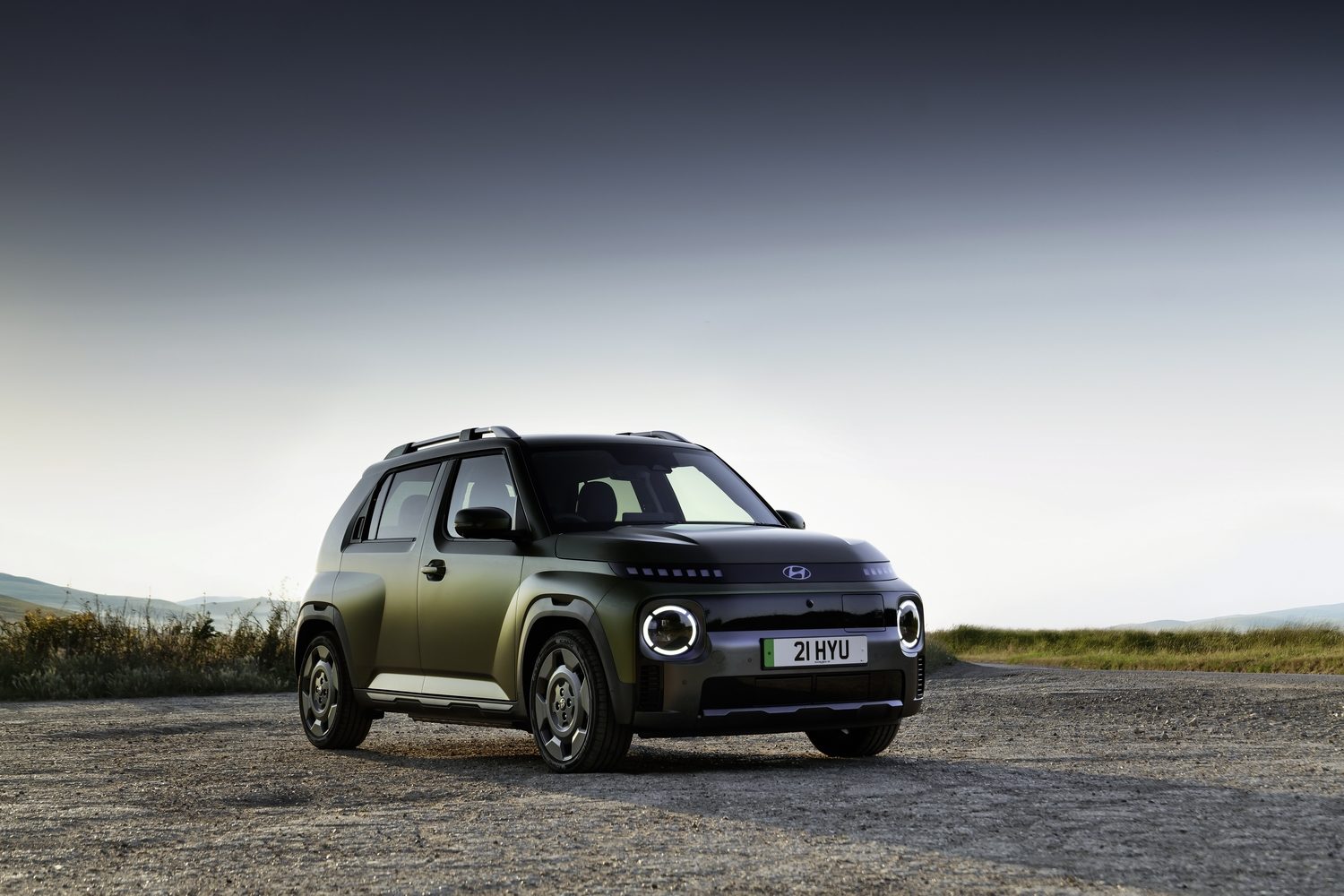
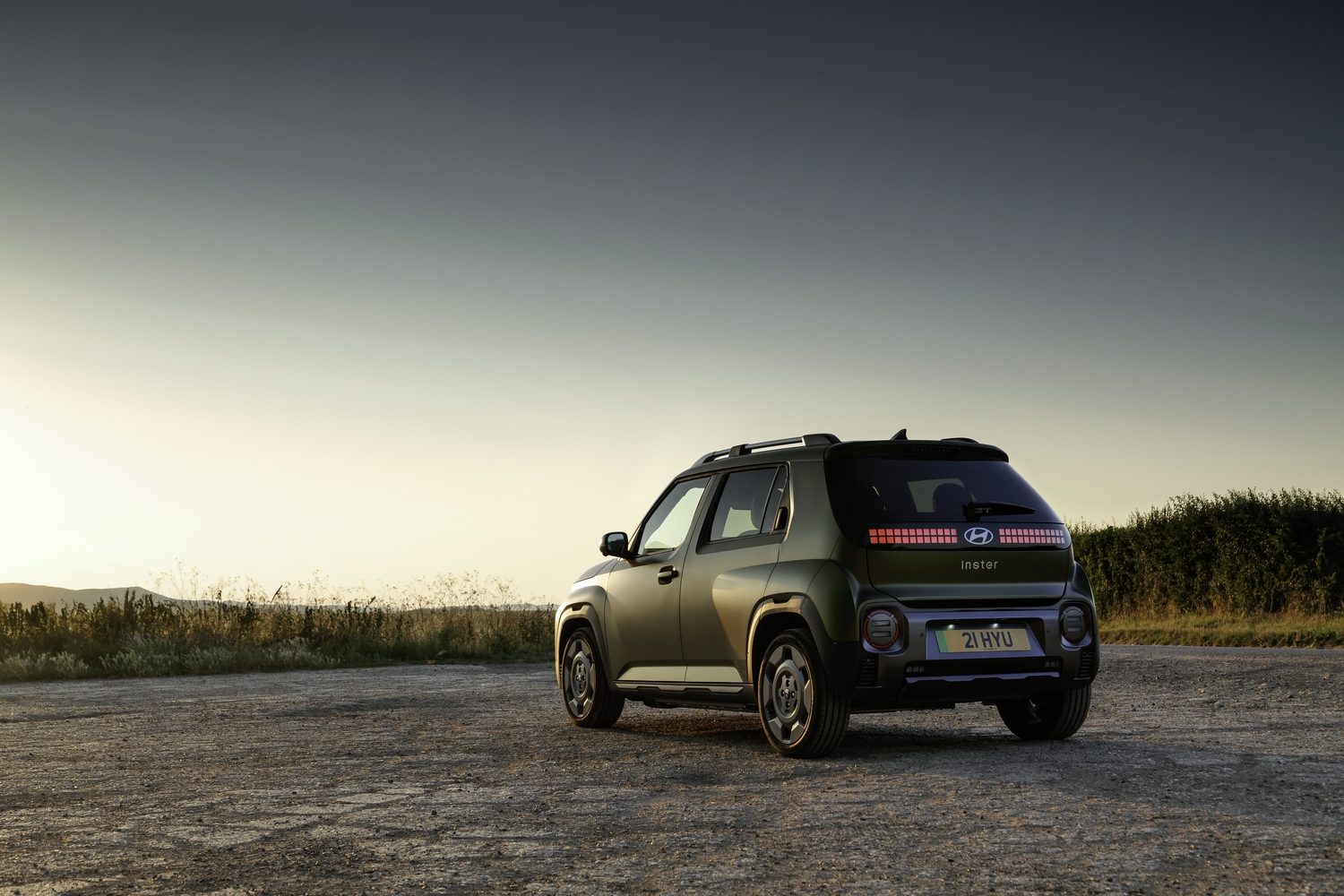
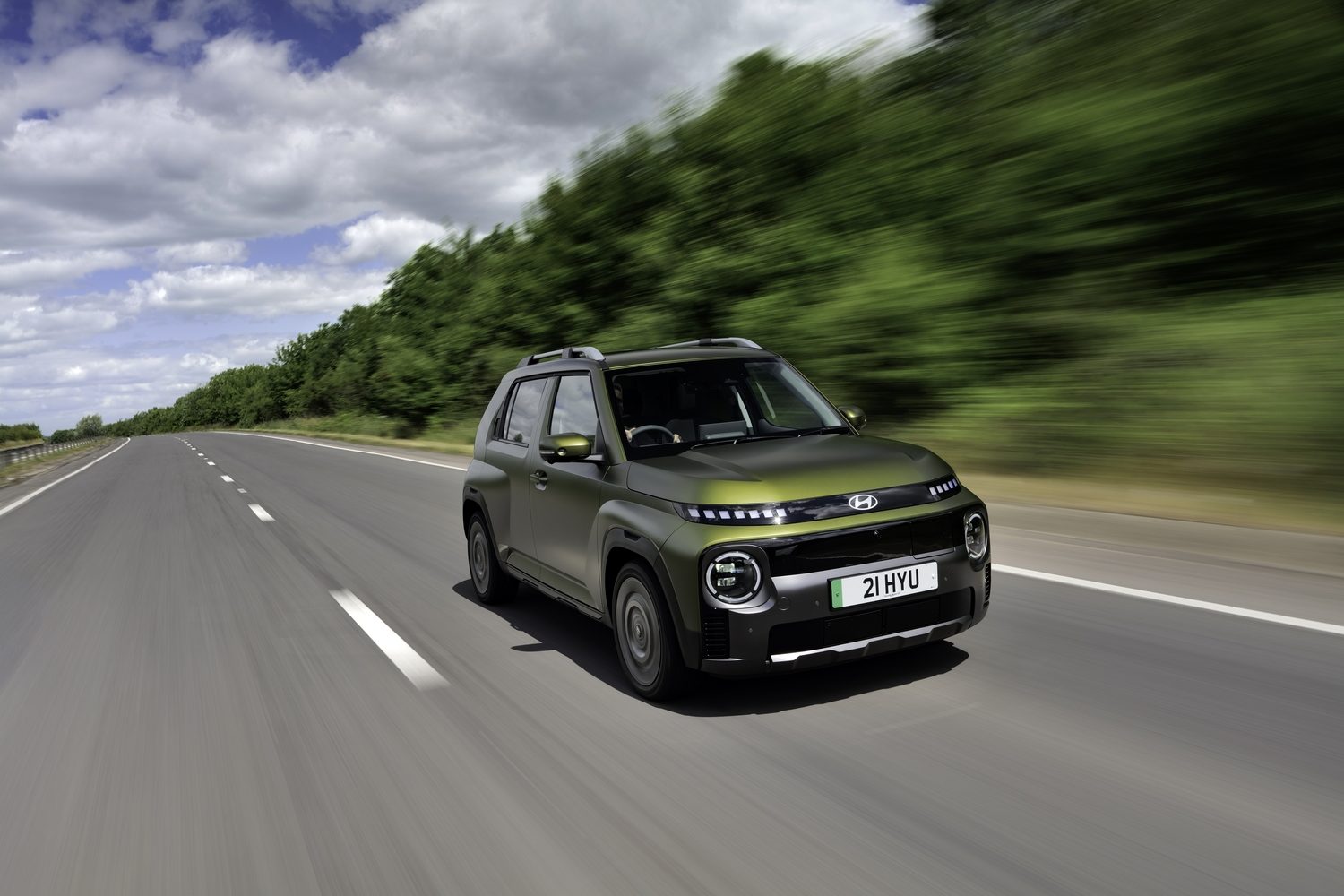
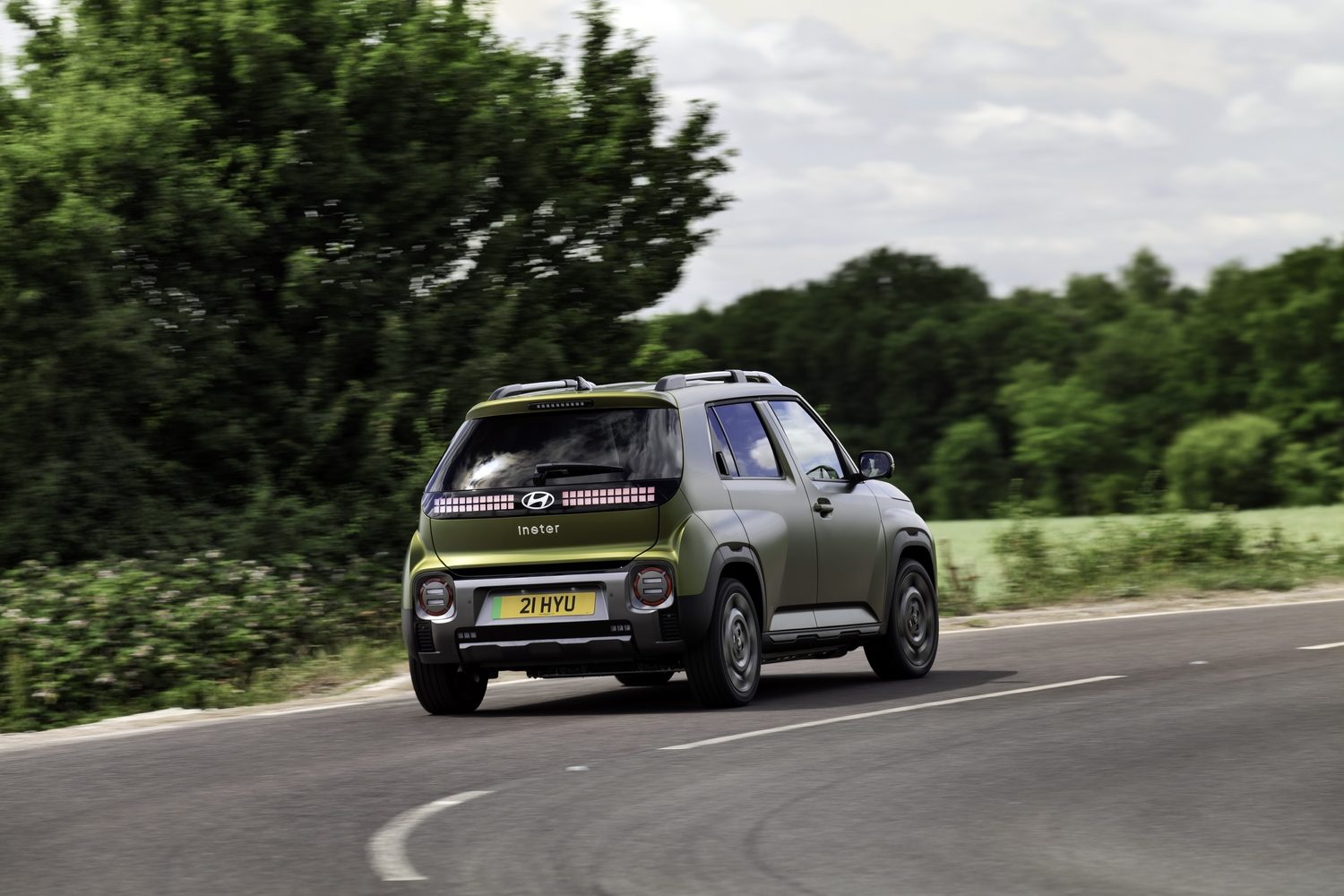
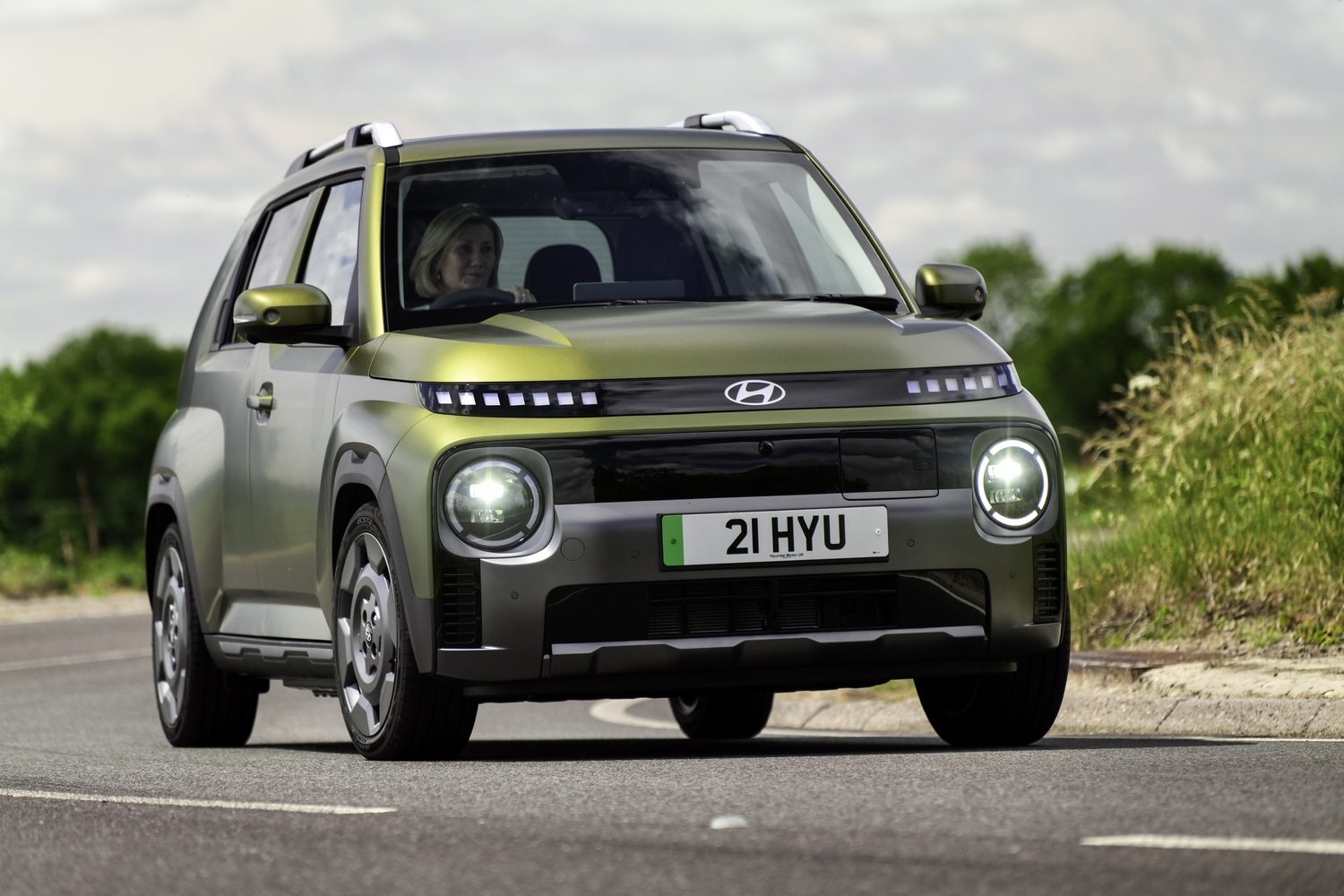
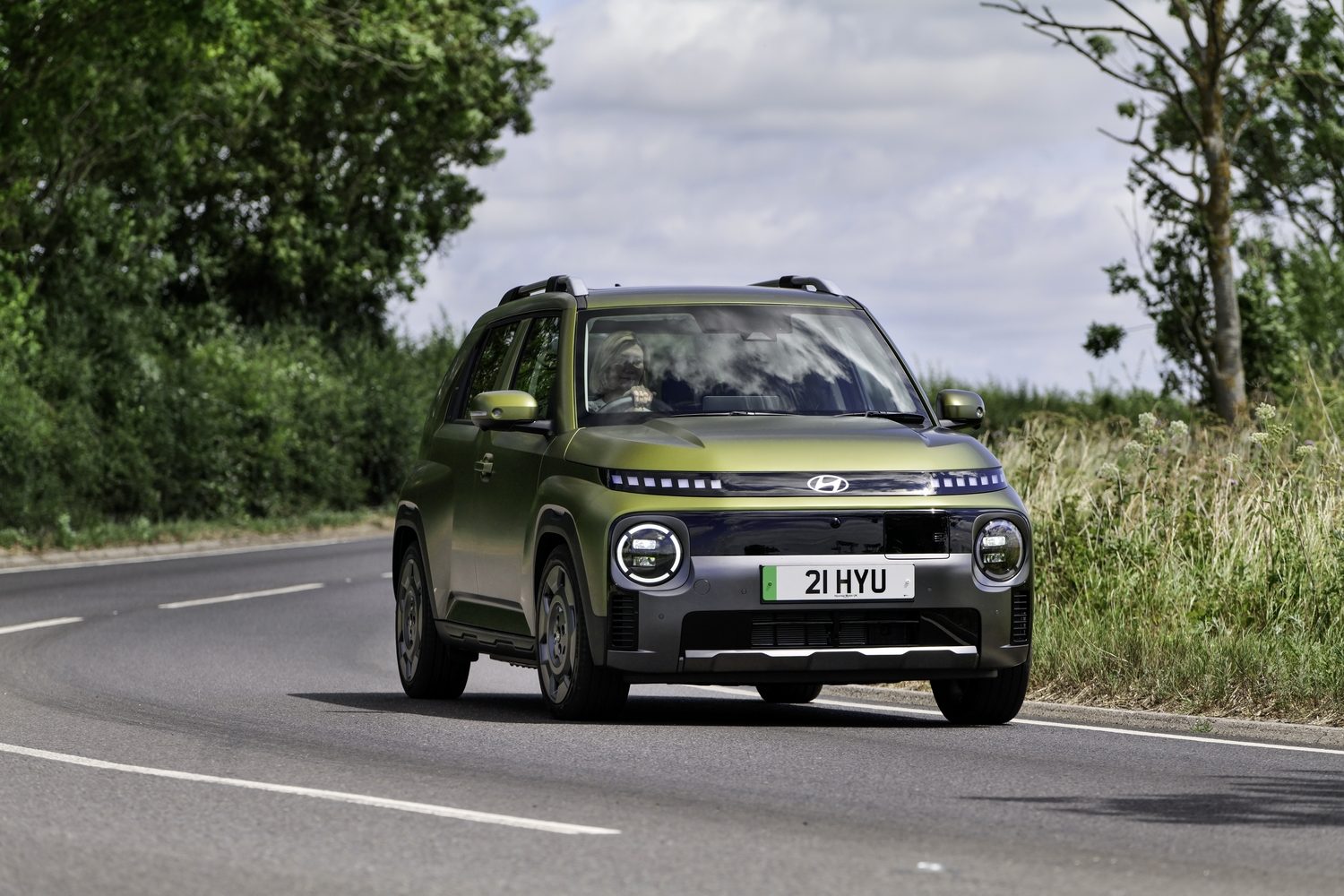
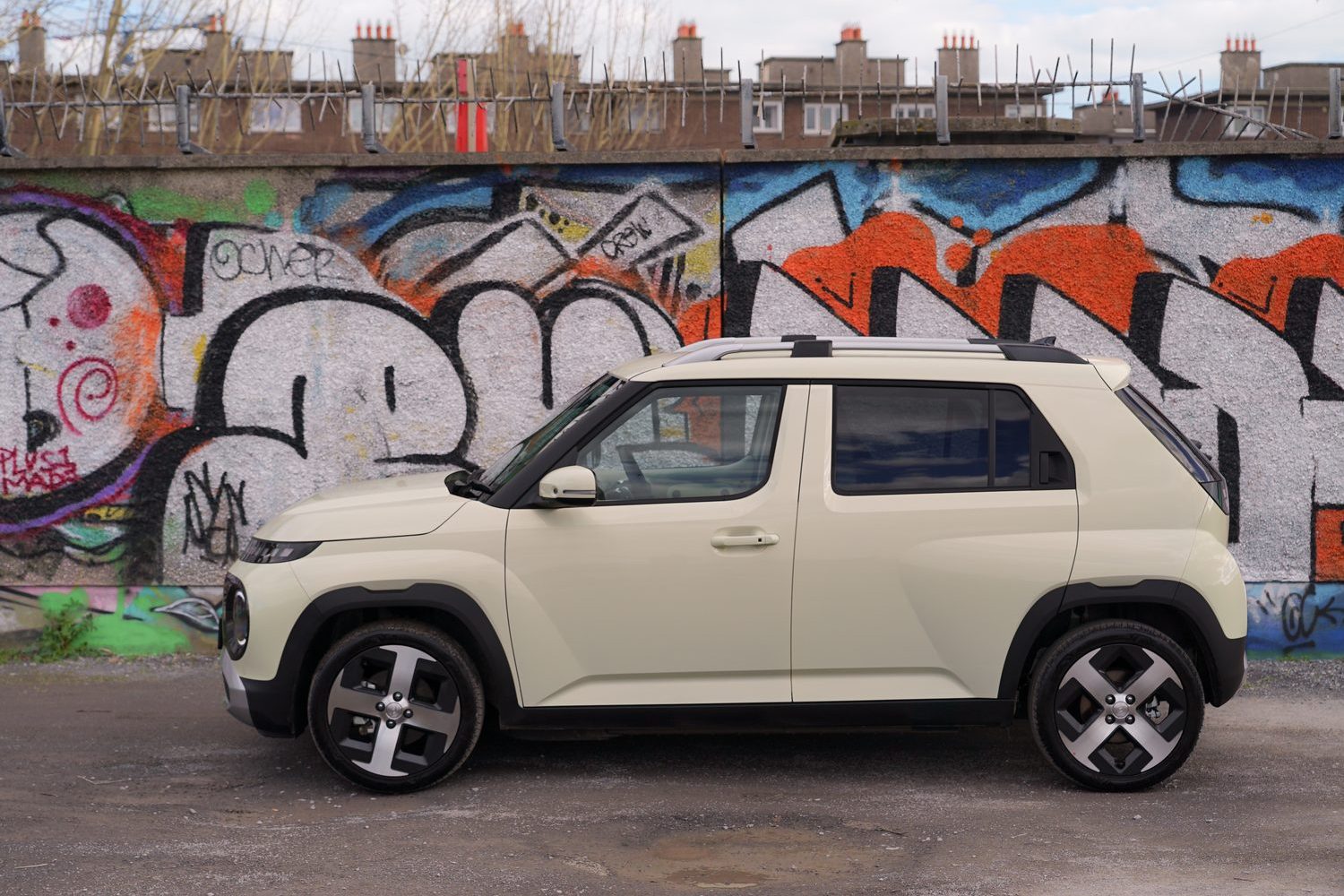
With a mix of circular shapes juxtaposed with the squared-off 'pixellated' details that Hyundai has cultivated on its larger Ioniq models, the boxy, tall and slender Inster is not going to be everyone's aesthetic cup of tea.
Nevertheless, it cannot be denied that it looks like little else on the road, so if you want something that stands out from the crowd, an Inster is surely it.

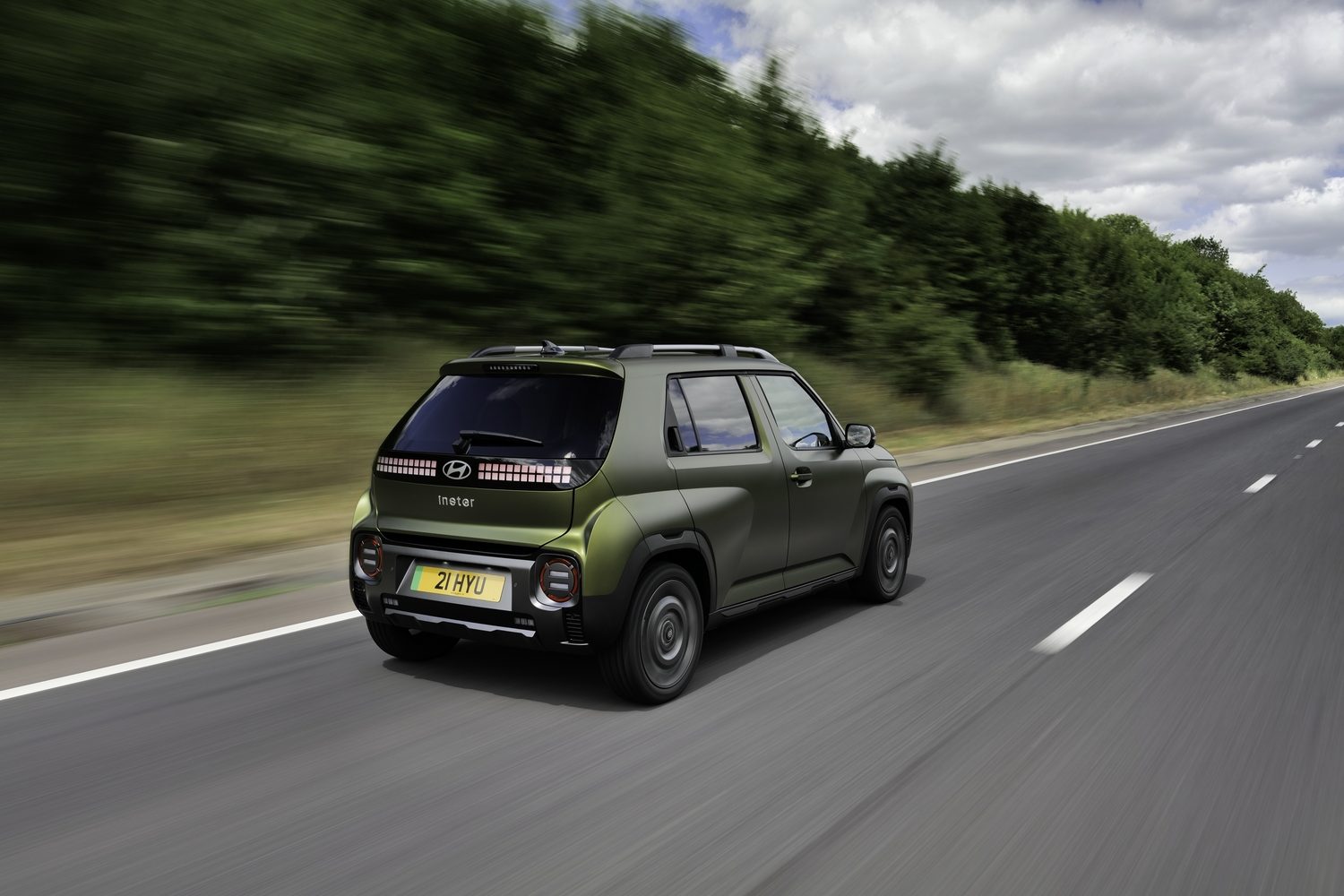
Every model has SUV-inspired styling, including silver front and rear 'skid plate' details in both bumpers, as well as black plastic cladding over the wheel arches.
However, those wanting their micro-EV to give off the impression that it might, in some way, be able to take on the Rubicon Trail can opt for the Inster Cross.

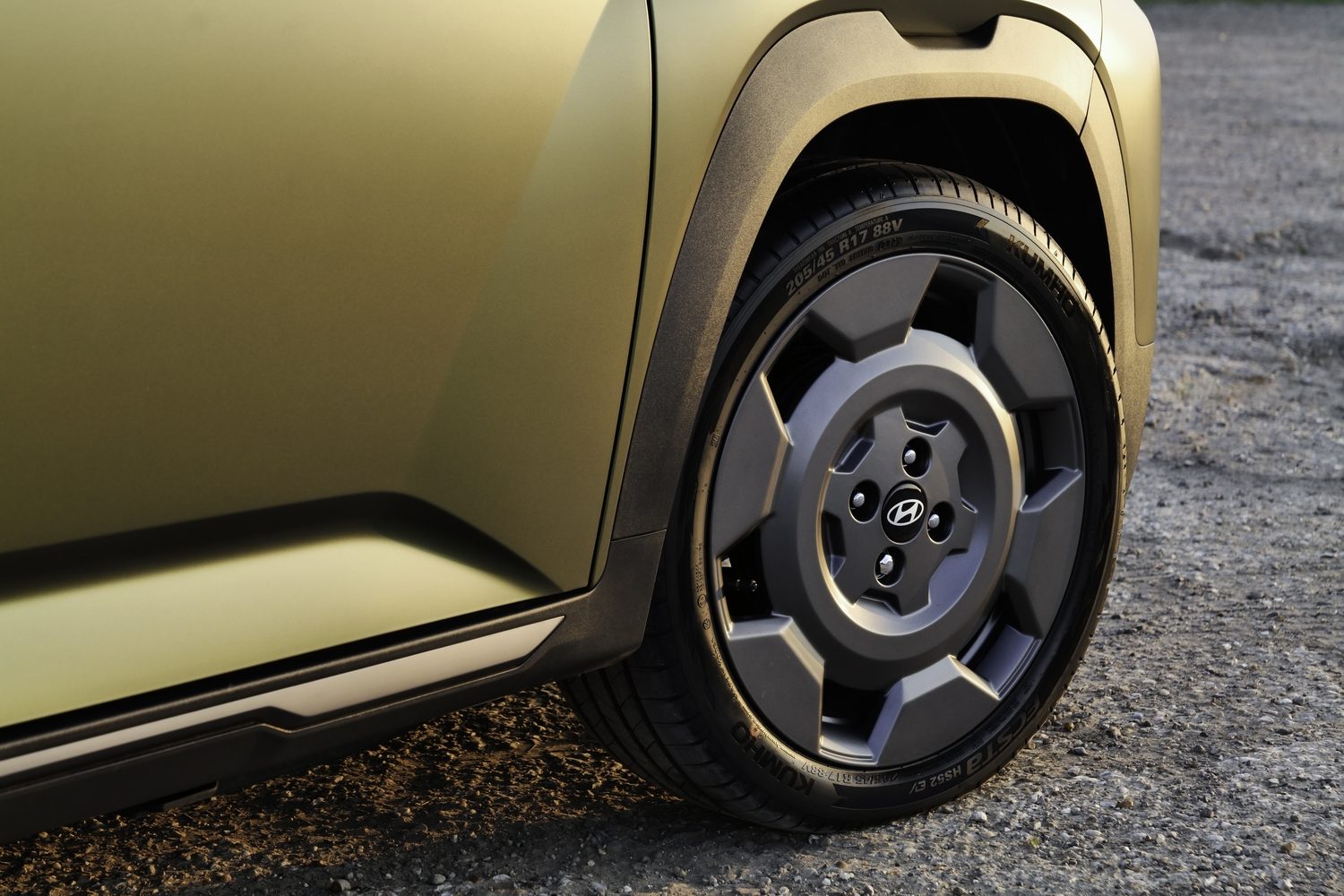
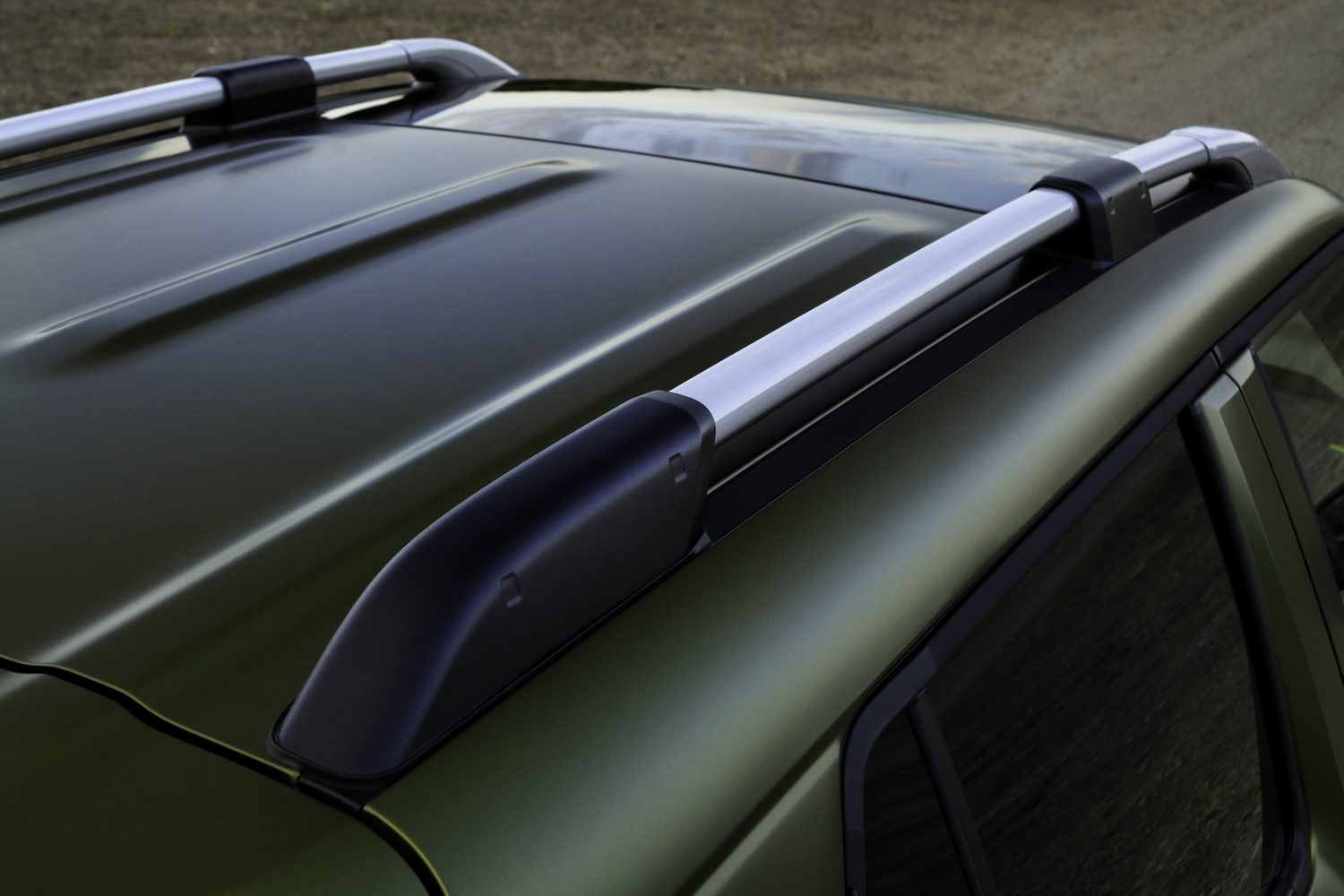
It has its own design of bumpers and faux skid plates, as well as roof rails up top (although the mid-grade regular Inster also has these) and a unique design of 17-inch alloy wheel.
Other Insters use either 15-inch alloys at base grade, or a different style of 17s for the mid-level model.

Dimensions of the 2026 Hyundai Inster
- Length:
- 3,825mm
- Width:
- 1,610mm (excluding mirrors)
- Height:
- 1,575mm
- Wheelbase:
- 2,580mm
Paint colours for the 2026 Hyundai Inster
Hyundai ostensibly offers seven body colours for the Inster range, which are Buttercream Yellow, Atlas White, Tomboy Khaki, Sienna Orange, Unbleached Ivory, Abyss Black and Dusk Blue Matte.
These, however, are for the regular Inster, with the more rugged Cross having a slightly more limited palette of five colours, which are four of the above (white, ivory, black and khaki) and then one additional matte finish which is unique to this version alone and the eighth shade available: it's called Amazonas Green.
Although we're talking about the exterior here, the interior colour of the Inster is linked to its body paint. A fancy cabin combination called Newtro Beige and Khaki Brown is only available with the Buttercream exterior, for instance.
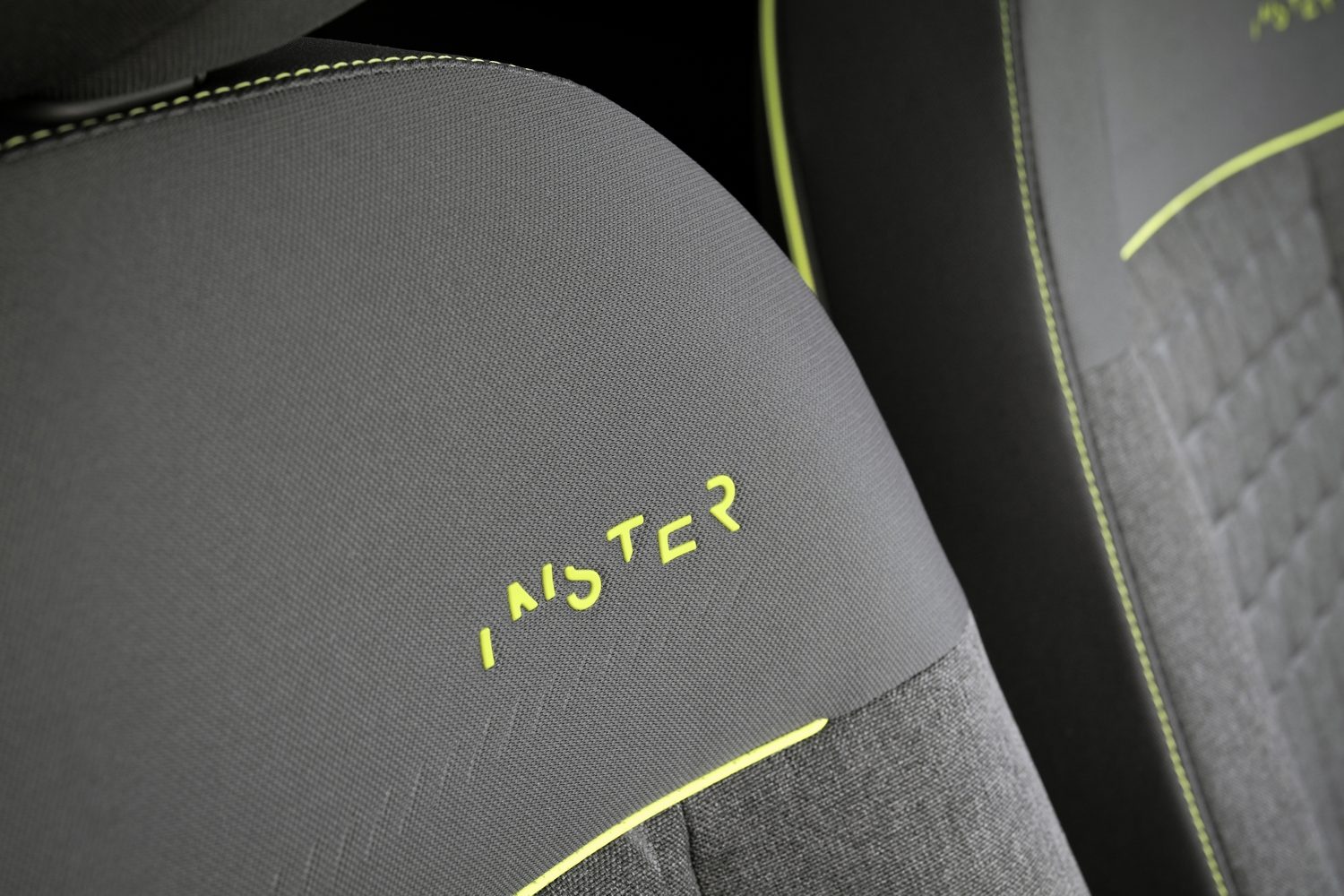
All other paint colours come with a black interior, while the Inster Cross has its own passenger compartment enlivened by flashes of lime-yellow accenting.
Interior, practicality, tech & comfort of the 2026 Hyundai Inster
- Clever use of space in a small car
- But only four seats
- Comes with lots of kit

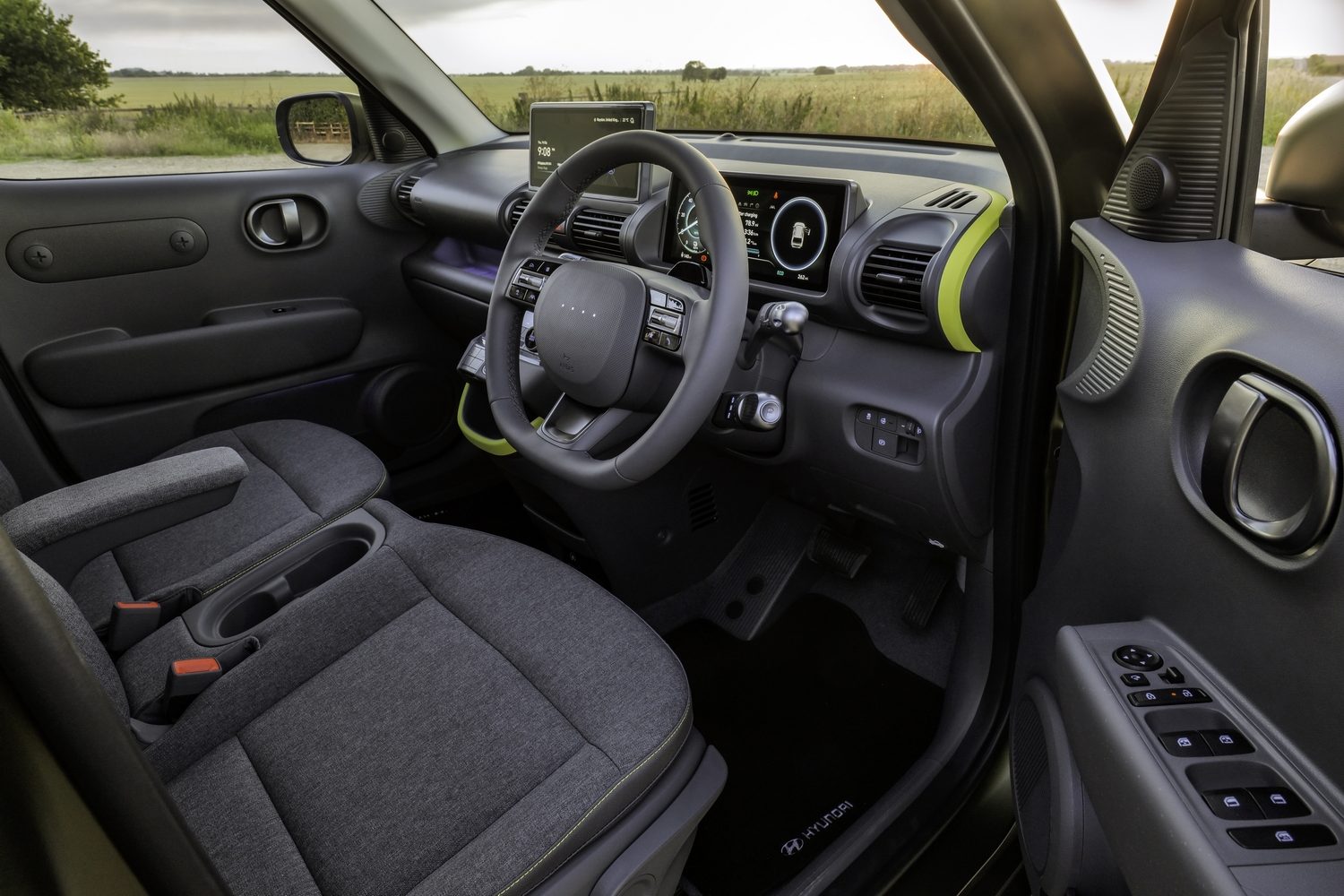
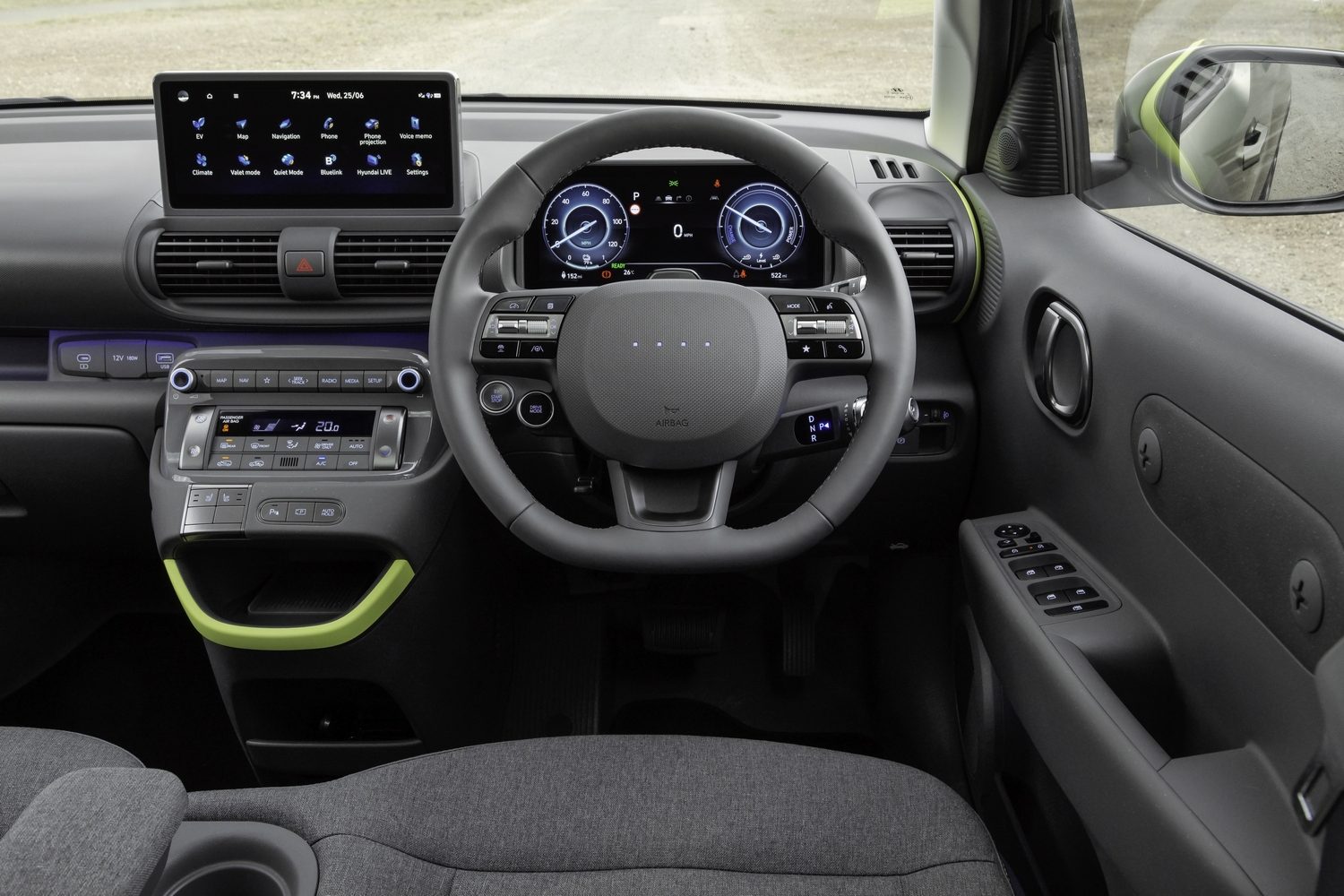
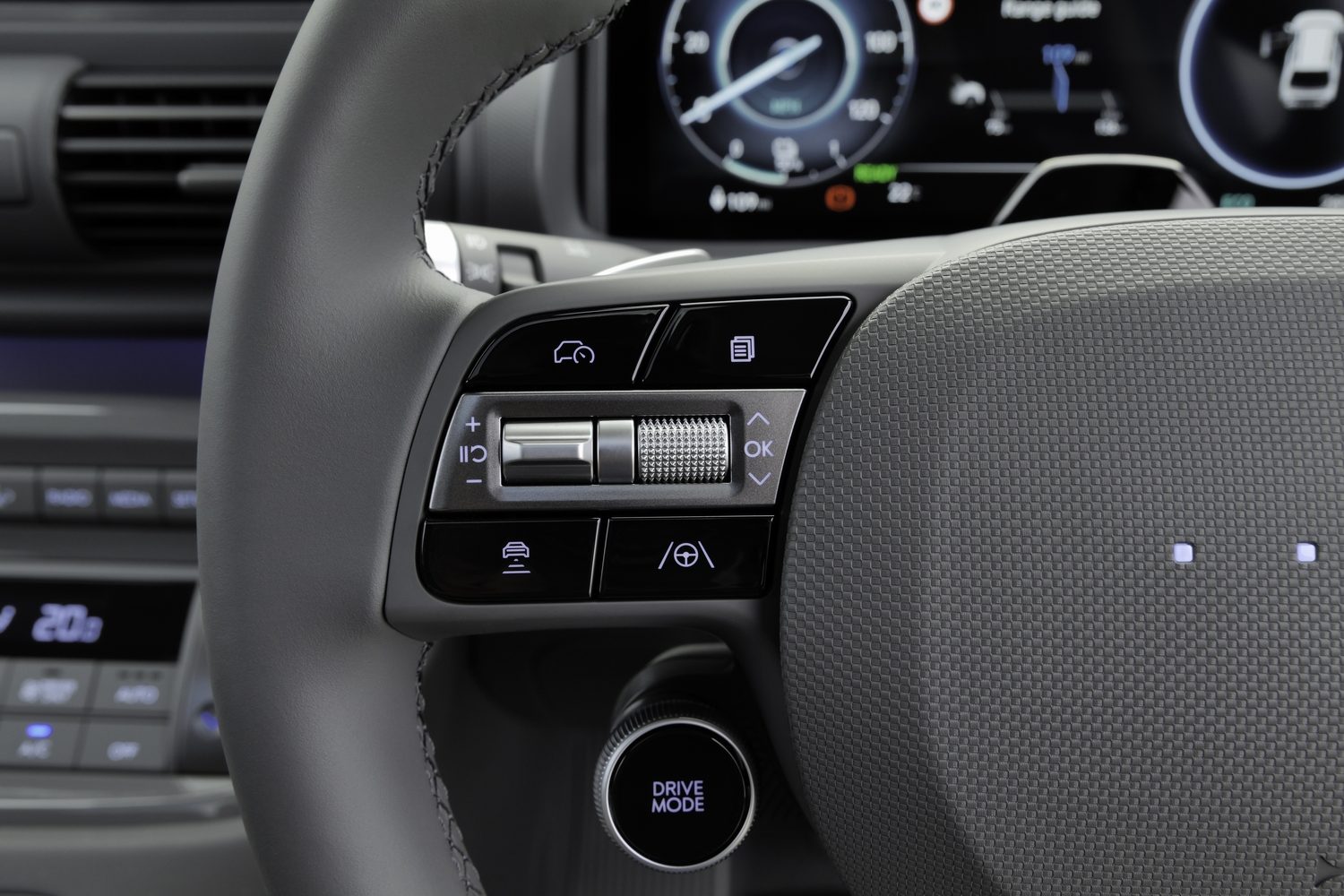
Given its position in the marketplace, the Hyundai Inster's cabin isn't built with the plushest of materials and acres of soft-touch plastics to play with. But the manufacturer has done its best to inject some character into a fundamentally straightforward and built-to-a-cost interior, while in typical Hyundai fashion the technology and equipment levels are impressive.
However, despite the fact that the company has maximised what little room there is inside the Inster, its small-scale architecture results in only four seats in the cabin. This isn't unusual at this end of the market of course.

Getting comfortable in the driver's seat
No version of the Hyundai Inster, not even the Cross, has electric seat adjustment but there's a good range of movement in the seats nonetheless, with the driver's chair also able to move up and down for height.
Infotainment and technology

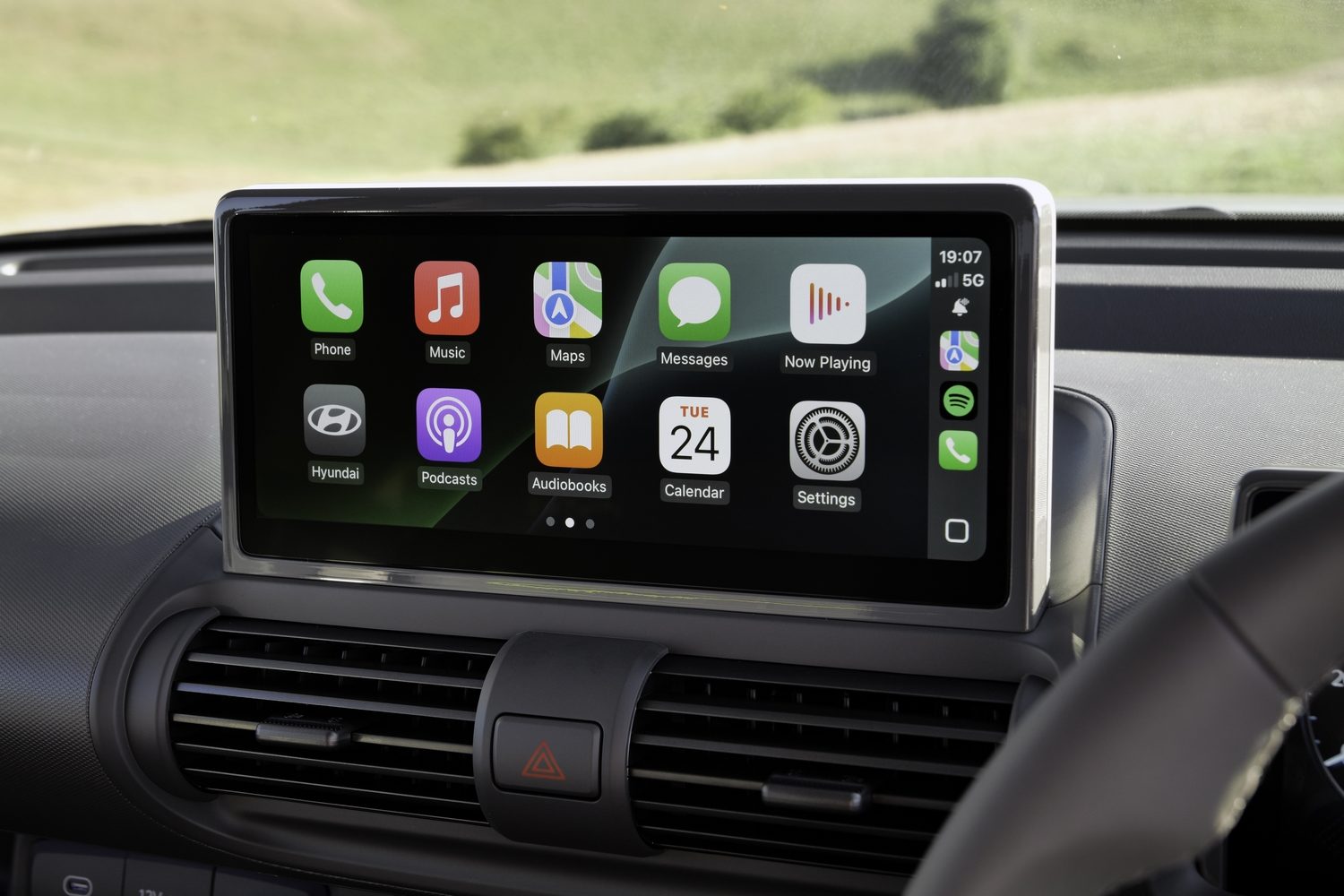
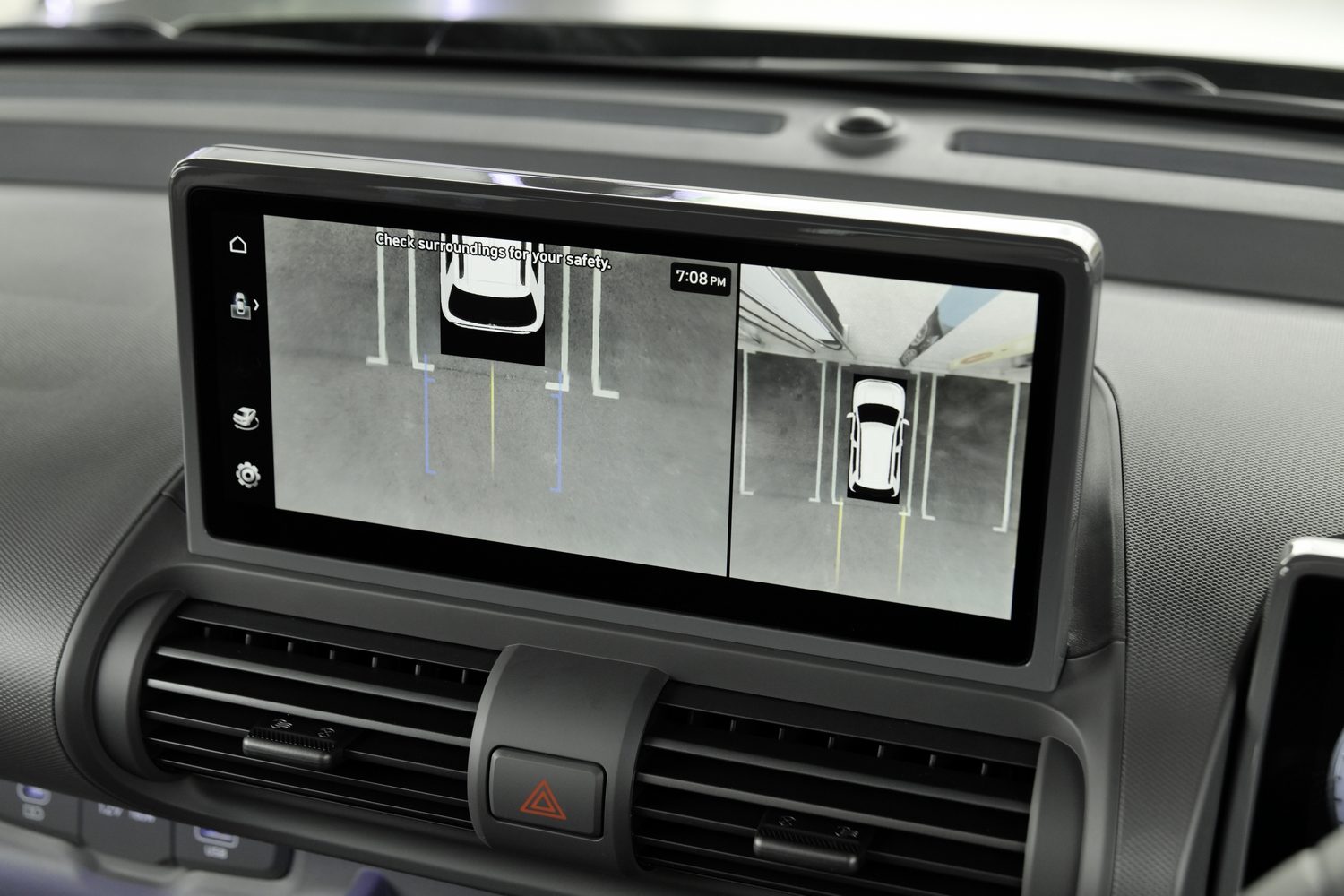
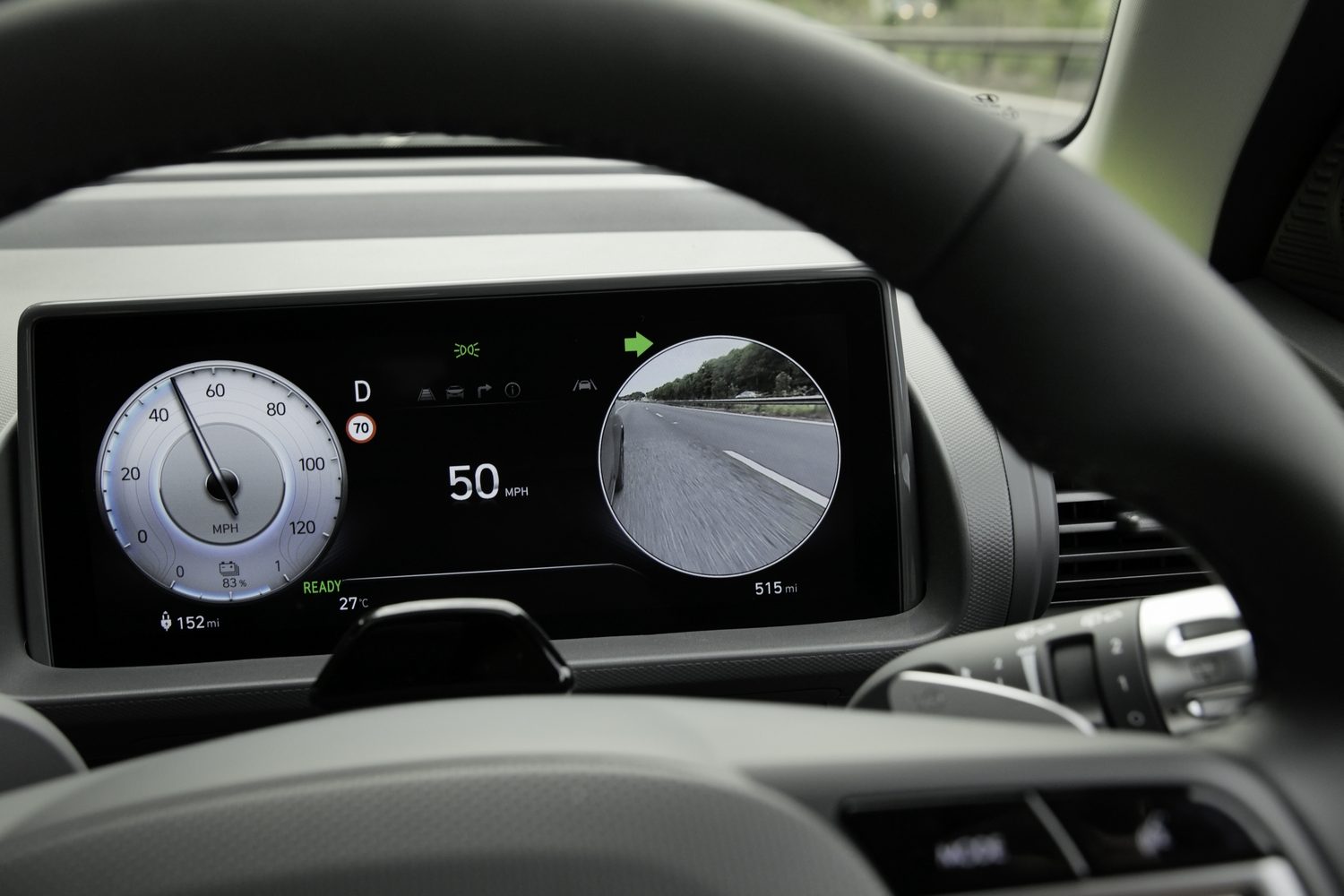
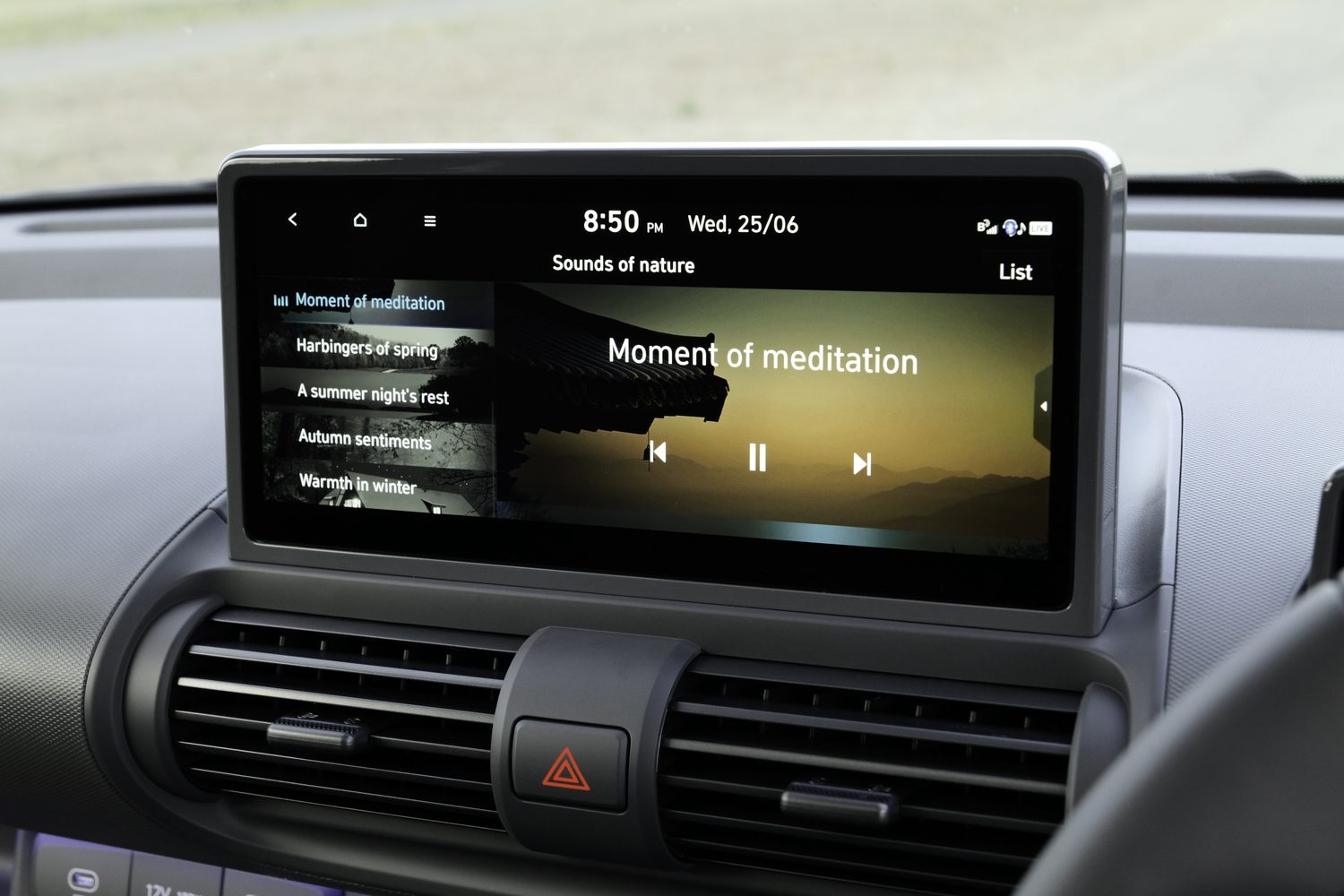
Two 10.25-inch digital screens form the interface in the Hyundai Inster's passenger compartment, and very good they are too - they look sharp and they work well.
The main touchscreen comes with Apple CarPlay and Android Auto connectivity too, although in-built navigation is standard on all models so you don't necessarily need to use your phone to guide you to your destination.
A wireless smartphone charging pad can be found in the Inster Elegance and Cross derivatives.

Practicality around the cabin
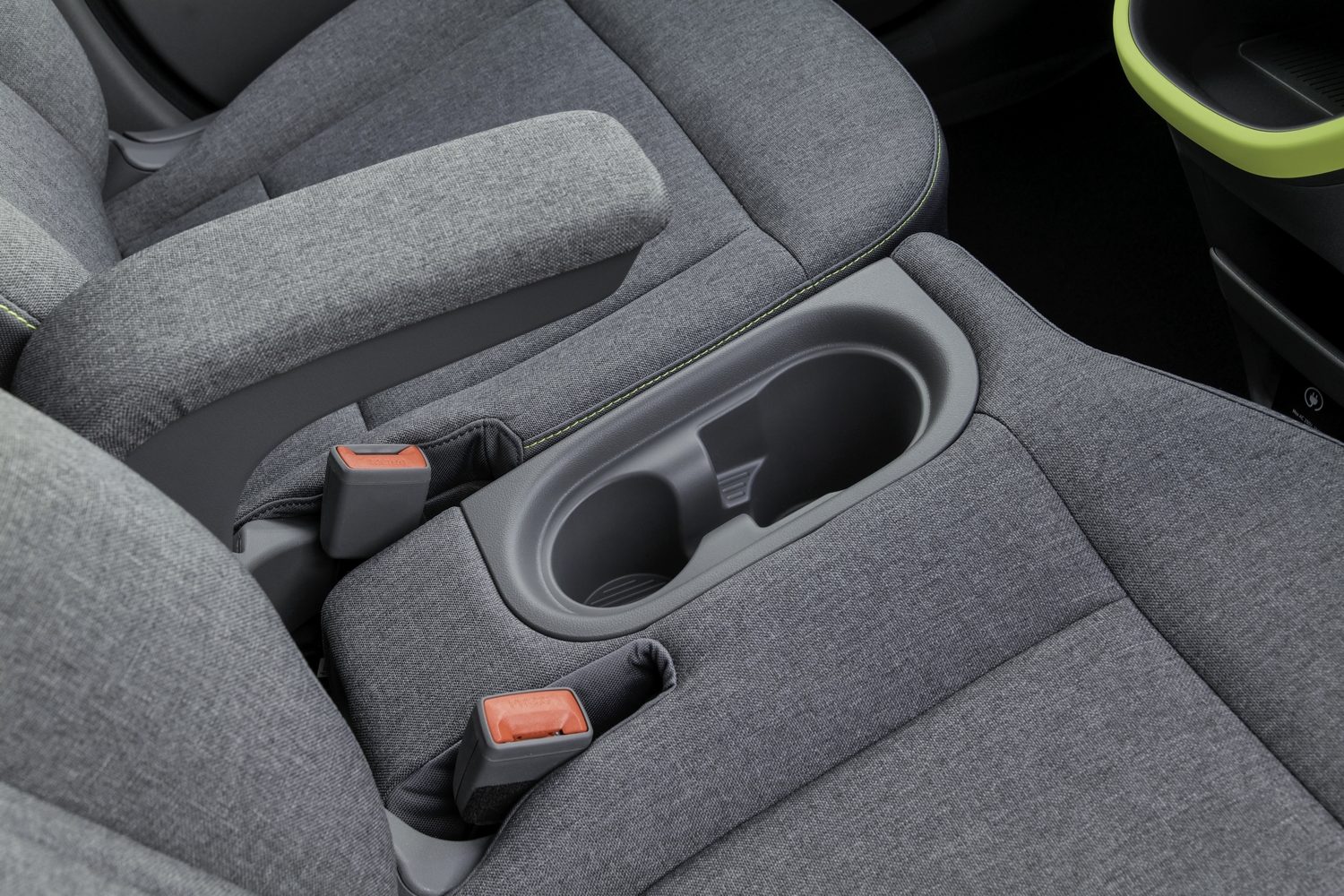
To be fair to Hyundai, it has done what it can to provide as many helpful features as possible in the cabin of the Inster, including the most distinctive front cupholders in the industry - they're basically formed into the driver's seat and form a bench-like look to the front of the EV's interior.
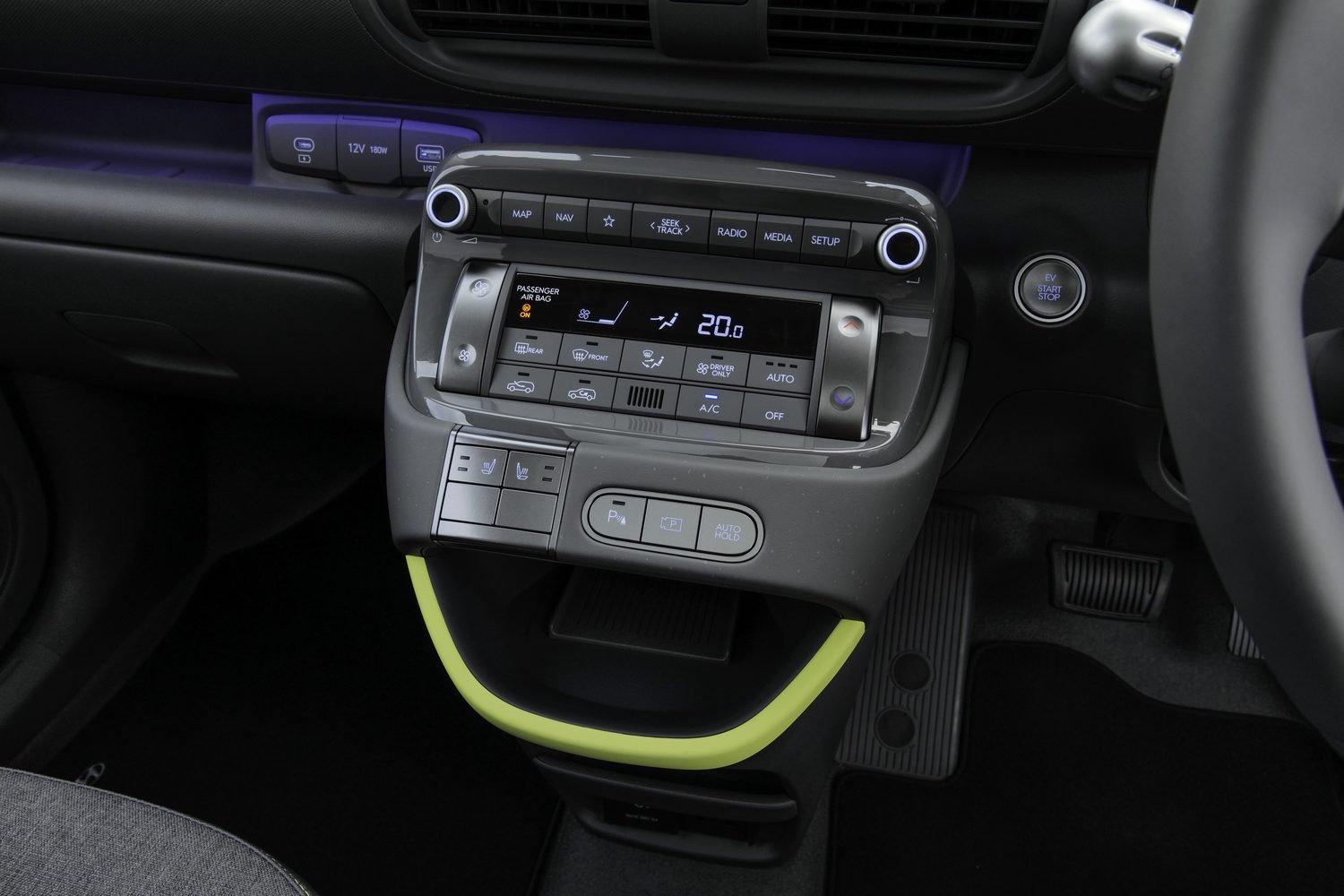
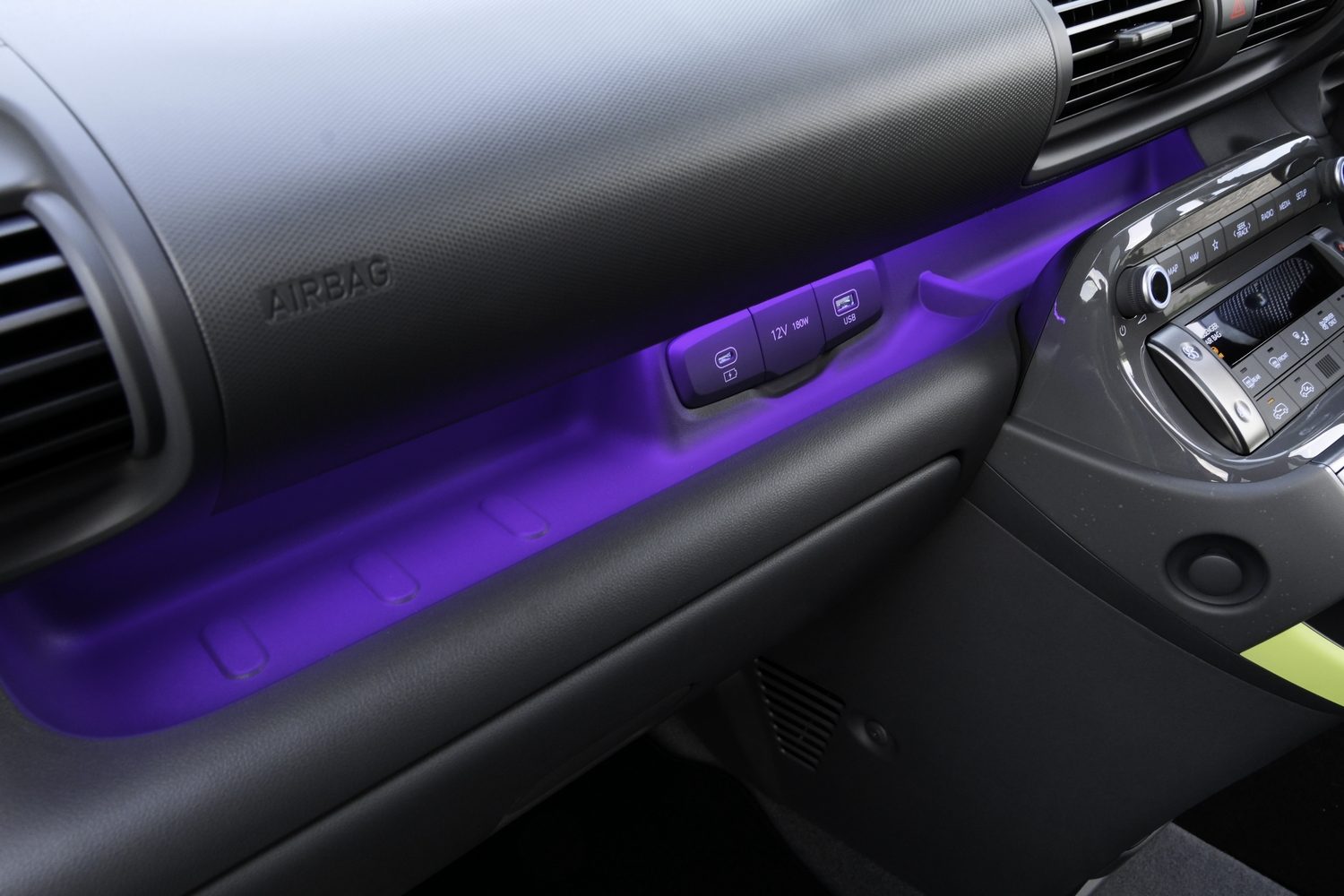
There are small storage compartments integrated into the central stack, plus a ledge in the passenger-side dash fascia and a fair glovebox underneath, but there's not much more to the Inster's passenger cabin than that - and the door pockets are small.

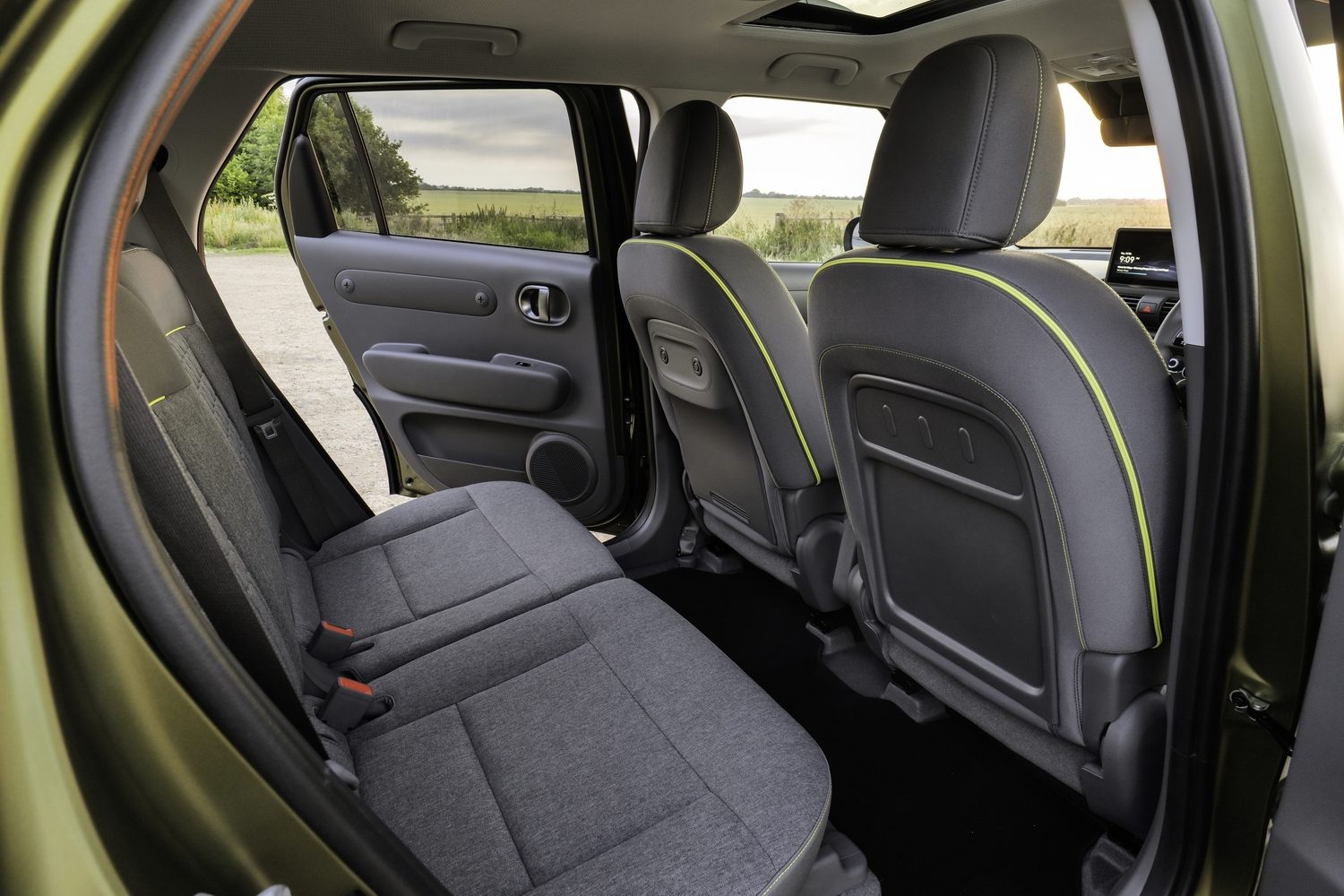
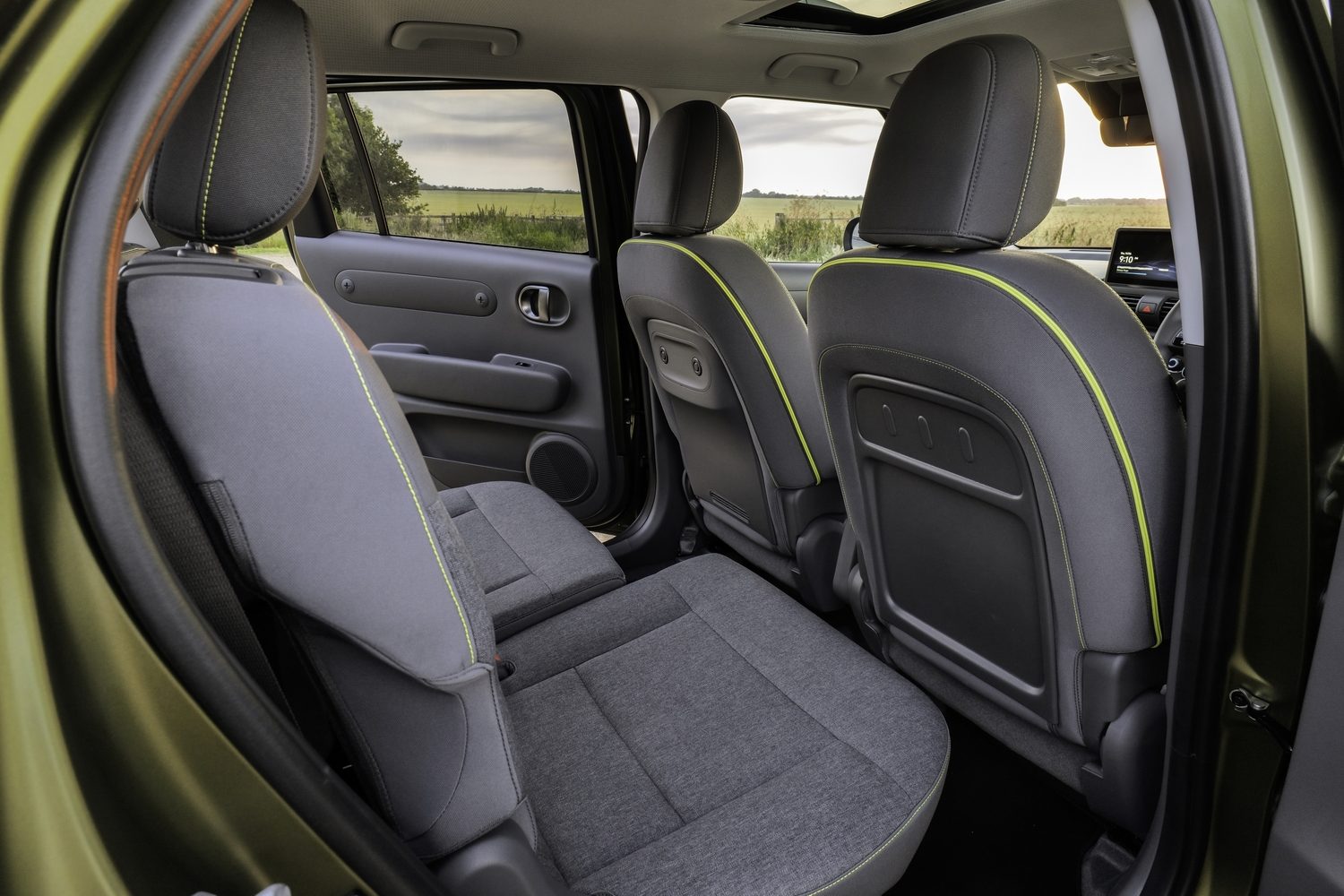
There is a useful feature in the back of the car, though, because in the top two grades of the EV, you can slide the Inster's second-row seats forwards and backwards by up to 160mm, in order to tailor more cargo or passenger space as you require.
Rear-seat passenger space
With the seats back, the Inster provides masses of room - considering its external dimensions - for passengers sat in the rear of the car. The drawback, though, is that its lack of width means there's only room for two seats back there.

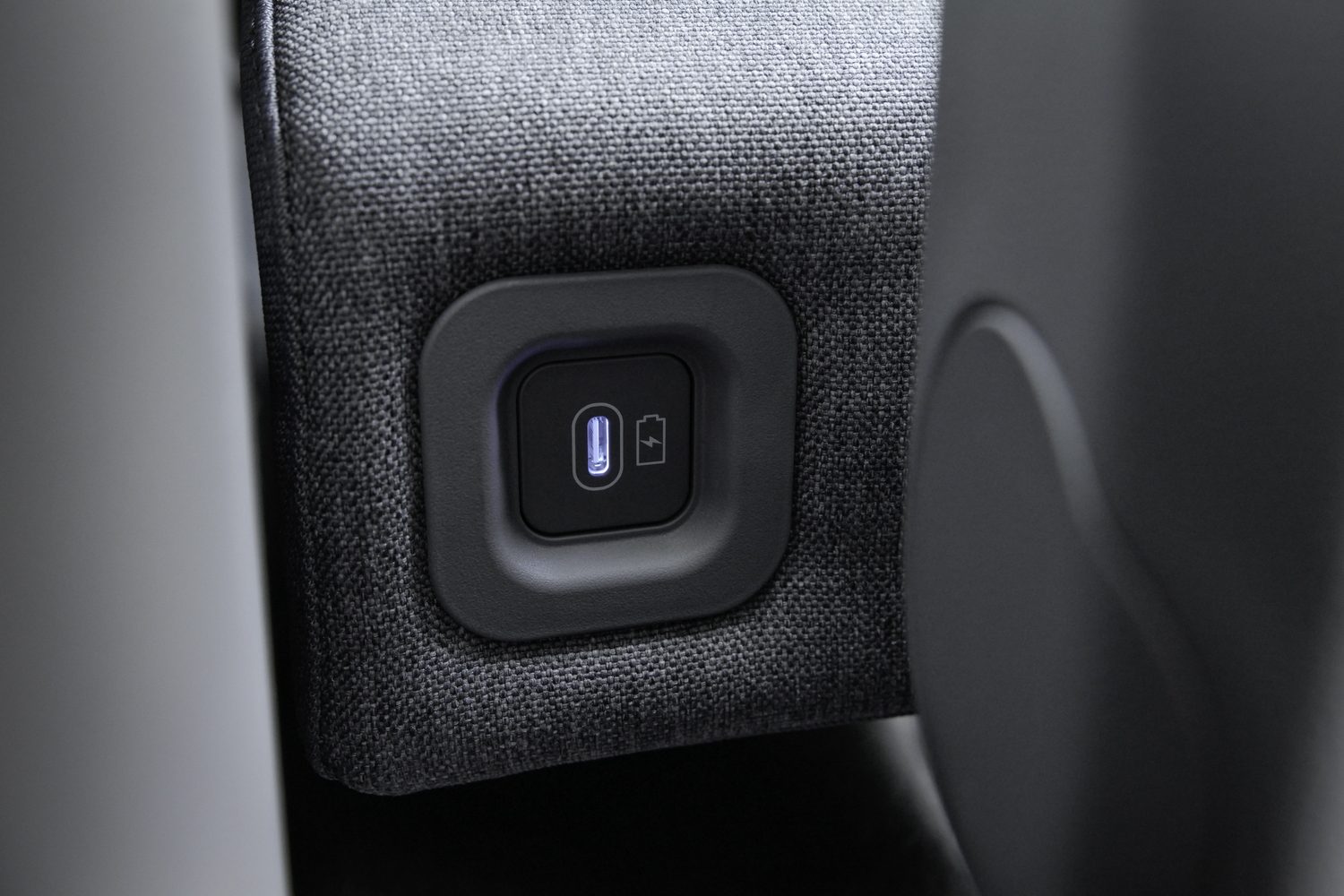
Hyundai has fully committed to this and made those chairs as comfortable and accommodating as it can. The door pockets are just as small in the back as they are in the front, there's obviously no central armrest and therefore no capacity for drinks holders as a result, and you get a USB-C socket in the second row of the Inster if you go for at least Elegance specification.
Fitting child seats to the Hyundai Inster
The shining light in the Hyundai Inster's Euro NCAP assessment was its 81 per cent score for child occupant safety.

Couple that with the sliding seats and a couple of ISOFIX mounting points in that second row, and the Inster is not the worst car for young families to use as a daily conveyance, although it's worth noting that the car's rear doors aren't the biggest in the world and loading in the bulkiest of child seats might not be that simple.
Boot space in the Hyundai Inster
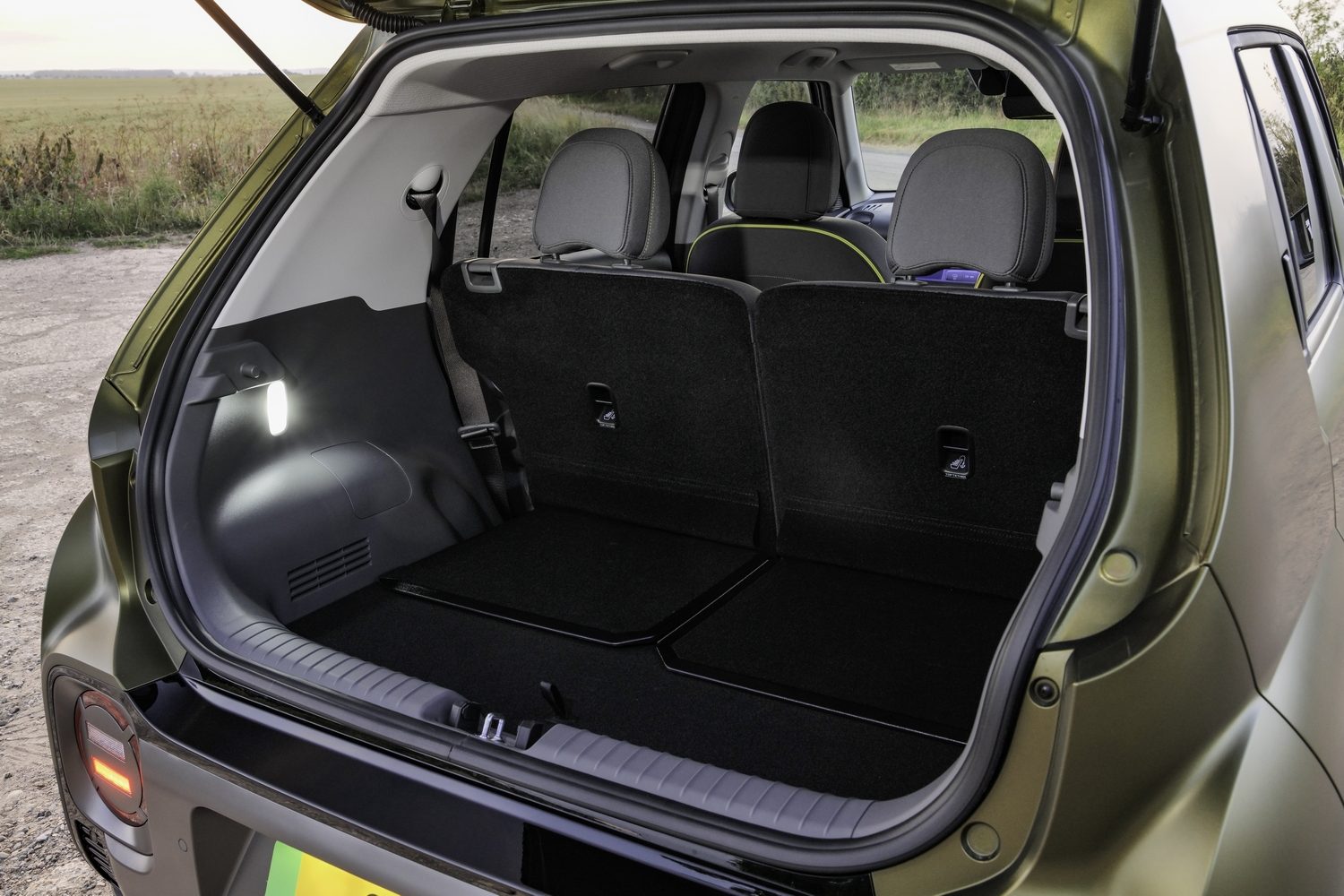
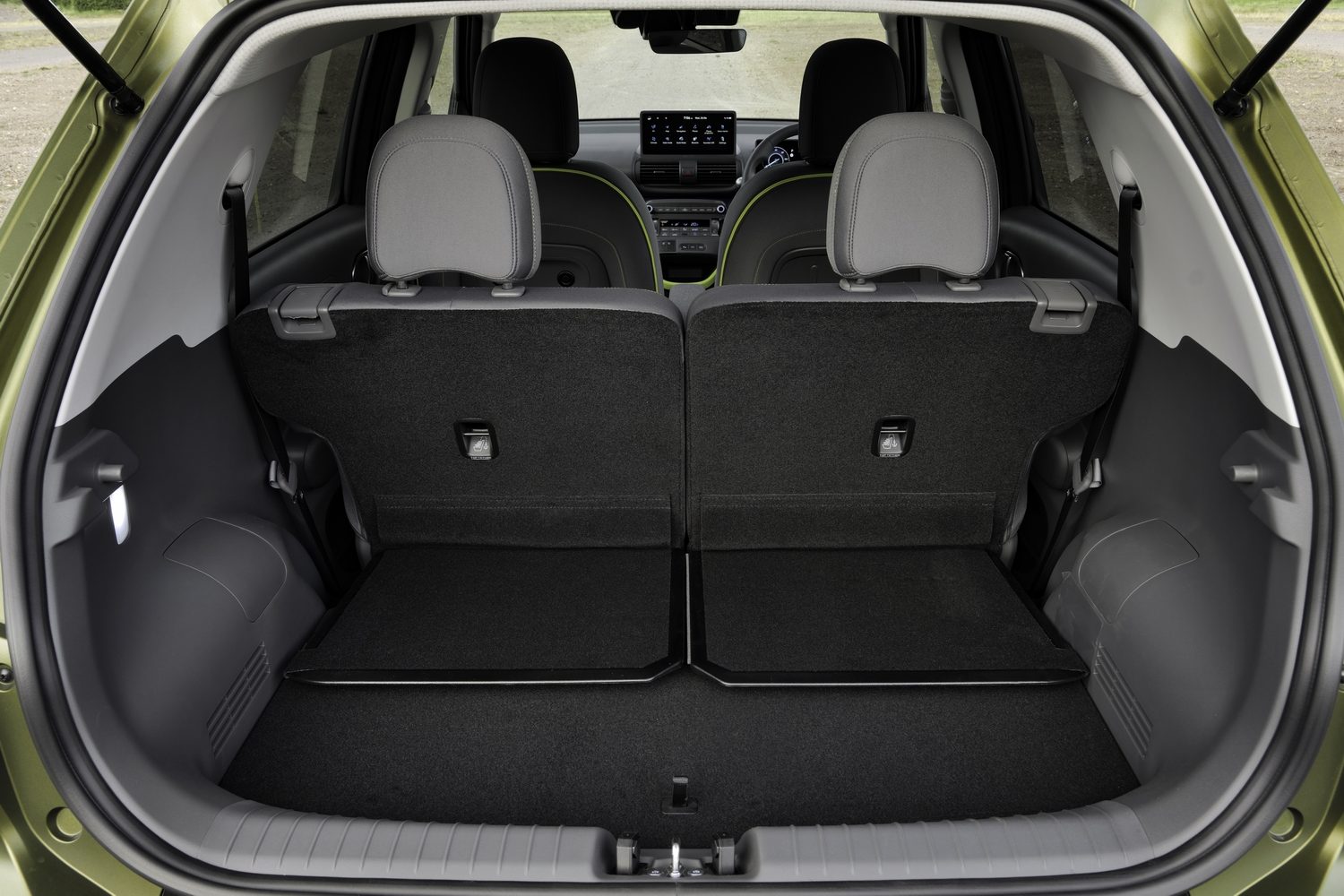
If the second-row seats are slid completely back and in the upright position, then the Hyundai Inster serves up 238 litres of boot capacity - which, for a sub-four-metre-long car, is not too shabby at all.

Slide them forward, however, and up to 351 litres are available, which is nearly as much as the far larger Volkswagen Golf. The maximum cargo space in the Inster comes with the split-folding rear seats (50:50, for the obvious reason that there's only two of them) dropped away, when up to 1,059 litres of clobber can be stowed in the back of the Hyundai.
All of the above counts for the Elegance and Cross models of the Inster. The entry-level Signature has fixed rear seats that are about in the 'midway' position of the above: you get 280 litres of boot space with four people onboard. Rear seats down, the Signature still lays claim to the same 1,059 litres maximum capacity.

Safety in the Hyundai Inster
A four-star Euro NCAP rating is not the end of the world for any car, especially as the Hyundai Inster recorded that in 2025 under tough testing criteria from the recognised safety body.
After that aforementioned 81 per cent for child occupant safety, the Inster's other three sub-discipline scores were 70, 70 and 67 per cent for adult occupant, vulnerable road users and safety assist, respectively.
Performance of the 2026 Hyundai Inster
- Two power outputs available
- All models are front-wheel drive
- Rides well, handles OK

Power outputs in the Hyundai Inster are, like many EVs, linked to battery size. Choose the smaller power-cell unit and a 71kW motor is fitted, while the larger battery comes with an 85.5kW electric motor.
These numbers translate to 97hp in the entry-level Inster and 116hp for the upper powertrain, with both delivering a maximum of 147Nm of torque. As the Inster is reasonably light in all specifications, performance is acceptable.

The 97hp variant will run 0-100km/h in 11.7 seconds, while the brawnier model (all things are relative, of course) trims that sprint back to 10.6 seconds.
All Insters, even the supposedly off-roader-like Cross, are front-wheel drive and fitted with a single-speed reduction gear transmission - i.e. they're fully automatic.
Driving the Inster Cross on UK roads - Matt Robinson
Because the Cross specification brings no technical changes to the underpinnings nor drivetrain of the Hyundai Inster, this range-topper feels precisely like the Elegance to drive. Which means it is very good, for what it is.

Admittedly, as a lightweight, narrow and tall car running on slim tyres, the Hyundai Inster is not the most dynamic machine when the twisty roads come. There's a bit of body lean, but not excessive amounts, and the grip quickly runs out at the nose if you start getting ambitious with your corner-entry speeds.
Yet the Inster is a city EV so it doesn't need to be brilliant in the corners and, actually, it's probably as good as it needs to be; you can hustle the Hyundai at an elevated pace if you need to on extra-urban, two-lane roads, and it won't completely fall apart at the seams if you do.

Its more obvious strength is its impressive level of refinement, again for this class of vehicle. There's a bit of noise coming into the passenger compartment at speed, mainly from the wheel wells - tyre chatter, the operation of the suspension and, on soggy northern hemisphere days, road spray splashing around in the arches are all more audible than they would be in a more expensive and more conventional supermini.
But the Inster is never excessively rowdy, even if you've wound it up to 120km/h on the motorway. It's also excellent for ride comfort, covering even the most abject road surfaces with an aplomb that belies its affordable positioning in life.
We drove the Cross on some terrible pieces of tarmac, full of huge patches of abrasions riddled with gravel and having to jink the thing between vicious-looking potholes measuring several inches in diameter, and its suspension soaked it all up with a fair degree of polish.
It's not even as slow as you'd expect, although we'd advocate shelling out for the 116hp powertrain as tested here. Up to 80km/h, the Inster has plenty of responsiveness and zip, so in the middle of towns and cities, and then as it traverses into the suburbs and the edge of built-up areas, it has enough about it that it won't serve purely as a mobile chicane to other road users.
At 100km/h, the acceleration does tail off noticeably, so you'll need to be using either full power to safely merge onto fast-flowing dual carriageways and motorways from time to time, but the Inster is more than capable of keeping up the pace.
It has a well-judged calibration of its accelerator pedal and multi-setting regenerative brakes, as well, all of which add up to the spectacular ease-of-use of the entire car - it's both untaxing and charming to drive.
Range, battery, charging and running costs of the 2026 Hyundai Inster
- Two battery sizes available
- Up to 360km of range on offer
- Charging speeds are fine

Hyundai offers two different battery packs for the Inster, one of which transforms the EV into something which could be classified as 'mid-range'.
The DC-charging speeds differ depending on which power pack is selected, while all versions have decent three-phase AC-charging capability if needed.
Battery options and official range
The Hyundai Inster's two lithium-ion batteries, both of nickel-manganese-cobalt (NMC) chemistry, are rated at 42- or 49kWh gross capacity. That equates to usable capacity reduced by 3kWh in both instances, which means 39- or 46kWh usable capacity.

This, in turn, leads Hyundai to quote a 327km range for the 42kWh Inster, while the 49kWh vehicle increases that to 360km. Therefore, while it would be disingenuous to suggest this is a veritable long-range EV, it certainly has enough legs in both variants to avoid being restricted purely to city driving only.
A heat pump and battery heater for better real-world range and efficiency in winter is standard on the Elegance and Cross derivatives.
Real-world range and efficiency of the Hyundai Inster Cross
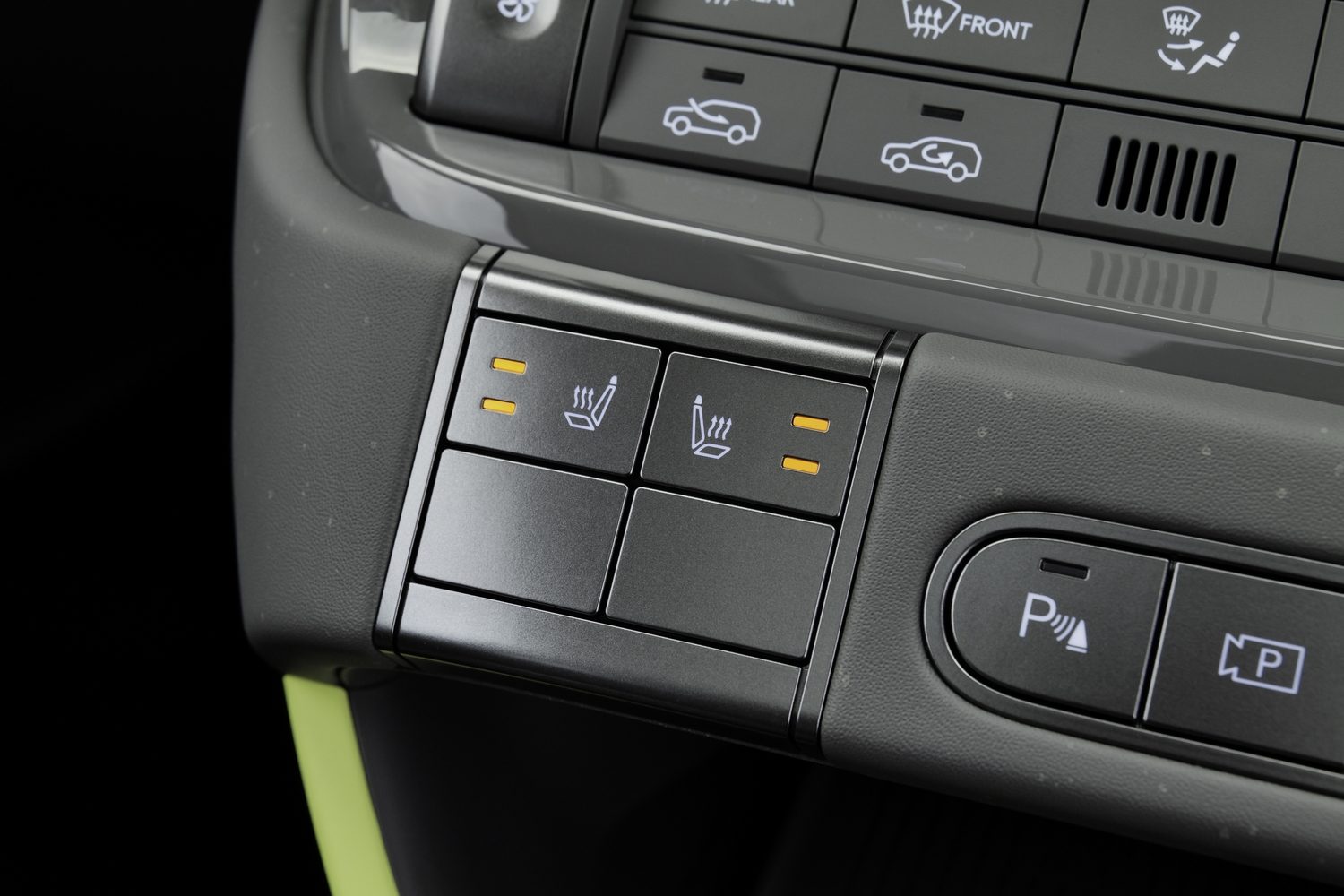
We drove the Hyundai Inster Cross on a horrid, soggy and chilly day, using its heated seats, climate control, lights and wipers as we drove around hilly terrain near the UK's Cotswolds region.
And while we couldn't match the official 14.9kWh/100km figure for the Cross in such conditions, 17.2kWh/100km remained thoroughly admirable in and amongst the frigid gloom - especially as, aside from climbing a couple of steep inclines with lots of accelerator, we also had a run at 110km/h to test the high-speed capabilities of the car.
At that sort of rate of consumption, you'd be looking at a real-world 270km from the 46kWh usable capacity, and that's in adverse weather. For the rest of the year and piloted with a little more care, well in excess of 300km ought to be easily achievable for owners of the Inster Cross.
Charging up the Hyundai Inster
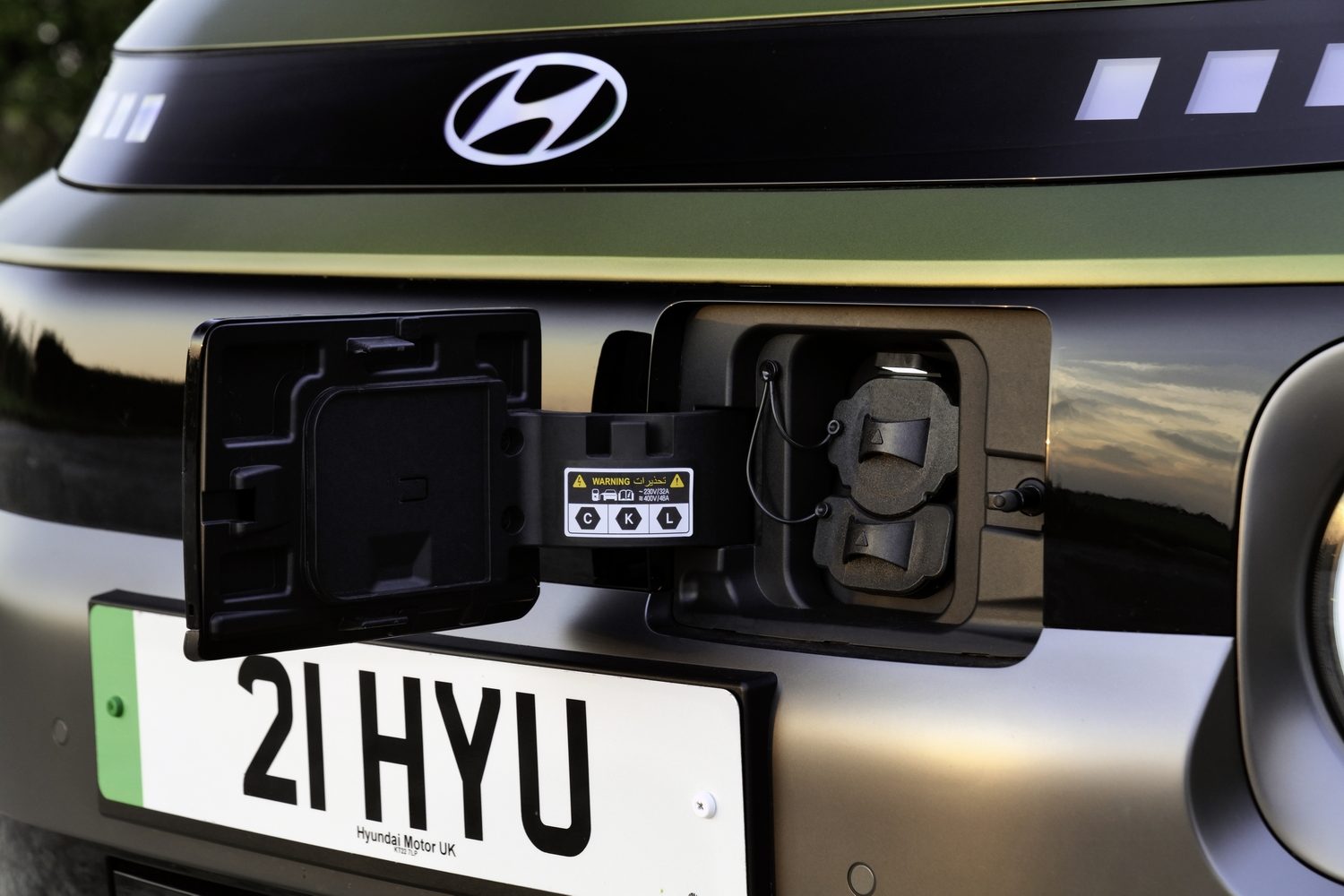
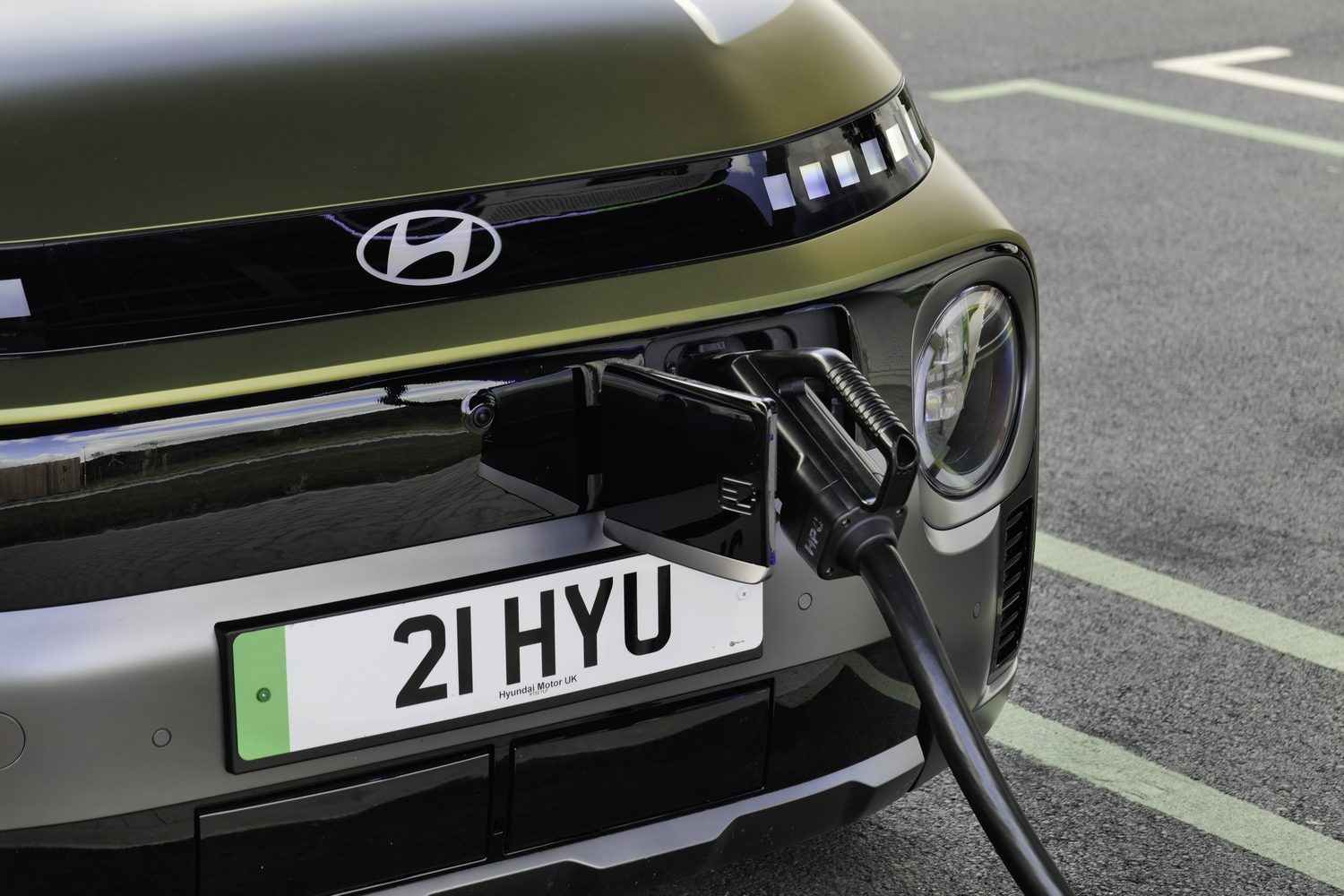
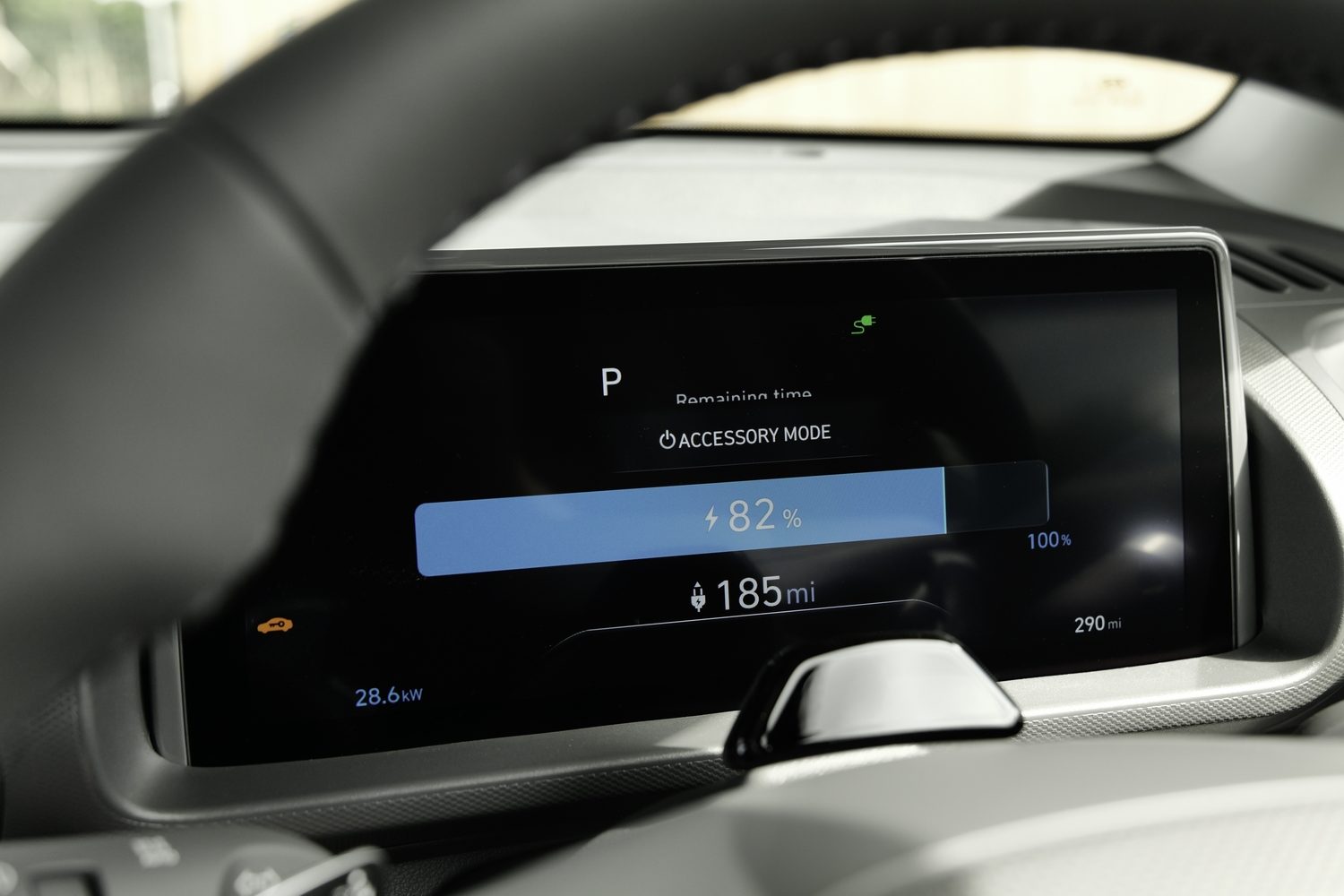
The 42kWh Inster has a peak DC-charging rate of 73kW, while the 49kWh models see an increase to 85kW. All versions have the ability to take up to 10.5kW via three-phase AC power delivery.
The 49kWh Insters can therefore go from 10-80 per cent battery charge at their fastest in half-an-hour, while on a 50kW DC public unit the time for the same cycle of replenishment would be 58 minutes.
On three-phase AC connections, the 10-100 per cent charge for the Inster would require four hours and 35 minutes, while the typical 7.4kW domestic wallbox is going to need in excess of six hours to do the same job.
Charging times for the 42kWh model are broadly similar in all scenarios as listed above, as its slower DC-charging rate is offset by the smaller capacity in its battery.
Servicing the Hyundai Inster
The recommended service interval for the Hyundai Inster is every 12 months or 15,000km, whichever arrives sooner.
Hyundai Inster warranty
All new Hyundais are covered by a five-year, unlimited-distance warranty (one of the best in the industry) from the off. On top of that, the Korean firm guarantees its high-voltage batteries, as used in EVs like the Inster, for up to eight years or 160,000km, whichever comes sooner.
Irish pricing & rivals to the 2026 Hyundai Inster
- Starts from less than €20,000
- Cross a little more expensive
- Sits between ultra-budget and premium EVs

Hyundai sells three different specifications of the Inster. At the bottom of the pile is the Signature 42kWh model for €19,595, complete with the smaller battery and 97hp motor.
For the larger 49kWh battery and 116hp, customers will need to step up to the Elegance from €23,095, while the stylistically different Cross is another €2,650 on top of that, at €25,745.
So at the bottom of the range, the Inster looks like a high-quality alternative to the sort of seriously cheap EVs that we've listed as the main alternatives in our sidebar, but by the time you're looking at a nearly 26-grand Inster Cross, the Korean crossover is starting to encroach on the market territory of some stylish EVs with a premium air - none more obvious than the Renault 5 E-Tech. And don't forget the slightly more prosaic but still decent Citroen e-C3.

Verdict - should you buy the 2026 Hyundai Inster?
You should absolutely give every version of the Hyundai Inster your fullest attention if you want a cheerful, enjoyable and highly talented EV in which to nip about the place. It's at its best with the bigger battery and more potent motor, but the range-topping Cross doesn't seem to bring a lot to the party other than the exterior appearance. Go straight down the middle with an Elegance and you'll have one of the best, most likeable small EVs out there right now.
FAQs about the 2026 Hyundai Inster
Does the Hyundai Inster come with anything other than electric power?
No, not in this part of the world. The electric Inster is a stretched version of a micro-crossover from Hyundai's domestic market called the Casper. Over there, it has petrol engines in its shorter, friendly-ghost format - yet in Europe, we only get the longer electric variant.
How many child seats can I fit in the Hyundai Inster?
There are two ISOFIX positions in the rear two seats of the car and given on the Elegance and Cross models that second row can slide forwards and backwards by up to 160mm, there should be plenty of space available for little ones. Bear in mind the rear doors on the Inster are not enormous, though, which will limit what sort of child seats you can squeeze through the apertures.
Does the Hyundai Inster qualify for the SEAI grant?
Yes, as even the most expensive model is comfortably less than €30,000 - when the SEAI grant cut-off point is €60,000.
Has the Hyundai Inster been assessed for safety?

It has and t garnered four stars overall from Euro NCAP when tested in 2025, with subsection scores of 70, 81, 70 and 67 per cent. You can read the full safety report on the car right here.
Want to know more about the 2026 Hyundai Inster?
If there's anything about the new Hyundai Inster we've not covered, or you'd like help in choosing between it and other cars, you can avail of our expert advice service via the Ask Us Anything page.