Introduction to the 2026 Honda Super-N
Based on a model designed for the Japanese market's 'kei' car class, the Honda Super-N won't suit those who need a massively roomy and long-legged zero-emission vehicle, but it should counter that with low pricing.
And it has dolloped on top a load of desirability too, as few compact cars (electric or otherwise) have as much character as this thing. It's magnificent.

Pros & cons of the 2026 Honda Super-N
Pros:
• Astonishing kerb appeal
• Fab to drive
• Should be affordable
Cons:
• Four-seater only
• Very short range
• Occasionally bouncy ride
Exterior & design of the 2026 Honda Super-N
• Glorious styling inspired by City Turbo II
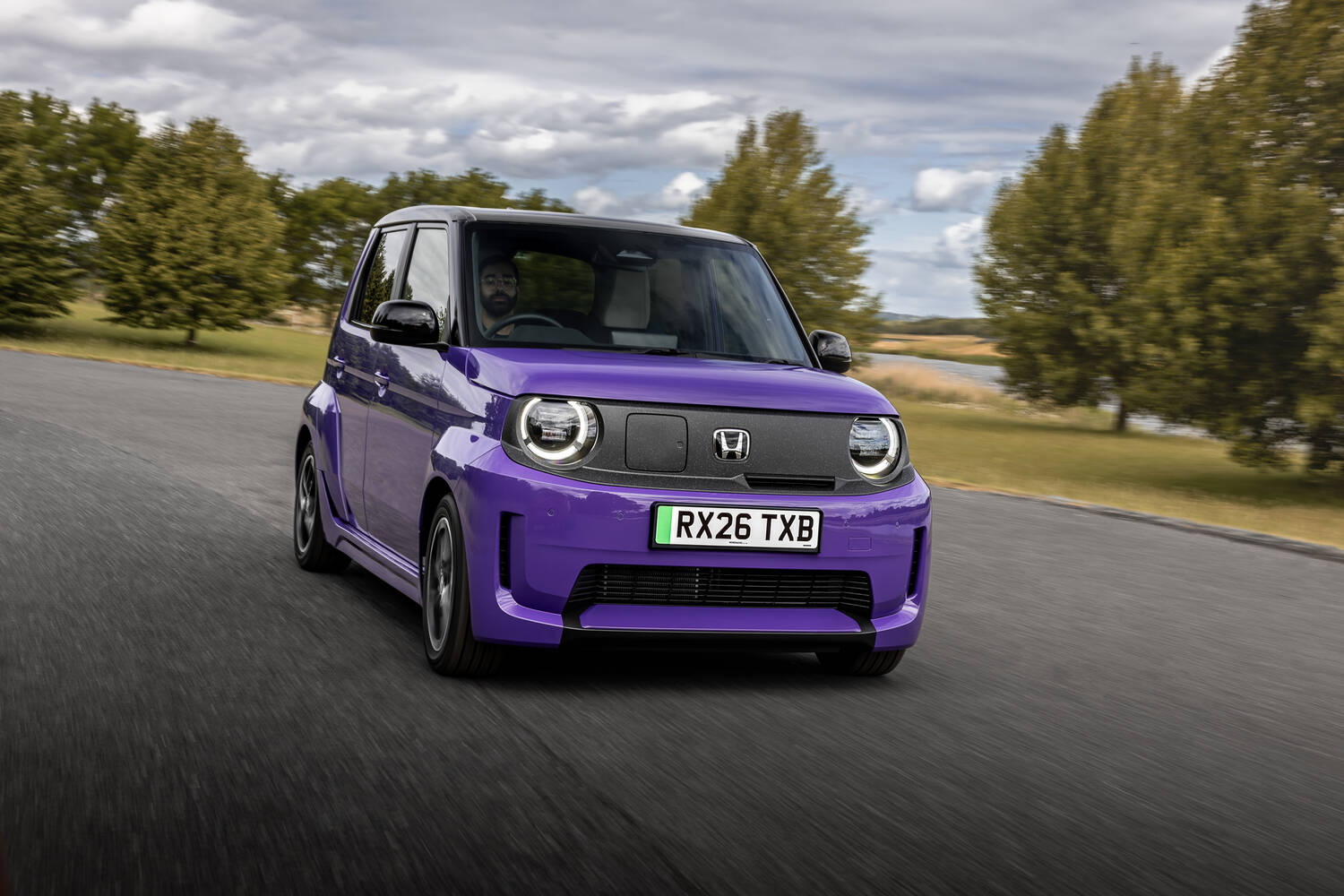
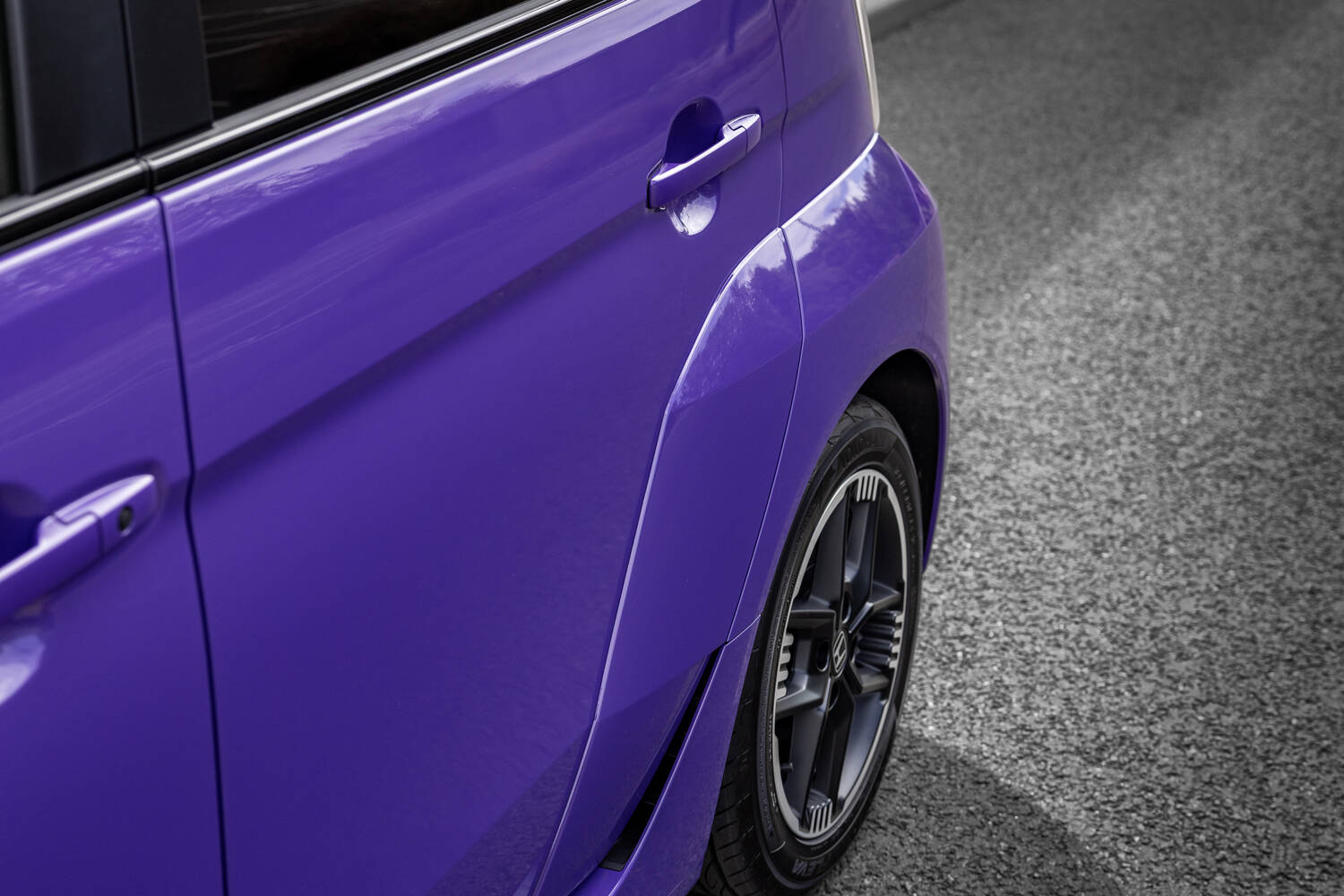
• Flared-out arches define Super-N
• Dinky 15-inch alloys shoved to corners

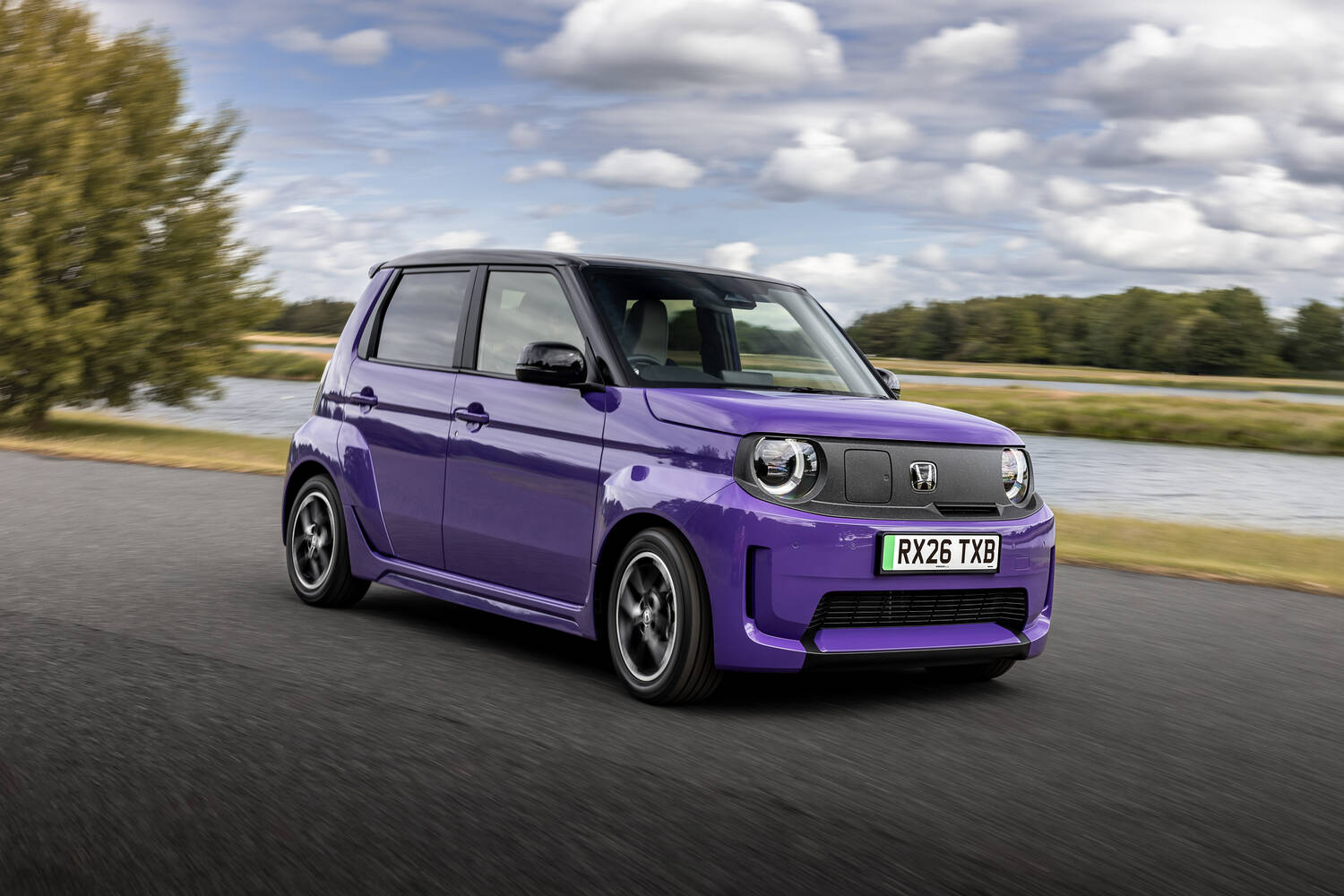
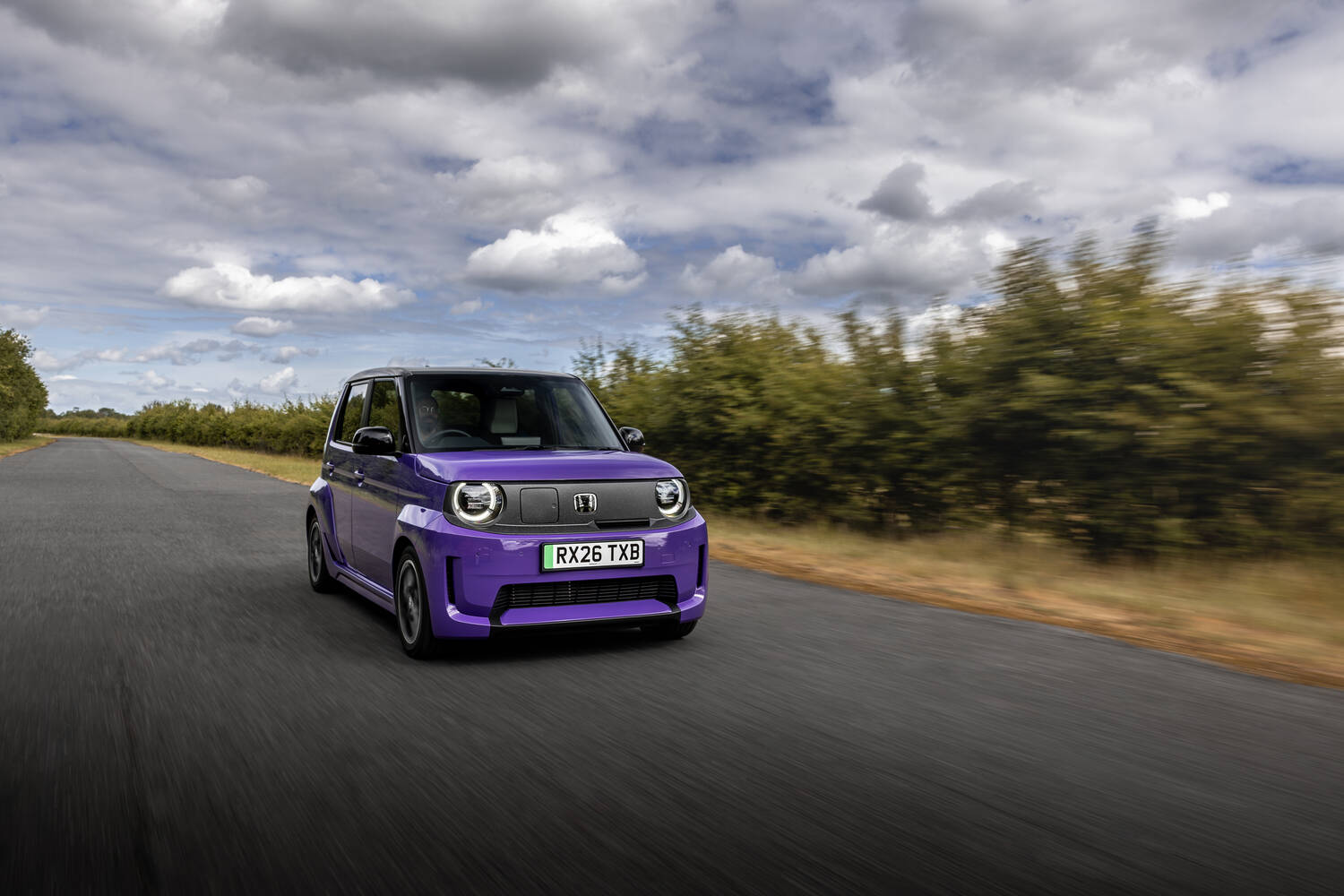
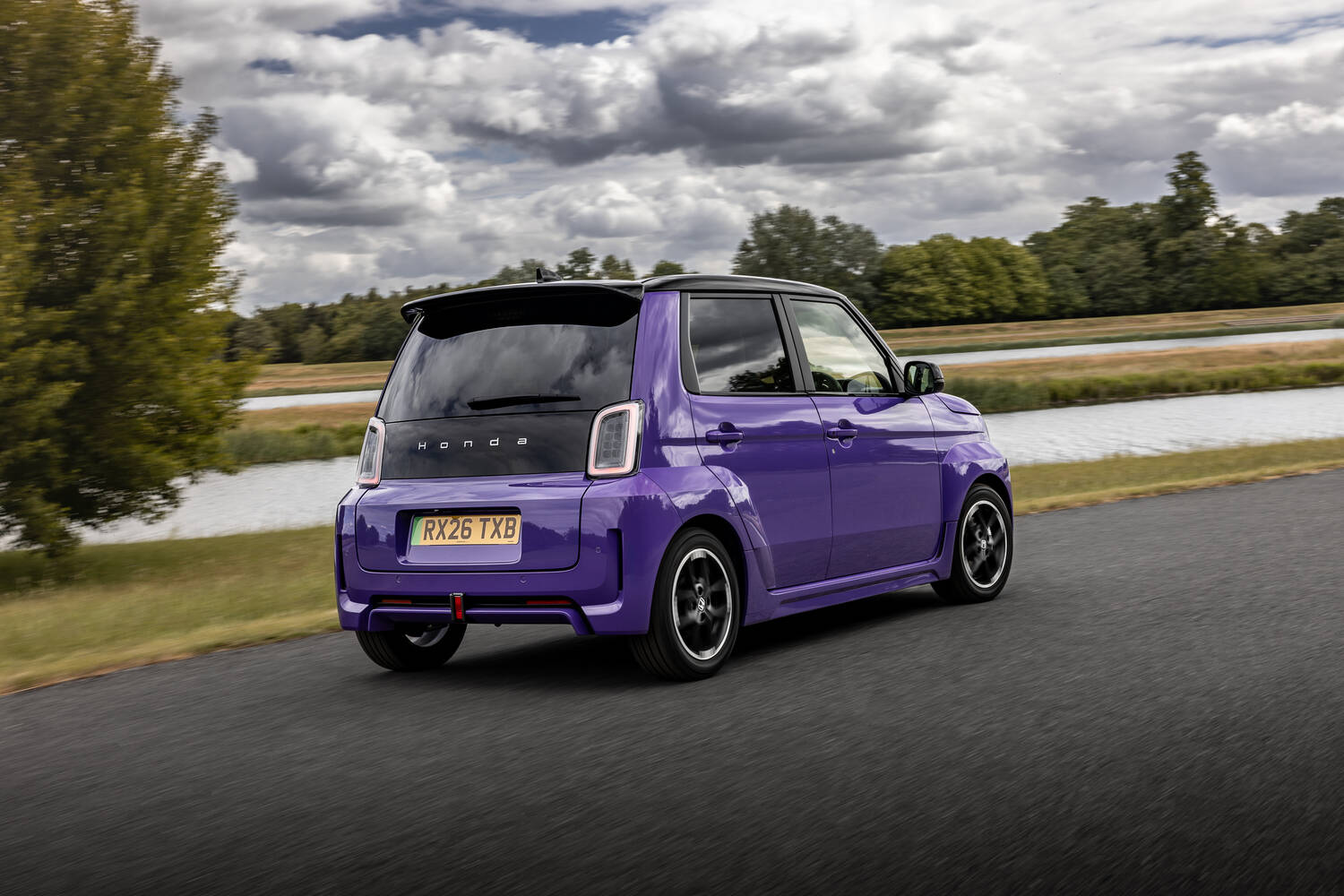
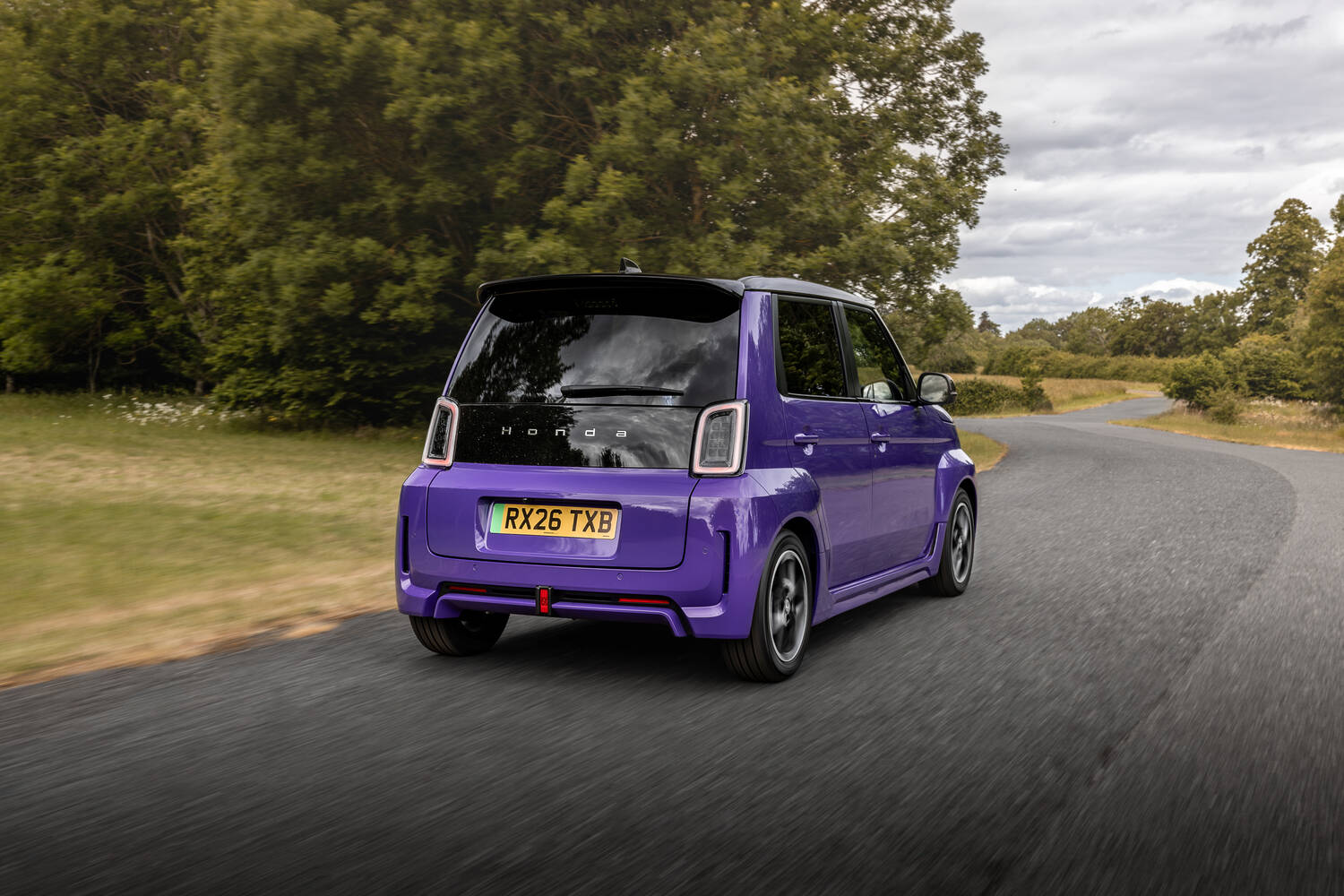
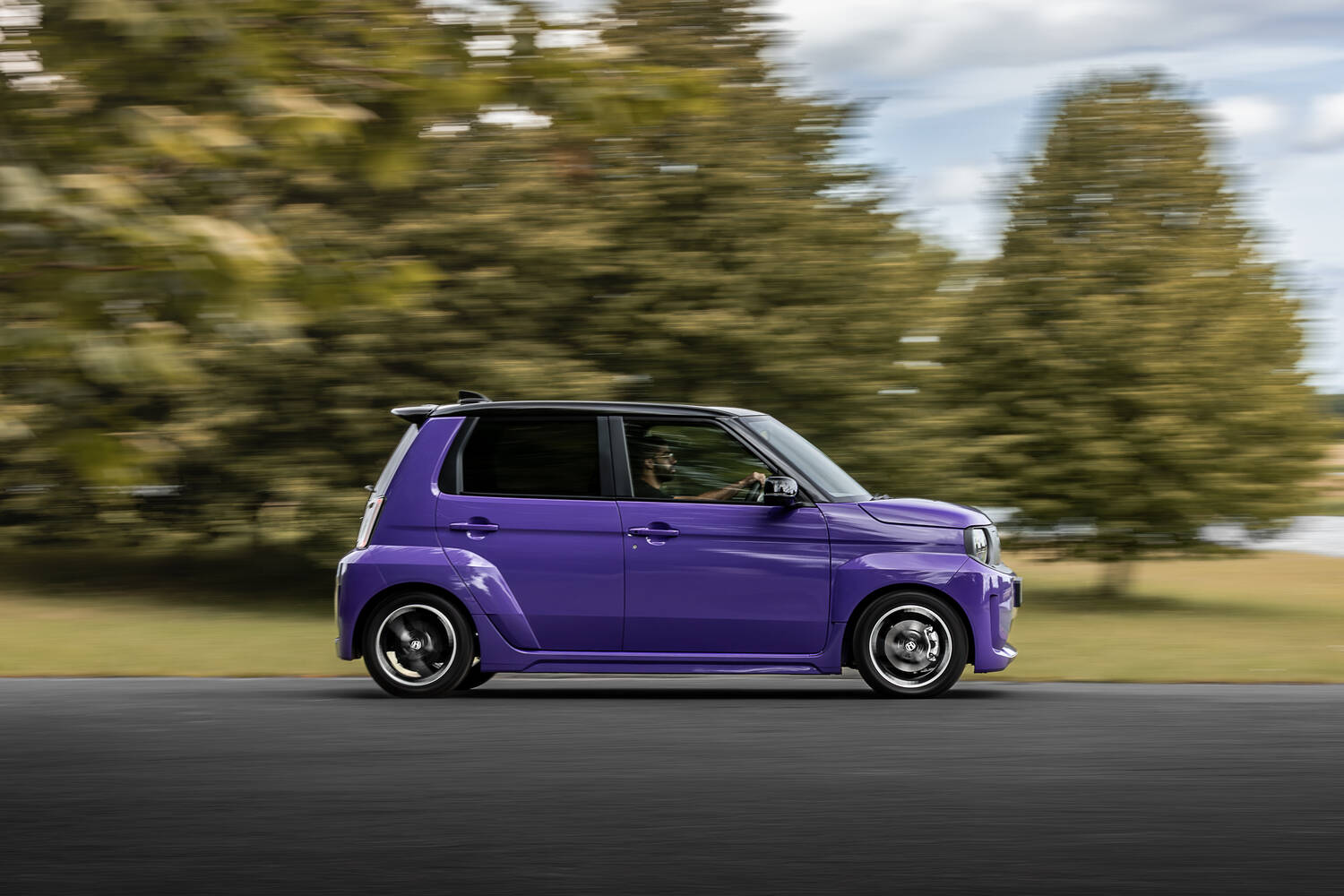
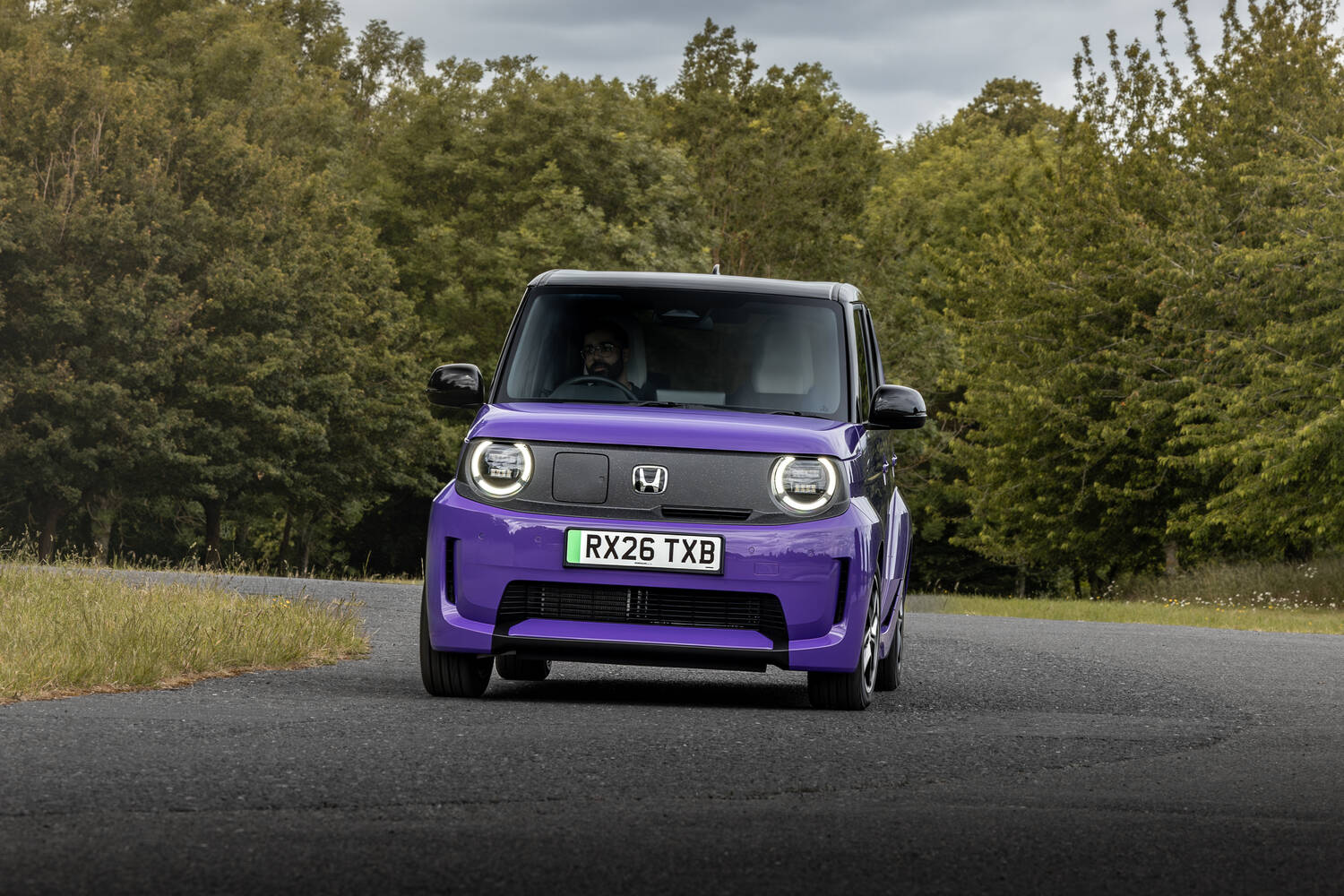
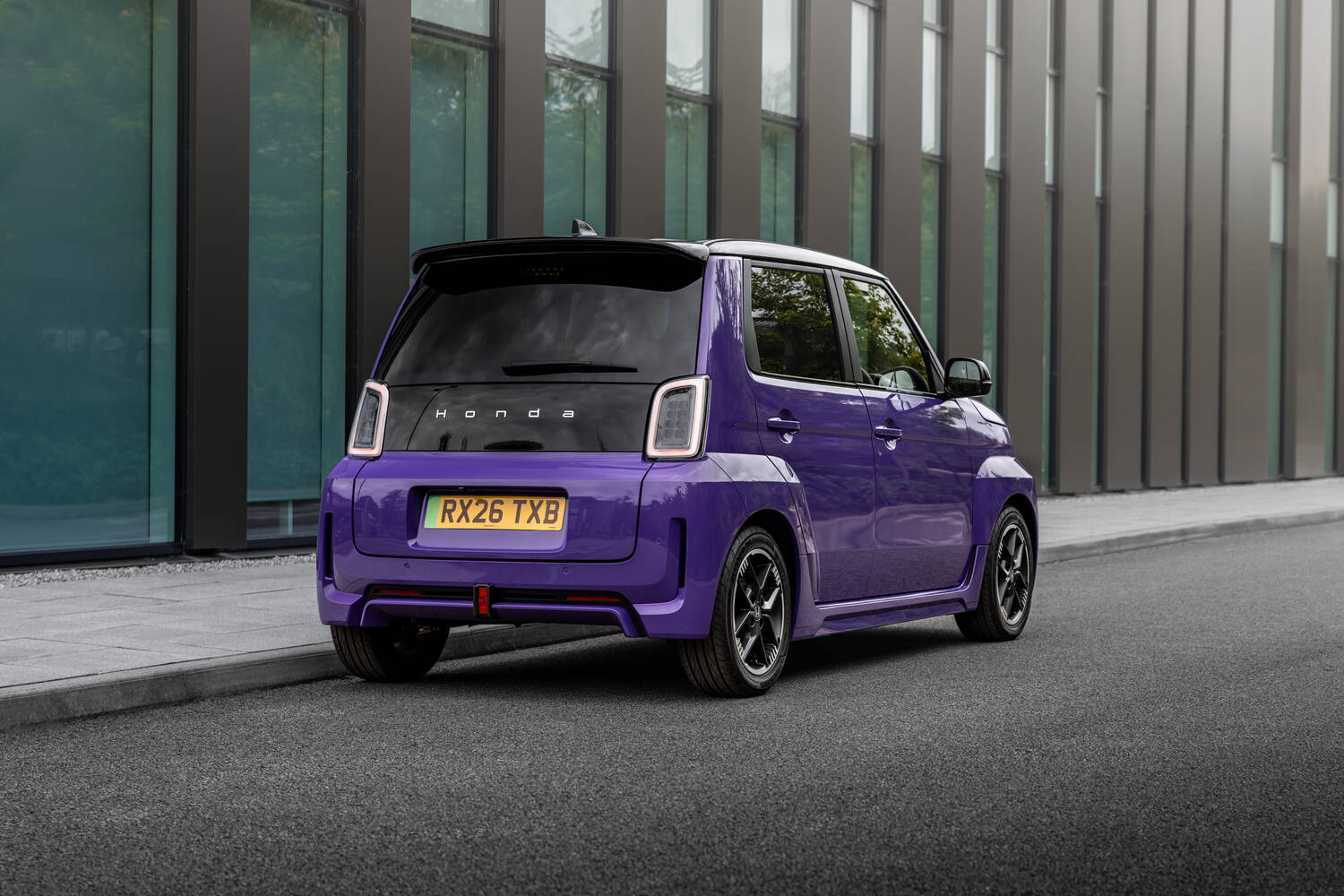
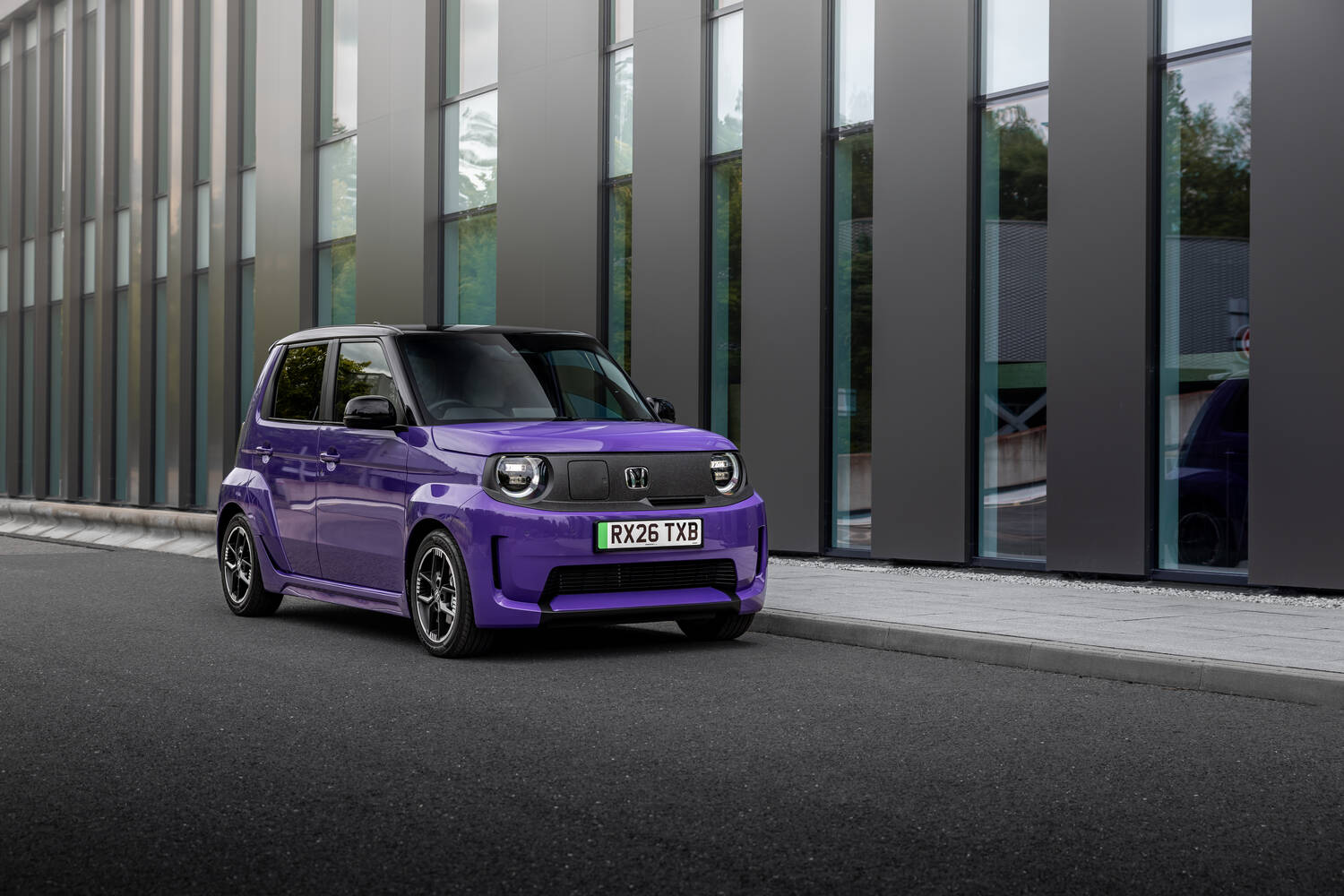
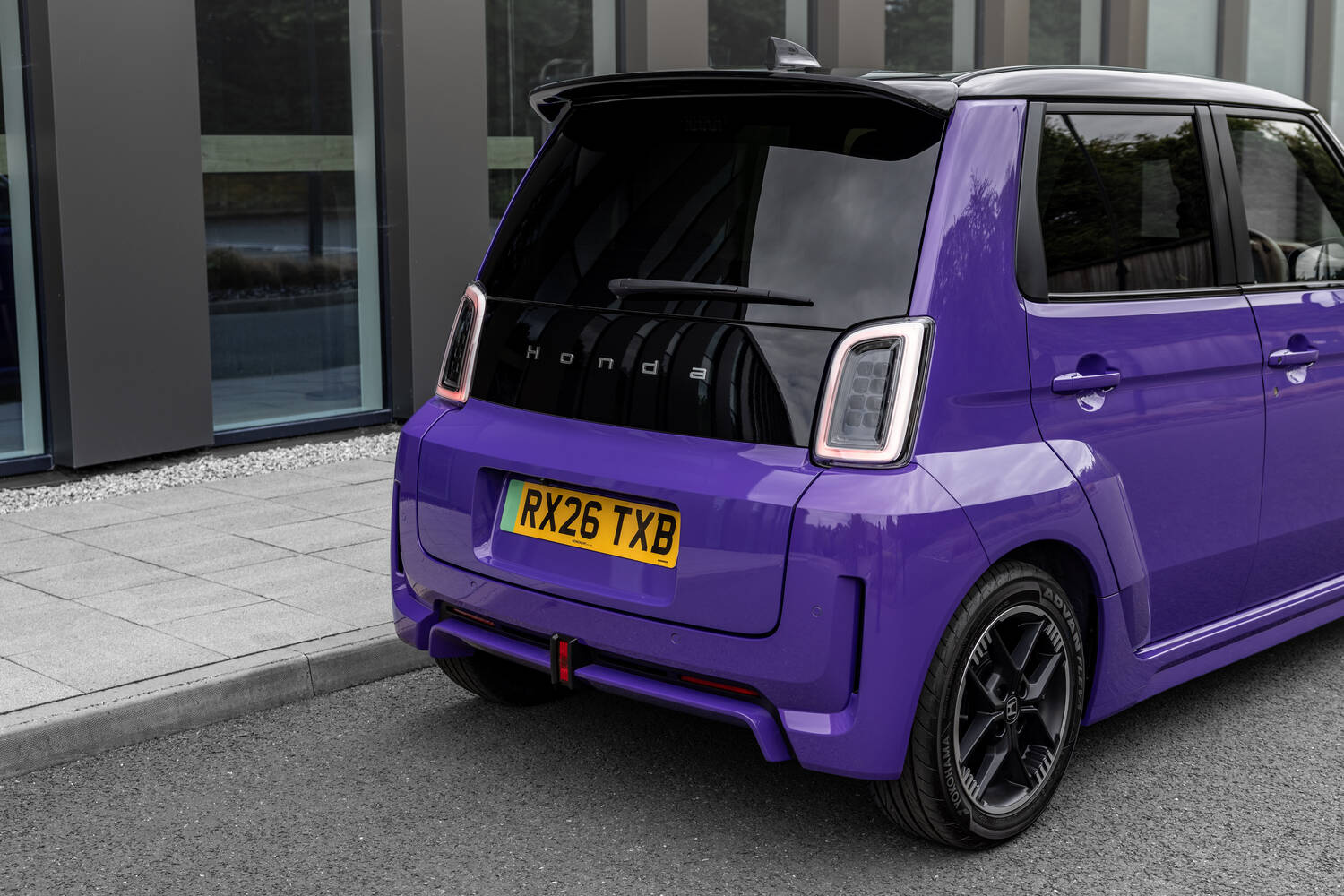
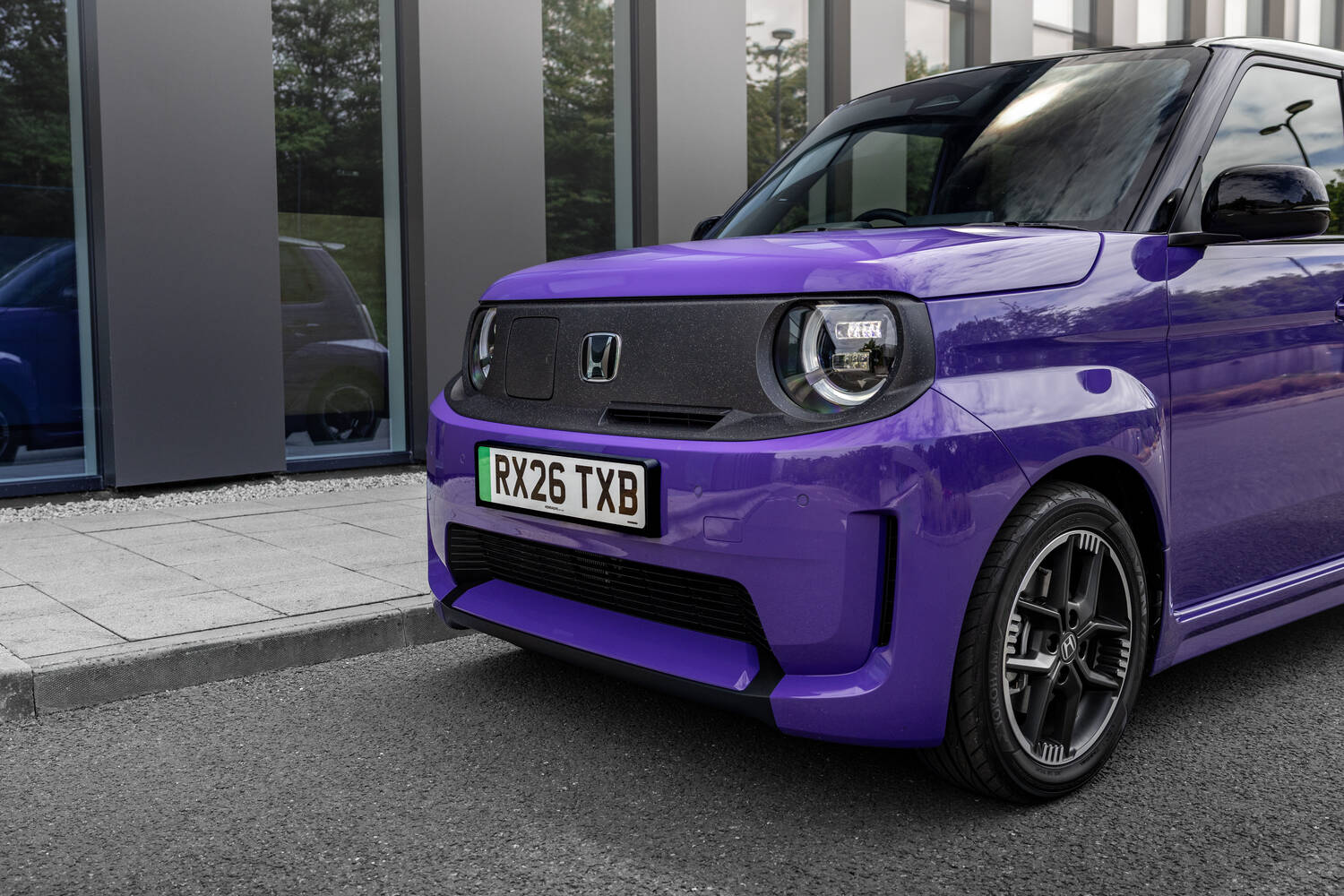
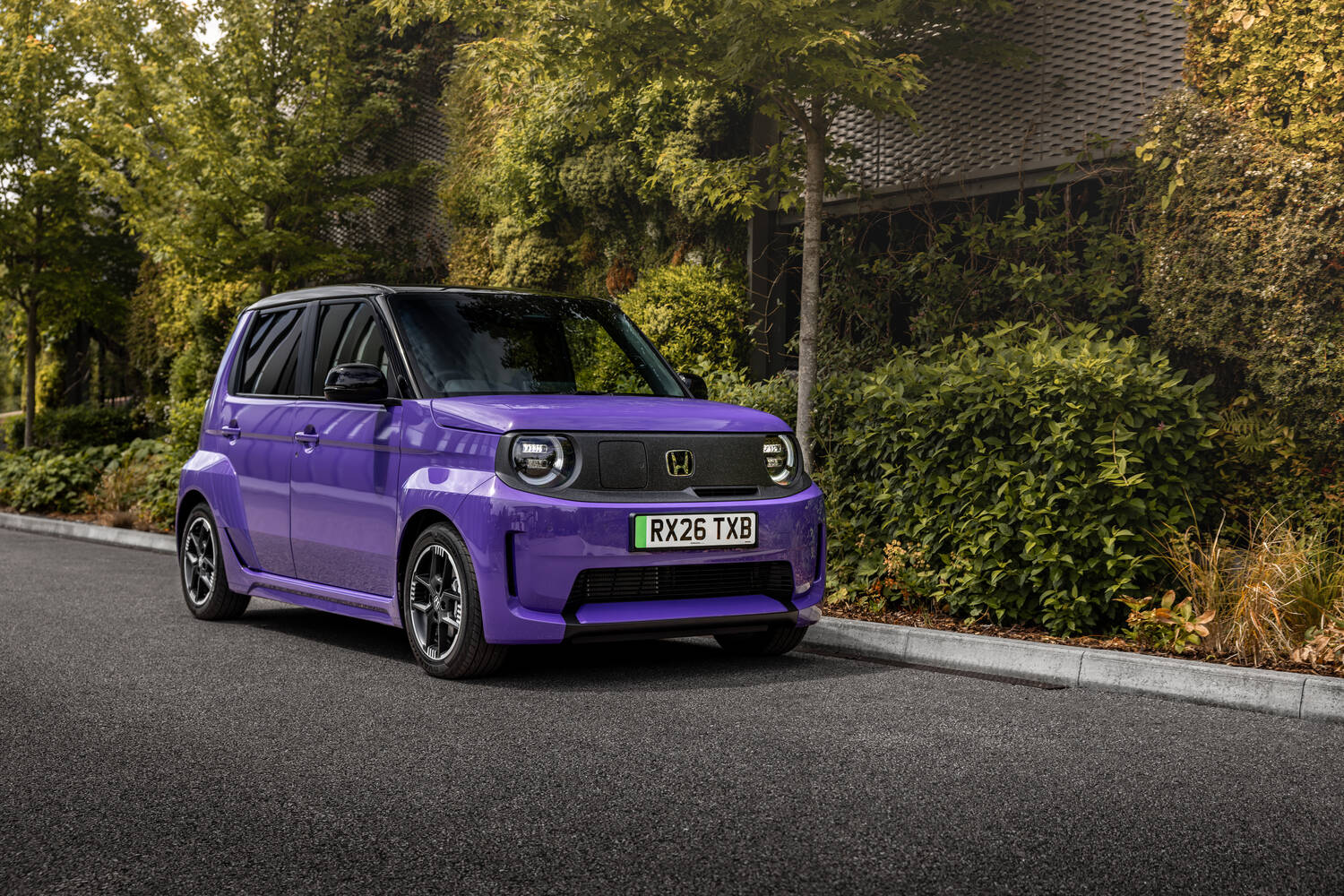
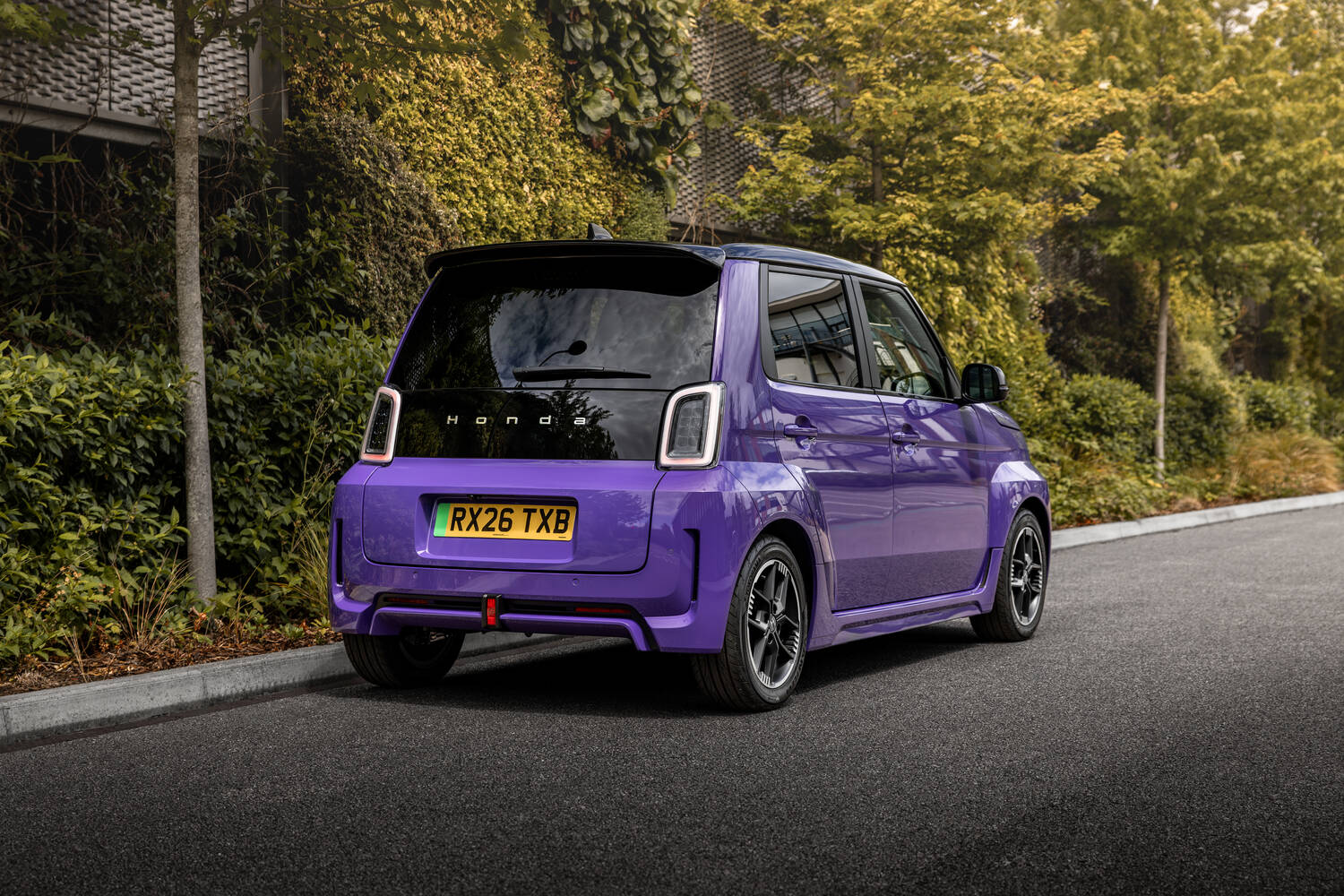
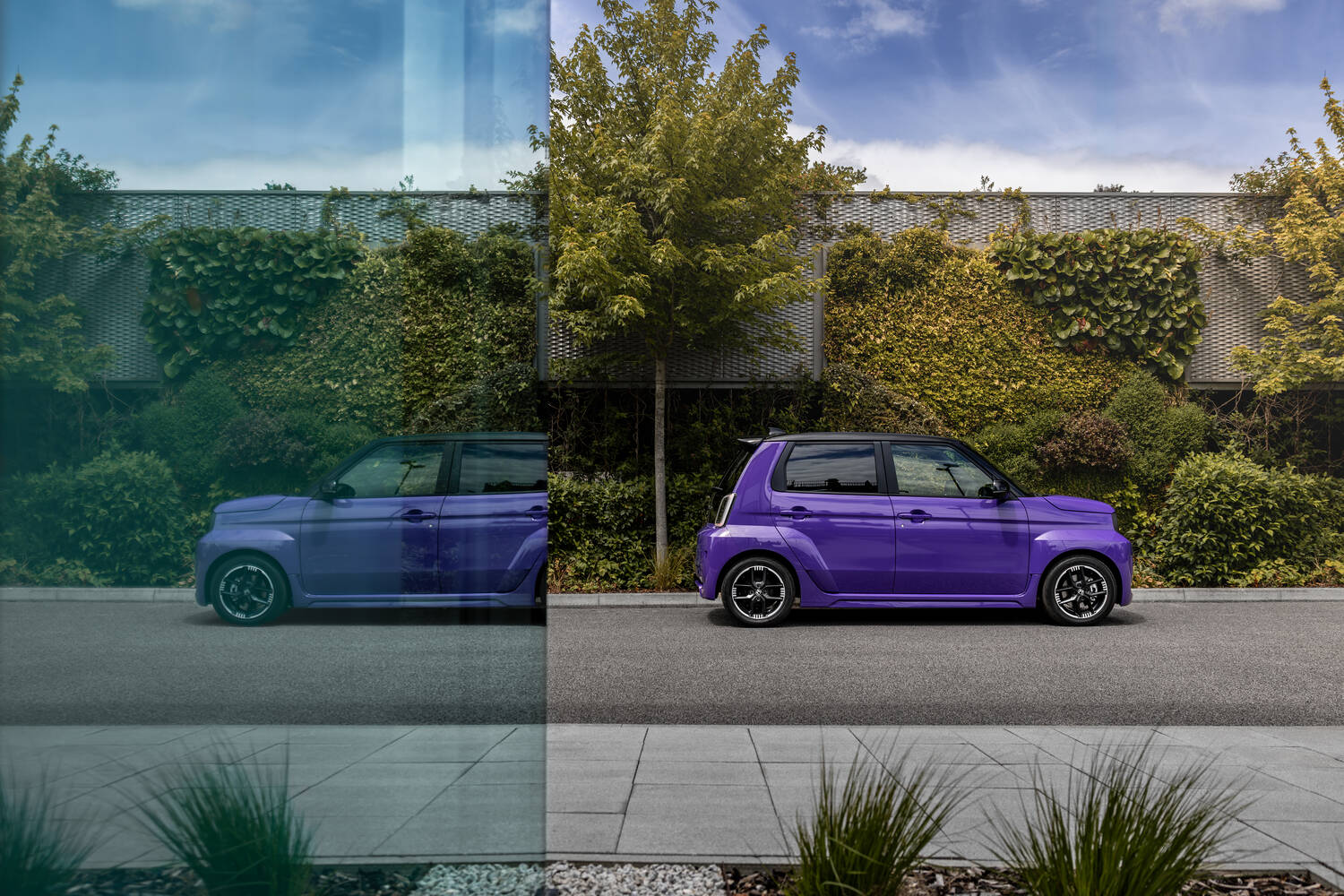
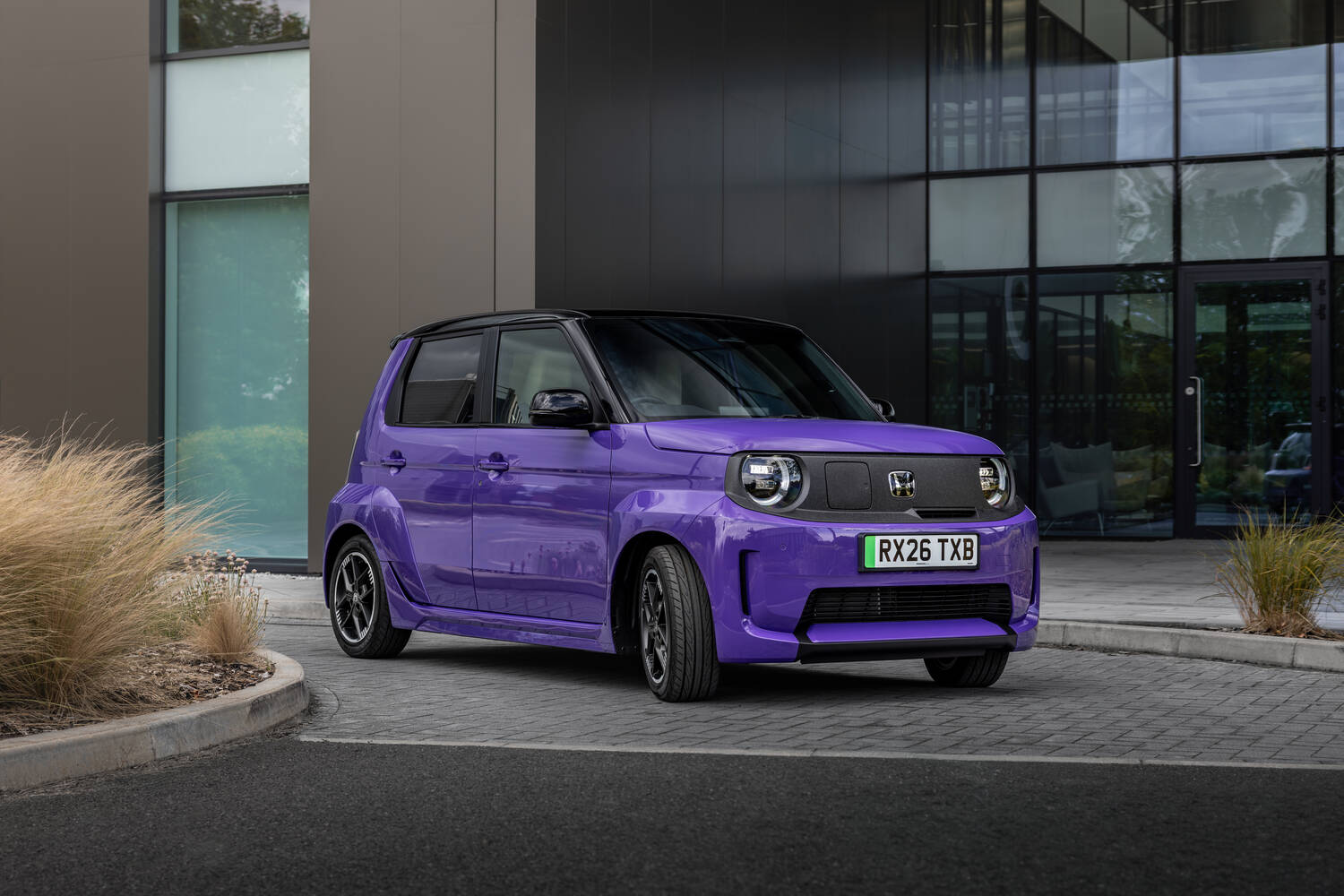
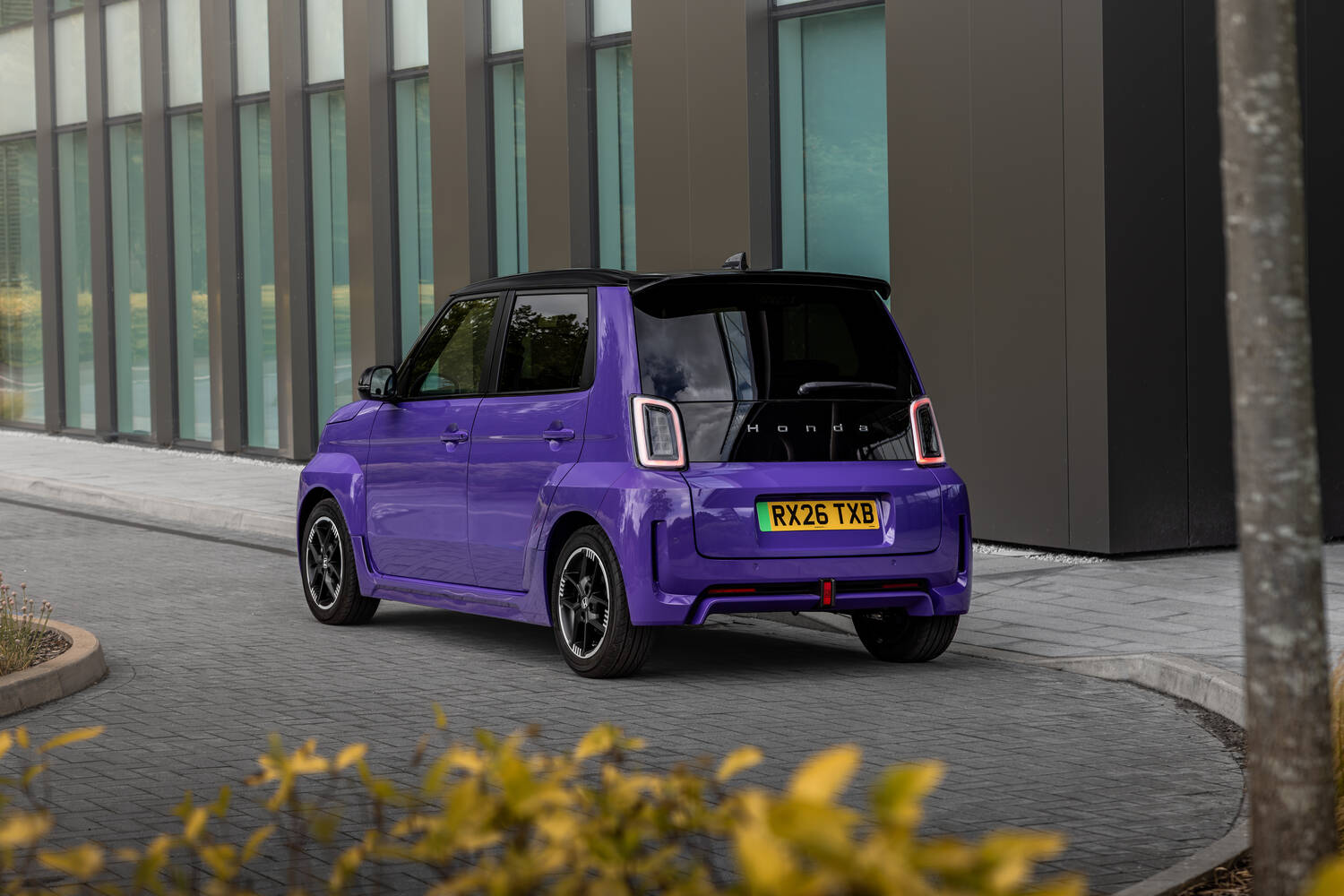
The boxy, upright, retro styling is inspired by an old Honda called the City Turbo II, built between 1983 and 1986, but even if you don't know the corporate history, the diminutive form of the Super-N - enhanced by bulging wheel arches and a cheeky little roof spoiler - is sure to coerce many buyers to sign on the dotted line in showrooms, simply on the basis of its aesthetic appeal alone.
The Super-N is based on a Honda we won't get in this country, the N-One e:, and that is a kei car - a type of very small Japanese vehicle that has to conform to certain technical regulations in order to qualify in the kei class.

The Super-N, with its broader stance, wouldn't actually classify as a kei any more, because it's too wide. But we use that term relatively, because at less than 1.6 metres across the beam, the Honda EV is one of the narrowest new cars on sale in Europe today.
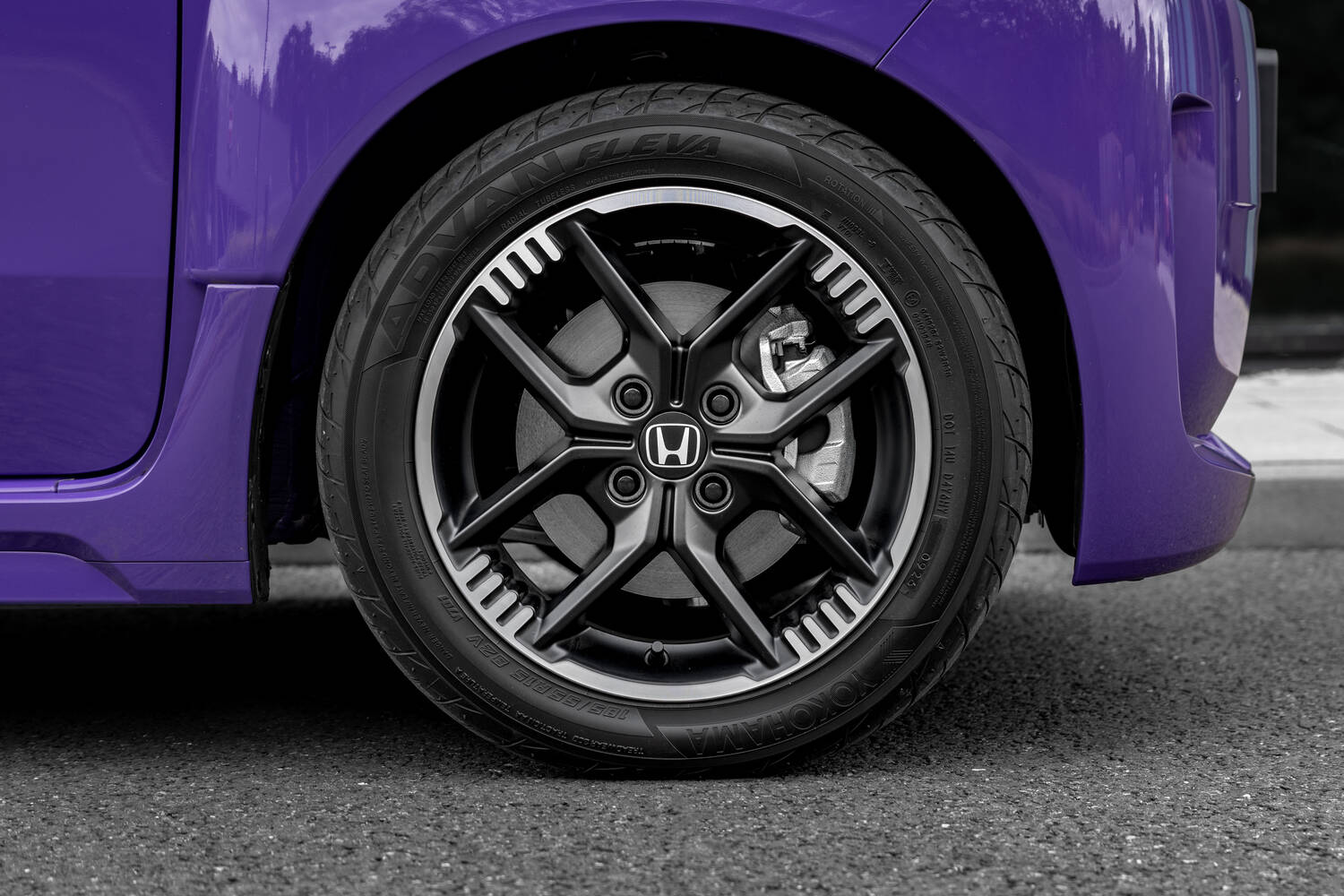
Furthermore, the gorgeous little 15-inch alloy wheels (when did you last see 15s on a new car?) are shoved right to the very corners of the Super-N's form, resulting in the maximum amount of wheelbase available, and hopefully as much interior passenger room as possible, too.

Dimensions of the 2026 Honda Super-N
Length: 3,599mm
Width: 1,573mm (excluding mirrors)
Height: 1,608mm
Wheelbase: 2,516mm
Paint colours for the 2026 Honda Super-N
The signature colour for the Honda Super-N is Boost Violet Pearl, which is said to be inspired by the electrical intensity of a bolt of lightning.
Handily, this is the only standard body finish for the minuscule EV, with the other four shades - Platinum White Pearl, Crystal Black Pearl, Mono Grey and Seabed Blue Pearl - all commanding an upgrade fee.
It's a shame, though, that there aren't a few brighter, more vivid colours, such as yellow, orange, red or even a lime green, to make the most of the Honda's form.

Anyway, from there, you can team four colours (bar black, for obvious reasons) with a gloss-black roof for a two-tone exterior effect - again, for another small fee on top - and after that there are the graphical options.
The full style pack incorporates twin-stripe decals in matte grey, which run up the bonnet and over the roof to culminate on the roof spoiler, complemented by a side stripe in Starry Silver.
Or there's the black emblem pack, which renders both the H logo on the car's nose and the 'Honda' wordmark on the tailgate in black chrome. We prefer the stripes.
Interior, practicality, tech & comfort of the 2026 Honda Super-N
• Compact but surprisingly roomy
• Just four seatbelts
• Good smattering of tech

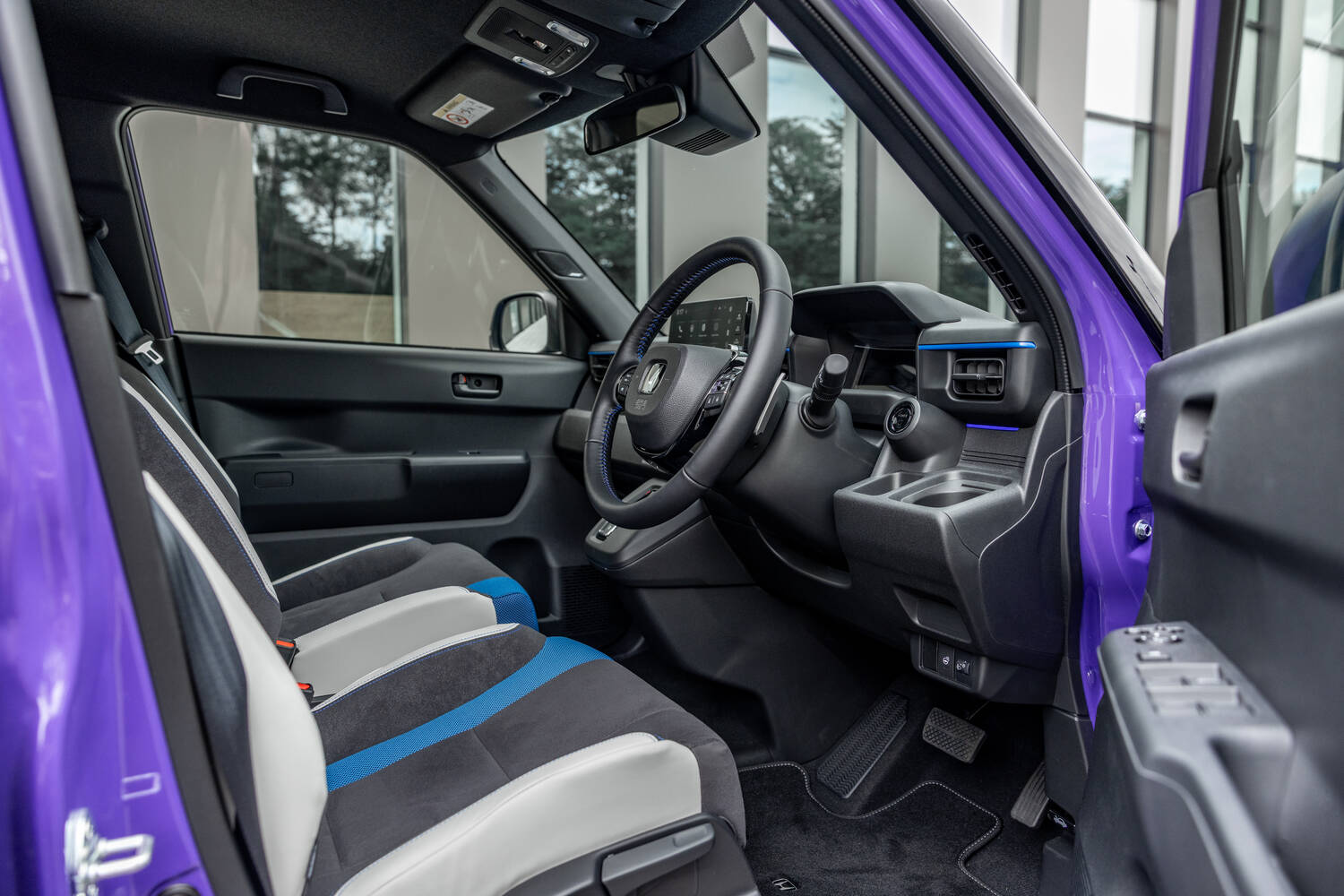
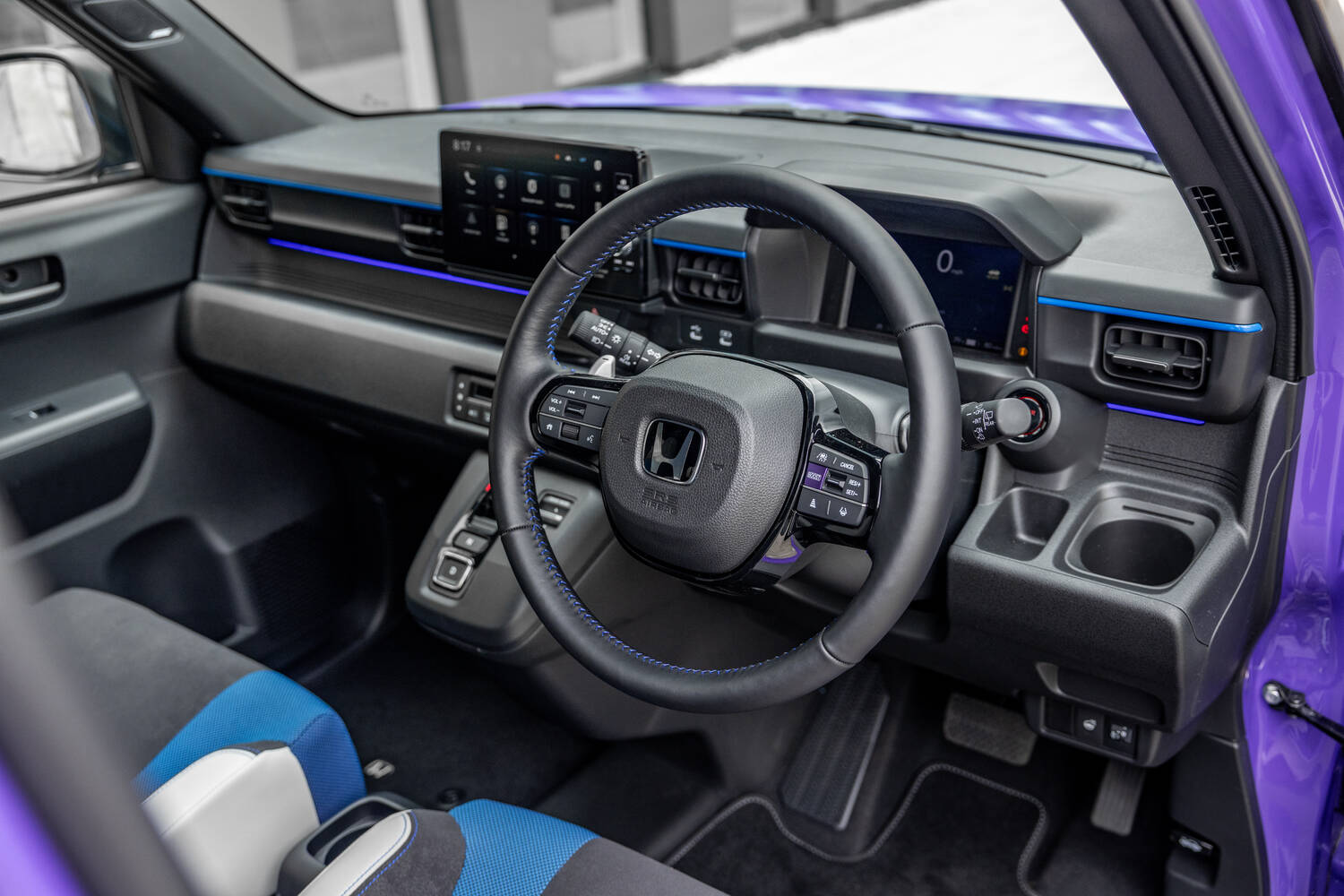
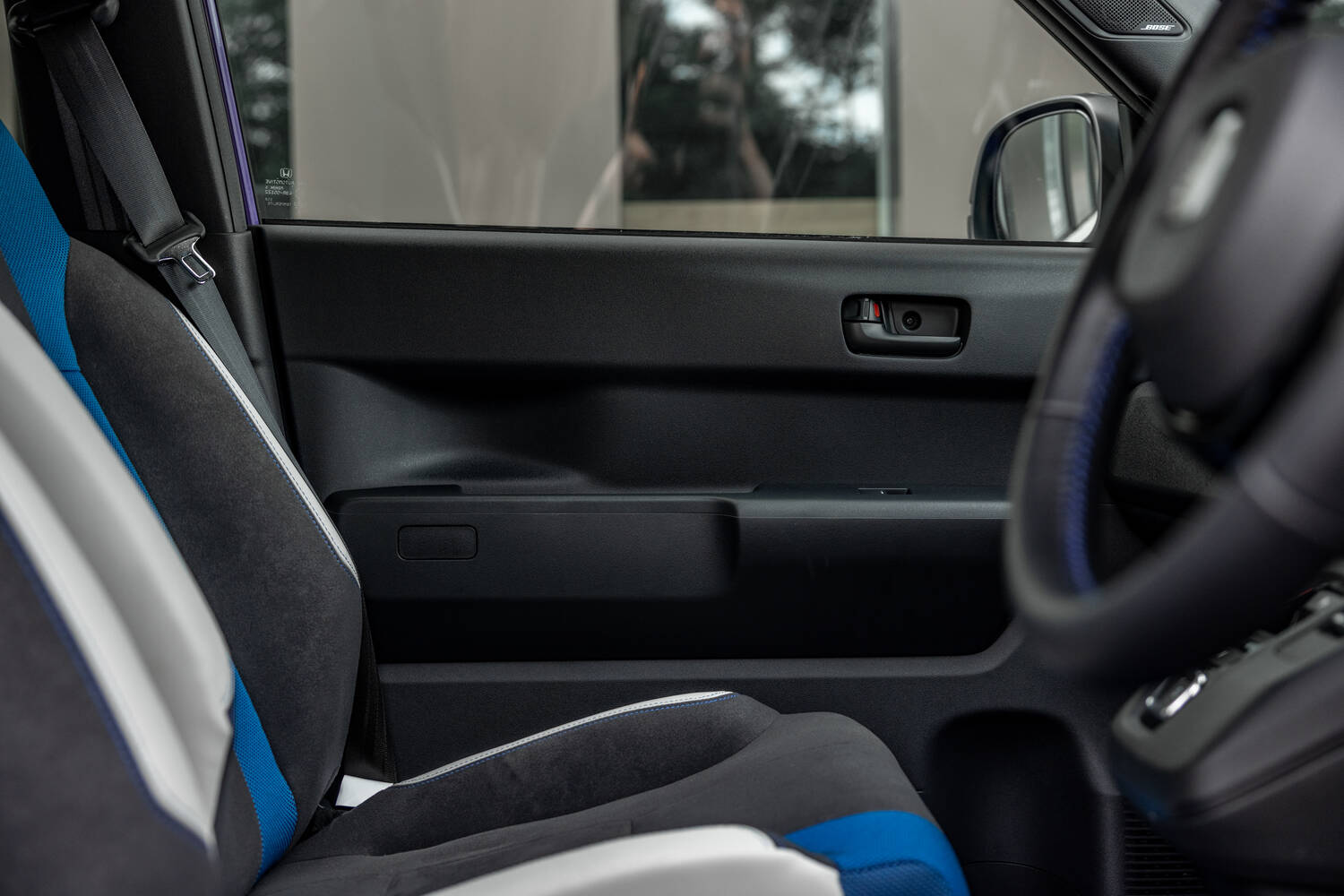
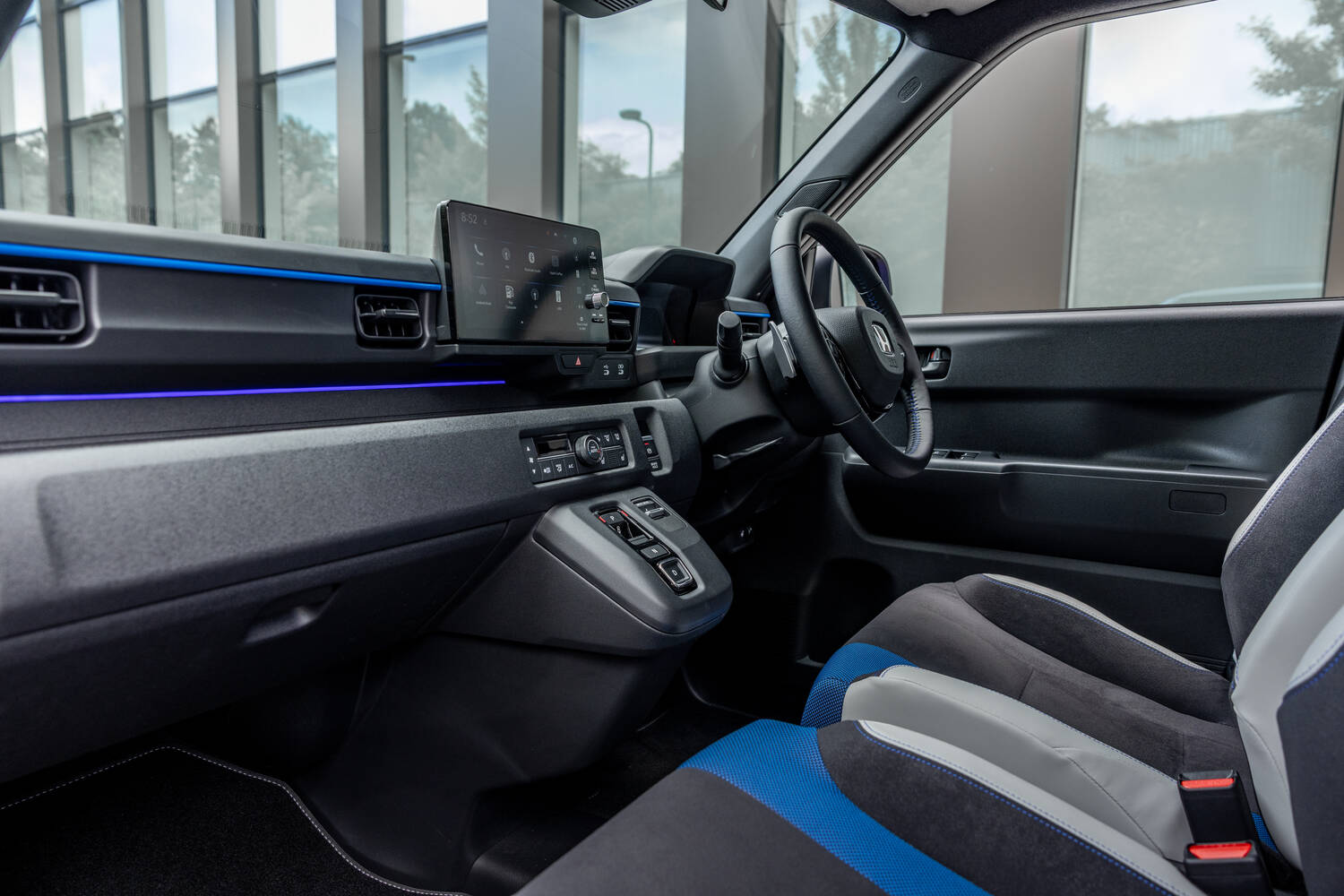
One of the first things you might notice in the Honda Super-N are some cheap, brittle-feeling plastics, used specifically for the upper dashboard construct, the door cards and clothing the A-pillars.
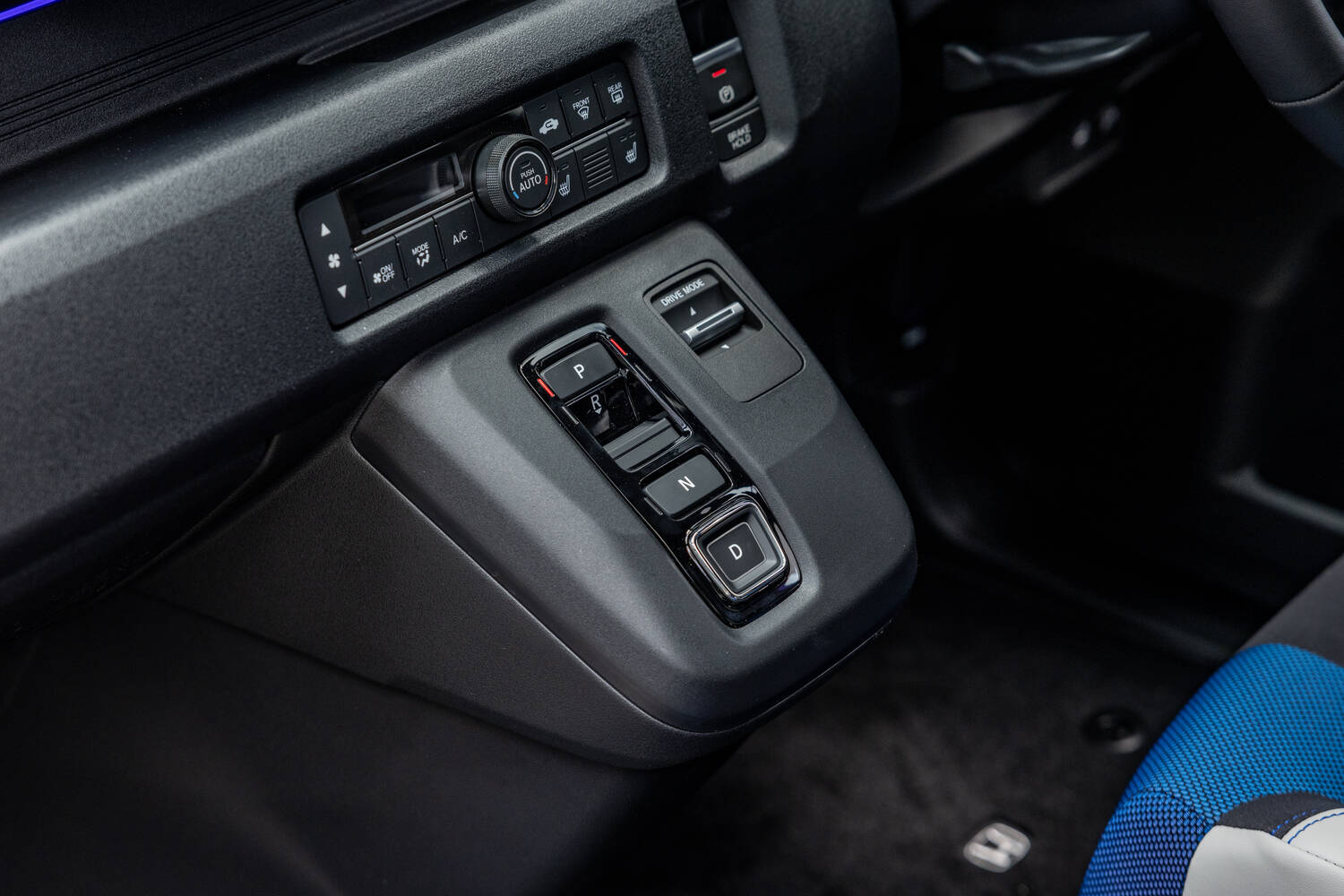
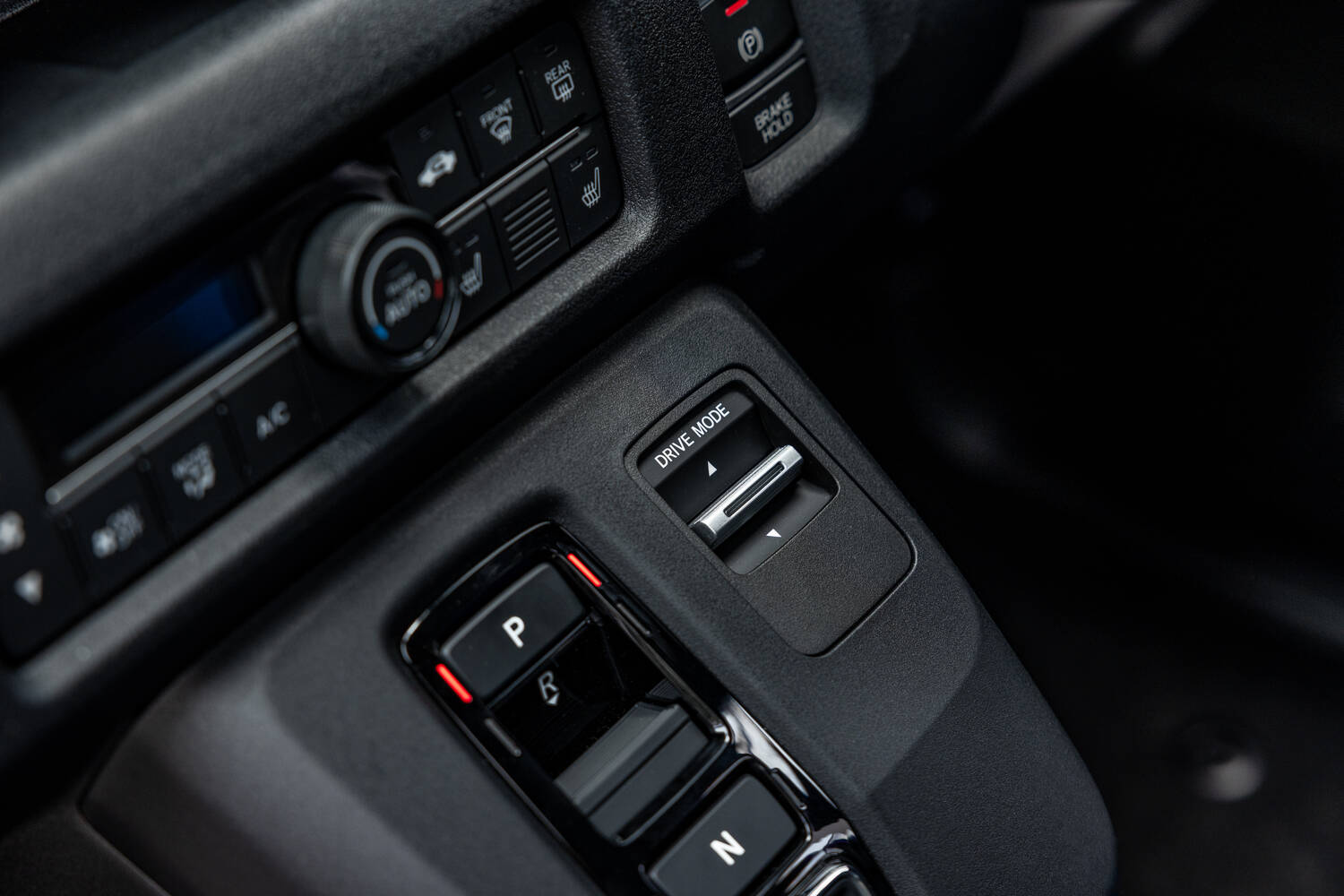
But everything is actually well put together and laid out in an ergonomically pleasing fashion - there are dedicated, physical buttons and dials for the in-car climate, for instance - and while there are some obvious compromises brought about by the car's Lilliputian exterior form, there's a nice array of technology, equipment and interior ambience that all combine to make the Super-N's cabin a success.
Getting comfortable in the driver's seat

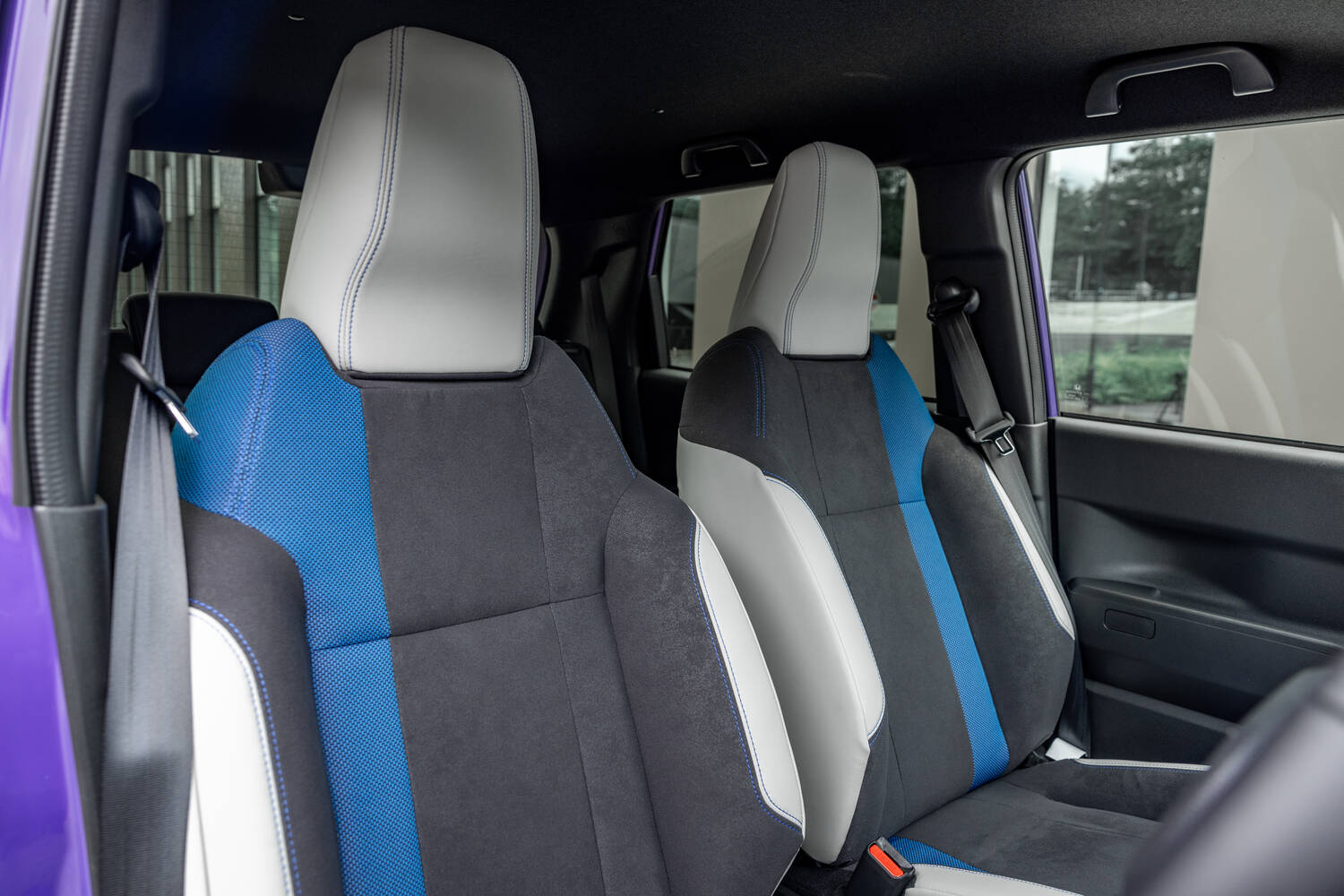
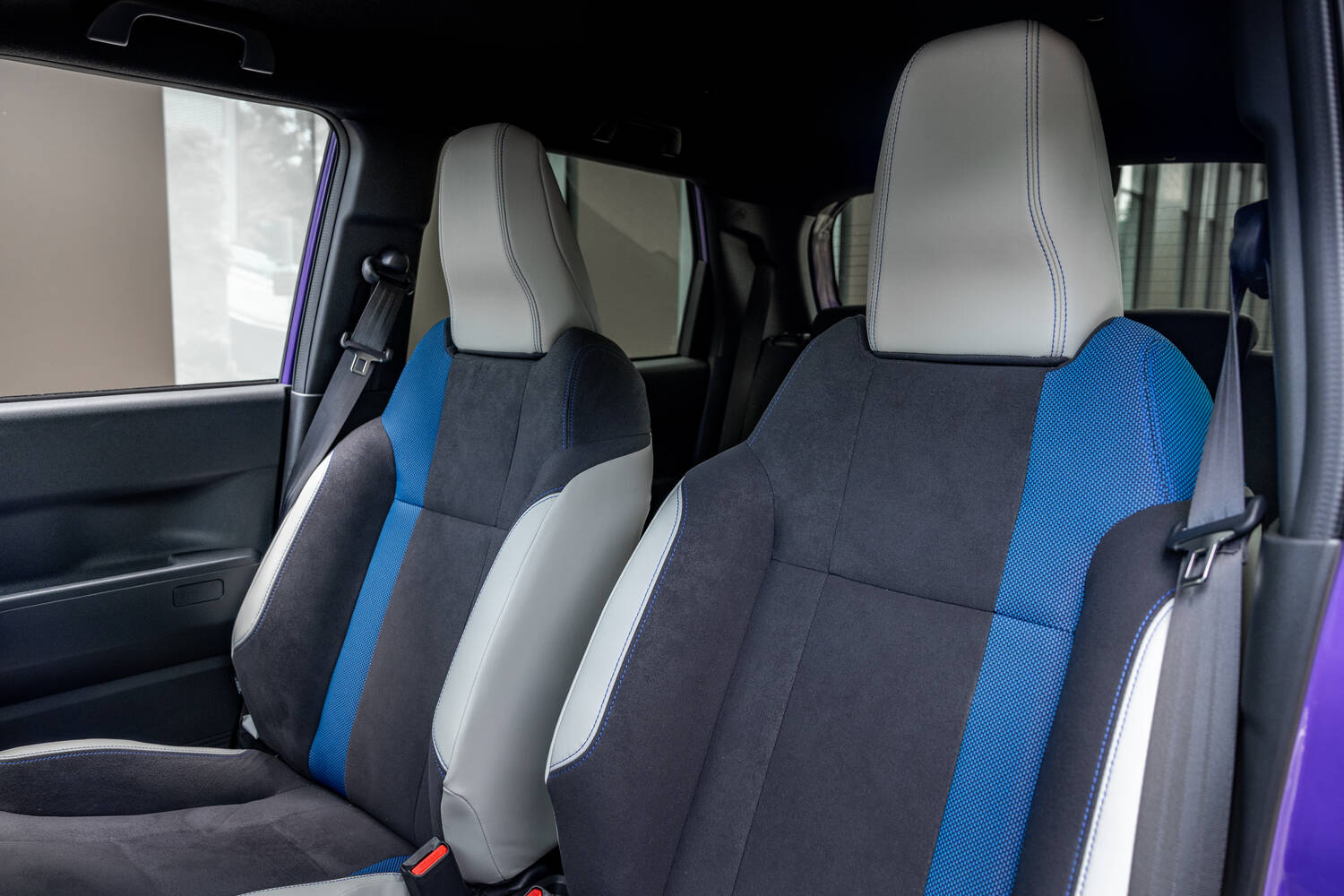
Both the driver's seat and the reach-and-rake steering column are manually adjustable, and there's a fair range of movement to both to provide a spread of driving positions to suit multiple physiques.
Once installed behind the wheel in your preferred seating position, visibility out in all directions is fantastic, as the upper half of the car seems to be entirely glasshouse and nothing else, and also because all of the corners of the Honda Super-N are so close to you, working out where the extremities of the EV are and then getting comfortable with its miniature form soon becomes second nature.
Infotainment and technology

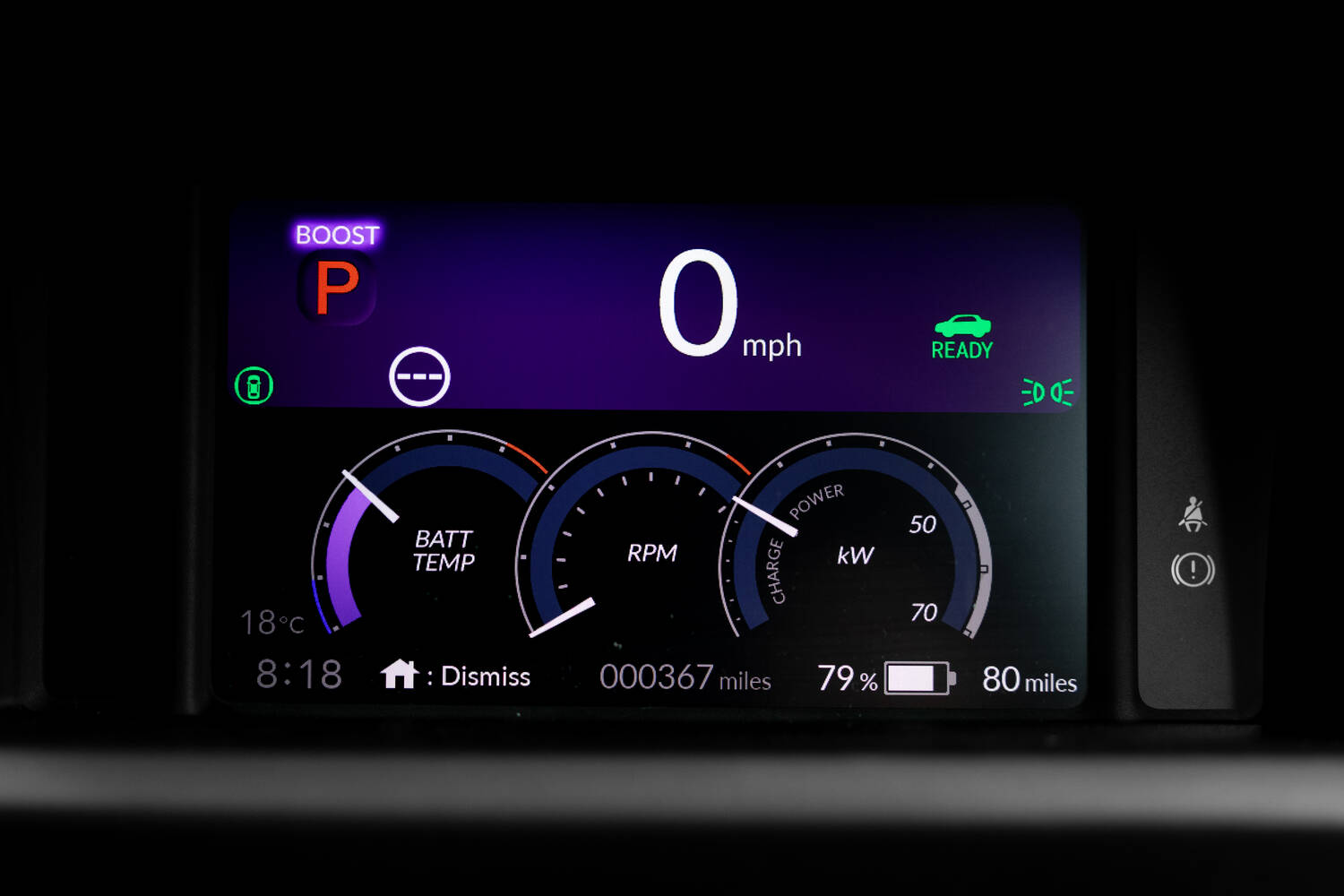
There's a seven-inch configurable driver's instrument cluster in the Honda Super-N, with different displays and digital dials shown according to which drive mode you are in.
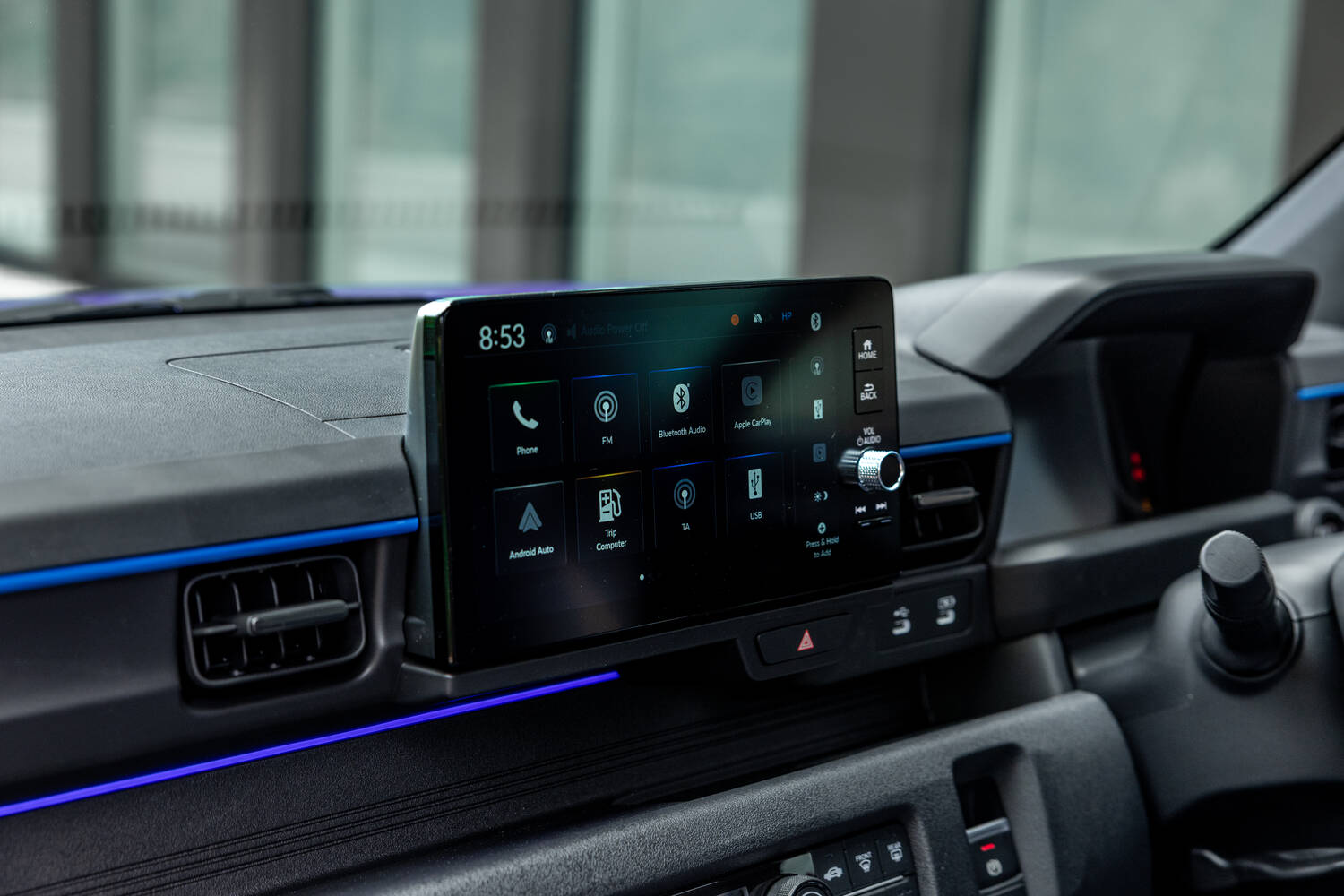
There's also a nine-inch touchscreen which wirelessly supports both Android Auto and Apple CarPlay. You'll want to use those, as graphically the proprietary software is no great shakes, and there's no native nav either.

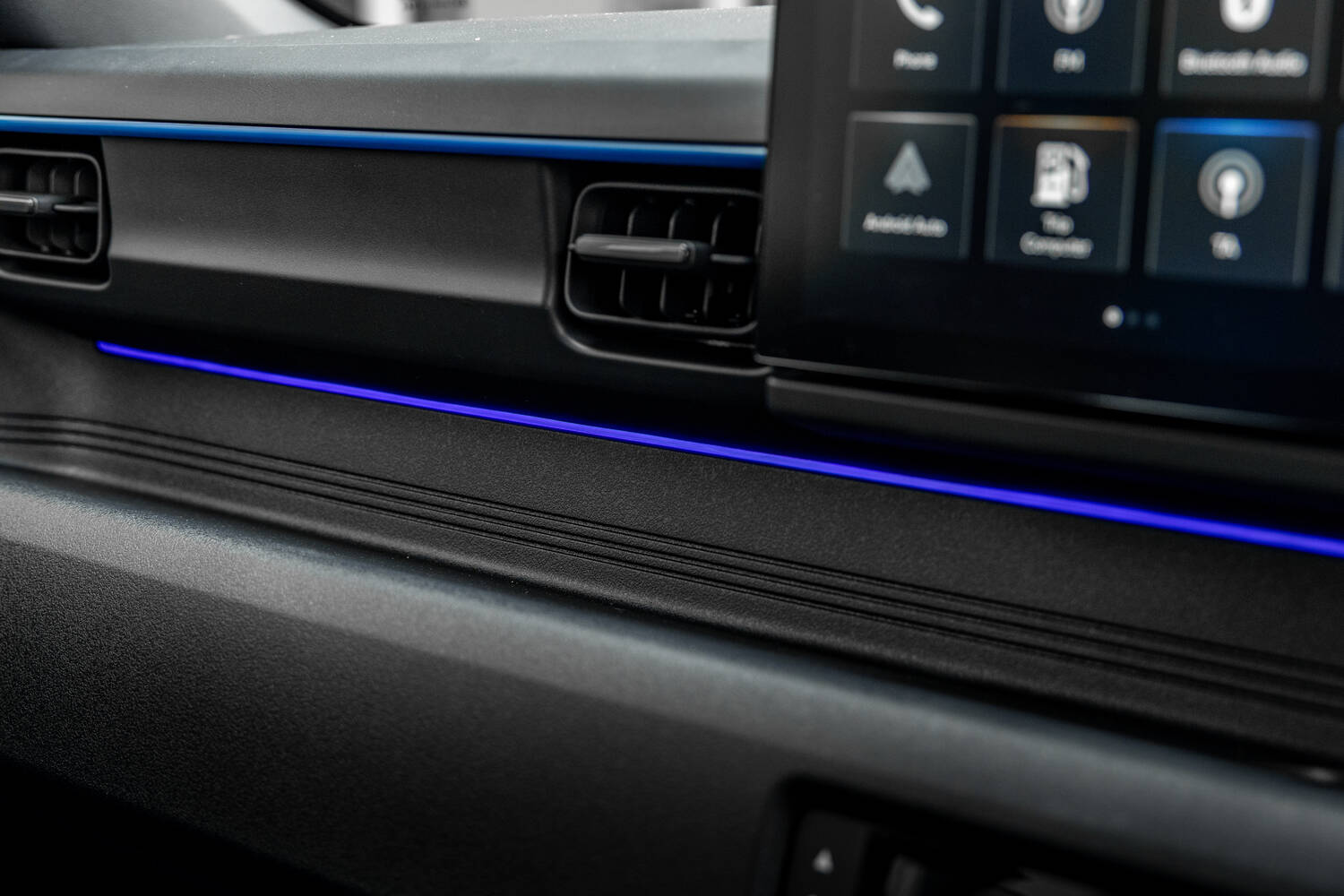
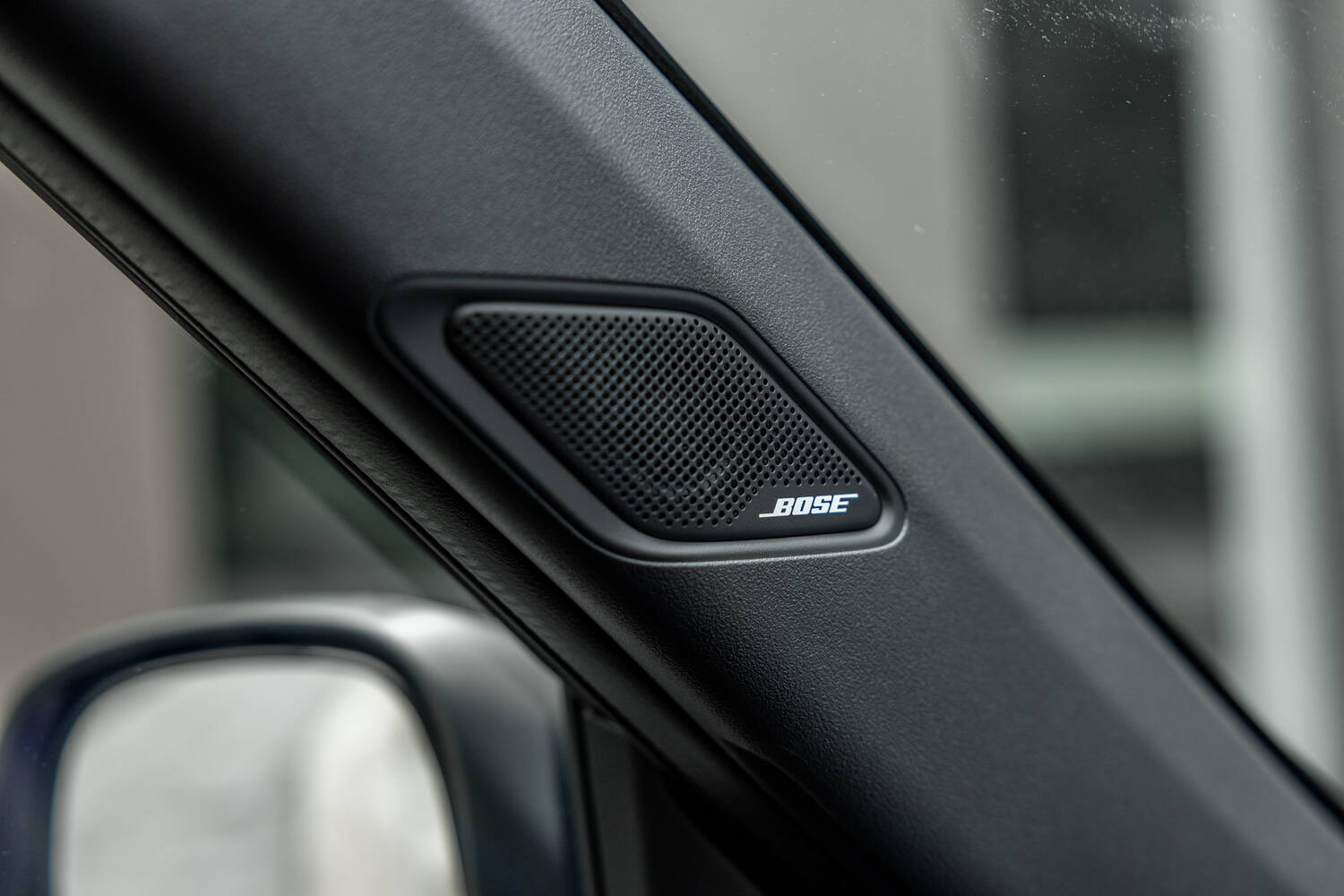
Beyond that, multicolour ambient cabin lighting (including a purple hue for Boost mode, natch), radar cruise control, heating for the front seats and steering wheel, climate control and even a banging eight-speaker Bose premium sound system, complete with a boot-mounted subwoofer, are all part of the standard kit list.
But there's no wireless smartphone charging or the option of a panoramic sunroof, so the Honda EV doesn't come with every conceivable toy.
Practicality around the cabin

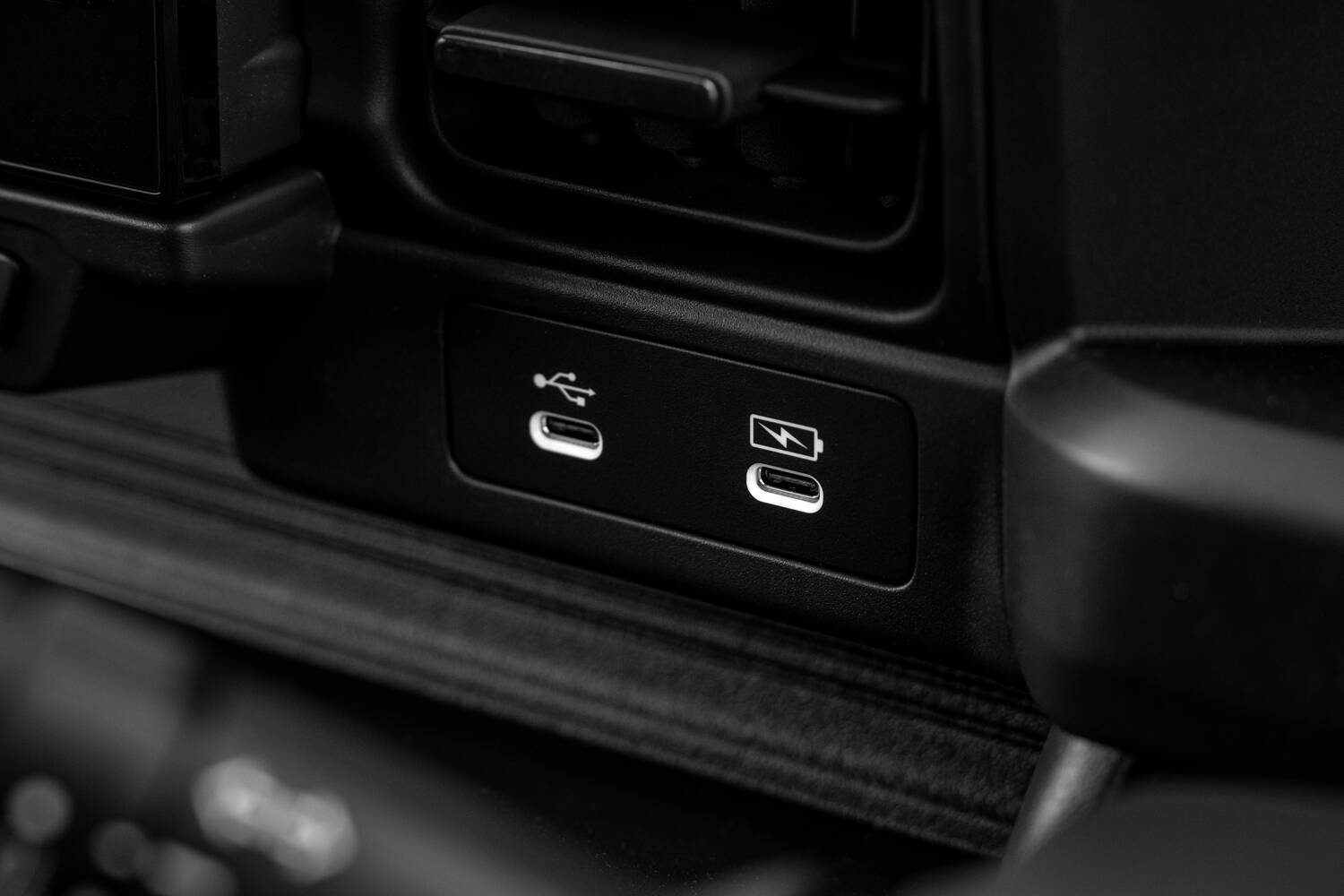
This is not the strongest area of the Honda Super-N's report card. Honda has made efforts with the little funster, building a dash-wide shelf with a recessed central pad for the storage of mobile phones. That's handy, because the USB charging ports are in this zone too.
Unfortunately, the budget apparently didn't extend to either rubberising this shelf or at least giving it a coarser, more adhesive surface to keep phones in place.
Instead, it's made of shiny plastic and is hopeless once the car is in motion. The first corner you take at any degree of moderate speed will see your belongings fly off into either of the front footwells at a moment's notice.

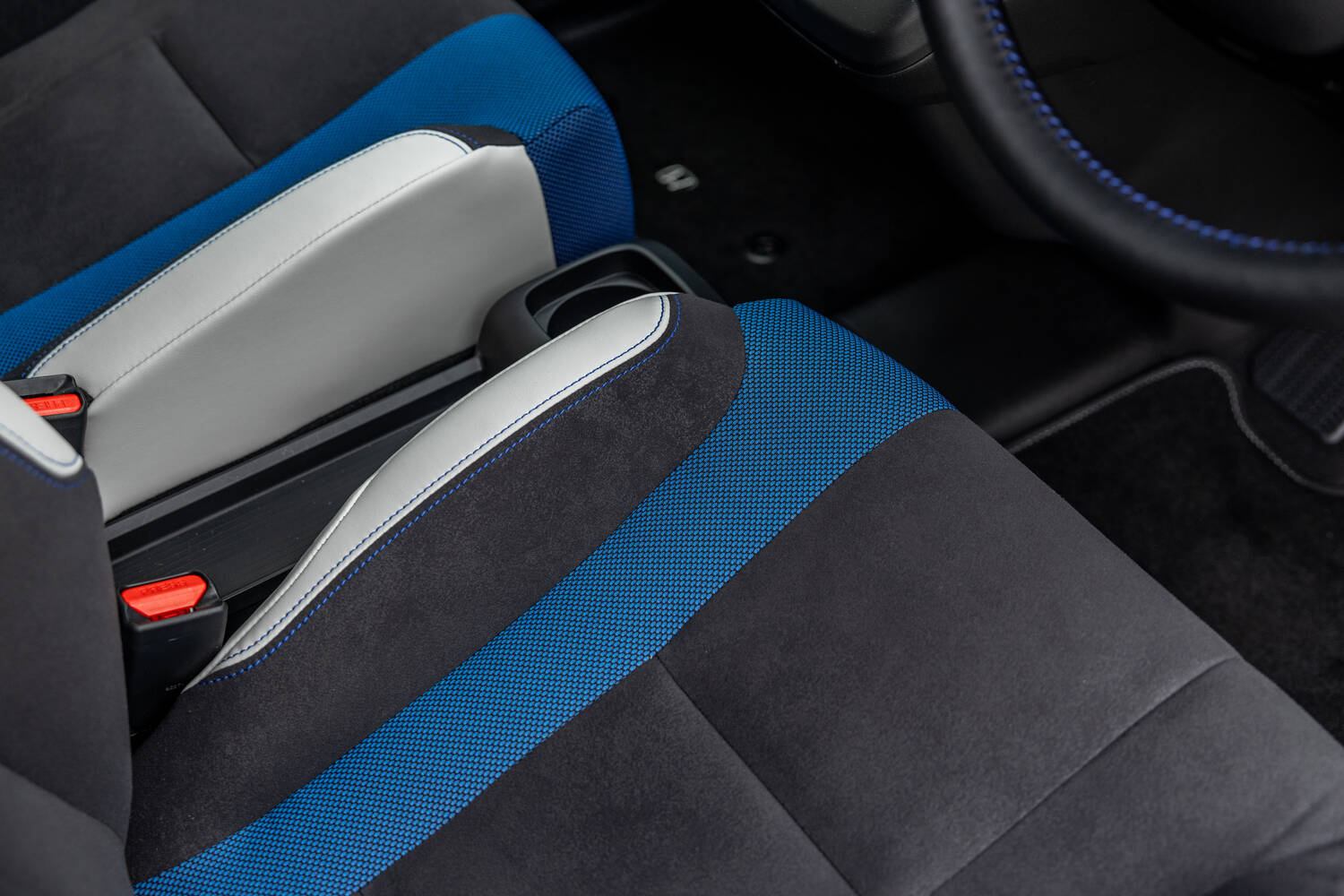
Up front is a glovebox of sorts and moulded bottle recesses grafted into the door cards. Yet down between the front seats, there's just a shallow, long and narrow tray for oddments storage.
There's simply not enough room separating the chairs to allow for the inclusion of a central stowage cubby and lidded armrest arrangement, common in many other cars, while the cupholders are restricted to a larger item down in front of the central tray, and a smaller receptacle to the right of the steering wheel for the driver.
Rear-seat passenger space

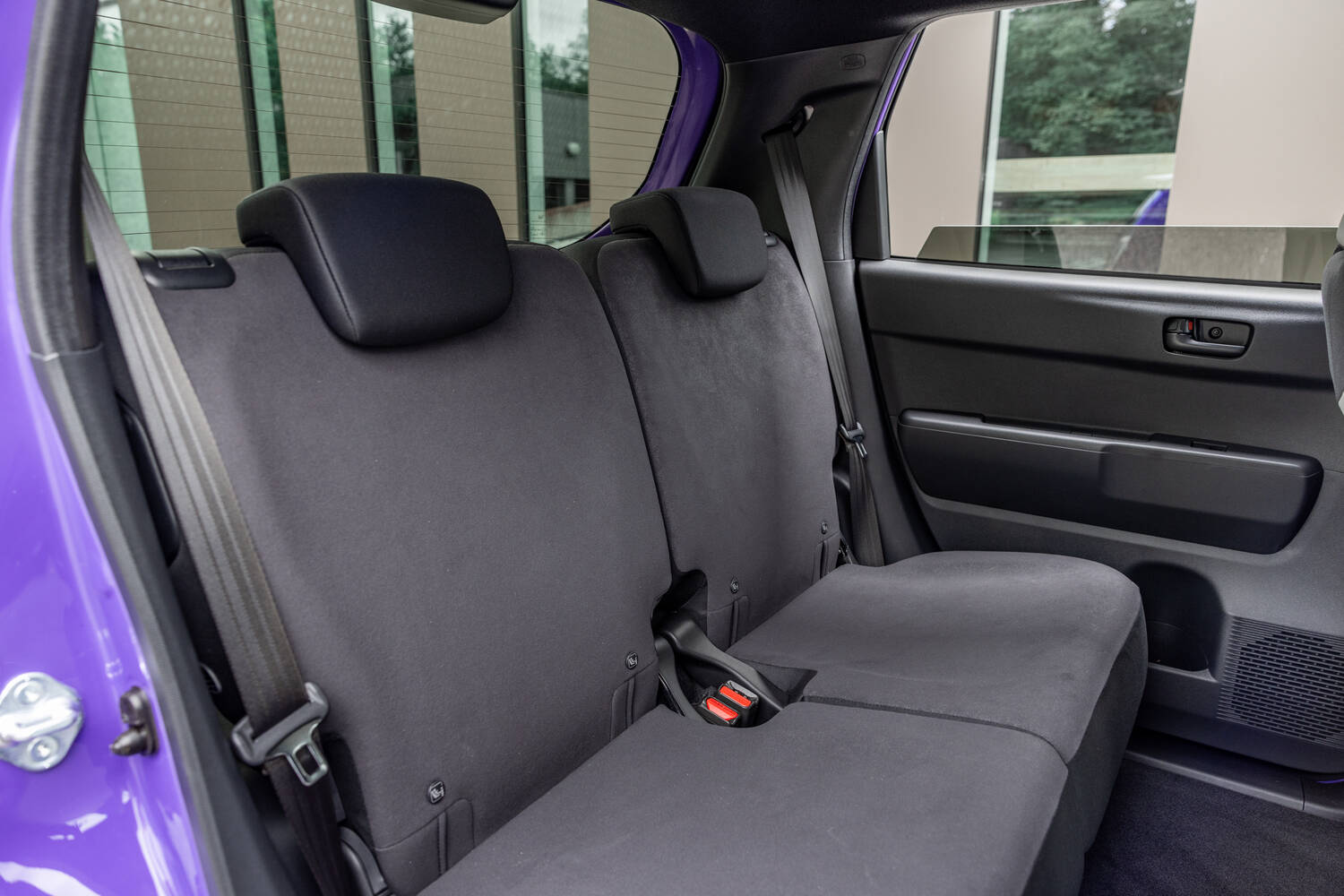
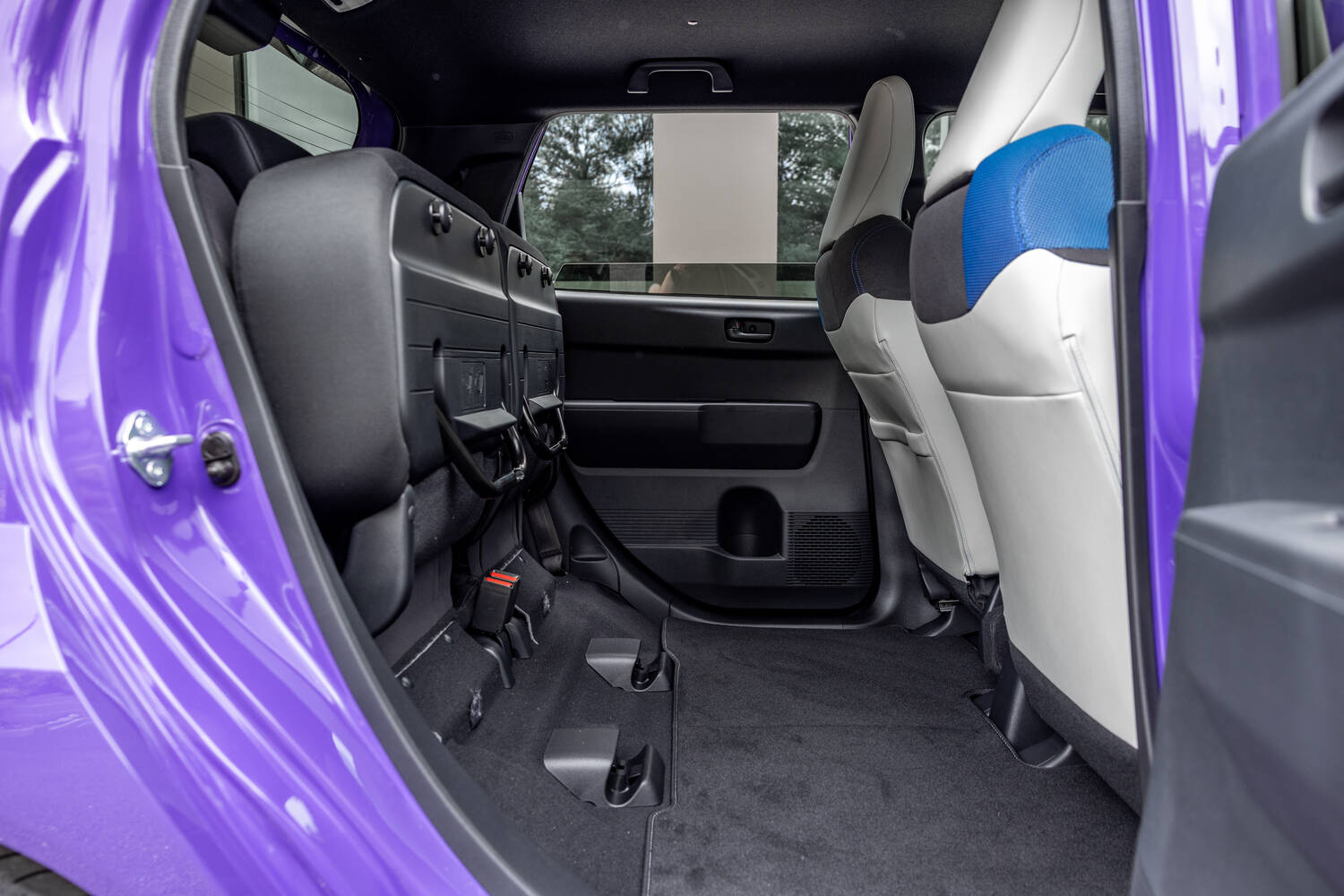
The first thing to get out of the way is that the Honda Super-N is a strict four-seater. The body of the car is so narrow that there's no hope of getting three chairs across the second row, so two it is - and there are only two seatbelts accordingly.
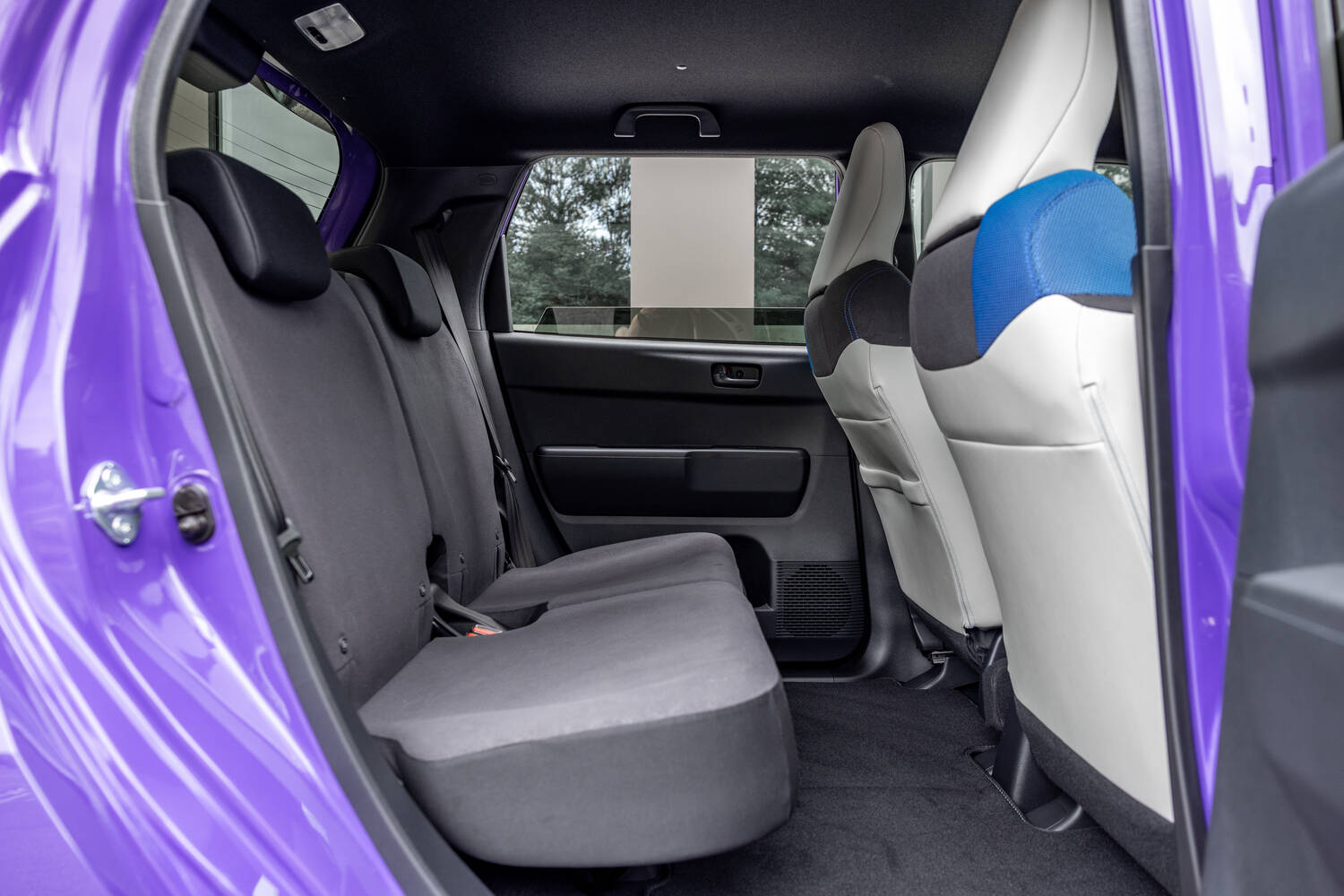
But those two are fairly roomy. The tall roof of the car and the relatively stretched wheelbase mean that the legroom is decent and the headroom is generous, although the rear bench is mounted close to the floor.
That means taller people sitting in the back will find their thighs are angled upwards, which isn't the most comfortable seating position.

This comparative spaciousness is a compensation for the lack of features in the back of the Honda EV. Aside from more door bins, which are basically just round bottle holders, there's a solitary elasticated map pocket on the back of the front passenger seat and a flat floor all the way through.
And that's about it. There are no USB sockets, no cupholders, no fold-down armrest... just the seats, really.
Fitting child seats to the Honda Super-N

There are two ISOFIX positions in the back of the Honda Super-N, complete with top tethers. There's enough room back there and the doors open wide, plus their apertures are reasonably large, so that loading in child seats shouldn't be too much trouble.
Boot space in the Honda Super-N

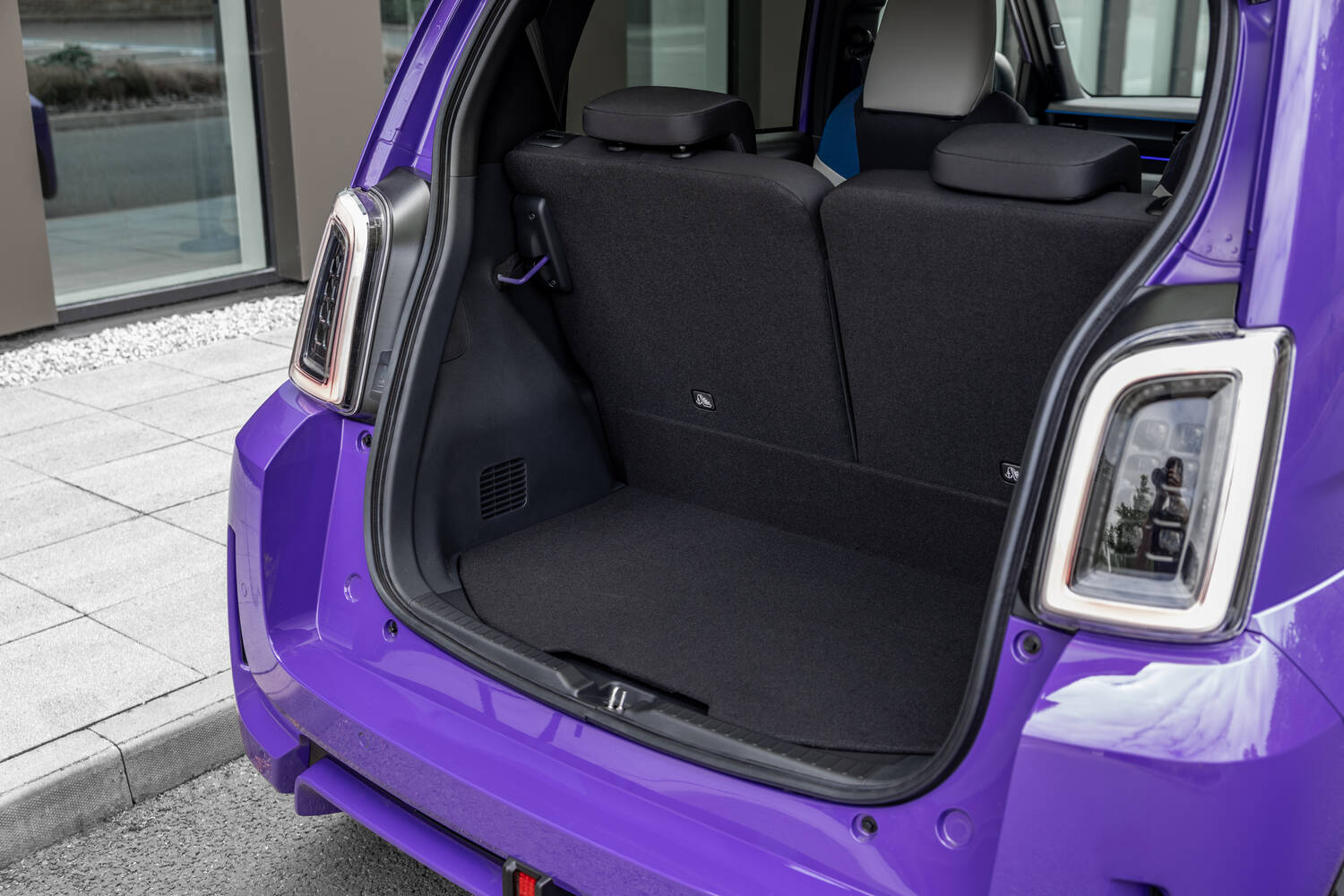
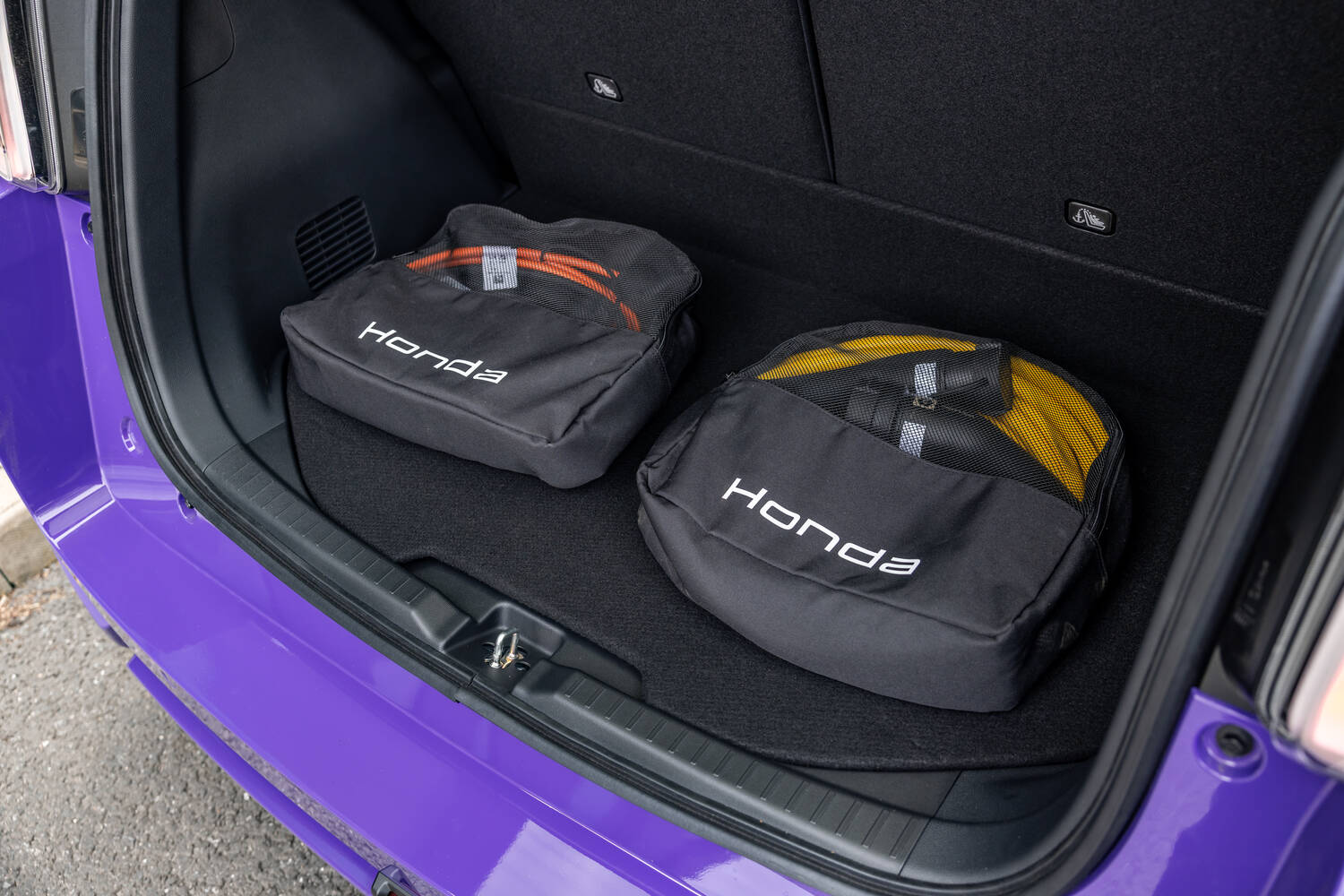
Another area where Honda has had to make some compromises. With all seats in use, there's just 162 litres of boot capacity in the Honda Super-N.
And while there's a bit of underfloor space, it's mainly all taken up by the 13.1-litre box housing the subwoofer for the stereo system, leaving just some slots for the tyre-repair kit. The charging cables can't fit under there, either, so they must sit in the main boot area - further reducing its meagre capacity.

That said, drop the 50:50 split-folding rear backrests down and up to 967 litres of volume is realised. Furthermore, the Super-N has Honda's excellent 'Magic Seats' in the back, which means the bench's base can be tilted up so that you can carry tall, upright objects in the freed-up footwells as a result. So the teensy EV is not totally bereft of versatility.
Safety in the Honda Super-N
Untested by Euro NCAP, the Japanese model has a wealth of advanced driver assistance systems (ADAS) fitted to it as part of the Honda Sensing bundle of safety hardware, while its structure is said to be strong thanks to advanced construction techniques in the frontal area of the bodywork.
Performance of the 2026 Honda Super-N
• Just one electric powertrain
• Ramps up output in Boost mode
• Great fun to drive

Honda will sell the Super-N with a solitary electric motor on the front axle, driving the wheels via a single-speed reduction-gear automatic transmission.
In normal operation (four modes out of five available), the EV is delivering 64hp backed up with 162Nm of torque. This is enough for a 0-100km/h time of 14.5 seconds.
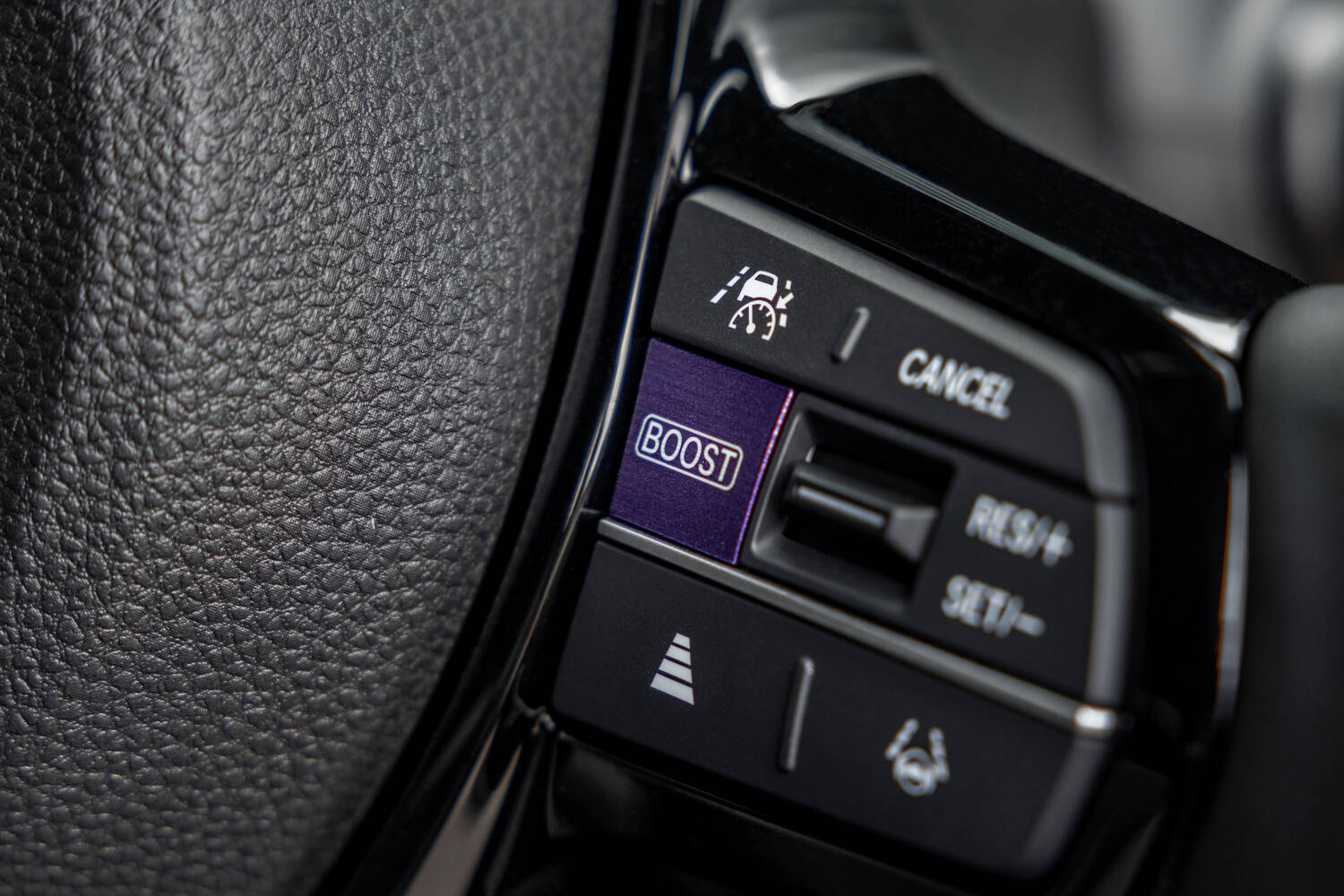
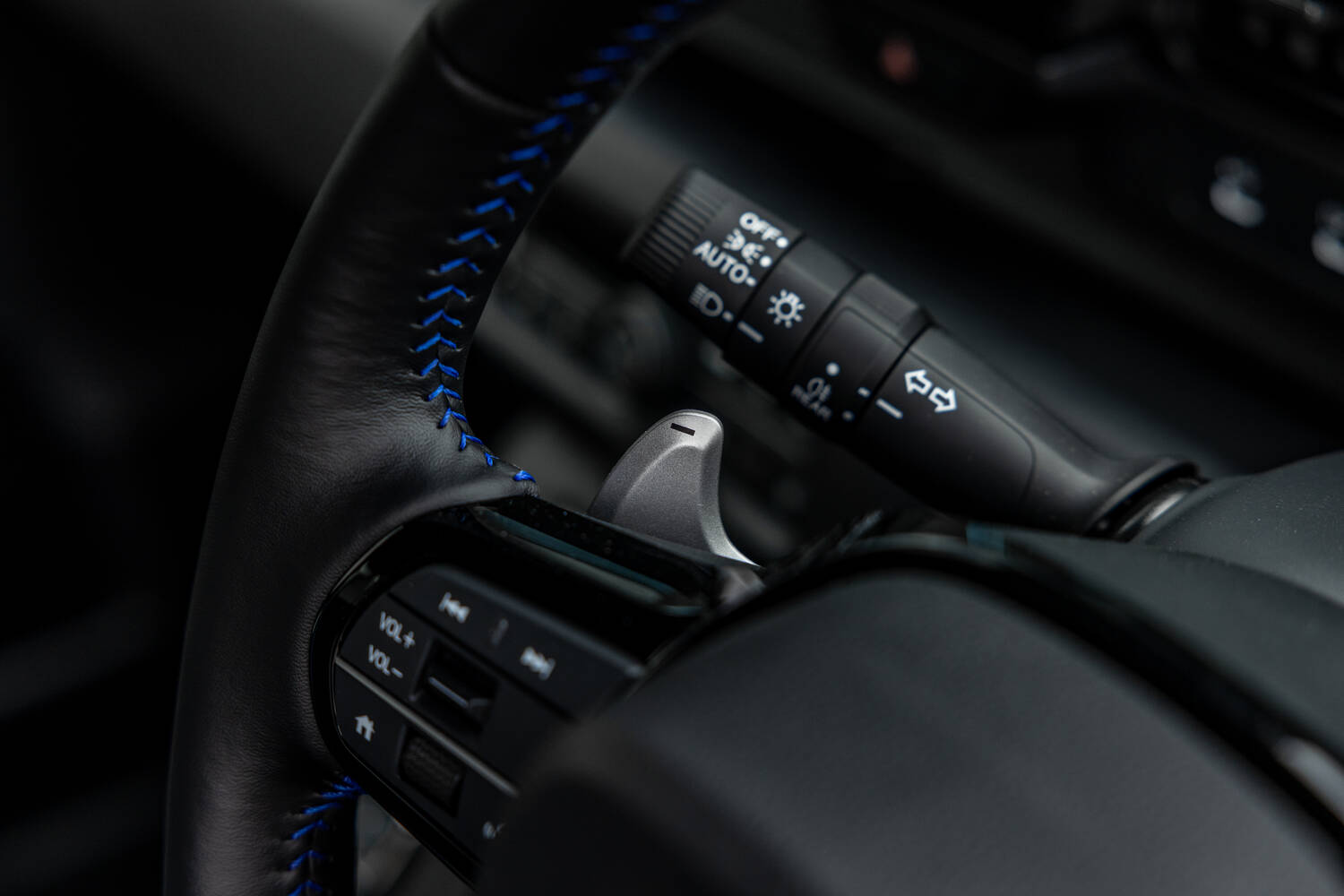
However, in Boost mode - activated by pressing a purple button on the steering column and which is not a time-limited function - the power ramps up to 95hp, enough to trim a huge chunk off the 0-100km/h sprint; it now can be achieved in precisely ten seconds.

Also, hold the left-hand paddle for a few seconds and the Honda Super-N can simulate both the sound and feel of a seven-speed gearbox, using both its control software and the in-car speakers.
There is also, in City mode, enough regenerative braking power to drive with a one-pedal style, including bringing the vehicle to a complete stop.
Driving the Honda Super-N on the UK's roads
Words by Matt Robinson on 19 June 2026

What a wonderful small car this is. Honda's engineering team says it has put in some serious effort to make the steering feel engaging, and the suspension to feel composed, and the powertrain to feel like it's lively rather than lethargic, and - with the simulated gearbox and engine noises - for the Super-N to come across as an involving car to drive. And the company has aced the brief.
Before we get to that, let's get the negatives out of the way. Firstly, we'd avoid Econ mode. It switches off all regenerative braking and seriously stunts response to the accelerator, so that if you're climbing a hill then you're suddenly acutely aware of the Honda's measly output.
Secondly, the synthesised noises here are sure to put some people's backs up. It's not a terrible effort on Honda's part, but when one chief engineer behind the project said it sounded like a mix of the City Turbo II and a DC2 Integra Type-R, we will kindly say he was perhaps being a tad overly enthusiastic about his product.

And finally, perhaps the main issue of the lot, is the fact that the low-speed ride can occasionally be too harsh. Even on the diddy 15-inch wheels, there are occasions that the Honda Super-N deals with speed bumps and larger potholes in the road in a manner that lacks for dignity and instead comes across as too stiff-legged.
Given that these sorts of scenarios are most readily encountered in urban areas, this EV's preferred habitat, you might think this would be a terminal error on the Super-N's part.
However, we disagree. It actually rides well for what it is: something incredibly light (it's just 1,097kg at the kerb, making it trimmer than most of its main rivals - and, in some instances, about 300 kilos less bulky) and short of wheelbase, built to a tight budget and then equipped with suspension tuned to give a more entertaining steer on out-of-town roads.

For most of the time in town, it's more than acceptably comfortable, quiet and, naturally, nippy. That 162Nm torque hits straight away and has no problem scooting less than 1.1 tonnes of shoebox-on-wheels up to 50km/h in very short order.
Get the Honda Super-N out onto faster flowing roads, or even the motorway, and it is almost needlessly adept in such circumstances. The whole idea of this short-range EV is that it's aimed predominantly at urban users, so it doesn't really need to leave the city limits and head out into the great beyond.
Yet it will do so with aplomb. It is remarkably stable and assured upwards of 80km/h, and doubly so considering it's so tall and narrow. There's enough about the Super-N that if you need to keep up on high-speed country roads, it can do so with a healthy degree of ease, although you'll probably want it in Boost mode on the motorway to prevent the car becoming a mobile chicane upwards of 100km/h.
The real joy, however, is the way you can chuck it around as if you've been put through a shrink ray and you're now driving your favourite toy car from your childhood collection.

Without being sensational for weighting or feel, the accurate and pleasing consistency of the steering in the Honda makes it easily the best-in-class for this type of vehicle.
Ditto the brakes; these blend friction power with regeneration capabilities in a smooth, well-calibrated fashion - despite the fact the Super-N runs discs at the front and drums at the rear.
And the body control is, again for this build of car, exceptional. There's precious little lean, pitch or dive, instead the Honda conveying a planted, grippy, communicative and secure sensation to its driver which means you can carry far more speed through a series of corners than you would ever have dreamt possible, looking at the unfathomably small contact patches of its teeny tyres before you first get in to have a go in it.

You end up driving it and thinking you're tearing about the place like a hooligan, when in reality you're rarely ever going much more than 90km/h.
Listening to it run through its selection of phantom gears and 'brapping' through changes, you realise that despite the fact it is powered by electricity, it feels like one of those fabulously bonkers little Japanese tearaways of the past. A Mitsubishi Minica Dangan ZZ, perhaps. Or a Daihatsu Cuore TR-XX Avanzato. And more to the point, a Honda City Turbo II.
About our only real lament is that the Super-N doesn't have a bigger battery, so you can revel in it for longer at a time and really appreciate its specific set of deeply alluring charms.
Range, battery, charging and running costs of the 2026 Honda Super-N
• Single 29.6kWh battery
• Range just beyond 200km
• 50kW DC charging the peak

To get on most famously with the Honda Super-N, you need to accept it has been built purely to fulfil the criteria of being a highly affordable electric city car - so it's not going to do 300-400km and more to a charge.
Also, while it has a decent DC charging rate, we can't help feeling that if it were just a bit faster, in turn speeding up public battery-replenishment cycles, that would help its usability cause no end.
Battery options and official range
The only battery available in the Honda Super-N is a 29.6kWh lithium-ion affair. Honda's a bit coy about usable capacity and the chemistry, but we suspect that the battery will be a nickel-manganese-cobalt (NMC) unit.
And as to range, that battery confers a WLTP combined figure of just 206km on the Super-N. If you can stick to exclusively urban speeds and conditions, that rises to 320km ('WLTP city'), but either way, accepting the real-world range will be even less than the published figures, you'll probably be looking at more like 150km on average, and maybe 220-250km in the city - if you're a really alert driver.
Real-world range and efficiency of the Honda Super-N
On a hot day, using its climate control and driving it quite quickly at times (including at 110km/h-plus in motorway-like conditions), the Honda indicated it was doing 17.3kWh/100km across a 70km mixed-roads loop.
That's not bad, given the provocation, and as another portion of the trip computer suggested the tiny tyke was doing 15.5kWh/100km as an average across 700km (in the hands of other drivers previously), then it's clear the Super-N has ok efficiency though we'd have expected better for something so small and light.
Those indicated numbers mean anything between 171-191km of realistic range from the Honda EV.
Charging up the Honda Super-N

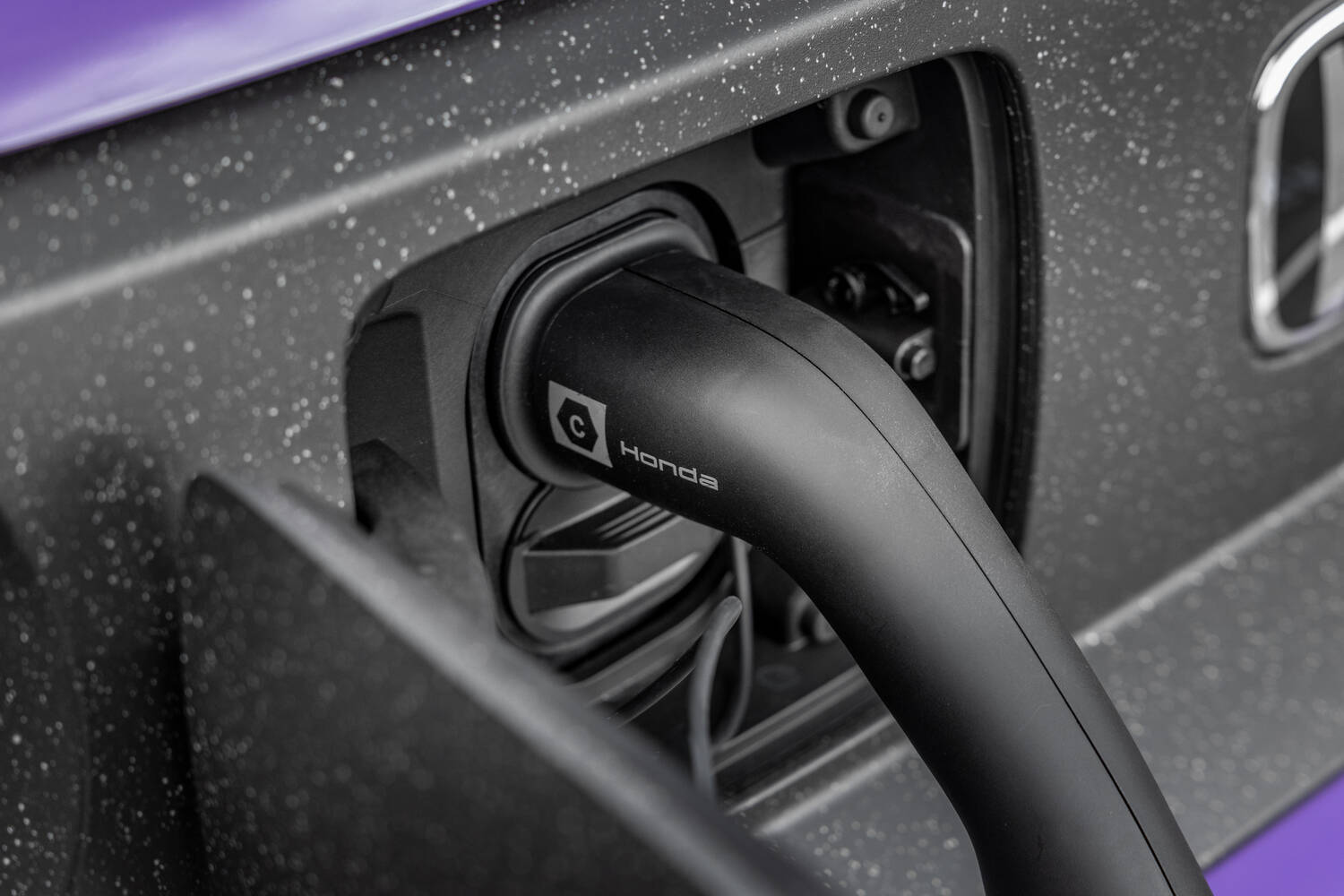
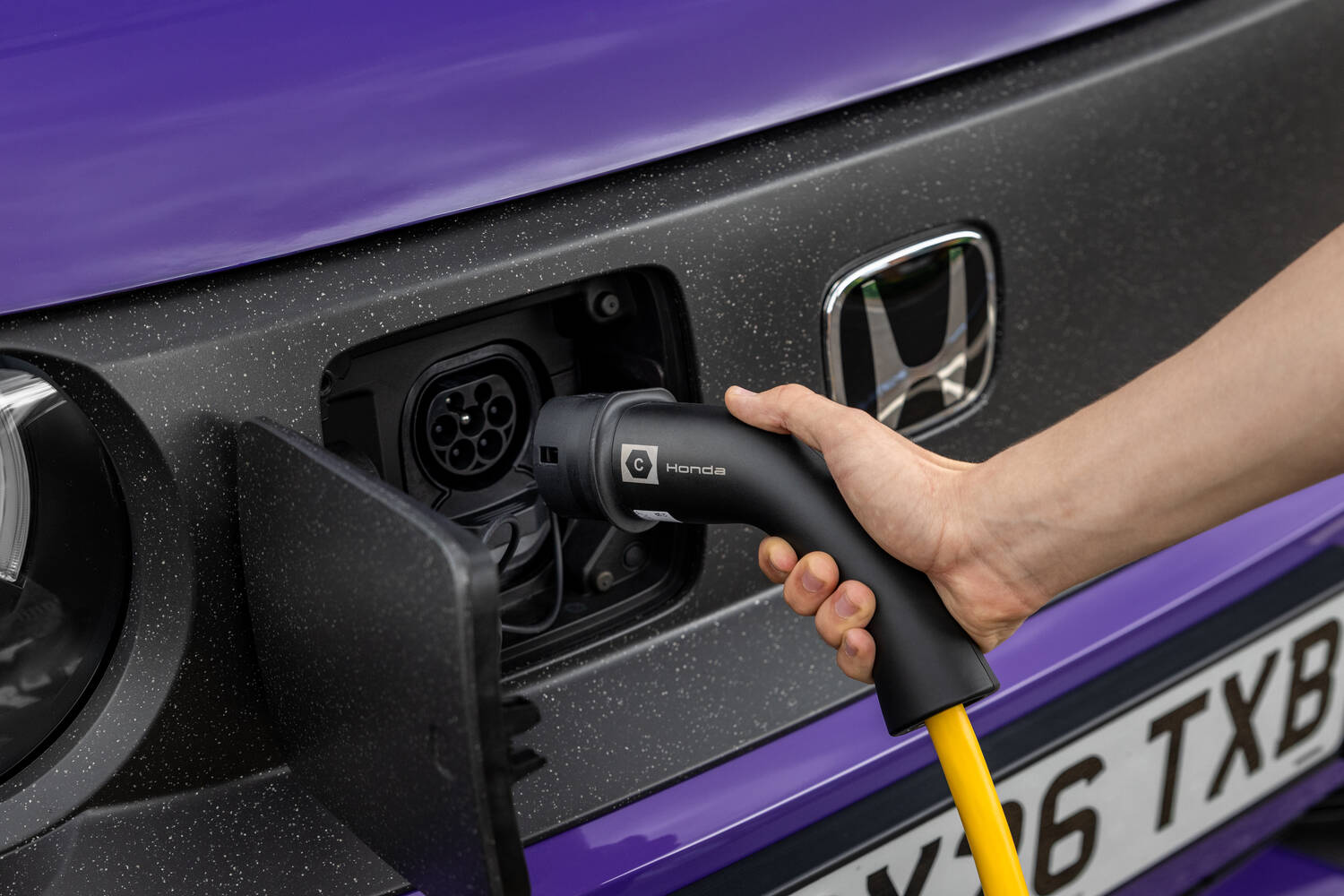
Honda has provided 10kW AC charging in the Super-N, while at its fastest, it can charge at up to 50kW on DC outlets.
On a typical 7.4kW domestic wallbox, it'll take 4.5 hours to perform a full 10-100 per cent charge, while at its quickest, a 10-80 per cent cycle would be done in 30 minutes on public chargers.
Servicing the Honda Super-N
The usual servicing schedule for Honda is every 12 months or 20,000km, although as the Super-N is an EV, with fewer moving parts to maintain, then it might just be longer between dealership visits for owners.
Honda Super-N warranty
The standard Honda warranty in Ireland is for three years or 100,000km, whichever comes sooner.
Irish pricing & rivals to the 2026 Honda Super-N
• Price not yet confirmed
• Lots of standard kit
• Plenty of rivals

Honda Ireland hasn't priced the Super-N up as yet, but we know in other territories it's one of the cheapest new EVs on sale. Might it even be less than €20,000 here? Fingers and everything else tightly crossed, but as soon as we know more, we'll bring you the full details.
What we are anticipating is a single specification that includes the twin digital displays including Apple CarPlay and Android Auto, as well as heated front sports seats and a heated steering wheel, adaptive cruise control, smart entry, in-car climate, the Bose surround sound system and ambient cabin lighting, among more.
Rivals include budget EVs, newcomers from China, and larger, established zero-emission hatches that Honda reckons some potential buyers could be persuaded to ignore, notwithstanding the Super-N's smaller battery.
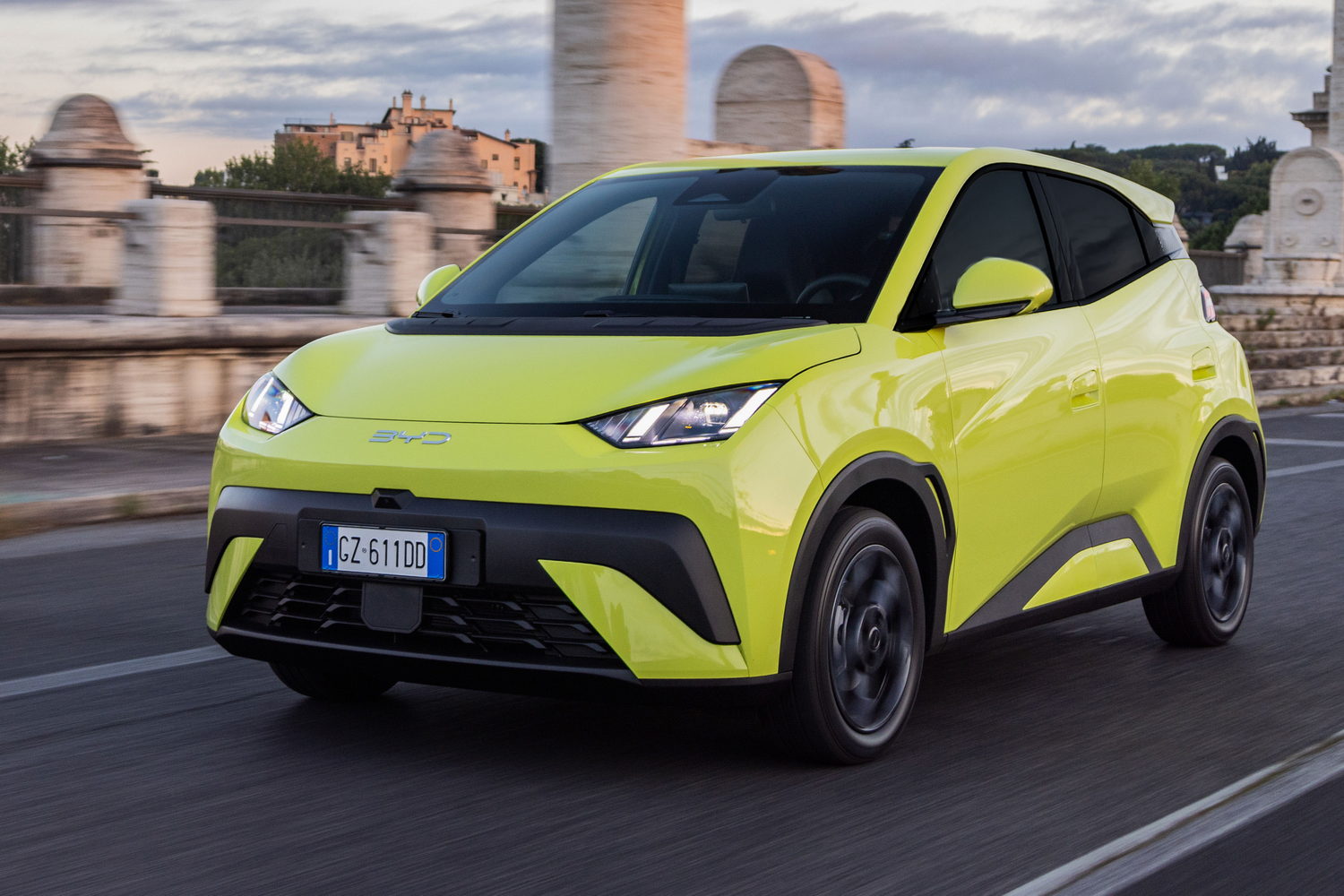
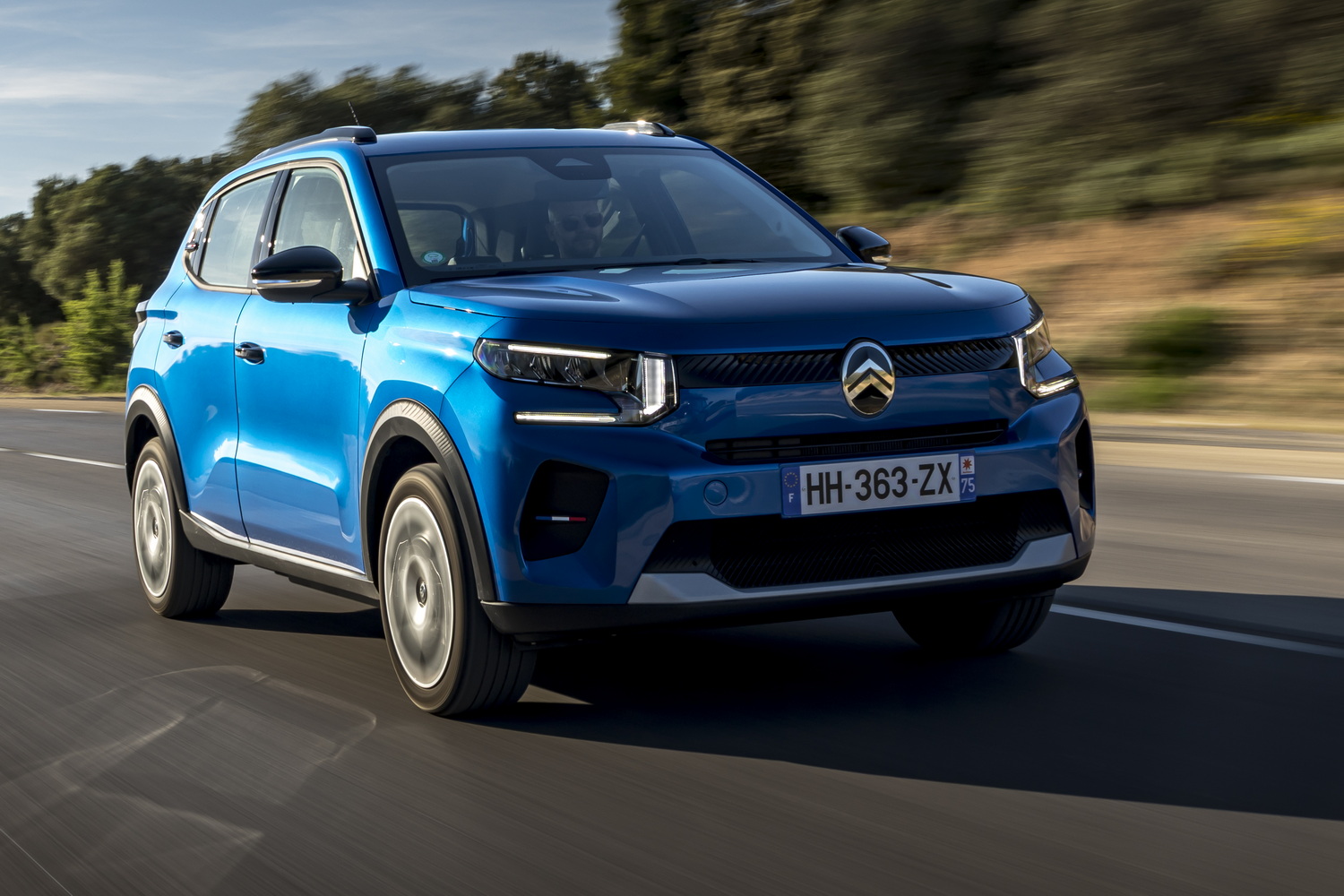
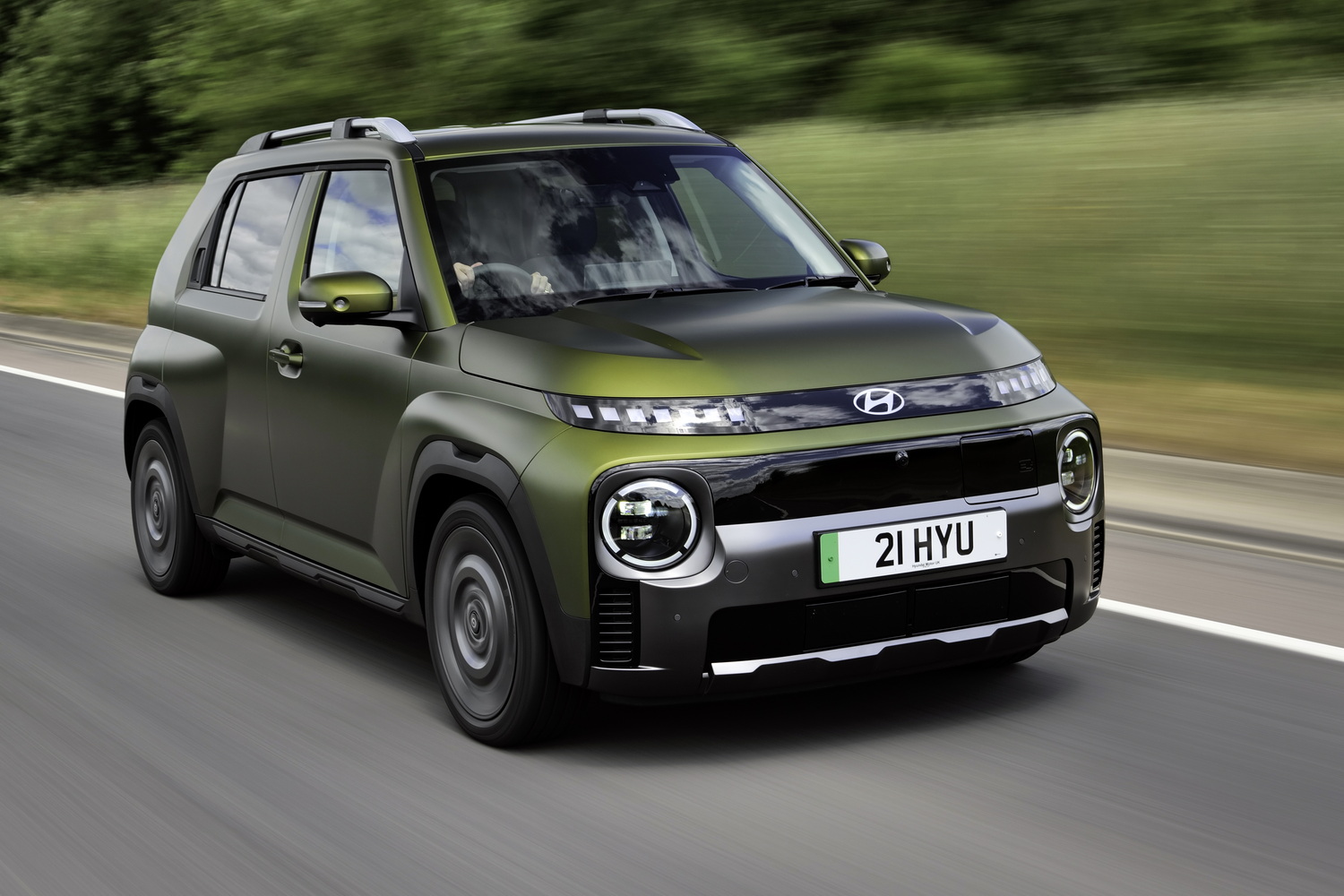
So include all of the Leapmotor T03, Fiat 500e, BYD Dolphin Surf, Citroen e-C3, Fiat Grande Panda and Hyundai Inster in the mix, and even things such as the Renault 5 E-Tech and Nissan Micra as potential contenders.
Verdict - should you buy the 2026 Honda Super-N?
If you're just looking for a supremely charismatic and buttons-to-run urban runaround, we can't think of many cars we'd rather have than the marvellous little Honda Super-N.

Its driving experience more than lives up to the promise set by its looks, and if the Japanese company gets the price as spot on here as it has in other countries where the car is going on sale, this could be Honda's first big (if you'll forgive the irony in that adjective) winner in the EV marketplace.
FAQs about the 2026 Honda Super-N
Is the Honda Super-N fast?
Not as such, no. But if you put it into Boost mode, peak power goes up from 64- to 95hp, reducing the 0-100km/h time from 14.5 to 10 seconds in the process.
Is the Honda Super-N rear-wheel drive, like the old Honda e?
No, the Super-N sends its power to the front wheels, rather than the rears.
Just how small is the Honda Super-N?
It's only 3.6 metres long, less than 1.6 metres wide and it weighs a mere three kilos shy of 1,100kg. Based on a special type of Japanese small vehicle called a 'kei' car, the Super-N is one of the tiniest new machines on sale in Europe today.
Want to know more about the 2026 Honda Super-N?
If there's anything about the Honda Super-N we've not covered, or you'd like help in choosing between it and other cars, you can avail of our expert advice service via the Ask Us Anything page.