





Exterior & design of the 2025 Honda Jazz
- Updated styling still looks good
- Adorably small 16-inch alloy wheels
- Almost a mini-MPV

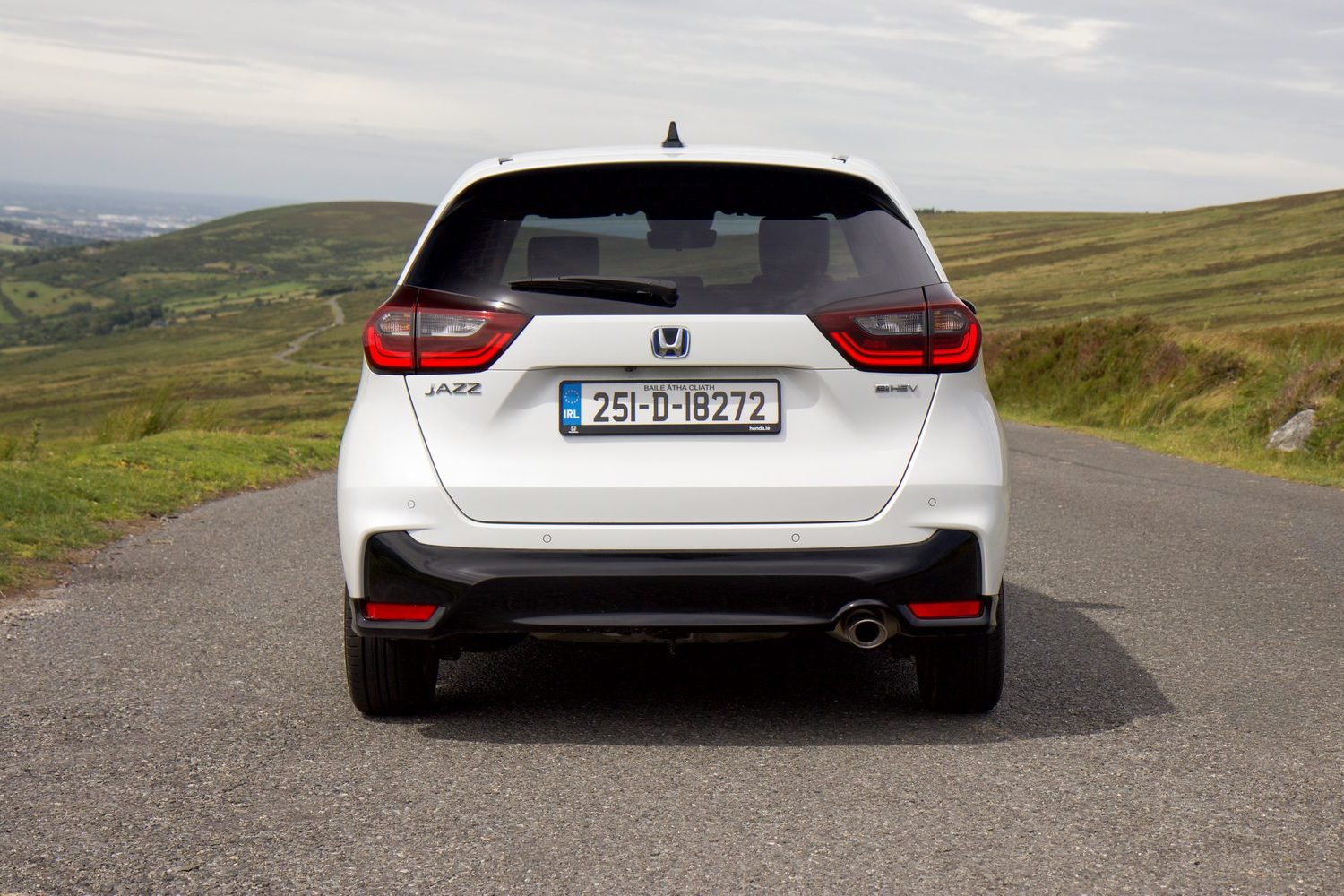
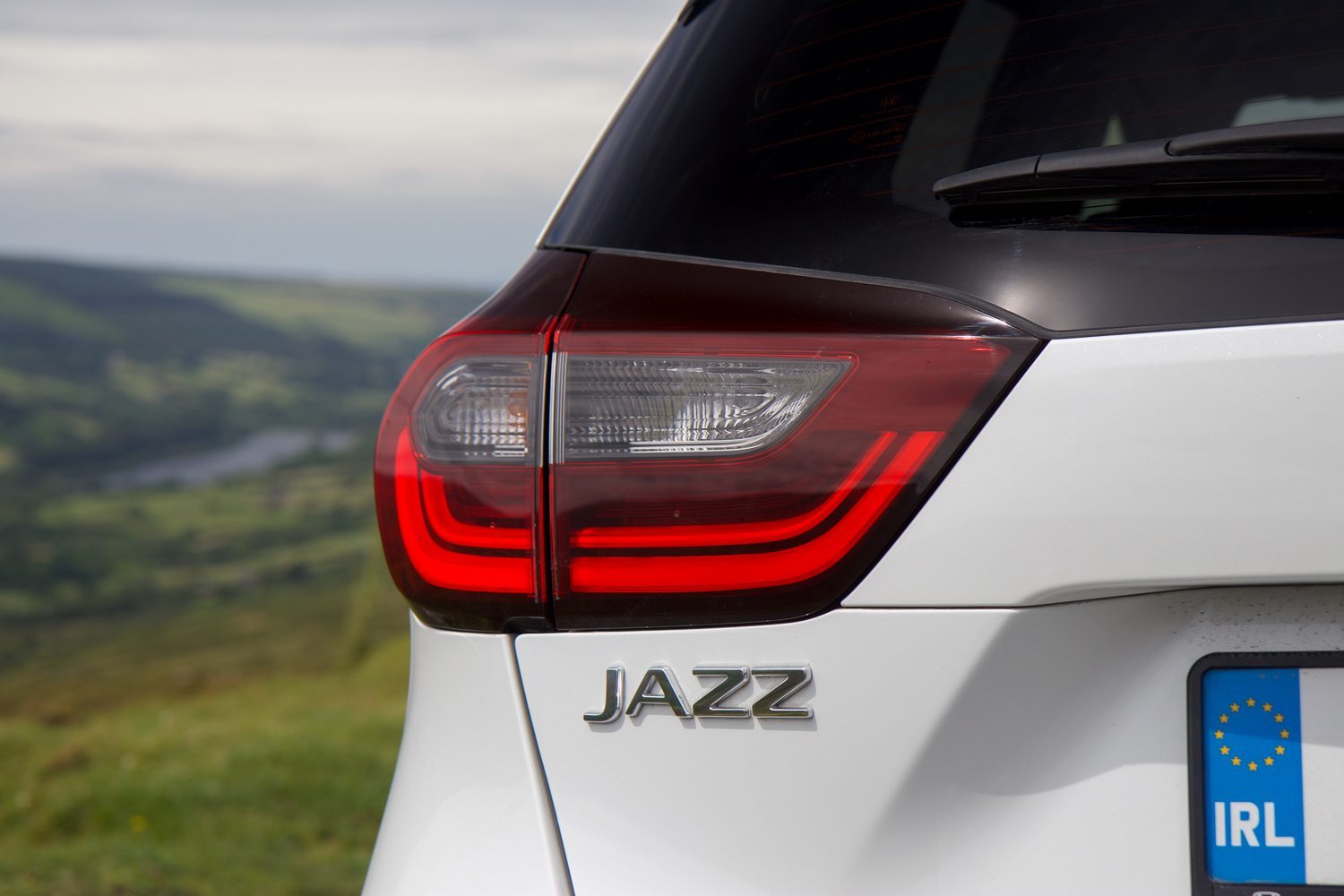
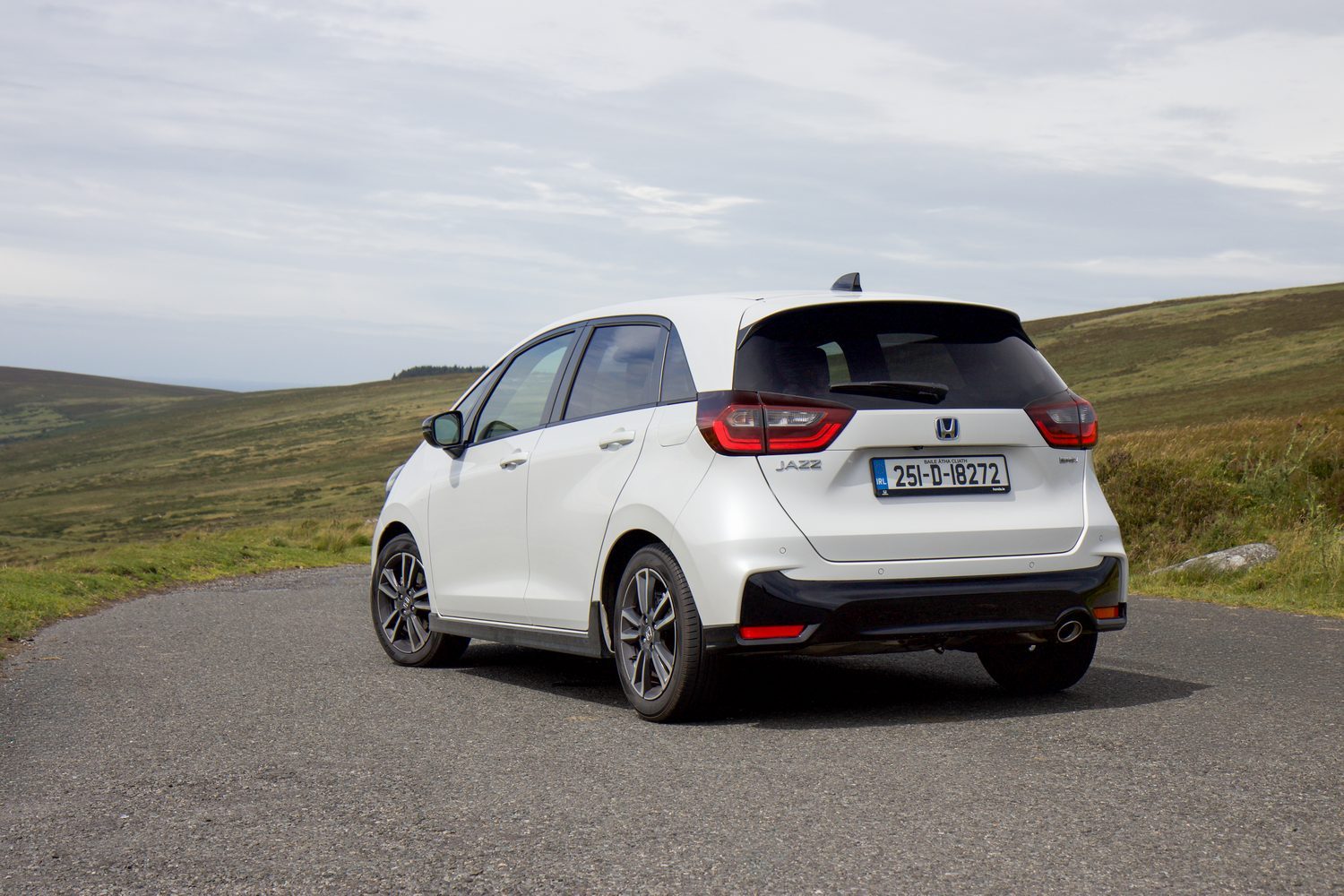
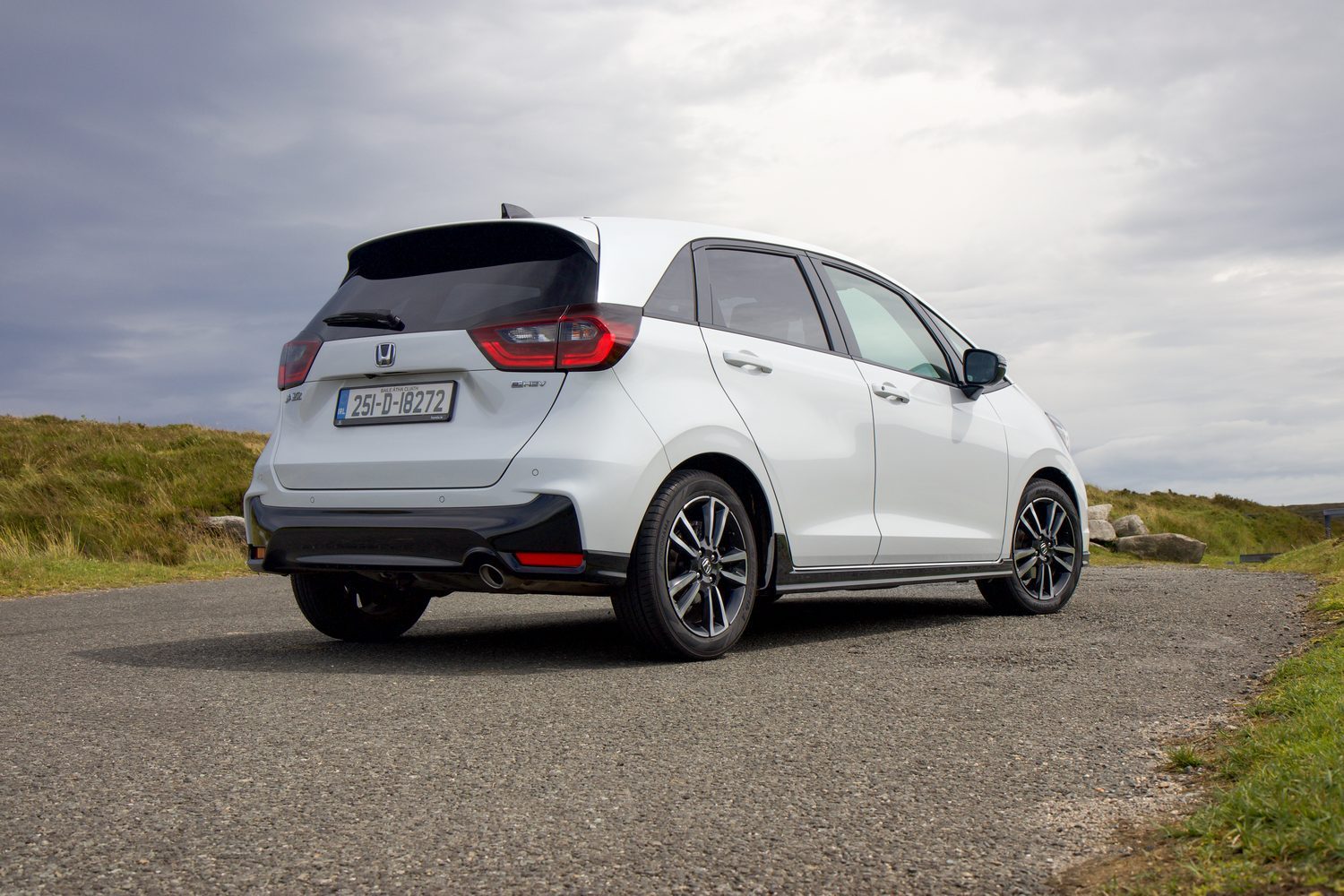
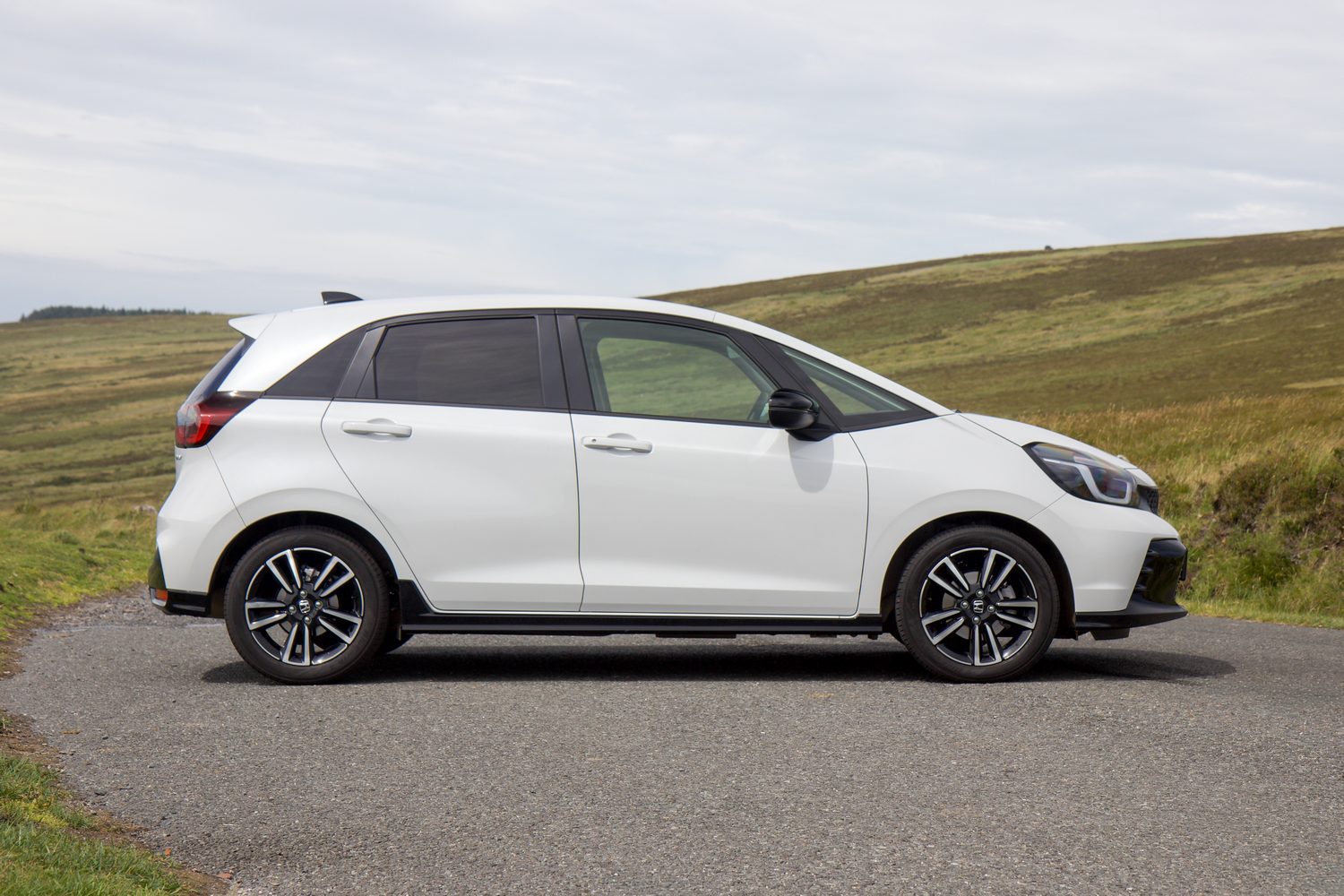
The Jazz doesn't look wildly different to how it did when this generation - the 'GR/GS' model, if you're collecting Honda product codes - arrived back in 2020.
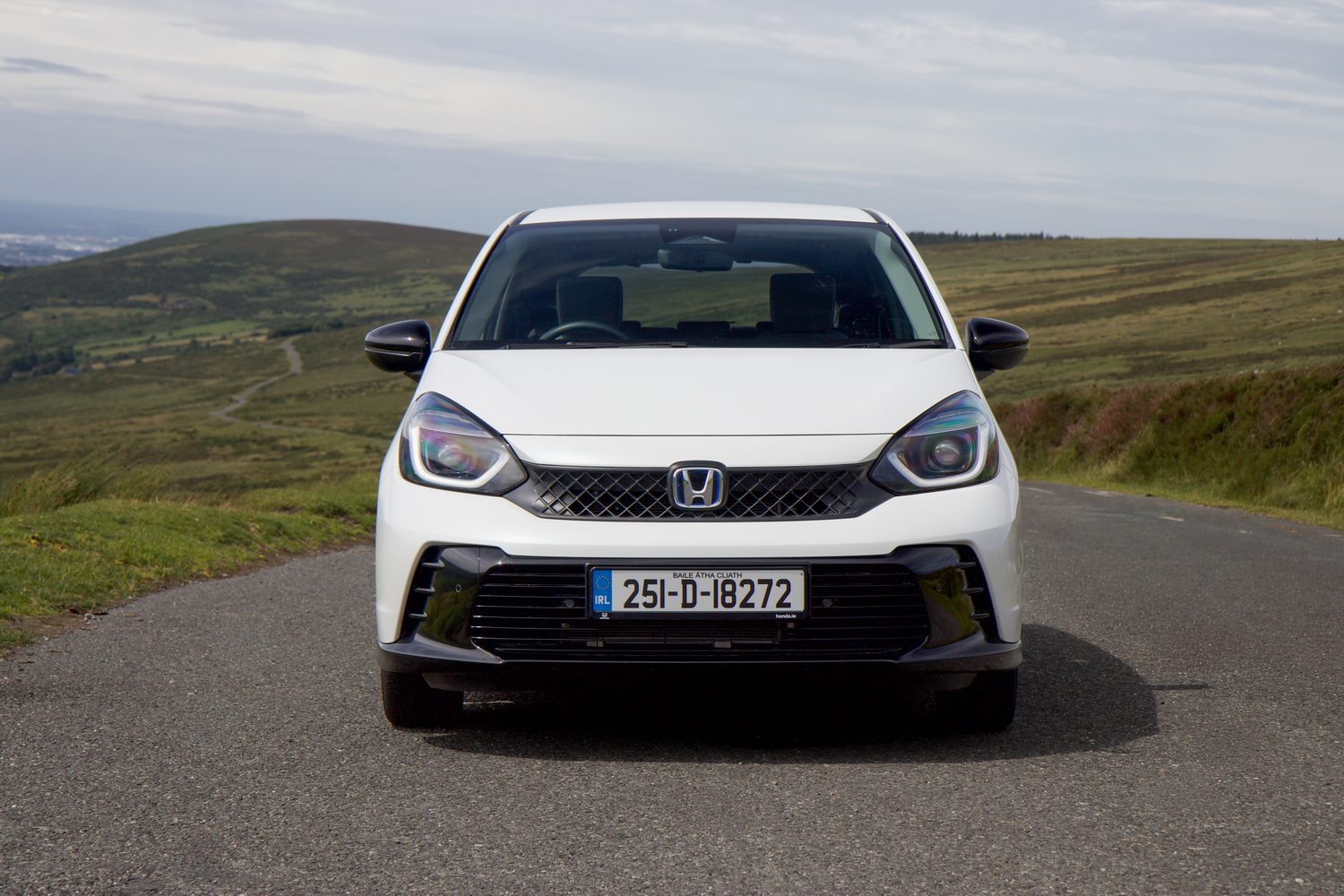
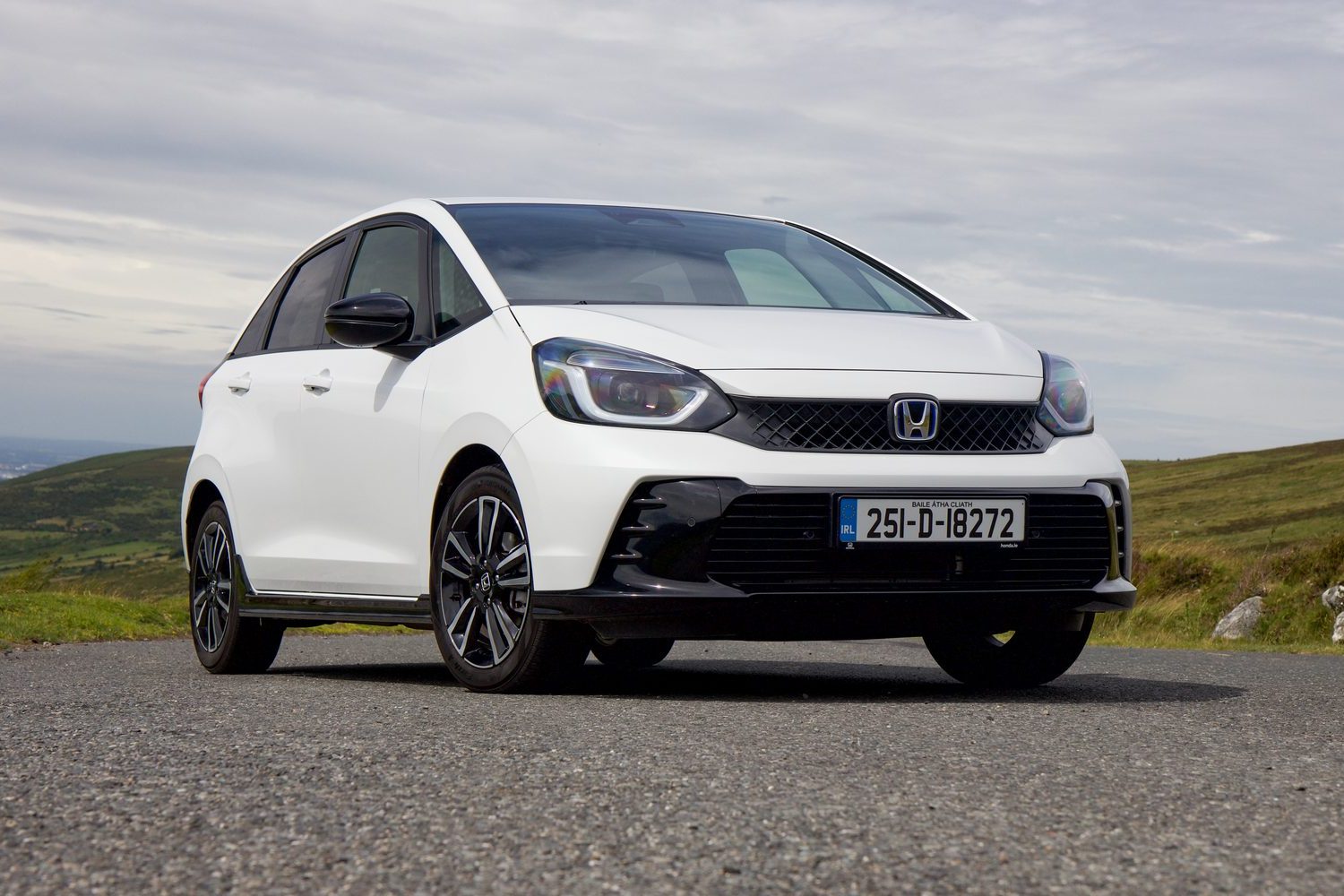
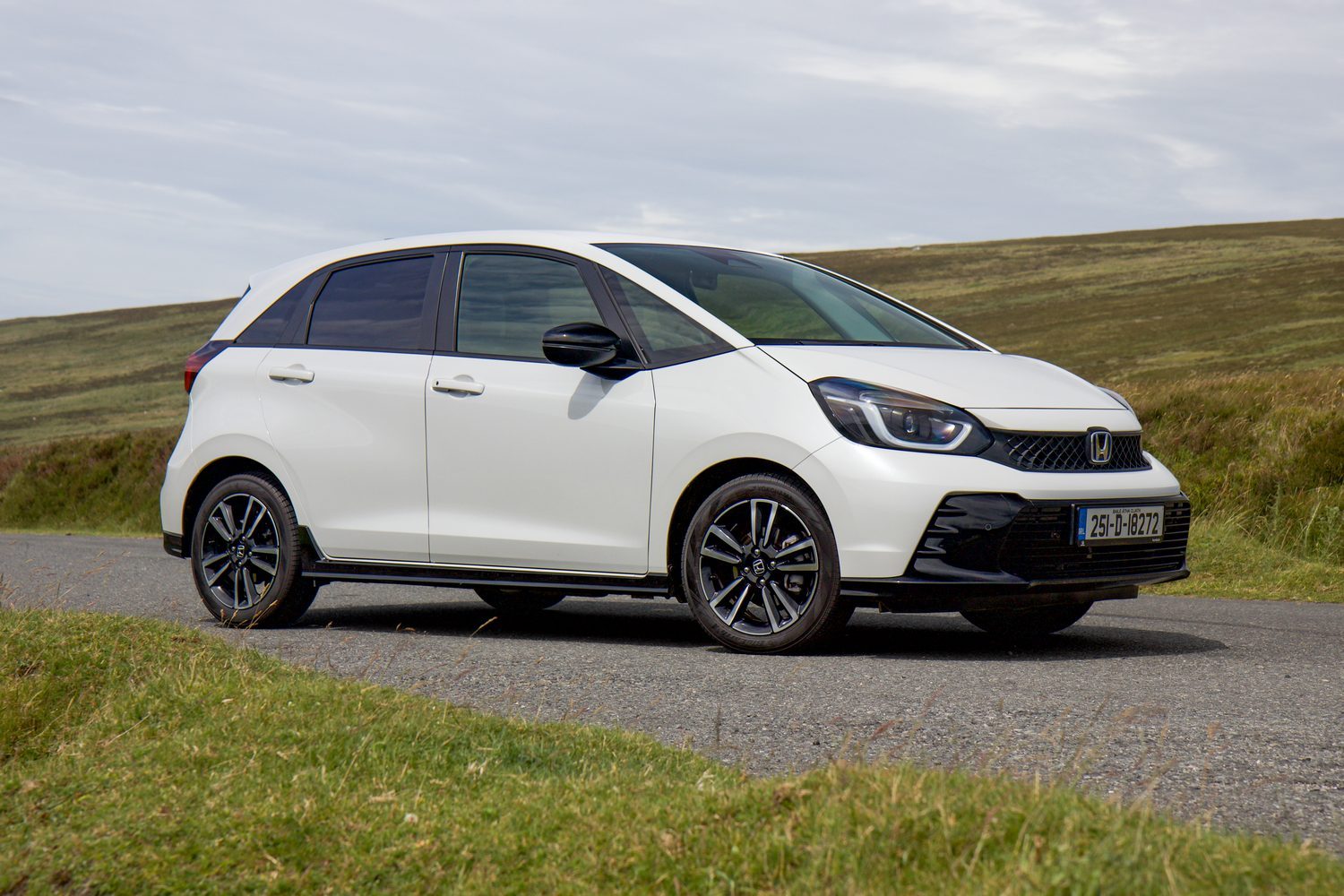
It has the same slightly snub-nosed, kinda cute look and for what is to all intents and purposes a mono-box design - making the Jazz almost an MPV in miniature. We think it's rather attractive.

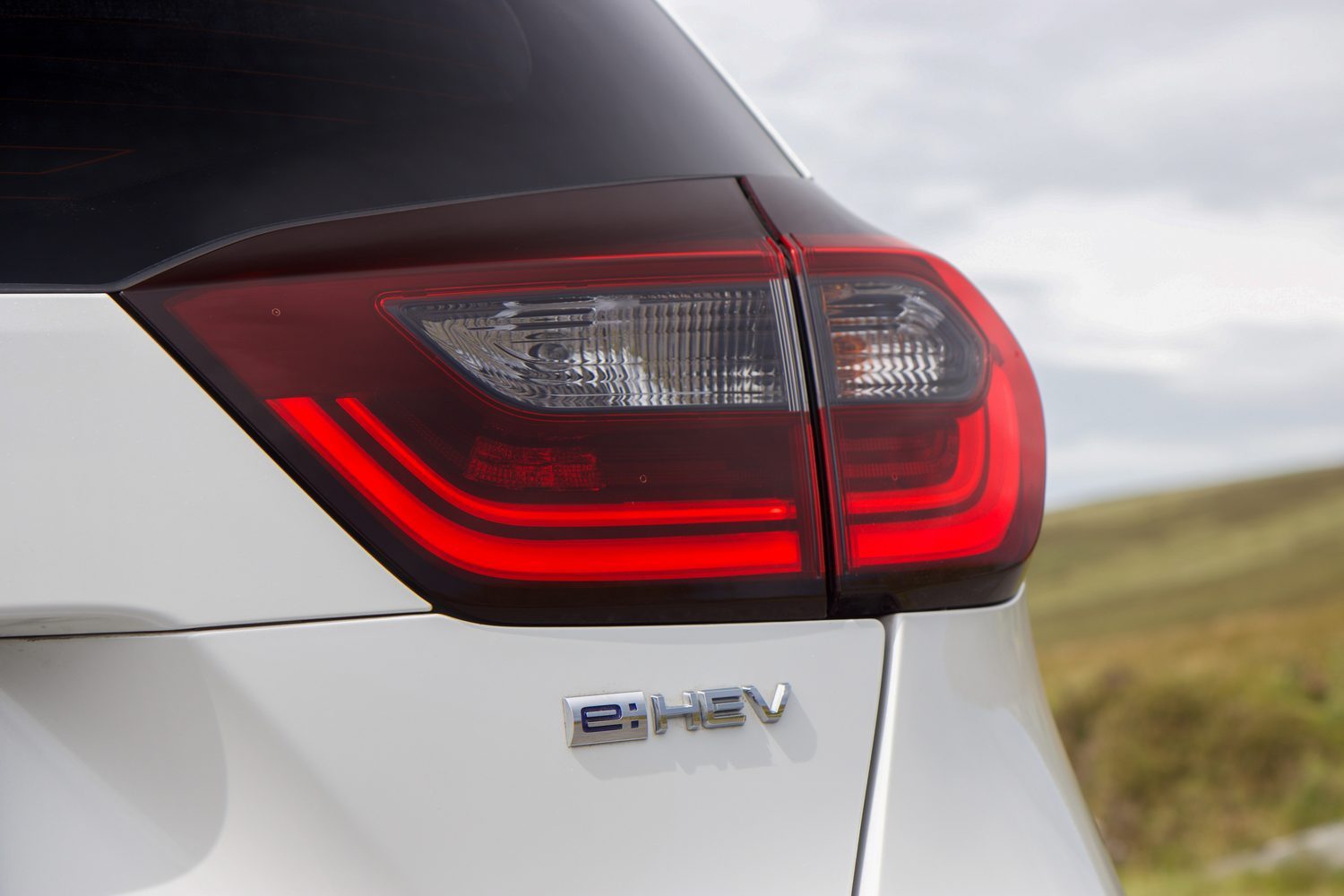
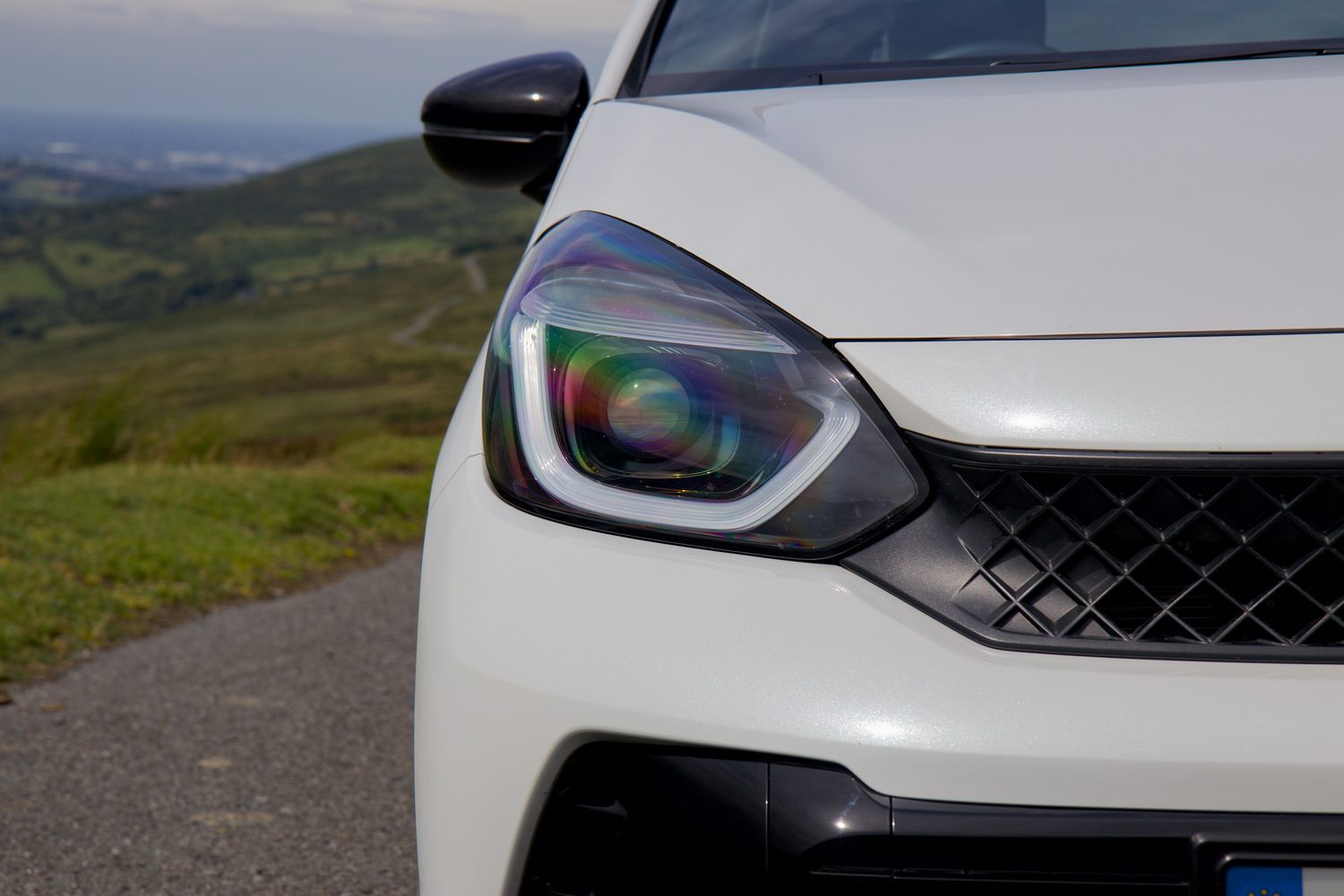
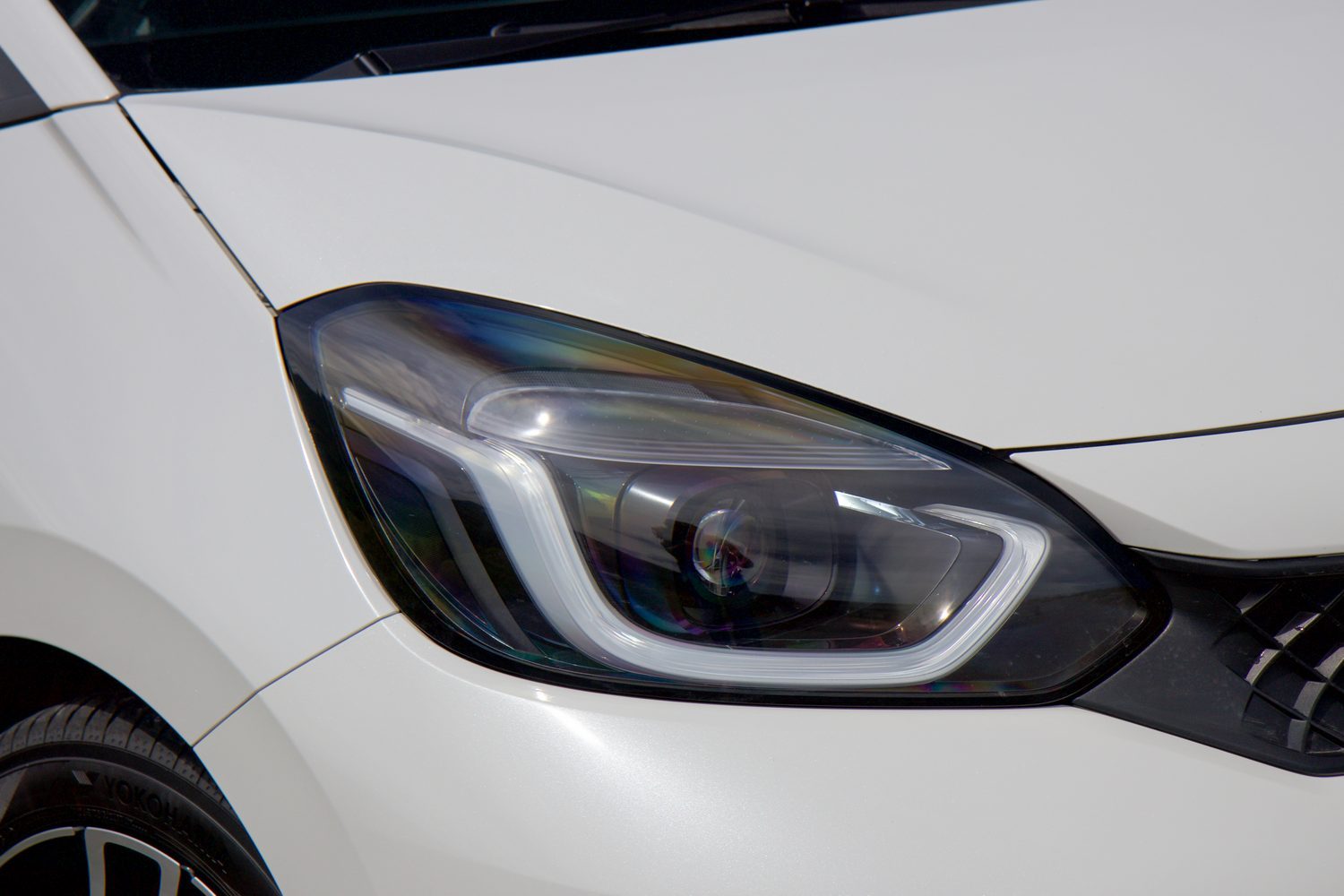
There have been some recent updates, including a small, neat egg-crate grille at the front, where previously the bonnet curved around to meet the top of the bumper, and the dinky 16-inch alloy wheels (remember when 16 inches seemed big? Ahem...) have been redesigned, but other than that, Honda's designers have left the Jazz well enough alone, and we're inclined to agree with that approach.
Dimensions of the 2025 Honda Jazz
- Length:
- 4,089mm
- Width:
- 1,814mm (mirrors folded)
- Height:
- 1,526mm
- Wheelbase:
- 2,517mm
Paint colours for the 2025 Honda Jazz
There are seven paint options for the Jazz: Urban Grey Pearl (that's the colour of our test car); Midnight Blue Beam Metallic; Premium Crystal Red Metallic; Crystal Black Pearl; Platinum White Pearl; Fjord Mist Pearl; and Premium Sunlight White Pearl.

Far be it from us to recommend a grey colour option, but we thought our Jazz looked smart in its Urban Grey finish.
Interior, practicality, tech & comfort of the 2025 Honda Jazz
- Proper buttons!
- Lots of space, front and rear
- Boot on the small side

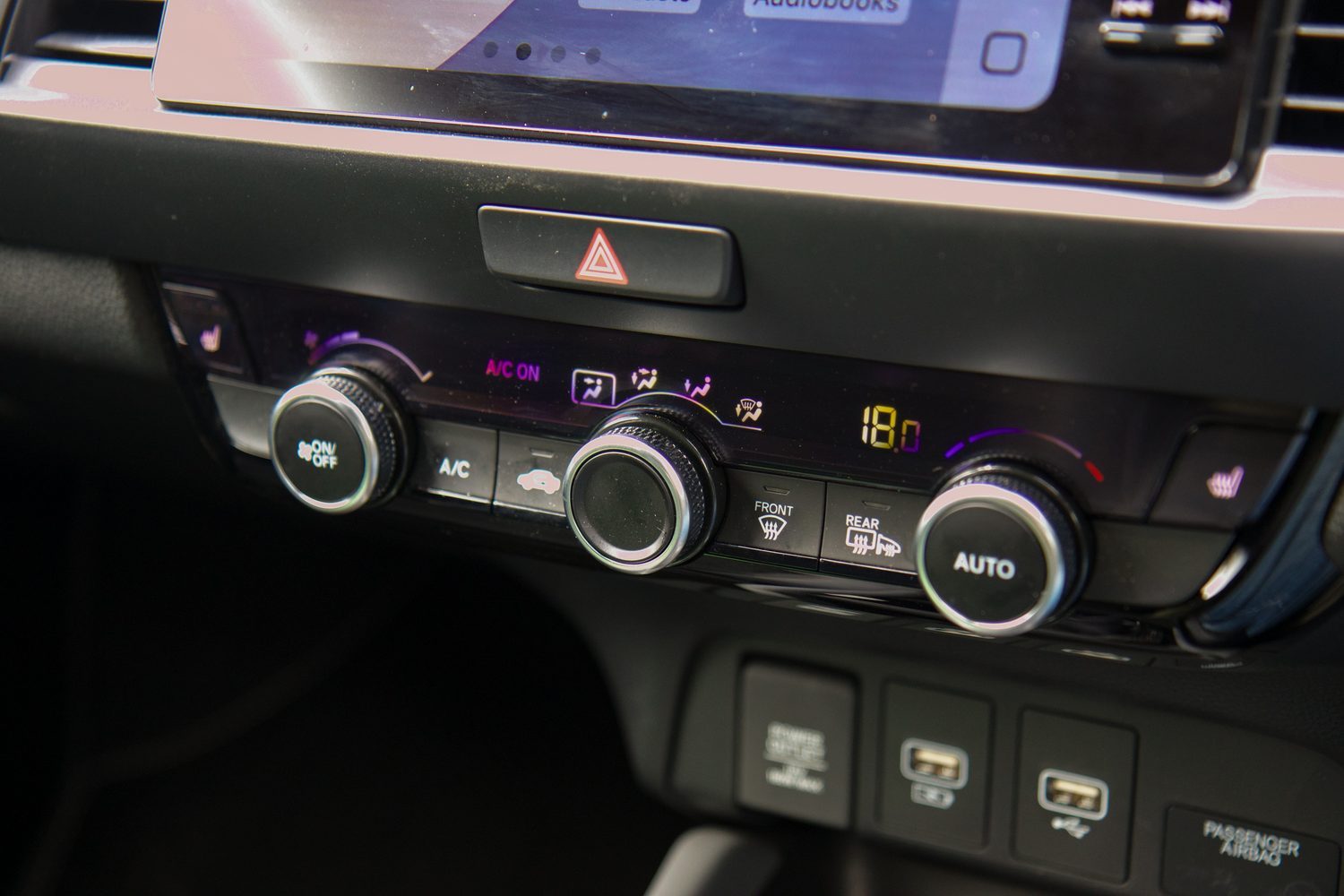
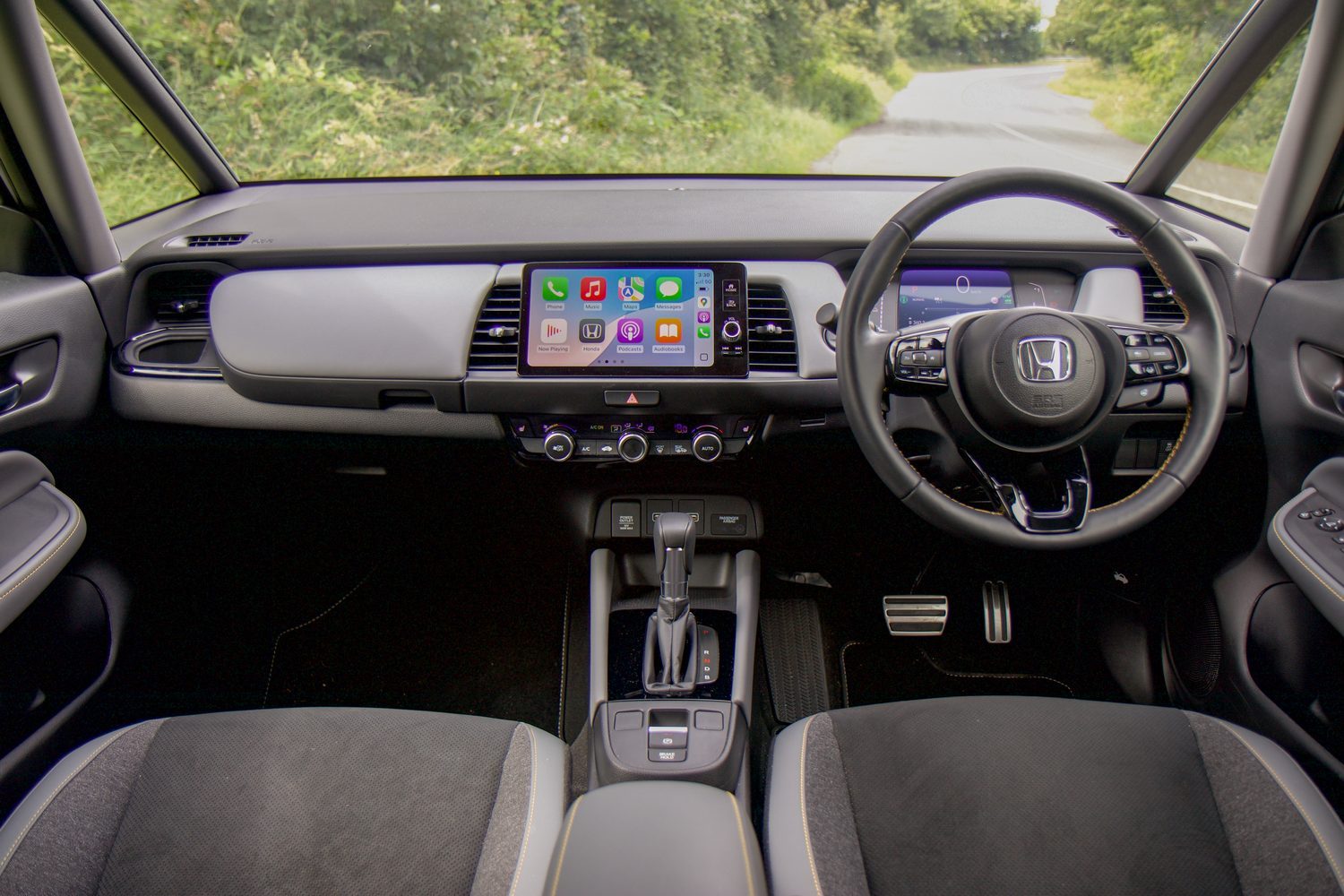
You can tell that the Jazz is a slightly older design, primarily because it has (a) a small touchscreen, and (b) there are lots of proper buttons, so you don't need to delve into its touchscreen for every function.
This is entirely to Honda's credit, but so too is the interior space on offer, the comfort, the quality and the cleverness of its back seats.
Getting comfortable in the driver's seat
The Jazz's front seats are just a touch narrow - well, they are if you're broad in the beam like me - but they're actually very comfortable and supportive, and long journeys, often the bane of smaller cars such as this, present no issues with discomfort.

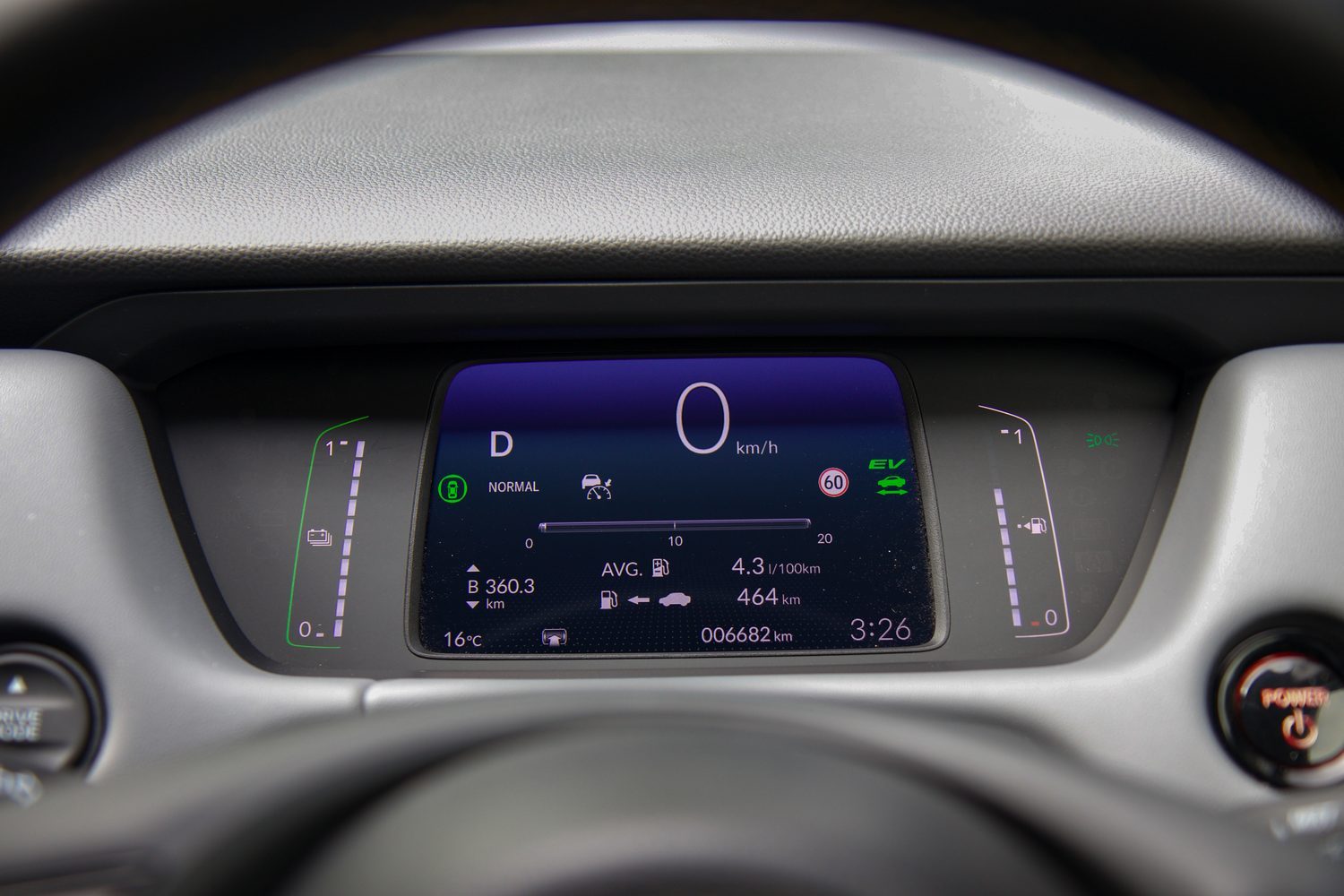
The neat three-spoke steering wheel feels good to hold, and the small digital instrument screen behind it is clear and legible.
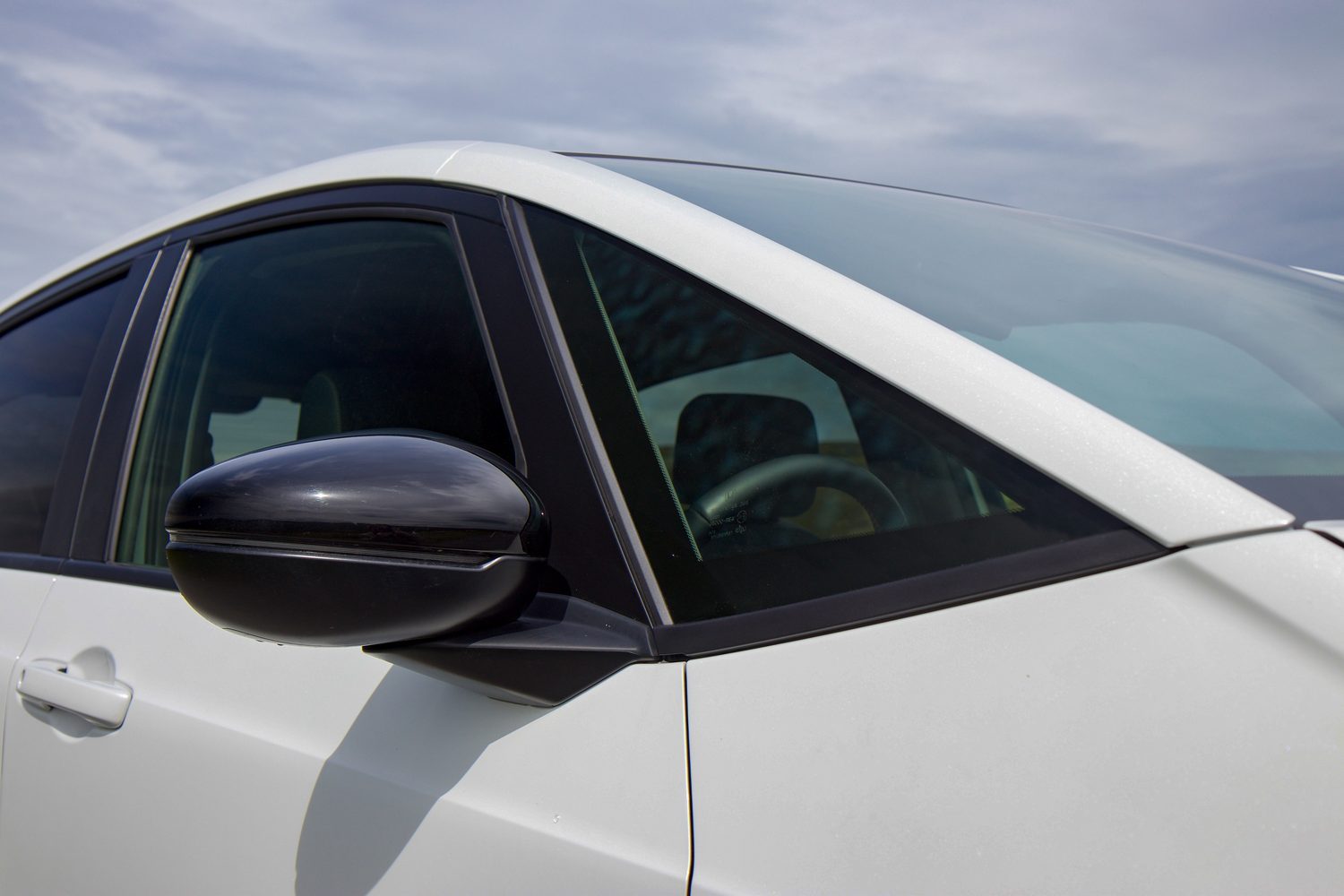
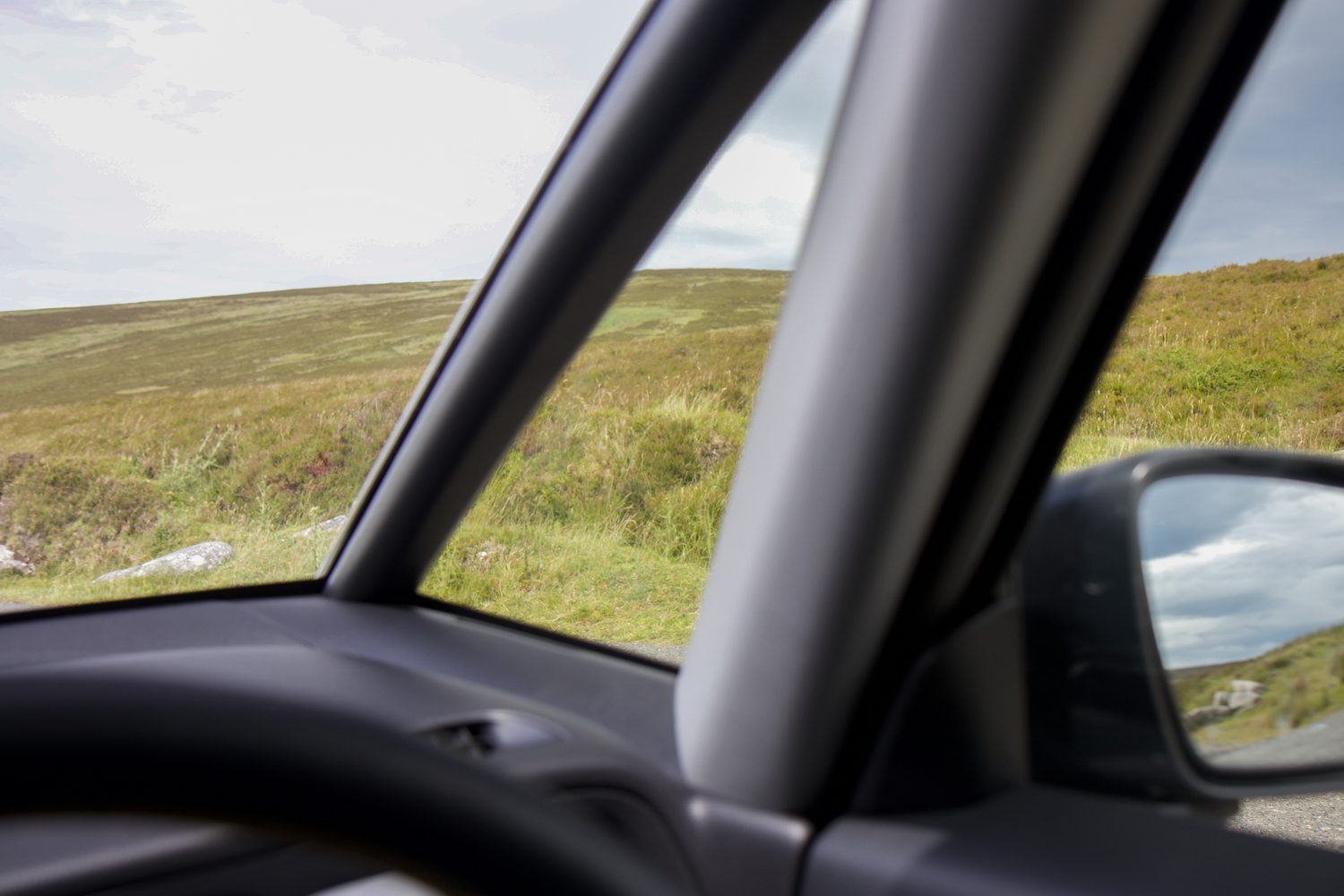
All-round visibility is excellent too, not least because the windscreen pillar is split into two, with a slim forward element and a chunkier rear one with a pane of glass between, so your forward visibility at junctions, or through long corners, is excellent. We wish all car makers could be so thoughtful.

There's good adjustment in the driver's seat although it could, ideally, go back a bit further for the very tall, and the steering wheel adjusts for reach and rake, although again its range of movement isn't massive.
Infotainment and technology
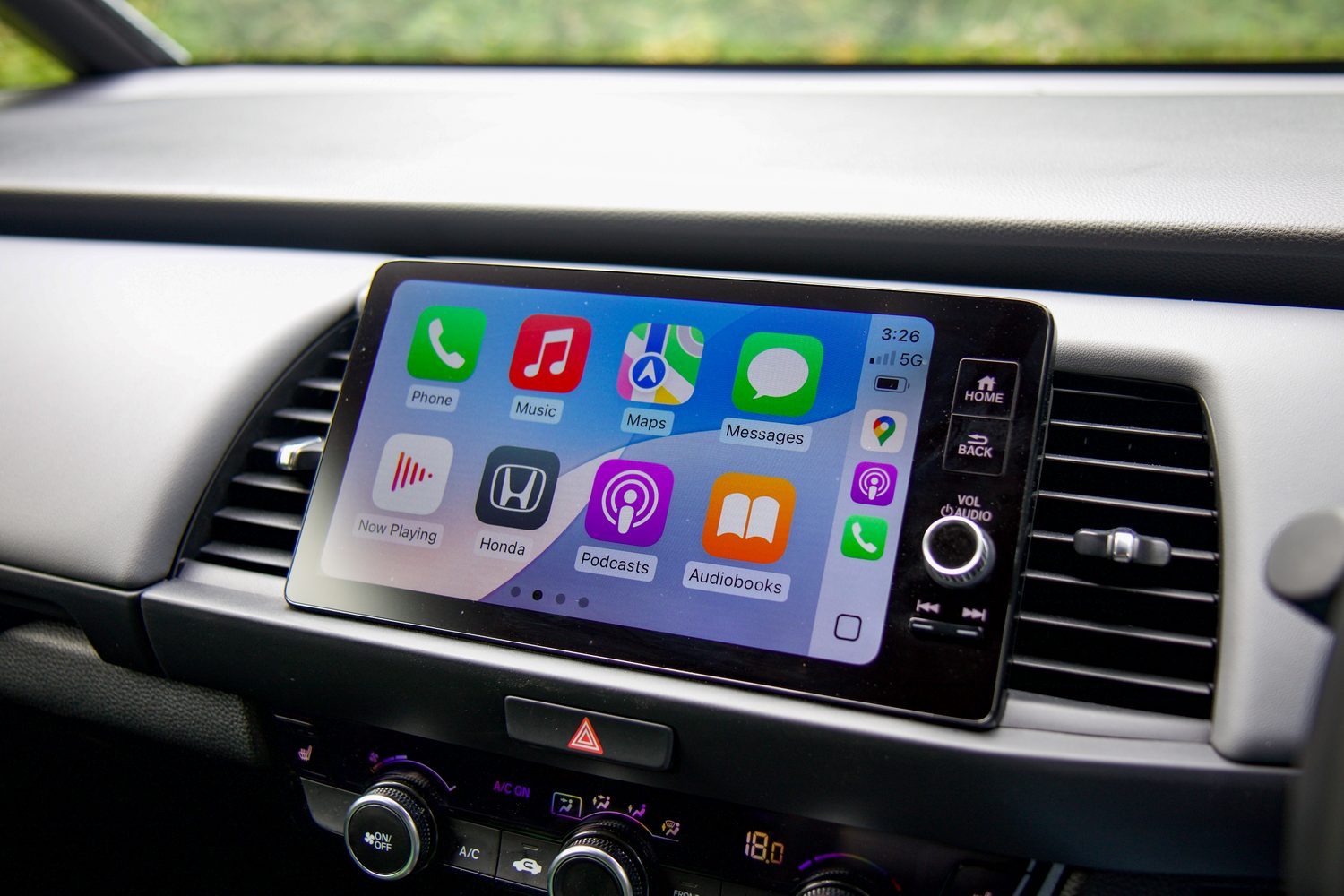
The Jazz's touchscreen is a mere nine inches across and having stepped out of several test cars in recent weeks with screens approaching, even exceeding, twice that size, the Jazz screen seems incredibly small when you sit in for the first time.

That's because Honda still, clearly and thankfully, believes in buttons, so there are proper rotary controls plus some pushbuttons for the heating and air conditioning, a physical volume knob and physical buttons on the steering wheel too.
Which is just as well, as the Honda's on-screen menu layout is far from the best, and proves fiddly to use, with items not necessarily appearing where you think they ought to.
Certainly, we wish Honda (and others) would follow Renault's lead and fit a single button that switches the active safety systems to a custom mode, but the upside of 2020-levels of simplicity means that you won't actually need to use the touchscreen very much.
In theory, it has both wired Android Auto, and wireless Apple CarPlay, but we could get neither to work, so relied instead on the Bluetooth connection.
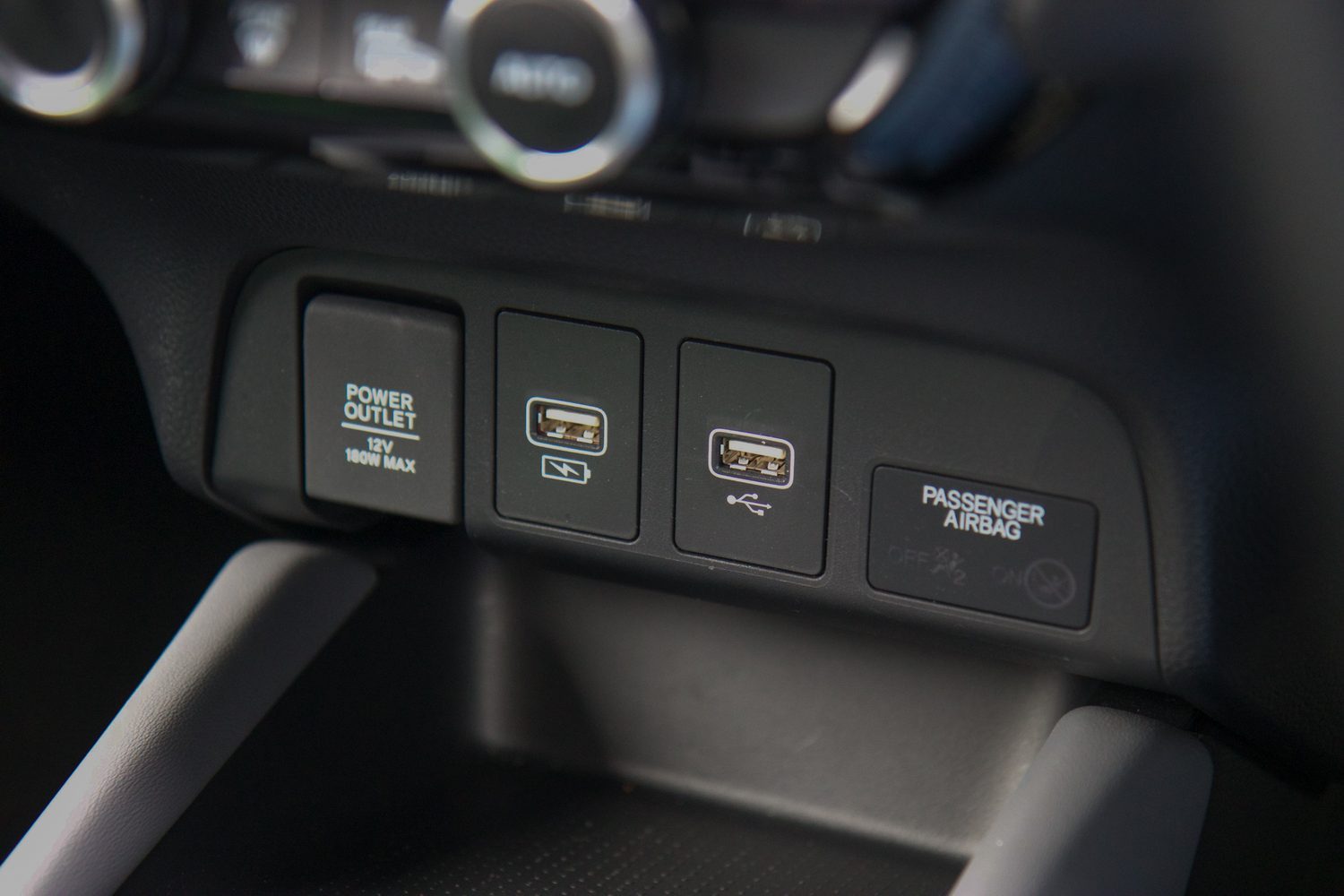
There are two USB slots in the front, down low behind the gear selector, but these are of the older USB-A type, so make sure you have the right cables to hand. There's a 12-volt socket down there too.
Practicality around the cabin
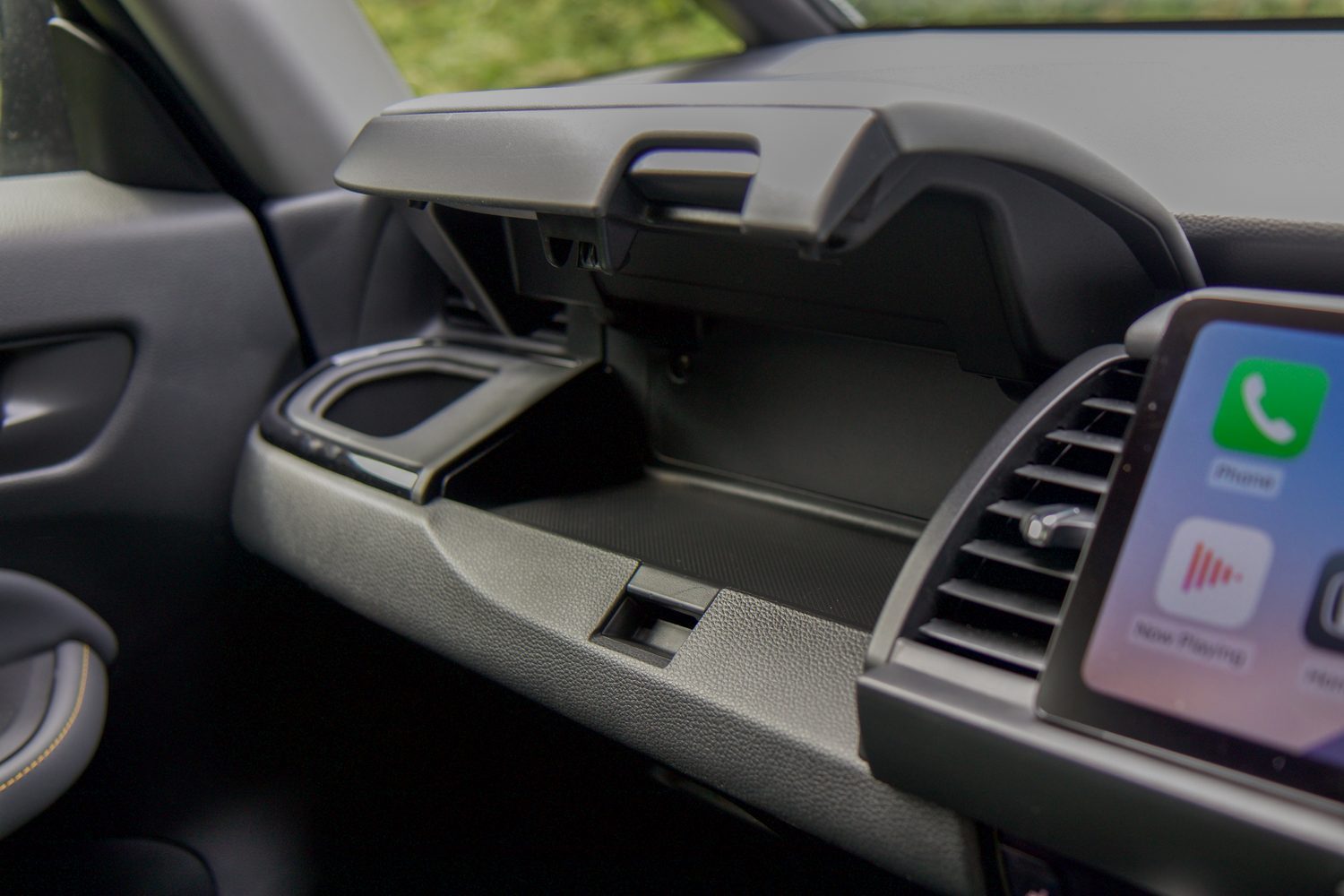
The front of the Jazz is pretty practical, not least because it has two gloveboxes, one lower (in the conventional position) and one on top of the dash.

Neither are what you'd call massive, but they're certainly useful. The door bins are slightly narrow, but still big enough for wallets and other pocket detritus, and there's a small but useful storage area under the front seat armrest.
In front of that armrest there's a large cupholder area, and more cupholders mounted up high on the outer edges of the dashboard, as you'd find in a van.
Rear-seat passenger space
There's excellent space even for taller passengers in the rear of the Jazz. In fact you could think of the back seats as the Jazz's winning card, as they have more legroom and headroom for taller passengers than almost any other car in this class.

Honda calls them 'Magic Seats' so that as well as folding flat (see below) the bases can also flip-up vertically, like a cinema seat, so that you can fit in tall loads, such as a houseplant, or maybe a large TV in its box.
It's a brilliant piece of packaging - why doesn't every car have seats like this? In more mundane territory, there's also useful seatback pockets, and more USB sockets.

Fitting child seats to the Honda Jazz
The Jazz has just the two ISOFIX points, both of which are in the back seat, in the conventional outer positions.
There's no ISOFIX in the front, which is a bit of a shame for such a family-friendly car, but you could fit a seat there using the seatbelts of course, and the front passenger airbag can be deactivated simply by turning the ignition key in a slot inside the front door.
There's not enough width in the middle rear seat for an extra booster cushion if the ISOFIX mountings are already in use.
Boot space in the Honda Jazz
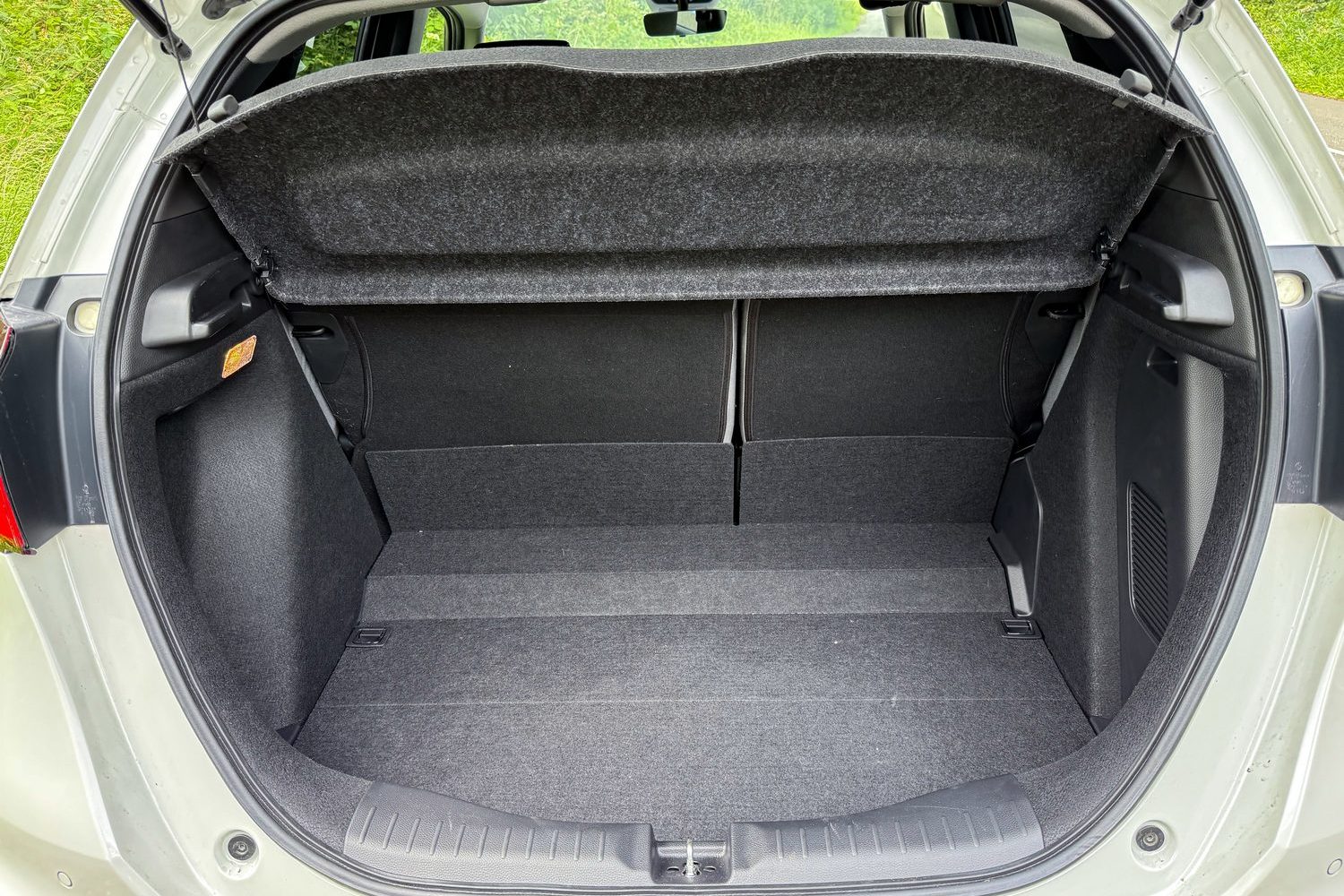
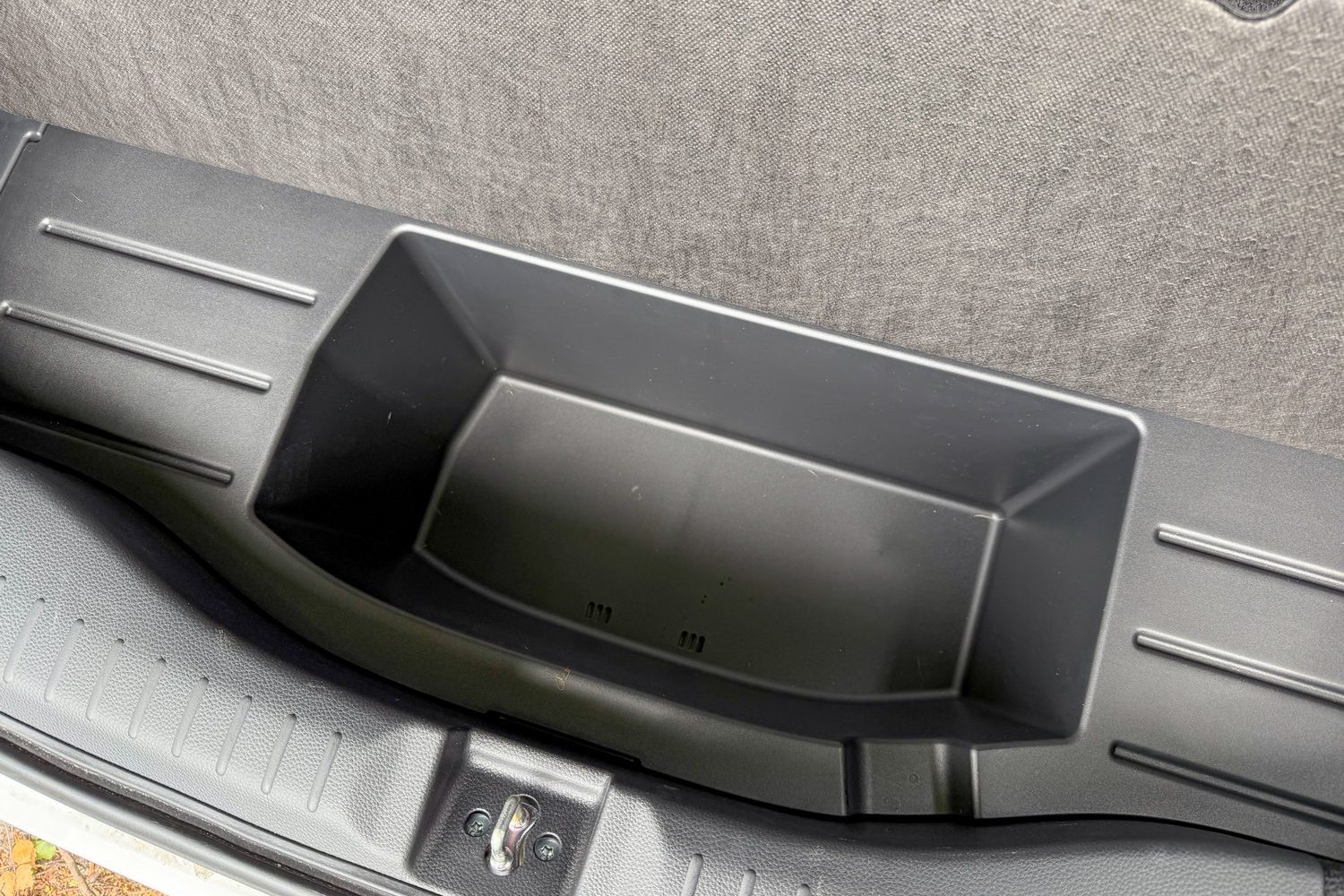
In one sense, the Jazz's boot is a tiny bit disappointing, as, up to the luggage cover, it holds just 304 litres.

That's way behind what you'd get in a Renault Clio or Skoda Fabia, and it seems odd that such a generally roomy car is light on boot space.
Then again, Honda was clearly thinking of maximum flexibility rather than outright capacity when it designed the Jazz, hence the Magic Seats in the back.
As well as their flip-up system, those seats have another neat trick to play. When you fold the seatbacks to expand the boot, the seat base actually uses its 'Magic' hinge to slide down and slightly forwards, meaning that the seatback is absolutely flat and level with the boot floor when folded.

Space, incidentally, expands to a quite generous 1,205 litres when the 60:40-split rear seats have been folded.
Towing with the Honda Jazz
If you're someone who tows regularly, then the Jazz likely isn't really for you - it's limited, on both a braked and unbraked trailer, to a mere 500kg.
Safety in the Honda Jazz
The Jazz was tested by Euro NCAP for safety back in 2020, when it was first launched, and it took home a full five-star score, with an 87 per cent rating for adult occupants, 83 per cent for child occupants, 80 per cent for vulnerable road user protection and 76 per cent for its electronic safety systems.
As standard, the Jazz comes with such high-tech safety kit as emergency services calling, emergency autonomous braking, lane keeping assist, speed limit recognition and adaptive cruise control.
However, it's worth remembering that the criteria for five-star scores has been tightened since, so the Jazz may not score so high if retested. Nonetheless, Honda has a reputation for safe cars, and the Jazz does nothing to sully that rep.
Performance of the 2025 Honda Jazz
- Only one hybrid engine available
- Slight increase in power, but it's no firebrand
- Not sporty, better at cruising

There is only one engine option for the Jazz, and that's whether you're buying a standard hatchback model, or the faux-4x4-ish Crosstar version.
It's a 1.5-litre petrol-electric hybrid, which Honda calls MMD - or Multi-Mode Drive. Indeed, this setup is very close to being a range-extender, as, most of the time, the 90kW (10kW up on the 2020 model) electric motor does the driving, and the petrol engine, via a second, smaller electric motor, charges the small 1.05kWh battery to keep the main motor turning.
However, in extremis - such as maximum acceleration, or when dealing with steep inclines - the Jazz's engine can, via a clutch, drive the wheels directly, working with the electric motor to do so.
Driving the 2025 Honda Jazz Advance Sport on Irish roads - Neil Briscoe
I'm really not sure about putting a 'Sport' badge on a Jazz. Don't get me wrong: it doesn't spoil the car or anything, but it just seems to be making promises that the Jazz can't keep - this is most definitely not a sporty car, in spite of the 10kW power boost given to this latest version.
Equally, given Honda's history of producing some of the best sporting road cars and race cars, it seems just a touch... silly.
We can forgive the Jazz that because, as long as you keep your sensible hat wedged firmly on your head, this is one of the best compact cars you can currently buy.

The steering is light, but fairly direct, although the Jazz is quite grip-limited at the front, and that combines with quite a bit of body lean to make it feel somewhat tip-toe-y along a twisty road if you're pressing on. Better to settle down and focus on economy (see below...).
The ride comfort is generally very good, although the Jazz's suspension can react a bit suddenly to major lumps or the jagged edge of a pothole. It's fine, though the VW Polo has a more isolating quality to its ride.
Performance is... adequate. With a 0-100km/h time of just under 10 seconds, you'd think the Jazz would feel pretty brisk, but the way that the CVT gearbox sets the engine to instant maximum revs, and keeps it there, when you want to build up speed - such as on a motorway on-ramp - is quite grating, and the engine does not sound happy to do this.
That CVT can mimic having seven pre-set 'gear changes' (there are even steering wheel paddles, which seems a touch superfluous) but this is a powertrain that's so much happier at lower speeds and lower efforts.
Dial everything down a bit, and the Jazz's low-down electric torque and snappy off-the-line response means it becomes far more enjoyable to drive, and it's a very relaxing car on longer trips, even if tyre and wind noise do start to dominate at a motorway cruise.
If that all sounds a bit underwhelming, it shouldn't - the Jazz is a really sweet little car to drive. It's relatively light, has a tight turning circle, quick reactions and a sense of togetherness.
Economy running costs of the 2025 Honda Jazz
- Efficient hybrid system
- Low CO2 figures
- Impressive real-world economy

Officially, Honda quotes 4.6 litres per 100km and 104g/km of CO2 for this Advance Sport version. You can trim another 2g/km off that CO2 figure if you go for a basic Jazz, while the fractionally taller Crosstar adds 5g/km, taking the total to 109/gm.
It doesn't matter from a financial point of view - you'll pay the same €180 in annual motor tax whichever model you choose.
Real-world fuel efficiency of the Honda Jazz
For any car, 4.6 litres per 100km would be impressive. That's 61mpg, a figure which only the most frugal of cars can replicate in real-world conditions.
And by 'real-world' conditions, I mean driving up and down the M1 between Dublin and my home in Belfast, doing school drops on congested city streets and me doing economy-unfriendly things like quick blasts of acceleration to zip into gaps in traffic, and keeping the air conditioning switched on.
And how did the Jazz manage with all that? It averaged 4.9 litres per 100km across a busy week which involved several long motorway runs (often anathema to small hybrid cars). Seriously economical, I think is an appropriate phrase to use.
Servicing the Honda Jazz
Honda's service intervals for the Jazz are every 12 months, or 20,000km. There's a little service indicator in the dashboard which will tell you whether the car requires an 'A' or 'B' service, which will give you an idea of what kind of costs are coming up, and Honda offers an inclusive service plan - with either Platinum or Premium grades - which covers all your servicing costs. Prices for those plans start from €299.
Honda Jazz warranty
The Jazz is covered by Honda Ireland's standard warranty - three years and up to 100,000km. There's also a separate three-year paintwork warranty, a five-year exhaust warranty, a twelve-year anti-corrosion warranty, a ten-year chassis corrosion warranty and a five-year warranty for all the hybrid-electric components.
Irish pricing & rivals to the 2025 Honda Jazz
- Not as pricey as some Hondas
- Competes head-on with the Renault Clio E-Tech
- Advance Sport model costs €4k extra

The Jazz has a starting price of €31,395, which is no-one's idea of cheap - and it's notably more expensive than the Toyota Yaris Hybrid - but it's far from the most over-priced Honda and it's exactly the same price as the entry-level Renault Clio E-Tech Hybrid.
Standard equipment for the cheapest Jazz Elegance model includes lots of safety kit (although you have to trade-up to get blind-spot monitoring), adaptive cruise control, single-zone climate control, the 'Magic Seats', a nine-inch touchscreen and 15-inch alloy wheels.
Trading up to a €33,495 Advance model gets you built-in navigation, the blind-spot monitor, privacy glass, hated seats and steering wheel and 16-inch alloys.
Our Advance Sport test car costs €34,950 and gets a sportier three-spoke steering wheel, subtle body kit, sharper-looking alloys and imitation suede for the seats.

At the top of the range is the Crosstar, which also costs €34,950, and which has 4x4(ish) styling.
Verdict - should you buy the 2025 Honda Jazz?
Look, this is no hot hatch (forget the 'Sport' badge) but then it's not supposed to be. The Jazz is as the Jazz does - it's hugely practical, easy-going and comfortable to drive, has terrific visibility, is exceptionally economical and is seriously well-built and should be bullet-proof in terms of reliability. Expensive? A little, but you are still getting a lot of car for the money.
FAQs about the 2025 Honda Jazz
What new features does the 2025 Jazz have?
The 2025 Jazz gets slightly more power than before (10kW extra - about 14hp), slightly sportier styling thanks to a grille at the front and tech niceties such as wireless Apple CarPlay.
What is the common problem for Honda Jazz?
The Jazz has hardly any problems at all. Other than having been affected by the massive global Takata airbags recall, the only recurring problems for the Jazz through the years seem to be some central locking issues, and troublesome CVT gearboxes (although that last issue seems to have been cured with this model).
How many miles per gallon does a Honda Jazz 2025 get?
Well, we quote litres per 100km rather than miles per gallon, but the 4.9 litres per 100km we recorded on our test drive equates to 61mpg.
Does the Honda Jazz hold its value?
Yes, it really does. Most Hondas have solid resale values, but the Jazz is exceptional at retaining value, partly because so many people who buy one keep them for a long time, shortening second-hand supply.
Has the Honda Jazz been assessed for safety?
Yes, the Jazz was tested by Euro NCAP in 2020 and scored a maximum five-star rating. You can read all the details here.
Want to know more about the 2025 Honda Jazz?
If there's anything about the new Honda Jazz we've not covered, or you'd like help in choosing between it and other cars, you can avail of our expert advice service via the Ask Us Anything page.
Honda Jazz history
The Honda Jazz has been around for 25 years now, first introduced in 2020 in the Japanese market as the Honda Fit. It's still called the Fit in Japan, incidentally, which is why you see so many still badged as that, having been imported as used cars.
That first-generation model came with a simple choice of 1.2- or 1.4-litre petrol engines, and an optional automatic gearbox. It was the car that first introduced Honda's 'Magic Seats' but while some global markets had a more powerful 1.5 VTEC model, European Jazz models have never been overtly sporting.
The cute styling of the original Jazz - those smiling lights and grille - was carried over into the second-generation car in 2007, which was sold with either a 1.3- or 1.5-litre engine, and which for the first time saw the spin-off 'Fit Shuttle' MPV, which has never been officially sold here. There was also, briefly, a Fit EV model, but that was never offered in Europe. A hybrid was offered for the first time.
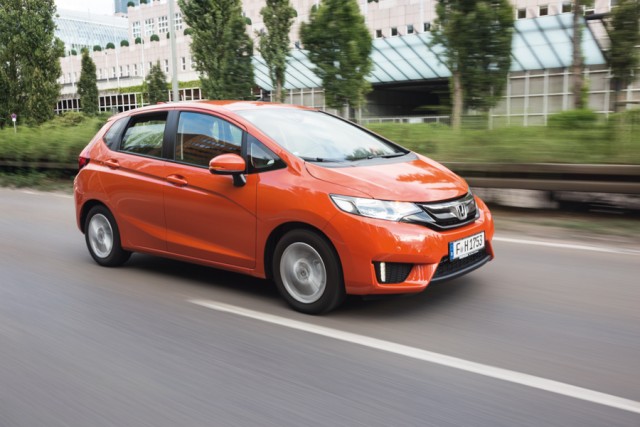
The third-generation Jazz gained much more angular (arguably less attractive) styling in 2013, and the hybrid version effectively replaced the slow-selling second-generation Honda Insight. The bigger body yielded even more cabin space.
If there is anything about this car we have not covered, or you would like help choosing between it and other cars, you can avail of our expert advice service via the Ask Us Anything page.