
Introduction to the 2026 Dacia Sandero Stepway
The Sandero might be a small car - or at least a compact one - but it's big news, as the Dacia hatchback has been the best-selling car in Europe for many years. More significantly than that mere best-seller status though is the fact that the Sandero is by far the favourite car of Europe's private buyers - in other words, those people going out and spending their own money on a new car, rather than just ticking the box on a company car user-chooser form. A conscious shopping decision, not just a set of keys left on your desk.
That, arguably, makes the updated Sandero the most important new car - well, hardly entirely new, but certainly meaningfully updated - that we will review this year. It's not electric. It's not a supercar. It's not Chinese. But it is the car that most European car buyers will buy, which speaks to its strengths.

Pros & cons of the 2026 Dacia Sandero Stepway
Pros:
• Styling tweaks looks smart
• Roomy and practical
• Very well priced
Cons:
• Not as outright affordable as it once was
• Vague steering
• Ireland misses out on some options
Exterior & design of the 2026 Dacia Sandero Stepway
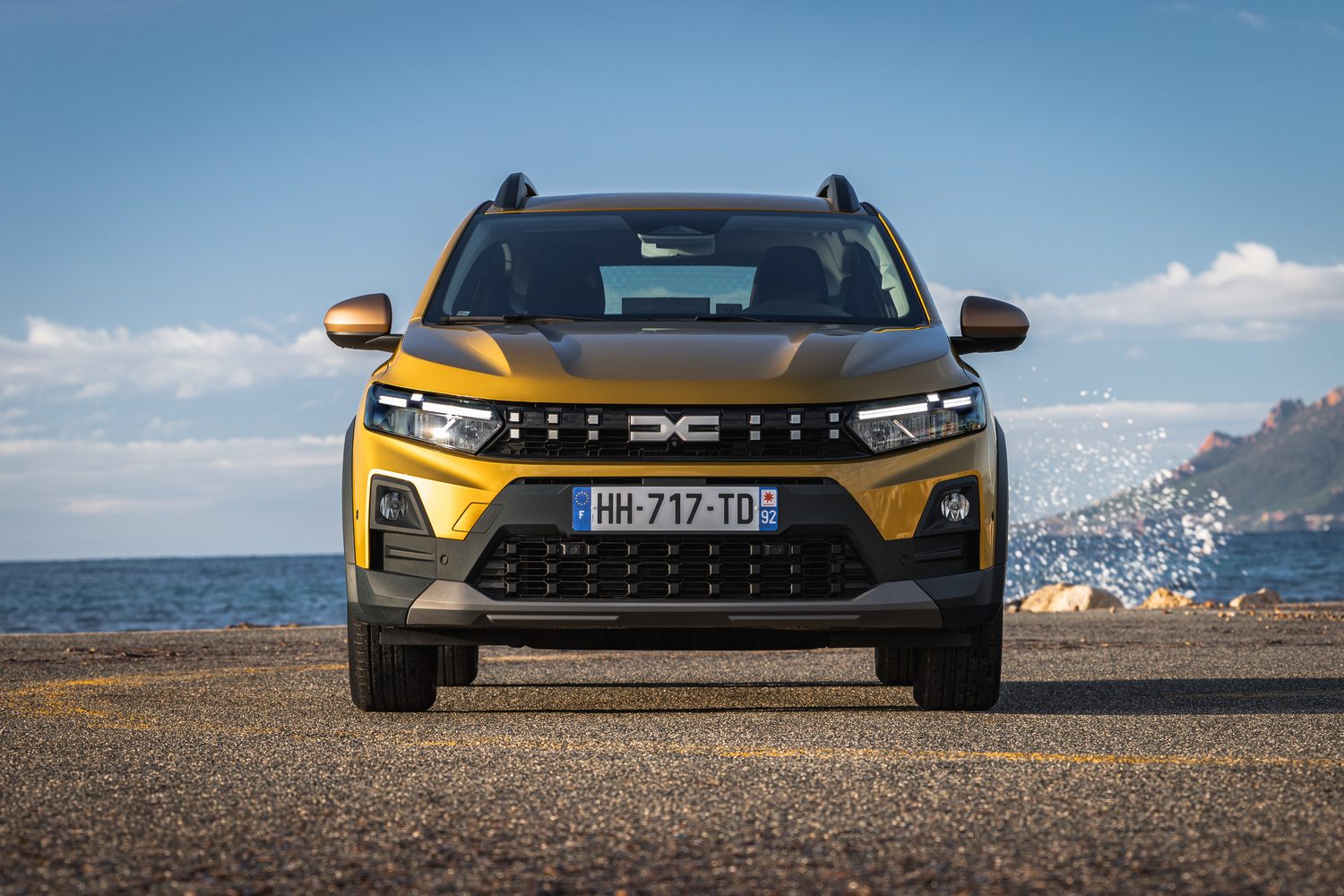
• Updated lights and grille
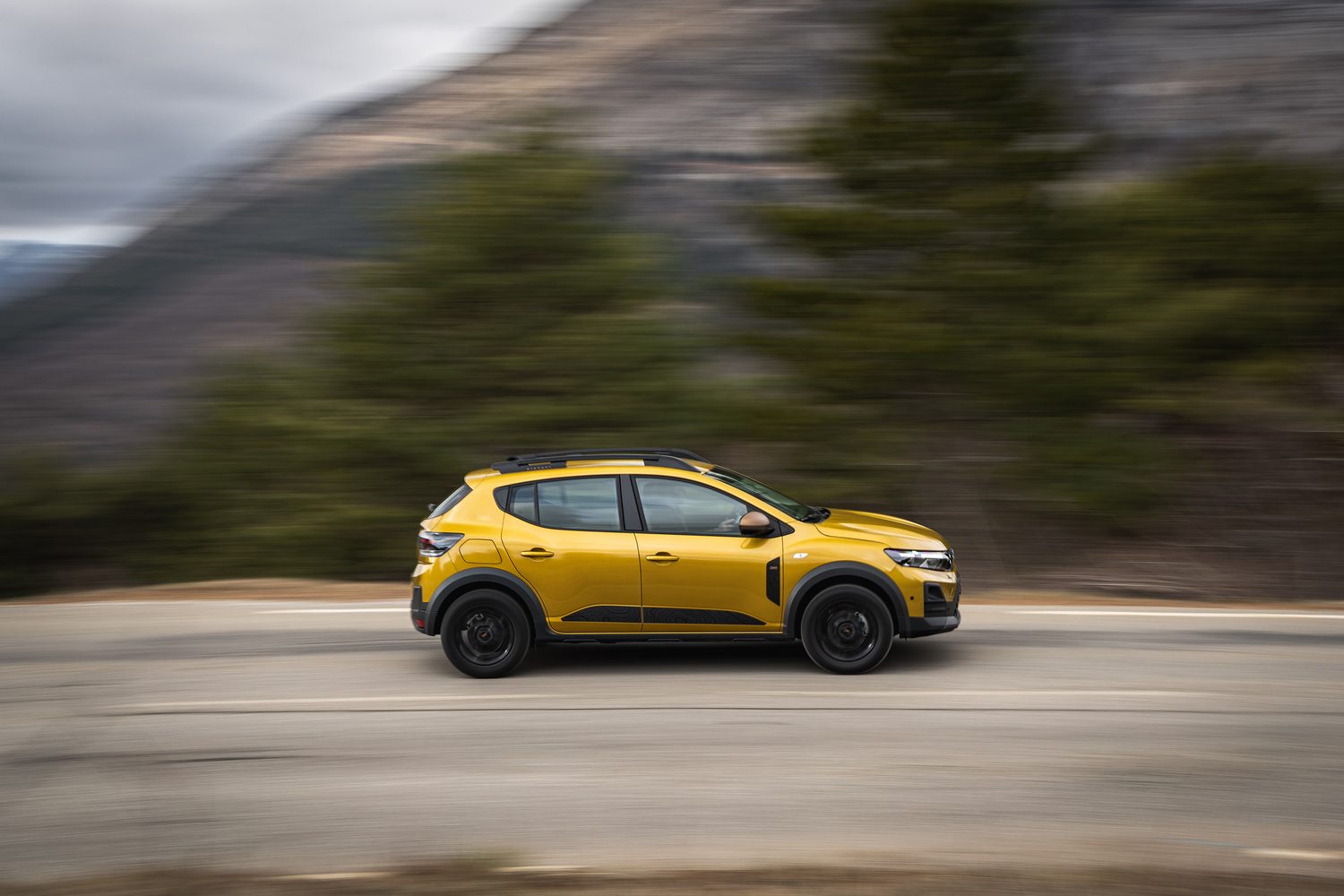
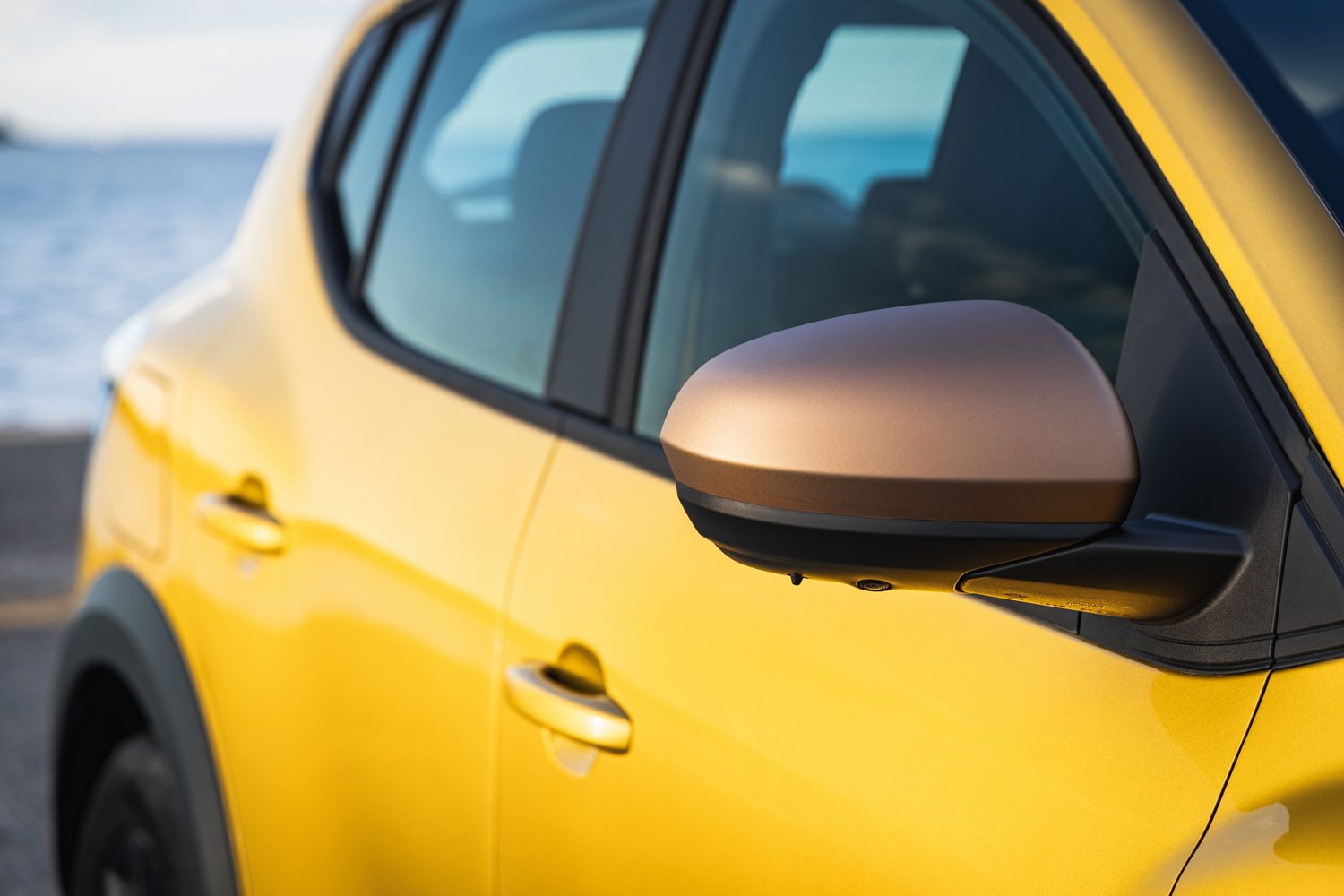
• Stepway add-ons give it a rugged appearance
• New 'Starkle' panels lend some extra style

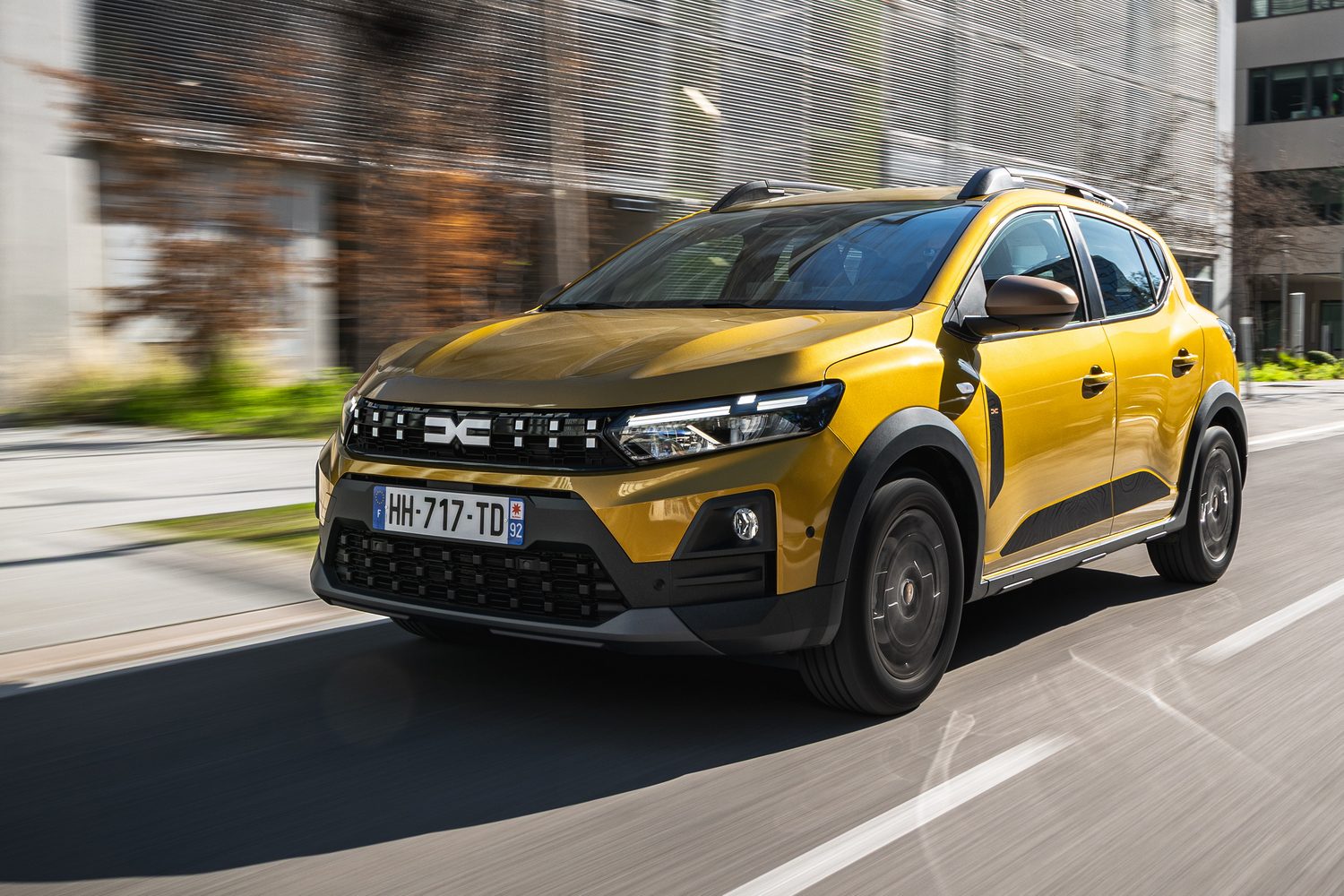
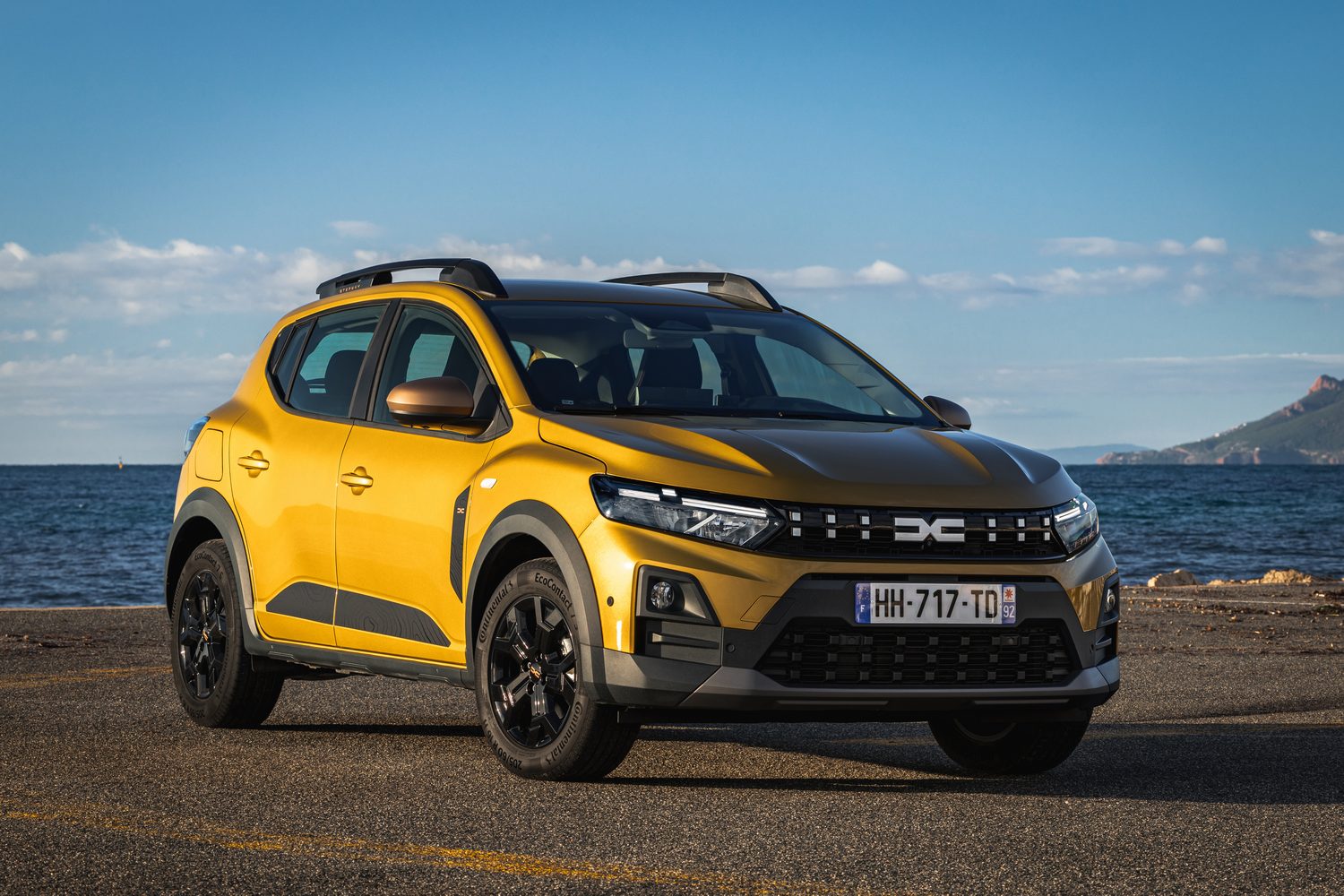
The Sandero, and the Sandero have not changed radically for 2026, but they have been gently massaged, and the changes do make the cars look a little fresher.
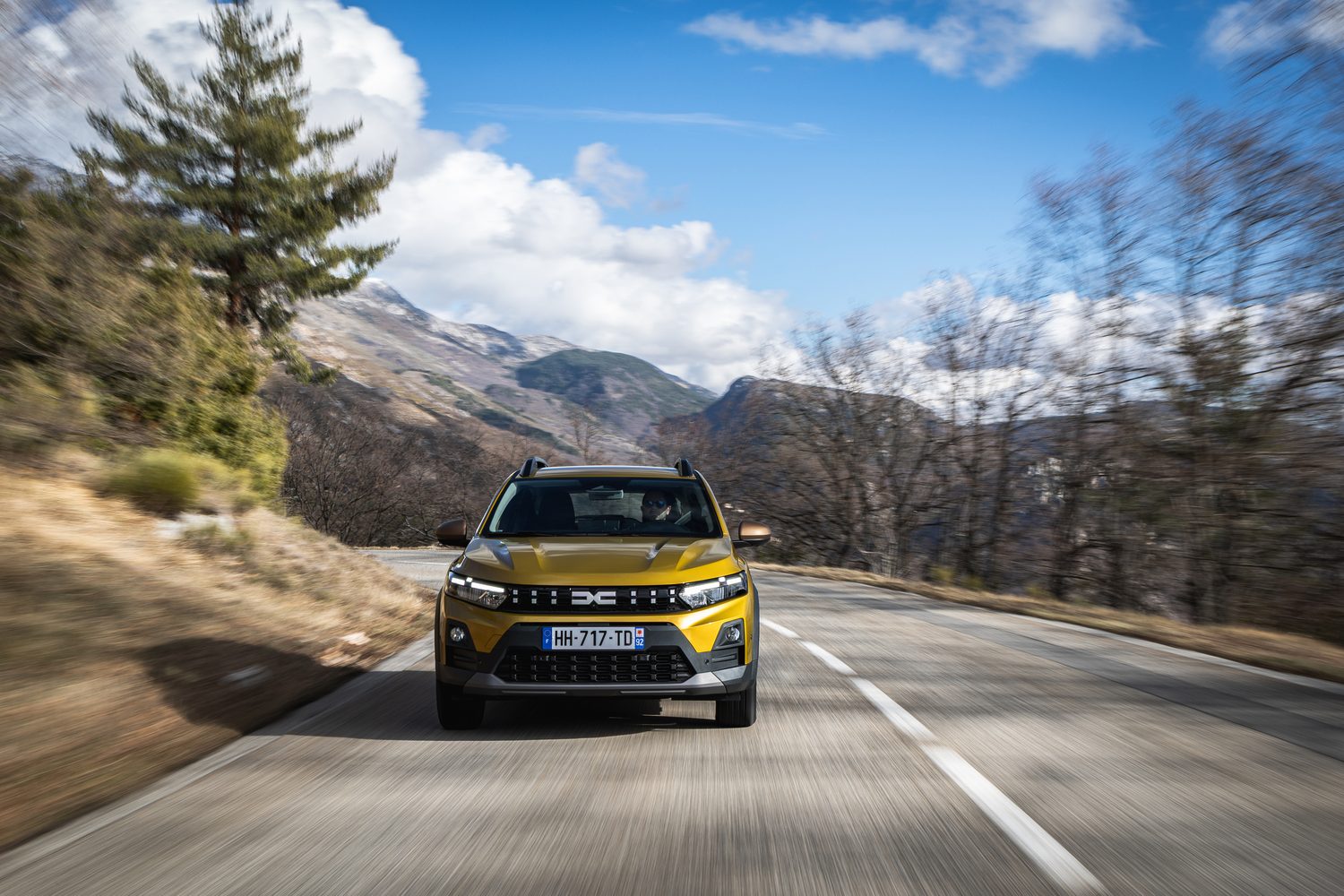
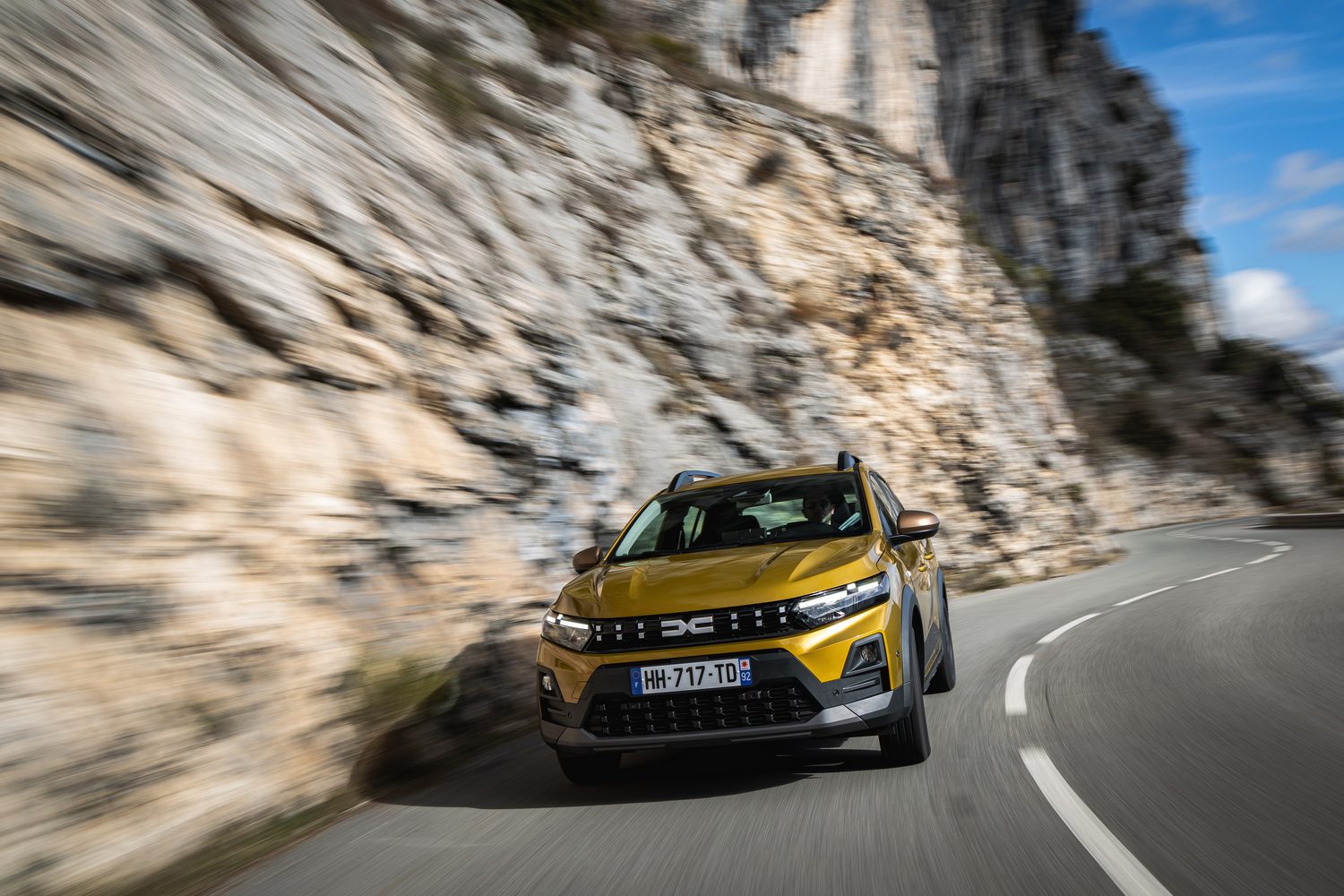
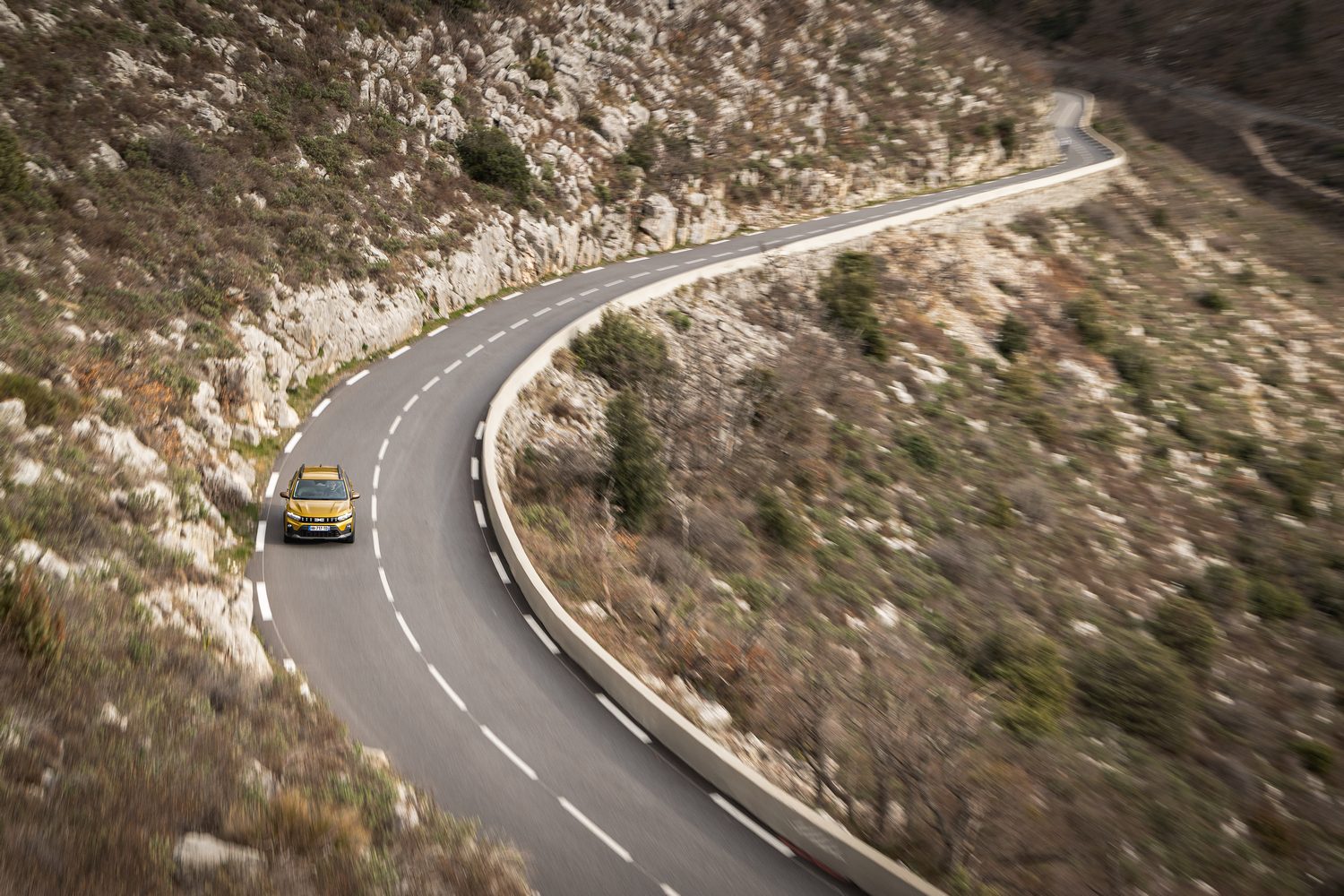
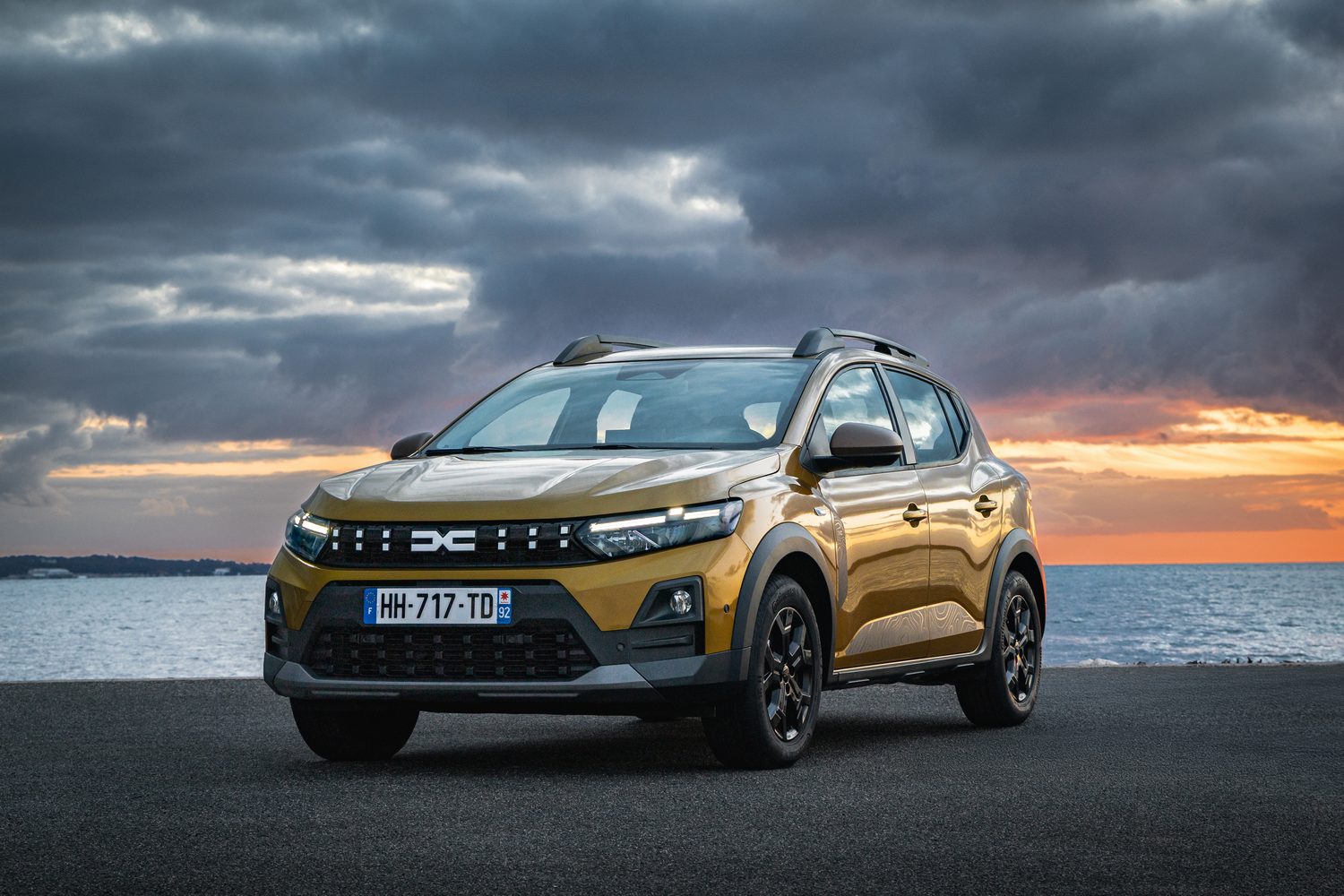
Up close, you can see that the Sandero and Sandero Stepway have new lights, which get a new daytime running light signature of two separate horizontal lines bisected by a small vertical line - Dacia calls this an 'inverted T-shape' and it looks quite nice, while the main body of the headlight unit remains as sleek and neat as it was before.

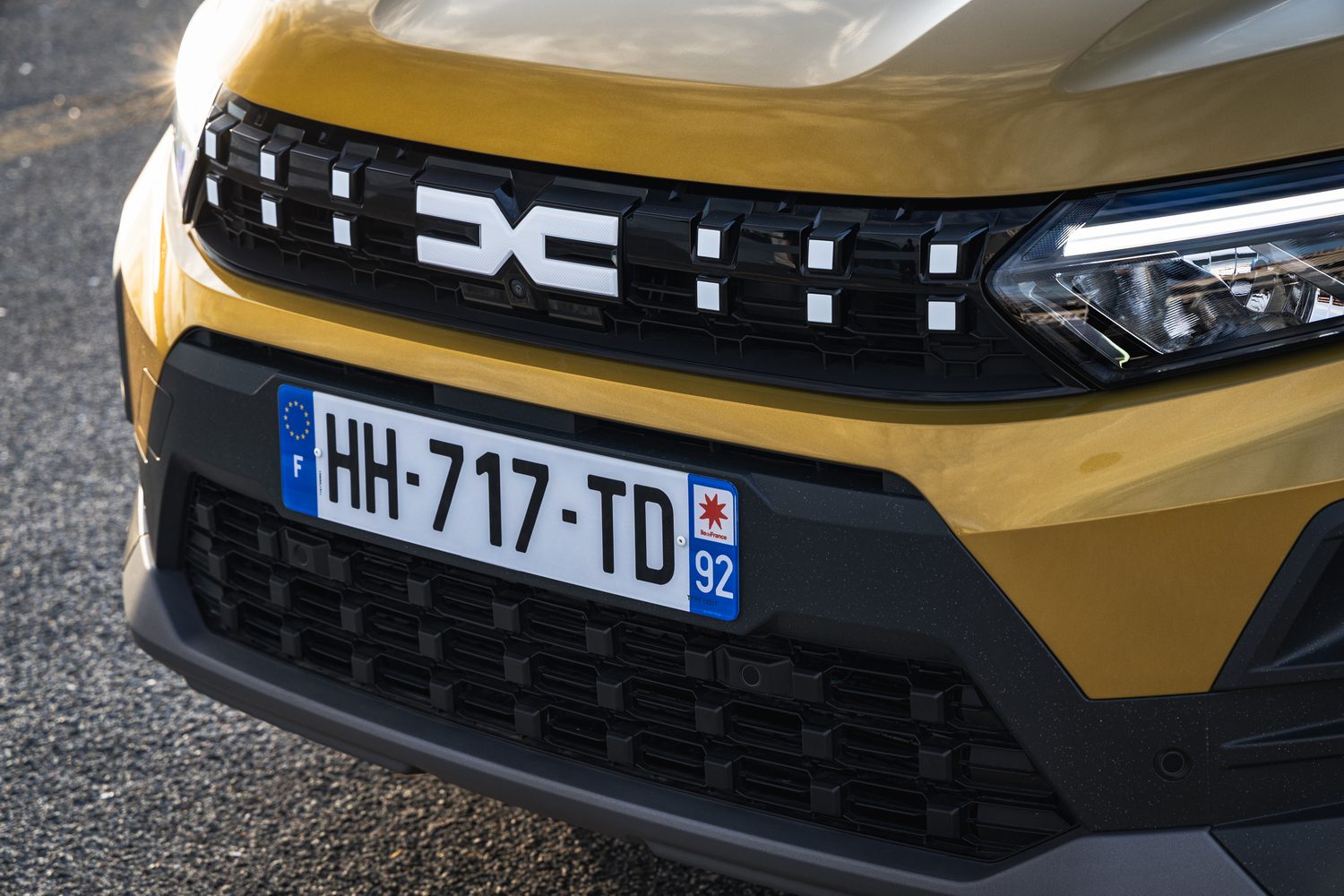
Between the headlights is a new grille, with blocky white highlights which Dacia calls its pixel look, and in the centre is the now-familiar Dacia 'DC' badge.
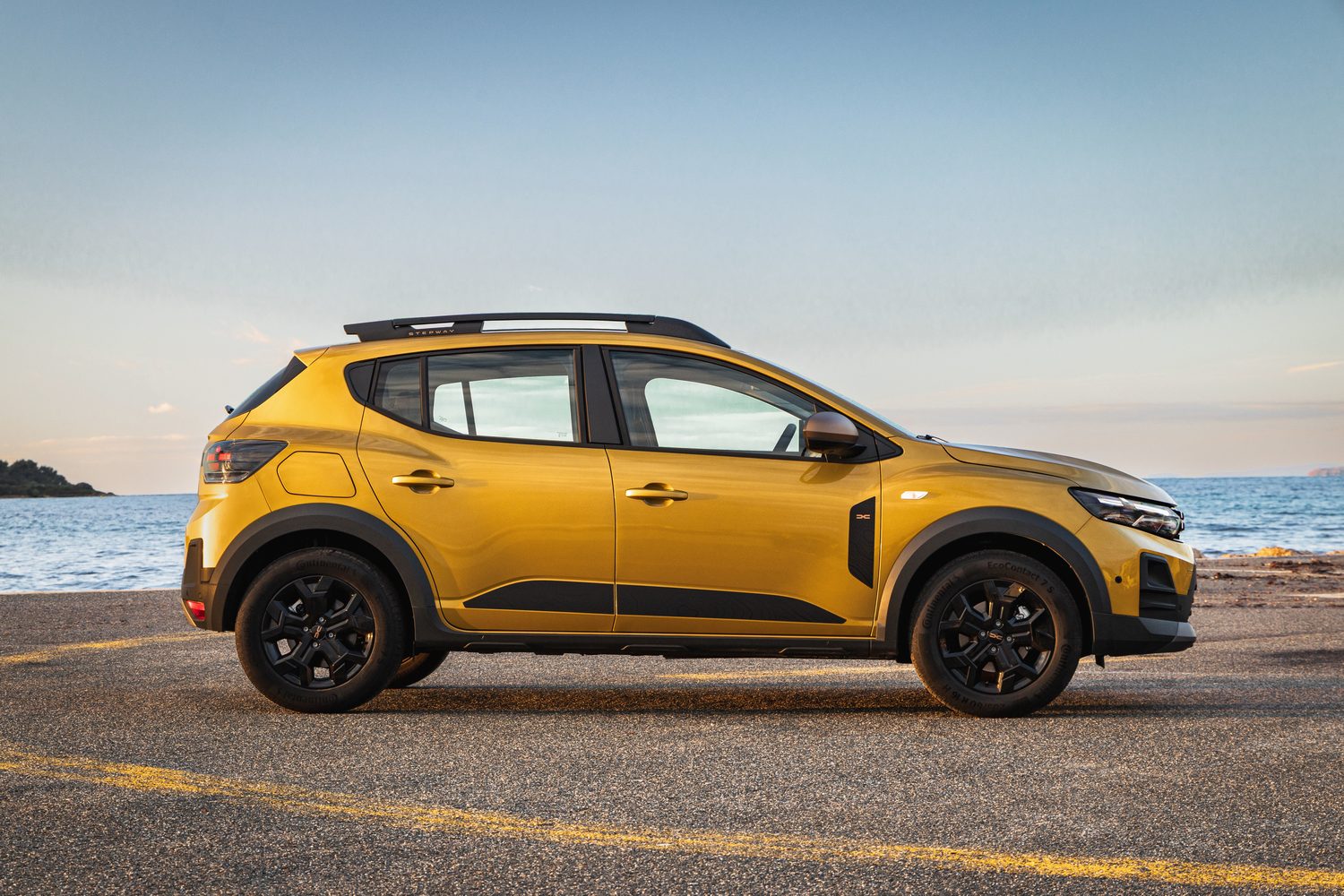
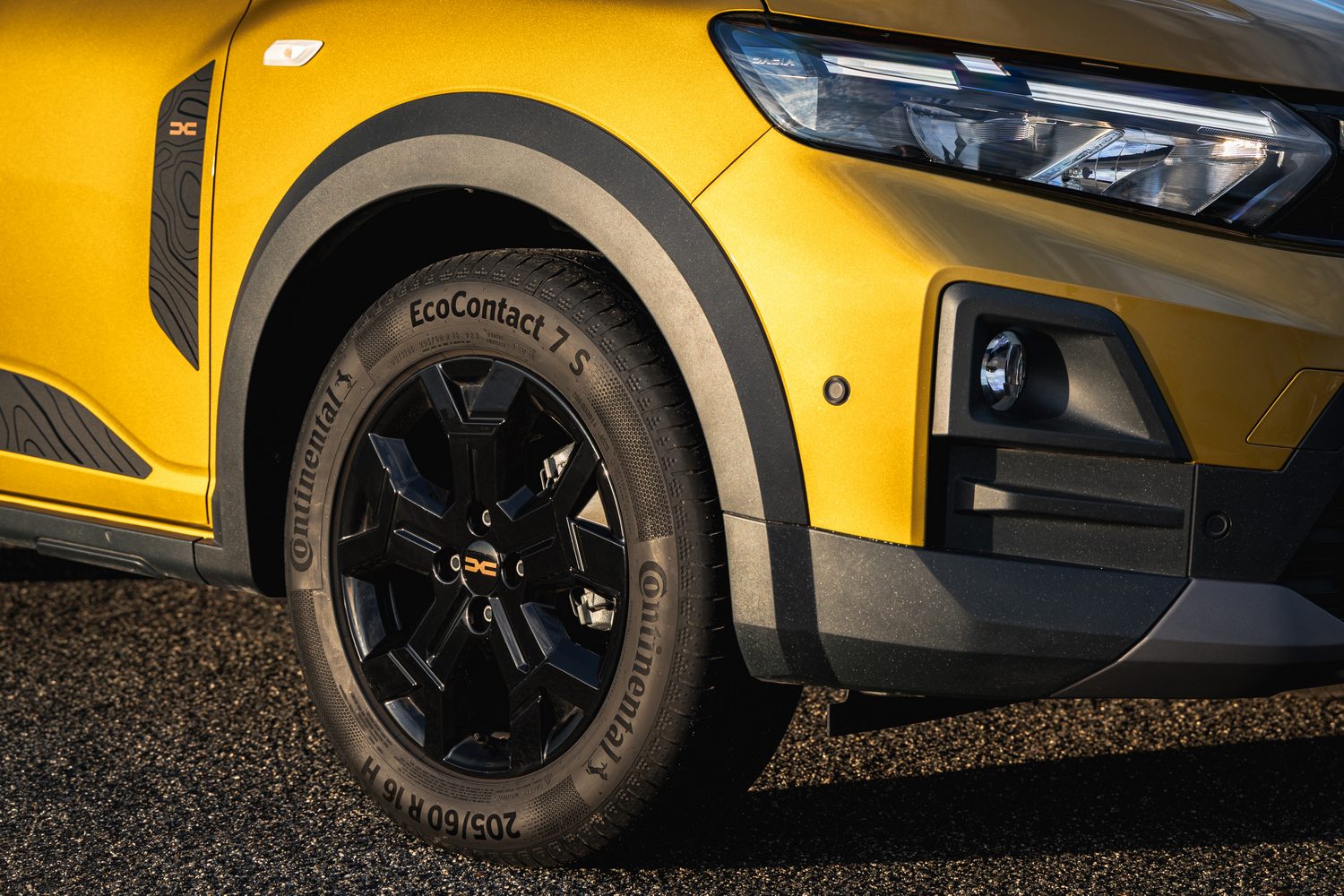
There are tweaks to the bumper styling at the front too, which is more obvious on the Stepway model. It gains the same 'Starkle' plastic sections for the bumper, the front inserts and the wheelarch cladding as you'll find on the Dacia Duster and Bigster.

This is a robust unpainted material which won't show scratches or bumps much, containing 20 per cent recycled material, hence the faint white flecks (you can really only see them up close) which give it its name.
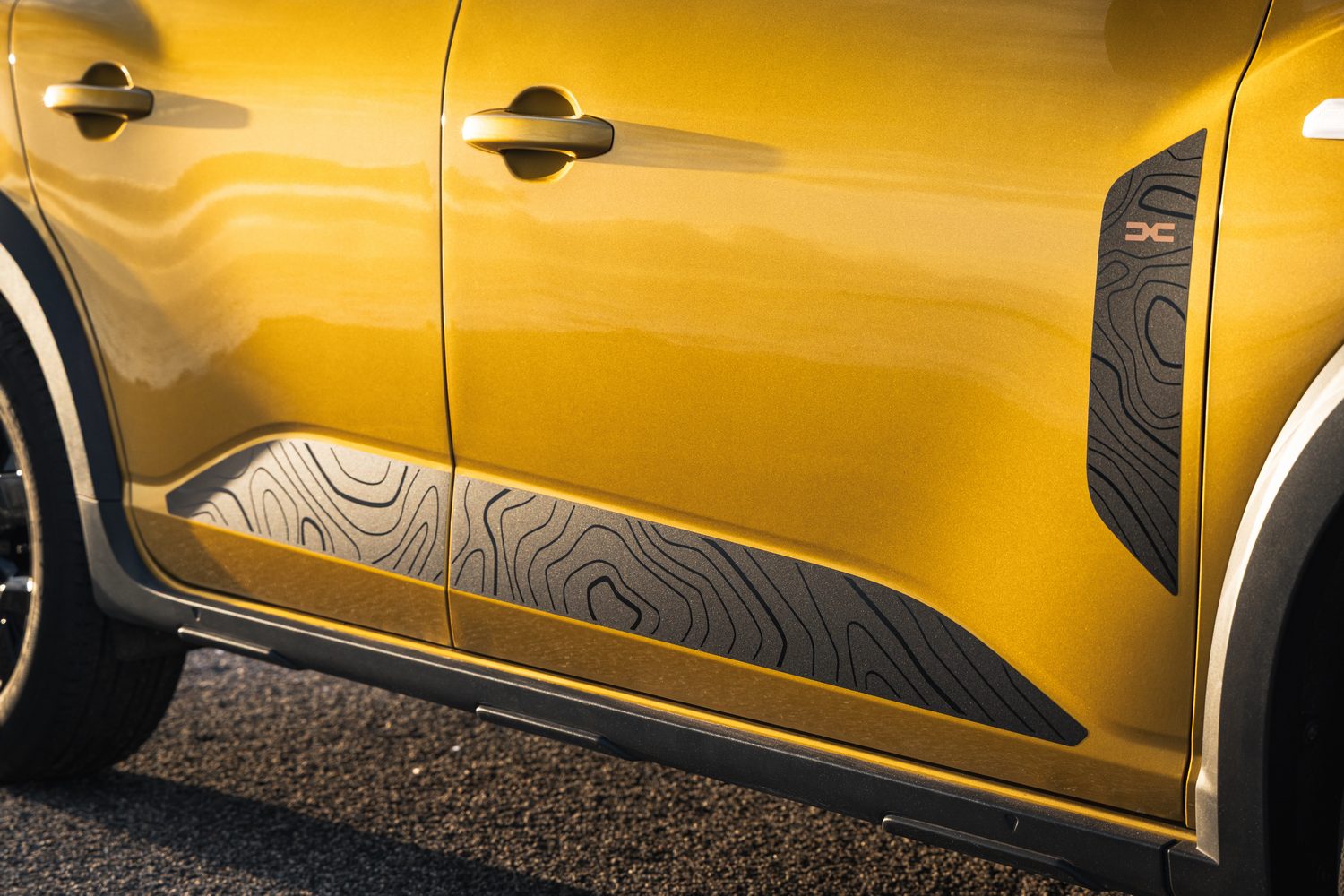
In Extreme spec, the Stepway's side panels are also enhanced by some decals which feature a relief map motif - underlining Dacia's current mission to be taken seriously as an outdoors brand.

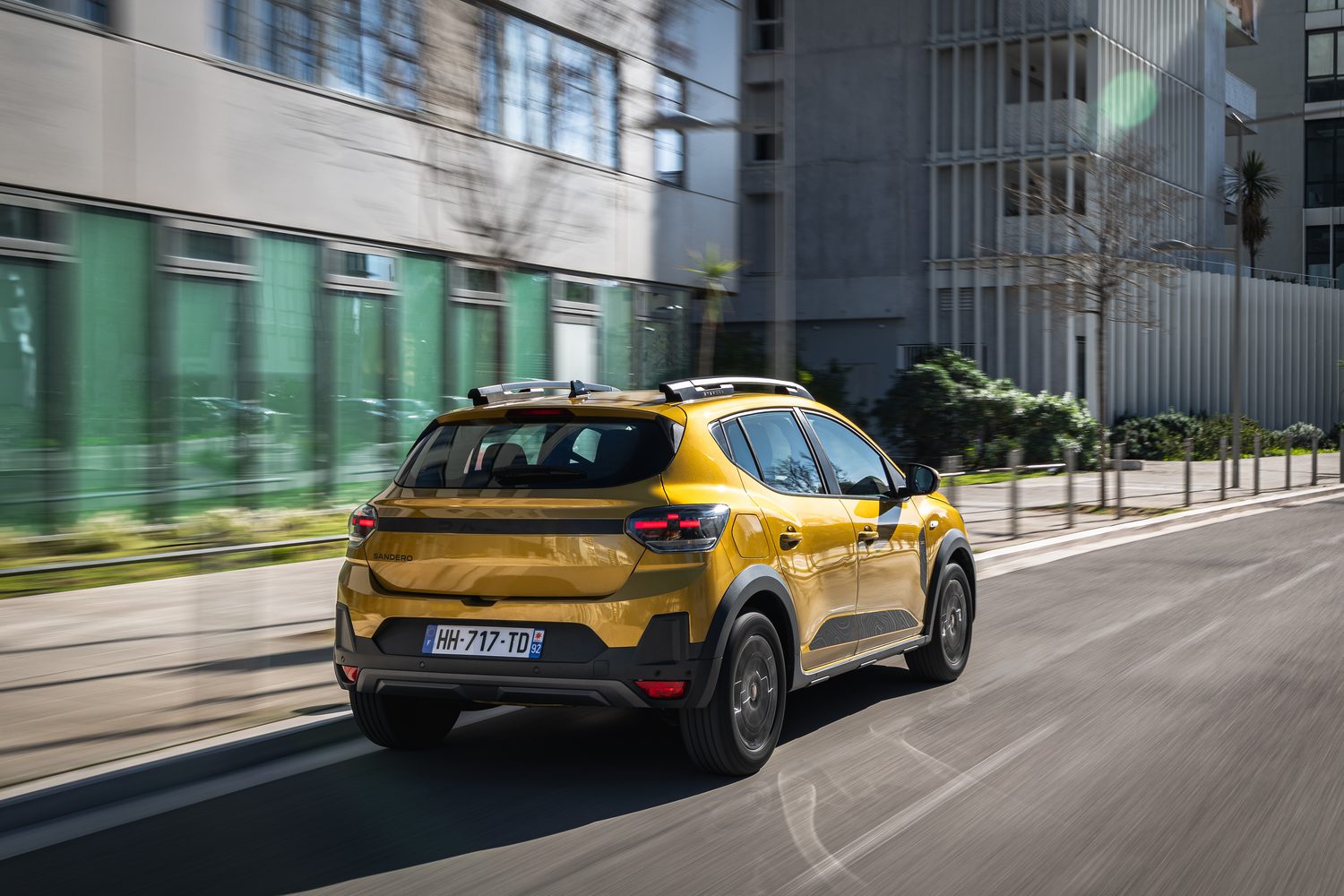
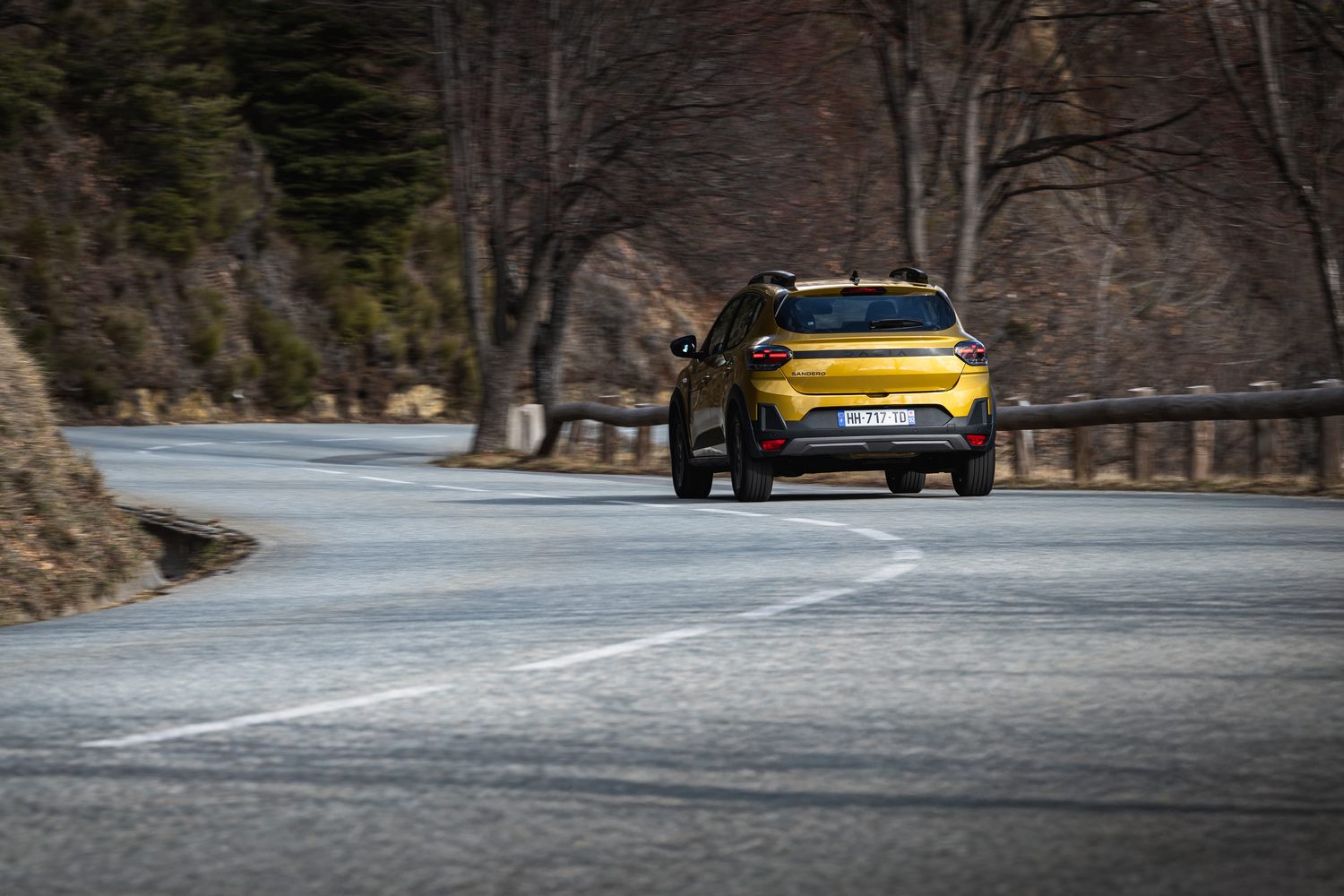
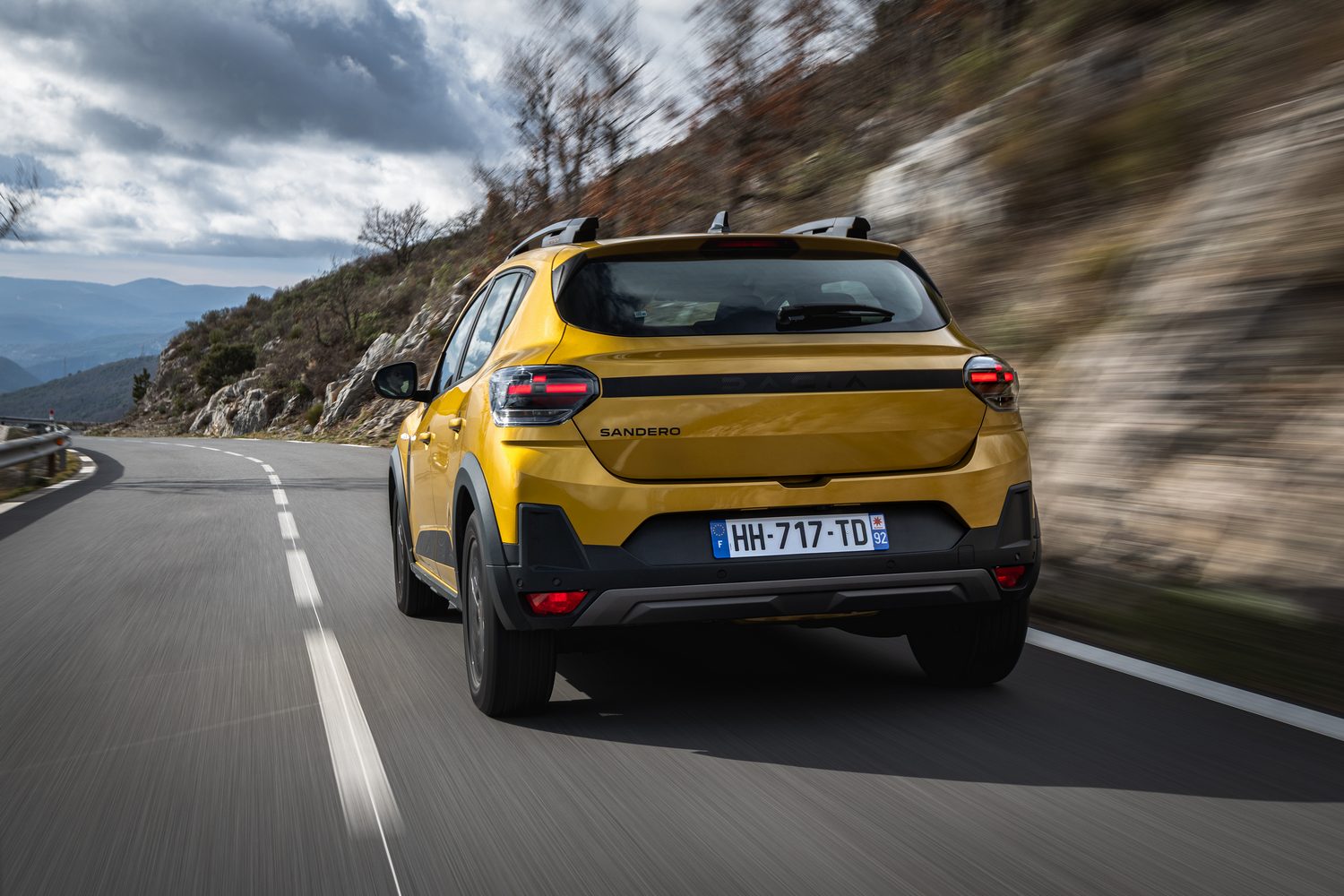
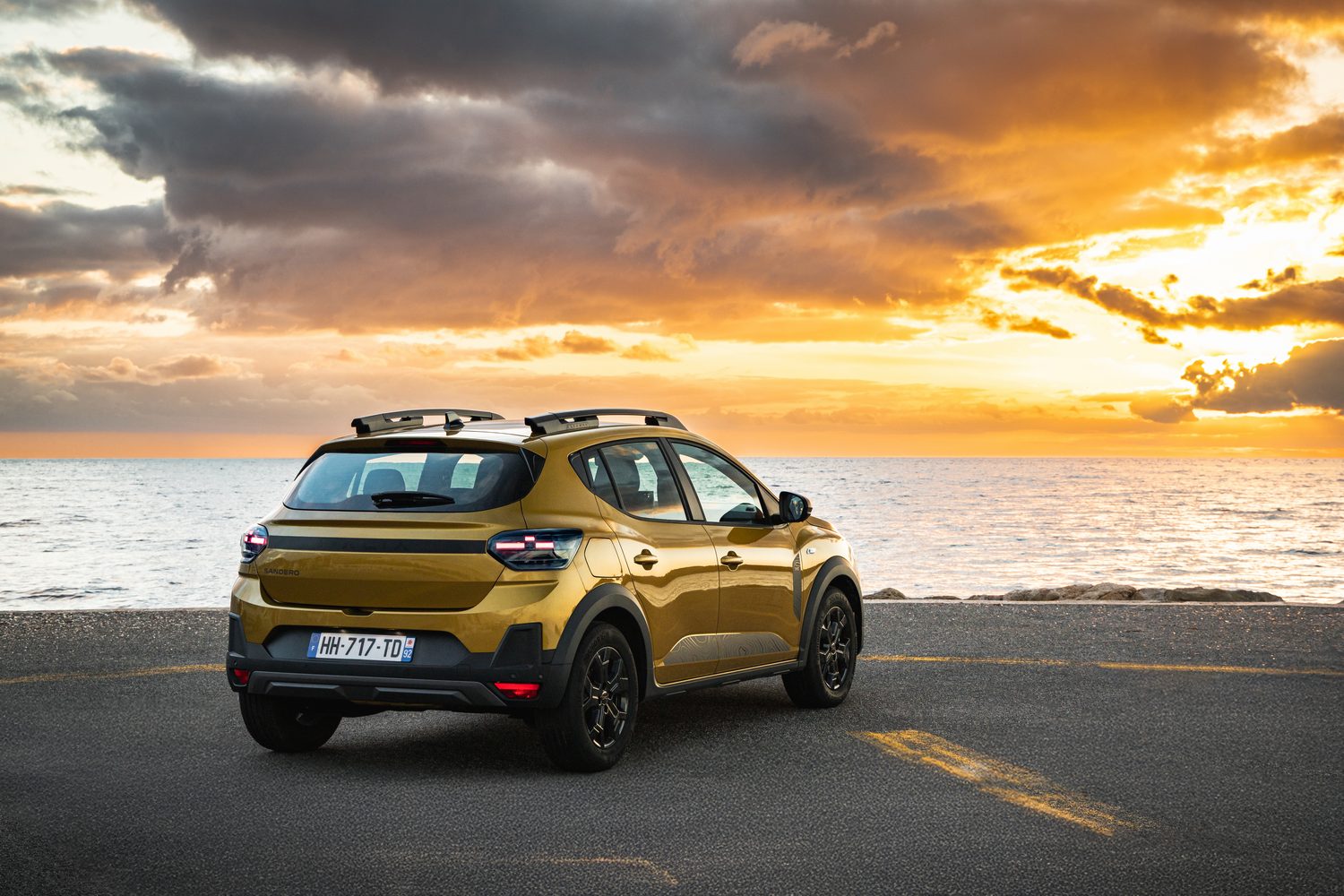
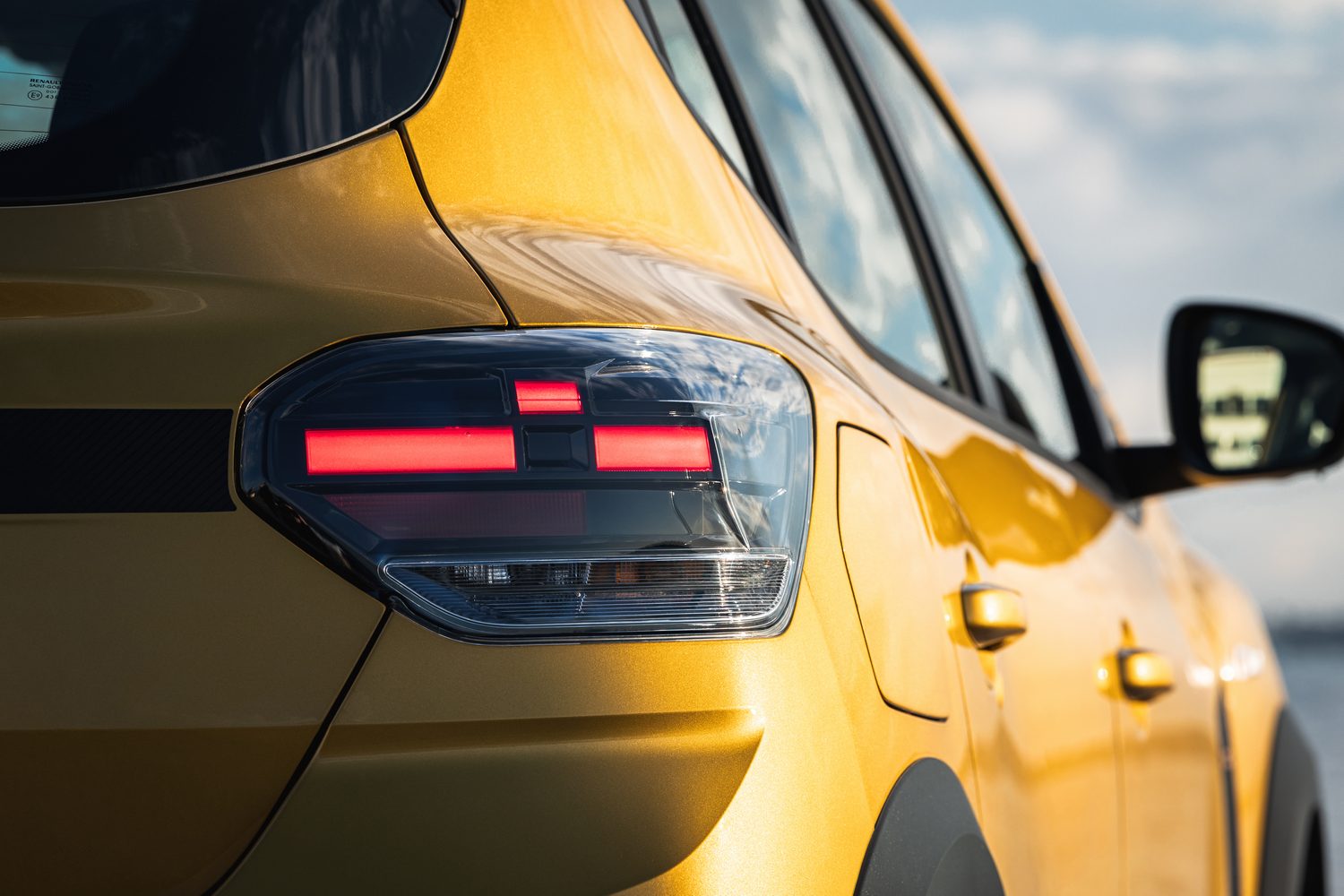
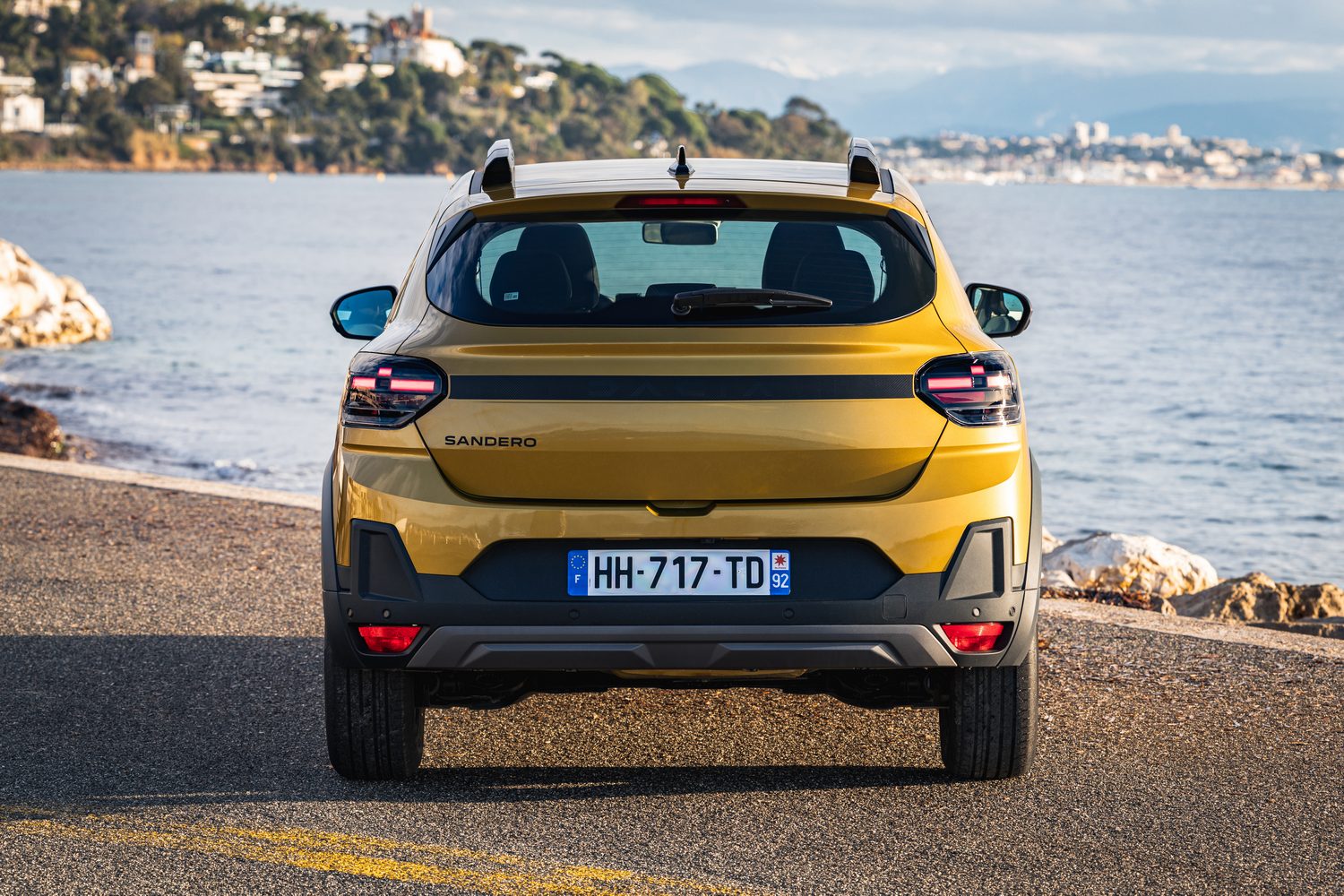
At the back, in the standard Sandero, there are fewer changes, but the Stepway does get a redesigned bumper, more Starkle and a black decal running between the brake lights.
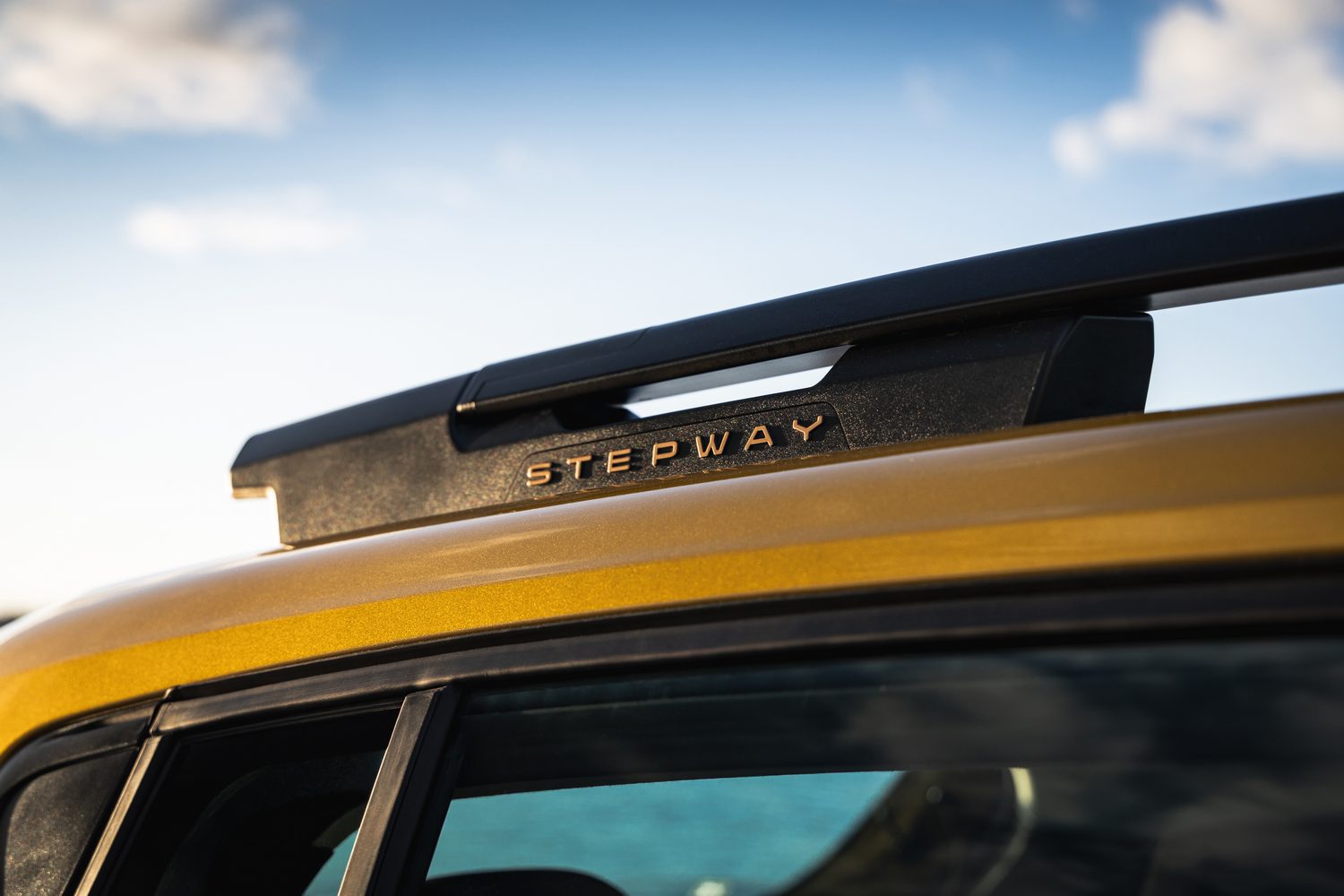
Up top, for the Stepway, are roof bars which have sections which swing through 90 degrees, turning them into a proper roof rack when you need it.

For this relaunch of the Sandero, and especially the Stepway, Dacia has some neat accessories, including a three-by-three-metre camping awning which can be clipped to the roof rails, and a large storage pannier which hangs off the towing hitch, plus some smaller items such as folding deck chairs and camping goods.
Dimensions of the 2026 Dacia Sandero Stepway
Length: 4,102mm
Width: 1,853mm (mirrors folded)
Height: 1,586mm (with roof bars)
Wheelbase: 2,604mm
Paint colours for the 2026 Dacia Sandero Stepway
Glacier White is the only standard colour for the Sandero, but in fairness it looks pretty smart in that. All of the metallic paint options cost €645, and you can choose from Black Pearl, Shadow Grey, Iron Blue, Urban Grey and Cedar Green, which is our favourite.

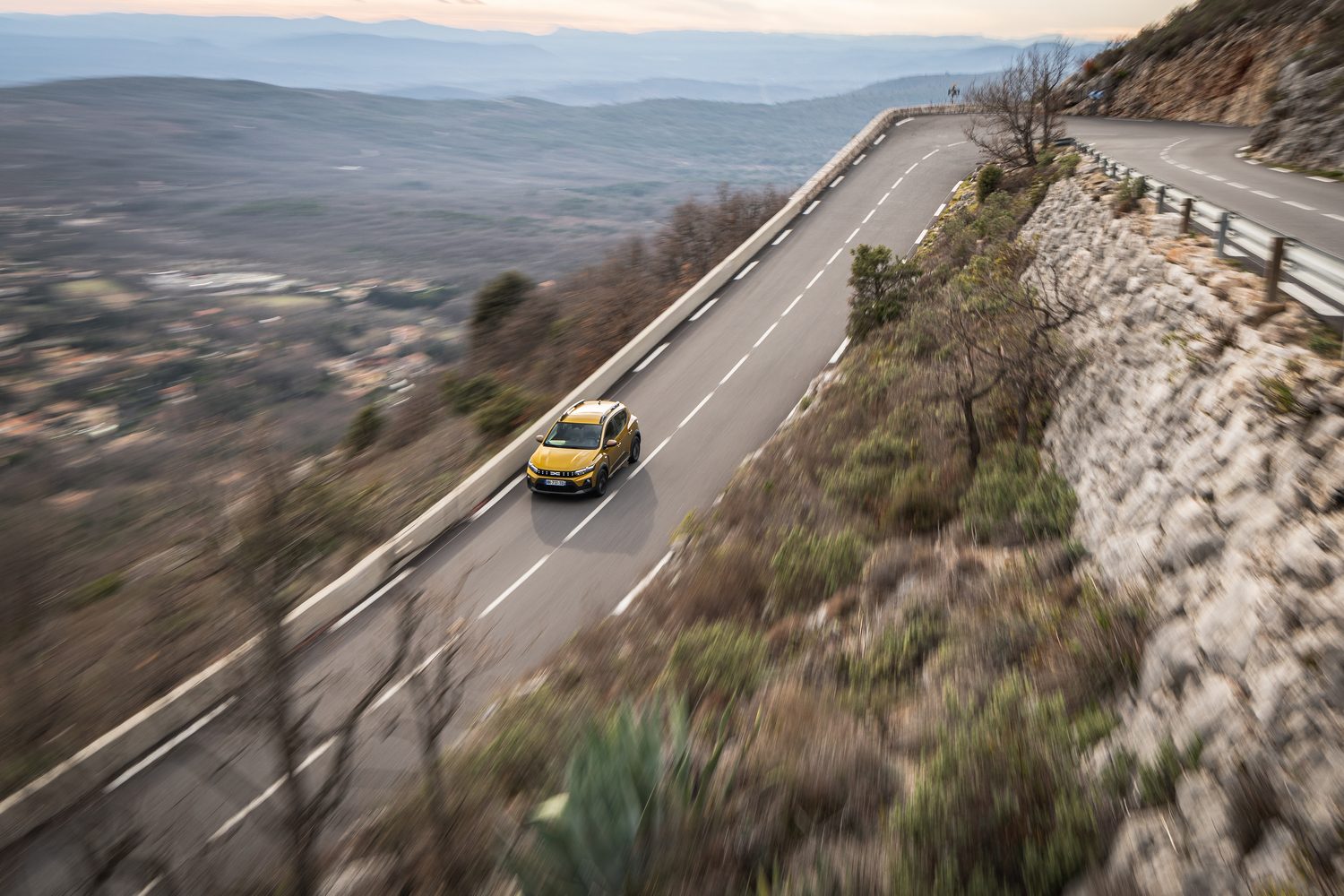
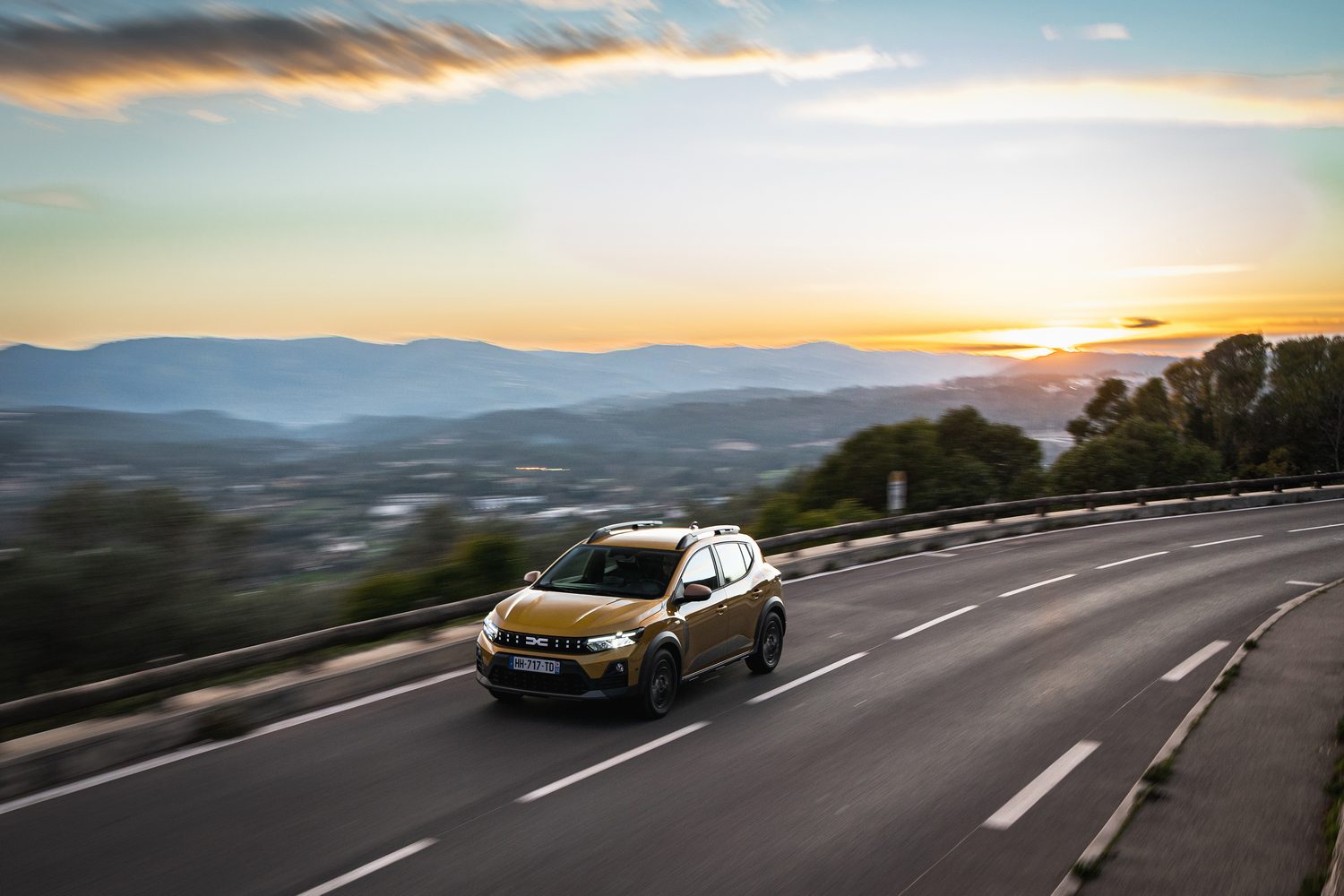
If you're going for a Stepway, there are three extra colours - Safari Beige, Dusty Khaki, or the Amber Yellow colour of our test car, which looks great. Just be aware that not all paint options are available on all trim levels.
Interior, practicality, tech & comfort of the 2026 Dacia Sandero Stepway
• Decent space all round
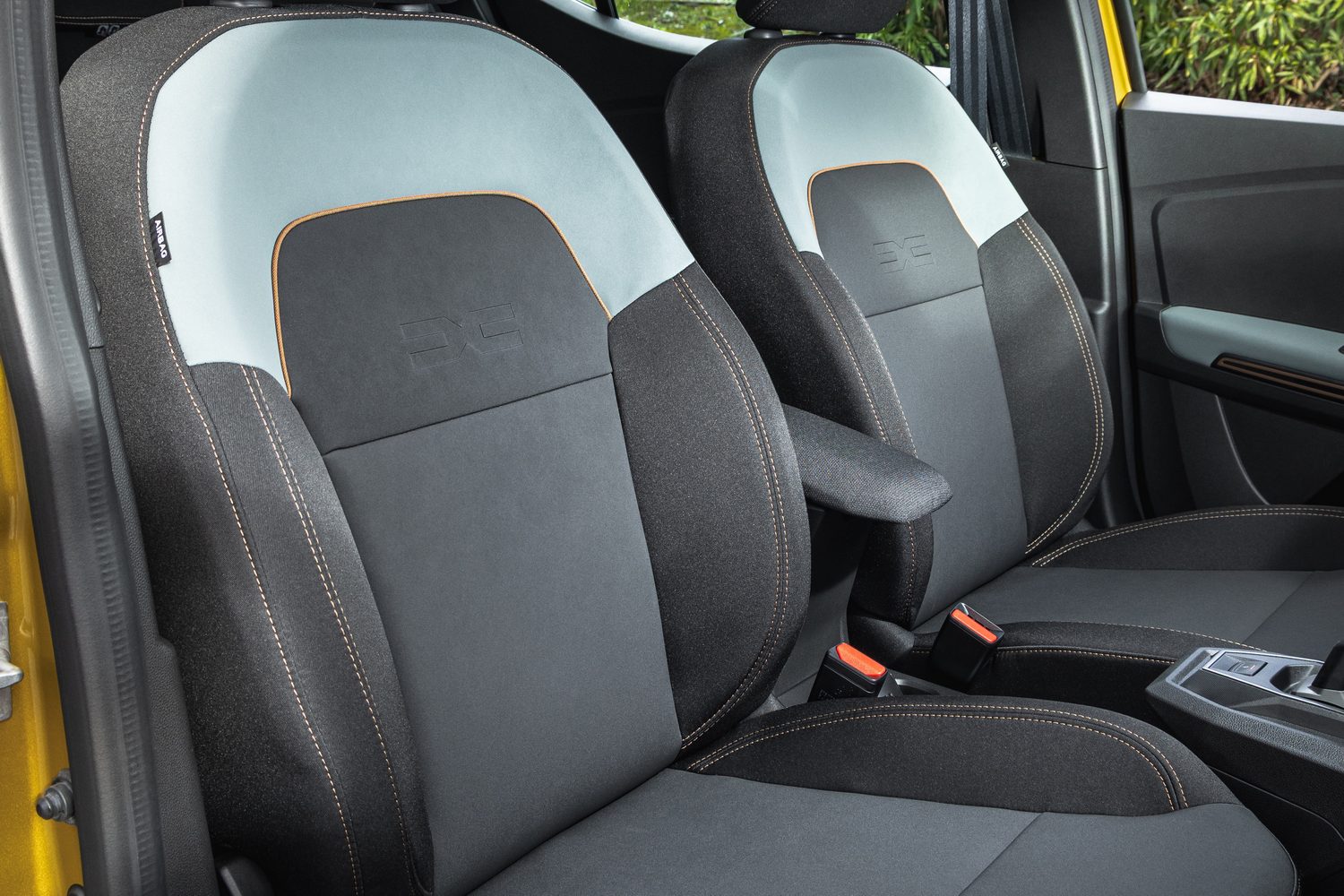
• Good seats
• General improvement in cabin quality

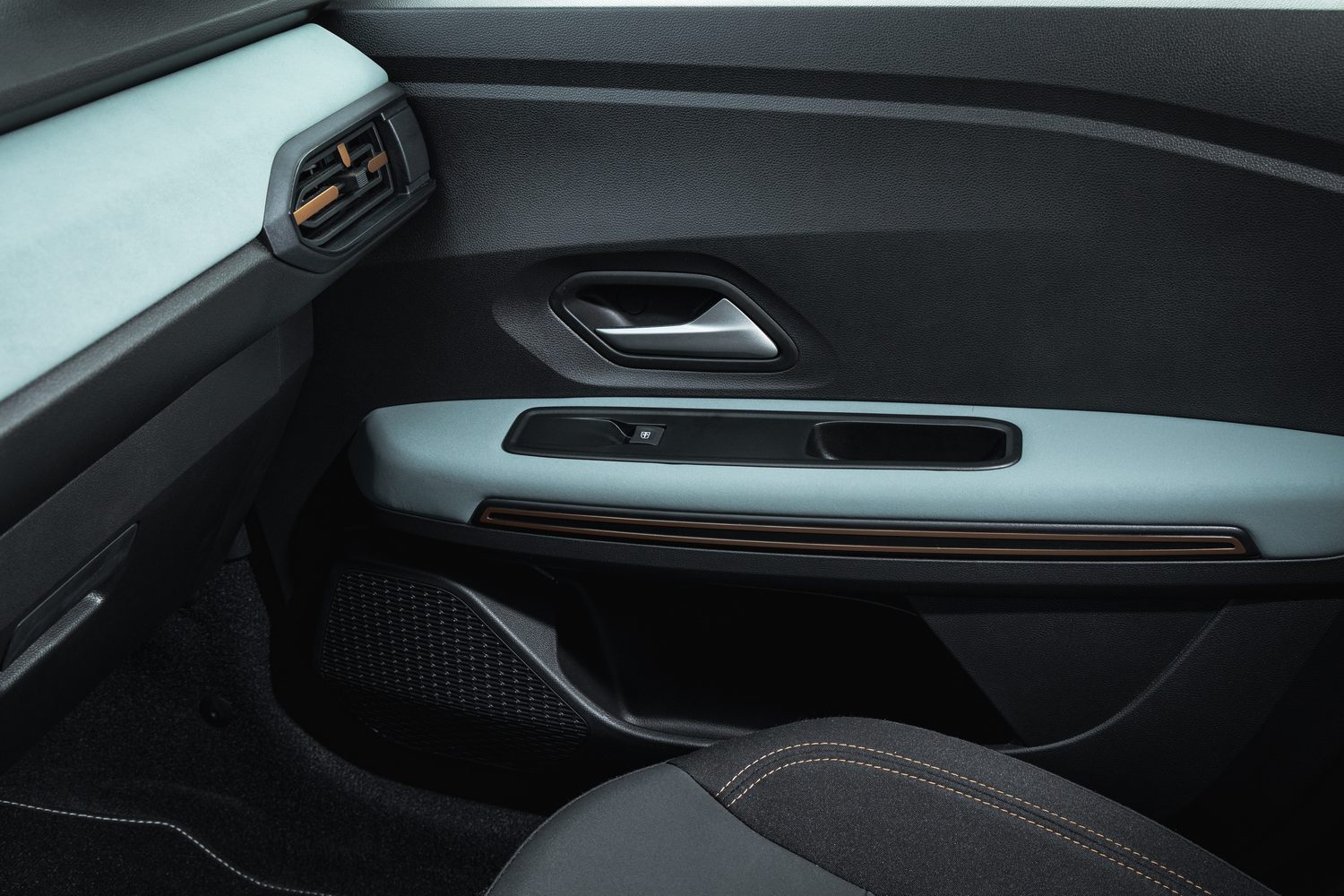
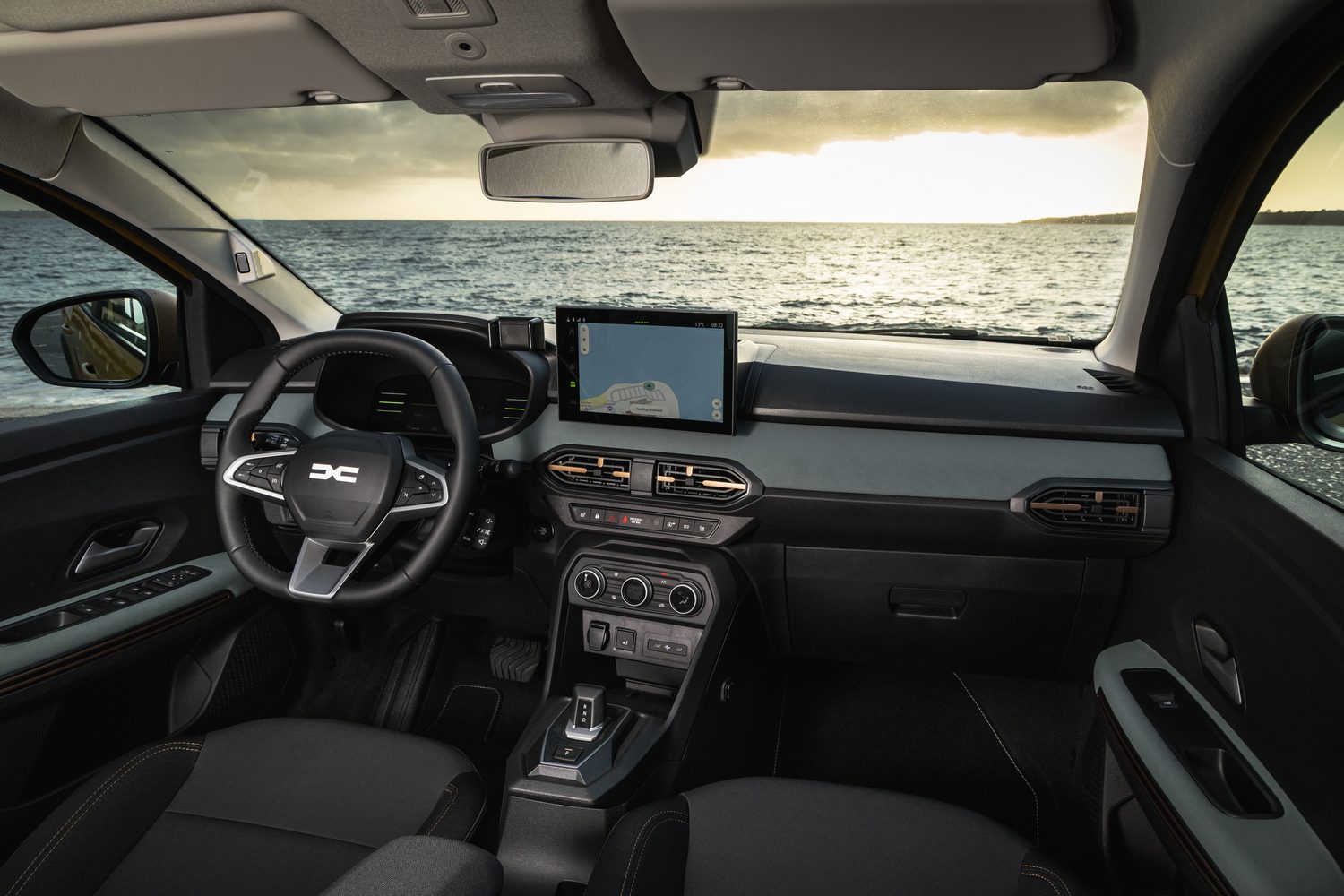
The Sandero and Stepway have left, for the most part, their bargain-bucket interiors in the past, and the cabin now looks perfectly good, and has notably high-quality touch points, even if the broader mass of plastic trim is still pretty hardwearing. That's the Dacia way.
Getting comfortable in the driver's seat
The Sandero's front seats are exceptionally good. The most basic Essential model comes with only a height-adjustable steering wheel, though, so if you want reach adjustment, you'll have to upgrade to an Expression model or higher, while if you want the sheer luxury of a front-seat armrest, that means stepping up to a Sandero Journey.

The Essential model even does without electric adjustment for the door mirrors, so if you're buying the most basic Sandero, be prepared to take your time setting up your driving position. If you have paid up for the fully adjustable steering column, though, then there should be no issue finding a decent driving position. The seat has plenty of fore-aft and backrest adjustment, and there's height adjustment for higher-spec models.
Infotainment and technology
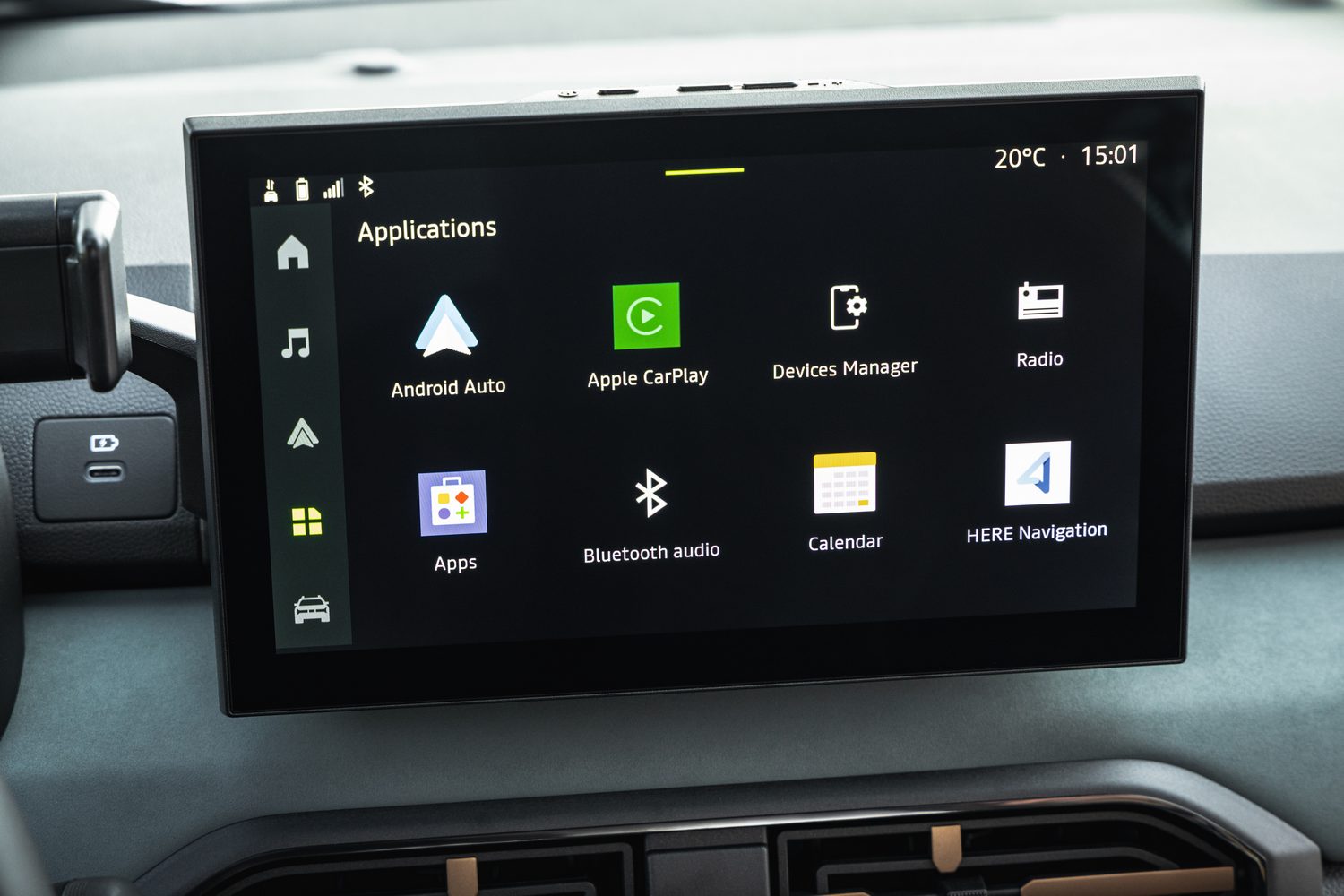
One of the things we love most about the Dacia Sandero is that, in its basic form, you can have it without a touchscreen. There's a Dacia app that downloads to your phone, and a dashboard-mounted phone clamp which turns your phone into the touchscreen, or you can just not bother and have a dashboard unencumbered by a distracting portable TV.

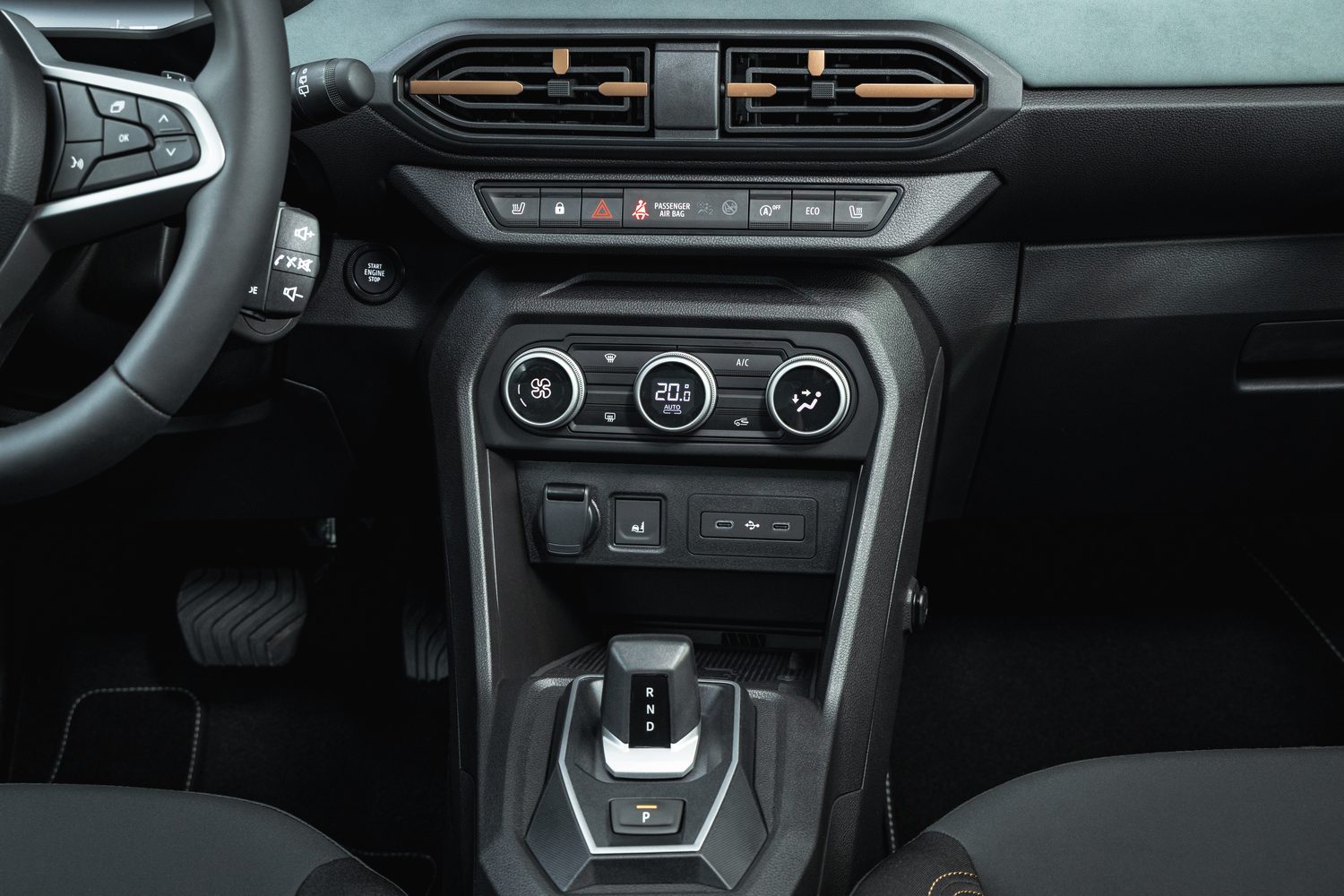
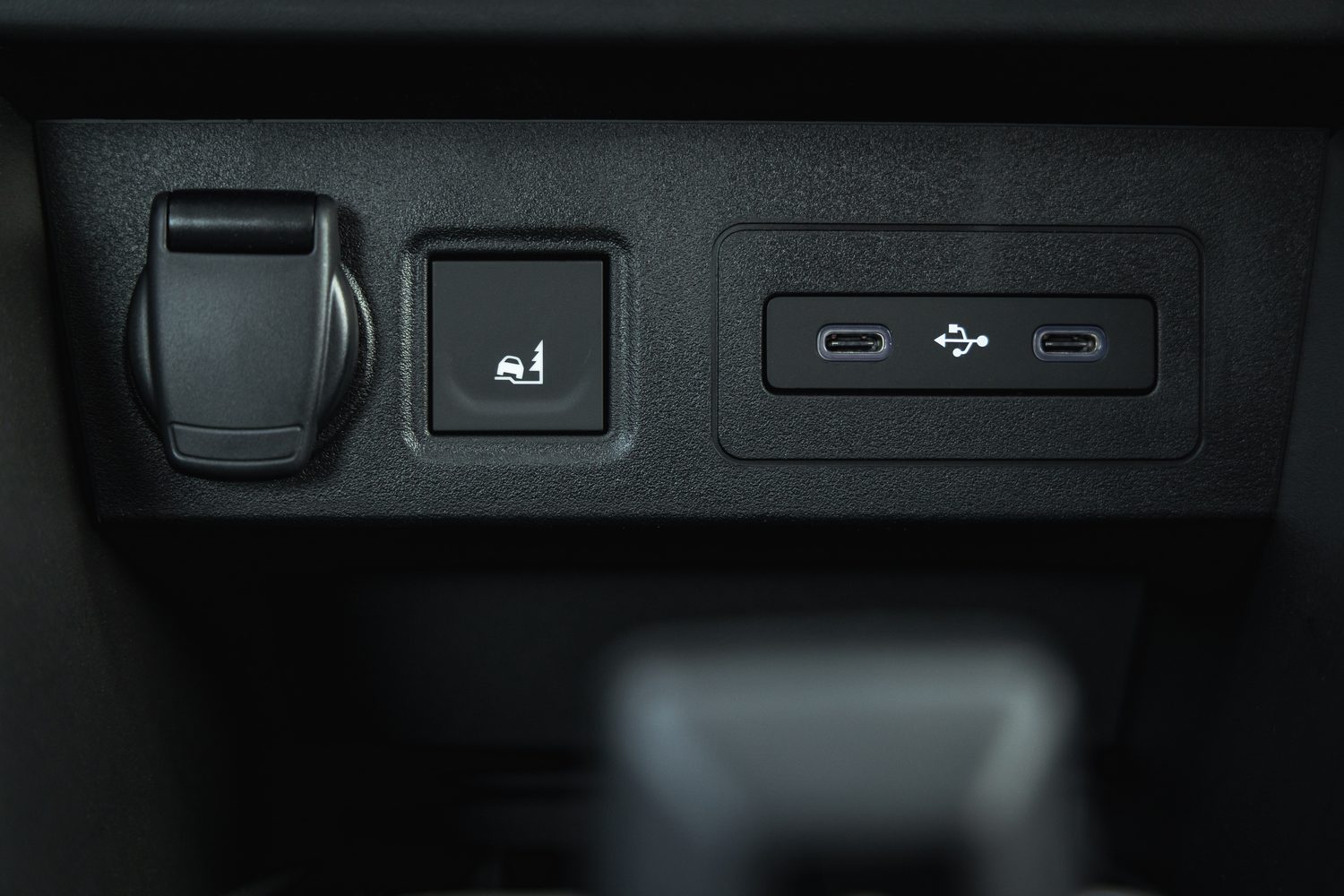
In fairness, the 10.1-inch touchscreen that is available in the Sandero and Stepway, and standard in the more expensive models, is a good one. Dacia's relatively monochrome layouts, with minimal colour, do make the screen less distracting on the move, and there is of course Apple CarPlay and Android Auto connectivity. You can even have a wireless phone charger to go with your pair of USB-C sockets if you like.
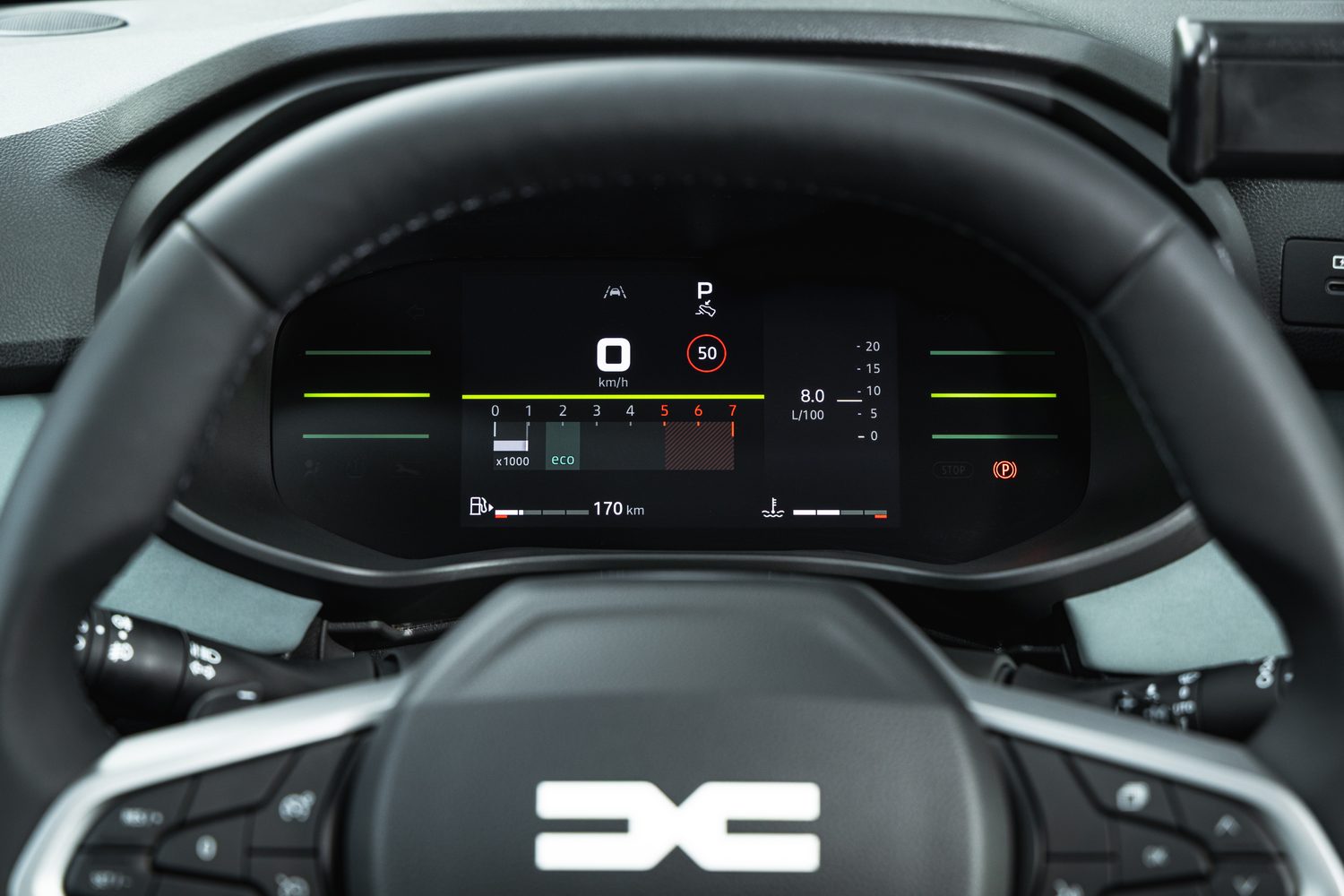
Basic Sanderos get simple, clear analogue instruments with a white-on-black trip computer screen between them. Optionally, you can have a seven-inch digital instrument panel, but it's such a simple panel that we struggle to see why you'd bother.

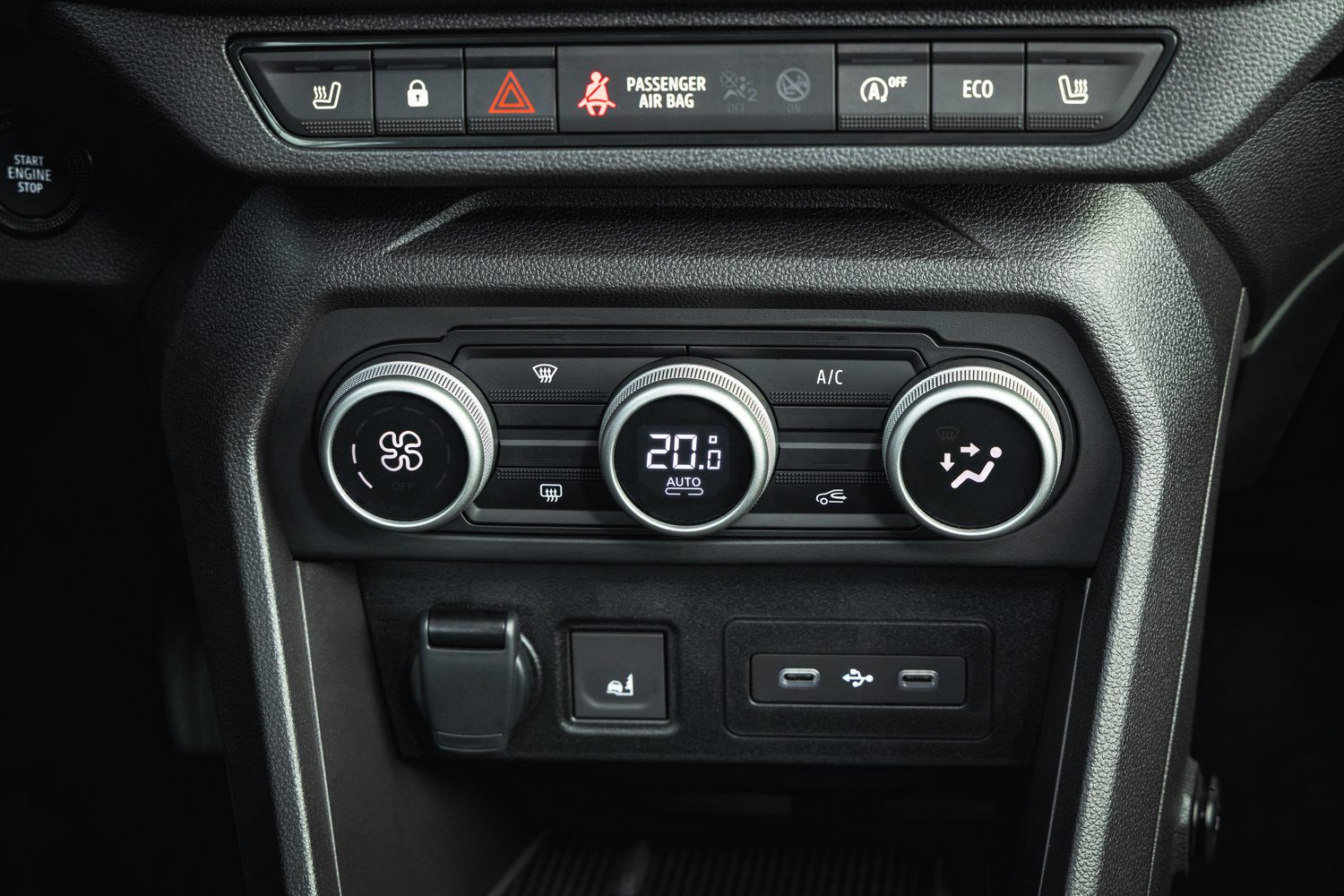
Bravo, also, to Dacia for sticking with straightforward rotary controls for the air conditioning and heating. There's even a manual handbrake for most versions.
Practicality around the cabin
How practical the Sandero's cabin is depends on the version. Basic models do without an armrest between the front seats and attendant storage area, although at least there is some open tray storage to go with the pair of cupholders down by the handbrake.

Ahead of the gear selector is an open area at the base of the centre console, which is home to the optional wireless phone charger. The door bins are on the small side, and like the other storage areas, they're unlined. The glovebox is a decent size, though.
Rear-seat passenger space
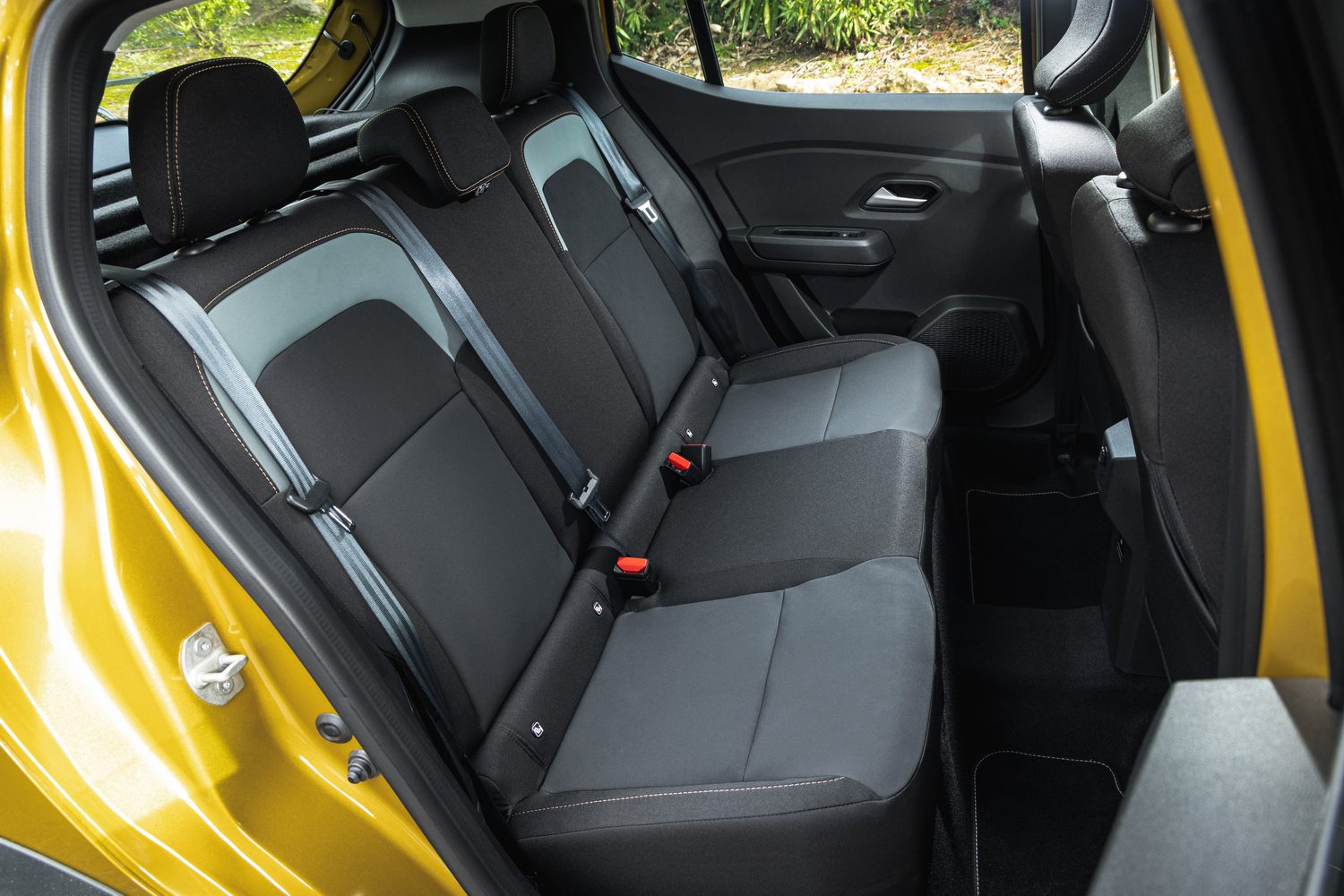
By small car standards - indeed by almost any standard - the Sandero and Stepway are commendably roomy in the back. All 185cm of me can get comfortable behind my own driving position, with plenty of legroom and equally good headroom.

There is a shallow transmission tunnel, so anyone sitting in the centre rear seat will have to fight for foot space with their fellow passengers, but the rear seat is just about wide and flat enough to fit those three people. Plus the windows are a decent size, so kids in the back will get a decent view out.
Higher-spec models get seatback storage pockets and a single rear USB-C socket too.
Fitting child seats to the Dacia Sandero Stepway
Sandero and Stepway models get two ISOFIX locations, in the outer back seats, and there's sufficient space in the back, and well-sized doors, that you shouldn't have too much trouble getting larger rear-facing seats in there.
There's potentially enough room in the middle rear seat for a third child to use a booster cushion, but that will depend on the bulk of the other seats you're using.
Boot space in the Dacia Sandero Stepway

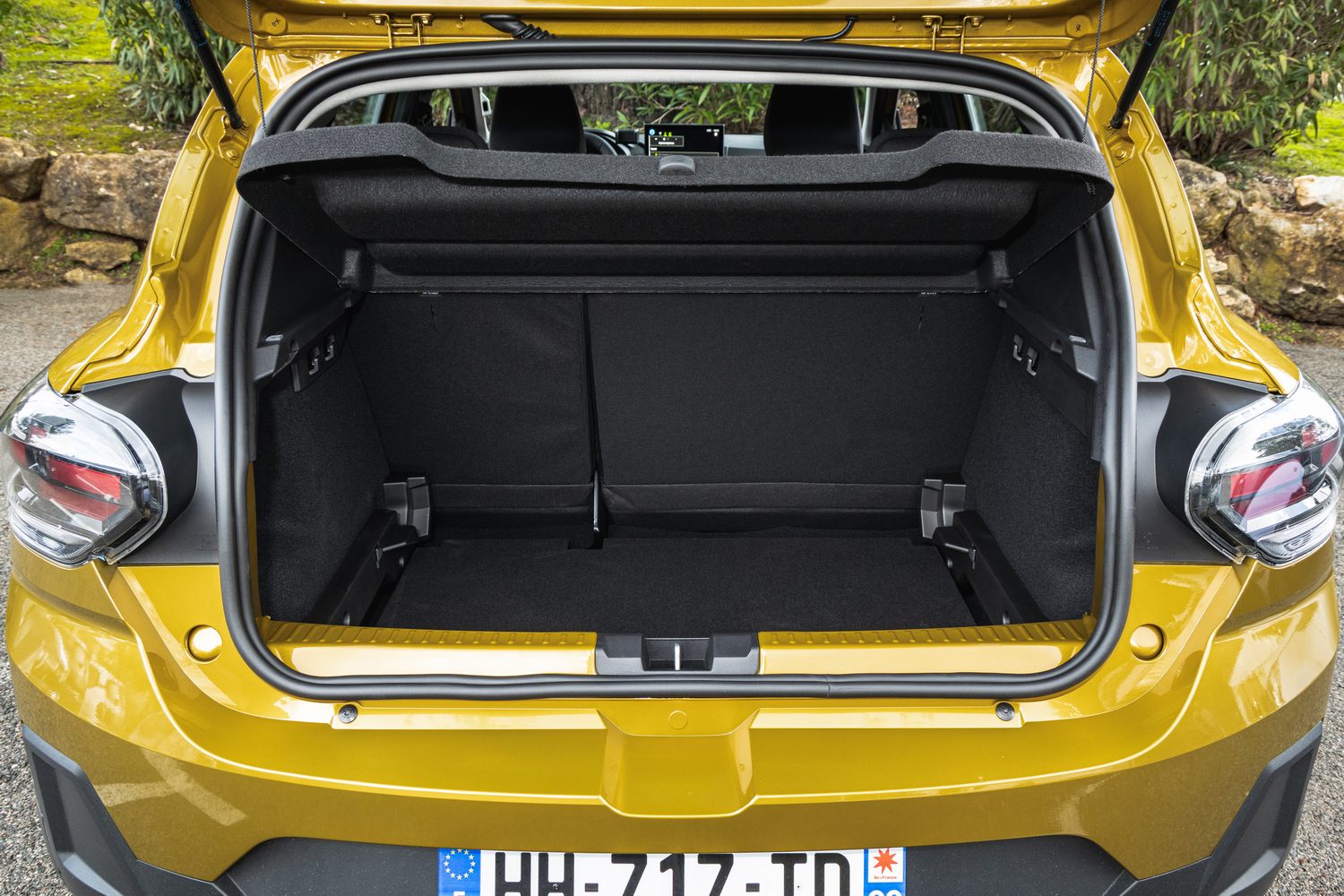
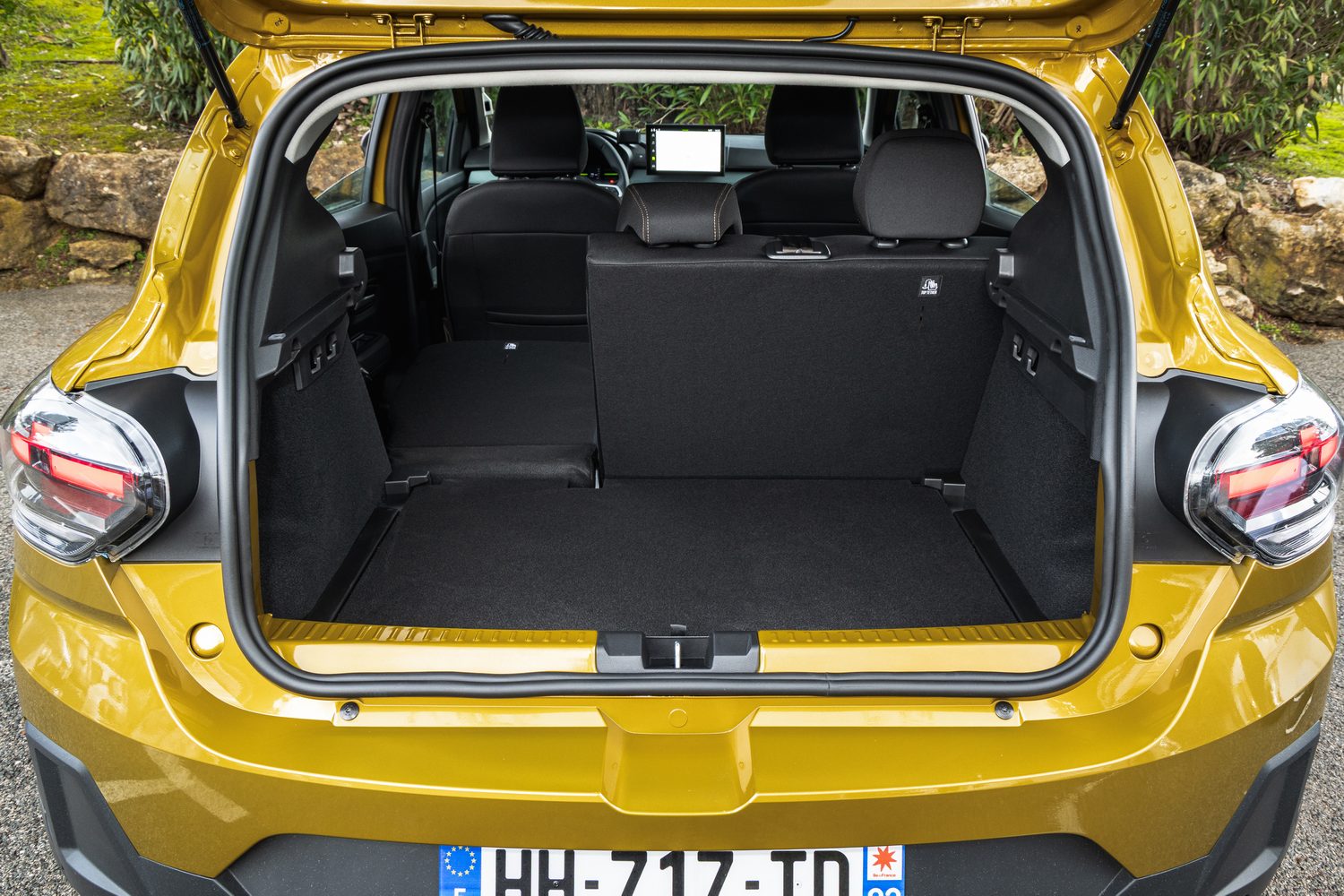
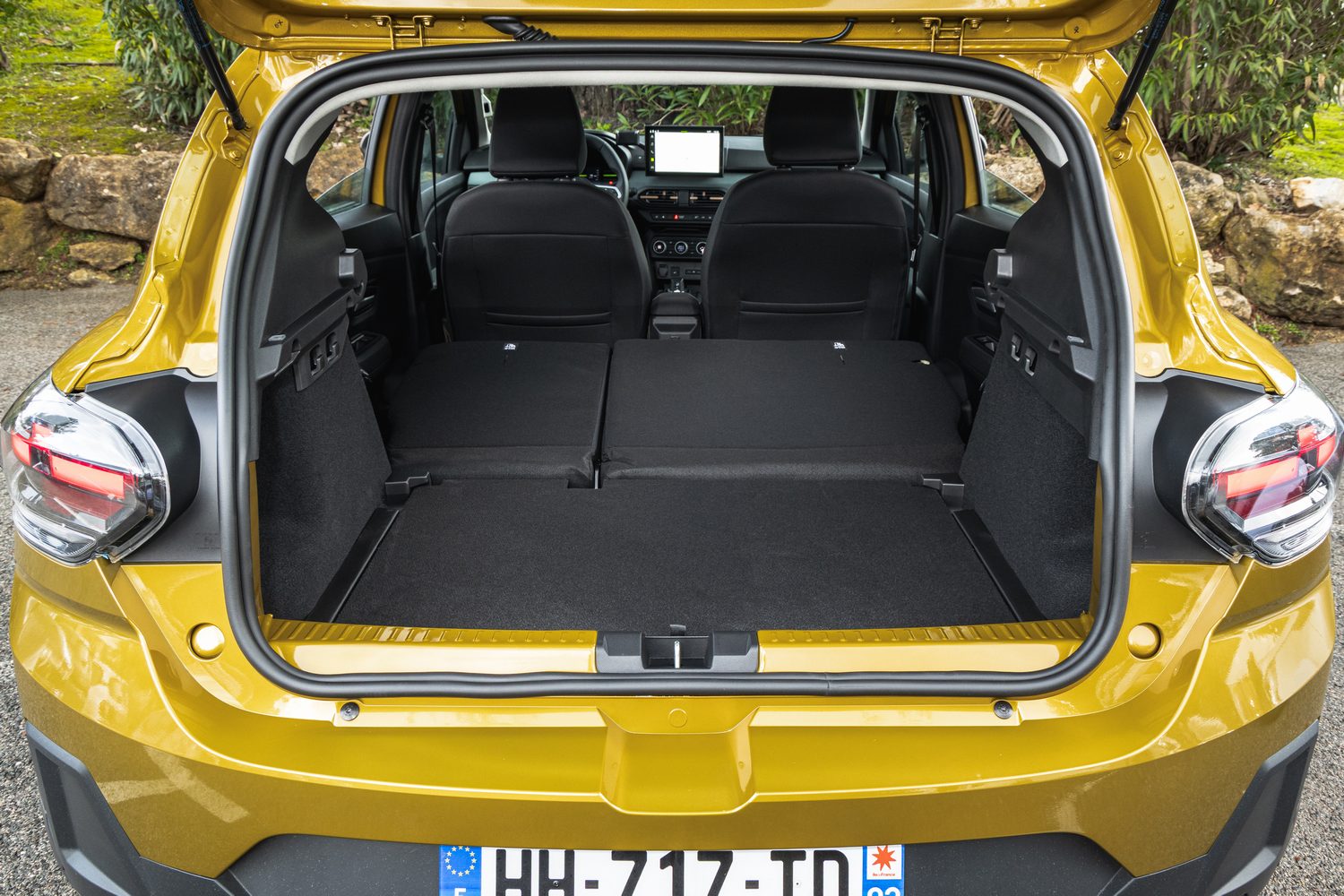
The Sandero gets a very useful 410 litres of luggage space in the boot, which is well above the class average for this size of car, and more boot volume than you get in a VW Golf, which is a bigger car altogether.
The boot's a good, square shape too, although there is a bit of a loading lip unless you've spent extra to get the adjustable boot floor, which eliminates that issue.

That also creates a flat load space with the back seats, which don't fold entirely flat, but which do open up 1,455 litres of space when you've tipped them forwards. There are handy luggage hooks moulded into the plastic of the boot sides, four in total, and some small extra storage areas to the sides.
Dacia has also expanded the number of accessories that use its handy 'YouClip' system - of which there are three in the Sandero; two in the cabin and one in the boot - and those include a handy roll-up shopping bag made from recycled plastic.
Towing with the Dacia Sandero Stepway
For a small car, the Sandero is pretty handy in the towing department, with a maximum possible braked towing weight of 1,100kg. It'll manage 645kg on an unbraked trailer too.
Safety in the Dacia Sandero Stepway
Dacia tends not to do well on Euro NCAP tests, not because the cars are in any way inherently unsafe, but because Dacia tends to be reluctant - on cost grounds - to fit the kind of high-end electronic safety aids which NCAP places such high value on.

The current Sandero, assessed in Stepway form in 2021, took home a mere two-star rating from NCAP, with a 70 per cent adult occupant protection score, 72 per cent for child occupants, 41 per cent for vulnerable road users and 42 per cent for active safety assist.
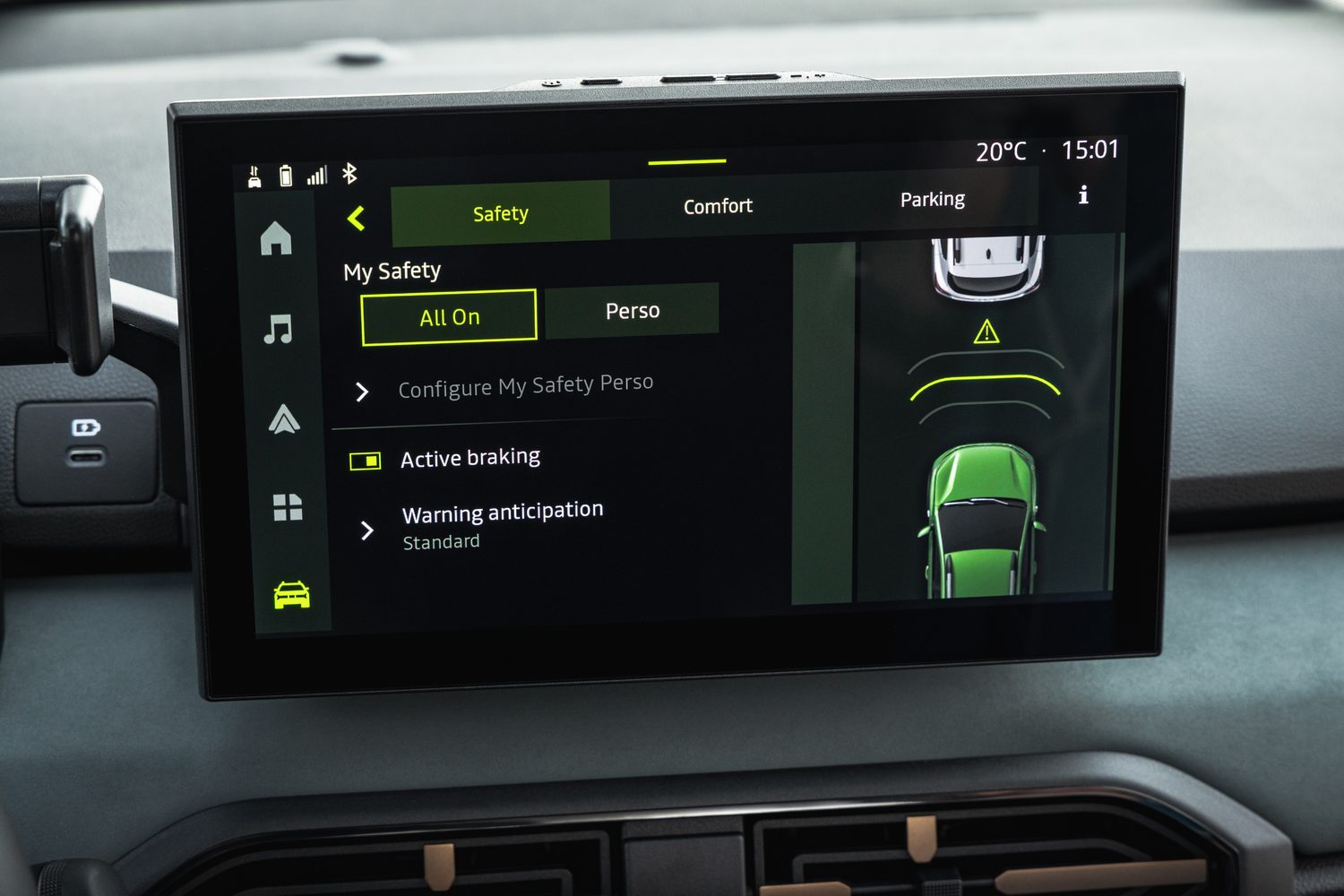
This updated Sandero should do better when it gets retested, as Dacia has added automatic emergency braking with pedestrian, cyclist and motorbike detection as standard, as well as a driver safety monitor (which uses a very noticeable little camera mounted to the cabin's A-pillar). There are also some new safety options such as automatic headlights and a surround-view camera system.
Performance of the 2026 Dacia Sandero Stepway
• Rev-happy 1.0-litre petrol engine
• Hybrid on the way
• No six-speed auto for Ireland

The Sandero's engine lineup is based around a familiar 1.0-litre three-cylinder engine, but that's about to change...
Driving the Sandero Stepway Eco-G 120 AT Extreme in France - Neil Briscoe
For the purposes of this test drive, I'm going to have to ask you to look away at a couple of key moments. Those being when I select a gear, and when I point towards the boot of this updated Dacia Sandero Stepway Extreme.

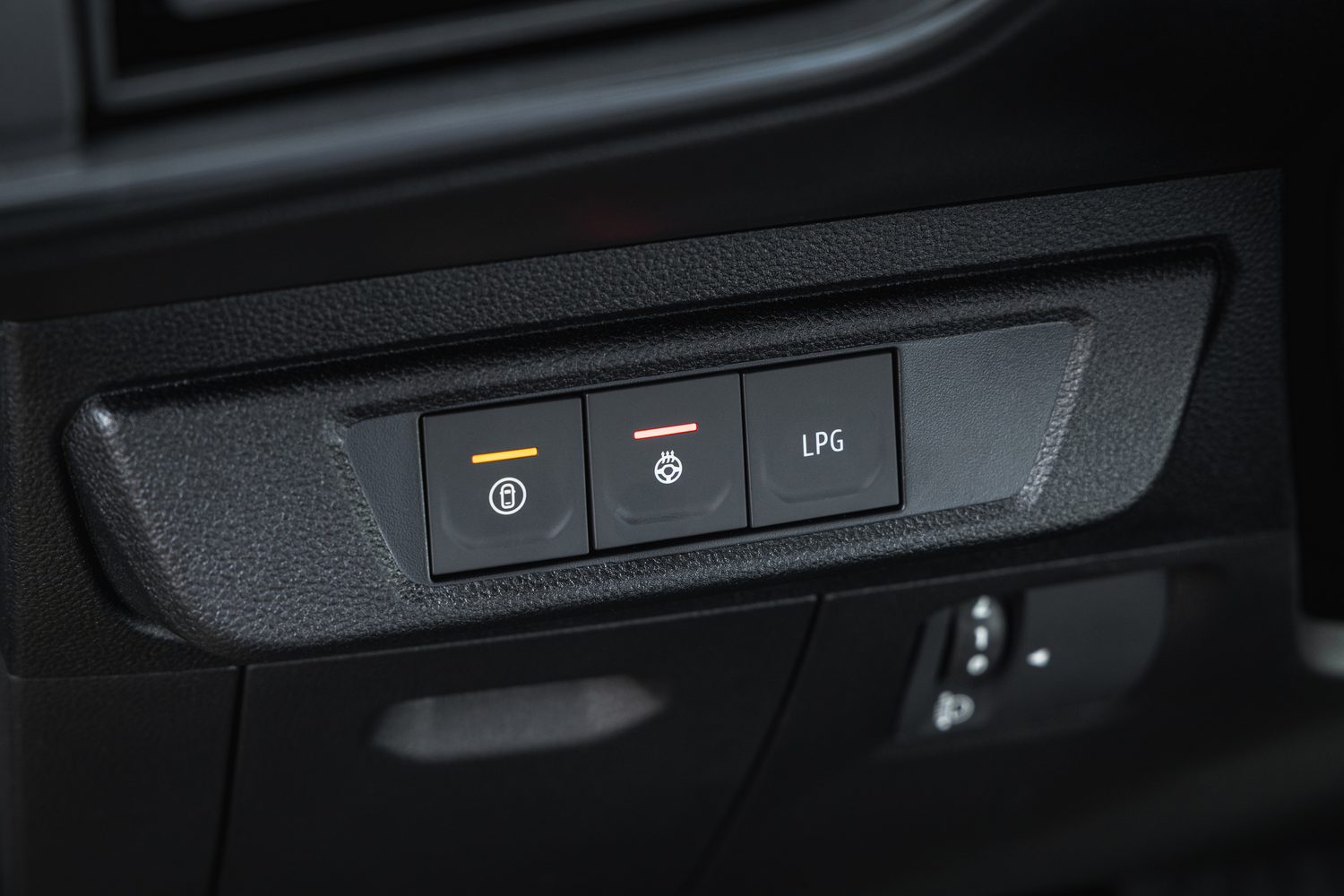
You see, the 'G' appellation to the badge means that this car's turbocharged 1.0-litre three-cylinder petrol engine is also tuned to run on Liquified Petroleum Gas (LPG), something that Dacia is quite keen on in Europe, and which explains the big, circular 50-litre LPG tank under the boot floor where the spare wheel would otherwise be.
Irish buyers should just ignore that, though, as we're not getting this updated engine, with its 120hp power output as LPG pretty much isn't a thing in Ireland anymore. Instead, Irish Sandero buyers will get an updated version of the existing three-cylinder engine, which gets a small power boost to 100hp in the standard Sandero, and 110hp in the Stepway.

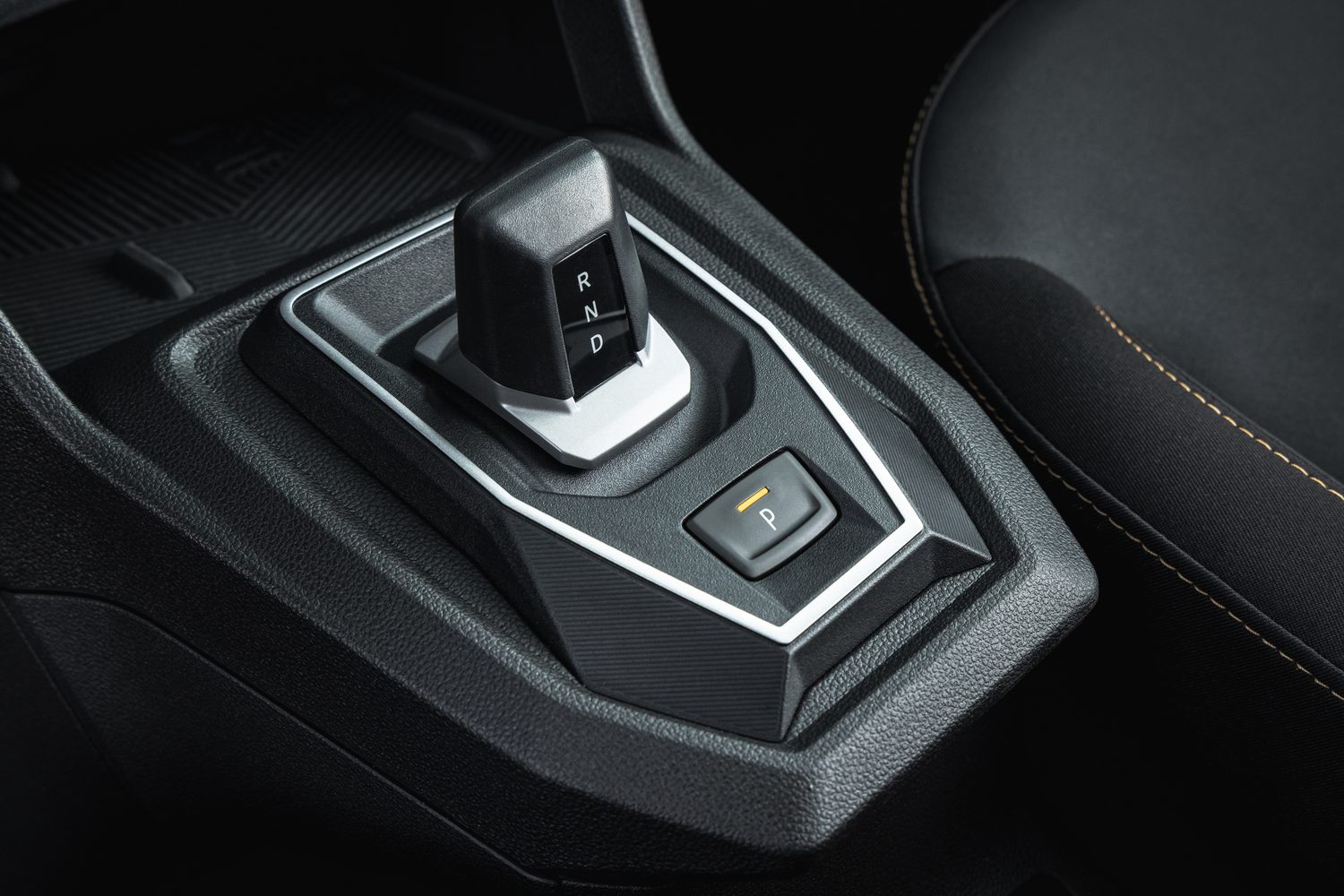
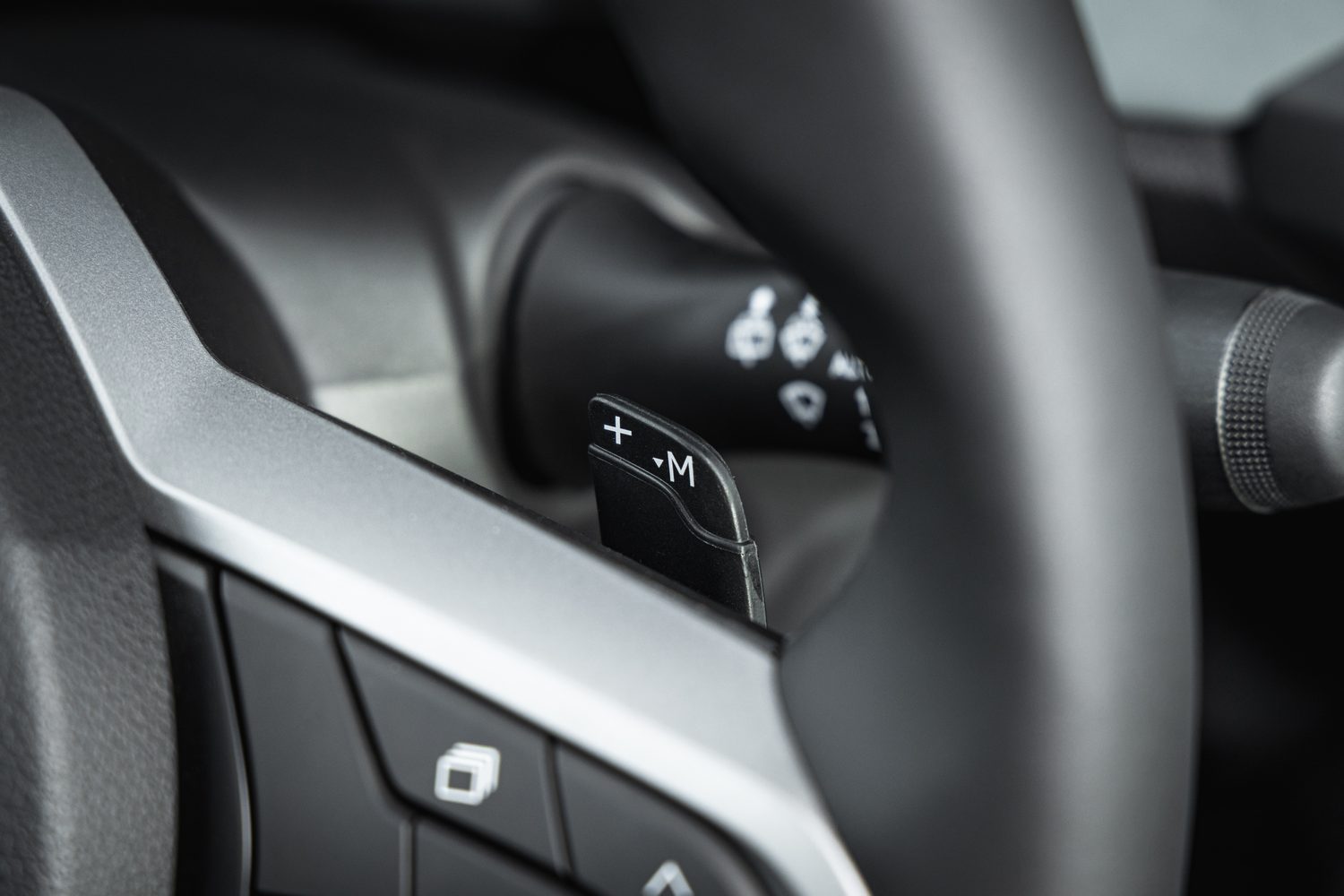
What about gear selection? Ah, another thing that Irish buyers are going to miss out on. You see, to pick up a gear in this Sandero Stepway test car, all I had to do was reach down with my hand and gently flick the big, rubberised toggle switch to select 'D' for the six-speed dual-clutch automatic gearbox.
That's another new Sandero item that's giving Ireland a swerve as it's mated to the new LPG-friendly engine, and not the older version which we get. If you want an automatic Sandero Stepway, you'll have to wait for the Hybrid 155 model.

So, this Stepway I'm driving isn't properly representative of what you can buy in Ireland, but it at least gives us a taste of the updated Sandero, and the news is pretty much positive.
OK, so no-one's going to buy the Sandero Stepway for driving thrills - the steering is way too light and vague for that - and the extra ride height doesn't lead to a pillowy soft ride comfort, either.

The good news, though, is that the Sandero Stepway is entirely pleasant to drive. It's a small and light car, so it always feels lively, in spite of a lengthy on-paper 0-100km/h time, and if the handling isn't exactly thrilling, then at least it's a car that feels nimble and agile, and one that's easy to park.
Fuller driving impressions will have to wait until we get a new Sandero and Stepway at home, but in general the Sandero hasn't strayed far from its previous successful formula; it's easy-going and simple to drive, unexciting but nonetheless pleasing, and with a focus on comfort rather than cornering thrills. Which is exactly as it should be.
Fuel economy and running costs of the 2026 Dacia Sandero Stepway
• 1.0 engine is very frugal
• Low weight encourages economy
• Hybrid should be seriously economical

Until the Hybrid 155 arrives, the Dacia Sandero is entirely reliant on its 1.0-litre petrol engine, but that's OK as it's a very economical thing anyway.
Official CO2 and fuel economy figures
In the Stepway - which will be slightly less economical overall as it's a bit taller and therefore less aerodynamic - Dacia quotes official fuel consumption of 5.7 litres per 100km, and 128g/km of CO2, both with the automatic gearbox.
Drop down to a standard Sandero hatch, with the 100hp engine and a manual gearbox, and the CO2 figure falls to 121g/km, while fuel consumption improves to 5.3 litres per 100km.
Real-world range and efficiency of the Dacia Sandero Stepway
Impressively, the Sandero Stepway easily hit its WLTP marks on our test drive, in spite of us not driving with economy especially in mind. At the end of the day the trip computer read 5.7 litres per 100km, and that bodes well for real-world economy at home, not least because the car will be a touch lighter without the LPG kit and the automatic gearbox.

While we can't yet comment on how good the Hybrid 155 will be, there are good omens as we've easily averaged 5.3 litres per 100km using that engine in the bigger, taller, heavier Bigster SUV, so when it's fitted to the much smaller and lighter Sandero, you should be able to hit 4.5 litres per 100km at least.
Servicing the Dacia Sandero Stepway
Dacia recommends a basic 'A' service every year or every 20,000km (whichever comes up sooner), and two years or 30,000km for a more intensive 'B' type service. There's an inclusive service plan too, so you can spread your service payments as part of your Dacia finance package.
Dacia warranty
Dacia buyers get three years and 100,000km cover, although there are affordable ways to extend that cover.
Irish pricing & rivals to the 2026 Dacia Sandero
• Cheapest Dacia you can buy
• Basic models start under €19,000
• Top-spec Stepway is €23,540

As it has always been, the Sandero (and to a slightly lesser extent the Stepway) is a bargain, albeit it's not the sub-€10,000 bargain it once was. Irish prices start at €18,890 for a Sandero Essential, and our top-spec Stepway Extreme test car clocks in at €23,540.
Given its general increase in sophistication, that makes either Sandero or Stepway hard to beat from a value point of view. The most basic Hyundai i20 is some €3,000 more than the cheapest Sandero for instance, while the cheapest Volkswagen Polo is only slightly less expensive than the top-line Stepway.

Verdict - should you buy the 2026 Dacia Sandero Stepway
As it has always done, the Sandero - and the Stepway - provide a very tempting package of simplicity, practicality and value for money which is hard to beat. You're not going to drive a Sandero if you're after thrills behind the wheel, but then most car buyers aren't. What most of us want is an affordable, reliable, sensible, useful car and that's exactly what the Sandero is.
FAQs about the 2026 Dacia Sandero
What are common problems with the Dacia Sandero?
Previous Sandero models have thrown up issues with small electrical items, premature brake wear and suspension bushes, but for the most part Dacias tend to be very reliable, and all of the components in the car have been well-proven in other Renault Group products.
What does the 'eco' button do on a Dacia Sandero?
Basically, it tones down the throttle response. Dacia doesn't go big on electronic sophistication, but the Eco mode does mean that you have to press harder on the accelerator for a given speed, which helps to encourage more economical driving.
What are the pros and cons of the Dacia Sandero?

The Sandero is a cheap car, reasonably well-equipped, with simple mechanical parts, at a bargain price. That's what it has always been. It's not massively sophisticated, nor exciting to drive, but it's affordable and sensible, and so if that's what you need, you won't miss the other stuff.
Want to know more about the Dacia Sandero Stepway?
If there's anything about the Dacia Sandero Stepway we've not covered, or you'd like help in choosing between it and other cars, you can avail of our expert advice service via the Ask Us Anything page.