



Irish pricing for the 2025 Dacia Bigster

The Bigster's lineup kicks off with the headline-grabbing price of €29,995 for the Essential model, featuring a turbocharged 'TCe' petrol engine. It's a 1.2-litre three-cylinder unit with a little mild-hybrid assistance making up to 140hp and driving the front wheels.
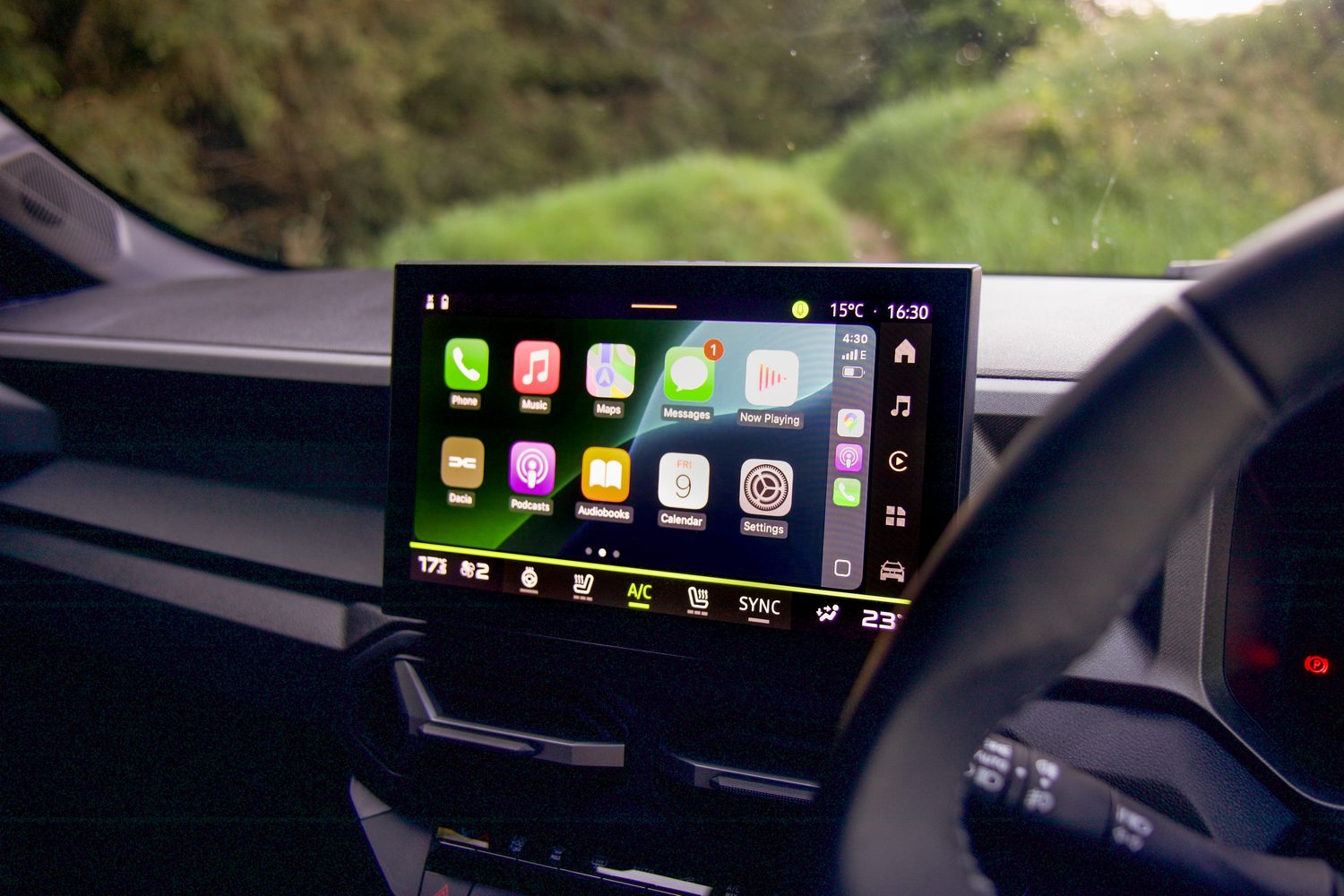
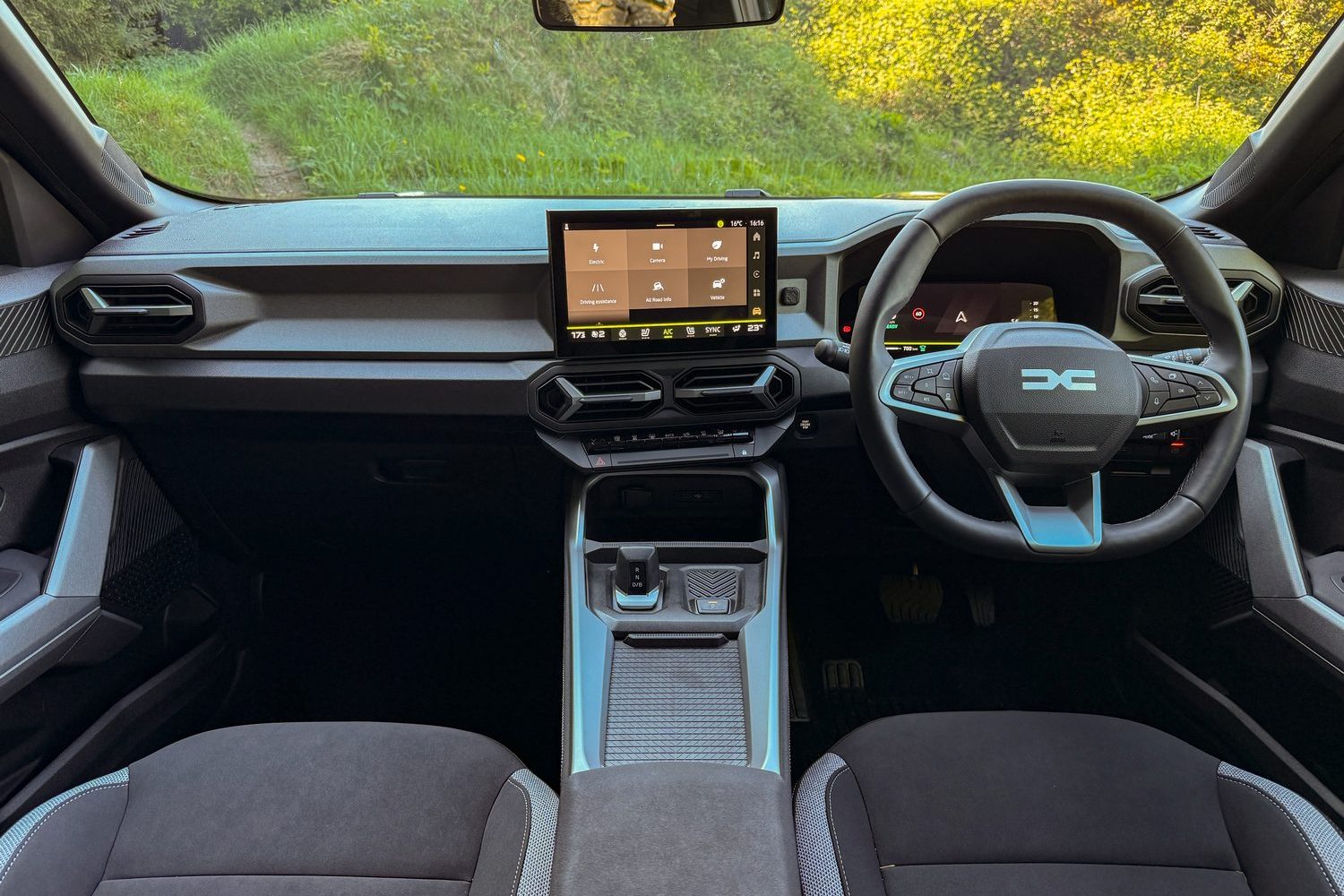
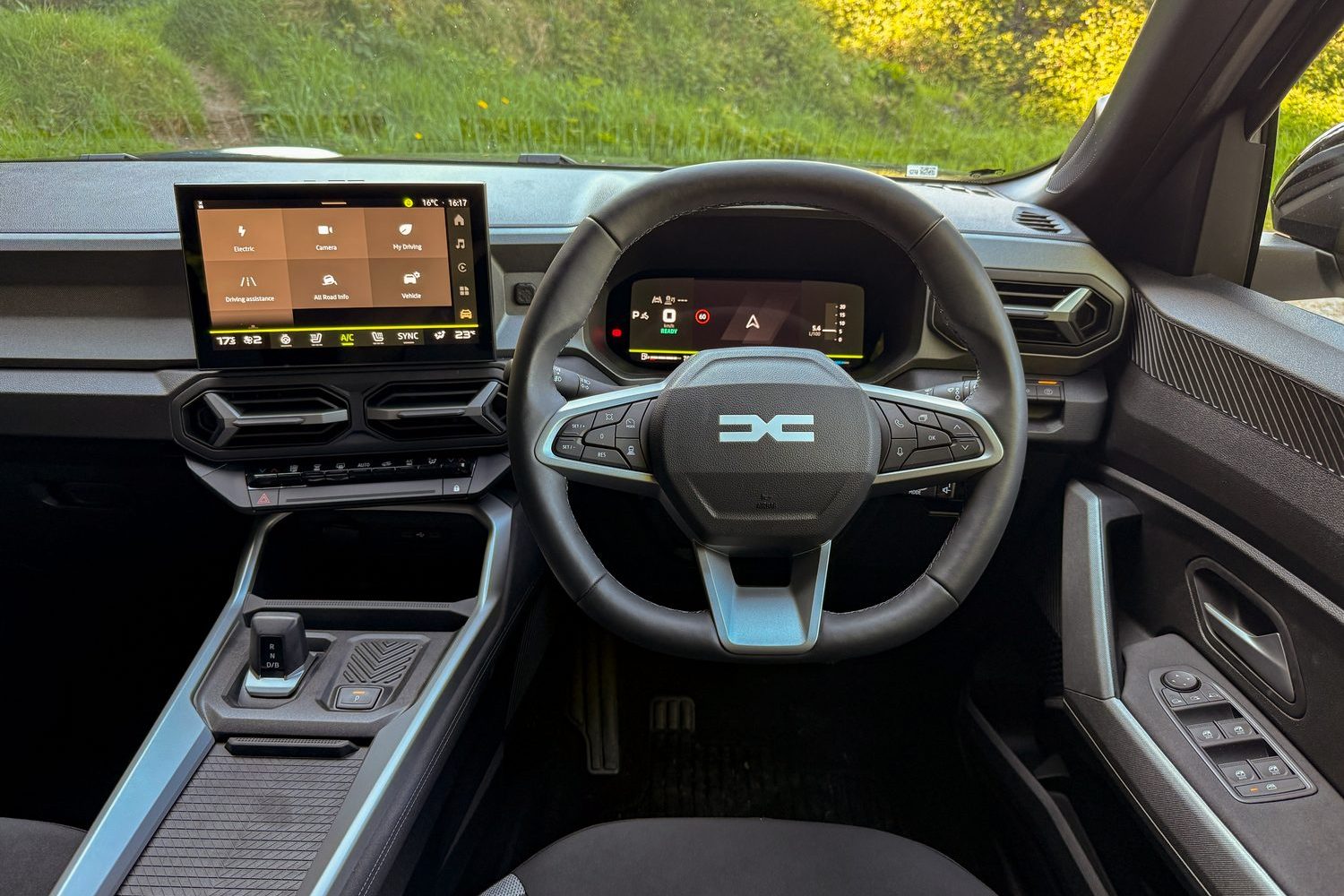
In the past, Essential-badged Dacias would have been the most basic of driving experiences, but in the case of the Bigster, standard equipment is decent and includes cruise control, roof bars, manual air conditioning, 17-inch alloy wheels, auto headlights, one touch front and rear windows, a 10.1-inch touchscreen with Apple CarPlay and Android Auto, a seven-inch TFT digital driver instrument display, rear parking sensors and a rear camera.
There's a 130hp version of the same engine with a manual gearbox and four-wheel drive too, and that, in Essential trim, costs €34,690.

Next up is the Bigster Expression, which costs €32,390 for the TCe 140 mild hybrid, €36,990 for the 4x4 or €35,140 for the hybrid powertrain tested here. Standard equipment for Expression models includes dual-zone climate control, auto folding mirrors, lumbar adjustment, a 40:20:40 split rear bench with armrest, an electronic parking brake, auto headlights and wipers, handsfree keycard, a 12v socket in the boot, 17-inch diamond-cut alloy wheels, a higher centre console with armrest, a modular boot floor, blind-spot monitor, front and rear parking sensors with side protection and a surround-view camera.
Then there's Journey spec, which is the trim of our test car. That costs €34,690 for a TCe 140, or €37,540 for the hybrid. Standard equipment includes a powered tailgate, rear privacy glass, 19-inch alloy wheels, heated seats, heated steering wheel, 10.1-inch 'Media Nav' touchscreen with navigation and wireless smartphone connection, a 10-inch TFT digital driver instrument display, a wireless phone charger, driver-attention alert and distance warning, high-beam assist, a cool box in the centre console and - just for the hybrid model - active cruise control.
At the top of the range is the rugged 'Extreme' trim which costs €34,990 for a TCe 140, €39,690 for a 4x4 or €37,840 for the hybrid. Standard spec includes modular roof bars, a panoramic opening sunroof, a manual tailgate (oddly), 18-inch alloy wheels, a cool box in the centre console and - again, just for the hybrid model - active cruise control.

For Journey and Extreme models, there's the €200 option of a contrast roof, too.
Dacia currently has a PCP offer for the Bigster with repayments starting from €215 per month, or a hire purchase deal with repayments starting from €399 per month, both on 4.9 per cent interest.
Neil's take on the 2025 Dacia Bigster HEV 155 Journey
I'm just going to come right out and say it - I think this is the single best car on sale in Ireland right now. No, it's not the most exciting. No, it's not the most beautiful. But were I to win the Lotto this week then, alongside the Porsches and the Aston Martins, there would definitely be space in my new multi-car garage for a Bigster, because it's just one of those cars you're going to need sometimes.
Yes, I realise that this flies in the face of my usual 'No SUVs, thanks' attitude, but that's how good the Bigster is - it has managed to swerve around my prejudice.

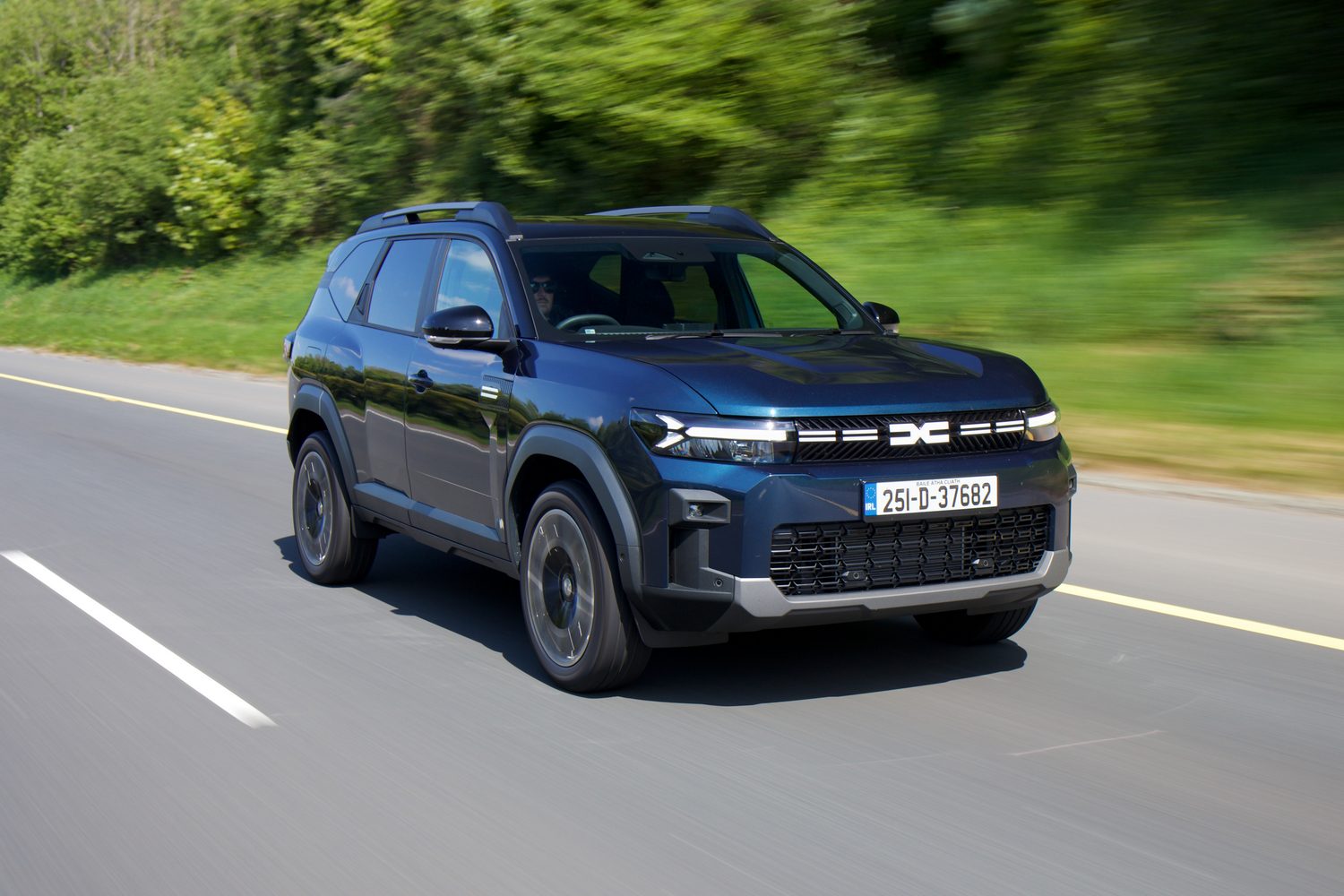
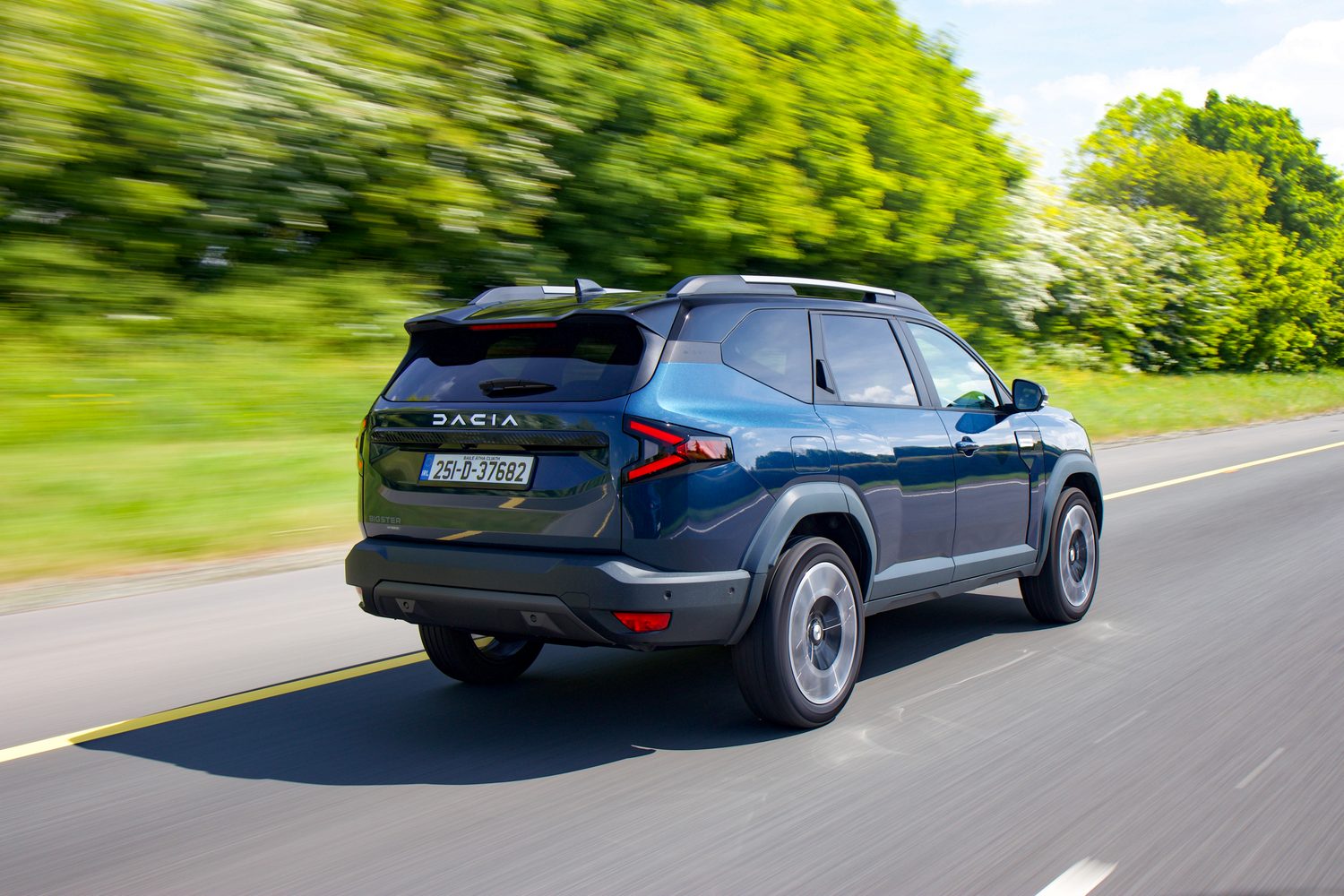
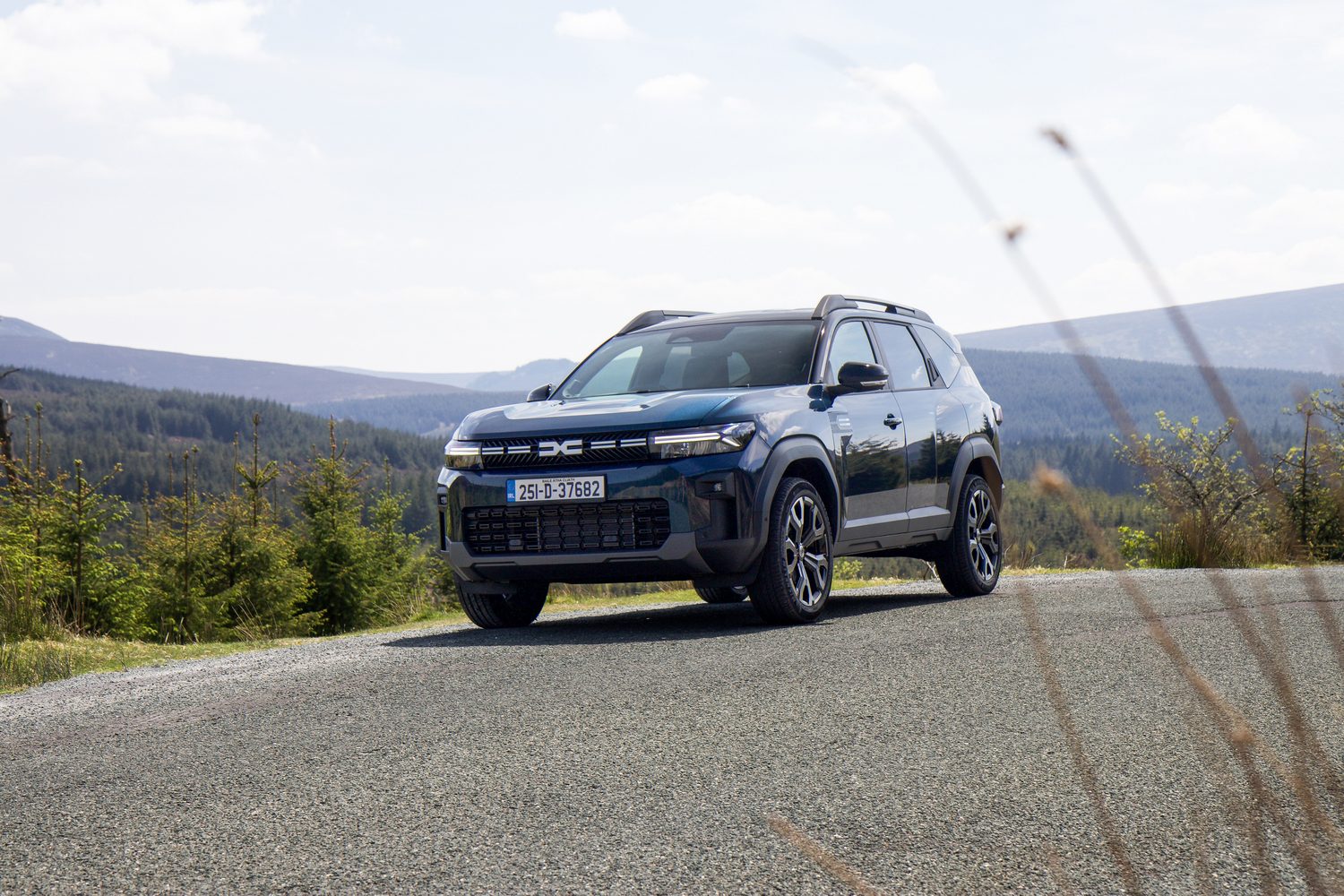
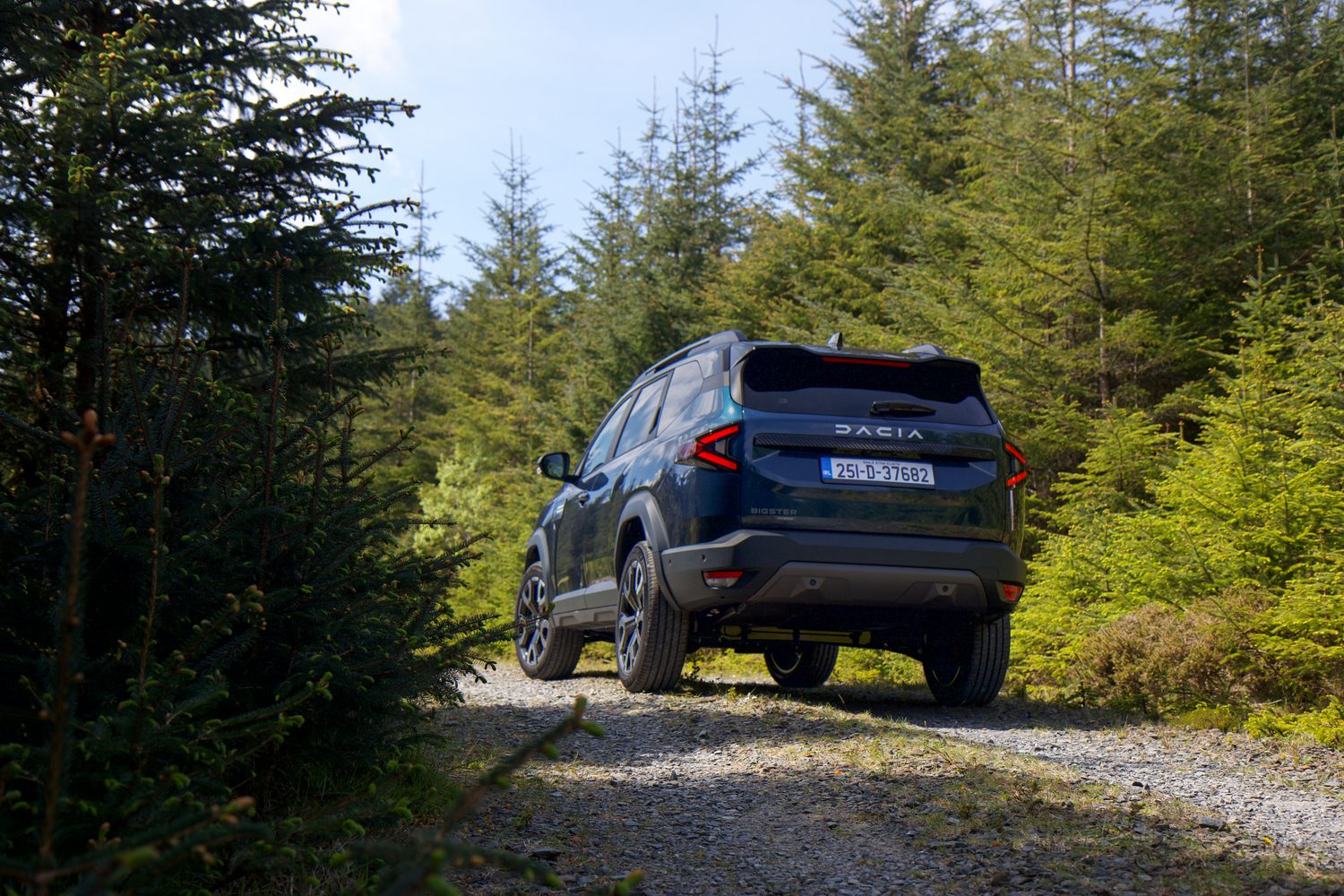
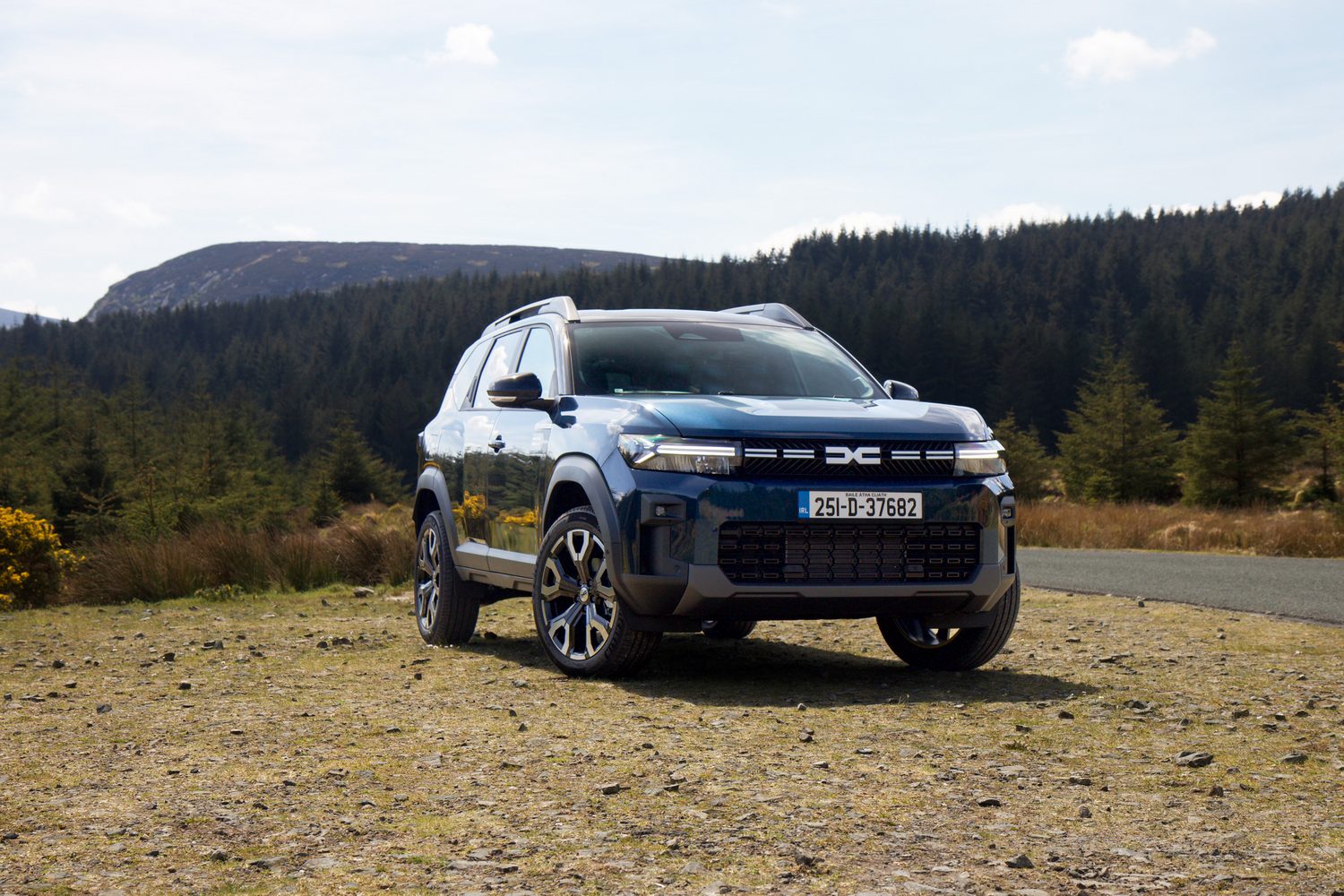
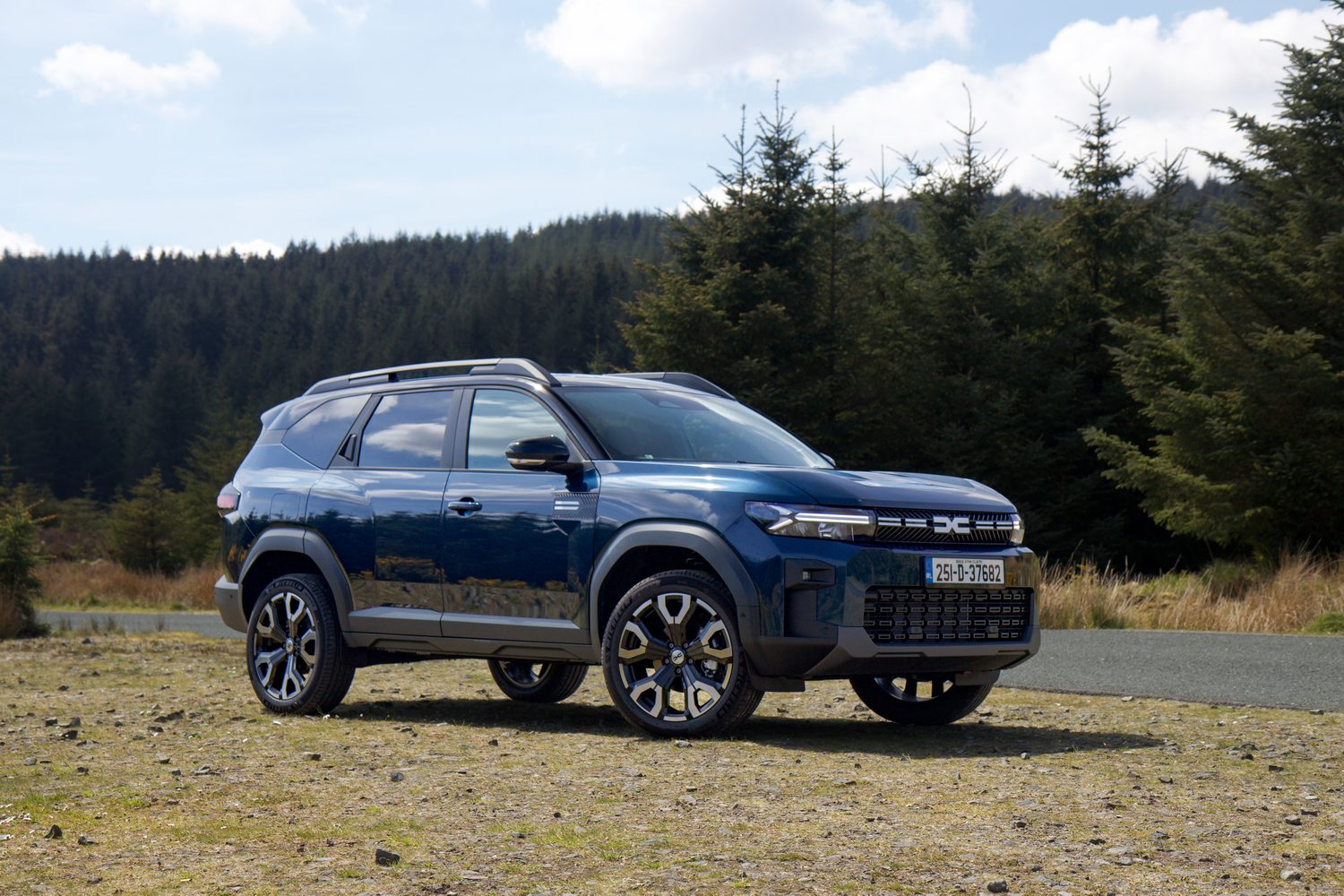
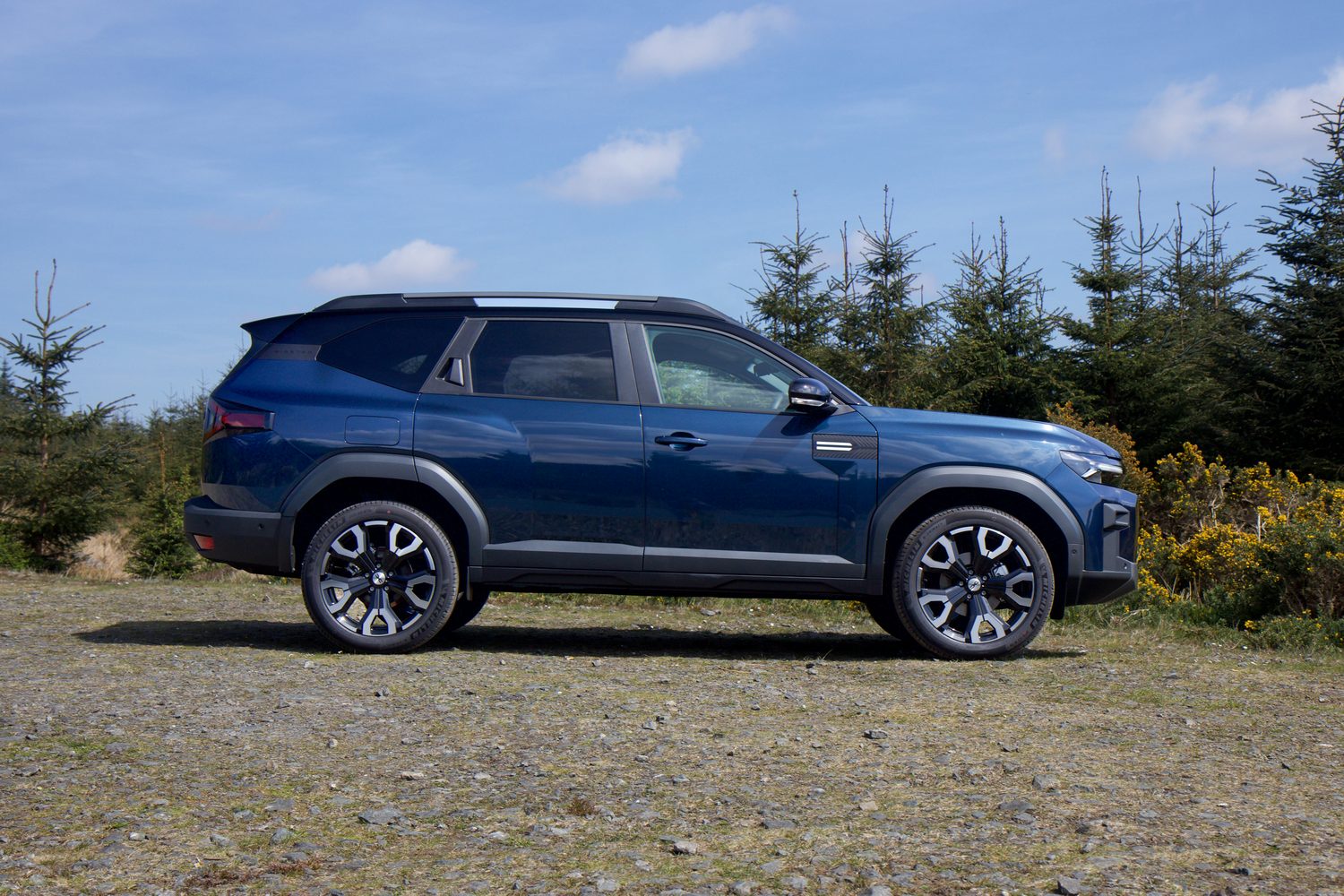
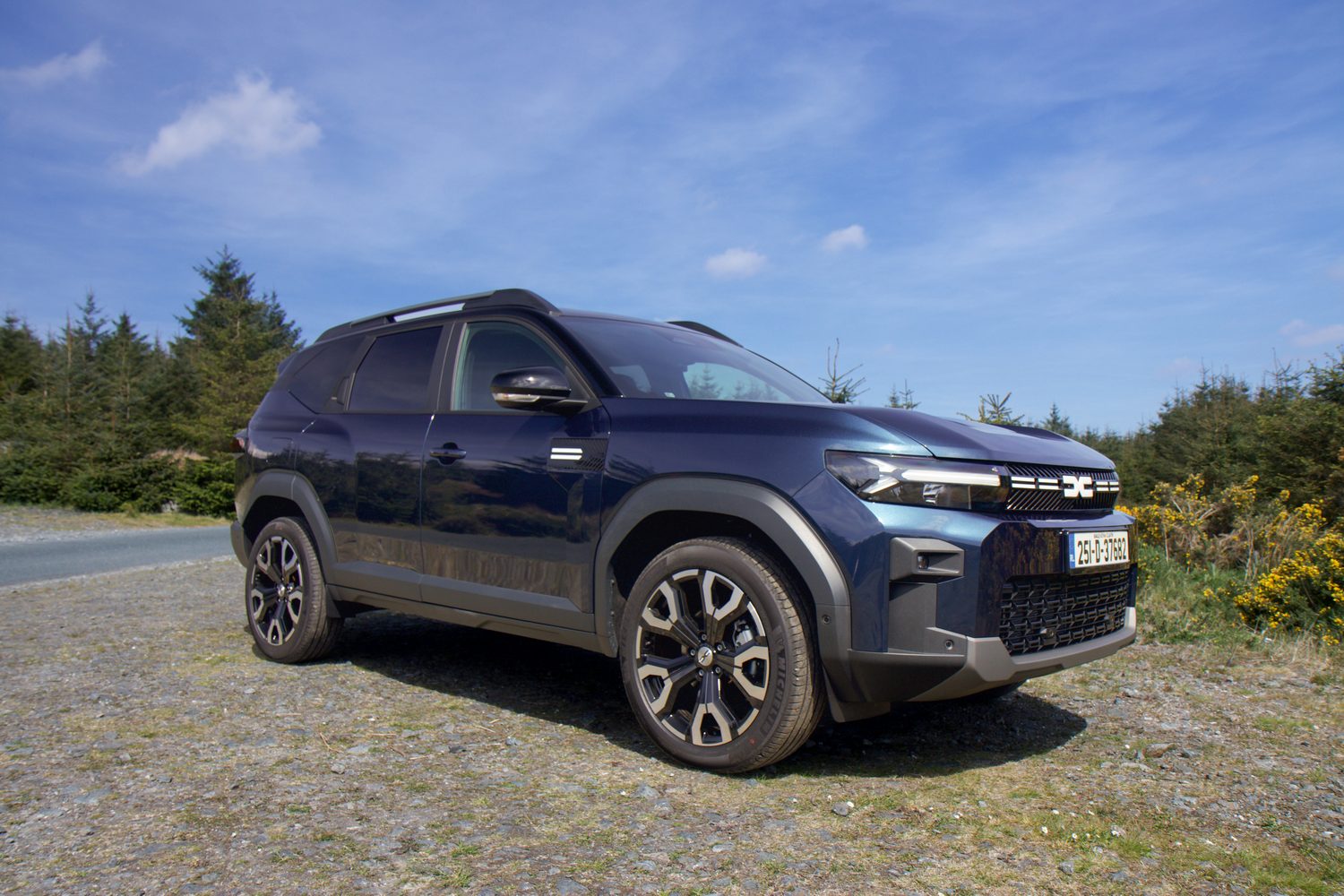
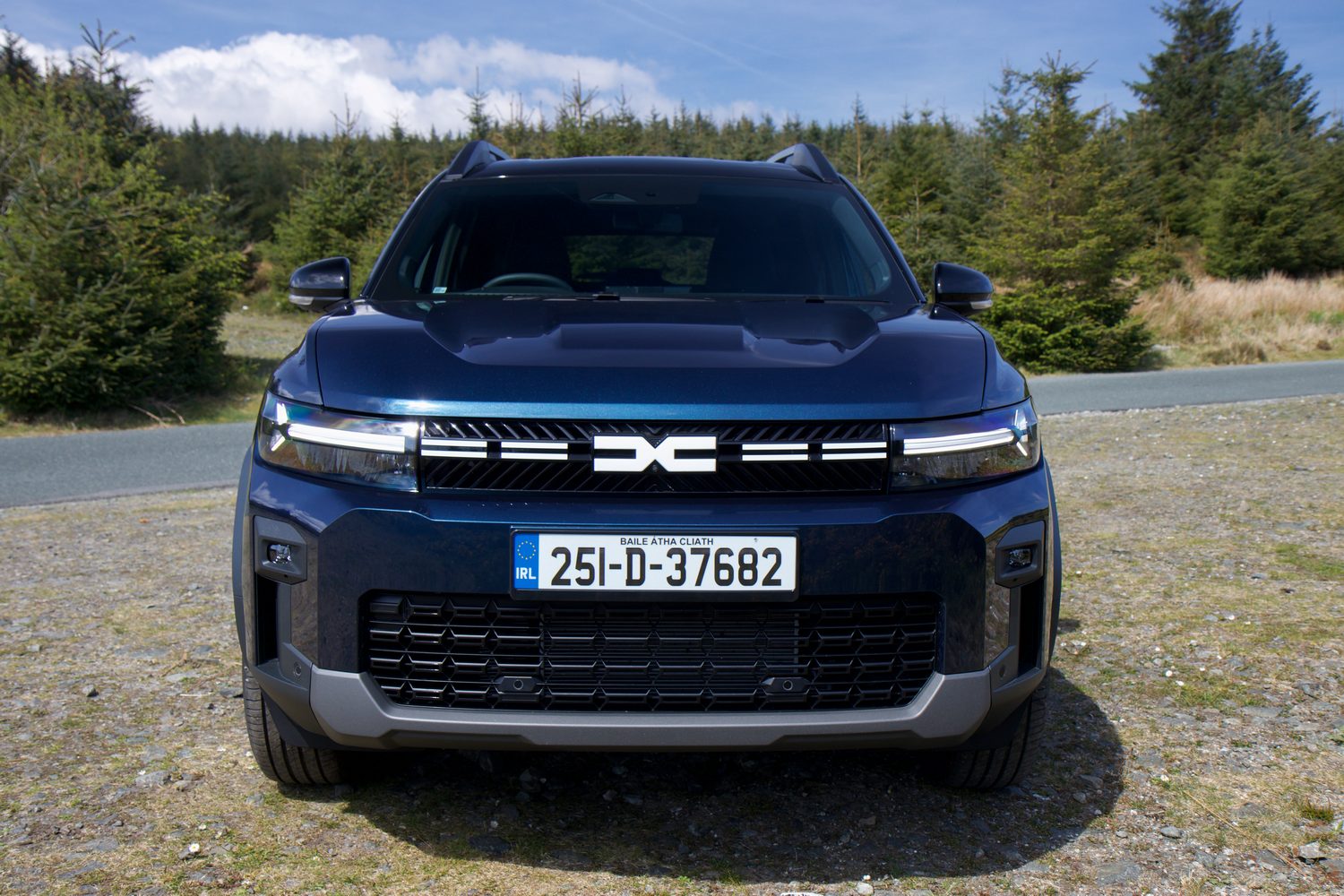
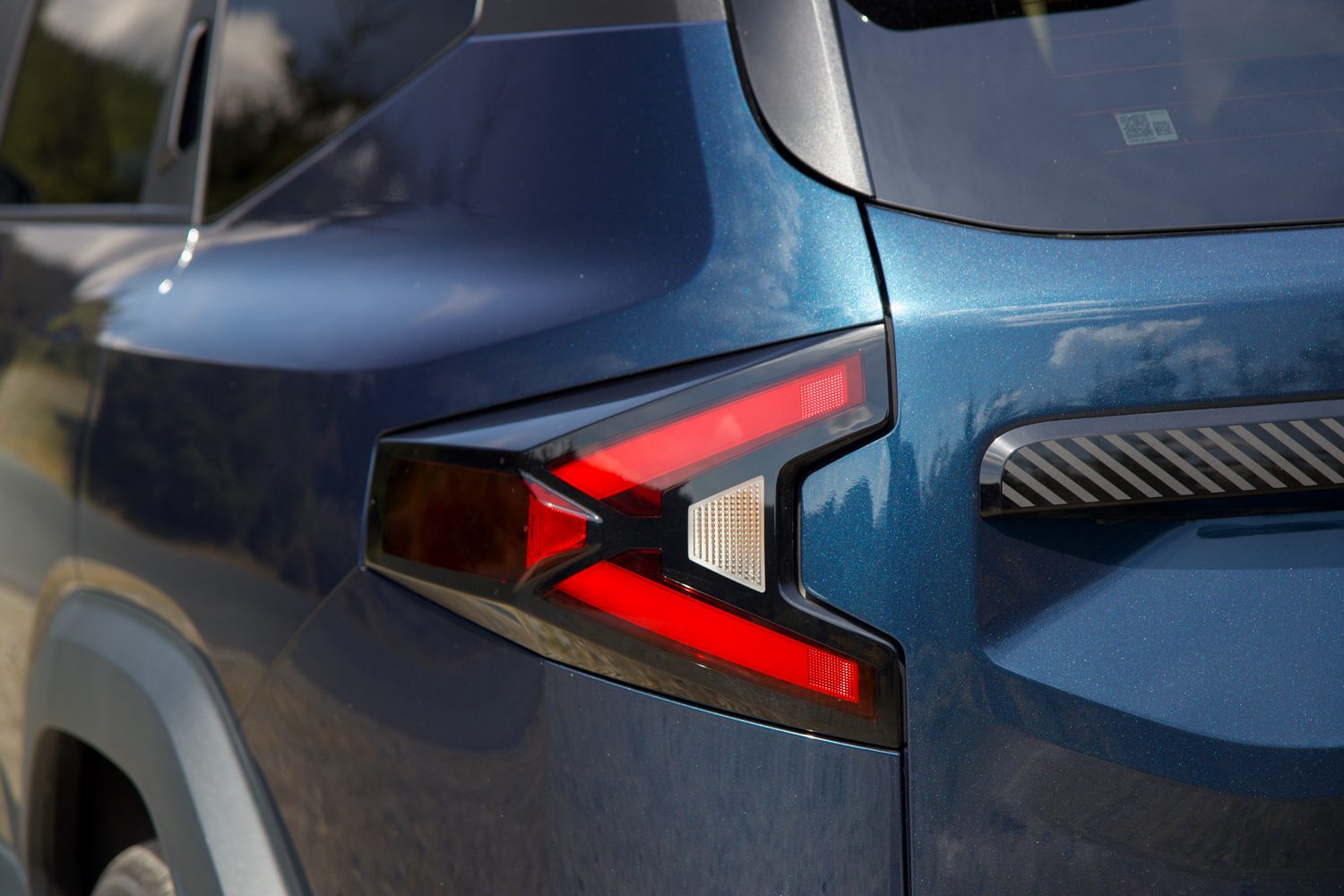
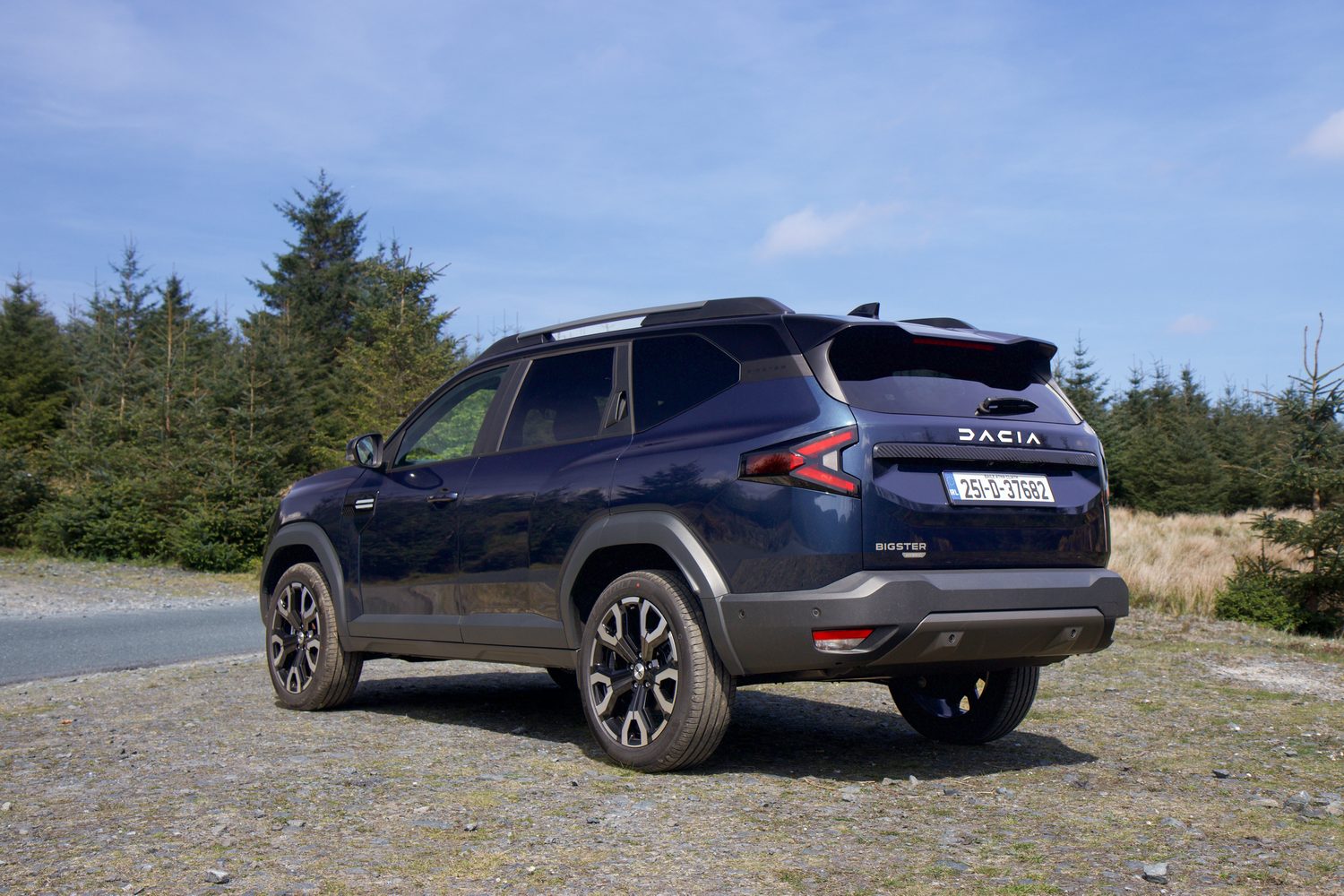
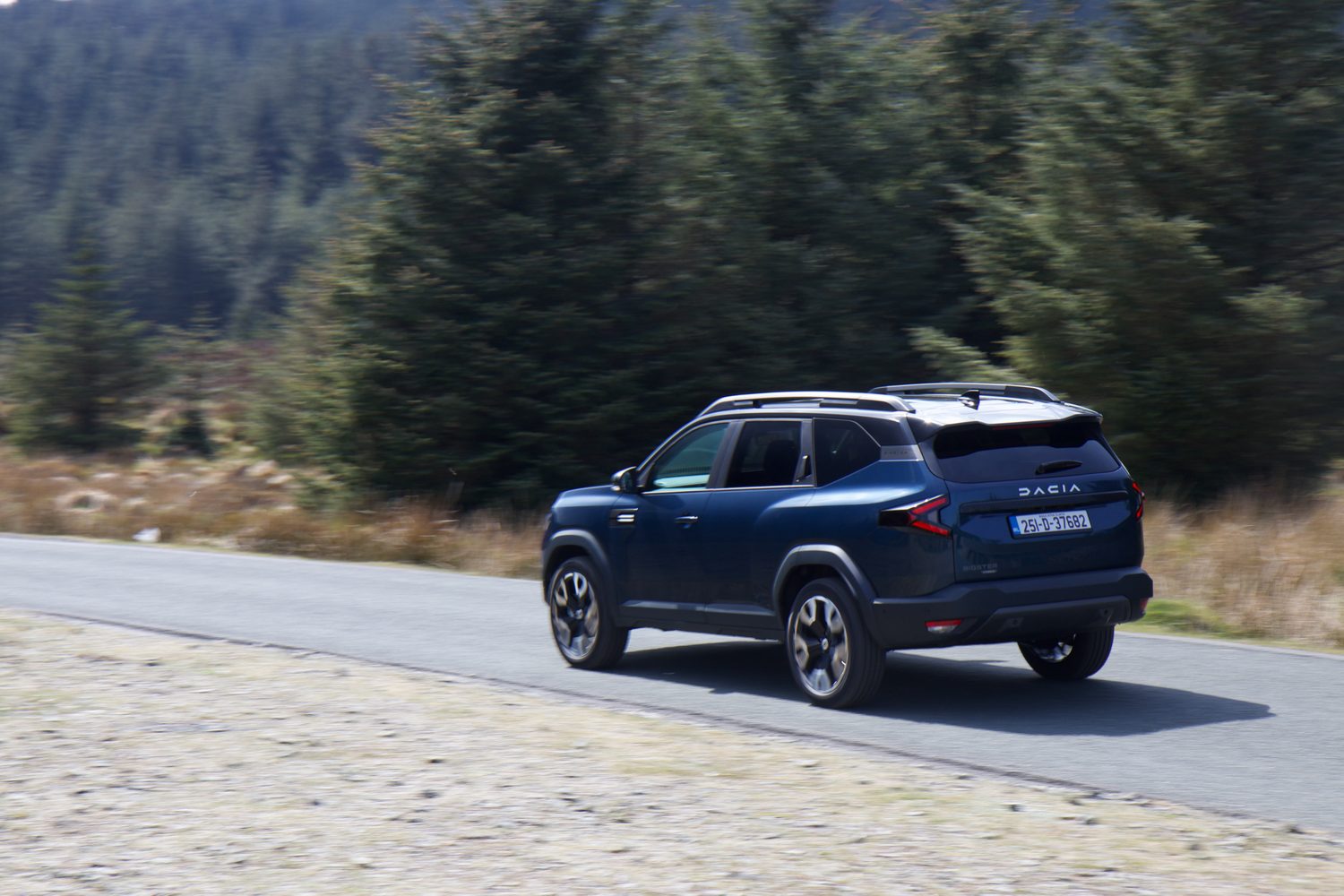
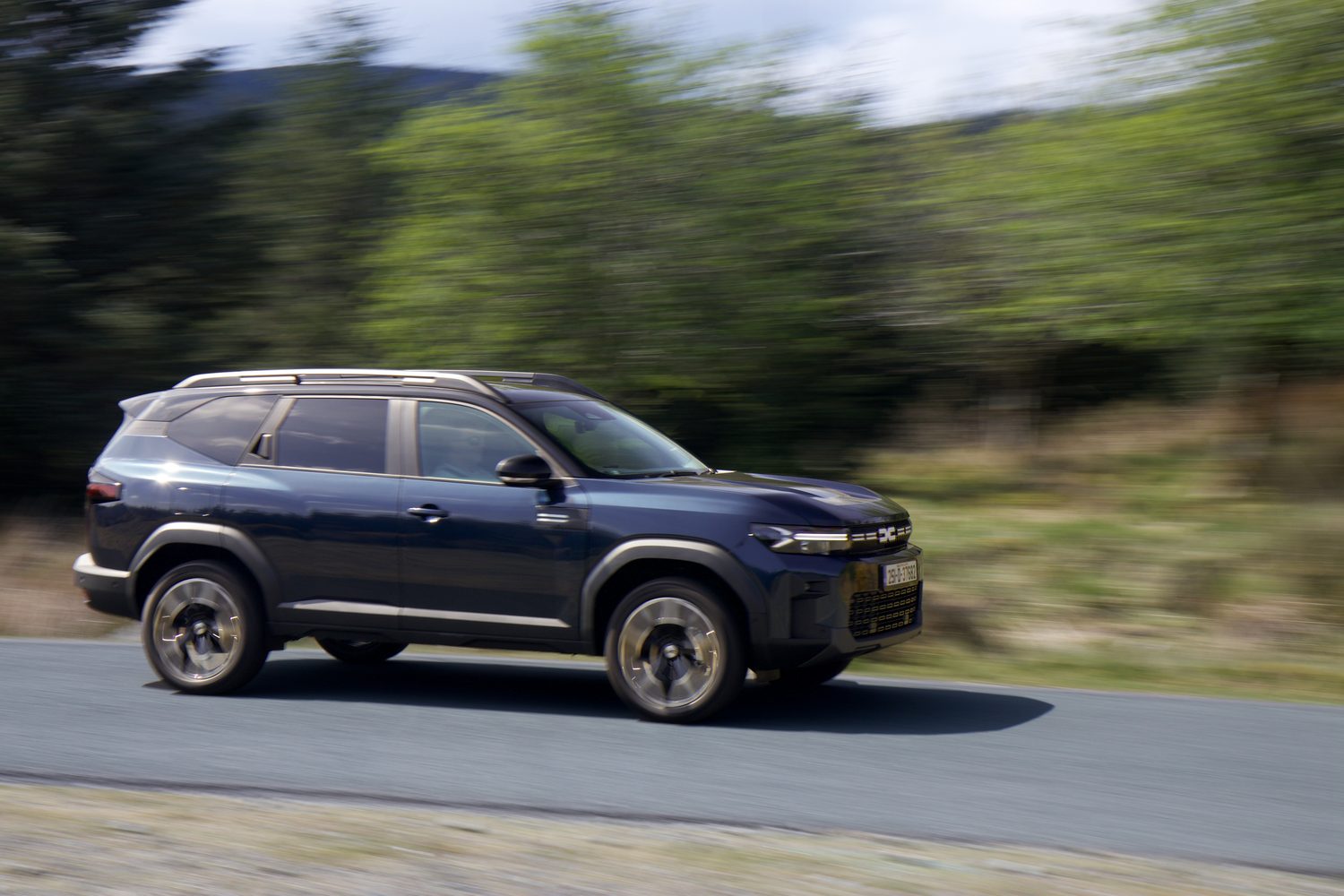
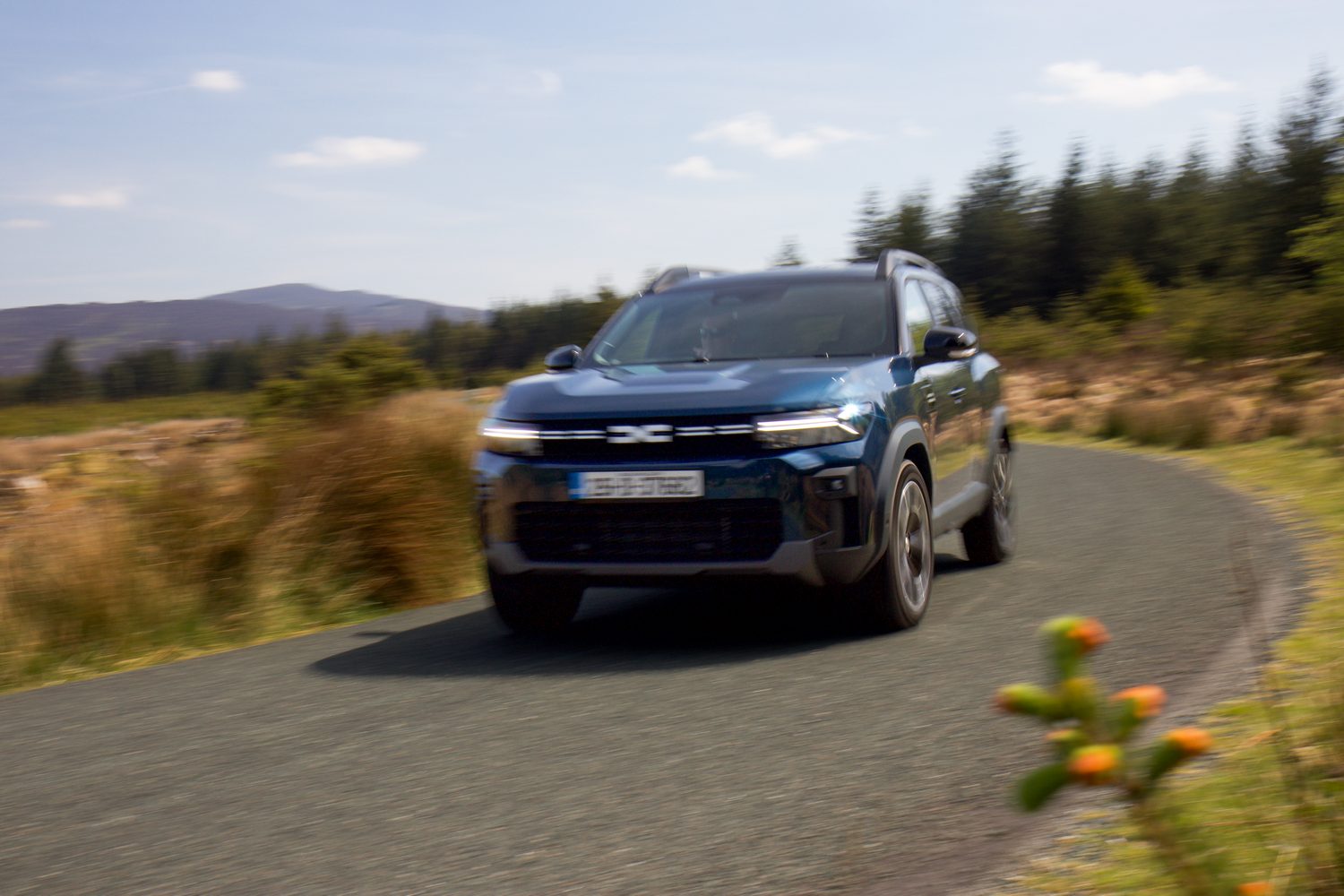
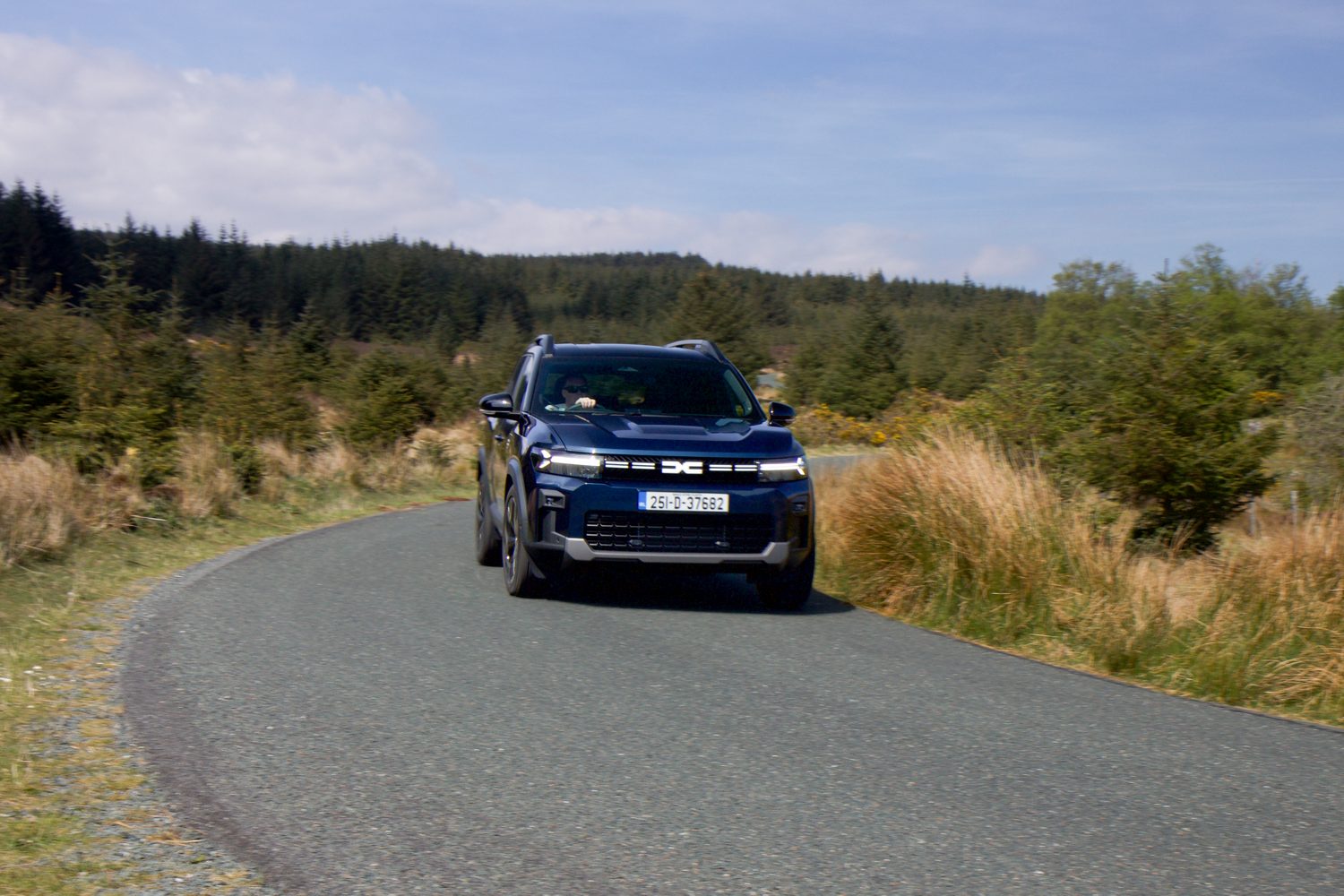
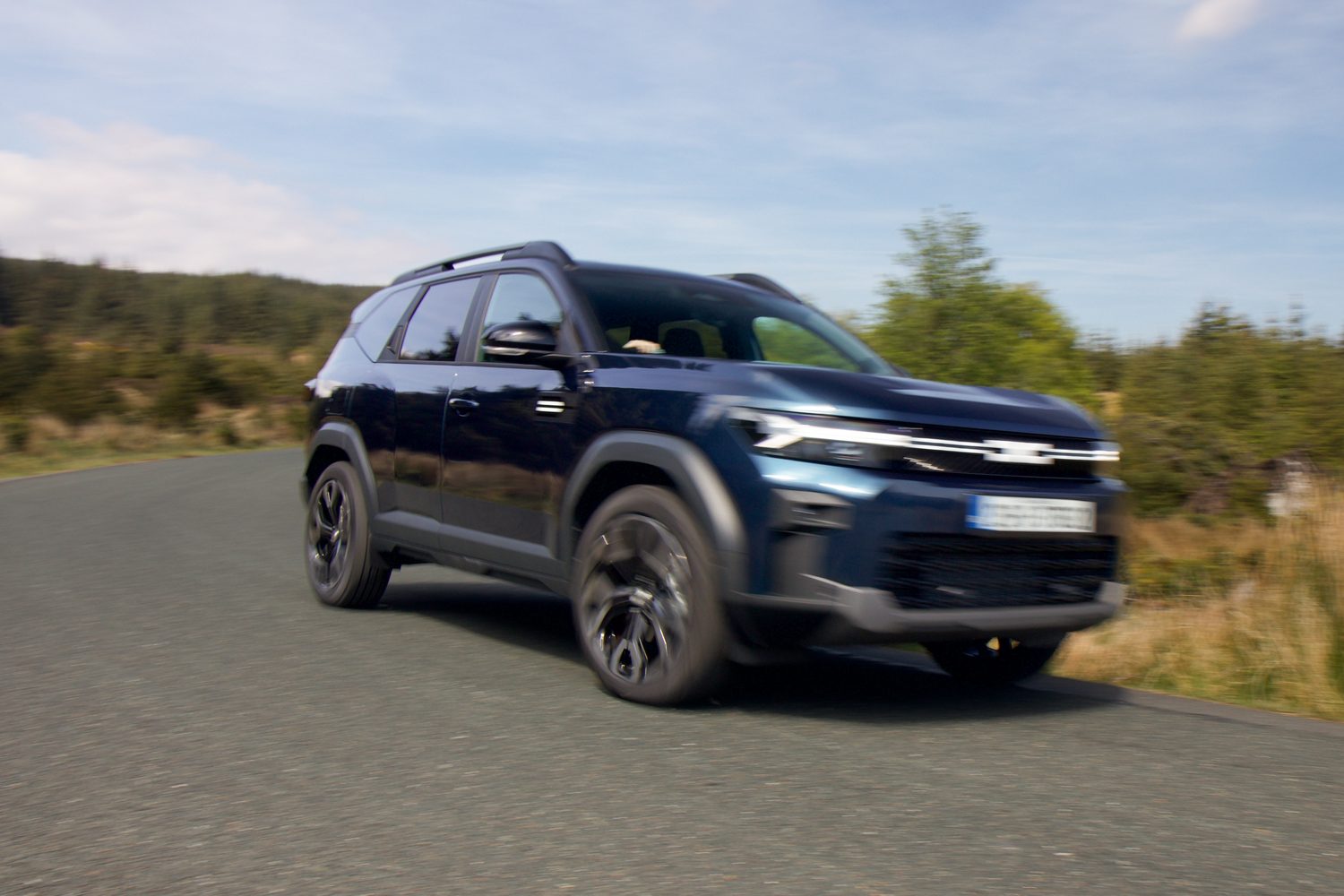
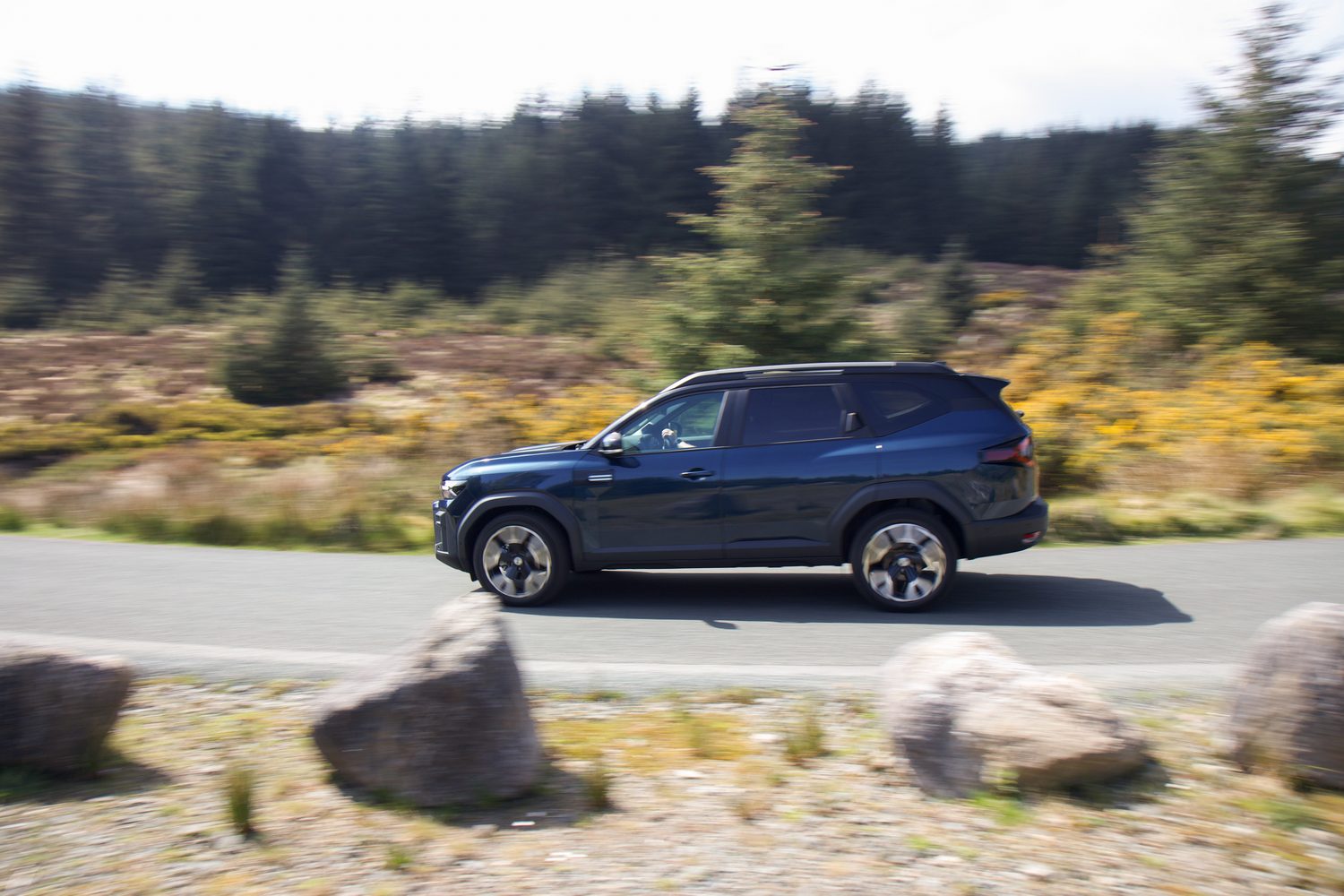
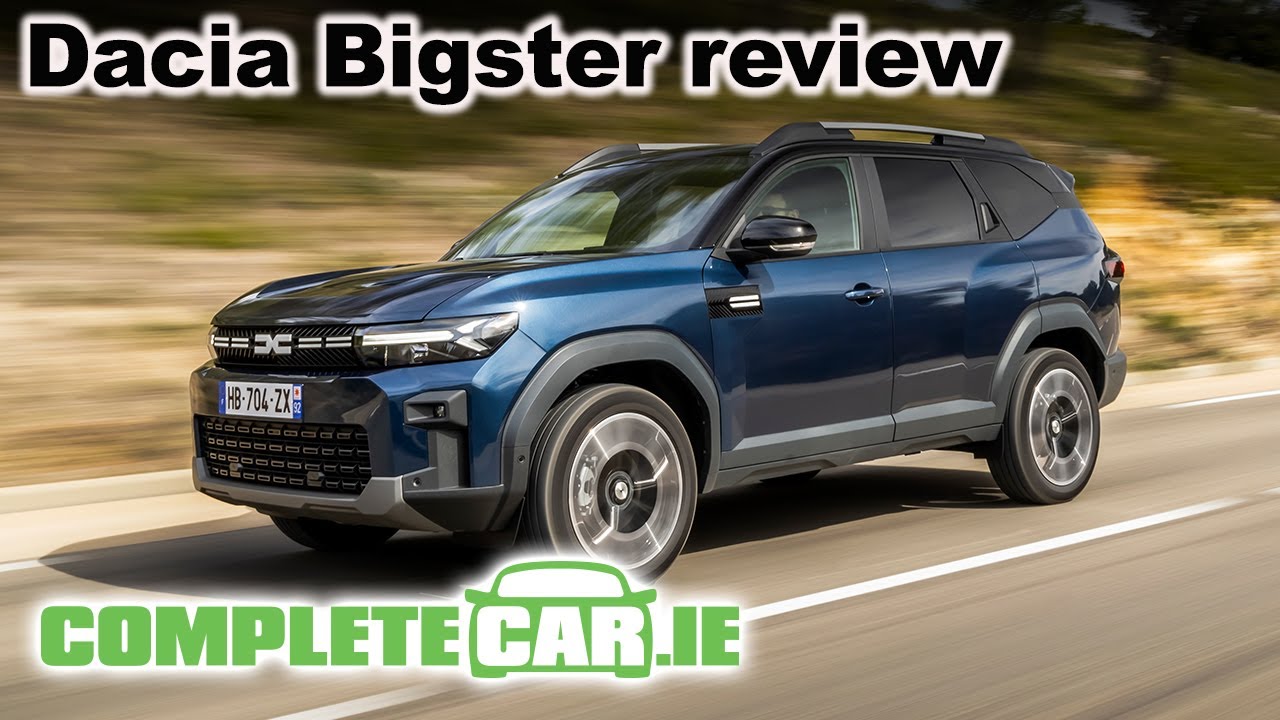
Why is it so good? Well, let's start with the looks. It's upright, square and boxy, which is what an SUV should look like. If you've designed something tall that's supposed to be a Land Rover clone, why then try to hide it under bodywork which will always tiresomely be referred to in the brochure as 'coupe-like'? Be honest - an SUV should look like a Bigster. It just looks right.
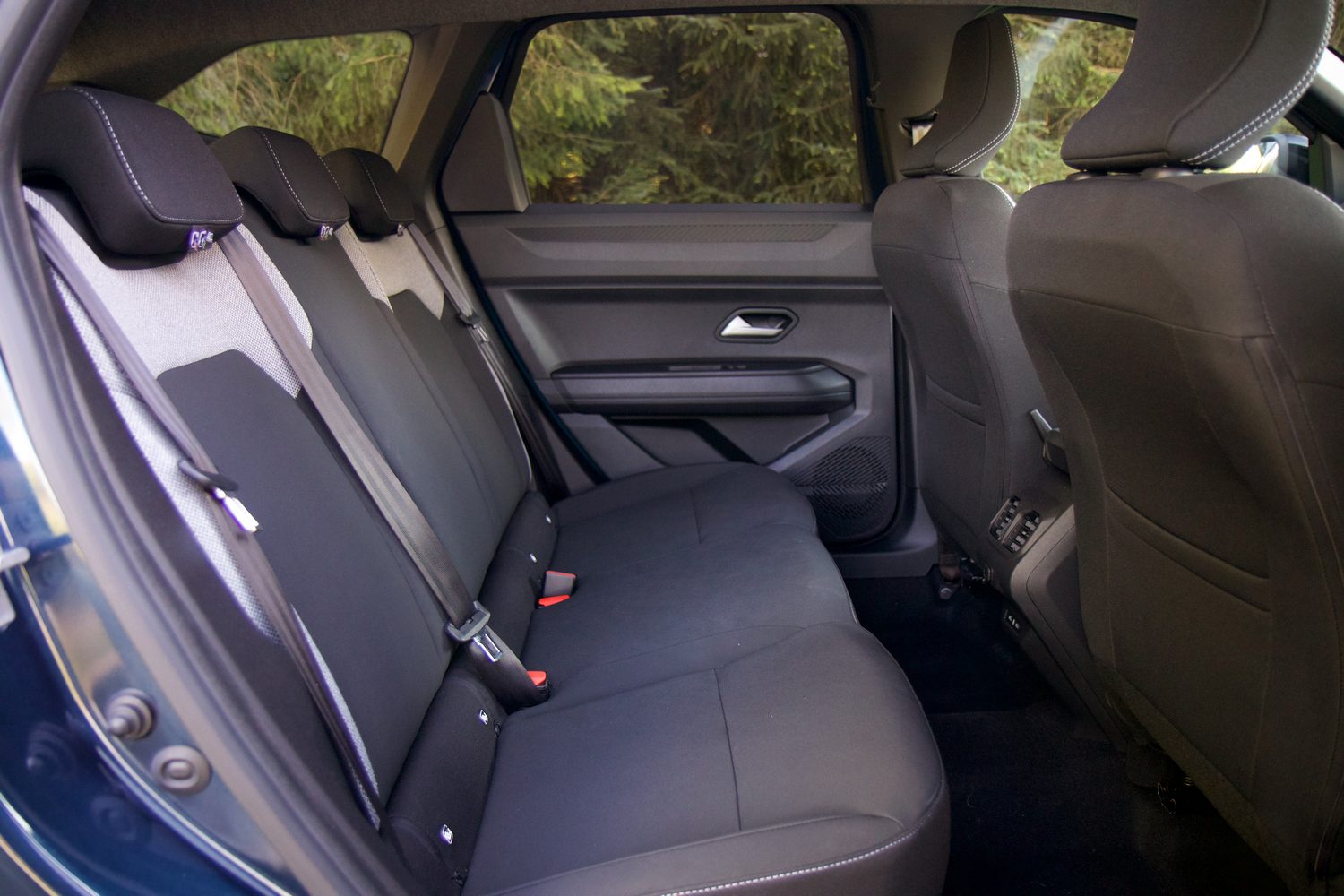
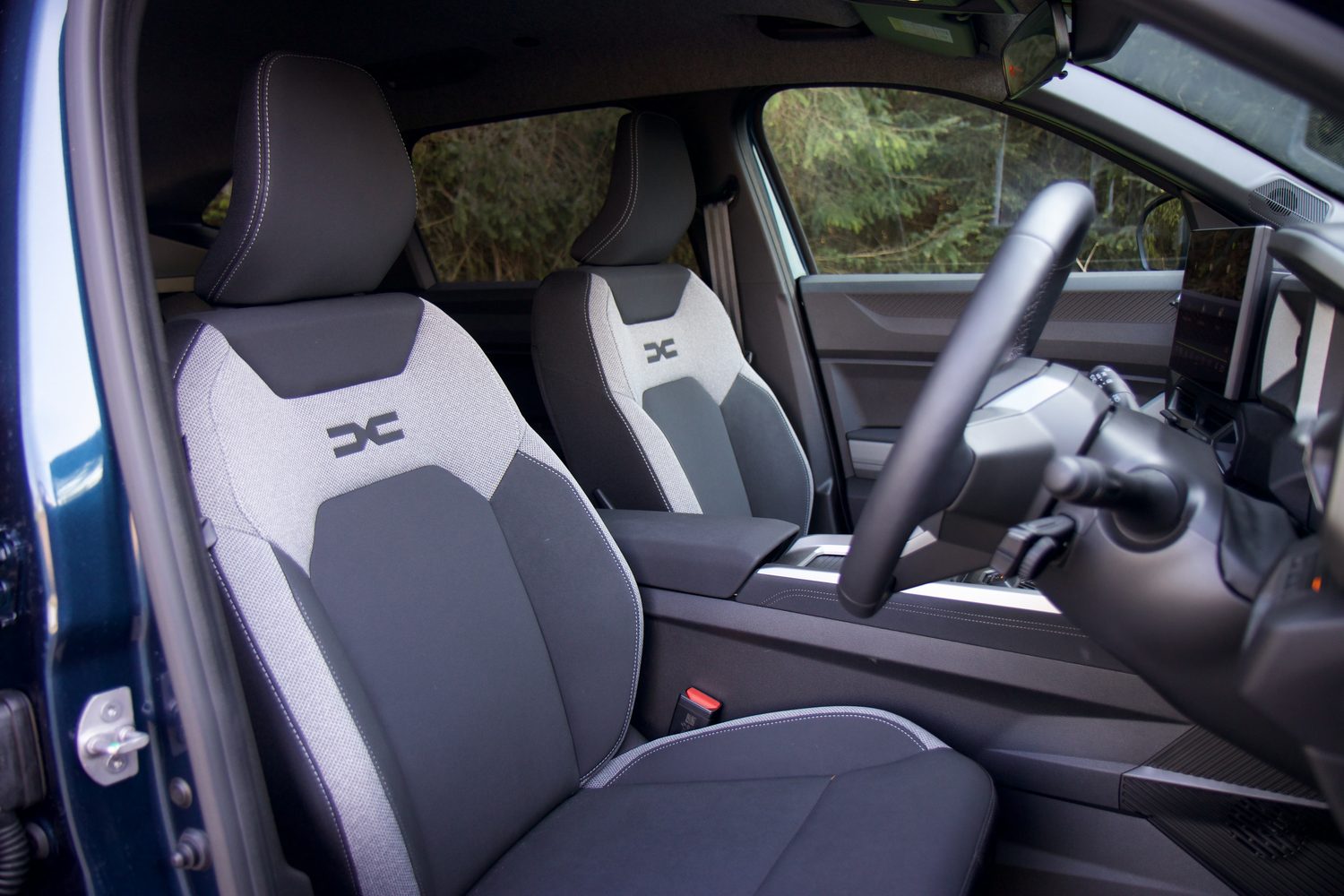
Secondly, that boxiness and squareness pays massive dividends when you get inside. There's just tonnes of space, front and rear. The extra space up front, especially, makes this a much better all-rounder than the Duster, which is a car I always feel slightly cramped in. The space also makes for a much more comfortable driving position.
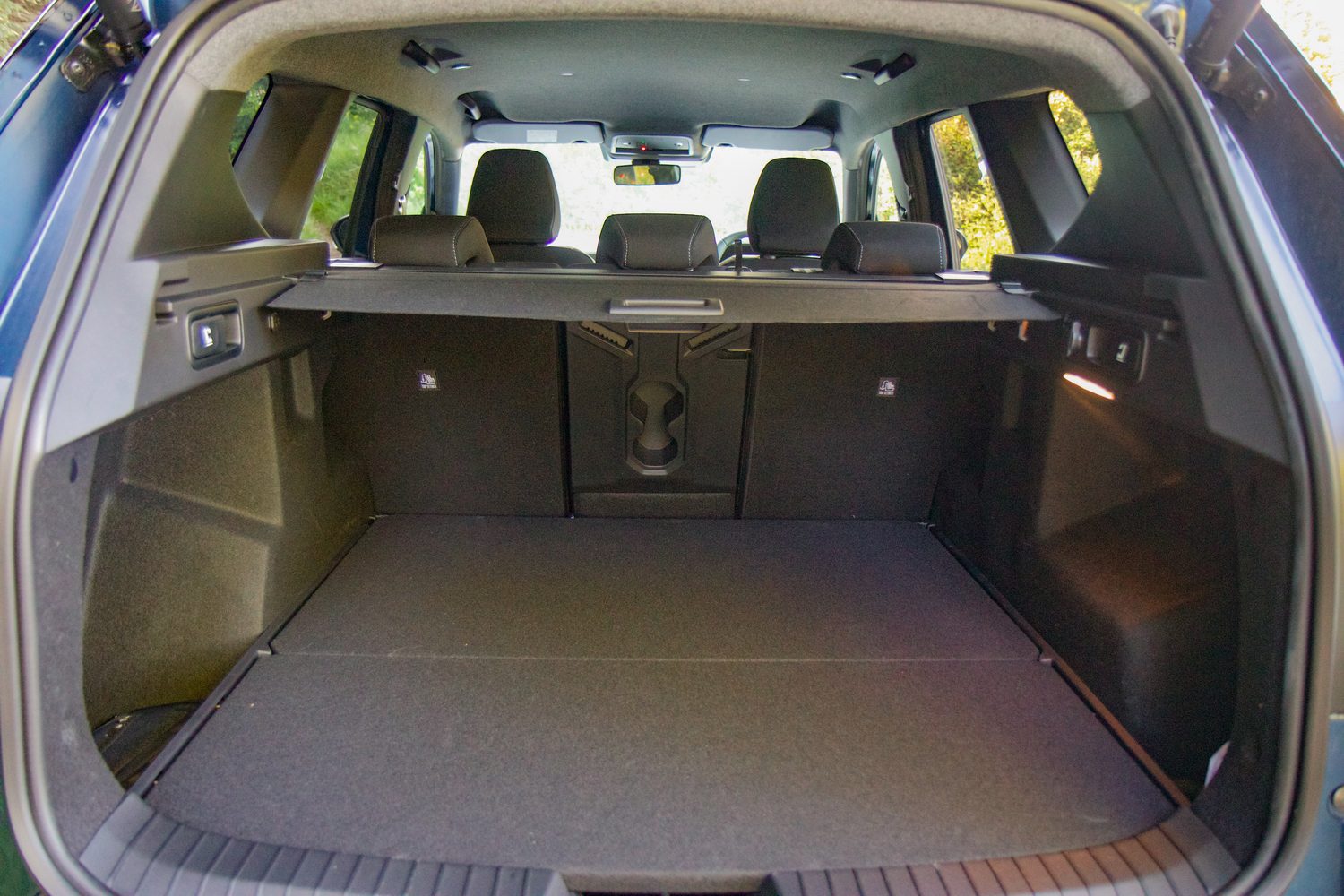
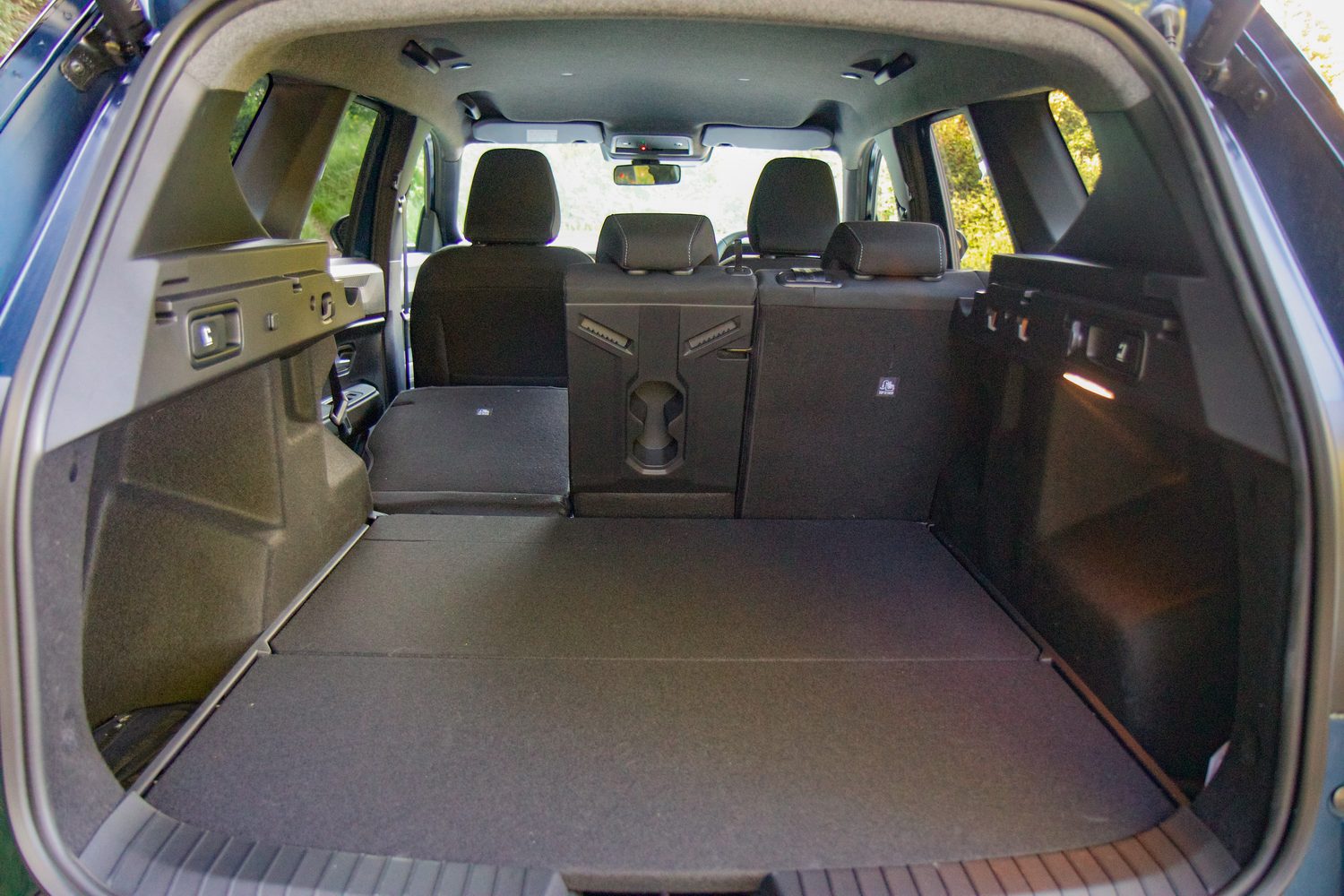
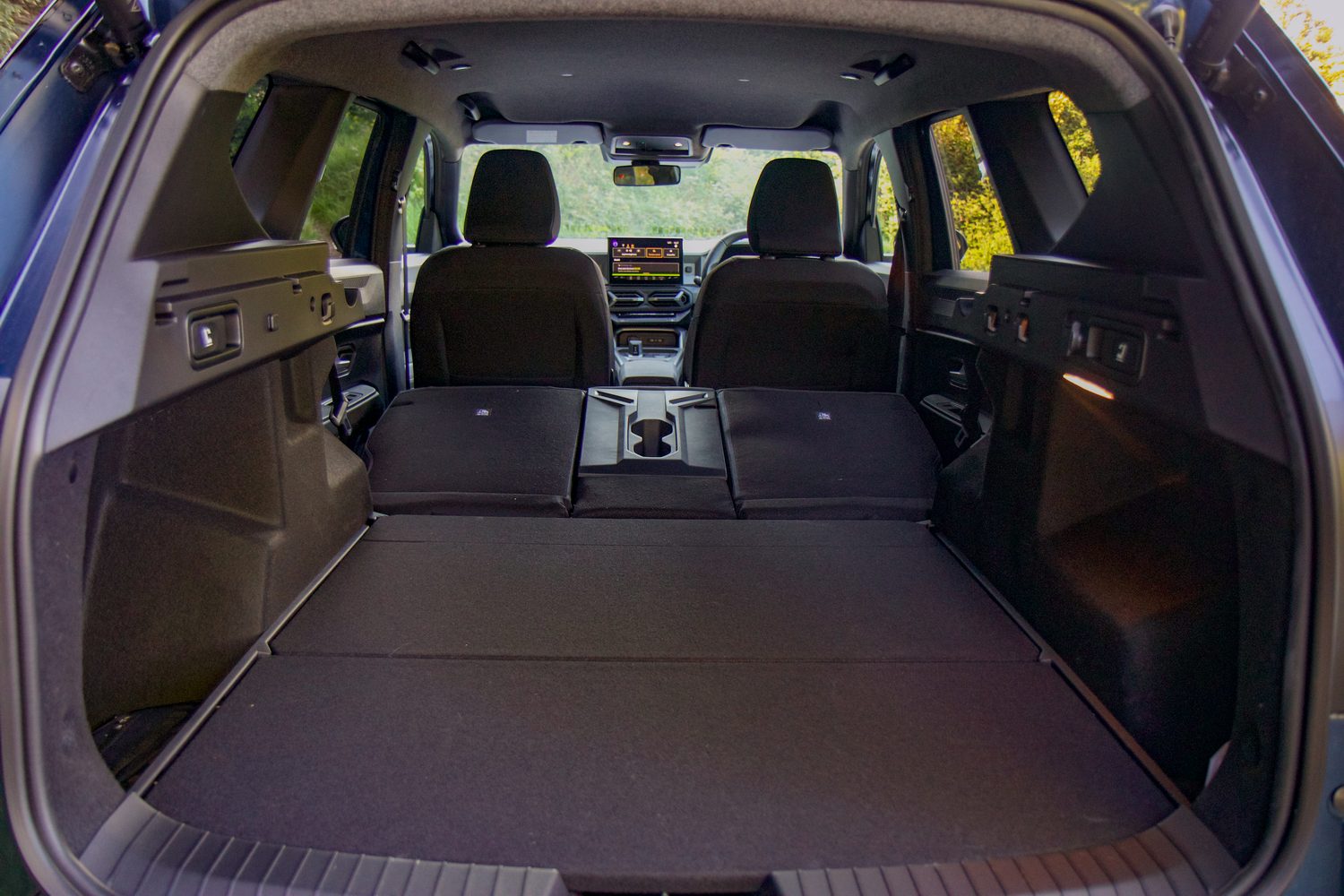
Space in the back is equally as impressive, although it does suddenly feel a bit tight in the beam if you fold down the centre portion of the back seat to form an armrest. And sure, this hybrid Bigster does lose out a touch on boot space compared to the petrol-only version, to the tune of 65 litres, but even so, when was 612 litres not big enough?

Now, let's turn to the engine. The 1.8-litre 155hp hybrid feels like a significant step up from the older 1.6-litre hybrid in the Duster, and it's also significant that Dacia has been allowed to give this engine its on-sale debut, ahead of its arrival in Renault's models. It's like Don Corleone giving you an extra kiss on the cheek - it shows respect.
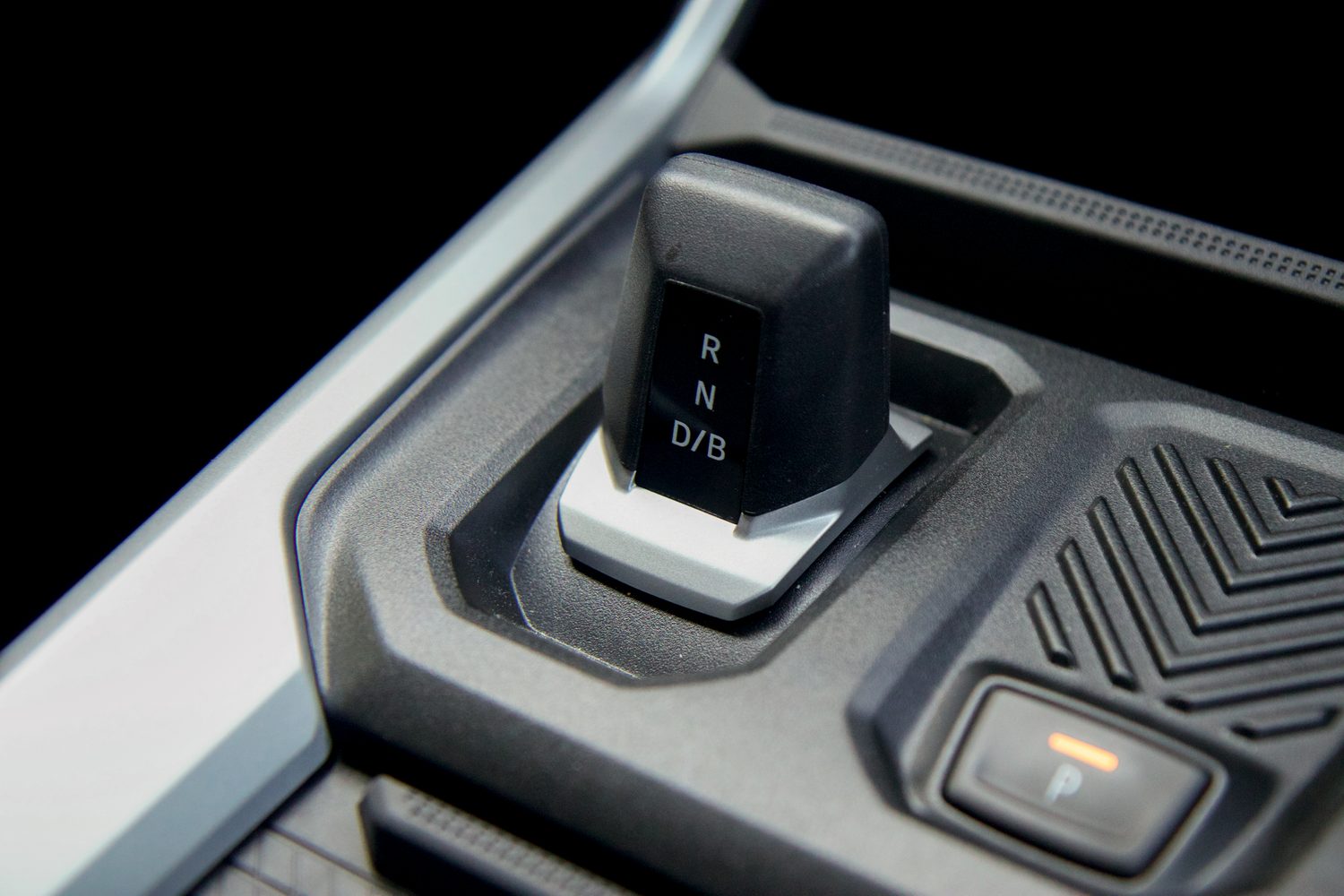
It's not the quietest engine around, admittedly. Dacia's four-speed-plus-electric-motors auto gearbox remains an oddity that does actually work well, but which also occasionally makes the engine labour a little out of sync with the speed at which the scenery is going past.
However, you won't mind that as performance is entirely fine (yes, you have to keep your foot down to gather proper motorway pace, but that's OK), and economy is even better. A full week of driving the Bigster on motorways, city streets and country roads returned an average of 5.6 litres per 100km, which is only about 0.9 litres worse off than the official number, but still significantly ahead of the real-world economy we've experienced in most rivals.

The Bigster's even good to drive. It's not a sports car, but it lollops along very pleasantly and with an easy-going nature. There's enough precision behind the light steering and soft chassis settings that twisty roads don't become a chore, and if the ride quality is a touch firm around town... well, that's a problem for almost every other car, so why should Dacia feel guilty?
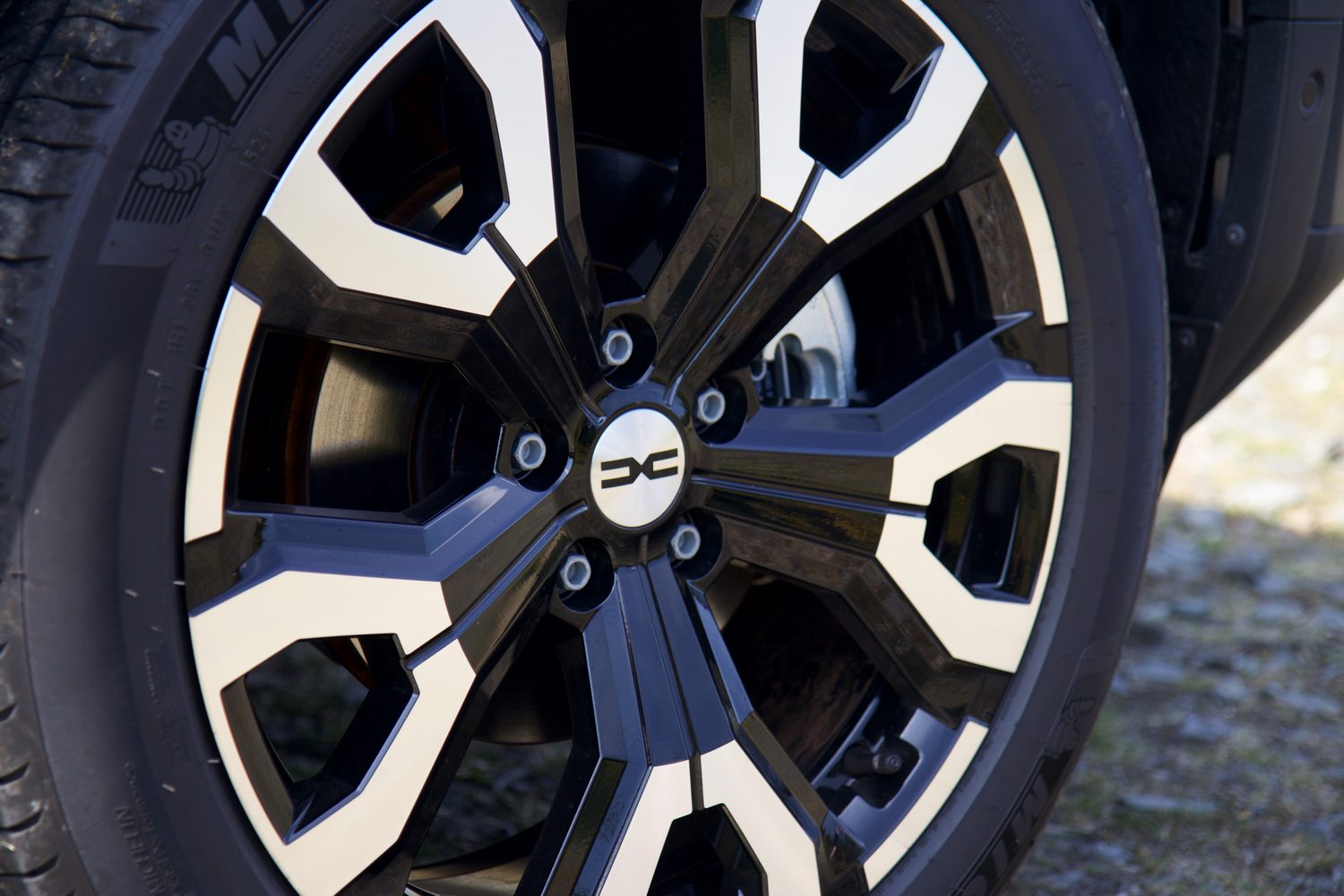
There is a good deal of tyre noise at cruising speeds on the large wheels, so a stereo upgrade would be welcome, but Dacia doesn't offer one.
Nonetheless, take a look at the price tag. Even for this relatively high-spec Bigster, which comes with pretty much all the toys you could realistically wish for, it's still around €7-8,000 cheaper than an equivalent hybrid-engined rival. That's unbeatable value.

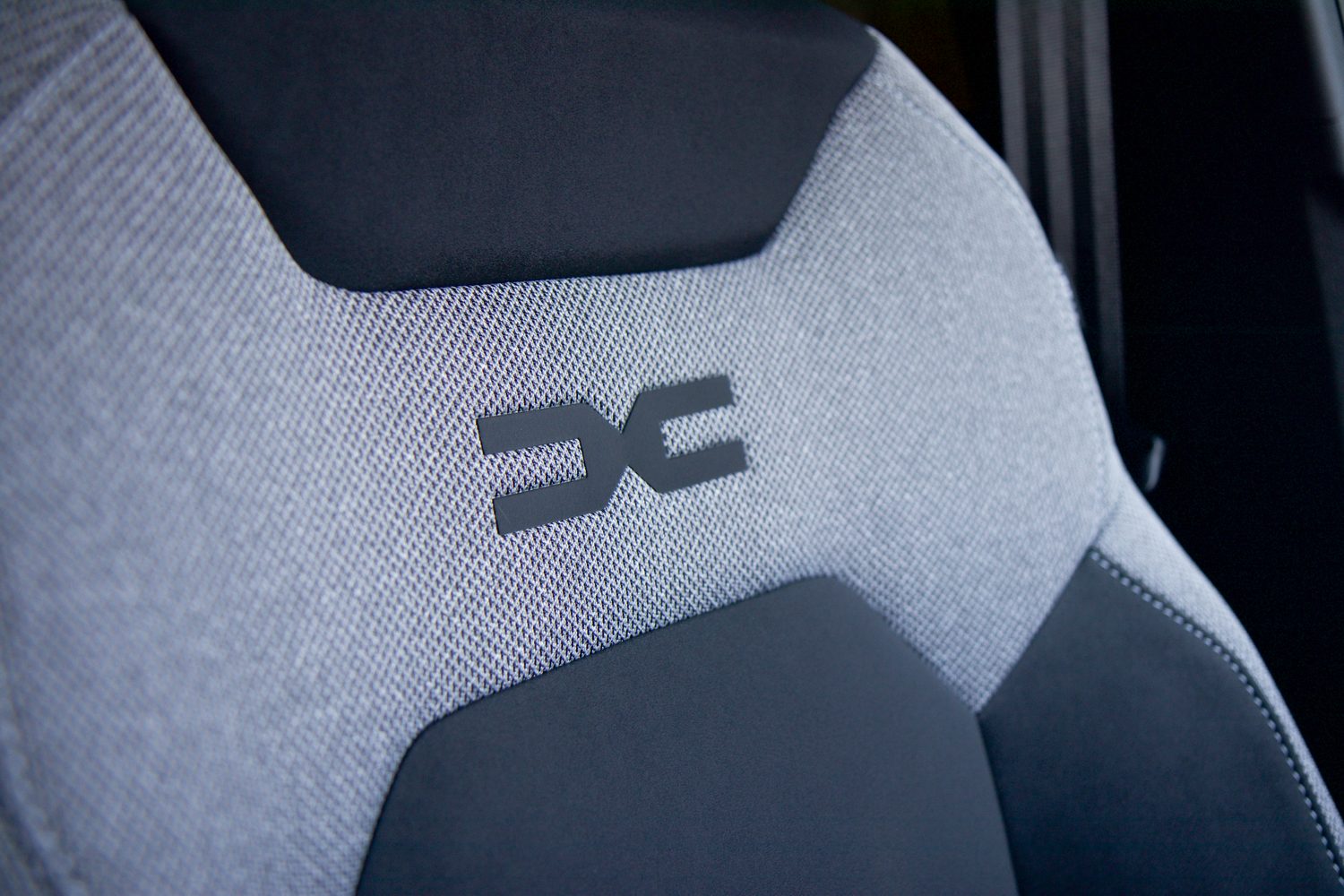
OK, so the cabin plastics feel cheap in places. What of it? I have kids and a dog, so indestructibility and wipe-clean-ability matter more to me than luxurious soft-touch feel.
What my love for the Bigster boils down to, is that I really appreciate solid, honest, useful cars and those are three boxes into which the Bigster puts massive, bold, ticks. With a Sharpie.
Dave's take on the 2025 Dacia Bigster
The Bigster is an obvious addition to Dacia's range following the success of the Duster, but what will be surprising to some is the lack of a seven-seat option. The upside is that the rear seats have plenty of room, and the boot is larger than I'll ever need.

Dacia's non-nonsense approach won't appeal to 'sniffier' car buyers, but even though the Bigster is very plasticky in parts, you've got to take a step back and look at the overall value for money. The infotainment may appear basic, but it's got Apple CarPlay (and Android Auto) and that's all I want from my touchscreen these days.
Having not had the opportunity to drive the hybrid version yet, my opinions on driving the Bigster are limited to the TCe 140 petrol engine. Performance is adequate, but the engine lacks refinement: standing next to it as it idles, you might think it's a diesel. The manual gearbox feels notchy, similar to the Duster, which isn't particularly enjoyable in slow-moving stop-start traffic. However, it improves on the open road and over longer distances, proving to be a generally comfortable car. Overall, if you're the type that views cars as tools and functional ones at that, the Bigster is well worth a look, but seriously consider the hybrid.

Shane's take on the 2025 Dacia Bigster
I too am a fan of the Bigster's chunky appearance, building on the design language of the Dacia Duster with high ground clearance and options such as the two-tone paint and electric tailgate hitherto unseen on any Dacia car.
The interior has a few extra niceties as well, but it stays true to Dacia's no-nonsense approach and is wonderfully spacious for both passengers and all their stuff.

For now, the hybrid model is undoubtedly the choice of the lineup - so long as you don't need all-wheel drive. Hopefully there will be a four-wheel-drive variant in time (as noted above, the only 4x4 Bigster has a petrol engine with a manual gearbox) to widen the range.
All of these things are important, and the Bigster is a good car in its own right, but then you clock the pricing. And you wonder if Dacia has made a mistake, or is quoting ex-VAT prices, as the Bigster is ludicrously good value next to nearly every other comparable SUV on sale. That alone should ensure its success.
Verdict: should you buy the 2025 Dacia Bigster?
Yes, you definitely should, and this hybrid Journey specification is probably the best Bigster. It's exceptionally economical, easy-going to drive, comfortable, roomy, practical and very well priced. There's very little not to like about the Bigster.

FAQs about the 2025 Dacia Bigster HEV 155 Journey
Is the Bigster bigger than the Jogger?
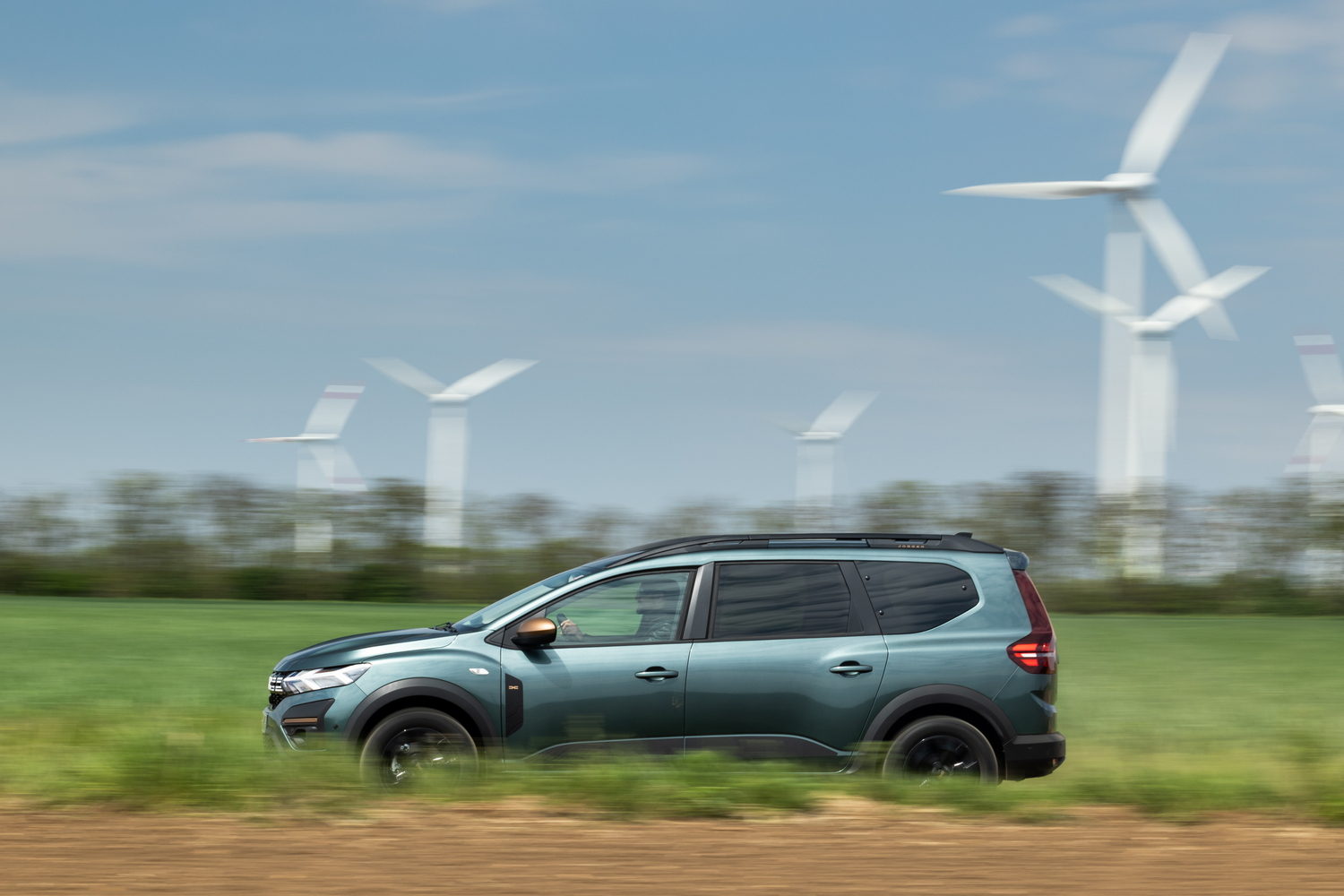
Yes, by a few millimetres - the Bigster is longer than the Jogger, and it's taller too. But the Jogger is more space efficient, with seats for seven and, if you take the third-row seats out, an even bigger boot than the Bigster.
Is the Dacia Bigster any good?
Yes, it's genuinely very good to drive, economical, roomy and well-priced.
What is the load capacity of the Dacia Bigster?

If you get the entry-level petrol-engined model, then the Bigster's boot can hold up to 677 litres of cargo, up to the luggage cover. This hybrid model holds a little less, but a still-useful 612 litres.
Will the Dacia Bigster be a seven-seater?
Not in Europe, no. There is a variant of the Bigster on sale in India with seven seats, but Dacia says that it would be too costly to reengineer the Bigster for seven seats in Europe.
How many child car seats can I fit in a Bigster?

There are two ISOFIX anchor points in the Bigster, in the outer rear seats, but none in the front passenger seat. There's just about enough width in the back for a small booster cushion to fit in the centre rear seat, though.
Want to know more about the Dacia Bigster?
If there's anything about the Dacia Bigster HEV 155 Journey we've not covered, or you'd like help in choosing between it and other cars, you can avail of our expert advice service via the Ask Us Anything page.