

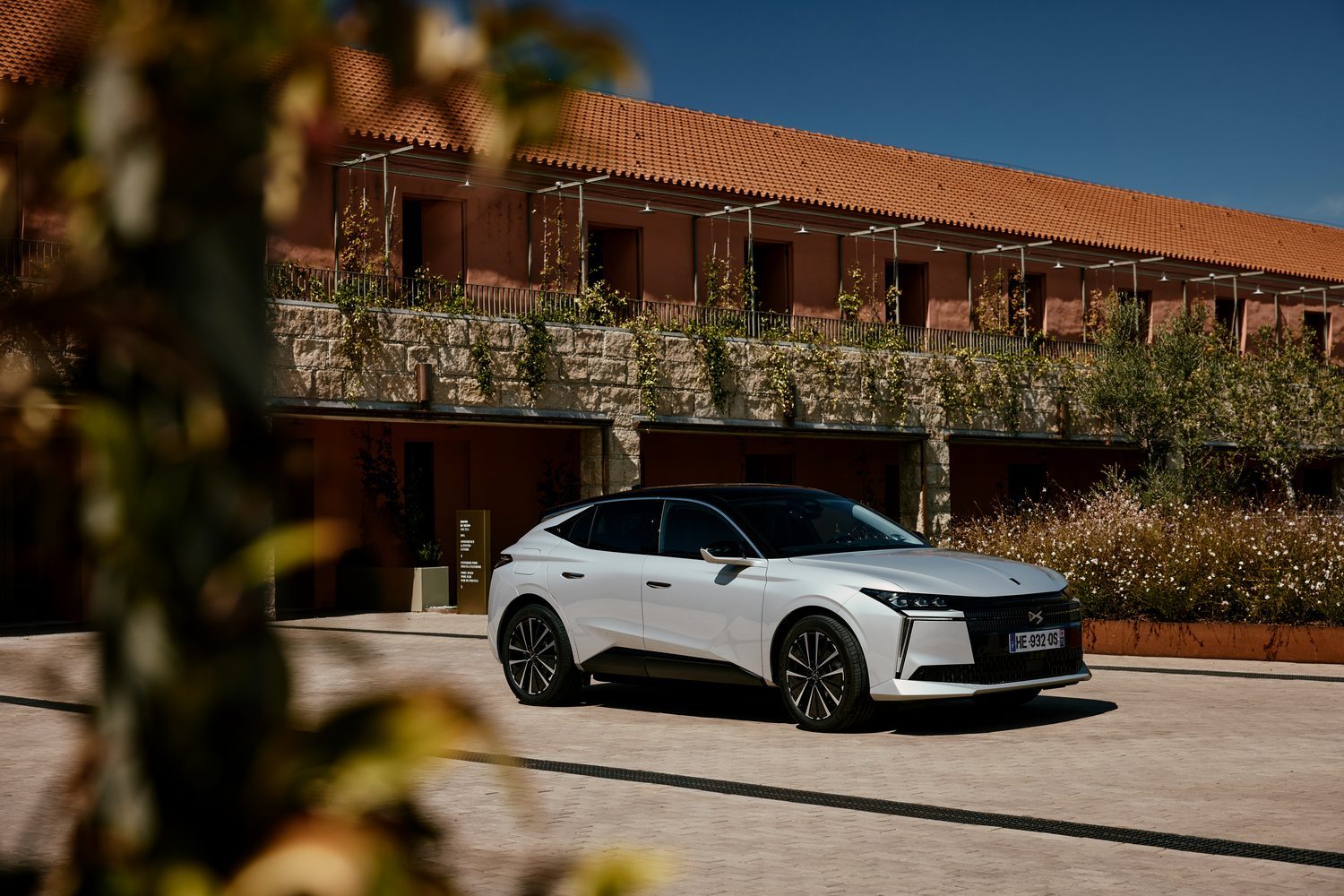



Exterior & design of the 2026 DS No.4
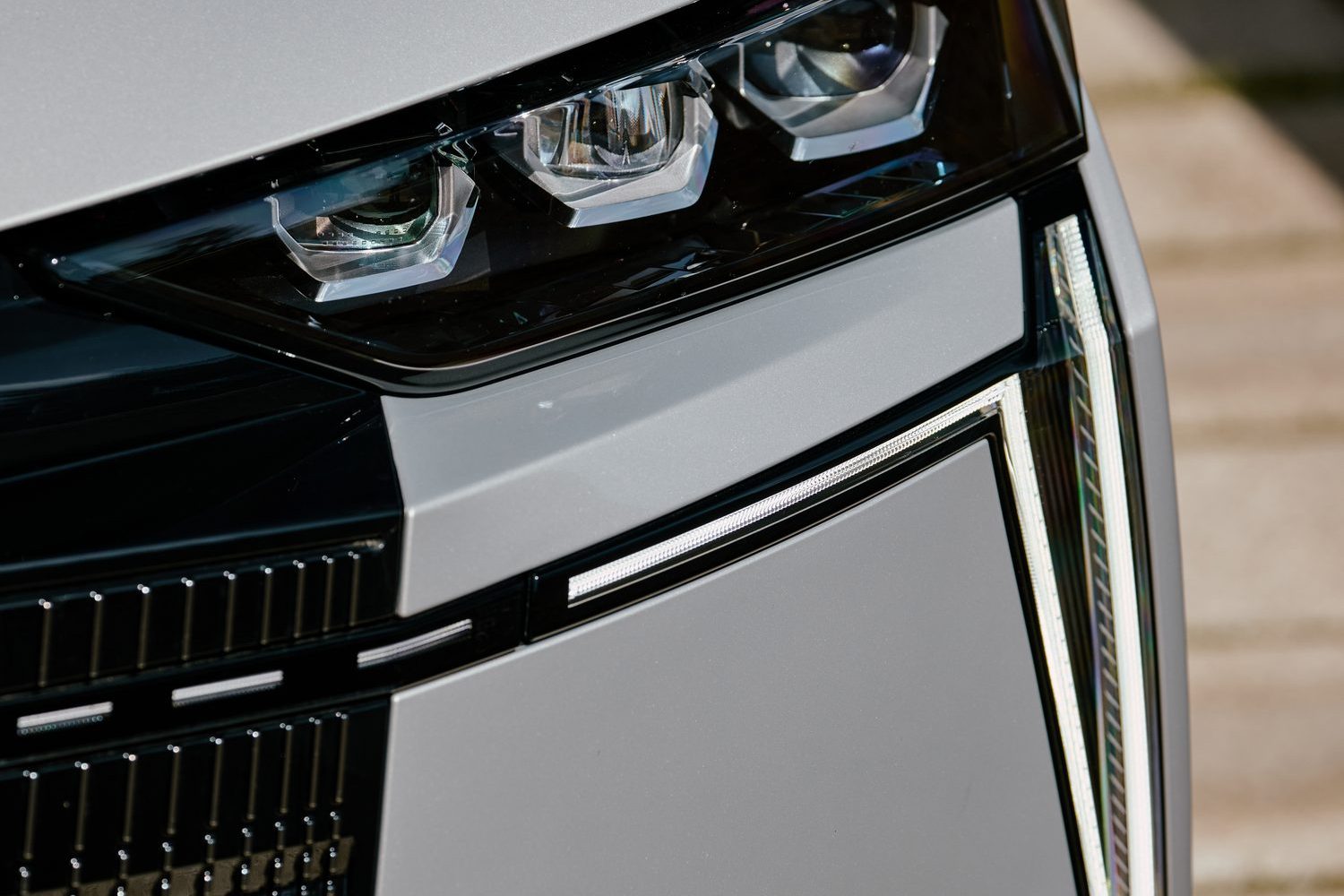
- Daring light signatures punctuate grille
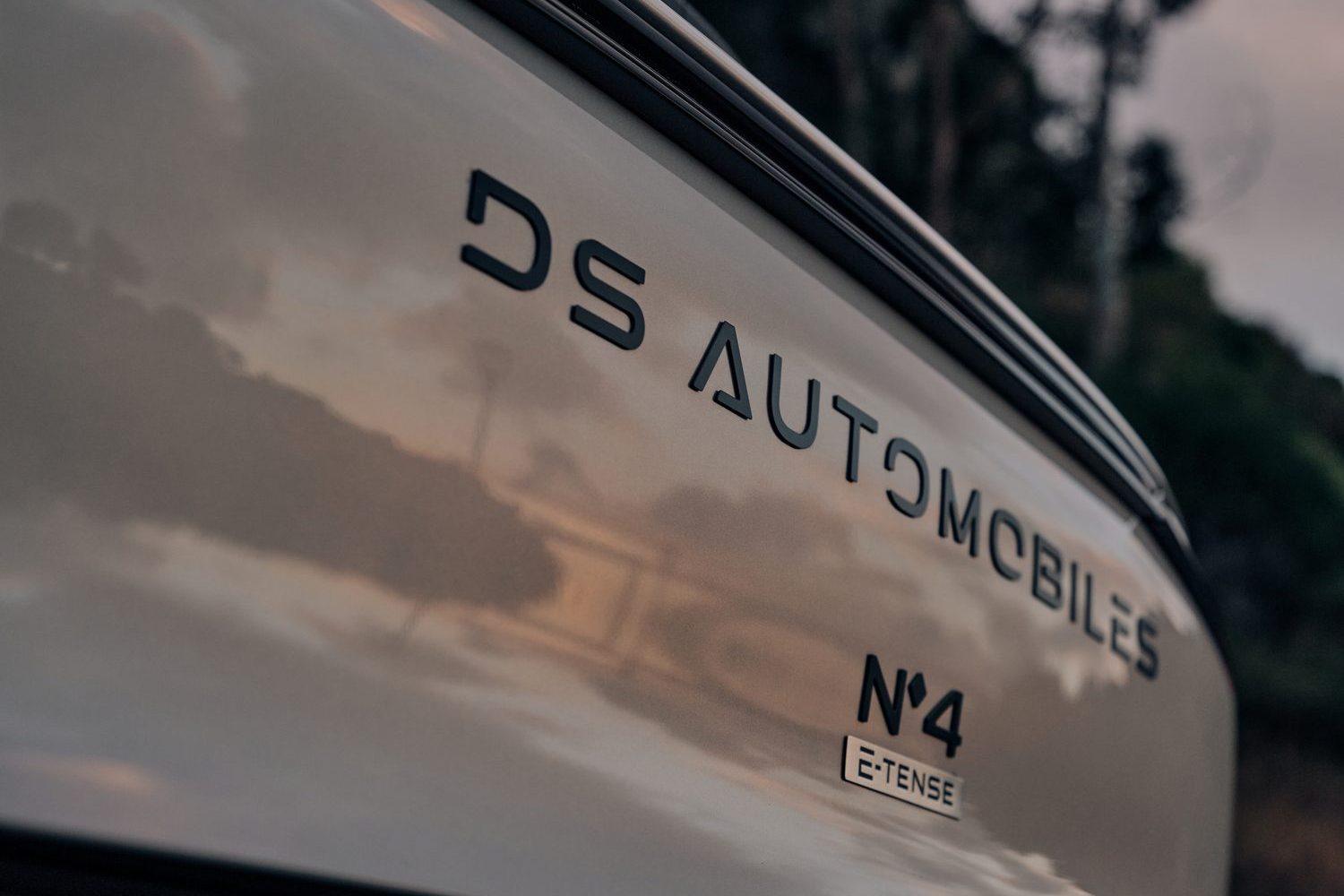
- Big brand lettering on the back
- Obvious link back to DS 4

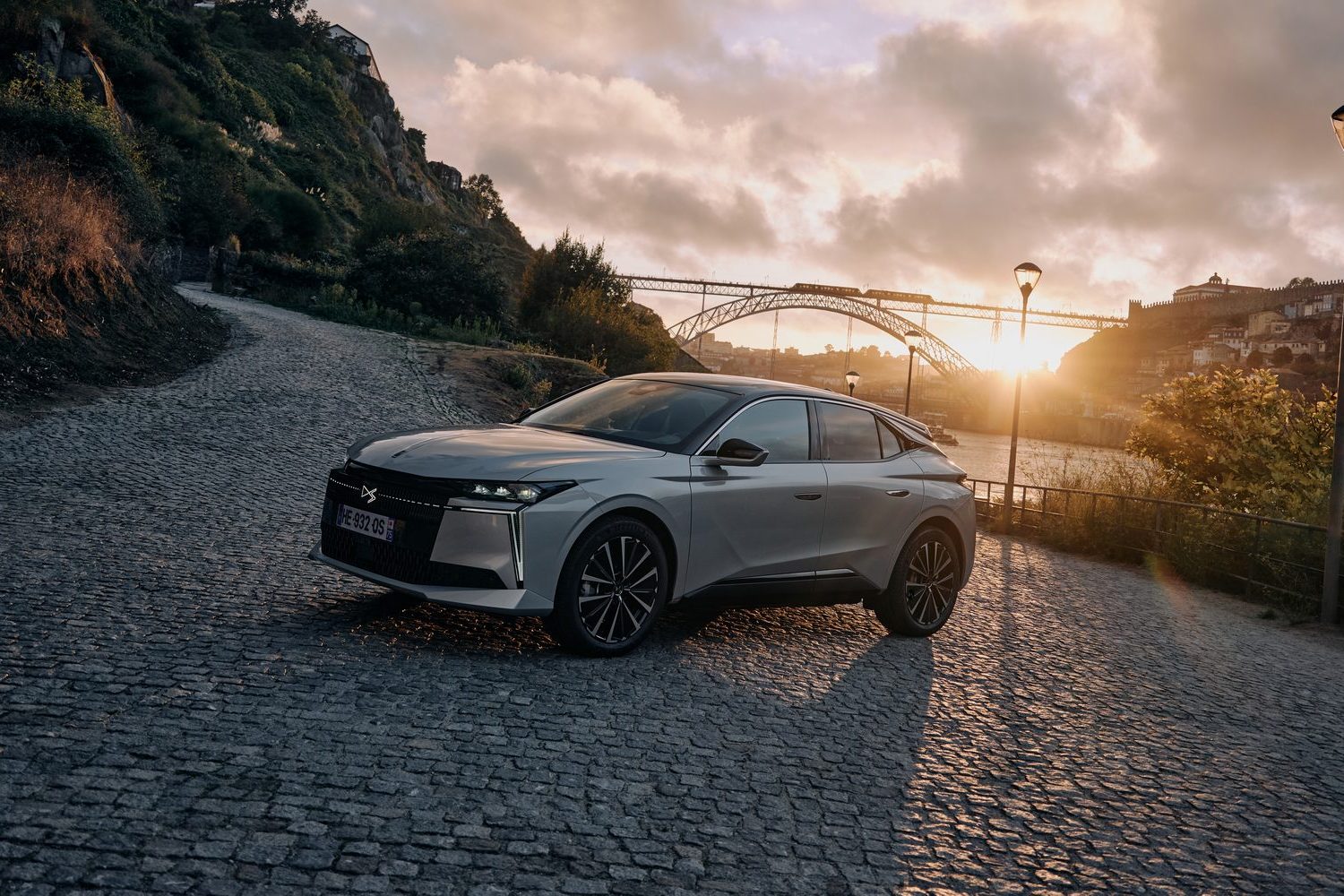
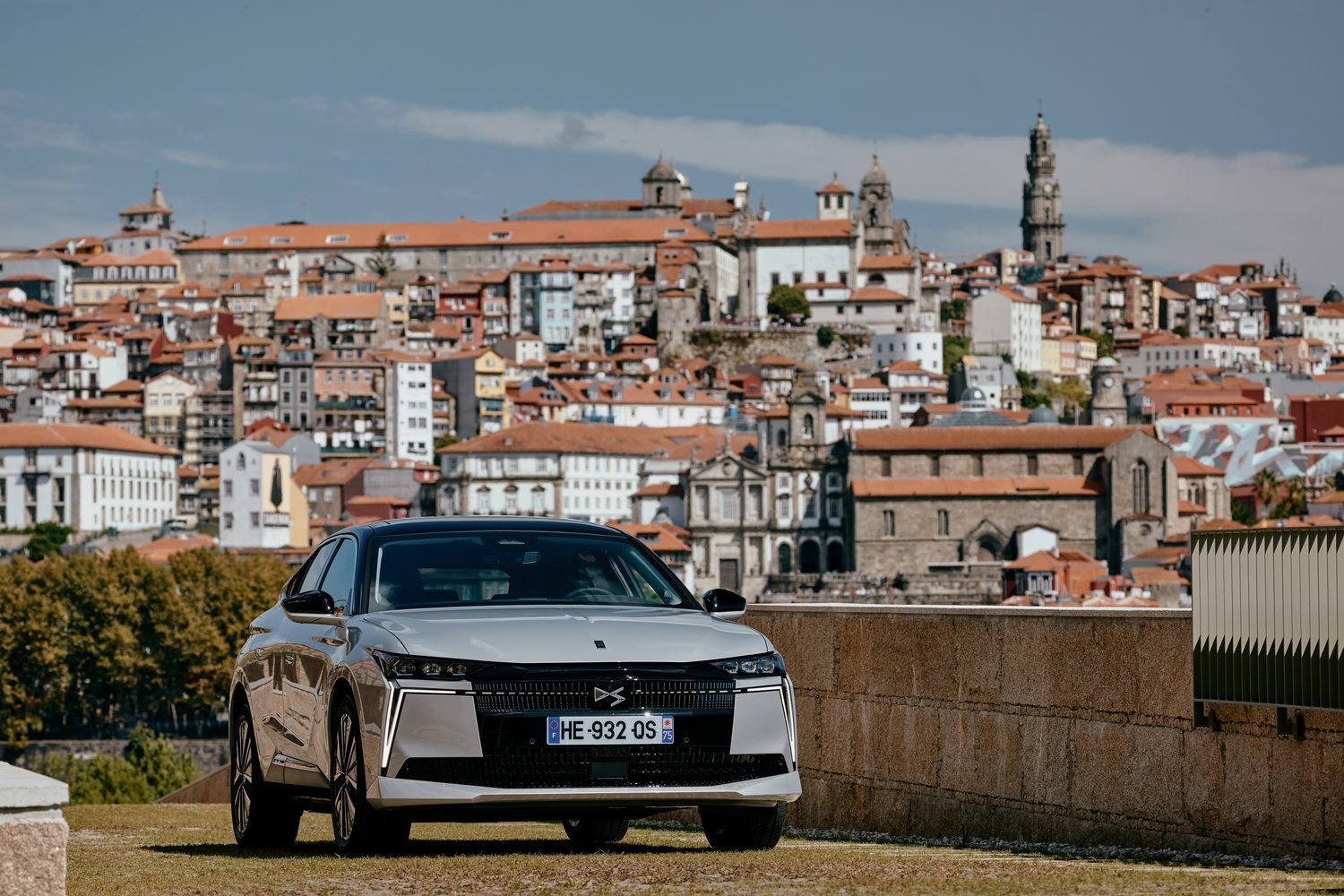
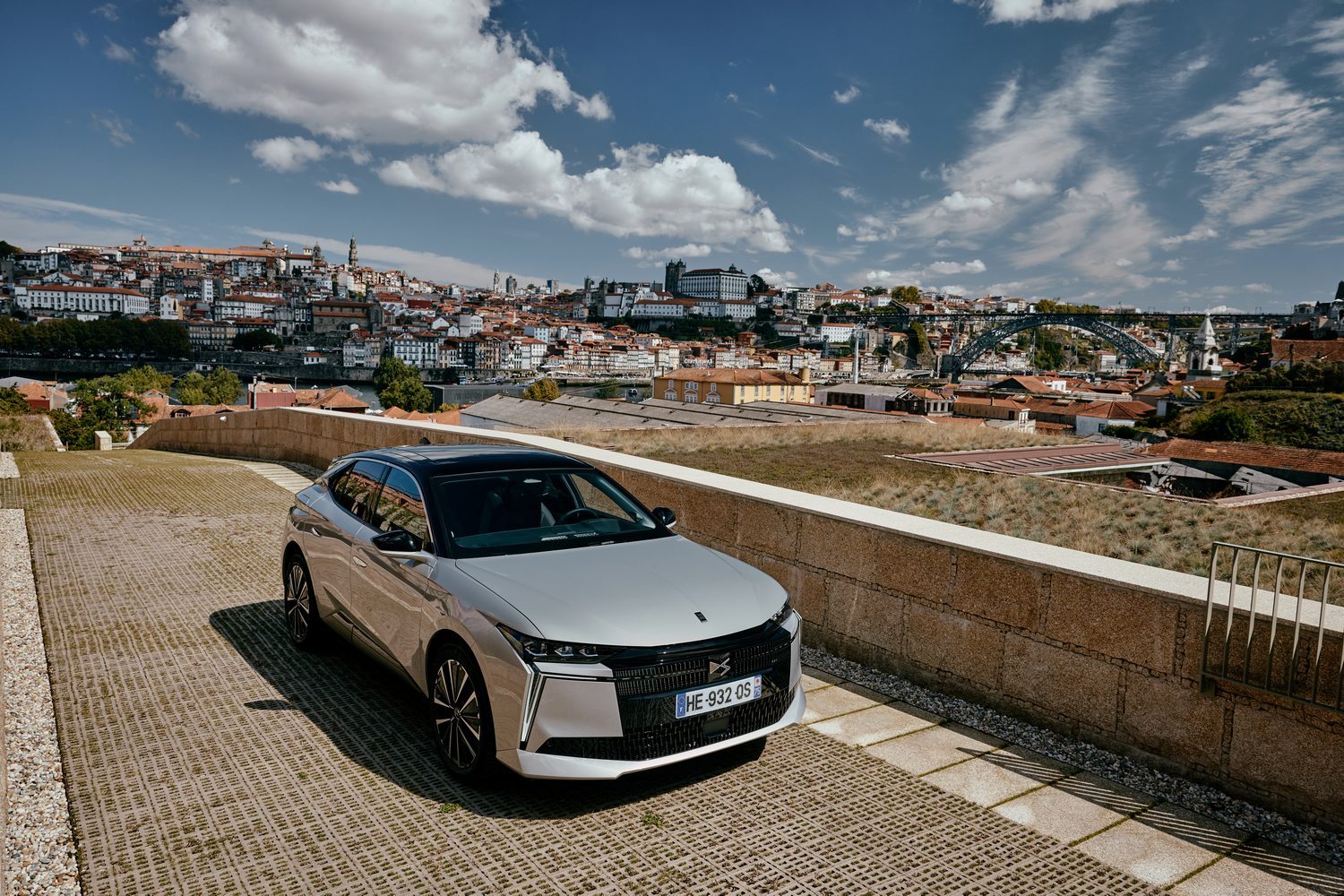
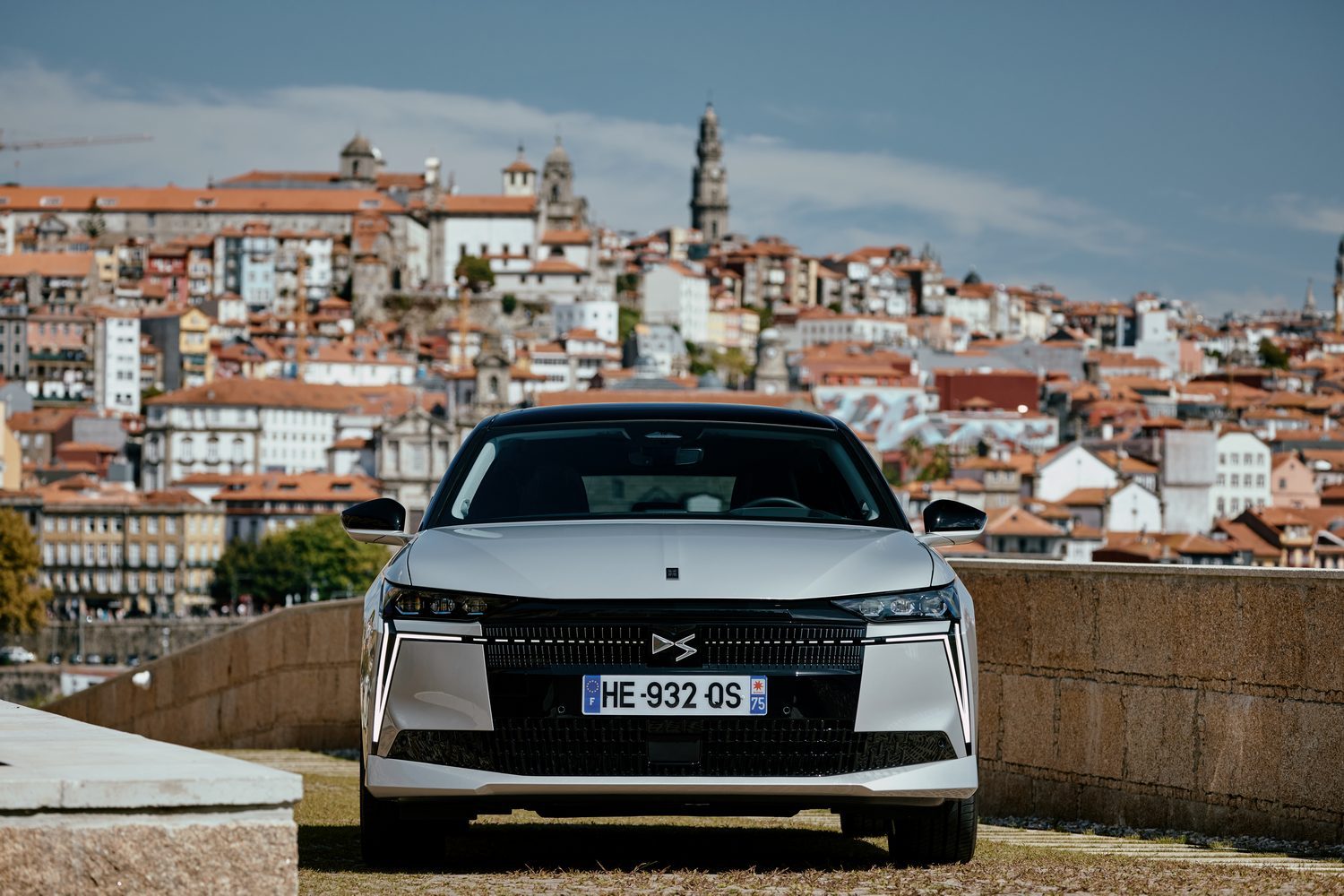
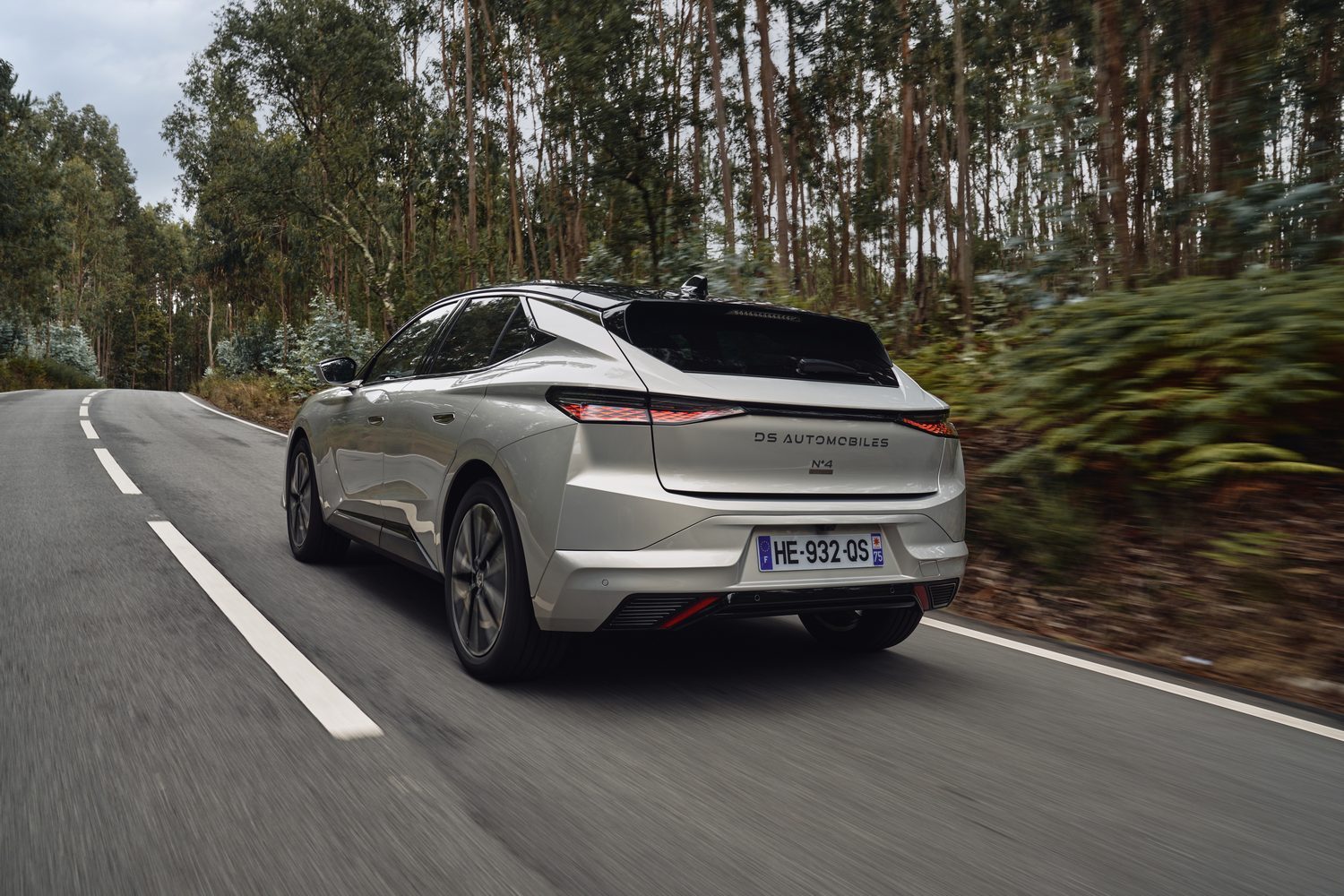
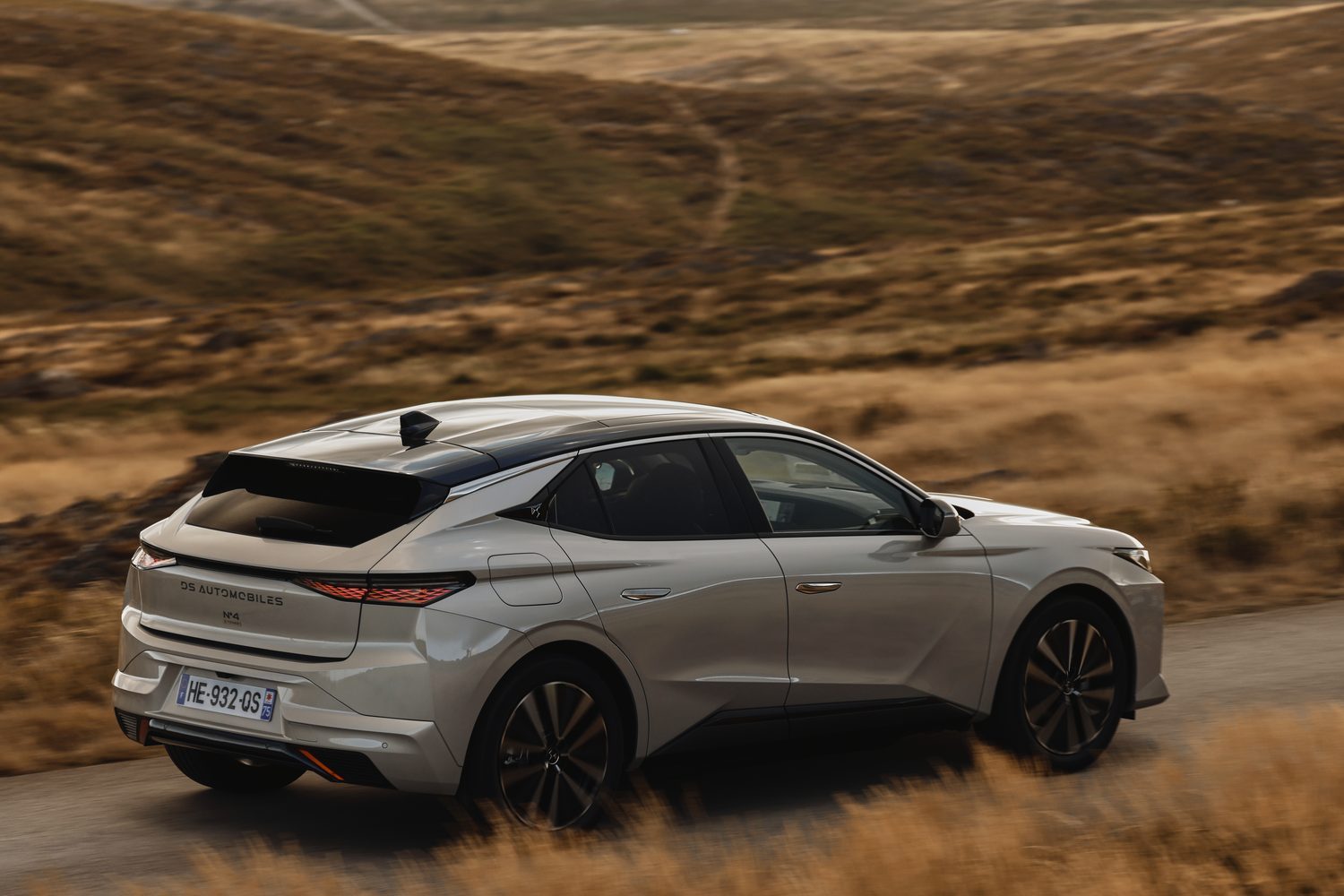
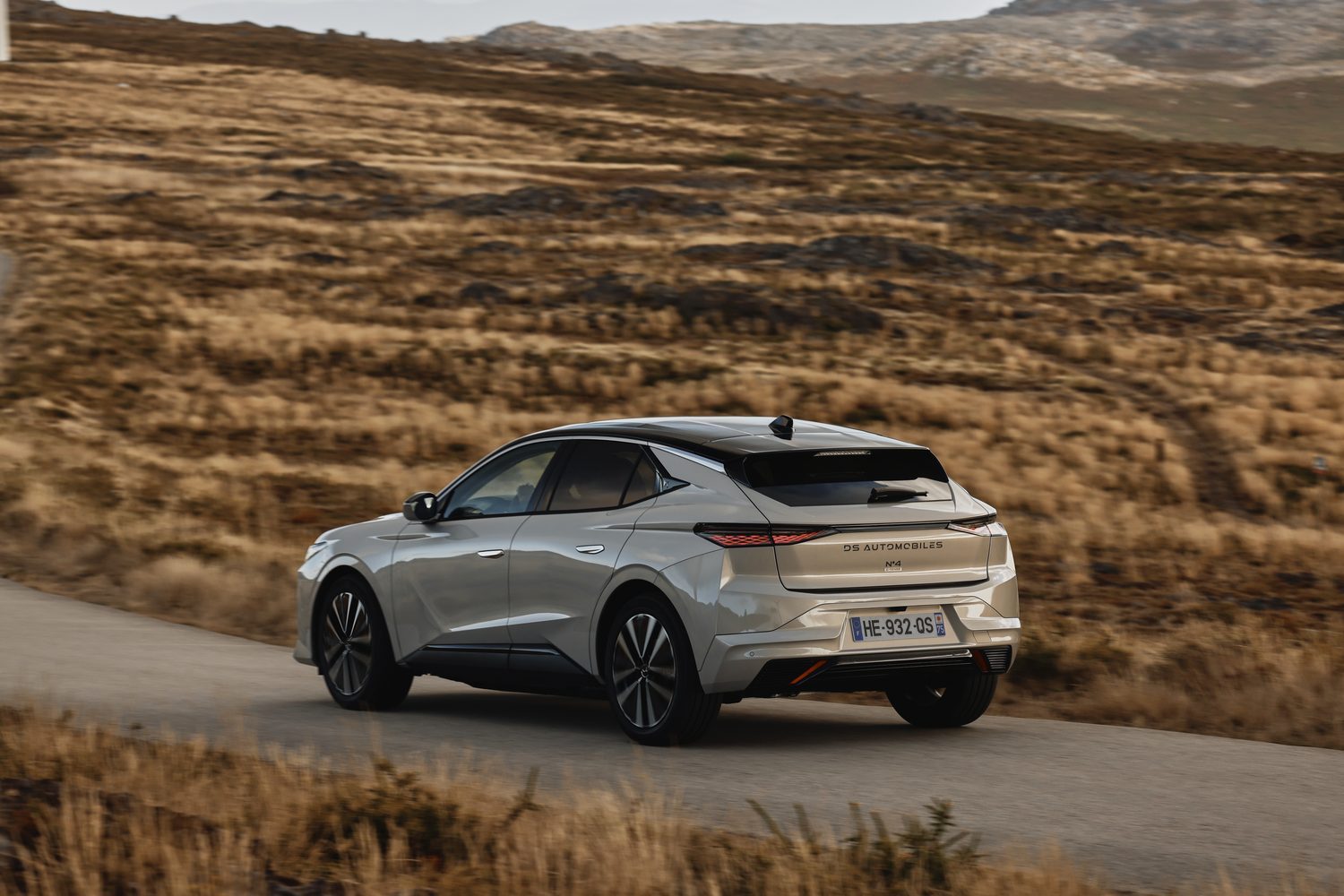
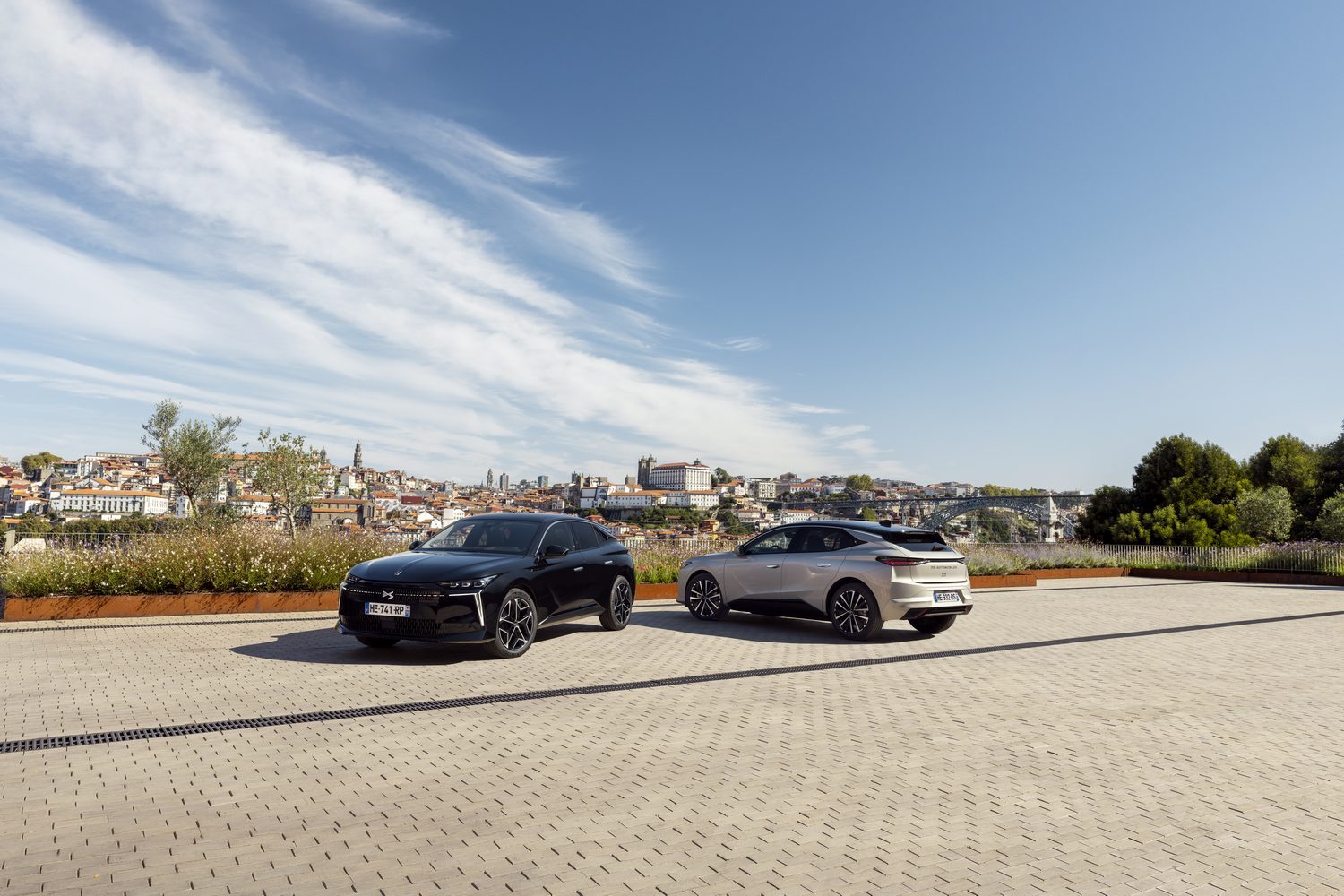
For the DS No.4, the French firm's designers weren't starting with a completely blank slate, as they did with the No.8. Instead, they took the preceding DS 4 and tarted it up.
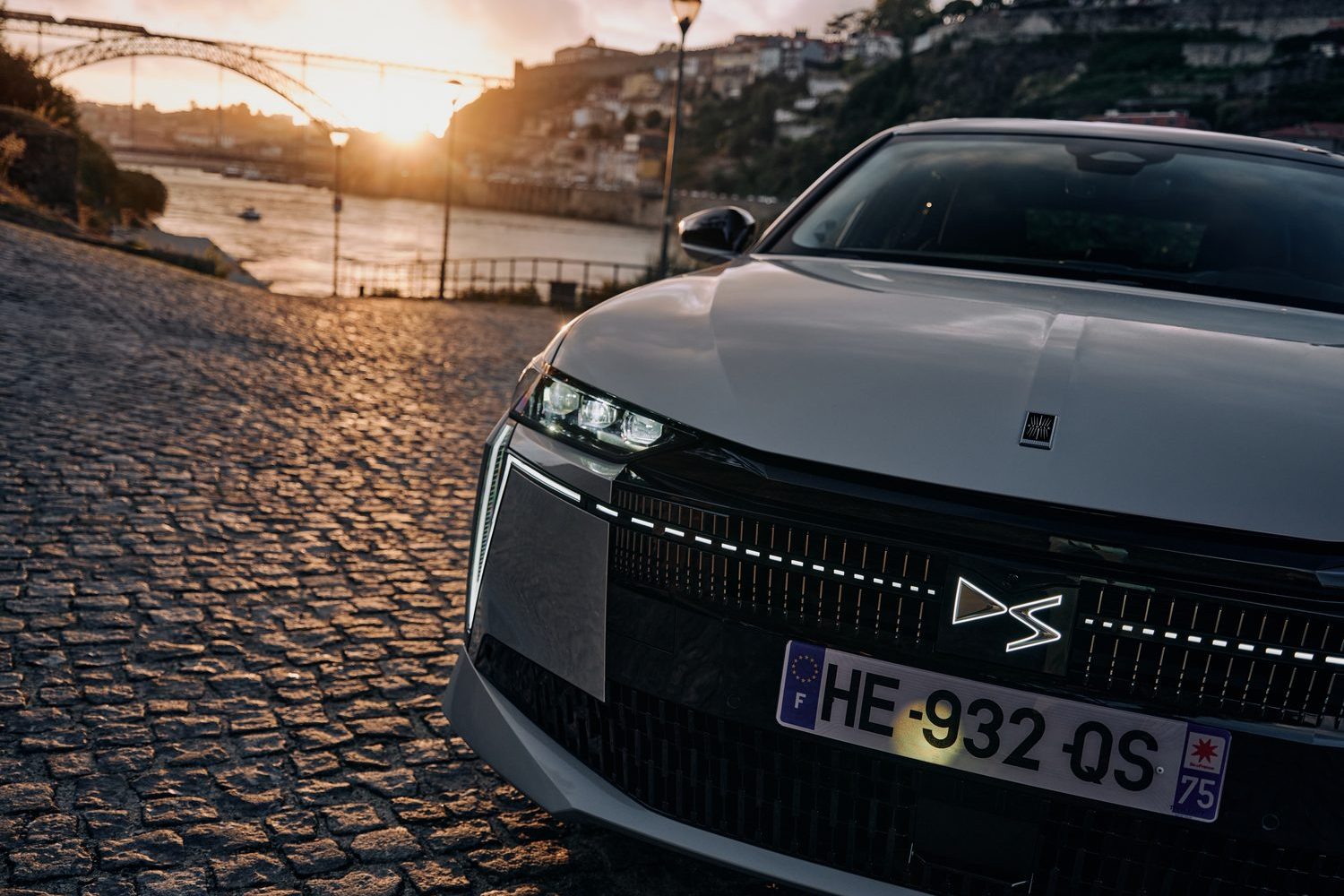
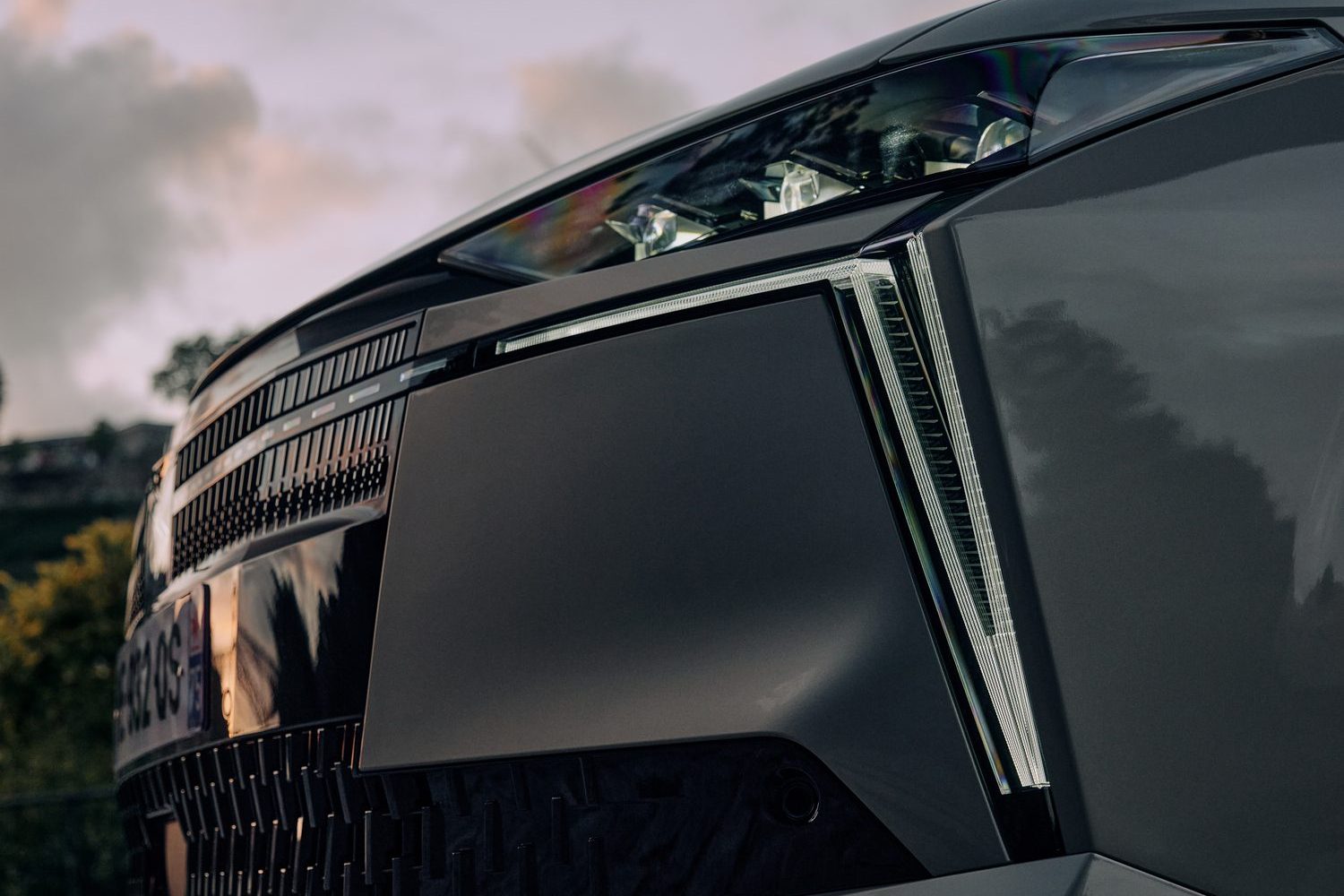
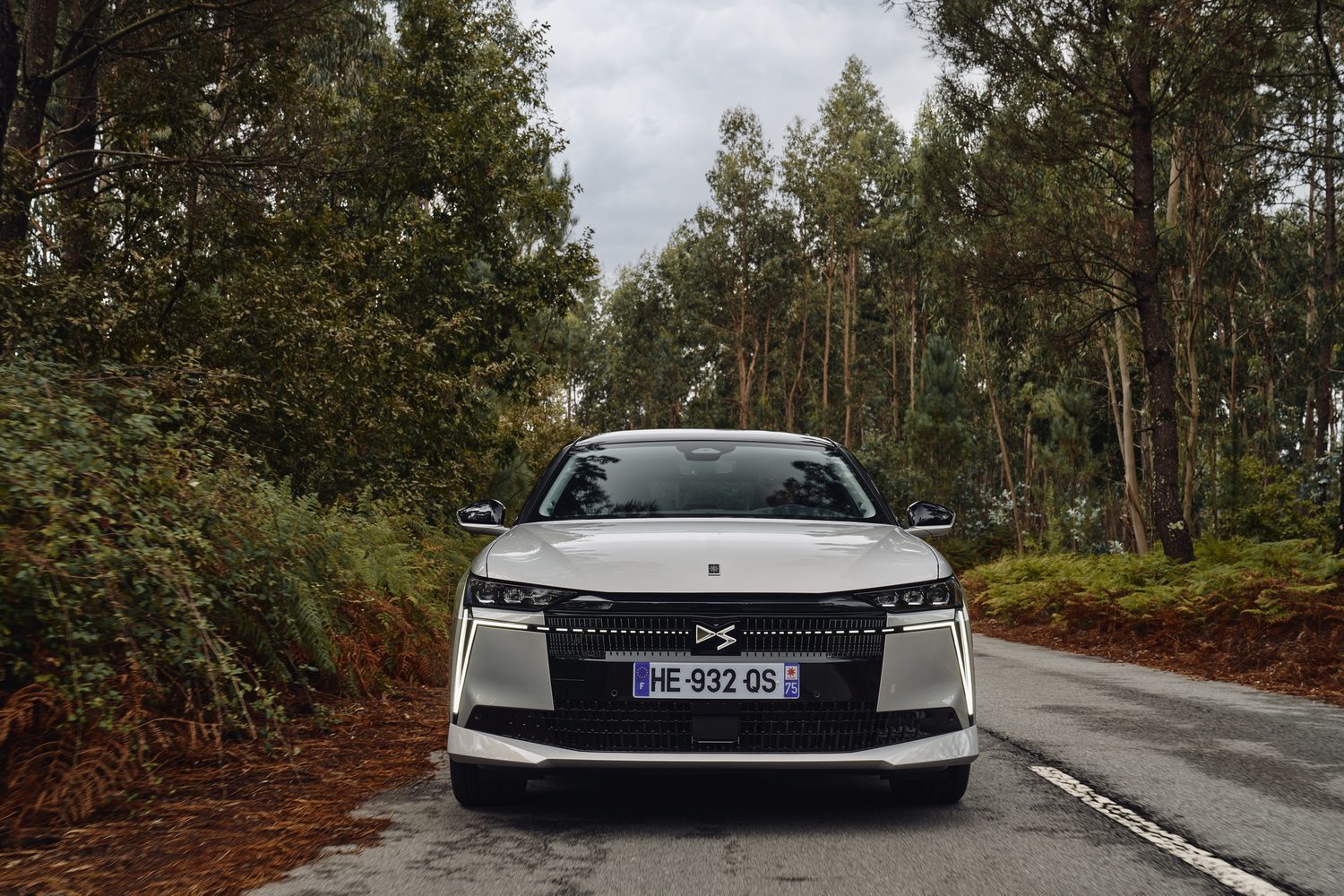
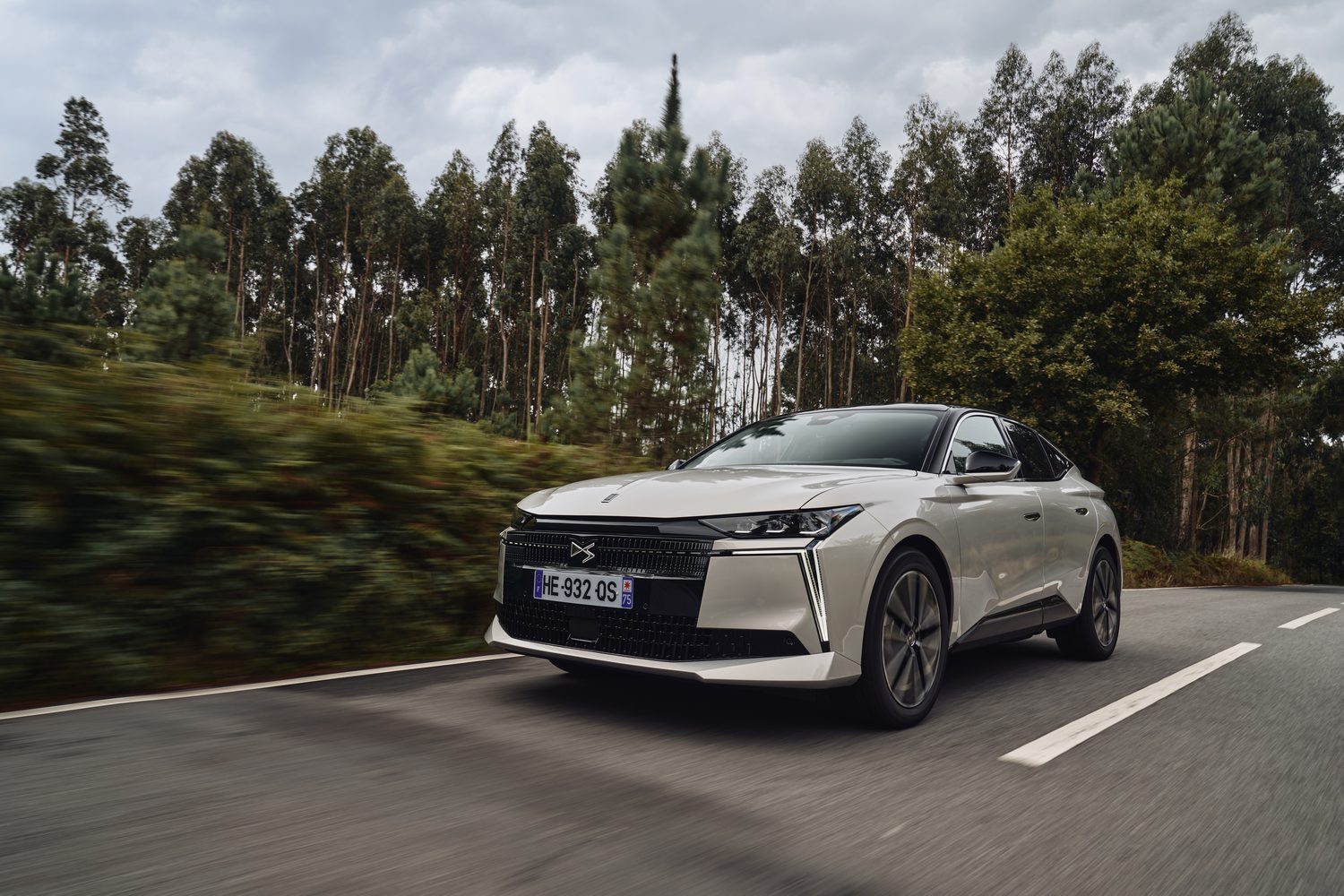
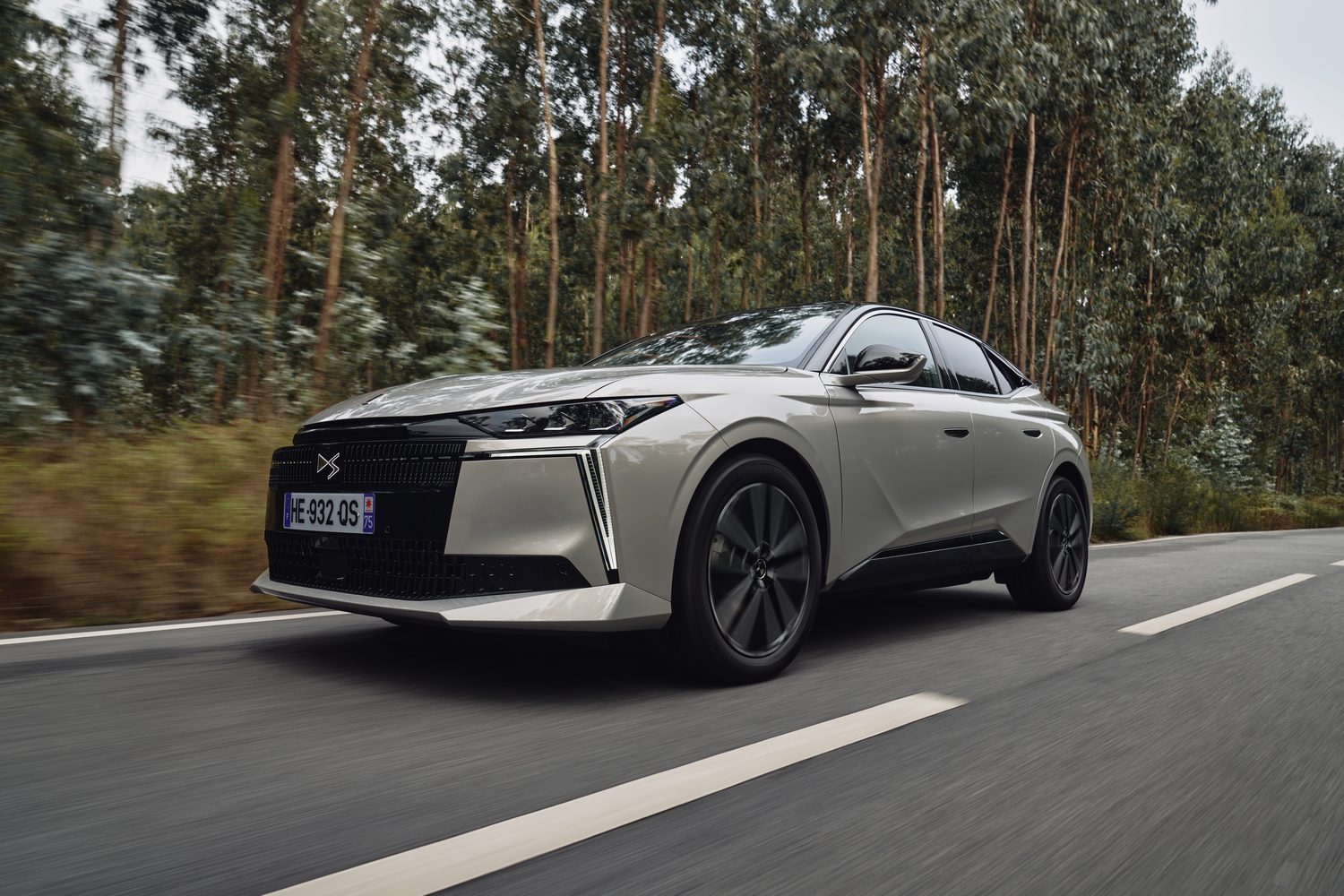
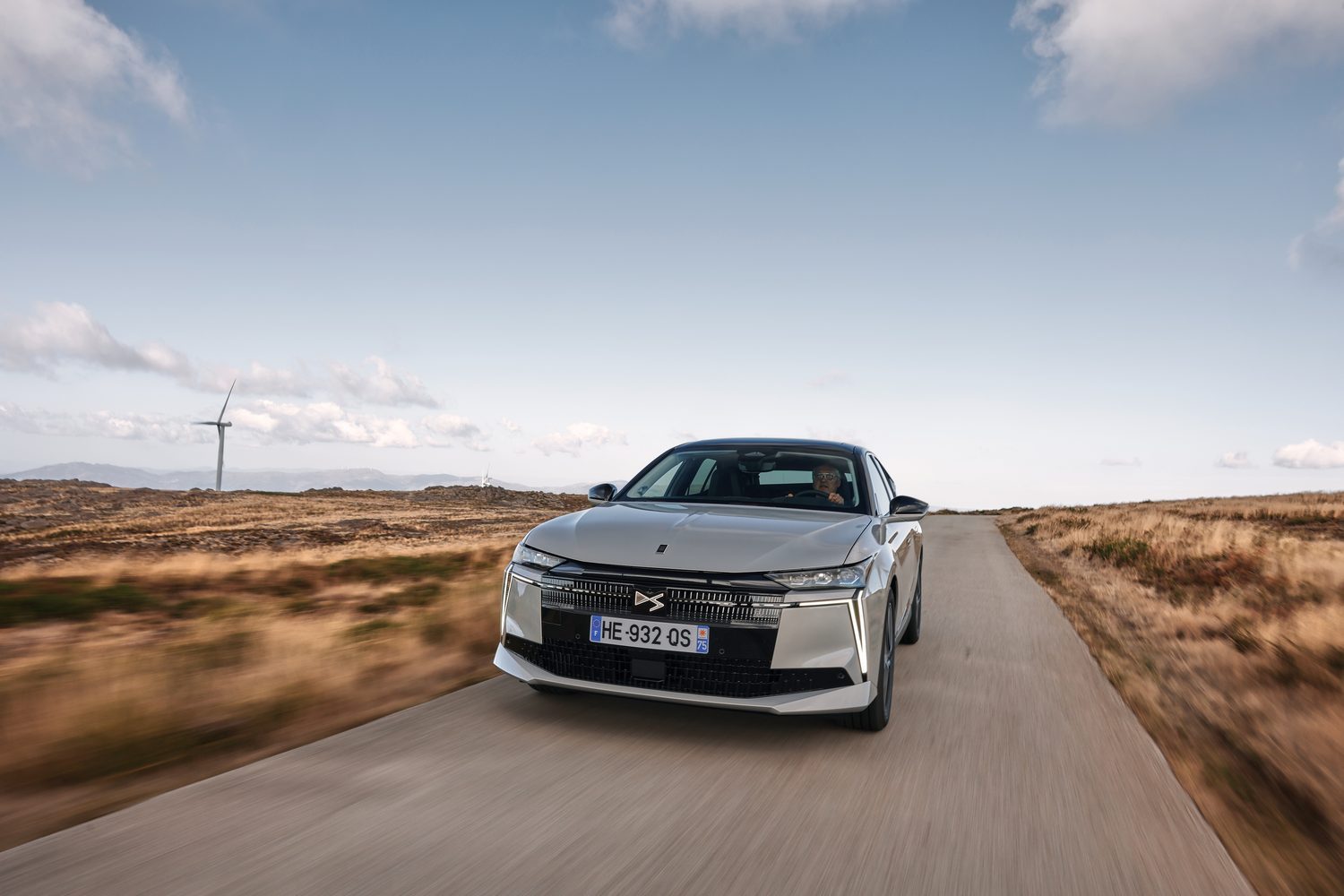
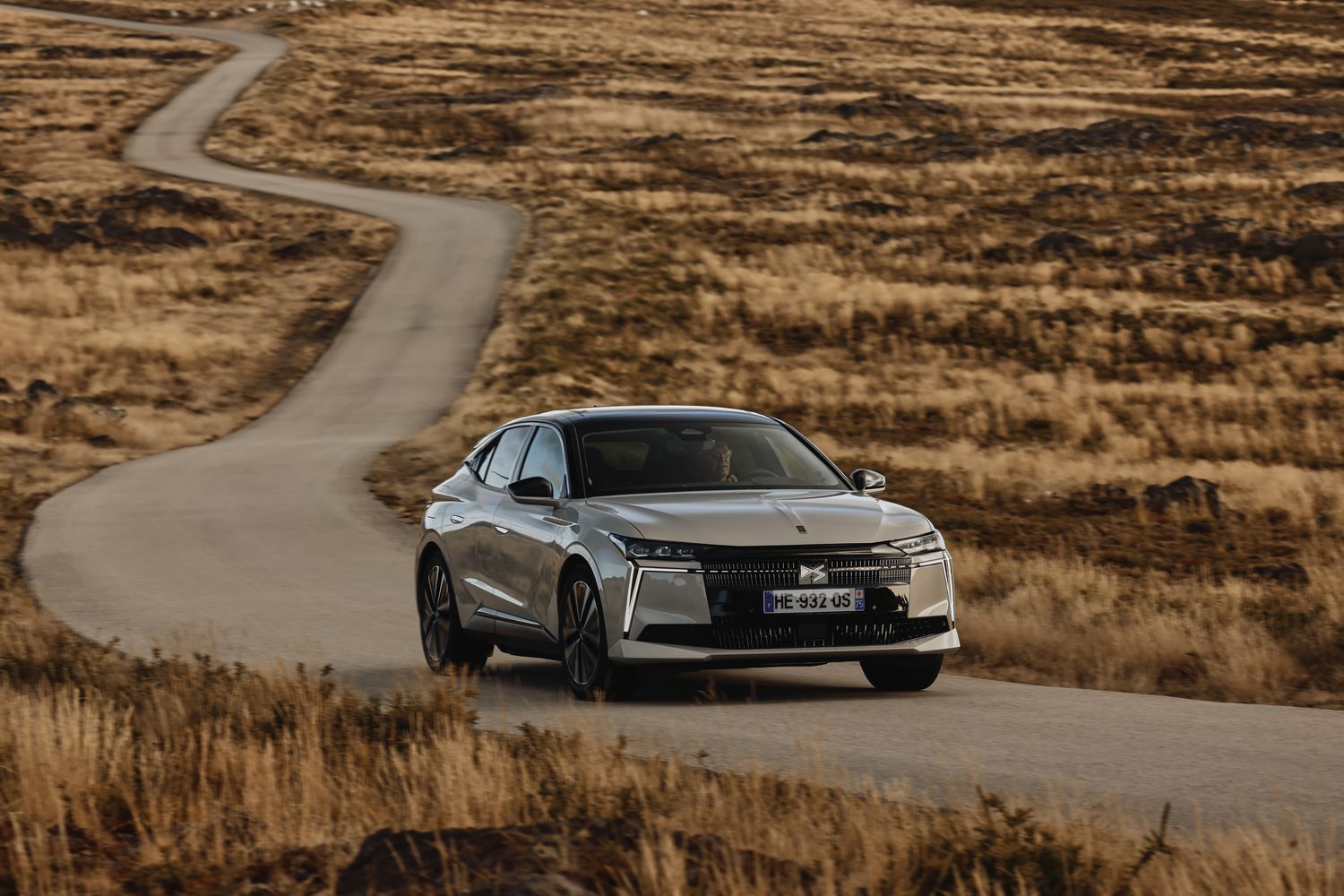
This is most easily seen in the front-light signatures, which are now of a different shape, and which also bleed entirely into the grille to almost meet at the central DS logo. It's quite a pleasing effect, because the light strips break into dashes that decrease in length the nearer the centre of the car they are, while the outline of the DS nose logo illuminates in certain situations - in short, the new No.4 looks like its own 'thing', rather than coming across as merely a rebadged facelift.

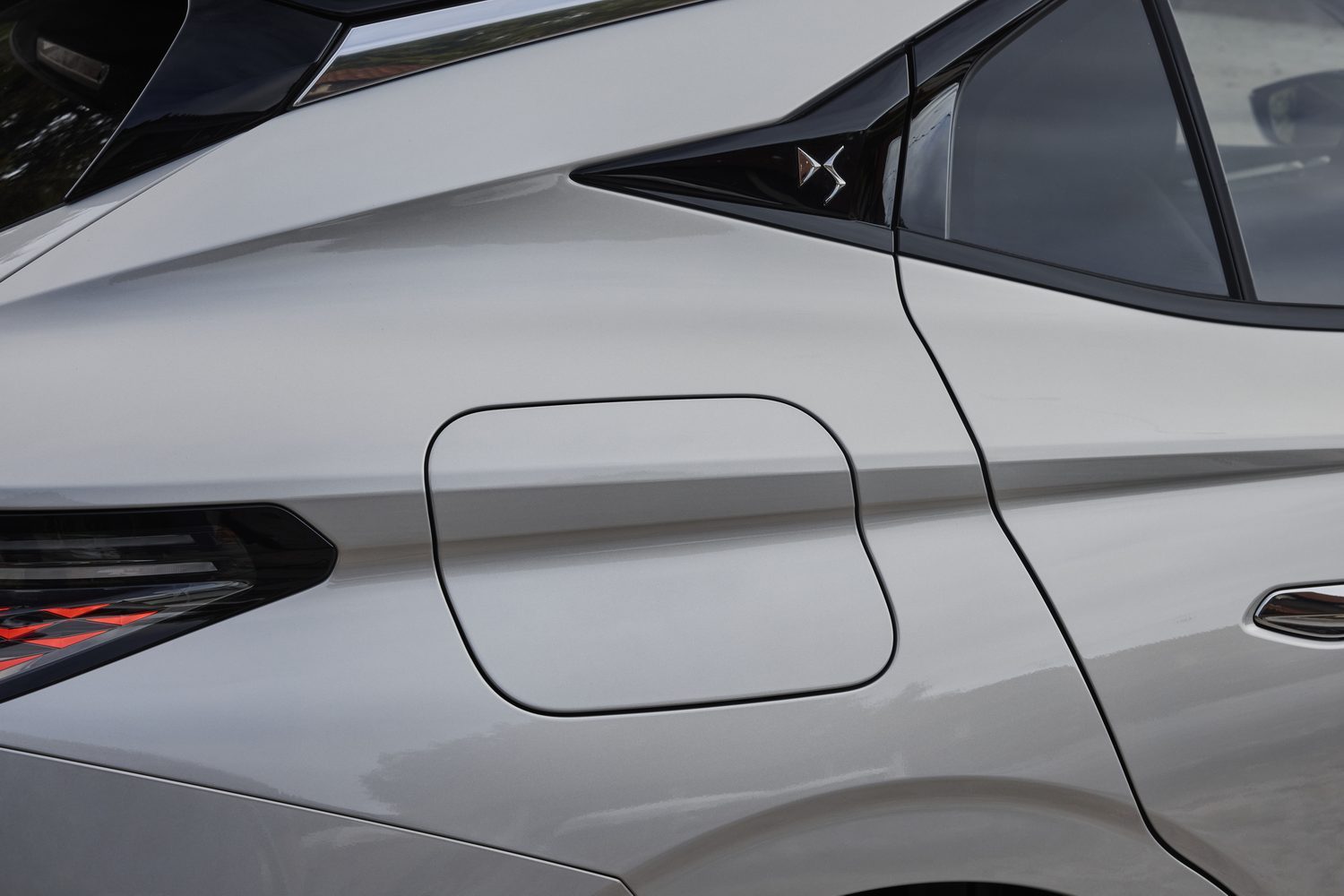
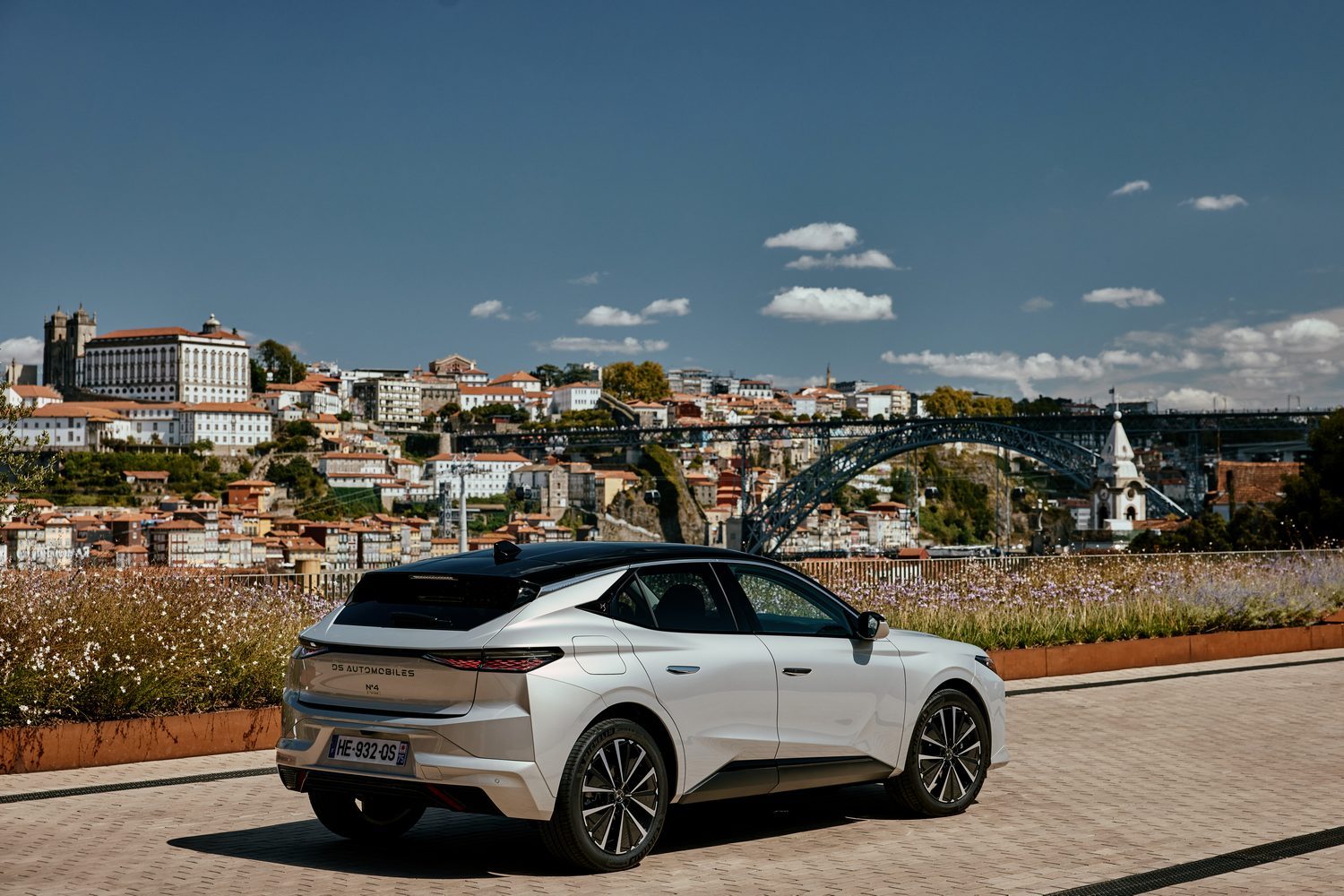
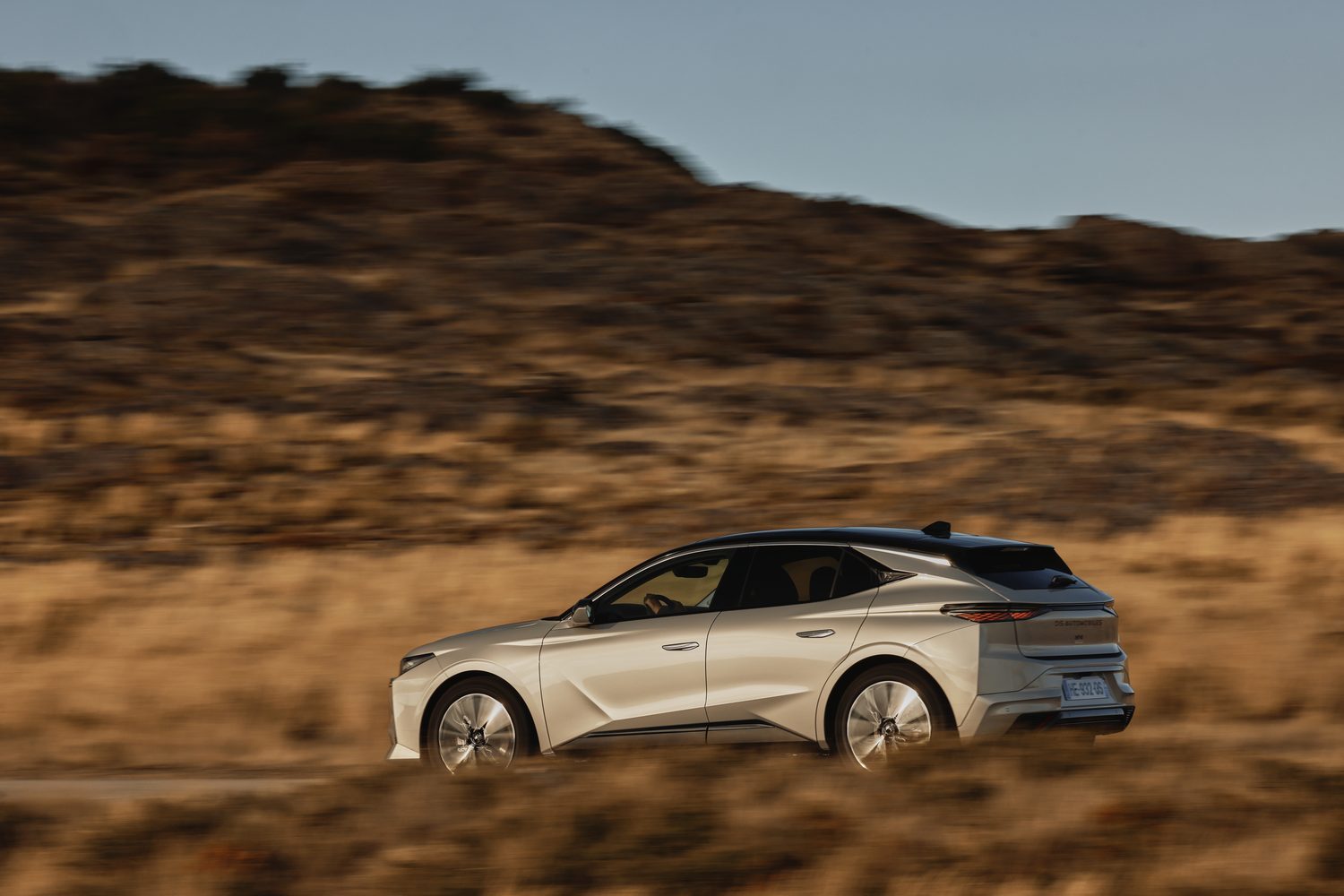
There's not a lot else to report aesthetically, though. Around the sides of the car, DS has reduced the chrome content for the No.4, not only to make it look cleaner and more upmarket, but from an environmental perspective because chrome has been deemed to be not good for the planet and/or your health any longer.
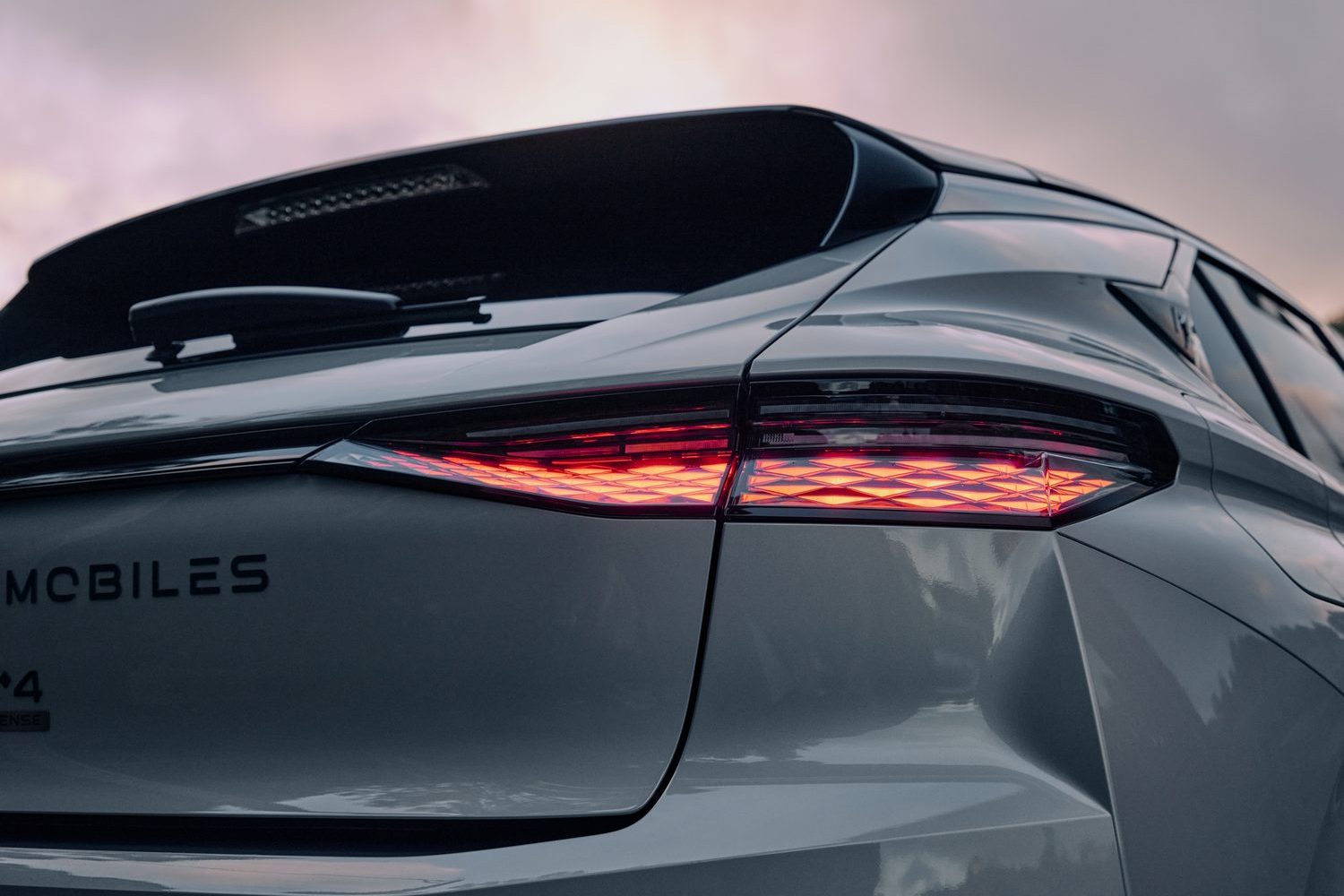
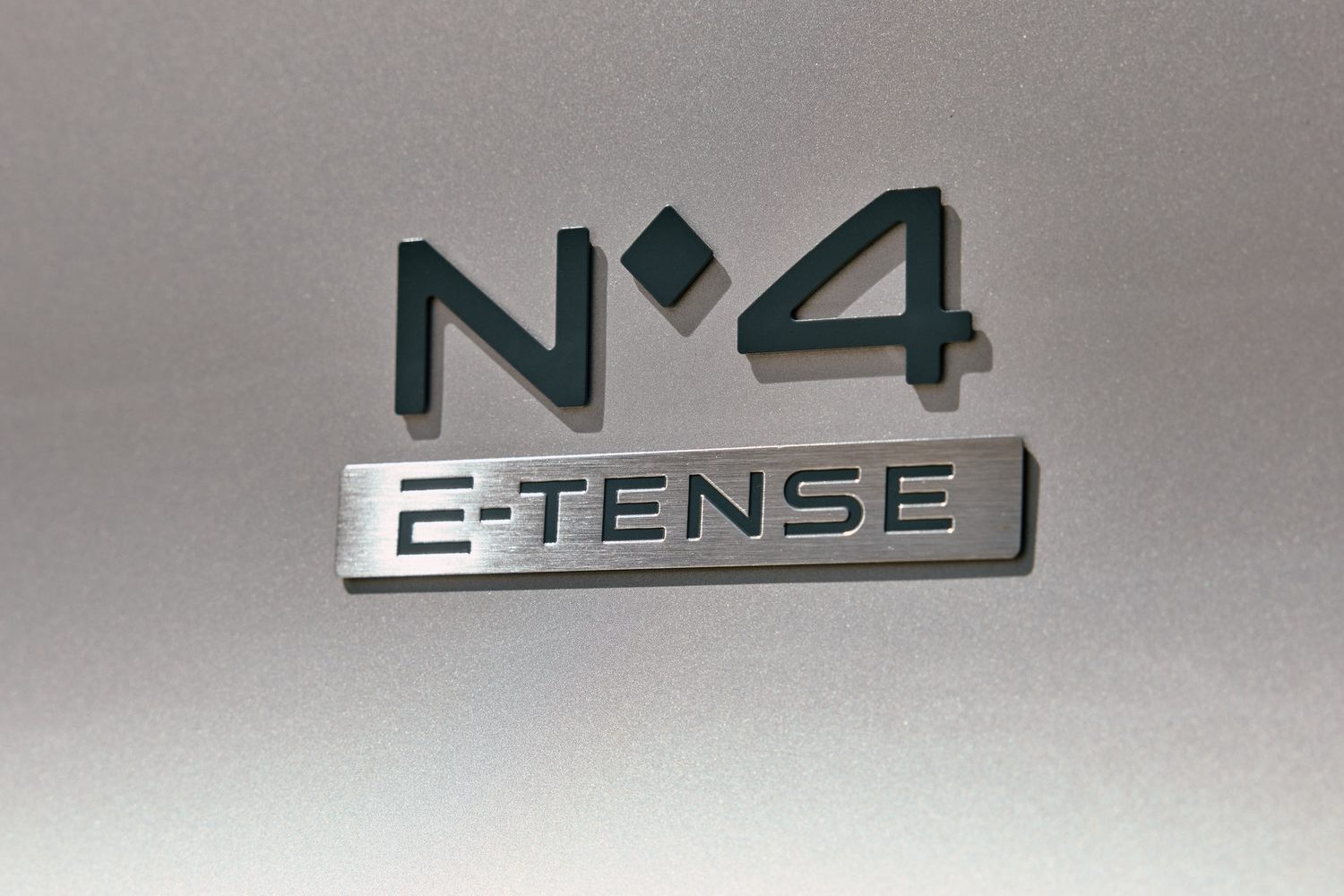
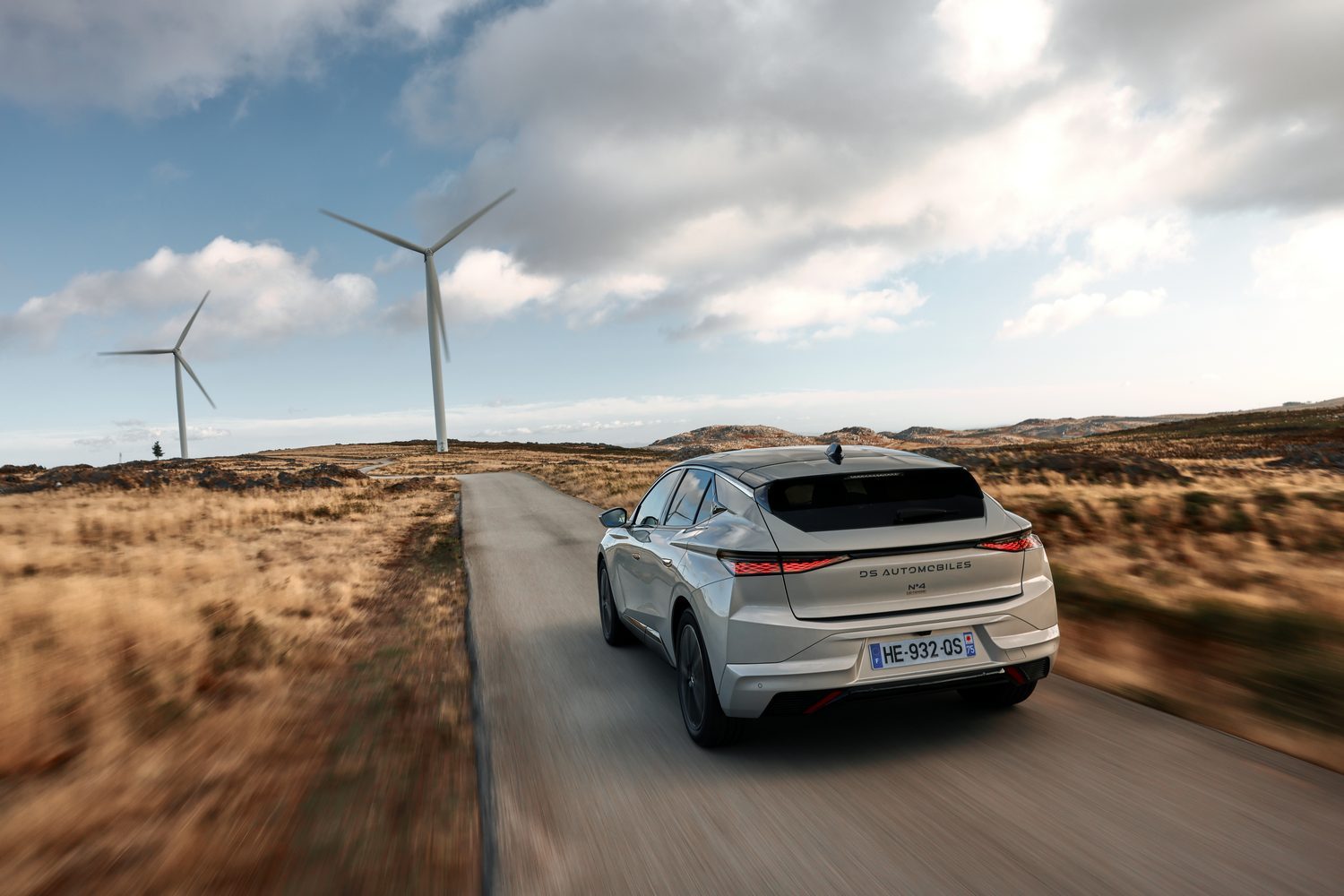
And round the back, the boot is now scribed with massive lettering that reads 'DS Automobiles'. Ironically, the only thing that marks out the electric model from its stablemates is an incredibly discreet emblem as a counterpoint that sits below this gigantic 140-point writing, the badge simply reading 'E-Tense'.

The No.4's dimensions are:
- Length:
- 4,400mm
- Width:
- 1,866mm
- Height:
- 1,490mm
- Wheelbase:
- 2,680mm
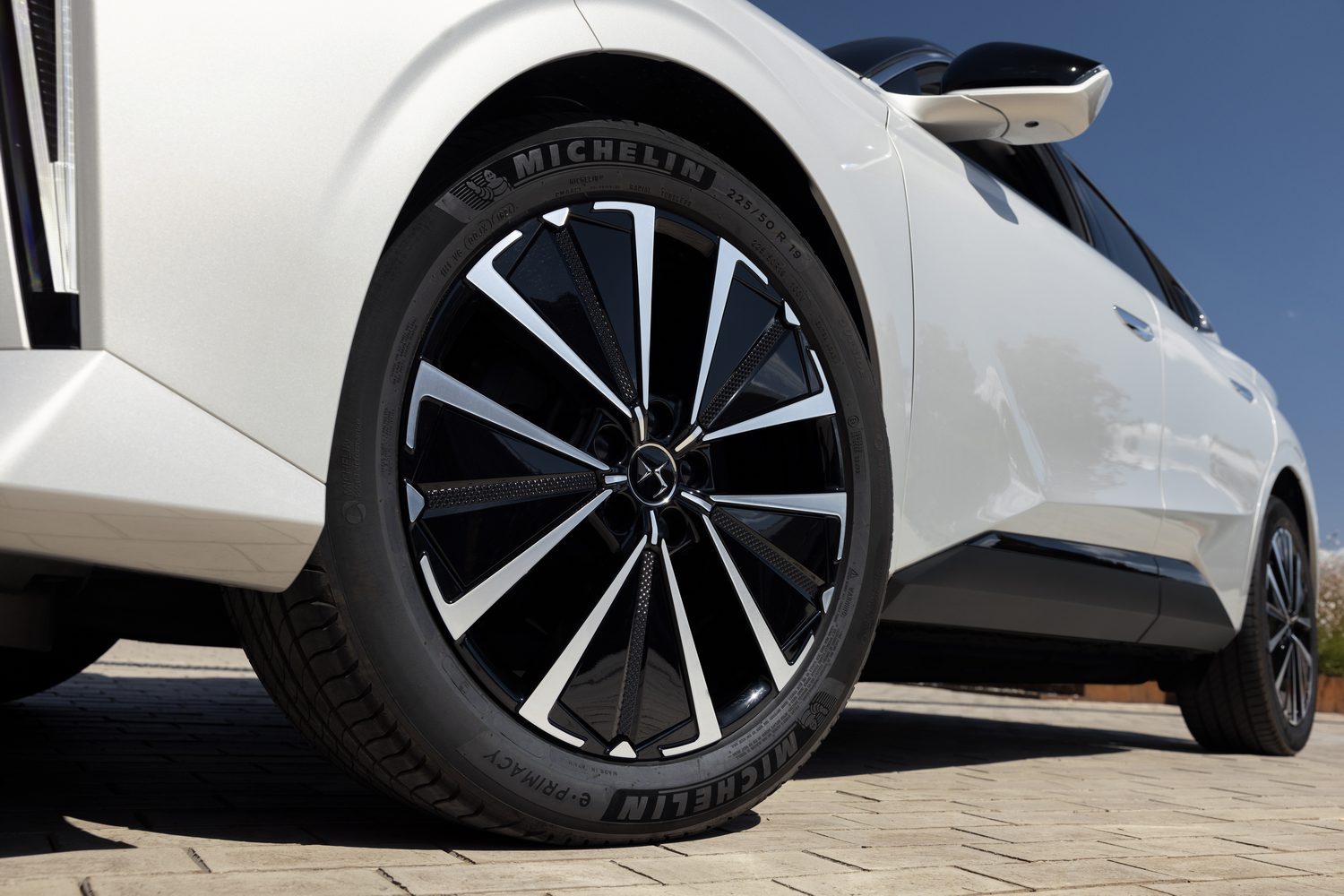
Alloy wheel sizes for the DS No.4 in Ireland are all 19-inch items, in just two designs - called Sapporo and Lima. The latter have a diamond-cut finish.

There are just five paint colours to choose from, all restrained (maybe too much so?). The standard metallic option is Night Flight (a dark grey), while Perla Nera Black or Pearl Crystal cost €875 more. Buyers can also opt for the pearlescent options at €1,175, called Pearl White and Cashmere (a bluey grey to our eyes).
Interior, practicality, tech & comfort of the 2026 DS No.4
- Dash looks and feels of high quality
- Rear-seat space isn't huge
- Over-reliance on touchscreens

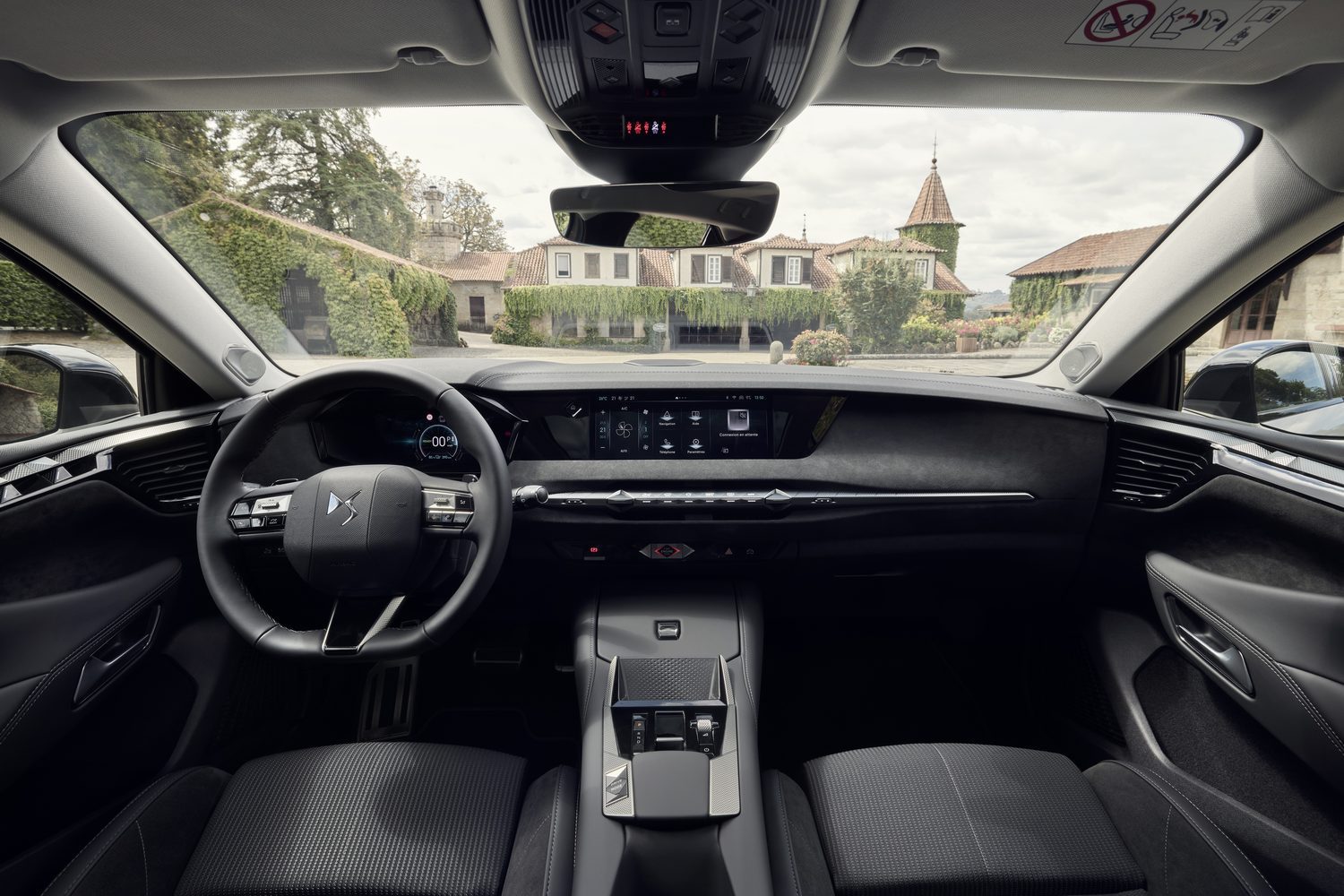
The general air of the DS No.4's interior is very pleasant, with some sumptuous material finishing to behold and a nice cleanliness to the design.
Key changes as the car morphs from the old DS 4 into this machine is that the instrument cluster has been significantly improved, to a 10.25-inch item that's highly pleasing on the eye.
However, down on the transmission tunnel, the former separate climate control screen has gone and been replaced by a largely useless rubberised open tray - about the only thing you could store in there would be a credit card, if you so felt the need.

Nevertheless, the No.4's cabin all looks and feels impressive. So perhaps it's a shame that there are several ergonomic issues.
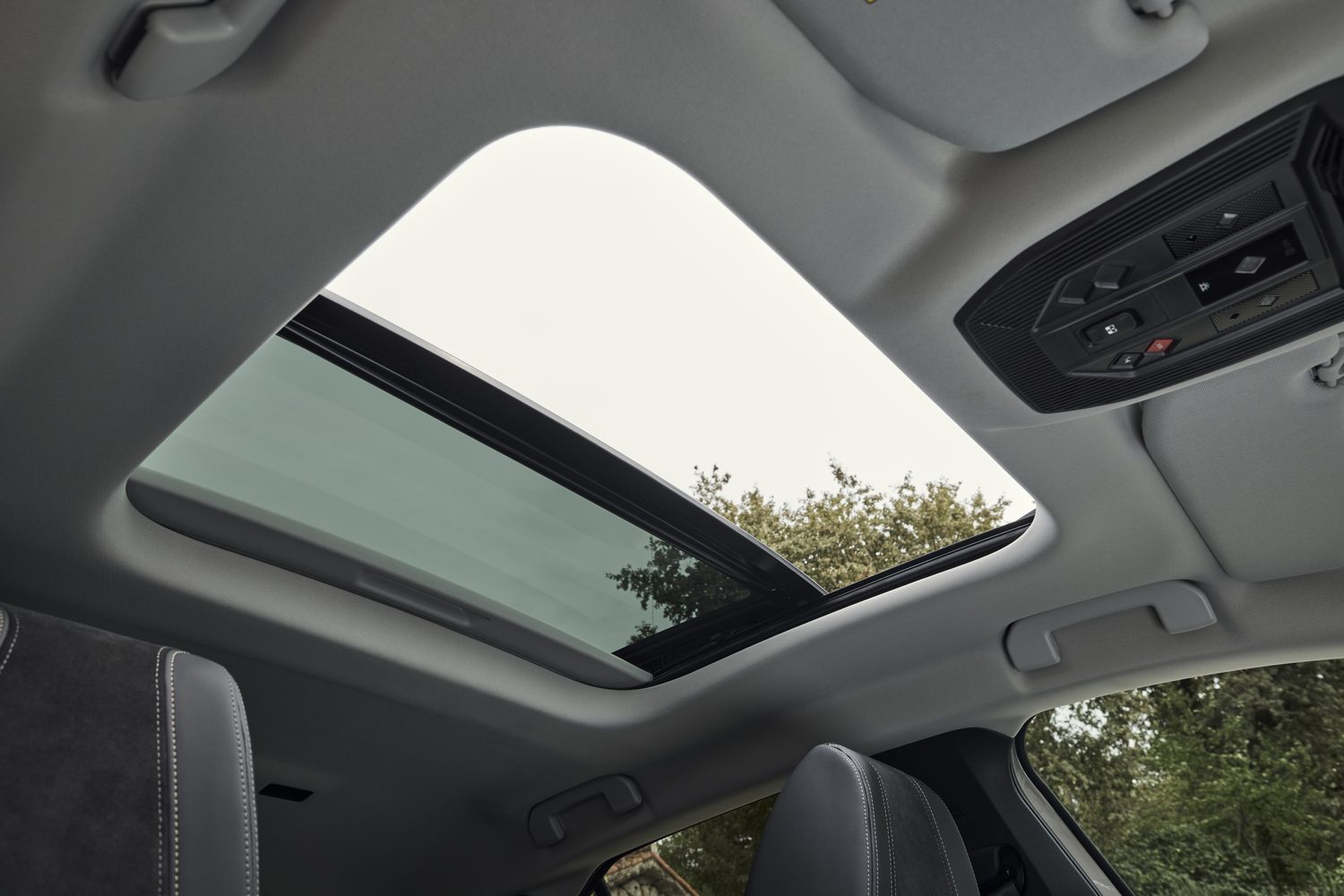
First of all, DS's unstinting adherence to diamond-patterns is thematically admirable, but it doesn't half lead to some daft switchgear in order that such buttons can fit in - we cite as prime examples the two-lever mechanism for controlling the central dash air vents, with one of the levers being (yes) a diamond, and then the placing of the window switches and two other associated door-related buttons (all of which are either diamond-patterned or diamond-shaped) right up on the tops of the door cards, just to make the former blur into a strip of metallised trim.
This is bad enough on the driver's door, but on the passenger side the solitary window button so effortlessly blends into the background that you can start playing 'hunt the switch' if you're not careful or, indeed, familiar with its position. Probably not an issue for an actual owner of the car of course.
And then there's the infotainment display. It focuses on needlessly complex graphical animations to perform any changes on the screen, and too much in terms of ancillary control is centred on it - specifically, climate-related functions.
For instance, if you want to turn your ventilated front seats on while using navigation, it's four presses just to bring up the relevant menu, press the on-screen seat button and then get back to your nav. When there should just be a couple of physical switches for the seats on the console somewhere.

Our gripes don't stop there, because the No.4 is not very roomy in the second row at all - even if you're only of average height, you'll find headroom is limited and kneeroom restricted in the back seats.
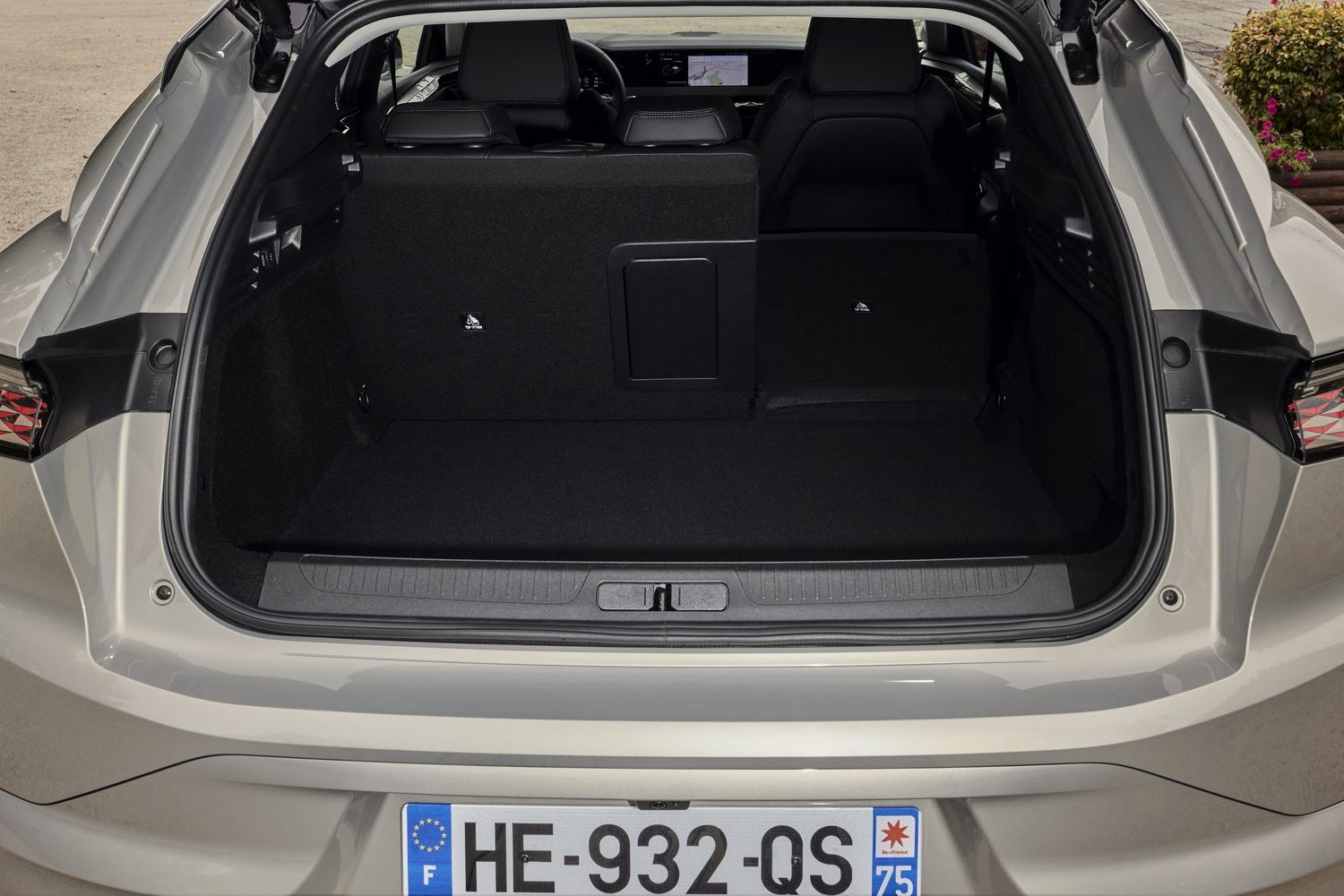
And while its on-paper figure of 430 litres looks decent in and amongst its rivals, somehow the cargo bay of the DS doesn't appear or seem that spacious. In short, the cabin is of a high enough quality, but it's not the most practical nor easiest-to-use interior in the business.
Performance of the 2026 DS No.4
- Smooth and strong electric speed
- Majors on ride comfort and quietness
- Handling not a total washout

There's no doubting that, dynamically speaking, the star of the new No.4 range is this all-electric E-Tense model. It's not especially powerful, with 215hp and 300Nm, but it is still the swiftest of all the cars in the line-up, thanks to its effortless mid-range punch.
It has a good accelerator pedal map too, which doesn't become too vague and disconnected feeling when the car is in its most eco-friendly setting, while the regenerative braking of the car is well judged also.

Then there's the ride comfort and rolling refinement. When you think of French luxury cars, you think of an elegant, fuss-free ride. The No.4 E-Tense isn't quite at old Citroen levels of pillowy waft, but it's not far off.
It doesn't thump through big compressions in the road nor fidget and jiggle about on washboard surfaces, and at town, extra-urban and motorway speeds, it keeps its serene composure at all times. The suspension on the DS No.4 E-Tense is brilliant because you never really notice it doing its job at any point.

Thankfully, the E-Tense is not a total write-off when it comes to handling. It's not scintillating in the corners, but the steering has more meat and informative feel about it than you might reckon on, while in turn the DS feels adjustable mid-bend on nothing more than lifts of the accelerator pedal. So, while it might not be an undiscovered warm hatch in a luxury disguise, by the same token the No.4 is also not some soft old boat that can't be hustled in the slightest.
Range, battery & charging of the 2026 DS No.4
- Only average range
- Could do with a bigger battery
- DC charging speed capped at 120kW

While the DS No.4 might have the edge on many of its obvious rivals from Germany in even having an electric model in the first place, it nevertheless doesn't feel like DS has made the most of its advantage by making it a long-range effort.
The 58.3kWh battery is not much bigger than you'd find in an Opel Corsa Electric, for instance, and it results in an official range of only 450km. It'll be enough for most drivers, of course, but we'd have liked to see it closer to 550km. Ditto the modest 120kW DC maximum charging speed, which isn't pulling up any stumps in the electric vehicle world right now. Admittedly, most EV owners do the majority of their charging up at home, so it's not a deal breaker.
Running costs of the 2026 DS No.4
- E-Tense EV will be the main choice
- Hybrid model also available
- All No.4s should be reasonably cheap to run

Both the hybrid model and the electric No.4 should prove to be reasonable to run, although obviously the zero-emission E-Tense will make the most sense from a taxation point of view.
Irish pricing & rivals of the 2026 DS No.4
- Kicks off at under €36,000
- Electric model from €44,010
- Rivals start from in and around the €40,000-€50,000 mark

The entry-level DS No.4 is the hybrid model at €35,995 in Pallas specification. That includes 19-inch alloy wheels, the 10.25-inch touchscreen system with Apple CarPlay, Android Auto and Bluetooth, keyless start, heated and electrically folding door mirrors, auto-dimming rear-view mirror, LED lighting all-round, front and rear parking sensors, rear parking camera, cruise control and lots more.
In Pallas trim, the electric DS No.4E-Tense is priced at €44,010 after the SEAI grant and VRT rebate. As a top-spec Etoile, it's €49,870, vs. €42,995 for the hybrid.
Etoile spec adds special, part-Alcantara upholstery, electrically adjusted front seats, wireless phone charger, head-up display and plenty more technology.
Verdict - should you buy the 2026 DS No.4
The DS No.4, like so many cars that have come from this relatively new manufacturer in recent years, is a left-field choice. It doesn't go in for overt sportiness and drastically ultra-modern styling, instead preferring to offer up a sort of louche French elegance that marks out the country's best luxury cars.

The No.4 is by no means faultless, especially if you want a highly practical prestige hatch, but in this E-Tense specification it does feel special enough in various regards to stand shoulder-to-shoulder with the premium elite. Whether buyers will cotton onto it this time around will hinge on pricing - get that right, and the No.4 could be seen as more of a success than its overlooked predecessors.
FAQs about the DS No.4
What other engines are available for the DS No.4?
It will be offered with a hybrid drivetrain making 145hp and 230Nm, capable of 0-100km/h in 9.5 seconds and a quoted 1,000km range.

In some markets (but not Ireland) there will also be a diesel and a plug-in hybrid drivetrain, using a turbocharged 1.6-litre petrol engine and an electric motor to serve up a 225hp peak output. A larger (14.6kWh) battery this time around increases its all-electric range to 81km.
Is the DS No.4 all-new, like the DS No.8?
No, it is a revised version of the DS 4 which came before it. However, it fits in with the No.8 as part of DS's new strategy, in which electric vehicles like the E-Tense will play a key part.
How safe is the DS No.4?
It hasn't been tested by Euro NCAP, but its predecessor the DS 4 was and picked up a four-star rating in basic spec, bagging the full five stars with the optional Safety Pack in 2022. As DS has enhanced the advanced driver assist systems this time around, there's a good chance the No.4 would land the top rating if it is put through its paces.
Want to know more about the DS No.4?
Is there anything else you'd like to know about the DS No.4? Or anything you feel we haven't covered here? Then just head over to our Ask Us Anything section and, well, ask us anything.