




Exterior & design of the 2026 Cupra Born
- Smart, appealing styling
- Distinctive LED lights
- Some excellent colour options

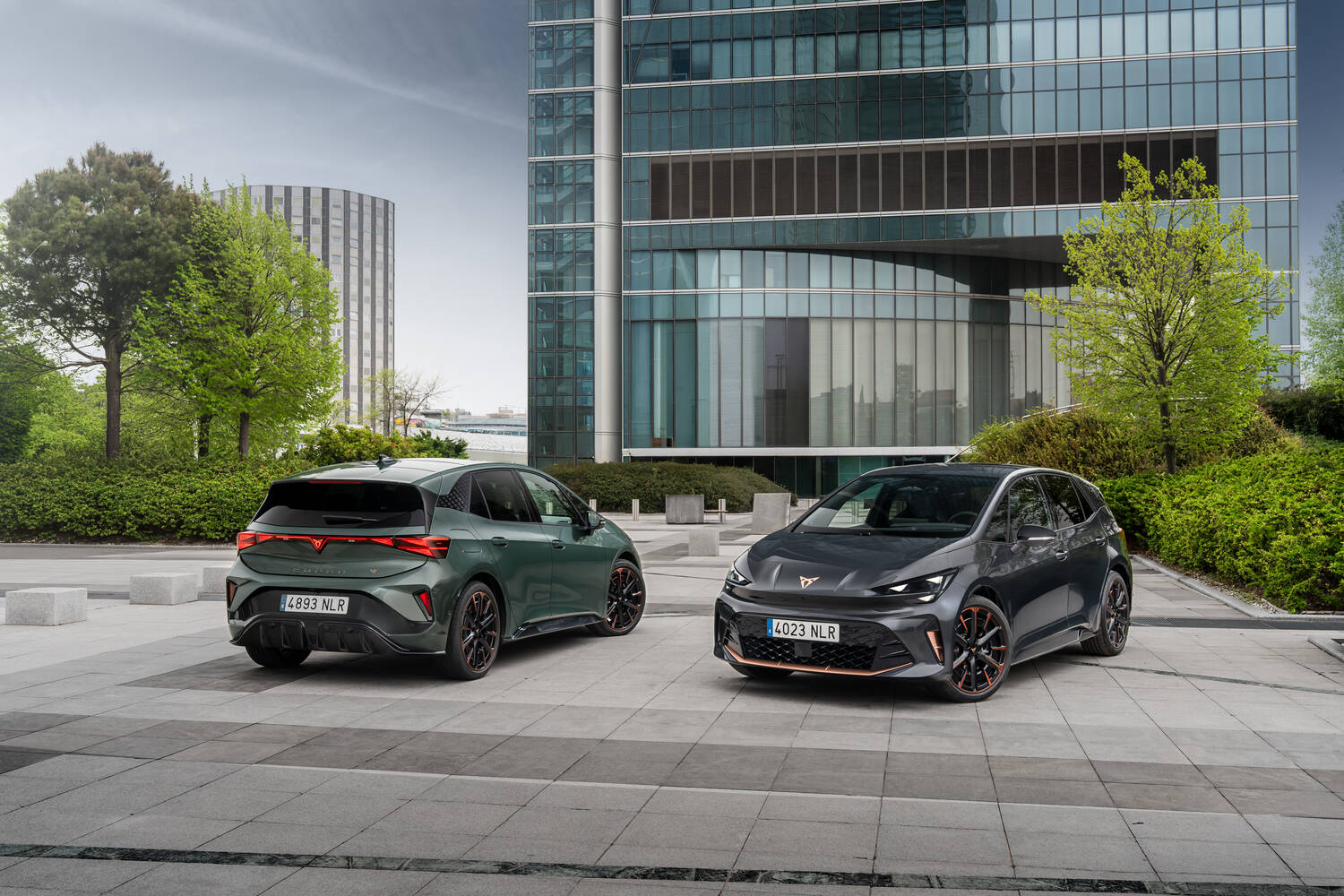
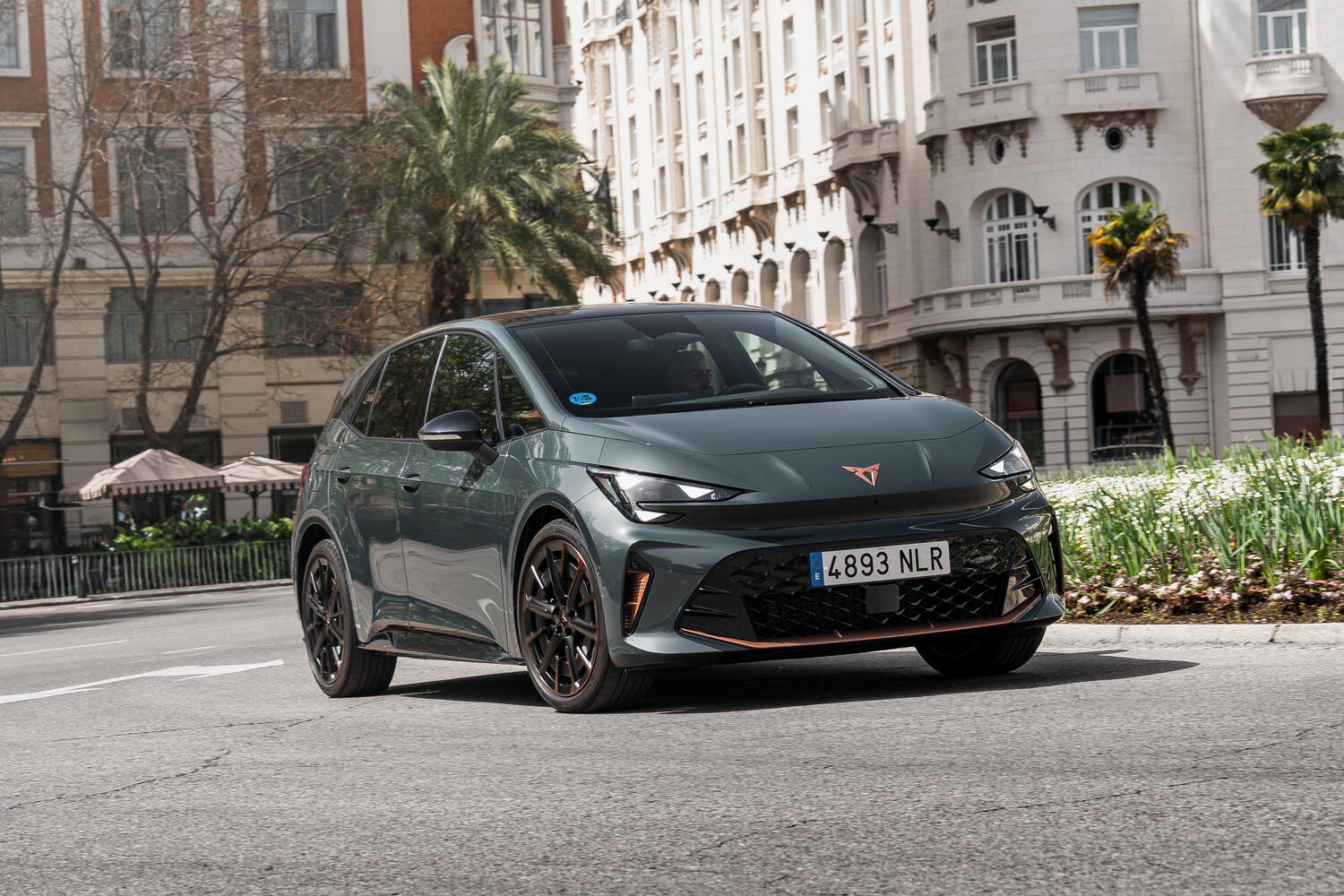
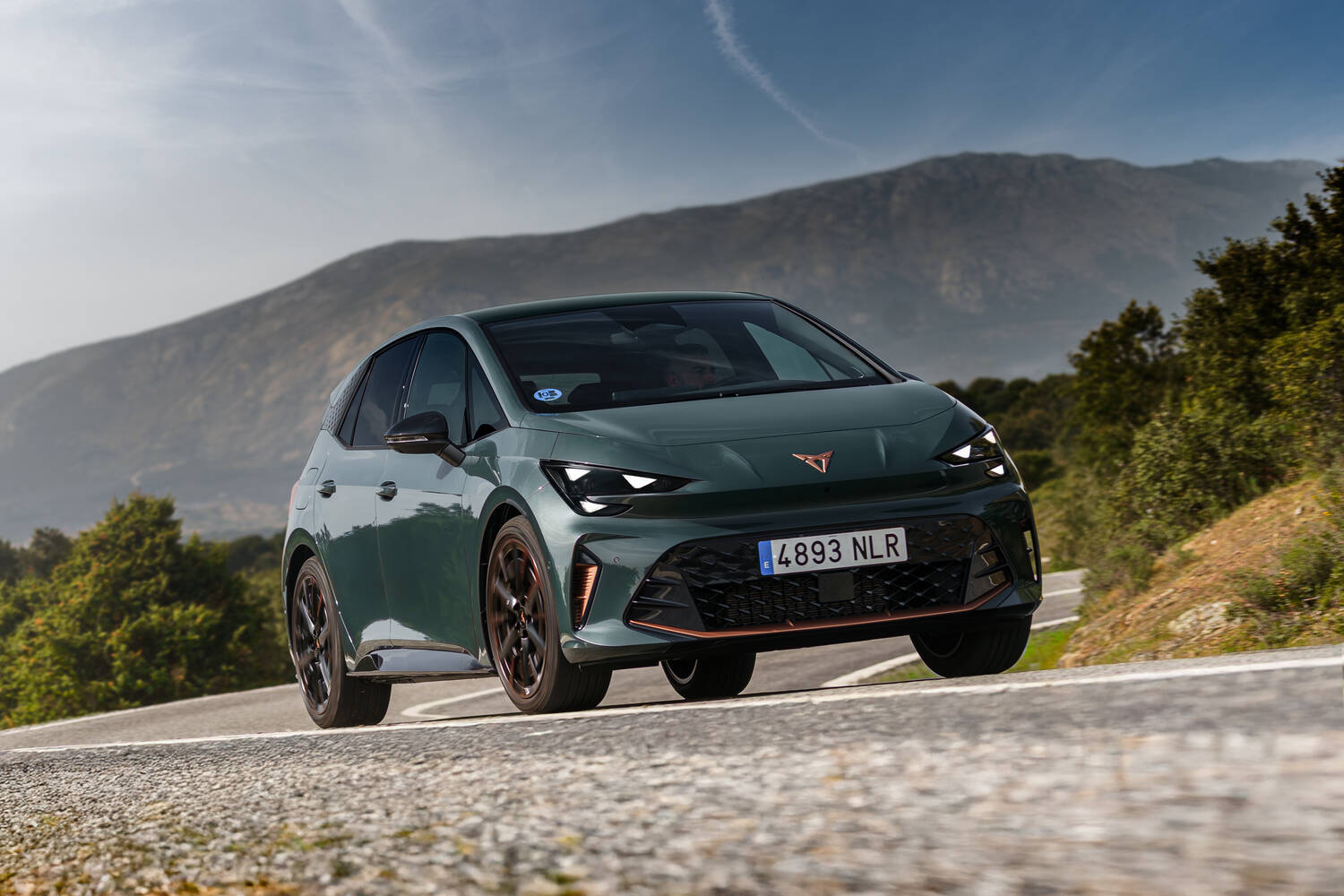
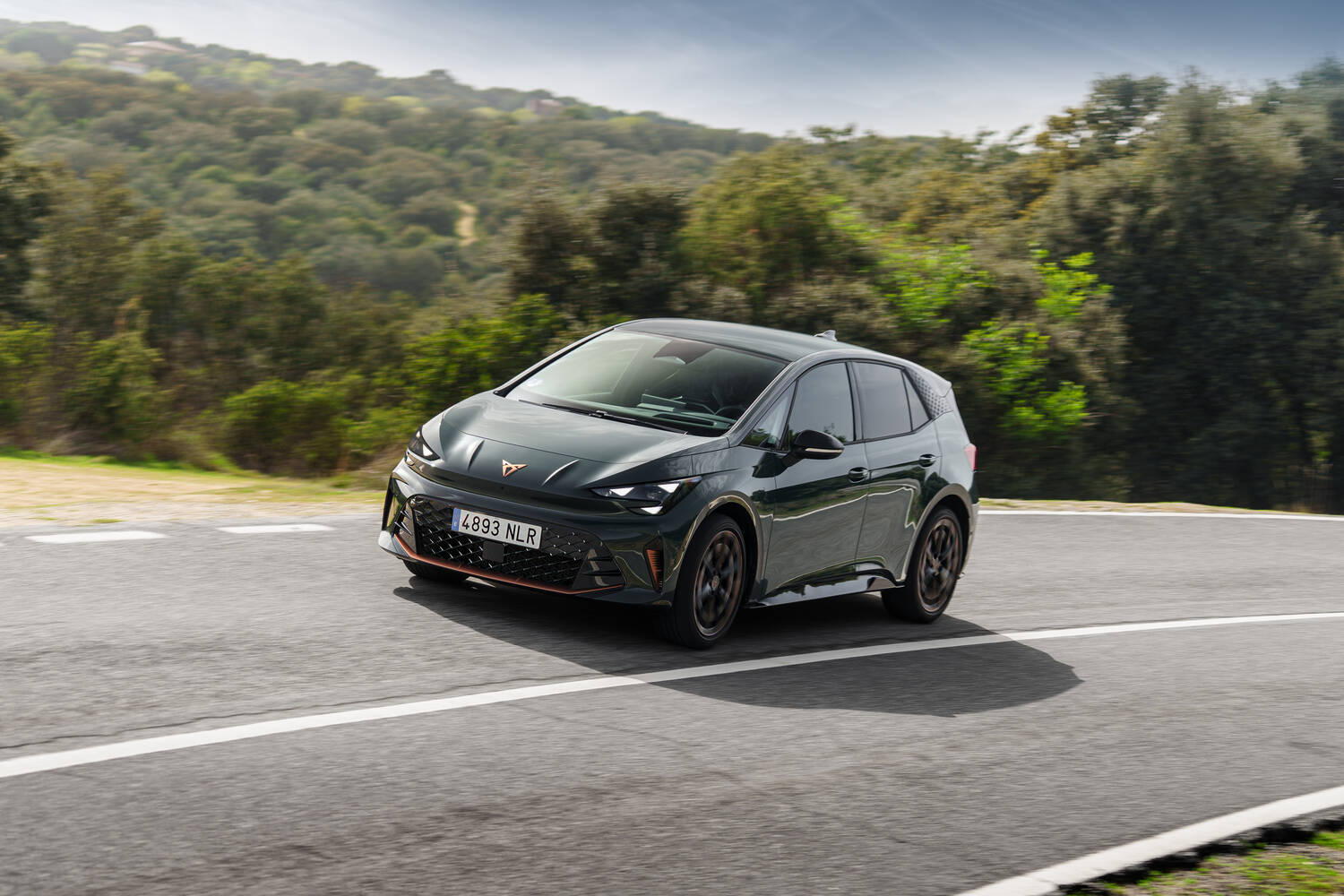
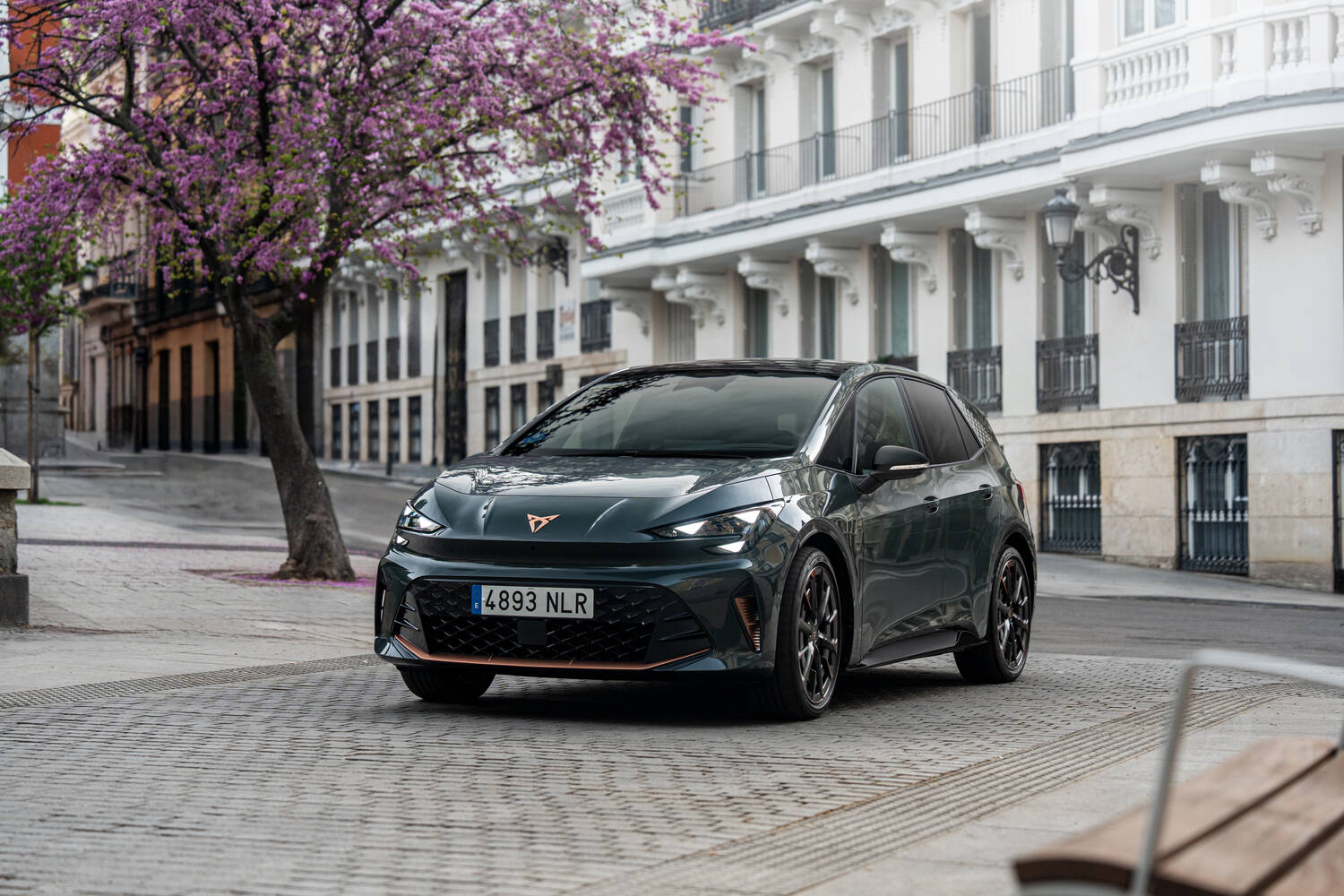
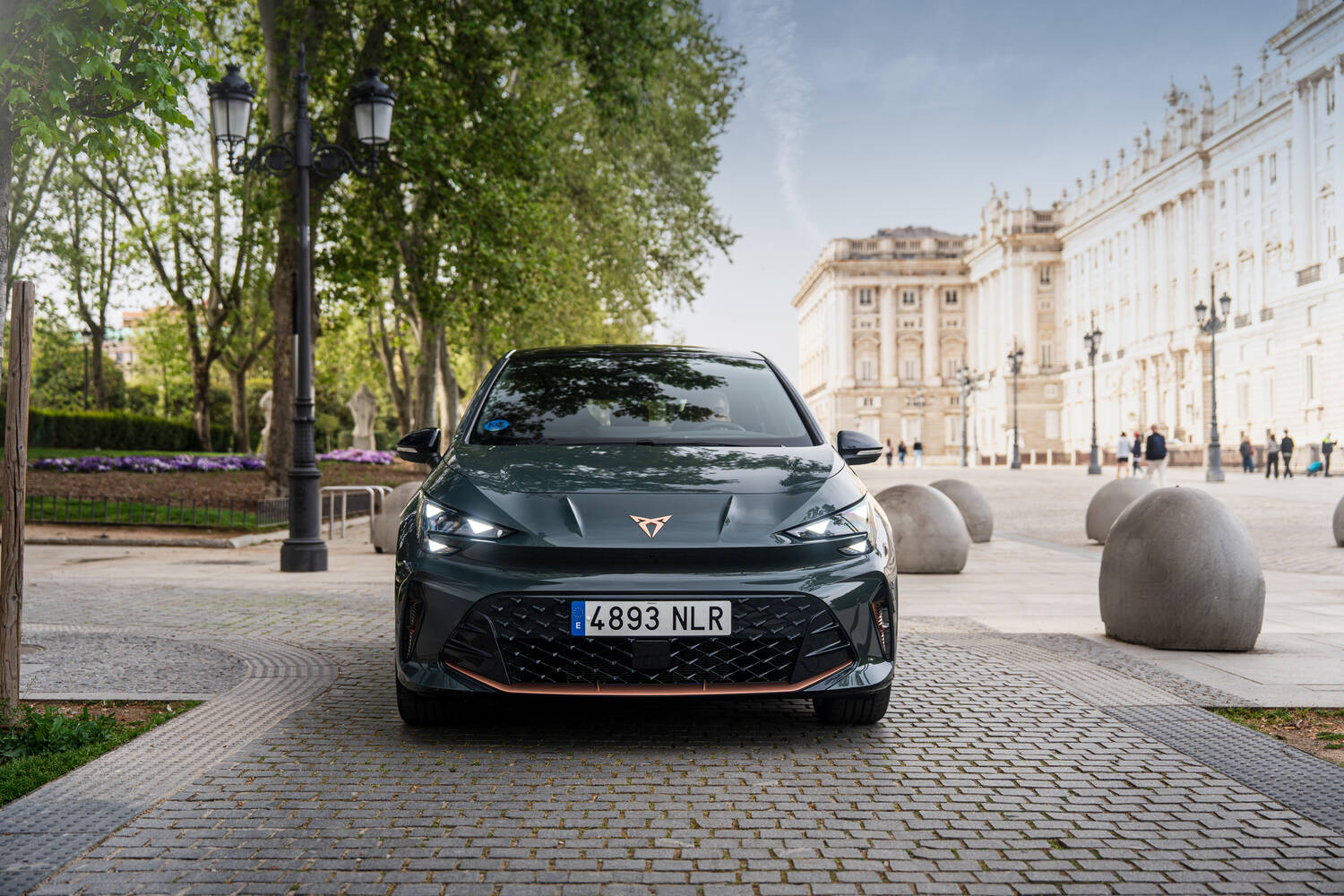
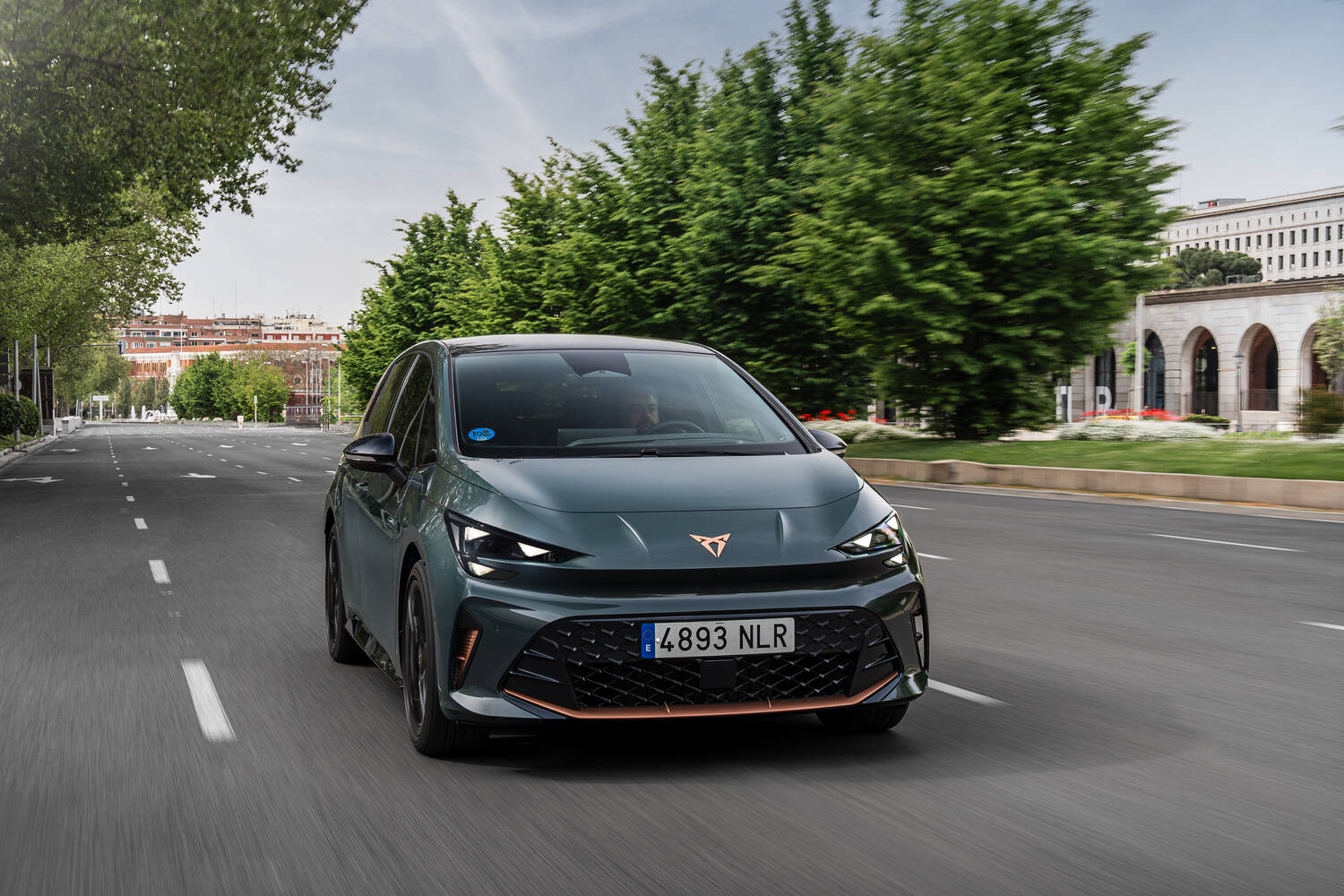
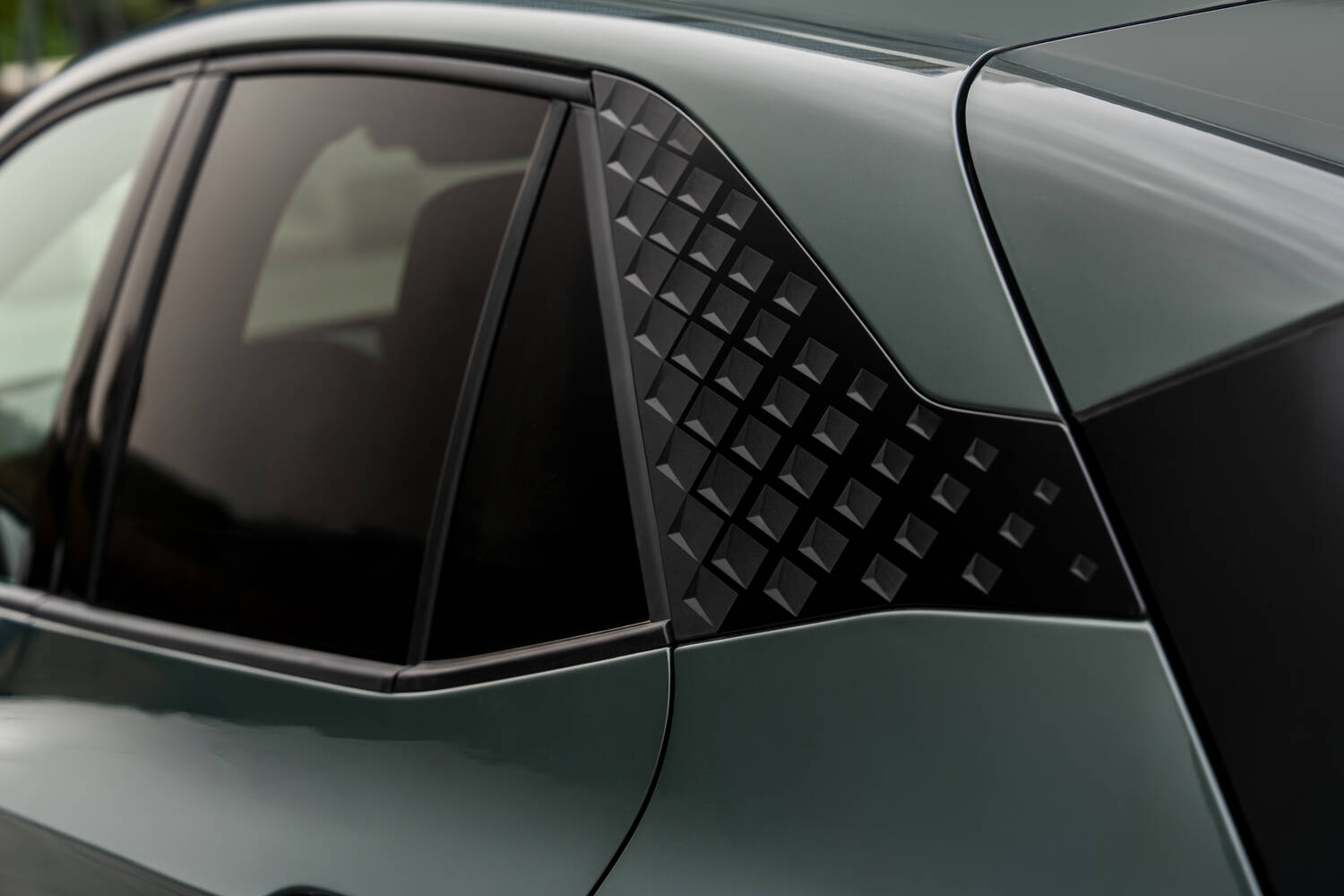
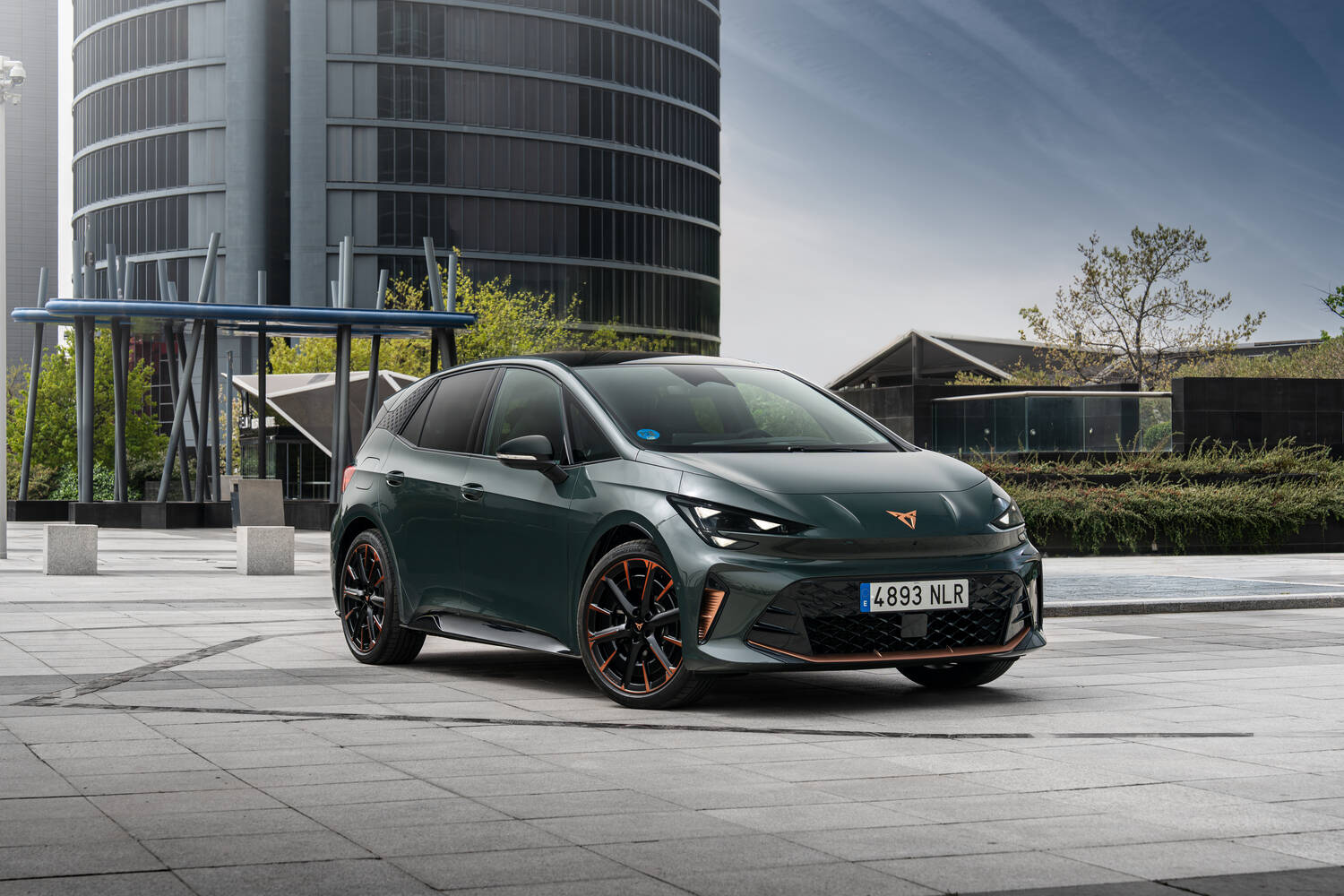
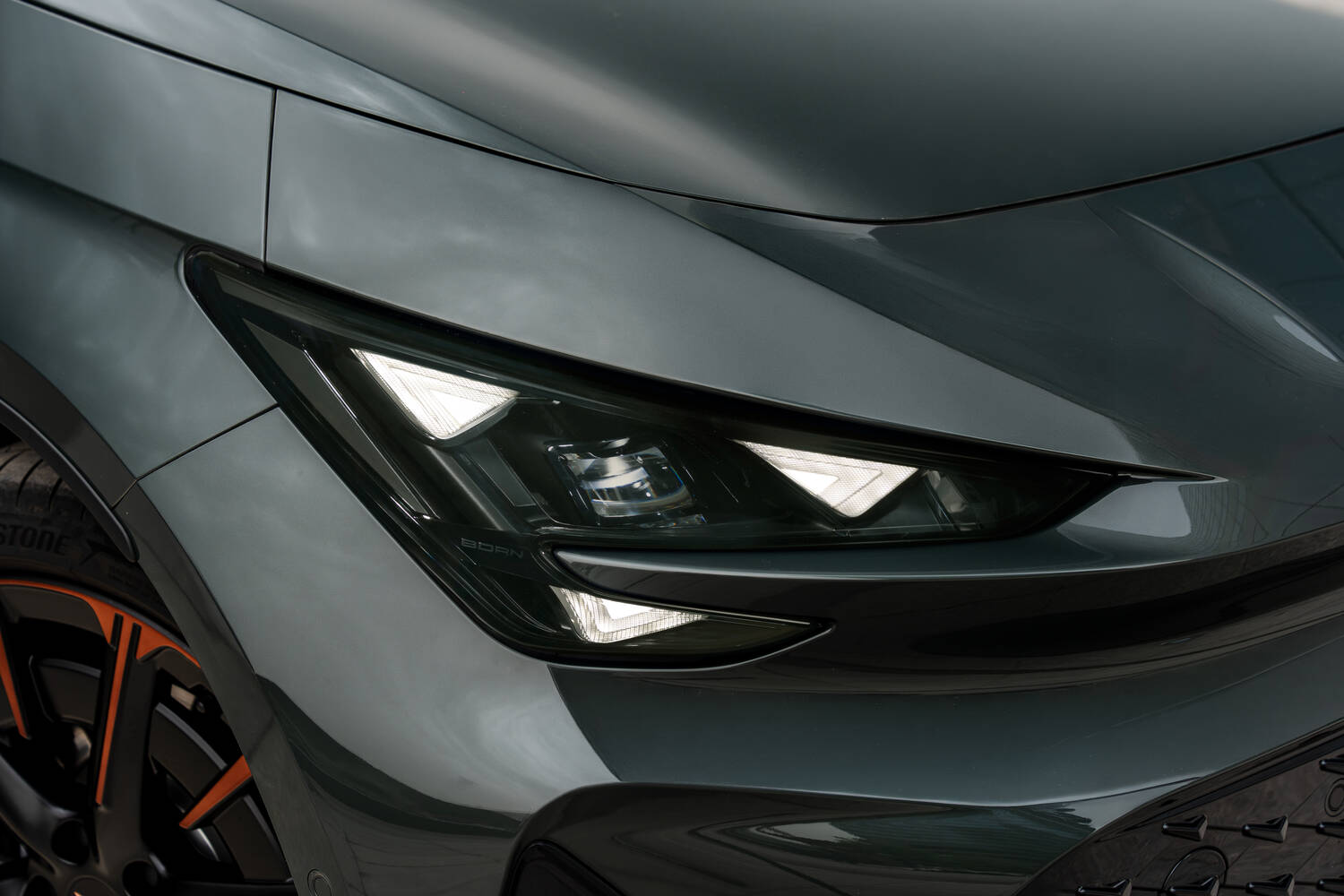
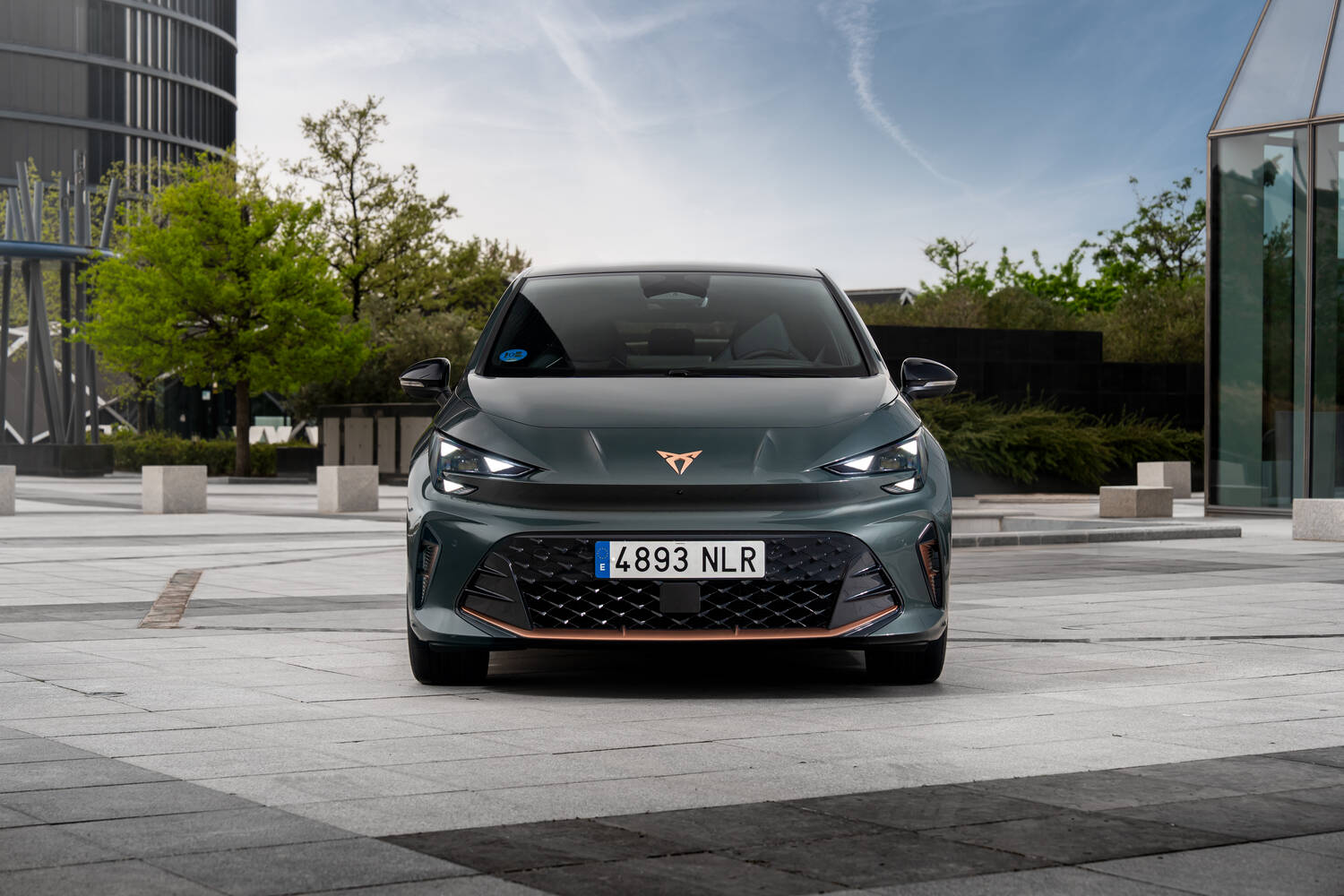
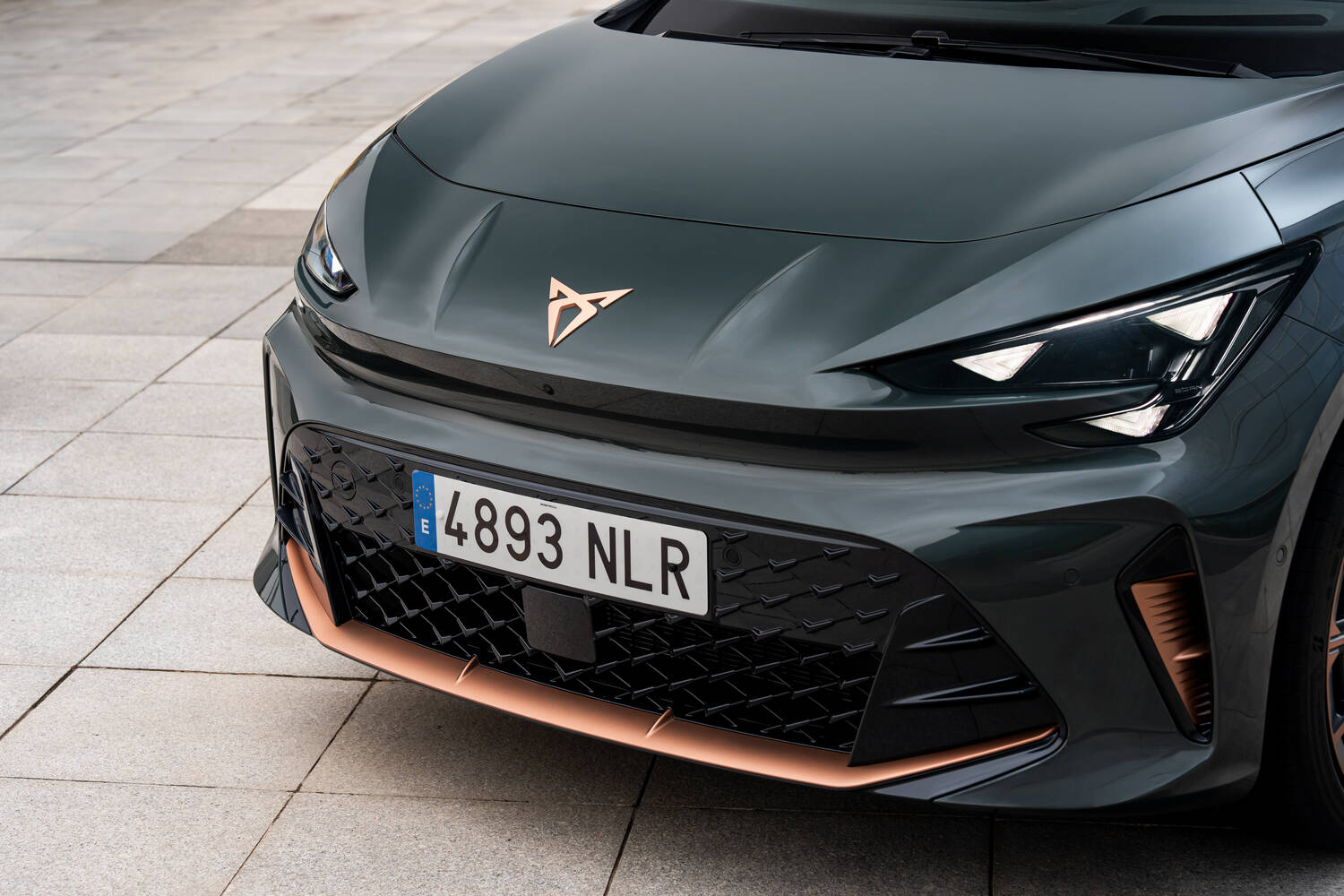
Cupra hasn't dramatically reinvented the look of the Born since it was first introduced but there were some significant changes in the 2026 update all the same. The headlights feature both a slight wraparound C-shaped effect as well as the 'three-triangle' LED signature that Cupra has made its calling card.
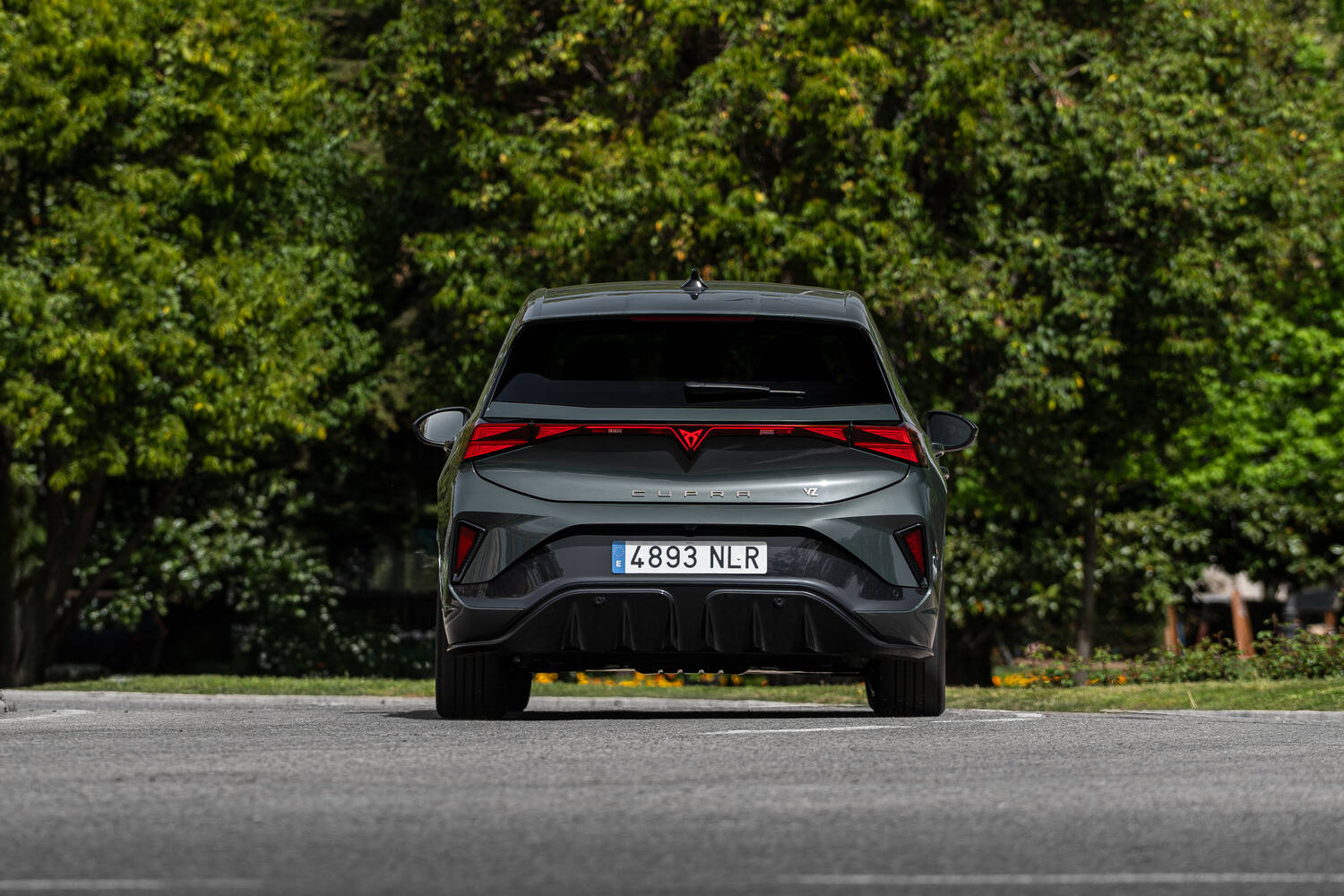
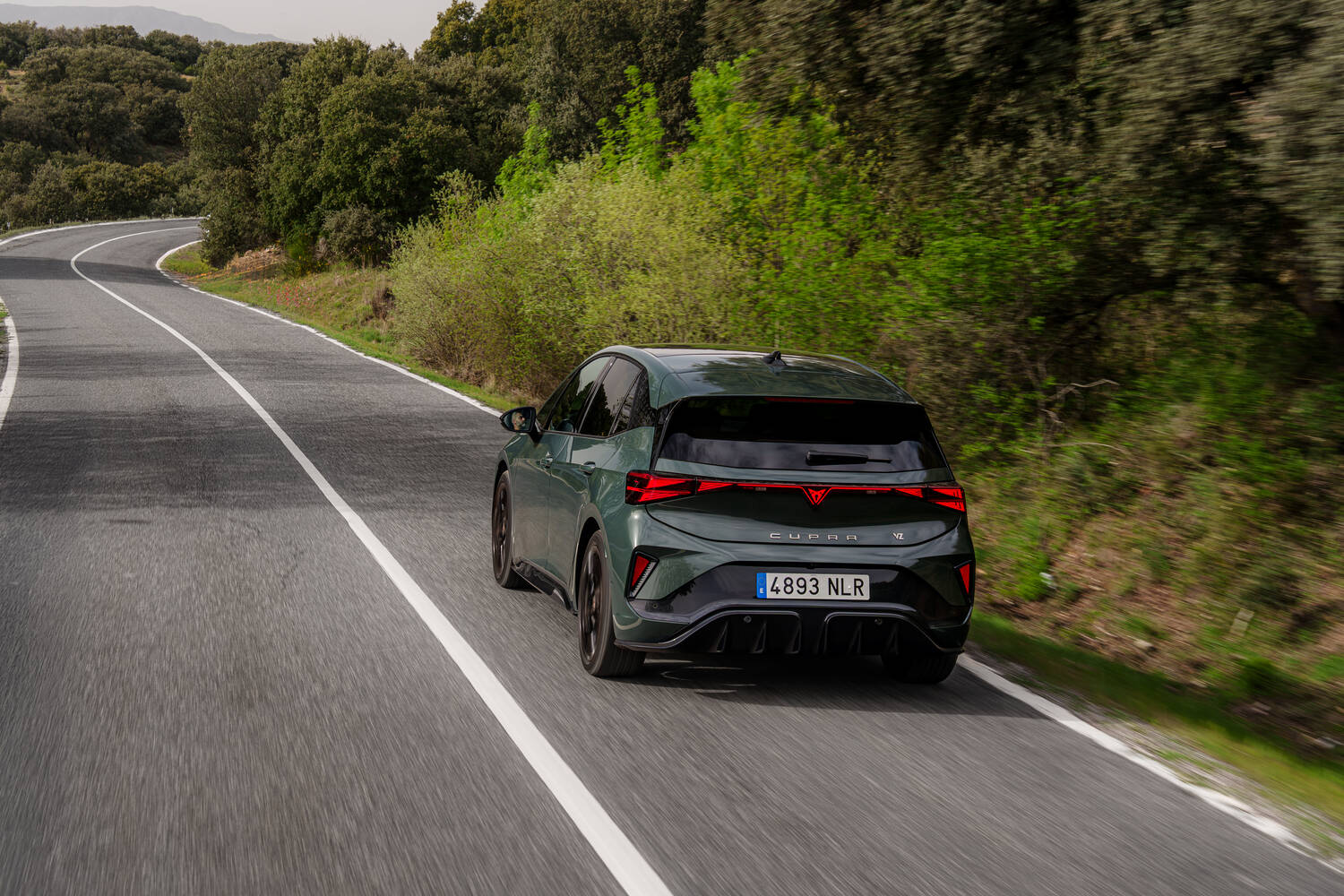
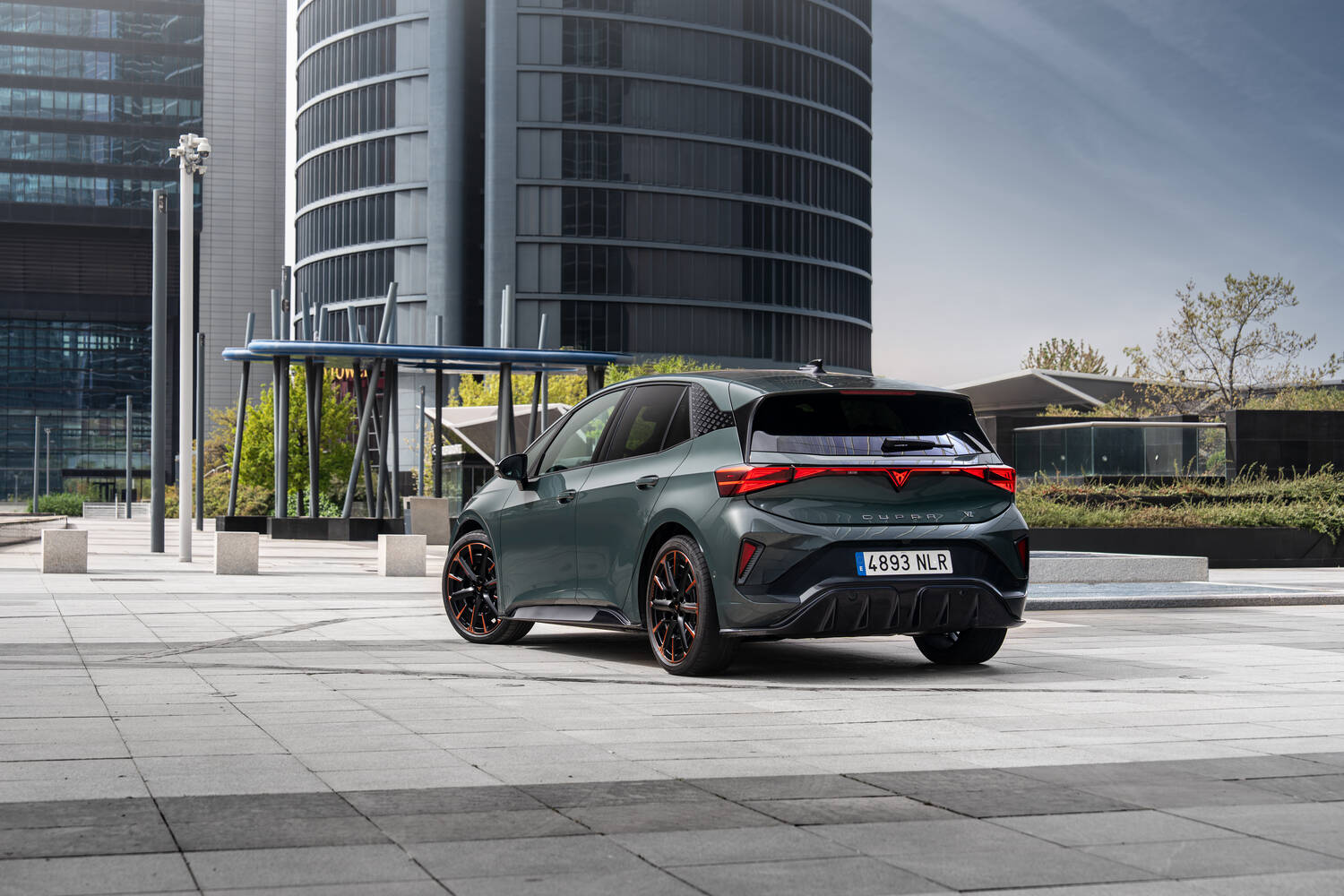
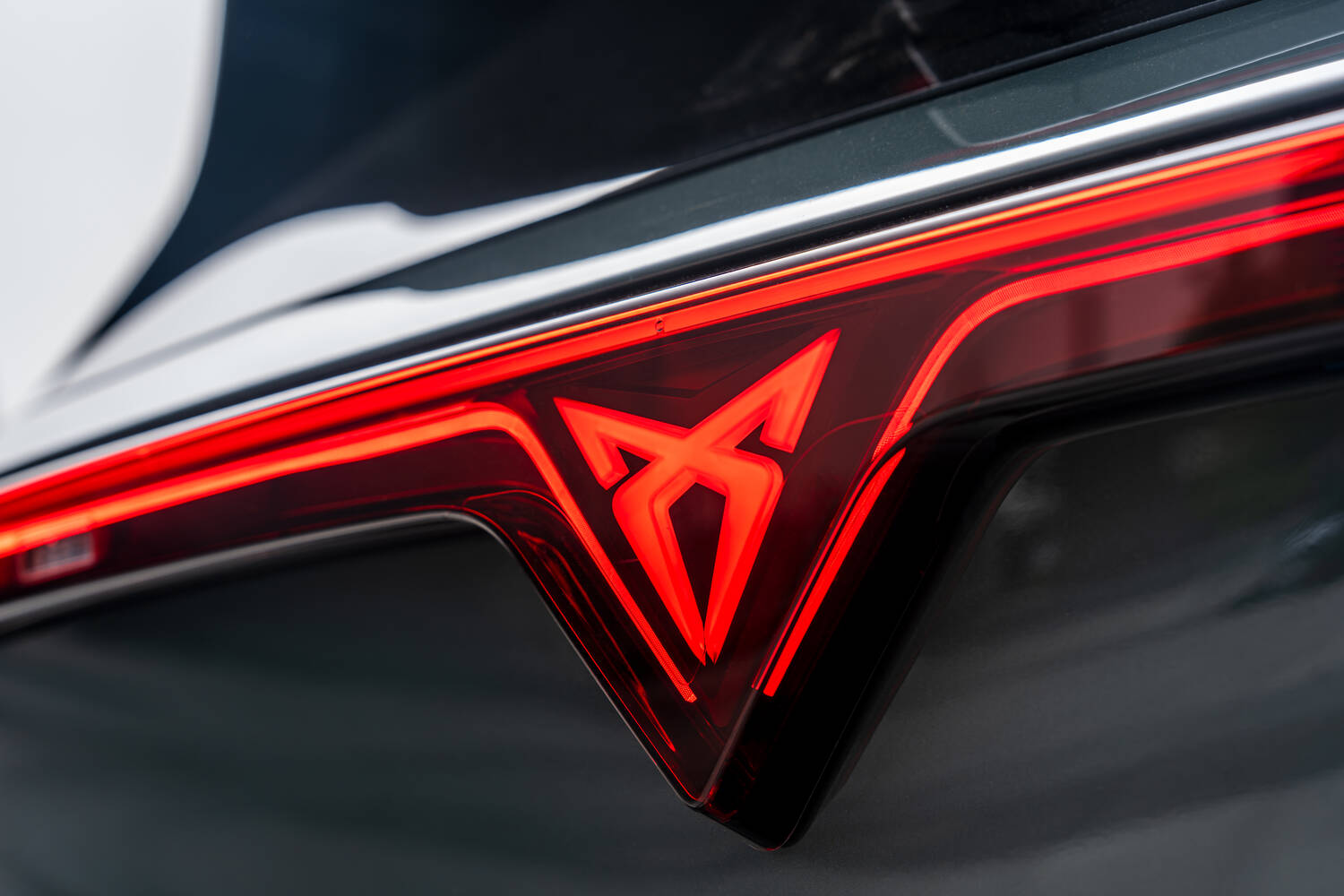
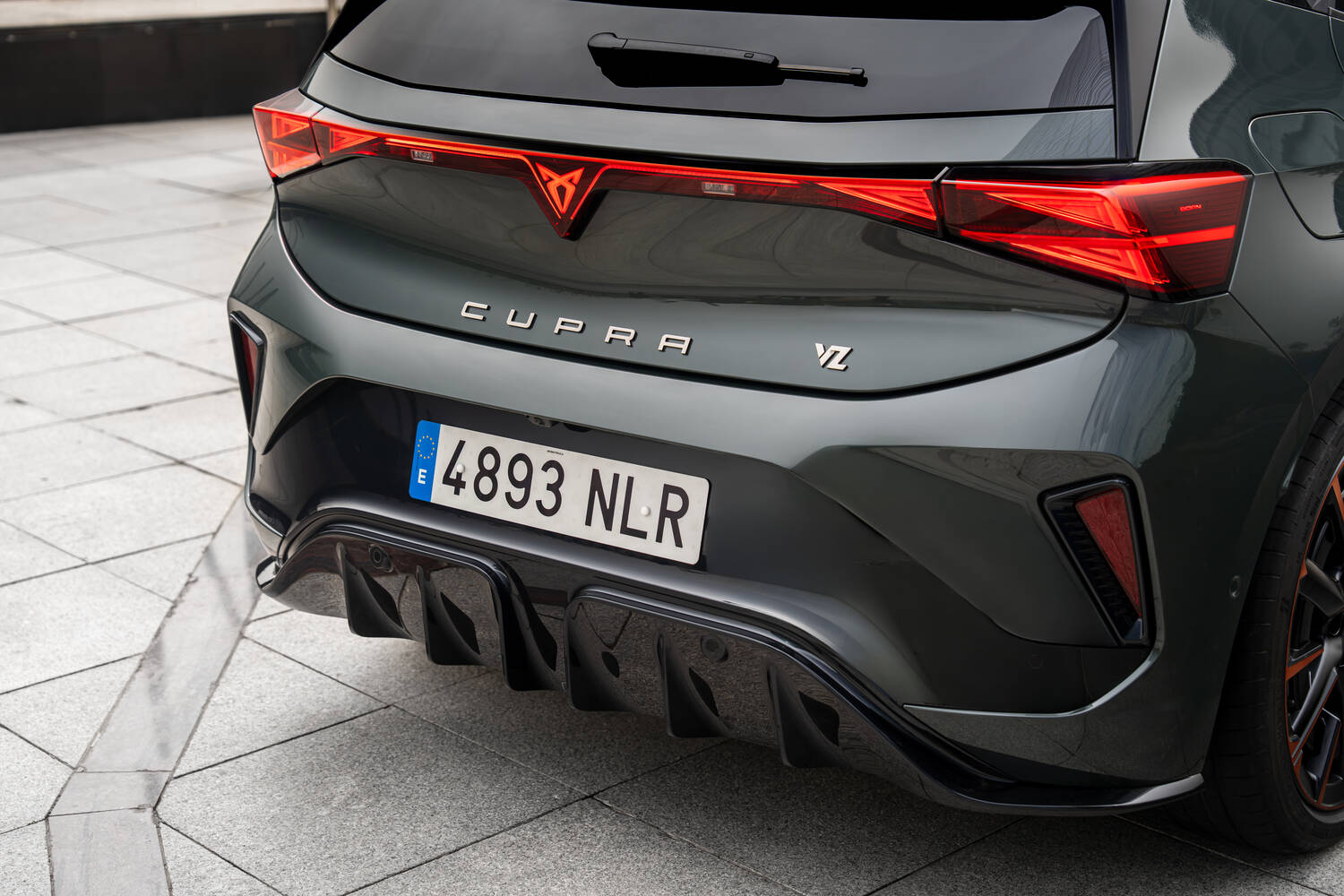
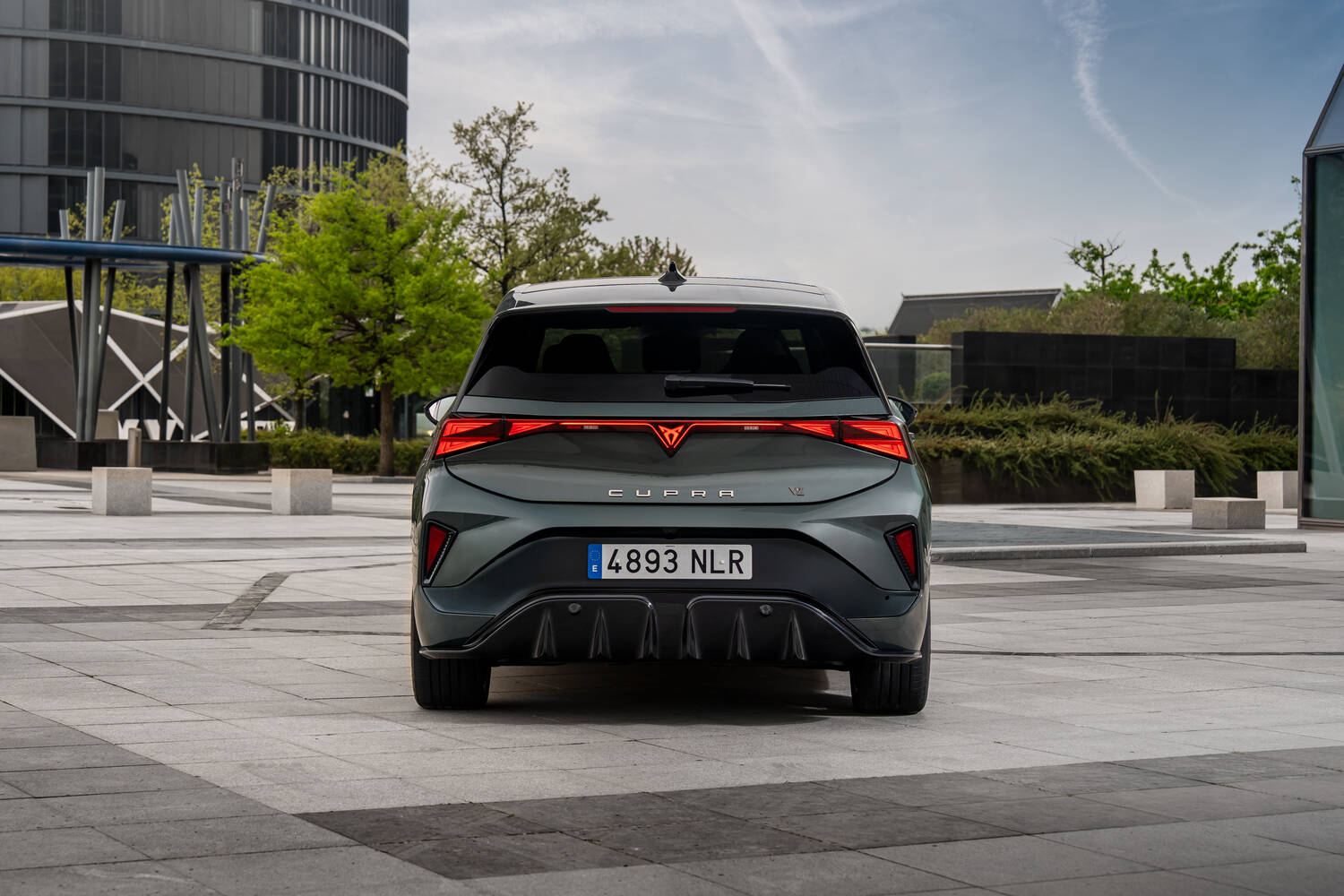
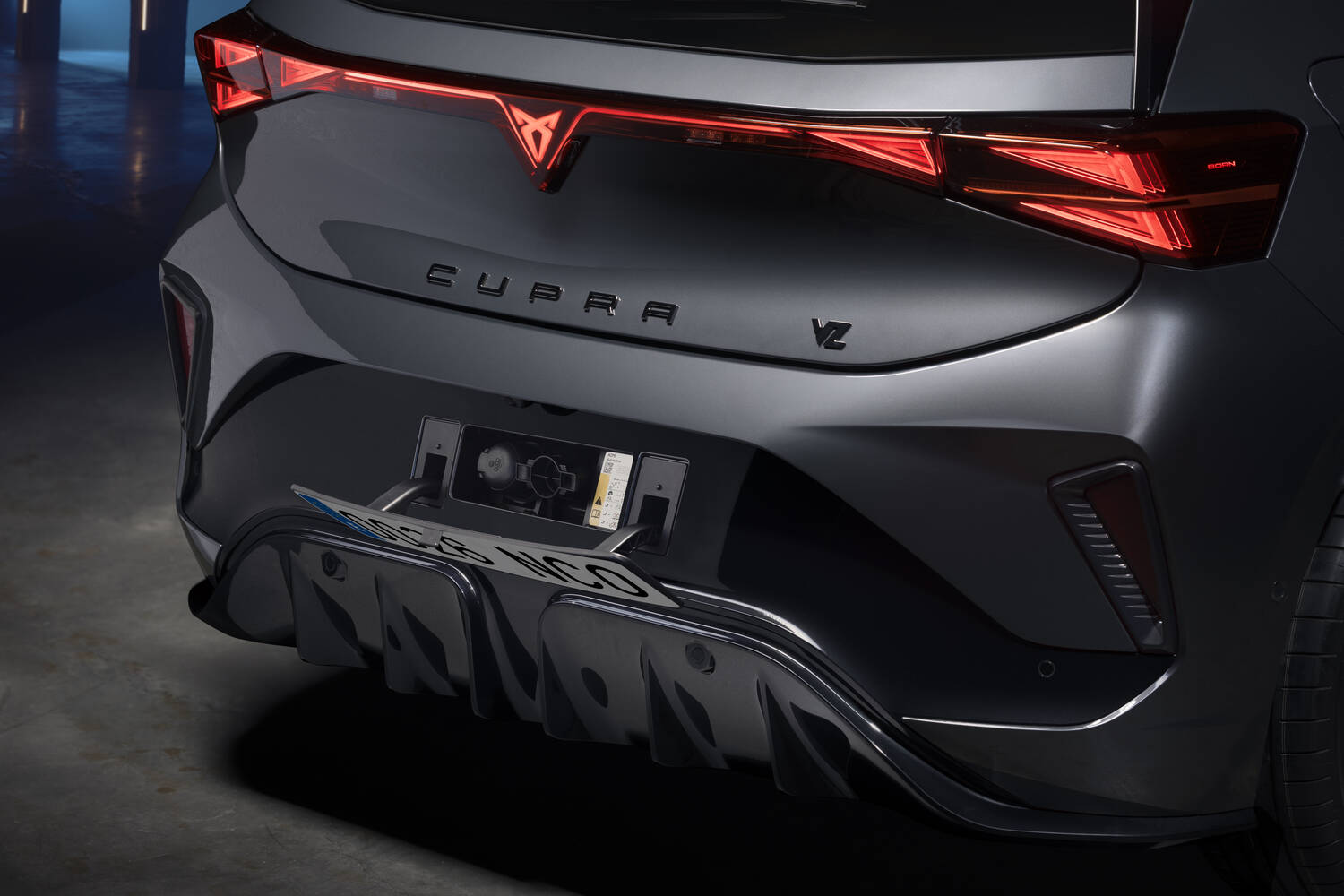
That's true for the rear of the car too, where you'll find triangular-element brake lights with a layered 3D effect, plus a light-up Cupra badge in the centre, all linked by a red light bar.

The rear bumper was altered a little, but not as much as the front one, which gets a deeper grille than before (and it is a proper grille, scooping cooling air for the battery) and 'air curtain' vents which duct airflow through the bottom of the bumper and around the front wheels.
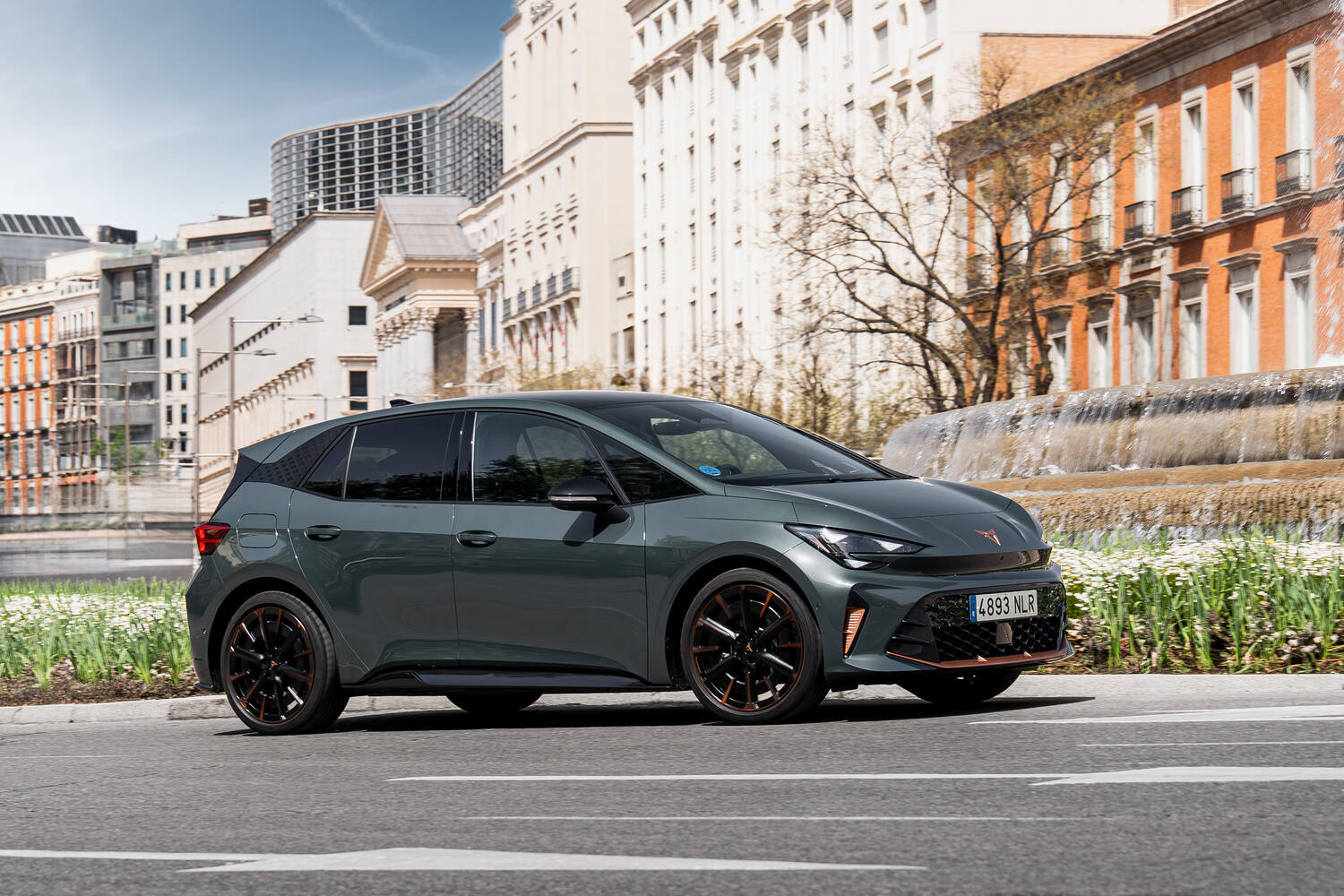
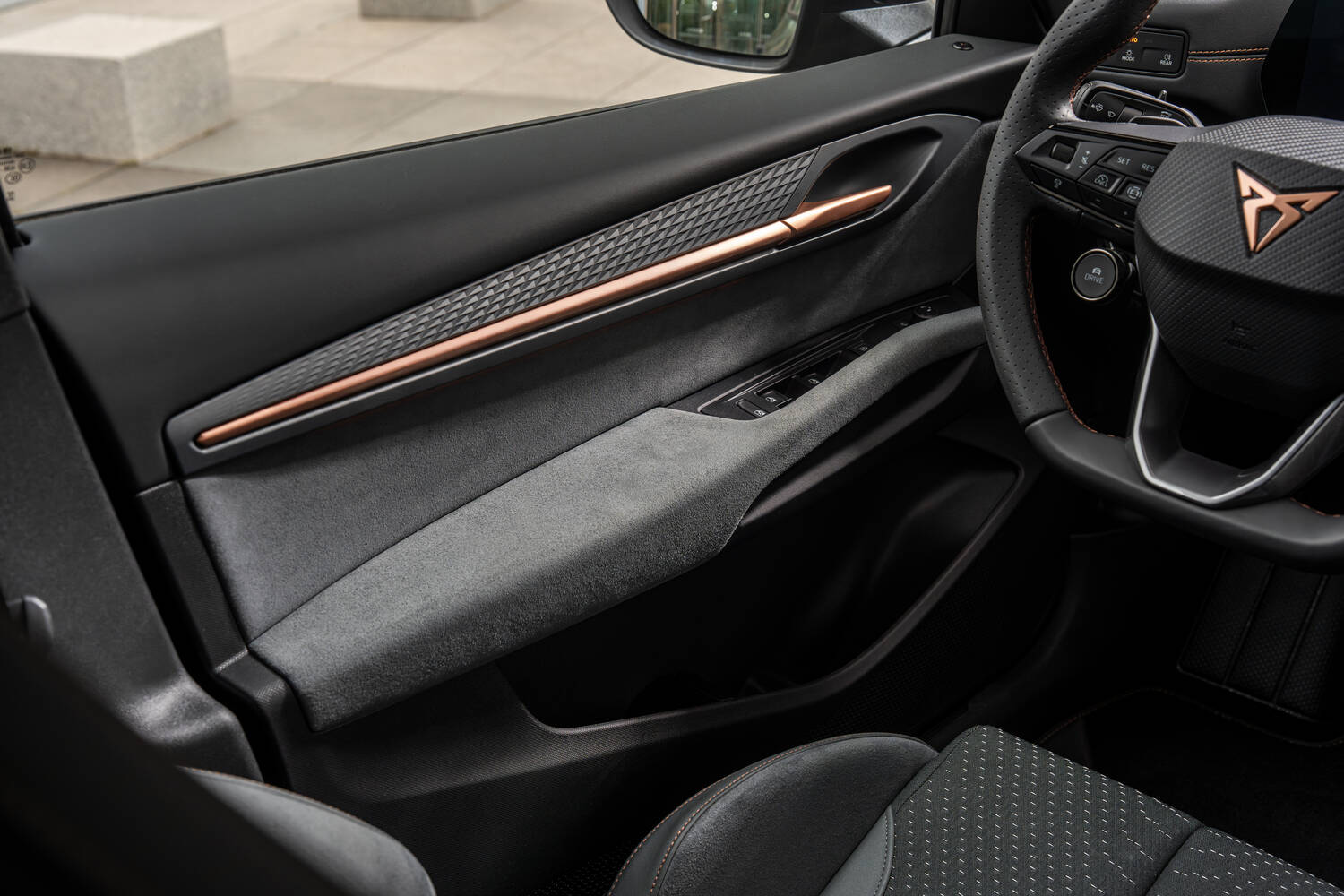
The usual copper-coloured Cupra trim is much in evidence, but you can swap that out for a gunmetal colour if you'd prefer.

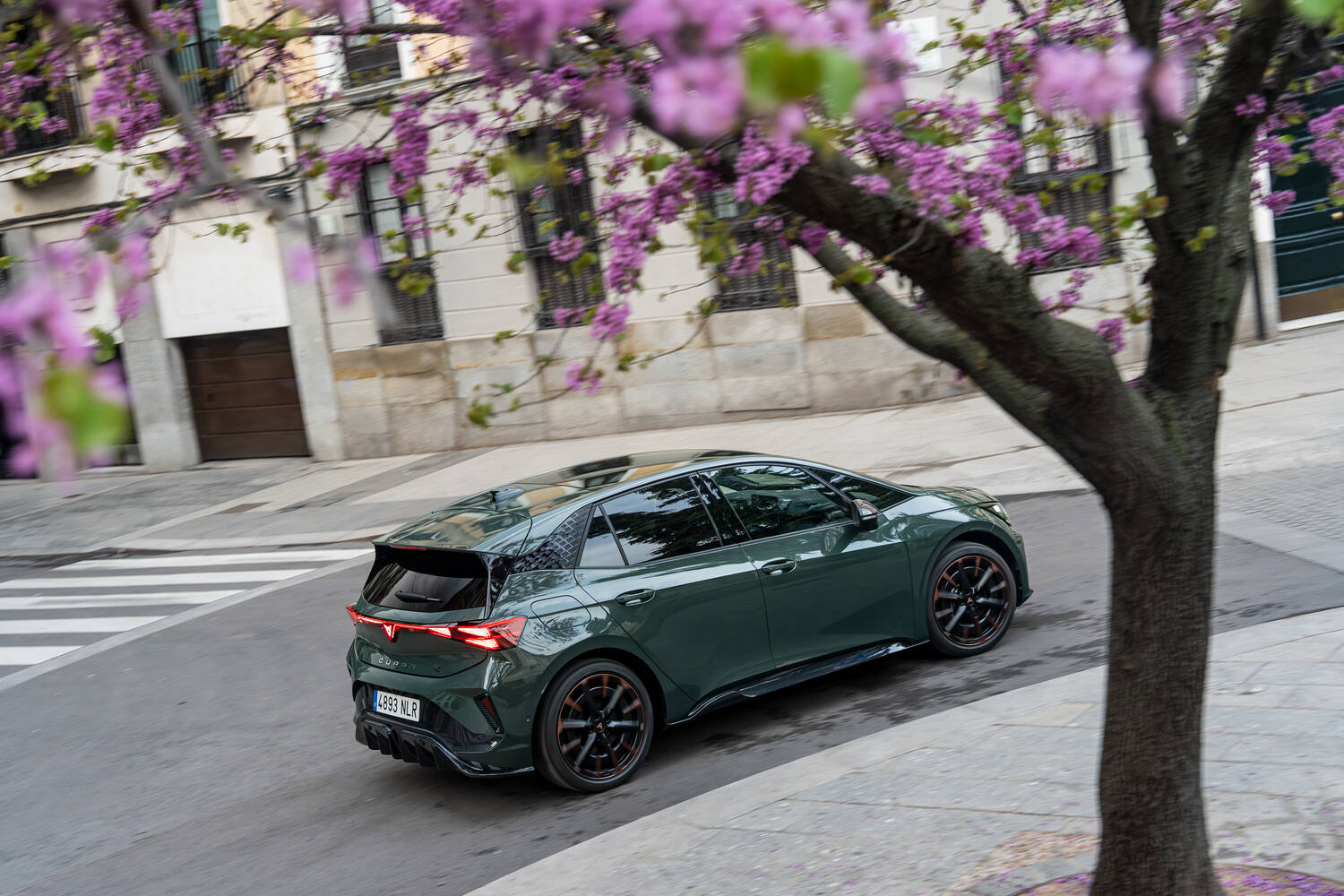
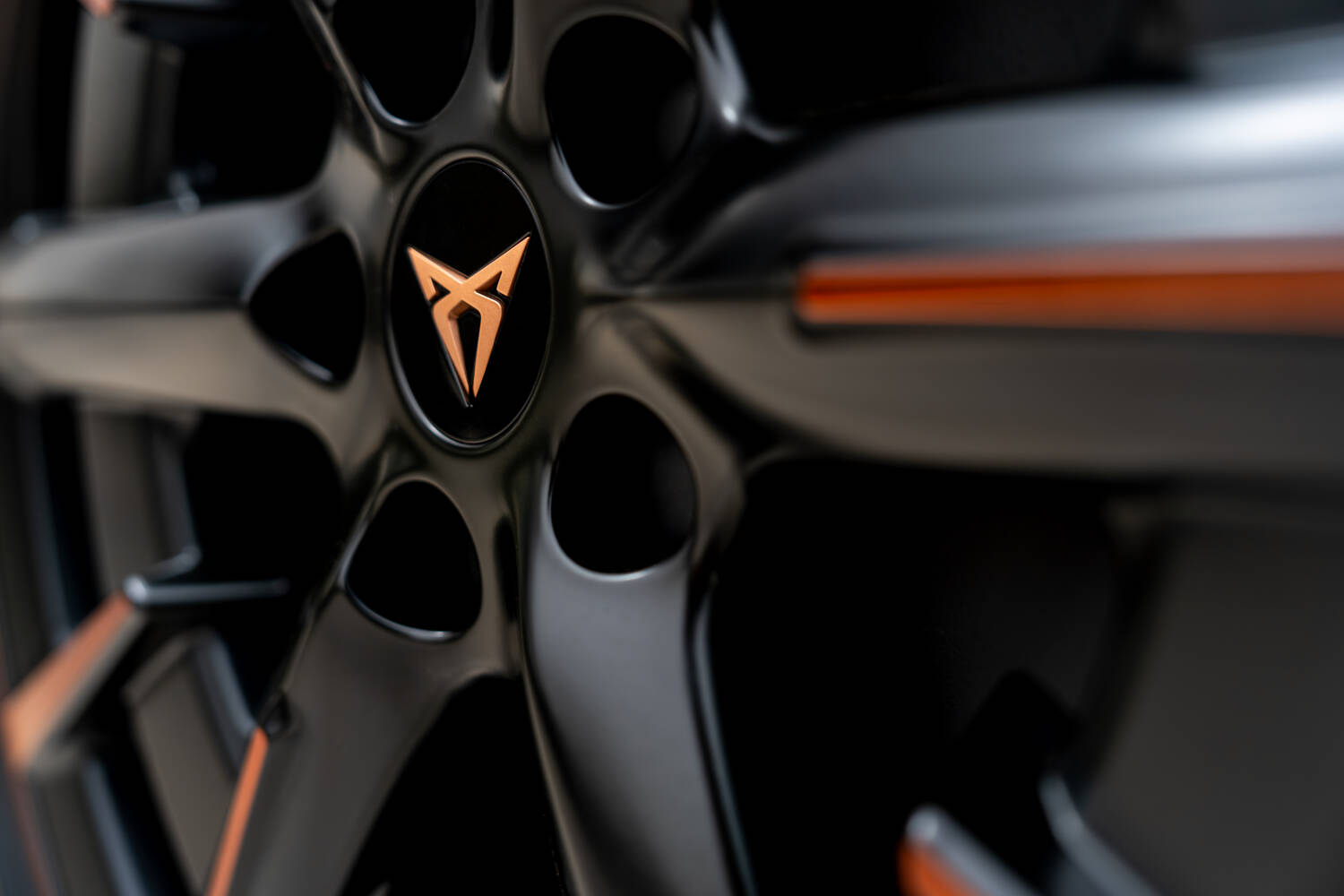
Finally, there are the alloy wheel options, starting with a pair of 19-inch designs for entry-level models, and with three 20-inch wheels, including the rather handsome set fitted to our VZ-spec test car, with a distinct disc effect for the centres, giving them something of a classic race car look.
Wider 235-section tyres are also fitted, trading off a little efficiency for more outright grip.
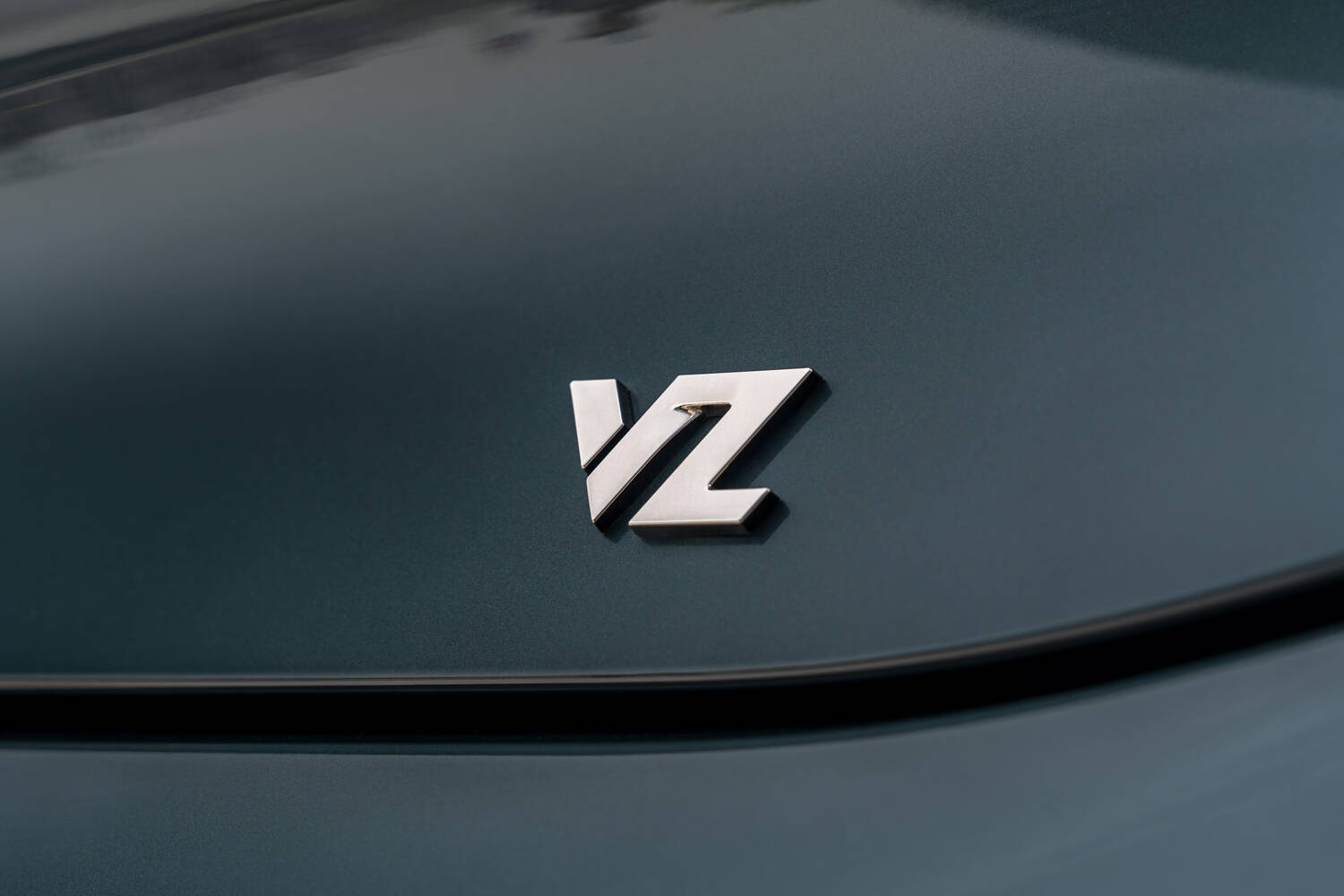
The VZ also gets a pronounced diffuser section in the rear bumper, as well as a generally sporty stance.

Dimensions of the 2026 Cupra Born
- Length:
- 4,336mm
- Width:
- 1,809mm
- Height:
- 1,543mm
- Wheelbase:
- 2,766mm
Paint colours for the 2026 Cupra Born
Cupra has a habit of giving its cars really tempting colour options, often with a semi-matte effect for maximum appeal and the Cupra Born is no different.

Glacial White is the no-cost option, and the Born has enough contrast-colour trim as standard to make that work quite nicely. Introduced for 2026 is the €858 Timanfaya Grey, which certainly looks smart, but which is a bit predictable amongst the hordes of other dark grey cars on our roads.
For the same €858, you can have Midnight Black, but we'd be tempted by a further upgrade to one of the €1,090 options. There's Forest Green, which looks great and is in line with our general campaign to #MakeGreenGreatAgain, while Aurora Blue arguably works better in brighter, sunnier climes.
That leaves Vapour Grey, which is quite like Porsche's Crayon grey - a light, almost matte finish - and works really well with the contrast copper highlights, and so it would be our choice.
Interior, practicality, tech & comfort of the 2026 Cupra Born
- Good digital updates in 2026
- Noticeably improved quality
- Lots of recycled materials

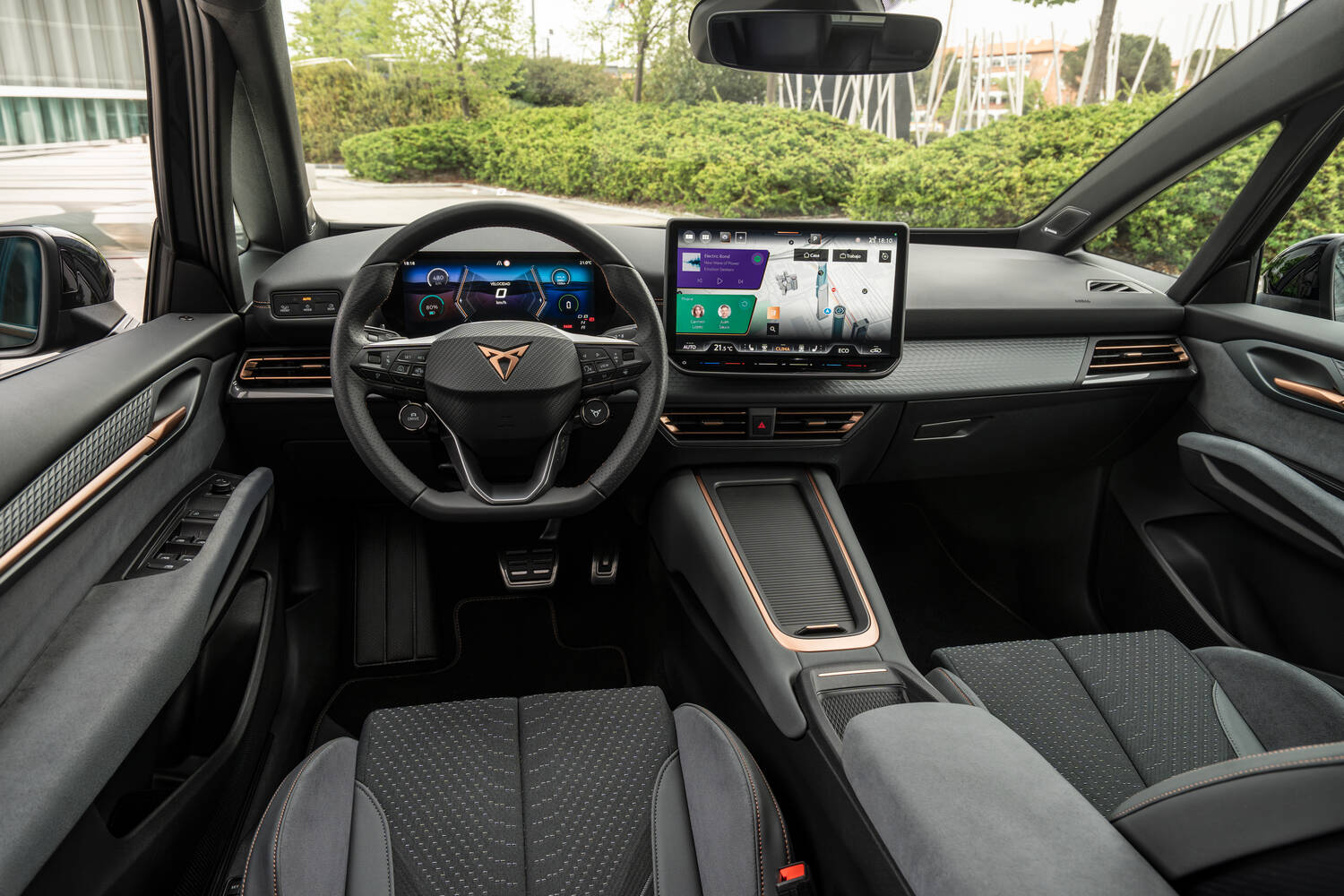
Cupra gave the whole Born lineup a major interior upgrade in 2026 with new screens and new materials, while the VZ version gets its own special seats.
Getting comfortable in the driver's seat
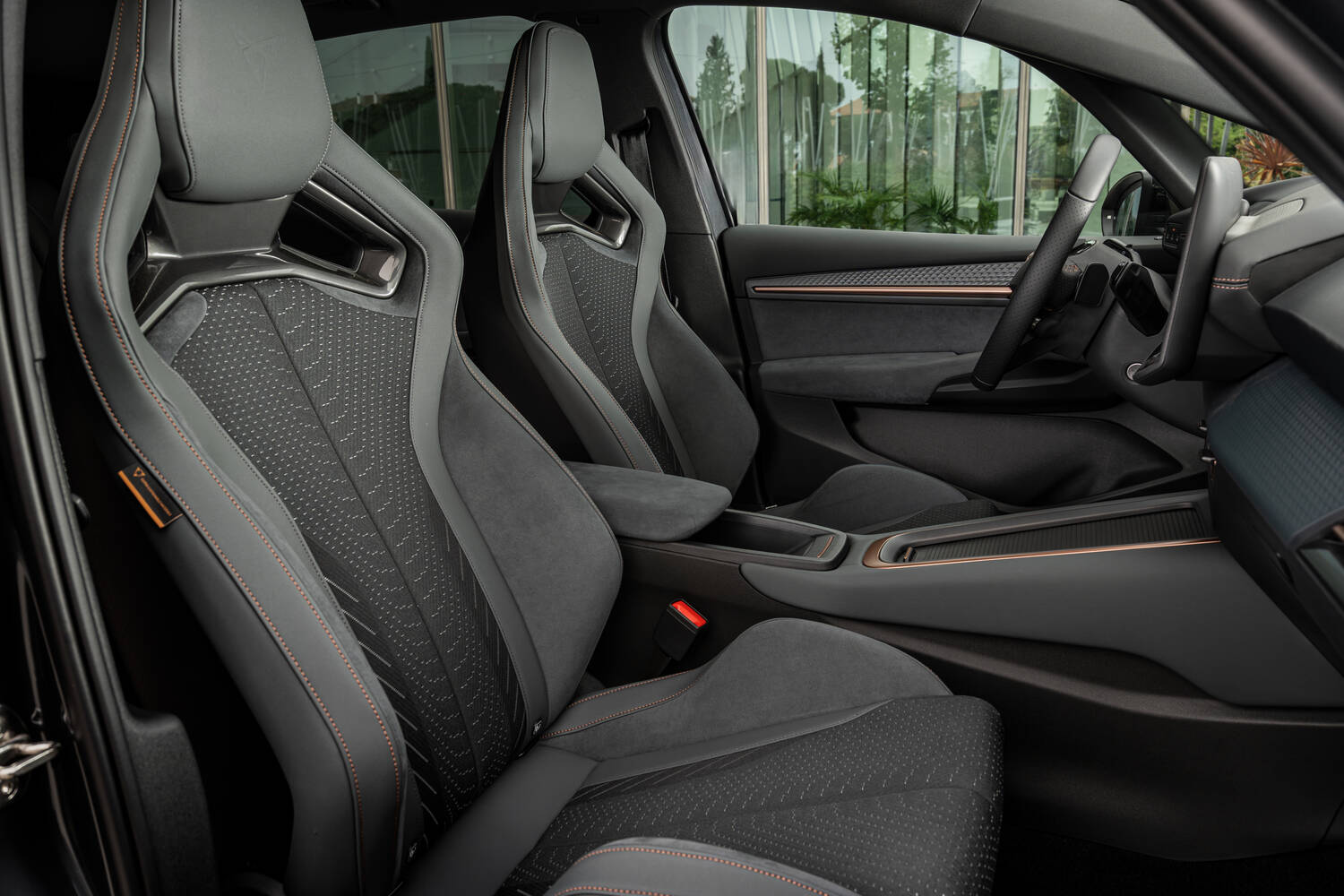
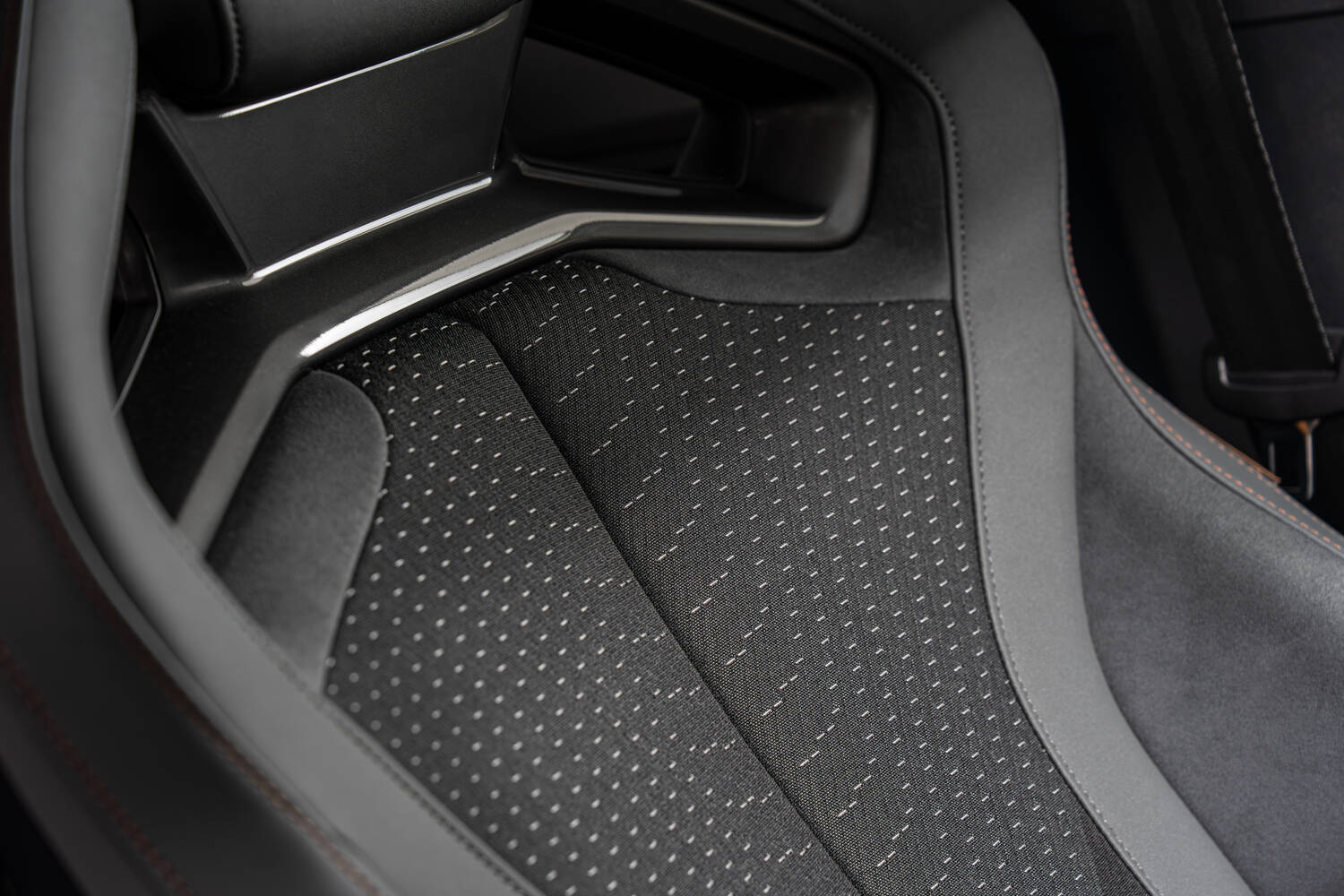
Getting comfortable in the VZ version of the Born is not a problem, as this model comes with its own specific set of bucket seats, called 'CUPBuckets'.

These are snug but yielding enough for your husky correspondent to feel entirely at home in them, and their comfort and support levels cannot be quibbled with.
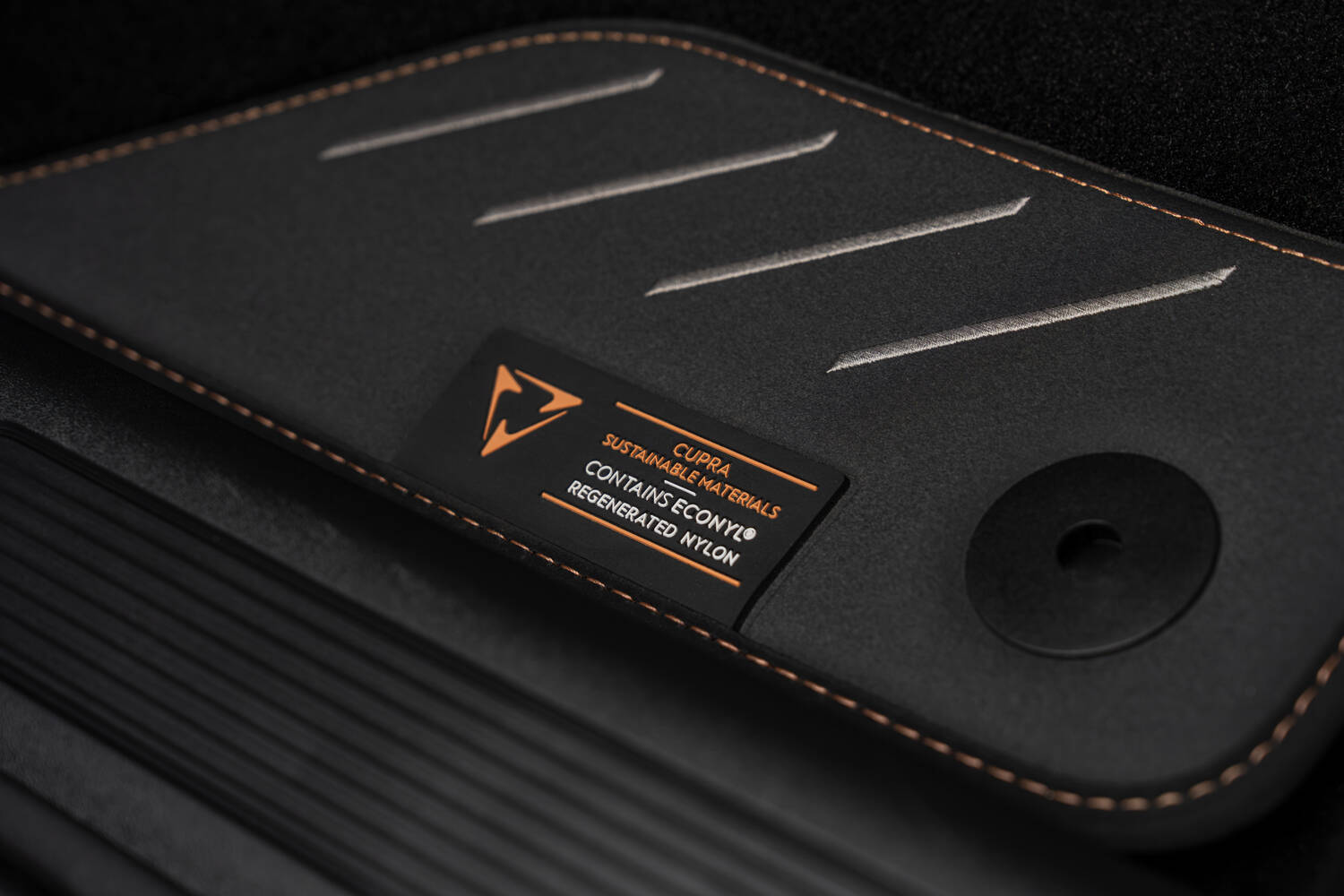
They're also environmentally friendly, using 'Seaqual' yarn made from recovered ocean plastics, as well as Dinamica (imitation suede) which is made from recycled PET bottles.
Even the hard-shell backs of the seats, which look like they might be made from carbon fibre, are actually made using a percentage of flax fibre, which is not only much more sustainable, but also lighter than most other materials.

There's plenty of adjustment in both the seat and the flat-bottomed steering wheel, so no-one should struggle to get comfortable.
Infotainment and technology
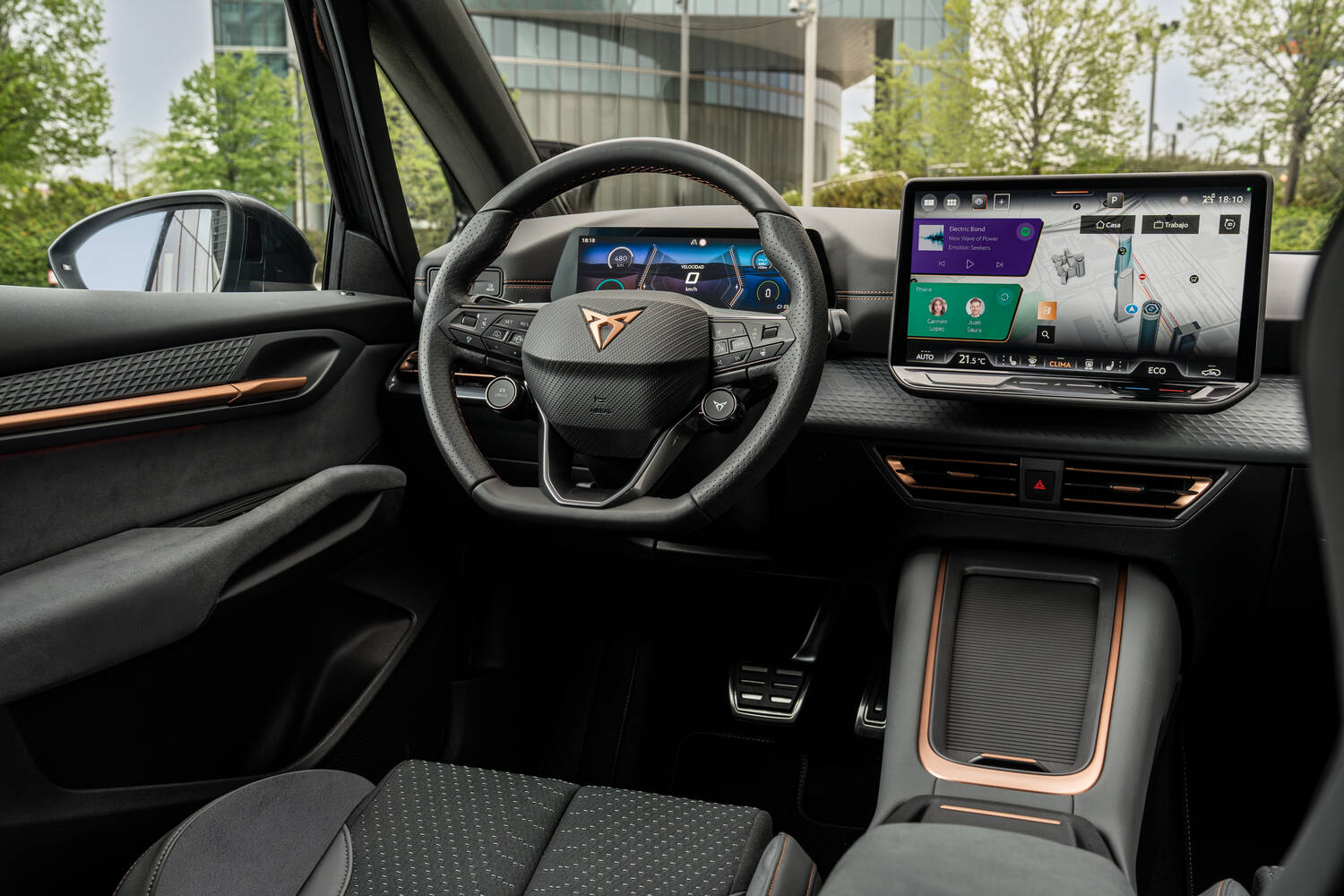
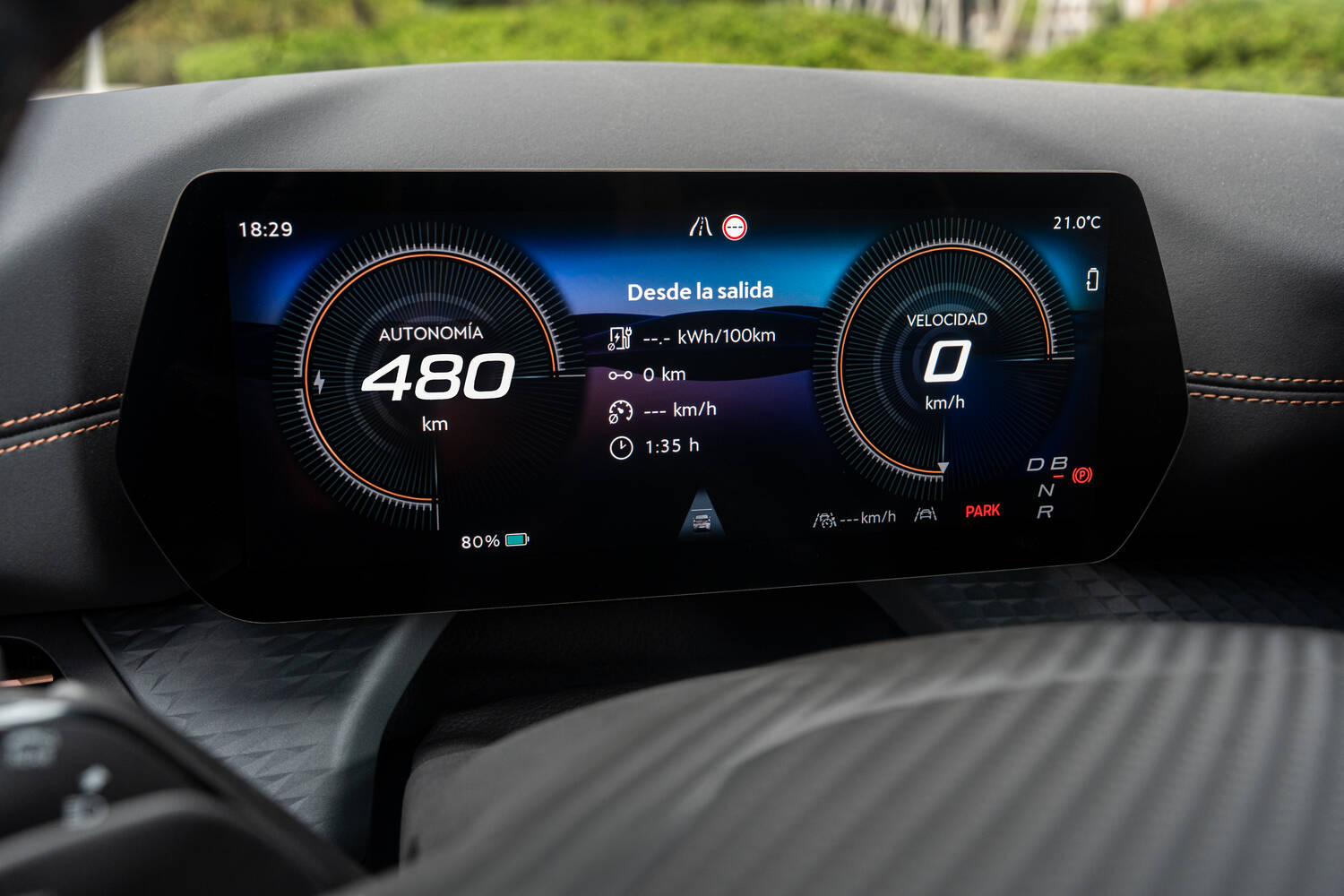
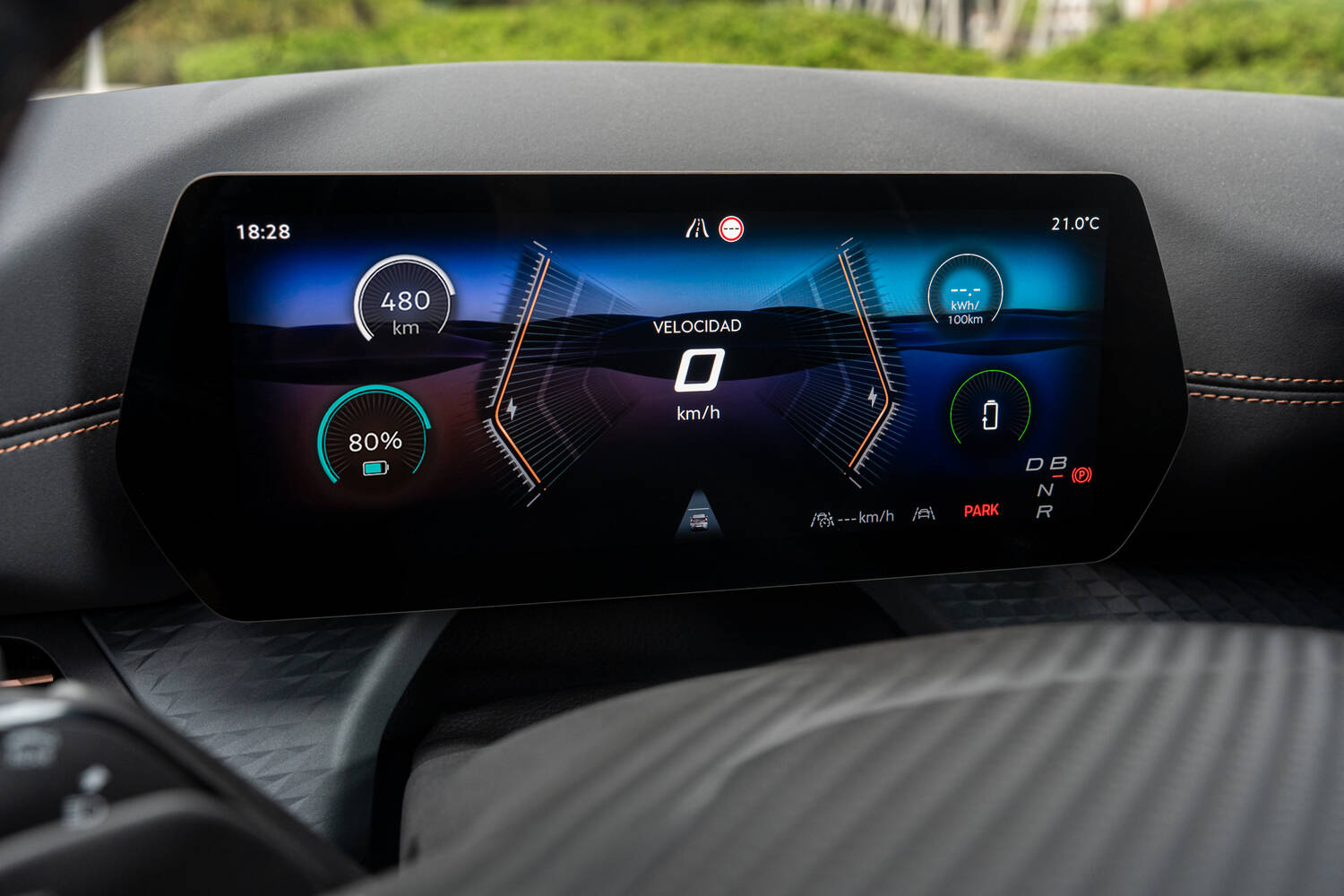
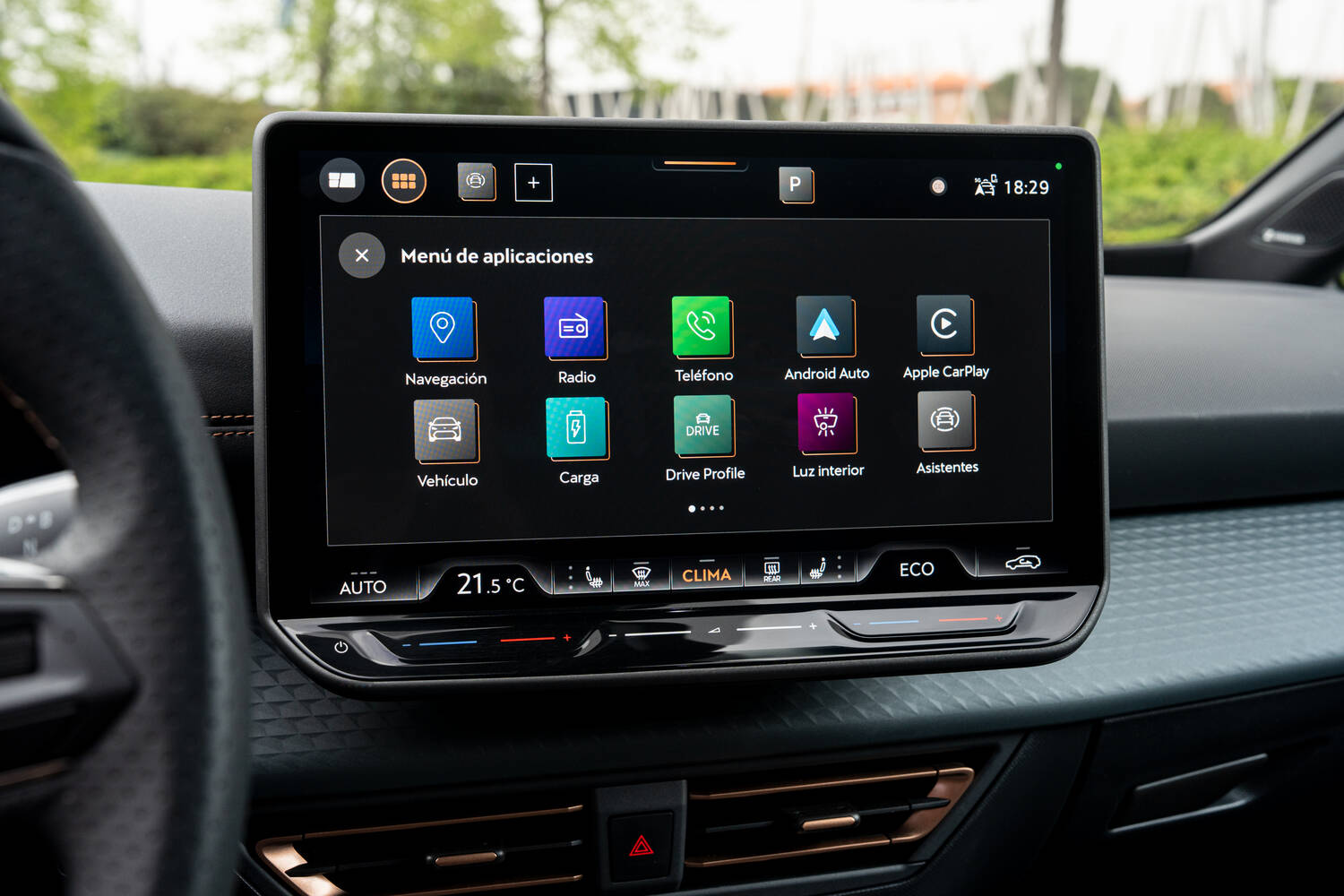
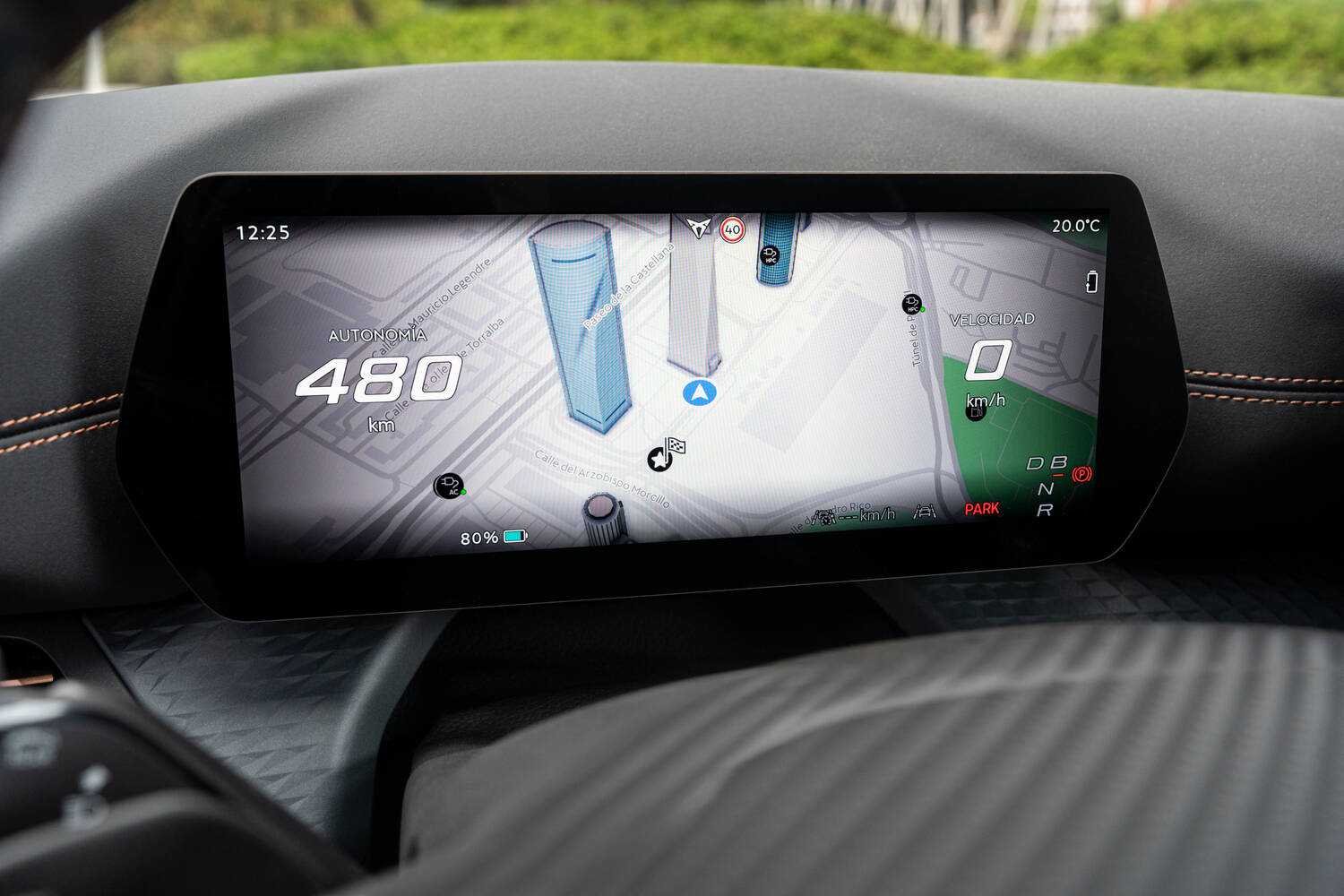
The most obvious change to the Cupra's interior in 2026 is the introduction of a 10.25-inch driver's display, which replaces the smaller, simpler, old 5.3-inch setup.

It's a successful change, as the bigger display has notably rich, smart-looking graphics, and is pretty easy to navigate around and set up as you would like, along with having four distinct layouts.
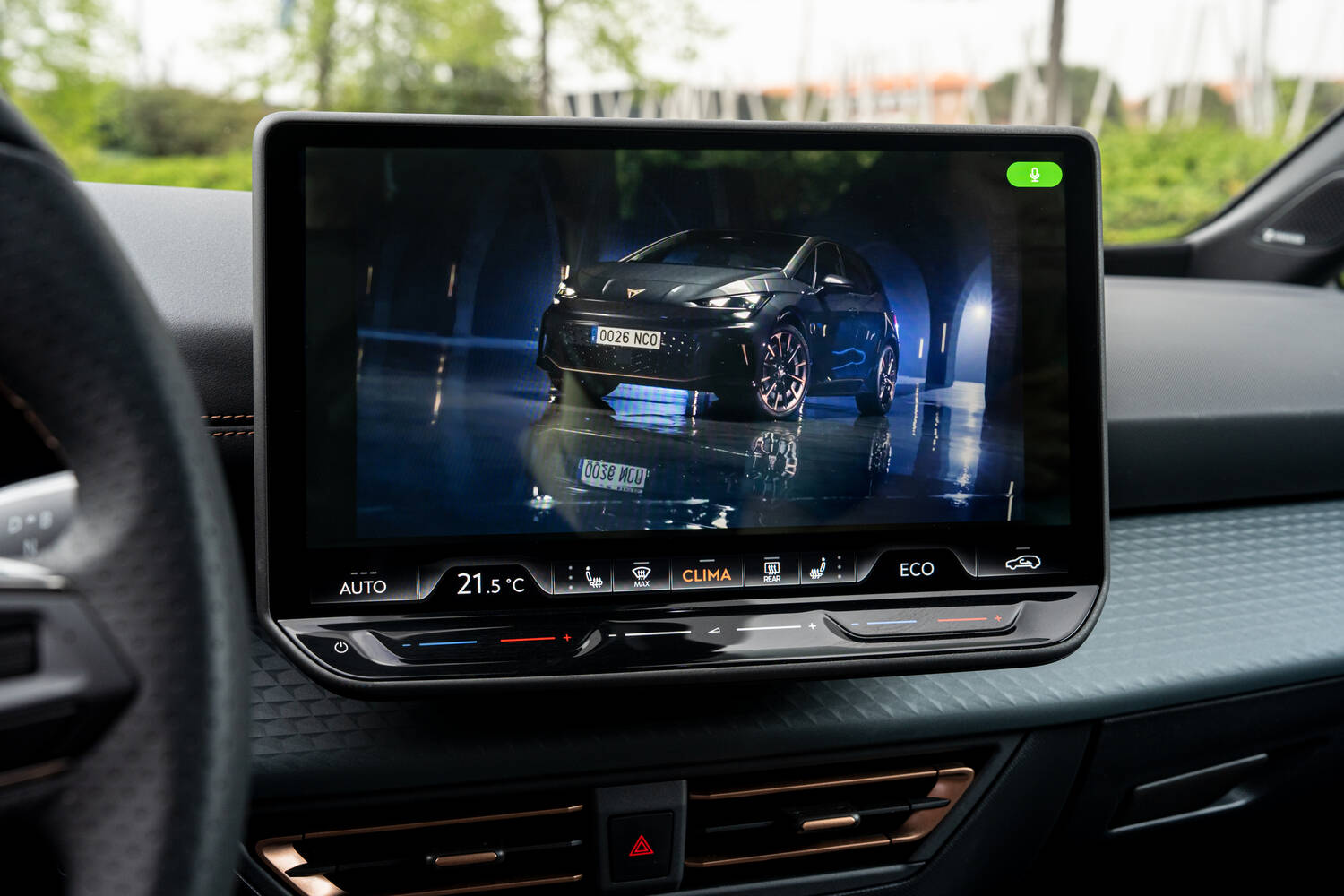
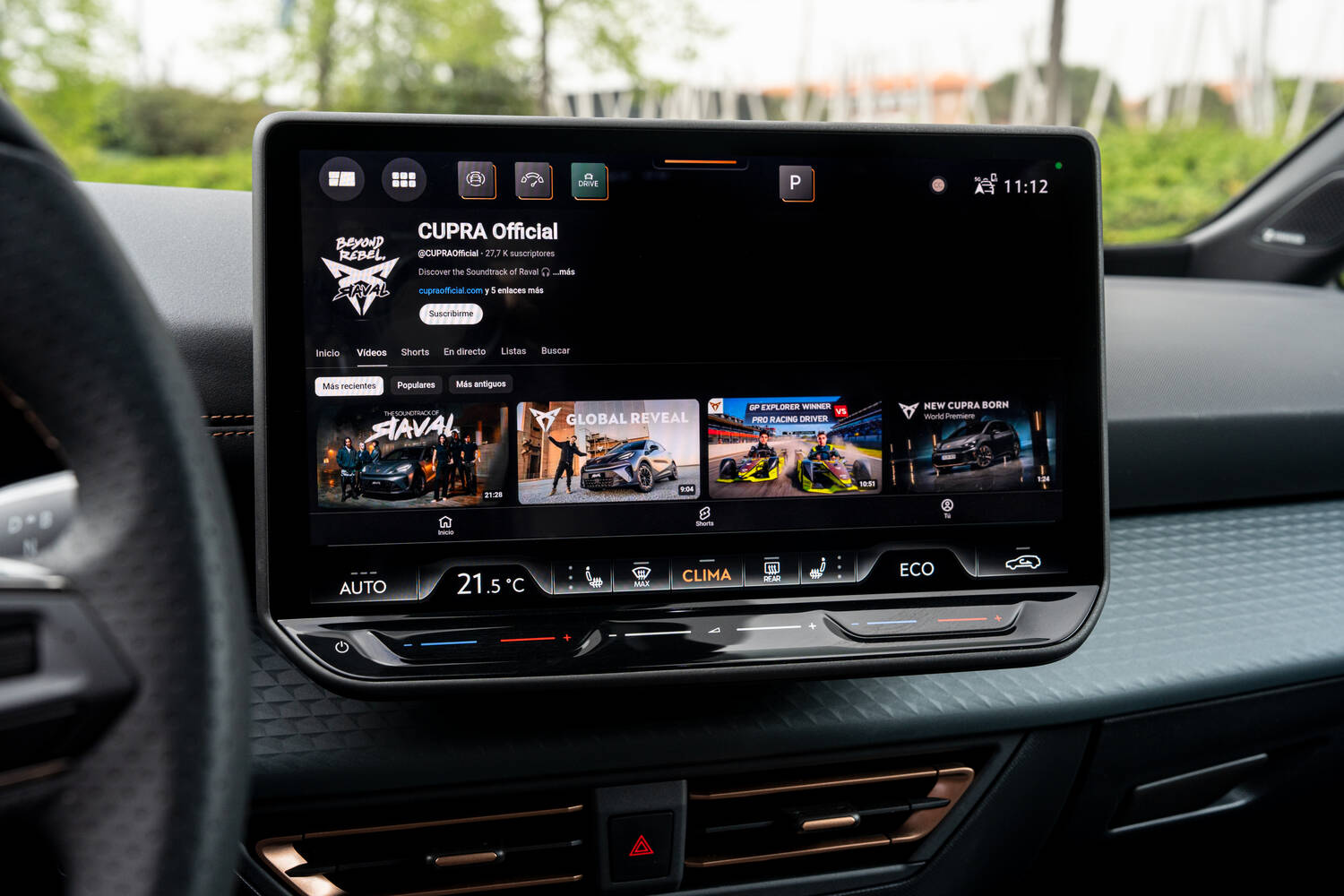
Less immediately obvious are the improvements to the big 12.9-inch touchscreen, which gets entirely software based on Google Android technology since the update.

This is an enormous success, as although the general look and layout are familiar from the earlier Born, there's an obvious improvement in response time and general ease of use.
There are wireless Apple CarPlay and Android Auto of course, and an app store from which you can download more content. For those wanting a stereo upgrade, there's the option of a Sennheiser 'Contrabass' system.
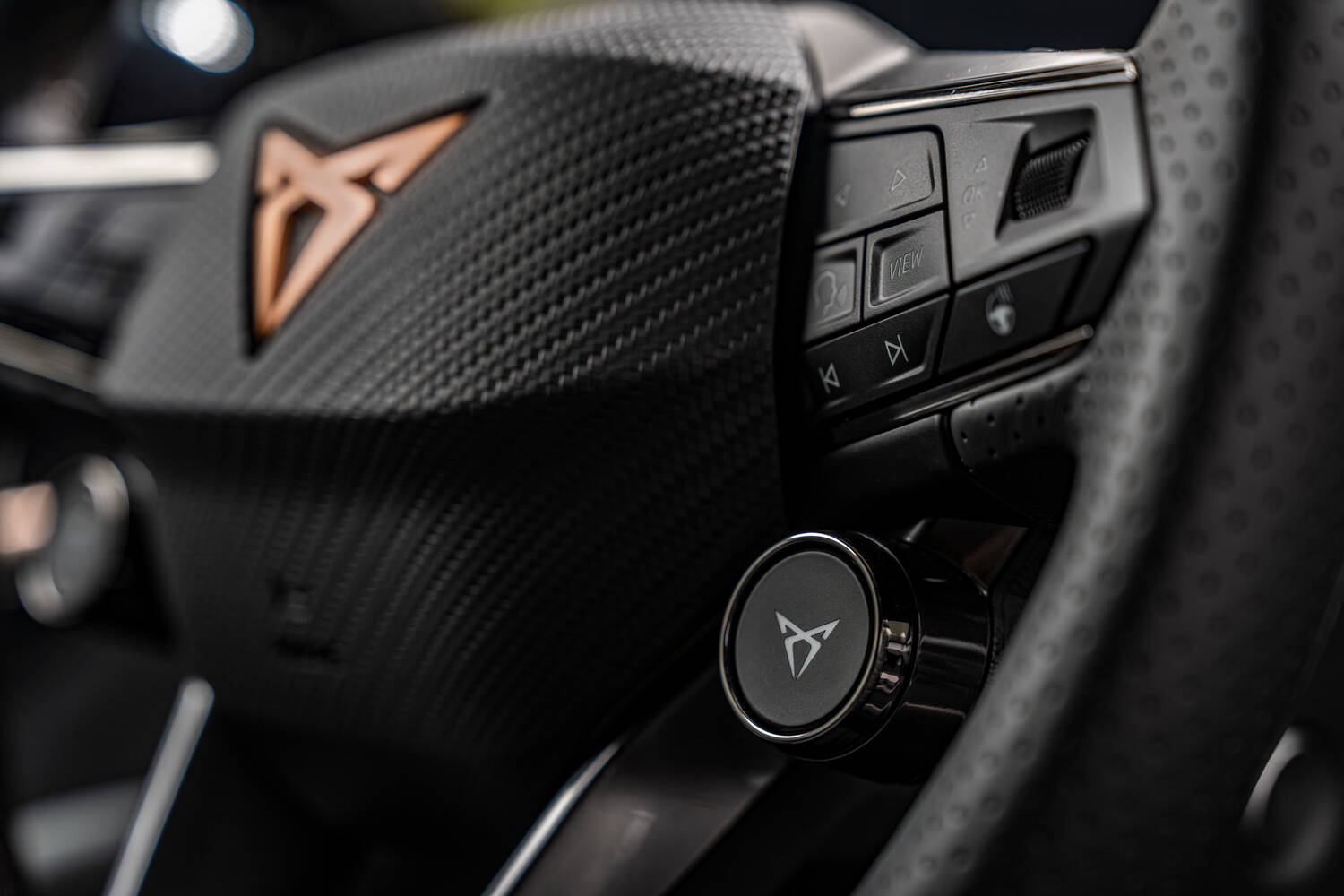
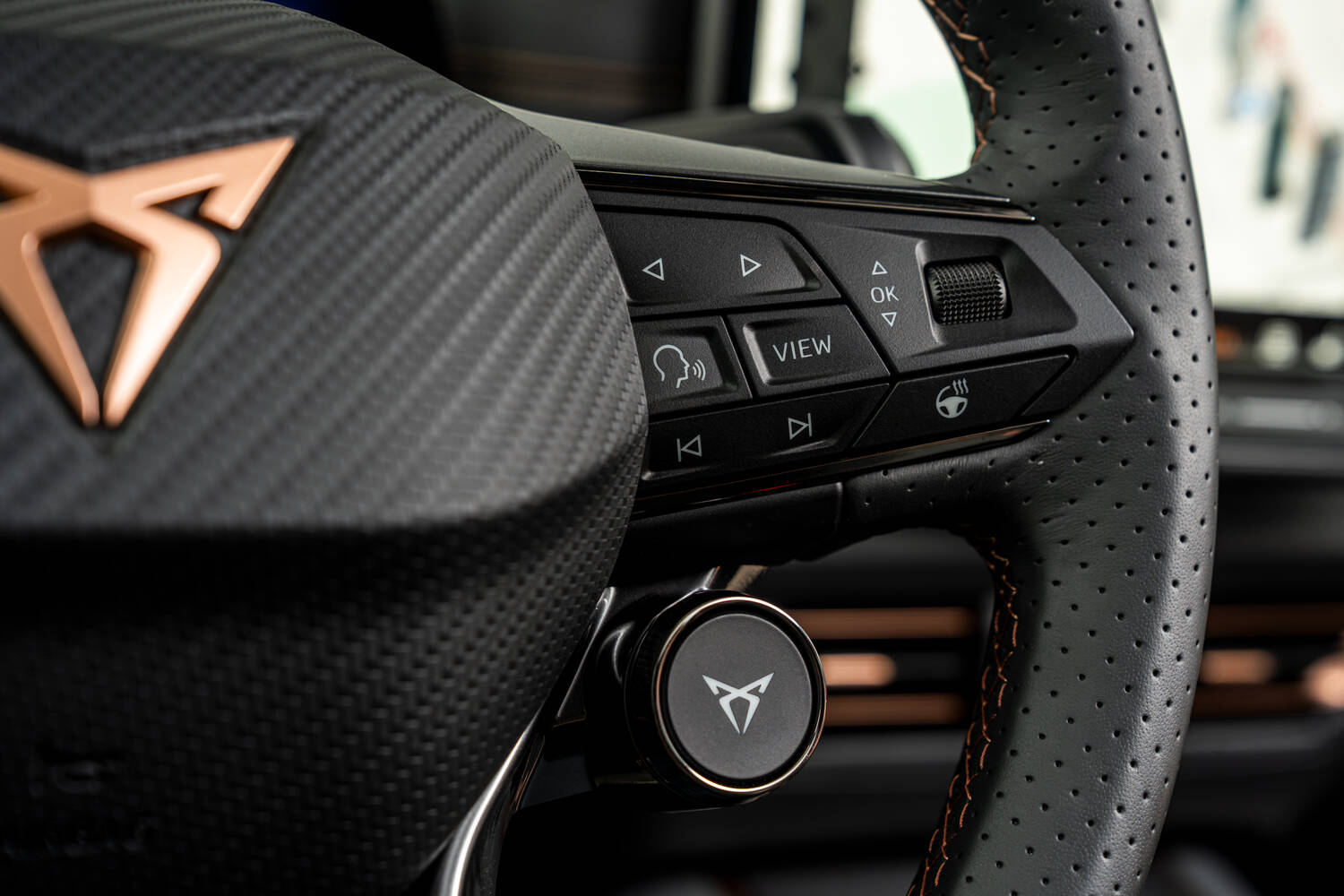
The steering wheel gets proper physical buttons once again, which is a significant improvement, and it also has two driving mode buttons - one to cycle through all the modes, and one to give you a shortcut to the maximum-attack Cupra setting.

There's a head-up display too. Oh, and bravo for the return of four proper individual electric window switches, rather than the annoying two-switch-and-selector setup of the earlier model.
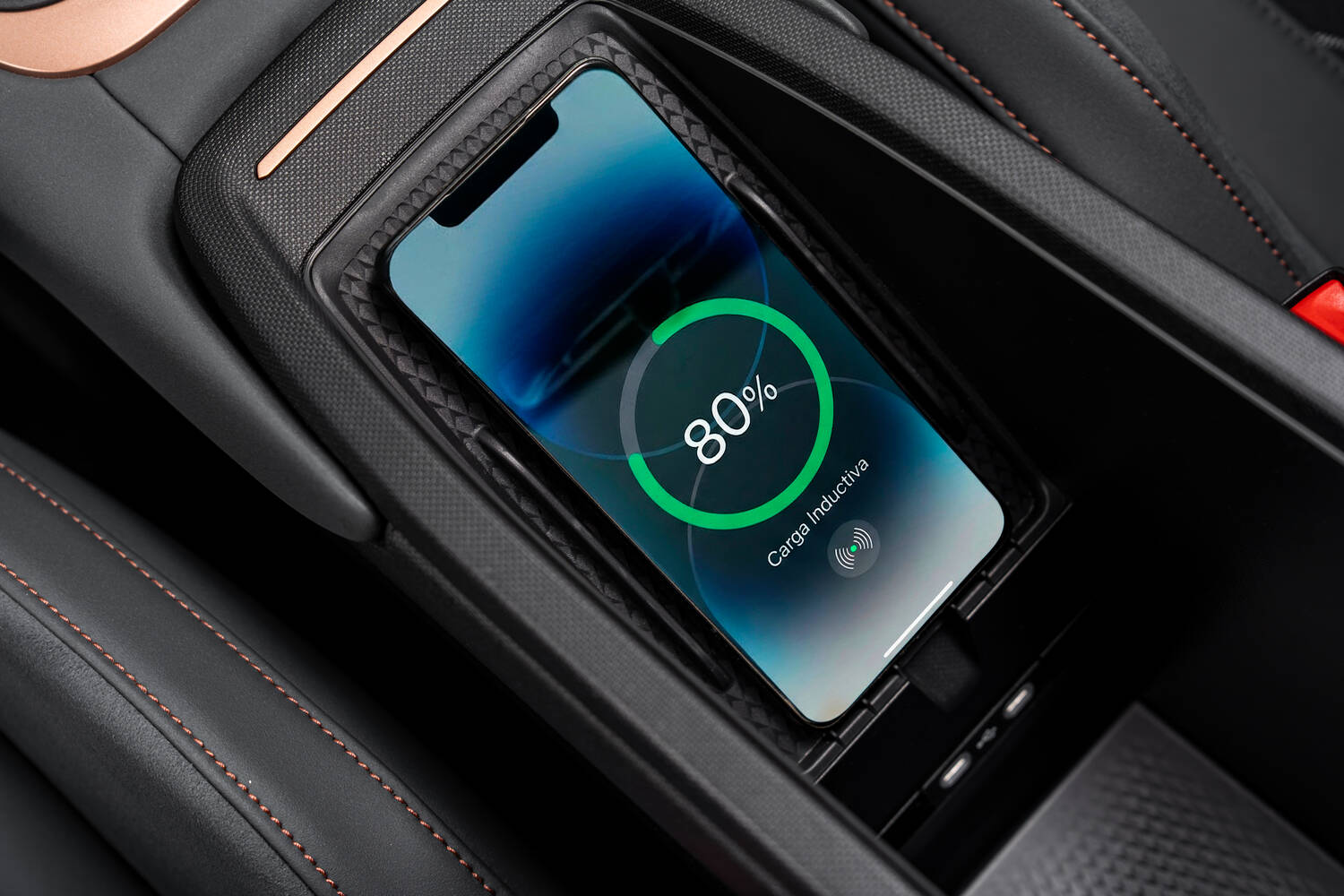
When you need to charge your phone, there's a 15-watt wireless charging pad which is also chilled to prevent your device from overheating, while there are also four 90-watt USB-C sockets dotted about.

Practicality around the cabin
The Cupra Born is very practical indeed, with a big storage area and cupholders on the centre console, backed up by more storage - and the wireless phone charger - under the front-seat armrest.
The door pockets and glovebox are also usefully sized, and there's a nice roller shutter for that centre console storage so that you can tidy everything away.

Rear-seat passenger space
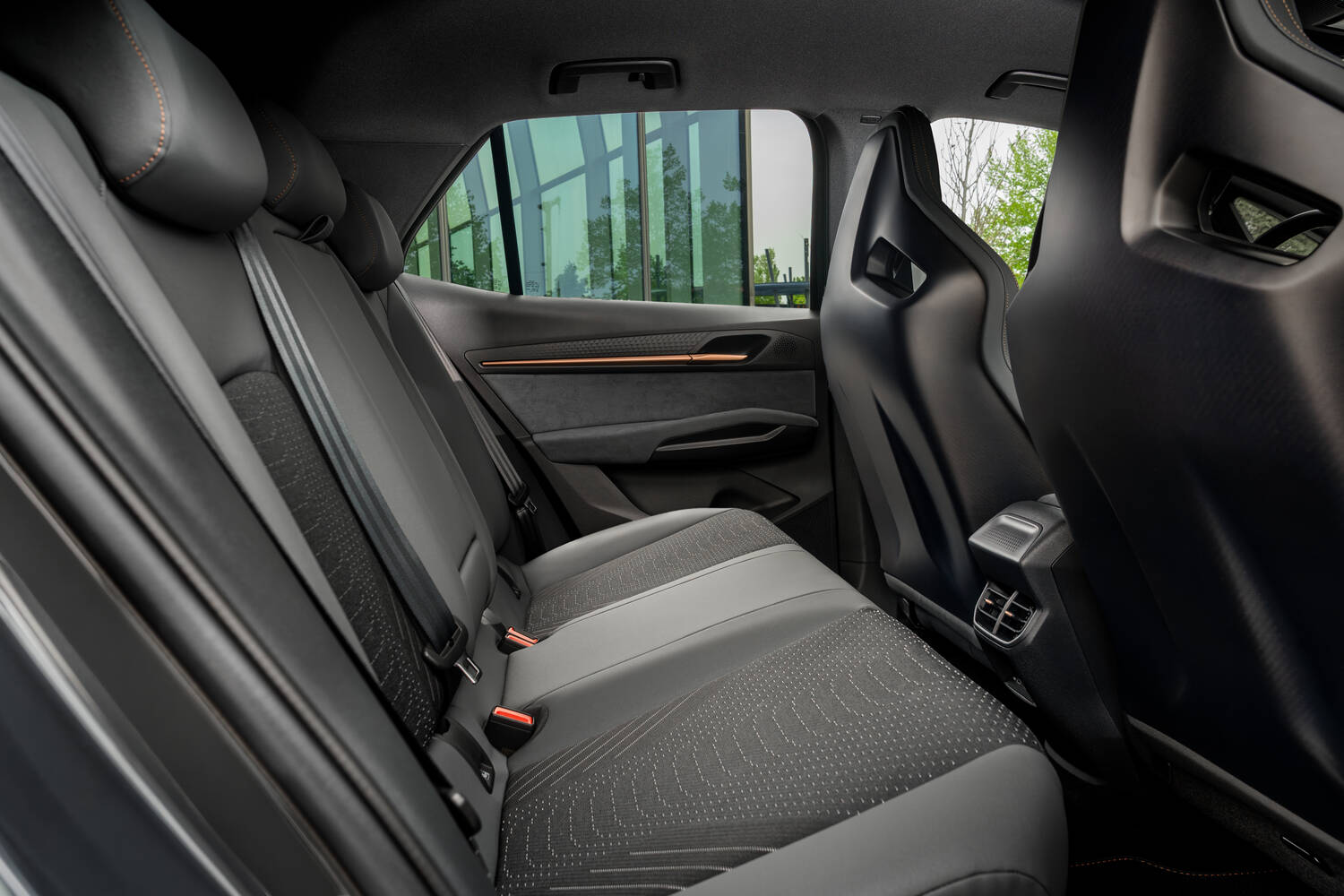
There's very decent legroom and just enough headroom in the back of the Born, so four six-footers can pretty easily get comfortable.
Getting a third person in the back seat will be tricky, as the outer positions - in the VZ model - are sculpted into semi-bucket seats, leaving not much space, and a hefty poke in the back, for anyone trying to sit in the middle.

There's also the common EV issue of the rear floor being quite high, so your knees are stuck up higher than is ideal for long journeys, but the rear seats themselves are comfortable, and the overall improvement in cabin quality is evident in the back too, where everything feels plush.
Rear-seat passengers in the Born normally get seatback map pockets, but not in the VZ with its hard-shell seats, but there are air vents and USB-C sockets, plus a folding armrest with cupholders.
Fitting child seats to the Cupra Born
The Cupra Born has three ISOFIX anchor points, two in the rear seats and one in the front passenger seat, so you shouldn't have to struggle too much to get child safety seats properly anchored and connected.
There's not really space for a third child on a booster cushion in the centre rear seat, though, unless that cushion is exceptionally narrow.
Boot space in the Cupra Born
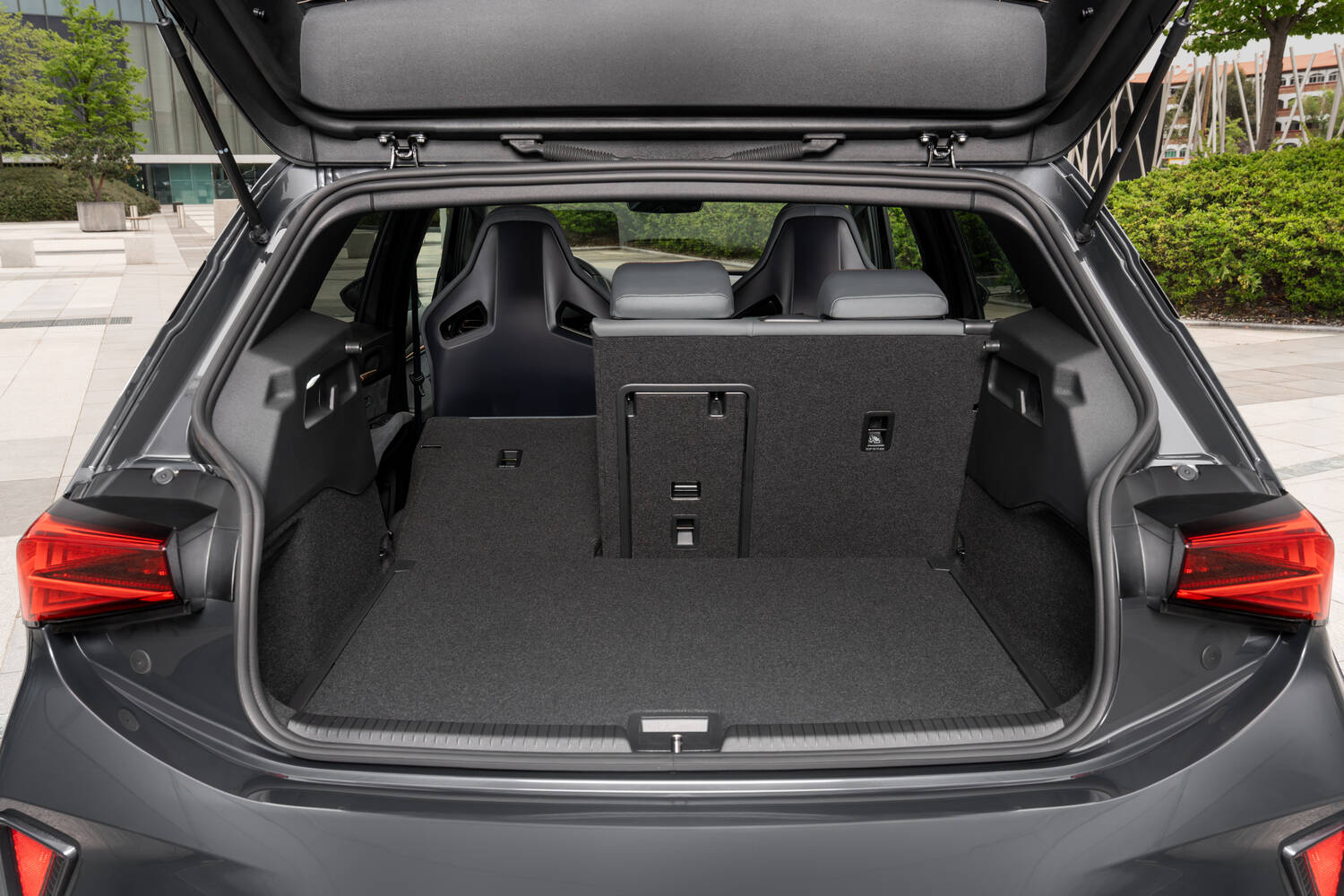
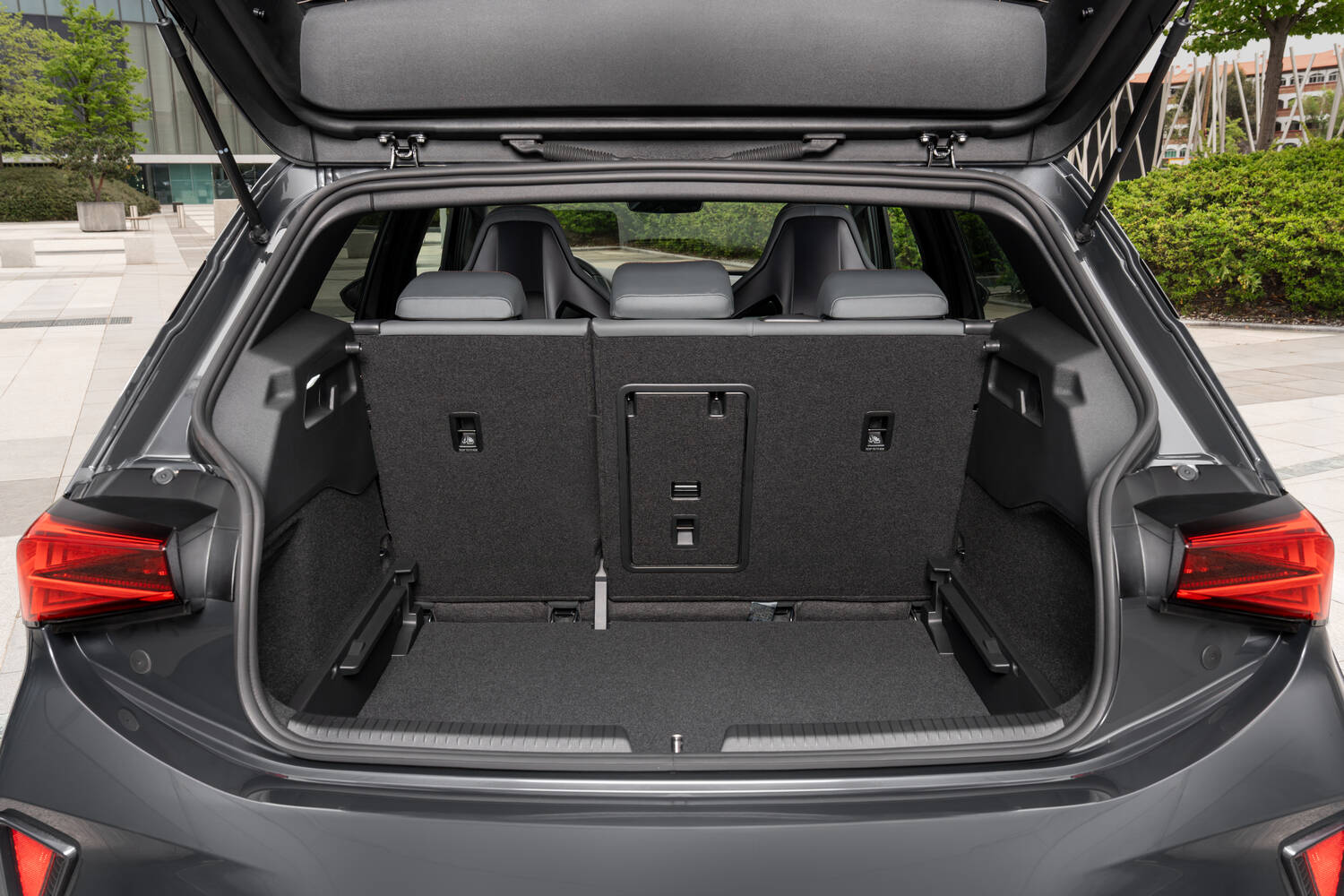
The Born's boot, at 385 litres, is fine if not class-leading. However, there's a handy adjustable boot floor, which allows you to eliminate the load-lip as well as create space underneath for charging cable storage, but there's no frunk in the nose.

There are some handy shopping bag hooks and a 12-volt charging socket, too, and if you fold down the back seats - which go almost, but not totally, flat - there's more than 1,200 litres of space, and a flat loading floor if you have the adjustable floor at its highest setting.
Towing with the Cupra Born
The Cupra Born doesn't have a rated towing weight, and nor can you fit a tow bar, but there is a pop-out bracket for a bicycle rack, which hides behind the rear numberplate.
Safety in the Cupra Born
The Born got a full five-star rating from Euro NCAP when it was assessed in 2025. It received an 89 per cent score for adult occupant protection, 87 per cent for child occupants, 76 per cent for vulnerable road users and 76 per cent for its electronic safety systems.
Since then, the Born's safety package has been upgraded with a more sophisticated 'Travel Assist' system which takes over some of the steering, distance-keeping and lane-keeping on main roads, albeit with the driver still fully attentive and in control, and there is also a junction function which uses the front parking sensors to warn of oncoming traffic when nosing out of a T-junction.
Performance of the 2026 Cupra Born
- Three motor and two battery options
- VZ has some serious pace
- 'DCC' dampers make a massive difference

The Cupra Born comes with a three-way choice of power outputs - 190hp, 231hp or the range-topping 326hp, all of them using a single-motor, rear-wheel-drive layout.
Driving the Cupra Born VZ on Spanish roads
Words by Neil Briscoe on 23 April 2026
You'd think that starting a test drive of a new, 326hp hot hatch in the strangled traffic and speed-bump laden streets of downtown Madrid would be a bad idea, but actually it gave the Born VZ a proper chance to show off its dual-personality.

Press the driving mode switch which dangles off the spoke of the steering wheel to select Comfort mode, and the DCC adaptive dampers relax into a setting that's not their softest, but almost so. You can, by selecting Individual mode, dial up an even softer damper setting, but that tends to induce a bit too much float, and this is supposed to be a hot hatch after all...
Response from the 326hp motor is slightly subdued in Comfort mode, but still quick enough to allow you to exploit gaps in the traffic, while the adaptive suspension is astonishingly good at flexing noiselessly over speed bumps and other urban obstacles. For a sporting model, the Born VZ is uncommonly comfortable in commuting guise.
As the road opens up and becomes more interesting, it's best to select Cupra mode. There is a mid-level Performance mode, but this is a Cupra after all, so why not set it to maximum noise?

There is actual noise - a generated 'engine' note which sounds initially quite convincing and growly, like a big-hearted four-cylinder engine, as you roll onto the accelerator, but which gets rather less enticing and too obviously fake as the speed builds up.
Cupra mode doesn't just sharpen the accelerator response; it turns it into a Katana blade. In fact, you learn to modulate your right foot a touch, as too much pressure at the top of the pedal travel gives you a massive slug of torque (up to 545Nm), making the Born feel a touch too jumpy and twitchy at lower speeds.

Press through that, and there's impressive performance on offer, with 100km/h done and dusted in 5.6 seconds from a standstill. Beyond that, acceleration tails off, but you've had your fun by then, especially if you've tried the ultra-rapid e-Launch mode.
The Born's handling is also really good, especially in the VZ model which gets tweaked steering, suspension and brakes. Yes, the two-tonne kerb weight is a limitation, and becomes more so the longer a corner goes on, but the steering feels pliant and responsive, there's loads of grip and the rear of the car can be teased slightly out of line on the exit of slower corners, significantly boosting the fun factor.
Overall, the Born VZ feels fast, taut and precise. It's not as much out-and-out fun as the smaller, less powerful Alpine A290, but then the little Alpine can't get near the Cupra when it comes to practicality and useable range, so they're not really direct competitors.

The good news is that, even in Cupra mode, there's not really much of a penalty in having the DCC dampers in their firmer settings. Yes, you notice the extra stiffness, but the inherent ride comfort remains good, and that absorbency is a boon on lumpy mountain roads with scarred tarmac.
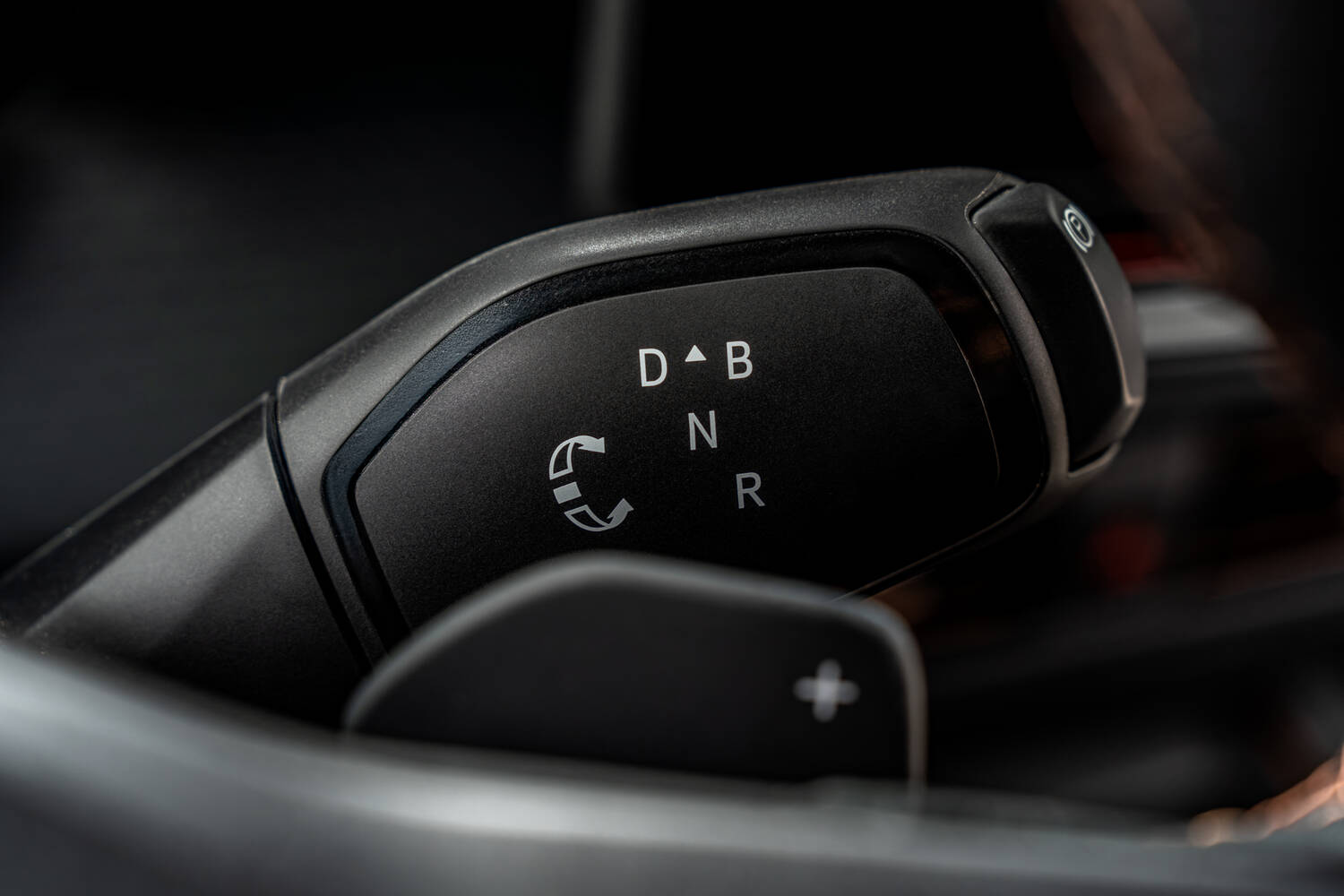
The VZ gets paddle shifters behind the steering wheel, which allow you to adjust the regenerative braking effect, and this is the first Cupra Born to get one-pedal driving, but we found that one-pedal setting to be too aggressive in its initial responses, and so preferred to drive with the regenerative braking on its lowest setting.
Range, battery, charging and running costs of the 2026 Cupra Born
- 58kWh or 79kWh batteries
- Smaller battery uses LFP chemistry
- Up to 183kW DC charging

As part of the 2026 update, Cupra revised the Born's battery options, including the introduction of a 58kWh LFP option to keep the price down.
Battery options and official range
The entry-level Born, called the Born Urban in the Irish market, gets a 58kWh lithium-iron-phosphate (LFP) battery, which offers a range on the WLTP test of 484km, which is pretty impressive given that LFP batteries are less energy-dense than their nickel-manganese-cobalt (NMC) cousins. The 58kWh battery comes only with the 190hp electric motor.
The other battery choice is a 79kWh NMC battery, which comes with a 231hp motor in Endurance spec, giving it a range of up to 627km.

The VZ uses the same battery for the longest range of the lineup, with a quoted 631km.
Real-world range and efficiency of the Cupra Born
It's always a bit tricky to judge exactly how efficient an EV is on an international launch event such as this as you're driving a pre-set route on unfamiliar roads, and it's not quite a real-world test.
Equally, we haven't driven the Urban nor Endurance models yet, so this section is going to be all about the VZ. Surprisingly, given its high-performance brief, the efficiency news appears to be really good.
We drove from the traffic-ridden centre of Madrid, up into the mountain roads of the Parque Nacional and back down the motorway to the city centre, using Comfort mode around town and on the motorway, and Cupra mode on the more challenging sections.

There is an energy-saving Range driving mode too, but given the 25-degree exterior temperatures, we opted to stick with Comfort for the sake of the air conditioning.
Over a two-hour driving loop, we averaged 16kWh/100km, which given the amount of time spent using Cupra mode, is hugely impressive. It suggests that the Born VZ should be capable of returning almost 500km from a full charge, which isn't bad considering its high-performance brief.
Charging up the Cupra Born
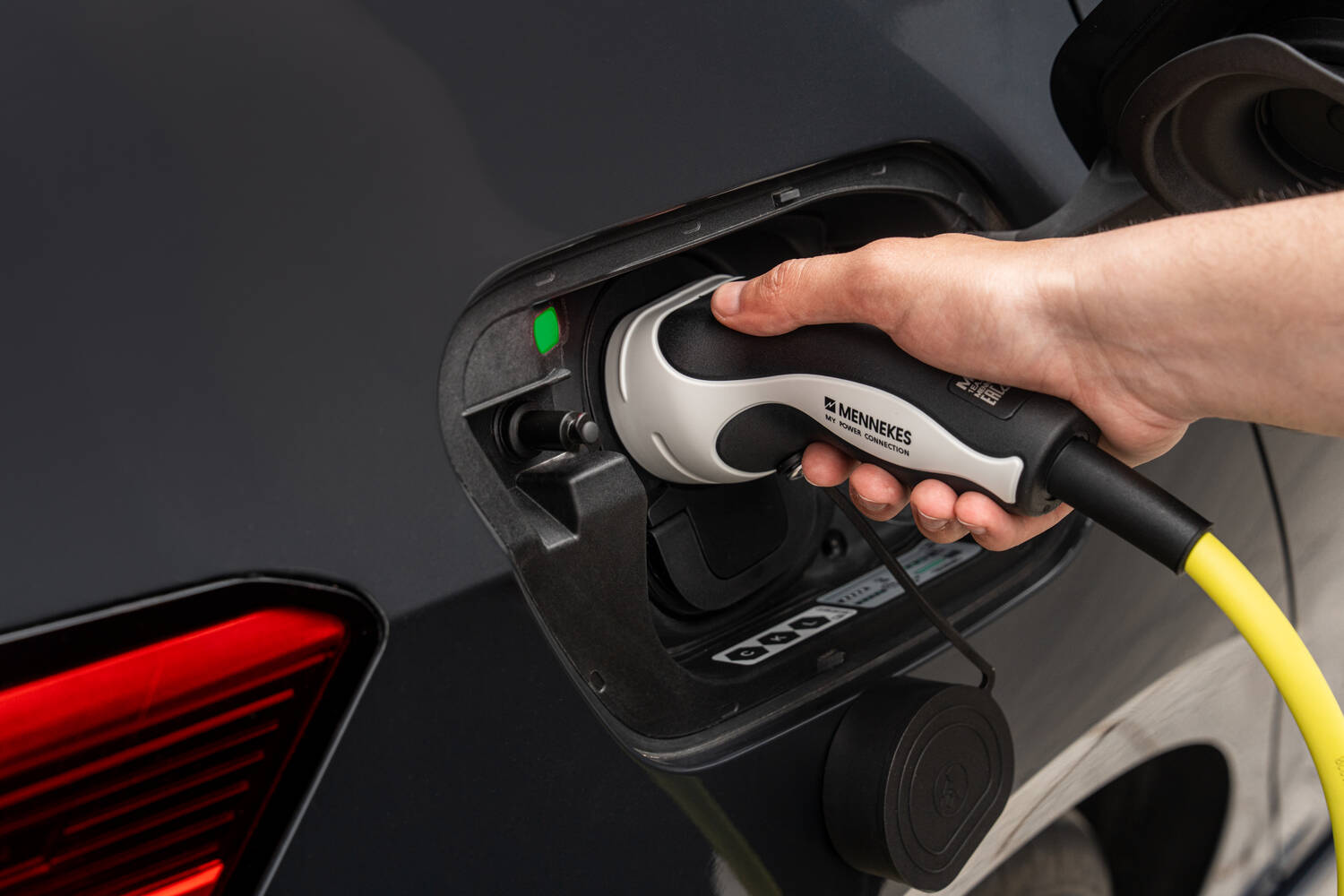
The Urban version of the Born, with the 58kWh LFP battery, is limited to 105kW on DC chargers, although Cupra says that's still enough for a 10-80 per cent charge in 26 minutes, which isn't bad.
The 79kWh battery in the Endurance and VZ models can cope with up to 183kW, which is better, but the extra energy capacity stretches the 10-80 per cent time to 29 minutes. All models can charge at up to 11kW on three-phase AC power.
There's standard vehicle-to-load (V2L) functionality for V2 and VZ models, with an optional adaptor allowing you to plug other electrical devices into the Born.
Servicing the Cupra Born
Cupra says that your Born will need a service every two years, or 20,000km. Cupra Ireland offers a three-year inclusive service plan for €359, or you can bump that up to €935 if you want inclusive tyre changes too.
Cupra Born warranty

Cupra's warranty is impressive - five years or 100,000km - and there's the usual eight-year, 160,000km warranty for the battery. There's also three years of paint cover, and 12 years of anti-corrosion warranty. The five-year warranty also comes with standard roadside assistance, including European driving cover.
Irish pricing & rivals to the 2026 Cupra Born
- Urban model is very affordable
- VZ excellent value considering performance
- Cooler than the VW ID.3 GTX

The Cupra Born is priced from €37,765 for the entry-level Urban in V1 trim. That gets you the 10.25-inch instrument panel, the 12.9-inch touchscreen, 19-inch alloy wheels finished in black, bucket seats up front, power-folding and heated door mirrors, front and rear parking sensors, adaptive cruise control and single-zone climate control.
Trading up to the V2 version adds a rear-view camera, two-zone climate control, vehicle-to-load charging, tinted rear windows, heated front seats and wireless phone charging.
A 79kWh 231hp Endurance model costs €40,785 in V1 form, or €43,000 in V2 form - not bad for more than 600km of range.

Finally, there's the 326hp VZ, which costs €48,225 and comes with CUPBucket seats, adaptive suspension, electric seat adjustment, 20-inch alloys, Matrix-LED headlights, an illuminated rear badge and paddle shifts behind the wheel to tweak the regenerative braking.
The most obvious rival to the Born is the Volkswagen ID.3. The two cars are broadly mechanically identical, with the ID.3 GTX (or GTI as it will become known) being the Volkswagen analogue to the Born VZ. The Alpine A290 is kind of a rival too, matching the Born's sporting intent, and being similarly priced, but it can't compete with the Born's cabin space and range. Kia's EV4 is a very talented rival too, but it won't have a direct VZ rival until the EV4 GT arrives.
Verdict - should you buy the 2026 Cupra Born

Yes, you should - especially if it's the VZ model, which has an enticing combination of performance and driving fun. The whole Born lineup was significantly improved with the 2026 update, and the cabin especially feels like a more premium product now. It's also well-priced and well-equipped as standard, while the digital upgrades are a success.
FAQs about the 2025 Cupra Born
Does the Cupra Born have a 'frunk'?

No, there's no space for a 'frunk' in the Cupra Born's nose, so you have only the 385-litre boot to play with.
Is the Cupra Born all-wheel drive?
No, the Born only comes in rear-wheel-drive form.
Are Cupras reliable?
Yes - Cupra grew out of SEAT, which has always had a strong reputation for reliability, and Cupra has followed suit. The Born is built in the same factory in Zwickau, Germany as the VW ID.3 and ID.4, so all of its batteries, motors and mechanical bits are shared and well-proven. The early Born was, like the early ID.3, prone to software problems, but those should be sorted now with the Google Android-based update.
Has the Cupra Born been assessed for safety?
Yes, and it received a full five-star safety rating from Euro NCAP in 2025. You can read the full safety assessment here.
Want to know more about the 2026 Cupra Born?
If there's anything about the new Cupra Born we've not covered, or you'd like help in choosing between it and other cars, you can avail of our expert advice service via the Ask Us Anything page.