

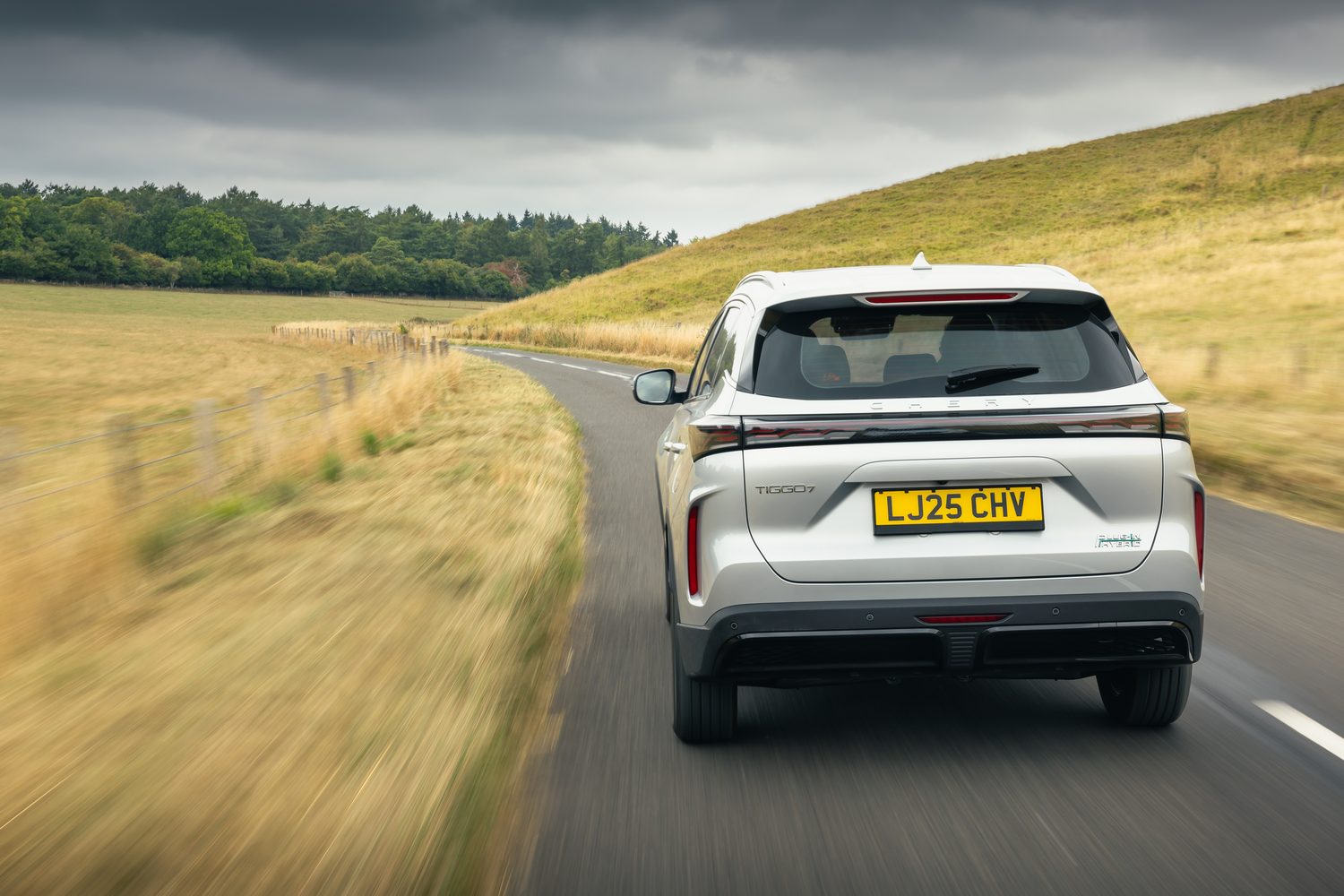
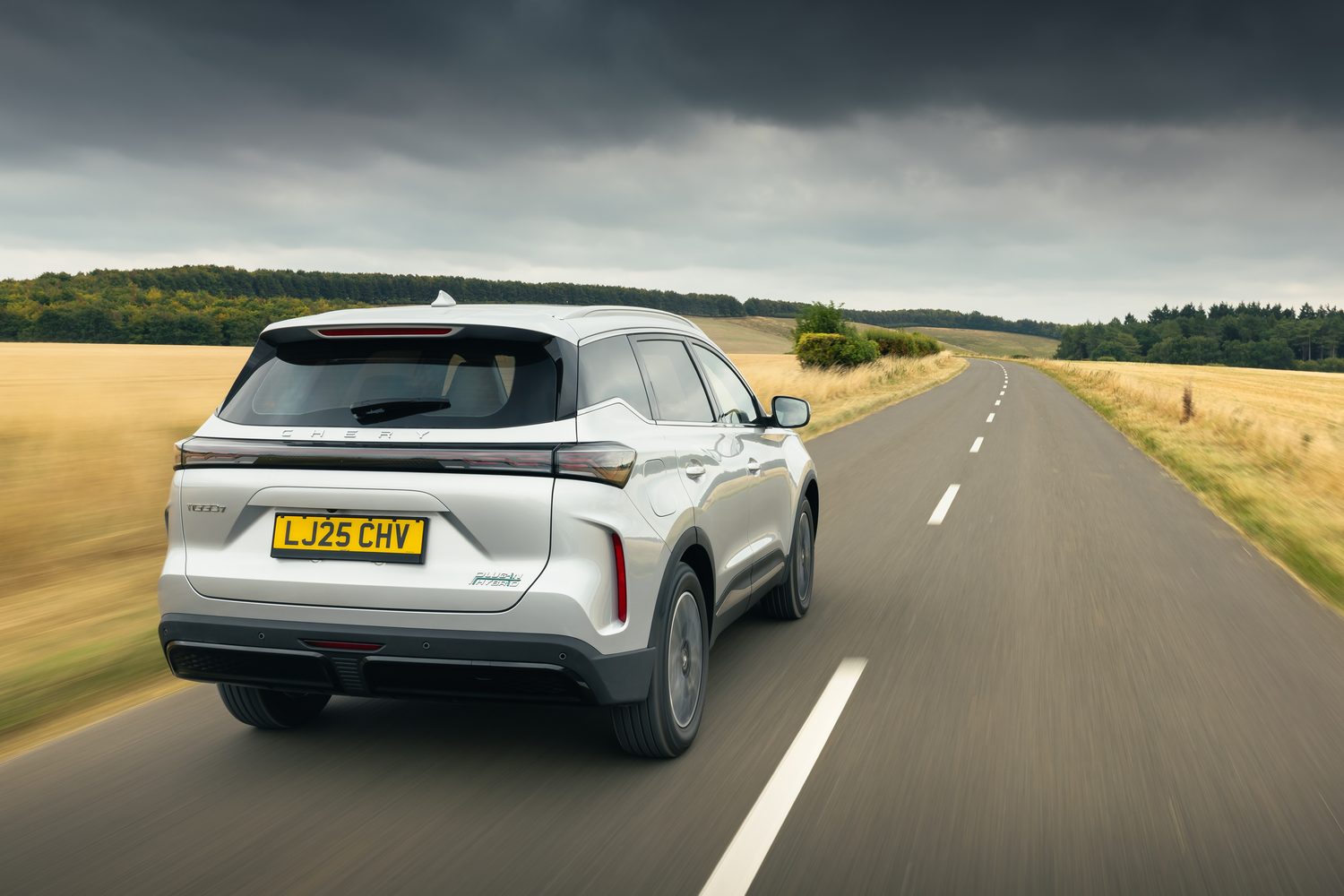
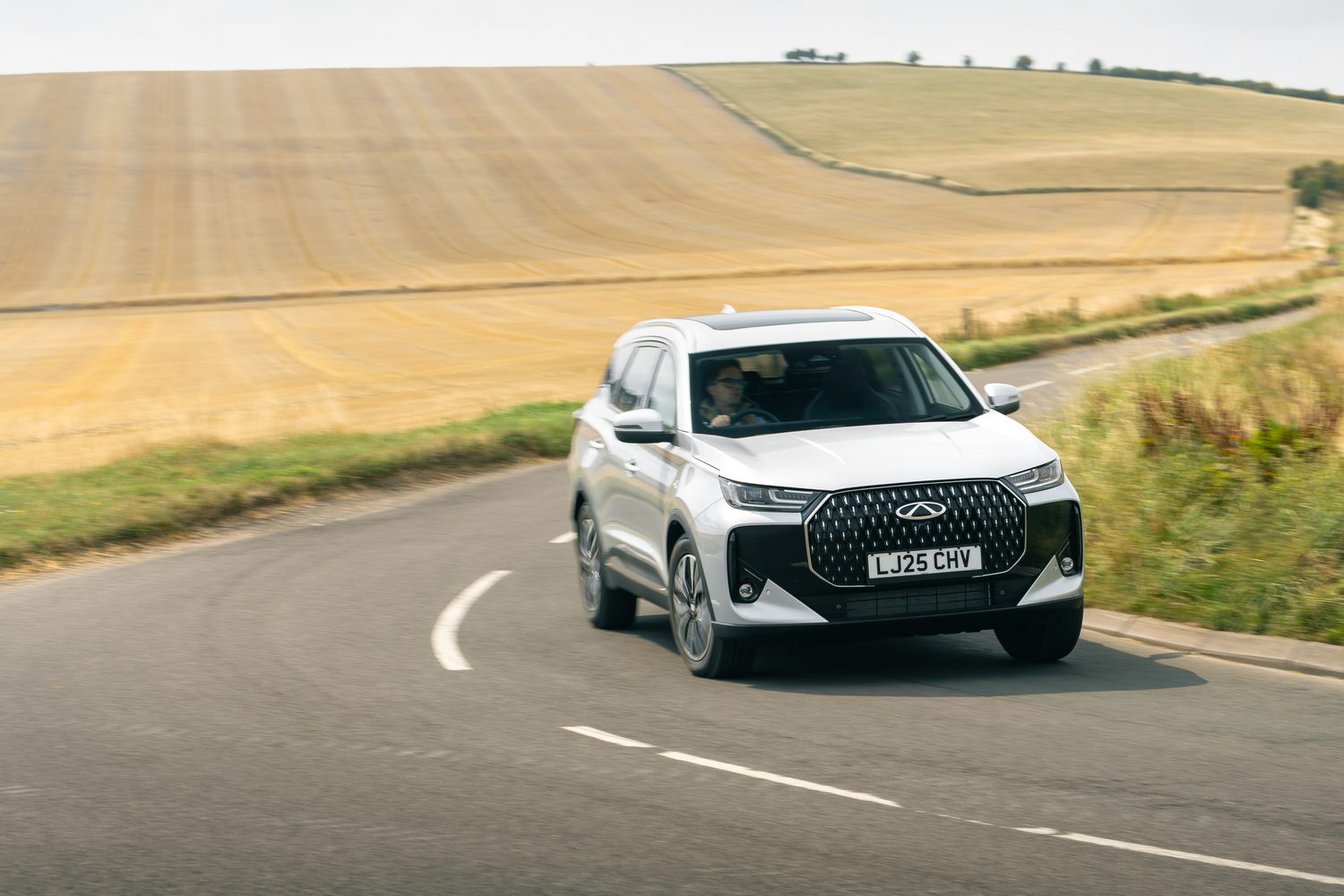
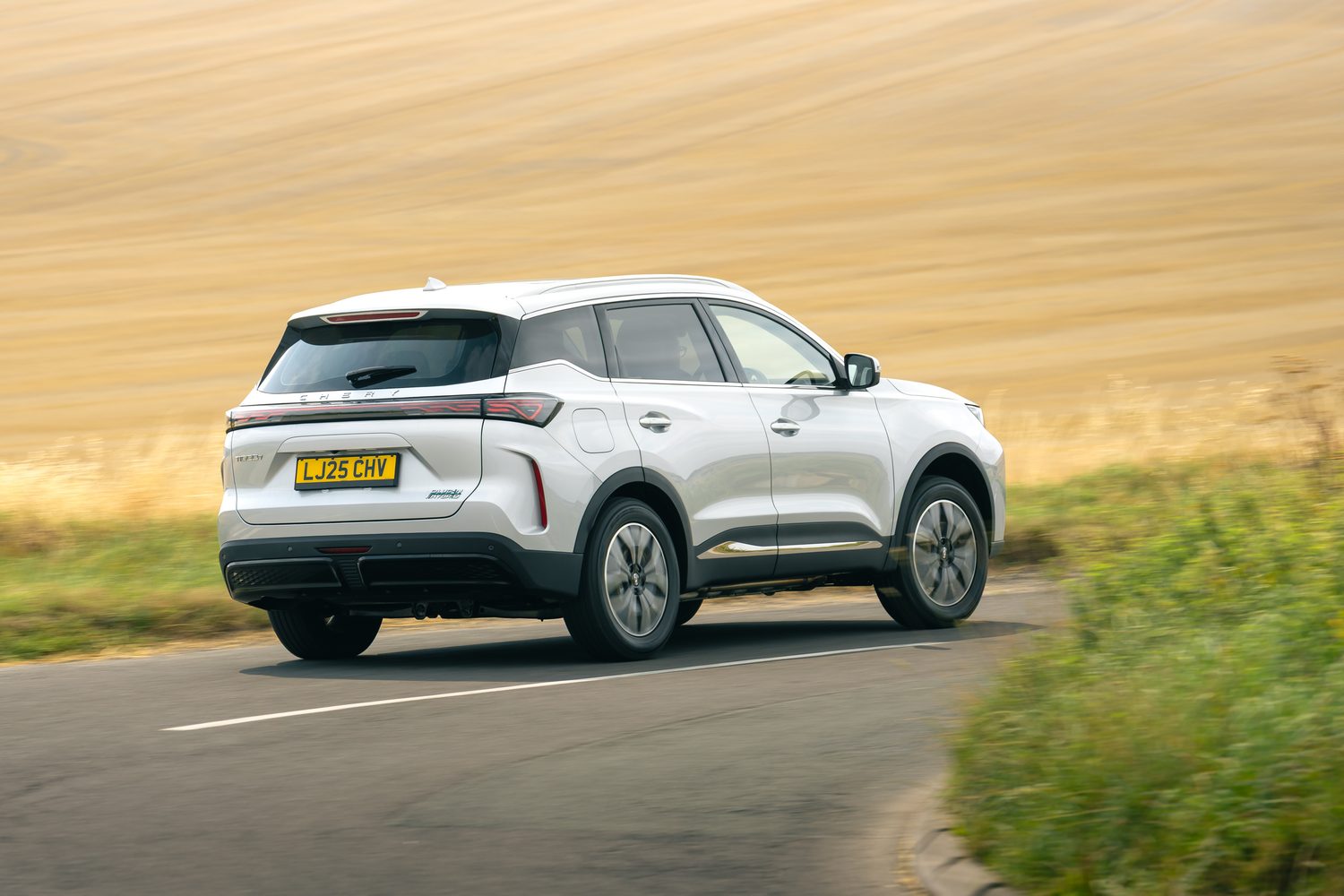



Exterior & design of the 2026 Chery Tiggo 7
- Not particularly interesting to look at
- But it's inoffensive enough
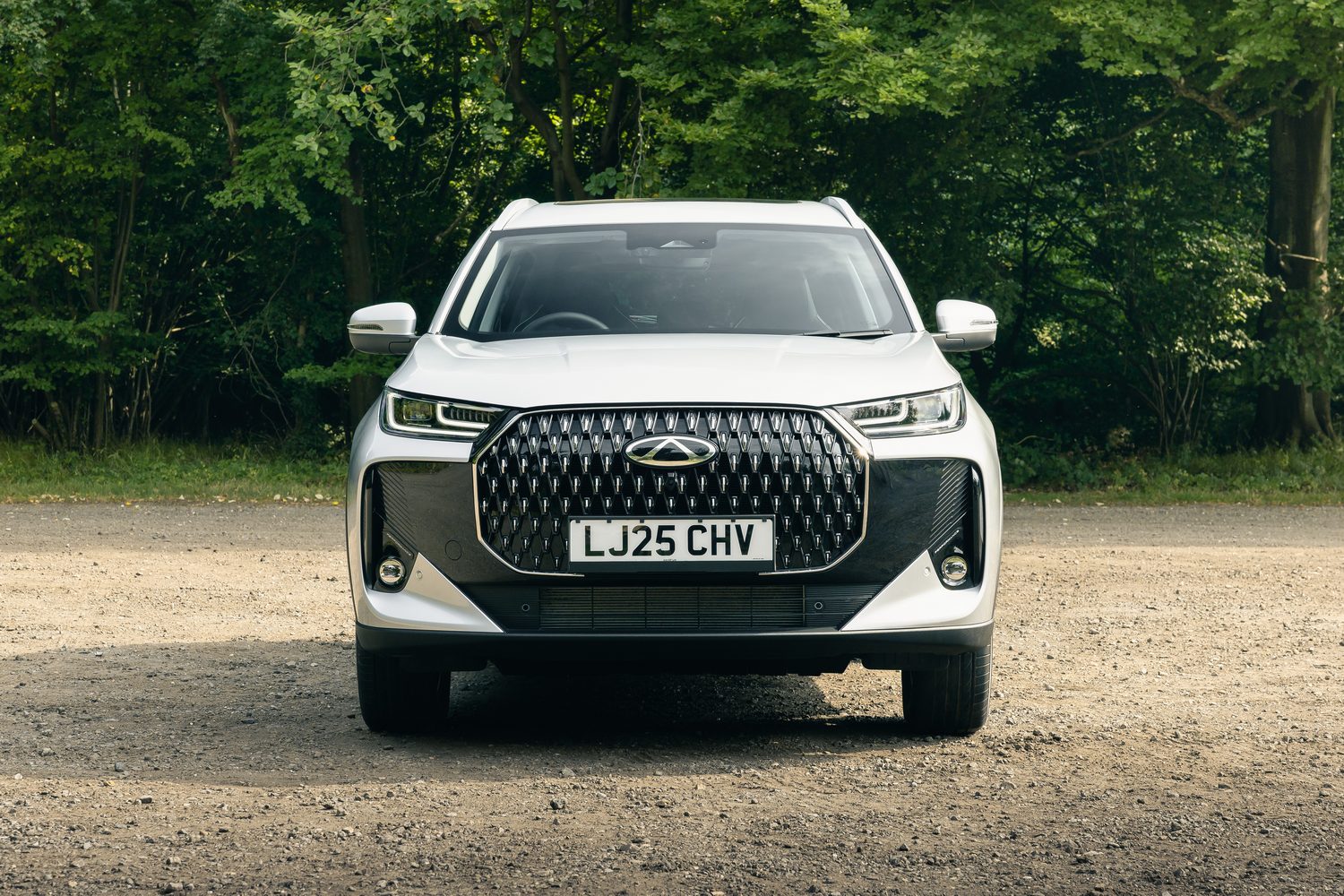
- Five-door SUV shape

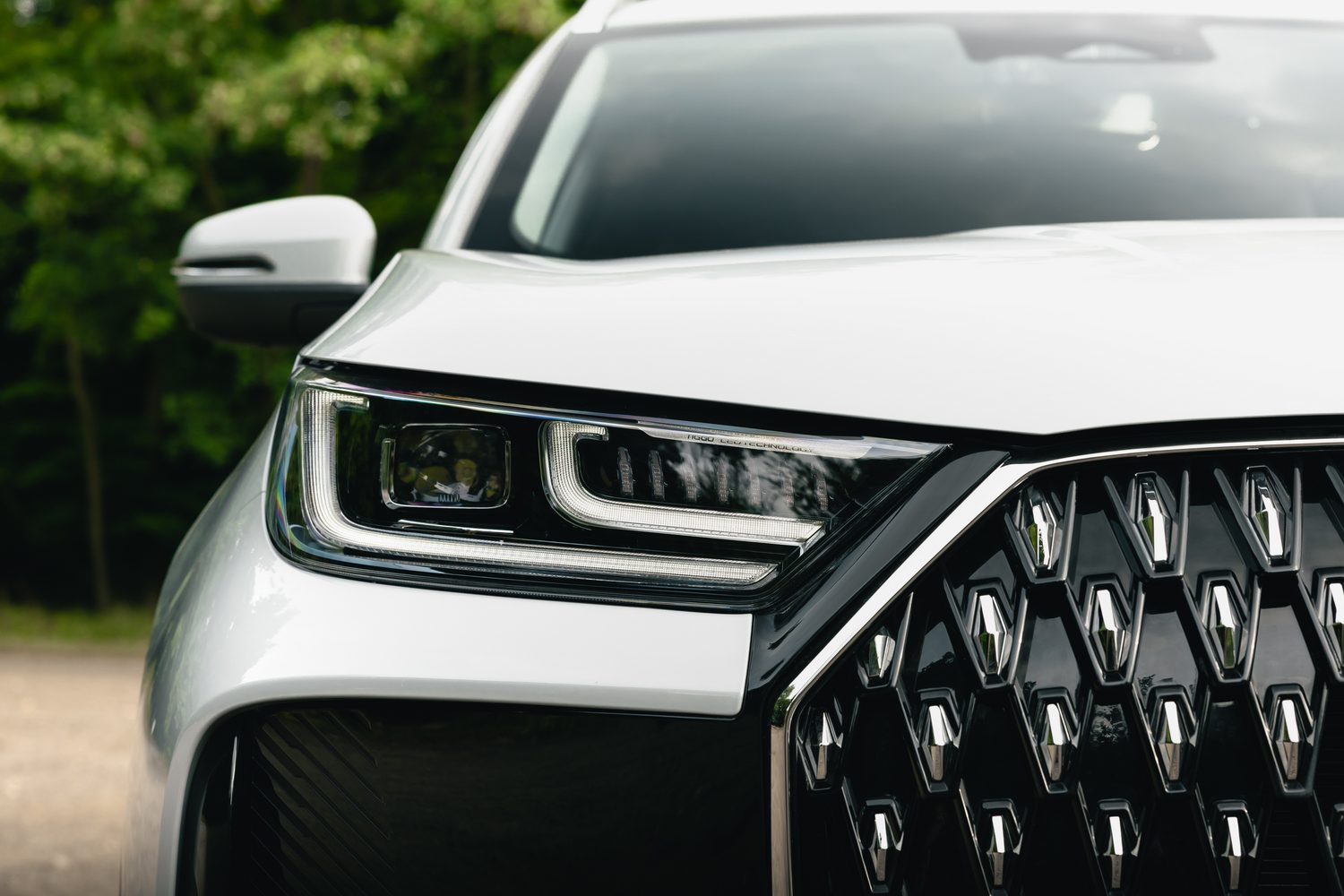
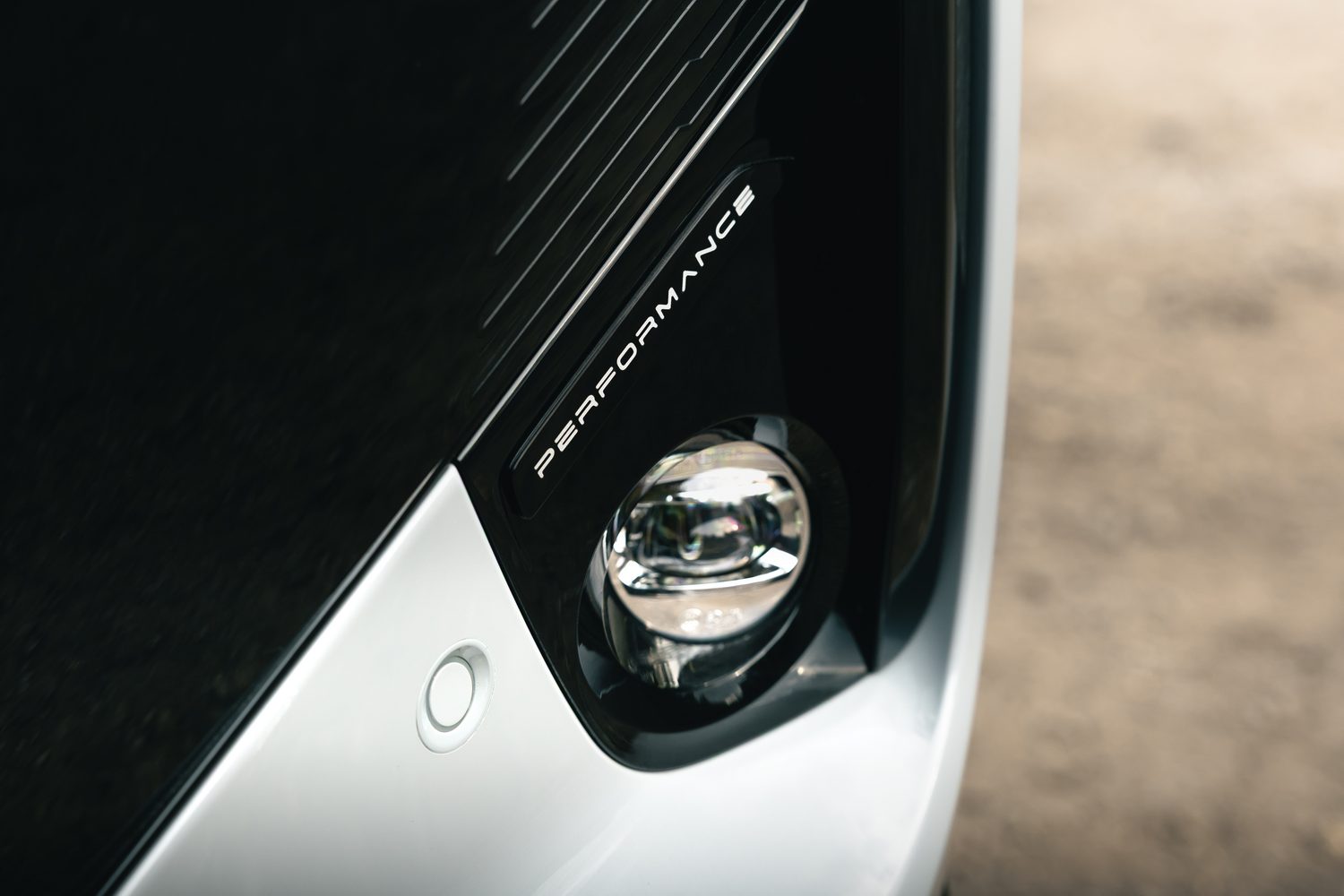
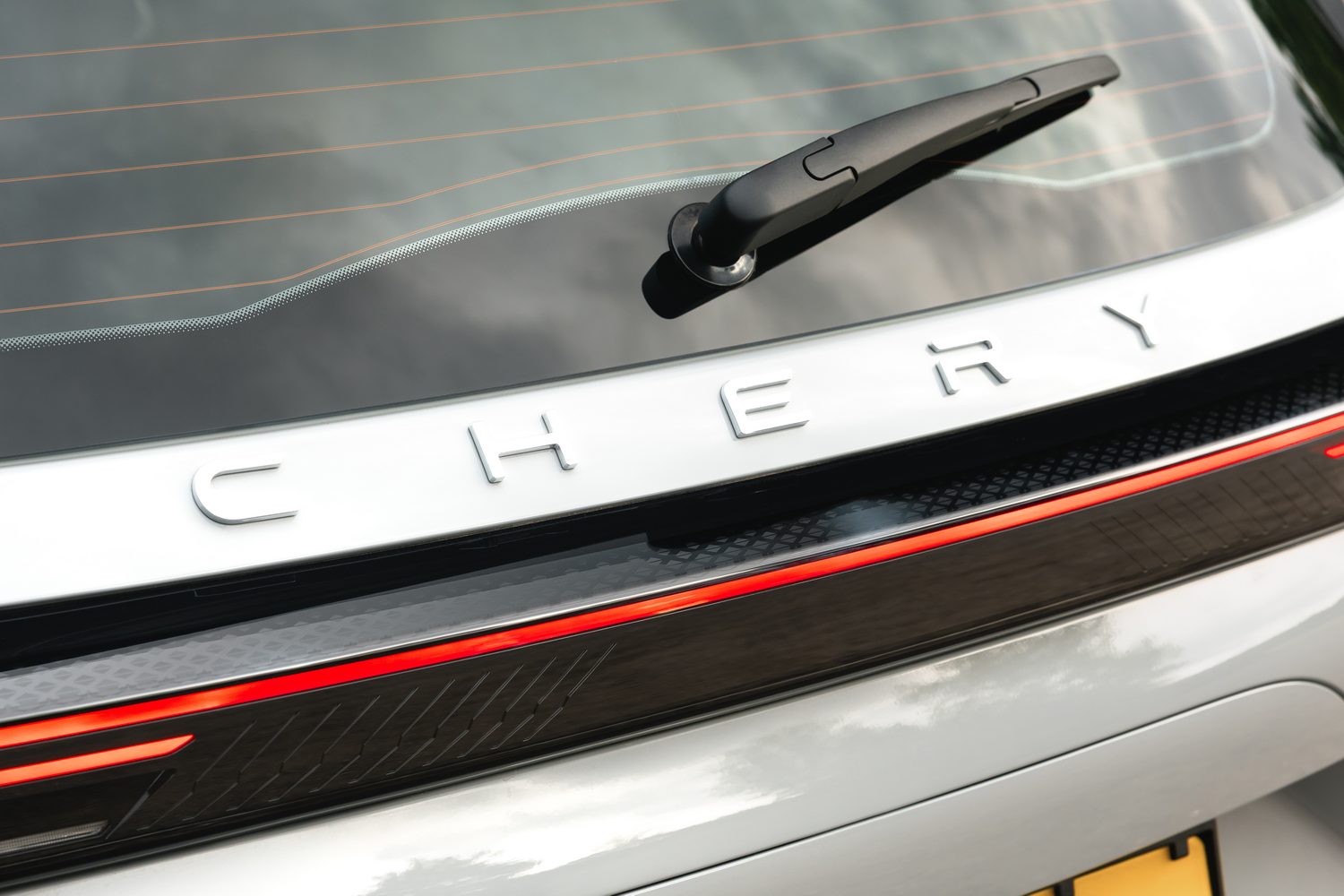
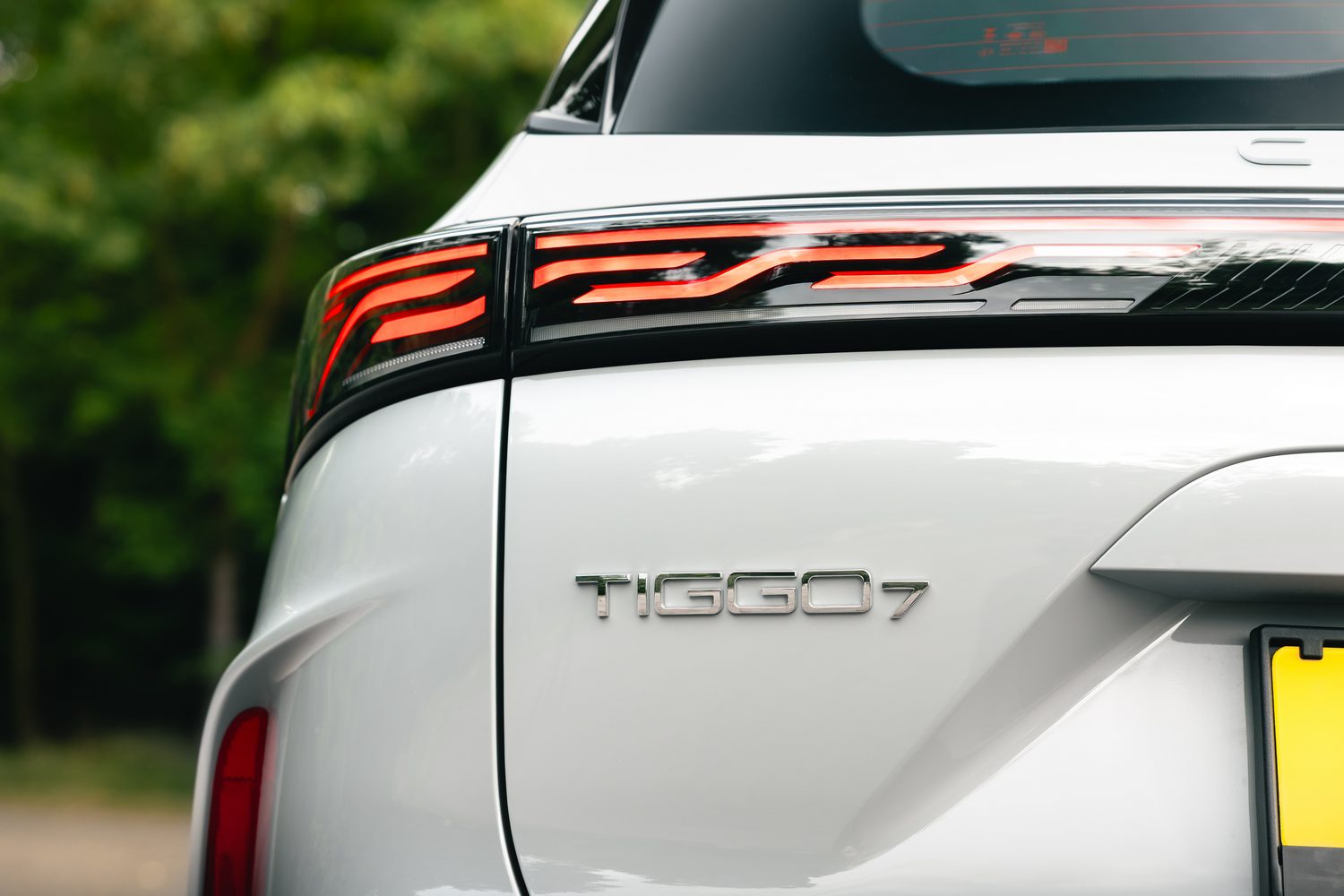
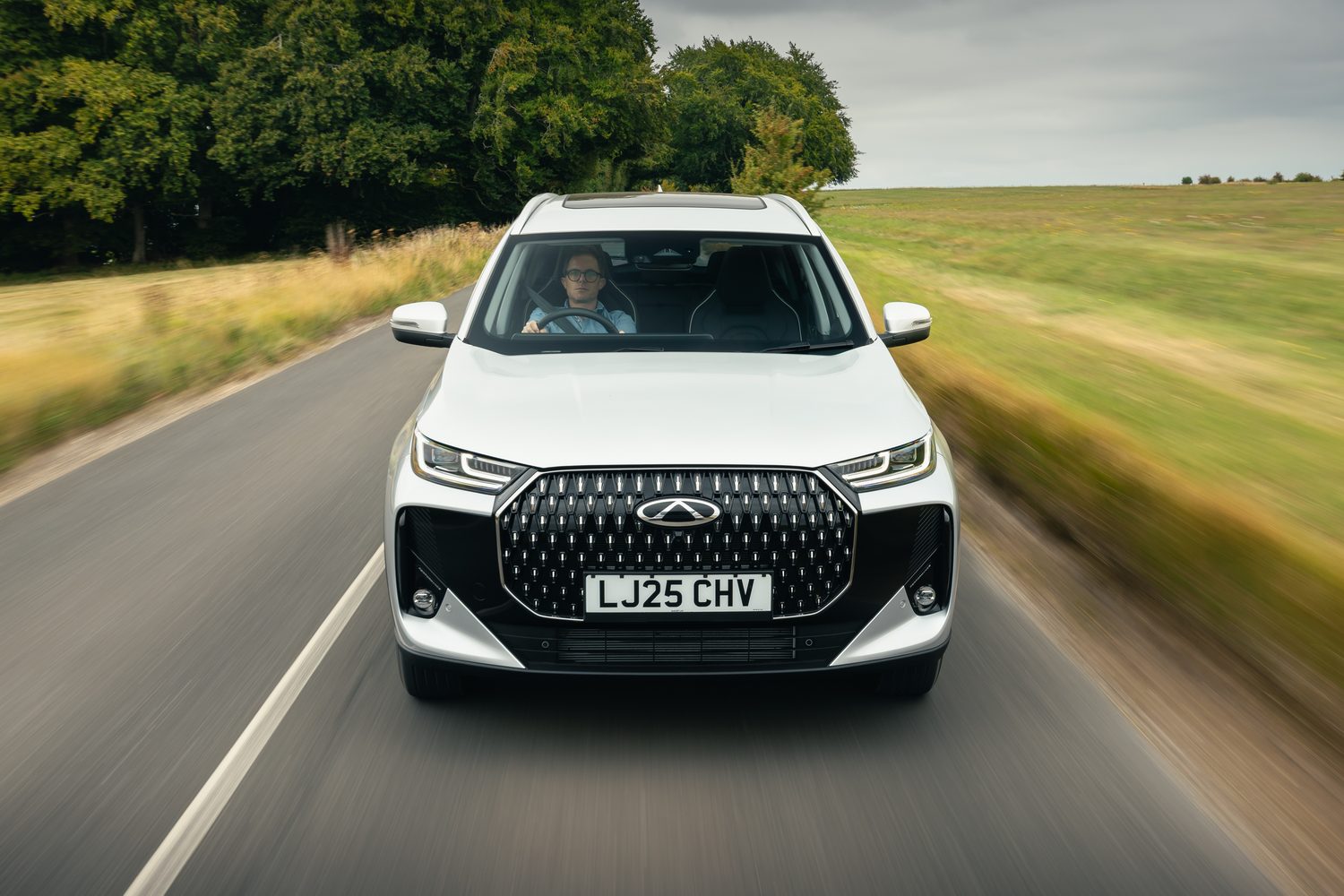
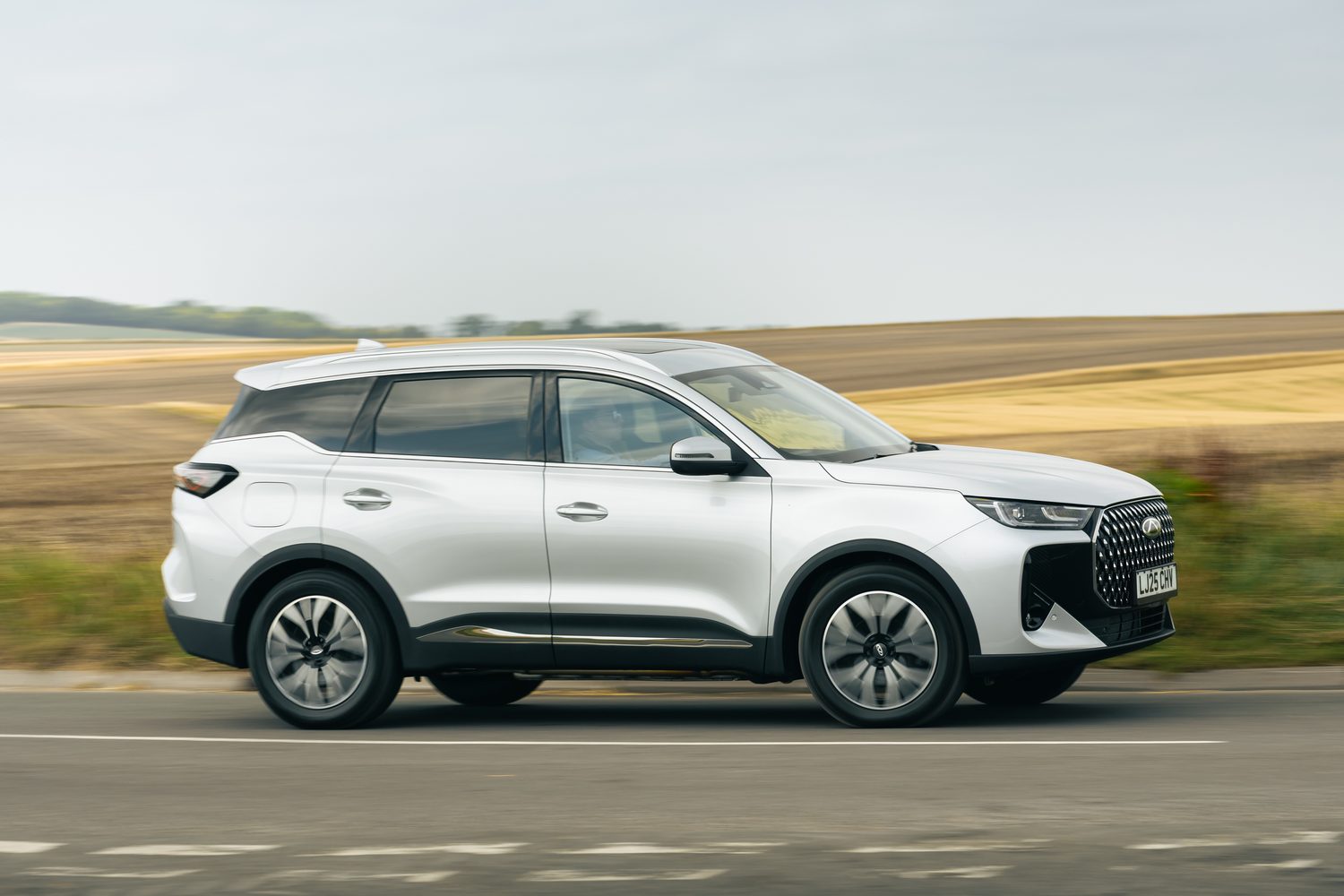
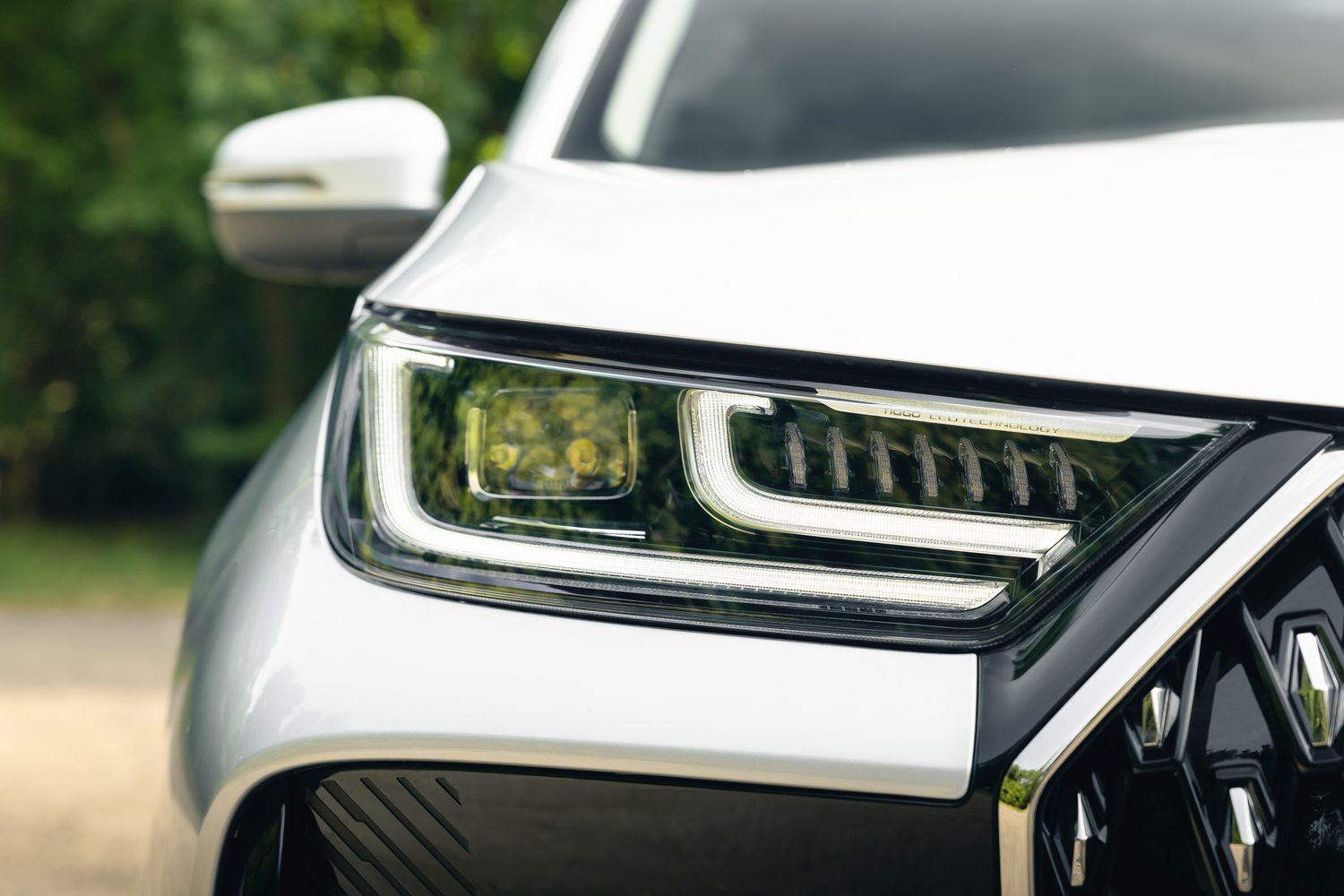
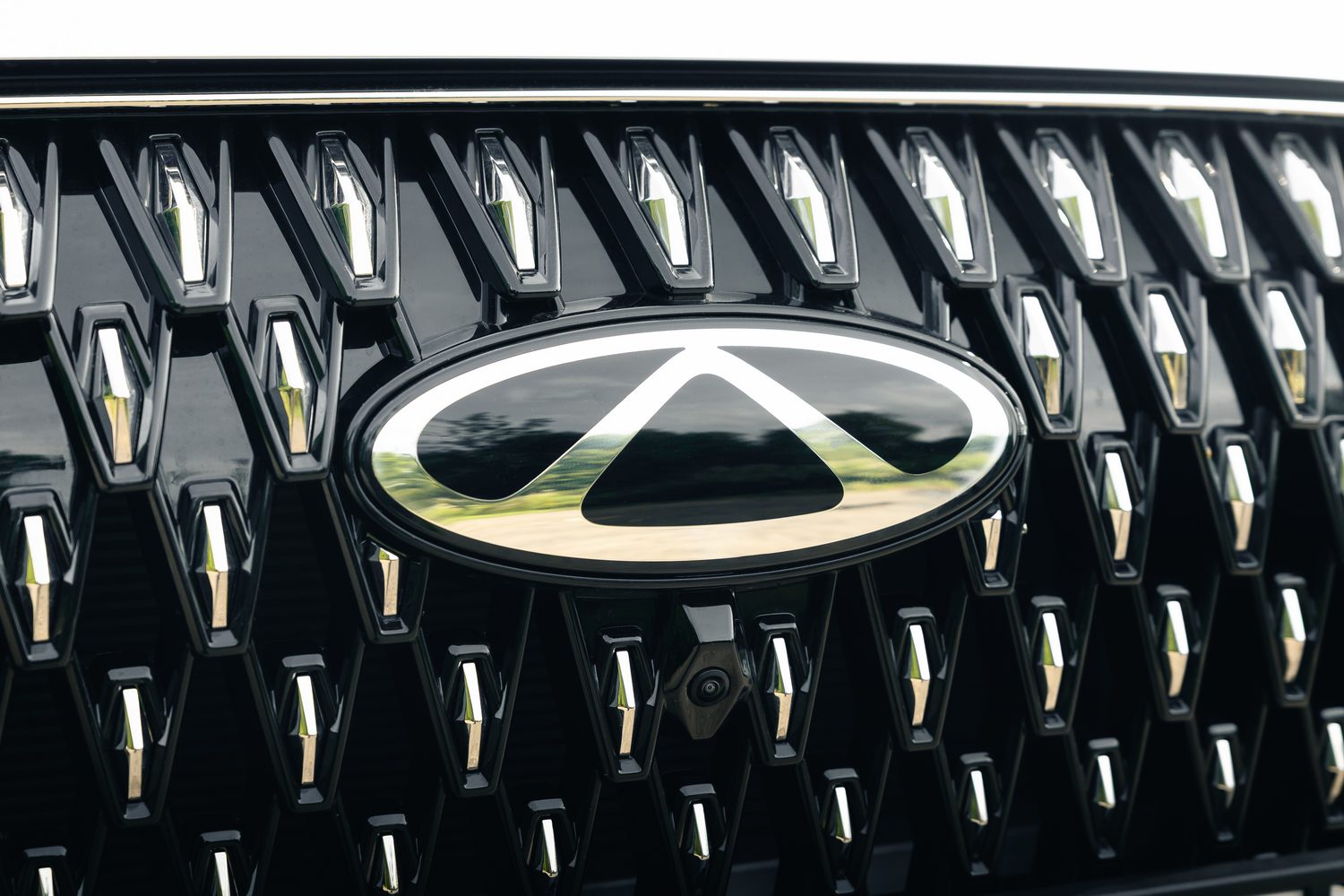
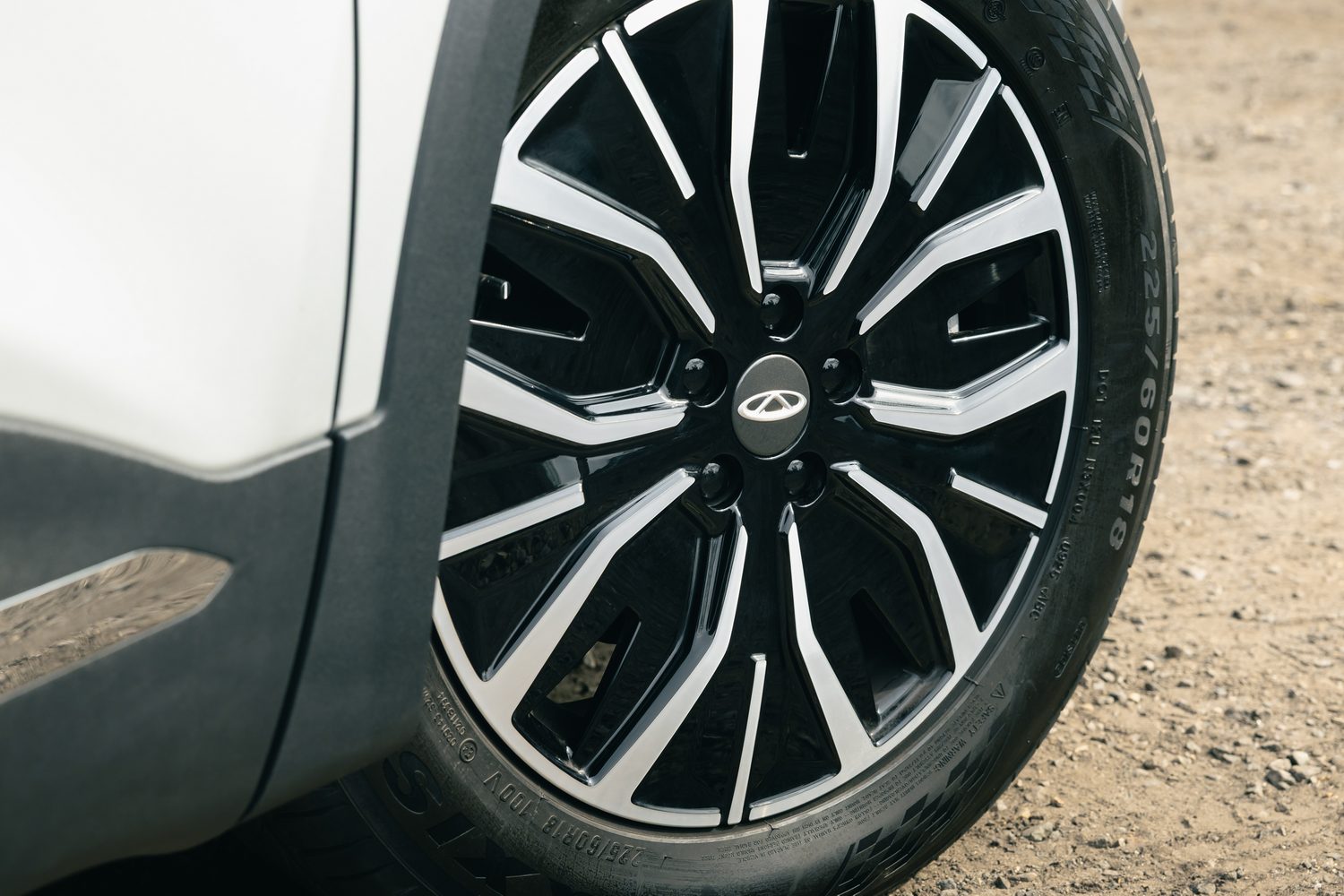
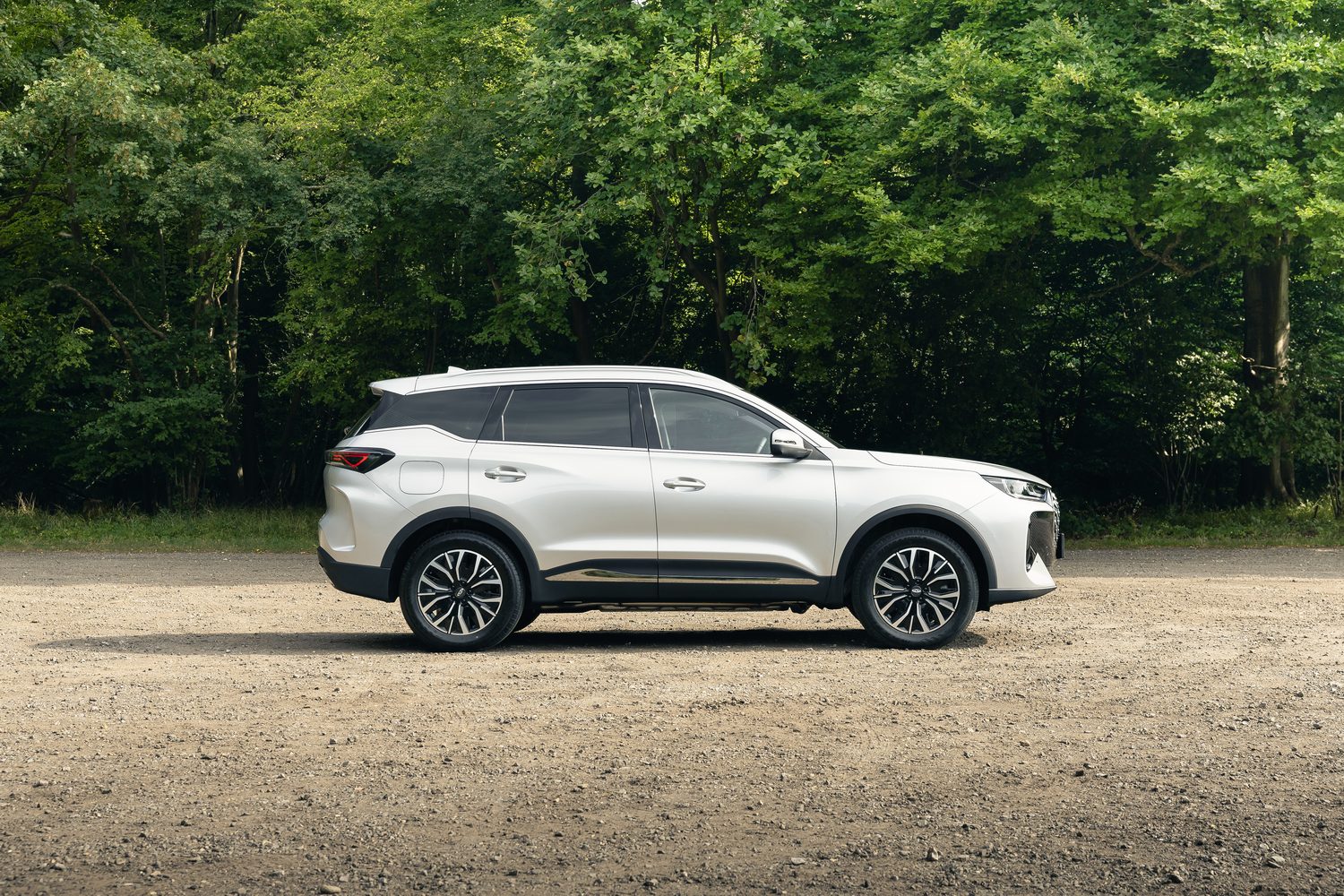
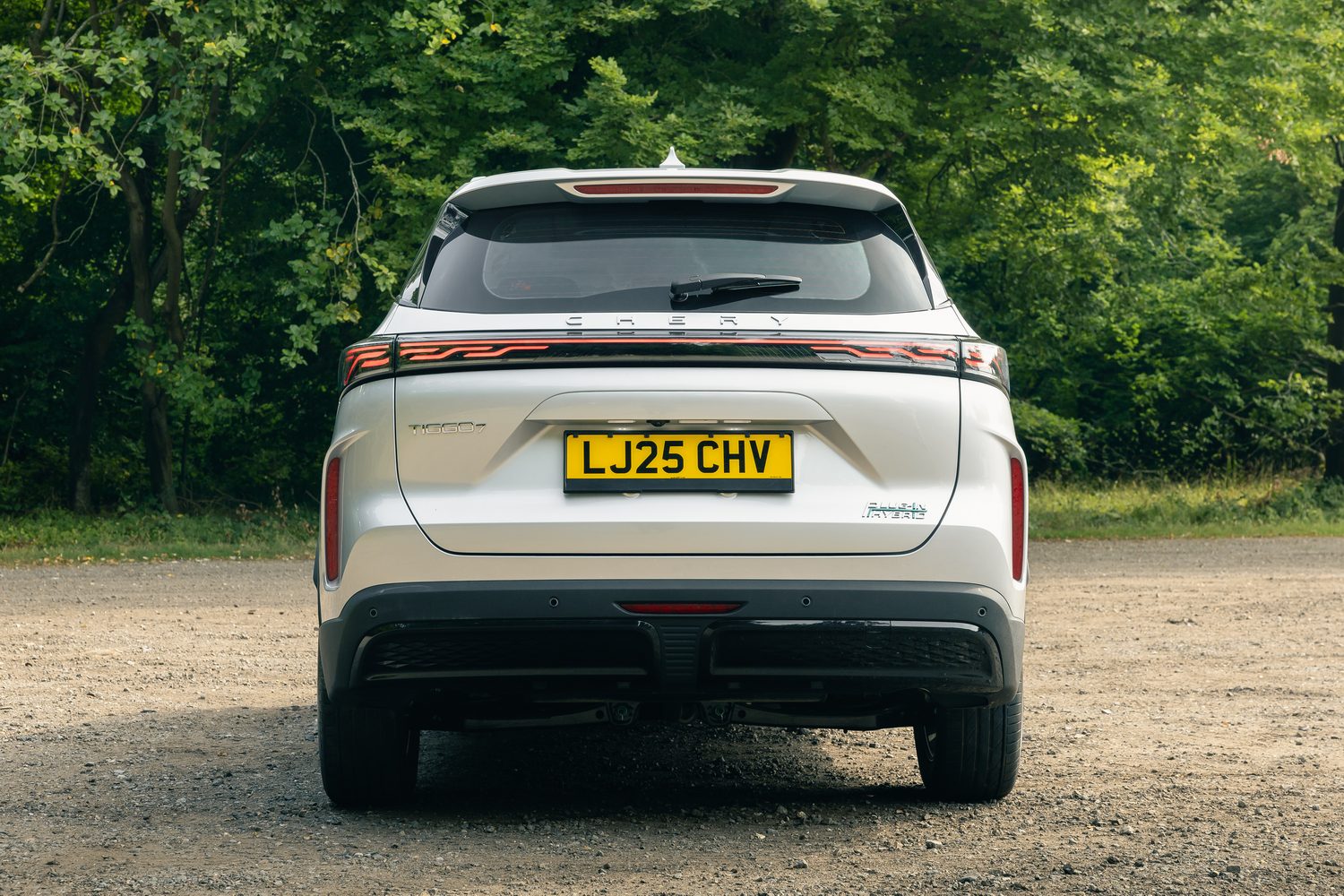
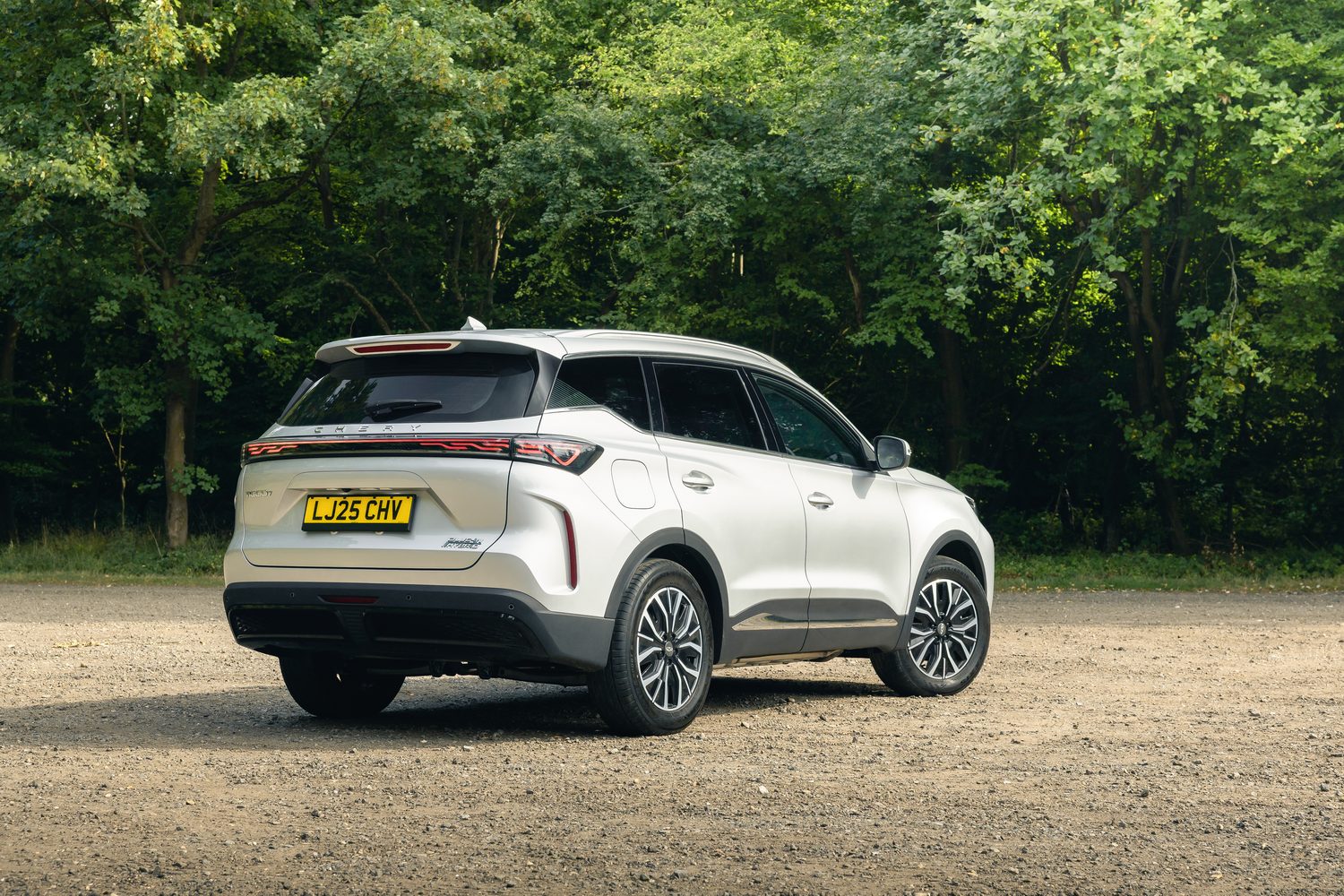
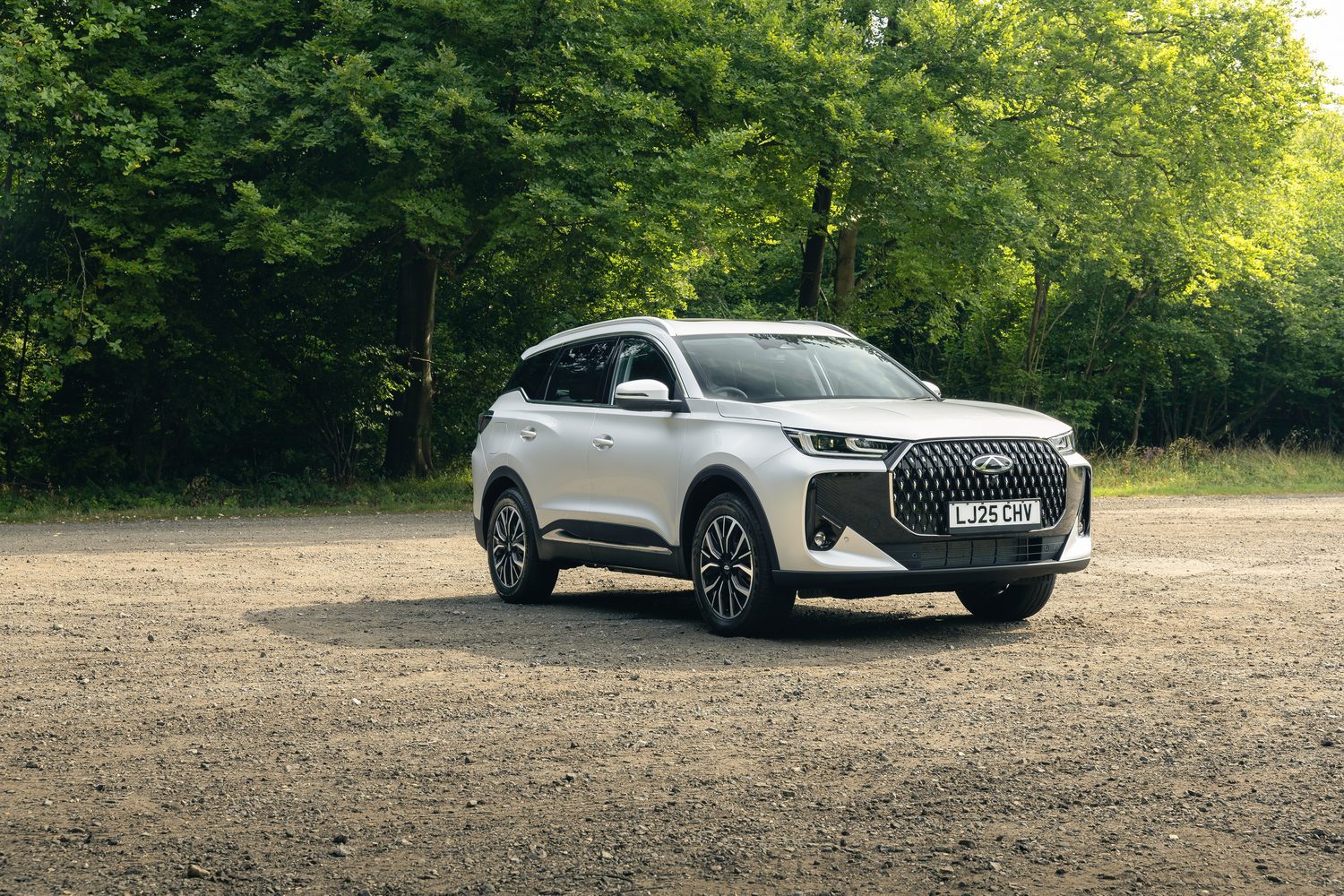
It feels like it has been a long time since we wrote about a new manufacturer's products and said they were derivative of every other rival already out there, but with the Tiggo 7 we feel like we've gone back in time and can play a game of 'spot the influence'. To be fair to it, sitting on its standard 18-inch alloys, it looks perfectly acceptable, if a little anonymous.
The Tiggo 7's dimensions are:
- Length:
- 4,500mm
- Width:
- 1,842mm
- Height:
- 1,746mm
- Wheelbase:
- 2,670mm

But you could easily say it looks just like the current, facelifted Ford Kuga, certainly from a low-down, front-three-quarter view. Or the first-generation MG HS. Or, indeed, you can break down certain aspects of the aesthetics and identify details that look like they were lifted wholesale from a Hyundai, SsangYong (sorry, KGM) or Nissan, for example.
In short, the Chery Tiggo 7 is not ugly, it's not badly proportioned and it's designed without an ounce of controversy or daring, in order to deflect as few customers as possible from a potential purchase path when they're idly browsing in Chery showrooms.
Interior, practicality, tech & comfort of the 2026 Chery Tiggo 7
- Dashboard looks interesting at first glance
- Twin 12.3-inch screens dominate
- Some materials don't bear close scrutiny

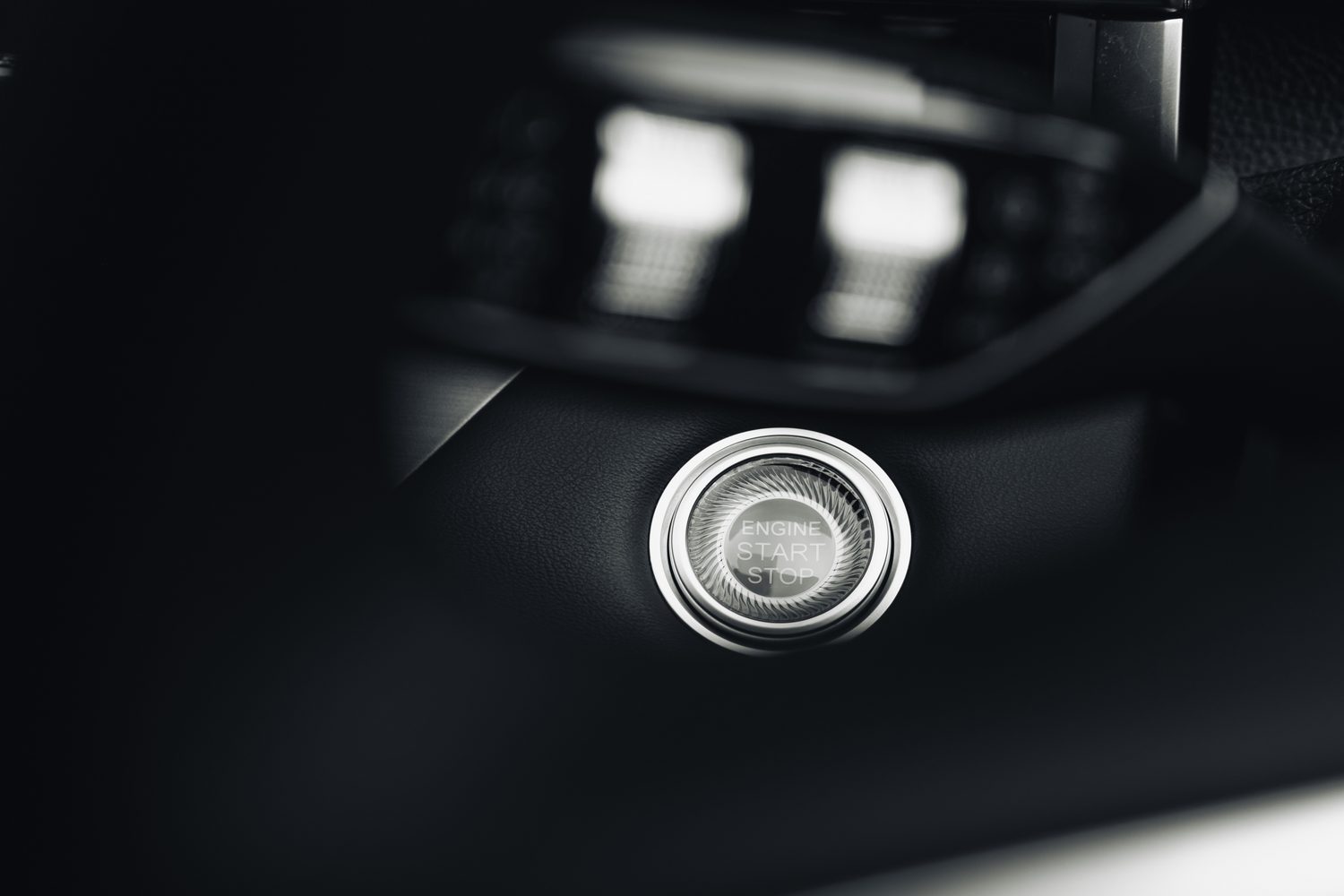
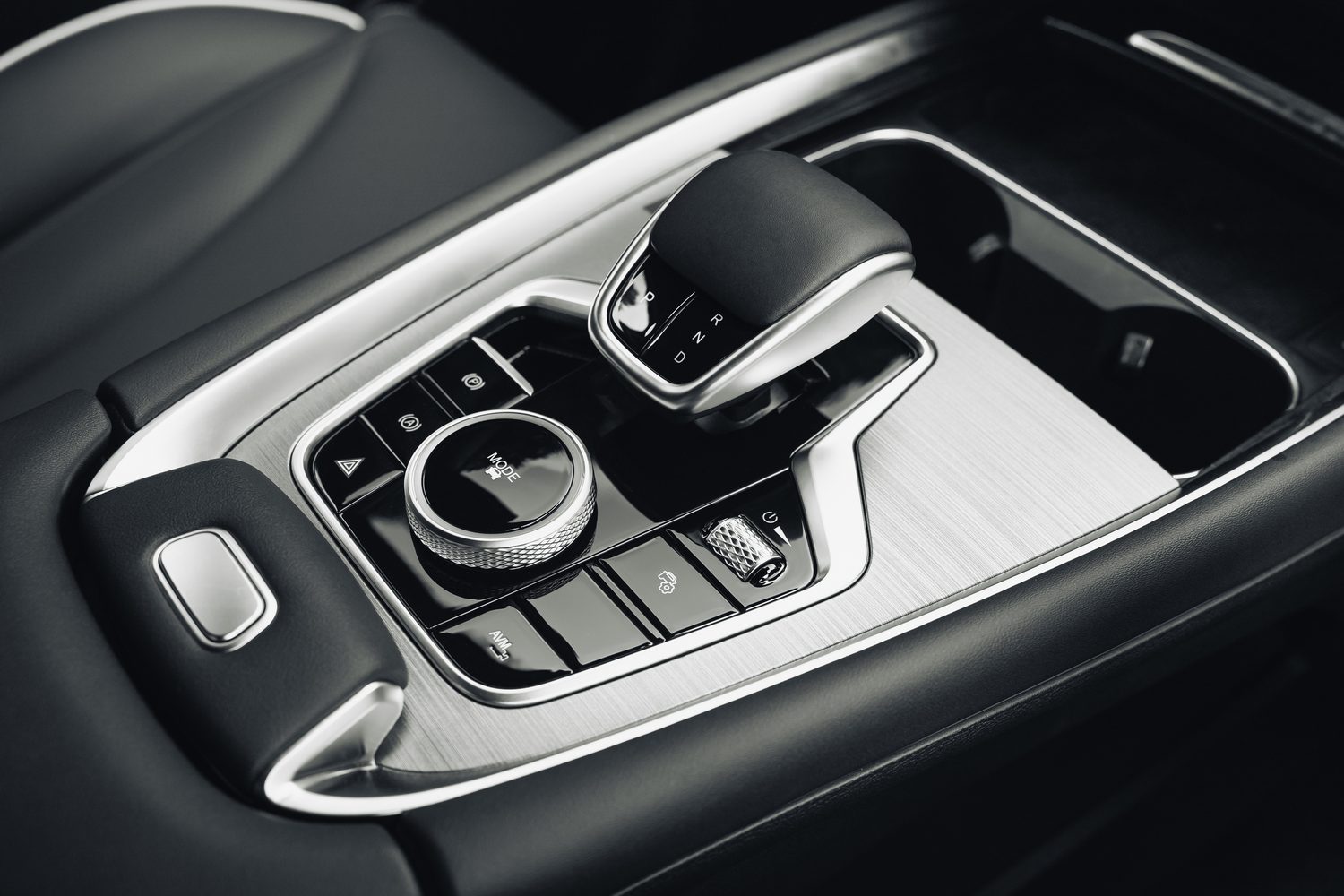
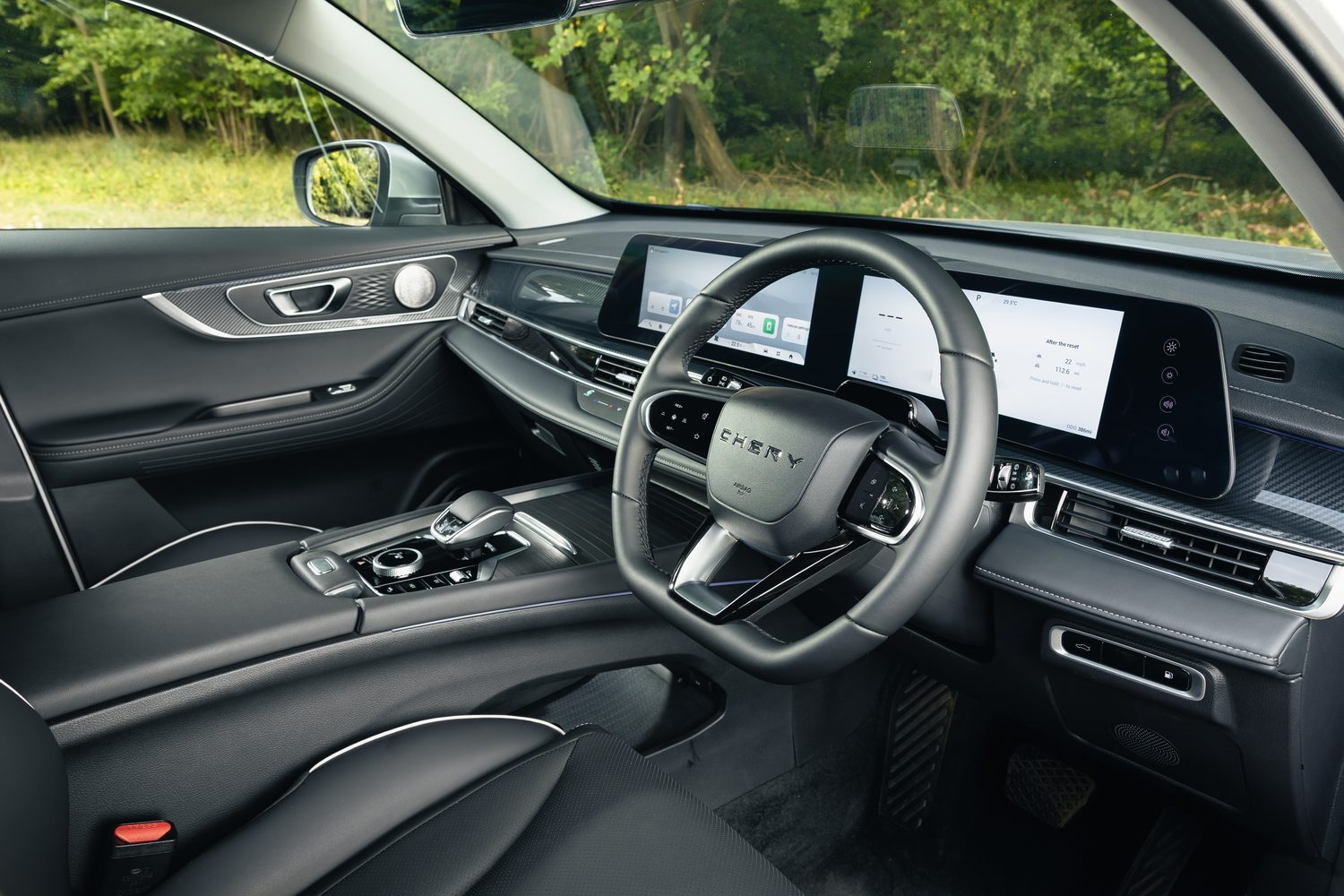
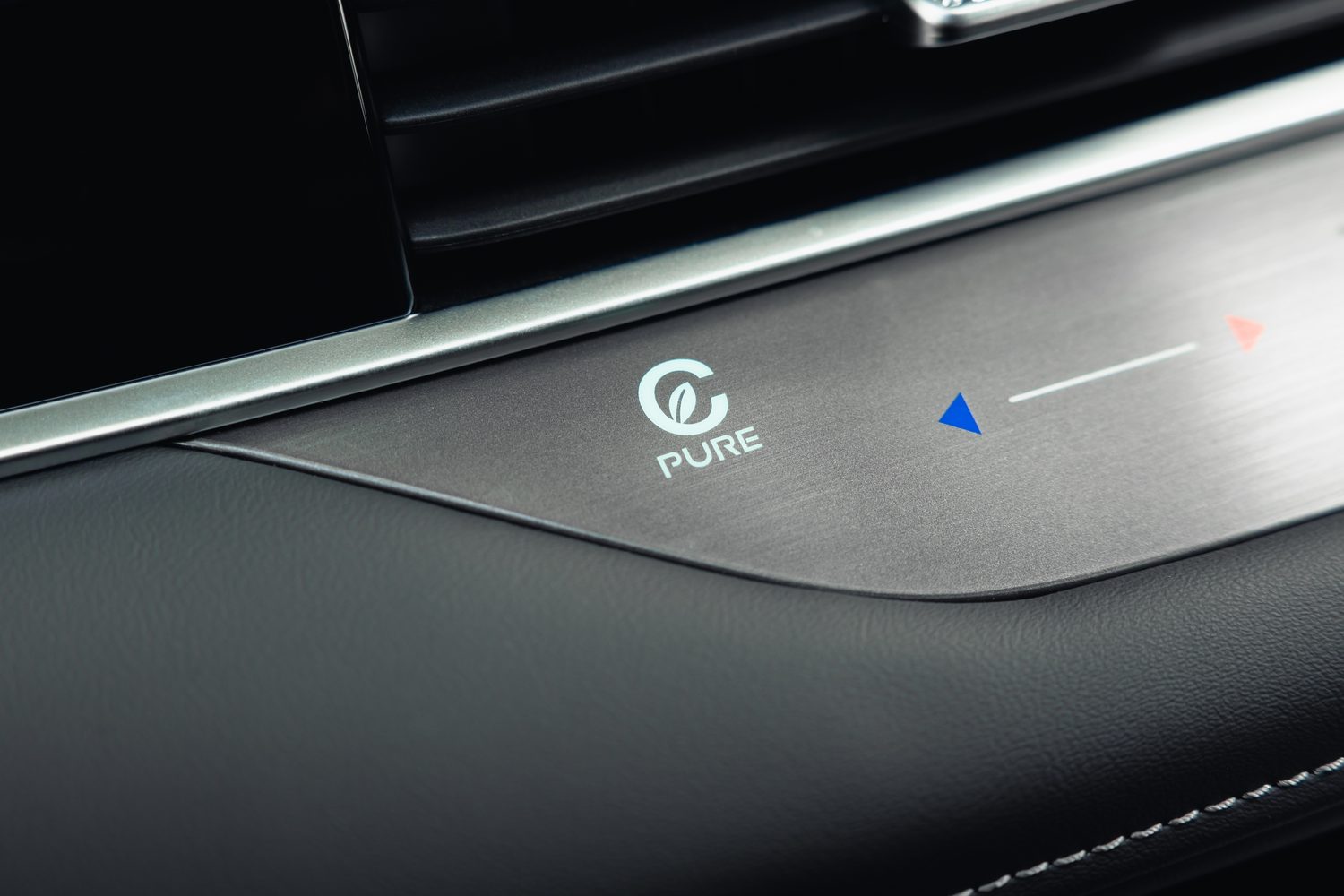
This is a car interior that is dressed to impress. You get into the Chery Tiggo 7 and sit behind the wheel to appraise what you see laid out before you, and your eyebrow raises in quiet appreciation. Looks good. The use of varied material finishes is classy, the layout appears intuitive, and the mid-2020s prerequisite of a pair of huge twin digital displays is all present and correct.
Largely, when you start touching surfaces and operating switchgear, it all holds up, but some of the oddities of the Chery start to shine through. For instance, on the higher-spec model we tested here, we could well do without the faux carbon fibre splashed all over the dashboard and door cards. Chery is supposed to be a cheerful, family-oriented value brand, with no pretensions to sportiness or the thrill of driving whatsoever - so why is it trying (badly) to mimic that most dynamic of car materials in its cabin?

Similarly, the synthetic leather on the seats is very obviously not cow hide (it doesn't feel even close, although some will like the fact it's not too close in sensation to a dead animal's skin) while the mouldings capping the A-pillars are flimsy and cheap.
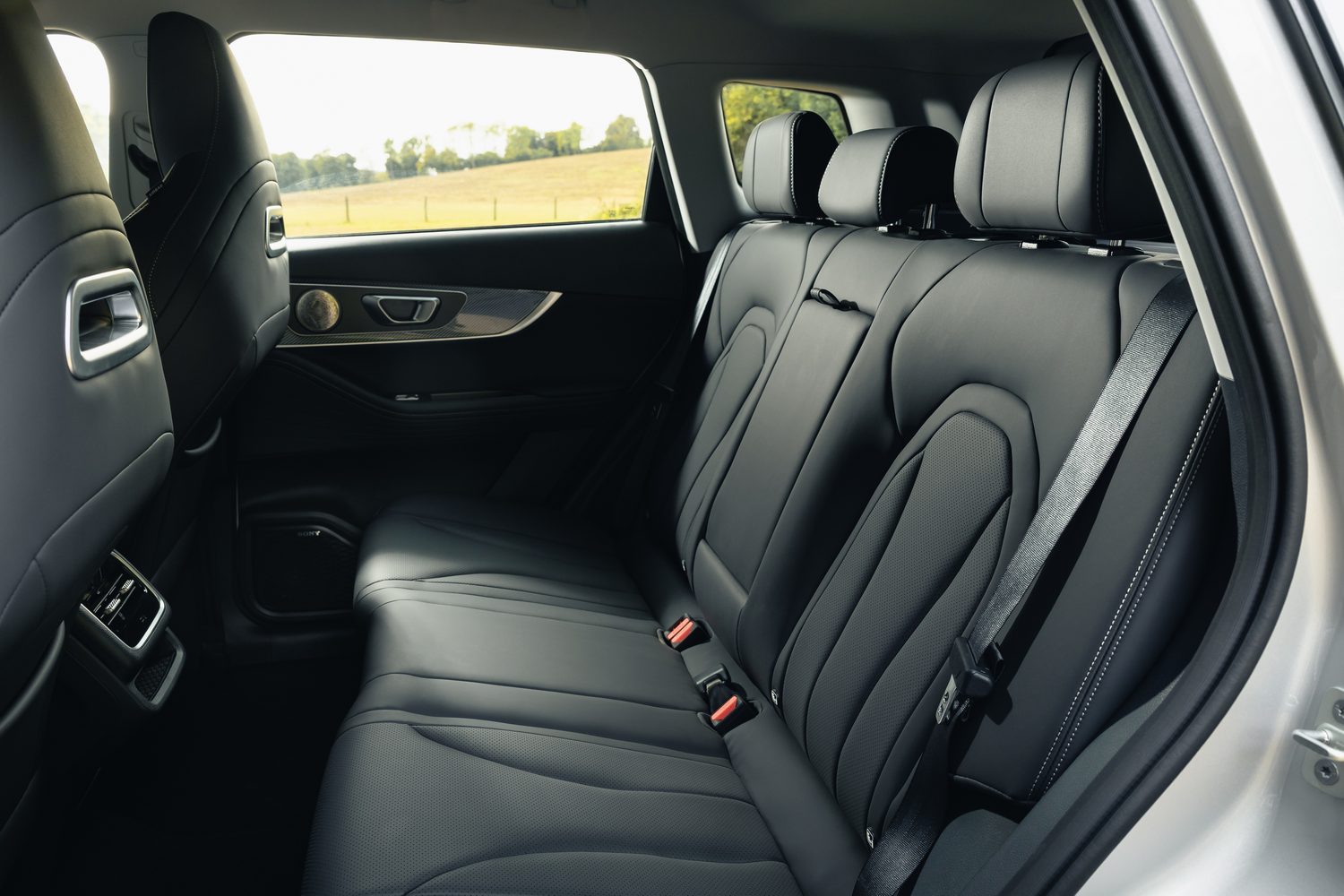
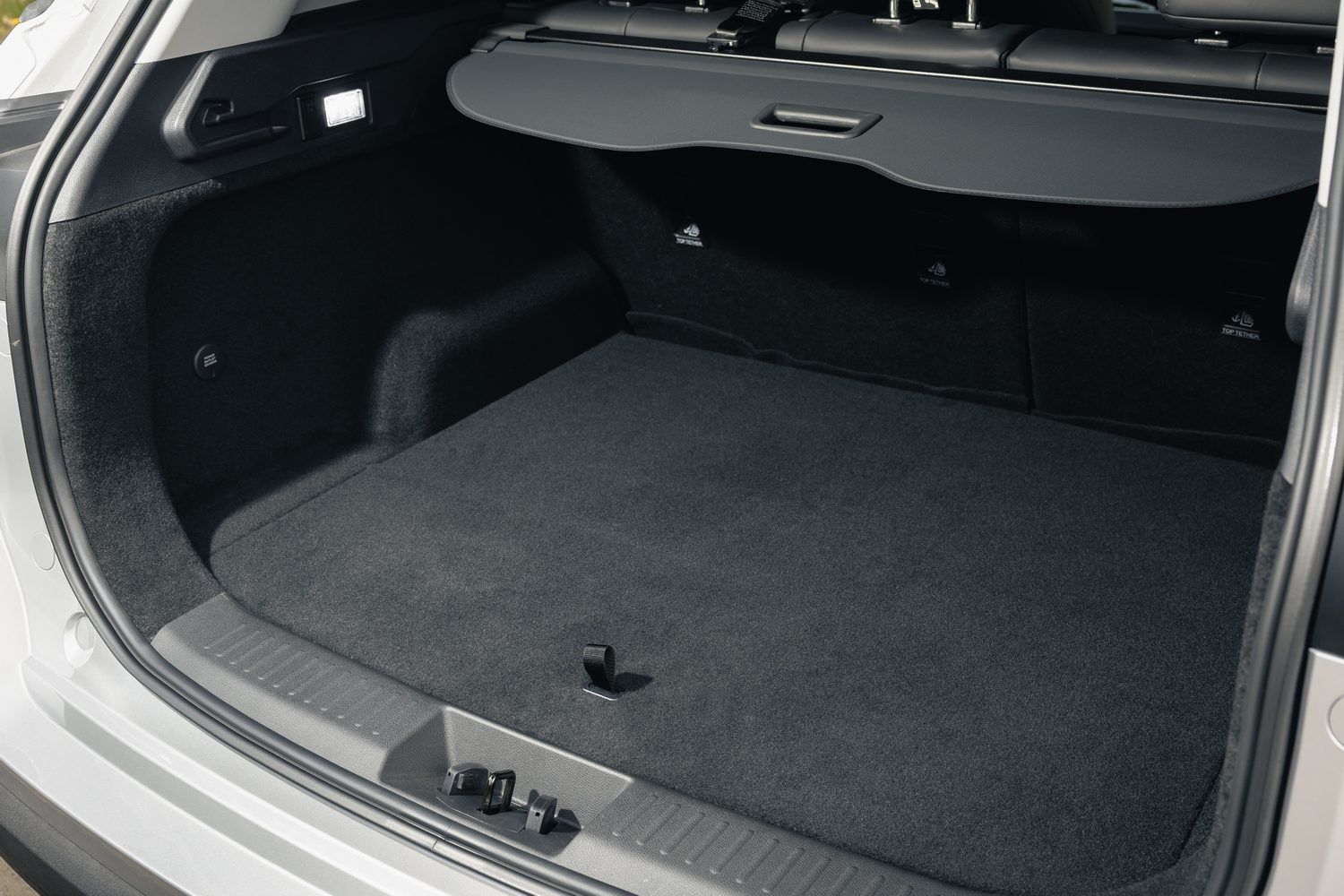
No qualms with the interior space, though, as five adults should be comfortable enough aboard the Tiggo 7 thanks to its decent second-row seating spaces, while the boot is an acceptable 426 litres with all seats in use and 1,672 litres with the back chairs folded away.

Happily, that counts for both the petrol 'ICE' model here and also the plug-in hybrid; there's no loss of cargo capacity in the part-electric Chery, as you find in some other PHEVs.
Performance of the 2026 Chery Tiggo 7
- Petrol and DCT combo is reasonably smooth
- Not much performance on tap
- Ride and handling forgettable, but OK

With a modest choice of either 147- or 204hp powering between 1.5 and 1.8 tonnes of SUV, no Chery Tiggo 7 is going to be a road rocket. But then, compact crossovers and SUVs like this don't need to be, either.
Thankfully the 1.6-litre engine in the Tiggo is smooth enough and amiable enough to cut the mustard. Sure, it gets a touch raucous at higher revs, and coupled to a seven-speed dual-clutch automatic transmission that is nowhere near the forefront of either shift speeds nor mechanical refinement, there can be occasions where the drivetrain is found severely lacking - such as if you want to maintain your speed up a steep hill with a moderate flex of your right foot, for instance, or if you're going to dare perform an overtake on a fast-moving two-way trunk road.

But thanks to its hushed behaviour at less than 3,500rpm and something Chery christens 'Silent Glass' (it's a form of double-layered glazing on the windscreen and front side windows), the Tiggo 7 is lovely and quiet when you're just cruising along in it.
Whereupon you can revel in the ride quality, which strikes a good balance between supple damping to flatten out poorer road surfaces and the like, and the body control, which is above average. There's a degree of lean and dive present here, because the Chery is more softly sprung than most modern European SUVs, and it doesn't deal with large transverse ridges or even medium-sized potholes that well at all, but you'll never find it actively uncomfortable nor will you reach terminal levels of lean in the corners.

That's because the Tiggo 7 has not one scintilla of driving engagement whatsoever. The steering is stodgy and lifeless throughout all three drive modes - indeed, there's little change in sensation from one setting to another, save for added artificial weighting - and the grip levels are quickly breached in favour of safety-oriented push-on understeer, either accompanied or followed by scrabbling wheelspin.
So the Tiggo 7 doesn't in the slightest encourage spirited driving on twisting country roads. However, it's far from the worst SUV chassis we've ever encountered either, so the way the Chery drives is satisfactory, without ever being truly satisfying.
Running costs of the 2026 Chery Tiggo 7
- Petrol model isn't very economical
- PHEV will be the obvious choice
- Value ethos could translate to low running costs

The turbocharged 1.6-litre petrol engine wouldn't be a popular choice here if it's offered. Its numbers of 40.4mpg (7.0 litres/100km) and 163g/km aren't bad for a petrol-only SUV, but they're also not groundbreaking.
Most will prefer the PHEV, which has the usual astounding figures of 23g/km CO2 and 256.8mpg on the WLTP cycle. However, no Tiggo 7 should cost the Earth to run, and it might well be that Chery can offer a long, competitive warranty on its products to help with long-term costs.
Irish pricing & rivals of the 2026 Chery Tiggo 7
- Irish market presence still to be confirmed
- Should be at the affordable end of the scale
- Lots of equipment as standard, potentially

The prices for the Tiggo 7 in Ireland haven't been confirmed as yet, because Chery's presence in the country isn't even set in stone. We're hopeful the products will come here sooner rather than later, mainly because Chery has already launched in our nearest right-hand-drive market of the UK.
That's primarily in response to a phenomenal, and unexpected, uptake in that country of the preceding Jaecoo and Omoda vehicles; they took a remarkable 2.96 per cent of the total market share over there in August 2025 alone. This is unheard of for young marques like that in a brand-sensitive territory and is the primary reason parent company Chery has decided to release its own vehicles into this part of the world as a result.

So with Jaecoo 7s roaming the roads en masse over the water, it's likely that if Chery can establish a foothold here, the Tiggo 7 might see the same amount of sales success - but that would be predicated on the pricing strategy the company has embraced in other markets, where its cars are considerably cheaper model-for-model than comparable rivals. A starting price of something around €30,000, or even less, would bolster the Tiggo 7's consumer appeal no end if it was introduced in Ireland.
Verdict - should you buy the 2026 Chery Tiggo 7?
The Chery Tiggo 7 is the automotive equivalent of lagging up to ensure you hit the fairway, rather than more riskily shooting for the green in one go. It's the kind of ultra 'safely-safely' approach that should ensure the Chinese manufacturer has a better chance of making par, but - to continue this tortured golfing analogy to its conclusion - it won't win Chery any tournaments either.

Nevertheless, while it has derivative styling, a ho-hum drivetrain and utterly unremarkable driving dynamics that are six-out-of-ten in all departments, the Tiggo 7 does everything to a good enough standard that you could easily live with one day to day. So if the pricing here is as super-keen as it is in other markets, and Chery gets the dealer network/aftermarket support thing right, then the answer to this section is: yes, you could definitely buy the Chery Tiggo 7. Because it's not bad at all.
FAQs about the 2026 Chery Tiggo 7
What does the name Chery Tiggo 7 mean?
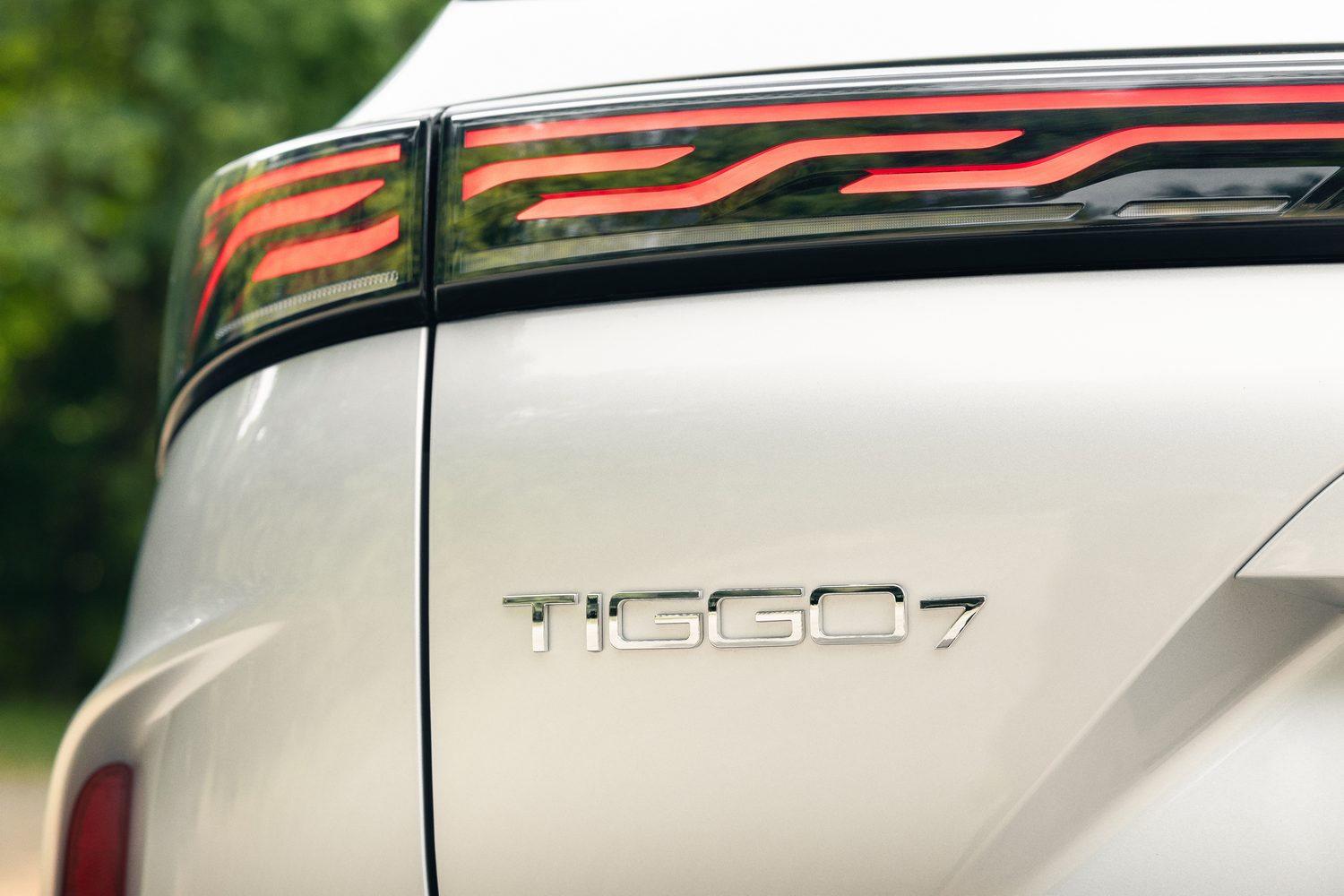
It's some superb Chinese oddness. First of all, although the brand name is pronounced exactly the same as the small, juicy red fruit with a stone in the middle (and you therefore might think the word is missing an 'r'), it's in fact a deliberate misspelling of 'Cheery'. Then, Tiggo is a portmanteau of 'tiger' and 'go'. And 7 simply follows that Chinese carmaker pattern of just appending a random number to vehicles. Still, Chery Tiggo 7 is a little bit less of a mouthful than Cheery Tiger Go 7, we suppose... oh, and Tiggo is apparently pronounced 'tee-go', not 'tigg-oh'.
Is the Chery Tiggo 7 an electric vehicle?
No, it isn't. It is offered with either the 147hp, 1.6-litre petrol engine we've sampled here, or as a plug-in hybrid which the company terms the 'Chery Super Hybrid' set-up, or 'CSH'. That is based on a 1.5-litre petrol engine, and it delivers a peak output of 204hp.
Is the Chery Tiggo 7 safe?
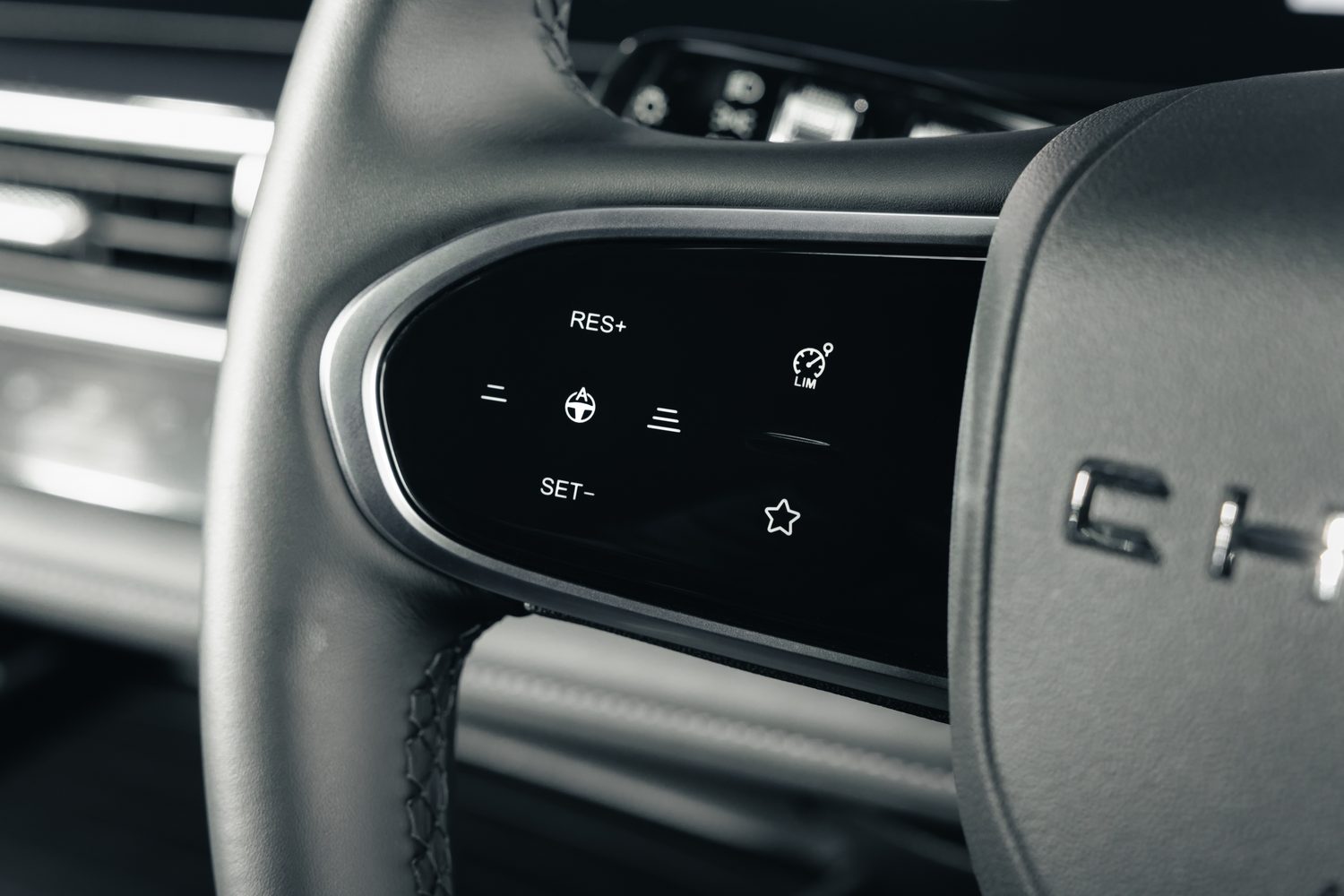
Reasonably so, yes, with a variety of advanced driver assist systems (ADAS) fitted as standard, including a rather over-zealous driver-monitoring camera on the steering column which beeps angrily at you even if you so much as dare to adjust the temperature of the climate control on the central touchscreen.
That said, these systems are switchable and, furthermore, despite the fact it is not widely on sale in many markets, the Tiggo 7 has been subjected to a Euro NCAP test. This saw it pick up a fine, if not outstanding, four-star rating, with individual figures of 80, 77, 80 and 78 per cent respectively for adult occupant, child occupant, vulnerable road users and safety assist. See the full Euro NCAP report on the Tiggo 7.
Want to know more about the Chery Tiggo 7?
Is there anything else you'd like to know about the Chery Tiggo 7? Or anything you feel we haven't covered here? Then just head over to our Ask Us Anything section and, well, ask us anything. We'll do our best to answer your questions.