






Exterior & design of the 2026 BYD Sealion 5 DM-i
- Stands out in BYD's portfolio
- Not exactly handsome, though
- 18-inch wheels on all models

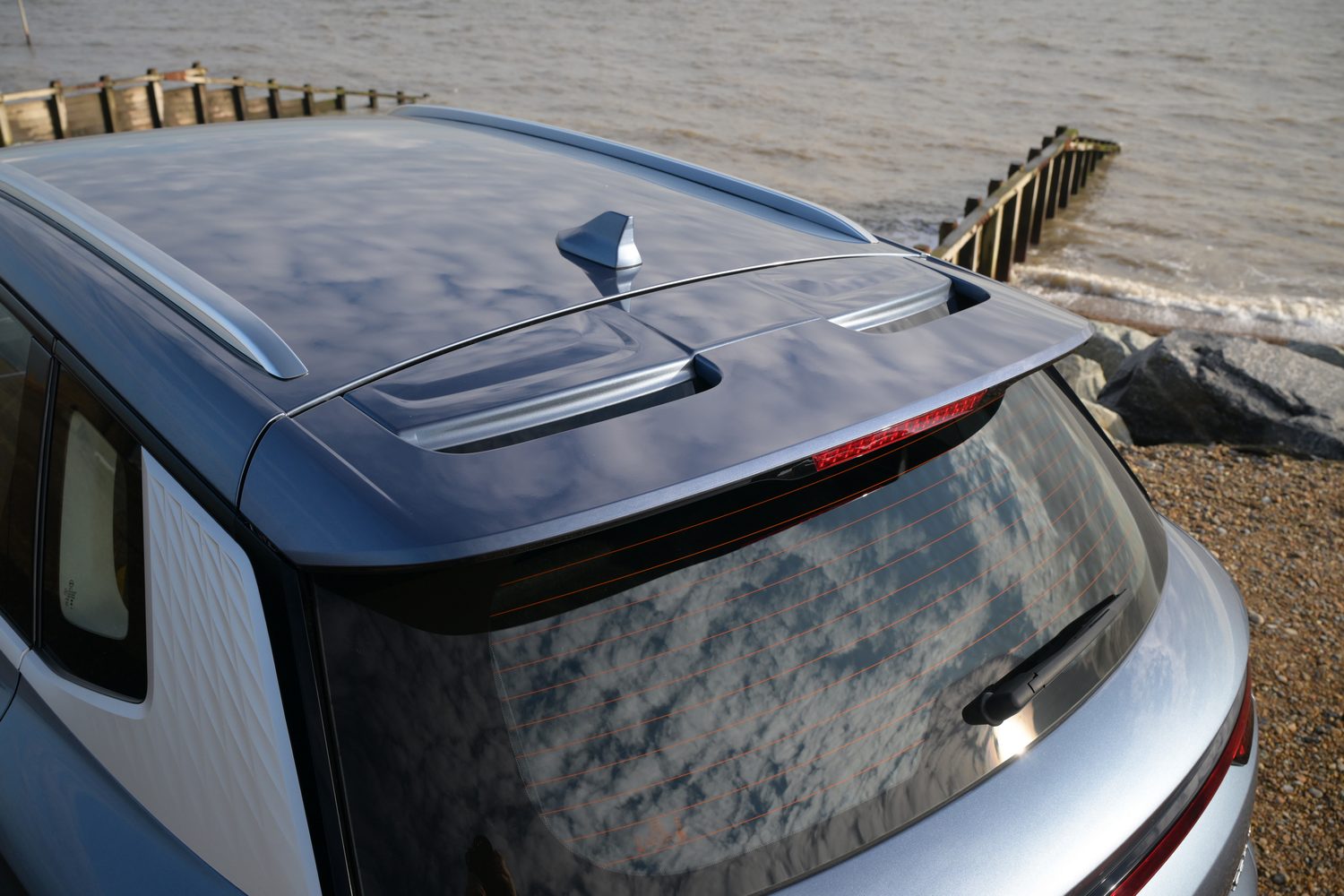
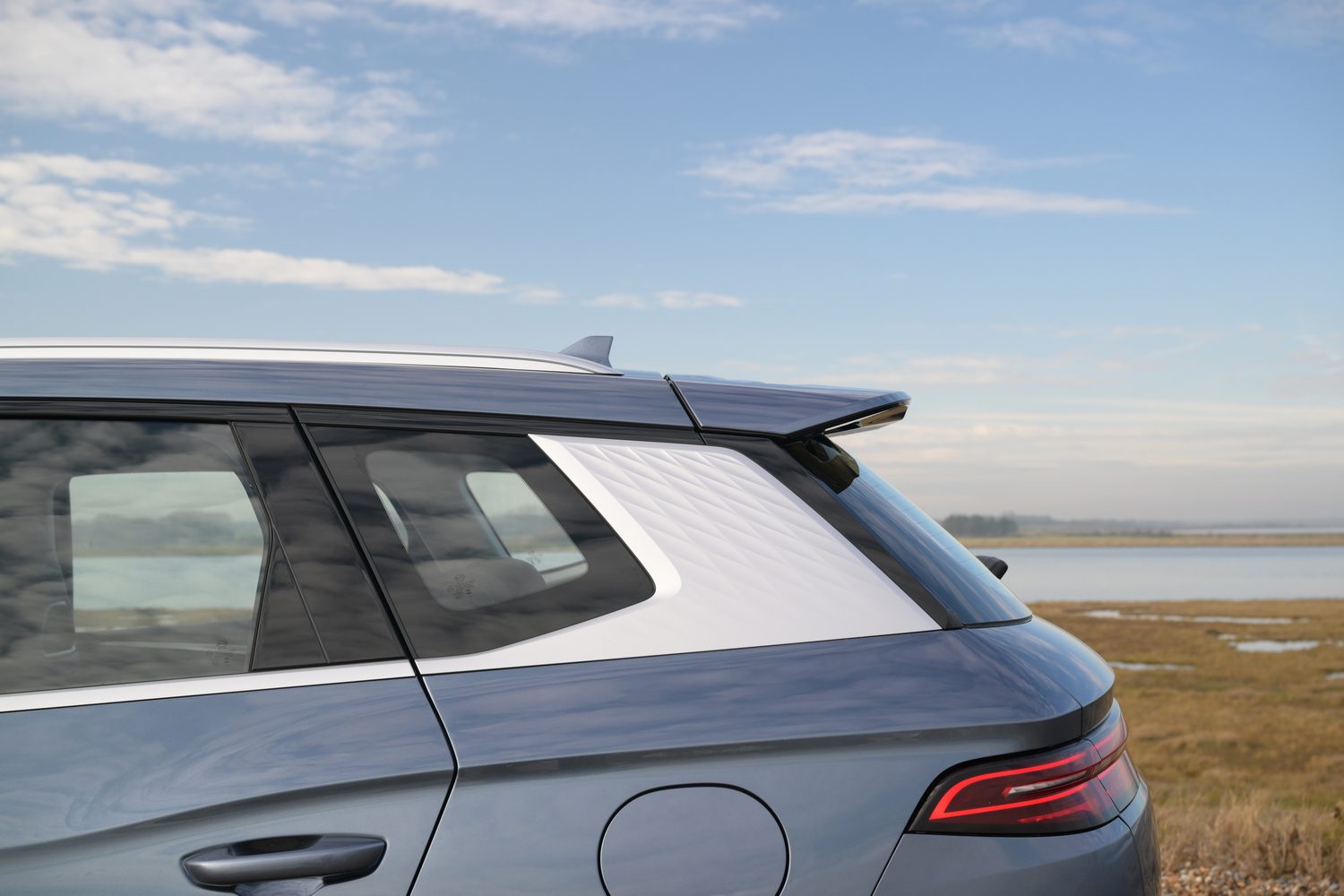
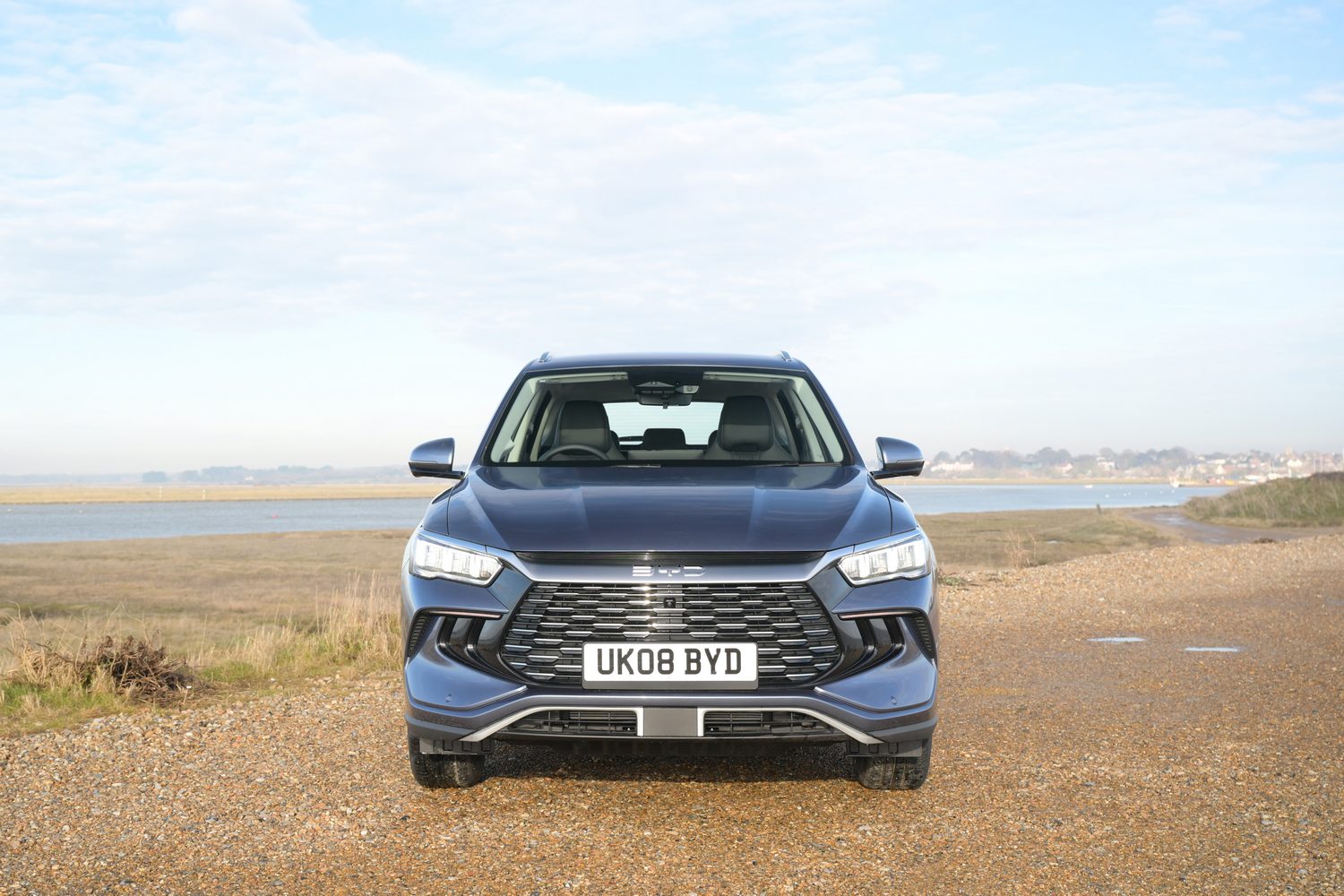
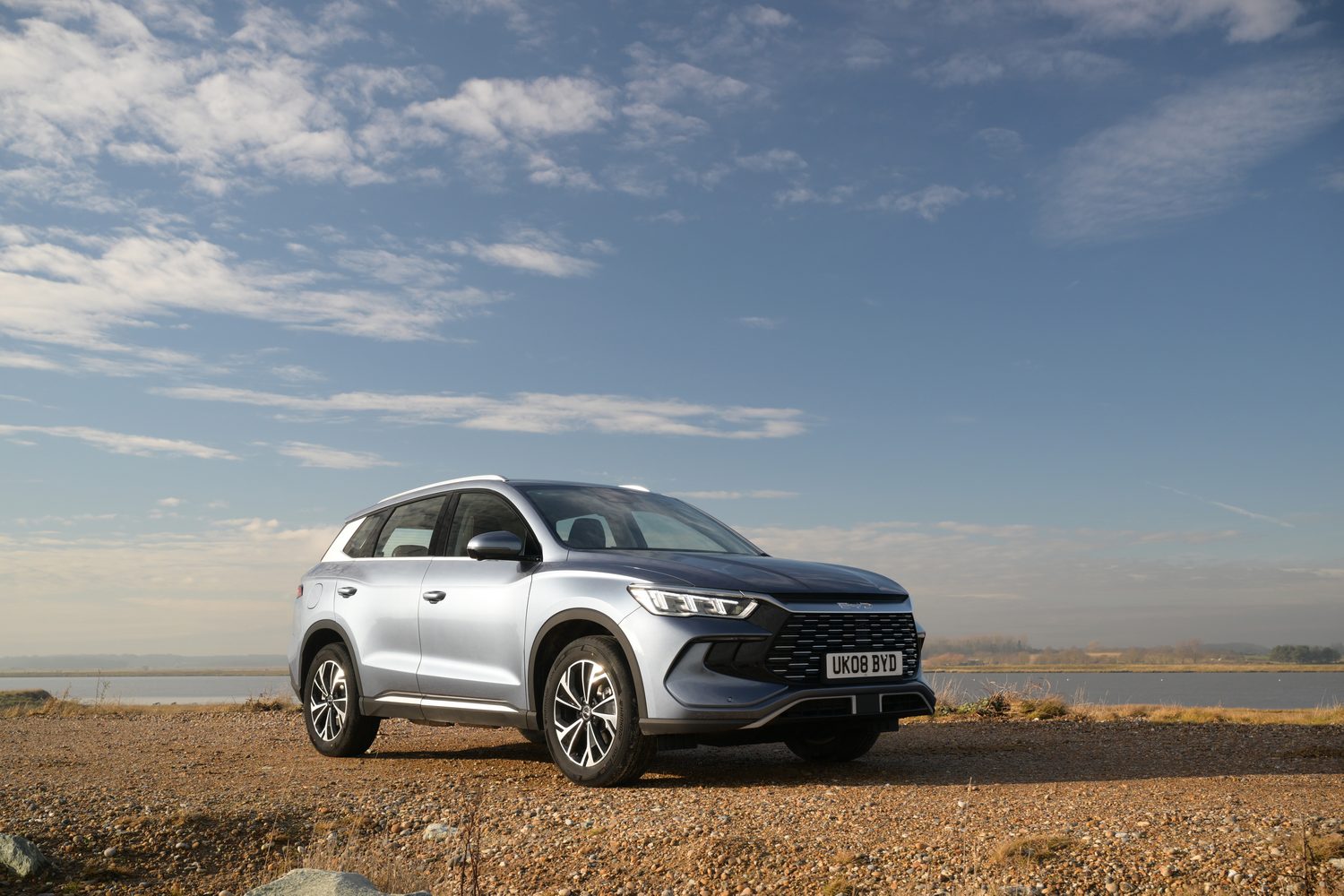
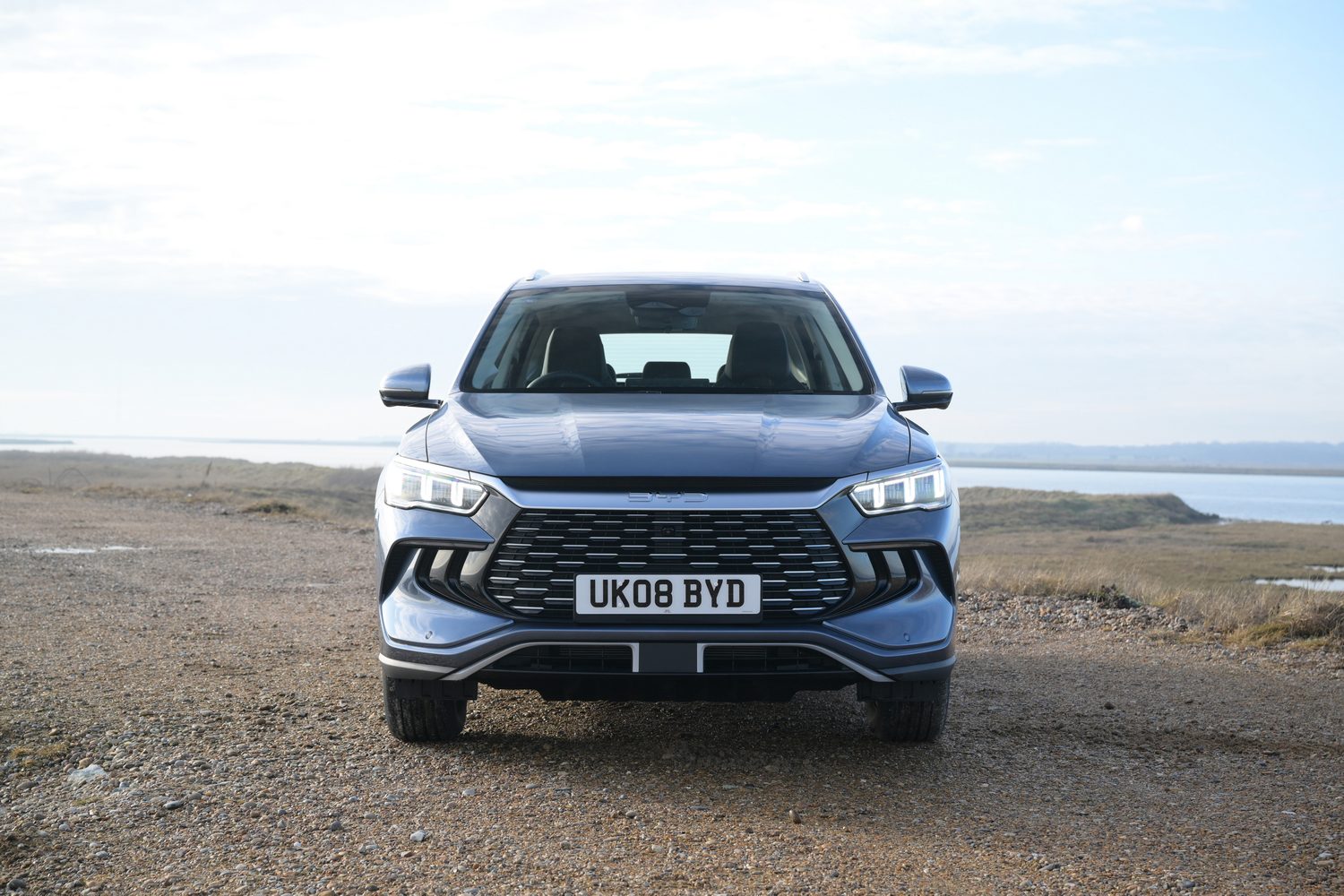
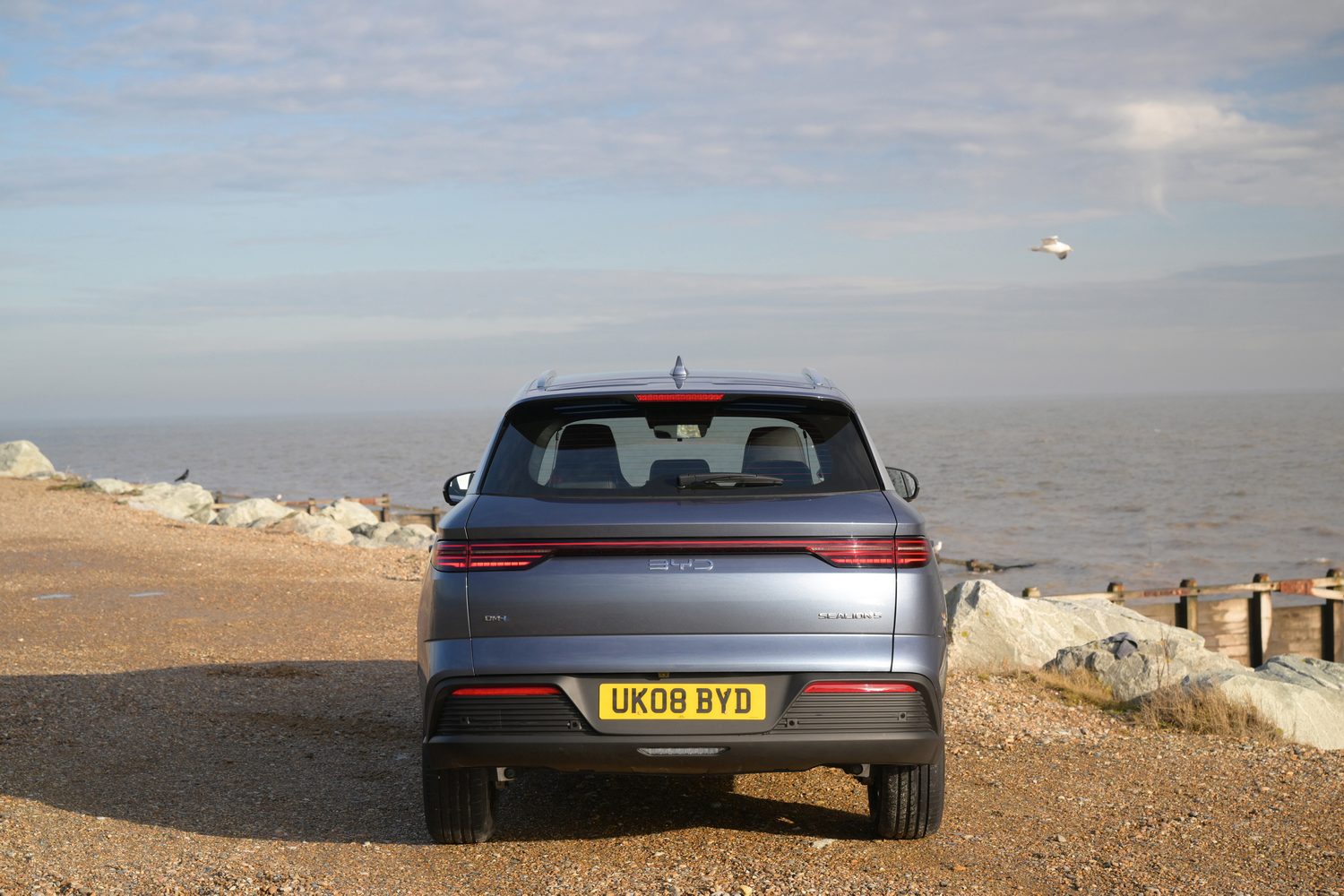
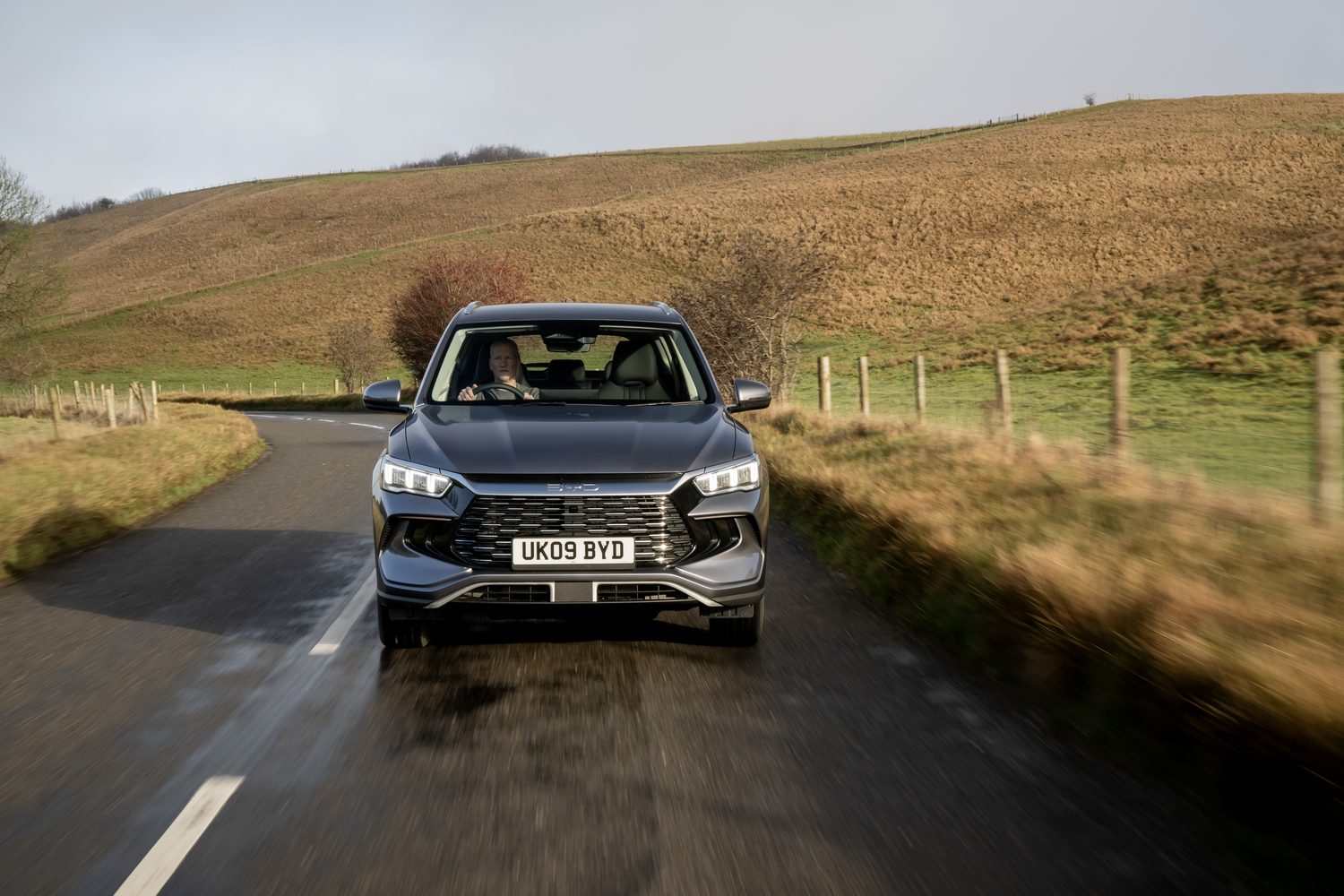
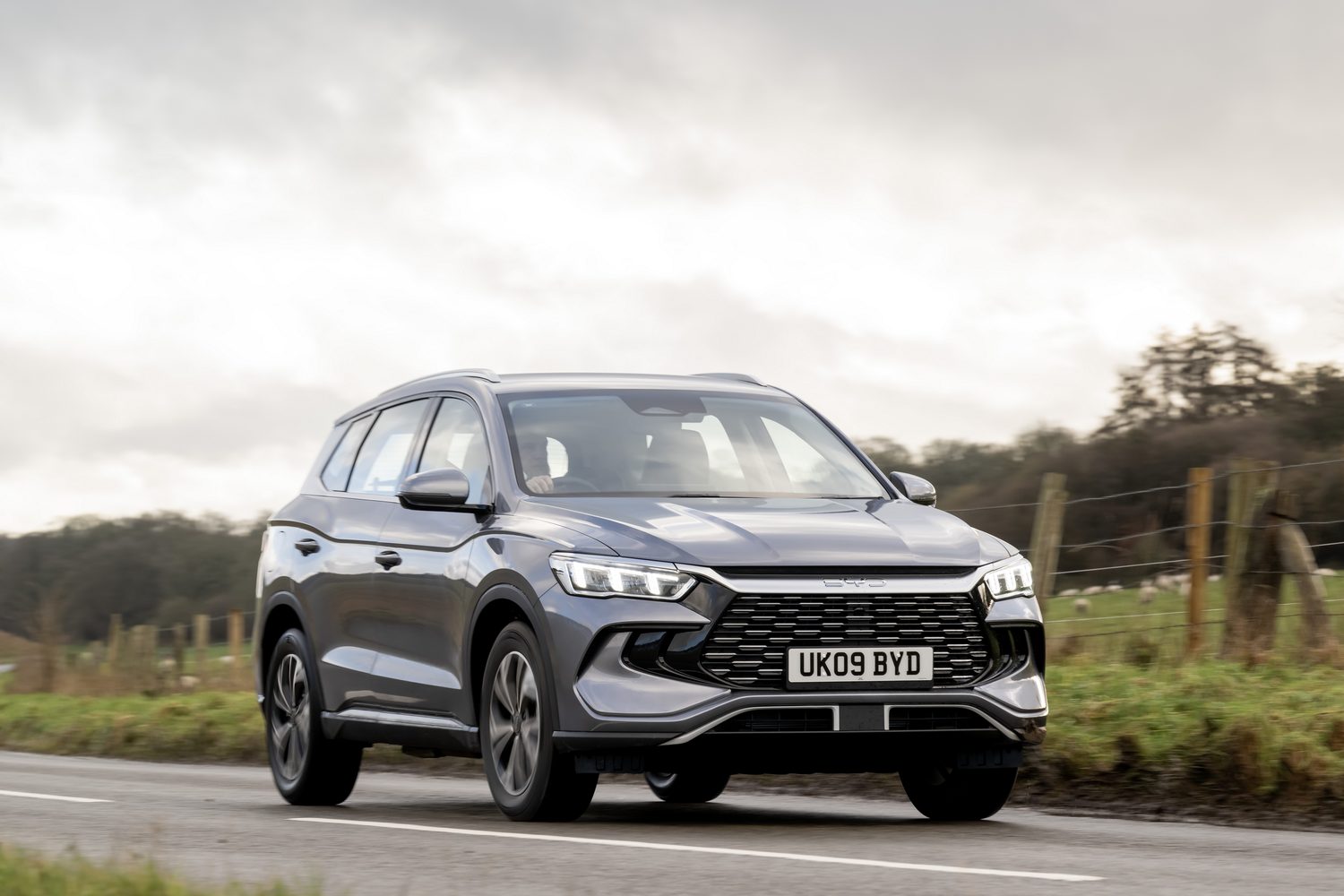
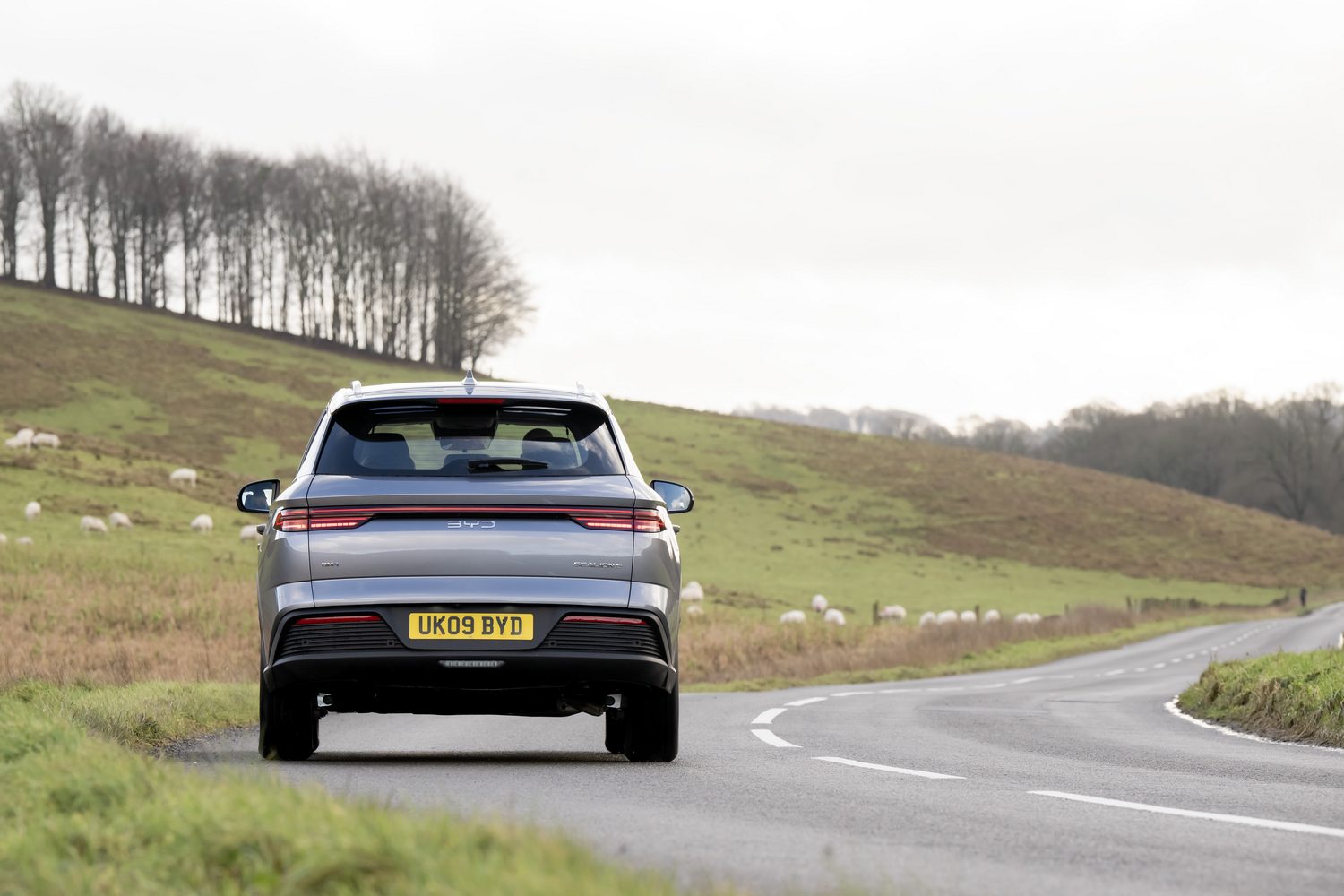
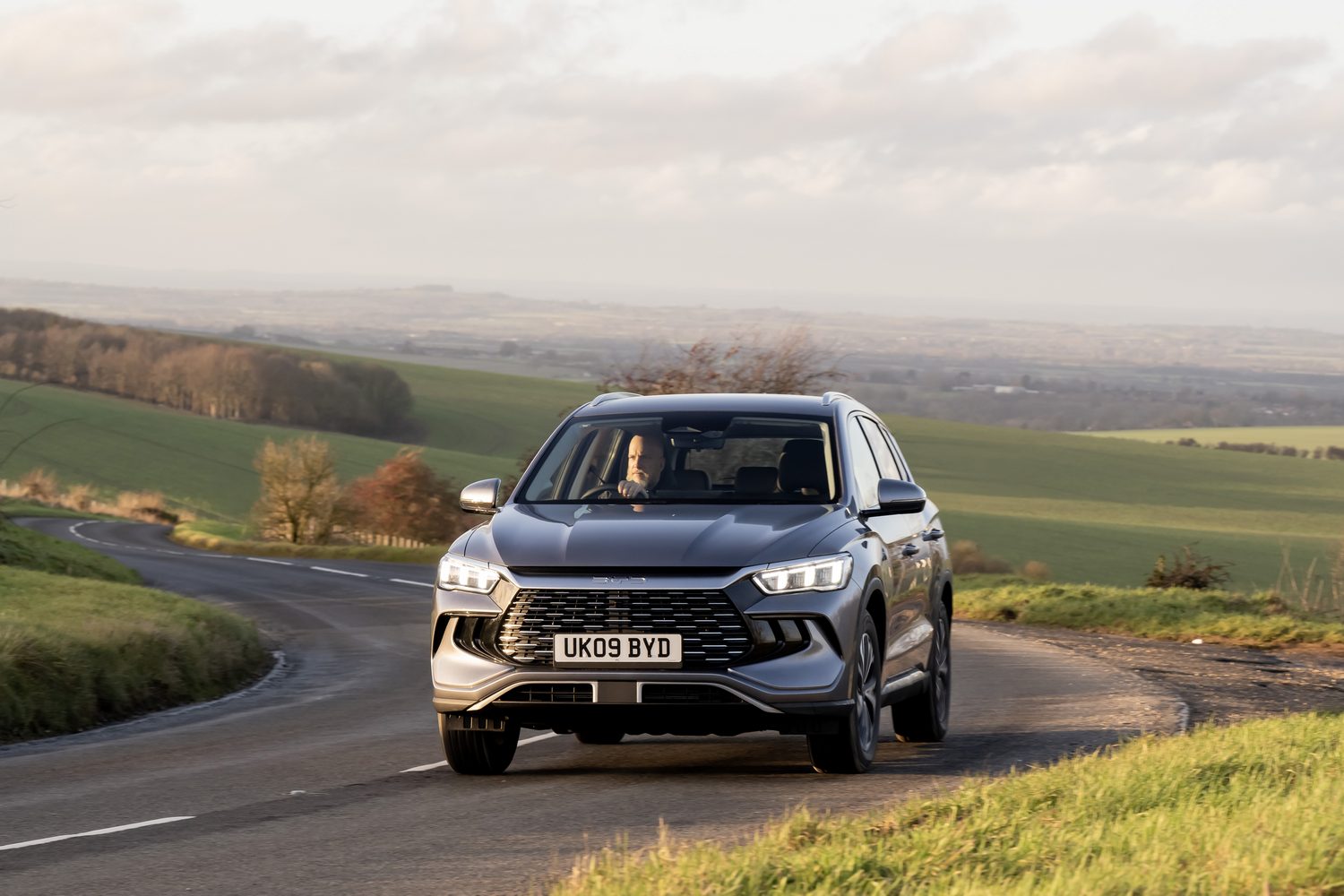
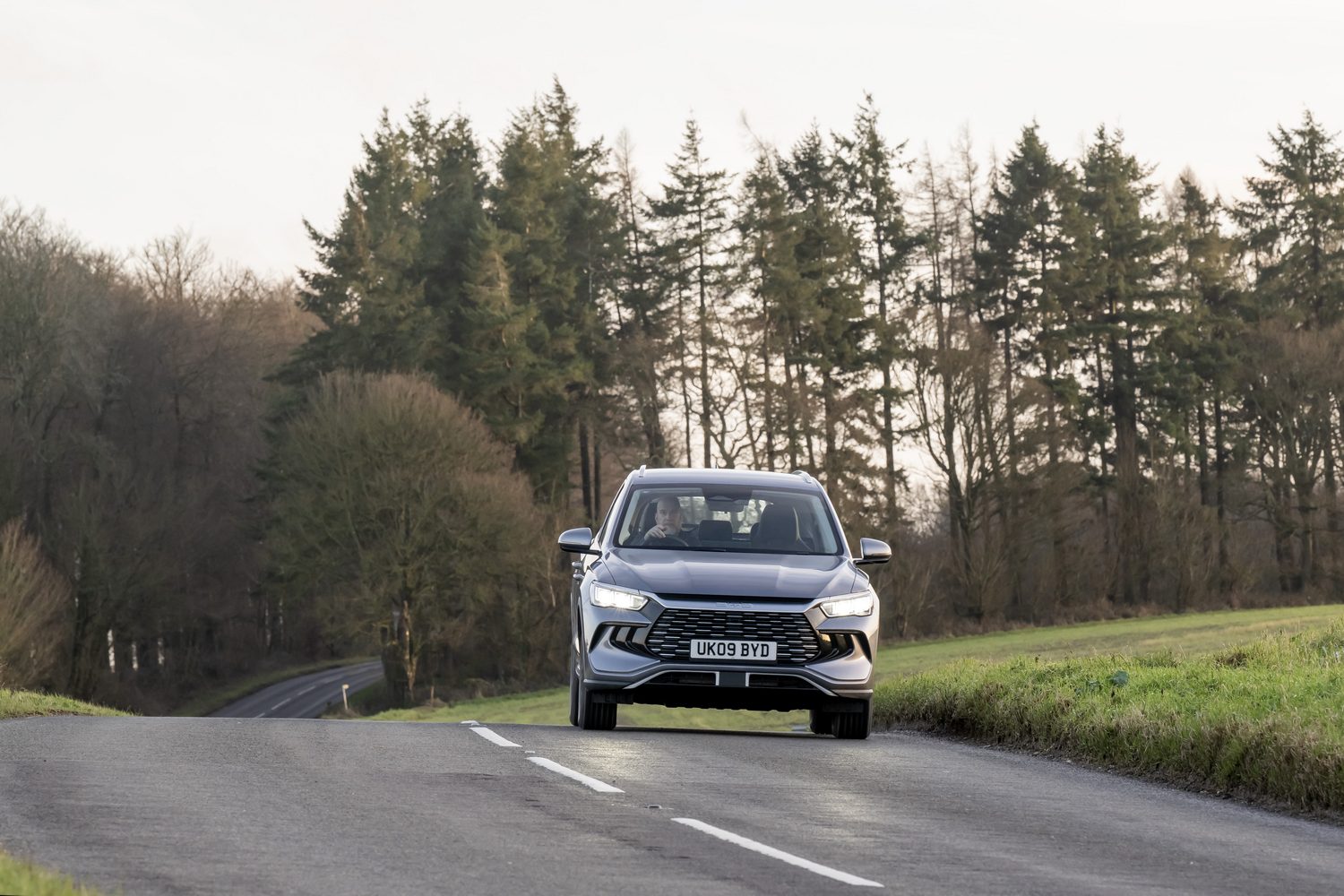
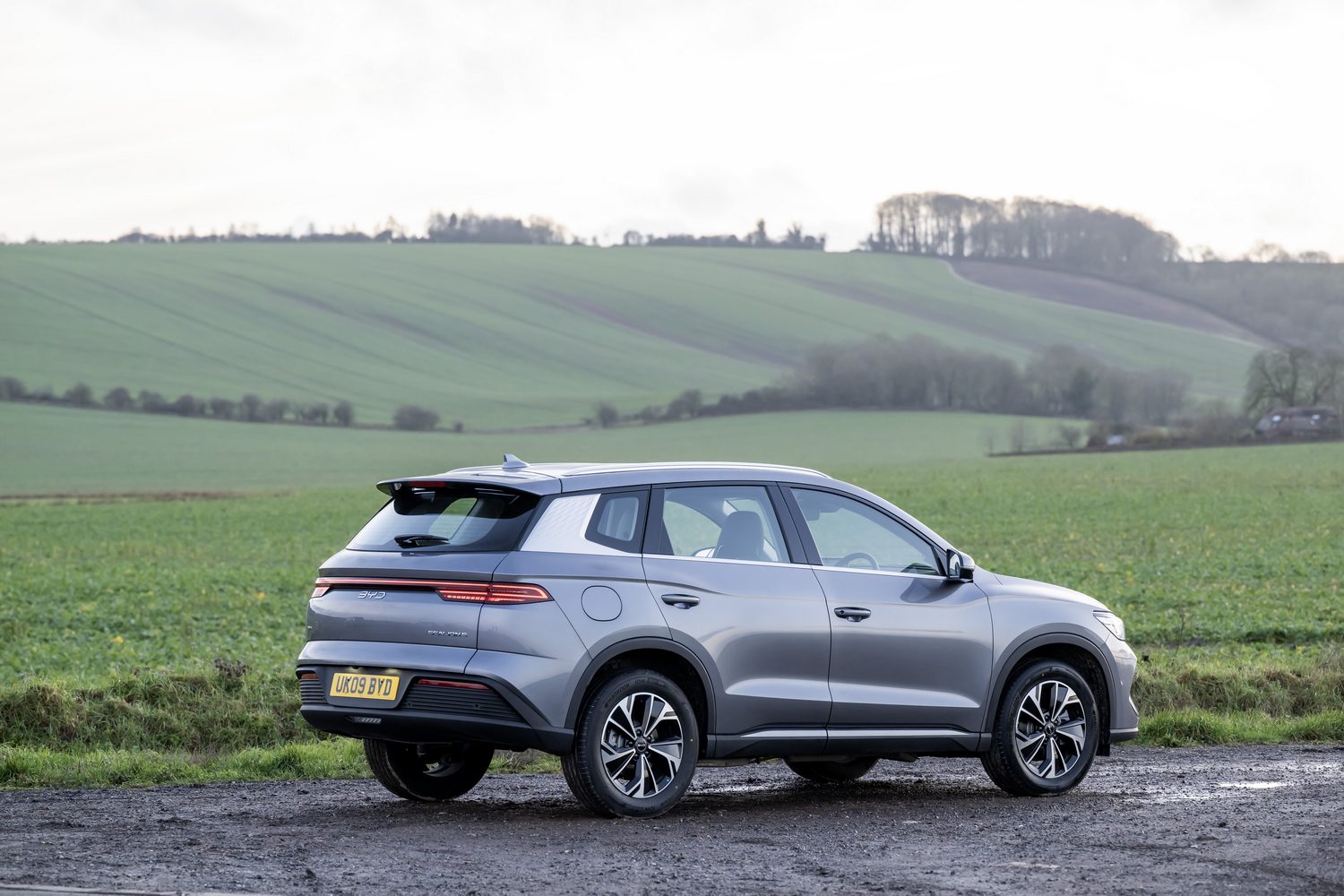
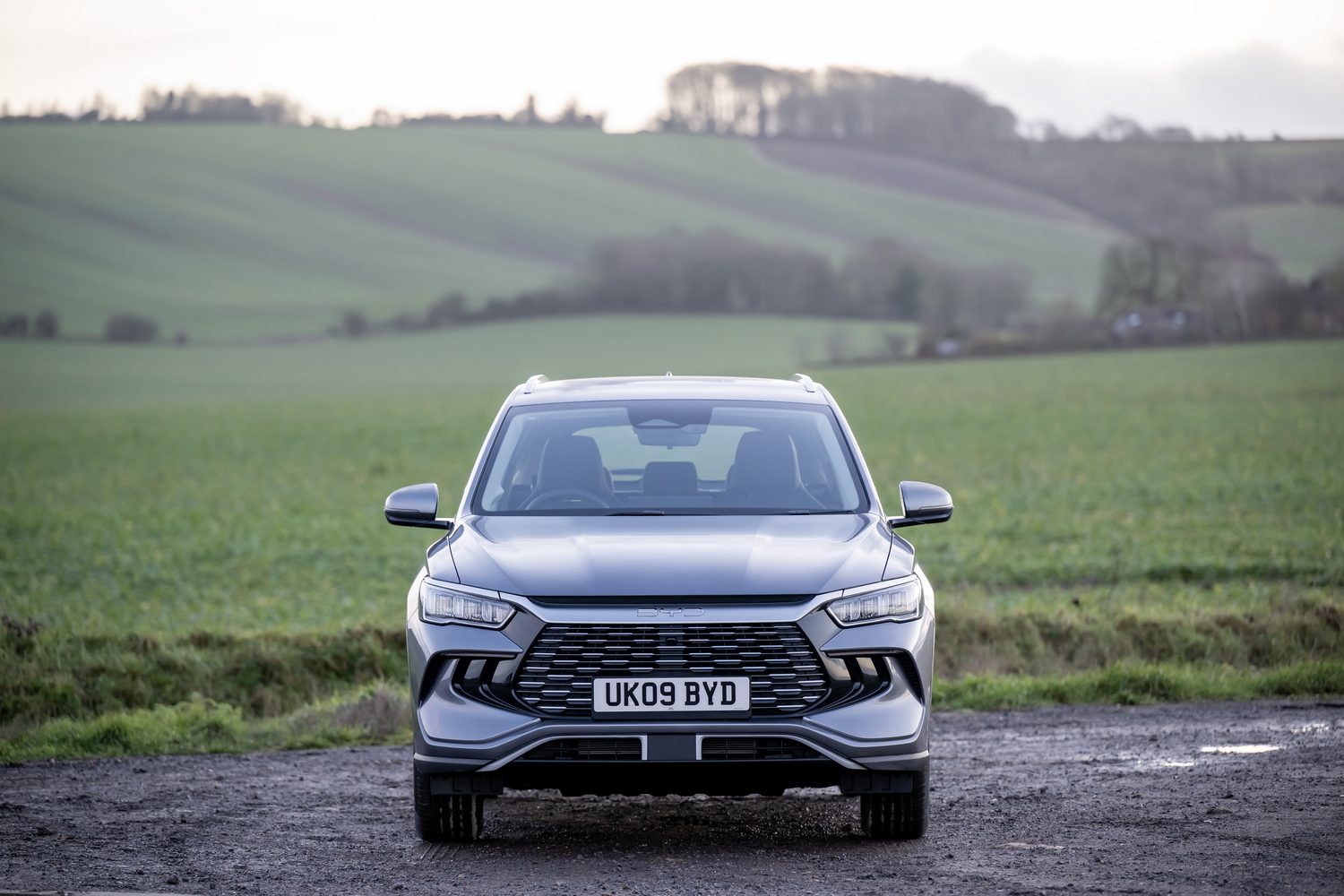
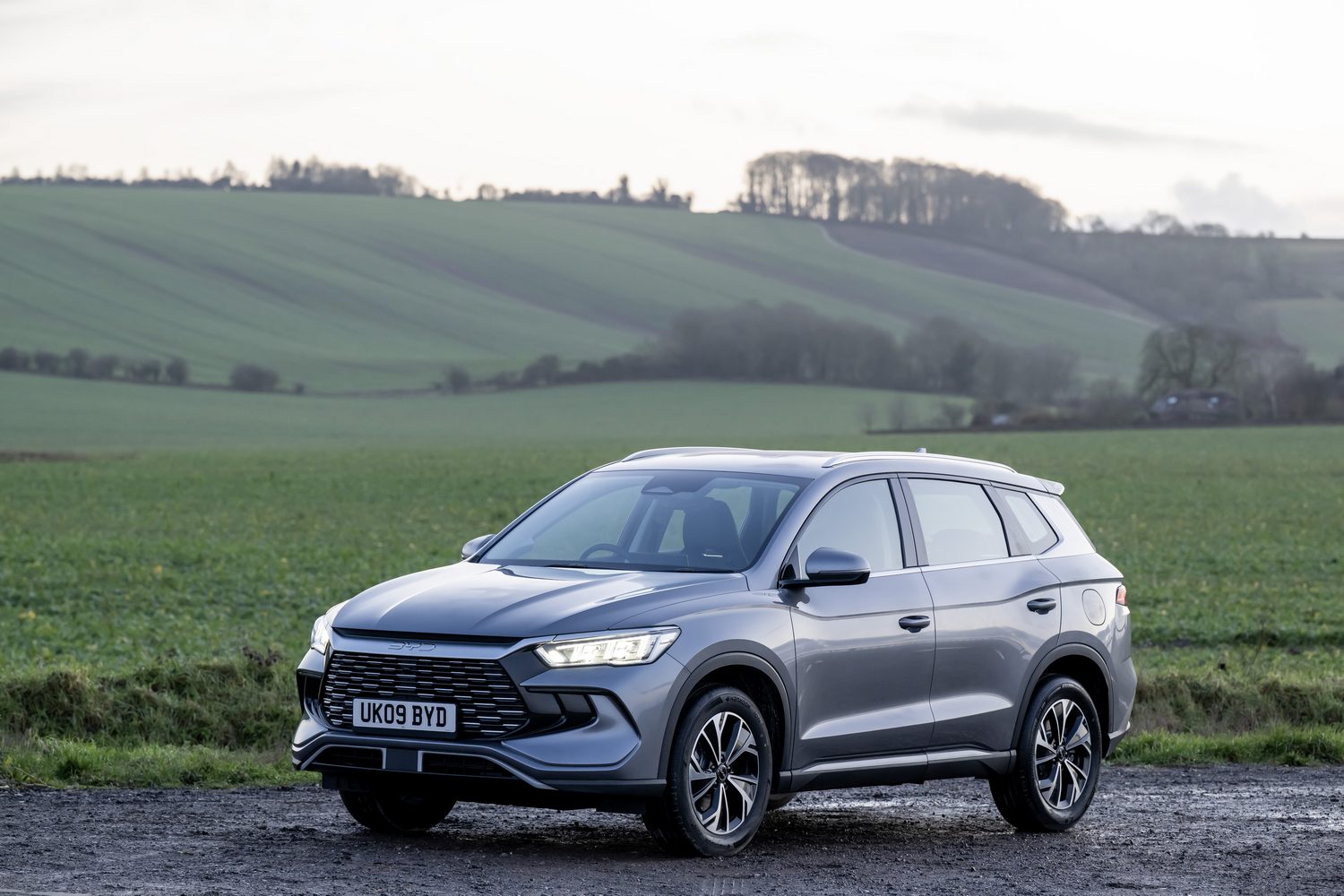
BYD is calling its various hatchbacks, saloons, estates and SUVs after marine mammals because they're all part of the 'Ocean' family of the company's design. This, ordinarily, means a smoothed-off, homogenous appearance to the front end, so in this respect the Sealion 5 is something of an outlier.
This is because it has a more pronounced radiator grille than any other car on sale from the company right now, although we'd stop short of saying that this one feature in any way makes the Sealion 5 particularly handsome.

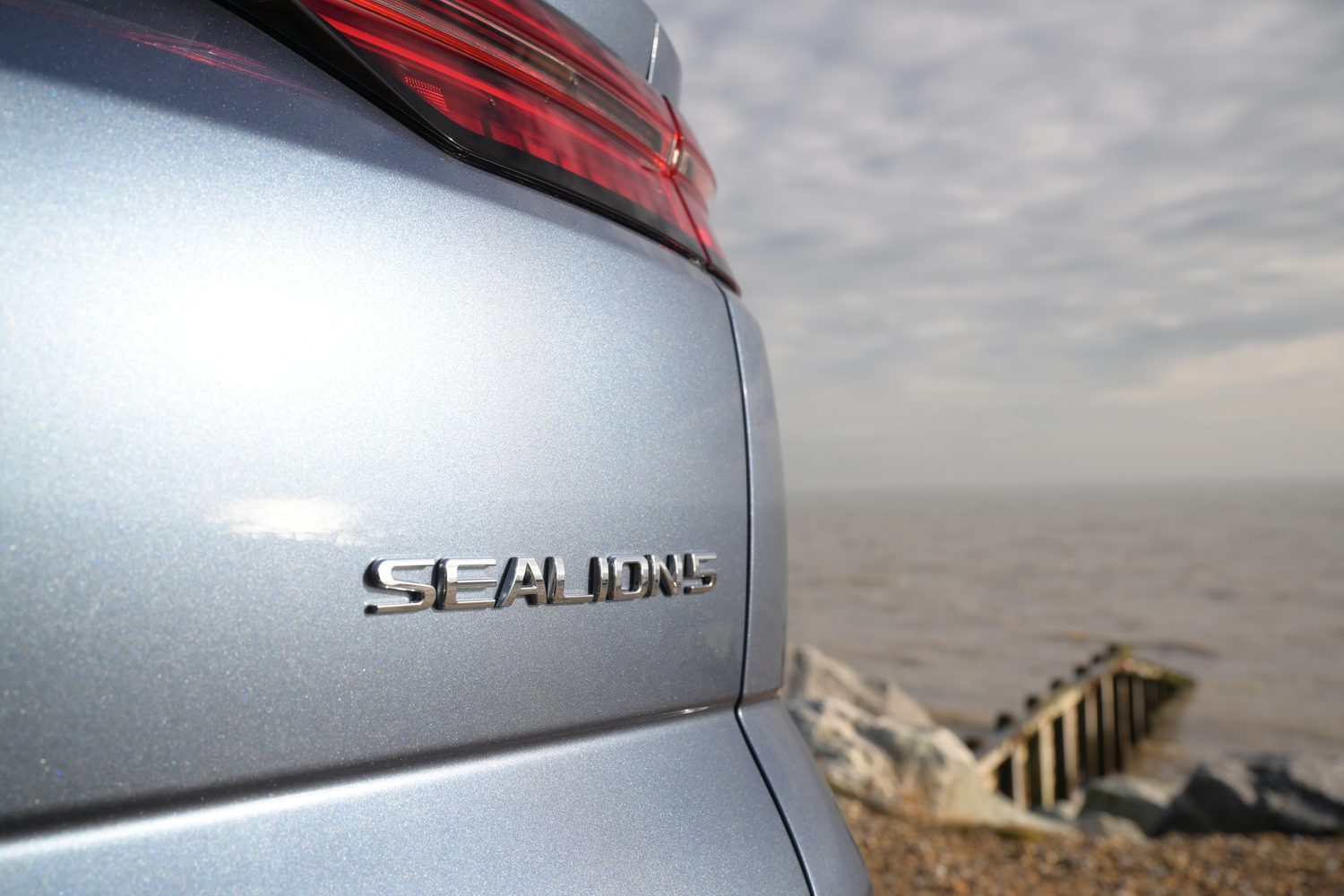
Indeed, it's really nothing more than an inoffensively generic piece of SUV styling and you could prise all the badging off it and stick on any other Chinese manufacturer's insignia, and frankly no one would be surprised or shocked.
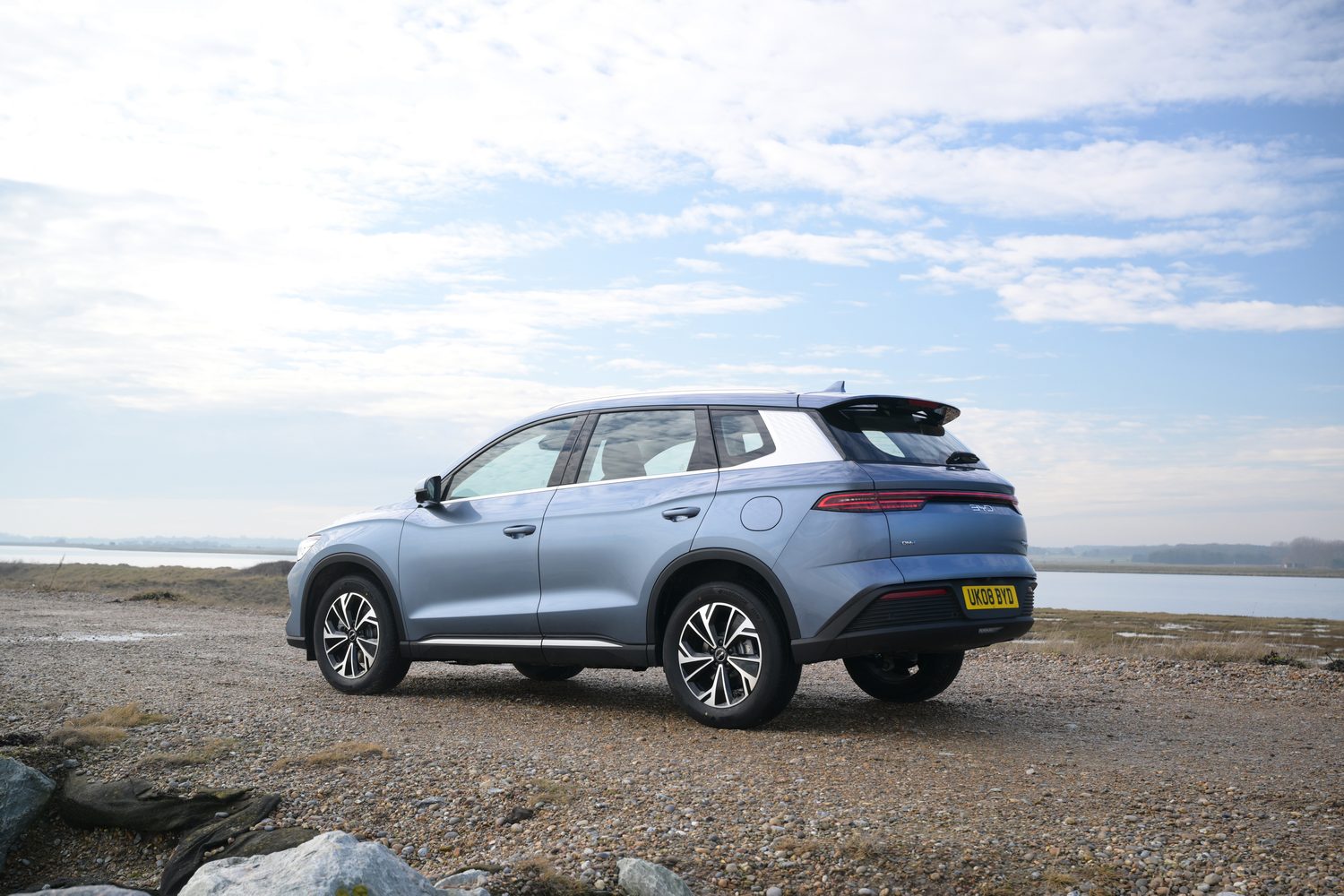
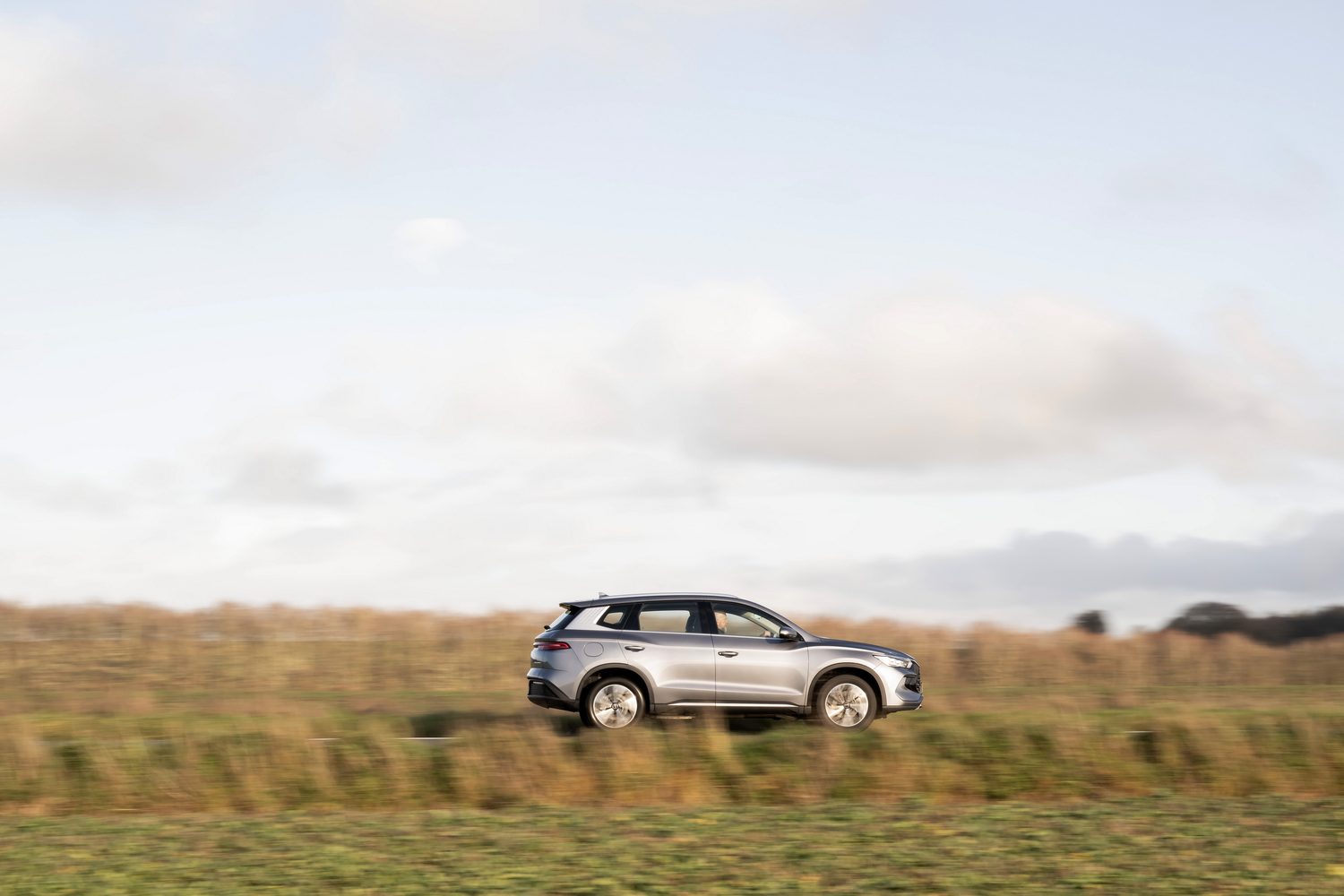
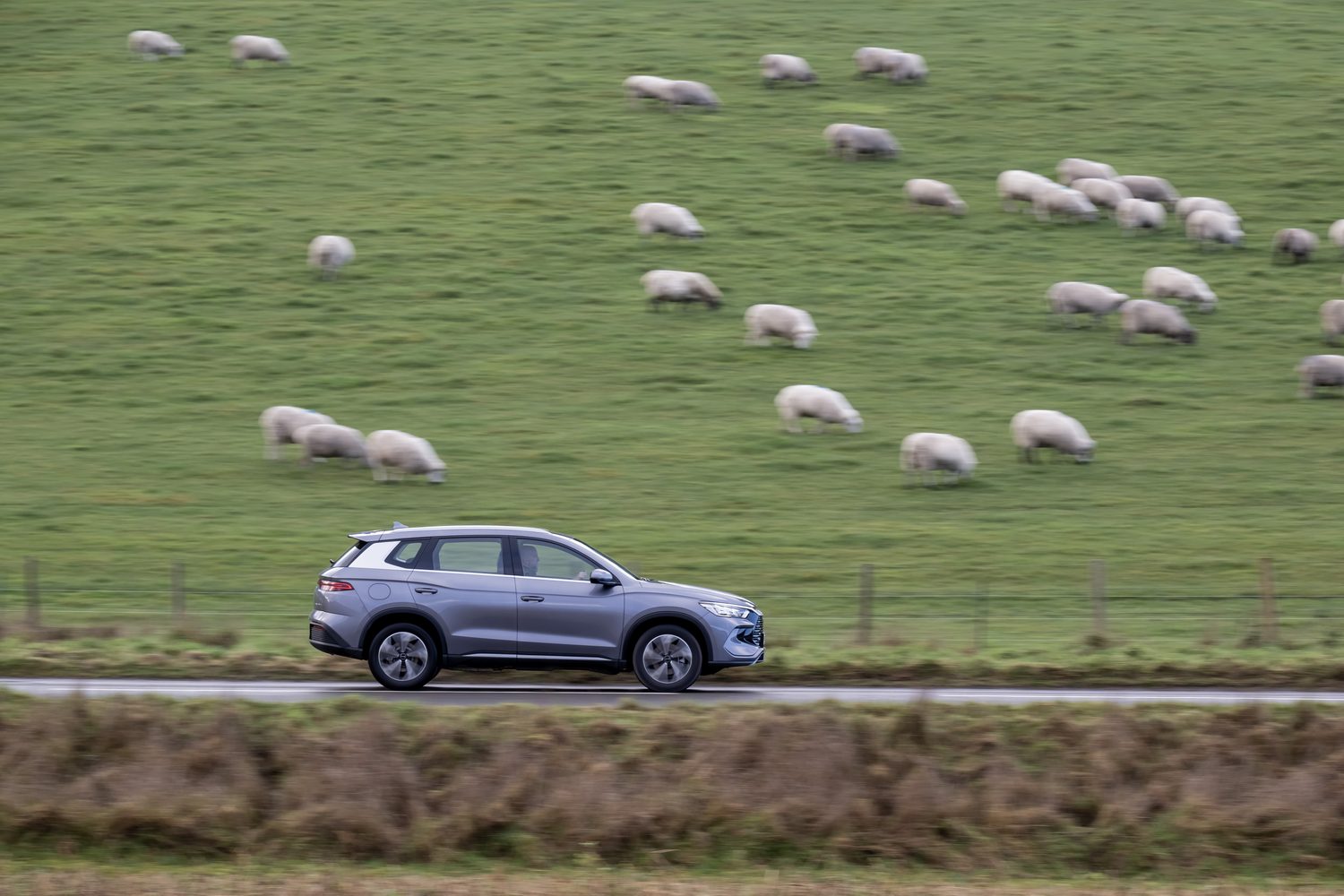
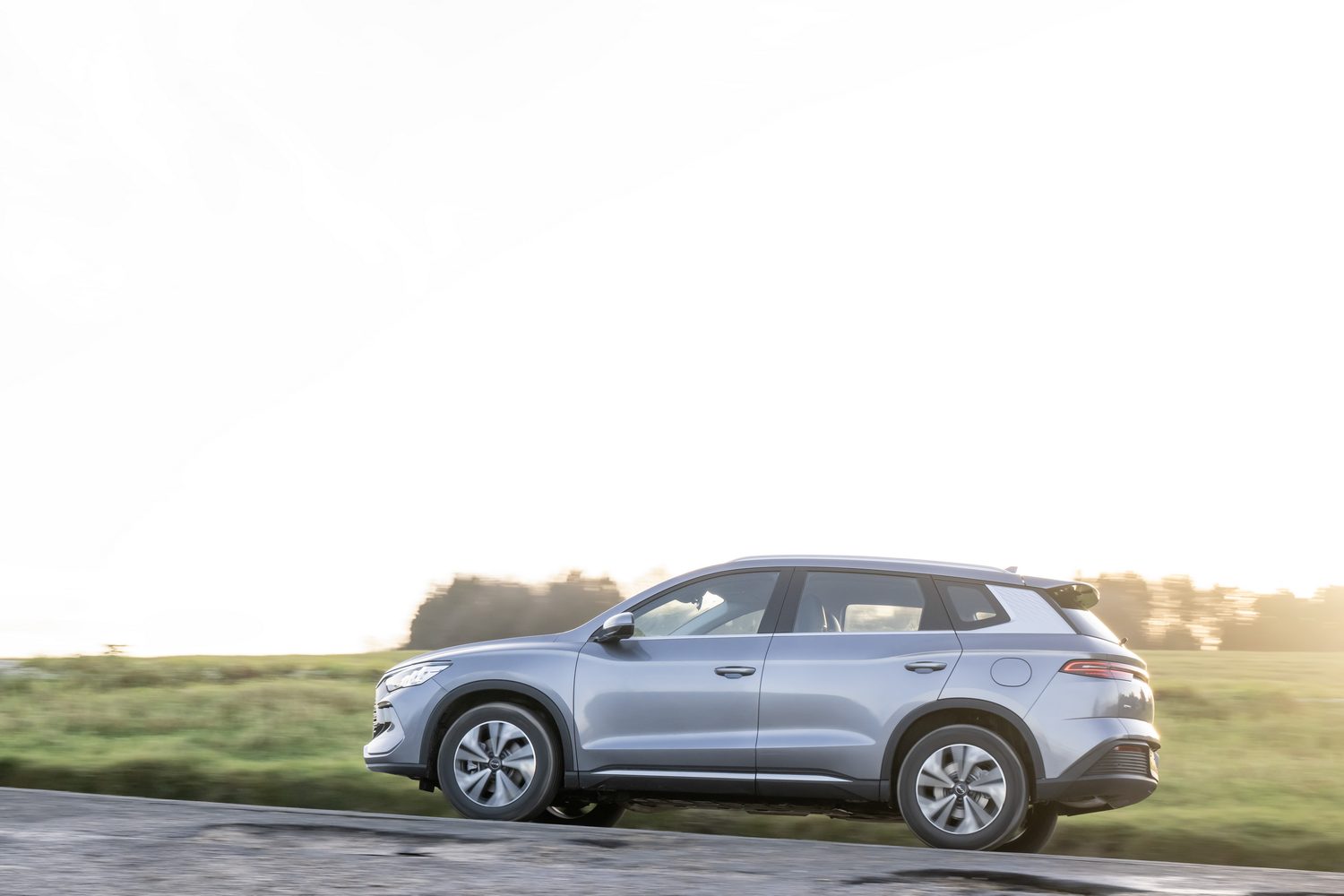
It's a big car, though. The Sealion 5 is a good 240mm longer than the Hyundai Tucson and more than a whopping 300mm longer than the Nissan Qashqai - although most of that extra length is in the BYD's somewhat ungainly front overhang.
The actual space between its axles (the wheelbase) is only a mere 32mm greater than that of a Tucson, and 46mm bigger than the Qashqai's figure.

As a last point, there is but one design of alloy wheel fitted to all versions of the Sealion 5, which is an 18-inch five-spoke item.
Dimensions of the 2026 BYD Sealion 5 DM-i
- Length:
- 4,738mm
- Width:
- 1,860mm (excluding mirrors)
- Height:
- 1,710mm
- Wheelbase:
- 2,712mm
Paint colours for the 2026 BYD Sealion 5 DM-i
Chinese manufacturers seem to have an aversion to offering a wide choice of paints - or even any interesting shades in the limited colours they cough up, at that.

The BYD Sealion 5 is no exception, because it is sold with a selection of just four hues: Atlantis Blue, Obsidian Black, Time Grey and Polar White. Of these, it'll be the blue which will be the standard finish, with the other three commanding a small premium.
Interior, practicality, tech & comfort of the 2026 BYD Sealion 5 DM-i
- Loads of space
- Build quality is decent
- The tech can be infuriating

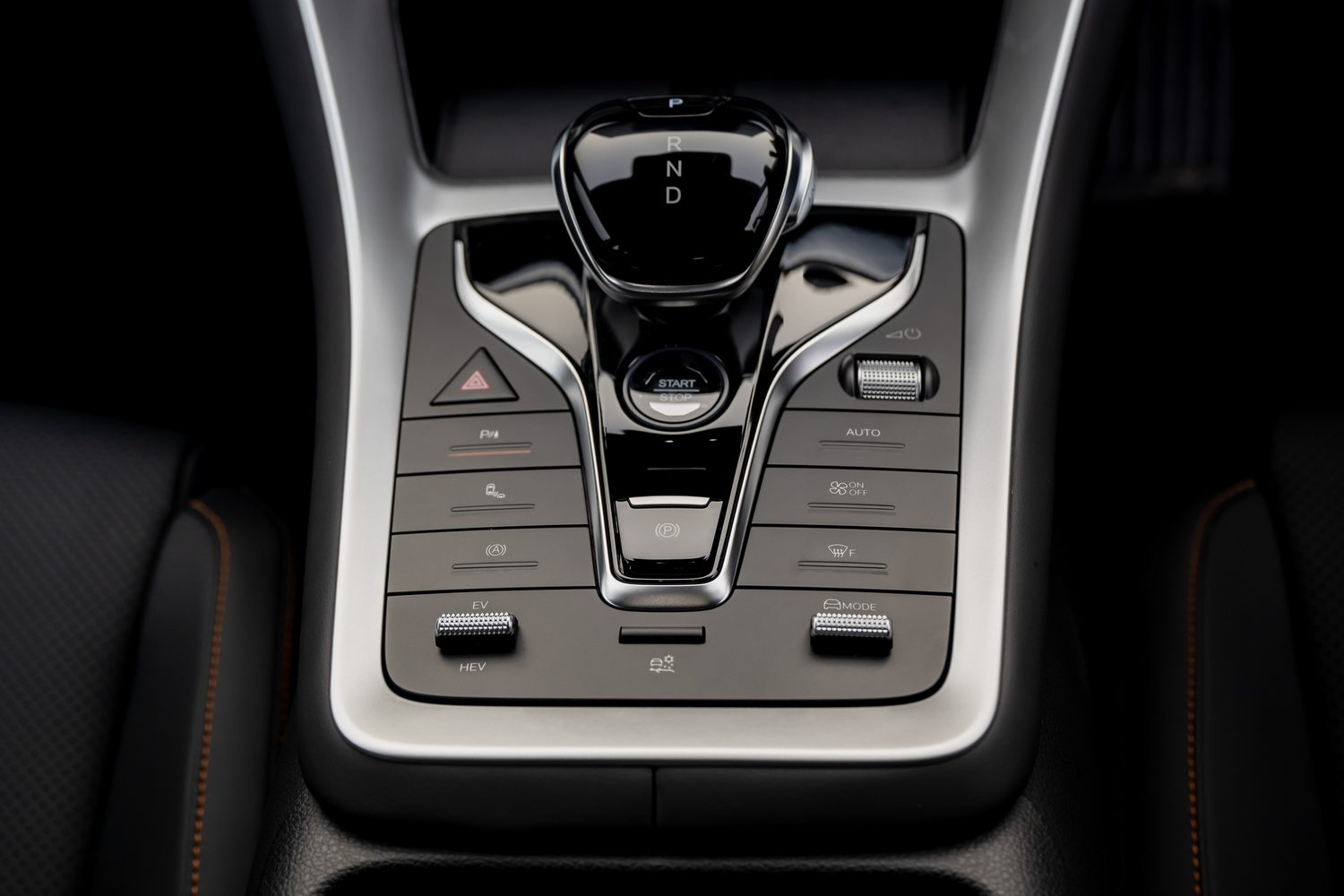
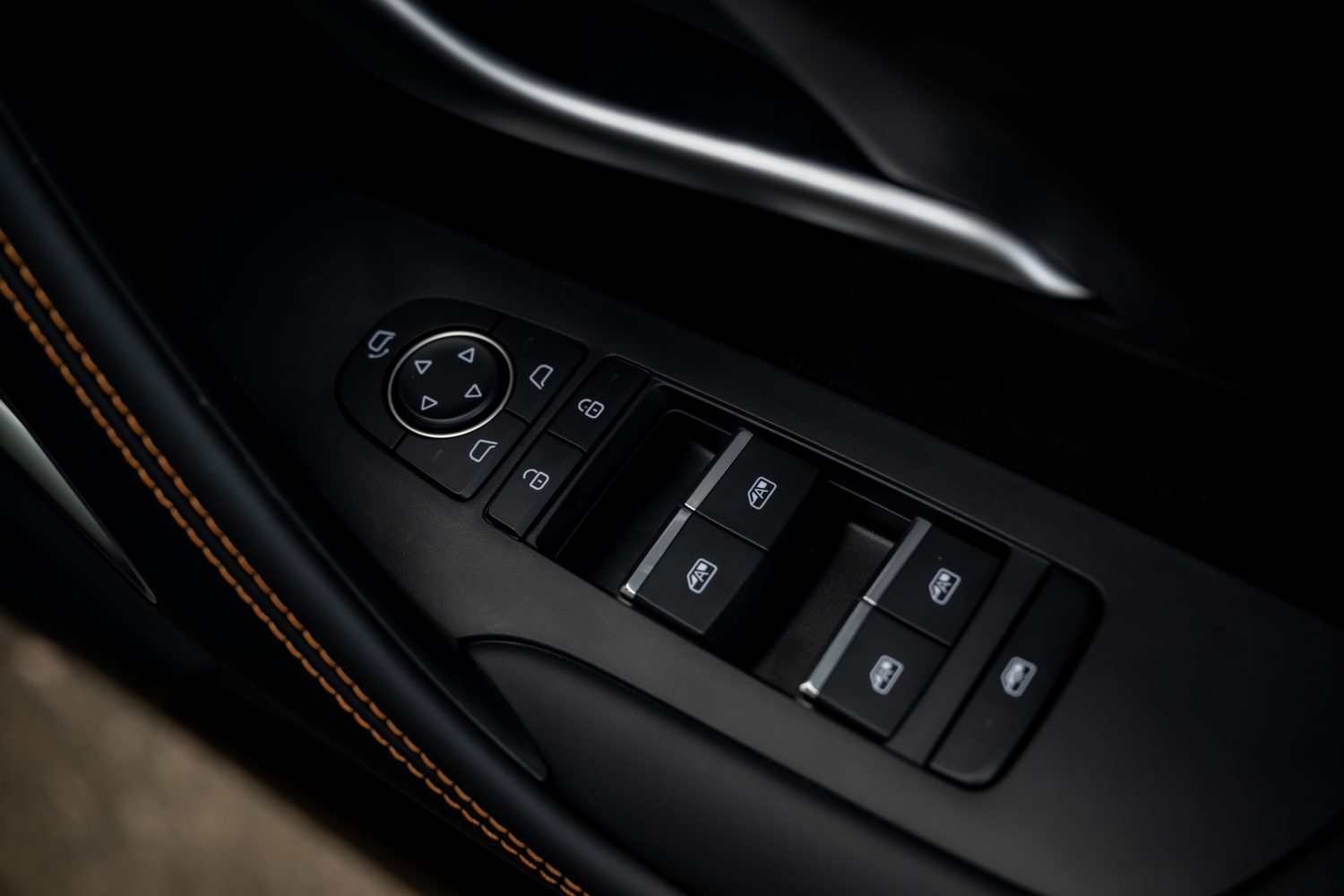
BYD makes the most of the Sealion 5's sheer physical size and part-electric nature to offer plenty of room in the cabin.
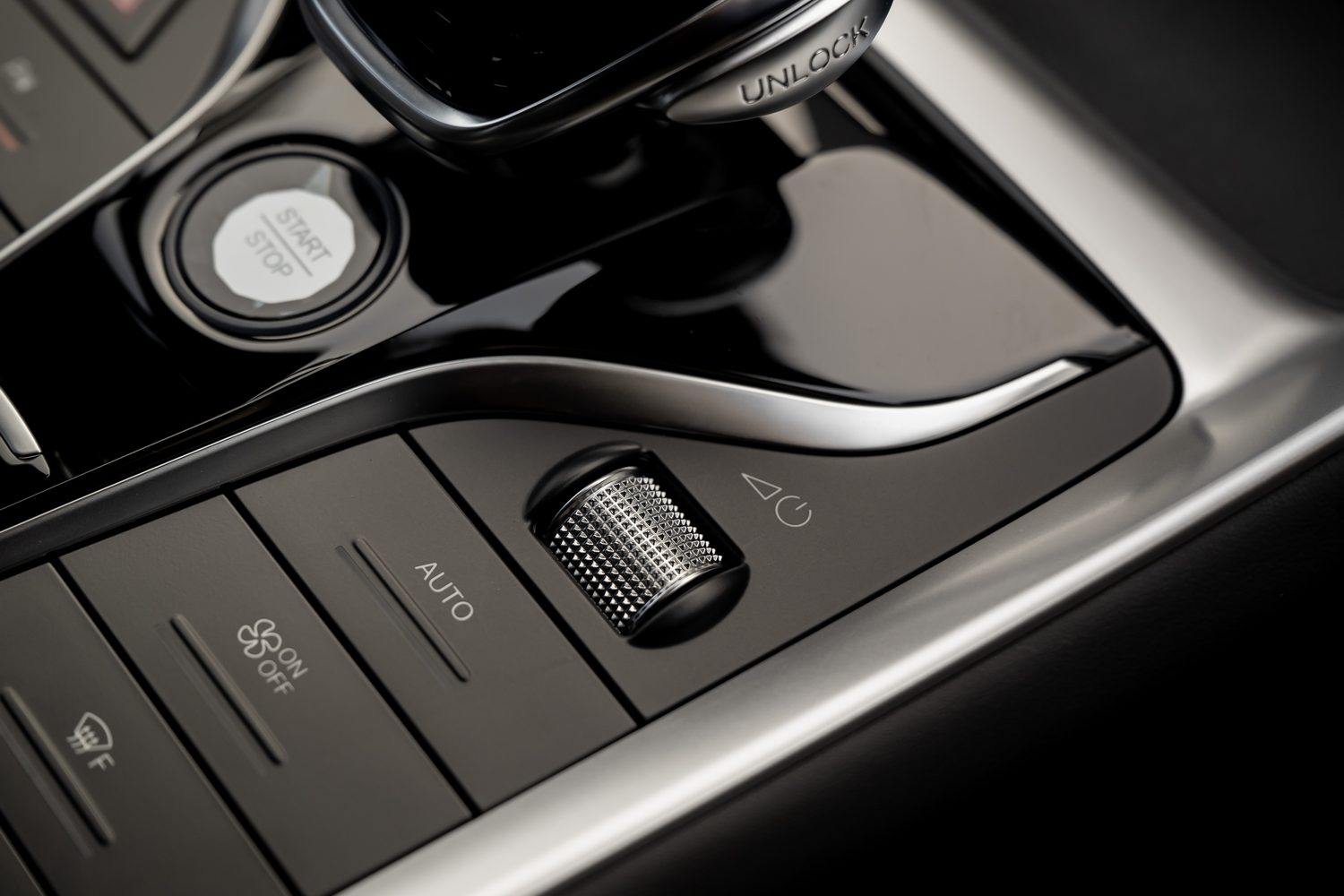
There's also a healthy amount of technology on show, although some of it is less-than-intuitive to use, while the material finishing is of an acceptable standard. There's enough appeal in the Sealion 5's interior to win over buyers in dealerships, though.
Getting comfortable in the driver's seat
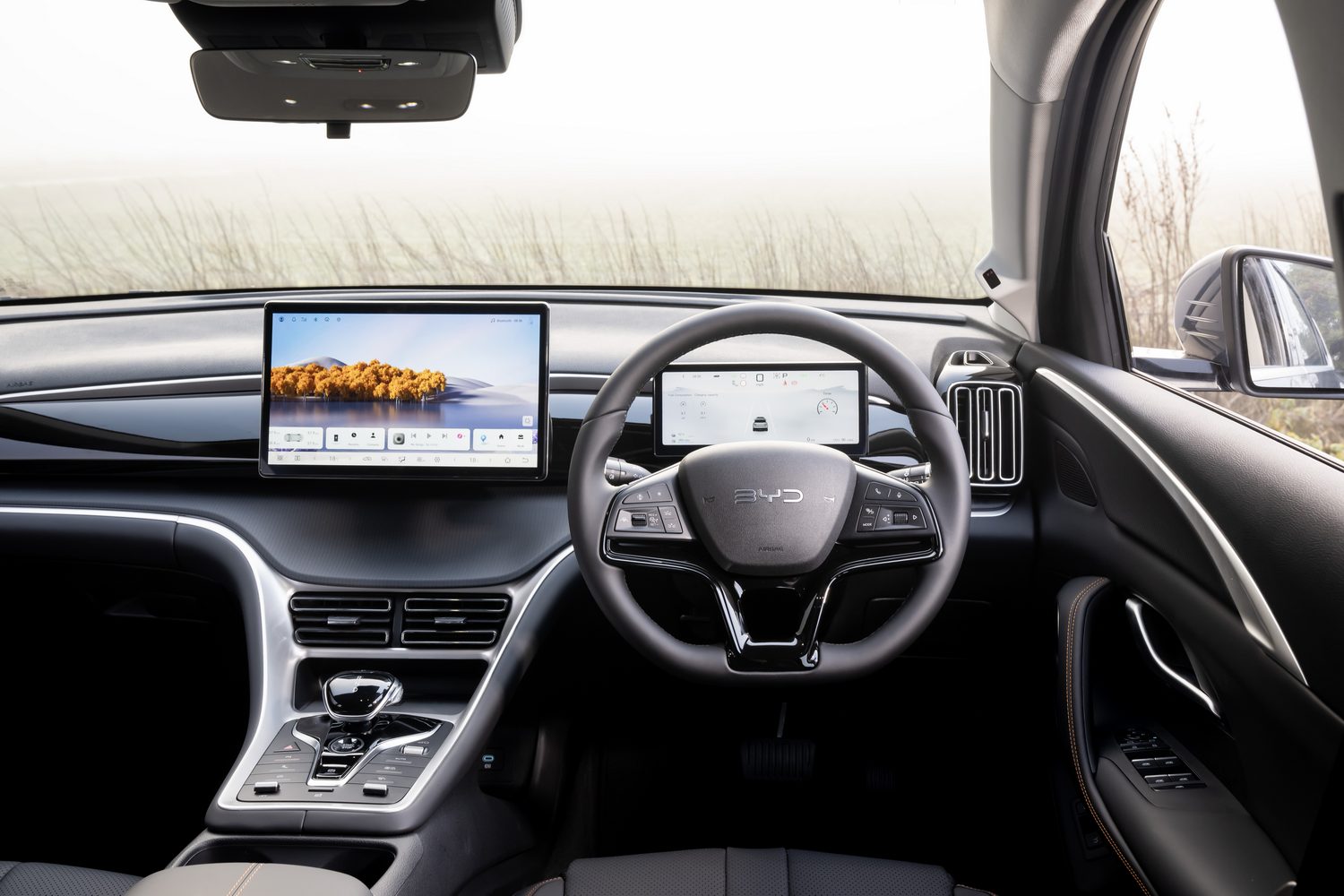
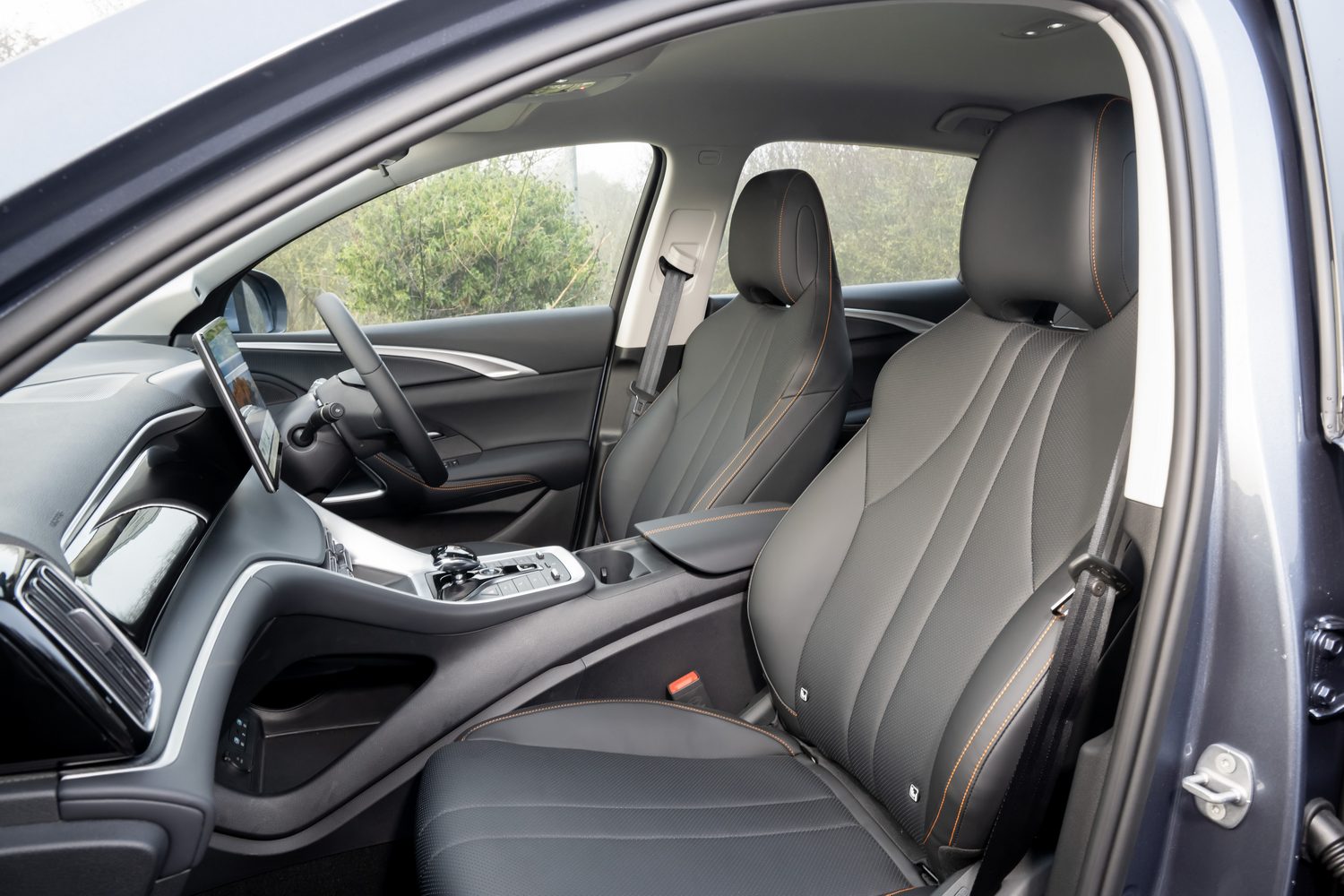
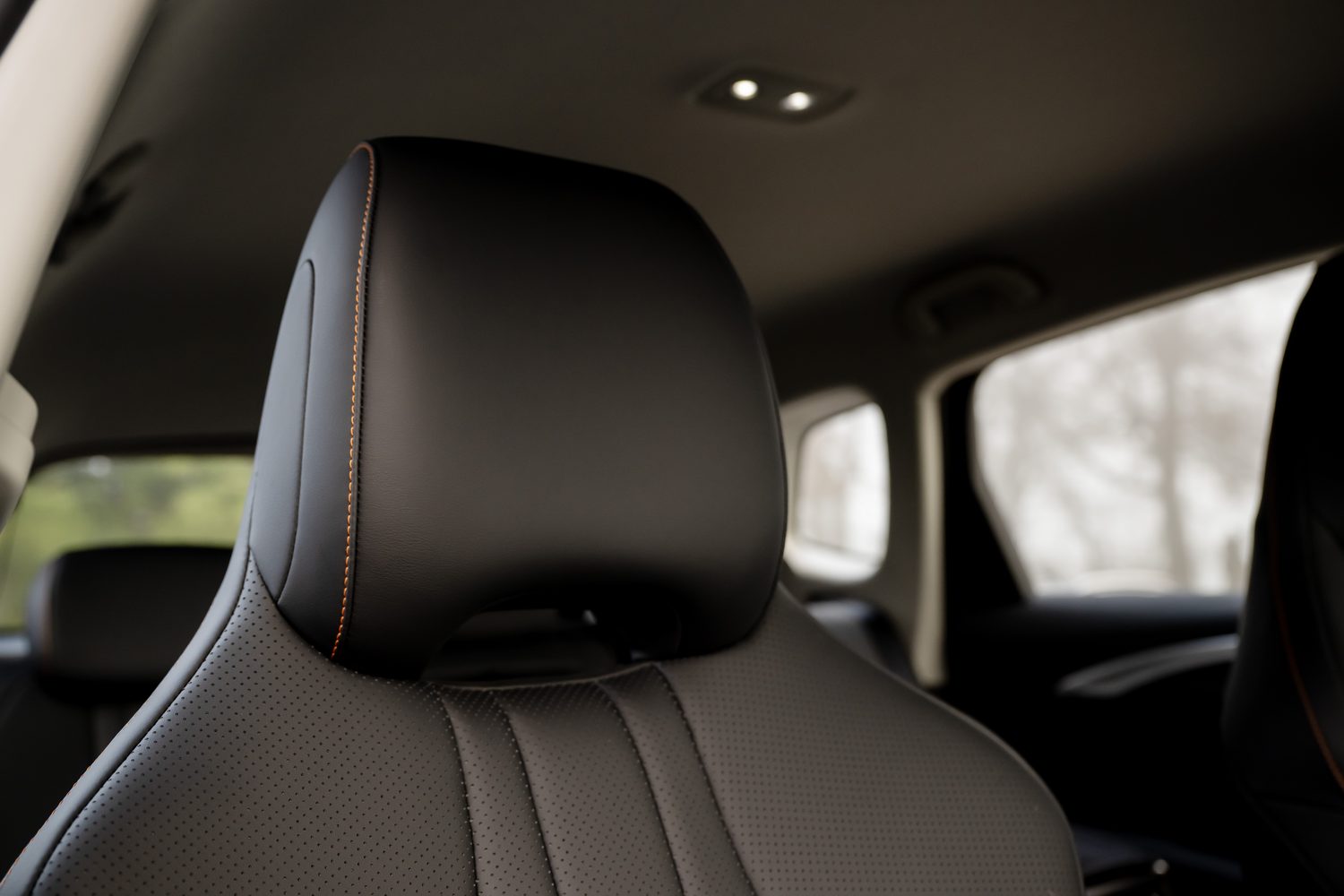
The driver's seat is six-way electrically adjustable in all models of the BYD Sealion 5 DM-i, while the steering column adjusts for rake and reach.

Therefore, a suitable seating position should be attainable by most, although the synthetic leather-covered front chairs could do with better lateral and side support.
Visibility out of the cabin in all directions is good, however, and generally the positioning of what major controls are available is sensible in relation to the driving seat.
Infotainment and technology
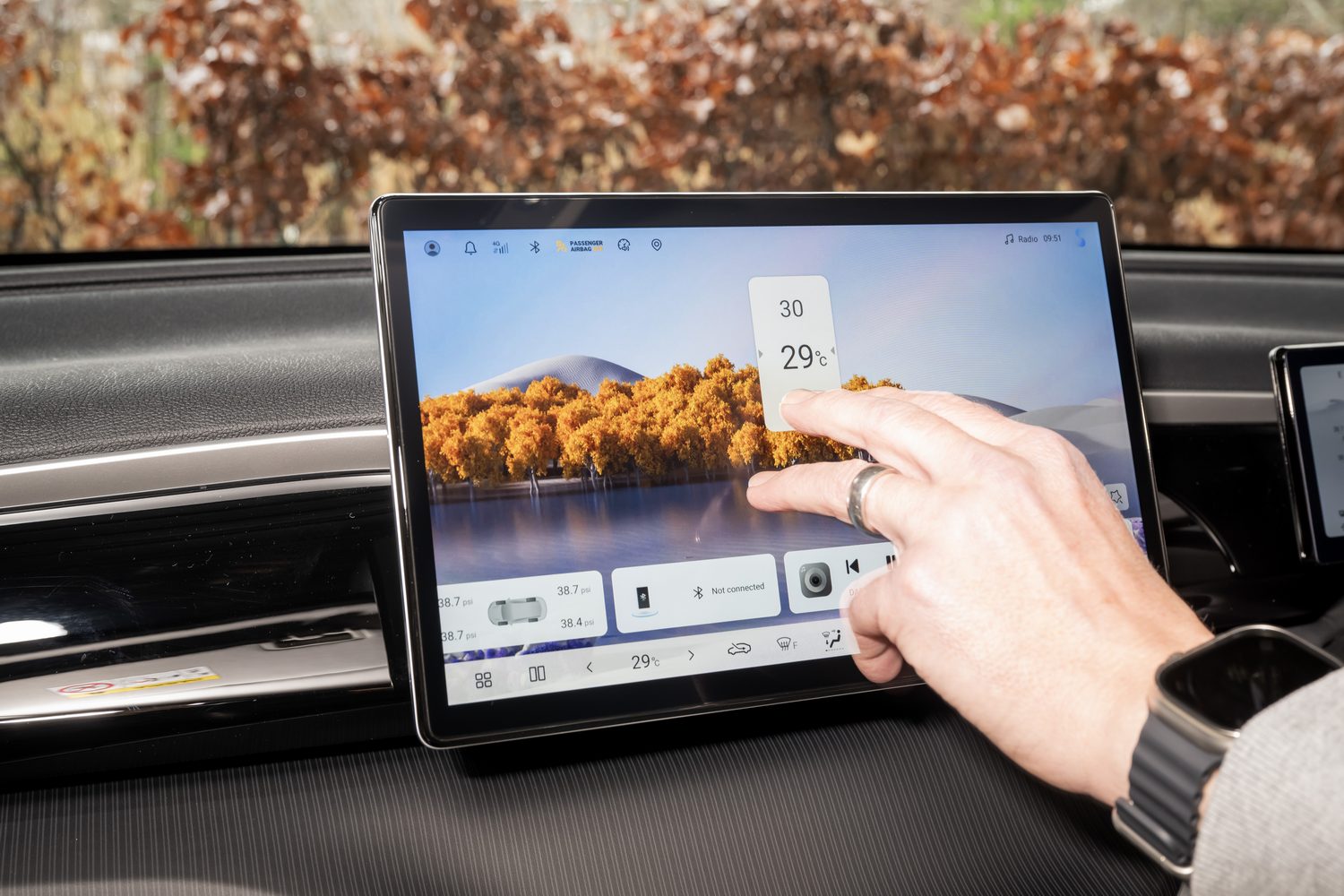
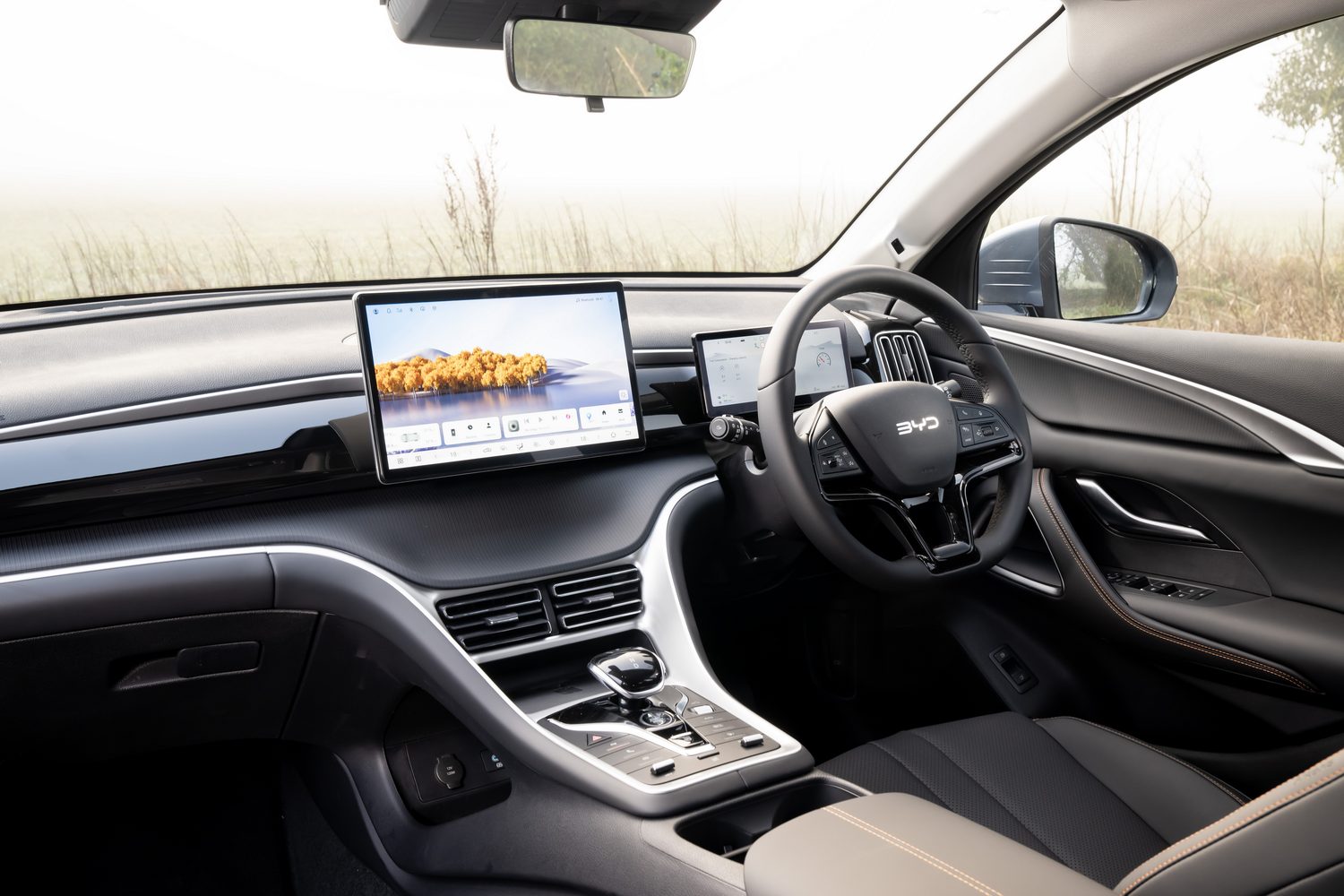
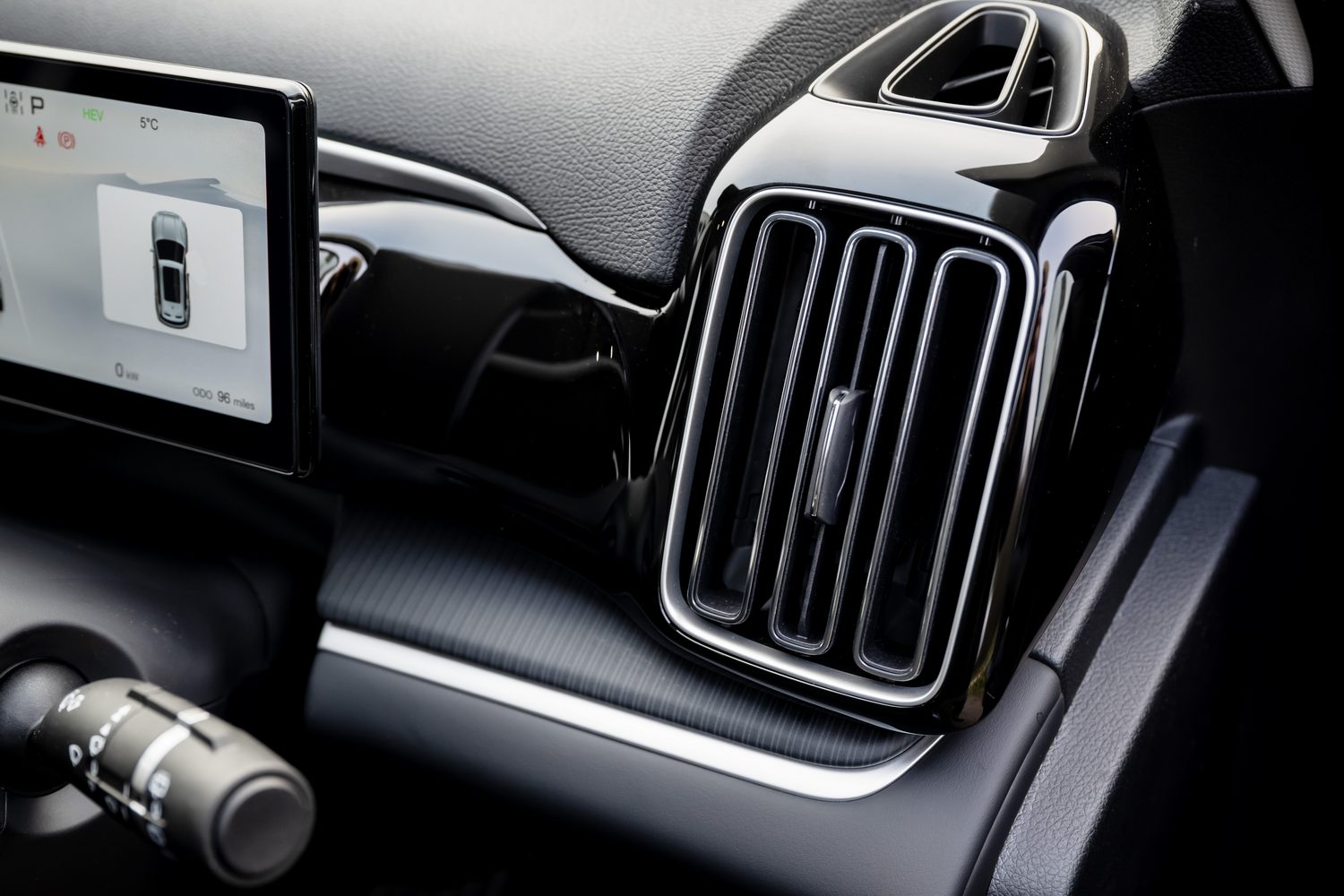
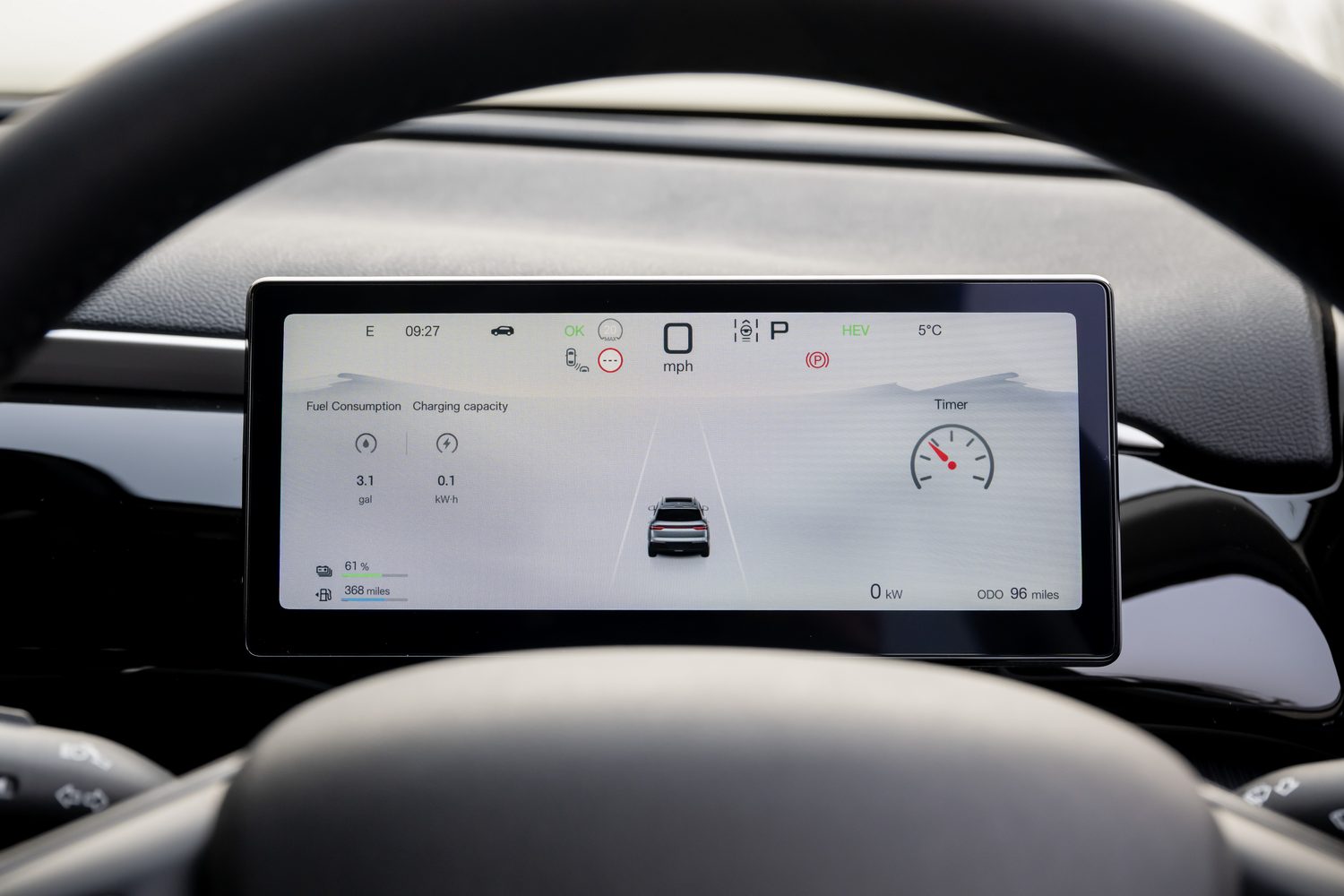
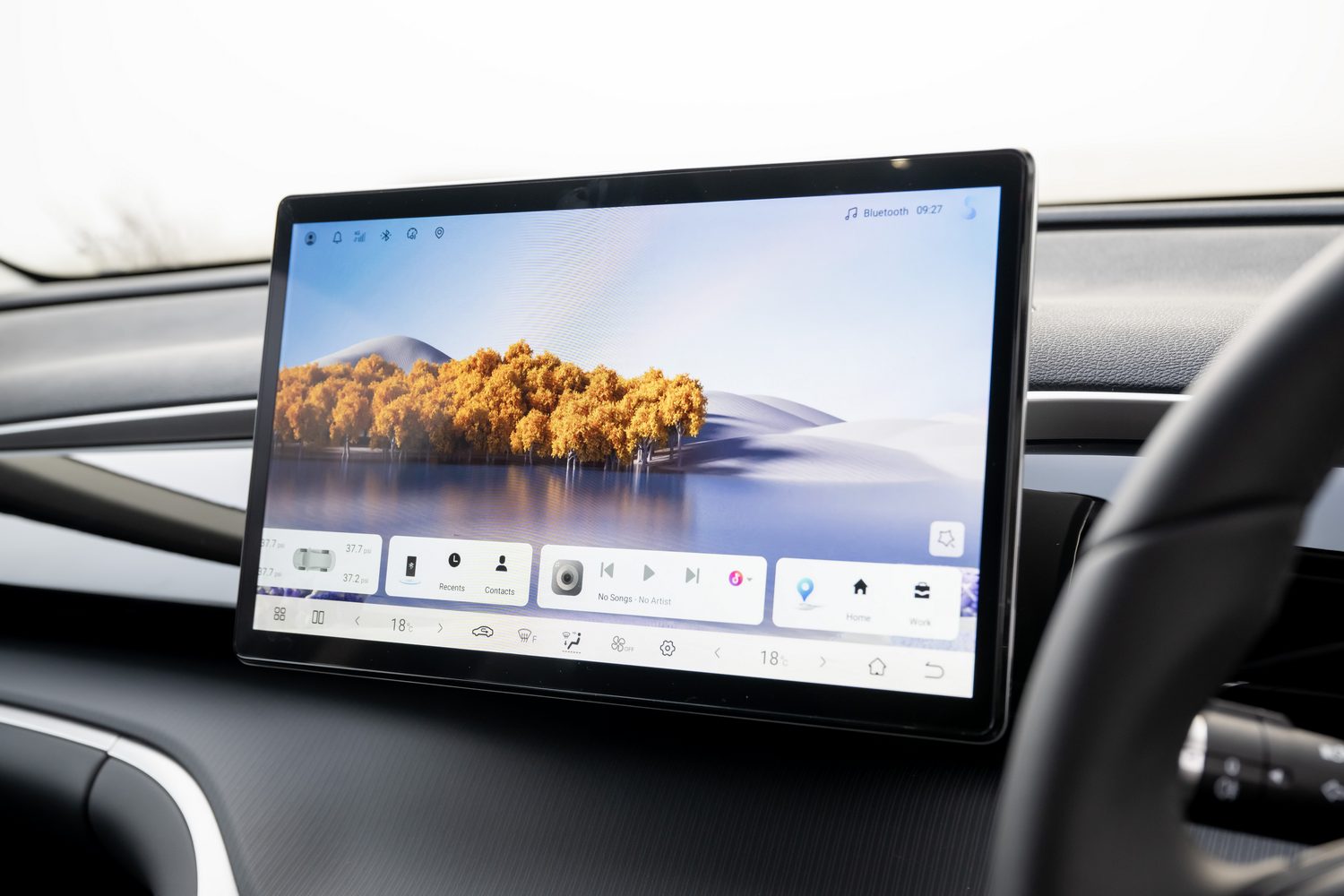
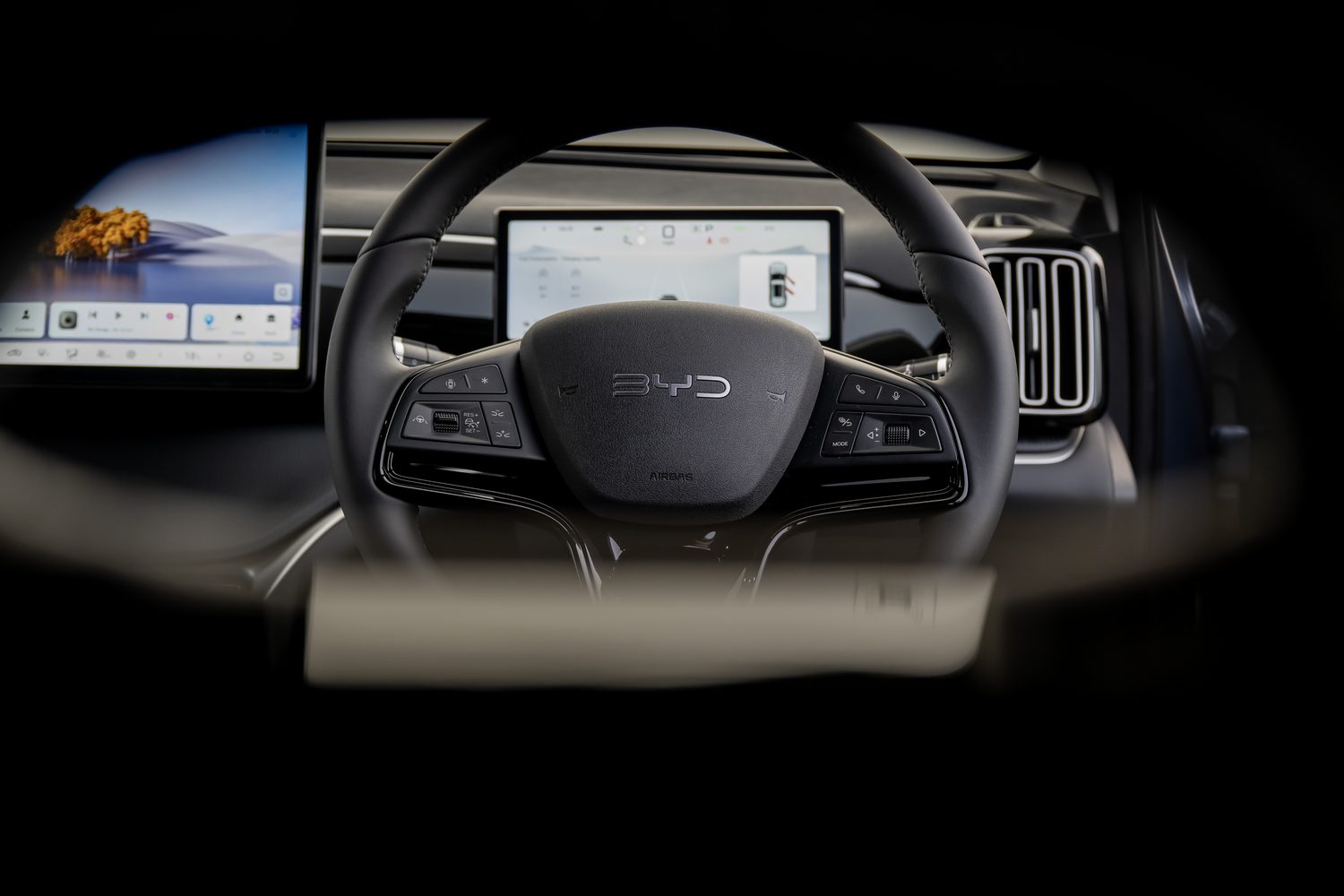
Like other BYDs of comparable size and market positioning, the Sealion 5 has a 12.8-inch infotainment touchscreen and an 8.8-inch full LCD instrument cluster.

But unlike some earlier BYD models seen in this part of the world, the infotainment panel does not rotate from the horizontal to the vertical at the touch of a button. Apparently, European early adopters of products from this company saw this feature as nothing more than a gimmick and hardly used it, which is understandable given the use of some smartphone mirroring was precluded when the screen was in its portrait mode.
In the main, the two digital displays work OK, but they are not without some frustrations - and a few of these are linked to over-zealous advanced driver assistance systems (ADAS) in the Sealion 5, not least the driver-monitoring set-up.

Our chief frustrations with the interface in this car are these: the instrument panel seems to cluster all of its information up at the top of the display, instead of making better use of the digital space afforded to it; there's too much reliance on the infotainment screen, as it's a silly amount of screen prodding needed just to adjust the level of your heated seats, for instance; and while you can 'swipe down' from the top of the touchscreen to access a couple of ADAS items, like the lane-keeping assist and overspeed warning 'bong', the driver-monitoring feature is not sited there and instead sits in a completely separate submenu called 'Cabin Monitoring' under the main overarching vehicle settings.
Practicality around the cabin
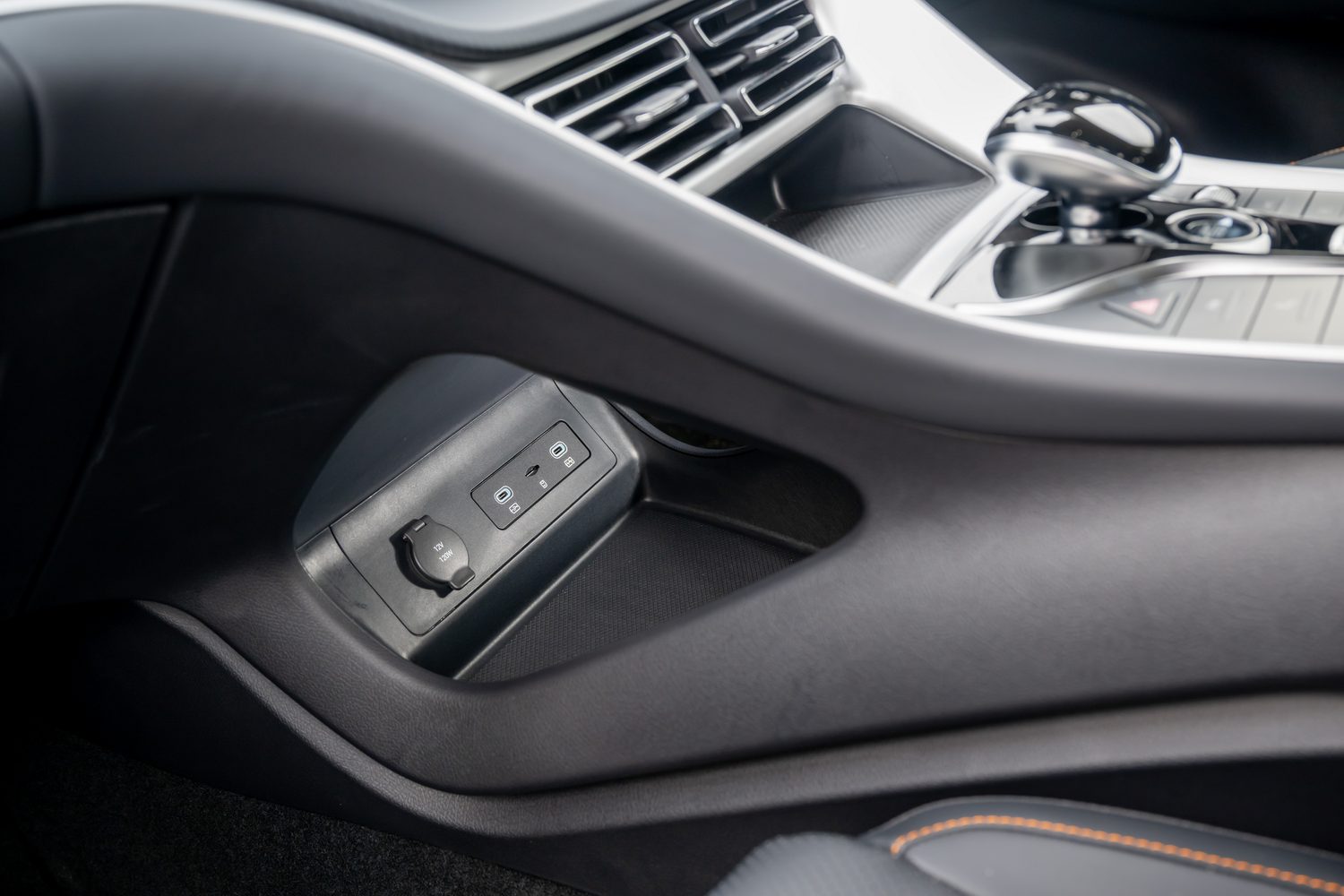
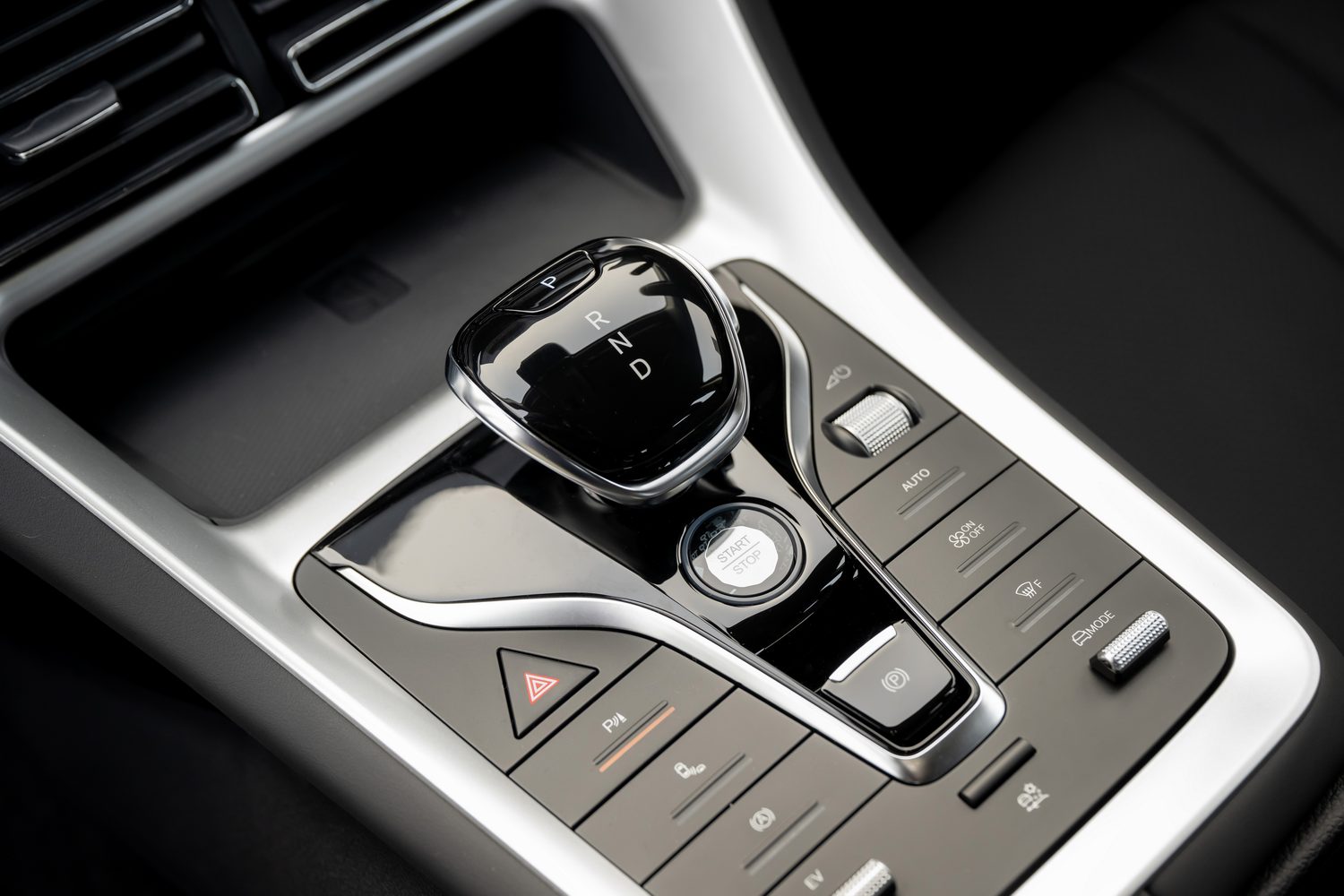
There are USB and power ports up front in the BYD Sealion 5 but accessing them to actually plug a device in requires you to have a double-jointed elbow for the action to be anything like comfortable, because the dashboard is in the way.

This wouldn't be so bad if there were more ports on the higher level of the console or in the absolutely vast and lidded central storage cubby, but there aren't.
And only the higher Design spec of the BYD has wireless smartphone charging, so people in Comfort-level cars who want to deploy battery-rinsing Android Auto and Apple CarPlay for their navigation systems will have to be dealing with these obscurely positioned sockets on a frequent basis.
Rear-seat passenger space
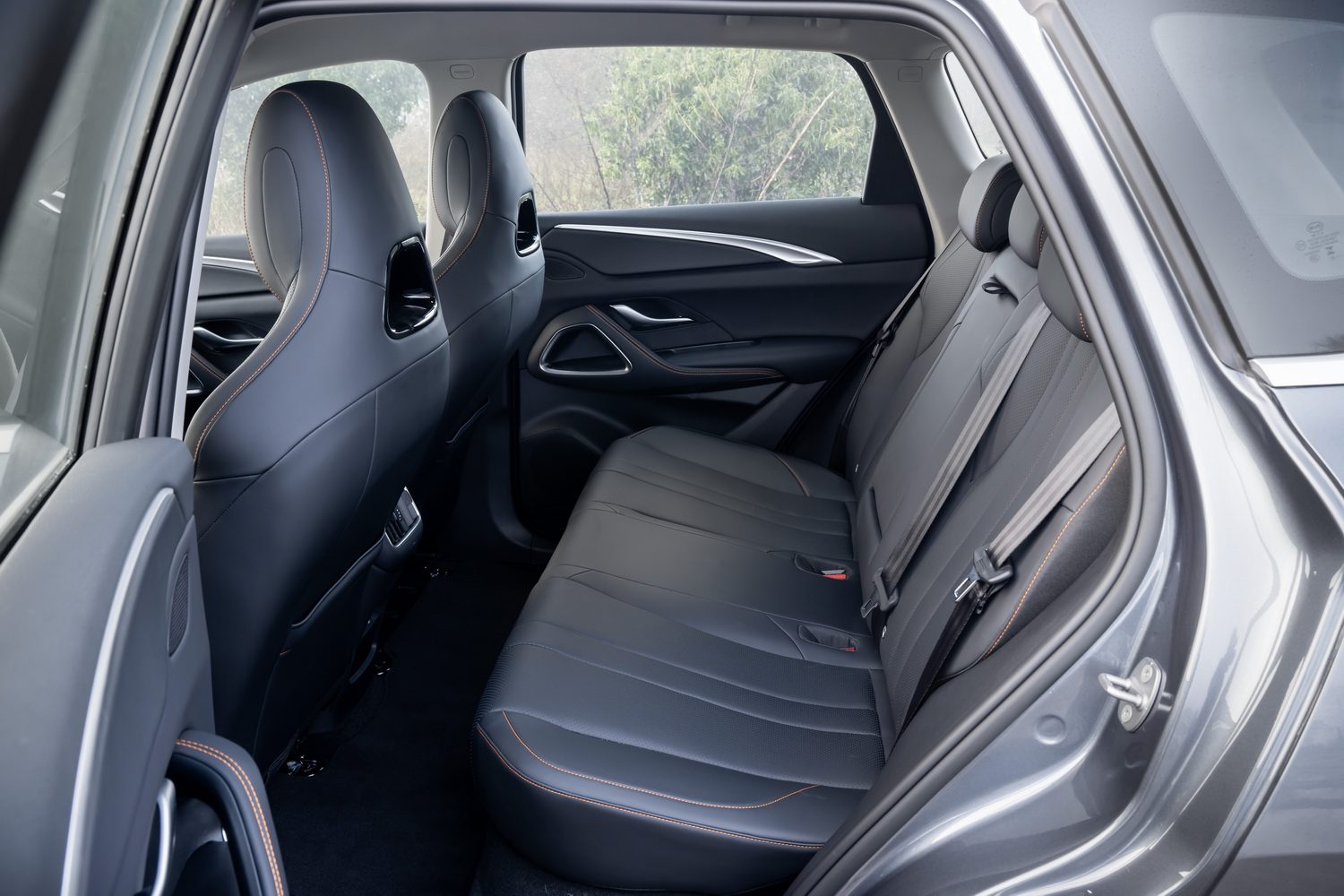
Leg- and headroom are generous in the second row of the Sealion 5, while the floor is completely flat in the rear too, so seating three people comfortably across the bench wouldn't be completely out of the question.

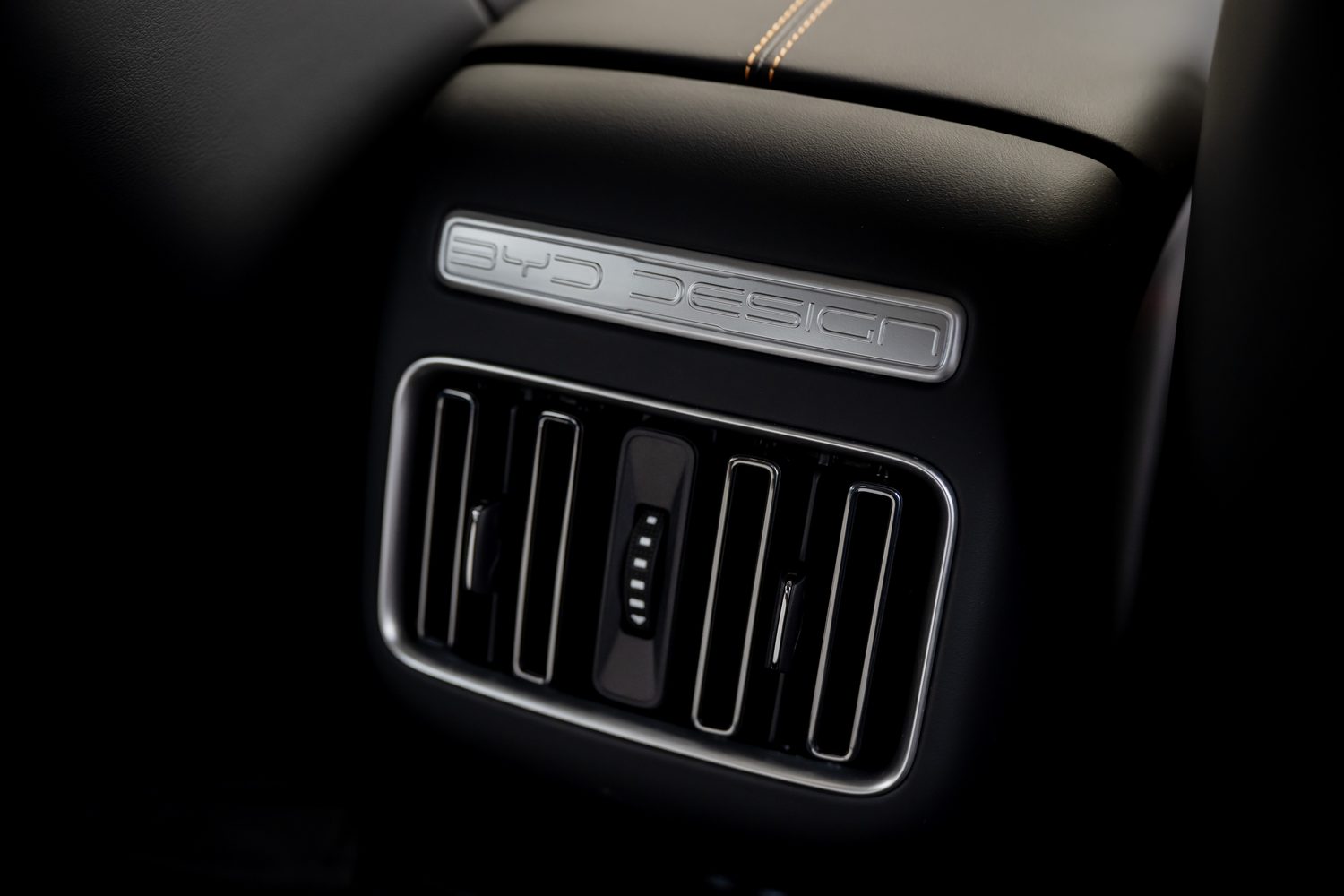
There are two easily accessible USB ports back there too, as well as separate air vents, but the door pockets in the back of the SUV aren't massive - so don't go expecting to store big drinks bottles in them.
Fitting child seats to the BYD Sealion 5 DM-i
With wide-opening rear doors and the amount of space in the back, parents will be easily able to fit two big, bulky child seats into the rear of the BYD Sealion 5.
It has three ISOFIX mounting points in total: two on the outer chairs of the second row and then on the front-passenger seat.
Boot space in the BYD Sealion 5 DM-i
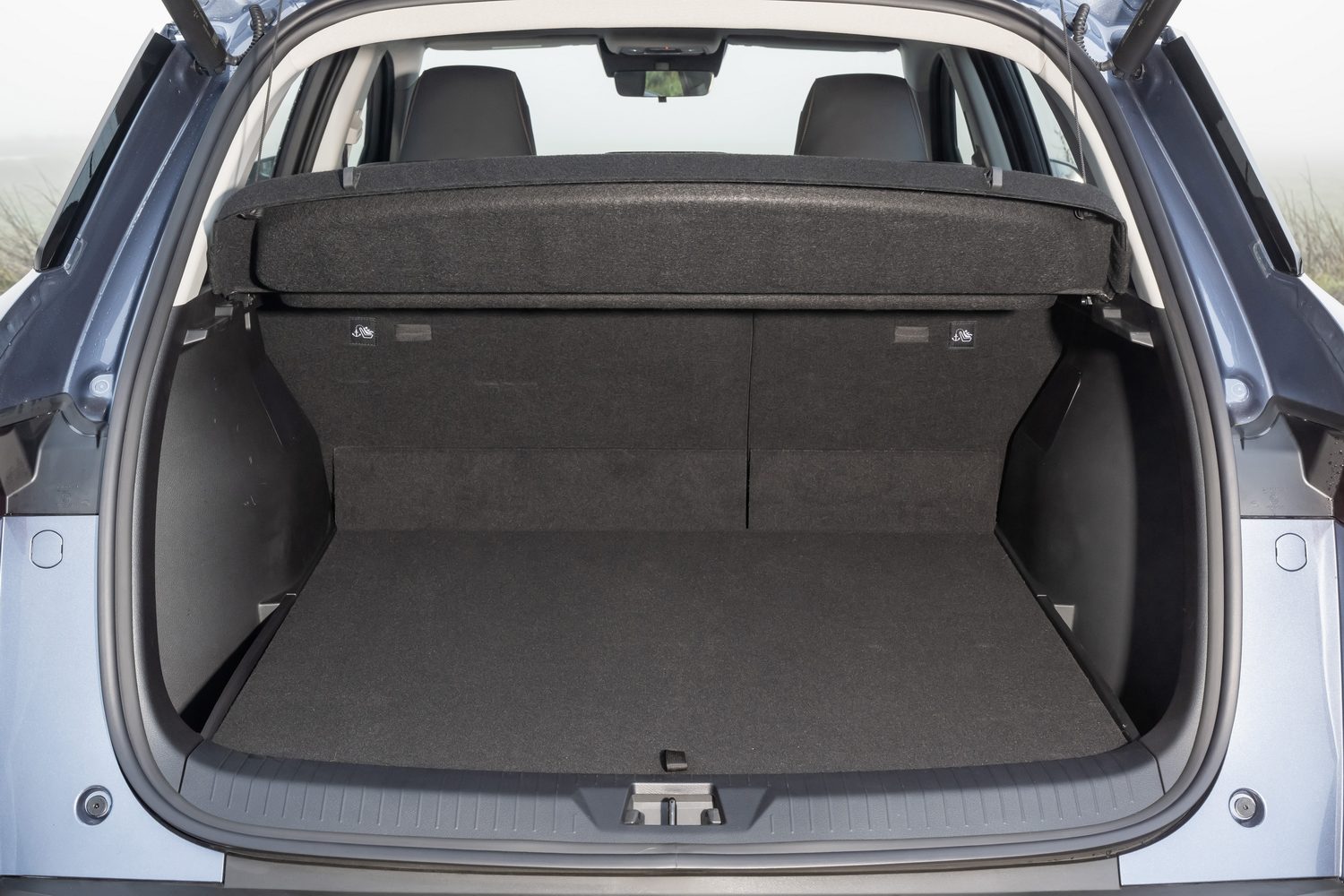
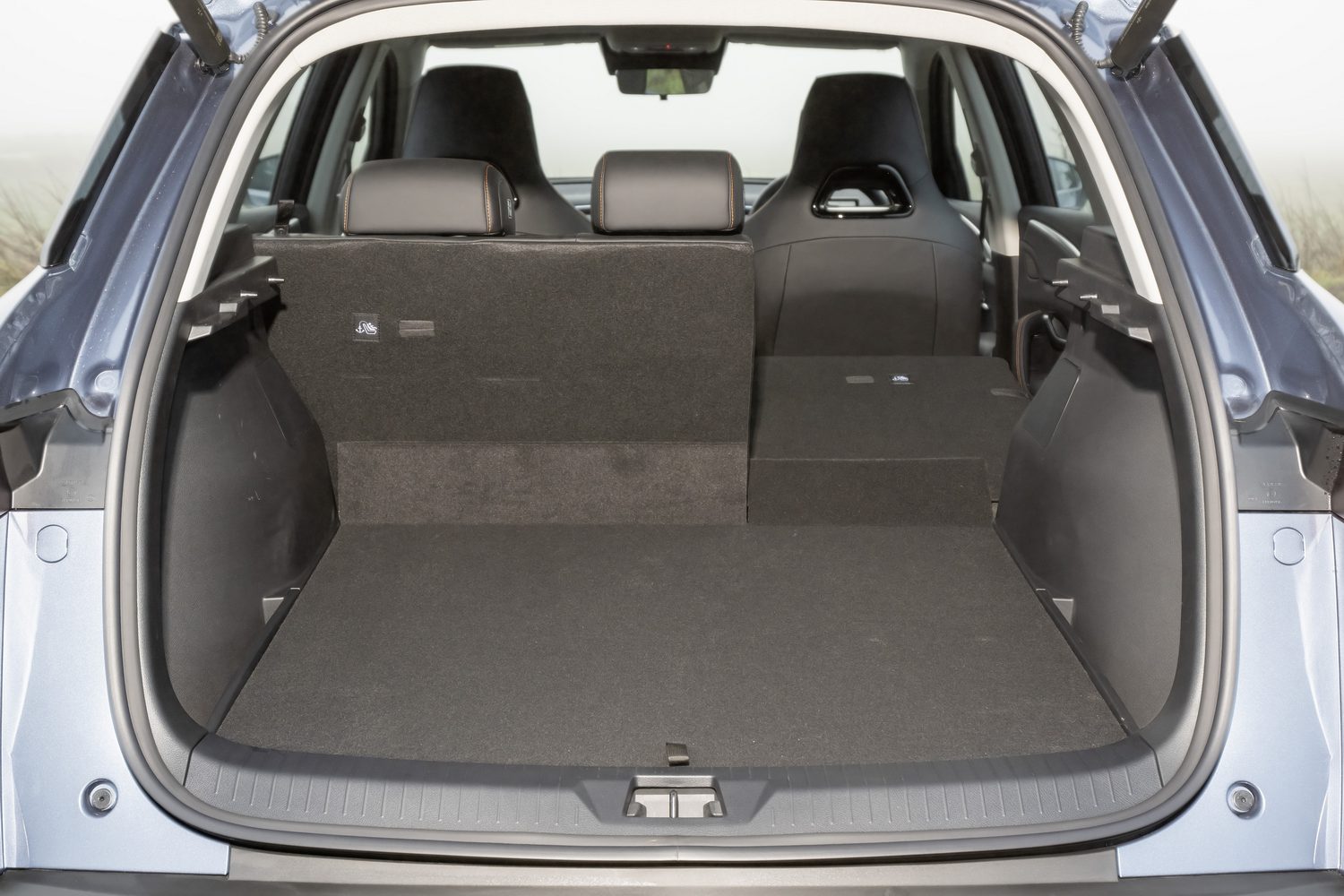
The BYD Sealion 5 has 463 litres of boot space with all five seats in use and up to 1,410 litres with the 60:40 split-folding rear bench tucked away.

Those are maybe not groundbreaking figures for this class, but they're more than acceptable, and the size, shape and flat loading lip of the Sealion 5 are all to be praised.
However, if there's a slight drawback to the boot area, it's that it's quite simplistic - there are no luggage hooks nor separators nor power sockets, with just a couple of deeper recesses to either side and behind the wheel housings to note.

Safety in the BYD Sealion 5 DM-i
The BYD Sealion 5 hasn't been tested by Euro NCAP, but every other BYD which has previously picked up the full five-star rating, with high scores in each of the four subdisciplines to boot.
There's no reason to suppose that the Sealion 5 wouldn't do the same thing - especially as the roster of passive and active safety gear fitted to it is comprehensive across the board; the only spec difference between the Comfort and Design cars here is that the latter gains front parking sensors to go with the rear items, as well as a 360-degree camera system as an upgrade on the Comfort's 180-degree reversing assistance.
Performance of the 2026 BYD Sealion 5 DM-i
- All models are PHEVs
- Handles pretty well
- Rides pretty poorly

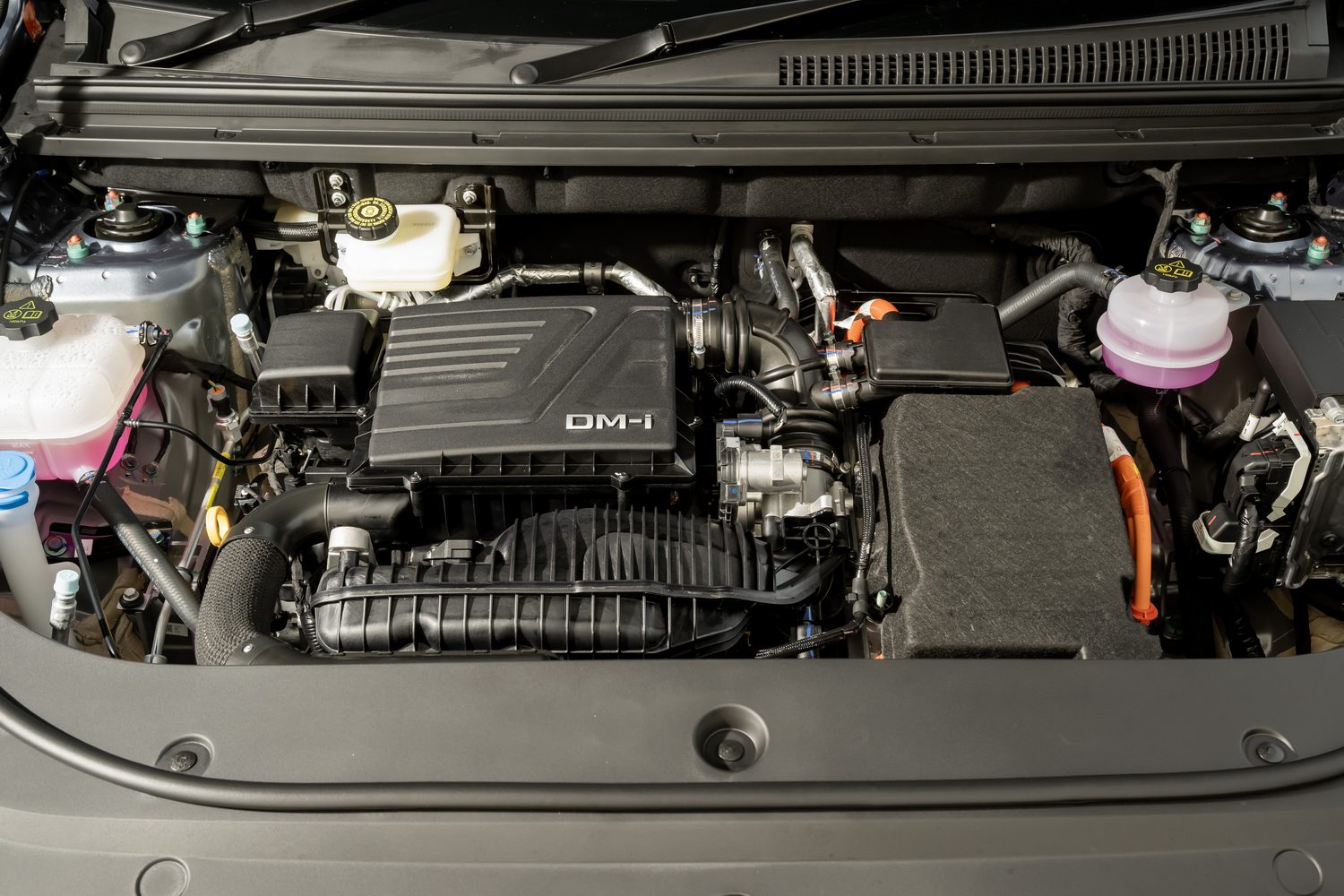
The Sealion 5 uses what BYD calls its 'Super Hybrid' system, which makes it a PHEV. In all vehicles the company makes which are petrol-electric, the combustion engine is a 1.5-litre four-cylinder unit, but in some models, it is turbocharged and in others it isn't.
In the case of the Sealion 5, it's a normally aspirated engine picked for its thermal efficiency, albeit not its mechanical refinement - this is a noisy powertrain.
There are no power or torque differences between the two Sealion 5 models, with the main change in the two cars being that the Design has a larger battery pack... and therefore 61kg more weight, so it's a touch less accelerative.

Driving the BYD Sealion 5 DM-i Design on UK roads
Words by Matt Robinson on 22 January 2026
Both versions of the BYD Sealion 5 DM-i have 212hp and 300Nm as their peak outputs. In practice, you'll not really discern any significant difference between the two cars in terms of how they drive.
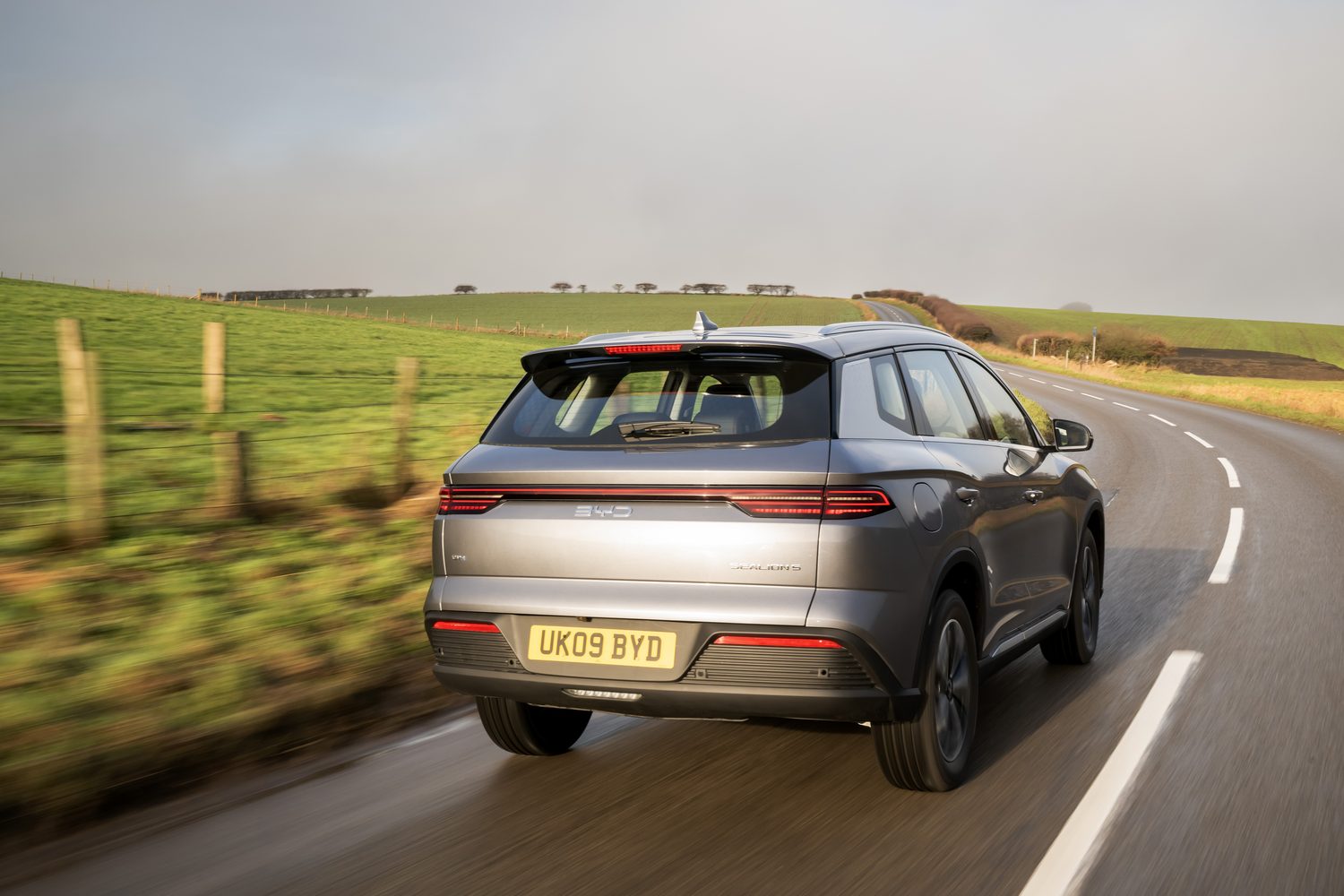
The company has clearly listened to feedback on its previous models because the Sealion 5 has a tighter, more focused feel to the way it drives. This is both most welcome and most odd, in the former instance because it means this is one of the best-handling BYDs we've tried yet, but in the latter case because you'd expect a higher-riding SUV to have longer-travel, softer suspension and thicker, comfort-promoting sidewalls on its tyres.

Therefore, the main problem for the Sealion 5 is that it isn't very comfortable, either for primary ride - where it can really thud and smash through craters and manhole covers in the road with an alarming lack of grace at times; if it hits its bump stops, the BYD really lets you know about it inside the cabin - or its secondary composure, as there's always a background washboard-bobble to the way it covers what look like smooth surfaces at speed.
It's by no means the worst-riding car we've been in, but there are far more comfortable and far quieter rivals to travel in within this class of vehicle, which is surely the primary remit of a family SUV.

By way of recompense, a surfeit of grip, nice body control and even a feeling of mid-bend adjustability to the chassis all add up to a PHEV which belies its near-1.8-tonne mass.
The steering ultimately robs the BYD Sealion 5 of being an even greater dynamic hit, because it has very little in the way of meaningful feel or detail, but both the brakes and the throttle pedal are well calibrated, and so hustling the DM-i along turns out to be a surprisingly enjoyable experience.

If one let down by the lethargic and coarse drivetrain. As a non-turbo PHEV, the Sealion 5 takes entire seconds to respond to full-throttle inputs if it's running in electric mode with the four-cylinder engine lying dormant.
And the noise it makes while it builds up to max revs and then holds them is quite unpleasant, if admittedly reasonably well muffled by sound-deadening in the bulkhead.
Furthermore, the BYD is almost as reluctant to let go of engine speed as it is to try and build it up, so there's a strong 'rubber-band' feel to its drivetrain that makes the SUV seem as if it is a lot weaker than 212hp and 300Nm.

Ultimately, the way the BYD Sealion 5 drives is OK, but you know it would be a lot better if it had a different gearbox, better response from its powertrain and damping that was just of a slightly higher level of sophistication to polish up the somewhat rough ride.
Range, battery, charging and running costs of the 2026 BYD Sealion 5 DM-i
- More than 1,000km total range
- Design has larger battery
- Only 3.3kW AC charging
The BYD Sealion 5 DM-i Comfort has a smaller battery than the one fitted to the Design model above it in the family tree, but otherwise there are no mechanical differences between the two cars.

Running costs promise to be competitive, even if the real-world returns we experienced turned out to be less than spectacular, but there is a marginal difference in taxation brought about by the higher CO2 emissions of the Comfort (62g/km) when compared to the Design (48g/km).
Battery options and official range
Both variants of the BYD Sealion 5 use one of the company's 'Blade' battery packs. For the Comfort specification, this is a 12.96kWh item with 61km of outright EV range on the official WLTP cycle.
This is enlarged in the Design flagship to 18.3kWh, increasing the zero-emission capability to a healthier 85km, and also pushing the combined petrol-electric driving range beyond the 1,000km marker.
Don't worry if you opt for the Comfort, though, because its 992km figure is none too shabby either.
Real-world range and efficiency of the BYD Sealion 5 DM-i
Don't go expecting these four-figure distance runs if you start stretching the 1.5-litre petrol engine in the BYD Sealion 5 out on a daily basis.
During our 80km test drive - admittedly over hilly terrain, with some steep ascents to climb on occasion - we only saw 8.5 litres/100km from the Design.

Admittedly, we were driving the car at a quicker pace and so, with a little more care, it shouldn't be that hard to achieve better than 5.6 litres/100km if you regularly plug it in.
But those wanting the most outlandish of the quoted figures for this PHEV will need to manage their resources with considerable caution, with regular plug-in top-ups required to get the absolute best from it. Which brings us onto the next section...
Charging up the BYD Sealion 5 DM-i
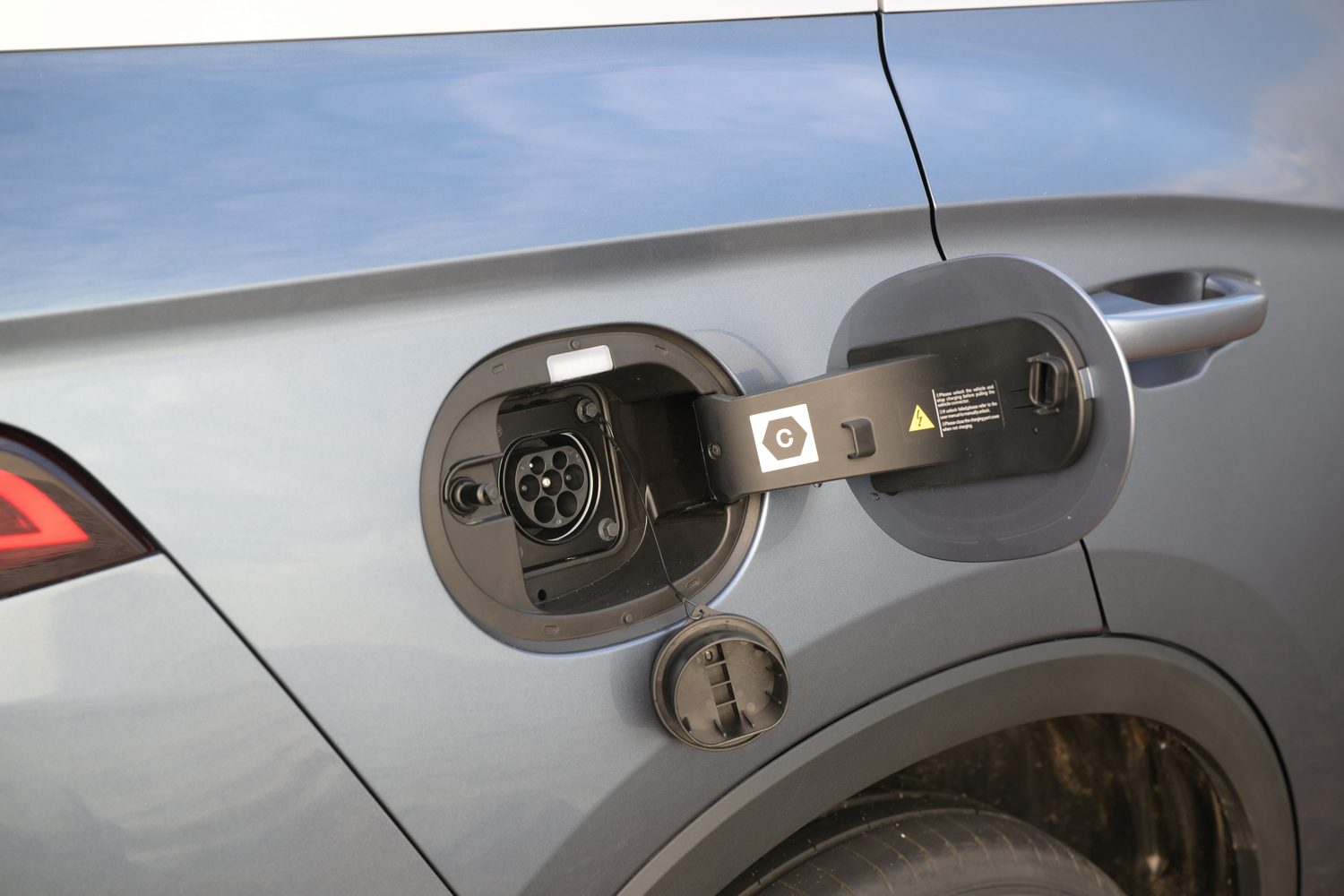
On some PHEVs, if the battery pack is large enough, the manufacturer provides DC rapid charging capability for quick top-up times. And with other BYD DM-i cars, there's at least a faster 6.6kW AC rate available on certain specs of certain models.

But with this Sealion 5, either version is limited to just 3.3kW AC charging, despite the fact that an 18.3kWh battery pack is still quite sizeable in the modern age.
Such a slow rate of domestic hook-up means that the Comfort version would need 4.5 hours to perform a 15-100 per cent charge, while that time increases on the Design to six hours.
Servicing the BYD Sealion 5 DM-i
BYD recommends its DM-i PHEVs should be on a 12-month, 15,000km cycle.
BYD Sealion 5 DM-i warranty
The standard warranty for all BYD's new cars in this country is six years or 150,000km, whichever elapses sooner. The high-voltage 'Blade' batteries and electric motors the company makes are also guaranteed for eight years' worth of cover, with the power cells given an increased distance cap of 250,000km into the bargain. BYD also includes a 12-year anti-corrosion guarantee.
Irish pricing & rivals to the 2026 BYD Sealion 5 DM-i
- Low starting price for the size
- Lots of equipment as standard
- Competes with best-selling cars

The Sealion 5 starts at just €36,990 for the Comfort model and the Design car is €40,990
Besides the larger battery pack, the only items that are added by stepping up to Design specification are front parking sensors, a 360-degree camera system, wireless smartphone charging, heated front seats, a powered tailgate and dynamic welcome lights.

Verdict - should you buy the 2026 BYD Sealion 5 DM-i?
The BYD Sealion 5 DM-I is by no means a bad car, as it is spacious, well-equipped, has plenty of range from its PHEV powertrain, and it handles in a spry fashion.

But the often-infuriating infotainment and bland exterior styling are copybook blips that are further compounded by the BYD's unsettled ride and lack of refinement to its petrol-electric propulsion system.
With a few minor technical tweaks though, this could be an excellent hybrid SUV. As it is, the Sealion 5 is an intriguing proposition, especially as its low pricing helps it undercut considerably more talented opposition in this sector from more well-established rival manufacturers.
FAQs about the 2026 BYD Sealion 5 DM-i
Is the BYD Sealion 5 DM-i offered with all-wheel drive?
No; although there is a more powerful and dual-motor variant of the larger Seal U SUV, which is also a DM-i PHEV, the Sealion 5 is only sold with a solitary front propulsion unit and therefore front-wheel drive.
Is BYD Sealion 5 DM-i quick for 0-100km/h?
Reasonably so, for something this large and heavy. Those wanting the quickest version will need the slightly lighter Comfort model with the 13kWh battery pack, as it can run 0-100km/h in 7.7 seconds. Due to the fact it has no additional power or torque to offset its additional bulk, the longer-range Comfort is therefore four-tenths of a second slower for the same sprint at 8.1 seconds.
How far can the BYD Sealion 5 DM-i go on its battery?
It depends on which model you choose. The Comfort, with a 12.96kWh battery pack, will officially go up to 61km on its battery alone, whereas the Design - equipped with a larger 18.3kWh unit - can increase its zero-emission capability to 85km. BYD claims that more than 1,000km is possible on the combined petrol and electric reserves of the car in Design spec.
What does the 'DM-i' mean in the badge of the BYD Sealion 5 DM-i?
It's BYD's own terminology for 'plug-in hybrid' and it specifically stands for 'dual mode, intelligent'.
How many child seats fit into the BYD Sealion 5 DM-i?
BYD offers ISOFIX fittings in three positions - on the front passenger seat and then the outer two rear-bench seats as well. The rear seat is likely to be too narrow to accommodate any extra booster or anything in the middle.
Has the BYD Sealion 5 DM-i been assessed for safety?
Not as yet, but we're expecting it to pick up the full five-star award, as it has an extensive list of safety equipment on even the basic Comfort model, while the Design only adds front parking sensors and a 360-degree camera system.
Want to know more about the 2026 BYD Sealion 5 DM-i?
If there's anything about the new BYD Sealion 5 DM-i we've not covered, or you'd like help in choosing between it and other cars, you can avail of our expert advice service via the Ask Us Anything page.