(Updated on February 27, 2026 with Irish pricing and specifications)
Introduction to the 2026 BYD Seal 6 DM-i
BYD has quickly established itself a reputation as one of the better-known and better-respected Chinese manufacturers out there, thanks to a good spread of affordable products from small city cars right up to grandiose electric SUVs.
Joining the ranks from 2026 was the Seal 6, offered in two body styles of Saloon and Touring estate, and powered by the firm's 'Super Hybrid' technology with a pair of plug-in hybrid (PHEV) DM-i powertrains.
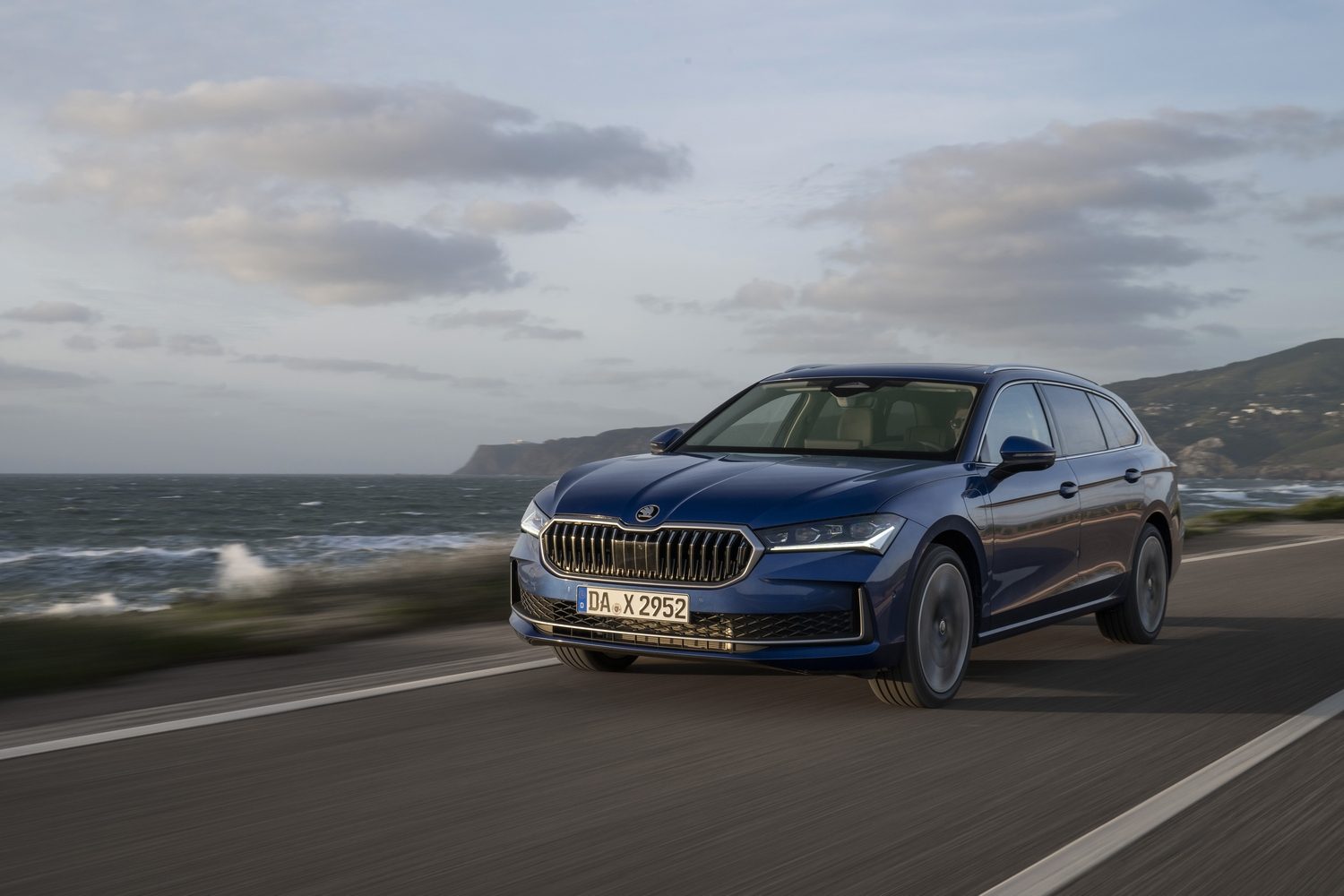
Ostensibly going head-to-head with the Skoda Superb, the Seal 6 promises a lot of car, with plenty of equipment, for not a huge amount of money. But is it any good?

Pros & cons of the 2026 BYD Seal 6 DM-i
Pros:
• Long combined range
• Plenty of standard kit
• Incredibly affordable
Cons:
• Poor ride comfort
• Unrefined drivetrain
• Unresolved handling
Exterior & design of the 2026 BYD Seal 6 DM-i
• Ocean X design ties it in with other BYDs
• Not massively handsome
• 17- and 18-inch wheels offered

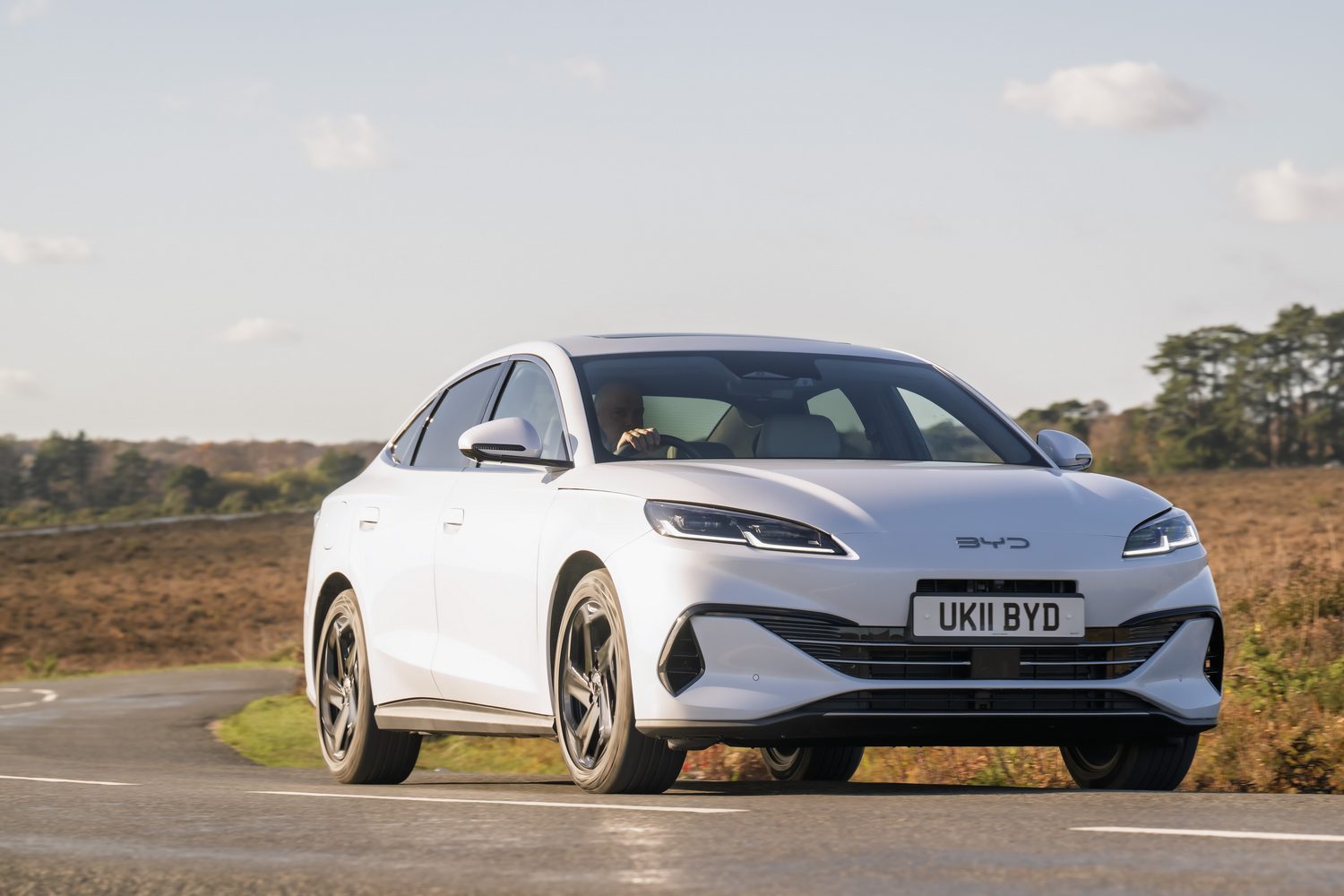
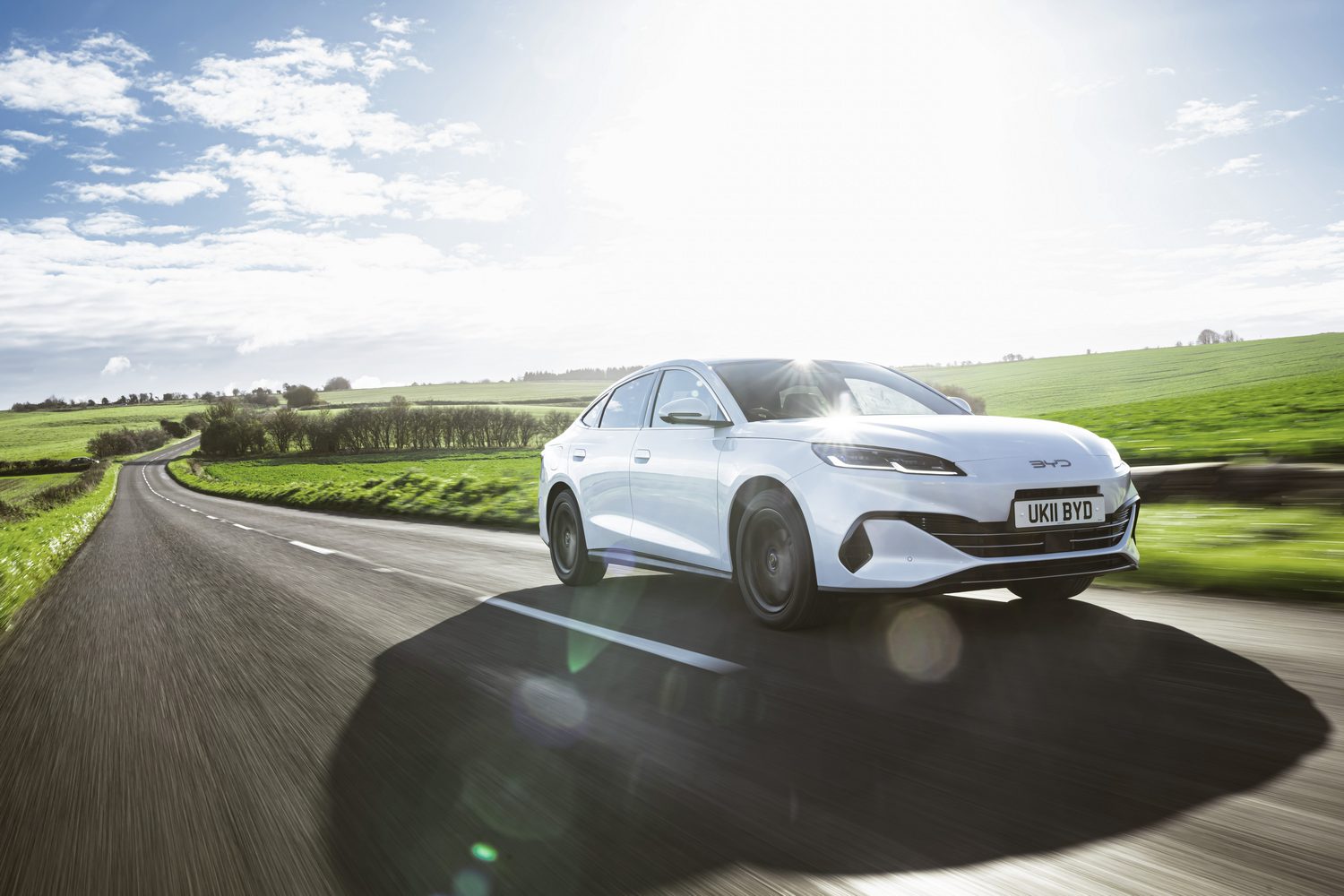
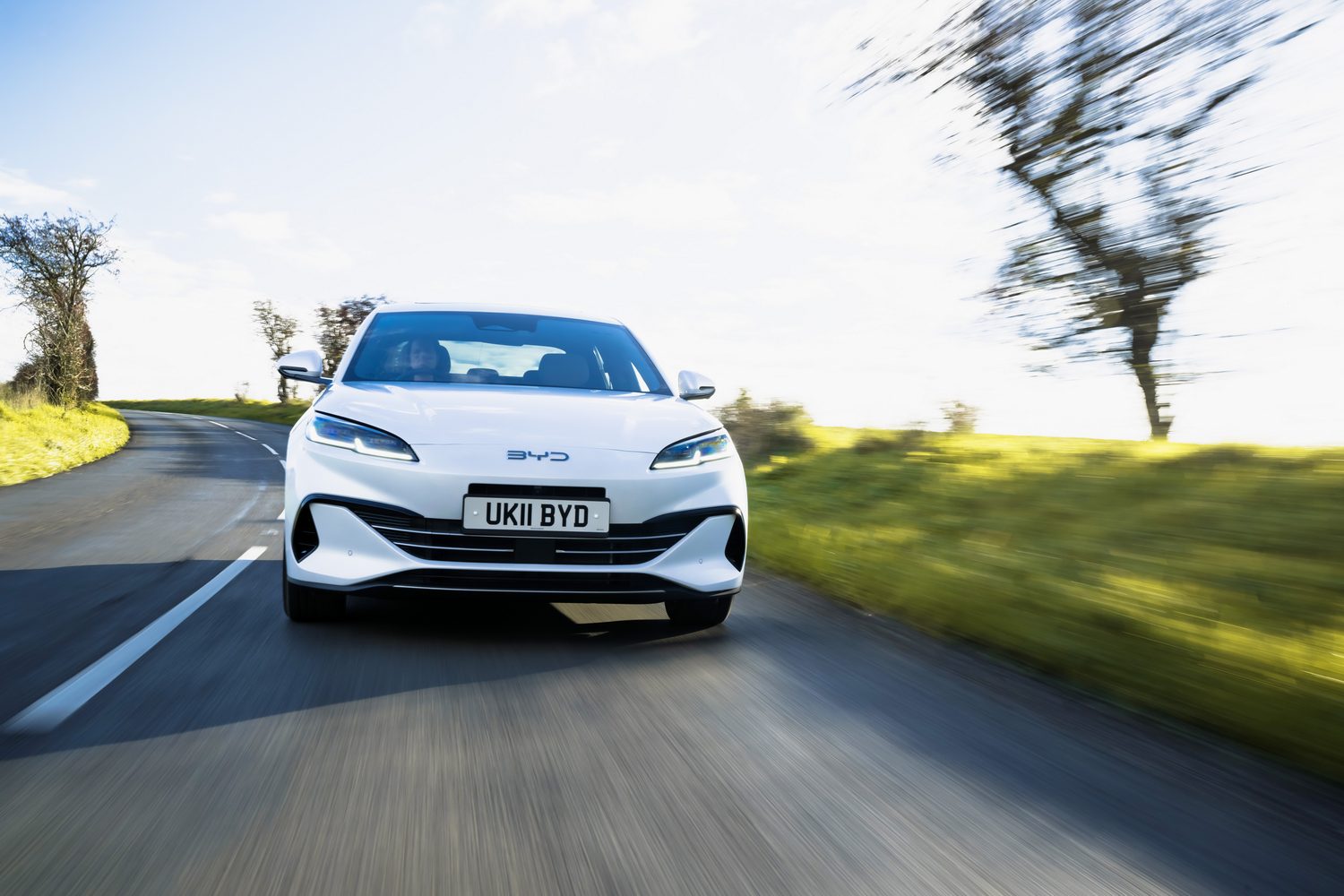
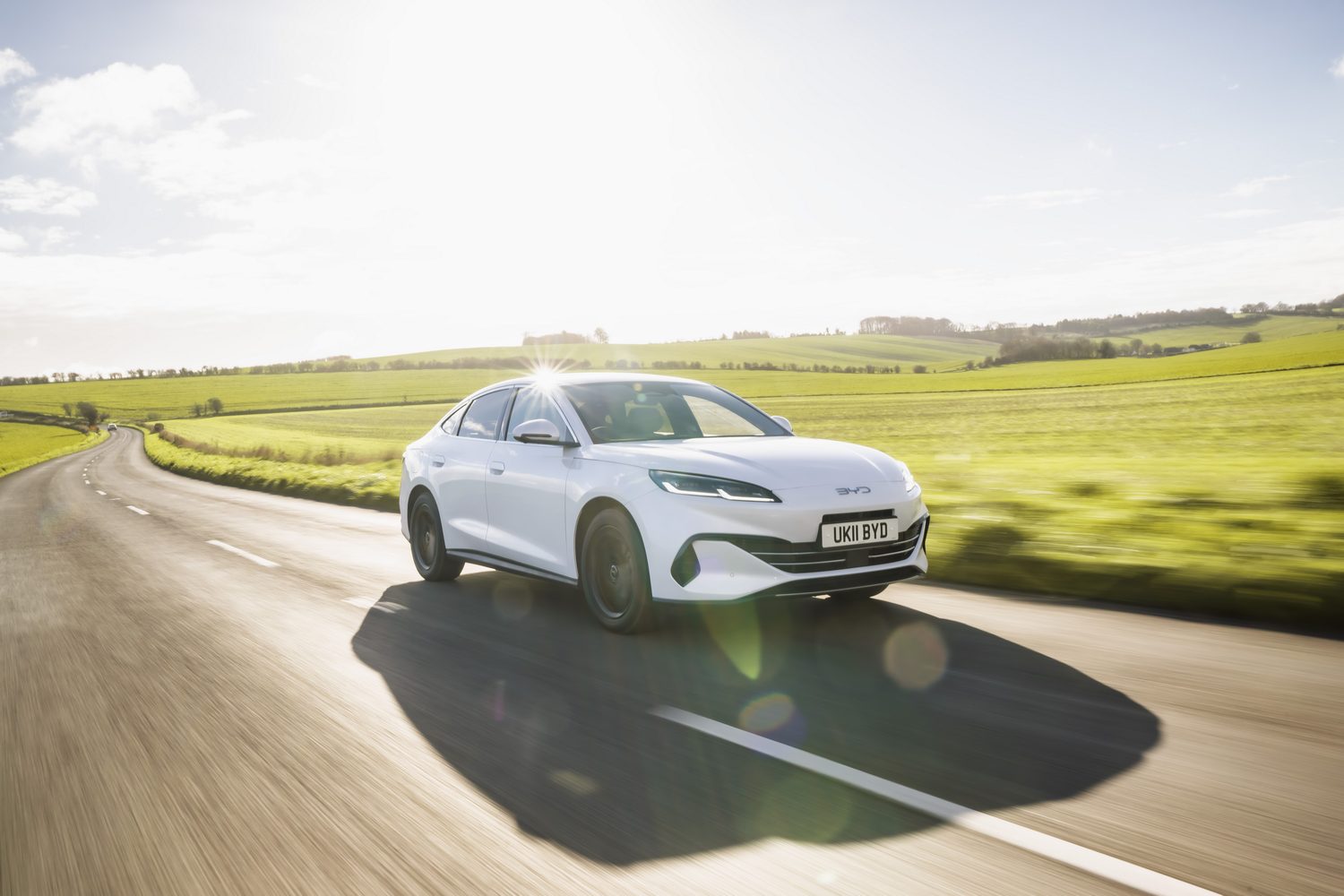
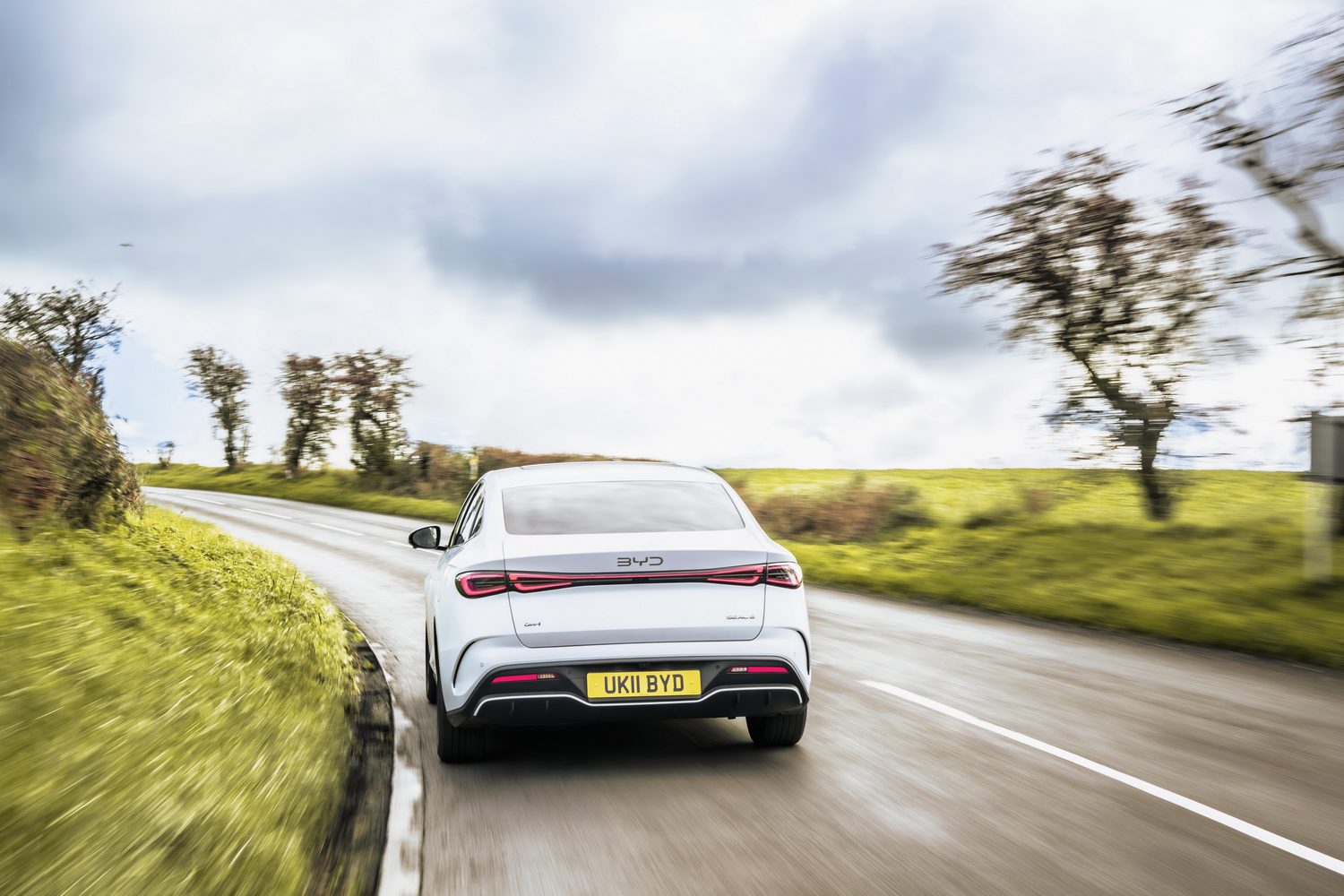
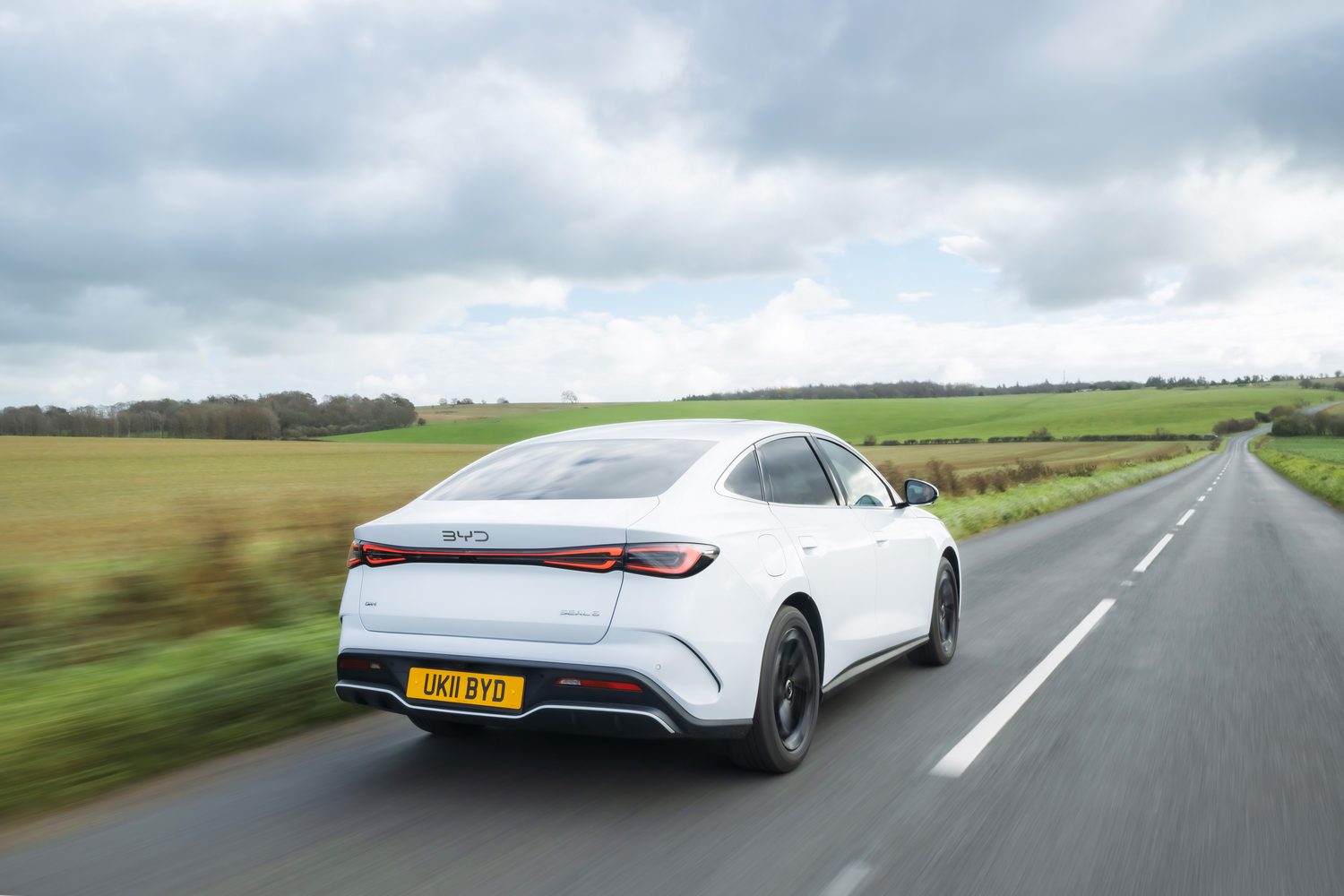
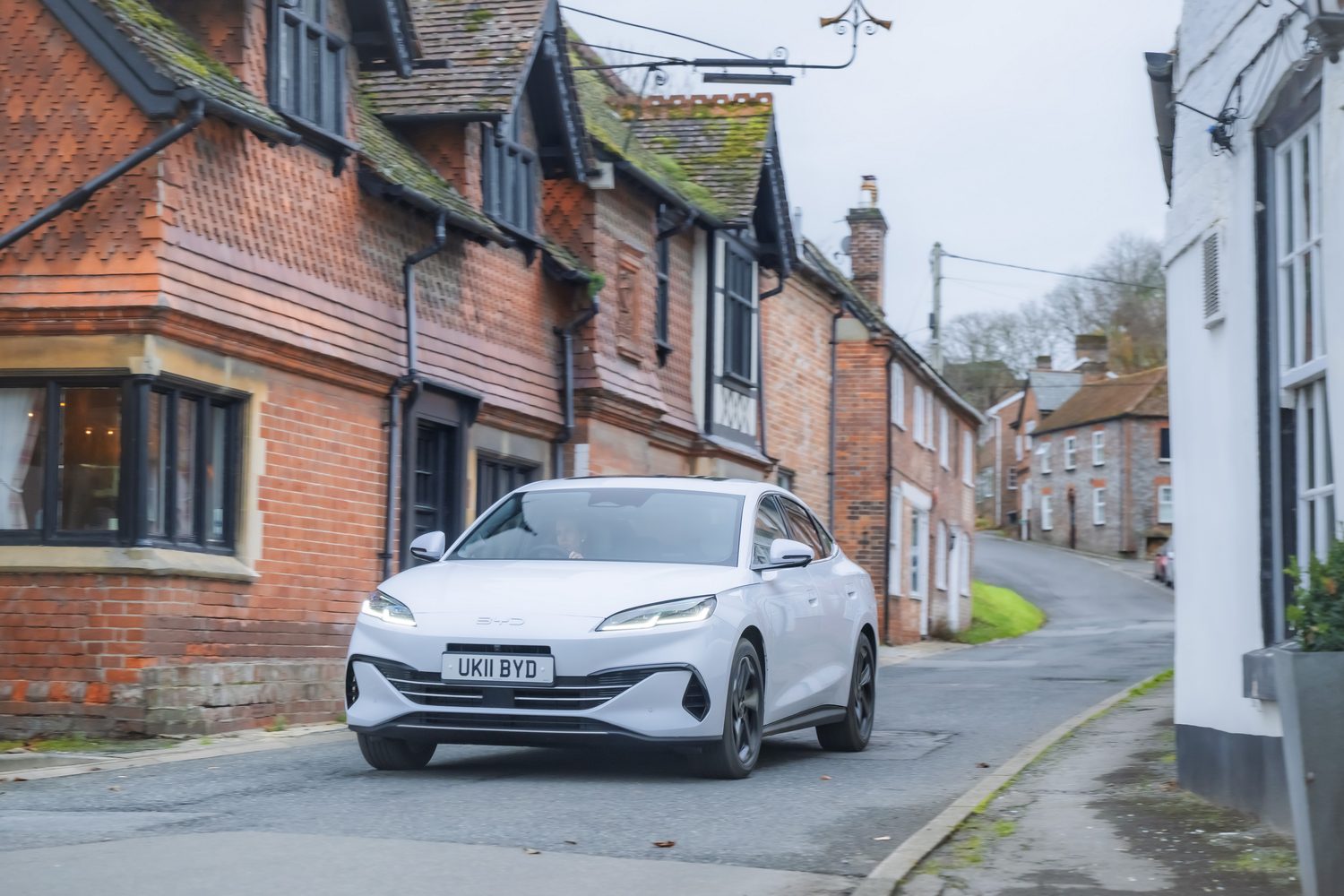
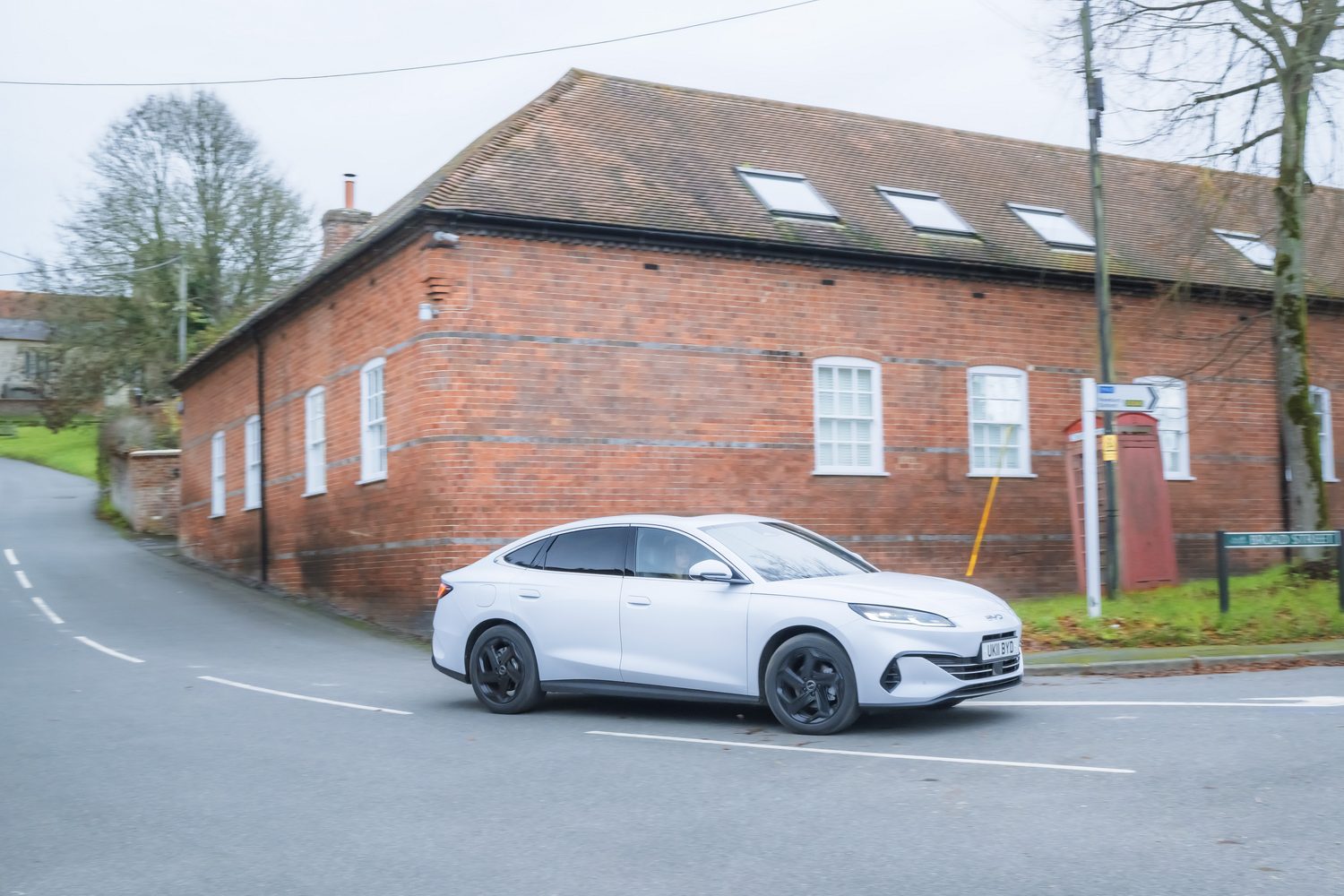
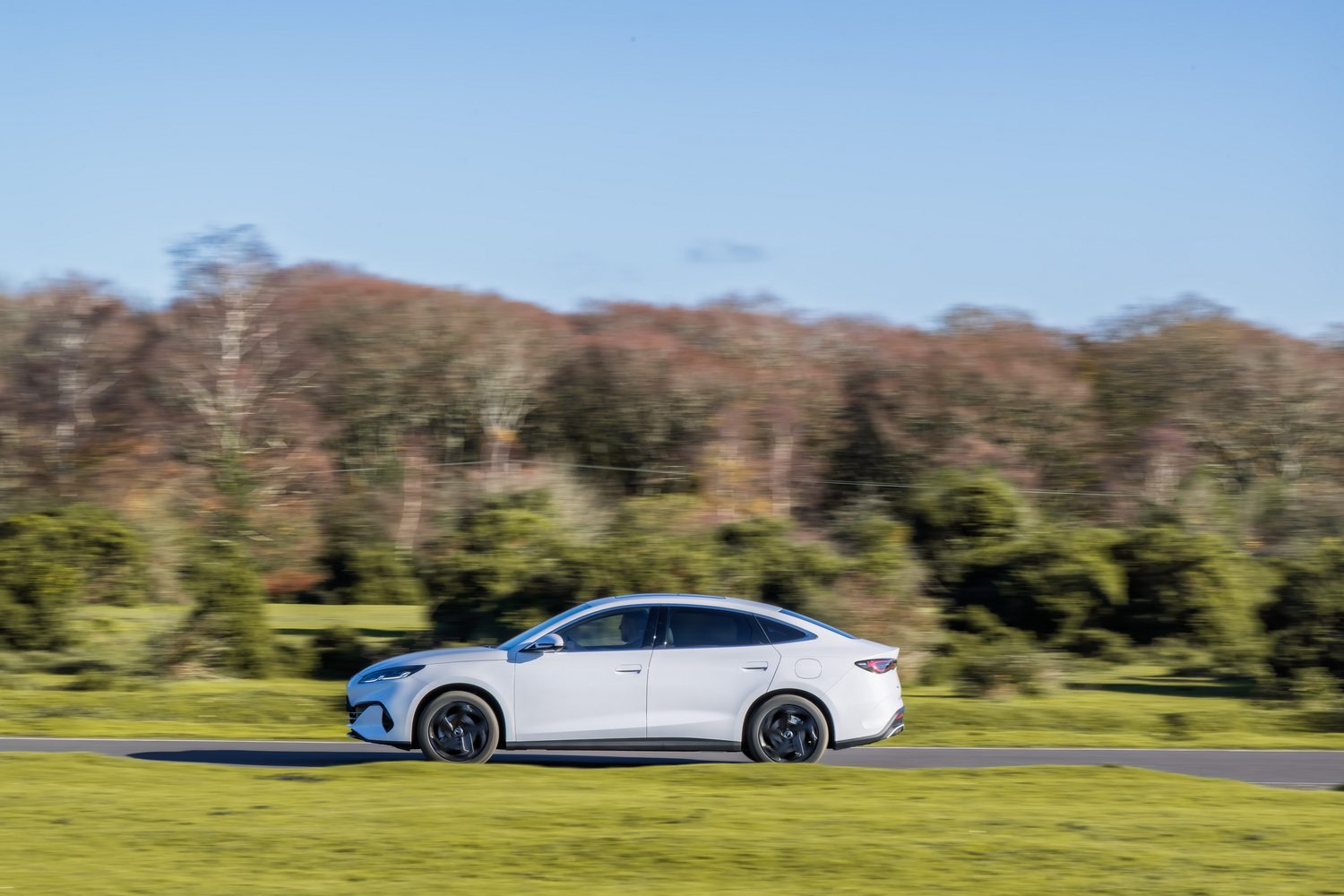
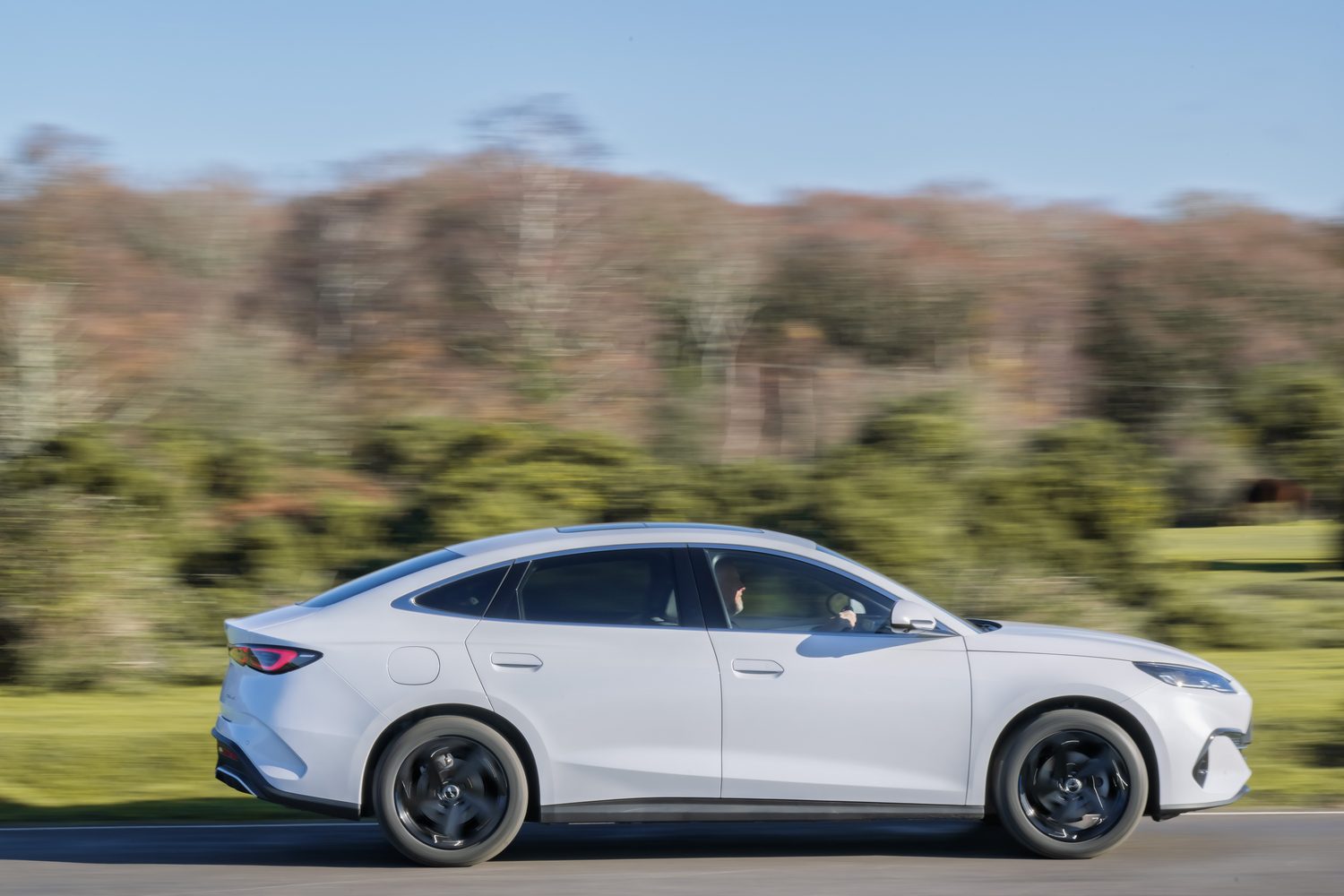
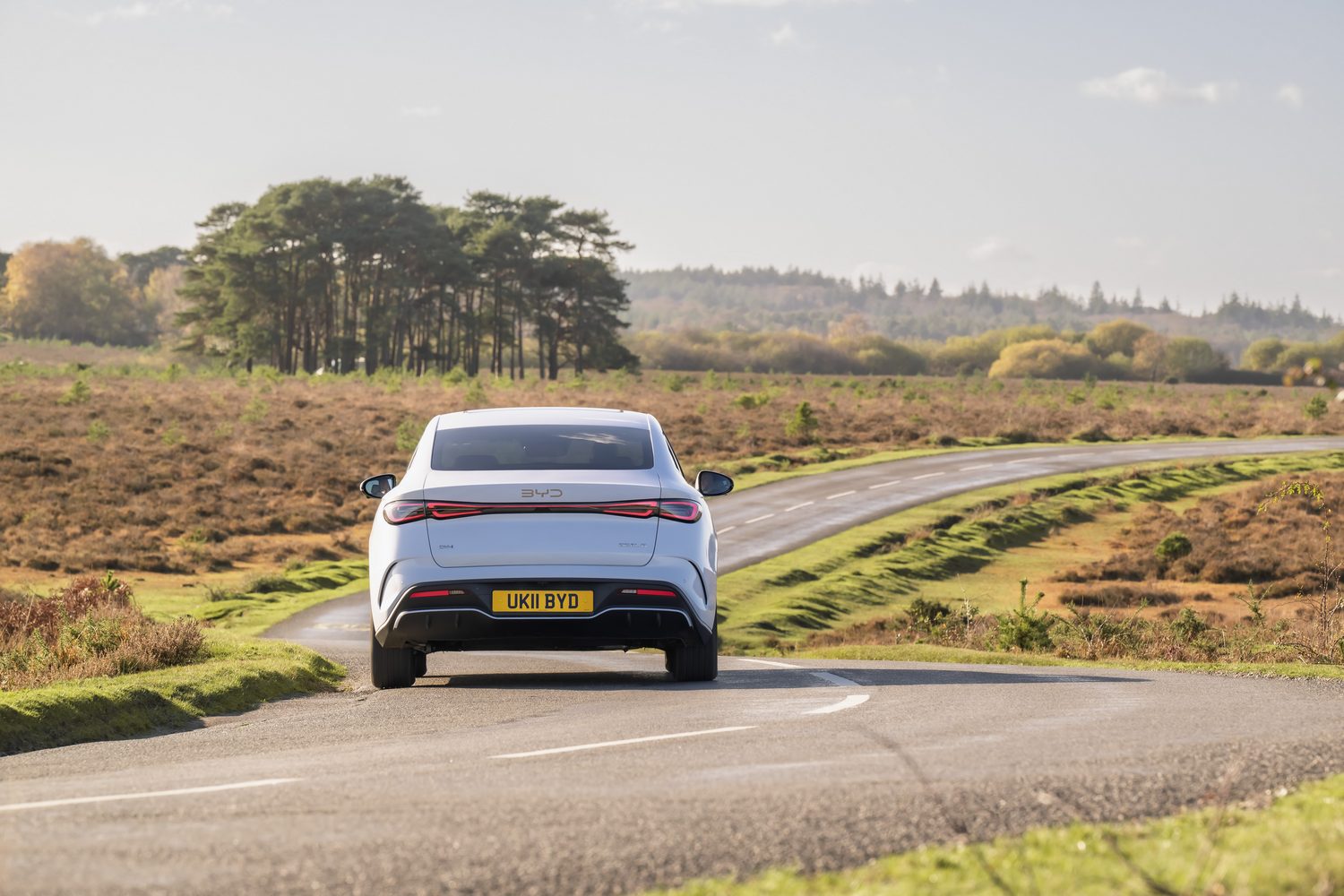
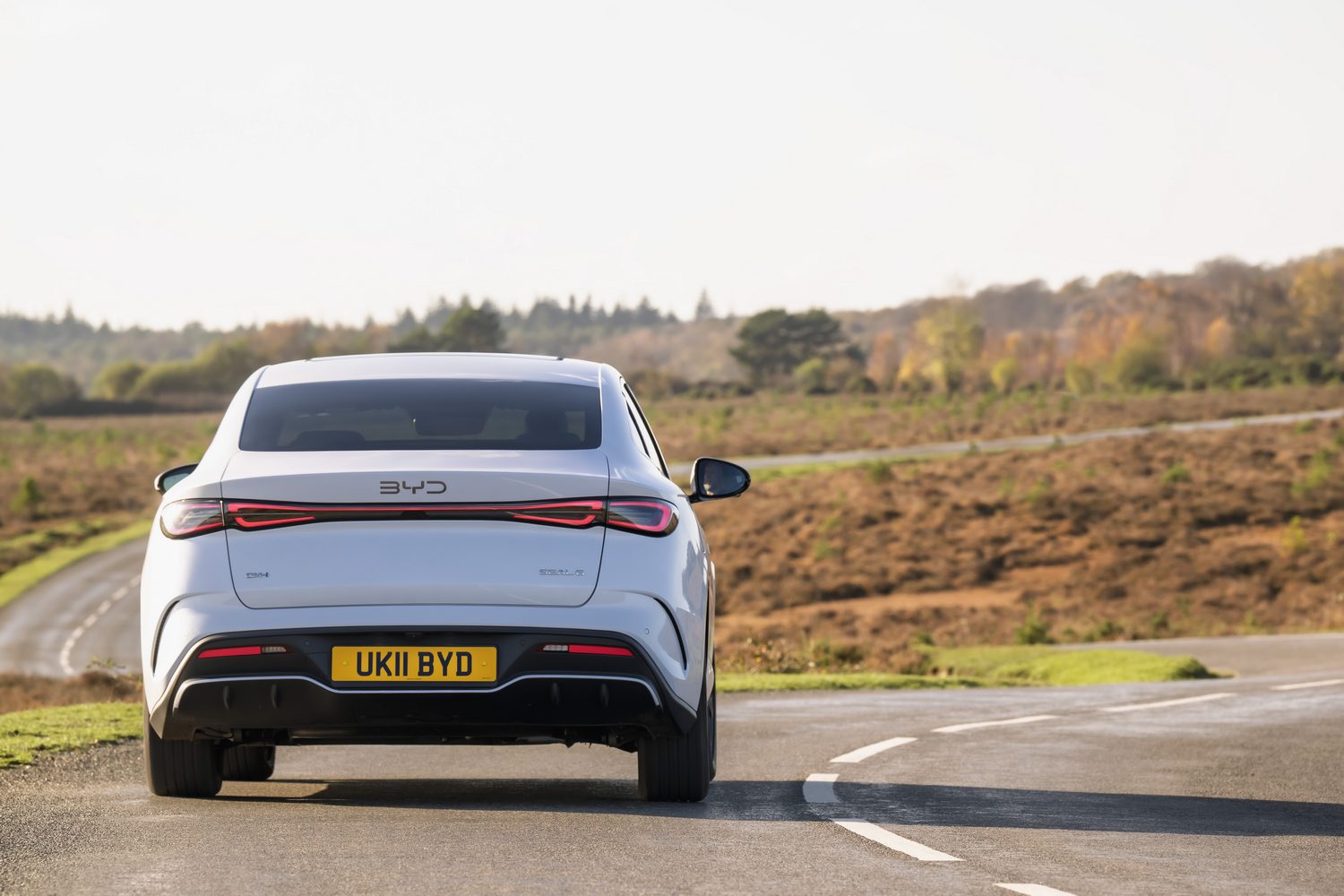
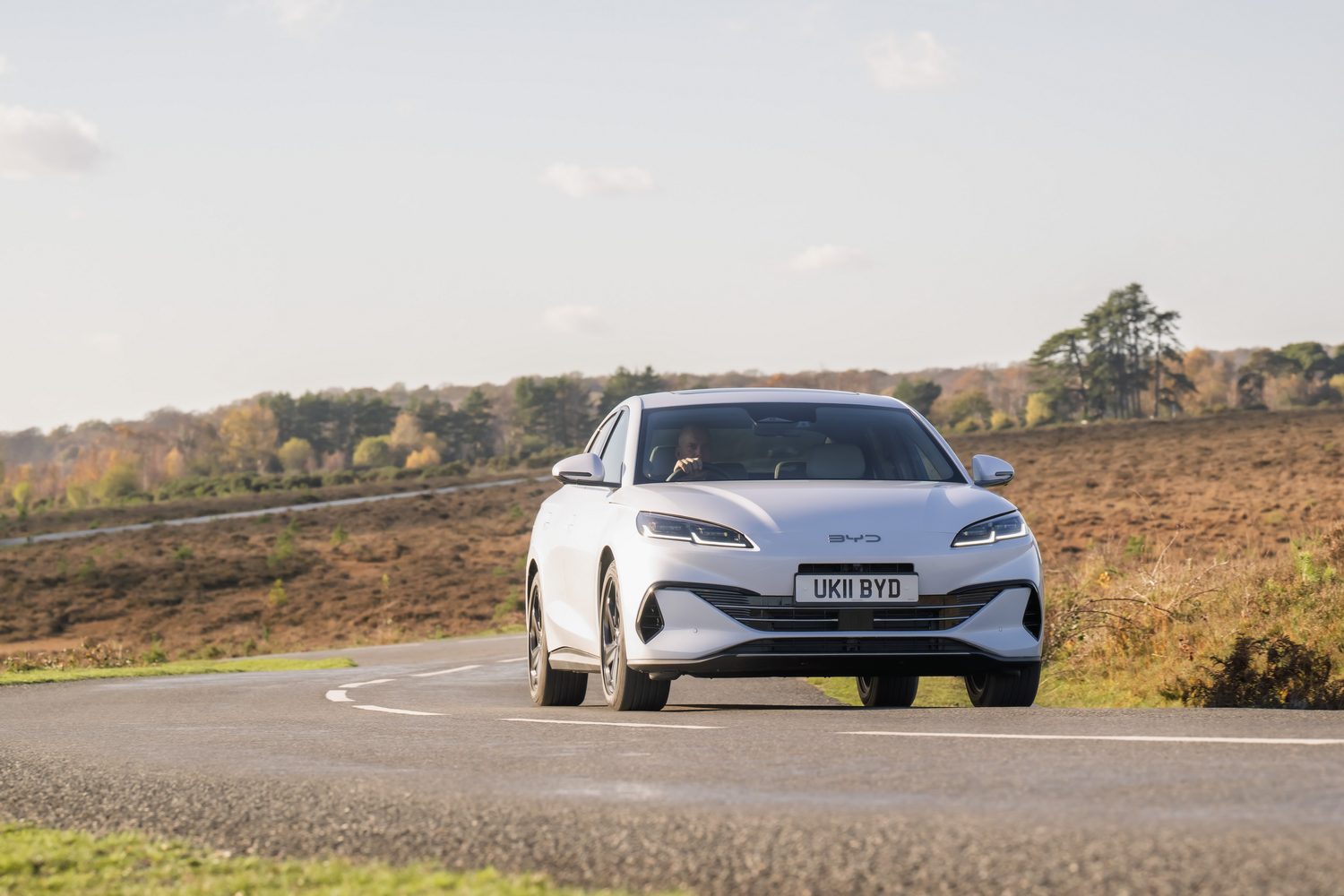
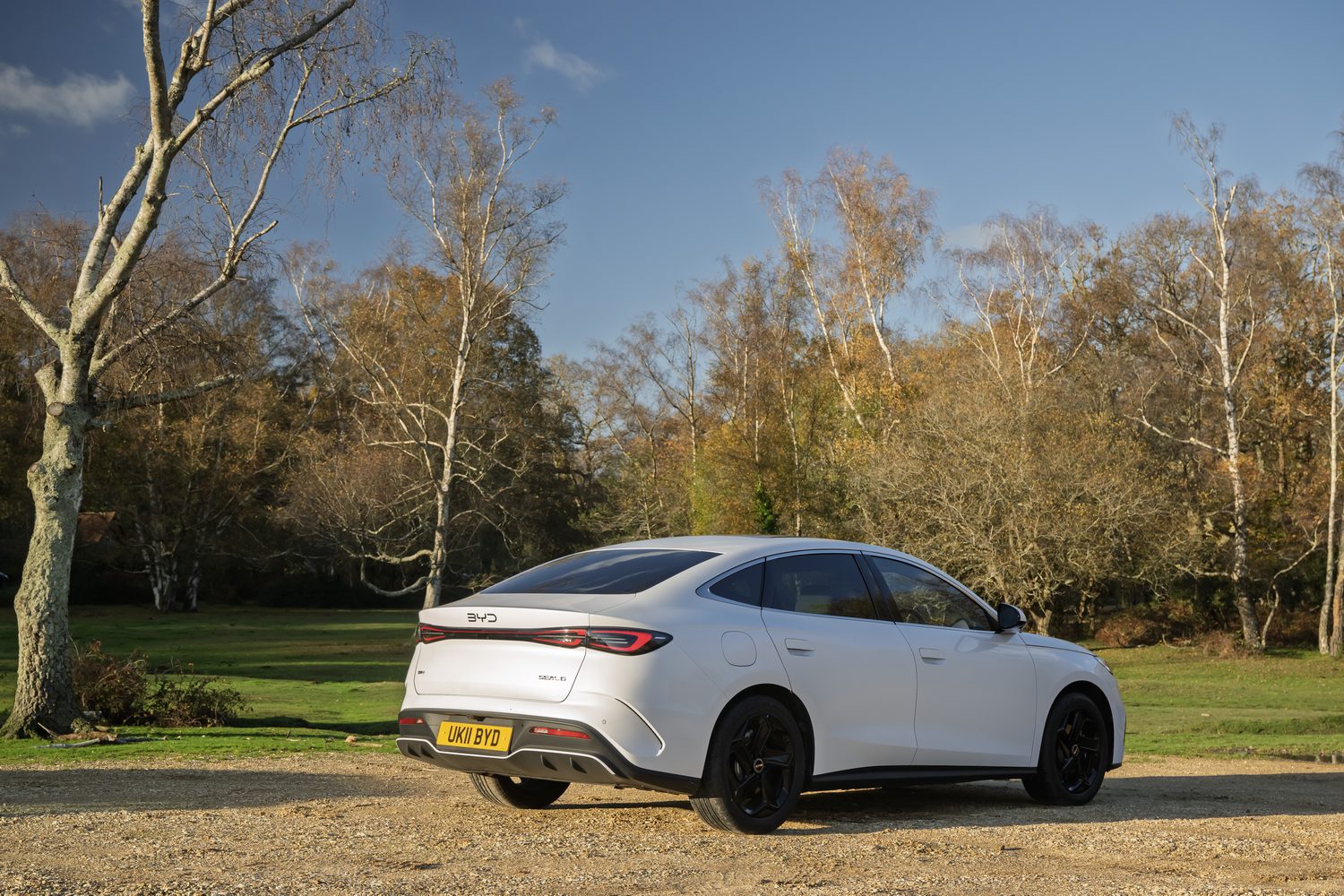
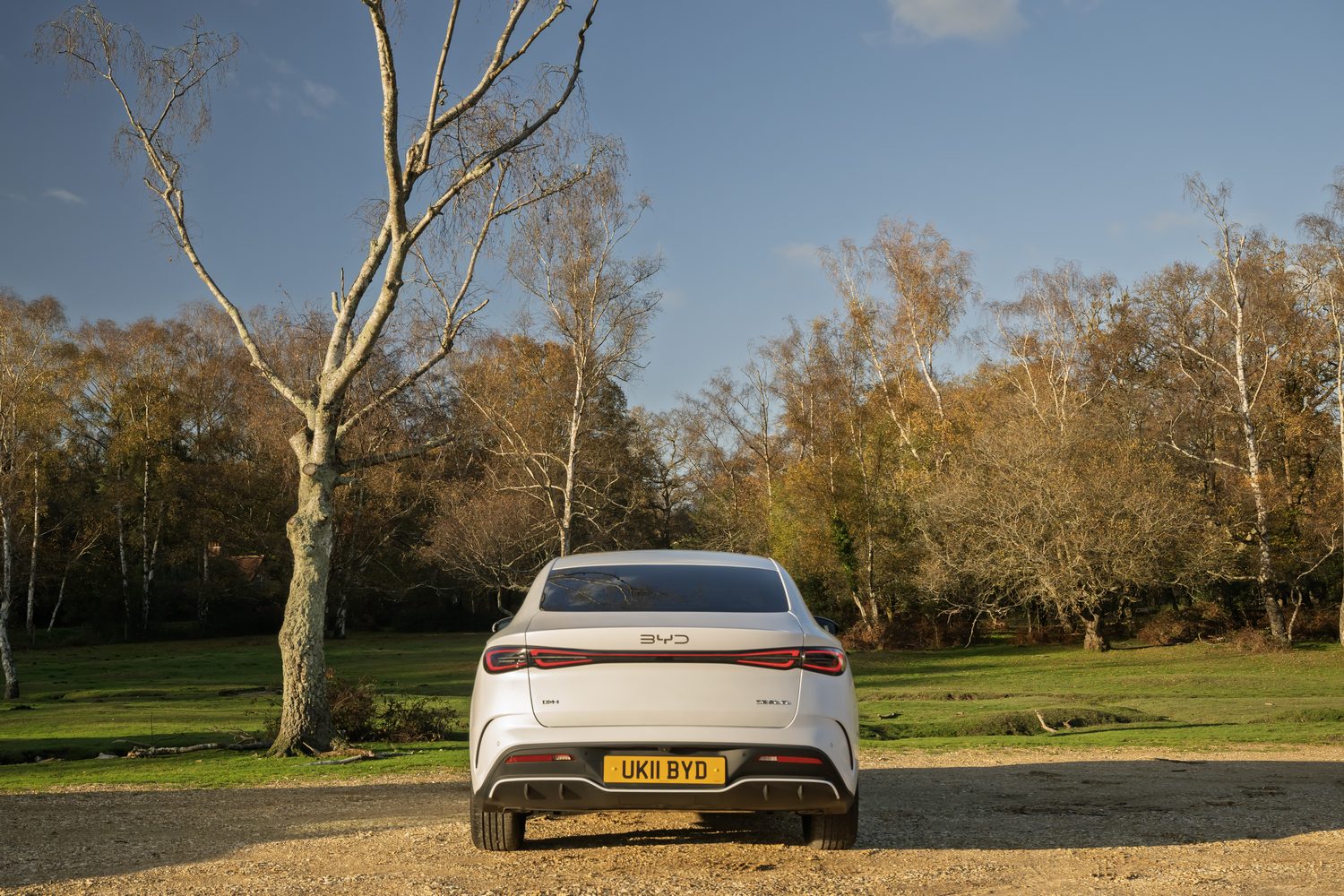
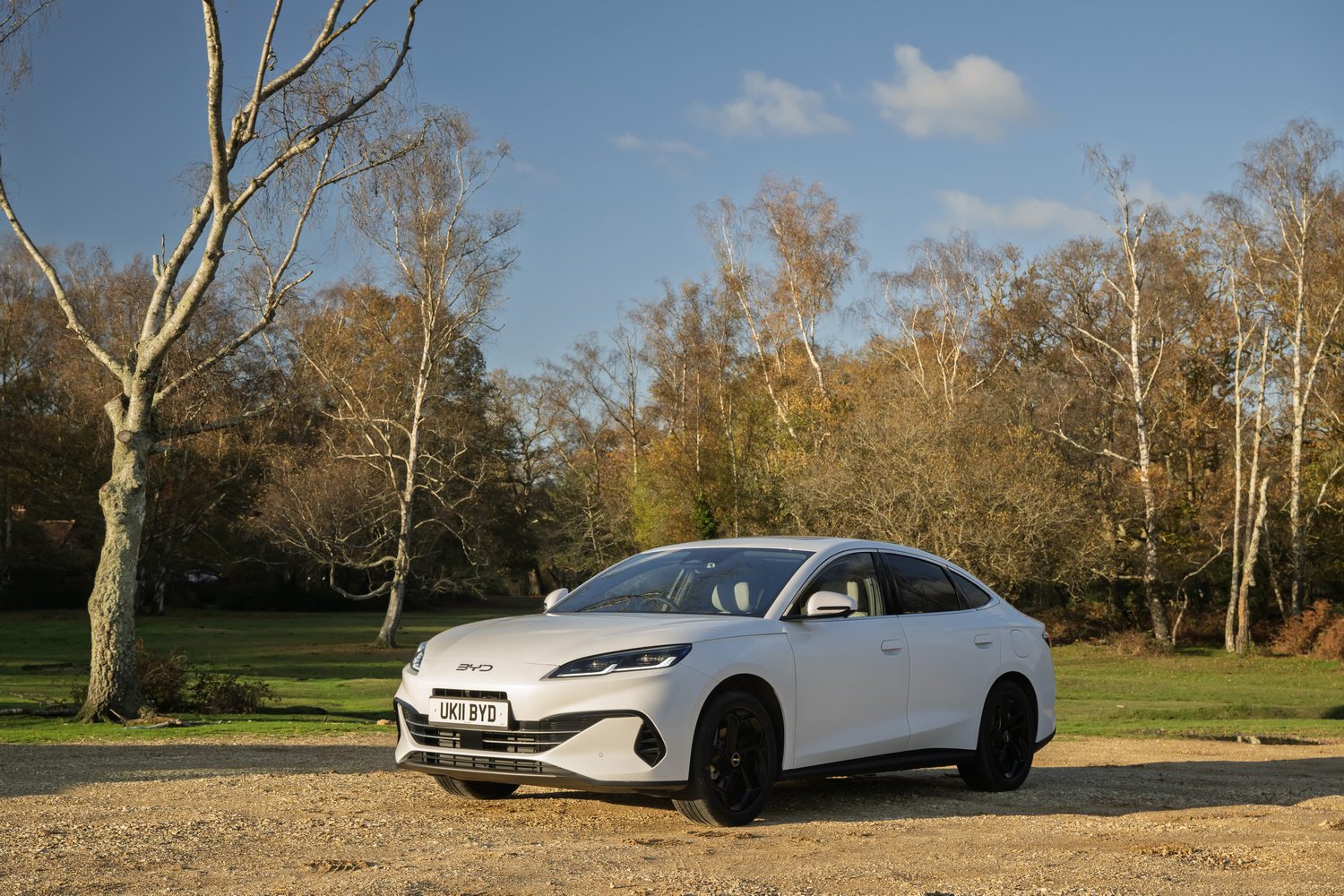
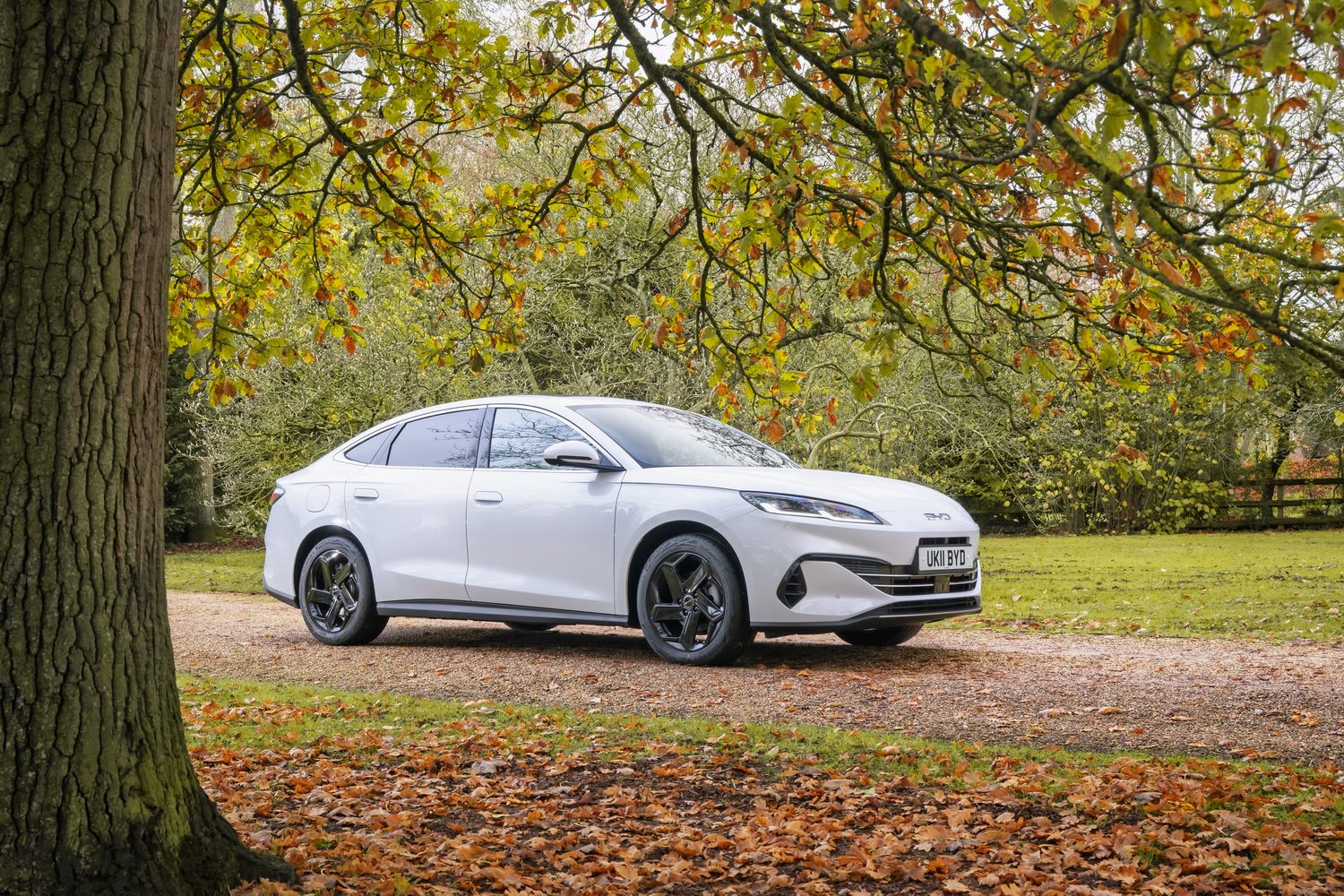
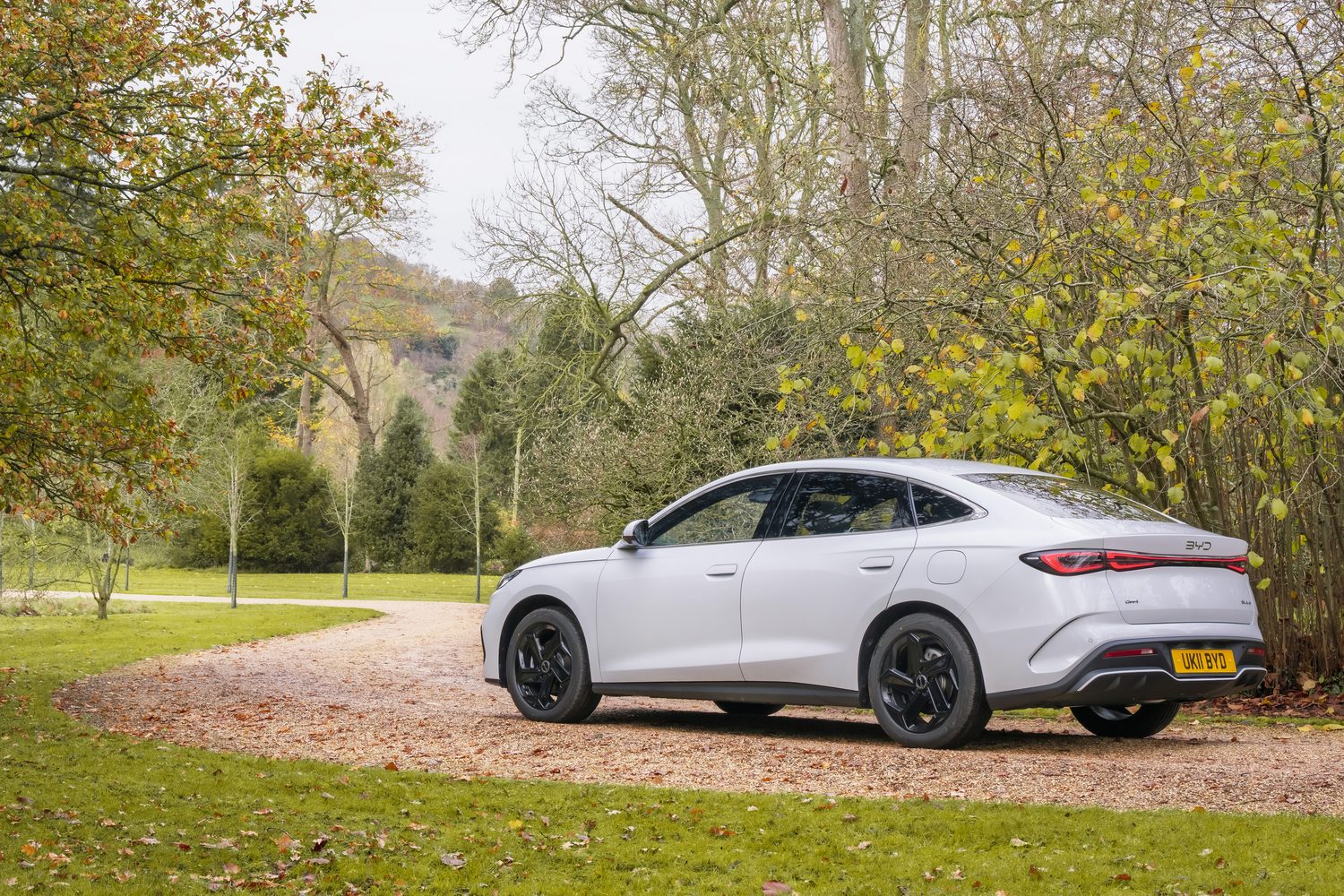
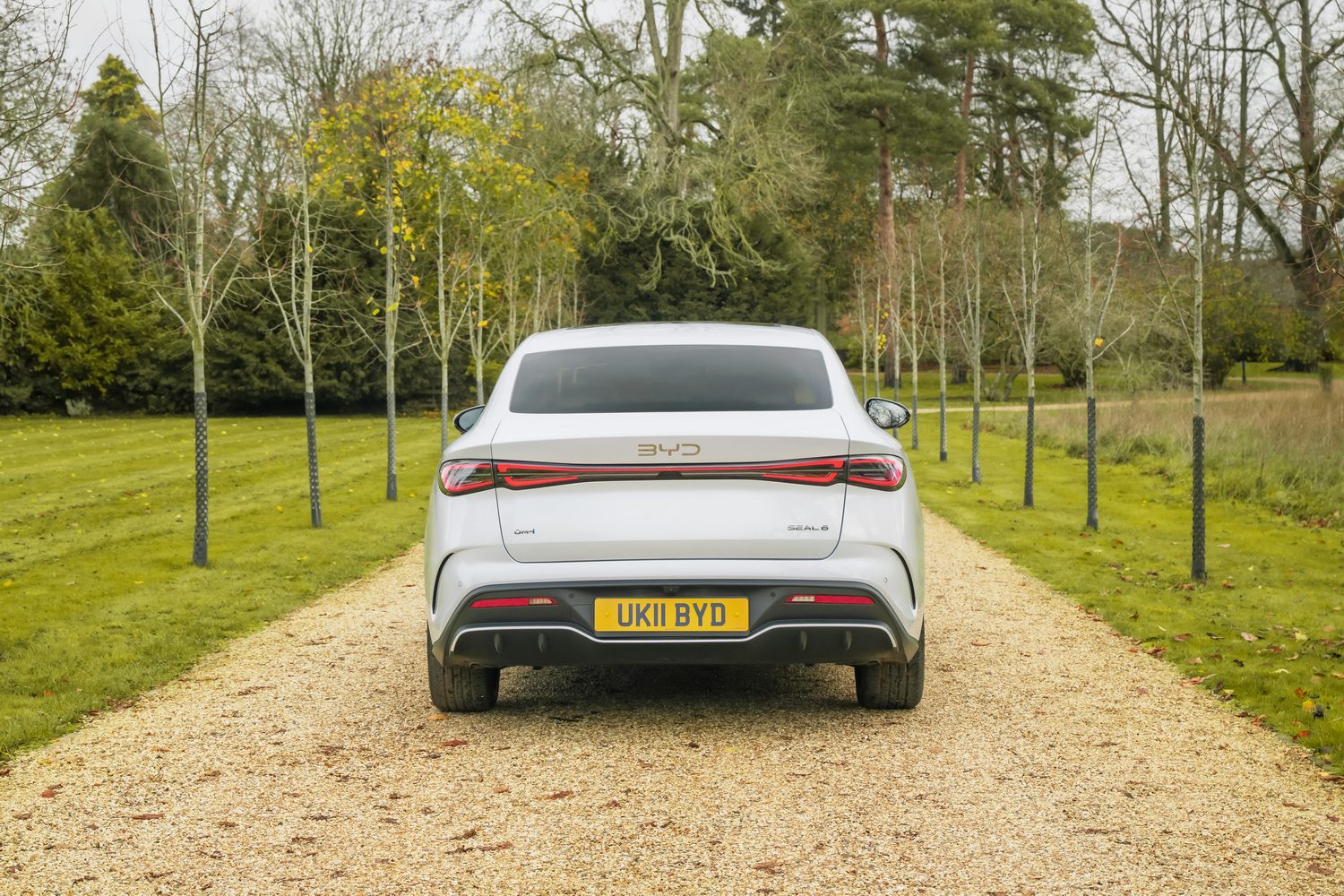
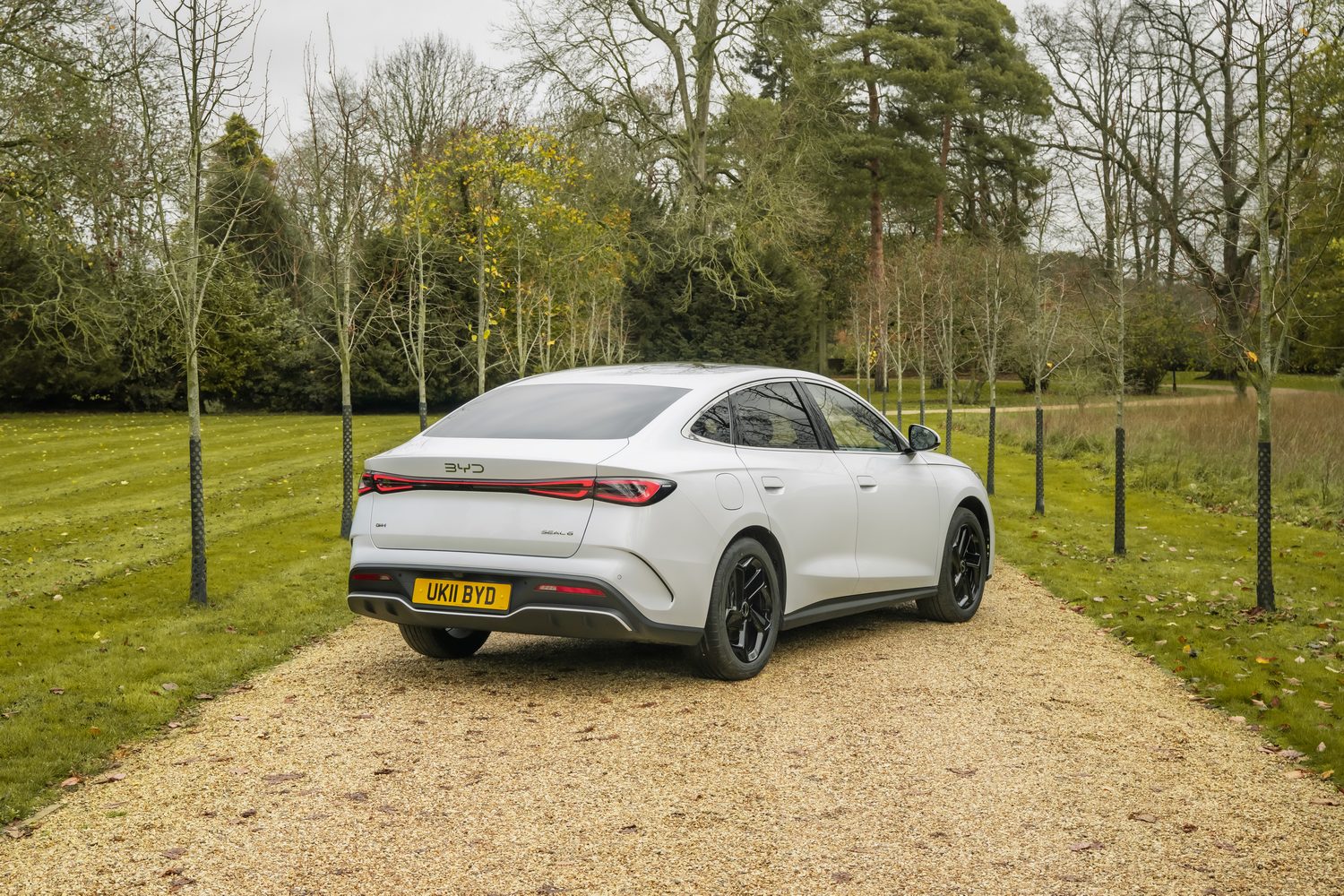
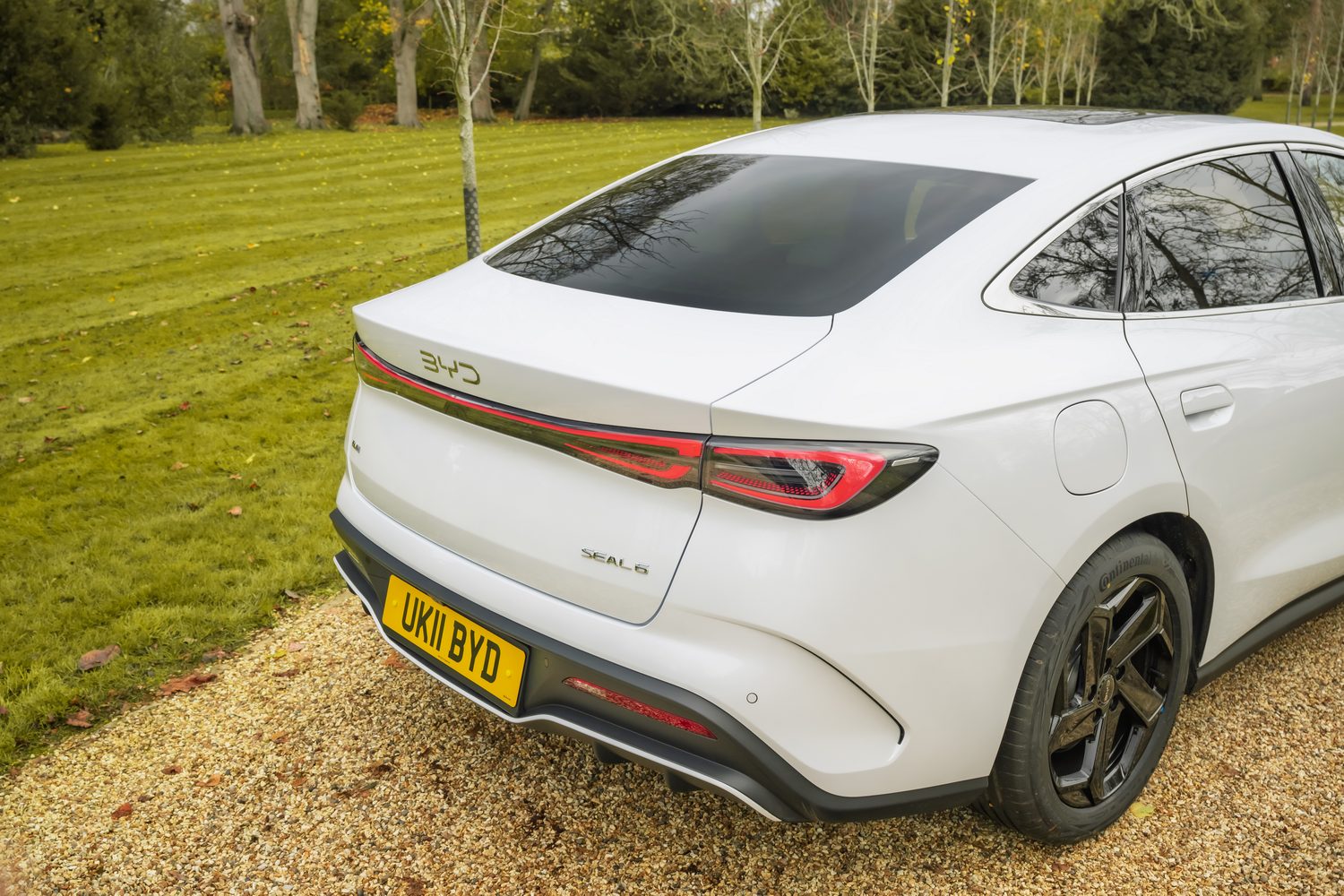
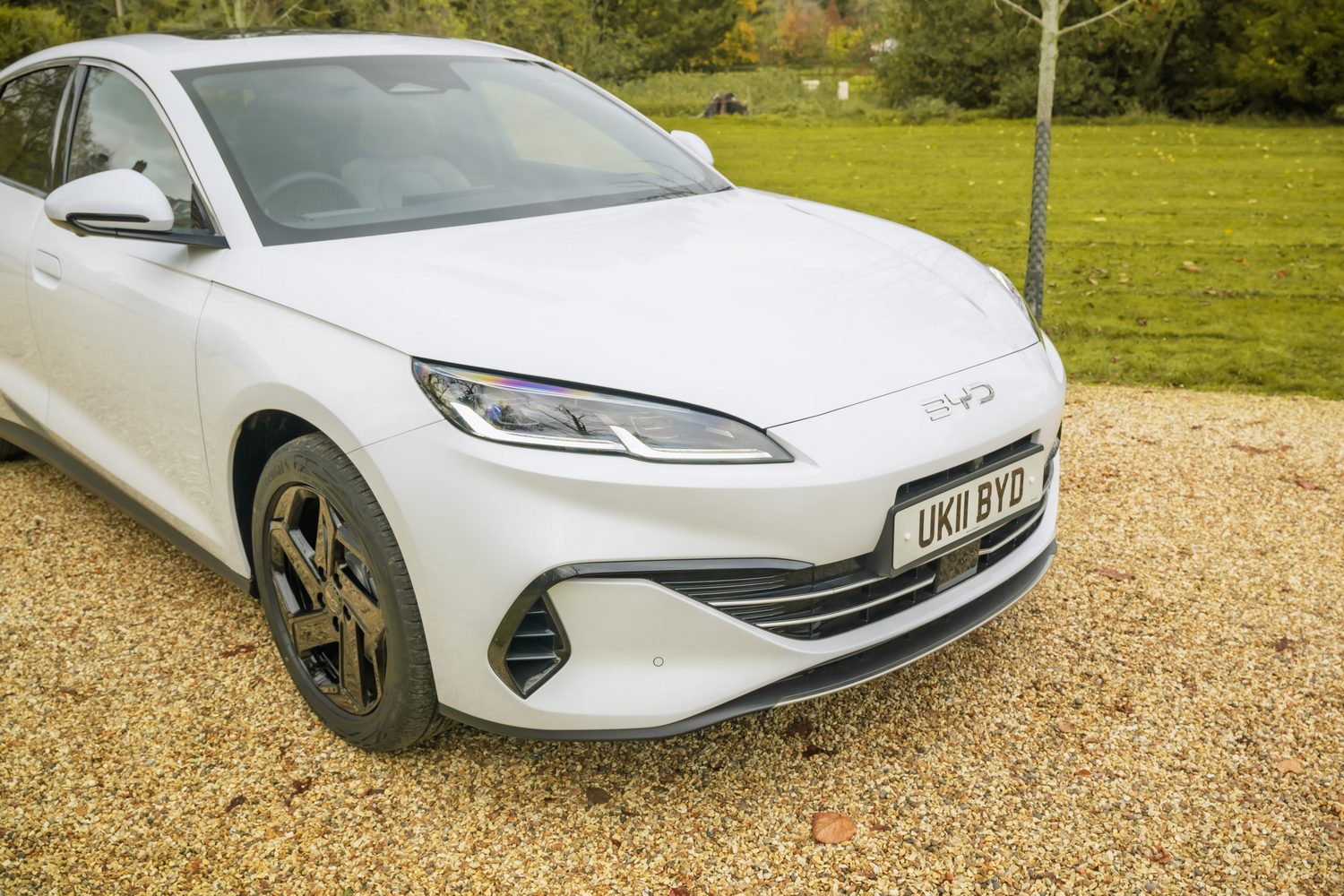
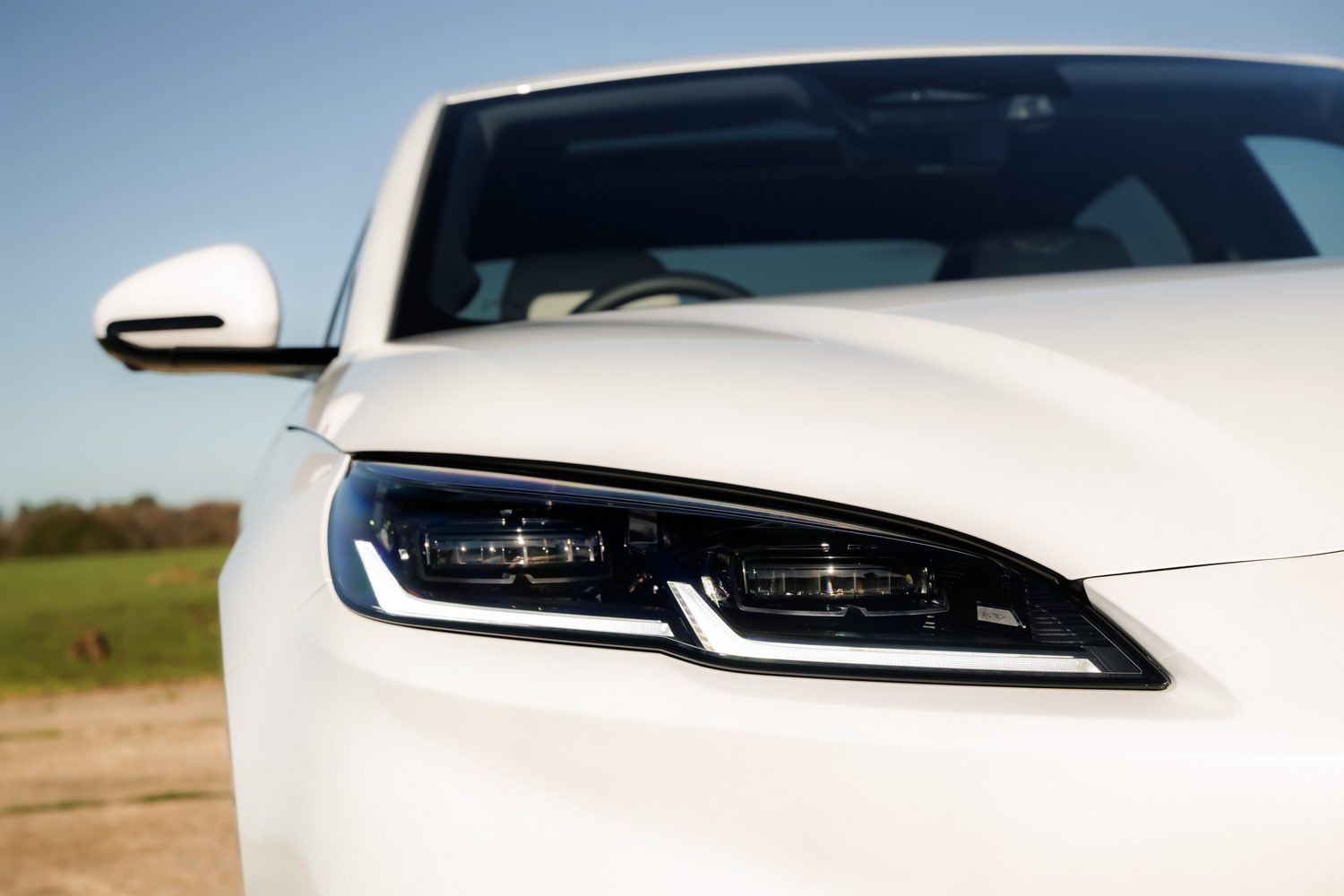
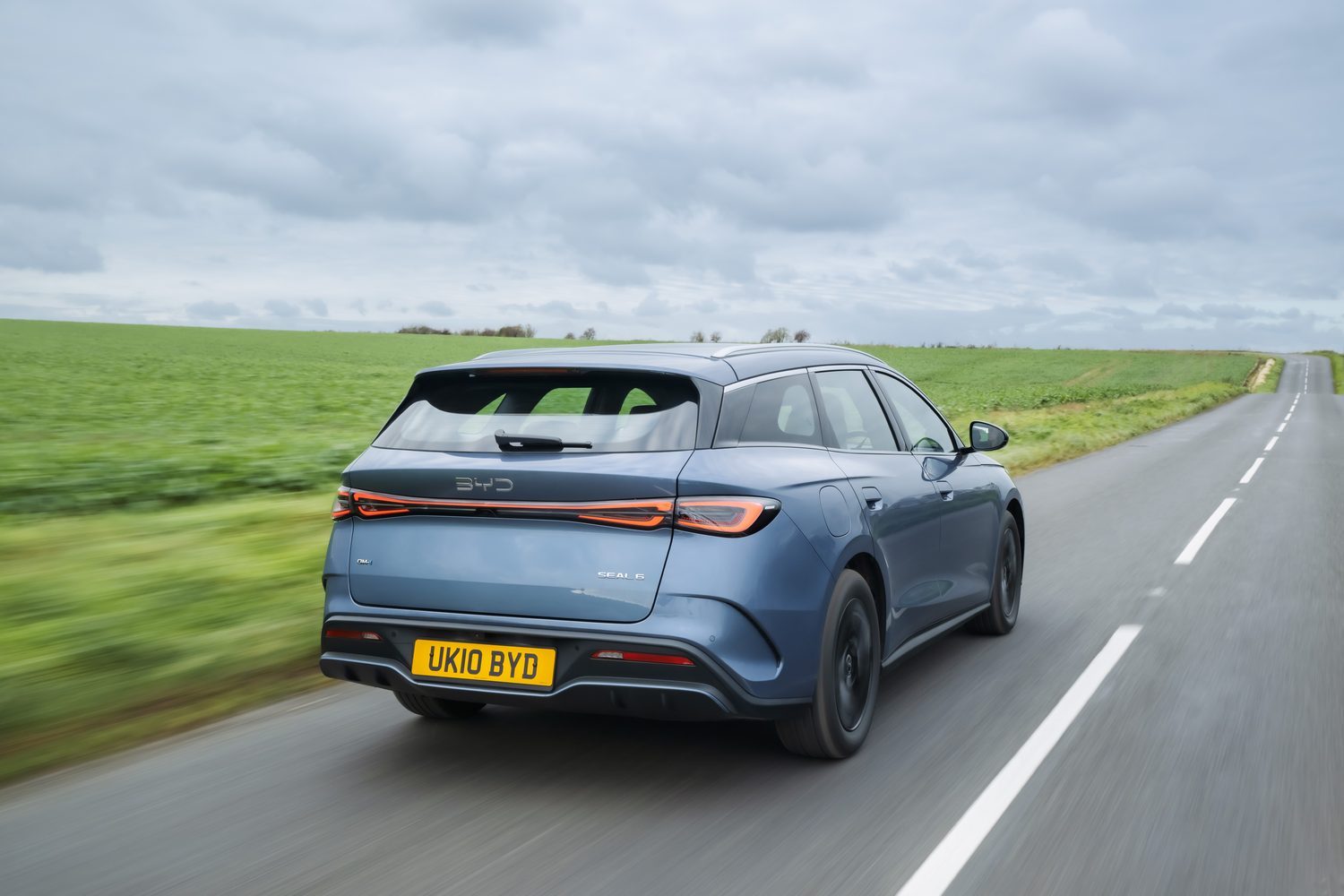
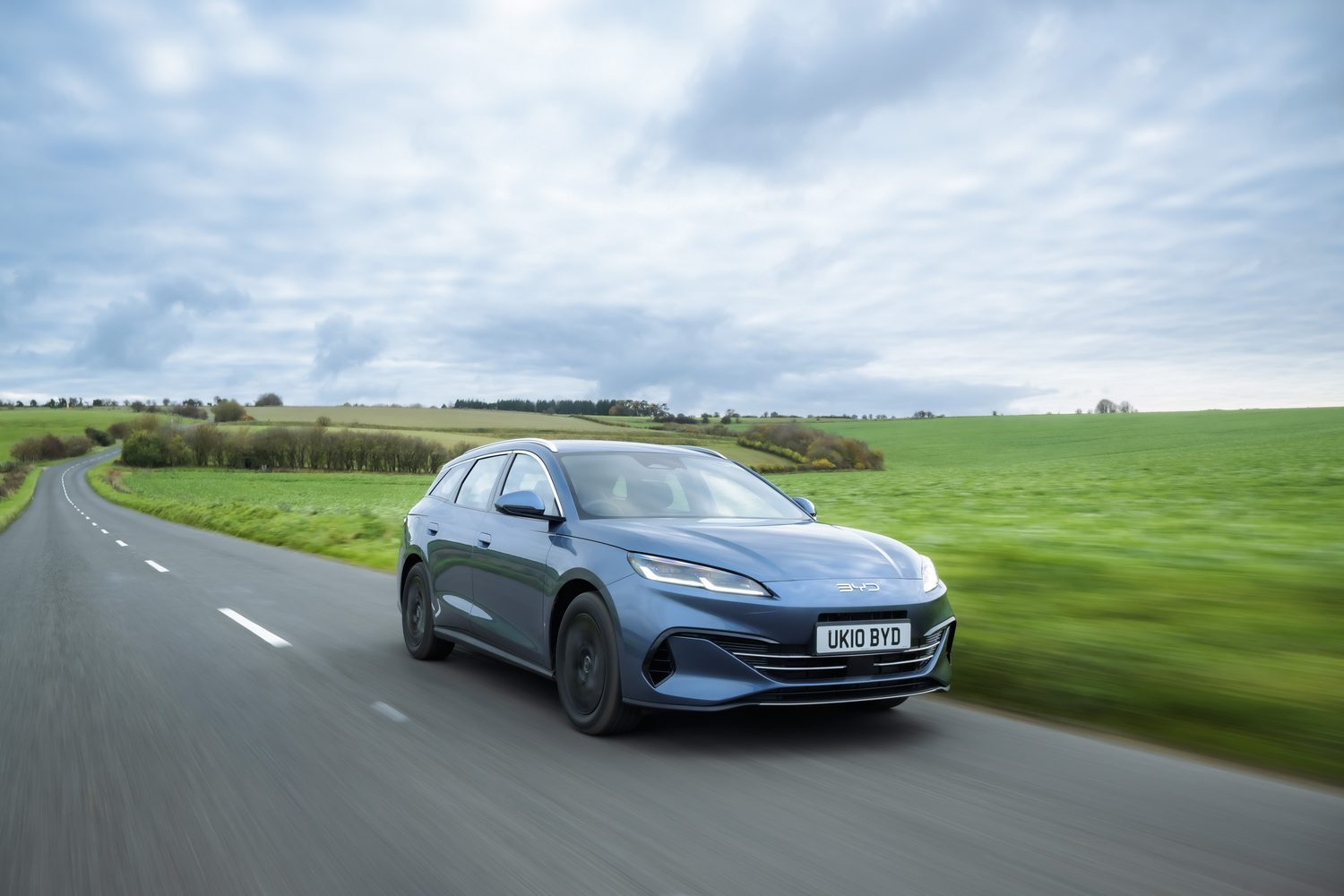
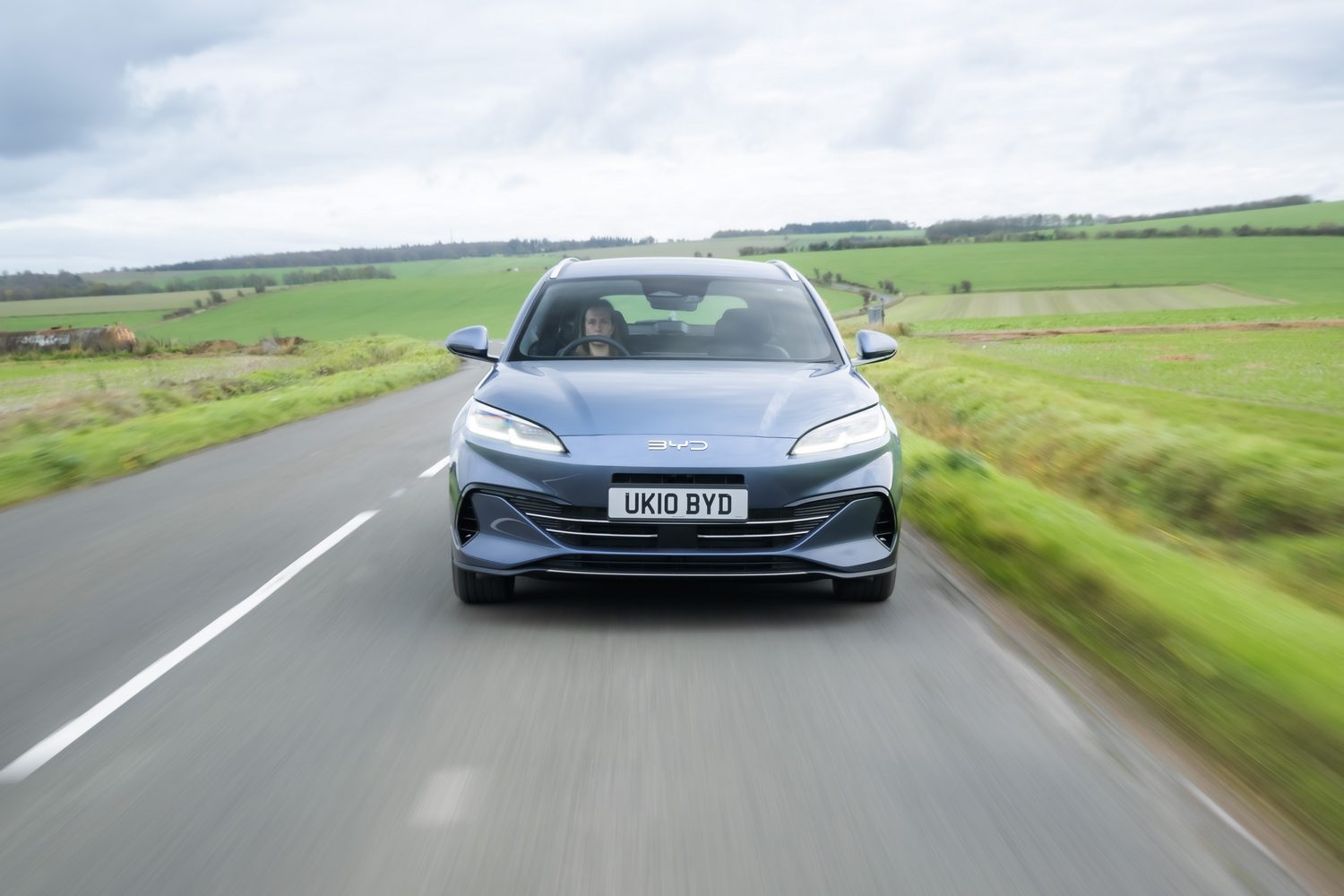
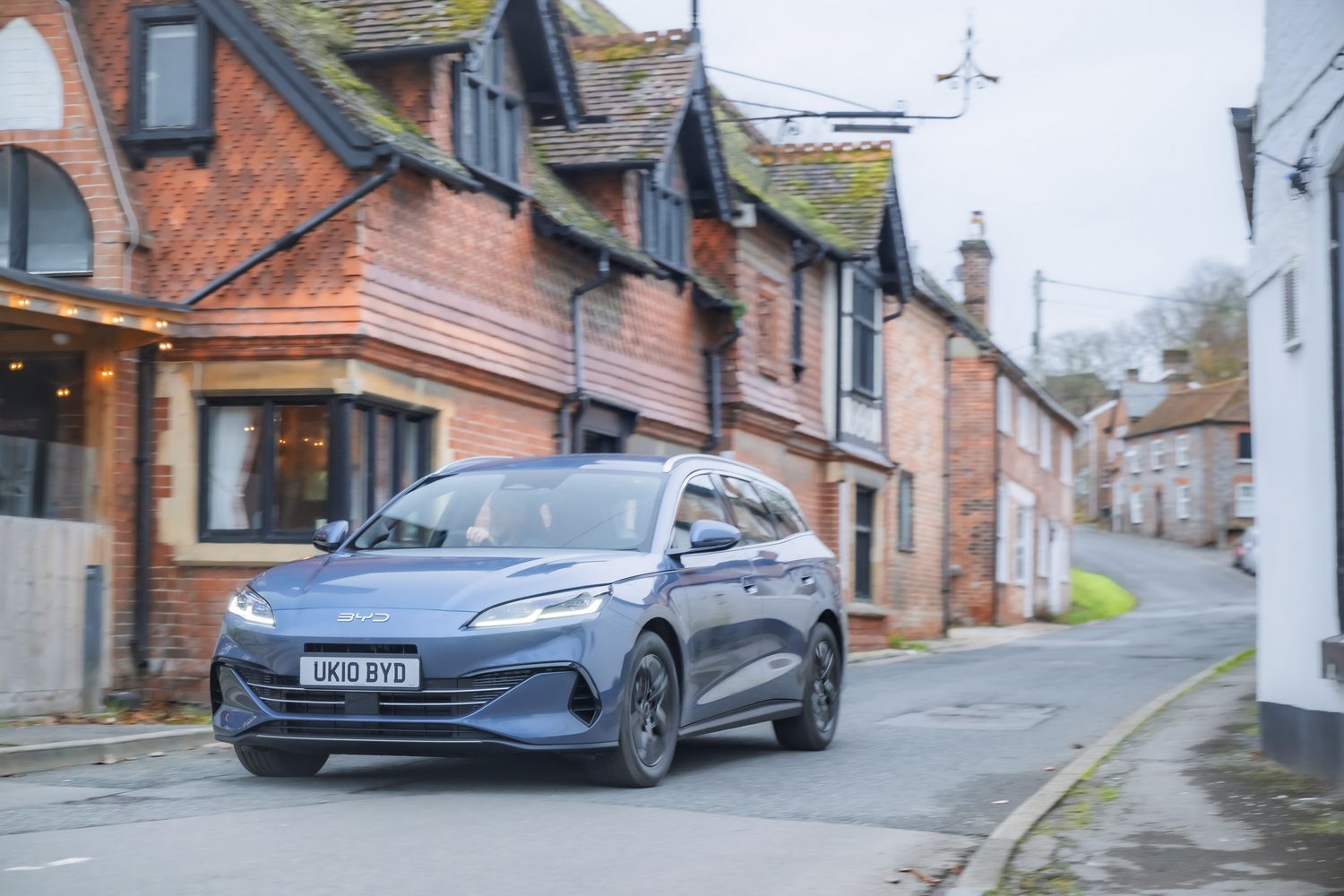
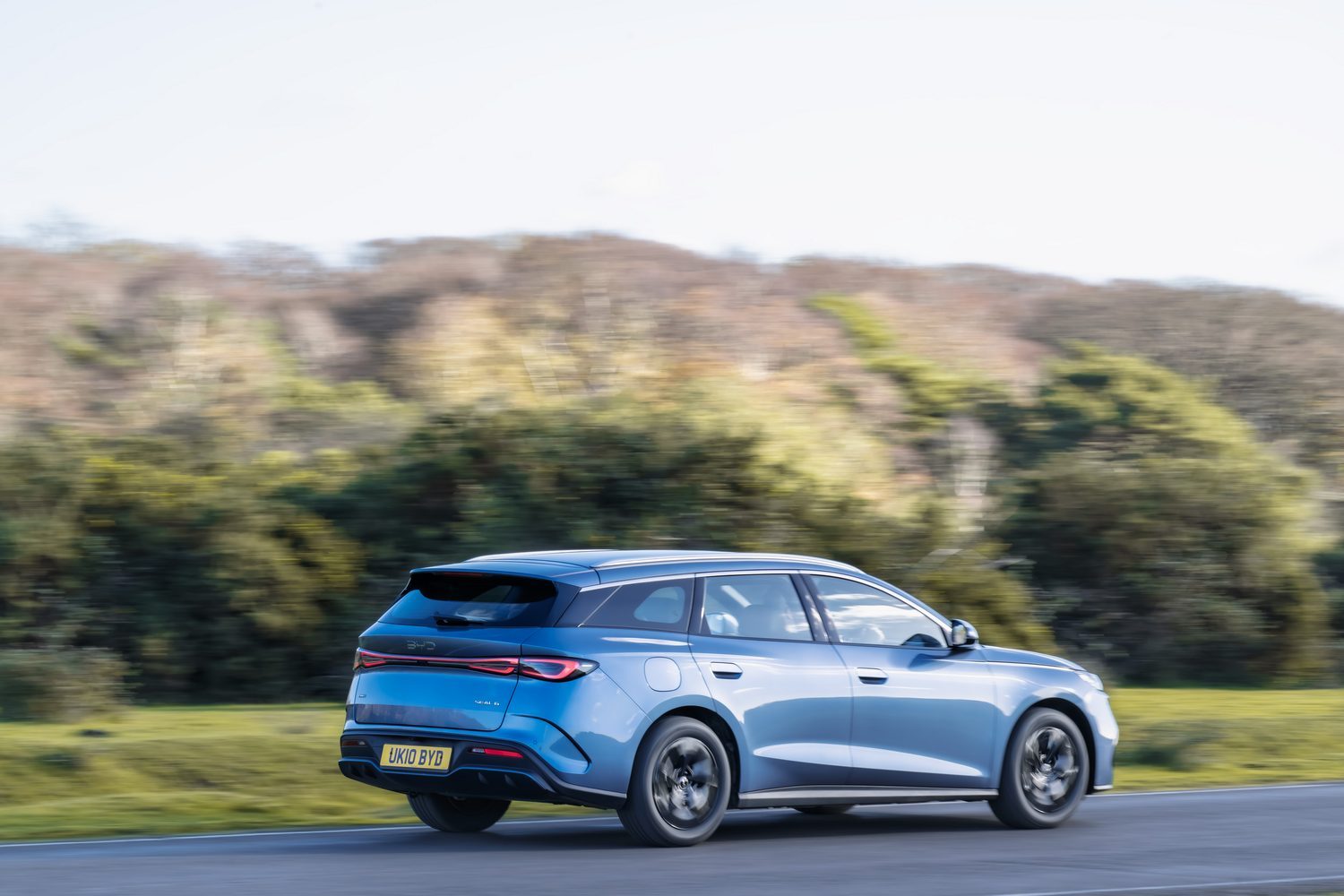
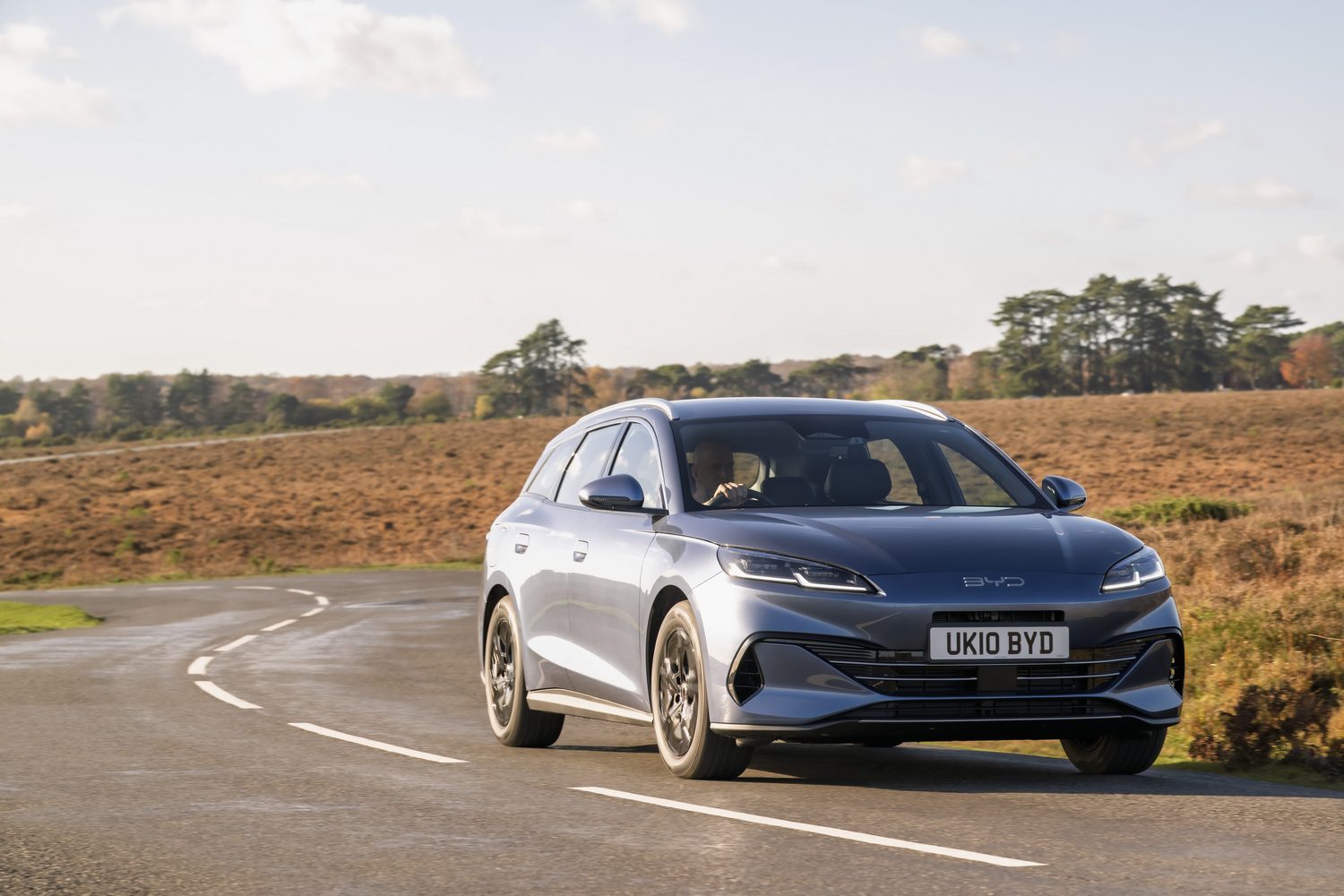
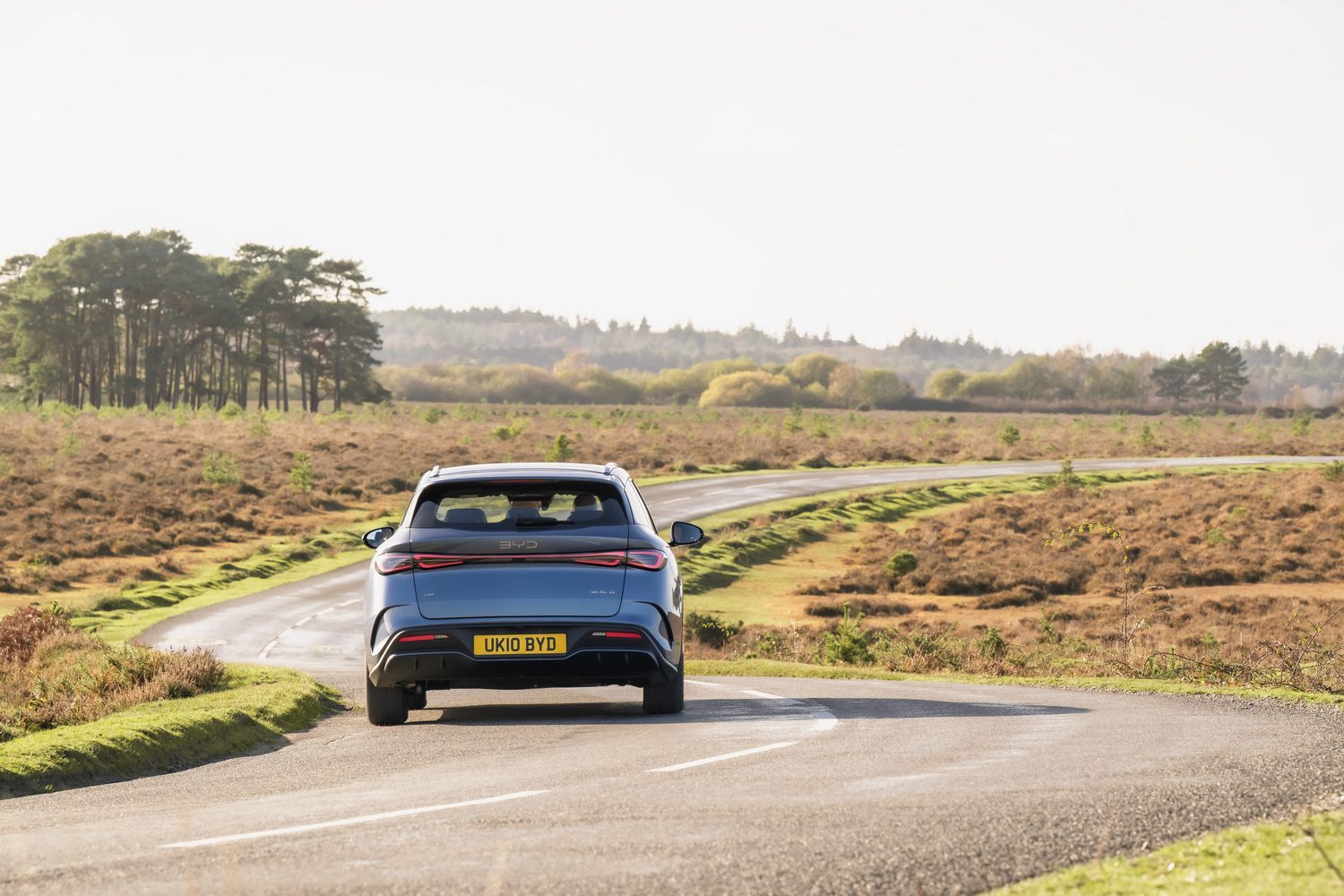
The Seal 6 DM-i looks like a BYD, if you catch our drift, because it has several physical features which visually link it to other models in the manufacturer's portfolio.
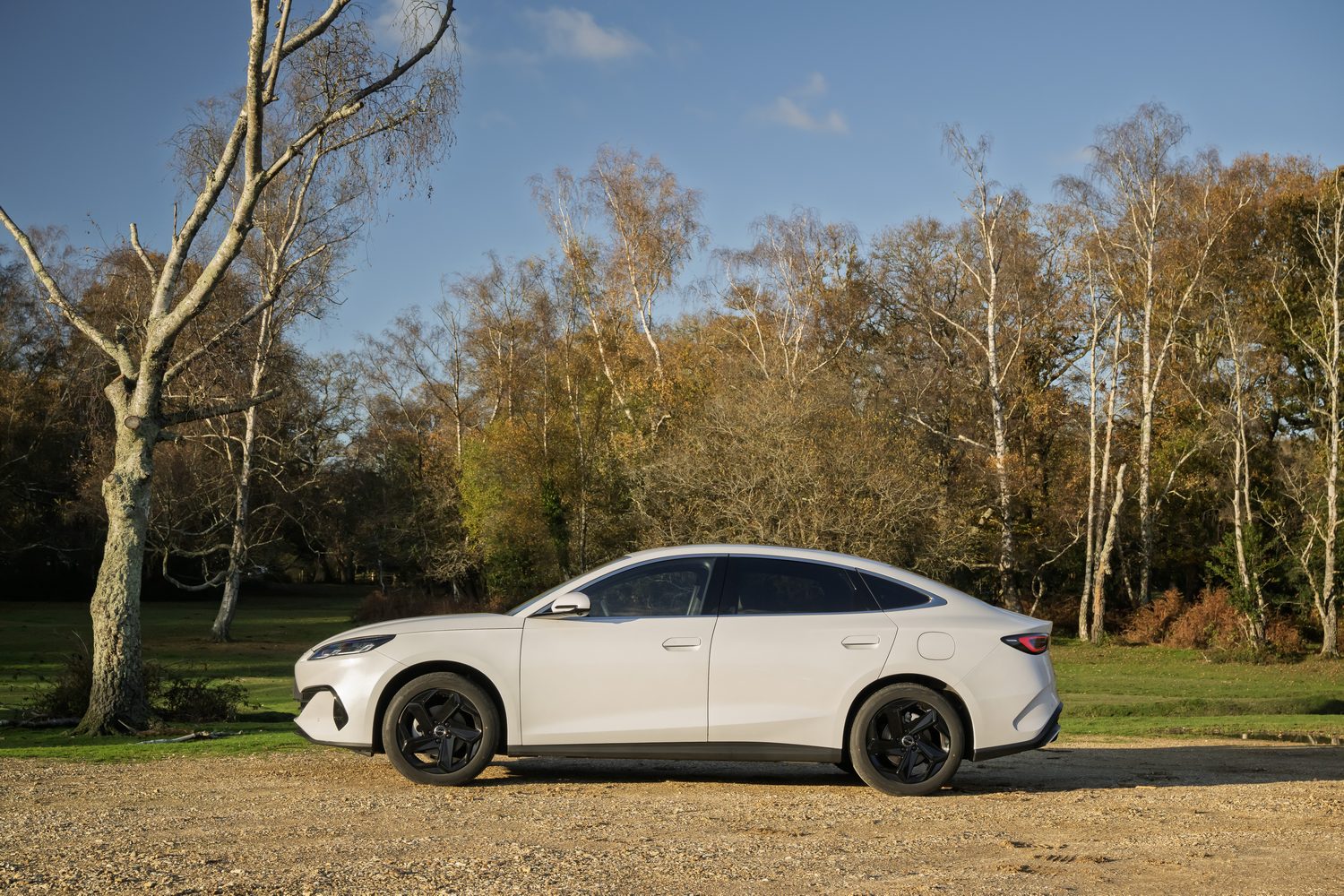
That, though, could be both a blessing and a curse. There's much to be said for delivering familial aesthetics to create a solid corporate identity, but when they are based on the 'Ocean X' design then you end up with a beaky, smoothed-off look that isn't the most beautiful in the world.
Sure, both versions of the Seal 6 are aerodynamic (the coefficient of drag is 0.25-0.28 depending on spec), but we'd stop short of commending this design as something desirable.

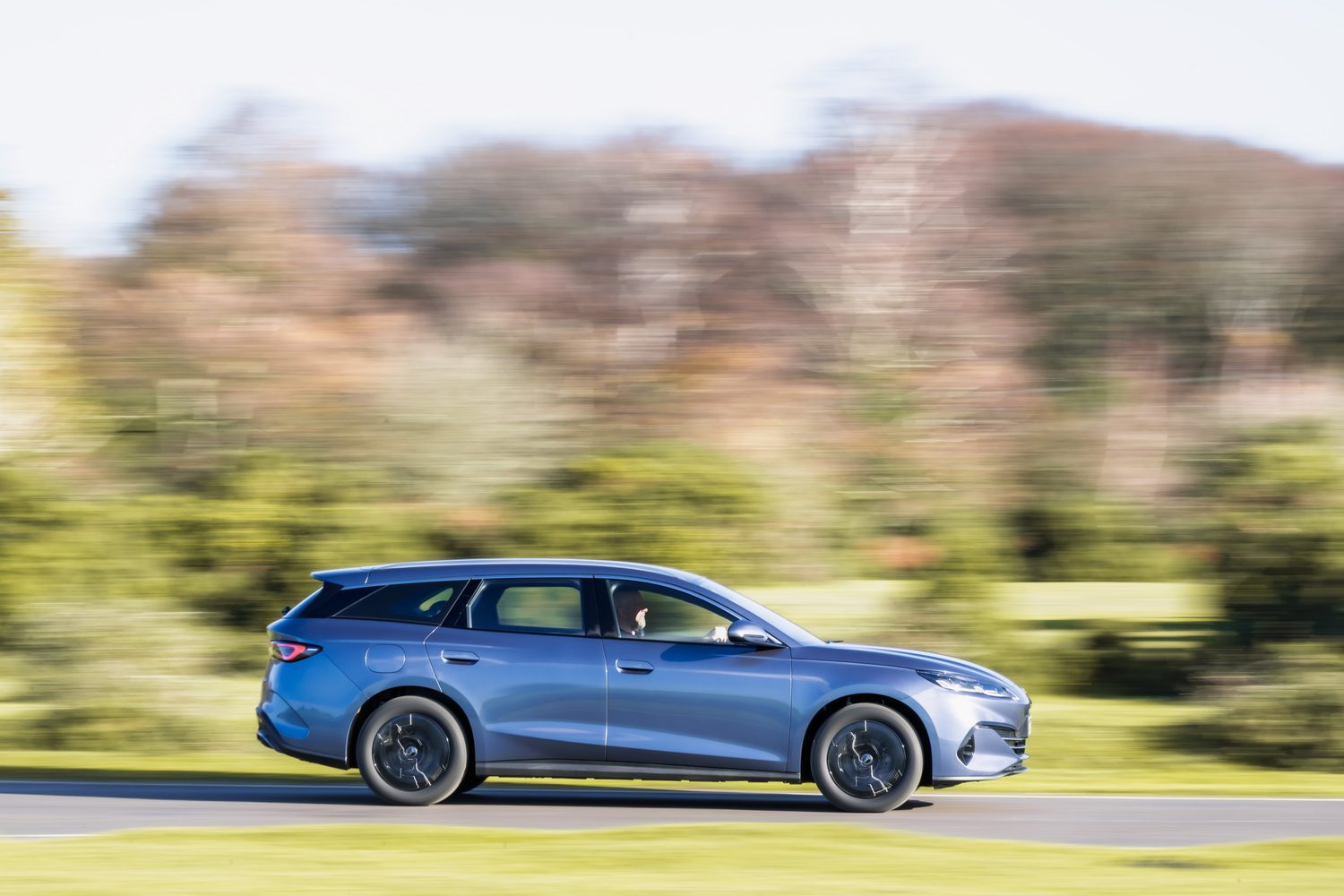
The Seal 6s is a big car, though, larger than it might look in pictures. Both Seal 6 bodies measure just a centimetre short of 4.85 metres, with nearly 2.8 metres of that space located between the axles.
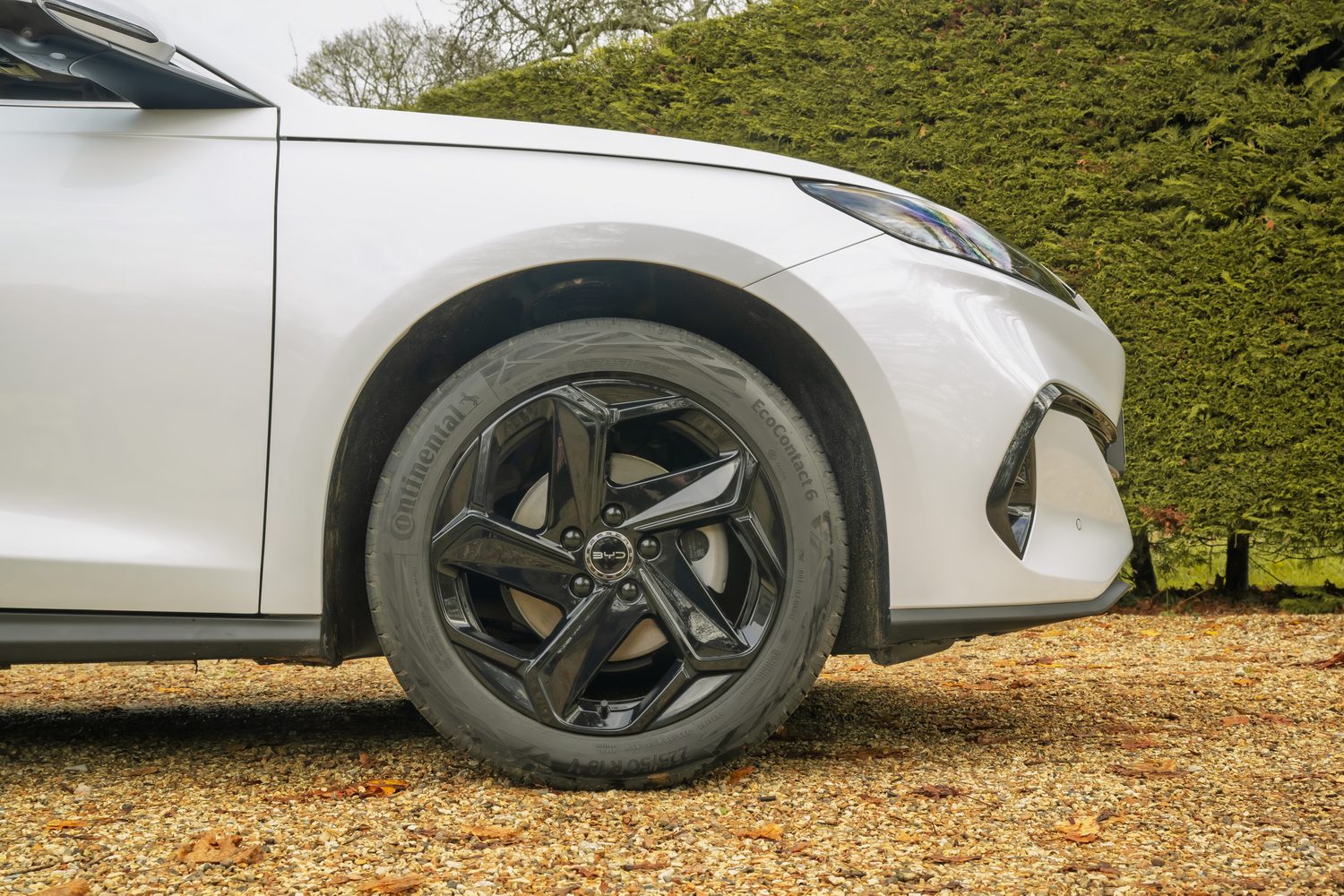
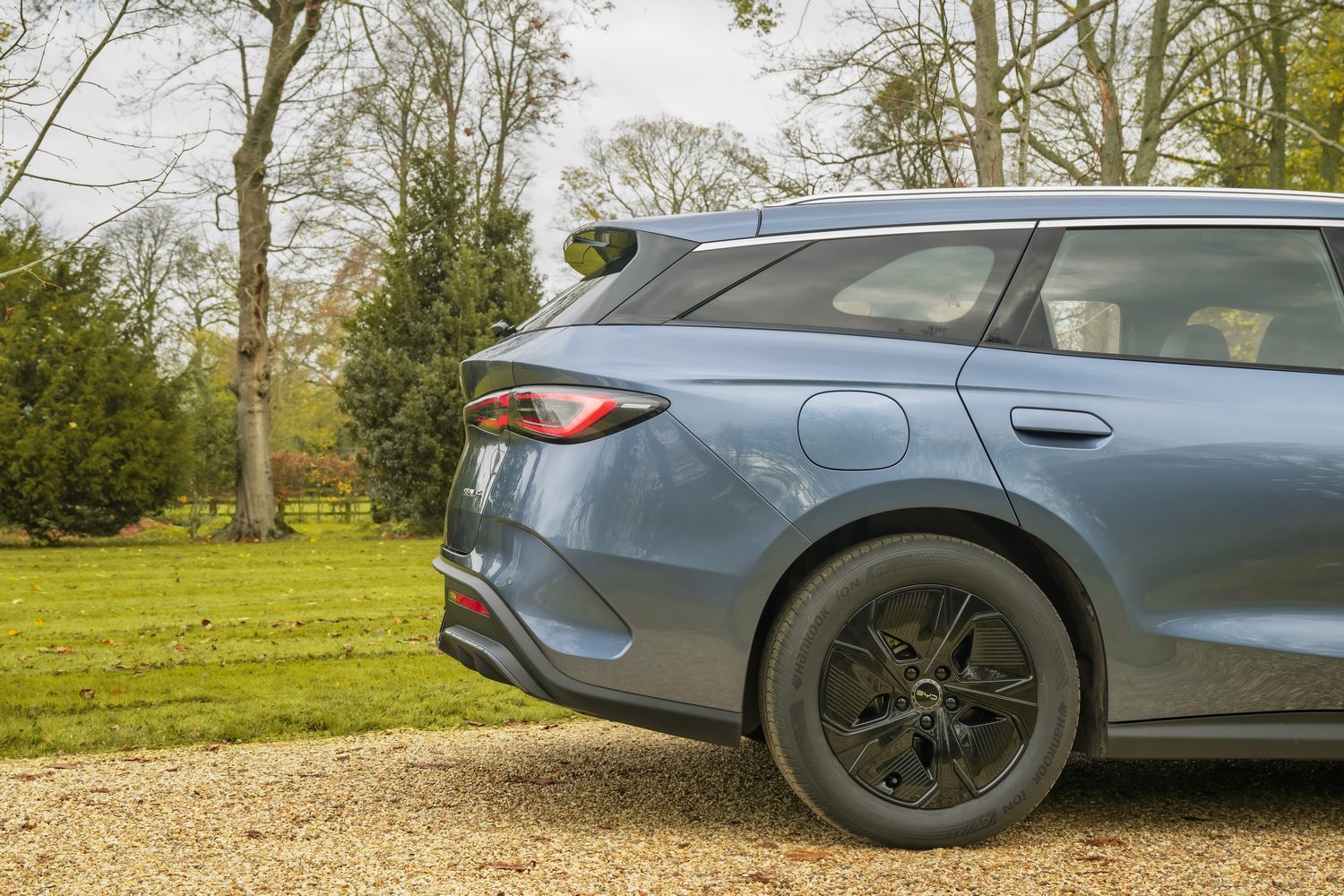
And talking of wheels, the basic Seal 6 DM-i Boost runs on 17-inch items, while the higher Comfort specification comes with 18-inch alloys instead.

Dimensions of the 2026 BYD Seal 6 DM-i
Length: 4,840mm
Width: 1,875mm (excluding mirrors)
Height: 1,495mm (Saloon), 1,505mm (Touring)
Wheelbase: 2,790mm
Paint colours for the 2026 BYD Seal 6 DM-i

For the BYD Seal 6 DM-i, there are but four options. These are Obsidian Black, Atlantis Blue, Polar White and then a beige finish called Sandstone. The colour you'll get if you forget to play around with options boxes at ordering time is the white, but BYD offers metallic paint as standard on all variants of the Seal 6, so the other finishes will all be free if you prefer their appearance.
Interior, practicality, tech & comfort of the 2026 BYD Seal 6 DM-i
• Design looks good
• Some of the materials feel cheap
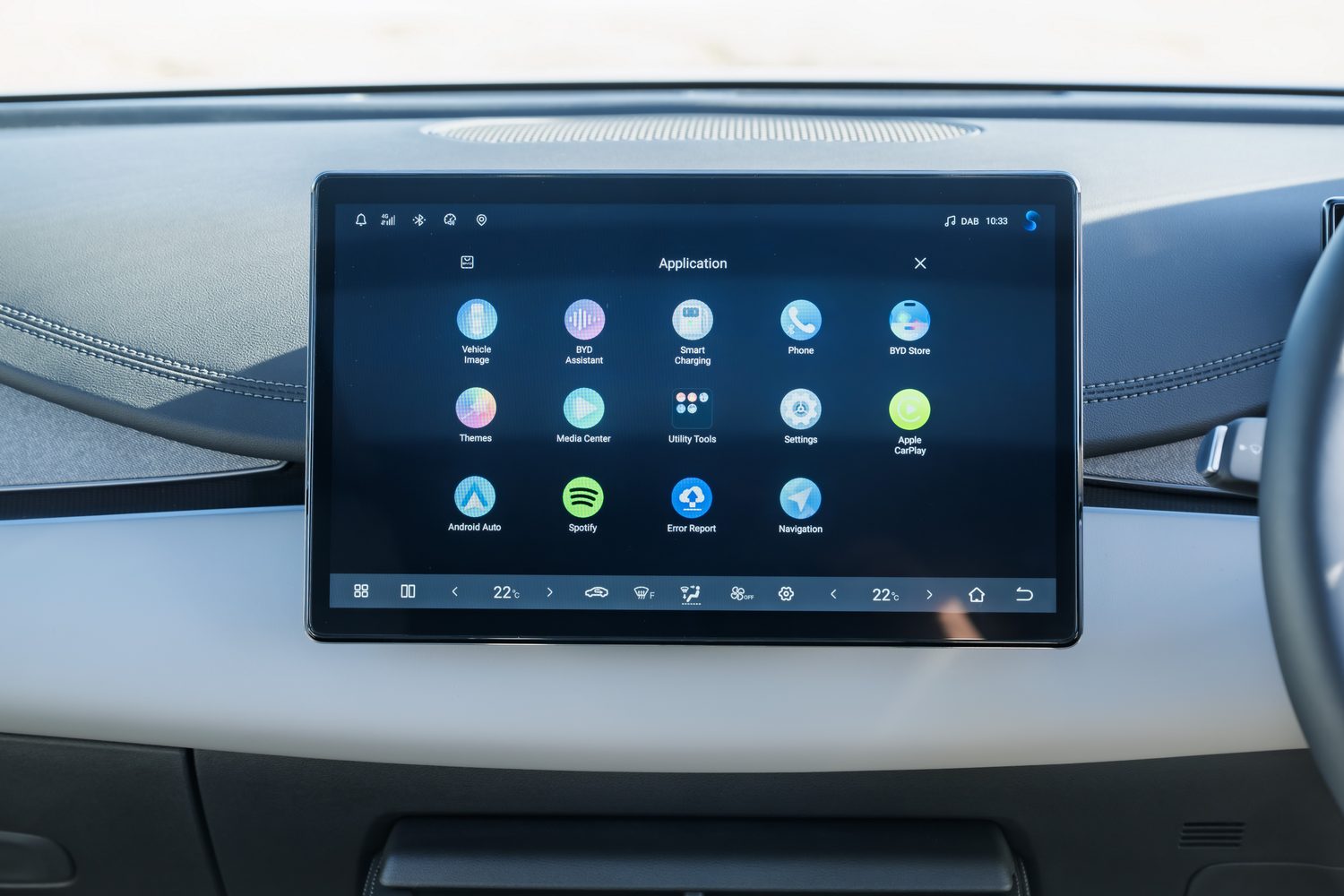
• Infotainment not the slickest

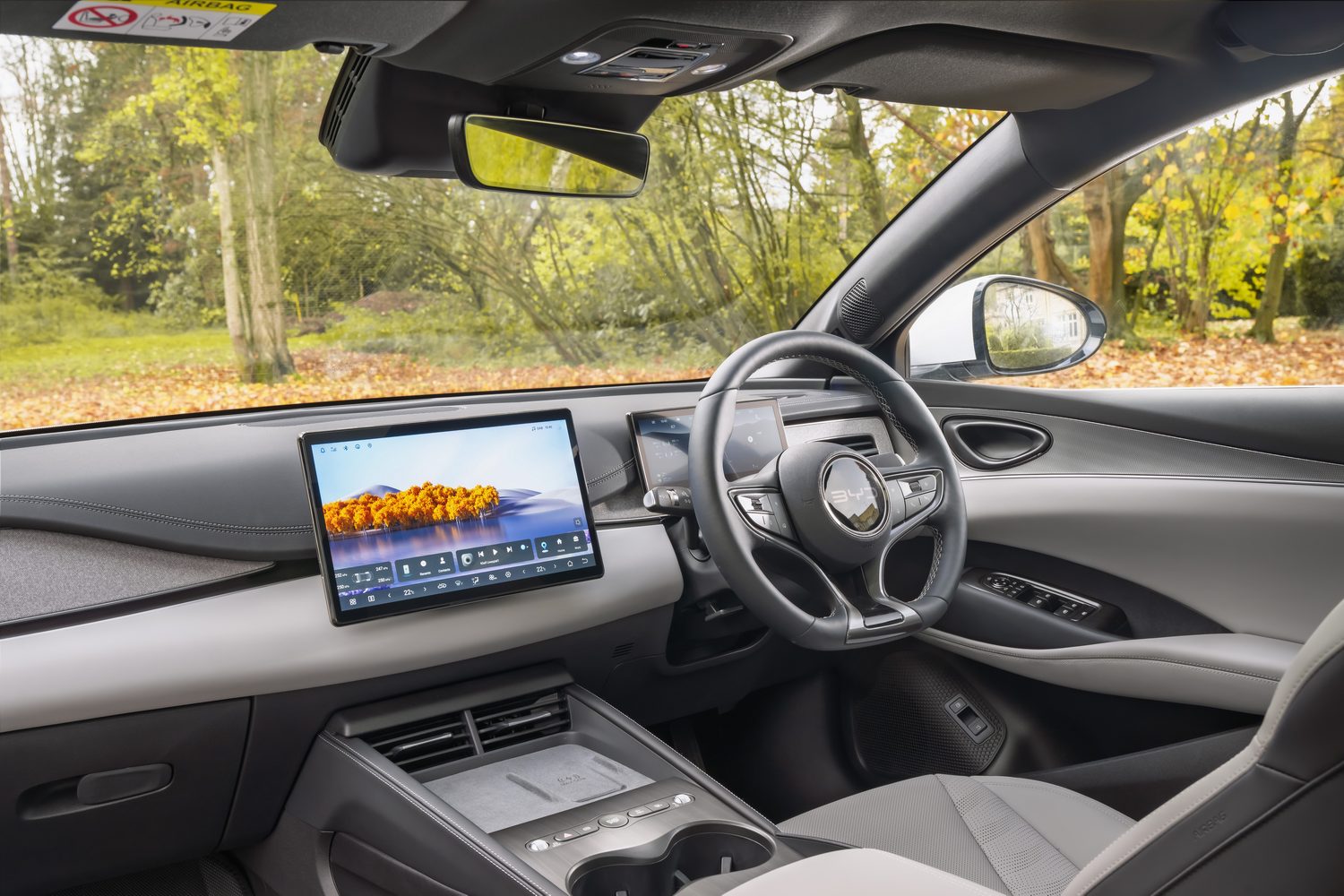
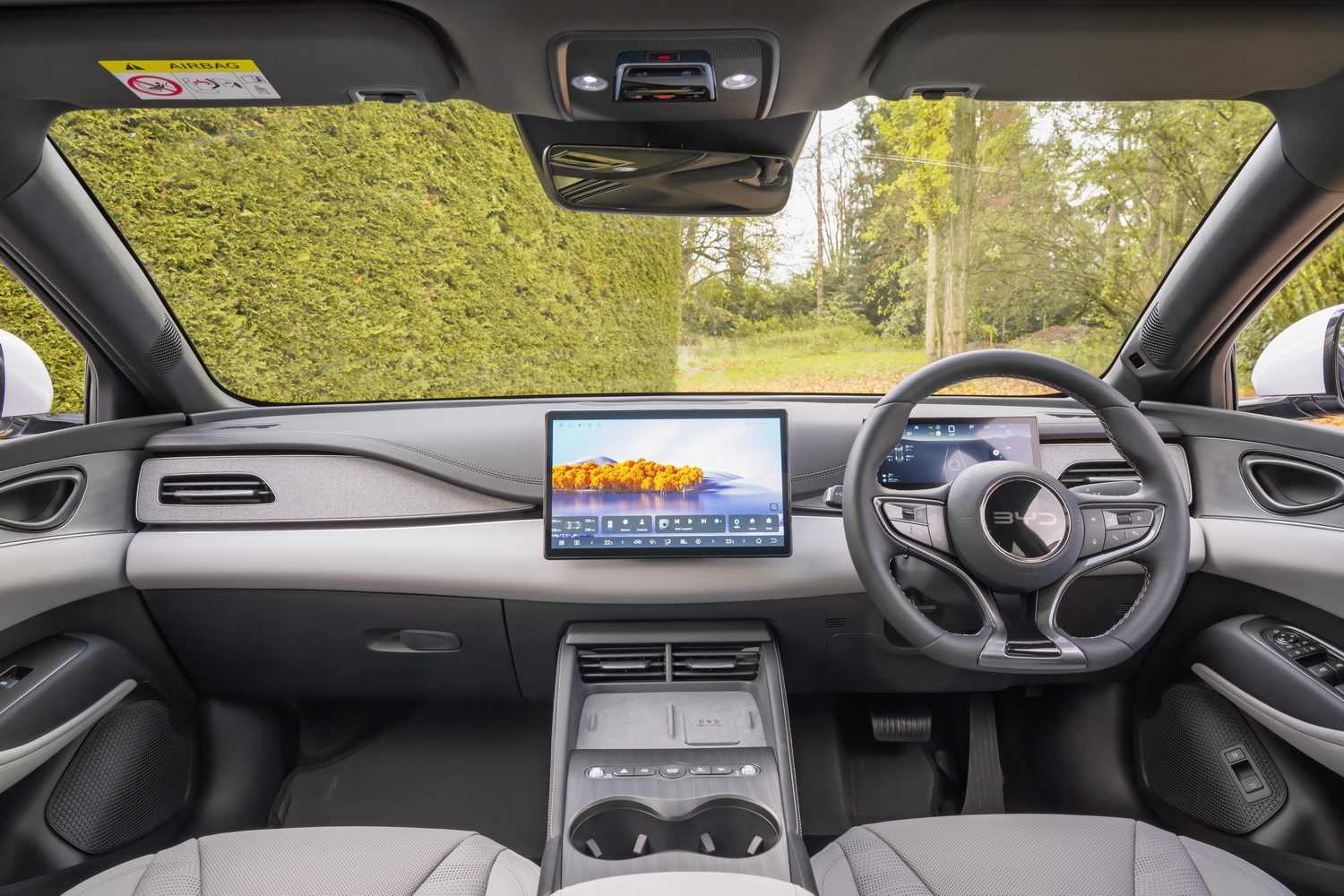
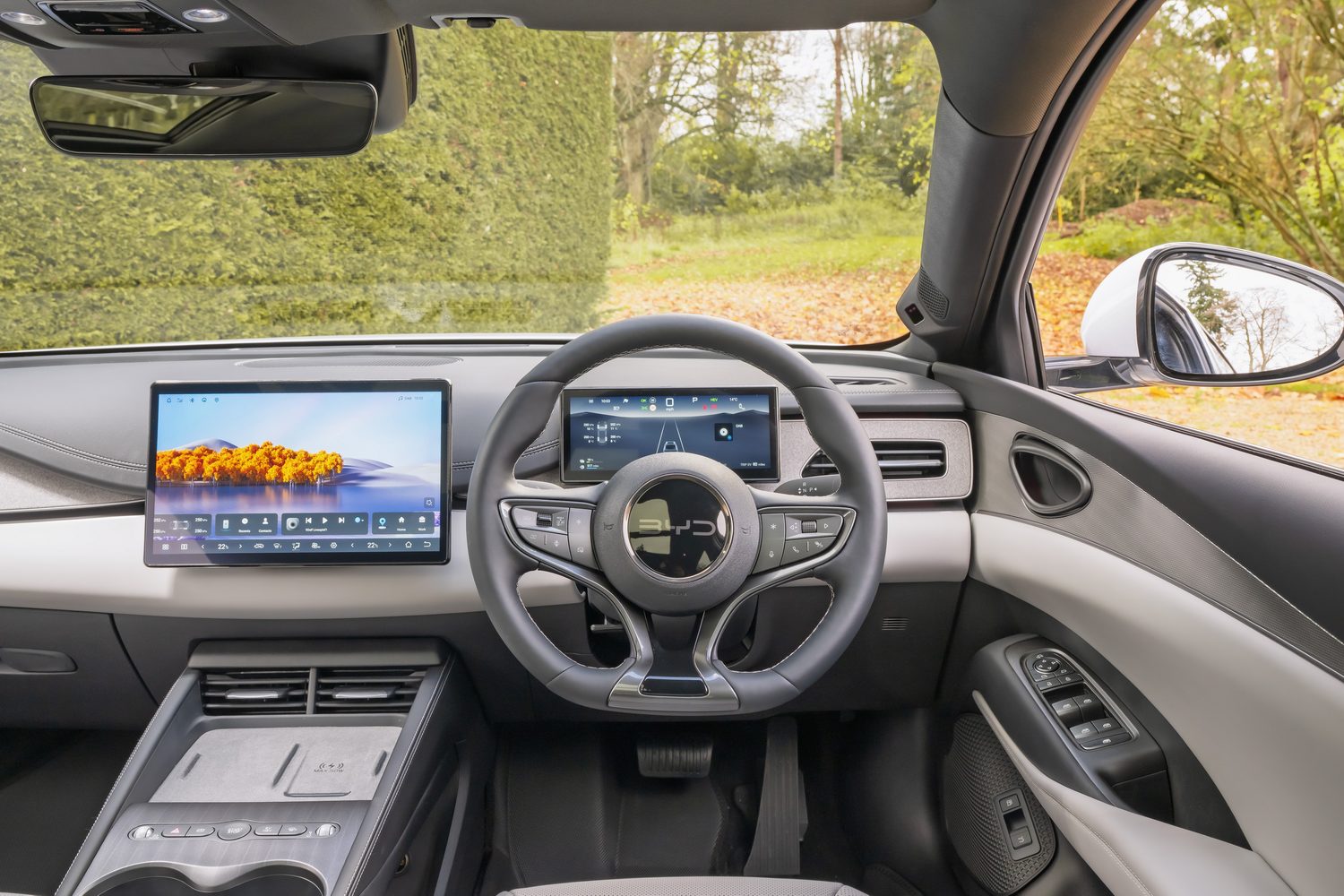
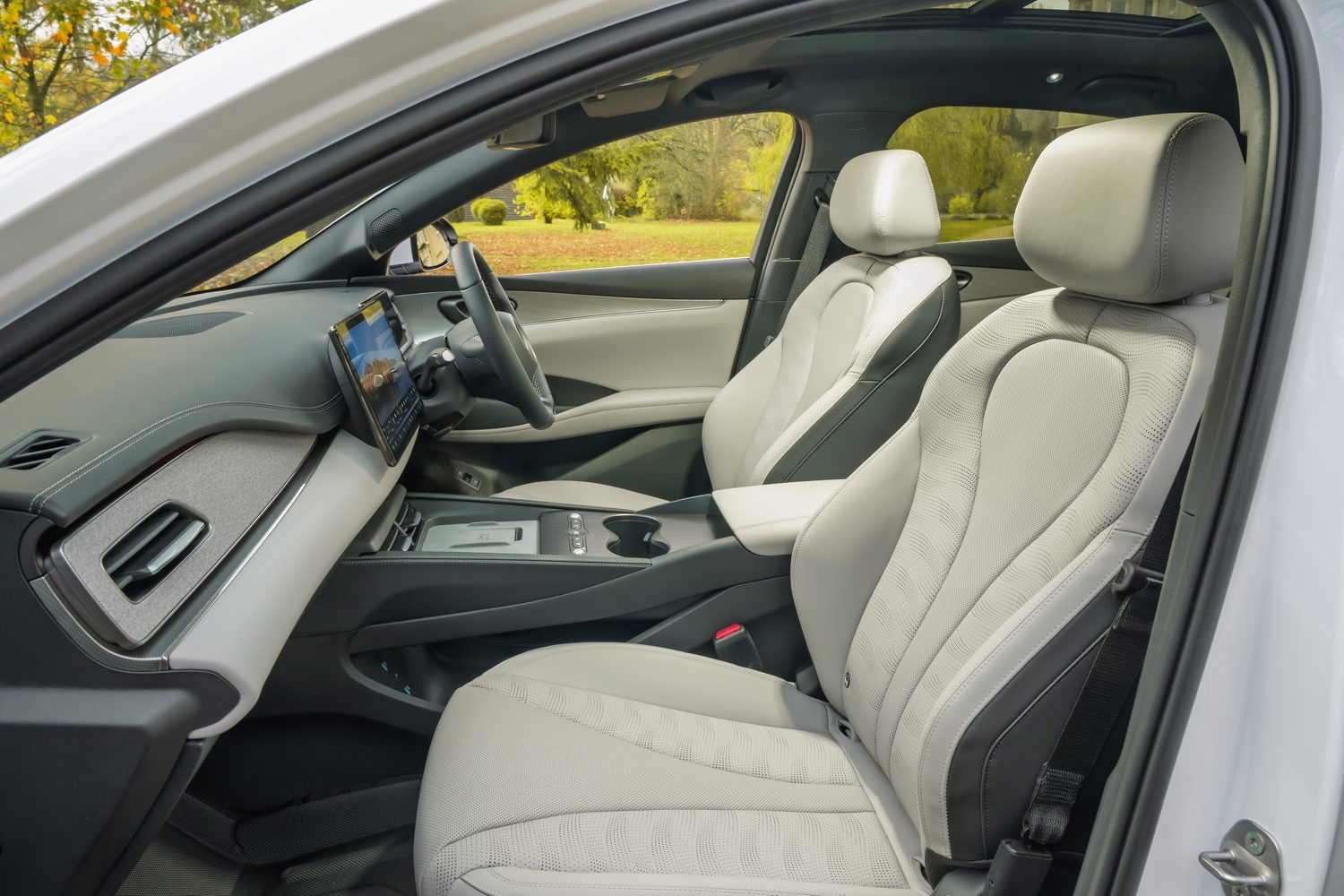
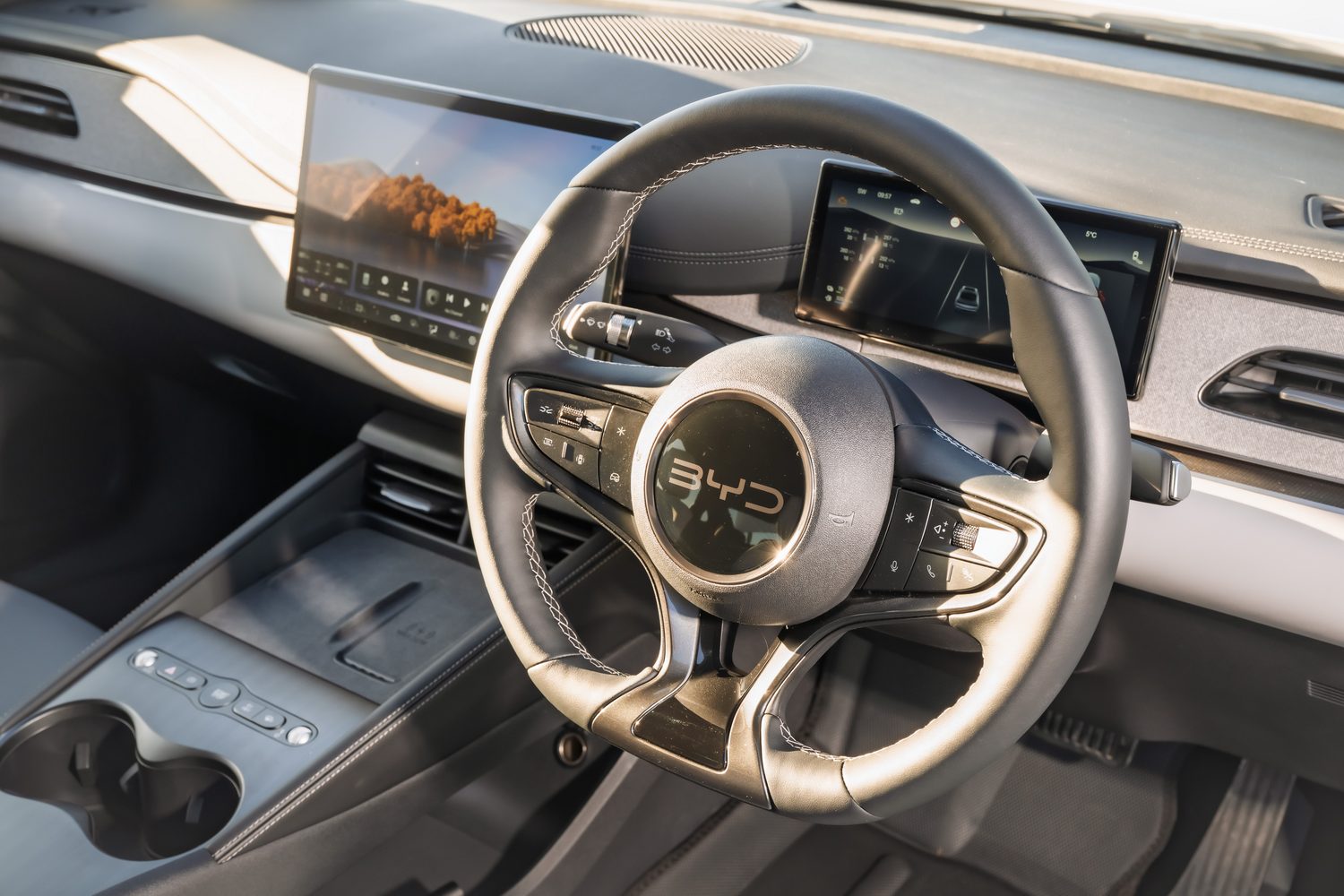
The interior of the BYD Seal 6 DM-i looks OK at first glance and material quality is generally decent, although there are a few suspect plastics used here and there - notably so for the column stalk and drive selector. However, as you'd expect of a Chinese car, plenty of technology is on show inside the BYD.
Getting comfortable in the driver's seat
All versions of the Seal 6 DM-i have six-way electrically adjustable driver's and four-way adjustable front-passenger seats, while the steering wheel moves a fair amount for reach and rake.

Visibility out of the car is good in all directions, so in essence the BYD caters well to a variety of driving positions, and should therefore be able to accommodate a wide range of physical builds behind the wheel - but we feel the front seats are a bit flat, and could possibly offer more lateral support than they do.
Infotainment and technology
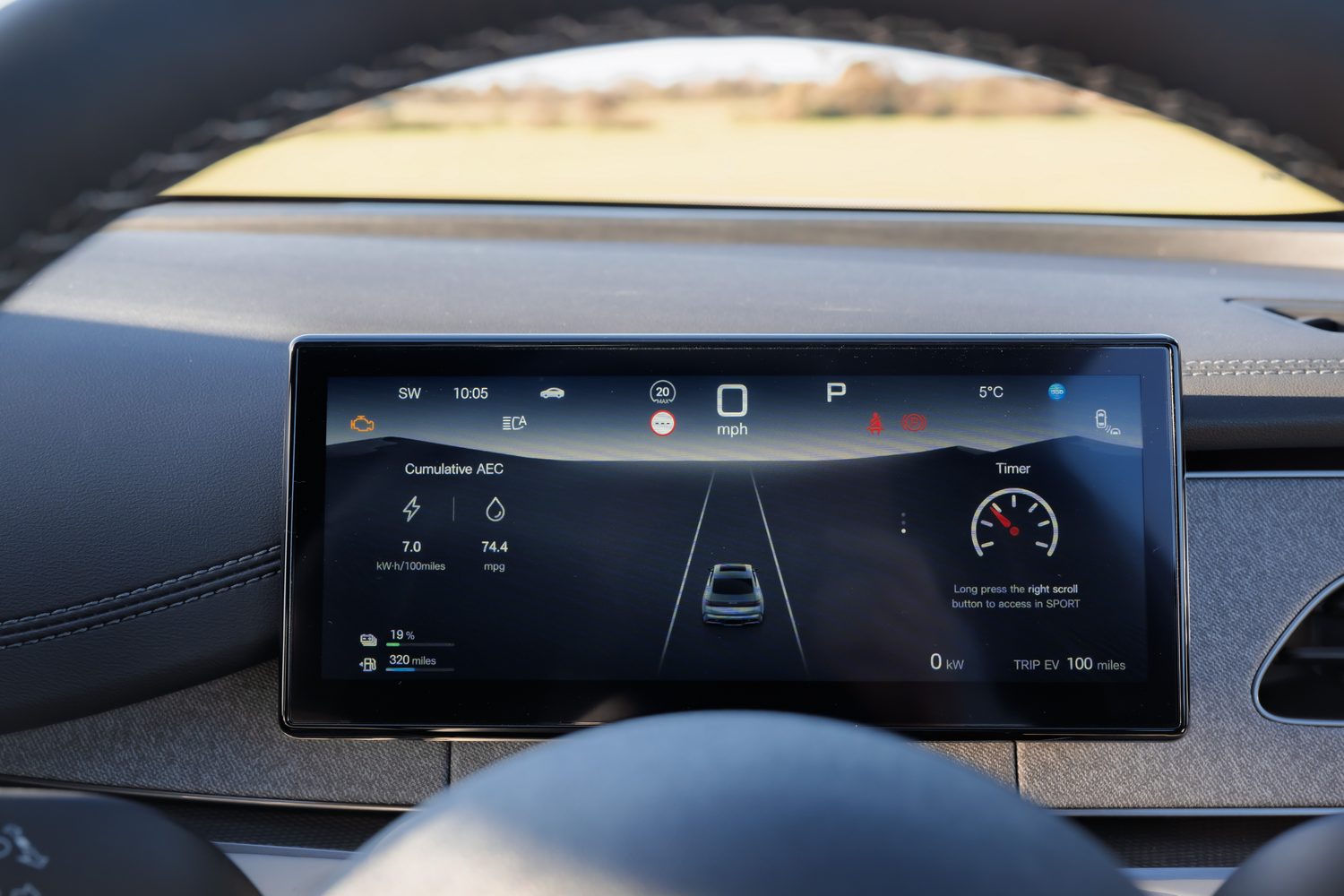
There's an 8.8-inch full-LCD instrument cluster in every BYD Seal 6 DM-i, which displays plenty of information in a clear and concise way, although its mainly monochromatic colouring doesn't exactly scream 'premium'.

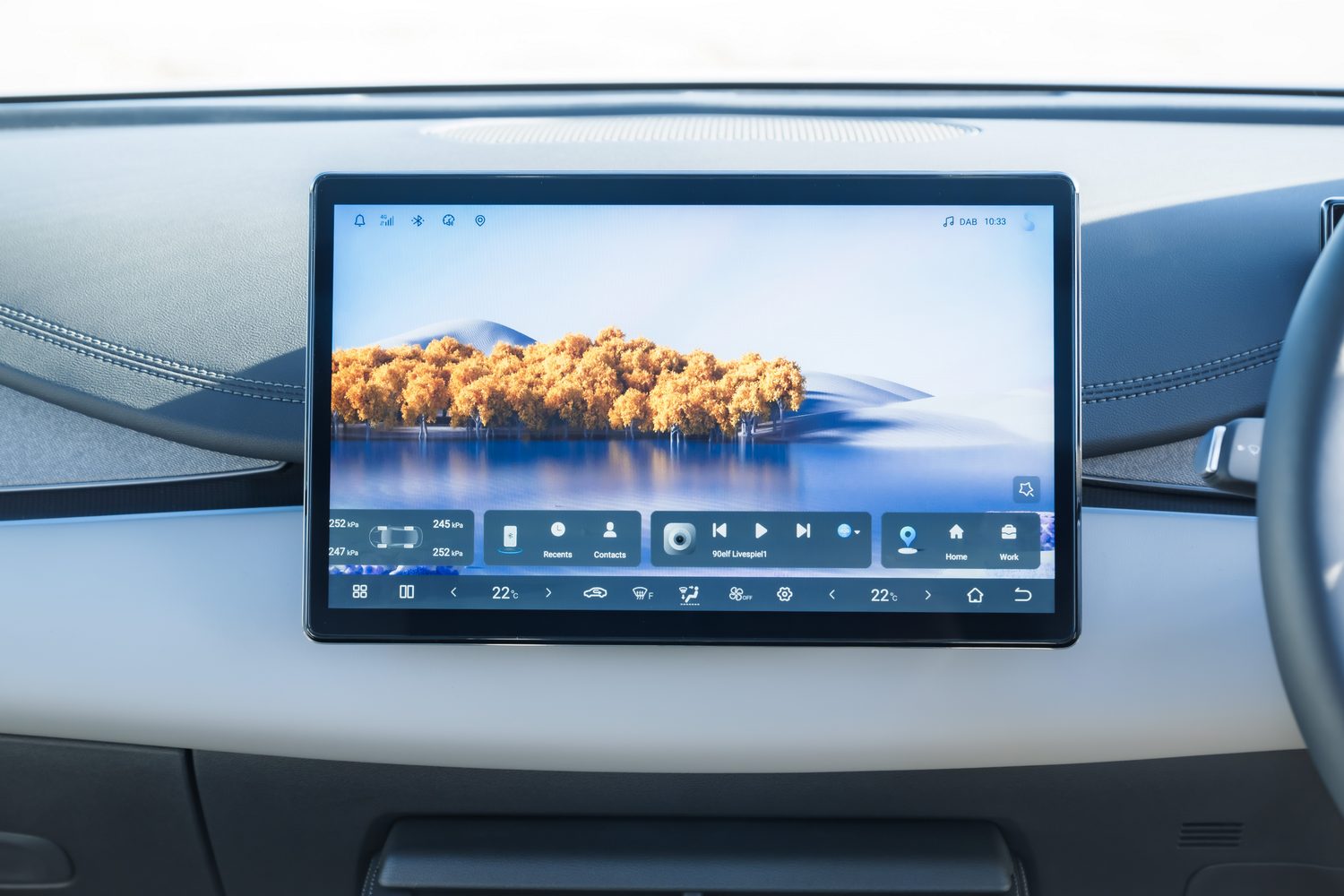
The entry-level Boost model is fitted with a 12.8-inch central infotainment touchscreen, while the Comfort is upgraded to a 15.6-inch item which, unlike other BYD systems, doesn't rotate. Not the end of the world, as the standard-fit Apple CarPlay and Android Auto wouldn't work with the screen in portrait mode anyway.
The proprietary infotainment is passable but it's one of those where all the climate controls are on the touchscreen, including various subfunctions like heated seats and steering wheel.

So if you're using some form of navigation and you want to turn your heated seat down, you'll be tapping away multiple times at the display instead of just pressing a fixed, physical button on the dash.
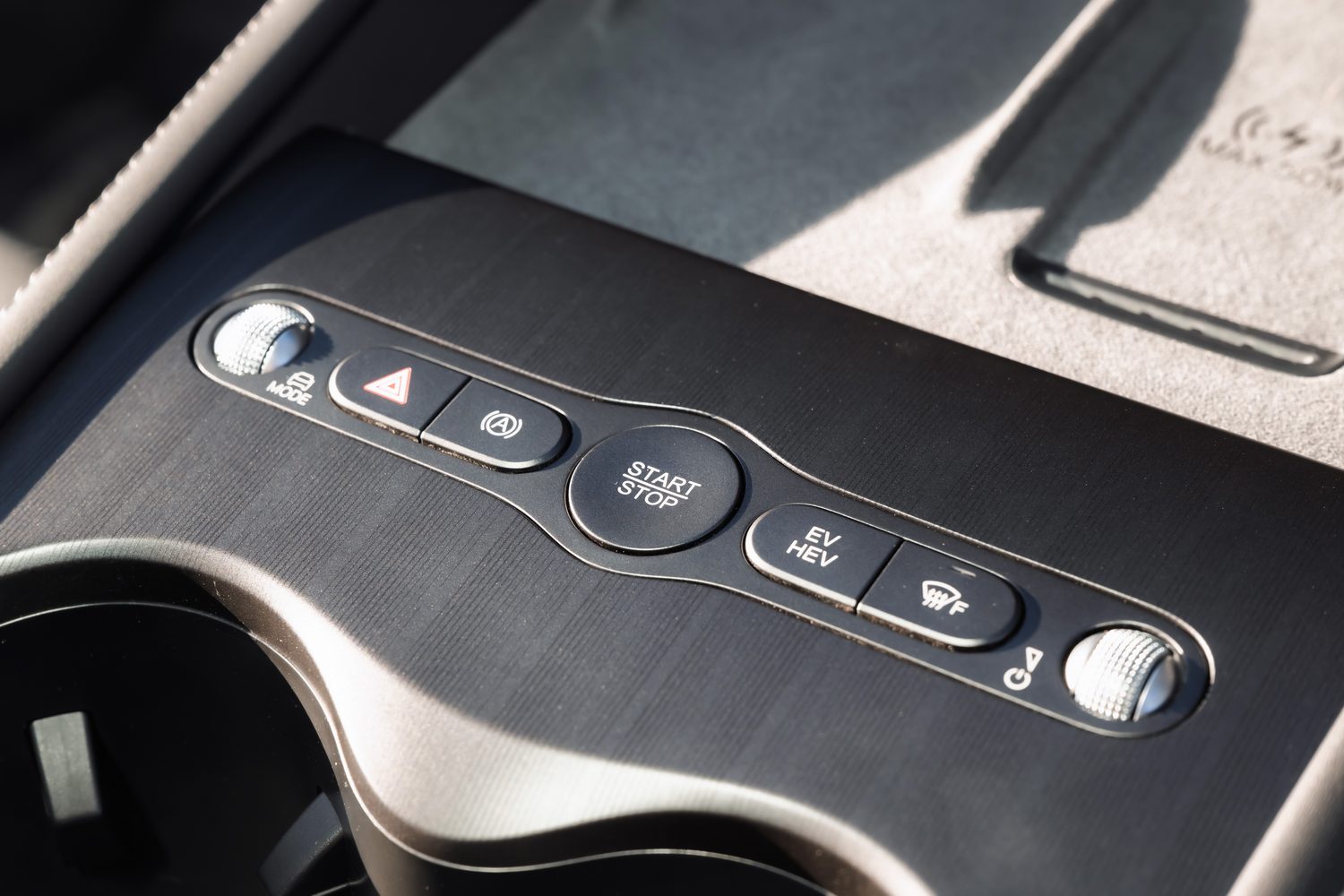
And as there's hardly any switchgear inside the BYD in the first place, we can't fathom why there couldn't have been some room for a few proper buttons for these sorts of features.

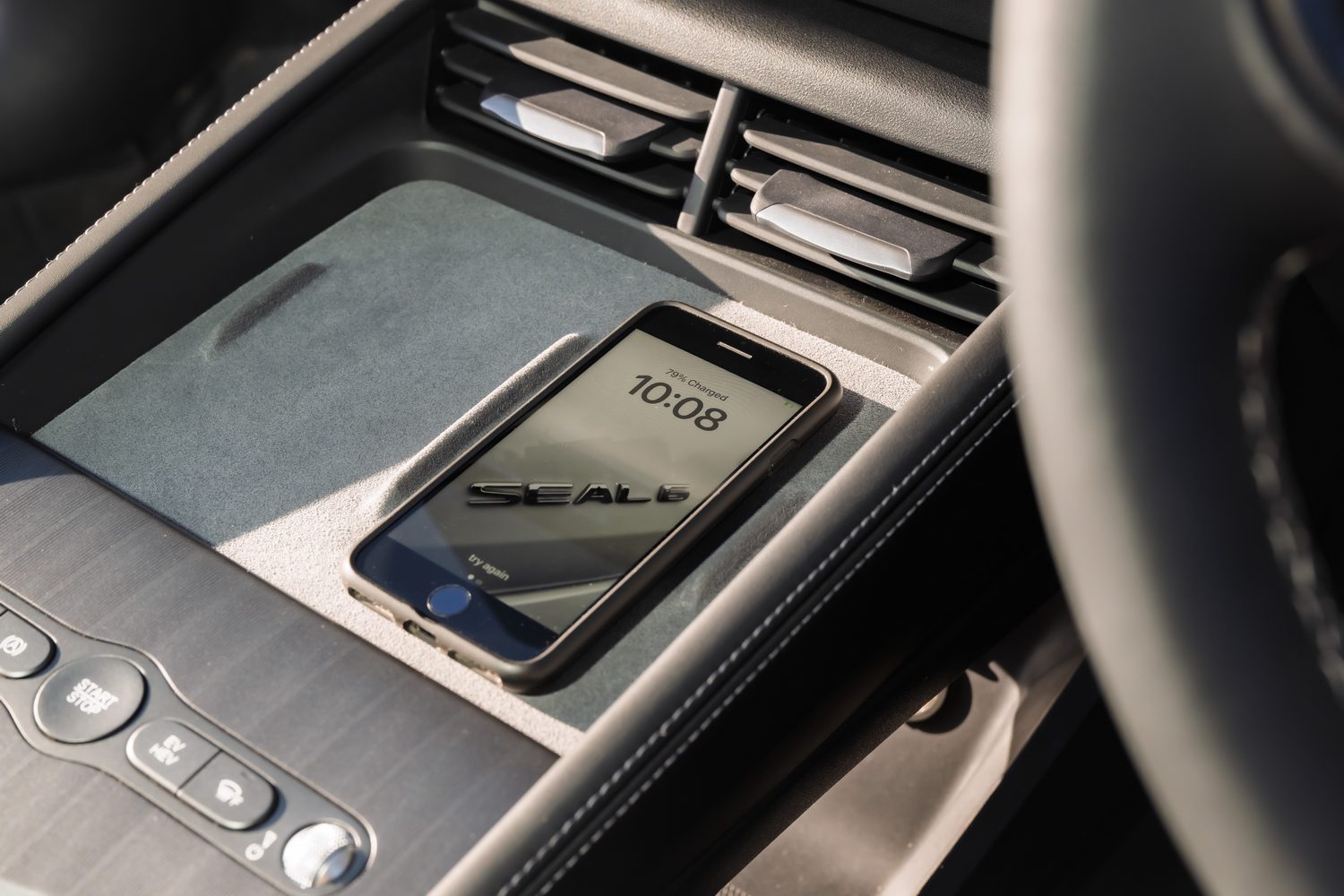
Standard tech includes a six-speaker sound system, 4G connectivity and intelligent voice commands using the prompt 'Hey BYD', although items like an eight-speaker hi-fi upgrade to the stereo and a 50-watt wireless smartphone charging pad are reserved for the top-spec Comfort.
Practicality around the cabin
The BYD Seal 6 DM-i has a vast central covered armrest cubby, big door pockets with room for drinks bottles, an under-tunnel storage shelf for bits and pieces, two cupholders down on the console, and a useful glovebox for the front-seat passenger too, so there's a good amount of storage inside.

The front USB-C sockets, though - with one rated at 60 watts and the other 18 - are located in that under-dash area and they're not the easiest things to access.
Rear-seat passenger space
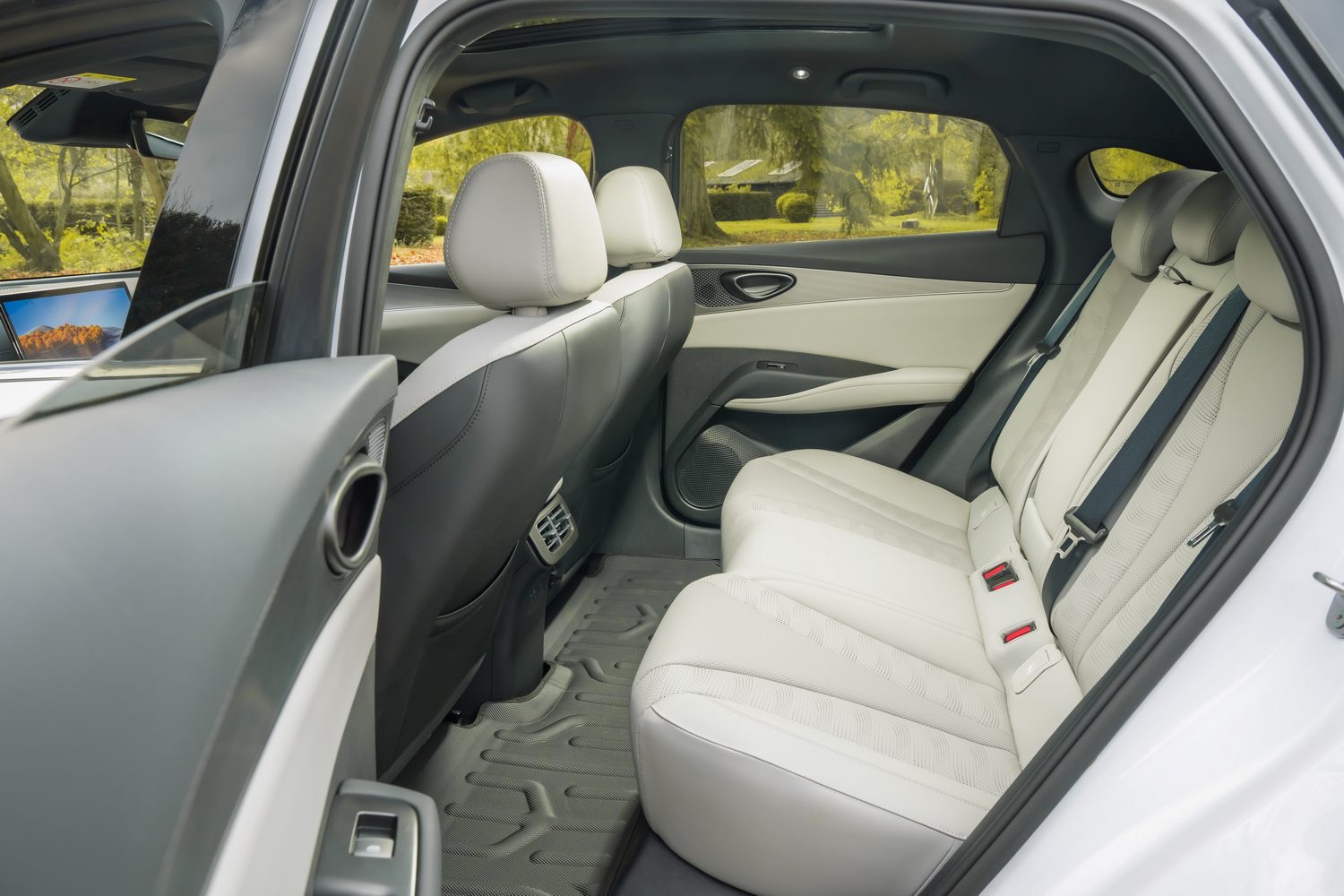
With a completely flat floor in the back and plenty of space between its wheels, you'd expect the BYD Seal 6 DM-i to be near-faultless in this department. But it transpires that it's weirdly underwhelming.

Yes, there's a good amount of knee- and legroom, yet the rear bench feels high-mounted in the car and there's hardly any space underneath the front seats into which rear-seat occupants can put their feet.
That, in turn, results in tucking your feet back, so your thighs are then angled up into the air rather than supported by the rear bench's squab. Furthermore, the backrest of the second row is tilted quite notably towards the back of the car, yet despite this there still doesn't seem to be a lot of headroom - especially in the Comfort, with its full-length panoramic sunroof's support mechanism cutting into the roof areas to the sides of the glass.
As a small form of recompense, there are two individual air vents and another couple of 18-watt USB-C ports in the rear of the Seal 6 to make life a little more bearable.
Fitting child seats to the BYD Seal 6 DM-i
There are three ISOFIX points in the Seal 6, two in the back and another one on the front passenger seat. Kids in chairs are going to be the real winners in the back of the car, because they won't be bothered by the relative lack of foot- or headroom, while the rear doors open pretty wide to make loading bulky seats into the back of the car easier.
And more good news: the BYD scored a hefty 90 per cent for child occupant protection during its Euro NCAP testing.
Boot space in the BYD Seal 6 DM-i
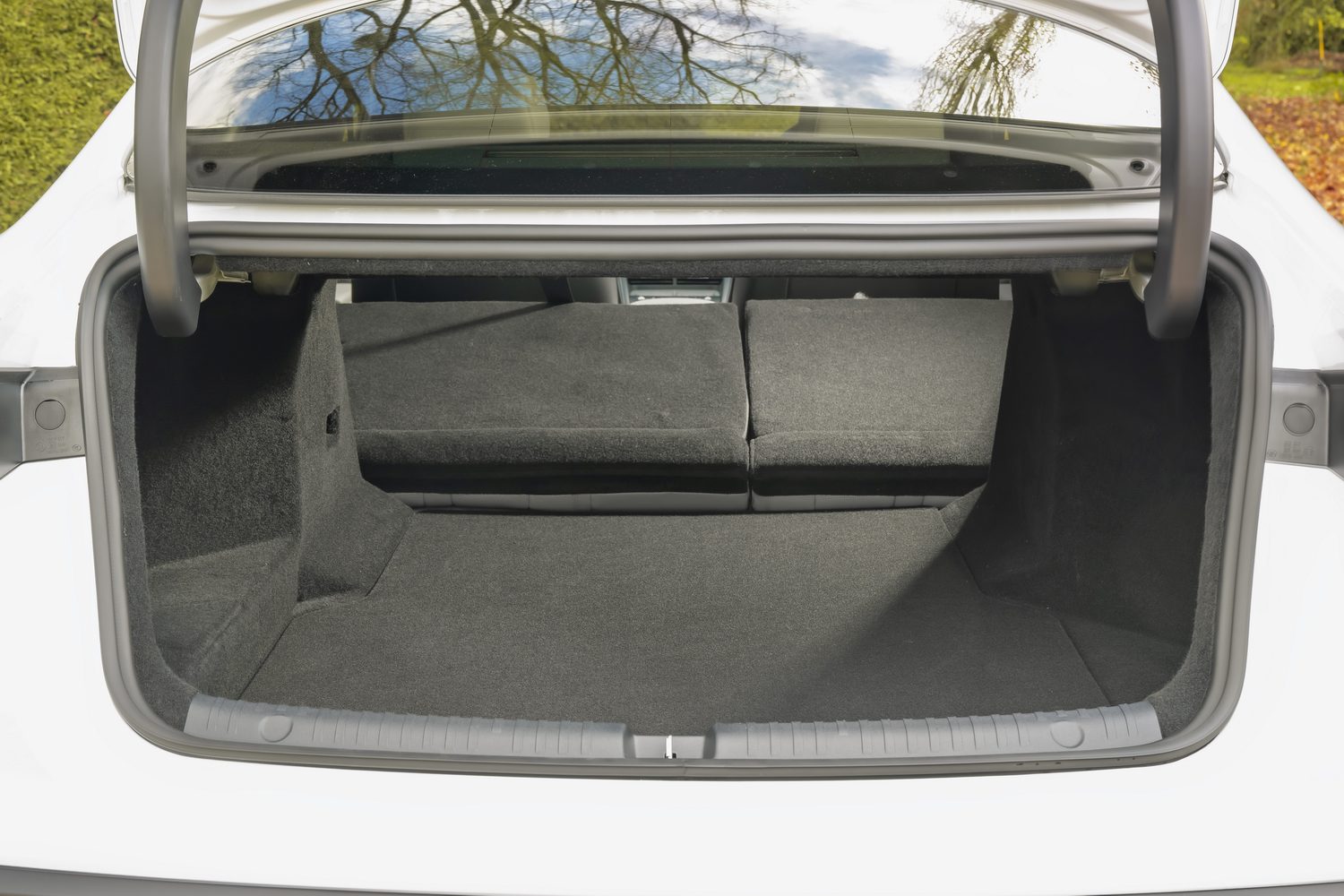
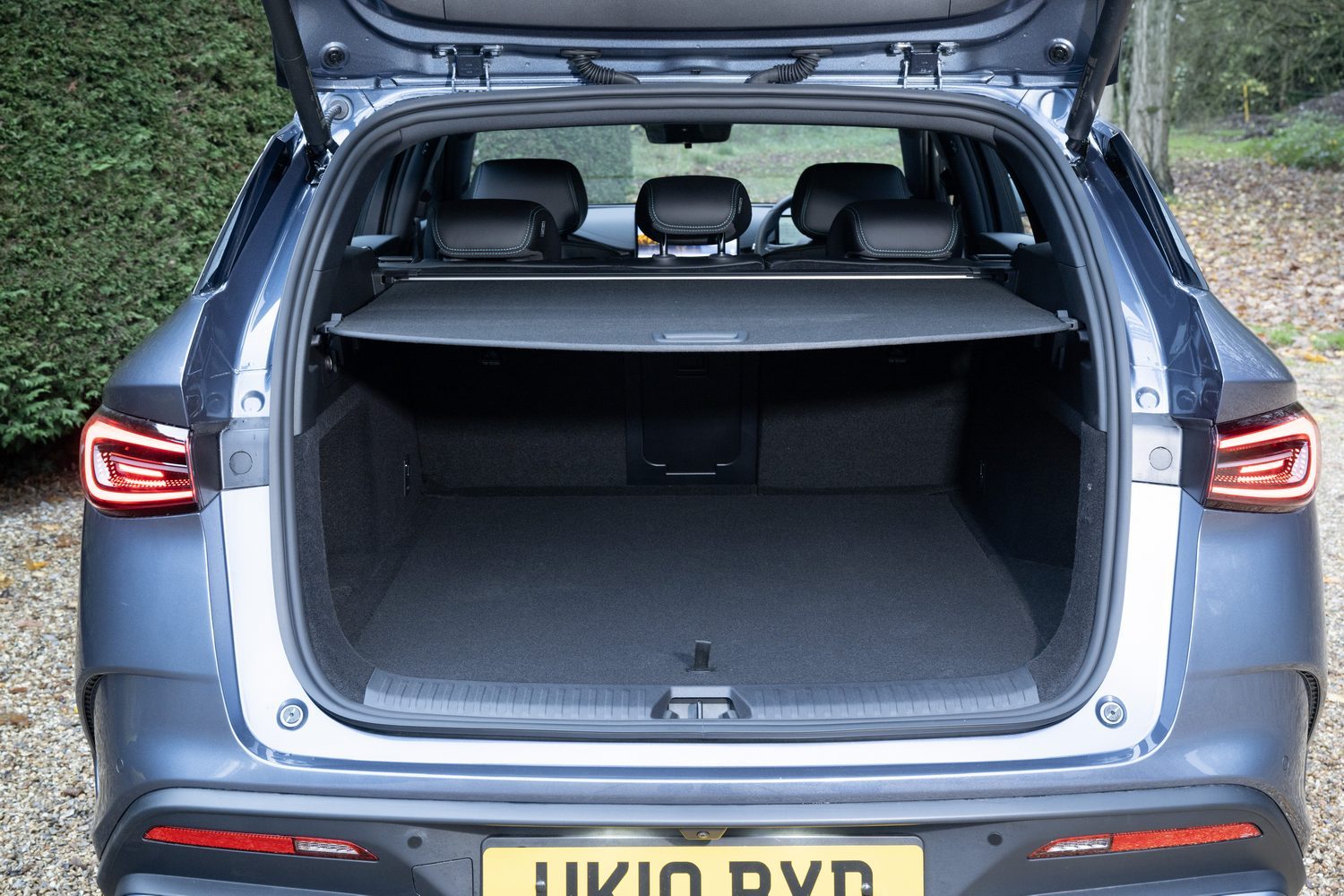
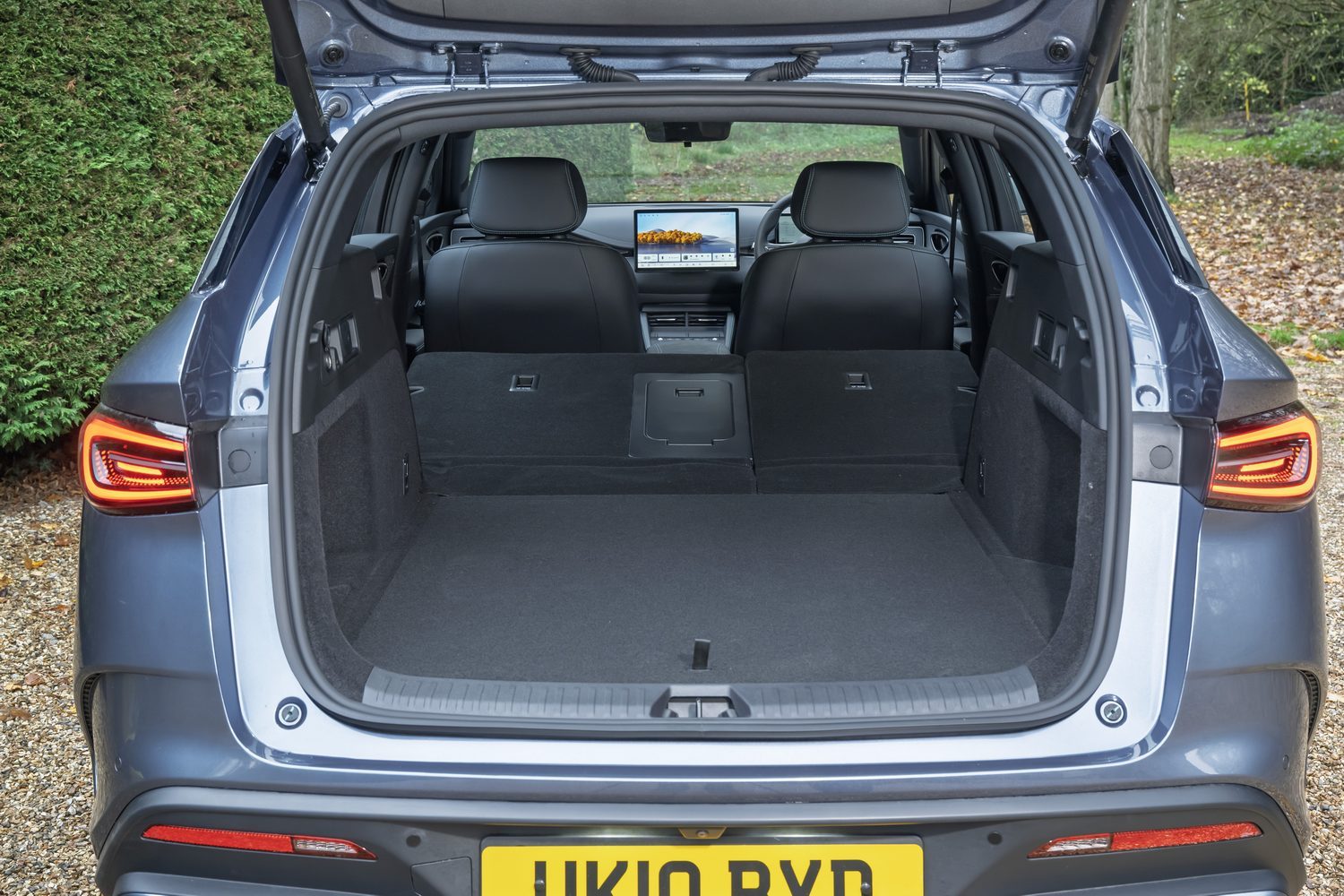
The BYD Seal 6 DM-i in four-door format has 491 litres with all seats in use, rising to 1,370 litres with the rear seats folded down. Good volume, of course, but remember the BYD is a proper saloon, so the boot aperture on this body type will always be small and narrow.

Initially, the Touring estate looks like a vast load-lugger with a 675-litre all-seats-occupied boot capacity... but that's measured up to the headlining. The more accepted figure up to the lower window line of the Touring drops to a rather more modest 500 litres - just nine litres in excess of the Saloon.
There's also no underfloor storage in the boot of the Touring, with the area beneath the carpeted baseboard of the BYD occupied by a bottle of tyre sealant, a tyre compressor unit, a warning triangle and a Hi-Viz vest pocket.
There are some concessions to practical family life back there, including clear side-mounted levers to drop the 60:40 split-folding rear seatbacks down from the boot-hatch area, a ski hatch in the centre-rear armrest, a 12-volt socket on the left of the boot and a couple of pop-out hooks that can take 3kg of weight apiece.

Bizarrely, there's another of these items in the lip of the Touring's tailgate that's rated at 2kg, so if you need to hang a bag or something heavy off the boot while it's open, then you can do so.
Safety in the BYD Seal 6 DM-i
No complaints here, as the BYD Seal 6 DM-i bagged a full five-star Euro NCAP safety rating, recording very high scores across all disciplines of 92, 90, 84 and 85 per cent for protection of adult occupant, child occupant, vulnerable road users and safety assist, respectively.
This is reflected in the fact that almost every item of passive and active safety kit, including advanced driver assistance systems (ADAS), is fitted to the base Boost as it is to the upper Comfort. The only real differences between the two are that the Comfort gets front parking sensors to go with the rear radar and a 360-degree camera system, while the Boost makes do with rear parking sensors and a simpler reversing camera.
Performance of the 2026 BYD Seal 6 DM-i
• Just plug-in hybrid drivetrains offered
• More power for bigger-battery version
• Poor dynamics across the board

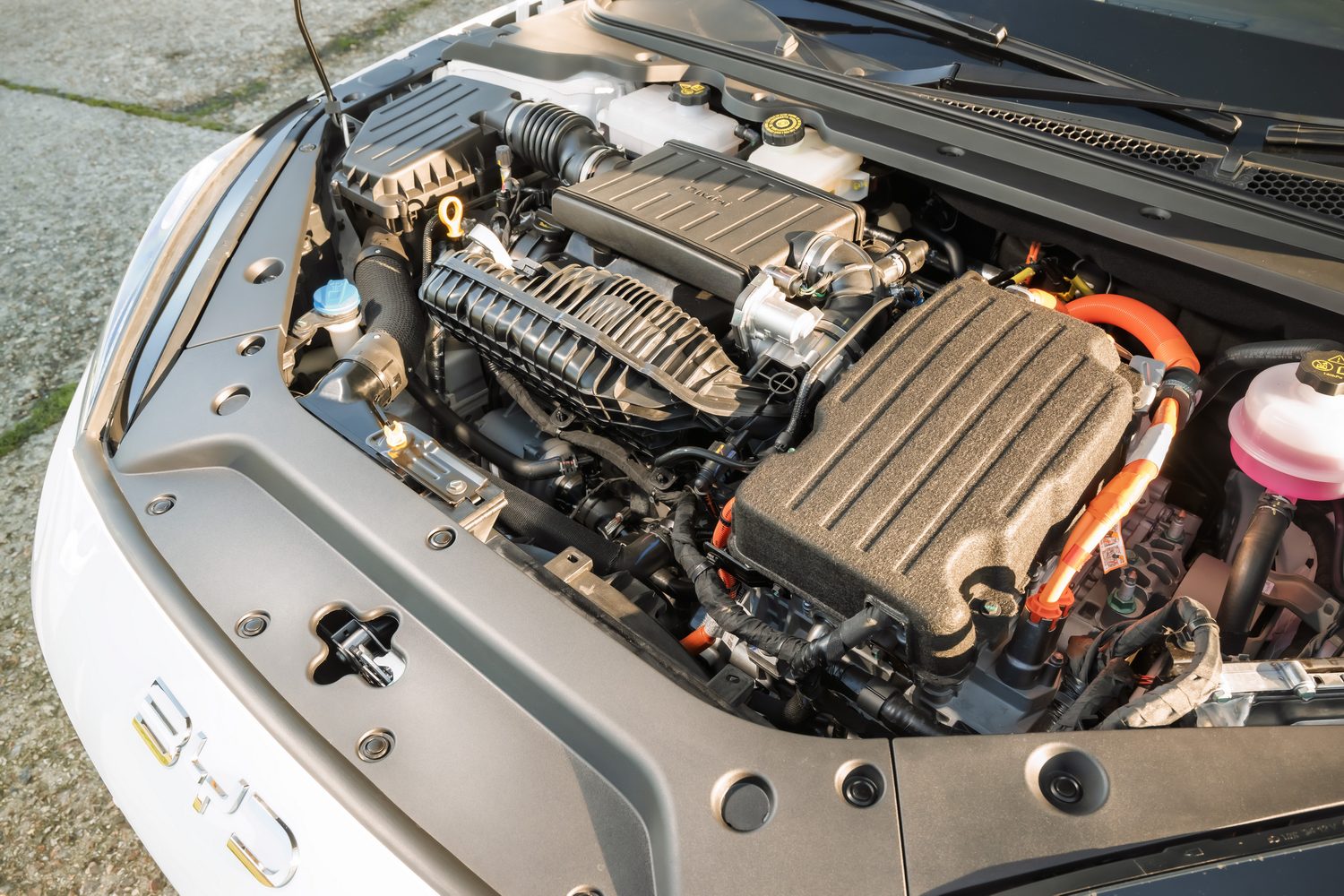
There are two drivetrains available for the BYD Seal 6, both of them PHEVs (which the Chinese firm badges as 'DM-i') based on a non-turbo 1.5-litre four-cylinder petrol engine, accompanied by an electric motor.
The entry-level model is the Boost. This has peak torque of 300Nm, with the maximum power of its DM-i system set at 184hp. Weighing 1,665kg as a Saloon and 1,710kg as a Touring, both are said to be capable of 0-100km/h in 8.9 seconds.

The step up from here is to the Comfort. There are more significant changes to its electrical system, which we'll come onto later in the review, but on the drivetrain side of things the peak torque remains the same at 300Nm, yet power climbs to 212hp.
Although the Comfort is good portion heavier (1,765kg as a Saloon and 1,805kg as a Touring), these cars are slightly quicker to 100km/h from rest, running the sprint in 8.5 seconds.

All Seal 6 DM-i models are equipped with an electronic continuously variable transmission (e-CVT), which drives the front wheels of the vehicle only.
Driving the BYD Seal 6 DM-i Saloon Boost on UK roads
Words by Matt Robinson, published on 2 December, 2025
To be fair, BYD has not made any assertions that the Seal 6 DM-i is engaging to drive, so this is not one of those suspension set-ups which delivers uncomfortably firm manners.
What it serves up instead is loose control, so that the car flops and wallows in the wake of even only medium-sized compressions to its suspension. It means that unless the road surface is absolutely perfect, or at least very, very close to that sort of level, the BYD is constantly shunting and shuffling its occupants around in their seats.

On what are, nowadays, quite small alloy wheels at 17 inches in diameter, you wouldn't expect something running on Hankook tyres - a respectable rubber brand from South Korea - to make as much noise as these do at about 100-110km/h on the motorway.
Wind noise is at least adequately quelled, but you can hear the suspension of the Seal 6 clonking about in the wheel arches as it attempts to smother imperfections in the surface of the asphalt. Comfortable and refined at speed, this car is not.

Additionally, if you elicit meaningful acceleration from the BYD, you are greeted with a coarse din generated by the unrefined engine. We wouldn't mind, but the Seal 6 DM-i isn't even particularly quick in such circumstances. The 0-100km/h time of sub-nine seconds looks optimistic.
On top of all that, the steering is light and feel free, while the brake pedal is inconsistent - sometimes it bites ferociously, like you've enraged a particularly ill-tempered hippo, and at other times it seems there's no feel through the pedal itself nor retardation going on at the brakes at all.

That wouldn't be so worrying, except in colder, lower-grip conditions, the attitude of the Seal 6 in the corners is much worse than it should be. We know BYD can make better-driving cars than this.
Driving the BYD Seal 6 Touring Comfort on UK roads
Words by Matt Robinson, published on 2 December, 2025
Things improved when we got into the estate version of the BYD Seal 6 DM-i with the bigger battery, albeit not by much.

It felt grippier and less woeful in the corners, mainly because its 18-inch tyres have wider contact patches - and the Touring Comfort was on Continental tyres, whereas the Saloon Boost wore Hankooks.
Also, it was a bit warmer outside by the time we drove the wagon in the afternoon, so the roads were less slick and greasy than they had been in the morning.

Furthermore, the 19kWh battery adds 100kg to the kerb weight, while the Touring is about 40-45kg heavier again than a comparable Saloon. Thus, there was a considerable 140kg weight difference between the two BYDs we drove on the same day - and added weight can often do wonders on unsettled suspension at tying it down, providing better ride comfort.
That didn't really materialise, though. Yes, the Touring Comfort was a little better in the corners and less susceptible to being deflected from its chosen path on lumpier back roads, but the switch-up was in no way transformative.

Even so equipped, the Seal 6 was still too noisy, lacked for proper body control and ride comfort, and didn't even feel much quicker either with its 28hp power advantage. It was a very disappointing car to drive, and nowhere near the accomplished standards set by some of the rivals BYD has mooted as the car's competition.
Range, battery, charging and running costs of the 2026 BYD Seal 6 DM-i
• Two battery choices
• Larger power pack gains DC charging
• Long combined range

You get different battery packs depending on which trim you go for in the BYD Seal 6 DM-i, while one of the strong points of the car is the huge distances it can supposedly go on its petrol and electric resources combined.
There is also faster charging on the superior variant, but we'd treat all of the official economy figures with a degree of scepticism, if our initial test drive was anything to go by.
Battery options and official range
Even though they are plug-in hybrids and not full EVs, these BYDs use the company's 'Blade' lithium-ion battery technology, which has a lithium-iron phosphate (LFP) composition. In the Boost, there's a 10.08kWh battery pack, while the Comfort nearly doubles that to 19kWh.
The official electric driving range of the Boost is 55km, while its combined figure (on petrol and electric power) is said to be 1,505km as a Saloon and 1,350km as a Touring.
Meanwhile, the Comfort has an electric range of 105km, while the Saloon can go 1,455km in this spec. BYD says the Touring goes the same distance as a Comfort as it does as a Boost.
Official fuel consumption for the cars stands at 4.4-4.8 litres/100km for the Boost Seal 6s, and 4.8-5.0 litres/100km for the Comfort versions, with the higher figure in both cases for the Touring.
Real-world range and efficiency of the BYD Seal 6 DM-i
Words by Matt Robinson, published on 2 December, 2025
On a sharply cold autumnal morning in the UK, even with 80-per-cent-plus battery charge and a full tank of fuel, our Seal 6 DM-i Saloon Boost's trip computer was not showing a combined range anything like 1,500km. It was more in the 1,000km zone, which is still useful, but not quite as groundbreaking as it first appears.
And then, on what was mainly a very steady motorway cruise at the UK's limit of 112km/h, the Touring Comfort only recorded a finishing figure of 6.1 litres/100km, despite the fact it concluded the trip with 68 per cent of its battery's charge remaining.

This reveals that the BYD' system tries to preserve the electrical charge and eke it out across an entire journey, instead of chunking through all its battery in the first 50-80km and then running solely on petrol power from there.
Charging up the BYD Seal 6 DM-i
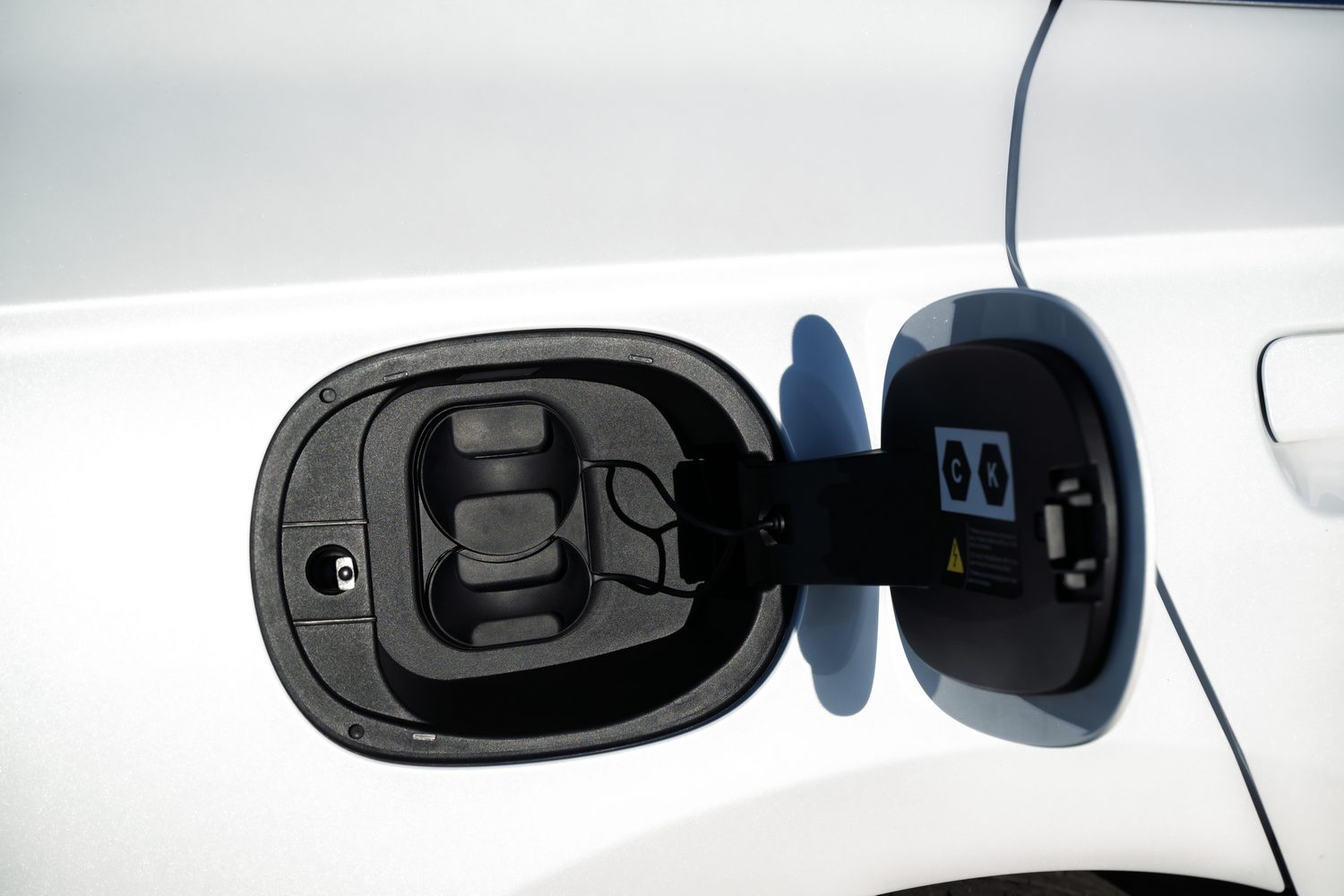
There's a disparity between the Boost and Comfort versions of the BYD Seal 6 DM-i in this regard. The Boost model, with its 10.08kWh battery pack, has a maximum AC charging rate of 3.3kW, and no DC-charging capability whatsoever.
However, the Comfort spec doubles the AC rate to 6.6kW, while it also brings in the ability to juice the battery up at 26kW on a DC connection.

Therefore, a 15-100 per cent AC charge will take three hours for the Boost or two hours 42 minutes in the Comfort. If you link the Comfort up to a DC charger of any rating, at 26kW you'll require 23 minutes of hook-up to get the battery from 30-80 per cent state-of-charge.
Servicing the BYD Seal 6 DM-i
BYD's service schedule for its DM-i models is an odd one, with a first check-over due after six months or 3,500km, whichever comes sooner. From that point on, it switches to an annual cycle with a proposed interval of 7,500km, but whether the Seal 6 will be subject to a different maintenance programme remains to be seen.
BYD Seal 6 DM-i warranty
BYD's basic warranty in Ireland is a six-year, 150,000km effort, which is pretty generous. There's also eight years' worth of cover on the high-voltage batteries and electric drive motors the company makes, with the former guaranteed to 200,000km and the latter to the same 150,000km cap as the general warranty.
Irish pricing & rivals to the 2026 BYD Seal 6 DM-i
• It is commendably cheap
• Plenty of standard equipment
• Wide spread of rivals

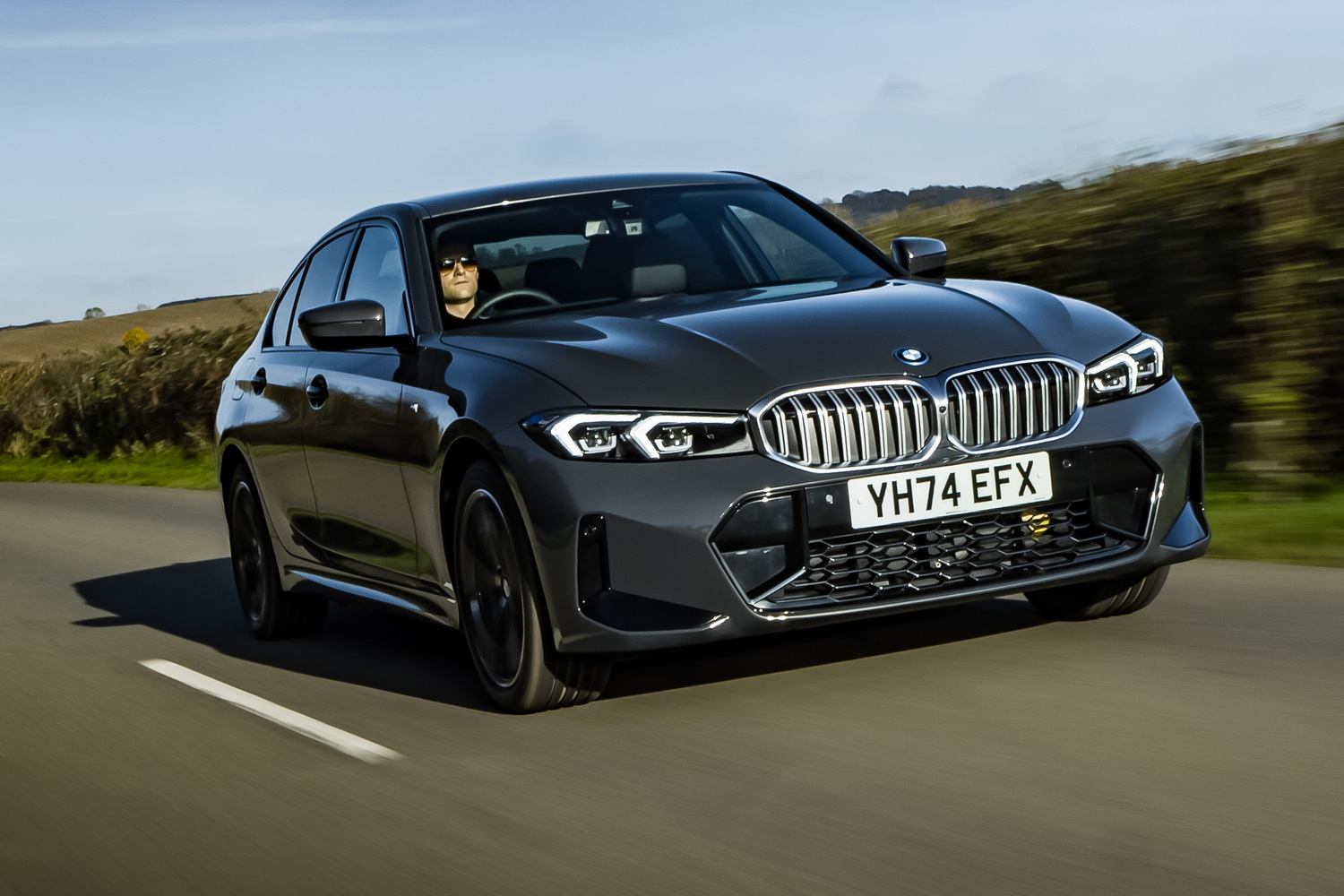
The crux of the matter here is how much the BYD Seal 6 DM-i costs. At a starting price of €37,490, it is cheap - certainly much less than the most obvious contender, Skoda's Superb. Given this value orientation and the sheer size of the Seal 6, it could also be considered instead of a wide range of smaller hatchbacks, while BYD even jauntily dropped the BMW 3 Series into conversation as another potential source of conquest sales.

Further bolstering its cause in this department is a generous standard specification - even a Boost comes with all-LED exterior lighting, adaptive cruise control, 17-inch wheels, the twin-screen interior set-up, synthetic leather upholstery and electrically adjustable front seats, among much more.
A Comfort gets a bigger touchscreen and alloys, along with heated and ventilated front seats, a heated steering wheel, an auto-dimming interior mirror, the eight-speaker hi-fi sound system, a panoramic sunroof and 50-watt wireless smartphone charging, plus some other sundry items.
Verdict - should you buy the 2026 BYD Seal 6 DM-i?
There's an old adage that runs 'never mind the quality, feel the weight' - and we feel it applies to the BYD Seal 6 DM-i. Sure, this car is cheap compared to similar PHEVs of a comparable physical size, but the driving experience it delivers is notably sub-par.

We know that a lot of people think some folk just buy whatever's the most inexpensive machine available and to hell with the driving manners, yet we don't think you should ignore the facts that the Seal 6 is noisy, uncomfortable and not great to drive. Whether you can overlook all of those dynamic flaws and instead focus on the BYD's other attributes of lots of kit and a reasonable amount of space will, ultimately, come down to your priorities.
FAQs about the 2026 BYD Seal 6 DM-i
Is the BYD Seal 6 DM-i four-wheel drive?
No, both models are front-wheel drive and there's no indication that an all-wheel-drive Seal 6 is on the cards, although there is an all-wheel-drive variant of the closely related Seal U SUV - so it's technically possible.
Is the BYD Seal 6 DM-i offered as an electric car?

No, all versions of the Seal 6 have plug-in hybrid power, like the Seal U SUV line-up. BYD has five EV ranges for sale in Ireland, though, which are the Dolphin Surf city car, Dolphin hatchback, the Atto 3 midsized SUV, the Seal and the Sealion 7.
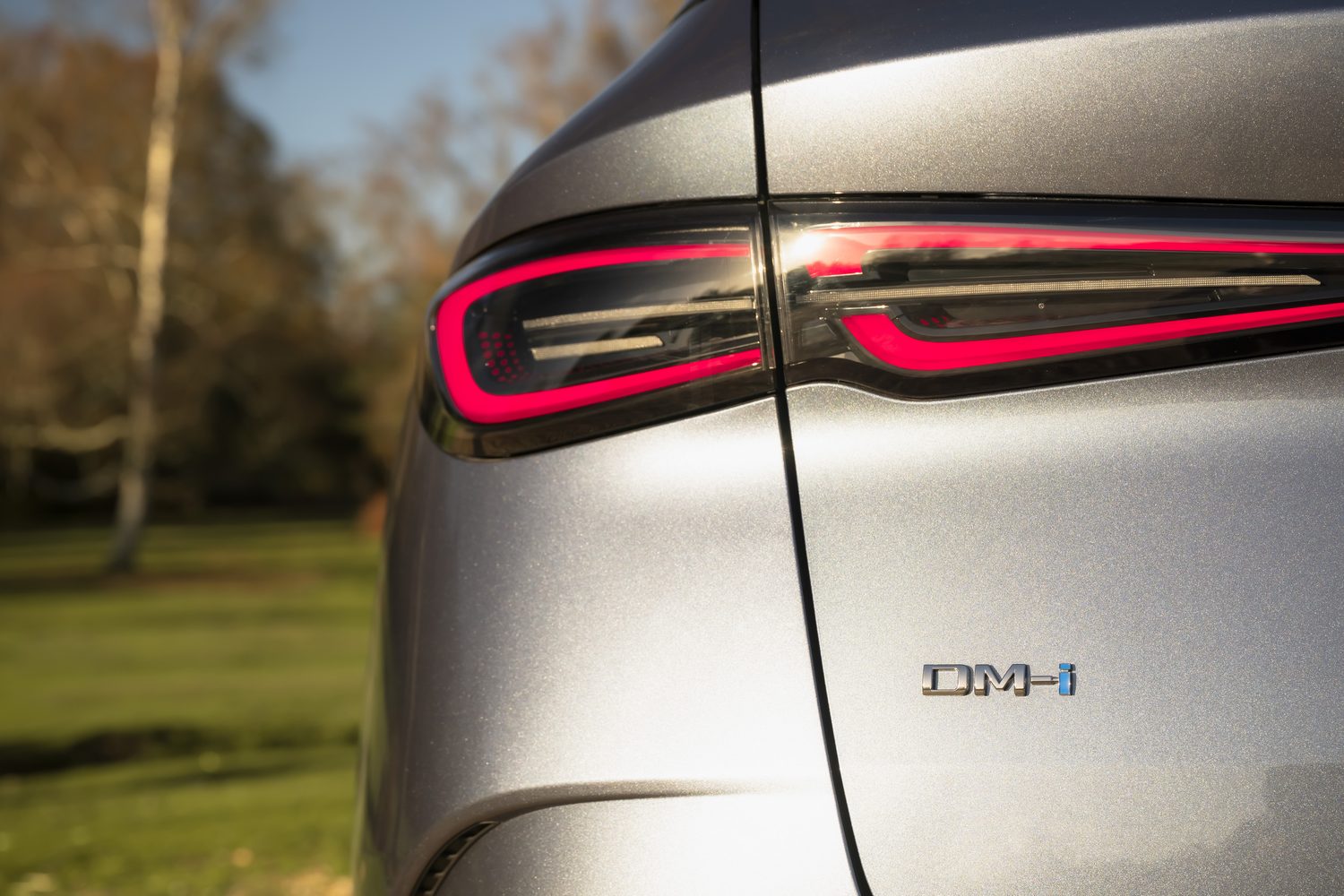
What does the 'DM-i' mean in the badge of the BYD Seal 6?
It's BYD's own in-house terminology for plug-in hybrid, and it stands for 'dual mode, intelligent'.
How many child seats fit into the BYD Seal 6 DM-i?
BYD offers ISOFIX fittings in three positions - on the front passenger seat and then the outer two rear-bench seats too.
Has the BYD Seal 6 DM-i been assessed for safety?
Yes, the Seal 6 has achieved a full five-star Euro NCAP rating, recording high scores in all four sub-disciplines of the test. If you want to read the BYD's full report, you can do so right here.
Want to know more about the 2026 BYD Seal 6 DM-i?
If there's anything about the new BYD Seal 6 DM-i we've not covered, or you'd like help in choosing between it and other cars, you can avail of our expert advice service via the Ask Us Anything page.