


Exterior & design of the 2027 BYD Atto 3 Evo
- Subtle tweaks to change Atto 3 into Evo
- Six paint colours to choose from
- 18-inch alloys standard

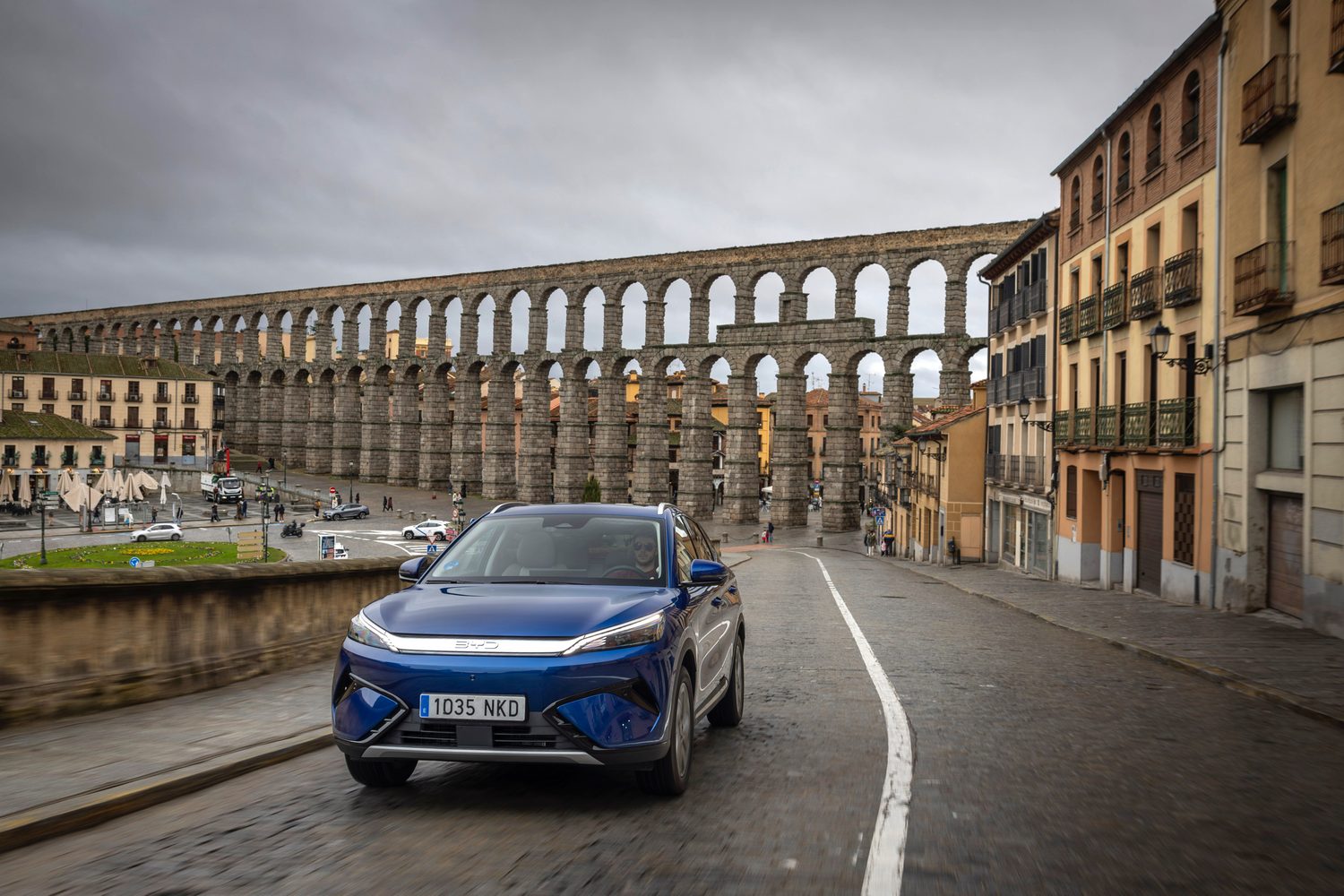
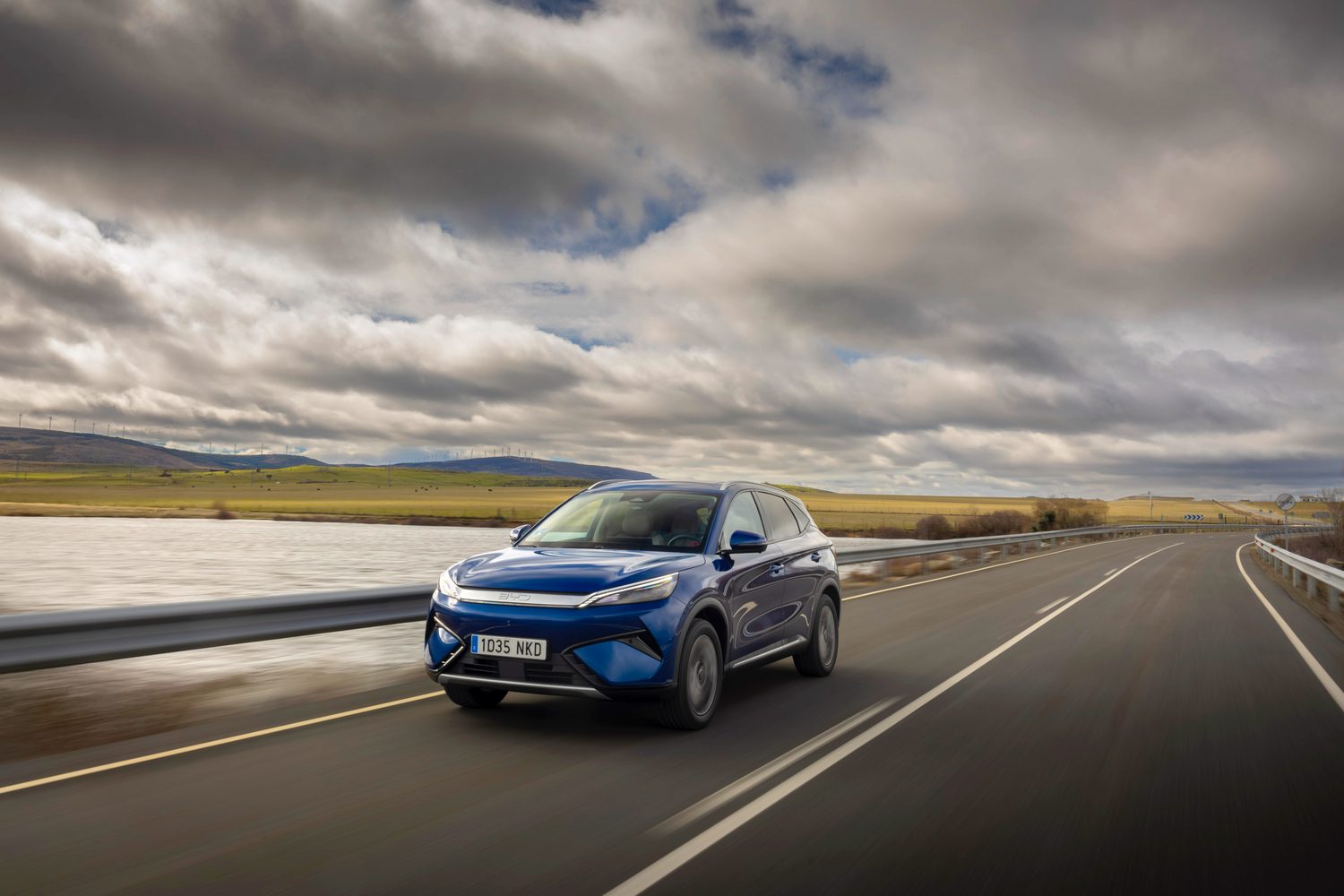
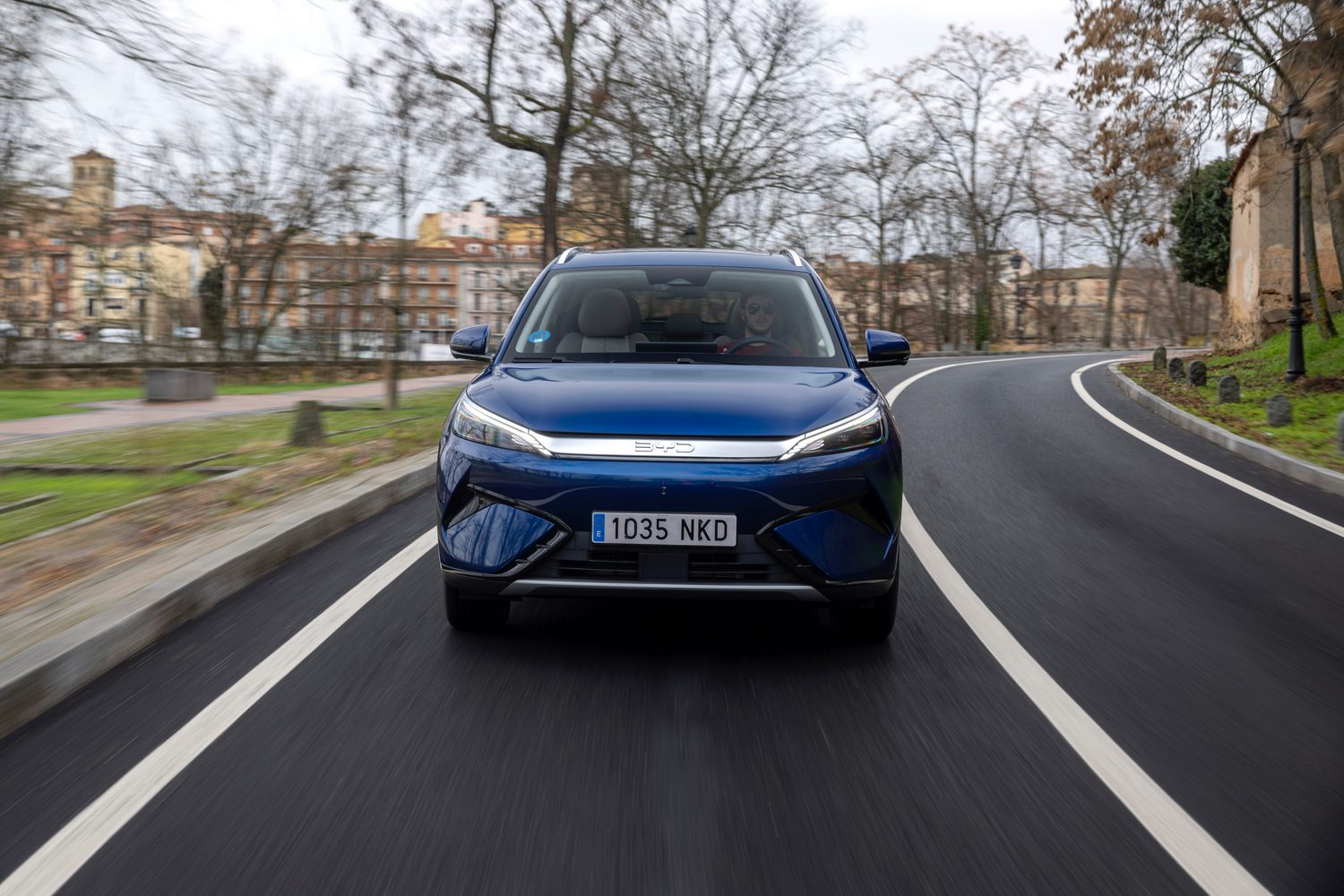
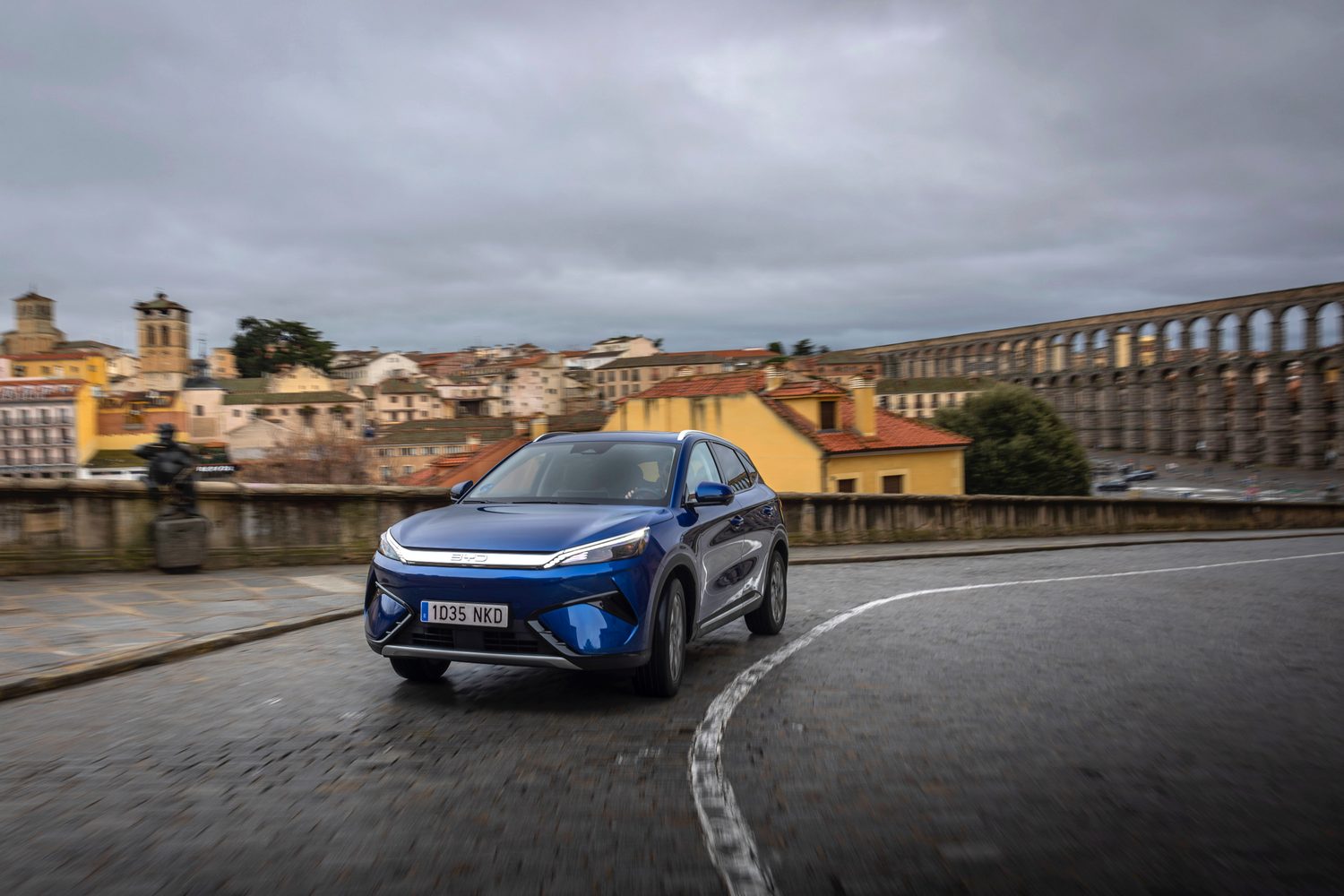
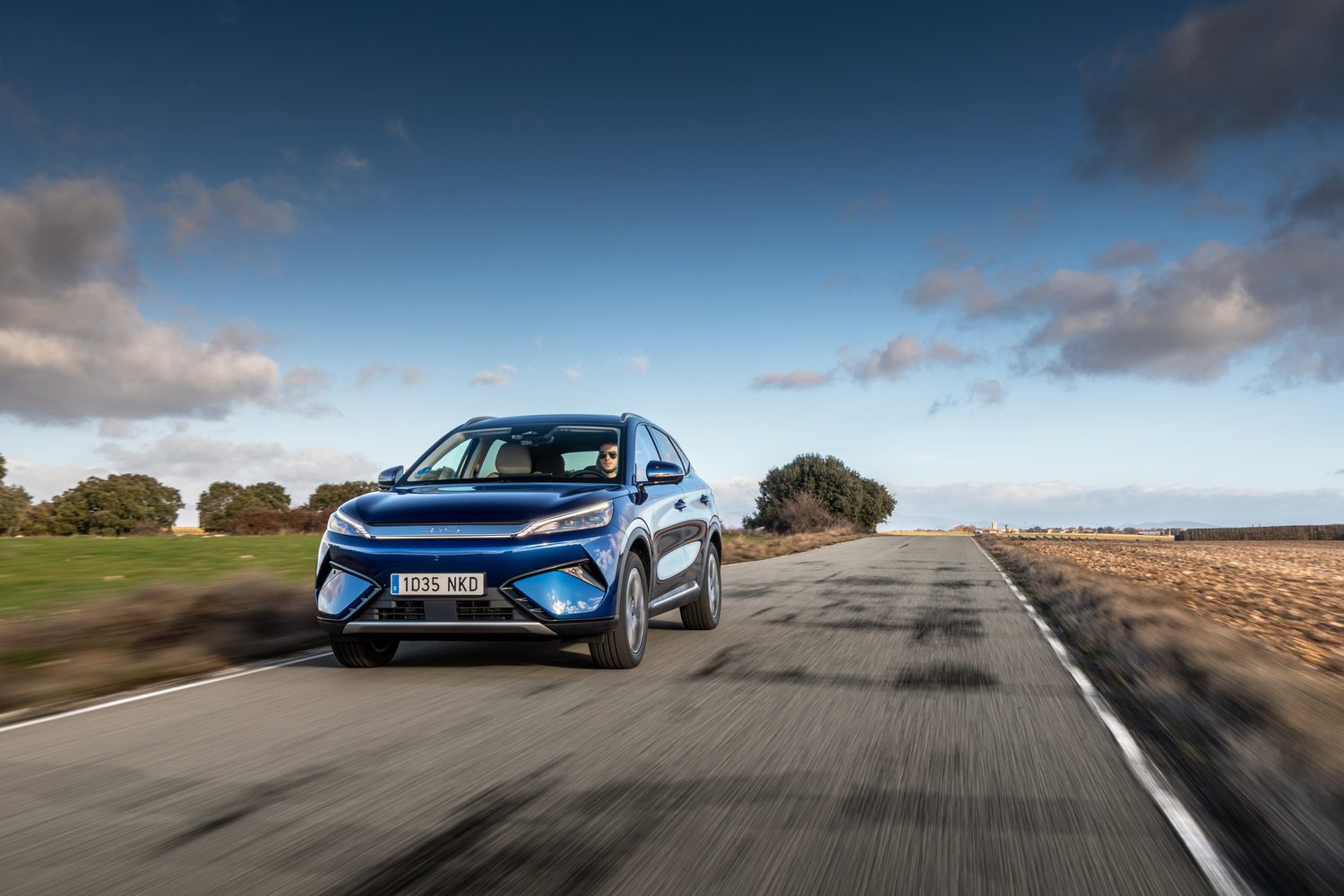
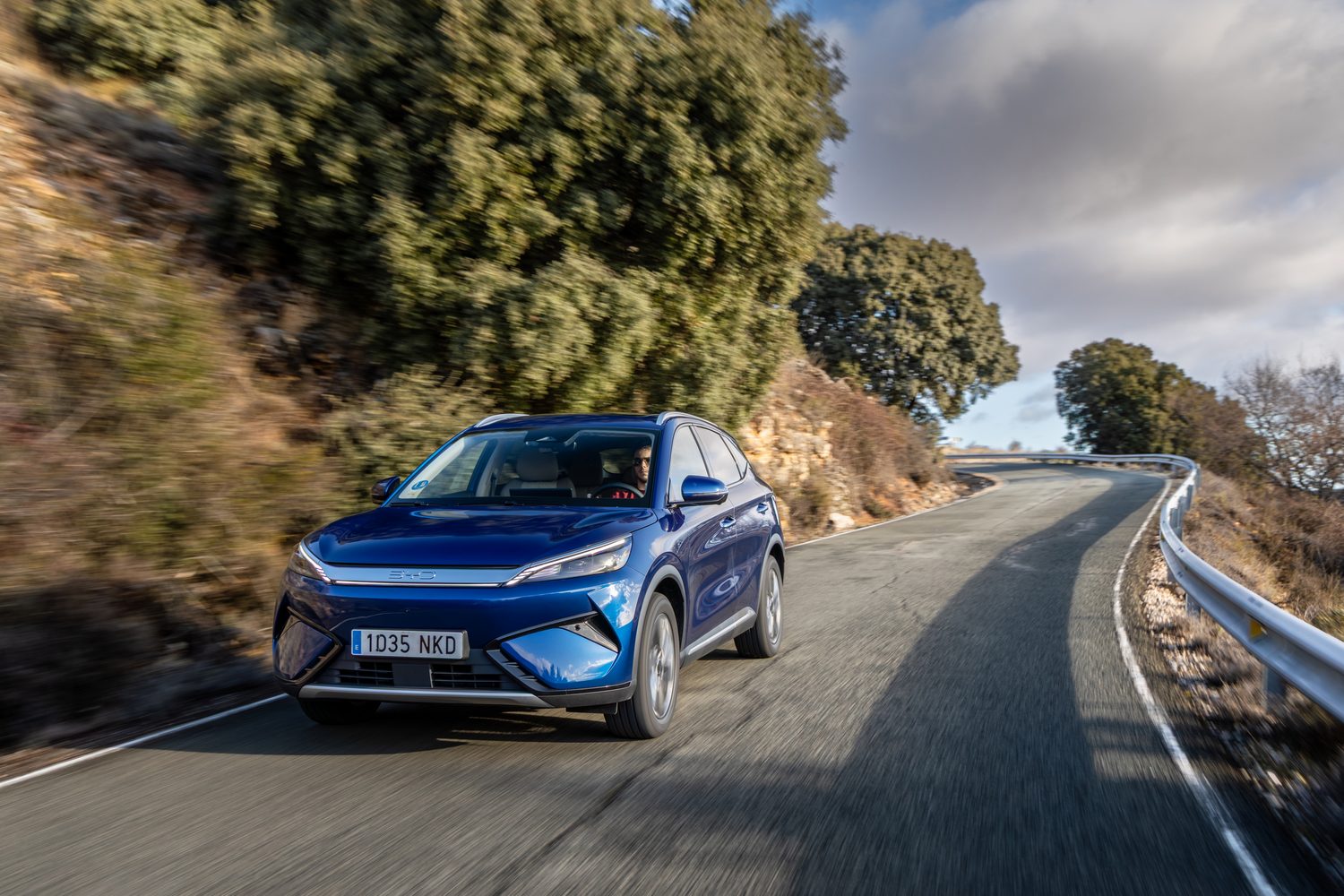
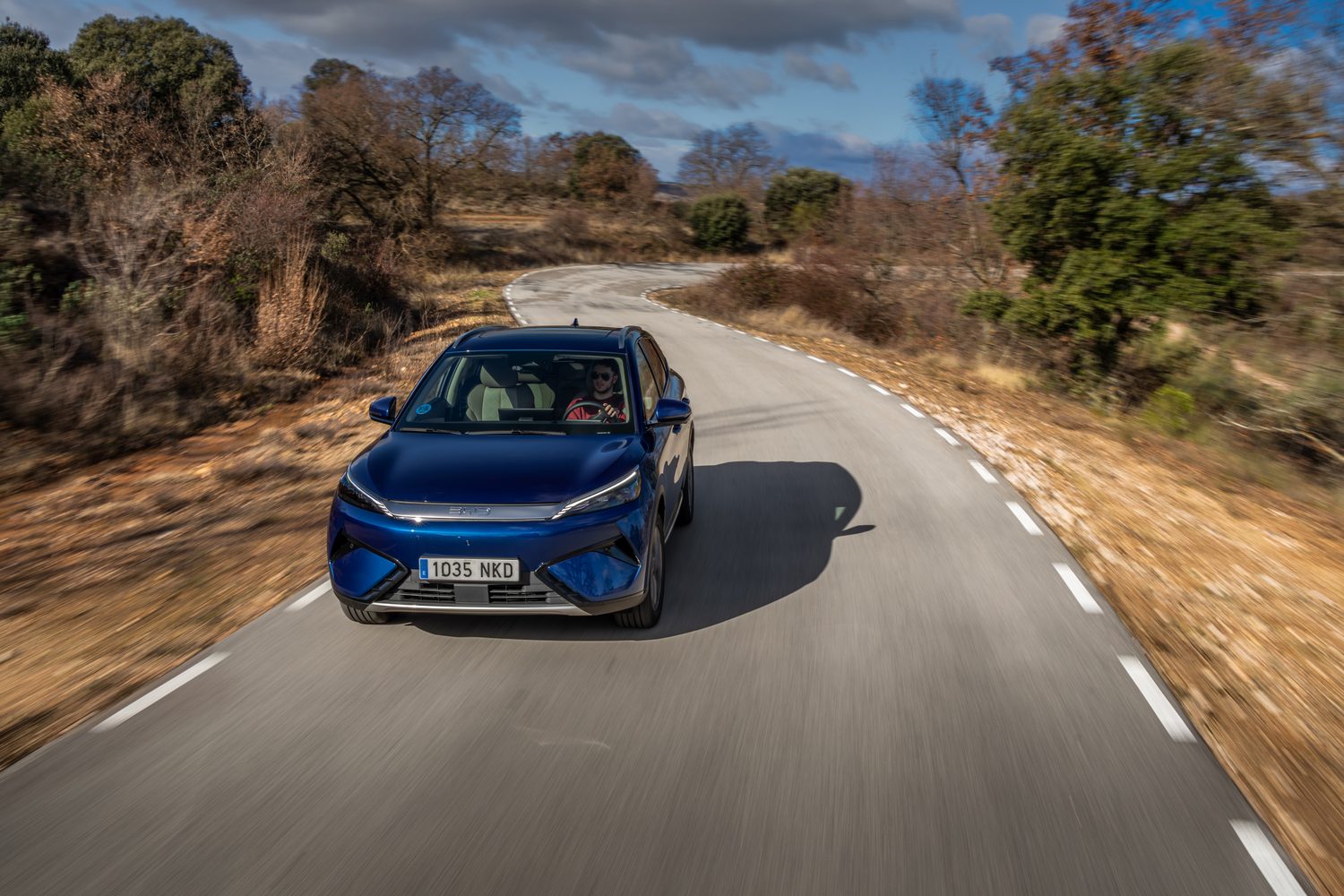
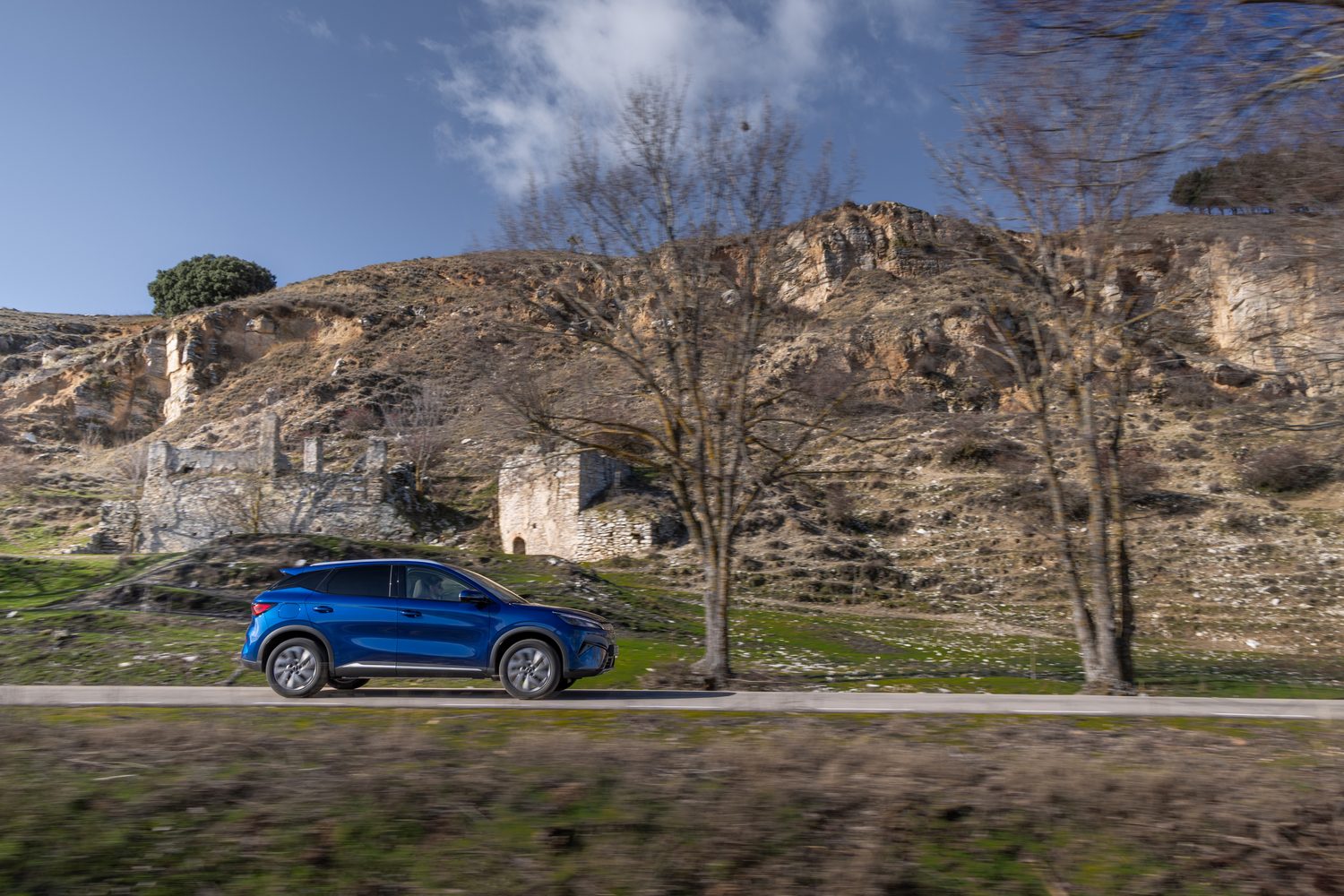
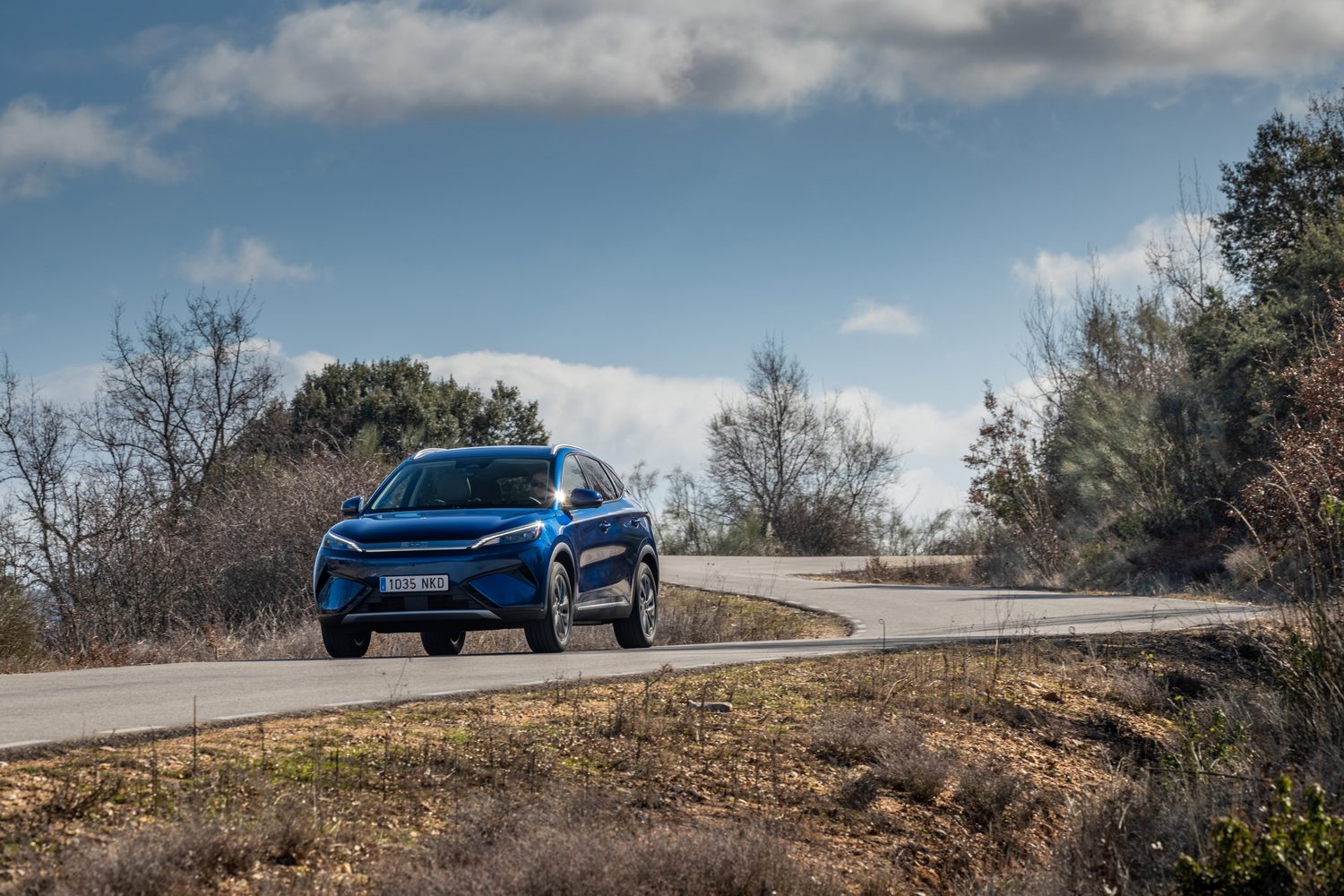
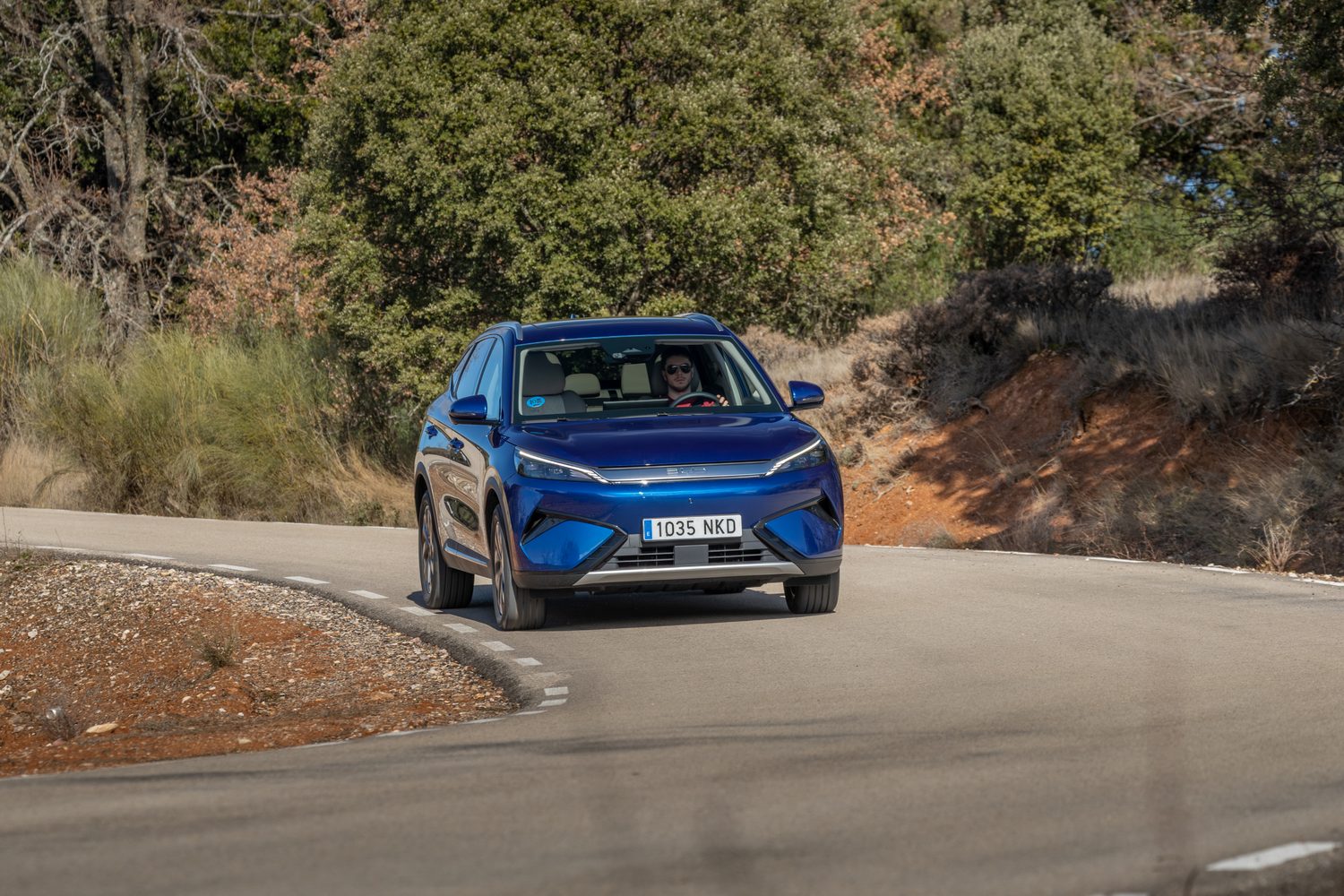
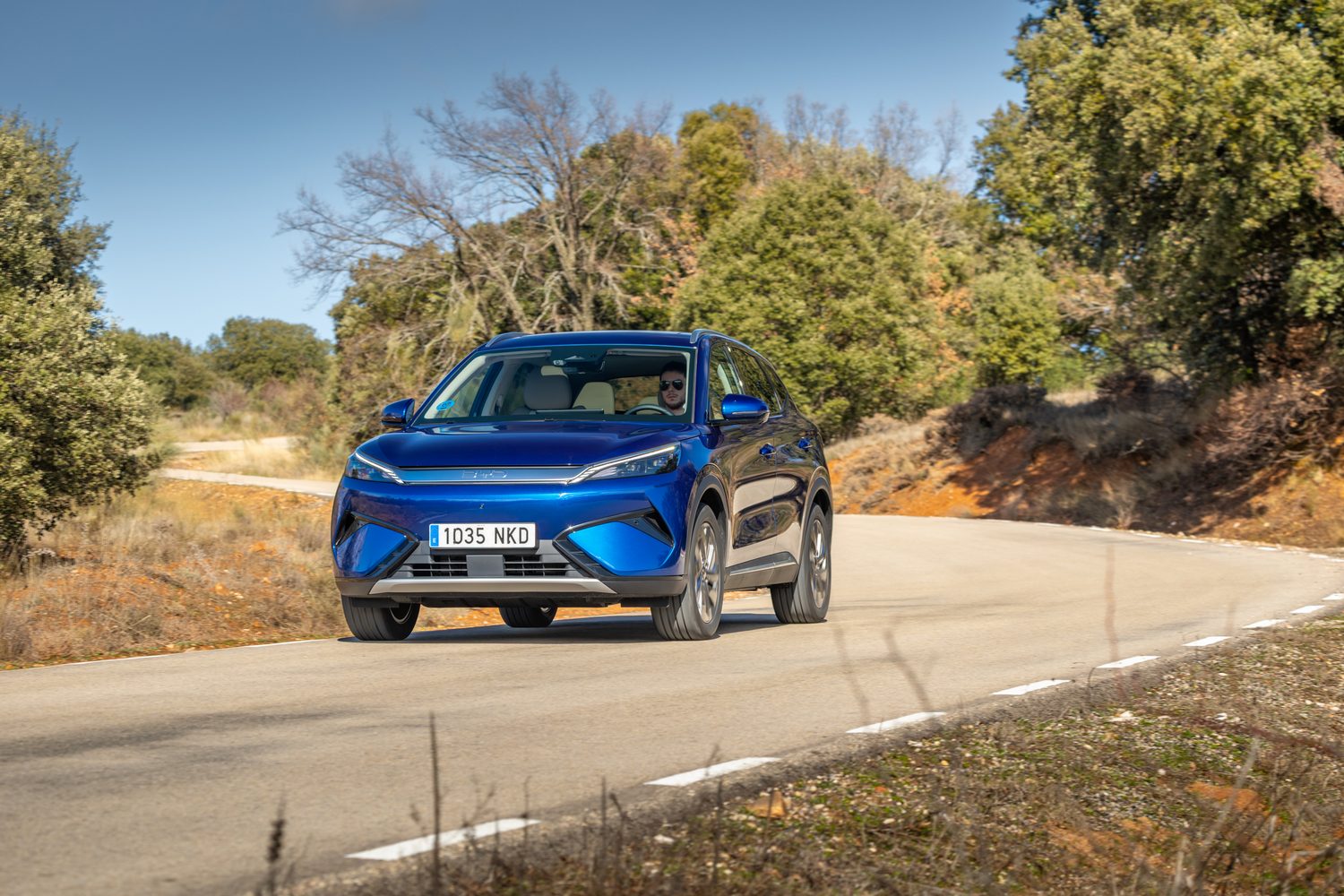
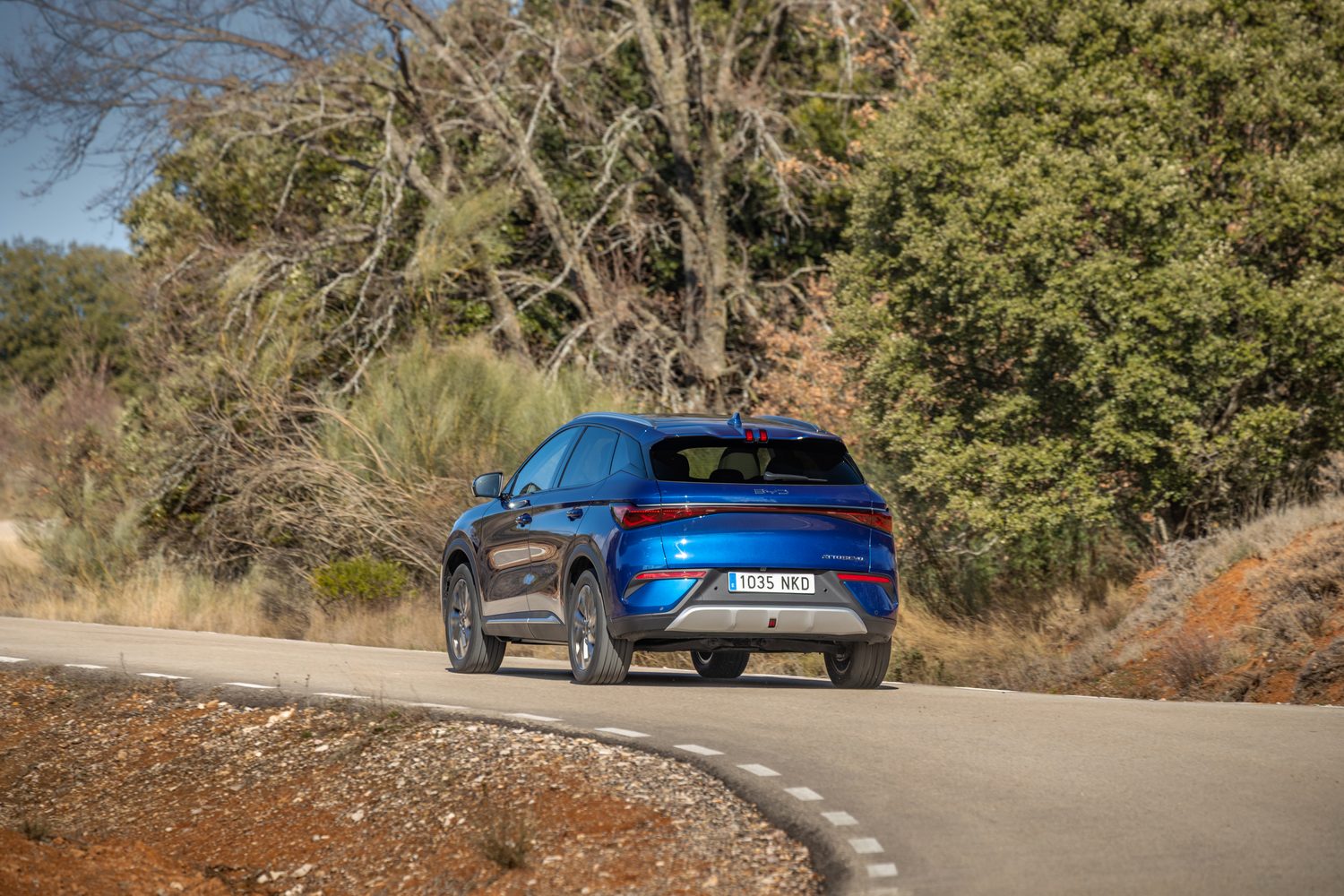
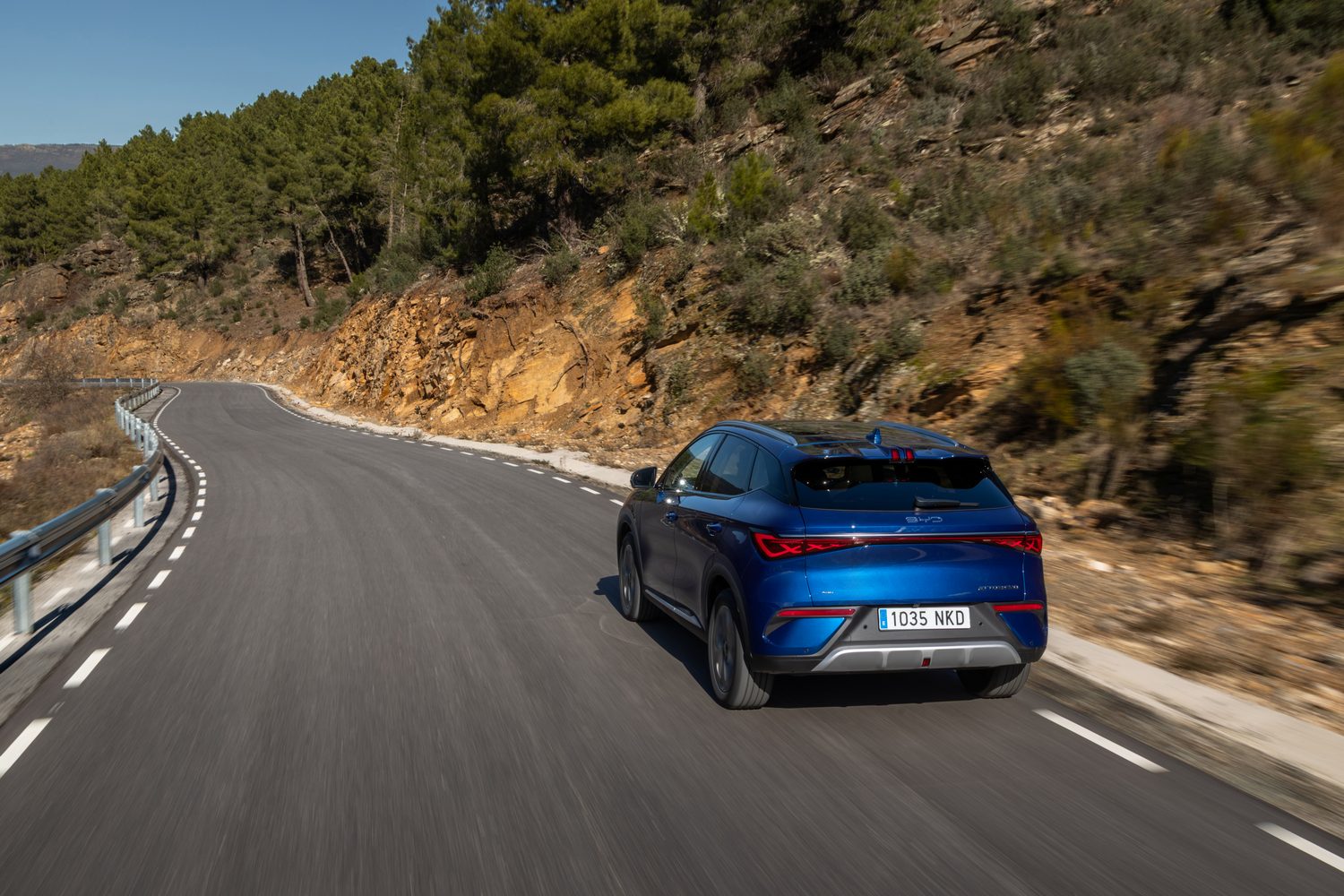
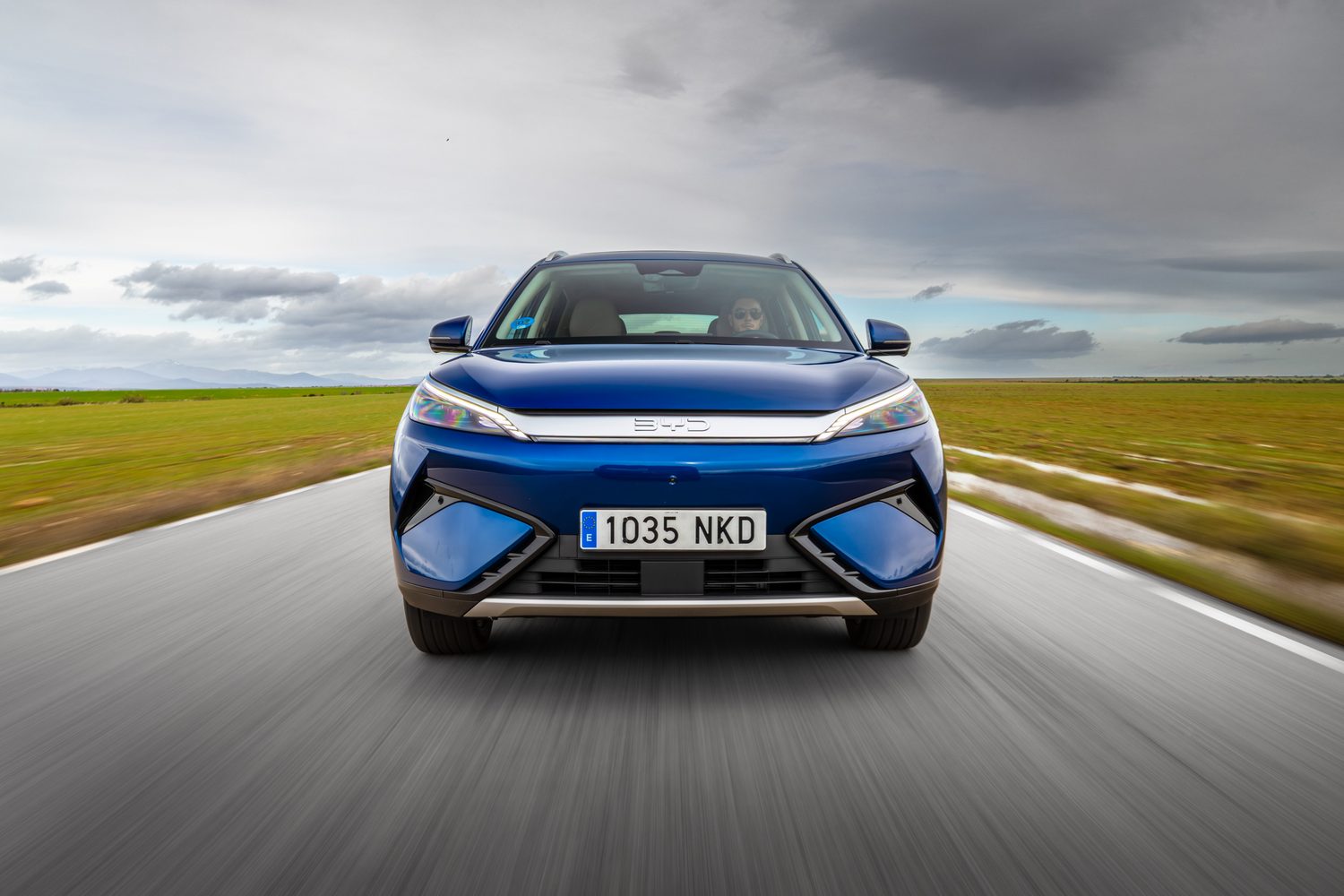
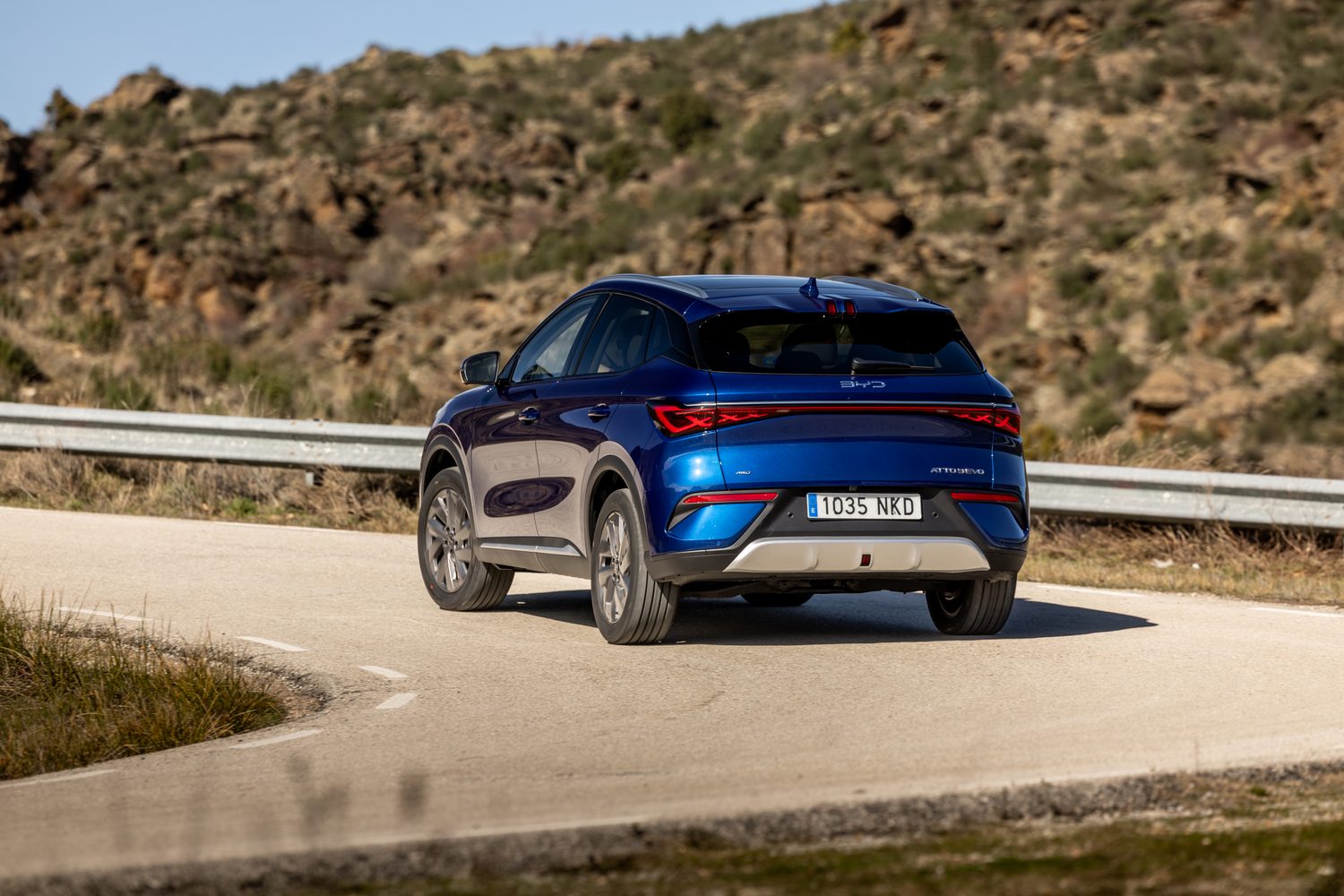
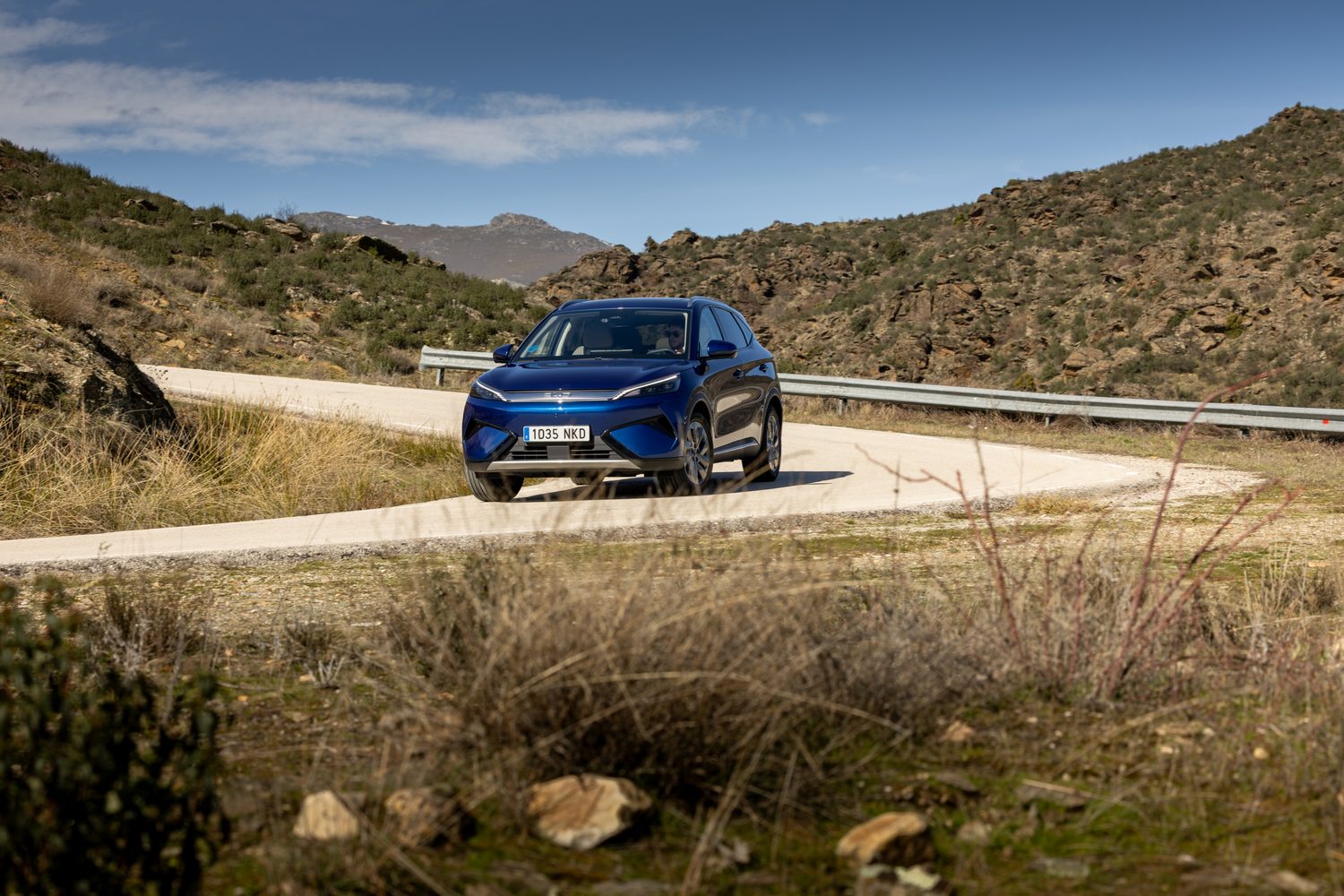
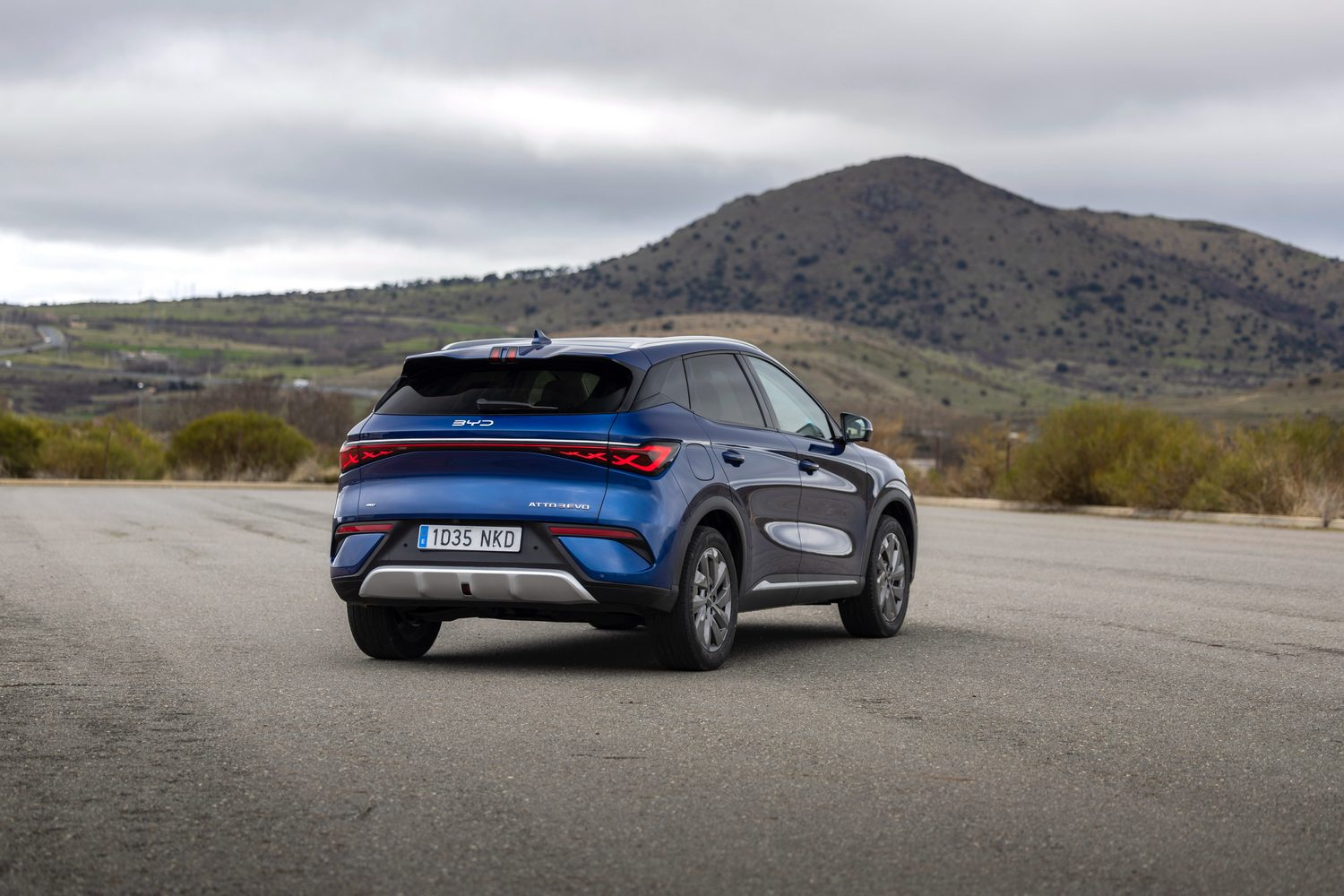
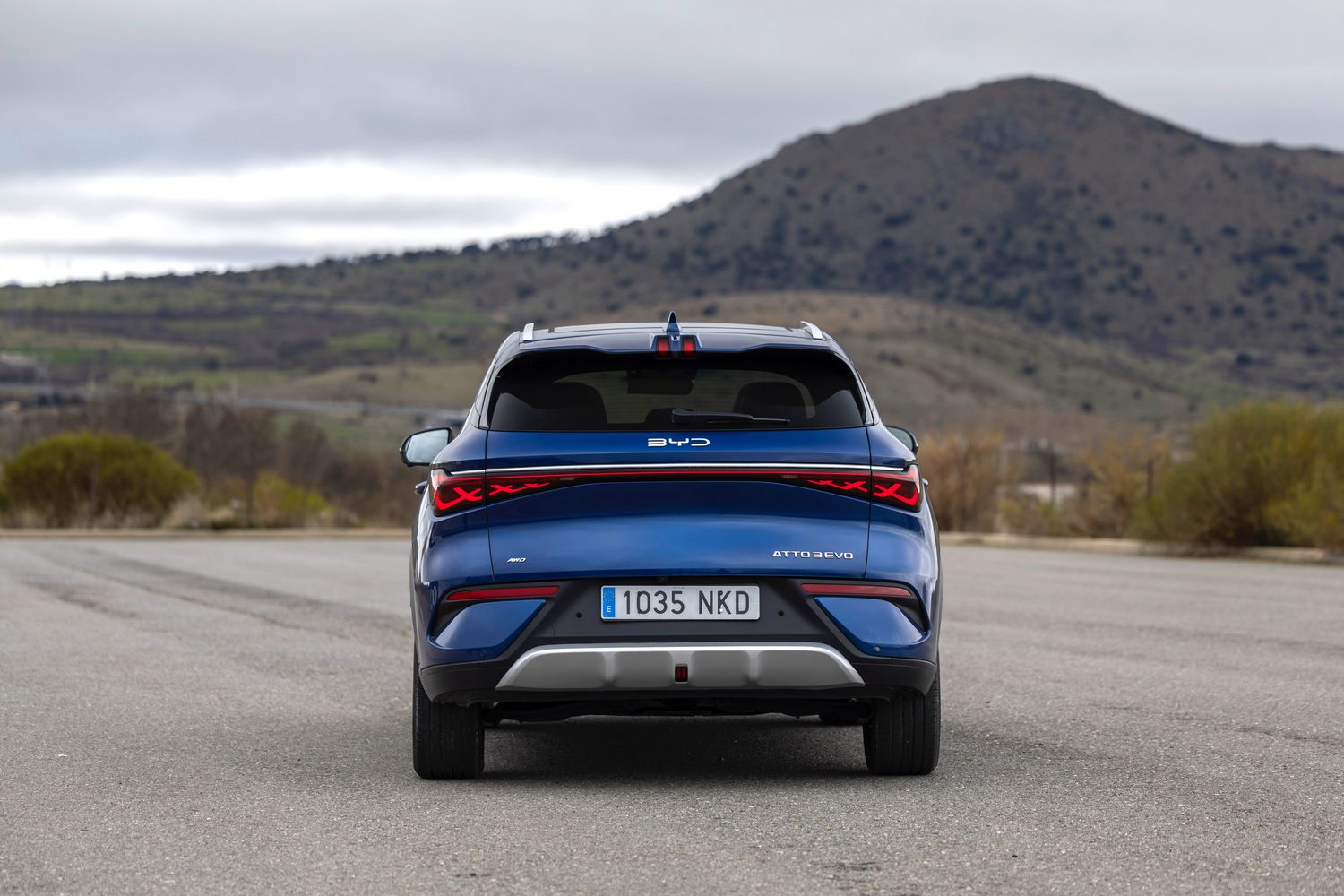
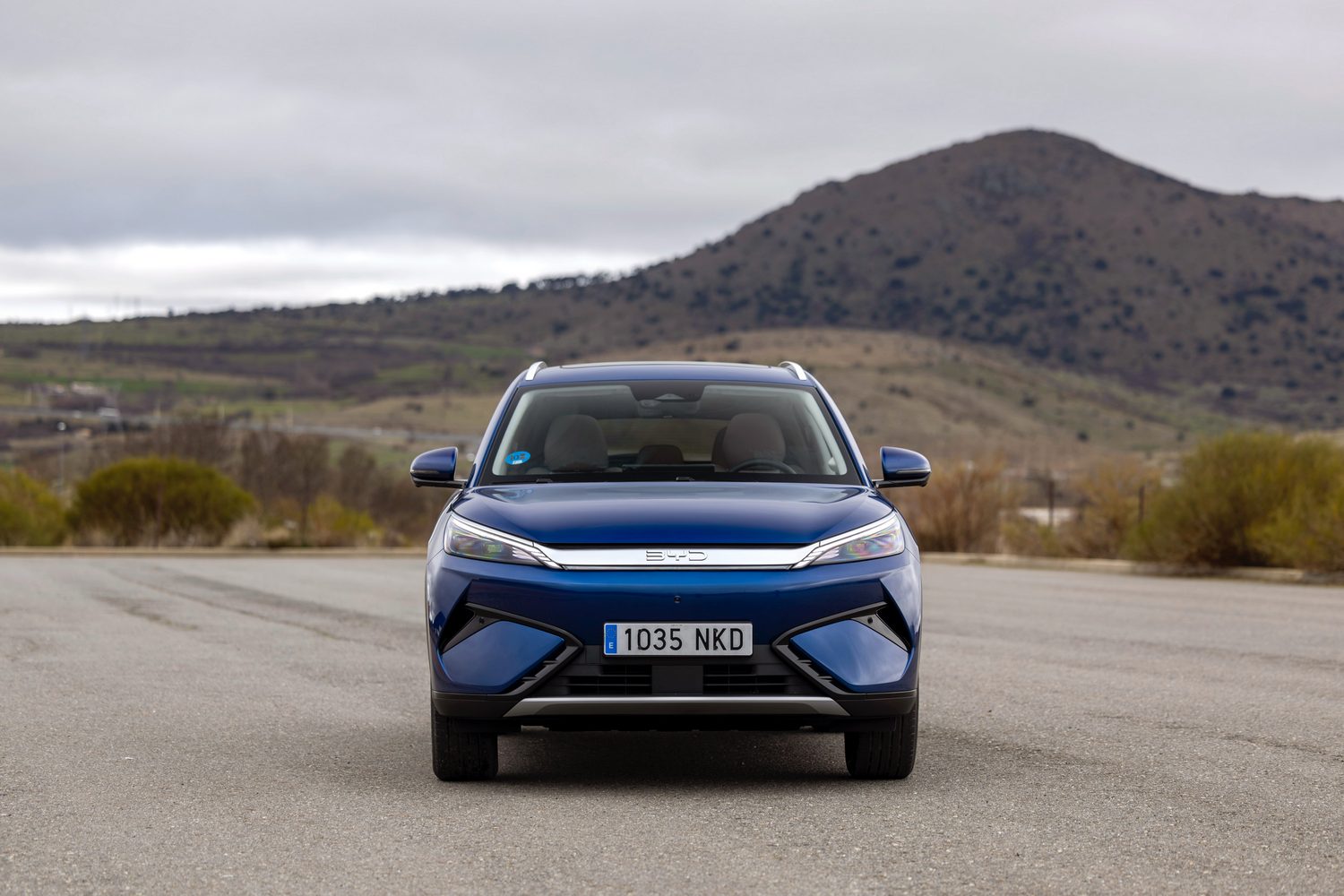
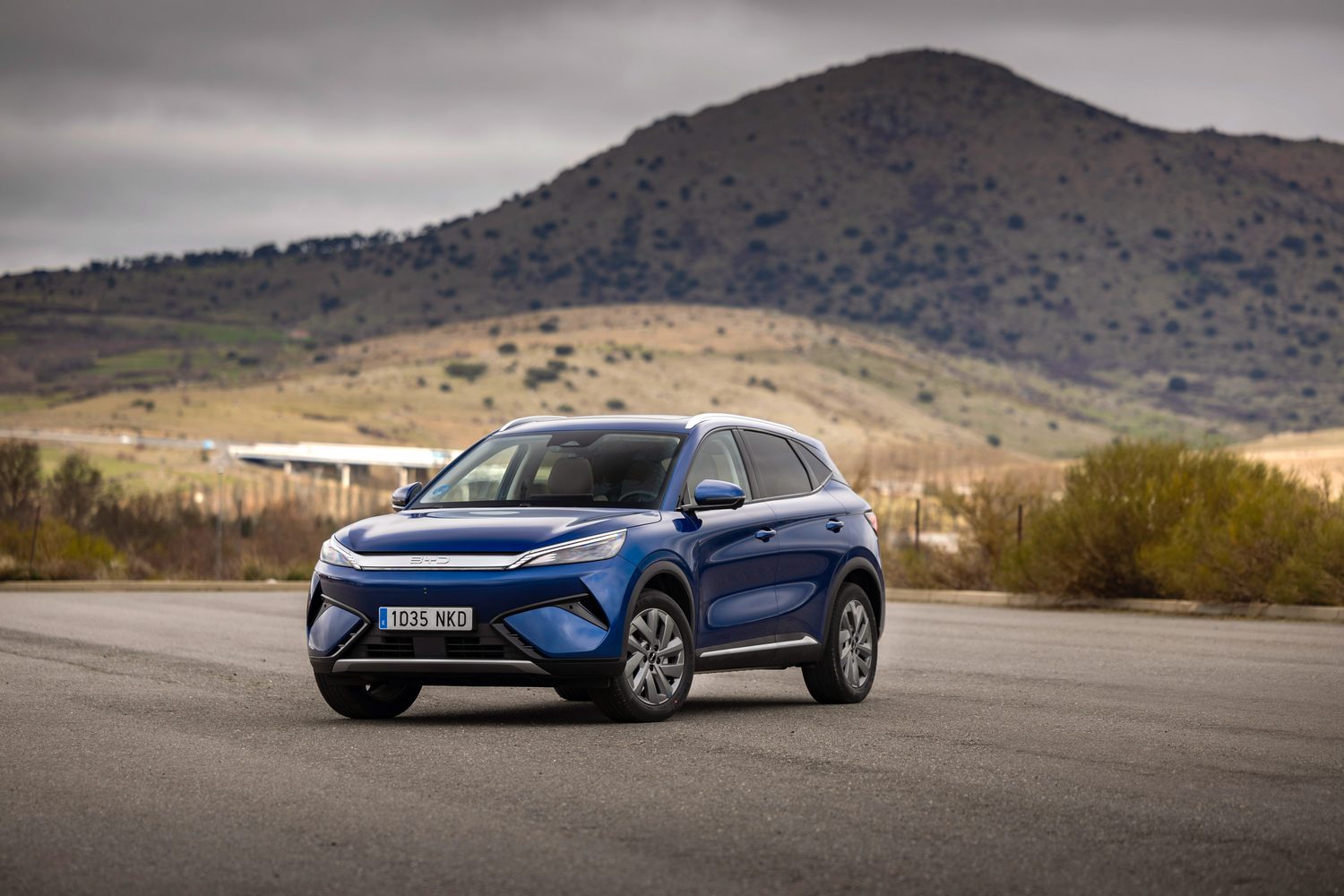
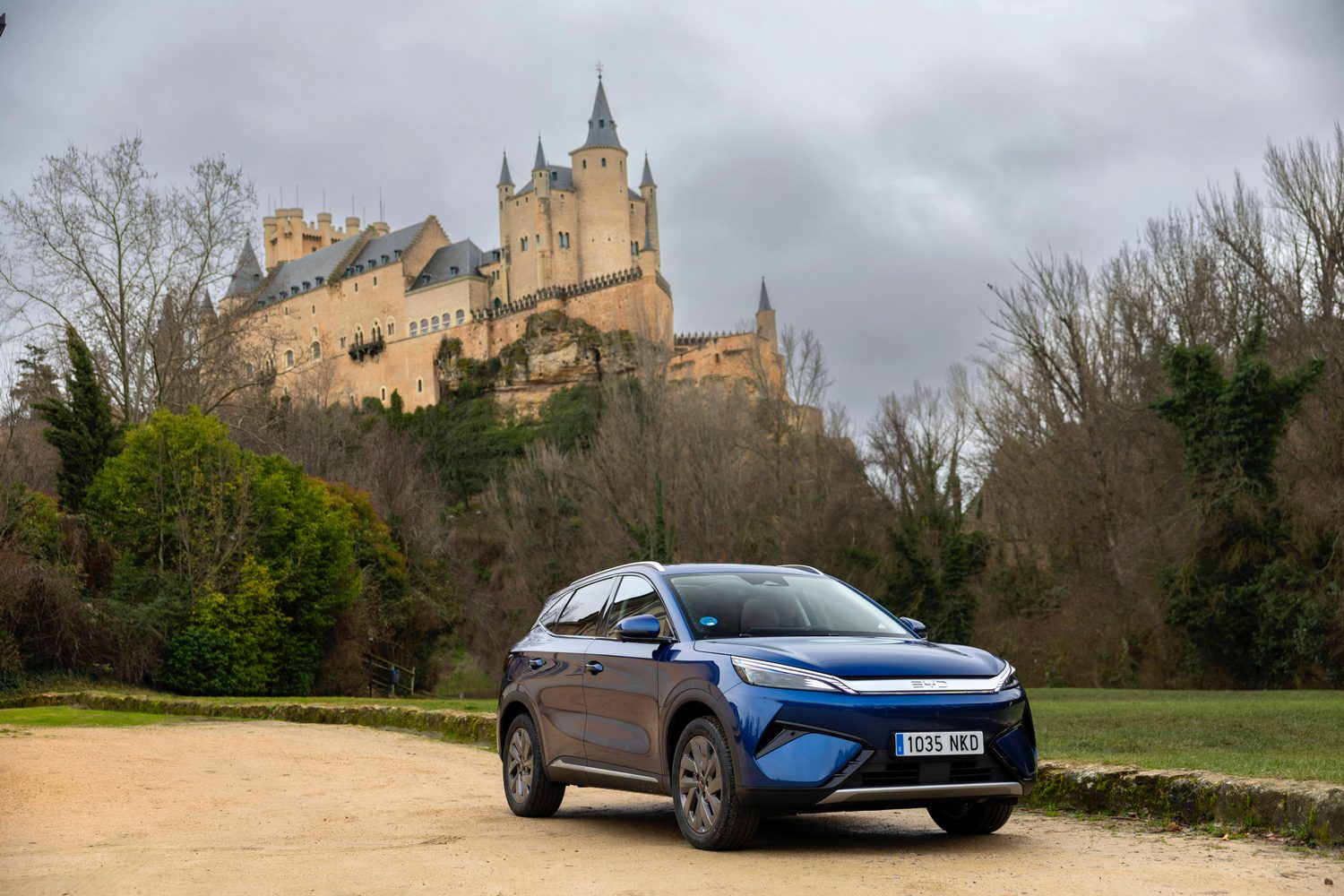
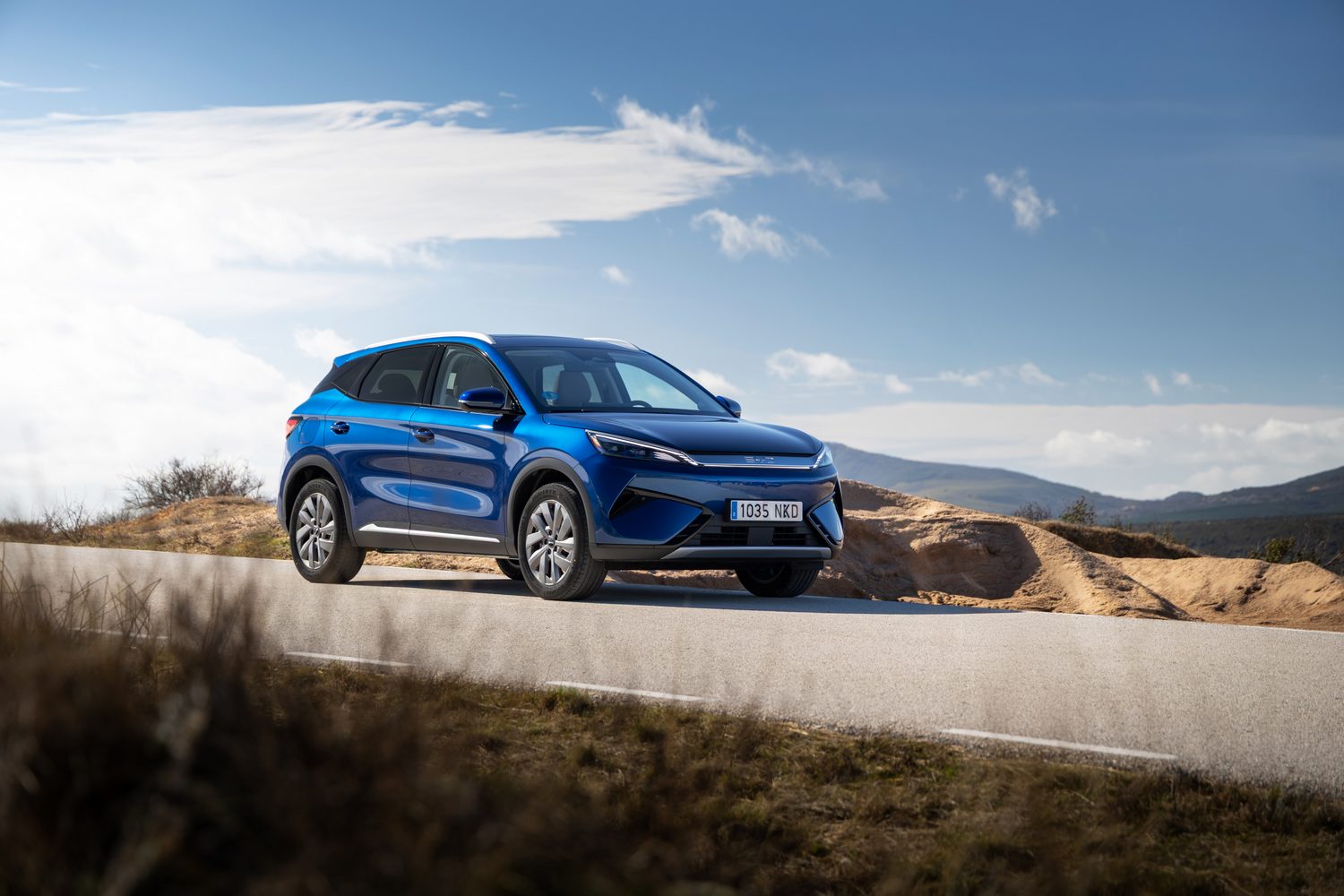
Visually, there's not much on the outside to distinguish the BYD Atto 3 Evo from its non-Evo predecessor. Most of the aesthetic alterations come towards the rear of the car, so looking at the front of the Atto 3 Evo is not going to give the game away.
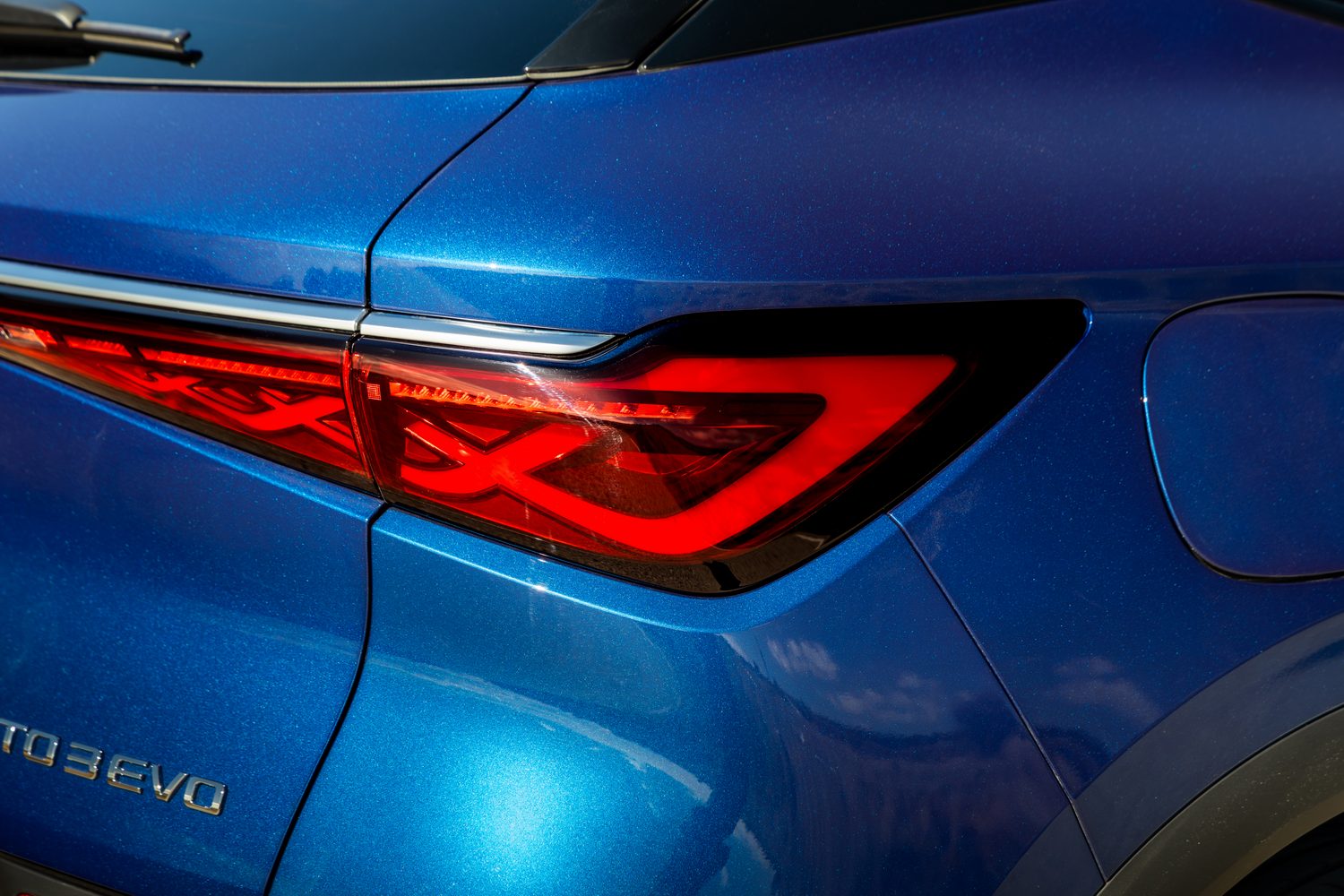
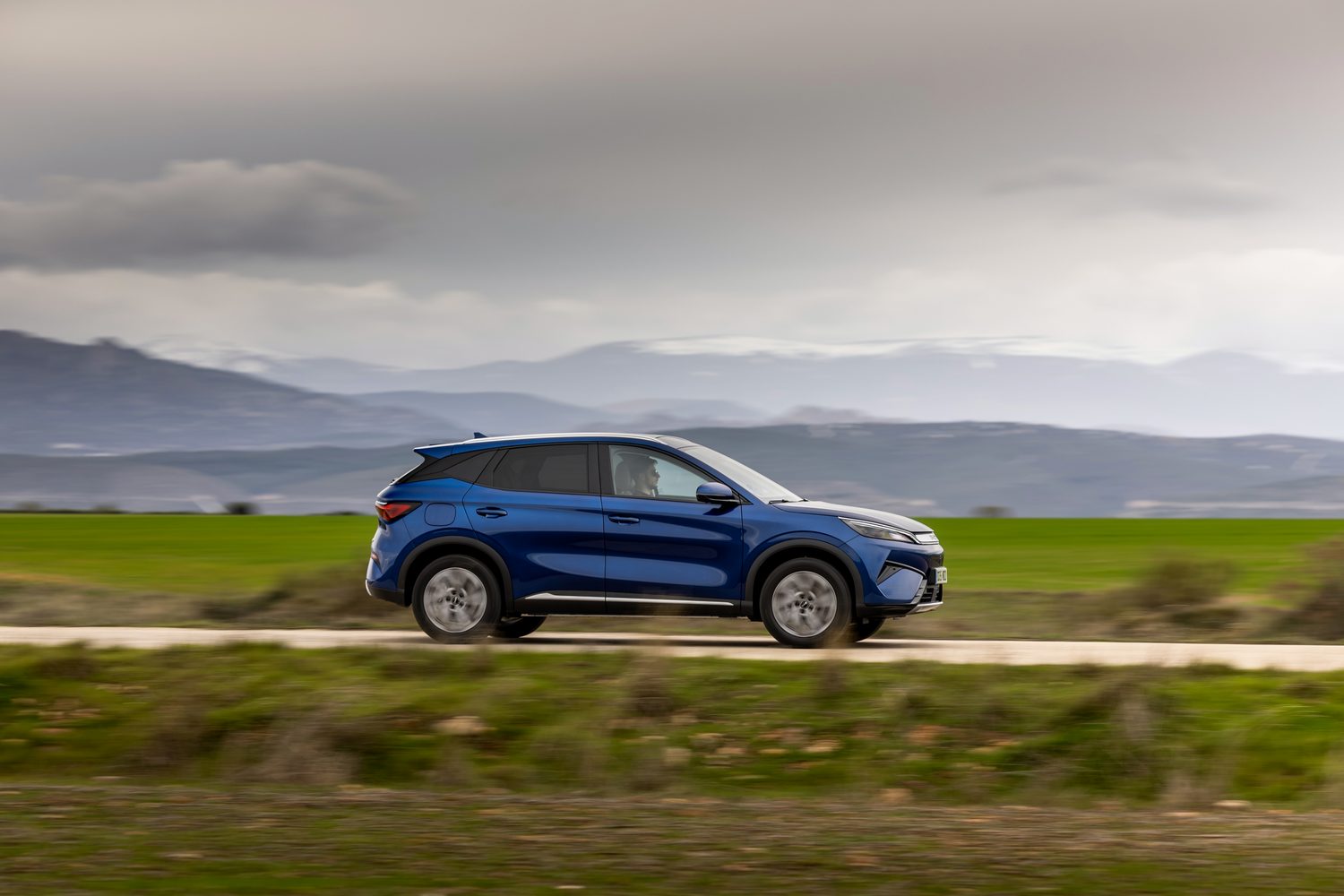
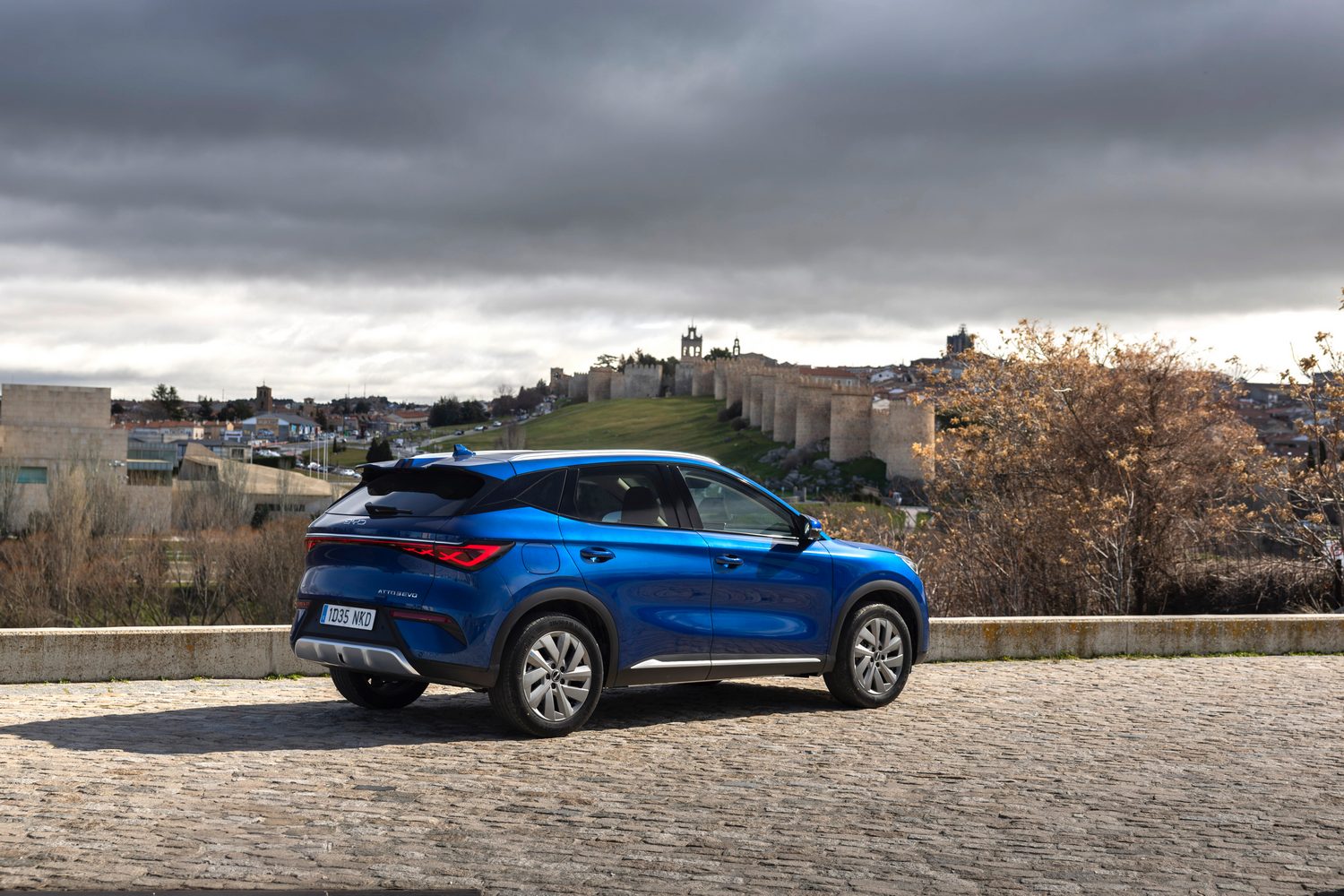
Moving down the flanks of the BYD, the charging port has moved from the front wing to the rear, while the side-skirt detailing is slimmer.

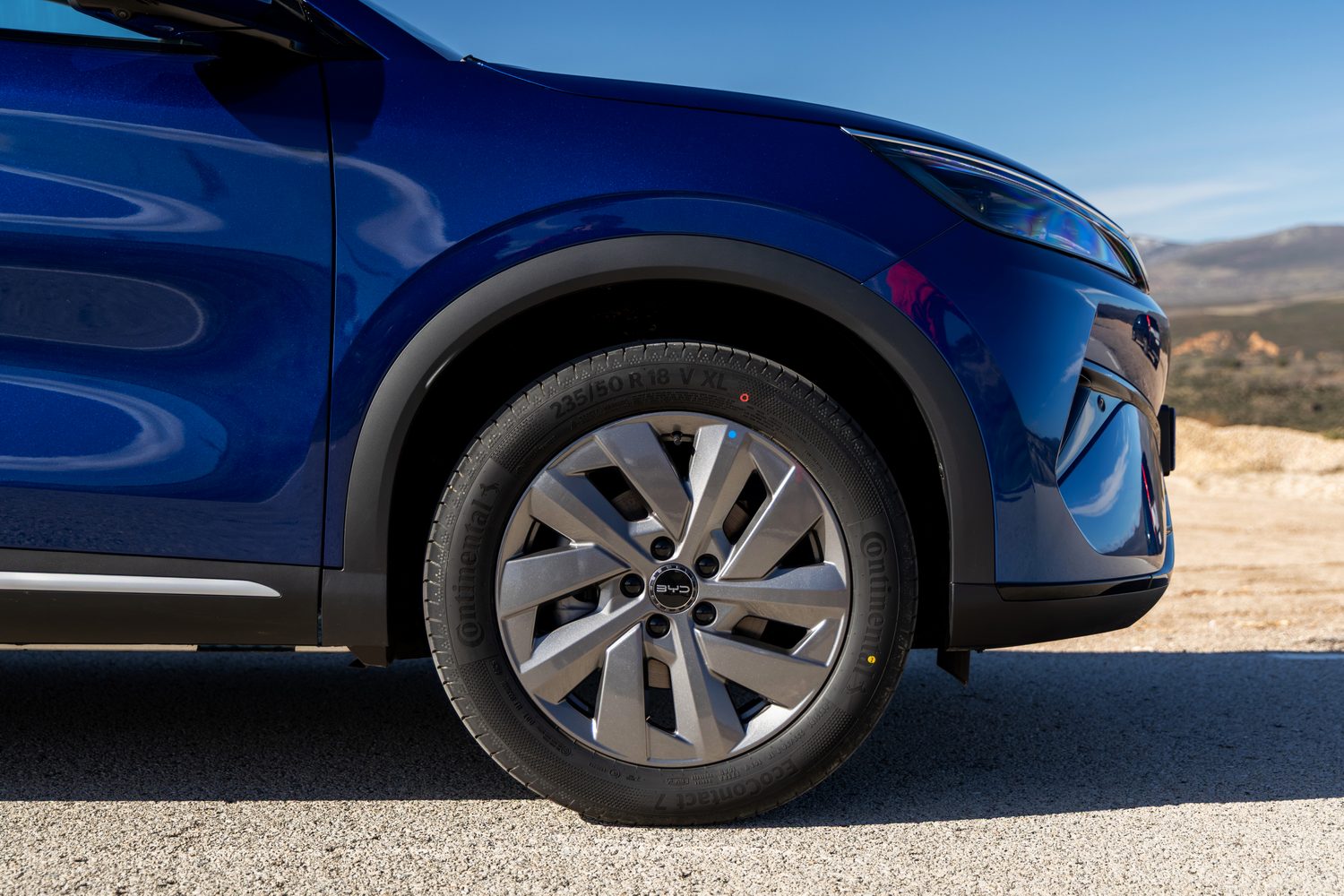
All models sit on an 18-inch alloy wheel as standard, while the 'floating roof' effect of the D-pillar has been enhanced with some subtle tweaks.
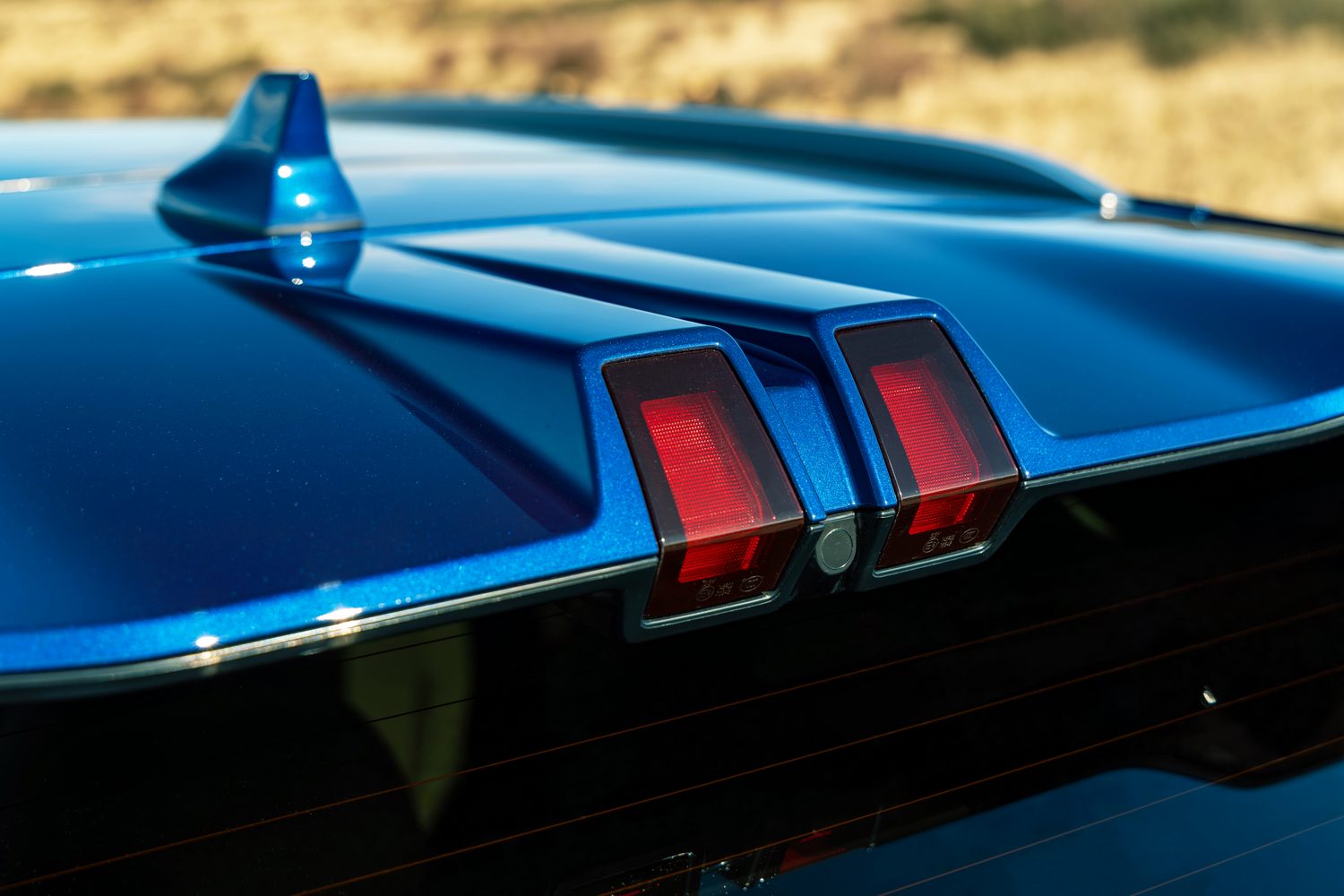
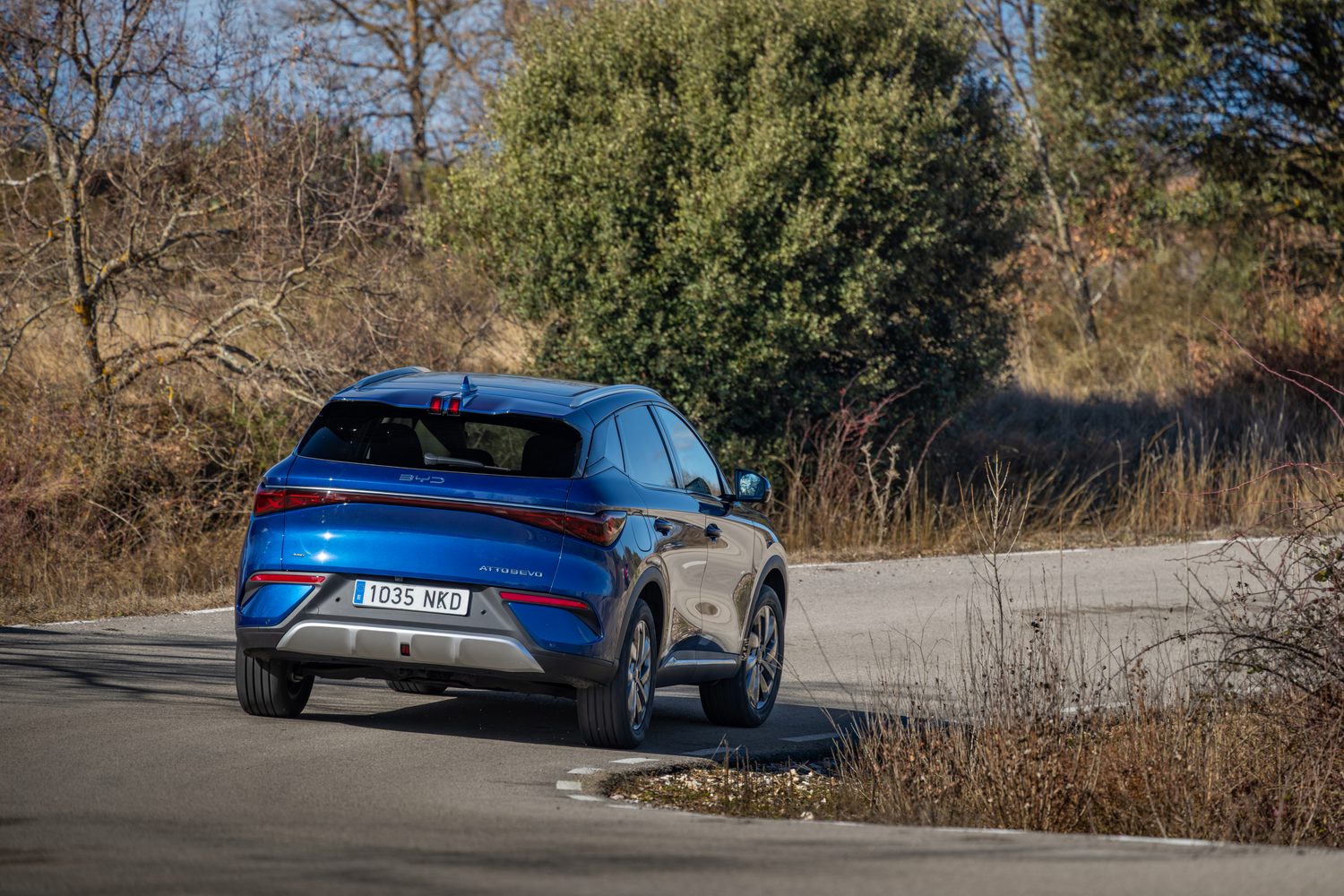
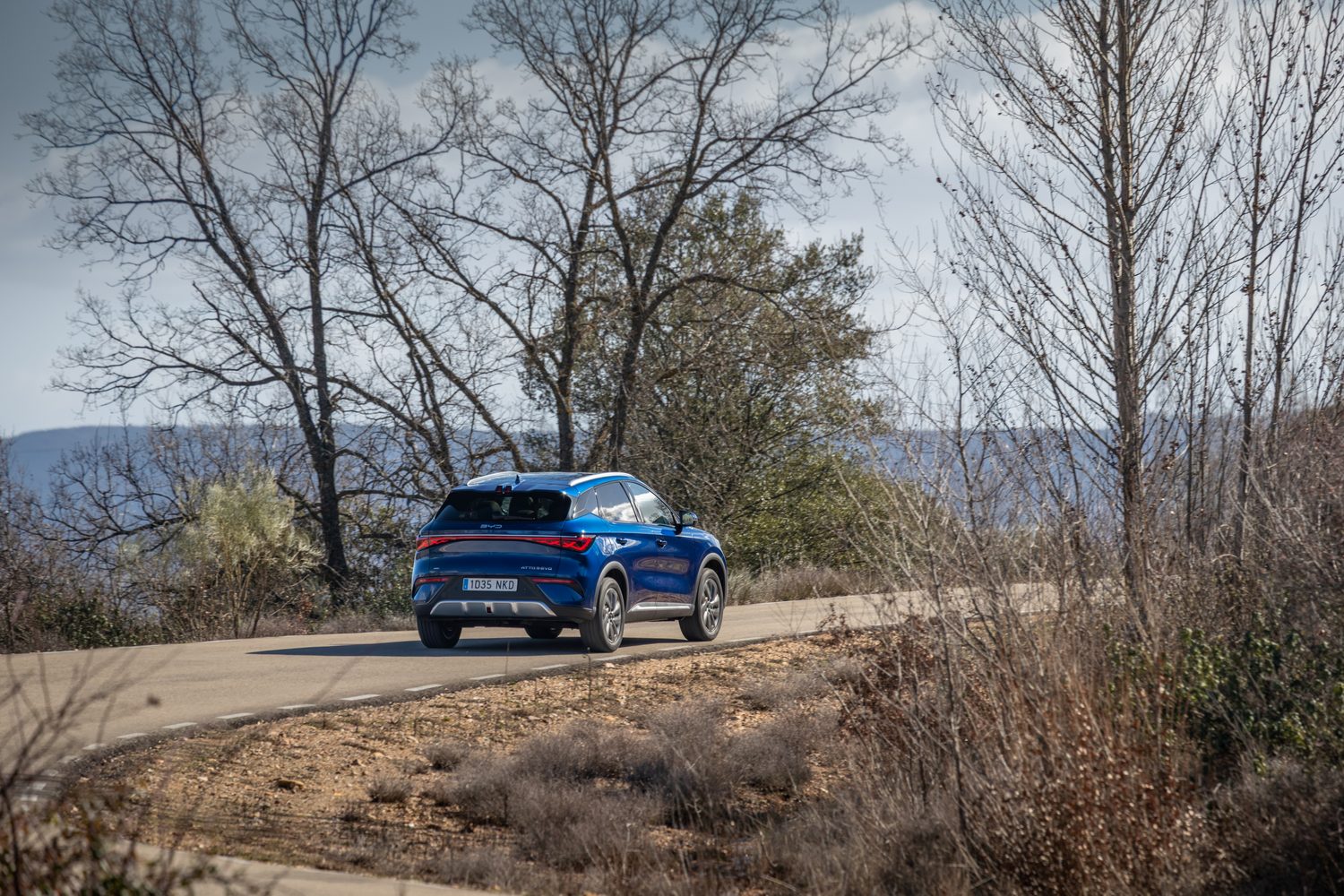
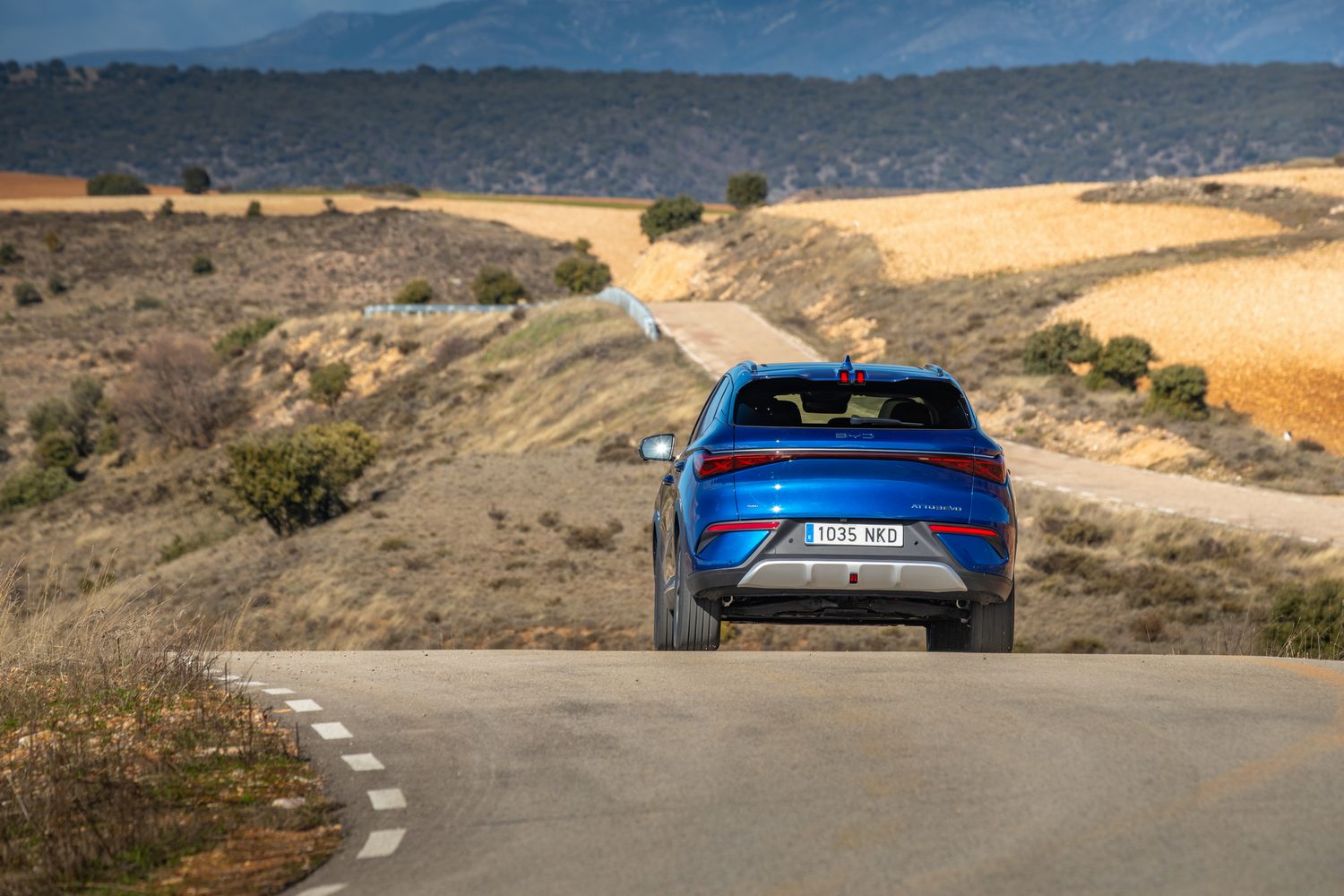
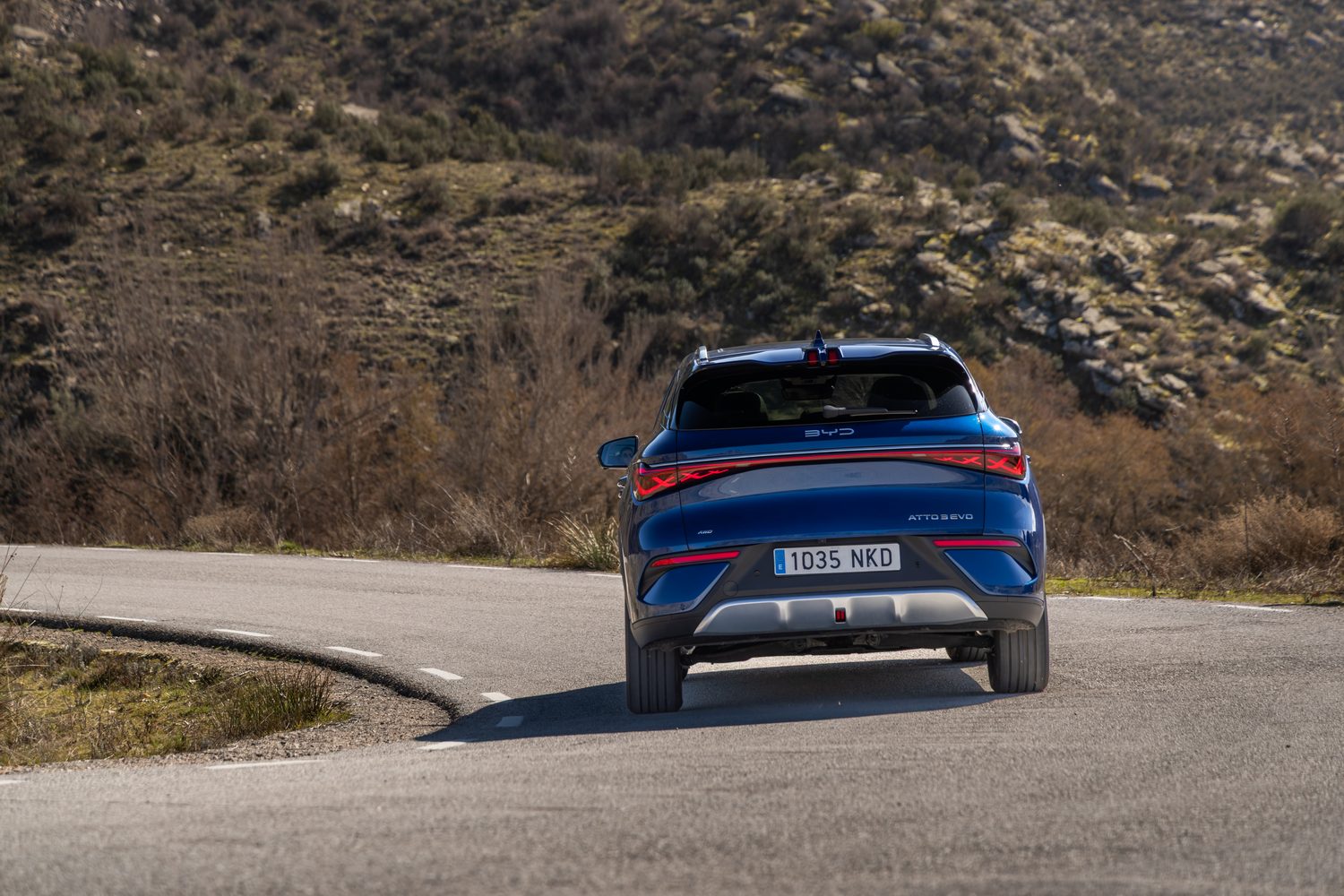
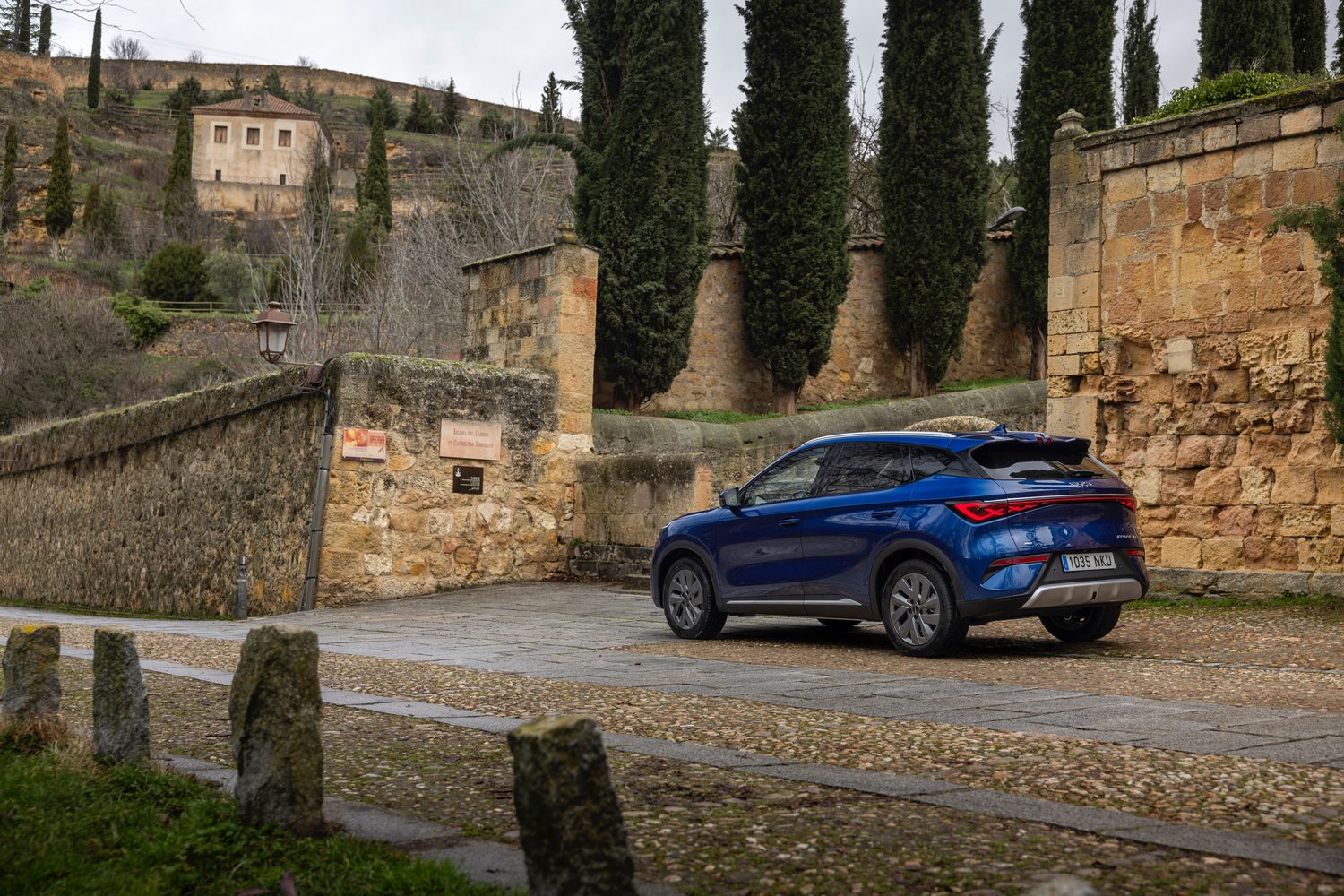
Around the back, the most obvious change is a larger roof spoiler for the SUV, complete with distinctive twin-light high-level brake lamps.

That, though, isn't to say that BYD has avoided changing a winning look for fear of spoiling a superb piece of car design. Even with the updates for the Evo, the BYD Atto 3 is a largely inoffensive and forgettable SUV shape, which could have come from any one of a number of manufacturers. In other words, it doesn't stand out any more or less in the wake of the Evo upgrade package.
Dimensions of the 2027 BYD Atto 3 Evo
- Length:
- 4,455mm
- Width:
- 1,875mm (excluding mirrors)
- Height:
- 1,615mm
- Wheelbase:
- 2,720mm
Paint colours for the 2027 BYD Atto 3 Evo

There are six colours available for the BYD Atto 3 Evo, starting with the standard finish, which is Iris Blue. From there, the cost options are Obsidian Black, Time Grey, Atlantis Blue, Ruby Red and Skiing White.
Interior, practicality, tech & comfort of the 2027 BYD Atto 3 Evo
- Significant cabin redesign for Evo
- Uses a a column-shift
- Weird door handles and guitar strings

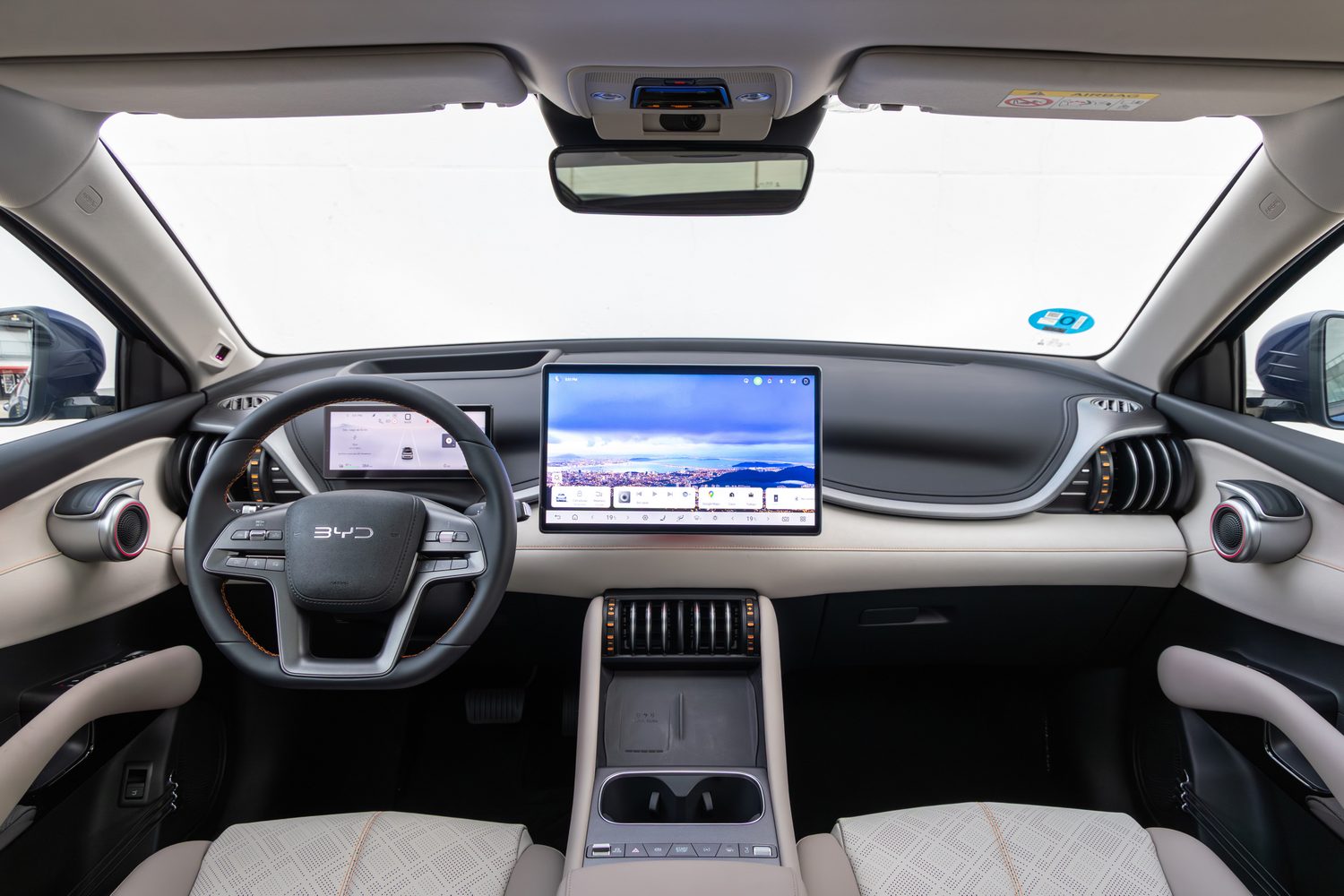
The differences between the BYD Atto 3 and its Evo derivative start to become more apparent in the cabin, where improvements have been made to the layout and the digital real estate.
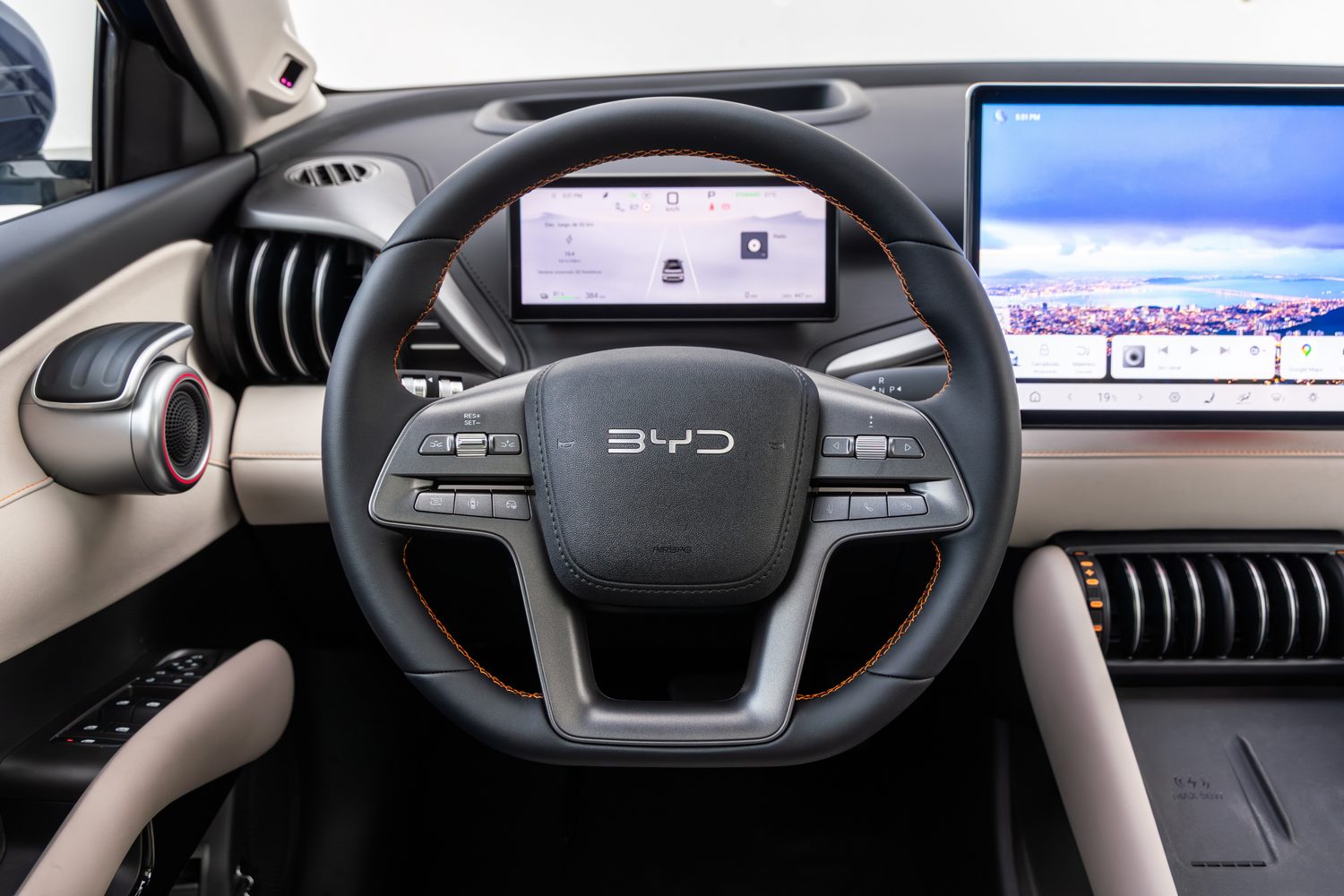
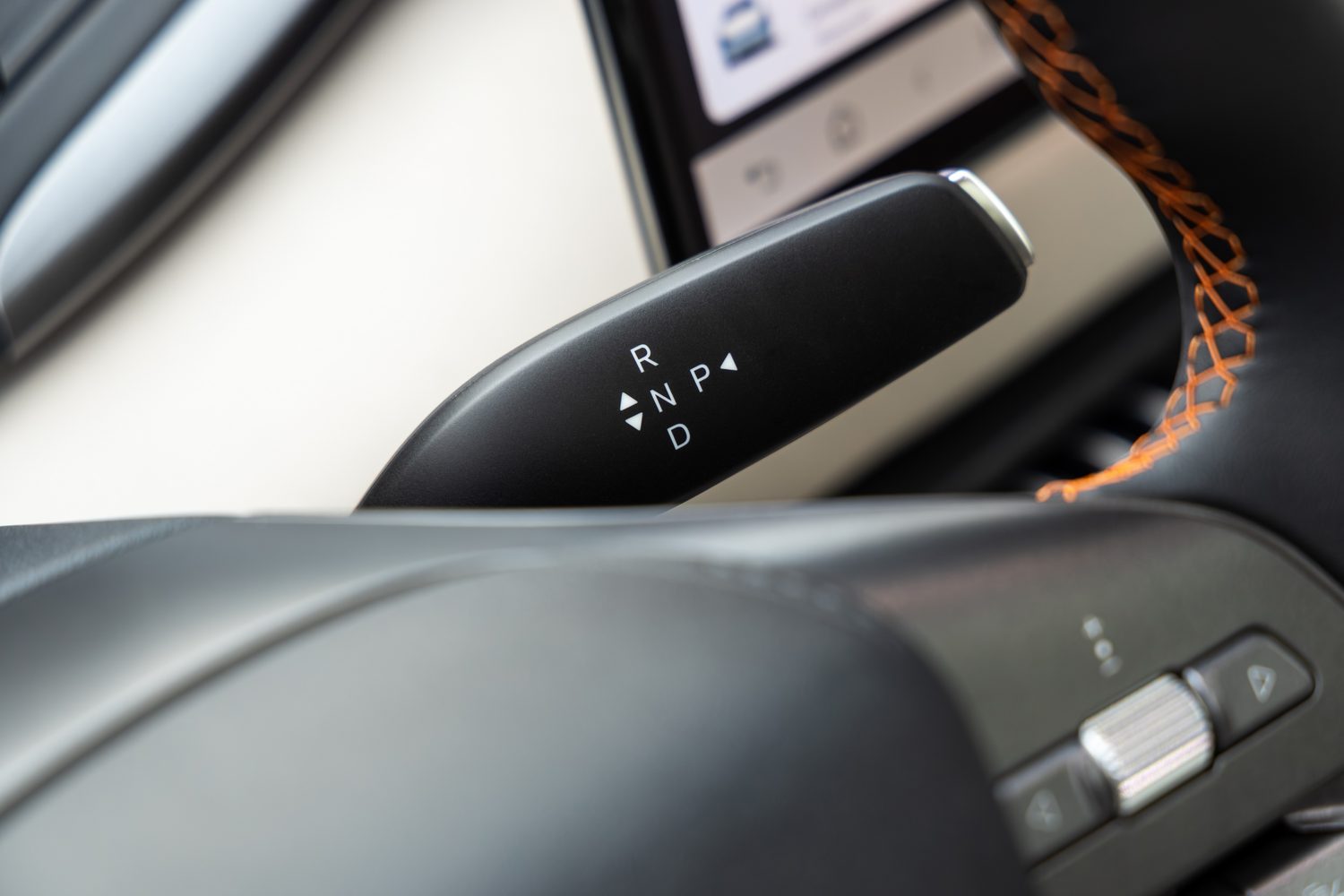
Some changes might not win universal approval, as the old car's eye-catching drive selector was replaced by a modest column-stalk shifter for the Evo.

Nevertheless, there remain some unusual details that are unique to BYD, while space, material quality and ergonomics are all generally on the money.
Getting comfortable in the driver's seat
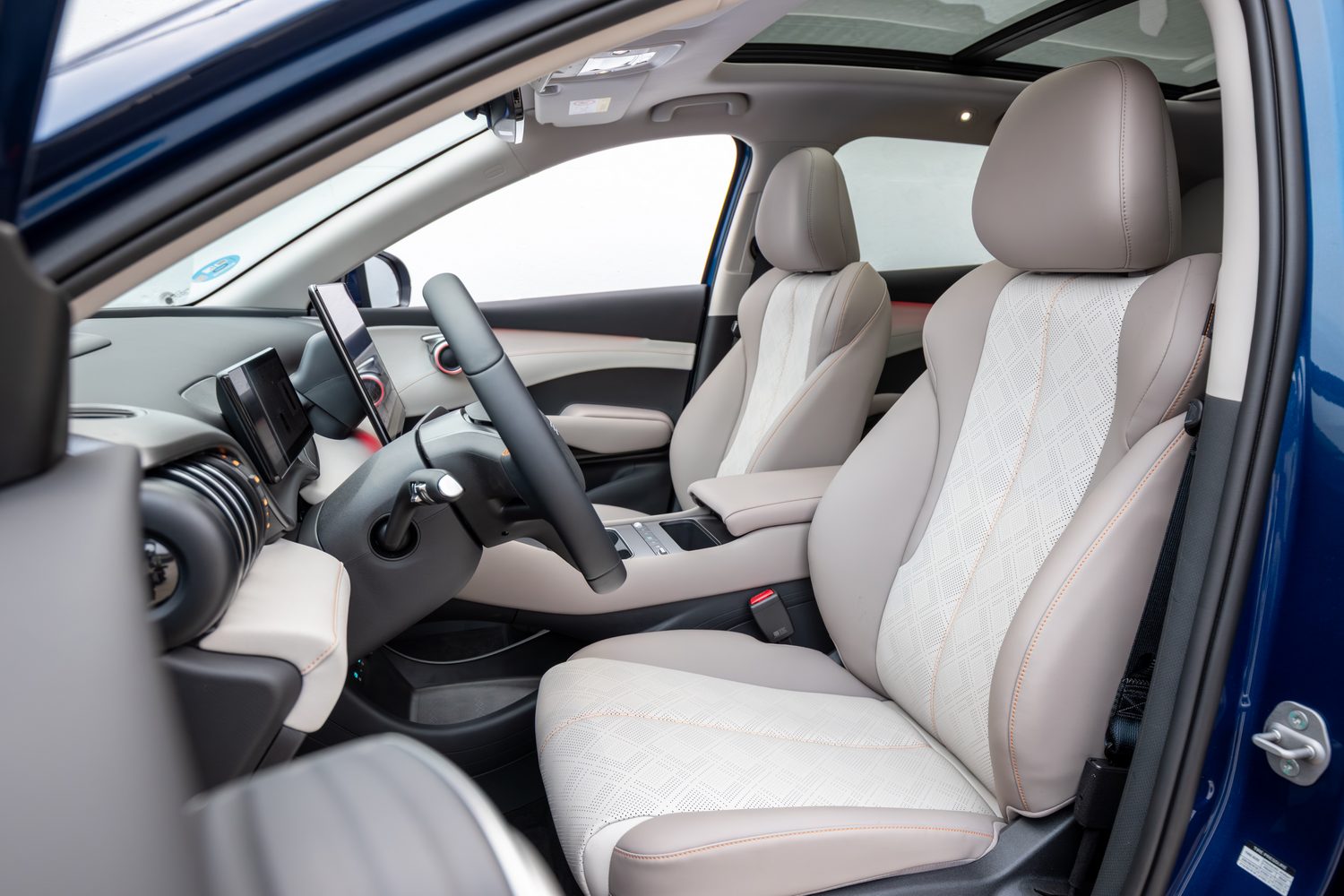
On all models of the BYD Atto3 Evo, the driver's seat is six-way electrically adjustable, with a further four settings - again electrically controlled - dedicated to lumbar support.

Couple that to a reach-and-rake steering column, plus good visibility out of the BYD in all directions, and the driving position is largely excellent.
On the other hand, there is the slight reservation that even with the seat set at its lowest, taller drivers might still feel a little too 'perched' in the car, rather than hunkered down in it.
Infotainment and technology

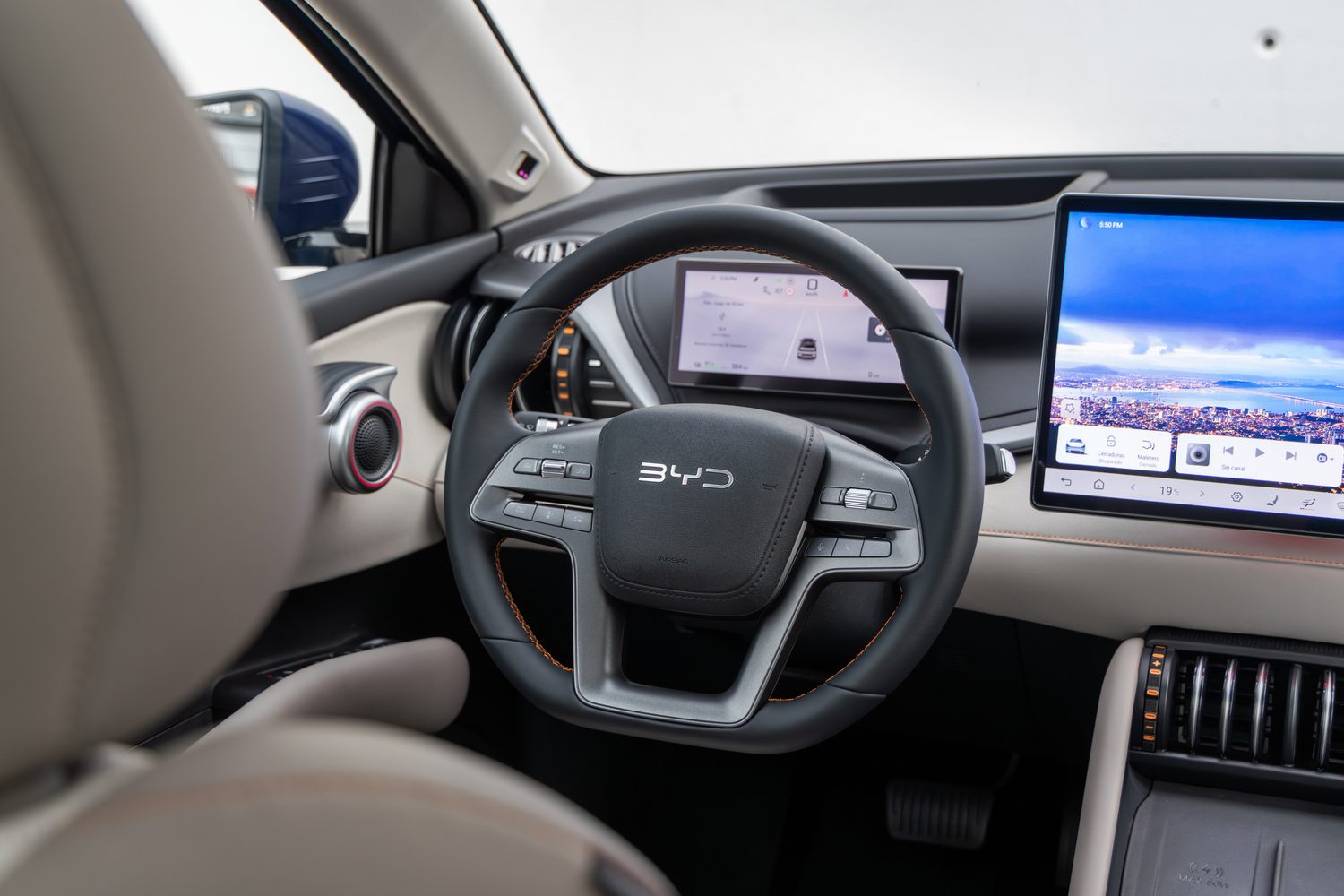
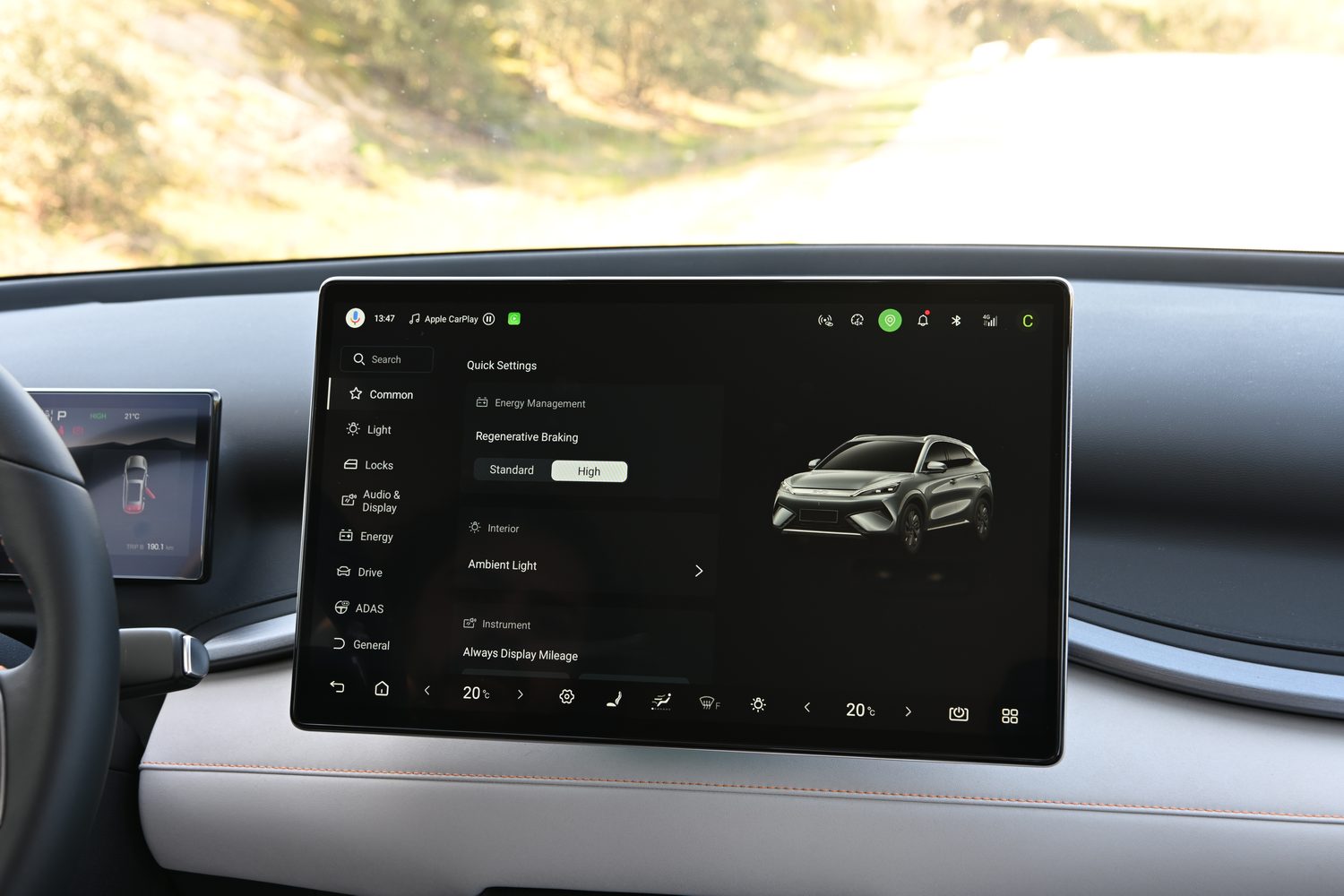
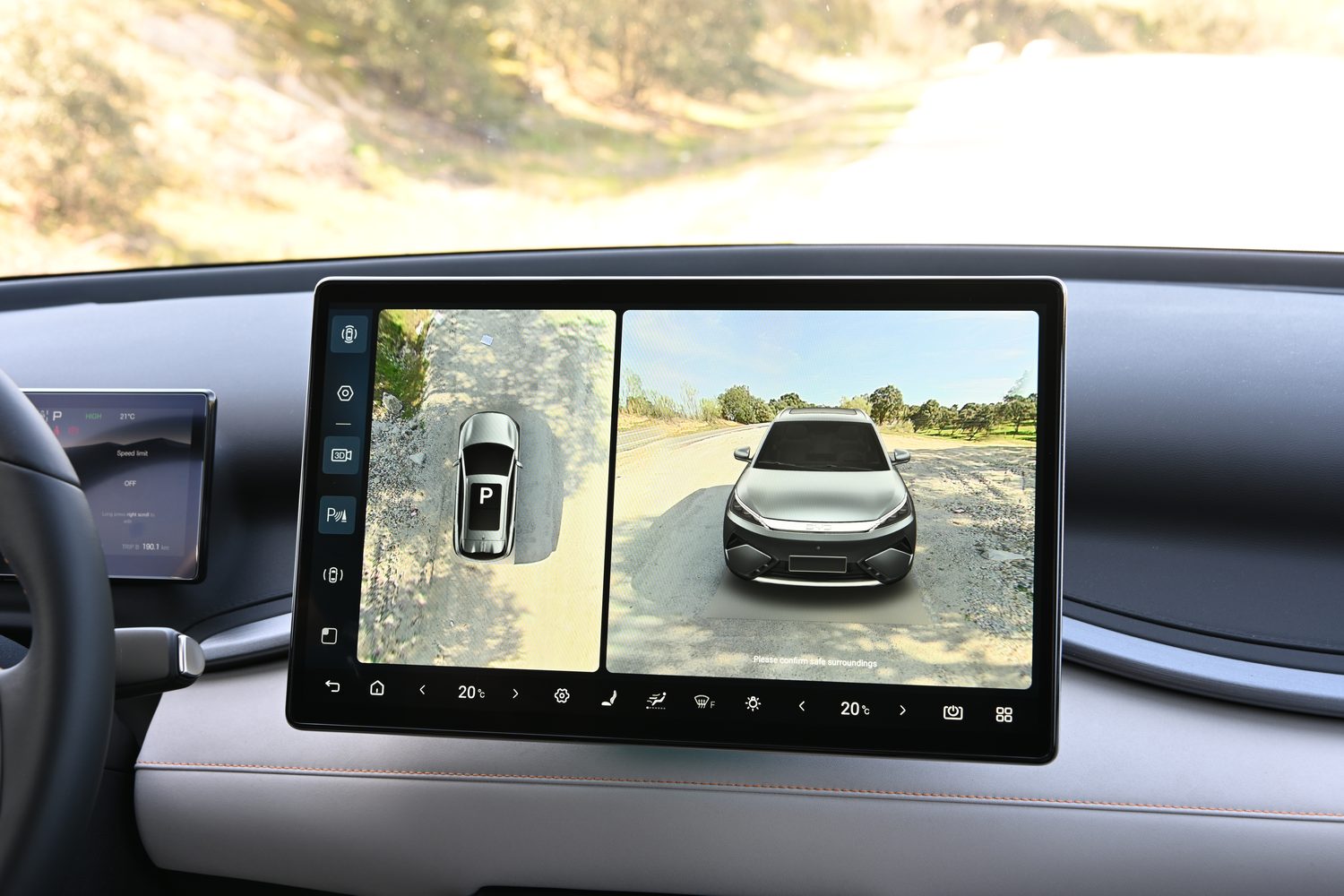
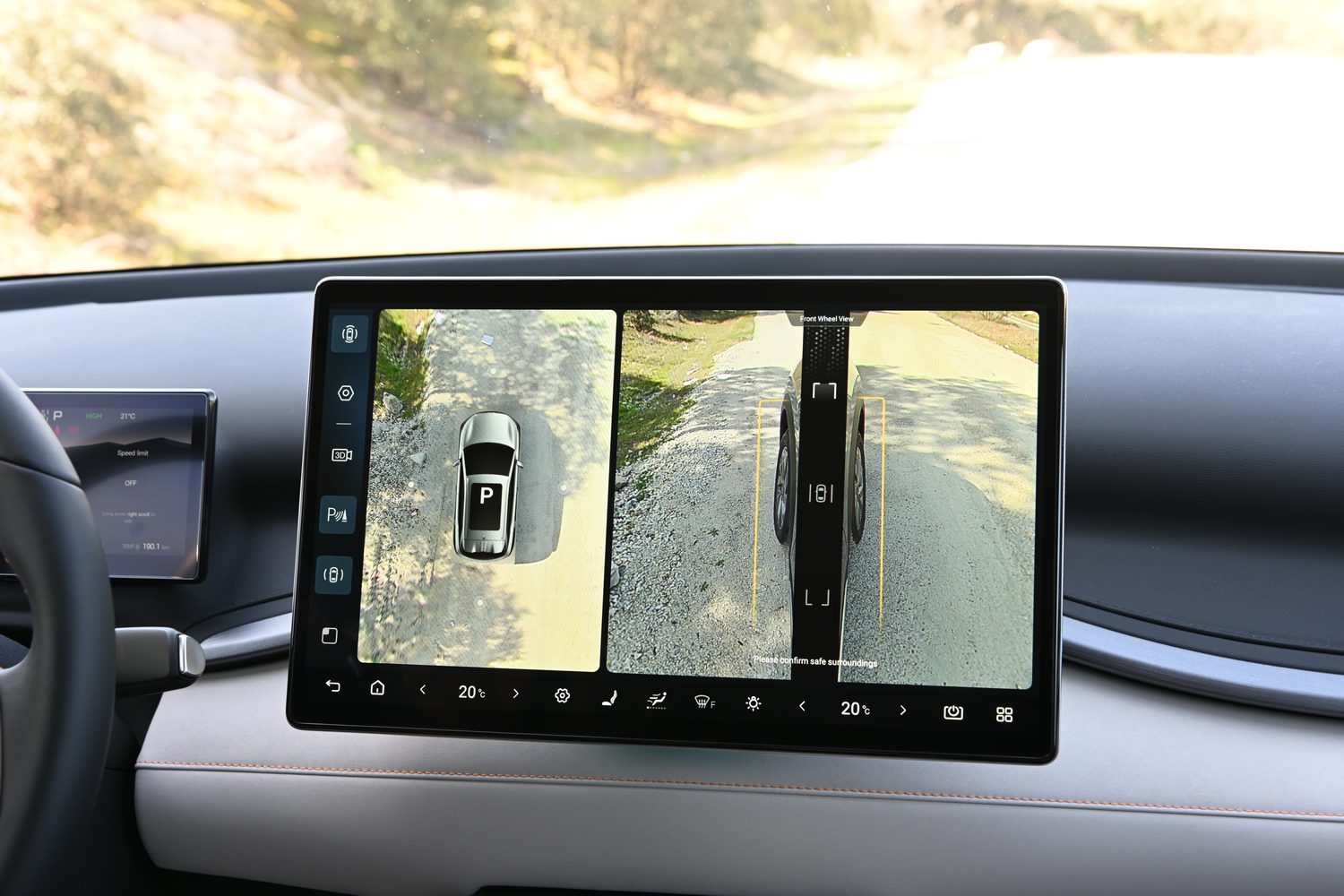
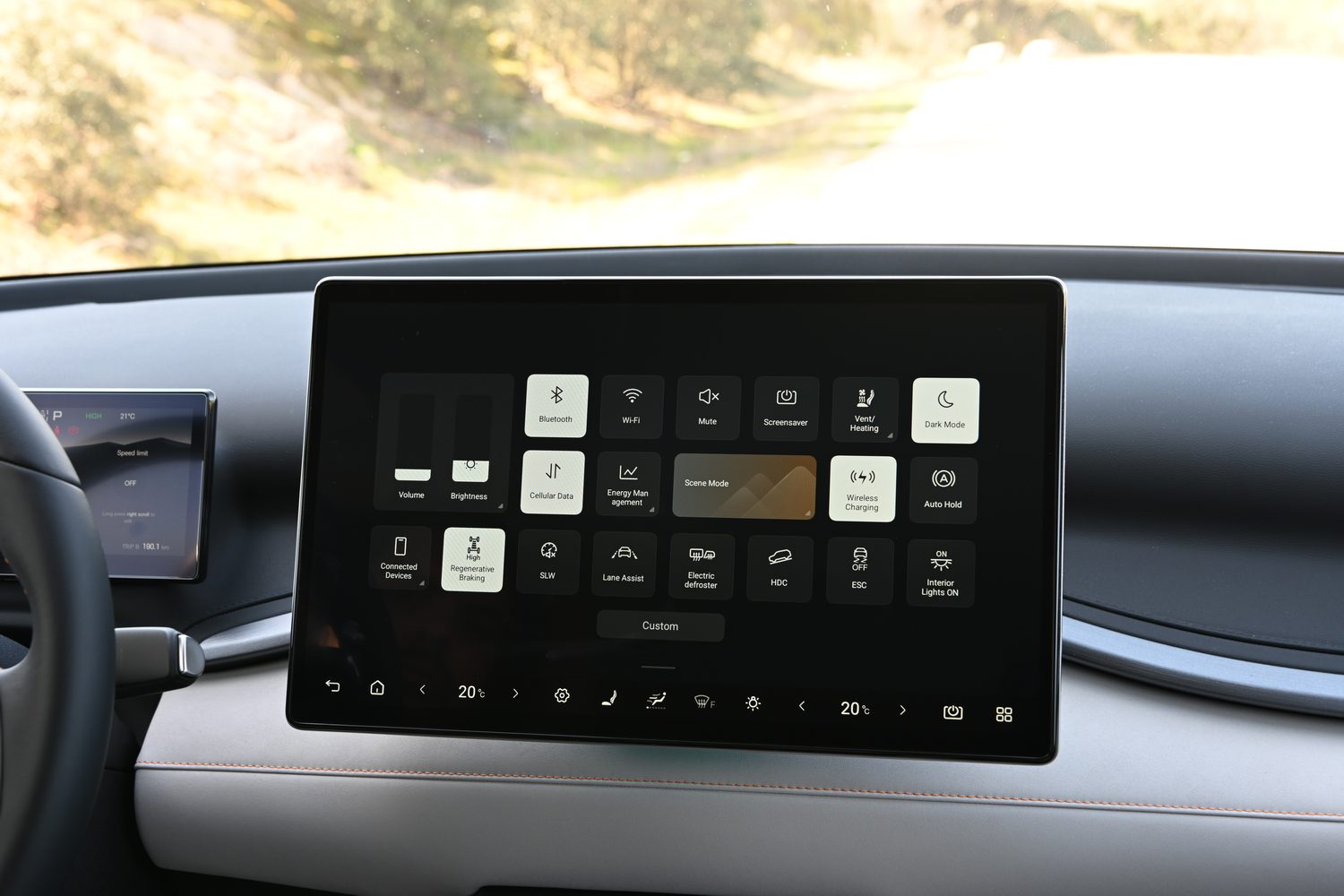
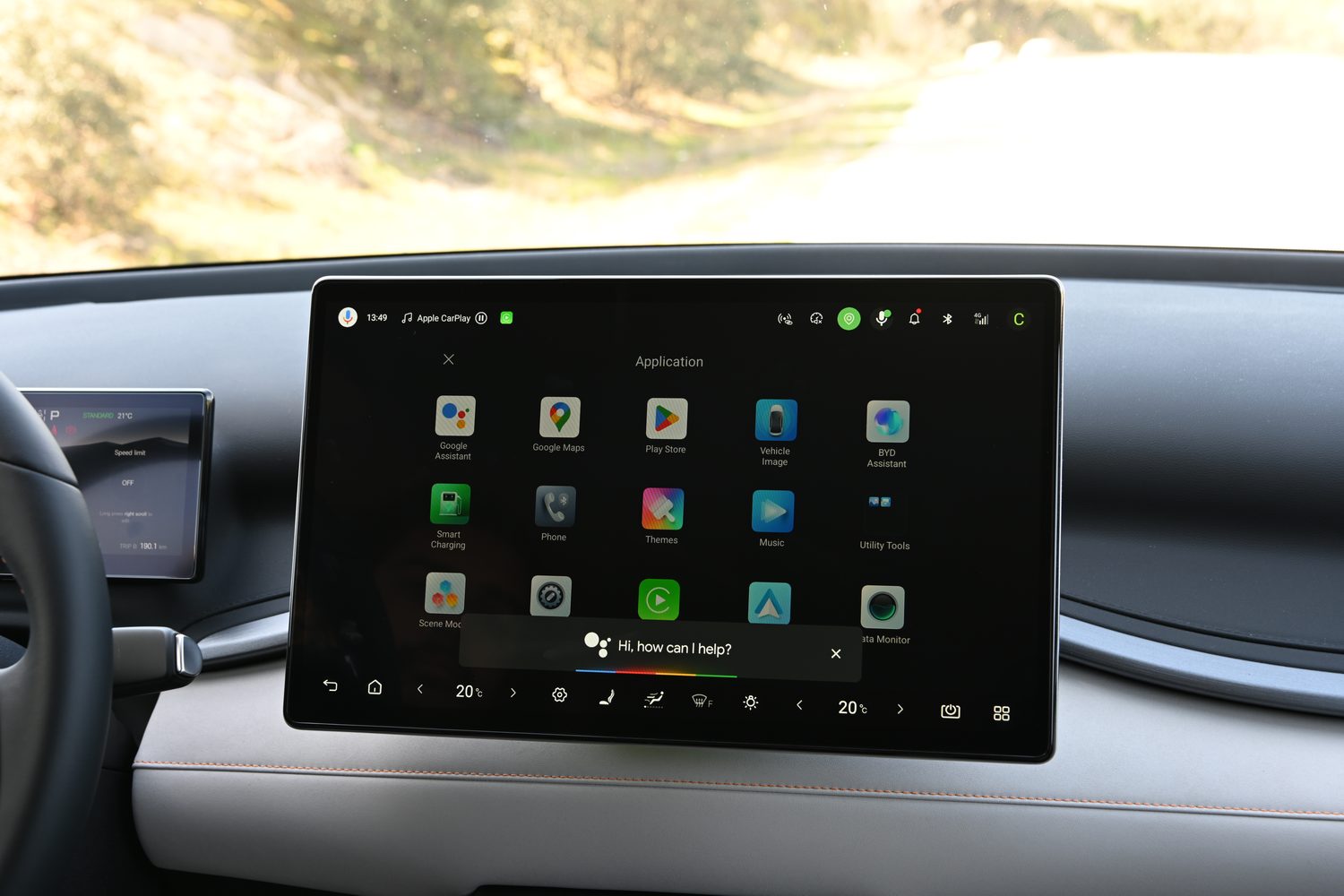
The BYD Atto 3 Evo, in all specifications, comes with a 15.6-inch touchscreen, but this no longer rotates as it did in the SUV's party piece before. Every car from BYD since the smaller Atto 2 model has had a fixed infotainment display, because customers weren't using the gimmick, and it didn't support Android Auto or Apple CarPlay functionality in portrait mode anyway.
The best news about this is that the Atto 3 Evo is the first BYD in Europe with Google Built-In, so the main proprietary infotainment system is much better to deal with than it was before.

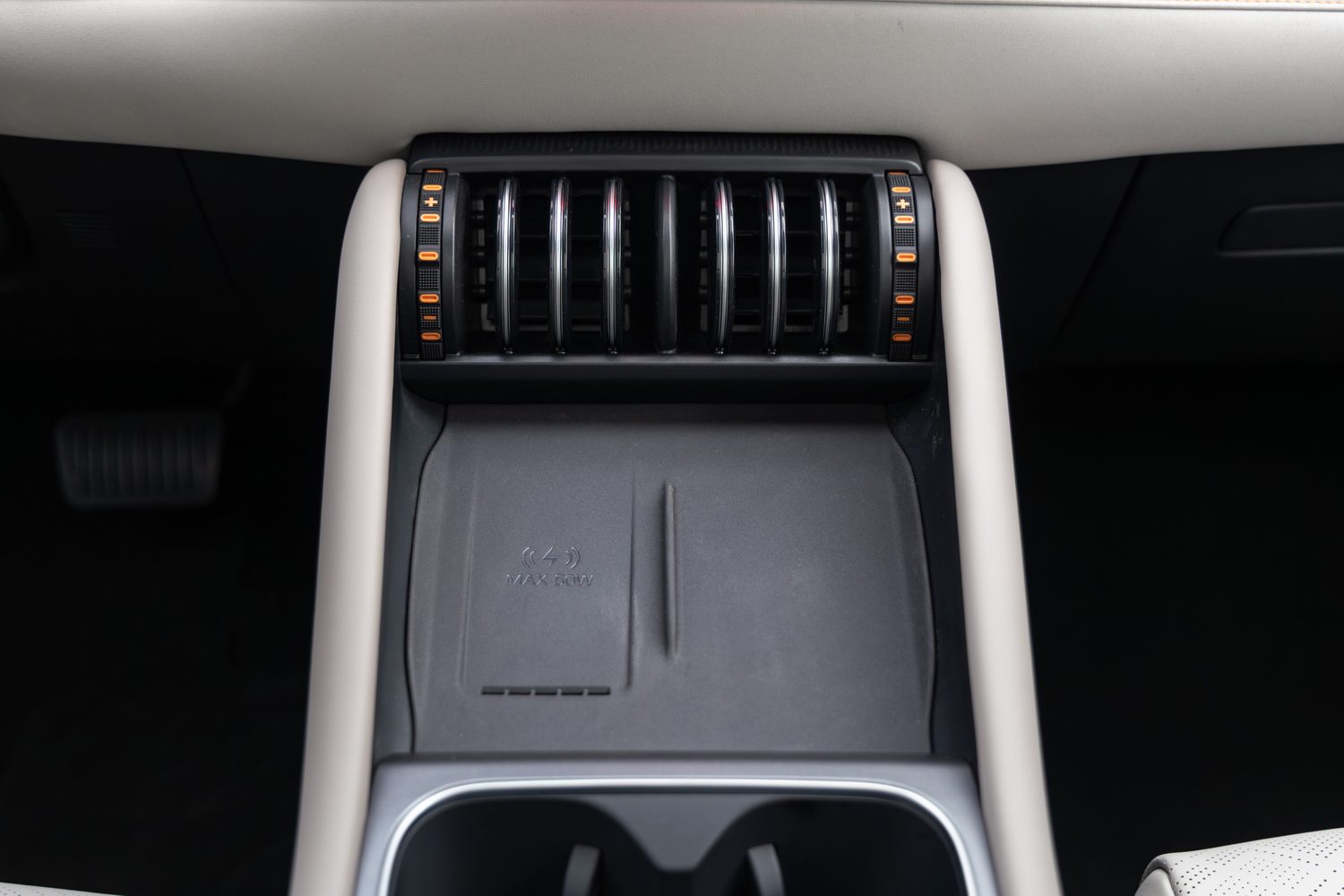
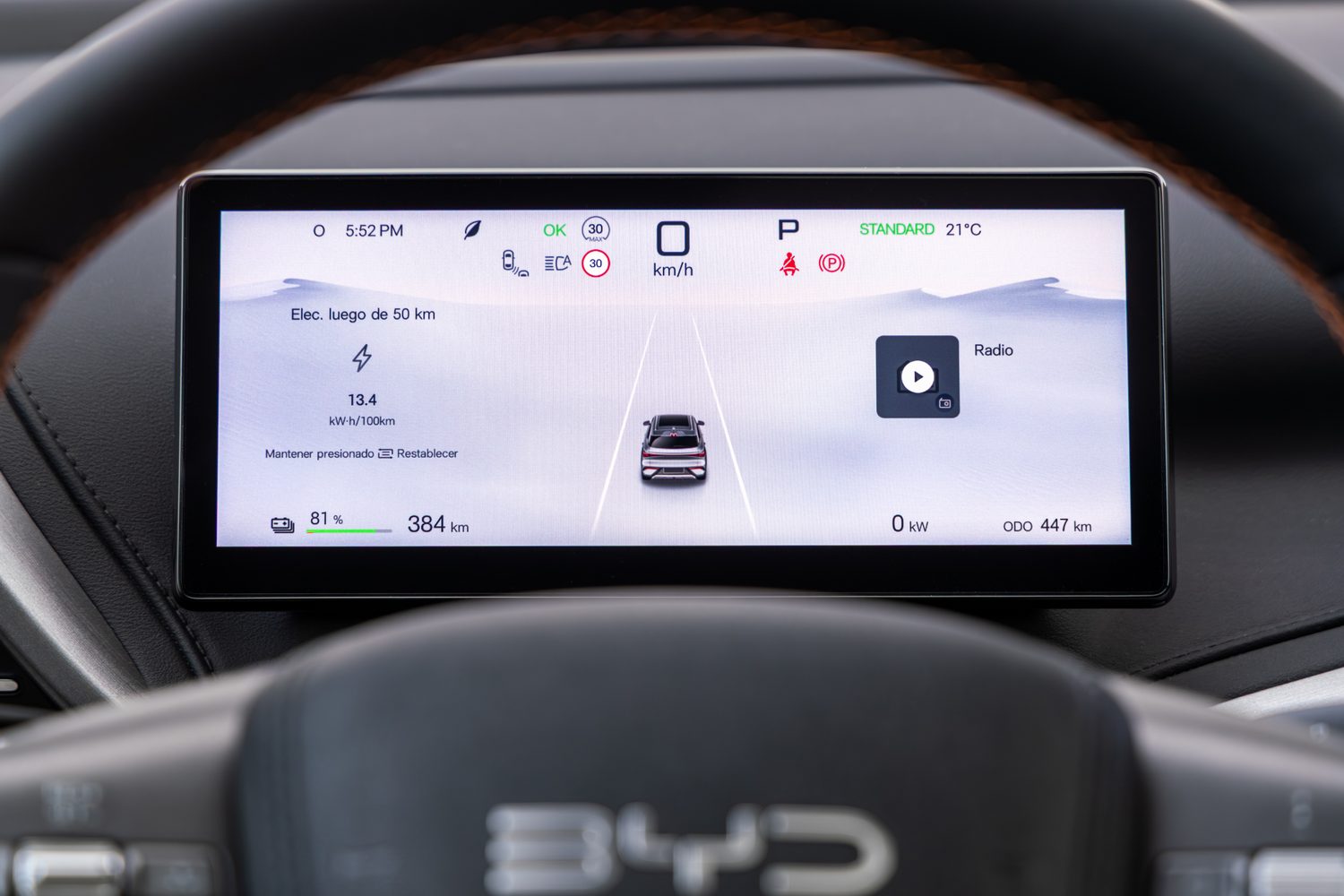
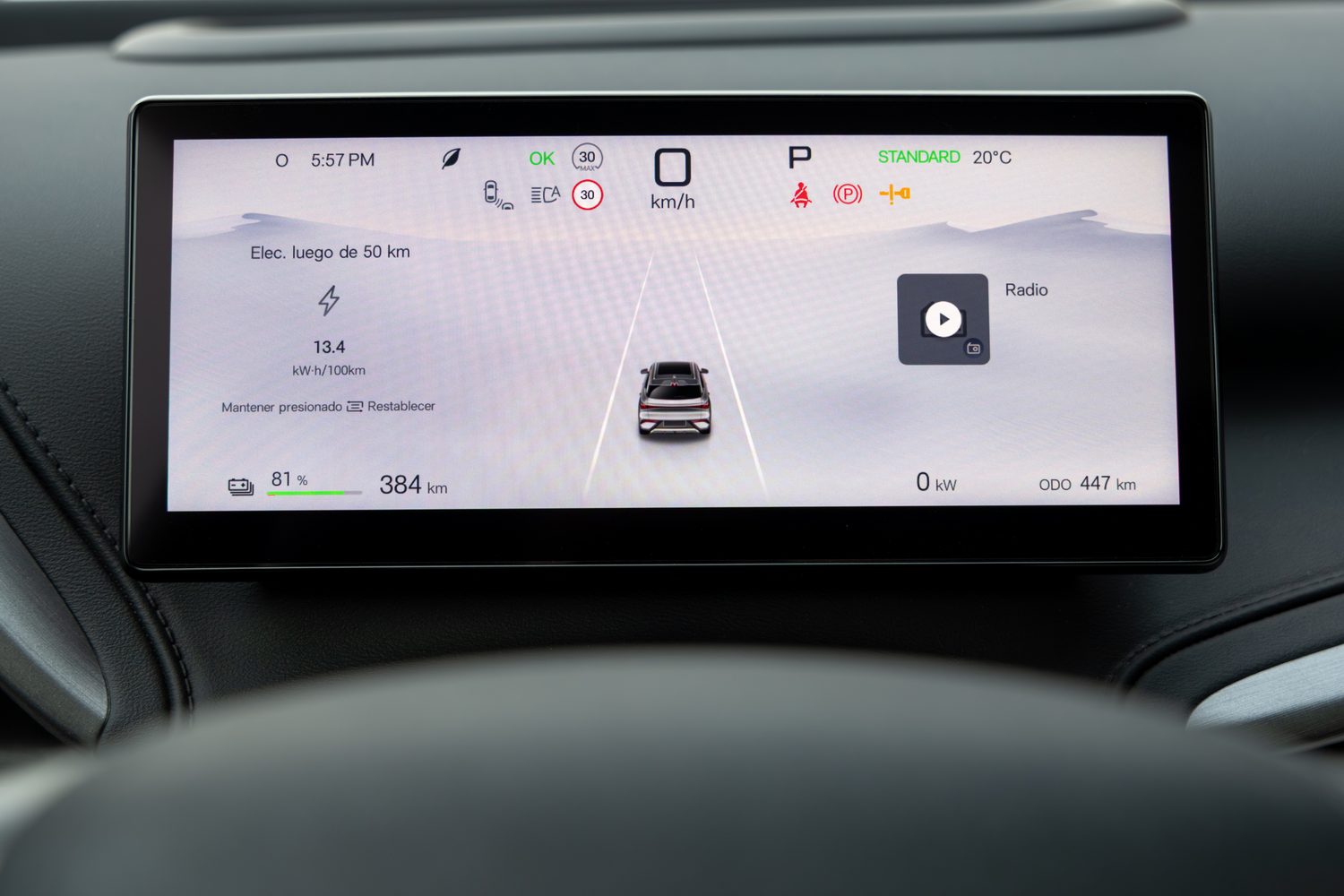
Furthermore, there's a bigger digital display for the driver in the Atto 3 Evo as well, with that screen now measuring 8.8 inches across the diagonal. All models also benefit from a wireless and cooled smartphone charging pad on the central tunnel.
But this, in turn, means the old drive selector that looked like something out of an aircraft's cockpit has gone, replaced by a far demurer column-shifter for the Evo.

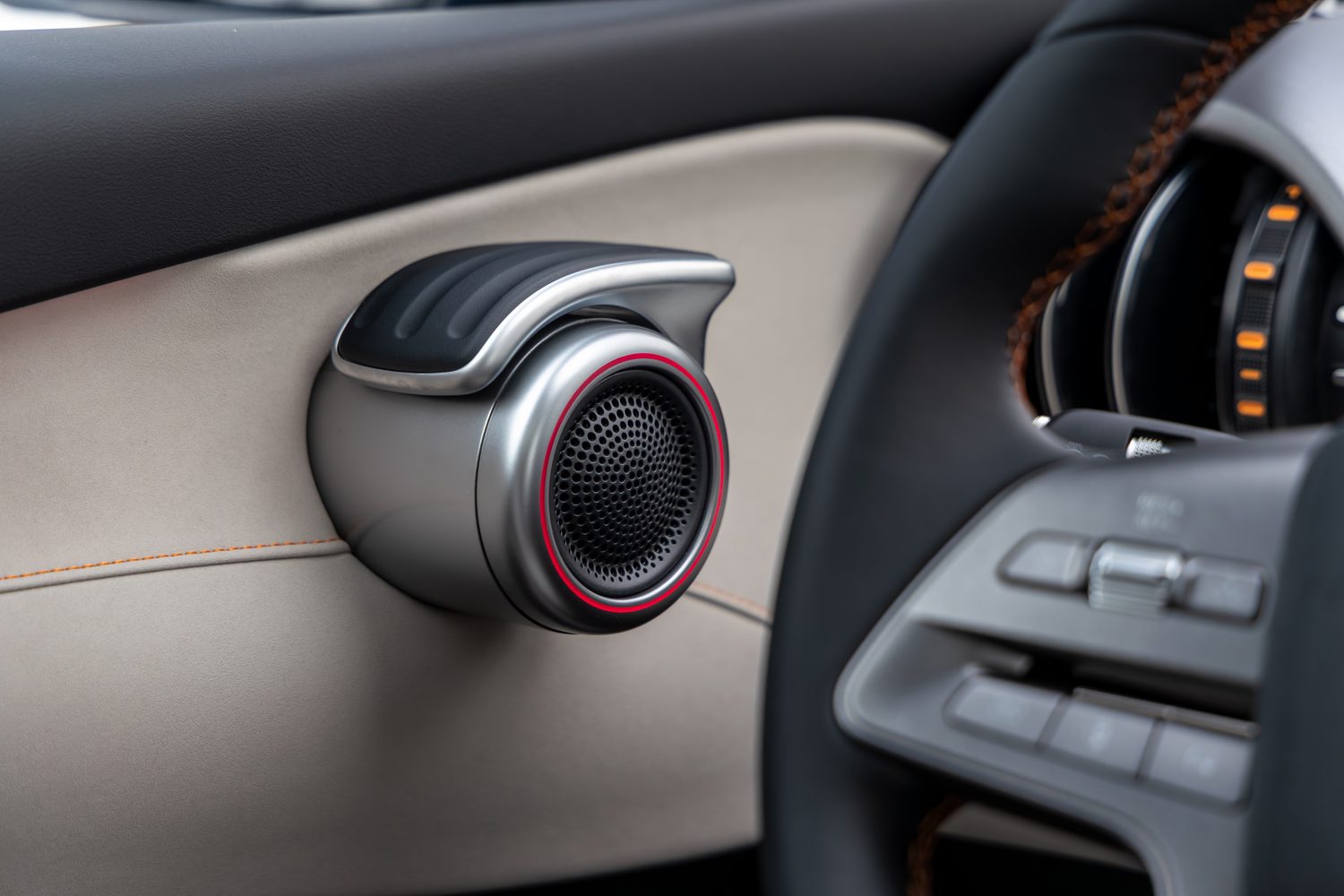
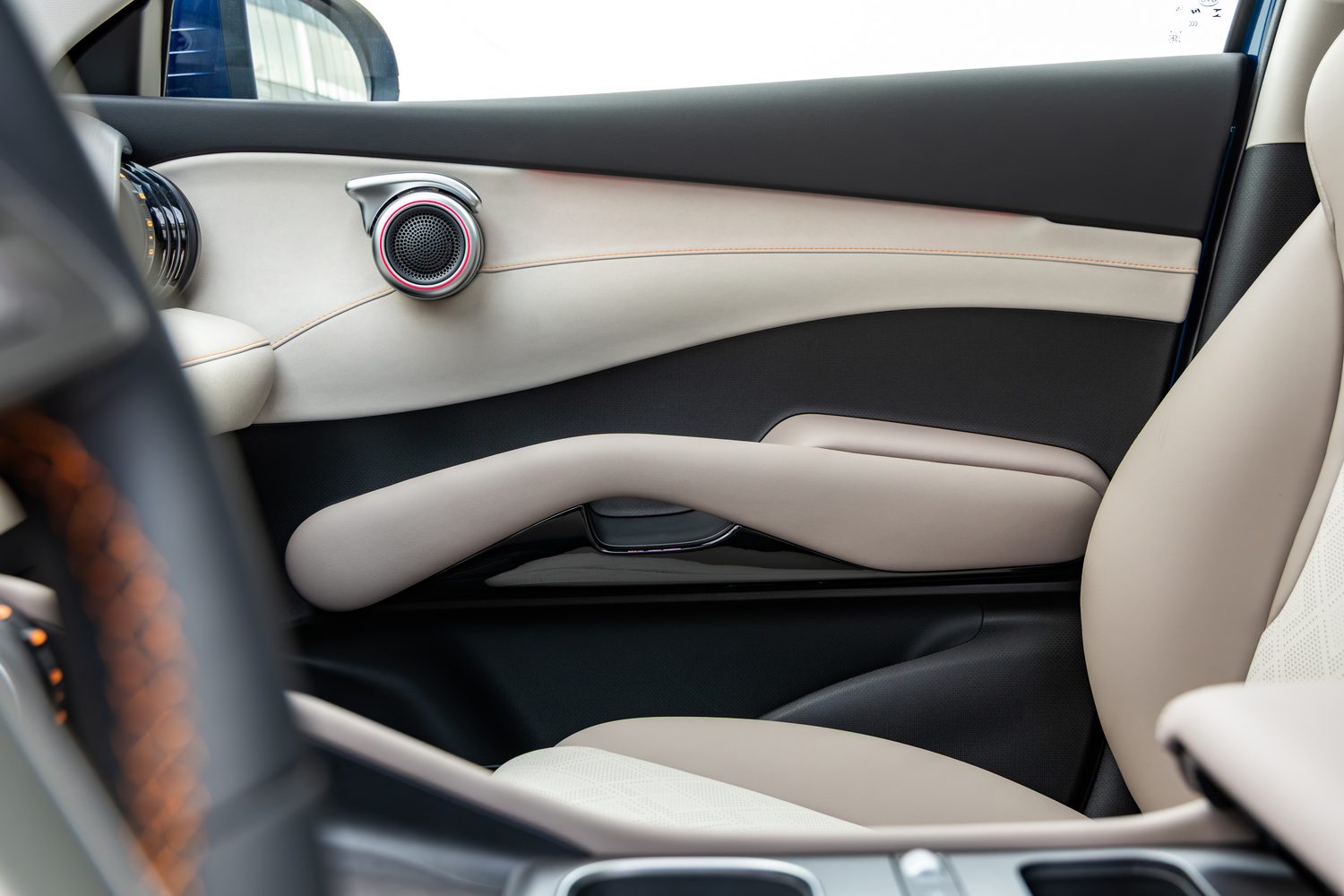
There's still plenty of individuality inside the Atto 3, as it keeps the air vents which, as one colleague on the launch opined, look like a group of Oreos stacked side-by-side, as well as odd rotary door-release handles, a swoopy dashboard architecture and love-'em-or-loathe-'em guitar strings (they really do play a tune if you twang them) on the door cards.
Despite all this decent work enhancing the infotainment, there remain some minor irritations with the main interface tech on the Atto 3 Evo.

For instance, the over-zealous driver-monitoring system is not housed within the same shortcut process as the alerts for breaching the speed limit or veering out of your lane. For the latter two items, you can swipe down from the top of the infotainment panel and then tap the relevant two icons to deactivate the systems, but the driver monitoring is sequestered away much deeper in the advanced driver assistance system (ADAS) submenus - and it requires some time to locate it and switch it off.
We also find it very odd that there's no proper resettable trip computer for efficiency, etc, just a "Last 50km" reading instead.
Practicality around the cabin
There are plenty of places to store belongings in the BYD Atto 3 Evo, with a new feature for the updated car being a sunglasses holder mounted into the driver's side headlining, where a grab handle might ordinarily be.

Other areas include a large, lidded central cubby beneath the front armrest, a good-sized glovebox and an under-console storage area including USB and 12-volt sockets.
Also, the door pockets are fairly big in the Evo, even if the 'guitar' strings make them look smaller than they actually are.
Rear-seat passenger space
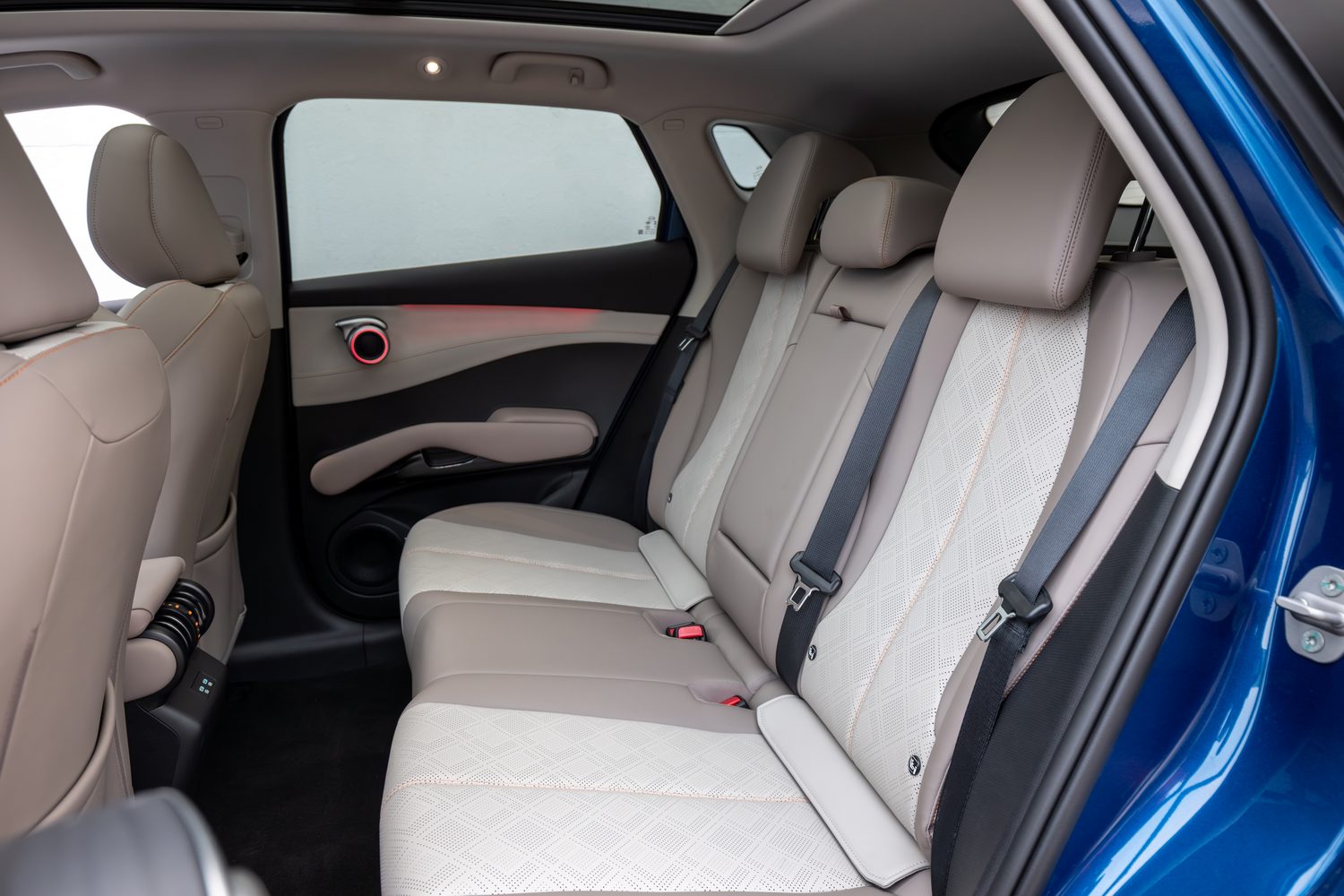
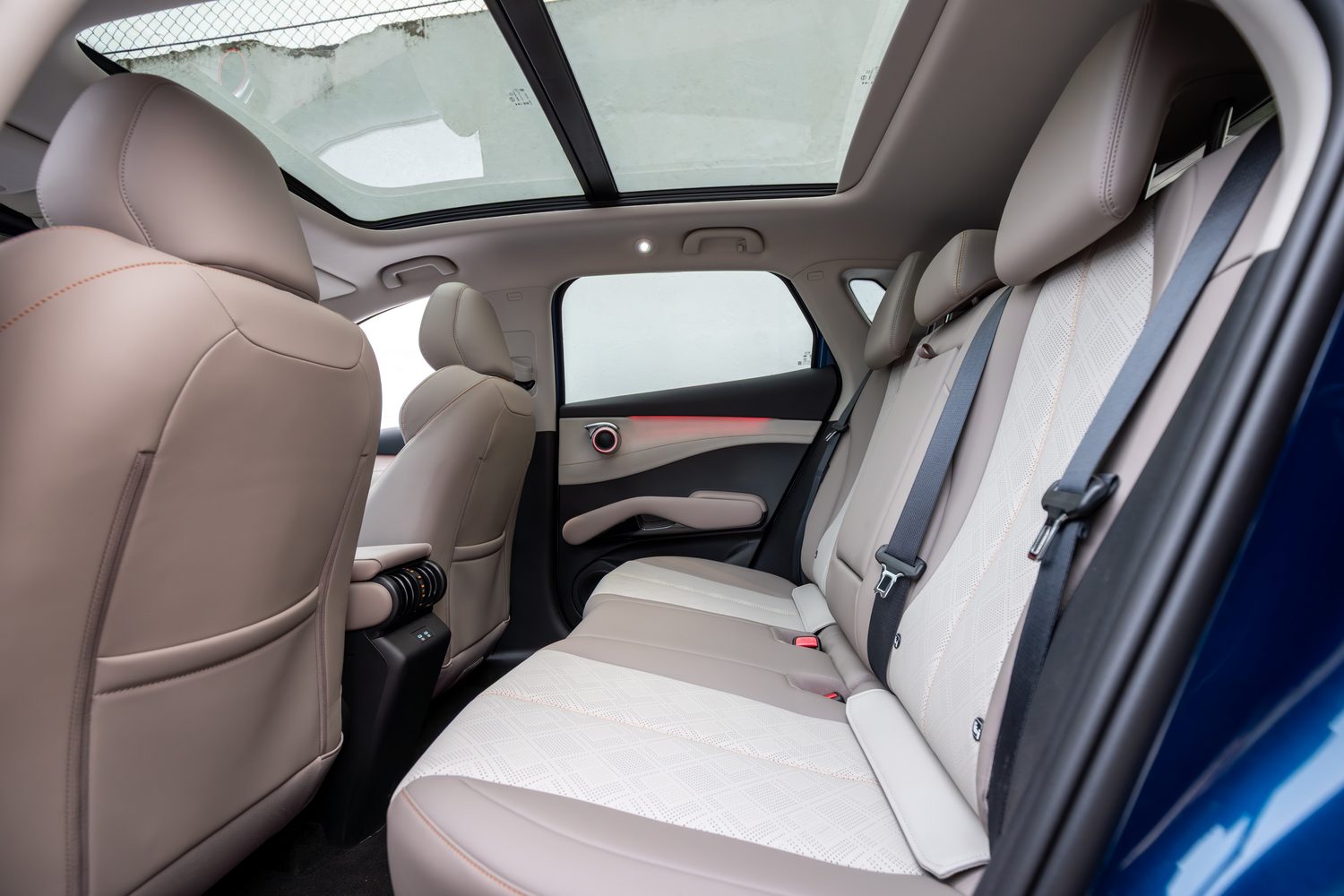
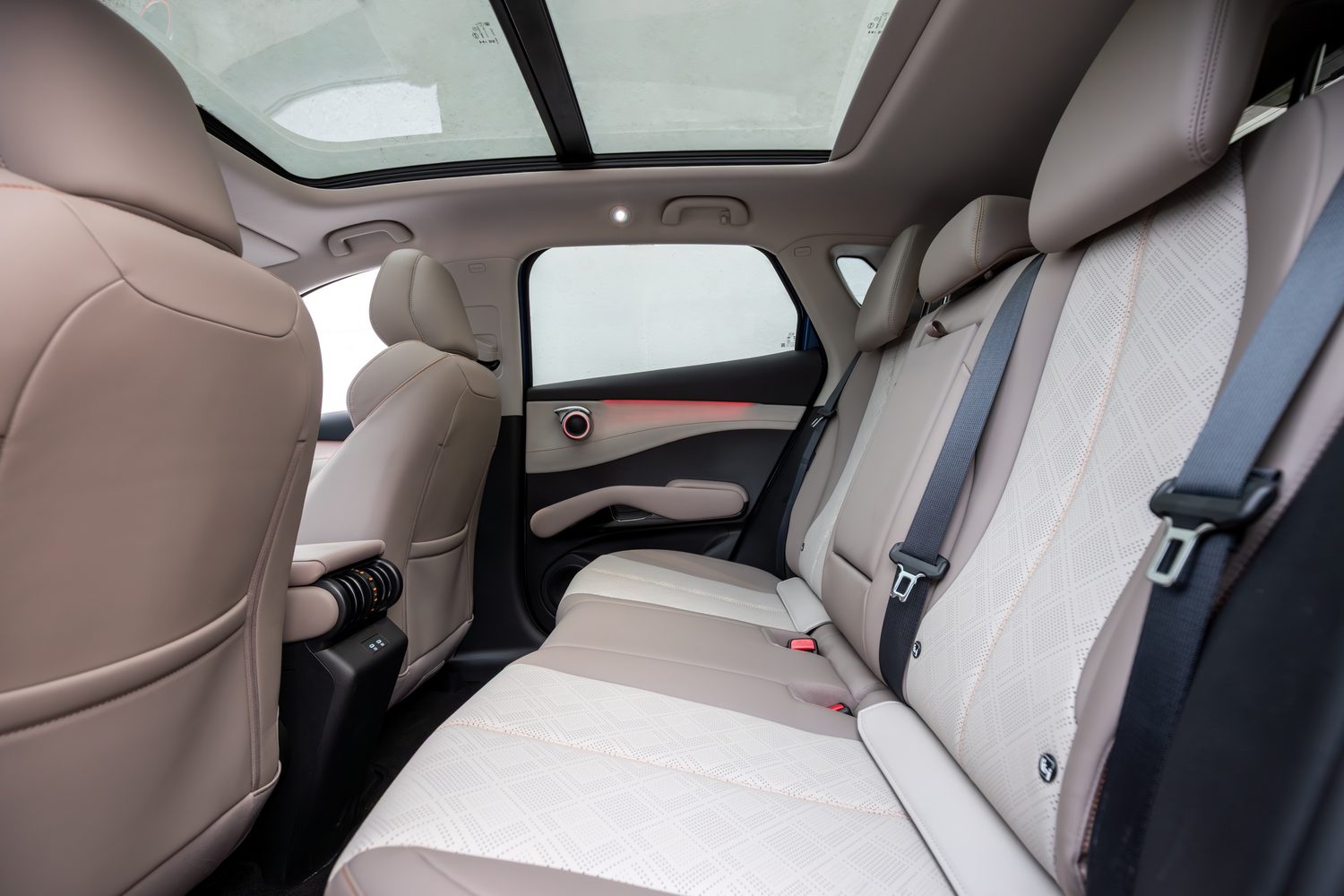
There's above average leg- and headroom in the back of the BYD Atto 3 Evo, so sitting two taller occupants back there for long-distance journeys shouldn't be a chore.
The central-rear seat is a little more 'occasional use' in its outlook, but at least the floor is completely flat through the back of the car as a result of its 'e-Platform 3.0' architecture.
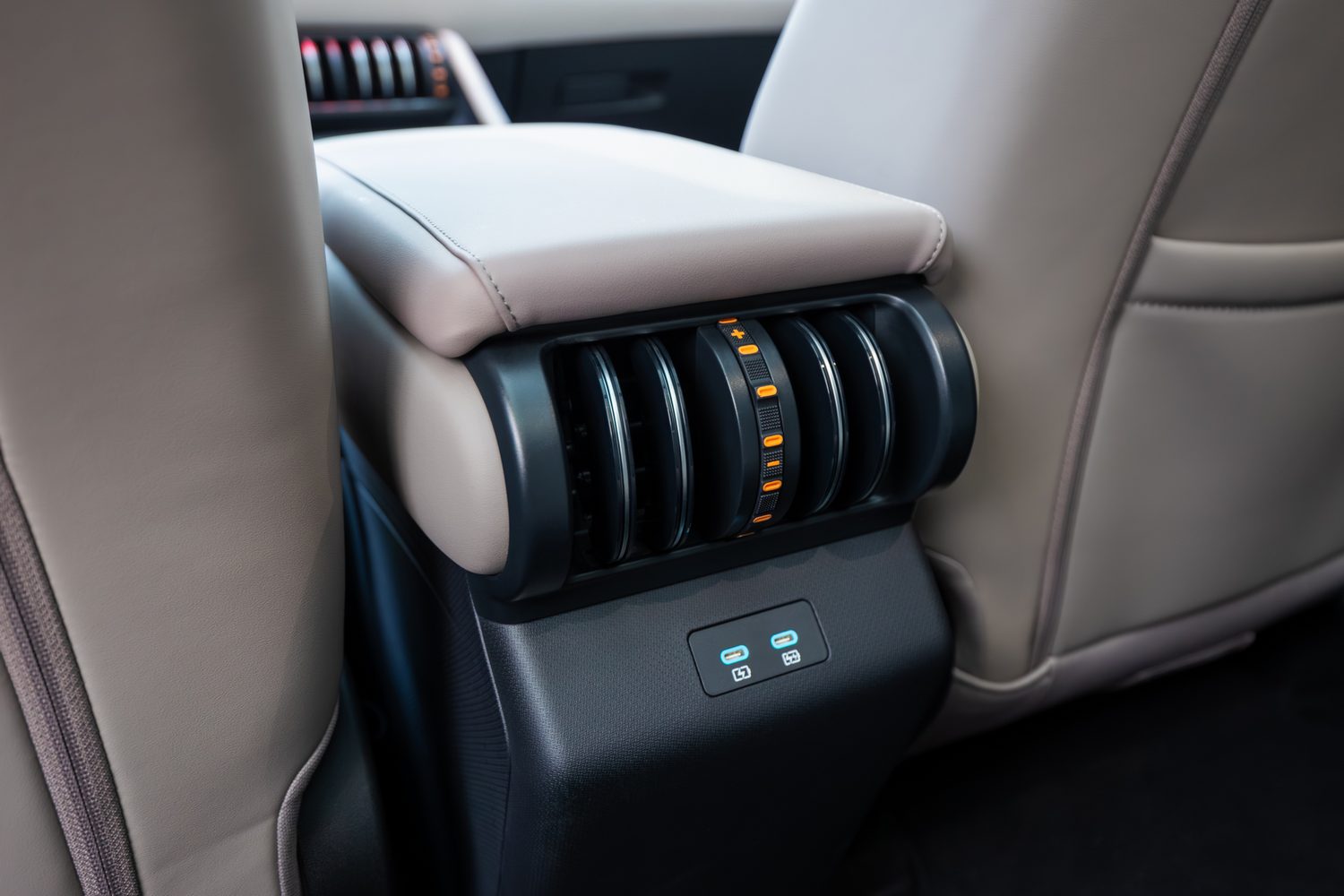
Rear-seat occupants also benefit from two air vents and two USB-C ports in the rear of the centre console, while there are elasticated pockets on the backs of the front seats - and also some more capacious door pockets with the ability to take drinks bottles, with the whole affair on each rear door once again fronted by the guitar strings.
On the higher-spec of two Atto 3 Evo models, the outer two seating positions of the rear bench come with heating elements as well.

Fitting child seats to the BYD Atto 3 Evo
There are three ISOFIX points in the BYD Atto 3 Evo, two on the outer positions of the rear seats and one on the front passenger seat.
Space in the back of the cabin is generous enough that even bulky child chairs should go back there easily, while the doors open reasonably wide to make accessing that part of the passenger compartment straightforward.

Also, although the Evo hasn't been specifically assessed, the Atto 3's original 2022 Euro NCAP report saw an exceedingly high 89 per cent rating for the sector of the test relating to child-occupant safety, which is reassuring.
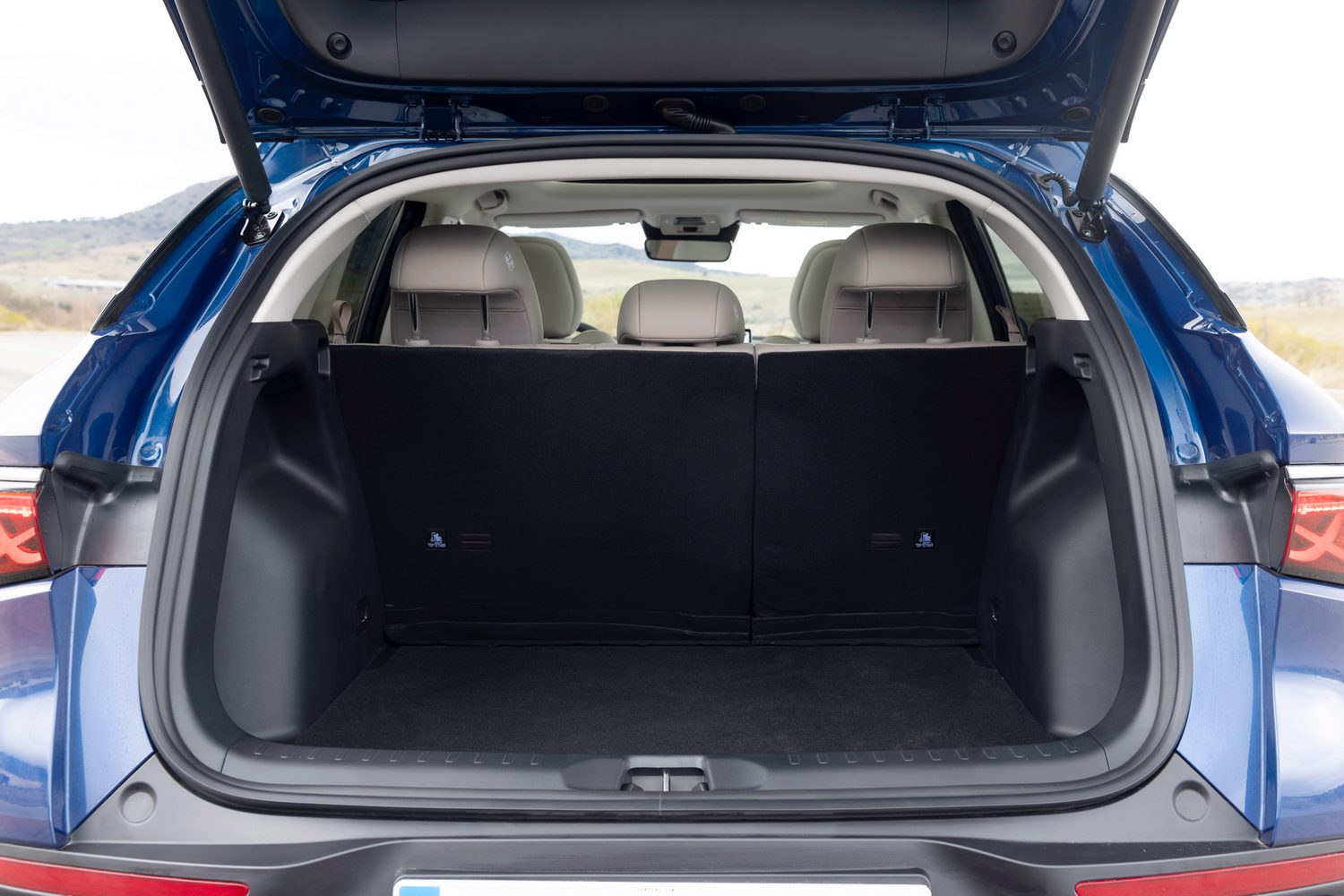
Boot space in the BYD Atto 3 Evo
So, while you might think putting an electric motor on the rear axle (instead of the front, as it was in the Atto 3 initially) would trim boot space at the back of the car, quite the opposite has happened.

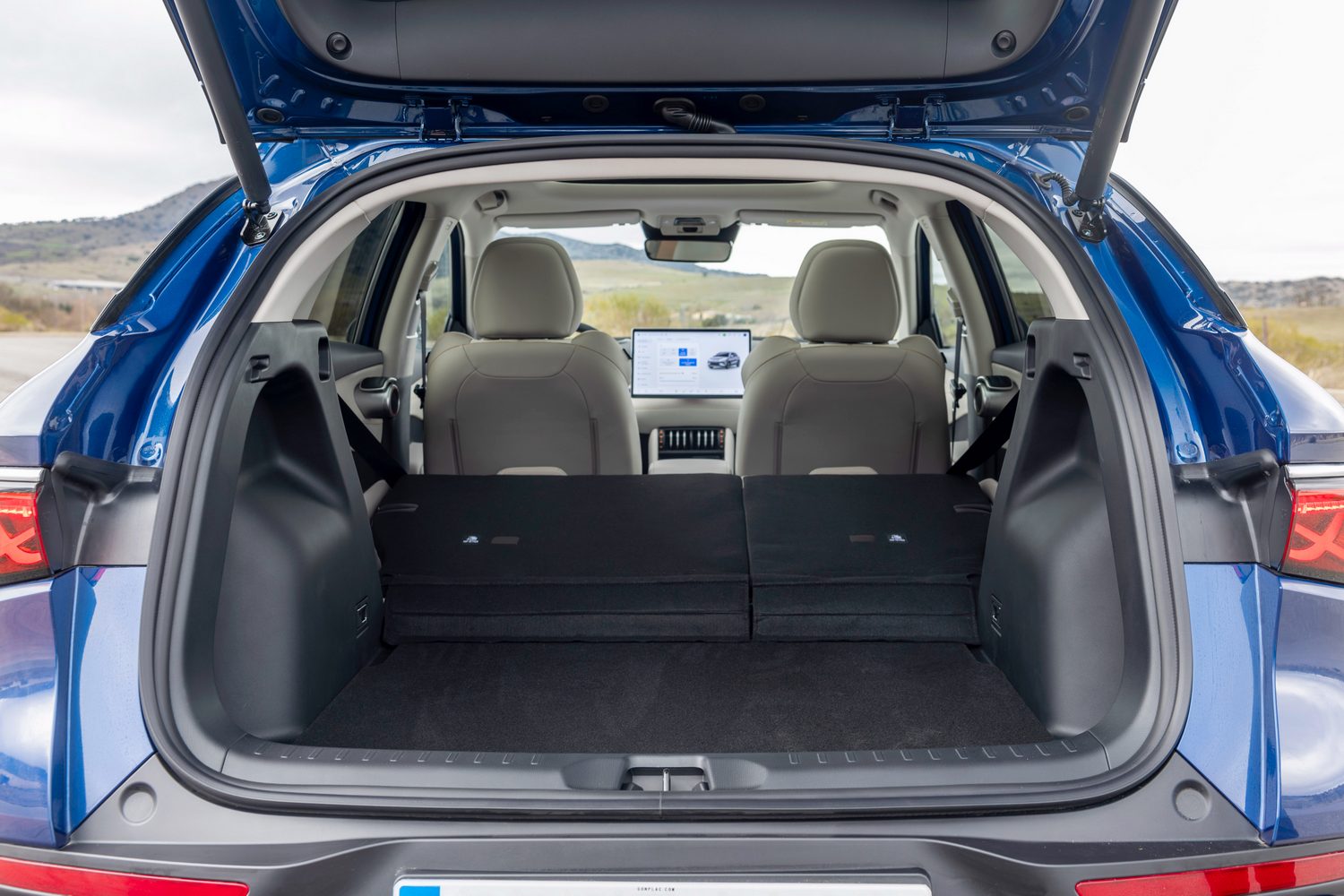
Repackaging tricks, including a lower boot floor, see the Evo's capacity increase by 50 litres with all seats in use to a minimum of 490 litres, rising to 1,360 litres (not quite as big a gain here, as this compares to the old figure of 1,338 litres) with the 60:40 split-folding rear row tucked down.
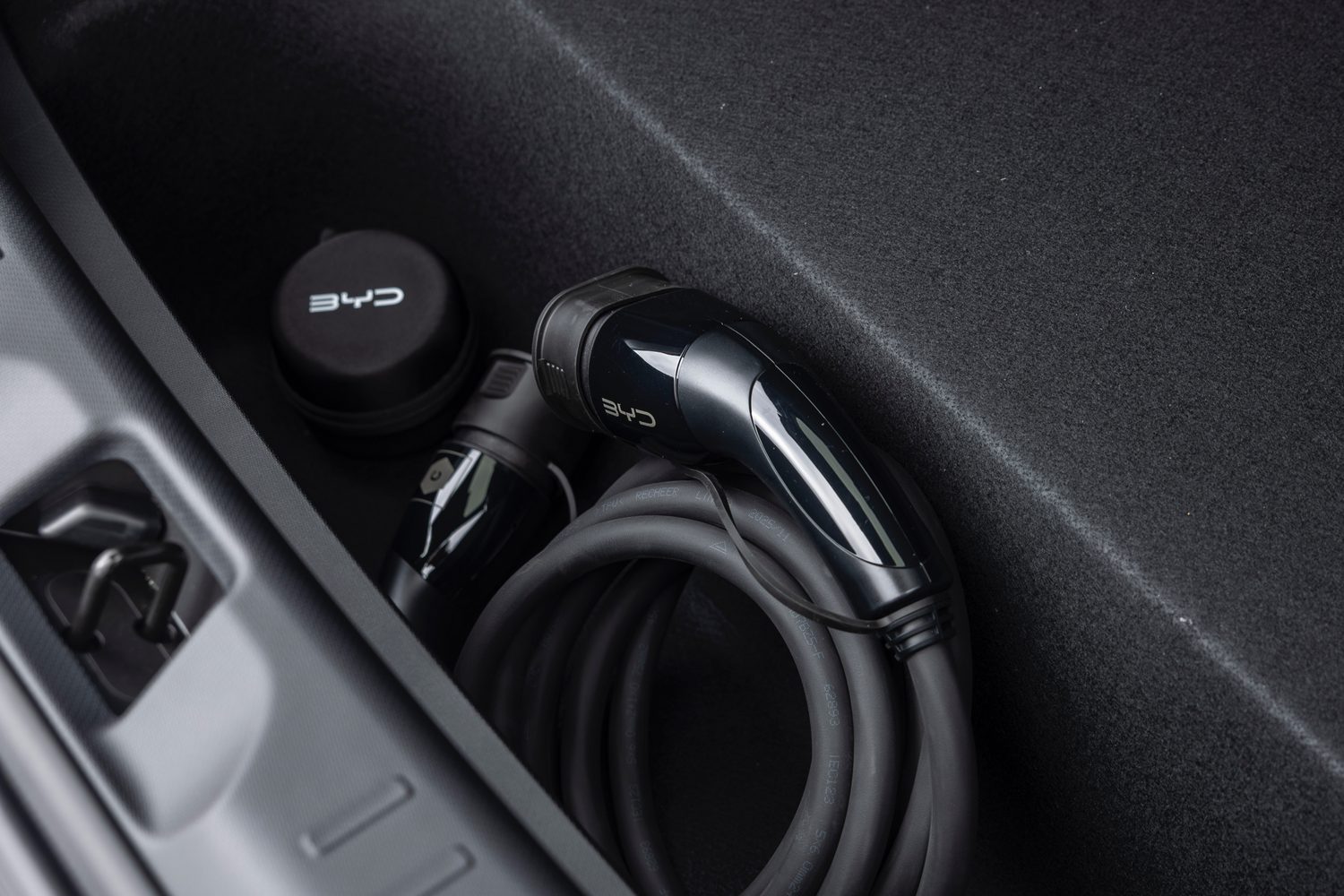
Granted, it's not the most versatile cargo bay in the world, as all it really has in there are four lashing eyes plus a bit of underfloor storage for charging cables, but the increase in rated capacity is most welcome, nonetheless.

Up front, the Evo has a 'frunk' where its predecessor had no storage capacity whatsoever. The front boot on the car is rated at a notable 101 litres, too, so all told the Chinese SUV now has at least 591 litres of boot space available to it as a bare minimum - up from 440 litres previously. That's some increase.
Safety in the BYD Atto 3 Evo
The Evo version of the car has not been put through its paces by Euro NCAP, but it comes with a wealth of advanced driver assistance systems (ADAS) as standard, with no cost-options nor spec differences in terms of safety gear between the two trim grades of the BYD Atto 3, save for the inclusion of a head-up display on the higher-spec car.

For reference, the original Atto 3 managed a full five-star Euro NCAP rating in 2022.
Performance of the 2027 BYD Atto 3 Evo
- Two different electric powertrains
- AWD model delivers 449hp
- Far better to drive than predecessor

As with other BYDs, there is a Design model of the Atto 3 Evo and an Excellence range-topper. The Design is the single-motor, rear-wheel-drive car, complete with peak outputs of 313hp and 380Nm, comfortably eclipsing the old 204hp Atto 3's 0-100km/h time of 7.2 seconds with a 5.5-second sprint against the clock.
The Atto 3 Evo Excellence gets a motor on the front axle as well as the back for combined peak outputs of 449hp and 560Nm. With the traction advantages of four-wheel drive off the line, its 0-100km/h time comes tumbling down to a scarcely believable 3.9 seconds; enough to see off most high-performance hatches.

Driving the BYD Atto 3 Evo RWD Design in Spain
Words by Matt Robinson on 24 February 2026
We have to wonder why anyone would need a 450hp version of a C-segment electric SUV. The RWD Design is more than swift enough for anyone's reasonable day-to-day requirements.
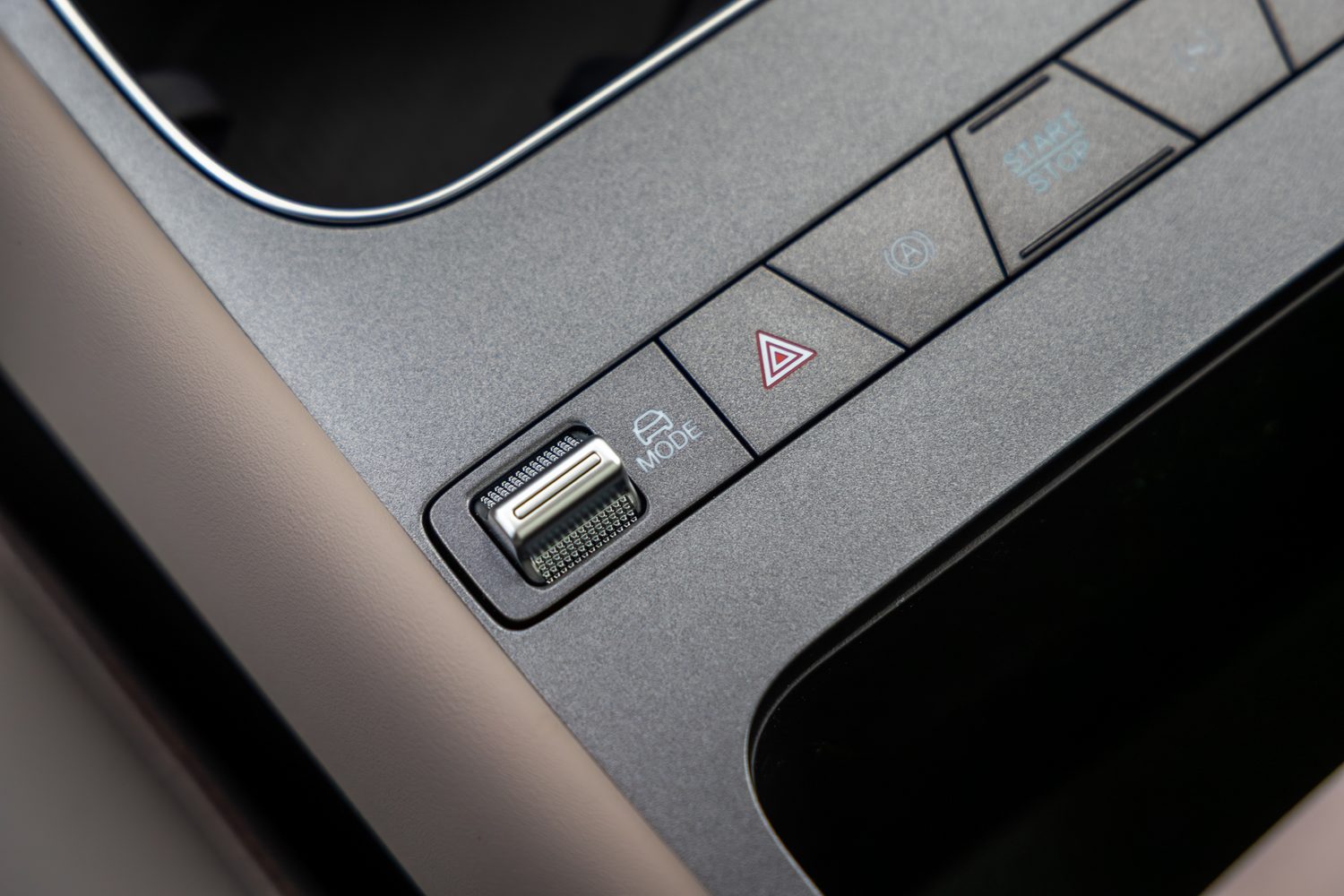
The roll-on acceleration of the single-motor Evo is quite exceptional, being strong enough to force the car's occupants back into their seats. Foot down in any of the three main drive modes of Eco, Normal and Sport (with a Snow side mode chucked in for good measure), the BYD will quickly whip past 100km/h in the blink of an eye if you're not careful.

But it's nicely meted-out power, with good progression of acceleration and no sharpness to the way the car leaps forward.
EV enthusiasts might lament that, on the deceleration side of things, there is no full one-pedal driving mode - BYD doesn't offer this on any of its electric vehicles.

There are basically two settings for the brakes, which are either an exceptionally low level of background regen, so the car essentially feels like it coasting if you lift off, or a stronger level of retardation which does slow the SUV quite effectively if you select it.
The only shame is that brake-pedal feel can be a bit woolly, especially at the top of the travel - lightly pressing the pedal, in the lesser of the two regen modes, as we headed downhill at a fair speed in the Atto 3 Evo gave the impression of being at the helm of a runaway train, necessitating a slightly more panicky push of the brakes to get the SUV to slow down.

Therefore, the 'stop' and 'go' functions of the Atto 3 Evo are largely fine. The handling is somewhat less remarkable, and indeed even forgettable.
The transition to a rear-wheel-drive layout has not transformed this family SUV into some kind of tail-happy choice for the driving enthusiasts out there. The body control on the car is OK, and the steering has a nice amount of weight to it, but it's not particularly rich in feel and there's a strange stickiness to it off dead-centre with just a few degrees of lock.
Ultimately, these will deny you building a rapport with the chassis of the Atto 3 Evo, but as electric SUVs go, its handling certainly isn't bad.

In fact, the car is quite composed in the corners, helped by the fact it has had another significant upgrade that you can't see - the rear suspension is now a five-link arrangement, as opposed to four.
It's also not the heaviest EV in the world, as the rear-drive car tested here is less than 1,900kg and even the AWD flagship stays the right side of two tonnes for published kerb weight.
There is one more gripe here, which relates to the driving modes. Try as we might, we couldn't really discern any difference to either the steering or the acceleration response when cycling the car through the Eco, Normal and Sport settings.
It therefore feels futile including the option when everyone will probably just use Normal and then forget about it.

So, while the performance has made a huge leap forward, maybe the dynamics of the Atto 3 Evo haven't quite progressed so far. However, it has wonderful ride and refinement, which is surely the key attribute of an EV like this.
There is a caveat here: we drove the car on some remarkably smooth Spanish roads near Madrid, so the unbelievable standard of the tarmac was flattering to the BYD's comportment. That said, on the few occasions some larger surface imperfections were encountered, we sensed a little more noise and discombobulation from the wheel arches, plus a bit more of a shimmy from the body of the car.
The nub of it is that we'll have to get the Evo back onto roads closer to home to draw a definitive verdict on whether its ride comfort is as good as we think it might be, but we can only report as we find for now.

And what we found was a car that was serene and dignified for 90 per cent of the time we were behind its wheel - a vehicle which, for instance, put on a stupendous showing of stability and tranquillity while cruising along a motorway for a long stretch at 120km/h. Fingers crossed its ride quality transfers over to more cratered road surfaces.
Range, battery, charging and running costs of the 2027 BYD Atto 3 Evo
- Battery pack enlarged for Evo
- DC charging un to 220kW
- More than 500km range possible

Another major development in the life of the BYD Atto 3 came about in the switch to Evo specification, as the Blade battery pack was enlarged from the old car's unit. It was also blessed with cell-to-body construction on the 'e-Platform 3.0', as well as 800-volt electrical architecture which more than doubles its peak DC charging rate.
Battery options and official range
The solitary battery option for the Evo is a 74.8kWh lithium-iron-phosphate (LFP) 'Blade' item, enlarged from the old car's 60kWh capacity. The range therefore increases from a previous peak of 420km on the non-Evo Atto 3, to at least 470km in the AWD Excellence, and a useful 510km in the RWD Design.
Real-world range and efficiency of the BYD Atto 3 Evo
During an 80km test loop through the mountains outside Madrid - which included some fair ascents and a long run on a motorway - we managed to achieve an indicated consumption on the 8.8-inch driver's display of 18.4kWh/100km.
This was done in warm 19-degree temperatures when we were on the plains nearer Madrid, although the thermometer did drop to 10 degrees on the higher, and earlier, portions of the drive while the day was still warming up. Further, we had the climate control in the car engaged permanently, so this was not a deliberate hypermiling, economy-boosting run.

Later, we had a brief run in the car again around Madrid's suburbs, and in these conditions, it then turned in 13.1kWh/100km, which is impressive.
If you could keep that up, theoretically you could do 571km on the BYD's 74.8kWh reserves, but even our earlier, higher-speed test run's average should lead to 405km from a charge, all year round.
With more careful driving and use of in-car electrical drains, getting closer to 500km from the Atto 3 Evo RWD's battery shouldn't be impossible.
Charging up the BYD Atto 3 Evo
Great news here, as the peak DC charging speed has more than doubled in the transition to the Evo model. It's now up to 220kW here on the 800-volt platform.
This means that despite the BYD Atto 3 Evo's battery increasing by 25 per cent in size compared to its predecessor, its fastest 10-80 per cent charging routine of 25 minutes is quicker even than the old car's 30-80 per cent time; it was more like 45 minutes to get the preceding Atto 3 from 10-80 per cent, out of interest.
There's also 11kW AC charging on three-phase connections, at which speed the manufacturer says either Atto 3 Evo would need eight hours for a full 0-100 per cent charge. Something beyond ten hours is therefore the required time for the same charging cycle on a more typical single-phase 7.4kW domestic wallbox.
Servicing the BYD Atto 3 Evo
BYD recommends a 12-month or 20,000km (whichever comes sooner) charging schedule.
BYD Atto 3 Evo warranty

As with its other EVs, BYD offers the Atto 3 Evo with a six-year, 150,000km warranty, along with another level of cover specific to the high-voltage Blade battery that runs for eight years and 200,000km.
Irish pricing & rivals to the 2027 BYD Atto 3 Evo
- Starts at a compelling €40,530
- Very simple lineup
- Generous level of equipment
At the end of 2026, ahead of the 271-registration period, BYD Ireland confirmed that the Atto 3 Evo would be offered in just two distinct specifications.
The entry-level Design model, with a single motor, costs €40,530, and included in the price are LED lighting throughout, 18-inch alloys, heated and electrically folding door mirrors, rear privacy glass, powered tailgate, auto lights, synthetic leather upholstery, electrically adjusted front seats with heating and ventilation, one-touch electric windows all round, ambient lighting, dual-zone climate control, 15.6-inch infotainment screen with Google built-in, wireless smartphone charger, Android Auto and Apple CarPlay, 360-degree camera system, adaptive cruise control, vehicle-to-load (V2L), keyless entry and start, a heat pump and much more.

The AWD Excellence is €43,985, which seems like a very small premium to pay for the extra traction of all-wheel drive and the enhanced performance.
Further, the only obvious spec differences between the two variants of the Evo should be that the Excellence gains a head-up display, heated rear seats and - its most obvious feature - a full-length panoramic sunroof. Everything else is standard fit.
Verdict - should you buy the 2027 BYD Atto 3 Evo?
Never has one small word in a model's name accounted for quite such a dramatic switch as it does in the BYD Atto 3 Evo. It might look a lot like the old car and continue that line, but a comprehensive suite of motor, battery and chassis updates have transformed how this car goes about its business.

Sure, it has some infotainment and ADAS annoyances, it's not particularly scintillating to drive in the corners, the styling on the outside is anonymous and we have question marks over how its ride and refinement will transfer to our craggier streets. And while some might love the BYD's interior quirks, others might find them a touch overbearing.
But it cannot be ignored that this is a spacious, well-built, generously equipped, thoroughly rapid, longer-legged and swifter-charging EV than it was before, and unless you need thrill-a-minute laughs in the corners, the Evo drives in an acceptably polished fashion to boot.
In short, it now feels like far less of a vehicle that you would simply suggest or recommend purely on its phenomenal value offering and instead becomes something that is a much more credible option than it ever has been before.
FAQs about the 2027 BYD Atto 3 Evo
Is the BYD Atto 3 Evo available with all-wheel drive?
Yes, if you specify the dual-motor AWD Excellence model with 449hp. The base-grade BYD Atto 3 Evo is now rear-wheel drive, where it was previously front-wheel drive before.
How fast is the BYD Atto 3 Evo for acceleration?

Where the 2022-2025 BYD Atto 3 could do the 0-100km/h sprint in 7.2 seconds, the new 313hp RWD variant takes just 5.5 seconds to do the same thing, while the 449hp AWD Evo is capable of a searing 3.9-second run.
What does 'Evo' mean in the BYD Atto 3's nameplate?
It means 'evolution', a reflection of how much work has gone on under the surface that is hidden by rather modest alterations to the way the BYD Atto 3 Evo looks on the outside.
How many child seats fit into the BYD Atto 3 Evo?
There are three ISOFIX positions in the BYD Atto 3 Evo, one on the front passenger seat and two in the rear. There is also a three-point seatbelt on the central-rear seating position, which could allow for the fitment of a belt-restrained child chair there if there's space.
Want to know more about the 2027 BYD Atto 3 Evo?
If there's anything about the new BYD Atto 3 Evo we've not covered, or you'd like help in choosing between it and other cars, you can avail of our expert advice service via the Ask Us Anything page.