

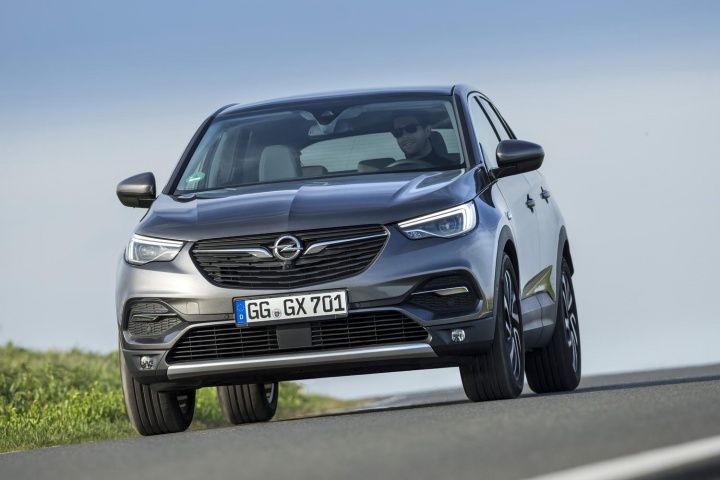
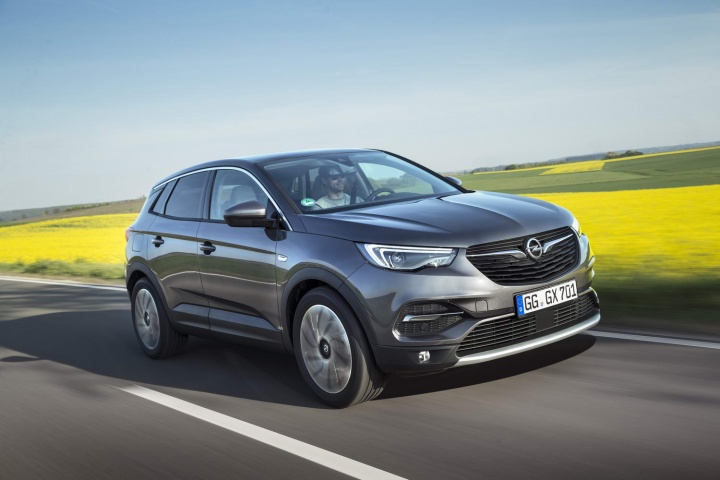
The four-cylinder turbocharged unit replaces the old 1.6-litre diesel engine, and is both more powerful and more economical than it, thanks to the use of Selective Catalytic Reduction (SCR) and an innovative oxidation catalyst/NOx absorber.
Mated to a six-speed manual gearbox, the 130hp/300Nm 1.5-litre diesel delivers up to 4.1 litres/100km (68.9mpg) fuel consumption and CO2 emissions as low as 108g/km (depending on the size of alloy wheel fitted). That compares to the old 120hp 1.6-litre's numbers of 4.3 litres/100km (65.7mpg) and 111g/km CO2, enough to allow Opel to claim the new diesel is four per cent more efficient than its predecessor.
Further fuel-saving detail changes to the 1.5 include - alongside its smaller displacement - reduced friction, an optimised combustion system with patented piston geometry and increased exhaust gas recirculation, enabled by a high-efficiency heat exchanger.
Opel is keen to stress that all the above means the 1.5-litre diesel meets strict Euro 6d-TEMP regulations for NOx emissions, so the Grandland X 1.5d should be exempt from any potential urban diesel bans.
Aside from that, the 1.5-litre can be fitted with an optional new eight-speed automatic transmission, while the 177hp 2.0-litre Grandland X continues above the newcomer in the range to cater for those who need a bit more poke. The Grandland X line-up starts at €27,995 for the petrol model or €28,995 for the base variant of the new 1.5-litre diesel.
Anything else?
Christian Müller, managing director of Engineering at Opel GmbH, said: "The high-tech design of the new 1.5-litre diesel in the Opel Grandland X enables customers to combine the fun of a compact sports utility vehicle with the powerful performance, strong climate friendliness and high environmental compatibility of an advanced diesel engine."
If there is anything about this story we have not covered, you can avail of our expert advice service via the Ask Us Anything page.