

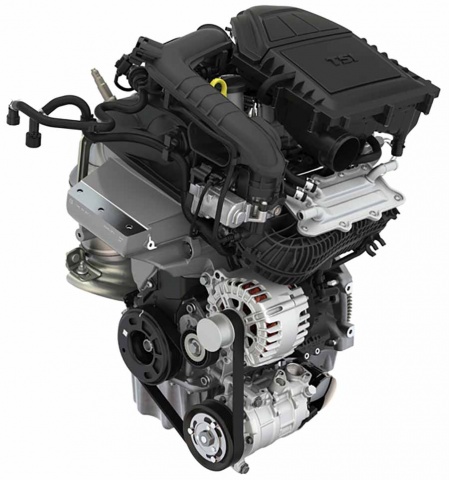
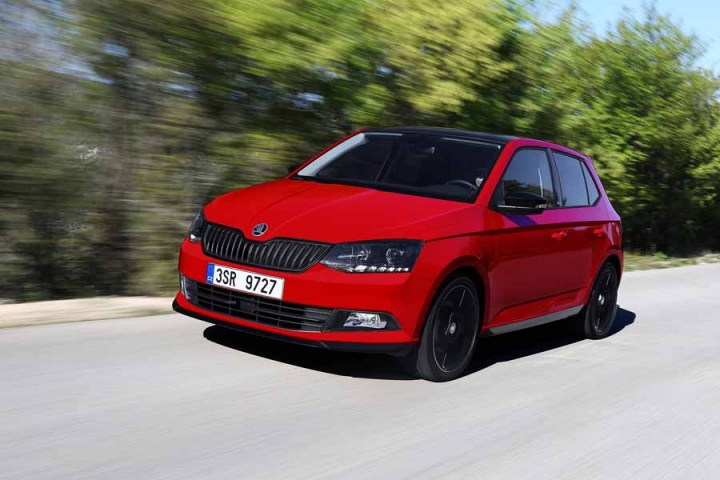
The new unit replaces the current 1.2-litre four cylinder in the Fabia line-up, and comes in two variants with 94hp and 108hp respectively, while torque is up by 25Nm to a nice round 200Nm. Skoda hasn't just lopped a cylinder off the existing powerplant; this engine is brimming with novel technology.
Aluminium is widely used, with the crankcase, pistons and conrods all hewn from the lightweight metal. The reduction in inertia has negated the need for a balancing shaft, and a variable flow rate oil pump optimises oil pressure depending on engine load. Injection pressure has been increased to 250 bar, and Skoda quotes a six per cent reduction in fuel consumption compared to the old engine. A figure of 4.3 litres/100km (65.7mpg) is said to be achievable on the 94hp version, with CO2 emissions of 99g/km.
Performance has improved slightly thanks to the increased torque, and the nature of the three-cylinder engine's exhaust pulses mean quicker spool-up times for the turbocharger, enhancing the throttle response. The existing six-speed manual and seven-speed DSG transmissions can be selected.
Anything else?
In addition to the current raft of safety aids like adaptive cruise control and driver fatigue detection, the Fabia will get the same suite of updated Skoda Connect services as its Rapid sibling. As well as navigation and emergency functions, these can send information on the car's fuel level and location to the owner's smartphone via the Skoda connect app. It can even discern if the windows, doors or sunroof have been left open...
If there is anything about this story we have not covered, you can avail of our expert advice service via the Ask Us Anything page.