

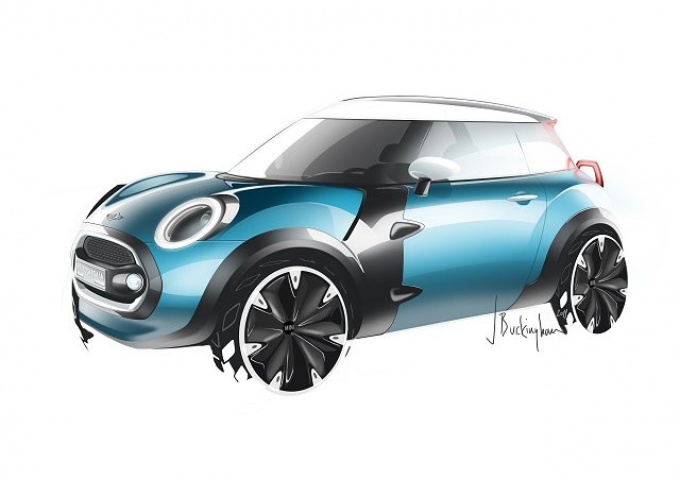
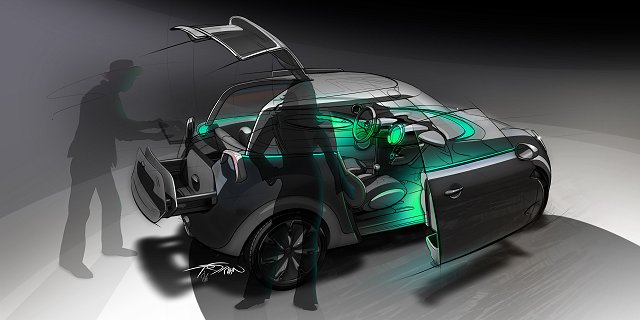
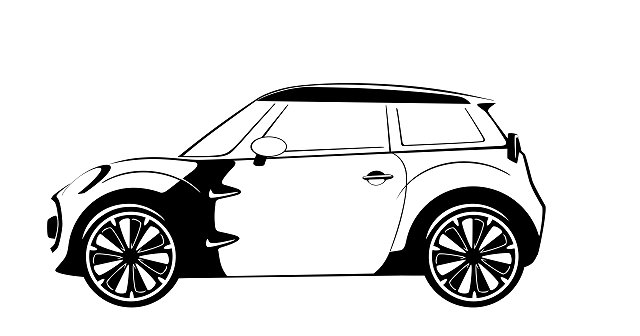
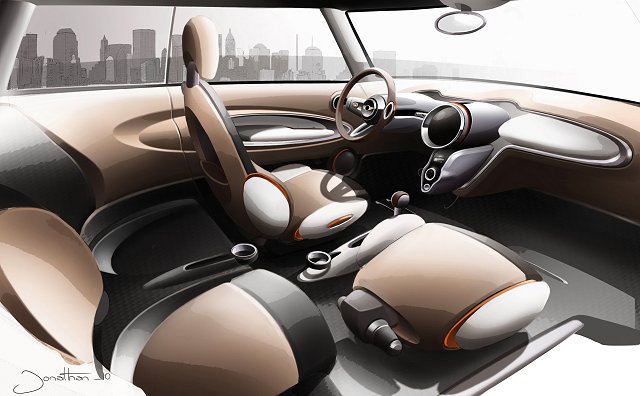
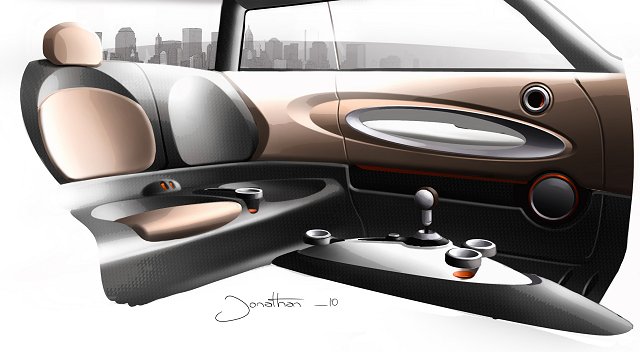
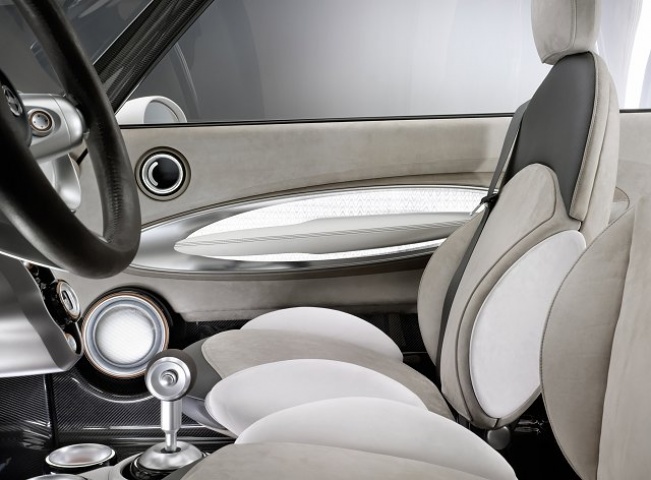
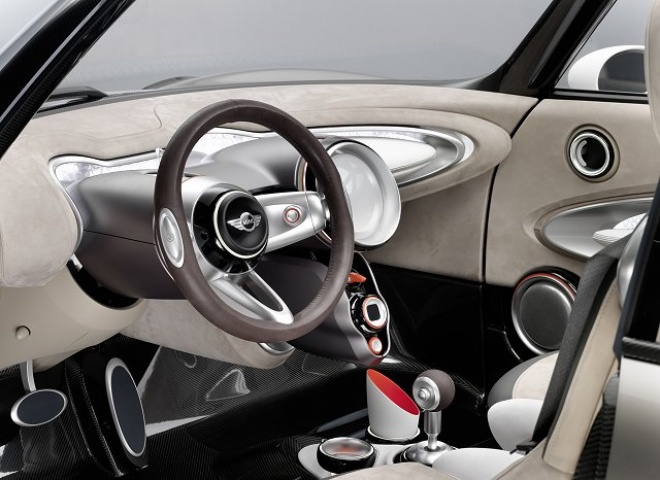
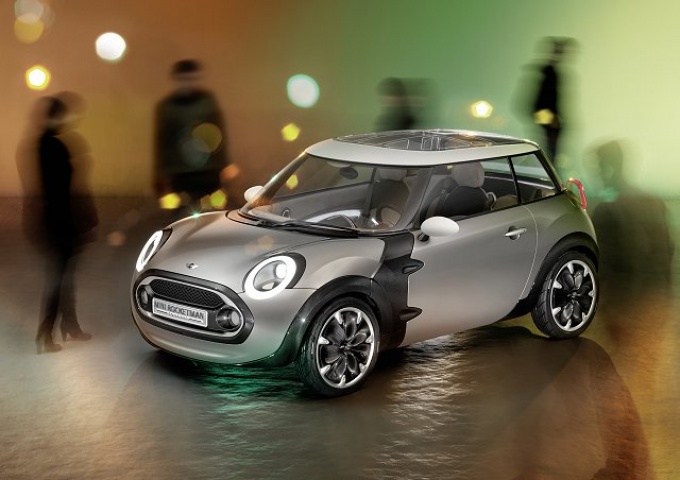
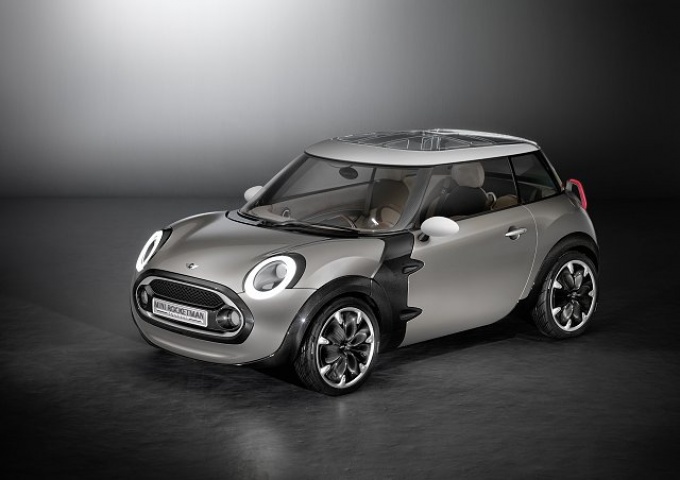
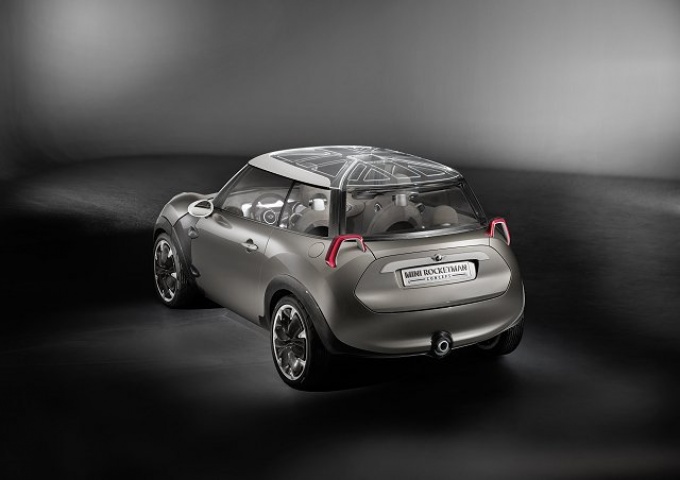
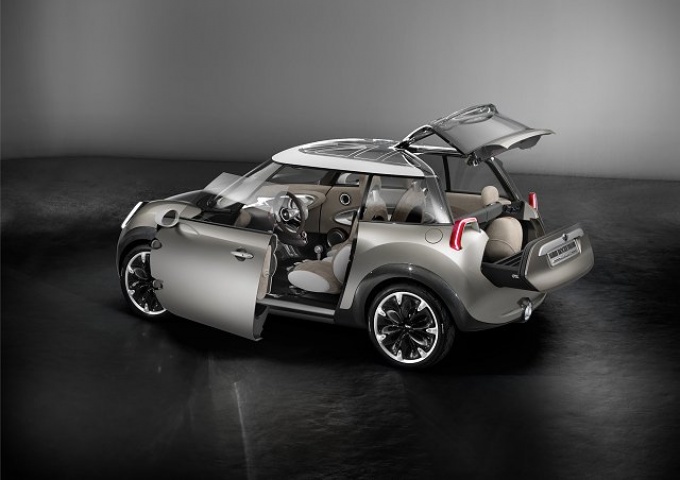
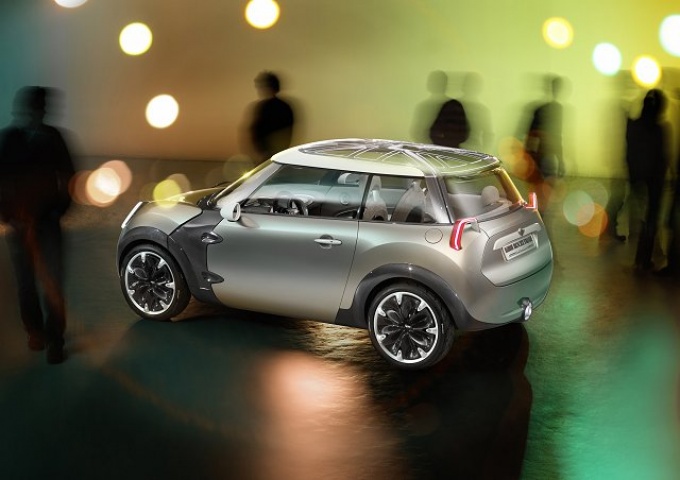
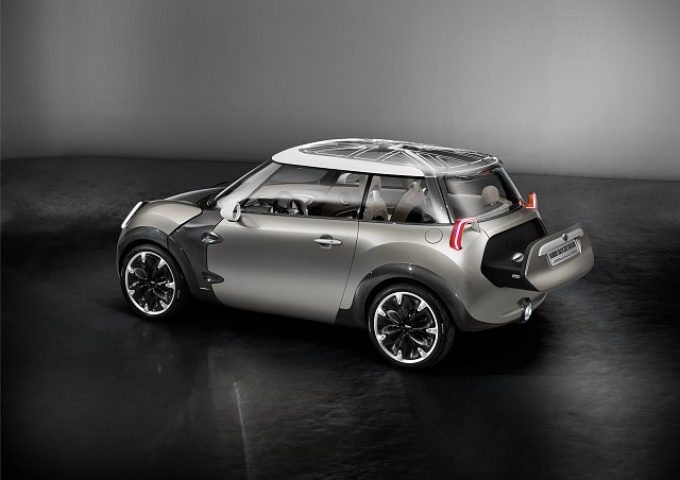
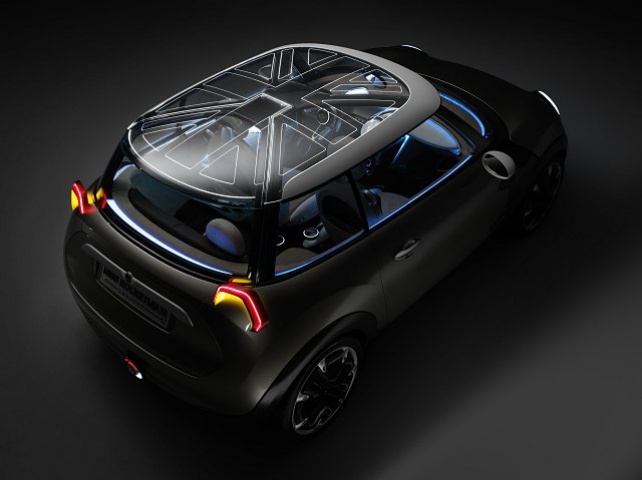
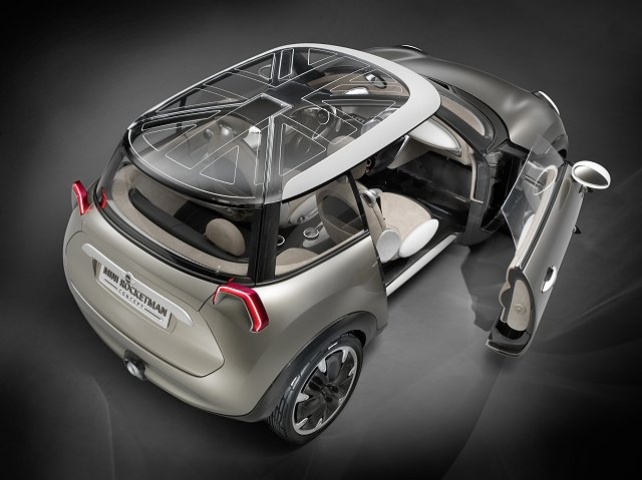
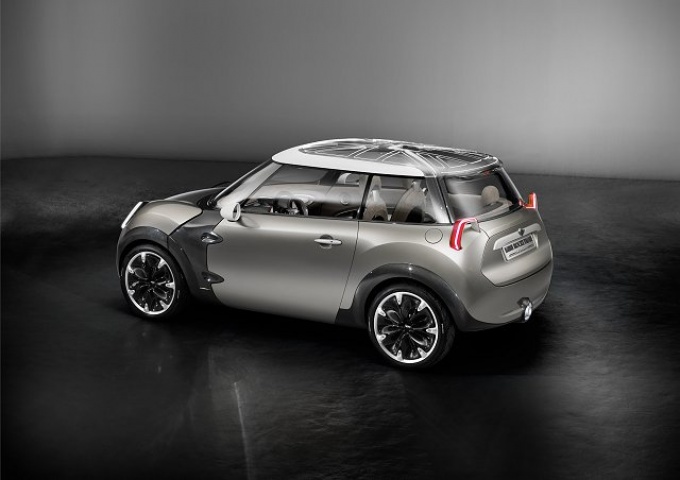
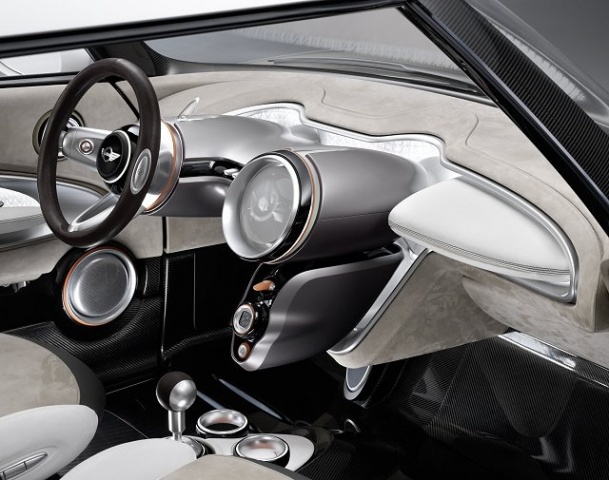
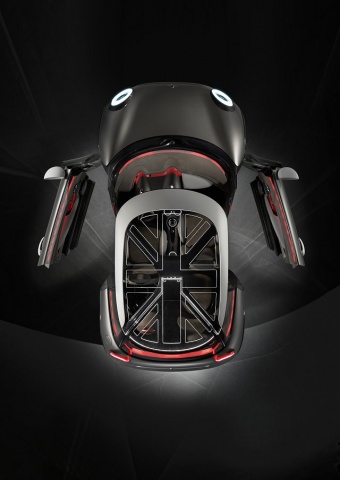
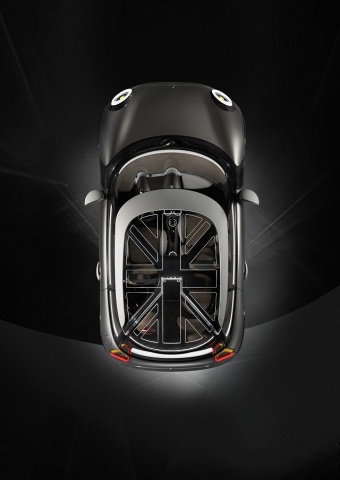
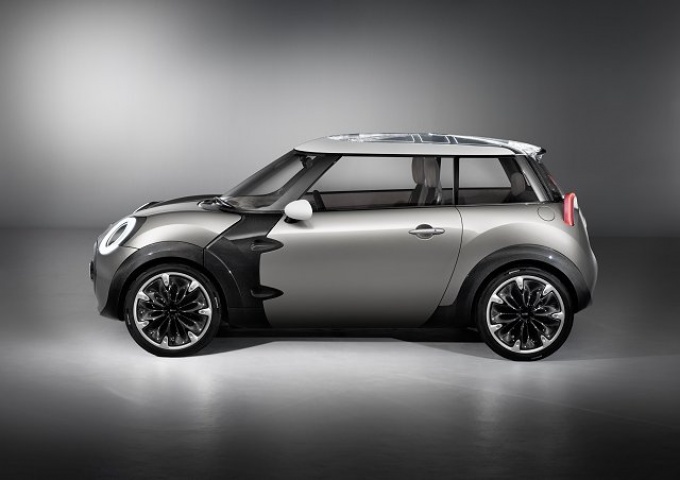
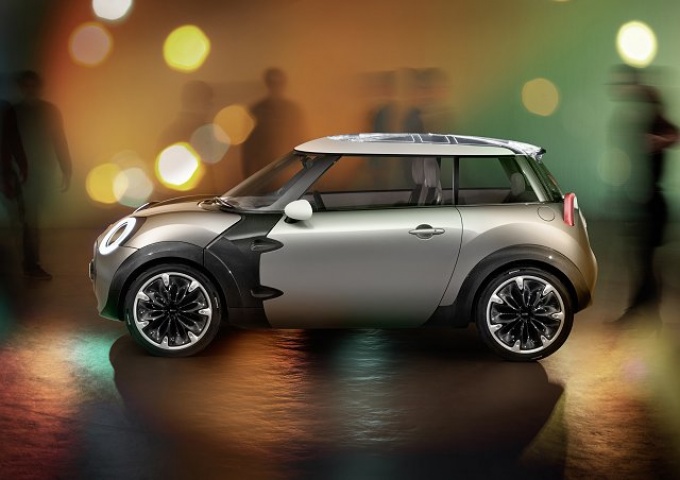
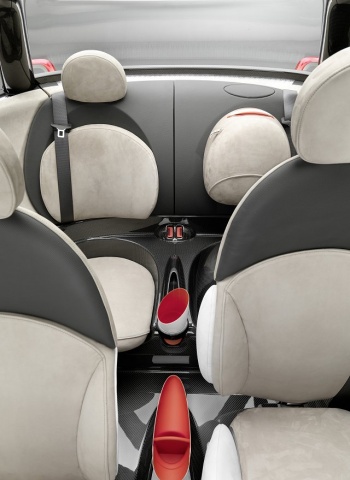
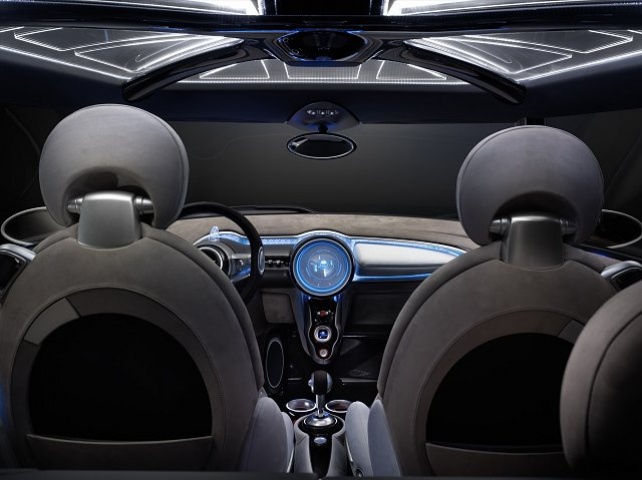
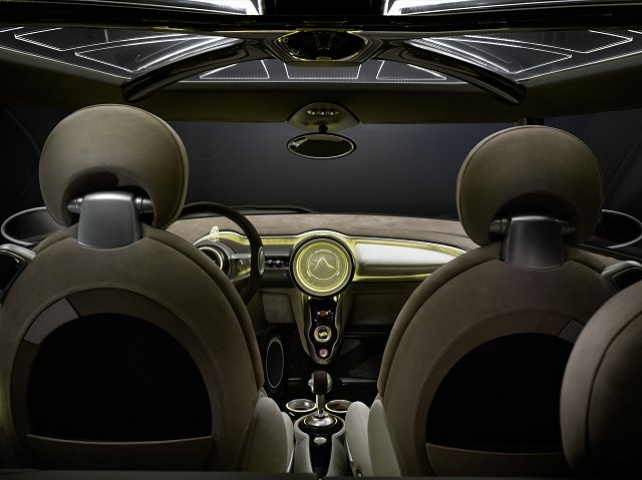
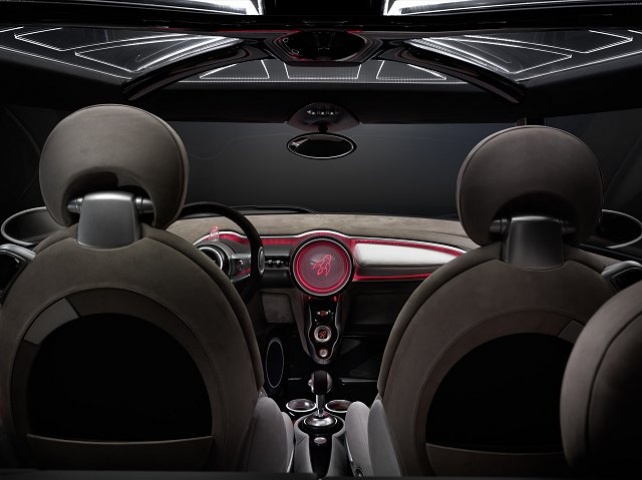
Inside it's no more conventional, with a 3+1 seating arrangement to maximise the space of a car that's only just over three metres long.
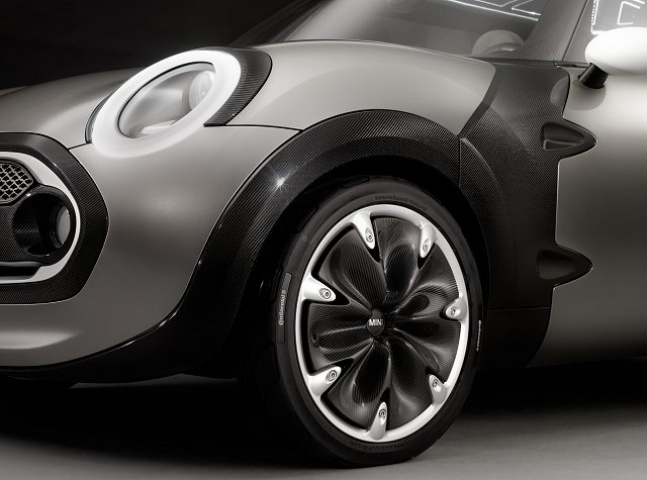
MINI also claims 94mpg combined economy (3.0 litres/100km), largely because of its lightweight carbon spaceframe construction.
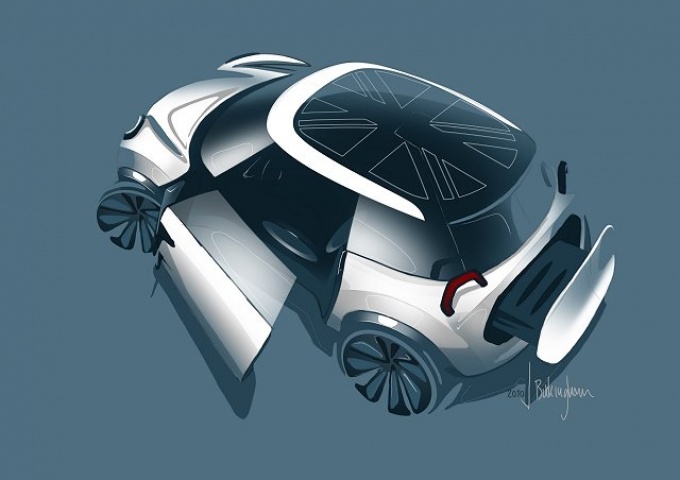
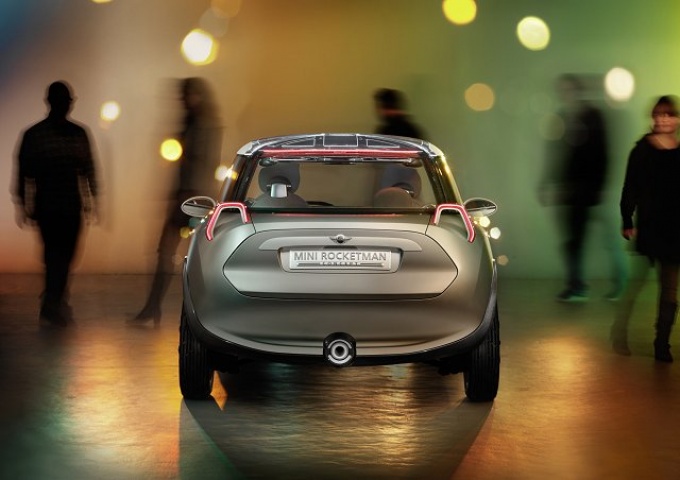
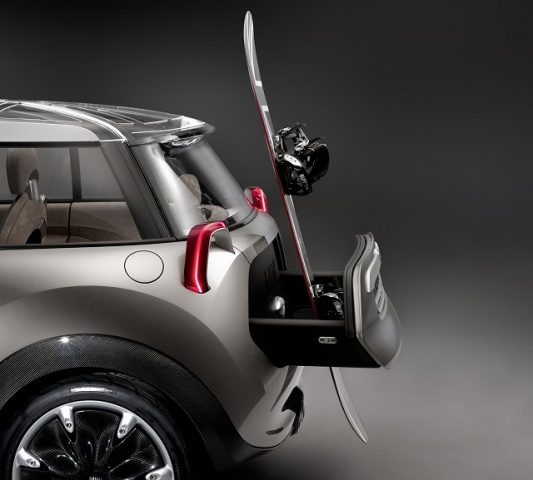
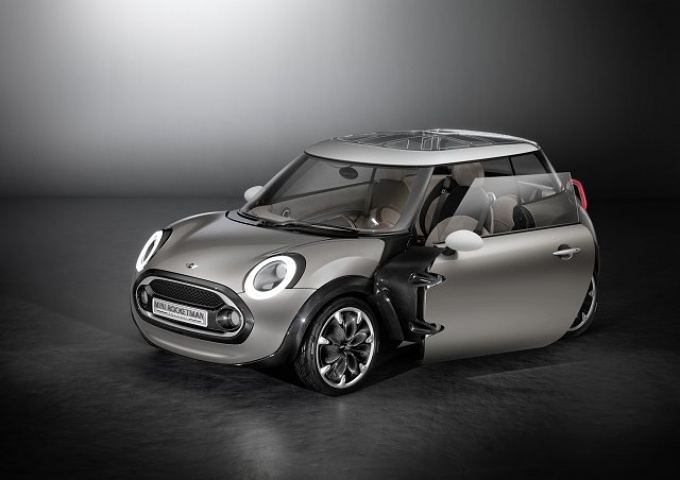
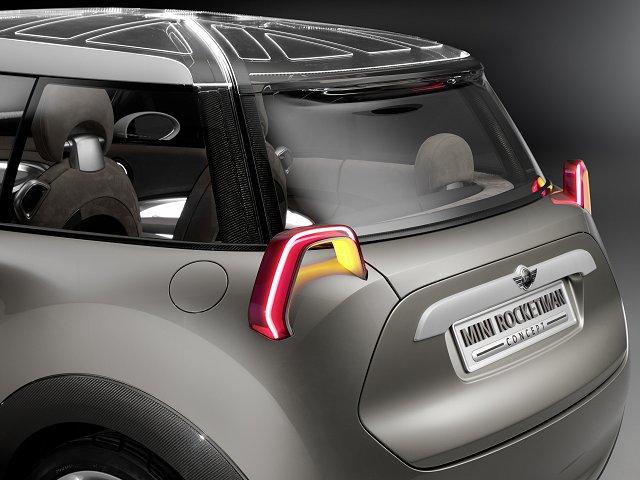
The entry doors are double hinged so that they open wider than the average door, while the luggage compartment is accessed via a pull drawer. The rear glass screen and part of the see-through roof also open up.
It might seem a little far fetched to talk about any of this going into the next production MINI, not due until 2013 at the earliest, but you never know - MINI has history. The seat layout could facilitate a tiny, entry-level MINI hatch to compete with the Toyota iQ.
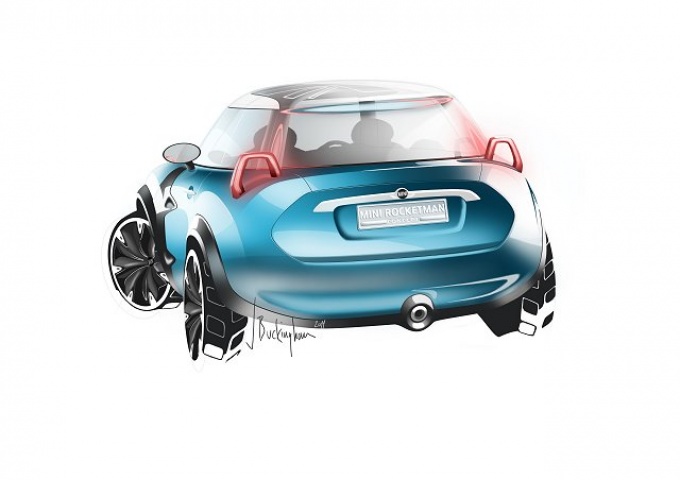
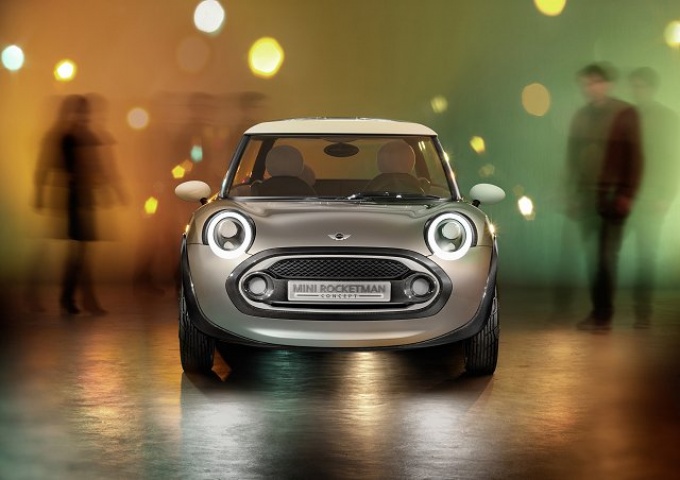
Details like the grille, headlamps and unusual 'stirrup' taillight arrangement could also feature in future. And, of course, lightweight chassis architecture is always beneficial. Time will tell...
If there is anything about this story we have not covered, you can avail of our expert advice service via the Ask Us Anything page.