

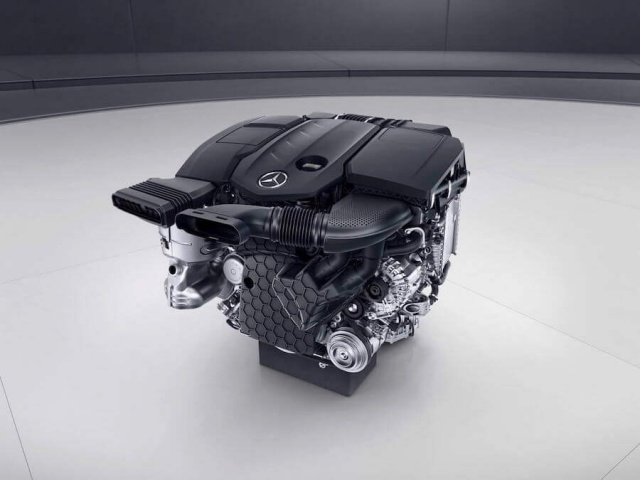

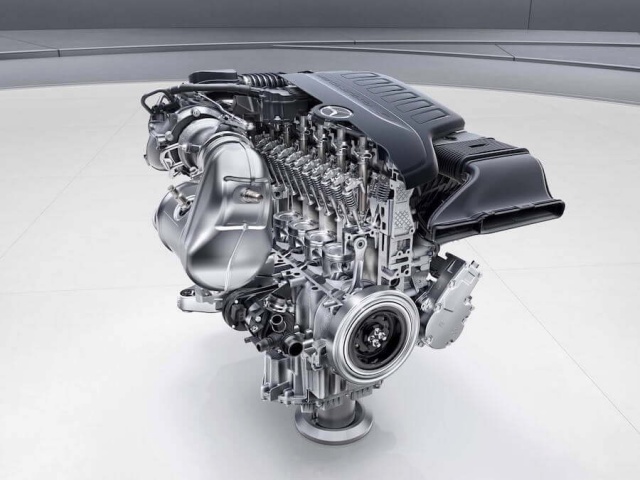
The new 2.0-litre turbodiesel is familiar, as it has already been introduced on the Mercedes E-Class this year. Its new six-cylinder relation, dubbed OM 656 in Mercedes speak, features steel pistons in an aluminium block, for a reduction in friction of as much as 50 per cent. Combined with Mercedes-Benz's Nanoslide technology, this reduces CO2 emissions, especially in low and medium engine operating rates, allowing the new six-cylinder a far better performance in the forthcoming 'Real Driving Emissions' testing. The straight-six diesel also features Camtronic, a switchable exhaust camshaft, which is also used on the new in-line six-cylinder petrol unit and 4.0-litre biturbo V8- the latter also features cylinder deactivation.
The in-line six petrol unit is Mercedes-Benz's first beltless engine, incorporating an ISG (Integrated Starter-Alternator) that operates within a 48-volt electric system with electrically powered auxiliaries such as the water pump and air conditioning compressor. It also allows as much as 80 per cent of braking energy to be recuperated. This, allied to the adoption of an electric in-fill turbo at low revs, allows the six-cylinder engine to deliver performance akin to a V8, Mercedes quoting outputs of 408hp and 500Nm, yet CO2 emissions reduced by as much as 15 per cent over the outgoing V6 petrol.
Anything else?
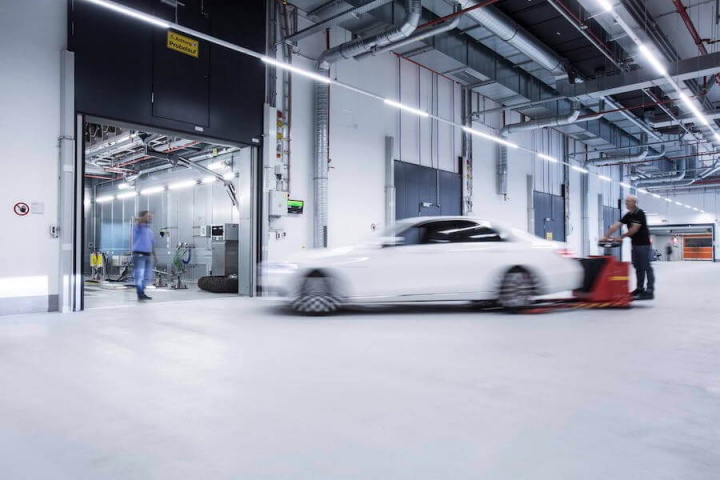
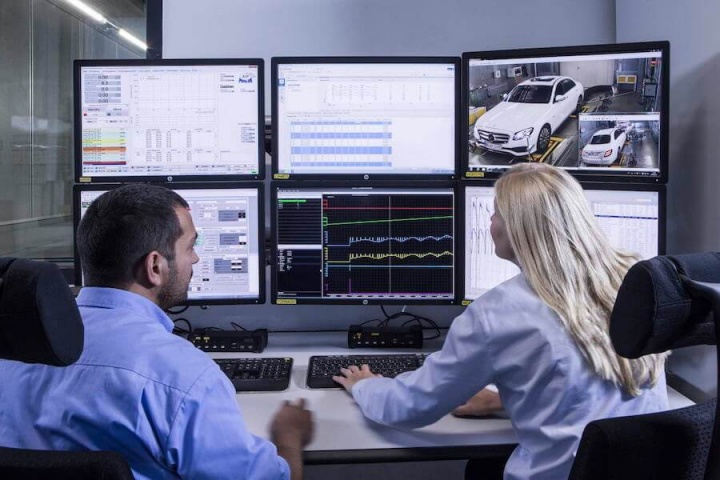
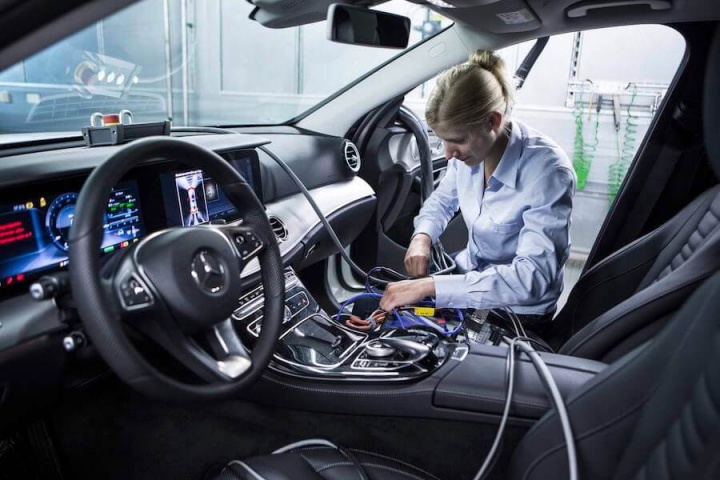
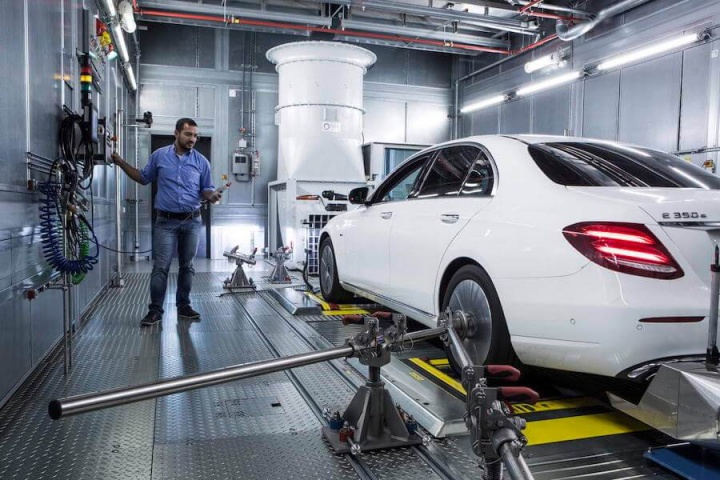
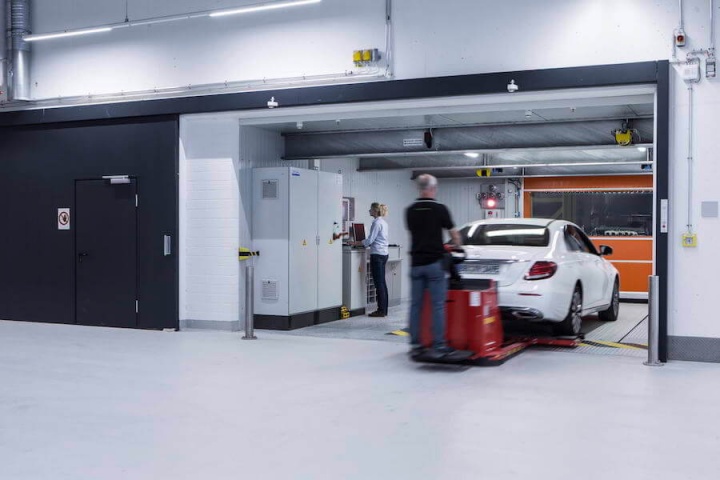
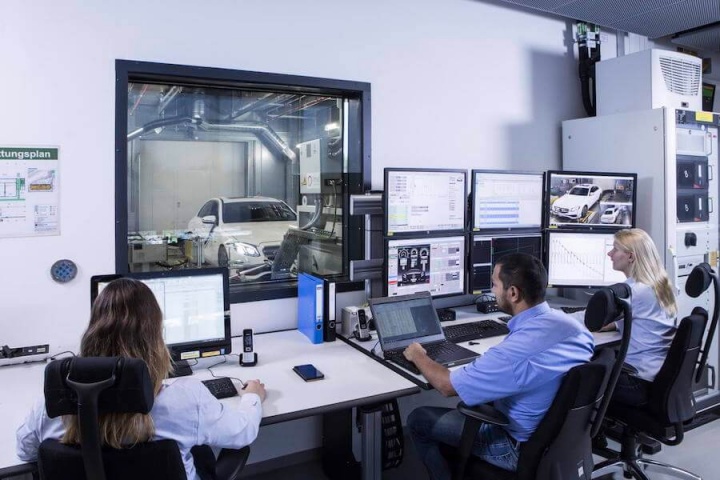
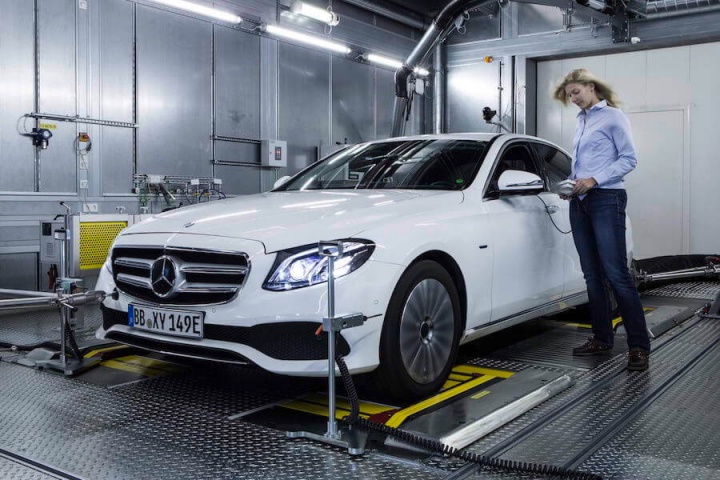
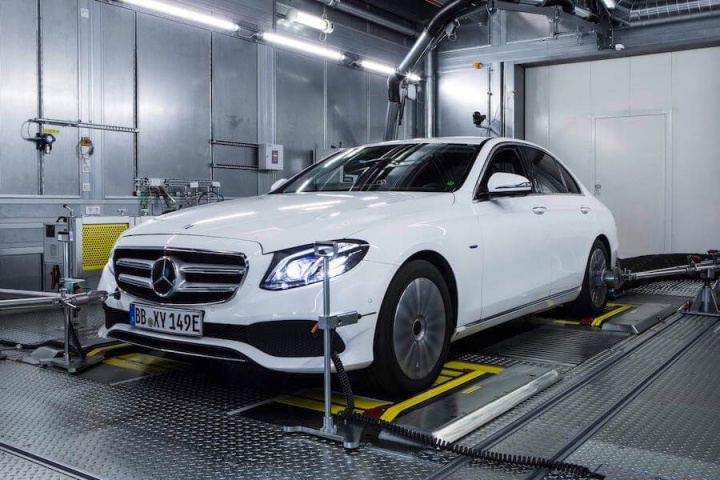
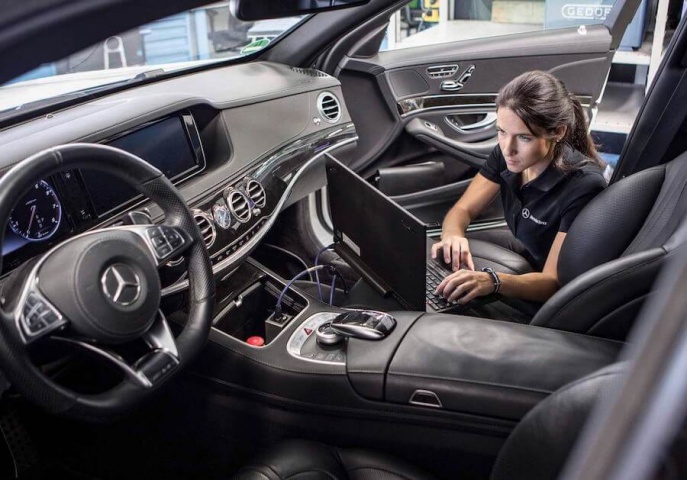
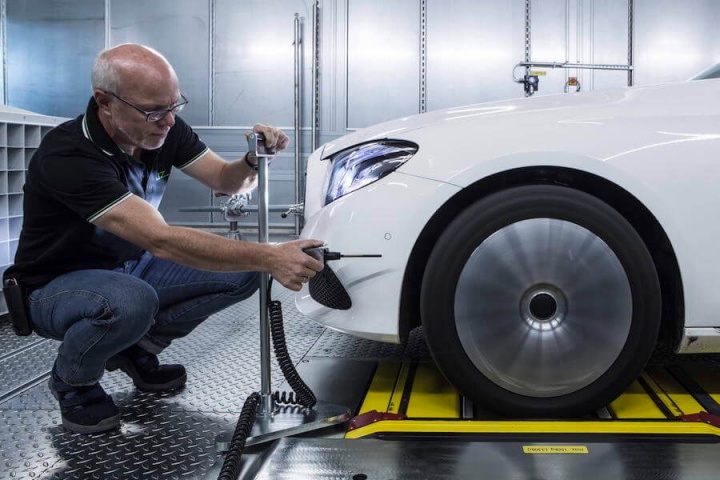
In addition to the huge investment in engines themselves, Mercedes-Benz has just unveiled its new engine testing facility in Sindelfingen, Germany. The Power Integration Centre - or AIZ as the German abbreviation - represents a further €600m investment, and features ten bays allowing 24/7, 365 days a year driverless operation and testing of vehicles in a variety of climatic conditions. The talk at the recent Paris Motor Show might have been all about Mercedes-Benz's EQ electric future, but the internal combustion engine is still giving more and consuming less for the foreseeable future.
If there is anything about this story we have not covered, you can avail of our expert advice service via the Ask Us Anything page.