

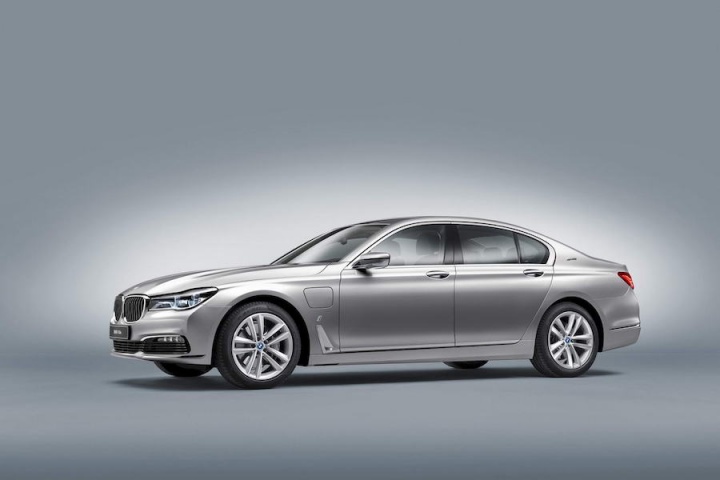
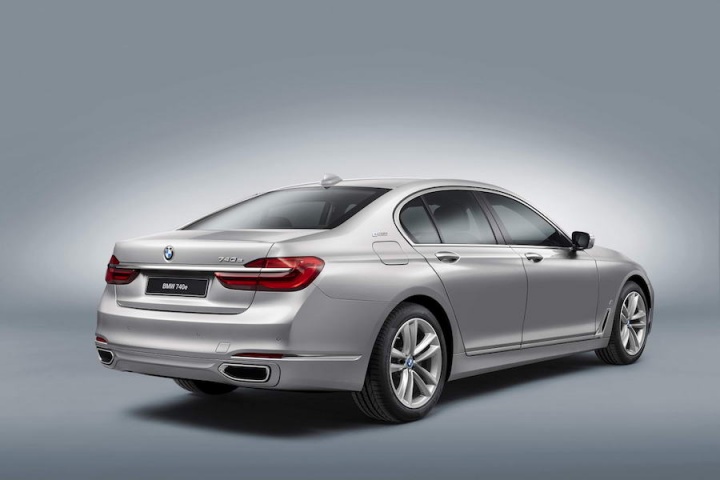
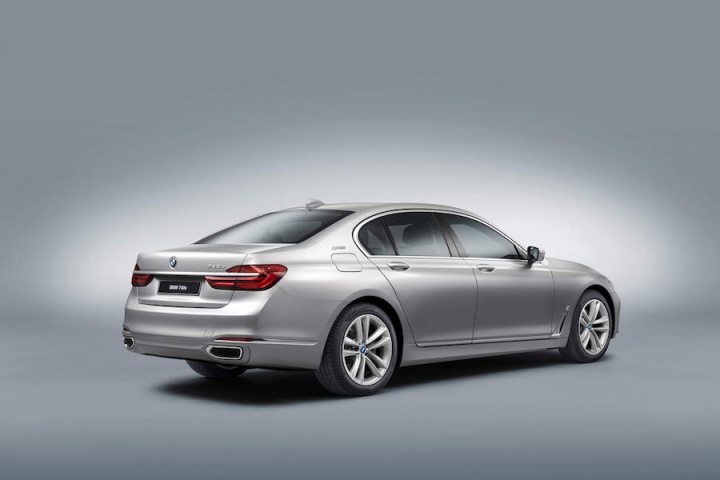
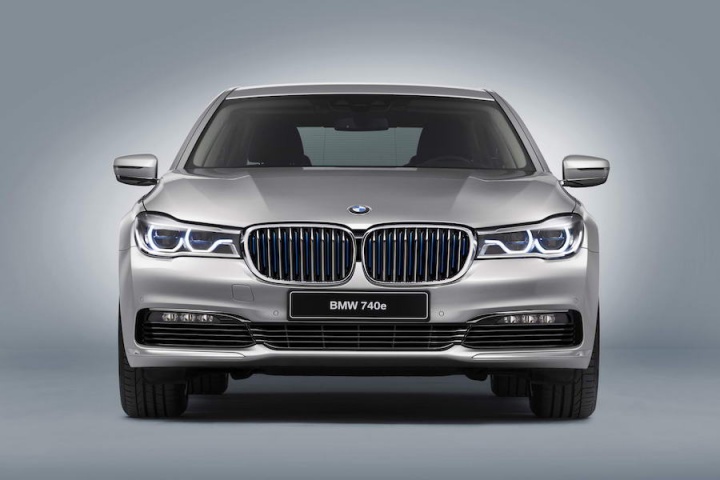
Exterior
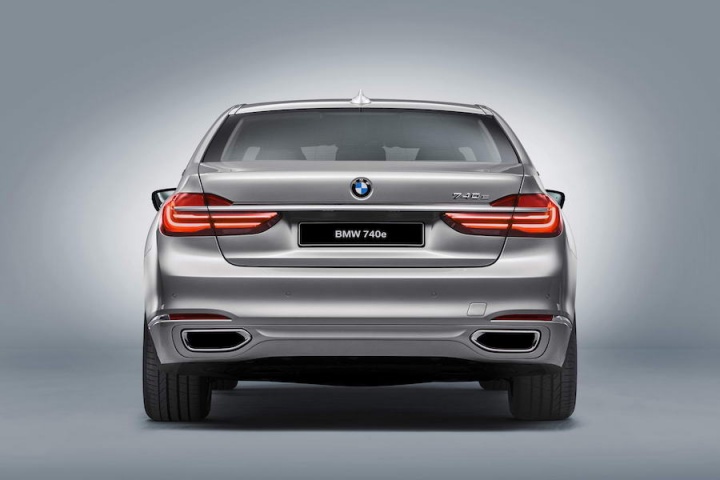
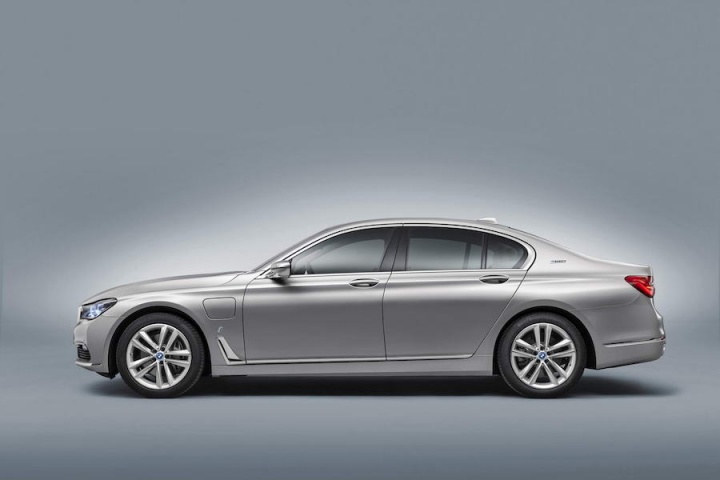
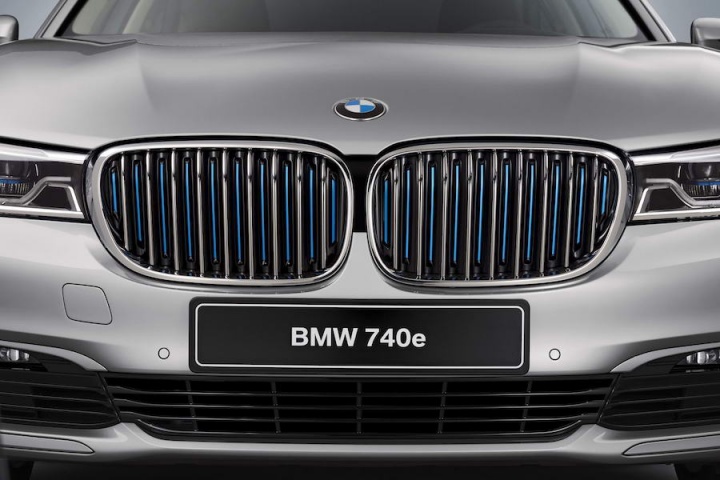
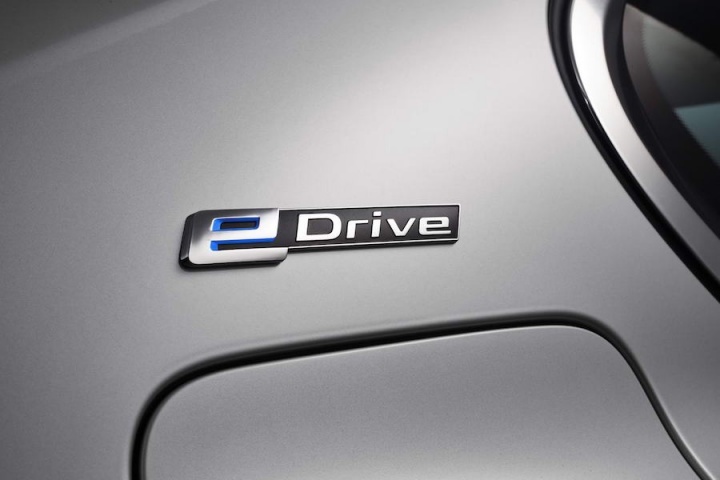
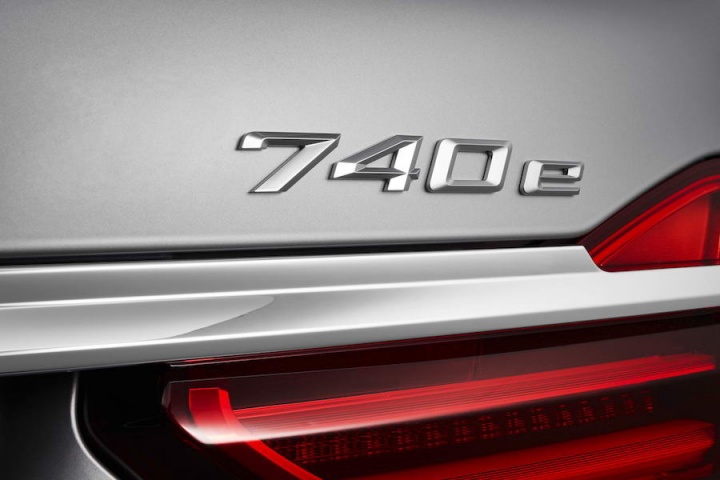
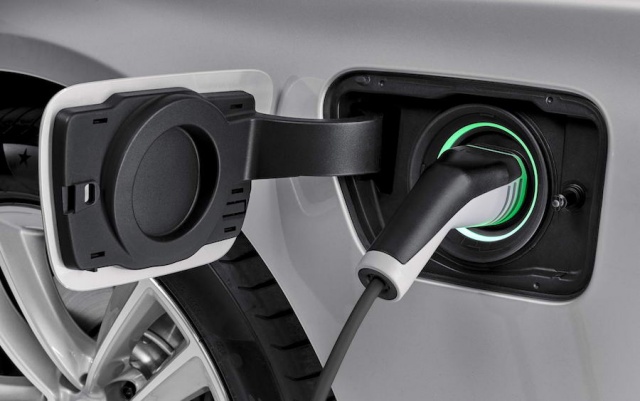
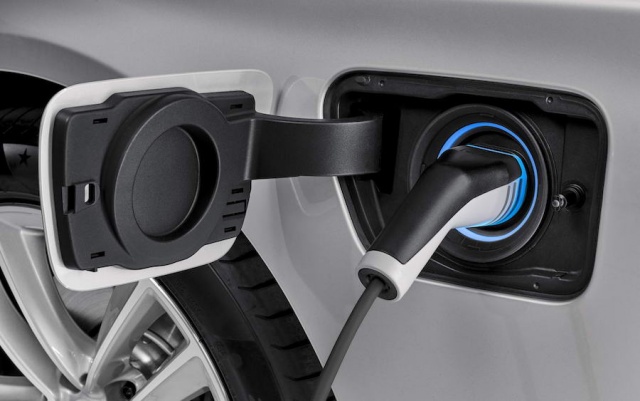
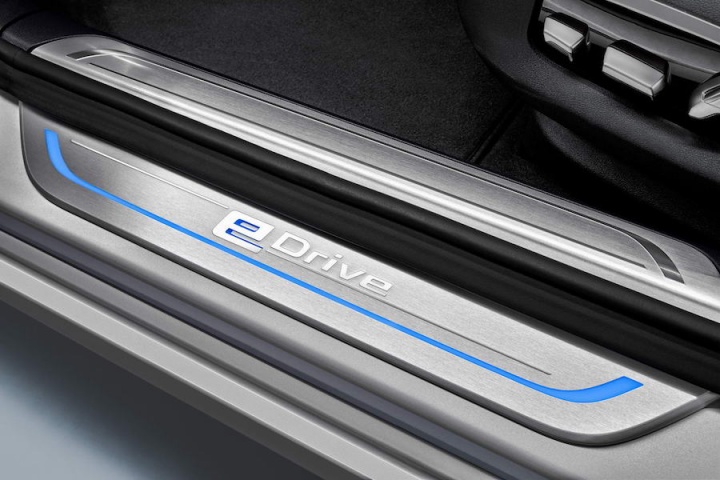
It won't be that difficult to spot the 740e, thanks to the new iPerformance branding and badging that extends to distinctive blue highlighting in the grille and on the wheels, but also because of the charging flap housed in the left-hand front wing. Saying that, buyers of the 740e can upgrade it to M Sport specification or pick and choose from the BMW Individual catalogue to customise the appearance.
Mechanicals
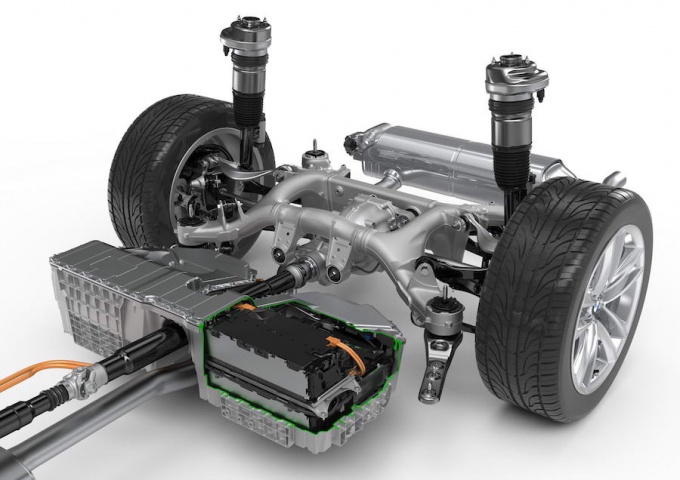
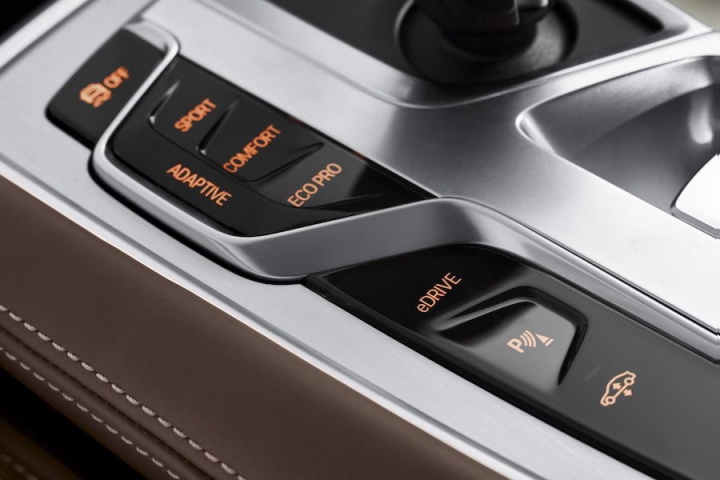
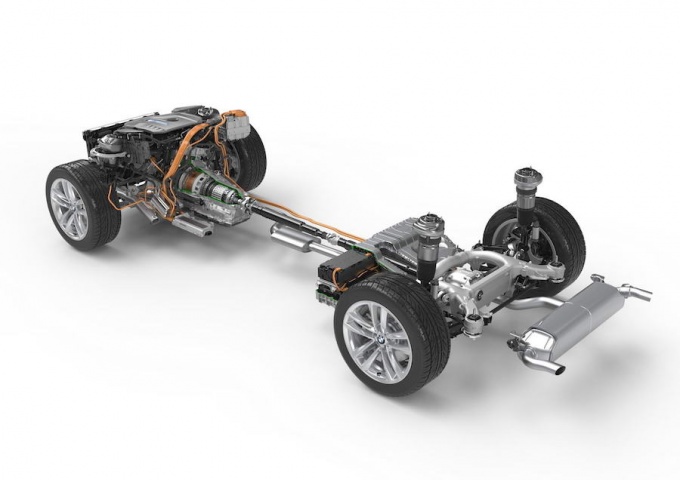
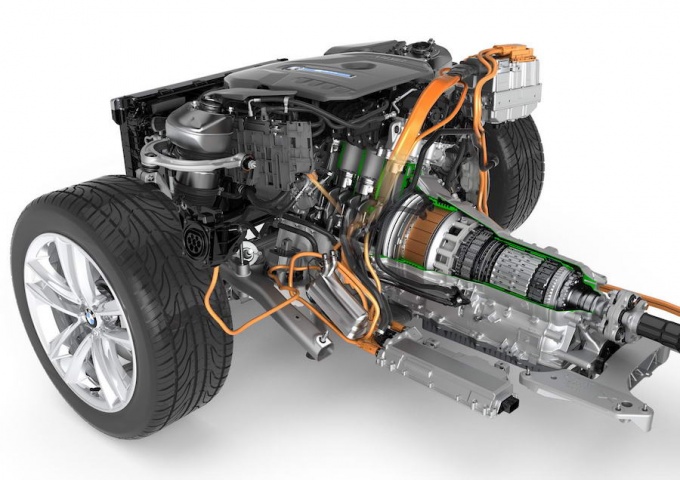
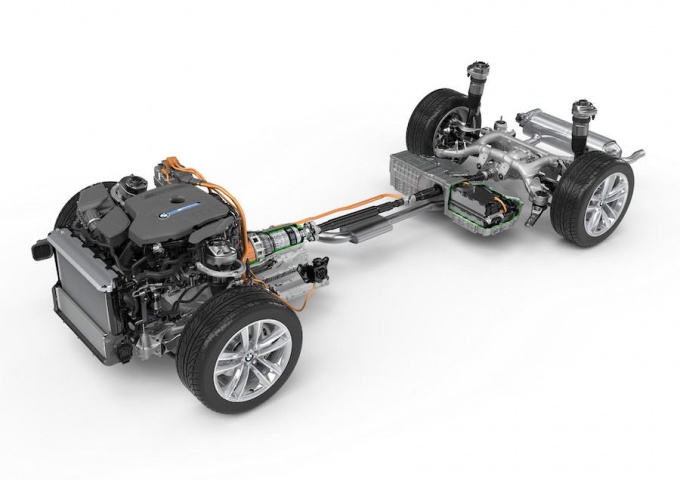
The BMW 740Le uses a turbocharged 2.0-litre four-cylinder petrol engine producing 258hp and up to 400Nm of torque, the latter on tap from 1,250- to 4,800rpm. That's supplemented by a permanently excited (I'm not making this up) synchronous electric motor that can put out up to 113hp, with its 250Nm maximum torque available instantaneously. This is mounted within the casing of the eight-speed automatic transmission. BMW quotes a system maximum power output of 326hp and overall peak torque of up to 500Nm. The 0-100km/h sprint takes 5.6 seconds in the 740e, 0.1 seconds longer in the long wheelbase version and 5.5 seconds for the 740Le with xDrive. On the combined cycle, the 740e uses just 2.1 litres/100km (134.5mpg), consumes 12.5kWh of electricity, emits 49g/km of CO2 and can travel up to 40 kilometres on battery power alone. The 740Le xDrive's figures aren't far off, at 2.3 litres/100km (122.8mpg), 13kWh, 53g/km and 37 kilometres.
Anything else?
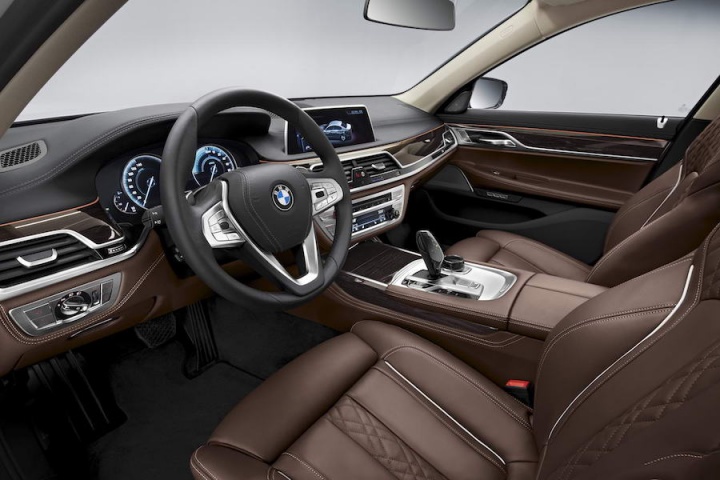
A high level of equipment is standard on the 740e, including LED headlights (laser lights are an option), the high-tech BMW Display Key and ConnectedDrive satnav, but unique to the PHEV car is auxiliary air conditioning, allowing the owner to pre-set the interior temperature, using the high voltage lithium-ion battery, or, if the car is plugged into the mains to charge that battery, the mains electricity itself.
If there is anything about this story we have not covered, you can avail of our expert advice service via the Ask Us Anything page.