

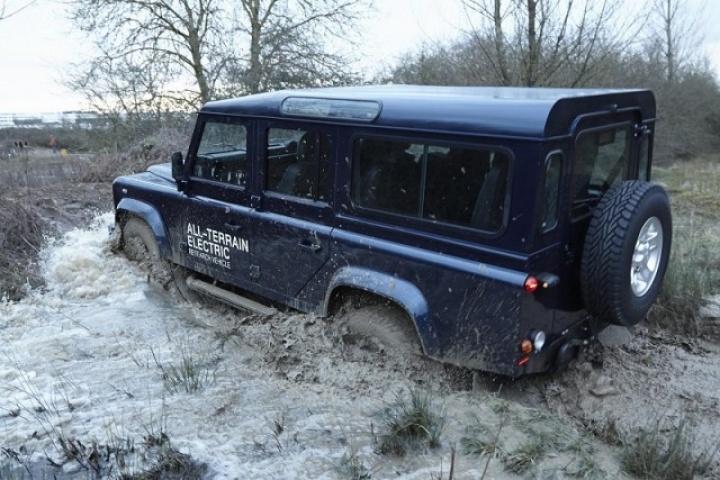
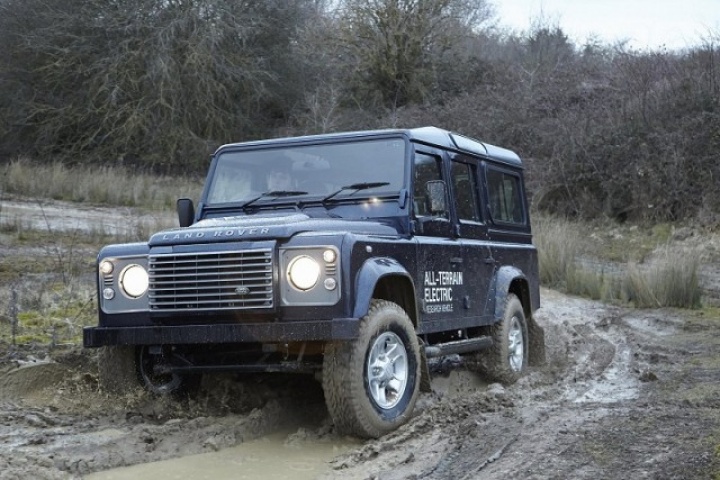
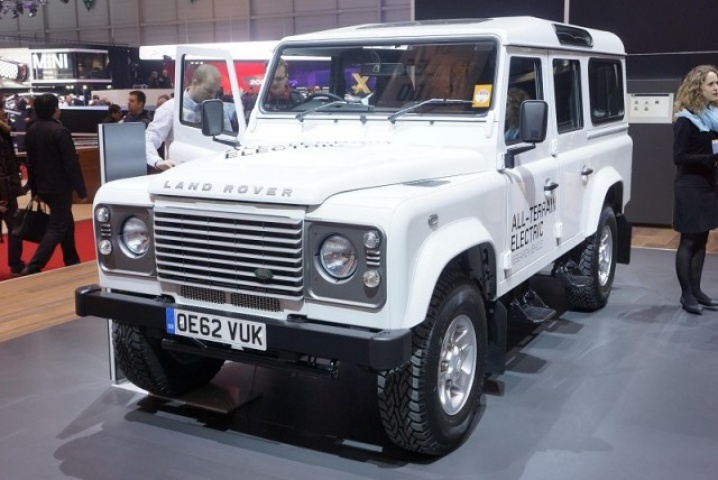
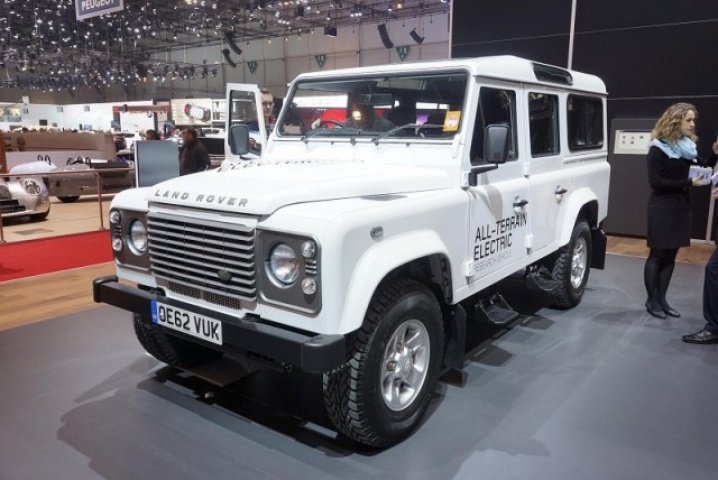
Exterior
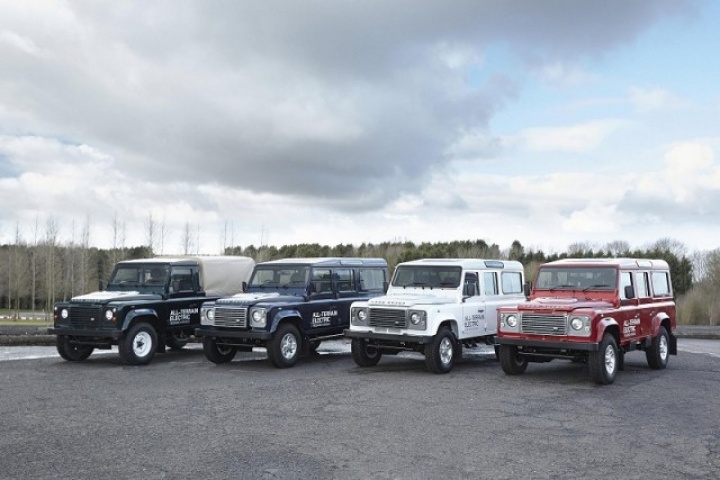
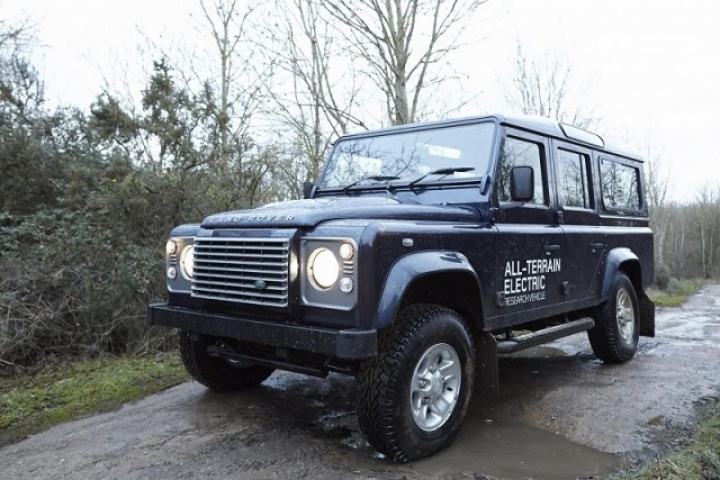
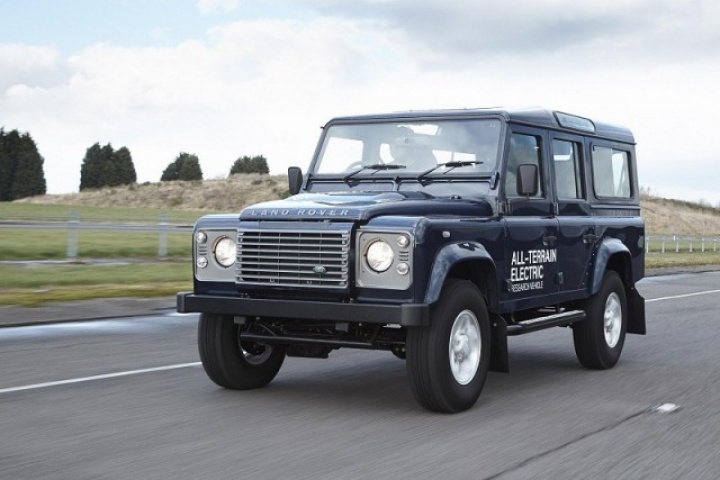
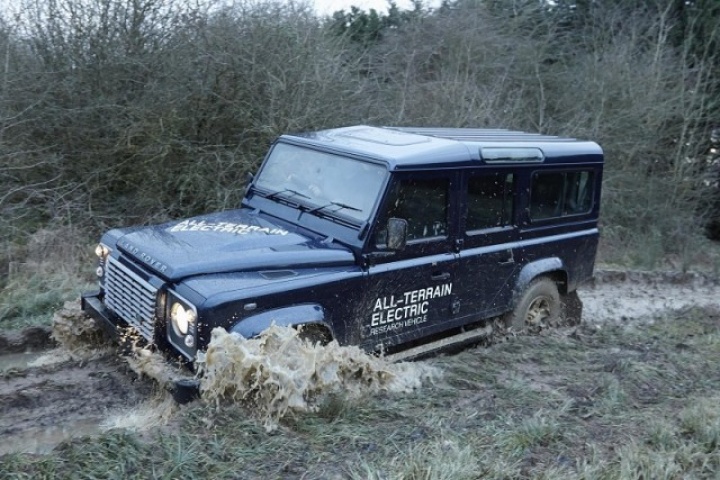
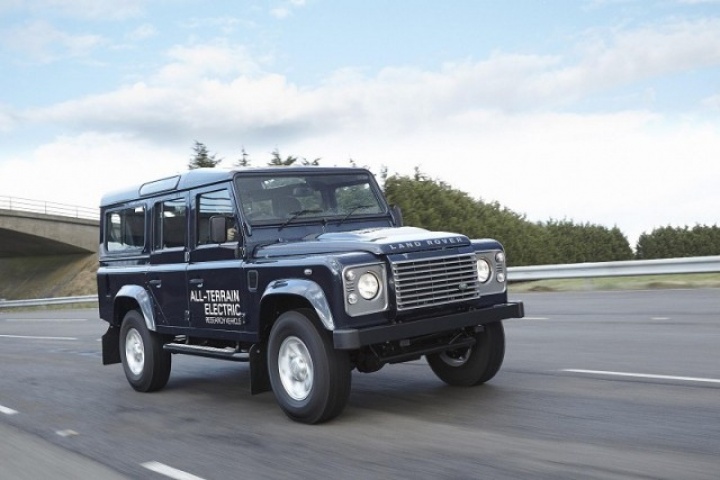
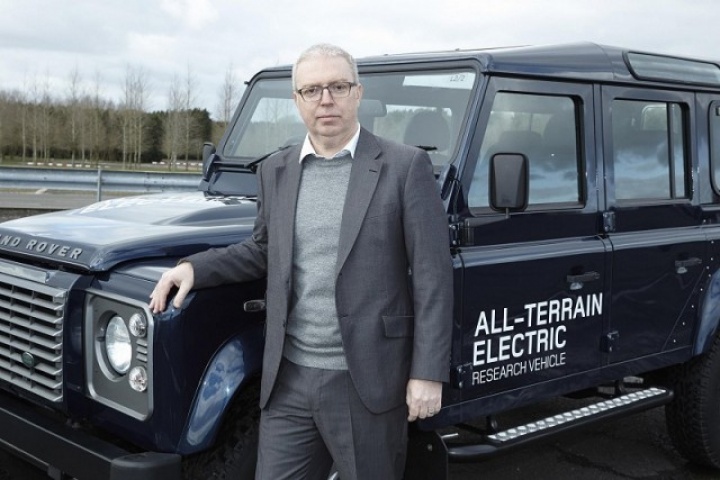
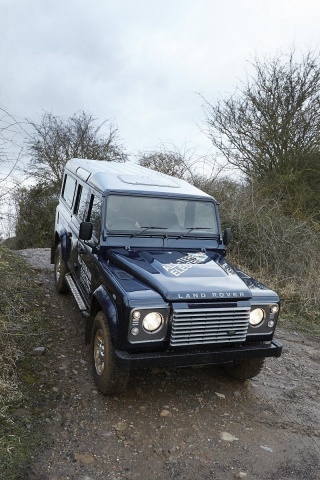
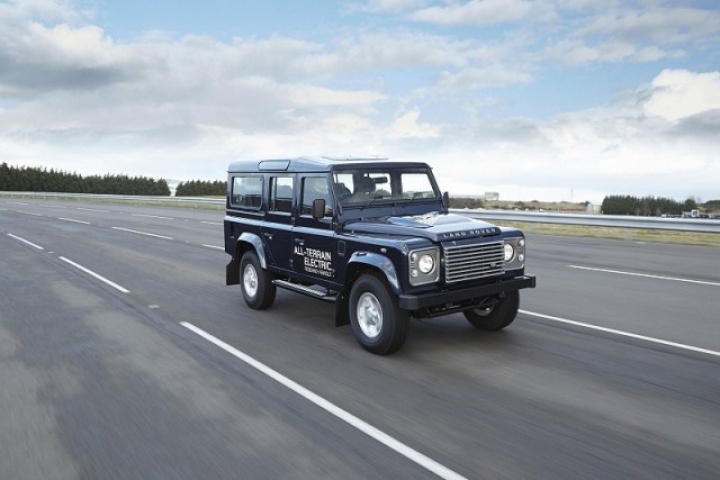
Despite the changes underneath the Defender still looks like a Land Rover. Three body styles have been produced: pick-up, hard top and station wagon.
Interior
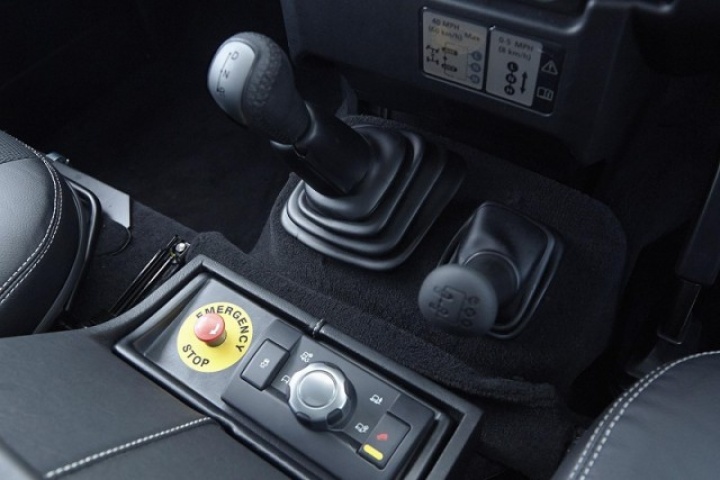
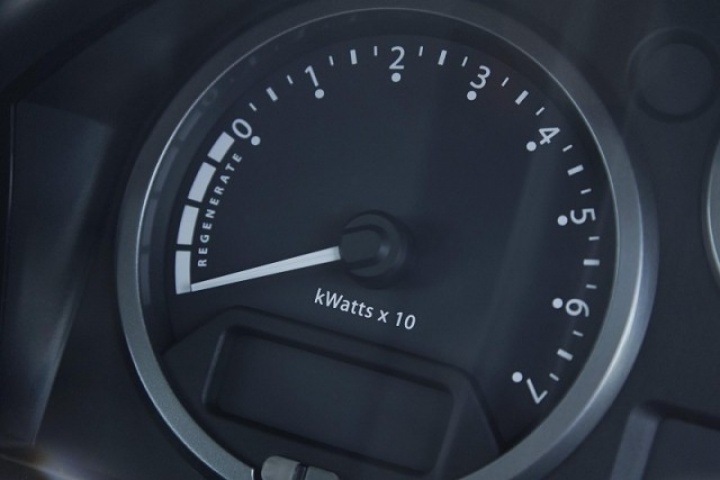
At a glance there isn't much to differentiate the interior from that of a standard Defender. A closer look reveals a power meter instead of a rev counter and a gear lever with just three positions; forward, neutral and reverse.
Mechanicals
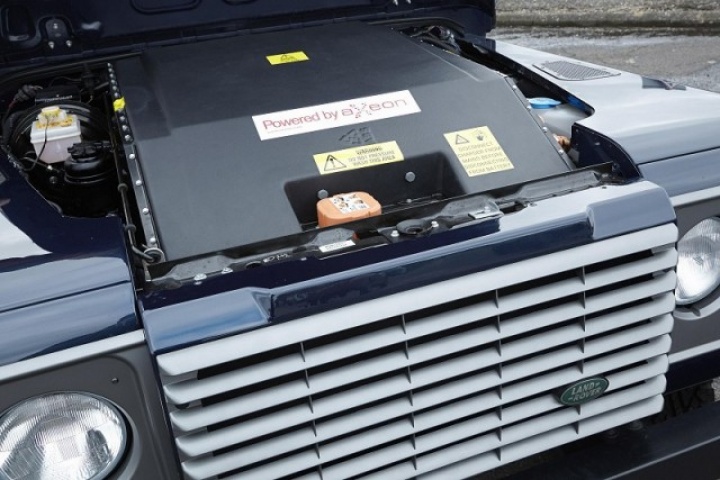
A lithium-ion battery providing 27kWh of electricity replaces the standard diesel engine. A 95hp (70kW) electric motor drives through the standard four-wheel drive system complete with differential locks. A single 2.7:1 reduction gearbox replaces the standard transmission.
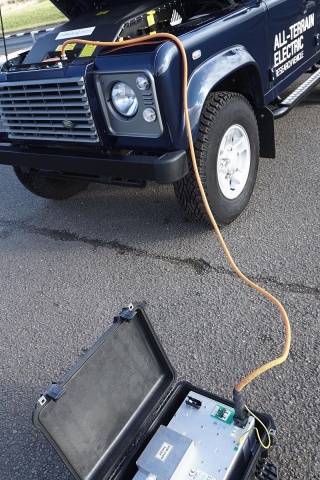
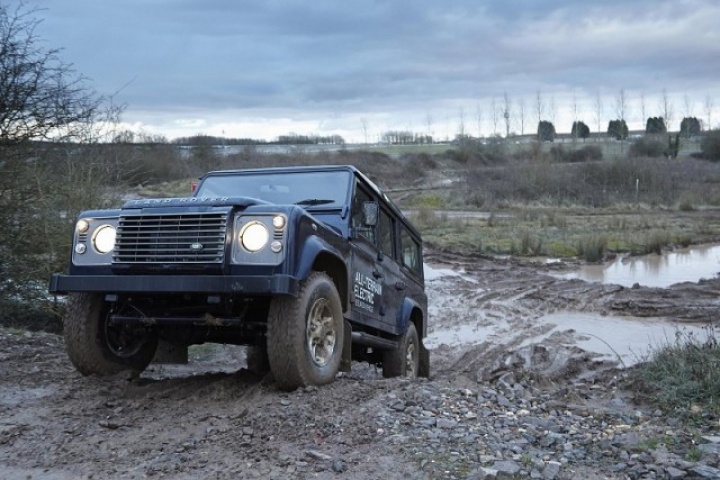
Charging the battery can be done in four hours using a fast charger or ten hours with a portable 3kW charger. The range is said to be over 80 kilometres and in low-speed, off-road use the battery can last for up to eight hours. Land Rover claims the characteristics of the electric drivetrain are well suited to climbing obstacles without causing unnecessary damage to the ground.
Anything else?
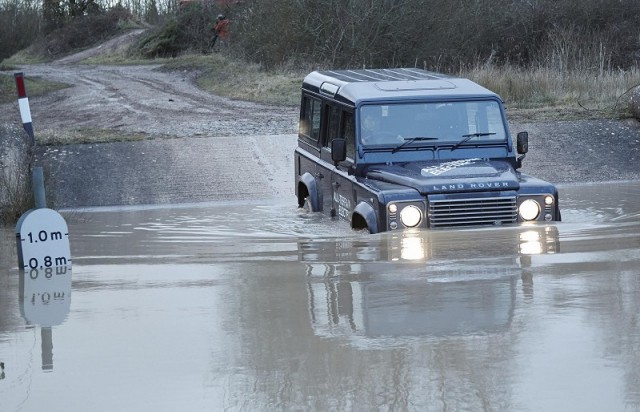
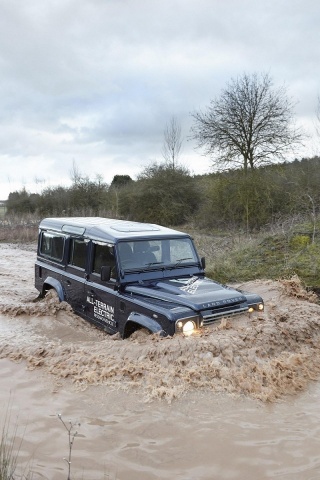
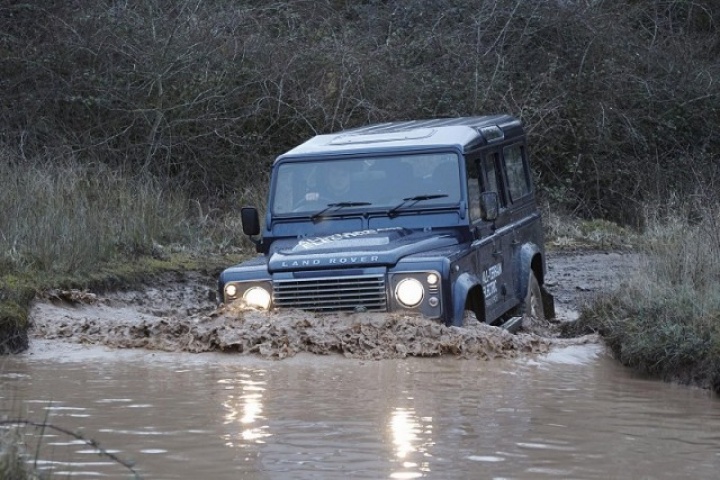
The electric drive system has been subjected to tests that most electric vehicles wouldn't undergo, including hauling a 12-tonne 'road train' up a 13% gradient and wading to a depth of 800mm. Although the electric Defender won't be going into production Land Rover will use the vehicles as rolling laboratories to undergo several real world trials later this year.
If there is anything about this story we have not covered, you can avail of our expert advice service via the Ask Us Anything page.