

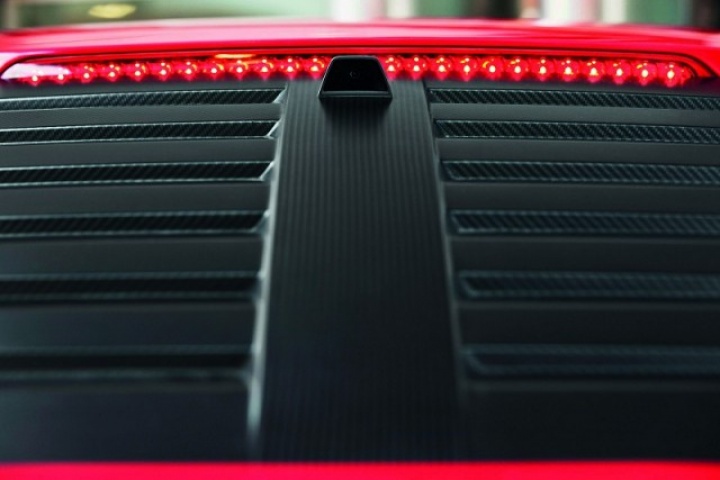
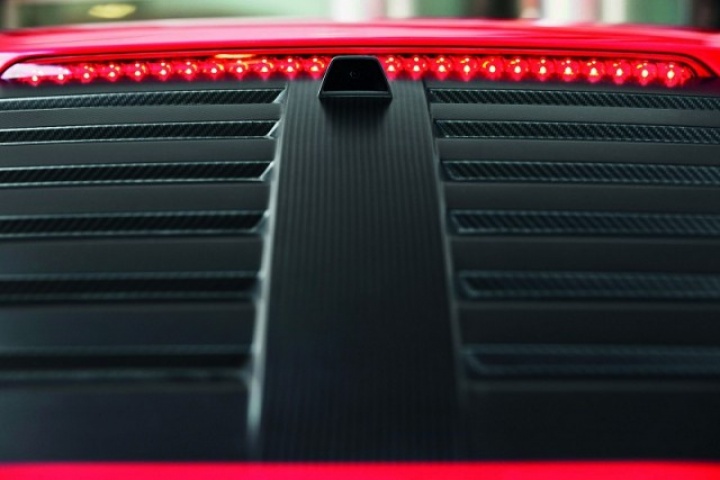
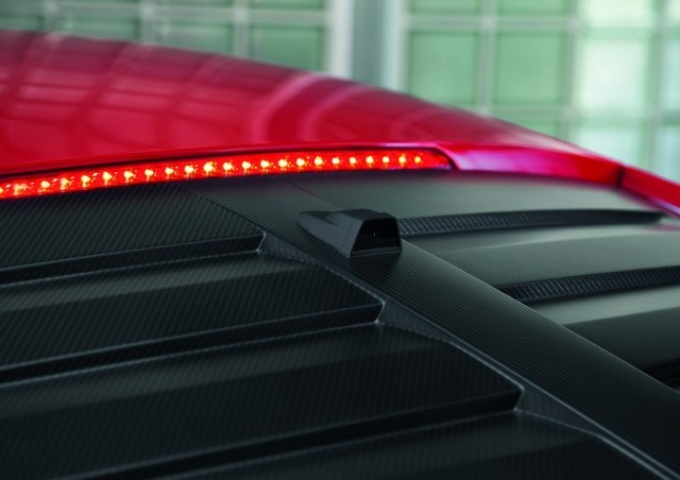
The control unit for the system is said to reliably deliver high-quality images, and it automatically dims the dazzle of headlights at night. The driver can even choose to turn off the system altogether too. The tiny camera is mounted in a heated, 'aerodynamically efficient' housing and offers a much wider view than the traditional mirror - despite having a lens only a few millimetres in diameter.
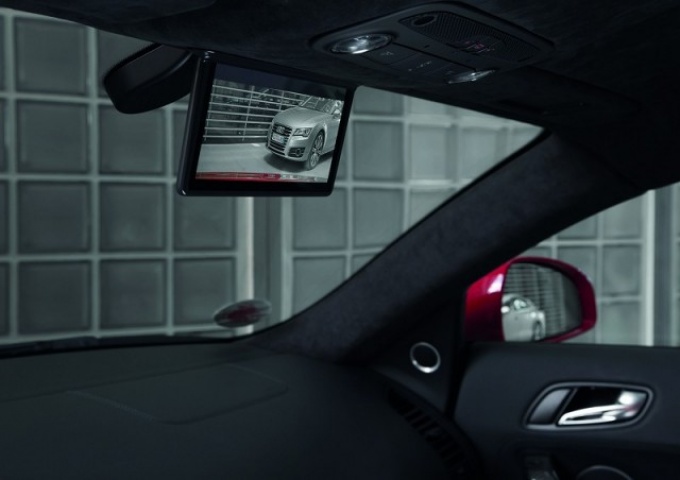
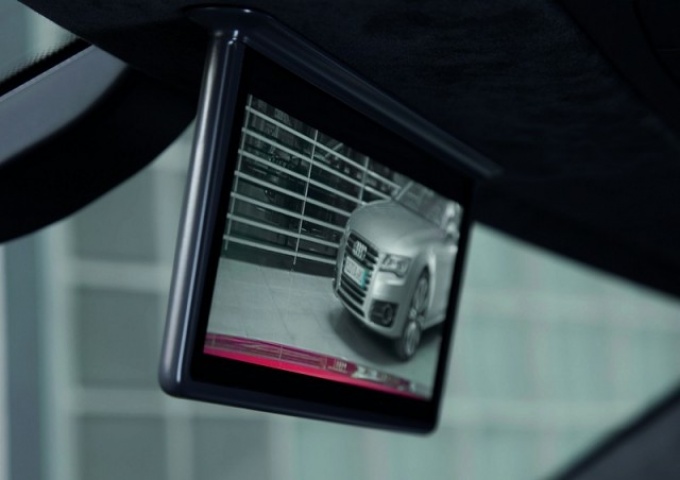
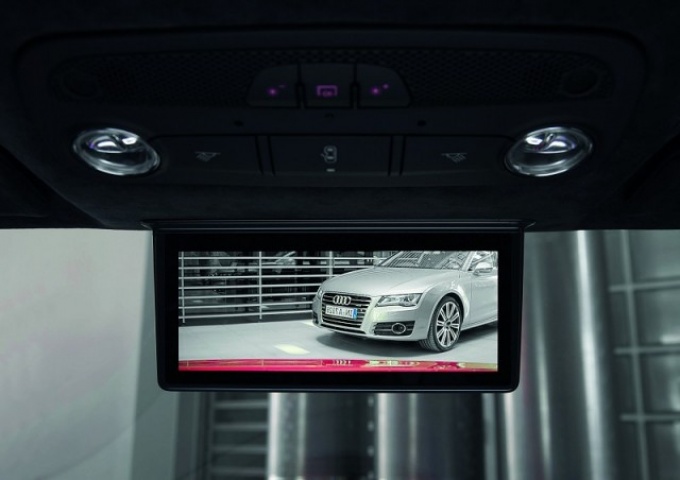
Inside the car, the display uses AMOLED (Active Matrix Organic Light Emitting Diode) technology; a setup already used in mobile phones. As opposed to the LCD equivalent, the AMOLED monitor is more energy-efficient, thinner and lighter. The display also requires no backlight as the materials used are self-illuminating. Currently, only the rear view of the car is displayed on the monitor; however, Audi is working on making the display show additional information in the future.
So far, the technology has proven successful and reliable in its debut at Le Mans this year, where Audi achieved a one-two-three finish with all three R18 racers fitted with the rear-view camera. Like the R8 e-tron, the R18 racer has no rear window.
We hope to see the production ready electric R8 at the Paris Motor Show next month.
If there is anything about this story we have not covered, you can avail of our expert advice service via the Ask Us Anything page.