
Maybe. Maybe we do…
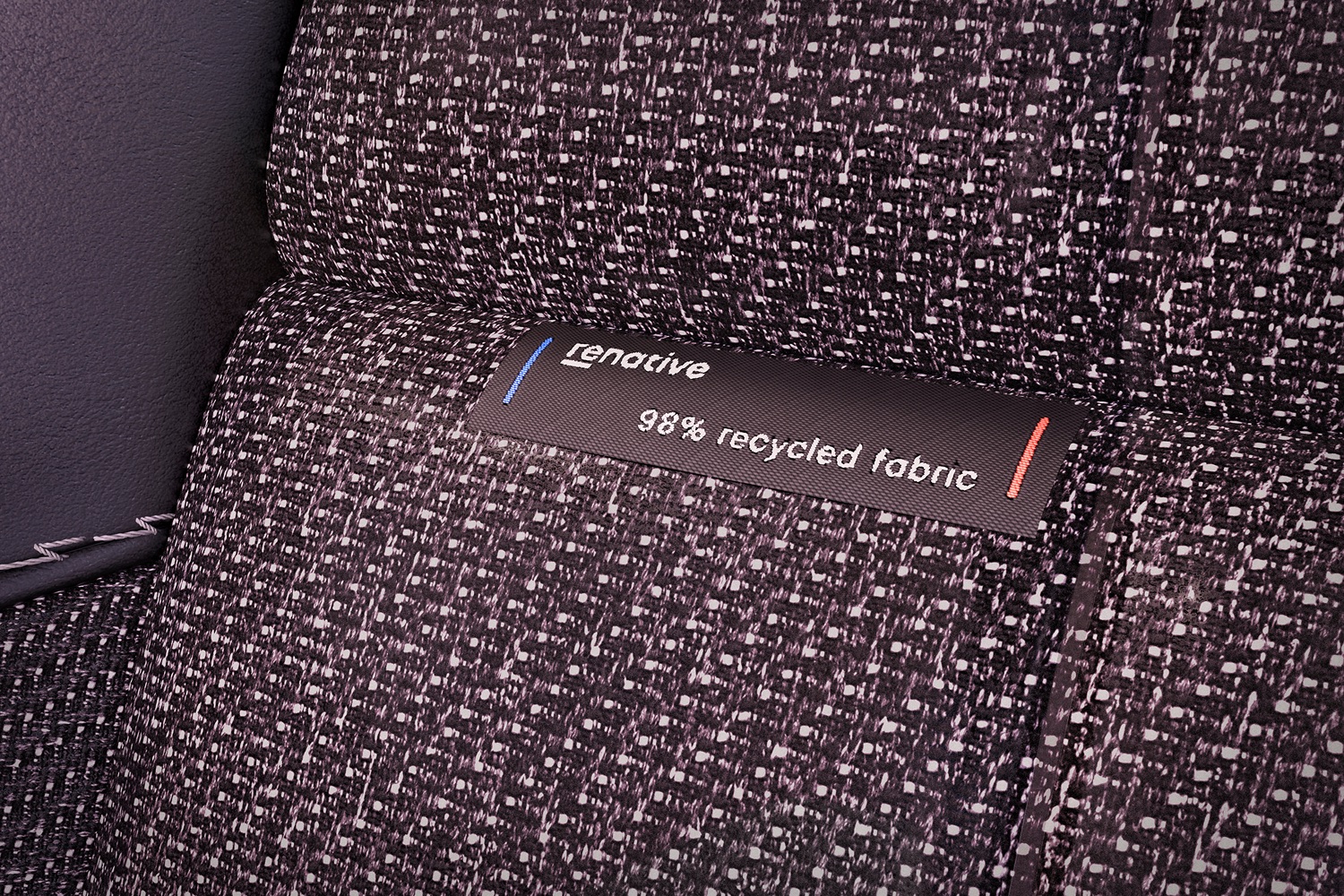
Well, then I have good news! Renault is about to start labelling the recycled materials that it uses in its cabins with the badge of its circular-economy sub-brand renative.
Don't you mean 'Renative'?
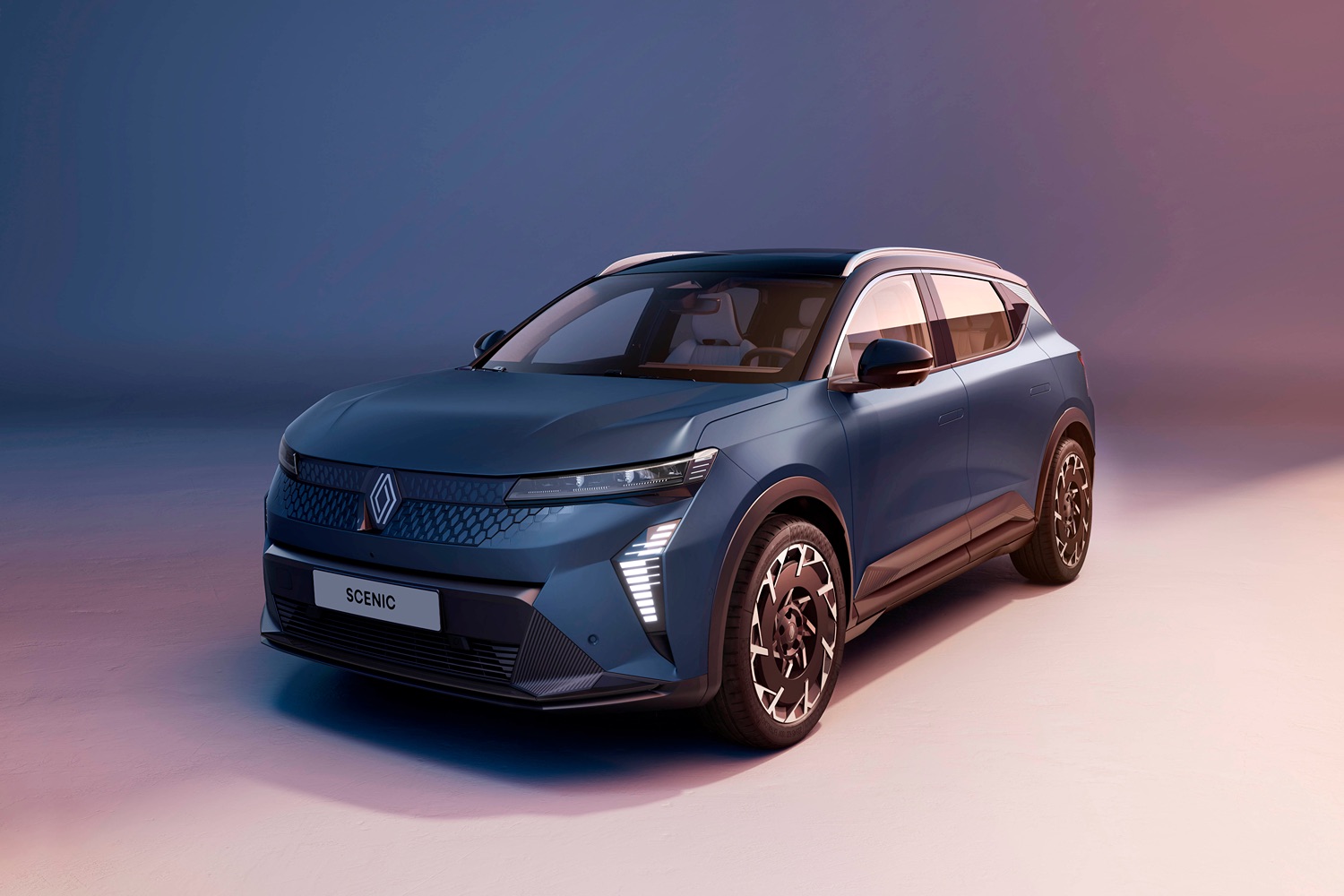
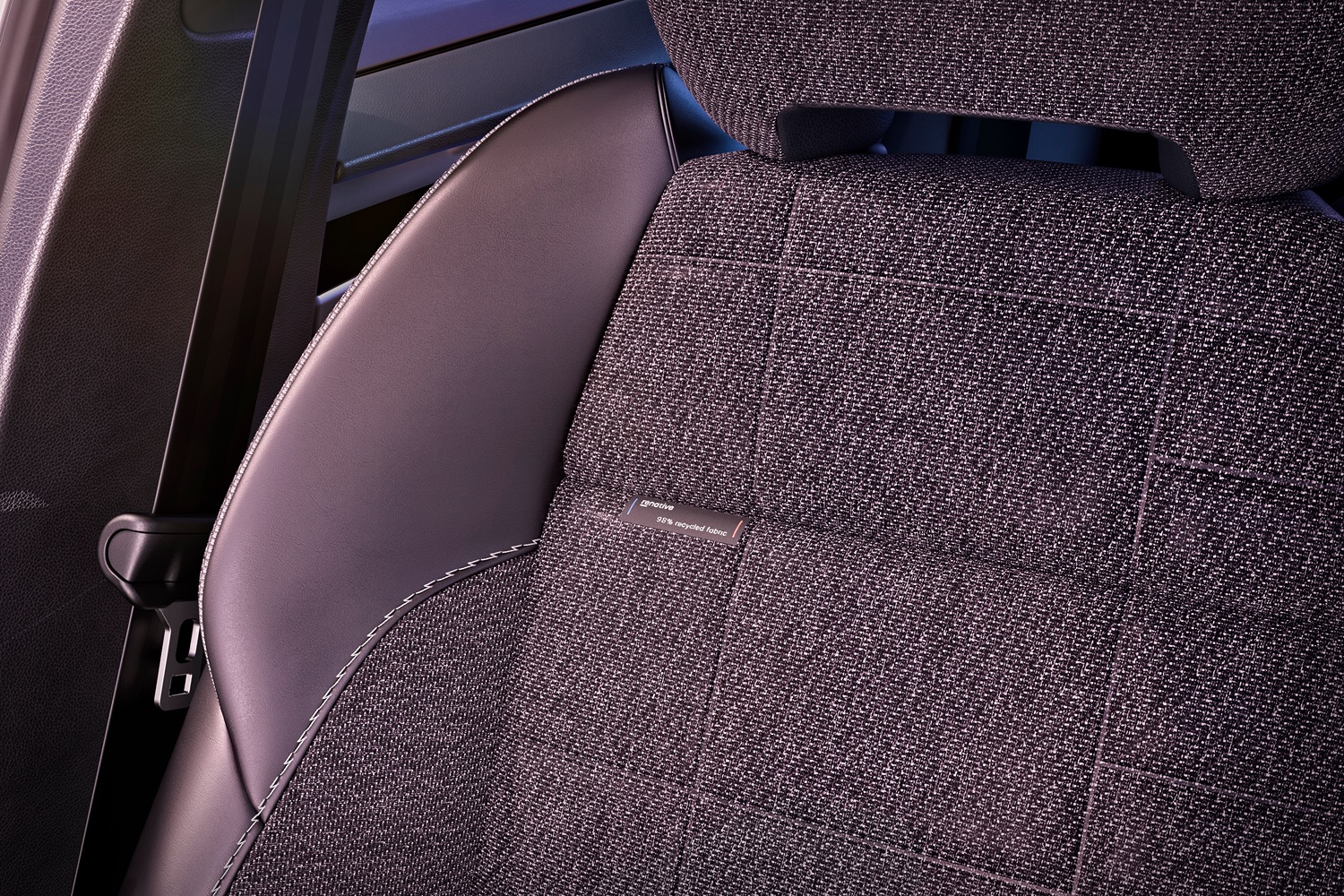
No, I mean renative. Like bell hooks, and dinnerladies (look them up…), Renault is refusing to capitalise its recycled materials brand, and we'll start to see it first in the Renault Scenic E-Tech electric SUV, on the seats of the Techno version.
What is Renault renative?
It's an umbrella brand, really, that will encompass all of Renault's recycled material efforts. It started out on Renault's spare and replacement parts, and now it's moving into new cars. Renault hopes that by highlighting the various bits and pieces inside its cars made from recycled materials, it can boost customer knowledge of, and desire for, parts and components that come from the circular economy of recycled parts.
How much recycled material is in Renault cars?
Quite a lot, and it's not a new thing. Fitting components made from recycled plastics dates all the way back to the 1991 Renault Clio. Today, the latest Clio Esprit Alpine uses at least 33.9 per cent materials from the circular economy, while the soft textiles of the Renault 5 E-Tech are 100 per cent recycled on most versions. The big glass roof in the Renault Scenic E-Tech, the Symbioz hybrid, and the Rafale SUV-coupe is made of more than 50 per cent circular materials, while even the Master van uses up to 20 per cent recycled materials for its dashboard.
Related: all our Renault reviews
Is this a good thing?
Absolutely. Renault reckons that the materials from which an electric car is made account for nearly 50 per cent of its total carbon footprint, so using more and more recycled stuff is going to bring those lifetime CO2 figures down dramatically.
What recycled renative materials will we see in the new Scenic?
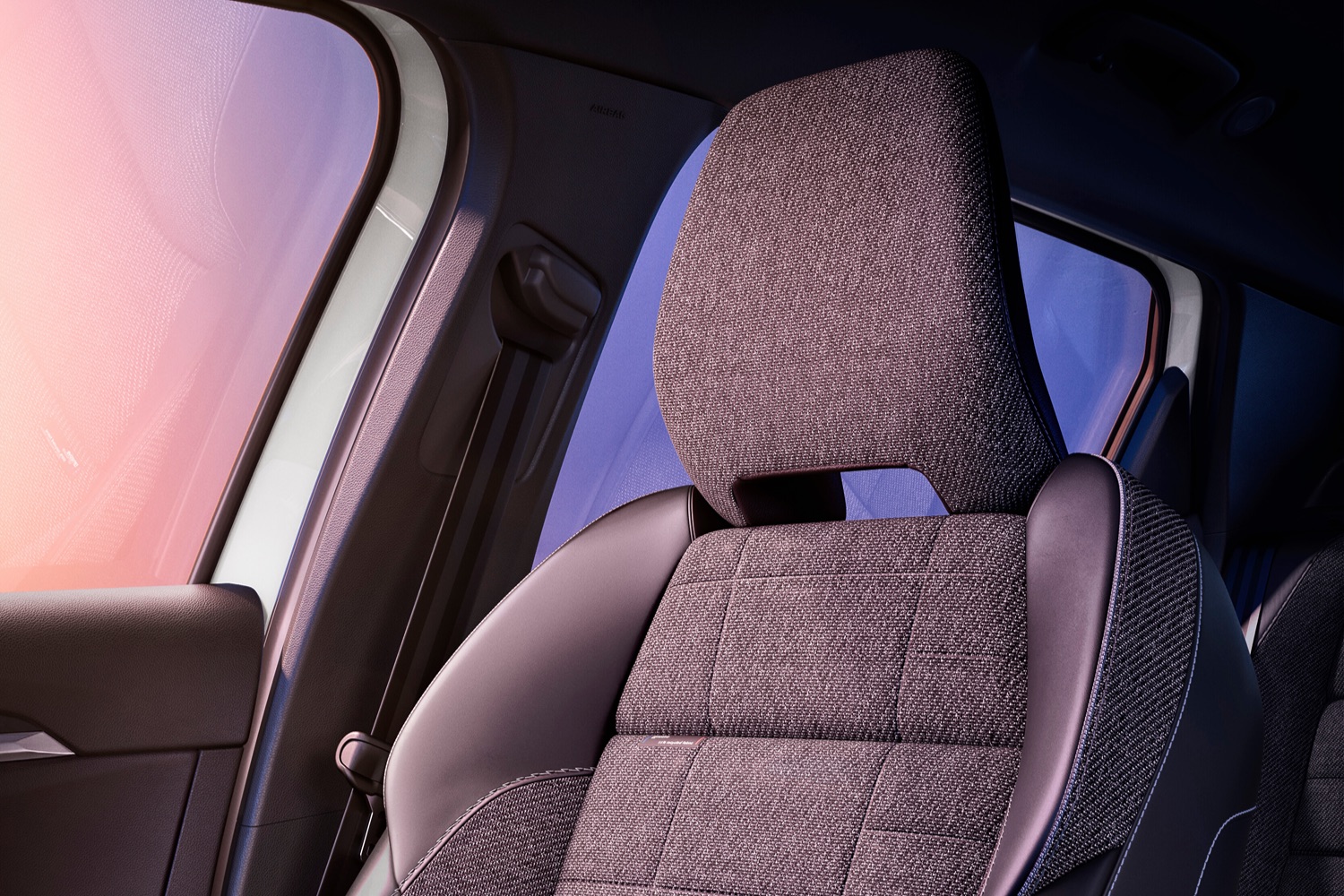
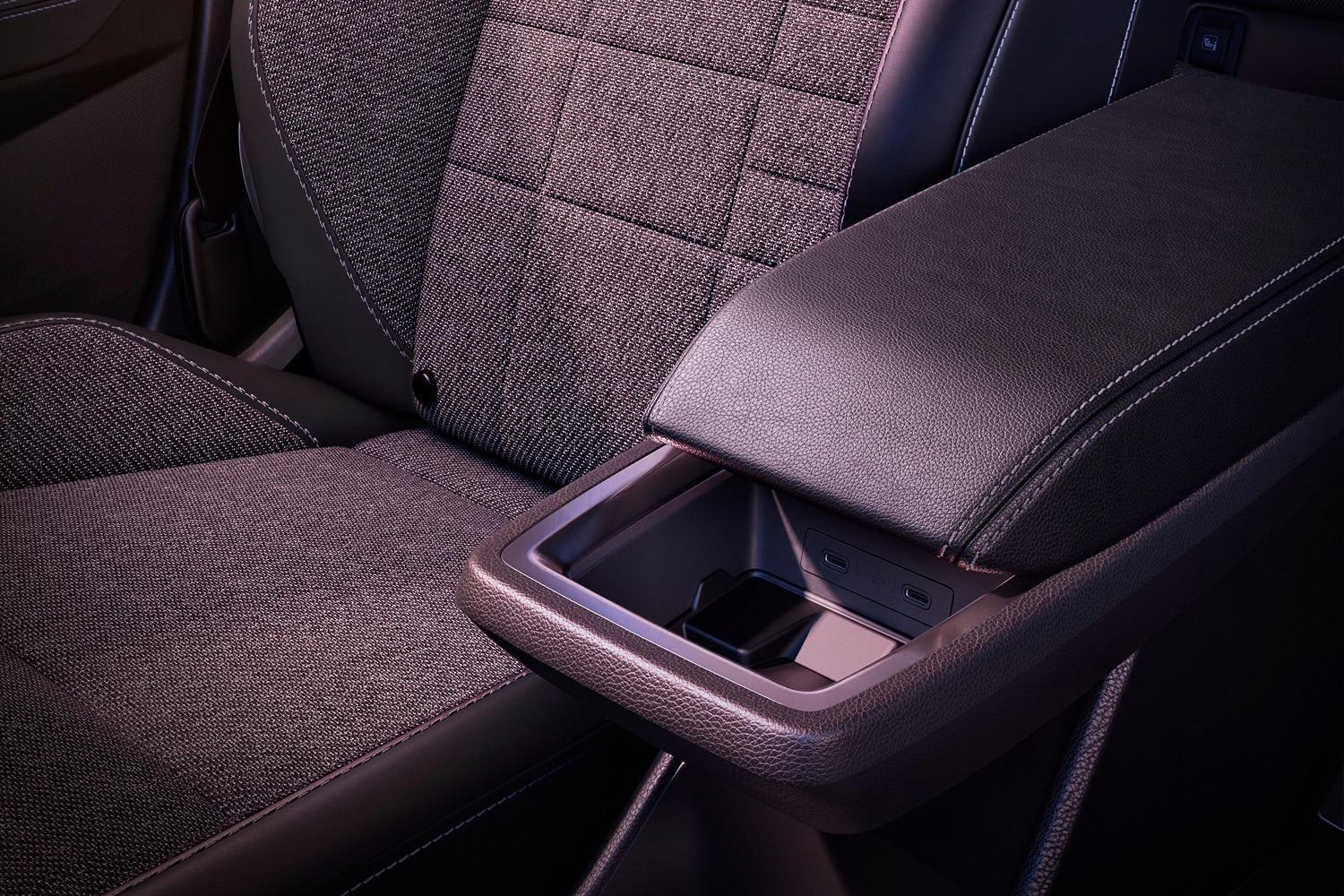
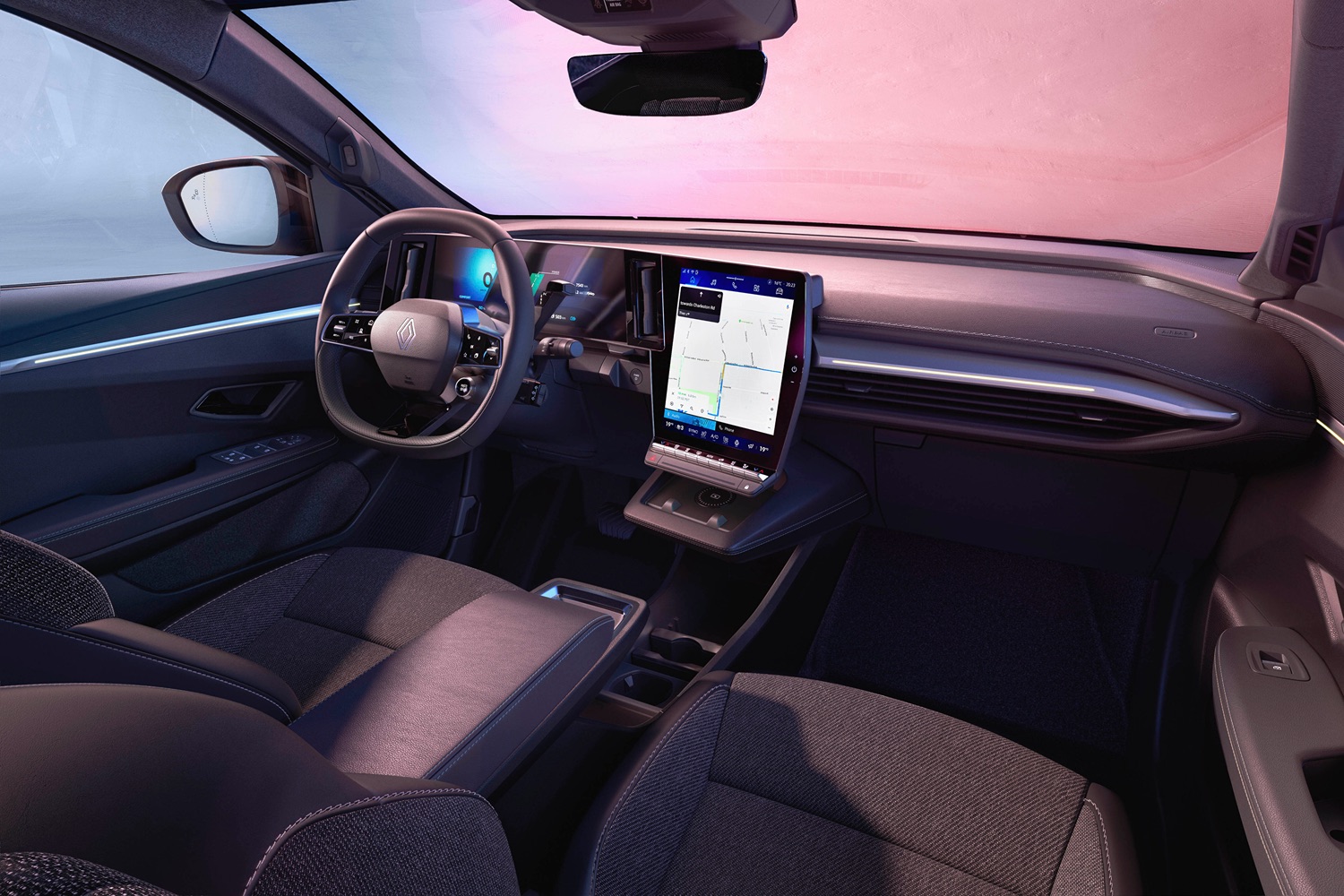
The most obvious use of renative recycled materials will be in the Scenic's seats. Or more accurately, on the seats, as the seat fabric in the Techno version will be made up of 98 per cent recycled material. There's more than that, though: the structure of the dashboard, for example, is 80 per cent recycled polypropylene, while the headliner material is made from 99.5 per cent recycled plastic bottles. The idea of adding the renative badge, says Renault, is not only to highlight the fact that these components use recycled materials, but also the fact that they blend in seamlessly with the rest of the cabin. If you didn't know, you'd never notice, as there's no drop-off in quality.
Can you get renative parts for older Renaults?
Yes. In fact, that's where renative started. Renault already offers more than 2,000 renative spare and replacement parts, including remanufactured parts, reconditioned batteries, repaired electronic components, reused parts, re-refined oils and accessories incorporating recycled materials. The idea is that these parts meet the same high quality as the usual manufacturer-sourced replacement parts, but they're more affordable, with a remanufactured part costing 30 per cent less than a new one on average, as well as having a lower environmental impact.
Is it all just seats and textiles?
For now, but Renault says the renative brand could spread out to other parts of the car too, including plastics, aluminium, steel and glass, across the entire Renault range. Watch this (recycled) space.
If there is anything about this story we have not covered, you can avail of our expert advice service via the Ask Us Anything page.