


OK, yes. Got all that. Why are you reminding us?
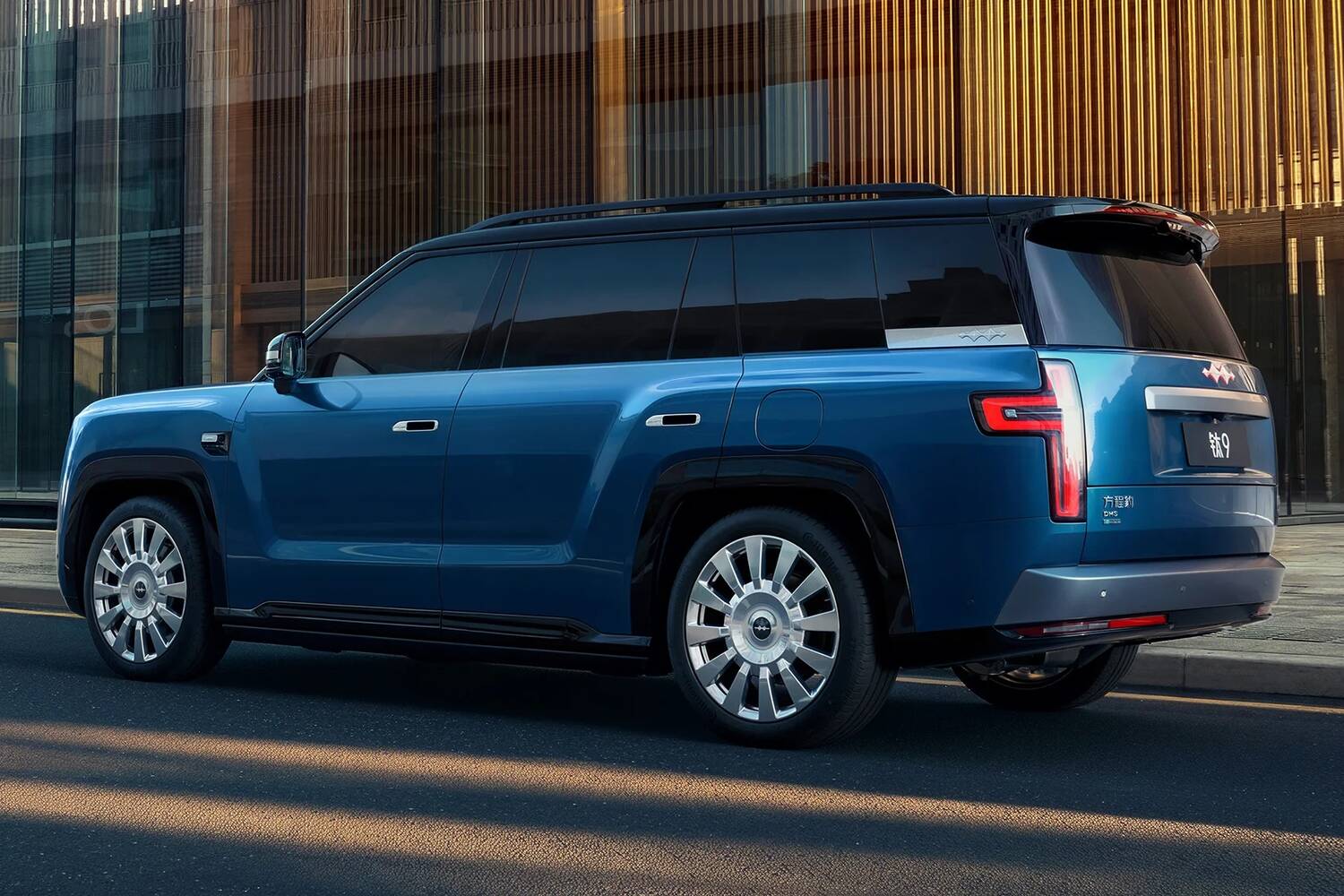
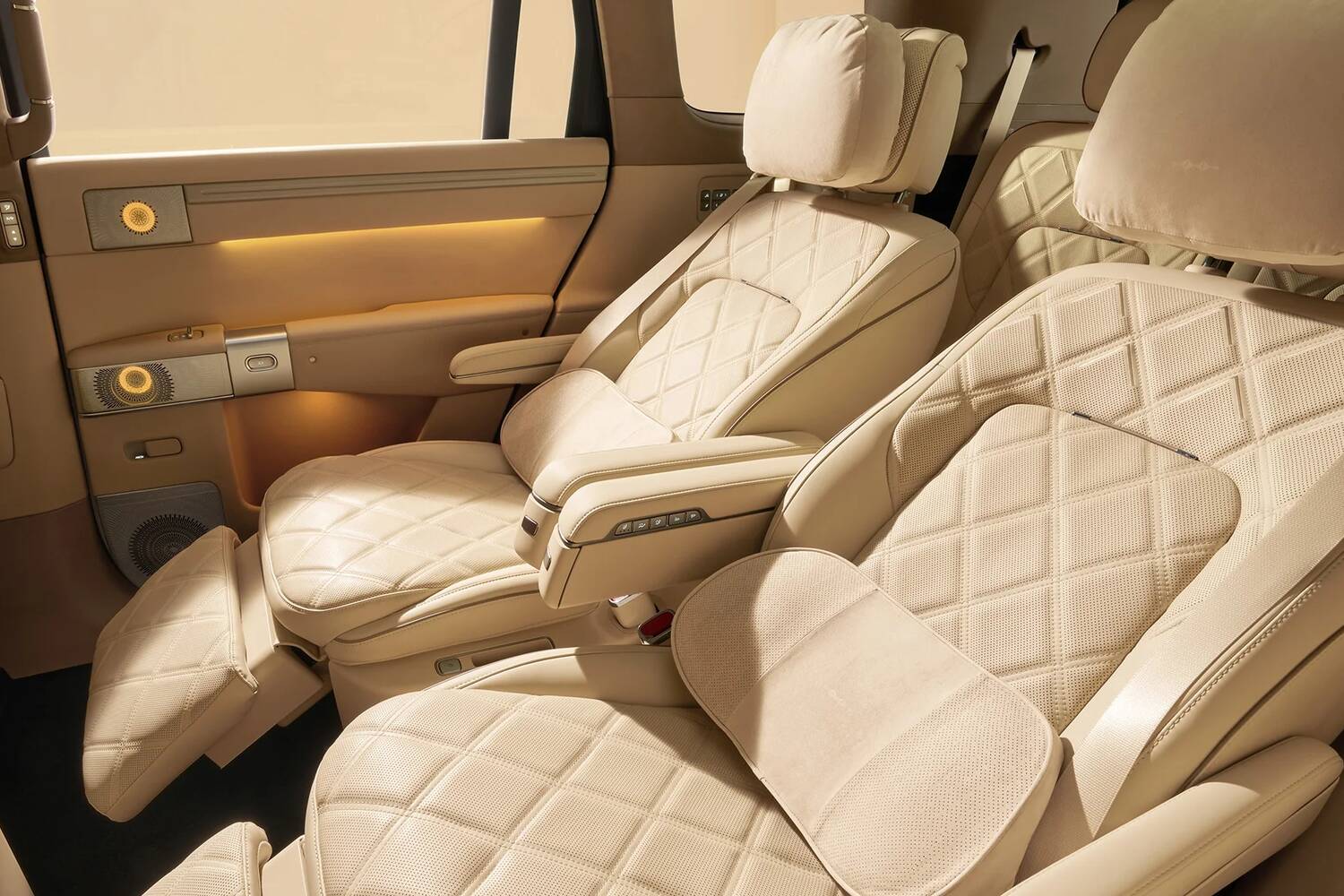
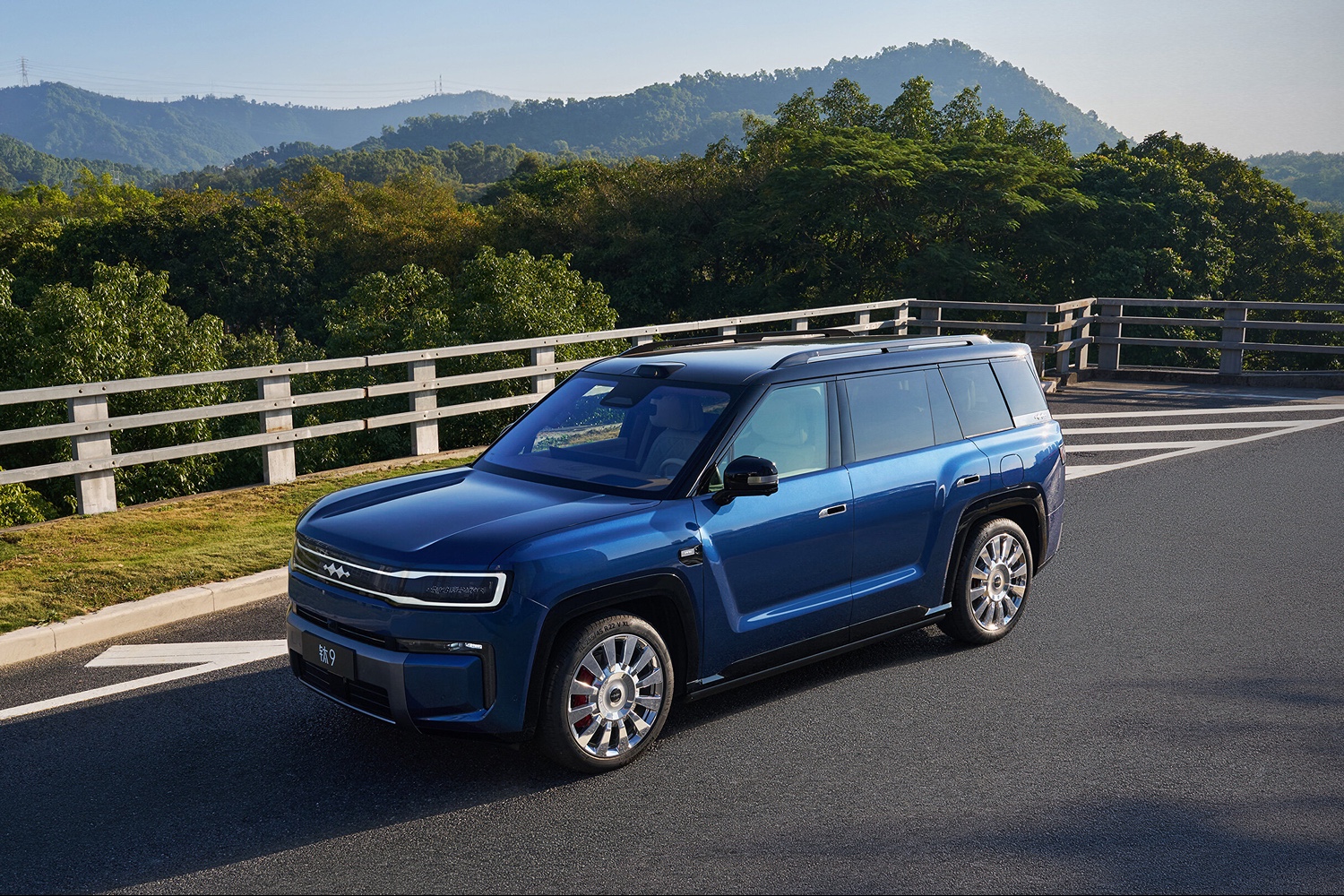
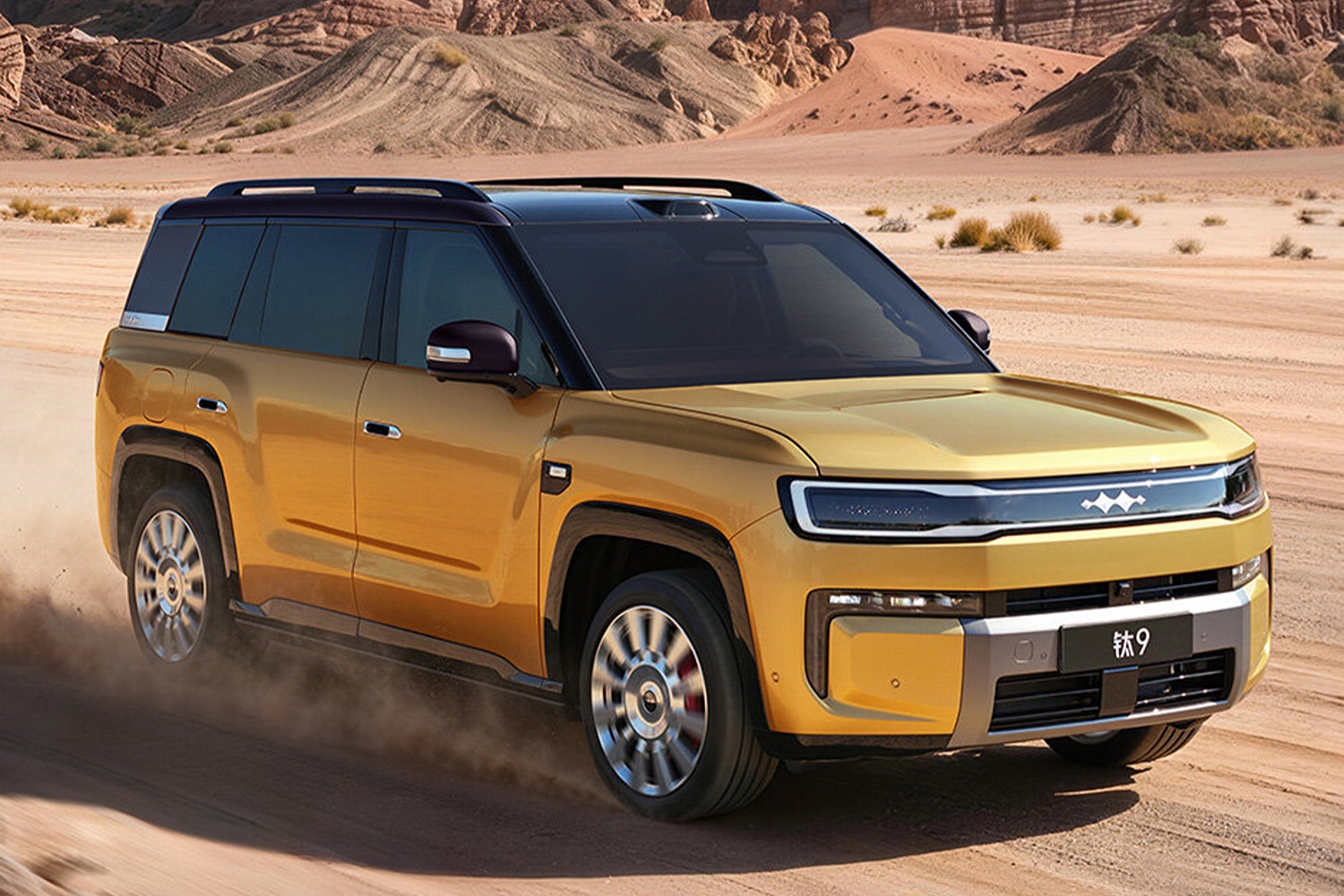
Because there’s another BYD sub-brand, which so far is sold only in China, and it’s called Fang Cheng Bao (sometimes tied together as one word, Fangchengbao, which translates roughly to ‘Formula Leopard’). It’s generally an SUV and 4x4 specialist brand (its rugged Bao 5, which is a rival to the Toyota Land Cruiser, will eventually be sold here with a Denza badge), and in the Chinese market it’s just launched another tall, rugged, six-seater plug-in hybrid SUV called the Tai 9.
Right. Got that too. Why is this important?
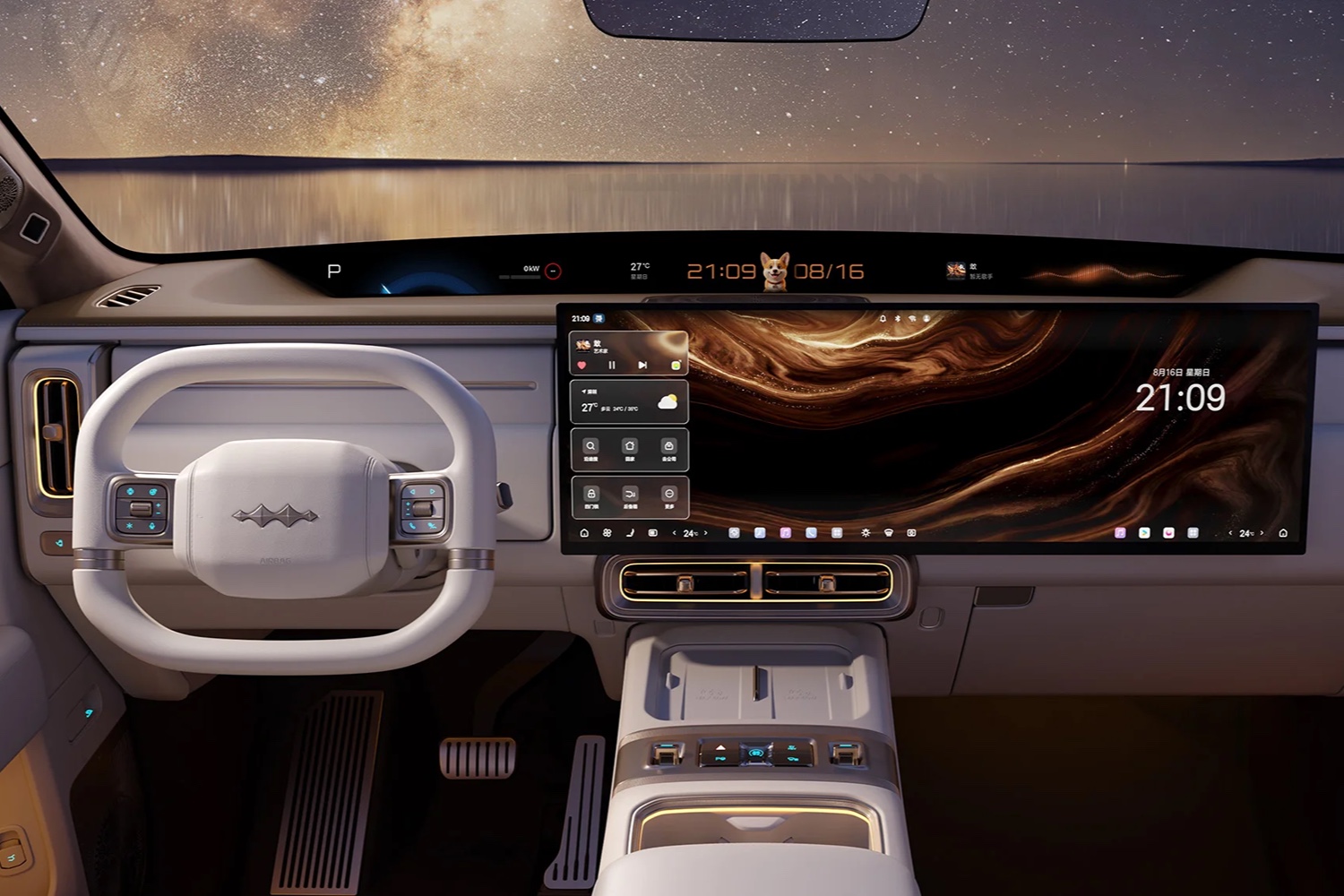
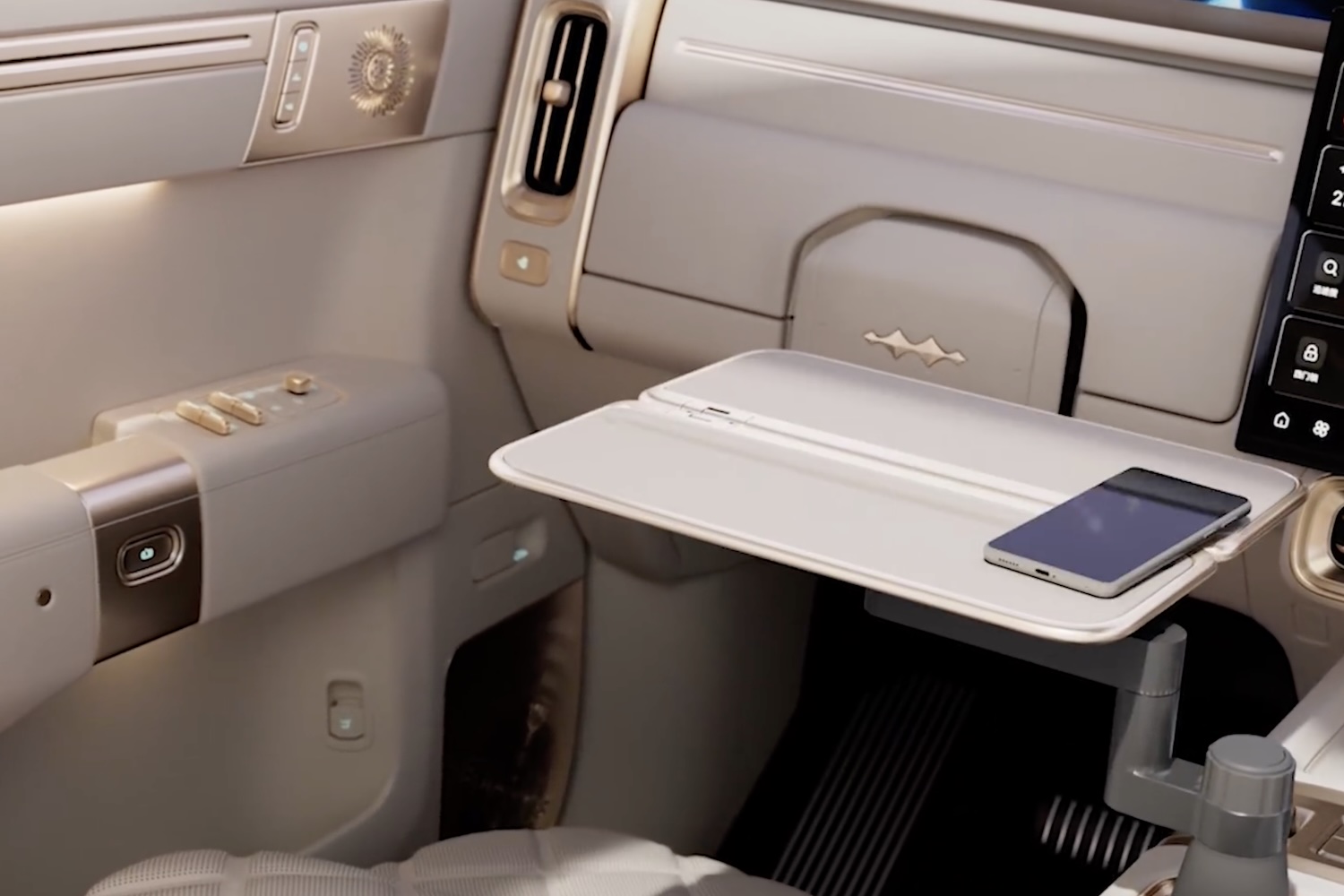
Have a look at the interior photo. And then tell me where the steering wheel is.
Well, obviously it’s… err… hang on, it must be… ummm…
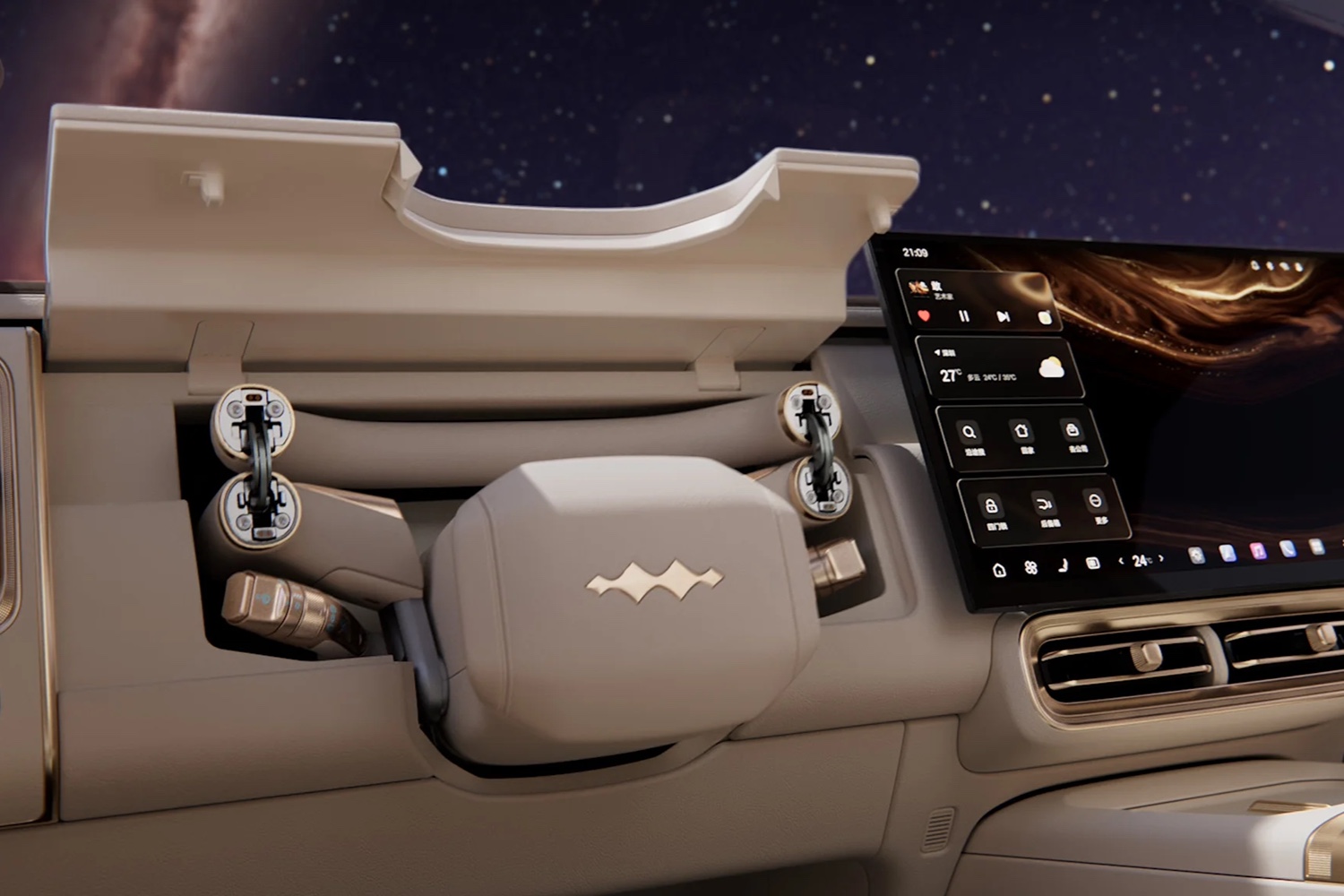
Aha! It was a trick question. The Tai 9 doesn’t have a steering wheel. Well, actually it does, but at the touch of a button it folds away into the dashboard, leaving no trace that it was ever there to begin with.
Related: all our Fang Cheng Bao reviews
Is this some kind of tiresome autonomous driving gimmick?
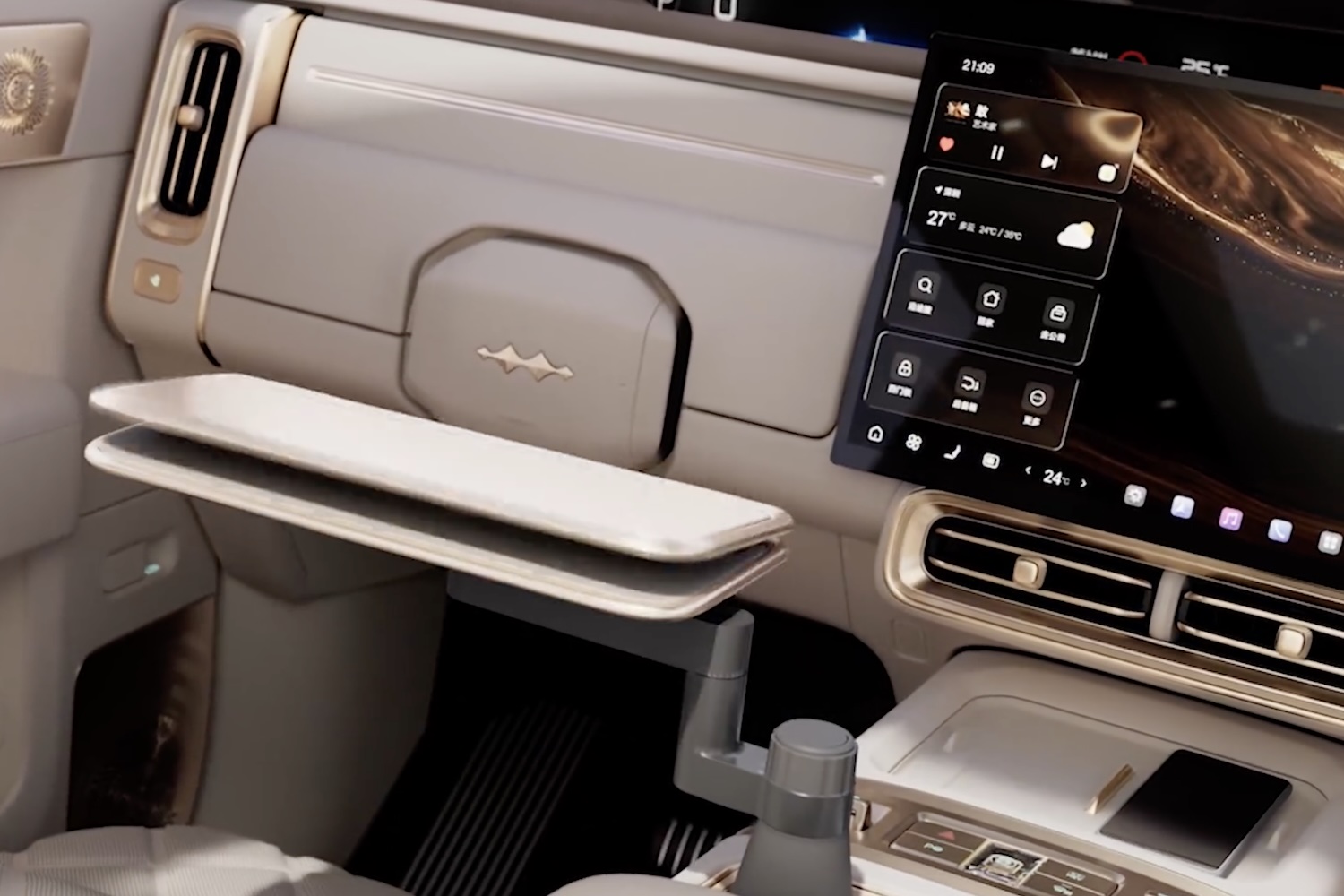
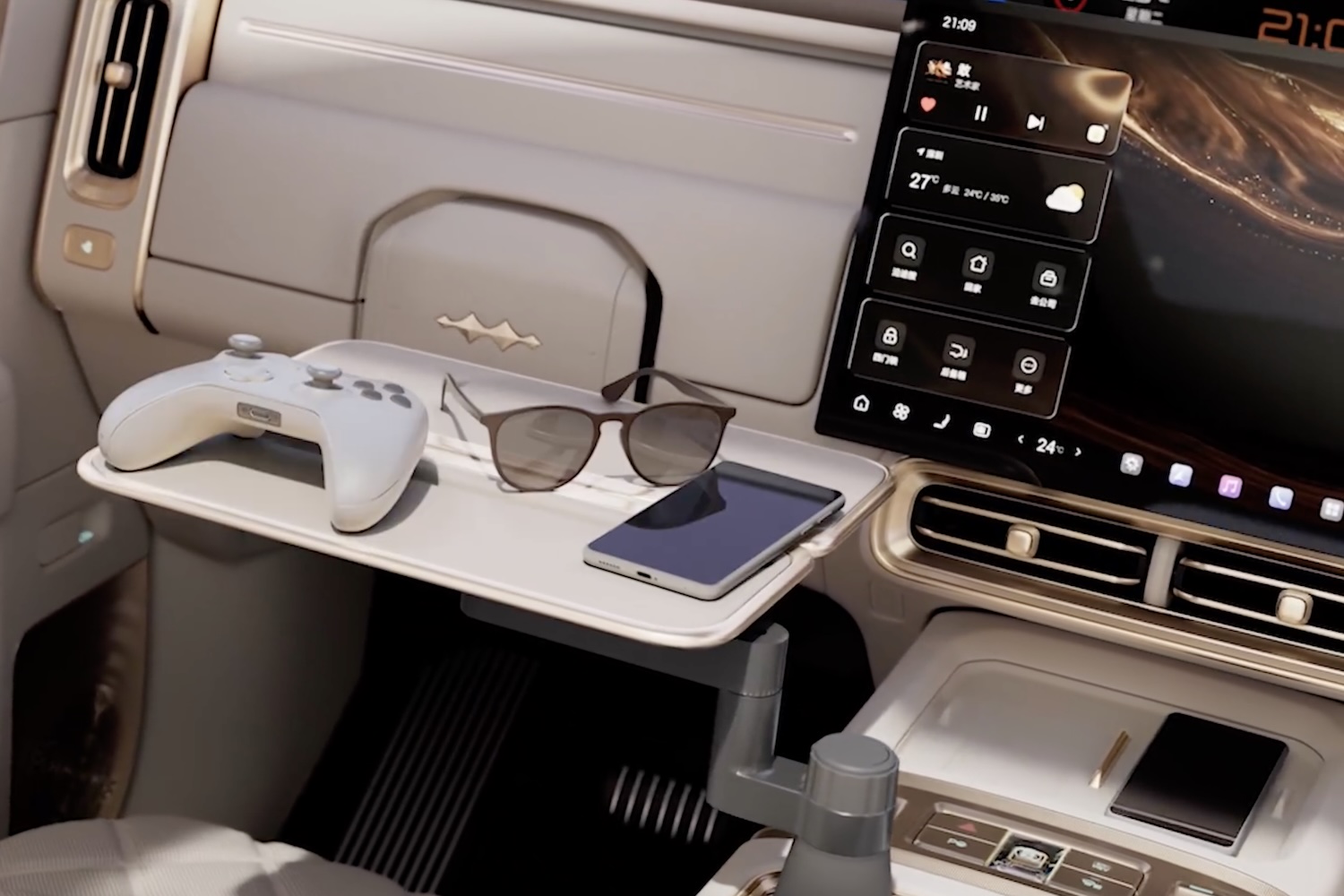
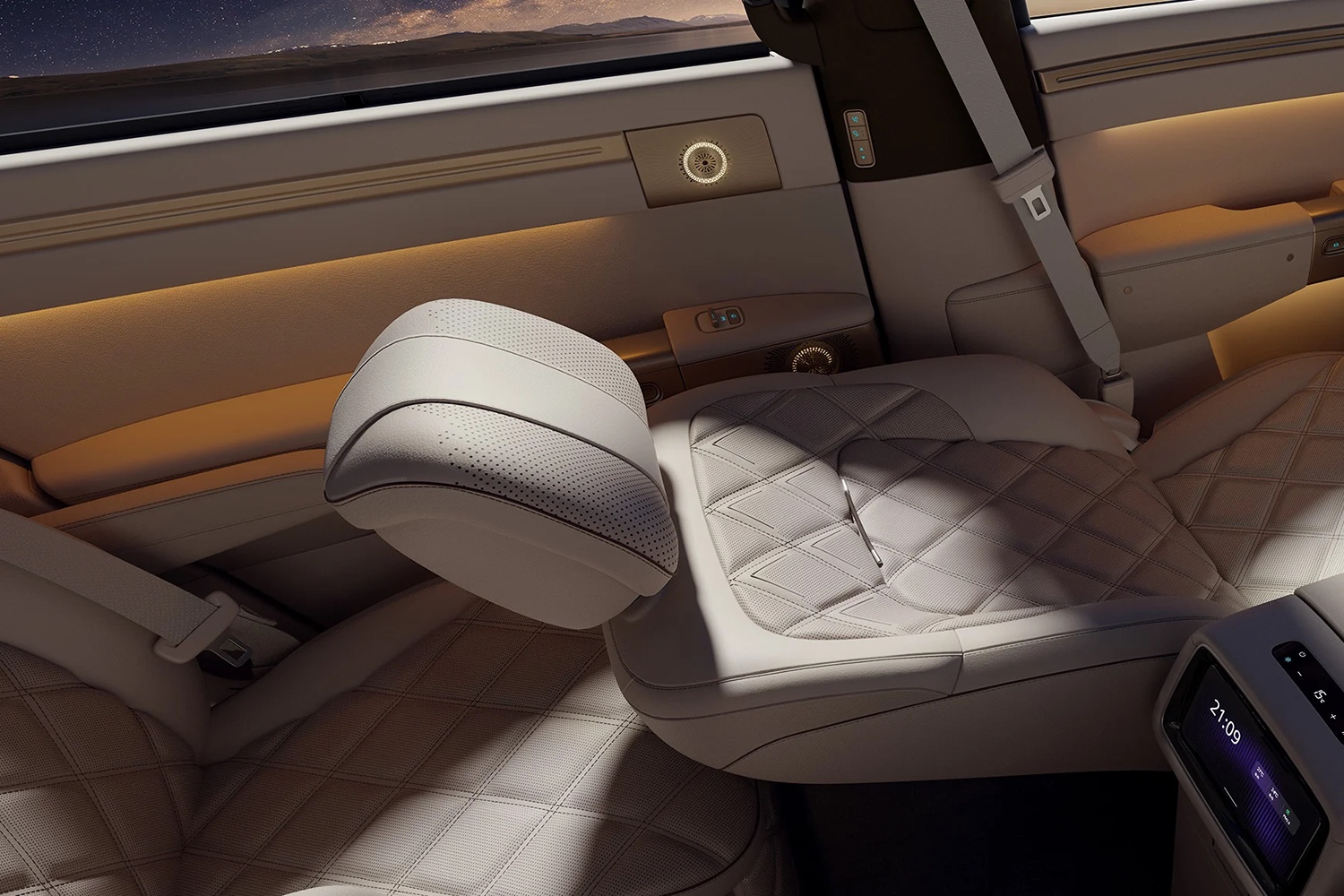
No, thankfully it’s not. The wheel only folds away when the car is parked, but it might be a boon to those of us who frequently have to use our cars as a mobile office (yes, that’s my hand up). According to Fang Cheng Bao, the steering wheel folds away within ten seconds, “to free up resting space for the driver.” As someone who often has to work out the geometries of a seat, steering wheel, open laptop, and a stomach that gets in the way, this sounds good to me. There’s even a little slide-and-fold tray that attaches to the cupholder, and the driver’s seat features a retracting foot rest (and Fang Cheng Bao’s promotional video also suggests that they’ll throw in a blanket, pillow, and even an eye-mask for that full club class airline experience).
Is the BYD Tai 9 coming to Ireland?
Not yet, no. It may do, again potentially badged as a Denza, but it’s a bit of a whopper, 5,270mm long, so it may be too chonky for European tastes. However, aside from the trick wheel, it does showcase some other BYD, Denza and Fang Cheng Bao tech that might make it to this part of the world. The interior features a new instrument layout, which lightly copies BMW’s new Panoramic Vision display by placing the main instruments up on a wide, shallow screen that runs across the base of the windscreen. There’s also a double-wide main infotainment screen that stretches across to the passenger side (a bit like the one in the Mazda CX-6e).
Related: all our BYD reviews
What powers the Fang Cheng Bao Tai 9?
The mechanical bits are interesting too. So far, the Tai 9 has only been shown as a plug-in hybrid, which Fang Cheng Bao says uses a new DMS Super Hybrid system, which is a development of the DM-i hybrid setup that we’ve already seen in the BYD Seal U and Sealion 5 SUVs over here. It combines the now-almost-universal 1.5-litre turbocharged petrol engine with a large 66kWh Blade battery of BYD’s own design. This gives the Tai 9 a claimed 400km electric range on China’s fairly lenient CLTC official test (310km on the WLTC), and a combined petrol-electric range of 1,630km CLTC (1,385km WLTC/WLTP-equivalent). There’s a combined 536hp feeding the Tai 9’s all-wheel drive system, and that gives it a brisk 0-100km/h sprint of just 4.8 seconds.
On a depleted battery long-run, fuel economy is supposed to be a frugal 6.4 litres per 100km, although that’s based on China’s WLTC test, not European WLTP. There’s fully active intelligent body control suspension, and thanks to the fact that the foldaway steering wheel needs a steer-by-wire system, there’s also rear-wheel steering that tightens up the turning circle. There’s also a standard LIDAR sensor system, which feeds into BYD’s grandiosely named God’s Eye driver assistance setup.
How much does the Fang Cheng Bao Tai 9 cost?
Surprisingly little. The Tai 9’s Chinese market starting price of ¥279,900 Chinese Yuan translates to just €38,295 on today’s rate. Presumably, if the Tai 9 does ever actually arrive on Irish shores, it won’t be quite that cheap, and anyway, the folding steering wheel only comes with the top-spec trim, which is ¥329,900 Chinese Yuan, or €45,136…
If there is anything about this story we have not covered, you can avail of our expert advice service via the Ask Us Anything page.