

Consider the pineapple.
OK, I’m considering it. Now what?
What are you considering?
I’m considering adding it to pizza.
Wow, I hope no-one in Italy is reading this. Have you considered making a car out of it?
Um, no. I was considering adding it to cheddar cheese on a stick. Or maybe living in one, under the sea.
You see, this is where you’re just limited in your SpongeBob-like thinking. Nissan, on the other hand, has actually been considering how to take a humble, but delicious, pineapple and turn it into a car. Or at least the components of a car.
How is Nissan making car parts from pineapples?
Well, it’s all part of the ‘Nissan Green Program 2030’ which, according to the Japanese car-making giant, is looking for ways to “reduce its dependence on natural resources and expand the use of sustainable materials.”
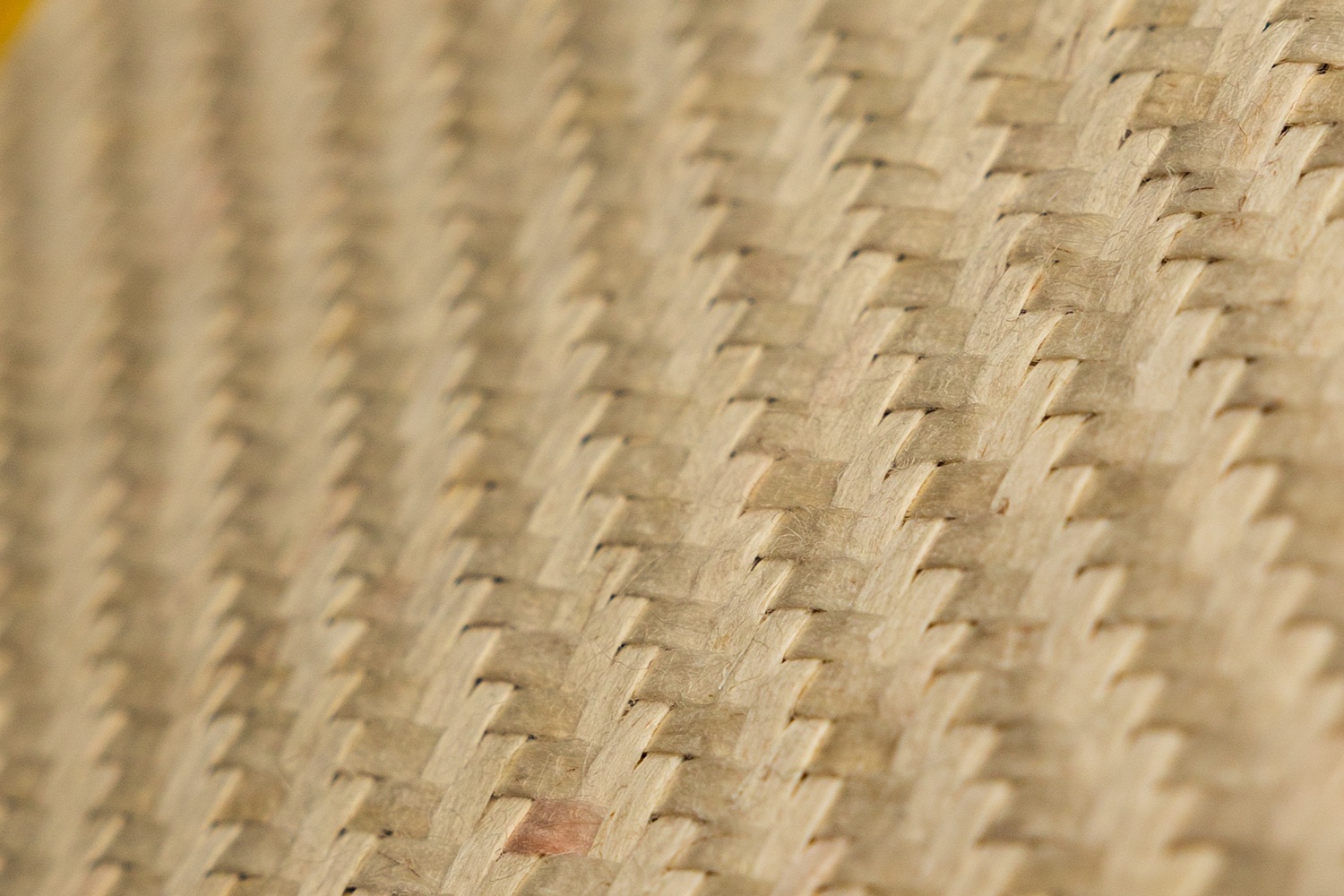
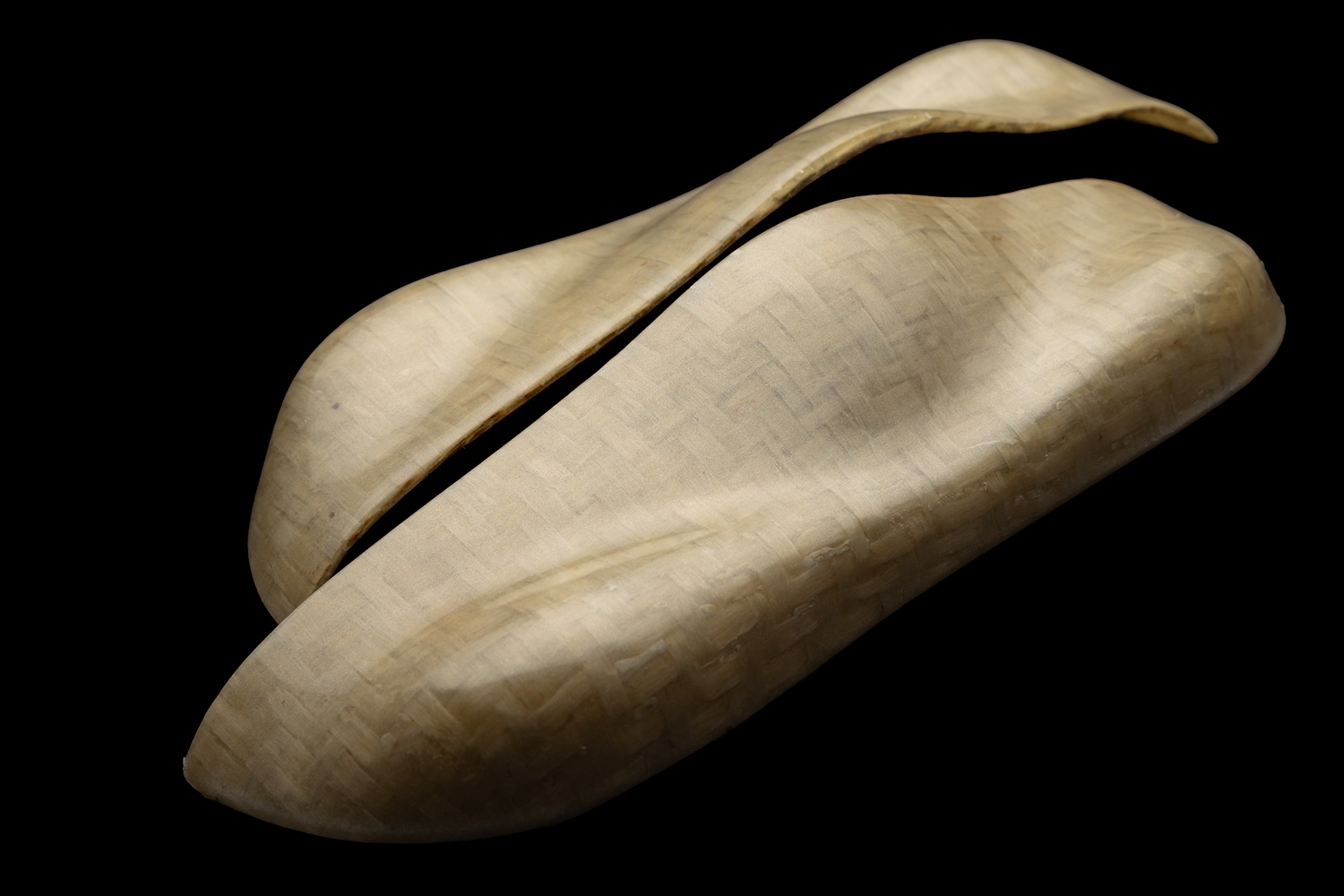
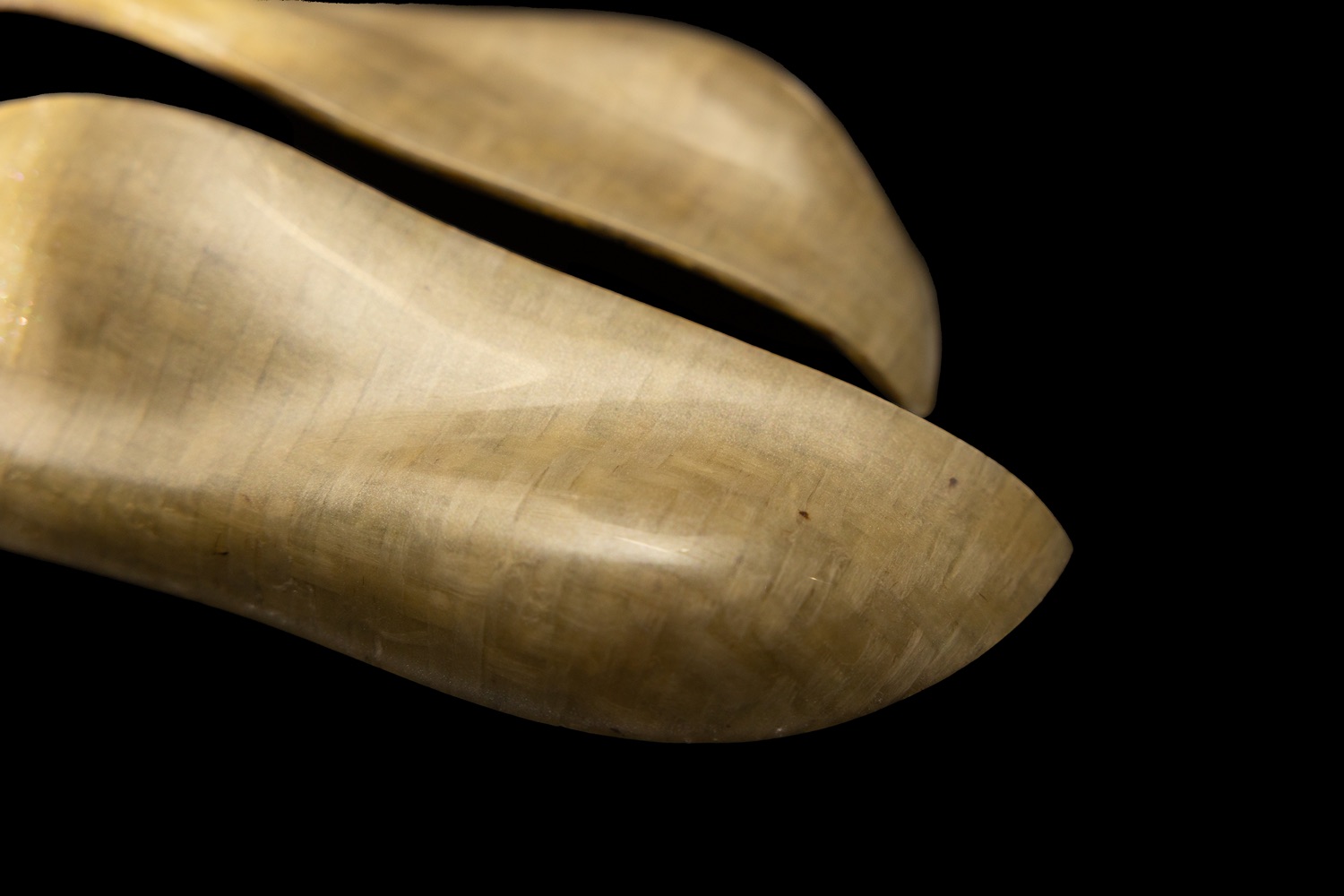
Working with a Japanese company called Food Reborn, Nissan has made what it says is the world’s first car exterior body panel, a bonnet, from plastic reinforced with fibres from pineapple leaves.
Related: all our Nissan reviews
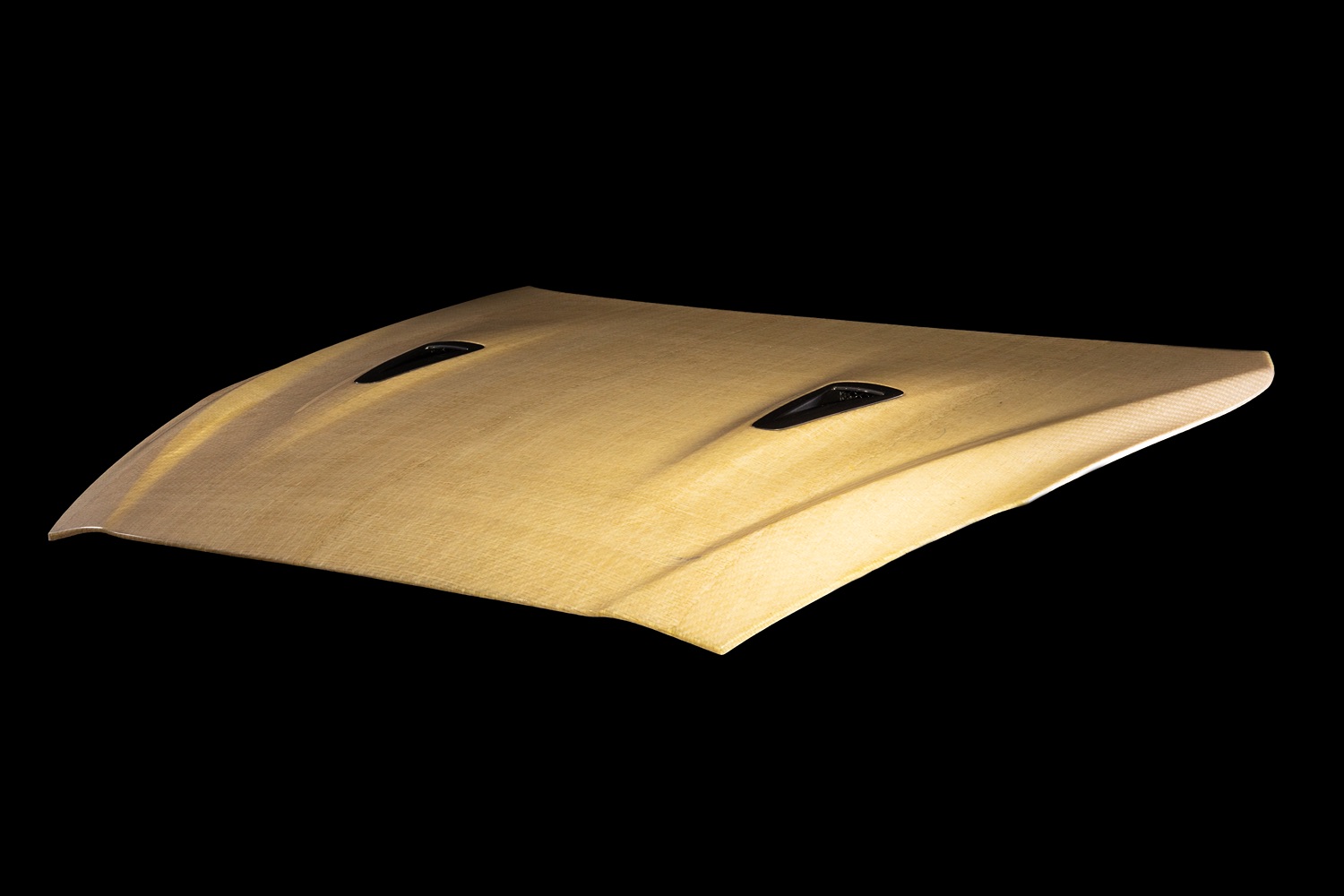
Why does Nissan need pineapple fibre?
Partly, it’s about cutting the environmental impact of making cars, but there’s a racing angle too. In some motorsport series for production-based cars, the rules say that any modified exterior body panels have to be made from sustainable, natural fibre-reinforced plastic. There aren’t many specialist suppliers of that, which has pushed up costs for teams and made supply unreliable.
How do you turn a pineapple into a car part?
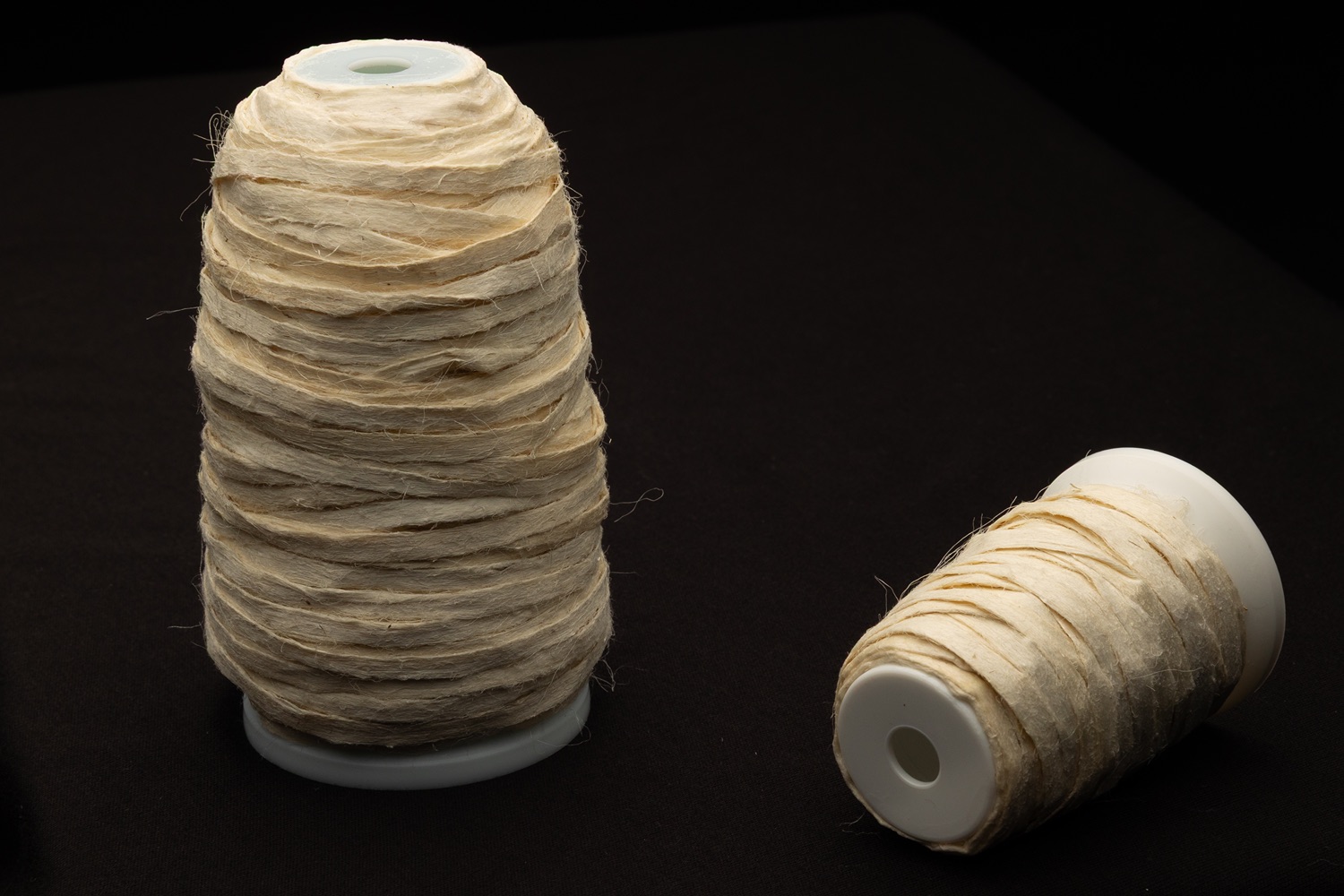
Nissan isn’t using the tasty yellow bits of the fruit, but instead the bits we normally just throw away: the pineapple leaves. These can be turned into fibre, then into a flat yarn, which can be used to weave a fabric which, when treated with resin and heat, becomes a stiff, strong, light composite panel.
Food Reborn, which is based in Okinawa, specialises in making full use of stuff we’d otherwise throw away.
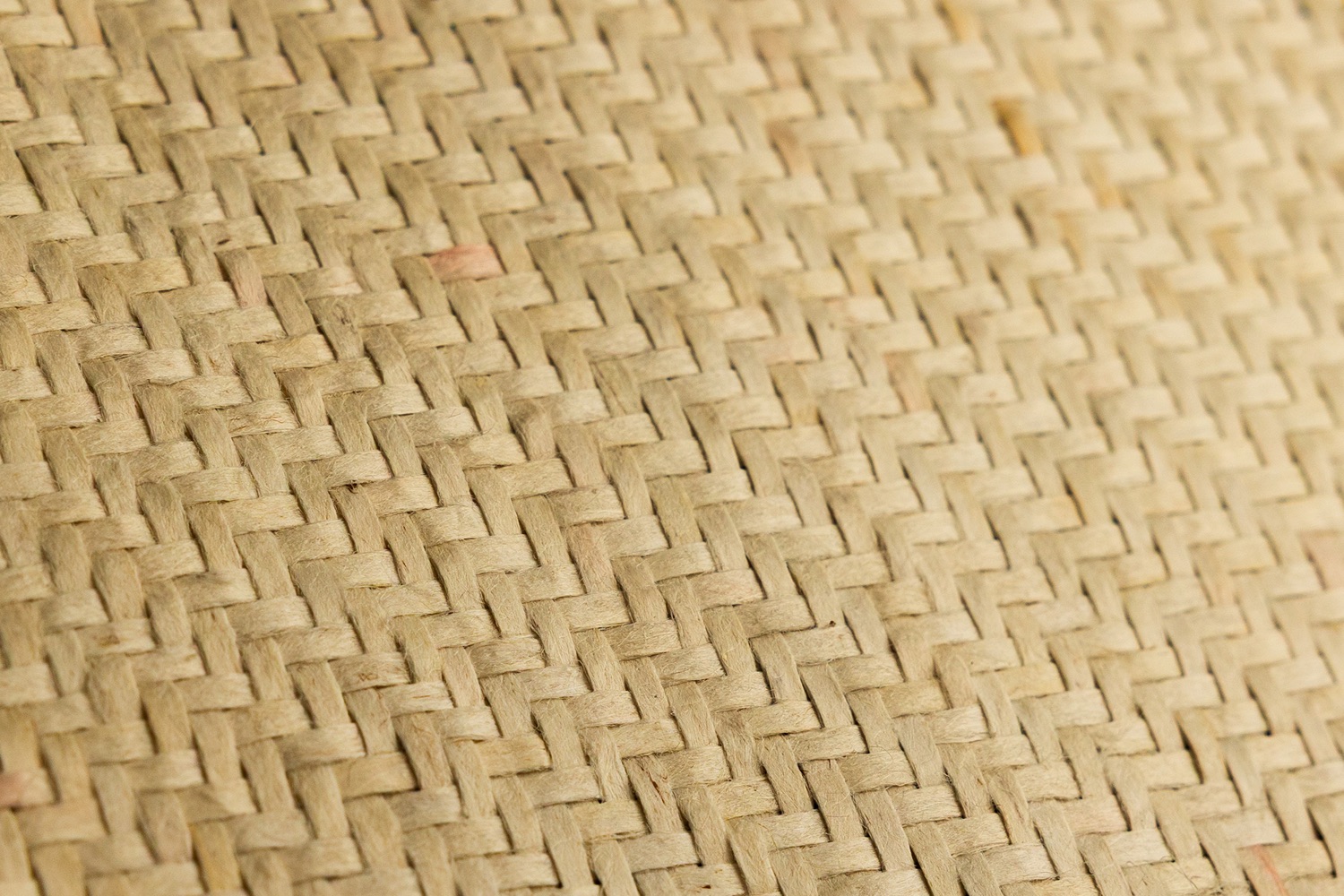
Is pineapple fibre strong enough for cars?
Nissan reckons so, saying that its own testing shows it has a higher tensile strength than conventional flax-based natural fibre composites.
Better yet, in an environmental sense, pineapple fibre is made from waste products, rather than anything that needs to be specifically grown, and Nissan says that more than 50 million tonnes of pineapple leaves are discarded, worldwide, each year.
When can we see Nissan’s pineapple bonnet?
Nissan and Food Reborn will show off the bonnet at the SAMPE Japan Advanced Materials Technology Exhibition at Tokyo Big Sight, from 18 to 20 November. Nissan has also licensed its know-how to Food Reborn, so the material could end up being used well beyond cars.
Etsuko Uda, Representative Director and CEO of Food Reborn, said: “Transforming agricultural byproducts like pineapple leaves into high-performance materials for automotive and sporting goods is highly significant. Driven by deep conviction, we remain dedicated to unlocking new possibilities.”
Tatsuzo Tomita, corporate executive responsible for Technology Development at Nissan, said: “We have developed a new fibre-reinforced composite material that utilises pineapple leaves; a byproduct usually unutilised and discarded. This sustainable and composite material also delivers the high level of performance required for demanding environments such as motorsports. This exemplifies Nissan’s strength as an automaker, especially in the ability to go beyond simply developing technologies and materials. We have the ability to bring them to life in our vehicles and ultimately deliver value to customers. We will continue to contribute to creating new values and realising a sustainable society through technological innovation.”

But I still can’t put pineapple on my pizza?
Don’t be silly...
If there is anything about this story we have not covered, you can avail of our expert advice service via the Ask Us Anything page.