
Which cars were tested in the 2026 Ecobest Challenge?
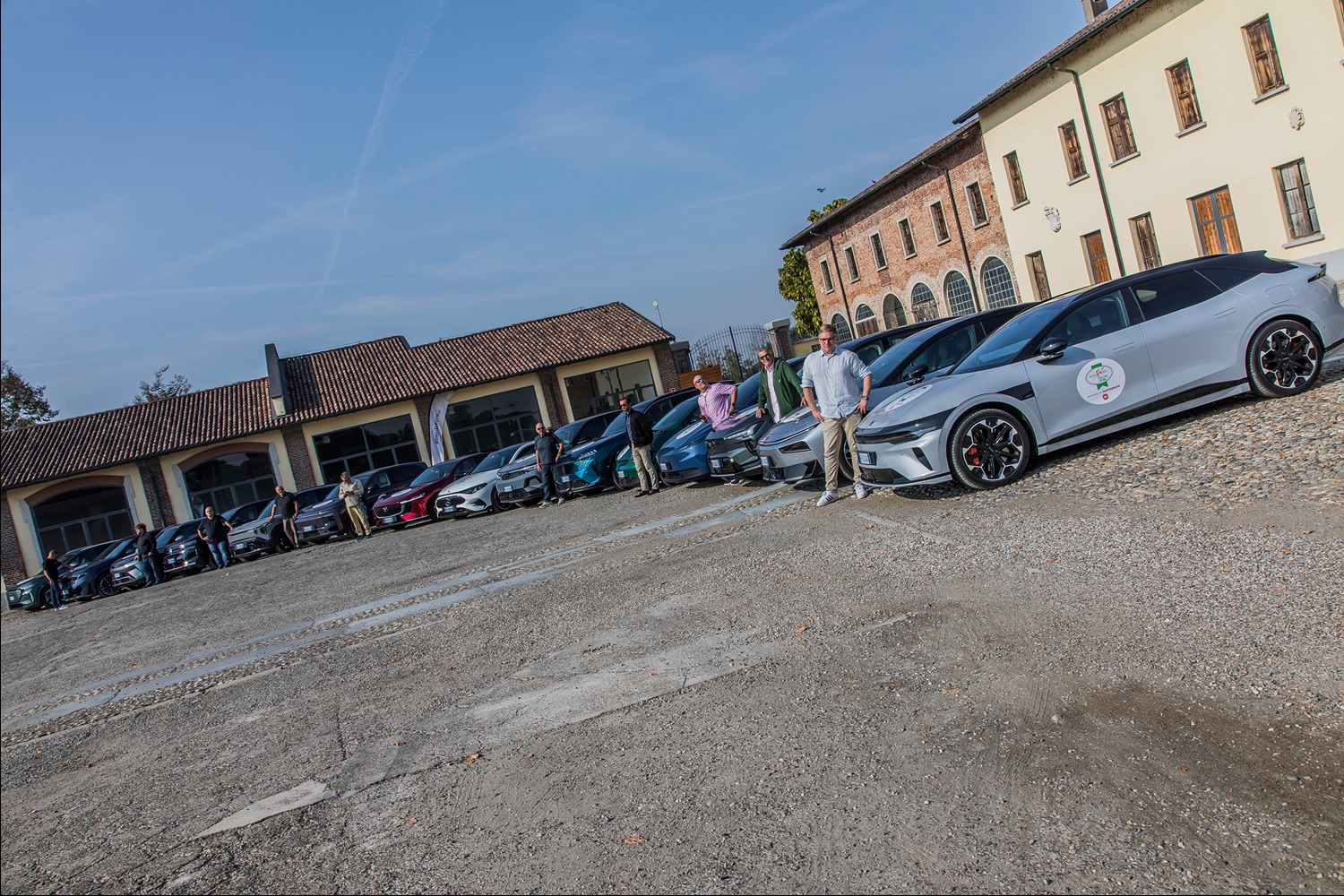
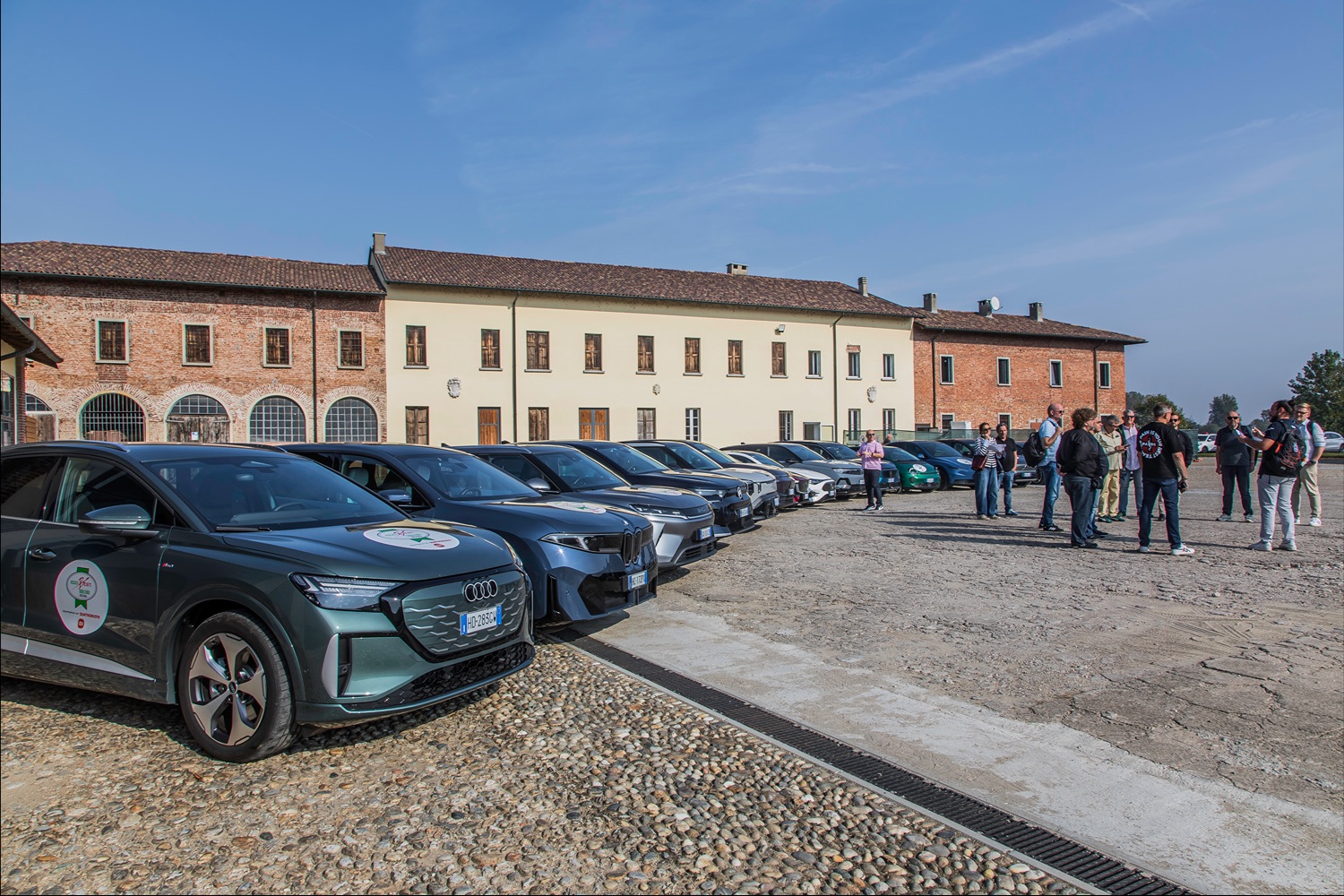
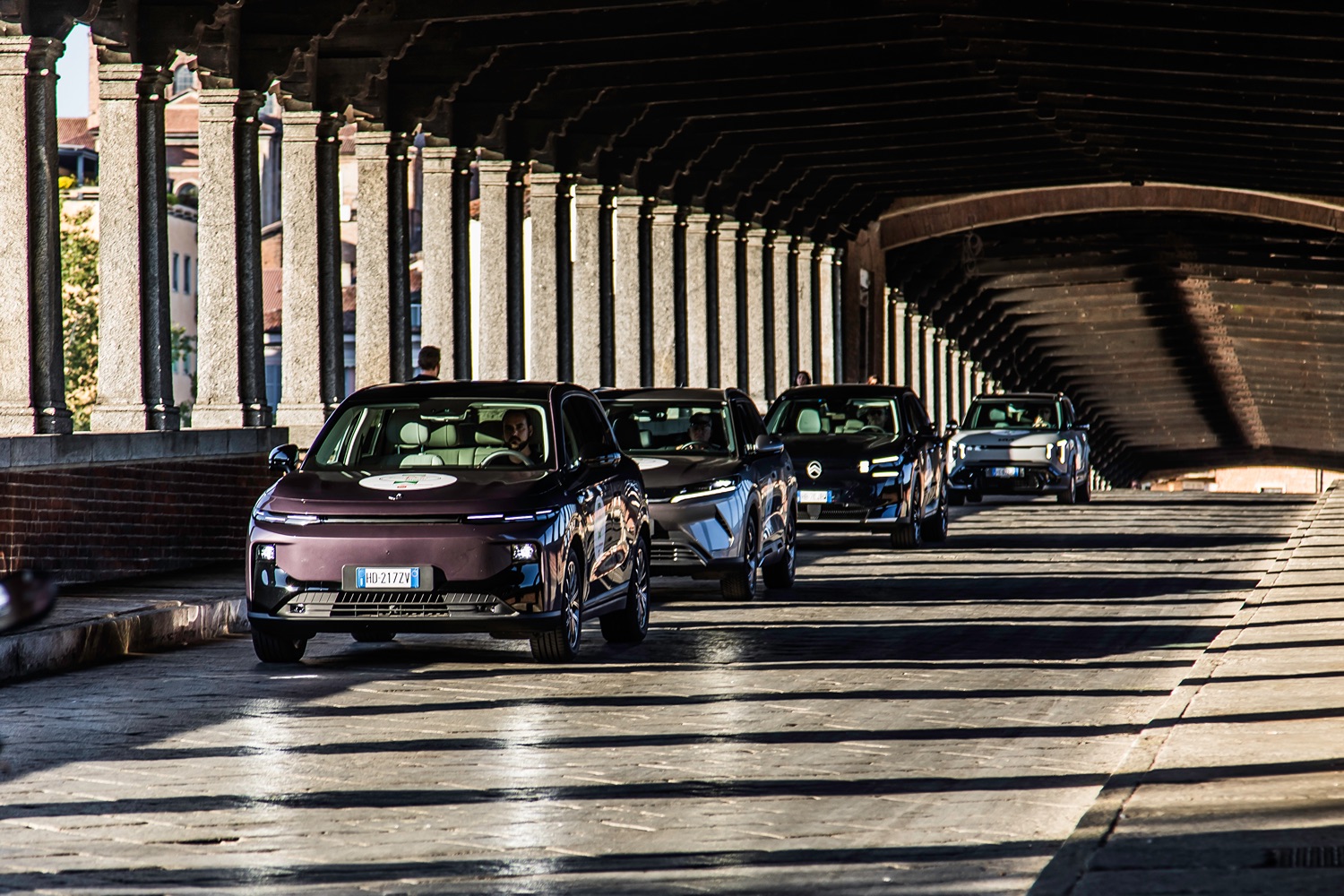
The cars tested at the 2026 Ecobest Challenge were:
- Audi Q4 e-tron
- BMW iX3
- BYD Atto 2
- Citroën e-C5 Aircross
- Kia EV2
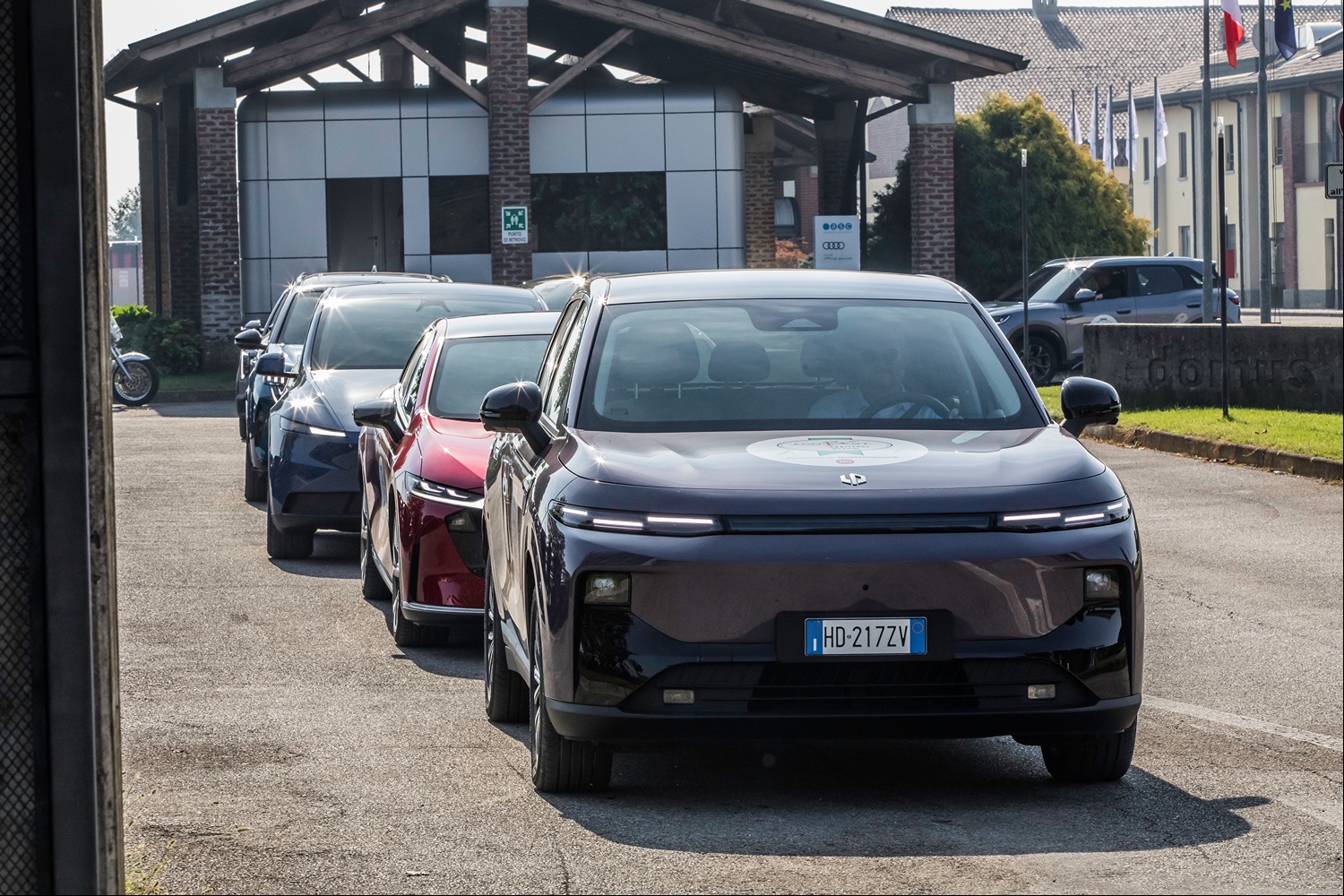
- Leapmotor B10
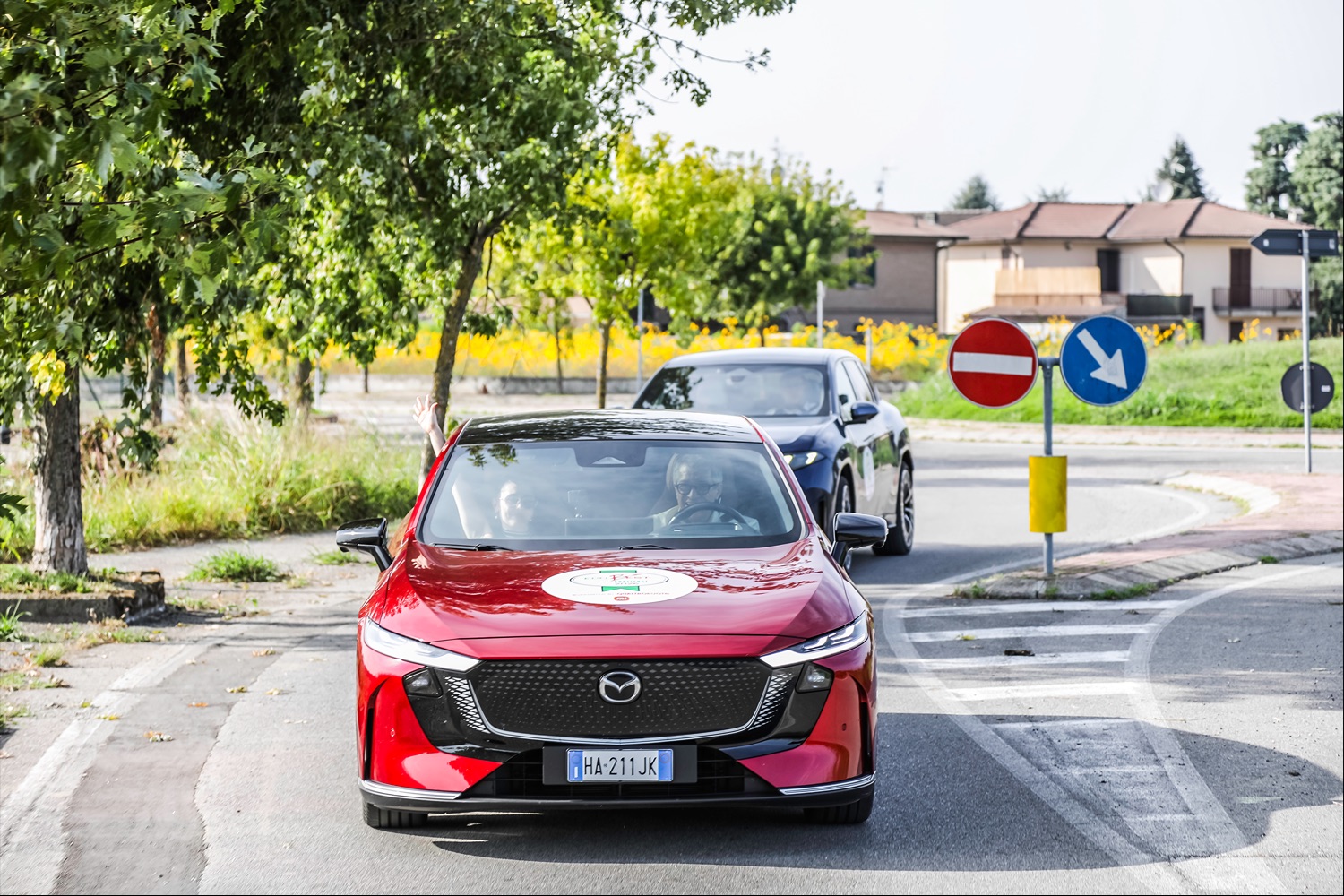
- Mazda 6e
- Mercedes-Benz CLA
- Opel Grandland
- Peugeot e-5008
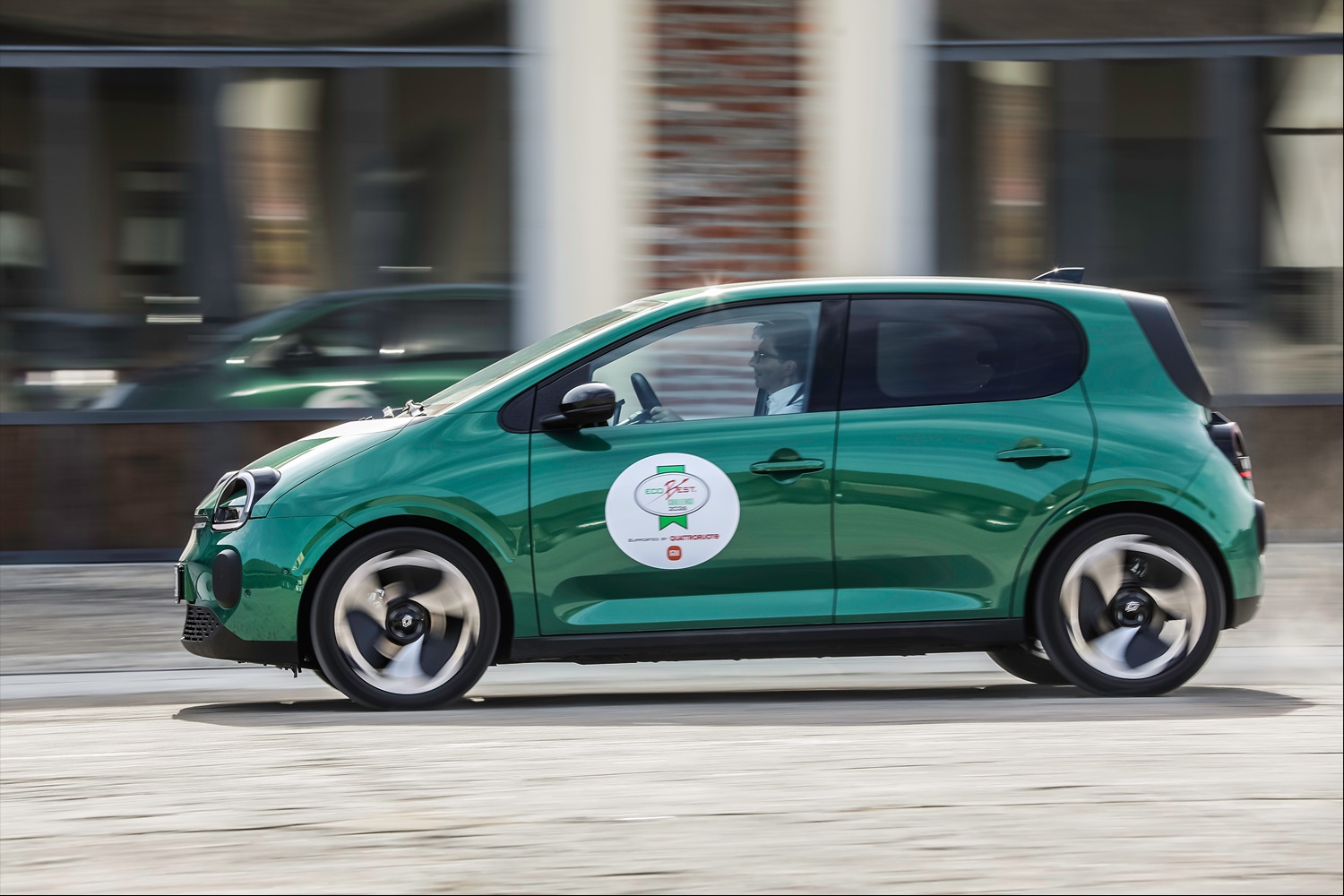
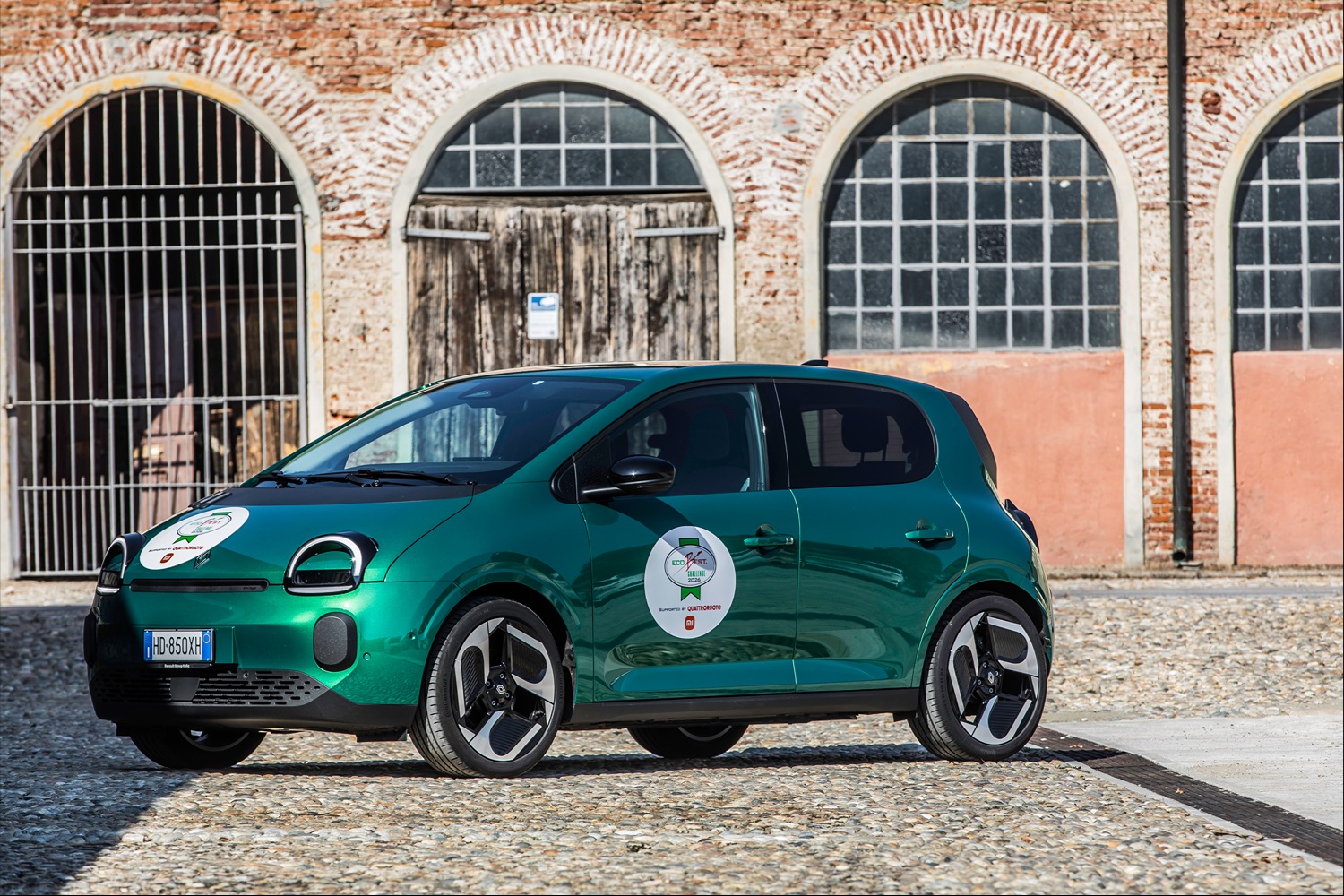
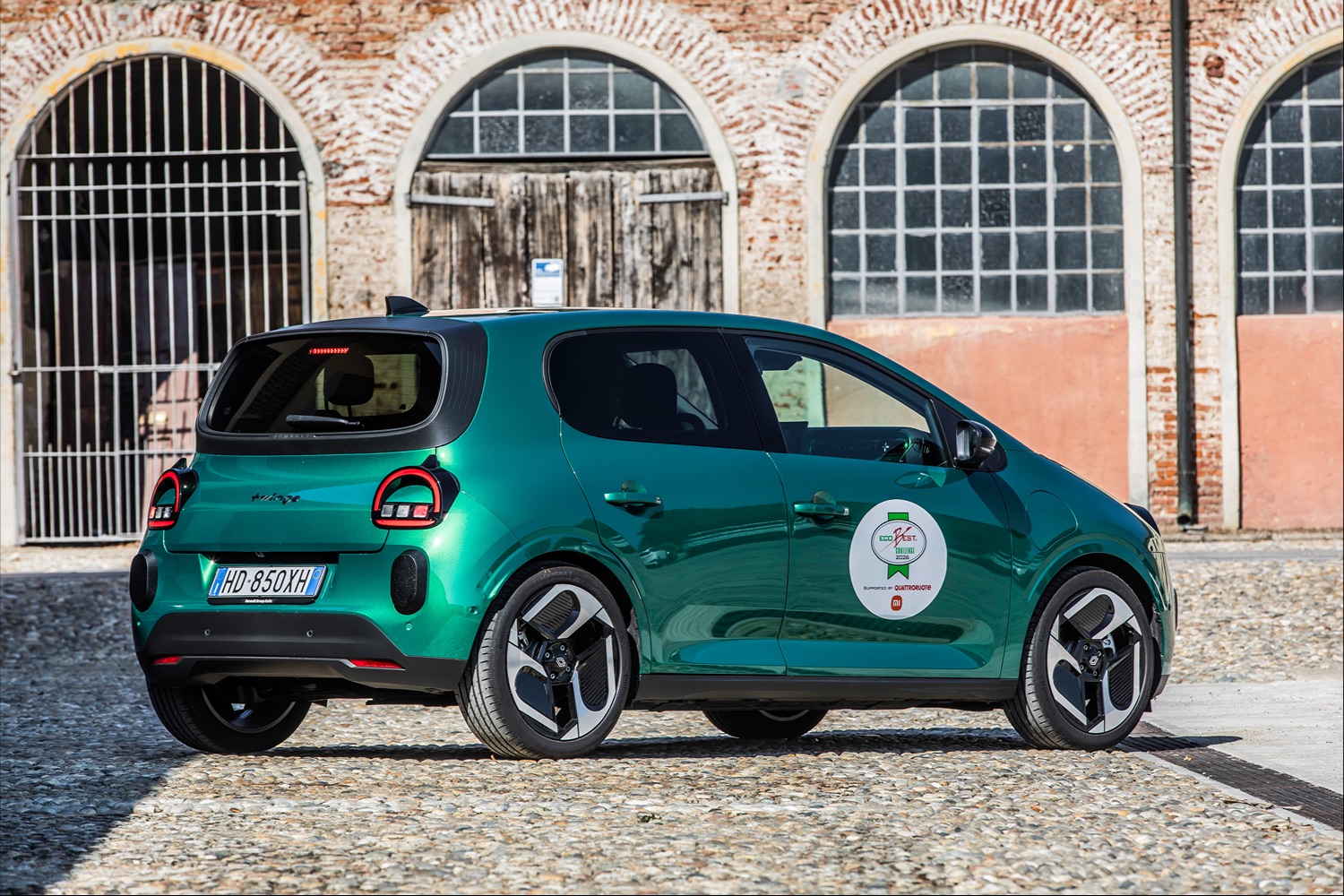
- Renault Twingo
- Tesla Model Y
- Volvo EX60
- Xpeng P7+
- Zeekr 7GT
How does the Ecobest Challenge test electric cars?
Unlike the WLTP test standard that is used to set an industry benchmark for range figures and energy consumption, the cars in the Ecobest Challenge are driven over far greater distances and in real-world conditions.
All cars were driven in their respective ‘Normal’ setting or drive mode, using the brake/regeneration mode where available in town. The driving route is a mix of motorways, urban driving and extra-urban driving across three circuits of different lengths.
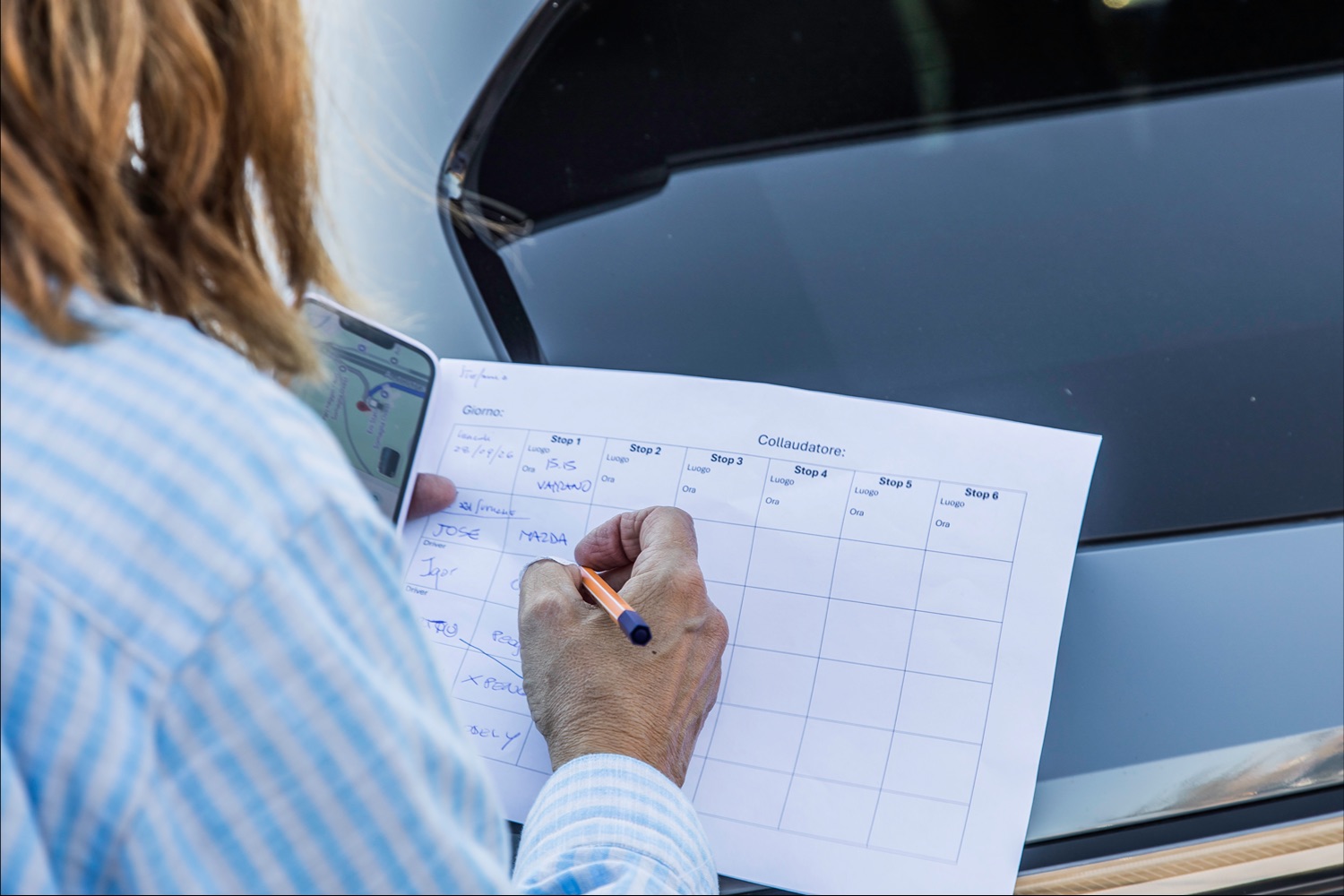
The ambient temperature during the tests was between 20 and 25 degrees Celsius. Naturally, all cars were driven in accordance with the local speed limits and, to ensure that no driver could adversely affect a car’s performance, a driver swap would take place every 30 kilometres.
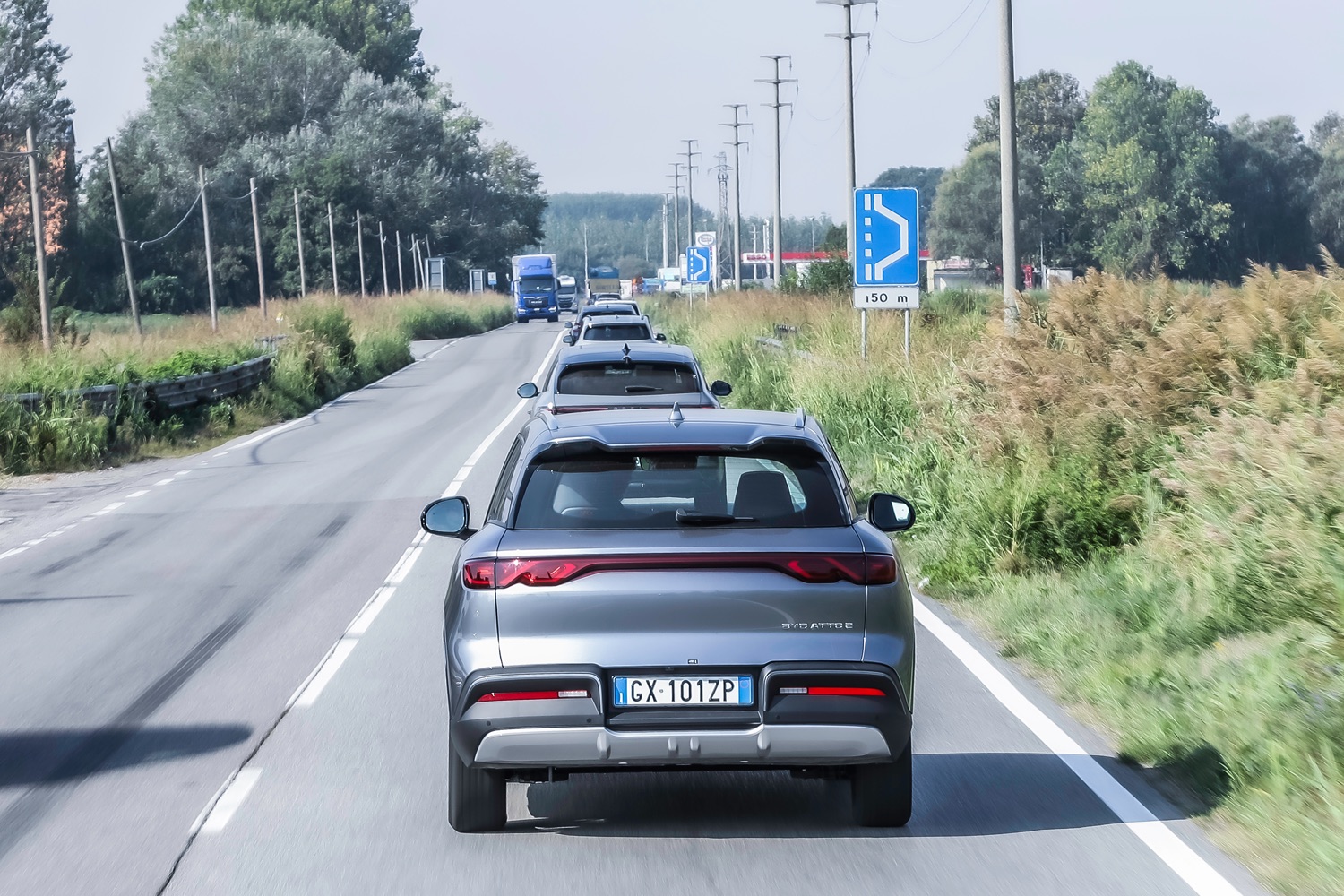
What happens when an electric car hits zero range?
As the car’s instrument cluster approached zero kilometres of range remaining, the cars proceeded to the test track, where they could be safely driven beyond zero and until a point at which the battery was completely depleted without causing a hazard to other road users.
All of the cars were monitored by a Power Check Control software specially developed by Italian firm Power Cruise Control. This software interfaces with the car’s OBD-II port and records state of charge, state of battery health, battery temperature, speed, weather, power used and regenerated and charging power across AC and DC sessions.
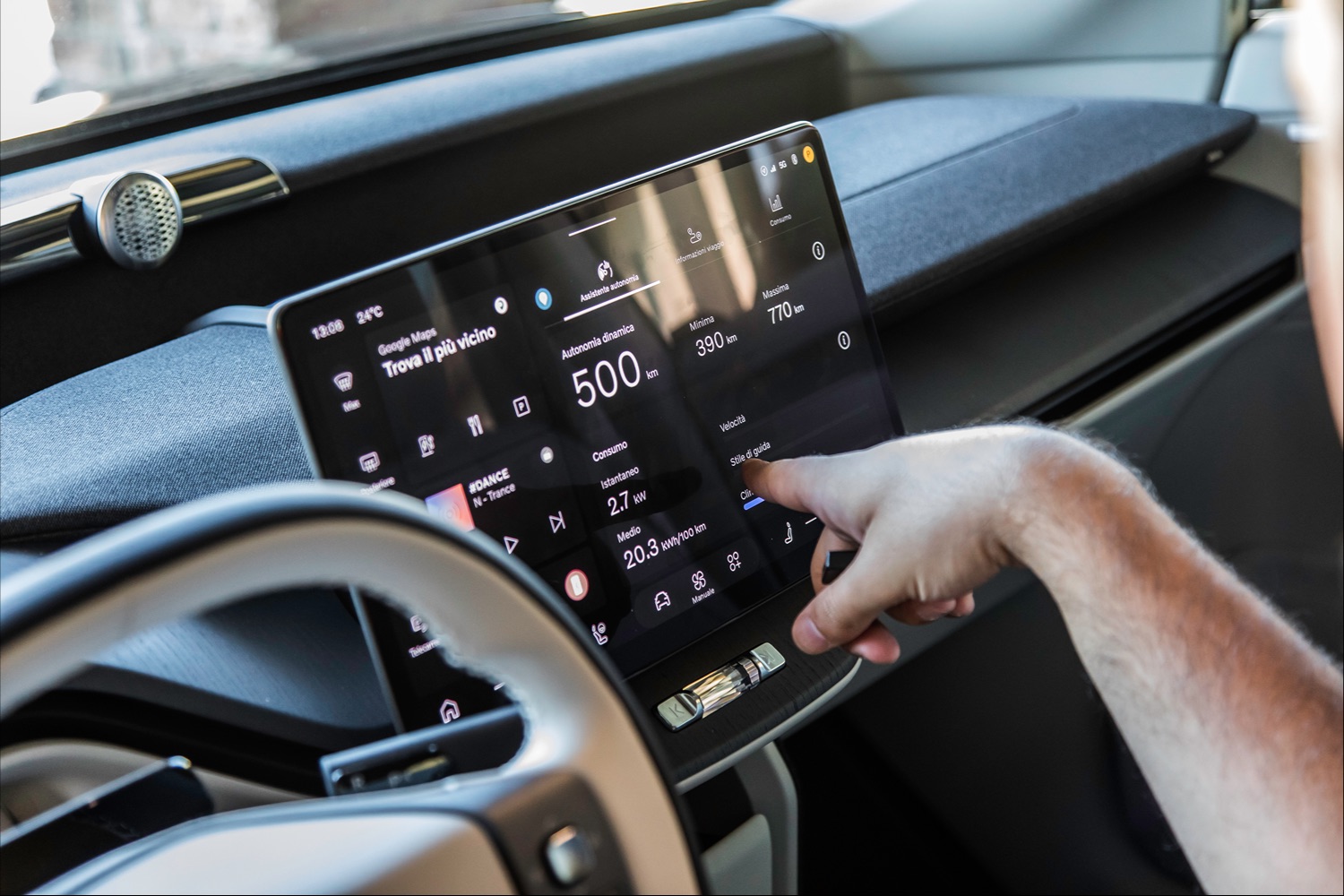
What is the most energy-efficient electric car in the real world?
The Renault Twingo came out on top, achieving 8.33 kilometres per 1kWh of battery energy, which equates to 12.0kWh/100km. That beats the previous bests set by the Dacia Spring (8.17km/kWh) and Leapmotor T03 (8.06km/kWh). The Twingo becomes only the third car in almost ten years of the Ecobest Challenge to achieve a score of more than 8 kilometres driven with a single kilowatt-hour of energy.
Related: all our Renault reviews and our Dacia reviews
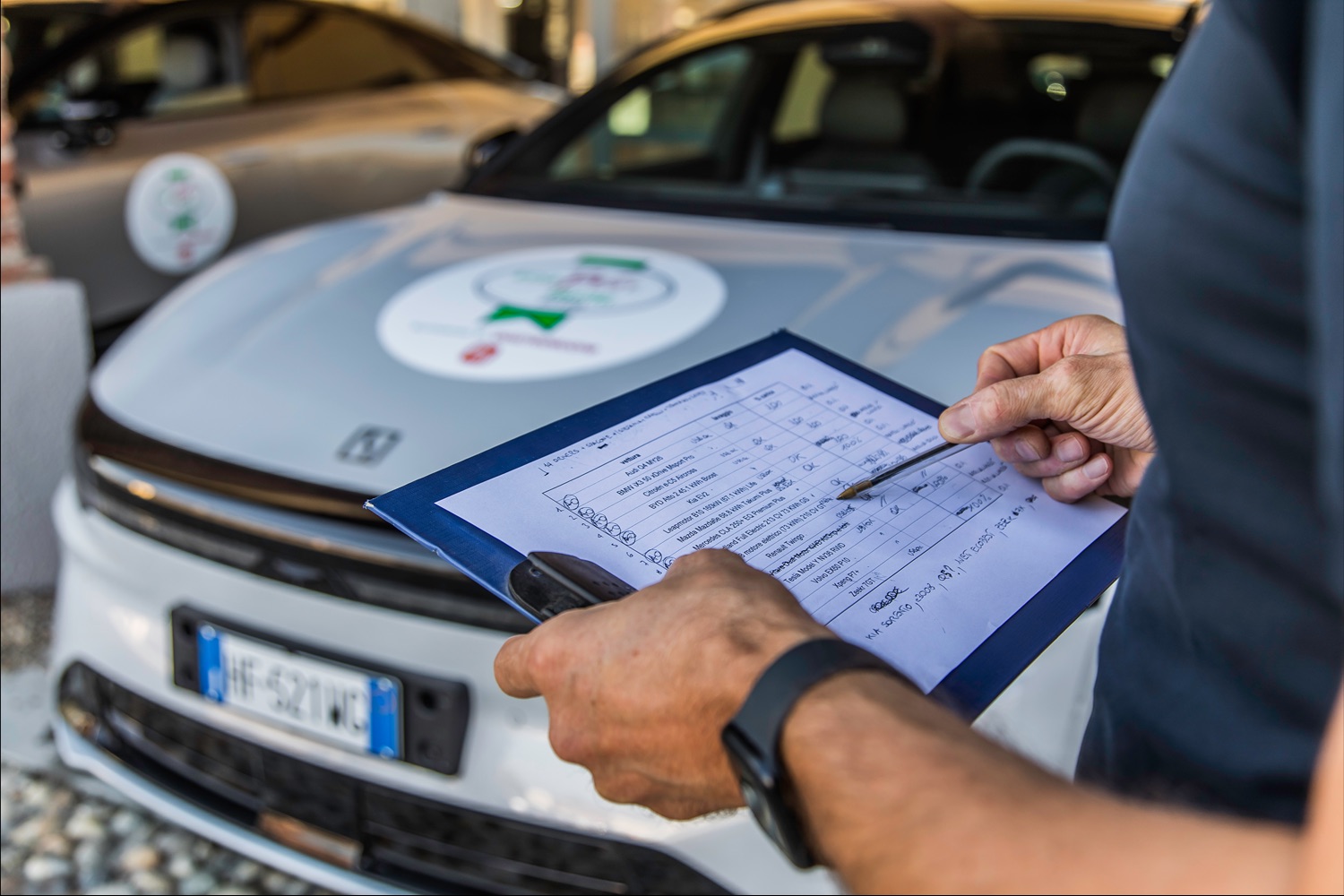
Which electric car gets closest to its official range?
The Kia EV2 came out on top, comparing real-world range with each car’s official WLTP figure. It achieved 94.98 per cent of its 418km WLTP range in the real-world test.
Related: all our Kia reviews
Following in second place was the Audi Q4 e-tron with 92.56 per cent of its 511km range, while the Tesla Model Y achieved 88.76 per cent of its 525km range. The worst-performing was the Xpeng P7+, which managed only 79.06 per cent of its 530km WLTP range.
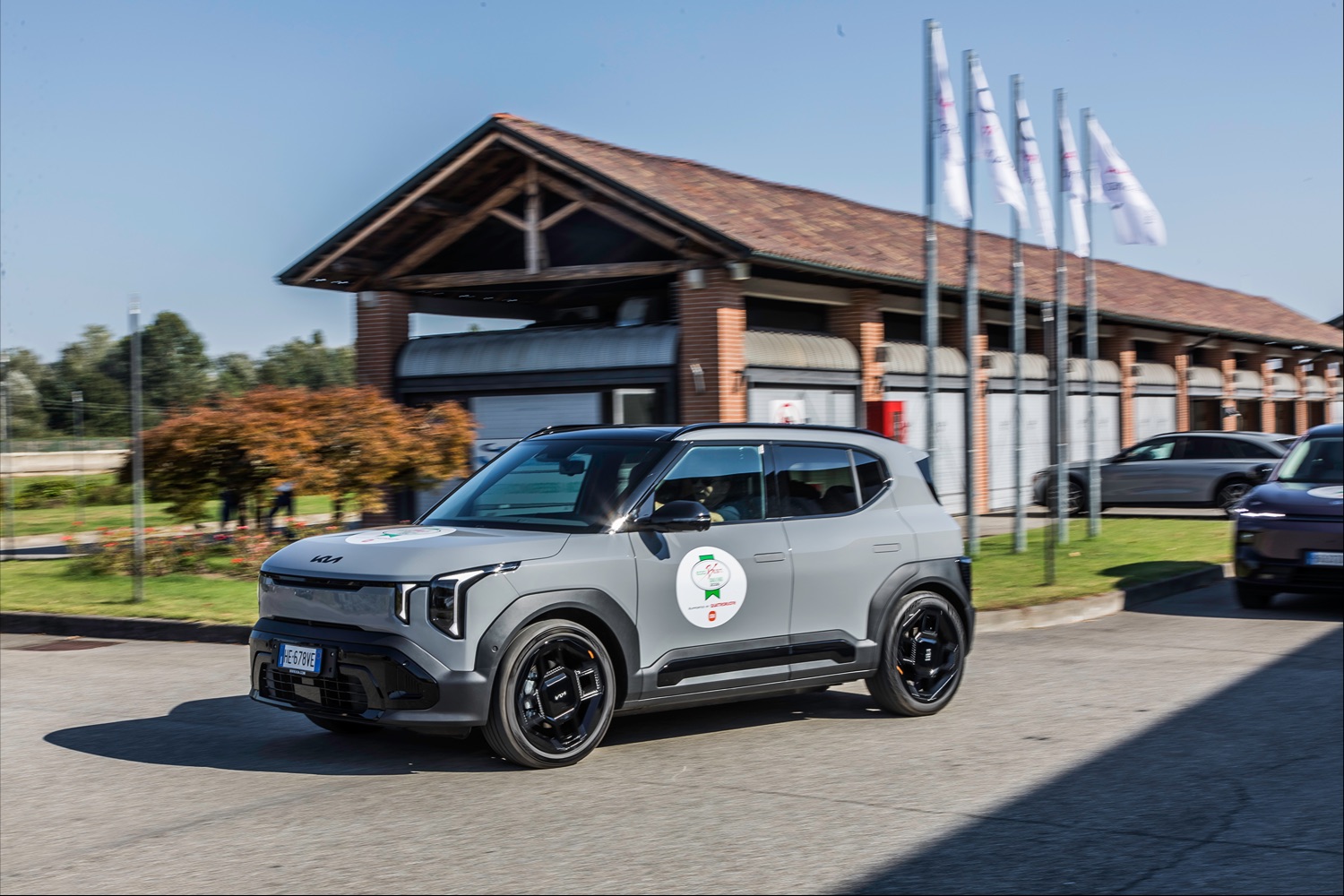
Which electric cars charge the fastest?
Fast DC charging is going through something of an arms race in EV development currently. Another aspect of the Ecobest Challenge involves real-world testing of how quickly the participant cars can take on energy and recharge their batteries.
Four of the cars, the BMW iX3, Volvo EX60, Xpeng P7+ and Zeekr 7GT, managed to add 100km of driving range in only four minutes. For comparison, in the 2024 test, the Kia EV9 required seven minutes to perform the same, while last year the Audi A6 Sportback e-tron did it in six minutes. The Xpeng P7+ recorded the highest charge rate at 446kW.
Although not all of the cars charged as quickly, all but two were capable of adding 100km in under 15 minutes. The Renault Twingo, which has a 50kW DC charge rate, took 22 minutes to complete this aspect of the test, while the BYD Atto 2 (with a 65kW DC charge rate) did it in 20 minutes.
These results demonstrate that, when needed, most drivers can comfortably add a realistic top-up to the car’s driving range without any significant time penalty or inconvenience.
What do the Ecobest organisers say?
Alessio Viola, Senior Editor at Quattroruote and Vice President of the Autobest Jury said: “Year after year, the Ecobest Challenge remains a unique test in Europe, thanks to the quality and accuracy of its measurements. We use Quattroruote’s ISO 9001-certified testing procedures, with an additional independent verification by Bureau Veritas. This double-check makes our results reliable and transparent. The 2026 results confirm that electric cars continue to improve, often through small steps that add up over time. They also show that range is not everything: efficiency, charging performance and energy losses are just as important.
Above all, we are not for or against electric cars, petrol cars or any manufacturer. Our figures are not meant to prove anyone right or wrong. They simply show reality as it is, giving European motorists reliable information about the cars they drive. And that matters more than ever, in a world where stories too often get more attention than facts.”
If there is anything about this story we have not covered, you can avail of our expert advice service via the Ask Us Anything page.