

Can’t all car doors already be opened mechanically?
No, they can’t. Some cars, such as the Volvo EX60 and the Ford Mustang Mach-E, use small tab-style door handles that open the doors from the outside only by an electric signal. If the 12-volt battery fails, those doors can’t be opened from outside the car. Inside, both cars have a mechanical override: pull the door handle all the way and a cable opens the door. China has already gone further. Following a rash of incidents involving cars catching fire, or being caught in floods, with fatal outcomes, Chinese authorities have banned hidden and pop-out electronic door handles on electric cars. Cars sold there must have mechanical releases inside and out, so the doors can still be opened if the power fails or after a crash.
Will the EU ban flush-fit door handles?
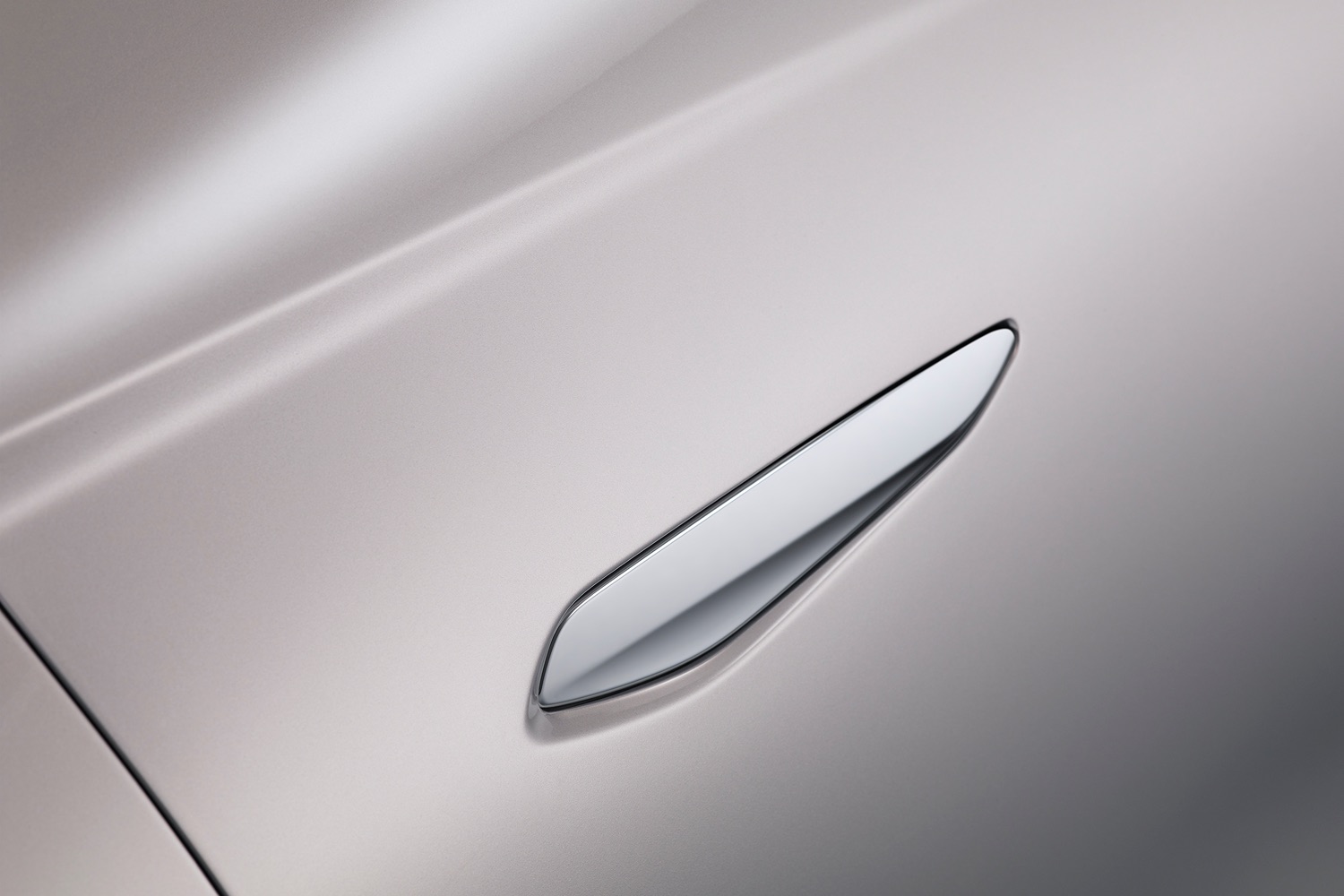
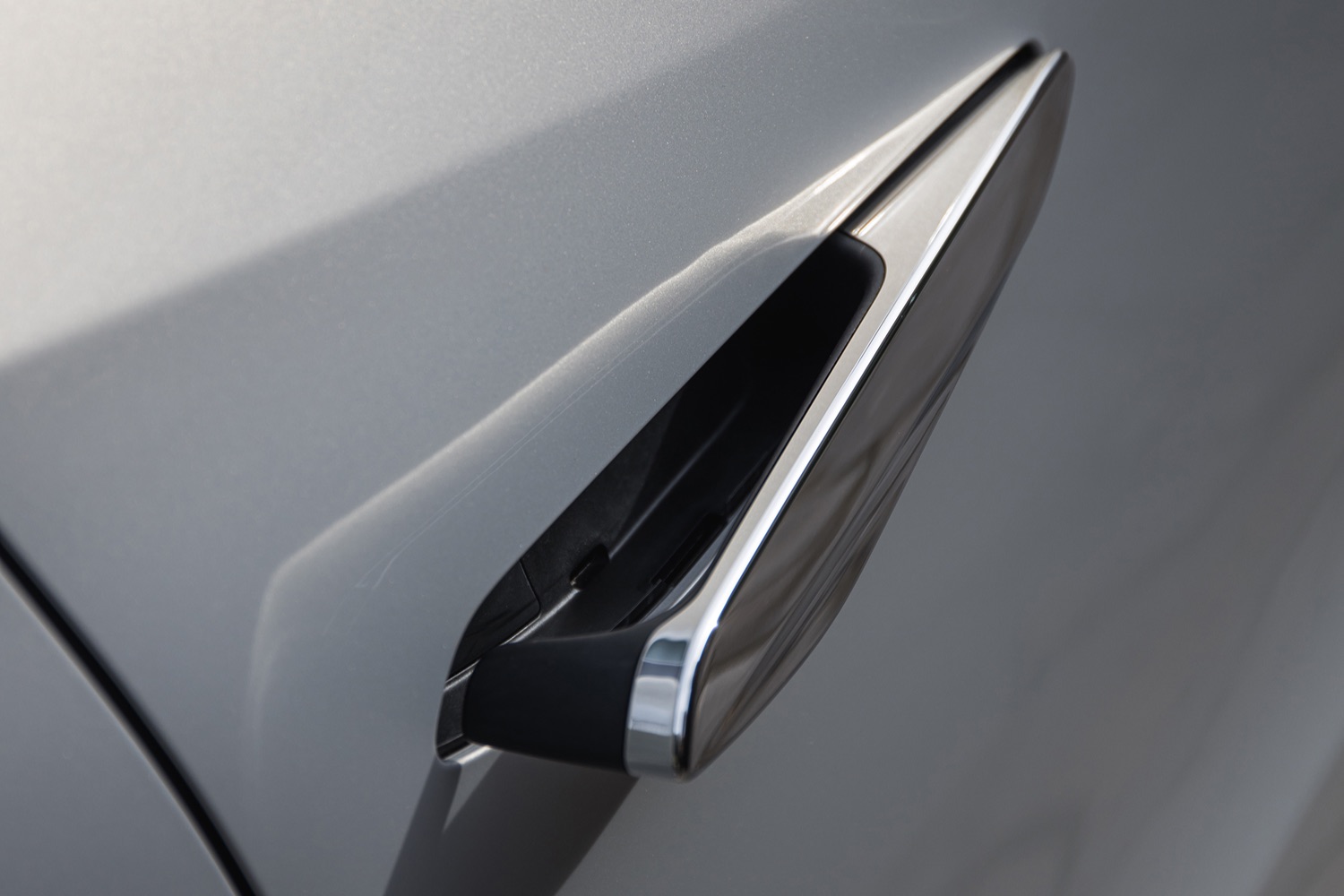
Not necessarily, no. It will depend on whether the full Parliament backs the proposals in a vote expected in December, and then on negotiations with EU governments. Many pop-out door handle designs, such as those used by Mercedes, Cupra, Land Rover, and many others, already include a mechanical release. However, it’s not yet known if the EU will be satisfied that the fail-safe systems that ensure such handles always do pop out in the event of an accident are good enough.
Why are so many door handles flush-fit now anyway?
Partially, it’s a styling thing. Partially, it’s down to giving the car a ‘high-tech’ feel as you walk up and see the handles popping out. Many car makers claim that it’s an aerodynamic benefit, but we’re not so sure. How much difference does a flush-fit door handle make? Some research suggests that the difference between a flush-fit handle and a traditional one which sits proud of the bodywork could be as much as 0.01Cd in the car’s drag coefficient. That doesn’t sound like much, but it could be enough to save as much as 0.6kWh per 100km in terms of how much battery energy you’re using, and because drag rises with the square of speed, that difference will be much greater if you’re spending lots of time on the motorway. Then again, the added weight of the motors and sensors needed for a pop-out handle may well negate that aerodynamic advantage, so it’s quite possible that just fitting an old-fashioned, reliable, lever-style door handle and latch might be better all round anyway.
What do car engineers say about flush-fit door handles?
We had a chat to Mercedes’ safety expert, Dr Christian Glöggler, who told us, while showing us the engineering behind the flush-fit door handles on the CLA: “If you have a severe accident, and both the 12-volt and 48-volt electrical systems shut down, we can still open our doors every time from both the inside and the outside. The reason being that we have built into the doors a mechanical chain system, so even in a severe accident, whether you are inside the car or you’re one of the rescue personnel, you can always open a Mercedes door.”
What else is the EU proposing?
The door handle rules are part of a wider package of changes, which the European Commission estimates would save businesses, consumers and government bodies €706 million a year. There were some other safety measures put forward by the committees, including the standard fitment of a child presence detection system that works after the car is switched off or locked, to help stop babies being left in cars.
There were also proposals to ensure that, by the end of 2027, there are firm rules in place to “ensure the interoperability of EVs and plug-in hybrid EVs with the charging infrastructure and the electricity grid.” Electric vans between 3.5 and 4.25 tonnes might be given an exemption from built-in speed limiters. Mutual recognition of national approvals for testing and using automated vehicles, along with common minimum standards, was also proposed.
On emissions, the system used to calculate the official CO2 emissions of plug-in hybrid cars made in the EU would be kept until the end of 2029, after which it would be updated annually based on real-world driving data. And the application of the new Euro 7 emissions regulations for heavy-duty vehicles would be postponed for 18 months.
What are the EU’s new small electric car rules?
The committees also backed a new category of small electric cars, which must be less than 4.2 metres long and made in the EU. They also want a separate category of highly efficient EVs, which must be made in the EU and meet “strict electric energy consumption thresholds.
The full wording of the regulations is yet to be worked out. It will be included in the controversial Industrial Accelerator Act (IAA) policy, which the EU is still thrashing out, and it could allow car makers to bring ultra-compact models such as the Dacia Hipster to the market. The committees also want such cars to earn extra CO2 emissions credits for car makers to put against their combustion and hybrid models.
If there is anything about this story we have not covered, you can avail of our expert advice service via the Ask Us Anything page.