

How does that work, then?
T&E has been researching the issue and found that under a moderate scenario, accelerating the electrification of company car fleets, with a focus on models made within the EU, could generate €28 billion in economic gains and €20 billion in additional investment, as well as creating 196,000 additional jobs. At a time when the European car industry is buckling and shedding jobs under the weight of Chinese competition, that’s potentially transformative.
Do we need new legislation to make this work?
Possibly, but not necessarily. T&E’s research examines the Clean Corporate Vehicles Regulation, which sets a target of 45 per cent of new car sales in large corporate fleets being electric by 2030. The organisation argues that limiting national financial support for company cars, from January 2028, to low- and zero-emission vehicles made in Europe would unlock the greatest economic and employment benefits. That could mean restricting tax breaks and other incentives to qualifying vehicles, with Poland and Germany among the biggest beneficiaries.
Could we go higher?
Absolutely. T&E’s strong scenario envisages electric cars accounting for 69 per cent of new car sales in large corporate fleets by 2030. Under this scenario, economic gains could reach €48 billion, investment could rise to €38 billion, and 344,000 additional jobs could be created across the EU.
Sofie Grande y Rodriguez, Clean Fleets Policy Manager at T&E, said: “Company cars are the quickest way to turn Europe’s EV transition into European jobs. Lawmakers have the opportunity to make the company cars regulation a key driver of Europe’s automotive competitiveness. Watering down its ‘Made-in-EU’ requirements would remove the incentive for carmakers to localise production. Equally important for securing at-risk jobs is keeping 2028 as the entry-into-force date.”
Would Chinese car makers benefit from this too?
Not necessarily — it would depend on how the proposed legislation was worded. Chinese car makers are rapidly setting up EU production bases, but the proposed restrictions on financial support would focus on where vehicles are made, rather than simply on the nationality or ownership of their manufacturers. T&E says that there is potential to reverse the current job losses at European car makers. Volkswagen serves as a case in point: while the group plans to cut 35,000 jobs by 2030, T&E’s strong scenario suggests that the regulation could generate up to 56,300 additional direct jobs at the automaker over the same period.
What about batteries?
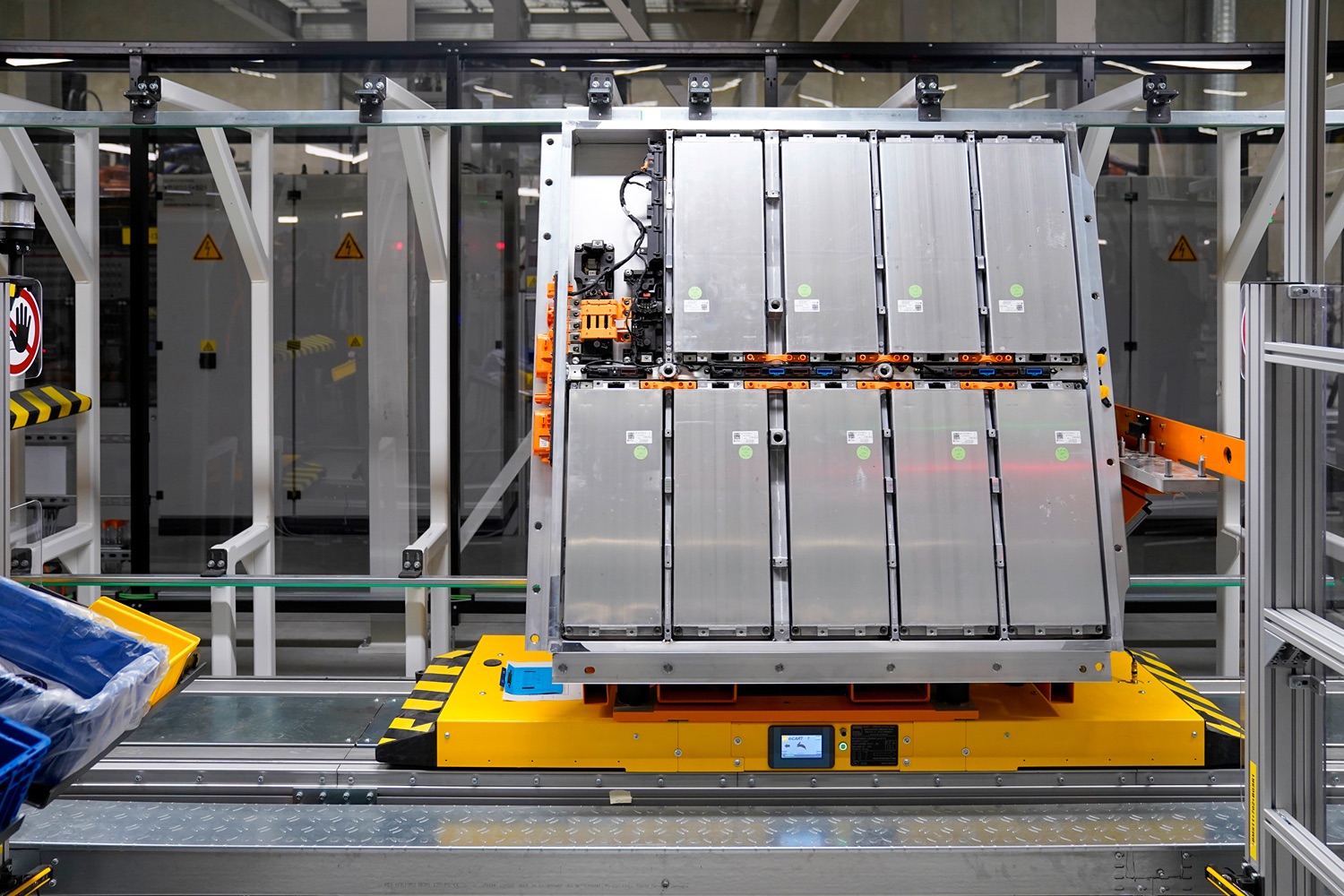
Batteries form a crucial part of this, as there is a need to expand battery production back to the EU. Poland could be a major beneficiary, as it’s already a major centre for European battery manufacturing. Under T&E’s strong scenario, battery cell production in Poland could more than double, from 31 GWh to 81 GWh, by 2030, while employment could increase by 38,500 jobs, 82 per cent of them in the battery sector.
Can any of this actually be done?
Maybe so — it would require some changes to EU legislation, and the incoming Industrial Accelerator Act (IAA) could also play a role in supporting European industry. It would require European car makers to double down on electric car production, though, and given recent negotiations with the EU, that still seems to be something that they’re reluctant to do.
Sofie Grande y Rodriguez said: "Electrifying the fleets of large companies is key to securing Europe’s EV value chain and reducing our dependence on dominant global suppliers. Europe already assembles most of its electric company cars. What it needs now is guaranteed demand, so the battery plants announced here actually get built. To stop losing ground to China on EVs, Europe must bet on Made-in-EU electric company cars”
If there is anything about this story we have not covered, you can avail of our expert advice service via the Ask Us Anything page.