
So, what is the answer?

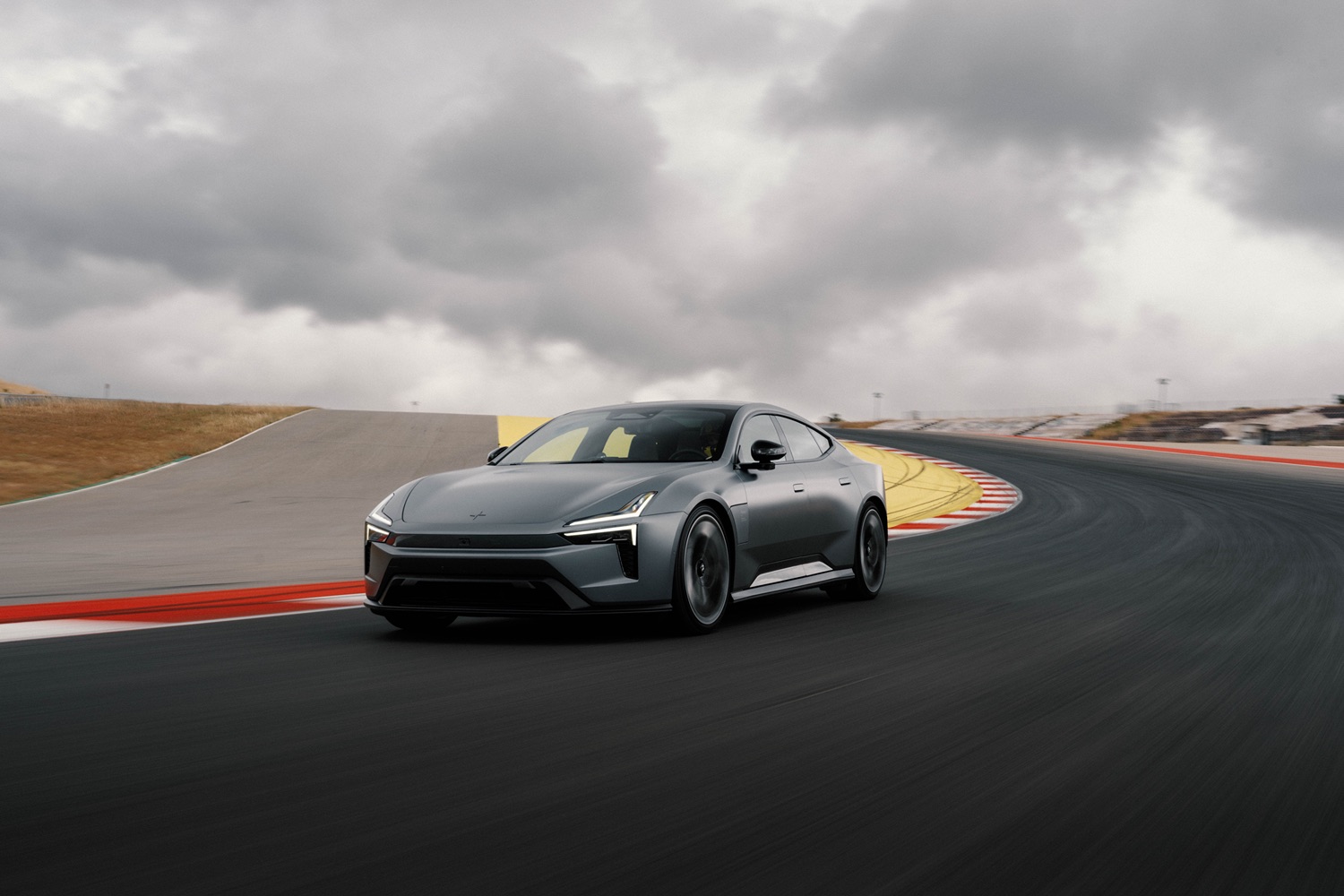
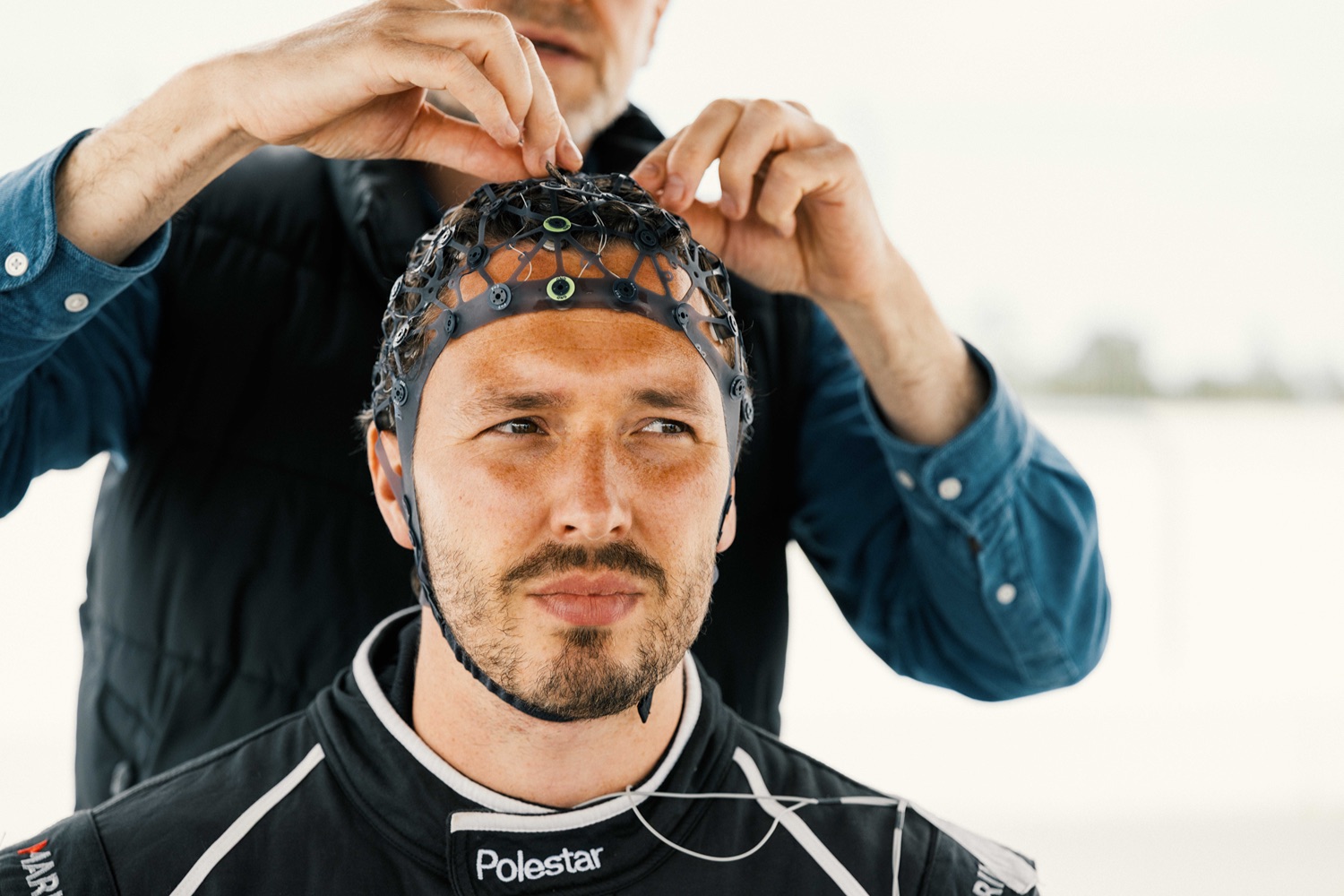
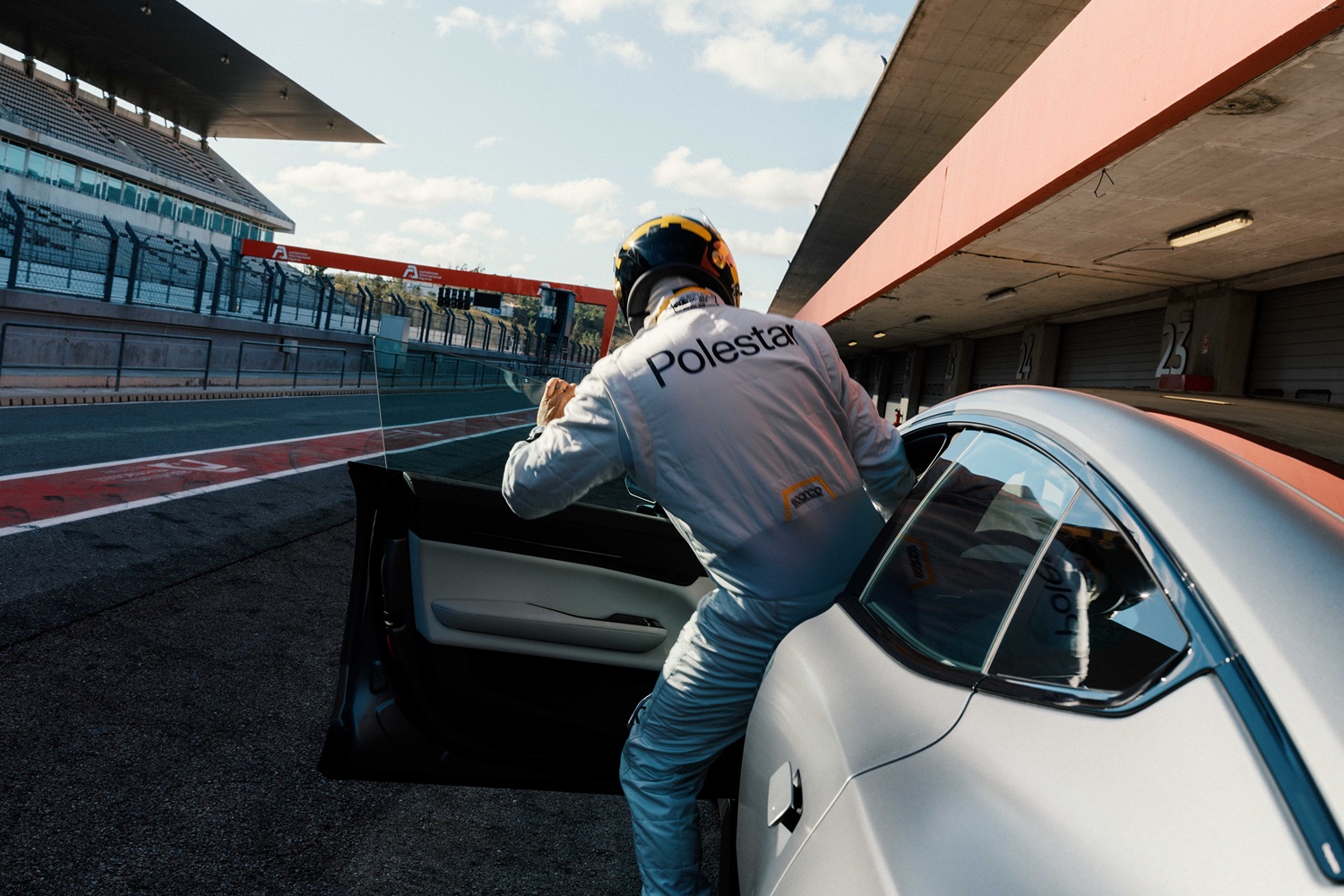
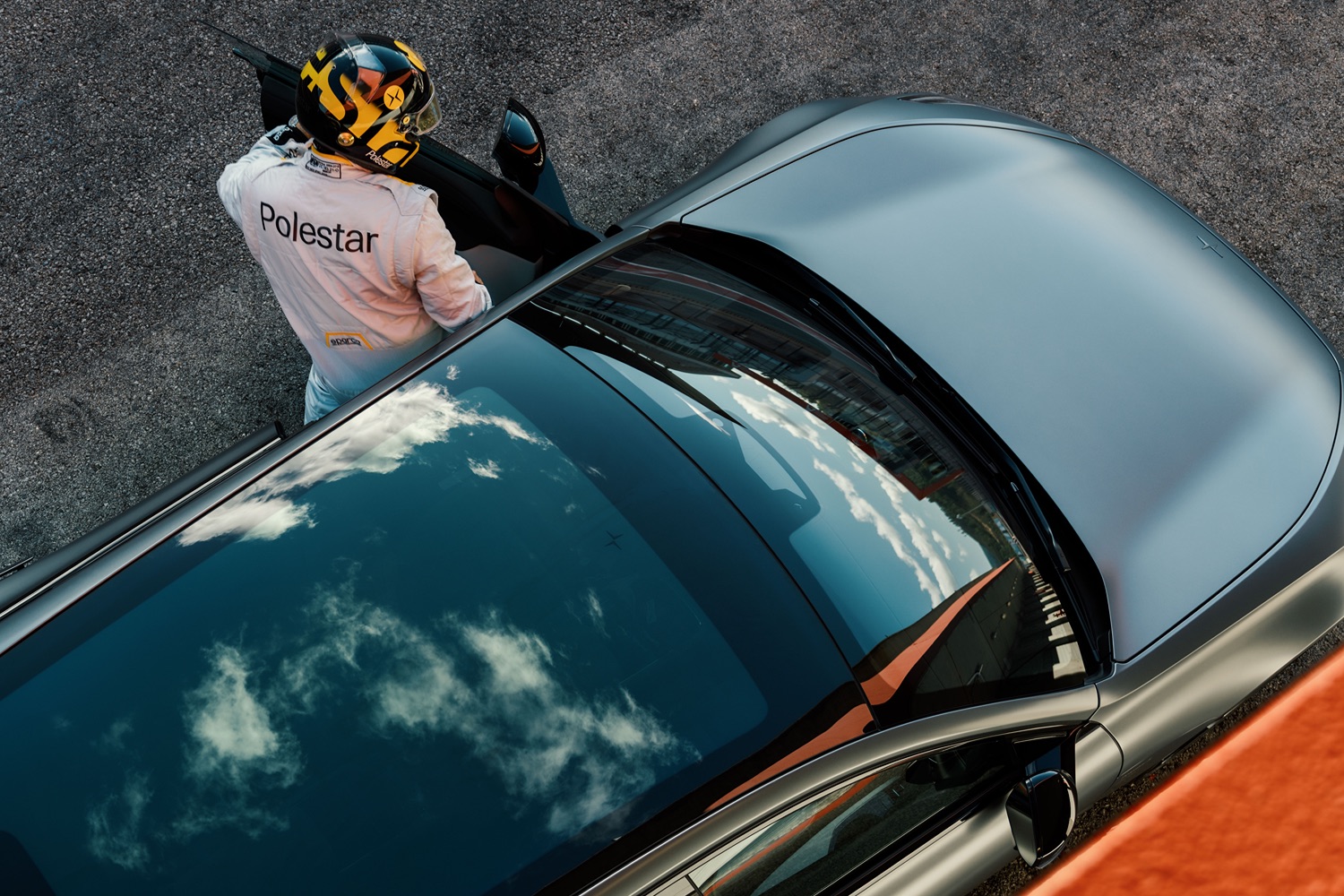
Polestar has been testing not just its cars, but also some volunteer drivers, at the Gotland Ring race track in Sweden. The idea behind the tests is to answer the question: ‘How do we measure what performance feels like to the human behind the wheel?’
And how do we?
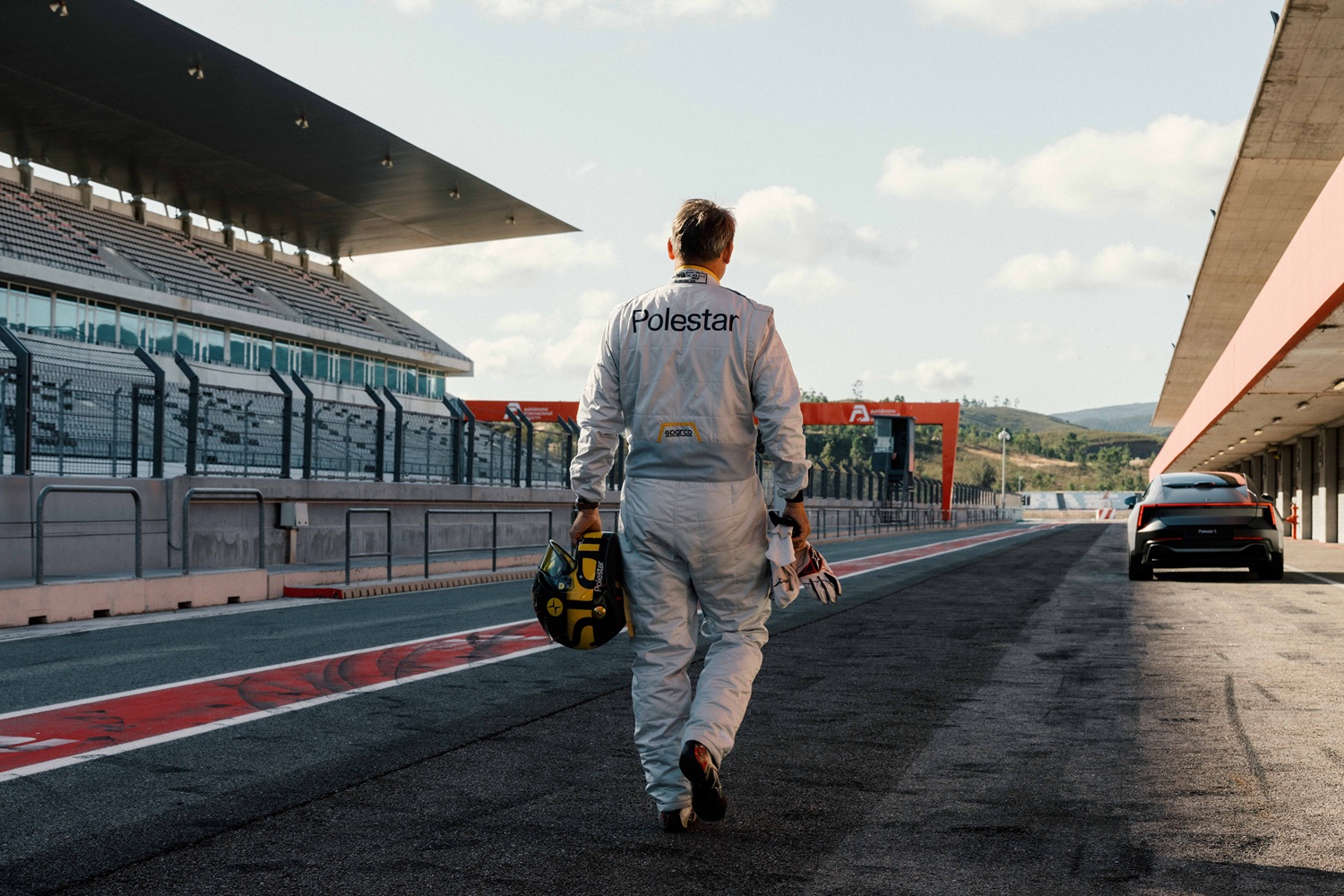
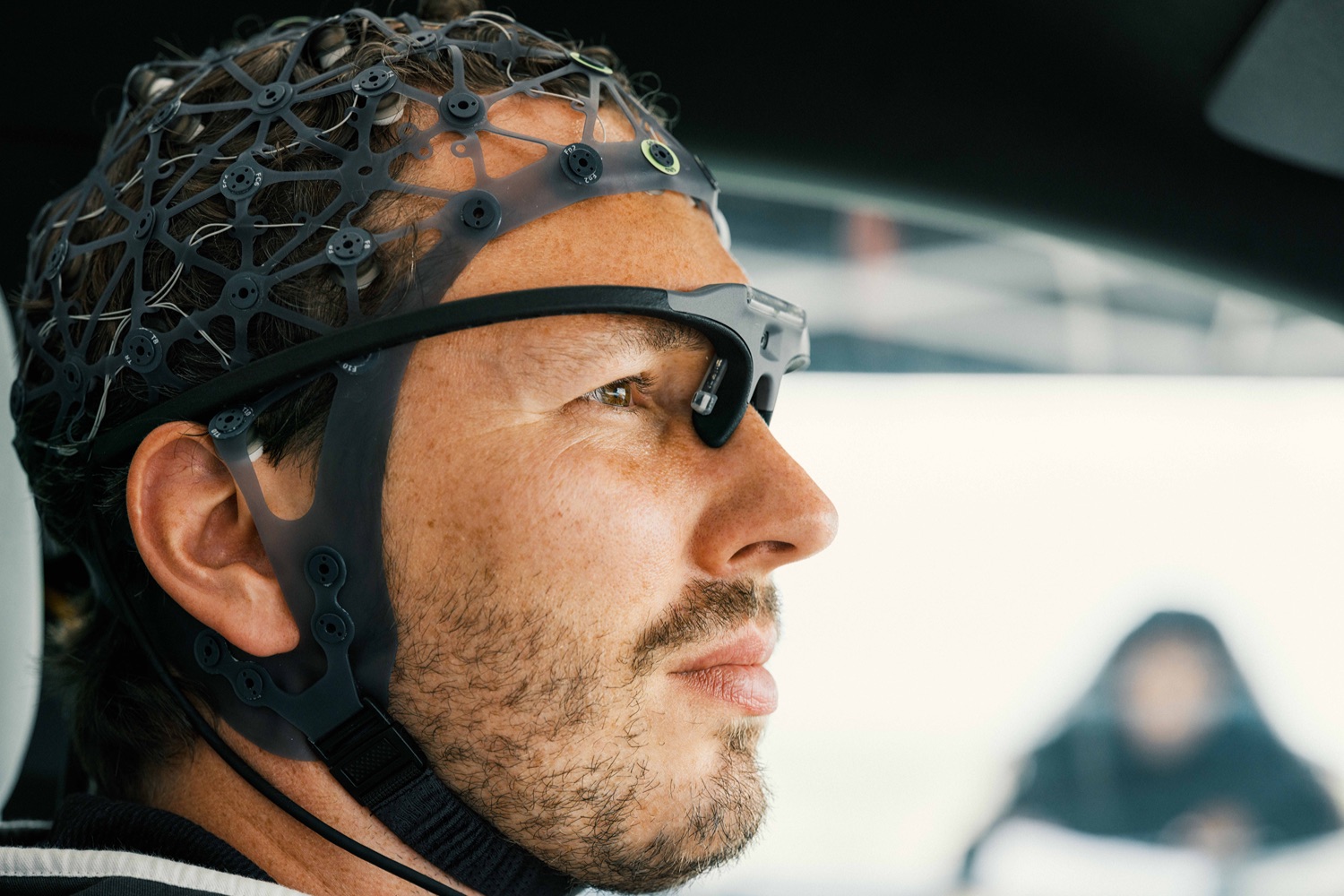
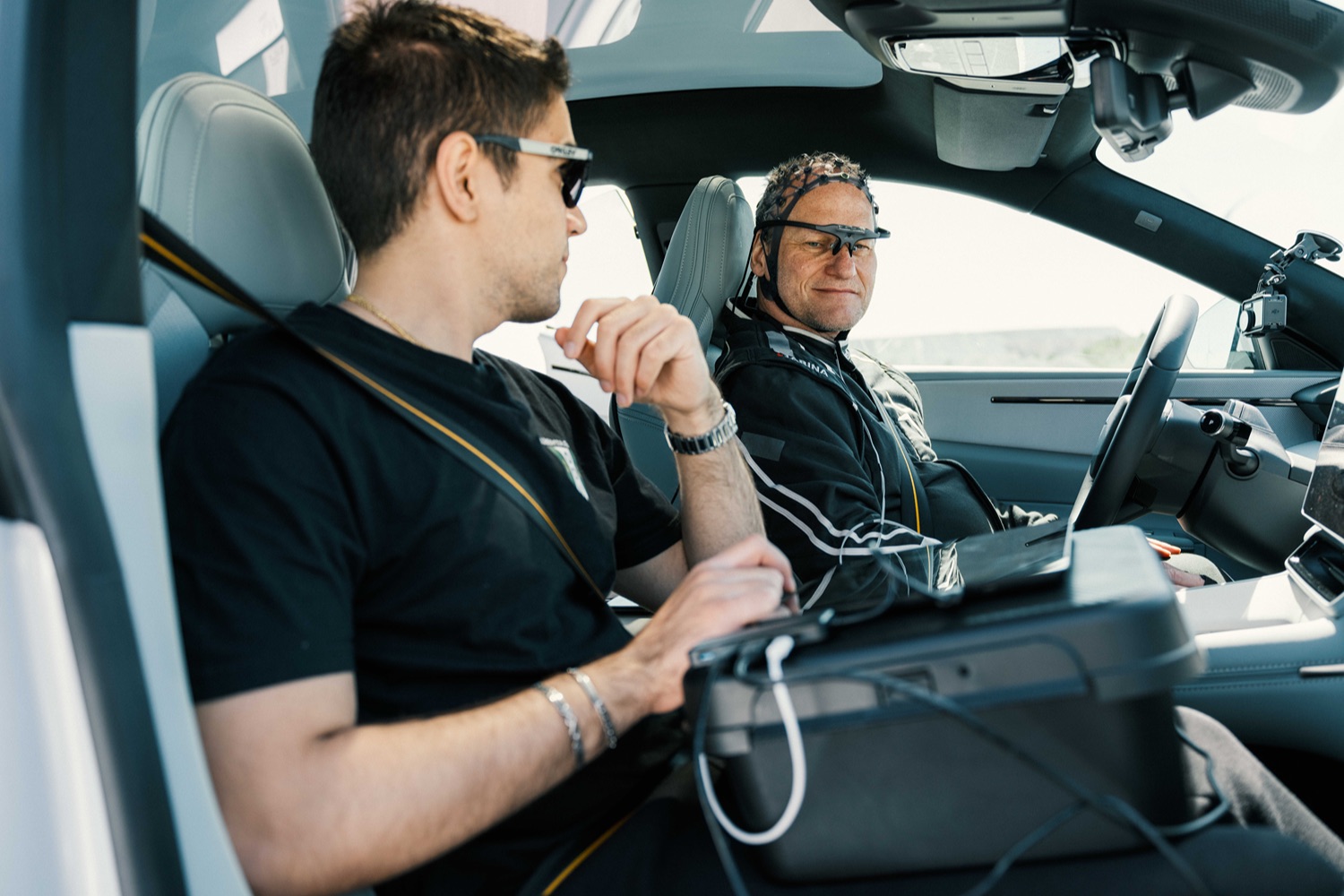
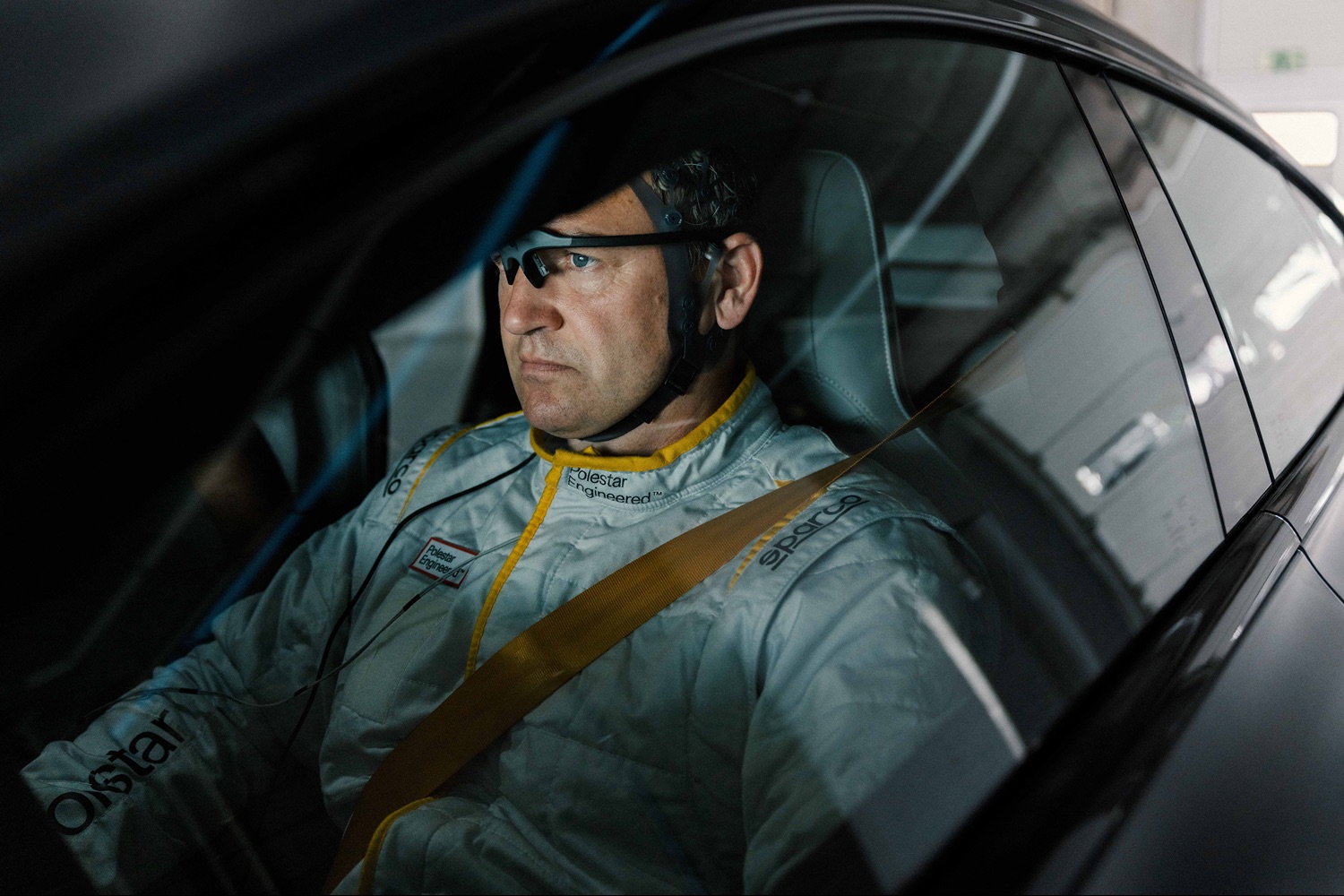
By a number of methods. Polestar has been working with researchers from the University of Oxford’s SDG Impact Lab, and the study includes such techniques as heart-rate monitoring, eye tracking, psychological assessments and interviews to explore the relationship between what a performance car does and how the human driver responds.
What cars were used?
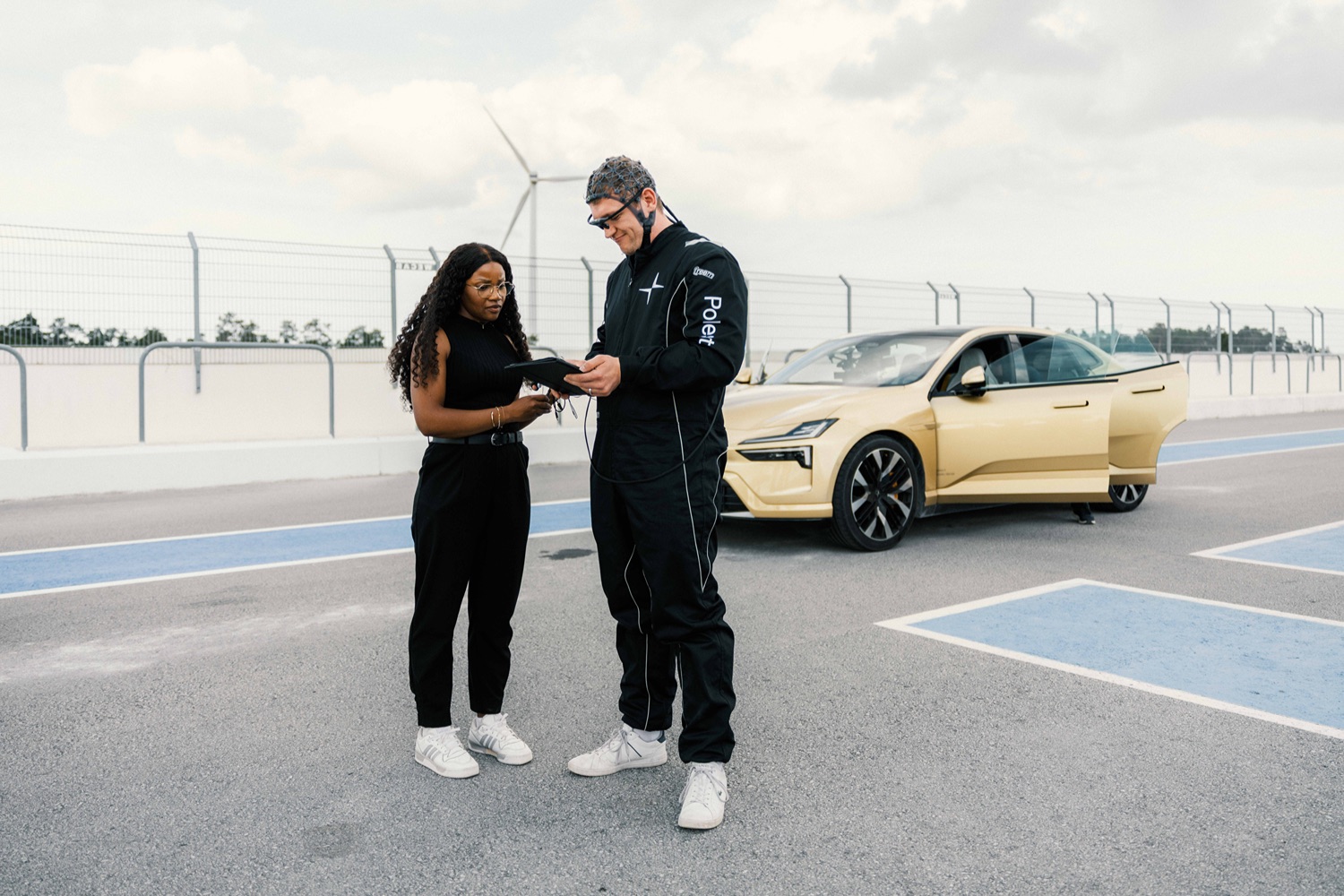
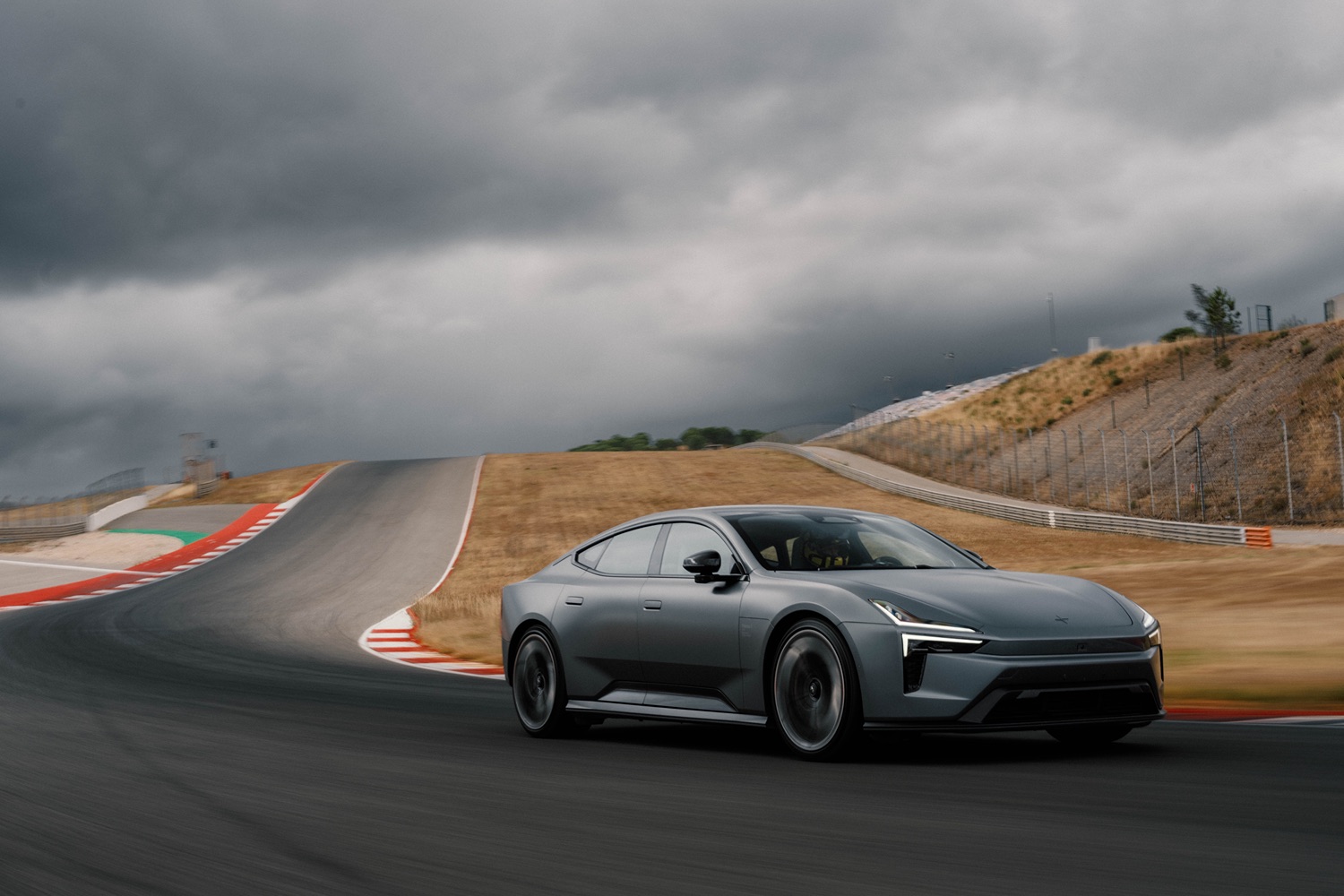
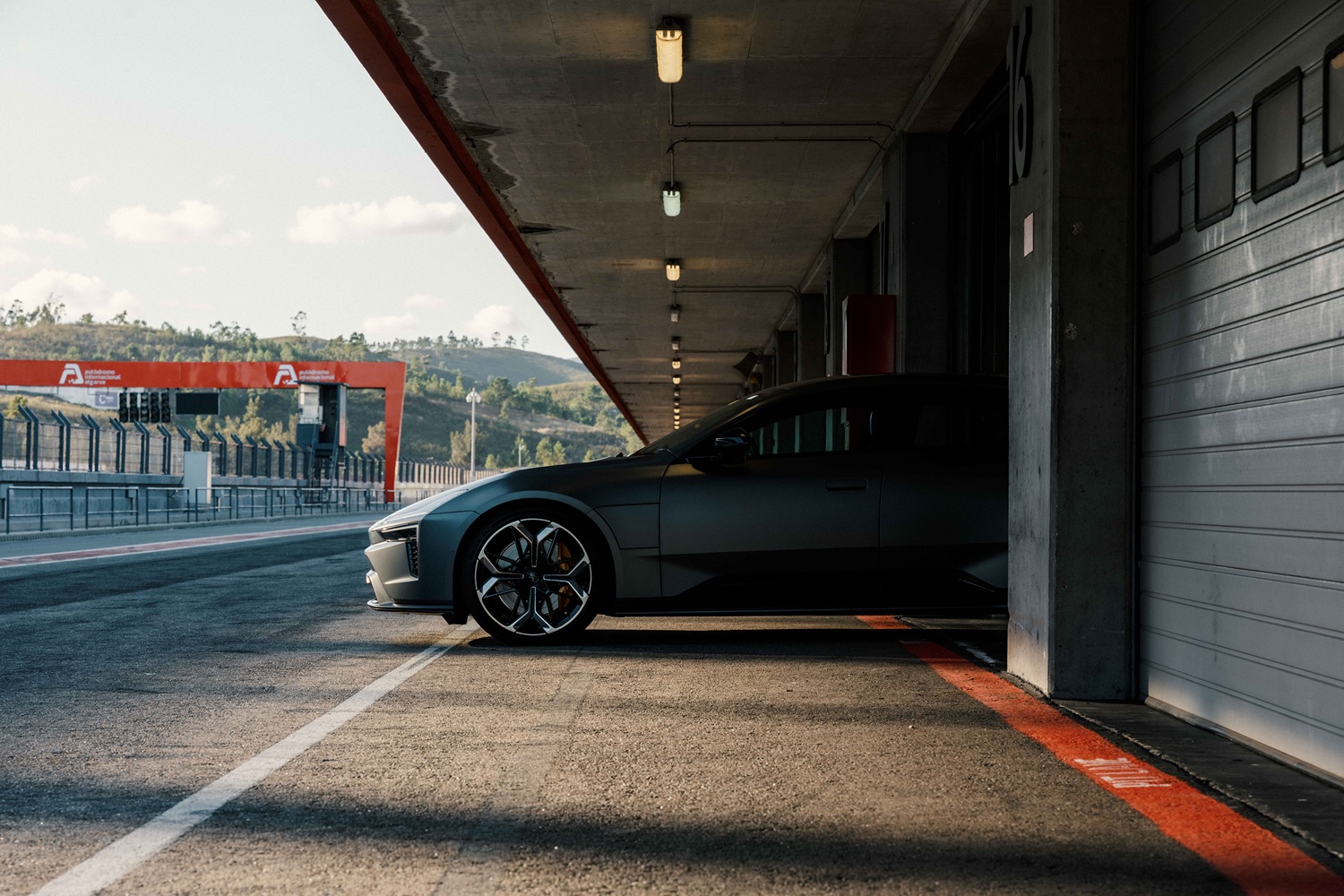
In the study, 12 drivers drove two versions of the Polestar 4 coupé: Single Motor and Dual Motor with Performance Pack, in what are being described as ‘both calm and dynamic driving conditions’. What the researchers found was that there were profound differences between human responses according to the intensity of the driving style being used. During dynamic driving, participants blinked less, their pupils became larger and they held their gaze longer — patterns consistent with deeper attentional engagement. Vehicle telemetry could also be linked to changes in drivers’ physiological activation, allowing researchers to examine the driver’s response alongside what the car was doing.
Is any of this really quantifiable?
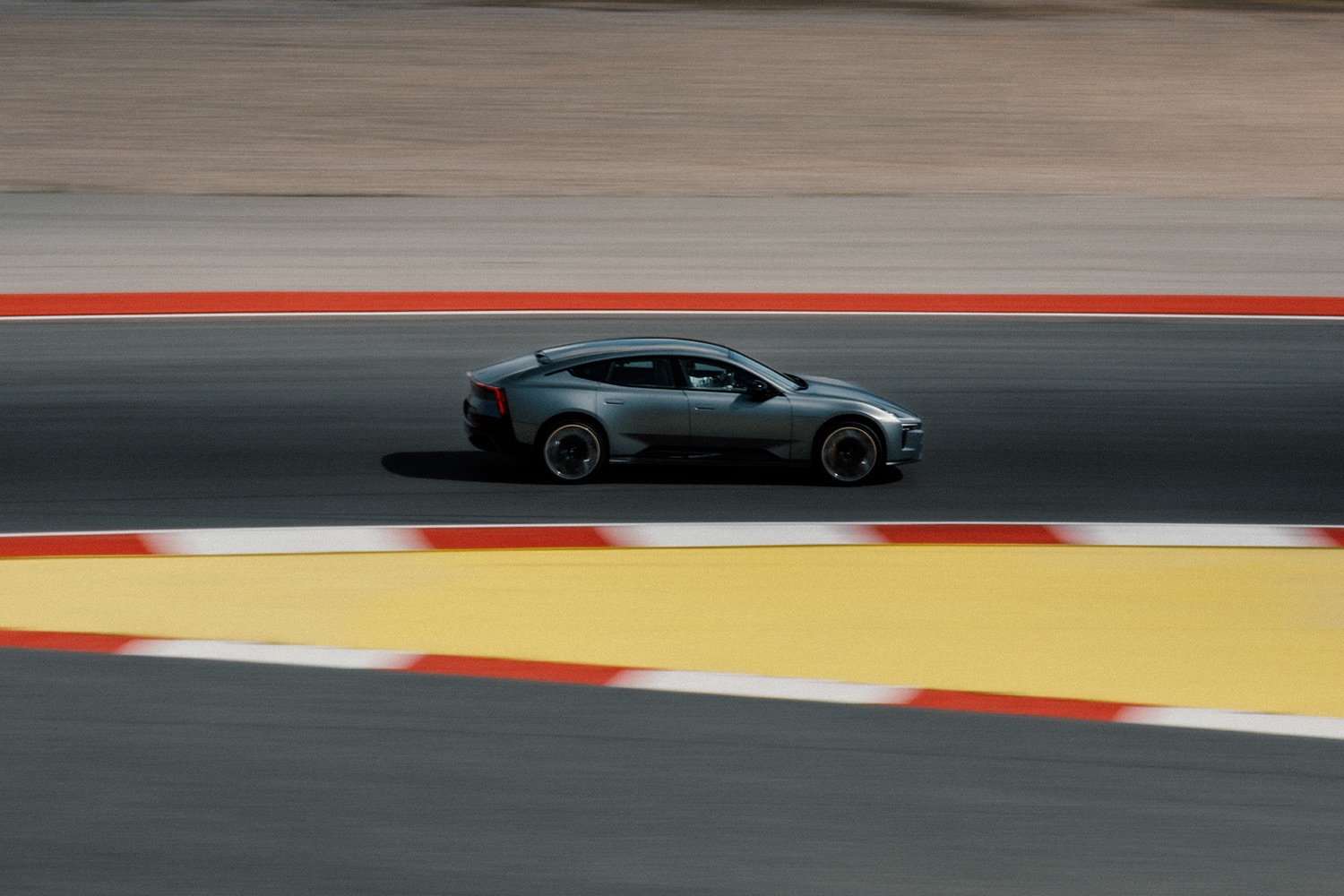
It seems so, yes. Polestar and the SDG Impact Lab compared the same drivers on laps using the Single Motor and the Dual Motor Performance models, and found that on ‘matched fast laps’ the Performance Pack version, with its 544hp, was able to deliver greater peak performance and less steering effort on circuit: 32 per cent higher peak acceleration while requiring 15 per cent less steering effort. It also generated greater cornering loads and more frequent hard-acceleration events.
Did drivers rate the Performance Pack model higher?
Perhaps unsurprisingly, yes. On the study’s Performance/Dynamics scale, the Performance version scored 89.2 out of 100, compared with 67.7 for the Single Motor version. It also scored higher for overall experiential quality, at 93.0 versus 77.9, with most drivers rating the Performance version higher on both measures.
Does that make it better?
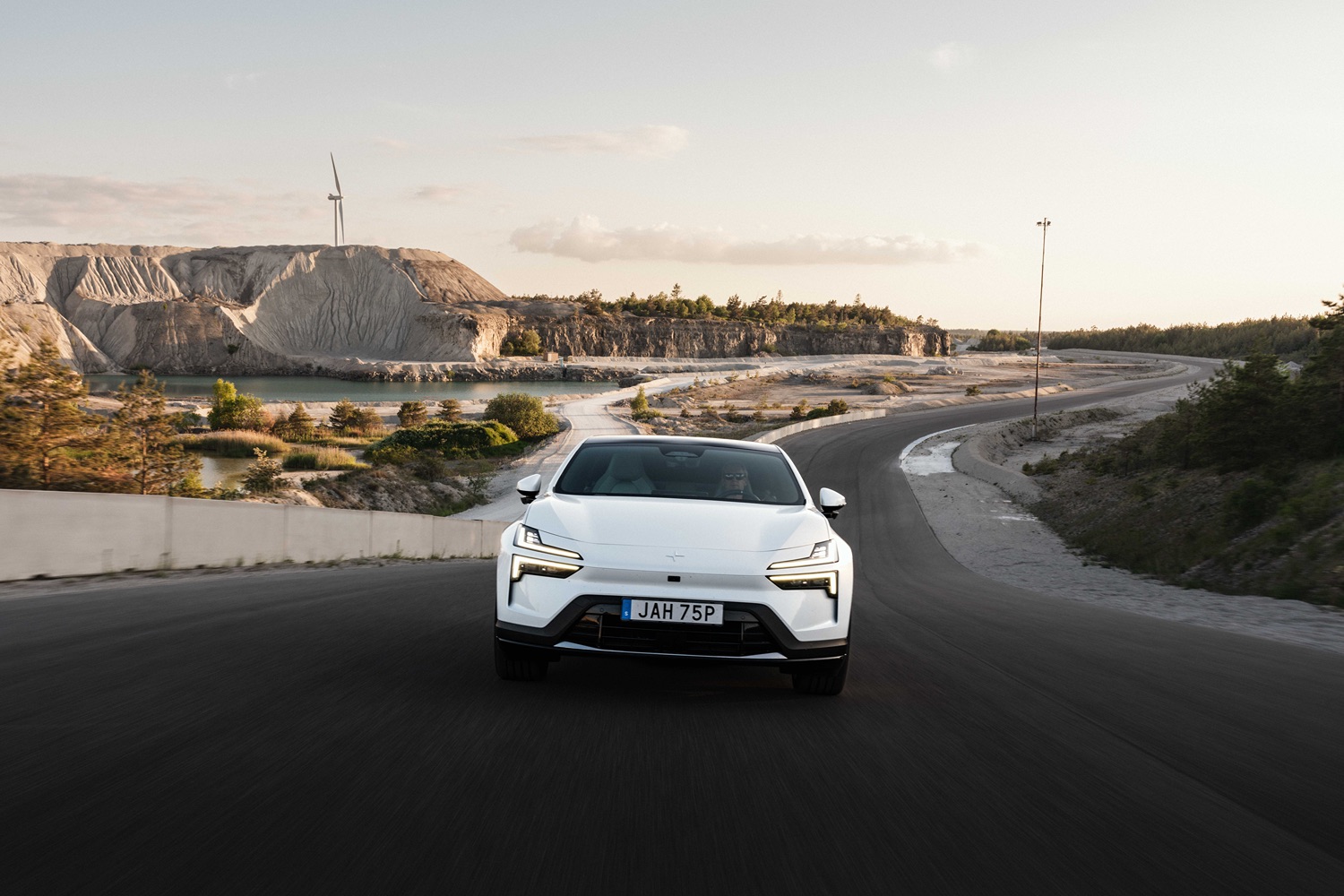
That’s the thing. ‘Better’ is always going to be a subjective thing, but there’s no doubt that the drivers in this study were more excited by the Performance Pack Polestar, and that its extra grunt was about more than just extra acceleration. Drivers described a combination of heightened bodily response, trust in the car, a sense of control and deep attentional engagement. Several independently compared the experience to a “controlled roller coaster”. One participant captured the feeling by saying the car “makes you feel like a better driver than you are”. Researchers found that participants tended to associate the Performance version more consistently with this combination of thrill, trust and control.
So will this study make for better cars in the future?
It ought to. We do seem to be moving beyond the initial high-performance electric car world, where everything was about silly 0-100km/h times and not half enough about tactile response and feedback. According to Christian Samson, Head of Product Attributes at Polestar: “As electric cars redefine what performance can be, we wanted to understand something that can’t be captured by a specification sheet alone: the human experience behind the wheel. Working with University of Oxford allows us to look at performance through a different lens – connecting the engineering of the car with the experience of the person driving it.”
If there is anything about this story we have not covered, you can avail of our expert advice service via the Ask Us Anything page.