

How much power are we talking about?
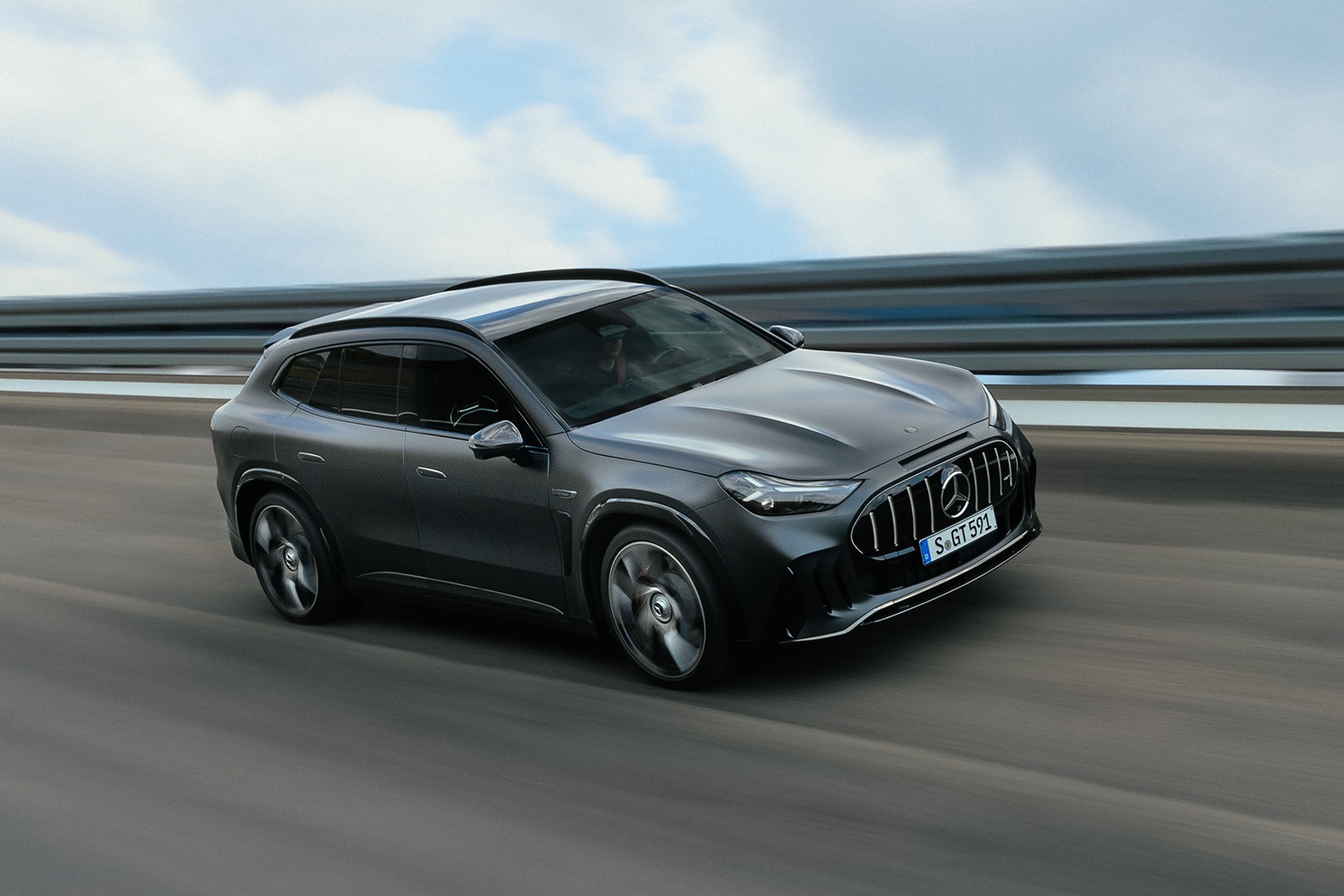
Lots. And lots. And still a bit more. And then some more on top of that. There’s a mid-level Mercedes-AMG GT 55 SUV which has a fairly whopping 816hp from its three-motor (two rear, one front) setup, while the range-topping Mercedes-AMG GT 63 SUV has a faintly mad 1,169hp. If that’s all a bit too much, there’s a two-motor entry-level version, the Mercedes-AMG GT 53 SUV, which has a ‘mere’ 544hp and what Mercedes calls ‘confident acceleration’. We bet.
How fast are these electric AMGs?
In AMG GT 63 SUV form, this big, family-friendly SUV can sprint from 0 to 100km/h in just 2.5 seconds and on to a top speed of 270km/h if you tick the right options box (the one for the ‘Driver’s Package’, specifically). Along the way, it will have reached 200km/h in just 6.8 seconds if you keep your foot pinned and you’re on a speed-limit-free Autobahn.
Where does all this power come from?
The Mercedes-AMG GT SUV uses a three-motor setup, which places what the car maker calls a High Performance Electric Drive Unit (HP.EDU) on each axle. All of the motors are high-performance axial flux units and they’re individually oil-cooled to ensure performance is maintained at high outputs. The front motor, in all models, switches on only when you need maximum power or the car detects a loss of traction, and is designed to disconnect the rest of the time in the pursuit of greater efficiency and more range.
Speaking of which…
There are two battery packs on offer, both using high-performance nickel-manganese-cobalt (NMC) chemistry. The smaller pack has a usable capacity of 106kWh and in the AMG GT 53 SUV gives an official range of up to 668km. The AMG GT 55 SUV offers a choice of either that 106kWh unit or a larger 128kWh battery, giving it a maximum range of either 585km or 700km. The top-spec AMG GT 63 SUV offers the same battery choice and therefore has a maximumrange of either 680km or 806km. Both batteries have been developed with expertise drawn from the hybrid systems in Mercedes’ Formula One cars and have 800-volt electrical systems, allowing for a maximum charging power of 710kW when connected to a high-speed DC charging point (not that you’ll find a DC charger that powerful anywhere in Ireland just yet…).
How quickly can you charge at that rate?
Pretty darned quickly. Mercedes-AMG claims a 10 to 80 per cent charge time of just 11–12 minutes for either battery at maximum power and you can restore the AMG GT 63 SUV’s range to 454km with just ten minutes of charging time, again assuming you can find a charging point that can deliver 710kW. Even at lower powers — say, 400kW on DC, for which you can find a few chargers in Ireland already — we’re talking 14–16 minutes for a 10 to 80 per cent charge.
It helps that the AMG GT SUV has a clever thing called a Central Coolant Hub (CCH), which combines all of the cooling requirements for the car’s various systems into one unit, making for much greater efficiencies and also keeping the battery in its ‘happy place’ temperature range more of the time.
What about the chassis of the Mercedes-AMG GT?
As well as four-wheel drive and the ability for the three-motor version to vector torque directly to an individual rear wheel, the AMG GT SUV also benefits from active anti-roll control, rear-wheel steering and a built-in ‘AMG Race Engineer’ system. Accessed via the touchscreen, it combines settings and tutorials to help you get the best from your high-performance SUV.
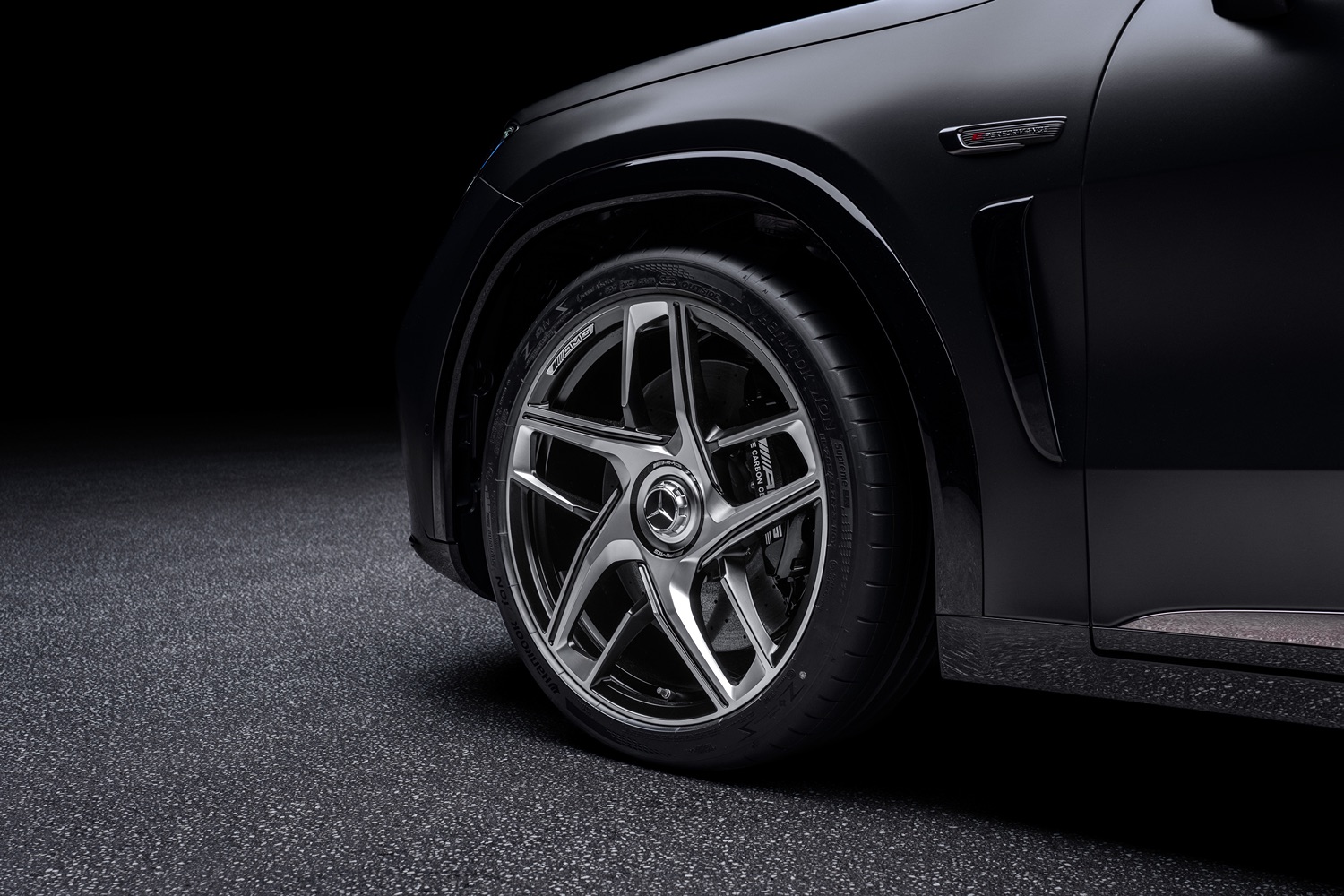
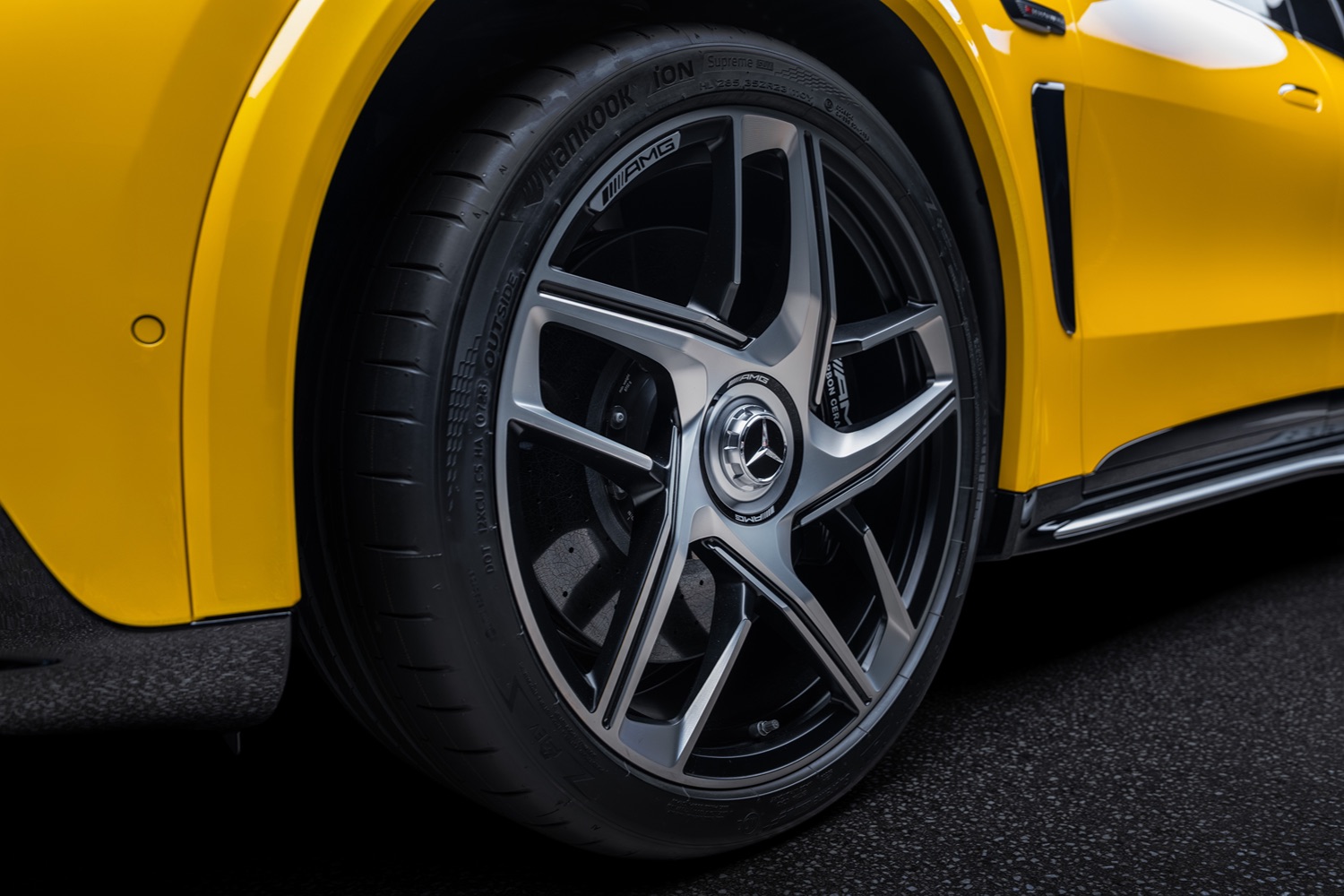
The trick suspension includes triple-stage adjustable air springs, an integrated 8.2-litre pressure reservoir and hydraulic interconnection between the shock absorbers. This allows the AMG GT SUV to control not just roll (from side to side) but also pitch (from front to rear), actively keeping the body level even under extreme provocation. The hydraulic system means there’s no need for conventional anti-roll bars (a system pioneered by McLaren for its mid-engined sports cars) and you can choose between conventional steel brakes or high-tech carbon-ceramic discs.
It’s a shame it can’t sound like a traditional AMG…
Well, perhaps, but then again AMG has developed what it calls AMGForce+, a built-in sound system designed to replicate either the classic 6.3-litre AMG V8 petrol engine or — if you’ve bought the AMG GT 53 SUV — a straight-six motor. The original engine sounds are meticulously documented rather than synthetically generated, based on more than 100 measurements taken with 16 microphones and reference vehicles such as the Mercedes-AMG GT R.
There are also simulated gearshifts, which you can take ‘manual’ control of using the paddles behind the steering wheel. Using a sound slider, drivers can customise the engine sound and other sound profiles to their liking, with modes such as ‘Powerful’, ‘Balanced’ and ‘Silent’, as well as a scale ranging from ‘Classic’ to ‘Futuristic’. Should while away a traffic jam or two…
What’s the Mercedes-AMG GT like inside?
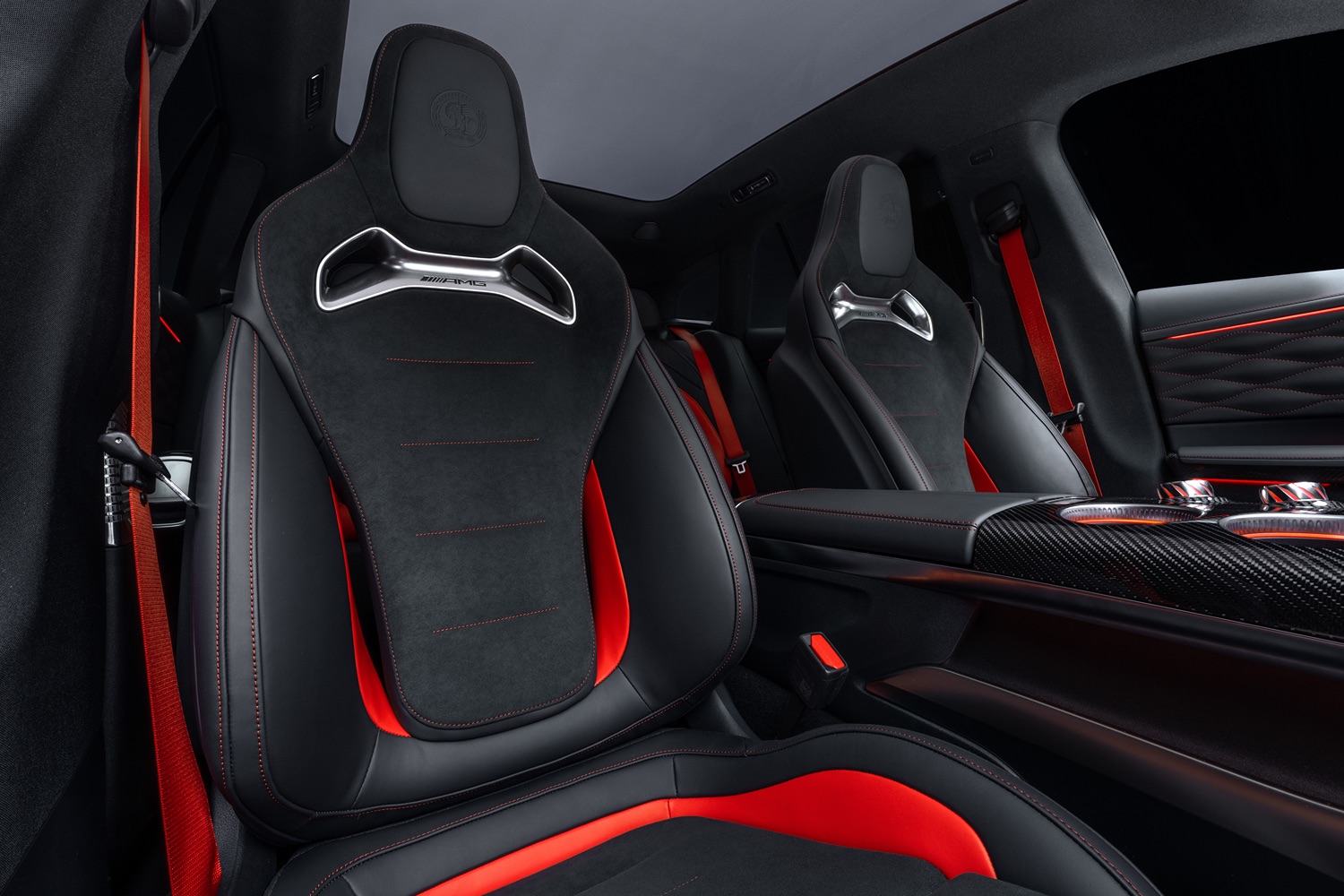
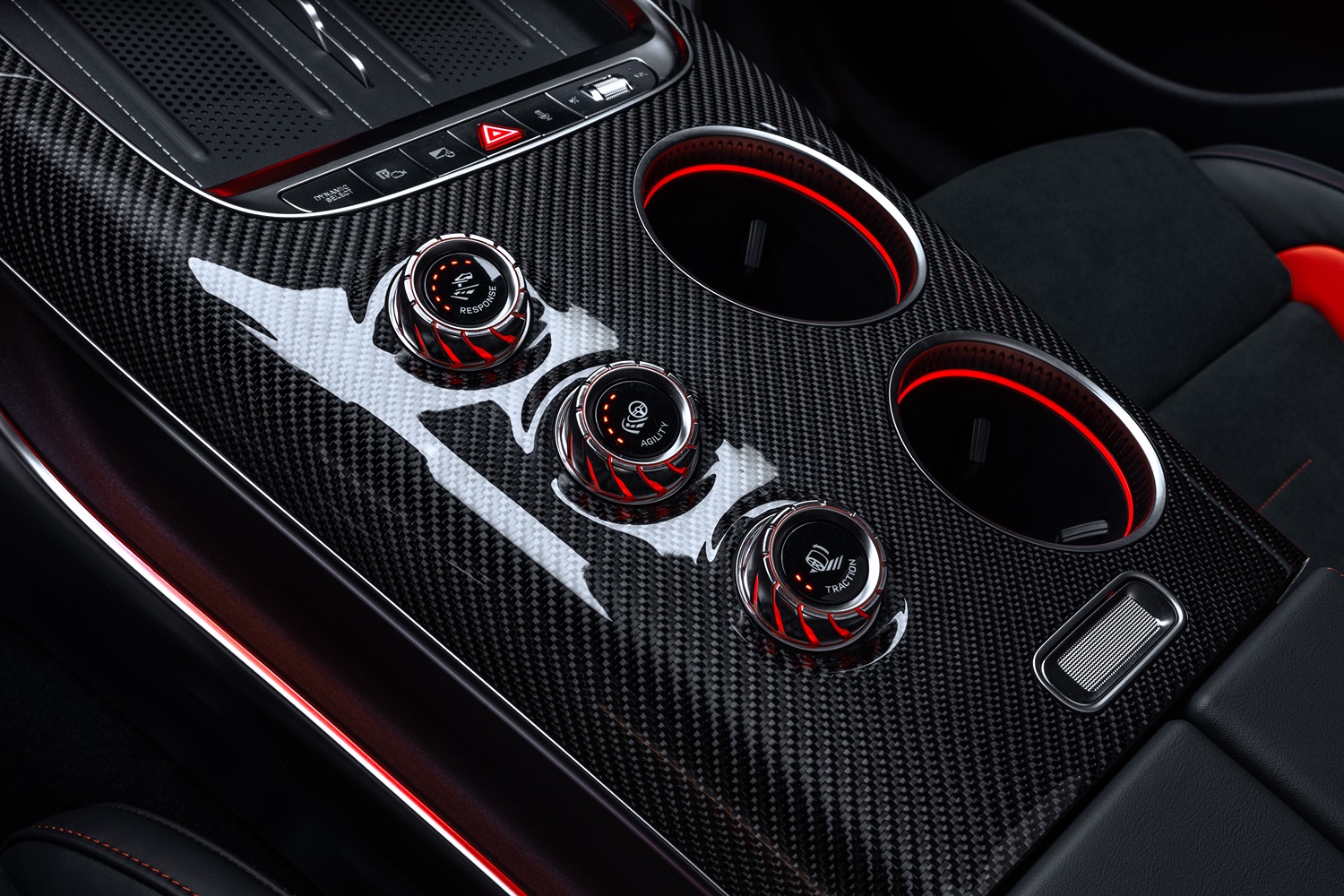
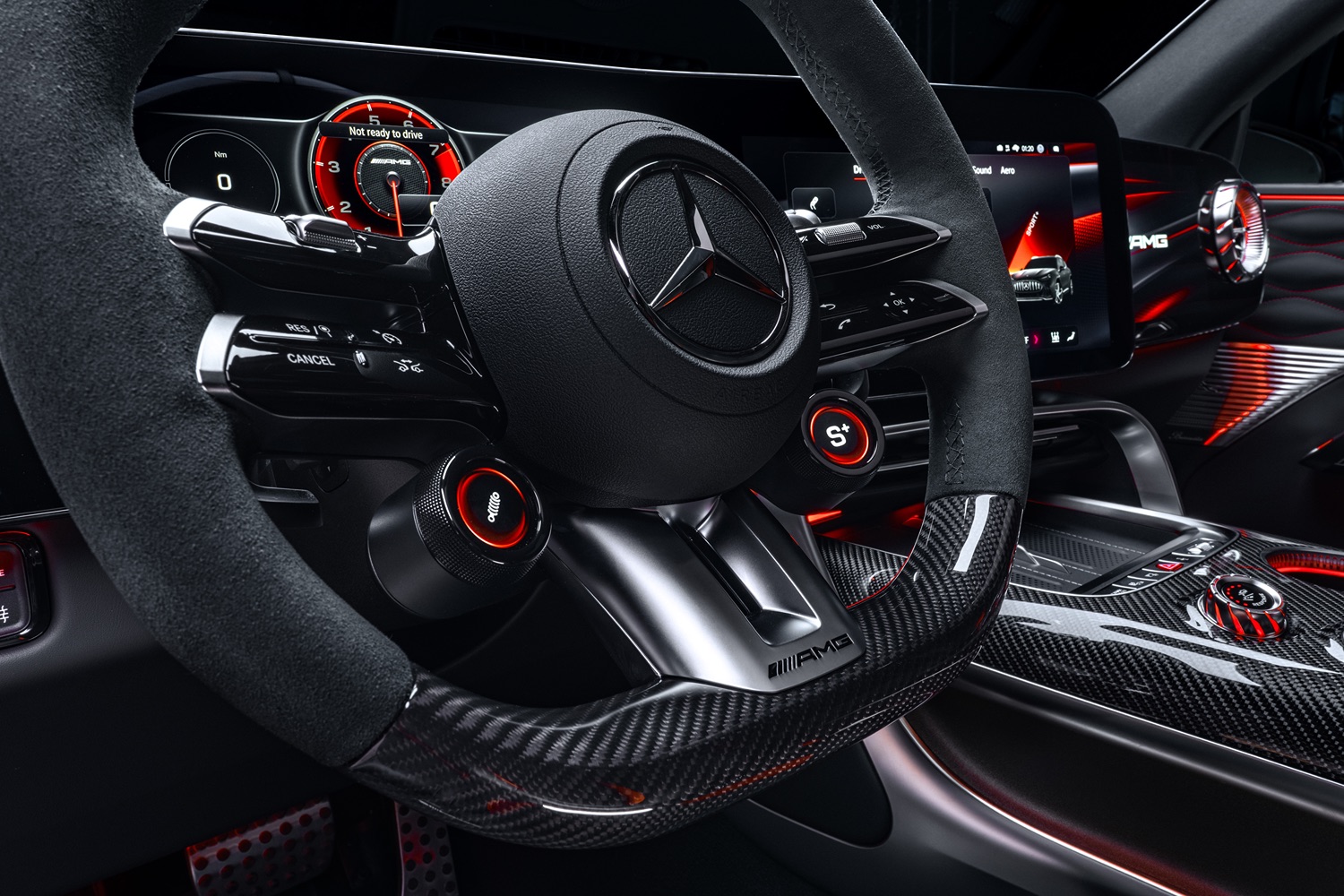
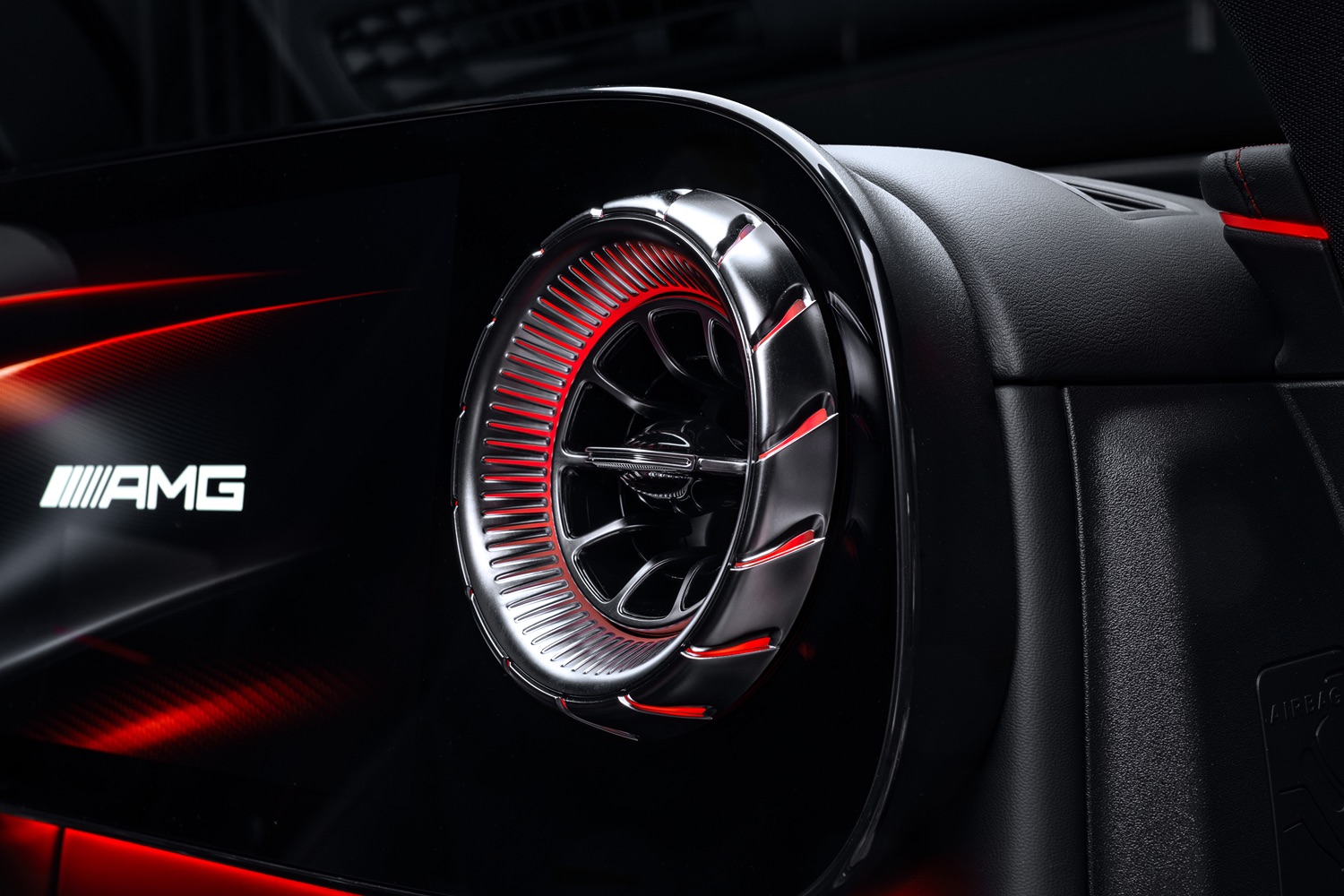
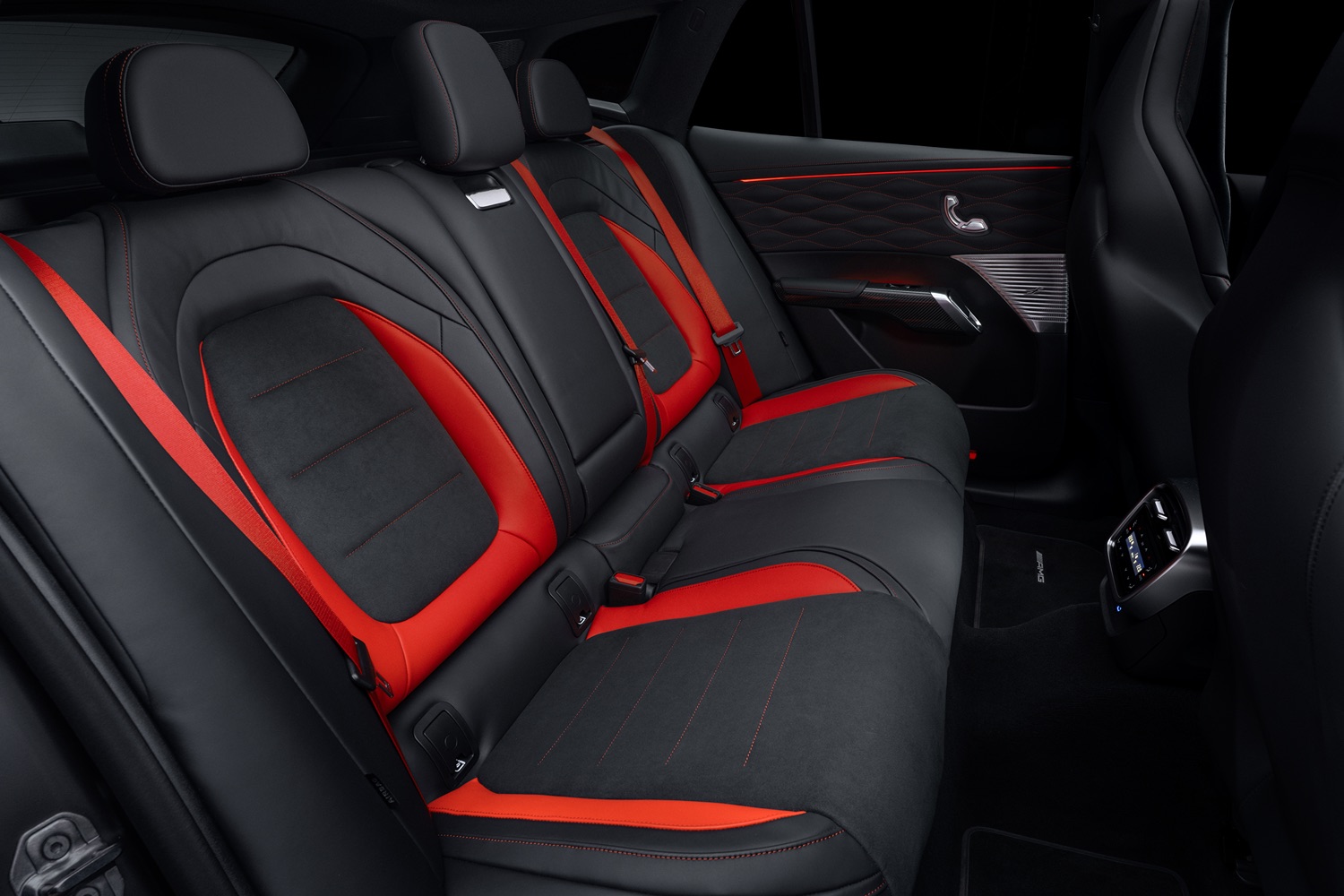
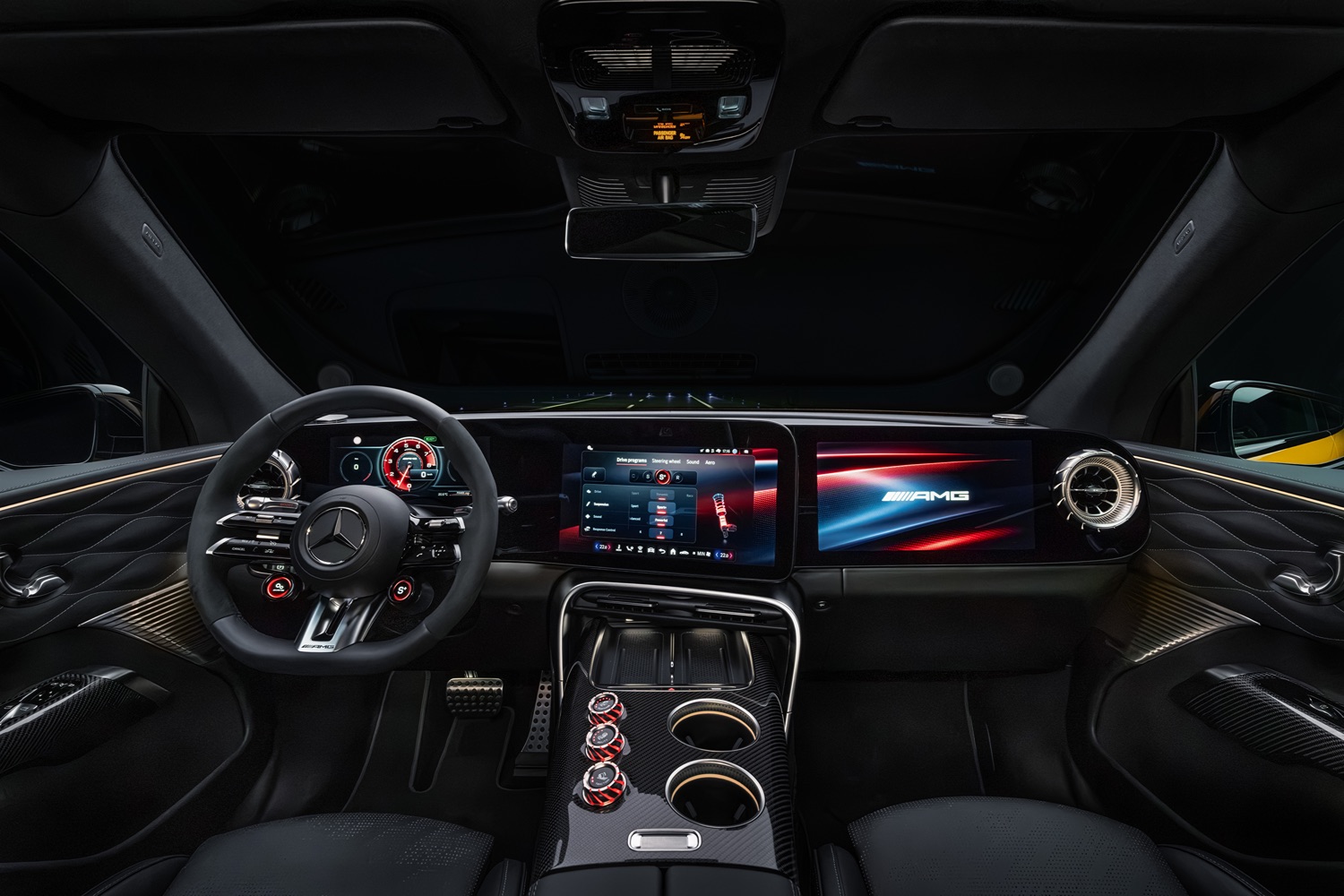
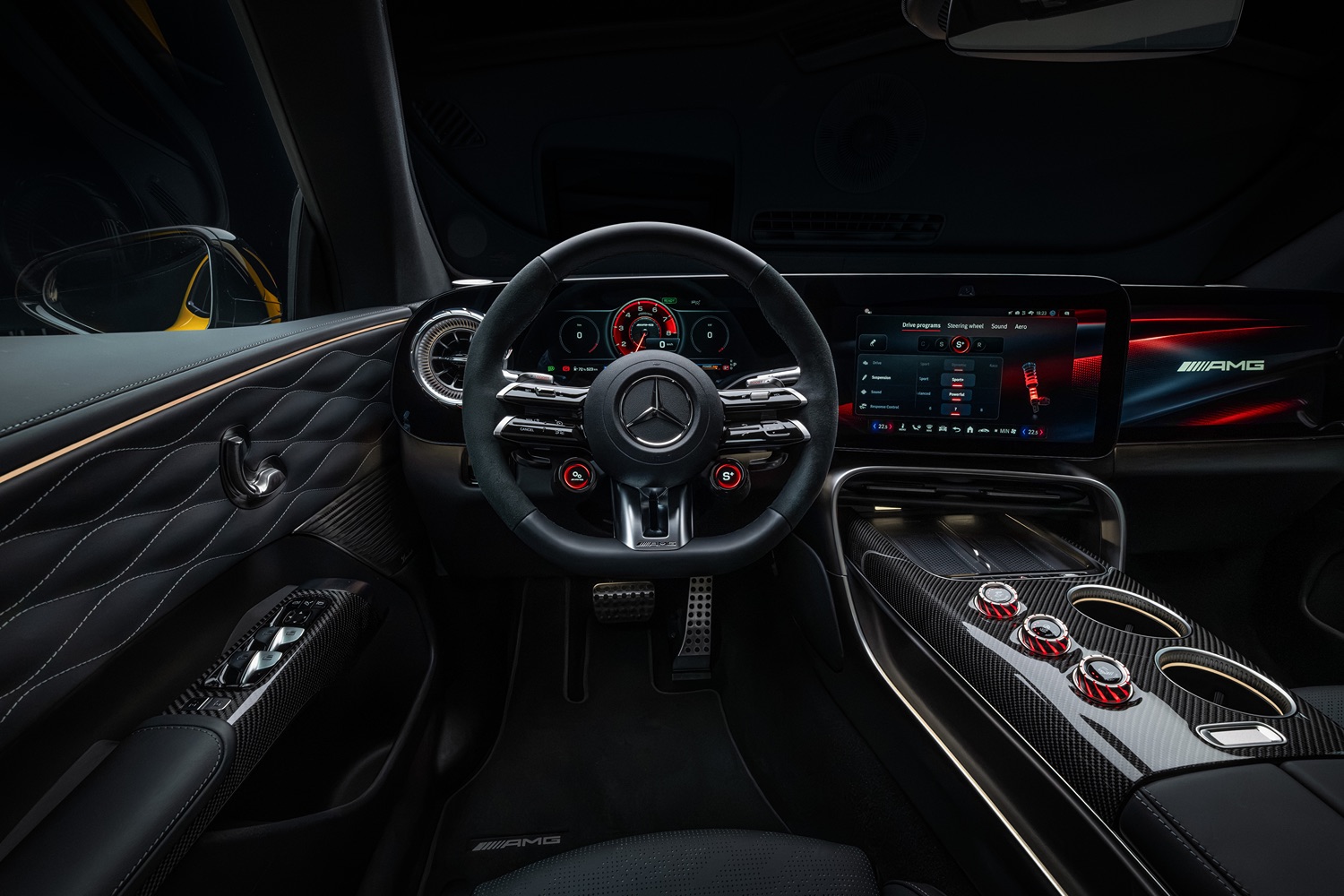
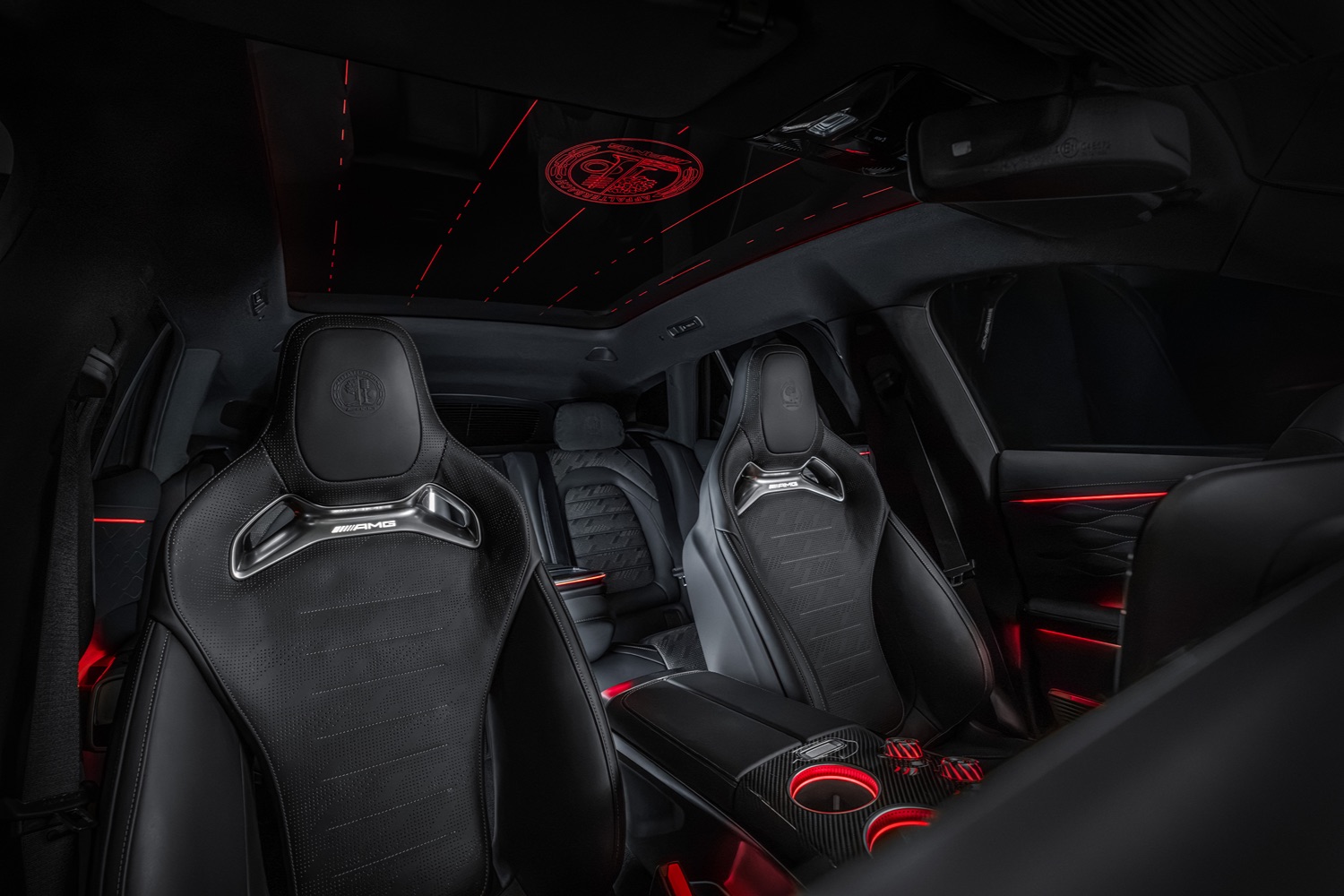
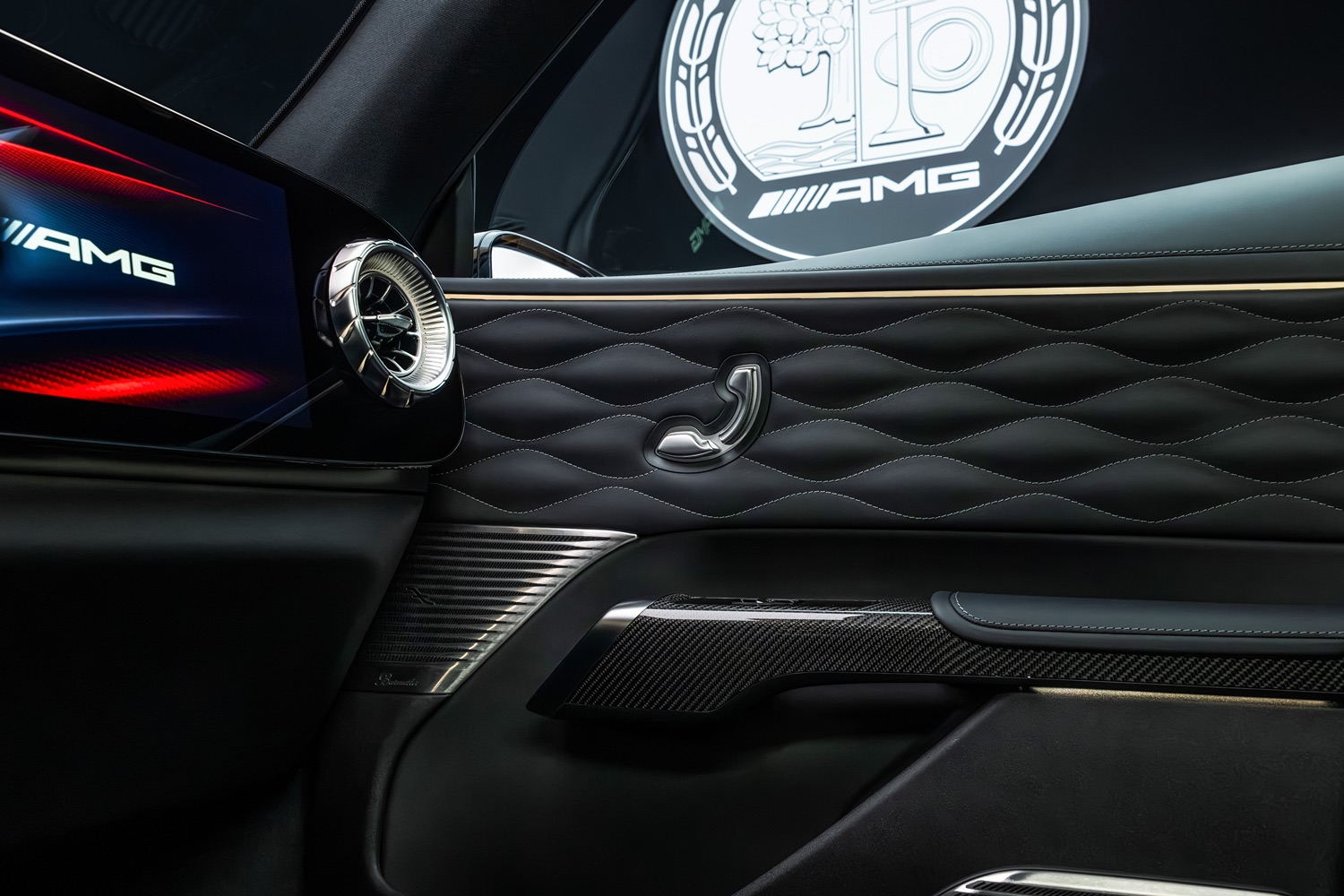
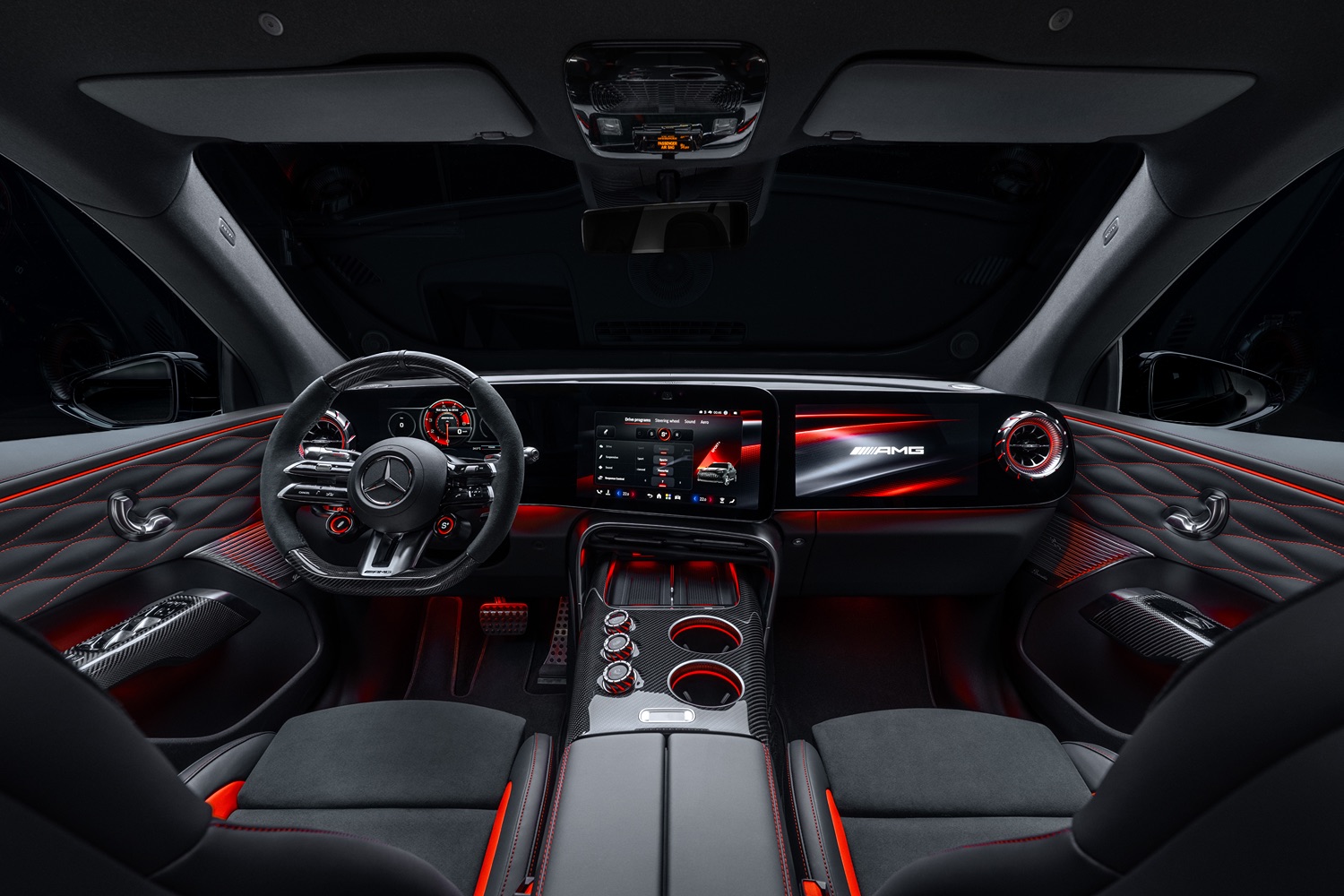
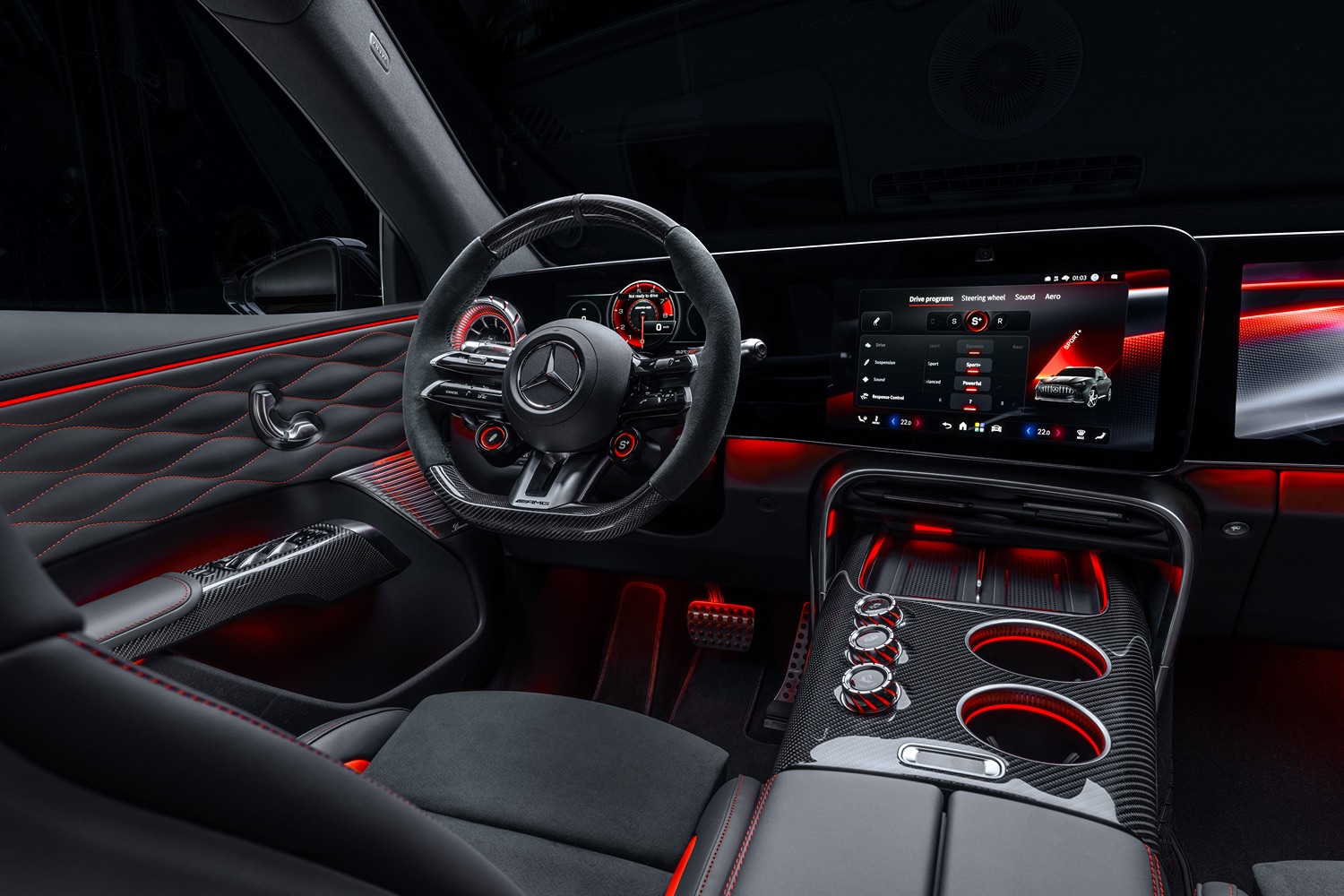
Very driver-focused. There’s the expected wall-to-wall screen setup that seems to be Mercedes’ thing these days, but the central touchscreen is heavily angled towards the driver (kind of like an 1980s BMW), leaving the front-seat passenger to look at their own screen. There’s a chunky, three-spoke AMG steering wheel with mode-selection buttons dangling off the spokes and physical buttons on the centre console which allow speedy access to the various driving settings. Everything else is on the screen, which is a bit of a let-down, but perhaps that’s made up for (somewhat) by the lashings and lashings of carbon fibre and quilted leather.
How practical is the Mercedes-AMG GT?
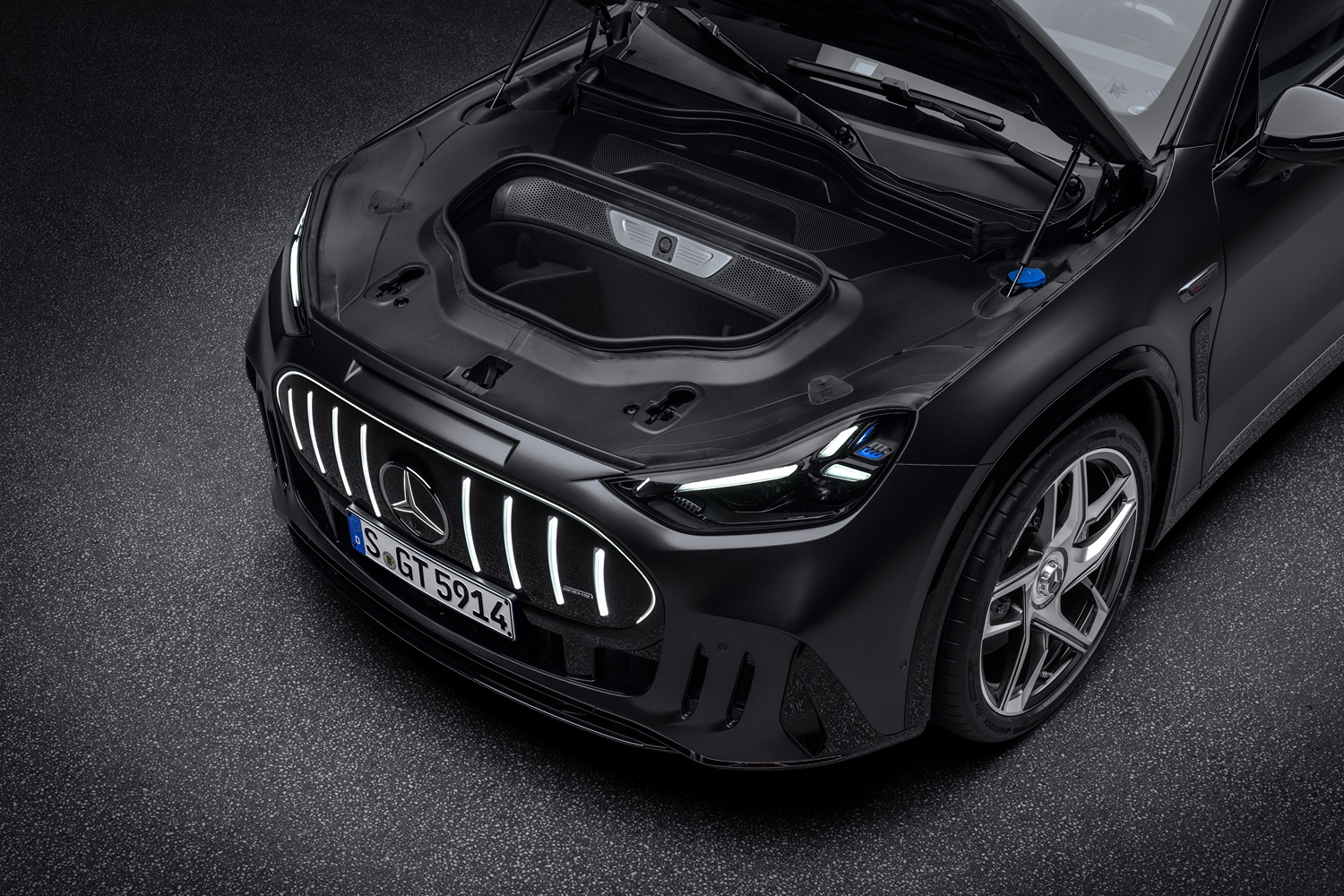
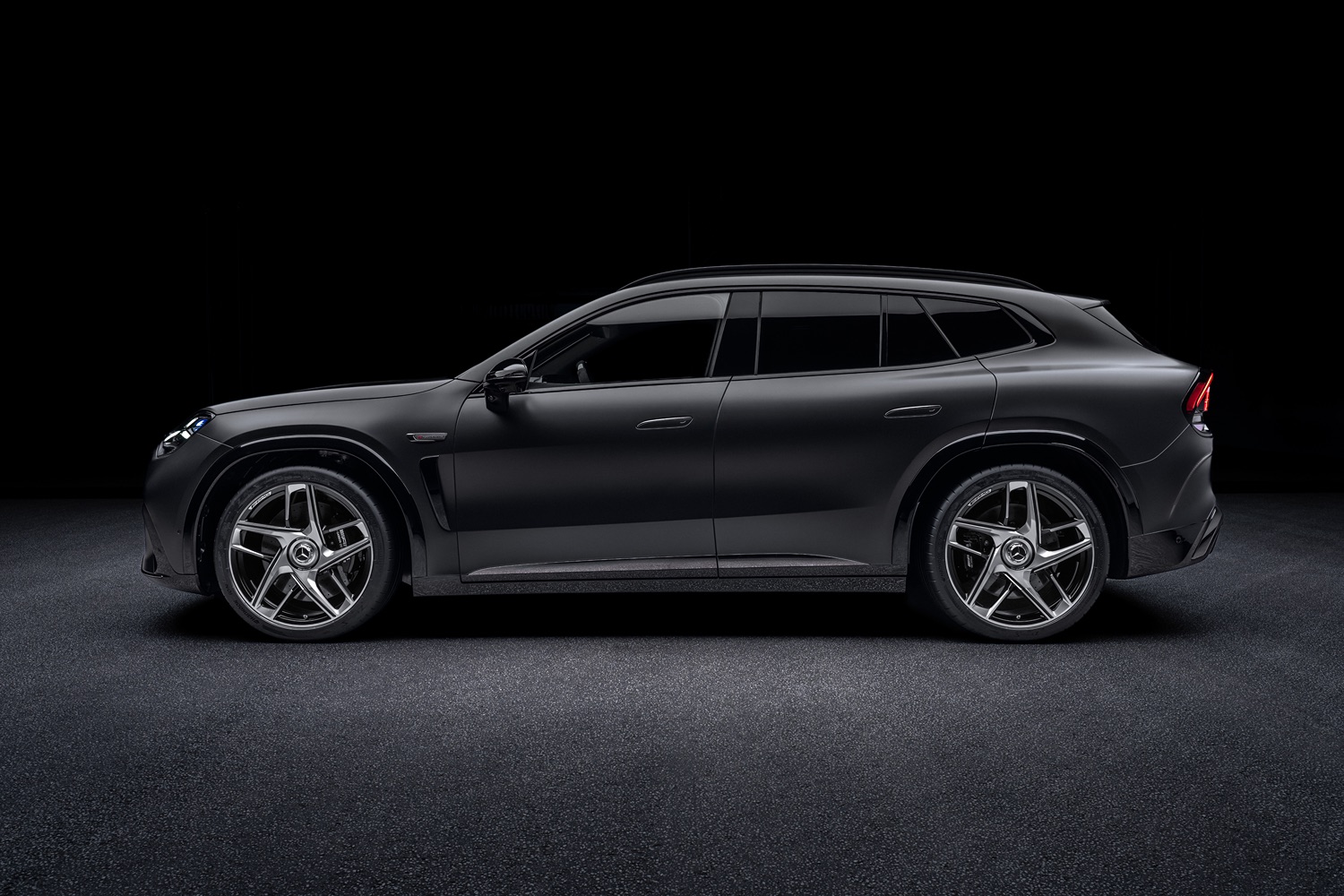
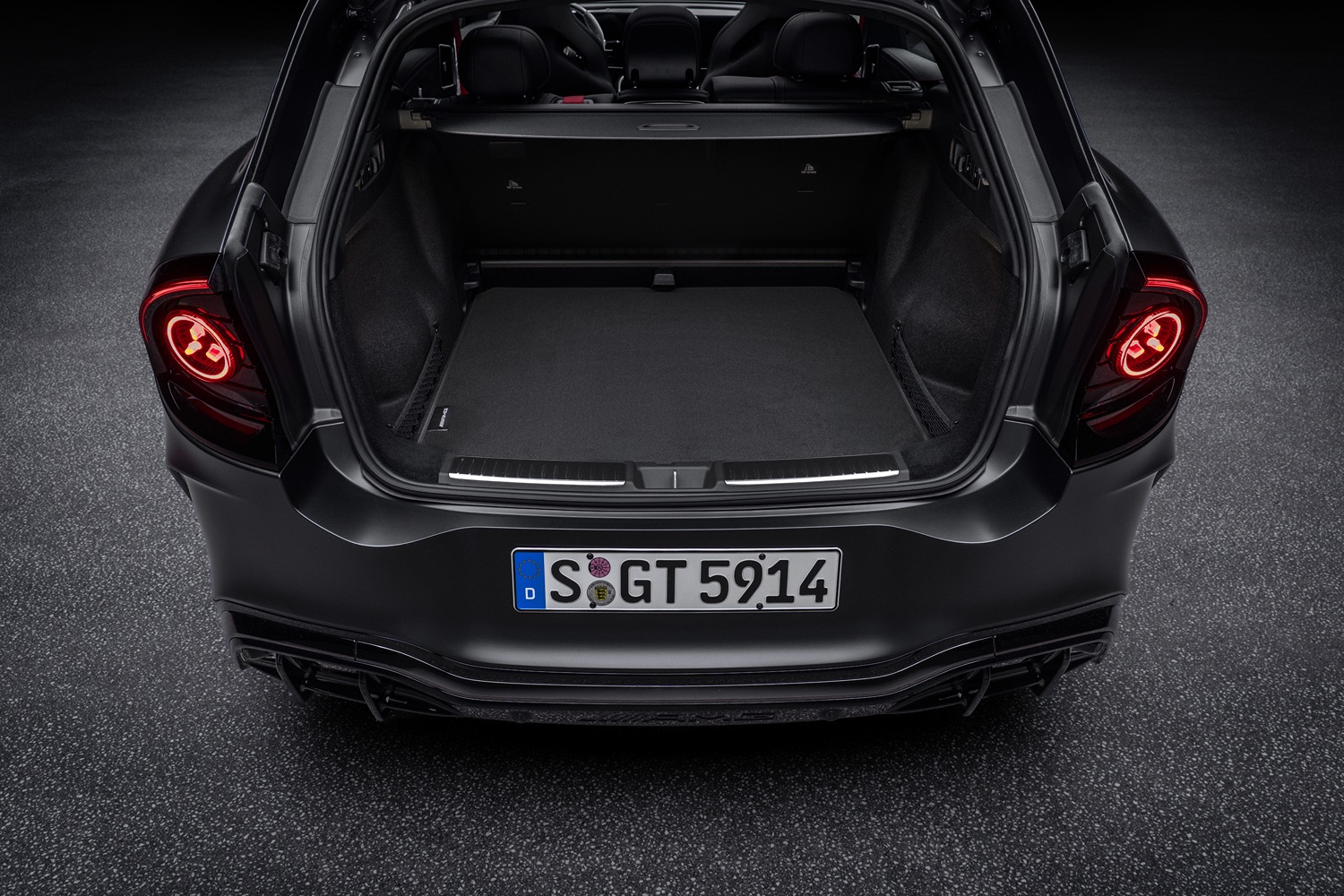
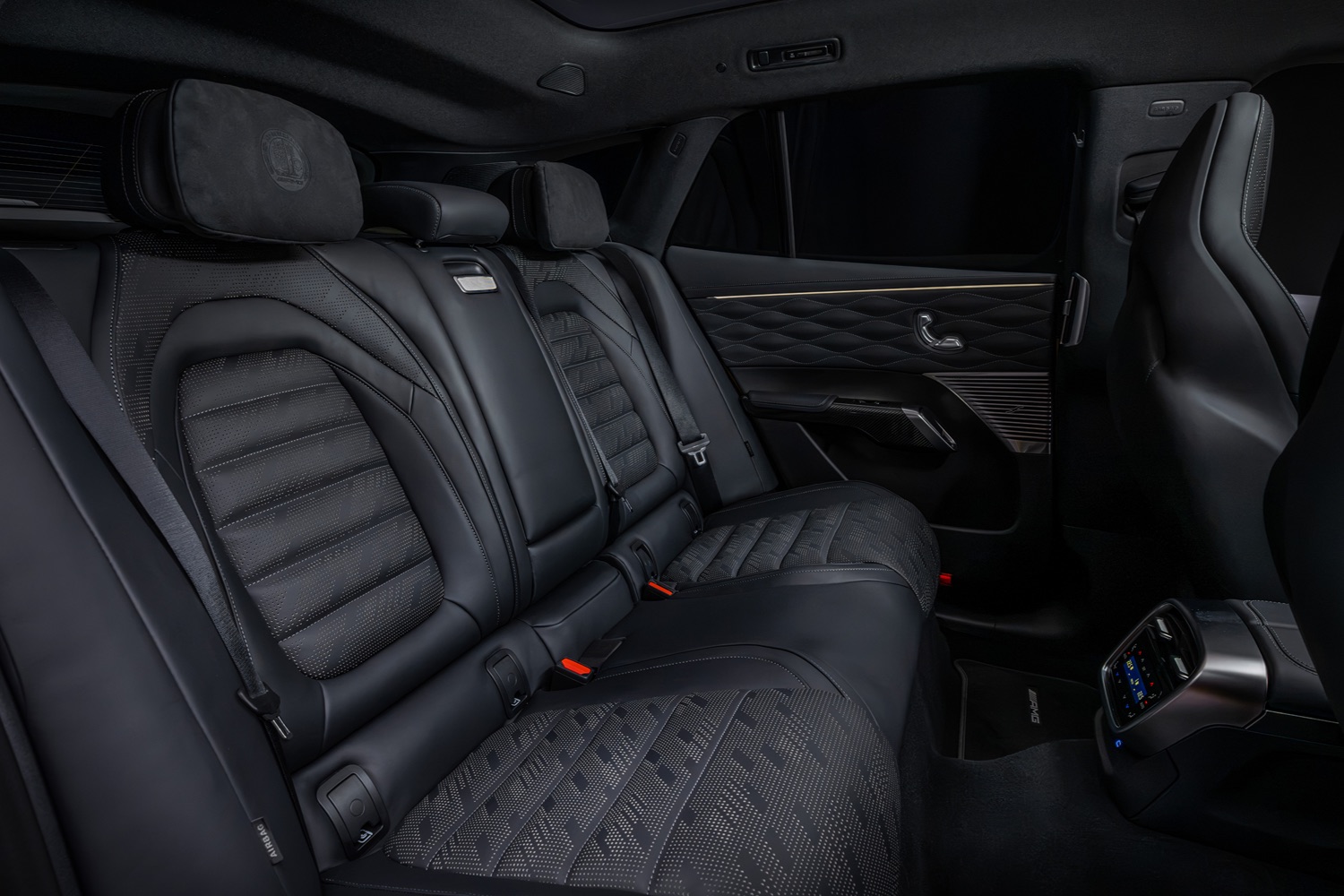
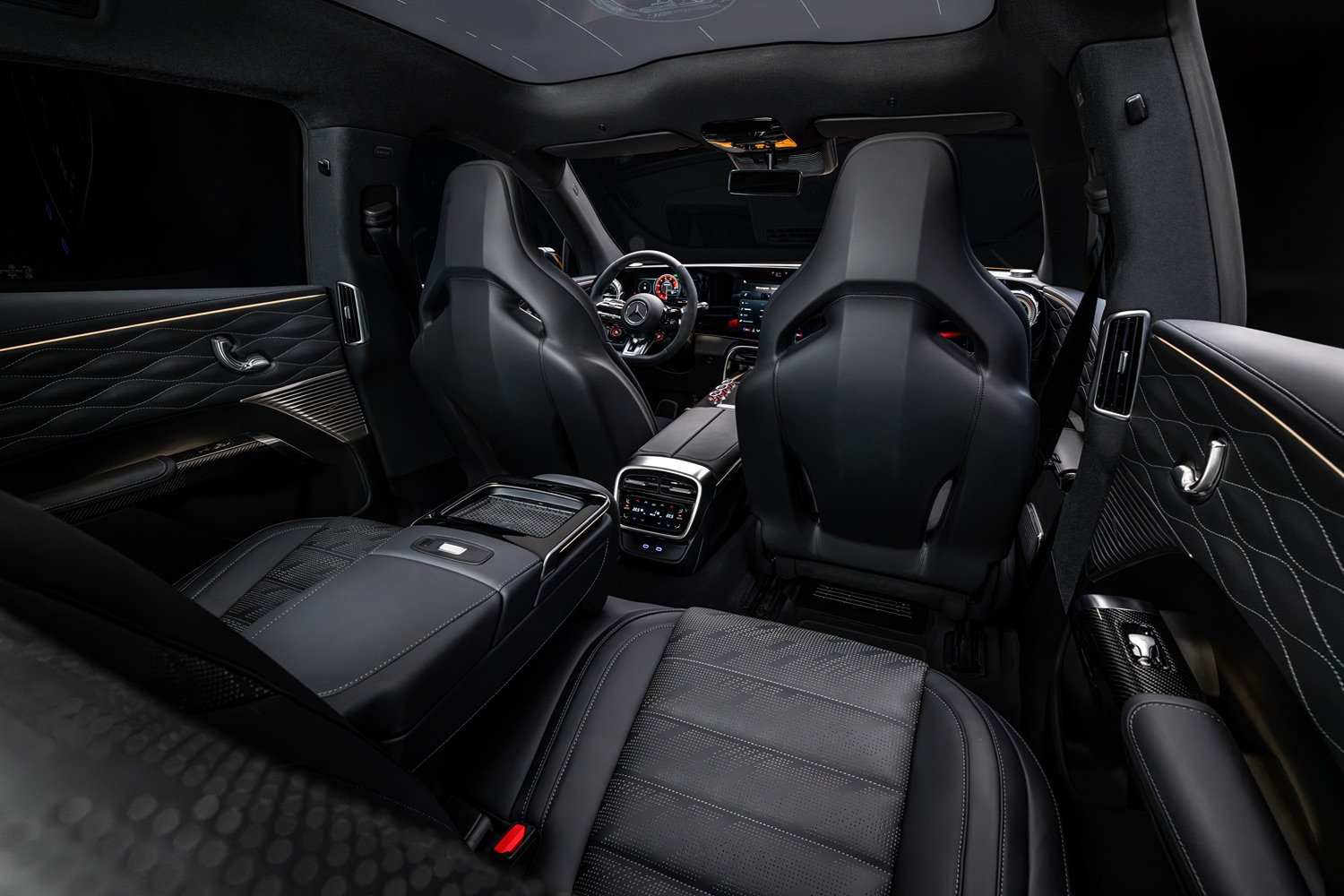
Very — well, there wouldn’t have been much point in making a dedicated AMG SUV if you couldn’t cram it with stuff. As well as being roomy in the cabin, thanks to a 3,040mm wheelbase, there’s also a big 607-litre boot and another 111-litre storage area in the ‘frunk’ in the nose.
It, er, doesn’t look very pretty…
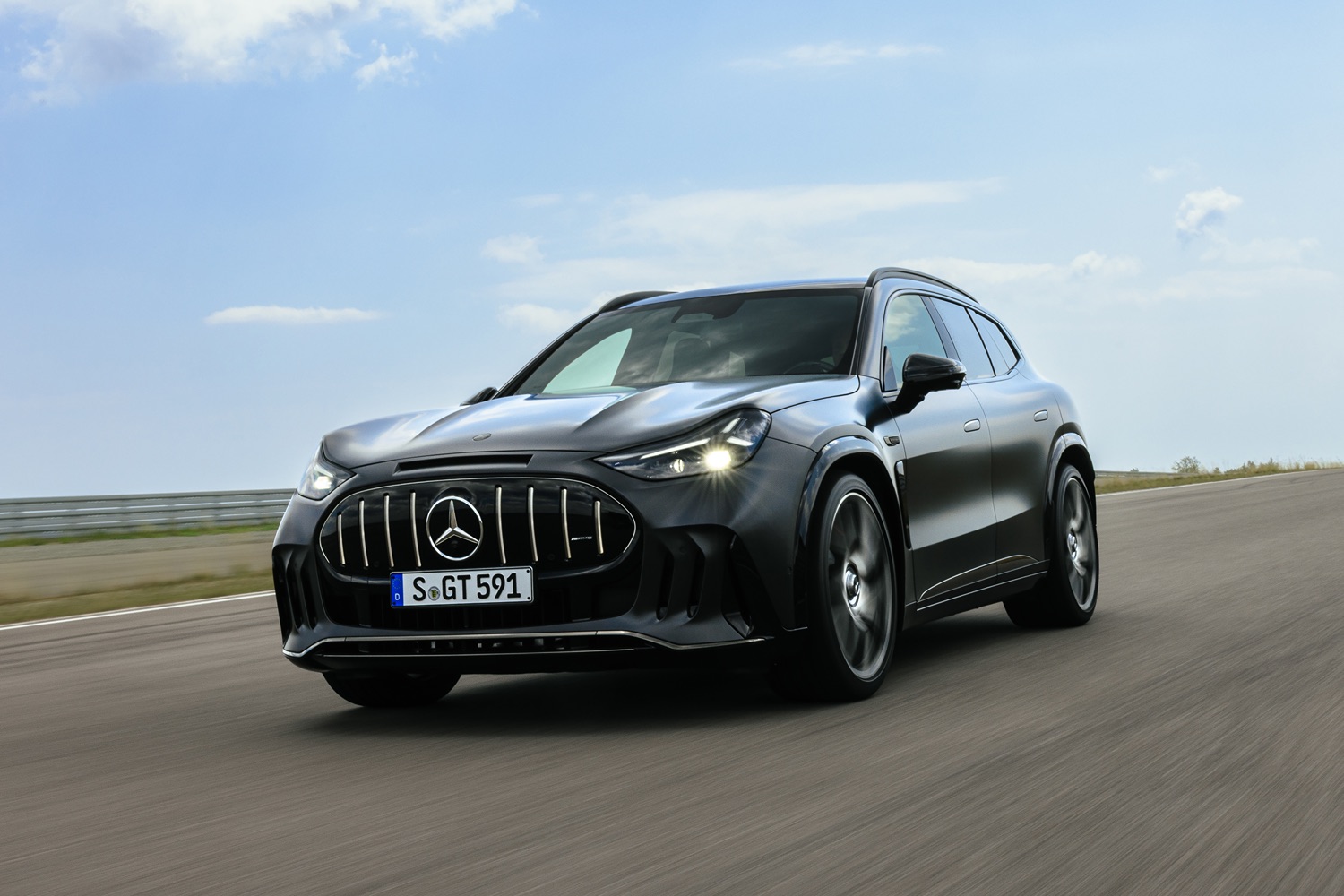
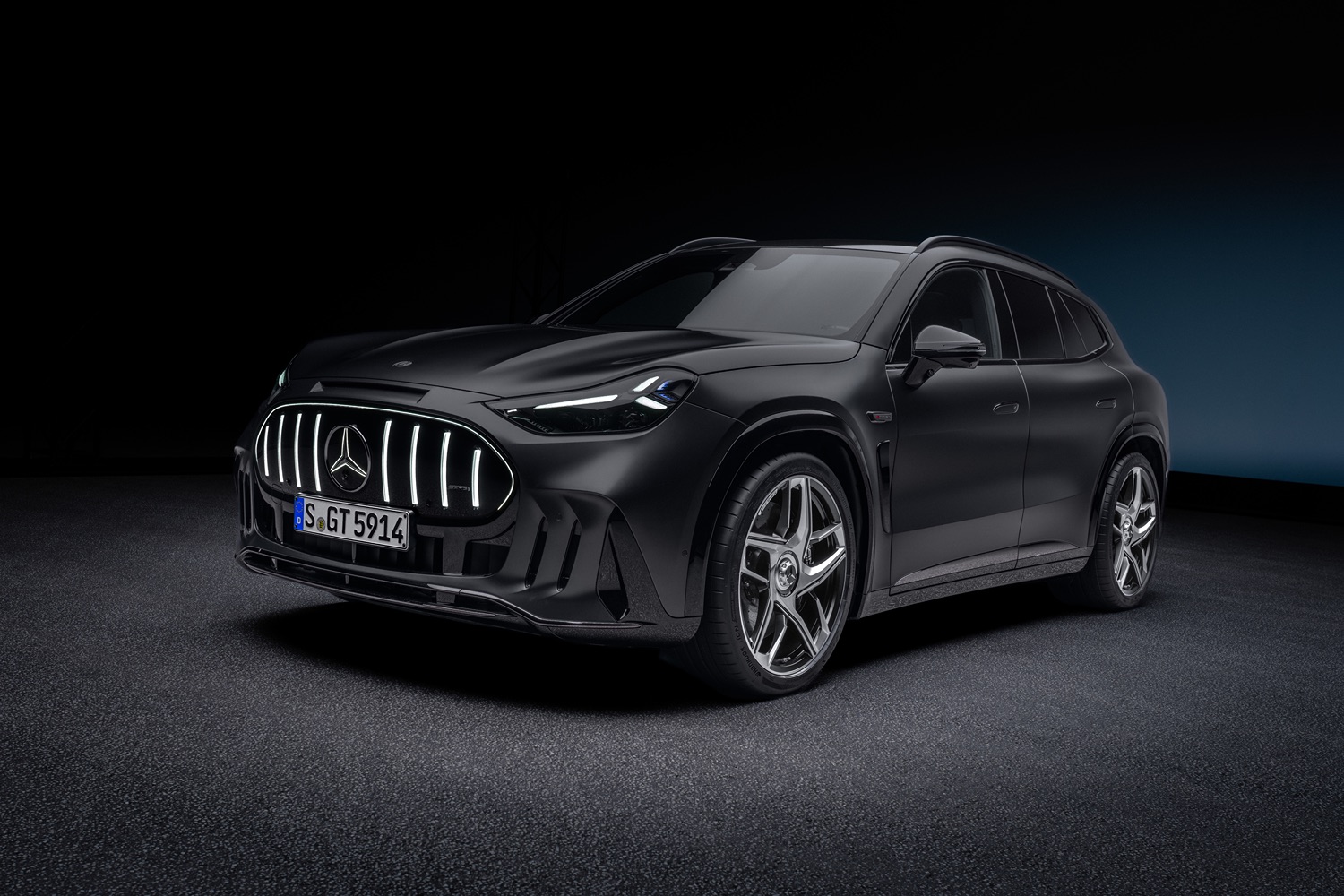
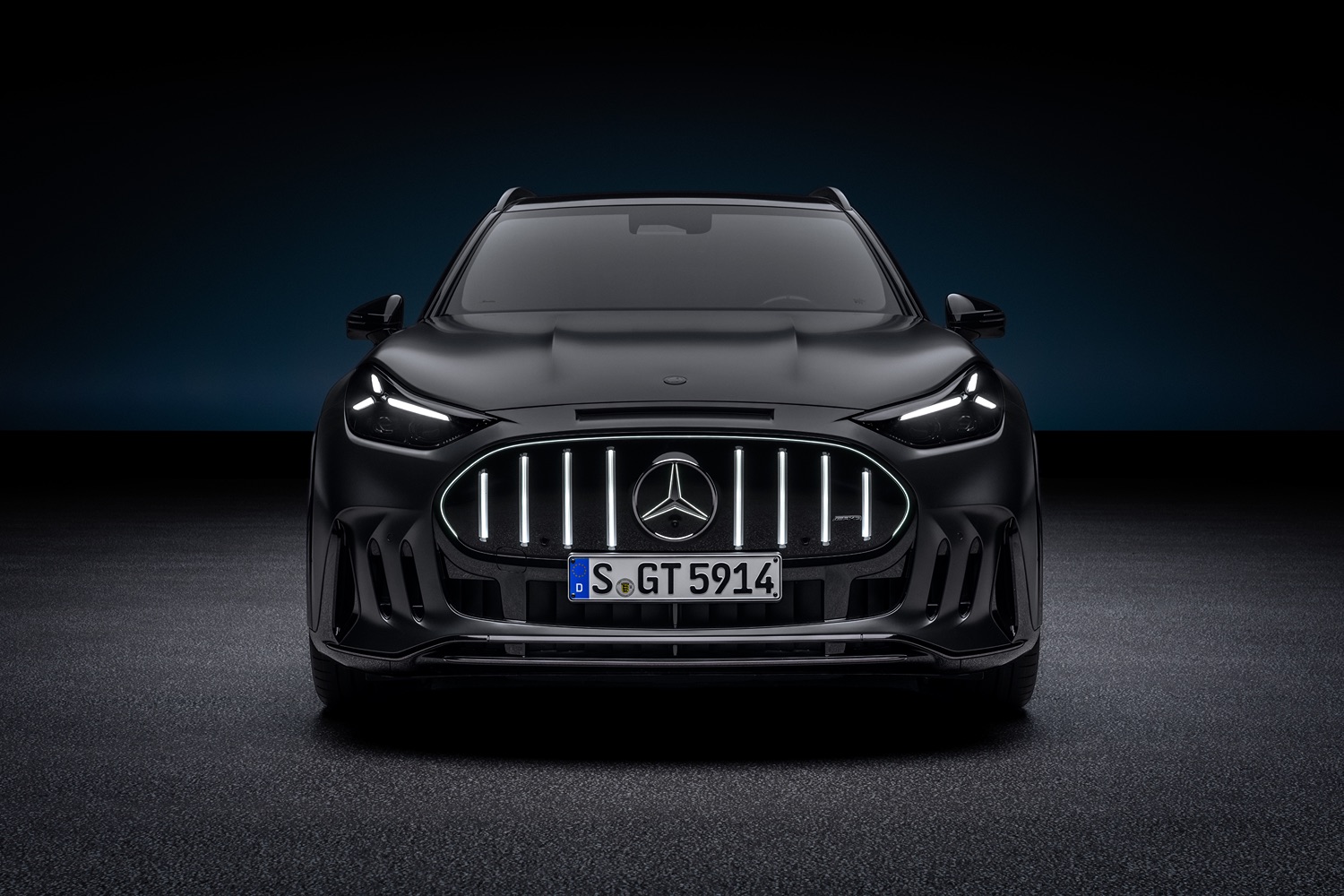
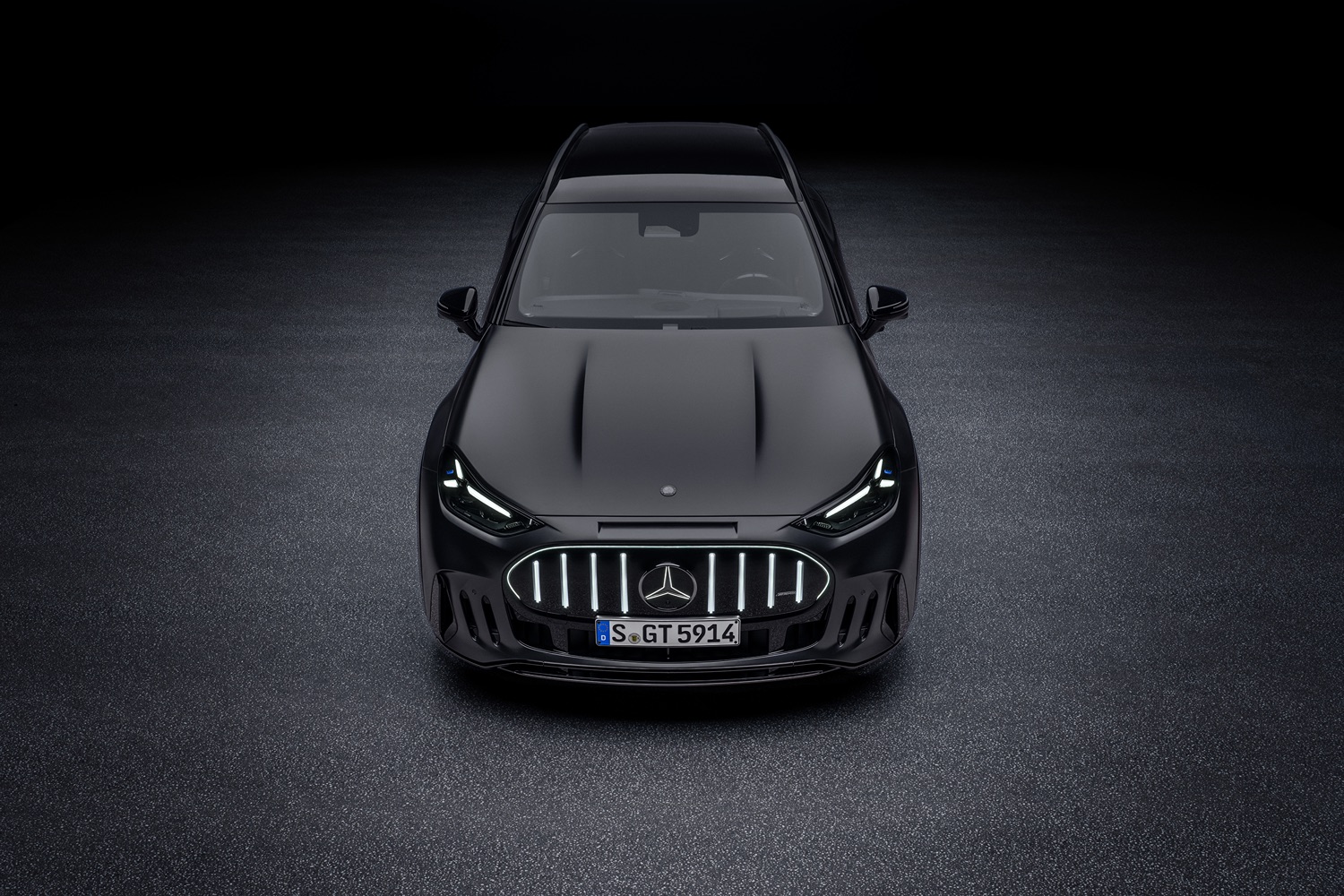
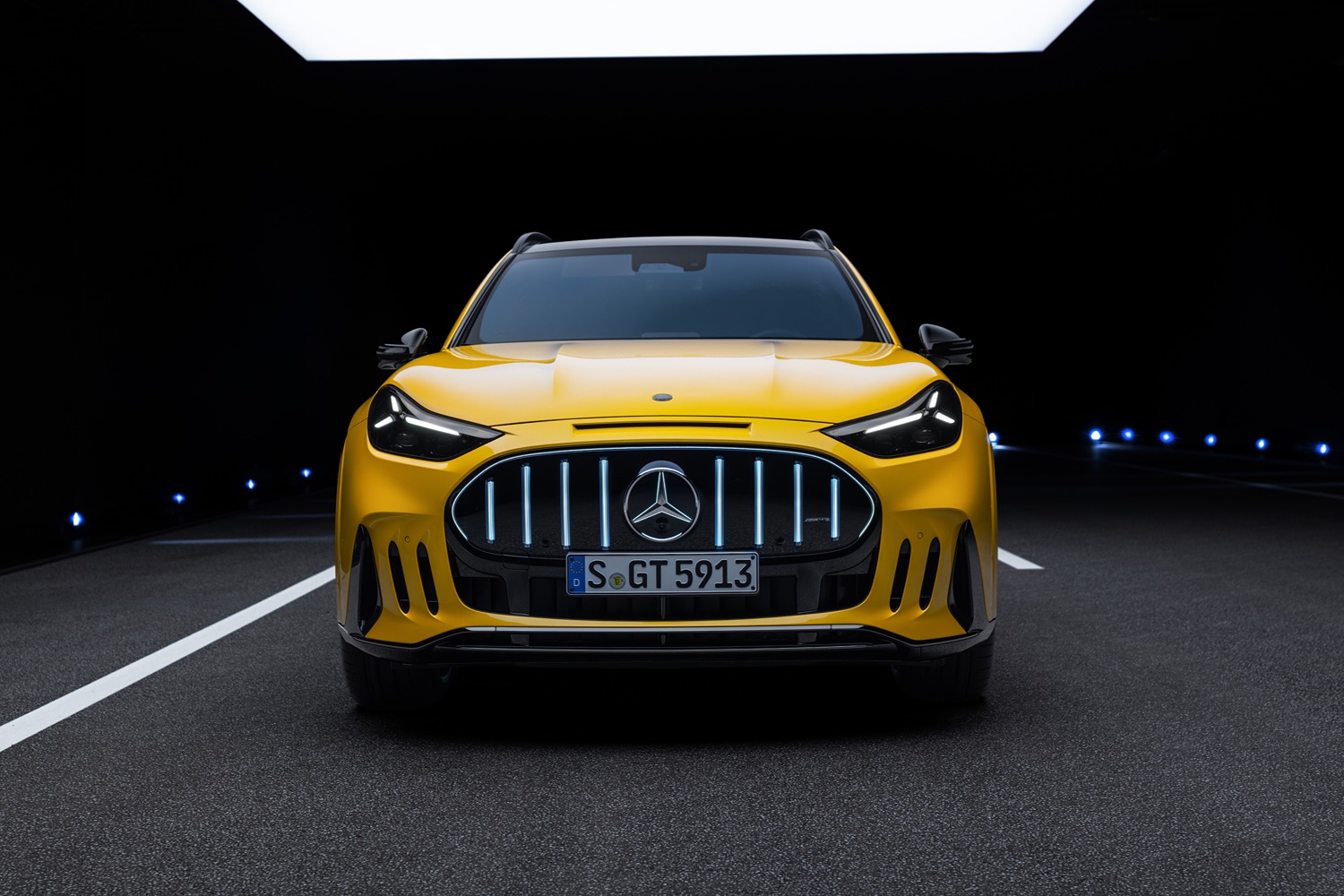
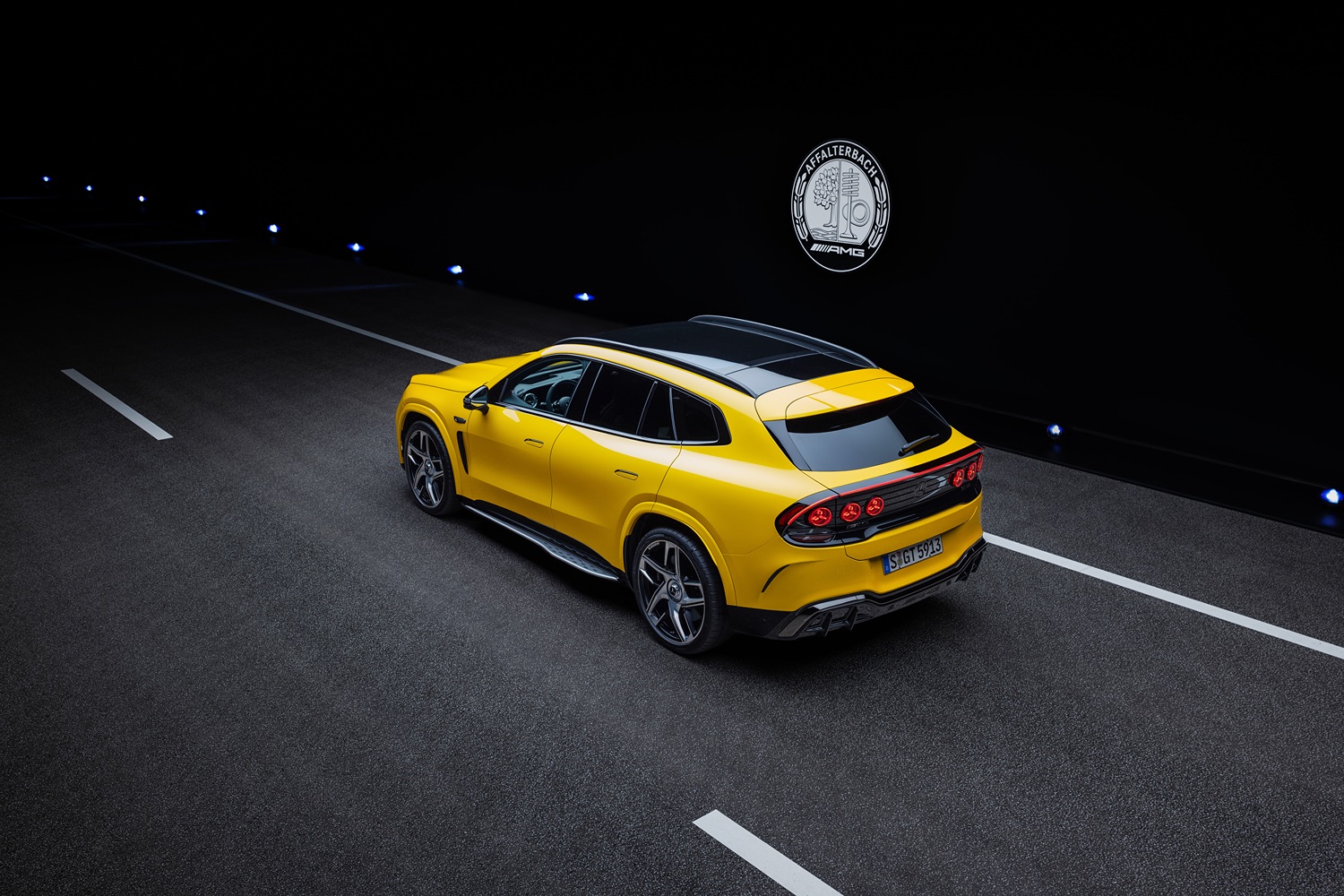
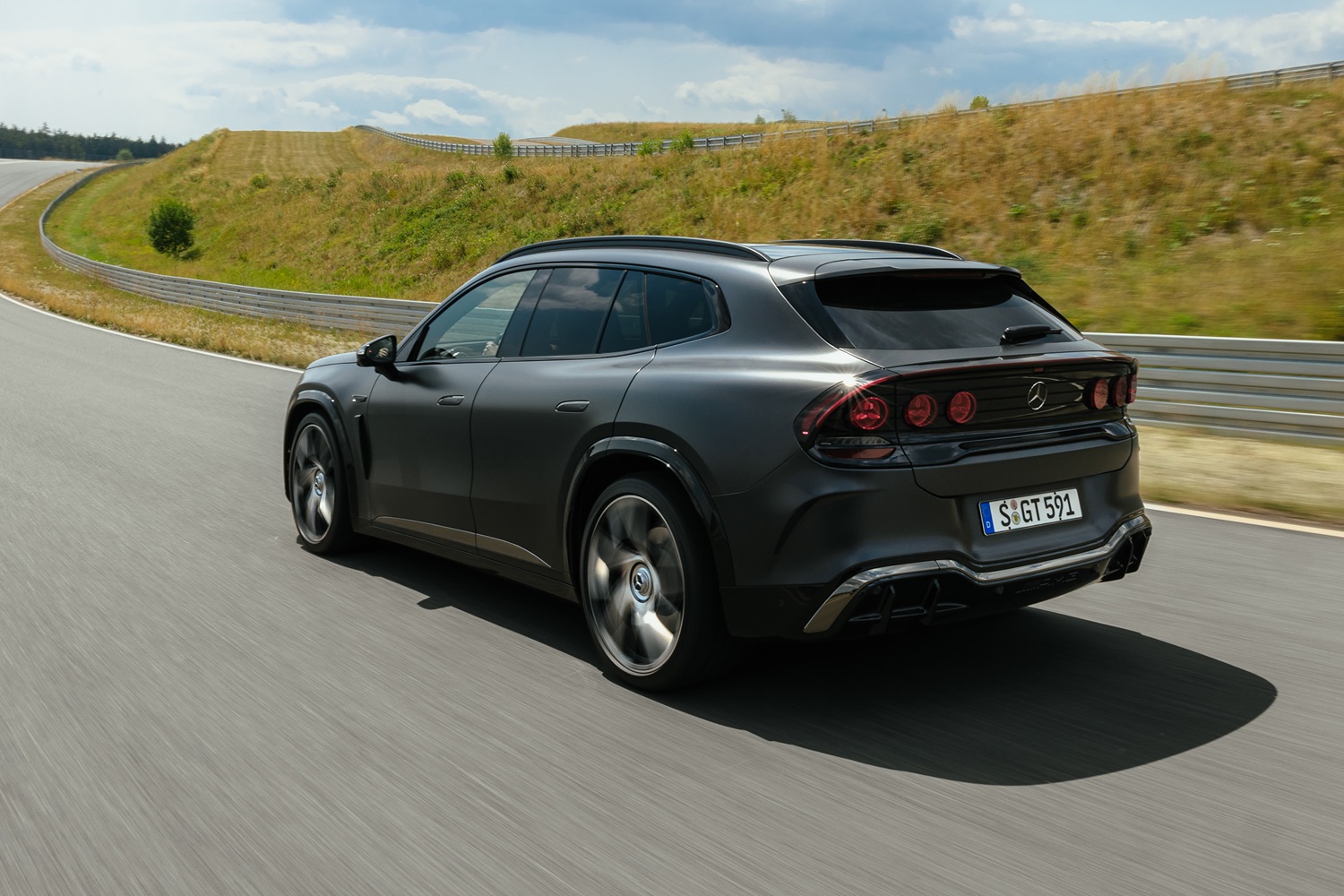
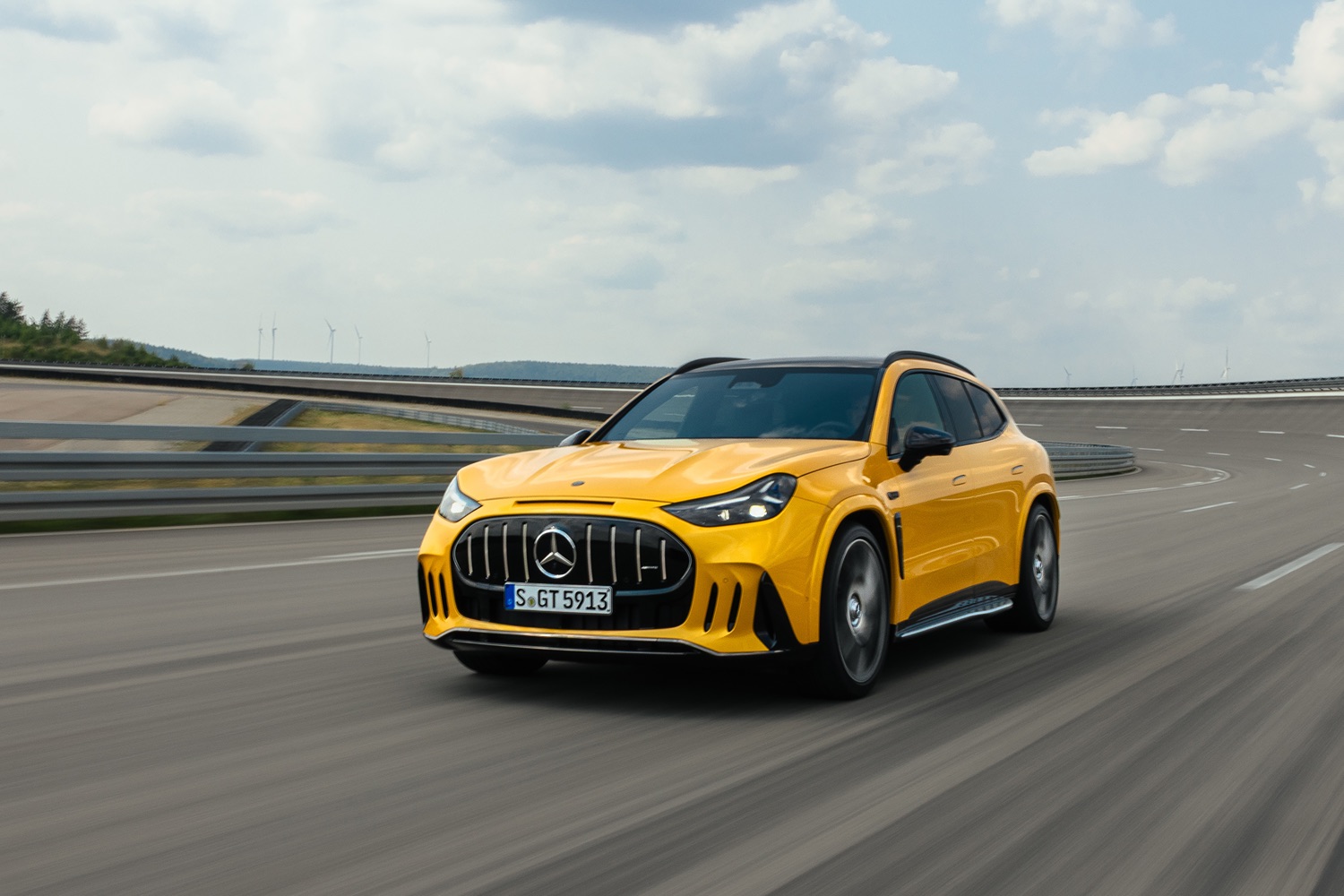
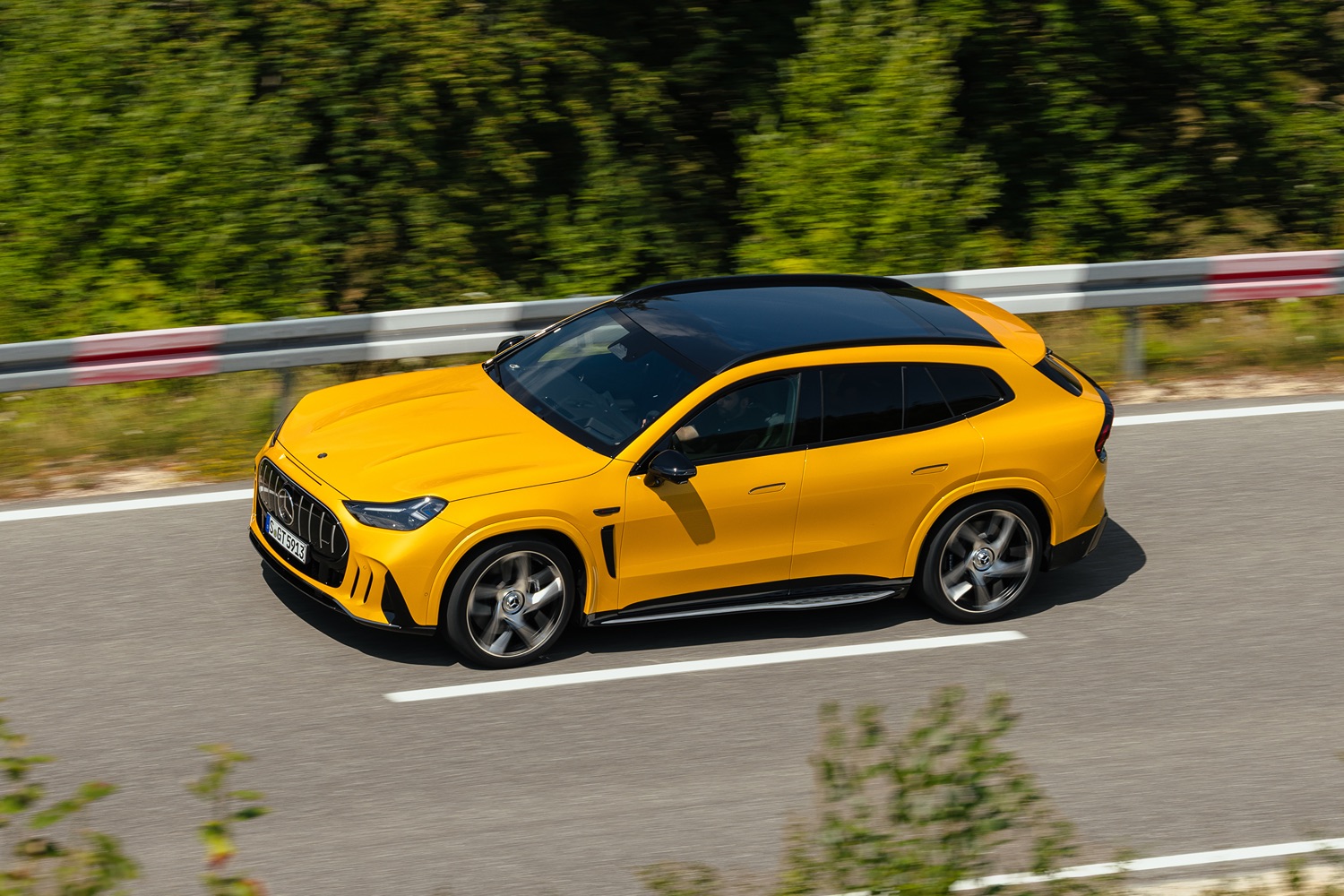
Ah, we were wondering when you were going to bring that up. Ummm… yeah, it’s just not, is it? In fact, the AMG GT SUV — rather like the AMG GT 4-Door Coupé with which it shares its high-performance electric car platform — looks like something you’d see in the ice-filled window of a specialist fishmonger’s in Kyoto.
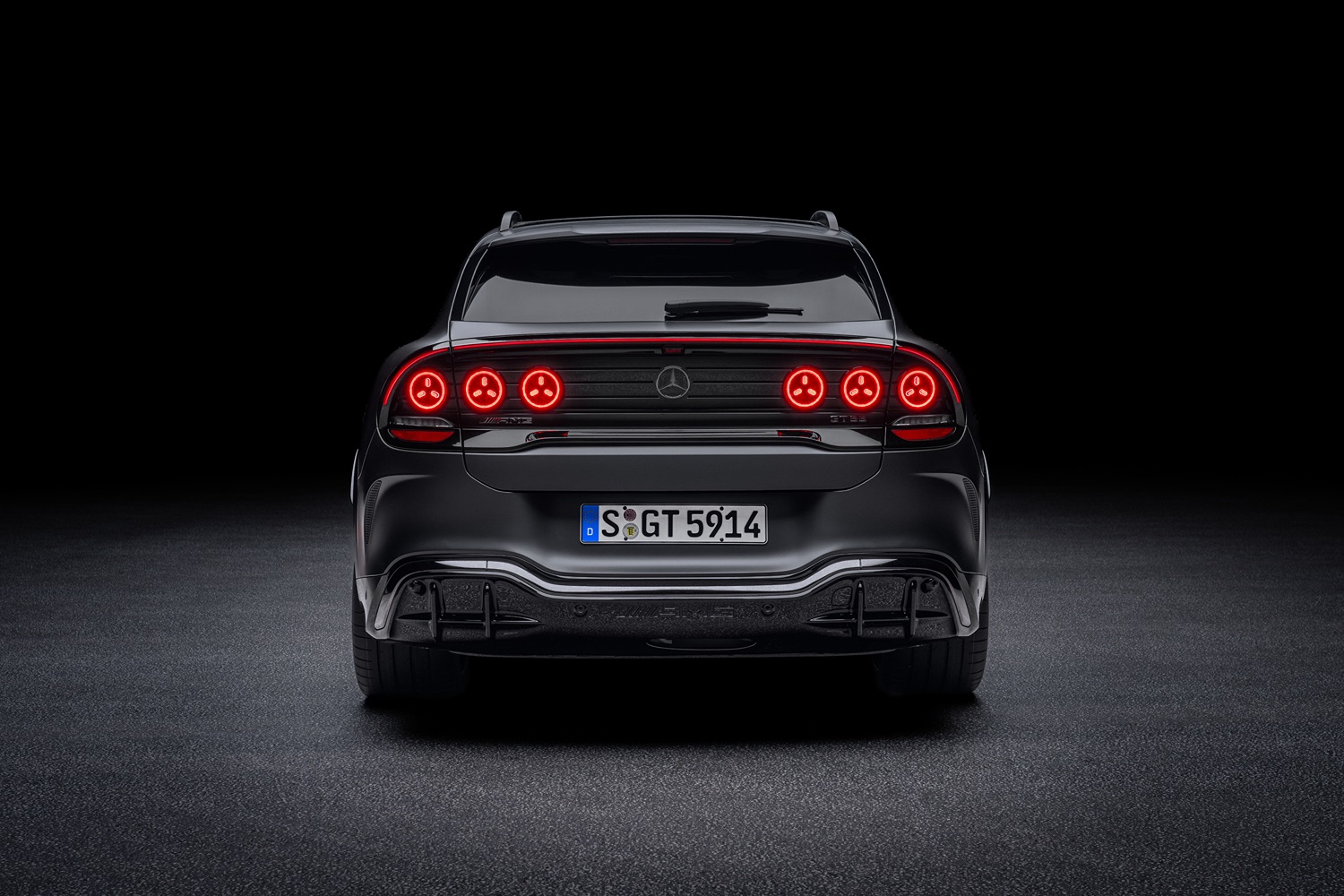
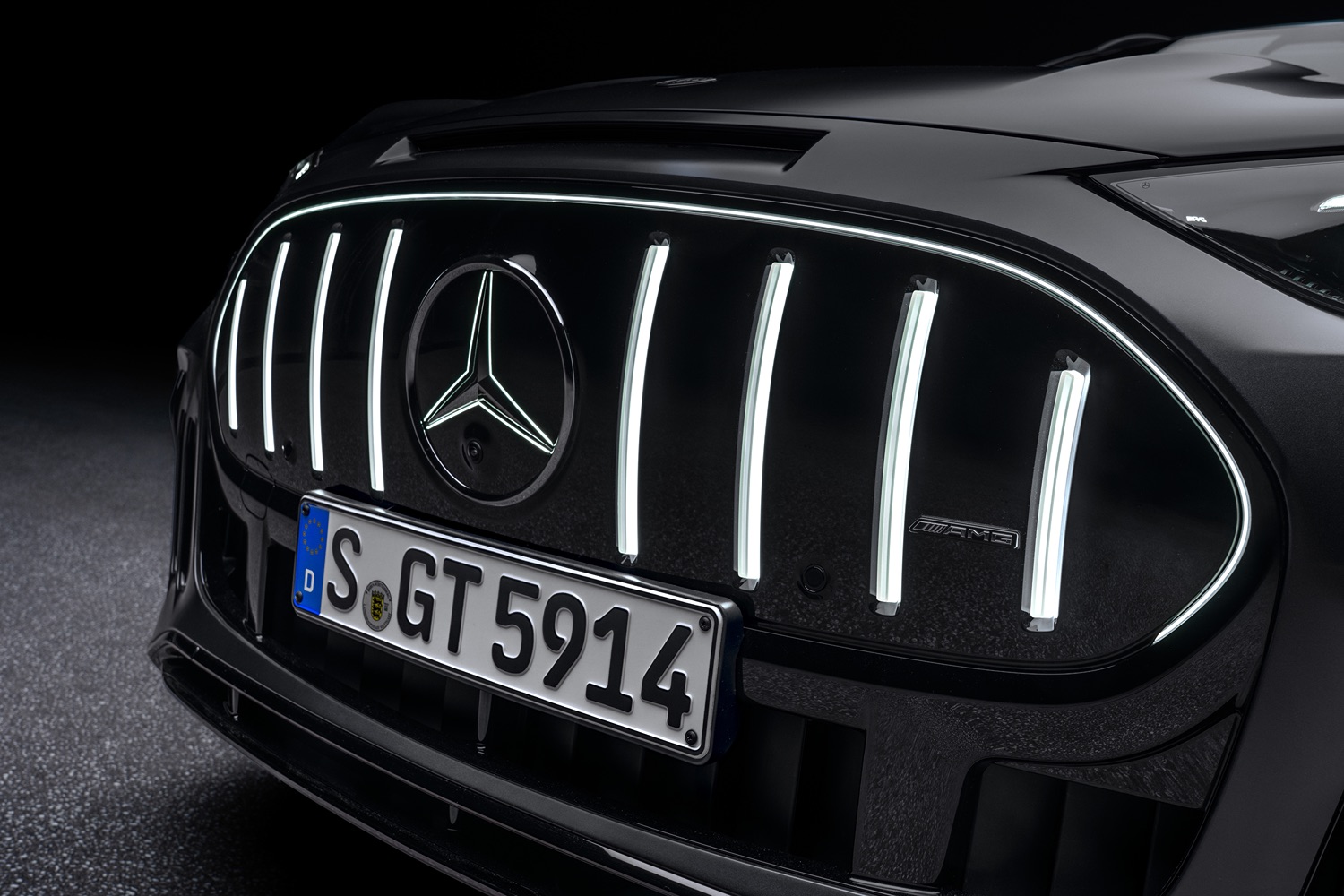
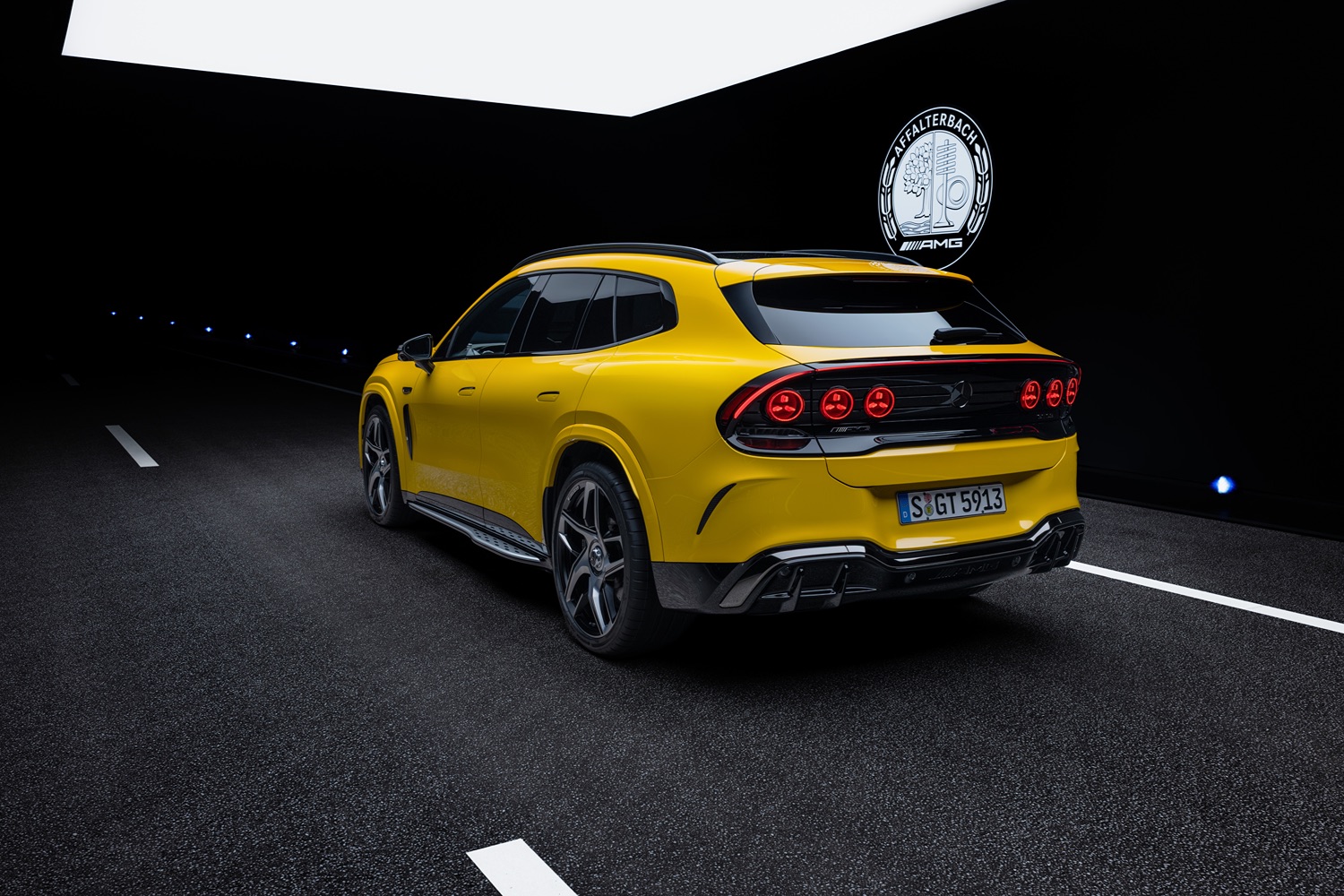
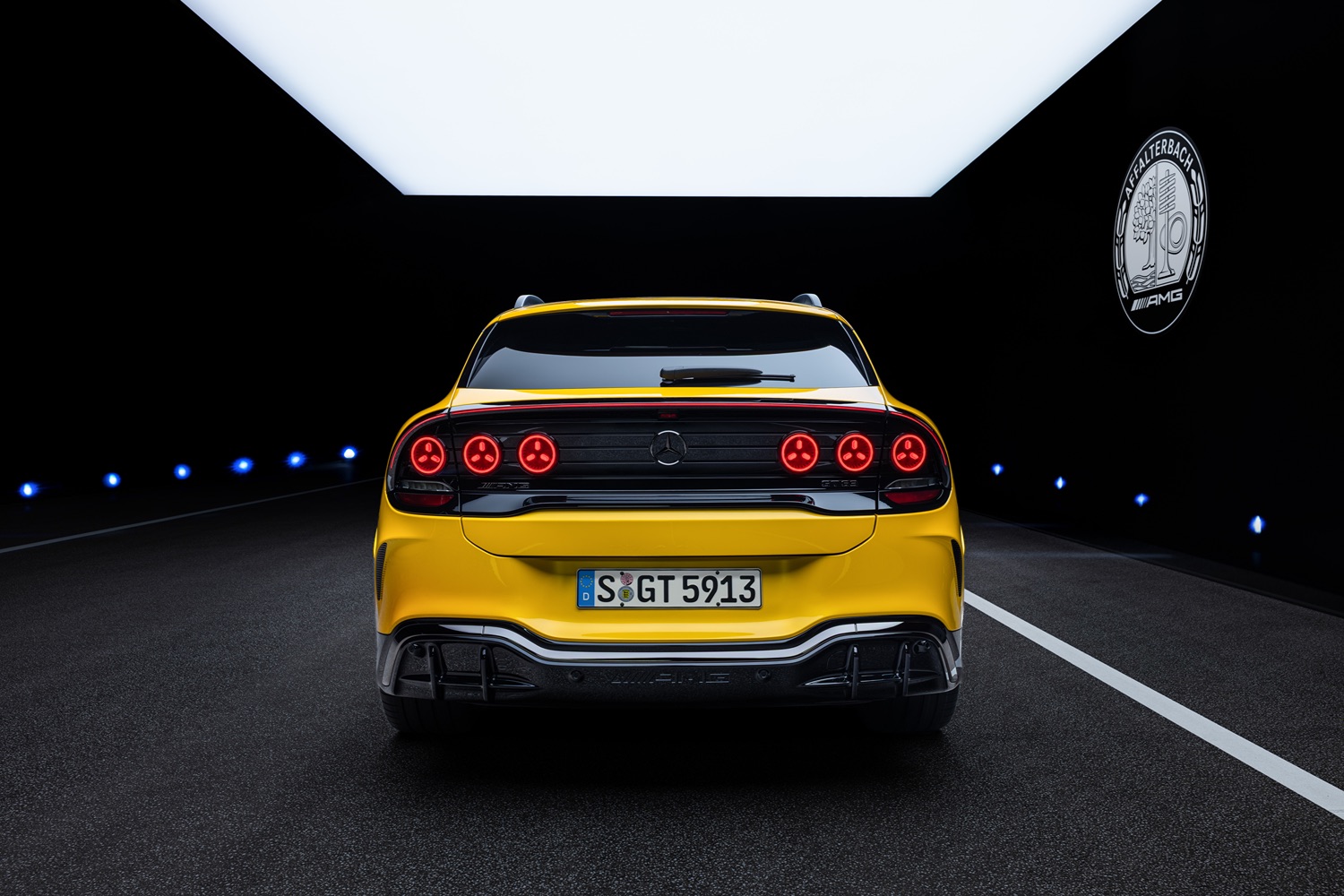
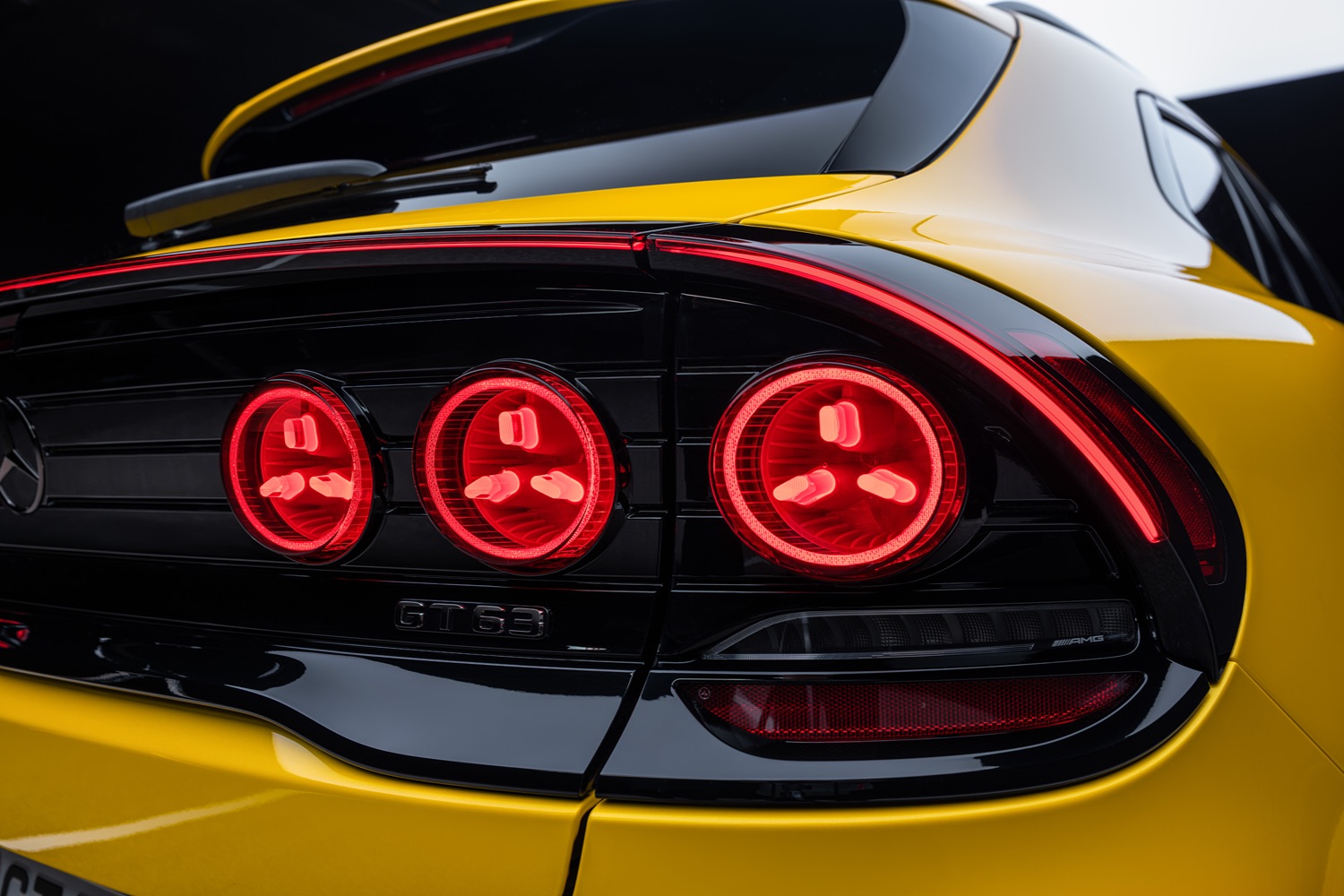
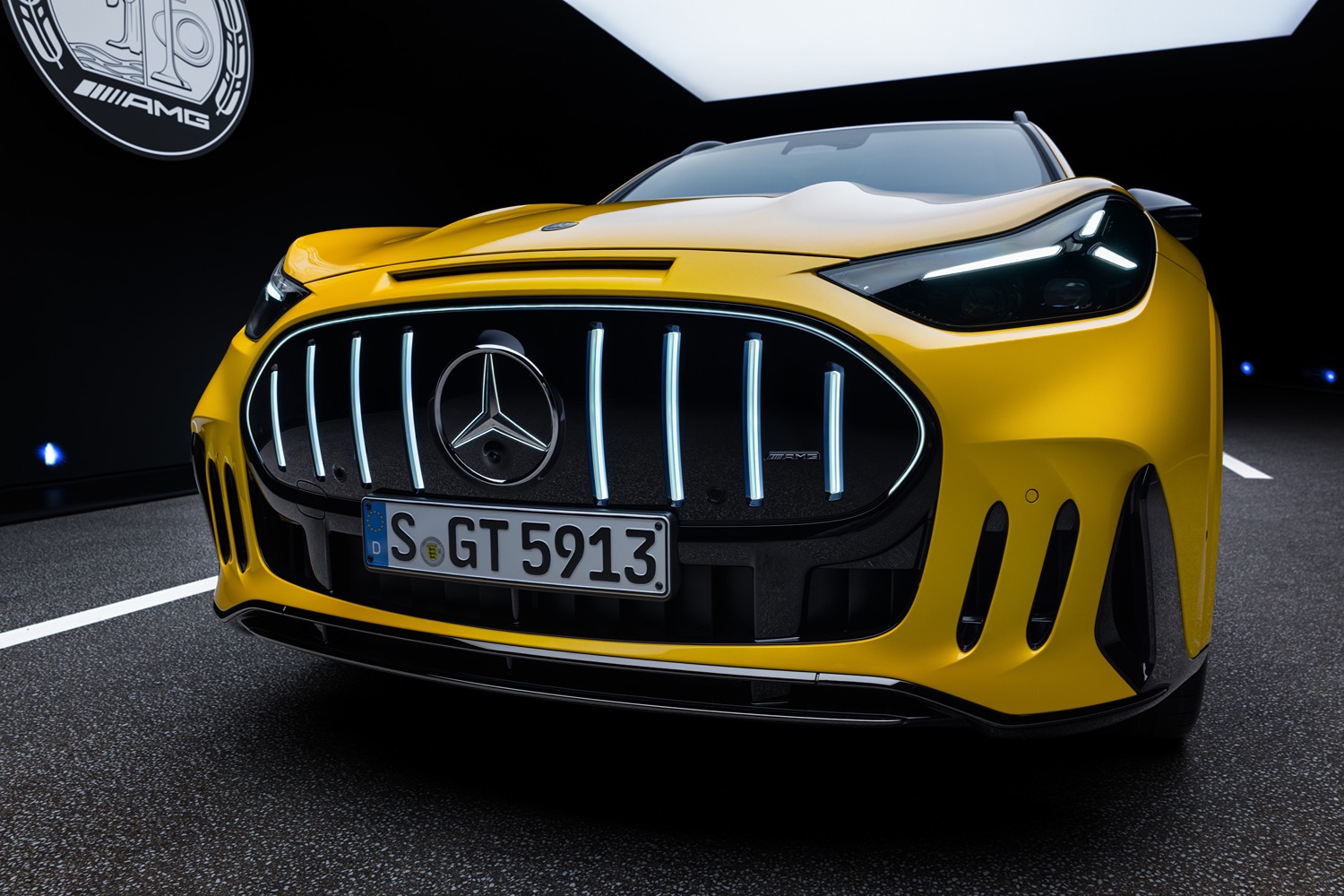
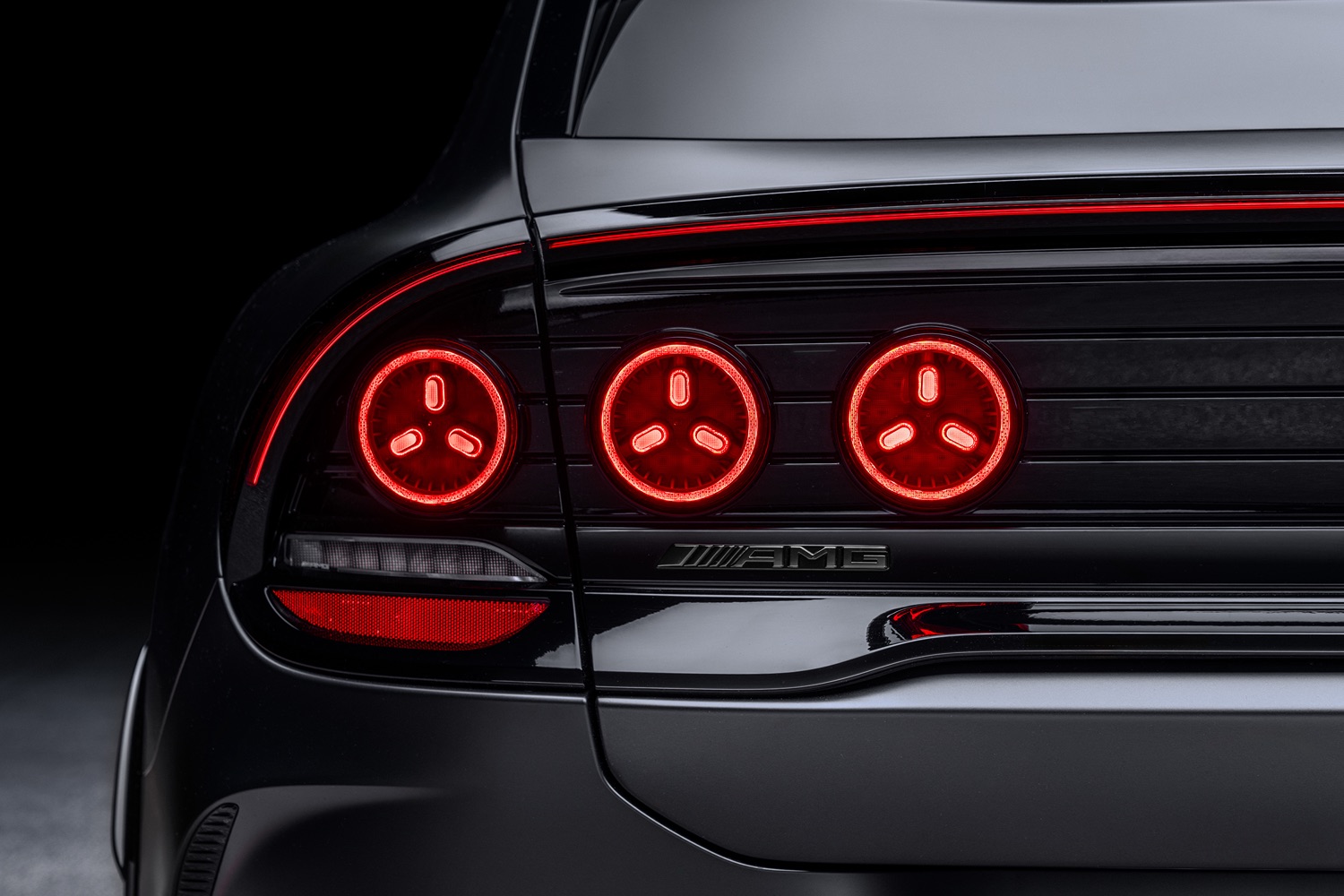
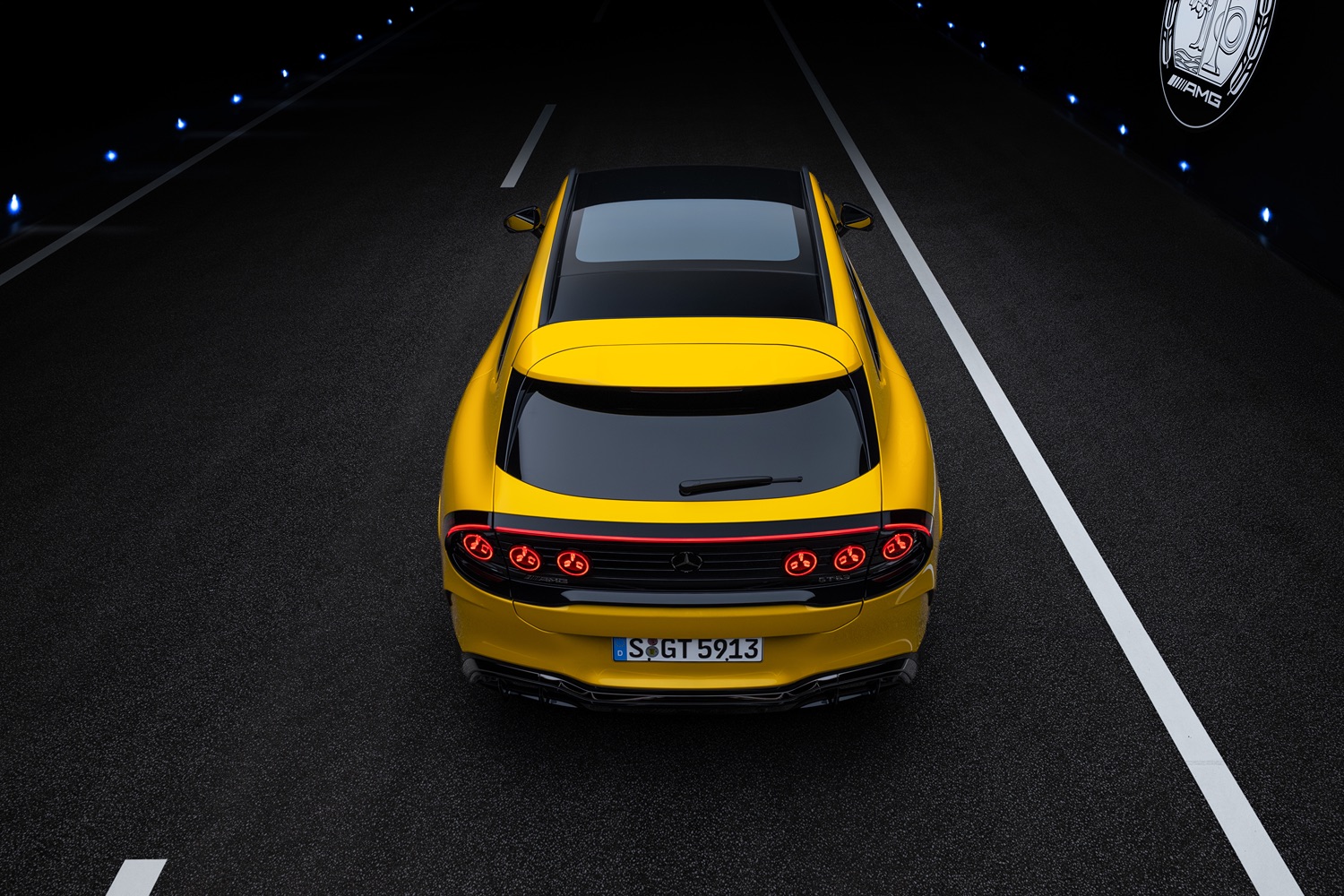
That massive, toothy grille (which, heaven help us, lights up at night) is in theory based on the original 1952 Mercedes 300 SL Gullwing racing car, but it certainly lacks a bit of elegance, as do the mad, staring, eye-like headlights with their three-pointed-star motif. There are more three-pointed stars in the brake lights, which look uncomfortably like radiation warning signs from a distance.
However, there is some method in the stylistic madness — both the 55 and 63 models get an ‘Aerokinetics’ automatically adjustable rear spoiler, while all versions get fully active aerodynamic cooling vanes in the front bumper, which can close or open depending on whether you need more cooling or improved airflow efficiency at any given time.
If there is anything about this story we have not covered, you can avail of our expert advice service via the Ask Us Anything page.