
Not only is the Type 01 the most aerodynamic car that Jaguar has ever made, but it’s the most technically advanced too. It’s the first of a number of models that will be launched in the coming years, and its design is unapologetically dramatic.
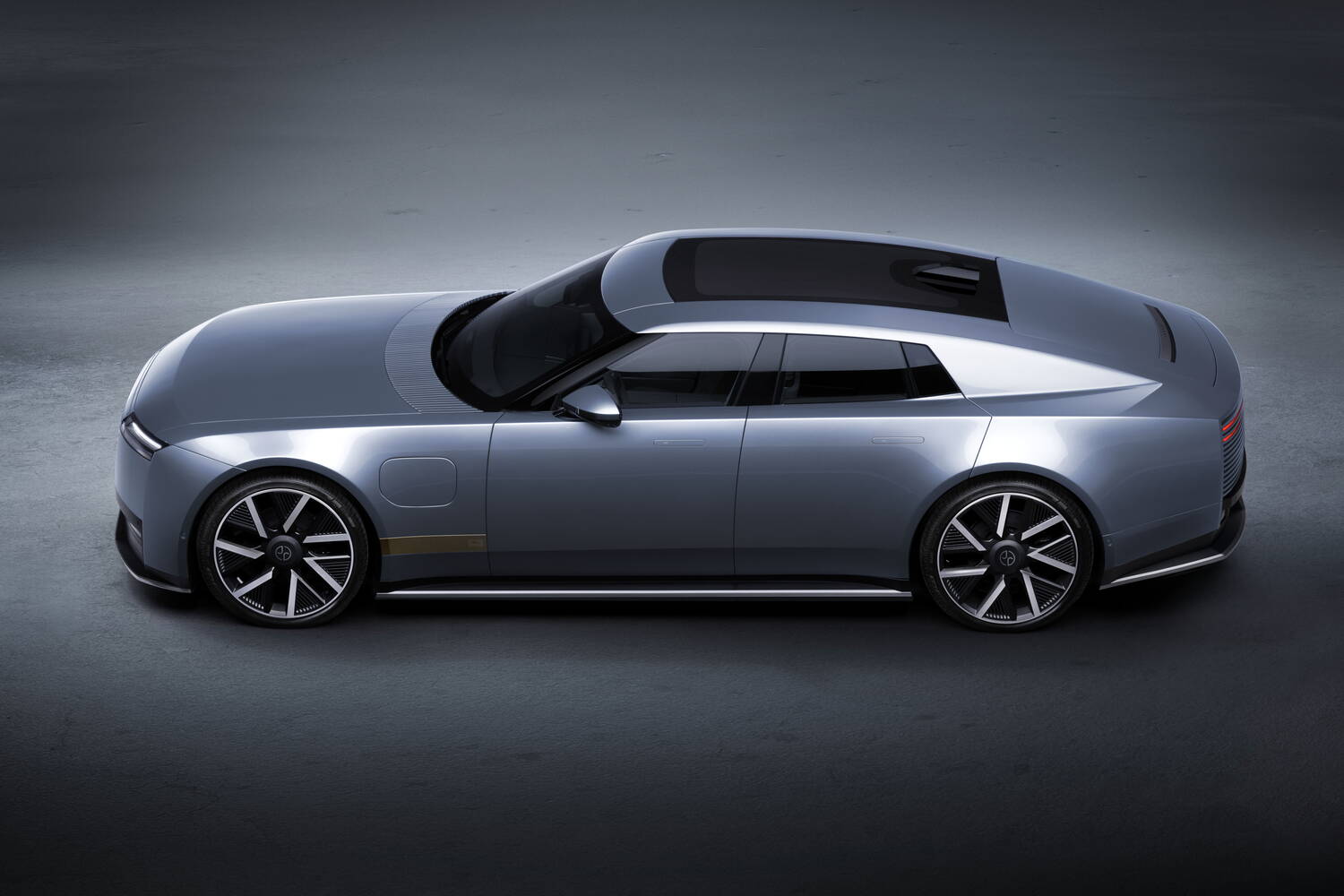
There hasn't been a massive deviation from that Type 00 concept car to the production-ready vehicle you see here; the Type 01 has lost none of the visual drama, or its distinctive proportions.
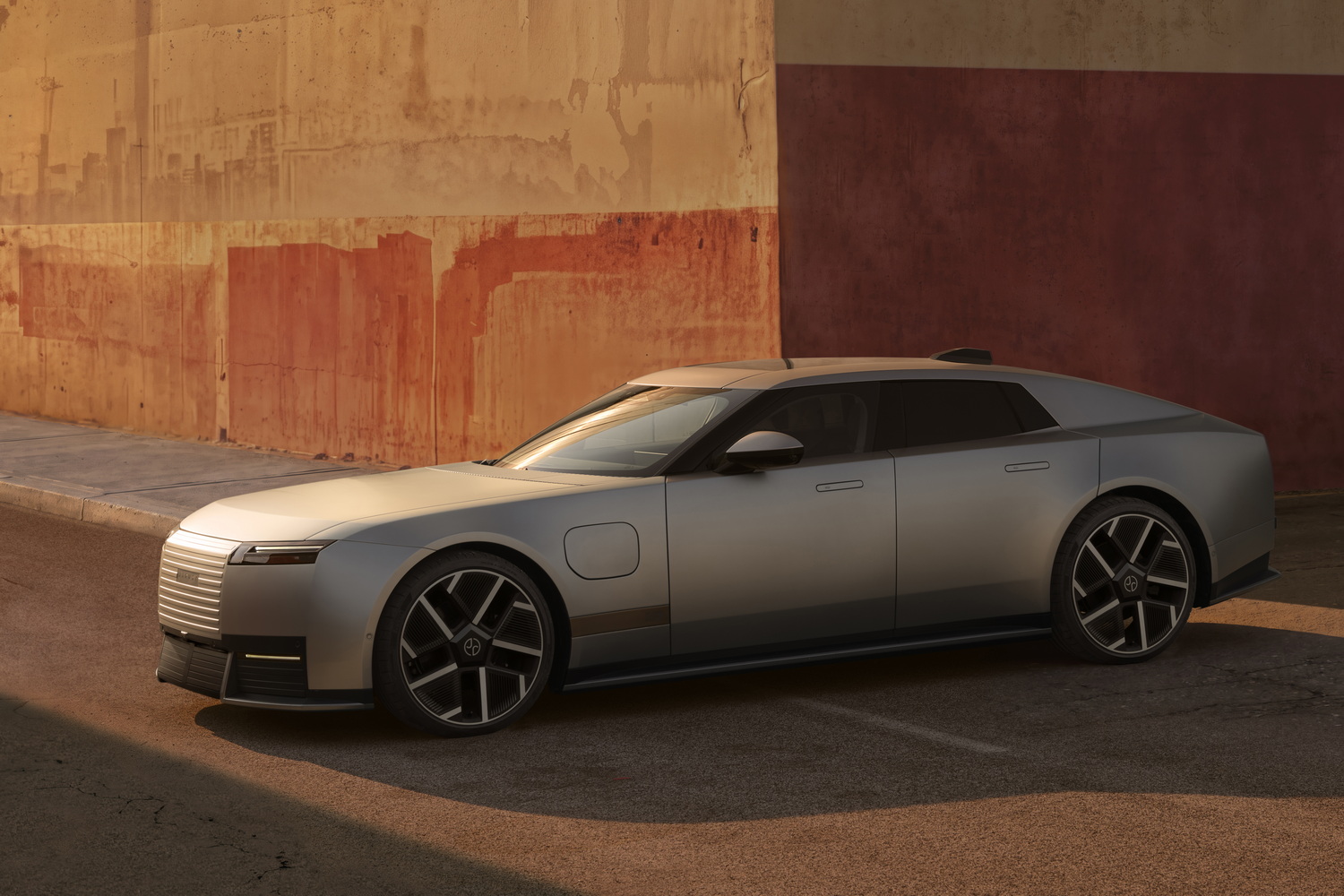
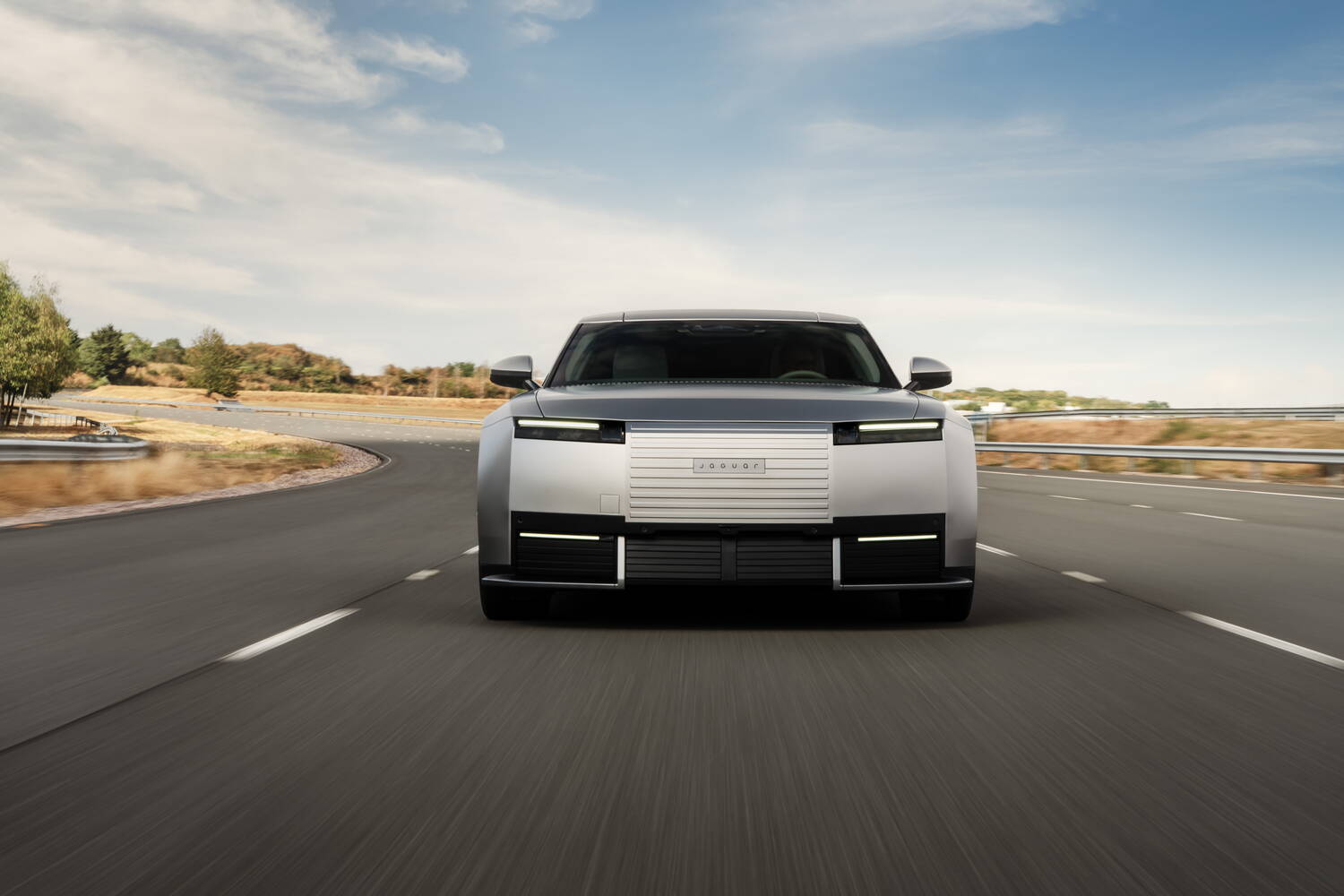
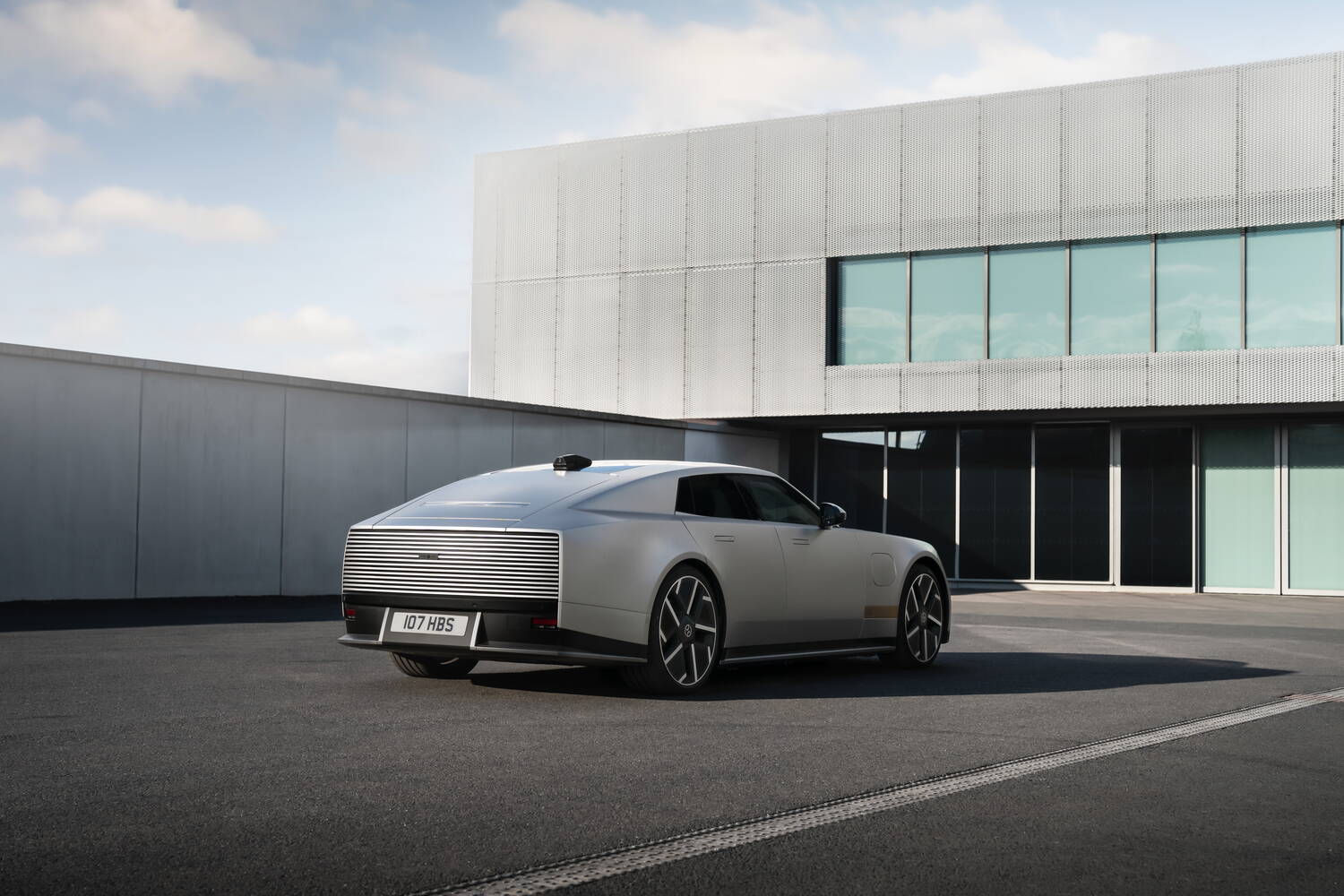
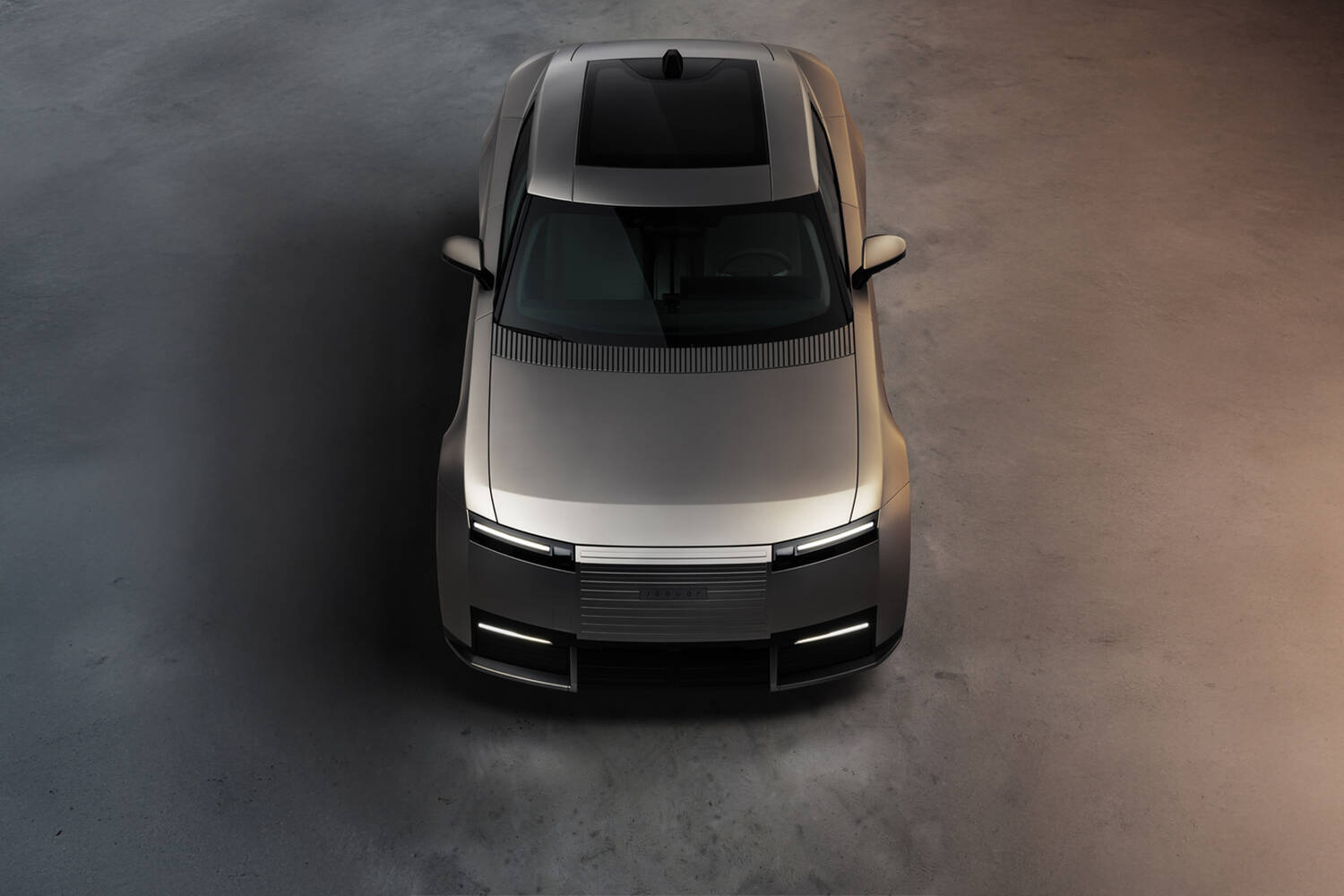
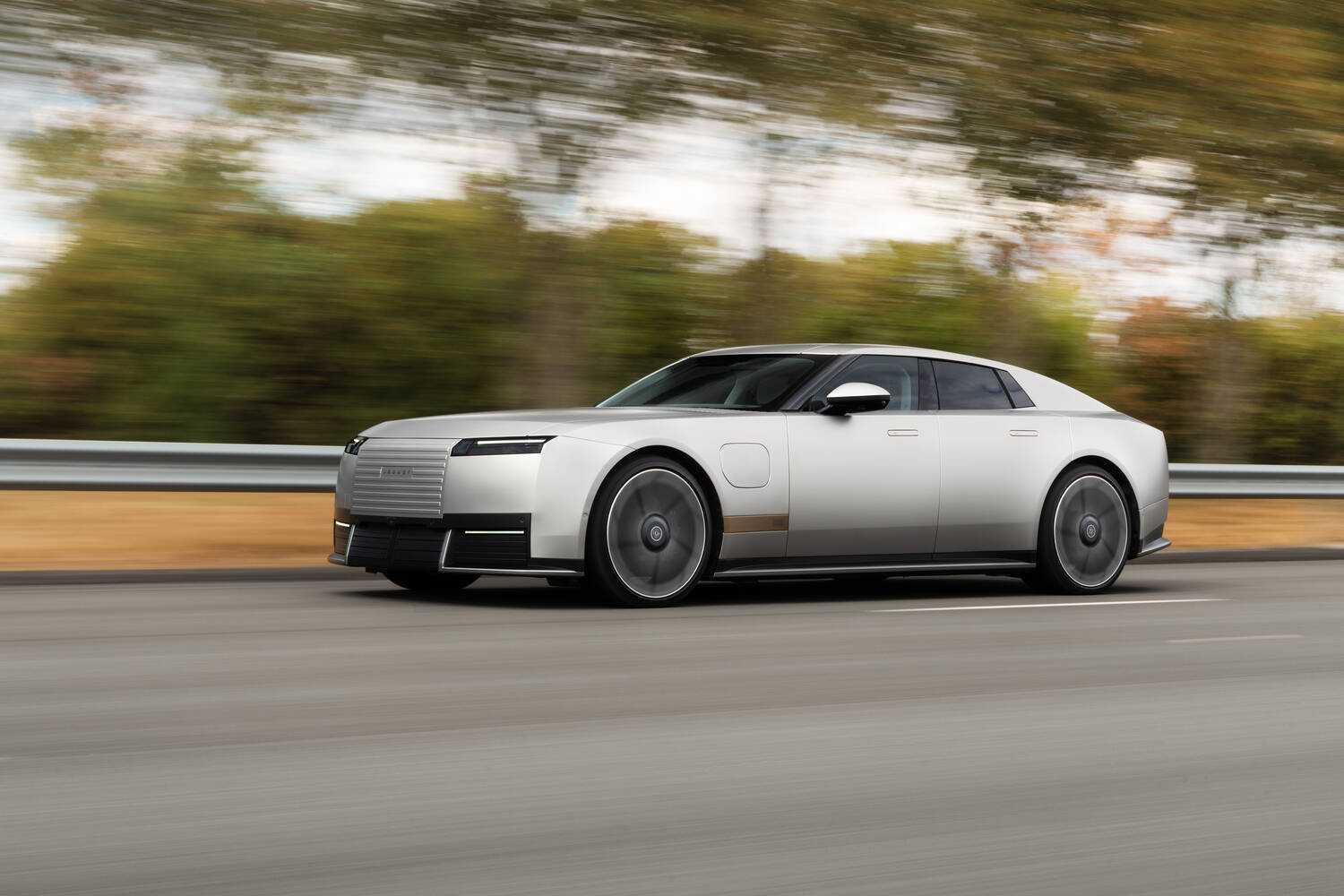
Stretching to just over 5.2 metres long, the Type 01 features a short overhang at the front, with a sheer nose that is certain to make it one of the most easily recognisable cars on the road, day or night.
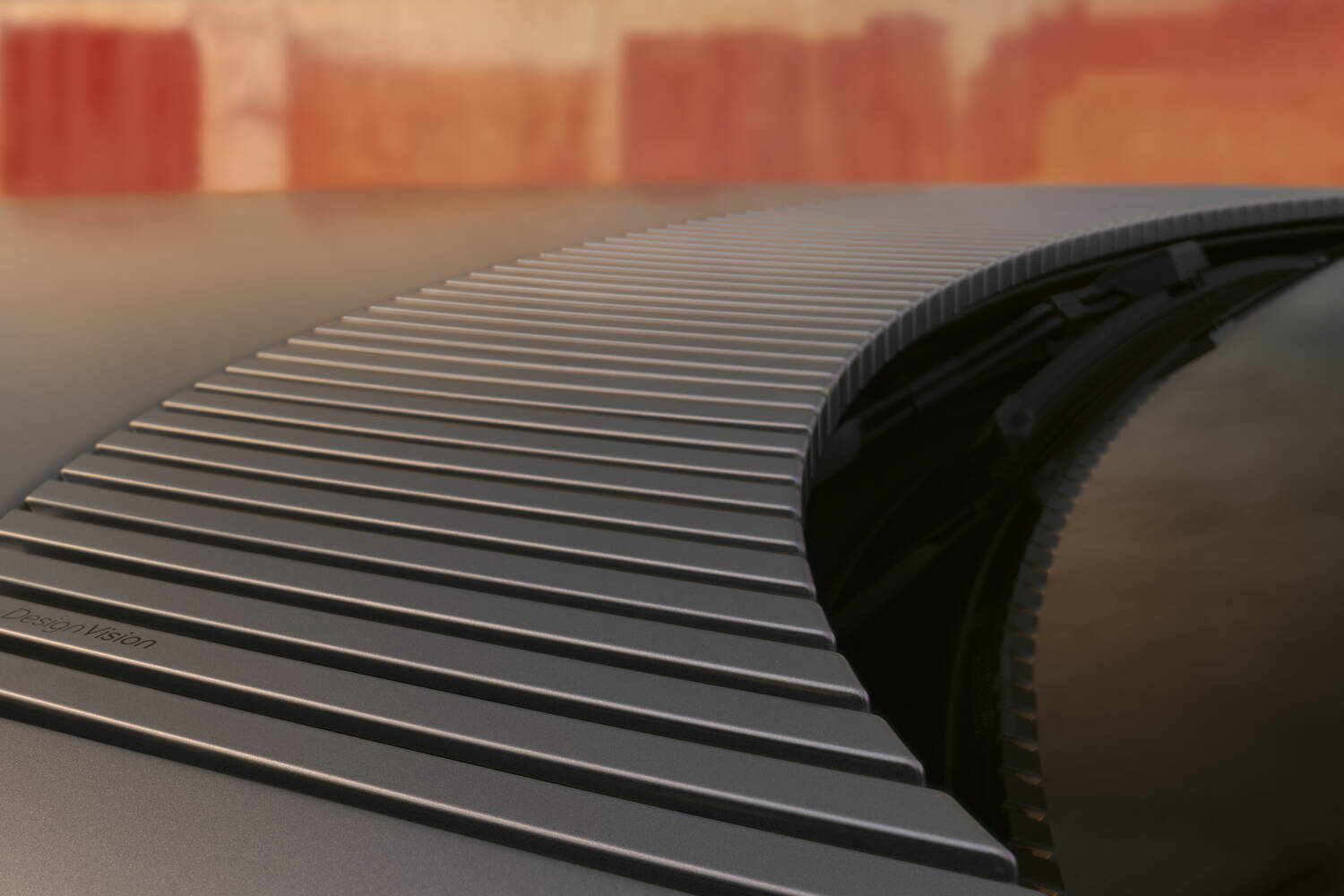
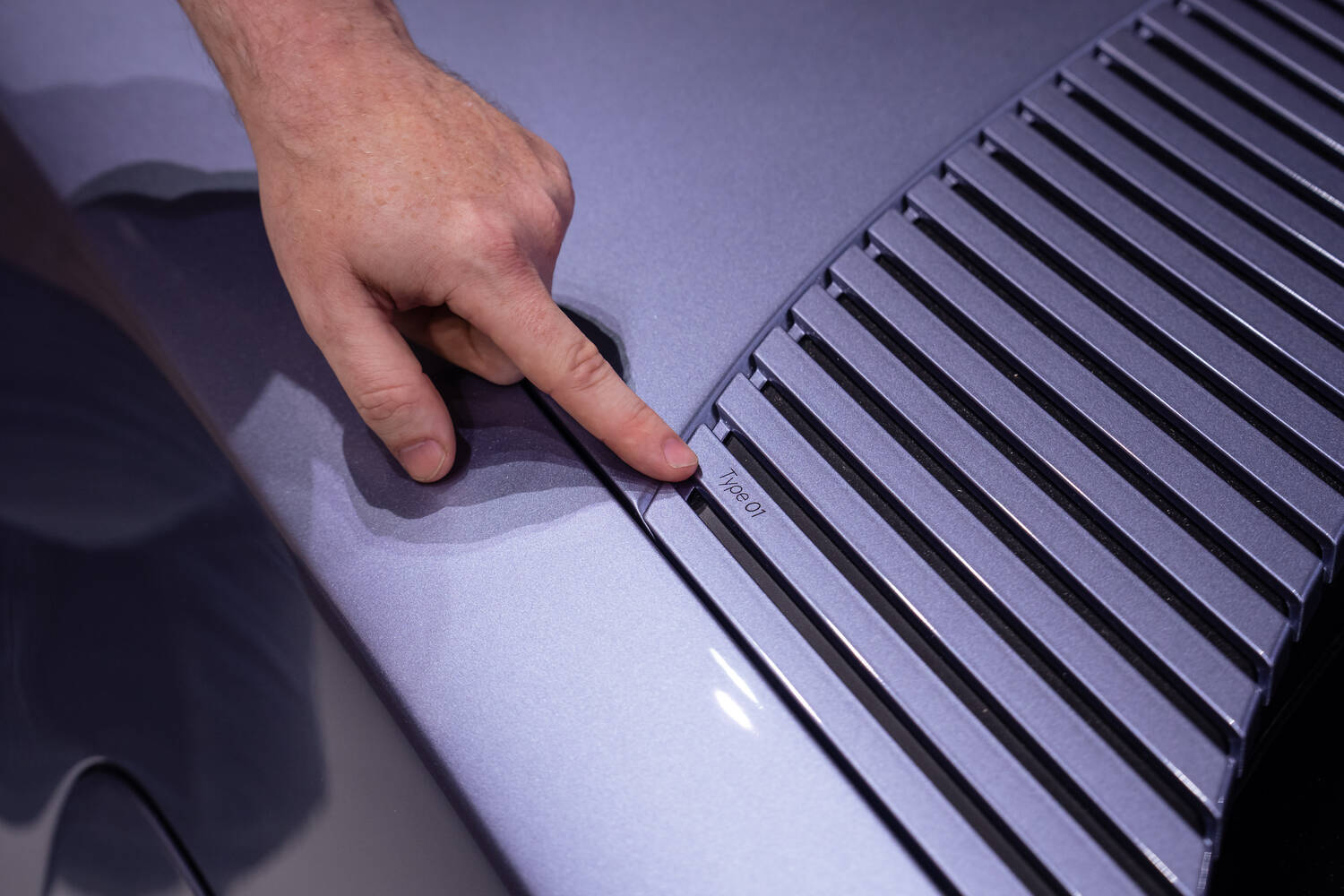
That face (if you can call it that) is made up almost entirely of vertical and horizontal lines. The centre, which carries the new Jaguar wordmark, isn’t on a grille, but it does have the appearance of horizontal slots. These are part of a design theme that runs throughout the car, which Jaguar designers call ‘Strikethrough’.
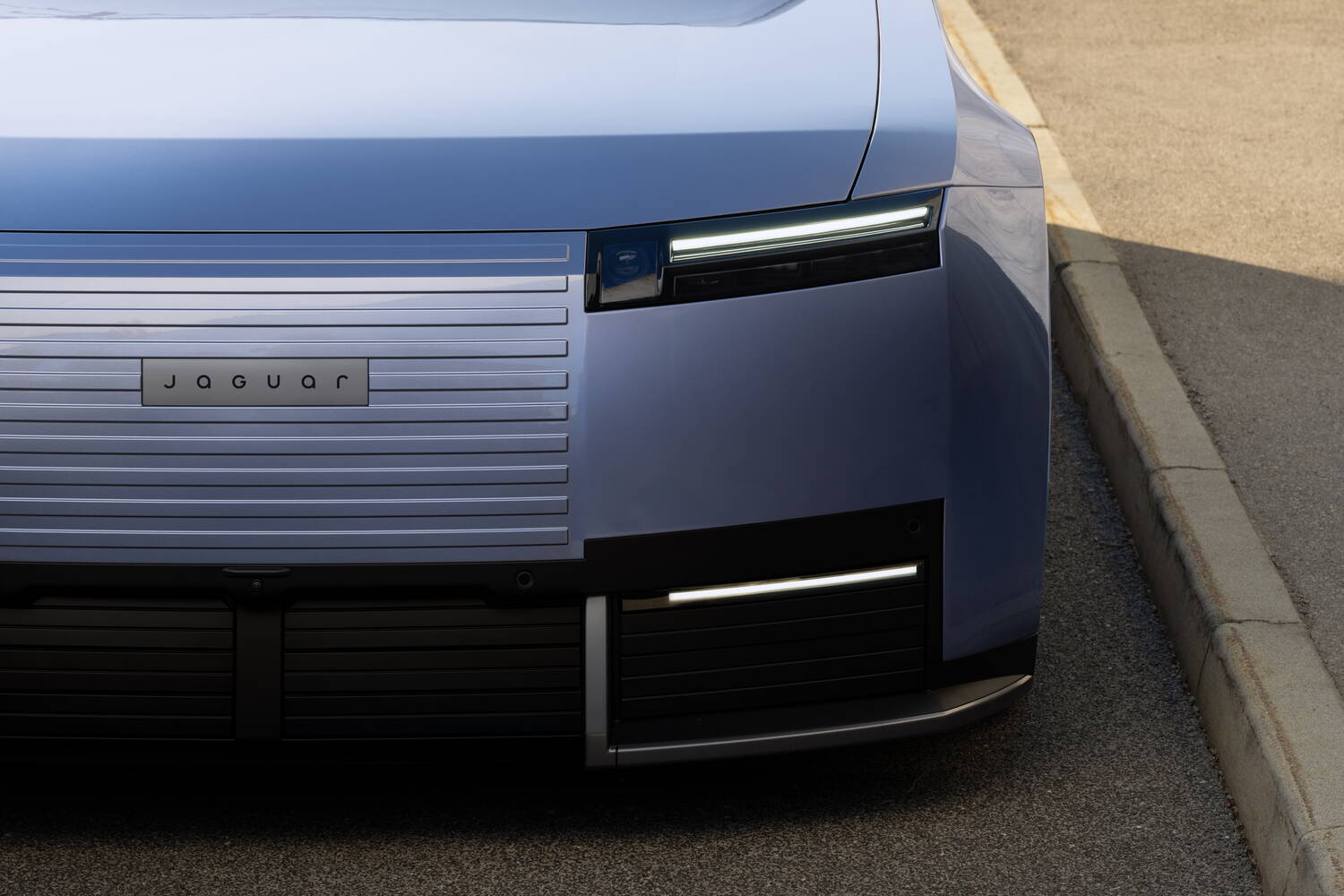
A four-element lighting signature echoes that strikethrough theme with thin horizontal daytime running lights. Its main headlights are the thinnest ever fitted to a Jaguar, measuring 84mm in height, and each unit contains 20,000 LEDs that are individually controlled to dynamically shade other vehicles on the move. Active air shutters in the lowest part of the front bumper control airflow into the car’s cooling system as required.
Underneath the bonnet there is some service stowage, enough for an emergency kit, but little else. To help create such dramatic proportions, every square mm had to be used. A unique front crash structure was developed that enabled Jaguar’s engineers to position some of the battery cells ahead of the front bulkhead, for example.
The wheelbase is three metres and, perhaps most impressively, despite a massive battery within the floor, the Type 01 stands at only 1.4 metres tall.
To put that another way, were you to stack two of the car’s 23-inch wheels on top of each other, the roofline would be lower.
With such little space left between the tops of the wheels and the height of the wings, Jaguar’s engineers had to do a tremendous amount of work in developing the chassis to accommodate the air suspension and make it capable of providing enough vertical wheel travel.
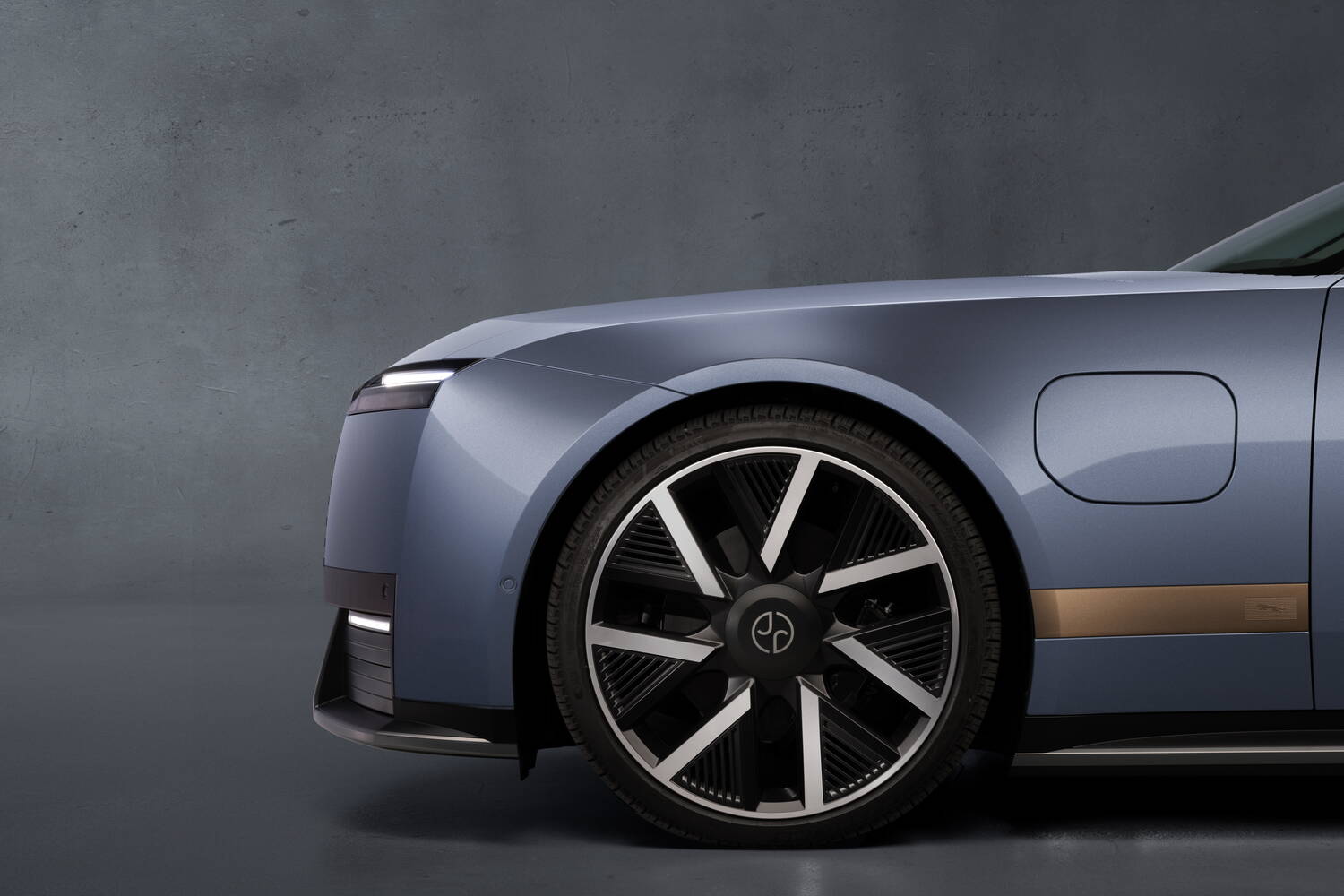
Behind the front wheels is where the charge ports are located, and Jaguar will fit these to both sides - the DC inlet is on the right side of the car.
As the raked windscreen leads into the roof, some of the other design details reveal themselves, including one piece that engineers nicknamed ‘the impossible panel’.
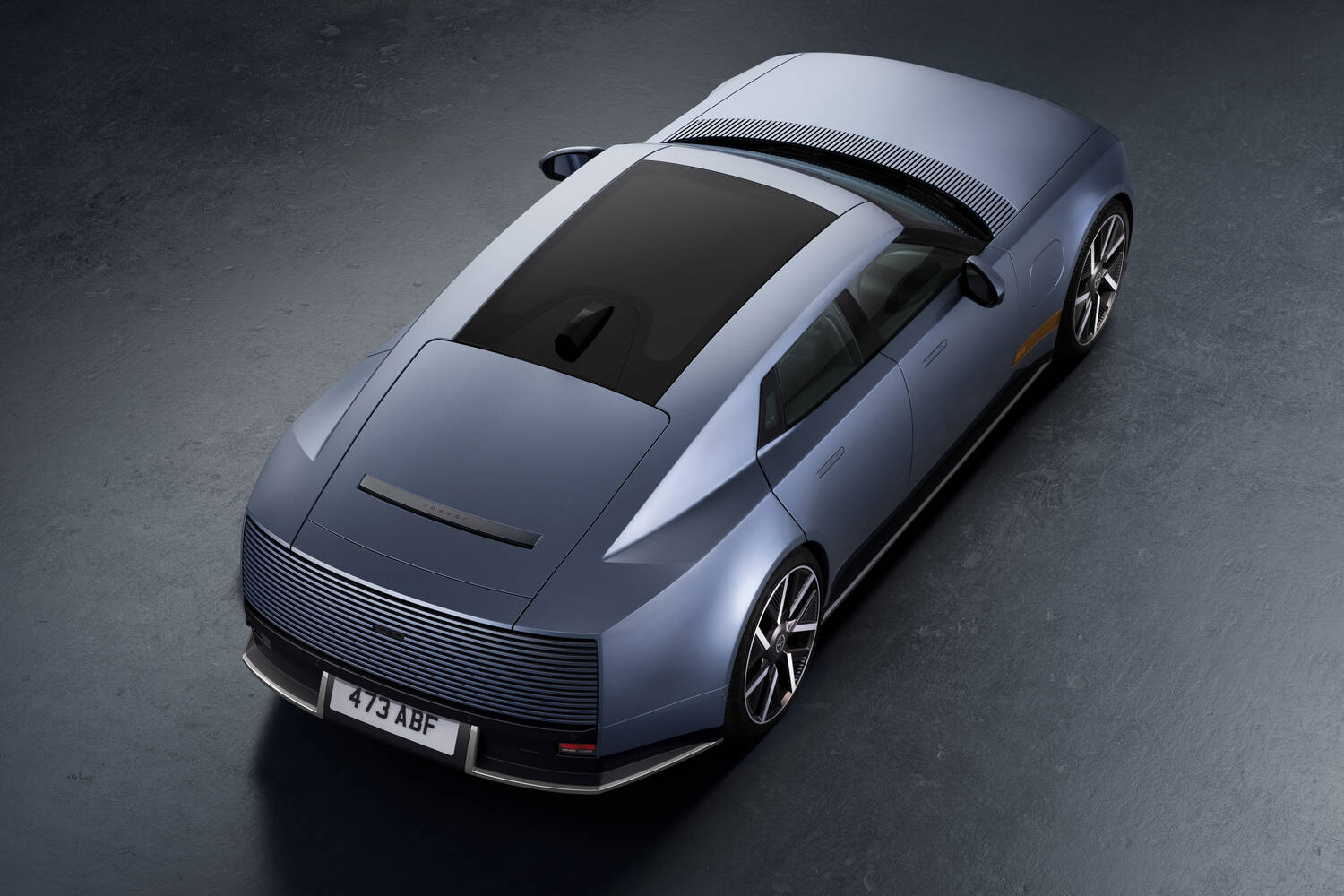
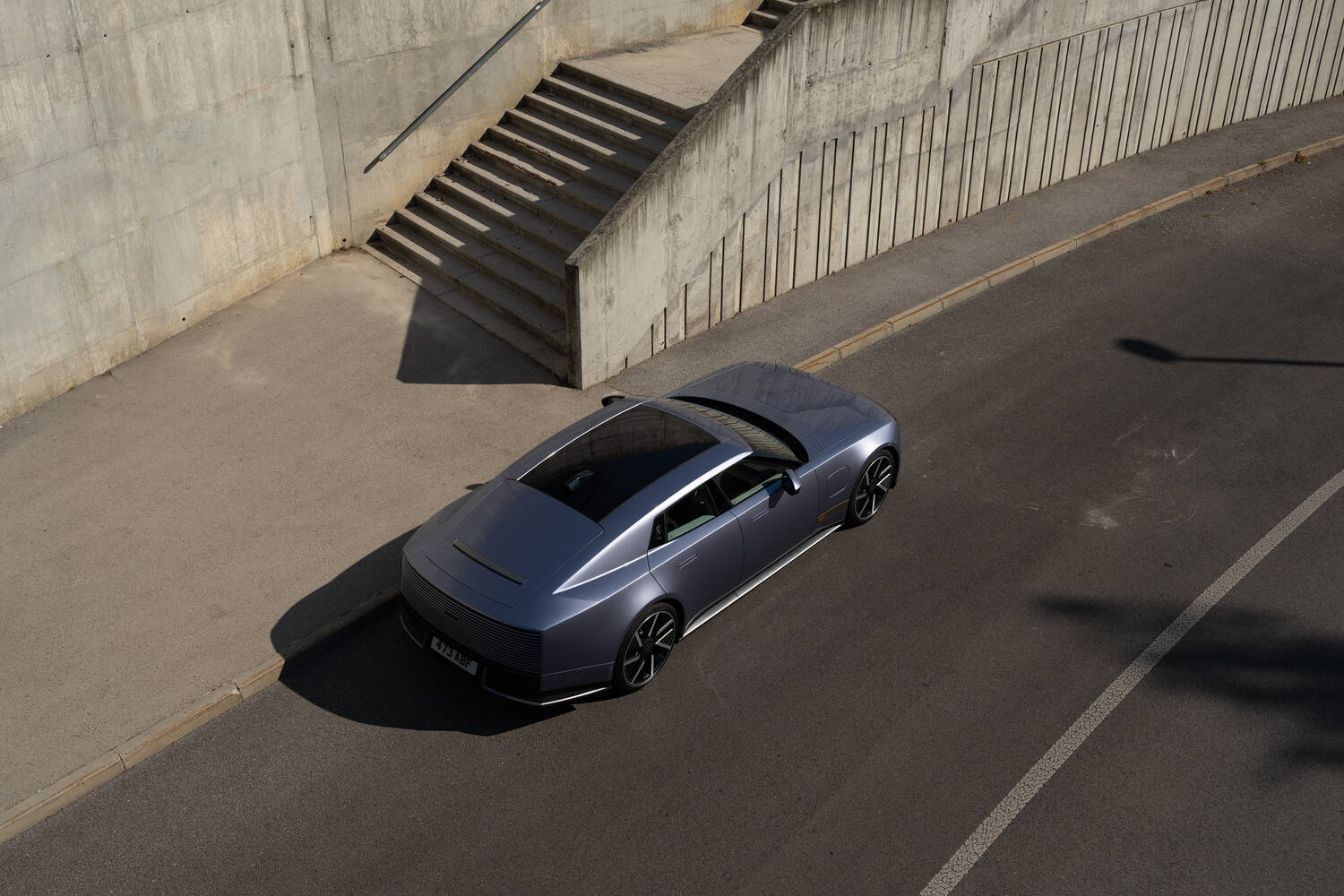
This single three-metre-long piece starts at the top of the A-pillars and continues through the C-pillars and into the top of the rear wing. It is the most complex pressing the company has ever produced and demonstrates how there was a no-compromise approach to producing the Type 01.
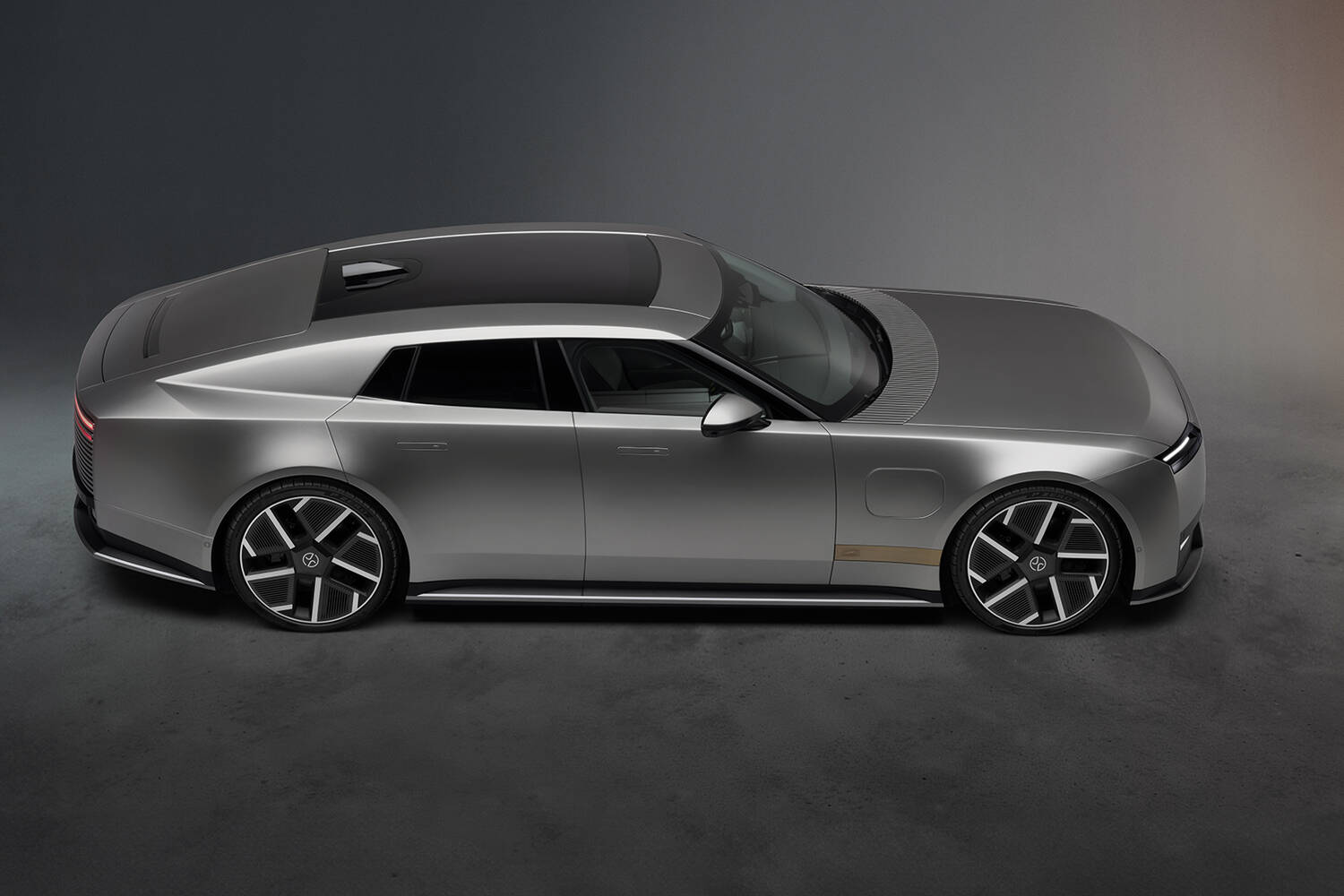
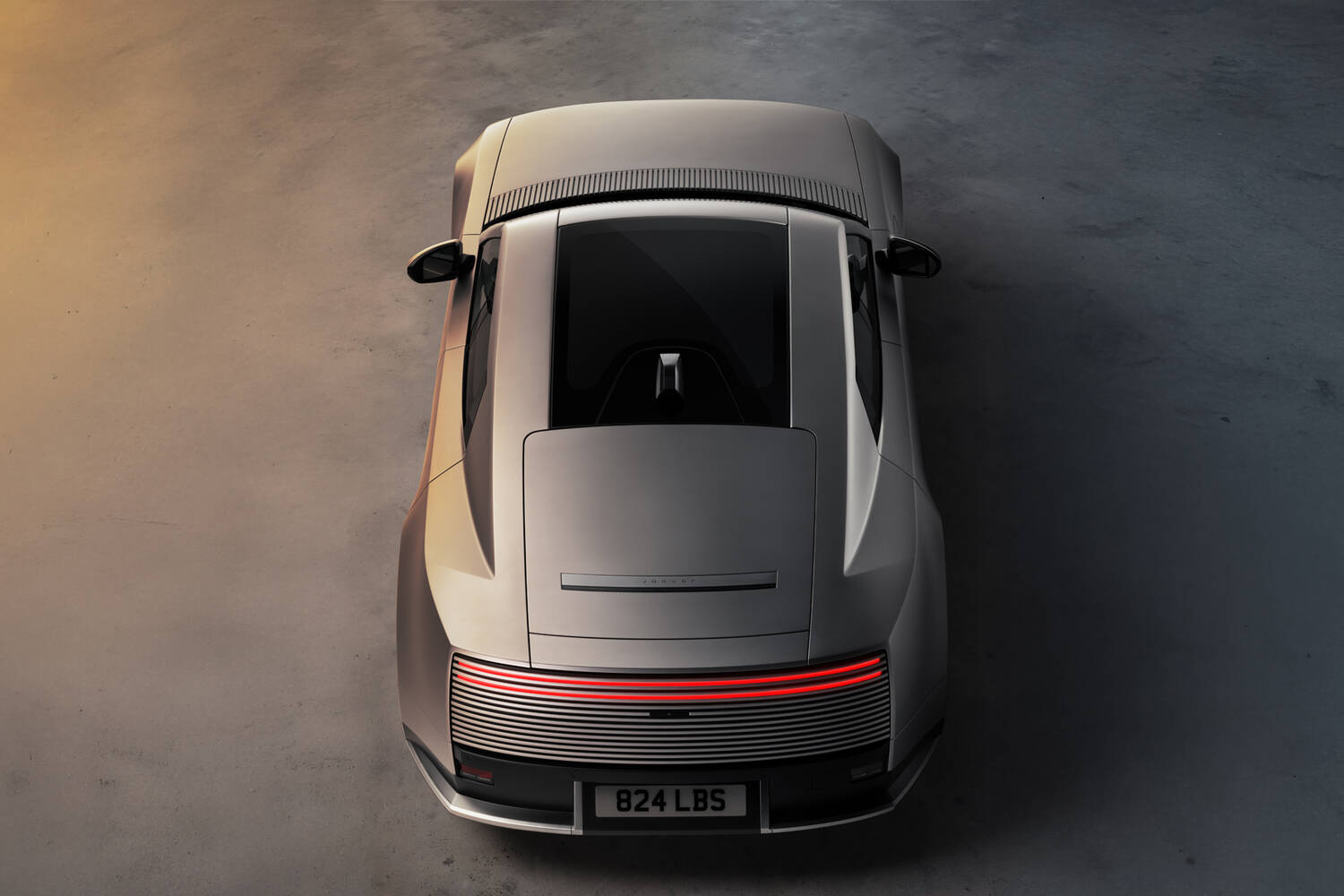
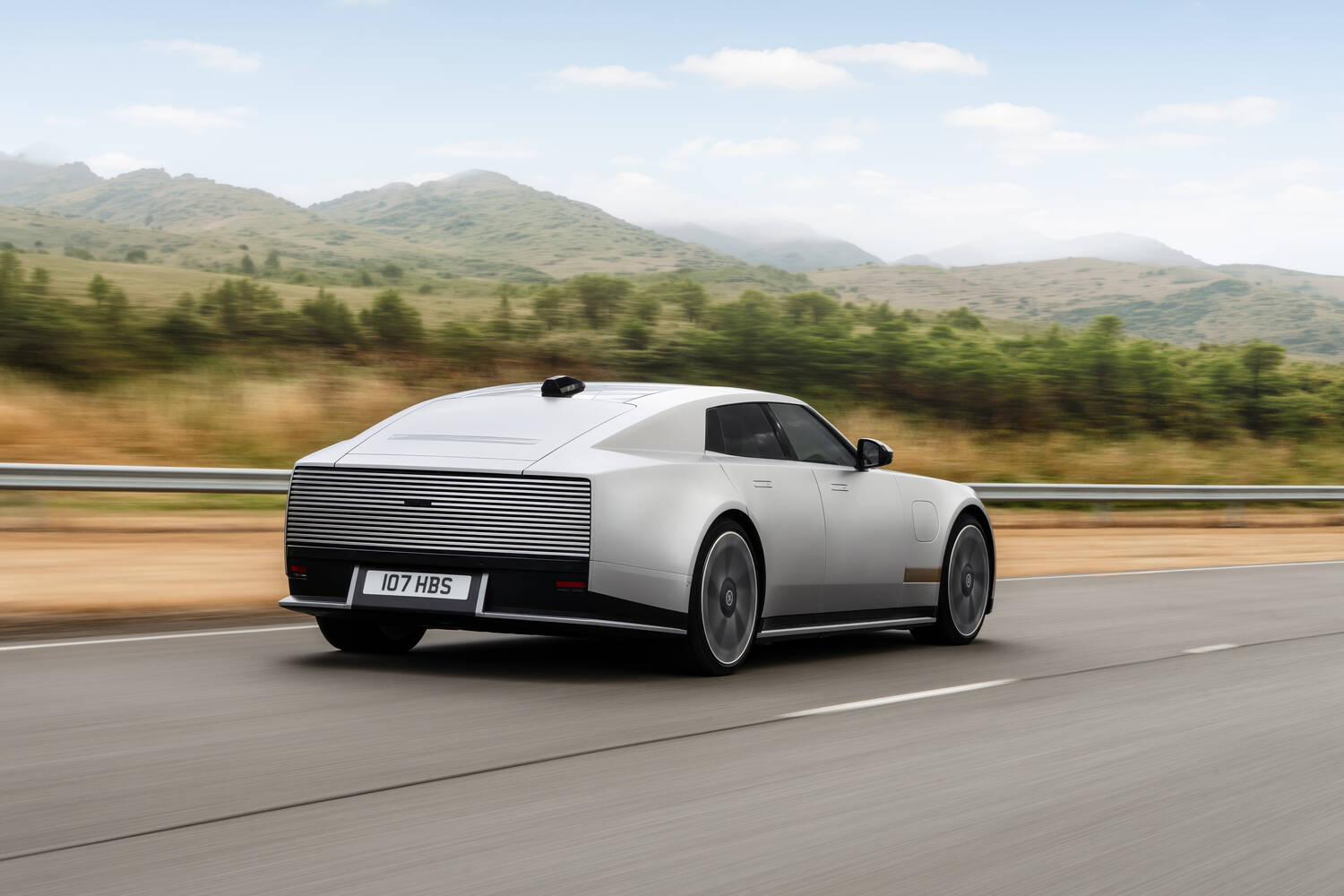
The doors have an equally clean design, including flush-fitting door handles. The window apertures are narrow, especially at the rear, while at the back there is no glass at all.
As seen on the Polestar 4 and 5, the designers omitted rear glass in favour of a camera-based setup. The liftback features a built-in spoiler that deploys in three stages as speed increases.
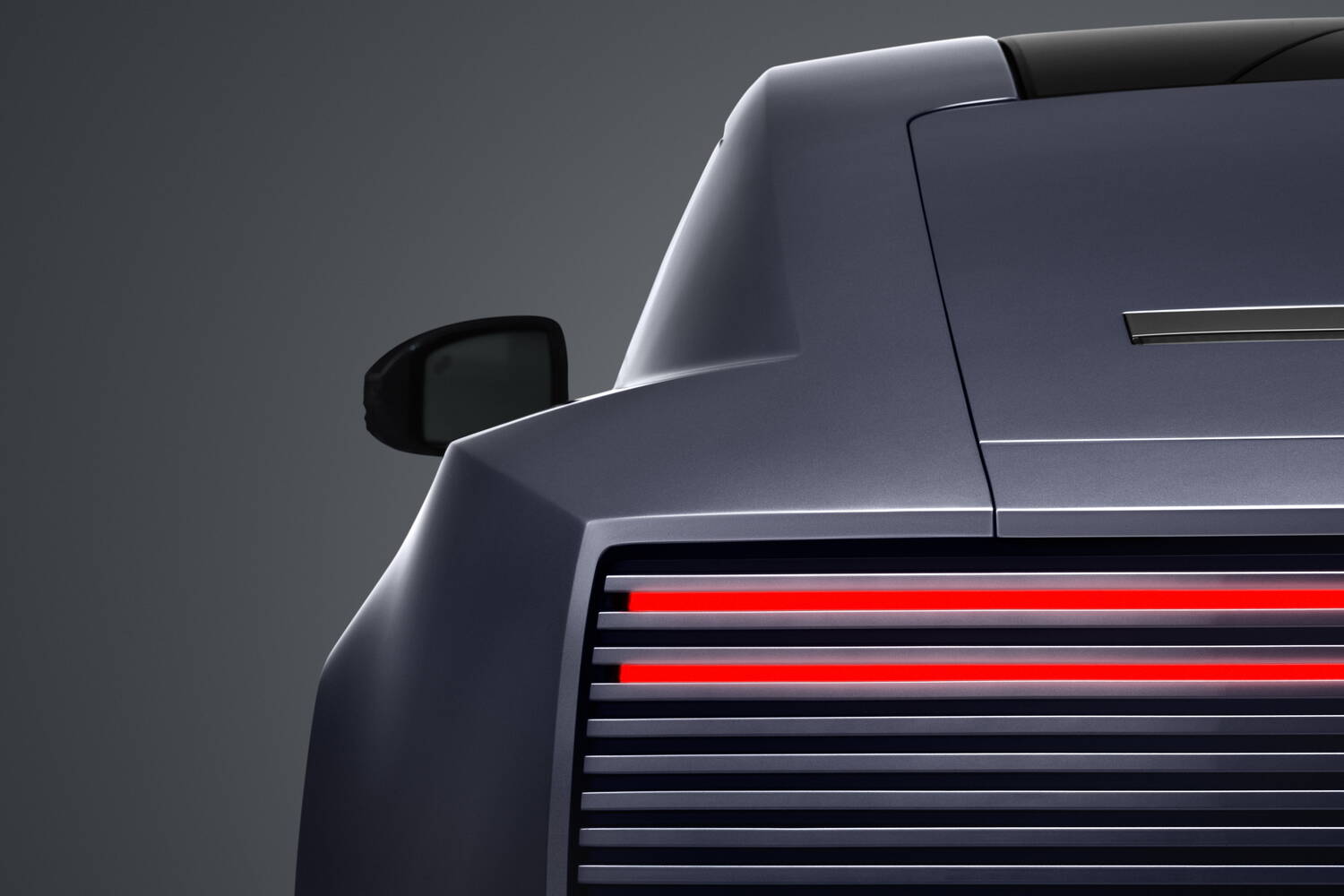
From the rear is where that strikethrough effect is most visible, occupying the whole width of the back and neatly incorporating the rear light bars. When travelling behind the Type 01, it will be unmistakable.
What’s it like inside the Jaguar Type 01?
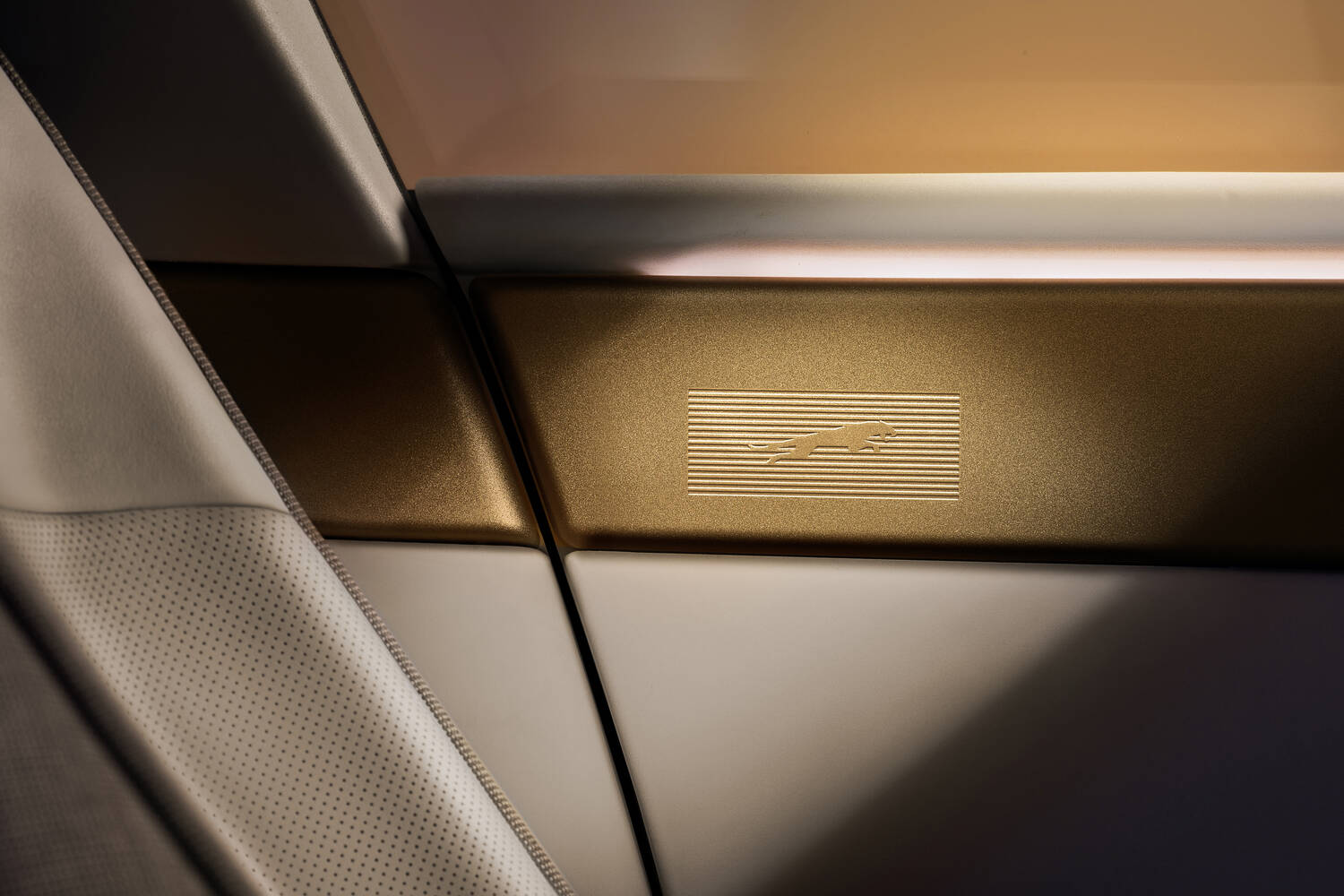
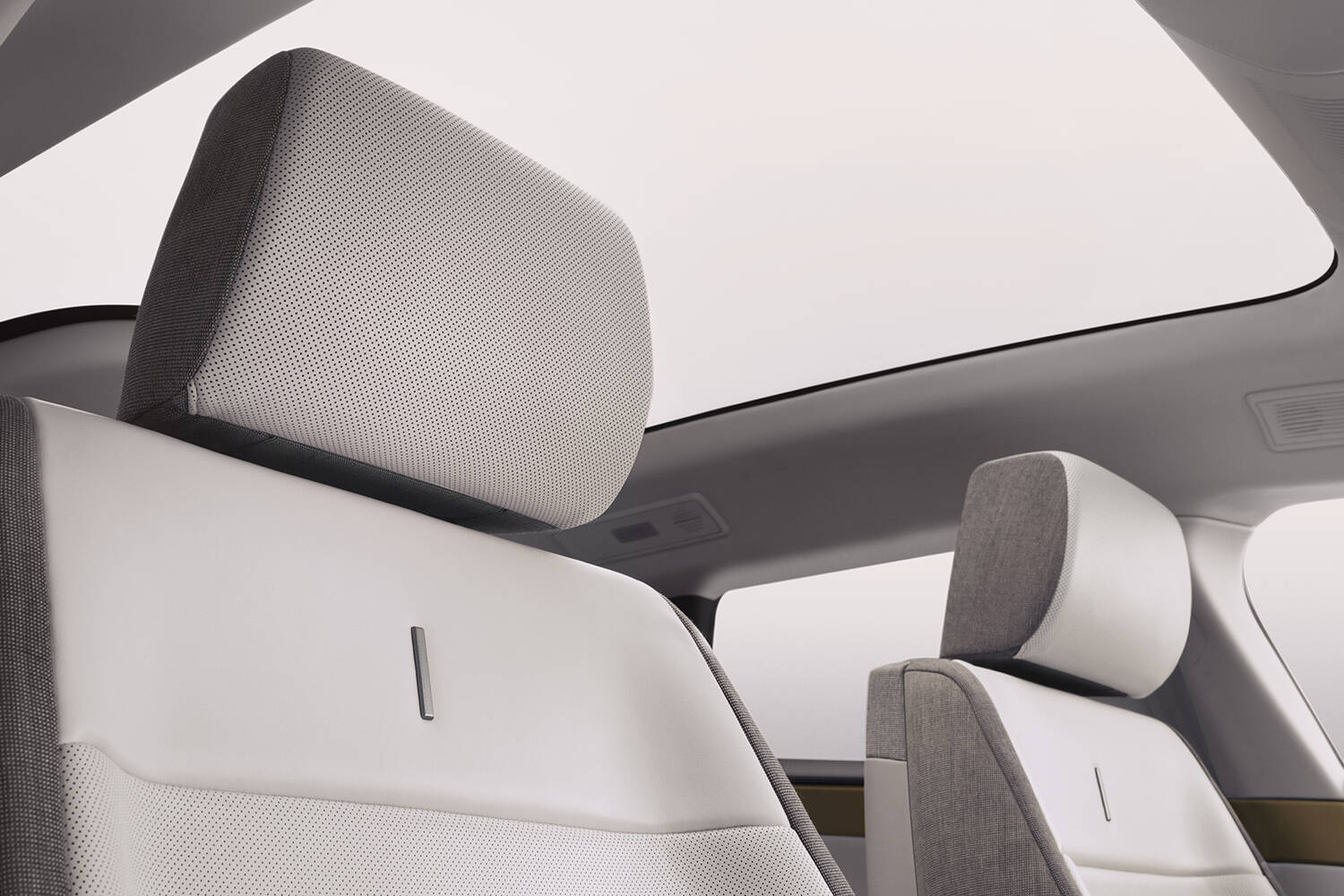
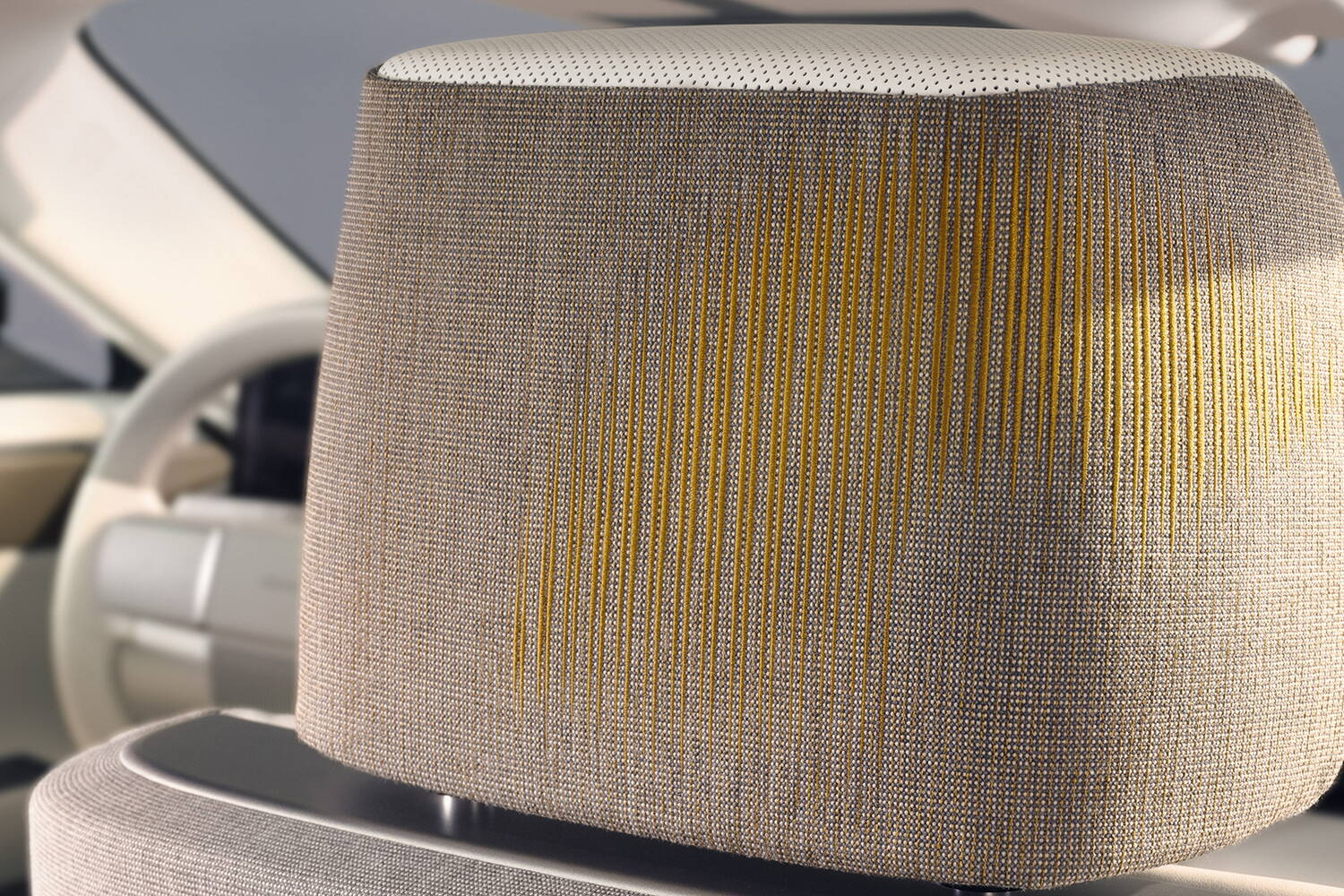
The Type 01’s cabin couldn’t be further removed from the traditional leather-and-wood interiors of the past. It’s defined by sharp lines, clean surfaces and materials that are hoped to usher in a new style of premium luxury.
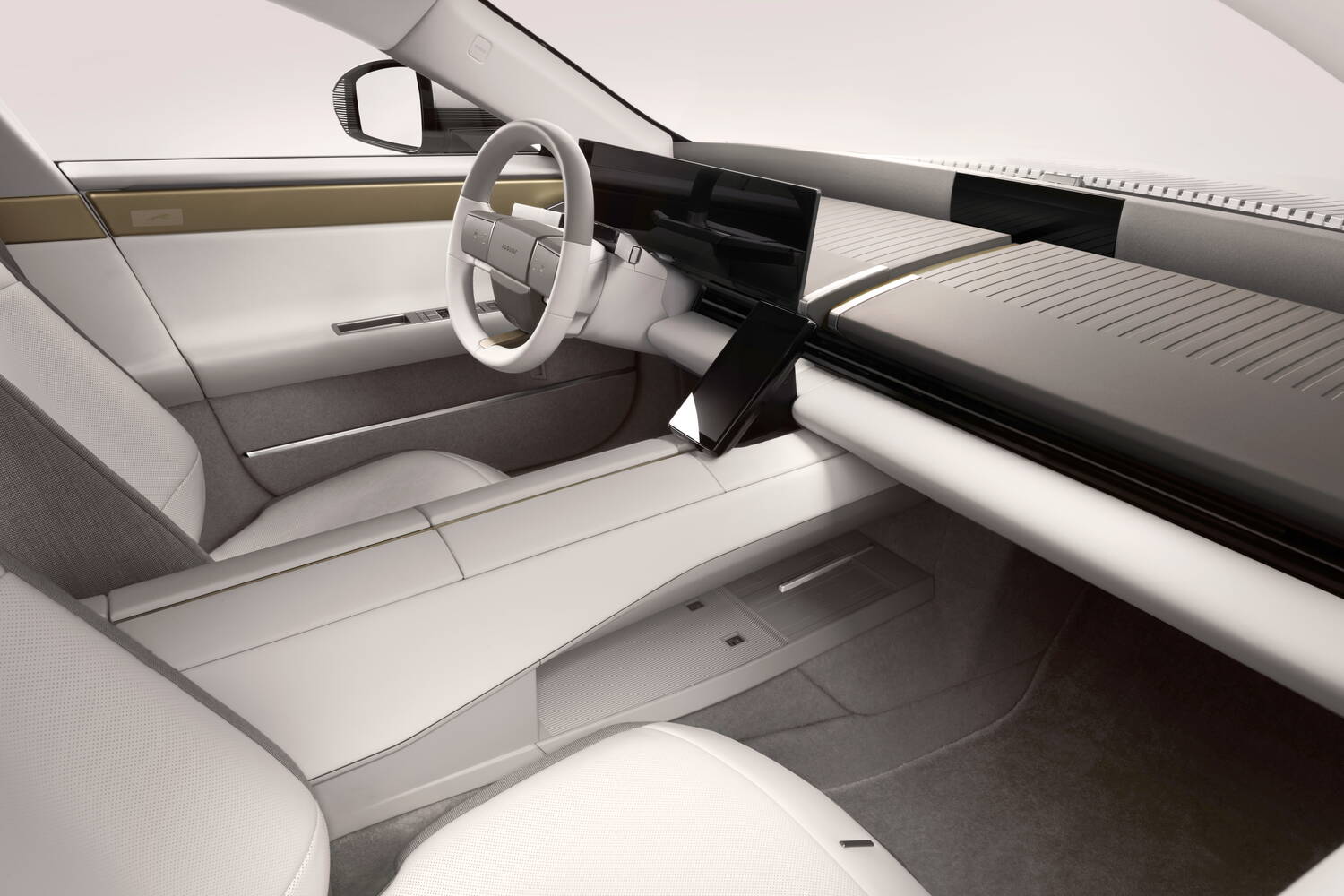
The strikethrough element extends from the outer section of the bonnet, below the windscreen, into the top of the dashboard.
Those with a keener eye will spot some shared components with the recently previewed Range Rover GT, though the two still have distinctly different designs. The steering wheel is largely the same size and shape as the GT’s, and it does feel good to hold.
The two-spoke design features an almost metallic finish to the multifunction areas, and the controls are backlit, only becoming visible when the car is active.
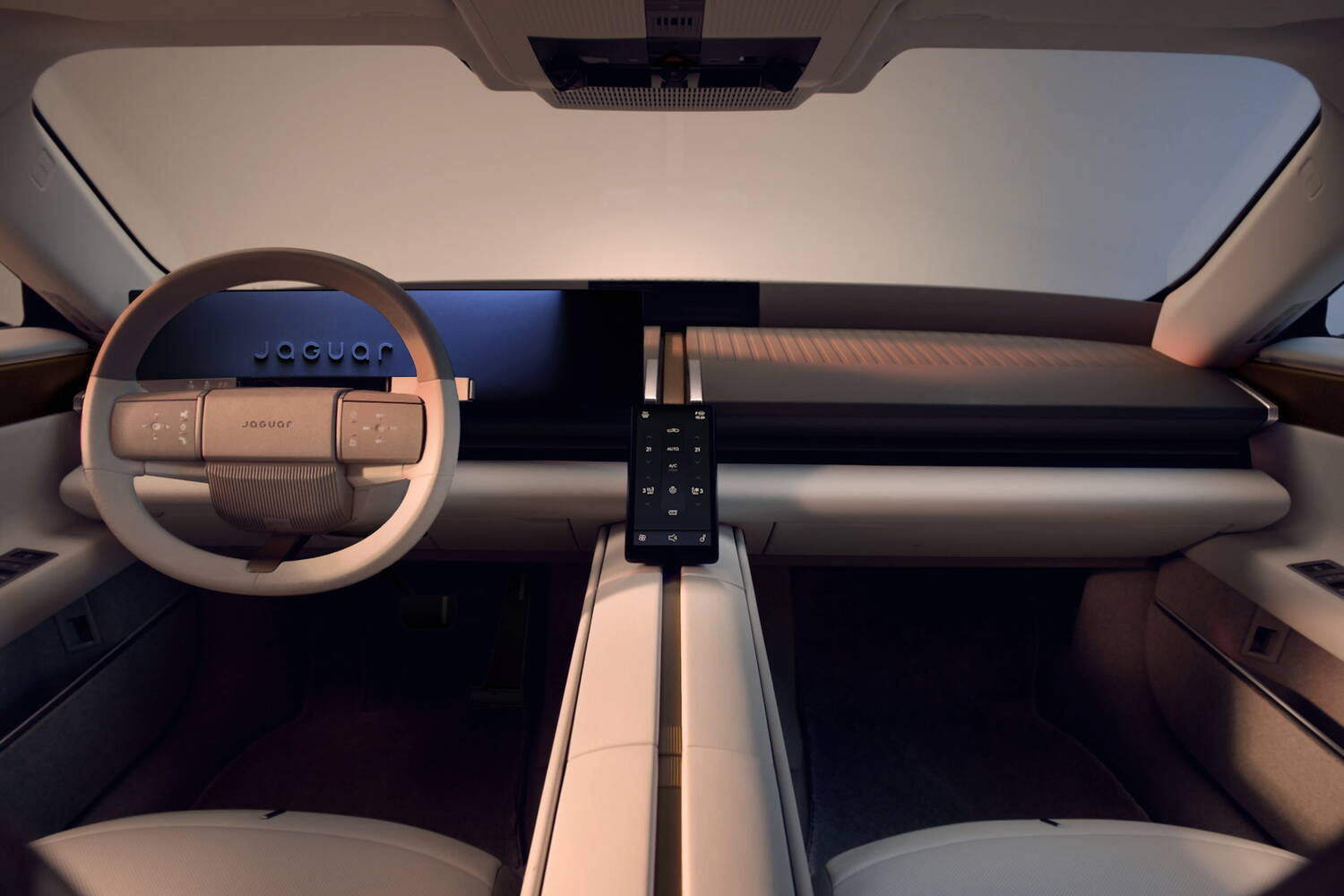
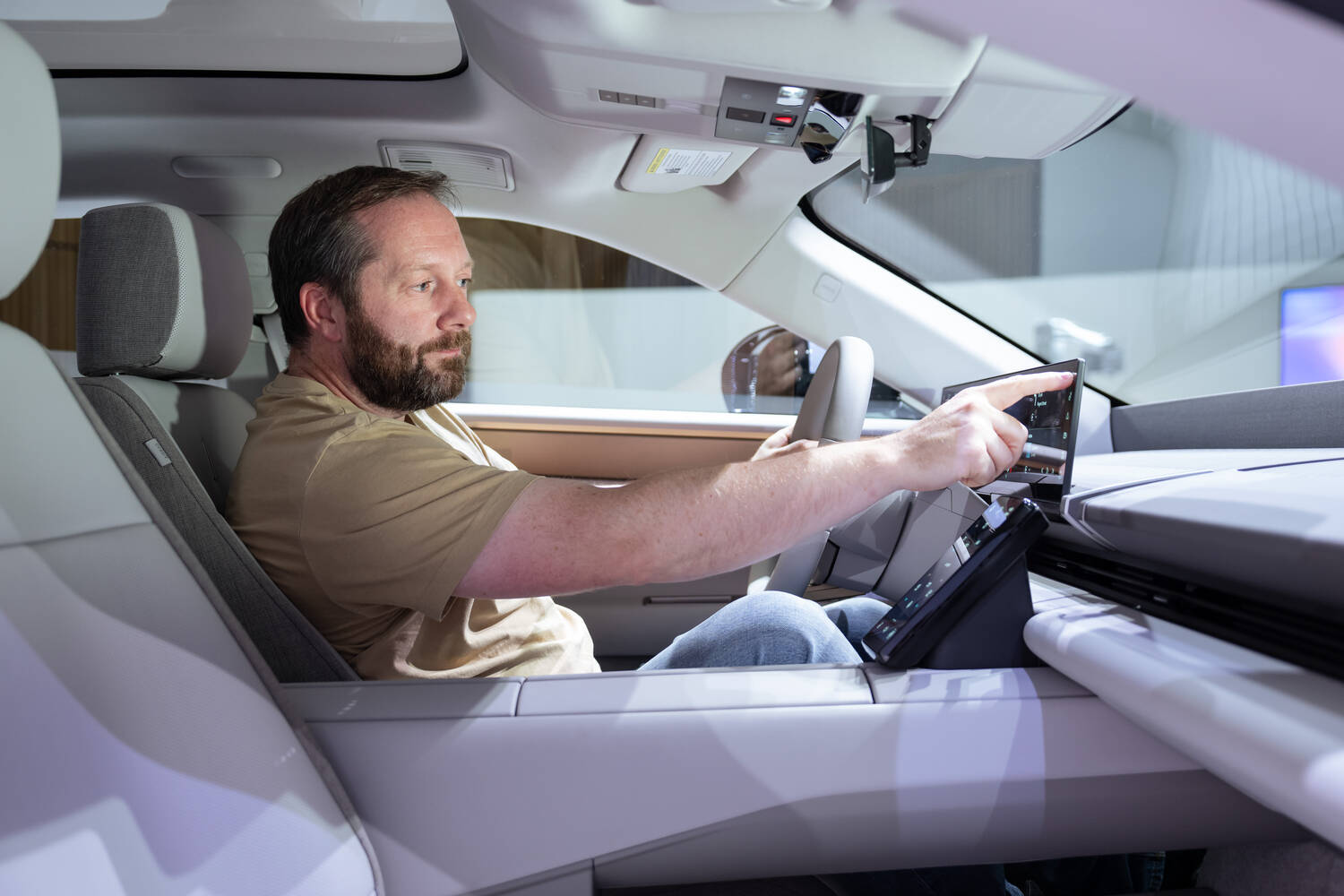
Behind that is a 24-inch OLED display that combines the driving information, infotainment and even lighting controls via a touch interface on the driver’s side closest to the A-pillar.
To create such a stark and minimalist interior, the designers moved a few things around, including replacing the rear-view mirror with a digital display that gets its feed from the roof-mounted fin at the back.
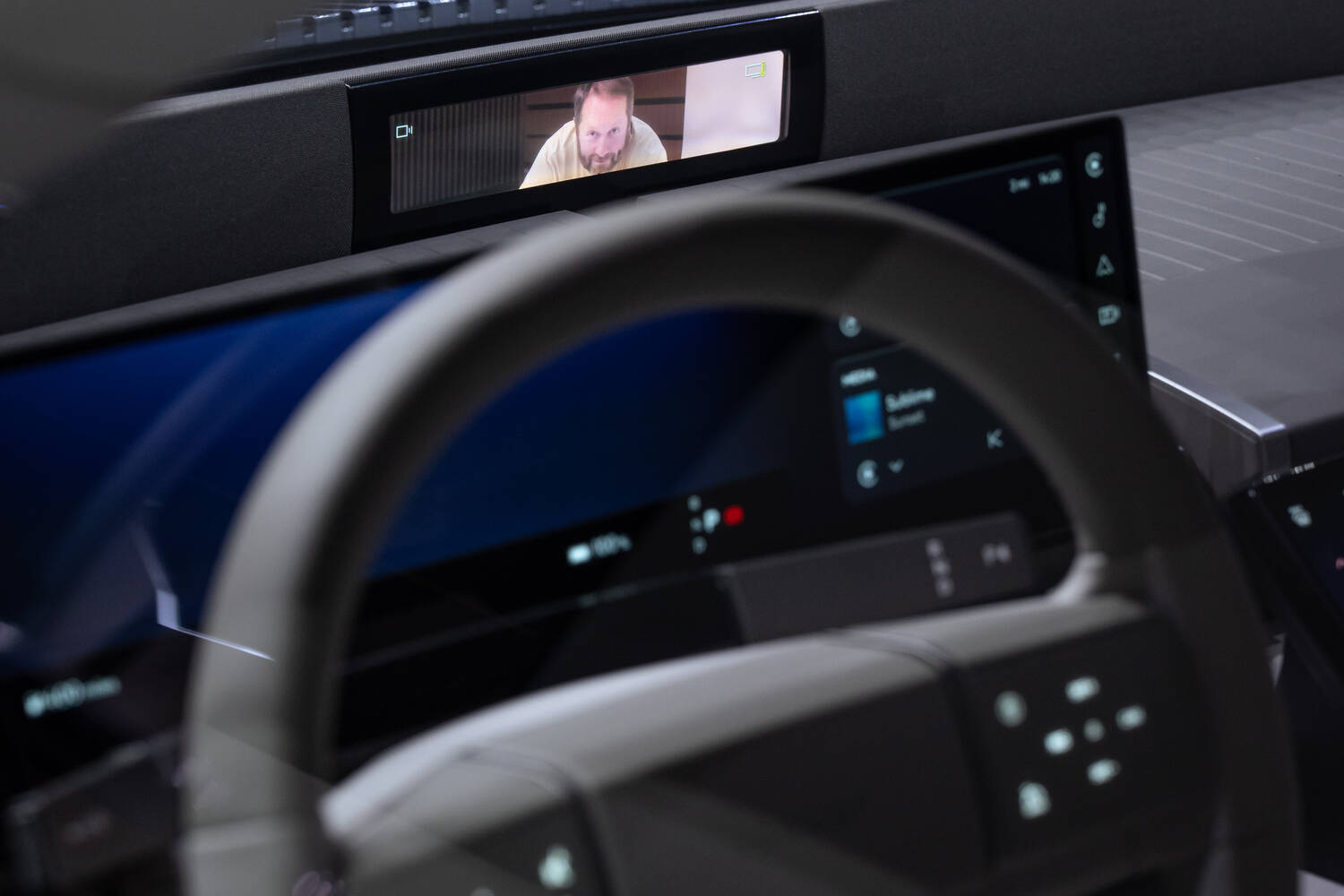
With the car being as low as it is, the screen for this is repositioned in the centre of the windscreen’s base, not too dissimilar to how BMW has created its Panoramic Vision setup in the Neue Klasse vehicles. It takes a bit of getting used to, but the theory is that it brings the rear view closer to the driver’s eye-line when driving.
A smaller portrait-style tablet is at the top of the spine that runs through the car’s centre. This touch display is for controlling the climate settings, some mirror controls, the heated steering wheel and media volume.
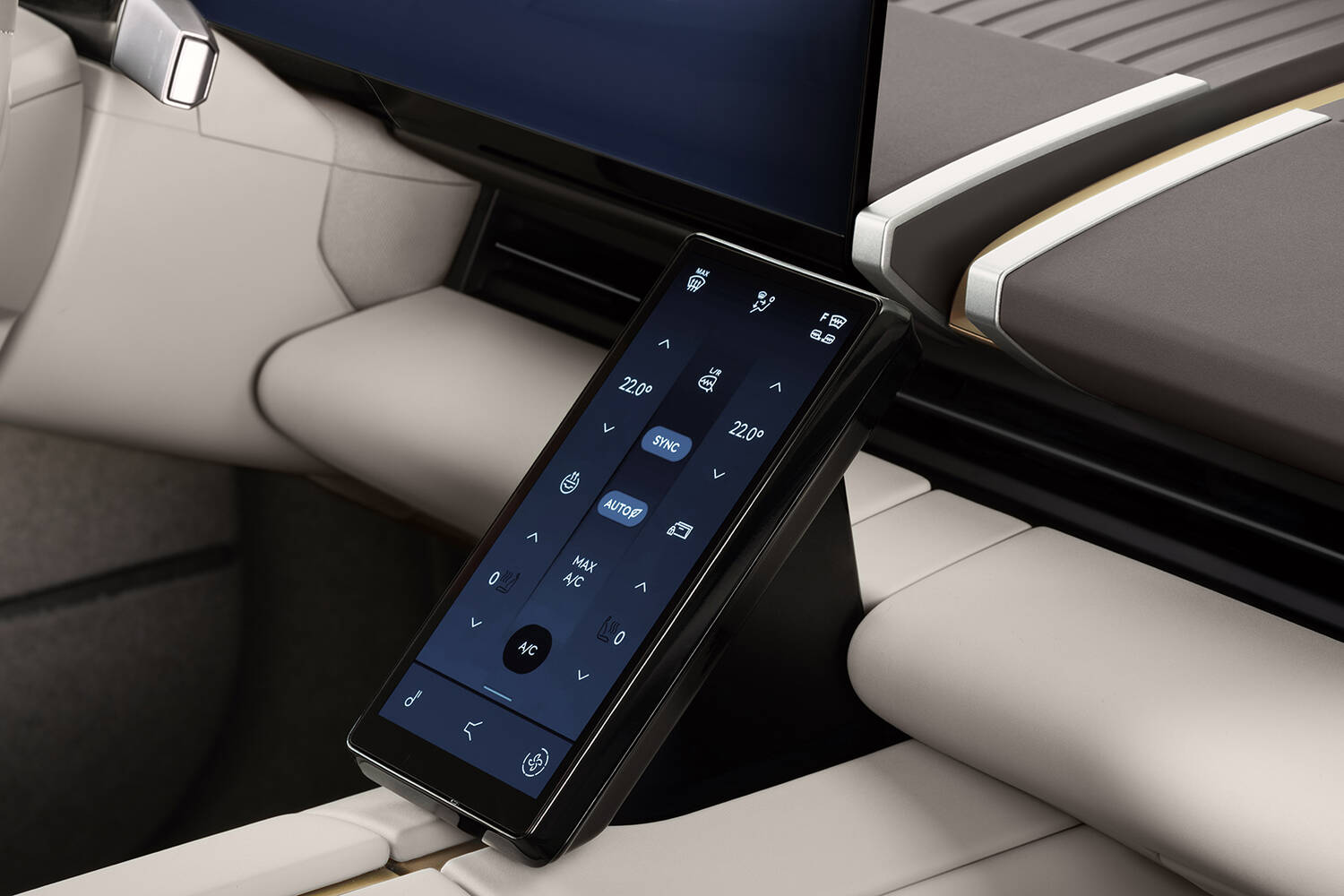
Minimalist aesthetic aside, it’s a shame there isn’t more physical switchgear.
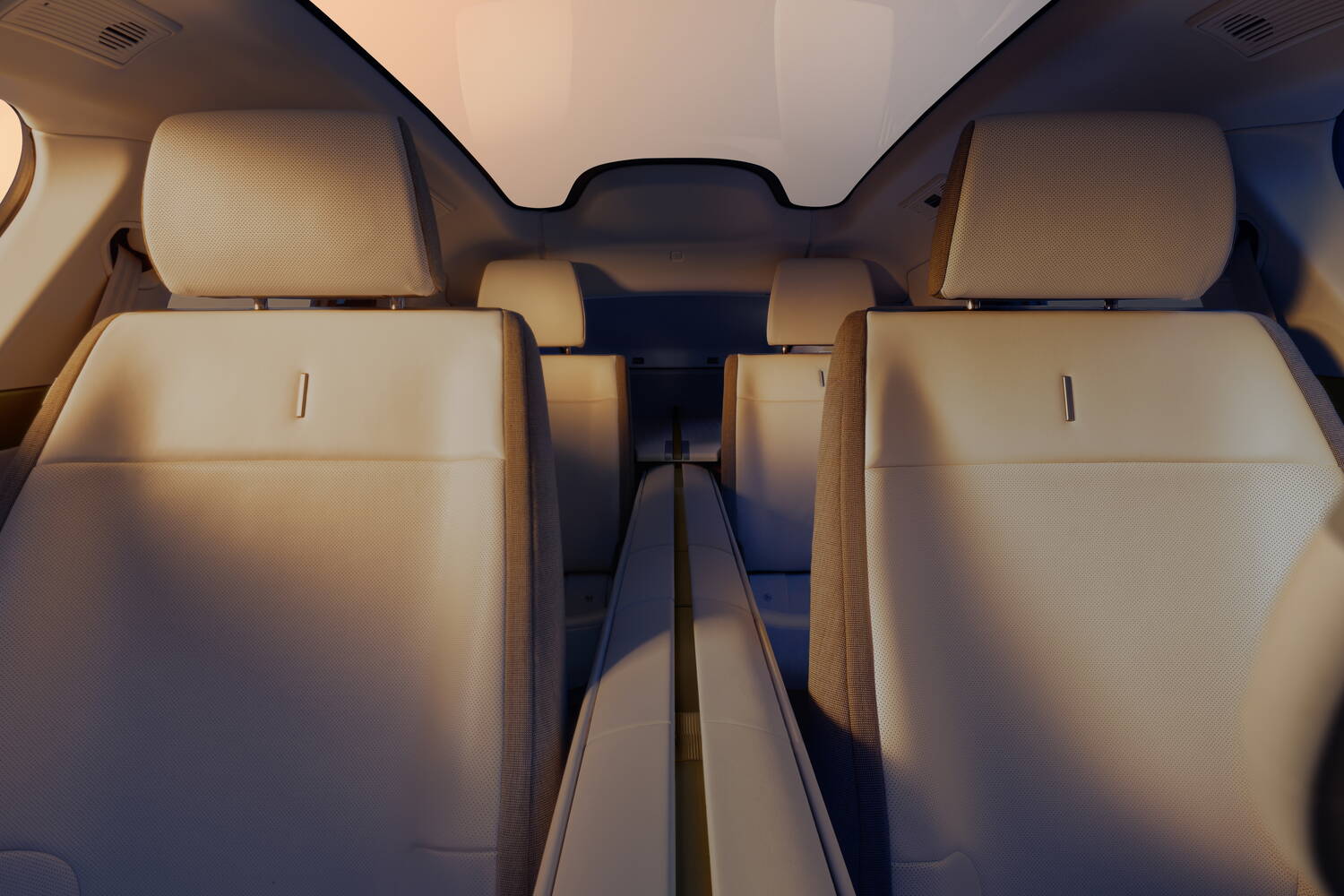
The centre console divides the cabin and is used to house some extra storage. Covers pivot to reveal two cupholders, and the armrest portion lifts to access a deep storage bin.
There is further open stowage beneath, and this area is also home to a wireless charging pad and USB-C ports.
What’s it like in the rear of the Type 01?
Getting into the rear seat does require some effort as the angles and apertures aren’t quite what you’d call generous. Once you’ve contorted yourself into the rear seat, it is a slightly unusual passenger experience.
To help create sufficient room, some of the battery cells have been removed and moved forwards, resulting in a better seating position for those in the back.
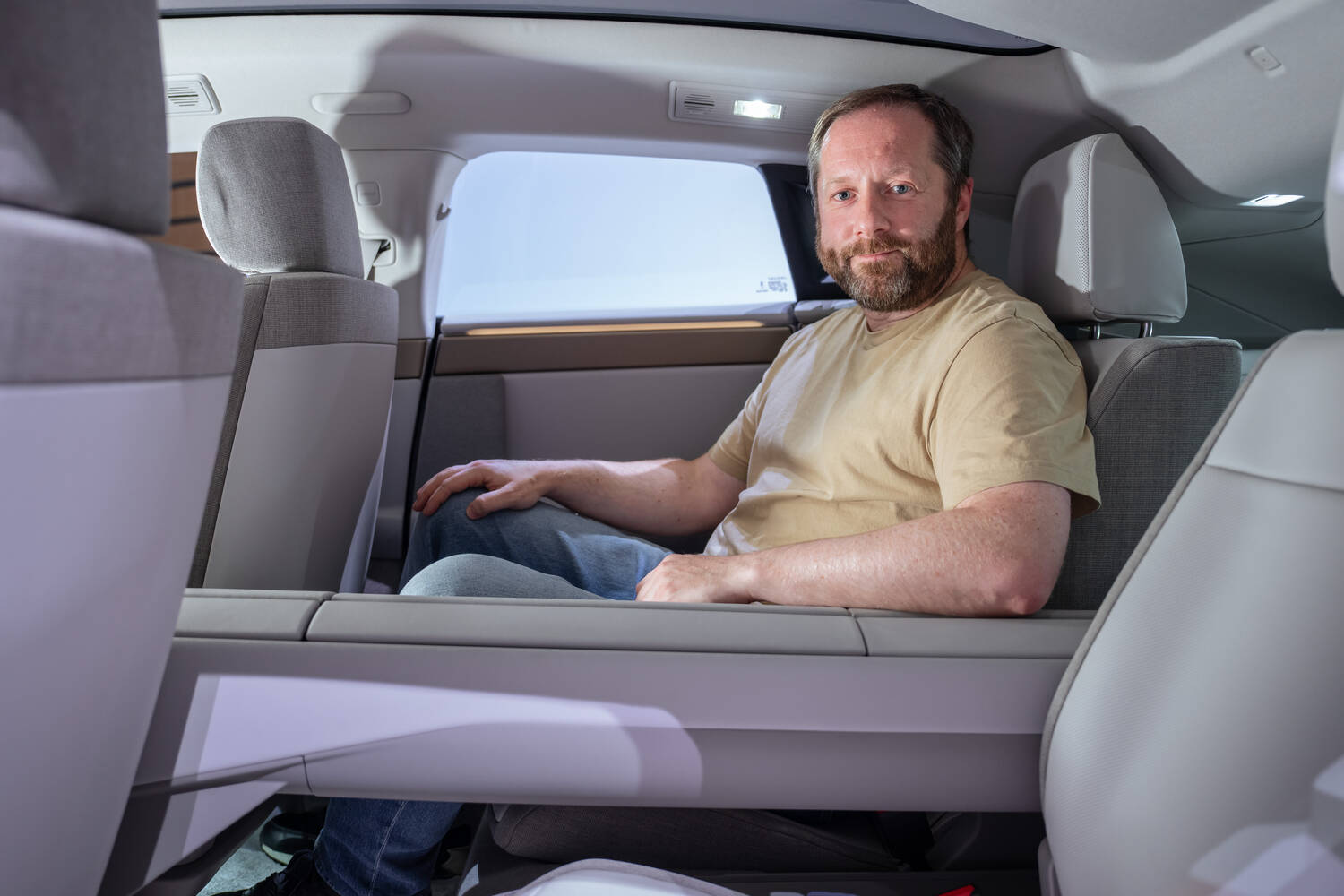
What is surprising is how there is no bulkhead between the rear seats and the boot space. The 450-litre boot has a wide and long floor but is shallow due to how the car’s sloping rear is designed.
On the one hand, it makes it easy for rear passengers to reach around and get something in the boot, but it could also make it tricky to prevent items from accidentally moving into the rear of the cabin. Presumably there’ll be solutions to that.
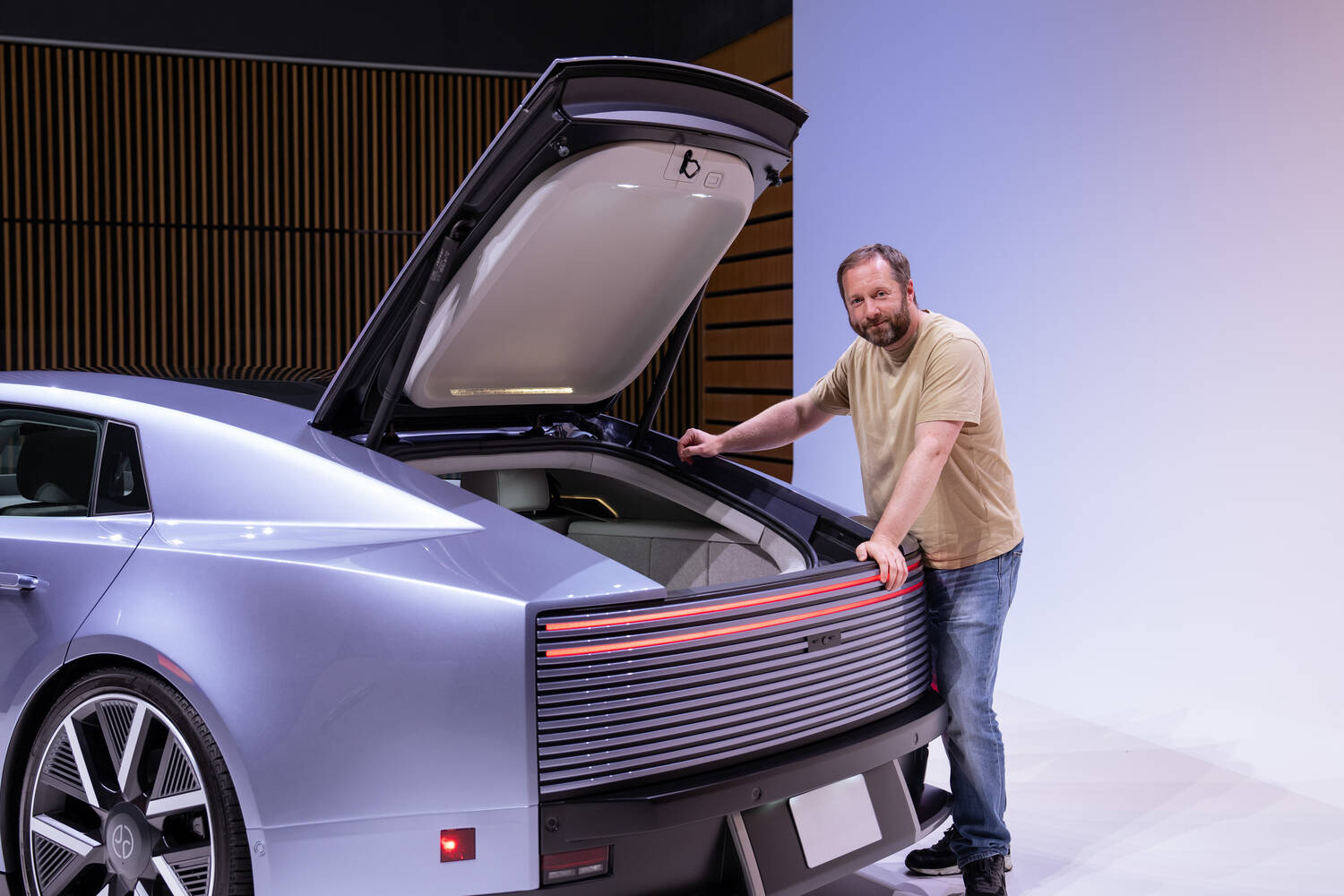
The rear seats can fold down to produce more space, resulting in up to 1,000 litres of cargo volume, so even though the Type 01 is presented as a luxurious grand tourer, you may still need to pack carefully.
What is the performance of the Jaguar Type 01?
The Type 01 is built on an entirely new platform called JEA (Jaguar Electric Architecture), which uses an 850-volt electrical architecture. A single electric powertrain is available in the Type 01, which is made up of a 118kWh battery and a tri-motor setup.
The front axle is powered by a 260kW electric motor, and at the rear are two 310kW motors. These collectively produce total outputs of 1,030hp and 1,365Nm of torque, resulting in rapid acceleration that sees the Type 01 launch from 0-100km/h in 3.2 seconds.
It has also been engineered to have massive amounts of power in reserve. That translates into impressive roll-on acceleration, and going from 100km/h to 180km/h takes only four seconds.
Jaguar says that the Type 01 has a WLTP driving range of 720 kilometres using 21-inch wheels or around 700 kilometres in the specification you see here.
It will charge up quickly too, adding up to 321 kilometres of range in as little as 13 minutes thanks to its 350kW peak DC-charge rate.
First deliveries of the Jaguar Type 01 are due to start in 2027. There is no confirmed pricing yet for Ireland.
If there is anything about this story we have not covered, you can avail of our expert advice service via the Ask Us Anything page.